


Abstract
Community-based organisations (CBOs) play a crucial role supporting clients during emergencies yet often lack adequate preparation. This study examined how Australian CBOs perceived and enacted dual responsibilities: ensuring service continuity during emergencies and facilitating person-centred preparedness for high-risk populations. A national cross-sectional online survey of community-based health and social care organisations was conducted between December 2021 and April 2022, employing strategic outreach and snowball sampling. Among 244 respondents, disability services (69%) and housing and homelessness services (27%) were the most common providers. Many organisations showed strong emergency preparedness, including comprehensive insurance, staff empowerment, and adaptive service delivery. Barriers to business continuity plans (BCPs) included resource constraints and limited emergency information access. Organisations with established networks and collaborations with emergency services demonstrated greater capacity for sustained service delivery (p < 0.001). Logistic regression analysis revealed local networking with emergency service agencies was positively associated with CBOs’ ability to support client preparedness (p < 0.001), while lack of tools (p = 0.007) and training (p = 0.037) limited capacity to facilitate person-centred emergency planning for high-risk populations. Embedding business continuity planning within operations and strengthening cross-sector collaboration can enable CBOs to fulfil their aforementioned dual responsibilities, while advancing sustainable organisational resilience and inclusive disaster risk reduction.
1. Introduction
High-risk populations, such as people with a disability, elderly and frail people, and those experiencing homelessness, are disproportionately affected by all kinds of natural and human-made hazards [1,2,3]. In Australia, systemic deficiencies, such as social isolation and discrimination, marginalise high-risk populations from mainstream social, economic and cultural participation [4,5]. These barriers impede their ability to prepare for, cope with, and recover from disasters as well as the COVID-19 pandemic [1,5,6,7]. Moreover, high-risk populations are more likely to live in areas susceptible to disasters [8,9,10,11]. They are also overwhelmingly excluded from emergency preparedness efforts at a community level [12]. In addition, the health and well-being of high-risk populations can deteriorate rapidly during and after emergencies due to disruptions in their regular healthcare access and social support networks [13,14,15,16].
Community-based organisations (CBOs) play a vital role in mitigating these risks. Through their routine services, they maintain a trusting relationship with high-risk clients and hold detailed knowledge of individuals’ needs, local hazards, and community resources [17]. This optimal position allows them to respond to both existing and newly affected clients, providing targeted support, such as homelessness assistance, job-loss assistance, financial aid, and trauma counselling during and after an emergency event [18,19].
Research indicates that community-based organisations often lack adequate preparation to effectively respond to natural hazards, human-made hazards, and health-related emergencies [19]. Small and medium-sized organisations face significant risk of prolonged business disruption or permanent closure due to damage to physical infrastructure (e.g., buildings, telecommunications, utilities, transport), workforce shortages (staff and volunteers), supply chain disruptions and increased operational costs [20]. Such disruptions can incur serious consequences, including homelessness, financial hardship, deprivation, hunger, adverse health outcomes and social isolation [19]. In a worst-case scenario, these disruptions can even be life-threatening, particularly for individuals who rely heavily on service providers for their daily personal and healthcare needs [19].
To minimise the likelihood of service disruption, CBOs must develop their resilience and create an effective business continuity plan (BCP) that details the measures to overcome specific challenges in maintaining essential services during and after an emergency event [21,22]. Business continuity plan (BCP) refers to a set of strategies, policies, and procedures that is carefully designed and regularly updated to guide an organisational response during service disruptions [23]. Its primary objective is to ensure the uninterrupted delivery of essential services until normal operations can be fully resumed [23]. The key elements of a BCP include a shared understanding of emergencies and their potential impacts; identifying essential services; conducting risk assessments; and regular testing and reviewing of the plan to adapt to emerging challenges [18,23,24].
Recognising the critical role of CBOs in strengthening emergency resilience among high-risk populations, the Australian National Disability Insurance Scheme (NDIS) Quality and Safeguarding Commission introduced a legislative amendment on 15 November 2021 [25]. This amendment states that all NDIS-registered providers should work with their clients to undertake risk assessments and should include preparedness strategies in their individual support plans [25]. This legislation also establishes the need for service providers to engage in emergency management and disaster recovery planning to ensure continuity of support and services to their clients [25].
However, it is unclear how CBOs perceived the importance and relevance of these roles. Furthermore, limited research has explored the barriers and facilitators that influence Australian CBOs’ ability to fulfil these responsibilities in ways that support sustainable organisational resilience and inclusive disaster risk reduction. To address these knowledge gaps, a national survey of Australian community-based health and social care organisations was conducted between December 2021 and April 2022. This cross-sectional survey sought to understand how CBOs perceived and enacted their dual responsibilities: enabling personal preparedness with high-risk client and ensuring service continuity following a hazard event. This survey was designed to answer the following questions:
- How have extreme hazard events impacted CBOs’ businesses and their clients in the past ten years?
- What are CBOs’ intentions and capabilities for facilitating personal emergency preparedness with high-risk clients?
- What strategies have CBOs taken to prepare their business for emergencies?
- What organisational characteristics and preparedness strategies are instrumental to service continuity?
- What are the facilitators and barriers to the fulfilment of the aforementioned dual responsibilities?
By identifying organisational strategies that support continuity of care and inclusive emergency planning, this research contributes to sustainability by strengthening social infrastructure, reducing vulnerability, and promoting equitable access to essential services during crises. These resilience-building practices align with the Sendai Framework for Disaster Risk Reduction 2015–2030, which promotes inclusive risk governance, prioritisation of high-risk populations, and integration of disaster risk into sustainable development [26]. They also reflect Australia’s commitment to a resilient and sustainable future, as articulated in the National Midterm Review of the Sendai Framework, which advocates for coordinated, risk-informed approaches to address systemic deficiencies and embed disaster risk reduction into routine decision-making across all sectors [27].
Within the context of service continuity in community-based health and social care organisations, the term “emergency” refers to any incident that disrupts service provision, including natural hazard emergencies (e.g., flood, bushfire, cyclones), human-made emergencies (e.g., housefire, chemical spills), infectious disease outbreaks, epidemics, and pandemics [28]. To maintain consistency throughout the paper, these events will be collectively referred as “emergency” or “emergencies”.
2. Materials and Methods
2.1. Questionnaire Design
The design of the questionnaire was informed by a scoping review [24] that examined how community-based service providers can enable emergency preparedness for clients in the community and individual interviews with 18 Australian service providers on their experience of implementing personal emergency preparedness with their clients [29]. The survey consisted of three sections: “organisation profile”; “enabling emergency preparedness with clients”; and “business continuity planning”. The first section collected information about the respondent and their organisation, including the respondent’s job title and organisational characteristics such as sector (public, private, not-for profit), size, business structure, primary services, main client groups, number of active clients, typical service delivery mode (direct, indirect, or a combination), and emergencies that have affected the organisation in the past decade.
The next section of the questionnaire assessed intentions and capacities of CBOs to facilitate emergency preparedness actions for high-risk clients and their families. Ten activities were established as key indicators of how well organisations enable their high-risk clients to prepare for emergencies.
Additionally, respondents were presented with seven potential barriers identified from literature and asked to rank the top three factors that most limited their engagement in supporting clients with emergency preparedness. These seven barriers were: “It is not in our organisation’s mission statement or strategic plan”; “There is no emergency preparedness policy in our organisation”; “Our staff do not have adequate training in emergency preparedness”; “We don’t have the adequate tools to engage in emergency preparedness planning with clients”; “We do not have enough time to include emergency preparedness activities as part of our services”; “There is insufficient funding for us to include emergency preparedness responsibilities as part of our services”; and “Clients are unwilling to engage in emergency preparedness”. Internal consistency reliability for this section was examined using Cronbach’s alpha (α) to evaluate whether the items collectively measured a coherent underlying construct.
The last section assessed organisational emergency preparedness with a focus on service continuity planning. Respondents were asked to indicate their level of agreement with a series of statements related to organisational emergency preparedness. Example statements included: “Our staff (and volunteers) are well prepared to cope with an emergency event at home and at work”; and “Our organisation is well networked with emergency service agencies, such as the police, fire brigade, State Emergency Services (SES) and/or ambulance services”. Internal consistency reliability for this section was also examined using Cronbach’s alpha (α) to confirm that the items measured a coherent underlying construct. This section also included open-ended questions to identify challenges in developing and implementing a comprehensive business continuity plan aimed at maintaining client support before, during, and after an emergency. Additionally, respondents were asked to specify the resources, tools, or training needed to strengthen their business continuity planning.
The questionnaire was reviewed and tested by service providers to ensure understanding and appropriateness. Only minor refinements were made to the survey layout prior to its dissemination. The final version of the questionnaire is available in Supplementary Material. This survey study was approved by the Human Research Ethics Committee at The University of Sydney (Project number: 2021/113).
2.2. Data Collection
Potential participants were community-based social and healthcare organisations across Australia. To capture diverse perspectives from the sector, survey invitations were distributed to a wide range of organisations identified through several national registries, including Health direct (a government-supported directory of health and community services), the National Disability Insurance Scheme (NDIS)-registered provider directory, and the Department of Social Services (DSS) grants service provider directory. Invitations were also extended through peak bodies representing disability and community service providers, as well as housing and homelessness service networks.
Recruitment occurred through multiple channels, including direct email invitations, social media posts, and dissemination at stakeholder engagement meetings, workshops, and webinars on disaster risk reduction. A snowball sampling approach was also applied, with participating organisations invited to share the survey through their networks. While participation was voluntary and not based on random selection, this multi-source recruitment strategy was designed to maximise diversity and representation across service types, organisational sizes, and jurisdictions. The survey was administered via a web-based, self-administered platform between December 2021 and April 2022.
2.3. Data Analysis
Descriptive statistical analyses were conducted using Microsoft Excel spreadsheet to explore sample characteristics and distribution of responses. Categorical characteristics were described using frequencies and percentages. Numerical variables were described using mean and standard deviation (SD). Missing data were not imputed; analyses were conducted using available data only.
Inferential statistical analyses were conducted using STATA SE (version 14). Multivariate regression analyses were carried out to explore factors associated with two types of outcomes: (1) the full implementation of each activity that enables high-risk clients to prepare for emergencies; (2) the organisation’s ability to deliver an adequate level of services to clients during emergencies.
Logistic regression analyses were used to examine factors associated with the full implementation of activities supporting personal emergency preparedness among high-risk clients. To prepare the outcome variables, survey responses were recoded to create binary variables. Specifically, the original response options (“Done all of this already”, “Done some of this already”, “Could do this in the future”, and “Could not do this”) were collapsed into a dichotomous variable: responses of “Done all of this already” were coded as “Yes”, while all other responses were coded as “No”.
Independent variables in these models included organisational characteristics (e.g., sector, size, type of services provided, past emergency experiences, remoteness), as well as potential barriers to emergency preparedness engagement with the people they support (e.g., inadequate training, inadequate tools). Barrier rankings were converted into numeric scores, with 3 points assigned to the top-ranked barrier, 2 points to the second-ranked barrier, and 1 point to the third-ranked barrier. Measures of organisational business continuity planning (e.g., collaboration with other organisations for emergency preparedness, assisting emergency services to understand clients’ needs) were also included.
Ordered logistic regression analyses were conducted to examine factors associated with the organisation’s ability to deliver an adequate level of services to clients during emergencies. This outcome variable was based on the survey item: “How much do you agree or disagree with the following statement: We are able to deliver an adequate level of services to our clients in case of natural hazards, pandemics, and other types of emergencies (e.g., house fires, power outages, telecommunication breakdowns)”. Responses were measured on a five-point Likert scale ranging from “Strongly disagree” to “Strongly agree”.
Independent variables for this analysis included indicators of organisational preparedness actions outlined in part three of the questionnaire, such as staff preparedness, staff decision-making capacity, networking with emergency services, advocacy for client needs, community collaboration, business continuity plan, and insurance coverage.
An “other” option was provided to respondents to describe the barriers that had not been included in the ranking question. The “other” responses and all non-numeric responses to the open-ended questions were thematically analysed using NVIVO software (version 12), which is specifically designed for qualitative and mixed-methods research [30]. Two researchers (IY and BS) independently coded the responses to open-ended questions and identified the common themes. Afterwards, the research team members (MV, IY, BS and FN) worked together to discuss and interpret the findings from the independent coding. All team members (MV, JC, IY, BS and FN) agreed on the final themes that emerged from qualitative analysis.
3. Results
3.1. Organisation and Client Profile
Of the 244 responding organisations, about half of them (51%) were not-for-profit organisations; 47% registered as a company, and 39% were in medium sized organisation with employee numbers between 20 and 199. Just over half of those surveyed (55%) stated that they typically provide direct service delivery to their clients. Disability service (69%) was identified as the most provided service, followed by housing and homelessness services (27%). Most of the responding organisations (76%) reported that their main client group were people with disability. Other frequently reported client groups included people experiencing mental health issues (35%) and people experiencing homelessness (29%) (see Table 1).
Table 1.
Organisation and client profiles.
3.2. Service Continuity and Clients’ Wellbeing
Only 7% of those surveyed reported that their organisations had not been impacted by any hazard events in the past ten years. Others were mostly impacted by pandemic (81%), flood (33%), severe storm or cyclone (29%), and bushfire (23%) (see Figure 1).
Figure 1.
Emergency events impacted business in the past 10 years (Data elicited from a multi-select multiple choice question).
When asked how the past hazard events impacted on business and clients, the following themes recurred throughout the responses, which are detailed in Table 2 and discussed here.
Table 2.
Impacts of emergency events on business and clients.
3.2.1. Infrastructure and Property Damage
Damage to facility infrastructure impacted business continuity, with even incidents like roof leaks leading to electrical equipment breakdowns and disruptions to basic services. Similarly, damage to facility vehicles during hazard event impacted transportation services for clients. Sometimes organisations had to relocate to temporary locations for extended periods, posing challenges to their ability to support their clients. Similarly to natural hazard emergencies, human-made emergencies such as premises fires also impacted service continuity. Premises fires in supported accommodation properties led to prolonged vacancies, impacting the business financially. Participants highlighted that these challenges extended beyond property damage and repair costs, encompassing future risks like insurers growing reluctance to cover housing properties due to frequent fire incidents in the past decade.
3.2.2. Utility and Supply Chain Disruption
Prolonged power and Wi-Fi outages in times of emergencies disrupted business operations and posed significant risks for clients relying on power-dependent equipment to maintain their health and well-being. Additionally, many emergency accommodations lacked air conditioning, causing significant discomfort and potential health risks for the clients moved to the temporary shelters during hot summer with temperatures soaring to 40 degrees. Similarly, supply chain disruptions during the COVID-19 pandemic hindered access to essential supplies such as personal protective equipment (PPE) and rapid antigen test (RAT) kits. These supply shortages interrupted service provision, increased operational costs, and reduced the ability to respond effectively during emergencies.
3.2.3. Increased Demand for Services and Support
Services faced challenges in providing increased support needs, including increased requests for material aid, crisis accommodation, emergency housing arrangements, mental health support, domestic violence support, and employment assistance. This surge in demand enhanced staff workload and strained the organisations’ capacity to maintain consistent care and support for their clients.
3.2.4. Workforce and Staffing Challenges
Workforce and staffing challenges were primarily due to staff being personally affected by emergency events, difficulties in traveling to workplace and client locations due to road closures. Furthermore, during the COVID-19 pandemic, prolonged service interruptions combined with vaccination mandates led to considerable employee losses in some organisations. To overcome staff shortage organisations often increased staff workhours and recruited locum staff, resulting in workforce fatigue and additional financial costs, respectively. Moreover, organisations experienced a loss of organisational knowledge due to high staff turnover, making it challenging to maintain a well-trained and informed workforce. These factors adversely affected the organisations’ capacity to deliver targeted support, particularly by experienced staff with specialised expertise in client care and complex needs.
3.2.5. Isolated Clients in Need
Emergency events disrupted physical access to services and support, leaving clients in need isolated. Isolation during the COVID-19 pandemic significantly impacted clients’ psychosocial well-being, contributing to increased distress and worsening mental health conditions. The pandemic caused widespread service interruptions, prompting many providers to transition to telehealth or remote work. This shift was not always suitable for all clients, particularly the elderly, children, and individuals with disabilities.
Furthermore, the constantly changing health orders during the pandemic complicated operational management and increased safety risks for clients. Housing service providers faced challenges to support homeless individuals during peak COVID periods and lockdowns. The routine methods of outreach and support services became increasingly difficult to implement due to social distancing requirements. Additionally, the ability to make effective referrals was compromised, with no guarantees that other organisations could support the referrals.
3.3. Enabling Emergency Preparedness with High-Risk Clients
This section of the survey sought to investigate respondents’ intentions and capacities to facilitate emergency preparedness with high-risk clients through the activities outlined in Table 3. Cronbach’s alpha of 0.89 indicates that the ten activities reliably measure a single underlying construct. To briefly summarise, the two most common activities that had been implemented fully were: “Identify clients who are at risk in an emergency (59%)” and “Make referrals to community services that can help them to enhance their emergency preparedness (43%)”. On the other hand, the two most frequently reported activities that respondents felt they could not implement were: “Practice emergency drills with clients (26%)” and “Provide formal support or education to clients to increase their active participation in emergency preparedness (14%)”.
Table 3.
Intentions and capacities of community-based organisations to facilitate emergency preparedness activities with high-risk clients (n = 244).
Table 3 also presents factors significantly associated with the full implementation of each activity, as identified through binary logistic regression analyses. Notably, organisations that reported networking with local emergency service agencies and helping these agencies understand clients’ needs during and immediately after an emergency event had higher odds of fully implementing a range of activities supporting clients’ emergency preparedness. In contrast, organisations operating in the allied health sector and those reporting inadequate tools or training in emergency preparedness had lower odds of full implementation across several activities.
Respondents were asked to rank the top three barriers that limited their organisation from engaging in emergency preparedness with their clients. After converting the rankings into scores, as described in Section 2, the barriers that received the highest scores were “There is insufficient funding for us to include emergency preparedness responsibilities as part of our services”, “We do not have enough time to include emergency preparedness activities as part of our services”, and “Clients are unwilling to engage in emergency preparedness.” Interestingly, insufficient funding and clients’ unwillingness were not identified as significant factors that would have negative influence on the implementation of the enablement activities outlined in Table 3.
Open-ended responses revealed diverse organisational strategies and challenges in enabling emergency preparedness of high-risk clients. The strategies adopted by organisations include engaging with clients’ formal and informal support networks and providing high-risk clients with educational materials (e.g., the Person-Centred Emergency preparedness (P-CEP) booklet) and resources (e.g., emergency supply packs) (see Table 4). While dissemination of emergency preparedness materials demonstrates an intention to promote preparedness, it is crucial to recognise that the mere distribution of preparedness materials does not equate to comprehensive preparedness support. Effective engagement necessitates a person-centred approach that encompasses active facilitation, discussion, and capacity-building tailored to individual risk profiles and support needs [24,32].
Table 4.
Strategies and barriers in supporting emergency preparedness for high-risk clients.
In addition, participants cited various factors limiting organisational engagement in emergency preparedness planning with their clients. The following themes recurred frequently in the participant’s responses: Emergency preparedness is considered “out of scope”; and Challenge in engaging with clients with cognitive impairment and people experiencing homelessness (see Table 4).
3.3.1. Emergency Preparedness Is Considered “Out of Scope”
Participants identified several factors contributing to this perspective. They emphasised that organisational focus on addressing clients’ primary and immediate support needs, often do not align with emergency preparedness objectives. Additionally, various service-related constraints reportedly impede their ability to incorporate comprehensive emergency preparedness measures with high-risk clients. For example, the contractual delivery model narrows the scope of services, limiting service providers’ ability to participate in emergency preparedness measures. The short-term nature of client engagements further complicates long-term planning efforts, as providers lack sufficient time to develop and execute robust emergency strategies. Moreover, virtual operations models also hindered in-person engagement which some respondents viewed as crucial for effective emergency preparedness planning.
3.3.2. Challenge Engaging with Clients with Cognitive Impairment and People Experiencing Homelessness
Respondents cited that emergency preparedness conversations sometimes trigger anxiety and discomfort for clients with cognitive challenges, as these discussions often involve envisioning distressing or uncertain scenarios. This uncertainty can amplify fear and stress, leading to clients’ reluctance to engage. Furthermore, clients with intellectual disabilities often struggle to comprehend or retain emergency instructions, adding an additional layer of complexity to emergency preparedness. Similarly, engaging people experiencing homelessness in emergency preparedness activities presents notable challenges. The transient nature of clients in housing and homelessness services was reported as a challenge to identify, engage, and follow up with this high-risk group. One housing service provider noted that despite having comprehensive emergency planning in place, they struggle to effectively reach out to clients, underscoring the multifaceted challenges in emergency preparedness for individuals experiencing homelessness.
3.4. Factors Influencing Organisational Emergency Preparedness and Business Continuity Planning
This section of the survey assessed organisations perceived capacity and readiness to maintain service delivery and support clients during emergencies. The internal consistency of the eight items outlined in Figure 2 was high (Cronbach’s α = 0.83), indicating that the statements collectively measured a coherent underlying construct of organisational emergency preparedness.
Figure 2.
Emergency management strategies employed by community-based health and social care organisations (n = 244).
More than three quarters (78%) of respondents strongly agreed or agreed that they were able to deliver an adequate level of services to their clients during natural hazards, pandemics and other types of emergencies. Our multivariate ordered logistic regression modelling revealed that this ability was positively associated with: “our services are important to clients as they are beyond the reach of other services” (AOR = 7.77, p < 0.001, 95% CI: 2.62–23.09 in the “strongly agree” group, in reference to “strongly disagree” group), “our staff is able to make quick and confident decisions without senior managers available in times of emergency” (AOR = 7.88, p = 0.045, 95% CI: 1.05–59.02 in the “strongly agree” group, in reference to “strongly disagree” group), and “our organisation is well networked with emergency service agencies “ (AOR = 8.44, p < 0.001, 95% CI: 3.05–23.36 in the “strongly agree” group, in reference to “strongly disagree” group).
The majority of responding organisations demonstrated a high level of organisational emergency preparedness that could minimise the likelihood of service disruption during a hazard event. The top two box bar chart (see Figure 2) presents the percentages of “strongly agree” and “agree” responses from the five-point Likert scale questions concerning emergency management strategies. The most implemented strategy was “fully insured against business interruption and the loss of assets caused by a natural disaster event (77%)”, while the least implemented strategy was “collaborating with other community organisations to prepare for disasters or emergencies” (49%).
Respondents also highlighted several factors influencing organisational emergency preparedness and service continuity planning through the open-ended question. Participants identified several factors facilitating their organisational emergency preparedness and service continuity (see Table 5). For instance, prioritising emergency preparedness, leveraging past disaster experiences, and conducting regular risk assessments with clients to address their specific support needs enabled organisations to maintain essential services during emergencies.
Table 5.
Enablers to develop and implement organisational emergency preparedness and business continuity plan.
Several organisations reported greater resilience by successfully transitioning to remote work, maintaining ongoing awareness of potential threats, and leveraging support from government, community and peer networks to sustain services during emergencies. These enablers highlight the importance of proactive preparedness, flexible strategies and community collaboration in minimising the impacts of emergencies and ensuring service continuity.
Participants also reported several factors impeding their ability to enhance organisational resilience through developing and implementing BCP. Frequently mentioned barriers and indicative quotes are outlined in Table 6. Each of these barriers are discussed in detail here.
Table 6.
Barriers to develop and implement organisational emergency preparedness and business continuity plan.
3.4.1. Challenges in Planning for a Rapidly Changing Environment
The constantly changing environment posed significant challenges in anticipating risks, updating and executing the service continuity efforts. Planning was especially challenging for services that work with diverse client groups and in a range of locations. Rapidly evolving circumstances necessitated frequent updates to risk assessments demanding additional time and resources, while also amplifying administrative burdens and coordination difficulties with government and emergency agencies. Additionally, constantly changing public health policies, vaccination mandates during the COVID-19 pandemic presented significant challenges in maintaining operational stability and workforce availability. Furthermore, with rapid transition to virtual care provisions, service providers faced communication issues, especially with elderly clients in remote areas with little to no technological support.
3.4.2. Resource Constraints
Participants reported that resource constraints including limited time, inadequate financial support, and insufficient knowledge and expertise in emergency preparedness planning hindered organisational capacity to develop and implement a comprehensive BCP. Maintaining a skilled workforce was an additional challenge, particularly during times of high staff turnover. During emergencies, CBOs often relied on casual or locum workers, many of whom were unfamiliar with internal emergency protocols and lacked prior training, leading to inconsistencies and/or delays in response efforts. In addition, time and financial constraints also limited organisations’ capacity to offer emergency preparedness training to their staff and engage in organisational emergency preparedness initiatives.
3.4.3. Limited Access to Emergency Information and Guidelines
Without clear, comprehensive emergency information and guidance, many CBOs were unable to anticipate and plan for potential emergencies. Concerns were also raised about obtaining up-to-date information about accessible emergency accommodation that can adequately meet their clients’ needs, particularly for individuals with disabilities. Organisations reported minimal to no involvement in developing and reviewing local and/or state emergency plans and related legislation, creating a disconnect between high-level planning and the realities experienced by CBOs.
3.4.4. Inadequate Drills and Revisions
Despite having a comprehensive BCP in place, CBOs often find it challenging to regularly practice and review the plan. This difficulty reportedly stems from resource constraints, competing priorities, or a lack of dedicated personnel to oversee BCP management. This lack of routine testing and revisions potentially increases the risk of the plan becoming inadequate or failing to address emerging risks during actual emergencies.
3.4.5. Lack of Collaboration with Other Organisations
Organisations often operated in silos limiting opportunities for collective planning, resource sharing, and developing integrated strategies that could strengthen organisational resilience. Participants also expressed concerns about inadequate support from other healthcare organisations, noting instances where local hospitals refused to approve referrals or admit patients in times of emergency, further complicating the response efforts. Limited engagement with emergency services further compounded these issues, contributing to disruptions in communication and coordination among these key stakeholders and hindering effective preparedness and response efforts.
3.5. Resources Needs for Developing and Implementing Business Continuity Plan
Respondents identified several key resources, and support needs essential for developing and implementing BCP, which are detailed in Table 7 and discussed in this section.
Table 7.
Resources, tools or training needed to develop and implement a business continuity plan.
3.5.1. Strengthening Cross-Sector Collaboration and Peer Support
Respondents highlighted the need for strategic partnerships across the sectors to enhance organisational capacity to engage in emergency preparedness and service continuity planning. This included calls for shared resources and partnerships with other community organisations and local councils to leverage collective expertise and capabilities. They also underscored the critical role of peak bodies in providing guidance and resources to enhance organisational capacity in developing and implementing comprehensive BCPs.
Moreover, the importance of peer support was also highlighted, with suggestions for creating an online platform where organisations could share success stories and best practices for service continuity. Respondents further emphasised the importance of emergency sectors proactively building relationships with local community organisations to ensure the unique needs of people with disabilities are recognised and addressed by embedding disability-inclusive practices into emergency management systems.
3.5.2. Tailored Training and Leadership Support
Equipping staff with specialised training in emergency risk analysis and educating them with the legal and operational obligations were considered essential for enabling timely, informed decision-making in crisis situations. Participants stressed the significance of expert advice from individuals with practical experience in various disaster scenarios to help review and strengthen business continuity plans. They underscored the necessity for practical tools, step-by-step guidance, and dedicated funding to support regular training, drills, and preparedness planning and implementation activities. Online training, leadership support and real-time feedback from experienced individuals were also proposed as effective means to enhance staff capacity to address implementation challenges.
3.5.3. Financial Support
Participants stressed the importance of pre-disaster investment to enable proactive preparedness and service continuity measures. They underscored the necessity for dedicated funds to create personalised emergency plans, especially for clients with complex needs, and to involve relevant stakeholders in the planning process. Participants also emphasised the crucial need for ongoing financial investment in developing accessible and user-friendly education and training materials to enhance staff preparedness and enable organisations to respond effectively to various crisis scenarios.
3.5.4. Accessible Tools and Templates
There was a strong demand for practical tools and templates that ensure no critical element of BCP is overlooked, while also promoting inclusive and sustainable business continuity planning. Participants highlighted the need for user-friendly templates, checklists, and planning frameworks that are accessible online, adaptable to various service sizes, and effectively guide users through essential preparedness elements. Additionally, respondents asked for sector-specific resources from agencies such as the Department of Health, and emergency services to aid small organisations in developing robust business continuity plans.
4. Discussion
This study marks the first national exploration of the dual responsibilities of community-based health and social care organisations in Australia, concentrating on their role in facilitating person-centred emergency preparedness for high-risk clients and ensuring service continuity during emergencies. This survey offers a foundational opportunity to understand the capabilities of Australian CBOs in emergency preparedness and to advance their contributions to sustainable development strategies that uphold the principle of “leave no one behind” (UN General Assembly A/RES/70/1) [33]. This principle connects the Sustainable Development Goals with inclusive disaster risk reduction, underscoring the importance of engaging high-risk groups in resilience-building efforts [33].
The findings form this study provide insights into the impact of emergency events on CBOs and their clients, the factors influencing organisational emergency preparedness and service continuity planning, and CBOs’ intentions and capabilities for enabling emergency preparedness with high-risk clients, along with the factors affecting these efforts. Additionally, findings highlight organisational characteristics and preparedness strategies that were instrumental for maintaining service continuity. To support interpretation and application of these findings, Table 8 summarises key findings mapped to the study’s research questions and focus areas.
Table 8.
Summary of findings mapped to the study’s research questions and focus areas.
4.1. Impact of Emergency Events on Business and Clients
Our findings reaffirm existing evidence [34,35] that emergency events exert multifaceted impacts on community-based organisations and their clients. Participants frequently cited infrastructure damage, supply chain disruptions, and workforce shortages as key factors that hinder a CBOs’ capacity to deliver uninterrupted services. These operational challenges were compounded by a surge in service demand during and after emergencies, placing additional strain on already stretched resources. Findings from this study indicate that emergency events also exacerbated access barriers for clients seeking essential support, as displacement, road closures, and transportation difficulties were frequently cited as impediments to care access.
In addition, survey respondents expressed concern about the high-risk populations during emergencies. They noted that when service access was disrupted during the COVID-19 pandemic, telehealth was often unsuitable for children, older adults, individuals with intellectual disabilities and individuals living in remote areas without reliable phone networks, National Broadband Network (NBN) infrastructure or internet access. Moreover, participants reported that they were unable to refer patients, as other services were similarly impacted during emergencies.
Respondents described how rapidly changing public health directives during COVID-19 pandemic created operational uncertainty, making it difficult to coordinate care across organisations. In some cases, referrals were unable to proceed due to widespread strain across the sectors, further exacerbating barriers to service access. This aligns with existing literature [36,37,38], which indicates that disruptions to interconnected support systems disproportionately affect populations dependent on multiple services to maintain their health and well-being. These complex and interdependent challenges underscore the importance of strengthening organisational resilience through proactive emergency preparedness and business continuity planning [39,40].
4.2. Organisational Emergency Preparedness to Ensure Service Continuity
Participants in this study demonstrated a high level of organisational emergency preparedness. Key preparedness measures implemented included comprehensive insurance coverage, staff empowerment for rapid decision-making, and workforce capacity building to effectively address stress and uncertainty amid service interruption. In addition, several organisations demonstrated resilience by successfully implementing BCP actions such as transitioning to remote work, maintaining ongoing awareness of potential threats, and leveraging existing resources from government and community networks to sustain services during emergencies. These findings align with existing literature, emphasising the role of CBOs’ in ensuring financial stability [35]; dedicating resources and efforts in development and implementation of comprehensive BCP [41]; and enhancing staff capability [35] and adaptability in the face of service interruptions [40].
The multivariate ordered logistic regression analysis conducted in this study identified additional preparedness strategies that were instrumental for maintaining service continuity. Notably, organisations capable of delivering essential services when regional support systems were unavailable demonstrated a significantly higher likelihood of providing adequate level of services during emergencies (p < 0.001). Similarly, CBOs with established networks and collaborations with emergency service agencies exhibited enhanced capacity for sustained service delivery during crises (p <0.001). These insights can assist CBOs in prioritising their preparedness efforts by emphasising internal capacity building and fostering strategic partnerships to enhance their overall resilience and ability to sustain service disruptions.
While many participating organisations demonstrated strong preparedness, several organisations reported interconnected barriers impeding their capacity to develop and implement BCPs. Resource constraints were frequently cited, with survey respondents highlighting challenges in allocating sufficient time, personnel, and financial resources to develop and implement BCPs. Respondents reported that activities such as conducting drills and revising plans require dedicated time and staff that are often difficult to allocate amid competing service demands. Furthermore, siloed approaches among health and social care organisations were also cited as a key barrier. This isolation amplified the effects of limited resources and information access, as organisations missed opportunities to share knowledge and resources, and ensure coordinated responses during crises.
Another key barrier cited by participants in this study was the challenge of preparing for dynamic and evolving emergency scenarios. This reflected a lack of knowledge and skills needed to develop comprehensive business continuity plans that can anticipate, accommodate, and adapt to complex conditions. The Sendai Framework for Disaster Risk Reduction (2015–2030) reinforces the need for comprehensive preparedness by advocating for an all-hazards approach to emergency planning, which includes understanding diverse risks, strengthening disaster risk governance, and investing in system-wide resilience [26,42]. These principles offer valuable direction for enhancing organisational capacity to plan for uncertainty and respond effectively to a broad range of emergencies [26,42].
Survey participants noted that infrequent drills and revisions of existing plans constrained CBO’s capability to identify and address gaps in existing BCPs before emergencies. Limited access to emergency information and guidelines, combined with minimal participation in the decision-making process of local or state emergency plans, contributed to a significant information deficit. These knowledge and communication gaps, coupled with resource constraints, hindered the ability of CBOs to ensure essential services for clients and allocate their already limited resources effectively.
Recognising these challenges, several organisations identified the need for cross-sector collaboration and the development of accessible emergency preparedness tools and resources that can be adapted across diverse organisational contexts. This reflects insights from prior research [40,42], which highlight that strategic partnerships with local networks can enhance organisational capacity by promoting collective resilience and shared resource management. Prior study recommended that organisations should pre-identify alternative suppliers and establish partnerships with nearby suppliers to mitigate supply chain disruptions [40]. These actions leverage community assets while fostering shared responsibility, partnerships, and coordinated emergency responses [40,42].
In addition, existing literature suggests that regularly reviewing and updating risk information and response strategies, along with incorporating lessons from past emergencies and/or best practices, is crucial for minimising the impact of emergencies [43,44]. This proactive approach ensures that emergency plans remain effective, relevant, and adaptable to evolving threats, ultimately enhancing the organisations’ resilience and ability to mitigate potential disruptions to business continuity [43,44].
Participants in this study also recognised the critical role of peak bodies in providing guidance and resources to enhance organisational capacity in developing a comprehensive BCP, highlighting the emphasis of peer support and collaboration in enhancing organisational resilience. They underscored the need for dedicated funding to support regular training, drills, and preparedness planning and implementation activities. Furthermore, participating CBOs identified the need for an online platform where they could share success stories, best practices, and resources to support smaller organisations in developing robust business continuity plans. They also emphasised the necessity of emergency sectors proactively building relationships with local CBOs to ensure that the unique needs of people with disabilities are recognised and addressed by embedding disability-inclusive practices into emergency management systems.
Findings from this study reinforce the value of this collective approach, which not only streamlines the development of effective communication methods during disruptions but also fosters a culture of preparedness and awareness among staff and clients.
4.3. Person-Centred Emergency Preparedness with High-Risk Clients
The intentions and capacities to facilitate person-centred preparedness with high-risk clients varied across organisations. Findings from this study indicate that while many organisations concentrated their efforts to actively identify high-risk clients, they often encountered difficulties in conducting emergency drills and providing formal support to their clients to take an active role in emergency preparedness. Our logistic regression analysis revealed that networking with local emergency service agencies and facilitating their understanding of the clients’ needs during and after emergency events were positively associated with various enablement activities (p < 0.001). In contrast, the lack of adequate tools (p = 0.007) or training (p = 0.037) in emergency preparedness emerged as a significant barrier, negatively affecting an organisations’ capability to ensure person-centred preparedness for high-risk populations.
Survey respondents also emphasised the need for practical tools, step-by-step guidance, and dedicated funding to support regular training, drills, preparedness planning and implementation activities. Furthermore, our study identified that engagement in person-centred preparedness activities with high-risk clients was significantly lower among allied health professionals. This finding underscores a critical gap in the inclusion and capacity-building of allied health professionals within emergency preparedness frameworks.
Previous research has demonstrated that despite their essential role in supporting high-risk clients and maintaining continuity of care, allied health professionals are often excluded from formal emergency preparedness planning [41,43,45]. This highlights the need to integrate them into inclusive emergency management systems by recognising and leveraging their existing capabilities [41,43,45]. Building on these insights, our findings underscore the need to strengthen allied health participation through tailored training and interprofessional collaboration—ensuring emergency planning is inclusive and responsive.
Participants identified several other constraints impeding the ability of CBOs to enable emergency preparedness for high-risk clients including insufficient funding, lack of time, and clients’ reluctance to engage in preparedness activities. Additional barriers identified through the open-ended question suggest that emergency preparedness with high-risk clients is frequently regarded as “out of scope” by many organisations, as it is not included in their objectives.
In addition, organisations reported challenges in engaging in emergency preparedness activities with high-risk clients that require tailored approaches to emergency preparedness due to their unique support needs. For instance, clients with cognitive impairments may require extra support to comprehend or retain information about emergency preparedness. These insights reinforce the need for tailored communication strategies, repeated reinforcement, and the integration of client’s families and support networks in the emergency preparedness process.
These findings resonate with the results from a recent study that examined Australian individual service providers’ personal emergency preparedness, and their perspectives on their various roles in disaster risk reduction, including their capacity and willingness to facilitate preparedness planning with clients [46]. That study reported that limited funding, inadequate tools, and the exclusion of emergency planning from job descriptions were negatively associated with service providers’ ability to facilitate emergency preparedness with high-risk clients [46].
However, our logistic regression analysis found no significant association between insufficient funding or client unwillingness and the organisations’ ability to engage in emergency preparedness activities with high-risk clients. This finding warrants further investigation to understand the complex dynamics at play. Prior research has established the importance of integrating emergency preparedness activities for high-risk clients into existing operational frameworks through policy reform [42,47], strategic planning [42,48], and workforce knowledge and practical skills [24,46].
5. Recommendation
While financial, human, and skill limitations are common challenges for CBOs, this study underscores the need to prioritise emergency preparedness and business continuity planning as core organisational responsibilities. The Sendai Framework for Disaster Risk Reduction 2015–2030 provides a robust foundation for this approach, emphasising the strengthening of disaster risk governance, investment in resilience, and enhanced preparedness for effective response [26]. By adopting this framework’s principles in community-level action, organisations can transition from reactive crisis management to proactive preparedness strategies that empower high-risk populations and build sustainable organisational resilience [39]. A BCP plays a vital role in this transition, enabling organisations to anticipate, prepare for, respond to disruptions and maintain essential services [39,49].
Evidence suggests that effective business continuity plans must be context-specific, adapted to local conditions, and tailored to client needs [26]. However, without continuous review and update, a comprehensive BCP can fall short during emergency [39]. This entails implementing a systematic review process that assesses existing strategies, identify potential gaps or weaknesses, and incorporates new insights or best practices [39,49]. By integrating BCP review into routine operations, organisations can ensure their plans remain relevant and responsive to evolving threats and client needs.
Disaster risk reduction requires empowering high-risk individuals with the knowledge, resources, and active support needed to plan for and respond to emergencies [26]. It also demands their meaningful inclusion across all stages of the disaster management cycle to ensure that strategies are effective and person-centred [26,42]. This study highlights the tension between the perceived roles and responsibilities of Australian community-based health and social care organisations in emergency preparedness planning for high-risk clients. Despite their direct client interactions, they often perceive emergency preparedness is beyond their scope as it was not included their organisational policy [46].
Addressing this policy gap, recent amendments in Australia’s National Disability Insurance Scheme legislation mandates disability service providers to actively engage their clients in emergency preparedness planning and management [50]. Furthermore, the upcoming national policy amendments under Australia’s new Aged Care Act, set to take effect in November 2025, reinforce the sector’s pivotal role in fostering person-centred emergency preparedness [51]. These reforms explicitly acknowledge the rights of older individuals to engage actively in planning and decision-making throughout all phases of the disaster management cycle [51]. By reinforcing the aged care sector’s obligation to facilitate inclusive preparedness and ensure continuity of care during crises, the legislation aligns with broader national initiatives to integrate person-centred approaches within emergency management frameworks.
Our study reveals a notable skills deficit among providers in facilitating disaster preparedness planning. To address this, it is imperative to equip providers with comprehensive tools, training, and capacity-building measures to effectively lead inclusive preparedness conversations and planning with high-risk individuals [24]. Future research should explore effective strategies for engaging individuals with limited cognitive abilities to equip service providers with evidence-based communication approaches, tailored risk assessment methods, and techniques for developing personalised emergency preparedness plans for this high-risk population.
To address the existing constraints in skill and expertise faced by CBOs in tailoring inclusive preparedness planning, the Australian government has recently developed a comprehensive set of toolkits and resources to facilitate the integration of inclusive emergency management into the routine practices of community organisations [52]. The Disability Inclusive Emergency Management (DIEM) Toolkit, particularly the Organisational Emergency Preparedness Profile, offers practical support for organisations to self-assess and document their current level of emergency preparedness, capabilities, and potential to contribute to disability-inclusive emergency management [52]. This self-evaluation process enables organisations to establish a foundation for forming strategic partnerships with emergency planners, thereby enhancing collaborative efforts and driving progress in inclusive planning and accessible resource allocation [52].
To facilitate the implementation of the DIEM Toolkit, the Australian government has also introduced e-learning modules aimed at assisting organisations in adopting disability-inclusive emergency management practices [52]. These modules feature interactive activities, case studies, and practical guidance to help translate the toolkit’s principles into actionable steps, especially for those engaged in emergency planning, response, and recovery across government, community, health, and disability sectors [52]. CBOs can further enhance their preparedness by incorporating inclusive planning into their regular operations and advocating for organisational policy reforms that promote inclusive disaster risk reduction.
In addition, participants in this study frequently expressed concerns about their limited skills in business continuity planning, and emphasised the need for simple, practical resources to guide organisations in developing effective BCP strategies. Notably, several resources are already available to support this need, including the Business Continuity and Disaster Management Planning Template developed by the Community Services Industry Alliance (CSIA) in 2017 [53]. Other examples of available resources include the Australian Council of Social Service (ACOSS) Business Continuity Plan Guide [54] and the Western Australian Council of Social Services (WACOSS) Service Continuity Toolkit [55]. These resources offer templates, scenario planning tools, and sector-specific guidance to help organisations manage service disruptions and maintain continuity of care.
Despite the availability of abovementioned tools and resources, their limited uptake suggests that many providers remain unaware of them or lack the capacity to implement them effectively. This concern was reflected in the experiences of participating CBOs, who frequently reported uncertainty about where to access relevant tools and how to apply them in practice. This highlights the need for targeted dissemination, training, and integration into routine organisational practices to ensure these tools are translated into meaningful action across the sector.
To advance service continuity and strengthen emergency preparedness, organisations should prioritise cross-sector collaboration as a core strategy for capacity building. Adopting a collaborative approach enables coordinated action, knowledge exchange, and the co-production of locally tailored solutions that extend beyond siloed practices [56]. The exchange of resources, stories, and best practices through online platforms can further strengthen organisational capacity to sustain service delivery during crises and enhance overall emergency preparedness.
Prior studies suggest that several barriers can hinder effective collaboration including fragmented communication among stakeholders [42]; absence of role clarity across sectors [42]; unequal resource distribution [42]; and differences in organisational commitments, values, and cultures [57]. Addressing these challenges requires strategic efforts to clarify stakeholder roles across sectors; improve resource equity by supporting grassroots organisations; and promote inclusive collaboration models, such as open calls for partnerships to co-develop solutions based on existing community resources [42].
Successful engagement must also leverage existing community leadership, preferences, and capacities, ensuring that good practices are sustained throughout the emergency management cycle [42]. Moreover, cross-sector collaboration is often hindered by hierarchical governance structures, as top-down decision-making practices limit frontline organisations’ ability to co-create strategies and tailor responses to local needs [42,58]. Addressing this issue requires a networked governance arrangements that facilitate both vertical and horizontal collaboration directly or indirectly among diverse sectors with high heterogeneity [58].
6. Strengths and Limitations
The significance of this research is amplified by its targeted sampling approach, which captured nuanced insights from a diverse range of community-based health and social care organisations. Recruitment was conducted through multiple strategic channels, including invitations via government service registries, peak bodies, and professional networks. Snowball sampling further extended reach through participants’ networks. As there is no single, comprehensive national database of community-based organizations, a probabilistic sampling strategy was not feasible. We acknowledge that this non-probabilistic approach may introduce self-selection bias and network effects, as organisations with greater engagement or awareness of emergency preparedness may have been more likely to respond.
Nevertheless, the sector-informed recruitment approach was designed to capture real-world insights and practical knowledge of organisations actively engaged in service delivery during emergency events. Furthermore, the use of an online survey enabled broad geographic and organisational participation, enhancing respondent diversity and offering a more comprehensive understanding of organisational preparedness, capacity, and support needs.
This research has several limitations. While responses were retrieved from 244 organisations, the composition of the sample may limit the generalisability of findings across the broader community services sector. Organisations operating in the disability sector (69%) and housing and homelessness (27%) were most represented. The sample also reflected substantial participation by not-for-profit entities (51%) and medium-sized organisations (39%). This distribution likely reflects sector-specific engagement patterns and the operational contexts and priorities of predominantly represented organisations. Future research should consider strategies to achieve more balanced sectoral and organisational representation to strengthen the applicability of findings across diverse sectors.
The timing of data collection also presents some limitations. First, the survey was conducted during the post-COVID period (December 2021 to April 2022), meaning some responses may reflect crisis-specific conditions rather than enduring organisational practices. Second, given the time elapsed since data collection, certain findings may not fully reflect current sector priorities or preparedness behaviours. However, to the best of the authors’ knowledge, no new Australia-wide survey of community-based health and social organisations examining the dual responsibilities of CBOs has been conducted since the time of data collection. This underscores the value of the current dataset, which has been further contextualised through comparison with recent research findings and relevant Australian government initiatives, ensuring that interpretations remain responsive to the contemporary community services context in Australia.
Finally, the survey was not anonymous. Many respondents completed the survey on behalf of their organisations in director or senior management roles. This raises the possibility of strategic response bias, whereby participants may have intentionally misreported or exaggerated responses to influence policy, funding, or legislative directions in ways that benefit their organisations. Future studies could strengthen validity by triangulating self-reported data with objective indicators, such as audits of preparedness plans, administrative data, or other documentary evidence if such records are available.
7. Conclusions
Community-based health and social care organisations play a vital role in ensuring service continuity and enhancing emergency preparedness for their clients. By building strong organisational resilience and integrating comprehensive business continuity planning into their routine operations, these organisations can reduce the impact of emergencies on the business and clients. Furthermore, aligning local actions with national and international frameworks will allow them to significantly reduce disaster risk and ensure that preparedness efforts are both inclusive and sustainable. A key aspect of this initiative is empowering staff by providing them with the skills, confidence, and tools necessary to effectively implement continuity and preparedness strategies.
Fostering a culture of continuous learning and adaptability can enable organisations to innovate and remain resilient in emergencies. The recent introduction of DIEM resources offers practical, inclusive approaches that help organisations incorporate emergency planning into routine practice, thereby strengthening resilience across various care settings. While it may take time for organisations to fully engage with the new toolkits, these resources are vital for addressing longstanding challenges related to service continuity and disaster preparedness. Nonetheless, persistent issues such as limited financial resources, workforce shortages, and expertise gaps highlight the importance of dedicated efforts in strengthening collaboration across sectors. Through strategic partnerships across government, health, disability, and community sectors, organisations can share existing resources and knowledge to collectively tackle the systemic barriers.
Supplementary Materials
The following supporting information can be downloaded at: https://www.mdpi.com/article/10.3390/su172310649/s1. The Supplementary File S1 details the final version of the survey questionnaire used in the study, including all items, response options, and instructions provided to participants.
Author Contributions
Conceptualisation: M.V. and K.-y.J.C.; Methodology: K.-y.J.C.; Software: K.-y.J.C.; Data Curation: K.-y.J.C., I.Y. and B.S., Validation: M.V. and K.-y.J.C.; Formal Analysis: K.-y.J.C., I.Y., B.S. and F.H.N.; Investigation: K.-y.J.C., M.V. and F.H.N.; Writing—Original Draft: K.-y.J.C., F.H.N. and M.V.; Writing—Review & Editing: M.V., K.-y.J.C. and F.H.N.; Visualisation: K.-y.J.C. and F.H.N.; Supervision: M.V.; Project Administration: I.Y. and K.-y.J.C.; Funding Acquisition: M.V. All authors have read and agreed to the published version of the manuscript.
Funding
This research was supported with funding from the Australian Research Council Linkage Grant number LP180100964 held by the senior author (M.V.). The first author (K.-y.J.C.) held a post-doctoral research fellowship position under this grant.
Institutional Review Board Statement
The study was conducted in accordance with the Declaration of Helsinki, and the study protocol was approved by the Human Research Ethics Committee (HREC) of The University of Sydney (Project ID: 2021/113) on 1 December 2021. The University of Sydney HRECs are constituted and operate in accordance with the National Statement on Ethical Conduct in Human Research and the Australian Code for the Responsible Conduct of Research (NHMRC).
Informed Consent Statement
Informed consent for participation was obtained from all participants involved in the study.
Data Availability Statement
The data presented in this study are available on request from the corresponding author due to privacy restrictions.
Conflicts of Interest
The authors declare no conflicts of interest.
Abbreviations
The following abbreviations are used in this manuscript:
| ACOSS | Australian Council of Social Service |
| BCPs | Business Continuity Plans |
| CBOs | Community-based Organisations |
| CSIA | Community Services Industry Alliance |
| DSS | Department of Social Services |
| DIEM | Disability Inclusive Emergency Management |
| MMM | Modified Monash Model |
| NBN | National Broadband Network |
| NDIS | National Disability Insurance Scheme |
| P-CEP | Person-Centered Emergency Preparedness |
| PPE | Personal Protective Equipment |
| RAT | Rapid Antigen Test |
| SESs | State Emergency Services |
| WACOSS | Western Australian Council of Social Services |
References
- Siller, H.; Aydin, N. Using an Intersectional Lens on Vulnerability and Resilience in Minority and/or Marginalized Groups During the COVID-19 Pandemic: A Narrative Review. Front. Psychol. 2022, 13, 894103. [Google Scholar] [CrossRef] [Scilit] [PubMed]
- Catholic Organization for Relief and Development Aid. Step-by-Step Guide to Inclusive Resilience. Available online: https://www.preventionweb.net/publication/step-step-guide-inclusive-resilience (accessed on 16 March 2025).
- Ulubasoglu, M. The Unequal Burden of Disasters in Australia. Available online: https://knowledge.aidr.org.au/resources/ajem-october-2020-the-unequal-burden-of-disasters-in-australia/ (accessed on 16 March 2025).
- Das, S.; Chatterjee, S.S. Examining and Working Across Differences—Older People from Culturally and Linguistically Diverse Backgrounds in Australia. Encyclopedia 2025, 5, 32. [Google Scholar] [CrossRef] [Scilit]
- Boon, H. Preparedness and Vulnerability: An Issue of Equity in Australian Disaster Situations. Aust. J. Emerg. Manag. 2013, 28, 12–16. Available online: https://search.informit.org/doi/10.3316/agispt.20132324 (accessed on 16 March 2025).
- Cong, Z.; Chen, Z.; Liang, D. Barriers to Preparing for Disasters: Age Differences and Caregiving Responsibilities. Int. J. Disaster Risk Reduct. 2021, 61, 102338. [Google Scholar] [CrossRef] [Scilit]
- Villeneuve, M. Disability-Inclusive Emergency Planning: Person-Centered Emergency Preparedness. Available online: https://oxfordre.com/publichealth/view/10.1093/acrefore/9780190632366.001.0001/acrefore-9780190632366-e-343 (accessed on 16 March 2025).
- UNDRR. Poverty and Inequality as a Risk Driver of Disaster. Available online: https://www.preventionweb.net/understanding-disaster-risk/risk-drivers/poverty-inequality (accessed on 16 March 2025).
- Adedokun, O.; Egbelakin, T.; Sher, W.; Gajendran, T. Investigating Factors Underlying Why Householders Remain in At-Risk Areas during Bushfire Disaster in Australia. Heliyon 2024, 10, 8. [Google Scholar] [CrossRef] [Scilit]
- Asgary, A.; Naeemi, P.; Ganguli, N.; Tofighi, M.; Attarian, K.; Fioretto, T. Road to Resettlement: Understanding Post-Disaster Relocation and Resettlement Challenges and Complexities Through a Serious Game. Int. J. Disaster Risk Sci. 2024, 15, 521–535. [Google Scholar] [CrossRef] [Scilit]
- Bailie, J.; Matthews, V.; Bailie, R.; Villeneuve, M.; Longman, J. Exposure to Risk and Experiences of River Flooding for People with Disability and Carers in Rural Australia: A Cross-Sectional Survey. BMJ Open 2022, 12, e056210. [Google Scholar] [CrossRef] [Scilit]
- UNDRR. Exclusion of At-Risk Communities a Major Barrier to Preventing Disaster Losses. Available online: https://www.preventionweb.net/news/new-report-exclusion-risk-communities-major-barrier-preventing-disaster-losses (accessed on 16 March 2025).
- Gershon, R.R.M.; Kraus, L.E.; Raveis, V.H.; Sherman, M.F.; Kailes, J.I. Emergency Preparedness in a Sample of Persons with Disabilities. Am. J. Disaster Med. 2013, 8, 35–47. [Google Scholar] [CrossRef] [Scilit]
- Kruger, J.; Hinton, C.F.; Sinclair, L.B.; Silverman, B. Enhancing Individual and Community Disaster Preparedness: Individuals with Disabilities and Others with Access and Functional Needs. Disabil. Health J. 2018, 11, 170–173. [Google Scholar] [CrossRef] [Scilit]
- Bethel, J.W.; Foreman, A.N.; Burke, S.C. Disaster Preparedness Among Medically Vulnerable Populations. Am. J. Prev. Med. 2011, 40, 139–143. [Google Scholar] [CrossRef] [Scilit]
- Levac, J.; Toal-Sullivan, D.; O’Sullivan, T.L. Household Emergency Preparedness: A Literature Review. J. Community Health 2012, 37, 725–733. [Google Scholar] [CrossRef] [Scilit] [PubMed]
- Gissing, A.; George, S. Community Organisation Involvement in Disaster Management. Available online: https://www.preventionweb.net/publication/community-organisation-involvement-disaster-management (accessed on 26 September 2024).
- Victorian Council of Social Services. Building Resilient Communities: Working with the Community Sector to Enhance Emergency Management. Available online: https://www.preventionweb.net/files/53200_vcossbuildingresilientcommunities.pdf (accessed on 16 March 2025).
- Mallon, K.; Hamilton, E.; Black, M.; Beem, B.; Abs, J. Adapting the Community for Climate Extremes: Extreme Weather, Climate Change & the Community Sector—Risks and Adaptations. Available online: https://nccarf.edu.au/adapting-community-sector-climate-extremes-extreme-weather-climate-change-community-sector/ (accessed on 24 October 2025).
- Australian Council of Social Service; Victorian Council of Social Service. Australian National, State and Territory Councils of Social Service—Joint Submission to the Productivity Commission Draft Report into Natural Disaster Funding. Available online: https://assets.pc.gov.au/inquiries/completed/disaster-funding/submissions/submissions-test2/submission-counter/subdr197-disaster-funding_1.pdf (accessed on 24 October 2025).
- Community Services Industry Alliance. Planning for Business Continuity in Times of Disaster. Available online: https://collaborating4inclusion.org/wp-content/uploads/2024/11/CSIA_Business_Continuity_Planning_Facilitation_Guide.pdf (accessed on 1 November 2025).
- Mercy Corps. Community-Based Organization Disaster Response Preparedness Toolkit. Available online: https://nonprofitoregon.org/resources/community-based-organization-disaster-response-preparedness-toolkit-march-2021/ (accessed on 14 October 2024).
- Community Council. Service Continuity Planning Guide for Community-Based Organizations. Available online: https://communitycouncil.ca/service-continuity-planning-guide-for-community-based-organizations-2009/ (accessed on 21 November 2023).
- Subramaniam, P.; Villeneuve, M. Advancing Emergency Preparedness for People with Disabilities and Chronic Health Conditions in the Community: A Scoping Review. Disabil. Rehabil. 2020, 42, 3256–3264. [Google Scholar] [CrossRef] [Scilit] [PubMed]
- National Disability Insurance Scheme. Provider Registration and Practice Standards Amendment (2021 Measures No. 1) Rules 2021. Available online: https://www.legislation.gov.au/F2021L01480/latest/text. (accessed on 18 March 2025).
- United Nations Office for Disaster Risk Reduction. Sendai Framework for Disaster Risk Reduction 2015–2030. Available online: https://www.undrr.org/publication/sendai-framework-disaster-risk-reduction-2015-2030 (accessed on 3 June 2025).
- National Emergency Management Agency. Australia’s National Midterm Review of the Sendai Framework for Disaster Risk Reduction 2015–2030 Report. Available online: https://www.nema.gov.au/sites/default/files/2024-08/Australia%27s%20National%20Midterm%20Review%20of%20the%20Sendai%20Framework%20for%20Disaster%20Risk%20Reduction%202015-2030%20Report.pdf (accessed on 12 November 2025).
- Colling, R.L.; York, T.W. Emergency Preparedness—Planning and Management. In Hospital and Healthcare Security; Elsevier: Amsterdam, The Netherlands, 2010; pp. 591–619. [Google Scholar] [CrossRef] [Scilit]
- Villeneuve, M. Person-Centred Emergency Preparedness: An Enablement Framework for Service Providers. Available online: https://collaborating4inclusion.org/wp-content/uploads/2021/07/2021-07-01-research-in-brief-p-cep-enablement-framework.pdf (accessed on 19 March 2025).
- Zamawe, F. The Implication of Using NVivo Software in Qualitative Data Analysis: Evidence-Based Reflections. Malawi Med. J. 2015, 27, 13. [Google Scholar] [CrossRef] [Scilit] [PubMed]
- Department of Health, Disability and Ageing. Modified Monash Model. Available online: https://www.health.gov.au/topics/rural-health-workforce/classifications/mmm (accessed on 12 November 2025).
- Villeneuve, M.; Abson, L.; Pertiwi, P.; Moss, M. Applying a Person-Centred Capability Framework to Inform Targeted Action on Disability Inclusive Disaster Risk Reduction. Int. J. Disaster Risk Reduct. 2021, 52, 101979. [Google Scholar] [CrossRef] [Scilit]
- UN General Assembly. Resolution Adopted by the General Assembly on 25 September 2015. Transforming Our World: The 2030 Agenda for Sustainable Development. Available online: https://www.un.org/en/development/desa/population/migration/generalassembly/docs/globalcompact/A_RES_70_1_E.pdf (accessed on 14 November 2025).
- Sinha, R.; Ola, A. Enhancing Business Community Disaster Resilience. A Structured Literature Review of the Role of Dynamic Capabilities. Contin. Resil. Rev. 2021, 3, 132–148. [Google Scholar] [CrossRef] [Scilit]
- Christopher, M.A.; Goldstein, J. The Visiting Nurse Service of New York’s Response to Hurricane Sandy. AJN Am. J. Nurs. 2014, 114, 55–62. [Google Scholar] [CrossRef] [Scilit]
- Davis, J.R.; Wilson, S.; Brock-Martin, A.; Glover, S.; Svendsen, E.R. The Impact of Disasters on Populations with Health and Health Care Disparities. Disaster Med. Public Health Prep. 2010, 4, 30–38. [Google Scholar] [CrossRef] [Scilit]
- Levine, C.A.; Jansson, D.R. Concepts and Terms for Addressing Disparities in Public Health Emergencies: Accounting for the COVID-19 Pandemic and the Social Determinants of Health in the United States. Disaster Med. Public Health Prep. 2022, 16, 2627–2633. [Google Scholar] [CrossRef] [Scilit]
- Raker, E.J.; Arcaya, M.C.; Lowe, S.R.; Zacher, M.; Rhodes, J.; Waters, M.C. Mitigating Health Disparities after Natural Disasters: Lessons from the Risk Project. Health Aff. 2020, 39, 2128–2135. [Google Scholar] [CrossRef] [Scilit]
- Moşteanu, N.R. Adapting to the Unpredictable: Building Resilience for Business Continuity in an Ever-Changing Landscape. Eur. J. Theor. Appl. Sci. 2024, 2, 444–457. [Google Scholar] [CrossRef] [Scilit]
- DiBella, J.; Forrest, N.; Burch, S.; Rao-Williams, J.; Ninomiya, S.M.; Hermelingmeier, V.; Chisholm, K. Exploring the Potential of SMEs to Build Individual, Organizational, and Community Resilience through Sustainability-Oriented Business Practices. Bus. Strat. Environ. 2023, 32, 721–735. [Google Scholar] [CrossRef] [Scilit]
- Gin, J.L.; Levine, C.A.; Canavan, D.; Dobalian, A. Including Homeless Populations in Disaster Preparedness, Planning, and Response: A Toolkit for Practitioners. J. Public Health Manag. Pract. 2022, 28, E62–E72. [Google Scholar] [CrossRef] [Scilit]
- Cabral-Ramírez, M.; Niño-Barrero, Y.; DiBella, J. Lessons from the Implementation of the Sendai Framework for Disaster Risk Reduction from Latin America and the Caribbean. Int. J. Disaster Risk Sci. 2025, 16, 72–83. [Google Scholar] [CrossRef] [Scilit]
- Wyte-Lake, T.; Claver, M.; Johnson-Koenke, R.; Dobalian, A. Home-Based Primary Care’s Role in Supporting the Older Old During Wildfires. J. Prim. Care Community Health 2019, 10, 1–6. [Google Scholar] [CrossRef] [Scilit] [PubMed]
- Burnard, K.; Bhamra, R. Organisational Resilience: Development of a Conceptual Framework for Organisational Responses. Int. J. Prod. Res. 2011, 49, 5581–5599. [Google Scholar] [CrossRef] [Scilit]
- Franzosa, E.; Judon, K.M.; Gottesman, E.M.; Koufacos, N.S.; Runels, T.; Augustine, M.; Hartmann, C.W.; Boockvar, K.S. Home Health Aides’ Increased Role in Supporting Older Veterans and Primary Healthcare Teams During COVID-19: A Qualitative Analysis. J. Gen. Intern. Med. 2022, 37, 1830–1837. [Google Scholar] [CrossRef] [Scilit]
- Crapis, C.; Chang, K.J.; Villeneuve, M. A Cross-Sectional Survey of Australian Service Providers’ Emergency Preparedness Capabilities. Disabil. Rehabil. 2023, 46, 4276–4286. [Google Scholar] [CrossRef] [Scilit]
- Groenendaal, J.; Helsloot, I. Organisational Resilience: Shifting from Planning-Driven Business Continuity Management to Anticipated Improvisation. J. Bus. Contin. Emerg. Plan. 2020, 14, 102–109. [Google Scholar] [CrossRef] [Scilit]
- Pratt, R.; Gyllstrom, B.; Gearin, K.; Lange, C.; Hahn, D.; Baldwin, L.M.; Vanraemdonck, L.; Nease, D.; Zahner, S. Identifying Barriers to Collaboration Between Primary Care and Public Health: Experiences at the Local Level. Public Health Rep. 2018, 133, 311–317. [Google Scholar] [CrossRef] [Scilit]
- Rattanasaeng, S.; Sukhotu, V. Business Continuity Management Deployment, Community Resilience, and Organisational Resilience in Private Industry Response to 2011 Ayutthaya Flooding. J. Contingencies Crisis Manag. 2024, 32, e12627. [Google Scholar] [CrossRef] [Scilit]
- NDIS Quality and Safeguards Commission. New NDIS Practice Standards and Quality Indicators. Available online: https://www.ndiscommission.gov.au/rules-and-standards/ndis-practice-standards (accessed on 18 March 2025).
- Australian Government. About the New Aged Care Act and Key Changes for Providers. Available online: https://www.agedcarequality.gov.au/providers/reform-changes-providers/about-new-aged-care-act-and-key-changes-providers (accessed on 24 August 2025).
- NEMA. Disability Inclusive Emergency Management. Available online: https://www.nema.gov.au/our-work/resilience/diem (accessed on 1 July 2025).
- Community Services Industry Alliance. Disaster Management and Recovery Business Continuity and Disaster Management Planning. Available online: https://ncq.org.au/wp-content/uploads/CSIA-Business-Continuity-and-Disaster-Management-Template.pdf (accessed on 24 August 2025).
- Australian Council of Social Service. Business Continuity Plan. Available online: https://resilience.acoss.org.au/the-six-steps/managing-your-risks/business-continuity-plan (accessed on 24 August 2025).
- Western Australian Council of Social Service. Service Continuity Tools & Templates. Available online: https://www.wacoss.org.au/service-continuity-tools/ (accessed on 24 August 2025).
- Le Pennec, M.; Raufflet, E. Value Creation in Inter-Organizational Collaboration: An Empirical Study. Source J. Bus. Ethics 2018, 148, 817–834. [Google Scholar] [CrossRef] [Scilit]
- Bångsbo, A.; Dunér, A.; Dahlin-Ivanoff, S.; Lidén, E. Barriers for Inter-Organisational Collaboration: What Matters for an Integrated Care Programme? Int. J. Integr. Care 2022, 22, 22. [Google Scholar] [CrossRef] [Scilit]
- Ganeshu, P.; Fernando, T.; Therrien, M.-C.; Keraminiyage, K. Inter-Organisational Collaboration Structures and Features to Facilitate Stakeholder Collaboration. Adm. Sci. 2024, 14, 25. [Google Scholar] [CrossRef] [Scilit]
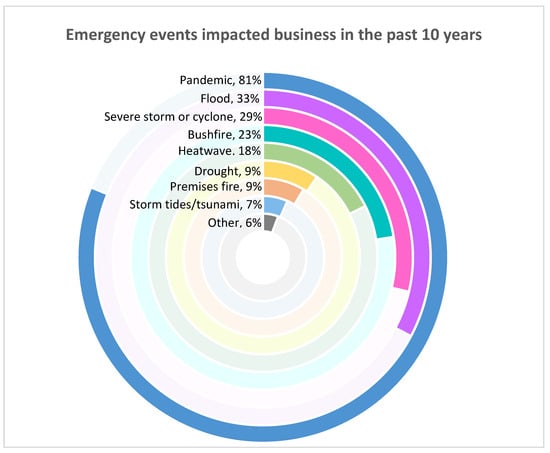
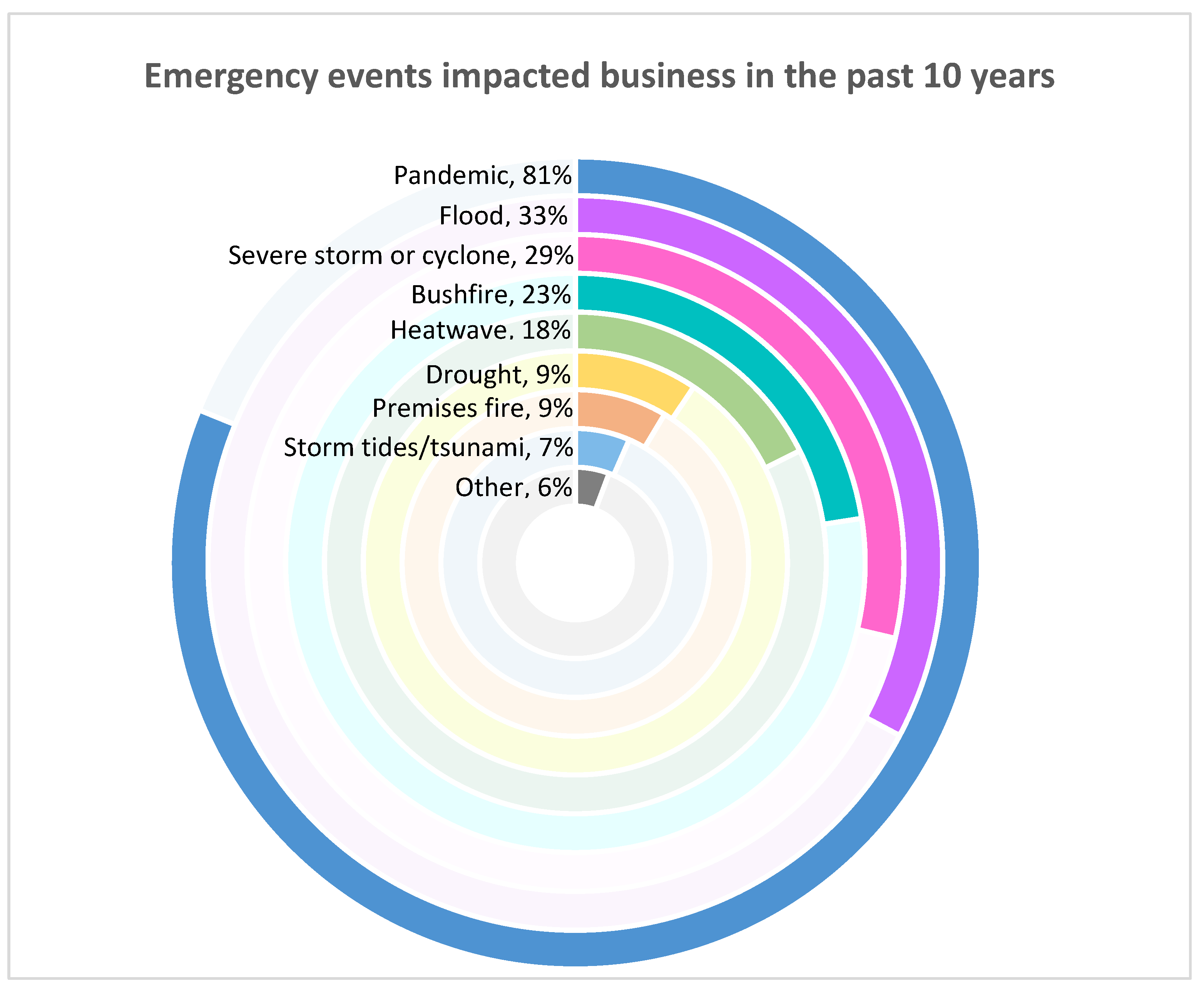
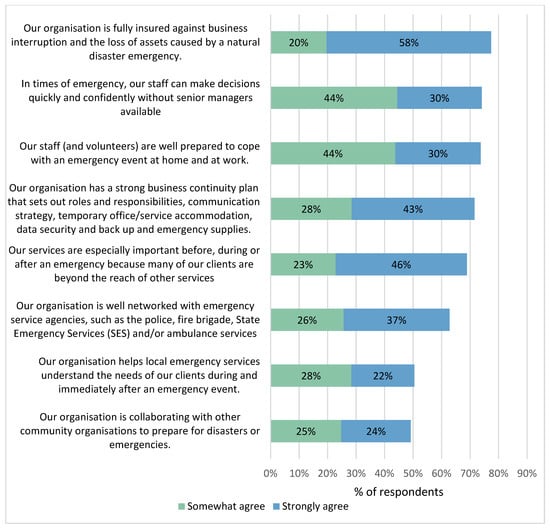
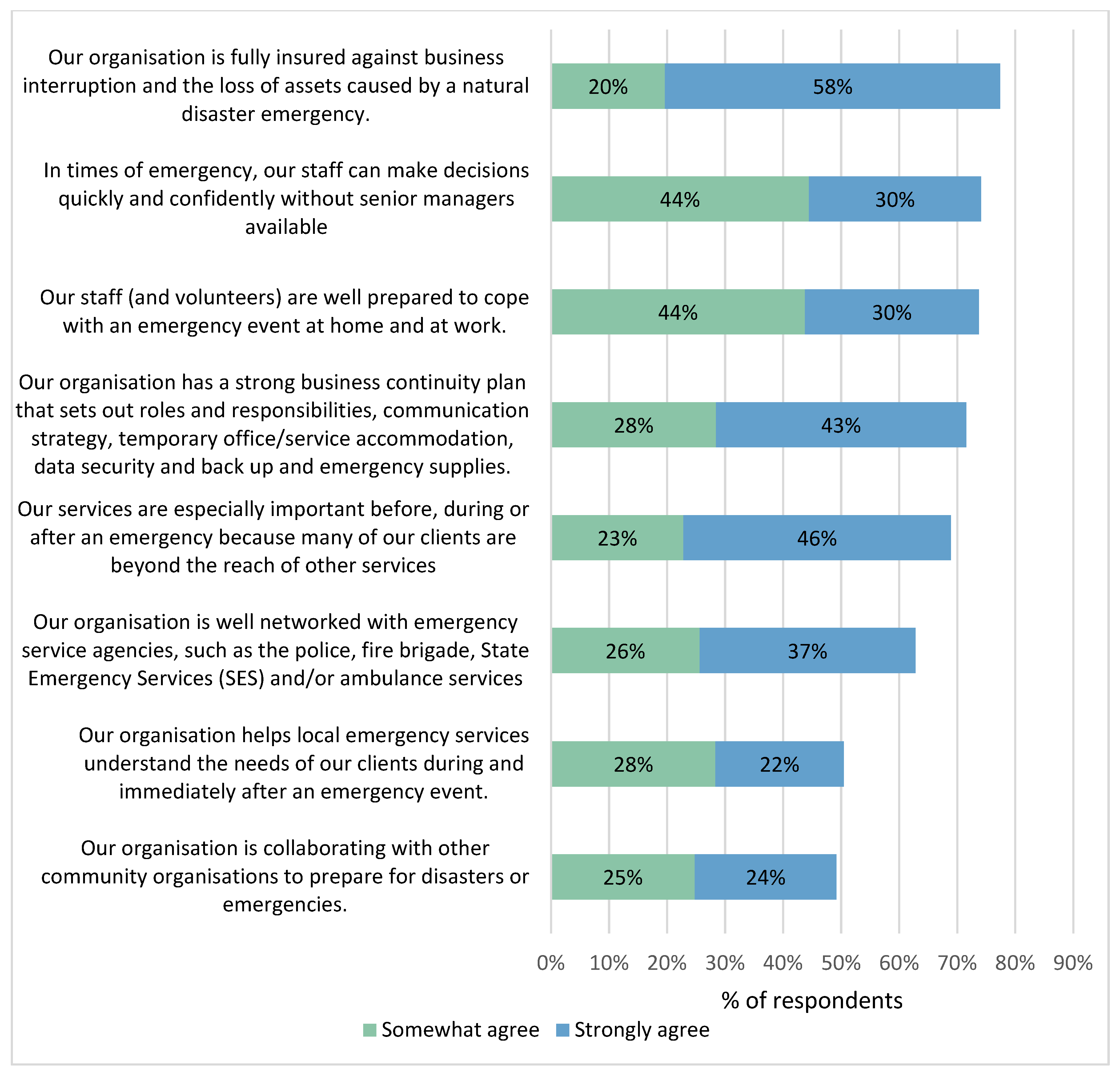

Disclaimer/Publisher’s Note: The statements, opinions and data contained in all publications are solely those of the individual author(s) and contributor(s) and not of MDPI and/or the editor(s). MDPI and/or the editor(s) disclaim responsibility for any injury to people or property resulting from any ideas, methods, instructions or products referred to in the content. |
© 2025 by the authors. Licensee MDPI, Basel, Switzerland. This article is an open access article distributed under the terms and conditions of the Creative Commons Attribution (CC BY) license (https://creativecommons.org/licenses/by/4.0/).