


Abstract
In the context of rapid global digitalization and evolving media ecologies, sustainable cultural communication has become central to both museum transformation and the theoretical renewal of iconology. Images, as vital carriers of cultural memory and identity, are shifting from static, linear presentations to generative, interactive, and participatory modes enabled by digital platforms. This shift calls for a new paradigm in image communication—one that integrates meaning construction with technological and user-centered logics. This study adopts a “technology–culture–user” framework, drawing on constructivism, cultural memory theory, and symbolic interactionism to construct a digital-era iconological system. Through comparative analysis of the Chinese Palace Museum and the National Museum of Korea, the research reveals complementary approaches: the former emphasizes structured, authoritative knowledge dissemination, while the latter prioritizes immersive, user-driven interaction. These differences provide a basis for cross-cultural cooperation. Accordingly, the paper proposes five collaborative strategies: integrating advanced technologies, building shared image resource systems, enhancing user engagement mechanisms, expanding East Asian visual symbol networks, and adapting institutional frameworks to diverse cultural contexts. These strategies aim to support both theoretical innovation in iconology and sustainable regional cultural communication in the digital age.
1. Introduction
Amid the accelerating global digital transformation and heightened efforts to safeguard cultural diversity, the sustainability of cultural communication has become a critical concern shared by governments and scholars worldwide (UNESCO; The World Bank. Cities, culture, creativity: leveraging culture and creativity for sustainable urban development and inclusive growth; UNESCO: Paris, France, 2021; pp. 1–121. United Nations General Assembly. Information and communication technologies promote sustainable development. In Proceedings of the Seventy-sixth Session of the United Nations General Assembly, New York, USA, 17 December 2021). Museums, as key repositories of national cultural memory, have expanded beyond their traditional roles of artifact preservation and historical narration to become essential platforms for intergenerational transmission, public education, and international exchange. Nevertheless, conventional linear and authoritative modes of communication are increasingly inadequate in addressing the demands of a cultural landscape characterized by diversity, interactivity, and globalization [1,2]. This evolving context necessitates that museums reimagine their communication strategies through the lens of technological innovation, adopting models that are more dynamic, participatory, and adaptable to ensure a sustainable and evolving cultural communication ecosystem.
The rapid evolution of digital technologies, such as virtual reality (VR), augmented reality (AR), artificial intelligence (AI), and digital twin systems, has significantly expanded the possibilities for cultural dissemination. These technologies have become deeply embedded in the processes of image creation, presentation, and reinterpretation, transforming images from static visual texts into interactive cultural interfaces where meaning is collaboratively constructed among users, platforms, and algorithms [3,4]. Consequently, images are no longer mere vessels of representation but have emerged as cognitive nodes of multisubject engagement, reshaping both the logic and mechanisms underlying cultural content production. Iconology, as a discipline focused on the interplay between images and culture, is thus undergoing a profound paradigmatic shift. Traditional “representation–interpretation” frameworks now fall short in addressing key characteristics of digital imagery, such as technological dependency, platform fluidity, and user participation [5].
Amidst the coexistence of theoretical lag and practical complexity, the academic community has increasingly recognized the necessity of shifting image studies from a paradigm of interpretive mechanisms to one of ecological mechanisms. This transition has given rise to emerging research trajectories centered on the sustainability of digital image studies. In recent years, the field has begun to establish an embryonic theoretical framework for sustainable image practices. Zhao et al. (2023) contended that digital images function not only as technological media but also as pivotal mechanisms for the reconstruction and circulation of cultural memory [6]. Building on this perspective, Barzaghi et al. (2024) proposed a sustainable imaging strategy grounded in the FAIR principles, viewed through the lens of digital-twin management [7]. Similarly, Moreno et al. (2022), writing in the Journal of Cultural Heritage, introduced a 3D data lifecycle management model that provides a systematic approach to the long-term preservation of digital images [8].
At the level of technological application, digital image studies are progressively constructing a knowledge ecosystem centered on “visual re-representation.” The works of Balletti et al. (2019) [9], Fiorini et al. (2022) [10], and Izaguirre et al. (2021) [11] demonstrated the practical efficacy of photogrammetry, laser scanning integrated with GIS, and virtual engines in the reproduction and narrative dissemination of cultural heritage. In parallel, cultural participation and user collaboration have emerged as critical drivers in the theoretical evolution of the discipline. Aristidou et al. (2024) [12], through qualitative interviews, examined the mechanisms of acquisition and preservation of VR/AR artworks, revealing how digital platforms facilitate co-creation between audiences and curators and enable the decentralization of cultural meaning-making. Boboc et al. (2022) [13] further argued that augmented reality not only enhances accessibility but also reconfigures the cognitive structures underlying user experience. Liu (2023) [14] highlighted that prevailing models of digital image dissemination frequently neglect the influence of cultural contextual variation on cognitive evaluation, thereby risking cultural misinterpretation and value disalignment.
International developments likewise reveal persistent structural challenges within both the theoretical and practical domains of image studies. First, there remains a lack of integrated theoretical models capable of reconciling cultural memory, platform algorithms, and user agency [15,16]. Second, divergent development trajectories are evident, as image strategies vary widely across regions in terms of technological logic and cultural embeddedness [17,18]. Third, mechanisms for cross-cultural collaboration remain underdeveloped, with inconsistent standards for resource sharing and recurrent misinterpretations of visual symbols, severely constraining the interoperability and cohesion of global cultural communication ecosystems [19,20]. These issues not only underscore the pressing need for a theoretical reconfiguration of image studies but also highlight the critical role of regional collaboration in facilitating a paradigmatic transformation in cultural communication.
In response to these issues, this study examines the National Museum of Korea and the Palace Museum in China as comparative case studies, chosen for their contrasting yet complementary approaches to geopolitical positioning, institutional infrastructure, and digital image strategies. As national flagship museums, both institutions play pivotal roles in the digitization and international dissemination of cultural heritage, representing broader trajectories in East Asian digital cultural governance. Yet their digital practices diverge significantly: the National Museum of Korea prioritizes immersive experiences and emotional interactivity, encouraging user agency and collaborative meaning-making, whereas the Palace Museum emphasizes structured knowledge dissemination and authoritative semantic framing, reflecting a digital communication logic rooted in cultural sovereignty [21]. These distinctions offer a compelling foundation for comparative analysis and present a unique opportunity to identify complementary strengths in regional image-based practices.
As the transformations brought about by digital technologies, this study proposes a tripartite analytical framework for image studies grounded in the interrelated dimensions of technology, culture, and user engagement. By integrating perspectives from constructivism, cultural memory theory, and symbolic interactionism, the paper explores how digital images generate meaning, the culturally embedded logic underpinning visual content, and the participatory practices shaping user experience. Through an in-depth comparative analysis of two leading institutions—the Palace Museum in China and the National Museum of Korea—this research seeks to address the following research questions:
RQ1: In an era where digital technologies are deeply embedded in image dissemination, what specific challenges do traditional iconological theories encounter in addressing the distinctive features of digital images, such as technological dependency, platform fluidity, and user interactivity? How can these theoretical limitations be overcome by reconstructing iconology through the integrated lens of constructivism, cultural memory, and symbolic interactionism, thereby establishing a theory system attuned to the interactive logic of “technology–culture–user” in digital environments?
RQ2: What are the key differences between the Palace Museum and the National Museum of Korea in their application of digital technologies, narrative strategies, and user engagement models? Within the tripartite interactive logic of “technology–culture–user”, how do symbolic interaction mechanisms, processes of cultural memory construction, and institutional drivers exhibit distinct cultural characteristics and practical divergences in the two contexts?
RQ3: Drawing on the empirical insights from China and Korea, how can a sustainable and collaborative strategy for image dissemination be developed—one that integrates technology, enables stratified resource sharing, fosters user participation, and promotes institutional innovation? How might such a strategy facilitate the theoretical reconstruction of cross-cultural iconology and support the long-term advancement of sustainable cultural communication across the East Asian region?
2. Theoretical Lineage and Research Trends
2.1. Theoretical Evolution and the Turn Toward Sustainability in Iconology
2.1.1. Paradigm Shifts in Classical Theories and Breakthroughs in the Digital Age
The origins of iconology can be traced back to the Renaissance period, during which images were imbued with rich symbolic meanings in religious, mythological, and historical narratives. Early reflections on the relationship between images and culture, such as Giorgio Vasari’s interpretations of artistic allegories, marked the initial emergence of iconological thinking. However, iconology did not crystallize into a systematic theoretical framework until Erwin Panofsky’s seminal work, Studies in Iconology (1939), in which he introduced a tripartite model of interpretation. This model consists of pre-iconographical description, iconographical analysis, and iconological interpretation. By emphasizing the symbolic structures and value systems embedded in images within specific historical and cultural contexts, Panofsky laid the foundation for a core paradigm in image studies throughout the twentieth century [22].
However, Panofsky’s paradigm primarily focuses on the structural interpretation of image meaning and its contextual identification, offering relatively limited attention to the dynamic vitality of images within cultural memory and their mechanisms of intermedial migration. In this regard, Aby Warburg’s concepts of “Pathosformel” (formulas of pathos) and the “Mnemosyne Atlas” provide an earlier and highly insightful theoretical alternative. By tracing how emotional expression patterns recur and transform across diverse historical contexts and media, such as painting, rituals, and astrological diagrams, Warburg revealed how images form transhistorical “chains of culture” [23]. These chains not only possess continuity in terms of transmission but also constitute the visual structures of collective memory. His interpretation of the agency of images in historical transitions and media evolution offers a valuable theoretical foundation for understanding how visual culture may achieve sustainable transmission in the rapidly evolving technological environment of the digital age.
From the mid-to-late 20th century, iconological research began shifting from static structural analysis toward a dynamic exploration of meaning-making mechanisms. Svetlana Alpers (1983) [24], in her work on visual culture, emphasized “the way of seeing pictures”, introducing the viewer as an active participant in the process of meaning production. This notion foreshadowed the co-creation logic of signal generation in the digital era, where “users are participants”—as exemplified by the Palace Museum’s digital artifact-tagging platform, where the public actively engages in assigning and re-encoding image semantics through interactive means. Jacques Derrida’s theory of “différance” further elucidates, from a philosophical-linguistic perspective, the processual and unstable nature of image generation. It offers critical insights into how digital images are constantly recontextualized and re-encoded through platform algorithms, interface updates, and user interactions [25]. For example, in the “Jingtian Temple Pagoda AR Project”, user gestures trigger multiple narrative paths, concretely embodying “différance” in the dissemination of visual symbols. Likewise, André Malraux’s concept of the “Museum Without Walls” critiques the physical constraints and institutional monopolies of traditional art dissemination, envisioning a future in which images circulate freely across geographical and cultural boundaries [26].
With the advent of the digital age, Lev Manovich’s The Language of New Media* introduced the concept of “digital iconology”, fundamentally overturning the static paradigms of traditional art history. He argued that images must be re-examined within a media ecology shaped by the interplay of data structures, platform algorithms, and user behavior [27]. This theoretical turn complements classical iconological theories across three key dimensions.
On the “cultural memory” dimension, Manovich’s focus on cross-platform image iteration echoes Aby Warburg’s theory of the “Mnemosyne Atlas”, which emphasized the transhistorical transmission of visual symbols. For example, on TikTok, the creative remaking of Dunhuang murals continues the gestural prototypes of Buddhist iconography.
On the “user participation” dimension, Manovich’s emphasis on interactive behavior extends Svetlana Alpers’ theory of “the way of seeing”, which foregrounds the agency of the viewer. A salient example is the Palace Museum’s digital artifact-tagging platform, where the public actively assigns contemporary meanings, such as tagging “imperial pets” to historical images.
On the “institutional dissemination” dimension, his analysis of algorithmic logic advances André Malraux’s vision of the “museum without walls”, imagining the dematerialization of art. Platforms like Google Arts & Culture realize this vision by digitally aggregating global museum collections, enabling images to circulate freely across national and cultural boundaries.
As digital image circulation intensifies, so do the characteristics of replicability and disembedding, thereby reactivating Walter Benjamin’s notion of the “aura’s decay” [28]. The rise of AI-generated imagery, which deconstructs the authority of the original artwork, underscores the enduring relevance—and complementarity—of Warburg’s cultural memory, Alpers’ subject-centered participation, and Malraux’s institutional critique. Only through a tripartite framework—technological reproduction of cultural archetypes (memory layer), negotiated meaning-making through user participation (engagement layer), and ethical regulation of algorithmic dissemination (institutional layer)—can we reconstruct the cultural sustainability of digital images in a post-auratic condition.
2.1.2. Iconological Sustainability: Conceptual Construction and a Three-Dimensional Analytical Framework
The aforementioned theoretical developments indicate a clear evolution in iconology—from Panofsky’s static structural analysis to Manovich’s investigation of digital media ecologies. The trajectory spans Alpers’ focus on the viewing subject, Derrida’s exposition of the image’s dynamic and unstable nature, Malraux’s critique of the institutional constraints of traditional art dissemination through his “museum without walls”, and Warburg’s insights into the transhistorical cultural chains forged by images. While each of these theories offers valuable contributions, they remain insufficiently integrated in addressing the complex challenges posed by AI-generated imagery, platform algorithms, and the accelerated mediation of digital culture.
Specifically, existing frameworks often fall short in reconciling the dynamic transmission of cultural memory, the mechanisms of user participation, and the ethical-institutional dimensions of image governance in the digital age. In response to these gaps, this study proposes the concept of “iconological sustainability”, which aims to provide a systematic theoretical response to contemporary image studies by constructing a three-dimensional analytical model tailored to the needs of the digital era.
(1) Conceptual Proposition: The Theoretical Imperative for a Transformation in Digital Iconology
As visual media evolve from traditional static forms to interactive digital environments, classical iconology, centered on a “text–image” analytical paradigm, has become increasingly inadequate in explaining the complex mechanisms of digital image production, dissemination pathways, and the shifting roles of users. The image–meaning–history framework established by Warburg and Panofsky, while highlighting the historical semantics and artistic styles of images, reveals theoretical limitations in the face of real-time updates, multi-agent participation, and cross-platform circulation characteristic of digital images [29].
Current research lacks a comprehensive theoretical model that integrates technological infrastructures, institutional regulations, and user practices to systematically account for the cultural transmission and semantic regeneration of images in digital contexts. In response, this paper proposes the concept of “Iconological Sustainability”, which addresses the challenges digital images pose across three interrelated dimensions: cultural continuity, institutional legitimacy, and participatory co-creation.
The concept is grounded in a triadic structure of technological enablement, institutional regulation, and user participation, ensuring the sustained vitality of images in cultural memory, meaning-making, and social communication processes. Theoretically, it synthesizes Jan Assmann’s (1995) [30] theory of cultural memory, Henry Jenkins’ (2008) [31] concept of participatory culture, and UNESCO’s (2005) [32] framework for the protection of cultural diversity. This integrative approach aims to transcend the static semantic focus of traditional iconology and respond to the dynamic demands of the digital era.
(2) The Three-Dimensional Hierarchical Model: Structural Composition and Synergistic Operation
To systematically construct the theoretical framework of iconological sustainability, this paper proposes a three-dimensional analytical model encompassing the cultural memory transmission layer, the institutional regulation layer, and the participatory co-creation layer. The model emphasizes the dynamic interplay between these layers, centering on the evolving life structure of symbolic forms and the coupling relationships between technology, institutional mechanisms, and semantic practices.
- Cultural Memory Transmission Layer: This layer focuses on the historical symbols and collective memories embedded in images, highlighting the role of digital technologies in multi-dimensional restoration of cultural heritage and the construction of intergenerational identity. As Assmann [30] argued, cultural memory is encoded and sustained through specific “symbolic media.” In practice, the National Museum of Korea has employed VR technology to digitally restore Buddhist statues damaged during the Japanese colonial period, creating a participatory restoration environment. Similarly, the Palace Museum in Beijing uses 3D modeling to reconstruct Ming and Qing court imagery, thereby reinforcing a continuous narrative of Chinese civilization. These practices transform images into evolving “cultural energy fields.”
- Institutional Regulation Layer: This layer examines how institutional frameworks regulate the production and dissemination of images, focusing on their role in visual legitimacy, ethical standards, and data governance. Drawing on UNESCO’s (2005) Convention on the Protection and Promotion of the Diversity of Cultural Expressions, image legitimacy must balance domestic cultural policy with international ethical standards. This includes the development of normative protocols for virtual exhibitions to ensure both communicative order and cultural authority.
- Participatory Co-Creation Layer: This layer underscores the collaborative nature of meaning-making, wherein users are not passive recipients but active producers of visual semantics. Based on Jenkins’ [31] theory of participatory culture, users shape personalized interpretations through interactive engagement. For example, the AR Project of the Ten-Story Stone Pagoda of Gyeongcheonsa Temple in Korea activates multi-path narratives via gesture-based interaction, while the Palace Museum’s Digital Artifact Annotation Platform invites the public to contribute semantic tags. Both cases exemplify the dynamic integration of institutional authority and grassroots cultural interpretation.
(3) Coordinated Dimensional Mechanism: The Dynamic Renewal Path of Image Life
The three-dimensional hierarchical levels do not operate in isolation but constitute a coordinated mechanism throughout the image life cycle. Taking the Korean Gyeongtapsa” Ten-Story Stone Pagoda AR Project” as an example, the cultural memory dimension provides restoration demands, the institutional dimension defines restoration boundaries through ethical guidelines, and the participatory dimension allows users to generate diverse narratives. These three dimensions form a cyclical feedback loop of “memory encoding—institutional regulation—meaning co-creation”, enabling the transformation of the image from a static object into a dynamic cultural living entity.
Although China and Korea share the East Asian cultural sphere, their digital image practice paths differ. Korea’s institutional framework is more market-oriented, emphasizing cultural innovation and flexibility in user experience, whereas China focuses more on cultural security and narrative orthodoxy, reflecting the continuity of national discourse power. The complementarity between the two highlights the cross-institutional adaptability and theoretical elasticity of iconology’s sustainability.
2.2. Theoretical Pillars for the Reconstruction of Iconology: Constructivism, Cultural Memory, and Symbolic Interactionism
In the context of digital culture, the mechanisms of image production and dissemination have become increasingly technologized, platform-driven, and dynamic. This transformation presents significant challenges to traditional iconology, particularly the classical model based on the linear transmission of “image–meaning–culture”, which no longer fully accommodates the complexities of image research in the digital era. Digital images are not merely technological products; their meanings are continuously shaped by platforms, algorithms, and user behaviors. In response, this study proposes a tripartite analytical framework of “technology–culture–user”, building upon the historical transition of iconology from classical hermeneutics to digital iconology. This model is designed to better capture the pluralistic nature of image production and meaning-making in contemporary contexts.
Within this framework, technology is regarded as the foundational infrastructure of image generation. This encompasses not only the core algorithms responsible for image creation but also platform interface design, interactive media, and other digital technological tools. Together, these elements determine how images are presented and disseminated. At the same time, culture serves as the contextual dimension of images, playing an indispensable role in their creation, circulation, and interpretation. Cultural factors significantly influence the construction of meaning and the value orientation of visual content. Users, meanwhile, are no longer passive spectators, as assumed by traditional iconological models, but active participants in the meaning-making process. Their behavior patterns, feedback mechanisms, and modes of interaction directly affect the real-time interpretation of images and contribute to their continual evolution within dynamic cultural contexts.
On a theoretical level, constructivism offers a foundational framework for understanding “meaning generation” in digital iconology. Jean Piaget (1972) [33] emphasized that knowledge acquisition is not a simple process of information transmission but is actively constructed through the interaction between individuals and their environments. This constructivist perspective has been widely adopted in digital image studies, particularly in the context of interactive image production and participatory platforms. For example, Korean scholar Choi Seongmi (2024) [34] has explored the application of metaverse exhibitions in museums. Her research demonstrates how gamified design and virtual co-curation in metaverse environments transform audiences from passive viewers into co-creators of meaning. Audience behaviors in these virtual spaces—such as choosing narrative pathways or engaging in digital artifact restoration—directly influence the interpretation and reconstruction of images and their associated cultural symbols. These findings underscore the applicability of constructivist theory in digital iconology, especially regarding the interactive production of images and the dynamic construction of meaning.
Cultural memory theory further enhances our understanding of the role of images in the construction of historical consciousness and collective identity. Jan Assmann (1995) argued that cultural memory is transmitted across generations through images, rituals, and spatial configurations, thereby shaping collective identity. In digital museum projects across China and South Korea, images function not only as tools for information representation but also as potent cultural symbols. While conveying historical and cultural narratives, they also implicitly express ideological constructs and national identity. Thus, digital images are not static visual signs but serve as critical media for articulating national narratives and preserving collective memory.
Finally, symbolic interactionism offers a dynamic lens through which to understand the meaning-making processes of digital images. Herbert Blumer (1969) emphasized that the meanings of symbols are not fixed but are continually negotiated and redefined through social interaction [35]. Within the framework of digital iconology, the meaning of images is not unidirectional or predetermined. Rather, it is constantly reconstructed through algorithmic recommendations, social network feedback, and user interactions. This perspective reveals a fundamental departure from the “static presentation” model of traditional iconology, illustrating how digital iconology is evolving toward a “dynamic dialogic” paradigm.
To further clarify the applicability and limitations of the three theories in digital iconology, this paper presents the following comparative Table 1:
Table 1.
Comparison of the three main theoretical pillars of digital iconology: core concepts, applicability, and limitations.
To further elucidate the synergistic and complementary logic of the three theoretical perspectives within the “technology–culture–user” triadic framework, this study constructs a comparative table of theoretical interaction mechanisms from a dynamic integration perspective (Table 2). This table illustrates how the combined theories function across different dimensions through bidirectional negotiation (↔) or multidimensional layering (+).
Table 2.
Theoretical synergies within the “technology–culture–user” framework: dynamic complementarity and functional stratification.
Table 2 illustrates that the limitations inherent in any single theoretical approach can be systematically addressed through the complementary integration within the “technology–culture–user” triadic framework. This dynamic integration manifests as a structural coupling across three dimensions:
At the technological level, the combined application of constructivism, cultural memory theory, and symbolic interactionism establishes a multilayered interpretive mechanism. The dynamic feedback loop emphasized in symbolic interactionism, such as algorithmic real-time adjustment of symbolic representations, compensates for constructivism’s limited account of technological mediation. The institutional encoding emphasized in cultural memory theory, such as the standardization of metadata, sets cultural boundaries for technological applications, mitigating the risk of semantic fragmentation often associated with symbolic interactionism. Meanwhile, constructivism’s emphasis on cognitive adaptation, such as users’ active decoding of content, facilitates the transformation of technology from a neutral tool into a cognitive intermediary, thereby overcoming the static heritage bias in cultural memory theory. Collectively, these perspectives reveal that technology is neither a purely neutral instrument nor a wholly culturally determined object; instead, it emerges as a bidirectional “encoding–feedback” mediating system.
At the cultural level, the bidirectional negotiation between constructivism and symbolic interactionism, such as users’ deconstruction of authoritative narratives, and the tension-balancing between cultural memory theory and constructivism, such as the pre-setting of historical contexts, jointly realizes a dialectical unity of cultural innovation and identity. While symbolic interactionism fosters the open negotiation of cultural meanings, cultural memory theory imposes institutional constraints to prevent excessive deconstruction. As a result, cultural memory is neither a rigid, authoritative narrative nor a chaotic flow of meaning, but rather a dynamically reproduced system that preserves core cultural elements.
At the user level, the layered complementarity among the three theories dissolves the traditional dichotomy between the individual and the collective. Constructivism empowers individuals, e.g., through low-threshold interactive design, activating micro-level user behaviors and addressing cultural memory theory’s neglect of agency. Symbolic interactionism fosters communal meaning-making—e.g., through interactions on social media platforms—thus transcending the isolated cognitive stance of constructivism. Cultural memory theory elevates individual experiences into collective memory—e.g., through ritualized VR experiences—mitigating the risk of semantic nihilism in symbolic interactionism. Users thus become layered co-creators across “individual exploration–community negotiation–collective identification”, and their evolving roles provide robust empirical support for the explanatory power of the triadic framework.
In conclusion, within the theoretical framework of digital iconology, constructivism, symbolic interactionism, and cultural memory theory offer complementary perspectives for understanding how image meanings are continuously generated and transformed through the interplay of technology, culture, and users in the digital age. Symbolic interactionism highlights the meaning-making process between users and platforms; constructivism emphasizes user agency in actively generating meaning through interaction; and cultural memory theory underscores the role of images in shaping collective memory, national identity, and historical narratives. The integration of these perspectives not only deepens our understanding of how image meaning emerges at the intersection of technology and culture but also provides a dynamic and structurally grounded theoretical lens for digital iconology. Their application offers valuable insights and theoretical support for future research into the evolving semantics of digital images.
2.3. The Driving Logic Behind Theoretical Reconstruction: Transformations in Viewing Mechanisms and Interdisciplinary Integration
Amid the rapid surge of the digital age, iconology stands at a critical juncture of transformation. The urgency and necessity of its theoretical reconstruction are manifested across multiple, interwoven core dimensions.
2.3.1. Disruptive Changes in Image Generation and Viewing Mechanisms
With the deep penetration of digital media technologies, both the mechanisms of image generation and the ontological attributes of images have undergone fundamental transformations. These technological interventions not only reshape the structural composition of images but also redefine the processes through which meaning is generated and disseminated. Under the traditional paradigm of iconology, images were primarily grounded in physical media, their meanings relatively stable and analyzable through a linear research model—often proceeding in stages from pre-iconographic description to iconographic analysis and finally iconological interpretation. This framework emphasized historical context and symbolic content as stable reference points.
In contrast, the digital age has decoupled image generation from physical media, shifting instead toward code-based constructions. This transition renders image meaning no longer fixed but continuously evolving through audience interaction. Specifically, image production in digital environments is driven by a constellation of factors—algorithmic logic, user behavior, and platform architecture. Algorithms not only determine modes of visualization but also tailor image presentation through precise data tracking and predictive modeling, thereby rendering image interpretation increasingly personalized and dynamic. The diversity of user engagement means that meaning is no longer generated in a unidirectional flow but emerges through iterative interaction, real-time feedback, and contextual modulation based on diverse user backgrounds and needs. As such, meaning in digital imagery becomes fluid, variable, and contingent, fundamentally different from the stable semiotic structures pursued in traditional iconology.
Simultaneously, the mechanisms of image viewing have been fundamentally reconfigured. In traditional museum display contexts, viewers typically occupied a passive role, with meaning determined and transmitted largely by curatorial authority. Audience interaction was limited, and interpretation remained centralized. However, the widespread adoption of virtual reality (VR), augmented reality (AR), and other immersive technologies has redefined viewing from a passive act to an active, co-creative process. Audiences can now explore cultural symbols and narrative logics through self-directed perspectives, bodily movement, and interactive engagement. This shift represents a revolutionary departure from passive reception to participatory meaning-making, giving rise to a diversified spectrum of viewer–image relationships.
Consequently, the definition of the image object itself must transcend static conceptions and be re-envisioned as dynamic and processual. An image is no longer a fixed entity but a mutable element that evolves through technological mediation and user interaction. Within this new framework, image viewing emerges not as a simple act of observation but as a complex structure of interaction among algorithms, platforms, and users. Each component plays a vital role: audience interactions continually reshape meaning, while platform design and algorithmic operations determine how images are presented and interpreted.
In sum, the introduction of digital technologies has fundamentally disrupted both the generation and viewing mechanisms of images. These interrelated transformations constitute a central driving force behind the theoretical reconstruction of iconology and form the foundation for contemporary research in digital visual culture.
2.3.2. The Imperative of Interdisciplinary Integration and the Expansion of Knowledge Value
The multidimensional complexity and continuous evolution of digital images have rendered the traditional theoretical framework of iconology insufficient for addressing the emerging challenges posed by contemporary image practices. To adapt to these transformations, iconological theory must increasingly incorporate perspectives and methodologies from diverse disciplines such as the philosophy of technology, cognitive science, and media archaeology. This interdisciplinary integration is essential for comprehensively understanding the production, dissemination, and sociocultural implications of digital imagery.
First, the philosophy of technology offers critical analytical tools for examining the socio-political structures embedded in visual technologies. Meyer et al. (2024) argue that technological systems, including algorithms used in image generation and recognition, are not value-neutral but are deeply entangled with specific ideological and power structures [36]. This insight shifts iconological inquiry beyond symbolic interpretation to a critical examination of the technological power mechanisms that shape how images are produced and circulated, underscoring the inextricable linkage between visual media, social structures, and power dynamics.
Second, cognitive science provides empirical support for understanding how digital images are perceived by audiences. Drawing on eye-tracking experiments and other empirical techniques, Shen et al. (2024) examined the perceptual processes involved in digital image engagement [37]. Their findings demonstrate that digitally integrated text-image presentations enhance the efficiency of visual information processing and help sustain cognitive engagement. This evidence provides a robust foundation for designing interactive strategies and information architectures in digital museums, offering actionable insights into optimizing visual representation for improved audience cognition.
Moreover, media archaeology emphasizes the material and historical dimensions of digital images, arguing that they are not disembodied virtual entities but are instead the outcome of specific storage technologies, developmental trajectories, and historical-cultural conditions. As articulated by the Wei Tong research group at Peking University (2024), technologies such as blockchain used in digital heritage preservation highlight the temporal and material embeddedness of images [38]. Blockchain not only reinforces the historicity and materiality of images but also offers novel solutions for securing image ownership and ensuring the transmission of cultural memory through tamper-proof digital records.
Together, these interdisciplinary engagements enable the formation of a more robust and adaptable theoretical framework for iconology. This evolving framework broadens the application scope of iconological inquiry and opens new avenues for future research. From cultural heritage preservation and AI ethics to education and artistic creation, the integration of diverse disciplinary insights ensures that digital imagery continues to develop and operate across multiple dimensions in the digital age.
2.4. Sustainable Development Pathways for Museum Digital Transformation and Cultural Communication from the Perspective of Iconology
As discussed earlier, iconological theory has evolved from Panofsky’s structuralist analysis to Warburg’s concept of the “cultural chain” and further to Manovich’s paradigm of digital image data structures. This evolution marks a shift from static semantic interpretation to a dynamic recoding mechanism that operates across platforms and media. Building on this trajectory, Section 2.1 delineated a three-dimensional analytical model for the sustainable development of iconology, comprising a theoretical framework of “institutional structures—cultural memory—user mechanisms.” This model emphasizes that images are not merely visual symbols but interactive products shaped by institutional discipline, cultural representation, and cognitive behavior. Section 2.2, grounded in constructivism, cultural memory theory, and symbolic interactionism, systematically constructed the foundational structure of this triadic iconological model. Section 2.3 explored the transformation of viewing mechanisms, revealing the user’s role shift from passive recipient to active meaning-maker, thereby highlighting the cognitive inflection point within the “image–platform–subject” triadic relationship. Continuing this theoretical logic, the present section critically examines how iconology, from the perspectives of institution, image, and subject, responds to mainstream sustainable development frameworks in the context of digital museums. It further investigates cultural governance pathways for image sustainability and cross-cultural adaptation mechanisms by integrating image practices in Chinese and Korean museums.
- (1)
- Institutional Dimension: Cultural Governance Mechanisms of Image Semantic Legitimacy
From an institutional perspective, the digitalization process of South Korean museums demonstrates a strong coupling between policy-driven initiatives and institutional innovation. Existing studies indicate that, since 2005, the South Korean government has actively promoted the development of virtual exhibition systems in national museums through financial support and policy guidance, establishing a relatively mature institutionalized path for digital transformation. A representative example of institutional innovation is the “Collaborative Tagging Mechanism” implemented by the National Museum of Korea. This mechanism encourages public participation in the construction of image semantics, concretizing cultural openness policies into a negotiated practice of meaning-making, thereby effectively translating institutional logic into a communication context [39]. In terms of specific display strategies, this institutional flexibility is further embodied in the audience experience mechanism of the “Homo Sapiens Special Exhibition”. Zoh (2023) [40] pointed out that this exhibition integrates Western sensory participation paradigms, forming a feedback loop between institutional design and user interaction, which significantly enhances the exhibition’s communicative efficacy and cultural adaptability.
In contrast, Chinese museums exhibit a normative logic oriented towards cultural security in their institutional designs. The Palace Museum’s digital strategy emphasizes the concept of “cultural reproduction”, constructing a “semantic hierarchical review mechanism” accordingly. This mechanism, controlled by experts, ensures continuity and consistency between digital content and the national narrative, reflecting a top-down approach to maintaining semantic legitimacy [41]. Moreover, Wang Feng (2023) [42] noted that Chinese digital museums commonly adopt a systematic pathway of “platform integration—data-driven—service expansion”, embedding cultural governance intentions into concrete technological processes. This pathway not only highlights a rigid demand for cultural content control but also stands in stark contrast with South Korea’s open model that emphasizes public negotiation and collaborative meaning-making within institutional frameworks.
Thus, at the institutional level, digital museums in China and South Korea demonstrate divergent governance orientations regarding image semantics: China focuses on semantic reproduction and communication stability within an “expert–state” system, whereas South Korea highlights the meaning-generation process through a “public–institution” collaborative relationship.
- (2)
- Image Dimension: Visual Re-encoding Mechanisms of Cultural Memory
In the transition from institutional governance to image practice, the role of imaging technologies in the construction of cultural memory has become increasingly prominent, particularly in the digital presentation of intangible cultural heritage. For instance, the “Gowoo Dance AR Project” in Gwangju, South Korea employs motion capture and augmented reality technologies not only to enhance the immersive experience of traditional rituals but also to serve as a concrete application of the “Digital Perception Model for Intangible Cultural Heritage” proposed by Han et al. (2022) [43]. This highlights the significant impact of digital imaging technology on the reconstruction of cultural memory. Concurrently, Kim et al. (2019) [44] theoretically emphasized that the coupling mechanism between “technology and memory” has become a critical fulcrum for the digital transformation of intangible heritage, facilitating the sustainable dissemination of cultural heritage through modern media.
Correspondingly, Chinese digital museums emphasize a dialectical unity between visual accuracy and narrative strategy in their imaging approaches. Yan Xin (2021) [45] pointed out that standardized technical metrics play a key role in the visual fidelity of the Palace Museum’s 3D modeling, while the “de-textualization design” strategy leverages visual cues to guide users in meaning construction, reflecting the museum’s concept of “visual guidance.” Within this framework, images are no longer mere media for information display but serve as primary carriers for meaning-making and cultural experience. Compared to South Korea’s emphasis on emotional engagement and bodily interaction, the Chinese approach achieves stable encoding of cultural symbols through high fidelity and visual coherence. Although differing in methodological focus, both approaches respond to the core demand for visualizing cultural memory.
Therefore, from the image dimension perspective, South Korea prioritizes enhancing the contextuality and interactivity of cultural experiences through technology, while China places greater emphasis on the compatibility of image precision and cultural authority. Together, these form complementary pathways for the digital reproduction of cultural memory.
- (3)
- Subject Dimension: Participatory Reconstruction Pathways of Viewing Mechanisms
The application of imaging technologies ultimately requires subject participation to realize value transformation. Against the backdrop of deepening digital transformation, changes in user viewing behavior have become a crucial component in the evolution of museum communication mechanisms. Taking the “Gyeongcheonsa Stone Pagoda AR Project” in South Korea as an example, this initiative integrates gesture recognition, multi-path storytelling, and immersive technological experiences to stimulate cognitive engagement and contextual associations among users of various ages and backgrounds when interacting with traditional cultural images.
In the Chinese context, public participation is also showing a trend of continuous deepening. Wang Feng [42] noted that the Palace Museum’s “Court Pets” project, through its social media operations and hashtag-driven dissemination, has encouraged users to actively interpret traditional images and express them in contemporary ways. This participatory model not only breaks down the authoritative boundaries of traditional images but also facilitates the semantic reconstruction of cultural resources on new media platforms. The interactivity of digital platforms has become a key mechanism for stimulating public cultural expression and aesthetic engagement.
Furthermore, cross-cultural educational cooperation mechanisms provide institutionalized and structured support for user participation. For instance, the Keio Museum Commons at Keio University, Japan (2024) [46], proposed a “museum user co-creation mechanism” that enables diverse user groups—including university students, educators, community members, and cultural tourists—to play an active role in content production, exhibition design, and contextual translation through image literacy courses and collaborative curation projects. This mechanism promotes the transformation of viewing behavior into sustained cognitive practice. It not only establishes a closed loop between knowledge transmission and cultural experience but also offers viable pathways for institutional integration and strategic translation between Chinese and Korean museums.
Therefore, the transformation in the subject dimension is reflected in the continuous shift of user viewing behavior from a “receptive” mode to a “co-creative” and “reconstructive” mode. This evolution relies not only on technological media support but is also deeply rooted in the synergistic development of cultural mechanisms, educational systems, and platform strategies. Although China and South Korea pursue different paths, both are moving toward the shared goal of establishing museums as cultural co-creation spaces, achieving a structural reconfiguration from sites of knowledge display to platforms of multi-subject participation.
In summary, the digital practices of museums in China and South Korea, through the three-dimensional framework of “institution—image—subject”, validate the cross-cultural applicability of sustainable iconology theory. From South Korea’s semantic democratization mechanisms to China’s culturally secure semantic hierarchical review logic; from the emotional encoding technologies of the Gowoo Dance AR project to the precise modeling strategies of the digital Palace Museum, along with intergenerational user participation models, all demonstrate that only through an organic coupling of cultural memory technological reproduction, institutional normative flexibility, and layered user participatory co-creation can a sustainable system for image heritage be constructed in the digital era.
3. Divergence and Complementarity in the Digital Image Practices of Chinese and Korean Museums
Against the backdrop of digital technologies profoundly reshaping the ecology of cultural communication, the theoretical discourse of iconology has undergone a significant digital turn. This shift not only prompts a reevaluation of the dynamic interplay between technology, culture, and users but also offers a multidimensional analytical framework for understanding contemporary image practices in museums. As outlined in the preceding sections, this study proposes a preliminary interpretive model for digital iconology by integrating constructivism, cultural memory theory, and symbolic interactionism. This model emphasizes three interrelated aspects: first, it highlights users’ active engagement in meaning-making through digital interfaces (constructivist perspective); second, it uncovers the institutional encoding of images within the construction of national identity (cultural memory theory); and third, it analyzes the negotiated meanings of symbols as mediated by platform mechanisms and user interaction (symbolic interactionism).
Drawing on this theoretical framework, the following section examines the digital image practices of the National Museum of Korea and the Palace Museum in China. Through a comparative analysis of their strategic orientations, technological pathways, and operational logics, the study explores both the differences and complementarities in their approaches. This comparative case analysis aims to provide empirical support for understanding the evolution and innovation of image dissemination models in the digital age.
3.1. The National Museum of Korea
In the realm of digital transformation, the National Museum of Korea (see Figure 1) stands out for its pronounced shift toward user-centered experiences. By integrating multimodal technologies—such as haptic feedback, spatial positioning, and audiovisual interaction—the museum has effectively transcended the limitations of traditional static displays, constructing immersive environments that engage visitors on multiple sensory levels. This technological architecture not only deepens audience perception of visual content but also evokes strong emotional resonance. As such, it provides a compelling empirical case for the user interaction dimension in contemporary iconological research.
Figure 1.
Location and division of the digital experience hall at the National Museum of Korea (Source: Reprinted from the official website of the National Museum of Korea).
3.1.1. User Participation Mechanism: Contextualized Co-Creation of Meaning from a Constructivist Perspective
In the “Digital Cultural Heritage Project” of the National Museum of Korea, constructivist theory is deeply embedded, particularly in the design of user-centered virtual collaboration platforms. The “Healing Mountains” project serves as a representative embodiment of this approach.
From a cultural standpoint, Korean society is notably influenced by Western neoliberal ideologies, especially in the realm of cultural governance, which emphasizes pluralistic participation, user agency, and platform-based interactivity. This sociocultural orientation has energized the museum’s digital image practices by incorporating participatory concepts drawn from Western museology. These concepts encourage individual agency and openness in the meaning-making process, allowing for greater autonomy and engagement in digital exhibitions.
Historical experiences have also shaped this developmental trajectory. Korea’s history of colonial subjugation left deep scars on its cultural identity and heritage preservation practices. In the “Healing Mountains” project, two Maitreya statues are situated within a specially designed virtual environment, where users engage with them through a series of gamified tasks [47]. This design not only offers a novel mode of museum engagement but also serves as a symbolic response to the historical trauma of cultural heritage loss during the colonial period. The intervention of digital media transforms individual user participation into a process of collective cultural memory reconstruction and transmission, allowing cultural symbols to be reinterpreted and perpetuated within virtual space.
From a socio-structural perspective, Korean society places high value on social interaction and entertainment experiences, a feature that directly informs the museum’s digital strategies. The “Healing Mountains” project incorporates game-based challenges, social interaction functions, and personalized customization. This design not only aligns with public expectations for interactivity and engagement but also significantly enhances users’ sense of participation and belonging. Within the virtual environment, users can both interact with artifacts and communicate with one another, thus generating a new mode of social experience. This fusion of entertainment and cultural transmission offers important insights for museum digital transformation and highlights the adaptive potential of digital image practices within contemporary sociocultural contexts.
3.1.2. Symbolic Interaction Logic: The Reconstruction of Symbolic Meaning Through Dynamic Negotiation
Under the framework of symbolic interactionism, the National Museum of Korea’s “Ten-Story Stone Pagoda of Gyeongcheonsa Temple” project illustrates a dynamic triadic negotiation among users, platforms, and symbols. This initiative reflects Korea’s recent strategic focus on cultural industrialization and international communication. By integrating innovative technological tools into cultural dissemination strategies, the museum has effectively enhanced visitor engagement and strengthened cultural identity.
Specifically, the project utilizes augmented reality (AR) technology to digitally animate the narrative scenes carved on the traditional stone pagoda. This approach overcomes the limitations of static displays by enabling viewers to experience cultural content in immersive, hybrid physical–virtual environments. The technological mediation not only enriches the perceptual dimensions of visual imagery but also creates a dynamic space for the reproduction of symbolic meaning.
Historically and culturally, Buddhism has played a significant role in Korean society, and the “Ten-Story Stone Pagoda of Gyeongcheonsa Temple” is a key artifact embodying this heritage. Through digital storytelling, the project revives classical narratives such as the adventures of Sun Wukong in Journey to the West, as well as scenes depicting the Buddha’s sermons and nirvana. These stories are presented with respect to their original cultural context while being reinvigorated through contemporary technological means. This process enables audiences to reengage with and reinterpret traditional cultural symbols through modern lenses.
At the societal level, Korean audiences are increasingly demanding high-quality cultural experiences that combine educational content with immersion and enjoyment. With mobile devices, users can scan the pagoda to trigger animations and audio narratives (see Figure 2), deepening their understanding of the cultural significance behind each carved layer. This interactive exhibition model effectively addresses the dual expectations for innovation and experiential depth, demonstrating the constructive role of digital technologies in facilitating the dynamic reconstruction of symbolic meaning.
Figure 2.
VR project site photo of the ten-story stone Pagoda of Jingtian Temple (Source: Reprinted from the official website of the National Museum of Korea).
Overall, the “Ten-Story Stone Pagoda” project represents a successful integration of technological innovation, cultural continuity, and user participation. It exemplifies the ongoing process of symbolic negotiation and meaning generation within digital image practices, offering a valuable model for museums undergoing digital transformation.
3.1.3. Constructing Cultural Memory: Emotionalized Narrative and the Activation of Collective Identity
From the perspective of cultural memory theory, South Korea’s digital heritage practices emphasize the emotional dimension of collective memory activation through sensory immersion. The Healing Mountains project serves as a prime example. While the virtual restoration of the Pensive Bodhisattva statues may appear to be a gamified interaction, it fundamentally responds to the historical trauma of cultural destruction during the colonial period. Ostensibly, users “illuminate” the Buddha images by completing a series of tasks, but in doing so they are participating in a process of re-encoding cultural memory—technologically reconstructing the disrupted continuity of historical culture, particularly that caused by the damage inflicted on Buddhist artifacts under Japanese colonial rule.
Specifically, users engage in what Jan Assmann (2011) termed the “institutional healing of traumatic memory” through interactive gameplay. In this process, participants not only experience a personal sense of historical restoration but also contribute to collective cultural therapy [48]. Digital technologies thus become a means of encoding and transmitting cultural memory across generations, facilitating the recovery and regeneration of collective identity through the affective re-engagement with the past.
3.1.4. Summary
Through these digital initiatives, the National Museum of Korea has significantly enhanced user engagement and laid a solid foundation for improving visitor satisfaction and strengthening cultural identity in the future. According to the latest data, the museum and its 13 affiliated branches received a record-breaking total of 10.47 million visitors in 2023, marking a 17.1% year-on-year increase; the main museum alone attracted over 4.18 million visitors, ranking sixth globally and first in Asia [49]. Furthermore, the museum’s introduction of AI-powered multilingual digital guides—referred to as “digital humans”—greatly improved the experience for international visitors. In the first half of 2024, the number of foreign visitors reached 94,951ca, a 34.5% increase compared to the previous year, with a total of 463 guided tours conducted in English, Chinese, and Japanese [50].
A longitudinal study conducted by researcher Kook (2024) [51] also indicates a steady increase in visitor satisfaction at the National Museum of Korea, rising from 82.1 points in 2012 to 88.7 points in 2023. This empirical evidence underscores the positive impact of the museum’s digital initiatives on enhancing visitor experience and fostering long-term engagement.
3.2. The Palace Museum, Beijing
From a policy perspective, the Ministry of Culture and Tourism of China has issued the “14th Five-Year Plan for Cultural and Tourism Technology Innovation” (2022) (Ministry of Culture and Tourism of the People’s Republic of China. “14th Five-Year Plan” for Cultural and Tourism Technology Innovation. 2022) and the “Smart Tourism Innovation and Development Action Plan” (2024) (Ministry of Culture and Tourism of the People’s Republic of China. Smart Tourism Innovation and Development Action Plan. 2024), which clearly state the goal of achieving the “digital transformation and dissemination of China’s excellent traditional culture” through emerging technologies. These policies particularly focus on the “digital mapping of cultural content” and the “visual reconstruction of virtual spaces”, aiming to build a comprehensive technological support system. These policies not only respond to the demand for the development of digital museums but also reflect the country’s high regard for “cultural sovereignty” and “ideological controllability” while promoting cultural innovation.
In contrast to the South Korean museums’ focus on “sensory user experience” and “participatory negotiation paths” in digital practices, China’s digital museum strategy demonstrates a more systematic and academic approach, emphasizing the guidance of “national knowledge system construction.” This strategy not only focuses on the application of technology but also emphasizes how technological tools can serve the transmission and identity-building of national culture. The difference in these strategies deeply reflects the fundamental divergences between China and South Korea in terms of political systems, cultural governance logic, and technological deployment paths.
3.2.1. User Participation Mechanism: Guided Construction of Cognitive Schemas
During its digital transformation, the Palace Museum has adhered to a cultural narrative structure as its main axis, promoting a participatory mechanism based on “embedded knowledge.” With China’s long-standing history and deep respect for orthodoxy and authority within its traditional culture, these cultural values have profoundly influenced contemporary cultural education and inheritance. This cultural context has led the Palace Museum to favor constructing standardized meaning structures and authoritative knowledge transmission systems in its digital image practices, thereby enhancing the public’s sense of identification with and awareness of cultural inheritance.
From a historical perspective, as the imperial palace of the Ming and Qing dynasties, the Palace Museum carries centuries of historical memory and stands as one of the most significant symbols of Chinese civilization. In order to better convey this cultural heritage, the museum has utilized a large-scale digitalization project and AI semantic analysis platform to construct a “trinity” knowledge narrative system consisting of “images, texts, and historical contexts.” The core objective of this system is to use interactive digital images to inherit and promote traditional Chinese culture, thereby strengthening the public’s recognition and understanding of the continuity of Chinese civilization and historical orthodoxy.
On a societal level, there is a consensus in Chinese society regarding the high importance placed on cultural education, and the state has actively promoted cultural heritage and educational outreach through policies. The Palace Museum, through digital projects such as the “Digital Treasures Pavilion” and the “Virtual Exhibition of the Forbidden City’s 600 Years”, provides audiences with structured knowledge maps and preset exhibition paths. These innovative projects guide users to acquire structured knowledge in cultural education, helping them align closely with the national narrative structure. This not only meets society’s expectations for the popularization of cultural education but also satisfies the public’s demand for the systematic learning of historical culture, thereby promoting enhanced cultural identity.
3.2.2. Symbolic Interaction Logic: Authoritative Encoding and Institutionalized Negotiation
The symbolic communication mechanism of the Palace Museum reflects a top-down model of authoritative encoding. Within the framework of Chinese cultural policy—particularly the strategic emphasis on “cultural sovereignty” and “ideological controllability”—this symbolic system is concretely manifested in the museum’s digital imagery practices. As a state-led cultural institution, the Palace Museum translates national strategies such as the “National Cultural Big Data System” and the “Chinese Civilization Narrative Project” into actionable digital practices. This approach ensures both the accuracy and stability of symbolic representations in cultural dissemination.
From a historical-cultural perspective, Chinese cultural relics are not merely material artifacts but deeply embedded carriers of historical symbolism. To preserve this embedded meaning, the Palace Museum integrates digital technology with standardization practices to minimize semantic ambiguity and ensure interpretive fidelity to historically legitimate narratives. This methodological discipline seeks to safeguard the authoritative transmission and continuity of cultural heritage.
At the societal level, the cultivation of cultural identity in China is closely tied to reverence for history and tradition—an imperative the Palace Museum directly addresses in its digital imagery practices. Through platforms such as the “Digital Cultural Relics Database”, the museum creates immersive yet carefully bounded spaces for cultural engagement. These interactive platforms strike a balance between limiting interpretive variance and offering meaningful educational experiences. In doing so, they reinforce state-led cultural legitimacy and promote a sense of belonging and identity among the public through guided cultural participation.
3.2.3. Constructing Cultural Memory: Systematic Encoding and the Reproduction of Historical Authority
The Palace Museum’s digital initiatives transcend the mere digitization of cultural artifacts; they serve as instruments for constructing a state-endorsed historical narrative. This function is tightly interwoven with China’s broader cultural strategy and historical mission. Culturally, the Chinese tradition places a premium on historical continuity and transmission. The museum’s digital image practices are thus positioned at the intersection of tradition and modern technology, using visually compelling formats to narrate the trajectory of Chinese civilization and systematically reinforce cultural memory and historical legitimacy.
Historically, the Palace Museum—once the imperial palace of the Ming and Qing dynasties—embodies the grandeur and longevity of Chinese civilization. Among its many digital projects, the immersive audiovisual installation “Along the River During the Qingming Festival” is particularly notable. This project uses cutting-edge technology to meticulously reconstruct the fine details of the historical painting, creating a multi-dimensional narrative space. It allows visitors not only to observe ancient life visually but also to experience it sensorially, thereby deepening emotional and cognitive engagement with China’s cultural past. The project serves not merely as a vivid portrayal of historical culture but also as a performative reassertion of historical authority, reinforcing narratives of dynastic legitimacy and civilizational continuity.
On a societal level, as China’s comprehensive national strength grows, so does the collective pursuit of cultural confidence. The Palace Museum’s digital efforts cater directly to this aspiration, fulfilling the public’s desire for culturally rich, historically anchored experiences. Through affective storytelling strategies, these digital projects evoke emotional resonance and foster collective memory. They have thus become powerful tools for cultural transmission, historical education, and the reinforcement of national cohesion, while also playing a pivotal role in the global dissemination of traditional Chinese culture.
3.3. Analysis of Differences and Complementarities
In examining the digital image practices of museums in China and South Korea, it is essential to clarify the interdependent relationship between “difference” and “complementarity.” Specifically, differences serve as the foundation for complementarity, while complementarity leverages the integration of such differences to achieve synergistic effects. The National Museum of Korea (NMK) and the Palace Museum in China exhibit significant divergences in their technological approaches, cultural strategies, and user experience mechanisms. These differences, in turn, generate multidimensional potential for complementarity in their digital imaging practices.
3.3.1. Divergence in Cultural Construction Logic: Differentiated Identity Strategies in Chinese and Korean Digital Imaging Practices
Notable disparities exist between China and South Korea in their strategies of cultural identity construction within digital museum imaging practices. These divergences are not only technological but also reflect fundamental differences in national cultural strategies and mechanisms for collective identity formation. Historically and culturally, these differences are deeply rooted in each country’s sociopolitical context and are driven by distinct national missions.
Since the implementation of the “Culture Nation” policy in the 1990s, South Korea has actively promoted the cultural industry and international cultural dissemination. Influenced by Western neoliberalism, South Korea’s cultural governance has emphasized pluralism and civic participation. In museum practices, this orientation has led to the adoption of Western musicological concepts such as decentralized narrative, participatory curatorship, and immersive experience. Through advanced technologies—such as virtual reality (VR), haptic interaction, and AI-powered digital guides—Korean museums have expanded the perceptual scope and interpretive agency of visitors. In this model, digital images are no longer mere tools of display, but media for emotional resonance and cultural dialogue. This strategy fosters a user-centered symbolic system, emphasizing audience participation and co-creation, and constructs an interactive mechanism characterized by “negotiated meaning and shared affect.”
In contrast, digital imaging practices in China are predominantly state-driven, particularly in strategies of cultural memory construction and the reaffirmation of historical authority. China’s approach has traditionally prioritized cultural continuity and control over historical discourse. In the digital era, technology is viewed as a strategic instrument for transmitting national cultural identity. Institutions such as the Palace Museum have launched extensive digitization projects and semantic AI platforms to establish a triadic narrative structure of “image–text–historical context.” This system emphasizes the standardization and normative regulation of cultural symbols, embedding images within national cultural logic. As such, images function as carriers of state cultural narratives, interpreted through expert commentary and guided viewing, thereby enhancing public understanding of Chinese civilization’s historical continuity and legitimacy.
These differences are rooted not only in divergent cultural traditions but also in distinct conceptualizations of the relationship between “culture–technology–user” in the process of digital transformation. South Korea prioritizes cultural internationalization and emotional engagement, positioning digital images as mediators of cross-cultural understanding and resonance. China, meanwhile, focuses on cultural orthodoxy and collective identity, using images as instruments to safeguard cultural sovereignty and reinforce national consciousness. While some technological practices may appear similar between the two countries, their cultural functions and symbolic mechanisms follow markedly different trajectories: South Korea pursues pluralistic cultural resonance, whereas China seeks to consolidate mainstream cultural narratives.
3.3.2. Exploring the Mechanism of Visual Complementarity: Logic of Cross-Cultural Reconstruction in Sino-Korean Digital Practices
From the perspective of technological integration, South Korea demonstrates significant advantages in immersive interaction systems and spatially-aware visual design, enabling the creation of highly engaging digital cultural environments. These technologies not only enhance users’ sense of immersion but also provide new interactive spaces for cultural transmission. In contrast, China has developed a solid foundation in areas such as artificial intelligence, semantic recognition, and the construction of large-scale knowledge graphs. As a result, Chinese digital image practices place greater emphasis on embedding structured narratives and cultural authority within images, thereby ensuring systematic and standardized dissemination of knowledge.
The convergence of these approaches may lead to the emergence of a new “semantic co-generation platform for visual culture.” This platform would be built upon the integration of algorithmic intelligence, cultural annotation, and perceptual interactivity. It would allow for multidimensional orchestration of image semantics and serve as a collaborative foundation for visual interpretation of East Asian cultures, further promoting the coordinated development of Sino-Korean digital imagery. This operational logic aligns with two key features of symbolic interactionism: the social construction of meaning and its contextual dependency. Within such a framework, digital imagery ceases to be a unidirectional tool of display and instead becomes a dynamic, adaptive interactive system—capable of being interpreted and reshaped in response to cultural context and user engagement. This cross-cultural logic of image generation reflects a more fluid and complementary model of cultural exchange.
In terms of user interaction mechanisms, South Korea has developed a new paradigm of “gamified cultural experience.” By employing technologies such as virtual restoration and nested storytelling, audiences are transformed from passive recipients to active participants. This approach enhances both immersion and agency, deepening and broadening public engagement in cultural content. By contrast, China has developed a “virtual co-curation platform” as its core model of interaction, encouraging users to participate as collaborators within the digital image system. This design supports the continuous updating and evolution of visual content through user interaction and feedback, embodying the core constructivist notion that “learning is construction.” It also offers a sustainable and scalable framework for cultural participation.
In terms of cultural dissemination mechanisms, South Korea emphasizes the decontextualized expression of visual symbols and employs global communication strategies to facilitate cultural export. This approach aligns with a “light cultural asset” model, prioritizing the universality and cross-cultural adaptability of visual symbols to transcend cultural and geographical boundaries. China, on the other hand, focuses more on the translation of deep cultural structures and the preservation of meaning across linguistic and contextual divides. It emphasizes the “value density” and “discursive transformation” of cultural content, thereby achieving a deeper and more targeted form of communication. These complementary strengths offer potential for the co-construction of a “Visual Symbol Database of East Asia.” Such a database could encompass symbolic systems, including historical imagery, ritual totems, and traditional motifs, and utilize blockchain technology to establish traceability and ownership mechanisms. This would enable a complete chain of “visualization—traceability—circulation” of cultural assets.
3.4. Discussion
The divergences in digital image practices between Chinese and Korean museums are manifested not only in the application of technologies and dissemination strategies but also in the deeper epistemological frameworks and cultural governance paradigms that underpin them. South Korea’s model aligns more closely with a constructivist “situated participation” approach, highlighting the agency and openness of audiences in meaning-making processes. In contrast, China’s model aligns with the “normative memory framework” advocated in cultural memory theory, emphasizing the image as a medium for representing historical authority and cultural orthodoxy.
This differentiation and complementarity—across technological applications, dissemination strategies, and user experience mechanisms—can be visualized through the following model diagram (see Figure 3):
Figure 3.
A model of divergence, complementarity, and synergistic innovation in the digital image practices of Chinese and Korean museums.
The divergence between the two models aptly illustrates the “dual logic” underpinning the modern transformation of East Asian visual culture—namely, the simultaneous pursuit of semantic openness within a globally interactive context and the maintenance of narrative continuity rooted in local cultural traditions. This dual logic also lays a theoretical foundation for the development of future cross-cultural strategies for visual communication.
4. Collaborative Strategies for the Development of Digital Iconology in China and Korea
The preceding analysis has revealed both divergent pathways and structural complementarities in the digital iconological practices of museums in China and Korea. These heterogeneities are not limited to differences in technological choices or semantic construction; they also imply significant potential for fostering cross-cultural collaboration and co-creation of knowledge. Exploring this potential is not only conducive to forming an “East Asian visual consensus” but also provides a practical foundation for establishing mechanisms of “cross-cultural visual reconstruction.” More importantly, this process holds theoretical significance and practical relevance for enhancing the international visibility of regional cultural dissemination, as well as for facilitating a paradigmatic shift and deep transformation of iconological theory in the digital age.
Against this backdrop, this paper proposes a set of actionable strategies for the collaborative development of digital iconology between China and Korea, structured around five key dimensions: technological integration, resource sharing, user participation, communication strategies, and cross-cultural cooperation. Grounded in the analytical foundations established above, these strategies aim to enhance both relevance and feasibility, while striving for a methodologically integrated approach that unites theoretical insight with practical orientation.
4.1. Technological Integration and the Application of Emerging Technologies
As China and Korea progressively uncover the complementary potential of their digital iconological practices, technological integration emerges as a critical entry point for collaborative development. Korea’s strengths in multimodal immersive interaction technologies—such as haptic feedback and spatial perception—combined with China’s robust foundation in AI-based semantic analysis—such as image annotation and knowledge graph construction—create favorable conditions for jointly exploring the development of a “contextual semantic enhancement system.” This system aims to deeply integrate immersive interactive experiences with semantic computing functions, thereby not only enhancing user engagement but also strengthening the knowledge linkages and cultural understanding embedded within digital images.
For instance, China’s AI semantic engine, developed by the Palace Museum, could be integrated into the National Museum of Korea’s virtual exhibition project Healing Mountains. When users interact with core exhibits such as the Pensive Bodhisattva, the system could simultaneously present a structured knowledge map tracing the evolution of Buddhist sculpture and the broader network of East Asian religious art. Conversely, Korea’s advanced spatial recognition and gesture interaction technologies could be embedded into the Palace Museum’s Digital Treasure Gallery project, allowing users to trigger detailed craft animations through hand gestures, thus enriching three-dimensional immersion and enhancing the vividness of artifact presentation. This bidirectional technological integration not only improves the richness of the user experience but also lays a technical foundation for the cross-border dissemination and semantic reconstruction of Sino-Korean cultural content.
Building on this, quantum computing—as a representative frontier technology—holds promise as a medium-to-long-term strategic engine for Sino-Korean collaboration in digital iconology. Its implementation may proceed in three stages. In the short term, both parties could jointly develop image encryption systems based on quantum hashing algorithms to strengthen copyright verification and secure cross-border circulation of cultural images. In the medium term, quantum parallelism could be used to optimize cross-modal image retrieval systems, significantly improving the efficiency of heterogeneous image matching. In the long term, the two countries could co-develop a quantum-driven cultural memory simulation system to reconstruct highly realistic historical trade scenes and cultural events, thereby enhancing the accuracy of cultural memory visualization. Existing studies provide strong evidence for the applicability of quantum technologies in related domains. For instance, Ortolano et al. (2023) demonstrated the potential of quantum-enhanced pattern recognition in handwritten digit classification [52]. Similarly, Xu Jing (2024) explored the use of quantum information technologies in the stylistic analysis of traditional painting and proposed a quantum image enhancement algorithm that improved both the artistic creativity and the cultural value of traditional artworks [53]. Nevertheless, as quantum computing remains in its experimental phase, it faces challenges such as algorithmic instability, high hardware costs, and long development cycles. To ensure the scientific and sustainable implementation of this long-term strategy, a feasibility evaluation mechanism should be established. Key performance indicators—such as “unit image processing cost”, “retrieval efficiency gain”, and “simulation precision error rate”—can be used to dynamically assess cost-effectiveness and guide the rational deployment of quantum technologies in this domain.
To ensure the effective implementation of the aforementioned integration strategies, it is essential to promote the establishment of a Sino-Korean Joint Laboratory for Digital Iconology involving top-tier museums and technology enterprises from both countries. This joint initiative should include three specialized working groups with distinct yet collaborative functions.
First, the Perception Technology Group, led by the Korean side, will focus on standardizing XR terminal interaction protocols, including spatial coordinate systems and gesture recognition APIs. By overcoming device compatibility barriers, this group will support the integrated deployment of immersive platforms and enhance interoperability across institutional digital image systems.
Second, the Cognitive Technology Group, led by the Chinese side, will be responsible for building a bilingual ontology database for cultural artifact semantics. This database, projected to include over 100,000 entries on cultural symbols and visual features, will be compiled using data from the Palace Museum’s digital collections, the National Museum of Korea’s digital resources, and bilateral academic platforms. A combined method of expert annotation and machine-assisted extraction will be used, with entries selected based on frequency of occurrence, cultural significance, visual distinctiveness, and semantic ambiguity. This ontology will serve as a solid foundation for cross-lingual semantic interoperability and knowledge sharing between the two nations.
Lastly, the Ethics Review Group, jointly formed by both sides, will draft the Code of Ethics for Digital Cultural Heritage Technologies. This code will address key issues such as cross-border user data flows, boundaries of image reinterpretation, and verification of authenticity in generated content. It aims to mitigate risks related to algorithmic bias and narrative manipulation, ensuring that technological innovation proceeds under the guidance of cultural respect and ethical regulation. In doing so, it will provide long-term governance support for the collaborative development of digital iconology in China and Korea.
Through this multi-tiered and multidimensional strategy of technological integration and institutional cooperation, China and Korea can deepen their existing complementarity and collectively shape a competitive East Asian narrative force amid the global wave of cultural digital transformation.
4.2. Hierarchical Sharing and Standardized Co-Construction Mechanism for Digital Image Resources
Against the backdrop of significant differences in the levels of digitalization and copyright policies between China and South Korea, the question of how to achieve the co-construction and sharing of resources has become a key issue for deepening cultural cooperation between the two nations. To address this, the establishment of a “three-tiered image resource sharing mechanism” that balances tiered management, risk control, and alignment with international standards is particularly crucial. This mechanism classifies resources into three levels based on their cultural sensitivity and copyright status (as shown in Figure 4), each corresponding to varying degrees of openness and management requirements. Its goal is to achieve a dynamic balance between resource utilization and cultural preservation.
Figure 4.
Diagram of the three-tiered image resource sharing mechanism.
In the foundational open-access tier, the primary focus is on image resources with clear copyright ownership and low cultural sensitivity, such as traditional paintings and ceramics. This tier is systematically opened to academic research and non-commercial dissemination through a standardized metadata system and open API interfaces. To ensure the quality of resources and consistency of terminology, it is essential to establish a strict data verification mechanism that combines manual review with AI screening, thus ensuring the high-quality circulation of foundational data.
As the cultural sensitivity of the resources increases, the authorization and collaboration tier must strike a more delicate balance between protection and utilization. These resources include ceremonial images, traditional totems, and other cultural symbols, which require approval from cultural authorities before being shared. To incentivize proper use, it is suggested to introduce a point-based incentive system that encourages users to comply with citation norms and contribute knowledge, progressively unlocking higher levels of access and fostering cross-disciplinary and cross-field innovative research.
At the highest level, the collaborative core tier, the focus shifts to highly sensitive resources such as religious art and court symbols. Both China and Korea need to foster cultural reproduction and cross-cultural transmission of image resources through joint curating and creative collaboration, centered around contextual construction and symbolic interpretation. An open project application mechanism can be established to broadly invite university research teams, young artists, and cultural-tech enterprises to participate. This should be supported by professional guidance and talent development programs, thus forming a healthy ecosystem of multi-agent collaborative innovation.
To sustain the operation of this resource-sharing system, the establishment of a front-end risk monitoring and proactive early-warning mechanism is indispensable. By tracking key indicators such as the evolution of data formats, public opinion trends, and copyright disputes in real time, and analyzing these with AI algorithms, potential risks can be identified early and interventions can be implemented promptly. Additionally, it is recommended to set up a rapid evaluation committee composed of ethics and legal experts from both China and Korea to ensure that sensitive incidents can be initially assessed and responded to within 24 h, effectively reducing cultural conflicts and legal risks.
Moreover, the legal and cultural adaptation issues arising from cross-border cooperation must also be integrated into the governance framework. Introducing a cross-border risk assessment system that covers data sovereignty, semantic misinterpretation probabilities, and legal compliance, along with the establishment of a joint expert database and regular cooperation with international institutions such as the World Intellectual Property Organization (WIPO), will contribute to enhancing the stability and compliance of resource flows.
In the design of the rights and responsibilities system, the roles and duties of each party should be clearly defined. Cultural authorities are responsible for certifying cultural values and determining ethical boundaries, while museums are tasked with image collection and the maintenance of metadata standards. Digital cultural copyright coordination bodies are responsible for overseeing resource classification and the operation of transaction mechanisms. Research institutions and content developers must strictly adhere to resource use agreements within the authorization framework and legalize the rights and responsibilities of all parties through multilateral agreements to reduce the potential for future disputes.
Regarding benefit distribution, this article proposes a cultural data trust mechanism based on NFT technology, allowing for the quantification of resource contributions and intelligent revenue sharing on the blockchain. The system can dynamically adjust the revenue distribution ratio based on AI analysis depth, cross-cultural semantic mapping, and user frequency, with a compensation mechanism for rare but highly culturally valuable resources, thus promoting fair resource flow and continuous innovation. Moreover, the benefit distribution algorithm should be regularly reviewed and optimized to ensure fairness and transparency over the long term.
Looking forward, to strengthen China and Korea’s voice in international cultural data governance, it is necessary to actively align with the WIPO digital copyright governance framework and maintain consistency with international standards such as the Berne Convention. Both countries could jointly release a multilingual “Image Use and Ethics White Paper”, develop open interfaces compliant with international standards like Europeana, and promote the construction of international digital cultural heritage image credit identifiers, thereby enhancing the credibility and recognition within global cultural networks.
Finally, to support the long-term operation of the mechanism and sustainable cultural development, it is recommended to establish a dedicated digital development fund for cultural heritage. The fund can generate income through annual resource transactions, which can be used to support the acquisition, restoration, and innovative reuse of endangered image resources, thus forming a virtuous cycle of risk-sharing, value-sharing, and cultural reciprocity. This would provide continued solid support for the global dissemination of China and Korea’s cultural heritage image resources.
4.3. User Participation-Driven Cultural Co-Creation and Dissemination Pathways
In cross-cultural digital image practices, the regional differences in user participation habits are a crucial factor to consider when designing user systems. Korean users tend to engage through gamified experiences, while Chinese users place greater emphasis on deepening understanding and creativity within the framework of knowledge structures. Based on this, a tiered, three-stage user participation system should be established to expand diverse participation pathways and promote cultural co-construction and knowledge exchange through experience activation, creative empowerment, and research deepening.
At the experience activation level, public-facing interactive programs, such as “Cultural Puzzle” apps, can be launched. These programs would include fun gameplay such as image fragment recognition, artifact pattern comparison, and virtual restoration challenges. To enhance the interactivity and sense of reward, points earned during participation could be exchanged for museum cultural products, immersive experience tickets, and customized guided tour services. By lowering the entry barrier, user interest can be stimulated, while simultaneously increasing user retention and a sense of belonging, laying a foundation for further engagement.
On the basis of the preliminary interest established through experiences, the creative empowerment mechanism offers more autonomous participation opportunities for advanced users. For instance, through the establishment of an “East Asian Visual Narrative Workshop”, users could independently curate themed digital exhibitions using modular exhibition structure templates (such as timeline, thematic association, or symbolic comparison) and a wealth of Chinese and Korean image resources. To ensure content quality, user-submitted exhibition works will be reviewed by an expert committee based on artistic quality, historical accuracy, and dissemination potential. Approved works will receive online display and promotional support, thereby encouraging the development of individual narratives and cross-cultural visual expressions.
Building on this, the research deepening mechanism, which is aimed at professional scholars, is designed to foster high-level academic collaboration and knowledge production. By constructing a high-precision image database covering categories such as Chinese and Korean ancient patterns, mythological images, and folk visuals, and supporting a structured tagging system and comparative analysis tools, it will provide support for cross-cultural visual research like the “Evolutionary Path of Dragon Symbolism.” Additionally, the green review channel established with collaborative Chinese and Korean journals reduces the barriers to publishing research outcomes, fostering international exchanges and knowledge sharing in bilateral iconology research.
Considering the new characteristics of Generation Z users in terms of cultural cognition and information reception, it is necessary to implement a “dual-track narrative” communication strategy that strengthens cultural identity and sustained participation willingness through both emotional guidance and knowledge construction. On the emotional track, the interactive drama series “Adventure in East Asian Civilization”, developed by the Korean side, guides users to participate in situational interpretation through symbol selection, generating personalized cultural fusion paths. On the knowledge track, the Chinese-led “Visual Knowledge Corridor”, which combines image data, narrative text, and AI explanations, creates an experience space that integrates learning, display, and interaction. Social features such as Q&A, discussion walls, and result display walls are set up within this space to encourage users to exchange insights and co-create content, further enhancing community vitality and user engagement.
To ensure the continuous optimization of the user participation system and dynamic balance of Sino-Korean cultural differences, a periodic feedback and evaluation mechanism should be established. Through surveys, behavioral data tracking, and open suggestion channels, user experience and changing needs can be timely understood, allowing for the dynamic adjustment of participation modes and content strategies. In cross-cultural communication, cultural sensitivity must be highly valued, with the implementation of multilingual annotation systems, sensitive content warning mechanisms, and expert review processes to avoid misunderstandings and stereotypes, and promote cognitive guidance and cultural understanding. With the collaborative operation of these mechanisms, Sino-Korean digital iconology cooperation is expected to achieve systematic updates and improvements in user satisfaction, laying a solid foundation for the digital preservation and dissemination of East Asian cultural heritage.
4.4. Construction of the East Asian Visual Symbol Dissemination Network and Cross-Cultural Adaptation
Based on the “same origin, different flow” nature of Sino-Korean cultures, this study proposes the establishment of a three-tiered symbol transformation system to facilitate the effective dissemination and cross-cultural adaptation of cultural symbols.
At the core symbol level, elements with highly localized characteristics, such as Chinese characters and Confucian ritual vessels, should adopt an “explanatory communication” strategy. For example, in the Forbidden City’s “Digital Artifacts Database”, each Chinese character image would be accompanied by bilingual etymological analyses in Chinese and Korean, detailing its semantic evolution and cultural changes in the historical contexts of both countries, helping users deepen their understanding of the profound cultural meanings.
At the common symbol level, shared cultural symbols between China and Korea, such as celadon and gardens, can be presented using a “comparative narrative” strategy. For instance, an interactive documentary titled “The Cross-Sea Journey of Qingbai Porcelain” could be developed, using the image evolution of Longquan Kiln and Goryeo celadon as the narrative thread, demonstrating the innovative paths and regional differences of cultural symbols in cross-cultural dissemination, thus enhancing users’ comparative thinking and cross-cultural understanding.
At the innovative symbol level, traditional cultural symbols will be reconstructed and created with contemporary aesthetic appeal. The fusion of Korea’s “Taekwondo” sportswear patterns and Chinese Hanfu elements could be developed into virtual fashion images with international expressive power and disseminated globally through TikTok and other social media platforms, creating “de-contextualized” communication that attracts young global users’ attention and secondary creation.
To ensure the effectiveness of symbol transformation, it is necessary to simultaneously establish an evaluation mechanism for the dissemination effects of symbols, regularly monitoring and analyzing various dimensions, including audience participation, cultural understanding, and social media diffusion. Based on this, content design and dissemination pathways can be continuously optimized, ensuring that the dissemination process respects cultural depth while conforming to cross-cultural reception principles.
In terms of dissemination channel layout, considering the cultural acceptance preferences of different regions, targeted localized communication strategies should be formulated. For the Southeast Asian market, leveraging the historical commonality of the Chinese character cultural sphere, a “Maritime Silk Road Digital Image Exhibition” could be launched, showcasing cultural exchange examples between China, Korea, and Southeast Asia. This could include portraits of Korean crew members in Zheng He’s fleet and fragments of Goryeo celadon excavated in Vietnam, with AR guidance and cooperation with local museums to enhance immersive experiences.
For the European and American markets, the “Cultural Decoding” concept could be promoted through a series of short videos titled “East Asian Image Codes”, using a suspense narrative approach to analyze Sino-Korean symbolic metaphors, such as comparing the differences in the symbolism of dragon motifs in imperial authority and folk beliefs. The content would cater to fragmented consumption habits and adapt to platforms like YouTube Shorts and Instagram Reels, boosting international dissemination.
For the Japanese and Korean domestic markets, it is necessary to create a “Cultural Memory Resonance” scenario. By setting up a “Daily Image Dialogue” column on Naver and Weibo, users could compare the landscape imagery in works like “A Thousand Miles of Rivers and Mountains” and “The Dwelling in the Qingbai Mountain” to stimulate discussion and emotional resonance, further promoting cultural identification and exchange.
To enrich the content format and enhance audience engagement, diverse activities such as cultural-themed mini-games, interactive H5 pages, and online cultural challenges could be introduced, breaking the single-mode pattern of traditional image exhibitions or short video dissemination, increasing fun and immersion. At the same time, regular audience feedback mechanisms should be established across dissemination channels, using big data analysis to dynamically adjust content and strategies, ensuring a more precise response to the cultural needs and interests of different audience groups.
Furthermore, throughout the entire cross-cultural communication process, cultural sensitivity and adaptability issues must be given utmost attention. Prior to content planning and communication design, thorough research on cultural taboos and sensitive points should be conducted to avoid misinterpretation and conflict risks, ensuring that audiences from different regions can correctly understand and accept Sino-Korean cultural symbols, truly achieving harmonious deepening of cross-cultural communication.
4.5. Institutional Innovation and Risk Governance in Cross-Cultural Cooperation
As Sino-Korean digital cultural heritage cooperation continues to deepen, issues such as policy differences, technical barriers, and mismatched market mechanisms have gradually emerged, becoming significant constraints to the collaborative development of both sides. In response to these challenges, this study proposes a three-tiered collaborative governance framework—comprising “top-level design, operational execution, and market transformation” (as shown in Figure 5)—with the aim of providing institutional cooperation and sustainable development pathways to support Sino-Korean iconological practices.
Figure 5.
Three-tiered collaborative governance framework for Sino-Korean cross-cultural cooperation.
At the top-level design level, it is recommended that the cultural departments of China and South Korea jointly take the lead in establishing a ministerial-level “Digital Iconology Cooperation Committee” as the highest institution for strategic decision-making and resource coordination. The committee can periodically publish a “Sino-Korean Digital Cultural Heritage Cooperation White Paper” to clarify the phased cooperation goals and key tasks, ensuring that both parties reach a high level of consensus on macro policies and laying the institutional foundation for subsequent specific operations.
In terms of operational execution, it is necessary to simultaneously establish three permanent collaborative institutions to form a specialized division of labor and an efficient execution system. First, the “Technical Standards Coordination Group” should focus on key technical compatibility issues, such as unified XR interfaces and quantum algorithm energy consumption control, to ensure seamless integration of joint projects at the infrastructure level. Secondly, the “Copyright Governance Working Group” could explore cross-border copyright confirmation and protection paths based on NFTs and smart contracts, breaking the limitations of traditional copyright governance in international cooperation. Thirdly, the “User Experience Joint Laboratory” should jointly develop user participation mechanisms from a cross-cultural perspective, enhancing the inclusiveness and interactivity of digital exhibitions and providing diverse, seamless experiences for both China and South Korea, as well as for a broader audience.
At the market operation level, this article proposes the establishment of a Sino-Korean joint venture, “East Asia Visual Technology”, which adopts an innovative cooperation model of “technical equity + data dividends” to promote the commercialization of cultural heritage digital assets. For example, an AI-based Sino-Korean image search tool could be jointly developed to expand application scenarios in education, cultural creation, publishing, etc., thereby achieving a virtuous cycle from technological development to market application. Through the progressive layout of this three-tiered framework, efficient interaction can be formed between policy coordination, mechanism implementation, and outcome transformation, strengthening the institutional foundation and practical support for Sino-Korean cultural cooperation.
However, in cross-cultural cooperation practices, potential risks such as technical standard discrepancies, copyright disputes, and communication biases cannot be overlooked. Therefore, this article further proposes the construction of an integrated “Monitoring-Response-Iteration” risk governance system (as shown in Figure 6) to ensure a dynamic balance between stability and innovation in the project.
Figure 6.
Flowchart of risk governance for China-South Korea digital imaging cooperation.
In the risk monitoring phase, at the technical level, real-time monitoring of the joint platform’s API failure rate (with a warning triggered when the failure rate exceeds 5%) and quantum algorithm energy consumption indicators can be used to promptly detect potential technical risks. At the cultural level, a social media sentiment analysis model should be applied to monitor the proportion of negative comments, setting a “misreading index” threshold (e.g., initiating a content calibration mechanism when negative comments exceed 15%) to prevent cultural misinterpretation and emotional fluctuation risks. At the institutional level, it is necessary to dynamically track changes in relevant policies and regulations in both China and South Korea, assessing the impact of new regulations on the compliance and sustainability of collaborative projects. For example, potential adjustments may be required due to revisions of South Korea’s “Cultural Industry Promotion Act” or the implementation of China’s “Data Security Law.”
In terms of the response mechanism design, it is recommended to establish a “technical sandbox” simulation environment to anticipate the impact of policy changes or technological updates on collaborative projects. For example, simulating the limitations of China’s “Generative AI Ethical Guidelines” on virtual curating functions. Additionally, a “Cultural Communication Mediation Committee”, composed of cultural scholars, technical experts, and user representatives from both China and South Korea, could be established to conduct ethical reviews on cross-cultural controversial content and propose mediation and correction plans within seven working days, ensuring the cultural adaptability and communicative appropriateness of collaborative content.
Through this dynamic risk early-warning and adjustment system, Sino-Korean digital iconology cooperation projects can maintain flexibility and safety in uncertain environments, leading cross-cultural collaboration toward a more robust and innovative future.
4.6. Theoretical Anchors and Innovative Value of Strategy Deepening
The series of strategies proposed in this chapter closely align with the theoretical framework established earlier, not only responding to the practical need for the integration of culture and technology in the digital age but also highlighting the innovative value of cross-cultural cooperation. The combination of theoretical support and practical pathways has provided a more solid foundation and sustainable momentum for the collaborative development of Sino-Korean digital iconology.
First, from the perspective of constructivist theory, this study constructs a “technology empowerment–situational interaction–meaning co-creation” closed-loop logic through a hierarchical user participation mechanism. Taking the “East Asian Visual Narrative Workshop” as an example, the audience is no longer merely a passive content receiver but an active constructor of cultural memory. This transformation not only deepens and broadens the user experience but also makes the meaning generation in the cultural dissemination process more dynamic, open, and personalized.
Second, cultural memory theory is systematically embodied in the strategic design. By establishing a “dual-track narrative strategy”, the cooperation project effectively maintains the local cultural memory of China and South Korea while promoting the formation of a transnational East Asian collective memory through the integration and reconstruction of common symbols, such as the joint effort to rescue endangered cultural heritage images. This dual-path approach not only avoids the risk of cultural homogenization but also provides a sustainable strategic model for the construction of cross-cultural memory.
Third, from the perspective of symbolic interaction theory, this study emphasizes the dynamic negotiation mechanism among “user–platform–symbol” during the process of technological integration. For example, the semantic enhancement system can adjust the depth and angle of interpretation in real-time based on user feedback, thus enabling more flexible “encoding–decoding” adaptation in the communication network. This mechanism fully reflects the continuous reconstruction characteristic of symbolic meaning in the cross-cultural interaction process, enhancing the sensitivity and adaptability of the communication process.
Overall, the strategies proposed in this paper not only effectively address the specific barriers faced in Sino-Korean cultural cooperation but also further develop a “regional cultural-technical collaboration” model with broad applicability. This model injects a new dimension of “technology–culture–user” into digital iconology theory, driving the transformation of disciplinary research from single cultural analysis to cross-cultural collaborative innovation. More importantly, this exploration provides a theory and practical pathway with East Asian characteristics for the global protection and dissemination of digital cultural heritage, setting an innovative paradigm for future cross-regional cooperation projects.
4.7. Theoretical Applicability and Research Boundaries
This study adopts a tripartite analytical framework, “technology–culture–user”, to explore the theoretical reconstruction of iconology in the digital age and its contextualized application in East Asian museum practice. However, both the applicability and scope of this framework still present certain limitations that warrant further expansion in future research.
From the perspective of theoretical integration, the present analysis is primarily grounded in constructivism, cultural memory theory, and symbolic interactionism. While these perspectives adequately address the mechanisms of image-based meaning-making and user participation, they fall short of systematically engaging with issues such as algorithmic bias, platform governance, and the ethical dilemmas associated with AI-generated images. The current framework lacks critical reflection on the cultural logic embedded in media infrastructures and algorithmic power structures. Future investigations could benefit from incorporating interdisciplinary approaches drawn from media archaeology, philosophy of technology, and cognitive science, thereby enriching the explanatory depth regarding the lifecycle and transformation of digital images.
In terms of empirical grounding, this study focuses on two national-level institutions—the Palace Museum in China and the National Museum of Korea—to reveal the structural divergence and complementary logic between Chinese and Korean approaches to digital image development. However, this binary case design limits the representativeness and generalizability of the findings, especially in capturing the dynamics of regional museums, grassroots digital curatorial initiatives, and community-based cultural platforms. Moreover, as most digital museum projects remain in iterative development, user behavior data remain fragmented and inconsistent. This insufficiency constrains the ability to model and longitudinally track micro-level interactions within the “image–user–platform” triad.
Additionally, this study does not yet provide a sufficiently nuanced account of the semantic tension and emotional encoding differences that emerge in the cross-cultural circulation of digital imagery. Although the comparative analysis illustrates complementary structural traits in Chinese and Korean visual systems, the study has not fully addressed the variation in visual rhetoric, symbolic conventions, and historically embedded semiotic traditions. Future research should engage with multilingual corpora, cultural-cognitive variables, and semantic network analysis to enable empirically grounded interpretations of meaning negotiation and semantic migration across cultural contexts.
In summary, while this framework offers conceptual innovation and contributes theoretically to the digital reconstruction of iconology, its current limitations in theoretical scope, empirical diversity, and data availability necessitate further refinement. Future studies should strengthen cross-disciplinary theoretical integrations, expand to include diverse regional cases, and incorporate robust user behavior modeling to deepen the evolution of iconological theory and support pluralistic knowledge production in culturally situated contexts.
4.8. Structural Reembodying of Inclusion and Accessibility Mechanisms
In recent years, inclusion and accessibility have shifted from peripheral considerations to central ethical imperatives in the design of digital cultural systems. At its core, this shift reflects the integration of “Universal Design” principles into the architecture of digital heritage, encompassing interface technologies, semantic systems, and participatory mechanisms. The framework proposed by Anastasovitis et al., which emphasizes multisensory interaction (e.g., haptic feedback and audio navigation) and progressive user authorization (layered participation from experience to co-creation), offers valuable methodological insight into inclusive design for virtual heritage environments [54].
This study’s tripartite model of “technology–culture–user” underpins five strategic pathways detailed in Section 4: technological integration (Section 4.1), image resource sharing mechanisms (Section 4.2), user co-curation systems (Section 4.3), cross-cultural visual-symbolic networks (Section 4.4), and inter-institutional governance frameworks (Section 4.5). These strategies resonate with the principles of universal design, particularly in their attention to multimodal input systems, semantic clarity, and stepwise participatory scaffolding, thereby offering a foundation for an ethically grounded transformation of digital iconology.
At the technical level, Section 4 highlights the implementation of haptic interaction gloves and multilingual semantic transcription systems in Korean museum practice. These reflect multimodal design strategies and interface accessibility principles aligned with universal design. In terms of user participation, the proposed three-stage pathway—gamification, structural learning, and semantic co-creation—closely aligns with Anastasovitis et al.’s model of progressive engagement, whereby users move from sensory-based exposure to meaning-making, and eventually to collaborative authorship within semantic communities.
Nevertheless, structural gaps remain, particularly within resource-sharing and governance modules, where inclusive logic has not been fully institutionalized. The three-tiered image resource sharing mechanism discussed in Section 4.2 primarily focuses on content sensitivity and rights allocation but lacks a framework for accommodating users with diverse cognitive or sensory needs. To address this, we propose embedding inclusion at all three levels of the mechanism.
At the foundational level, open-source voice navigation SDKs should be provided for users with visual impairments, reading disorders, or language limitations.
At the collaborative level, standardized APIs should enable access for smaller institutions, educational platforms, and community networks.
At the core level, symbolic semantic converters should be developed to render culturally dense motifs, such as the “dragon”, into annotated, multilingual, and culturally contextualized semantic structures. This would support negotiated meaning and cross-cultural adaptability within digital expression systems.
Similarly, the blockchain-based digital rights management system employed by the Palace Museum (Section 4.5) demonstrates technical foresight in image copyright verification and metadata integrity. However, its smart contract design omits inclusion and accessibility considerations. Current contract templates prioritize data validation and access control but fail to address semantic barriers and cognitive inequity for underrepresented user groups. To resolve this, future smart contracts should integrate inclusivity clauses—mandating multilingual metadata annotation, layered semantic prompts, and user feedback loops—to ensure ethical and equitable participation in cultural meaning-making.
In conclusion, inclusion and accessibility should not be treated as auxiliary features, but rather embedded as core dimensions of the digital iconological framework. By integrating principles of semantic access, participatory equity, and symbolic adaptability into system design, it becomes possible to build a more ethically responsive and culturally sustainable infrastructure for the transnational circulation of digital images.
5. Conclusions
This study is grounded in the triadic interactive logic of “technology–culture–user” to construct a theoretically explanatory framework for the sustainable development of digital iconology. This framework is systematically validated through the empirical case studies of two major national museums in China and South Korea. The research identifies that images in the digital era have evolved from static media of cultural representation into “cultural interfaces” characterized by multi-agent collaboration, platform algorithm-driven dynamics, and continuous semantic reconstruction. This transformation not only fosters a theoretical reshaping of the iconological paradigm but also provides structural support for the sustainability of global cultural communication.
First, the proposed theory of “iconological sustainability” responds to mainstream frameworks such as those from UNESCO, emphasizing cultural diversity and intergenerational heritage. It highlights the dynamic reproduction of cultural memory, the flexible embedding of institutional logics, and the multilayered collaborative mechanisms of user participation. At the semantic level, this framework centers on interactivity, decentralization, and platform adaptability, thereby addressing the shortcomings of traditional sustainability theories that predominantly focus on material resources and environmental issues. It underscores the crucial role of images as media for cultural recoding in identity construction and value dissemination.
Second, the divergent paths of digital image practices in Chinese and Korean museums offer complementary approaches to regional cultural governance mechanisms. South Korea emphasizes an image communication mechanism of “emotional arousal–user agency–identity reconstruction”, demonstrating high contextual adaptability and negotiability. Conversely, China’s approach foregrounds “historical narration–semantic normativity–value consolidation”, reinforcing cultural sovereignty and institutional stability. The resulting tension and complementarity between openness and regulation, as well as participation and authority, confirm the sustainable adaptive resilience of iconology across different institutional fields.
Third, the evolution of user mechanisms indicates that, despite differing cultural governance logics, both countries are advancing along a multilayered transformation path from “viewer to participant to collaborator.” Technological interventions such as gesture recognition, social tagging, and virtual curation not only expand the breadth of interactive image dissemination but also deepen the cognitive and emotional dimensions of co-constructed meaning, achieving a shift from “image consumption” toward “cultural co-creation.”
Finally, the three-dimensional sustainable iconology framework developed herein not only provides theoretical anchors for understanding the differences and complementarities of Sino-Korean digital image practices but also offers practical references for the co-construction of visual mechanisms in cross-cultural collaborations within East Asia. Future research may further extend to countries such as Japan and Vietnam, integrating cutting-edge technologies like blockchain and quantum imaging to explore comprehensive mechanisms of semantic governance, value coordination, and cultural memory reproduction, thereby promoting the establishment of a regionally consensual “East Asian visual co-creation network.”
Author Contributions
Conceptualization, H.L. and M.C.; methodology, H.L. and M.C.; validation, H.L.; formal analysis, H.L.; investigation, H.L. and M.C.; resources, H.L.; writing—original draft preparation, H.L.; writing—review and editing, M.C.; visualization, H.L.; supervision, M.C. All authors have read and agreed to the published version of the manuscript.
Funding
This research received no external funding.
Institutional Review Board Statement
Not applicable.
Informed Consent Statement
Not applicable.
Data Availability Statement
No new data were created.
Conflicts of Interest
The authors declare no conflicts of interest.
References
- Monferran, J.-C.; Salatko, G.; Voisenat, C. Crafting exceptionality. Notre Dame de Paris: Between materiality and sacrality. J. Cult. Herit. 2024, 65, 180–188. [Google Scholar] [CrossRef] [Scilit]
- Liu, Q.; Sutunyarak, C. The Impact of Immersive Technology in Museums on Visitors’ Behavioral Intention. Sustainability 2024, 16, 9714. [Google Scholar] [CrossRef] [Scilit]
- Parry, R. Recoding the Museum: Digital Heritage and the Technologies of Change, 3rd ed.; Routledge: London, UK, 2007; pp. 116–136. [Google Scholar] [CrossRef] [Scilit]
- Karaman, M.K.; Deniz, Ö. The Role of VR, AR, and Artificial Intelligence in the Sustainable Preservation of Cultural Heritage: Social Media Marketing of Historical Sites, New Media Education in Turkey, and Their Contributions to SDGs. J. Lifestyle SDGs Rev. 2025, 5, e05260. [Google Scholar] [CrossRef] [Scilit]
- Wang, H.; Du, J.; Li, Y.; Zhang, L.; Li, X. Grand Challenges in Immersive Technologies for Cultural Heritage. Int. J. Hum.–Comput. Interact. 2025, 1–22. [Google Scholar] [CrossRef] [Scilit]
- Zhao, D.; Liu, C.; Zhang, X.; Zhai, X.; Deng, Y.; Chen, H.; Hu, J.; Liu, D.; Luo, P. 3D Digital Modeling as a Sustainable Conservation and Revitalization Path for the Cultural Heritage of Han Dynasty Stone Reliefs. Sustainability 2023, 15, 12487. [Google Scholar] [CrossRef] [Scilit]
- Barzaghi, S.; Bordignon, A.; Gualandi, B.; Heibi, I.; Massari, A.; Moretti, A.; Peroni, S.; Renda, G. A Proposal for a FAIR Management of 3D Data in Cultural Heritage: The Aldrovandi Digital Twin Case. Data Intell. 2024, 6, 1190–1221. [Google Scholar] [CrossRef] [Scilit]
- Moreno, M.; Ortiz, R.; Cagigas-Muñiz, D.; Becerra, J.; Martin, J.M.; Prieto, A.J.; Garrido-Vizuete, M.A.; Macías-Bernal, J.M.; Chávez, M.J.; Ortiz, P. ART-RISK 3.0: A Fuzzy-Based Platform that Combines GIS and Expert Assessments for Conservation Strategies in Cultural Heritage. J. Cult. Herit. 2022, 55, 263–276. [Google Scholar] [CrossRef] [Scilit]
- Balletti, C.; Bertellini, B.; Gottardi, C.; Guerra, F. Geomatics Techniques for the Enhancement and Preservation of Cultural Heritage. Int. Arch. Photogramm. Remote Sens. Spatial Inf. Sci. 2019, XLII-2/W11, 133–140. [Google Scholar] [CrossRef] [Scilit]
- Fiorini, G.; Friso, I.; Balletti, C. A Geomatic Approach to the Preservation and 3D Communication of Urban Cultural Heritage for the History of the City: The Journey of Napoleon in Venice. Remote Sens. 2022, 14, 3242. [Google Scholar] [CrossRef] [Scilit]
- Izaguirre, J.; Ferrari, A.; Acuto, F.A. Exploring Cultural Heritage and Archaeological Research from a VR-Based Approach. Digit. Appl. Archaeol. Cult. Herit. 2024, 32, e00318. [Google Scholar] [CrossRef] [Scilit]
- Aristidou, M.; Stylianou-Lambert, T. VR/AR Artworks in the Museum: Redefining Preservation through Collaboration. Mus. Manag. Curatorship 2024, 30, 1575–1595. [Google Scholar] [CrossRef] [Scilit]
- Boboc, R.G.; Băutu, E.; Gîrbacia, F.; Popovici, N.; Popovici, D.-M. Augmented Reality in Cultural Heritage: An Overview of the Last Decade of Applications. Appl. Sci. 2022, 12, 9859. [Google Scholar] [CrossRef] [Scilit]
- Liu, Y. Cross-Cultural Challenges to Artificial Intelligence Ethics. Comput. Sci. Math. Forum 2023, 8, 21. [Google Scholar] [CrossRef] [Scilit]
- Ariza-Colpas, P.P.; Piñeres-Melo, M.A.; Morales-Ortega, R.-C.; Rodríguez-Bonilla, A.F.; Butt-Aziz, S.; Naz, S.; Contreras-Chinchilla, L.d.C.; Romero-Mestre, M.; Vacca Ascanio, R.A. Sustainability in Hybrid Technologies for Heritage Preservation: A Scientometric Study. Sustainability 2024, 16, 1991. [Google Scholar] [CrossRef] [Scilit]
- Gong, Q.; Zou, N.; Yang, W.; Zheng, Q.; Chen, P. User Experience Model and Design Strategies for Virtual Reality-Based Cultural Heritage Exhibition. Virtual Real. 2024, 28, 69. [Google Scholar] [CrossRef] [Scilit]
- Fernandes, N.; Casteleiro-Pitrez, J. Augmented Reality in Portuguese Museums: A Grounded Theory Study on the Museum Professionals’ Perspectives. Multimodal Technol. Interact. 2023, 7, 87. [Google Scholar] [CrossRef] [Scilit]
- Pinto, I.; Huertas, A. A Comparative Study of VR and AR Heritage Applications on Visitor Emotional Experiences: A Case Study from a Peripheral Spanish Destination. Virtual Real. 2025, 29, 36. [Google Scholar] [CrossRef] [Scilit]
- Berger, U.; Ponti, E. Cross-Lingual and Cross-Cultural Variation in Image Descriptions. In Proceedings of the 2025 Conference of the Nations of the Americas Chapter of the Association for Computational Linguistics: Human Language Technologies (Volume 1: Long Papers); Association for Computational Linguistics: Albuquerque, NM, USA, 2025; pp. 9453–9465. [Google Scholar]
- Carboni, C.; Wehrens, R.; van der Veen, R.; de Bont, A. Eye for an AI: More-than-seeing, Fauxtomation, and the Enactment of Uncertain Data in Digital Pathology. Soc. Stud. Sci. 2023, 53, 712–737. [Google Scholar] [CrossRef] [Scilit]
- Guo, H.L. Research on Cultural Communication of “Digital Forbidden City” in the Palace Museum of Beijing. Master’s Thesis, Hunan Normal University, Changsha, China, 2020. [Google Scholar]
- Panofsky, E.; Qi, Y. Studies in Iconology: Humanistic Themes in the Art of the Renaissance; Fan, J., Translator; The Commercial Press: Beijing, China, 2022. [Google Scholar]
- Li, Y. Emotional Sentiment Patterns and Cultural Memory: A Study of Abi Warburg’s View of Artistic Classics. Res. Ethn. Art 2020, 33, 17–22. [Google Scholar] [CrossRef]
- Alpers, S. The Art of Describing: Dutch Art in the Seventeenth Century; Chicago University Press: Chicago, IL, USA, 1983. [Google Scholar]
- Cartlidge, J. Poststructuralism and Transcendental Philosophy: Derrida’s Différance. Intertheory 2022, 19, 1–22. [Google Scholar]
- Hollander, M. The Imaginary Museum: Teaching Art History with Mobile Digital Technology. Digit. Humanit. Q. 2018, 12, 1–34. [Google Scholar]
- Manovich, L. The Language of New Media; Lin, C., Translator; Guizhou People’s Publishing House: Guiyang, China, 2020. [Google Scholar]
- Zhu, M.M. “Aura” in the Posthuman Era: Technology of Reproduction in Klara and the Sun. J. Northeast. Univ. (Soc. Sci.) 2024, 26, 144–150. [Google Scholar]
- Näslund, A.; Wasielewski, A. The Digital U-Turn in Art History. Konsthistorisk Tidskr./J. Art Hist. 2021, 90, 249–266. [Google Scholar] [CrossRef] [Scilit]
- Assmann, J. Collective memory and cultural identity. New Ger. Crit. 1995, 65, 125–133. [Google Scholar] [CrossRef] [Scilit]
- Jenkins, H.; Deuze, M. Convergence Culture. Converg. Int. J. Res. Into New Media Technol. 2008, 14, 5–12. [Google Scholar]
- UNESCO. Convention on the Protection and Promotion of the Diversity of Cultural Expressions, 2005 (S). Available online: https://www.un.org/zh/documents/treaty/ppdce (accessed on 5 March 2025).
- Piaget, J. The Principles of Genetic Epistemology; Routledge: New York, NY, USA, 1997. [Google Scholar]
- Choi, S. A Study on the Metaverse Exhibition in Museum for Visitor. J. Mus. Stud. 2024, 48, 145–163. [Google Scholar]
- Shepherd, R.B.C. Symbolic Interactionism: Perspective and Method. By Herbert Blumer. Soc. Forces 1970, 48, 436–437. [Google Scholar] [CrossRef] [Scilit]
- Meyer, L.S.; Aaen, J.E.; Tranberg, A.R.; Kun, P.; Freiberger, M.; Risi, S.; Løvlie, A.S. Algorithmic Ways of Seeing: Using Object Detection to Facilitate Art Exploration. arXiv 2024, arXiv:2403.19174. Available online: https://arxiv.org/abs/2403.19174 (accessed on 7 May 2025).
- Shen, M.; Jiang, Y.; Zheng, X. Exploration and analysis of multimedia learning experiences in online museums: A visitor study based on eye tracking. In Proceedings of the 3rd International Conference on Educational Innovation and Multimedia Technology, Wuhan, China, 29–31 March 2024. [Google Scholar]
- Wei, T.; Zhang, T.; Deng, Q.; Yang, X.; Wang, J. Research on Large-Scale Image Digitization of Cultural Heritage. J. Libr. Sci. China 2025, 51, 58–73. [Google Scholar] [CrossRef]
- Park, S.; Kudo, H. The digitalisation policies as the leverage for museum sectors’ service provision: An analysis of South Korean national strategies and public expenditure. In Proceedings of the CEEeGov ‘24: Proceedings of the Central and Eastern European eDem and eGov Days, Budapest, Hungary, 12–13 September 2024; Volume 2024, pp. 143–151. [Google Scholar] [CrossRef] [Scilit]
- Zoh, M. Shifting Paradigms of Museum Displays in the West and Its Application in South Korea: The National Museum of Korea’s Special Exhibition on Homo Sapiens: Evolution, Relationship & Future? J. Conserv. Mus. Stud. 2023, 21, 2. [Google Scholar]
- Thoughts on Several Concepts of Digitalization in Chinese Museums. Available online: https://www.dpm.org.cn/study_detail/100204.html (accessed on 7 May 2025).
- Wang, F. Digital Construction Path of Museums in the Era of “Internet Plus”. Art Des. 2023, 2, 134–136. [Google Scholar]
- Han, M.; Yi, Y. Digital Exhibition of Intangible Heritage and the Role of Museums in COVID-19 Era—Focusing on Gwangju Chilseok Gossaum Nori Video Experience Center in South Korea. Heritage 2022, 5, 2673–2688. [Google Scholar] [CrossRef] [Scilit]
- Kim, S.; Im, D.-U.; Lee, J.; Choi, H. Utility of Digital Technologies for the Sustainability of Intangible Cultural Heritage (ICH) in Korea. Sustainability 2019, 11, 6117. [Google Scholar] [CrossRef] [Scilit]
- Yan, X. Analysis of Key Points in Museum Digitalization in the New Era. Cult. Relics Apprais. Apprec. 2021, 208, 144–146. [Google Scholar]
- Expanding Student Participation in University Museums. Available online: https://kemco.keio.ac.jp/en/all-post/20240615-en/ (accessed on 7 May 2025).
- Wang, H.; Gao, Z.; Zhang, X.; Du, J.; Xu, Y.; Wang, Z. Gamifying Cultural Heritage: Exploring the Potential of Immersive Virtual Exhibitions. Telemat. Inform. Rep. 2024, 15, 100150. [Google Scholar] [CrossRef] [Scilit]
- Assmann, J. Cultural Memory and Early Civilization: Writing, Remembrance, and Political Imagination; Cambridge University Press: Cambridge, UK, 2011. [Google Scholar]
- National Museum of Korea Attracts over 10 Million Visitors in 2023. Available online: https://sayart.net/news/view/1065654539942992 (accessed on 15 April 2025).
- National Museum of Korea Sees Almost 95,000 Foreign Visitors in First Half of 2024, Highest Ever Figure. Available online: https://koreajoongangdaily.joins.com/news/2024-07-17/culture/artsDesign/National-Museum-of-Korea-sees-almost-95000-foreign-visitors-in-first-half-of-2024-highest-ever-figure/2092526 (accessed on 7 May 2025).
- Kook, S.H. Visitor Studies in National Museums of Korea: Beginnings to changes-A Focus on three National Museums in the Seoul Area. J. Mus. 2024, 48, 1–30. [Google Scholar]
- Ortolano, G.; Napoli, C.; Harney, C.; Pirandola, S.; Leonetti, G.; Boucher, P.; Losero, E.; Genovese, M.; Ruo-Berchera, I. Quantum-Enhanced Pattern Recognition. Phys. Rev. Appl. 2023, 20, 024072. [Google Scholar] [CrossRef] [Scilit]
- Xu, J. Quantum Information Technology Facilitates Innovative Research on Traditional Painting Art Styles. Appl. Math. Nonlinear Sci. 2024, 9, 1–17. [Google Scholar] [CrossRef] [Scilit]
- Anastasovitis, E.; Georgiou, G.; Matinopoulou, E.; Nikolopoulos, S.; Kompatsiaris, I.; Roumeliotis, M. Enhanced Inclusion through Advanced Immersion in Cultural Heritage: A Holistic Framework in Virtual Museology. Electronics 2024, 13, 1396. [Google Scholar] [CrossRef] [Scilit]
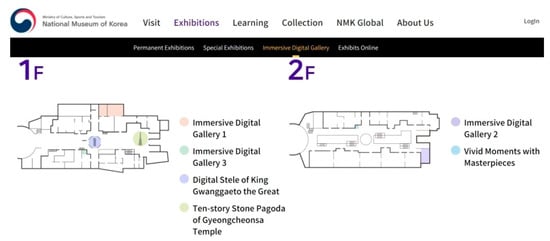
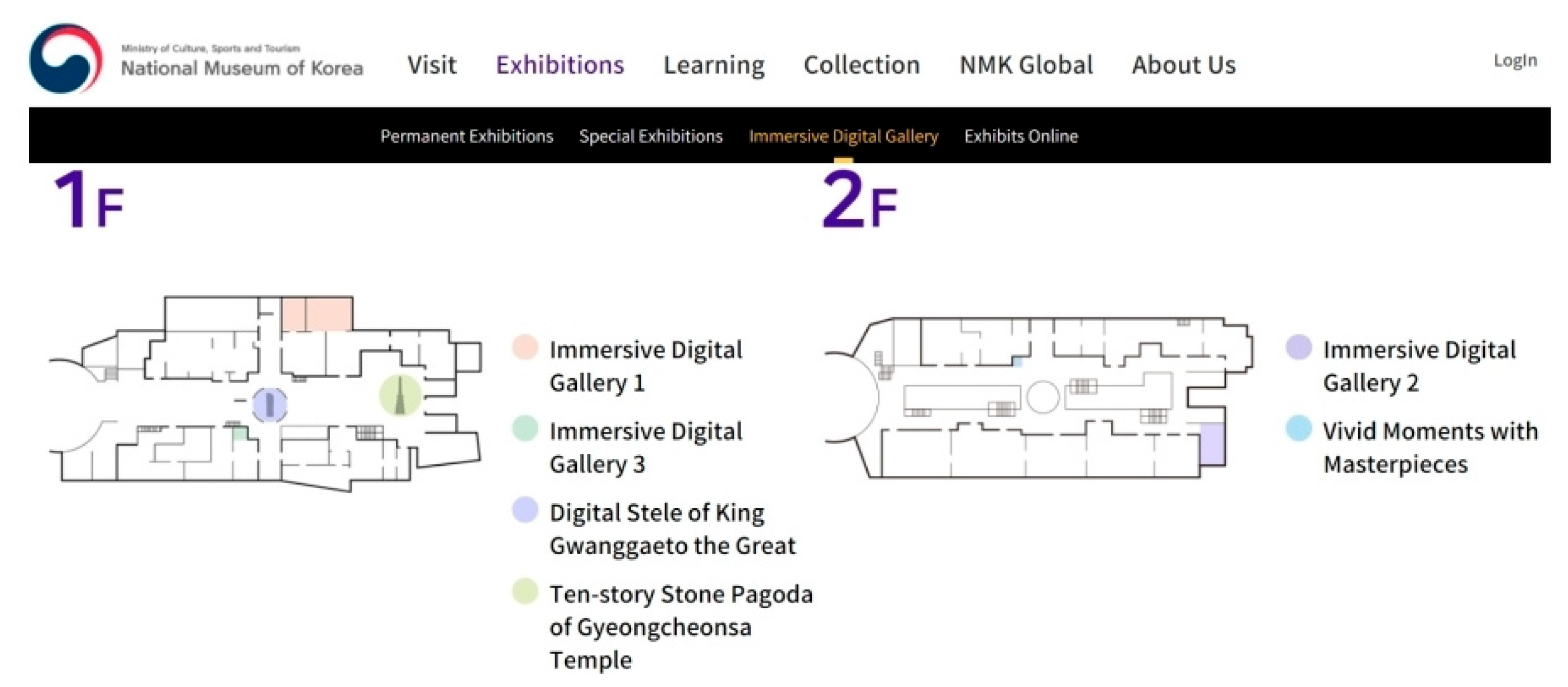
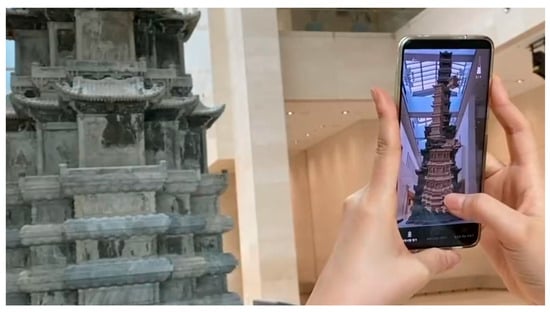
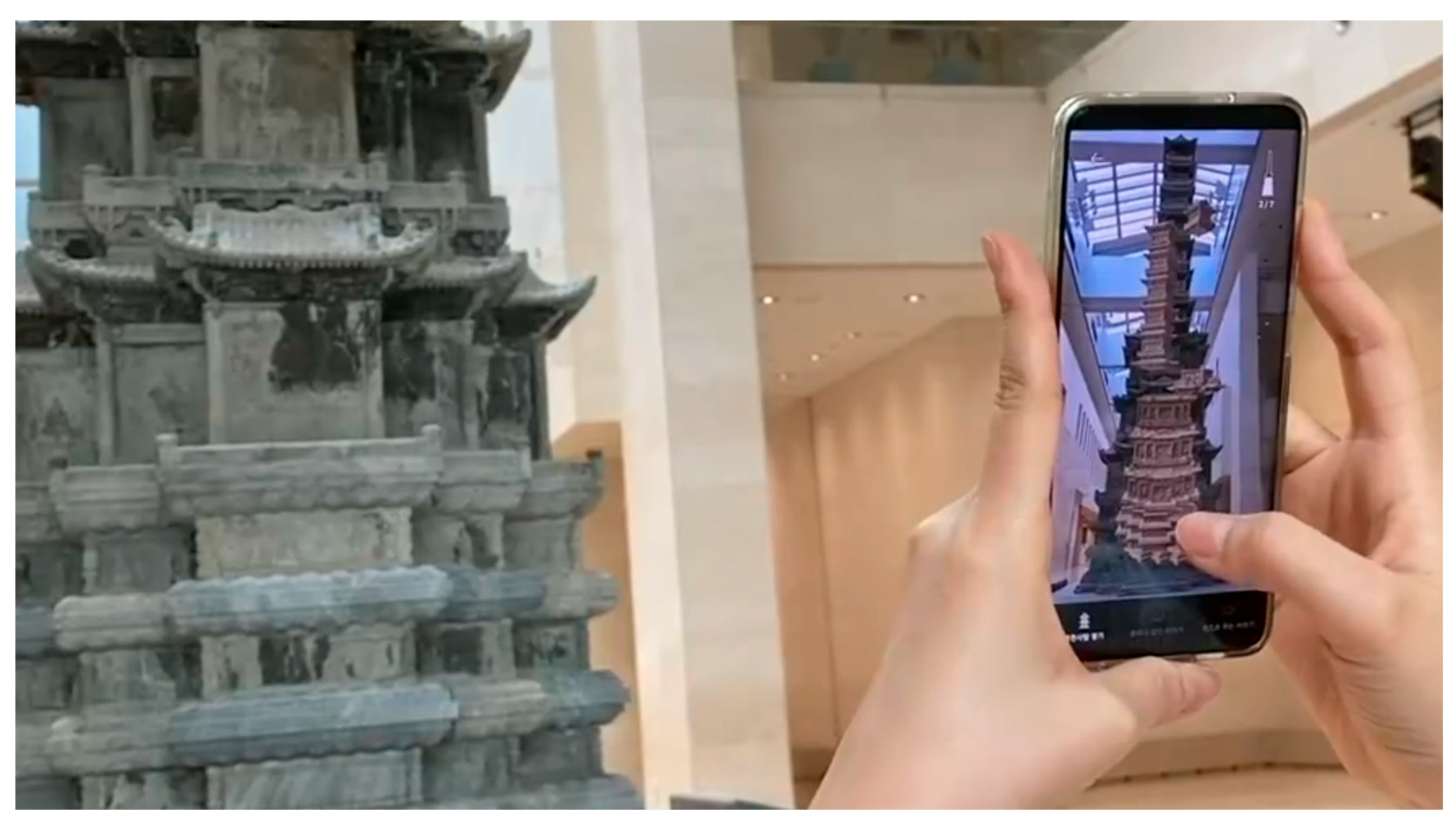
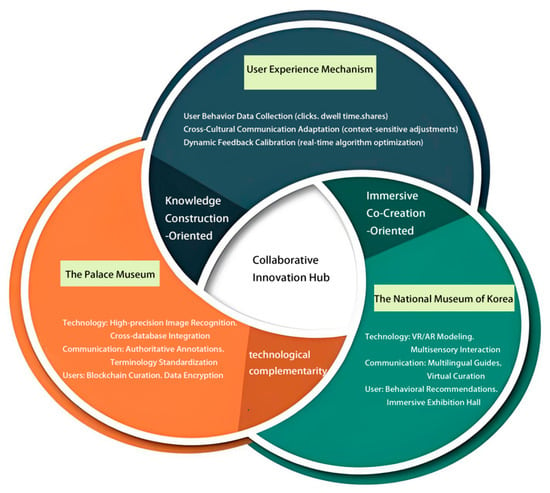
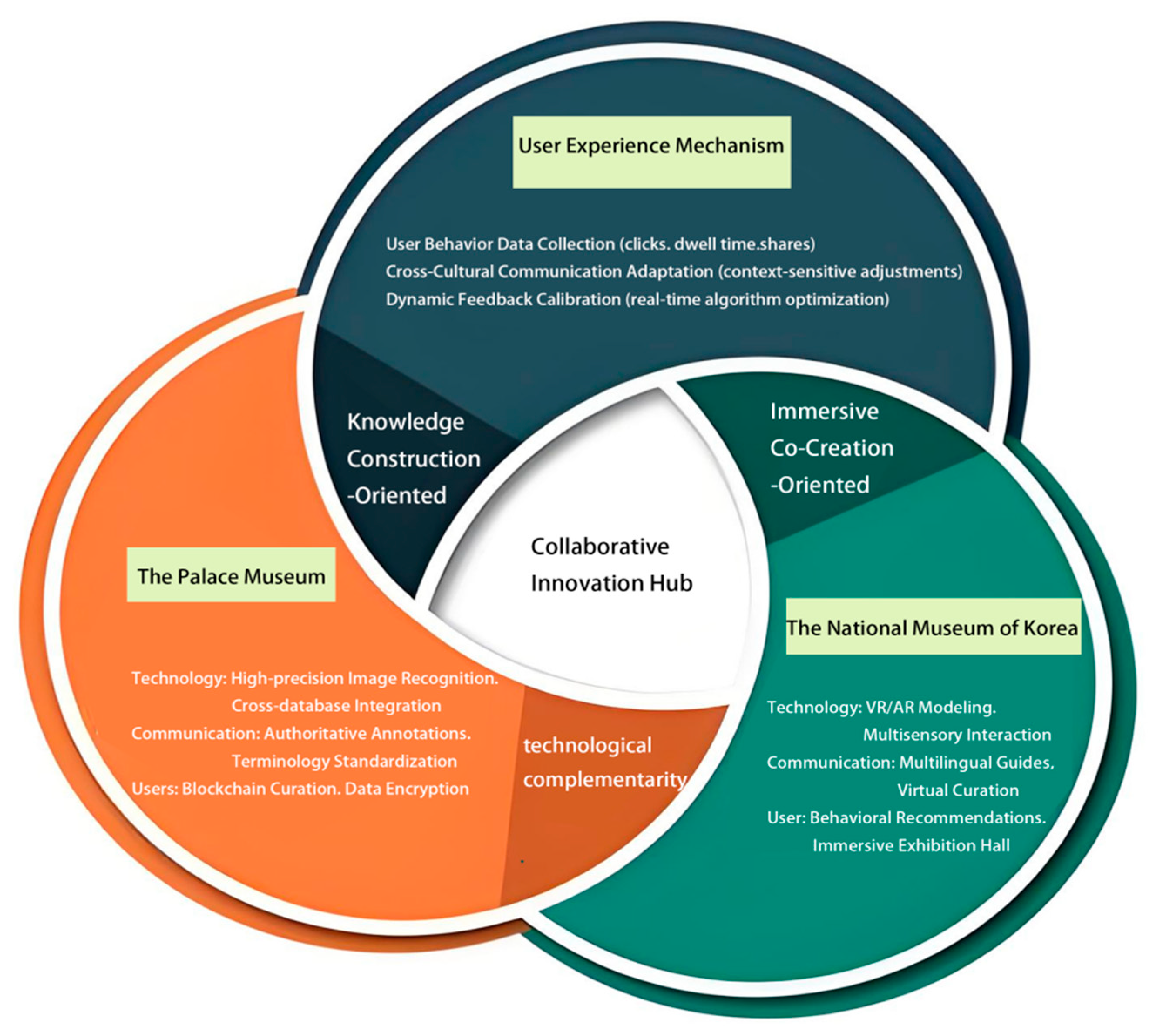
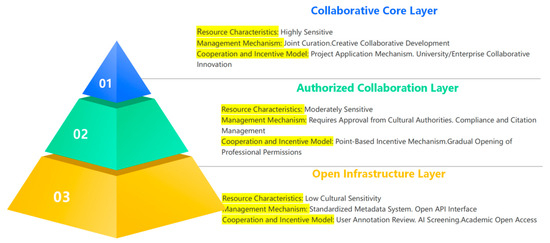
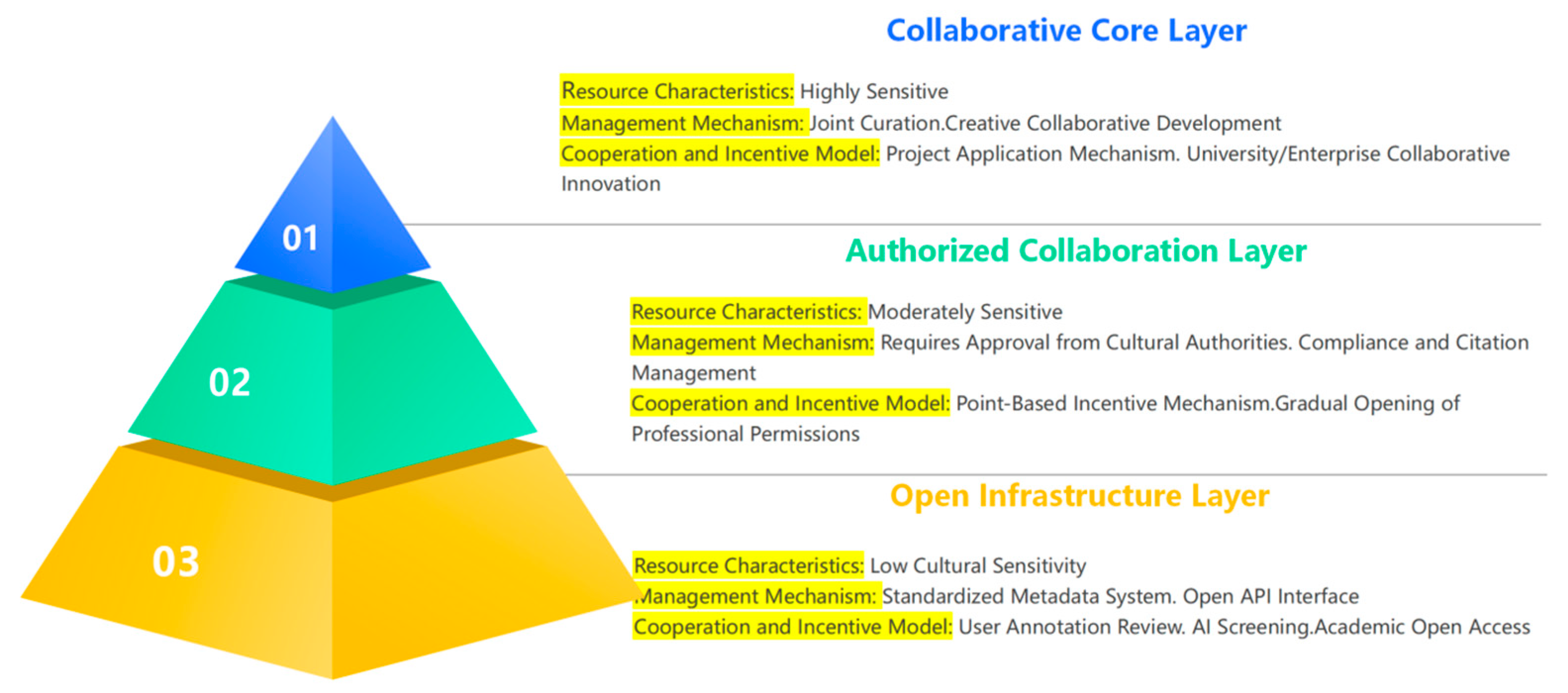
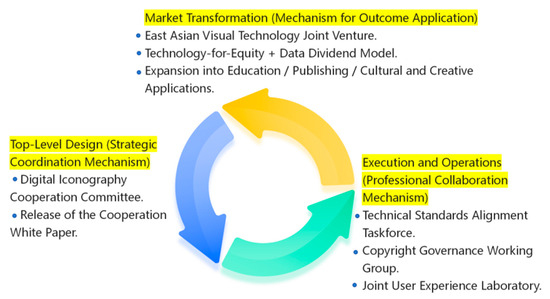
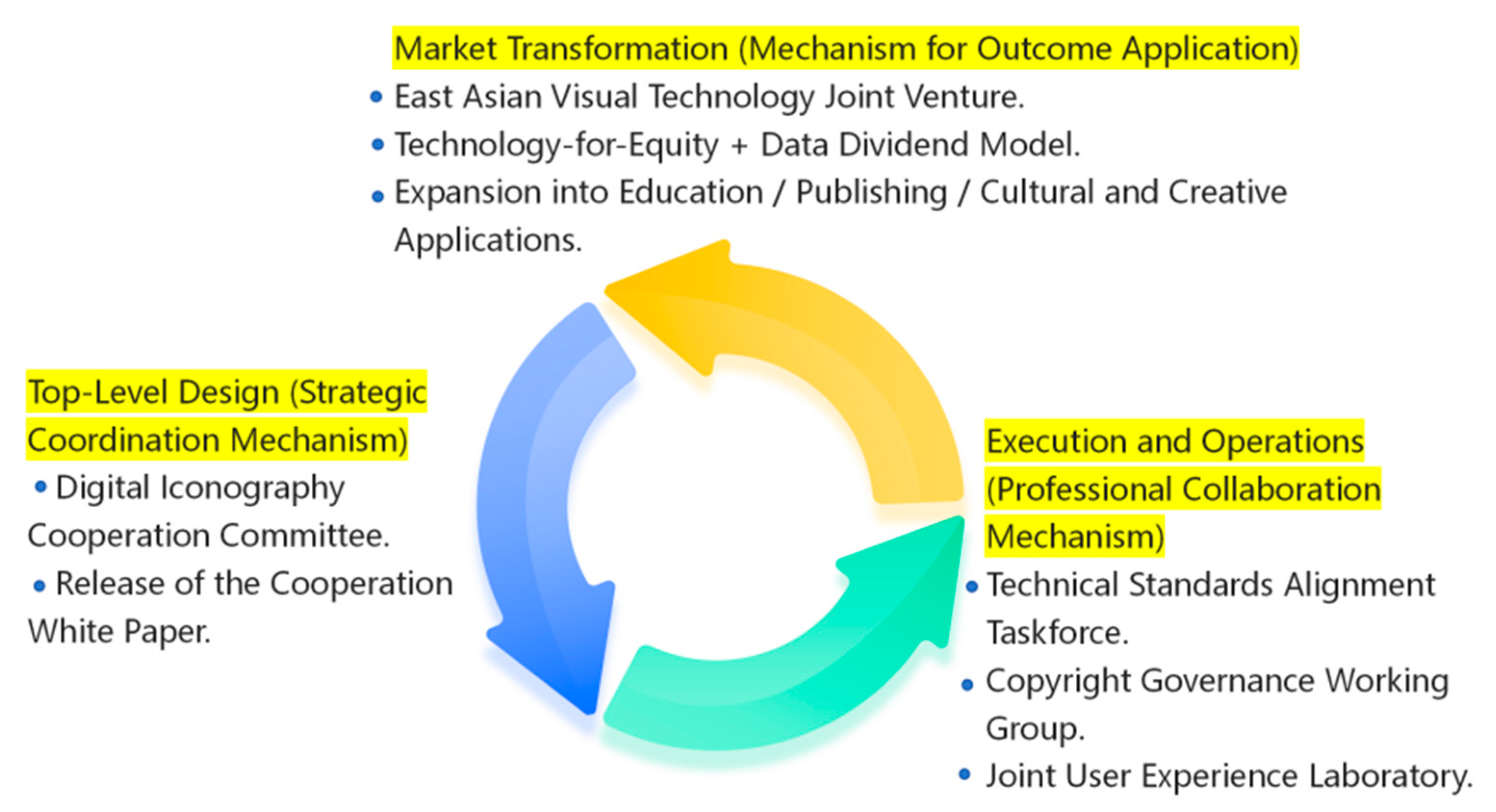
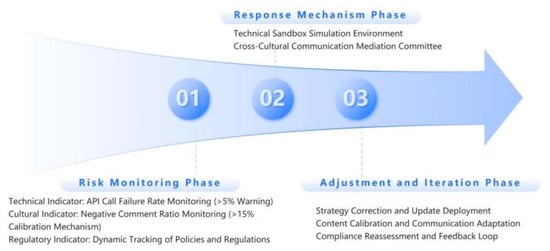
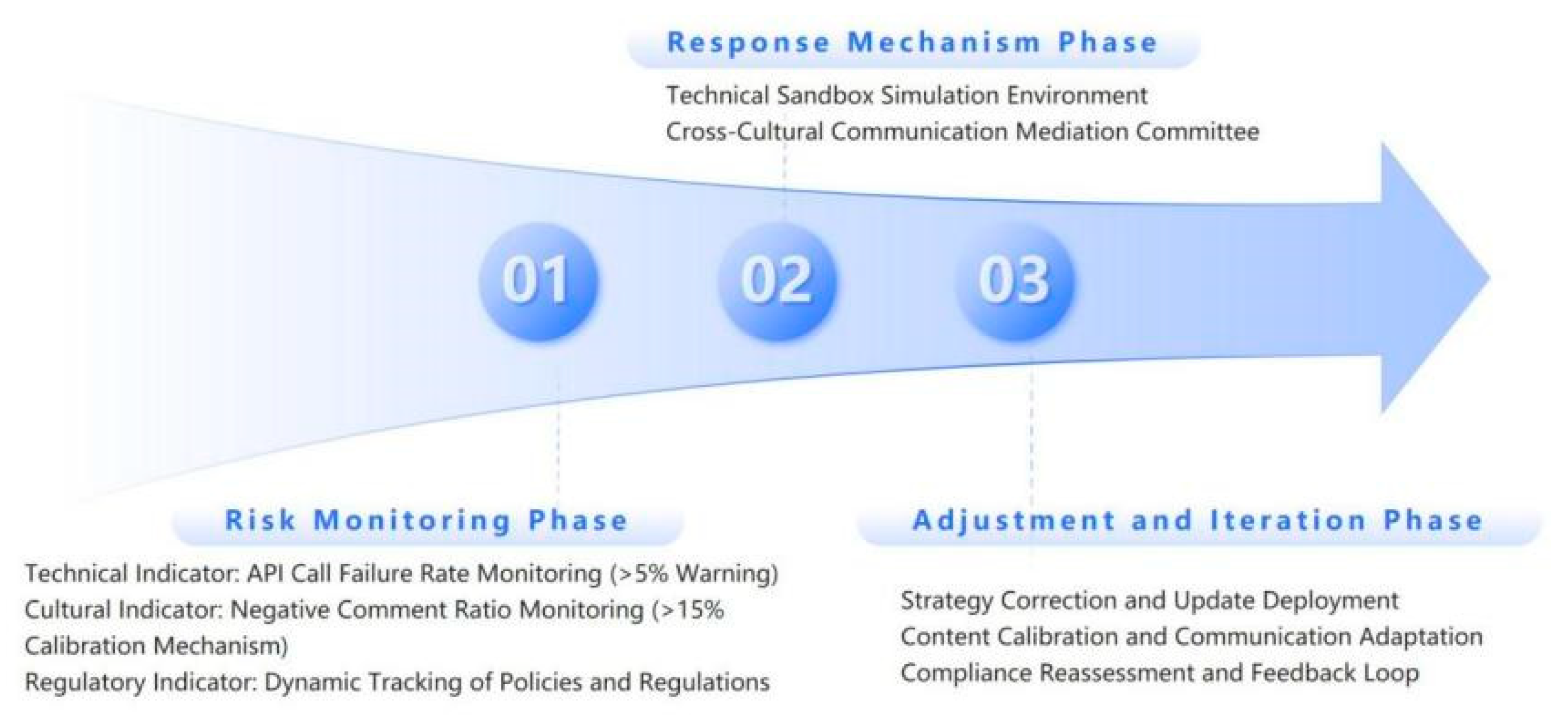

Disclaimer/Publisher’s Note: The statements, opinions and data contained in all publications are solely those of the individual author(s) and contributor(s) and not of MDPI and/or the editor(s). MDPI and/or the editor(s) disclaim responsibility for any injury to people or property resulting from any ideas, methods, instructions or products referred to in the content. |
© 2025 by the authors. Licensee MDPI, Basel, Switzerland. This article is an open access article distributed under the terms and conditions of the Creative Commons Attribution (CC BY) license (https://creativecommons.org/licenses/by/4.0/).