


Abstract
Coal mine disaster prevention is a fundamental course within mining engineering and coal mine safety engineering curricula. Given the complexity and variability of coal mine disasters, it is crucial to cultivate students’ practical awareness to address the challenges encountered in this field. Virtual reality (VR) technology, with its highly realistic and reusable virtual environments, reduces the resource consumption required for on-site training. Additionally, it offers an effective solution for students to safely and efficiently understand coal mine disasters, master the common types of disasters and their causes, and enhance immersive learning, practical skills, and emergency response capabilities. This study integrates virtual simulation experiments with course content and utilizes VR technology to simulate mine environments and disaster processes, which allows students to experience disaster events in a safe virtual setting. By incorporating embodied cognition theory and VR gesture technology, an interactive learning system is developed to improve students’ learning efficiency and engagement. The results indicate that applying VR technology to teaching coal mine disaster prevention and control significantly stimulates students’ interest and facilitates a comprehensive, intuitive understanding of the causes, characteristics, and prevention measures associated with coal mine disasters. Employing virtual reality technology in education not only enhances the students’ awareness of coal mine safety but also provides strong support for the sustainable development of coal mine enterprises.
1. Introduction
Coal remains the dominant component of the Chinese energy mix and plays a crucial role in supporting the nation’s sustained economic growth [1,2]. Compared with other energy resources, coal mines face a more complex array of hazards, in terms of both type and severity, including gas leaks, water hazards, fires, and rock bursts. As mining intensifies and expands in depth, the threat and severity of these disasters escalate, leading to a higher risk of accidents with multiple fatalities and injuries [3]. In 2022, according to incomplete statistics, there were 168 coal mine accidents nationwide, resulting in 245 fatalities, which represents an increase of 85% and 38%, respectively, compared to the previous year. The national coal mine fatality rate per million tons of coal is 0.054 [4]. The high frequency and severity of coal mine disasters in China underscore the critical importance of education in the prevention and control of such occurrences in the mining and safety engineering fields. The inherent unpredictability and destructiveness of coal mine disasters demand that professionals in the mining industry not only possess robust theoretical knowledge but also the ability to respond adeptly in emergencies [5,6]. Consequently, higher education institutions and training organizations need to continuously update their curricula and teaching methodologies to address the issues associated with coal mine disaster prevention and control, in terms of both theoretical and practical aspects, which aligns with China’s new era strategy of nurturing a talent-rich nation.
In the field of education, particularly in the disciplines of science, language, physics, and chemistry, there is a higher frequency of application. In the field of language education, Chen et al. [7] have developed VR games to boost students’ enthusiasm for learning English. By participating in these games, students’ learning motivation is enhanced, and their initiative is encouraged. In the field of scientific education, Wu et al. [8] have utilized virtual reality technology to create immersive spherical videos, allowing students to engage in hands-on scientific activities and thereby enhancing their problem-solving abilities. In the field of physics education, Amri et al. [9] have developed a three-dimensional learning environment for physics. Utilizing technology to measure the effectiveness of students’ academic performances and motivation in physics, their experiments revealed that the virtual reality-enriched learning environment significantly improved students’ grades and enhanced their enthusiasm for learning physics. This comprehensive virtual simulation experiment promoted the fusion of virtual and real experiences, thereby significantly enhancing the students’ systematic learning capabilities. Evidently, the application of VR technology within higher education is expanding rapidly.
The essence of VR technology lies in its capacity to create an immersive, interactive, and three-dimensional (3D) virtual environment. Users can engage with this virtual landscape through head-mounted displays (HMDs) and other sensory devices like motion-capture gloves and treadmills [10,11,12]. A defining feature of VR technology is its ability to stimulate imagination, interactivity, and immersion [13], which offers users the sensation of inhabiting an entirely distinct virtual world. VR technology can provide a safe, controllable, and highly realistic simulated environment, which allows trainees to conduct safety training and emergency drills without exposing themselves to real-world risks, thereby markedly enhancing their preparedness for real-world scenarios [14,15,16]. This study aims to underscore how VR technology can advance the prevention and control of coal mine disasters, as well as contribute innovative concepts and practical applications to the field.
Enhancing the quality of coal mine disaster prevention courses has been a long-standing goal among educators. The development of a coal mine disaster prevention teaching system based on VR technology, which offers students safety information and operating procedures within a dynamic 3D environment, is much more robust and effective than static, paper-based methods. This paper integrates the characteristics of mine disaster prevention courses with VR technology to enhance students’ understanding of the mechanisms, monitoring, early warning, and prevention of mining disasters, thereby augmenting course engagement and visual representation.
2. Characteristics of Five Major Disasters in Coal Mines
The “Coal Mine Accident Emergency Rescue Plan” is a comprehensive and systematic set of procedures designed to manage various emergencies that may arise during coal mine operations. It includes proactive measures for accident prevention, swift strategies for responding to accidents when they occur, and a well-organized post-accident recovery plan. As delineated in the “Coal Mine Accident Emergency Rescue Plan”, the primary disasters in coal mines include roof falls, gas emissions, water hazards, fires, and coal dust explosions [17].
2.1. Roof Disaster
Roof-related disasters in coal mines [18,19,20] refer to catastrophic events stemming from the deformation, destruction, and collapse of the roof strata during mining operations. These disasters manifest as roof falls, rib spalling, and rock bursts. They vary in scope from local roof falls to large-scale roof falls [21,22,23]. Mechanically, they can be classified as compression, leakage, or push-type roof falls. These occurrences are the most prevalent accidents in coal mines, which pose severe threats to miner safety and operational continuity.
The characteristics of roof-related disasters are:
- (1)
- Diversity: Roof-related disasters in coal mines manifest in multiple forms, including roof falls and rib spalling. Roof falls entail the sudden collapse of overhead rocks or coal layers, while rib spalling involves the collapse of coal or rock walls along the tunnel sides. Varying geological conditions and mining methods can lead to different types of roof-related disasters;
- (2)
- Geological influence: Roof stability is heavily influenced by the coal seam occurrence, rock properties (such as strength and stratification), and geological structures (such as faults and folds). Soft coal seams or fractured roof strata increase the likelihood of roof falls;
- (3)
- Mining activity relatedness: Mining activities disrupt the roof strata’s original equilibrium. As the mining face advances, the conditions for roof support are subject to constant change. If support measures are not implemented promptly or are not appropriate, this can readily trigger roof-related disasters.
2.2. Gas Disaster
Gas-related disasters in coal mines [24,25,26] refer to catastrophic events linked to the presence and abnormal activity of gas during coal production. Hazards include coal and gas outbursts, gas explosions, gas combustion, and gas poisoning (asphyxiation) [27,28,29], with gas explosions being the most prevalent and destructive.
The characteristics of gas disasters are:
- (1)
- Colorless and odorless: Methane, the principal component of gas, is inherently colorless and odorless, which makes it difficult to detect, resulting in increased potential risks. Miners cannot easily detect gas leaks sorely through their senses without specialized equipment;
- (2)
- Low density: Gas, which has a lower density than air, tends to accumulate at the tunnel vault to form a layer of gas. Poor ventilation can lead to the thickening of gas layers, which may explode if they come into contact with an ignition source;
- (3)
- Highly flammable and explosive: When it mixes with air at a concentration between 5% and 16%, it can explode upon contact with an ignition source. The resulting high-temperature and high-pressure blast waves from explosions can damage tunnels and equipment, resulting in casualties;
- (4)
- Diverse emission modes: Gas can gradually seep from coal walls and rock strata (regular emission) or appear in large volumes over a short period (abnormal emission, such as gas outbursts). Gas outbursts are an extremely hazardous phenomenon that can instantaneously release large amounts of gas and eject solid materials like coal.
2.3. Fire Disaster
Coal mine fire disasters [30,31] arise from the spontaneous combustion of coal seams due to physical and chemical reactions between coal and oxygen under certain conditions, which catalyzes thermal effects that precipitate fires. External and internal factors are the primary causes of coal mine fire accidents. External factors mainly refer to fires caused by high-temperature heat sources from external operations that ignite combustible materials. Internal factors primarily involve reactions occurring within the coal mine environment, such as the presence of combustibles, oxygen, and ignition sources [32,33].
The characteristics of fire disasters are:
- (1)
- Complex combustibles: The fuels involved in coal mine fires encompass a variety of materials, including coal, timber (used for support and other purposes), conveyor belts, and cables. The diverse combustion properties of these materials complicate the progression and management of fires;
- (2)
- Concealment: The intricate underground spaces within coal mines can conceal fire sources in inaccessible areas such as goaves and fractures in coal pillars. For instance, coal’s spontaneous combustion within goaves is often challenging to detect in its early stages. By the time smoke or elevated temperatures are observed, the fire may have already reached a considerable intensity;
- (3)
- Rapid spread: The underground ventilation system provides a continual supply of oxygen to the fire. As a result, once a fire ignites, flames can spread rapidly in response to the airflow generated by the ventilation system. Additionally, the toxic and harmful gases produced during combustion can disseminate with air currents, thereby posing a serious threat to miners.
2.4. Water Disaster
Coal mine water disasters [34,35] refer to incidents caused by the inflow of water from various sources through different pathways during construction and production activities, which leads to flooding of the mine or localized inundation when the volume of water exceeds the mine’s normal drainage capacity. In these scenarios, water predominantly originates from surface and groundwater sources. Such water hazards can disrupt production systems, inundate equipment, endanger the lives of miners, and cause significant losses to coal mining operations.
The characteristics of water disasters are:
- (1)
- Diverse water sources: The primary sources of water in coal mine water hazards include surface waters (such as rivers and lakes) and groundwater (including aquifer water and old mine water). The volume, pressure, and quality of water from different sources vary, complicating management efforts;
- (2)
- Suddenness and concealment: Particularly concerning old mine water, their precise location and volume are often difficult to ascertain. When mining operations approach old goaves, there is a risk of sudden water inrush, which can lead to severe accidents. For instance, accumulated water in certain old goaves may suddenly surge during mining operations, leading to tunnel flooding;
- (3)
- Highly destructive: The sudden influx of large volumes of water into the mine can not only flood tunnels and equipment but also cause casualties. Moreover, the challenges and costs associated with restoring production after a water disaster can be substantial.
2.5. Coal Dust Disaster
Coal dust disasters in coal mines [36,37,38] refer to hazardous phenomena that arise during coal production when large quantities of coal dust accumulate, which potentially leads to explosions, combustion, or health risks to personnel under certain conditions. Coal dust is highly hazardous; it not only contaminates the work environment and adversely affects miners’ health but also poses a significant risk of severe injury through dust explosions [39].
The characteristics of coal dust disasters are:
- (1)
- Prone to generation: Significant amounts of coal dust are produced during various stages of coal mining, including extraction and transportation. The generation of coal dust is nearly inevitable when coal is broken and moved;
- (2)
- Highly combustible: Coal dust can become combustible at certain concentrations, typically with the lower explosion limit range of 30–50 g/m3. Upon encountering an ignition source, coal dust can ignite and explode. Moreover, coal dust explosions are characterized by rapid propagation and high pressure;
- (3)
- High suspension quality: Fine coal dust particles can remain suspended in the air for extended periods, which poses an inhalation risk that jeopardizes human health, as well as expands the potential area at risk for explosions.
3. The Application of VR Technology in Coal Mine Disaster Prevention and Control Education
3.1. VR Technology
VR technology, a burgeoning field underpinned by advancements in computer science, employs modeling languages to simulate environments [40,41]. It utilizes various sensory devices to provide users with immersive experiences, which enables interaction between the user and the virtual environment. VR technology provides multifaceted experiences involving visual, auditory, and tactile sensations, which offers users a realistic perception of virtual settings [42,43]. It relies on foundational technologies, such as real-time image display, robotics, and multimedia, as well as tracking and positioning, to achieve an integration of diverse technologies, and has demonstrated effective applications to date [44,45]. VR technology is instrumental in mitigating the impact of production accidents and natural disasters on coal mine production. VR technology has strong capabilities for simulating mine design, working faces, and mine disasters, thus indicating a significant potential for future development in coal mine production.
3.2. The Advantages of VR Technology in Coal Mine Disaster Prevention and Control Education
- (1)
- Strong sense of immersion
By creating immersive learning environments, VR technology can enhance students’ engagement and motivation in their studies. Coal mining operations occur hundreds of meters underground, where multiple complex coal seams are interwoven. Consequently, providing detailed explanations through simple abstract examples proves challenging. This is particularly true for students who have never or rarely descended into a mine. It is challenging to form concrete images based solely on verbal descriptions. Disasters such as rock bursts and outbursts are often challenging to convey through traditional teaching methods. This results in a one-sided and incomplete understanding of mining disasters among students. The use of VR technology facilitates the integration of the theory and practice of coal mine disaster prevention and control, which provides students with immersive experiences. It allows them to gain a clearer understanding of the conditions at disaster sites, deepens their comprehension of disaster prevention and control knowledge, and facilitates the retention of the relevant operational steps and safety considerations. Furthermore, it enhances students’ mastery of professional knowledge while improving teaching quality and effectiveness for instructors.
- (2)
- Reduce teaching risk
Mining engineering programs emphasize practical teaching experiences through simulated internship mines and teaching demonstration centers designed to enable students to engage directly in support, excavation, and coal mining processes. However, there remains a gap between the practical conditions provided at educational institutions and the actual working environment of mines, which may fail to adequately replicate the complexities of real-world operations. Such discrepancies can potentially hinder the development of students’ practical skills. The application of VR technology allows for the detailed representation of every scenario and aspect of mining operations, which enables students to fully immerse themselves in the work environment. This realism facilitates a participatory learning experience and enables students to understand both prevention strategies and the realities of disasters as though they are active participants, thereby enhancing their practical skills and achieving educational objectives [46,47]. For instance, when students enter a virtual coal mine scenario, they can visually observe abnormal surges in gas monitoring meter readings, hear unusual sounds emanating from the coal mass, and witness an increasing number of cracks on the coal walls. These interactive experiences enable them to intuitively recognize strong indications of an imminent gas outburst, thereby leading to an enhanced understanding of its dangers. Consequently, they will be better equipped to implement appropriate safety measures in actual coal mine operations when they encounter similar situations. Moreover, the field of coal mining can harness VR systems to simulate the complex and high-risk environments of underground operations. These simulated contexts can serve as training platforms for mining engineering students, which effectively reduces the costs and time associated with internships while providing students with high-quality educational training experiences.
- (3)
- Increase student engagement
At present, coal mines commonly employ the comprehensive mining method to extract coal. Utilizing VR technology to virtualize comprehensive mining operations can more effectively guide the execution of the mining faces. Students, during their internships, are constrained by underground environments and working conditions, which makes it difficult for them to study the operational scope, performance matching, and functioning of comprehensive mining equipment. By applying VR technology, the operation and movement of comprehensive mining equipment, such as coal-mining machines, scraper conveyors, and hydraulic supports, can be integrated into a three-dimensional virtual environment. This facilitates students in operating the comprehensive mining equipment more effectively and aids in the research of performance matching among different mining devices, thereby enhancing their ability to respond to issues encountered in comprehensive mining operations.
Underground production work is primarily divided into two tasks: coal mining and tunneling. Consequently, VR technology can be employed to simulate these mining and tunneling operations separately. The mining and tunneling simulation system developed should encompass both static and dynamic interactive VR environments. The static interactive VR scenarios should primarily include mine shafts, ventilation management, roof and floor strata, and the surrounding rock formations. The dynamic interactive VR scenarios should include coal-mining machines, hydraulic supports, scraper conveyors, tunneling machines, and belt conveyors, among others. Within existing VR systems, students are able to navigate through tunnels, control the lifting and advancing of hydraulic supports, conduct the coal cutting with mining machines, and adjust work parameters, all through the use of control handles and personal computer (PC) desktop interfaces. These capabilities enable an authentic simulation of underground production environments.
- (4)
- Reduce educational costs
The costs associated with VR technology stem from both hardware equipment and software development. Given the varying levels of educational funding among schools, not every institution can afford to integrate VR technology into their teaching. Currently, companies are continuously updating their hardware offerings, striving to reduce the costs of virtual devices and thereby decrease expenditures on VR technology for educational applications. The software aspect of VR technology requires the involvement of specialized personnel, and efforts are being made to develop VR scenarios through enhanced collaboration between schools and businesses. In the short term, VR technology reduces the costs associated with internship teaching and the maintenance of experimental equipment, ensuring the safety of both students and teachers. In the long term, VR technology saves on educational costs, serves as a product of the modernization of education, and propels the reform of the educational system.
3.3. Disaster Prevention and Control Teaching System Based on VR Technology
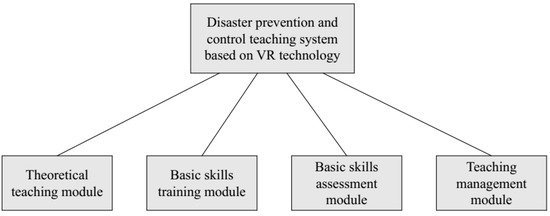
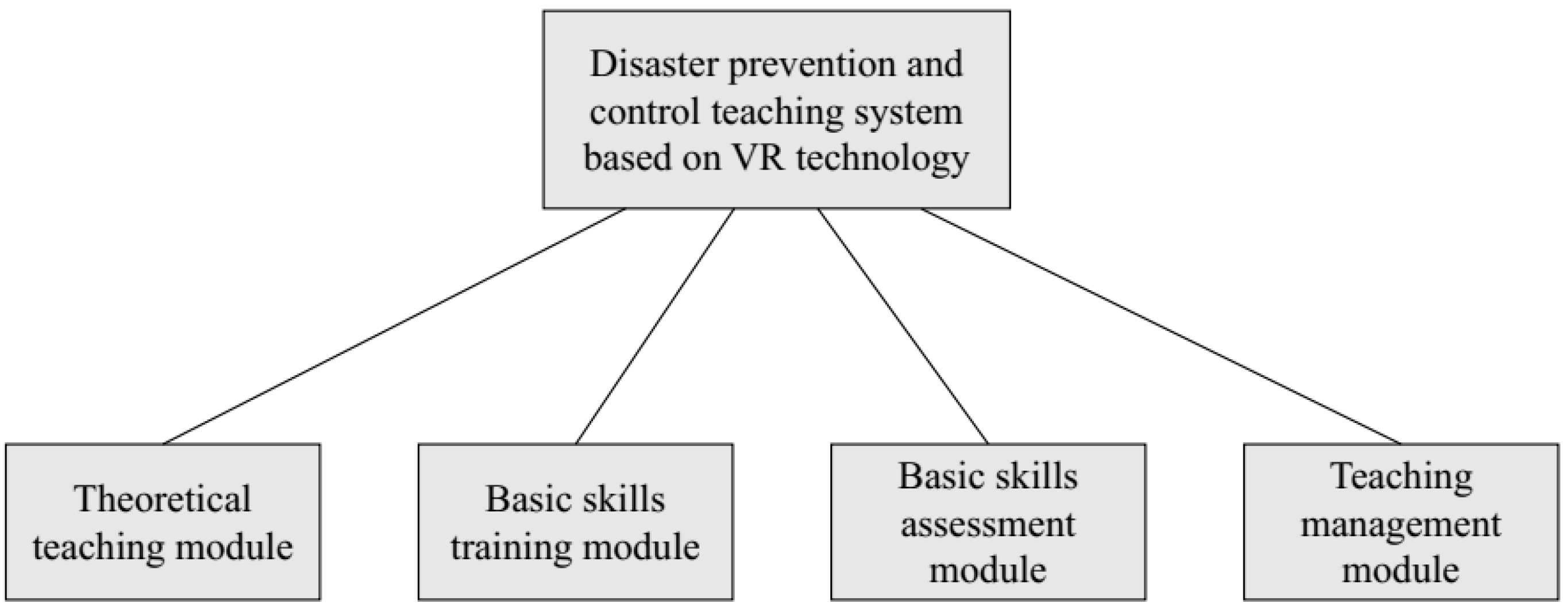
VR technology can also provide 3D visual models for the study of mine safety accidents, thereby enhancing research efficiency to a certain extent. Moreover, within a virtual model of mine safety incidents, it becomes possible to fully reconstruct the entire process of the event, which allows for a comprehensive analysis of the causes, sequence, and impacts of a safety incident from various perspectives. Students can engage in a full safety accident scenario by using mixed reality headsets equipped with multimodal interaction modules such as real-time gesture recognition, voice control, and eye tracking. This immersive experience allows them to deeply understand how to prevent accidents, what emergency measures to take following an incident, and the methods of emergency evacuation or rescue to be employed post-accident. The virtual disaster prevention and control teaching system encompasses four major modules: a theoretical teaching module, a basic skills training module, a basic skills assessment module, and a teaching management module, as illustrated in Figure 1.
Figure 1.
Division of the disaster prevention and control teaching system based on VR technology.
3.3.1. Theoretical Teaching Module
- (1)
- Enhancing the learning experience
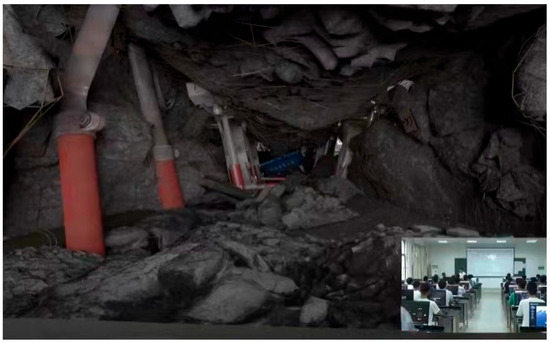
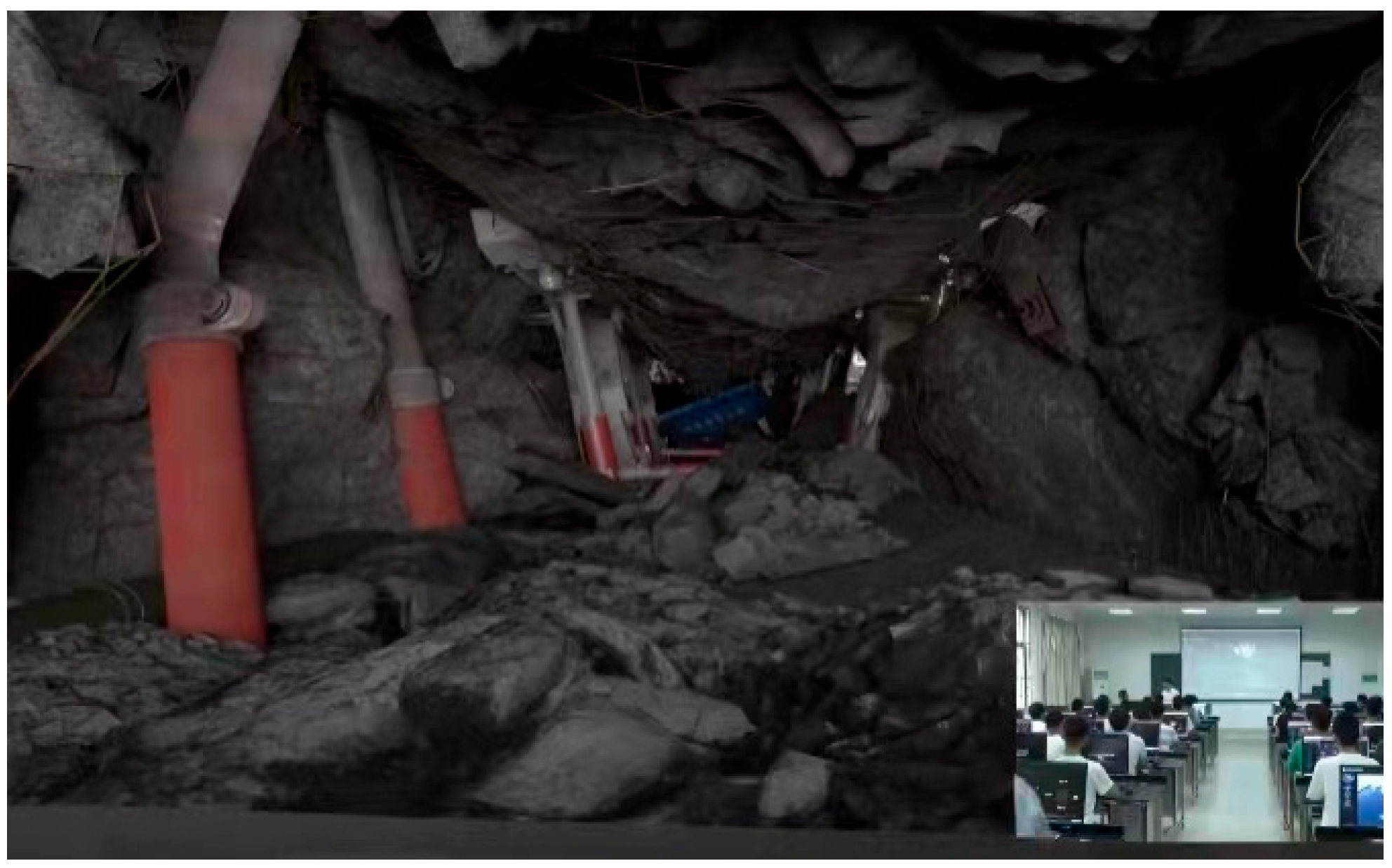
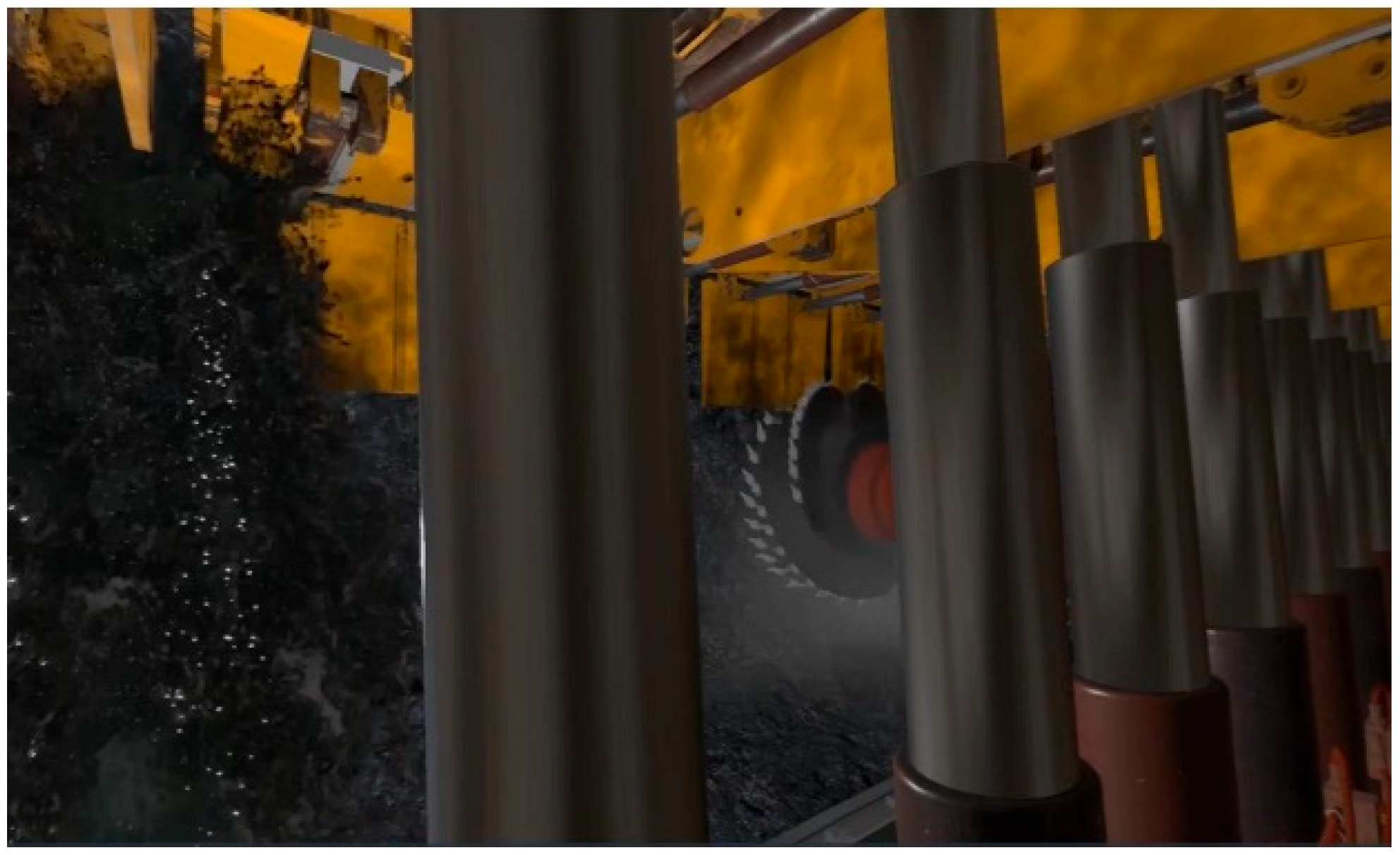
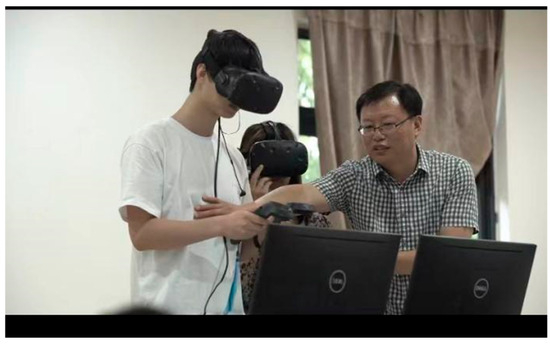
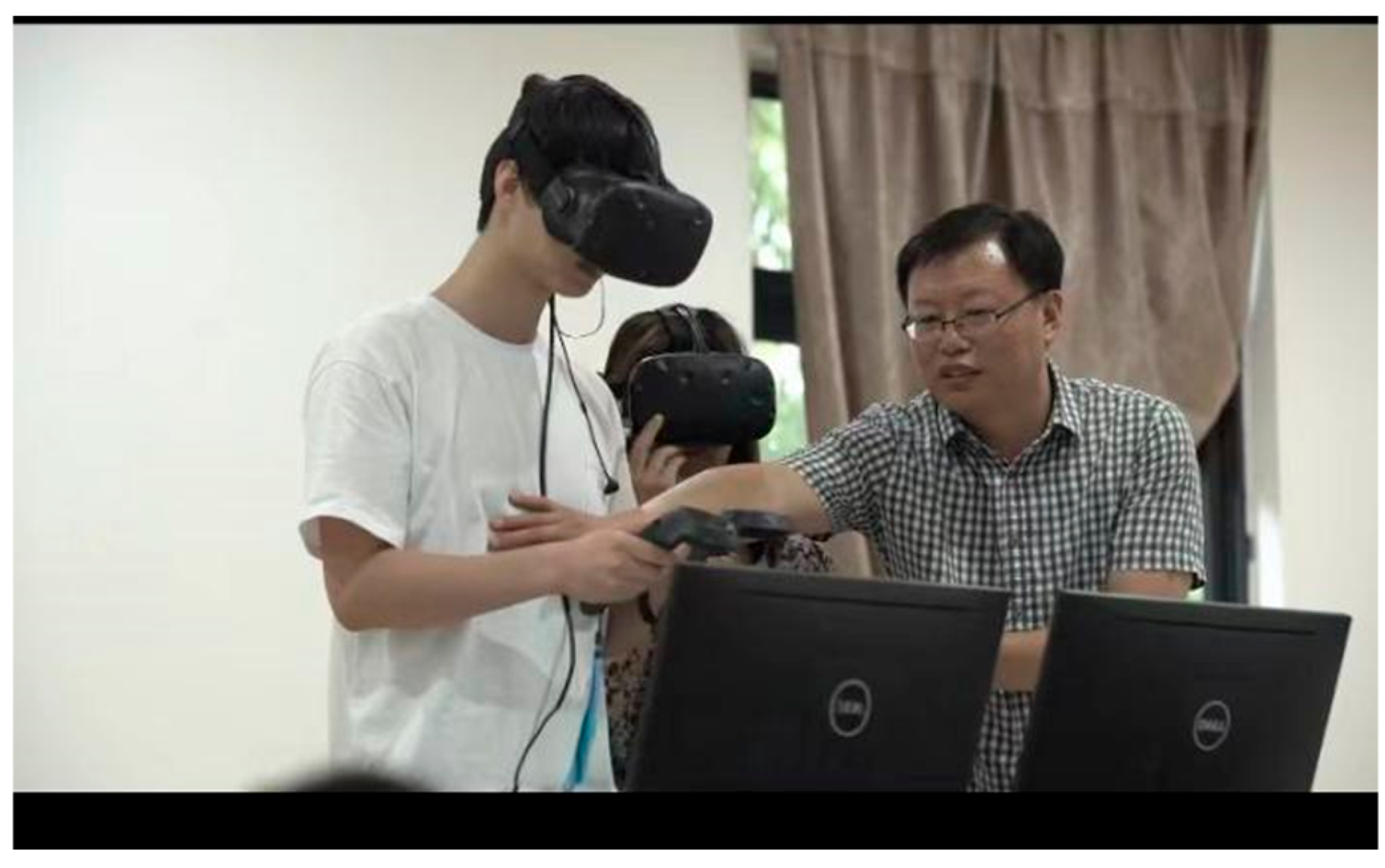
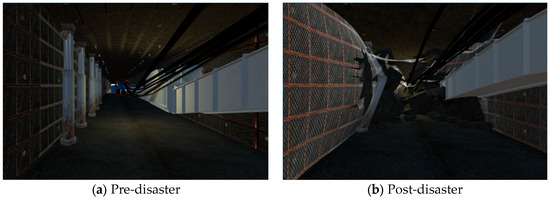
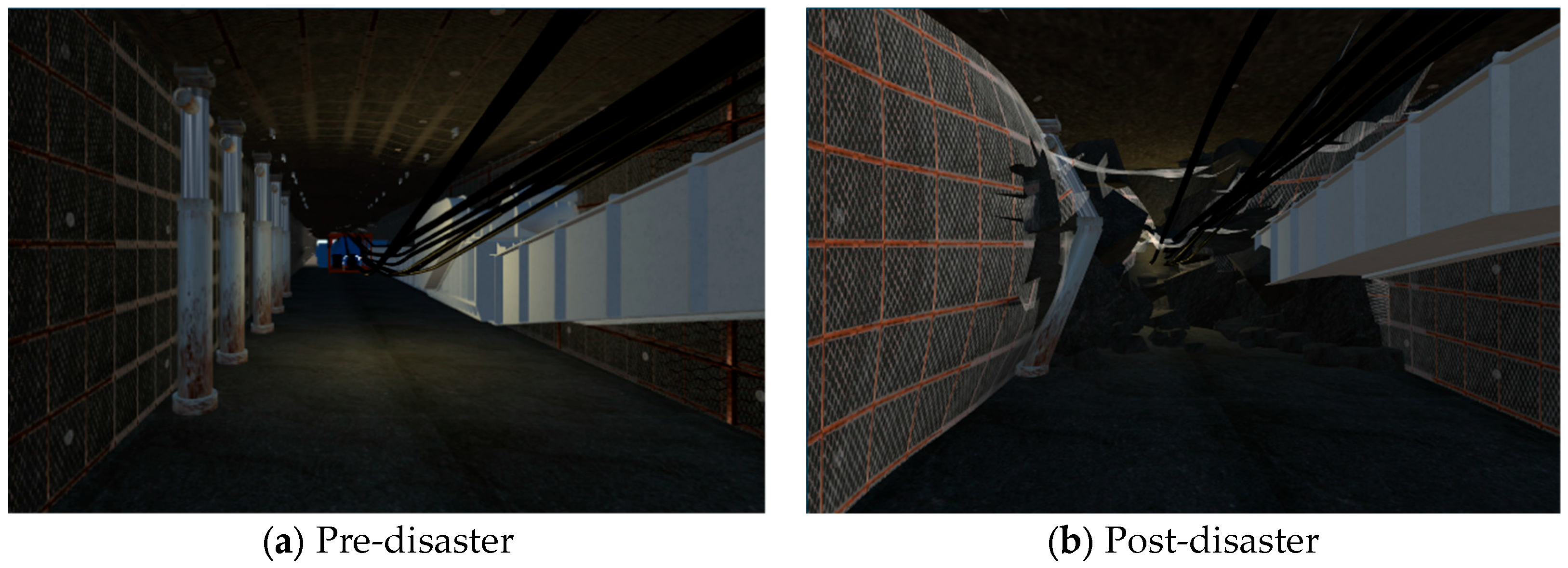
The study of coal mine disaster prevention and control education involves numerous abstract theoretical concepts, such as stress distribution and rock layer movement. VR technology can visually present these concepts in a three-dimensional format, which enables students to grasp them more intuitively, as depicted in Figure 2. For instance, virtual models illustrating geological structures and stress field distribution in coal mines allow students to visualize the magnitude and direction of stress across various areas. This visualization facilitates a better comprehension of the mechanisms underlying disasters, such as coal and gas outbursts, rock bursts, and water inrushes, as depicted in Figure 3.
Figure 2.
Teaching practice.
Figure 3.
Water inrushes.
- (2)
- Enriching teaching resources
Enriched teaching resources free instructors from the repetitiveness of traditional textbook-centered lectures. The case library includes realistic simulations of actual coal mine safety accidents in China and integrates safety education with immersive experiences that replicate scenarios related to the five major disasters. It includes accident experience, accident review, accident analysis, and safety demonstrations. By accurately recreating the details and causes of accidents and disasters, students can experience the sensation of being at the scene, which allows them to immerse in the experience, comprehend the consequences, and be deeply affected.
Engaging students within their interests promotes greater enthusiasm for learning. Guided by the safety experience system, students effectively learn to execute rescue operations correctly or to avoid accidents and disasters, thereby enhancing their self-rescue capabilities and overall safety production standards. This approach instills a deep-rooted safety consciousness.
- (3)
- Extractive equipment learning
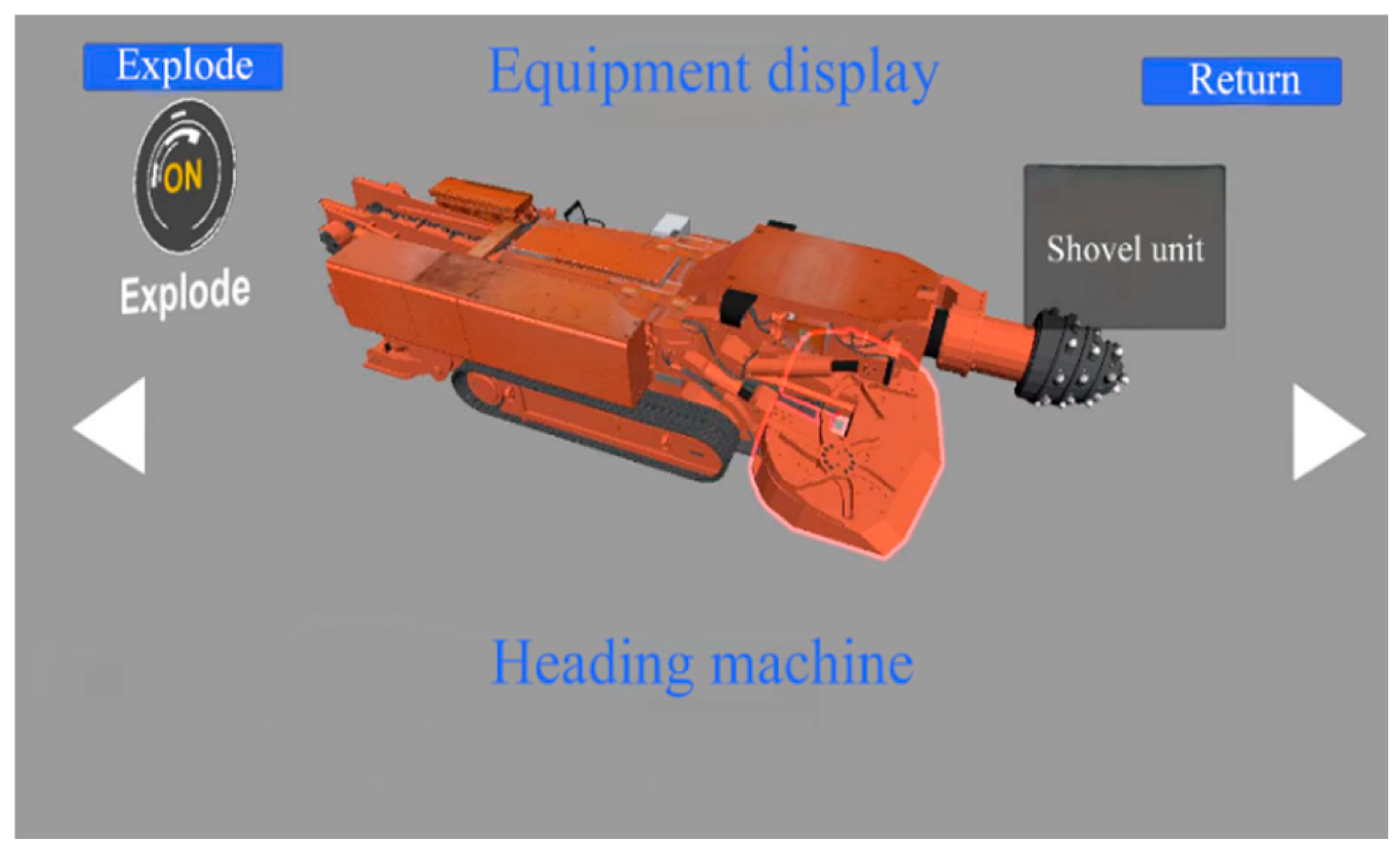
The 3D presentation encompasses visual teaching content such as equipment introduction, structure, operation, troubleshooting, and principles, making learning more vivid and interesting. Students can master the standard operation of intelligent mining equipment without the need to descend into the mine beforehand. The VR disassembly section utilizes high-precision 3D models to fully acquaint students with the various structural components of comprehensive mining equipment using simple operations such as clicking and dragging, as shown in Figure 4. This allows for the adjustment of viewpoints, zooming, and disassembly of various equipment, fully integrating teaching, learning, and practice to enhance learning outcomes.
Figure 4.
3D visualization learning of intelligent mining equipment.
- (4)
- Module summary
VR technology has a significant impact on education in coal mine disaster prevention. It can vividly display abstract concepts, such as stress distribution in 3D, using virtual models of coal mine geological structures and stress field distribution to help students comprehend the underlying mechanisms of disasters. Furthermore, it can enrich educational resources by incorporating a case library with simulations of real accidents, it recreates disaster scenarios and accident details, providing students with an engaging, first-hand perspective. Guided by a safety experience system, students can improve their self-rescue skills and understanding of safe production practices. It fosters safety awareness, ignites enthusiasm for learning, and assists educators in transcending the limitations of traditional teaching methods.
3.3.2. Basic Skills Training Module
- (1)
- Initial interface effects
The primary interaction methods between users and the system involve interface prompts within the headset device, control handle operations, and actions from the personal computer (PC) desktop control interface, as depicted in Figure 5. The training system conveys information through graphical, menu, and icon-based interfaces, which are highly intuitive. Users operate the system utilizing controllers and similar input devices.
Figure 5.
Schematic diagram of human–computer interaction.
- (2)
- Disaster scenario reconstruction
This feature enables the participants to engage in interactive virtual modeling, which allows them to perceive and experience the immediate sensations related to a coal mine disaster from the perspective of those involved, as shown in Figure 6. This approach fosters a more vivid and profound understanding of coal mine disasters and their prevention. It provides students with a visual and auditory experience that encourages a deeper appreciation of the hazards associated with such disasters.
Figure 6.
Underground safety accident virtual simulation scene.
- (3)
- Disaster cause analysis
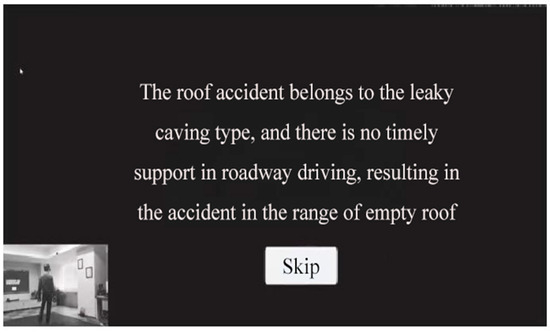
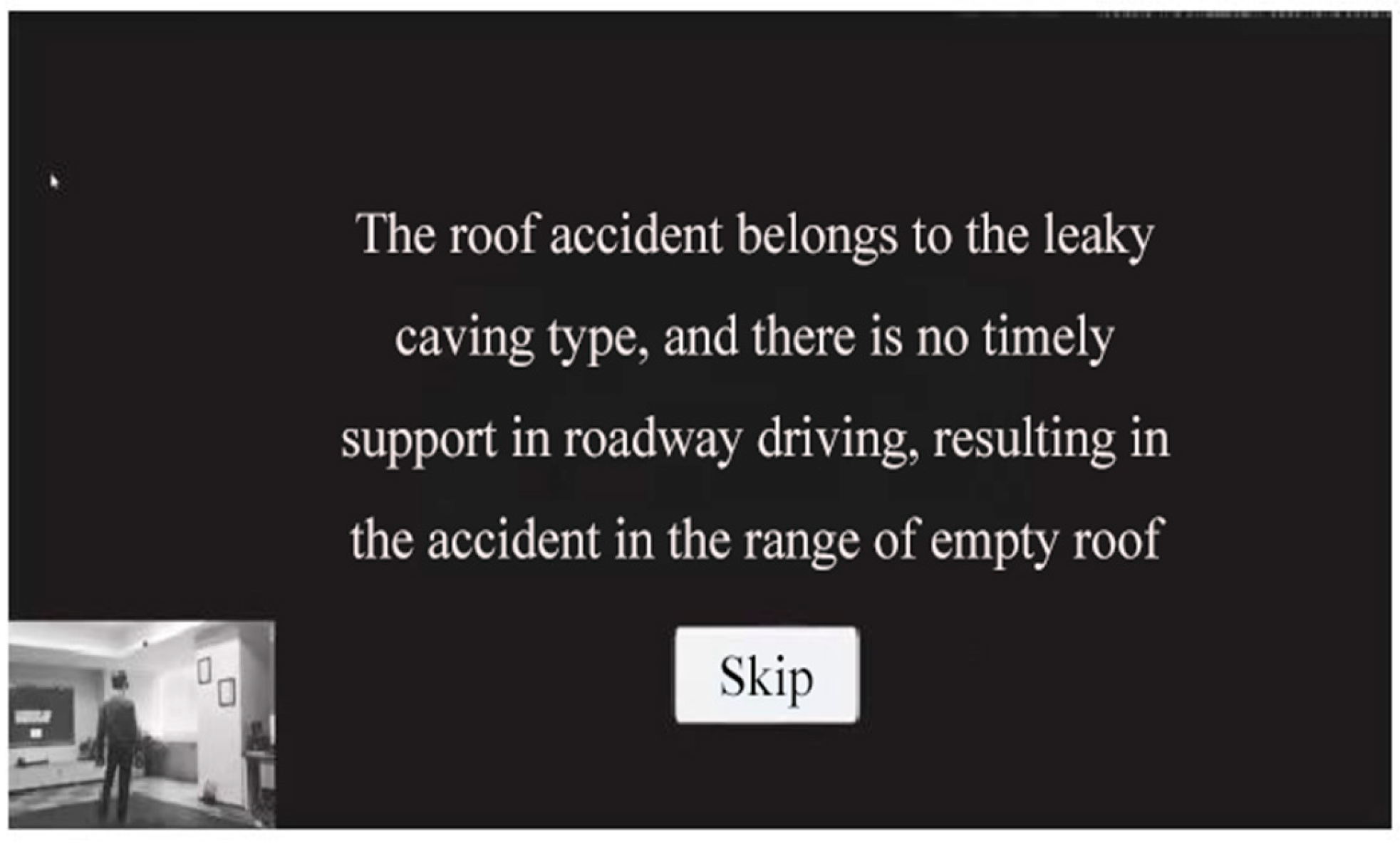
Following immersive experiences with disaster scenarios, the training system summarizes and presents the causes of these disasters. After experiencing the scenarios through visual and auditory means, students gain a more rational understanding of the causes and consequences of the disasters, thereby enhancing the depth and efficacy of disaster experience courses. The analysis process for the causes of mine roof disasters is illustrated in Figure 7.
Figure 7.
Analysis of roof disaster causes.
- (4)
- Standardized safety production process
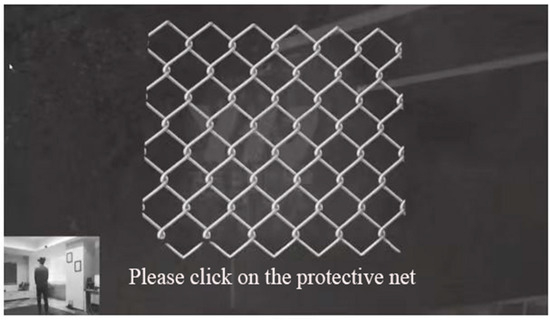
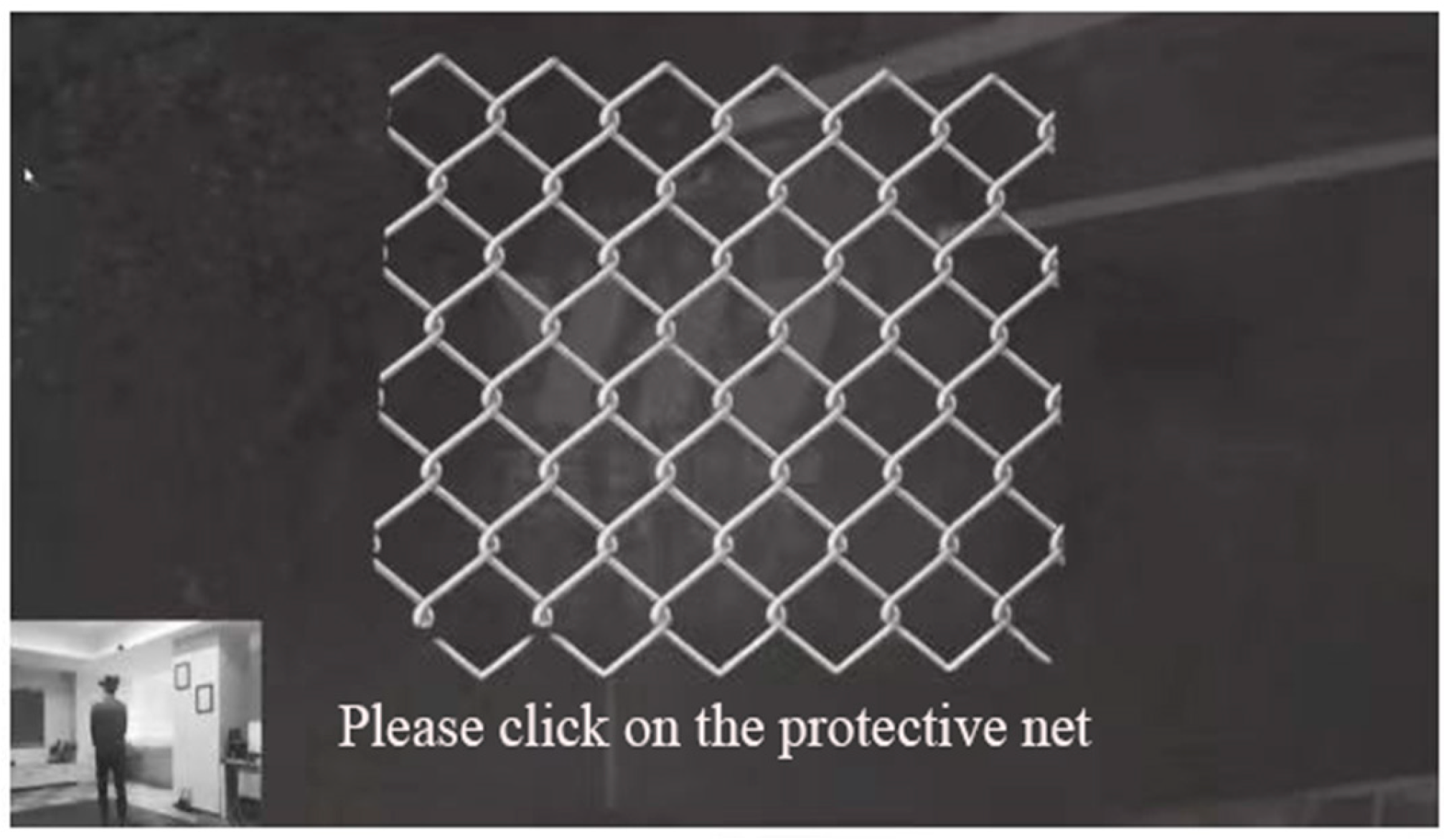
Upon analyzing the causes of disasters, the training system automatically generates operational learning that is courses closely aligned with the identified causes, including equipment operation and procedural flow. This enables trainee students to master the correct procedures or preventive measures for averting similar disasters in actual production environments, thereby enhancing their skill levels. The specific standard process for roof disaster management is depicted in Figure 8.
Figure 8.
Standardized process for roof disaster management.
- (5)
- Safety Knowledge Questions and Answers (Q&A)
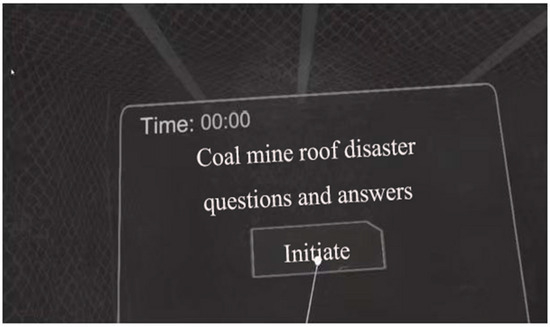
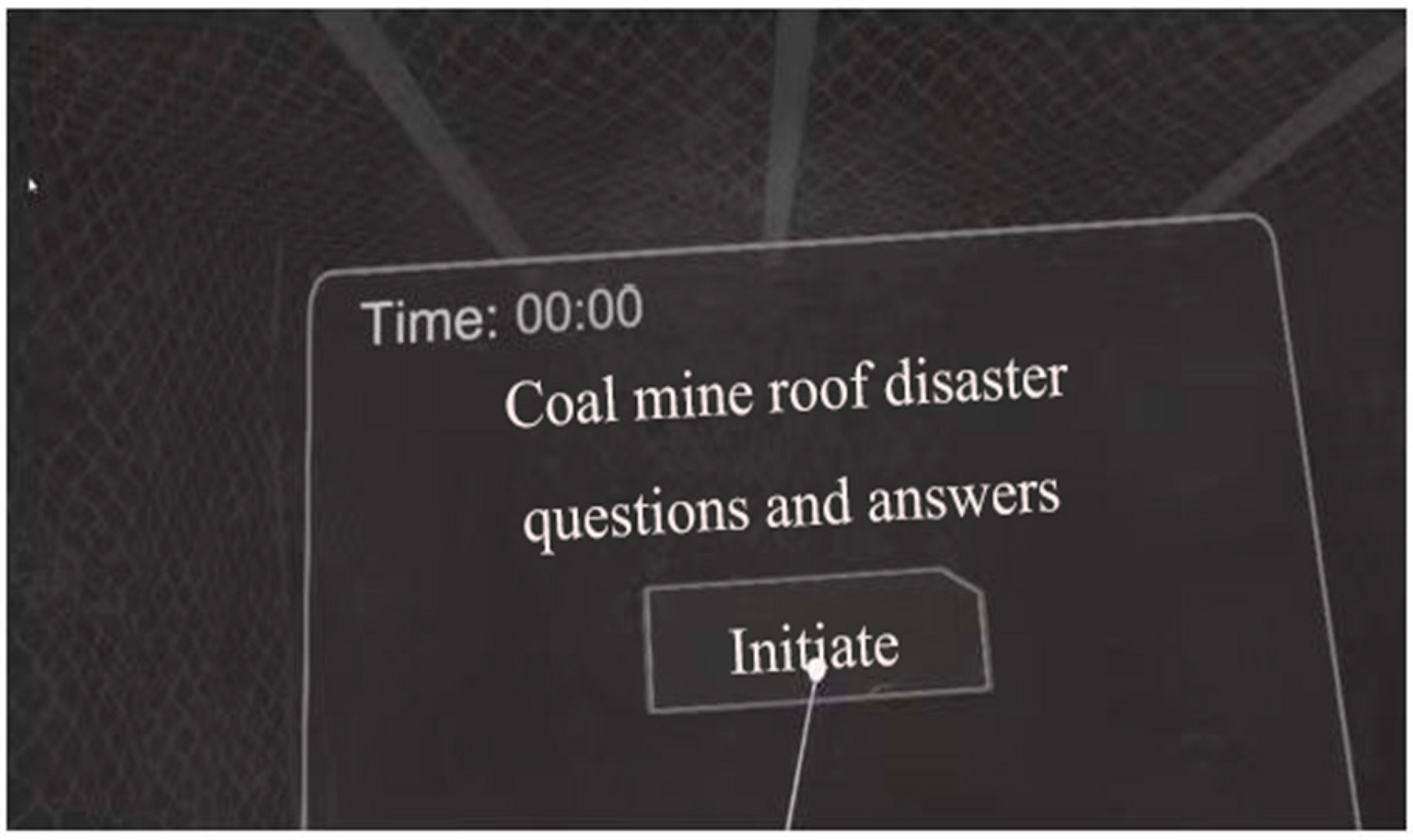
After undergoing immersive disaster scenario experiences, as well as analyzing disaster causes and standardized operational procedures, the system provides a question bank related to various disasters, which includes basic knowledge of disasters, emergency rescue knowledge, and other disaster-related content. This allows students to assess their training effectiveness. It is illustrated in Figure 9.
Figure 9.
Safety knowledge Q&A.
- (6)
- Module summary
The coal mine disaster prevention training system is versatile and practical. Its initial interface supports headphone prompts, a controller, and desktop interaction, offering an intuitive and user-friendly graphical interface. Disaster scenario reconstruction allows the participants to perceive coal mine disasters through interactive virtual modeling, gaining vivid and profound insights into the hazards. With immersive scenario experiences, the system can analyze the causes of disasters, enabling students to form a rational understanding of disaster causality, thereby enhancing the depth and effectiveness of the curriculum. Subsequently, the system automatically generates associated operational learning courses, covering equipment and procedural content, to help trainees grasp preventive measures and enhance their skills. Additionally, there is a safety knowledge quiz, which provides a disaster-related question bank based on the previous sections, allowing students to assess the effectiveness of their training.
3.3.3. Basic Skills Assessment Module
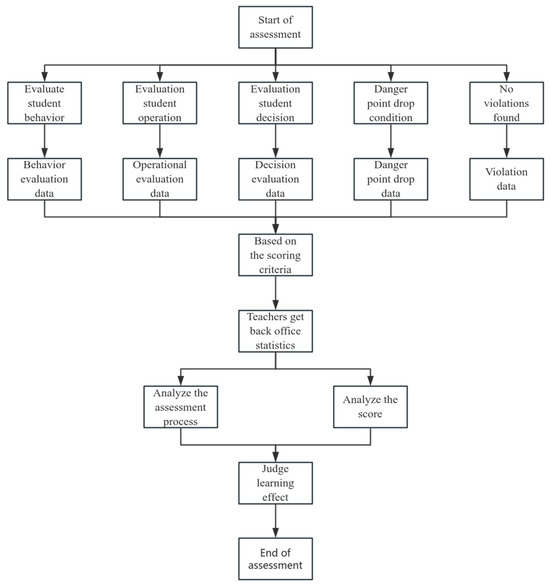
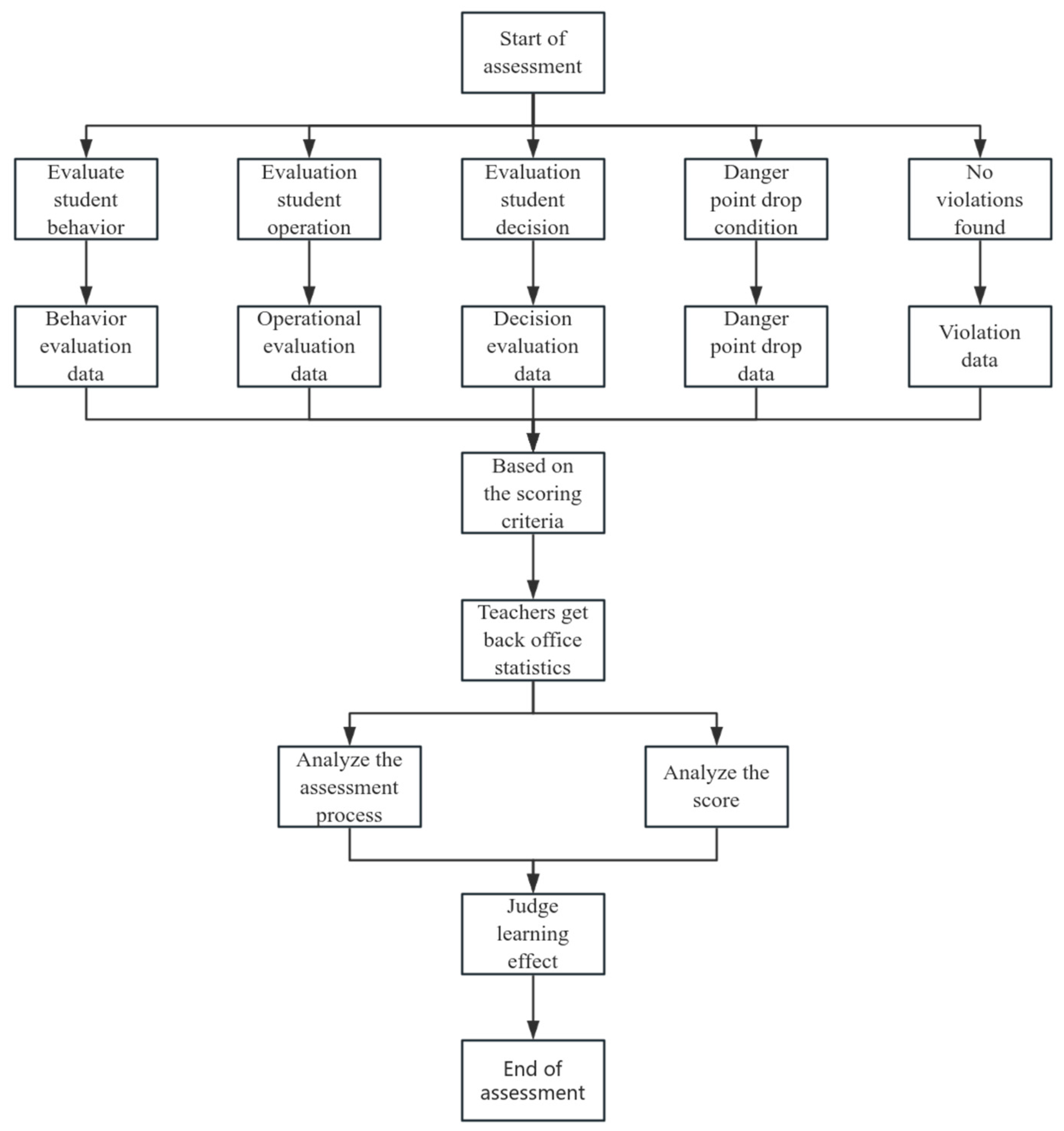
Employing sound assessment methods in courses not only stimulates students’ initiative in learning but also enables instructors to promptly refine their teaching methodologies, thereby enhancing educational quality. During the assessment stage, all hints and answer aids will be removed, which necessitates that students independently complete the entire operational process based on their understanding and retention of the material. The system comprehensively evaluates students’ behaviors, operations, and decisions, as well as analyzes any overlooked hazards and undetected violations in their assignments. The assessment system equipped with scoring criteria can directly calculate and export scores across various dimensions. Teachers can then analyze the assessment process and the scores based on the statistical data from the backend, which allows them to assess students’ learning effectiveness. The assessment process is shown in Figure 10.
Figure 10.
Assessment process diagram.
3.3.4. Teaching Management Module
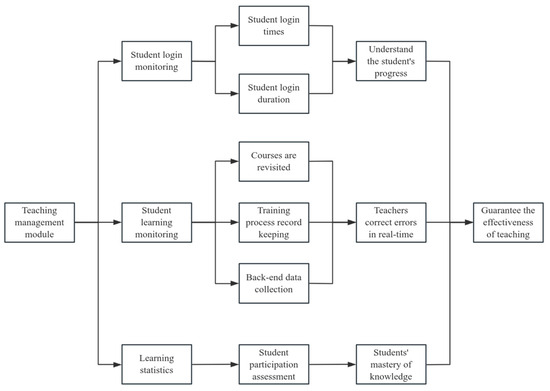
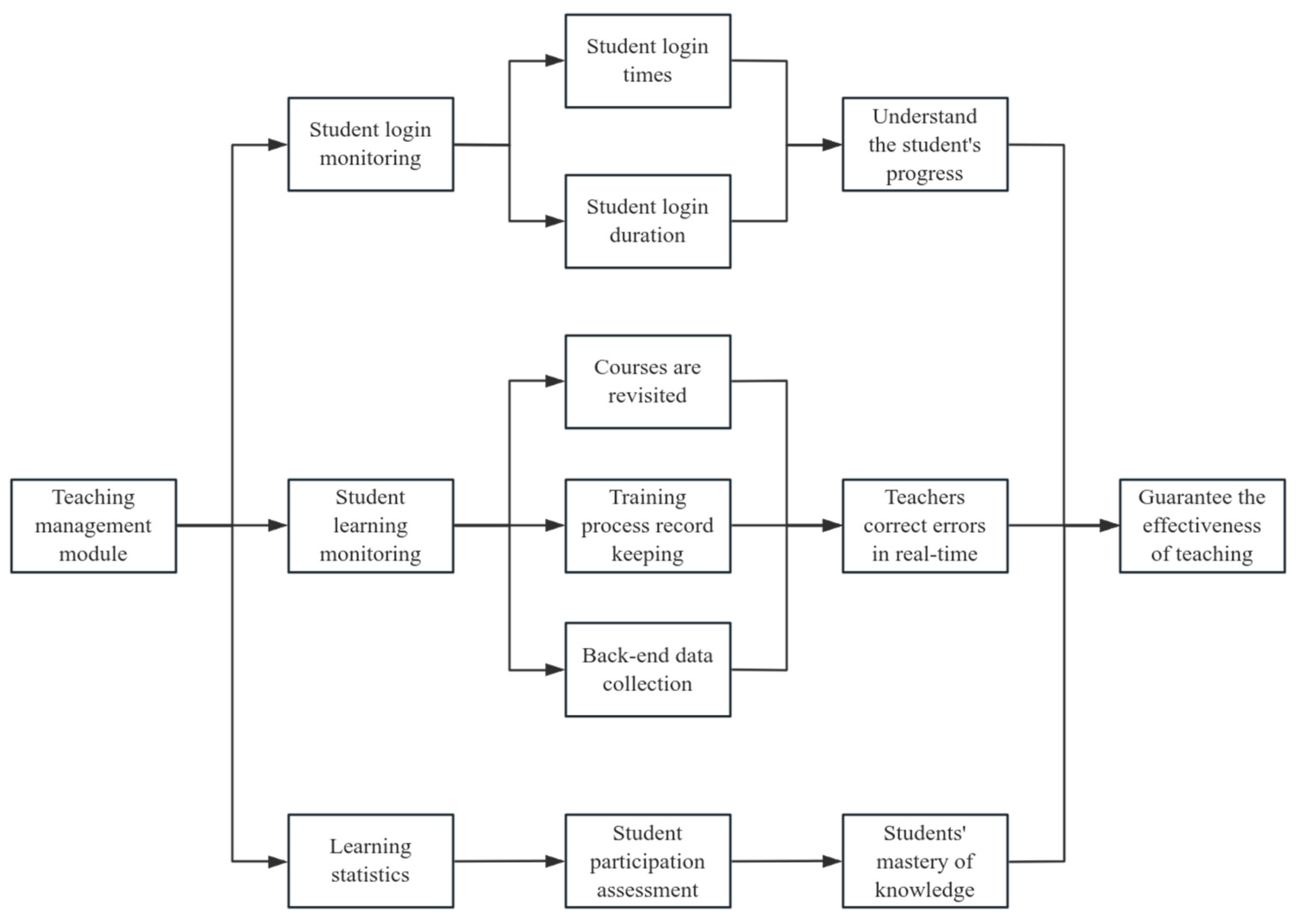
The teaching management module is divided into several sections. (1) Student login monitoring allows the teacher to track when the student logs in, the frequency of logins, and the duration of their login sessions. (2) For student learning monitoring, each lesson can be repeated and revisited, allowing for continuous training. The entire training process is recorded and saved, with data collection capabilities on the backend. This functionality enables educators to review the training process, facilitates real-time identification and correction of mistakes, and promotes continuous improvement through review and refinement. (3) For learning statistics, students participate in assessments by logging into their personal accounts. The backend collects and statistically analyzes these data, which enables educators to gain a macro perspective on the number of students and their mastery of knowledge. This allows for the identification of students who do not meet standards, which in turn promotes supervision, encourages improvement, and ensures that they achieve the required proficiency, thereby guaranteeing the effectiveness of teaching. Additionally, it facilitates teachers reviewing students’ progress in experimental learning, which allows them to tailor their teaching according to individual needs and select participants to participate in competitions. This approach can cultivate students’ comprehensive thinking and innovative abilities across multiple dimensions within a limited timeframe. The teaching management process is depicted in Figure 11.
Figure 11.
Teaching management process diagram.
3.4. Teaching Effect
3.4.1. Student Feedback
By integrating VR technology into teaching, students have enhanced their understanding of disasters compared to traditional lectures, where teachers merely convey knowledge. On final examinations, students demonstrated a deeper understanding of the fundamental concepts and were able to provide more accurate responses. Previously, when it came to the concept of coal and gas outbursts, most students only had a basic understanding that it involves coal and gas outbursts from the coal masses that lead to casualties and equipment damage. Following the integration of VR into their studies, the majority of students gained a profound understanding of the characteristics, dynamic processes, and conditions of coal and gas outbursts. They recognized that these outbursts often occur during mining operations, especially during tunneling, where the combined effects of geostress and gas cause the sudden ejection of fragmented coal, rock, and gas from coal or rock masses into the mining space, which represents an abnormal dynamic process.
3.4.2. Test Score Feedback
On the recent final examinations, the average score related to coal mine disaster knowledge increased by 20 points, representing a growth of 30% compared to previous years. Specifically, the scoring rate for questions applying disaster principles has increased from 55% to 80%, clearly demonstrating a significant leap in students’ understanding of the essence of disasters. Additionally, the accuracy rate for writing questions on emergency response procedures has risen from a barely passing 62% to an impressive 88%, strongly indicating a marked improvement in students’ abilities to respond to emergencies.
3.4.3. Teacher Feedback
Instructors note a significant enhancement in classroom atmosphere due to the implementation of VR teaching methods. The students exhibit heightened concentration and engage frequently in active questioning and discussions, and the pace of instruction is more effectively managed. Previously, explaining the complex evolution of disasters required numerous repetitions, yet students’ understanding was often incomplete. Now, with the aid of VR demonstrations, students can quickly and accurately grasp the key points, significantly improving the efficiency and quality of teaching.
4. Conclusions
- (1)
- With the rapid advancement of computer science and 3D simulation technology, VR technology is increasingly being implemented in fields such as gaming and video processing. Concurrently, its adoption is also constantly increasing in coal industry colleges and universities. The integration of VR technology into coal mine disaster prevention enables students to better comprehend underground production processes, equipment performance, and safety hazard identification. This not only helps to increase mine production efficiency but also significantly enhances the safety level in underground operations, thereby substantially reducing the probability of coal mine accidents and facilitating safe production in the coal industry;
- (2)
- VR technology plays a pivotal role in coal mine disaster prevention education. It creates immersive, interactive, and imaginative experiential training courses through a comprehensive development process involving modeling, animation production, and interactive feature development. It effectively enhances the intuitiveness, realism, and practicality of teaching content, as well as helping students to better grasp complex and abstract professional knowledge. It not only improves teaching quality but also boosts students’ interest in the course, thereby bringing new vitality and progress to the classroom;
- (3)
- By enabling students to undertake practical operations in a virtual environment, teachers can gain a clearer understanding of students’ learning statuses and outcomes, which allows for a more direct assessment of teaching effectiveness. Ensuring the development of students’ practical skills can optimize the teaching process, enhance the teaching quality, and achieve the goal of cultivating practical professionals. This approach aims to train highly skilled individuals with strong comprehensive abilities for the coal industry, which aligns with the current and future trends of intelligent coal mine construction.
Author Contributions
Conceptualization, D.Y.; Methodology, S.L.; Formal analysis, R.W.; Data curation, B.G.; Writing—original draft, S.S.; Writing—review & editing, X.L. All authors have read and agreed to the published version of the manuscript.
Funding
This research was funded by [Taishan Scholars Project Fund] grant number [tsqnz20221140], [National Natural Science Foundation of China] grant number [52104204, 52204226, 52274087], [Natural Science Foundation of Shandong Province] grant number [ZR2022QE243, ZR2024ME097].
Institutional Review Board Statement
The study did not require ethical approval.
Informed Consent Statement
Informed consent was obtained from all subjects involved in the study.
Data Availability Statement
The data presented in this study are available on request from the corresponding author.
Acknowledgments
The authors thank the editor and anonymous reviewers for useful advice.
Conflicts of Interest
The authors declare no conflicts of interest.
References
- Qian, M.; Xu, J.; Wang, J. Further Discussion on the Scientific Mining of Coal. J. China Coal Soc. 2018, 43, 1–13. [Google Scholar] [CrossRef]
- Wu, B.; Wang, J.; Qu, B.; Qi, P.; Meng, Y. Development, effectiveness, and deficiency of China’s coal mine safety supervision system. Resour. Policy 2023, 82, 103524. [Google Scholar] [CrossRef] [Scilit]
- Wu, S.; Zhang, J.; Song, Z.; Fan, W.; Zhang, Y.; Dong, X.; Zhang, Y.; Kan, B.; Chen, Z.; Zhang, J.; et al. Review of the development status of rock burst disaster prevention system in China. J. Cent. South Univ. 2023, 30, 3763–3789. [Google Scholar] [CrossRef] [Scilit]
- Feng, Y.; Li, H.; Du, L.; Li, Y. Analysis and prospect of 70 years of experience and effect, situation of coal mine safety production in Chin. China Coal 2020, 46, 47–56. [Google Scholar] [CrossRef]
- Zhou, X.; Wu, Y.; Zhu, H.; Wu, B. Development status and countermeasure analysis of coal mine disaster prevention and control technology. Coal Sci. Technol. 2002, 30, 1–5+63. [Google Scholar] [CrossRef]
- Wang, Y.; Fu, G.; Lyu, Q.; Wu, Y.; Jia, Q.; Yang, X.; Li, X. Reform and development of coal mine safety in China: An analysis from government supervision, technical equipment, and miner education. Resour. Policy 2022, 77, 102777. [Google Scholar] [CrossRef] [Scilit]
- Chen, Y.L.; Hsu, C.C. Self-regulated mobile game-based English learning in a virtual reality environment. Comput. Educ. 2020, 154, 103910. [Google Scholar] [CrossRef] [Scilit]
- Wu, J.; Guo, R.; Wang, Z.; Zeng, R. Integrating spherical video-based virtual reality into elementary school students’ scientific inquiry instruction: Effects on their problem-solving performance. Interact. Learn. Environ. 2021, 29, 496–509. [Google Scholar] [CrossRef] [Scilit]
- Amri, A.A.; Osman, M.; Musawi, A. The effectiveness of a 3D-virtual reality learning environment (3D-VRLE) on the omani eighth grade students’ achievement and motivation towards physics learnin. Int. J. Emerg. Technol. Learn. 2020, 15, 4–16. [Google Scholar] [CrossRef] [Scilit]
- Thien, H.T.; Pham, Q.V.; Pham, X.Q.; Nguyen, T.; Han, Z.; Kim, D.S. Artificial intelligence for the metaverse: A survey. Eng. Appl. Artif. Intell. 2023, 117, 105581. [Google Scholar] [CrossRef] [Scilit]
- Berg, L.; Vance, J. Industry use of virtual reality in product design and manufacturing: A survey. Virtual Real. 2017, 21, 1–17. [Google Scholar] [CrossRef] [Scilit]
- Hudson, S.; Sheila, M.B.; Pallamin, N.; Jegou, G. With or without you? Interaction and immersion in a virtual reality experience. J. Bus. Res. 2019, 100, 459–468. [Google Scholar] [CrossRef] [Scilit]
- Radianti, J.; Majchrzak, T.; Fromm, J.; Wohlgenannt, I. A systematic review of immersive virtual reality applications for higher education: Design elements, lessons learned, and research agend. Comput. Educ. 2020, 147, 103778. [Google Scholar] [CrossRef] [Scilit]
- Man, S.; Wen, H.; So, B. Are virtual reality applications effective for construction safety training and education? A systematic review and meta-analysis. J. Saf. Res. 2024, 88, 230–243. [Google Scholar] [CrossRef] [Scilit]
- Li, X.; Chi, H.L.; Wang, X.; Chan, A. A critical review of virtual and augmented reality (VR/AR) applications in construction safety. Autom. Constr. 2018, 86, 150–162. [Google Scholar] [CrossRef] [Scilit]
- Gong, P.; Lu, Y.; Lovreglio, R.; Lv, X.; Chi, Z. Applications and effectiveness of augmented reality in safety training: A systematic literature review and meta-analysis. Saf. Sci. 2024, 178, 106624. [Google Scholar] [CrossRef] [Scilit]
- Yang, L.; Birhane, G.E.; Zhu, J.; Geng, J. Mining employees safety and the application of information technology in coal mining: Review. Front. Public Health 2021, 9, 709987. [Google Scholar] [CrossRef] [Scilit]
- Miao, D.; Wang, W.; Liu, L.; Yao, K.; Sui, X. Coal mine roof accident causation modeling and system reliability research based on directed weighted network. Process Saf. Environ. Prot. 2024, 183, 653–664. [Google Scholar] [CrossRef] [Scilit]
- Dong, F.; Yin, H.; Cheng, W.; Zhang, C.; Zhang, D.; Ding, H.; Lu, C.; Wang, Y. Quantitative prediction model and prewarning system of water yield capacity (WYC) from coal seam roof based on deep learning and joint advanced detection. Energy 2024, 290, 130200. [Google Scholar] [CrossRef] [Scilit]
- Guo, D.; Chen, L.; Zhou, Z.; Wang, D.; Zhang, Y.; Yang, X.; Fang, X.; Wang, X.; Lu, H.; Dai, L.; et al. Development of a pressure coring system for the investigation of deep underground exploration. Int. J. Min. Sci. Technol. 2023, 33, 1351–1364. [Google Scholar] [CrossRef] [Scilit]
- Li, X.; Wang, Z.; Zhang, J. Stability of roof structure and its control in steeply inclined coal seams. Int. J. Min. Sci. Technol. 2017, 27, 359–364. [Google Scholar] [CrossRef] [Scilit]
- Ma, Z.; Yan, P.; Cheng, S.; Gong, P.; Qi, F.; Wang, J. Experimental study of the dynamic mechanical responses and failure characteristics of coal under true triaxial confinements. Int. J. Min. Sci. Technol. 2023, 33, 761–772. [Google Scholar] [CrossRef] [Scilit]
- Cheng, L.; Xu, J.; Peng, S.; Yang, H.; Jiao, F.; Zhou, B.; Yan, F. Dynamic behavior of outburst two-phase flow in a coal mine T-shaped roadway: The formation of impact airflow and its disaster-causing effect. Int. J. Min. Sci. Technol. 2023, 33, 1001–1017. [Google Scholar] [CrossRef] [Scilit]
- Wang, C.; Liu, L.; Li, X.; Xu, C.; Li, K. Mechanism of gas pressure action during the initial failure of coal containing gas and its application for an outburst inoculation. Int. J. Min. Sci. Technol. 2023, 33, 1511–1525. [Google Scholar] [CrossRef] [Scilit]
- Jiang, C.; Li, X.; Wang, F.; Wang, R. Comprehensive evaluation of coal burst risk using optimized linear weighted model. Phys. Fluids 2024, 36, 057113. [Google Scholar] [CrossRef] [Scilit]
- Shu, L.; Yuan, L.; Li, Q.; Xue, W.; Zhu, N.; Liu, Z. Response characteristics of gas pressure under simultaneous static and dynamic load: Implication for coal and gas outburst mechanism. Int. J. Min. Sci. Technol. 2023, 33, 155–171. [Google Scholar] [CrossRef] [Scilit]
- He, X.; Chen, W.; Nie, B.; Zhang, M. Classification technique for danger classes of coal and gas outburst in deep coal mine. Saf. Sci. 2010, 48, 173–178. [Google Scholar] [CrossRef] [Scilit]
- Li, J.; Hu, Q.; Yu, M.; Li, X.; Hu, J.; Yang, H. Acoustic emission monitoring technology for coal and gas outburst. Energy Sci. Eng. 2019, 7, 443–456. [Google Scholar] [CrossRef] [Scilit]
- Zhang, B.; Wang, H.; Wang, P.; Yu, G.; Gu, S. Experimental and theoretical study on the dynamic effective stress of loaded gassy coal during gas release. Int. J. Min. Sci. Technol. 2023, 33, 339–349. [Google Scholar] [CrossRef] [Scilit]
- Lei, K.; Qiu, D.; Zhang, S.; Wang, Z.; Jin, Y. Coal mine fire emergency rescue capability assessment and emergency disposal research. Sustainability 2023, 15, 8501. [Google Scholar] [CrossRef] [Scilit]
- Jia, J.; Wang, F. Study on emergency escape route planning under fire accidents in the Burtai coal mine. Sci. Rep. 2022, 12, 13074. [Google Scholar] [CrossRef] [Scilit]
- Zhou, G.; Cheng, W.; Zhang, R.; Shen, B.; Nie, W.; Zhang, L.; Wang, H. Numerical simulation and disaster prevention for catastrophic fire airflow of main air-intake belt roadway in coal mine—A case study. J. Cent. South Univ. 2015, 22, 2359–2368. [Google Scholar] [CrossRef] [Scilit]
- Hansen, R. Fire behaviour of multiple fires in a mine drift with longitudinal ventilation. Int. J. Min. Sci. Technol. 2019, 29, 245–254. [Google Scholar] [CrossRef] [Scilit]
- Wang, D.; Sui, W.; Ranville, J. Hazard identification and risk assessment of groundwater inrush from a coal mine: A review. Bull. Eng. Geol. Environ. 2022, 81, 421. [Google Scholar] [CrossRef] [Scilit]
- Cui, F.; Wu, L.; Wu, Q.; Xiong, C.; Jin, C.; Li, N.; Liu, D. Formation mechanism of a disastrous groundwater inrush occurred at the Xinjing coal mine in Datong, Shanxi Province, China. Geomat. Nat. Hazards Risk 2020, 11, 559–571. [Google Scholar] [CrossRef] [Scilit]
- Lyu, X.; Qiao, Y.; Yuan, D.; Zhang, Z.; Zuo, W.; Hua, J.; Wang, Y.; Zhang, L. Investigation and CFD simulation of coal dust explosion accident in confined space: A case study of Gaohe coal mine ventilation air methane oxidation power plant. Fire Saf. J. 2024, 149, 104237. [Google Scholar] [CrossRef] [Scilit]
- Ray, S.; Khan, A.; Mohalik, N.; Mishra, D.; Mandal, S.; Pandey, J. Review of preventive and constructive measures for coal mine explosions: An Indian perspective. Int. J. Min. Sci. Technol. 2022, 32, 471–485. [Google Scholar] [CrossRef] [Scilit]
- Lu, X.; Wang, D.; Zhu, C.; Shen, W.; Zhong, X.; Xu, C. A new adding method of foaming agent used for foam dust suppression in underground coal mines. J. Cent. South Univ. 2015, 22, 3116–3122. [Google Scholar] [CrossRef] [Scilit]
- Zhu, J.; He, X.; Wang, L.; Liao, X.; Teng, G.; Jing, P. Performance of N95 elastomeric respirators in high humidity and high coal dust concentration environment. Int. J. Min. Sci. Technol. 2022, 32, 215–224. [Google Scholar] [CrossRef] [Scilit]
- Kim, J.H.; Kim, M.; Park, M.; Yoo, J. Immersive interactive technologies and virtual shopping experiences: Differences in consumer perceptions between augmented reality (AR) and virtual reality (VR). Telemat. Inform. 2023, 77, 101936. [Google Scholar] [CrossRef] [Scilit]
- Beck, J.; Rainoldi, M.; Egger, R. Virtual reality in tourism: A state-of-the-art review. Tour. Rev. 2019, 74, 586–612. [Google Scholar] [CrossRef] [Scilit]
- Shin, D. Empathy and embodied experience in virtual environment: To what extent can virtual reality stimulate empathy and embodied experience? Comput. Hum. Behav. 2018, 78, 64–73. [Google Scholar] [CrossRef] [Scilit]
- Lee, J.; Kim, J.; Choi, J. The adoption of virtual reality devices: The technology acceptance model integrating enjoyment, social interaction, and strength of the social ties. Telemat. Inform. 2019, 39, 37–48. [Google Scholar] [CrossRef] [Scilit]
- Bastug, E.; Bennis, M.; Medard, M.; Debbah, M. Toward interconnected virtual reality: Opportunities, challenges, and enablers. IEEE Commun. Mag. 2017, 55, 110–117. [Google Scholar] [CrossRef] [Scilit]
- Hoyer, W.; Kroschke, M.; Schmitt, B.; Kraume, K.; Shankar, V. Transforming the customer experience through new technologies. J. Interact. Mark. 2020, 51, 57–71. [Google Scholar] [CrossRef] [Scilit]
- Dai, C.P.; Ke, F.; Dai, Z.; Pachman, M. Improving teaching practices via virtual reality-supported simulation-based learning: Scenario design and the duration of implementation. Br. J. Educ. Technol. 2023, 54, 836–856. [Google Scholar] [CrossRef] [Scilit]
- Wang, N.; Lim, B.H. Teaching and curriculum of the preschool physical education major direction in colleges and universities under virtual reality technology. Comput. Intell. Neurosci. 2022, 2022, 3250986. [Google Scholar] [CrossRef] [Scilit]
Disclaimer/Publisher’s Note: The statements, opinions and data contained in all publications are solely those of the individual author(s) and contributor(s) and not of MDPI and/or the editor(s). MDPI and/or the editor(s) disclaim responsibility for any injury to people or property resulting from any ideas, methods, instructions or products referred to in the content. |
© 2024 by the authors. Licensee MDPI, Basel, Switzerland. This article is an open access article distributed under the terms and conditions of the Creative Commons Attribution (CC BY) license (https://creativecommons.org/licenses/by/4.0/).