Article

Measurement of Synergy Management Performance in Prefabricated Building Project Supply Chain

School of Civil Engineering and Architecture, East China Jiaotong University, Nanchang 330013, China
*
Author to whom correspondence should be addressed.
Sustainability 2024, 16(24), 11025; https://doi.org/10.3390/su162411025
Submission received: 5 November 2024 / Revised: 6 December 2024 / Accepted: 11 December 2024 / Published: 16 December 2024

Abstract

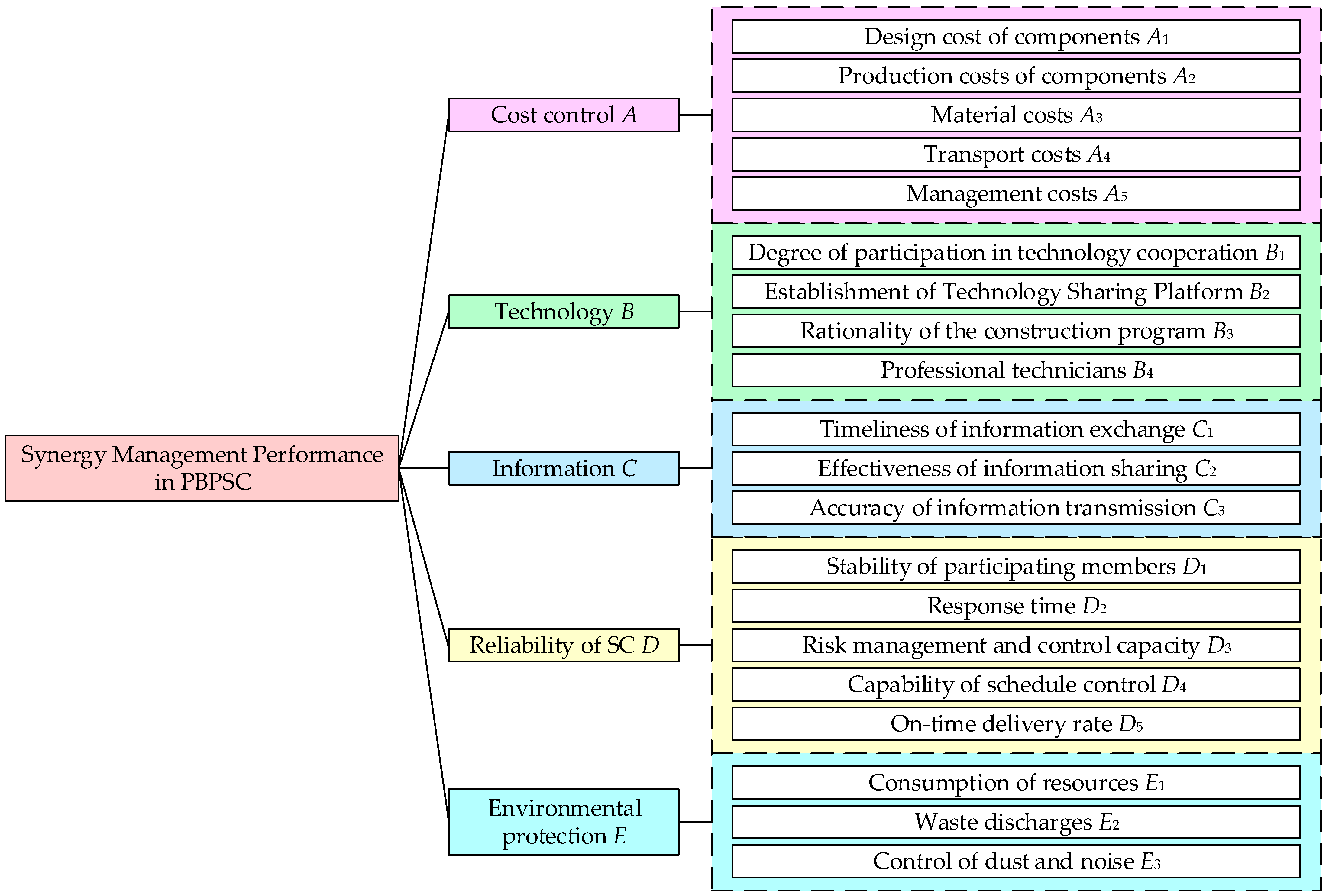
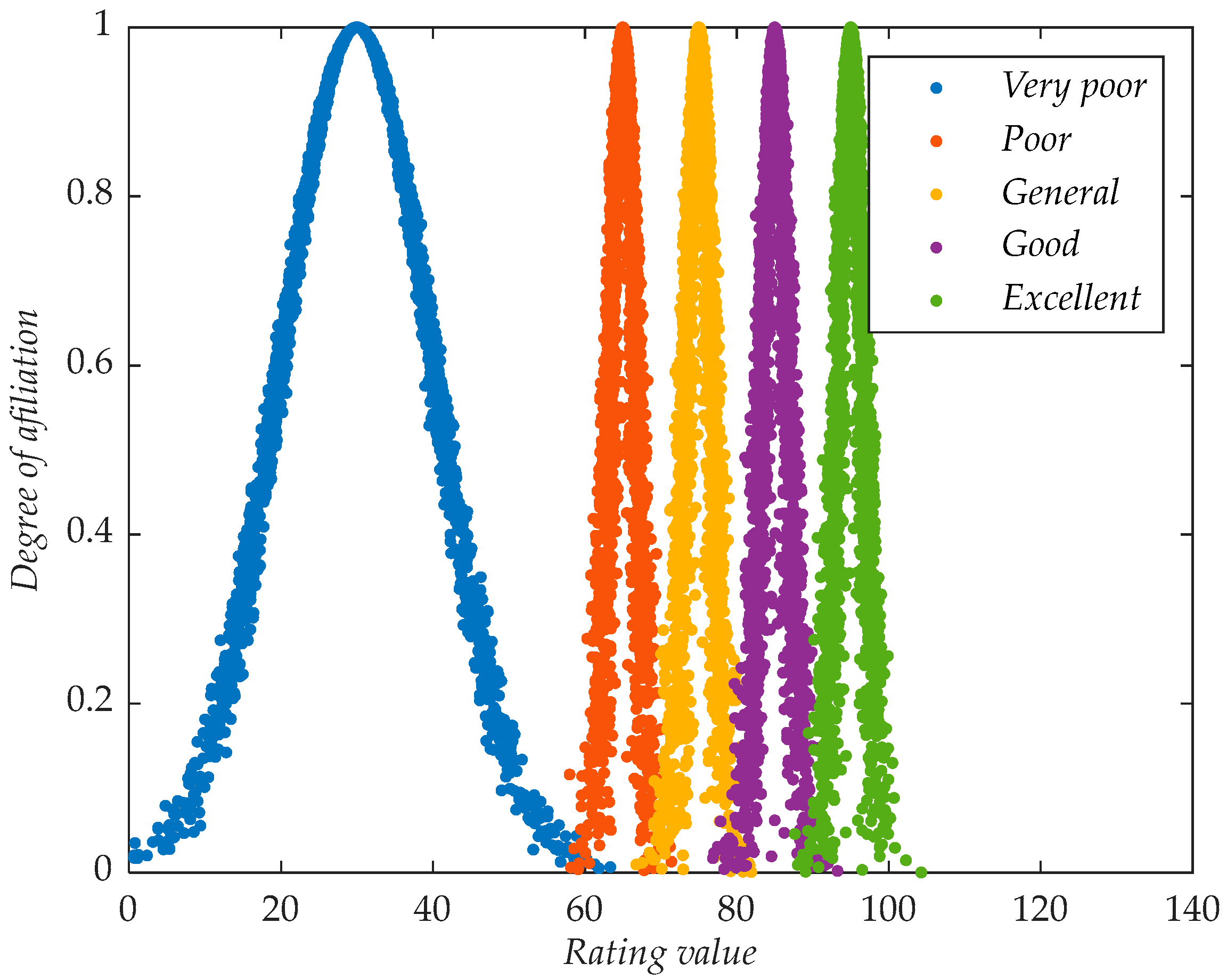
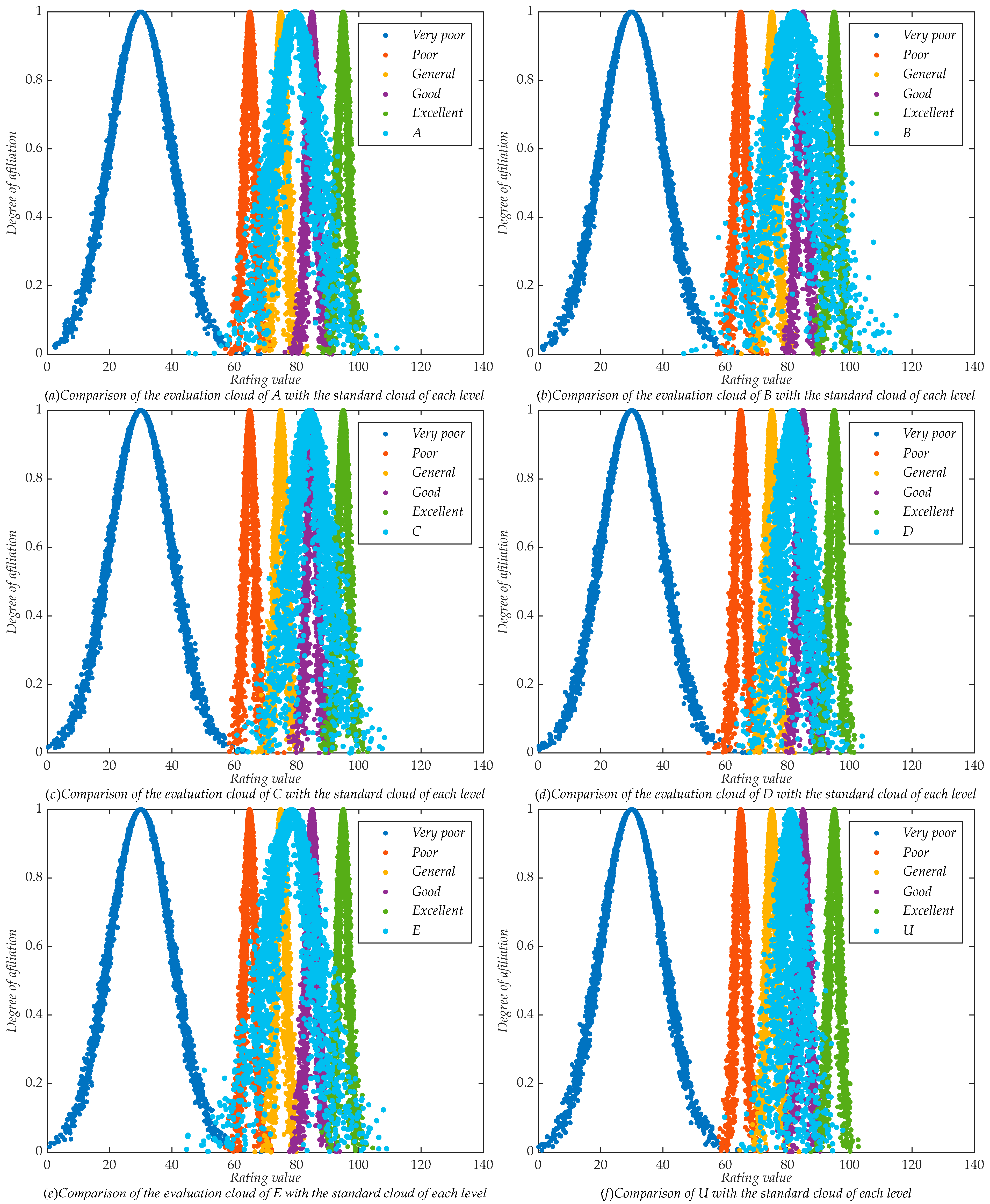
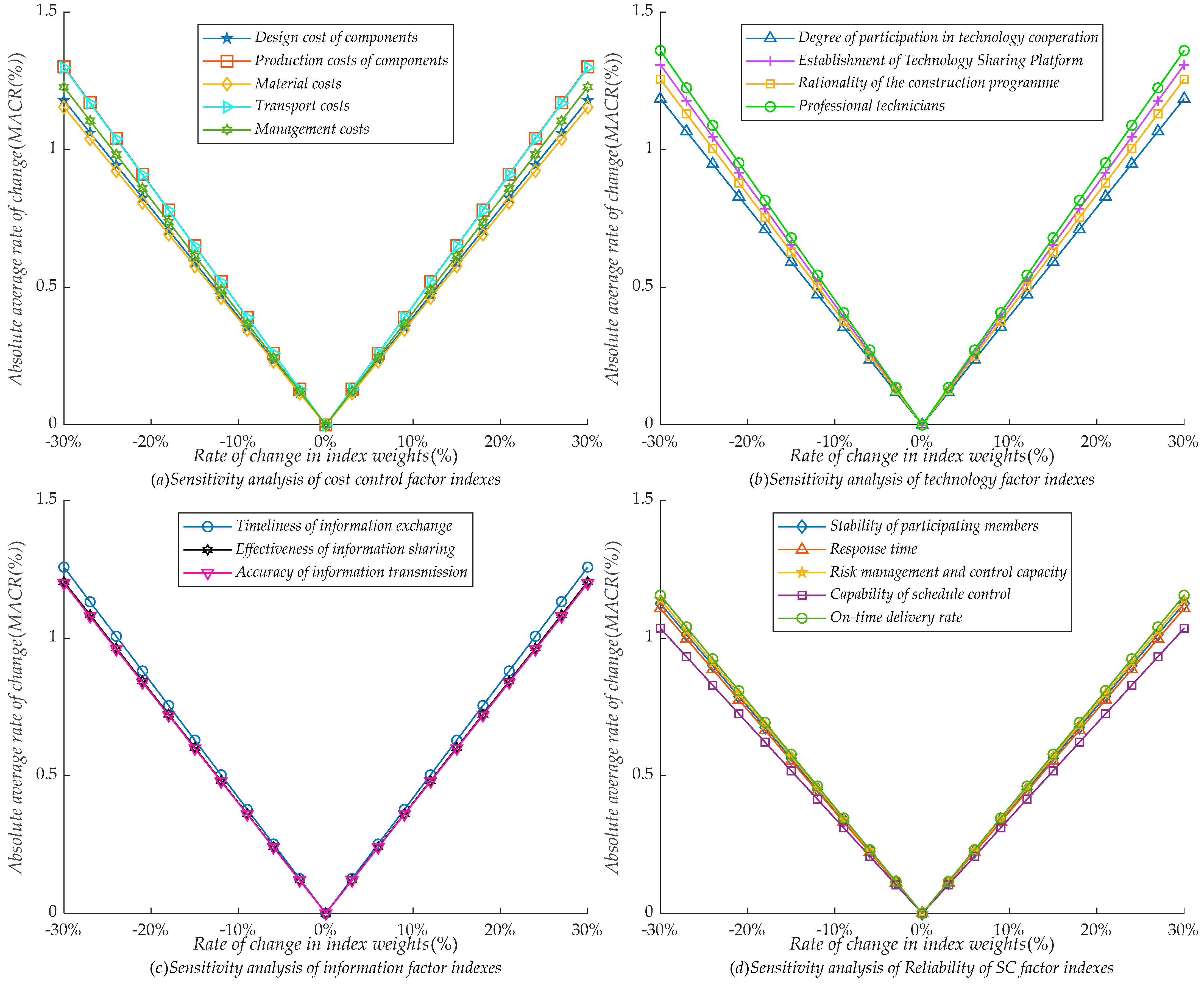
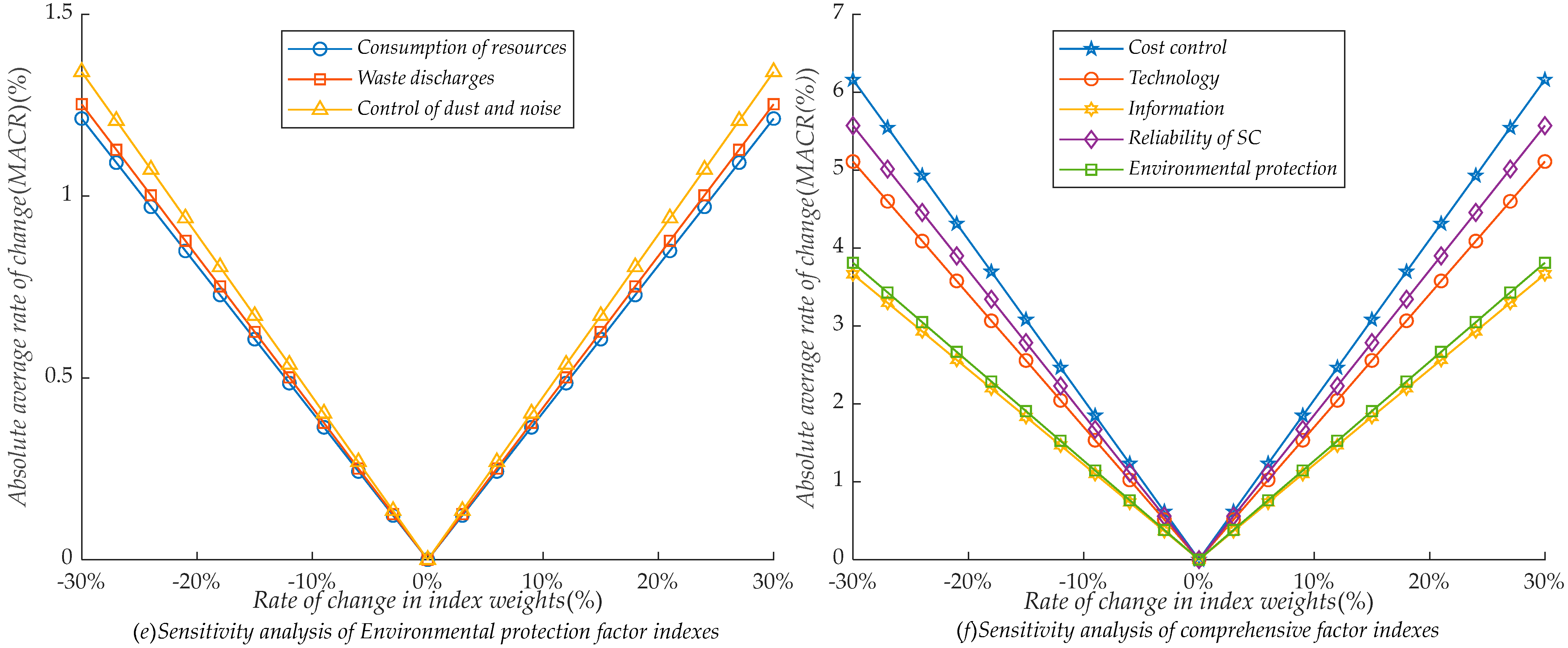
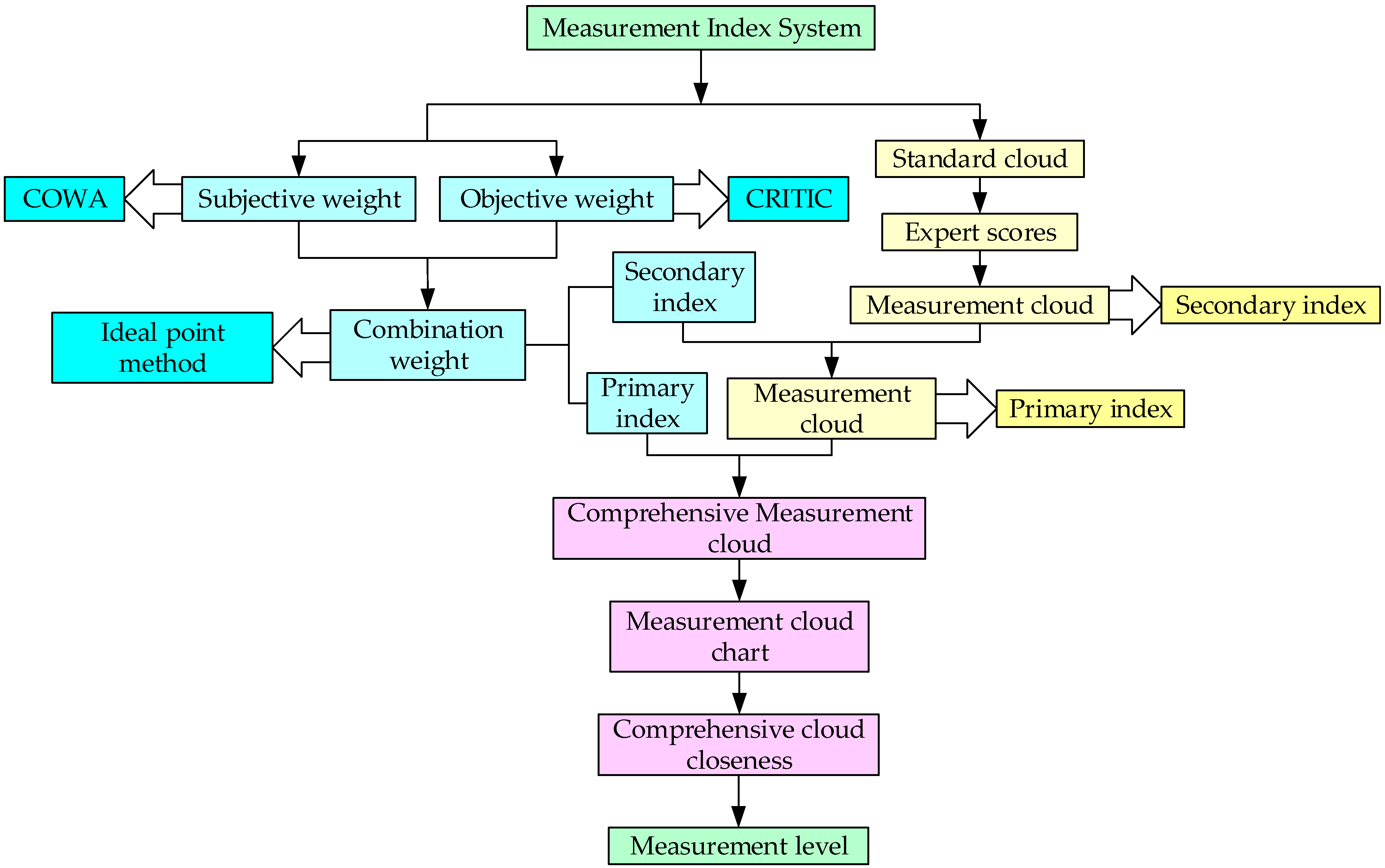
Prefabricated building (PB) involves many participating enterprises. Its implementation faces many challenges, mainly in the areas of technology, cost, construction management, management of supply chain (SC), and sustainability. The purpose of synergy management of a prefabricated building project supply chain (PBPSC) is to help the whole SC obtain better benefits. This study establishes a measurement index system from the perspective of green sustainability in terms of cost control, technology, information, reliability of SC, and environmental protection. The COWA-CRITIC ideal point method is used to calculate the subjective and objective combination weights, and a cloud model based on this combination weight is constructed for measurement, which is validated by taking the project of a residential building as an example. The results are compared with those of other measurement models to verify the applicability of the measurement model of this study in the synergy management performance of the PBPSC. The sensitivity of the indexes within the five subsystems is analyzed using the one-way rotation OAT method to allow decision makers to identify the most sensitive indexes. This study shows that the synergy management performance of SC in this project is better. The measurement model used in this study is consistent with the results obtained from other measurement models and is in line with the actual situation. Sensitivity analysis using the one-factor rotation OAT method shows that among the secondary indexes, specialized technical staff is the most sensitive to changes in weights; among the primary indexes, cost control is the most sensitive to changes in weights. This provides a new method for measuring the synergy management performance of the PBPSC. Based on the results of this study, corresponding countermeasures are proposed for the synergy management of the PBPSC, which will provide a reference for the synergy management of SCs with similar projects in the future.
Keywords: prefabricated building; supply chain; synergy management; COWA method; CRITIC method; cloud model prefabricated building; supply chain; synergy management; COWA method; CRITIC method; cloud model