Article

Slow-Release Urea Prills Developed Using Organic and Inorganic Blends in Fluidized Bed Coater and Their Effect on Spinach Productivity

1
Department of Chemical Engineering, School of Chemical and Materials Engineering, National University of Sciences and Technology, Islamabad 44000, Pakistan
2
Department of Agronomy, PMAS-Arid Agriculture University Murree Road, Rawalpindi 46000, Pakistan
3
Research and Development Department, Fauji Fertilizer Company Limited, 156-The Mall, Rawalpindi 46000, Pakistan
4
Department of Environmental Sciences, Faculty of Biological Sciences, Quaid-i-Azam University, Islamabad 45320, Pakistan
*
Author to whom correspondence should be addressed.
Sustainability 2020, 12(15), 5944; https://doi.org/10.3390/su12155944
Submission received: 26 April 2020 / Revised: 21 May 2020 / Accepted: 2 June 2020 / Published: 23 July 2020
(This article belongs to the Special Issue Sustainable Conversion of Renewable Energy Sources)

Abstract

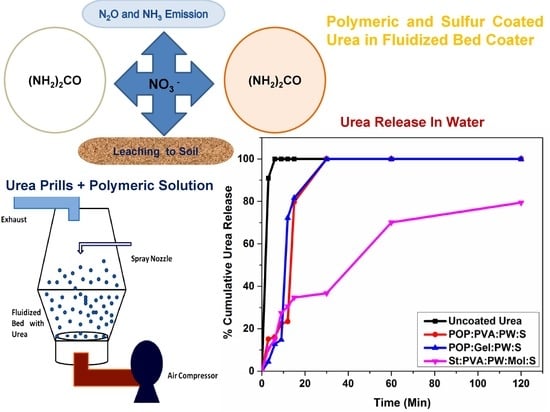
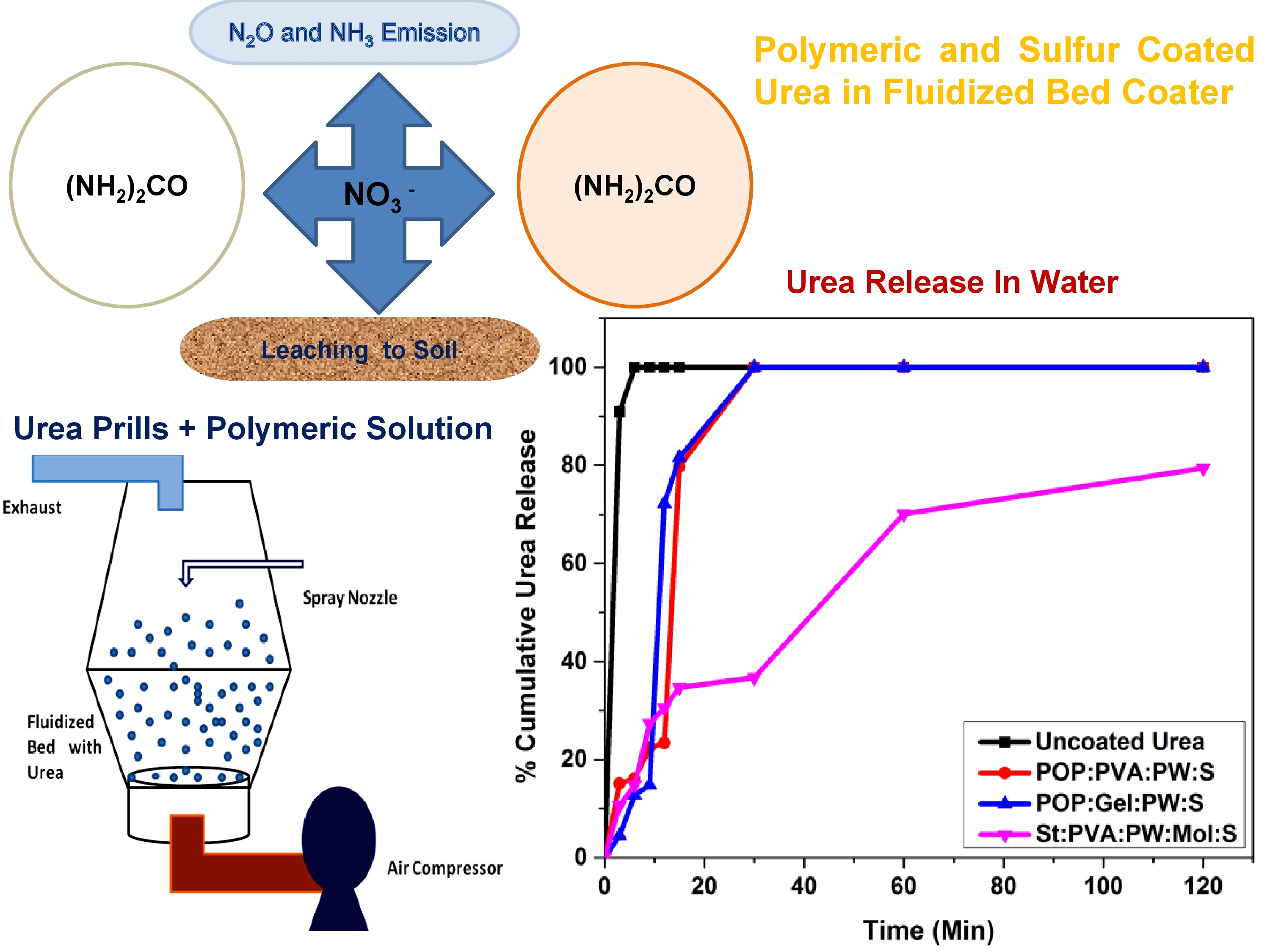
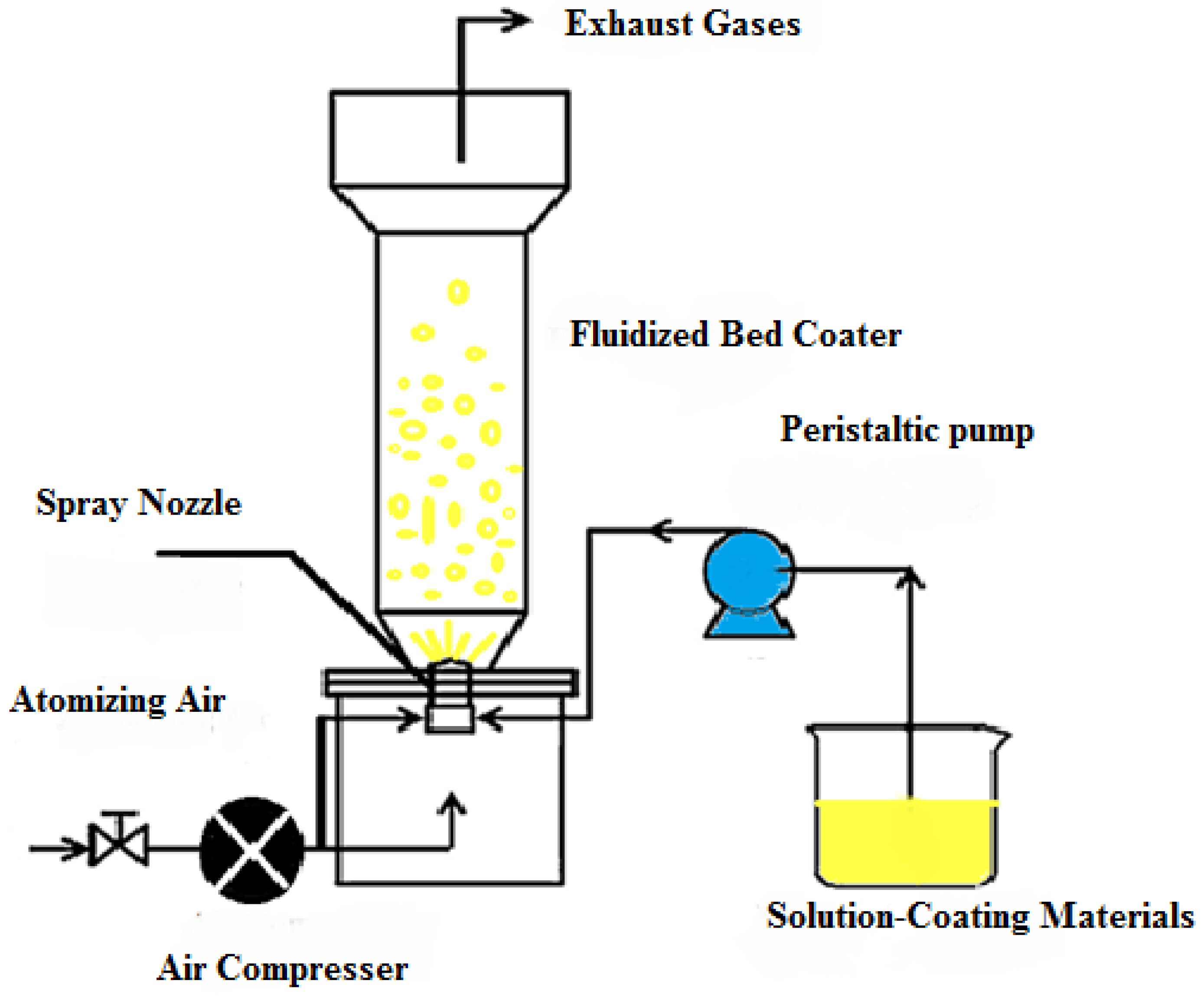
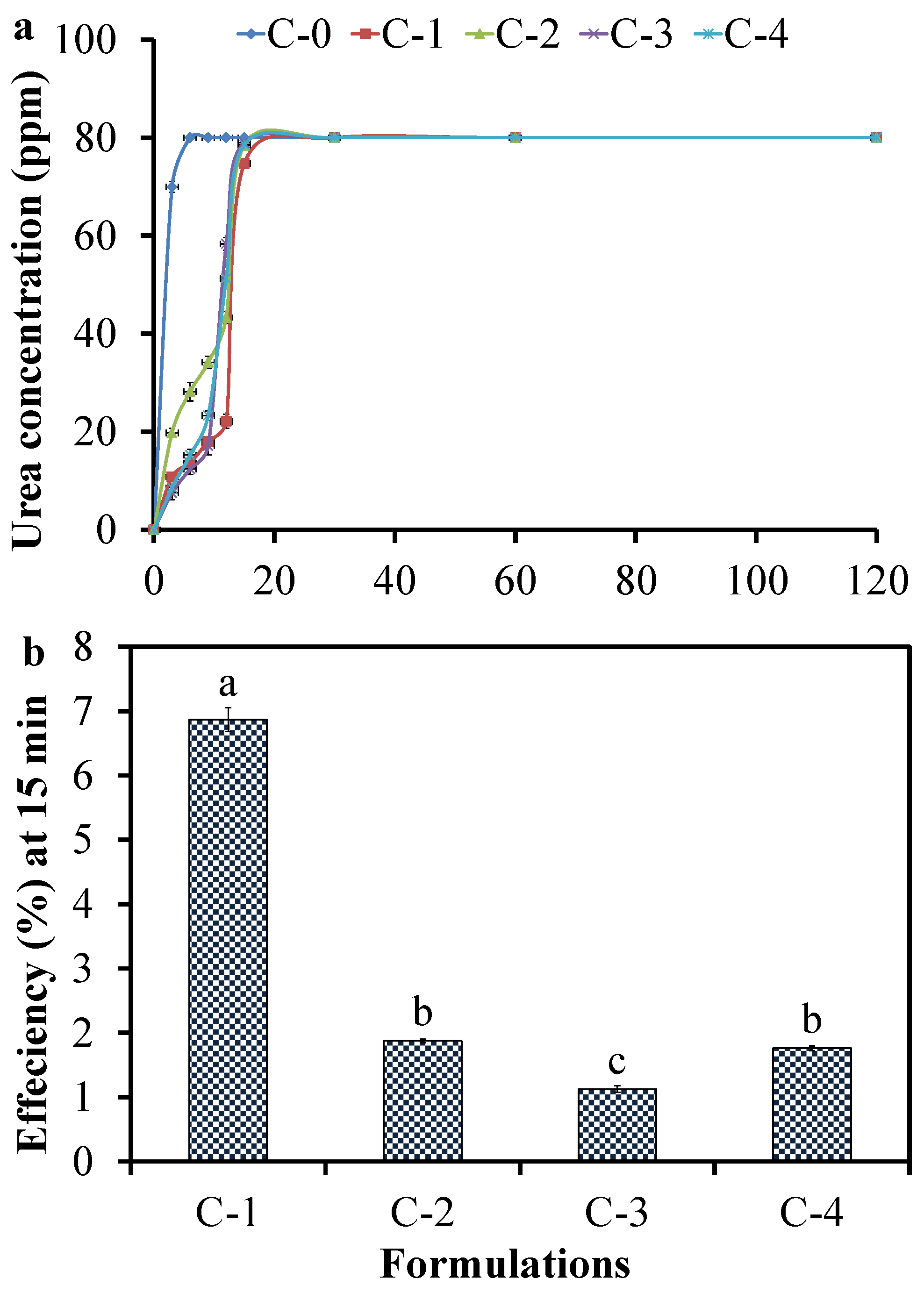
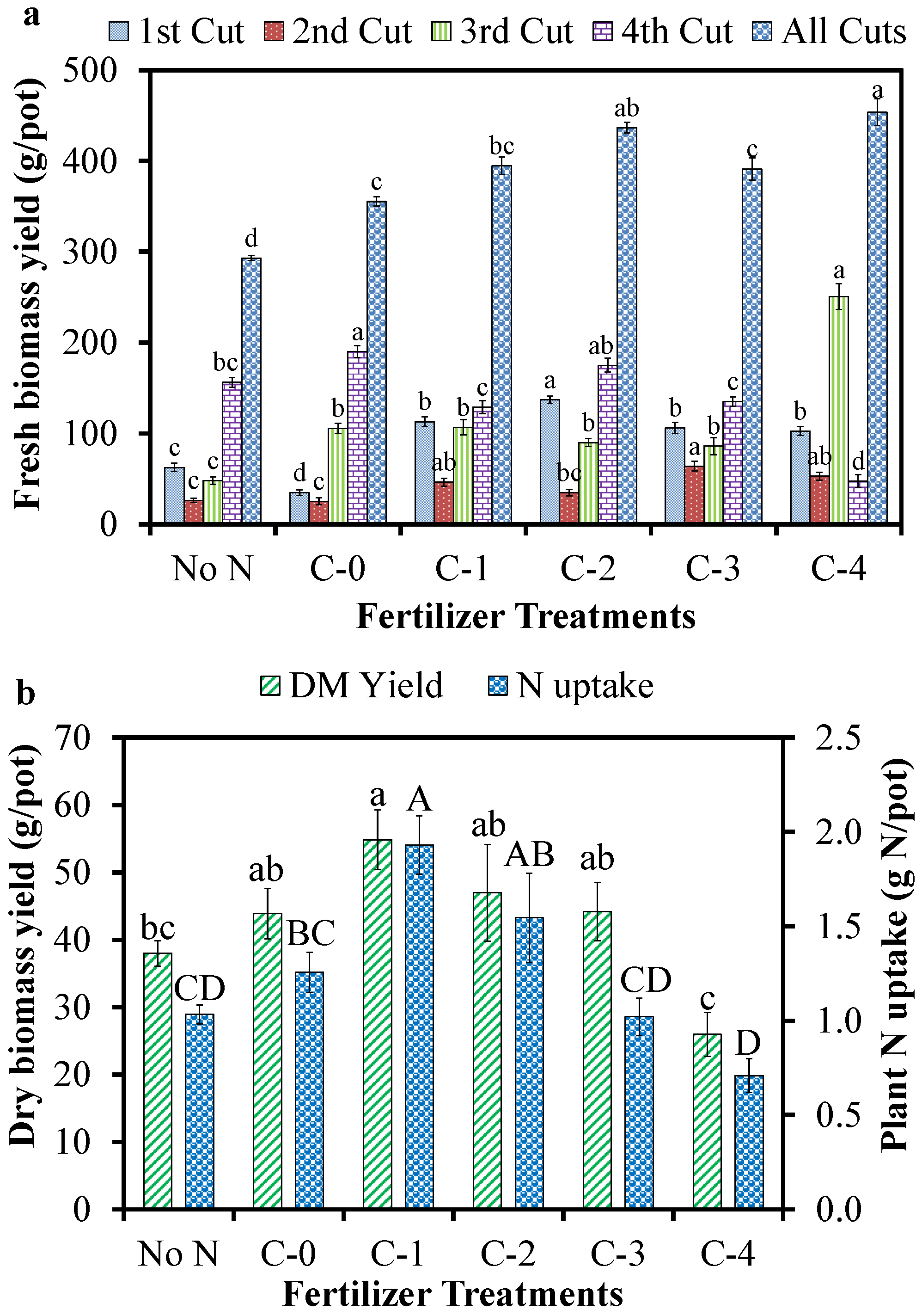
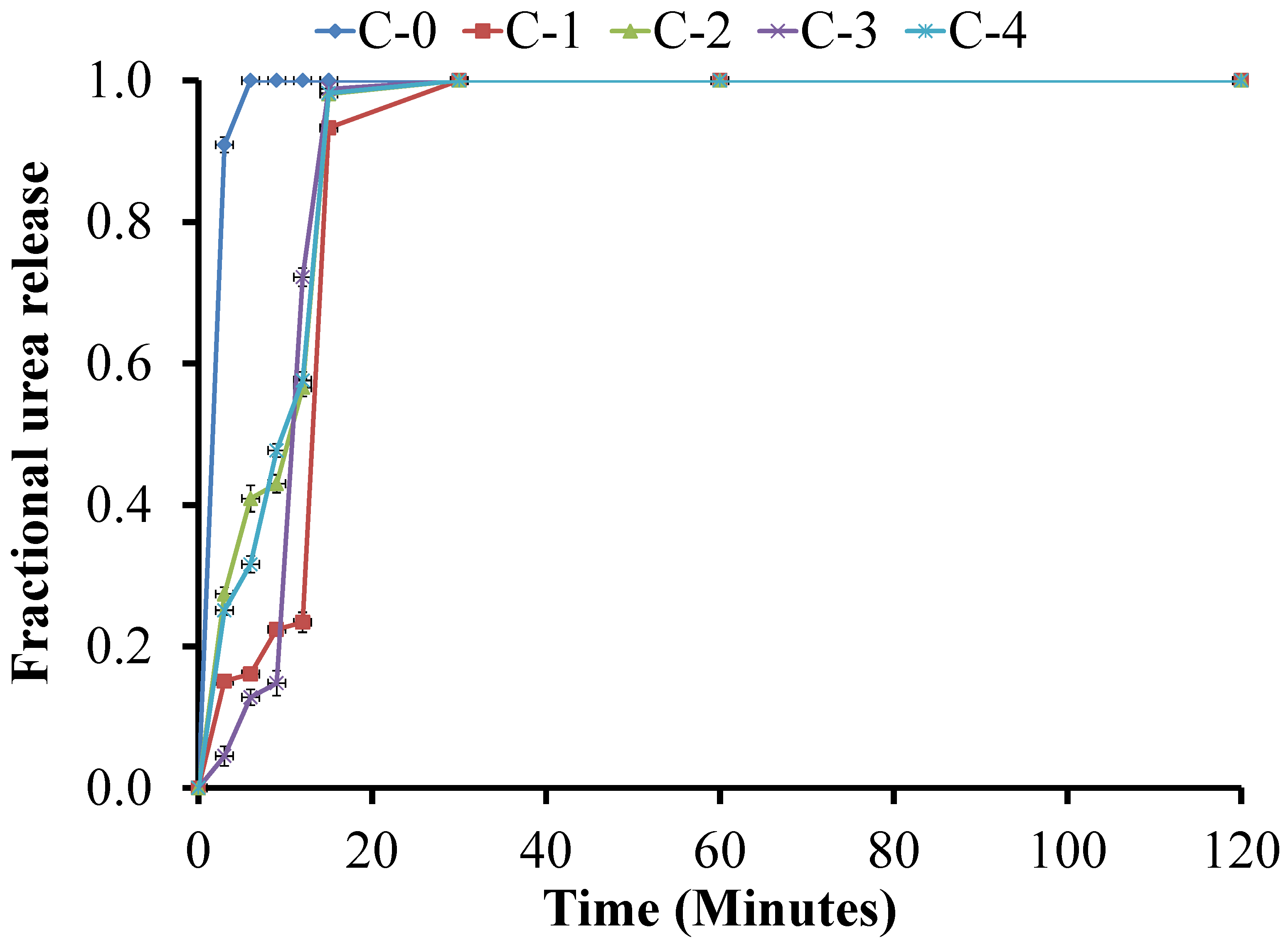
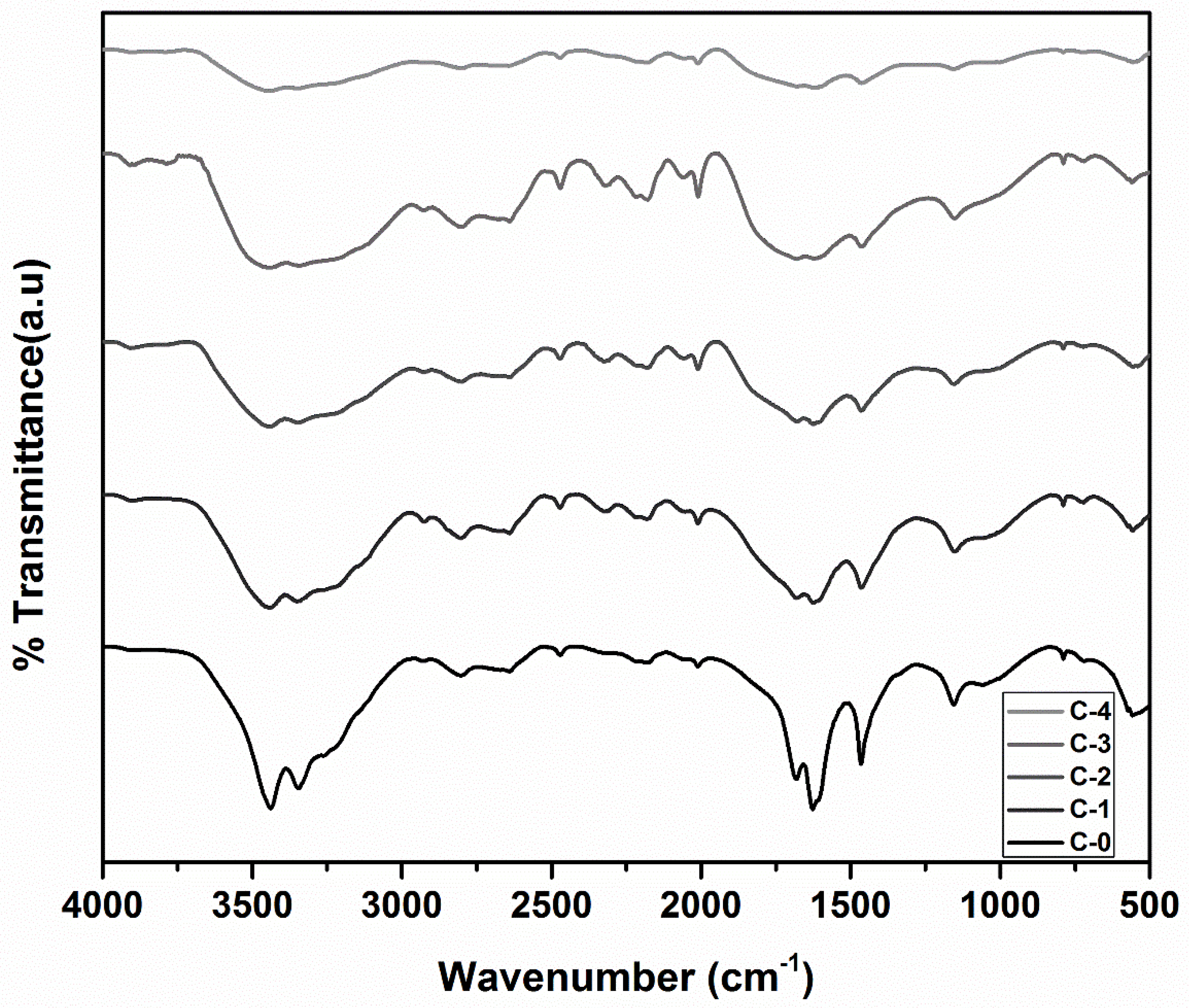
The application of urea-based fertilizers in developing countries has gained significant momentum over time. urea usage is to meet demand and supply gap of food resources as world population is increasing at a fast pace. urea contains largest content of nitrogen (46%) among all the solid nitrogenous fertilizers. However, main drawback of urea is its higher dissolution rate. After soil application, most of urea nitrogen is lost through a leaching, runoff, nitrification-denitrification and ammonia volatilization. To tackle urea related environmental pollution, development of slow-release urea fertilizer is a need of the hour and this would also increase product use efficiency in terms of crop productivity and its N uptake. We studied the usage of polymeric materials in combination with inorganic substances like sulfur and plaster of Paris as effective and biodegradable coating substances for urea prills. For coating on urea prills, fluidized bed coater was used whereas paraffin wax and molasses were used as binding agents. The urea was coated with four different formulations, i.e., C-1: PVA 5% + plaster of Paris 10% + sulfur 5% + paraffin wax 2%, C-2: PVA 5% + starch 10% + sulfur 5% + paraffin wax 2%, C-3: gelatin 5% + plaster of Paris 10% + sulfur 5% + paraffin wax 2% and C-4: PVA 5% + starch 10% + sulfur 5% + paraffin wax 2.5% + molasses 2.5%. Each formulation along with uncoated urea prills (C-0) were evaluated for characterization and N release kinetics. All the formulations along with uncoated urea were applied to spinach crop in pot experiment. A control (No N: untreated) was also kept. Spinach biomass yield and N uptake were determined. The formulation C-1 yielded highest urea-N release efficiency and spinach N uptake of6.87% and 1.93 g N/pot, respectively. Themodified Schwarz and Sinclair formula gave the excellent representation of release of nutrient-N from coated urea prills. It is concluded that coating urea prills with organic and inorganic blends is better option to slow down N release kinetics and improve spinach productivity. Therefore, by using coated fertilizers, farmers can improve agro-environmental value of urea, worldwide.
Keywords: slow release fertilizer; release rate; coated urea prills; polymeric and inorganic substances; nitrogen uptake slow release fertilizer; release rate; coated urea prills; polymeric and inorganic substances; nitrogen uptake
Graphical Abstract