
You are currently viewing a new version of our website. To view the old version click .

Journal of Xenobiotics, Volume 11, Issue 4

December 2021 - 6 articles

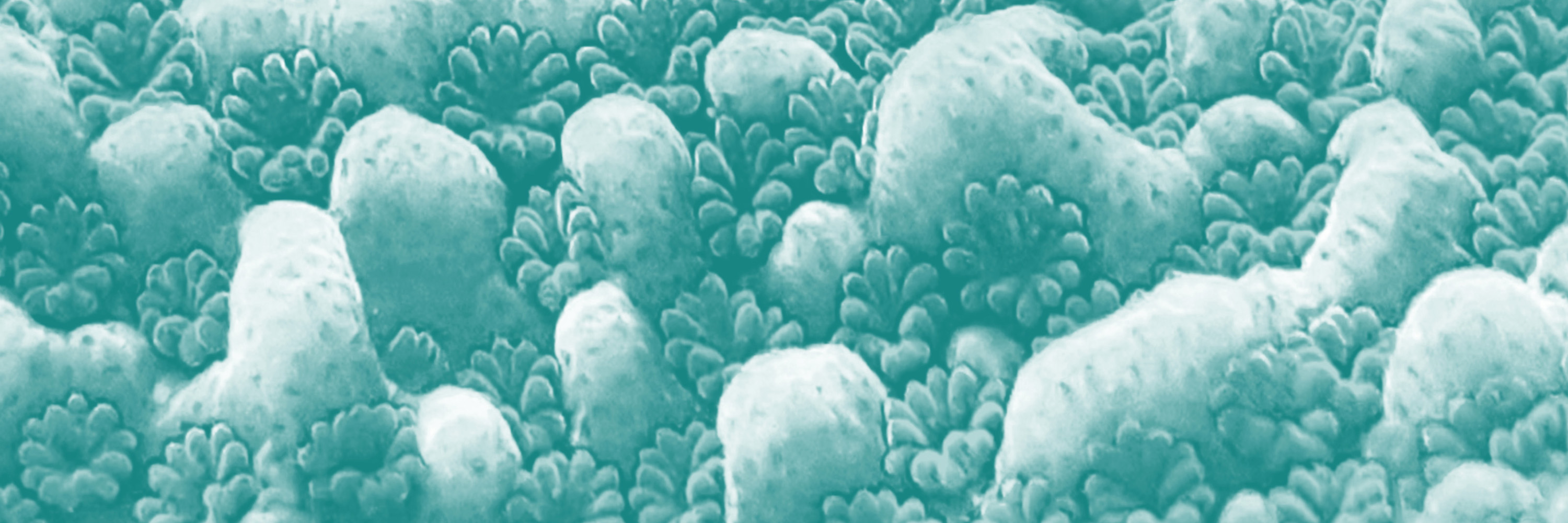
Cover Story: The present study aims to introduce the application of silica nanoparticles as new promising nanotools in malaria and leishmaniasis treatment. Ion doped silica nanomaterials revealed antileishmanial activities indicating the positive role of calcium, magnesium and copper to the surface of the particles against Leishmania parasites. Artemisinin-loaded nanoparticles presented the most promising antiparasitic properties with a sustained release able to overcome the parasite invasion. The sustainable release of artemisinin guarantee both the maintenance of its potential efficacy and also introduce an administration of drug to avoid subsequent drug resistance. View this paper.
  • Issues are regarded as officially published after their release is announced to the table of contents alert mailing list .
  • You may sign up for email alerts to receive table of contents of newly released issues.
  • PDF is the official format for papers published in both, html and pdf forms. To view the papers in pdf format, click on the "PDF Full-text" link, and use the free Adobe Reader to open them.

Articles (6)

  • Article
  • Open Access
4 Citations
4,670 Views
13 Pages

17 December 2021

With the rise in concern about GMOs and pesticides on human health, we have utilized Drosophila melanogaster as a model organism for understanding the effects of Roundup-Ready® GMO diets on health. We recorded dietary behavior during and after ex...

  • Review
  • Open Access
141 Citations
18,564 Views
18 Pages

13 December 2021

With the advancements of science, antibiotics have emerged as an amazing gift to the human and animal healthcare sectors for the treatment of bacterial infections and other diseases. However, the evolution of new bacterial strains, along with excessi...

  • Feature Paper
  • Review
  • Open Access
17 Citations
9,697 Views
34 Pages

29 November 2021

The current scenario of male infertility is not yet fully elucidated; however, there is increasing evidence that it is associated with the widespread exposure to endocrine-disrupting chemicals (EDCs), and in particular to obesogens. These compounds i...

  • Article
  • Open Access
9 Citations
4,221 Views
8 Pages

Effect of Silica Based Nanoparticles against Plasmodium falciparum and Leishmania infantum parasites

  • Ioannis Tsamesidis,
  • Evgenia Lymperaki,
  • Chinedu O. Egwu,
  • Georgia K. Pouroutzidou,
  • Konstantina Kazeli,
  • Karine Reybier,
  • Sandra Bourgeade-Delmas,
  • Alexis Valentin and
  • Eleana Kontonasaki

16 November 2021

Malaria and Leishmaniasis are two major parasitic diseases, endemic in large areas of tropical countries with high morbidity and mortality across the world. Nanoparticles in small sizes are specifically considered in medicine due to their ability to...

  • Article
  • Open Access
10 Citations
4,414 Views
13 Pages

Photodegradation of Flucetosulfuron, a Sulfonylurea-Based Herbicide in the Aqueous Media Is Influenced by Ultraviolet Irradiation

  • Arnab Goon,
  • Arijita Bhattacharyya,
  • Bappa Ghosh,
  • Rajiv Rakshit,
  • Anupam Das,
  • Suborna Roy Choudury,
  • Chiranjit Kundu,
  • Pritam Ganguly and
  • Akbar Hossain

6 November 2021

Photodegradation (photolysis) causes the breakdown of organic pesticides molecules by direct or indirect solar radiation energy. Flucetosulfuron herbicide often encounters water bodies. For this reason, it is important to know the behavior of the com...

  • Review
  • Open Access
91 Citations
19,189 Views
12 Pages

Xenobiotics—Division and Methods of Detection: A Review

  • Tea Štefanac,
  • Dijana Grgas and
  • Tibela Landeka Dragičević

26 October 2021

Xenobiotics are compounds of synthetic origin, usually used for domestic, agricultural, and industrial purposes; in the environment, they are present in micropollutant concentrations and high concentrations (using ng/L to µg/L units). Xenobiotics can...

Get Alerted

Add your email address to receive forthcoming issues of this journal.

XFacebookLinkedIn
J. Xenobiot. - ISSN 2039-4713