




Next Issue
Volume 18, January
Previous Issue
Volume 17, November


Neurol. Int., Volume 17, Issue 12 (December 2025) – 18 articles
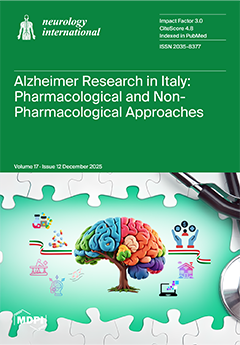
Cover Story (view full-size image): This review provides an updated overview of Alzheimer’s disease research conducted in Italy, highlighting both pharmacological and non-pharmacological strategies. Italian studies have explored innovative drug approaches, including multitarget compounds, dopaminergic modulation, and immunomodulatory therapies, alongside cognitive stimulation, rehabilitation, music therapy, and non-invasive neuromodulation techniques. The review underscores how integrating pharmacological, cognitive, and technological interventions represents a promising direction to enhance patient outcomes and quality of life, reflecting Italy’s growing commitment to innovation in the fight against Alzheimer’s disease. View this paper
  • Issues are regarded as officially published after their release is announced to the table of contents alert mailing list.
  • You may sign up for e-mail alerts to receive table of contents of newly released issues.
  • PDF is the official format for papers published in both, html and pdf forms. To view the papers in pdf format, click on the "PDF Full-text" link, and use the free Adobe Reader to open them.
Order results
Result details
Section
Select all
Export citation of selected articles as:
2 pages, 165 KB  
Retraction
RETRACTED: Patel et al. Effect Comparison of E-Cigarette and Traditional Smoking and Association with Stroke—A Cross-Sectional Study of NHANES. Neurol. Int. 2022, 14, 441–452
by Urvish Patel, Neel Patel, Mahika Khurana, Akshada Parulekar, Amrapali Patel, Juan Fernando Ortiz, Rutul Patel, Eseosa Urhoghide, Anuja Mistry, Arpita Bhriguvanshi, Mohammed Abdulqader, Neev Mehta, Kogulavadanan Arumaithurai and Shamik Shah
Neurol. Int. 2025, 17(12), 207; https://doi.org/10.3390/neurolint17120207 - 18 Dec 2025
Viewed by 1111
Abstract
The journal retracts the article, “Effect Comparison of E-Cigarette and Traditional Smoking and Association with Stroke—A Cross-Sectional Study of NHANES” [...] Full article
3 pages, 182 KB  
Editorial
Genetics of Movement Disorders: Lessons from Essential Tremor
by Daniele Orsucci
Neurol. Int. 2025, 17(12), 206; https://doi.org/10.3390/neurolint17120206 - 17 Dec 2025
Viewed by 238
Abstract
Movement disorders comprise a heterogeneous group of neurological conditions shaped by a complex interplay of genetic and environmental factors [...] Full article
(This article belongs to the Section Movement Disorders and Neurodegenerative Diseases)
8 pages, 349 KB  
Case Report
Progressive Hand Stiffness and Numbness in a Child: An Atypical Neurological Presentation of Scheie Syndrome—A Case Report
by Ayidh Saad Alharthi, Chafik Ibrahim Hassan, Ali Alsayed Alsharkawy, Saeed Dhaifallah Saeed Alzahrani and Saif Ahmed Alzahrani
Neurol. Int. 2025, 17(12), 205; https://doi.org/10.3390/neurolint17120205 - 17 Dec 2025
Viewed by 313
Abstract
Background/Objectives: Scheie syndrome is the attenuated phenotype of mucopolysaccharidosis type I (MPS I), a lysosomal storage disorder resulting from partial deficiency of α-L-iduronidase. The attenuated clinical spectrum and absence of cognitive impairment often delay recognition. Early manifestations may mimic common pediatric conditions, leading [...] Read more.
Background/Objectives: Scheie syndrome is the attenuated phenotype of mucopolysaccharidosis type I (MPS I), a lysosomal storage disorder resulting from partial deficiency of α-L-iduronidase. The attenuated clinical spectrum and absence of cognitive impairment often delay recognition. Early manifestations may mimic common pediatric conditions, leading to repeated evaluations without a definitive diagnosis. Methods: We describe a 12-year-old girl who presented with slowly progressive bilateral hand stiffness, weak grip strength, and intermittent sensory symptoms over one year. Her initial investigations—including laboratory studies, electrophysiology, imaging, and multispecialty evaluations—were unremarkable. Results: The gradual progression of symptoms involving joints, motor function, and vision prompted metabolic testing. Whole exome sequencing revealed a homozygous IDUA variant, and enzymatic testing confirmed markedly reduced α-L-iduronidase activity, establishing the diagnosis of Scheie syndrome. Early initiation of enzyme replacement therapy was pursued. Conclusions: This case emphasizes that children with unexplained musculoskeletal and sensory symptoms should be evaluated for attenuated MPS I, especially when routine studies are inconclusive. Heightened clinical suspicion can reduce diagnostic delay and improve long-term outcomes. Full article
(This article belongs to the Section Movement Disorders and Neurodegenerative Diseases)
Show Figures

Figure 1

22 pages, 1361 KB  
Review
Senotherapeutics for Brain Aging Management
by Timur Saliev and Prim B. Singh
Neurol. Int. 2025, 17(12), 204; https://doi.org/10.3390/neurolint17120204 - 15 Dec 2025
Viewed by 1237
Abstract
Brain aging is a progressive process marked by cellular dysfunction, chronic inflammation, and increased susceptibility to neurodegenerative diseases. A growing body of evidence identifies cellular senescence, the accumulation of non-dividing, metabolically active cells with a pro-inflammatory secretory profile (SASP), as a key contributor [...] Read more.
Brain aging is a progressive process marked by cellular dysfunction, chronic inflammation, and increased susceptibility to neurodegenerative diseases. A growing body of evidence identifies cellular senescence, the accumulation of non-dividing, metabolically active cells with a pro-inflammatory secretory profile (SASP), as a key contributor to cognitive decline and brain aging. This review explores the emerging field of senotherapeutics, which includes senolytics (agents that eliminate senescent cells) and senomorphics (agents that suppress SASP without killing cells), as potential strategies to manage brain aging. We summarize recent preclinical studies demonstrating that senotherapeutics can reduce neuro-inflammation, improve synaptic plasticity, and enhance cognitive function in aged animal models. Additionally, we highlight early-phase clinical trials investigating senolytic compounds in Alzheimer’s disease and discuss key challenges, including the delivery of drugs to the brain, biomarker development, and long-term safety. The review concludes that senotherapeutics, particularly when combined with personalized and multimodal approaches, represent a promising avenue for mitigating age-related cognitive decline and promoting healthy brain aging. Full article
(This article belongs to the Section Aging Neuroscience)
Show Figures

Graphical abstract

37 pages, 5524 KB  
Review
Leptomeninges: Anatomy, Mechanisms of Disease and Neuroimaging
by Marialuisa Zedde and Rosario Pascarella
Neurol. Int. 2025, 17(12), 203; https://doi.org/10.3390/neurolint17120203 - 15 Dec 2025
Viewed by 462
Abstract
Background: The leptomeninges, comprising the arachnoid and pia mater, serve essential roles in protecting the brain and facilitating cerebrospinal fluid (CSF) circulation. Their significance extends beyond structural support, affecting brain development and function. Methods: This study synthesizes findings from various anatomical, embryological, and [...] Read more.
Background: The leptomeninges, comprising the arachnoid and pia mater, serve essential roles in protecting the brain and facilitating cerebrospinal fluid (CSF) circulation. Their significance extends beyond structural support, affecting brain development and function. Methods: This study synthesizes findings from various anatomical, embryological, and neuroimaging research to elucidate the complexities of the leptomeninges. Key methodologies include historical anatomical analysis, contemporary imaging techniques, and examination of pathological states. Results: The review highlights the role of leptomeningeal structures in CSF dynamics, neurovascular interactions, and their involvement in conditions such as hydrocephalus and neurodevelopmental disorders. These insights underscore the leptomeninges’ critical involvement in both normal physiology and disease states. Conclusions: Understanding the intricacies of leptomeningeal anatomy and function is vital for advancing diagnostic and therapeutic approaches in neurodegenerative disorders. This knowledge may facilitate better management strategies in clinical practice, particularly concerning conditions that disrupt CSF flow and brain health. Full article
Show Figures

Figure 1

11 pages, 368 KB  
Article
Psychometric Validation of the Arabic Version of the WPAI:Migraine Questionnaire in Patients with Migraine
by Abdulrazaq Albilali, Rema A. Almutawa, Elaf A. Almusahel, Renad A. Almutawa, Nasser A. Almutawa, Faisal M. Almutawa, Shiekha AlAujan and Haya M. AlMalag
Neurol. Int. 2025, 17(12), 202; https://doi.org/10.3390/neurolint17120202 - 12 Dec 2025
Viewed by 331
Abstract
Background: Migraine is a highly prevalent neurological disorder and a leading cause of disability, particularly among working-age adults. Although the Work Productivity and Activity Impairment (WPAI) questionnaire is widely used to assess the functional impact of health conditions, no validated Arabic version [...] Read more.
Background: Migraine is a highly prevalent neurological disorder and a leading cause of disability, particularly among working-age adults. Although the Work Productivity and Activity Impairment (WPAI) questionnaire is widely used to assess the functional impact of health conditions, no validated Arabic version specific to migraine is currently available. This study was conducted to validate the Arabic version of the WPAI:Migraine questionnaire among Arabic-speaking migraine patients in Saudi Arabia. Methods: A cross-sectional psychometric validation study was conducted at a tertiary headache clinic between June 2023 and January 2024. Adult patients diagnosed with episodic or chronic migraine, based on the International Classification of Headache Disorders, 3rd edition (ICHD-3), completed the Arabic version of the WPAI:Migraine and the validated Arabic version of the Migraine Disability Assessment Scale (MIDAS). Test–retest reliability was assessed after two weeks. Psychometric properties, including reliability, criterion validity, and known-group validity, were evaluated using intraclass correlation coefficients (ICCs), Pearson’s and Spearman’s correlations, and one-way ANOVA. Results: Eighty-two patients completed the study (76.8% female; mean age 38 ± 11 years). The Arabic WPAI:Migraine questionnaire demonstrated substantial-to-almost-perfect test–retest reliability (ICC range: 0.68–0.84). WPAI:Migraine domain scores correlated significantly with MIDAS scores—particularly for activity impairment (r = 0.576), presenteeism (r = 0.526), and absenteeism (r = 0.522)—and increased consistently across MIDAS disability grades, supporting validity. Conclusions: The Arabic WPAI:Migraine questionnaire is a valid and reliable instrument for assessing work productivity and activity impairment among Arabic-speaking migraine patients, suitable for clinical and research use. Full article
(This article belongs to the Section Pain Research)
Show Figures

Graphical abstract

16 pages, 3394 KB  
Article
Thenar Muscle Atrophy: Clinical, Electrodiagnostic, and Ultrasound Features in 197 Patients
by Lisa B. E. Shields, Vasudeva G. Iyer, Stephen Furmanek, Yi Ping Zhang and Christopher B. Shields
Neurol. Int. 2025, 17(12), 201; https://doi.org/10.3390/neurolint17120201 - 11 Dec 2025
Viewed by 681
Abstract
Background/Objectives: Atrophy of the thenar muscles (abductor pollicis brevis [APB], opponens pollicis [OP], and flexor pollicis brevis [FPB]) is most commonly caused by carpal tunnel syndrome (CTS). It may also occur following injury to the recurrent motor branch of the median nerve, proximal [...] Read more.
Background/Objectives: Atrophy of the thenar muscles (abductor pollicis brevis [APB], opponens pollicis [OP], and flexor pollicis brevis [FPB]) is most commonly caused by carpal tunnel syndrome (CTS). It may also occur following injury to the recurrent motor branch of the median nerve, proximal median nerve neuropathy, medial cord/lower trunk plexopathy, T1 radiculopathy, ventral horn cell disorder at C8 or T1, disuse atrophy, or congenital aplasia. Clinical observation of flattening of the thenar eminence coupled with electrodiagnostic (EDX) and ultrasound (US) studies is valuable in determining the etiology of thenar atrophy. This study describes clinical, EDX, and US findings in a large cohort of patients with thenar muscle atrophy. Methods: This is a review of 197 patients (226 hands) with thenar atrophy who underwent EDX and US studies. Patients were divided into those with total thenar atrophy (all three thenar muscles were atrophic) or partial thenar atrophy (atrophy of one or two thenar muscles) based on clinical and US findings. Results: Of the 226 hands, 174 (77.0%) had partial thenar atrophy, 217 (96.0%) had sensory loss, and all hands demonstrated weakness of the APB and OP muscles on examination. A total of 220 (97.3%) hands had EDX evidence of severe median nerve entrapment at the carpal tunnel. The compound muscle action potentials (CMAPs) of the APB muscle and sensory nerve action potentials (SNAPs) were absent in 186 (82.3%) and 212 (93.8%) hands, respectively. US study showed hyperechoic APB and OP muscles in 225 (99.6%) hands. The Heckmatt grade, determined by US, was 3 in 152 (67.3%) hands, showing increased muscle echogenicity with loss of architecture and reduced bone reflection. Conclusions: In patients with thenar muscle atrophy, EDX studies were not always conclusive for confirming CTS due to an absence of SNAP and CMAP over the APB and second lumbrical muscles. In these cases, US is important to confirm the cause of thenar atrophy. Full article
(This article belongs to the Section Movement Disorders and Neurodegenerative Diseases)
Show Figures

Figure 1

16 pages, 5174 KB  
Article
Serum Aquaporin-4 Antibody Status and TGF-β in Neuromyelitis Optica Spectrum Disorder: Impact on Astrocyte Function and Correlation with Disease Activity and Severity
by Vinicius Gabriel Coutinho-Costa, Isadora Matias, Renan Amphilophio Fernandes, Michele Siqueira, Larissa Araujo Duarte, Beatriz Martins Fernandes, Jorge Marcondes de Souza, Soniza Vieira Alves-Leon and Flávia Carvalho Alcantara Gomes
Neurol. Int. 2025, 17(12), 200; https://doi.org/10.3390/neurolint17120200 - 9 Dec 2025
Viewed by 435
Abstract
Background: Neuromyelitis optica spectrum disorder (NMOSD) involves demyelinating astrocytopathy. Most cases have autoantibodies against aquaporin-4 (AQP4 ab), but AQP4 ab-negative patients may also meet NMOSD criteria. Overlapping clinical phenotypes of CNS inflammatory demyelinating diseases (IDDs) complicate understanding NMOSD mechanisms. Objectives: Investigate molecules related [...] Read more.
Background: Neuromyelitis optica spectrum disorder (NMOSD) involves demyelinating astrocytopathy. Most cases have autoantibodies against aquaporin-4 (AQP4 ab), but AQP4 ab-negative patients may also meet NMOSD criteria. Overlapping clinical phenotypes of CNS inflammatory demyelinating diseases (IDDs) complicate understanding NMOSD mechanisms. Objectives: Investigate molecules related to neuroinflammation and astrocyte function as potential biomarkers of NMOSD and other IDDs by using clinical data and in vitro assays. Methods: Subjects (176) with different IDDs (NMOSD (37), MS (125), MOGAD (3), ADEM (3) and eight radiologic isolated syndromes (RIS)) were studied. Plasma concentrations of TGF-β and other cytokines were measured by single molecule array (SIMOA), Luminex and ELISA assays. Functional assays used in vitro cultured human astrocytes exposed to NMOSD subjects’ serum, followed by immunolabeling. Results: TGF-β levels were higher in NMOSD patients during attacks compared to inactive phases. AQP4+ groups in inactive phases had lower TGF-β levels than AQP4− groups. No significant difference was found for IL-1β, IL-8, IL-10, IL-17A and Thrombospondin plasma concentrations, with a minor difference for VEGF in the AQP4+ group. Astrocytes exposed to NMOSD AQP4+ and AQP4− subjects serum, with or without TGF-β1, showed no changes in C3, NFkB and HMGB1. However, the content of GLT-1 decreased in AQP4+ serum-treated astrocytes, reversed by TGF-β1. Conclusions: TGF-β may be a potential NMOSD activity biomarker, indicating different disease mechanisms based on AQP4 ab presence. Full article
(This article belongs to the Section Movement Disorders and Neurodegenerative Diseases)
Show Figures

Graphical abstract

14 pages, 3233 KB  
Article
Rare Variants of Immune-Related Genes Increase Susceptibility to Autoimmune Encephalitis: An Association Study
by Chih-Hsiang Lin, Shiau-Ching Chen, Chen-Jui Ho, Che-Wei Hsu, Shih-Ying Chen, Yan-Ting Lu and Meng-Han Tsai
Neurol. Int. 2025, 17(12), 199; https://doi.org/10.3390/neurolint17120199 - 8 Dec 2025
Viewed by 448
Abstract
Introduction: Autoimmune encephalitis (AE) is a neurological disorder caused by immune responses targeting neuron-surface or synaptic proteins. While its immunological mechanisms have been studied, the genetic underpinnings remain unclear. This study investigates whether rare deleterious variants (RDVs) in immunological genes contribute to AE [...] Read more.
Introduction: Autoimmune encephalitis (AE) is a neurological disorder caused by immune responses targeting neuron-surface or synaptic proteins. While its immunological mechanisms have been studied, the genetic underpinnings remain unclear. This study investigates whether rare deleterious variants (RDVs) in immunological genes contribute to AE susceptibility. Method: We enrolled 36 patients with AE and 407 healthy controls without autoimmune diseases. Whole-exome sequencing was performed to identify RDVs, including start-loss, stop-gain, frameshift, splice-site variants, and deleterious missense mutations. We analyzed the distribution of RDVs in an immunological gene set and its subsets. A burden test was used to identify genes significantly associated with AE. Results: Overall, RDVs in the full immunological gene set did not differ between AE patients and controls. However, the T cell receptor signaling pathway subset showed a significantly higher RDV burden in AE patients. Within this pathway, PDK1 was significantly associated with AE. Two additional genes, CAT and MIA, also showed strong associations, although their broader gene subset, cytokines, did not display differential RDV distribution. Discussion: Our findings suggest that RDVs in specific immunological pathways, particularly the T cell receptor signaling pathway, may play a role in AE pathogenesis. The significant associations of PDK1, CAT, and MIA with AE highlight potential genetic contributors to the disease. Further functional studies are necessary to validate these associations and explore their biological relevance, potentially paving the way for improved understanding and future therapeutic targets in AE. Full article
Show Figures

Figure 1

14 pages, 3891 KB  
Systematic Review
Early Versus Late Anticoagulation for Acute Ischemic Stroke in Atrial Fibrillation: A Systematic Review and Meta-Analysis of 17,380 Patients
by Duaa Abdullah Bafail and Abrar Abdullah Bafail
Neurol. Int. 2025, 17(12), 198; https://doi.org/10.3390/neurolint17120198 - 8 Dec 2025
Viewed by 636
Abstract
Background/Objectives: The optimal timing for initiating oral anticoagulants (OACs) after acute ischemic stroke (AIS) in patients with atrial fibrillation (AF) remains uncertain due to potential risks of recurrent stroke and bleeding. This meta-analysis compares early versus late OAC initiation for recurrent ischemic stroke, [...] Read more.
Background/Objectives: The optimal timing for initiating oral anticoagulants (OACs) after acute ischemic stroke (AIS) in patients with atrial fibrillation (AF) remains uncertain due to potential risks of recurrent stroke and bleeding. This meta-analysis compares early versus late OAC initiation for recurrent ischemic stroke, major bleeding, intracranial hemorrhage (ICH), systemic embolism, and all-cause mortality. Methods: We conducted a meta-analysis of randomized controlled trials (RCTs), prospective, and retrospective observational studies. Data were pooled using random-effects models, and subgroup analyses were performed to assess outcomes by study design. Heterogeneity was quantified using I2 statistics. Results: A total of 17 studies were included. Early OAC initiation was associated with a significantly lower risk of recurrent ischemic stroke compared to late initiation (OR = 0.74, 95% CI [0.58, 0.95], p = 0.02), with moderate heterogeneity (I2 = 36%, p = 0.08). No significant difference was observed in ICH rates (OR = 0.74, 95% CI [0.41, 1.33], p = 0.32), major bleeding (OR = 1.48, 95% CI [0.51, 4.30], p = 0.47), or systemic embolism (OR = 0.65, 95% CI [0.33, 1.25], p = 0.20). All-cause mortality showed no difference between early and late initiation (OR = 1.00, 95% CI [0.72, 1.39], p = 0.99). Subgroup analyses were consistent with overall findings, and heterogeneity ranged from low to moderate across outcomes. Conclusions: Early initiation of OACs post-AIS in AF patients significantly reduces ischemic stroke recurrence without increasing risks of ICH, major bleeding, systemic embolism, or mortality. These findings support early anticoagulation strategies for selected patients. Full article
(This article belongs to the Topic Neurological Updates in Neurocritical Care)
Show Figures

Figure 1

18 pages, 681 KB  
Systematic Review
Systematic Review: Proteomics-Driven Multi-Omics Integration for Alzheimer’s Disease Pathology and Precision Medicine
by Jonathan Mingsong Dong and Huan Zhong
Neurol. Int. 2025, 17(12), 197; https://doi.org/10.3390/neurolint17120197 - 2 Dec 2025
Viewed by 1139
Abstract
Background: Neurodegenerative diseases remain a central topic in biomedical research, with Alzheimer’s disease (AD) being the most extensively studied. Recent advances in multi-omics integration, particularly proteomics-based approaches, have enabled a deeper understanding of AD-related molecular pathways and their interconnections. However, challenges such as [...] Read more.
Background: Neurodegenerative diseases remain a central topic in biomedical research, with Alzheimer’s disease (AD) being the most extensively studied. Recent advances in multi-omics integration, particularly proteomics-based approaches, have enabled a deeper understanding of AD-related molecular pathways and their interconnections. However, challenges such as data heterogeneity and the complexity of large-scale datasets continue to hinder comprehensive integration and model interpretation. Methods: A total of 792 publications were retrieved from PubMed, among which, 27 peer-reviewed studies from 2024 and 2025 focusing on proteomics-anchored multi-omics integration for AD were selected for detailed analysis. These papers were categorized based on their integration strategies, omics combinations, and analytical methodologies. Additionally, statistical analysis of 218 studies published in 2024–2025 was performed to identify dominant omics layers and common integration trends. Results: Proteomics emerged as the most frequently studied omics layer and was most often integrated with transcriptomics in AD multi-omics studies. The analysis also revealed recurrent machine learning methods used for feature extraction and integration, along with key biological pathways implicated in AD pathogenesis, including amyloid metabolism, synaptic function, and neuroinflammation. Conclusions: This review provides a systematic overview of recent trends in proteomics-based multi-omics integration for AD research. It highlights both the scientific advances and methodological limitations in current approaches, serving as a valuable reference for researchers seeking to refine analytical frameworks and design more interpretable, data-driven studies in neurodegenerative disease research. Full article
(This article belongs to the Section Movement Disorders and Neurodegenerative Diseases)
Show Figures

Graphical abstract

21 pages, 357 KB  
Review
Research on Alzheimer Disease in Italy: A Narrative Review of Pharmacological and Non-Pharmacological Interventions
by Miriana Caporlingua, Jole Castellano, Angelo Quartarone and Rosella Ciurleo
Neurol. Int. 2025, 17(12), 196; https://doi.org/10.3390/neurolint17120196 - 2 Dec 2025
Viewed by 550
Abstract
Background: Alzheimer’s Disease (AD) is the most common form of dementia and is characterized by progressive cognitive decline and neurodegeneration. In Italy, AD represents a major public health and socio-economic challenge. This review aims to summarize current Italian research on pharmacological and non-pharmacological [...] Read more.
Background: Alzheimer’s Disease (AD) is the most common form of dementia and is characterized by progressive cognitive decline and neurodegeneration. In Italy, AD represents a major public health and socio-economic challenge. This review aims to summarize current Italian research on pharmacological and non-pharmacological interventions, including preclinical studies, clinical trials, rehabilitative approaches, and emerging neuromodulation techniques, highlighting contributions and future directions. Methods: A narrative review of the literature was conducted, focusing on Italian preclinical and clinical studies, observational and real-world evidence, cognitive and physical interventions, music therapy, non-invasive brain stimulation (rTMS, tDCS, tACS), and digital or home-based rehabilitation programs. Results: Italian research has explored different pharmacological strategies, including multitarget compounds, eptastigmine, rotigotine, and combinatorial therapies (donepezil-memantine, citicoline addition). Non-pharmacological interventions, such as cognitive stimulation, motor rehabilitation, music therapy, and multidimensional programs, demonstrated benefits on cognition, behavior, daily functioning, and caregiver well-being. Non-invasive neuromodulation techniques, targeting the dorsolateral prefrontal cortex and precuneus, showed promising effects on memory, attention, and executive functions, especially when combined with cognitive training. Digital health technologies, including telerehabilitation and home-based brain stimulation programs, further enhanced accessibility and adherence. Challenges remain due to fragmented research, small sample sizes, and limited standardization. Conclusions: Italian research on AD reflects a growing emphasis on integrated, multidimensional, and technologically advanced approaches. Strengthening preclinical studies, promoting multicenter collaborations, and combining pharmacological, cognitive, and neuromodulatory strategies may enhance therapeutic efficacy and patient quality of life. Continued investment in innovation and multidisciplinary research positions Italy to contribute meaningfully to global AD management and prevention. Full article
(This article belongs to the Section Movement Disorders and Neurodegenerative Diseases)
Show Figures

Graphical abstract

35 pages, 2915 KB  
Article
Predicting Quality of Life in Relapsing–Remitting Multiple Sclerosis: Clinical Burden Meets Emotional Balance in Early Disease
by Emilio Rubén Pego Pérez, María Lourdes Bermello López, Eva Gómez Fernández, María del Rosario Marín Arnés, Mercedes Fernández Vázquez, María Irene Núñez Hernández and Emilio Gutiérrez García
Neurol. Int. 2025, 17(12), 195; https://doi.org/10.3390/neurolint17120195 - 1 Dec 2025
Viewed by 374
Abstract
Background/Objectives: Relapsing-remitting multiple sclerosis (RRMS) is a chronic neurological disease that significantly impacts health-related quality of life (HRQoL). This study aimed to analyze the evolution of HRQoL in individuals with RRMS, identify associated factors, and determine predictive variables. Methods: A prospective observational study [...] Read more.
Background/Objectives: Relapsing-remitting multiple sclerosis (RRMS) is a chronic neurological disease that significantly impacts health-related quality of life (HRQoL). This study aimed to analyze the evolution of HRQoL in individuals with RRMS, identify associated factors, and determine predictive variables. Methods: A prospective observational study was conducted with 35 participants diagnosed with RRMS at the Lucus Augusti University Hospital between January 2023 and March 2025. HRQoL was assessed using the MSQOL-54 questionnaire at baseline, 3 months, and 6 months. Data were analyzed using non-parametric tests to account for the small sample size and non-normal distribution of the variables. Results: Results showed overall stability in HRQoL (mean score: 62.4 ± 14.1 at baseline, 62.8 ± 12.7 at 3 months, and 62.4 ± 11.8 at 6 months), although significant declines were observed in emotional limitations (64.4 ± 23.0 at baseline to 58.9 ± 20.5 at 6 months) and social functioning (70.5 ± 16.7 at baseline to 65.5 ± 12.8 at 6 months). Improvements were noted in pain perception (78.9 ± 23.6 at baseline to 81.8 ± 20.5 at 6 months) and stress (44.3 ± 22.5 at baseline to 48.9 ± 17.8 at 6 months). Factors such as family history (associated with mental health at diagnosis, p = 0.028), autoimmune diseases (associated with physical function at diagnosis, p = 0.035), and lifestyle habits (e.g., tobacco use associated with physical limitations at 3 months, p = 0.045) were significantly associated with HRQoL. Baseline HRQoL emerged as a strong predictor of future scores (Spearman’s correlations, p < 0.01), indicating that early assessments may guide interventions. Conclusions: Although overall HRQoL remains stable in RRMS, specific domains such as emotional and social functioning exhibit progressive decline, highlighting the need for tailored interventions. The findings underscore the importance of integrating early psychosocial support and lifestyle interventions into routine care to mitigate vulnerabilities in emotional and social domains of HRQoL. Full article
(This article belongs to the Section Movement Disorders and Neurodegenerative Diseases)
Show Figures

Figure 1

8 pages, 1138 KB  
Case Report
Influenza B-Associated Mild Encephalopathy with Reversible Splenial Lesion in an Adult: A Case Report
by Nicodemus Edrick Oey, Moe Pearl Shwe, Alvin Dingyuan Wang and Andrew Che Fai Hui
Neurol. Int. 2025, 17(12), 194; https://doi.org/10.3390/neurolint17120194 - 30 Nov 2025
Viewed by 383
Abstract
Background/Objectives: Mild Encephalopathy with Reversible Splenial Lesion (MERS) is a potential complication of certain viral infections, but adult cases involving influenza are rare in the literature. Here, we report a case of a 31-year-old Chinese gentleman with an atypical presentation of Influenza B-associated [...] Read more.
Background/Objectives: Mild Encephalopathy with Reversible Splenial Lesion (MERS) is a potential complication of certain viral infections, but adult cases involving influenza are rare in the literature. Here, we report a case of a 31-year-old Chinese gentleman with an atypical presentation of Influenza B-associated mild encephalopathy with reversible splenial lesion (MERS). Methods: This is a case report with a detailed chronology followed by a discussion of pathophysiology. Results: The patient presented acutely to the tertiary hospital with a severe headache and a peculiar automatism pattern of behaviour involving intermittent screaming, involuntary jerking movements of the upper limbs, and incoherent speech, which culminated in an episode of tonic–clonic seizure lasting 3 min. Symptoms started on the day that the patient was diagnosed with Influenza B and given the antiviral Baloxavir by his GP. Clinically, there was high anion gap metabolic acidosis with hyperlactatemia, rhabdomyolysis, hepatitis transaminitis and absolute lymphopenia. Nasopharyngeal swab PCR and immunofluorescence was positive for Influenza B. EEG was normal, but an MRI of the brain showed a cytotoxic lesion of the splenium of the corpus callosum. The patient was started on Oseltamivir and made a complete neurological recovery, with a repeat MRI showing resolution of the splenial lesion at 3 months. MERS is a rare clinic-radiological syndrome characterized by a transient encephalopathy and a reversible lesion in the splenium of the corpus callosum, which has been reported mostly in the pediatric population. Conclusions: This case report of an influenza B-triggered MERS in an adult highlights the importance of maintaining MERS as a differential for acute encephalopathy in adults with a viral prodrome. Full article
(This article belongs to the Section Brain Tumor and Brain Injury)
Show Figures

Figure 1

17 pages, 866 KB  
Article
Gender Differences in Subacute Post-Stroke Patients During Rehabilitation: Functional, Cognitive, and Nutritional Insights
by Carola Cocco, Mariacristina Siotto, Alessandro Guerrini, Marco Germanotta, Francesca Falchini, Valeria Cipollini, Laura Cortellini, Arianna Pavan, Stefania Lattanzi, Sabina Insalaco, Dionysia Papadopoulou, Elisabetta Ruco, Erika Antonacci and Irene Giovanna Aprile
Neurol. Int. 2025, 17(12), 193; https://doi.org/10.3390/neurolint17120193 - 30 Nov 2025
Viewed by 348
Abstract
Background/Objectives: Despite the well-documented gender differences observed during hospitalisation, research in post-stroke recovery remains limited. This study aims to clarify this topic in subacute post-stroke patients undergoing rehabilitation, considering not only functional and cognitive outcomes but also nutritional status and food consumption. Methods [...] Read more.
Background/Objectives: Despite the well-documented gender differences observed during hospitalisation, research in post-stroke recovery remains limited. This study aims to clarify this topic in subacute post-stroke patients undergoing rehabilitation, considering not only functional and cognitive outcomes but also nutritional status and food consumption. Methods: At admission (T0), patients were assessed for demographic, anamnestic, and clinical data and were diagnosed for malnutrition according to the Global Leadership Initiative on Malnutrition (GLIM) criteria. At T0 and after a six-week rehabilitation program (T1), nutritional status was assessed by anthropometric measurements, serum analysis of albumin, glucose, lipidic, metal, and oxidative stress panel, and the calculation of the Geriatric Nutritional Risk Index; food consumption was recorded daily. Functional independence in Activities of Daily Living was measured at both T0 and T1 by the modified Barthel Index (mBI), and cognitive impairment was assessed by the Montreal Cognitive Assessment (MoCA), adjusted for age and education. Results: We enrolled 87 patients (mean age 69 ± 12 years; 42 women and 45 men); of these 52.4% of women were malnourished, compared to 33.3% of men. After rehabilitation (T1), women showed higher oxidative stress (549 ± 143 vs. 491 ± 121 UCARR; p = 0.041) and poorer functional outcomes (55.3 ± 26.1 vs. 67.1 ± 21.8; p = 0.032), despite similar cognitive improvements (19.5 ± 6.4 vs. 21.9 ± 5.2; p = 0.060) compared with men. Conclusions: This study highlights the importance of personalised treatment strategies that account for gender-specific differences to optimise recovery in post-stroke patients. Full article
Show Figures

Figure 1

21 pages, 2602 KB  
Article
The Influence of Hobby Engagement on Cognitive Function Among Older Adults: A Population-Based Cohort Study Using Statistical Analysis and Machine Learning Predictions
by Yaxin Han, Shuo Li, Li Zesheng, Renzhi Tian, Chengchang Pan and Honggang Qi
Neurol. Int. 2025, 17(12), 192; https://doi.org/10.3390/neurolint17120192 - 27 Nov 2025
Viewed by 565
Abstract
Background: Cognitive decline is an escalating public health challenge with global population aging. Understanding the association between hobby engagement and cognitive function is crucial for developing effective interventions. Methods: Utilizing data from waves 2 to 9 of the English Longitudinal Study of Ageing [...] Read more.
Background: Cognitive decline is an escalating public health challenge with global population aging. Understanding the association between hobby engagement and cognitive function is crucial for developing effective interventions. Methods: Utilizing data from waves 2 to 9 of the English Longitudinal Study of Ageing (ELSA), this study included 6854 community-dwelling adults aged 50 years and older. To comprehensively capture this relationship, we employed a multi-method analytical approach, encompassing multiple linear regression, linear mixed-effects models, group-based trajectory modeling (GBTM), and a comparison of machine learning algorithms to assess both associations and predictive performance. Results: Cross-sectionally, hobby engagement was significantly associated with higher baseline global cognitive, memory, and executive function scores. Longitudinally, hobbies were associated with a slower rate of decline in orientation, but not in memory, executive function, or global cognition. Group-based trajectory modeling, which identifies distinct subgroups with heterogeneous cognitive pathways, revealed that hobby engagement was associated with a substantially lower risk of belonging to a “persistently low cognitive function” trajectory (OR = 0.46). Among predictive models, the Scikit-learn Gradient Boosting Regressor demonstrated superior performance (RMSE = 0.7517, R2 = 0.3033), outperforming deep learning approaches. Conclusions: Our findings suggest that hobby engagement may have domain-specific protective effects on cognitive health in older adults, most notably by drastically reducing the risk of a severely adverse cognitive trajectory. Promoting hobby participation therefore emerges as a potential viable, low-cost, and impactful public health strategy for preserving cognitive health in aging populations. Full article
(This article belongs to the Section Aging Neuroscience)
Show Figures

Graphical abstract

9 pages, 1248 KB  
Case Report
Progressive Unilateral Moyamoya-like Vasculopathy After Head Trauma with Chronic Subdural Hematoma: A Case Demonstrating the Utility of Anterior Circulation Basi-Parallel Anatomical Scanning
by Shinya Watanabe, Yasushi Shibata and Eiichi Ishikawa
Neurol. Int. 2025, 17(12), 191; https://doi.org/10.3390/neurolint17120191 - 26 Nov 2025
Viewed by 353
Abstract
Background: Moyamoya syndrome is a moyamoya-like cerebrovascular condition associated with an identifiable underlying condition. Although head trauma has historically been considered a possible contributing factor, it is currently excluded from the Japanese diagnostic criteria. We report a rare case of progressive unilateral [...] Read more.
Background: Moyamoya syndrome is a moyamoya-like cerebrovascular condition associated with an identifiable underlying condition. Although head trauma has historically been considered a possible contributing factor, it is currently excluded from the Japanese diagnostic criteria. We report a rare case of progressive unilateral moyamoya-like vasculopathy that developed on the ipsilateral chronic subdural hematoma (CSDH) following head trauma, with a decade-long imaging follow-up. Anterior circulation basi-parallel anatomical scanning (BPAS) provided unique insights into the progressive vessel narrowing beyond the vascular lumen, suggesting its potential utility in evaluating such rare vasculopathies. Case Presentation: A 40-year-old man developed a left-sided CSDH after head trauma and underwent burr hole drainage. Although his symptoms resolved, serial magnetic resonance angiography (MRA) over the subsequent 10 years revealed progressive stenosis of the left middle cerebral artery (MCA), ultimately culminating in an occlusion-like appearance. BPAS revealed moyamoya-like collateral vessels in the same hemisphere, a significant reduction in the outer diameter of the left MCA, supporting the presence of structural arterial wall changes that were not apparent on conventional MRA. Single-photon emission computed tomography revealed mildly reduced cerebral blood flow on the affected side, with a difference of less than 5% compared to non-affected side. He remained neurologically non-symptomatic, with no history of transient ischemic attacks or overt ischemic stroke. Conclusions: This case highlights a rare clinical course of progressive ipsilateral moyamoya-like vascular changes following head trauma and burr-hole drainage for CSDH, potentially indicating an association between head trauma, CSDH, and subsequent moyamoya-like collateral vessel development, warranting further investigation. The use of the anterior circulation BPAS contributed to the detection of structural arterial changes that were not apparent on conventional MRA, suggesting its potential utility in evaluating such vascular abnormalities. Full article
(This article belongs to the Section Brain Tumor and Brain Injury)
Show Figures

Graphical abstract

9 pages, 1707 KB  
Case Report
Post-Ablation Stroke Despite NOAC Use: Successful Reperfusion Therapy After Dabigatran Reversal with Incidental Discovery of a Large MCA Aneurysm—A Case Report
by Santi Mitra Sari, Wei-Tso Chen, Chien-Hui Lee, Nai-Hsin Huang, Phyo-Wai Thu, Ling-Lun Teoh, Yu-Mei Wu and An-Bang Liu
Neurol. Int. 2025, 17(12), 190; https://doi.org/10.3390/neurolint17120190 - 21 Nov 2025
Viewed by 443
Abstract
Background: Catheter ablation is an established rhythm-control strategy for atrial fibrillation (AF), yet peri-procedural embolic stroke may still occur despite uninterrupted NOAC therapy. Case presentation: A 49-year-old woman on dabigatran developed acute ischemic stroke three days after AF ablation, presenting with left hemiparesis [...] Read more.
Background: Catheter ablation is an established rhythm-control strategy for atrial fibrillation (AF), yet peri-procedural embolic stroke may still occur despite uninterrupted NOAC therapy. Case presentation: A 49-year-old woman on dabigatran developed acute ischemic stroke three days after AF ablation, presenting with left hemiparesis and dysarthria. Idarucizumab (5 g) enabled safe intravenous thrombolysis followed by emergency endovascular thrombectomy (EVT), achieving complete recanalization (mTICI 3). Angiography revealed an incidental 7 mm right MCA aneurysm at the occlusion site. Dabigatran was resumed on day 4, and one month later, the aneurysm was successfully treated with stent-assisted coil embolization. She remained asymptomatic at two months. Conclusions: This case illustrates how idarucizumab reversal expands reperfusion options by enabling both IVT and EVT in NOAC-treated patients and highlights the diagnostic role of EVT in revealing underlying vascular pathology, emphasizing the need for individualized post-procedural antithrombotic management. Full article
(This article belongs to the Section Brain Tumor and Brain Injury)
Show Figures

Figure 1

Previous Issue
Next Issue
Back to TopTop