


Abstract
Electric vehicle charging stations (EVCSs) are a critical infrastructure in urban areas. However, because they depend on power grids and digital networks, they are prone to disruptions from grid failures, extreme weather, and cyber threats. Ensuring resilience is therefore essential to minimise service disruptions and ensure reliable transportation in urban areas. While interest in EVCS resilience is growing, current studies are dispersed across technical, environmental, and spatial domains, limiting a consolidated understanding of how resilience is conceptualised and assessed in urban areas. Despite this growing body of research, no prior systematic review has comprehensively synthesised resilience-specific evidence for EVCSs in urban areas. Thus, the objective of the study was to systematically synthesise empirical research on resilient EVCSs in urban areas to identify key factors influencing resilience and how resilience is assessed. A systematic literature review was conducted on 52 empirical articles from Web of Science and Scopus published between 2015 and 2025, following the PRISMA protocol. The review revealed an increasing trend in publications over time, with research geographically concentrated in Asia, the United States of America, and Europe. Results also showed that the resilience of EVCSs in urban areas is influenced by context-related factors (such as location, environment, and governance) and system-related factors (such as operational, technical, and financial), with location and technical issues being the most studied. The resilience of EVCSs is mainly assessed through accessibility, capacity, availability, and vulnerability, using tools such as indices, curves, scenarios, and optimisation models. However, gaps remain in governance, environment, modular design, predictive maintenance, social aspects, and developing economies. Future research should focus on integrating governance and equity into EVCS planning and developing modular, renewable-powered charging systems supported by smart technologies to enhance resilience in urban areas, particularly in developing economies. This review proposes a Factors-Dimensions Implementation framework that operationalises established resilience concepts by linking context- and system-related factors to measurable resilience dimensions of EVCSs in urban areas.
1. Introduction
Electric mobility, which involves the utilisation of electric vehicles for transportation purposes, is gaining substantial attention as a sustainable solution for urban transportation [1,2,3]. It involves the use of electric two-wheelers, three-wheelers, and buses in urban areas [4]. The electrification of the transport sector and expansion of supporting electric vehicle charging stations (EVCSs) are anticipated to stimulate economic growth by increasing electricity demand and job opportunities [4]. Electric mobility also offers substantial environmental benefits in urban areas, including reductions in carbon emissions [5,6,7,8], decreases in air and noise pollution [8], and energy savings [6,9].
Despite the opportunities offered by electric mobility, the transition faces numerous charging-related challenges that require careful planning. These challenges include exposure to extreme weather conditions (such as extreme cold, heat, and flooding), unreliable power grids leading to outages, and disruptions caused by natural disasters, vandalism, geomagnetic disturbances, coronal mass ejections, technical failures, terrorism, and cyberattacks [10,11,12,13,14,15]. Together, these environmental, technical, and security-related risks threaten the reliability of ECVSs. Studies across urban contexts consistently report technological limitations (such as extended charging times for electric vehicle batteries and limited driving range), inadequate EVCSs, grid instability, and weak policy support [16,17]. In addition, urban areas face additional structural constraints, including dense populations, limited land availability, high implementation costs, pollution, traffic congestion, and ageing infrastructure, which restrict the expansion and effective deployment of charging facilities and smart charging systems [10,18,19,20]. These technological, infrastructural, environmental, and policy challenges highlight the need for resilient EVCSs in urban areas. This is necessary to ensure uninterrupted access to electric vehicle transportation in urban areas. Failure to address these vulnerabilities not only threatens the reliability of the transportation system in urban areas but also risks slowing the adoption of electric mobility solutions.
While the concept of resilience has been used in various domains, there are not many differences in its definitions across disciplines [21]. The term, originally emerging from ecology, is defined as the ability of natural systems to absorb change and disturbances [22,23]. In manufacturing, resilience describes an organisation’s ability to return to its original or desired state after facing a disruption or a risk [21]. In the context of energy distribution, resilience is the ability of power systems to absorb low-probability, high-impact events by reducing potential power outages and rapidly restoring normal operations [14]. The concept of resilience has been extensively and successfully applied in transportation [6]. For instance, resilient EVCSs play a critical role in facilitating the transition to sustainable transportation that is environmentally friendly, reliable, and robust [15]. Resilience for EVCSs refers to the ability to withstand disruptions, maintain functionality, and recover rapidly through physical durability, system redundancies, reliable supply of energy, and effective preparedness measures [24]. From the preceding discussion, resilient EVCSs can be said to withstand disruptions, have reduced downtime, and resume normal operations to ensure electric vehicles have access to charging services. Prior studies have employed related concepts, including robustness, vulnerability, reliability, and availability. Robustness refers to a system’s ability to withstand disruptions and maintain acceptable performance levels; vulnerability relates to the inherent weaknesses of a system, highlighting its weak points even before a disruption occurs [25]. Reliability concerns the consistency with which a system performs its intended functions without failure over time, thus avoiding disruptions. Availability refers to the portion of time during which a system can be used, i.e., the ratio of uptime and downtime [25]. The concepts denote narrower properties of a system; they do not necessarily address adaptation, disturbance response, or recovery [25], which are central to resilience as defined in this review.
Various interconnected factors influence the resilience of EVCSs in urban areas. These include social–economic factors, such as population density, and demographic characteristics [26]. Built environment factors also play a role, including land-use patterns, public facility diversity, proximity to highways, and road network density. In addition, EVCS attributes are important, such as the accessibility of charging facilities, location convenience, and charging and parking costs. Environmental factors, including extreme weather events and flood inundation levels further affect the resilience of EVCSs [26]. The resilience of EVCSs in urban areas is also strongly influenced by their integration with the built environment and other critical urban infrastructure systems, such as electricity distribution, mobility networks, and drainage structures [27,28]. In the context of smart cities, such integration requires coordination across the electricity grid, ICT platforms, and mobility services [29]. This aligns with Sustainable Development Goal 11, which emphasises inclusive, safe, resilient, and sustainable cities [30,31], underscoring the importance of coordinated planning. Existing reviews have examined EVCSs but have primarily focused on issues such as charging station location/siting models [32,33,34,35], technological integration [32,36], sustainability and renewable energy [34], and policy and equity considerations [37]. However, these reviews do not treat resilience as a central analytical focus. Empirical evidence on the resilience of EVCSs in urban areas remains fragmented, with studies addressing isolated resilience issues. These include extreme weather events [7,38], spatial distribution and accessibility [10,16], and cyber-physical threats [12]. To date, no systematic review has comprehensively synthesised the determinants of resilience or methods used to assess resilience of EVCSs in urban areas. Thus, this study aimed to conduct a structured systematic review of empirical studies examining the resilience of EVCSs in urban areas. It synthesised factors influencing resilience and critically examined resilience assessment approaches. This was guided by the following research questions:
- What are the key factors that influence the resilience of electric vehicle charging stations in urban areas?
- How is resilience assessed in electric vehicle charging stations in urban areas?
- What are the existing gaps in resilient electric vehicle charging station research, and how can these gaps be addressed in future research?
2. Materials and Methods
A systematic literature review (SLR) was utilised to investigate the resilience of EVCSs in urban areas. This approach allows for systematic synthesis of knowledge within a field, from which future research directions can be derived [39]. The SLR utilised the Preferred Reporting Criteria for Systematic Reviews and Meta-Analyses (PRISMA) guidelines, visually summarised in Figure 1. Adhering to PRISMA 2020 guidelines provides a rigorous and transparent process for conducting and reporting systematic literature reviews [39,40]. The process includes identifying records/articles from relevant databases, screening titles and abstracts, assessing full texts for eligibility, and final inclusion for synthesis [39,40]. PRISMA 2020 was applied as a structured reporting and study selection framework (i.e., identification, screening, eligibility, and inclusion). Full compliance with all 27 checklist items was not achieved due to the non-applicability of certain items, such as quantitative synthesis, effect size estimation, and formal risk-of-bias assessment, due to the heterogeneity of methodology of the reviewed studies. Where relevant, applicable items were addressed as summarised in Figure 1 and the PRISMA process below.
Figure 1.
PRISMA flow diagram on resilience of EVCSs in urban areas.
- (i)
- Identification phase: Relevant studies were systematically searched from the Web of Science (WoS) and Scopus databases. The two databases were chosen for their reputation for offering broad, high-quality literature from publishers like Elsevier, Taylor & Francis, IEEE, Springer, Wiley, and MDPI [40]. The search for journal articles was conducted on 20 August 2025 using the combined keywords listed in Table 1 below, yielding 108 articles (Scopus = 63, and WoS = 45). Only peer-reviewed journal articles were considered eligible for inclusion in this review. Peer-reviewed articles provide comprehensive details on a study’s methodology, results, and conclusions required in systematic reviews [41]. In addition, non-article publications often lack sufficient detail and may present preliminary results that can change significantly before full publication [42]. Book chapters, conference proceedings, and other non-article publications were excluded. Resilience is a distinct concept concerned with a system’s ability to anticipate, adapt to, and recover from disruptions. For this reason, the term resilience was explicitly included in the search string, even though related studies may use alternative expressions such as “EVSE”, “fast-charging corridors”, “public charging infrastructure”, “EV hubs”, or “charging plazas” without mentioning the keyword “resilience”. Narrower concepts, such as vulnerability, reliability, or stability, which do not necessarily capture anticipation, adaptation, and recovery [25], were excluded. The search strategy reflects a deliberate methodological trade-off, prioritising conceptual specificity over maximal recall, while ensuring alignment with the review’s explicit focus on the resilience of EVCSs in urban areas. Given that these two databases may contain articles from the same publishers, it is possible to encounter duplicates [40]. After merging articles from both databases into a single dataset, 42 duplicates were identified. These duplicates originated from WoS and corresponded to articles already indexed in the Scopus database. They were removed, leaving 66 articles (Scopus = 63, and WoS = 3) for further screening.Table 1. Keywords used.
- (ii)
- Screening phase: During this phase, the abstracts and titles of the 66 remaining articles were assessed to determine whether they met all the predefined criteria. A total of 59 articles met all the criteria described below. The criteria were meant to maintain the relevance of the remaining articles.
- Criterion one—publication date: The included articles were published from 2015, aligning it with the formal adoption of SDGs (e.g., SDG 7 on clean energy, SDG 11 on sustainable cities, and SDG 13 on climate action), which are closely linked to electric vehicles and supporting infrastructure. In addition, similar reviews have been analysed from 2015 onwards [43,44].
- Criterion two—Publication language: The included articles were those published in English. Articles published in any other language were excluded to ensure consistency in the review process.
- Criterion three—focus: The included articles related to the resilience of EVCSs in urban areas. Articles that were not aligned with the topic were excluded.
- (iii)
- Eligibility phase: This comprises a detailed assessment of the full texts of the remaining 59 articles using the eligibility criteria described below. This was meant to ensure the remaining articles are of high quality and are pertinent studies. As a result, 7 articles were removed, leaving 52 articles for inclusion in the next phase.
- Eligibility criterion one—Relevance to research questions: The included articles addressed the two specific research questions in Section One. Articles not aligned with the two research questions were excluded.
- Eligibility criterion two—Methodological rigour: The articles included were related to empirical studies presenting research based on data collected through experiments, case studies, interviews, or surveys. Theoretical or conceptual-based studies were excluded because they lacked empirical evidence.
- (iv)
- Inclusion phase: In the final inclusion phase, 52 empirical studies were selected for synthesis. These selected articles formed the analytical foundation of this systematic review. These studies offered evidence-based insights into the resilience of EVCSs in urban areas. Although the review followed the PRISMA guidelines, it was not feasible to conduct a full quality appraisal and bias assessment because the 52 empirical studies differed widely in design and methodological reporting. Instead, four criteria were used in quality assessment of the 52 empirical studies: (1) clarity of objectives, (2) methodological rigour, (3) completeness of results reporting, and (4) practical relevance, i.e., clarity of study implications. Each criterion was evaluated using a three-level scale (low, medium, and high). All the 52 empirical studies exhibited medium to high levels for each criterion. This ensured that the studies utilised in this review were of good quality.
The data extraction and synthesis of the 52 articles were done in a standardised Excel form, with the following records: author(s), year of publication, study location and context, factors influencing resilience, and resilience assessment. The extracted data were synthesised using a narrative approach, in which findings were organised according to research questions to identify patterns, themes and gaps in the literature. Narrative synthesis was conducted without methodological weighting, and the results reflect recurring patterns rather than statistically generalisable results. The synthesis was done by two independent reviewers, with any disagreements resolved through discussion with a third reviewer. Similar concepts were grouped into themes aligned with research questions and compared across the 52 empirical articles. Factors and dimensions used in assessing resilience of EVCSs in urban areas were derived using inductive descriptive synthesis. This involved a full manual review of each article to identify factors and dimensions from the Methods, Results, and Discussion Sections. These factors and dimensions were then systematically compared across the 52 studies to identify those that recurred most frequently in the literature.
3. Results
The 52 articles were retrieved from the Scopus and WoS databases and compiled into a Comma-Separated Values (CSV) file in Excel for descriptive analysis. This involved performance analysis, including annual scientific production (i.e., the number of empirical studies published per year), top journals, top authors, top countries, and top-cited articles. This was conducted using the Biblioshiny application (version 5.0), the interactive web interface of the Bibliometrix R package (version 5.0), using its built-in functions. Figure 2 shows the annual scientific production, i.e., number of empirical articles published since 2015 on the topic. The period between 2015 and 2018 reported minimal empirical research, with only one article in 2015. The empirical study focused on how the adoption of electric vehicles affects electricity distribution networks. From 2019 to 2022, there was a gradual increase in empirical journal articles. During this period, resilience began to emerge with a focus on optimising the planning and placement of resilient EVCSs in urban areas. The temporal growth is consistent with existing EVCS reviews reporting accelerated publication growth after 2020 [33,35,36]. From 2023, a sharp rise in empirical journal articles was reported, peaking in 2025 with 27 articles. The 2025 publication period was primarily driven by research from China (11), followed by the USA (04), and selected European countries such as the Netherlands and the United Kingdom, with one contribution each. This suggests that publication growth aligns with regions experiencing rapid expansion of the electric vehicle market and development of charging infrastructure. Furthermore, the peak was characterised by a dispersed authorship pattern, with several authors contributing one publication each (as discussed in Section 3.1 and Section 3.2), indicating broad and expanding scholarly engagement. From 2015 to 2025, the reviewed studies shifted from the optimised siting of EVCSs and their impact on the power network to artificial intelligence, renewable energy integration, smart control systems, and resilience-oriented EVCSs.
Figure 2.
Annual distribution of empirical studies on resilience of EVCSs in urban areas published from 2015 to 2025 (n = 52).
Table 2 shows the top journals where the reviewed empirical articles were published. The Applied Energy journal is the most influential, with four publications, an h-index of four, and 201 total citations from 2015 (Table 2). This is among the veteran journals focusing on areas like energy networks, emerging energy technologies, policy, and smart cities. IEEE Transactions on Smart Grid is an emerging journal focusing on specialised topics, including emerging energy technologies such as blockchain and big data applications for microgrids. Journals like Transportation Research Part D: Transport and Environment and Sustainable Cities and Society focus on sustainability. Applied Energy, Energies, and IEEE Transactions on Smart Grid focus on the theme of energy systems/grid integration. The World Electric Vehicle Journal, IEEE Transactions on Transportation Electrification, and Computers and Industrial Engineering journals focus on electric vehicles and charging technologies, such as smart charging and emerging energy technologies. The Electricity Journal focuses on specialised topics, such as energy policy. Thus, the top journals concentrate on sustainability, policy, and technology. While these journals cover areas such as energy systems, sustainability, policy, and charging technologies, they give limited attention to the resilience and inclusivity of EVCSs.
Table 2.
Top 10 journals in research on resilience of EVCSs in urban areas.
Table 3 shows the top authors who have published the reviewed empirical articles. Wang, Z., is the most productive emerging author, with 76 total citations across two publications, an h-index of 2, a g-index of 2, and an m-index of 0.667, calculated from 2024 (Table 3). The two publications utilise optimisation models to ensure resilient EVCSs. Kontou, E., is the most influential veteran author, with 98 total citations across two publications since 2019. The author’s foundational contributions primarily focus on the efficient planning of EVCSs, such as the probability of accessing public EVCSs in urban areas. Raman, G. has a strong citation impact, with 84 publications despite the limited number of publications. The author focuses on the resilience of EVCSs to flooding in urban areas.
Table 3.
Top 10 authors in research on resilience of EVCSs in urban areas.
The review of the 52 articles revealed that research on this topic is predominantly concentrated in Asia (30 studies), the USA (8 studies), and Europe (5 studies), as shown in Table 4. There are limited studies from Africa (2 studies) and Latin America, which did not have a single study (Table 4). A similar geographic concentration has been observed in other existing reviews on EVCS, where empirical studies are predominantly conducted in China, the USA, and European countries [34,36,37]. This uneven regional distribution introduces bias by overrepresenting insights from China, the USA, and Europe. Most research from these contexts focuses on techno-infrastructural solutions and regulatory frameworks because they have relatively mature electric vehicle markets, advanced grid infrastructures and well-established regulatory frameworks. The underrepresented countries, such as those in Africa and Latin America, face specific challenges, including deficits in charging infrastructure, unstable power supply, limited financing, and inequalities in energy access. The dominance of mature markets shapes resilience factors identified in this review, potentially marginalising critical factors in many underrepresented regions.
Table 4.
Geographic distribution in research on resilience of EVCSs in urban areas.
Table 5 shows the top-cited articles from the reviewed studies. Neaimeh et al. [45] is the most-cited empirical study focusing on the impact of EV charging demand on electricity distribution networks and how spatial and temporal diversity can enhance network resilience. Zhao et al. [46] report the highest total citations per year, focusing on the strategic planning of EVCSs with an emphasis on cost efficiency and network resilience. Meanwhile, Feng et al. [47], Cao et al. [48], and Kontou et al. [49] are the top-cited studies addressing resilience issues such as sustainable siting, coordinated charging management, and infrastructure accessibility. Thus, the top-cited studies are dominated by technically oriented, optimisation-based studies, suggesting that research on this topic remains largely infrastructure- and model-driven. Issues related to governance, regulatory alignment, affordability, social equity, and real-world implementation are underexplored. This imbalance reinforces the need for broader socio-technical and policy-oriented investigations to complement existing technical resilience approaches.
Table 5.
Top 5 most-cited publications based on total citations per year on resilience of EVCSs in urban areas.
3.1. Factors Influencing Resilience of Electric Vehicle Charging Stations in Urban Areas
A wide range of factors influences the resilience of EVCSs in urban areas. For instance, the location of EVCSs is critical in enhancing resilience. Proper location helps avoid overloading of the local grid system, improves accessibility of charging stations, and helps avoid underutilisation in some urban areas. In China, Zhang et al. [50] demonstrated how machine learning can be used to develop the Charging Access Reachability Index (CARI), a dynamic index for evaluating EVCS accessibility. In addition, the authors found that city charging infrastructure is distributed in accordance with the cities’ economic, educational, and residential zones. In contrast, Zhao et al. [51] established that distance to existing charging stations is a key factor in optimising the location of freight EVCSs. While Zhao et al. [51] examined freight electric vehicles, most empirical studies on resilient EVCSs in urban areas focus on private or public passenger electric vehicles. In China, the commercial land ratio was among the primary determinants of resilient EVCSs compared to the number of charging stations and rainfall experienced in an area [26]. Al Momin et al. [43] applied a multi-criteria decision analysis combined with Voronoi diagrams to identify the optimal location for EVCSs in the USA. The authors emphasised that the optimal location of EVCSs involves a balanced consideration of cost efficiency, accessibility, and resilience to natural hazards [52]. Furthermore, sustainable EVCS site selection requires considering economic, environmental, and social criteria simultaneously through multi-criteria decision-making approaches [47]. Rashmitha et al. [53] proposed a GIS-based multi-criteria decision-making framework to optimise the sustainable location of EVCSs in India. The authors considered factors like land-use and major road networks in an area. Urban land-use layers, such as commercial/workplaces and residential zones, were utilised to identify optimal charging station locations [54,55]. Charging station locations differ across various types of communities [24]. Recent studies also highlight that strategically interconnecting charging stations within energy–transportation networks can enhance service availability and overall network resilience [46]. However, these studies utilise different modelling approaches (e.g., machine learning, GIS, and multi-criteria optimisation), each based on varying assumptions, which limit direct comparison of what constitutes a resilient location across urban contexts.
The resilience of EVCSs in urban areas relies on advanced technologies. In Finland, Cao et al. [48] showed that vehicle-to-vehicle (V2V)-based reservation systems mitigate queuing bottlenecks and balance demand, enhancing service continuity. Smart meter and electric vehicle charging data can also be combined to analyse charging demand patterns and their impacts on electricity distribution networks [45]. In Taiwan, Sadiq et al. [56] introduced a dual-output voltage balancer using model predictive control to improve the performance of electric vehicle charging infrastructure to manage voltage imbalances and ensure reliable EVCSs. In India, Chakraborty et al. [57] demonstrate how edge computing, smart infrastructure placement (e.g., smart meters), and advanced signal processing enable real-time fault detection and grid resilience in modern power systems, thus preventing grid failures. Cybersecurity is a growing concern as EVCSs become increasingly digitised. In Australia, Chowdhury et al. [58] stress that blockchain-based smart contracts strengthen user support and reliability of EVCSs by ensuring secure authentication, charging session management, and payment verification. Al-Fouzan and Almasri [59] studied the economic, environmental, and technical feasibility of using solar-powered EVCSs in Saudi Arabia due to their abundant potential in the region. This will likely make EVCSs more resilient by ensuring uninterrupted operations during blackouts. Li et al. [60] investigated the potential of electric buses with large-capacity batteries to serve as mobile power units that assist the grid during disasters like hurricanes. The authors found that pre-allocating electric buses to EVCSs can improve resilience after emergencies like hurricanes. Foda et al. [61] advanced this concept by modelling battery electric bus systems that provide backup power during critical events. These approaches demonstrate that integrating local renewable sources and vehicle-to-grid (V2G) systems significantly strengthens the resilience of EVCSs in urban areas. Although technology is a common theme across the reviewed studies, the modularity of electric vehicle charging systems and the predictive maintenance tools that are critical to the resilience of EVCSs in urban areas remain largely underexplored. While some studies equate resilience with digital optimisation and smart control systems, others emphasise physical redundancy and backup infrastructure.
Operational factors, including real-time management, scheduling, and integration with urban mobility systems, play a key role in enhancing the resilience of EVCSs in urban areas. In the USA, Zhang and Kontou [62] investigated the use of dynamic pricing management to balance charging demand across shared parking areas, thus preventing overloading of EVCSs. In Taiwan, Sadiq et al. [56] used a model predictive control for voltage balancing in EVCS, thus enhancing operational efficiency. Makaremi [63] showcased the role of predictive analytics in forecasting energy demand and charging station port availability, maintaining continuous EVCS operations in urban areas in the USA. In China, Rong et al. [64] investigated the scheduling of energy and computation resources for charging and computing service vehicles, thus optimising operational workflows in EVCSs. Chen et al. [10] developed a robust Pareto optimisation approach that accounts for uncertainties such as fluctuating energy demands and range anxiety among drivers in Taiwan. Yu et al. [55] utilised trajectory data to analyse long-term charging behaviour and energy consumption patterns in China. The authors assert that the availability of charging facilities significantly impacts vehicle charging behaviour, with daytime charging having significant potential in China. Kontou et al. [49] also utilised GPS travel survey data to determine the relationship between public electric vehicle charging infrastructure and charging opportunities in the USA. The authors found that having EVCSs at drivers’ trip destinations led to higher levels of charging opportunities. Charging behaviour correlates with land-use density, such as the concentration of commercial zones or workplace clusters [52,55]. In high urban density areas with mixed land use, charging demand was significantly higher during peak hours [65].
The resilience of EVCSs in urban areas is also influenced by installation, maintenance, and operational costs. Foda et al. [61] indicated that the resilience of EVCSs is influenced by battery electric bus (BEB) system costs, such as investments in charging infrastructure and operational costs. Cao et al. [48] present a V2V-based reservation system that enhances charging efficiency, potentially reducing costs associated with infrastructure. In the Netherlands, Massana et al. [66] explored the viability of enabling charging point operators to participate in congestion markets, to help reduce grid stress and maintain reliable charging service during peak charging periods. Environmental considerations are also crucial for developing resilient EVCSs in urban areas. In China, Hua et al. [67] developed a quantum-inspired optimisation framework for dynamic wireless charging, integrating renewable energy sources to improve energy efficiency, grid stability, and minimise environmental impact. Xiong et al. [68] proposed a robust multi-period planning model to ensure the reliable operation of EVCSs under uncertain traffic and renewable energy. In India, Sharma and Pandey [69] presented optimisation algorithms for deploying EVCS, yielding a sustainable and intelligent transport system. Disaster exposure is also a critical factor determining the resilience of EVCSs in urban areas. Lu et al. [26] utilised machine learning and resilience curve analysis in the Chinese context to assess charging network resilience under extreme weather conditions. The authors identified charging station count and rain as key determinants of resilience patterns. Raman et al. [7] found that flooding leads to geographically clustered outages in the United Kingdom, affecting submerged charging stations and demand surges in neighbouring charging stations. While flooding exposure has been examined in empirical studies [7], other natural hazards such as rising sea levels, heatwaves, wildfires, and snowstorms remain underexplored.
Policy frameworks and governance structures are crucial in developing resilient EVCSs in urban areas. Chowdhury et al. [58] explored a blockchain-based smart contract approach to secure EV charging infrastructure in smart cities. Ebbrecht and Chen [70] also emphasised that resilient planning of EVCSs in urban areas includes ensuring fairness, so that all neighbourhoods in the USA, including low-income areas, can access reliable charging. It was noted that the legal and regulatory frameworks related to resilient EVCSs in urban areas are underexplored. In addition, none of the reviewed studies examined moderating factors influencing the relationship between the key factors and the resilience of EVCSs in urban areas. Few studies have utilised a framework to identify factors influencing the resilience of EVCSs in urban areas. For instance, Al Momin et al. [52] used a multi-criteria decision analysis framework to identify location and demand factors affecting the resilience of EV charging. Lu et al. [26] utilised resilience curves and machine learning to identify network vulnerability factors. Makaremi [63] used a deep learning forecasting model linking port availability and energy demand to resilience behaviour. Therefore, the reviewed studies indicate that key factors influencing the resilience of EVCSs in urban areas include location, technical, environmental, financial/cost, operational, governance and policy. However, the reviewed studies indicate that these factors do not have equal influence on the resilience of EVCSs in urban areas. For example, hazard-prone urban areas tend to focus on environmental factors, while high-demand urban areas focus on locational factors. This suggests that the resilience of EVCSs in urban areas is influenced by context-specific factors rather than a uniform contribution across all factors. Table 6 summarises the key factors identified from the reviewed studies.
Table 6.
Factors influencing resilience of EVCSs in urban areas.
3.2. Assessing the Resilience of Electric Vehicle Charging Stations in Urban Areas
Resilient EVCSs in urban areas can be understood across four distinct dimensions. These include accessibility, availability, capacity/utilisation, and vulnerability. Accessibility refers to how easily users can reach charging stations, measured through spatial coverage, distance to the nearest charger, and equity of access to different users. Kontou et al. [49] showed that accessibility can be quantified using GPS travel data in the USA to estimate the probability of drivers accessing a public charger along their route (referred to as a charging opportunity). The authors concluded that an efficient charging network design can be achieved by installing more EVCSs in a few popular areas (i.e., with more driver stops) to provide higher levels of charging opportunity to electric vehicle drivers. While efficient charging network design (i.e., installing more EVCSs in some areas) improves charging opportunities [49], it might contribute to an uneven distribution of EVCSs in urban areas, notably when EVCS investment prioritises high-demand zones [70,71]. This indicates an inherent trade-off between economic efficiency and spatial equity in EVCS deployment in urban areas. Notably, accessibility is operationalised differently across the reviewed studies, ranging from distance-based metrics to probabilistic charging opportunity and composite indices, limiting direct comparison of the findings. Yin et al. [71] compared the variations in public electric vehicle charger access across various cities in China. The authors looked at location, opening hours, charges per day, and number of EVCSs. A dynamic, machine learning-based index known as the CARI was utilised to quantify China’s effective coverage range of charging facilities [50]. The authors observed that in Shenzhen, EVCSs were mainly common in the southern parts, whereas in Beijing, they were common in the northern areas. Ebbrecht and Chen [70] also emphasised that resilient EVCSs in urban areas should be strategically located to reduce inequities in charging access, particularly to marginalised communities. However, equity in the location of EVCSs in a community is possible in urban areas with developed charging infrastructure. Resilient EVCSs in urban areas can also become more accessible using blockchain-based smart contracts that ensure transparent authentication, secure payments, and fair usage to all users [58,72]. However, network and governance challenges, initial setup costs, and hybrid integration of fixed and mobile charging systems remain some of the underexplored areas. This suggests a trade-off between technological integration and social inclusivity in resilient EVCSs in urban areas.
Capacity/utilisation relates to the ability of the EVCS to accommodate charging demand without overload, measured through charger utilisation rate, simultaneous charging events, and port utilisation. Resilient EVCSs in urban areas must ensure adequate capacity and utilisation to provide a reliable charging service. Raman et al. [7] pointed out that urban flooding has a major impact on the use of public EV chargers in the United Kingdom. The authors found that flooding led to an over 50% increase in charger utilisation and a 260% increase in the distance to the nearest available charger, even in areas located 10 kilometres away from the flooded regions. This is due to the impact of flooding as more chargers remain unavailable in flooded regions, forcing users to seek charging from nearby, unaffected areas. Chakraborty et al. [57] used a novel framework to show that effective fault detection and maintenance in low-voltage networks are essential in minimising power outages, thereby making the charging stations more available to users. However, the proposed framework was tested in controlled settings; thus, its large-scale deployment and integration with renewable energy sources remain untested. Availability refers to whether EVCSs are operational when needed, commonly assessed through station uptime, power supply reliability, and distance to nearest charger. Kontou et al. [49] and Yin et al. [71] assessed availability regarding the distance to the nearest usable charger. Kontou et al. [49] showed that availability can be quantified using GPS travel data in the USA by determining the percentage of public areas that have charging stations (referred to as charging infrastructure coverage). Maintaining service availability during times of high demand or grid failures requires backup charging stations [61,73,74]. In Canada, Foda et al. [61] introduced a model aimed at ensuring nonstop electric bus services when charging stations malfunction, at minimal extra cost. Thus, enhancing resilience often requires additional redundancy and backup infrastructure, reflecting a trade-off between cost-efficiency and system robustness. However, the chargers, vehicles, and grid operators lack common standards, making it difficult to achieve smooth integration with the main power grid.
Fakhrooeian et al. [75] investigated the highest number of electric vehicles that can be charged concurrently within low-voltage grids without overloading transformers, thus highlighting the role of the simultaneity factor. Castillo et al. [65] used a probabilistic model to determine the high-capacity charging infrastructure required to support the uptake of electric vehicles in Spain. The model incorporated data such as utilisation rates, service factors, and charging station density. The authors discovered that the existing number of high-capacity charging plugs on roads in Spain is still below the European Union’s 2030 targets. Makaremi [63] developed a multi-output deep learning model to forecast energy demand and port availability in the USA to improve management of utilisation rates. Rupnik et al. [76] developed a hybrid simulation model to analyse charger utilisation, waiting queues, and energy demand. Their findings illustrate the importance of mobility-driven capacity planning. Backup charging stations are also needed to ensure sufficient capacity during peak demand or grid failures [61,73,74]. Liao et al. [73] used a deep double Q-network to optimise solar electric vehicles, which enhanced microgrid capacity and utilisation. However, integrating renewable energy increases network complexity, suggesting a trade-off between grid stability and renewable energy integration.
Vulnerability has also been used to understand EVCS resilience in urban areas. Vulnerability refers to exposure to physical, technical, and socio-economic risks, often indicated by flood exposure, grid overload risks, cybersecurity threats, and inequitable distribution of EVCSs. For instance, flooding risk can severely disrupt charging activities, underscoring the need for flood-resilient EVCSs [7]. However, the reviewed studies primarily assessed single hazards, with limited consideration of combined or cascading systemic shocks. There remains insufficient empirical evidence on how resilient EVCSs in urban areas respond to compound disruptions (e.g., concurrent climate events and cyber failures). Resilient EVCSs in urban areas are less vulnerable to cybersecurity and transaction risks by using blockchain-based smart contracts that ensure transparent authentication and secure payments [58,70]. However, there is still limited research on user acceptance, trust, and the inclusivity of blockchain systems. The risk of charging station failures from power grid overload was noted, particularly when multiple vehicles connect to low-voltage grids at the same time [76]. Rupnik et al. [76] further cautioned that when demand is concentrated along major motorway corridors, failures at a few key charging stations can cause significant disruptions. Disadvantaged groups continue to be at risk from the uneven distribution of EVCSs in an urban area [70,71]. However, research on disadvantaged groups has focused on physical proximity, while issues such as safety, affordability, and access to technology remain underexplored. Chakraborty et al. [57] emphasised the importance of edge computing, placement of smart infrastructure (e.g., smart meters), and advanced signal processing to help prevent grid failures. Urban network design must address uncertainties in demand, location, and system stress, where robust optimisation models help mitigate exposure to worst-case demand scenarios [77].
A range of tools has also been utilised to compare the resilience of EVCSs in urban areas. Lu et al. [26] utilised resilience curves to graphically represent how long EVCSs remain operational under various stress scenarios. Aspects that were considered included the speed of disruption, maximum impact, recovery speed, total performance loss, and impact duration. In addition, the authors indicate that high resilience in EVCSs relates to minimal disruption with rapid recovery, while low resilience relates to a lengthy recovery period with large performance drops. Hamim et al. [24] utilised a resilience index known as Electric Vehicle Charging Attractiveness Potential (ECAP) to compare the resilience of EVCSs. The authors developed a framework using weighted Voronoi diagrams incorporating the Electric Vehicle Charging Attractiveness Potential metric that considered EV penetration rates at the country level, daily trips per person, and direct current fast charger equivalents to represent varying EVCS attractiveness. Notably, there is no unified resilience metric integrating the four dimensions identified in the preceding discussion. From a modelling perspective, Yan et al. [78] developed a data-driven model to evaluate how well charging networks can maintain operational capacity during uncertainties by examining the charging demand and queuing time at EVCSs. This demonstrates the grid’s ability to accommodate high power demand. A multi-output deep learning model to forecast energy demand and port availability in the USA further enriches the resilience assessment of EVCSs in urban areas [63]. Raad et al. [77] developed an optimisation model to establish the optimal locations and capacities for EVCSs that support sustainable energy plants, considering uncertainties like supply of renewable energy and vehicle flows. Scenario analysis is among the key resilience tools for evaluating the resilience of EVCSs [7,61]. While Raman et al. [7] evaluated urban EVCSs under flooding scenarios, Foda et al. [61] applied failure scenarios to battery electric bus charging systems to optimise BEB system costs while maintaining robustness against concurrent charging station failure in Canada. Thus, the reviewed studies indicate that resilience assessment of EVCSs in urban areas relates to accessibility, capacity/utilisation, availability, and vulnerability, using various resilience tools such as indices, curves, scenario analysis, and optimisation models. Reviewed studies show that resilience assessment of EVCSs in urban areas involves balancing competing multi-criteria across accessibility, capacity/utilisation, availability, and vulnerability dimensions rather than prioritising a single criterion. Across the reviewed studies, vulnerability emerged as the most critical dimension of resilience assessment of EVCSs in urban areas, as it encompasses exposure to flooding (Raman et al. [7], grid overload and simultaneity risks (Fakhrooeian et al. [75]; Castillo et al. [65]), cybersecurity threats (Chowdhury et al. [58]; Husain et al. [72]), and socio-economic inequities (Ebbrecht and Chen [70]; Yin et al. [71]). For example, increased vulnerability simultaneously reduces availability, strains capacity, and worsens access. This indicates that addressing vulnerability is foundational to strengthening the overall resilience of EVCSs in urban areas. Table 7 summarises the assessments of the resilience of EVCSs in urban areas from the reviewed studies.
Table 7.
Assessment of the resilience of EVCSs in urban areas.
4. Discussion
This study explored the resilience of EVCSs in urban areas by identifying the factors influencing resilience, examining how resilience is assessed, and highlighting existing gaps in this topic. The findings reveal that the resilience of EVCSs in urban areas is influenced by context-related factors and system-related factors. This distinction reflects how the resilience of EVCSs in urban areas emerges from an integration of the surrounding built environment and other critical urban infrastructure systems [27,28], rather than from isolated technical or spatial EVCS attributes only. Context-related factors refer to external conditions, including location, environmental conditions, governance and policy. System-related factors refer to internal capabilities, such as technical, operational, and financial aspects. Together, these categories show that both internal capabilities and external conditions influence resilience. The dominance of energy and engineering journals partly explains why the resilience of EVCSs in urban areas is mainly examined from a technical and infrastructure perspective, with limited attention to broader governance and social dimensions.
Context-related factors provide external conditions determining how well EVCSs in urban areas can withstand and adapt to disruptions to sustain continuous service. Among these, location-related factors are the most widely examined, including accessibility [7,24,26,49,50,52,55,70], distance to charging station [24,51], land use [24,26,50,53,54,55,65], and road networks [53]. These location-related factors reflect the role of the built environment in shaping both accessibility and exposure to disruption across urban charging networks [24,29]. Most studies on the location of EVCSs in urban areas focus on passenger or private vehicle users, leaving freight electric vehicle users underexplored [51]. In addition, most studies focus on accessibility, leaving gaps in spatial equity, especially for marginalised groups [70]. Ebbrecht and Chen [70] link communities’ power resilience index to EVCSs and socio-demographic factors, arguing for strategic reallocation to support vulnerable communities. Similarly, Yin et al. [71] show that charging services differ widely across cities and neighbourhoods, with gaps in supply and demand causing unfair access to charging in large cities. This highlights the need to integrate equity considerations into resilience assessment. Environmental factors have also been examined, particularly renewable energy integration [59,67,68,69] and environmental hazards/extreme weather such as flooding [7,26,52]. However, other hazards such as wildfires, snowstorms, rising sea level, and heatwaves remain underexplored [7]. The focus on single hazards reveals a methodological limitation that restricts understanding of cascading and systemic disruptions. Governance and policy studies on resilience of EVCSs are emerging, with attention on data security [58], equity and fairness [24,70]. In smart city contexts, effective governance increasingly requires coordination across electricity grids, ICT platforms, and mobility services to support operations of resilient EVCSs [29]. However, broader legal and regulatory frameworks related to resilient EVCSs in urban areas remain underexplored.
System-related factors provide internal capabilities determining how effectively EVCSs in urban areas can adapt to disruptions and sustain continuous service. In particular, technical factors such as V2G systems [48,60,61] and smart control and scheduling tools [10,26,56,57,63,64,67,68,69] enhance grid stability and uninterrupted charging services. Blockchain-based systems further strengthen cybersecurity and reliability [58]. While technical-related factors were the most highly researched system-related factor, research gaps remain in modular charging system designs and predictive maintenance tools that would allow EVCSs to adapt more effectively. This reflects a broader pattern in the topic, in which the top-cited empirical studies rely heavily on modelling and optimisation approaches. Operational factors encompass demand forecasting [7,10,49,55,63,65], dynamic charge scheduling [56,62,64,66,68,69], and user charging behaviours, including queuing and waiting patterns [48], which help to reduce congestion and balance loads. Financial considerations, including investment costs [61], revenue models [48,55,62,66], and cost–benefit of renewables [10,59], have also been shown to influence robustness of EVCSs. However, the trade-offs between cost and resilience remain underexplored.
The resilience of EVCSs in urban areas is assessed through different dimensions that focus on the ability of EVCSs to anticipate, adapt, and recover from disruptions. The reviewed studies identified four broad dimensions, including accessibility, capacity/utilisation, availability, and vulnerability. Conceptually, these dimensions are interrelated and should be assessed holistically. The use of resilience measurement tools complements the four dimensions. Accessibility encompasses spatial coverage [49,50,71], travel time to nearest charger [49,71], equity of access [70,71], and secure user access [58,72]. Despite these advances, challenges related to charging network and governance, initial setup costs, and the hybrid integration of fixed and mobile charging systems remain underexplored. In addition, other issues such as affordability, inclusivity, and safety for marginalised communities remain underexplored. Capacity/utilisation focuses on charger utilisation rates [7,63,65,76], grid loading [57,65], simultaneous charging events [75], and renewable energy integration [73,74]. However, most existing models are context-specific and rarely tested on a large scale, which limits their broader applicability.
Availability relates to charging station uptime [7,57], distance to the closest available charger [7,49,71], backup/redundancy [61,73,74], and power supply reliability [57,74]. However, the lack of common standards between chargers, electric vehicles, and grid operators constrains effective capacity utilisation, thereby reducing availability and limiting integration with wider urban grids. Vulnerability includes exposure to hazards [7,58,70,72], grid vulnerability [57,65], probability of charging station failure [57,75,76], and socio-economic vulnerability [70,71]. These factors capture how risks originating from environmental hazards, infrastructure interdependencies, and socio-economic conditions can propagate through integrated urban systems and affect the functionality of EVCSs [27,28]. However, most existing studies focus on isolated hazards and rarely examine combined hazards within a single study. In addition, there is still limited research on user acceptance, trust, and the inclusivity of blockchain system integration into resilient EVCSs in urban areas. Resilience measurement tools include resilience curves [26,28,77], resilience indices like CARI and ECAP [24,50,70], scenario analysis [7,61], and robust optimisation models [63,77,78]. While these tools provide valuable benchmarks for assessing the resilience of EVCSs in urban areas, their differences in scope limit comparability and hinder the development of a universal resilience tool.
The preceding discussion shows that the resilience of EVCSs in urban areas is influenced by context-related and system-related factors. It is also assessed using four key dimensions: accessibility, capacity/utilisation, availability, and vulnerability. While the reviewed studies utilised some of these resilience dimensions, most lack a systematic and integrated framework [26,59,63]. Only a few limited studies propose structured frameworks for assessing the resilience of EVCSs in urban areas. Ebbrecht and Chen [70] and Chakraborty et al. [57] developed frameworks to evaluate grid and energy system resilience, while Foda et al. [61] and Lu et al. [26] apply resilience metrics without offering a comprehensive framework. In contrast, established resilience frameworks, such as the United Nations’ PEOPLES resilience framework [79] and the Rockefeller Foundation’s City Resilience Framework [23] identify broad resilience dimensions. These broad frameworks do not operationalise the resilience dimensions of EVCSs in urban areas through context-specific factors.
To address the identified gaps, this review proposes a Factors-Dimensions Implementation (FDI) framework that structures the relationships between context- and system-related factors into measurable resilience dimensions (Figure 3). The framework does not introduce new resilience dimensions; it operationalises established resilience concepts within the specific context of EVCSs in urban areas. For example, location (a context-related factor) directly affects accessibility (a resilience dimension), which is measured by spatial coverage, time to nearest charger, equitable access to chargers, and secure access. In this way, the FDI framework translates general resilience principles into EVCS-specific and measurable components. Conceptually, the FDI framework is primarily analytical as it organises the relationships between influencing factors and measurable resilience dimensions. It also incorporates a prescriptive approach, outlining steps for indicator selection and monitoring. The framework supports quantitative assessment by structuring indicators at different analytical levels, including station-level metrics (e.g., uptime %), network-level spatial indicators (e.g., charger density per km2, average travel time to nearest charger), and combined composite metrics (e.g., a weighted resilience index or multi-criteria scores). These can include support monitoring, scenario analysis, and resilience audits. In practice, a city could apply the FDI framework as follows: (i) select relevant FDI indicators (e.g., accessibility—chargers/km2, availability—charging station uptime, and capacity—average utilisation rate); (ii) collect baseline data (e.g., utility outage records, usage logs, and demographic data); (iii) compute station-level and network-level indicators; (iv) generate analytical outputs, such as neighbourhood-level resilience maps and scenario analyses; and (v) support action and monitoring by using these outputs to guide resilient EVCSs location decisions, and ongoing performance tracking. In the real world, the FDI framework can be applied in a city facing uneven charger distribution or frequent power outages. The city could map context-related risks (e.g., flooding or grid failure) against indicators such as uptime, charger density, and recovery time. The results could help identify vulnerable areas and guide practical actions such as relocating chargers, adding backup power, or improving maintenance planning. Furthermore, the FDI framework can be integrated with existing quantitative models by using indicators as inputs in optimisation, simulation, or index-based assessments. In urban areas, such as those in the Global South, that lack the required data, the reviewed metrics can be operationalised using proxy indicators (e.g., national EV penetration rates, travel survey data, traffic volumes), scenario-based modelling, and simulation approaches, as demonstrated in studies employing weighted Voronoi methods, resilience curves, optimisation models, and deep learning forecasts. Pilot case studies and gradual data collection can then support empirical refinement of the FDI framework.
Figure 3.
Factors-Dimensions Implementation (FDI) framework of resilience of EVCSs in urban areas.
While broad resilience frameworks such as the PEOPLES Resilience Framework [79] and the City Resilience Framework [23] recognise the multidimensional nature of resilience, the findings show that FDI differs in its infrastructure-specific focus, sector-level data requirements, and stronger support for operational decision-making at the EVCS level (Table 8). In addition, PEOPLES and the City Resilience Frameworks adopt broader community and city-scale perspectives. This comparison demonstrates that the FDI complements existing frameworks by offering greater analytical depth for the resilience of EVCSs. Thus, the FDI contribution lies in sector-specific adaptation and implementation guidance. The FDI framework remains conceptual and requires empirical validation through expert reviews, simulations, and case studies. Future research should test the framework across diverse geographic contexts to assess robustness, scalability, and transferability.
Table 8.
Comparison of FDI framework with common resilience frameworks.
5. Conclusions
This SLR sought to explore the resilience of EVCSs in urban areas, focusing on identifying the key factors that influence resilience, how resilience is assessed, and the existing gaps in resilient EVCSs in urban area research. First, the review established that resilience of EVCSs in urban areas is influenced by context-related factors (for example, location, environmental, governance, and policy) and system-related factors (such as technical, operational, and financial/cost). Location was the most researched context-related factor, focusing on accessibility, distance, land use, and road networks. The most widely researched system-related factor was technical issues such as grid capacity, V2G systems, smart control and scheduling tools. Second, resilience assessment focuses on four key dimensions: accessibility, capacity/utilisation, availability, and vulnerability. Resilience tools like indices, curves, scenario analysis, and optimisation models provide valuable insights into how resilient EVCSs in urban areas can anticipate, absorb, and recover from disruptions. Finally, several research gaps remain in governance and policy, environmental factors, modular charging system design and predictive maintenance tools, social dimensions of resilience, and contexts of developing economies. Future research should focus on addressing the following identified gaps:
- Governance and policy remain an underexplored area, yet it is critical in influencing the resilience of EVCSs in urban areas. Limited attention was given to data privacy and governance, equity, and contracting. Future research should focus on examining how governance and policy can address equity in the spatial distribution of EVCSs in urban areas to ensure fair access of charging services to marginalised communities.
- Environmental factors are an underexplored factor. Few studies highlight single environmental hazards such as flooding, leaving little attention to heatwaves, rising sea levels, wildfires, and snowstorms. Future research should explore how these diverse environmental hazards influence the resilience of EVCSs over time in urban areas. In addition, future research should explore how the various environmental hazards can influence user charging behaviour and demand patterns.
- While technical factors such as grid capacity, V2G systems, and smart control and scheduling tools are widely researched, research gaps remain in modular charging system design and predictive maintenance tools that would allow EVCSs to adapt to disruptions more effectively. Future research should prioritise developing modular charging systems that can be integrated with renewable energy to make them cost-effective for use in urban areas. In addition, future research can explore emerging technologies such as IoT or AI-enabled monitoring of EVCS systems to reduce downtimes and ensure uninterrupted charging service in urban areas.
- Most studies assess the resilience of EVCSs in urban areas using technical aspects like accessibility, availability, and utilisation, with little attention on the social aspects like equity, inclusivity, and affordability. Future research should concentrate on integrating both social and technical aspects so that resilience assessment can better reflect the needs of urban areas.
- While research on the resilience of EVCSs in urban areas is widely researched in developed economies, research gaps remain in developing economies, where contextual factors such as undeveloped charging infrastructure, informal settlements, and socio-economic disparities are common. Future research should focus on integrating governance, policy, and technological innovations to address these unique challenges in developing economies to ensure resilient EVCSs. The review revealed most of the studies come from the Global North. Urban areas in the Global South face different realities, including limited EVCSs, financial constraints, and informal urban development. As a result, policy implications from this review should be applied cautiously in those contexts.
- Ownership models of EVCSs remain largely underexplored. Future research should examine how the ownership of EVCS, such as private versus public ownership, affects resilience, as ownership type can influence investment incentives, service reliability, and responses to disruptions.
This review is subject to some limitations. These relate to the choice of databases/exclusion of grey literature, choice of keywords, empirical scope, and absence of a full quality appraisal and bias assessment. Specifically, the reviewed articles were extracted from the Web of Science and Scopus databases, which could have excluded some niche publications. Future studies can consider other databases such as Google Scholar and Science Direct to capture any omitted publications. Because WoS and Scopus primarily index peer-reviewed academic work, relevant insights found in policy reports, municipal plans, or industry white papers were not captured. Future research should therefore integrate grey literature to include practical, policy-driven perspectives that complement academic evidence. The review focused on specific keywords listed in Section 2. Even though they were relevant to the study, future research can consider other emerging keywords relevant to the topic to have a comprehensive review. In addition, future studies may broaden the search strategy to include related concepts, such as reliability and vulnerability, to capture additional technical perspectives. The review was limited to empirical studies, overlooking practical insights from industry-led innovations that are not yet captured in academic databases. Future research should integrate industry reports and pilot projects to get practical insights that are not yet captured in academic databases. Lastly, although quality assessment was conducted, the synthesis did not apply methodological weighting because the reviewed studies utilised different methodologies. This is common in new research areas like the resilience of EVCSs. Treating the 52 studies as equal assumes that all types of evidence have the same strength, which may hide differences in validity and generalisability. This limits transferability and predictive precision of the conclusions, particularly for policy and infrastructure contexts. Therefore, the proposed FDI framework should be interpreted as an evidence-informed conceptual structure rather than a hierarchically weighted model based on empirical strength. As the field grows and reporting improves, future reviews should apply standard appraisal tools to produce more reliable and comparable findings. In addition, future research should incorporate multistakeholder or multicounty interviews to capture broader contextual dynamics affecting the resilience of EVCSs in urban areas. This would enhance empirical depth and support more context-sensitive validation of the proposed FDI framework.
Overall, this review provides a valuable theoretical understanding of the resilience of EVCSs in urban areas. The review identified two categories of factors influencing resilience of EVCSs in urban areas, context-related and system-related factors, thus enhancing conceptual clarity. In addition, a proposed Factors-Dimension Implementation (FDI) framework extends theory by linking context and system-related factors to measurable resilience dimensions, such as accessibility, capacity, availability, and vulnerability. By directly linking context and system-related factors to resilience dimensions, the FDI framework operationalises theoretical constructs that were previously abstract in existing frameworks. Existing frameworks, such as the United Nations’ PEOPLES Resilience Framework [79] and the Rockefeller Foundation’s City Resilience Framework [23], identify broad dimensions of resilience. However, they do not operationalise these dimensions through context-specific factors. This enables practical assessment and targeted improvement of the resilience of EVCSs in urban areas, bridging the gap between conceptual understanding and practical application. The review also identifies underexplored areas such as modular charging systems, predictive maintenance, and equity of access as priorities for action. These findings can inform the strategies to improve the planning, deployment, and management of EVCSs in urban areas.
Author Contributions
Conceptualization, E.M., P.K. and R.L.; methodology, E.M., P.K. and R.L.; software, E.M.; validation, P.K. and R.L.; formal analysis, E.M.; investigation, E.M.; data curation, E.M., P.K. and R.L.; writing—original draft preparation, E.M.; writing—review and editing, E.M., P.K. and R.L.; visualization, P.K. and R.L.; supervision, P.K. and R.L. All authors have read and agreed to the published version of the manuscript.
Funding
This research received no external funding.
Data Availability Statement
The original contributions presented in the study are included in the article. Further inquiries can be directed to the corresponding author.
Conflicts of Interest
The authors declare no conflict of interest.
References
- Egbue, O. Assessment of social impacts of lithium for electric vehicle batteries. In Proceedings of the IISE Annual Conference (Industrial and Systems Engineering Research Conference), Orlando, FL, USA, 19–23 May 2012; Institute of Industrial Engineers: Norcross, GA, USA, 2012; pp. 1–7. [Google Scholar]
- Hildebrand, N.; Kummer, S. Systematic literature review of urban charging infrastructure planning over time. Clean. Energy Syst. 2024, 8, 100123. [Google Scholar] [CrossRef] [Scilit]
- Singh, V.; Singh, H.; Dhiman, B.; Kumar, N.; Singh, T. Analyzing bibliometric and thematic patterns in the transition to sustainable transportation: Uncovering the influences on electric vehicle adoption. Res. Transp. Bus. Manag. 2023, 50, 101033. [Google Scholar] [CrossRef] [Scilit]
- Bhand, I.; Sasidharan, C.; Kumar, S. Smart charging strategies to support Indian e-mobility ecosystem. In Proceedings of the ECEEE Summer Study on Energy Efficiency, Hyères, France, 7–12 June 2021; Panel 6: Transport and Mobility. pp. 701–710. Available online: https://proceedings.eceee.org/ (accessed on 2 September 2025).
- Mogire, E.; Kilbourn, P.; Luke, R. Last mile delivery technologies for electronic commerce: A bibliometric review. J. Electron. Commer. Organ. 2025, 23, 1–26. [Google Scholar] [CrossRef] [Scilit]
- Liu, Z.; Yu, B.; Zhang, L.; Sun, Y. Resilience enhancement of multi-modal public transportation system via electric bus network redesign. Transp. Res. Part E Logist. Transp. Rev. 2025, 193, 103810. [Google Scholar] [CrossRef] [Scilit]
- Raman, G.; Raman, G.; Peng, J.C.H. Resilience of urban public electric vehicle charging infrastructure to flooding. Nat. Commun. 2022, 13, 3213. [Google Scholar] [CrossRef] [Scilit]
- Unterluggauer, T.; Rich, J.; Andersen, P.B.; Hashemi, S. Electric vehicle charging infrastructure planning for integrated transportation and power distribution networks: A review. ETransportation 2022, 12, 100163. [Google Scholar] [CrossRef] [Scilit]
- Mogire, E. Green innovations in last mile delivery. A research agenda. J. Innov. Bus. Ind. 2026, 4, 29–40. [Google Scholar] [CrossRef] [Scilit]
- Chen, C.Y.; Hong, I.H.; Chen, R.C.; Chang, W.T.; Chang, C.C. A robust Pareto model for electric vehicle charging sta-tion deployment in urban areas considering psychology effects of drivers. Int. J. Prod. Res. 2025, 63, 3564–3588. [Google Scholar] [CrossRef] [Scilit]
- Powell, B.; Johnson, C. Impact of Electric Vehicle Charging Station Reliability, Resilience, and Location on Electric Vehicle Adoption; Technical Report NREL/TP-5R00-89896; National Renewable Energy Laboratory: Golden, CO, USA, 2024. Available online: https://www.osti.gov/servlets/purl/2432350 (accessed on 20 November 2025).
- Sepehrzad, R.; Faraji, M.J.; Al-Durra, A.; Sadabadi, M.S. Enhancing cyber-resilience in electric vehicle charging stations: A multi-agent deep reinforcement learning approach. IEEE Trans. Intell. Transp. Syst. 2024, 25, 18049–18062. [Google Scholar] [CrossRef] [Scilit]
- Afzal, S.; Mokhlis, H.; Illias, H.A.; Mansor, N.N.; Shareef, H. State-of-the-art review on power system resilience and assessment techniques. IET Gener. Transm. Distrib. 2020, 14, 6107–6121. [Google Scholar] [CrossRef] [Scilit]
- Bahramirad, S.; Khodaei, A.; Svachula, J.; Aguero, J.R. Building resilient integrated grids: One neighborhood at a time. IEEE Electrif. Mag. 2015, 3, 48–55. [Google Scholar] [CrossRef] [Scilit]
- Zamanov, N. Electric Cars and Charging Station Grid Resilience: Strategies for a Robust and Reliable Charging Ecosystem; CyberSwitching: San Jose, CA, USA, 2024; Available online: https://cyberswitching.com/electric-cars-and-charging-station-grid-resilience/ (accessed on 17 October 2025).
- Chong, Y.; Tan, W.S.; Susilawati, S.; Chow, M.F.; Wu, Y.K. Resilience oriented planning of distribution system with electric vehicle charging station. IEEE Trans. Ind. Appl. 2023, 60, 2214–2224. [Google Scholar] [CrossRef] [Scilit]
- Mogire, E.; Kilbourn, P.; Luke, R. Electric vehicles in last-mile delivery: A bibliometric review. World Electr. Veh. J. 2025, 16, 52. [Google Scholar] [CrossRef] [Scilit]
- Mageto, J.; Twinomurinzi, H.; Luke, R.; Mhlongo, S.; Bwalya, K.; Bvuma, S. Building resilience into smart mobility for urban cities: An emerging economy perspective. Int. J. Prod. Res. 2024, 62, 5556–5573. [Google Scholar] [CrossRef] [Scilit]
- Mogire, E.; Kilbourn, P.; Luke, R. The last mile delivery problem: A Kenyan retail perspective. Acta Logist. 2022, 9, 387–395. [Google Scholar] [CrossRef] [Scilit]
- Mogire, E.; Kilbourn, P.; Luke, R. Smart charging for e-mobility in urban areas: A bibliometric review. Energies 2025, 18, 4655. [Google Scholar] [CrossRef] [Scilit]
- Sambowo, A.L.; Hidayatno, A. Resilience index development for the manufacturing industry based on robustness, resourcefulness, redundancy, and rapidity. Int. J. Technol. 2021, 12, 1177–1186. [Google Scholar] [CrossRef] [Scilit]
- Holling, C.S. Resilience and stability of ecological systems. Annu. Rev. Ecol. Syst. 1973, 4, 460–482. [Google Scholar] [CrossRef] [Scilit]
- Arap International Development. City Resilience Framework: City Resilience Index; Arup International Development and The Rockefeller Foundation: New York, NY, USA, 2014; Available online: https://www.all4energy.org/wp-content/uploads/2024/09/2014_04_city_resilience_framework.pdf (accessed on 12 December 2025).
- Hamim, O.F.; Chen, X.; Ukkusuri, S.V. Developing a framework for resilience assessment of electric vehicle charging station networks. J. Transp. Geogr. 2025, 128, 104349. [Google Scholar] [CrossRef] [Scilit]
- Mottahedi, A.; Sereshki, F.; Ataei, M.; Nouri Qarahasanlou, A.; Barabadi, A. The resilience of critical infrastructure systems: A systematic literature review. Energies 2021, 14, 1571. [Google Scholar] [CrossRef] [Scilit]
- Lu, Y.; Zhang, Y.; Zhai, W.; Zhai, G. Understanding electric vehicle charging network resilience: Resilience curves and interpretable machine learning. Transp. Res. Part D Transp. Environ. 2025, 142, 104709. [Google Scholar] [CrossRef] [Scilit]
- Alves da Silveira, C.; Rediske, G.; Oliveira da Silva, T.; Brum Rosa, C. Attributes of electric mobility integration into urban planning: Perspectives and the Brazilian context. World Electr. Veh. J. 2025, 16, 188. [Google Scholar] [CrossRef] [Scilit]
- Hamim, O.F. Towards an Efficient and Resilient Infrastructure for Electric Vehicles. Ph.D. Thesis, Purdue University Graduate School, West Lafayette, IN, USA, 2025. [Google Scholar] [CrossRef]
- Antony Jnr, B. Integrating electric vehicles to achieve sustainable energy as a service business model in smart cities. Front. Sustain. Cities 2021, 3, 685716. [Google Scholar] [CrossRef] [Scilit]
- Mogire, E. Light electric vehicles and sustainable transport in urban areas: A bibliometric review. World Electr. Veh. J. 2026, 17, 23. [Google Scholar] [CrossRef] [Scilit]
- Walsh, C.L.; Glendinning, S.; Dawson, R.J.; O’Brien, P.; Heidrich, O.; Rogers, C.D.; Bryson, J.R.; Purnell, P. A systems framework for infrastructure business models for resilient and sustainable urban areas. Front. Sustain. Cities 2022, 4, 825801. [Google Scholar] [CrossRef] [Scilit]
- Abdullah, A.G.; Arif, S.; Biddinika, M.K.; Rahman, F.S.; Maylani, M.; Mohamad, D. Geographic information system–based multi-criteria decision framework for siting photovoltaic-powered electric vehicle charging stations. Clean. Energy Syst. 2026, 13, 100230. [Google Scholar] [CrossRef] [Scilit]
- Ahmad, F.; Iqbal, A.; Ashraf, I.; Marzband, M. Optimal location of electric vehicle charging station and its impact on distribution network: A review. Energy Rep. 2022, 8, 2314–2333. [Google Scholar] [CrossRef] [Scilit]
- Katontoka, M.; Orsi, F.; Bakker, M.; Hocks, B. Toward sustainable transportation: A systematic review of EV charging station locations. Int. J. Sustain. Transp. 2025, 19, 881–893. [Google Scholar] [CrossRef] [Scilit]
- Putra, J.T.; Setyonegoro, M.I.B.; Niet, T. A systematic literature review of optimal placement of fast charging station. e-Prime-Adv. Electr. Eng. Electron. Energy 2024, 10, 100818. [Google Scholar] [CrossRef] [Scilit]
- Guerrero-Silva, J.A.; Romero-Gelvez, J.I.; Aristizábal, A.J.; Zapata, S. Optimization and Trends in EV Charging Infra-structure: A PCA-Based Systematic Review. World Electr. Veh. J. 2025, 16, 345. [Google Scholar] [CrossRef] [Scilit]
- Varghese, A.M.; Menon, N.; Ermagun, A. Equitable distribution of electric vehicle charging infrastructure: A system-atic review. Renew. Sustain. Energy Rev. 2024, 206, 114825. [Google Scholar] [CrossRef] [Scilit]
- Movahedi, M.; Khayamim, R.; Choi, J.; Özgüven, E.E. Network Robustness Analysis of Electric Vehicle Charging Infrastructure during Extreme Weather Conditions: A Case Study of Hurricane Ian. In Proceedings of the International Conference on Transportation and Development 2024: Pavements and Infrastructure Systems, Atlanta, GA, USA, 15–20 June 2024. [Google Scholar] [CrossRef] [Scilit]
- Page, M.J.; McKenzie, J.E.; Bossuyt, P.M.; Boutron, I.; Hoffmann, T.C.; Mulrow, C.D.; Shamseer, L.; Tetzlaff, J.M.; Akl, E.A.; Brennan, S.E.; et al. The PRISMA 2020 statement: An updated guideline for reporting systematic reviews. BMJ 2021, 372, n71. [Google Scholar] [CrossRef] [Scilit]
- Arévalo, P.; Ochoa-Correa, D.; Villa-Ávila, E. Systematic review of the effective integration of storage systems and electric vehicles in microgrid networks: Innovative approaches for energy management. Vehicles 2024, 6, 2075–2105. [Google Scholar] [CrossRef] [Scilit]
- Scherer, R.W.; Saldanha, I.J. How should systematic reviewers handle conference abstracts? A view from the trenches. Syst. Rev. 2019, 8, 264. [Google Scholar] [CrossRef] [Scilit]
- Simmons, S.C.; Bui, C.M.; Kim, C.H.; Feldman, A.Z.; Staley, E.M.; Pham, H.P. Frequency of alterations in apheresis-related abstracts prior to publications as peer-reviewed articles. Ther. Apher. Dial. 2020, 24, 215–220. [Google Scholar] [CrossRef] [Scilit]
- Hossain, M.N.; Cho, H.M. Techno-economic feasibility of photovoltaic-powered electric vehicle charging stations: A global review and future outlook. Sustain. Energy Res. 2026, 13, 9. [Google Scholar] [CrossRef] [Scilit]
- Yamaguchi, N.U.; Bernardino, E.G.; Ferreira, M.E.C.; De Lima, B.P.; Pascotini, M.R.; Yamaguchi, M.U. Sustainable development goals: A bibliometric analysis of literature reviews. Environ. Sci. Pollut. Res. 2023, 30, 5502–5515. [Google Scholar] [CrossRef] [Scilit]
- Neaimeh, M.; Wardle, R.; Jenkins, A.M.; Yi, J.; Hill, G.; Lyons, P.F.; Hübner, Y.; Blythe, P.T.; Taylor, P.C. A probabilis-tic approach to combining smart meter and electric vehicle charging data to investigate distribution network im-pacts. Appl. Energy 2015, 157, 688–698. [Google Scholar] [CrossRef] [Scilit]
- Zhao, A.P.; Li, S.; Li, Z.; Wang, Z.; Fei, X.; Hu, Z.; Alhazmi, M.; Yan, X.; Wu, C.; Lu, S.; et al. Electric vehicle charging planning: A complex systems perspective. IEEE Trans. Smart Grid 2024, 16, 754–772. [Google Scholar] [CrossRef] [Scilit]
- Feng, J.; Xu, S.X.; Li, M. A novel multi-criteria decision-making method for selecting the site of an electric-vehicle charging station from a sustainable perspective. Sustain. Cities Soc. 2021, 65, 102623. [Google Scholar] [CrossRef] [Scilit]
- Cao, Y.; Jiang, T.; Kaiwartya, O.; Sun, H.; Zhou, H.; Wang, R. Toward pre-empted EV charging recommendation through V2V-based reservation system. IEEE Trans. Syst. Man Cybern. Syst. 2019, 51, 3026–3039. [Google Scholar] [CrossRef] [Scilit]
- Kontou, E.; Liu, C.; Xie, F.; Wu, X.; Lin, Z. Understanding the linkage between electric vehicle charging network coverage and charging opportunity using GPS travel data. Transp. Res. Part C Emerg. Technol. 2019, 98, 1–13. [Google Scholar] [CrossRef] [Scilit]
- Zhang, B.; Kang, J.; Feng, T. A novel approach to evaluating the accessibility of electric vehicle charging infrastructure via dynamic thresholding in machine learning. Environ. Plan. B Urban Anal. City Sci. 2025, 52, 26–43. [Google Scholar] [CrossRef] [Scilit]
- Zhao, M.; Qi, F.; Zhou, Y.; Yuan, Q.; Liu, D. Information-gain-based multi-criteria decision-making approach for optimizing freight electric vehicle charging station siting using global positioning system data. Transp. Res. Rec. 2025, 2679, 605–617. [Google Scholar] [CrossRef] [Scilit]
- Al Momin, K.; Sadri, A.M.; Muraleetharan, K.K.; Campos, R.; Harvey, P.S. Application of multi-criteria decision analysis for optimal siting of electric vehicle charging stations in Oklahoma. Transp. Eng. 2025, 20, 100325. [Google Scholar] [CrossRef] [Scilit]
- Rashmitha, Y.; Sushma, M.B.; Roy, S. A novel multi-criteria framework for selecting optimal sites for electric vehicle charging stations from a sustainable perspective: Evidence from India. Environ. Dev. Sustain. 2024, 1–27. [Google Scholar] [CrossRef] [Scilit]
- Mehouachi, I.; Trojette, M.; Grayaa, K. MONNA: Multi-objective neural network algorithm for the optimal location of electric vehicle charging infrastructure in Tunis city. J. Clean. Prod. 2023, 431, 139837. [Google Scholar] [CrossRef] [Scilit]
- Yu, Q.; Li, J.; Feng, D.; Liu, X.; Yuan, J.; Zhang, H.; Wang, X. Modeling electric vehicle behavior: Insights from long-term charging and energy consumption patterns through empirical trajectory data. Appl. Energy 2025, 380, 125066. [Google Scholar] [CrossRef] [Scilit]
- Sadiq, M.; Su, C.L.; Aragon, C.A.; Mutarraf, M.U.; Hoang, L.Q.N.; Buzna, L.; Micallef, A. Dual Output Voltage Balancing Strategy in EV Charging Stations Using Model Predictive Control. IEEE Trans. Ind. Appl. 2025, 61, 4373–4387. [Google Scholar] [CrossRef] [Scilit]
- Chakraborty, P.; Sinha, P.; Debdas, S.; Paul, K.; Saiprakash, C.; Manoj, V.; Onen, A. Smart power systems transformation: Advanced fault detection with edge computing and signal processing in LV networks with EV charging stations. IEEE Access 2025, 13, 125029–125056. [Google Scholar] [CrossRef] [Scilit]
- Chowdhury, A.; Shafin, S.S.; Masum, S.; Kamruzzaman, J.; Dong, S. Secure electric vehicle charging infrastructure in smart cities: A blockchain-based smart contract approach. Smart Cities 2025, 8, 33. [Google Scholar] [CrossRef] [Scilit]
- Al-fouzan, A.A.; Almasri, R.A. A sustainable solution for urban transport using photovoltaic electric vehicle charging stations: A case study of the City of Hail in Saudi Arabia. Appl. Sci. 2024, 14, 5422. [Google Scholar] [CrossRef] [Scilit]
- Li, B.; Chen, Y.; Wei, W.; Mei, S.; Hou, Y.; Shi, S. Preallocation of electric buses for resilient restoration of distribution network: A data-driven robust stochastic optimization method. IEEE Syst. J. 2021, 16, 2753–2764. [Google Scholar] [CrossRef] [Scilit]
- Foda, A.; Mohamed, M.; Farag, H.; El-Saadany, E. A resilient battery electric bus transit system configuration. Nat. Commun. 2023, 14, 8279. [Google Scholar] [CrossRef] [Scilit]
- Zhang, R.; Kontou, E. Revenue-maximizing shared parking and electric vehicle charging management in multi-unit dwellings. Transp. Res. Rec. 2025, 2679, 278–297. [Google Scholar] [CrossRef] [Scilit]
- Makaremi, S. A multi-output deep learning model for energy demand and port availability forecasting in EV charging infrastructure. Energy 2025, 317, 134582. [Google Scholar] [CrossRef] [Scilit]
- Rong, S.; Deng, X.; Zhong, W.; Huang, X.; Kang, J.; Xie, S.; Yuen, C. Temporal-spatial scheduling of energy and computation resources for charging and computing service vehicles. IEEE Internet Things J. 2025, 12, 23233–23244. [Google Scholar] [CrossRef] [Scilit]
- Castillo, O.; Álvarez Fernández, R.; Porru, M. A stochastic approach to the power requirements of the electric vehicle charging infrastructure: The case of Spain. Energies 2024, 17, 5314. [Google Scholar] [CrossRef] [Scilit]
- Massana, J.; Burgas, L.; Cañigueral, M.; Sumper, A.; Melendez, J.; Colomer, J. Enabling charging point operators for participation in congestion markets. Int. J. Electr. Power Energy Syst. 2025, 167, 110604. [Google Scholar] [CrossRef] [Scilit]
- Hua, D.; Chang, C.; Liu, S.; Liu, Y.; Ma, D.; Hua, H. Quantum-inspired multi-objective optimization framework for dynamic wireless electric vehicle charging in highway networks under stochastic traffic and renewable energy variability. World Electr. Veh. J. 2025, 16, 221. [Google Scholar] [CrossRef] [Scilit]
- Xiong, H.; Shahidehpour, M.; Shi, Y.; Luo, F.; Guo, C. Multi-period planning for renewable electric vehicle charging stations in coordinated power distribution and transportation networks with non-anticipativity constraints. IEEE Trans. Transp. Electrif. 2024, 11, 3757–3772. [Google Scholar] [CrossRef] [Scilit]
- Sharma, A.; Pandey, K. Electric vehicle charging station deployment using salp swarm optimization algorithm for building a sustainable and intelligent transportation system. Intell. Decis. Technol. 2025, 19, 2961–2976. [Google Scholar] [CrossRef] [Scilit]
- Ebbrecht, G.; Chen, J. Enhancing equitable resilience of urban energy systems via strategic planning of EV charging infrastructure. Electr. J. 2023, 36, 107275. [Google Scholar] [CrossRef] [Scilit]
- Yin, H.; Yan, J.; Wu, Y.; Wu, S.; He, X.; Zhang, M. Assessing levels of urban public electric vehicle charging service in different-level cities: A case study of the 35 cities of the Chengdu–Chongqing Urban Agglomeration, China. Sustain. Cities Soc. 2024, 101, 105115. [Google Scholar] [CrossRef] [Scilit]
- Husain, Z.; El-Fouly, T.H.; Singh, S.; Mizouni, R.; Otrok, H.; El-Saadany, E. BlockCharge: A blockchain-based auction framework for EV charging via mobile stations. Appl. Energy 2025, 377, 124638. [Google Scholar] [CrossRef] [Scilit]
- Liao, Y.; Jin, X.; Gu, Z.; Li, B.; Pan, T. Strategic management of solar generation for solar electric vehicle charging in microgrids using deep reinforcement learning. J. Renew. Sustain. Energy 2025, 17, 033501. [Google Scholar] [CrossRef] [Scilit]
- Sarker, M.T.; Al Qwaid, M.; Shern, S.J.; Ramasamy, G. AI-Driven optimization framework for smart EV charging systems integrated with solar PV and BESS in High-Density residential environments. World Electr. Veh. J. 2025, 16, 385. [Google Scholar] [CrossRef] [Scilit]
- Fakhrooeian, P.; Hentrich, R.; Pitz, V. Maximum tolerated number of simultaneous bev charging events in a typical low-voltage grid for urban residential area. World Electr. Veh. J. 2023, 14, 165. [Google Scholar] [CrossRef] [Scilit]
- Rupnik, B.; Wang, Y.; Kramberger, T. Hybrid model for motorway ev fast-charging demand analysis based on traffic volume. Systems 2025, 13, 272. [Google Scholar] [CrossRef] [Scilit]
- Raad, N.G.; Swain, C.; Ayantayo, A.; Yang, B.; Rajendran, S. Hybrid regret-based p-robust and distributionally robust optimization models for electric vehicle charging station network design. Comput. Ind. Eng. 2024, 198, 110709. [Google Scholar] [CrossRef] [Scilit]
- Yan, Z.; Zhao, T.; Xu, Y.; Koh, L.H.; Go, J.; Liaw, W.L. Data-driven robust planning of electric vehicle charging infra-structure for urban residential car parks. IET Gener. Transm. Distrib. 2020, 14, 6545–6554. [Google Scholar] [CrossRef] [Scilit]
- Renschler, C.S. The PEOPLES Resilience Framework—An Integrated Quantitative Measure and Modeling of Sustainable Development and Disaster Risk Reduction; United Nations Office for Disaster Risk Reduction: Geneva, Switzerland, 2013; Available online: https://www.preventionweb.net/english/hyogo/gar/2015/en/bgdocs/inputs/Renschler,%202013.%20The%20PEOPLES%20Resilience%20Framework.pdf (accessed on 8 November 2025).
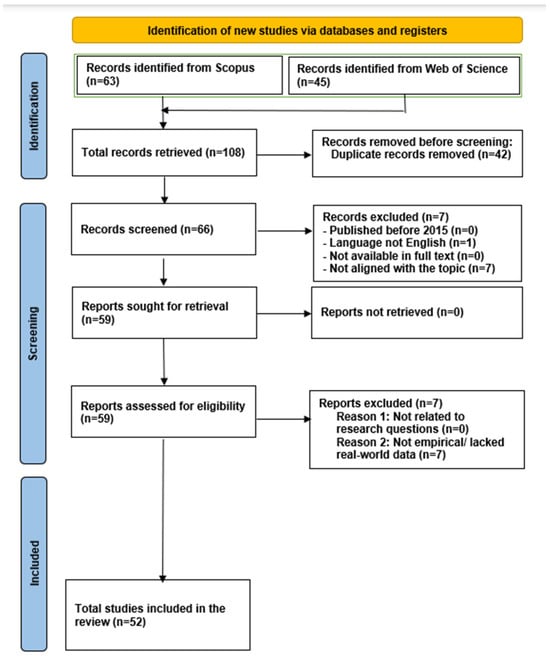
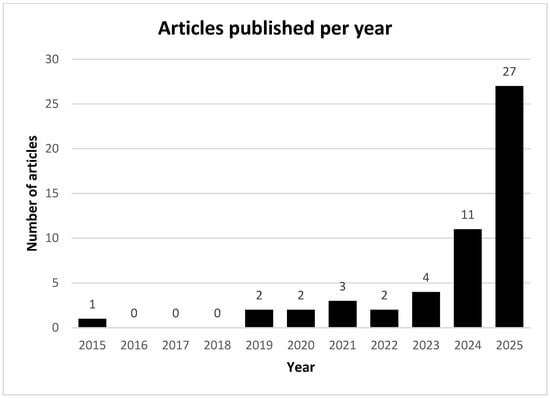
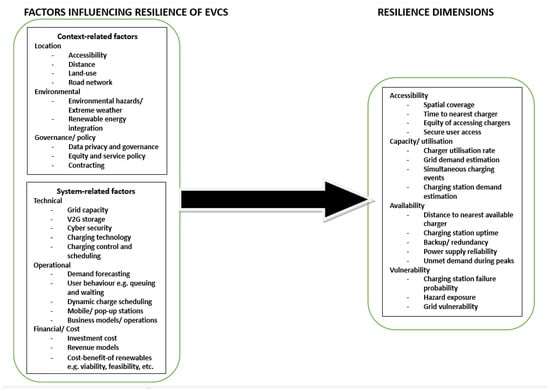
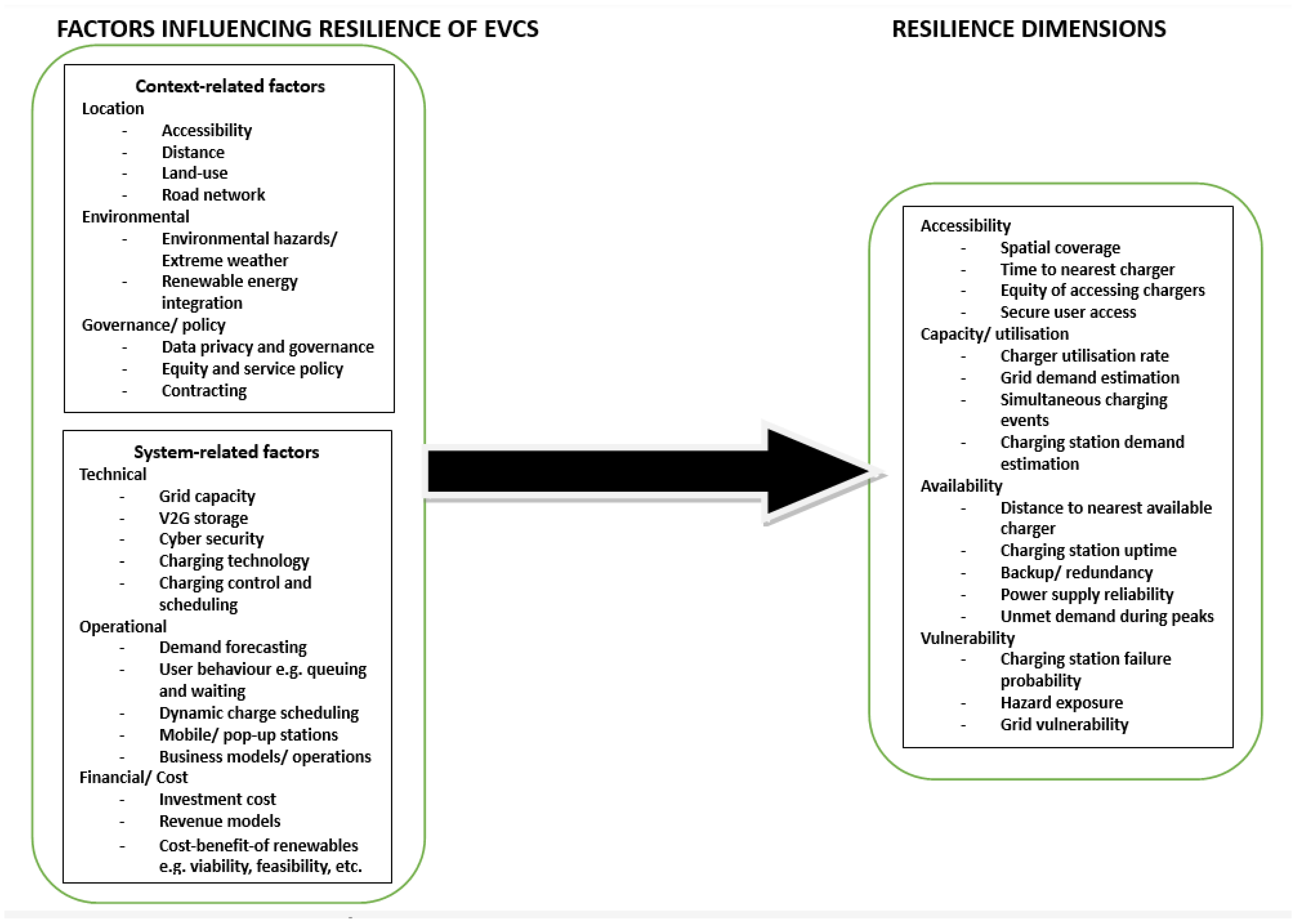

Disclaimer/Publisher’s Note: The statements, opinions and data contained in all publications are solely those of the individual author(s) and contributor(s) and not of MDPI and/or the editor(s). MDPI and/or the editor(s) disclaim responsibility for any injury to people or property resulting from any ideas, methods, instructions or products referred to in the content. |
© 2026 by the authors. Published by MDPI on behalf of the World Electric Vehicle Association. Licensee MDPI, Basel, Switzerland. This article is an open access article distributed under the terms and conditions of the Creative Commons Attribution (CC BY) license.