


Abstract
The continued expansion of digital payment technologies has encouraged Tanzanian district councils to use Point-of-Sale (POS) systems to collect service fees. In current POS systems, authorized POS terminals capture payment details, and through the centralized server, transactions are recorded on the POS database, with receipts printed as confirmation. Although this architecture supports recording and monitoring transaction revenue, it provides limited support for verifying the identity of the actor authorizing the transaction and for independent confirmation of transaction integrity during auditing. To address these limitations, this study investigated the essential requirements, standards, and protocols for integrating a Self-Sovereign Identity (SSI) as a blockchain-based identity solution with existing POS systems and for using a permissioned blockchain platform to verify integrity. To achieve the study objectives, an exploratory qualitative approach was used, involving 32 semi-structured interviews with POS operators, revenue accountants, internal auditors, Information and Communication Technology (ICT) administrators, a regulator, and blockchain experts. A hybrid deductive–inductive thematic analysis was used to establish three requirement themes, namely, security and identity management, legal and regulatory compliance, and data management and integrity assurance; two standard themes, namely, security and cryptographic standards, and identity and decentralized identification; and two protocol themes, namely, security and user authentication protocols, and data management and identity portability protocols. The findings were mapped to applicable legal obligations, compliance standards, technical specifications, and implementation controls, indicating how these requirements were translated into the conceptual SSI-POS integration for district-council POS systems. The proposed solution separates credential issuance, credential holder, and device POS management; verifier and POS transaction processing; blockchain and integrity evidence; and the assurance domain across defined trust boundaries. After a signed transaction is approved by the verifier, a complete transaction receipt remains in the existing POS database, while receipt hashes or the corresponding Merkle roots are anchored on the permissioned blockchain to provide tamper-evident verification. Hyperledger Besu with Quorum Byzantine Fault Tolerance (QBFT) was selected for its fit with permissioned, multi-organizational governance and for independent replication of receipt-hash evidence. The study provides a stakeholder-derived, regulatory-aligned conceptual foundation for SSI-POS integration without replacing the existing POS system workflow.
1. Introduction
In this era of technological advancement, digital transformation has significantly increased worldwide, primarily to reduce human error and optimize digital payment processes [1]. As a result, this transformation continues to reshape the payment industry by supporting a shift from cash-based transactions to cashless payments [2]. In response to this shift, countries like China, Sri Lanka, and Australia have implemented payment systems in which most businesses have transitioned from traditional cash payments to modern POS systems that support multiple payment methods for digital transactions [3]. Similarly, a POS system is considered a crucial component in Malaysia and Finland for simplifying the payment process, enabling customers to pay for services and enhancing transaction accuracy and customer satisfaction [4].
In developing countries, Nigeria and Uganda have also embraced digital payment methods, particularly through POS systems, to facilitate financial inclusion and economic growth [5,6,7]. Similarly, in Kenya, Charles [7] acknowledged that accepting electronic payments via a mobile POS is more secure than handling cash because POS systems integrate with modern accounting systems and enable efficient management of business transactions.
In the Tanzanian context, the country has also embraced the digital transformation in payment systems. According to the national payment systems report, the number of POS devices issued to POS operators increased from 8652 in 2023 to 9655 in 2024 [8]. This increase reflects national POS device usage across sectors, including district councils in the Arusha region. Furthermore, the growing use of POS systems aligns with the Tanzanian government’s strategic efforts to improve the collection of fees and charges from existing revenue sources [9]. In district councils, operators are strategically deployed with POS devices at designated revenue collection points to record transactions in real time, issue receipts, and store transaction data in a centralized POS database [10]. This process is further supported by the Government e-Payment Gateway (GePG), which facilitates secure interaction among POS operators, revenue accountants, and banks [11].
To ensure compliance with Know Your Customer (KYC) and Anti-Money Laundering (AML) regulations, as well as unique identification of individuals for the secure exchange of transactions, the Tanzanian government, through the National Identification Authority (NIDA), encouraged the use of National Identification Numbers (NINs) [12]. In line with this requirement, district councils register POS system users, including POS operators, using NINs to ensure unique identification of individuals involved in POS transaction operations. In addition, the POS devices assigned to the operators are registered by the councils to strengthen device accountability and security. Following this registration process, the legitimate POS operators use the assigned devices in the revenue collection areas to record cash transactions from customers, issue receipts, and pursue the transaction amount in the POS database through the centralized server. Once transactions are recorded, the revenue accountants access the authorized back-office interface to review collections and transaction reconciliations and to prepare revenue collection reports. Meanwhile, the internal auditors examine transaction records to assess accuracy, identify irregularities, and verify compliance with applicable financial procedures. ICT administrators support these activities by maintaining the POS server, POS database, user accounts, device registrations, access permissions, system availability, and technical security controls.
Despite controls in place to secure transactions, the existing POS workflow still depends primarily on maintaining users’ identity information and device records on the central POS server. Operationally, the POS operator initiates a transaction by entering payment details into the assigned POS terminal, which creates and submits the transaction session to the POS server. The server then validates the POS operator and the corresponding terminal before committing the transaction to the database. However, the existing workflow provides limited verification of the identities used to authorize specific transactions before they are committed to the POS database. Furthermore, receipt records are retained in the POS database, which provides limited tamper-evident evidence that may be used during auditing to determine whether a committed receipt record has been altered. These limitations may reduce the effectiveness of the independent audit and increase the risk of recording unauthorized and unverified transactions. Moreover, the centralized storage of identity information and transaction records may create a single point of failure [13,14].
Consequently, this situation increases the risk of insider threats that can compromise both identity data and transaction security. To address some of these challenges, previous studies have proposed different solutions for securing POS transactions. For example, Erwin et al. [4] proposed a solution that used facial recognition technology to address identity theft during user identification and authentication at the POS system. On the other hand, Nyoka et al. [15] developed an electronic payment system for revenue collection to minimize transaction errors and improve transparency and security. Although these solutions improve particular aspects of POS system security, existing POS systems continue to rely on traditional identity mechanisms, which may interrupt identity-dependent stages of the POS transaction process if the central repository is unavailable or compromised.
Despite efforts to ensure identity and transaction security, existing POS systems still face challenges regarding identity verification and independent verification of transaction integrity. Therefore, this study proposes a conceptual approach to integrating an SSI as the identity verification mechanism, with the existing POS system serving as offline storage for transaction receipts and the blockchain layer serving as on-chain storage for receipt record hashes, which can support independent integrity verification during auditing. The SSI approach is a decentralized, blockchain-based identity solution that gives credential holders greater control over the storage and presentation of their digital identity information, subject to issuer, verifier, wallet, and governance dependencies [16]. The SSI conceptual foundation reflects Cameron’s principles of user control, informed consent, and disclosure of only the identity information necessary for specific verification purposes [17]. Allen [16] similarly identifies portability, consent, selective disclosure, and the protection of personal identity data as the essential characteristics of the SSI. In practice, the SSI properties are implemented through Verifiable Credentials (VCs) and digital wallets. These technologies enable credentials to be issued and verified in a decentralized manner while allowing the identity holder to receive, retain, and present the required credentials requested by the verifier under their own control [18,19].
Following this, the authorized issuer issues credentials to the registered wallet holder, which is the merchant SSI wallet. In this regard, when a customer pays for a service, a POS operator, through the POS terminal, initiates a payment session by providing a Quick Response (QR) code that allows the merchant SSI wallet to sign and authorize the transaction intent by presenting the required proof to the verifier. The verifier checks the legitimacy of the merchant by verifying the credential’s validity period and trusted issuer, the wallet holder’s appropriate role, and the credential’s expiry date and its status (active or revoked).
Building on this, this study makes three contributions. First, it identifies stakeholder-derived technical and regulatory requirements, standards, and protocols for integrating blockchain-based identity with existing POS systems in Tanzania. Second, it translates the findings into a conceptual SSI-POS integration for the district-council POS system use case, including actor–role–credential mapping, defined trust boundaries, and comparative Spoofing, Tampering, Repudiation, Information Disclosure, Denial of Service, and Elevation of Privilege (STRIDE) threat analysis. Third, the conceptual architecture separates credential issuance, transaction signing and authorization, wallet-based proof presentation, verifier validation of credentials, POS commitment, blockchain anchoring, and independent audit verification across defined trust boundaries.
2. Related Works
For over a decade, approaches used in various studies to improve security in POS systems have included biometric authentication, multi-factor authentication, artificial intelligence-based fraud detection, and infrastructure redesign [20]. Most of these approaches have focused on improving authentication at the application layer while still relying on central infrastructure for storing transaction and identity data. Recently, the potential for central storage with a single point of failure and widespread data breaches has received significant attention due to the rapid development of digital technologies [21]. Concurrently, a different line of research has examined how blockchain technology’s decentralization, transparency, and data integrity capabilities might be used in combination with traditional payment systems. Despite these advancements, a critical gap still exists in the literature regarding the specific requirements, standards, and protocols necessary for integrating blockchain-based identity solutions with existing POS systems.
Alexander [22] proposed the integration of traditional POS systems with blockchain technology as a means to redesign POS infrastructure, aiming to enhance transactional security, improve transparency, and leverage decentralized infrastructures to address challenges related to fraud, data integrity, and overall system security [23]. While the proposed solution is intended to improve transactional integrity and transparency through decentralized systems, it does not align with the principles of SSI by utilizing Decentralized Identifiers (DIDs) as standardized by the World Wide Web Consortium (W3C) mentioned by Mazzocca et al. [24], essential for the unique and verifiable identification of both individuals and devices, including POS terminals. Although the study acknowledges the importance of adhering to interoperability standards, protocols, and data formats to achieve sustainable integration, it lacks practical guidance on the specific requirements, standards, and protocols essential for effective integration.
Kuren & Al-Turjman [25] proposed a blockchain-based online payment system integrating the Ethereum Metamask Application Programming Interface (API) to address security concerns and reduce transaction costs associated with traditional payment systems. While their study offers valuable insights into the technical implementation of blockchain within a payment system, its focus is primarily limited to application-level development and essentially lacks a comprehensive discussion on broader integration aspects, particularly the interoperability between blockchain platforms [26] and existing POS systems. Additionally, Albshaier et al. [27] acknowledged that secure communication is essential for the exchange of transactions between buyers and sellers. However, existing e-commerce systems continue to face significant challenges related to transaction security, transparency, and trust. To address these challenges, the authors proposed the adoption of a blockchain-based system capable of detecting fraudulent activities and securely recording transactions. Recognizing the vulnerabilities in traditional systems, such as data leaks, the authors further emphasized the integration of blockchain technology with existing e-commerce transaction systems, which was also supported by Rangga Gelar Guntara et al. [28]. Nevertheless, this emphasis remained largely theoretical, and the study did not provide a comprehensive discussion of the specific requirements, standards, and protocols necessary to guide such integration. Another study carried out by Setioaji [29] proposed a blockchain-based identity powered by SSI for payment systems to address security risks related to identity fraud, inefficient KYC procedures, and data inconsistencies. While the study identified relevant requirements, standards, and protocols for integrating the proposed system, it did not focus on structured requirements, standards, or protocols for integrating existing POS systems with blockchain technology. Prasad et al. [30] introduced BlockPay as a standalone blockchain-based payment solution. Their general overview of integration requirements does not specify the normative standards, cryptographic specifications, or protocol-level controls required for blockchain-based identity integration with existing POS infrastructure. The present study provides the complete requirement–standard–protocol mapping that BlockPay omits.
SSI, VCs, Selective Disclosure, and Revocation
SSI provides a decentralized approach in which identity information is issued as VCs, stored in a digital wallet, and presented by the credential holder when verification is required. The main actors are the issuer, holder, and verifier. The issuer creates and signs the credential, the holder stores it in a wallet, and the verifier checks the authenticity and validity of the presented credential. To enhance privacy, the credential system must limit the amount of personal information disclosed during each identity verification process [31,32]. Following this, the W3C VCs data model defines the main roles of issuer, holder, and verifier and provides a common model for issuing and presenting the VCs.
The credentials stored in the holder’s wallet may include several pieces of personal and organizational information; therefore, the verifier may require only a few of them. For example, during a POS transaction, right after the POS operator initiates the transaction through the POS terminal, the merchant’s SSI wallet is required to sign and authorize the transaction. In this regard, the merchant wallet holder should prove to the verifier that they are registered with the district council, hold an authorized role, and have an active credential. During this process, the merchant wallet holder is not required to reveal any additional information unrelated to the transaction. Selective disclosure addresses this by allowing the wallet holder to reveal only the attributes required for verification. In practice, however, achieving this level of data minimization depends on the cryptographic mechanism used.
Selective disclosure can be implemented through different cryptographic mechanisms. For example, Ramić et al. [33] reviewed the main approaches used in digital credentials and showed that they differ in credential formats, cryptographic techniques, privacy protections, and implementation requirements. On the other hand, Buldini et al. [34] further compared selective disclosure mechanisms based on security, privacy, processing time, proof size, and communication requirements. Their findings showed that selective disclosure should not be described as a single general function, and that the particular mechanism should be identified because each option provides benefits and limitations.
One available approach is Selective Disclosure for JSON Web Tokens (SD-JWT), which allows a holder to release selected claims from a JSON-based credential. Its close alignment with common web technologies can simplify integration with existing applications; however, additional design may be required to reduce linking across credential presentations [34]. Another one is Hyperledger AnonCreds, which supports selective attribute disclosure, zero-knowledge predicate proofs, and proofs that a credential has not been revoked [35]. Its stronger privacy features are useful where the holder must prove a condition without revealing the underlying value, although compatible issuer, wallet, and verifier components are required.
Beyond selective disclosure, credential status must also be verified to determine whether the credential remains acceptable. This is because a credential may have a valid digital signature but should no longer be used if it has expired, is temporarily suspended, or has been permanently revoked. For example, revocation of a credential may be necessary when a merchant wallet holder leaves the council, and the assigned roles must be withdrawn, when a wallet or private key is compromised, or when a credential was issued incorrectly.
3. Materials and Methods
3.1. Exploratory Qualitative Research Design and Approach
This study used an exploratory qualitative design to identify stakeholder-derived technical and regulatory requirements, standards, and protocols for integrating a blockchain-based identity mechanism with the existing POS systems in Tanzania. This approach was appropriate because the study sought to understand stakeholders’ views, experiences, perceptions, and practical concerns [36] regarding the existing POS systems. It also enabled exploration of existing identity verification mechanisms, access control, privacy, and transaction integrity practices. With this design, an inductive qualitative approach [37,38] was employed, enabling the development of codes and themes directly from the participants’ data. This approach aligns with a constructivist epistemological perspective, which holds that knowledge is formed through social interaction, personal experience, and interpretation [38]. The analysis focused on semantic coding, aiming to capture the explicit content of the data as expressed by the interview participants [39].
3.2. Data Collection
Data were collected through 32 semi-structured interviews conducted from January to June 2025. Of these interviews, 19 were conducted in English and 13 in Swahili, based on participants’ preferences, and each session lasted about 45–60 min. The interviews were conducted face-to-face at participants’ workplaces or at another location they suggested, depending on availability. With participants’ informed consent, all interviews were audio-recorded. The recordings were then transcribed verbatim, and interviews in Swahili were translated into English and verified by research colleagues to ensure accuracy. To protect participant confidentiality, all digital recordings and transcripts were anonymized, stored securely, and made accessible only to the researchers.
3.3. Sampling Technique and Participant Recruitment
This study used a purposive sampling method to recruit participants working with POS transactions in Tanzanian local government revenue collection: 13 POS operators, 4 revenue accountants, 4 Internal auditors, 5 ICT administrators, 1 regulator, and 5 Blockchain experts with relevant knowledge and at least one year of experience in operating existing POS systems and their potential integration with blockchain-based identity. Participants were contacted through formal letters of data collection permission. Participation was entirely voluntary, with no financial or material incentives offered. Eligibility was limited to individuals directly involved in POS systems in various roles, while individuals without such direct involvement in POS activities or blockchain-related functions were excluded. Table 1 presents the distribution and characteristics of the study participants.
Table 1.
Distribution and characteristics of the study participants.
An adequate sample of 32 participants was assessed using the principle of data saturation. Saturation was monitored throughout data collection and coding, becoming evident when participants from different roles consistently expressed similar concerns and needs. During the initial stages of coding the interview transcripts, 23 new codes emerged, but after the final new code was identified, the participants’ transcripts produced no additional codes. Existing codes consistently aligned with the predefined categories of requirements, standards, and protocols. This approach ensured that the sample was both diverse and sufficient to capture perspectives from all targeted participants in the POS ecosystem.
3.4. Qualitative Data Analysis
This study adopted a six-phase process proposed by Byrne [40] as an approach to conducting thematic analysis and learning how to perform it. In this regard, the study employed a hybrid deductive–inductive thematic analysis approach to establish the three code containers—requirements, standards, and protocols—on the basis of the participants’ responses. To build trust in the analysis, reflections and observations were shared with co-authors for feedback as part of a peer debrief to strengthen the credibility of the thematic analysis, coding decisions, discussions of emerging themes, and the interpretation of the qualitative findings.
During the analysis, the primary researcher led the analysis and was supported by a data analysis assistant with a Master’s degree in Information Systems and Network Security (ISNS) and experience in qualitative research and computer-assisted qualitative data analysis. The assistant was experienced in transcription, coding, thematic analysis, and using ATLAS.ti.
3.4.1. Familiarization with the Data
During this phase, the researcher and a data analysis assistant collaboratively transcribed the audio interviews verbatim. The transcripts were then cleaned by removing filler words while keeping the participants’ quotes with their true meanings, allowing a deeper understanding of the narratives before the coding process. Reflexive positioning was maintained throughout, with the primary analyst functioning as both researcher and ICT practitioner.
Interviews conducted in Swahili were first transcribed and then translated into English using NotebookLM as a translation support tool. To ensure accuracy and preserve participants’ intended meanings, the researcher and the research assistant reviewed each English translation against the original Swahili transcript and the corresponding audio recording. The comparison focused on technical terminology, contextual meaning, and participants’ expressions. Any discrepancies were discussed and resolved by consensus before the verified English-language transcripts were imported into ATLAS.ti for coding and thematic analysis. This verification process strengthened the credibility and trustworthiness of the translated data.
3.4.2. Generating Initial Codes
In this phase, transcript documents were uploaded to ATLAS.ti version 25 for thematic analysis, where three code containers—requirements, standards, and protocols—were created. The researcher and the data analysis assistant then read through each transcript individually, focusing on what participants said rather than interpreting, and inductively extracted their insights. Figure 1 illustrates the relationship between codes and the participants’ quotes and shows how initial coding originated from the participants’ own words. Cumulatively, 12 codes were identified for requirements, 6 codes for standards, and 5 codes for protocols. Afterwards, a codebook was exported to Excel, and similar codes were grouped using table columns in the Word application.
Figure 1.
Code excerpt with illustrative participant quotes.
Coding differences, including differences in code labels, definitions, or placement across the three containers, were discussed by the researcher and the assistant. Where necessary, similar codes were merged, definitions were clarified, and relevant transcript extracts were reviewed until agreement was reached. Unresolved differences were discussed with co-authors until final agreement was reached.
3.4.3. Generating Themes
Figure 2 illustrates how related codes were grouped to form the theme of data management and integrity assurance. Together, Figure 1 and Figure 2 show the systematic progression from codes to themes, aligning with the presented network diagrams. Meanwhile, Table 2 summarizes the themes that emerged by naming columns with groups of codes organized using a Word application, resulting in three themes for requirements, two themes for standards, and two themes for protocols.
Figure 2.
Theme map for data management and integrity assurance.
Table 2.
Summary of emerging themes for blockchain-based identity integration with POS systems.
3.4.4. Reviewing Potential Themes
In this phase, a thorough review of the identified themes was conducted with both the coded data and the dataset, evaluating the consistency, clarity, and validity of each theme through detailed discussion.
3.4.5. Defining and Naming Themes
Each theme was named based on the label given to a specific group of codes. Clear and concise names were assigned to each theme, categorized under requirements, standards, and protocols, aligning with the study’s objectives.
3.4.6. Producing the Report
This final phase involved creating a report that visually presented the themes in ad hoc network diagrams, supported by vivid participant quotes that served as evidence for each theme. Relevant literature was also used to back up the discussion of each theme within each category.
4. Results
This paper investigated the requirements, standards, and protocols necessary to integrate a blockchain-based identity with existing POS systems. The ongoing security issues with conventional POS systems motivated this paper. The findings in this section provide foundational requirements, standards, and protocols for integrating blockchain-based identity solutions with current POS infrastructures.
4.1. Interview Questions and Illustrative Participant Responses
To clarify how the reported findings were obtained, Table 3 presents selected interview questions and the corresponding responses from participants. These responses demonstrate how the interview evidence informed the requirements, standards, and protocols presented in the subsequent sections.
Table 3.
Selected interview questions and corresponding illustrative participant responses.
4.2. Requirements for Blockchain-Based Identity Integration with the POS Systems
This section presents the thematic analysis results concerning the key requirements for the sustainable integration of the two systems.
4.2.1. Security and Identity Management
Figure 3 illustrates the theme of security and identity management requirements identified by the participants. This theme emerged as a primary requirement for the integration of the existing POS system and blockchain-based identity. Participants consistently emphasized the need to align the suggested solution with established compliance, where a participant from a regulatory authority (Regulator1) underscored this, stating “The regulator enforces compliance with anti-money laundering (AML) and know-your-customer (KYC) regulations through a combination of regulatory supervision, licensing requirements, and continuous monitoring. Regulator implements guidelines and standards issued regularly by the FIU regarding AML/CFT/CPF.”
Figure 3.
The network diagram illustrates participants’ insights on security and identity management.
On the other hand, another participant (Blockchain Expert4) supported: “…First, ensure encryption of data at all stages—at rest (in storage), in process (while being processed), and in transit (while moving between systems). We do this to protect sensitive KYC/AML data. Without encryption, even if a hacker doesn’t change data, just reading it breaks confidentiality…” The same participant (Blockchain Expert4) added: “…By enabling real-time cryptographic user verification without relying on a centralized middleman that stores all credentials. Today, when you’re asked for a password, PIN, or fingerprint—how secure is that chain of trust? Someone could intercept or tamper before the authority confirms…”
Additionally, another participant (Blockchain Expert2) noted: “…By scanning a QR code or similar method, the system can immediately verify the identity and authorization of the user without redundant checks…” Similarly, another participant (Blockchain Expert3) stated: “...Security layer–authentication, authorization, encryption...”
4.2.2. Legal and Regulatory Compliance
Figure 4 presents the participants’ insights on legal and regulatory compliance emphasizing adherence to conform with government regulations as well as adhering to KYC and AML for example, the participant (Blockchain Expert2) stated “…We also need to check compliance with government regulations to ensure such integrations are legally supported.”, the same participant (Blockchain Expert2) continued saying that “…Since most blockchain projects are still at the proof-of-concept stage, we align our development with existing guidelines. We follow directives from the regulator section of Financial Intelligence Unit (FIU), and international standards for detecting suspicious transactions, such as money laundering or terrorist financing….” The participant (Regulator1) justified: “…Self-Sovereign Identity (SSI) is a digital identity framework that empowers individuals to fully own and control their personal information, allowing them to manage how and when their data is shared without relying on centralized authorities. Currently, the regulator has not issued regulations governing the use of Self-Sovereign Identity (SSI) in financial transactions….”. At the same time the same Participant (Regulator1) clarified: “…For emerging technologies that are covered under current regulations then guidelines has to be followed, otherwise, for those not yet covered under existing regulations, the regulator has established a FinTech Regulatory Sandbox…”
Figure 4.
The network of nodes representing the participants’ insights on Legal and Regulatory Compliance.
On the other hand, the participant (Regulator1) emphasized adhering to KYC and AML requirement regulations, which was also supported by the participant (Blockchain expert4) and (Blockchain expert3). Furthermore, one participant (ICT administrator4) stated “...Government guidelines from eGA and the Ministry of Finance define security, data management, authentication, and role management standards. eGA performs audits and issues reports to fix weaknesses…”
4.2.3. Data Management and Integrity Assurance
Figure 5 visualizes insights about data management and integrity assurance with participants, with participant (Blockchain Expert1) emphasizing data encapsulation, explaining: “…We want to encapsulate this data, and that data—i.e., only critical parts…” The same participant added: “…Final validation comes from the blockchain. Hence, two pipelines: when someone writes data, it’s routed—part to Web2, part to Web3—without changing everything at once…”
Figure 5.
Participants’ insights on data management and integrity assurance.
Similarly, a participant (Blockchain Expert4) highlighted transaction validation, stating: “…All participating institutions—banks, revenue authority, service provider—must validate before a transaction is final…” On the other hand, the same participant underscored data retention and traceability, stating: “…Ensure data retention & traceability—records should persist for years...”
Furthermore, the participant (Blockchain Expert3) pressed on the need of data separation, explaining that “…IPFS (InterPlanetary File System): Store large artifacts (documents, receipt archives) off-chain; blockchain stores only the CID (content hash). Change a single byte, the CID changes—easy integrity check. …” This explanation was also supported by the participant (Blockchain Expert5).
Furthermore, (Blockchain expert3) highlighted data minimization, explaining: “…Data minimization: Put only what’s required to prove payment; not entire taxpayer records…” while participant (Blockchain Expert2) added that “…Another practice is data minimization. We should collect minimal user data—maybe just a name and ID number—rather than storing excessive information…”
In addition, the participant (Blockchain Expert1) reinforced data oracles, stating: “…you must understand what we call data oracles. Blockchains like Chainlink (started ~2021/2022) created data oracle solutions. An oracle enables communication between legacy/Web2 systems and Web3…”
4.3. Standards for Blockchain-Based Identity Integration with the POS System
This section presents the thematic findings on standards necessary for blockchain-based identity integration with POS systems and mapping requirements to normative standards and specifications.
4.3.1. Mapping Legal Obligations, Compliance Standards, Technical Specifications, and Implementation Controls
Table 4 maps legal and regulatory instruments, compliance and information-security standards, identity and credential specifications, authentication and authorization protocols, transport-security protocols, cryptographic algorithms, and implementation technologies. Each instrument is mapped to a specific requirement or control within the selected SSI-enabled district-council POS system.
Table 4.
Mapping legal obligations, compliance standards, technical specifications, and implementation controls to the proposed solution.
4.3.2. Regulatory Responsibilities and Credential-Lifecycle Controls
Beyond general compliance with data-protection, payment-system, KYC, and AML requirements, implementing the proposed solution requires a clear allocation of regulatory responsibilities. For the selected district-council use case, the district council should be designated as the data controller when it determines the purposes and means of processing NIN-derived registration information, credential attributes, verification results, and POS transaction records. External wallet, hosting, verifier, or infrastructure providers that process personal data solely according to documented council instructions should be treated as data processors and governed by written data-processing agreements. Before processing begins, the council should document the lawful purpose and legal basis for each processing activity, issue an appropriate privacy notice, collect only the attributes necessary for registration and transaction authorization, and provide procedures through which data subjects can exercise applicable rights of access, correction, restriction, and objection [41,42].
The proposed solution should also establish a documented retention schedule that aligns data-minimization requirements with payment-system, AML, accounting, and audit obligations. Where the Payment Systems (Licensing and Approval) Regulations apply, transaction records should be retained for the legally required period, while identity attributes and wallet-related information that are no longer necessary should be securely deleted or anonymized [44]. Complete personal and transaction records should remain off-chain, with only irreversible receipt hashes or Merkle roots anchored on the blockchain. Any cross-border hosting, backup, technical support, or transfer of personal data should undergo prior legal assessment, be subject to appropriate safeguards, and obtain the required authorization from the Personal Data Protection Commission [41,42].
Operational procedures should further define accountability for personal-data breaches, wallet recovery, credential revocation, and incorrectly issued credentials. The data controller should maintain procedures for detecting, containing, documenting, reporting, and learning from personal-data breaches, while processors should promptly report incidents to the controller and preserve relevant evidence. Wallet recovery should require renewed identity verification, revocation or suspension of credentials associated with the lost or compromised wallet, and issuance of replacement credentials rather than restoring an exposed private key. The issuer should be responsible for accurate credential issuance and timely correction, suspension, or revocation; the verifier should be responsible for checking issuer trust, credential validity, expiry, and revocation status before approving a transaction; and the governance body should oversee disputes, corrective actions, and reviews of transactions affected by an incorrectly issued credential.
4.3.3. Security and Cryptographic Standards
Figure 6 shows participants’ contributions to security and cryptographic standards for instance the participant (Blockchain Expert4) explained: “…Hashing: SHA-256 (Bitcoin), SHA-3/Keccak, even 512-bit variants. Any change = new hash, ensuring integrity…” and expanded by the participant (Blockchain Expert3) who detailed that “…ECC/ECDSA (widely used for blockchain signatures in Bitcoin, Ethereum). • AES for encrypting sensitive off-chain payloads.• SHA-256 or similar hashing for data integrity proofs.• Key management: secure private keys, key rotation, HSMs where possible.• Role-based access controls in smart contracts.• Off-chain encrypted storage + on-chain hash pointers” and supported by the participant (Blockchain Expert2) who added that “…In addition, strong encryption algorithms must be implemented. For instance, Bitcoin uses SHA-256, which is nearly impossible to crack with current technology, except maybe with future quantum computers…”
Figure 6.
Participants’ insights on security and cryptographic standards.
Furthermore, the participant (Blockchain Expert4) highlighted: “…Authentication standards matter: FIDO2/WebAuthn support strong, phishing-resistant authentication (device or biometric) without storing raw fingerprints on the provider’s server; the data stays on the user’s device...” and supporting by the participant (Blockchain Expert5) who added: “…Authentication/signing (OAuth 2.0, mutual TLS, signed payloads)…”
On the other hand, the participant (Blockchain Expert4) noted that: “…Public/private key cryptography: For identity, digital signatures, transaction authorization…”
Additionally, participant (Regulator1) highlighted Communication, Security, and Payment Card Standards (CSPCS), explaining: “…Communication, Security and Payment Cards Standards (CSPCS) is the most adopted and used standards in Tanzania. CSPCS brings together the essential elements required to support secure, interoperable, and efficient electronic payment systems. It encompasses three core areas: communication standards (such as ISO 20022 [67] and SWIFT [68] messaging), security standards (including PCI DSS [69] and ISO/IEC 27001 [49]), and payment card standards (such as EMV specifications and card scheme rules)…”
Finally, one participant (Blockchain Expert4) underscored the need for symmetric encryption standards, mentioning: “…Symmetric encryption: AES (128/192/256-bit) for off-chain or payload encryption before hashing. AES replaced outdated DES (56-bit keys, now insecure).…”
4.3.4. Identity and Decentralized Identification
Figure 7 shows participants’ responses on identity and decentralized identification for example the participant (Blockchain Expert3) explained that. “…DID (Decentralized Identifier) and related community specs. People use terms like “DID Spec” (sometimes abbreviated differently). DID itself is a pointer/identifier—not full identity data. It can reference signed claims stored elsewhere...” and expanded the explanation by stating “…W3C DID and DIDComm for decentralized identity and messaging between identity agents…” And supported by the participant (Blockchain Expert4), who noted “…Finally, W3C Decentralized Identifiers (DID) and Verifiable Credentials (VC) show how to issue, hold, and verify identity without a central authority storing everyone’s full data…” and also supported by the participant (Blockchain Expert2) who stated that “…Alternatively, we could use Decentralized Identifiers (DIDs). For instance, we could design a DID module that acts as a subsidiary to existing systems like the national ID database (NIDA)…”
Figure 7.
Participants’ responses regarding identity and decentralized identification.
Furthermore, regarding the identity standards, the participant (Blockchain Expert2) explained that “…Additionally, implementing strong security features is critical, such as PKIs or consensus mechanisms, which verify transactions on the blockchain…”
Finally, another participant (Blockchain Expert5) stressed on connecting the blockchain system with the national identity system, noting “…Even with blockchain, identity verification through national systems should be used…”
4.4. Protocols for Blockchain Integration with POS
This section presents threat modeling and risk controls along with thematic results about the protocols needed for integrating a blockchain-based identity with the POS system.
4.4.1. System-Specific Threat Model and Risk Controls
This section presents a system-specific threat model for the selected SSI-enabled district-council POS use case. It identifies the protected assets, threat actors, entry points and attack paths, trust assumptions, qualitative likelihood and severity, existing controls, proposed SSI-POS controls, and residual risks.
Likelihood and severity are classified as low, medium, or high. Likelihood or severity reflects the potential impact on identity verification, transaction authorization, revenue records, privacy, system availability, governance, and audit verification, illustrated in Table 5.
Table 5.
System-specific threat and residual-risk model for the selected SSI-enabled district-council POS system.
4.4.2. Security and User Authentication Protocols
Figure 8 shows the participants’ insights on security and user authentication protocols. For instance, regarding the participant (Blockchain Expert5) explained: “…Protocols such as TLS/SSL are required to encrypt data in transit...” and supported by the participant (Blockchain Expert4), stating: “…We need secure communication protocols between these layers: TLS/SSL for transport security; smart contracts for automatic rules; crypto modules for signing and verifying; and user interfaces that can later support full blockchain connectivity when users move online…”
Figure 8.
Participants’ insights on security and user authentication protocols.
Furthermore, the participant (Blockchain Expert4) explained, “…Third, multi-authorization/multi-signature. Split authority so that no single person holds the key to everything. For example, if a team holds large funds, use a wallet that requires M-of-N signatories (e.g., 2-of-3) to approve transactions. This is a major best practice—no single person should process critical transactions alone…”
Additionally, the participant (Blockchain Expert5), mentioned: “…Use zero-knowledge…” expanded by the participant (Blockchain Expert4), explaining: “…Second, use zero-knowledge proofs where possible. There’s no need for the service provider to store all user data; the user should be able to present a minimal proof that validates their claim without revealing all their personal details. If you store full datasets and the system is breached, everyone is exposed…”.
4.4.3. Data Management and Identity Portability Protocols
Figure 9 shows participants’ contributions on data management and identity portability protocols. In this theme, the participant (Blockchain Expert4) stated: “…Data storage (off-chain for large files):• IPFS (InterPlanetary File System)—stores heavy metadata, while the blockchain only stores the hash references.” and supported by the participant (Blockchain Expert2) explaining: “…This data can be stored in hashed form or as raw JSON files. To manage this data, we can either run our own blockchain node (which is costly due to hardware and bandwidth requirements) or use third-party API providers with subscription plans…”
Figure 9.
A network diagram illustrating data management and identity portability protocols.
On the other hand, another participant (Blockchain Expert5), mentioned: “…Reclaim Protocol (RECLAIM). It’s useful for “proving without revealing full details…”.
4.4.4. Cross-Role Comparison of Stakeholder Perspectives
This section compares the perspectives of the different stakeholder groups to show convergence, disagreement, and role-specific concerns regarding blockchain-based identity integration with POS systems. The comparison highlights the views of POS operators, revenue accountants, internal auditors, ICT administrators, regulators, and blockchain experts. The comparison is summarized in Table 6 and Table 7.
Table 6.
Theme-by-role matrix of stakeholder perspectives on requirements for blockchain-based identity integration with POS systems.
Table 7.
Cross-role matrix of stakeholder perspectives on standards and protocols for blockchain-based identity integration with POS systems.
4.4.5. Traceability from Empirical Findings to the Proposed SSI-POS Design
Table 8 presents the participants’ evidence through the corresponding codes and themes to the resulting design requirements, standards, protocols, architectural components, and platform implications.
Table 8.
Traceability from participant evidence and thematic codes to SSI-POS design integration.
5. Discussion
The thematic analysis yielded three main categories—requirements, standards, and protocols—each with distinct themes. This section interprets these findings in light of the challenges facing existing Tanzanian POS systems and the requirements for integrating blockchain-based identity. The findings are then synthesized to formulate a preliminary conceptual SSI–POS integration framework.
5.1. Requirements for Blockchain-Based Identity Integration
This section discusses the key requirements for sustainable integration, focusing on three emerging themes. These requirements apply to the actors and interactions within the selected SSI-enabled district-council POS use case.
5.1.1. Security and Identity Management
The findings revealed that security and identity management are foundational requirements for integrating blockchain-based identity with existing POS systems. The study participants emphasized the need for secure authentication, authorization, encryption, cryptographic user verification, and QR-based verification to reduce identity theft and strengthen trust in transactions. This finding is supported by previous studies, such as [33,34], which revealed that centralized identity management and username–password authentication expose digital systems to privacy risks, credential misuse, and data-breach vulnerabilities. Therefore, the proposed solution extends previous studies by positioning identity verification to enable the wallet holder to present valid credentials issued by a trusted issuer. Also, the credentials should be active and not revoked and should belong to the claimed council. Upon presentation of valid credentials, the verifier allows users to perform their specific roles within the integrated system, including registering POS terminals, managing device trust records, signing and authorizing transactions, and viewing revenue reports, reconciliation records, payment summaries, and audit verifications. This implies that transaction approval depends heavily on verified credentials rather than solely on conventional username-and-password mechanisms. The participants’ emphasis also indicates that identity verification is essential for preserving privacy during the signing and authorization of transactions initiated by POS terminals. Therefore, the verifier should request only the minimum identity attributes required to approve a transaction. This suggests that sensitive identity information, such as NIN and full credential records, should be stored in the SSI wallet, which serves as off-chain storage, helping to avoid unnecessary exposure. This suggests that the proposed solution could support user authorization through trusted credentials while reducing, rather than eliminating, reliance on centralized identity mechanisms. Credential issuance, verification, transaction recording, and governance would remain dependent on the availability and trustworthiness of their respective components [70].
For the selected use case, security and identity-management requirements begin when the issuer authority verifies the credential holder’s identity and issues the merchant credential. During revenue collection, the POS operator enters the payment details and initiates the payment session, while the credential holder presents the required proof and signs the transaction intent. The POS verifier service and middleware then request and verify the transaction proof by checking the trusted issuer, credential validity and revocation status, assigned role, and the relationship between the presented proof and the initiated transaction. These requirements also restrict the remaining actors to their assigned functions: the revenue accountant reconciles completed transactions, the internal auditor audits transaction integrity, the ICT administrator manages operational access rights, and governance-related changes are performed only by the authorized governance and trust-registry actors identified in Table 5.
5.1.2. Legal and Regulatory Compliance
The findings indicated that legal and regulatory compliance is essential for the integration. Following this, the participants emphasized that the integration should comply with government regulations, existing institutional guidelines, KYC, and AML requirements. These findings align with Schlatt et al. [71] who also acknowledged SSI as an appropriate tool in achieving a suitable KYC process. Since POS transactions involve actors responsible for overall revenue collection, the integrated solution needs to support identity verification using trusted, authoritative sources. Thereby, the solution cannot stand as an independent entity but rather be part of the regulated payment system that complies with existing laws and regulations governing financial transactions. While the SSI was recognized by one participant (Regulator1) as an identity model that enables individuals to control the ownership of their personal identity information, its use in transaction exchange is not yet governed by any specific regulations. Previous studies also demonstrate that SSI and blockchain-based identity solutions remain affected by existing regulations, especially when proposed in regulated financial services [72]. This regulatory gap does not mean that SSI integration with the POS system should not be undertaken; nevertheless, a participant (Regulator1) highlighted the need for a controlled environment. Therefore, the regulator established the Fintech Regulatory Sandbox, which provides an appropriate pathway for testing SSI-based solutions that are not yet clearly covered by existing regulations. This finding also aligns with the literature that views fintech sandboxes as controlled testing environments where regulators can observe and learn about innovative financial technologies by assessing their risks and considering compliance readiness before proceeding to wider deployment of the proposed solution [73]. In this controlled environment, regulators and other government stakeholders can easily assess the solution’s compliance, security risks, and operational suitability before considering it for wide deployment.
For the selected SSI-enabled district-council POS use case shown in Figure 11, these legal and regulatory obligations begin when the issuer authority issues the merchant credential in accordance with existing government guidelines, institutional requirements, and KYC and AML obligations. During the payment transaction, the POS verifier service and middleware should request only the identity attributes required to confirm the credential holder’s registration, assigned role, credential validity, revocation status, and authority to sign the transaction intent. This limits unnecessary disclosure of full identity information while still supporting transaction authorization and regulatory accountability. Major policy changes affecting credential issuance, verification rules, trust-registry entries, and system governance are approved by the consortium governance board and implemented by the trust registry administrator. The ICT administrator manages operational access rights according to the approved roles. The regulator or observer subsequently reviews the compliance evidence produced through credential issuance, transaction verification, reconciliation, and transaction-integrity auditing. Since SSI in financial transactions is not yet governed by specific regulations, the selected use case should initially be assessed through the FinTech Regulatory Sandbox before wider deployment.
5.1.3. Data Management and Integrity Assurance
Regarding data management and integrity assurance, the participants insisted that the integration should support data encapsulation, data validation, data minimization, data retention, traceability, and a clear separation between off-chain and on-chain storage. The findings are also supported by previous studies that define on-chain and off-chain storage as suitable approaches for blockchain systems, as they reduce storage burden while maintaining data integrity and auditability [74,75]. This emphasis implies that the integrated solution should not store identities and transaction details on the blockchain but rather use blockchain storage only for cryptographic hashes that can be used to prove and verify transaction integrity. Moreover, previous studies show that storing detailed transaction records off-chain while keeping their hashes and appropriate metadata on-chain improves privacy and integrity verification [76]. The findings further showed the importance of validating transaction data before it is considered final, as transaction finality may involve several institutions, such as district councils, financial institutions, and regulators, who may validate it before the transaction is finalized. Therefore, in this case, the integration solution should have a clear validation process through a consortium body that allows and authorizes parties to confirm the correctness, integrity, and validity of transaction records [77]. Likewise, validated transactions should be traceable for audit purposes by recomputing the hash of the off-chain transaction record and comparing it with the corresponding record hash or Merkle root stored on the blockchain. The finding agrees with prior studies indicating that hash-based and Merkle tree-based verification can easily detect later alterations to records stored in the off-chain environment, and that this approach supports audit verification [40,41]. This theme suggests that the integration requires balanced data management through an off-chain and on-chain storage approach without disrupting the normal operations of the existing POS system.
Within the selected use case, the data-management and integrity-assurance requirements apply after the transaction proof is verified and the transaction record is committed to the existing POS database. The complete transaction and receipt record remains in off-chain storage, while its cryptographic hash or corresponding Merkle root is anchored on the permissioned blockchain. The revenue accountant reconciles completed transactions, and the internal auditor verifies transaction integrity by comparing the off-chain record with its corresponding blockchain anchor. The network administrator and validator operator maintain the blockchain nodes that preserve the anchor evidence under the controls approved by the consortium governance board. These interactions connect the selected use cases of reconciling completed transactions, operating blockchain nodes, auditing transaction integrity, and comparing the off-chain record with the blockchain anchor to the requirements for data separation, retention, traceability, and tamper-evident verification.
5.2. Standards for Blockchain-Based Identity Integration
This section explains the key themes identified in the thematic analysis that are essential for the integration.
5.2.1. Security and Cryptographic Standards
The results showed that security and cryptographic standards are essential to ensure trusted blockchain-based identity integration with the existing POS system. The participants highlighted the need for encryption, hashing, secure authentication, and cryptographic verification to protect identity and transaction data. The result consistently aligns with existing literature, which explains that cryptographic techniques and hash functions are central to transaction confidentiality, authentication, and integrity in blockchain systems [78]. This indicates that the integration solution should adopt recognized cryptographic techniques, including ECDSA, which is recognized by Hernández-álvarez and Encinas [78], suitable for providing digital signatures for transactions, and AES-256, which encrypts sensitive data to ensure confidentiality. In addition, hashing standards such as SHA-256 and, where required, SHA-3 can be used to generate cryptographic hashes of the transaction records before storing them on the blockchain, thereby enabling integrity verification. Previous studies further indicate that moving computationally intensive blockchain tasks from resource-constrained devices, such as POS terminals, to dedicated blockchain components can improve energy efficiency and reduce transaction processing delays [79,80]. This implies that POS terminals should not behave like complete blockchain nodes; instead, they should only perform light tasks such as initiating payment sessions, signing sessions with their private keys, and communicating securely. FIDO2 and WebAuthn [81] are authentication standards used to strengthen wallet security, allowing users to unlock the wallet with a fingerprint, PIN, or biometric check before signing the transaction intent. This reduces dependence on weak password and username mechanisms. Consistent with previous studies, these authentication standards can reduce reliance on weak passwords and strengthen wallet authentication [36,43]. The findings imply that the integration requires security and cryptographic standards that support the confidentiality, authentication, and integrity of transactions.
5.2.2. Identity and Decentralized Identification
The findings under this theme highlighted the use of W3C DIDs, Verifiable Credentials, DIDComm, and Public Key Infrastructure (PKI) to support the establishment of a trusted identity for signing, authorizing, and approving transaction sessions initiated by POS terminals. This means that identity verification in the POS ecosystem should move beyond a centralized username–password mechanism and adopt a standardized model that enables identity claims to be issued, held, presented, and verified in a secure environment while preserving identity privacy. In this theme, the participants’ emphasis indicates that W3C DIDs are important because they serve as the digital identity foundation for recognizing and verifying the actors involved in POS transactions. Existing literature also explains that verifiable credentials and digital wallets are secure, privacy-preserving mechanisms that can be considered a solution to the limitations of existing identity management systems [82]. The participants’ findings also emphasized the use of VCs to enable the integrated solution to verify the wallet holder’s legitimacy when signing and authorizing initiated transactions. In addition, the findings indicate that transactions should be signed and authorized by the active wallet holder to prevent unauthorized involvement. Furthermore, the participants highlighted the use of DIDComm to meet the need for secure message exchange, enabling the verifier and the wallet holder to share proof requests and proof responses. This is also discussed in the literature, which notes that messaging and credential exchange are essential mechanisms for the trusted interactions that occur between wallet holders and other components, such as the verifier [32]. Likewise, the results identified PKI as a means of providing secure communication among the components of the integrated solution, indicating that when a transaction is initiated by the POS terminal, the wallet holder should use their private key to sign and authorize it. Subsequently, the verifier approves the transaction by verifying the corresponding public key and confirming that it is associated with the trusted identity.
5.2.3. Selective Disclosure and Zero-Knowledge Proof Operationalization
Building on the findings, selective disclosure and zero-knowledge proof operationalizations provide essential mechanisms to preserve privacy in the integrated solution. The study findings emphasized exposing only the requested attributes during identity verification. This makes selective disclosure relevant to the solution because it allows the wallet holder to reveal only the credential attributes requested by the verifier, such as registration status, credential validity, and POS transaction signing eligibility, while avoiding the unnecessary exposure of other identity details [33,34]. This process is further strengthened by a zero-knowledge proof, which allows the wallet holder to prove to the verifier that a required condition or statement is true without revealing the underlying attributes. For example, instead of exposing detailed credential attributes such as the merchant identifier, active status, and expiration date, the wallet only proves by stating that the merchant is registered, active, and authorized to sign the initiated transactions. Therefore, selective disclosure and zero-knowledge proofs provide privacy preservation by enabling the verifier to confirm the wallet holder’s legitimacy without complete access to the holder’s identity information. However, selective disclosure can be implemented in different ways, and each approach offers a different level of privacy, ease of implementation, and protection against linking repeated credential presentations. Therefore, the proposed solution needs to specify the mechanism used rather than referring to selective disclosure only as a general feature. Table 9 compares the main available approaches and identifies the most suitable mechanism for privacy-sensitive merchant credentials.
Table 9.
Comparison and selection of selective-disclosure techniques for the proposed solution.
Based on this comparison, the proposed solution selects Hyperledger AnonCreds for privacy-preserving verification of merchant credentials. The selection is motivated by the need to disclose only the attributes required for transaction approval without exposing the underlying information, and to demonstrate that the credential has not been revoked.
To operationalize this selection in the proposed solution workflow, the district council or another authorized issuer first issues a merchant credential that includes attributes such as the council identifier, merchant registration status, assigned role, validity period, and transaction authorization permissions. Sensitive information, such as the merchant’s NIN, may be used during identity registration but should not be disclosed in every POS transaction.
Once the merchant has been onboarded and credentials are stored in the SSI wallet, the POS terminal can initiate a transaction, prompting the verifier to send a proof request to the merchant’s wallet. The request specifies the attributes and conditions required by the verifier’s policy. For example, the verifier may request evidence that the merchant is registered with the council, holds an authorized role, has an active credential, and is permitted to approve the transaction. The request should be linked to the current transaction session via a unique nonce to prevent the proof from being reused in another transaction.
In response to the proof request, the wallet generates an AnonCreds proof that includes only the requested evidence. When required for transaction authorization, selected attributes such as registration status, council identifier, assigned role, and revocation status may be disclosed. Therefore, the wallet does not share the merchant’s full credentials, NIN, or any other personal information unrelated to the transaction.
Upon receiving the proof, the verifier confirms that it was generated from a credential issued by a trusted issuer, that it satisfies the requested attributes and conditions, that it is linked to the current transaction session, and that it has not been altered. The verifier also checks the credential’s validity period and revocation status before approving the transaction. The POS core commits the transaction receipt to the POS database only after the required identity, authorization, and credential status checks succeed.
5.2.4. VC Revocation and Credential-Status Verification
Revocation is an important part of the credential lifecycle because a VC may remain cryptographically valid even when the credential holder should no longer be permitted to use it. For example, a merchant credential may need to be revoked when the merchant is no longer authorized to sign and authorize transactions, when the merchant’s role changes, when the wallet or private key is lost or compromised, or when a credential is found to have been issued incorrectly. In this proposed solution, the issuer revokes or suspends a merchant credential when its authorization should no longer be accepted. Revocation does not require deleting the credential from the holder’s wallet; instead, it changes the credential’s status so that it no longer meets the verifier’s requirements for transaction approval. When a merchant credential is revoked, the issuer should update the corresponding revocation information maintained for that credential. The verifier then uses this updated status to determine whether the credential remains acceptable for subsequent transaction authorization.
Accordingly, during a POS transaction, the verifier’s proof request requires evidence that the presented merchant credential is valid and has not been revoked at the required verification time. The merchant wallet generates the requested proof, and the verifier evaluates the non-revocation evidence alongside the trusted issuer, credential validity, assigned role, and transaction-specific requirements. A revoked credential cannot satisfy the verifier’s current non-revocation requirement; therefore, the verifier rejects the transaction, and the POS core should not commit it to the POS database. Importantly, revocation prevents the credential from authorizing new transactions after revocation; transactions legitimately authorized while the credential was still valid remain valid and are not affected by the later revocation. Where revocation results from a lost or compromised wallet or credential, the holder may be re-verified before receiving a new credential. The old credential may remain revoked, and both the revocation and the replacement should be recorded so the actions can be traced and audited.
5.3. Protocols for Blockchain Integration with POS Systems
This part discusses two essential protocols for the integration.
5.3.1. Security and User Authentication Protocols
The participants also prioritized the use of TLS/SSL protocols, zero-knowledge proofs, and multi-signature authorization. The focus on TLS/SSL indicates the need to protect data transmission between components within the integrated POS system environment. These protocols protect data in transit against interception, tampering, and unauthorized access by encrypting the communication between components. The findings also highlighted multi-signature authorization for reducing single-person authority over critical POS operational actions. This shows that sensitive POS operations, including transaction authorization, should not depend on a single individual’s decision; instead, approval may require multiple authorized actors. Applying this to POS transaction authorizations and approvals reduces insider misuse, strengthens accountability, and ensures that transaction decisions are subject to shared controls. In general, the findings show that security and user authentication protocols strengthen secure communication and improve transaction approval controls.
5.3.2. Data Management and Identity Portability Protocols
The study findings show that not all data should be stored directly on the blockchain; instead, large files, metadata, and detailed transaction-related records may be stored off-chain, while the blockchain stores only a hash of each data item from the off-chain storage, which can be used for integrity verification during the auditing process. This approach is especially important in the POS transaction record environment because it reduces storage costs, avoids unnecessary storage of identity information on the blockchain, which can be securely stored and managed by the wallet holder, and allows the integrity of stored records to be verified whenever needed. The participants’ emphasis on off-chain storage aligns with the broader requirement of data minimization, in which only the transaction record hash is stored on-chain, with the rest of the transaction details stored off-chain.
5.4. Comparison of Participant Perspectives Across Professional Backgrounds
The participants’ responses revealed both shared concerns and differences stemming from their professional responsibilities. Although all participant groups supported stronger security, identity verification, transaction integrity, and regulatory compliance, they approached these issues from different perspectives. Blockchain experts focused primarily on the technical mechanisms required to integrate the existing POS system with the blockchain-based systems, whereas the regulator emphasized legal compliance and regulatory oversight. ICT administrators concentrated on the POS system administration and operational security.
Blockchain experts provided the most technically detailed responses, emphasizing encryption, cryptographic hashing, digital signatures, smart contracts, decentralized identifiers, DIDComm, key management, and the separation of on-chain and off-chain data. Their responses therefore focused on how the proposed solution could be technically implemented, from the conceptual layout. The regulatory responses emphasized compliance with existing payment-system regulations, KYC and AML requirements, data protection, consumer rights, financial oversight, and the use of a regulatory sandbox for emerging technologies, such as SSI applications, that are not yet covered by existing regulations. By contrast, the ICT administrators approached the integration from an operational and administrative perspective, focusing on access and role management, technical support, and compliance with government ICT guidance. This perspective complements that of the blockchain experts because technical security controls must be manageable within the current district council environment.
Despite these professional differences, the participant groups shared a common concern about protecting identity and transaction information, preventing unauthorized actions on the POS system, and improving accountability. The differences, however, were complementary rather than contradictory, with the technical controls proposed by the blockchain experts providing the mechanisms for implementing the proposed solution; regulatory requirements defining the conditions under which the solution may operate; and ICT administrators supporting its day-to-day management. This combined perspective informed the conceptual layout, ensuring that it will address technical, regulatory, and operational requirements.
5.5. Existing Tanzanian POS Architecture and Threat Model
This section presents the existing Tanzanian district council POS environment. It explains how POS operators, registered POS terminals, central servers, the POS database, revenue accountants, ICT administrators, and auditors interact within the POS system to handle transactions for fee charges collected from various revenue sites. The aim is to establish a baseline for how transactions are initiated, processed, stored, reconciled, and audited. Although the existing POS architecture supports efficient centralized management and transaction processing, it stores transaction records, administrative controls, and audit evidence on a centralized server. This storage architecture for identity information and transaction data may create security weaknesses if user identity information, POS devices, administrator accounts, servers, or transaction databases are compromised.
5.5.1. Reference Tanzanian POS Architecture
Figure 10 presents the centralized POS workflow used for fee and charges revenue collection in Tanzanian district councils. In this architecture, before the collection begins, the district council registers POS operators using their NINs obtained from the NIDA. The councils also register POS devices and assign them to legitimate operators and revenue collection points. The operators use the devices to collect payment transactions at places such as markets, parking areas, bus terminals, and other emerging revenue sources.
Figure 10.
Reference architecture of the existing centralized Tanzanian district-council POS environment.
During transaction initiation, the POS operator enters payment details into the POS terminal. The terminal sends the transaction through the communication network to the centrally managed POS server. The server authenticates the POS operator and verifies the validity of the POS device requesting the transaction. When the server confirms that the operator and the device are legitimate, the server approves the transaction, and the POS core commits it to the POS database. After the transaction is accepted, the POS terminal receives feedback that allows it to print a receipt for the customer. The transactions stored in the POS database are accessed by district council back-office users, such as revenue accountants, who use stored transaction records for reconciliation, revenue reporting, and general payment follow-up. In this category, the ICT administrator also manages operator accounts, POS devices, access roles, and system configurations. Internal auditors are responsible for reviewing the stored transactions and providing audit reports based on the transactions collected. Although this architecture supports centralized control and operational efficiency, the POS server and the database remain central to identity management, transaction processing, transaction record storage, and reporting. In this architecture, operators normally initiate transactions directly to the server that checks the validity of the request before approving the transaction. Audit activities also depend mainly on the records obtained from the same central managed environment. Therefore, a compromise of operator credentials, a POS terminal, a privileged ICT administrator, the central server, or the POS database may affect several workflows of the revenue collection process.
5.5.2. Dedicated Threat Model
This section provides the primary threats to the current Tanzanian district council POS architecture. The threat model focuses on the POS operator, POS terminal, communication network, central server, POS database, and privileged administrator account. It explains how these components may be misused, compromised, or altered, and the potential effects on revenue collection, transaction records, user identity information, and auditing. As summarized in Table 10, the identified threats are organized according to the STRIDE categories of spoofing, tampering, repudiation, information disclosure, denial of service, and elevation of privilege. The model therefore provides a clear security baseline that explains why stronger identity verification, proof presentation, transaction integrity, and independent audit verification mechanisms are required.
Table 10.
Dedicated threat model for the existing Tanzanian district-council POS architecture.
5.6. SSI-POS Integration Pipeline
The results from the requirements, standards, and protocols’ themes suggest that integrating SSI with existing POS systems can be viewed as a structured pipeline rather than a single security feature. Therefore, the SSI-POS integration pipeline is a step-by-step flow in which identity verification, transaction signing, transaction authorization, transaction approval, and blockchain-based integrity verification are integrated into the existing POS transaction environment. In this regard, before a transaction takes place, the pipeline begins by preparing the identity environment, creating a merchant SSI wallet, and registering the merchant to control and manage it. In this process, identity credentials are issued to the merchant wallet to confirm successful registration and to enable the wallet to sign and authorize initiated transactions. This reflects the participants’ emphasis on identity management and the need to reduce reliance on centralized identity solutions. Therefore, the generated wallet and the registered merchant provide the identity foundation for signing and authorizing initiated transactions.
5.6.1. Proposed Solution Use-Case Diagram, and Actor–Role–Credential Mapping
The use case diagram begins with the registration of authorized actors and POS devices and the issuance of the required verifiable credentials. During revenue collection, the POS operator uses a registered POS terminal to initiate and record the payment details and display a QR code that enables the merchant SSI wallet to sign the transaction intent and present the required proof to the verifier. The verifier checks the trusted issuer, credential validity and revocation status, assigned role, and transaction-specific proof before approving the transaction. Once approval is successful, the receipt record is committed into the POS database, and the corresponding receipt-record hash is anchored on the blockchain. Figure 11 presents the actors and their interactions within the selected SSI-enabled district-council POS use case.
Figure 11.
Use-case diagram for the SSI-enabled district-council POS system.
At the governance level, the consortium governance board approves trusted organizations, validator participation, authorized issuers, and major policy changes for trusted issuers, verifier organizations, credential schemas, and network allow-lists. The network administrator and validator operator maintain the permissioned blockchain nodes, network availability, and validator membership in accordance with governance-approved controls. The regulator or observer reviews compliance evidence, governance records, and audit outputs via read-only access without participating in day-to-day transaction processing.
The revenue accountant subsequently reconciles the completed transactions, the internal auditor independently verifies the integrity of the transaction records, and the ICT administrator maintains the supporting technical infrastructure, device registrations, user access rights, and system security controls. Figure 11 presents the actors and their interactions within this selected use case, while Table 11 defines the corresponding actor roles, credentials or institutional authorities, issuers or controllers, and principal uses within the proposed solution.
Table 11.
Actor–role–credential mapping for the selected SSI-enabled district-council POS system.
5.6.2. Component Architecture and Trust Boundaries
The component architecture of the SSI-POS integration pipeline operationalizes the selected SSI-enabled district-council POS use case shown in Figure 11 and the actor–role–credential mapping in Table 11. It translates actors and use cases into corresponding architectural components, trust boundaries, governance functions, and controlled access paths without replacing the normal operational role of the existing POS system. The architecture separates credential issuance, payment-session initiation, payment-detail entry, wallet-based proof presentation and transaction-intent signing, proof verification, transaction commitment, blockchain anchoring, reconciliation, compliance review, and transaction-integrity auditing. As illustrated in Figure 12, these activities are organized around an institutional trust domain where the issuer issues credentials to the wallet holder (Step 1) and four trust boundaries to prevent any single actor from controlling the entire transaction process. Within the institutional trust domain, the Consortium Governance Board receives the DID from the trusted issuers. Based on this approved trust framework, the Issuer Authority verifies the credential holder’s identity and registration status and issues, suspends, or revokes the merchant credential. These governance and credential-management functions correspond to the use cases of approving major policy changes, implementing approved changes, and verifying identity and issuing the merchant credential.
Figure 12.
Component architecture and trust boundaries for the SSI-POS integration pipeline.
Boundary A represents the holder and device domain. The POS operator enters the required payment details and initiates the payment session via the registered POS terminal (Step 2). The terminal generates the transaction request and provides the QR-based interaction required by the merchant or credential holder. The credential holder then uses the merchant’s SSI wallet to present the required proof and sign the transaction intent (Step 3). Accordingly, the POS operator initiates the payment session, while the credential holder controls credential presentation and the transaction-intent signature.
Boundary B represents the verification and POS operations domain. The POS verifier service and middleware (Step 4) request and verify the transaction proof by checking the trusted issuer, credential validity and revocation status, assigned role, transaction authorization through the consortium governance board (Step 5), and binding of the proof to the initiated payment session. The transaction proceeds only when these verification conditions are satisfied. Following successful verification, the POS core (Step 6) commits the approved transaction and receipt record to the POS database for operational processing.
Boundary C represents the blockchain and evidence domain. After the approved transaction and receipt have been committed to the POS database, the anchor writer (Step 7) generates or receives the corresponding receipt-record hash and submits the hash, or the applicable batch Merkle root, to the permissioned blockchain (Step 8). The Network Administrator and Validator Operator operate the approved blockchain nodes and participate in maintaining the ledger according to the membership and governance controls established by the Consortium Governance Board.
Boundary D encompasses the assurance and oversight domain. The Revenue Accountant accesses completed transaction records and authorized blockchain references to reconcile collections, prepare reports, and resolve transaction exceptions (Step 9). The Internal Auditor independently verifies transaction integrity by comparing the off-chain transaction or receipt record with its corresponding blockchain anchor. The Regulator or Observer reviews the resulting compliance, governance, and audit evidence through controlled read-only access.
The ICT Administrator performs a supporting operational function across the architecture by registering POS devices, managing operational access rights, and maintaining the technical environment. These activities are conducted in accordance with approved institutional policies and change-control procedures.
5.6.3. Transaction Authorization Data-Flow Sequence
After the identity foundation has been established, the operational transaction flow begins when the POS terminal initiates a payment session and submits the request to the verifier. The verifier prepares a proof request and returns it to the POS terminal. The process then shifts to the merchant’s SSI wallet, which responds to the verifier by presenting the required proof and signing the transaction intent. The proof enables the verifier to confirm that the merchant’s SSI wallet is registered, active, and authorized without disclosing unnecessary identity attributes, reflecting the participants’ emphasis on selective disclosure, zero-knowledge proofs, and cryptographic verification.
The verifier evaluates the submitted proof and makes a verification decision. Once the proof meets the required criteria, the verifier approves the transaction and calls the POS core to commit the verified payment to the POS database. In this regard, the pipeline does not replace the existing POS system; instead, it strengthens the existing transaction workflow by adding identity verification, transaction signing, transaction authorization, and an approval layer before the transaction is committed. After the verified transaction is committed, the committed receipt record is converted into a form that produces a cryptographic hash. The obtained hash is then anchored on the blockchain, providing tamper-evident evidence that can later be used to verify whether the off-chain record has been modified. This supports the study’s findings, which emphasized data separation, off-chain storage, data minimization, traceability, and blockchain-based verification. The pipeline is conceptually illustrated in Figure 13.
Figure 13.
Sequence diagram illustrating the operational SSI-POS integration pipeline from payment session creation to blockchain anchoring.
5.6.4. Comparative Threat Model Analysis of the Centralized POS and SSI-POS Solution
This comparative threat model is scoped to the selected SSI-enabled district-council POS use case shown in Figure 11 and the actor–role–credential in Table 11. The analysis considers threats that arise when the issuer authority verifies the credential holder’s identity and issues the merchant credential; when the POS operator enters payment details and initiates the payment session; when the credential holder presents proof and signs the transaction intent; and when the POS verifier service and middleware request and verify the transaction proof. It also examines threats affecting the approval and implementation of major policy changes, blockchain-node operation, management of operational access rights, transaction reconciliation, compliance review, and independent transaction-integrity auditing. Using the STRIDE threat categories, Table 12 compares how these use-case activities are exposed in the existing centralized POS environment and how the controls introduced by the proposed SSI-POS solution strengthen their protection.
Table 12.
Comparative threat model analysis of the existing POS system and the proposed SSI-POS use cases.
5.7. Ledger Selection Trade-Offs and Sustainability
Before selecting the appropriate blockchain platform for the proposed SSI-POS integration, we conceptually evaluated four blockchain ledger options against the requirements of the Tanzanian district council’s POS system workflows. The public permissionless and a private single-organization chain represent general blockchain categories, whereas Hyperledger Fabric and Hyperledger Besu represent the consortium platform alternatives considered for the proposed solution. The selection trade-offs focused on the ledger’s operational cost, centralized versus decentralized nature, complexity of anchor-based verification, validator setup, and governance rules. The trade-off criteria were aligned with the literature, which shows that permissioned blockchains can reduce operational costs and improve performance compared with permissionless ones [83]. Table 13 summarizes the key trade-offs considered when selecting the appropriate ledger.
Table 13.
Ledger selection trade-offs and Operational Considerations for SSI-POS integration.
Based on these trade-offs, Hyperledger Besu with QBFT was selected as the most appropriate ledger option for the proposed solution. Its permissioned-consortium nature aligns well with the institutional nature of the Tanzanian district council revenue-collection business process. The ledger’s smart contract support enables receipt hashes to be anchored on the blockchain as evidence for audit verification [84]. This selection avoids the gas costs and public exposure associated with permissionless blockchain networks [83], while providing greater shared-governance value than a single-organizational private blockchain.
The verdict for each ledger option was based on its fit with the selected district-council use case, considering support for permissioned, multi-organizational governance; independent replication of receipt-hash evidence [83]; suitability for receipt-hash anchoring; implementation and governance complexity, including the difficulty of setting up the ledger and coordinating responsibilities, access rights, and decision-making among the participating organizations; and expected operational-cost exposure.
5.8. Blockchain Justification, Alternative Controls, and Besu/QBFT Governance
5.8.1. Blockchain Versus Simpler Integrity Alternatives
Blockchain is not assumed to be necessary for every POS integrity problem. Digitally signed append-only logs, secure timestamping, conventional PKI with replicated databases, transparency logs, and tamper-evident audit systems can provide integrity evidence with less operational and governance complexity. These alternatives may be sufficient when all participating organizations accept a single institution or audit provider as the trusted custodian of transaction-integrity evidence, illustrated in Table 14.
Table 14.
Comparison of blockchain with simpler transaction-integrity alternatives.
In the proposed solution, the district council’s POS database may store the original receipt records, while service providers may manage some of the supporting systems. Auditors and regulators also need evidence they can verify independently. Therefore, these organizations are not considered attackers, but they should not rely on a single organization to store both the receipt and the evidence used to confirm that the receipt has not been changed. Therefore, blockchain is used as a shared, independently maintained record of receipt hashes. It does not replace the POS database, payment reconciliation, regulatory supervision, validation of the original data, or normal auditing procedures.
Consequently, blockchain should be used only when shared custody of the receipt-hash evidence is required. If the district council, financial institutions, service providers, and auditors accept a single trusted audit authority, a digitally signed append-only log or a secure timestamping service would be preferred.
5.8.2. Institutional Trust Rationale and Measurable QBFT Benefit
The organizations expected to be involved in the proposed solution include the district council, financial institution, a relevant regulatory authority, and authorized ICT infrastructure service providers. These organizations have different responsibilities and do not fully trust any single organization to control both the original receipt records and the integrity evidence used to verify them. The district council retains the POS receipt records, financial institutions may provide payment-status information used during reconciliation, ICT service providers may operate supporting infrastructure, and the regulator requires evidence that can be verified independently of the organization being examined.
The proposed permissioned blockchain consortium is expected to include validator nodes operated by the district council, a participating financial institution, a relevant regulatory authority, and an authorized ICT infrastructure service provider. The shared ledger is therefore used solely to distribute custody and verification of receipt hashes among these independently governed organizations. Each validator retains a replicated copy of the finalized anchoring history, preventing any single organization from unilaterally replacing or deleting the shared integrity evidence.
A conventional trusted audit service would be sufficient if all participating organizations accept a single audit provider as the sole custodian of transaction-integrity evidence. However, under the selected trust model, that service would control the integrity log, signing keys, service availability, and access to audit evidence. This would create another centralized trust and availability dependency. Blockchain is therefore conditionally justified only when the participating organizations require shared custody and independent replication of receipt-hash evidence.
For the proposed four-validator Besu/QBFT consortium, at least three validators are required to finalize a block. This means the network can continue finalizing receipt anchors even when one validator is faulty or unavailable. Before inserting a block onto the chain, a supermajority (at least 2/3) of validators must sign it [85]. QBFT also provides immediate finality, meaning that once a block is finalized, it cannot be replaced by a competing block. The main measurable benefits are three independent organizational approvals for each finalized anchor, continued operation during the failure of one validator, immediate finality, and replicated integrity evidence across four organizations. These benefits can be measured using anchoring finality time, successful anchoring during a one-validator failure, recovery time, evidence availability across validators, and the number of independent approvals required. However, these benefits must be balanced against the additional work required to operate four validator nodes, protect and rotate validator keys, monitor node availability, manage validator membership, recover from network failures, and coordinate governance decisions, summarized in Table 15.
Table 15.
Proposed governance and operational controls for the Besu/QBFT network.
6. Conclusions
This paper addresses the limitations of identity verification, transaction authorization, and independent verification of transaction integrity in the existing POS systems used by Tanzanian district councils for revenue collection. The current POS environment largely allows the POS operator, via the POS terminal, to initiate a transaction, with server authentication verifying the legitimacy of the operator and the associated device. However, the current environment provides limited mechanisms for verifying the identity and authority of the actor approving specific transactions before they are committed to the POS database and for independently determining whether a stored receipt record has been altered after storage.
To address these limitations, the study identified the technical and regulatory prerequisites essential for integrating a blockchain-based identity mechanism with the existing POS systems. The findings established the requirements, standards, and protocols needed to support the integration. The findings were then translated into a conceptual SSI-POS integration for the selected district council POS system use case.
The proposed integration introduces a structured transaction workflow in which the POS operator initiates the payment session, and the display should show a QR code or a deep link inviting the merchant’s SSI wallet to join the session. The wallet is responsible for signing the transaction intent to authorize it and presenting the proof to the verifier, which checks the trusted issuer, credential validity, revocation status, assigned role, and transaction-specific proof before approving commitment to the POS database. Following successful commitment, the complete receipt record remains in the existing POS database, while its cryptographic hash or corresponding Merkle root is anchored on the permissioned blockchain.
This approach preserves the operational role of the existing POS system while introducing additional workflows, including proof presentation, identity verification, blockchain anchoring, and audit verification.
In addressing the integrity problem, this study further found that blockchain is better suited to situations where participating institutions need to jointly maintain and independently verify receipt hash records. Accordingly, Hyperledger Besu with the QBFT consensus mechanism was selected for its suitability for permissioned, multi-organizational governance and for the independent replication of receipt hash evidence. Therefore, the study provides a stakeholder-derived and regulatory-aligned conceptual foundation that connects identified requirements, standards and protocols, institutional governance, security controls and the existing POS system workflow.
7. Limitations and Future Research
Acknowledging the limitations, this study employed a qualitative approach, utilizing purposive sampling, which was suitable for gaining in-depth insights but may also have introduced selection bias by focusing solely on participants directly involved in the Tanzanian POS and blockchain ecosystem. Moreover, the regulatory insights are country-specific, reflecting Tanzanian financial regulations and the institutional handling of POS transactions, and may not be directly applicable to other countries. Future research will focus on fully implementing the proposed SSI-POS integration pipeline as a prototype and evaluating it through simulation-based experiments. Such an evaluation will provide a performance assessment and demonstrate the practical applicability of the proposed solution before its deployment in real-world POS operational environments.
Author Contributions
Conceptualization, J.M., B.M. and A.S.; Methodology, J.M. and C.K.; Validation, B.M., C.K. and A.S.; Formal Analysis, J.M., B.M. and C.K.; Investigation, J.M. and B.M.; Data Curation, J.M., C.K. and A.S.; Writing—Original Draft Preparation, J.M.; Writing—Review & Editing, J.M., B.M., C.K. and A.S.; Visualization, J.M., B.M. and C.K.; Supervision, B.M., C.K. and A.S.; Project Administration, J.M.; Funding Acquisition, J.M. All authors have read and agreed to the published version of the manuscript.
Funding
This research was funded by the Institute of Accountancy Arusha (IAA) through the Higher Education for Economic Transformation (HEET) Project. The APC was personally funded by Julius Sabas Massawe.
Data Availability Statement
The data generated during this study are not publicly available due to privacy restrictions, as they consist of qualitative interview audio recordings and transcripts obtained from research participants.
Acknowledgments
This study was fully sponsored by the IAA through funding from the HEET project.
Conflicts of Interest
The authors declare no conflicts of interest.
References
- Sulaiman, S.N.A.; Almunawar, M.N. The adoption of biometric point-of-sale terminal for payments. J. Sci. Technol. Policy Manag. 2022, 13, 585–609. [Google Scholar] [CrossRef] [Scilit]
- Khando, K.; Islam, M.S.; Gao, S. The emerging technologies of digital payments and associated challenges: A systematic literature review. Future Internet 2023, 15, 21. [Google Scholar] [CrossRef] [Scilit]
- Senali, M.G.; Cripps, H.; Meek, S.; Ryan, M.M. A comparison of Australians, Chinese and Sri Lankans’ payment preference at point-of-sale. Mark. Intell. Plan. 2022, 40, 18–32. [Google Scholar] [CrossRef] [Scilit]
- Koon, Z.H.E.; Kamsin, I.F.B.; Zainal Abidin, Z.M.; Vasudavan, H. Implementing Facial Recognition in Malaysia Point of Sale (POS) System. Int. J. Data Sci. Adv. Anal. 2023, 4, 165–170. [Google Scholar] [CrossRef] [Scilit]
- Muhamud, A.; Etalong, T.A.; Kriviņš, A.; Kaze, V. Point of sale and cashless policy in selected market. Entrep. Sustain. Issues 2024, 12, 169–178. [Google Scholar] [CrossRef] [Scilit] [PubMed]
- Kiberu, J.; Walusimbi, L.; Musoke, H.B. A Nexus Between Digital Payments and Economic Growth, Uganda. East Afr. J. Bus. Econ. 2026, 9, 174–185. [Google Scholar] [CrossRef] [Scilit]
- Onu, F.U.; Ezea, I.J. Critical Analysis of the Vulnerabilities Surrounding the Use of Pos Services in Rural Communities in Nigeria. Int. J. Manag. Humanit. 2022, 8, 10–12. [Google Scholar] [CrossRef] [Scilit]
- Bank of Tanzania. Payment Systems Annual Report for 2024. 2024. Available online: https://www.bot.go.tz/Publications/Regular/Annual%20Report/sw/2025032515311662.pdf (accessed on 3 July 2026).
- Kessy, K. Electronic Payment and Revenue Collection in Local Government Authorities in Tanzania: Evidence from Kinondoni Municipality. Tanzanian Econ. Rev. 2019, 9, 89–106. [Google Scholar] [CrossRef]
- Sausi, J.M.; Kitali, E.J.; Mtebe, J.S. Evaluation of local government revenue collection information system success in Tanzania. Digit. Policy Regul. Gov. 2021, 23, 437–455. [Google Scholar] [CrossRef] [Scilit]
- Mtebe, J.S.; Sausi, J. Revolutionization of revenue collection with government e-payment gateway system in Tanzania: A public value creation perspective. East Afr. J. Sci. Technol. Innov. 2021, 2, 2–3. [Google Scholar] [CrossRef] [Scilit]
- ICT Commission. Tanzania digital Economy Framework. 2024. Available online: https://ictc.go.tz/storage/44/01J5TJNDHDVTA3AHVQN9CR6BV7.pdf (accessed on 3 July 2026).
- Fachrian, M.A.; Sukarno, P.; Wardana, A.A. Decentralize transaction records of digital payment gateway using Ethereum Blockchain and Interplanetary File System. Procedia Comput. Sci. 2024, 237, 269–276. [Google Scholar] [CrossRef] [Scilit]
- Behbehani, D.; Komninos, N.; Muttukrishnan, R. Sovchain: Novel mutual authentication scheme for self-sovereign identity management using blockchain for open banking. Financ. Innov. 2026, 12, 108. [Google Scholar] [CrossRef] [Scilit]
- Nyoka, M.A.; Salifu, A.-M.S.; Laar, D.S. An electronic payment system for revenue collection in the Kassena Nankana municipality. Asian J. Res. Comput. Sci. 2023, 16, 428–437. [Google Scholar] [CrossRef] [Scilit]
- Allen, C. The Path to Self-Sovereign Identity. Life with Alacrity. 26 April 2016. Available online: https://www.lifewithalacrity.com/article/the-path-to-self-soverereign-identity (accessed on 20 July 2026).
- Cameron, K. The Laws of Identity (White Paper). Microsoft Corporation. Available online: https://www.identityblog.com/stories/2005/05/13/TheLawsOfIdentity.pdf (accessed on 20 July 2026).
- Lacity, M.; Carmel, E. Self-Sovereign Identity and Verifiable Credentials in Your Digital Wallet Self-Sovereign Identity and Verifiable Credentials in Your Digital Wallet. MIS Q. Exec. 2022, 21, 241. [Google Scholar] [CrossRef] [Scilit]
- Preukschat, A.; Reed, D. Self-Sovereign Identity: Decentralized Digital Identity and Verifiable Credentials; Manning Publications: Shelter Island, NY, USA, 2021; Available online: https://www.manning.com/books/self-sovereign-identity (accessed on 5 August 2026).
- Martino, G.; Galatolo, F.A.; Cimino, M.G.C.A.; Callegari, C. Using deep learning with attention to detect data exfiltration by POS malware. In Proceedings of the 25th International Conference on Enterprise Information Systems (ICEIS 2023), Prague, Czech Republic, 24–26 April 2023; Volume 1, pp. 638–648. [Google Scholar] [CrossRef] [Scilit]
- Goel, A.; Rahulamathavan, Y. A Comparative Survey of Centralised and Decentralised Identity Management Systems: Analysing Scalability, Security, and Feasibility. Future Internet 2025, 17, 1. [Google Scholar] [CrossRef] [Scilit]
- Alexander, T. Integrating blockchain technology into traditional Point of Sale (POS) software to secure transactions. Eng. Open Access 2023, 1, 1–11. [Google Scholar] [CrossRef]
- Nweje, U. Blockchain Technology for Secure Data Integrity and Transparent Audit Trails in Cybersecurity. Int. J. Res. Publ. Rev. 2024, 5, 4902–4916. [Google Scholar] [CrossRef] [Scilit]
- Mazzocca, C.; Acar, A.; Uluagac, S.; Montanari, R.; Bellavista, P.; Conti, M. A Survey on Decentralized Identifiers and Verifiable Credentials. IEEE Commun. Surv. Tutor. 2025, 27, 3641–3671. [Google Scholar] [CrossRef] [Scilit]
- Kuren, H.; Al-Turjman, F. A Simple Online Payment System Using Blockchain Technology; Elsevier: St. Louis, MO, USA, 2024. [Google Scholar] [CrossRef] [Scilit]
- Belchior, R.; Vasconcelos, A.; Guerreiro, S.; Correia, M. A Survey on Blockchain Interoperability: Past, Present, and Future Trends. ACM Comput. Surv. 2022, 54, 168. [Google Scholar] [CrossRef] [Scilit]
- Albshaier, L.; Almarri, S.; Hafizur Rahman, M.M. A Review of Blockchain’s Role in E-Commerce Transactions: Open Challenges, and Future Research Directions. Computers 2024, 13, 27. [Google Scholar] [CrossRef] [Scilit]
- Guntara, R.G.; Naufal Nurfirmansyah, M.; Ferdiansyah. Blockchain implementation in e-commerce to improve the security online transactions. J. Sci. Res. Educ. Technol. 2023, 2, 328–338. [Google Scholar] [CrossRef] [Scilit]
- Setioaji, K.K. Managing Blockchain Based Digital Identity for Payment System. Master’s Thesis, TU Delft, Delft, The Netherlands, 2021. Available online: https://repository.tudelft.nl/islandora/object/uuid:c303cca7-db9d-458c-a04f-18368c8debe8 (accessed on 4 August 2026).
- Prasad, S.R.; Jain, S.; Kumar, S.; Gowda, S.D. BlockPay: A Blockchain-Based Framework for Secure and Scalable Digital Payments. Int. J. Innov. Res. Comput. Sci. Technol. 2025, 13, 33–40. [Google Scholar] [CrossRef] [Scilit]
- Čučko, Š.; Keršič, V.; Turkanović, M. Towards a Catalogue of Self-Sovereign Identity Design Patterns. Appl. Sci. 2023, 13, 5395. [Google Scholar] [CrossRef] [Scilit]
- Naicker, D.; Moodley, M. Challenges of user data privacy in self-sovereign identity verifiable credentials for autonomous building access during the COVID-19 pandemic. Front. Blockchain 2024, 7, 1374655. [Google Scholar] [CrossRef] [Scilit]
- Ramić, Š.B.; Cogo, E.; Prazina, I.; Cogo, E.; Turkanović, M.; Mulahasanović, R.T.; Mrdović, S. Selective disclosure in digital credentials: A review. ICT Express 2024, 10, 916–934. [Google Scholar] [CrossRef] [Scilit]
- Buldini, A.; Mazzocca, C.; Montanari, R.; Uluagac, S. Benchmarking Selective Disclosure Mechanisms for Verifiable Credentials: A Systematic Comparison for Security and Privacy. IEEE Trans. Inf. Forensics Secur. 2025, 20, 13205–13220. [Google Scholar] [CrossRef] [Scilit]
- Bertram, M.; Margraf, M.; Richter, M.; Seidensticker, J. Analysis of the Anonymous Credential Protocol ‘AnonCreds 1.0’ Used in Hyperledger Indy; Fraunhofer AISEC: Garching, Germany, 2022; Available online: https://github.com/My-DIGI-ID/eesdi-docs/tree/main/anoncreds%20analysis (accessed on 2 September 2026).
- John, C.; Creswell, D. Research Design, Qualitative, Quantitative and Mixed Methods Approaches, 6th ed.; Sage Pubns: Thousand Oaks, CA, USA, 2023; Available online: https://www.amazon.co.jp/Research-Design-Qualitative-Quantitative-Approaches/dp/1506386709 (accessed on 5 August 2026).
- Klooster, E.; Koenders, N.; Vermeulen-Holsen, J.; Vos, L.; van der Wees, P.J.; Hoogeboom, T.J. Healthcare professionals feel empowered by implementing a hospital-based multifaceted intervention: A qualitative study using inductive thematic analysis. BMC Health Serv. Res. 2022, 22, 903. [Google Scholar] [CrossRef] [Scilit] [PubMed]
- Bobbink, P.; Larkin, P.; Probst, S. Application and challenges of using a Constructivist Grounded Theory methodology to address an undertheorized clinical challenge: A discussion paper. Int. J. Nurs. Stud. Adv. 2024, 6, 100199. [Google Scholar] [CrossRef] [Scilit] [PubMed]
- Jowsey, T.; Deng, C.; Weller, J. General-purpose thematic analysis: A useful qualitative method for anaesthesia research. BJA Educ. 2021, 21, 472–478. [Google Scholar] [CrossRef] [Scilit] [PubMed]
- Byrne, D. A worked example of Braun and Clarke’s approach to reflexive thematic analysis. Qual. Quant. 2022, 56, 1391–1412. [Google Scholar] [CrossRef] [Scilit]
- URT–PDPC. The Personal Data Protection Act. 2022; Volume 104, pp. 1–42. Available online: https://oagmis.oag.go.tz/portal/acts/237 (accessed on 6 August 2026).
- U. R. of Tanzania. Personal Data Protection (Personal Data Collection and Processing) 2023. Available online: https://pdpc.go.tz/publications/the-personal-data-protection-personal-data-collection-and-processing-regulations-2023/ (accessed on 6 August 2026).
- BOT. National Payment Systems Act 2015; Volume 96. Available online: https://www.bot.go.tz/Publications/Filter/37 (accessed on 6 August 2026).
- Of Tanzania, The Payment Systems (Licensing and Approval) Regulations, 2015. 2015. Available online: https://www.bot.go.tz/PaymentSystem/regulations?lang=en (accessed on 6 August 2026).
- U. R. of Tanzania. The Anti-Money Laundering Act. Available online: https://www.fiu.go.tz/publications/amlcft-cpf-amendments-regulations (accessed on 6 August 2026).
- E-Government Authority. Standards and Guidelines for Development, Acquisition, Operation and Maintenance of e-Government Applications. 2026. Available online: https://www.ega.go.tz/standard/2 (accessed on 7 August 2026).
- E-Government Authority. Quality Assurance Compliance Guidelines for e-Government Applications. 2024. Available online: https://www.ega.go.tz/standard/2 (accessed on 7 August 2026).
- PCI Security Standards Council. PCI Security Standards Council—Protect Payment Data with Industry-driven Security Standards, Training, and Programs. 2024. Available online: https://www.pcisecuritystandards.org/document_library/ (accessed on 7 August 2026).
- ISO/IEC 27001:2022; Information Security, Cybersecurity and Privacy Protection—Information Security Management Systems—Requirements. International Organization for Standardization: Geneva, Switzerland, 2022. Available online: https://www.iso.org/standard/27001 (accessed on 5 August 2026).
- ISO/IEC 29115:2013; Information Technology—Security Techniques—Entity Authentication Assurance Framework. International Organization for Standardization: Geneva, Switzerland, 2013. Available online: https://www.iso.org/standard/45138.html (accessed on 7 August 2026).
- NIST SP 800-63-4; Digital Identity Guidelines. National Institute of Standards and Technology: Gaithersburg, MD, USA, 2025. Available online: https://csrc.nist.gov/pubs/sp/800/63/4/final (accessed on 7 August 2026).
- EMVCo. EMV® QR Code Specification for Payment Systems (EMV® QRCPS): Merchant-Presented Mode. EMVCo. Available online: https://www.emvco.com/emv-technologies/qr-codes/ (accessed on 5 August 2026).
- Sporny, M.; Longley, D.; Sabadello, M.; Reed, D.; Steele, O.; Allen, C. Decentralized Identifiers (DIDs) v1.0. World Wide Web Consortium. Available online: https://www.w3.org/TR/did-1.0/ (accessed on 4 August 2026).
- World Wide Web Consortium. Verifiable Credentials Data Model v2.0. World Wide Web Consortium. Available online: https://www.w3.org/TR/vc-data-model-2.0/ (accessed on 4 August 2026).
- Longley, D.; Sporny, M.; Steele, O. Bitstring Status List v1.0: Privacy-Preserving Status Information for Verifiable Credentials. World Wide Web Consortium. Available online: https://www.w3.org/TR/vc-bitstring-status-list/ (accessed on 4 August 2026).
- W3C Web Authentication Working Group. Web Authentication: An API for Accessing Public Key Credentials Level 2. World Wide Web Consortium (W3C). Available online: https://www.w3.org/TR/webauthn-2/ (accessed on 4 August 2026).
- Bradley, J.; Jones, M.B.; Kumar, A.; Lindemann, R.; Verrept, J.; Waite, D. Client to Authenticator Protocol (CTAP), 2025. Available online: https://fidoalliance.org/specifications/download/ (accessed on 7 August 2026).
- Curren, S.; Looker, T.; Terbu, O. DIDComm Messaging v2.1, Decentralized Identity Foundation. Available online: https://identity.foundation/didcomm-messaging/spec/v2.1/ (accessed on 5 August 2026).
- Hardt, D. The OAuth 2.0 Authorization Framework, RFC Editor. Available online: https://www.rfc-editor.org/info/rfc6749/ (accessed on 5 August 2026).
- Sakimura, N.; Bradley, J.; Jones, M.B.; de Medeiros, B.; Mortimore, C. OpenID Connect Core 1.0 Incorporating Errata Set 2, OpenID Foundation. Available online: https://openid.net/specs/openid-connect-core-1_0.html (accessed on 5 August 2026).
- Rescorla, E. The Transport Layer Security (TLS) Protocol Version 1.3, Internet Engineering Task Force (IETF). Available online: https://www.rfc-editor.org/info/rfc9846/ (accessed on 5 August 2026).
- Rahman, A.U.; Miah, S.U.; Azad, S. Advanced Encryption Standard; Auerbach Publications: New York, NY, USA, 2023. [Google Scholar] [CrossRef] [Scilit]
- NIST FIPS 180-4; Secure Hash Standard (SHS). National Institute of Standards and Technology: Gaithersburg, MD, USA, 2015. Available online: https://csrc.nist.gov/pubs/fips/180-4/upd1/final (accessed on 4 August 2026).
- NIST FIPS 186-5; Digital Signature Standard (DSS). National Institute of Standards and Technology: Gaithersburg, MD, USA, 2023. Available online: https://nvlpubs.nist.gov/nistpubs/FIPS/NIST.FIPS.186-5.pdf (accessed on 4 August 2026).
- Athanere, S.; Thakur, R. Blockchain based hierarchical semi-decentralized approach using IPFS for secure and efficient data sharing. J. King Saud Univ. Comput. Inf. Sci. 2022, 34, 1523–1534. [Google Scholar] [CrossRef] [Scilit]
- Sangeeta, N.; Nam, S.Y. Blockchain and Interplanetary File System (IPFS)-Based Data Storage System for Vehicular Networks with Keyword Search Capability. Electronics 2023, 12, 1545. [Google Scholar] [CrossRef] [Scilit]
- ISO 20022; Financial Services—Universal Financial Industry Message Scheme. International Organization for Standardization: Geneva, Switzerland, 2026.
- SWIFT. SWIFT Standards MT: Message Types and Standards; Society for Worldwide Interbank Financial Telecommunication (SWIFT): La Hulpe, Belgium, 2026. [Google Scholar]
- PCI Security Standards Council, LLC. Payment Card Industry Data Security Standard: Requirements and Testing Procedures, Version 4.0.1; PCI Security Standards Council, LLC: Wakefield, MA, USA, 2024. [Google Scholar]
- Glöckler, J.; Sedlmeir, J.; Frank, M.; Fridgen, G. A Systematic Review of Identity and Access Management Requirements in Enterprises and Potential Contributions of Self-Sovereign Identity. Bus. Inf. Syst. Eng. 2023, 66, 421–440. [Google Scholar] [CrossRef] [Scilit]
- Schlatt, V.; Sedlmeir, J.; Feulner, S.; Urbach, N. Information & Management Designing a Framework for Digital KYC Processes Built on Blockchain-Based Self-Sovereign Identity. Inf. Manag. 2022, 59, 103553. [Google Scholar] [CrossRef] [Scilit]
- Ahmed, I.; Toyoda, K.; Nakano, T.; Kasahara, S.; Goyal, S.R.; Tran, T.H. A Systematic Review on Blockchain-Enabled eKYC: Leveraging SSI and DID for Secure and Efficient Identity Verification. IEEE Internet Things J. 2025, 12, 44381–44401. [Google Scholar] [CrossRef] [Scilit]
- Kálmán, J. The Role of Regulatory Sandboxes in FinTech Innovation: A Comparative Case Study of the UK, Singapore, and Hungary. FinTech 2025, 4, 26. [Google Scholar] [CrossRef] [Scilit]
- Eren, H.; Karaduman, Ö.; Gençoğlu, M.T. Security Challenges and Performance Trade-Offs in On-Chain and Off-Chain Blockchain Storage: A Comprehensive Review. Appl. Sci. 2025, 15, 3225. [Google Scholar] [CrossRef] [Scilit]
- Boughdiri, M.; Abdellatif, T.; Guegan, C.G. A Systematic Literature Review on Blockchain Storage Scalability. IEEE Access 2025, 13, 102194–102219. [Google Scholar] [CrossRef] [Scilit]
- Punia, A.; Gulia, P.; Gill, N.S.; Ibeke, E.; Iwendi, C.; Shukla, P.K. A systematic review on blockchain-based access control systems in cloud environment. J. Cloud Comput. 2024, 13, 146. [Google Scholar] [CrossRef] [Scilit]
- Jin, B.; Chen, X.; Xiong, J.; Li, X.; Lin, L.; Yao, Z. BCAS: Blockchain-based secure access and sharing scheme for EHR data. Digit. Commun. Netw. 2026, 12, 765–775. [Google Scholar] [CrossRef] [Scilit]
- Hernández-álvarez, L.; Encinas, L.H. Analysis of the Cryptographic Tools for Blockchain and Bitcoin. Mathematics 2020, 8, 131. [Google Scholar] [CrossRef] [Scilit]
- Bapatla, A.K.; Puthal, D.; Mohanty, S.P. EasyChain: An IoT-friendly blockchain for robust and energy-ef fi cient authentication. Front. Blockchain 2023, 6, 1194883. [Google Scholar] [CrossRef] [Scilit]
- Solomon, G.; Zhang, P.; Brooks, R.; Liu, Y. A Secure and Cost-Efficient Blockchain Facilitated IoT Software Update Framework. IEEE Access 2023, 11, 44879–44894. [Google Scholar] [CrossRef] [Scilit]
- Ou, H.; Pan, C.; Tseng, Y.; Lin, I. Applied sciences Decentralized Identity Authentication Mechanism: Integrating FIDO and Blockchain for Enhanced Security. Appl. Sci. 2024, 14, 3551. [Google Scholar] [CrossRef] [Scilit]
- Sedlmeir, J.; Smethurst, R.; Rieger, A.; Fridgen, G. Digital Identities and Verifiable Credentials. Bus. Inf. Syst. Eng. 2021, 63, 603–613. [Google Scholar] [CrossRef] [Scilit]
- Capocasale, V.; Gotta, D.; Perboli, G. Comparative analysis of permissioned blockchain frameworks for industrial applications. Blockchain Res. Appl. 2023, 4, 100113. [Google Scholar] [CrossRef] [Scilit]
- Alexandrescu, A.; Bărbuță, D.E.; Buțincu, C.N.; Archip, A.; Pavăl, S.D.; Mironeanu, C.; Scînteie, G.A. Design Analysis for a Distributed Business Innovation System Employing Generated Expert Profiles, Matchmaking, and Blockchain Technology. Future Internet 2025, 17, 171. [Google Scholar] [CrossRef] [Scilit]
- Hyperledger Besu. Configure QBFT Consensus. Available online: https://docs.besu-eth.org/private-networks/how-to/configure/consensus/qbft (accessed on 5 August 2026).
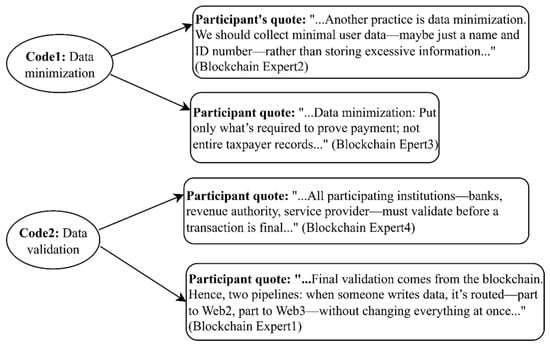
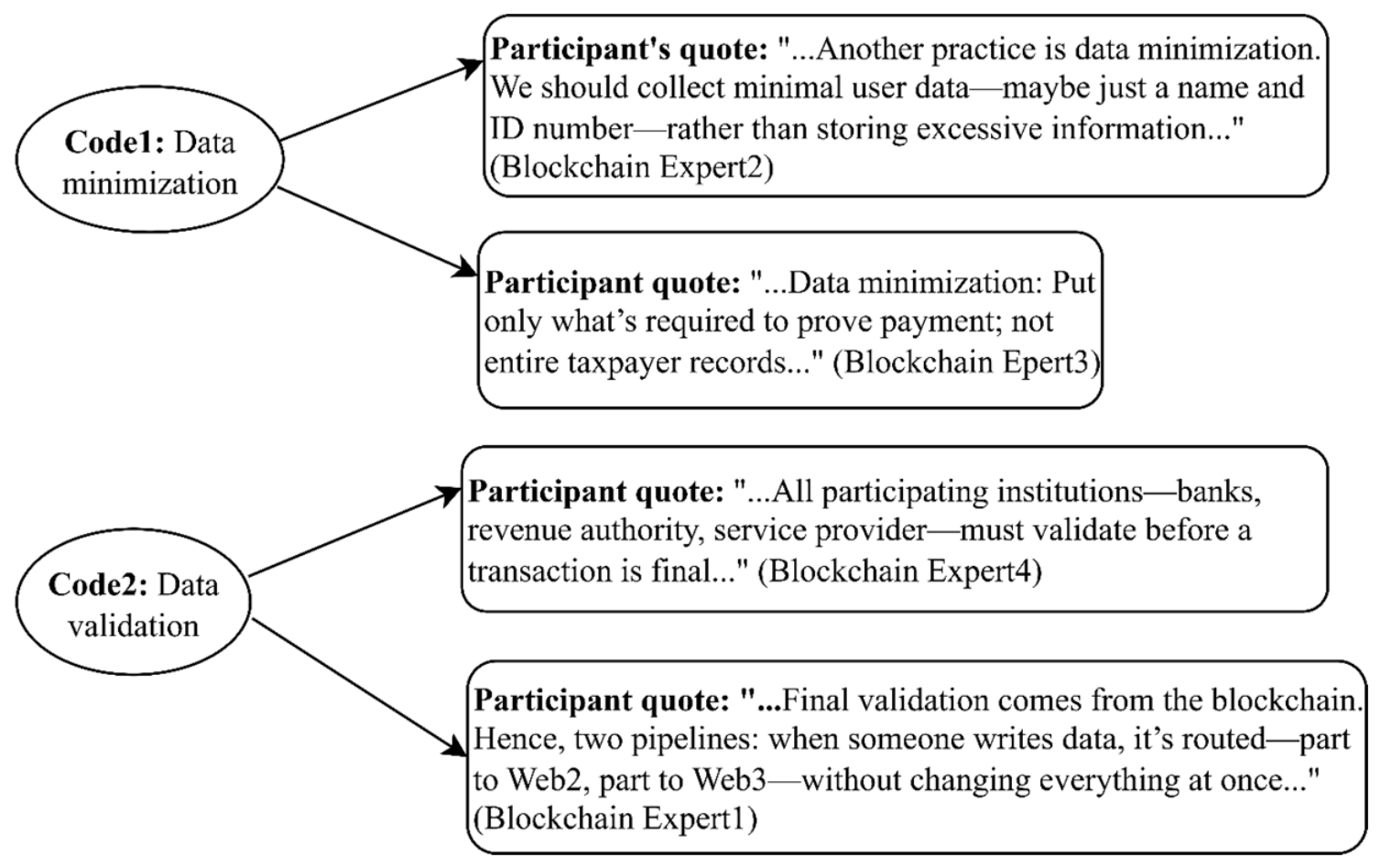
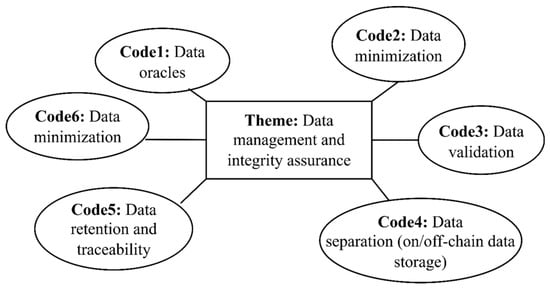
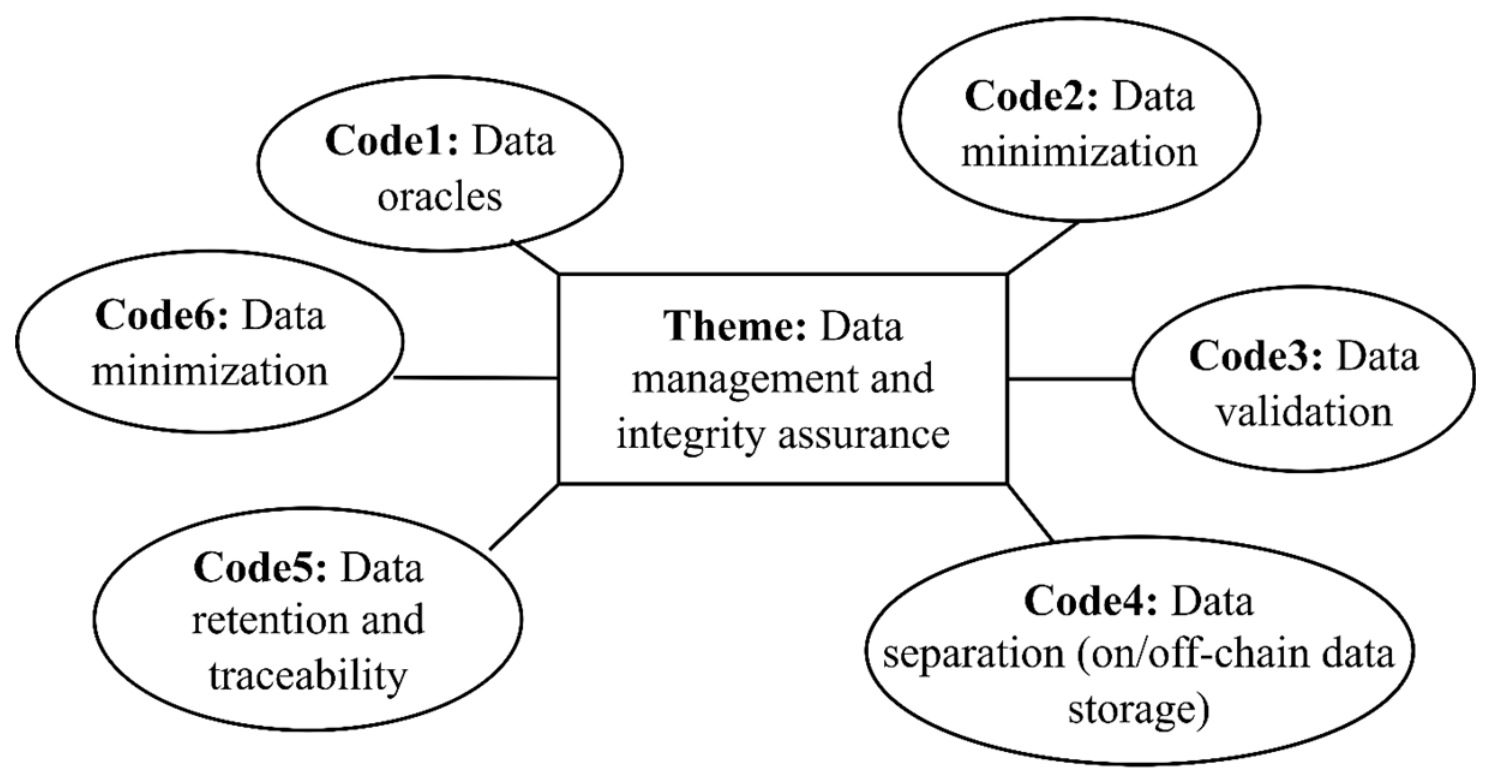
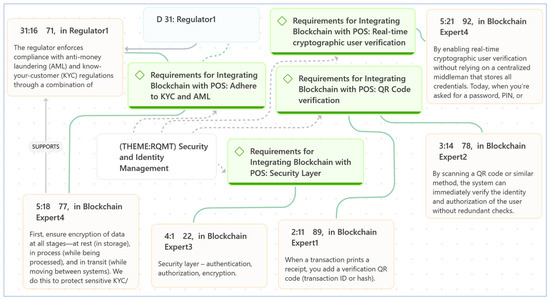
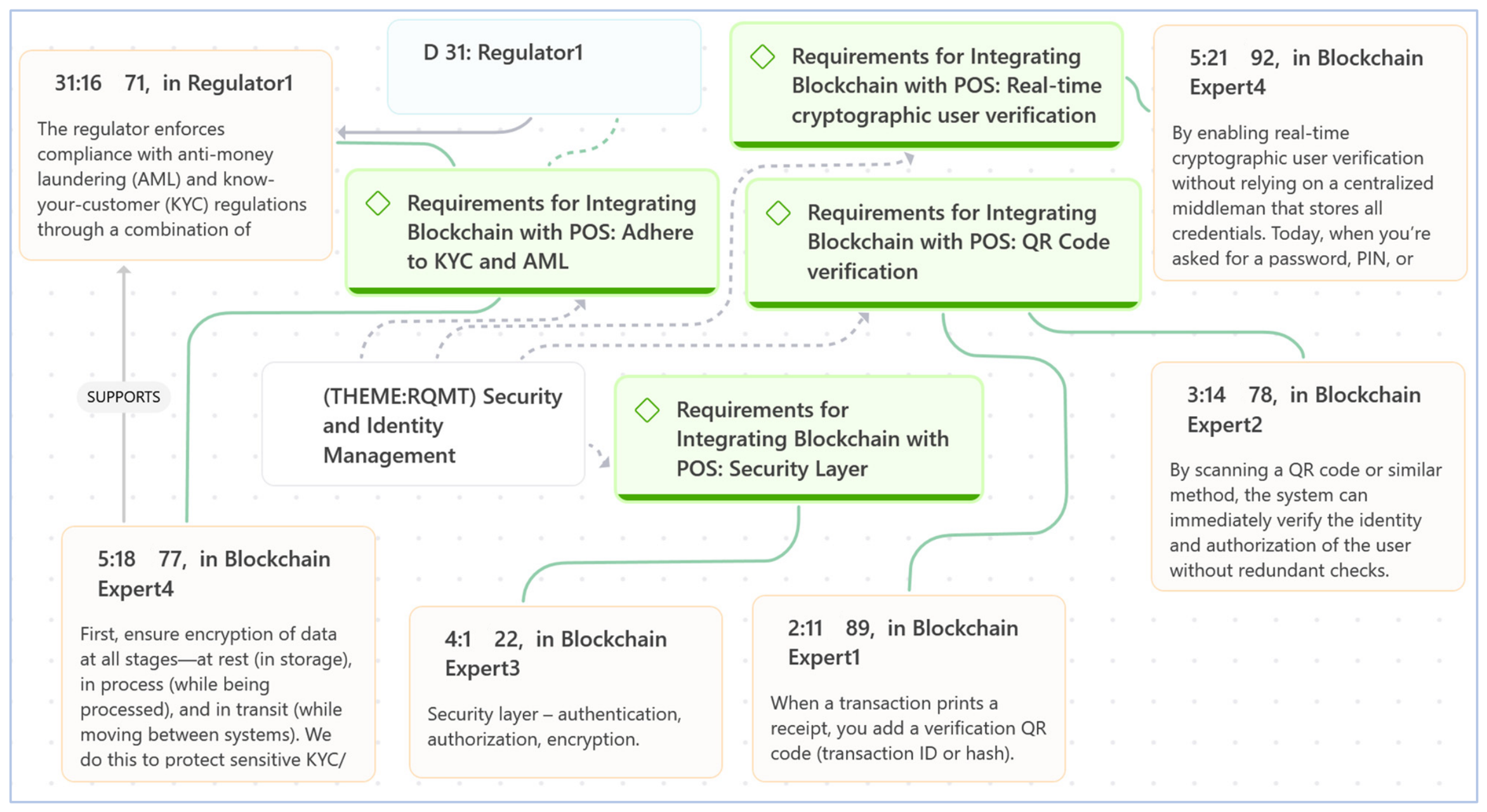
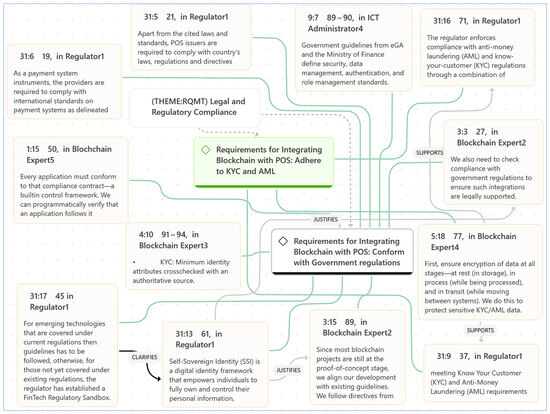
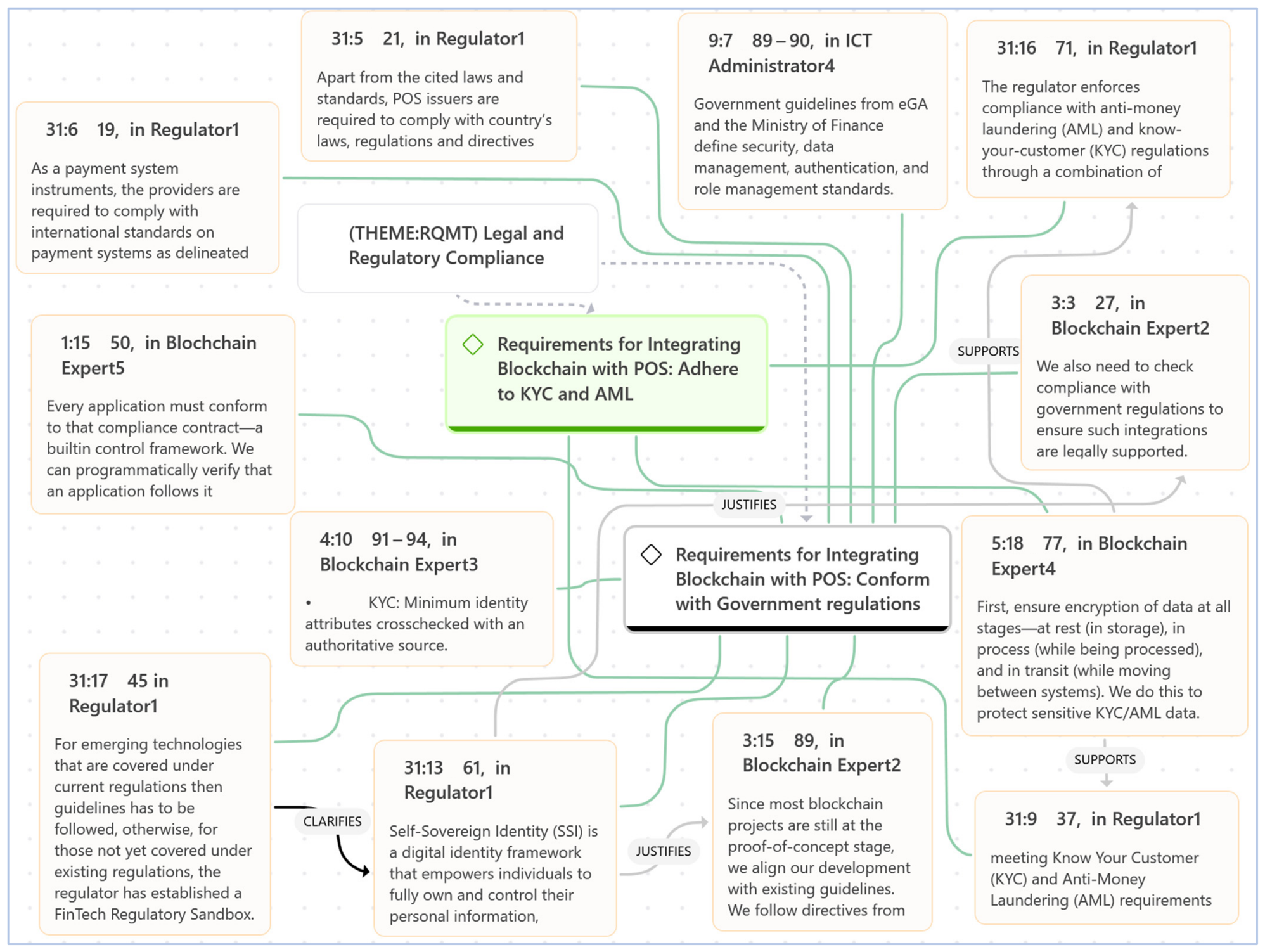
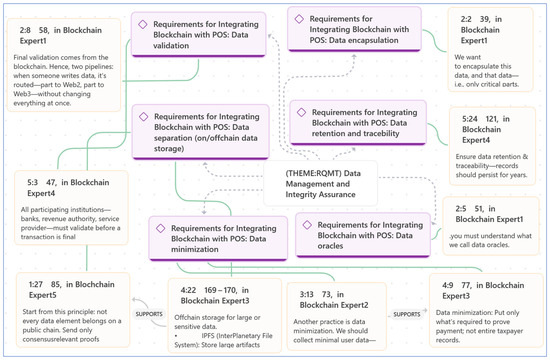
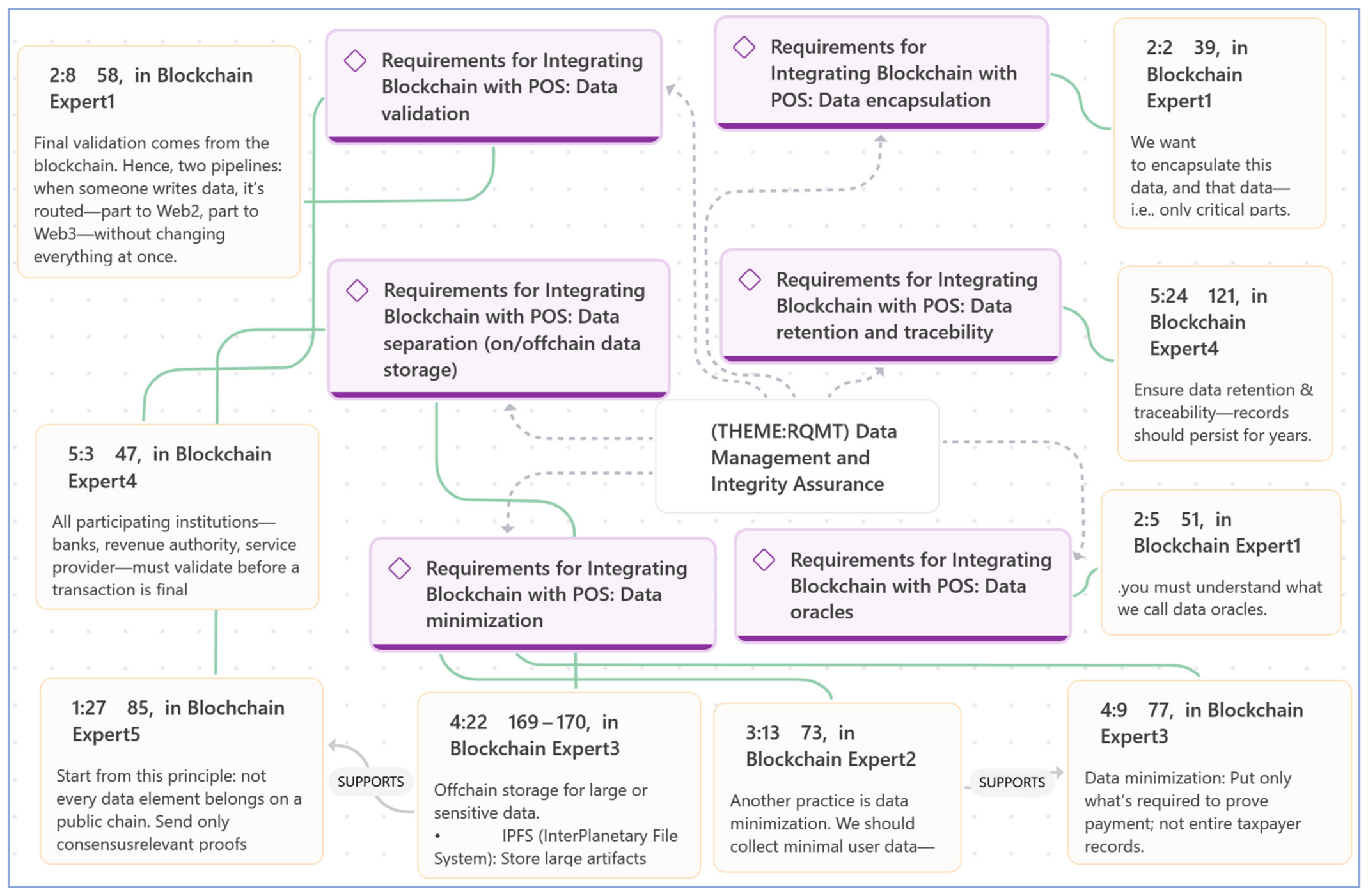
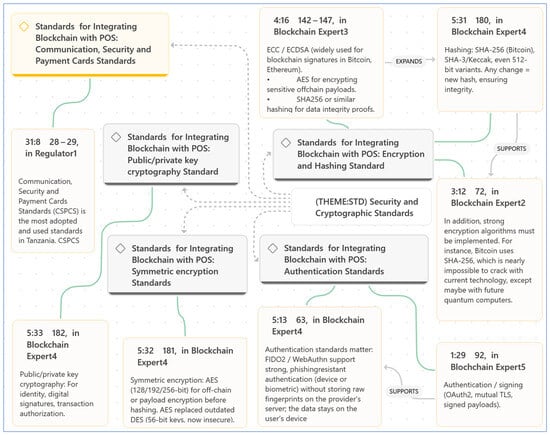
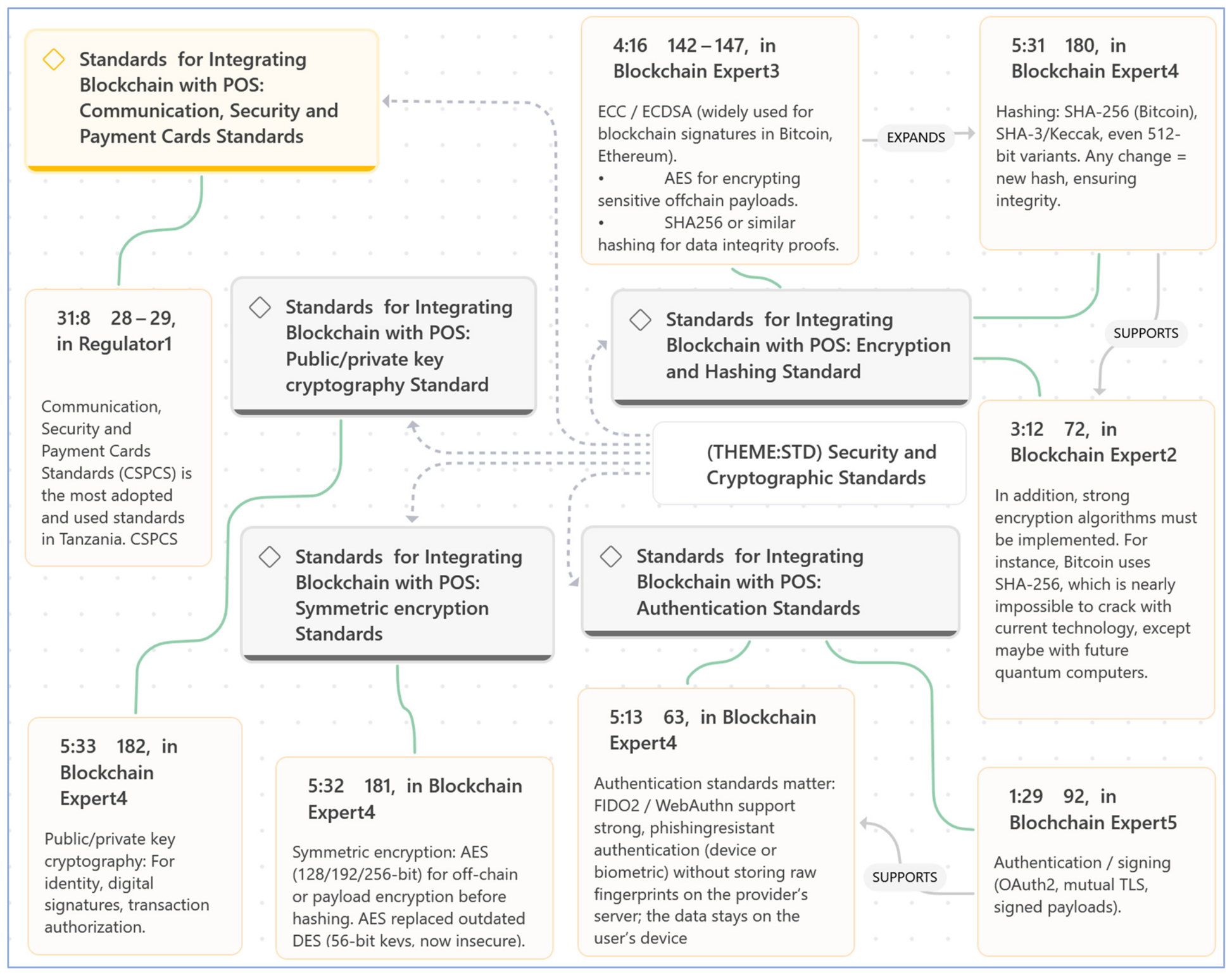
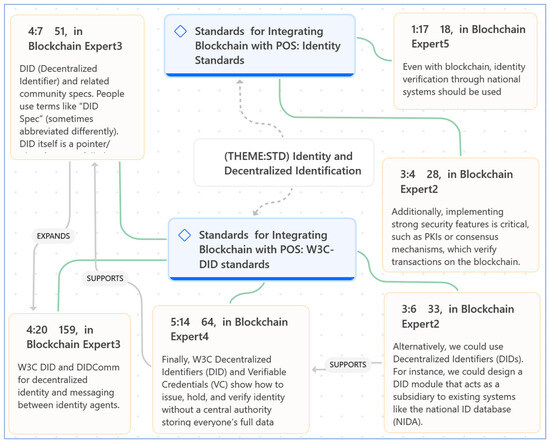
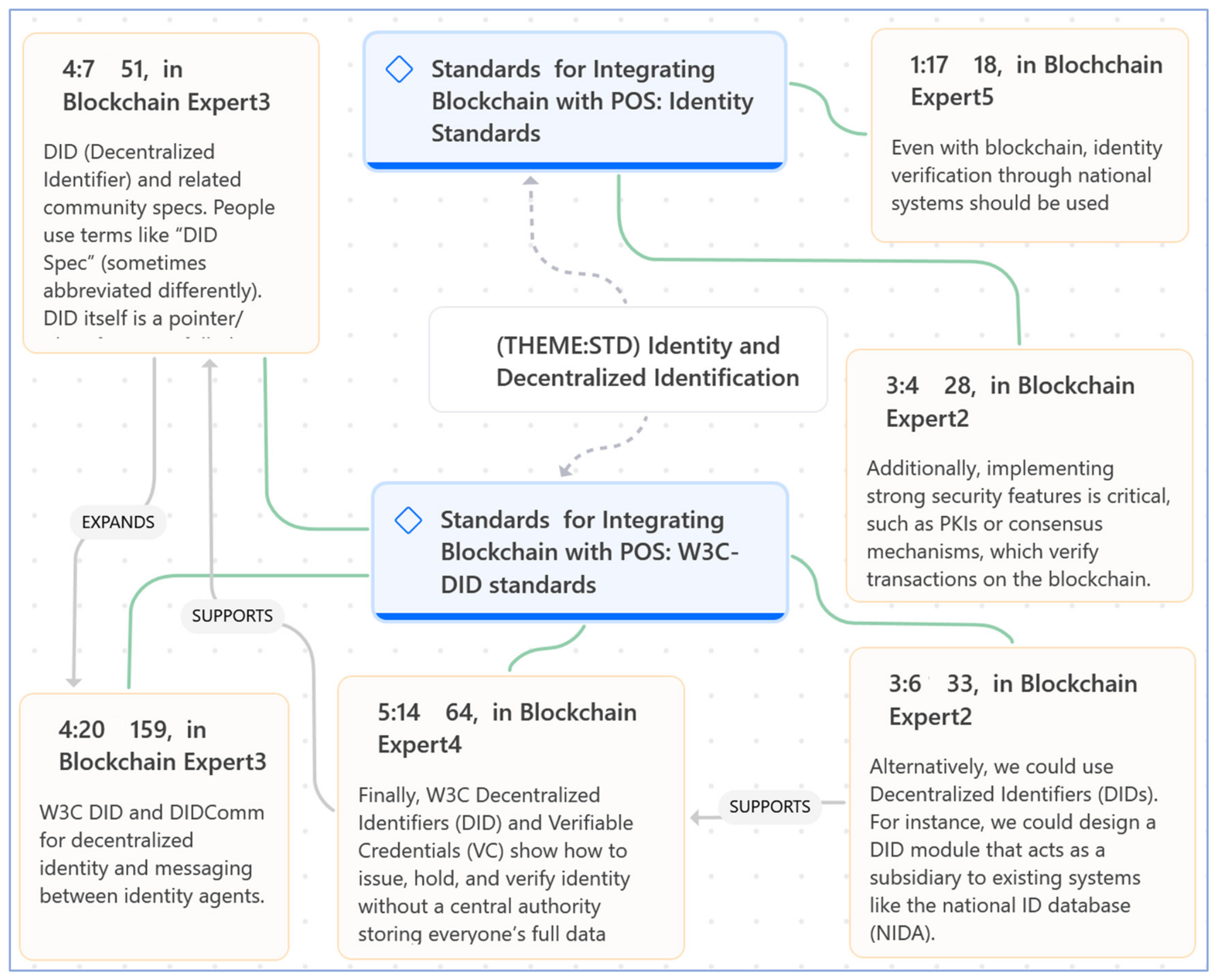
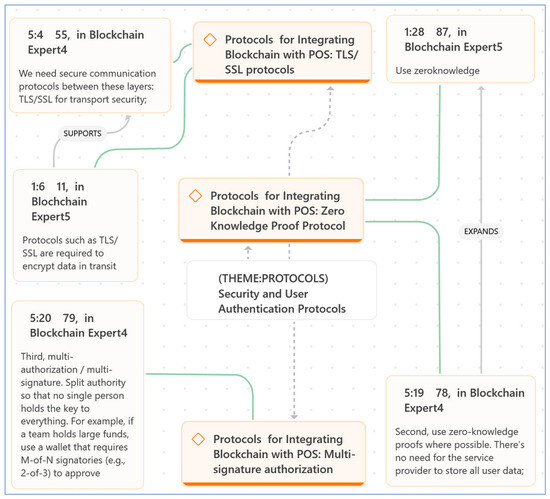
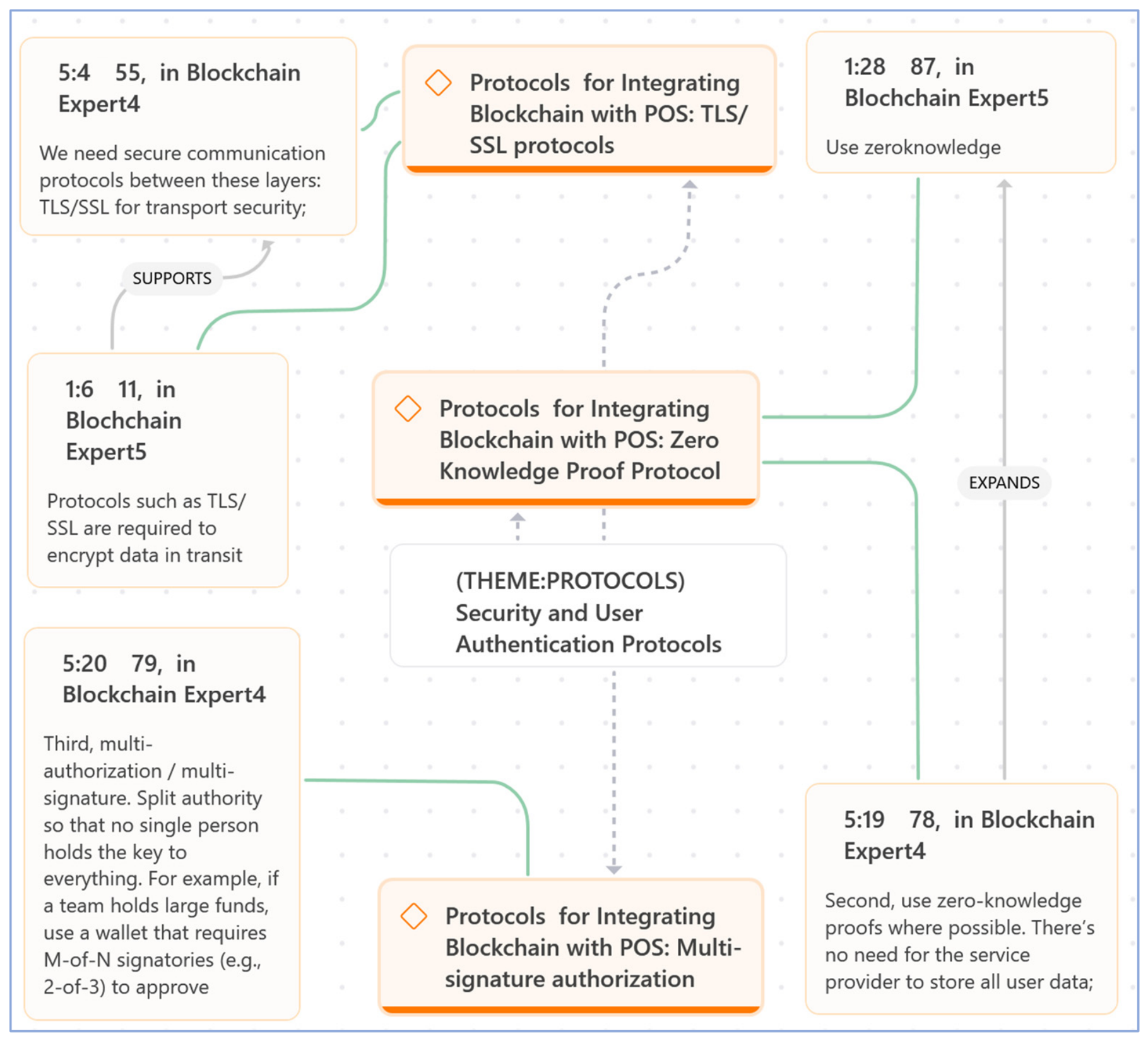
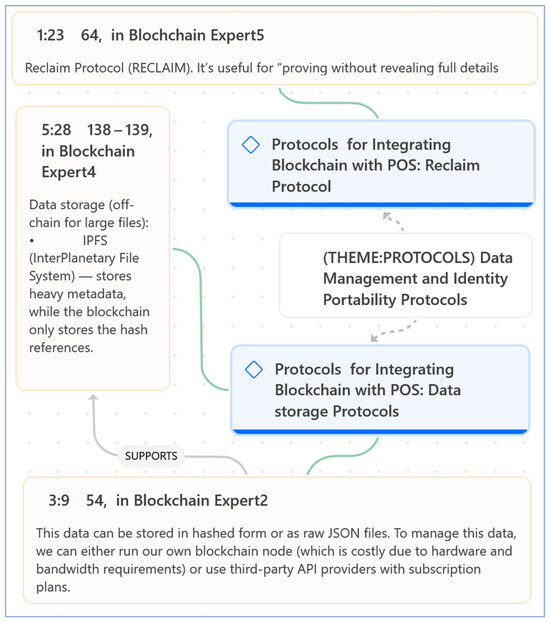
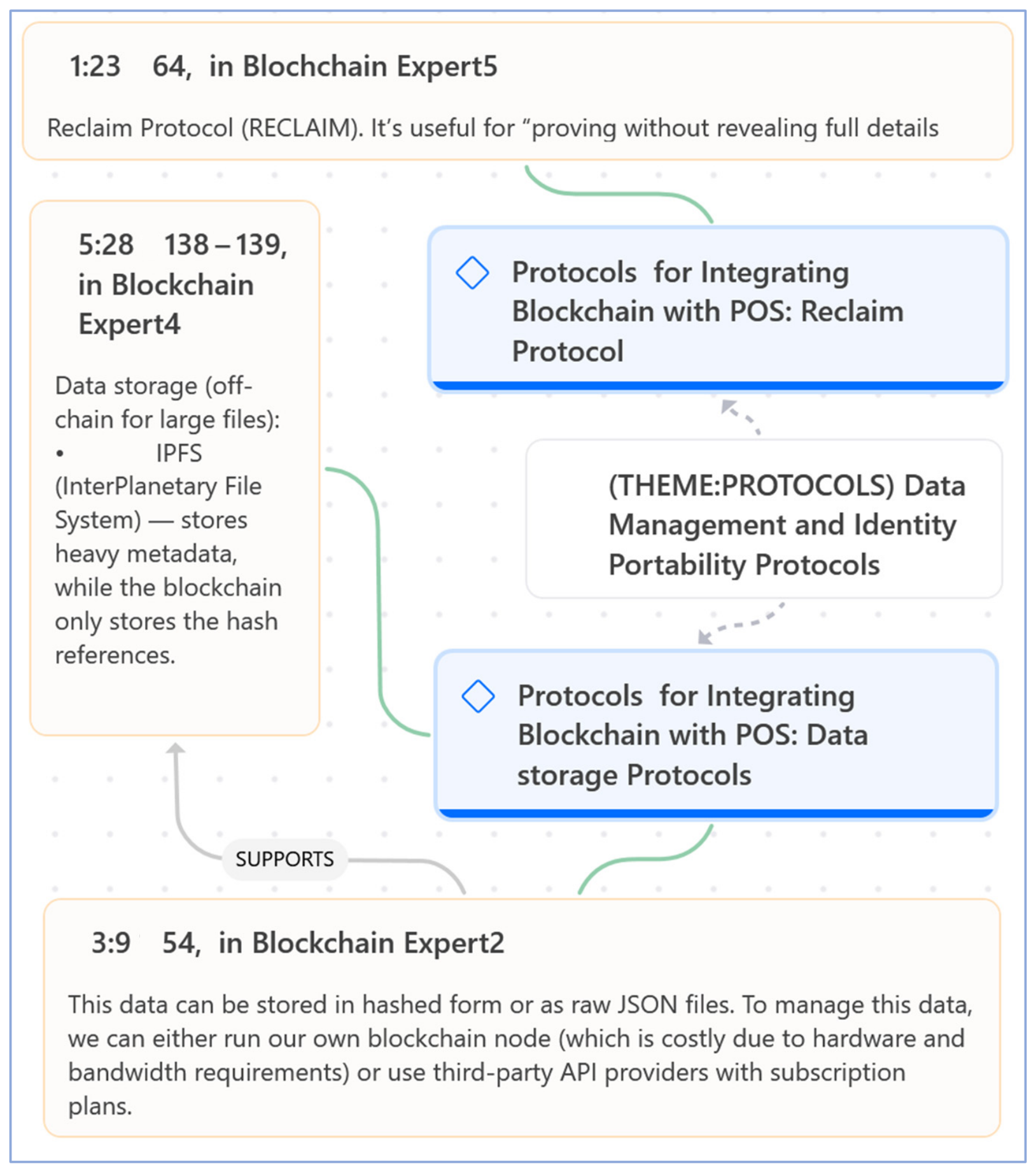
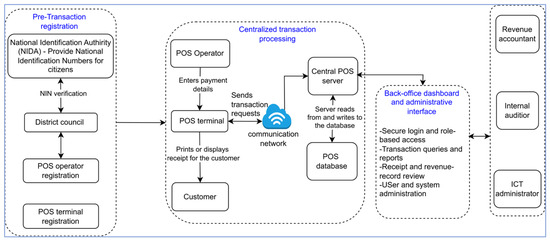
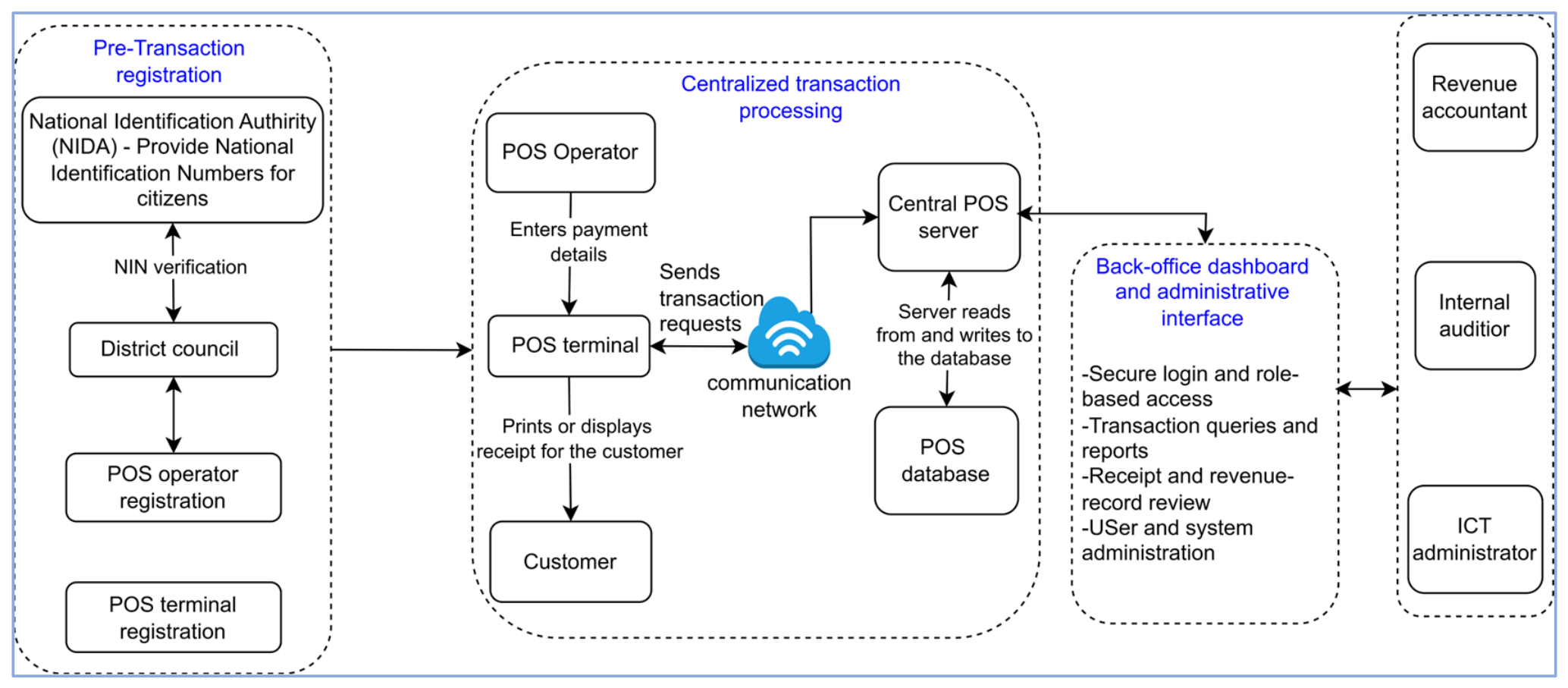
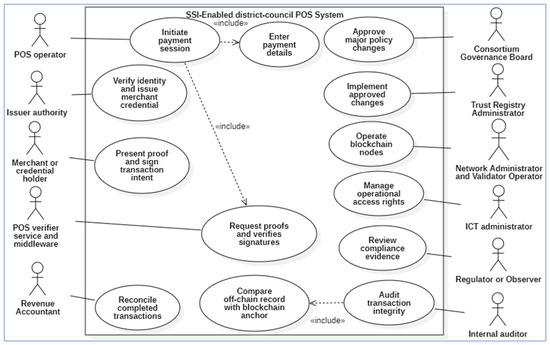
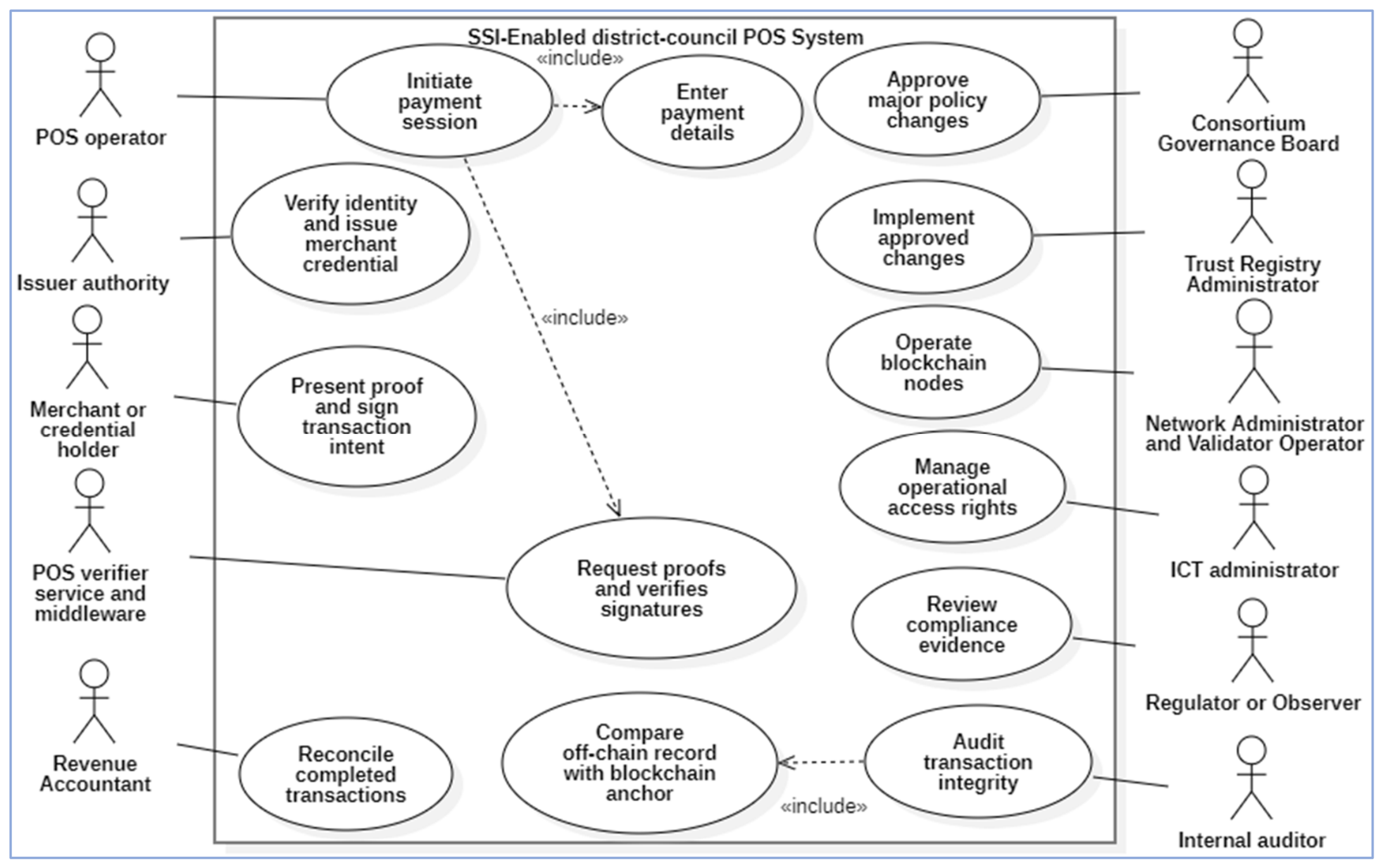
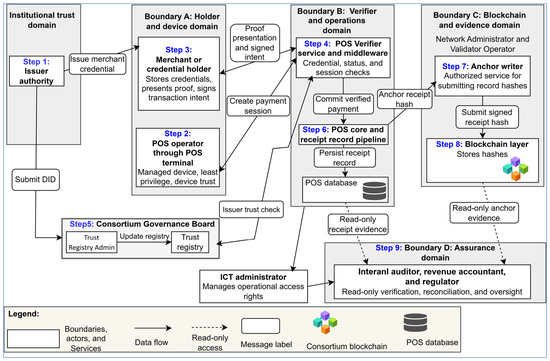
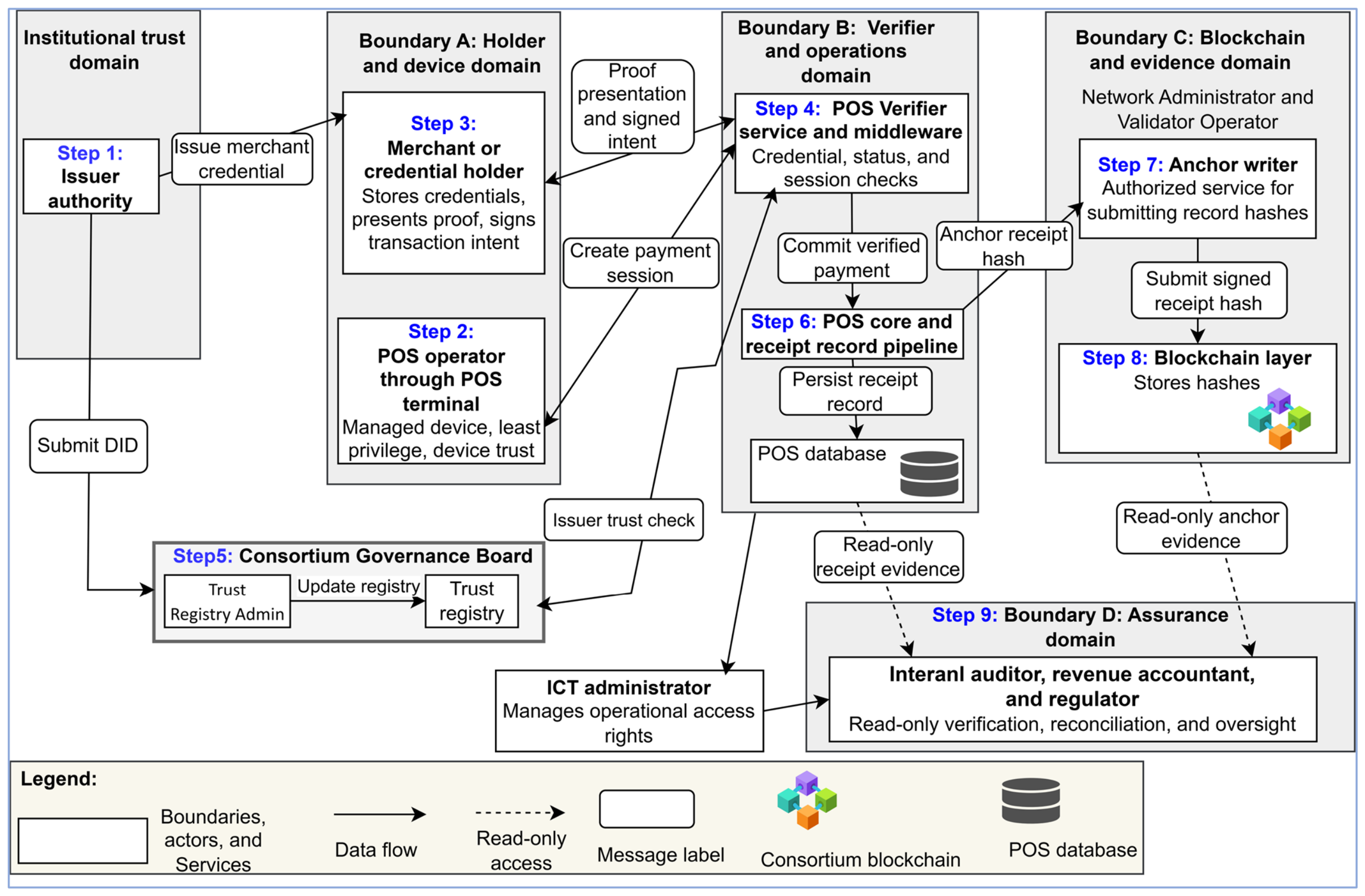
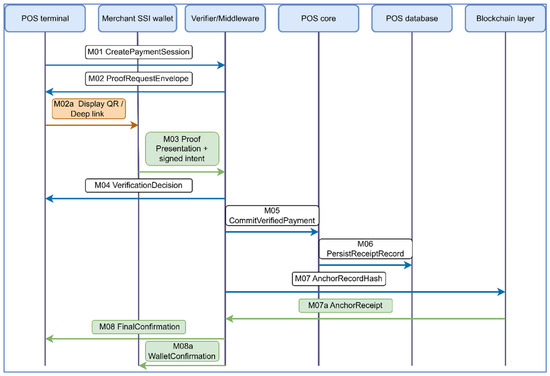
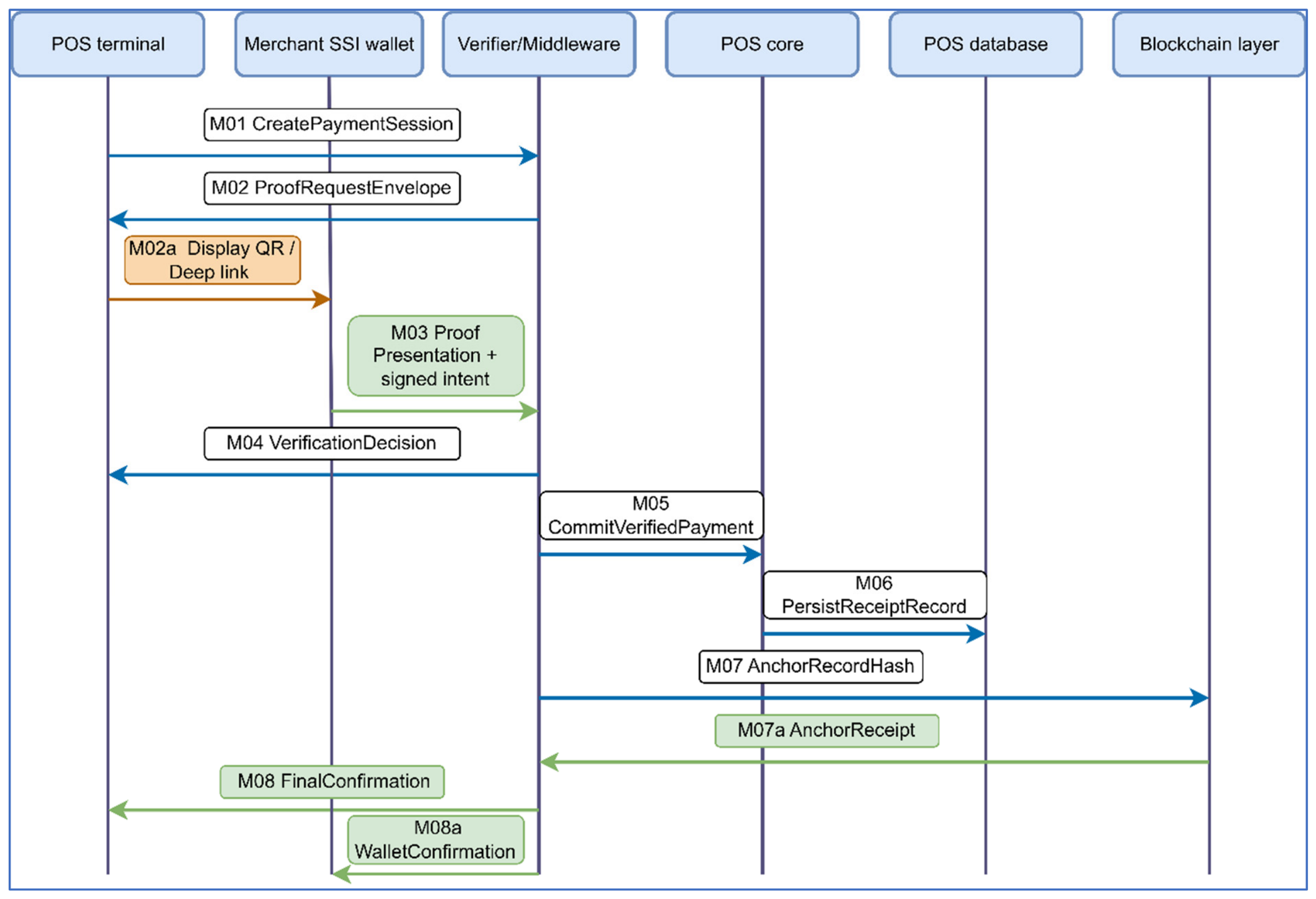

Disclaimer/Publisher’s Note: The statements, opinions and data contained in all publications are solely those of the individual author(s) and contributor(s) and not of MDPI and/or the editor(s). MDPI and/or the editor(s) disclaim responsibility for any injury to people or property resulting from any ideas, methods, instructions or products referred to in the content. |
© 2026 by the authors. Licensee MDPI, Basel, Switzerland. This article is an open access article distributed under the terms and conditions of the Creative Commons Attribution (CC BY) license.