Review

pH-Sensitive Targeting of Tumors with Chemotherapy-Laden Nanoparticles: Progress and Challenges

1
Department of Pathology, University Maryland School of Medicine, 10 S. Pine St., University of Maryland, Baltimore, MD 21201, USA
2
20511 Seneca Meadows Pkwy, Suite 260, RNAimmune, Germantown, MD 20876, USA
*
Author to whom correspondence should be addressed.
Pharmaceutics 2022, 14(11), 2427; https://doi.org/10.3390/pharmaceutics14112427

Submission received: 15 September 2022 / Revised: 3 November 2022 / Accepted: 5 November 2022 / Published: 10 November 2022
(This article belongs to the Special Issue Selective Antitumor Therapy Based on Nanotechnology)

Abstract

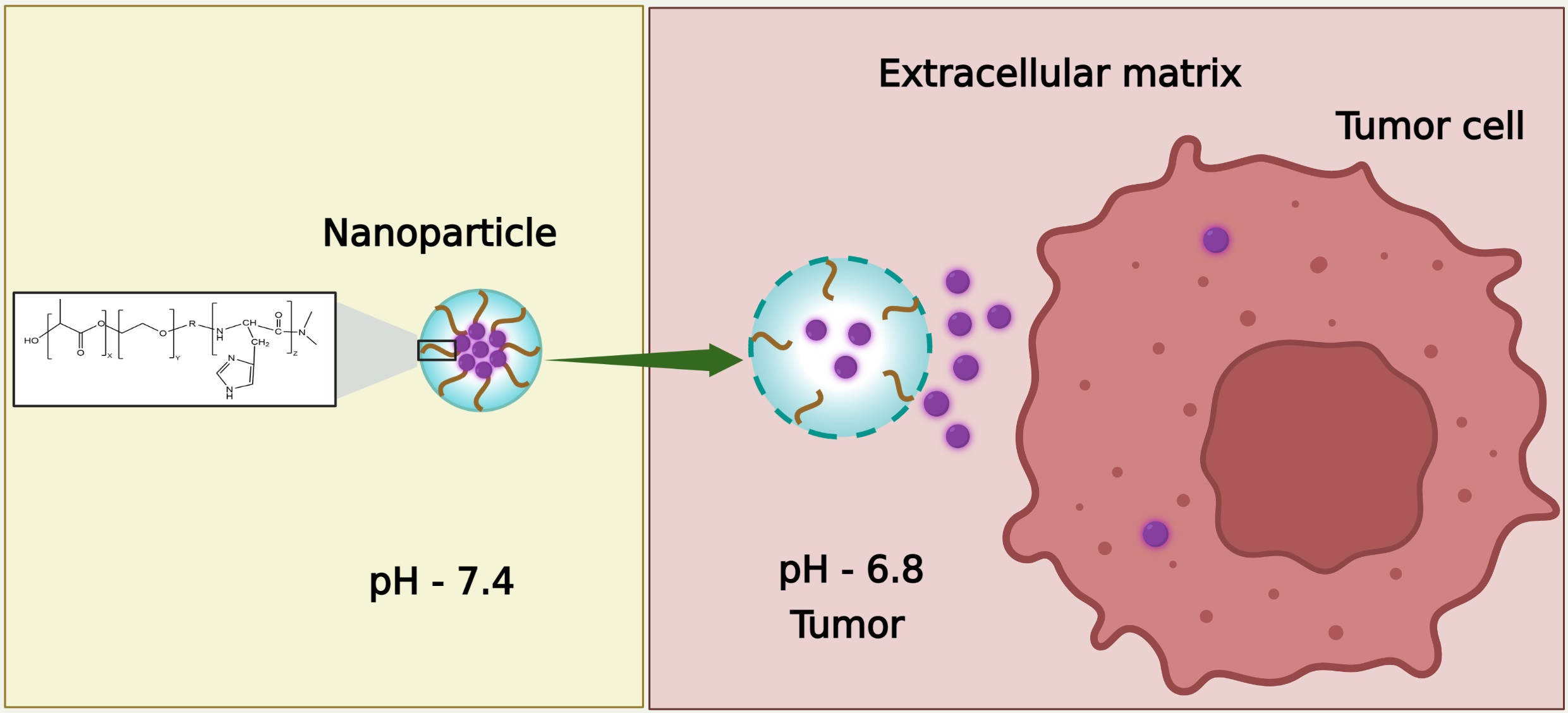
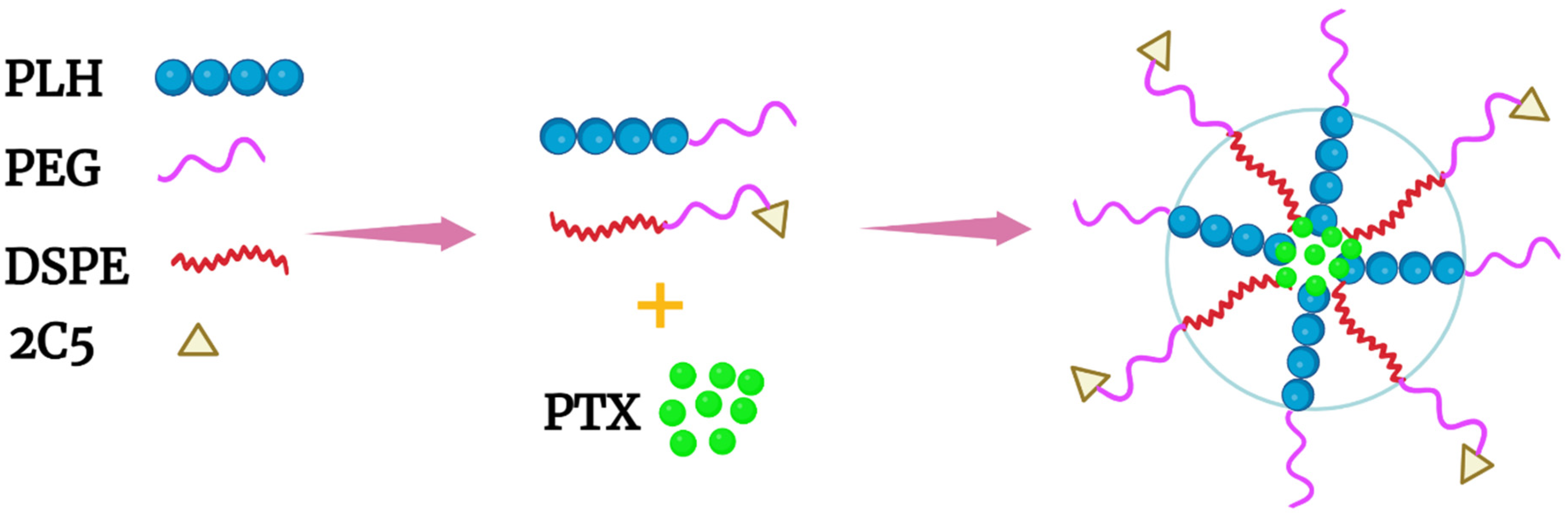
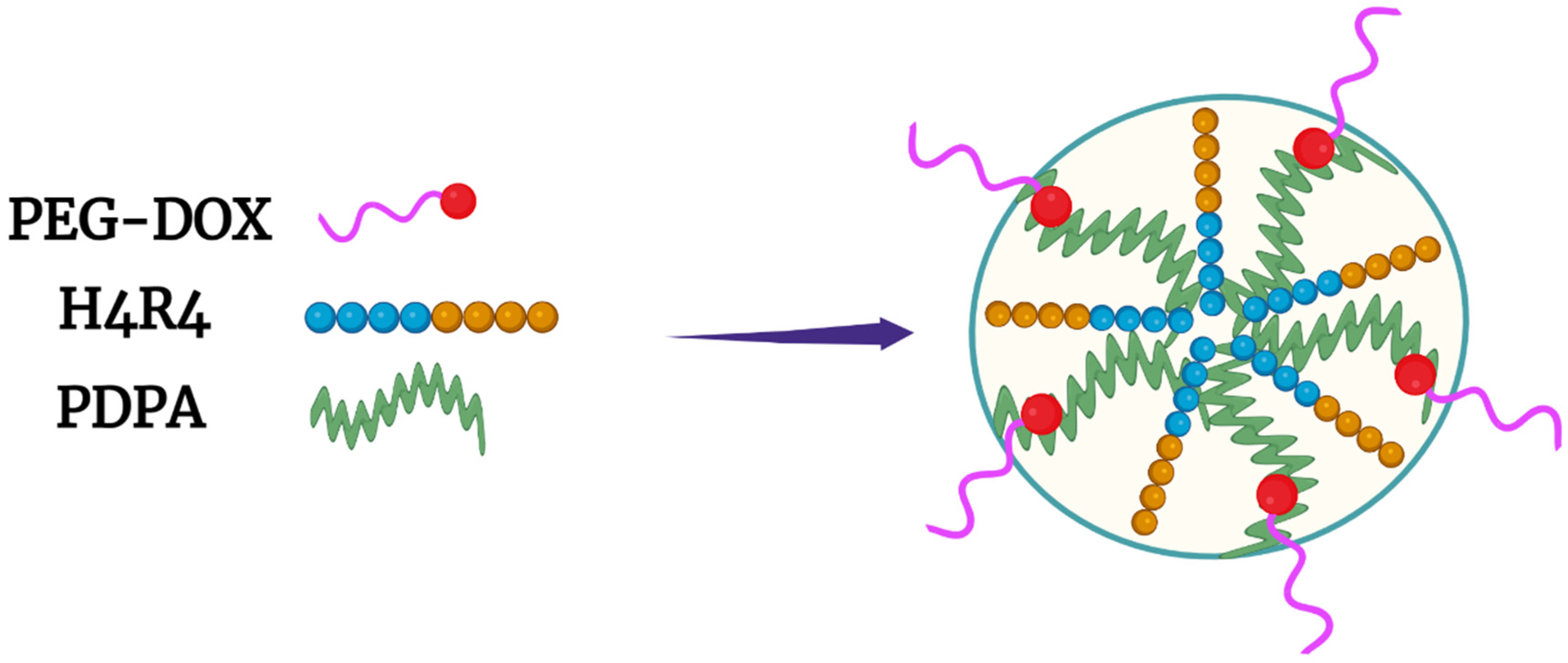
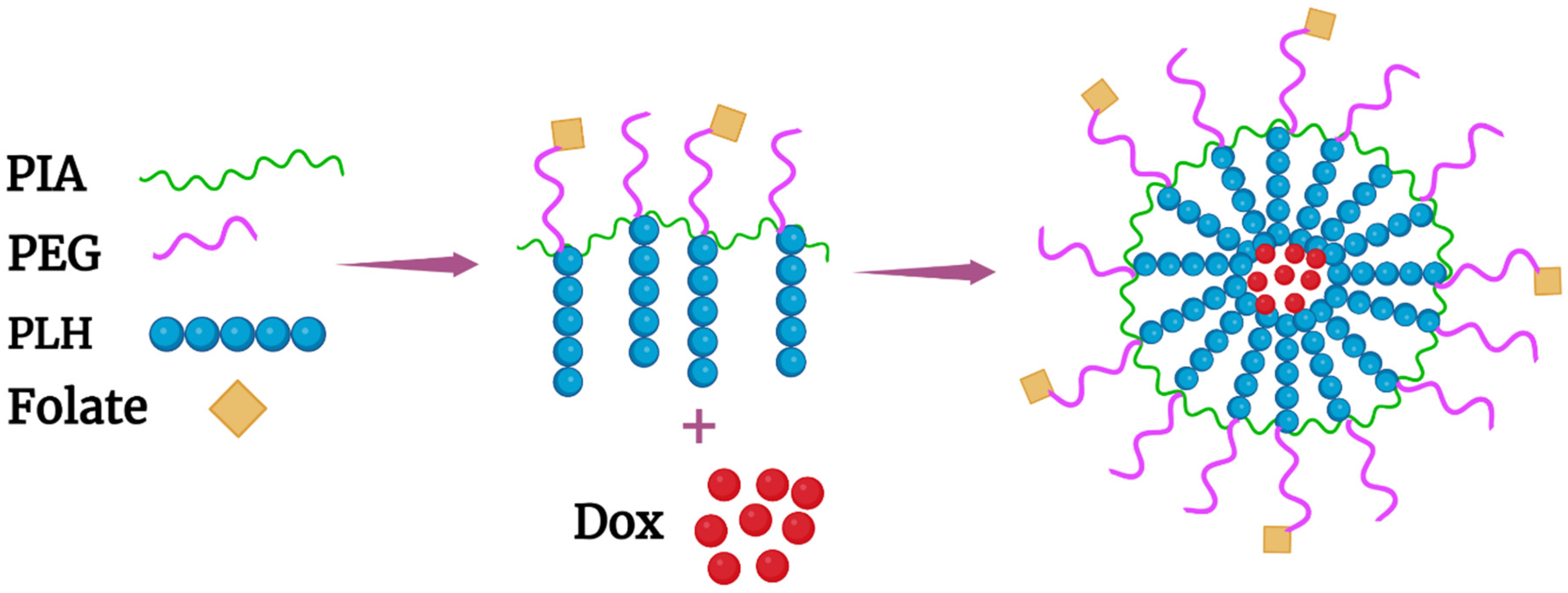
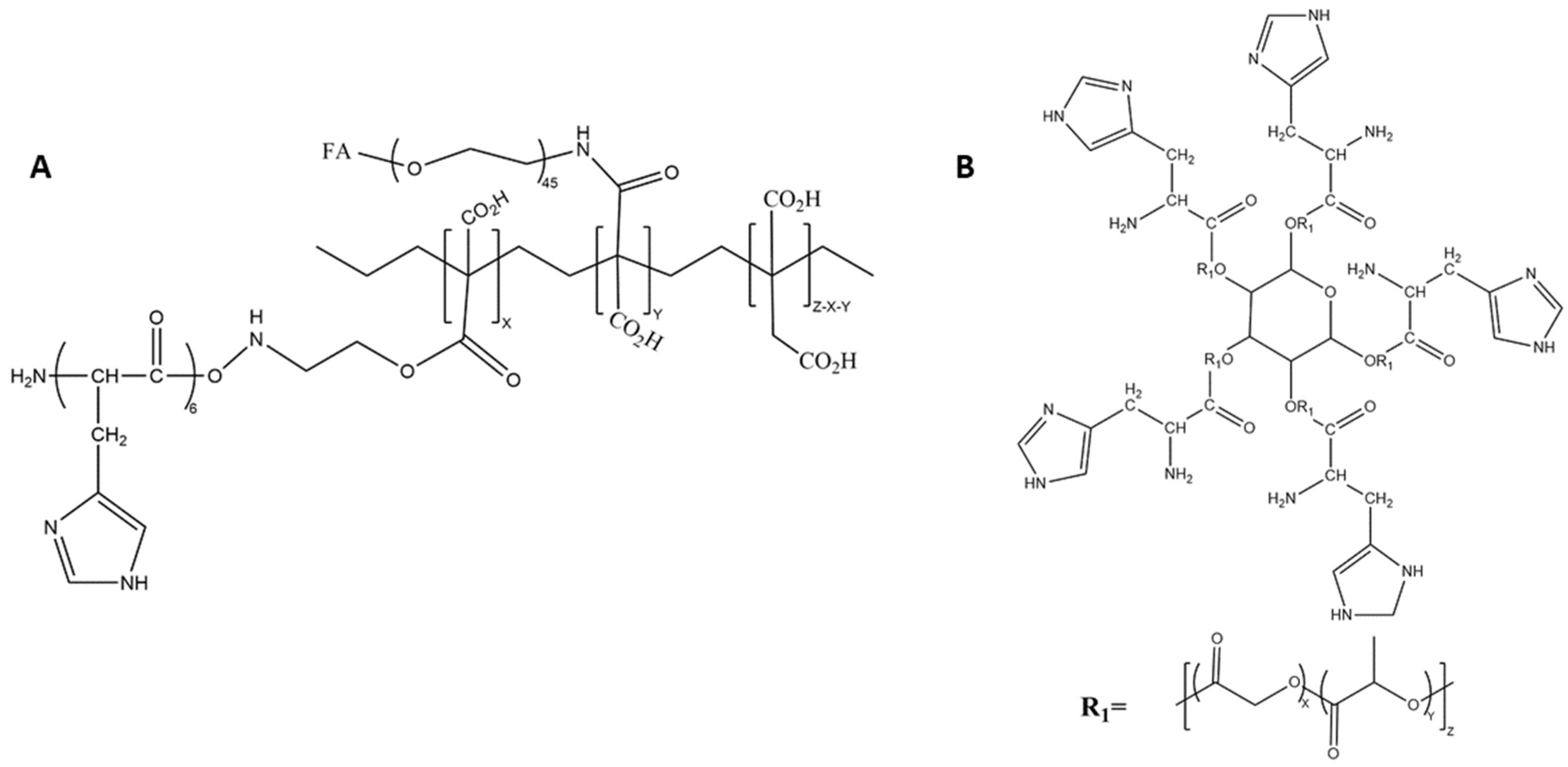
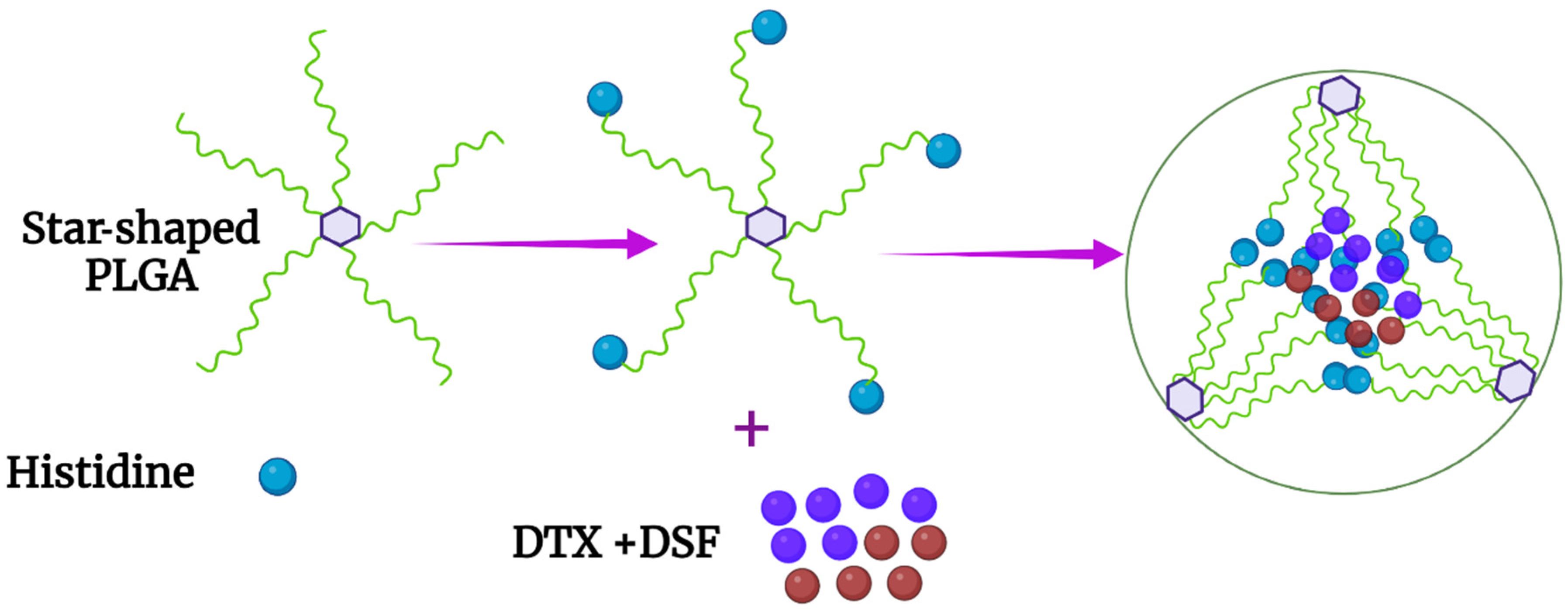
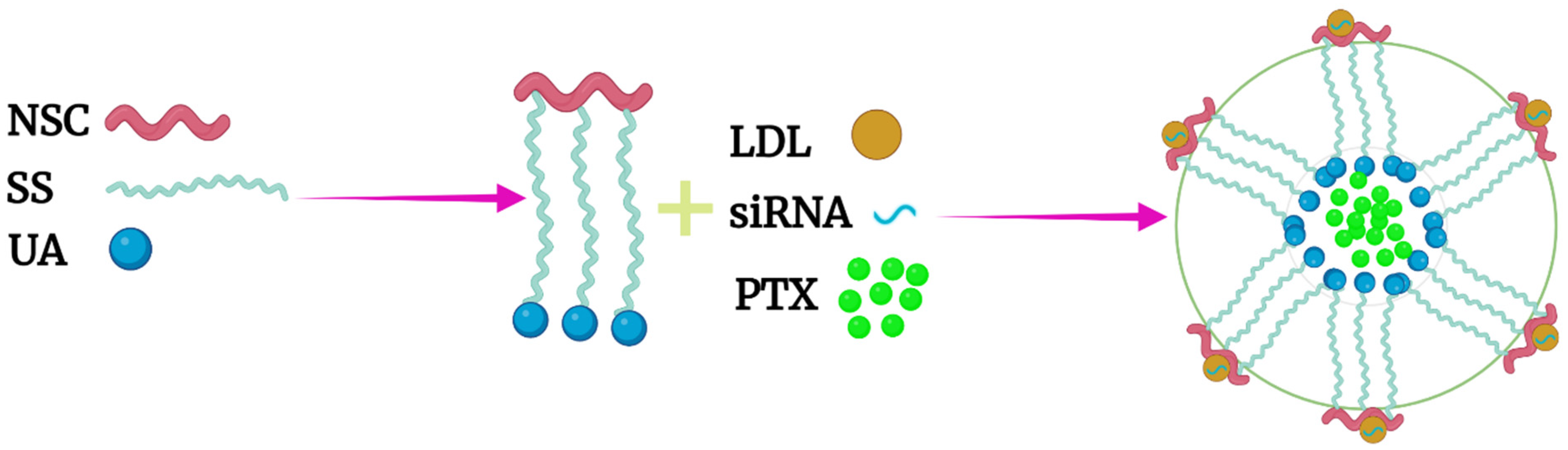
Accumulating chemotherapeutic drugs such as doxorubicin within a tumor while limiting the drug dose to normal tissues is a central goal of drug delivery with nanoparticles. Liposomal products such as Doxil® represent one of the marked successes of nanoparticle-based strategies. To replicate this success for cancer treatment, many approaches with nanoparticles are being explored in order to direct and release chemotherapeutic agents to achieve higher accumulation in tumors. A promising approach has been stimulus-based therapy, such as the release of chemotherapeutic agents from the nanoparticles in the acidic environments of the tumor matrix or the tumor endosomes. Upon reaching the acidic environments of the tumor, the particles, which are made up of pH-dependent polymers, become charged and release the entrapped chemotherapy agents. This review discusses recent advances in and prospects for pH-dependent histidine-based nanoparticles that deliver chemotherapeutic agents to tumors. The strategies used by investigators include an array of histidine-containing peptides and polymers which form micelles, mixed micelles, nanovesicles, polyplexes, and coat particles. To date, several promising histidine-based nanoparticles have been demonstrated to produce marked inhibition of tumor growth, but challenges remain for successful outcomes in clinical trials. The lessons learned from these histidine-containing particles will provide insight in the development of improved pH-dependent polymeric delivery systems for chemotherapy.
Keywords: polymers; histidine; imidazole; doxorubicin; nanoparticles; micelles; tumor pH polymers; histidine; imidazole; doxorubicin; nanoparticles; micelles; tumor pH
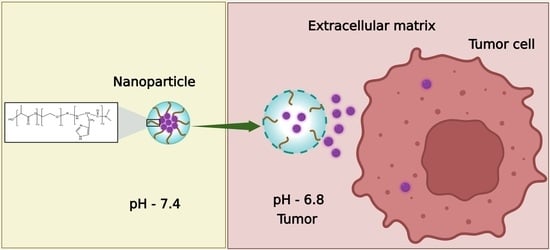
Graphical Abstract