


Abstract
To elucidate the response characteristics of radial growth and water use strategies in coniferous forests of cold-arid regions to drought stress, this study focused on Larix sibirica in different forestry areas of the Altai Mountains. Using dendrochronology and stable isotope techniques, we calculated the basal area increment (BAI) and intrinsic water-use efficiency (iWUE), and combined these with the standardized precipitation–evapotranspiration index (SPEI) to identify drought events, to investigate tree growth and water-use efficiency responses to climate variability. The results showed that drought years were characterized by reduced radial growth and increased iWUE in Larix sibirica across both forest regions, and tree-ring-derived intercellular CO2 concentration (Ci) increased with rising atmospheric CO2 concentrations, whereas the Ci/Ca ratio remained relatively stable throughout the study period. Scenario analysis revealed that, prior to 1980, the long-term trend in iWUE was more consistent with the constant Ci scenario, suggesting relatively strong stomatal regulation. After 1980, iWUE trends became more closely aligned with the constant Ci/Ca scenario, indicating that trees maintained a relatively stable Ci/Ca ratio to balance carbon assimilation and water loss. With increasing drought severity, drought resistance declined in both forest regions; however, substantial spatial differences were observed in drought responses. Under moderate drought conditions, trees in the Haba-River forest area exhibited higher resistance, whereas trees in the Hanaslin forest area showed greater recovery capacity and ecological resilience. Winter temperature, growing-season temperature, late-season temperature, and water availability were identified as key climatic factors influencing variations in the radial growth and iWUE of Larix sibirica. Overall, under the combined influences of rising atmospheric CO2 concentrations and increasing water limitations, Larix sibirica exhibited adaptive adjustments in carbon–water regulation; however, enhanced iWUE did not fully compensate for the negative effects of drought on radial growth. These findings provide valuable insights into the responses and adaptive strategies of cold-arid forest ecosystems under ongoing climate change and offer scientific support for the conservation and sustainable management of Larix sibiric forests.
1. Introduction
The Sixth Assessment Report of the Intergovernmental Panel on Climate Change (IPCC) reported that atmospheric CO2 concentrations had reached approximately 410 μmol·mol−1 by 2019, accompanied by a continued intensification of global warming [1]. Rising temperatures and increasing anthropogenic pressures have contributed to the growing frequency and severity of extreme climatic events, including heatwaves and droughts, across many regions worldwide [2]. As a fundamental component of terrestrial ecosystems, forests are highly responsive to climate variability and serve as sensitive indicators of ongoing environmental change [3]. Moreover, forest ecosystems play a central role in regulating global carbon and water cycles, thereby exerting strong controls on vegetation productivity, growth dynamics, and ecosystem functioning, particularly in water-limited arid and semi-arid regions [4]. The interactions between carbon assimilation and water regulation processes constitute a tightly coupled carbon–water system, which fundamentally governs plant physiological responses and ecosystem adaptation under changing climatic conditions [5].
Tree growth in forest ecosystems is governed by the interactions among multiple climatic drivers, with temperature and precipitation representing two of the most important environmental constraints [6]. In response to long-term climate variability and change, trees have evolved adaptive strategies to optimize the balance between carbon assimilation and water loss, thereby maintaining physiological stability under changing environmental conditions [7]. However, prolonged drought can disrupt this carbon–water balance by inducing persistent stomatal limitation, which restricts carbon uptake and alters plant water-use strategies, ultimately leading to reduced radial growth and declines in forest productivity [8]. The responses of forests to drought stress are highly heterogeneous across spatial and temporal scales, driven by variations in stand age [9], genetic composition [10], site-specific environmental conditions [11], interspecific interactions [12], and associated species assemblages [13]. Tree age is a critical determinant of drought responses; young trees generally exhibit lower resistance to severe drought events but recover more rapidly following drought release, whereas mature trees often display greater drought resistance due to their larger resource pools and more developed root systems [14]. Genetic variation among species and populations further contributes to differences in growth responses by regulating physiological processes associated with water acquisition, carbon fixation, and stress adaptation [15]. In addition, forests with relatively high tree cover often exhibit stronger drought resistance and resilience than sparsely forested ecosystems, suggesting that moderate competitive interactions may promote physiological adjustments, including enhanced iWUE, and improve drought tolerance [16]. Under severe water deficits, trees commonly reduce stomatal conductance to minimize water loss; however, the extent and consequences of stomatal regulation vary substantially among coexisting species under similar environmental conditions [17]. Previous studies have demonstrated that drought-tolerant species can maintain a more favorable balance between photosynthetic carbon gain and stomatal regulation by adjusting stomatal behavior, thereby increasing iWUE and reducing the negative impacts of water limitation on radial growth [18]. For example, studies in southwestern China have shown that drought-adapted tree species generally exhibit higher iWUE during drought years than during non-drought periods, reflecting enhanced physiological acclimation to increasing aridity [19]. Therefore, clarifying the mechanisms through which climate change influences tree growth and intrinsic water-use efficiency, while identifying the dominant climatic factors regulating these processes, is essential for improving our understanding of forest ecosystem responses to future climate change and developing effective strategies for sustainable forest management.
Tree rings provide a valuable archive of past environmental conditions by recording the annual variations in radial tree growth, making them a widely used proxy for investigating tree growth dynamics, climate variability, and ecosystem responses [20]. Within the framework of dendrochronological research, tree-ring width measurements are commonly used to quantify annual growth patterns, while BAI is increasingly applied to characterize changes in individual tree productivity over time. Compared with standardized tree-ring width indices, BAI is less affected by age-related growth declines and therefore provides a more direct representation of actual biomass accumulation and growth dynamics [21]. In addition to radial growth measurements, stable carbon isotope analysis offers an effective approach for reconstructing iWUE, providing insights into long-term adjustments in the balance between carbon assimilation and water loss under changing climatic conditions [22]. Derived from variations in tree-ring δ13C records, iWUE serves as an important physiological indicator of plant responses to environmental change and is regulated by multiple interacting factors, including elevation, temperature, precipitation, and atmospheric CO2 concentration [23]. Previous studies have demonstrated that trees growing at lower elevations are often more constrained by drought stress, whereas those at higher elevations are generally limited by low temperature. Meanwhile, rising atmospheric CO2 concentrations have contributed to increasing trends in tree iWUE in many ecosystems; however, enhanced water-use efficiency does not necessarily translate into increased radial growth [24]. Moreover, vegetation responses to elevated atmospheric CO2 vary substantially among regions, with these differences largely determined by local climatic conditions, particularly temperature and water availability [25]. The combined variations in radial growth and iWUE provide important insights into the long-term coordination between carbon gain and water loss, reflecting the underlying mechanisms of plant carbon–water coupling [26]. Through physiological regulation, particularly adjustments in stomatal behavior, trees maintain a dynamic balance between photosynthetic carbon acquisition and water conservation under environmental stress [27]. Therefore, the responses of tree growth and iWUE to climatic variability exhibit pronounced regional differences, reflecting diverse carbon–water coupling strategies and adaptive mechanisms among trees exposed to contrasting environmental conditions.
Larix sibirica is a dominant tree species in forest ecosystems in arid and semi-arid regions and plays a crucial role in maintaining the stability of ecological boundaries. Studies in Russia and northwestern China have shown that Larix sibirica exhibits high sensitivity to climate change, and its radial growth has already been affected by drought stress [28,29]. Currently, research on Larix sibirica in the Altai Mountains has primarily focused on the response of tree-ring width to climate [30], ecosystem carbon density and carbon stocks [31], and forestry population structure and spatial distribution [32]. However, studies on the effects of drought events on tree BAI and iWUE, as well as the response of these two parameters to climatic factors, are relatively scarce. Therefore, this study takes Larix sibirica from different forestry regions of the Altai Mountains as its research subject. Based on the SPEI to identify drought years, we established tree-ring width chronologies and stable carbon isotope time series. By calculating BAI and iWUE, we analyzed the impact of drought events on tree radial growth and explored the differences in the responses of BAI and iWUE to climatic factors, thereby providing scientific references for the conservation and restoration of forestry in the cold-arid region of the Altai Mountains in northwestern China. Accordingly, this study focuses on addressing the following scientific questions: (1) Are there differences in the drought resistance, resilience, and robustness of Larix sibirica to drought events across different regions? (2) What are the primary climatic factors influencing tree BAI and iWUE?
2. Materials and Methods
2.1. Overview of the Study Area
The Altai Mountains, located in the Altay Prefecture of northern Xinjiang, serve as a vital ecological security barrier for the region. The forests in this area are predominantly coniferous, with primary tree species including Larix sibirica, Picea obovata, and Abies sibirica. These forests perform important ecological functions such as water conservation, photosynthetic carbon sequestration, and the maintenance of biodiversity. The mountain vegetation exhibits distinct vertical zonation. Larix sibirica primarily grows in mountain river valleys at elevations ranging from 1000 to 3000 m and is one of the key tree species in the region’s forestry communities. This species is cold-tolerant and light-loving, with a growing season concentrated between May and September. It is sensitive to climate change and is well-suited as a subject for dendroclimatological research [33]. The region has an average annual temperature of approximately −2 °C to 3 °C, annual precipitation of about 450 mm, and annual evaporation of approximately 1000 mm. Winters are long and severe, with the lowest average temperature in January reaching approximately −15 °C, while summers are relatively short and dry, with the highest average temperature in July reaching approximately 21 °C, representing a typical cold-temperate arid mountain climate [30].
In July 2023, tree-ring cores of Larix sibirica were collected from the Haba-River forest area (DSZ) and the Hanaslin forest area (KNS) in the Altai Mountains of Xinjiang. The sampling sites were located in remote, high-elevation mountainous areas. To minimize the influence of human disturbance, sampling was conducted in areas with relatively stable growth conditions and comparable topographic characteristics, including similar slope gradients (approximately 20–40°) and aspects (northwest-facing slopes) (Figure 1). At each site, healthy Larix sibirica were randomly selected according to the following criteria: straight stems, absence of visible pests or diseases, similar canopy light conditions, and tree ages ≥150 years. The sampled trees were distributed across the plots, with adequate spacing maintained between adjacent individuals to reduce the potential effects of direct inter-tree competition on growth. Two increment cores were extracted from each tree at breast height (approximately 1.3 m above ground level) along two perpendicular directions, yielding a total of 76 cores (Table 1). The sampling procedure followed standard dendrochronological protocols to ensure sample representativeness and data reliability.
Figure 1.
Map of the study area and sampling locations.
Table 1.
Basic information on sampling sites.
2.2. Dendrochronology and Stable Isotope Analysis
The collected samples were air-dried, mounted, and sequentially sanded using coarse and fine abrasives until the annual growth rings were clearly visible under a microscope. Ring widths were measured using a LINTAB™ 6 tree-ring measurement system (Rinntech, Heidelberg, Germany) coupled with TSAP-Win™ Professional software (version 4.81) with a resolution of 0.001 mm, and cross-dating was conducted using COFECHA software34. The ARSTAN program (Version 1.26V) was used to detrend and standardize the ring-width series using a negative exponential function [34], resulting in the development of tree-ring chronologies (Table 2, Figure 2).
Table 2.
Parameters of the Larix sibirica tree-ring chronology.
Figure 2.
Temporal variations in the Larix sibirica tree-ring index at different sampling sites. (a) Haba-River forest area; (b) Hanaslin forest area.
Stable carbon isotope ratios were determined using α-cellulose extracted from tree rings [35]. For α-cellulose extraction, under a microscope, samples were carefully scraped with a scalpel and cut into fragments approximately 0.1 mm in length. The samples were subsequently oven-dried at 75 °C, bleached using a mixed acid solution, treated with NaOH for alkalization, and repeatedly rinsed with distilled water until a neutral pH was achieved. For the determination of carbon isotope ratios in α-cellulose from tree-ring samples, four trees and eight increment cores with complete annual rings and normal growth conditions were selected from each sampling site. Wood materials from all samples formed in the same year were pooled to produce a single composite sample. Approximately 0.08–0.10 mg of annual ring powder was weighed and packed into tin capsules. The samples were then analyzed using a MAT-253 isotope ratio mass spectrometer (Thermo Fisher Scientific, Waltham, MA, USA) to determine the 13C/12C ratio. One laboratory standard was inserted after every seven samples for quality control. Graphite, glycine, and wheat standards were alternately used for calibration according to international reference standards. The standard deviation of all isotope standard samples was 0.05 ± 0.01‰. Because conifers exhibit extremely low stomatal conductance during their early developmental stages, and to minimize the influence of the juvenile effect [36], stable carbon isotope measurements of Larix sibirica from the Haba-River forest area and Hanaslin forest area began in 1924. The isotope data were converted using the following equation:
Here, Rsample represents the 13C/12C ratio of the test sample, and Rstandard represents the 13C/12C ratio of the corresponding standard sample.
2.3. Measurement and Calculation
2.3.1. Calculation of the Basal Area Increment
Based on the raw tree-ring width measurements, all collected increment cores included the pith. The cumulative stem radius was reconstructed by sequentially summing the measured annual ring-width increments, and the basal area increment (BAI) was subsequently calculated. BAI reflects the radial growth rate of individual trees and serves as an important indicator for evaluating tree growth and stand productivity [37]. The calculation formula is as follows:
Here, Rn is the stem radius of the tree in the nth year, and Rn−1 is the stem radius of the tree in the (n−1)th year.
2.3.2. Calculation of Intrinsic Water-Use Efficiency
iWUE represents the coupled relationship between average carbon sequestration across different timescales and stomatal conductance, and serves as a key coupling point between photosynthesis and transpiration. In 1982, Farquhar et al. [38] established a quantitative relationship between δ13C and iWUE, to reconstruct historical iWUE based on δ13C in tree rings:
Combining Equations (3) and (4) yields
Here, δ13C is the carbon stable isotope value of α-cellulose in tree rings; δ13Ca is the carbon stable isotope value of atmospheric CO2; △ is the 13C discrimination value; Ci is the intercellular CO2 concentration in leaves; Ca is the atmospheric CO2 concentration; a is the fractionation coefficient for CO2 stomatal diffusion (approximately 4.4‰); b is the fractionation coefficient for the Rubisco enzymatic reaction (approximately 27‰), Gs is the stomatal conductance of the leaf, and A is the carbon fixation rate. The δ13Ca and Ca values for 1924–2019 are from Reference [39], and those for 2019–2022 are from Reference [40].
2.3.3. Acquisition of Meteorological Data
The study area is located in the Altai Mountains, characterized by complex terrain, with all sampling sites distributed in remote, high-elevation mountainous regions. Although national meteorological stations are available in areas such as Habahe and Burqin, these stations are mainly located at lower elevations near river valleys or human settlements. Consequently, their observational records may not accurately represent the climatic conditions of the mid- to high-elevation zones where the study sites are located. To overcome the limitations of these station-based observations, this study employed the ERA5-Land monthly aggregated reanalysis dataset (ECMWF/ERA5_LAND/MONTHLY_AGGR) [41] from the Google Earth Engine platform. This dataset, developed by the European Centre for Medium-Range Weather Forecasts (ECMWF), provides monthly climate variables at a spatial resolution of 0.1° × 0.1° and covers the period from 1951 to 2022 (Figure 3). To evaluate its reliability, correlations between ERA5-Land climate data and observations from the nearby Habahe (51,053) and Burqin (51,060) meteorological stations were examined, and the results demonstrated strong agreement between ERA5-Land estimates and station observations. ERA5-Land data have been widely applied in mountain ecological studies and investigations of forest responses to climate variability, effectively capturing regional-scale climate change patterns and supporting long-term trend analyses and assessments of climatic relationships [42]. The formula for calculating the vapor pressure deficit (VPD) is
Figure 3.
Monthly average temperatures and precipitation in the Haba-River and Hanaslin regions over the years. (a) Haba-River forest area; (b) Hanaslin forest area.
Here, Tdp is the dew point temperature, and T is the monthly mean temperature.
To identify historical extreme drought events in the study area, the standardized precipitation–evapotranspiration index (SPEI) was used as an indicator of meteorological drought. SPEI integrates the difference between precipitation and potential evapotranspiration in the water balance and, through probability distribution fitting and standardization, provides a comprehensive assessment of regional surface water availability and its anomalies [43]. The SPEI data were obtained from the Global SPEI database (https://spei.csic.es/) (accessed on 1 December 2024), which provides global gridded drought index products with long-term records and high spatial resolution. In this study, monthly SPEI data corresponding to the sampling locations were extracted at a spatial resolution of 0.1° × 0.1° for the period 1951–2023, providing information on monthly hydroclimatic conditions. SPEI values calculated at multiple time scales (1, 3, 6, 12, and 24 months) were evaluated, and the 3-month SPEI exhibited the strongest correlation with tree-ring data from the study area, indicating its closer association with the growth response of Siberian larch. Drought severity was classified according to SPEI values as follows: extremely dry (SPEI ≤ −2.0), severely dry (−1.99 ≤ SPEI ≤ −1.50), and moderately dry (−1.49 ≤ SPEI ≤ −1.00). Accordingly, a drought event was defined as a year with an SPEI value below −1.5 or above 2.0. Considering that the lagged effects of drought on tree radial growth may persist for 1–4 years, consecutive drought years were treated as a single drought event. To reduce the influence of legacy effects from previous drought events on subsequent drought responses, a minimum interval of 2–4 years was maintained between consecutive drought events. Based on these criteria, representative drought years during the study period were identified and used to evaluate the impacts of drought events on tree growth across different regions (Table 3).
Table 3.
Drought years and severity at sampling sites.
2.3.4. Calculation of the Resistance, Recovery, and Resilience Index
Based on the methodological framework proposed by Lloret et al. [44], indicators of tree response to drought events—including drought resistance, recovery, and resilience—are calculated using the detrended BAI. These indicators are used to characterize changes in tree growth before and after drought disturbances, as well as the recovery process. Specifically:
Here, detrended BAIcur represents the detrended BAI during the drought period; detrended BAIpre represents the detrended BAI during the three years preceding the drought period; and detrended BAIpost represents the detrended BAI during the three years following the drought period.
2.4. Data Analysis and Statistics
Using the dplR package in R, we applied spline functions to detrend the BAI and iWUE time series, then performed prewhitening on the time series, and finally conducted climate response analysis using the processed time series. To further examine the response relationships between detrended BAI, detrended iWUE and monthly climatic factors, bootstrap correlation analyses were performed using the treeclim package in R 4.5.1. The detrended BAI and detrended iWUE series were used as response variables, while monthly mean temperature (T), maximum temperature (Tmax), minimum temperature (Tmin), precipitation (P), vapor pressure deficit (VPD), and standardized precipitation–evapotranspiration index (SPEI) were selected as climatic predictors. The climatic response window was set from November of the previous year to October of the current year to account for the lagged effects of antecedent climatic conditions on tree growth. Bootstrap resampling was used to estimate correlation coefficients and their 95% confidence intervals, and the Benjamini–Hochberg procedure was applied for false discovery rate (FDR) correction to reduce the risk of false positives caused by multiple comparisons.
A conditional random forest model was constructed using the party package in R, with the number of regression trees (ntree) set to 1000. The number of randomly selected predictors at each node split (mtry) was determined as the square root of the total number of predictor variables. Conditional permutation importance was used to quantify the relative importance of climatic variables in explaining variations in detrended BAI and detrended iWUE. To evaluate the stability of variable importance rankings, the conditional random forest analysis was repeated 20 times, and the mean importance values and 95% confidence intervals (95% CIs) for each predictor variable were calculated. All statistical analyses were performed using Microsoft Excel 2016 and SPSS 25.0, and figures were generated using Origin 2024.
3. Results
3.1. Comparison of Drought Resistance, Recovery and Resilience Indices
The drought resistance, recovery, and resilience indices of Larix sibirica in the Haba-River (DSZ) and Hanaslin forest areas (KNS) of the Altai Mountains exhibited distinct variations among drought events and drought severity levels (Table 4). At the DSZ site, the drought resistance index ranged from 0.749 to 0.986. During severe drought (SD) events, the drought resistance indices were 0.810 in 1962 and 0.749 in 1974, respectively, whereas values during moderate drought (MD) events ranged from 0.847 to 0.986. The highest drought resistance index occurred during the 2017–2018 drought event (0.986), while the lowest value was observed during the severe drought event in 1974 (0.749). At the KNS site, the drought resistance index ranged from 0.733 to 0.918, with values of 0.829 and 0.733 during the severe drought events of 1962 and 1974, respectively, and values ranging from 0.806 to 0.918 during moderate drought events. The highest drought resistance index was recorded during the 1965 moderate drought event (0.918), whereas the lowest value occurred during the 1974 severe drought event (0.733).
Table 4.
Resistance, resilience, and recovery indices at sampling sites.
The recovery index also exhibited differences between the two sites. At the DSZ site, the recovery index ranged from 0.797 to 0.987, with values of 0.855 and 0.797 during severe drought events and values ranging from 0.848 to 0.987 during moderate drought events. At the KNS site, the recovery index ranged from 0.805 to 1.110, with values of 0.938 and 0.805 during severe drought events and values ranging from 0.827 to 1.110 during moderate drought events. The highest recovery index was observed during the 1965 moderate drought event (1.110), whereas the lowest value occurred during the 2017–2018 drought event (0.827).
The resilience index showed different variation patterns between the two forest areas. At the DSZ site, the resilience index ranged from 0.973 to 1.132, with values of 1.055 and 1.063 during severe drought events and values ranging from 0.973 to 1.132 during moderate drought events. At the KNS site, the resilience index ranged from 0.971 to 1.208, with values of 1.098–1.131 during severe drought events and 0.971–1.208 during moderate drought events. Among all drought events, the highest resilience index was observed during the 1965 moderate drought event (1.208), whereas the lowest value occurred during the 2017–2018 drought event (0.971).
Overall, drought resistance, resilience, and recovery indices differed between the two forest areas and among drought severity levels (Figure 4). Compared with the KNS site, trees at the DSZ site exhibited higher drought resistance under moderate drought conditions, whereas drought resistance became relatively similar between the two sites under severe drought stress. In contrast, the KNS site showed higher resilience and recovery indices overall, suggesting stronger post-drought recovery performance. Overall, Siberian larch at the DSZ site exhibited greater drought resistance, whereas trees at the KNS site showed relatively stronger resilience and recovery capacity.
Figure 4.
Resistance, recovery, and resilience of Larix sibirica to extreme drought events. DSZ: Haba-River forest area; KNS: Hanaslin forest area.
3.2. Temporal Variations in iWUE of Larix sibirica Under Three Scenarios
The long-term variations in atmospheric CO2 concentration (Ca), tree-ring-derived intercellular CO2 concentration (Ci), the Ci/Ca ratio, and iWUE are presented in Figure 5. During the study period, Ca exhibited a continuous increasing trend in both Siberian larch forest areas, rising from approximately 304 μmol·mol−1 in the early 20th century to more than 416 μmol·mol−1 by 2022. Corresponding to the persistent increase in atmospheric CO2 concentration, tree-ring-derived Ci also showed a consistent upward trend in both forest areas. In the Hanaslin forest area, Ci increased from approximately 157 μmol·mol−1 in the early 20th century to approximately 227 μmol·mol−1. The magnitude and temporal pattern of Ci variation in the Haba-River forest area were comparable to those observed in the Hanaslin forest area (Figure 5a,b), with an overall increasing trend throughout the study period. In contrast to the long-term increase in Ci, the Ci/Ca ratio remained relatively stable, exhibiting only minor fluctuations over the study period. In the Haba-River forest area, the Ci/Ca ratio was mainly maintained within the range of 0.52–0.60, with a weak long-term trend (Figure 5c). Similarly, the Ci/Ca ratio in the Hanaslin forest area fluctuated primarily between 0.50 and 0.58 (Figure 5d), without an apparent directional change.
Figure 5.
(a) Change in the leaf intercellular CO2 concentration (Ci) and ambient CO2 concentration at the Haba-River forest area; (b) change in the leaf intercellular CO2 concentration (Ci) and ambient CO2 concentration at the Hanaslin forest area; (c) 13C discrimination ratios (Ci/Ca) at the Haba-River forest area; (d) 13C discrimination ratios (Ci/Ca) at the Hanaslin forest area; (e) iWUE calculated from three scenarios as a baseline for interpreting gas exchange in response to increasing Ca over the past 99 years at the Haba-River forest area; (f) iWUE calculated from three scenarios as a baseline for interpreting gas exchange in response to increasing Ca over the past 99 years at the Hanaslin forest area.
The δ13C-derived iWUE exhibited a continuous increasing trend in both forest areas. In the Haba-River forest area (Figure 5e), iWUE increased from approximately 82 μmol·mol−1 in the early 20th century to more than 109 μmol·mol−1, whereas in the Hanaslin forest area (Figure 5f), iWUE increased from approximately 80 μmol·mol−1 to around 121 μmol·mol−1, representing a greater overall increase compared with the Haba-River forest area. The physiological responses of Siberian larch to rising atmospheric CO2 concentrations displayed distinct temporal phases. Before 1980, the increasing trend in iWUE was more consistent with the theoretical trajectory under the constant Ci scenario; after 1980, iWUE dynamics showed greater agreement with the predicted pattern under the constant Ci/Ca scenario.
3.3. Responses of the Detrended BAI, Detrended iWUE, and Climatic Factors
Correlation analysis based on Treeclim revealed that the climatic responses of detrended BAI varied among months and differed between sampling sites. In the Haba- River forest area (Figure 6a), detrended BAI exhibited significant correlations with seven monthly climate variables. Specifically, detrended BAI was positively correlated with maximum temperature in May of the current year (r = 0.20, 95% CI: 0.03–0.42) and the standardized precipitation–evapotranspiration index (r = 0.24, 95% CI: 0.03–0.44). Similar positive relationships were observed for maximum temperature (r = 0.22, 95% CI: 0.05–0.40) and SPEI (r = 0.25, 95% CI: 0.04–0.45) in June of the current year. In addition, BAI showed significant positive correlations with mean temperature in July (r = 0.27, 95% CI: 0.10–0.43) and minimum temperature in July (r = 0.24, 95% CI: 0.02–0.40), but was negatively correlated with vapor pressure deficit in July (r = −0.24, 95% CI: −0.37–−0.07). After false discovery rate (FDR) correction, only the correlation between detrended BAI and mean temperature and VPD in July of the current year remained significant (FDR-adjusted p < 0.05).
Figure 6.
Relationship between annual growth in detrended BAI of Larix sibirica and meteorological factors. (a) Haba-River forest area; (b) Hanaslin forest area. Tmean: mean temperature (°C); Tmax: maximum temperature (°C); Tmin: minimum temperature (°C); P: precipitation (mm); VPD: vapor pressure deficit (kPa); SPEI: standardized precipitation–evapotranspiration index. L: previous year (e.g., L10: October of the previous year); C: current year (e.g., C1: January of the current year). Red indicates a positive correlation; blue indicates a negative correlation. * indicates significant difference at p < 0.05.
In the Hanaslin forest area (Figure 6b), detrended BAI showed significant correlations with six monthly climate variables. Positive correlations were observed with maximum temperature in April of the current year (r = 0.21, 95% CI: 0.00–0.41), mean temperature in August (r = 0.23, 95% CI: 0.06–0.40), minimum temperature in August (r = 0.24, 95% CI: 0.03–0.42), maximum temperature in August (r = 0.32, 95% CI: 0.08–0.52), and maximum temperature in September of the current year (r = 0.21, 95% CI: 0.01–0.41). Conversely, detrended BAI was negatively correlated with VPD in January of the current year (r = −0.24, 95% CI: −0.44 to −0.02). Following FDR correction, only the correlations of detrended BAI with maximum temperature in August of the current year remained statistically significant (FDR-adjusted p < 0.05).
Correlation analysis based on Treeclim revealed that the climatic responses of detrended iWUE varied among months and differed between sampling sites. In the Haba-River forest area (Figure 7a), detrended iWUE showed significant correlations with 15 monthly climate variables. Specifically, detrended iWUE was positively correlated with minimum temperature in March of the current year (r = 0.26, 95% CI: 0.05–0.41), maximum temperature in April (r = 0.45, 95% CI: 0.17–0.61), and vapor pressure deficit in April (r = 0.32, 95% CI: 0.00–0.45). Positive correlations were also observed with maximum temperature in May (r = 0.21, 95% CI: 0.01–0.38) and vapor pressure deficit in May (r = 0.42, 95% CI: 0.20–0.55). In July, detrended iWUE showed significant positive correlations with mean temperature (r = 0.39, 95% CI: 0.19–0.50) and minimum temperature (r = 0.20, 95% CI: 0.03–0.32). Conversely, detrended iWUE exhibited significant negative correlations with the standardized precipitation–evapotranspiration index from April to September, including April (r = −0.43, 95% CI: −0.66 to −0.13), May (r = −0.46, 95% CI: −0.60 to −0.19), June (r = −0.37, 95% CI: −0.52 to −0.15), July (r = −0.38, 95% CI: −0.52 to −0.19), August (r = −0.42, 95% CI: −0.55 to −0.25), and September (r = −0.36, 95% CI: −0.49 to −0.20). In addition, precipitation in July (r = −0.28, 95% CI: −0.52 to −0.04) and August (r = −0.26, 95% CI: −0.41 to −0.09) showed significant negative correlations with detrended iWUE. After false discovery rate (FDR) correction, the correlations between detrended iWUE and maximum temperature in April, vapor pressure deficit during April–May, mean temperature in June, precipitation during July–August, and standardized precipitation–evapotranspiration index during May–September remained statistically significant (FDR-adjusted p < 0.05).
Figure 7.
Relationship between annual growth in detrended iWUE of Larix sibirica and meteorological factors. (a) Haba-River forest area; (b) Hanaslin forest area. Tmean: mean temperature (°C); Tmax: maximum temperature (°C); Tmin: minimum temperature (°C); P: precipitation (mm); VPD: vapor pressure deficit (kPa); SPEI: standardized precipitation–evapotranspiration index. L: previous year (e.g., L10: October of the previous year); C: current year (e.g., C1: January of the current year). Red indicates a positive correlation; blue indicates a negative correlation. * indicates significant difference at p < 0.05.
In the Hanaslin forest area (Figure 7a), detrended iWUE exhibited significant correlations with 14 monthly climate variables. Specifically, detrended iWUE showed significant positive correlations with maximum temperature in May of the current year (r = 0.46, 95% CI: 0.26–0.62), mean temperature (r = 0.27, 95% CI: 0.07–0.44), maximum temperature (r = 0.30, 95% CI: 0.10–0.49), and vapor pressure deficit in June (r = 0.34, 95% CI: 0.12–0.54). In July, positive correlations were observed with mean temperature (r = 0.30, 95% CI: 0.05–0.52) and vapor pressure deficit (r = 0.38, 95% CI: 0.11–0.59). In addition, mean temperature in September was also positively correlated with detrended iWUE (r = 0.24, 95% CI: 0.06–0.46). Conversely, detrended iWUE showed significant negative correlations with standardized precipitation–evapotranspiration index from May to September, including May (r = −0.36, 95% CI: −0.54 to −0.13), June (r = −0.39, 95% CI: −0.59 to −0.16), July (r = −0.46, 95% CI: −0.63 to −0.27), August (r = −0.35, 95% CI: −0.55 to −0.12), and September (r = −0.30, 95% CI: −0.51 to −0.09). Moreover, detrended iWUE was negatively correlated with SPEI in June (r = −0.28, 95% CI: −0.46 to −0.06) and precipitation in July (r = −0.35, 95% CI: −0.58 to −0.10). After false discovery rate correction (FDR), the relationships between detrended iWUE and maximum temperature during May–June, mean temperature in June, precipitation and vapor pressure deficit during June–July, and standardized precipitation–evapotranspiration index during May–September remained statistically significant (FDR-adjusted p < 0.05).
3.4. Analysis of the Importance of Climatic Factors for Detrended BAI and Detrended iWUE
Based on the average conditional replacement importance and its 95% confidence interval derived from a random forest model trained under 20 replicate conditions, we analyzed the importance of different climate factors for detrended BAI and detrended iWUE. The results show that the importance of different climate variables for detrended BAI varies significantly. In the Haba-River forest area (Figure 8a), the mean temperature in June of the current year exhibited the highest importance (mean importance = 0.14, 95% CI: 0.10–0.17), followed by the standardized precipitation–evapotranspiration index in June of the current year (mean importance = 0.10, 95% CI:0.06–0.12) and the mean temperature in July of the current year (mean importance = 0.04, 95% CI: 0.01–0.07), which also had high importance; in the Hanaslin forest area (Figure 8b), the mean temperature in August of the current year exhibited the highest importance (mean importance = 0.04, 95% CI: 0.02–0.06), followed by the standardized precipitation–evapotranspiration index in May of the current year (mean importance = 0.03, 95% CI: 0.02–0.05) and the mean temperature in January of the current year (mean importance = 0.01, 95% CI: 0.00–0.03), which also had high importance. In summary, temperatures during winter, the growing season, and its late stages, as well as the standardized precipitation–evapotranspiration index in spring and summer, are the primary climatic factors influencing iWUE in both forest areas.
Figure 8.
Importance of climatic factors to annual growth in detrended BAI. (a) Haba-River forest area; (b) Hanaslin forest area. C4.SPEI: standardized precipitation–evapotranspiration index for April of the current year; C5.SPEI: standardized precipitation–evapotranspiration index for May of the current year; C6.SPEI: standardized precipitation–evapotranspiration index for June of the current year; C1.T: mean temperature for January of the current year; C6.T: mean temperature for June of the current year; C8.T: mean temperature for August of the current year; C1.VPD: vapor pressure deficit in January of the current year; C7.VPD: vapor pressure deficit in July of the current year; C3.P: precipitation in March of the current year, C4.P: precipitation in April of the current year.
The importance of different climatic variables to detrended iWUE varies considerably, with some climatic factors exhibiting high and stable importance. In the Haba-River forest area (Figure 9a), the top three climatic factors in terms of importance were the standardized precipitation–evapotranspiration index for July of the current year (mean importance = 1.30, 95% CI: 1.10–1.65), the standardized precipitation–evapotranspiration index for May (mean importance = 1.12, 95% CI: 0.96–1.27), and the mean temperature in July (mean importance = 0.84, 95% CI: 0.63–1.01); in the Hanaslin forest area (Figure 9b), the top three most important climatic factors are the mean temperature in July (mean importance = 1.43, 95% CI:1.03–1.82), the standardized precipitation–evapotranspiration index in May (mean importance = 1.39, 95% CI: 1.00–1.79), and the mean temperature in August (mean importance = 1.38, 95% CI: 0.98–1.78). In summary, growing season temperature and the standardized precipitation–evapotranspiration index are the primary climatic factors influencing iWUE in both forest areas.
Figure 9.
Importance of climatic factors to annual growth in detrended iWUE. (a) Haba-River forest area; (b) Hanaslin forest area. C5.SPEI: standardized precipitation–evapotranspiration index for May of the current year; C6.SPEI: standardized precipitation–evapotranspiration index for June of the current year; C7.SPEI: standardized precipitation–evapotranspiration index for July of the current year; C8.SPEI: standardized precipitation–evapotranspiration index for August of the current year; C9.SPEI: standardized precipitation–evapotranspiration index for September of the current year; C3.T: mean temperature for March of the current year, C4.T: mean temperature for April of the current year, C6.T: mean temperature for June of the current year, C7.T: mean temperature for July of the current year, C8.T: mean temperature for August of the current year, C10.T: mean temperature for October of the previous year; C3.VPD: vapor pressure deficit in March of the current year, C4.VPD: vapor pressure deficit in April of the current year, C5.VPD: vapor pressure deficit in May of the current year; C7.P: precipitation in July of the current year, C8.P: precipitation in August of the current year.
4. Discussion
4.1. Differences in the Adaptability of Larix sibirica to Drought Events
During adaptation to arid environments, trees gradually develop relatively stable water-use strategies and enhanced physiological regulation capacity [7]. The drought adaptation strategies of Larix sibirica in the Altai Mountains exhibit clear spatial variability. In this study, trees in the Hanaslin forest area showed higher resilience during drought years, whereas those in the Haba-River forest area exhibited relatively stronger drought resistance under moderate drought conditions. This pattern is consistent with the findings of Sánchez-Salguero et al. [45] for coastal pine in the Mediterranean Basin, where pine resilience was reported to increase with elevation and drought severity. In the present study, the sampling sites in the Hanaslin forest area were located at higher elevations than those in the Haba-River forest area, and trees exhibited greater resilience, suggesting that differences in environmental conditions may influence tree response strategies to drought stress. In addition to environmental factors, tree physiological characteristics may also contribute to differences in drought responses. A study of sessile oak in the Taya River region found that tree-ring width indices decreased significantly during drought years, whereas iWUE increased; however, older trees maintained relatively high radial growth, suggesting that mature trees may possess stronger water regulation capacity and greater resistance to drought stress [46]. Similarly, Siberian larch trees in the Haba-River forest are generally older, and exhibited higher drought resistance under moderate drought conditions in this study. This difference may be associated with age-related variations in functional traits. Older trees may develop more extensive root systems and stronger water acquisition capacity, which could contribute to maintaining growth stability during drought periods [47]. In contrast, trees in the Hanaslin forest area were generally younger but exhibited stronger recovery capacity after drought events. Younger trees may possess greater physiological activity and growth plasticity, allowing them to rapidly restore growth after drought stress. In addition, the recovery of damaged needles and the formation of new needles may increase canopy photosynthetic area, thereby facilitating post-drought growth recovery and contributing to higher resilience [48]. Furthermore, trees in the Hanaslin forest area exhibited stronger recovery capacity during drought events. Differences in vegetation composition among forest areas may also influence tree responses to drought. The sampling sites in the Haba-River forest are surrounded by grasslands, shrublands, and forests, resulting in relatively complex vegetation composition. Such vegetation heterogeneity may potentially reduce the negative impacts of drought on tree growth through interspecific interactions. In contrast, the Hanaslin forest area consists mainly of grasslands and forests, with a relatively simple vegetation structure. Lower interspecific competition may potentially facilitate resource acquisition after drought, contributing to higher recovery capacity [22]. However, these potential mechanisms require further investigation. The contrasting drought response characteristics observed between the two forest areas suggest that the timing, severity, and spatial heterogeneity of drought events may jointly regulate the response of Larix sibirica to drought stress [20].
Trees in both forest regions exhibited reduced radial growth and increased iWUE under different drought intensities, indicating that drought stress suppresses the radial growth of Larix sibiric, whereas the increase in iWUE may be associated with both drought-induced physiological adjustments and long-term increases in atmospheric CO2 concentrations. This finding is consistent with the results of Belokopytova et al. [49] from semi-arid forests in southern Siberia, where the tree-ring width index declined among different tree species, with pines showing the smallest reduction and birches exhibiting the greatest decline. Such interspecific differences may be attributed to species-specific physiological traits. For instance, the waxy cuticle on pine needles can reduce non-stomatal water loss to some extent, thereby contributing to enhanced drought adaptation, particularly through improved regulation of water loss. Similarly, Rennenberg et al. [50] reported that drought conditions restrict cambial cell division, inhibit cell enlargement, and disrupt cellular metabolic processes. Drought stress can also indirectly affect the accumulation and allocation of non-structural carbohydrates, ultimately limiting radial growth. In addition, increasing temperatures during the growing season combined with water deficits may reduce photosynthetic activity, further contributing to narrower tree rings. Previous studies have demonstrated that the persistent increase in atmospheric CO2 concentration is an important driver of the long-term rise in tree iWUE. Elevated CO2 levels improve CO2 availability for photosynthesis while simultaneously influencing stomatal regulation, thereby altering the balance between carbon assimilation and water loss. Under drought conditions, however, water deficits further enhance stomatal limitation. Trees reduce stomatal conductance to minimize transpiration losses, which may decrease intercellular CO2 concentration and subsequently increase iWUE [51]. This response reflects a shift toward a more conservative water-use strategy, consistent with the drought-adaptation mechanisms of deep-rooted coniferous species [24]. As a deep-rooted conifer, Larix sibirica can access water from deeper soil layers and compensate for water shortages by adjusting its water uptake depth. However, this mechanism cannot fully alleviate the physiological stress caused by restricted gas exchange, and therefore may not completely offset the adverse effects of climate warming and persistent drought on tree physiological processes [50].
4.2. Major Climatic Factors Affecting Tree Radial Growth
The Altai Mountains in Xinjiang are located in a high-latitude, cold, and arid region, where tree radial growth is highly sensitive to climatic variability and provides valuable information on regional changes in hydrothermal conditions [6]. Correlation analysis revealed a positive relationship between detrended BAI and the maximum temperature in April of the current year. April represents a critical transitional period during which trees resume growth after winter dormancy, and spring thermal conditions play an important role in regulating the onset of cambial activity. The higher maximum temperature during this month may promote earlier dormancy release and extend the effective growing season. Meanwhile, early spring warming can accelerate snowmelt, increase soil moisture availability, and create favorable conditions for cambial reactivation and early xylem formation, thereby potentially enhancing tree growth [52]. The random forest analysis further indicated that January temperature, as well as temperatures during the growing season and at its end, had relatively high contributions to explaining variations in tree growth. This result is consistent with previous studies of northern coniferous forests and temperate tree species, which suggest that low winter temperatures can reduce physiological activity and respiration rates, thereby limiting carbohydrate consumption and preserving energy reserves for radial growth in the subsequent growing season [53]. Growing-season temperature also plays an important role in regulating tree growth, consistent with the ecological characteristics of Larix sibirica, including its light-demanding nature and relatively high growth potential. Particularly in high-altitude mountain environments, warmer conditions may improve thermal availability for physiological processes, enhance photosynthetic activity, and facilitate carbon assimilation. In addition, suitable temperatures in October may prolong photosynthetic activity and contribute to carbon accumulation before dormancy, ultimately favoring the formation of wider tree rings [54,55].
This study found that vapor pressure deficit (VPD) in January and July of the current year exhibited relatively high importance for radial growth. This finding is consistent with the results of Xu et al. [24] for Siberian larch in the Altai Mountains, where tree-ring width indices of middle-aged trees were negatively correlated with VPD during the May–September seasonal window, whereas those of older trees showed negative responses to VPD in January and September. Similarly, Mirabel A et al. [56] reported that increased VPD negatively affected the growth of major northern coniferous species, resulting in reduced growth during the current growing season and a more pronounced decline in the subsequent year. This may be associated with reduced photosynthetic activity and carbon assimilation efficiency, disruption of tree water balance, and decreased cellular water potential, which collectively constrain tree growth and, under severe conditions, may even contribute to tree mortality [57]. In this study, detrended BAI exhibited a significant positive correlation with SPEI from May to June of the current year, indicating that water availability during the early growing season is an important factor influencing the radial growth of Siberian larch. This result is consistent with the findings of Du et al. [58] for larch forests in the mid-latitude temperate regions of the Northern Hemisphere. Tree-ring widths in the Altai Mountains showed positive correlations with the self-calibrated Palmer Drought Severity Index (sc-PDSI) from June of the previous year to September of the current year, whereas trees in the Changbai Mountains exhibited a contrasting response to sc-PDSI during May–June of the current year. These differences suggest that the relationship between tree growth and water availability varies spatially among regions with different climatic backgrounds and ecological conditions. Similarly, studies of Mongolian pine and poplar at the Zhangbei Forest Farm in Hebei Province, China, have shown that increasing growing-season temperatures can enhance atmospheric drought, while declining summer SPEI may intensify water stress, ultimately reducing forest productivity [59]. The Altai Mountains represent a typical cold-arid environment, where limited growing-season precipitation and high evaporative demand reduce soil water availability. Under drought stress, Larix sibirica may experience restricted water transport and reduced cambial activity, ultimately leading to decreased radial growth [60]. Overall, winter, growing-season, and late-season temperatures, together with summer SPEI, represent key climatic factors influencing radial growth in both forest regions.
4.3. Major Environmental Factors Affecting the Intrinsic Water-Use Efficiency of Trees
The persistent increase in atmospheric CO2 concentrations has been recognized as one of the primary drivers of the long-term rise in iWUE worldwide over the past century. In this study, Ci in Siberian larch from both forest regions increased concurrently with rising Ca, whereas the Ci/Ca ratio remained relatively stable throughout the study period. Under the three scenario models of iWUE variation, the increasing trend in iWUE before 1980 more closely followed the theoretical trajectory predicted under the constant Ci scenario, suggesting that trees may have relied on stronger stomatal regulation during this period. After 1980, however, iWUE dynamics became more consistent with the predictions of the constant Ci/Ca scenario, indicating that Ci increased proportionally with atmospheric CO2 enrichment and reflecting a relatively coordinated adjustment between stomatal conductance and carbon assimilation. This shift in physiological regulation may be associated with changes in plant responses under the rapid warming that began in the 1980s [61]. Similarly, Qin et al. [51] reported that Qinghai spruce in the Qilian Mountains exhibited a sustained increase in iWUE driven jointly by rising atmospheric CO2 concentrations and increasing aridity in arid and semi-arid forest ecosystems. This long-term regulatory pattern is comparable to that observed in the Altai Mountains, where water limitations have intensified in recent decades. With increasing temperatures and enhanced evaporative demand, trees are exposed to greater atmospheric drought stress; maintaining a relatively stable Ci/Ca ratio may help optimize the balance between carbon uptake and water loss. Against the background of increasing drought stress, the marked decline in radial growth observed in this study suggests that the increase in iWUE primarily represents an adaptive adjustment of trees to water limitations.
The results of this study indicate that spring and summer temperatures and SPEI are important climatic factors influencing variations in iWUE of Larix sibirica. Specifically, iWUE exhibited significant positive correlations with temperature and significant negative correlations with SPEI, while these climatic variables also showed relatively high importance in explaining iWUE variation. These findings are consistent with previous studies on northern coniferous forests [23]. Spring and summer represent critical periods for xylem development and biomass accumulation in Larix sibirica. Increased temperatures can enhance atmospheric evaporative demand, resulting in lower relative humidity and reduced soil moisture availability. Under such conditions, trees may reduce stomatal conductance to limit water loss. Meanwhile, warmer temperatures may enhance the activity of photosynthesis-related enzymes and promote carbon assimilation, thereby contributing to increased iWUE [62]. However, moderate warming may improve plant water-use efficiency, whereas continued warming beyond the physiological optimum may weaken or even reverse the positive effect of temperature on iWUE [63]. Furthermore, this study demonstrated that spring and summer SPEI were important factors affecting iWUE. This result is consistent with observations from different tree species in the Saihanba region, where iWUE showed significant negative correlations with SPEI across multiple periods [27]. As SPEI decreases during spring and summer, indicating intensified water deficits, Siberian larch may increase iWUE through physiological adjustments to maintain essential metabolic functions. Such regulation represents an important adaptive strategy employed by coniferous species in arid environments to cope with limited water availability [30].
Vapor pressure deficit represents atmospheric dryness and regulates plant photosynthesis and transpiration through its effects on stomatal behavior, thereby influencing iWUE [64]. This study found that iWUE was significantly positively correlated with VPD during spring and summer, which is consistent with previous studies on tree species in the Tianshan Mountains and the upper reaches of the Tarim River [65,66]. In the study region, temperatures increased continuously from March to July, resulting in a substantial increase in VPD. Elevated VPD may induce partial stomatal closure, reducing stomatal conductance and intercellular CO2 concentration, which can constrain photosynthetic activity. Meanwhile, reduced transpiration helps maintain plant water balance, thereby contributing to increased iWUE [64]. This study also found that summer precipitation had a significant negative correlation with iWUE and showed high importance in explaining iWUE variation. This result is comparable to findings from southern Italy, where precipitation from May to July of the current year exerted a negative regulatory effect on tree iWUE [67]. Under conditions of below-average growing-season precipitation, trees may enhance water-use efficiency as an adaptive response to water limitation, resulting in increased iWUE [68]. Although precipitation was higher at the Hanaslin forest area than at the Haba-River forest area, iWUE was lower in Hanaslin, which is consistent with observations in northern pine species showing a decline in iWUE along precipitation gradients [69]. Overall, regional hydrothermal conditions jointly regulate variations in iWUE of Larix sibirica. Trees maintain water balance primarily through adjustments in stomatal regulation, reflecting their adaptive strategies in cold and arid environments.
5. Conclusions
This study focused on Larix sibirica in various forest areas of the Altai Mountains in Xinjiang. Using tree-ring chronology and isotope techniques, we systematically analyzed the response patterns of tree radial growth and intrinsic water-use efficiency to climatic factors. The main conclusions are as follows:
During drought years, Larix sibirica exhibited reduced radial growth accompanied by increased iWUE, indicating that water limitation constrained tree growth, while the increase in iWUE reflected an adaptive adjustment of carbon–water exchange under drought stress. However, this physiological adjustment resulted from the combined effects of stomatal regulation and carbon assimilation processes under the dual influences of drought stress and continuously rising atmospheric CO2 concentrations. The response of Larix sibirica to increasing atmospheric CO2 exhibited distinct temporal phases: before 1980, iWUE trends were more consistent with the constant Ci scenario, suggesting stronger stomatal regulation; after 1980, iWUE trends gradually approached the constant Ci/Ca scenario, indicating that trees maintained a relatively stable Ci/Ca ratio to balance carbon assimilation and water loss. With increasing drought severity, drought resistance declined in both forest regions. The responses of Larix sibirica to drought events showed pronounced spatial variation among forest regions. During moderate drought events, trees in the Haba-River forest area exhibited higher resistance, whereas trees in the Hanaslin forest area showed greater recovery capacity and resilience, suggesting that trees in different forest environments employ distinct adaptive strategies in response to drought stress. Winter temperature, growing-season temperature, late-season temperature, and water availability were identified as key climatic factors influencing variations in radial growth and iWUE of Larix sibirica. Under future climate warming scenarios, long-term monitoring is required to better understand the responses of cold-arid forest ecosystems to continued warming and increasing water limitations.
Author Contributions
Conceptualization, M.Y.; fieldwork, X.X.; data collection, X.H.; data curation, J.C. and G.Z.; data processing software, M.Y., J.Q. and Y.L.; validation, M.Y. and G.Z.; writing—original manuscript preparation, X.H.; writing—review and editing, M.Y. and X.H.; project management, M.Y. All authors have read and agreed to the published version of the manuscript.
Funding
This research was funded by the National Natural Science Foundation of China (Grant Nos. 42377449), and the study of radial growth response of Siberian larch to climatic factors in the Altai Mountains based on the process model MAIDENiso (Grant Nos. 2024D01A8).
Data Availability Statement
The data presented in this study are available upon request from the corresponding author. Due to ethical constraints, these data are not publicly available.
Conflicts of Interest
The authors declare no conflicts of interest.
References
- Kikstra, J.S.; Nicholls, Z.R.J.; Smith, C.J.; Lewis, J.; Lamboll, R.D.; Byers, E.; Sandstad, M.; Meinshausen, M.; Gidden, M.J.; Rogelj, J.; et al. The IPCC Sixth Assessment Report WGIII climate assessment of mitigation pathways: From emissions to global temperatures. Geosci. Model Dev. 2022, 15, 9075–9109. [Google Scholar] [CrossRef] [Scilit]
- Chen, Y.; Li, Y.; Li, Z.; Liu, Y.; Huang, W.; Liu, X.; Feng, M. Analysis of the Impact of Global Climate Change on Arid Regions. Adv. Earth Sci. 2022, 37, 111–119. [Google Scholar]
- Li, Y.; Liang, H.; Wen, H.; Liu, W.; Wang, P.; Li, Z. Characteristics and Mechanisms of Forest Decline Driven by Climate Change and Human Activities. Acta. Ecol. Sin. 2025, 45, 6081–6094. [Google Scholar]
- Gower, S.T. Patterns and mechanisms of the forest carbon cycle. Annu. Rev. Environ. Resour. 2003, 28, 169–204. [Google Scholar] [CrossRef] [Scilit]
- Liang, X.; Cong, X.; Du, B.; Ju, Y.; Wang, Y.; Li, D. Carbon–Water Coupling in Forest Ecosystems Under Climate Change: Advances in Water Use Efficiency and Sustainability Perspectives. Sustainability 2025, 17, 9501. [Google Scholar] [CrossRef] [Scilit]
- Wu, X.; Pei, T.; Li, X.; Liu, H. Recent Advances in Research on Tree Growth Responses to Climate Change. J. Beijing Norm. Univ. Nat. Sci. 2016, 52, 109–116. [Google Scholar]
- Ellison, D.; Morris, C.E.; Locatelli, B.; Sheil, D.; Cohen, J.; Murdiyarso, D.; Gutierrez, V.; van Noordwijk, M.; Creed, I.F.; Pokorny, J.; et al. Trees, forests and water: Cool insights for a hot world. Glob. Environ. Change 2017, 43, 51–61. [Google Scholar] [CrossRef] [Scilit]
- Yang, J.; Liang, Z.; Han, R.; Sun, Q.; Cui, L. A Study on Water Consumption Patterns and Water Use Efficiency of Poplars Under Different Drought Conditions. Acta. Ecol. Sin. 2004, 5, 630–636. [Google Scholar] [CrossRef] [Scilit]
- Wang, B.; Chen, T.; Xu, G.; Li, C.; Wu, G.; Liu, G. Stand age related dissimilarity in radial growth of a moisture-sensitive forest tree species is greater under a lower drought limitation. For. Ecol. Manag. 2021, 482, 118895. [Google Scholar] [CrossRef] [Scilit]
- Aitken, S.N.; Yeaman, S.; Holliday, J.A.; Wang, T.; Curtis-McLane, S. Adaptation, migration or extirpation: Climate change outcomes for tree populations. Evol. Appl. 2008, 1, 95–111. [Google Scholar] [CrossRef] [Scilit] [PubMed]
- Unterholzner, L.; Stolz, J.; van der Maaten-Theunissen, M.; Liepe, K.; van der Maaten, E. Site conditions rather than provenance drive tree growth, climate sensitivity and drought responses in European beech in Germany. For. Ecol. Manag. 2024, 572, 122308. [Google Scholar] [CrossRef] [Scilit]
- de Prado, D.R.; Riofrío, J.; Aldea, J.; Bravo, F.; de Aza, C.H. Competition and climate influence in the basal area increment models for Mediterranean mixed forests. For. Ecol. Manag. 2022, 506, 119955. [Google Scholar] [CrossRef] [Scilit]
- Pompa-García, M.; Camarero, J.J.; Valeriano, C.; Vivar-Vivar, E.D. Variable growth responses of four tree species to climate and drought in a Madrean pine-oak forest. For. Ecosyst. 2025, 12, 100292. [Google Scholar] [CrossRef] [Scilit]
- Wang, A.; Du, M.; Xu, C.; Liu, Q.; Zhang, X. Climate determined the influences of competition on age-dependent tree growth in temperate forests. For. Ecol. Manag. 2026, 603, 123479. [Google Scholar] [CrossRef] [Scilit]
- King, G.M.; Gugerli, F.; Fonti, P.; Frank, D.C. Tree growth response along an elevational gradient: Climate or genetics? Oecologia 2013, 173, 1587–1600. [Google Scholar] [CrossRef] [Scilit] [PubMed]
- Manrique-Alba, À.; Beguería, S.; Molina, A.J.; González-Sanchis, M.; Tomàs-Burguera, M.; Del Campo, A.D.; Colangelo, M.; Camarero, J.J. Long-term thinning effects on tree growth, drought response and water use efficiency at two Aleppo pine plantations in Spain. Sci. Total Environ. 2020, 728, 138536. [Google Scholar] [CrossRef] [Scilit] [PubMed]
- Chen, Z.; Li, S.; Wan, X.; Liu, S. Strategies of tree species to adapt to drought from leaf stomatal regulation and stem embolism resistance to root properties. Front. Plant Sci. 2022, 13, 926535. [Google Scholar] [CrossRef] [Scilit] [PubMed]
- Altieri, S.; Niccoli, F.; Kabala, J.P.; Liyaqat, I.; Battipaglia, G. Influence of drought and minimum temperature on tree growth and water use efficiency of Mediterranean species. Dendrochronologia 2024, 83, 126162. [Google Scholar] [CrossRef] [Scilit]
- Cai, L.; Xiong, K.; Li, Y.; Liu, Z.; Zhu, D.; Liang, H.; Mu, Y.; Chen, Y. Coexisting plants restored in karst desertification areas cope with drought by changing water uptake patterns and improving water use efficiency. J. Hydrol. 2025, 654, 132813. [Google Scholar] [CrossRef] [Scilit]
- Zhang, Z. Tree-rings, a key ecological indicator of environment and climate change. Ecol. Indic. 2015, 51, 107–116. [Google Scholar] [CrossRef] [Scilit]
- Klesse, S.; Bigler, C. Growth trends in basal area increments: The underlying problem, consequences for research and best practices. Dendrochronologia 2025, 90, 126296. [Google Scholar] [CrossRef] [Scilit]
- Seibt, U.; Rajabi, A.; Griffiths, H.; Berry, J.A. Carbon isotopes and water use efficiency: Sense and sensitivity. Oecologia 2008, 155, 441–454. [Google Scholar] [CrossRef] [Scilit] [PubMed]
- Lu, W.; Yu, X.; Jia, G.; Li, H.; Liu, Z. Responses of intrinsic water-use efficiency and tree growth to climate change in semi-arid areas of North China. Sci. Rep. 2018, 8, 308. [Google Scholar]
- Wu, G.; Liu, X.; Chen, T.; Xu, G.; Wang, W.; Zeng, X.; Zhang, X. Elevation-dependent variations of tree growth and intrinsic water-use efficiency in Schrenk spruce (Picea schrenkiana) in the western Tianshan Mountains, China. Front. Plant Sci. 2015, 6, 309. [Google Scholar] [CrossRef] [Scilit] [PubMed]
- Morgan, J.A.; Pataki, D.E.; Körner, C.; Clark, H.; Del Grosso, S.J.; Grünzweig, J.M.; Knapp, A.K.; Mosier, A.R.; Newton, P.C.D.; Niklaus, P.A.; et al. Water relations in grassland and desert ecosystems exposed to elevated atmospheric CO2. Oecologia 2004, 140, 11–25. [Google Scholar] [CrossRef] [Scilit] [PubMed]
- Jones, H.G. Stomatal control of photosynthesis and transpiration. J. Exp. Bot. 1998, 49, 387–398. [Google Scholar] [CrossRef] [Scilit]
- Yang, C.; Yu, P.; Xu, Z.; Zhang, F.; Fu, L.; Cheng, S. Relationship Between Intrinsic Water Use Efficiency and Growth of Three Tree Species in Saihanba and Their Response to Meteorological Factors. J. Cent. South Univ. For. Technol. 2025, 45, 86–94. [Google Scholar]
- Taynik, A.V.; Barinov, V.V.; Oidupaa, O.C.; Myglan, V.S.; Reinig, F.; Büntgen, U. Growth coherency and climate sensitivity of Larix sibirica at the upper treeline in the Russian Altai-Sayan Mountains. Dendrochronologia 2016, 39, 10–16. [Google Scholar] [CrossRef] [Scilit]
- Abudureheman, R.; Zhang, T.; Yu, S.; Zhang, R.; Shang, H.; Liu, K.; Gou, X.; Guo, D.; Yuan, Y. Divergent growth responses and future projections of Larix sibirica and Picea schrenkiana to extreme climate events at the Eastern Tianshan timberline. For. Ecol. Manag. 2025, 595, 122991. [Google Scholar] [CrossRef] [Scilit]
- Jiao, L.; Wang, L.; Li, L.; Chen, X.; Yan, X. Differential Responses of Radial Growth in Siberian Larch to Climate Change in the Altai Mountains. Acta. Ecol. Sin. 2019, 43, 320–330. [Google Scholar] [CrossRef] [Scilit]
- Zheng, S.; Xu, W.; Yang, L.; Gao, Y.; Li, J.; Wang, Y. Estimation of Carbon Density and Carbon Stock in Forest Ecosystems of the Altai Mountains, Xinjiang. J. Nat. Res. 2016, 31, 1553–1563. [Google Scholar]
- Xu, Q.; Zhao, W.; Wei, Y.; Ye, M.; Zhao, M. Forest Population Structure and Spatial Distribution Patterns in the Eastern Forest Region of the Altai Mountains. Arid Zone Res. 2022, 39, 1885–1895. [Google Scholar]
- Qiu, L.; Zheng, J.; Wang, L.; Xuan, J.; Gao, Y.; Luo, L. Spatiotemporal variation in the carbon sequestration rate of Larix sibirica in Xinjiang. Acta Ecol. Sin. 2018, 38, 6953–6963. [Google Scholar] [CrossRef] [Scilit]
- Cook, E.R. A Time Series Analysis Approach to Tree Ring Standardization (Dendrochronology, Forestry, Dendroclimatology, Autoregressive Process). Ph.D. Thesis, The University of Arizona, Tucson, AZ, USA, 1985. [Google Scholar]
- Borella, S.; Leuenberger, M.; Saurer, M.; Siegwolf, R. Reducing uncertainties in δ13C analysis of tree rings: Pooling, milling, and cellulose extraction. J. Geophys. Res. Atmos. 1998, 103, 19519–19526. [Google Scholar] [CrossRef] [Scilit]
- Duffy, J.E.; McCarroll, D.; Barnes, A.; Ramsey, C.B.; Davies, D.; Loader, N.J.; Miles, D.; Young, G.H. Short-lived juvenile effects observed in stable carbon and oxygen isotopes of UK oak trees and historic building timbers. Chem. Geol. 2017, 472, 1–7. [Google Scholar] [CrossRef] [Scilit]
- Dou, X.; Wu, D.; Zhang, X.; Tang, M. A Study on Factors Affecting the Growth of Breast-Height Area in the Evergreen Broad-leaved Forests of Tianmu Mountain. J. Zhejiang A&F Univ. 2023, 40, 1063–1072. [Google Scholar]
- Farquhar, G.D.; O’Leary, M.H.; Berry, J.A. On the relationship between carbon isotope discrimination and the intercellular carbon dioxide concentration in leaves. Aust. J. Plant Physiol. 1982, 9, 121–137. [Google Scholar] [CrossRef] [Scilit]
- Belmecheri, S.; Lavergne, A. Compiled records of atmospheric CO2 concentrations and stable carbon isotopes to reconstruct climate and derive plant ecophysiological indices from tree rings. Dendrochronologia 2020, 63, 125748. [Google Scholar] [CrossRef] [Scilit]
- Zhang, G.; Bréda, N.; Steil, N.; Gaertner, P.A.; Levillain, J.; Ruelle, J.; Massonnet, C. Analysing resilience of European beech tree to recurrent extreme drought events through ring growth, wood anatomy and stable isotopes. J. Ecol. 2025, 113, 955–973. [Google Scholar] [CrossRef] [Scilit]
- Hersbach, H.; Bell, B.; Berrisford, P.; Hirahara, S.; Horányi, A.; Muñoz-Sabater, J.; Nicolas, J.; Peubey, C.; Radu, R.; Schepers, D.; et al. The ERA5 global reanalysis. Q. J. R. Meteorol. Soc. 2020, 146, 1999–2049. [Google Scholar] [CrossRef] [Scilit]
- Peters, R.L.; Groenendijk, P.; Vlam, M.; Zuidema, P.A. Detecting long-term growth trends using tree rings: A critical evaluation of methods. Glob. Change Biol. 2015, 21, 2040–2054. [Google Scholar] [CrossRef] [Scilit] [PubMed]
- Beguería, S.; Vicente-Serrano, S.M.; Reig, F.; Latorre, B. Standardized precipitation evapotranspiration index (SPEI) revisited: Parameter fitting, evapotranspiration models, tools, datasets and drought monitoring. Int. J. Climatol. 2014, 34, 3001–3023. [Google Scholar]
- Lloret, F.; Keeling, E.G.; Sala, A. Components of tree resilience: Effects of successive low-growth episodes in old ponderosa pine forests. Oikos 2011, 120, 1909–1920. [Google Scholar] [CrossRef] [Scilit]
- Sánchez-Salguero, R.; Camarero, J.J.; Rozas, V.; Génova, M.; Olano, J.M.; Arzac, A.; Gazol, A.; Caminero, L.; Tejedor, E.; de Luis, M.; et al. Resist, recover or both? Growth plasticity in response to drought is geographically structured and linked to intraspecific variability in Pinus pinaster. J. Biogeogr. 2018, 45, 1126–1139. [Google Scholar] [CrossRef] [Scilit]
- Meeran, K.; Grabner, M.; Schott, K.; Wächter, E.; van Loo, M.; Watzinger, A. Tree size and site environment affects sessile oak growth and intrinsic water-use efficiency response to wet-dry years. For. Ecol. Manag. 2025, 577, 122413. [Google Scholar] [CrossRef] [Scilit]
- Liu, Z.; Li, J.; Liu, Q.; Jiang, J.; Hadad, M. Root architecture links water source plasticity and growth stability in subtropical trees under seasonal drought. For. Ecol. Manag. 2026, 615, 123842. [Google Scholar] [CrossRef] [Scilit]
- Bottero, A.; Forrester, D.I.; Cailleret, M.; Kohnle, U.; Gessler, A.; Michel, D.; Bose, A.K.; Bauhus, J.; Bugmann, H.; Cuntz, M.; et al. Growth resistance and resilience of mixed silver fir and Norway spruce forests in central Europe: Contrasting responses to mild and severe droughts. Glob. Change Biol. 2021, 27, 4403–4419. [Google Scholar] [CrossRef] [Scilit] [PubMed]
- Belokopytova, L.V.; Zhirnova, D.F.; Krutovsky, K.V.; Mapitov, N.B.; Vaganov, E.A.; Babushkina, E.A. Species-and age-specific growth reactions to extreme droughts of the keystone tree species across forest-steppe and sub-taiga habitats of South Siberia. Forests 2022, 13, 1027. [Google Scholar] [CrossRef] [Scilit]
- Rennenberg, H.; Loreto, F.; Polle, A.; Brilli, F.; Fares, S.; Beniwal, R.S.; Gessler, A. Physiological responses of forest trees to heat and drought. Plant Biol. 2006, 8, 556–571. [Google Scholar] [CrossRef] [Scilit] [PubMed]
- Qin, Y.; Jiao, L.; Guo, Z.; Li, Q.; Xue, R.; Zhang, P.; Wang, X.; Zhang, K.; Zhang, L.; Cai, X. Warming-induced suppression of CO2 fertilization in high-elevation Qinghai spruce of the northeastern Tibetan Plateau. Agric. For. Meteorol. 2026, 387, 111283. [Google Scholar] [CrossRef] [Scilit]
- Hänninen, H.; Kramer, K.; Tanino, K.; Zhang, R.; Wu, J.; Fu, Y.H. Experiments are necessary in process-based tree phenology modelling. Trends Plant Sci. 2019, 24, 199–209. [Google Scholar] [CrossRef] [Scilit] [PubMed]
- Grossiord, C.; Sevanto, S.; Dawson, T.E.; Adams, H.D.; Collins, A.D.; Dickman, L.T.; Newman, B.D.; Stockton, E.A.; McDowell, N.G. Warming combined with more extreme precipitation regimes modifies the water sources used by trees. N. Phytol. 2017, 213, 584–596. [Google Scholar]
- Case, M.J.; Peterson, D.L. Fine-scale variability in growth climate relationships of Douglas-fir, North Cascade Range, Washington. Can. J. For. Res. 2005, 35, 2743–2755. [Google Scholar] [CrossRef] [Scilit]
- Dang, H.; Jiang, M.; Zhang, Q.; Zhang, Y. Growth responses of subalpine fir (Abies fargesii) to climate variability in the Qinling Mountain, China. For. Ecol. Manag. 2007, 240, 143–150. [Google Scholar] [CrossRef] [Scilit]
- Mirabel, A.; Girardin, M.P.; Metsaranta, J.; Way, D.; Reich, P.B. Increasing atmospheric dryness reduces boreal forest tree growth. Nat. Commun. 2023, 14, 6901. [Google Scholar] [CrossRef] [Scilit] [PubMed]
- Gao, T. A Study on the Response of Radial Growth in Artificial Pinus sylvestris var. mongolica Stands in Semi-Arid Regions to Water Deficit. Master’s Thesis, Shenyang Agricultural University, Shenyang, China, 2025; pp. 26–27. [Google Scholar]
- Du, H.; Xu, L.; Camarero, J.J.; Cherubini, P.; Li, M.H.; He, H.S.; Meng, X.; Wu, Z. Radial growth responses of Larix gmelinii to drought events in dry and wet areas of northern temperate forests. Dendrochronologia 2024, 84, 126185. [Google Scholar] [CrossRef] [Scilit]
- Sun, S.; Zhang, J.; Yin, C.; Guan, C.; Zhang, L.; Meng, P. Stable isotopes reveal differences in climate sensitivity and physiological responses between dieback and healthy trees in a shelter forest. Agric. For. Meteorol. 2022, 325, 109090. [Google Scholar] [CrossRef] [Scilit]
- Choat, B.; Brodribb, T.J.; Brodersen, C.R.; Duursma, R.A.; López, R.; Medlyn, B.E. Triggers of tree mortality under drought. Nature 2018, 558, 531–539. [Google Scholar] [CrossRef] [Scilit] [PubMed]
- Saurer, M.; Siegwolf, R.T.W.; Schweingruber, F.H. Carbon isotope discrimination indicates improving water-use efficiency of trees in northern Eurasia over the last 100 years. Glob. Change Biol. 2004, 10, 2109–2120. [Google Scholar] [CrossRef] [Scilit]
- Ben-Asher, J.; Garcia, A.G.Y.; Hoogenboom, G. Effect of high temperature on photosynthesis and transpiration of sweet corn (Zea mays L. var. rugosa). Photosynthetica 2008, 46, 595–603. [Google Scholar] [CrossRef] [Scilit]
- Zhu, G.M.Y. Patterns of Water Use Efficiency in Plantation Pinus sylvestris var. mongolica in Central and Southern Northeast China. Master’s Thesis, Shenyang Agricultural University, Shenyang, China, 2020; pp. 35–39. [Google Scholar]
- McAdam, S.A.M.; Brodribb, T.J. The evolution of mechanisms driving the stomatal response to vapor pressure deficit. Plant Physiol. 2015, 167, 833–843. [Google Scholar] [CrossRef] [Scilit] [PubMed]
- Qin, L.; Yuan, Y.; Shang, H.; Yu, S.; Liu, W.; Zhang, R. Impacts of global warming on the radial growth and long-term intrinsic water-use efficiency (iWUE) of schrenk spruce (Picea schrenkiana fisch. et mey) in the sayram lake basin, Northwest China. Forests 2020, 11, 380. [Google Scholar] [CrossRef] [Scilit]
- Ye, Y.; Liu, Y.; Ren, M.; Cai, Q.; Sun, C.; Li, Q.; Song, H.; Ye, M.; Zhang, T. Responses of tree growth and intrinsic water use efficiency to climate factors and human activities in upper reaches of tarim river in alaer, Xinjiang, China. Forests 2023, 14, 1873. [Google Scholar] [CrossRef] [Scilit]
- Kabala, J.P.; Niccoli, F.; Altieri, S.; Liyaqat, I.; Battipaglia, G. Distinct responses of climate-growth and iWUE in Fagus sylvatica L. at two low elevation sites in southern Italy. J. For. Res. 2024, 36, 2. [Google Scholar] [CrossRef] [Scilit]
- Umair, M.; Kim, D.; Choi, M. Impact of climate, rising atmospheric carbon dioxide, and other environmental factors on water-use efficiency at multiple land cover types. Sci. Rep. 2020, 10, 11644. [Google Scholar] [CrossRef] [Scilit] [PubMed]
- Li, Y.; Xu, C.; Huang, Y.; Huo, X.; Shi, F.; Pan, Y.; Ren, L.; Wu, X. Tree growth and intrinsic water use efficiency of Chinese pine plantations along a precipitation gradient in northern China. For. Ecol. Manag. 2023, 528, 120609. [Google Scholar] [CrossRef] [Scilit]
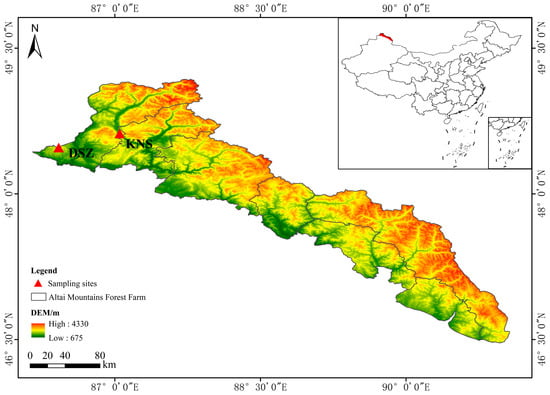
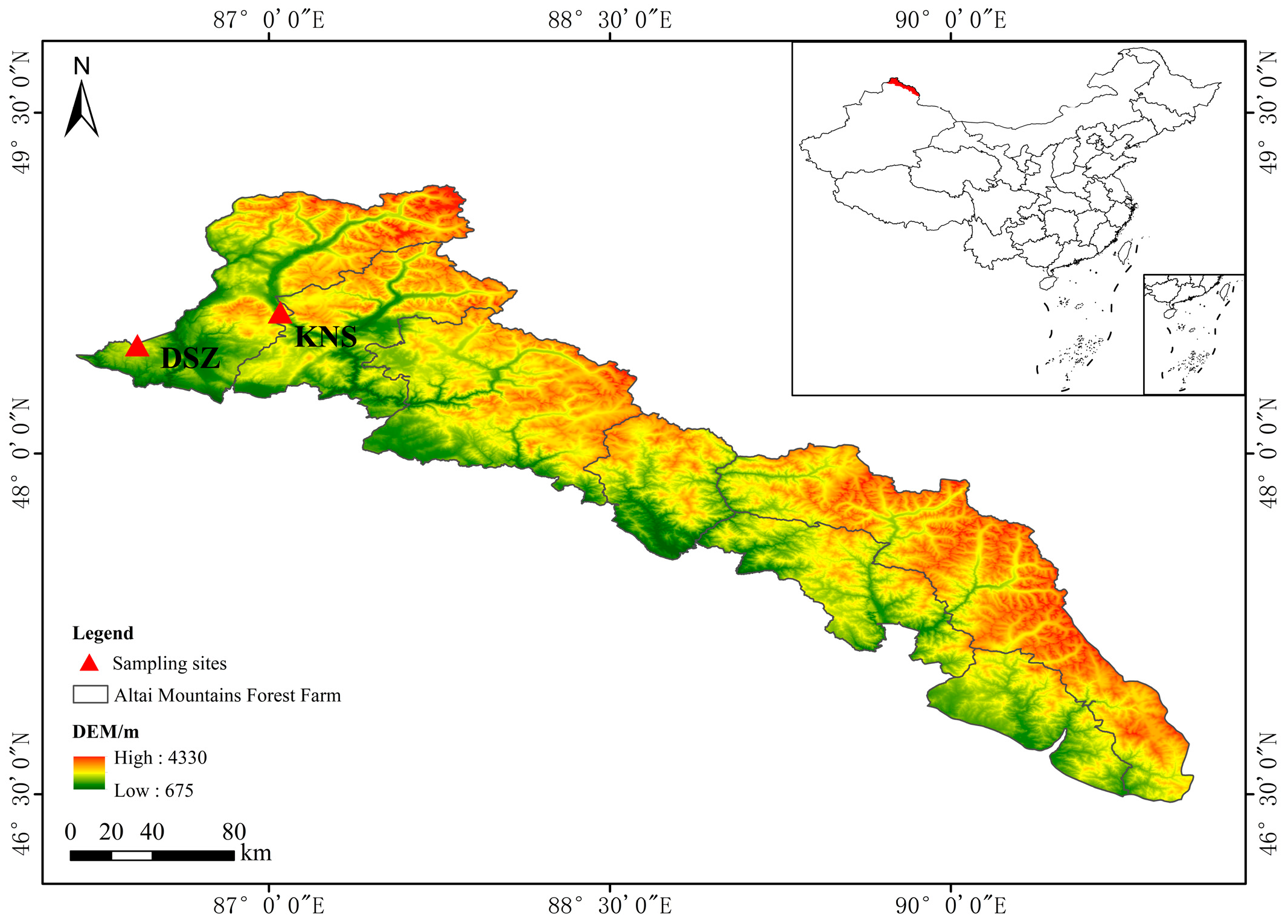
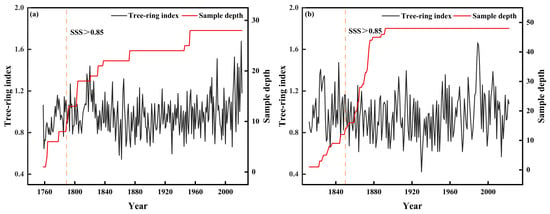
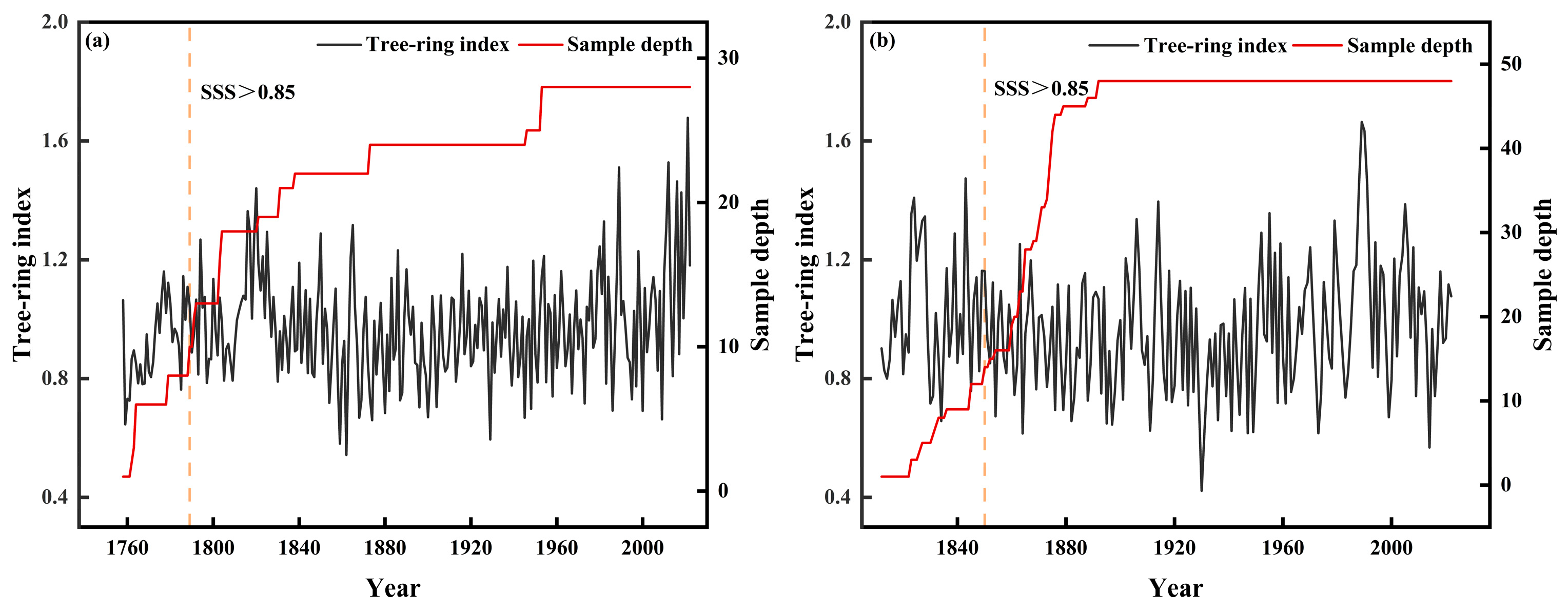
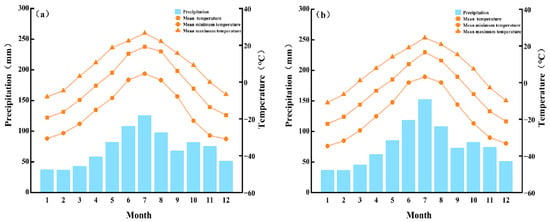
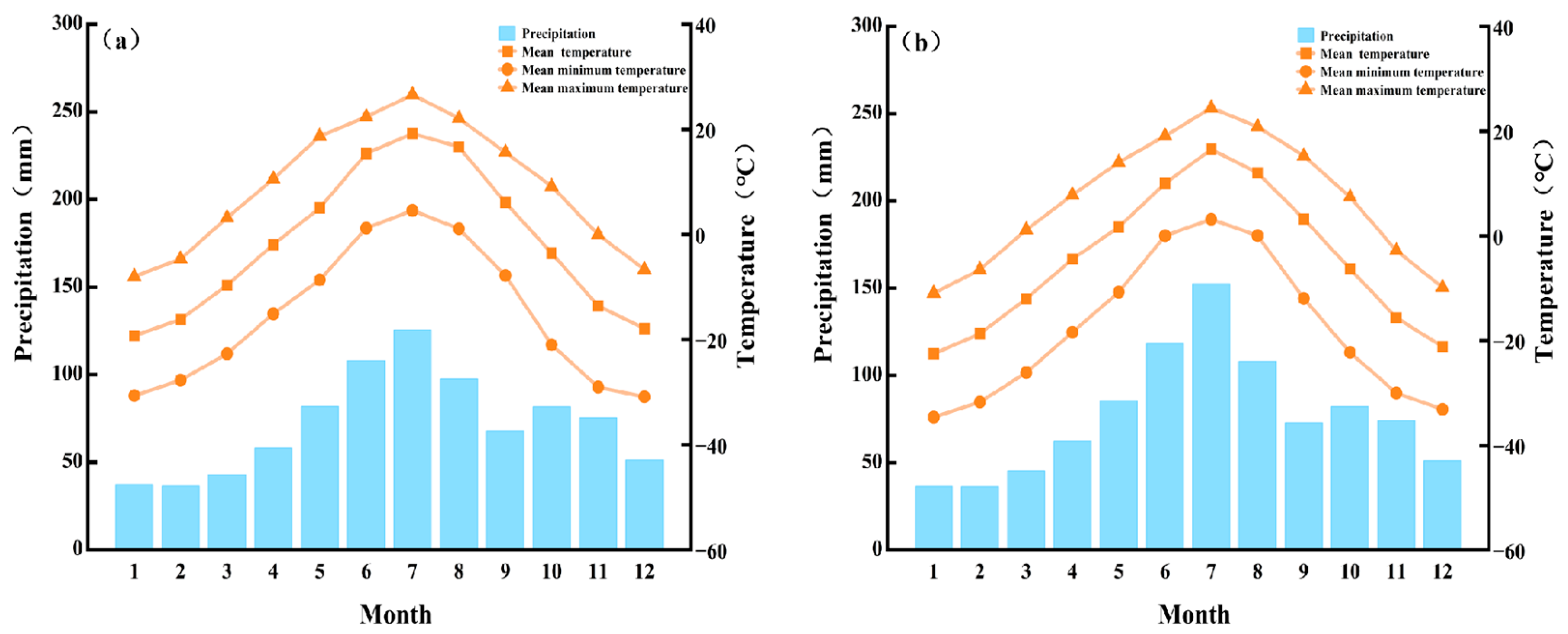
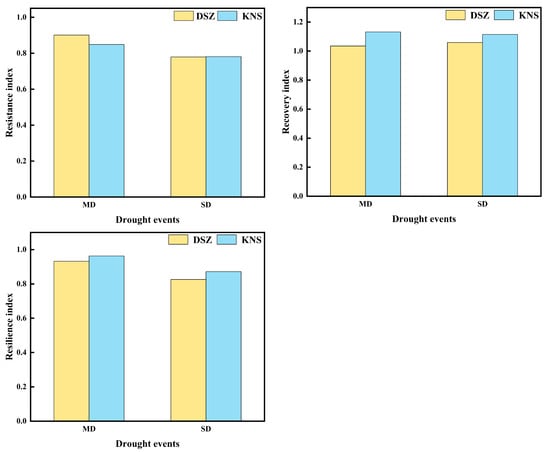
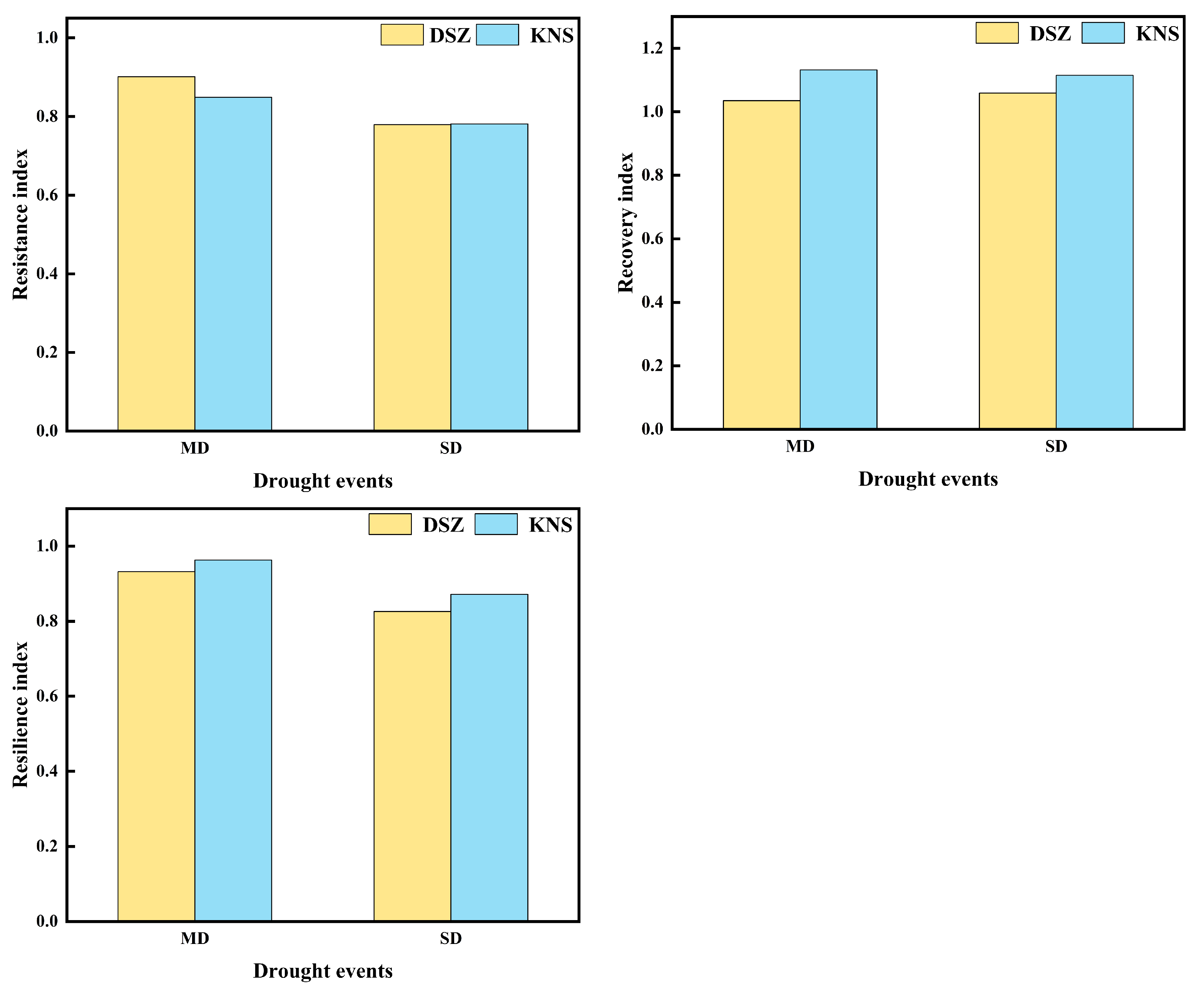
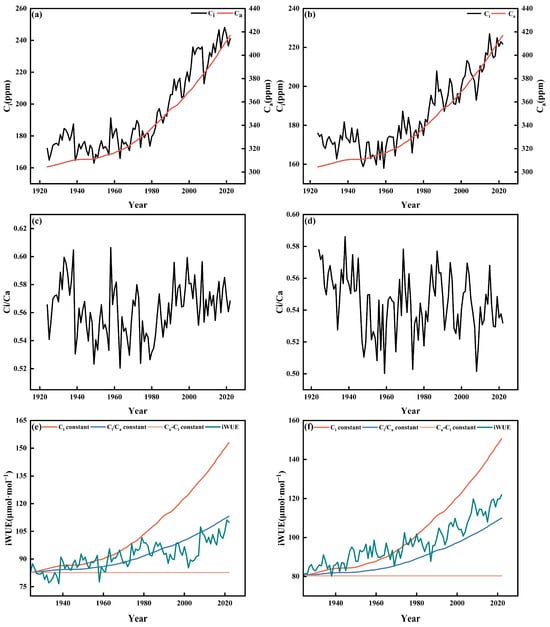
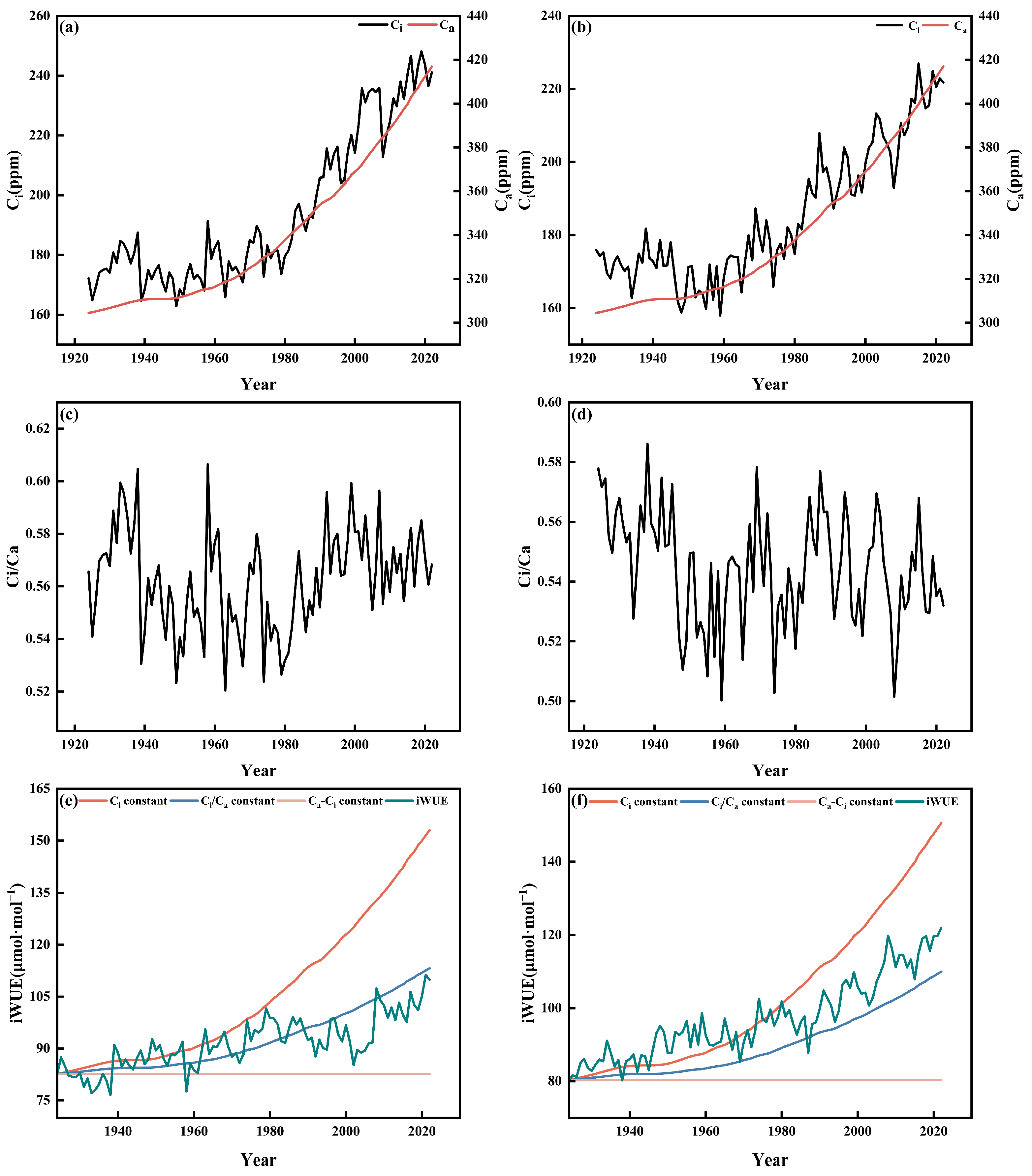
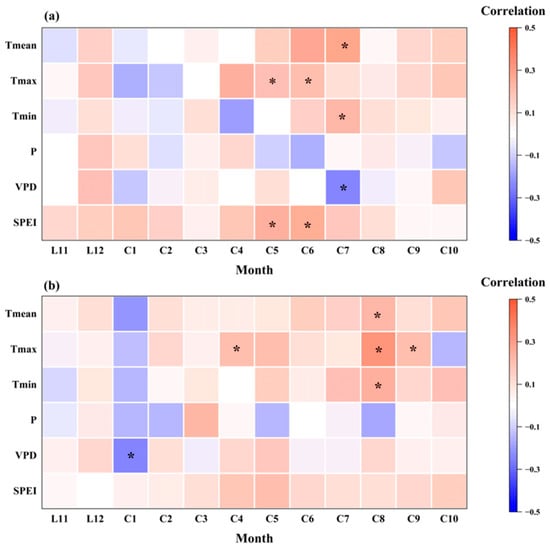
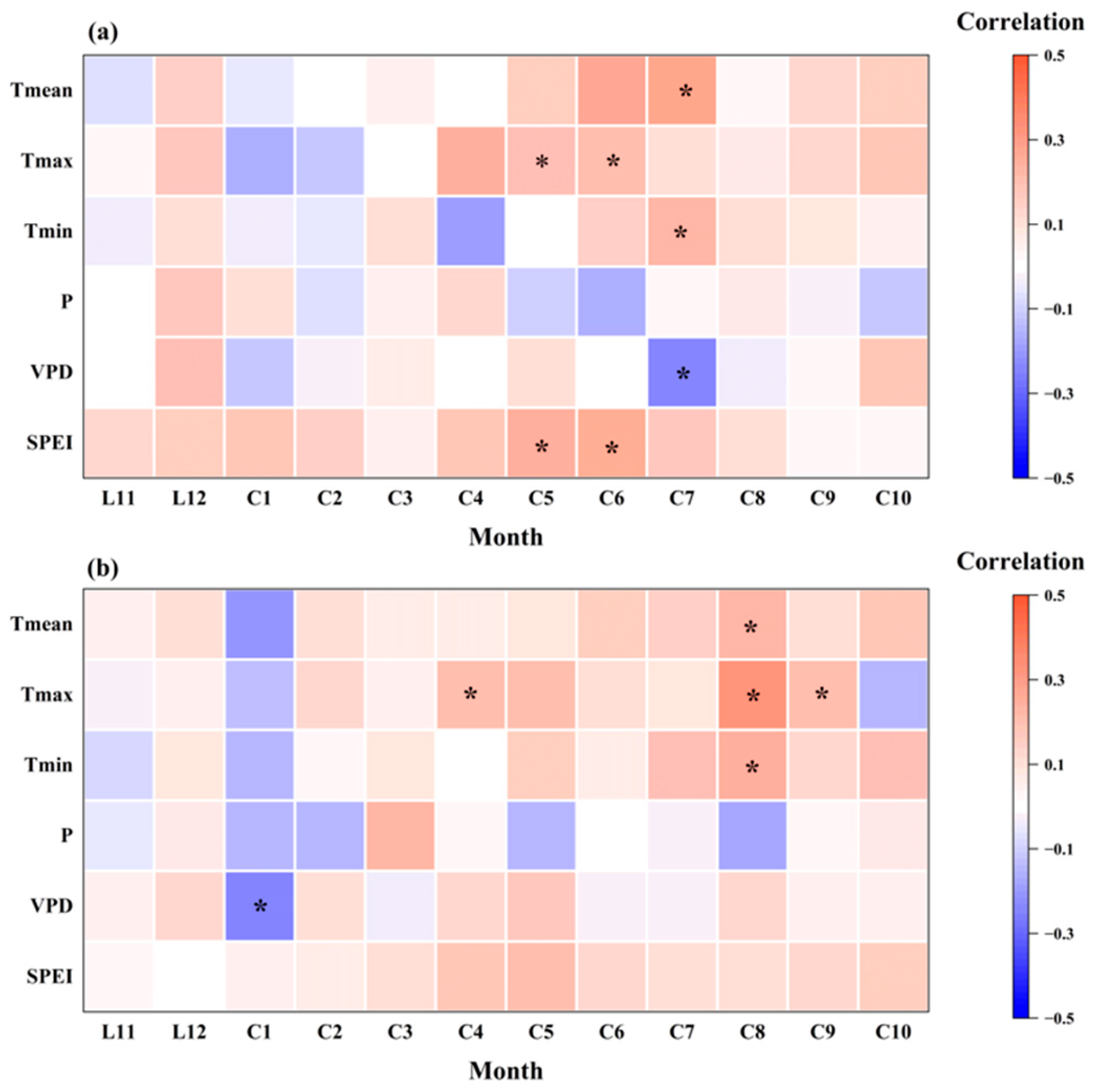
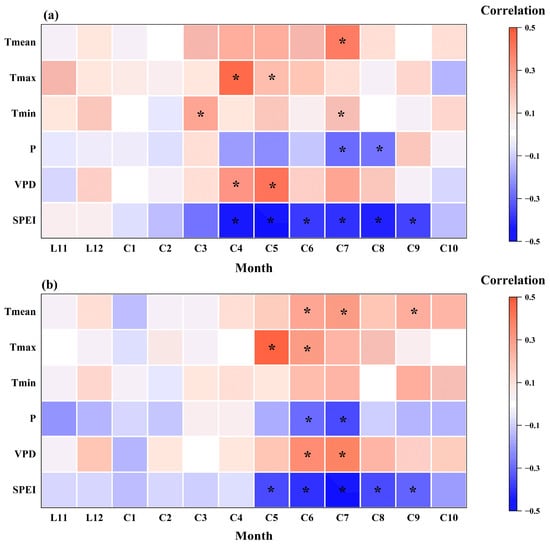
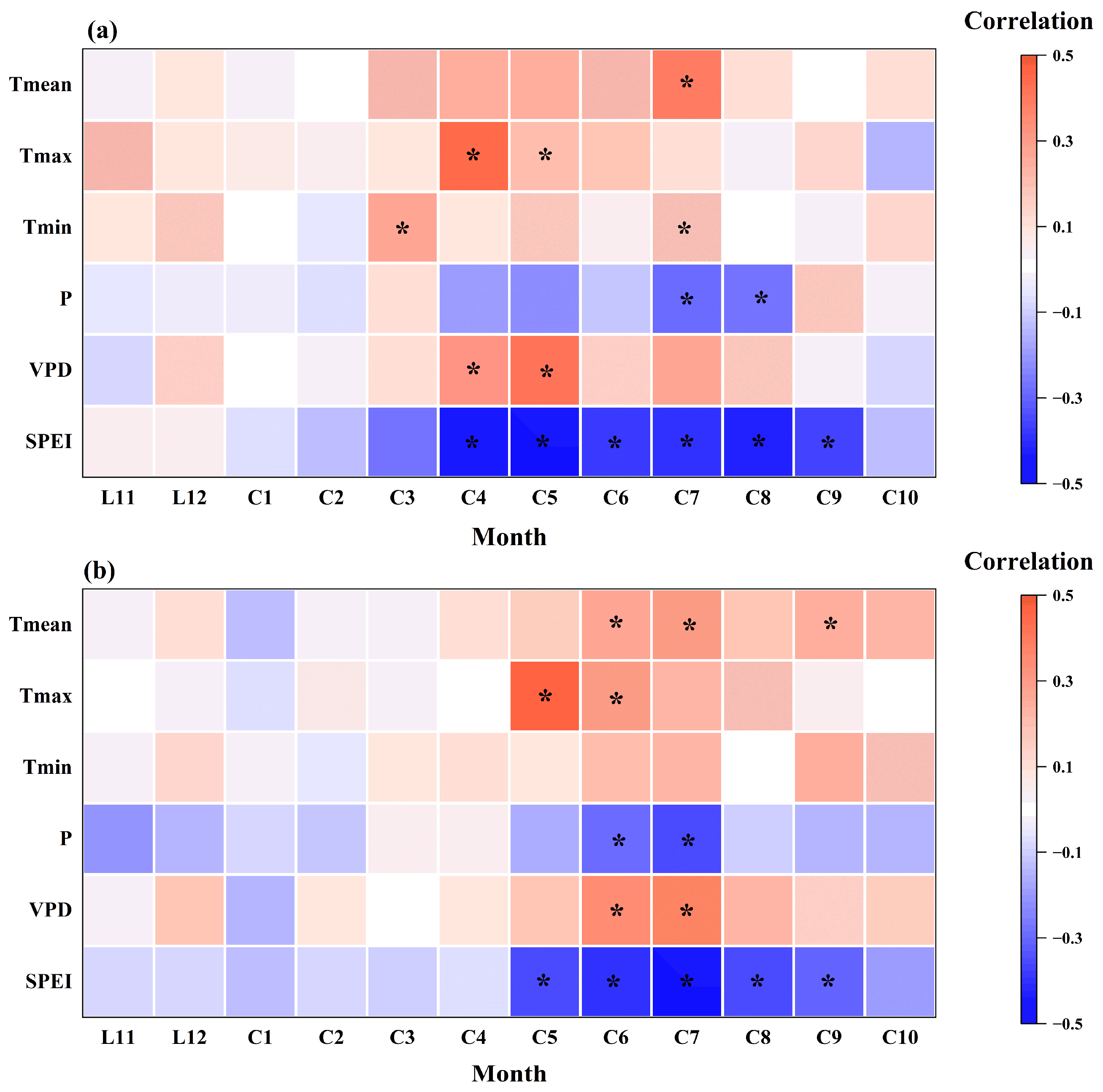
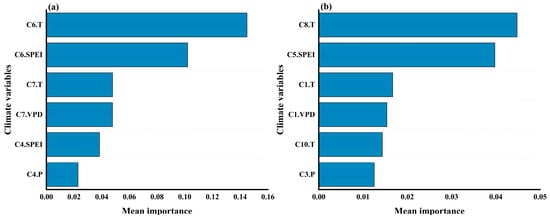
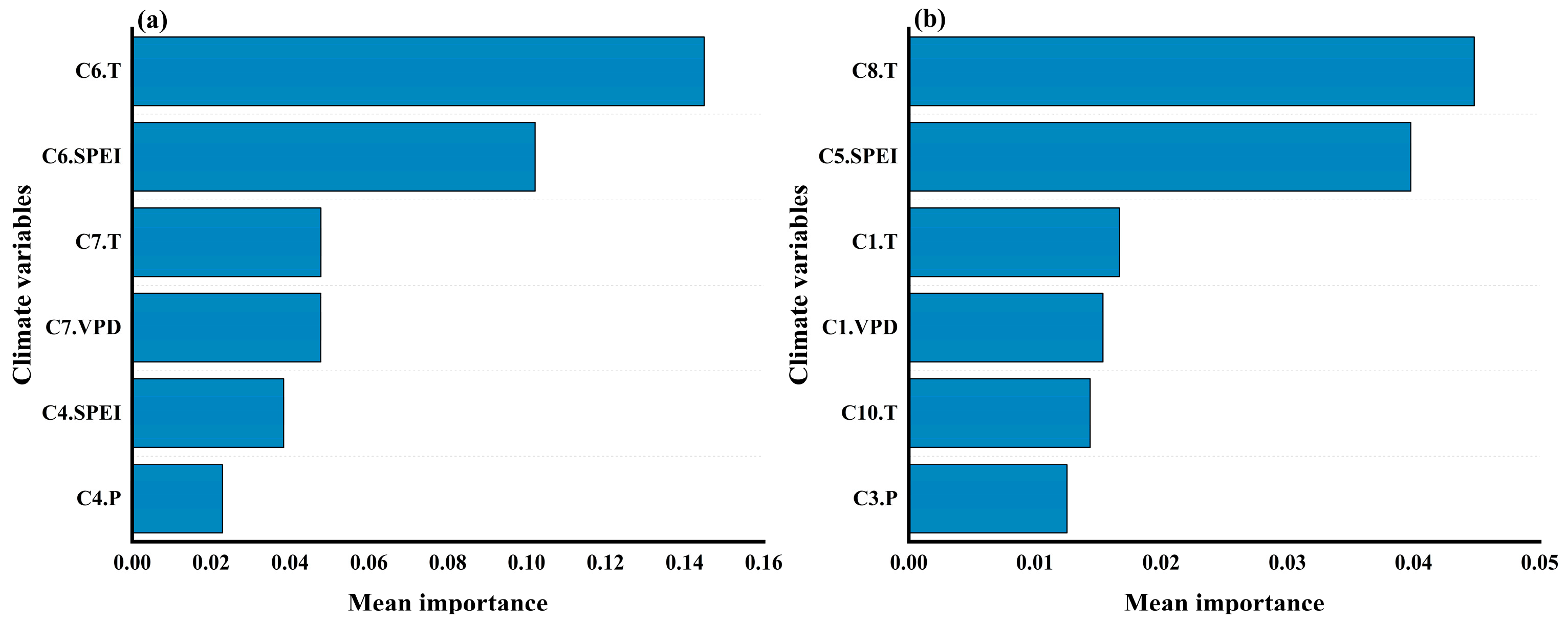
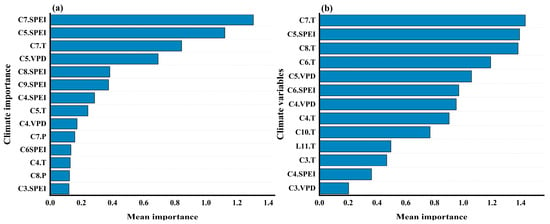
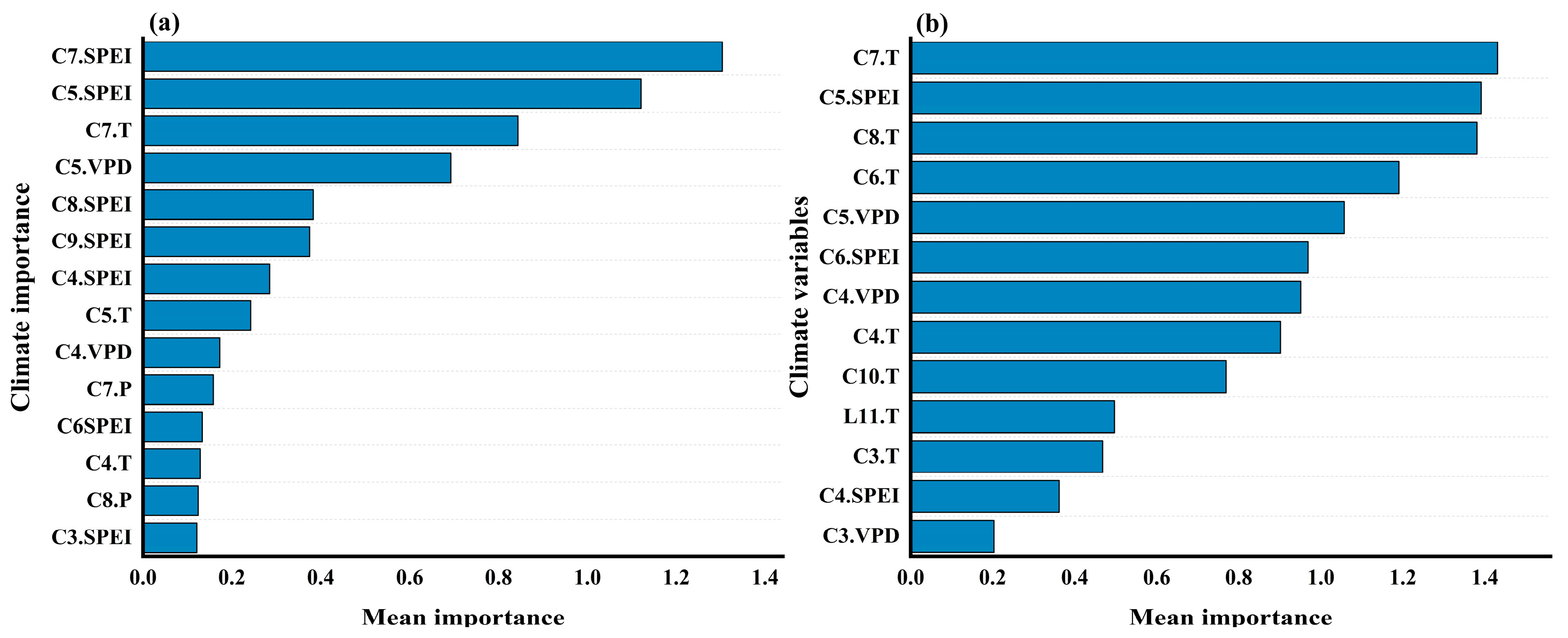

Disclaimer/Publisher’s Note: The statements, opinions and data contained in all publications are solely those of the individual author(s) and contributor(s) and not of MDPI and/or the editor(s). MDPI and/or the editor(s) disclaim responsibility for any injury to people or property resulting from any ideas, methods, instructions or products referred to in the content. |
© 2026 by the authors. Licensee MDPI, Basel, Switzerland. This article is an open access article distributed under the terms and conditions of the Creative Commons Attribution (CC BY) license.