


Abstract
Phytophthora species are devastating oomycete pathogens affecting agriculture, horticulture, and natural ecosystems globally, primarily spread through the international trade of nursery stock. While synthetic fungicides remain a primary control method, there is an increasing demand for sustainable biocontrol agents. This study evaluated the inhibitory potential of essential oils from three Cupressaceae species, × Hesperotropsis leylandii (needles), Platycladus orientalis (needles), and Juniperus communis (ripe berries), against four common nursery and forest pathogens: P. cactorum, P. plurivora, P. pseudocitrophthora, and P. × cambivora. The essential oils were evaluated at concentrations of 0.1%, 0.25%, and 0.5% (v/v), while the commercial fungicide Infinito® (propamocarb + fluopicolide) served as a positive control. Results demonstrated significant dose-dependent inhibition across all treatments, with the 0.5% concentration yielding the highest efficacy. Notably, essential oil from J. communis achieved 90.2% inhibition against P. × cambivora, while Pl. orientalis essential oil reached 82.8% and 73.1% inhibition relative to the Infinito® effect against P. × cambivora and P. cactorum, respectively, underscoring the potential antimicrobial properties of these coniferous essential oils compared to the tested synthetic standard. Although the chemical analysis revealed that all investigated essential oils (× H. leylandii, Pl. orientalis, and J. communis) contained significant quantities of α-pinene (32.11, 16.01, and 32.29%, respectively), their chemical compositions differed. Namely, GC analysis revealed the presence of δ-3-carene in × H. leylandii and Pl. orientalis (18.51 and 37.98%, respectively), while cedran-8-ol was detected in significant quantity in Pl. orientalis (19.96%). Sabinene and myrcene (18.52 and 14.57%, respectively), besides α-pinene, were most abundant in J. communis essential oil. The observed differences in the evaluated activity might be due to the determined essential oils’ chemical composition.
1. Introduction
Phytophthora de Bary species are fungus-like organisms within the kingdom Chromista/Stramenopiles [1]. Alongside the downy mildews (DMs) within the family Peronosporaceae, they represent some of the major and widespread plant pathogens worldwide [2,3,4,5]. There are over 260 Phytophthora species currently known within this cohesive genus [3,4,5,6,7]. It is also worth noting that their other sister genera are Calycofera R. Bennet & Thines, Halophytophthora H.H. Ho & S.C. Jong, Nothophytophthora T. Jung et al., Synchrospora T. Jung et al., Phytopythium Abad et al., and 20 genera of DMs [8,9,10,11,12,13]. Phytophthora species are highly aggressive, having caused numerous epidemics in agriculture, ornamental plants, and natural and semi-natural ecosystems [5,7,14,15,16,17,18,19,20,21,22,23,24,25,26,27,28,29,30,31,32,33,34] while manifesting various symptoms [14,18,35,36,37,38,39]. Also, Phytophthora species are demonstrated to be invasive [5,40,41,42,43,44,45] and easily spread particularly with plants for planting [39,46,47,48,49,50]. Specifically, it has been demonstrated that their ubiquitous global presence is due to the expansion of international trade in living plants [51,52,53] and their subsequent introduction into natural and semi-natural ecosystems via infected nursery stock pathways [39,46,47,48,50,54,55]. Furthermore, ornamental plants are highly vulnerable to Phytophthora infections both in nurseries [47,56,57,58,59,60,61,62,63] and in ornamental plantings [64,65,66,67,68,69,70,71,72].
Control of Phytophthora diseases is challenging; therefore, experience and timely detection relying on the wider adoption of advanced molecular techniques plays a crucial role [60,62,63,68,73,74,75,76,77,78,79]. Preventive management measures and integrated approaches [39,80,81,82,83], including water management [84,85,86], are needed to reduce the risks of infection in nurseries and, subsequently, in natural forests and other plantings. Phosphonate salts were found to be effective in controlling Phytophthora infections [87,88,89,90,91], and against other pathogens [92], but their use is rather limited nowadays [93]. Conventional fungicides have long been considered an effective option for the direct suppression of Phytophthora diseases [94,95,96]. However, their use poses several challenges, as resistance in target pathogens is easily achieved [97,98]. Furthermore, the widespread application of these fungicides has significant negative impact on human health and the environment. Consequently, there is a justified argument that fungicide use and chemical compounds in general should be significantly reduced in the future.
The introduction of various ecologically friendly, biologically based compounds and microbial control agents could be a viable strategy, although they are generally not widely used in forestry [99]. Their potential has been demonstrated in multiple studies [100,101,102,103,104,105,106]. Although their application may have challenges, these natural agents represent promising tools to replace or supplement conventional fungicides against Phytophthora species and other soil-borne pathogens, leading to their reduced usage. Additionally, progress has been made in studying mycovirus diversity in Phytophthora [107,108,109,110,111,112] and in their sister genus Halophytophthora [113]. While mycoviruses have been proven to be effective against other aggressive pathogens [114,115], the field remains largely unexplored in this specific context.
Plant extracts and essential oils (EOs) show significant potential in controlling various pests and pathogens [116,117,118,119,120], including Phytophthora pathogens [121,122,123,124]. These compounds originate from diverse botanical sources [125] and possess strong antifungal properties due to the presence of phenolic components, which induce the disruption of the pathogens’ cell membranes [126,127,128]. Volatility and environmental instability of EOs during application have been the main limiting factors in their wider use. Hence, modern technologies, primarily nanotechnology, enabled the development of formulations with EOs for their more effective utilization [129,130,131,132], including some studies against Phytophthora infections [124,133]. The Cupressaceae family is recognized as a significant source of bioactive secondary metabolites, particularly their EOs [134,135,136], which are characterized by an abundance of monoterpenoids and sesquiterpenoids [137,138], which contribute to their diverse biological activities [137,138,139,140,141,142,143,144,145,146]. In particular, a literature survey revealed antimicrobial activity of plants belonging to the Cupressaceae family against Phytophthora pathogens [121,123,133,147,148,149]. Given their abundance in nurseries and various crops, as well as their ease of propagation and rapid growth, members of the Cupressaceae family represent significant resources for the further exploitation of plant-derived compounds as biopesticides. The aim of this study was to evaluate the inhibitory potential of EOs from three frequently grown and easily propagated Cupressaceae species: × Hesperotropsis leylandii (Jacks. Dallim.) Garl. and Moor. (needles), Platycladus orientalis (L.) Franco (needles), and Juniperus communis L. (berries). These were tested against four common nursery and forest pathogens: P. cactorum (Lebert and Cohn) Schröt., P. pseudocitrophthora Jung, Cacciola, Bakonyi and Horta Jung, P. plurivora Jung and Burgess, and P. × cambivora (Petri) Buisman.
2. Materials and Methods
2.1. Plant Material
Branches with needles of × H. leylandii and Pl. orientalis were collected from five-year-old plants grown in an ornamental nursery near Belgrade, Serbia. The needles from randomly selected trees (voucher specimens coded as CLEY01 and THOR02, respectively) were harvested and stored in bulk in polyethylene bags in a freezer at −20 °C. Voucher specimens of both species were deposited in the University of Belgrade Faculty of Forestry under the codes indicated above. In parallel, juniper berries were collected from J. communis plants and also stored in a freezer at −20 °C at the Institute for Medicinal Plant Research “Dr. Josif Pančić” (voucher specimens coded as JUNF26).
2.2. Isolation of EOs
Isolation of the EOs from branches with needles of × H. leylandii and Pl. orientalis and ripe berries of J. communis was performed by hydrodistillation in Clevenger-type apparatus (Medilab, Ambala Cantt, Haryana, India), as prescribed by [150]. In short, plant material was grounded and transferred into Clevenger apparatus, where hydrodistillation was performed for 2 h, after which the obtained EOs were extracted using diethyl ether. The samples were then filtered through anhydrous sodium sulfate to remove any remaining moisture, while the solvent was removed using the gentle stream of nitrogen. The EO content was expressed as a percentage of the dry mass of the plant material. The yields of obtained essential oils were 0.93, 0.69 and 2.90% for × H. leylandii, Pl. orientalis and ripe berries of J. communis, respectively. EO was stored at a temperature of 4 °C until analysis.
2.3. Chemical Analysis of the EOs
Chemical analysis of the obtained EOs was carried out using gas chromatography (GC) and gas chromatography coupled with mass spectrometry (GC–MS).
2.3.1. GC Analysis
GC analysis was performed using an apparatus HP-5890 Series II GC (Hewlett-Packard, Waldbronn, Germany) that was equipped with a split-splitless injector, an automatic liquid sampler and a flame ionization detector (FID). The employed column was HP-5 (25 m × 0.32 mm, 0.52 μm film thickness). The flow rate of H2, used as the carrier gas, was 1 mL/min, while split ratio was 1:30. Temperature of the injector was 250 °C, while detector temperature was 300 °C. Temperature of the column was programed to increase linearly from 40 °C to 260 °C with a rate of 4 °C/min and was then kept at a temperature of 260 °C for 10 min. Tested EOs were dissolved in alcohol, injected in the amount of 1 μL. Quantification was carried out using area percent reports, obtained as a result of standard processing of chromatograms. The composition of the tested EOs was expressed in percentages computed from GC peak areas with the response factor considered to be 1.
2.3.2. GC–MS Analysis
For GC–MS analysis 1800C Series II GCD system (Hewlett-Packard, Palo Alto, CA, USA) equipped with a column HP-5MS (30 m × 0.25 mm, 0.25 μm film thickness) was used, using helium as the carrier gas. The transfer line was heated at 260 °C. Mass spectra were acquired in EI mode (70 eV), in m/z range 40–450. An amount of 0.2 μL of EOs dissolved in alcohol was injected. The components of the EOs were identified using comparison of their mass spectra to the ones available in libraries Wiley 275 and NIST/NBS. Calibration was carried out by means of linear n-paraffins mixture (C6–C40) as a standard. The experimental values for retention indices were determined employing calibrated Automated Mass Spectral Deconvolution and Identification System Software (AMDIS ver. 2.1), compared to those from the available literature, and used as an additional tool to confirm the MS findings.
2.4. Antimicrobial Assays
The inhibitory activity was tested in vitro using the poisoned food method. Following the protocol of Milanović et al. [149], selected EOs were used to evaluate the mycelial growth of four Phytophthora species. These isolates, frequently found in both nurseries and planted forests [47], were obtained from the culture collection of the Faculty of Forestry at the University of Belgrade. Specifically, the following four Phytophthora species were used: P. cactorum (JX276090), originating from Persian walnut (Juglans regia L.) (Milenković, unpublished); P. pseudocitrophthora (OR518930), originating from sessile oak (Quercus petraea (Matt.) Liebl.) [5]; P. plurivora (JX276057), originating from pedunculate oak (Quercus robur L.) (Milenković, unpublished); and P. × cambivora (MG595173), originating from cherry laurel (Prunus laurocerasus L.) [66]. All isolates were cultivated on V8 agar (V8A) media [100 mL/L V8 juice (Biotta®, Tägerwilen, Switzerland), 2 g/L CaCO3, and 20 g/L agar (Torlak, Belgrade, Serbia)] at 22–25 °C in the dark until they reached approximately half the diameter of a 90 mm Petri dish. The EOs of × H. leylandii (EOHL), J. communis (EOJC), and Pl. orientalis (EOPO) were diluted in 0.5% (v/v) Tween 80. Before pouring the V8A media (at ca. 50 °C), the EOs were added to reach volume concentrations of 0.1%, 0.25%, and 0.5%. Subsequently, 12 mL of the media was poured into each 90 mm Petri dish. The control group received a mock dilution of 0.5% Tween 80 and sterile distilled water at the same concentrations. From the edges of actively growing colonies, 6 mm agar plugs were taken with a sterile metal cork borer and placed in the center of the V8A plates containing EOs. Six replicates per concentration, EO, and Phytophthora species were prepared, including the mock-diluted control. Two lines at a 90° angle were drawn on the bottom of each Petri dish. All dishes were incubated at 20 °C in the dark until one of the treatments reached the edge of the Petri dish. Mycelial growth was determined with a steel needle, and the edges of the colonies were marked. The mean growth values were calculated from the total diameter measured in two directions and expressed in mm/day. The percent inhibition of mycelial growth relative to the control was determined according to the methods previously described by Milanović et al. [149], using the following formula:
where I is the inhibition rate (%); C is the growth diameter of the control; and T is the growth diameter of different treatments.
I = (C − T)/C × 100 [%],
2.5. Statistical Analyses
Prior to analysis, the data were tested for normality and homogeneity of variances using the Shapiro–Wilk test and Levene’s test, respectively. Since the data about inhibition rate (I) did not meet the assumptions of normal distribution and equal variances, a non-parametric PERMANOVA was applied. The analysis was performed separately for each species to evaluate differences among treatments within species (PAST software, version 4.03). Figures were plotted in OriginPro 2023b (OriginLab Corporation, Northampton, MA, USA).
3. Results
3.1. Chemical Composition of the Tested EOs
The chemical analysis revealed that all investigated EOs (× H. leylandii, Pl. orientalis, and J. communis, EOHL, EOPO and EOJC, respectively) were the most abundant in monoterpenes (90.21, 65.05 and 81.46, respectively), containing significant quantities of α-pinene at levels of 32.11, 16.01, and 32.29%, respectively (Table 1). However, their chemical compositions differed. Namely, GC analysis revealed the presence of δ-3-carene in × H. leylandii and Pl. orientalis in quantities of 18.51 and 37.98%, respectively, whereas cedran-8-ol was detected in significant quantity in Pl. orientalis (19.96%) (Table 1). On the other hand, sabinene and myrcene at levels of 18.52 and 14.57%, respectively, besides α-pinene, were most abundant in ripe berries J. communis essential oil (Table 1).
Table 1.
Comparative chemical profile of the essential oils obtained from needles of the Leyland cypress (× H. leylandii)—EOHL and Oriental thuja (Pl. orientalis)—EOPO and ripe berries of common juniper (J. communis)—EOJC.
3.2. Antimicrobial Assay
The inhibitory effect differed significantly among treatments across all four Phytophthora species (PERMANOVA, p < 0.001 in all cases; Figure 1). The commercial fungicide Infinito® consistently demonstrated the strongest inhibitory activity (Figure 2, Figure 3, Figure 4 and Figure 5). In contrast, the × H. leylandii EO (EOHL) induced the lowest inhibition relative to Infinito® across all species (Figure 1).
Figure 1.
Inhibitory activity of three essential oils and the standard fungicide Infinito® against four Phytophthora species. Panels (A–D) represent different Phytophthora species: (A) P. × cambivora; (B) P. cactorum; (C) P. pseudocitrophthora; and (D) P. plurivora. HL, JC, and PO denote the essential oils of × Hesperotropsis leylandii, Juniperus communis, and Platycladus orientalis, respectively. These were applied at three concentrations (0.1%, 0.25%, and 0.5%), whereas INF denotes the standard fungicide Infinito®. Bars represent mean values ± SE. Different letters above bars indicate significant differences among treatments within each species.
Figure 2.
Inhibitory activity of × Hesperotropsis leylandii (EOHL), Juniperus communis (EOJC), and Platycladus orientalis (EOPO) essential oils, and the fungicide Infinito® against Phytophthora cactorum after six days of incubation at 20 °C in the dark: (A) control; (B–D) EOHL at 0.5%, 0.25%, and 0.1%, respectively; (E) fungicide Infinito®; (F–H) EOJC at 0.5%, 0.25%, and 0.1%, respectively; (I–K) EOPO at 0.5%, 0.25%, and 0.1%, respectively.
Figure 3.
Inhibitory activity of × Hesperotropsis leylandii (EOHL), Juniperus communis (EOJC), and Platycladus orientalis (EOPO) essential oils, and the fungicide Infinito® against Phytophthora plurivora after six days of incubation at 20 °C in the dark: (A) control; (B–D) EOHL at 0.5%, 0.25%, and 0.1%, respectively; (E) fungicide Infinito®; (F–H) EOJC at 0.5%, 0.25%, and 0.1%, respectively; (I–K) EOPO at 0.5%, 0.25%, and 0.1%, respectively.
Figure 4.
Inhibitory activity of × Hesperotropsis leylandii (EOHL), Juniperus communis (EOJC), and Platycladus orientalis (EOPO) essential oils, and the fungicide Infinito® against Phytophthora pseudocitrophthora after six days of incubation at 20 °C in the dark: (A) control; (B–D) EOHL at 0.5%, 0.25%, and 0.1%, respectively; (E) fungicide Infinito®; (F–H) EOJC at 0.5%, 0.25%, and 0.1%, respectively; (I–K) EOPO at 0.5%, 0.25%, and 0.1%, respectively.
Figure 5.
Inhibitory activity of × Hesperotropsis leylandii (EOHL), Juniperus communis (EOJC), and Platycladus orientalis (EOPO) essential oils, and the fungicide Infinito® against Phytophthora × cambivora after six days of incubation at 20 °C in the dark: (A) control; (B–D) EOHL at 0.5%, 0.25%, and 0.1%, respectively; (E) fungicide Infinito®; (F–H) EOJC at 0.5%, 0.25%, and 0.1%, respectively; (I–K) EOPO at 0.5%, 0.25%, and 0.1%, respectively.
At a volume concentration of 0.5%, EOHO achieved 56.8% of the Infinito® effect in P. × cambivora, 33.5% in P. cactorum, 25.2% in P. pseudocitrophthora, and 19.7% in P. plurivora; inhibition was markedly lower at reduced concentrations (Figure 1, Figure 2, Figure 3, Figure 4 and Figure 5). Among the EO treatments, J. communis berry EO (EOJC) most closely resembled the efficacy of Infinito®. At a 0.5% concentration, EOJC exhibited 90.2% inhibition in P. × cambivora, 55.3% in P. plurivora, 52.6% in P. pseudocitrophthora, and 32.3% in P. cactorum. Notably, at a 0.25% concentration, EOJC still maintained 42.6% of the Infinito® effect in P. × cambivora.
The EO from Pl. orientalis needles (EOPO) also showed significant inhibition at a 0.5% concentration, reaching 82.8% of the Infinito® effect in P. × cambivora, 73.1% in P. cactorum, 42.5% in P. plurivora, and 31.3% in P. pseudocitrophthora (Figure 1, Figure 2, Figure 3, Figure 4 and Figure 5). Interestingly, EOPO maintained considerable inhibition at lower concentrations in specific species, showing 56.5% and 35.8% of the Infinito® effect in P. × cambivora and P. cactorum at 0.25%, respectively, and 28.3% at 0.1% in P. × cambivora (Figure 1).
Conversely, the weakest inhibition was consistently recorded at the lowest concentration (0.1%), specifically for EOHL in P. plurivora (7.1%), P. cactorum (4.8%), and P. × cambivora (2.5%), as well as EOPO in P. pseudocitrophthora (0.1%). Thus, while inhibitory activity generally increased with concentration, the treatment ranking and degree of similarity to the standard fungicide were clearly species-specific (Figure 2, Figure 3, Figure 4 and Figure 5).
4. Discussion
Our findings demonstrated that, while the commercial fungicide Infinito® remained the most potent inhibitor, the EOs of J. communis berries and Pl. orientalis needles (EOJC and EOPO, respectively) at a concentration of 0.5% exhibited significant activity, what might be considered as promising biocontrol agents, particularly against P. × cambivora (Figure 1 and Figure 5). This is of particular importance given the high significance of P. × cambivora as a destructive pathogen. Specifically, this hybrid species, originating from Southeast Asia [151,152], is highly aggressive and represents a primary cause of ink disease in chestnut (Castanea sativa Mill.) [18,22,153,154]. Beyond chestnuts, this pathogen has been found to be aggressive on numerous other hosts [18,66,155], most notably European beech (Fagus sylvatica L.), causing a variety of deteriorating symptoms [17,18,36,38,156,157]. Promising results were also obtained in the case EOPO at 0.5% concentration against another widespread and notorious pathogen P. cactorum (Figure 1 and Figure 2). This species has a long history of causing various damages in different crops in agriculture, horticulture and forestry [23,110,124,158,159,160,161,162]. In the cases of P. plurivora and P. pseudocitrophthora, the highest inhibition was achieved by EOJC at 0.5% concentration, which reached 55.3% and 52.6% efficacy in comparison to positive control, respectively (Figure 1, Figure 3 and Figure 4). P. plurivora [163] is one of the most widespread species worldwide, damaging a broad range of hosts [5,18,39,156,157,158,163,164,165,166]. Beyond causing direct damage, this species exacerbates the impact of spongy moth (Lymantria dispar L.) infestations [167,168], further contributing to the decline of affected forest ecosystems. Additionally, this species accelerated the root deterioration of Fraxinus excelsior L., leading to a progressive decline in conjunction with the bark pathogen Hymenoscyphus fraxineus (T. Kowalski) Baral, Queloz & Hosoya [169]. Phytophthora pseudocitrophthora was recently described [5] following detailed analyses of its closely related species, P. citrophthora (R.E. Sm. & E.H. Sm.) Leonian [162]. The latter species has a long history and is one of the earliest identified members of the genus Phytophthora [5,6,162]. Although the isolate (OR518930) used in this study was obtained from sessile oak, this species has been recorded on various hosts worldwide [5,6,164]. The lower efficacy observed in P. plurivora and P. pseudocitrophthora, compared to noted activity against P. × cambivora, suggested that these species might possess inherent physiological mechanisms, such as distinct cell wall composition or specialized enzymatic detoxification pathways, that provide greater resilience against the bioactive compounds found in the investigated EOs. However, further research, including biochemical assays or gene expression studies, is required to elucidate these underlying mechanisms.
Phytophthora species are among the most damaging plant pathogens worldwide [3,4,5,6,18,170,171,172,173,174,175,176,177]. These species are highly invasive [39,40] and spread easily via ‘plants for planting,’ particularly through infested nursery stock [39,46,47,48,49,50,171].
Given that numerous studies have shown afforestation programs to be severely affected by Phytophthora pathogens [39,47,48,49], the implementation of European Union (EU) Regulation 2024/1991 [178] on the restoration of natural sites is of particular concern. As this regulation will likely necessitate a vast quantity of new planting material, the risk of widespread disease incidence and the subsequent introduction of pathogens into restored areas is significantly heightened [47,179]. Therefore, the adoption of strict preventative measures to reduce the presence of these pathogens [39,47,85] is essential. Furthermore, seeking sustainable, ecologically friendly methods for the suppression of Phytophthora species is now urgently required to ensure the success of large-scale restoration efforts. Our results demonstrated that EOs, specifically EOJC and EOPO, offered a viable path toward these sustainable suppression goals, providing high levels of inhibition against aggressive hybrids like P. × cambivora.
Control of these pathogens remains highly challenging. While conventional fungicides have traditionally been regarded as an effective option for the direct suppression of Phytophthora diseases [94,95,96,180,181,182], their continued use faces significant hurdles. Beyond the growing issue of pathogen resistance [97,98], numerous negative environmental consequences have been documented. Consequently, the use of synthetic chemical compounds is likely to be increasingly restricted, as seen with the current limitations on copper-based fungicides within the EU [183]. Phosphonate salts were considered the effective and ecologically acceptable tool in controlling Phytophthora infections [87,88,89,90,91]. However, their usage has been strictly limited or banned since (EU) Regulation 2019/1009 [93] entered into force in July 2022. Therefore, in addition to the detailed preventive measures indicated by Horta Jung et al. [39], various host resistance and breeding programs [184,185,186,187] or the application of biocontrol agents could provide suitable solutions for the management of Phytophthora diseases [100,101,102,103,104,105,106,188]. In this context, EOs obtained from the Cupressaceae family are promising additional tools; they are widespread in nurseries, easily propagated, fast-growing, and have been proven to be effective in antimicrobial assays against Phytophthora pathogens [121,122,123,133,147,148,149].
Our study revealed that chemical compositions differed among the investigated EOs of × H. leylandii, Pl. orientalis, and J. communis (Table 1). All tested EOs contained significant quantities of α-pinene at 32.11%, 16.01%, and 32.29% (Table 1). Additionally, δ-3-carene was recorded in × H. leylandii and Pl. orientalis at 18.51% and 37.98%, respectively, whereas cedran-8-ol was detected in significant amounts in Pl. orientalis (19.96%). The chemical composition of the × H. leylandii EO corresponded well with previous findings [189,190]. Although × H. leylandii EO was highly efficient in suppressing arthropod larvae in wheat [190], in our study, it showed the lowest inhibition at the tested concentrations against all Phytophthora species used (Table 1; Figure 1, Figure 2, Figure 3, Figure 4 and Figure 5).
Chemical analyses of Pl. orientalis EO were congruent with previous studies [134,136], as well as with species from the sister genus Thuja, such as Thuja plicata Donn ex D.Don [123,133,134,135,137,143,145]. In contrast, a slightly different composition with a lower α-pinene content was recorded for T. occidentalis L. EO [146]. Platycladus orientalis EO showed promising antimicrobial activity against the tested Phytophthora species, particularly P. plurivora, P. pseudocitrophthora, and P. × cambivora (Figure 1, Figure 2, Figure 3, Figure 4 and Figure 5); this aligns with earlier testing of the antimicrobial activity of this species [139]. Furthermore, its related species T. plicata has shown high potential in suppressing Phytophthora pathogens [123,133]. Due to its antimicrobial activity, vigorous growth, easy propagation, and ubiquitous presence [191], Pl. orientalis EO could be considered as showing great promise for further exploitation as an eco-friendly biopesticide.
α-pinene was the most abundant compound in J. communis berries EO (32.29%), followed by sabinene and myrcene at concentrations of 18.52% and 14.57%, respectively. These findings are consistent with previous studies [142,192], although significantly higher amounts of α-pinene have been recorded in some cases [193]. The EO of this species has demonstrated significant antimicrobial and inhibitory properties in several studies [142,192,193,194,195]. In the present study, this oil was highly efficient and showed strong inhibitory properties against aggressive Phytophthora pathogens, suggesting it could be considered for further in vivo experiments and potential use as a biopesticide. This is particularly relevant in the context of EOs nanoencapsulation [124,132,133,196] for slow-release purposes to enhance their properties.
While the present study clearly demonstrates the potent antifungal activity of the × H. leylandii, Pl. orientalis, and J. communis EOs through in vitro assays, the specific underlying mechanisms of action remain to be fully elucidated. The fundamental mechanisms of action by which essential oils and their constituent phenolic compounds disrupt fungal cell walls and membranes are well-documented in the existing literature (e.g., [126,127,128]). Future investigations employing microscopic techniques, such as Scanning Electron Microscopy (SEM) or fluorescence microscopy, would be beneficial to visualize the precise morphological changes induced in the fungal cells and to confirm these mechanistic pathways. Future research should also focus on the synergistic effects of the primary constituents within the tested EOs, specifically α-pinene, δ-3-carene, sabinene, and cedran-8-ol, as these compounds play a decisive role in antimicrobial activity. Understanding these interactions is essential for optimizing bio-fungicides as sustainable alternatives to synthetic chemicals in nursery and forest management.
5. Conclusions
As the global demand for sustainable plant production grows, the identification of bio-based alternatives to synthetic fungicides is crucial. This study demonstrates that essential oils from three Cupressaceae species possess remarkable inhibitory potential against four devastating Phytophthora pathogens. At a concentration of 0.5%, these natural extracts achieved mycelial growth inhibition levels comparable to the commercial synthetic fungicide. The high efficacy of Juniperus communis and Platycladus orientalis essential oils suggests that their specific chemical profiles, rich in α-pinene, δ-3-carene, sabinene, and cedran-8-ol, play a decisive role in their antimicrobial activity. Future research should focus on the synergistic effects of these primary constituents to optimize these bio-fungicides as sustainable alternatives to synthetic chemical treatments in nursery and forest management.
Author Contributions
Conceptualization, I.M., S.M. and V.T.; methodology, I.M., A.Ž., S.M., J.D., M.M. and V.T.; validation, S.M., A.Ž. and J.D.; formal analysis, I.M., A.Ž., S.M., J.D., M.M. and V.T.; investigation, I.M., A.Ž. and V.T.; data curation, S.M. and V.T.; writing—original draft preparation, I.M., S.M. and V.T.; writing—review and editing, A.Ž., J.D. and M.M.; visualization, S.M.; supervision, V.T.; funding acquisition, I.M., S.M. and V.T. All authors have read and agreed to the published version of the manuscript.
Funding
This research was funded by Ministry of Science, Technological Development and Innovation of the Republic of Serbia, grant numbers 451-03-34/2026-03/200169 and 451-03-33/2026-03/200003, and the European Regional Development Fund, project ‘Phytophthora Research Centre’, grant number CZ.02.1.01/0.0/0.0/15_003/0000453.
Data Availability Statement
Data is available from the corresponding author on a reasonable request.
Acknowledgments
We are grateful to Jovan Sremčević, and the ‘Omorika’ nursery in Belgrade for their support in providing plants for EO extraction. We also thank Petar Vujičić, for his excellent assistance with the laboratory work.
Conflicts of Interest
The authors declare no conflicts of interest.
References
- Beakes, G.W.; Thines, M.; Honda, D. Straminipile “Fungi” – Taxonomy. In Encyclopedia of Life Sciences; John Wiley and Sons, Ltd.: Chichester, UK, 2015; pp. 1–9. [Google Scholar] [CrossRef] [Scilit]
- Bourret, T.B.; Choudhury, R.A.; Mehl, H.K.; Blomquist, C.L.; McRoberts, N.; Rizzo, D.M. Multiple origins of downy mildews and mito-nuclear discordance within the paraphyletic genus Phytophthora. PLoS ONE 2018, 13, e0192502. [Google Scholar] [CrossRef] [Scilit]
- Brasier, C.M.; Scanu, B.; Cooke, D.E.L.; Jung, T. Phytophthora: An ancient, historic, biologically and structurally cohesive and evolutionarily successful generic concept in need of preservation. IMA Fungus 2022, 13, 12. [Google Scholar] [CrossRef] [Scilit]
- Brasier, C.M.; Grünwald, N.J.; Bourret, T.B.; Govers, F.; Scanu, B.; Cooke, D.E.L.; Bose, T.; Hawksworth, D.L.; Abad, Z.G.; Albarracin, M.V.; et al. Preserving the Biologically Coherent Generic Concept of Phytophthora, “Plant Destroyer”. Phytopathology 2025, 115, 573–586. [Google Scholar] [CrossRef] [Scilit] [PubMed]
- Jung, T.; Milenković, I.; Balci, Y.; Janoušek, J.; Kudláček, T.; Nagy, Z.; Baharuddin, B.; Bakonyi, J.; Broders, K.; Cacciola, S.; et al. Worldwide forest surveys reveal forty-three new species in Phytophthora major Clade 2 with fundamental implications for the evolution and biogeography of the genus and global plant biosecurity. Stud. Mycol. 2024, 107, 251–388. [Google Scholar] [CrossRef] [Scilit]
- Abad, Z.G.; Burgess, T.I.; Bourret, T.; Bensch, K.; Cacciola, S.O.; Scanu, B.; Mathew, R.; Kasiborski, B.; Srivastava, S.; Kageyama, K.; et al. Phytophthora: Taxonomic and phylogenetic revision of the genus. Stud. Mycol. 2023, 106, 259–348. [Google Scholar] [CrossRef] [Scilit]
- Jung, T.; Milenković, I.; Corcobado, T.; Májek, T.; Janoušek, J.; Kudláček, T.; Tomšovský, M.; Nagy, Z.; Durán, A.; Tarigan, M.; et al. Extensive morphological and behavioural diversity among fourteen new and seven described species in Phytophthora Clade 10 and its evolutionary implications. Persoonia-Mol. Phylogeny Evol. Fungi 2022, 49, 1–57. [Google Scholar] [CrossRef] [Scilit]
- Jung, T.; Scanu, B.; Bakonyi, J.; Seress, D.; Kovács, G.M.; Durán, A.; von Stowasser, E.S.; Schena, L.; Mosca, S.; Thu, P.Q.; et al. Nothophytophthora gen. nov., a new sister genus of Phytophthora from natural and semi-natural ecosystems. Persoonia-Mol. Phylogeny Evol. Fungi 2017, 39, 143–174. [Google Scholar] [CrossRef] [Scilit]
- Bennett, R.M.; de Cock, A.W.A.M.; Lévesque, C.A.; Thines, M. Calycofera gen. nov., an estuarine sister taxon to Phytopythium, Peronosporaceae. Mycol. Prog. 2017, 16, 947–954. [Google Scholar] [CrossRef] [Scilit]
- Caballol, M.; Štraus, D.; Macia, H.; Ramis, X.; Redondo, M.Á.; Oliva, J. Halophytophthora fluviatilis Pathogenicity and Distribution along a Mediterranean-Subalpine Gradient. J. Fungi 2021, 7, 112. [Google Scholar] [CrossRef] [Scilit] [PubMed]
- Maia, C.; Horta Jung, M.; Carella, G.; Milenković, I.; Janoušek, J.; Tomšovský, M.; Mosca, S.; Schena, L.; Cravador, A.; Moricca, S.; et al. Eight new Halophytophthora species from marine and brackish-water ecosystems in Portugal and an updated phylogeny for the genus. Persoonia-Mol. Phylogeny Evol. Fungi 2022, 48, 54–90. [Google Scholar] [CrossRef] [Scilit]
- Jung, T.; Balci, Y.; Broders, K.D.; Milenković, I.; Janoušek, J.; Kudláček, T.; Đorđević, B.; Horta Jung, M. Synchrospora gen. nov., a New Peronosporaceae Genus with Aerial Lifestyle from a Natural Cloud Forest in Panama. J. Fungi 2023, 9, 517. [Google Scholar] [CrossRef] [Scilit]
- O’Hanlon, R.; Destefanis, M.; Milenković, I.; Tomšovský, M.; Janoušek, J.; Bellgard, S.E.; Weir, B.S.; Kudláček, T.; Horta Jung, M.; Jung, T. Two new Nothophytophthora species from streams in Ireland and Northern Ireland: Nothophytophthora irlandica and N. lirii sp. nov. PLoS ONE 2021, 16, e0250527. [Google Scholar] [CrossRef] [Scilit]
- Jung, T.; Blaschke, H.; Neumann, P. Isolation, identification and pathogenicity of Phytophthora species from declining oak stands. Eur. J. For. Pathol. 1996, 26, 253–272. [Google Scholar] [CrossRef] [Scilit]
- Jung, T.; Cooke, D.E.L.; Blaschke, H.; Duncan, J.M.; Oßwald, W. Phytophthora quercina sp. nov., causing root rot of European oaks. Mycol. Res. 1999, 103, 785–798. [Google Scholar] [CrossRef] [Scilit]
- Jung, T.; Blaschke, H.; Oßwald, W. Involvement of soilborne Phytophthora species in Central European oak decline and the effect of site factors on the disease. Plant Pathol. 2000, 49, 706–718. [Google Scholar] [CrossRef] [Scilit]
- Jung, T.; Hudler, G.W.; Jensen-Tracy, S.L.; Griffiths, H.M.; Fleischmann, F.; Osswald, W. Involvement of Phytophthora spp. in the decline of European beech in Europe and the USA. Mycologist 2005, 19, 159–166. [Google Scholar] [CrossRef] [Scilit]
- Jung, T.; Pérez-Sierra, A.; Durán, A.; Horta Jung, M.; Balci, Y.; Scanu, B. Canker and decline diseases caused by soil- and airborne Phytophthora species in forests and woodlands. Persoonia-Mol. Phylogeny Evol. Fungi 2018, 40, 182–220. [Google Scholar] [CrossRef] [Scilit]
- Jung, T.; La Spada, F.; Pane, A.; Aloi, F.; Evoli, M.; Jung, M.H.; Scanu, B.; Faedda, R.; Rizza, C.; Puglisi, I.; et al. Diversity and distribution of Phytophthora species in protected natural areas in Sicily. Forests 2019, 10, 259. [Google Scholar] [CrossRef] [Scilit]
- Jung, T.; Scanu, B.; Brasier, C.M.; Webber, J.; Milenković, I.; Corcobado, T.; Tomšovský, M.; Pánek, M.; Bakonyi, J.; Maia, C.; et al. Survey in Natural Forest Ecosystems of Vietnam Reveals High Diversity of both New and Described Phytophthora Taxa including P. ramorum. Forests 2020, 11, 93. [Google Scholar] [CrossRef] [Scilit]
- Jung, T.; Dobler, G. First Report of Littleleaf Disease Caused by Phytophthora cinnamomi on Pinus occidentalis in the Dominican Republic. Plant Dis. 2002, 86, 1275. [Google Scholar] [CrossRef] [Scilit]
- Vettraino, A.M.; Morel, O.; Perlerou, C.; Robin, C.; Diamandis, S.; Vannini, A. Occurrence and distribution of Phytophthora species in European chestnut stands, and their association with ink disease and crown decline. Eur. J. Plant Pathol. 2005, 111, 169–180. [Google Scholar] [CrossRef] [Scilit]
- Vettraino, A.M.; Jung, T.; Vannini, A. First report of Phytophthora cactorum associated with beech decline in Italy. Plant Dis. 2008, 92, 1708. [Google Scholar] [CrossRef] [Scilit]
- Jung, T.; Blaschke, M. Phytophthora root and collar rot of alders in Bavaria: Distribution, modes of spread and possible management strategies. Plant Pathol. 2004, 53, 197–208. [Google Scholar] [CrossRef] [Scilit]
- Scott, P.M.; Burgess, T.I.; Barber, P.A.; Shearer, B.L.; Stukely, M.J.; Hardy, G.E.; Jung, T. Phytophthora multivora sp. nov., a new species recovered from declining Eucalyptus, Banksia, Agonis and other plant species in Western Australia. Persoonia-Mol. Phylogeny Evol. Fungi 2009, 22, 1–13. [Google Scholar] [CrossRef] [Scilit] [PubMed]
- Hansen, E.M.; Reeser, P.W.; Sutton, W. Phytophthora beyond agriculture. Annu. Rev. Phytopathol. 2012, 50, 359–378. [Google Scholar] [CrossRef] [Scilit] [PubMed]
- Scanu, B.; Linaldeddu, B.T.; Franceschini, A.; Anselmi, N.; Vannini, A.; Vettraino, A.M. Occurrence of Phytophthora cinnamomi in cork oak forests in Italy. For. Pathol. 2013, 43, 340–343. [Google Scholar] [CrossRef] [Scilit]
- Scanu, B.; Linaldeddu, B.T.; Deidda, A.; Jung, T. Diversity of Phytophthora species from declining Mediterranean maquis vegetation, including two new species, Phytophthora crassamura and P. ornamentata sp. nov. PLoS ONE 2015, 10, e0143234. [Google Scholar] [CrossRef] [Scilit]
- Tziros, G.T.; Diamandis, S. First report of Phytophthora cinnamomi causing ink disease on Castanea sativa in Greece. J. Plant Pathol. 2014, 96, 415–417. [Google Scholar]
- Burgess, T.I.; Scott, J.K.; Mcdougall, K.L.; Stukely, M.J.C.; Crane, C.; Dunstan, W.A.; Brigg, F.; Andjic, V.; White, D.; Rudman, T.; et al. Current and projected global distribution of Phytophthora cinnamomi, one of the world’s worst plant pathogens. Glob. Change Biol. 2017, 23, 1661–1674. [Google Scholar] [CrossRef] [Scilit]
- Burgess, T.I.; McDougall, K.L.; Scott, P.M.; Hardy, G.E.S.; Garnas, J. Predictors of Phytophthora diversity and community composition in natural areas across diverse Australian ecoregions. Ecography 2019, 42, 565–577. [Google Scholar] [CrossRef] [Scilit]
- Seddaiu, S.; Brandano, A.; Ruiu, P.A.; Sechi, C.; Scanu, B. An overview of Phytophthora species inhabiting declining Quercus suber stands in Sardinia (Italy). Forests 2020, 11, 971. [Google Scholar] [CrossRef] [Scilit]
- Riolo, M.; Aloi, F.; Conti Taguali, S.; Pane, A.; Franco, M.; Cacciola, S.O. Phytophthora × cambivora as a Major Factor Inciting the Decline of European Beech in a Stand within the Southernmost Limit of Its Natural Range in Europe. J. Fungi 2022, 8, 973. [Google Scholar] [CrossRef] [Scilit]
- Dorado, F.J.; Alías, J.C.; Chaves, N.; Solla, A. Warming scenarios and Phytophthora cinnamomi infection in chestnut (Castanea sativa Mill.). Plants 2023, 12, 556. [Google Scholar] [CrossRef] [Scilit]
- Jung, T.; Vettraino, A.M.; Cech, T.L.; Vannini, A. The impact of invasive Phytophthora species on European forests. In Phytophthora: A Global Perspective; Lamour, K., Ed.; CABI: Wallingford, UK, 2013; pp. 146–158. [Google Scholar]
- Jung, T. Beech decline in Central Europe driven by the interaction between Phytophthora infections and climatic extremes. For. Pathol. 2009, 39, 73–94. [Google Scholar] [CrossRef] [Scilit]
- Corcobado, T.; Moreno, G.; Azul, A.M.; Solla, A. Seasonal variations of ectomycorrhizal communities in declining Quercus ilex forests: Interactions with topography, tree health status and Phytophthora cinnamomi infections. For. Int. J. For. Res. 2015, 88, 257–266. [Google Scholar] [CrossRef] [Scilit]
- Jankowiak, R.; Stępniewska, H.; Bilański, P.; Taerum, S.J. Phytophthora species cause sudden and severe decline of naturally regenerated European beech (Fagus sylvatica) seedlings. Plant Pathol. 2023, 72, 774–785. [Google Scholar] [CrossRef] [Scilit]
- Horta Jung, M.; Maia, C.; Mora-Sala, B.; Abad-Campos, P.; Schena, L.; Mosca, S.; Carella, G.; Moricca, S.; Nechwatal, J.; Dionísio, L.; et al. High diversity of Phytophthora species in natural ecosystems and nurseries of Portugal: Detrimental side effect of plant introductions from the age of discovery to modern globalization. Plant Pathol. 2025, 74, 330–362. [Google Scholar] [CrossRef] [Scilit]
- Santini, A.; Ghelardini, L.; De Pace, C.; Desprez-Loustau, M.L.; Capretti, P.; Chandelier, A.; Cech, T.; Chira, D.; Diamandis, S.; Gaitniekis, T.; et al. Biogeographical patterns and determinants of invasion by forest pathogens in Europe. New Phytol. 2013, 197, 238–250. [Google Scholar] [CrossRef] [Scilit]
- Jung, T.; Horta Jung, M.; Webber, J.F.; Kageyama, K.; Hieno, A.; Masuya, H.; Uematsu, S.; Pérez-Sierra, A.; Harris, A.R.; Forster, J.; et al. The destructive tree pathogen Phytophthora ramorum originates from the Laurosilva forests of East Asia. J. Fungi 2021, 7, 226. [Google Scholar] [CrossRef] [Scilit]
- Jung, T.; Jung, M.H.; Cacciola, S.O.; Cech, T.; Bakonyi, J.; Seress, D.; Mosca, S.; Schena, L.; Seddaiu, S.; Pane, A.; et al. Multiple new cryptic pathogenic Phytophthora species from Fagaceae forests in Austria, Italy and Portugal. IMA Fungus 2017, 8, 219–244. [Google Scholar] [CrossRef] [Scilit]
- Bradshaw, R.E.; Bellgard, S.E.; Black, A.; Burns, B.R.; Gerth, M.L.; McDougal, R.L.; Scott, P.M.; Waipara, N.W.; Weir, B.S.; Williams, N.M.; et al. Phytophthora agathidicida: Research progress, cultural perspectives and knowledge gaps in the control and management of kauri dieback in New Zealand. Plant Pathol. 2020, 69, 3–16. [Google Scholar] [CrossRef] [Scilit]
- Ghelardini, L.; Santini, A.; Luchi, N. Globalization, Invasive Forest Pathogen Species, and Forest Tree Health. In Forest Microbiology; Forest Health; Asiegbu, F.O., Kovalchuk, A., Eds.; Academic Press: Cambridge, MA, USA, 2022; Volume 2, pp. 61–76. [Google Scholar] [CrossRef] [Scilit]
- Tsykun, T.; Prospero, S.; Schoebel, C.N.; Rea, A.; Burgess, T.I. Global invasion history of the emerging plant pathogen Phytophthora multivora. BMC Genom. 2022, 23, 153. [Google Scholar] [CrossRef] [Scilit]
- Migliorini, D.; Ghelardini, L.; Tondini, E.; Luchi, N.; Santini, A. The potential of symptomless potted plants for carrying invasive soilborne plant pathogens. Divers. Distrib. 2015, 21, 1218–1229. [Google Scholar] [CrossRef] [Scilit]
- Jung, T.; Orlikowski, L.; Henricot, B.; Abad-Campos, P.; Aday, A.G.; Aguín Casal, O.; Bakonyi, J.; Cacciola, S.O.; Cech, T.; Chavarriaga, D.; et al. Widespread Phytophthora infestations in European nurseries put forest, semi-natural and horticultural ecosystems at high risk of Phytophthora diseases. For. Pathol. 2016, 46, 134–163. [Google Scholar] [CrossRef] [Scilit]
- Garbelotto, M.; Frankel, S.; Scanu, B. Soil-and waterborne Phytophthora species linked to recent outbreaks in Northern California restoration sites. Calif. Agric. 2018, 72, 208–216. [Google Scholar] [CrossRef] [Scilit]
- Rooney-Latham, S.; Blomquist, C.L.; Kosta, K.L.; Gou, Y.Y.; Woods, P.W. Phytophthora species are common on nursery stock grown for restoration and revegetation purposes in California. Plant Dis. 2019, 103, 448–455. [Google Scholar] [CrossRef] [Scilit]
- Green, S.; Cooke, D.E.L.; Dunn, M.; Barwell, L.; Purse, B.; Chapman, D.S.; Valatin, G.; Schlenzig, A.; Barbrook, J.; Pettitt, T.; et al. PHYTO-THREATS: Addressing Threats to UK Forests and Woodlands from Phytophthora; Identifying Risks of Spread in Trade and Methods for Mitigation. Forests 2021, 12, 1617. [Google Scholar] [CrossRef] [Scilit]
- Brasier, C.M.; Jung, T. Recent developments in Phytophthora diseases of trees and natural ecosystems in Europe. In Progress in Research on Phytophthora Diseases in Forest Trees; Brasier, C.M., Jung, T., Oßwald, W., Eds.; Forest Research: Farnham, UK, 2006; pp. 5–16. [Google Scholar]
- Brasier, C.M. The biosecurity threat to the UK and global environment from international trade in plants. Plant Pathol. 2008, 57, 792–808. [Google Scholar] [CrossRef] [Scilit]
- Barwell, L.J.; Purse, B.V.; Green, S.; Hardy, G.; Scott, P.; Williams, N.; Cooke, D.E.L.; Perez-Sierra, A.; Burgess, T.I.; Chapman, D. Trait-mediated filtering of Phytophthora pathogen invasions through global horticultural trade networks. New Phytol. 2025, 248, 2480–2497. [Google Scholar] [CrossRef] [Scilit] [PubMed]
- Simamora, A.; Paap, T.; Howard, K.; Stukely, M.J.C.; Hardy, G.E.S.J.; Burgess, T.I. Phytophthora contamination in a nursery and its potential dispersal into the natural environment. Plant Dis. 2018, 102, 132–139. [Google Scholar] [CrossRef] [Scilit] [PubMed]
- Frankel, S.J.; Alexander, J.; Benner, D.; Hillman, J.; Shor, A. Phytophthora pathogens threaten rare habitats and conservation plantings. Sibbaldia 2020, 18, 53–65. [Google Scholar] [CrossRef] [Scilit]
- Abad, Z.G.; Abad, J.A.; Cacciola, S.O.; Pane, A.; Faedda, R.; Moralejo, E.; Pérez-Sierra, A.; Abad-Campos, P.; Alvarez-Bernaola, L.A.; Bakonyi, J.; et al. Phytophthora niederhauserii sp. nov., a polyphagous species associated with ornamentals, fruit trees and native plants in 13 countries. Mycologia 2014, 106, 431–447. [Google Scholar] [CrossRef] [Scilit] [PubMed]
- Henricot, B.; Pérez Sierra, A.; Jung, T. Phytophthora pachypleura sp. nov., a new species causing root rot of Aucuba japonica and other ornamentals in the United Kingdom. Plant Pathol. 2014, 63, 1095–1109. [Google Scholar] [CrossRef] [Scilit]
- Prigigallo, M.I.; Mosca, S.; Cacciola, S.O.; Cooke, D.E.L.; Schena, L. Molecular analysis of Phytophthora diversity in nursery grown ornamental and fruit plants. Plant Pathol. 2015, 64, 1308–1319. [Google Scholar] [CrossRef] [Scilit]
- Mora-Sala, B.; León, M.; Pérez-Sierra, A.; Abad-Campos, P. New reports of Phytophthora species in plant nurseries in Spain. Pathogens 2022, 11, 826. [Google Scholar] [CrossRef] [Scilit]
- Migliorini, D.; Pecori, F.; Arati, G.; Luchi, N.; Begliomini, E.; Gnesini, A.; Ghelardini, L.; Santini, A. Phytophthora spp. diversity in commercial nursery stocks shown through examination of plant health practices for growers and traders of ornamental plants. Phytopathol. Mediterr. 2023, 62, 489–497. [Google Scholar] [CrossRef] [Scilit]
- Schiffer-Forsyth, K.; Frederickson Matika, D.; Hedley, P.E.; Cock, P.J.A.; Green, S. Phytophthora in Horticultural Nursery Green Waste—A Risk to Plant Health. Horticulturae 2023, 9, 616. [Google Scholar] [CrossRef] [Scilit]
- Bačová, A.; Cooke, D.E.L.; Milenković, I.; Májek, T.; Nagy, Z.Á.; Corcobado, T.; Randall, E.; Keillor, B.; Cock, P.J.A.; Jung, M.H.; et al. Hidden Phytophthora diversity unveiled in tree nurseries of the Czech Republic with traditional and metabarcoding techniques. Eur. J. Plant Pathol. 2024, 170, 131–156. [Google Scholar] [CrossRef] [Scilit]
- Green, S.; Cooke, D.E.L.; Barwell, L.; Purse, B.V.; Cock, P.; Frederickson-Matika, D.; Randall, E.; Keillor, B.; Pritchard, L.; Thorpe, P.; et al. The prevalence of Phytophthora in British plant nurseries; high-risk hosts and substrates and opportunities to implement best practice. Plant Pathol. 2025, 74, 696–717. [Google Scholar] [CrossRef] [Scilit]
- Werres, S.; Marwitz, R.; Man In’t veld, W.A.; De Cock, A.W.A.M.; Bonants, P.J.M.; De Weerdt, M.; Themann, K.; Ilieva, E.; Baayen, R.P. Phytophthora ramorum sp. nov., a new pathogen on Rhododendron and Viburnum. Mycol. Res. 2001, 105, 1155–1165. [Google Scholar] [CrossRef] [Scilit]
- Redondo, M.Á.; Boberg, J.; Stenlid, J.; Oliva, J. First report of Phytophthora pseudosyringae causing basal cankers on horse chestnut in Sweden. Plant Dis. 2016, 100, 1024. [Google Scholar] [CrossRef] [Scilit]
- Milenković, I.; Keča, N.; Karadžić, D.; Radulović, Z.; Tomšovský, M.; Jung, T. Occurrence and pathogenicity of Phytophthora × cambivora on Prunus laurocerasus in Serbia. For. Pathol. 2018, 48, e12436. [Google Scholar] [CrossRef] [Scilit]
- Migliorini, D.; Khdiar, M.Y.; Padrón, C.R.; Vivas, M.; Barber, P.A.; Hardy, G.E.S.J.; Burgess, T.I. Extending the host range of Phytophthora multivora, a pathogen of woody plants in horticulture, nurseries, urban environments and natural ecosystems. Urban For. Urban Green. 2019, 46, 126460. [Google Scholar] [CrossRef] [Scilit]
- Green, S.; Riddell, C.E.; Frederickson-Matika, D.; Armstrong, A.; Elliot, M.; Forster, J.; Hedley, P.E.; Morris, J.; Thorpe, P.; Cooke, D.E.; et al. Diversity of woody-host infecting Phytophthora species in public parks and botanic gardens as revealed by metabarcoding, and opportunities for mitigation through best practice. Sibbaldia 2020, 18, 67–88. [Google Scholar] [CrossRef] [Scilit]
- Morales-Rodriguez, C.; Di Pietro, M.; Paganini, R.; Vannini, A. The epidemic spread of Phytophthora nicotianae in a Mediterranean park in Athens is associated with high site invasibility and pathogen invasiveness. Mycol. Prog. 2023, 22, 21. [Google Scholar] [CrossRef] [Scilit]
- Tomić, Ž.; Novak, A.; Šimunec, K.; Križanac, I.; Ivić, D. Phytophthora lateralis Tucker & Milbrath on Lawson’s cypress (Chamaecyparis lawsoniana (A.Murray bis) Parl.) in Croatia. Glas. Biljn. Zaštite 2024, 24, 615–633, (In Croatian with English Summary). [Google Scholar]
- Antonelli, C.; Soulioti, N.; Linaldeddu, B.T.; Tsopelas, P.; Biscontri, M.; Tsoukas, C.; Paplomatas, E.; Kuzminsky, E.; Vettraino, A.M. Phytophthora nicotianae and Ph. mediterranea: A biosecurity threat to Platanus orientalis and P. × acerifolia in urban green areas in Greece. Urban For. Urban Green. 2024, 95, 128281. [Google Scholar] [CrossRef] [Scilit]
- Mrázková, M.; Hrabětová, M.; Černý, K. First Report of Phytophthora pini Causing Root and Collar Rot of Chamaecyparis lawsoniana and Taxus baccata in the Czech Republic. New Dis. Rep. 2025, 52, e70061. [Google Scholar] [CrossRef] [Scilit]
- Català, S.; Pérez-Sierra, A.; Abad-Campos, P. The use of genus-specific amplicon pyrosequencing to assess Phytophthora species diversity using eDNA from soil and water in northern Spain. PLoS ONE 2015, 10, e0119311. [Google Scholar] [CrossRef] [Scilit]
- Català, S.; Berbegal, M.; Pérez-Sierra, A.; Abad-Campos, P. Metabarcoding and development of new real-time specific assays reveal Phytophthora species diversity in holm oak forests in eastern Spain. Plant Pathol. 2017, 66, 115–123. [Google Scholar] [CrossRef] [Scilit]
- Khaliq, I.; Hardy, G.E.S.J.; White, D.; Burgess, T.I. eDNA from roots: A robust tool for determining Phytophthora communities in natural ecosystems. FEMS Microbiol. Ecol. 2018, 94, fiy048. [Google Scholar] [CrossRef] [Scilit]
- Riddell, C.E.; Frederickson-Matika, D.; Armstrong, A.C.; Elliot, M.; Forster, J.; Hedley, P.E.; Morris, J.; Thorpe, P.; Cooke, D.E.L.; Pritchard, L.; et al. Metabarcoding reveals a high diversity of woody host-associated Phytophthora spp. in soils at public gardens and amenity woodlands in Britain. PeerJ 2019, 7, e6931. [Google Scholar] [CrossRef] [Scilit]
- La Spada, F.; Cock, P.J.A.; Randall, E.; Pane, A.; Cooke, D.E.L.; Cacciola, S.O. DNA metabarcoding and isolation by baiting complement each other in revealing Phytophthora diversity in anthropized and natural Ecosystems. J. Fungi 2022, 8, 330. [Google Scholar] [CrossRef] [Scilit] [PubMed]
- Sarker, S.R.; Burgess, T.I.; Hardy, G.E.S.J.; McComb, J. Closing the gap between the number of Phytophthora species isolated through baiting a soil sample and the number revealed through metabarcoding. Mycol. Prog. 2023, 22, 39. [Google Scholar] [CrossRef] [Scilit]
- Seddaiu, S.; Riddell, C.; Piras, G.; Ruiu, P.A.; Sarais, L.; Mello, A.; Cock, P.J.; Brandano, A.; Green, S.; Scanu, B. Detection and diversity of Phytophthora species from declining Quercus suber stands using both DNA metabarcoding and soil baiting techniques. Mycol. Prog. 2025, 24, 51. [Google Scholar] [CrossRef] [Scilit]
- Vannini, A.; Franceschini, S.; Vuono, G.; Natili, G.; Paganini, R.; Vettraino, A.M. Integrated control protocol to mitigate and eradicate ink disease in chestnut orchards. Acta Hortic. 2009, 844, 461–464. [Google Scholar] [CrossRef] [Scilit]
- Sims, L.; Tjosvold, S.; Chambers, D.; Garbelotto, M. Control of Phytophthora species in plant stock for habitat restoration through best management practices. Plant Pathol. 2019, 68, 196–204. [Google Scholar] [CrossRef] [Scilit]
- La Spada, F.; Aloi, F.; Coniglione, M.; Pane, A.; Cacciola, S.O. Natural biostimulants elicit plant immune system in an integrated management strategy of the postharvest green mould of orange fruits Incited by Penicillium digitatum. Front. Plant Sci. 2021, 12, 684722. [Google Scholar] [CrossRef] [Scilit]
- Morales-Rodríguez, C.; Vannini, A.; Scanu, B.; González-Moreno, P.; Turco, S.; Drais, M.I.; Brandano, A.; Varo Martínez, M.A.; Mazzaglia, A.; Deidda, A.; et al. Challenges to Mediterranean Fagaceae ecosystems affected by Phytophthora cinnamomi and climate change: Integrated pest management perspectives. Curr. For. Rep. 2025, 11, 9. [Google Scholar] [CrossRef] [Scilit]
- Hong, C.X.; Moorman, G.W. Plant pathogens in irrigation water: Challenges and opportunities. Crit. Rev. Plant Sci. 2005, 24, 189–208. [Google Scholar] [CrossRef] [Scilit]
- Hong, C.; Moorman, G.W.; Wohanka, W.; Büttner, C. (Eds.) Biology, Detection, and Management of Plant Pathogens in Irrigation Water; APS Press: St. Paul, MN, USA, 2014; pp. 1–436. [Google Scholar]
- Ufer, T.; Werres, S.; Posner, M.; Wessels, H.-P. Filtration to eliminate Phytophthora spp. from recirculating water systems in commercial nurseries. Plant Health Prog. 2008, 9, 22. [Google Scholar] [CrossRef] [Scilit]
- Garbelotto, M.; Schmidt, D.J.; Harnik, T.Y. Phosphite injections and bark application of phosphite + pentrabark™ control Sudden Oak Death in coast live oak. Arboric. Urban For. 2007, 33, 309–317. [Google Scholar] [CrossRef] [Scilit]
- Solla, A.; García, L.; Pérez, A.; Cordero, A.; Cubera, E.; Moreno, G. Evaluating potassium phosphonate injections for the control of Quercus ilex decline in SW Spain: Implications of low soil contamination by Phytophthora cinnamomi and low soil water content on the effectiveness of treatments. Phytoparasitica 2009, 37, 303–316. [Google Scholar] [CrossRef] [Scilit]
- Solla, A.; Moreno, G.; Malewski, T.; Jung, T.; Klisz, M.; Tkaczyk, M.; Siebyla, M.; Pérez, A.; Cubera, E.; Hrynyk, H.; et al. Phosphite spray for the control of oak decline induced by Phytophthora in Europe. For. Ecol. Manag. 2021, 485, 118938. [Google Scholar] [CrossRef] [Scilit]
- Gouveia, E.; Coelho, V.; Fonseca, F.; Nunes, L.; Monteiro, L. Systemic immunity against soil-borne Phytophthora and control of ink disease of chestnut by foliar spray of potassium phosphonate. Acta Hortic. 2010, 866, 449–453. [Google Scholar] [CrossRef] [Scilit]
- Brandano, A.; Serra, S.; Hardy, G.E.S.J.; Scanu, B. Potassium phosphonate induces resistance in sweet chestnut against ink disease caused by Phytophthora species. Pathogens 2023, 12, 365. [Google Scholar] [CrossRef] [Scilit]
- Bastianelli, G.; Morales-Rodríguez, C.; Caccia, R.; Turco, S.; Rossini, L.; Mazzaglia, A.; Thomidis, T.; Vannini, A. Use of phosphonate salts to control chestnut ‘Brown Rot’ by Gnomoniopsis castaneae in fruit orchards of Castanea sativa. Agronomy 2022, 12, 2434. [Google Scholar] [CrossRef] [Scilit]
- European Union. Regulation (EU) 2019/1009 of the European Parliament and of the Council of 5 June 2019 Laying down Rules on the Making Available on the Market of EU Fertilising Products and Amending Regulations (EC) No 1069/2009 and (EC) No 1107/2009 and Repealing Regulation (EC) No 2003/2003. Off. J. Eur. Union 2019, L 170, 1–114. Available online: https://eur-lex.europa.eu/legal-content/EN/TXT/?uri=celex%3A32019R1009 (accessed on 24 March 2026).
- Cacciola, S.O.; Magnano di San Lio, G. Management of citrus diseases caused by Phytophthora spp. In Integrated Management of Diseases Caused by Fungi, Phytoplasma and Bacteria; Ciancio, A., Mukerji, K., Eds.; Springer: Dordrecht, The Netherlands, 2008; pp. 61–84. [Google Scholar] [CrossRef] [Scilit]
- González, M.; Sánchez, M.E. Chemical control of Phytophthora oleae and its potential for disease management in olive orchards and natural forests. Eur. J. Plant Pathol. 2019, 157, 211–214. [Google Scholar] [CrossRef] [Scilit]
- Romero, M.A.; González, M.; Serrano, M.S.; Sánchez, M.E. Trunk injection of fosetyl-aluminium controls the root disease caused by Phytophthora cinnamomi on Quercus ilex woodlands. Ann. Appl. Biol. 2019, 174, 313–318. [Google Scholar] [CrossRef] [Scilit]
- Gisi, U.; Sierotzki, H. Fungicide modes of action and resistance in downy mildews. Eur. J. Plant Pathol. 2008, 122, 157–167. [Google Scholar] [CrossRef] [Scilit]
- Childers, R.; Danies, G.; Myers, K.; Fei, Z.; Small, I.M.; Fry, W.E. Acquired Resistance to Mefenoxam in Phytophthora infestans. Phytopathology 2015, 105, 1017–1026. [Google Scholar] [CrossRef] [Scilit]
- Prospero, S.; Botella, L.; Santini, A.; Robin, C. Biological control of emerging forest diseases: How can we move from dreams to reality? For. Ecol. Manag. 2021, 496, 119377. [Google Scholar] [CrossRef] [Scilit]
- Segarra, G.; Aviles, M.; Casanova, E.; Borrero, C.; Trillas, I. Effectiveness of biological control of Phytophthora capsici in pepper by Trichoderma asperellum strain T34. Phytopathol. Mediterr. 2013, 52, 77–83. [Google Scholar] [CrossRef]
- Frascella, A.; Sarrocco, S.; Mello, A.; Venice, F.; Salvatici, C.; Danti, R.; Emiliani, G.; Barberini, S.; Della Rocca, G. Biocontrol of Phytophthora xcambivora on Castanea sativa: Selection of Local Trichoderma spp. Isolates for the Management of Ink Disease. Forests 2022, 13, 1065. [Google Scholar] [CrossRef] [Scilit]
- López-Sánchez, A.; Capó, M.; Rodríguez-Calcerrada, J.; Peláez, M.; Solla, A.; Martín, J.A.; Perea, R. Exploring the Use of Solid Biofertilisers to Mitigate the Effects of Phytophthora Oak Root Disease. Forests 2022, 13, 1558. [Google Scholar] [CrossRef] [Scilit]
- La Spada, F.; Bua, C.; Pane, A.; Tuccitto, N.; Riolo, M.; Cacciola, S.O. Exploring eco-friendly solutions for Phytophthora disease management: Harnessing the anti-oomycete potential of a fermented lemon waste formulation. J. Agric. Food Res. 2024, 17, 101227. [Google Scholar] [CrossRef] [Scilit]
- Ruiz-Gómez, F.J.; Miguel-Rojas, C. Antagonistic Potential of Native Trichoderma spp. Against Phytophthora cinnamomi in the Control of Holm Oak Decline in Dehesas Ecosystems. Forests 2021, 12, 945. [Google Scholar] [CrossRef] [Scilit]
- Tundo, S.; Bolzonello, A.; Meggio, F.; Pitacco, A.; Sella, L.; Favaron, F.; Solla, A. Drought, Waterlogging and Co-Infection Influence the Severity of Coniella granati and Phytophthora palmivora in Pomegranate and the Biocontrol Efficacy of Bacillus amyloliquefaciens. Plant Pathol. 2025, 74, 1187–1196. [Google Scholar] [CrossRef] [Scilit]
- Dorado, F.J.; Matsiakh, I.; Camisón, Á.; Olaizola, J.; Romeralo, C.; Martín, J.A.; Witzell, J.; Solla, A. Methyl jasmonate spray for the protection of broad-leaf trees against oomycete and fungal pathogens. J. Plant Dis. Prot. 2025, 132, 64. [Google Scholar] [CrossRef] [Scilit]
- Botella, L.; Jung, T. Multiple Viral Infections Detected in Phytophthora condilina by Total and Small RNA Sequencing. Viruses 2021, 13, 620. [Google Scholar] [CrossRef] [Scilit]
- Botella, L.; Jung, M.H.; Rost, M.; Jung, T. Natural Populations from the Phytophthora palustris Complex Show a High Diversity and Abundance of ssRNA and dsRNA Viruses. J. Fungi 2022, 8, 1118. [Google Scholar] [CrossRef] [Scilit]
- Botella, L.; Hejna, O.; Kudláček, T.; Kovačiková, K.; Rost, M.; Forgia, M.; Raco, M.; Milenković, I.; Corcobado, T.; Maia, C.; et al. The virome of the panglobal, wide host-range plant pathogen Phytophthora cinnamomi: Phylogeography and evolutionary insights. Virus Evol. 2025, 11, veaf020. [Google Scholar] [CrossRef] [Scilit]
- Poimala, A.; Raco, M.; Haikonen, T.; Černý, M.; Parikka, P.; Hantula, J.; Vainio, E.J. Bunyaviruses Affect Growth, Sporulation, and Elicitin Production in Phytophthora cactorum. Viruses 2022, 14, 2596. [Google Scholar] [CrossRef] [Scilit] [PubMed]
- Raco, M.; Vainio, E.J.; Sutela, S.; Eichmeier, A.; Hakalová, E.; Jung, T.; Botella, L. High Diversity of Novel Viruses in the Tree Pathogen Phytophthora castaneae Revealed by High-Throughput Sequencing of Total and Small RNA. Front. Microbiol. 2022, 13, 911474. [Google Scholar] [CrossRef] [Scilit] [PubMed]
- Raco, M.; Jung, T.; Horta Jung, M.; Chi, N.M.; Botella, L.; Suzuki, N. Sequence and phylogenetic analysis of a novel alphaendornavirus, the first virus described from the oomycete plant pathogen Phytophthora heveae. Arch. Virol. 2023, 168, 158. [Google Scholar] [CrossRef] [Scilit]
- Botella, L.; Janoušek, J.; Maia, C.; Jung, M.H.; Raco, M.; Jung, T. Marine Oomycetes of the Genus Halophytophthora Harbor Viruses Related to Bunyaviruses. Front. Microbiol. 2020, 11, 1467. [Google Scholar] [CrossRef] [Scilit]
- Prospero, S.; Rigling, D. Using molecular markers to assess the establishment and spread of a mycovirus applied as a biological control agent against chestnut blight. BioControl 2016, 61, 313–323. [Google Scholar] [CrossRef] [Scilit]
- Rigling, D.; Prospero, S. Cryphonectria parasitica, the causal agent of chestnut blight: Invasion history, population biology and disease control. Mol. Plant Pathol. 2018, 19, 7–20. [Google Scholar] [CrossRef] [Scilit]
- Isman, M.B. Plant essential oils for pest and disease management. Crop Prot. 2000, 19, 603–608. [Google Scholar] [CrossRef] [Scilit]
- Nile, A.S.; Kwon, Y.D.; Nile, S.H. Horticultural oils: Possible alternatives to chemical pesticides and insecticides. Environ. Sci. Pollut. Res. 2019, 26, 21127–21139. [Google Scholar] [CrossRef] [Scilit]
- Assadpour, E.; Can Karaça, A.; Fasamanesh, M.; Mahdavi, S.A.; Shariat-Alavi, M.; Feng, J.; Kharazmi, M.S.; Rehman, A.; Jafari, S.M. Application of essential oils as natural biopesticides; recent advances. Crit. Rev. Food Sci. Nutr. 2024, 64, 6477–6497. [Google Scholar] [CrossRef] [Scilit]
- Milanović, S.D.; Simović, N.; Dobrosavljević, J.; Milenković, I.L.; Branković, Z.; Ćirković, J.; Radojković, A.; Perać, S.; Jovanović, J.; Tadić, V.; et al. Bioactivity of the Tree of Heaven Leaf Extracts Incorporated into Biopolymer Matrix Against Spongy Moth Larvae. Forests 2025, 16, 375. [Google Scholar] [CrossRef] [Scilit]
- Simović, N.; Dobrosavljević, J.; Milenković, I.L.; Branković, Z.; Ćirković, J.; Radojković, A.; Perać, S.; Jovanović, J.; Tadić, V.; Žugić, A.; et al. Enhancement of Bioactivity of Common Ash and Manna Ash Leaf Extracts Against Spongy Moth Larvae Using a Chitosan–Gelatin Biopolymer Matrix. Forests 2025, 16, 774. [Google Scholar] [CrossRef] [Scilit]
- Manter, D.K.; Karchesy, J.J.; Kelsey, R.G. The sporicidal activity of yellow-cedar heartwood, essential oil and wood constituents toward Phytophthora ramorum in culture. For. Pathol. 2006, 36, 297–308. [Google Scholar] [CrossRef] [Scilit]
- Wang, Y.; Wei, K.; Han, X.; Zhao, D.; Zheng, Y.; Chao, J.; Gou, J.; Kong, F.; Zhang, C.-S. The Antifungal Effect of Garlic Essential Oil on Phytophthora nicotianae and the Inhibitory Component Involved. Biomolecules 2019, 9, 632. [Google Scholar] [CrossRef] [Scilit] [PubMed]
- Nikolić, B.M.; Milanović, S.D.; Milenković, I.L.; Todosijević, M.M.; Đorđević, I.Ž.; Brkić, M.Z.; Mitić, Z.S.; Marin, P.D.; Tešević, V.V. Bioactivity of Chamaecyparis lawsoniana (A. Murray) Parl. and Thuja plicata Donn ex D. Don essential oils on Lymantria dispar (Linnaeus, 1758) (Lepidoptera: Erebidae) larvae and Phytophthora de Bary 1876 root pathogens. Ind. Crops Prod. 2022, 178, 114550. [Google Scholar] [CrossRef] [Scilit]
- Vettraino, A.M.; Zikeli, F.; Scarascia Mugnozza, G.; Vinciguerra, V.; Tabet, D.; Romagnoli, M. Lignin nanoparticles containing essential oils for controlling Phytophthora cactorum diseases. For. Pathol. 2022, 52, 12739. [Google Scholar] [CrossRef] [Scilit]
- Hyldgaard, M.; Mygind, T.; Meyer, R.L. Essential Oils in Food Preservation: Mode of Action, Synergies, and Interactions with Food Matrix Components. Front. Microbiol. 2012, 3, 12. [Google Scholar] [CrossRef] [Scilit] [PubMed]
- Rao, A.; Zhang, Y.; Muend, S.; Rao, R. Mechanism of Antifungal Activity of Terpenoid Phenols Resembles Calcium Stress and Inhibition of the TOR Pathway. Antimicrob. Agents Chemother. 2010, 54, 5062–5069. [Google Scholar] [CrossRef] [Scilit]
- Nazzaro, F.; Fratianni, F.; Coppola, R.; Feo, V.D. Essential Oils and Antifungal Activity. Pharmaceuticals 2017, 10, 86. [Google Scholar] [CrossRef] [Scilit]
- Davidova, S.; Galabov, A.S.; Satchanska, G. Antibacterial, Antifungal, Antiviral Activity, and Mechanisms of Action of Plant Polyphenols. Microorganisms 2024, 12, 2502. [Google Scholar] [CrossRef] [Scilit]
- Oprea, I.; Fărcaș, A.C.; Leopold, L.F.; Diaconeasa, Z.; Coman, C.; Socaci, S.A. Nano-Encapsulation of Citrus Essential Oils: Methods and Applications of Interest for the Food Sector. Polymers 2022, 14, 4505. [Google Scholar] [CrossRef] [Scilit]
- Jovanović, J.; Krnjajić, S.; Ćirković, J.; Radojković, A.; Popović, T.; Branković, G.; Branković, Z. Effect of encapsulated lemongrass (Cymbopogon citratus L.) essential oil against potato tuber moth Phthorimaea operculella. Crop Prot. 2020, 132, 105109. [Google Scholar] [CrossRef] [Scilit]
- Taban, A.; Jamal Saharkhiz, M.; Khorram, M. Formulation and assessment of nano-encapsulated bioherbicides based on biopolymers and essential oil. Ind. Crops Prod. 2020, 149, 112348. [Google Scholar] [CrossRef] [Scilit]
- Milićević, Z.; Krnjajić, S.; Stević, M.; Ćirković, J.; Jelušić, A.; Pucarević, M.; Popović, T. Encapsulated Clove Bud Essential Oil: A New Perspective as an Eco-Friendly Biopesticide. Agriculture 2022, 12, 338. [Google Scholar] [CrossRef] [Scilit]
- Ćirković, J.; Radojković, A.; Jovanović, J.; Perać, S.; Branković, Z.; Milenković, I.; Milanović, S.; Dobrosavljević, J.; Tadić, V.; Žugić, A.; et al. Encapsulated Thuja plicata essential oil into biopolymer matrix as a potential pesticide against Phytophthora root pathogens. Int. J. Biol. Macromol. 2024, 278, 134684. [Google Scholar] [CrossRef] [Scilit] [PubMed]
- von Rudloff, E. Gas—Liquid chromatography of terpenes VI. The volatile oil of Thuja plicata Donn. Phytochemistry 1962, 1, 195–202. [Google Scholar] [CrossRef] [Scilit]
- Lis, A.; Swaczyna, A.; Krajewska, A.; Mellor, K. Chemical Composition of the Essential Oils From Twigs, Leaves, and Cones of Thuja plicata and Its Cultivar Varieties “Fastigiata”, “Kornik,” and “Zebrina”. Nat. Prod. Commun. 2019, 14, 1934578X19862904. [Google Scholar] [CrossRef] [Scilit]
- Srivastava, P.; Kumar, P.; Singh, D.K.; Singh, V.K. Biological Properties of Thuja orientalis Linn. Adv. Life Sci. 2012, 2, 17–20. [Google Scholar] [CrossRef] [Scilit]
- Cvetković, V.J.; Mitić, Z.S.; Stojanović-Radić, Z.; Matić, S.L.; Nikolić, B.M.; Rakonjac, L.; Ickovski, J.; Stojanović, G. Biological Activities of Chamaecyparis lawsoniana (A.Murray bis) Parl. And Thuja plicata Donn ex D.Don Essential Oils: Toxicity, Genotoxicity, Antigenotoxicity, and Antimicrobial Activity. Forests 2024, 15, 69. [Google Scholar] [CrossRef] [Scilit]
- Lima, A.; Arruda, F.; Wortham, T.; Janeiro, A.; Rodrigues, T.; Baptista, J.; Lima, E. Chemical Compositions and In Vitro Antioxidant Activities of the Essential Oils of Sawdust and Resin-Rich Bark from Azorean Cryptomeria japonica (Cupressaceae). Antioxidants 2024, 13, 728. [Google Scholar] [CrossRef] [Scilit]
- Jain, R.K.; Garg, S.C. Antimicrobial activity of the essential oil of Thuja orientalis L. Anc. Sci. Life 1997, 16, 186–189. [Google Scholar] [PubMed]
- Yong, S.H.; Song, H.J.; Park, D.J.; Kim, D.H.; Park, K.B.; Choi, M.S. Chemical compositions and antifungal activity against Botrytis cinerea of the essential oils from the leaves of three conifer species. For. Sci. Technol. 2021, 17, 169–179. [Google Scholar] [CrossRef] [Scilit]
- Galovičová, L.; Čmiková, N.; Schwarzová, M.; Vukic, M.D.; Vukovic, N.L.; Kowalczewski, P.Ł.; Bakay, L.; Kluz, M.I.; Puchalski, C.; Obradovic, A.D.; et al. Biological Activity of Cupressus sempervirens Essential Oil. Plants 2023, 12, 1097. [Google Scholar] [CrossRef] [Scilit] [PubMed]
- Gladikostić, N.; Ikonić, B.; Teslić, N.; Zeković, Z.; Božović, D.; Putnik, P.; Bursać Kovačević, D.; Pavlić, B. Essential Oils from Apiaceae, Asteraceae, Cupressaceae and Lamiaceae Families Grown in Serbia: Comparative Chemical Profiling with In Vitro Antioxidant Activity. Plants 2023, 12, 745. [Google Scholar] [CrossRef] [Scilit]
- Ankney, E.; Swor, K.; Poudel, A.; Satyal, P.; da Silva, J.; Setzer, W. Chemical Compositions and Enantiomeric Distributions of Foliar Essential Oils of Chamaecyparis lawsoniana (A. Murray bis) Parl, Thuja plicata Donn ex D. Don, and Tsuga heterophylla Sarg. Plants 2024, 13, 1325. [Google Scholar] [CrossRef] [Scilit]
- Campana, R.; Tiboni, M.; Maggi, F.; Cappellacci, L.; Cianfaglione, K.; Morshedloo, M.R.; Frangipani, E.; Casettari, L. Comparative Analysis of the Antimicrobial Activity of Essential Oils and Their Formulated Microemulsions against Foodborne Pathogens and Spoilage Bacteria. Antibiotics 2022, 11, 447. [Google Scholar] [CrossRef] [Scilit]
- Han, X.; Parker, T.L. Arborvitae (Thuja plicata) essential oil significantly inhibited critical inflammation- and tissue remodeling-related proteins and genes in human dermal fibroblasts. Biochim. Open 2017, 4, 56–60. [Google Scholar] [CrossRef] [Scilit]
- Hakobjanyan, A.; Karapetyan, A.; Mairapetyan, S.; Ghahramanyan, A.; Yeghiazaryan, A.; Mayrapetyan, K. Medicinal potential of Thuja occidentalis and its essential oil. Bioact. Compd. Health Dis. 2025, 8, 166–176. [Google Scholar] [CrossRef] [Scilit]
- Manter, D.K.; Kelsey, R.G.; Karchesy, J.J. Antimicrobial activity of extractable conifer heartwood compounds toward Phytophthora ramorum. J. Chem. Ecol. 2007, 33, 2133–2147. [Google Scholar] [CrossRef] [Scilit]
- Stong, R.A.; Kolodny, E.; Kelsey, R.G.; González-Hernández, M.P.; Vivanco, J.M.; Manter, D.K. Effect of plant sterols and tannins on Phytophthora ramorum growth and sporulation. J. Chem. Ecol. 2013, 39, 733–743. [Google Scholar] [CrossRef] [Scilit]
- Milanović, S.D.; Milenković, I.L.; Lazarević, J.M.; Todosijević, M.M.; Ljujić, J.P.; Mitić, Z.S.; Nikolić, B.M.; Marin, P.D.; Tešević, V.V. Biological activity of essential oils of Calocedrus decurrens and Cupressus arizonica on Lymantria dispar larvae and Phytophthora root pathogens. Ind. Crops Prod. 2024, 215, 118602. [Google Scholar] [CrossRef] [Scilit]
- Jugoslovenska Farmakopeja IV SFRJ (Ph. Jug. IV). Pharmacopoea Jugoslavica Editio Quarta; Savezni Zavod za Zdravstvenu Zaštitu: Belgrade, Serbia, 1984. [Google Scholar]
- Jung, T.; Horta Jung, M.; Scanu, B.; Seress, D.; Kovács, D.M.; Maia, C.; Pérez-Sierra, A.; Chang, T.-T.; Chandelier, A.; Heungens, K.; et al. Six new Phytophthora species from ITS Clade 7a including two sexually functional heterothallic hybrid species detected in natural ecosystems in Taiwan. Persoonia 2017, 38, 100–135. [Google Scholar] [CrossRef] [Scilit]
- Mullet, M.S.; Van Poucke, K.; Haegemann, A.; Focquet, F.; Cauldron, N.C.; Knaus, B.J.; Jung, M.H.; Kageyama, K.; Hieno, A.; Masuja, H.; et al. Phylogeography and population structure of the global, wide host-range hybrid pathogen Phytophthora × cambivora. IMA Fungus 2023, 14, 4. [Google Scholar] [CrossRef] [Scilit]
- Vannini, A.; Vettraino, A.M. Ink disease in chestnuts: Impact on the European chestnut. For. Snow Landsc. Res. 2001, 76, 345–350. [Google Scholar]
- Tziros, G.T. Ink Disease of European Chestnut and Distribution of Associated Phytophthora Species in Greece. Environ. Sci. Proc. 2022, 13, 12. [Google Scholar] [CrossRef] [Scilit]
- Štraus, D.; Caballol, M.; Serradó, F.; Oliveras, J.; Ramis, X.; Oliva, J. Distribution of Phytophthora species within recreational chestnut, beech and cork oak forests. For. Ecol. Manag. 2023, 529, 120674. [Google Scholar] [CrossRef] [Scilit]
- Milenković, I.; Keča, N.; Karadžić, D.; Nowakowska, J.A.; Borys, M.; Sikora, K.; Oszako, T. Incidence of Phytophthora species in beech stands in Serbia. Folia For. Pol. Ser. A 2012, 54, 223–232. [Google Scholar] [CrossRef] [Scilit]
- Corcobado, T.; Cech, T.L.; Brandstetter, M.; Daxer, A.; Hüttler, C.; Kudláček, T.; Horta Jung, M.; Jung, T. Decline of European beech in Austria: Involvement of Phytophthora spp. and contributing biotic and abiotic factors. Forests 2020, 11, 895. [Google Scholar] [CrossRef] [Scilit]
- Weiland, J.E.; Nelson, A.H.; Hudler, G.W. Aggressiveness of Phytophthora cactorum, P. citricola I, and P. plurivora from European beech. Plant Dis. 2010, 94, 1009–1014. [Google Scholar] [CrossRef] [Scilit]
- Sims, L.L.; Garbelotto, M. Susceptibility to the rare Phytophthora tentaculata and to the widespread Phytophthora cactorum is consistent with host ecology and history. For. Pathol. 2018, 48, e12446. [Google Scholar] [CrossRef] [Scilit]
- Bourret, T.B.; Fajardo, S.N.; Engert, C.P.; Rizzo, D.M. A barcode-based phylogenetic characterization of Phytophthora cactorum identifies two cosmopolitan lineages with distinct host affinities and the first report of Phytophthora pseudotsugae in California. J. Fungi 2022, 8, 303. [Google Scholar] [CrossRef] [Scilit]
- Gogoi, A.; Rossmann, S.L.; Lysøe, E.; Stensvand, A.; Brurberg, M.B. Genome analysis of Phytophthora cactorum strains associated with crown- and leather-rot in strawberry. Front. Microbiol. 2023, 14, 1214924. [Google Scholar] [CrossRef] [Scilit]
- Erwin, D.C.; Ribeiro, O.K. Phytophthora Diseases Worldwide; American Phytopathological Society (APS) Press: St. Paul, MN, USA, 1996; p. 592. ISBN 0-89054-212-0. [Google Scholar]
- Jung, T.; Burgess, T.I. Re-evaluation of Phytophthora citricola isolates from multiple woody hosts in Europe and North America reveals a new species, Phytophthora plurivora sp. nov. Persoonia 2009, 22, 95–110. [Google Scholar] [CrossRef] [Scilit]
- Bregant, C.; Batista, E.; Hilário, S.; Linaldeddu, B.T.; Alves, A. Phytophthora species involved in Alnus glutinosa decline in Portugal. Pathogens 2023, 12, 276. [Google Scholar] [CrossRef] [Scilit]
- Benigno, A.; Bregant, C.; Aglietti, C.; Rossetto, G.; Tolio, B.; Moricca, S.; Linaldeddu, B.T. Pathogenic fungi and oomycetes causing dieback on Fraxinus species in the Mediterranean climate change hotspot region. Front. For. Glob. Change 2023, 6, 1253022. [Google Scholar] [CrossRef] [Scilit]
- Benigno, A.; Papini, V.; La Spada, F.; Rizzo, D.; Cacciola, S.O.; Moricca, S. Phytophthora plurivora: A serious challenge for English walnut (Juglans regia) cultivation in Europe. Microorganisms 2025, 13, 2094. [Google Scholar] [CrossRef] [Scilit]
- Milanović, S.; Lazarević, J.; Karadžić, D.; Milenković, I.; Jankovský, L.; Vuleta, A.; Solla, A. Belowground infections of the invasive Phytophthora plurivora pathogen enhance the suitability of red oak leaves to the generalist herbivore Lymantria dispar. Ecol. Entomol. 2015, 40, 479–482. [Google Scholar] [CrossRef] [Scilit]
- Milanović, S.; Milenković, I.; Dobrosavljević, J.; Popović, M.; Solla, A.; Tomšovský, M.; Jankovský, L. Growth rates of Lymantria dispar larvae and Quercus robur seedlings at elevated CO2 concentration and Phytophthora plurivora infection. Forests 2020, 11, 1059. [Google Scholar] [CrossRef] [Scilit]
- Orlikowski, L.B.; Ptaszek, M.; Rodziewicz, A.; Nechwatal, J.; Thinggaard, K.; Jung, T. Phytophthora root and collar rot of mature Fraxinus excelsior in forest stands in Poland and Denmark. For. Pathol. 2011, 41, 510–519. [Google Scholar] [CrossRef] [Scilit]
- Brasier, C.M.; Kirk, S.A.; Delcan, J.; Cooke, D.E.L.; Jung, T.; Man in’t Veld, W.A. Phytophthora alni sp. nov. and its variants: Designation of emerging heteroploid hybrid pathogens spreading on Alnus trees. Mycol. Res. 2004, 108, 1172–1184. [Google Scholar] [CrossRef] [Scilit]
- Webber, J.F.; Vettraino, A.M.; Chang, T.T.; Bellgard, S.E.; Brasier, C.M.; Vannini, A. Isolation of Phytophthora lateralis from Chamaecyparis foliage in Taiwan. For. Pathol. 2012, 42, 136–143. [Google Scholar] [CrossRef] [Scilit]
- O’Hanlon, R.; Choiseul, J.; Brennan, J.M.; Grogan, H. Assessment of the eradication measures applied to Phytophthora ramorum in Irish Larix kaempferi forests. For. Pathol. 2018, 48, e12389. [Google Scholar] [CrossRef] [Scilit]
- Bose, T.; Wingfield, M.J.; Roux, J.; Vivas, M.; Burgess, T.I. Community composition and distribution of Phytophthora species across adjacent native and non-native forests of South Africa. Fungal Ecol. 2018, 36, 17–25. [Google Scholar] [CrossRef] [Scilit]
- Bregant, C.; Sanna, G.P.; Bottos, A.; Maddau, L.; Montecchio, L.; Linaldeddu, B.T. Diversity and pathogenicity of Phytophthora species associated with declining alder trees in Italy and description of Phytophthora alpina sp. nov. Forests 2020, 11, 848. [Google Scholar] [CrossRef] [Scilit]
- O’Hanlon, R.; McCracken, A.R.; Cooke, L.R. Diversity and ecology of Phytophthora species on the island of Ireland. Biol. Environ. Proc. R. Ir. Acad. 2016, 116, 27–51. [Google Scholar] [CrossRef] [Scilit]
- Bregant, C.; Rossetto, G.; Sasso, N.; Montecchio, L.; Maddau, L.; Linaldeddu, B.T. Diversity and distribution of Phytophthora species across different types of riparian vegetation in Italy with the description of Phytophthora heteromorpha sp. nov. Int. J. Syst. Evol. Microbiol. 2024, 74, 006272. [Google Scholar] [CrossRef] [Scilit]
- Chen, Q.; Bakhshi, M.; Balci, Y.; Broders, K.D.; Cheewangkoon, R.; Chen, S.F.; Fan, X.L.; Gramaje, D.; Halleen, F.; Horta Jung, M.; et al. Genera of phytopathogenic fungi: GOPHY 4. Stud. Mycol. 2022, 101, 417–564. [Google Scholar] [CrossRef] [Scilit]
- European Union. Regulation (EU) 2024/1991 of the European Parliament and of the Council of 24 June 2024 on Nature Restoration and Amending Regulation (EU) 2022/869. Off. J. Eur. Union 2024. Available online: http://data.europa.eu/eli/reg/2024/1991/oj (accessed on 1 May 2026).
- Eschen, R.; O’Hanlon, R.; Santini, A.; Vannini, A.; Roques, A.; Kirichenko, N.; Kenis, M. Safeguarding global plant health: The rise of sentinels. J. Pest Sci. 2019, 92, 29–36. [Google Scholar] [CrossRef] [Scilit]
- Ali, A.; Kumar, R.; Mazákova, J.; Maňasová, M.; Zouhar, M.; Pánek, M. Evaluation of the Ability of Seven Active Ingredients of Fungicides to Suppress Phytophthora cactorum at Diverse Life Stages, and Variability in Resistance Found among Isolates. J. Fungi 2022, 8, 1039. [Google Scholar] [CrossRef] [Scilit]
- Chen, R.; Ma, D.; Bao, Y.; Wang, W.; Du, D.; Chen, X.; Dou, D.; Liang, X. Joint application of plant immunity-inducing elicitors and fungicides to control Phytophthora diseases. Phytopathol. Res. 2024, 6, 14. [Google Scholar] [CrossRef] [Scilit]
- Wharton, P.S.; Malek, K.L.; Malek, A. Efficacy of new fungicides and fungicide program application approaches for in-season management of Phytophthora erythroseptica in potatoes. Crop Prot. 2026, 204, 107593. [Google Scholar] [CrossRef] [Scilit]
- European Union. Regulation (EU) 2018/1981 of 13 December 2018 Renewing the Approval of Copper Compounds as Active Substances for Use in Plant Protection Products, in Accordance with Regulation (EC) No 1107/2009 of the European Parliament and of the Council, and Amending the Annex to Implementing Regulation (EU) No 540/2011. Off. J. Eur. Union 2018, L 317, 16–20. Available online: https://eur-lex.europa.eu/eli/reg_impl/2018/1981/oj (accessed on 24 March 2026).
- Santos, C.; Machado, H.; Correia, I.; Gomes, F.; Gomes-Laranjo, J.; Costa, R. Phenotyping Castanea hybrids for Phytophthora cinnamomi resistance. Plant Pathol. 2015, 64, 901–910. [Google Scholar] [CrossRef] [Scilit]
- Sniezko, R.A.; Johnson, J.S.; Reeser, P.; Kegley, A.; Hansen, E.M.; Sutton, W.; Savin, D.P. Genetic resistance to Phytophthora lateralis in Port-Orford-cedar (Chamaecyparis lawsoniana)—Basic building blocks for a resistance program. Plants People Planet 2019, 2, 69–83. [Google Scholar] [CrossRef] [Scilit]
- Sniezko, R.A.; Liu, J.-J. Prospects for developing durable resistance in populations of forest trees. New For. 2023, 54, 751–767. [Google Scholar] [CrossRef] [Scilit]
- Boudoudou, D.; Douira, A.; Benyahia, H. Evaluation of the Resistance of 10 New Citrus Rootstocks to Root Rot Caused by Phytophthora parasitica. In Sustainable and Green Technologies for Water and Environmental Management; Azrour, M., Mabrouki, J., Guezzaz, A., Eds.; World Sustainability Series; Springer: Cham, Switzerland, 2024. [Google Scholar] [CrossRef] [Scilit]
- Berger, G.; Czarnocka, K.; Cochard, B.; Oszako, T.; Lefort, F. Biocontrol endotherapy with Trichoderma spp. and Bacillus amyloliquefaciens against Phytophthora spp.: A comparative study with phosphite treatment on Quercus robur and Fagus sylvatica. J. Agric. Sci. Technol. A 2015, 5, 428–439. [Google Scholar] [CrossRef] [Scilit]
- Mardarowicz, M.; Cisowski, W.; Krauze-Baranowska, M.; Migas, P. Chemical Composition of Leyland Cypress Essential Oil. J. Essent. Oil Res. 1999, 11, 9–12. [Google Scholar] [CrossRef] [Scilit]
- Kavallieratos, N.G.; Boukouvala, M.C.; Skourti, A.; Filintas, C.S.; Eleftheriadou, N.; Gidari, D.L.S.; Spinozzi, E.; Ferrati, M.; Petrelli, R.; Cianfaglione, K.; et al. Essential oils from three Cupressaceae species as stored wheat protectants: Will they kill different developmental stages of nine noxious arthropods? J. Stored Prod. Res. 2024, 105, 102232. [Google Scholar] [CrossRef] [Scilit]
- Farjon, A. The Kew Review: Conifers of the World. Kew Bull. 2018, 73, 8. [Google Scholar] [CrossRef] [Scilit]
- Glišić, S.B.; Milojević, S.Ž.; Dimitrijević, S.I.; Orlović, A.M.; Skala, D.U. Antimicrobial activity of the essential oil and different fractions of Juniperus communis L. and a comparison with some commercial antibiotics. J. Serb. Chem. Soc. 2007, 72, 311–320. [Google Scholar] [CrossRef] [Scilit]
- Çolak, H.; Durmuş, M.; Küley, E.; Köşker, A.R.; Sakarya, Y.; Esatbeyoglu, T.; Özogul, F. Application of juniper (Juniperus communis) essential oil nanoemulsions to control spoilage and pathogenic bacteria in fish. Front. Microbiol. 2026, 17, 1758540. [Google Scholar] [CrossRef] [Scilit]
- Nikolić, B.; Vasilijević, B.; Ćirić, A.; Mitić-Ćulafić, D.; Cvetković, S.; Džamić, A.; Knežević-Vukčević, J. Bioactivity of Juniperus communis essential oil and post-distillation waste: Assessment of selective toxicity against food contaminants. Arch. Biol. Sci. 2019, 71, 235–244. [Google Scholar] [CrossRef] [Scilit]
- Dumitrescu, E.; Muselin, F.; Dumitrescu, C.S.; Orasan-Alic, S.A.; Moruzi, R.F.; Doma, A.O.; Mohamed, E.A.; Cristina, R.T. Juniper communis L. Essential Oils from Western Romanian Carpathians: Bio-Structure and Effective Antibacterial Activity. Appl. Sci. 2022, 12, 2949. [Google Scholar] [CrossRef] [Scilit]
- Kavallieratos, N.G.; Nika, E.P.; Skourti, A.; Perinelli, D.R.; Spinozzi, E.; Bonacucina, G.; Cappellacci, L.; Morshedloo, M.R.; Canale, A.; Benelli, G.; et al. Apiaceae essential oil nanoemulsions as effective wheat protectants against five arthropod pests. Ind. Crops Prod. 2022, 186, 115001. [Google Scholar] [CrossRef] [Scilit]
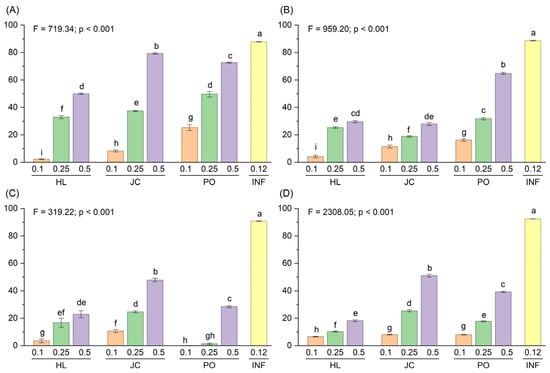
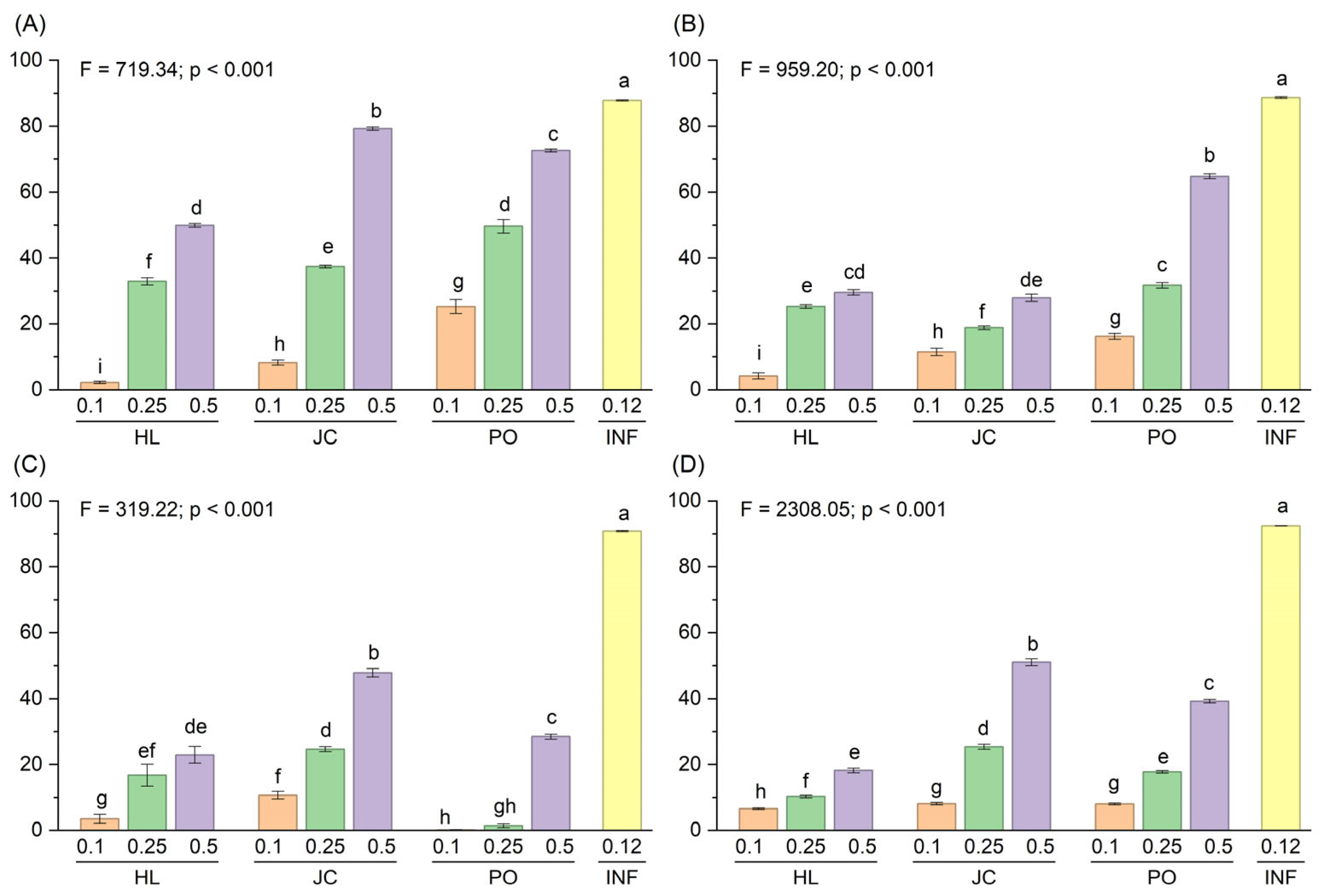
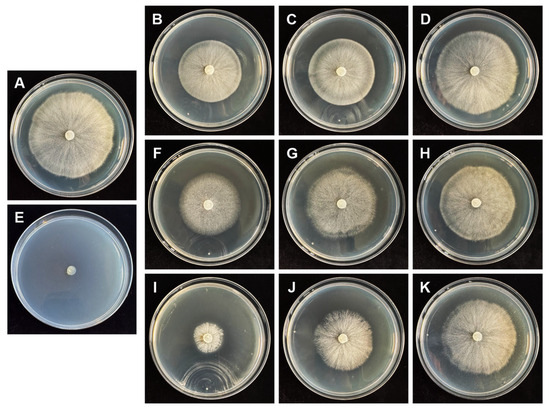
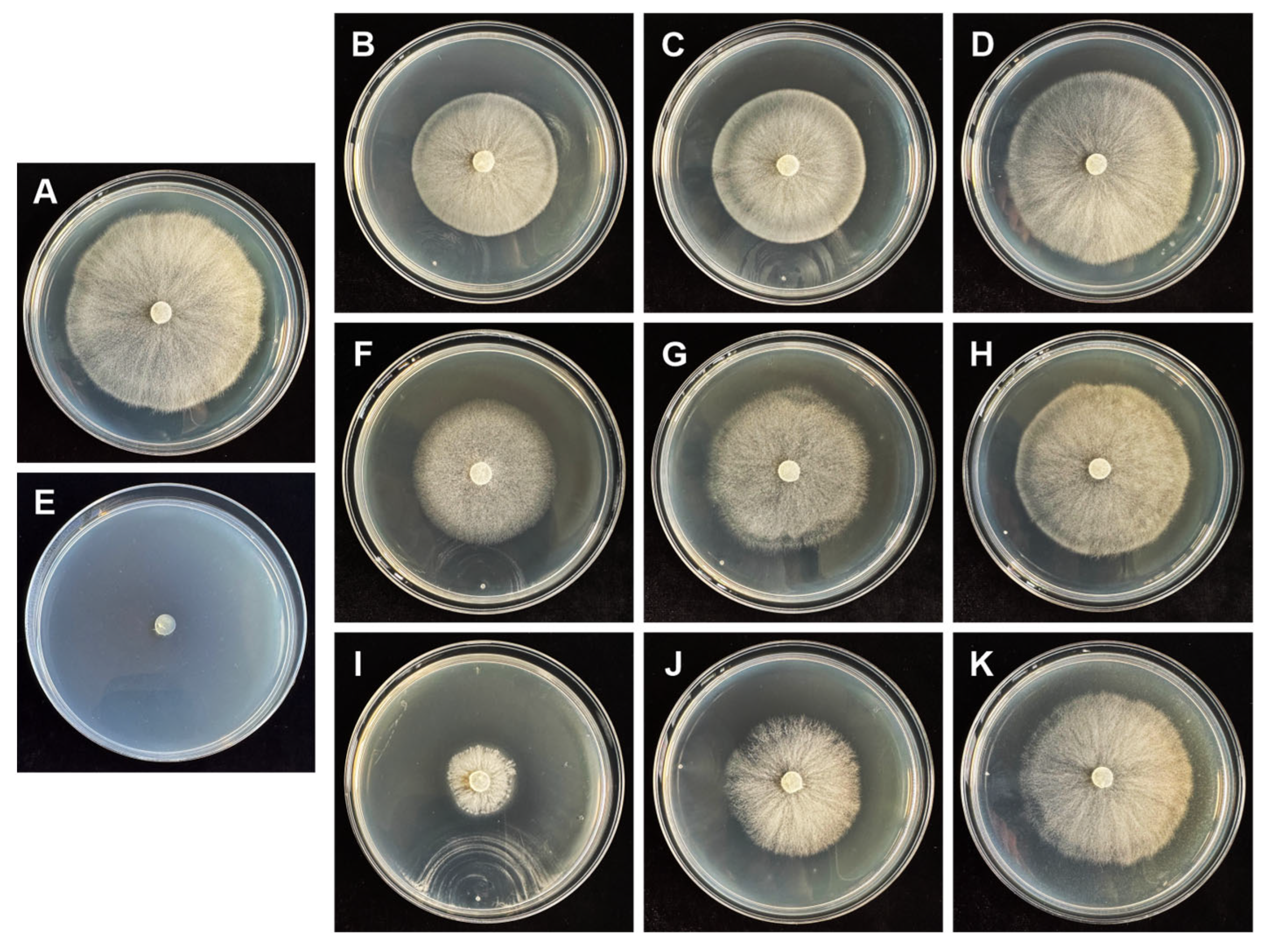
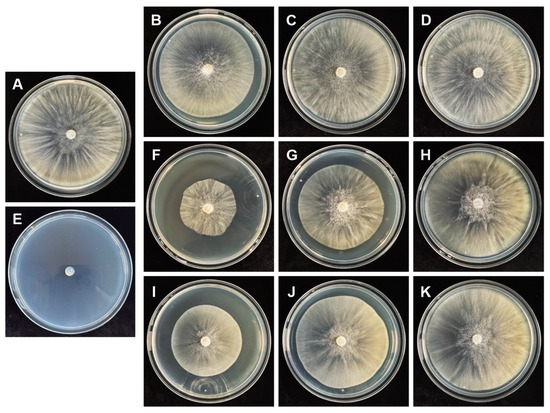
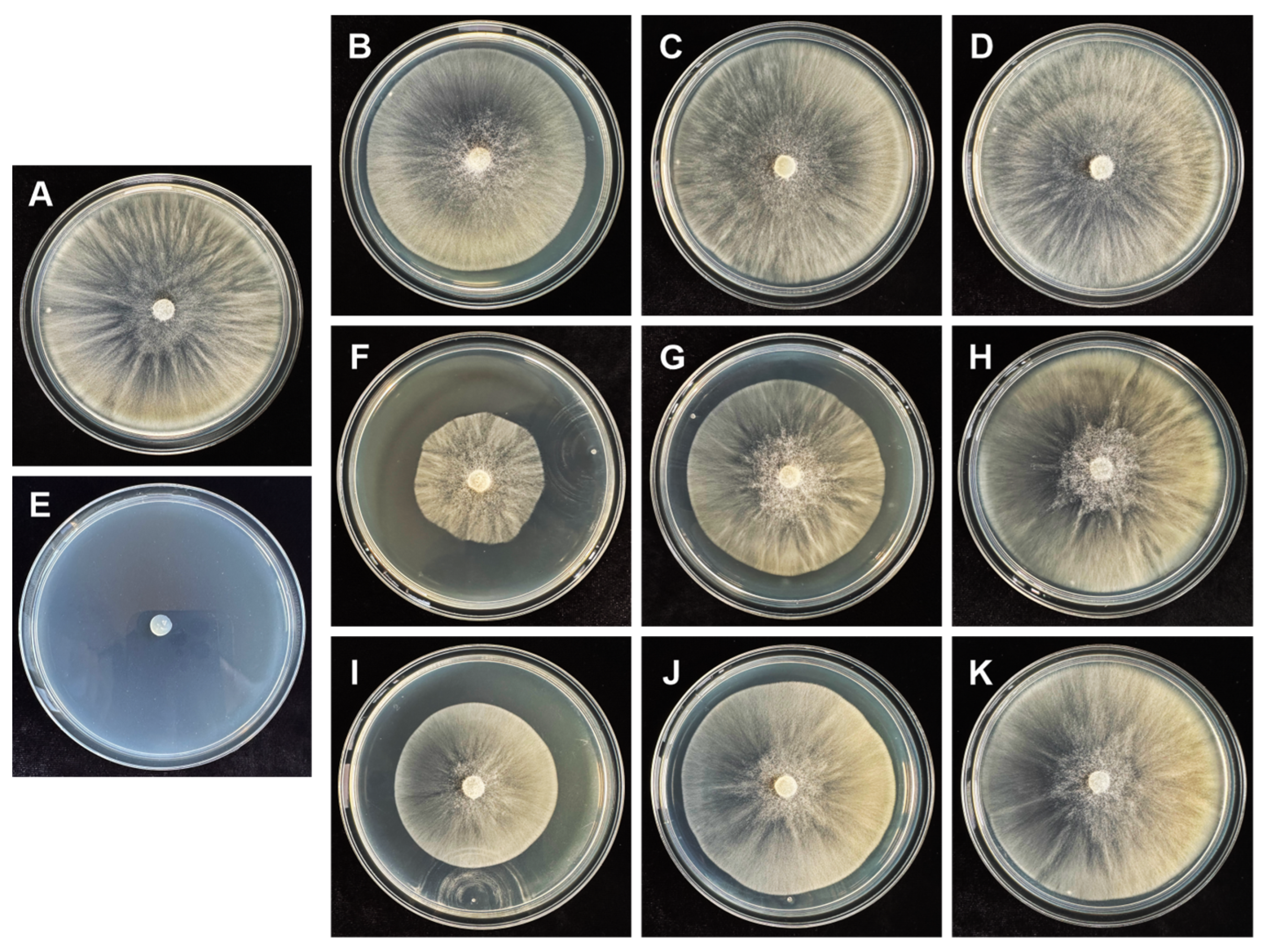
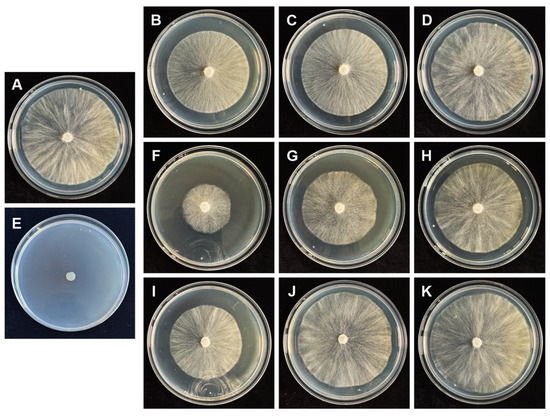
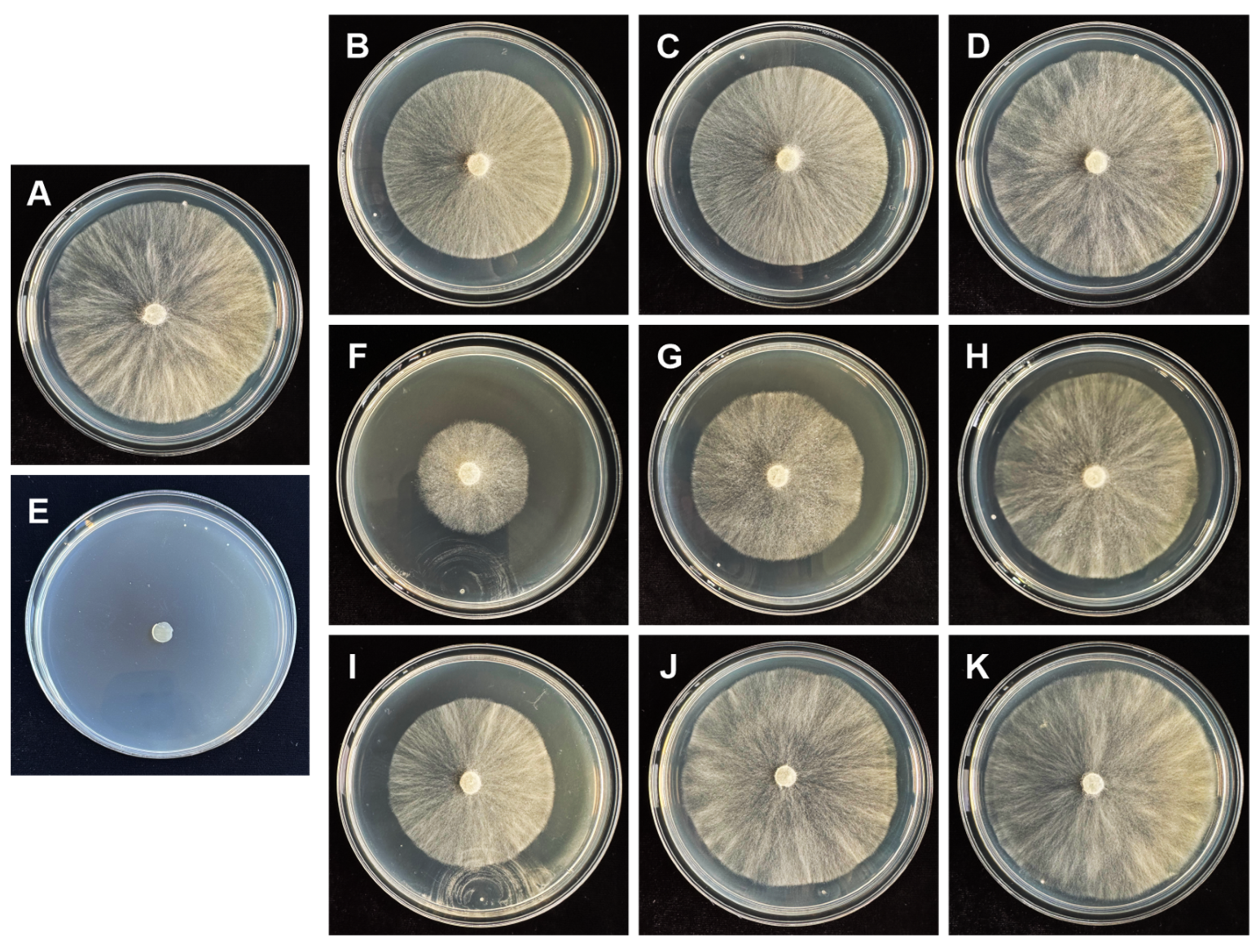
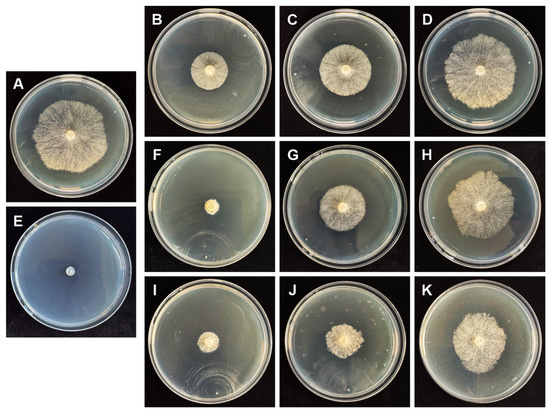
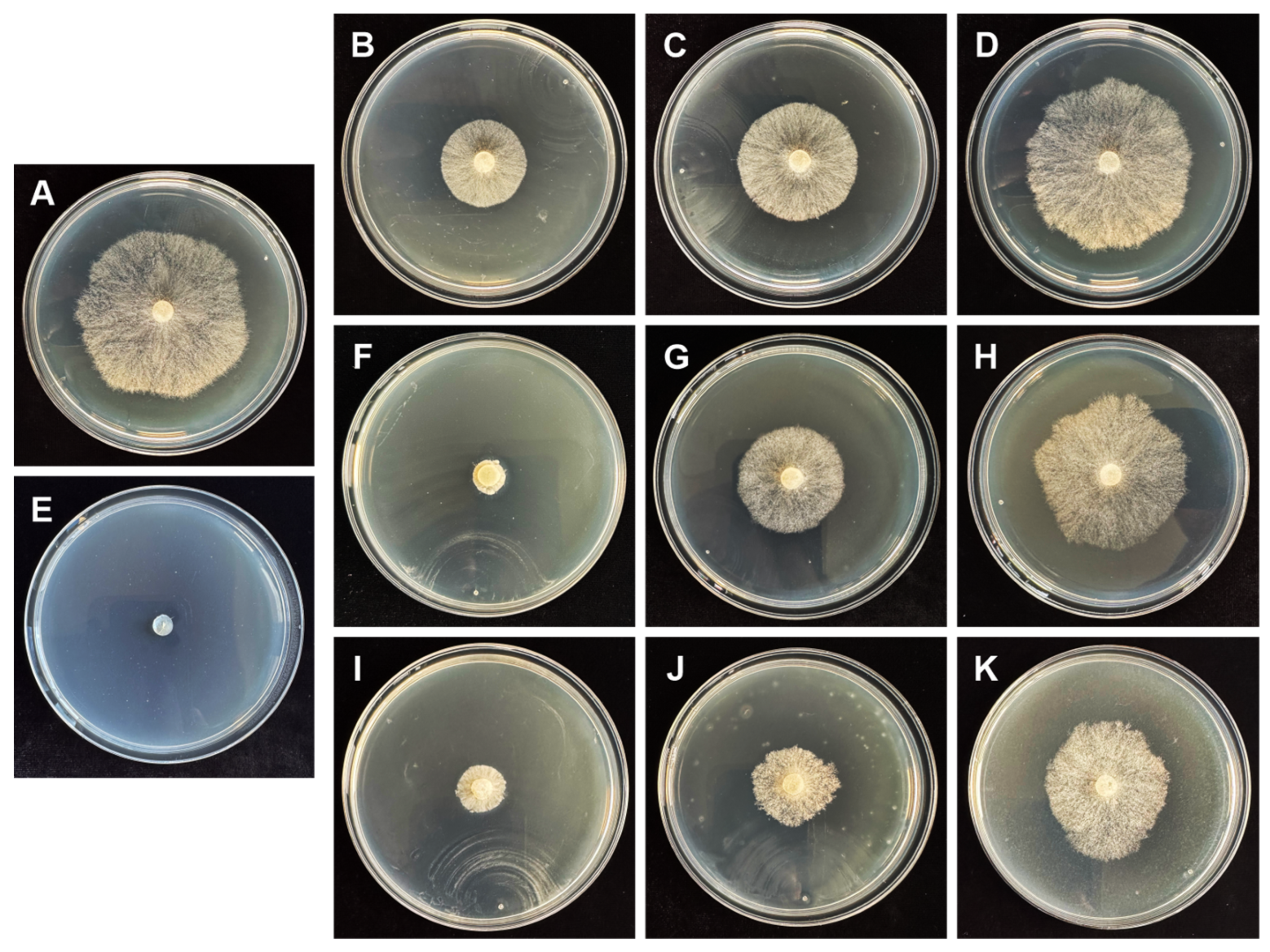

Disclaimer/Publisher’s Note: The statements, opinions and data contained in all publications are solely those of the individual author(s) and contributor(s) and not of MDPI and/or the editor(s). MDPI and/or the editor(s) disclaim responsibility for any injury to people or property resulting from any ideas, methods, instructions or products referred to in the content. |
© 2026 by the authors. Licensee MDPI, Basel, Switzerland. This article is an open access article distributed under the terms and conditions of the Creative Commons Attribution (CC BY) license.