


Abstract
Bamboo is a rapidly renewable lignocellulosic resource widely used in construction, composites, and bio-based materials. However, its practical applications are often limited by high hygroscopicity, biological degradation, and dimensional instability under humid conditions. This review synthesizes current research on bamboo structure, microbial interactions, and material modification strategies to better understand how bamboo-associated microbiomes influence both deterioration and potential material enhancement. We summarize conventional chemical and thermal modification approaches that improve hydrophobicity, durability, and mechanical stability while also discussing their technical limitations. Emerging studies on bamboo-associated microbial communities reveal complex interactions between fungi, bacteria, and lignocellulosic substrates, including enzymatic degradation, nutrient cycling, and potential bioprotective functions. Advances in multi-omics technologies have further provided insights into the functional gene pools and metabolic pathways involved in bamboo–microbe interactions. Recent conceptual developments in microbiome engineering and engineered living materials (ELMs) suggest possible future directions for integrating microbial functionality into bamboo-based materials. However, direct experimental evidence for microbial enhancement of bamboo structural performance remains limited. Future interdisciplinary research integrating material science, microbial ecology, and synthetic biology will be essential to evaluate the feasibility and safety of such biohybrid systems.
1. Introduction
As an eco-friendly and rapidly renewable resource, bamboo is increasingly being engineered and modified to overcome its inherent limitations. This review aims to provide an integrated overview of how bamboo-associated microbial communities interact with bamboo structure and material modification processes, with particular emphasis on their dual roles in deterioration, protection, and the future development of bio-intelligent bamboo materials. These include susceptibility to biological attack, poor dimensional stability, and low durability when exposed to moisture and ultraviolet light. The material’s durability is particularly limited in humid environments due to two primary mechanisms. First, bamboo is highly hygroscopic, meaning it readily absorbs moisture. This leads to dimensional instability, such as swelling and shrinking, during humidity fluctuations. Second, elevated moisture levels promote microbial colonization, especially by fungi and bacteria that degrade the material’s lignocellulosic structure through enzymatic activity. Modern synthesis research has focused on structural, chemical, and biomimetic approaches to improve these properties while maintaining the sustainability advantage of bamboo over other lignocellulosic materials. A comprehensive review of preservation and modification strategies emphasized that chemical treatments such as acetylation, alkali pretreatment, and hybrid polymerization substantially enhanced bamboo’s mechanical performance and biological durability, placing it on par with synthetic composites used in structural applications [1]. Thermal modification has been shown to improve the hydrophobicity and stability of bamboo fiber-reinforced composites by altering lignin and cellulose crystallinity, creating a less hygroscopic surface without resorting to toxic preservatives [2]. Innovative eco-friendly treatments have replaced heavy metals with plant-based extracts and organic acids, achieving comparable protection against fungi and termites while mitigating environmental toxicity [3]. Similarly, oil-heated treatments with flax and sunflower oils demonstrated marked improvements in compressive strength and moisture resistance, supporting their viability as sustainable preservation methods [4]. Recent biomimetic synthesis strategies have drawn inspiration from tooth enamel microstructures, yielding superhard, waterproof bamboo composites with remarkable abrasion resistance and self-healing properties through in situ cell wall reconstruction and selective oxidation [5]. The fabrication of bamboo–polypropylene and bamboo–epoxy composites has demonstrated significant advances in anti-mold, self-cleaning, and mechanical durability through nanoscale surface modifications and TiO2–polymer hybrid coatings, ensuring stable long-term performance under harsh environmental conditions [6]. Comparative studies across plant-based fibers, such as jute, flax, and hemp, have underscored bamboo’s superior tensile-to-weight ratio and renewability but noted its higher moisture sensitivity and greater variability in fiber structure [7]. The synthesis of bamboo-based composites with silane-modified polymers, such as poly(trimethoxy(4-vinylphenethyl)) silane, has reduced water absorption and improved mechanical stability, positioning bamboo as a viable candidate for high-performance eco-composites [8]. Additional research on the bonding mechanisms of bamboo composites highlighted the importance of adhesive penetration and surface chemistry, as structural heterogeneity between bamboo’s inner and outer layers affects bonding efficiency and mechanical strength [9]. Compared with wood-based composites, bamboo exhibits superior strength-to-density ratios and faster renewability, though it demands more sophisticated surface engineering to achieve equivalent dimensional stability [10]. To better distinguish conventional material-oriented approaches from later discussion of bamboo-associated microbial ecology, current trends in bamboo modification are summarized in Table 1, including representative chemical, thermal, and surface-engineering strategies. Table 1 presents the chemical and thermal modification strategies for bamboo enhancement. These approaches primarily target hydrophobicity, dimensional stability, biological durability, and mechanical performance at the material level and therefore provide an important background for evaluating whether microbial functions may offer complementary or alternative routes for bamboo protection and functionalization.
Table 1.
Chemical and Thermal Modification Strategies for Bamboo Enhancement.
The ecological roles of bamboo-associated microorganisms should be defined before their possible material applications are considered. This review primarily explores the ecological characteristics of decomposers, endophytes, rhizosphere microbiota, and protective microbial communities directly relevant to the durability and functional modification of bamboo materials. Root endophytic microorganisms in woody bamboo Cephalostachyum pingbianense support the view that bamboo tissues selectively recruit microorganisms with potential relevance to host performance [11]. During outdoor deterioration of round bamboo, fungal community composition changes over time, indicating functional succession during decay [12]. In this context, Ascomycota are discussed mainly in relation to early colonization and surface-associated deterioration, whereas Basidiomycota are more closely associated with advanced lignocellulosic decay [12]. In bamboo deterioration, Ascomycota and Basidiomycota generally occupy different positions along the decay continuum. Ascomycota are mainly associated with early colonization, surface mould, and the use of more accessible substrates, whereas Basidiomycota, particularly white-rot and brown-rot fungi, are more strongly associated with advanced lignocellulosic decay, including lignin depolymerization and deeper cell-wall degradation. This distinction helps explain why fungal succession in deteriorating bamboo is closely linked to progressive changes in both substrate composition and structural integrity. Beneficial bamboo-associated microorganisms have also been reported. Endophytic bacteria isolated from moso bamboo (Phyllostachys edulis) shoots showed multiple plant-growth-promoting traits [13]. Comparative studies in Pinus koraiensis further support the ecological importance of fungal functional turnover in lignified tissues [14]. In addition, bamboo phyllosphere microbiota and bamboo rat gut microbiomes provide further evidence for microbial functions related to lignocellulose transformation [15,16]. Together, these studies indicate that bamboo-associated microbial ecology is shaped by host association, community succession, and substrate utilization. This ecological basis is essential for later discussion of bamboo protection, microbiome engineering, and bamboo-based biohybrid materials. This is represented in Figure 1.
Figure 1.
Conceptual Framework of the Bamboo-Microbiome Holobiont. This schematic illustrates the dynamic balance within the bamboo-microbiome system. Central is a minimalist cross-section of bamboo culm highlighting vascular tissues and parenchyma. The top section depicts how bamboo’s physical and chemical properties act as filters, shaping microbial community assembly, with arrows indicating the influence of structural and compositional factors. The bottom section shows how microbial functions can cascade into detrimental effects such as decay or beneficial interactions like bio-protection and property enhancement. Encircling the entire system is a semi-transparent arrow representing external modulators such as bamboo age, environment, and processing influences. On the right, a dedicated panel outlines future research avenues including microbiome engineering, biomimetic design, and living materials. This figure encapsulates the holistic view of bamboo–microbe interactions, integrating host traits, microbial activities, and external factors.
Despite the growing interest in bamboo-based materials and plant-associated microbiomes, the interactions between bamboo’s structural properties, microbial communities, and material performance remain fragmented across disciplines. This review aims to synthesize current knowledge from material science, microbial ecology, and biotechnology to clarify how bamboo–microbe interactions influence durability, degradation, and potential material innovation. Specifically, this review (i) summarizes the structural and chemical characteristics of bamboo that shape microbial colonization and degradation processes, (ii) reviews conventional chemical and thermal modification strategies and their limitations, (iii) examines the composition and functional roles of bamboo-associated microbiota, and (iv) discusses emerging perspectives such as microbiome engineering and engineered living materials (ELMs) in bamboo-based systems. By integrating these perspectives, this review seeks to outline current evidence, identify knowledge gaps, and propose future research directions for developing sustainable bamboo-based biomaterials.
2. Literature Search and Review Methodology
To synthesize current knowledge on bamboo–microbe interactions and their implications for material development, a comprehensive literature survey was conducted using several scientific databases, including Web of Science, Scopus, PubMed, and Google Scholar. Publications from approximately 2000 to 2025 were considered to capture both foundational studies on bamboo durability and recent advances in microbial ecology, lignocellulosic degradation, and biohybrid material systems. The primary search keywords included combinations of “bamboo”, “bamboo microbiome”, “endophytes”, “lignocellulose degradation”, “bamboo preservation”, “bamboo modification”, “microbial enzymes”, “biomaterials”, “biohybrid materials”, and “engineered living materials”. Additional references were identified through backward citation tracking from key review articles and primary research papers. To improve reproducibility, explicit eligibility criteria were applied. Studies were included when they met at least one of the following conditions: (i) reported the structural, chemical, or physicochemical characteristics of bamboo relevant to microbial colonization, degradation, preservation, or material performance; (ii) examined microbial communities associated with bamboo tissues, surfaces, rhizosphere, or bamboo-derived substrates; (iii) investigated enzymatic or metabolic processes involved in the degradation or transformation of bamboo lignocellulosic components; (iv) evaluated chemical, thermal, biological, or composite modification strategies affecting bamboo durability, hydrophobicity, dimensional stability, or mechanical properties; or (v) discussed microbiome engineering, engineered living materials, or other microbial strategies with clear relevance to lignocellulosic material innovation and bamboo-based systems. Both original research articles and review papers were considered. Priority was given to peer-reviewed studies that reported experimental evidence, quantitative measurements, or mechanistic insights.
Studies were excluded when they focused primarily on bamboo taxonomy, breeding, agronomy, ecology, or plant pathology without a clear connection to bamboo–microbe interactions relevant to material durability or functional modification. Conference abstracts, patents, dissertations, non-scholarly web sources, and papers lacking accessible full text or sufficient methodological information were also excluded. When multiple publications reported substantially overlapping information, the most informative or recent source was preferentially retained.
The screening process was conducted in three steps. First, records retrieved from different databases were combined and duplicates were removed. Second, titles and abstracts were screened for topical relevance. Third, the full texts of potentially eligible studies were assessed against the predefined inclusion and exclusion criteria. For studies located at the interface of microbial ecology and materials science, inclusion was determined by whether they provided direct evidence or a clearly interpretable framework relevant to bamboo durability, degradation, preservation, or biohybrid material design. Borderline cases were re-evaluated through discussion among the authors until consensus was reached. Through this procedure, the final literature set was assembled to support the thematic synthesis presented in this review.
3. The Bamboo Culm: A Unique Microbial Habitat
3.1. Structure Dictates Ecology: The Role of Bamboo’s Vascular-Parenchymal System in Regulating Microbial Niches and Metabolism
The physical structure of bamboo constitutes a highly specialized microenvironment that orchestrates microbial colonization, nutrient dynamics, and gaseous exchange, shaping the internal ecological balance within its tissues. The vascular bundle system—comprising metaxylem vessels, phloem fibers, and parenchymal sheaths—functions as a network of longitudinal conduits that facilitate microbial migration and distribution along the culm, analogous to the “microbial highways” identified in other woody and grass species [17,18,19]. In bamboo, the abundant thin-walled parenchyma cells surrounding vascular bundles act as energy reservoirs rich in starch, lipids, and proteins, forming microbial “granaries” that sustain colonization and metabolic activity during both symbiotic and saprotrophic phases. The micro- and macro-porosity of bamboo tissues affects internal oxygen diffusion and therefore influences whether local microbial activity is predominantly aerobic or oxygen-limited. In vascular plant tissues, porosity-driven differences in oxygen availability are known to constrain microbial colonization and stratification, particularly between aerobic surface-associated communities and microbes adapted to more reduced internal conditions [20]. In bamboo, this effect is likely to vary with culm region, age, and tissue composition. The outer culm wall usually contains a higher proportion of fiber bundles and denser tissues, whereas the inner culm region contains more parenchyma and larger void space, creating differences in moisture retention, oxygen penetration, and substrate accessibility. In mature Phyllostachys edulis, reduced lumen diameter and thicker cell walls have been associated with more restricted water and oxygen movement in inner tissues, whereas younger tissues and root-associated compartments are structurally more favorable for metabolically active aerobic colonizers [21]. Comparative studies in mangrove and cane systems further show that internal oxygen transport and aerenchyma-related structure can shape redox conditions and microbial coexistence in plant tissues [22]. In addition, the high silicon content of bamboo cell walls, especially near vascular bundles, may influence microbial attachment and host–microbe interactions, as has also been discussed in other Si-rich grasses [23]. Taken together, these observations suggest that oxygen availability, tissue density, pore architecture, and wall chemistry jointly structure microbial niches in bamboo, rather than porosity alone determining microbial composition [24]. Consequently, the bamboo vascular-parenchymal architecture not only defines its mechanical performance but also orchestrates its internal microbiological equilibrium, mediating both degradation and resilience in a continuum of biophysical interactions. This is represented in Figure 2.
Figure 2.
Micro-Ecological Niches and Gradients within the Bamboo Culm. This figure is a conceptual schematic intended to summarize the proposed spatial heterogeneity of microbial habitats and microenvironmental gradients within bamboo tissues, rather than a direct experimental or microscopic observation. This detailed illustration displays the magnified cross-section of a bamboo culm, emphasizing spatial heterogeneity in microbial habitats. Vascular bundles are shown with inner xylem vessels hosting motile bacteria and hyphal fungi, forming ‘microbial highways’ facilitating migration. Parenchyma cells contain dense clusters of bacteria and yeast-like microbes labeled as ‘nutrient-rich granaries.’ An overlay indicates oxygen gradients, with outer regions being aerobic and interior zones more anaerobic, supported by semi-transparent color transitions. Chemical distributions reveal starch-rich parenchyma and lignocellulosic cell walls reinforced with silica. Labels and leader lines clarify tissue functions and microbial niches, providing insight into how microenvironmental gradients influence microbial diversity and activity within bamboo tissues.
3.2. Feast and Fortress: The Dual Role of Bamboo’s Chemical Ecology in Governing Microbial Succession and Material Durability
Bamboo represents a chemical ecosystem in which nutritional substrates, structural polymers, and bioactive metabolites form a dynamic interface with microbial communities, simultaneously nurturing and constraining microbial growth. At the initial stage of microbial colonization, readily available nutrients such as starch, soluble sugars, and proteins act as metabolic “feasts”, enabling opportunistic fungi and bacteria to proliferate rapidly upon exposure to humidity and oxygen. Bamboo shoots, particularly in Phyllostachys and Bambusa species, are enriched in these nutrients, which serve as immediate energy sources for early colonizers but also contribute to their rapid post-harvest deterioration [25]. This early-stage microbial bloom mirrors the dynamics seen in lignocellulosic residues and crop byproducts, where nutrient-rich matrices attract a transient population of sugar- and amino acid-metabolizing microbes prior to the establishment of specialized decomposers [26]. However, bamboo’s chemical composition soon transforms from a microbial nutrient source into a structural challenge. The ability to depolymerize these macromolecules is largely confined to specialized microbial guilds such as white-rot and brown-rot fungi, which deploy oxidative and hydrolytic enzyme systems including laccases, peroxidases, and cellulases [26]. This selective capability defines the later succession of microbial communities, leading to structural weakening and decay. Comparative biochemical research across woody plants indicates that lignin complexity and hemicellulose branching patterns are major determinants of microbial selectivity and degradation rates. In bamboo, this resistance is further enhanced by its high lignin and silica content. The lignin content in bamboo’s cell walls is typically 20%–30%, while silica deposits in the epidermal tissues create additional barriers against enzymatic attack [27]. Yet, in industrial contexts, this same chemical recalcitrance underpins bamboo’s potential for high-performance biochar, cellulose hydrogels, and nanostructured materials, converting microbial degradation knowledge into synthesis innovation [28,29]. Against this nutritional and structural duality stands bamboo’s arsenal of secondary metabolites—its biochemical “traps”. In addition to structural polymers and mineral deposition, bamboo contains bioactive constituents with reported antimicrobial activity. Antibacterial phytosterols, including stigmasterol and dihydrobrassicasterol, have been isolated from moso bamboo shoot skins, while antimicrobial chitin-binding peptides, Pp-AMP1 and Pp-AMP2, have been identified from Japanese bamboo shoots [30,31]. These compounds provide more direct evidence for bamboo-associated chemical defence than broad category-level descriptions alone. Together with lignification and silica deposition, they may contribute to the natural durability of bamboo and help restrict the establishment of decay-associated microorganisms. Thus, the “chemical feast and trap” dichotomy in bamboo creates a self-regulating biochemical ecosystem—one where nutrient-rich environments foster colonization, while complex polymers and antimicrobial metabolites govern long-term community composition and material stability. This dual functionality underscores bamboo’s evolutionary success as a sustainable bioresource and offers a blueprint for biomimetic preservation strategies rooted in its own chemical ecology.
3.3. From Nutrient Feast to Stress Resilience: Unfolding the Spatiotemporal Dynamics of Microbial Succession on Bamboo
The spatiotemporal dynamics of bamboo–microbe interactions illustrate a complex ecological succession influenced by plant ontogeny, environmental fluctuations, and anthropogenic processing. The effect of bamboo age, or “bamboo maturity gradient”, is particularly decisive: young culms (1–2 years old) exhibit higher concentrations of soluble sugars and proteins, which serve as substrates for opportunistic fungi and bacteria, accelerating early mold colonization. In contrast, older bamboo (3–5 years) undergoes extensive lignification and hemicellulose condensation, shifting microbial assemblages toward lignocellulose-degrading Basidiomycota and Ascomycota species that mediate structural decay [32,33]. This successional trajectory parallels that observed in woody systems, where age-dependent tissue recalcitrance reconfigures microbial dominance from sugar-metabolizing to lignin-depolymerizing taxa [34,35]. Seasonal shifts in microbial community structure further overlay this developmental pattern, with temperature and humidity acting as primary ecological “switches” that modulate microbial activity. Investigations in Cephalostachyum pingbianense demonstrated that soil temperature, moisture, and available phosphorus significantly drive fungal diversity and bacterial functional shifts, especially among nitrogen-fixing and carbohydrate-degrading microbes, which synchronize with the bamboo’s year-round shoot productivity [36]. Environmental humidity also exerts a controlling influence on microbial succession in post-harvest bamboo. Under high moisture and unroofed exposure, fungal diversity and biomass significantly increase, with Ascomycota gradually replacing Basidiomycota during prolonged weathering, coinciding with declines in hemicellulose and surface hydrophobicity [32]. These dynamic parallels wood chip storage processes in Populus spp., where controlled humidity and temperature shifts determine rates of dry matter loss and microbial composition transitions between mesophilic fungi and actinobacteria [37]. In bamboo forests, natural fluctuations such as drought or heavy rainfall episodes can modify litterfall, enzyme activity, and microbial respiration, thus altering soil nutrient cycling and community metabolism [38]. Moreover, phenological management practices—such as on- and off-year harvesting—have been shown to reverse nutrient depletion by modulating soil microbial carbon pools and community composition, confirming the microbial role in nutrient resilience within bamboo ecosystems [39]. Processing and storage stages amplify these natural microbial shifts. Mechanical harvesting and transport induce tissue damage that releases sugars and amino acids, creating transient hotspots for microbial colonization. Drying and thermal modification suppress these early populations but can induce oxidative stress-tolerant taxa capable of surviving desiccation and recolonizing under favorable moisture conditions. Seasonal phyllosphere studies further reveal that microbial composition is closely tied to ambient temperature, elevation, and host morphology, as demonstrated by shifts in Proteobacteria and Actinobacteria abundance across spring and autumn cycles in Fargesia and Yushania species [40]. Similarly, the bamboo rhizosphere exhibits temperature-sensitive microbial guilds that mediate carbon and nitrogen fluxes, underscoring the role of environmental periodicity in microbial functionality [41]. Collectively, these studies indicate that microbial succession in bamboo is not a purely abstract conceptual process but a literature-supported ecological trajectory shaped by host developmental stage, environmental conditions, and post-harvest disturbance. Young culms, characterized by relatively high concentrations of soluble sugars and proteins, are more susceptible to early colonization by opportunistic fungi and bacteria, whereas older culms with enhanced lignification and hemicellulose condensation tend to favor lignocellulose-degrading fungal assemblages associated with structural decay. Meanwhile, environmental factors—such as temperature, humidity, and nutrient availability—further regulate the aforementioned successional processes. Post-harvest weathering under high-moisture conditions adds another dimension to this process by promoting fungal biomass accumulation and compositional shifts, including the gradual replacement of Basidiomycota by Ascomycota during prolonged exposure. On this basis, Figure 3 summarizes a literature-informed successional framework in which host age, nutrient availability, seasonal rhythm, and moisture exposure jointly regulate the transition from early colonizers to lignocellulose-degrading and stress-tolerant microbial guilds.
Figure 3.
Spatiotemporal Succession of the Bamboo Microbiome. This figure is a conceptual infographic designed to illustrate a generalized succession pattern synthesized from the reviewed literature, rather than an experimentally derived temporal dataset. This infographic captures the dynamic succession of microbial guilds throughout bamboo’s lifespan and post-harvest stages. The horizontal timeline progresses from healthy, actively growing bamboo through harvest, weathering, and decay phases, each marked by representative icons. Overlaid dose curves depict the relative abundance of key guilds: endophytes dominate in the growth phase, opportunistic molds peak during early colonization, and lignocellulolytic fungi become prevalent during advanced decay. The bottom panel links microbial shifts to environmental drivers such as host physiology, nutrient availability, moisture, and lignin content. This visualization underscores the predictable yet complex ecological transitions within bamboo’s microbiome.
4. Inner-Wall Bamboo Microbiota and Their Two-Way Host Interactions
4.1. Vertical Inheritance and Horizontal Recruitment: Dual Pathways Shaping the Assembly and Function of Bamboo’s Core Microbiota
The core microbiota inhabiting bamboo tissues reflects a multi-domain ecosystem shaped by evolutionary adaptation, environmental exposure, and plant–microbe coevolutionary selection. Fungal taxa dominate as primary agents of discoloration, decay, and biotransformation. Members of Ascomycota—including Aspergillus and Penicillium—frequently colonize bamboo surfaces and parenchymal tissues, exploiting residual sugars and proteins, while Basidiomycota species such as white-rot and brown-rot fungi specialize in lignin and cellulose depolymerization, driving long-term structural degradation [31]. Within the bamboo root and rhizosphere, fungal and bacterial communities interact functionally, with Chytridiomycota and lignocellulose-degrading taxa contributing to nitrogen and carbon cycling [42]. This taxonomic complementarity mirrors patterns in forest and crop microbiomes, where Ascomycota serve as early colonizers and Basidiomycota dominate later successional stages due to their enzymatic oxidative capacity. The bacterial community within bamboo is equally diverse, encompassing the phyla Proteobacteria, Actinobacteria, and Firmicutes, each playing distinct ecological roles. Endophytic Paraburkholderia sacchari, for instance, promotes bamboo and dicot growth via production of acetoin, 2,3-butanediol, and auxins, illustrating the metabolic versatility and cross-kingdom symbiosis of bamboo endophytes [43]. Similarly, nitrogen-transforming bacteria within the bamboo–soil continuum mediate nutrient turnover, showing age-dependent functional differentiation along the bamboo lifecycle [42]. These communities are structured through both vertical and horizontal acquisition: vertically transmitted endophytes are inherited through roots or seeds, establishing early colonization niches, while horizontal infiltration occurs from soil, rainfall, or air via natural openings such as stomata or vascular ends [44]. The dominance of vertically inherited bacteria within young tissues emphasizes the “seed holobiont” hypothesis, whereby maternal transmission defines early microbiome trajectories before environmental exposure refines microbial composition. Archaea and viruses, though less studied, represent the cryptic “dark matter” of the bamboo microbiome. Archaeal communities, mainly composed of Thaumarchaeota and Crenarchaeota, thrive under variable redox conditions in bamboo rhizospheres, contributing to nitrogen mineralization and maintaining resilience under heavy metal or pH stress [45]. Viral consortia, both plant-associated and fungal, occupy dual ecological roles—modulating microbial population dynamics and mediating horizontal gene transfer across kingdoms. Endophytic viromes in plant systems have been shown to contain endogenous pararetroviral sequences (Caulimoviridae, Geminiviridae) and bacteriophages (Caudovirales), indicative of a soil-to-root horizontal transfer network [46]. Mycoviruses, persistently infecting fungal hosts through spores or hyphal contacts, likely shape the ecological equilibrium of bamboo fungal assemblages and have been proposed as potential biocontrol agents to mitigate wood decay and discoloration [47,48].
4.2. Microbial Tools and Strategies: Enzyme Systems and Metabolic Interactions Governing Lignocellulose Breakdown in Bamboo Ecosystems
The functional spectrum of microbial activity within bamboo ecosystems and related lignocellulosic environments reveals a complex biochemical machinery that governs degradation, transformation, and microbial interaction. Enzyme systems represent the most critical functional layer, forming the molecular “toolbox” for lignocellulose breakdown. White-rot fungi such as Pleurotus ostreatus and Ganoderma lucidum, together with Aspergillus niger, are capable of secreting synergistic cellulases, laccases, and lignin peroxidases, achieving cellulose and lignin degradation efficiencies exceeding 70% during bamboo biomass fermentation [26,49]. These enzymatic reactions are underpinned by carbohydrate-active enzymes (CAZymes) that catalyze the depolymerization of cellulose and hemicellulose, while oxidative enzymes such as laccase and lignin peroxidase dismantle complex aromatic lignin polymers into phenolic intermediates [50,51]. In comparative systems, gut symbiotic microbiota in bamboo-feeding insects and mammals exhibit functionally convergent enzyme repertoires—gut microbial consortia of the bamboo snout beetle and bamboo rats display high cellulase, xylanase, and ligninase activity, reflecting a microbially coordinated adaptation to lignocellulosic diets [16,52]. Beyond enzymatic decomposition, microbial metabolism generates a wide array of secondary metabolites and volatile organic compounds (VOCs) that mediate both bamboo degradation and sensory properties. Organic acids such as acetic and oxalic acids produced during fungal metabolism lower pH and accelerate cellulose hydrolysis, while microbial pigments and VOCs, including geosmin and 1-octen-3-ol, contribute to bamboo’s characteristic discoloration and mold odor. These metabolic byproducts parallel mechanisms reported in lignin bioconversion systems, where lignin-derived aromatic intermediates are funneled through multiple ring–cleavage pathways, while lignin exposure also activates the shikimic acid pathway, together supporting the generation of high-value bioproduct precursors [49,50,53]. Similarly, microbial co-culture systems often exhibit enhanced metabolite diversity and improved degradation efficiency through cross-feeding dynamics, where one microbial species deconstructs lignin into phenolics, which are then utilized by others for carbohydrate metabolism or detoxification. Species interactions within bamboo-associated microbiomes are driven by both cooperation and antagonism. Cooperative interactions manifest as enzymatic complementarity—fungal species such as Trichoderma harzianum or Phanerochaete chrysosporium produce cellulases and peroxidases that act sequentially or synergistically to maximize lignocellulose degradation efficiency [54,55]. Conversely, competitive inhibition and antibiotic production serve as mechanisms of microbial dominance. Trichoderma species are known to synthesize a range of antifungal metabolites and cell wall-degrading enzymes to suppress pathogens and occupy ecological niches, thereby influencing the balance between decay and protection. This antagonistic capacity parallels the antibiotic and VOC-mediated inhibitory interactions observed in bacterial and actinobacterial consortia within bamboo environments and composting systems, where species such as Bacillus and Lactobacillus produce lactic acid, hydrogen peroxide, and volatile aldehydes that restrict fungal overgrowth while enhancing enzyme activity [56].
4.3. From Surface Staining to Structural Failure: The Sequential Fungal Assault on Bamboo and Its Hierarchical Degradation Cascade
Microbial deterioration of bamboo represents a multifaceted biological process that sequentially progresses from surface colonization to structural decay, each phase being governed by specialized microbial guilds with distinct enzymatic and ecological functions. In the early stages, mold fungi such as Aspergillus, Penicillium, and Cladosporium dominate the surface, utilizing soluble sugars and proteins as energy sources, leading primarily to discoloration and aesthetic degradation without markedly affecting the bamboo’s mechanical integrity. These superficial infections occur rapidly under high humidity and moderate temperatures, as demonstrated in natural weathering studies where fungal abundance and diversity increased significantly during the first nine weeks of exposure [12]. Progressing deeper into the bamboo matrix, blue-stain fungi penetrate parenchyma cells, producing melanin-like pigments that cause permanent discoloration. These fungi, while not directly degrading cellulose or lignin, alter cell wall permeability and moisture absorption, predisposing bamboo to subsequent microbial invasion [32]. Structural deterioration becomes critical when white-rot and brown-rot fungi colonize the vascular and fibrous regions. White-rot fungi such as Trametes versicolor secrete lignin peroxidase and laccase, decomposing lignin and polysaccharides simultaneously, while brown-rot fungi like Gloeophyllum trabeum selectively depolymerize cellulose and hemicellulose through non-enzymatic Fenton chemistry, leaving a lignin-enriched residue. Microscopic analyses of Phyllostachys pubescens fibers demonstrated that G. trabeum preferentially degraded inner secondary walls, sparing the outer lamellae—mirroring the selective attack patterns seen in wood species like Pinus yunnanensis [57,58]. Such fungal colonization induces substantial declines in bamboo’s mechanical strength. Experimental exposure of engineered bamboo (glubam) to A. niger over 56 days caused up to 40% reduction in compressive strength and visible delamination along fiber interfaces, directly correlating fungal penetration with microstructural deterioration [59]. The rate of mechanical property loss parallels findings in wood–polymer composites, where fungal decay reduced tensile and impact strength while increasing modulus of elasticity and water absorption, reflecting cellulose chain scission and hemicellulose solubilization [60]. Similarly, outdoor weathering of Phyllostachys puberscence revealed preferential lignin and hemicellulose degradation within 150 µm of the surface, with crystalline cellulose largely preserved—an anatomical signature of photo-fungal synergy [61]. The combined biochemical and mechanical transformations highlight that fungal degradation is not a uniform process but a sequentially organized deterioration. Initially, surface molds cause aesthetic damage, followed by pigment-producing blue-stain fungi altering tissue permeability, and culminating in ligninolytic and cellulolytic decay by white- and brown-rot fungi that critically weaken structural integrity. In related lignocellulosic substrates, white-rot fungi exhibit simultaneous degradation, while brown-rot fungi deploy selective carbohydrate attack, a mechanistic duality also validated in bamboo pretreatment experiments where lignin removal reached up to 38% under microbial bio-pulping conditions [62]. These findings collectively affirm that microbial degradation in bamboo represents a hierarchical cascade, transitioning from superficial discoloration to structural collapse, governed by the enzymatic specialization and ecological succession of fungal consortia.
4.4. From Degraders to Co-Engineers: Reimagining Bamboo-Associated Microbes as Architects of Sustainable Biomaterials
The potential positive roles of bamboo-associated microorganisms are increasingly recognized as a frontier in sustainable biomaterial science, bridging microbial ecology, biotechnology, and material engineering. Endophytic bacteria and fungi, traditionally studied for their pathogenic or degradative roles, have now been revealed as potential bioprotectants, bio-modifiers, and bio-fabricators of functional materials. In plant systems, beneficial endophytes such as Bacillus, Paenibacillus, Pseudomonas, and Streptomyces have demonstrated strong antagonism toward phytopathogens by producing antimicrobial metabolites, siderophores, and volatile compounds that outcompete or inhibit fungal invaders through nutrient competition and spatial exclusion [63,64]. Although this has not yet been directly demonstrated in bamboo materials, similar dynamics may be plausible, whereby biofilm-forming and antimicrobial-producing endophytes colonizing vascular bundles may function as living bioprotectants by suppressing decay-causing fungi through continuous metabolite release. Studies in lucerne and maize confirmed that such endophytes maintain persistent disease suppression via lipopeptide-mediated antagonism, supporting their long-term colonization potential [65,66]. From a materials perspective, selective microbial modification offers a biotechnological route to enhance bamboo’s physicochemical performance. Controlled microbial colonization has been shown to induce selective hemicellulose degradation, improving dimensional stability and reducing hygroscopic expansion—effects paralleling enzymatic treatments used in engineered wood systems [67]. Furthermore, microbially induced biomineralization, a process wherein bacterial metabolic pathways precipitate calcium carbonate within plant pores, has been demonstrated to enhance hardness and fire resistance in lignocellulosic composites. Such microbial “bio-hardening” parallels natural biocementation observed in marine wood and limestone-associated biofilms, suggesting its translatability to bamboo pore reinforcement. Additionally, bamboo’s porous vascular architecture may provide a suitable matrix for microbial functionalization; however, the idea that endophytes could act as in situ micro-reactors for the synthesis of high-value compounds remains conceptual at present. Fungal endophytes have been documented to produce terpenoids, alkaloids, and non-ribosomal peptides with antimicrobial, antioxidant, and conductive properties [68]. In engineered systems, such secondary metabolite production suggests the possibility of biofunctionalizing bamboo surfaces for self-healing, anti-fouling, or conductive properties, although these functions have not yet been experimentally established in bamboo-based materials [69]. Bioprospecting of extremophilic endophytic bacteria isolated from Colobanthus quitensis has further demonstrated that certain fungal taxa are capable of simultaneously producing bioactive compounds and promoting the reinforcement of host tissues by stimulating secondary root growth. This suggests that they possess the potential to serve as “living enhancers” for improving mechanical stability and toughness—for instance, after engineered bamboo materials were exposed to an Aspergillus niger environment for 56 days, they exhibited a loss in compressive strength of up to 40% [70,71]. Collectively, these insights support a paradigm shift in bamboo microbiology—from viewing microorganisms as degraders to recognizing them as potential co-engineers of durable, intelligent, and sustainable biomaterials. Through the strategic manipulation of endophytic consortia, bamboo may eventually be developed toward a self-protective and functionally enhanced “living composite”; however, this remains a forward-looking concept rather than an experimentally validated outcome at present. Table 2 illustrates the key microbial taxa and their functional roles in bamboo ecosystems. Representative microbial VOCs associated with bamboo deterioration include fungal C8 compounds such as 1-octen-3-ol and 3-octanone, which are commonly associated with fatty-acid oxidation and linoleic-acid cleavage during fungal colonization and early decay. In contrast, odor-active compounds such as geosmin are more typically associated with actinobacterial metabolism.
Table 2.
Key Microbial Taxa and Their Functional Roles in Bamboo Ecosystems.
In comparison with conventional chemical and thermal modification strategies, emerging biological approaches offer a distinct but still largely complementary route for bamboo enhancement. Conventional treatments are currently more mature and controllable, and they can deliver rapid improvements in hydrophobicity, dimensional stability, and decay resistance; however, some of these methods remain constrained by energy input, chemical consumption, possible reductions in mechanical performance, or long-term environmental concerns. By contrast, microbe-mediated or biohybrid strategies are conceptually attractive because they may enable self-protection, selective surface functionalization, biomineralization, and adaptive responses under relatively mild processing conditions. Their main limitation, however, is that experimental evidence remains limited, and issues of stability, safety, controllability, and scale-up have not yet been adequately resolved. Therefore, rather than viewing these two routes as mutually exclusive, current evidence suggests that biological approaches are more likely to complement, refine, or partially replace conventional treatments in specific applications where environmental compatibility and functional responsiveness are prioritized.
5. Frontiers in Research Methodologies and Technologies
5.1. Uncovering the Functional Gene Pool: Metagenomic Insights into the Lignocellulose-Degrading Capabilities of Bamboo’s Microbiome
The transition from traditional culture-based microbiology, limited to the cultivable fraction of microbial taxa, to a metagenomic and high-throughput sequencing approach has fundamentally transformed our understanding of microbial ecology in bamboo and other lignocellulosic systems. Using 16S rRNA and ITS amplicon sequencing, previously hidden bacterial and fungal communities within plant matrices, soils, and animal digestive systems have been revealed, demonstrating extraordinary taxonomic and functional diversity. In bamboo and similar lignified plant systems, high-throughput amplicon sequencing uncovered dynamic microbial communities composed of Firmicutes, Proteobacteria, and Bacteroidota, with strong functional specialization for cellulose, hemicellulose, and lignin degradation [72]. Comparable studies in the gut microbiomes of giant pandas and beavers feeding on bamboo demonstrated that community composition and enzymatic potential adapt to the structural complexity of different bamboo parts, with metagenomic reconstructions revealing high abundance of carbohydrate-active enzymes (CAZymes) related to cellulase, xylanase, and ligninase activities [73,74]. Metagenomic sequencing offers deeper functional insights by reconstructing the “functional gene pool” directly from bamboo-associated environments. In compost-derived microbial consortia, metagenomes revealed thousands of CAZyme genes, including cellobiohydrolases, β-glucosidases, and lignin peroxidases, with Actinobacteria contributing nearly half of the enzymatic potential for lignocellulose decomposition [75]. Similarly, landfill metagenomes identified over 8000 CAZymes representing novel cellulose-degrading systems, including cellulosomes and polysaccharide utilization loci (PULs), demonstrating previously unrecognized enzymatic strategies for biomass conversion [76]. Bamboo analogs in natural straw composting systems also showed enrichment of microbial taxa with distinct CAZy and PUL repertoires, indicating evolutionary adaptation of microbial genomes to complex lignocellulosic substrates [69]. Beyond taxonomic identification, metagenomics has enabled the prediction of metabolic pathways underpinning microbial ecosystem functioning. In the gorilla and porcupine gut microbiomes, shotgun metagenomics revealed both bacterial and eukaryotic contributions to cellulose degradation, with anaerobic fungi and methanogenic archaea participating in terminal metabolic processes that mirror the anaerobic microhabitats of bamboo tissues [77,78]. Analogous microbial ecosystems, such as thermophilic composts and biogas digesters, exhibit sequential microbial succession and functional redundancy in lignin degradation and methanogenesis, illuminating the ecological parallels to bamboo’s microbial decay and recycling networks [79,80].
5.2. Unveiling the Biochemical Symphony: How Integrated Omics Reveals Coordinated Microbial Action in Lignocellulosic Systems
The integration of metatranscriptomics, metaproteomics, and metabolomics has enabled the transition from simply cataloguing “who is there” in microbial communities to understanding “what they are doing” under specific environmental conditions, such as high humidity, nutrient limitation, or substrate enrichment. In the context of lignocellulosic systems like bamboo, where microbial colonization directly mediates degradation and transformation processes, these multi-omics approaches provide mechanistic insights into functional activation, enzyme expression, and metabolic regulation within microbial consortia. Metatranscriptomic studies have shown that active microbial populations express complex networks of carbohydrate-active enzymes (CAZymes), including cellulases, hemicellulases, and lignin-modifying peroxidases, which are dynamically regulated by environmental factors. For instance, fungal metatranscriptomes from forest litter decomposition revealed that CAZyme transcription is strongly correlated with substrate chemistry and moisture content, with saprotrophic genera such as Mycena and Chalara dominating under humid conditions [81]. Similar functional redundancy and enzymatic shifts were found in compost and soil systems, where oxidative enzyme expression (AA2–AA6 families) increased during late lignin decay stages [82,83]. Metaproteomics further verifies the translation of such transcripts into active enzyme systems, revealing real-time enzymatic strategies and adaptive protein repertoires. In anaerobic microbiomes decomposing switchgrass, metaproteomic profiling demonstrated the enrichment of β-glucosidases, xylosidases, and auxiliary activity enzymes under high-solids conditions, maintaining stable carbohydrate solubilization despite oxygen limitation [84]. Likewise, metaproteomic studies on flax retting detected distinct CAZyme expression patterns linked to fiber quality and environmental variability, emphasizing that microbial enzymatic expression is both substrate- and site-dependent [85]. The combination of metatranscriptomics and metaproteomics in mixed microbial consortia degrading wheat straw identified over 1100 unique proteins involved in carbohydrate and lignin degradation, unveiling a community-level metabolic synergy that extends beyond single-species enzymology [86]. The metabolic layer provided by metabolomics complements these findings by mapping the actual biochemical products and signaling molecules generated during active degradation. Multi-omics integration in insect and rumen microbiomes—systems analogous to bamboo degradation—has shown coordinated expression of redox enzymes, fermentation intermediates, and detoxification pathways that sustain lignocellulose breakdown and microbial homeostasis [87,88]. For example, termite and beetle gut metatranscriptomes revealed that microbial CAZyme expression is compartmentalized along the digestive tract, with distinct microbial niches driving lignin oxidation, cellulose depolymerization, and short-chain fatty acid production [89,90]. Such spatially structured microbial functionality mirrors the potential microenvironments within bamboo tissues, where oxygen gradients and moisture may regulate microbial gene expression.
The combination of fluorescence in situ hybridization (FISH) and nanoscale secondary ion mass spectrometry (NanoSIMS) has revolutionized the visualization and spatially resolved functional analysis of microbial communities, bridging the gap between taxonomic identity and metabolic activity within natural substrates such as wood and bamboo. These techniques enable researchers to examine the localization, spatial organization, and in situ metabolic functions of individual microbial cells with nanometer precision, revealing how specific taxa interact with and transform their surrounding microenvironments. FISH and its advanced derivatives (e.g., CLASI-FISH, HiPR-FISH, BONCAT-FISH) have been employed to map microbial consortia within complex biofilms and plant-associated matrices, offering high-resolution spatial insight into community architecture and niche partitioning. Recent studies demonstrated that FISH-based visualization can capture micro-scale microbial heterogeneity that bulk sequencing approaches miss, unveiling structural coordination and metabolic stratification in biofilms [91]. The adaptation of flow cytometry-assisted FISH (FLOW-FISH) has further expanded analytical throughput, enabling rapid identification and sorting of specific microbial populations for downstream proteomic or genomic analysis [92]. Such spatially explicit microbial profiling parallels the ecological structuring expected within bamboo vascular bundles, where oxygen, moisture, and substrate gradients govern microbial colonization and interactions. The integration of NanoSIMS with FISH—termed FISH-NanoSIMS—has provided unprecedented single-cell resolution in detecting isotopic incorporation from labeled substrates, allowing the identification of which microbes actively assimilate carbon, nitrogen, or other nutrients in situ. For example, the newly developed Gold-FISH technique, combining gold-based probes with NanoSIMS, enabled targeted isotope tracking in plant-associated bacteria, revealing heterogeneous 15N enrichment among individual diazotrophic cells on the rice root surface, rather than a clear site-specific pattern along the root axis [93]. Similarly, correlative workflows integrating stable isotope probing (SIP), FISH, scanning electron microscopy (SEM), and NanoSIMS have allowed simultaneous analysis of cell identity, morphology, and isotope assimilation within complex microbial communities [94]. These methods confirm that single microbial cells within the same environment exhibit diverse metabolic roles, even when taxonomically similar—an observation critical for interpreting bamboo’s endophytic microbial dynamics. Applications in soil and rhizosphere microbiology have demonstrated how NanoSIMS can trace isotope-labeled substrates (e.g., 13C or 15N compounds) through the microbial network at submicron resolution, linking nutrient turnover to microbial hotspots [95,96]. NanoSIMS has revealed that individual soil bacteria assimilate isotopically labeled antibiotics or carbon sources directly from polymers, evidencing active metabolic exchange at the plastisphere–soil interface. In parallel, SRS-FISH (stimulated Raman scattering–FISH) has achieved high-throughput functional mapping of tens of thousands of individual cells, bridging identity and metabolic flux at unprecedented scale [97]. Table 3 outlines frontier research methods and their applications in bamboo microbiome studies.
Table 3.
Frontier Research Methods and Their Applications in Bamboo Microbiome Studies.
6. Research Directions and Future Prospects
The concept of “Bamboo Microbiome Engineering” aligns with emerging frameworks in microbial ecology and synthetic biology, which aim to design, inoculate, and regulate microbial communities to achieve functional outcomes such as bio-protection, biotransformation, and material enhancement. The paradigm builds upon extensive work in plant–microbe engineering, synthetic microbial consortia, and biocontrol inoculants, demonstrating that microbiomes can be rationally assembled and managed to perform specific ecological or biotechnological functions. In lignocellulosic systems like bamboo, where microbial colonization directly influences material stability and decay, this framework could transform microbial threats into engineered allies. Studies have shown that beneficial microbes can be purposefully assembled into synthetic microbial consortia to stabilize plant-associated ecosystems and enhance biocontrol efficiency under variable environmental conditions. For example, synthetic bacterial communities designed for the rhizosphere have been shown to improve stress-related plant performance and nutrient turnover in measurable ways. In cotton, seed application of a four-member SynCom increased germination by 14.3%, plant height by 7.4%, shoot biomass by 5.4%, flower number by 10.4%, and yield by 8.5%, while soil nitrate availability increased by 28% and 55% under two application regimes. In maize, a microbial consortia product stimulated root length development by 52% under reduced P supply with stabilized ammonium. In wheat, dual inoculation with PGPR and AMF increased grain yield by 41% compared with uninoculated controls. These findings provide a more stable and practical basis for the conceptual model of using synthetic microbial communities as stable inoculants in bamboo protection design [98,99]. Such consortia often integrate antagonistic endophytes that outcompete pathogenic fungi through antibiotic production, nutrient competition, and immune modulation—principles that mirror potential “probiotic” strategies for bamboo’s biodefense [100]. Similarly, Pantoea agglomerans has demonstrated antagonistic effects against wood-decay and fruit-pathogenic fungi through antibiotic secretion and biofilm formation, illustrating a viable model organism for endophytic bio-protection [101]. Synthetic biology extends these natural paradigms by reprogramming microbes to perform tailored biotechnological functions. Such genetically tuned strains could, in theory, be adapted for bamboo microbiome engineering to achieve in situ biofilm formation, selective degradation of extractives, or bio-silicification, thereby increasing bamboo’s dimensional stability and hydrophobicity. Moreover, the use of non-conventional yeasts and fungal endophytes in biotechnological applications demonstrates strong parallels with the bamboo context. Yeasts such as Pichia kudriavzevii have shown the capacity to tolerate environmental stress while producing hydrolases and bioactive compounds that modulate microbial community dynamics [102]. Fungal biodiversity, particularly within Trichoderma and Penicillium, continues to serve as a rich source of enzymes and secondary metabolites that could be exploited in engineered bamboo–microbe symbioses [103]. For example, cellulase, xylanase, laccase and chitinase are closely related to bamboo fiber surface modification, selective biomass deconstruction and antifungal protection. These fungi also produce secondary metabolites such as peptides, siderophores and volatile compounds (including 6-pentyl-2H-pyran-2-one), which can be used in engineered bioproducts such as antimicrobial coatings, bioprotective inoculants and functional biohybrid materials [104,105,106]. Parallel developments in technological microbiology and microbial bio-factories also support the feasibility of this approach. Microbial chassis systems designed through heterologous expression have successfully been used to biosynthesize polymers, hydrophobic coatings, and biofilms, paving the way for “living coatings” or self-healing materials applicable to bamboo [107]. This concept resonates with One Health microbiome integration, which emphasizes the ecological coherence of engineered microbiomes across environments for sustainable performance [108,109].
The study of bamboo–microbe systems offers a compelling foundation for biomimetic design in materials science and biotechnology, particularly through the discovery of novel lignocellulolytic enzymes and the reconstruction of ecologically stable microbial consortia that mimic natural resistance systems. Bamboo’s intrinsic resilience and the ability of its endophytic microbiota to maintain structural integrity under environmental stress reflect evolutionary optimization that can be translated into engineered biotechnological applications. Exploring this natural partnership provides a blueprint for designing synthetic, self-regulating systems for biorefinery, bio-protection, and material enhancement. Recent bioprospecting studies have revealed that endophytic and symbiotic microorganisms associated with lignocellulosic plants and insects harbor highly efficient and often uncharacterized enzyme systems for the degradation of lignin and hemicellulose. For instance, the lignocellulolytic Colletotrichum sp. OH isolated from plant tissues exhibited remarkable tolerance to lignocellulosic pretreatment inhibitors such as furfural and 5-hydroxymethylfurfural, while maintaining high β-glucosidase and endoglucanase activities, underscoring its potential for biomass hydrolysis under industrially relevant stressors [110]. Comparative studies have further emphasized that insect and ruminant digestive systems contain robust microbial networks capable of transforming complex plant polymers into fermentable sugars, highlighting strategies of metabolic partitioning and mutualistic resilience applicable to bamboo bioconversion systems [111]. Parallel research in plant-associated actinomycetes has demonstrated their role as potent decomposers and enzyme producers. Actinomycete consortia isolated from crop residues efficiently degraded lignocellulose through abundant CAZyme gene expression, particularly endoglucanases and glycosidases, reflecting the potential in developing inoculants or enzyme blends tailored to bamboo processing. The microbial biodiversity underlying such systems also reflects the biodiversity–function relationship observed in processes like hemp retting, where sequential microbial and enzymatic dynamics—from pectinases to cellulases—yield optimal fiber extraction and stability [112]. This functional succession offers an ecological model for designing stable bamboo microbiomes that sustain protective equilibrium while maintaining metabolic efficiency. At a broader evolutionary scale, fungal biodiversity remains an unparalleled source of biotechnological potential. Fungal endophytes, including Ascomycota and Basidiomycota, produce diverse lignocellulolytic enzymes and secondary metabolites that contribute to plant health and material durability [68,113]. These organisms exhibit remarkable adaptability and interspecies cooperation, traits that can be replicated in artificial consortia for bamboo protection or modification. The industrial promise of filamentous fungi extends to bio-based production of organic acids, biopolymers, and enzymatic catalysts, supported by advancements in metabolic and CRISPR-based strain engineering [114]. Likewise, thermophilic microorganisms and enzymes have been identified as ideal candidates for high-temperature bioprocesses, reducing energy input while maintaining catalytic performance in lignocellulose valorization [115]. The biomimetic approach extends beyond enzymatic mining to ecological system design, inspired by the stability and cooperation within natural microbial assemblages. Studies of insect fungiculture, where complex symbiotic consortia decompose lignocellulose while suppressing pathogens, have been proposed as models for circular, self-regulating degradation systems applicable to both biomass conversion and material protection [116]. These insights converge with fungal mycoremediation strategies that leverage similar enzymatic and ecological dynamics to detoxify pollutants and reinforce substrate integrity [117].
The emergence of “intelligent bamboo” and “living materials” represents a transformative frontier where biology and material science converge to produce self-sensing, self-healing, and adaptive biohybrid systems. This conceptual evolution draws directly from the field of Engineered Living Materials (ELMs), which integrate synthetic matrices with engineered microorganisms capable of autonomous sensing, actuation, and regeneration—mirroring natural resilience found in biological tissues. By embedding genetically programmed cells or spores into bamboo’s fibrous architecture, it becomes possible to endow the material with dynamic responses to environmental stimuli such as humidity, stress, or microbial invasion, effectively transforming static bamboo into a responsive, living composite. This is represented in Figure 4. Moreover, ELMs have recently emerged as a conceptual framework for integrating biological functions into material systems. In lignocellulosic materials, microbial components may theoretically provide functions such as self-healing, sensing, or bioactive surface modification. However, direct experimental studies demonstrating improved structural performance of bamboo materials through engineered microbial systems remain limited. At present, most research in this area remains exploratory or conceptual, and further experimental validation will be required to assess feasibility, stability, and safety.
Figure 4.
Vision for “Intelligent Bamboo”: A futuristic engineered living material.
The foundational framework for ELMs, established through the taxonomy proposed by Lantada, classifies living materials according to biological complexity and material integration, bridging natural and engineered hierarchies [118]. These materials embody life-like properties—autonomy, self-repair, and self-regulation—achieved through microbial genetic circuits and responsive polymer frameworks. Advances in synthetic biology have enabled the rational programming of living systems to synthesize biopolymers, secrete adhesives, or precipitate minerals upon mechanical stress, suggesting a feasible path toward self-healing bamboo composites [119]. In one of the most pioneering demonstrations, bacterial spores of Bacillus subtilis were 3D-printed within hydrogels to create resilient biohybrid materials capable of surviving desiccation and reactivating upon hydration to heal cracks and detect environmental toxins [120]. Such functionality closely parallels the proposed self-repair mechanisms in “smart bamboo”, wherein dormant microbial spores embedded in lignocellulosic matrices could germinate upon water infiltration and secrete biopolymers or minerals to seal structural microfractures. Simultaneously, ELMs have expanded into the biosensing domain, where living cells act as biological transducers, converting environmental inputs (e.g., humidity, pollutants, or pH) into optical or electrical outputs. Liu and Xu summarized major advances in biohybrid ELM sensors and actuators, showing that microbial and eukaryotic cells can be genetically engineered to respond to physical or chemical changes with colorimetric or luminescent signals, achieving real-time monitoring with minimal energy input [121]. The concept extends naturally to bamboo, whose porosity and vascular networks could support microbial networks functioning as embedded biosensors for moisture detection or environmental monitoring. The coupling of such living circuits with conductive nanomaterials—as explored in nano biohybrid systems—creates synergistic responses combining biological specificity and electronic precision [122]. Recent studies in biohybrid energy and self-repair systems demonstrate that microbial metabolic activity can be harnessed for autonomous energy production and adaptive material response. Yuan reviewed the concept of Engineered Living Energy Materials (ELEMs), which integrate metabolic redox processes into functional composites, opening possibilities for bamboo-based materials that convert environmental humidity or light into small-scale power sources [123]. Similarly, Proksch discussed the application of ELMs in the built environment, particularly for self-regulating architectural materials capable of surviving hydration cycles and performing photosynthetic or bioproduction functions under variable outdoor conditions [124]. These insights resonate with the potential for “living bamboo façades” or “bioactive cladding”, where engineered endophytes or photosynthetic symbionts could dynamically balance moisture, light, and microbial activity. The application of genetically programmed probiotics and endophytes in hybrid matrices further supports the feasibility of “living coatings” and biological sensing composites. Sabio emphasized the emergence of probiotic-based engineered materials that produce antimicrobial agents, repair biomembranes, or sense infections through metabolic signaling pathways [125]. Similarly, bio-inspired nanomaterials that mimic cellular responsiveness have been developed for microdevices capable of mechanical or chemical adaptation, including humidity-sensitive sensors and pressure-responsive interfaces [126].
The reexamination of traditional bamboo processing techniques, such as boiling, carbonization, smoking, and soaking, through the lens of modern microbiology reveals that these ancient methods may have inadvertently served as microbial domestication strategies, shaping the bamboo’s internal microbiome toward greater stability and resistance [127]. What were once empirical preservation practices rooted in experience now emerge as proto-biotechnological processes that mediated the ecological balance of endophytic and surface microbial populations. Modern microbial sequencing and material analysis allow for the identification of how these treatments modulate the bamboo microbiome, influencing both its durability and biochemical profile. Recent high-throughput studies have shown that treatments such as alkali soaking, boiling, and carbonization cause profound shifts in the fungal and bacterial communities associated with bamboo. For example, Han demonstrated that alkali-treated round bamboo exhibited a distinct succession of fungal taxa during natural weathering, where Basidiomycota dominated early colonization and Ascomycota increased in abundance as environmental moisture rose—indicating that alkaline treatment preconditions microbial ecological succession by altering nutrient accessibility and cell wall composition [32]. Similarly, alkaline pretreatment followed by controlled drying was found to facilitate partial delignification, reducing microbial load while maintaining matrix porosity conducive to subsequent colonization by resilient microbial taxa. These findings imply that historical methods such as soaking and boiling, long practiced in bamboo craftsmanship, may have exerted selective pressures that favored microbial species with symbiotic or inert metabolic profiles, unintentionally performing a “microbial screening” akin to domestication. Carbonization and smoking, two cornerstones of traditional bamboo treatment, have also been re-evaluated for their physicochemical and microbial implications. Carbonization, known to produce bamboo charcoal and liquid smoke, was found to yield bioactive condensates rich in phenolics and organic acids that act as broad-spectrum antimicrobial agents while simultaneously promoting beneficial microbial consortia in soils and plant systems [127,128]. The generation of phenolic-rich biochar surfaces was also shown to influence microbial colonization, favoring taxa associated with biocontrol and antioxidative processes [129]. This dual functionality—chemical sterilization and ecological rebalancing—suggests that traditional carbonization methods created microbially moderated interfaces on bamboo, extending durability while enhancing its ecological compatibility. Soaking and fermentation, historically employed to soften fibers and prevent mildew, also appear to act as microbial selection environments. Fermentative soaking mimics controlled microbial succession observed in spontaneous vegetable fermentations, where lactic acid bacteria and yeasts sequentially dominate, creating a biochemical milieu hostile to spoilage fungi [130]. Comparable ethnomicrobial strategies are evident in the traditional practices of the Himalayan and Southeast Asian regions, where bamboo shoots and culms undergo soaking, smoking, or fermentation for preservation [131,132]. These methods reflect a profound vernacular understanding of microbial succession and resource conservation. These traditional fermentative environments thus mirror laboratory biocontrol inoculations, where microbial consortia are guided through environmental conditioning. Modern studies in wood and bamboo preservation confirm that thermochemical treatments analogous to smoking and boiling not only remove labile carbon substrates but also create a selective environment suppressing pathogenic microbes while maintaining functional endophytes [1]. Even surface sterilization, once thought to be purely hygienic, has been shown to restructure plant microbiomes in ways that enhance resilience and diversity, suggesting that traditional treatments may have incidentally modulated endophytic equilibrium [133].
7. Conclusions
Bamboo and its associated microbiota form an interactive biological system in which structural traits, chemical composition, and microbial activity together influence durability, degradation, and environmental adaptability. Current research has moved beyond viewing microorganisms only as degraders and has shown that they may also contribute to nutrient cycling, host interaction, antagonism, and potential bio-protection. This review summarizes progress in bamboo modification strategies, bamboo-associated microbial communities, and emerging bioengineering perspectives. Conventional chemical and thermal treatments have improved moisture resistance, dimensional stability, and biological durability, while advances in sequencing and multi-omics have expanded understanding of the composition and functional potential of bamboo microbiota. These findings indicate that microbial processes are relevant not only to deterioration, but also to the future development of functional bamboo-based materials. However, direct evidence that targeted microbial manipulation can consistently improve bamboo material performance remains limited. Many proposed applications, including microbiome engineering, biomineralization, and bamboo-based living materials, are still at an early stage and require stronger experimental validation. Future research should focus on identifying key microbial taxa, metabolites, and pathways involved in degradation and protection and on linking these processes to measurable changes in bamboo properties. Clearer experimental systems, stronger integration of multi-omics with material testing, and evaluation of long-term stability and biosafety will be essential. Such efforts will help clarify whether bamboo-associated microorganisms can be developed into practical tools for sustainable bamboo preservation and material innovation.
Author Contributions
Conceptualization, Y.L. and S.S.; investigation, Y.L., R.L. and S.S.; writing—original draft preparation, Y.L. and R.L.; writing—review and editing, Y.L., R.L., P.G., Y.W. (Ying Wang), Y.S., C.X., Y.W. (Yuanhang Wu), Y.Z., L.Z., K.Z., H.L. and S.S.; visualization, S.S.; supervision, H.L. and S.S. All authors have read and agreed to the published version of the manuscript.
Funding
This work was supported by Hunan Forestry Science and Technology Innovation Project (XLK202455) and Hunan Provincial Natural Science Foundation Project (2025JJ60906).
Data Availability Statement
No new data were created or analyzed in this study. Data sharing is not applicable to this article.
Conflicts of Interest
The authors declare that they have no known competing financial interests or personal relationships that could have appeared to influence the work reported in this paper. No generative AI tools were used in the writing, editing, figure preparation, data analysis, or interpretation of this manuscript.
Abbreviations
The following abbreviations are used in this manuscript:
| ELMs | Engineered living materials |
| CAZymes | Carbohydrate-active enzymes |
| VOCs | Volatile organic compounds |
| PULs | Polysaccharide utilization loci |
| FISH | Fluorescence in situ hybridization |
| NanoSIMS | Nanoscale secondary ion mass spectrometry |
References
- Sulaeman, A.; Dungani, R.; Nurudin, N.; Hartati, S.; Karliati, T.; Aditiawati, P.; Hadiyane, A.; Suhaya, Y.; Sulistyono, S. Review on quality enhancement of bamboo utilization: Preservation, modification and applications. Asian J. Plant Sci. 2018, 17, 1–18. [Google Scholar] [CrossRef]
- Liang, Z.; Jiang, H.; Tan, Y. A review of thermal treatment for bamboo and its composites. Green Process. Synth. 2024, 13, 20230263. [Google Scholar] [CrossRef]
- Kaur, P.J.; Satya, S.; Pant, K.K.; Naik, S.N. Eco-friendly preservation of bamboo species: Traditional to modern techniques. BioResources 2016, 11, 10604–10624. [Google Scholar] [CrossRef]
- Bui, Q.-B.; Grillet, A.-C.; Tran, H.-D. A bamboo treatment procedure: Effects on the durability and mechanical performance. Sustainability 2017, 9, 1444. [Google Scholar] [CrossRef]
- Han, J.; Li, J.; Zhang, W.; Yao, S.; Yu, X.; Yu, X.; Guo, X.; He, S.; Guo, D.; Lu, Y. Nature-inspired tooth-mimetic bamboo hierarchical composites with superhard, waterproof, and stain-resistant protective structures. Adv. Compos. Hybrid Mater. 2025, 8, 345. [Google Scholar] [CrossRef]
- Zhao, H.; Lin, X.; Lu, S.; Wu, H.; Zhou, X.; Huang, L.; Li, J.; Shi, J.; Tong, W.; Yuan, H.; et al. Anti-mold, self-cleaning superhydrophobic bamboo fiber/polypropylene composites with mechanical durability. Front. Chem. 2023, 11, 1150635. [Google Scholar] [CrossRef] [PubMed]
- Camargo, M.M.; Taye, E.A.; Roether, J.A.; Redda, D.T.; Boccaccini, A.R. A review on natural fiber-reinforced geopolymer and cement-based composites. Materials 2020, 13, 4603. [Google Scholar] [CrossRef]
- Tatrishvili, T.; Mukbaniani, O.; Kvnikadze, N.; Chikhladze, S. Eco-friendly bamboo-based composites. Chem. Chem. Technol. 2024, 18, 44–53. [Google Scholar] [CrossRef]
- Sewar, Y.; Amran, M.; Avudaiappan, S.; Gamil, Y.; Rashid, R.S. Bonding strength performance of bamboo-based composite materials: An in-depth insight for sustainable construction applications. Heliyon 2024, 10, e32155. [Google Scholar] [CrossRef]
- Chaowana, P. Bamboo: An alternative raw material for wood and wood-based composites. J. Mater. Sci. Res. 2013, 2, 90. [Google Scholar] [CrossRef]
- Li, L.; Li, B.; Li, Q.; Wang, L.; Yang, H. Root endophytic microorganisms contribute to the attribute of full-year shooting in woody bamboo Cephalostachyum pingbianense. Microorganisms 2024, 12, 1927. [Google Scholar] [CrossRef]
- An, X.; Han, S.; Ren, X.; Sichone, J.; Fan, Z.; Wu, X.; Zhang, Y.; Wang, H.; Cai, W.; Sun, F. Succession of fungal community during outdoor deterioration of round bamboo. J. Fungi 2023, 9, 691. [Google Scholar] [CrossRef] [PubMed]
- Zhao, A.; Ding, X.; Huang, M.; Cheng, Y. Bioprospecting Plant-Growth-Promoting Endophytic Bacteria Isolated from Moso Bamboo (Phyllostachys edulis) Shoots. Forests 2023, 14, 2061. [Google Scholar] [CrossRef]
- Zhu, Y.; Ge, S.; Ren, L.; Luo, Y. Fungal dynamics and lignocellulose depolymerization in Pinus koraiensis: Impact of longhorn beetle infestation. BMC Microbiol. 2025, 25, 680. [Google Scholar] [CrossRef] [PubMed]
- Wang, X.; Li, Y.; Kang, L.; Zhang, Z.; Zhang, D.; Li, P.; Zhang, Q.; Ma, X.; Wang, J.; Hou, Y.; et al. Diversity, functions, and antibiotic resistance genes of bacteria and fungi are examined in the bamboo plant phyllosphere that serve as food for the giant pandas. Int. Microbiol. 2025, 28, 751–763. [Google Scholar] [CrossRef]
- Xiao, K.; Liang, X.; Lu, H.; Li, X.; Zhang, Z.; Lu, X.; Wang, H.; Meng, Y.; Roy, A.; Luo, W.; et al. Adaptation of gut microbiome and host metabolic systems to lignocellulosic degradation in bamboo rats. ISME J. 2022, 16, 1980–1992. [Google Scholar] [CrossRef]
- Cornwell, W.K.; Cornelissen, J.H.C.; Allison, S.D.; Bauhus, J.; Eggleton, P.; Preston, C.M.; Scarff, F.; Weedon, J.T.; Wirth, C.; Zanne, A.E. Plant traits and wood fates across the globe: Rotted, burned, or consumed? Glob. Chang. Biol. 2009, 15, 2431–2449. [Google Scholar] [CrossRef]
- Wang, Y.; Li, J.A.; Guo, P.; Liu, Q.; Ren, S.; Juan, L.; Yan, J. Ectopic expression of Camellia oleifera Abel. gibberellin 20-oxidase gene increased plant height and promoted secondary cell walls deposition in Arabidopsis. Planta 2023, 258, 65. [Google Scholar] [CrossRef]
- Guo, P.-R.; Jiang, X.-L.; Li, H.; Wang, Y.; Peng, J.; Zhang, M.-N.; Wang, J.; Wu, Y.-H.; Shi, Y.-D.; Sheng, S. Brassinosteroids orchestrate multi-layered drought adaptation in quercus glauca through integrated transcriptomic and metabolomic reprogramming. Tree Physiol. 2026, 46, tpag031. [Google Scholar] [CrossRef]
- Birt, H.W.G.; Tharp, C.L.; Custer, G.F.; Dini-Andreote, F. Root phenotypes as modulators of microbial microhabitats. Front. Plant Sci. 2022, 13, 1003868. [Google Scholar] [CrossRef]
- Madhavan, C.; Meera, S.P.; Kumar, A. Anatomical adaptations of mangroves to the intertidal environment and their dynamic responses to various stresses. Biol. Rev. 2024, 100, 1019–1046. [Google Scholar] [CrossRef]
- Marzorati, S.; Goglio, A.; Fest-Santini, S.; Mombelli, D.; Villa, F.; Cristiani, P.; Schievano, A. Air-breathing bio-cathodes based on electro-active biochar from pyrolysis of Giant Cane stalks. Int. J. Hydrogen Energy 2019, 44, 4496–4507. [Google Scholar] [CrossRef]
- Koley, S.; Garg, J.; Golui, K.; Rakshit, A. Microbially mediated silicon-based agro-wastes: A possible option in reducing bioaccumulation of arsenic. Front. Nutr. 2025, 12, 1657640. [Google Scholar] [CrossRef]
- Attalage, D.S. The Impact of Vegetation on the Performance of Landfill Engineered Biosystems. Ph.D. Thesis, University of Calgary, Calgary, AB, Canada, 2021. Available online: https://prism.ucalgary.ca (accessed on 20 January 2026).
- Ma, T.; Mo, W.; Lv, B.; Wang, W.; He, H.; Jian, C.; Liu, X.; Li, S.; Guo, Y. A review of the nutritional composition, storage challenges, processing technology and widespread use of bamboo shoots. Foods 2024, 13, 3539. [Google Scholar] [CrossRef]
- Huo, C.; Guo, Y.; Zhao, Y. Enhancing quality of ruminant feed through fungal treatment: Usage of bamboo shoot residues. PLoS ONE 2024, 19, e0302185. [Google Scholar] [CrossRef]
- Barhoum, A.; Jeevanandam, J.; Rastogi, A.; Samyn, P.; Boluk, Y.; Dufresne, A.; Danquah, M.K.; Bechelany, M. Plant celluloses, hemicelluloses, lignins, and volatile oils for the synthesis of nanoparticles and nanostructured materials. Nanoscale 2020, 12, 22845–22890. [Google Scholar] [CrossRef] [PubMed]
- Alfei, S.; Pandoli, O.G. Bamboo-based biochar: A still too little-studied black gold and its current applications. Xenobiotics 2024, 14, 416–451. [Google Scholar] [CrossRef]
- Cao, X.; Li, F.; Zheng, T.; Li, G.; Wang, W.; Li, Y.; Chen, S.; Li, X.; Lu, Y. Cellulose-based functional hydrogels derived from bamboo for product design. Front. Plant Sci. 2022, 13, 958066. [Google Scholar] [CrossRef]
- Tanaka, A.; Shimizu, K.; Kondo, R. Antibacterial compounds from shoot skins of moso bamboo (Phyllostachys pubescens). J. Wood Sci. 2013, 59, 155–159. [Google Scholar] [CrossRef]
- Fujimura, M.; Ideguchi, M.; Minami, Y.; Watanabe, K.; Tadera, K. Amino acid sequence and antimicrobial activity of chitin-binding peptides, Pp-AMP 1 and Pp-AMP 2, from Japanese bamboo shoots (Phyllostachys pubescens). Biosci. Biotechnol. Biochem. 2005, 69, 642–645. [Google Scholar] [CrossRef]
- Han, S.; An, X.; He, X.; Ren, X.; Sichone, J.; Wu, X.; Zhang, Y.; Wang, H.; Sun, F. Temporal dynamics of fungal communities in alkali-treated round bamboo deterioration under natural weathering. Microorganisms 2024, 12, 858. [Google Scholar] [CrossRef]
- Wang, Y.; Zhao, W.-W.; Li, R.-B.; Guo, P.-R.; Zhuo, R.-Y.; Peng, J.-Q.; Huang, W.-T.; Ouyang, Z.-Y.; Cao, S.-J.; Ji, L.; et al. Deciphering the of growth-mechanical trade-offs in moso bamboo through multi-omics approaches. Ind. Crop. Prod. 2025, 232, 121305. [Google Scholar] [CrossRef]
- Guo, P.-R.; Wu, L.-L.; Yin, S.-J.; Wang, Y.; Sheng, S.; Li, J.-A. Physiological and transcriptomic analyses reveal the regulatory mechanisms of floral response to drought stress in Camellia oleifera. Sci. Hortic. 2025, 353, 114467. [Google Scholar] [CrossRef]
- Guo, P.-R.; Wu, L.-L.; Wang, Y.; Liu, D.; Li, J.-A. Effects of drought stress on the morphological structure and flower organ physiological characteristics of Camellia oleifera flower buds. Plants 2023, 12, 2585. [Google Scholar] [CrossRef]
- Li, L.; Xia, T.; Yang, H. Seasonal patterns of rhizosphere microorganisms suggest carbohydrate-degrading and nitrogen-fixing microbes contribute to the attribute of full-year shooting in woody bamboo Cephalostachyum pingbianense. Front. Microbiol. 2022, 13, 1033293. [Google Scholar] [CrossRef] [PubMed]
- Hernandez-Estrada, A.; Pecenka, R.; Dumfort, S.; Ascher-Jenull, J.; Lenz, H.; Idler, C.; Hoffmann, T. Establishment of a laboratory scale set-up with controlled temperature and high humidity to investigate dry matter losses of wood chips from poplar during storage. Forests 2022, 13, 459. [Google Scholar] [CrossRef]
- Ge, X.; Wang, C.; Wang, L.; Zhou, B.; Cao, Y.; Xiao, W.; Li, M.-H. Drought changes litter quantity and quality, and soil microbial activities to affect soil nutrients in moso bamboo forest. Sci. Total. Environ. 2022, 838, 156351. [Google Scholar] [CrossRef]
- Huang, Z.; Li, Q.; Gai, X.; Zhang, X.; Zhong, Z.; Bian, F.; Yang, C. Effects of on- and off-year management practices on the soil organic C fractions and microbial community in a Moso bamboo (Phyllostachys edulis) forest in subtropical China. Front. Plant Sci. 2022, 13, 1020344. [Google Scholar] [CrossRef] [PubMed]
- Long, J.; Luo, W.; Xie, J.; Yuan, Y.; Wang, J.; Kang, L.; Li, Y.; Zhang, Z.; Hong, M. Environmental factors influencing the composition of phyllosphere bacterial communities in bamboo: A staple food source of giant pandas. Res. Sq. Prepr. 2021. [Google Scholar] [CrossRef]
- Wang, Y.; Chen, G.; Wang, Y.; Yu, D.; Gong, Y.; Yao, T.; Shan, Y. Optimizing nutrient cycling in organic waste composting: Role of SSP and Phanerochaete chrysosporium in mitigating nitrogen loss and efficient lignocellulose degradation. Water Environ. Res. 2025, 97, e70154. [Google Scholar] [CrossRef]
- Zhang, M.; Wang, W.; Bai, S.H.; Xu, Z.; Yun, Z.; Zhang, W. Phyllostachys edulis (moso bamboo) ages significantly affect soil nitrogen transformation and endophytic microbes but niche differentiations outweigh ages in shaping microbial communities of moso bamboo-soil system. Res. Sq. 2020. [Google Scholar] [CrossRef]
- Wang, K.; Wu, Y.; Ye, M.; Yang, Y.; Asiegbu, F.O.; Overmyer, K.; Liu, S.; Cui, F. Comparative genomics reveals potential mechanisms of plant beneficial effects of a novel bamboo-endophytic bacterial isolate Paraburkholderia sacchari Suichang626. Front. Microbiol. 2021, 12, 686998. [Google Scholar] [CrossRef] [PubMed]
- Moroenyane, I.; Tremblay, J.; Yergeau, É. Soybean microbiome recovery after disruption is modulated by the seed and not the soil microbiome. Phytobiomes J. 2021, 5, 418–431. [Google Scholar] [CrossRef]
- Zhang, X.; Li, Q.; Zhong, Z.; Huang, Z.; Bian, F. Characterization of the composition, structure, and functional potential of bamboo rhizosphere archaeal communities along a chromium gradient. Front. Microbiol. 2024, 15, 1372403. [Google Scholar] [CrossRef] [PubMed]
- Sutela, S.; Poimala, A.; Vainio, E.J. Viruses of fungi and oomycetes in the soil environment. FEMS Microbiol. Ecol. 2019, 95, 9. [Google Scholar] [CrossRef] [PubMed]
- Buivydaitė, Ž.; Winding, A.; Sapkota, R. Transmission of mycoviruses: New possibilities. Front. Microbiol. 2024, 15, 1432840. [Google Scholar] [CrossRef]
- Bi, L.; Islam, Z.F.; Chan, L.; Hu, H. The role of phyllosphere microbes and viruses in biocontrol of pathogenic fungi. Microb. Biotechnol. 2025, 18, e70251. [Google Scholar] [CrossRef]
- Liu, W.; Xu, L.; Cheng, H.; Chen, Z.; Zhou, H.; Wang, Y. Insights into lignin bioconversion: Lignin-derived compounds treatment of a novel marine fungus K-2. J. Sci. Food Agric. 2025, 105, 1651–1662. [Google Scholar] [CrossRef]
- Madadi, M.; Abbas, A. Lignin degradation by fungal pretreatment: A review. J. Plant Pathol. Microbiol. 2017, 8, 1–6. [Google Scholar]
- Kameshwar, A.K.S.; Qin, W. Recent developments in using advanced sequencing technologies for the genomic studies of lignin and cellulose degrading microorganisms. Int. J. Biol. Sci. 2016, 12, 156–171. [Google Scholar] [CrossRef]
- Luo, C.; Li, Y.; Chen, Y.; Fu, C.; Long, W.; Xiao, X.; Liao, H.; Yang, Y. Bamboo lignocellulose degradation by gut symbiotic microbiota of the bamboo snout beetle Cyrtotrachelus buqueti. Biotechnol. Biofuels 2019, 12, 70. [Google Scholar] [CrossRef]
- Wang, Y.; Wang, J.-H.; Guo, P.-R.; Peng, J.; Xie, C.-Z.; Shi, Y.-D.; Wu, Y.-H.; Liao, D.-Z.; Sheng, S. Developmental regulatory genes in recalcitrant forest trees: Advances in somatic regeneration and genetic transformation. Front. Plant Sci. 2025, 16, 1689705. [Google Scholar] [CrossRef]
- Wang, Y.; Ren, H.; Zhong, Y.; Song, R.; Jiang, S.; Lai, M.; Shen, Y.; Liu, S.; Shi, W.; Qi, G. Microbial diversity and function in bamboo ecosystems. Front. Microbiol. 2025, 16, 1533061. [Google Scholar] [CrossRef]
- Sood, M.; Kapoor, D.; Kumar, V.; Sheteiwy, M.S.; Ramakrishnan, M.; Landi, M.; Araniti, F.; Sharma, A. Trichoderma: The “Secrets” of a Multitalented Biocontrol Agent. Plants 2020, 9, 762. [Google Scholar] [CrossRef]
- Yin, Y.; Yang, C.; Tang, J.; Gu, J.; Li, H.; Duan, M.; Wang, X.; Chen, R. Bamboo charcoal enhances cellulase and urease activities during chicken manure composting: Roles of the bacterial community and metabolic functions. J. Environ. Sci. 2021, 108, 84–95. [Google Scholar] [CrossRef]
- Cho, C.H.; Lee, K.H.; Kim, J.S.; Kim, Y.S. Micromorphological characteristics of bamboo (Phyllostachys pubescens) fibers degraded by a brown rot fungus (Gloeophyllum trabeum). J. Wood Sci. 2008, 54, 261–265. [Google Scholar] [CrossRef]
- Qi, J.; Zhang, X.; Zhou, Y.; Zhang, C.; Wen, J.; Deng, S.; Luo, B.; Fan, M.; Xia, Y. Selectively enzymatic conversion of wood constituents with white and brown rot fungi. Ind. Crop. Prod. 2023, 199, 116703. [Google Scholar] [CrossRef]
- Chen, C.Q.; Zhang, S.J.; Kong, Y.B.H.; Ji, T.; Huang, W.W.; Hu, Y.T.; Zhang, D.W.; Xiao, Y. Compressive strength degradation of engineered bamboo subjected to fungal attack. npj Mater. Degrad. 2023, 7, 92. [Google Scholar] [CrossRef]
- Feng, J.; Li, S.; Peng, R.; Sun, T.; Xie, X.; Shi, Q. Effects of fungal decay on properties of mechanical, chemical, and water absorption of wood plastic composites. J. Appl. Polym. Sci. 2021, 138, 50022. [Google Scholar] [CrossRef]
- Kim, Y.S.; Lee, K.H.; Kim, J.S. Weathering characteristics of bamboo (Phyllostachys pubescens) exposed to outdoors for one year. J. Wood Sci. 2016, 62, 332–338. [Google Scholar] [CrossRef]
- Li, Y.; Zhang, J.; Li, J.; You, L.; Wang, T.; Tian, Z.; Chen, W. Screening of a lignin decomposing bacterium and its application in bamboo biomechanical pulping. PLoS ONE 2025, 20, e0326076. [Google Scholar] [CrossRef]
- Mageshwaran, V.; Gupta, R.; Singh, S.; Sahu, P.K.; Singh, U.B.; Chakdar, H.; Bagul, S.Y.; Paul, S.; Singh, H.V. Endophytic Bacillus subtilis antagonize soil-borne fungal pathogens and suppress wilt complex disease in chickpea plants. Front. Microbiol. 2022, 13, 994847. [Google Scholar] [CrossRef]
- Ali, A.; Ahmed, T.; Ibrahim, E.; Rizwan, M.; Chong, K.P.; Yong, J.W.H. A review on mechanisms and prospects of endophytic bacteria in biocontrol of plant pathogenic fungi and their plant growth-promoting activities. Heliyon 2024, 10, e31573. [Google Scholar] [CrossRef]
- Dissanayakalage, S.S.H.; Kaur, J.; Achari, S.R.; Sawbridge, T.I. Identification of in planta bioprotectants against Fusarium wilt in Medicago sativa L. (lucerne) from a collection of bacterial isolates derived from Medicago seeds. Front. Microbiol. 2025, 16, 1544521. [Google Scholar] [CrossRef]
- Adeniji, A.A.; Aremu, O.S.; Babalola, O.O. Selecting lipopeptide-producing, Fusarium-suppressing Bacillus spp.: Metabolomic and genomic probing of Bacillus velezensis NWUMFkBS10.5. Microbiologyopen 2019, 8, e00742. [Google Scholar] [CrossRef]
- Sellitto, V.M.; Zara, S.; Fracchetti, F.; Capozzi, V.; Nardi, T. Microbial biocontrol as an alternative to synthetic fungicides: Boundaries between pre- and postharvest applications on vegetables and fruits. Fermentation 2021, 7, 60. [Google Scholar] [CrossRef]
- Wadhwa, K.; Kapoor, N.; Kaur, H.; Abu-Seer, E.A.; Tariq, M.; Siddiqui, S.; Yadav, V.K.; Niazi, P.; Kumar, P.; Alghamdi, S. A comprehensive review of the diversity of fungal secondary metabolites and their emerging applications in healthcare and environment. Mycobiology 2024, 52, 335–387. [Google Scholar] [CrossRef]
- Kimeklis, A.K.; Gladkov, G.V.; Orlova, O.V.; Lisina, T.O.; Afonin, A.M.; Aksenova, T.S.; Kichko, A.A.; Lapidus, A.L.; Abakumov, E.V.; Andronov, E.E. Metagenomic insights into the development of microbial communities of straw and leaf composts. Front. Microbiol. 2024, 15, 1485353. [Google Scholar] [CrossRef]
- Perazzolli, M.; Vicelli, B.; Antonielli, L.; Longa, C.M.O.; Bozza, E.; Bertini, L.; Caruso, C.; Pertot, I. Simulated global warming affects endophytic bacterial and fungal communities of Antarctic pearlwort leaves and some bacterial isolates support plant growth at low temperatures. Sci. Rep. 2022, 12, 18839. [Google Scholar] [CrossRef]
- Bertini, L.; Perazzolli, M.; Proietti, S.; Capaldi, G.; Savatin, D.V.; Bigini, V.; Longa, C.M.O.; Basaglia, M.; Favaro, L.; Casella, S.; et al. Biodiversity and bioprospecting of fungal endophytes from the Antarctic plant colobanthus quitensis. J. Fungi 2022, 8, 979. [Google Scholar] [CrossRef]
- Gan, Y.; Wu, Y.-J.; Dong, Y.-Q.; Li, Q.; Wu, S.-G.; Jin, Y.-Q.; Lu, T.-F. The study on the impact of sex on the structure of gut microbiota of bamboo rats in China. Front. Microbiol. 2023, 14, 1276620. [Google Scholar] [CrossRef]
- Yan, Z.; Xu, Q.; Hsu, W.H.; Esser, S.S.; Ayala, J.; Hou, R.; Yao, Y.; Jiang, D.; Yuan, S.; Wang, H. Consuming different structural parts of bamboo induces gut microbiome changes in captive Giant Pandas. Curr. Microbiol. 2021, 78, 2998–3009. [Google Scholar] [CrossRef]
- D’Souza, G.; Schwartzman, J.; Keegstra, J.; Schreier, J.E.; Daniels, M.; Cordero, O.X.; Stocker, R.; Ackermann, M. Interspecies interactions determine growth dynamics of biopolymer-degrading populations in microbial communities. Proc. Natl. Acad. Sci. USA 2023, 120, e2305198120. [Google Scholar] [CrossRef]
- Wang, C.; Dong, D.; Wang, H.; Müller, K.; Qin, Y.; Wang, H.; Wu, W. Metagenomic analysis of microbial consortia enriched from compost: New insights into the role of actinobacteria in lignocellulose decomposition. Biotechnol. Biofuels 2016, 9, 22. [Google Scholar] [CrossRef]
- Ransom-Jones, E.; McCarthy, A.J.; Haldenby, S.; Doonan, J.; McDonald, J.E. Lignocellulose-degrading microbial communities in landfill sites represent a repository of unexplored biomass-degrading diversity. mSphere 2017, 2, e00300-17. [Google Scholar] [CrossRef]
- Houtkamp, I.M.; Langhout, M.v.Z.; Bessem, M.; Pirovano, W.; Kort, R. Multiomics characterisation of the zoo-housed gorilla gut microbiome reveals bacterial community composition shifts, fungal cellulose-degrading, and archaeal methanogenic activity. Gut Microbiome 2023, 4, e11. [Google Scholar] [CrossRef]
- Finlayson-Trick, E.C.L.; Getz, L.J.; Slaine, P.D.; Thornbury, M.; Lamoureux, E.; Cook, J.; Langille, M.G.I.; Murray, L.E.; McCormick, C.; Rohde, J.R.; et al. Taxonomic differences of gut microbiomes drive cellulolytic enzymatic potential within hind-gut fermenting mammals. PLoS ONE 2017, 12, e0189404. [Google Scholar] [CrossRef]
- Antunes, L.P.; Martins, L.F.; Pereira, R.V.; Thomas, A.M.; Barbosa, D.; Lemos, L.N.; Silva, G.M.M.; Moura, L.M.S.; Epamino, G.W.C.; Digiampietri, L.A.; et al. Microbial community structure and dynamics in thermophilic composting viewed through metagenomics and metatranscriptomics. Sci. Rep. 2016, 6, 38915. [Google Scholar] [CrossRef]
- Stolze, Y.; Bremges, A.; Rumming, M.; Henke, C.; Maus, I.; Pühler, A.; Sczyrba, A.; Schlüter, A. Identification and genome reconstruction of abundant distinct taxa in microbiomes from one thermophilic and three mesophilic production-scale biogas plants. Biotechnol. Biofuels 2016, 9, 156. [Google Scholar] [CrossRef]
- Guerreiro, M.A.; Kambach, S.; Stoll, R.; Brachmann, A.; Senker, J.; Begerow, D.; Peršoh, D. Linking processes to community functions—Insights into litter decomposition combining fungal metatranscriptomics and environmental NMR profiling. Mycol. Prog. 2023, 22, 10. [Google Scholar] [CrossRef]
- Kalntremtziou, M.; Papaioannou, I.A.; Vangalis, V.; Polemis, E.; Pappas, K.M.; Zervakis, G.I.; Typas, M.A. Evaluation of the lignocellulose degradation potential of Mediterranean forest soil microbial communities through diversity and targeted functional metagenomics. Front. Microbiol. 2023, 14, 1121993. [Google Scholar] [CrossRef]
- Silva, J.P.; Ticona, A.R.P.; Hamann, P.R.V.; Quirino, B.F.; Noronha, E.F. Deconstruction of lignin: From enzymes to microorganisms. Molecules 2021, 26, 2299. [Google Scholar] [CrossRef]
- Chirania, P.; Holwerda, E.K.; Giannone, R.J.; Liang, X.; Poudel, S.; Ellis, J.C.; Bomble, Y.J.; Hettich, R.L.; Lynd, L.R. Metaproteomics reveals enzymatic strategies deployed by anaerobic microbiomes to maintain lignocellulose deconstruction at high solids. Nat. Commun. 2022, 13, 3695. [Google Scholar] [CrossRef]
- Mukherjee, S.; Goulas, E.; Creach, A.; Krzewinski, F.; Galinousky, D.; Blervacq, A.-S.; D’Arras, P.; Ratahiry, S.; Menuge, A.; Soulat, D.; et al. Metaproteomics identifies key cell wall degrading enzymes and proteins potentially related to inter-field variability in fiber quality during flax dew retting. Ind. Crop. Prod. 2024, 222, 119907. [Google Scholar] [CrossRef]
- Alessi, A.M.; Bird, S.M.; Oates, N.C.; Li, Y.; Dowle, A.A.; Novotny, E.H.; Deazevedo, E.R.; Bennett, J.P.; Polikarpov, I.; Young, J.P.W.; et al. Defining functional diversity for lignocellulose degradation in a microbial community using multi-omics studies. Biotechnol. Biofuels 2018, 11, 166. [Google Scholar] [CrossRef]
- Ceja-Navarro, J.A.; Karaoz, U.; Bill, M.; Hao, Z.; White, R.A., III; Arellano, A.; Ramanculova, L.; Filley, T.R.; Berry, T.D.; Conrad, M.E.; et al. Gut anatomical properties and microbial functional assembly promote lignocellulose deconstruction and colony subsistence of a wood-feeding beetle. Nat. Microbiol. 2019, 4, 864–875. [Google Scholar] [CrossRef]
- Stern, M.D.; Hoover, W.H. Methods for determining and factors affecting rumen microbial protein synthesis: A review. J. Anim. Sci. 1979, 49, 1590–1603. [Google Scholar] [CrossRef]
- Cairo, J.P.L.F.; Carazzolle, M.F.; Leonardo, F.C.; Brenelli, L.B.; Uchima, C.A.; Vidal, R.O.; Mofatto, L.S.; Gonçalves, T.A.; Domingues, R.R.; Alvarez, T.M.; et al. Expanding the knowledge on lignocellulolytic and redox enzymes of worker and soldier castes from the lower termite Coptotermes gestroi. Front. Microbiol. 2016, 7, 1518. [Google Scholar] [CrossRef]
- Ge, S.-X.; Li, T.-F.; Ren, L.-L.; Zong, S.-X. Host-plant adaptation in xylophagous insect–microbiome systems: Contributions of longicorns and gut symbionts revealed by parallel metatranscriptome. iScience 2023, 26, 106680. [Google Scholar] [CrossRef] [PubMed]
- Barbosa, A.; Miranda, S.; Azevedo, N.F.; Cerqueira, L.; Azevedo, A.S. Imaging biofilms using fluorescence in situ hybridization: Seeing is believing. Front. Cell. Infect. Microbiol. 2023, 13, 1195803. [Google Scholar] [CrossRef]
- Pereira, A.C.; Tenreiro, A.; Cunha, M.V. When FLOW-FISH met FACS: Combining multiparametric, dynamic approaches for microbial single-cell research in the total environment. Sci. Total. Environ. 2022, 806, 150682. [Google Scholar] [CrossRef]
- Schmidt, H.; Gorka, S.; Seki, D.; Schintlmeister, A.; Woebken, D. Gold-FISH enables targeted NanoSIMS analysis of plant-associated bacteria. New Phytol. 2023, 240, 439–451. [Google Scholar] [CrossRef] [PubMed]
- Schaible, G.; Kohtz, A.J.; Cliff, J.; Hatzenpichler, R. Correlative SIP-FISH-Raman-SEM-NanoSIMS links identity, morphology, biochemistry, and physiology of environmental microbes. ISME Commun. 2022, 2, 34. [Google Scholar] [CrossRef]
- Mir, Y.H.; Qin, A.; Mir, S.; Rahman, S.U.; Mushtaq, M.; Ganie, M.A.; Chesti, M.H.; Bhat, J.A.; Baba, Z.A.; Bhat, M.A.; et al. Nano-scale secondary ion mass spectrometry: A paradigm shifts in soil science. J. Spectrosc. 2024, 2024, 3625623. [Google Scholar] [CrossRef]
- Bandara, C.D.; Schmidt, M.; Davoudpour, Y.; Stryhanyuk, H.; Richnow, H.H.; Musat, N. Microbial identification, high-resolution microscopy and spectrometry of the rhizosphere in its native spatial context. Front. Plant Sci. 2021, 12, 668929. [Google Scholar] [CrossRef] [PubMed]
- Ge, X.; Pereira, F.C.; Mitteregger, M.; Berry, D.; Zhang, M.; Hausmann, B.; Zhang, J.; Schintlmeister, A.; Wagner, M.; Cheng, J.-X. SRS-FISH: A high-throughput platform linking microbiome metabolism to identity at the single-cell level. Proc. Natl. Acad. Sci. USA 2022, 119, e2203519119. [Google Scholar] [CrossRef]
- Singh, A.; Yadav, V.K.; Chundawat, R.S.; Soltane, R.; Awwad, N.S.; Ibrahium, H.A.; Yadav, K.K.; Vicas, S.I. Enhancing plant growth promoting rhizobacterial activities through consortium exposure: A review. Front. Bioeng. Biotechnol. 2023, 11, 1099999. [Google Scholar] [CrossRef]
- Chaudhary, P.; Xu, M.; Ahamad, L.; Chaudhary, A.; Kumar, G.; Adeleke, B.S.; Verma, K.K.; Hu, D.-M.; Širić, I.; Kumar, P.; et al. Application of synthetic consortia for improvement of soil fertility, pollution remediation, and agricultural productivity: A review. Agronomy 2023, 13, 643. [Google Scholar] [CrossRef]
- Chaudhry, V.; Runge, P.; Sengupta, P.; Doehlemann, G.; Parker, J.; Kemen, E. Shaping the leaf microbiota: Plant–microbe–microbe interactions. J. Exp. Bot. 2021, 72, 36–56. [Google Scholar] [CrossRef]
- Dutkiewicz, J.; Maćkiewicz, B.; Lemieszek, M.; Golec, M.; Milanowski, J. Pantoea agglomerans: A mysterious bacterium of evil and good. Part IV. Beneficial effects. Ann. Agric. Environ. Med. 2016, 23, 206–222. [Google Scholar] [CrossRef]
- Chu, Y.; Li, M.; Jin, J.; Dong, X.; Xu, K.; Jin, L.; Qiao, Y.; Ji, H. Advances in the application of the non-conventional yeast Pichia kudriavzevii in food and biotechnology industries. J. Fungi 2023, 9, 170. [Google Scholar] [CrossRef] [PubMed]
- Hyde, K.D.; Xu, J.-C.; Rapior, S.; Jeewon, R.; Lumyong, S.; Mortimer, P.E.; Niego, A.G.T.; Abeywickrama, P.D.; Aluthmuhandiram, J.V.S.; Brahamanage, R.S.; et al. The amazing potential of fungi: 50 ways we can exploit fungi industrially. Fungal Divers. 2019, 97, 1–136. [Google Scholar] [CrossRef]
- Zin, N.A.; Badaluddin, N.A. Biological functions of Trichoderma spp. for agriculture applications. Ann. Agric. Sci. 2020, 65, 168–178. [Google Scholar] [CrossRef]
- Macías-Rodríguez, L.; Contreras-Cornejo, H.A.; Adame-Garnica, S.G.; Del-Val, E.; Larsen, J. The interactions of Trichoderma at multiple trophic levels: Inter-kingdom communication. Microbiol. Res. 2020, 240, 126552. [Google Scholar] [CrossRef] [PubMed]
- Dutta, P.; Deb, L.; Pandey, A.K. Trichoderma-from lab bench to field application: Looking back over 50 years. Front. Agron. 2022, 4, 932839. [Google Scholar] [CrossRef]
- Vitorino, L.; Bessa, L.A. Technological microbiology: Development and applications. Front. Microbiol. 2017, 8, 827. [Google Scholar] [CrossRef]
- Sabater, C.; Neacsu, M.; Duncan, S.H. Harnessing beneficial soil bacteria to promote sustainable agriculture and food security: A one health perspective. Front. Microbiol. 2025, 16, 1638553. [Google Scholar] [CrossRef]
- Soth, S.; Hampton, J.; Alizadeh, H.; Wakelin, S.; Mendoza-Mendoza, A. Microbiomes in action: Multifaceted benefits and challenges across academic disciplines. Front. Microbiol. 2025, 16, 1550749. [Google Scholar] [CrossRef]
- Chanda, K.; Mozumder, A.B.; Chorei, R.; Gogoi, R.K.; Prasad, H.K. lignocellulolytic Colletotrichum sp. OH with broad-spectrum tolerance to lignocellulosic pretreatment compounds. J. Fungi 2021, 7, 785. [Google Scholar] [CrossRef]
- Rajeswari, G.; Jacob, S.; Chandel, A.K.; Kumar, V. Unlocking the potential of insect and ruminant host symbionts for recycling of lignocellulosic carbon with a biorefinery approach: A review. Microb. Cell Factories 2021, 20, 107. [Google Scholar] [CrossRef]
- Orm, E.B.; Mukherjee, S.; Rifa, E.; Créach, A.; Grec, S.; Bayle, S.; Benezet, J.; Bergeret, A.; Malhautier, L. Enhancing biodiversity–function relationships in field retting: Towards key microbial indicators for retting control. Environ. Microbiol. Rep. 2025, 17, e70102. [Google Scholar]
- Liao, C.; Doilom, M.; Jeewon, R.; Hyde, K.D.; Manawasinghe, I.S.; Chethana, K.W.T.; Balasuriya, A.; Thakshila, S.A.D.; Luo, M.; Mapook, A.; et al. Challenges and update on fungal endophytes: Classification, definition, diversity, ecology, evolution and functions. Fungal Divers. 2025, 131, 301–367. [Google Scholar] [CrossRef]
- Subramanian, V.; Adler, M.J.; Benyamin, M.; Pullen, R.M.; Servinsky, M.D.; Kozlowski, M.T.; Decker, S.R. From the bench to the reactor: Engineered filamentous fungi for biochemical and biomaterial production. Biotechnol. Biofuels Bioprod. 2025, 18, 113. [Google Scholar] [CrossRef]
- Zuliani, L.; Serpico, A.; De Simone, M.; Frison, N.; Fusco, S. Biorefinery gets hot: Thermophilic enzymes and microorganisms for second-generation bioethanol production. Processes 2021, 9, 1583. [Google Scholar] [CrossRef]
- Barcoto, M.O.; Rodrigues, A. Lessons from insect fungiculture: From microbial ecology to plastics degradation. Front. Microbiol. 2022, 13, 812143. [Google Scholar] [CrossRef] [PubMed]
- Akpasi, S.O.; Anekwe, I.M.S.; Tetteh, E.K.; Amune, U.O.; Shoyiga, H.O.; Mahlangu, T.P.; Kiambi, S.L. Mycoremediation as a potentially promising technology: Current status and prospects—A review. Appl. Sci. 2023, 13, 4978. [Google Scholar] [CrossRef]
- Lantada, A.D.; Korvink, J.G.; Islam, M. Taxonomy for engineered living materials. Cell Rep. Phys. Sci. 2022, 3, 100807. [Google Scholar] [CrossRef]
- Burgos-Morales, O.; Gueye, M.; Lacombe, L.; Nowak, C.; Schmachtenberg, R.; Hörner, M.; Jerez-Longres, C.; Mohsenin, H.; Wagner, H.J.; Weber, W. Synthetic biology as driver for the biologization of materials sciences. Mater. Today Bio 2021, 11, 100115. [Google Scholar] [CrossRef]
- González, L.M.; Mukhitov, N.; Voigt, C.A. Resilient living materials built by printing bacterial spores. Nat. Chem. Biol. 2020, 16, 126–133. [Google Scholar] [CrossRef]
- Liu, S.; Xu, W. Engineered living materials-based sensing and actuation. Front. Sens. 2020, 1, 586300. [Google Scholar] [CrossRef]
- Guo, Z.; Richardson, J.J.; Kong, B.; Liang, K. Nanobiohybrids: Materials approaches for bioaugmentation. Sci. Adv. 2020, 6, eaaz0330. [Google Scholar] [CrossRef] [PubMed]
- Yuan, X.; Xu, H.; Liu, X.; Zhang, J.; Li, J.; Liang, Q.; An, B.; Paternò, G.M.; Zhang, M.; Tang, Y.; et al. Engineered living energy materials. Interdiscip. Mater. 2025, 4, 412–455. [Google Scholar] [CrossRef]
- Proksch, G. Engineered Living Materials (ELMs) for the Built Environment. In Proceedings of the ACSA 112th Annual Meeting: Disrupters on the Edge, Vancouver, BC, Canada, 14–16 March 2024; pp. 14–16. [Google Scholar]
- Sabio, L.; Day, G.J.; Salmeron-Sanchez, M. Probiotic-Based Materials as Living Therapeutics. Adv. Mater. 2026, 38, e08500. [Google Scholar] [CrossRef] [PubMed]
- Harun-Ur-Rashid, M.; Jahan, I.; Foyez, T.; Bin Imran, A. Bio-inspired nanomaterials for micro/nanodevices: A new era in biomedical applications. Micromachines 2023, 14, 1786. [Google Scholar] [CrossRef]
- Fuke, P.; Mohan Manu, T.; Kumar, M.; Sawarkar, A.D.; Pandey, A.; Singh, L. Role of microbial diversity to influence the growth and environmental remediation capacity of bamboo: A review. Ind. Crop. Prod. 2021, 167, 113567. [Google Scholar] [CrossRef]
- He, L.; Geng, K.; Li, B.; Li, S.; Gustave, W.; Wang, J.; Jeyakumar, P.; Zhang, X.; Wang, H. Enhancement of nutrient use efficiency with biochar and wood vinegar: A promising strategy for improving soil productivity. J. Sci. Food Agric. 2025, 105, 465–472. [Google Scholar] [CrossRef]
- Reynolds, A.; Joseph, S.D.; Verheyen, T.V.; Chinu, K.; Taherymoosavi, S.; Munroe, P.R.; Donne, S.; Pace, B.; van Zwieten, L.; Marjo, C.E.; et al. Effect of clay and iron sulphate on volatile and water-extractable organic compounds in bamboo biochars. J. Anal. Appl. Pyrolysis 2018, 134, 178–192. [Google Scholar] [CrossRef]
- Xu, J.; Peng, S.; Xiong, Y.; Zheng, Z.; Liu, M.; Xu, J.; Chen, W.; Liu, M.; Kong, J.; Wang, C.; et al. A review on fermented vegetables: Microbial community and potential upgrading strategy via inoculated fermentation. Compr. Rev. Food Sci. Food Saf. 2024, 23, e13362. [Google Scholar] [CrossRef]
- Tamang, J. Dietary culture and antiquity of the Himalayan fermented foods and alcoholic fermented beverages. J. Ethn. Foods 2022, 9, 46. [Google Scholar] [CrossRef]
- Ajibola, O.O.; Thomas, R.; Bakare, B.F. Selected fermented indigenous vegetables and fruits from Malaysia as potential sources of natural probiotics for improving gut health. Food Sci. Hum. Wellness 2023, 12, 1493–1509. [Google Scholar] [CrossRef]
- Johnston-Monje, D.; Martínez, J.I. Seed surface sterilization can alter root microbiomes, increase endophyte diversity and enhance plant growth. Appl. Sci. 2025, 15, 9545. [Google Scholar] [CrossRef]
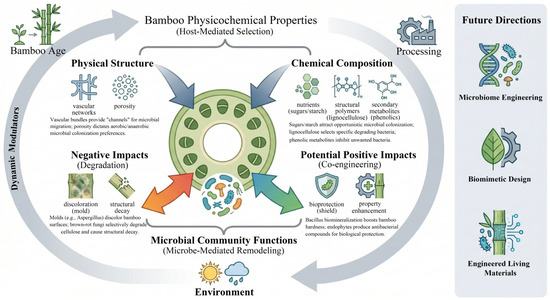
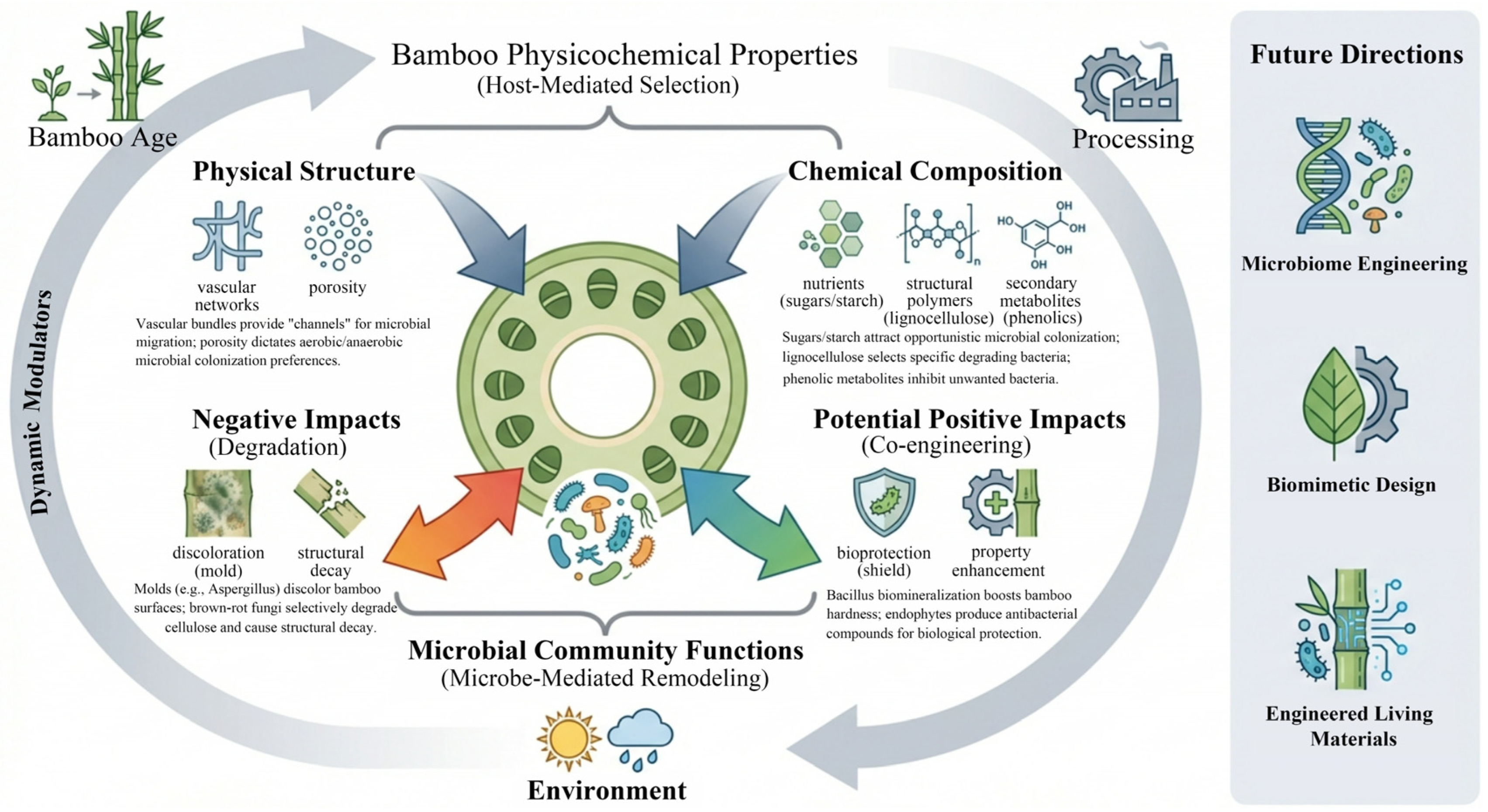
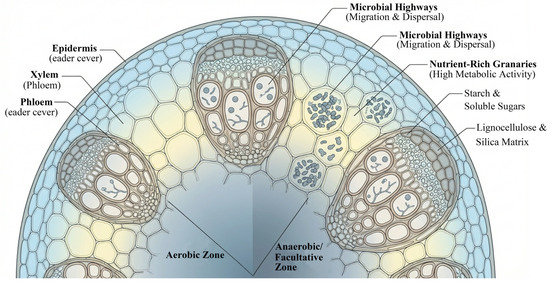
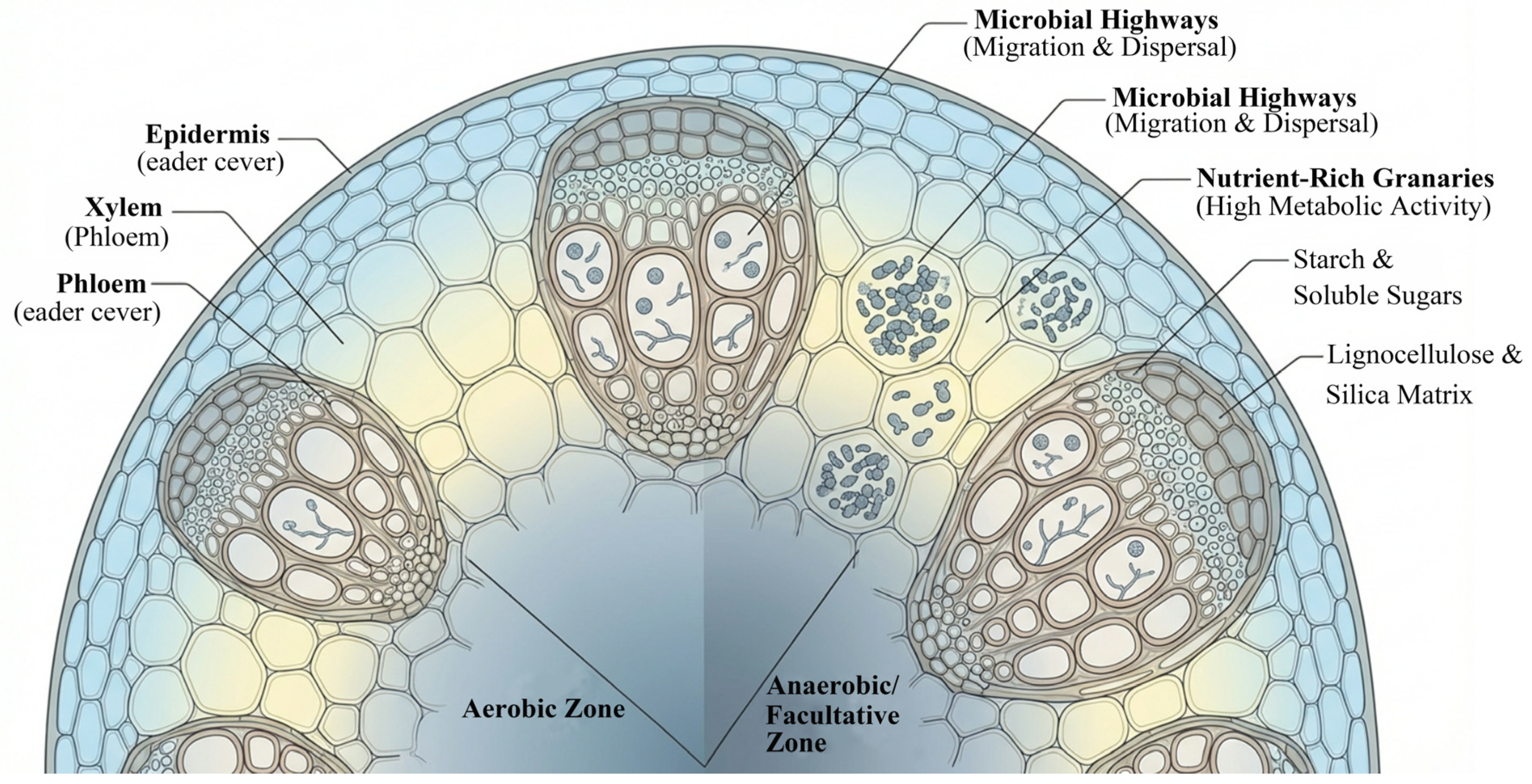
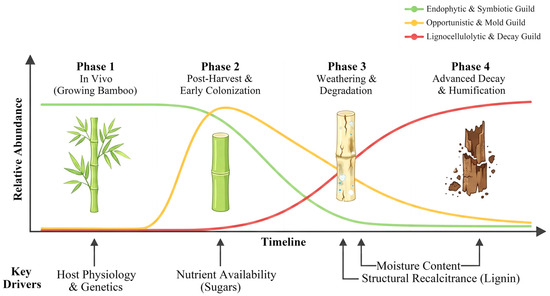
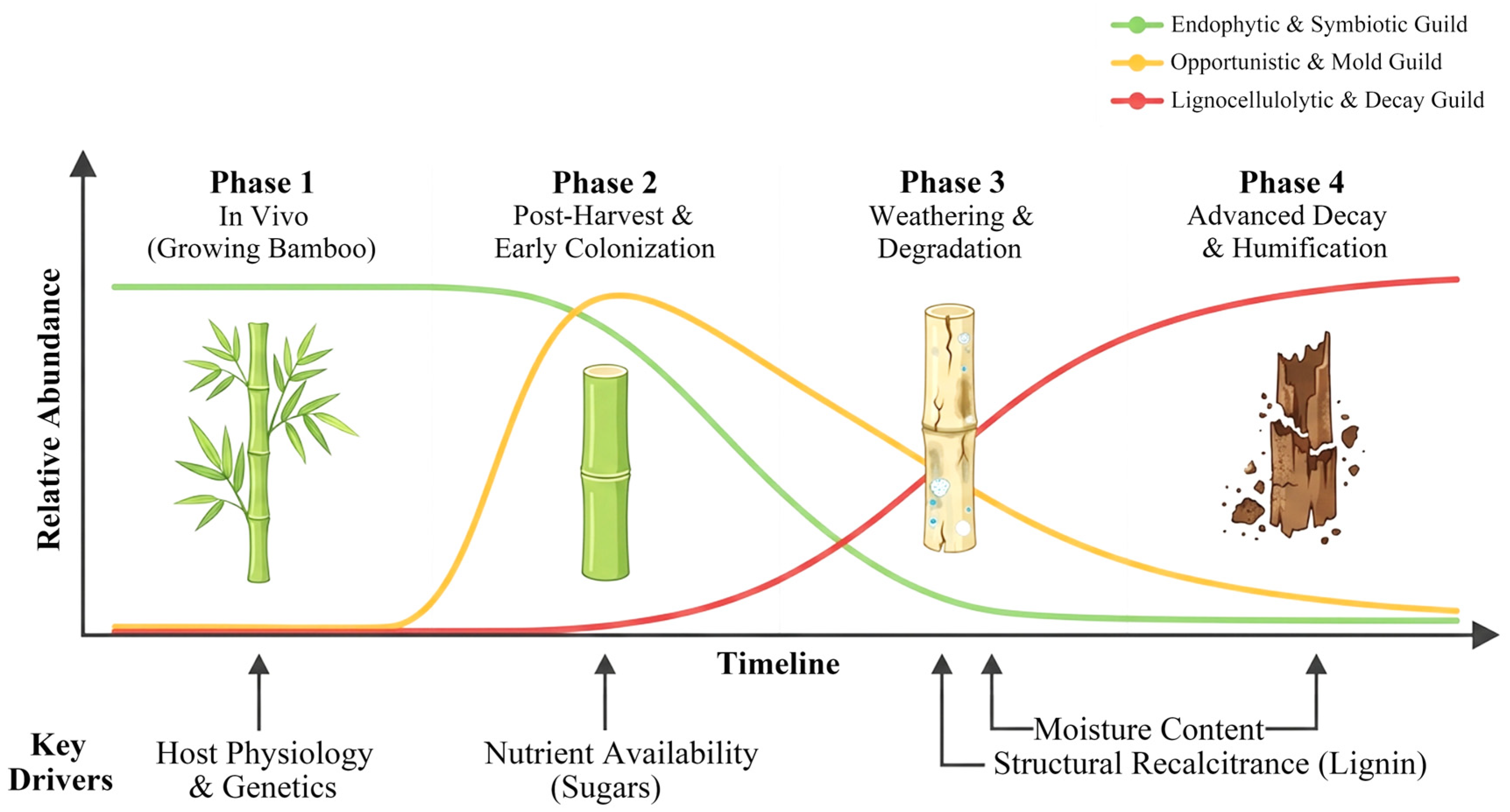
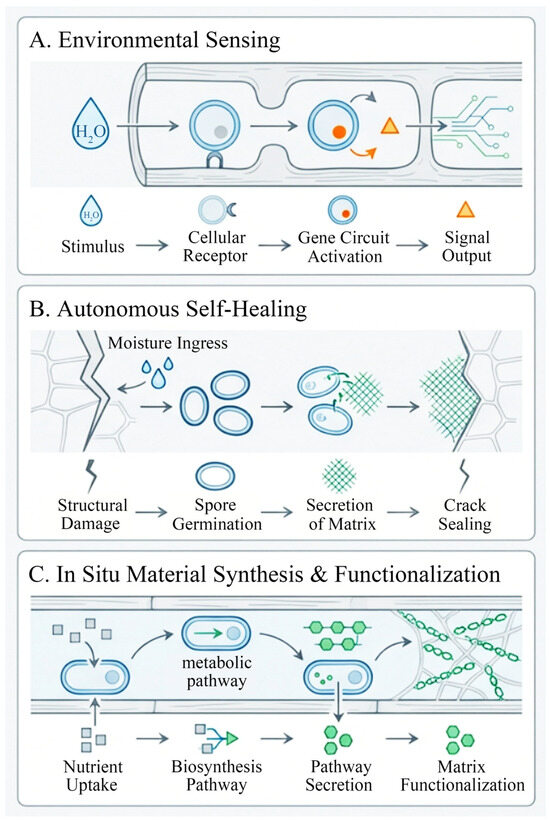
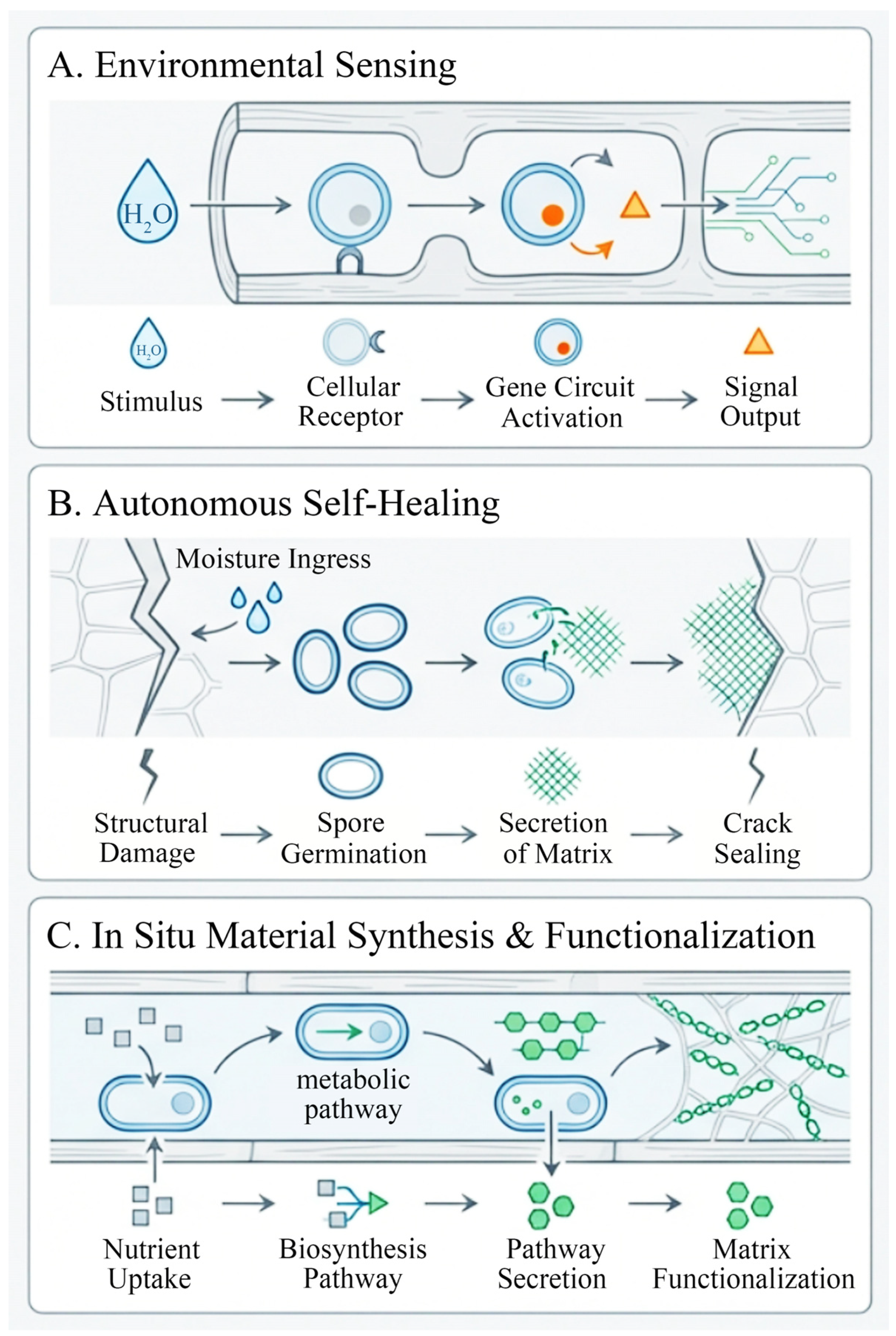

Disclaimer/Publisher’s Note: The statements, opinions and data contained in all publications are solely those of the individual author(s) and contributor(s) and not of MDPI and/or the editor(s). MDPI and/or the editor(s) disclaim responsibility for any injury to people or property resulting from any ideas, methods, instructions or products referred to in the content. |
© 2026 by the authors. Licensee MDPI, Basel, Switzerland. This article is an open access article distributed under the terms and conditions of the Creative Commons Attribution (CC BY) license.