


Abstract
Traditional asphalt mix design approaches are trial-and-error processes and are limited in their ability to find high-performance asphalt mixtures to ensure long-term highway durability. The Materials Genome Initiative (MGI) launched in 2011 is designed to accelerate the development of advanced materials by integrating experiments, computational modeling, and big data analytics and has achieved remarkable progress in other materials design, which demonstrates strong potential for applying the MGI framework to optimize asphalt mix design. This study systematically reviews the application prospects of MGI methodologies in asphalt mixture design. Specifically, it first reviews recent progress in MGI for materials design and summarizes current research efforts to optimize asphalt mix design using traditional laboratory testing, numerical simulations (e.g., finite element method and discrete element method), and artificial intelligence while identifying their respective limitations. To overcome the limitations of each pillar, it is necessary to integrate these individual modules into a comprehensive MGI-based asphalt mix design framework. Furthermore, this study reviews the research on advanced experimental techniques for the multiscale characterization of asphalt binders and aggregates and defines the asphalt mixture genome, including binder-related genes, aggregate-related genes, and compaction-related genes. Finally, the specific steps for developing an MGI-based asphalt mix design framework are elaborated.
1. Introduction
In the U.S., approximately 94% of roads are surfaced with asphalt mixtures. Therefore, asphalt mixtures play a critical role in determining the durability and service life of pavements. Designing high-performance asphalt concrete is thus essential for ensuring desirable pavement longevity. Over the past few decades, researchers worldwide have made efforts to develop various asphalt mix design methods. Currently, widely adopted approaches, including the Marshall mix design method, the Superpave mix design method, and the more recently proposed balanced mix design, are primarily based on empirical trial-and-error processes and repeated laboratory testing. However, these methods are time- and resource-intensive. For example, completing a Superpave mix design of one mixture typically requires approximately 7.5 business days [1]. In addition, performance tests commonly used in BMD, such as the Hamburg Wheel Tracking Test (HWTT) and the indirect tension asphalt cracking test (IDEAL-CT), require approximately 5 days and 1 day, respectively, for one mixture [2]. Furthermore, because these methods rely on iterative trial-and-error procedures, their ability to efficiently explore the full mixture design space is limited, often resulting in suboptimal design solutions. As a result, they may overlook materials with superior performance that can simultaneously resist key degradation mechanisms, including permanent deformation, fatigue, abrasion, cracking, and moisture damage. Therefore, it is hard for traditional asphalt mixture design methods to meet the demands of high-durability pavement, highlighting the urgent need for a new asphalt mix design framework.
The Material Genome Initiative (MGI) was launched in 2011 in the U.S., with the goal of accelerating the discovery, development, and application of advanced materials. This initiative emphasizes the integration of three key technologies: high-throughput computational modeling, advanced experimental techniques, and data-driven approaches such as artificial intelligence (AI) and big data analytics. By leveraging these tools, the MGI aims to significantly shorten the time required for new material discovery to transition from laboratory investigation to real-world engineering implementation.
Tremendous asphalt mixture design research has already individually followed the three pillars of the MGI: advanced experimental testing for characterizing the physical and chemical properties of asphalt and aggregates, numerical simulations for modeling asphalt mixture behavior, and AI-based methods for performance prediction. However, each approach has its own limitations in optimizing mixture design. AI-based models can estimate asphalt mixture performance within seconds, but they often behave as “black boxes” and lack physical interpretability. Numerical simulations may require many hours or even several days to achieve satisfactory accuracy. Experimental mix design remains the most convincing and widely accepted; however, it is often time-consuming and labor-intensive. Therefore, it is promising to integrate the three pillars into a comprehensive MGI-based asphalt mixture design framework. Compared with a standalone AI-assisted asphalt mix design, the proposed MGI framework not only delivers physically interpretable results via numerical simulation but also incorporates experimental validation and data feedback through laboratory testing, which continuously enhances AI models’ predictive capability.
On the other hand, current researchers have only mentioned the MGI concept when investigating the effects of compositional factors on asphalt mixture properties. Specifically, they analogize the relationship between the physicochemical properties of composition components (e.g., asphalt or aggregates) and asphalt mixture performance (e.g., aggregate–asphalt interfacial adhesion strength) as a “gene–performance” relationship within the MGI approach [1,2]. However, there remains a lack of well-established frameworks or systematic procedures for fully leveraging MGI concepts in the design of high-performance asphalt mixtures.
As discussed above, to better leverage the materials genome concept for optimizing asphalt mix design, this paper first reviews the MGI framework and its applications to other materials, then systematically examines current experimental, numerical simulation, and AI-based approaches in asphalt mix design, highlighting their limitations. Subsequently, the concept of the asphalt mixture genome is defined, including binder-related “genes”, aggregate-related “genes”, and compaction-related “genes”. Finally, this study elaborates the specific steps for developing the MGI-based asphalt mix design framework. A flowchart of this work is shown in Figure 1.
Figure 1.
The overall framework of this study.
2. Material Genome Initiative (MGI)
2.1. Brief Introduction of Material Genome Initiative
The MGI is a U.S. government-led effort launched in 2011. Its core idea is to reduce the time and cost of materials innovation by combining experiments, computational modeling, and materials data infrastructure (databases and AI tools) (see Figure 2). The MGI allows researchers to strategically engineer materials with desired properties, effectively doubling the pace of innovation while significantly reducing the costs associated with moving new technologies from the laboratory to the market. The initiative also promotes a broader cultural shift in materials research: encouraging data sharing, open databases, and collaboration across academia, industry, and government, which brings faster innovation in areas such as batteries, alloys, polymers, and infrastructure materials, where improved performance can have large economic and societal impacts. By around 2014, the United States federal government had funded multiple research projects with a total budget exceeding 63 million dollars, supported by agencies including the National Science Foundation, the Department of Energy, and the Department of Defense. In Europe, the European Framework Programme 7 project Accelerated Metallurgy aimed to speed up the development of new alloys and metallurgical processes. In China, the Materials Genome Initiative strategic plan was launched in 2012 and further established in 2014 at Shanghai University [3].
Figure 2.
MGI framework linking data, experiment, and multiscale simulation.
2.2. Current Applications of MGI in Materials Design
Recently, the advent of AI has enabled the ongoing revolution of material science. As more innovative technologies related to data science allow more complex data to be processed and deeper correlations to be unveiled, the trend of applying data-driven methodologies to aid material design and discovery is emerging [4]. A lot of research efforts on predicting properties, screening, and optimizing materials have been made. In general, designing or discovering materials with the aim of machine learning (ML) or deep learning (DL) approaches consists of three key steps: (i) The first of these is a well-organized material database, and many comprehensive databases have been compiled in the past few decades, including inorganic crystal structures database (ICSD) [5,6], Open Quantum Materials Database [7], AFLOW [8], Materials Cloud [9], and MP [4]. (ii) The second involves the use of accurate predictive models for material properties that may exert their functions in different phases and steps of material design. In the past few decades, material properties that are measured from experiments or calculated by computational tools have been predicted by ML or DL methods with inputs of structural and elementary information, and successful examples include crystal structure prediction [10,11]; energies (e.g., molecular atomization energy [9,12], formation energy [13], energy gap prediction [14], and band gap energy [15,16,17]); the mechanical properties (e.g., Young modulus [18], hardness [19,20], tensile strength [21,22], and fatigue [23]) of metal alloys, glasses and steel; and thermal properties [15,24]. (iii) The third consists of methods for exploring the design space. Widely used methods include high-throughput screens on the known materials [25,26], generative models [27], and optimization algorithms [28,29]. Integrated workflows of materials design needs to put these three parts together and can be divided into three categories. The first workflow involves the virtual screening of materials from a large number of materials generated by a simple distribution or all possible combinations with various fundamental characteristics such as structures, electrical charge states [30], and ternary compositions [13] to check whether ML/DL-predicted physical and chemical properties can meet the corresponding criteria [30]. This philosophy has been applied to design compounds (AxByCz) [13], catalysts [31], and metal–oxo moieties [30]. Designing new materials is also regarded as a Multi-objective problem because many criteria in design procedures need to be satisfied. The second framework involves using efficient optimization (e.g., genetic algorithm) to search materials that maximize a given property of interest [29,32,33] such as high strength, high thermal conductivity, and strong corrosion resistance. The third type of design is the inverse design, which starts at the desired properties and transforms discrete representation into continuous representations of the structural and elementary properties of materials by generative models (e.g., variational autoencoders), and then gradient-based optimization can be directly performed. This design method has been used to design organic molecules [34], solid-state materials [35], and crystalline porous materials [36]. Inspired by the progress of the MGI in other material systems, it is highly promising to extend MGI methodologies to asphalt mix design, particularly for optimizing mix design procedures using ML and DL.
3. Experimental, Simulation, and AI Methods for Asphalt Mixture
3.1. Experiment-Based Asphalt Mix Design in the U.S.
In the 20th century, the earlier widely acknowledged asphalt mix design method in the U.S. was the Hveem mix design, which is known for the Hveem stabilometer and kneading compactor [37]. Although the Hveem mix design can better simulate the densification characteristics of HMA in the real pavement, the test equipment is somewhat expensive and not portable. From the late 1940s to the early 1990s, the Marshall mix design method had gradually become the most widely used mix design method in the U.S. due to its inexpensive equipment and easily executable control/acceptance process and the greater attention paid to strength and air voids [38]. However, the Marshall mix design cannot fully evaluate the shear strength of HMA and does not address the desired properties which can match the local climate. To solve these issues, the Superpave mix design, a typical performance-based mix design methodology, was introduced under the Strategic Highway Research Program (SHRP) [39] and has been adopted by many states of the U.S. The Superpave mix design includes a binder specification system, the volumetric mix design, and the performance-based laboratory test procedure. With the increased use of recycled materials in asphalt concrete in recent decades, Superpave implementation has started to exhibit premature distresses such as cracking and raveling. In 2019, the U.S. Federal Highway Administration (FHWA) launched a Performance Engineered Pavements (PEP) vision that aims to focus more on long-term pavement performance by integrating pavement structural design, construction, and material acceptance. BMD is one of the key initiatives supporting the PEP [40]. Around this time, many states, such as Virginia [41,42], Georgia [43], Missouri [44,45], and Nebraska [46], have been exploring the feasibility of using the BMD to construct long-life asphalt pavements using local mixtures, traffic, and environmental conditions through a series of BMD-related research projects. To support this effort, numerous laboratory tests have been conducted to evaluate performance characteristics, including rutting resistance (e.g., HWTT and Asphalt Pavement Analyzer [APA]), cracking resistance (e.g., Illinois Flexibility Index Test (I-FIT) and IDEAL-CT), and moisture sensitivity tests (e.g., tensile strength ratio [TSR]). As a result, a vast amount of laboratory BMD data has been generated across various State Departments of Transportation (DOTs) and agencies. However, this data has yet to be systematically accumulated, integrated, and fully utilized. These performance-based mix design datasets form a critical foundation for the adoption of the MGI framework in asphalt mix design.
Regardless of whether the traditional mix design method or the increasingly studied BMD approach is used, both are trial-and-error processes and typically require multiple iterations. The entire procedure is time-consuming and resource-intensive. To address these challenges, research efforts to reduce the number of trial combinations for proportions and components have been ongoing. These efforts can be broadly classified into three key categories: optimized experimental procedures, numerical simulation-aided design, and AI-aided design.
3.2. Numerical Simulation-Aided Asphalt Mix Design
Considering the complexity and time-consuming nature of performance testing in mix design procedures such as high-temperature stability, low-temperature crack and fatigue crack resistance, and durability tests, numerous researchers have applied various numerical simulation methods to conduct virtual testing as an alternative to traditional laboratory experiments at different scales. These methods include the finite element method (FEM), the discrete element method (DEM), and molecular dynamics (MD). Specifically, the FEM is widely used for simulating the macroscopic mechanical behavior of asphalt mixtures by incorporating accurate constitutive models, making it easier to analyze stress distribution, strain response, and deformation under various loading conditions [47,48]. The DEM is particularly effective for analyzing microscale interactions among mixture components and understanding the internal structure of asphalt mixtures [49,50]. Meanwhile, MD complements both the DEM and FEM by simulating the behavior of asphalt binder molecules at the atomic and molecular scales, providing valuable insights into fundamental material properties [51,52]. Figure 3 shows an example using numerical simulations to perform indirect tensile (IDT) tests.
Figure 3.
Application of FEM, DEM, and MD modeling in IDT tests of asphalt mixture.
Additionally, a digital twin for asphalt mixtures can be formed by integrating numerical simulation to virtually represent the entire asphalt mix design process [53]. However, few studies have integrated numerical simulations of performance tests into a mix design procedure, which is a key concern for related agencies or contractors. The authors’ team developed a framework to determine optimal asphalt content by correlating different asphalt contents with the DEM-based simulated compression test results of corresponding digital asphalt mixture samples [54], and this approach still follows the trial-and-error philosophy of traditional asphalt mixture design. On the other hand, although numerical simulations are lower in cost, require less labor, and have fewer risks compared to laboratory tests, executing complex performance tests via simulation can still be time-intensive, often taking hours or even days for a single test. Conducting multiple iterations for different trial mixture compositions would require an extensive number of simulations, making the process highly time-consuming. Therefore, relying solely on computational simulations to fully implement the asphalt mix design process is not yet a practical solution.
3.3. AI-Aided Asphalt Mix Design
3.3.1. ML and DL for Asphalt Concrete Research
The MGI approach emphasized the ability of data-driven computation to accelerate the development of advanced materials, which symbolized the beginning of the shift in materials design from traditional experiment-based empirical design to AI-based intelligent design [55]. As mentioned in Section 2, the remarkable progress in material design through ML/DL approaches has sparked significant interest in its application to asphalt concrete research (see Figure 4), making it a rapidly growing research area. Current research in this field can be categorized into three key themes: (1) predictive models of the material properties and performance (e.g., HWTT [56,57], Disk-shaped Compact Tension (DCT), and dynamic modulus [58,59]) of asphalt mixtures; (2) predictive models of pavement performance including rut depth [60,61], cracking [62,63], and the International Roughness Index (IRI) [64,65]; and (3) asphalt mix design optimization by the combination of ML-based mixture performance prediction [66,67] and metaheuristic algorithms (e.g., genetic algorithm) [68]. However, a major drawback of ML/DL approaches is that they function as “black-box” models, making accurate predictions without explaining the underlying physical relationships between mixture composition, material properties, and pavement performance.
Figure 4.
Overview of ML/DL approaches in asphalt mixture research.
3.3.2. Explainable ML and Physics-Informed Neural Networks for Asphalt Concrete Research
In order to reflect the influence of asphalt mixture composition-based input variables, such as aggregate gradation and asphalt content, on predicted asphalt mixture properties, many researchers have applied explainable ML techniques to predict air voids [69], Marshall parameters [70], splitting strength [71], dynamic modulus [72], and asphalt mixture performance indicators such as rutting resistance. Most existing studies mainly use SHAP importance analysis to evaluate the importance of input variables, such as aggregate gradation and asphalt content. However, merely understanding the importance of input features cannot fully explain the mechanical behavior of asphalt mixtures under coupled loading, temperature, and moisture conditions. To improve the physical interpretability of AI-based predictions, especially from the perspective of mechanical theory, many researchers have incorporated various mechanical model-related loss terms into the loss functions of neural networks algorithms, which are commonly referred to as physics-informed neural networks, which aim to improve the generalization ability and extensibility of predicting asphalt mixture and pavement performance. For example, some studies introduced physical constraints, such as enforcing a monotonic increase in rut depth with increasing temperature and number of wheel passes, to predict rut depth [57]. Other studies introduced viscoelastic damage models to calculate stress and strain to calculate the loss when predicting Marshall stability and flow [73], while some incorporated viscoelastic continuum damage mechanics to predict the fatigue life in four-point bending tests [74]. However, the failure behavior of asphalt mixtures is a highly complex three-dimensional process. Existing physics-informed neural network approaches mainly introduce simplified one-dimensional constitutive models, which are still insufficient to fully describe such complex failure mechanisms. This still raises concerns about their reliability, especially in actual engineering applications.
3.4. Integration of MGI’s Three Pillars
As illustrated above, many researchers have conducted extensive work on the three fundamental tools of the MGI, including experiments, AI-powered data analytics, and numerical simulation, to evaluate asphalt mixture performance and optimize asphalt mix design. However, each approach has its own strengths and limitations.
Numerical simulation approaches (e.g., FEM, DEM, and MD) generally provide stronger physical interpretability because they are based on established material constitutive models. However, these methods still require laboratory testing (e.g., dynamic modulus tests) to obtain model parameters (e.g., viscoelastic parameters such as the Prony series coefficients). In addition, extensive model calibration is typically required through comparisons between simulation results and laboratory or field measurements. Numerical simulations can also be computationally demanding. Furthermore, when the asphalt mixture type, material source, or environmental conditions change, the constitutive model parameters often need to be recalibrated, and the validation process must be repeated.
In contrast, for AI-based approaches, a substantial amount of effort is devoted to collecting and preparing representative training datasets. The computational cost is primarily associated with model training and depends on both the complexity of the AI model and the size of the training dataset. During the training process, AI models are typically validated using independent datasets to evaluate their predictive performance. Once trained, AI-based models can rapidly predict material properties and pavement performance within seconds, making them computationally efficient for large-scale design optimization. However, compared with numerical simulation methods, AI-based approaches generally provide lower physical interpretability.
On the other hand, experimental mix design remains the most convincing approach for related agencies, as it directly measures material performance but is often time-consuming and labor-intensive. To overcome the limitations of each pillar, it is crucial to integrate experiments, big data analytics, and modeling into a comprehensive MGI mix design approach for asphalt mixtures.
4. Determination of Asphalt Mixture Genome
4.1. Human Genome-Inspired Analogy for Asphalt Mixture Genome
The materials genome methodology is analogous to the human genome. In humans, observable traits, such as hair color, eye shape, skin tone, and personality, are mainly determined by the human genome (see Figure 5). Therefore, there is an intrinsic relationship between genetic code and human traits. Similarly, in the field of materials science, extensive research has been conducted to establish relationships between the fundamental building blocks of materials, such as molecules and functional groups, and their properties and functions. By analogy to the human genome, these basic component units, along with their associated characterization or properties, can be regarded as the “genes” of a material. In other words, the complete set of these characteristic genes that collectively influence material performance is referred to as the “materials genome”. Therefore, we can define the “genes” of asphalt mixtures, a typical pavement material, as follows. Table 1 illustrates the analogy between the human genome and the asphalt mixture genome.
Figure 5.
From human genome to asphalt mixture genome.
Table 1.
Mapping human genome concepts to asphalt mixture genome components.
- Fundamental building blocks include atoms, molecules, and compounds, along with their physical and chemical properties and microstructures of asphalt binder and aggregates at both the macroscopic and microscopic levels. For example, for asphalt binders, macroscopic properties that can be regarded as asphalt mixture “genes” include density, viscosity, and the complex modulus, while microscopic characteristics include functional groups, molecular weight distribution, and microstructure (e.g., bee structures observed by atomic force microscopy (AFM)). For aggregates, macroscopic properties can be thought as asphalt mixture “genes” including density, abrasion resistance, and absorption, while microscopic characteristics include mineral composition, crystal structure, and morphology.
- The engineering performance of asphalt mixtures also depends on the mesostructure formed by the interaction and spatial arrangement of mixture components, which is, to some extent, controlled by compaction conditions, such as compaction mode, compaction temperature, and compaction effort.
The microstructural and compositional characterization of asphalt binders and aggregates at the microscopic level is typically obtained using advanced material testing techniques. For example, Fourier Transform Infrared Spectroscopy (FTIR) can be used to identify functional groups and chemical bonds in asphalt binders. These microscopic characteristics more intrinsically reflect the fundamental mechanisms governing the behavior of asphalt materials and mixtures. We refer to these as first-level “genes”. However, obtaining numerical data about these microscopic characteristics to build an asphalt mixture genome platform remains challenging, even though it is the foundation of the materials genome framework because advanced material testing facilities are often expensive and not readily accessible. Research and industry practice in traditional Marshall and Superpave mix design have already brought a substantial amount of experimental data. The macroscopic properties of asphalt binders and aggregates (such as penetration, viscosity, and Dynamic Shear Rheometer (DSR) parameters) are relatively easy to obtain but have not been fully utilized. These parameters also significantly influence the properties and performance of asphalt mixtures. Therefore, we define them as second-level “genes”.
In order to demonstrate the feasibility of defining the genes of binders, aggregates, and compaction, the following literature review will show that numerous studies have already utilized various testing methods to characterize these genes and confirmed their significant effects on asphalt mixture performance.
4.2. Asphalt Binder “Genes”
Asphalt is a solid or semi-solid mixture composed of high-molecular-weight hydrocarbons and their nonmetallic derivatives (such as oxygen, sulfur, and nitrogen compounds). As discussed in Section 4.1, the “genes” of asphalt refer to the intrinsic properties of asphalt binder that influence the physical and mechanical performance of asphalt mixtures. These characteristics span multiple scales, from the microscopic to the macroscopic level. At the macroscopic scale, asphalt binder properties are measured through common experimental tests, including viscosity, low-temperature performance, aging resistance, adhesion, rheological behavior, and mechanical properties. These are defined as second-level “genes”. At the microscopic scale, the “genes” refer to the chemical element composition, asphalt fractions, and microstructure of the asphalt binder. These are defined as first-level “genes”, which fundamentally affect the macroscopic second-level “genes” described above and ultimately influence the performance of asphalt mixtures. Figure 6 shows the relationship between asphalt first-level “genes” and second-level “genes” and how the second-level “genes” ultimately affect asphalt mixture performance. Table 2 presents the specific definition of “genes” regarding the microscopic and macroscopic properties of asphalt binder.
Figure 6.
Asphalt binder genes and their relationship with asphalt mixture performance.
Table 2.
Asphalt binder “genes” from asphalt binder multiscale characterization indices.
4.2.1. SARA Fractions
Asphalt binder consists of thousands of hydrocarbons and non-hydrocarbon compounds. Based on physicochemical similarities among its components, asphalt is generally divided into four fractions: saturates (S), aromatics (A), resins (R), and asphaltenes (A) (see Figure 7) [77]. Numerous studies have demonstrated that these fractions have significant impact on the rheological, mechanical, and durability properties of asphalt binders. In general, heavier and more polar components, namely asphaltenes and resins, significantly increase the stiffness and complex modulus of asphalt binders, thereby improving elastic recovery and rutting resistance at high temperatures [90,91]. However, excessive asphaltene content may adversely affect low-temperature performance and increase cracking susceptibility. For example, Wang et al. [92] reported that variations in SARA fractions strongly influence low-temperature rheological properties such as creep stiffness, m-value, and glass transition temperature. SARA fractions also influence the fatigue performance of asphalt binder [93]. Studies by Jiang et al. [90,94] showed that increasing the content of asphaltenes and resins strengthens the colloidal structure of asphalt, which increases the complex modulus and affects fatigue resistance. Furthermore, the SARA fractions also affect adhesion and interfacial performance. Chen et al. [95] and Zhang et al. [96] found that asphaltenes and resins are positively correlated with binder–aggregate adhesion. In terms of aging performance, Guo et al. [97] reported that resins contain carbonyl functional groups that make them more susceptible to aging compared with other fractions.
Figure 7.
Typical molecular structure of SARA fractions of asphalt [98]: (a) aliphatic; (b) aromatics; (c) resin; (d) saturate.
4.2.2. Functional Groups
Functional groups or chemical bonds, as important chemical constituents of asphalt binders, are typically identified using FTIR and have been shown to be strongly correlated with asphalt binder properties, especially aging-related properties. Previous studies have shown that oxidation during aging leads to the formation and accumulation of oxygen-containing functional groups, particularly carbonyl and sulfoxide groups [99,100]. Important rheological parameters, including the complex modulus, rutting factor, and creep stiffness, and filler–asphalt interaction [101] are also found to exhibit linear relationships with functional group indices such as the carbonyl index and sulfoxide index [102]. Furthermore, specific oxidation products, particularly carboxylic acids and ketones, have been identified as key components associated with the rutting and fatigue resistance of asphalt mixtures [100].
4.2.3. Elemental Composition
The elemental composition of asphalt binder is also an important factor affecting its properties. The elemental composition is typically determined using an elemental analyzer (e.g., UNICUBE) [103]. The contents of C, N, and S have also been found to be strongly related to the surface free energy of asphalt [104], and the C/H ratio increases with the degree of asphalt aging [103].
4.2.4. Molecular Weight Distribution
The molecular weight distributions (MWDs) of asphalt binder are fundamental compositional characteristics that strongly the mechanical and chemical properties of asphalt binder. Currently, the most popular method for measuring molecular weight distribution is Gel permeation chromatography (GPC), conducted by separating components based on their molecular size [105]. Many studies have investigated the relationship between MWD and asphalt binder performance. Wanli Ye et al. [106] reported that MWD polydispersity indices show strong correlations with rheological properties, including creep stiffness and fatigue resistance. Baek et al. [107] reported that the relative quantity of large molecular size is significantly correlated with the complex modulus (G*)/sin phase angle (δ) of the crumb rubber-modified binder. Regarding low-temperature properties, Elseifi et al. [108] observed that an increase in low-molecular-weight components leads to higher binder stiffness at low temperature.
Oxidation alters the molecular structure and composition of the binder, leading to an increase in high-molecular-weight molecules, consequently resulting in an increase in the viscosity of asphalt binder. The change in the physical and mechanical properties of asphalt binder can be explained by molecular weight distribution research [109]. Many studies have investigated the evolution of molecular weight distribution during the aging process of asphalt binders [109]. For example, it has been reported that small molecules transform into macromolecules during aging [110].
4.2.5. Structural Characterization of Molecules and Compounds
Nuclear Magnetic Resonance (NMR) is a useful tool for recolonizing the structural characterization of the molecules and compounds of asphalt binder, such as methyl carbons, aromatic carbons, ring carbon, naphthenic carbons, and other parameters [111]. It is found that there is a strong correlation between NMR parameters and asphalt viscosity. NMR can also be used to measure the structure evolution of molecules and compounds to understand the asphalt aging process [112].
4.2.6. Asphalt Binder Microstructure
Asphalt microstructure also influences the macroscopic properties of asphalt binders to a certain extent and can be regarded as a characteristic “gene” of the binder. Currently, the characterization of asphalt binder microstructure is primarily based on optical and electron microscopy techniques, including Scanning Electron Microscope (SEM), Environmental Scanning Electron Microscopy (ESEM), and Atomic Force Method (AFM).
Scanning Electron Microscope (SEM)
A scanning electron microscope (SEM) is an instrument that uses a focused beam of electrons, instead of light, to scan the surface of a material and produce high-resolution images of its microstructure. It can reveal surface morphology, texture, and composition at micro- to nanoscale resolution. A typical SEM image of modified asphalt binder is presented in Figure 8. Yang et al. [113] employed SEM to examine asphalt binders subjected to combined thermal oxidation and ultraviolet radiation aging. Their results showed that the raised surface structures gradually decreased with increasing aging, while more pronounced wrinkled features developed over time. In addition, Yao et al. [114] demonstrated that SEM is effective in evaluating the dispersion of additives, such as nanosilica material, within the asphalt binder matrix. However, SEM requires vacuum conditions and conductive coating, which may alter the binder surface and restrict observations to surface morphology.
Figure 8.
A typical SEM image of polyurethane-modified asphalt binder (100×) [115].
Environmental Scanning Electron Microscopy (ESEM)
Environmental scanning electron microscopy (ESEM) is an advanced form of SEM that enables the observation of materials under controlled environmental conditions, such as variable pressure and humidity. Unlike conventional SEM, ESEM does not require extensive sample preparation or conductive coating, allowing asphalt binders to be examined in a more natural state. Figure 9 shows the typical ESEM images of virgin asphalt binder and modified asphalt binder [116]. Previous studies have shown that the formation time and length of fibril structures under ESEM irradiation are associated with binder aging [117]. Lu et al. [118] reported that aging makes fibril formation more difficult, and there is a clear trend of decreasing in size and increasing in fibril formation time with aging. In addition, it is also found that fibril formation time and fibril area are well correlated with asphalt penetration and the softening point [119]. ESEM reduces sample preparation requirements and allows for observation under controlled environmental conditions; however, its resolution is generally lower than that of conventional SEM, and environmental settings may influence observed microstructural features.
Figure 9.
Typical ESEM microstructure images of asphalt binder: (a) virgin binder; (b) binder with additives (10 µm) [116].
Atomic Force Method (AFM)
The AFM is capable of providing a topographic profile of the surface and achieving a resolution of the bitumen surface structure down to a few nanometers [120]. Generally, a typical morphology diagram of virgin asphalt binder presents a three-phase structure, including a “bee-like” dispersed phase, periphase and paraphase [121]. Loeber et al. [122] observed a “bee structure” in asphalt binder with AFM (see Figure 10). Pauli et al. [123] and Jager et al. [124] confirmed that “bee structures” were asphaltenes using AFM. McCarron et al. [125] found that temperature can influence the size and shape of bee structures and concluded that wax contributes to the formation of bee structures. With the addition of mineral filler particles, several significant changes can be observed regarding the morphological characteristics of asphalt binder, which can reflect the asphalt–filler adsorption mechanism.
Figure 10.
Typical images of AFM: three-dimensional height image and two-dimensional height image [126].
Moreover, many studies have established relationships between bee structure parameters and the properties of asphalt binders. Specifically, the parameters of bee structures such as area, area ratio, the ratio of the long axis to the short axis, and roughness have been found to have a strong relationship with DSR parameters such as shear modulus and phase angle [127,128]. Additionally, a higher proportion of bee structures corresponds to lower penetration but a higher softening point, while increasing the roughness of the lightweight component region reduces ductility [126]. The authors of [129,130] show that the Derjaguin–Muller–Toporov (DMT) modulus measured by AFM and the asphalt dynamic modulus obtained from DSR show similar trends during asphalt binder aging and rejuvenation. AFM provides detailed nanoscale topographical and mechanical information; however, the testing process is relatively slow, only a small area can be scanned at a time, and the results are sensitive to testing conditions. In addition, the origin and interpretation of bee structures remain under debate.
4.3. Aggregate “Genes”
Aggregate-related “genes” refer to the intrinsic physical, mechanical, and morphological characteristics of aggregates that influence the performance of asphalt mixtures. Similarly to asphalt binders, these characteristics span from the microscopic level to the macroscopic engineering level. At the macroscopic scale (second-level “genes”), the aggregate characteristic genes include gradation, specific gravity, durability, abrasion resistance, shape and texture, and adhesion with asphalt binder. At the microscopic scale (first-level “genes”), the genetic characteristics of aggregates include mineral composition, chemical composition, crystal structure, acidity/basicity properties, and morphology, which fundamentally determine the macroscopic behavior of aggregates and ultimately affect the performance and durability of asphalt mixtures. Figure 11 shows the relationship between aggregate first-level “genes” and second-level “genes” and the effects of the second-level “genes” on specific asphalt mixture performance. Table 3 shows the aggregate “genes” defined based on aggregate multiscale characterization indices.
Figure 11.
Aggregate genes and their relationship with asphalt mixture performance.
Table 3.
Aggregate “genes” from aggregate multiscale characterization indices.
4.3.1. Mineral Composition
Aggregate mineral composition is a fundamental genetic characteristic that significantly influences the properties of aggregates and asphalt mixture. These characteristics are typically determined using techniques such as X-ray diffraction (XRD) [154,155] and X-ray fluorescence (XRF) [156]. Aggregate mineral composition directly influences basic physical properties such as specific gravity and absorption. Zhang et al. [157] found that the moisture absorption of aggregates strongly depends on key minerals such as clay, anorthite, and calcite. Li et al. [158] found that the lithology of fine aggregates significantly affects the fatigue of asphalt mixtures.
The mineralogical composition also strongly affects the polishing and abrasion resistance of aggregates and skid resistance of asphalt pavement. Weak minerals may lead to degradation under environmental and traffic loading conditions. Malal Kane et al. [159] investigated the evolution of friction in different aggregates using the Wehner–Schulze apparatus under progressive polishing cycles. Their results showed that limestone, composed primarily of calcite with low hardness, is highly susceptible to polishing and exhibits the lowest friction levels. In contrast, aggregates such as graywacke and granite, which consist mainly of harder minerals like quartz and feldspars, are more resistant to polishing and maintain higher friction levels. Similarly, it was also found that the abrasion value is significantly related to the feldspar content, and the polished stone value of aggregates is positively correlated with calcite content and negatively correlated with quartz content [155].
Many studies have reported that the mineralogical composition exhibits significant influence on the adhesion property between bitumen and aggregate or asphalt mixture moisture susceptibility [156,160,161]. For example, Horgnies et al. [156] found that alkali feldspars in granite lead to weak adhesion by conducting peel tests on different aggregate–bitumen bonds. Based on similar experiment tests, Zhang et al. [157] reported that albite bonds well with bitumen in dry conditions and feldspar may also cause failure at the interface between bitumen and aggregates. Additionally, Fan et al. [128] studied the affinity between bitumen and six kinds of aggregates. Aggregates rich in nepheline, chlorite, pyroxene, and olivine show better resistance to moisture damage, while those rich in quartz, plagioclase, and calcite show poorer resistance. Cala et al. [162] demonstrated mafic aggregates (e.g., serpentinite) exhibiting better moisture resistance than felsic aggregates (e.g., quartzite and granodiorite) by pull-off tests under dry and moisture-conditioned states. The adhesion quality is also evaluated by moisture sensitivity tests. Bagampadde et al. [162] illustrated that aggregates with quartz and alkali feldspars show high stripping.
4.3.2. Chemical Composition and Surface Acidity/Basicity
The chemical composition and surface acidity or basicity of aggregates are important factors affecting binder–aggregate interaction and moisture susceptibility. The chemical composition, such as SiO2, Al2O3, and Fe2O3, is always obtained by XRF. The atomic ratio of the aggregate such as C, O, Si, Ca, Na, and AI can be measured by X-ray Photoelectron Spectroscopy (XPS).
Most studies focus on investigating the effect of chemical composition on asphalt–aggregate adhesion and the moisture susceptibility of asphalt mixtures. In general, MgO in aggregates enhances resistance to moisture damage, whereas SiO2 tends to increase moisture susceptibility. Bagampadde et al. [163] investigated the influence of aggregate chemical composition on moisture sensitivity using tensile strength ratio tests on asphalt mixtures and found that mixtures containing aggregates with higher sodium and potassium exhibited relatively high moisture sensitivity. Wang et al. [164] quantitatively evaluated the adhesion between asphalt and eleven aggregates using a photoelectric colorimetric method. The results showed significant positive correlations between the adhesion rate and the contents of CaO and MgO, whereas SiO2 exhibited a negative correlation.
It is widely acknowledged that higher aggregate acidity (i.e., SiO2 content) tends to increase moisture susceptibility in hot mix asphalt, whereas higher aggregate basicity (i.e., calcium carbonate, CaCO3 content) is associated with lower moisture susceptibility [165]. Cheng et al. [166] reported that siliceous aggregates, which are predominantly composed of SiO2, are generally acidic and exhibit weaker bonding with asphalt. In contrast, calcareous aggregates, such as limestone with higher CaCO3, are alkaline and tend to form stronger adhesive bonds due to favorable acid–base interactions with the binder.
4.3.3. Crystal Structure and Size
The crystal structure and size of minerals within aggregates are important microstructural characteristics. The crystal structure of aggregates is typically obtained using X-ray diffraction (XRD), SEM, and thin section microscopy (TSM) [154]. The general crystal structure of the surface strongly affects aggregate surface properties. Therefore, most research has focused on the influence of aggregate crystal structures on binder–aggregate interactions. Wang et al. [167] investigated the effects of SiO2, Al2O3, and CaO crystals on binder–aggregate interactions under different conditions using molecular dynamic simulations and found that the interaction strength with the asphalt binder follows the order Al2O3 > CaO > quartz. Granite with larger mineral particles and smooth, glossy crystal faces tends to have poorer adhesion with bitumen [168]. The crystallinity of minerals also plays a significant role in determining aggregate properties. High-crystallinity minerals have stronger physical and chemical stability due to their well-ordered crystal structures, while low-crystallinity minerals are more amorphous and have weaker mechanical properties [169]. Additionally, crystal structures also affect aggregate polishing and abrasion resistance. For example, Al2O3 crystal structures [170] can help form a network skeleton structure, which is useful for reducing polishing and abrasion damage.
4.3.4. Aggregate Morphology
Aggregates in asphalt mixtures are typically obtained by crushing rocks from quarries and processing them into particles with various shapes. The morphological characteristics of aggregates, which are typically described using specific indicators, are generally divided into three levels: shape, angularity, and texture (see Figure 12). Establishing these morphological characteristic indices requires obtaining aggregate profiles using specialized devices. Common measure devices include the SEM, self-developed aggregate Image Measurement System (AIMS), 3D scanner (e.g., 3D blue-ray scanner [171]), X-ray CT [172], interferometry confocal 3D profiler [173], and Integrated LADAR Imaging System [174].
Figure 12.
Description of shape, angularity, and texture of aggregate particles.
Aggregate Shape
The shape-based parameters of aggregates can be categorized into two-dimensional and three-dimensional parameters. Two-dimensional indices are typically obtained based on imaging measurement systems and include the form index [175], aspect ratio [176], axial coefficient [177], roundness [178], etc. These indices are always correlated to mixture performance. Eyad et al. [175] used imaging technology to obtain the form index to characterize the 2D features of aggregate shape and found that aggregate form indices are strongly correlated with rutting resistance. Wang et al. [177] employed the Aggregate Imaging Measurement System (AIMS) to quantify two-dimensional sphericity and further investigated the evolution of aggregate morphological characteristics during the Micro-Deval (MD) abrasion process. They also established the relationship between two-dimensional sphericity and aggregate polishing and abrasion resistance. Dharavath et al. [178] used the Automated Aggregate Imaging Measurement System (AIMS) to quantify aggregate roundness and found that the dynamic modulus and aggregate roundness exhibited similar ranking results for different aggregates.
3D shape characteristics are typically obtained using three-dimensional laser scanning [179] or X-ray computed tomography to capture detailed aggregate geometry. After obtaining the 3D spatial data of aggregates, 3D models of the particles are reconstructed. Furthermore, many researchers have proposed various 3D metrics to evaluate aggregate shape characteristics, including sphericity (derived from surface area and volume [180] or orthogonal dimensions [181]), shape factor, flat and elongated ratio, breadth-to-width ratio [182], and form indices based on Fourier series [183] and sphericity from harmonic analysis [184].
Jora et al. [185] investigated the effect of aggregate particle shape on the behavior of hot mix asphalt and found that rutting resistance (as indicated by flow number results) is strongly affected by aggregate sphericity. The dynamic modulus in compression also depends significantly on aggregate shape properties. The 3D shape characteristics of aggregates are also studied during the polishing process [186]. Wu et al. [187] studied the aggregate abrasion trend by analyzing 3D shape indices obtained from X-ray CT images of aggregates during the Micro-Deval test. Chen et al. [188] found that the shape and surface of aggregates influence asphalt workability during mixing. Among these, sphericity has the strongest effect, followed by surface texture and then angularity. Additionally, Hu et al. [189] also analyzed the influence of aggregate shape on the mix response to fatigue cracking and found that aggregate has a significant impact on mixture fatigue cracking.
Aggregate Angularity
Aggregate angularity describes how sharp, rough, or well-defined the edges and corners of aggregate particles are. Many researchers have focused on indices obtained from commonly used test methods (e.g., coarse aggregate angularity and fine aggregate angularity) to evaluate their effects on asphalt mixture performance [190]. For example, higher angularity improves rutting resistance by increasing aggregate interlocking [191], but it also leads to greater resistance to compaction [192]. In addition, higher angularity can enhance the mixture’s resistance to fatigue cracking because it requires more binder, which helps absorb energy and reduce damage [193].
Many researchers have proposed various angularity indices derived from high-precision measurements of aggregate morphology obtained using advanced measurement devices. A direct method for defining the angularity index is to use polygonal fitting to approximate aggregate angularity [194]. In addition, parameters derived from the Fourier series of the particle profile can be used to characterize aggregate angularity [195]. Using the FTI system to capture aggregate images, Sun et al. [173] also applied a two-dimensional Fourier transform method to develop an angularity factor (AF). Other mathematically based angularity indices include Gradient Angularity [172], 3D angularity [172], the angularity index [185], and the angularity coefficient [196]. Based on the defined aggregate angularity indices, their relationships with asphalt mixture performance have also been investigated. Wang et al. [172] found that the correlation between the skid resistance of asphalt pavement (texture depth value and British pendulum test) and the 3D aggregate index is significant. Based on the 3D aggregate index obtained from CT images, Gao et al. [197] also investigated the effects of coarse aggregate angularity on the compaction performance of asphalt mixtures, and the results show that a decrease in coarse aggregate angularity results in a decrease in dynamic modulus. Cui et al. [198] also found that there are close linear relationships between the aggregate angularity index and asphalt–aggregate adhesive strength and rutting resistance (dynamic stability).
Aggregate Texture
Aggregate texture describes the roughness or surface irregularities of aggregate particles, including how smooth, coarse, or uneven the particle surface appears. As one category of aggregate morphology characterization, numerous researchers have proposed a variety of indices to characterize aggregate surface texture. Aggregate texture indices are always defined based on transform-based signal processing methods, such as wavelet analysis or Fourier series analysis, applied to imaging measurement data of aggregates. Cui et al. [198] proposed a texture index to characterize aggregate texture from parameters obtained using the 2D wavelet method on aggregate images. Wang et al. [195] first used a combination of Fourier series parameters derived from aggregate particle profiles to define a surface texture index. Huang et al. [199] also did similar work. Subsequently, Sun et al. [173] and Liu et al. [200] also defined the texture factor of aggregates based on signals in the frequency domain transformed from the spatial domain of images using a two-dimensional FTI image analysis system. Other proposed angularity indices include the fractal dimension [201], erosion dilation area ratio [202], aggregate dimensions [203], and the 3D surface index using spherical harmonic coefficients [204].
In addition to influencing the fundamental properties of aggregates, such as water absorption [205], surface texture primarily affects the friction and the adhesion between asphalt and the aggregates of asphalt mixtures. Eyad Masad et al. [206] investigated the effects of aggregate surface texture measured by an aggregate Imaging System (AIMS) on pavement skid resistance after different polishing intervals. Similarly, Lei et al. [207] also found that the defined aggregate texture indices (Ra and Rq) have a higher correlation with anti-skid performance. Additionally, Zhan et al. [208] used a random forest analysis method to investigate the aggregate property factors influencing pavement friction. The results show that the loss of texture due to the Micro-Deval (MD) polishing test contributes the most to pavement friction.
Huang et al. [199] studied the effect of the aggregate surface texture index of granite, diabase, basalt, and limestone, measured using an AIMS, on surface free energy (SFE), which quantifies the adhesion between aggregate and binder. They found that a higher surface texture index leads to higher SFE and established a reliable exponential relationship between the surface texture index and SFE. Similarly, Gong et al. [209] also investigated the effect of aggregate surface texture (roughness) observed by laser confocal microscopy and three-dimensional blue light scanning on the aggregate–asphalt interface across different temperatures. They concluded that either excessively rough or excessively smooth aggregates are appropriate for forming a stable aggregate–asphalt interfacial interaction zone. Wang et al. [164] defined the aggregate texture index (fractal dimensions) based on the SEM picture of aggregates. The results show that a significant positive correlation was found between adhesion strength measured by the boiling water test and fractal dimensions. Wu et al. [210] also calculated the fractal dimensions of five types of rocks from SEM images.
Recent research also emphasizes the importance of aggregate roughness in asphalt mixture adhesion and durability. Ge et al. [205] reported that the interfacial properties of asphalt mixtures are closely related to aggregate surface roughness structure because adhesion involves not only chemical bonding and electrostatic effects but also mechanical interlocking. Pan et al. [211] concluded that moderate roughness improves adhesion by increasing the effective contact area between surfaces, whereas overly rough surfaces can reduce adhesion because they prevent full contact. Aggregate texture also influences the mechanical performance of asphalt mixtures. Fletcher et al. [212] developed a new image analysis-based procedure to quantify aggregate surface texture for both fine and coarse aggregates and evaluated its relationship with asphalt mixture performance. The results show that aggregate surface texture has a strong correlation with resistance to permanent deformation.
4.4. Compaction Condition “Genes”
When asphalt binders, aggregates, and other additives with specific properties are provided, compaction conditions play a decisive role in governing the internal structure, as well as the volumetric and mechanical properties of asphalt mixtures. This is primarily achieved by controlling air void distribution, density, and the internal distribution of aggregates. The compaction conditions most frequently investigated include compaction effort, compaction mode, and compaction temperature, which are collectively defined as compaction “genes”.
A consistent finding across previous studies is that compaction effort influences the air void content and distribution in asphalt mixtures, further affecting the asphalt mixture properties. Lee et al. [213] showed that increasing gyratory compaction levels significantly reduces air voids in crumb rubber-modified asphalt mixtures, and higher air void contents lead to lower rutting resistance. Similar conclusions were reported by Masad et al. [214], who found that air void distribution strongly correlates with compaction effort, and mixtures with lower air void content exhibit a higher modulus. The field and laboratory evidence provided by Hu et al. [215] further confirmed a linear relationship between the air void ratio and compactness degree. Some studies have directly focused on the relationship between compaction effort and asphalt mixture performance. Zhang et al. [216] demonstrated that increasing compaction effort improves rutting resistance but may reduce fatigue and low-temperature cracking resistance. Wang et al. [217] further showed that higher compactness leads to smoother pavement surfaces and lower high-speed friction, which suggests that excessive compaction may negatively affect skid resistance.
In addition to compaction level, the compaction method also plays a significant role in determining asphalt mixture structure and properties. Jiang et al. [218] compared different compaction methods, including vertical vibration testing, Marshall compaction, and modified Marshall compaction, and found that vibration-based compaction produces specimens with better consistency to field cores and higher mechanical performance (such as stability, compressive strength, and shear strength) at the same density level. Yu et al. [219] also reported that gyratory compaction produces better air void uniformity and superior rutting performance compared to Marshall and roller compaction methods.
Temperature is another critical factor that directly affects mixture workability and compatibility in compaction parameters. Rahmat et al. [220] found that insufficient compaction temperature increases air voids and reduces Marshall stability, resilient modulus, and creep resistance in dense graded mixtures. Similarly, Gao et al. [221] reported that both Marshall stability and volumetric properties are highly sensitive to compaction temperature. Kim and Kang [222] also confirmed that compaction temperature significantly affects volumetric properties such as the maximum specific gravity in polymer-modified mixtures.
The mesostructure of an asphalt mixture can be viewed as the result of the synergistic interaction between the asphalt binder, aggregates, and compaction conditions. Consequently, these are the fundamental factors that determine the comprehensive state of the mixture’s internal structure and overall properties.
5. Steps to Develop MGI-Based Asphalt Mixture Design Framework
As illustrated above, many researchers have conducted extensive work on the three fundamental tools of the MGI, including experiments, AI-powered data analytics, and numerical simulation, to evaluate asphalt mixture performance and optimize asphalt mix design. However, each approach has its own limitations. To overcome the limitations of each pillar, we propose integrating these individual modules into a comprehensive MGI mix design framework for asphalt mixtures, as illustrated in Figure 13. Specifically, we propose the following:
Figure 13.
Integration of AI-assisted asphalt mix design, digital twin simulations, and experimental verification into MGI framework.
- The unified framework begins with the first module, focusing on data collection, filtering, cleaning, and storage to establish a robust asphalt mixture genome database that serves as the foundation for the MGI-based design framework. This database consists of datasets at multiple levels: (1) The first is the first-level genes of asphalt binders, such as SARA fractions; functional group indices; elemental composition indices such as the contents of C, N, and S; the percentage of large molecular size; NMR parameters; and the size and shape of bee structures observed using AFM. It also consists of the first-level genes of aggregates, such as mineral composition percentages (e.g., quartz, feldspar, and chlorite); chemical composition ratios such as SiO2, Al2O3, and Fe2O3; aggregate morphological properties including shape indices (sphericity or shape factor), angularity indices (angularity index), and aggregate indices (texture index); and compaction condition genes such as compaction effort, compaction mode, and compaction temperature [the testing methods for obtaining these indices can be seen in Table 1 and Table 2]. (2) Next are the second-level genes of asphalt and aggregates from numerous asphalt mix design data points, such as binder viscosity, ductility, creep stiffness, and complex modulus, as well as aggregate gradation, absorption, CAA, and FAA [the testing methods for obtaining these indices can be seen in Table 1 and Table 2]. (3) The third consists of asphalt mixture volumetric properties, such as air void and bulk density and asphalt mixture performance indices, such as rut depth in the HWTT and the CT Index in IDEAL-CT. (4) The fourth is represented by field performance records, as well as Quality Control (QC)/Quality Assurance (QA) data from plant production and field placement. The variables mentioned above can be collected from open databases (e.g., Long-Term Pavement Performance Program), published papers and reports, and data shared by related institutions or measured directly if experimental conditions allow. The first- and second-level genes, asphalt mixture performance indices, and QA/QC data from the same asphalt mixture will be stored in the same row of the asphalt mixture genome database. The variables mentioned above are intended to be collected as completely as possible when the corresponding data are available.
- Next, the genome database is then used to develop ML/DL (e.g., random forest and physics-informed neural networks)-based predictive models for volumetric properties (e.g., air void), mixture performance indices (e.g., rut depth in HWTT), and field performance (e.g., rutting), using the selected asphalt mixture genome (first-level and second-level “genes”) and composition proportion as inputs. When selecting specific genes for modeling particular mixture performance, variables in the genome database with available and complete data are first selected. Feature engineering techniques, such as ML-based sensitivity analysis, are then applied to identify the significant genes from the entire genome database. To account for mixture genome variability such as aggregate variation in quarry source, mineralogical variability between regions, blending variability, and inter-laboratory variability, probabilistic ML and DL methods, which can explicitly incorporate variability in genome variables and quantify their effects on predicted performance, are also supposed to be used. After the predictive models are well trained, the mixture performance (e.g., rut depth in HWTT) of a trial composition can be estimated if the genome of that trial is known. With the trained predictive models, the candidate asphalt mixture designs are recommended using Multi-objective Optimization (MOO) techniques (e.g., Non-dominated Sorting Genetic Algorithm-II (NSGA-II) and reinforcement learning-based methods), considering a balance between rutting and cracking resistance, life-cycle cost, and environmental impact.
- The recommended candidate mix designs are then evaluated in the second module through digital twin simulations, utilizing the numerical methods of the DEM and FEM to conduct virtual tests. These simulations cover a wide range of performance evaluations, including material properties such as Marshall stability and the dynamic modulus, as well as key performance metrics like rutting resistance, such as the HWTT, and cracking resistance, such asIDEAL-CT. Additionally, the digital twin framework enables the prediction of field distress evolutions, including rutting and cracking, under the climatic and traffic conditions specific to the location where the asphalt concrete will be placed. Notably, the database developed in the first module plays a critical role in calibrating and validating the digital twin models, ensuring that the virtual simulations accurately reflect real-world performance.
- Finally, in the third module, the optimal asphalt content and gradation determined from the analysis of the digital twin simulation results are validated through real laboratory tests. These experimental tests not only confirm the accuracy of both the AI-based predictions and the simulation results but also contribute to expanding the dataset in the first module. If the test results from either the digital twin simulations or the real laboratory tests do not meet the required performance thresholds, feedback is provided to the AI-based prediction and mix design module. This feedback loop triggers adjustments to the AI model parameters and the MOO-based mix designs, enabling the generation of new mixture proportions. The process then iterates until the performance criteria are successfully met, establishing a continuous improvement loop for optimizing asphalt mix design.
In summary, this framework consists of three iterative stages: Computer-Aided (Generated) Mix Design, initially developed through a data-driven approach; the development of a digital twin for performance evaluation and mixture screening using rational modeling approaches; and the experimental verification and validation of the mix design and performance.
However, the success of the MGI-based asphalt mixture design framework strongly depends on the availability, quality, standardization, and completeness of the collected data. The established mixture genome database may face several challenges, including: (1) data heterogeneity caused by different equipment and data formats used across laboratories and agencies; (2) the lack of standardized testing and reporting protocols for certain material genes and performance indicators; (3) missing, incomplete, or imbalanced datasets; and (4) barriers to data sharing among agencies, laboratories, and industries because of proprietary restrictions and inconsistent database structures.
To mitigate these issues, several strategies are proposed. First, existing standardized testing protocols, including ASTM and AASHTO specifications, should be consistently followed when conducting tests on asphalt binders, aggregates, and asphalt mixture properties. Regarding testing methods for which no standardized protocols currently exist, related agencies and standardization organizations are encouraged to establish unified protocols, especially for measuring first-level gene variables such as the functional group indices of asphalt binders measured by FTIR and aggregate morphology indices measured using an AIMS. Second, data preprocessing techniques would be used, including normalization, outlier detection, and missing data imputation methods, such as mean/median imputation, k-nearest neighbor imputation, and ML-based imputation approaches. Third, establishing collaborative data-sharing platforms, such as LTPP databases, among DOTs, universities, and industry partners could gradually expand the asphalt mixture genome database. In these platforms, standardized data templates and reporting protocols can facilitate future data sharing and interoperability across institutions.
6. Conclusions
Traditional asphalt mix design approaches are trial-and-error processes and are not effective for designing high-performance mixtures. The MGI aims to accelerate materials design and discovery by integrating experiments, computational modeling, and big data analytics, and it has achieved significant progress in the field of materials science. Inspired by this progress, this study proposed leveraging the MGI concept to optimize asphalt mix design. Specifically, this study first summarized current research efforts to accelerate and optimize asphalt mix design using traditional laboratory testing (performance tests), numerical simulations (e.g., FEM and DEM), and AI (e.g., ML and DL). Subsequently, this study reviewed recent advances in high-end experimental techniques for the multiscale characterization of asphalt binders and aggregates. Based on these multiscale characterization indices, the asphalt mixture genome was defined, including binder-related genes, aggregate-related genes, and compaction-related genes.
The review results indicate that laboratory-based mix design procedures are time-consuming and resource-intensive. Meanwhile, ML/DL models can predict asphalt mixture performance within seconds; however, they often function as black boxes and lack physical interpretability, providing accurate predictions without explaining the underlying physical relationships. In contrast, numerical simulations are physically interpretable but often require several hours to be completed. To address these limitations, this study proposes an MGI-based asphalt mix design framework that integrates AI-assisted mix design, digital twin-based simulation modeling, and experimental verification and elaborates specific procedures for implementing the framework. The mix design framework is expected to be implemented as executable software to support its use in research and engineering practice.
7. Limitations and Suggestions for Future Work
Numerous studies have demonstrated that the mesostructure of asphalt mixtures, mainly including the spatial distribution of air voids and coarse aggregates, has a strong relationship with asphalt mixture performance. However, this study did not discuss in detail how these mesostructural characteristics can be regarded as mixture structural genes. Future research should further explore the integration of mesostructural features with the MGI concept.
In addition, the proposed MGI-based asphalt mix design framework is still at a conceptual stage. One of the major challenges remains the availability, quality, standardization, and completeness of a comprehensive genome database, which requires the development of a standardized database framework and data-sharing platform. Addressing these challenges will require substantial funding, government-level coordination, and collaboration among multiple research institutions and industry stakeholders, which will require more detailed and large-scale implementation plans.
In future research, we will first explore the feasibility of the proposed asphalt mixture design framework by establishing a small-scale asphalt mixture genome database and implementing the key steps of the proposed framework. These steps include developing predictive models for asphalt mixture properties and performance (e.g., rut depth of HWTT and fatigue life of the repeated flexural bending test), conducting virtual testing and design optimization using DEM simulations, and performing laboratory tests for performance validation. Considering the difficulty of obtaining first-level gene variables, the initial case study may primarily utilize second-level gene variables. Furthermore, a database containing approximately 2000 records should be sufficient for the initial implementation and validation of the framework.
Author Contributions
J.L.: Conceptualization, Data curation, Methodology, and Writing (original draft). Z.W.: Methodology and Writing—review and editing. F.E.: Investigation and Writing (review and editing). L.W.: Funding acquisition, Data curation, and Writing—original draft. All authors have read and agreed to the published version of the manuscript.
Funding
This work was supported by National Science Foundation (federal grant number: 1939987).
Institutional Review Board Statement
Not applicable.
Informed Consent Statement
Not applicable.
Data Availability Statement
No new data were created or analyzed in this study. Data sharing is not applicable to this article.
Conflicts of Interest
The authors declare that they have no known competing financial interests or personal relationships that could have appeared to influence the work reported in this paper.
References
- Ozturk, H.I.; Kutay, M.E. An artificial neural network model for virtual Superpave asphalt mixture design. Int. J. Pavement Eng. 2014, 15, 151–162. [Google Scholar]
- Liu, J.; Liu, F.; Wang, Z.; Yang, S.; Fanijo, E.O.; Wang, L. Transitioning from Lab-Based to AI-Assisted Balanced Mix Design: Comprehensive Overview of Research, Development, and Future Perspectives. Transp. Res. Rec. 2025, 2679, 29–63. [Google Scholar]
- Sun, W.; Xue, W.; Zhang, Y.; Wang, L. Framework for determining material genome of granular materials: Material characterization and numerical simulation at multiple spatial scales. Int. J. Pavement Res. Technol. 2018, 11, 195–204. [Google Scholar] [CrossRef] [Scilit]
- Jain, A.; Ong, S.P.; Hautier, G.; Chen, W.; Richards, W.D.; Dacek, S.; Cholia, S.; Gunter, D.; Skinner, D.; Ceder, G. Commentary: The Materials Project: A materials genome approach to accelerating materials innovation. APL Mater. 2013, 1, 011002. [Google Scholar] [CrossRef] [Scilit]
- Butler, K.T.; Davies, D.W.; Cartwright, H.; Isayev, O.; Walsh, A. Machine learning for molecular and materials science. Nature 2018, 559, 547–555. [Google Scholar] [CrossRef] [Scilit] [PubMed]
- Hellenbrandt, M. The inorganic crystal structure database (ICSD)—Present and future. Crystallogr. Rev. 2004, 10, 17–22. [Google Scholar] [CrossRef] [Scilit]
- Saal, J.E.; Kirklin, S.; Aykol, M.; Meredig, B.; Wolverton, C. Materials design and discovery with high-throughput density functional theory: The open quantum materials database (OQMD). JOM 2013, 65, 1501–1509. [Google Scholar] [CrossRef] [Scilit]
- Curtarolo, S.; Setyawan, W.; Hart, G.L.; Jahnatek, M.; Chepulskii, R.V.; Taylor, R.H.; Wang, S.; Xue, J.; Yang, K.; Levy, O. AFLOW: An automatic framework for high-throughput materials discovery. Comput. Mater. Sci. 2012, 58, 218–226. [Google Scholar] [CrossRef] [Scilit]
- Mounet, N.; Gibertini, M.; Schwaller, P.; Campi, D.; Merkys, A.; Marrazzo, A.; Sohier, T.; Castelli, I.E.; Cepellotti, A.; Pizzi, G. Two-dimensional materials from high-throughput computational exfoliation of experimentally known compounds. Nat. Nanotechnol. 2018, 13, 246–252. [Google Scholar] [CrossRef] [Scilit] [PubMed]
- Curtarolo, S.; Morgan, D.; Persson, K.; Rodgers, J.; Ceder, G. Predicting crystal structures with data mining of quantum calculations. Phys. Rev. Lett. 2003, 91, 135503. [Google Scholar] [CrossRef] [Scilit] [PubMed]
- Hautier, G.; Fischer, C.C.; Jain, A.; Mueller, T.; Ceder, G. Finding nature’s missing ternary oxide compounds using machine learning and density functional theory. Chem. Mater. 2010, 22, 3762–3767. [Google Scholar] [CrossRef] [Scilit]
- Hansen, K.; Montavon, G.; Biegler, F.; Fazli, S.; Rupp, M.; Scheffler, M.; Von Lilienfeld, O.A.; Tkatchenko, A.; Muller, K.-R. Assessment and validation of machine learning methods for predicting molecular atomization energies. J. Chem. Theory Comput. 2013, 9, 3404–3419. [Google Scholar] [CrossRef] [Scilit] [PubMed]
- Meredig, B.; Agrawal, A.; Kirklin, S.; Saal, J.E.; Doak, J.W.; Thompson, A.; Zhang, K.; Choudhary, A.; Wolverton, C. Combinatorial screening for new materials in unconstrained composition space with machine learning. Phys. Rev. B 2014, 89, 094104. [Google Scholar] [CrossRef] [Scilit]
- Lu, W.-C.; Ji, X.-B.; Li, M.-J.; Liu, L.; Yue, B.-H.; Zhang, L.-M. Using support vector machine for materials design. Adv. Manuf. 2013, 1, 151–159. [Google Scholar] [CrossRef] [Scilit]
- Isayev, O.; Oses, C.; Toher, C.; Gossett, E.; Curtarolo, S.; Tropsha, A. Universal fragment descriptors for predicting properties of inorganic crystals. Nat. Commun. 2017, 8, 15679. [Google Scholar] [CrossRef] [Scilit] [PubMed]
- Xie, T.; Grossman, J.C. Crystal graph convolutional neural networks for an accurate and interpretable prediction of material properties. Phys. Rev. Lett. 2018, 120, 145301. [Google Scholar] [CrossRef] [Scilit] [PubMed]
- Dey, P.; Bible, J.; Datta, S.; Broderick, S.; Jasinski, J.; Sunkara, M.; Menon, M.; Rajan, K. Informatics-aided bandgap engineering for solar materials. Comput. Mater. Sci. 2014, 83, 185–195. [Google Scholar] [CrossRef] [Scilit]
- Yang, K.; Xu, X.; Yang, B.; Cook, B.; Ramos, H.; Krishnan, N.; Smedskjaer, M.M.; Hoover, C.; Bauchy, M. Predicting the Young’s modulus of silicate glasses using high-throughput molecular dynamics simulations and machine learning. Sci. Rep. 2019, 9, 8739. [Google Scholar] [PubMed]
- Ravinder, R.; Sridhara, K.H.; Bishnoi, S.; Grover, H.S.; Bauchy, M.; Kodamana, H.; Krishnan, N.A. Deep learning aided rational design of oxide glasses. Mater. Horiz. 2020, 7, 1819–1827. [Google Scholar] [CrossRef] [Scilit]
- Wang, Y.; Zhang, M.; Lin, A.; Iyer, A.; Prasad, A.S.; Li, X.; Zhang, Y.; Schadler, L.S.; Chen, W.; Brinson, L.C. Mining structure–property relationships in polymer nanocomposites using data driven finite element analysis and multi-task convolutional neural networks. Mol. Syst. Des. Eng. 2020, 5, 962–975. [Google Scholar]
- Wang, C.; Fu, H.; Jiang, L.; Xue, D.; Xie, J. A property-oriented design strategy for high performance copper alloys via machine learning. npj Comput. Mater. 2019, 5, 87. [Google Scholar] [CrossRef] [Scilit]
- Reddy, N.; Krishnaiah, J.; Young, H.B.; Lee, J.S. Design of medium carbon steels by computational intelligence techniques. Comput. Mater. Sci. 2015, 101, 120–126. [Google Scholar] [CrossRef] [Scilit]
- Agrawal, A.; Deshpande, P.D.; Cecen, A.; Basavarsu, G.P.; Choudhary, A.N.; Kalidindi, S.R. Exploration of data science techniques to predict fatigue strength of steel from composition and processing parameters. Integr. Mater. Manuf. Innov. 2014, 3, 90–108. [Google Scholar] [CrossRef] [Scilit]
- Eckhoff, M.; Behler, J.r. From molecular fragments to the bulk: Development of a neural network potential for MOF-5. J. Chem. Theory Comput. 2019, 15, 3793–3809. [Google Scholar] [CrossRef] [Scilit] [PubMed]
- Potyrailo, R.; Rajan, K.; Stoewe, K.; Takeuchi, I.; Chisholm, B.; Lam, H. Combinatorial and high-throughput screening of materials libraries: Review of state of the art. ACS Comb. Sci. 2011, 13, 579–633. [Google Scholar] [CrossRef] [Scilit] [PubMed]
- Liu, Y.T.; Li, X.B.; Zheng, H.; Chen, N.K.; Wang, X.P.; Zhang, X.L.; Sun, H.B.; Zhang, S. High-throughput screening for phase-change memory materials. Adv. Funct. Mater. 2021, 31, 2009803. [Google Scholar]
- Sanchez-Lengeling, B.; Aspuru-Guzik, A. Inverse molecular design using machine learning: Generative models for matter engineering. Science 2018, 361, 360–365. [Google Scholar] [CrossRef] [Scilit] [PubMed]
- Janet, J.P.; Chan, L.; Kulik, H.J. Accelerating chemical discovery with machine learning: Simulated evolution of spin crossover complexes with an artificial neural network. J. Phys. Chem. Lett. 2018, 9, 1064–1071. [Google Scholar] [CrossRef] [Scilit] [PubMed]
- Nigam, A.; Friederich, P.; Krenn, M.; Aspuru-Guzik, A. Augmenting genetic algorithms with deep neural networks for exploring the chemical space. arXiv 2019, arXiv:1909.11655. [Google Scholar]
- Sorkun, M.C.; Astruc, S.; Koelman, J.V.A.; Er, S. An artificial intelligence-aided virtual screening recipe for two-dimensional materials discovery. npj Comput. Mater. 2020, 6, 106. [Google Scholar]
- Nandy, A.; Zhu, J.; Janet, J.P.; Duan, C.; Getman, R.B.; Kulik, H.J. Machine learning accelerates the discovery of design rules and exceptions in stable metal–oxo intermediate formation. Acs Catal. 2019, 9, 8243–8255. [Google Scholar] [CrossRef] [Scilit]
- He, Y.; Razi, M.; Forestiere, C.; Dal Negro, L.; Kirby, R. Uncertainty quantification guided robust design for nanoparticles’ morphology. Comput. Methods Appl. Mech. Eng. 2018, 336, 578–593. [Google Scholar] [CrossRef] [Scilit]
- Fischer, C.C.; Tibbetts, K.J.; Morgan, D.; Ceder, G. Predicting crystal structure by merging data mining with quantum mechanics. Nat. Mater. 2006, 5, 641–646. [Google Scholar] [CrossRef] [Scilit] [PubMed]
- Gómez-Bombarelli, R.; Wei, J.N.; Duvenaud, D.; Hernández-Lobato, J.M.; Sánchez-Lengeling, B.; Sheberla, D.; Aguilera-Iparraguirre, J.; Hirzel, T.D.; Adams, R.P.; Aspuru-Guzik, A. Automatic chemical design using a data-driven continuous representation of molecules. ACS Cent. Sci. 2018, 4, 268–276. [Google Scholar] [CrossRef] [Scilit] [PubMed]
- Noh, J.; Kim, J.; Stein, H.S.; Sanchez-Lengeling, B.; Gregoire, J.M.; Aspuru-Guzik, A.; Jung, Y. Inverse design of solid-state materials via a continuous representation. Matter 2019, 1, 1370–1384. [Google Scholar] [CrossRef] [Scilit]
- Yao, Z.; Sánchez-Lengeling, B.; Bobbitt, N.S.; Bucior, B.J.; Kumar, S.G.H.; Collins, S.P.; Burns, T.; Woo, T.K.; Farha, O.K.; Snurr, R.Q. Inverse design of nanoporous crystalline reticular materials with deep generative models. Nat. Mach. Intell. 2021, 3, 76–86. [Google Scholar] [CrossRef] [Scilit]
- Castaneda, F.A. Hveem Mix Design and Engineering Properties of Cold In-Place Recycling Mixtures. Master’s Thesis, University of Nevada, Reno, NV, USA, 2018. [Google Scholar]
- Roberts, F.L.; Mohammad, L.N.; Wang, L. History of hot mix asphalt mixture design in the United States. J. Mater. Civ. Eng. 2002, 14, 279–293. [Google Scholar] [CrossRef] [Scilit]
- Cominsky, R.J.; Huber, G.A.; Kennedy, T.W.; Anderson, M. The Superpave Mix Design Manual for New Construction and Overlays; Strategic Highway Research Program: Washington, DC, USA, 1994. [Google Scholar]
- Duval, R.; Corrigan, M.; Conwa, B. Performance Engineered Pavements: Office of Operations; Federal Highway Administration: Washington, DC, USA, 2019. [Google Scholar]
- Diefenderfer, S.D.; Bowers, B.F. Initial approach to performance (balanced) mix design: The Virginia experience. Transp. Res. Rec. 2019, 2673, 335–345. [Google Scholar] [CrossRef] [Scilit]
- Bowers, B.F.; Diefenderfer, S.D.; Moore, N.; Lynn, T. Balanced Mix Design and Benchmarking: A Case Study in Establishing Performance Test Thresholds. Transp. Res. Rec. 2022, 2676, 586–598. [Google Scholar] [CrossRef] [Scilit]
- Vivanco Sala, D.; Tran, N.; Yin, F.; Bowers, B.F. Evaluating impact of corrected optimum asphalt content and benchmarking cracking resistance of georgia mixtures for balanced mix design implementation. Transp. Res. Rec. 2022, 2676, 13–29. [Google Scholar] [CrossRef] [Scilit]
- Buttlar, W.G.; Urra, L.; Jahangiri, B.; Rath, P.; Majidifard, H. Support for Balanced Asphalt Mixture Design Specification Development in Missouri; Missouri Department of Transportation: Jefferson City, MO, USA, 2020; Volume 4, p. 103. [Google Scholar]
- Majidifard, H.; Rath, P.; Jahangiri, B.; Buttlar, W.G. Application of balanced mix design strategies to missouri dense-graded asphalt mixtures. Transp. Res. Rec. J. Transp. Res. Board 2023, 2677, 910–923. [Google Scholar]
- Nsengiyumva, G.; Kim, Y.-R.; Hu, J. Feasibility and Implementation of Balanced Mix Design in Nebraska. 2020. Available online: https://digitalcommons.unl.edu/ndor/258/ (accessed on 1 June 2026).
- Li, L.; Wu, C.; Cheng, Y.; Tan, G.; Li, H. Study on numerical simulation of asphalt mixtures and asphalt pavement based on finite element software: A Review. In Proceedings of the 2021 IEEE 11th Annual International Conference on CYBER Technology in Automation, Control, and Intelligent Systems (CYBER), Jiaxing, China, 27–31 July 2021; pp. 560–565. [Google Scholar]
- Wang, L.; Hoyos, L.R.; Wang, J.; Voyiadjis, G.; Abadie, C. Anisotropic properties of asphalt concrete: Characterization and implications for pavement design and analysis. J. Mater. Civ. Eng. 2005, 17, 535–543. [Google Scholar] [CrossRef] [Scilit]
- Wang, L.; Zhang, B.; Wang, D.; Yue, Z. Fundamental mechanics of asphalt compaction through FEM and DEM modeling. In Analysis of Asphalt Pavement Materials and Systems: Engineering Methods; American Society of Civil Engineers (ASCE): Reston, VA, USA, 2007; pp. 45–63. [Google Scholar]
- Wang, L.; Park, J.-Y.; Fu, Y. Representation of real particles for DEM simulation using X-ray tomography. Constr. Build. Mater. 2007, 21, 338–346. [Google Scholar] [CrossRef] [Scilit]
- Lu, Y.; Wang, L. Nanoscale modelling of mechanical properties of asphalt–aggregate interface under tensile loading. Int. J. Pavement Eng. 2010, 11, 393–401. [Google Scholar] [CrossRef] [Scilit]
- Lu, Y.; Wang, L. Atomistic modelling of moisture sensitivity: A damage mechanisms study of asphalt concrete interfaces. Road Mater. Pavement Des. 2017, 18, 200–214. [Google Scholar] [CrossRef] [Scilit]
- Wang, C.; Zhou, X.; Zhang, Y.; Wang, H.; Oeser, M.; Liu, P. Real-time data sensing and digital twin model development for pavement material mixing: Enhancing workability and optimisation. Int. J. Pavement Eng. 2024, 25, 2417973. [Google Scholar] [CrossRef] [Scilit]
- Li, Y.; Wang, L. Computer-aided procedure for determination of asphalt content in asphalt mixture using discrete element method. Int. J. Pavement Eng. 2017, 18, 765–774. [Google Scholar]
- Liu, J.; Cheng, C.; Wang, Z.; Yang, S.; Wang, L. Intelligent asphalt mixture design: A combined supervised machine learning and deep reinforcement learning approach. Transp. Res. Rec. 2025, 2679, 704–724. [Google Scholar] [CrossRef] [Scilit]
- Majidifard, H.; Jahangiri, B.; Rath, P.; Alavi, A.H.; Buttlar, W.G. A deep learning approach to predict Hamburg rutting curve. Road Mater. Pavement Des. 2021, 22, 2159–2180. [Google Scholar] [CrossRef] [Scilit]
- Deng, Y.; Wang, H.; Shi, X. Physics-guided neural network for predicting asphalt mixture rutting with balanced accuracy, stability and rationality. Neural Netw. 2024, 172, 106085. [Google Scholar] [PubMed]
- Gong, H.; Sun, Y.; Dong, Y.; Han, B.; Polaczyk, P.; Hu, W.; Huang, B. Improved estimation of dynamic modulus for hot mix asphalt using deep learning. Constr. Build. Mater. 2020, 263, 119912. [Google Scholar] [CrossRef] [Scilit]
- Liu, J.; Liu, F.; Wang, Z.; Fanijo, E.O.; Wang, L. Involving prediction of dynamic modulus in asphalt mix design with machine learning and mechanical-empirical analysis. Constr. Build. Mater. 2023, 407, 133610. [Google Scholar] [CrossRef] [Scilit]
- Alnaqbi, A.J.; Zeiada, W.; Al-Khateeb, G.G.; Hamad, K.; Barakat, S. Creating Rutting Prediction Models through Machine Learning Techniques Utilizing the Long-Term Pavement Performance Database. Sustainability 2023, 15, 13653. [Google Scholar] [CrossRef] [Scilit]
- Liu, J.; Liu, F.; Zheng, C.; Zhou, D.; Wang, L. Optimizing asphalt mix design through predicting the rut depth of asphalt pavement using machine learning. Constr. Build. Mater. 2022, 356, 129211. [Google Scholar] [CrossRef] [Scilit]
- Liu, J.; Liu, F.; Gong, H.; Fanijo, E.O.; Wang, L. Improving asphalt mix design by predicting alligator cracking and longitudinal cracking based on machine learning and dimensionality reduction techniques. Constr. Build. Mater. 2022, 354, 129162. [Google Scholar] [CrossRef] [Scilit]
- Alnaqbi, A.J.; Zeiada, W.; Al-Khateeb, G.; Abttan, A.; Abuzwidah, M. Predictive models for flexible pavement fatigue cracking based on machine learning. Transp. Eng. 2024, 16, 100243. [Google Scholar] [CrossRef] [Scilit]
- Liu, J.; Liu, F.; Zheng, C.; Fanijo, E.O.; Wang, L. Improving asphalt mix design considering international roughness index of asphalt pavement predicted using autoencoders and machine learning. Constr. Build. Mater. 2022, 360, 129439. [Google Scholar] [CrossRef] [Scilit]
- Gong, H.; Sun, Y.; Shu, X.; Huang, B. Use of random forests regression for predicting IRI of asphalt pavements. Constr. Build. Mater. 2018, 189, 890–897. [Google Scholar] [CrossRef] [Scilit]
- Liu, J.; Liu, F.; Wang, L. Acceleration of Superpave Mix Design: Solving Multi-Objective Optimization Problems Using Machine Learning and the Non-Dominated Sorting Genetic Algorithm-II. Transp. Res. Rec. 2024, 2687, 1863–1886. [Google Scholar]
- Liu, J.; Liu, F.; Zheng, C.; Zhou, D.; Wang, L. Optimizing asphalt mix design through predicting effective asphalt content and absorbed asphalt content using machine learning. Constr. Build. Mater. 2022, 325, 126607. [Google Scholar] [CrossRef] [Scilit]
- Liu, J.; Liu, F.; Wang, L. Automated, economical, and environmentally-friendly asphalt mix design based on machine learning and multi-objective grey wolf optimization. J. Traffic Transp. Eng. (Engl. Ed.) 2024, 11, 381–405. [Google Scholar]
- Dai, M.; Zhang, F.; Dai, S.; Xing, C.; Xiao, S.; Lv, H.; Tan, Y. Optimizing asphalt mix design through predicting volumetric properties using interpretable machine learning. Powder Technol. 2024, 444, 119954. [Google Scholar] [CrossRef] [Scilit]
- Asi, I.; Alhadidi, Y.I.; Alhadidi, T.I. Predicting Marshall stability and flow parameters in asphalt pavements using explainable machine-learning models. Transp. Eng. 2024, 18, 100282. [Google Scholar] [CrossRef] [Scilit]
- Xing, J.; Tan, X.; Li, Y.; Jin, D.; Guo, P.; Wang, Y.; Niu, H. Interpretable Machine Learning for Predicting Splitting Strength of Asphalt Concrete: Insights from SHAP Analysis. Materials 2026, 19, 1636. [Google Scholar] [CrossRef] [Scilit] [PubMed]
- Kongkitkul, W.; Youwai, S.; Khamsoy, S.; Feungfung, M. Explainable Artificial Intelligent (XAI) for Predicting Asphalt Concrete Stiffness and Rutting Resistance: Integrating Bailey’s Aggregate Gradation Method. arXiv 2024, arXiv:2410.21298. [Google Scholar]
- Abbas, M.; Zaumanis, M. Methodology for Physics-Informed Neural Networks for Materials Test Result Prediction: Case Study on the Marshall Test for Asphalt. Case Stud. Constr. Mater. 2026, 24, e05829. [Google Scholar] [CrossRef] [Scilit]
- Han, C.; Zhang, J.; Tu, Z.; Ma, T. PINN-AFP: A novel CS curve estimation method for asphalt mixtures fatigue prediction based on physics-informed neural network. Constr. Build. Mater. 2024, 415, 135070. [Google Scholar]
- ASTM D4124; Standard Test Method for Separation of Asphalt into Four Fractions. American Society for Testing and Materials: West Conshohocken, PA, USA, 2018.
- ASTM D2170-07; Standard Test Method for Kinematic Viscosity of Asphalts (Bitumens). American Society for Testing and Materials: West Conshohocken, PA, USA, 2010.
- ASTM D2170/D2170M-18; Standard Test Method for Kinematic Viscosity of Asphalts. American Society for Testing and Materials: West Conshohocken, PA, USA, 2010.
- ASTM D4402; Standard Test Method for Viscosity Determination of Asphalt at Elevated Temperatures Using a Rotational Viscometer. American Society for Testing and Materials: West Conshohocken, PA, USA, 2012.
- ASTM D5; Standard Test Method for Penetration of Bituminous Materials. American Society for Testing and Materials: West Conshohocken, PA, USA, 2017.
- ASTM D36; Standard Test Method for Softening Point of Bitumen (Ring-and-Ball Apparatus). American Society for Testing and Materials: West Conshohocken, PA, USA, 2010.
- AASHTO TP 91; Standard Method of Test for Determining Asphalt Binder Bond Strength by Means of the Binder Bond Strength (BBS) Test. American Association of State Highway and Transportation Officials: Washington, DC, USA, 2015.
- ASTM D1754; Standard Test Method for Effect of Heat and Air on Asphaltic Materials (Thin-Film Oven Test). American Society for Testing and Materials: West Conshohocken, PA, USA, 2010.
- ASTM D2872; Standard Test Method for Effect of Heat and Air on a Moving Film of Asphalt Binder (Rolling Thin-Film Oven Test). American Society for Testing and Materials: West Conshohocken, PA, USA, 2022.
- AASHTO R 28; Standard Practice for Accelerated Aging of Asphalt Binder Using a Pressurized Aging Vessel (PAV). American Association of State Highway and Transportation Officials: Washington, DC, USA, 2012.
- ASTM D113; Standard Test Method for Ductility of Asphalt Materials. American Society for Testing and Materials: West Conshohocken, PA, USA, 2023.
- AASHTO T 313; Standard Method of Test for Determining the Flexural Creep Stiffness of Asphalt Binder Using the Bending Beam Rheometer (BBR). American Association of State Highway and Transportation Officials: Washington, DC, USA, 2019.
- AASHTO T 314; Standard Method of Test for Determining the Fracture Properties of Asphalt Binder in Direct Tension (DT). American Association of State Highway and Transportation Officials: Washington, DC, USA, 2016.
- AASHTO T 315; Standard Method of Test for Determining the Rheological Properties of Asphalt Binder Using a Dynamic Shear Rheometer (DSR). American Association of State Highway and Transportation Officials: Washington, DC, USA, 2020.
- AASHTO T 391; Standard Method of Test for Estimating Fatigue Resistance of Asphalt Binders Using the Linear Amplitude Sweep. American Association of State Highway and Transportation Officials: Washington, DC, USA, 2020.
- Jiang, J.; Guo, X.; Hao, P.; Guo, X.; Huang, S.; Chen, K. Effects of SARA fractions on the rheological properties and microscopic behavior of hard asphalt. Constr. Build. Mater. 2024, 438, 137055. [Google Scholar] [CrossRef] [Scilit]
- Li, Z.; Cao, X.; Li, J.; Yang, X. Research on the correlation between the chemical components and the macroscopic properties of asphalt binder. Materials 2025, 18, 610. [Google Scholar] [CrossRef] [Scilit] [PubMed]
- Wang, T.; Wang, J.; Hou, X.; Xiao, F. Effects of SARA fractions on low temperature properties of asphalt binders. Road Mater. Pavement Des. 2021, 22, 539–556. [Google Scholar]
- Ma, X.; Ma, X.; Wang, Z.; Song, S.; Sheng, Y. Investigation of changing SARA and fatigue properties of asphalt bitumen under ageing and analysis of their relation based upon the BP neural network. Constr. Build. Mater. 2023, 394, 132163. [Google Scholar] [CrossRef] [Scilit]
- Jiang, J.; Lu, F.; Guo, X.; Hao, P.; Wang, W.; Yu, J. Effect of SARA fractions on fatigue properties of hard asphalt. Materials 2024, 17, 2713. [Google Scholar] [CrossRef] [Scilit] [PubMed]
- Chen, Z.; Huang, G.; Wang, S.; Wang, X.; Wang, Z.; Zhang, J.; Falchetto, A.C. Variation of SARA fractions of crumb rubber modified asphalt binder-aggregate interface system and its correlation with adhesion properties. Constr. Build. Mater. 2024, 435, 136902. [Google Scholar] [CrossRef] [Scilit]
- Zhang, H.; Li, Y.; Zhang, J.; Li, Z.; Chen, Z.; Pei, J.; Wang, M. Examining the rheological and adhesion performance of asphalt: Insights into the influence of SARA components. Case Stud. Constr. Mater. 2024, 21, e03427. [Google Scholar] [CrossRef] [Scilit]
- Guo, M.; Liang, M.; Fu, Y.; Sreeram, A.; Bhasin, A. Average molecular structure models of unaged asphalt binder fractions. Mater. Struct. 2021, 54, 173. [Google Scholar] [CrossRef] [Scilit]
- Zhan, Y.; Wu, H.; Song, W.; Zhu, L. Molecular dynamics study of the diffusion between virgin and aged asphalt binder. Coatings 2022, 12, 403. [Google Scholar] [CrossRef] [Scilit]
- Zhang, W.; Li, Q.; Wang, J.; Meng, Y.; Zhou, Z. Aging behavior of high-viscosity modified asphalt binder based on infrared spectrum test. Materials 2022, 15, 2778. [Google Scholar] [CrossRef] [Scilit] [PubMed]
- Yao, H.; Dai, Q.; You, Z. Fourier Transform Infrared Spectroscopy characterization of aging-related properties of original and nano-modified asphalt binders. Constr. Build. Mater. 2015, 101, 1078–1087. [Google Scholar]
- Ma, X.; Chen, H.; Zhang, X.; Xing, M.; Yang, P. Effect of asphalt binder characteristics on filler–asphalt interactions and asphalt mastic creep properties. J. Mater. Civ. Eng. 2019, 31, 04019138. [Google Scholar] [CrossRef] [Scilit]
- Fan, G.; Zhang, N.; Lv, S.; Cabrera, M.B.; Yuan, J.; Fan, X.; Liu, H. Correlation analysis of chemical components and rheological properties of asphalt after aging and rejuvenation. J. Mater. Civ. Eng. 2022, 34, 04022303. [Google Scholar] [CrossRef] [Scilit]
- Li, G.; Wang, X.; Zheng, S.; Yao, Y.; Chen, H.; Zang, G.; Kuang, D. Effect of genes on rheological properties of asphalt binders. Fuel 2024, 365, 131324. [Google Scholar] [CrossRef] [Scilit]
- Wei, J.; Dong, F.; Li, Y.; Zhang, Y. Relationship analysis between surface free energy and chemical composition of asphalt binder. Constr. Build. Mater. 2014, 71, 116–123. [Google Scholar] [CrossRef] [Scilit]
- Polacco, G.; Cappello, M.; Cuciniello, G.; Filippi, S. Apparent molecular weight distributions in bituminous binders. Materials 2022, 15, 4700. [Google Scholar] [CrossRef] [Scilit] [PubMed]
- Ye, W.; Jiang, W.; Shan, J.; Xu, S.; Lu, H.; Xiao, J. Research on molecular weight distribution and rheological properties of bitumen during short-term aging. J. Mater. Civ. Eng. 2020, 32, 04019377. [Google Scholar] [CrossRef] [Scilit]
- Baek, S.H.; Kim, H.H.; Doh, Y.S.; Kim, K.W. Estimation of high-temperature properties of rubberized asphalt using chromatograph. KSCE J. Civ. Eng. 2009, 13, 161–167. [Google Scholar] [CrossRef] [Scilit]
- Elseifi, M.A.; Mohammad, L.N.; Glover, I.; Negulescu, I.; Daly, W.H.; Abadie, C. Relationship between molecular compositions and rheological properties of neat asphalt binder at low and intermediate temperatures. J. Mater. Civ. Eng. 2010, 22, 1288–1294. [Google Scholar] [CrossRef] [Scilit]
- Lee, S.-J.; Amirkhanian, S.N.; Shatanawi, K.; Kim, K.W. Short-term aging characterization of asphalt binders using gel permeation chromatography and selected Superpave binder tests. Constr. Build. Mater. 2008, 22, 2220–2227. [Google Scholar] [CrossRef] [Scilit]
- Chen, Z.; Wu, J.; Yang, X.; Luo, Y.; Zhang, H. The evolution of relaxation spectrum-derived apparent molecular weight distribution of asphalt binder during aging and rejuvenation. Fuel 2025, 398, 135592. [Google Scholar] [CrossRef] [Scilit]
- Betancourt Cardozo, F.; Avella Moreno, E.; Trujillo, C.A. Structural characterization of unfractionated asphalts by 1H NMR and 13C NMR. Energy Fuels 2016, 30, 2729–2740. [Google Scholar]
- Menapace, I.; d’Eurydice, M.N.; Galvosas, P.; Hunter, M.W.; Sirin, O.; Masad, E. Aging evaluation of asphalt samples with low field nuclear magnetic resonance. Mater. Charact. 2017, 128, 165–175. [Google Scholar] [CrossRef] [Scilit]
- Yang, B.; Li, H.; Xie, N.; Yang, J.; Liu, J. Surface characteristics of ageing asphalt binder coupling thermal oxidation and ultraviolet radiation. Transp. Res. Rec. 2022, 2676, 147–162. [Google Scholar] [CrossRef] [Scilit]
- Yao, H.; You, Z.; Li, L.; Lee, C.H.; Wingard, D.; Yap, Y.K.; Shi, X.; Goh, S.W. Rheological properties and chemical bonding of asphalt modified with nanosilica. J. Mater. Civ. Eng. 2013, 25, 1619–1630. [Google Scholar] [CrossRef] [Scilit]
- Zhuang, W.; Ren, S.; Liu, B.; Ding, T.; Liu, L.; Gu, L.; Sun, M. Modification mechanism and performance of high-content polyurethane-modified asphalt. Coatings 2025, 15, 75. [Google Scholar]
- Qabur, A.; Baaj, H.; El-Hakim, M. Incorporation of the multi-layer plastic packaging in the asphalt binders: Physical, thermal, rheological, and storage properties evaluation. Polymers 2022, 14, 5396. [Google Scholar] [CrossRef] [Scilit] [PubMed]
- Mikhailenko, P.; Kadhim, H.; Baaj, H.; Tighe, S. Observation of asphalt binder microstructure with ESEM. J. Microsc. 2017, 267, 347–355. [Google Scholar] [CrossRef] [Scilit] [PubMed]
- Lu, Y.; Asadi, B.; Hajj, R. Rheological, mechanical, microscopic, and chemical characterization of asphalt binders at extended aging levels. J. Mater. Civ. Eng. 2023, 35, 04023256. [Google Scholar] [CrossRef] [Scilit]
- Mikhailenko, P.; Kou, C.; Baaj, H.; Poulikakos, L.; Cannone-Falchetto, A.; Besamusca, J.; Hofko, B. Comparison of ESEM and physical properties of virgin and laboratory aged asphalt binders. Fuel 2019, 235, 627–638. [Google Scholar] [CrossRef] [Scilit]
- Lu, Y.; Wang, L. Nano-mechanics modelling of deformation and failure behaviours at asphalt–aggregate interfaces. Int. J. Pavement Eng. 2011, 12, 311–323. [Google Scholar]
- Yu, X.; Burnham, N.A.; Tao, M. Surface microstructure of bitumen characterized by atomic force microscopy. Adv. Colloid Interface Sci. 2015, 218, 17–33. [Google Scholar] [CrossRef] [Scilit] [PubMed]
- Loeber, L.; Sutton, O.; Morel, J.; Valleton, J.M.; Muller, G. New direct observations of asphalts and asphalt binders by scanning electron microscopy and atomic force microscopy. J. Microsc. 1996, 182, 32–39. [Google Scholar] [CrossRef] [Scilit]
- Pauli, A.; Robertson, R.; Eggleston, C.; Branthaver, J.; Grimes, W. Atomic force microscopy investigation of SHRP asphalts. Prepr.-Am. Chem. Soc. Div. Pet. Chem. 2001, 46, 104–110. [Google Scholar]
- Jäger, A.; Lackner, R.; Eisenmenger-Sittner, C.; Blab, R. Identification of microstructural components of bitumen by means of atomic force microscopy (AFM). Proc. Appl. Math. Mech. 2004, 4, 400–401. [Google Scholar] [CrossRef] [Scilit]
- McCarron, B.; Yu, X.; Tao, M.; Burnham, N. The Investigation of “Bee-Structures” in Asphalt Binders. Qualifying Project. 2012. Available online: https://digital.wpi.edu/downloads/5712m826x (accessed on 1 June 2026).
- Zhang, W.; Wang, F.; Shi, J.; Li, Z.; Liang, X. Experimental study on nano-parameters of styrene-butadiene-styrene block copolymer modified bitumen based on atomic force microscopy. Polymers 2019, 11, 989. [Google Scholar] [PubMed]
- Yuan, Y.; Zhu, X.; Lee, K.; Deng, Y. Correlation between the characterization of bee structures and chemical composition/nano-scale mechanical property of bitumens. Constr. Build. Mater. 2020, 237, 117562. [Google Scholar] [CrossRef] [Scilit]
- Davis, C.; Castorena, C. Implications of physico–chemical interactions in asphalt mastics on asphalt microstructure. Constr. Build. Mater. 2015, 94, 83–89. [Google Scholar] [CrossRef] [Scilit]
- Nazzal, M.D.; Mogawer, W.; Kaya, S.; Bennert, T. Multiscale evaluation of the composite asphalt binder in high–reclaimed asphalt pavement mixtures. J. Mater. Civ. Eng. 2014, 26, 04014019. [Google Scholar] [CrossRef] [Scilit]
- Liu, B.; Shen, J.; Song, X. Changes in nanoscaled mechanical and rheological properties of asphalt binders caused by aging. J. Nanomater. 2015, 2015, 961924. [Google Scholar] [CrossRef] [Scilit]
- ASTM C136; Standard Test Method for Sieve Analysis of Fine and Coarse Aggregates. American Society for Testing and Materials: West Conshohocken, PA, USA, 2015.
- AASHTO T 84; Standard Method of Test for Specific Gravity and Absorption of Fine Aggregate. American Association of State Highway and Transportation Officials: Washington, DC, USA, 2023.
- AASHTO T 27; Standard Method of Test for Sieve Analysis of Fine and Coarse Aggregates. American Association of State Highway and Transportation Officials: Washington, DC, USA, 2022.
- AASHTO T 85; Standard Method of Test for Specific Gravity and Absorption of Coarse Aggregate. American Association of State Highway and Transportation Officials: Washington, DC, USA, 2023.
- ASTM C127; Standard Test Method for Relative Density (Specific Gravity) and Absorption of Coarse Aggregate. American Society for Testing and Materials: West Conshohocken, PA, USA, 2025.
- ASTM C128; Standard Test Method for Relative Density (Specific Gravity) and Absorption of Fine Aggregate. American Society for Testing and Materials: West Conshohocken, PA, USA, 2025.
- AASHTO T 96; Standard Method of Test for Resistance to Degradation of Small-Size Coarse Aggregate by Abrasion and Impact in the Los Angeles Machine. American Association of State Highway and Transportation Officials: Washington, DC, USA, 2022.
- ASTM C131; Standard Test Method for Resistance to Degradation of Small-Size Coarse Aggregate by Abrasion and Impact in the Los Angeles Machine. American Society for Testing and Materials: West Conshohocken, PA, USA, 2010.
- ASTM C88; Standard Test Method for Soundness of Aggregates by Use of Sodium Sulfate or Magnesium Sulfate. American Society for Testing and Materials: West Conshohocken, PA, USA, 2018.
- AASHTO T 104; Standard Method of Test for Standard Method of Test for Soundness of Aggregate by Use of Sodium Sulfate or Magnesium Sulfate. American Association of State Highway and Transportation Officials: Washington, DC, USA, 2023.
- AASHTO T 112; Standard Method of Test for Standard Method of Test for Clay Lumps and Friable Particles in Aggregate. American Association of State Highway and Transportation Officials: Washington, DC, USA, 2000.
- ASTM C142; Standard Test Method for Clay Lumps and Friable Particles in Aggregates. American Society for Testing and Materials: West Conshohocken, PA, USA, 2023.
- AASHTO T 176; Standard Method of Test for Plastic Fines in Graded Aggregates and Soils by the Use of the Sand Equivalent Test. American Association of State Highway and Transportation Officials: Washington, DC, USA, 2022.
- ASTM D3398; Standard Test Method for Index of Aggregate Particle Shape and Texture. American Society for Testing and Materials: West Conshohocken, PA, USA, 2017.
- ASTM D4791; Standard Test Method for Flat Particles, Elongated Particles, or Flat and Elongated Particles in Coarse Aggregate. American Society for Testing and Materials: West Conshohocken, PA, USA, 2023.
- AASHTO T 61; Standard Method of Test for Determining the Percentage of Fracture in Coarse Aggregate. American Association of State Highway and Transportation Officials: Washington, DC, USA, 2002.
- ASTM D5281; Standard Test Method for Determining the Percentage of Fractured Particles in Coarse Aggregate. American Society for Testing and Materials: West Conshohocken, PA, USA, 2017.
- AASHTO TP 56; Standard Method of Test for Uncompacted Void Content of Coarse Aggregate (As Influenced by Particle Shape, Surface Texture, and Grading). American Association of State Highway and Transportation Officials: Washington, DC, USA, 2003.
- AASHTO T 19; Standard Method of Test for Bulk Density (“Unit Weight”) and Voids in Aggregate. American Association of State Highway and Transportation Officials: Washington, DC, USA, 2014.
- AASHTO T 304; Standard Method of Test for Uncompacted Void Content of Fine Aggregate. American Association of State Highway and Transportation Officials: Washington, DC, USA, 2015.
- ASTM C1252; Standard Test Methods for Uncompacted Void Content of Fine Aggregate (as Influenced by Particle Shape, Surface Texture, and Grading). American Society for Testing and Materials: West Conshohocken, PA, USA, 2023.
- ASTM D3319; Standard Practice for the Accelerated Polishing of Aggregates Using the British Wheel. American Society for Testing and Materials: West Conshohocken, PA, USA, 2017.
- ASTM D303-22; Standard Test Method for Measuring Surface Frictional Properties Using the British Pendulum Testerl. American Society for Testing and Materials: West Conshohocken, PA, USA, 2022.
- Fan, Z.; Lin, J.; Chen, Z.; Liu, P.; Wang, D.; Oeser, M. Multiscale understanding of interfacial behavior between bitumen and aggregate: From the aggregate mineralogical genome aspect. Constr. Build. Mater. 2021, 271, 121607. [Google Scholar] [CrossRef] [Scilit]
- Li, P.; Yi, K.; Yu, H.; Xiong, J.; Xu, R. Effect of aggregate properties on long-term skid resistance of asphalt mixture. J. Mater. Civ. Eng. 2021, 33, 04020413. [Google Scholar] [CrossRef] [Scilit]
- Horgnies, M.; Darque-Ceretti, E.; Fezai, H.; Felder, E. Influence of the interfacial composition on the adhesion between aggregates and bitumen: Investigations by EDX, XPS and peel tests. Int. J. Adhes. Adhes. 2011, 31, 238–247. [Google Scholar] [CrossRef] [Scilit]
- Zhang, J.; Apeagyei, A.K.; Airey, G.D.; Grenfell, J.R. Influence of aggregate mineralogical composition on water resistance of aggregate–bitumen adhesion. Int. J. Adhes. Adhes. 2015, 62, 45–54. [Google Scholar] [CrossRef] [Scilit]
- Shang, F.; Li, K.X.; Zhang, X.Y.; Gao, Y. Effect of fine aggregate on properties of asphalt mixture. Key Eng. Mater. 2014, 599, 115–119. [Google Scholar]
- Kane, M.; Artamendi, I.; Scarpas, T. Long-term skid resistance of asphalt surfacings: Correlation between Wehner–Schulze friction values and the mineralogical composition of the aggregates. Wear 2013, 303, 235–243. [Google Scholar]
- Porot, L.; Besamusca, J.; Soenen, H.; Apeagyei, A.; Grenfell, J.; Sybilski, D. Bitumen/aggregate affinity—Rilem round robin test on rolling bottle test. In Proceedings of the 8th RILEM International Symposium on Testing and Characterization of Sustainable and Innovative Bituminous Materials; Springer: Dordrecht, The Netherlands, 2015; pp. 153–164. [Google Scholar]
- Hefer, A.W.; Little, D.N.; Lytton, R.L. A synthesis of theories and mechanisms of bitumen-aggregate adhesion including recent advances in quantifying the effects of water. J. Assoc. Asph. Paving Technol. 2005, 74, e196. [Google Scholar]
- Cala, A.; Caro, S.; Lleras, M.; Rojas-Agramonte, Y. Impact of the chemical composition of aggregates on the adhesion quality and durability of asphalt-aggregate systems. Constr. Build. Mater. 2019, 216, 661–672. [Google Scholar] [CrossRef] [Scilit]
- Bagampadde, U.; Isacsson, U.; Kiggundu, B. Influence of aggregate chemical and mineralogical composition on stripping in bituminous mixtures. Int. J. Pavement Eng. 2005, 6, 229–239. [Google Scholar] [CrossRef] [Scilit]
- Wang, H.; Chen, G.; Kang, H.; Zhang, J.; Rui, L.; Lyu, L.; Pei, J. Asphalt-aggregates interface interaction: Correlating oxide composition and morphology with adhesion. Constr. Build. Mater. 2024, 457, 139317. [Google Scholar] [CrossRef] [Scilit]
- Airey, G.; Collop, A.; Zoorob, S.; Elliott, R. The influence of aggregate, filler and bitumen on asphalt mixture moisture damage. Constr. Build. Mater. 2008, 22, 2015–2024. [Google Scholar] [CrossRef] [Scilit]
- Cheng, D.; Little, D.N.; Lytton, R.L.; Holste, J.C. Use of surface free energy properties of the asphalt-aggregate system to predict moisture damage potential (with discussion). J. Assoc. Asph. Paving Technol. 2002, 71, 59–88. [Google Scholar]
- Wang, D. Investigation of interfacial interaction effect of asphalt binder and mineral crystals through MD simulation. Int. J. Pavement Res. Technol. 2023, 16, 1536–1554. [Google Scholar]
- Hu, H.; Shi, X.; Zhang, M. The influence of granite microstructure on the properties of pavement material. In Proceedings of the 2011 International Conference on Electric Technology and Civil Engineering (ICETCE), Lushan, China, 22–24 April 2011; pp. 6311–6314. [Google Scholar]
- Krivovichev, S.V.; Krivovichev, V.G.; Hazen, R.M.; Aksenov, S.M.; Avdontceva, M.S.; Banaru, A.M.; Gorelova, L.A.; Ismagilova, R.M.; Kornyakov, I.V.; Kuporev, I.V. Structural and chemical complexity of minerals: An update. Mineral. Mag. 2022, 86, 183–204. [Google Scholar] [CrossRef] [Scilit]
- Zong, Y.; Li, S.; Zhang, J.; Zhai, J.; Li, C.; Ji, K.; Feng, B.; Zhao, H.; Guan, B.; Xiong, R. Effect of aggregate type and polishing level on the long-term skid resistance of thin friction course. Constr. Build. Mater. 2021, 282, 122730. [Google Scholar] [CrossRef] [Scilit]
- Zhu, X.; Qian, G.; Yu, H.; Yao, D.; Shi, C.; Zhang, C. Evaluation of coarse aggregate movement and contact unbalanced force during asphalt mixture compaction process based on discrete element method. Constr. Build. Mater. 2022, 328, 127004. [Google Scholar] [CrossRef] [Scilit]
- Wang, H.; Wang, C.; Bu, Y.; You, Z.; Yang, X.; Oeser, M. Correlate aggregate angularity characteristics to the skid resistance of asphalt pavement based on image analysis technology. Constr. Build. Mater. 2020, 242, 118150. [Google Scholar] [CrossRef] [Scilit]
- Sun, W.; Wang, L.; Tutumluer, E. Image analysis technique for aggregate morphology analysis with two-dimensional Fourier transform method. Transp. Res. Rec. 2012, 2267, 3–13. [Google Scholar] [CrossRef] [Scilit]
- Wang, L. Application of LADAR in the Analysis of Aggregate Characteristics; Transportation Research Board: Washington, DC, USA, 2012; Volume 724. [Google Scholar]
- Masad, E.; Olcott, D.; White, T.; Tashman, L. Correlation of fine aggregate imaging shape indices with asphalt mixture performance. Transp. Res. Rec. 2001, 1757, 148–156. [Google Scholar] [CrossRef] [Scilit]
- Jun, Y.; Ye, Q. Morphological character of coarse aggregate and its influence on high-temperature shear strength of asphalt mixture. J. Traffic Transp. Eng. 2011, 11, 17–22. [Google Scholar]
- Wang, H.; Wang, D.; Liu, P.; Hu, J.; Schulze, C.; Oeser, M. Development of morphological properties of road surfacing aggregates during the polishing process. Int. J. Pavement Eng. 2017, 18, 367–380. [Google Scholar]
- Singh, D.; Zaman, M.; Commuri, S. Comparison of shape parameters for selected coarse aggregates in Oklahoma. J. Test. Eval. 2012, 40, 409–426. [Google Scholar] [CrossRef] [Scilit]
- Anochie-Boateng, J.K.; Komba, J.J.; Mvelase, G.M. Three-dimensional laser scanning technique to quantify aggregate and ballast shape properties. Constr. Build. Mater. 2013, 43, 389–398. [Google Scholar] [CrossRef] [Scilit]
- Rao, C.; Tutumluer, E.; Stefanski, J. Flat and elongated ratios and gradation of coarse aggregates using a new image analyzer. ASTM J. Test. Stand. 2001, 29, 79–89. [Google Scholar]
- Masad, E. The Development of a Computer Controlled Image Analysis System for Measuring Aggregate Shape Properties; Washington State University: Pullman, WA, USA, 2003. [Google Scholar]
- Al Rousan, T.M. Characterization of Aggregate Shape Properties Using a Computer Automated System. Ph.D. Thesis, Texas A&M University, College Station, TX, USA, 2004. [Google Scholar]
- Wang, L.; Lane, D.S.; Lu, Y.; Druta, C. Portable image analysis system for characterizing aggregate morphology. Transp. Res. Rec. 2009, 2104, 3–11. [Google Scholar] [CrossRef] [Scilit]
- Komba, J.J.; Anochie-Boateng, J.K.; van der Merwe Steyn, W. Analytical and laser scanning techniques to determine shape properties of aggregates. Transp. Res. Rec. 2013, 2335, 60–71. [Google Scholar] [CrossRef] [Scilit]
- Lucas Júnior, J.L.; Babadopulos, L.F.; Soares, J.B. Effect of aggregate shape properties and binder’s adhesiveness to aggregate on results of compression and tension/compression tests on hot mix asphalt. Mater. Struct. 2020, 53, 43. [Google Scholar]
- Liao, B.; Chen, J.; Li, H.; Dong, Z.; Si, X.; Zhou, Y. Three-dimensional quantification of tire polishing-induced morphology attenuation of coarse aggregates on asphalt mixtures surface. Constr. Build. Mater. 2025, 500, 144198. [Google Scholar]
- Wu, J.; Hou, Y.; Wang, L.; Guo, M.; Meng, L.; Xiong, H. Analysis of coarse aggregate performance based on the modified Micro Deval abrasion test. Int. J. Pavement Res. Technol. 2018, 11, 185–194. [Google Scholar] [CrossRef] [Scilit]
- Chen, B.; Yu, X.; Dong, F.; Zheng, C.; Ding, G. Geometrical characteristics of aggregates: The influence of sphericity, angularity, and surface texture on the workability of asphalt mixtures. Constr. Build. Mater. 2023, 402, 132941. [Google Scholar] [CrossRef] [Scilit]
- Hu, S.; Zhou, F.; Scullion, T. Factors that affect cracking performance in hot-mix asphalt mix design. Transp. Res. Rec. 2011, 2210, 37–46. [Google Scholar] [CrossRef] [Scilit]
- Topal, A.; Sengoz, B. Determination of fine aggregate angularity in relation with the resistance to rutting of hot-mix asphalt. Constr. Build. Mater. 2005, 19, 155–163. [Google Scholar] [CrossRef] [Scilit]
- Souza, L.T.; Kim, Y.-R.; Souza, F.V.; Castro, L.S. Experimental testing and finite-element modeling to evaluate the effects of aggregate angularity on bituminous mixture performance. J. Mater. Civ. Eng. 2012, 24, 249–258. [Google Scholar] [CrossRef] [Scilit]
- Stakston, A.D.; Bahia, H.U.; Bushek, J.J. Effect of fine aggregate angularity on compaction and shearing resistance of asphalt mixtures. Transp. Res. Rec. 2002, 1789, 14–24. [Google Scholar] [CrossRef] [Scilit]
- Kim, Y.-R.; Souza, L.T. Effects of Aggregate Angularity on Mix Design Characteristics and Pavement Performance. 2009. Available online: https://digitalcommons.unl.edu/matcreports/25/ (accessed on 1 June 2026).
- Pan, T.; Tutumluer, E.; Anochie-Boateng, J. Aggregate morphology affecting resilient behavior of unbound granular materials. Transp. Res. Rec. 2006, 1952, 12–20. [Google Scholar] [CrossRef] [Scilit]
- Wang, L.; Wang, X.; Mohammad, L.; Abadie, C. Unified method to quantify aggregate shape angularity and texture using Fourier analysis. J. Mater. Civ. Eng. 2005, 17, 498–504. [Google Scholar] [CrossRef] [Scilit]
- Kuang, D.; Wang, X.; Jiao, Y.; Zhang, B.; Liu, Y.; Chen, H. Influence of angularity and roughness of coarse aggregates on asphalt mixture performance. Constr. Build. Mater. 2019, 200, 681–686. [Google Scholar] [CrossRef] [Scilit]
- Gao, J.; Wang, H.; You, Z.; Bu, Y. The effects of angularity of coarse aggregates on asphalt mixture’s high-temperature performance and compaction performance. In Proceedings of the 37th Southern African Transport Conference, Pretoria, South Africa, 9–12 July 2018. [Google Scholar]
- Cui, P.; Xiao, Y.; Yan, B.; Li, M.; Wu, S. Morphological characteristics of aggregates and their influence on the performance of asphalt mixture. Constr. Build. Mater. 2018, 186, 303–312. [Google Scholar] [CrossRef] [Scilit]
- Huang, T.; Luo, J.; Luo, R.; Tu, C. Investigation on the relationship between the surface texture index and the surface free energy of aggregate. Constr. Build. Mater. 2022, 325, 126759. [Google Scholar] [CrossRef] [Scilit]
- Liu, Y.; Huang, Y.; Sun, W.; Nair, H.; Lane, D.S.; Wang, L. Effect of coarse aggregate morphology on the mechanical properties of stone matrix asphalt. Constr. Build. Mater. 2017, 152, 48–56. [Google Scholar] [CrossRef] [Scilit]
- Zhao, K.; Meng, D.; Wang, W.; Wang, L. Characterization of rutting damage based on two-dimensional image analysis of changes in mesoscopic aggregate properties of asphalt mixtures. Constr. Build. Mater. 2024, 428, 136349. [Google Scholar] [CrossRef] [Scilit]
- Singh, D.; Zaman, M.; Commuri, S. Inclusion of aggregate angularity, texture, and form in estimating dynamic modulus of asphalt mixes. Road Mater. Pavement Des. 2012, 13, 327–344. [Google Scholar] [CrossRef] [Scilit]
- Kuo, C.-Y.; Freeman, R.B. Imaging indices for quantification of shape, angularity, and surface texture of aggregates. Transp. Res. Rec. 2000, 1721, 57–65. [Google Scholar] [CrossRef] [Scilit]
- Kutay, M.E.; Ozturk, H.I.; Abbas, A.R.; Hu, C. Comparison of 2D and 3D image-based aggregate morphological indices. Int. J. Pavement Eng. 2011, 12, 421–431. [Google Scholar] [CrossRef] [Scilit]
- Ge, J.; Yu, H.; Qian, G.; Dai, W.; Zhang, C.; Shi, C.; Zhou, H.; Nian, T.; Zhong, Y. Enhancement mechanism of aggregate surface roughness structure on interfacial properties of asphalt mixtures. Constr. Build. Mater. 2024, 449, 138388. [Google Scholar] [CrossRef] [Scilit]
- Masad, E.; Rezaei, A.; Chowdhury, A.; Harris, P. Predicting Asphalt Mixture Skid Resistance Based on Aggregate Characteristics. 2008. Available online: https://rosap.ntl.bts.gov/view/dot/39165 (accessed on 1 June 2026).
- Lei, J.a.; Zheng, N.; Bi, J.; Zhao, F.; Wang, Y.; Yang, J. Research on the evolution law of aggregate micro-texture during long-term wearing of asphalt pavement. Constr. Build. Mater. 2024, 444, 137846. [Google Scholar]
- Zhan, Y.; Li, J.Q.; Liu, C.; Wang, K.C.; Pittenger, D.M.; Musharraf, Z. Effect of aggregate properties on asphalt pavement friction based on random forest analysis. Constr. Build. Mater. 2021, 292, 123467. [Google Scholar] [CrossRef] [Scilit]
- Gong, X.; Gu, H.; Yan, H.; Huang, X.; Zhou, H.; Ma, J. Effect of aggregate roughness and film thickness on interfacial interaction of aggregate-asphalt-aggregate films. Constr. Build. Mater. 2025, 486, 141984. [Google Scholar]
- Wu, J.; Wang, L.; Meng, L. Analysis of mineral composition and microstructure of gravel aggregate based on XRD and SEM. Road Mater. Pavement Des. 2017, 18, 139–148. [Google Scholar] [CrossRef] [Scilit]
- Pan, F.; Oeser, M.; Liu, P. Atomic perspectives on the impact of aggregate surface roughness: Unraveling changes in bond strength and failure modes at the bitumen-aggregate interface. Fuel 2025, 379, 133011. [Google Scholar]
- Fletcher, T.; Chandan, C.; Masad, E.; Sivakumar, K. Measurement of aggregate texture and its influence on hot mix asphalt (HMA) permanent deformation. J. Test. Eval. 2002, 30, 524–531. [Google Scholar] [CrossRef] [Scilit]
- Lee, S.-J.; Amirkhanian, S.N.; Putman, B.J.; Kim, K.W. Laboratory study of the effects of compaction on the volumetric and rutting properties of CRM asphalt mixtures. J. Mater. Civ. Eng. 2007, 19, 1079–1089. [Google Scholar] [CrossRef] [Scilit]
- Masad, E.; Kassem, E.; Chowdhury, A.; You, Z. A Method for Predicting Asphalt Mixture Compactability and Its Influence on Mechanical Properties. 2010. Available online: https://rosap.ntl.bts.gov/view/dot/16836 (accessed on 1 June 2026).
- Hu, J.; Liu, P.; Steinauer, B. A study on fatigue damage of asphalt mixture under different compaction using 3D-microstructural characteristics. Front. Struct. Civ. Eng. 2017, 11, 329–337. [Google Scholar] [CrossRef] [Scilit]
- Zhang, Y.; Sun, L.; Luo, D. Design process of asphalt mixture incorporating compaction-effort variable. J. Mater. Civ. Eng. 2020, 32, 04020219. [Google Scholar] [CrossRef] [Scilit]
- Wang, T.; Hu, L.; Pan, X.; Xu, S.; Yun, D. Effect of the compactness on the texture and friction of asphalt concrete intended for wearing course of the road pavement. Coatings 2020, 10, 192. [Google Scholar] [CrossRef] [Scilit]
- Jiang, Y.; Deng, C.; Li, Q.; Liu, H. Effect of compaction methods on physical and mechanical properties of asphalt mixture. J. Mater. Civ. Eng. 2019, 31, 04019075. [Google Scholar] [CrossRef] [Scilit]
- Yu, H.; Yue, X.; Zhang, C.; Qian, G.; Zhu, X.; Yao, D.; Li, P.; Zheng, X. Evaluation of compaction characteristics of asphalt mixture under different compaction effects. J. Mater. Civ. Eng. 2023, 35, 04023106. [Google Scholar] [CrossRef] [Scilit]
- Rahmat, N.; Hassan, N.; Jaya, R.; Satar, M.M.; Azahar, N.M.; Ismail, S.; Hainin, M. Effect of compaction temperature on the performance of dense-graded asphalt mixture. IOP Conf. Ser. Earth Environ. Sci. 2019, 244, 012012. [Google Scholar] [CrossRef] [Scilit]
- Gao, Y.; Huang, X.; Yu, W. The compaction characteristics of hot mixed asphalt mixtures. J. Wuhan Univ. Technol.-Mater. Sci. Ed. 2014, 29, 956–959. [Google Scholar] [CrossRef] [Scilit]
- Kim, K.; Kang, M. Effects of compaction temperature on the volumetric properties and compaction energy efforts of polymer-modified asphalt mixtures. J. Wuhan Univ. Technol.-Mater. Sci. Ed. 2018, 33, 146–154. [Google Scholar] [CrossRef] [Scilit]
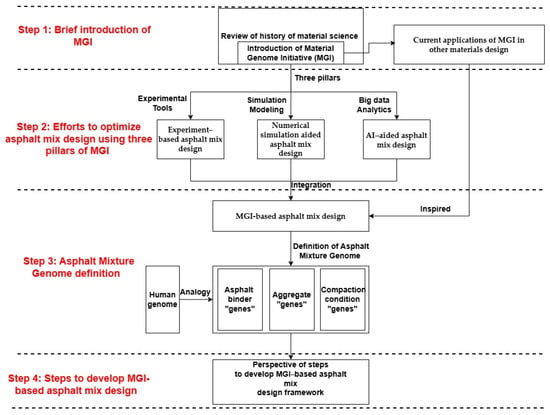
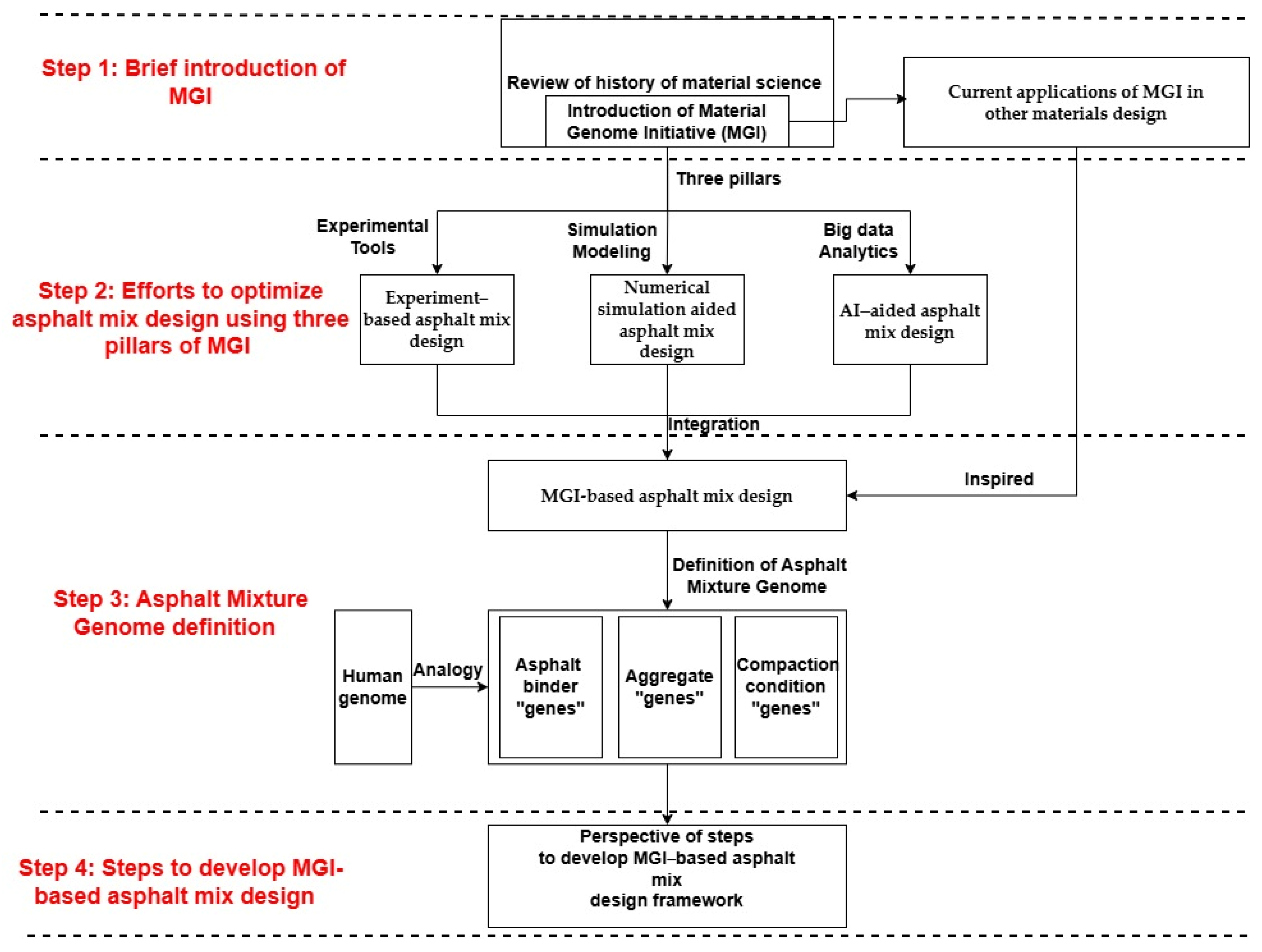
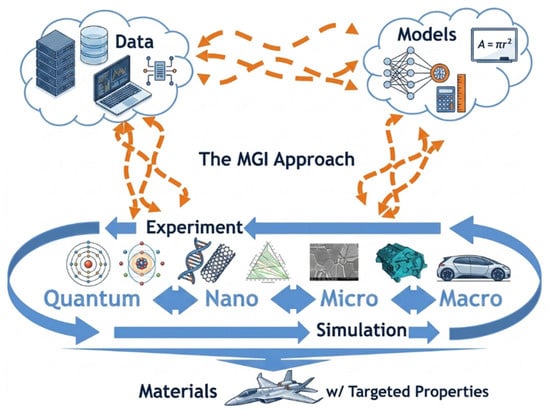
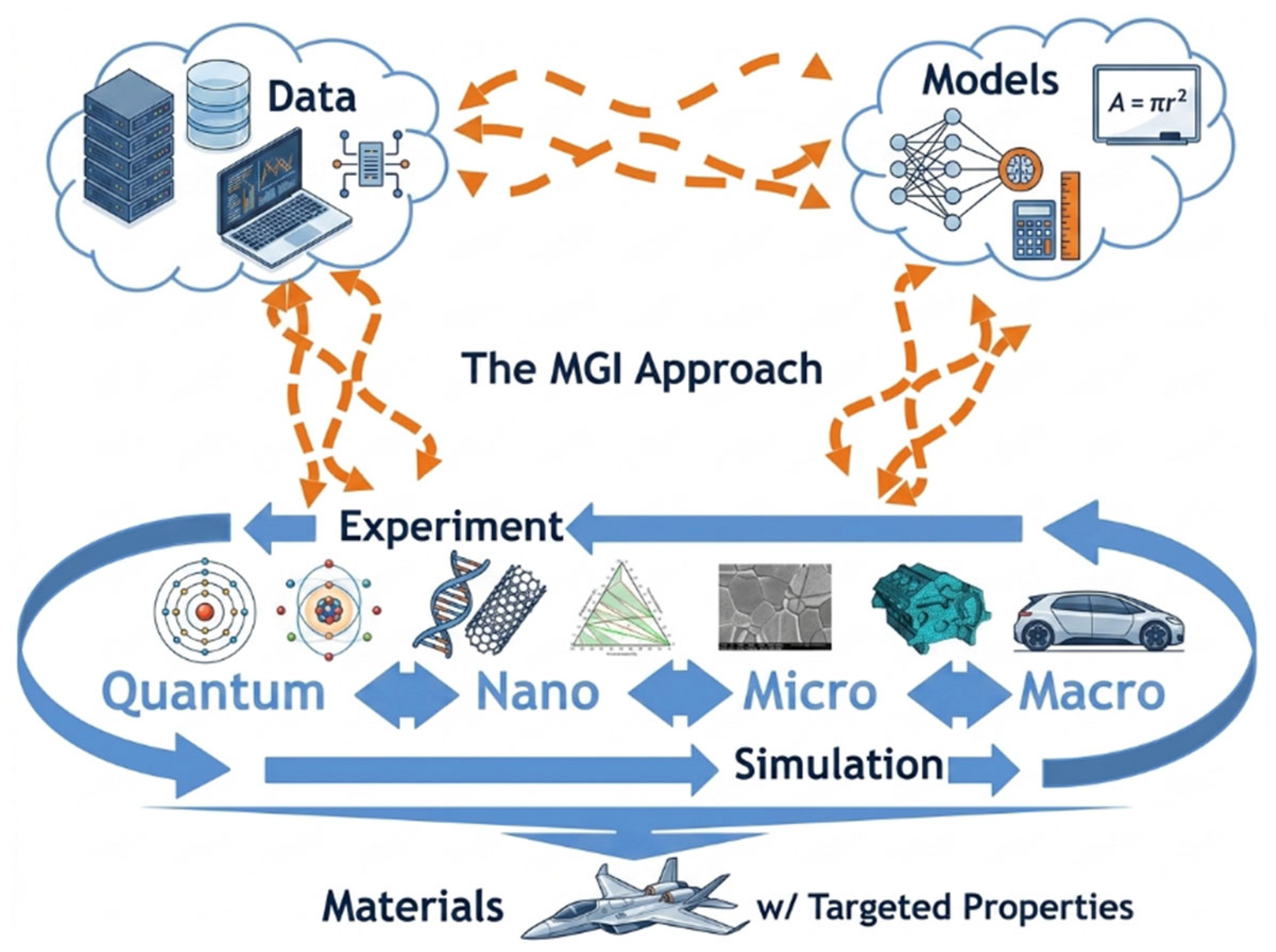
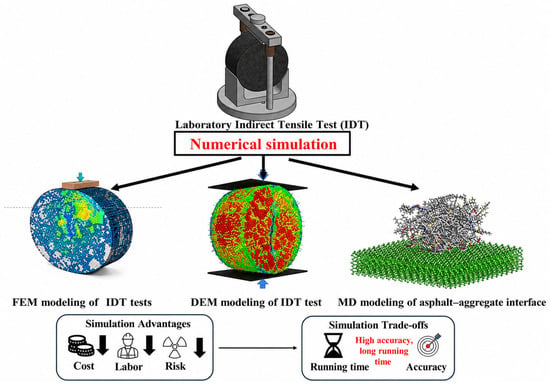
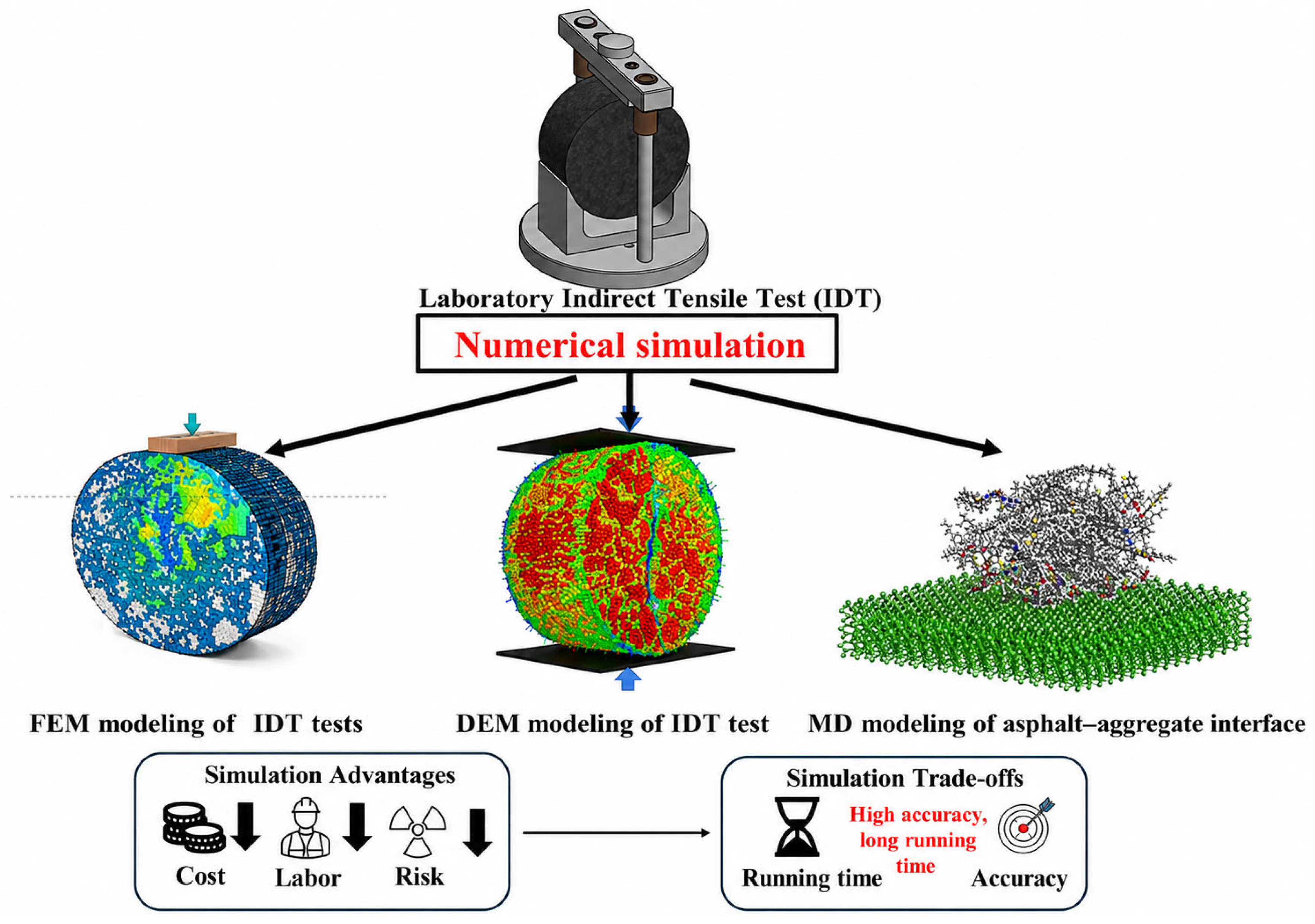
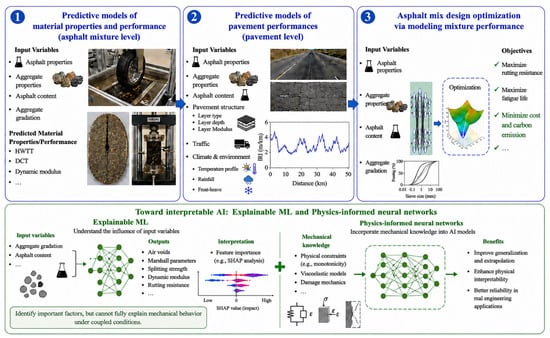
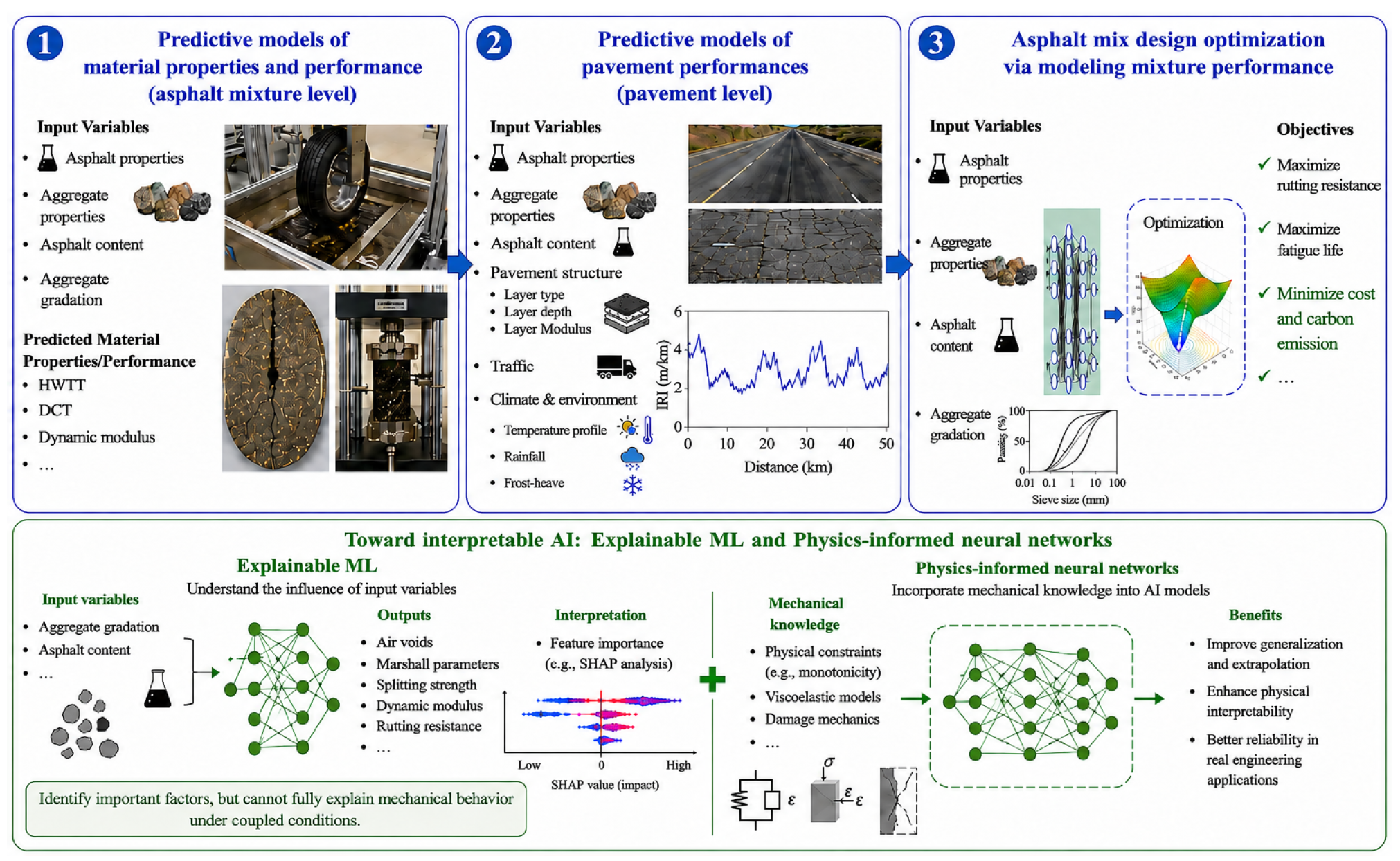
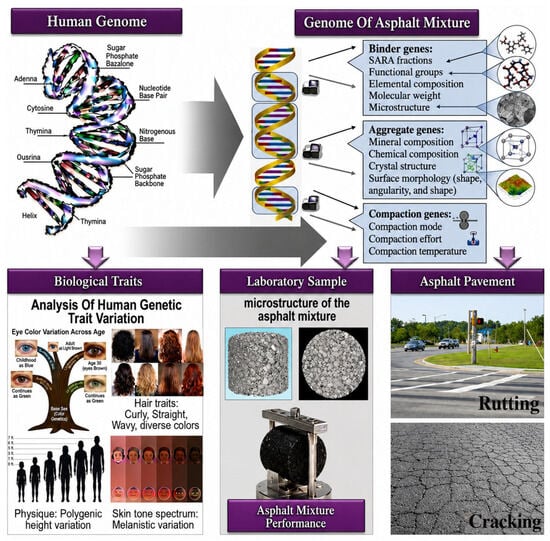
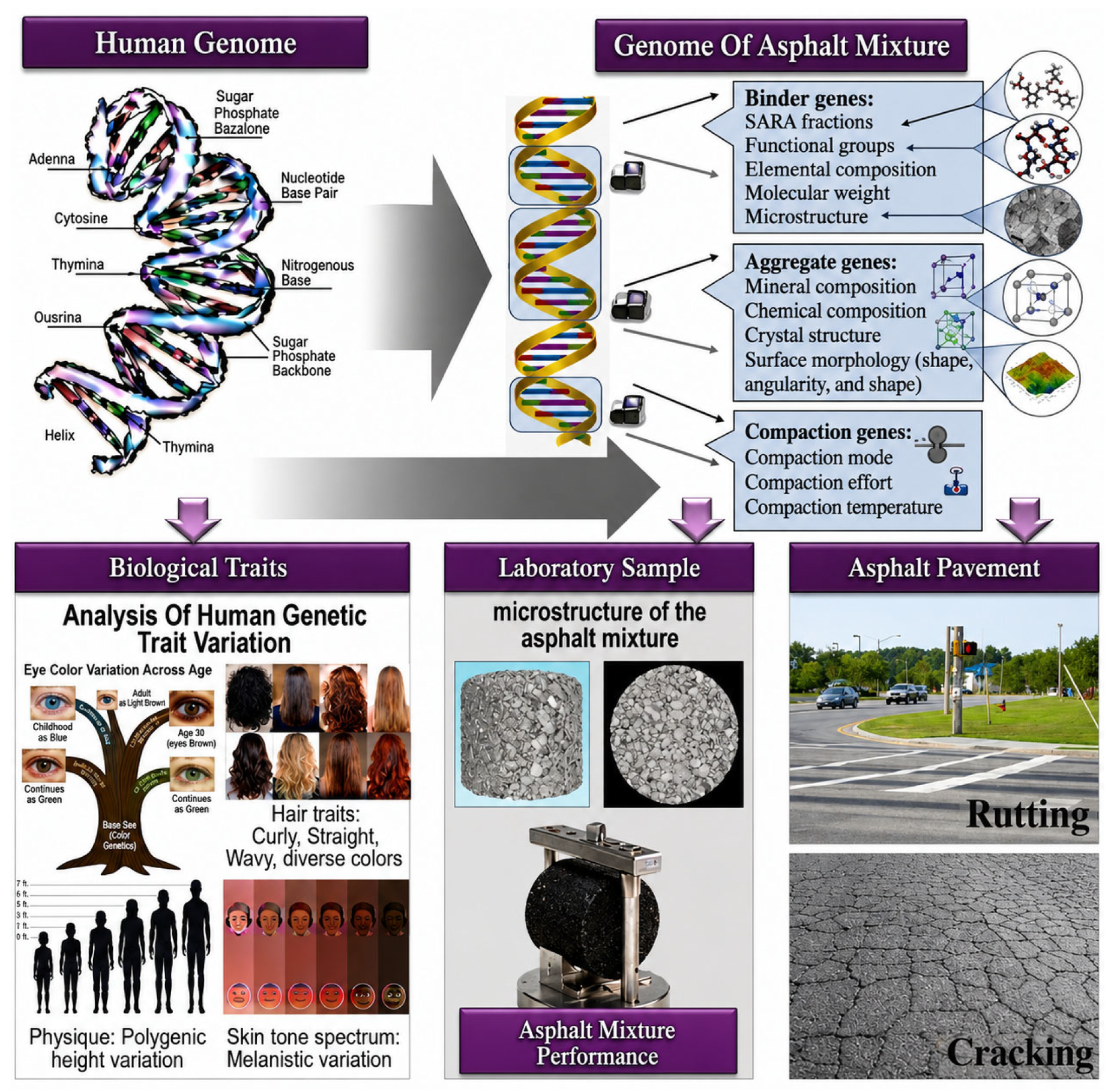
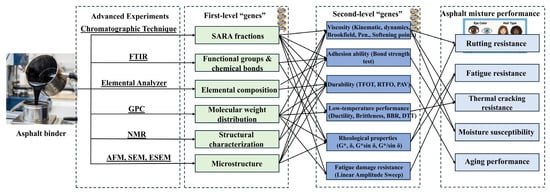
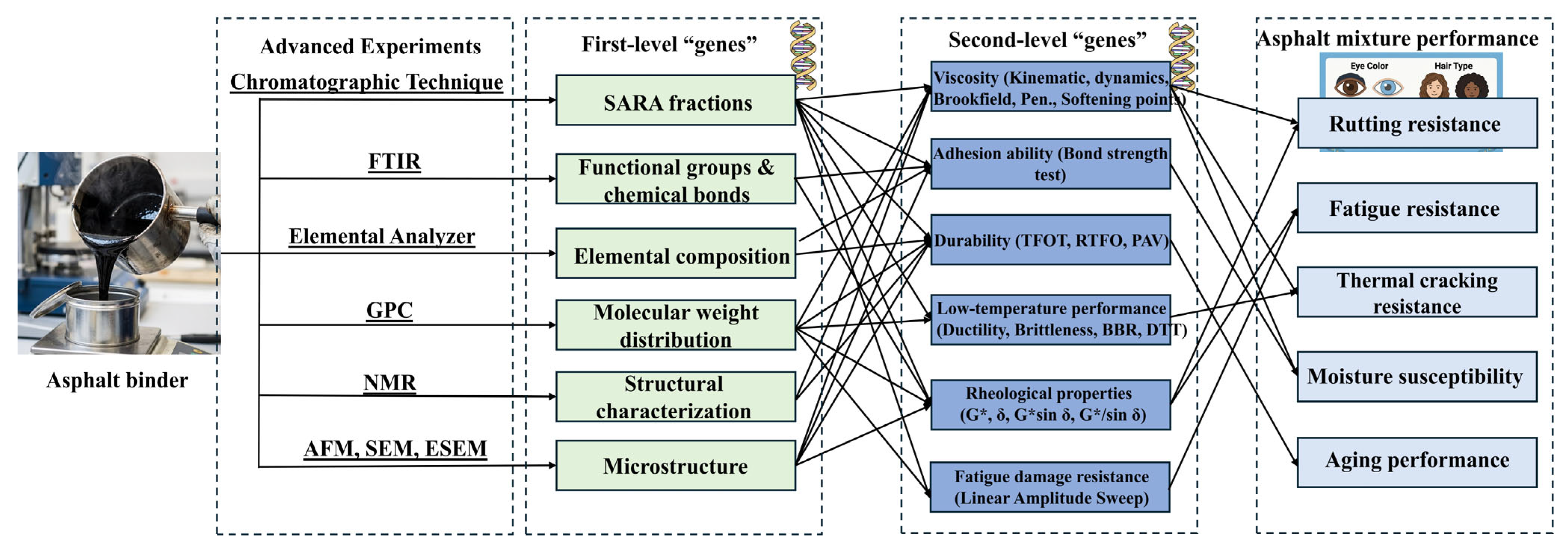
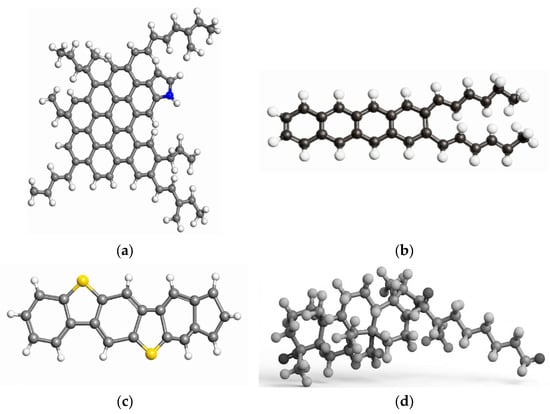
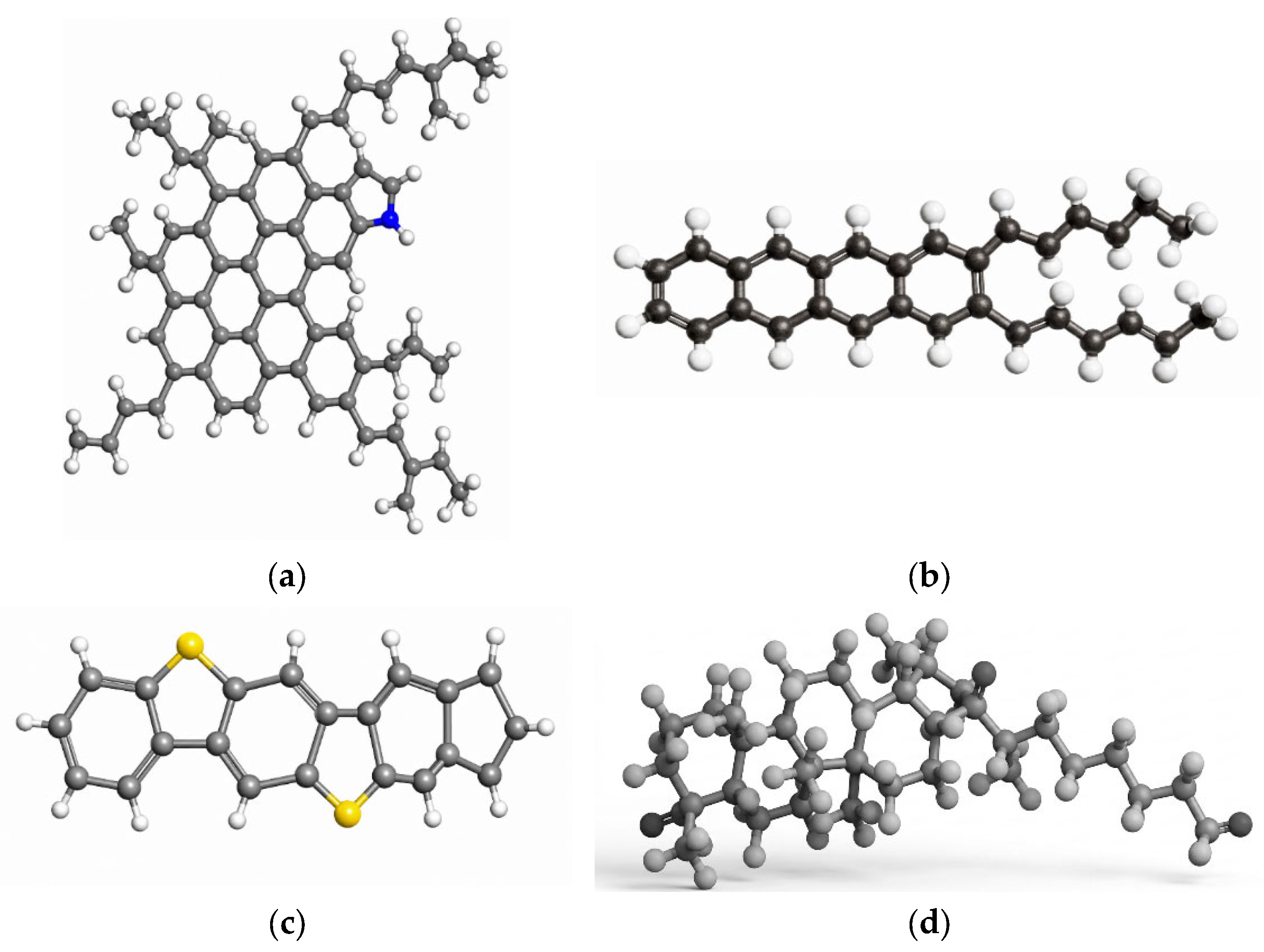
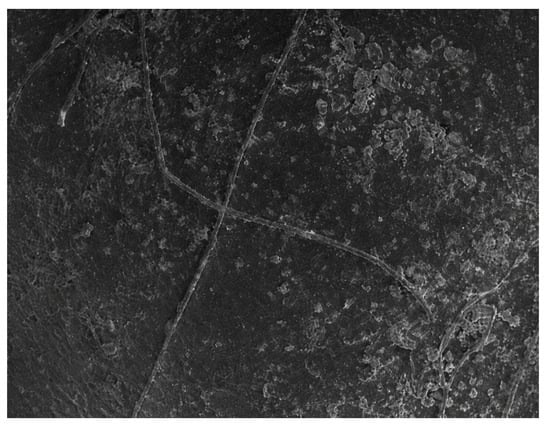
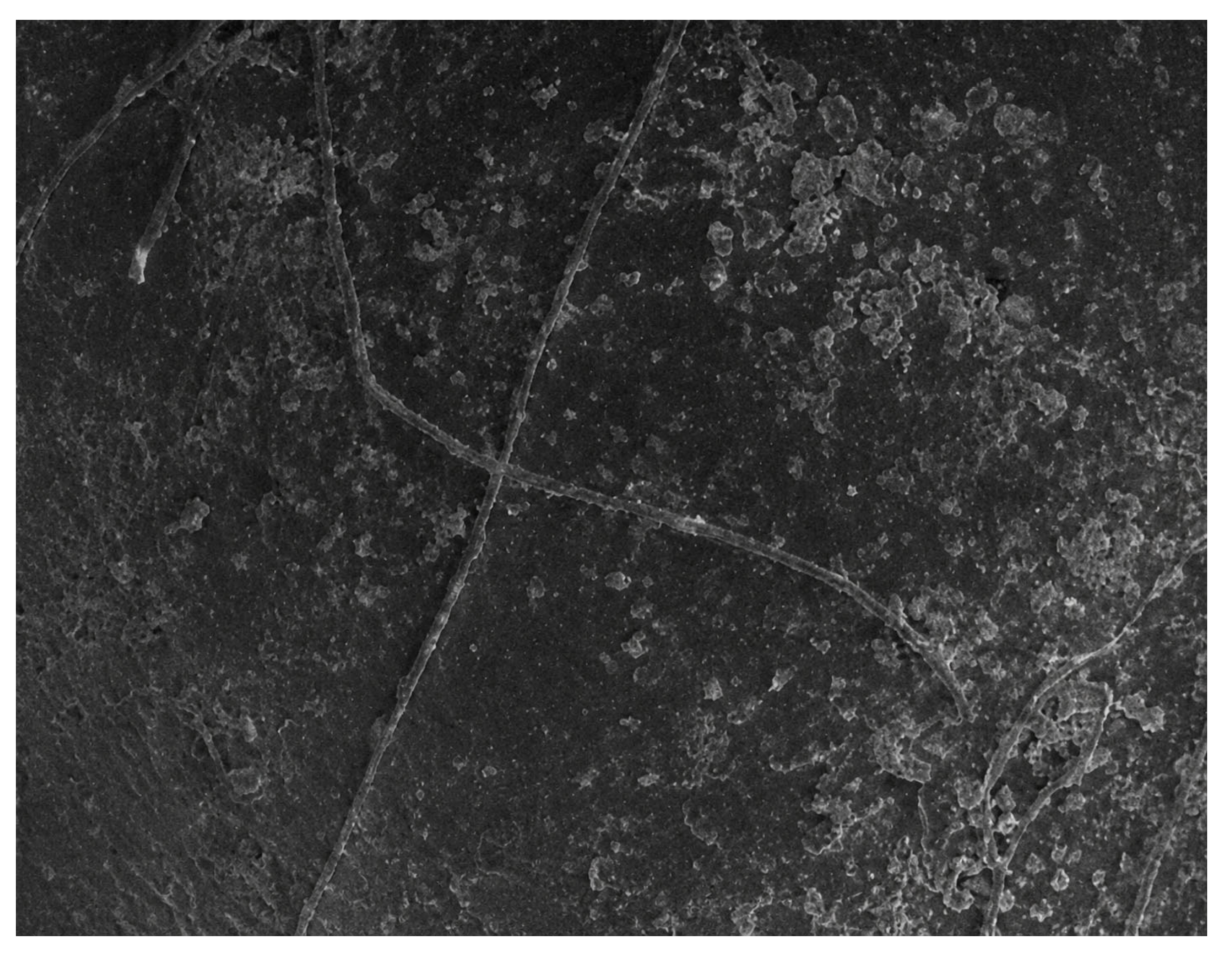
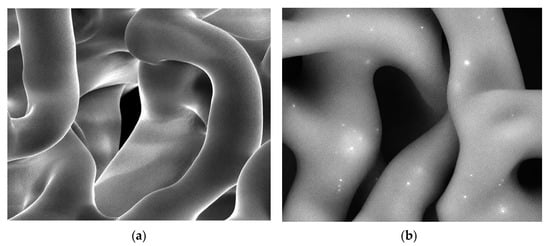
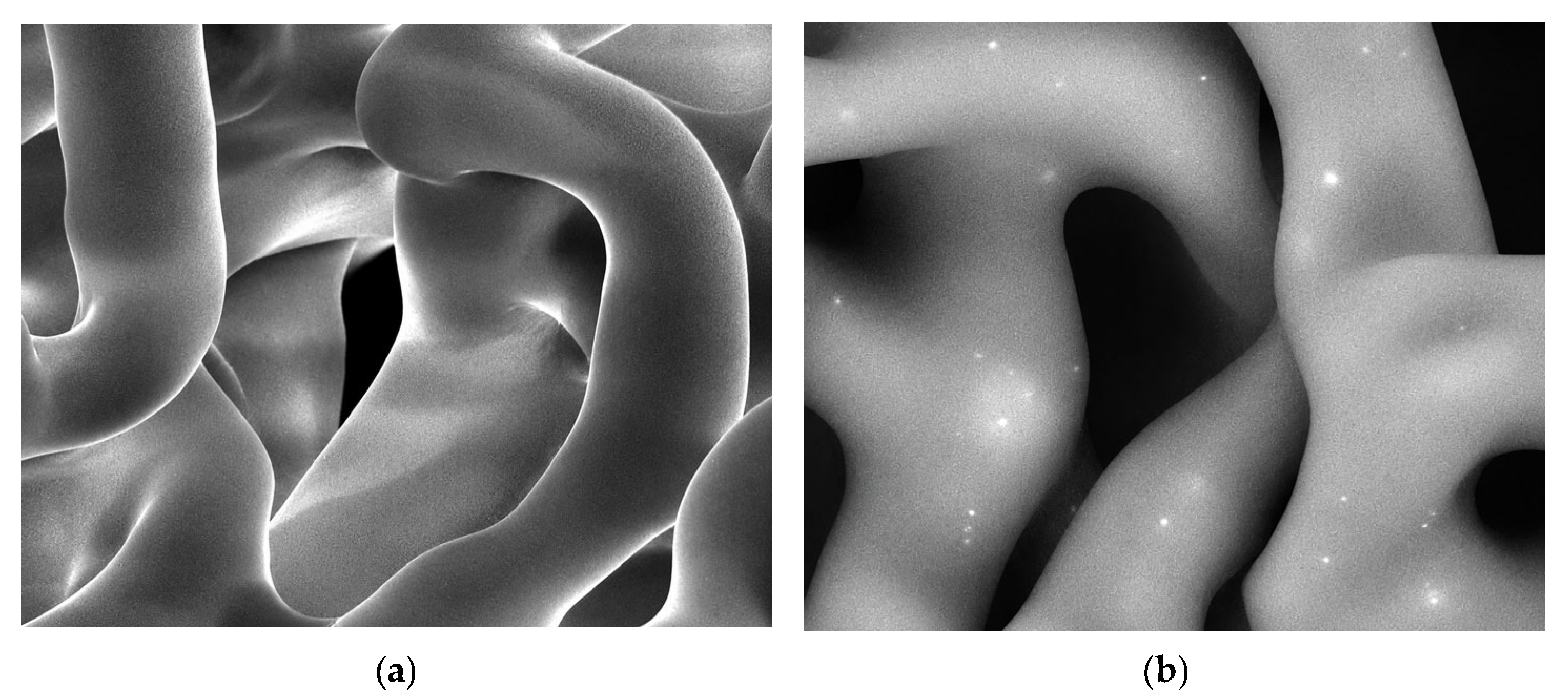
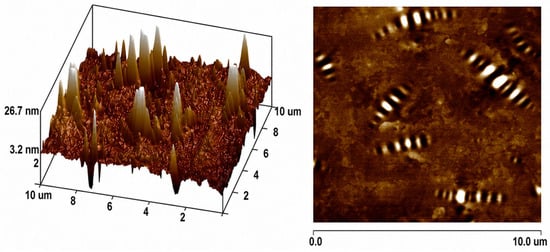
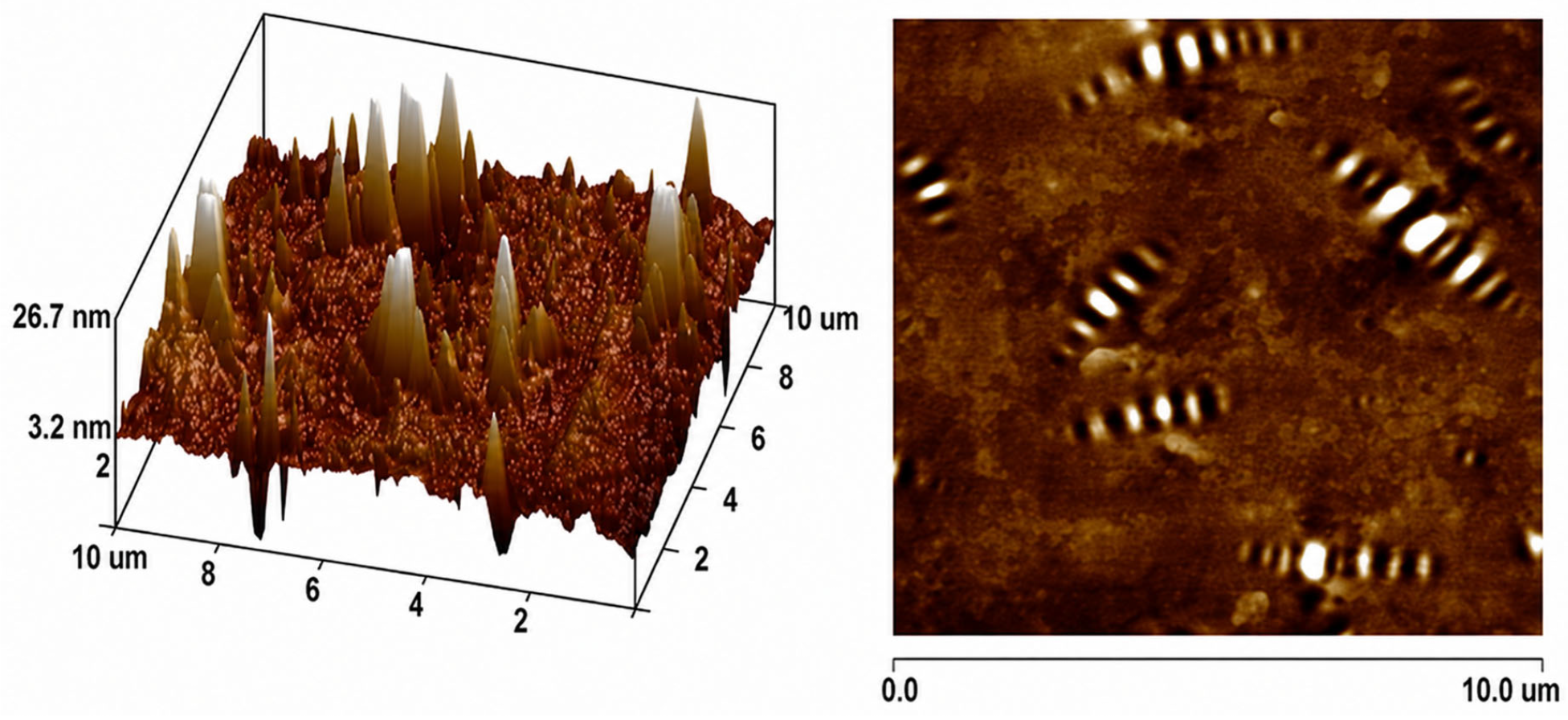
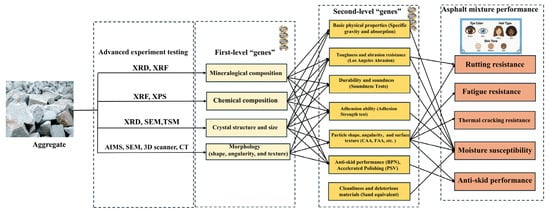
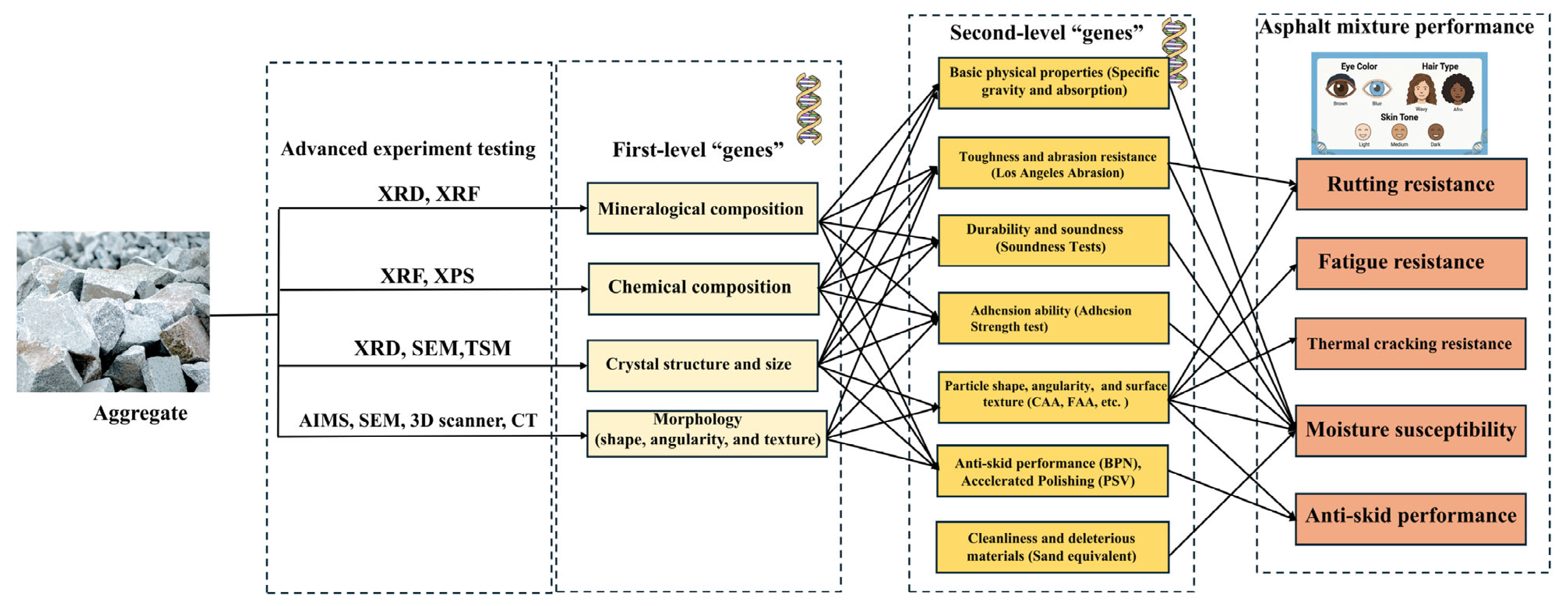
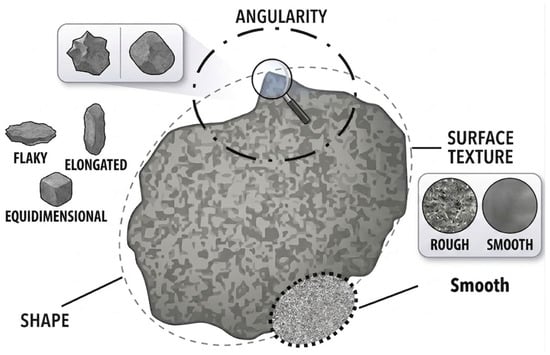
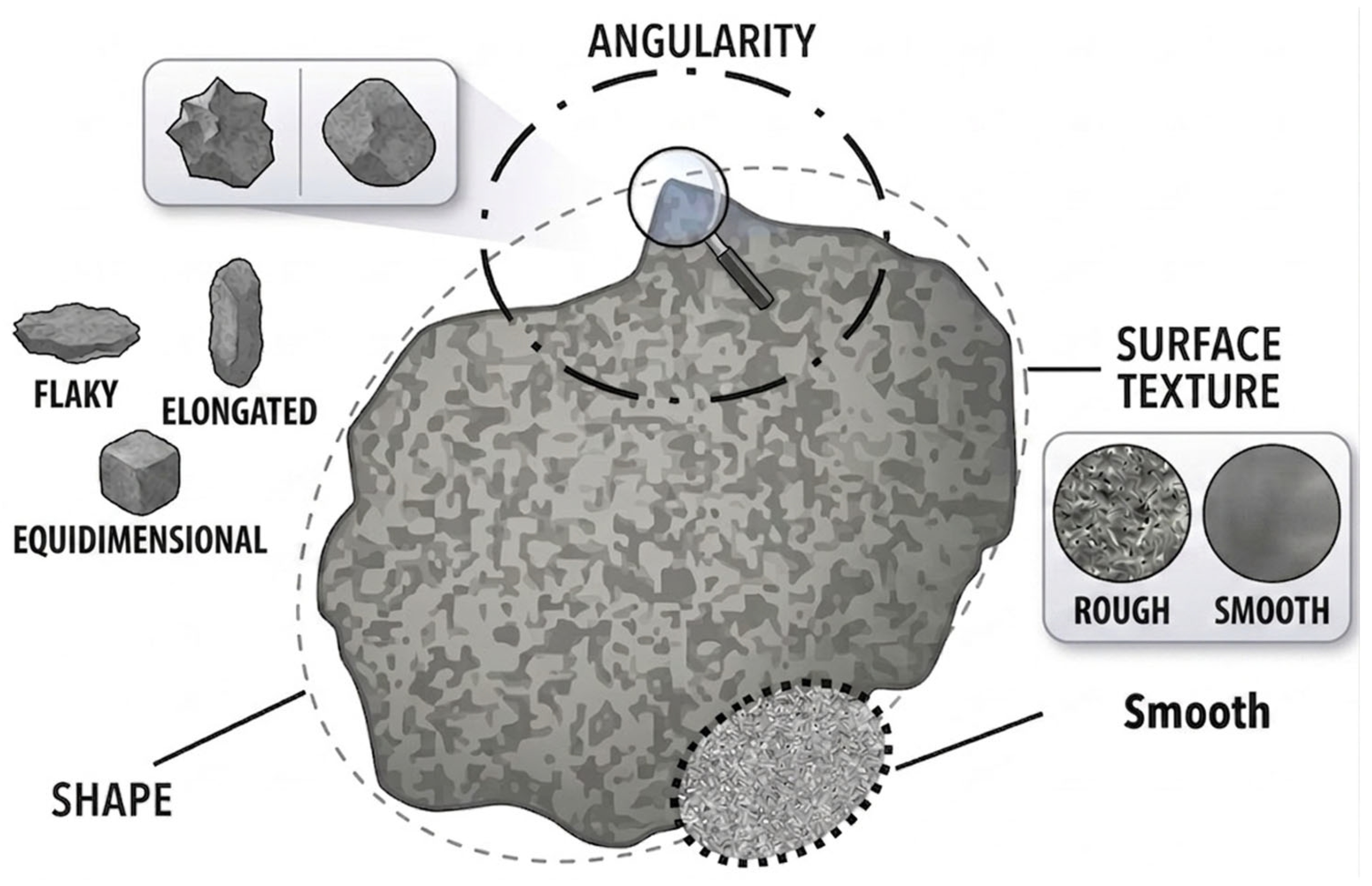
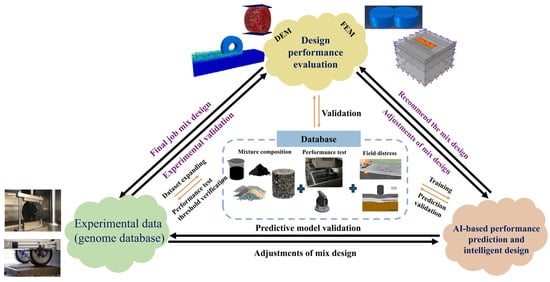
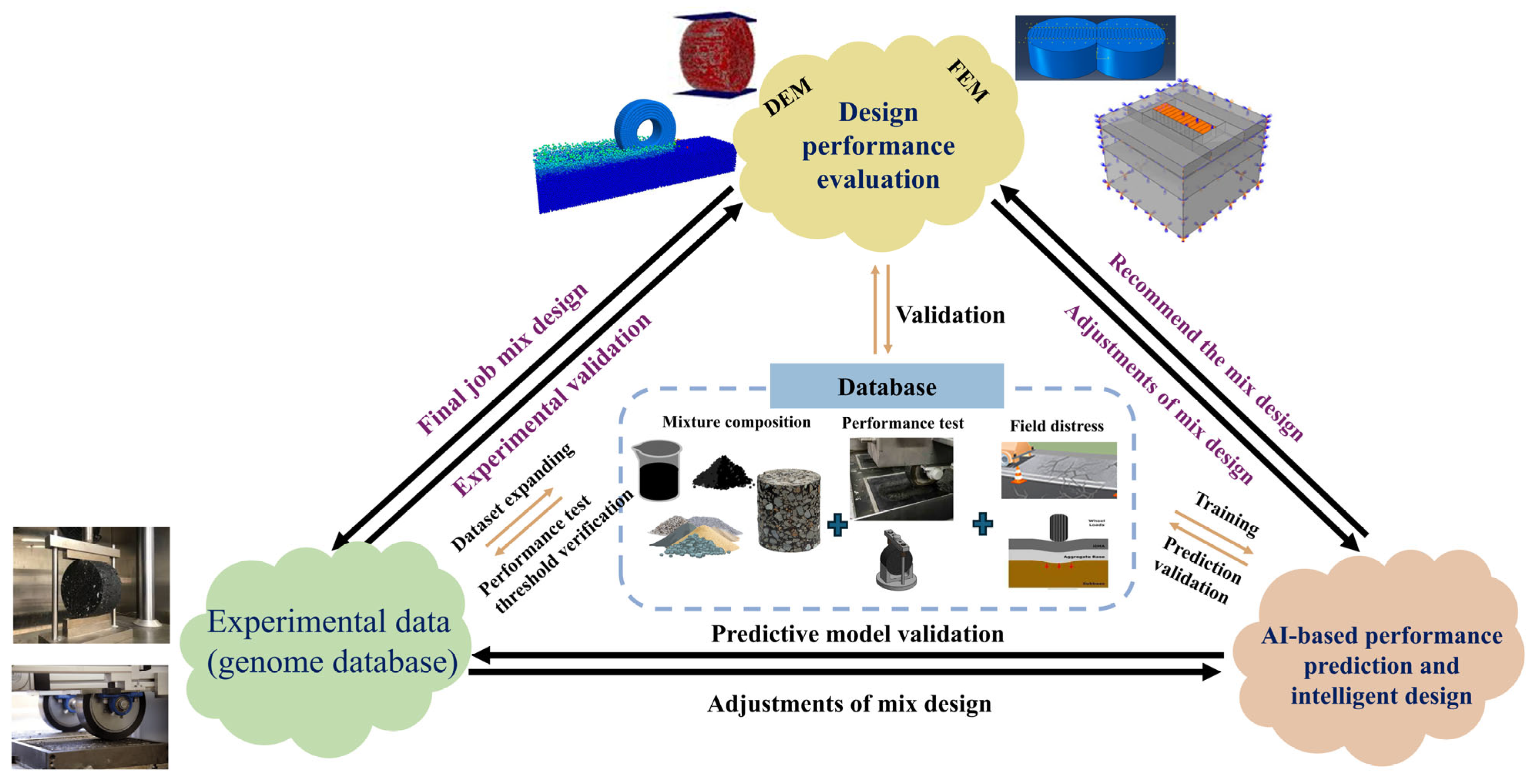

Disclaimer/Publisher’s Note: The statements, opinions and data contained in all publications are solely those of the individual author(s) and contributor(s) and not of MDPI and/or the editor(s). MDPI and/or the editor(s) disclaim responsibility for any injury to people or property resulting from any ideas, methods, instructions or products referred to in the content. |
© 2026 by the authors. Licensee MDPI, Basel, Switzerland. This article is an open access article distributed under the terms and conditions of the Creative Commons Attribution (CC BY) license.