Article

Electron Beam Powder Bed Fusion of Water Atomized Iron and Powder Blends
by
Alexander Kirchner
*,
Burghardt Klöden
,
Marie Franke-Jurisch
,
Gunnar Walther
and
Thomas Weißgärber
Fraunhofer Institute for Manufacturing Technology and Advanced Materials IFAM, 01277 Dresden, Germany
*
Author to whom correspondence should be addressed.
Materials 2022, 15(4), 1567; https://doi.org/10.3390/ma15041567
Submission received: 31 December 2021 / Revised: 3 February 2022 / Accepted: 14 February 2022 / Published: 19 February 2022

Abstract

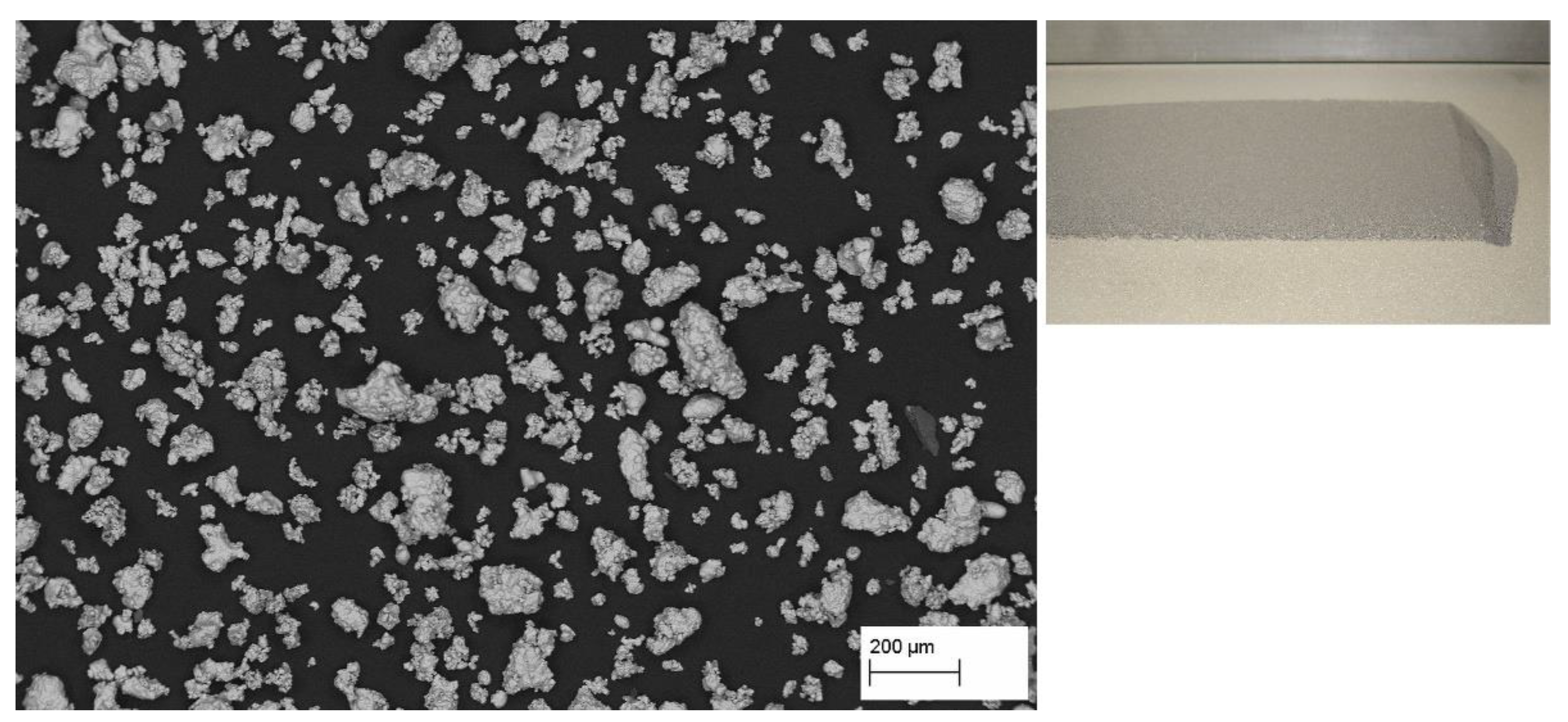
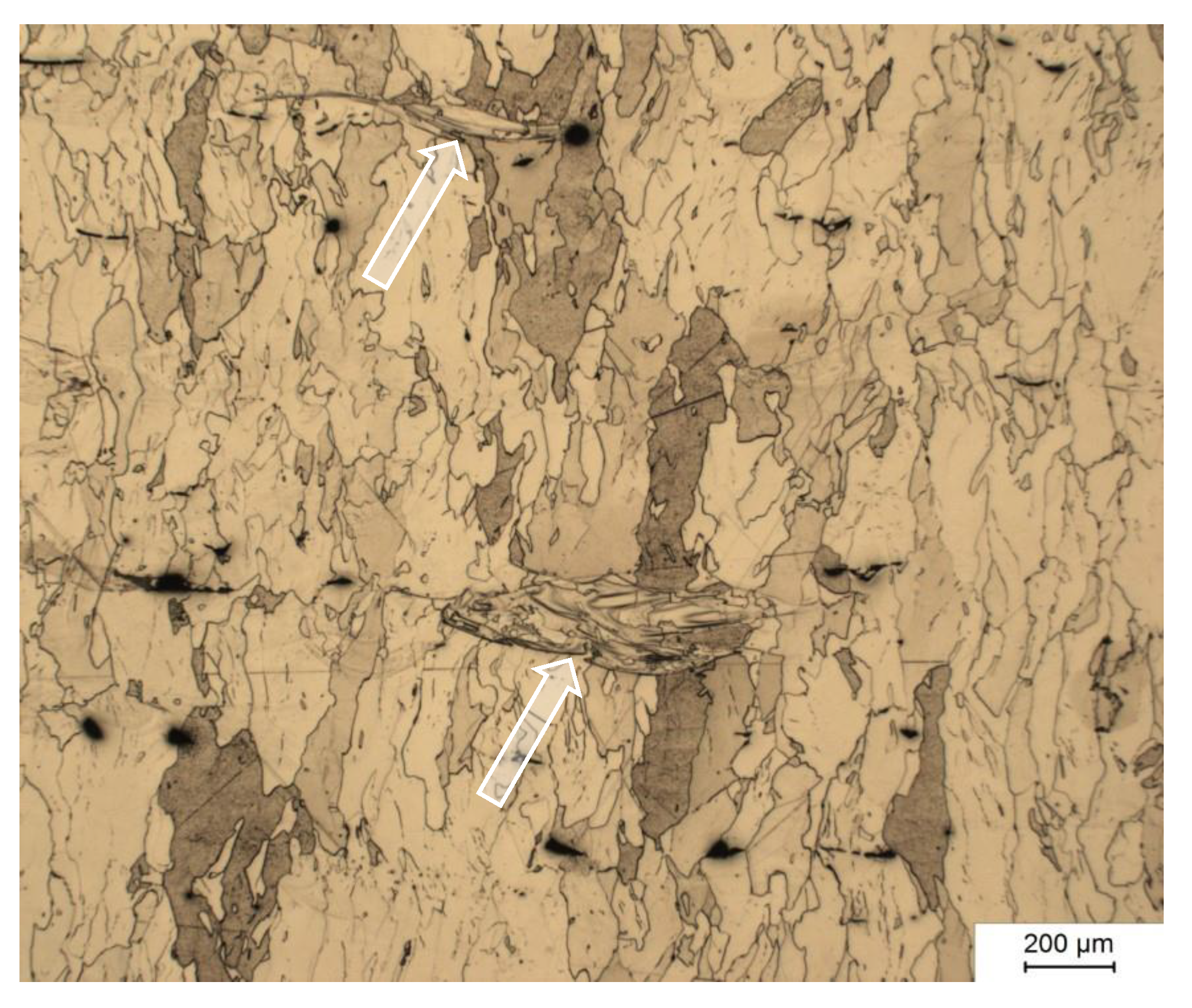
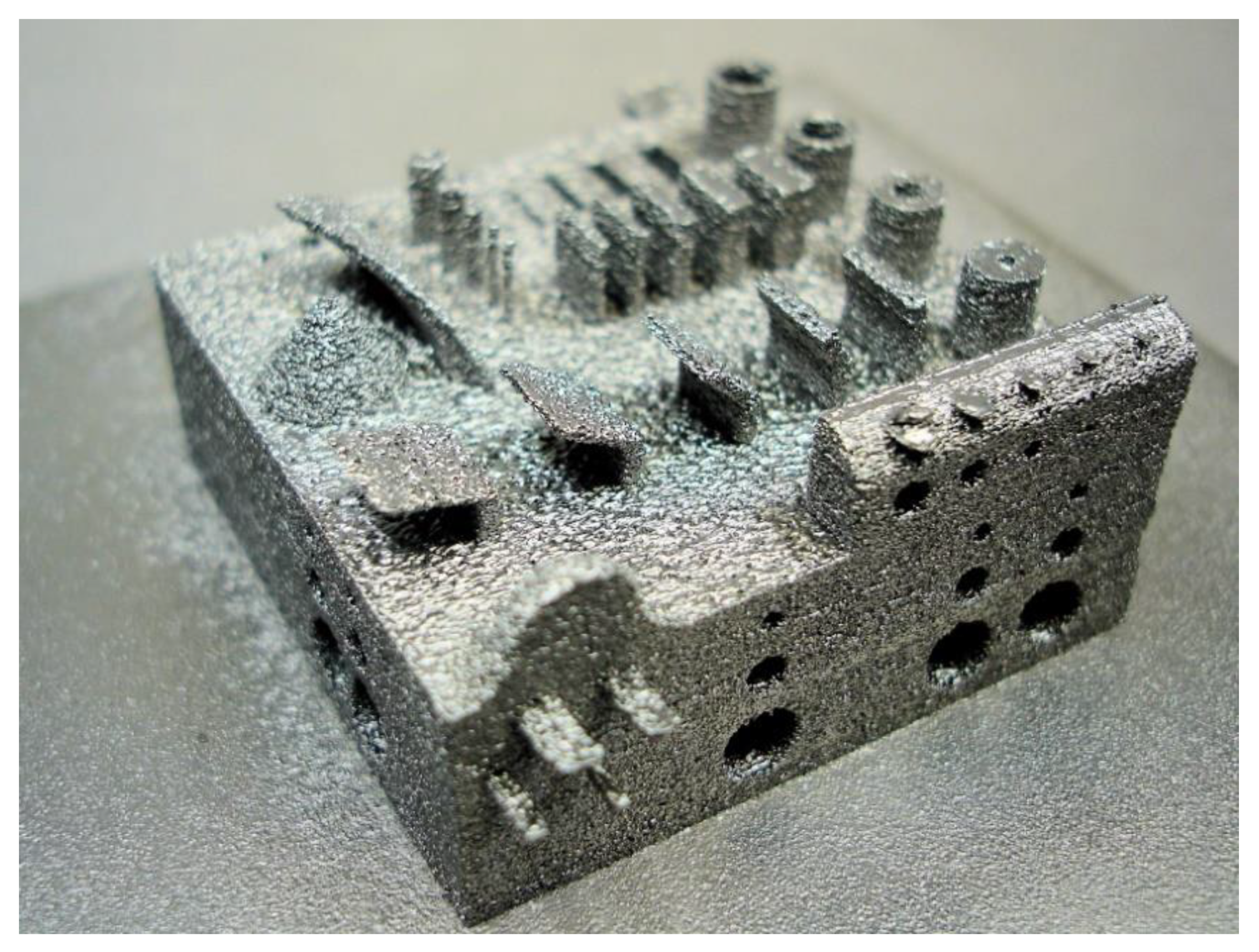
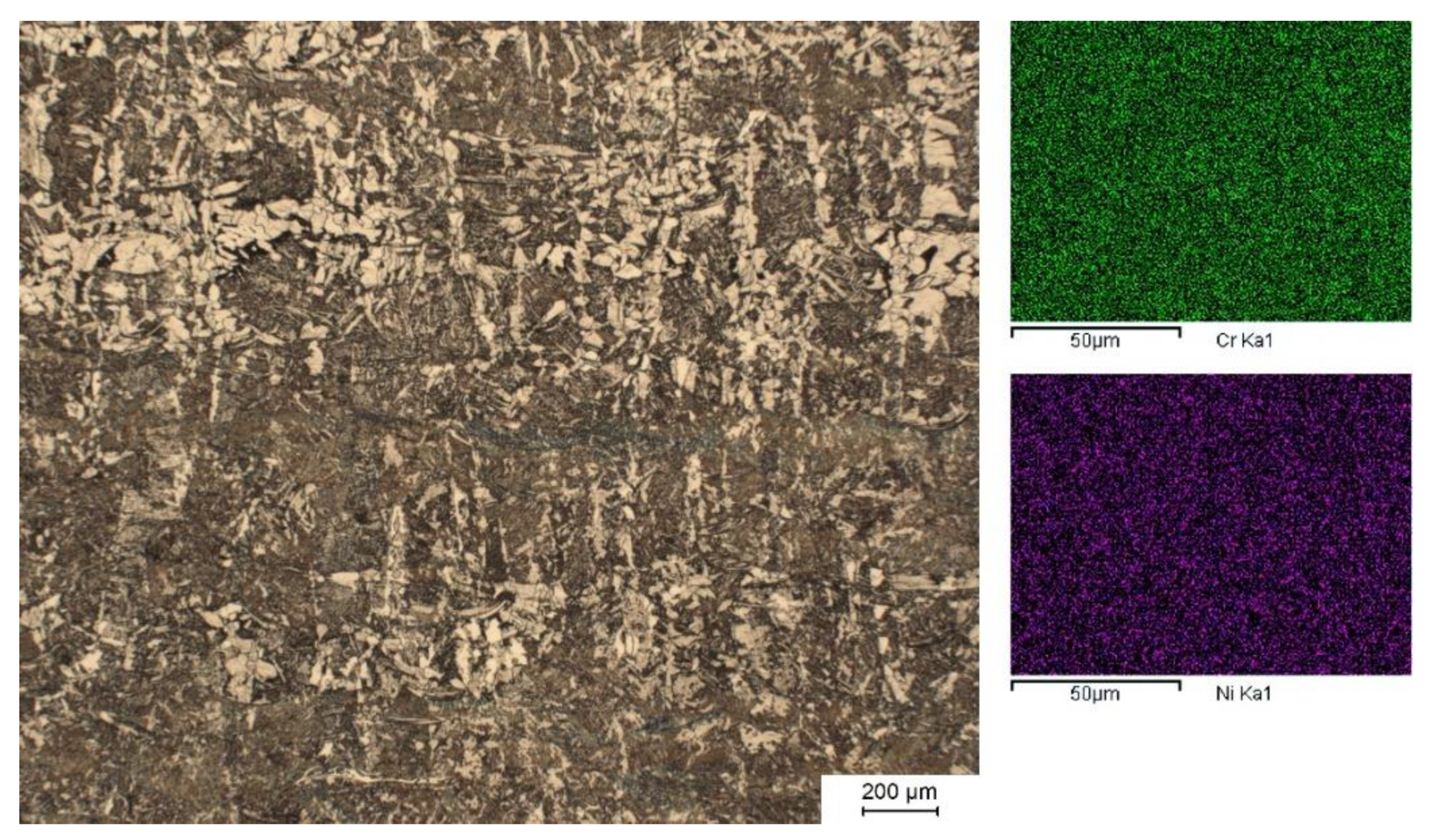
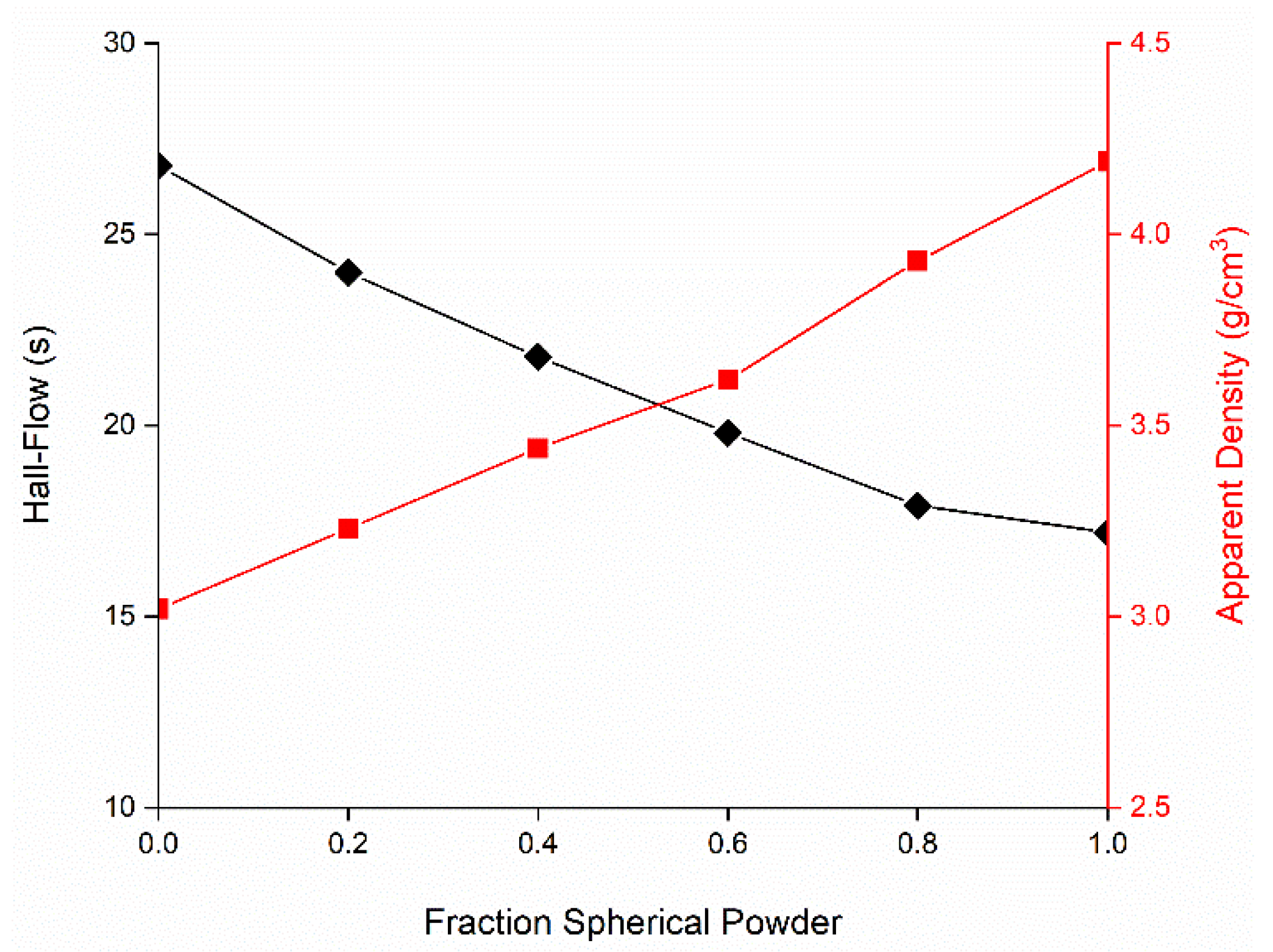
In the present state of the art, highly spherical alloy powders are employed as feedstock in powder bed fusion processes. These powders are characterized by high flowability and apparent density. Their elaborate fabrication process is reflected in high powder price, adding a significant fraction to the cost of additively manufactured parts. Thus, the use of non-spherical powders, such as water atomized material, can lower costs significantly. Here, the electron beam powder bed fusion (PBF-EB) of standard water atomized iron powder used for press-and-sinter is studied. Despite raking problems, using the coating mechanism in standard configuration samples with densities exceeding 99% were fabricated. In a further step, the addition of alloying elements by powder blending is explored. Important powder properties of feedstock blended from irregular and spherical powders are characterized. The PBF-EB processing of two alloys is presented. The first represents a low carbon steel. Samples were characterized by metallographic cross-section, energy dispersive X-ray (EDX) mapping, and mechanical testing. The second alloy system is a FeCrAl. After PBF-EB processing of the powder mixture, chemical homogeneity was achieved. Besides the low cost, this approach of using water atomized powder mixed with master alloy offers the advantage of high flexibility for potential application.
Keywords: additive manufacturing; electron beam powder bed fusion; water atomization; iron; powder blends additive manufacturing; electron beam powder bed fusion; water atomization; iron; powder blends