Article

Laser Additive Manufacturing of TC4/AlSi12 Bimetallic Structure via Nb Interlayer

1
School of Material Science and Engineering, Shenyang University of Technology, Shenyang 110870, China
2
School of Mechanical Engineering, Shenyang University of Technology, Shenyang 110870, China
3
Shenyang Zhongke Raycham Technology Co., Ltd., Shenyang 110870, China
4
Department of Development, Reform and Discipline Construction, Shenyang University of Technology, Shenyang 110870, China
*
Author to whom correspondence should be addressed.
Materials 2022, 15(24), 9071; https://doi.org/10.3390/ma15249071
Submission received: 11 November 2022 / Revised: 12 December 2022 / Accepted: 16 December 2022 / Published: 19 December 2022
(This article belongs to the Special Issue 3D Printing of Metallic Materials)

Abstract

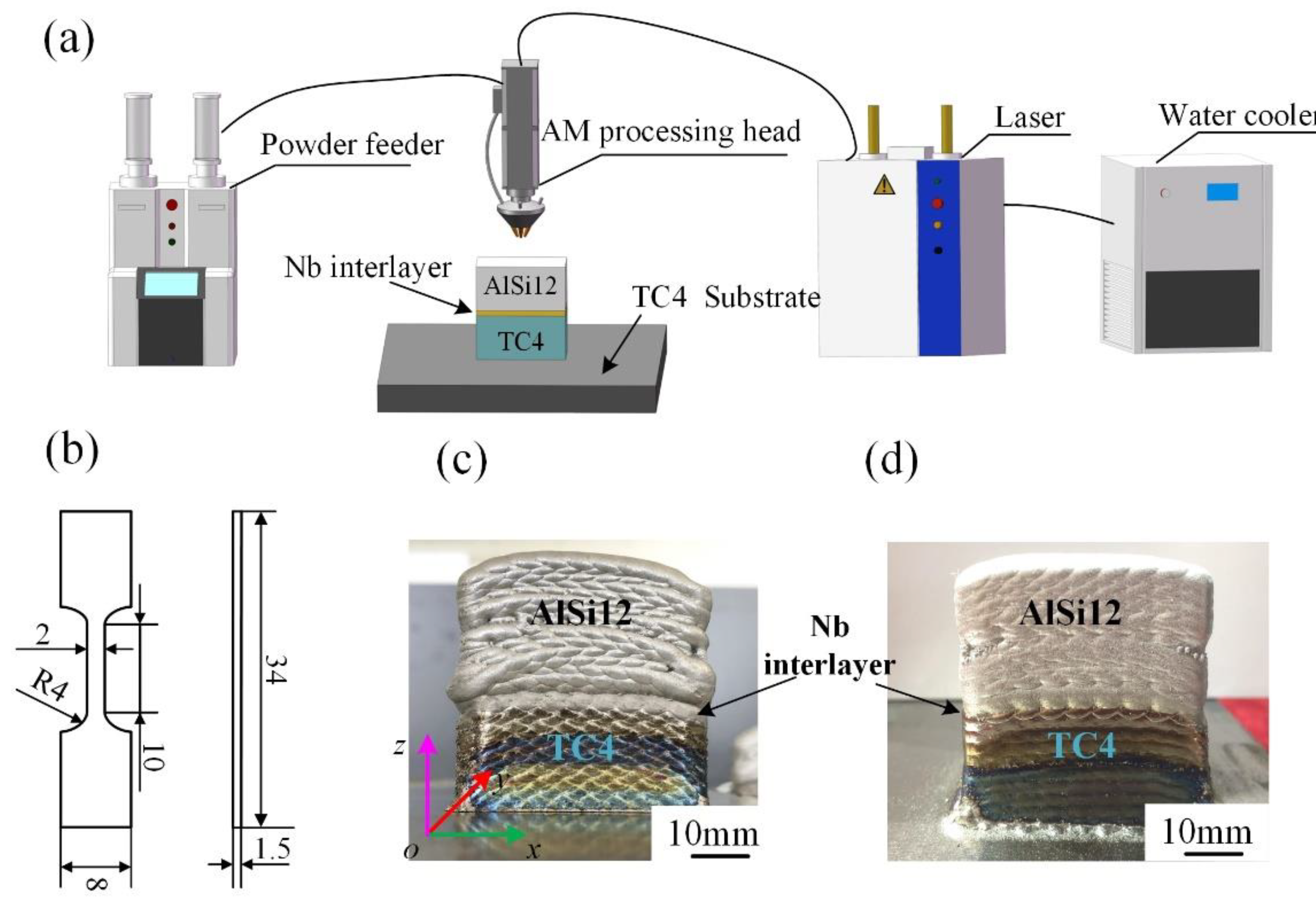
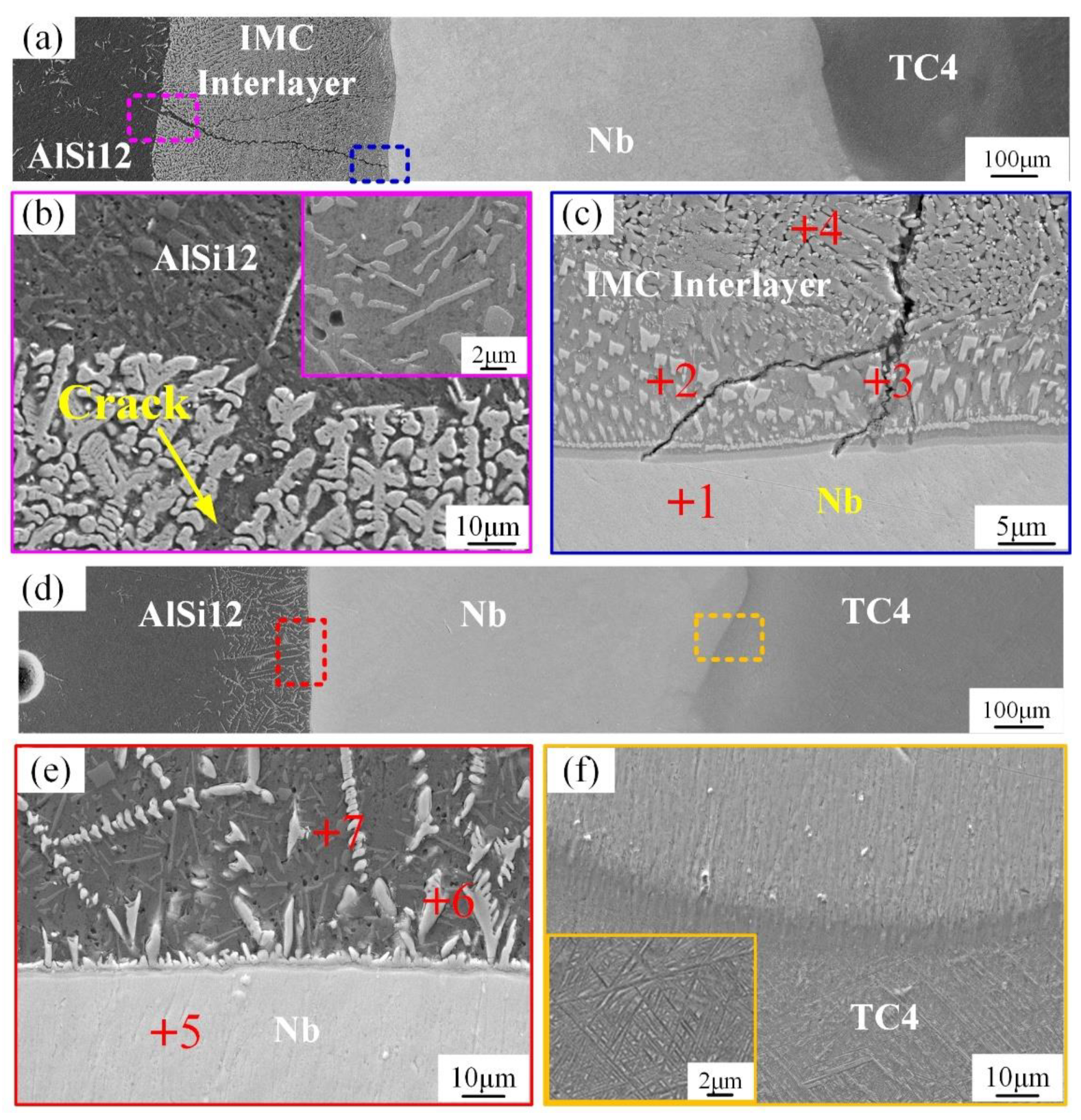
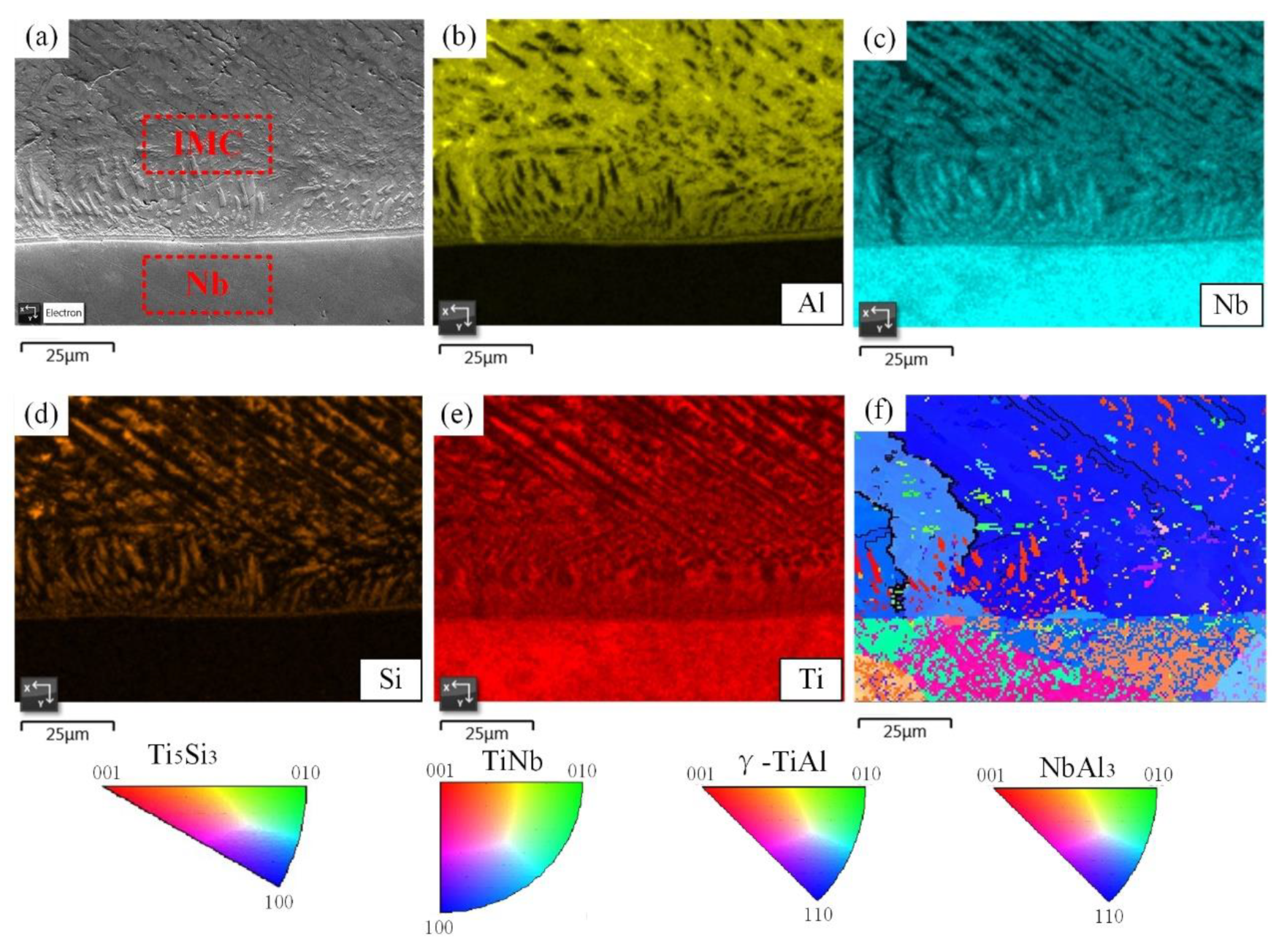
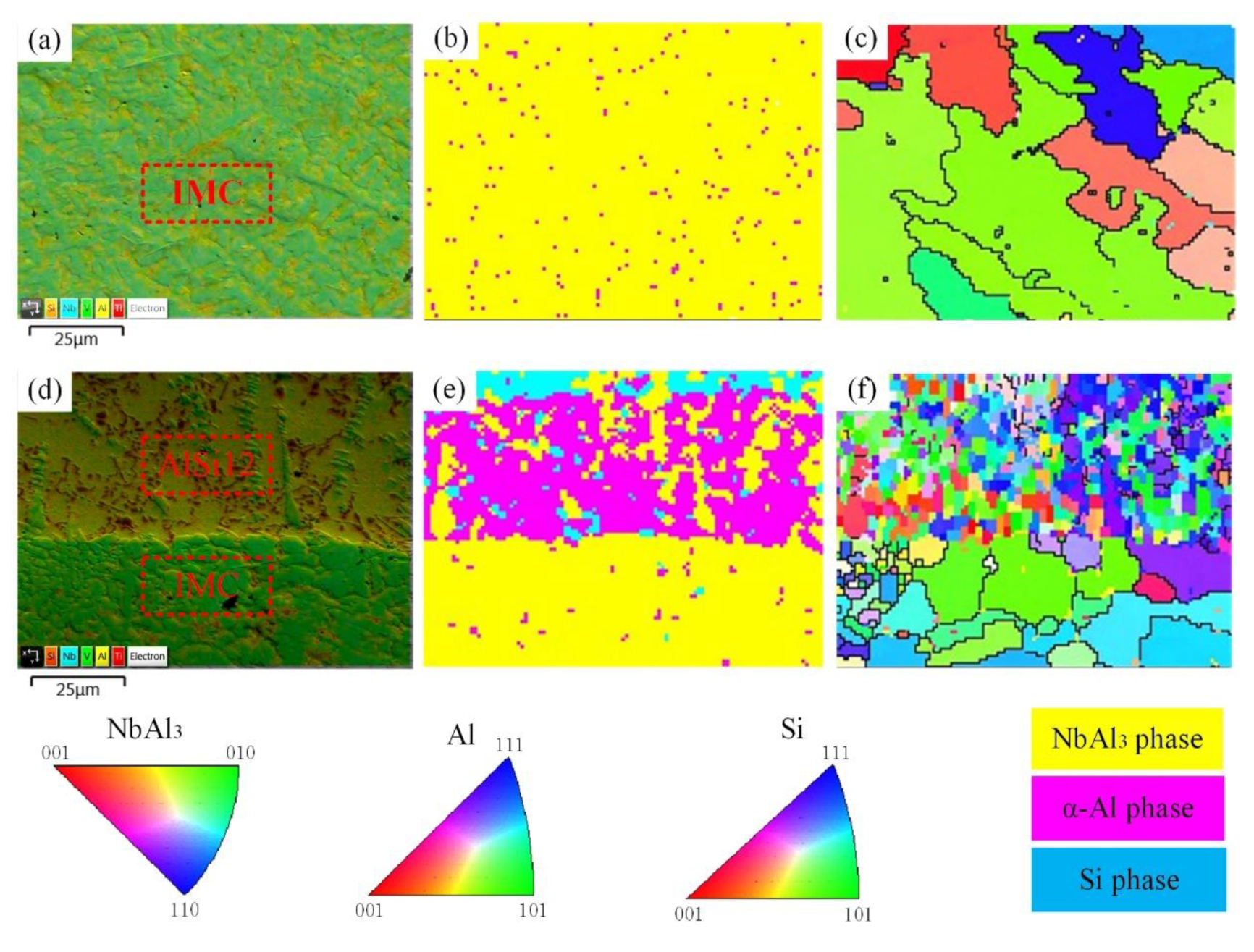
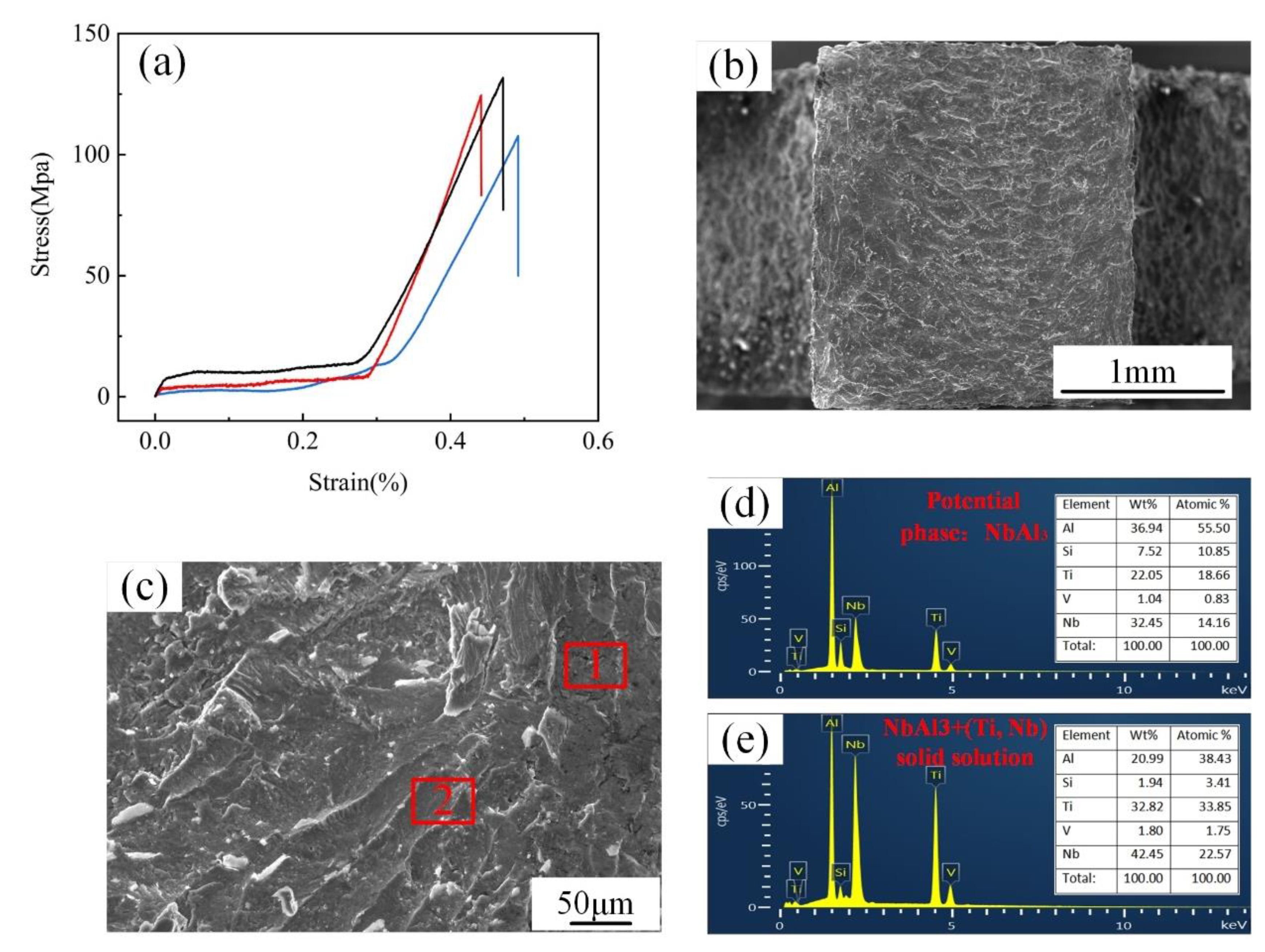
The TC4/AlSi12 bimetallic structures (BS) with Nb interlayer transition were fabricated by laser additive manufacturing (LAM). The results showed that the TC4/AlSi12 BS with Nb interlayer prepared with optimized process parameters can be divided into three regions (the TC4 region, Nb region and the AlSi12 region) and two interfaces (the TC4/Nb interface and the Nb/AlSi12 interface). The high melting point (Ti, Nb) solid solution formed in the Nb region acted as a diffusion barrier between the TC4 alloy and the AlSi12 alloy, thereby effectively inhibiting the formation of Ti-Al intermetallic compounds (IMCs). With the decrease of the laser output power for AlSi12 deposition, the NbAl3 IMC changed from layered to dispersed distribution, while γ-TiAl and Ti5Si3 IMC disappeared, thus significantly reducing the crack susceptibility of the BS deposited layer. The tensile strength of TC4/AlSi12 BS with Nb interlayer was about 128MPa, and the fracture was located near the Nb/AlSi12 interface.
Keywords: laser additive manufacturing; TC4/AlSi12 bimetallic structure; Nb interlayer; intermetallic compounds laser additive manufacturing; TC4/AlSi12 bimetallic structure; Nb interlayer; intermetallic compounds