Article

Optimisation of Selective Laser Melted Ti6Al4V Functionally Graded Lattice Structures Accounting for Structural Safety

1
Dyson School of Design Engineering, Imperial College London, London SW7 2AZ, UK
2
The First Aircraft Institute of AVIC, Xi’an 710087, China
3
Manufacturing Technology Institute (MTI) of AVIC, Beijing 100024, China
*
Author to whom correspondence should be addressed.
Materials 2022, 15(24), 9072; https://doi.org/10.3390/ma15249072
Submission received: 21 November 2022 / Revised: 12 December 2022 / Accepted: 16 December 2022 / Published: 19 December 2022

Abstract

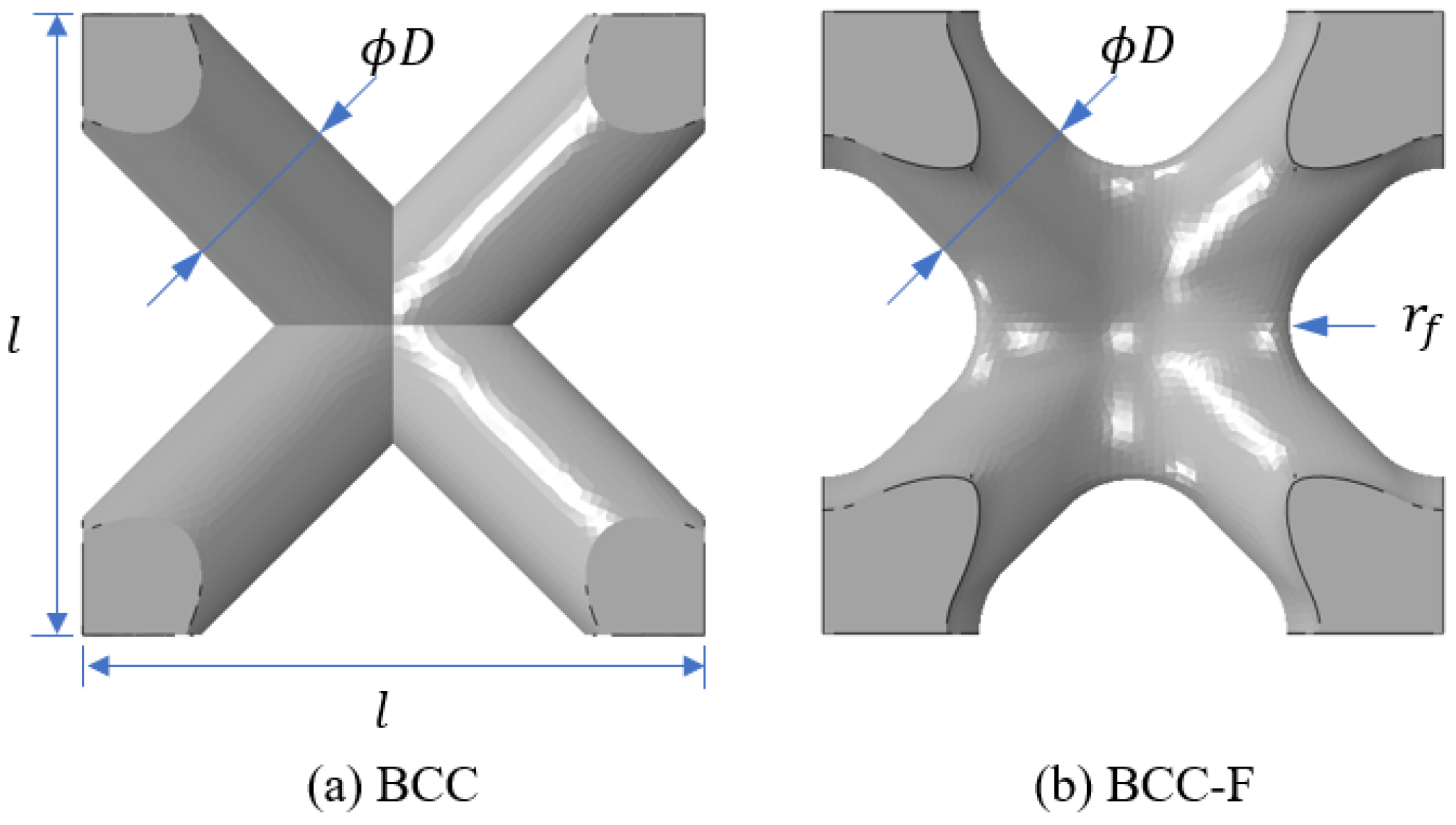
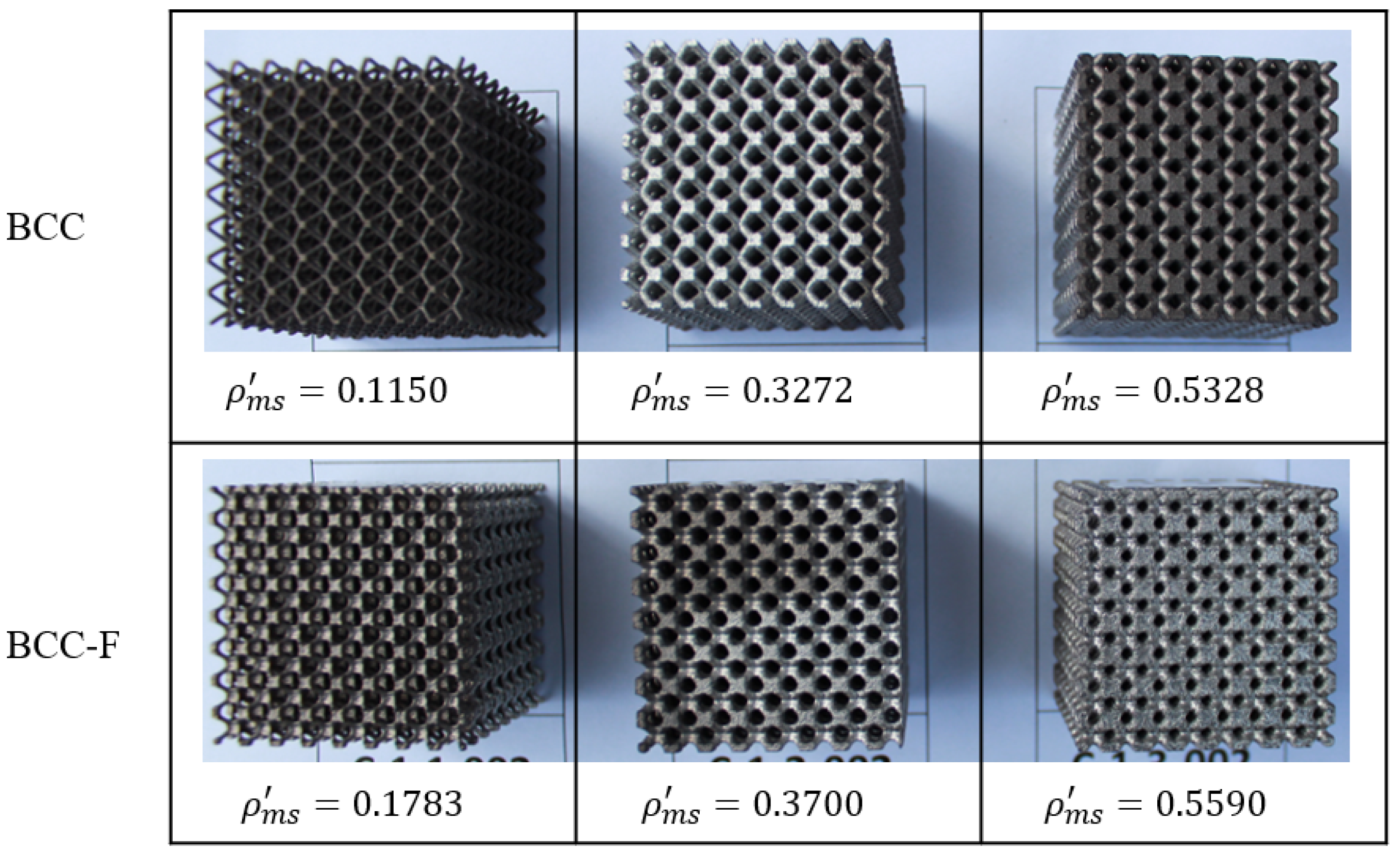
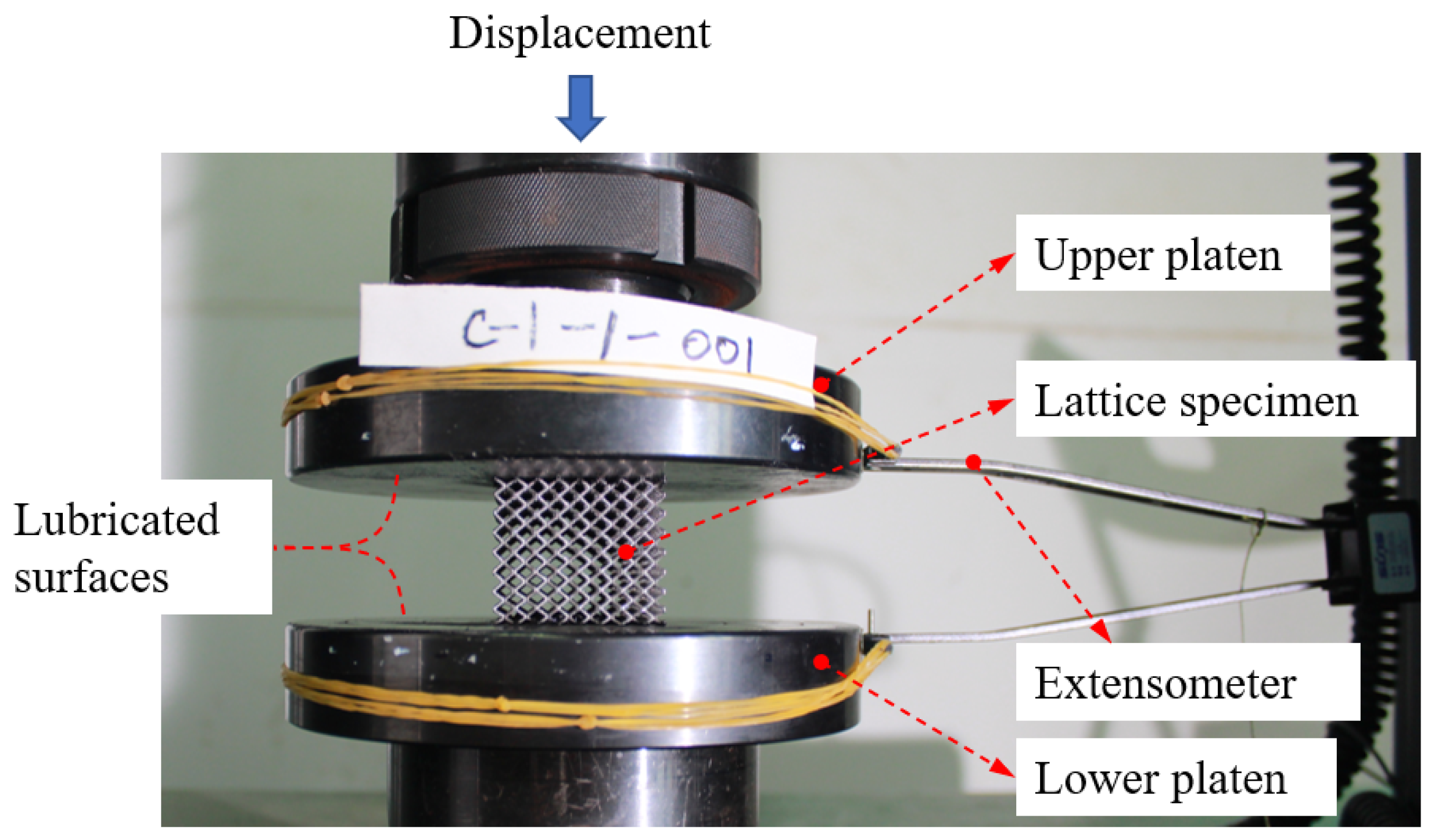
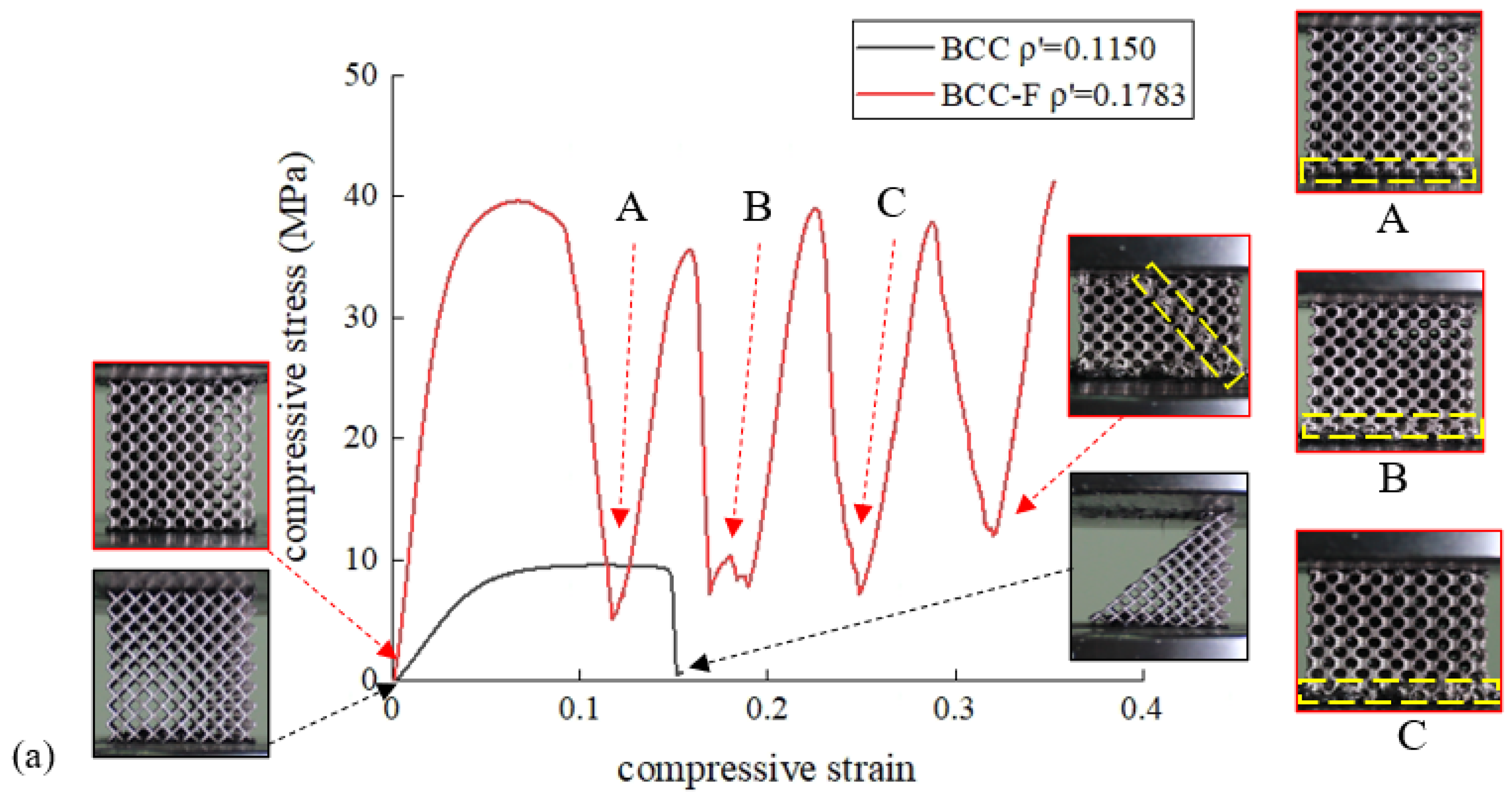
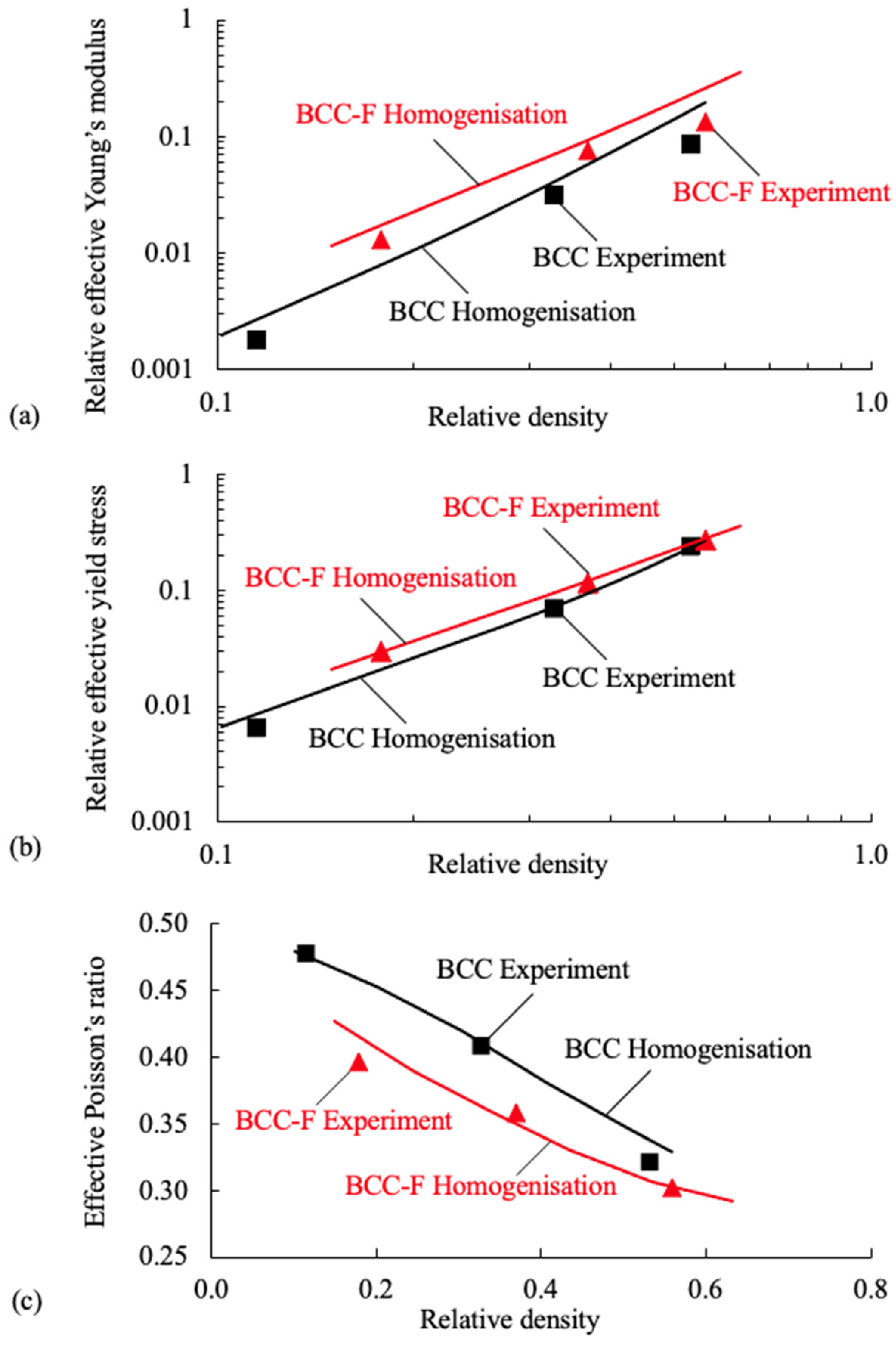
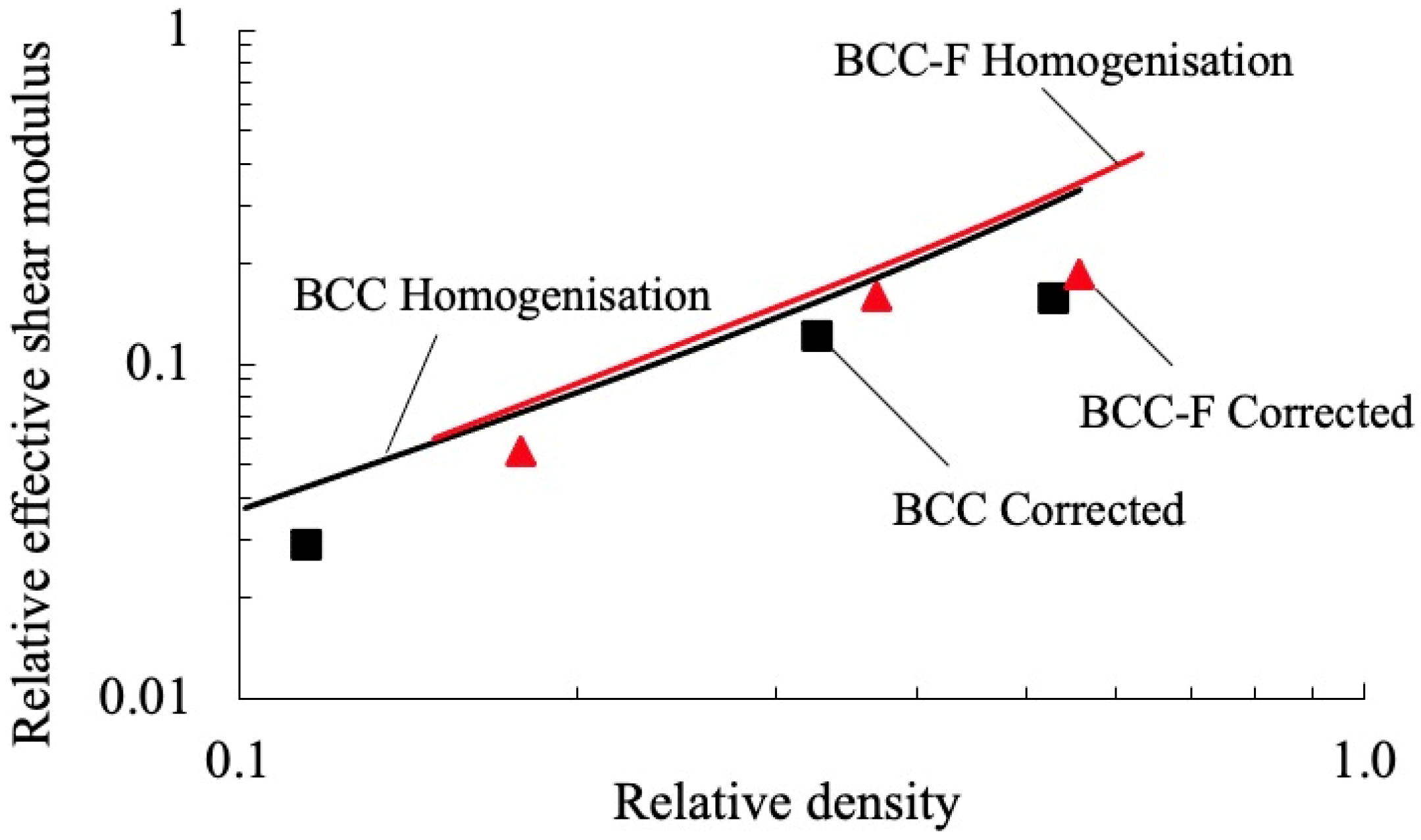
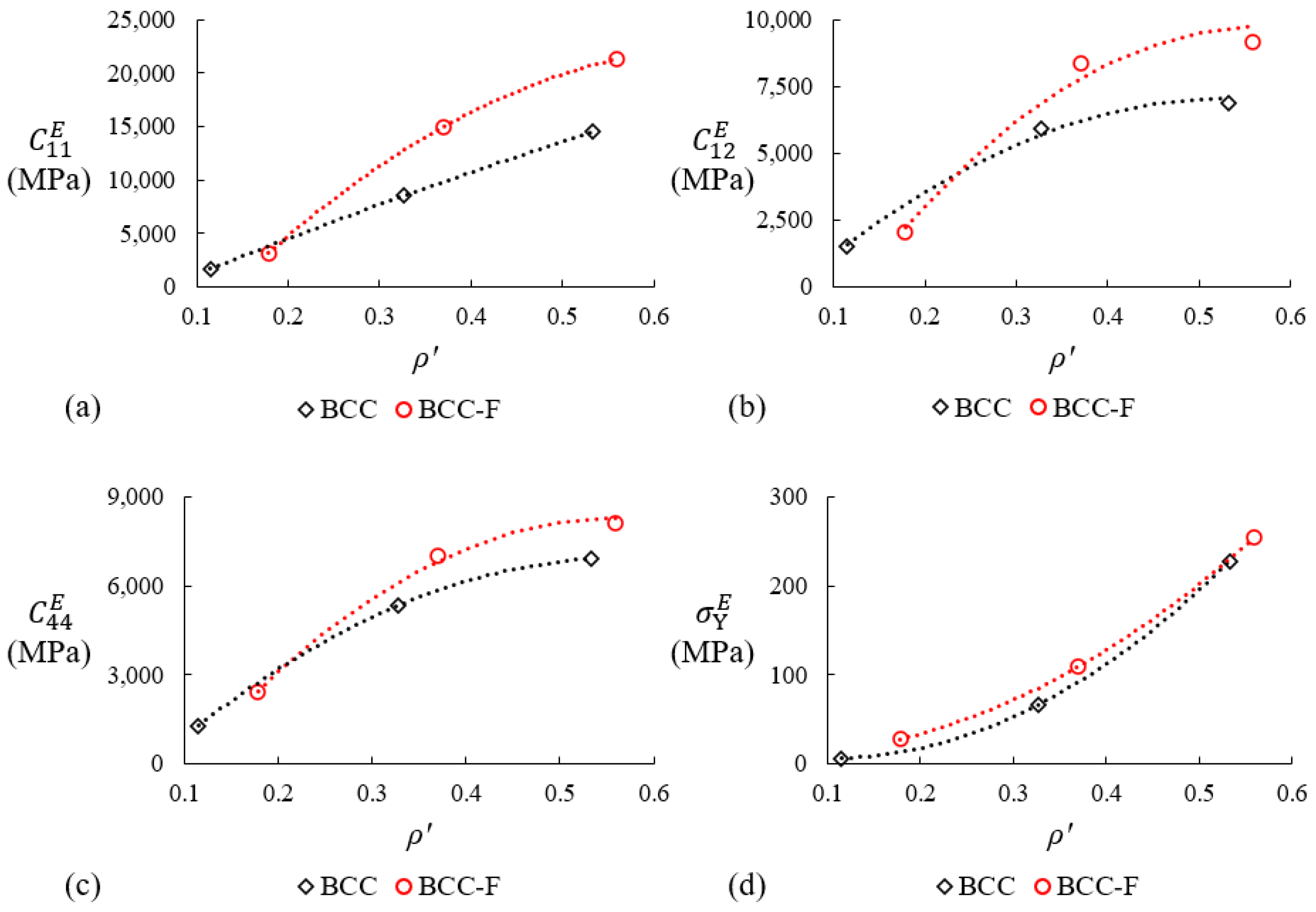
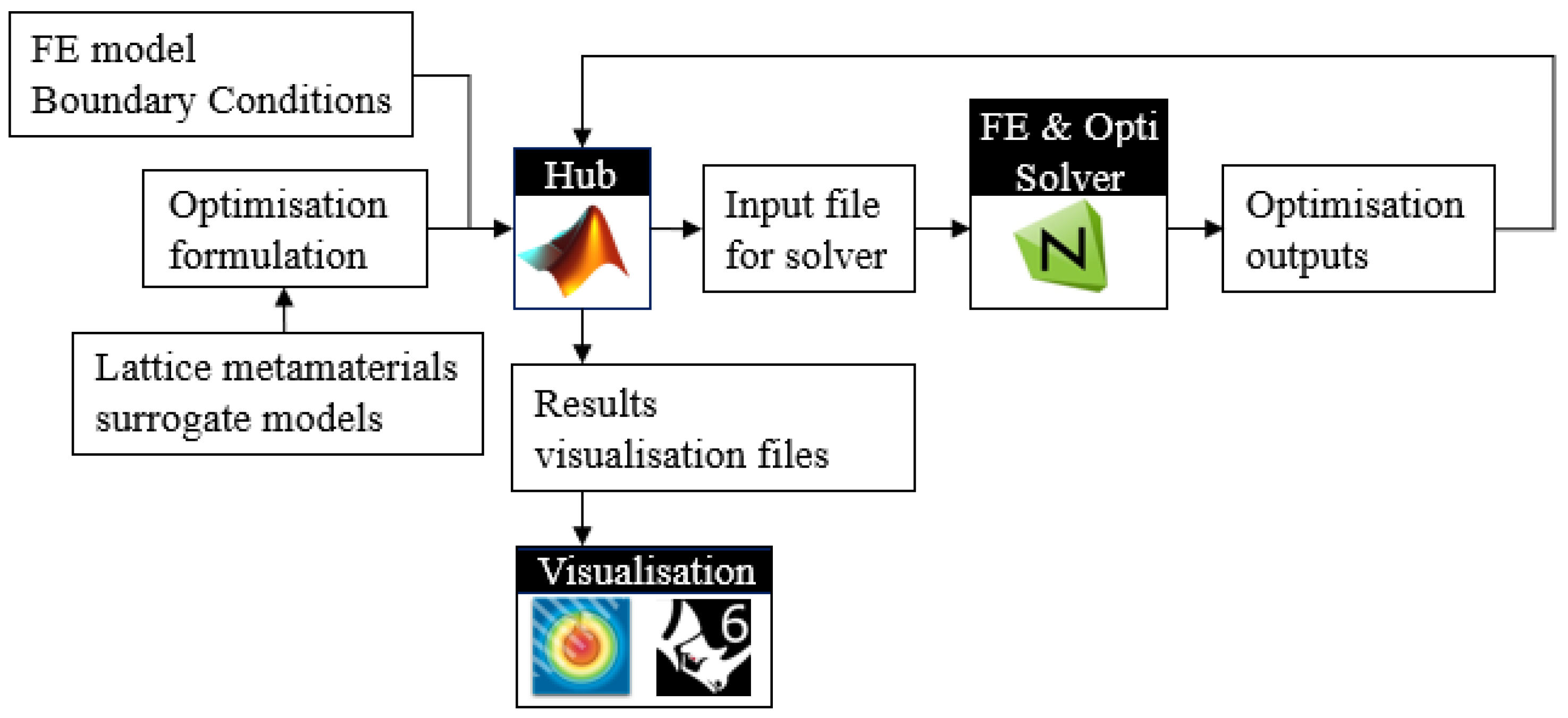
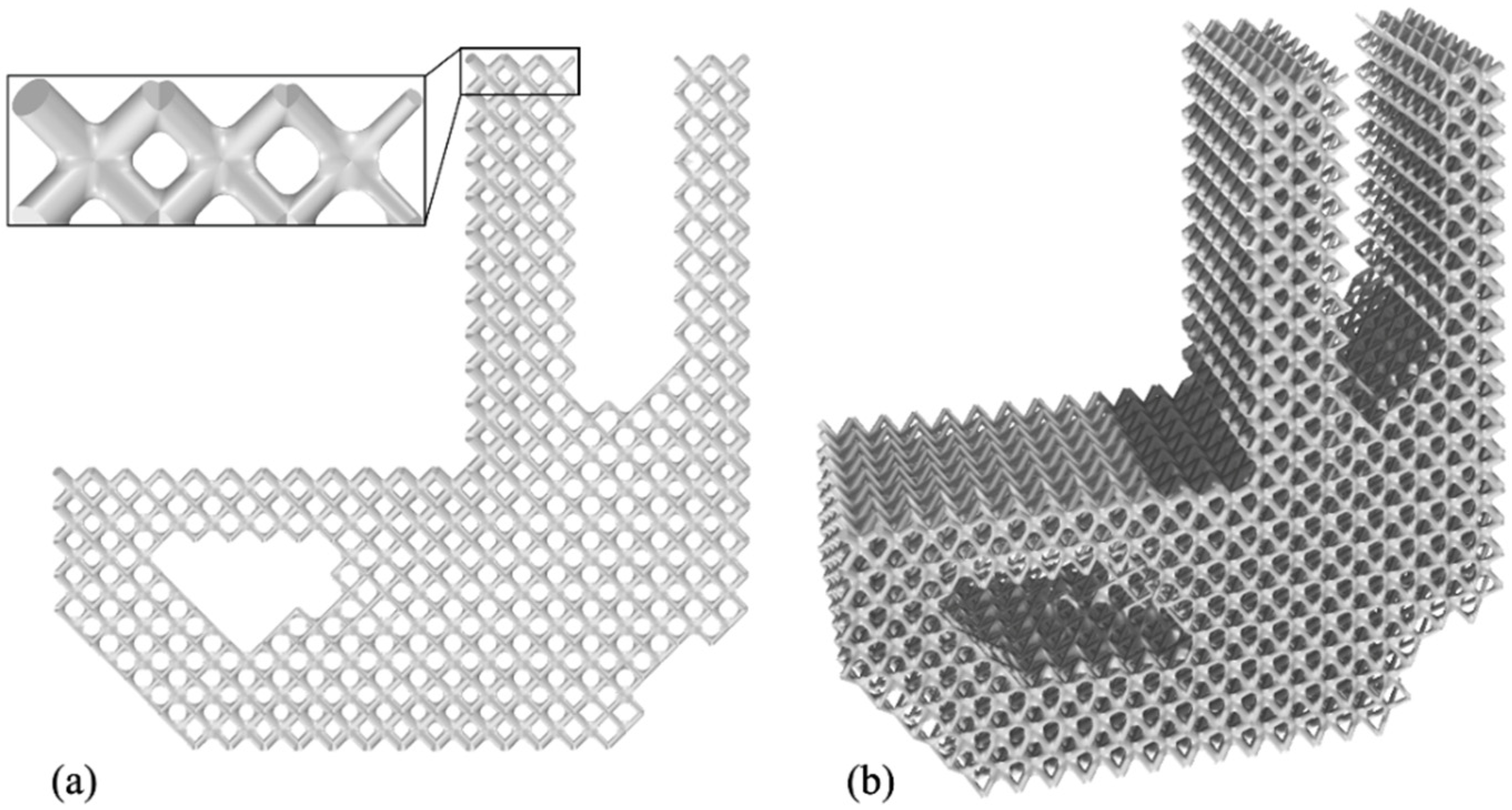
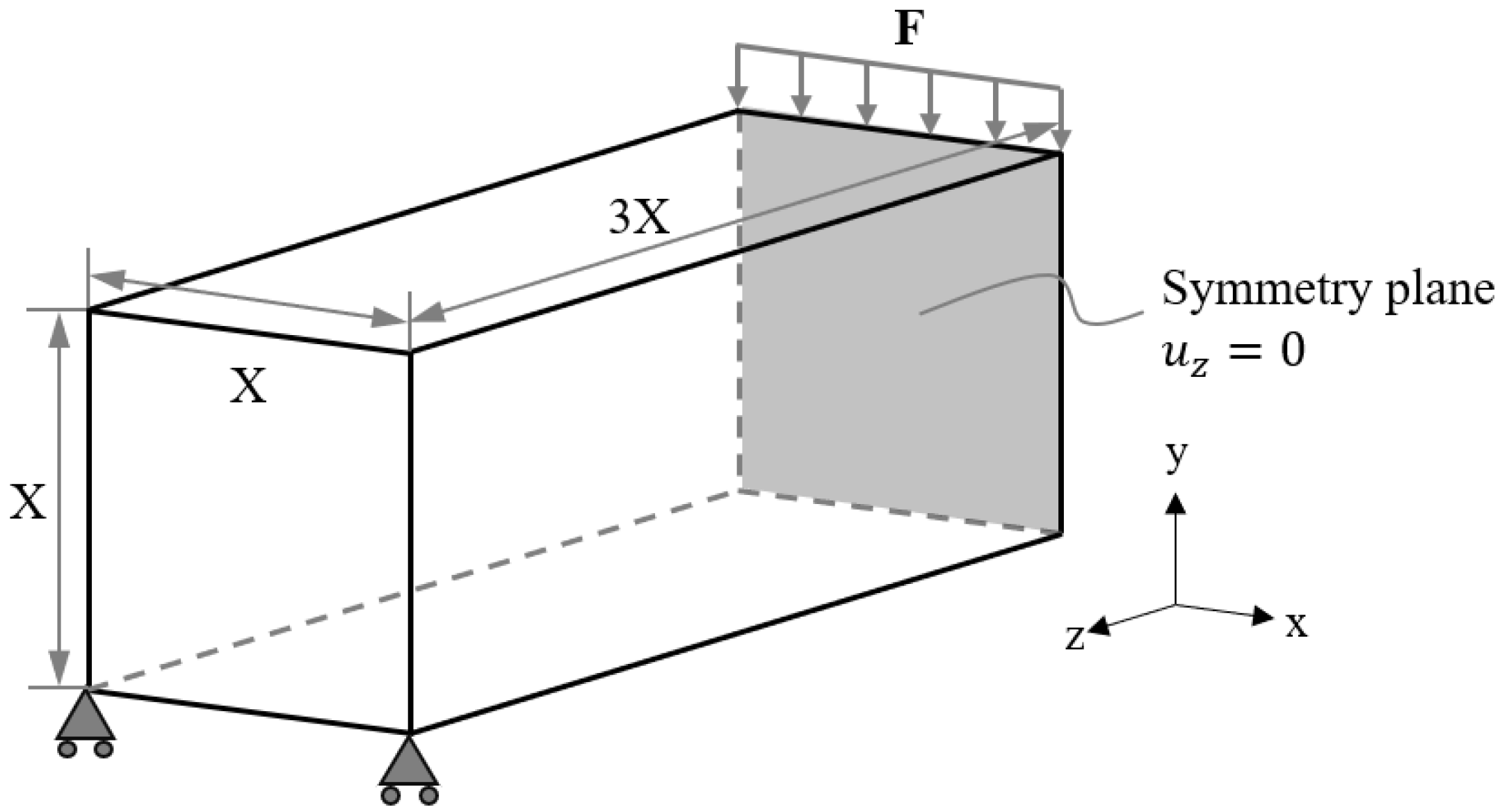
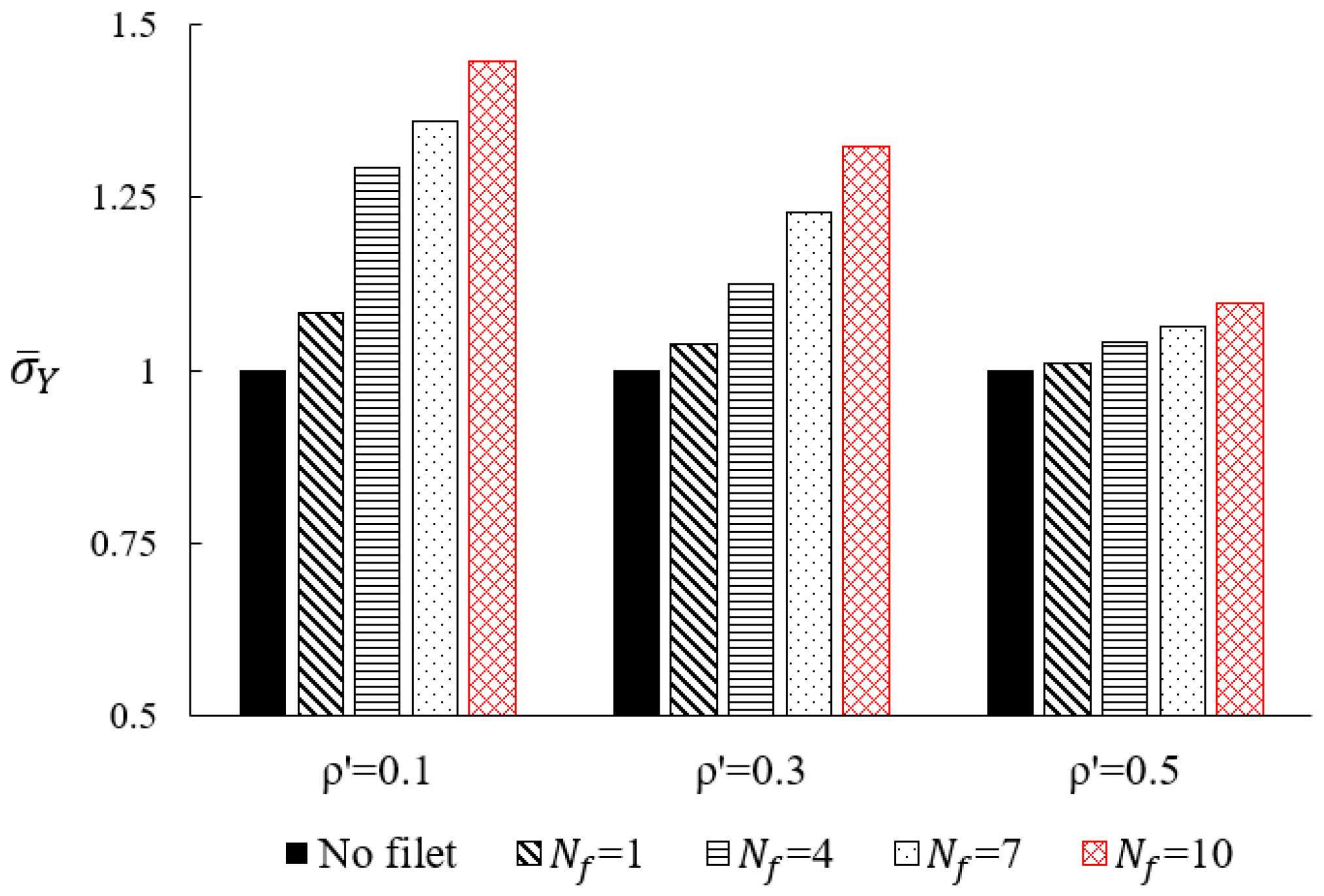
This paper presents a new framework for lightweight optimisation of functionally graded lattice structures (FGLSs) with a particular focus on enhancing and guaranteeing structural safety through three main contributions. Firstly, a design strategy of adding fillets to the joints of body-centred cubic (BCC) type lattice cells was proposed to improve the effective yield stress of the lattices. Secondly, effective properties of lattice metamaterials were experimentally characterised by conducting quasi-static uniaxial compression tests on selective laser melted specimens of both Ti6Al4V BCC and filleted BCC (BCC-F) lattices with different relative densities. Thirdly, a yield stress constraint for optimising FGLSs was developed based on surrogate models quantifying the relationships between the relative density and the effective properties of BCC and BCC-F lattices developed using experimental results assisted by numerical homogenisation. This framework was tested with two case studies. Results showed that structural safety with respect to avoiding yield failure of the optimised FGLSs can be ensured and the introduction of fillets can effectively improve the strength-to-weight ratio of the optimised FGLSs composed of BCC type lattices. The BCC-F FGLS achieved 14.5% improvement in weight reduction compared with BCC FGLS for the Messerschmitt-Bölkow-Blohm beam optimisation case study.
Keywords: functionally graded lattice structure; filleted lattice metamaterials; yield stress constraint; structural optimisation; additive manufacturing functionally graded lattice structure; filleted lattice metamaterials; yield stress constraint; structural optimisation; additive manufacturing