Article

Effect of Shrinkage Reducing Admixture on Drying Shrinkage of Concrete with Different w/c Ratios


1
Department of Civil Engineering and Energy Technology, OsloMet—Oslo Metropolitan University, 0166 Oslo, Norway
2
School of Civil Engineering, College of Engineering, University of Tehran, Tehran 1417935840, Iran
3
Faculty of Civil Engineering, Semnan University, Semnan 3513119111, Iran
*
Author to whom correspondence should be addressed.
Materials 2020, 13(24), 5721; https://doi.org/10.3390/ma13245721
Submission received: 22 November 2020 / Revised: 6 December 2020 / Accepted: 8 December 2020 / Published: 15 December 2020
(This article belongs to the Section Construction and Building Materials)

Abstract

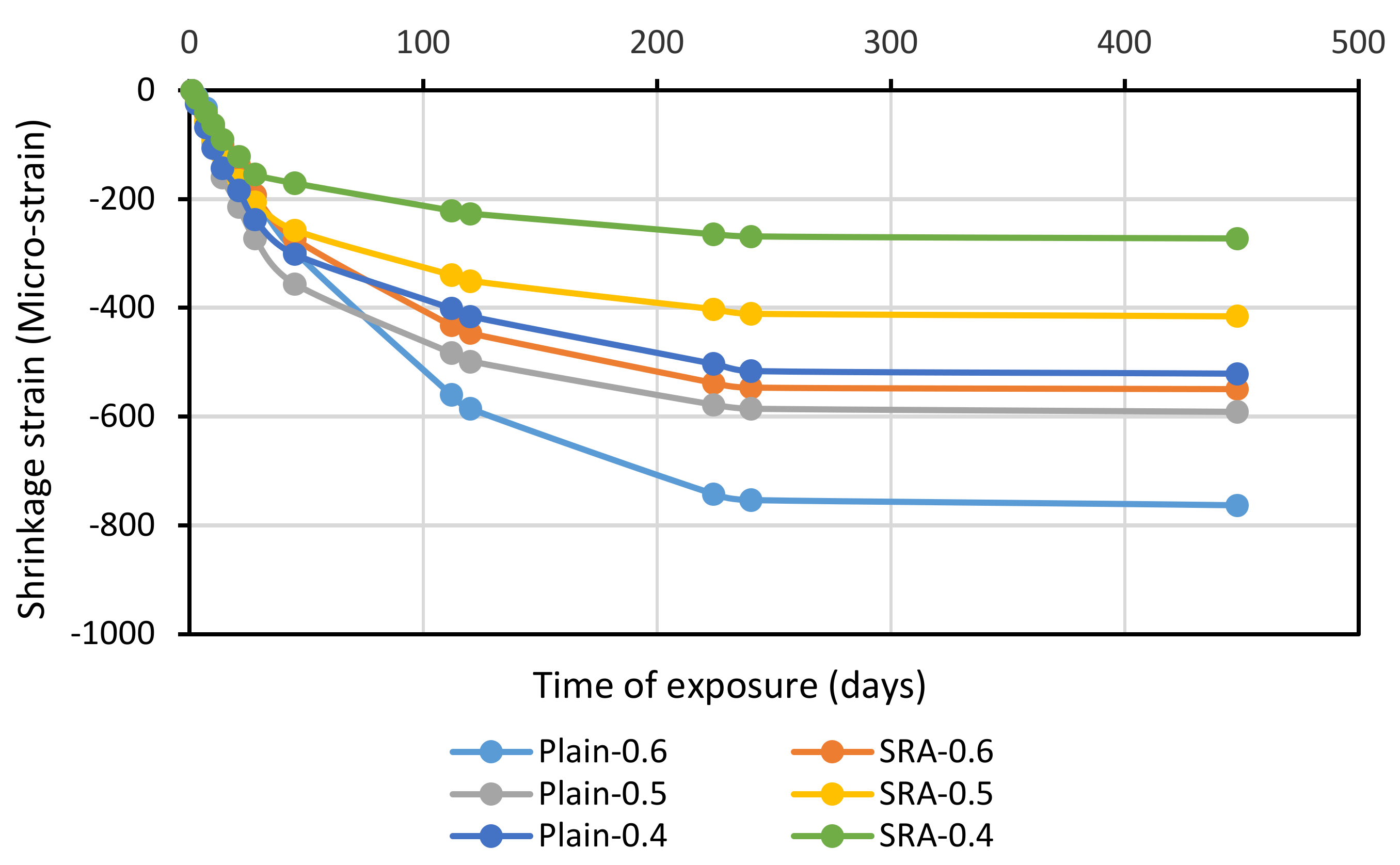
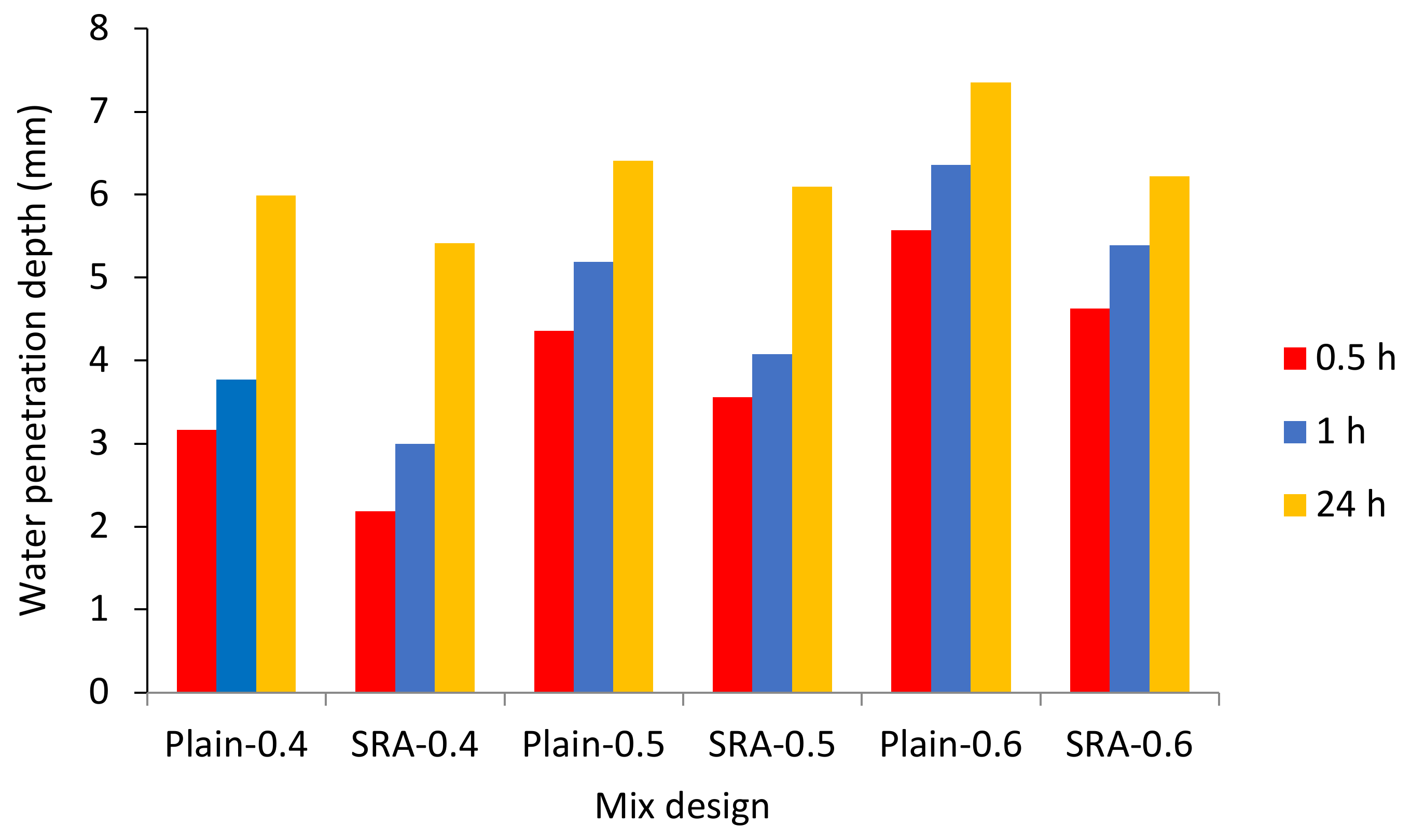
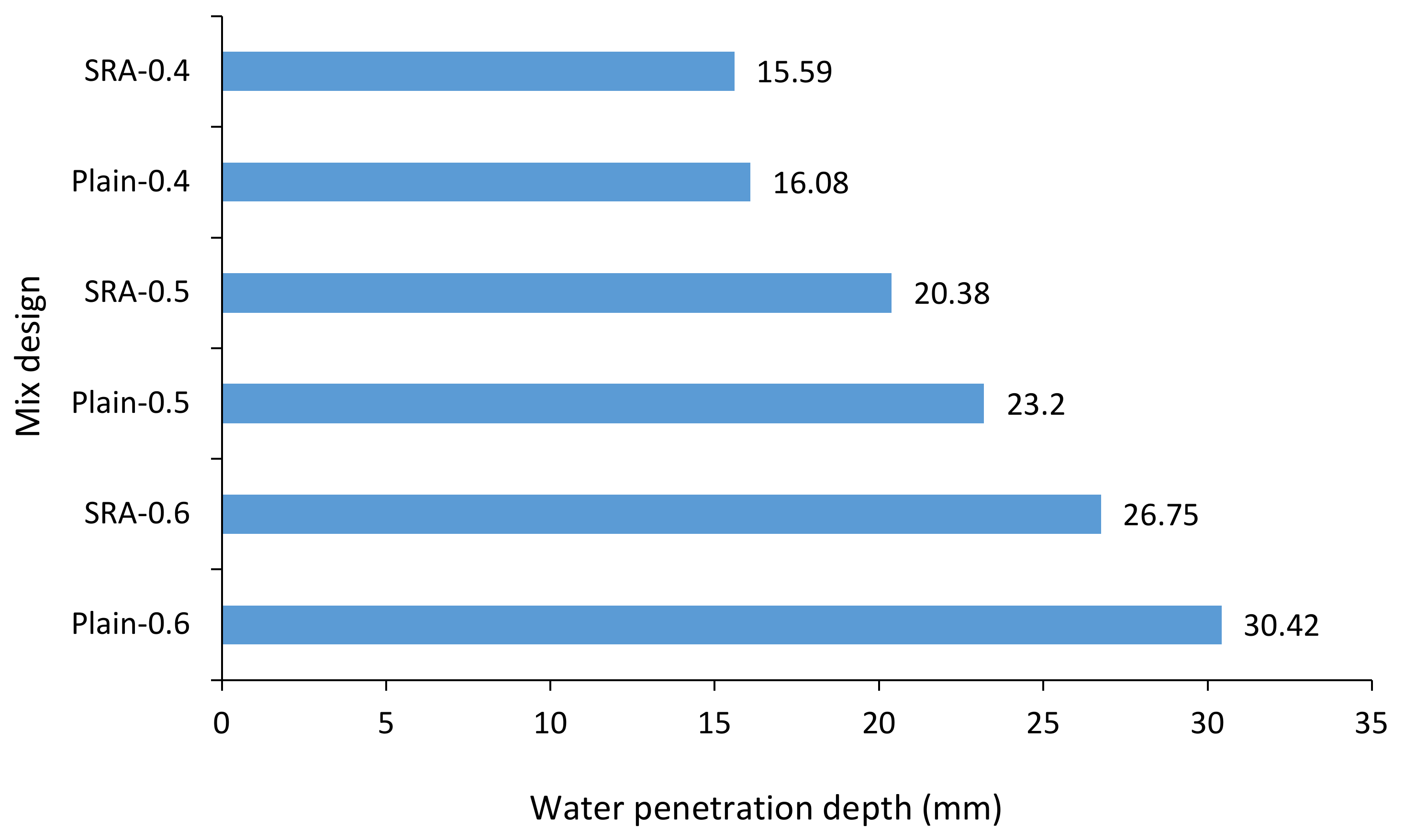
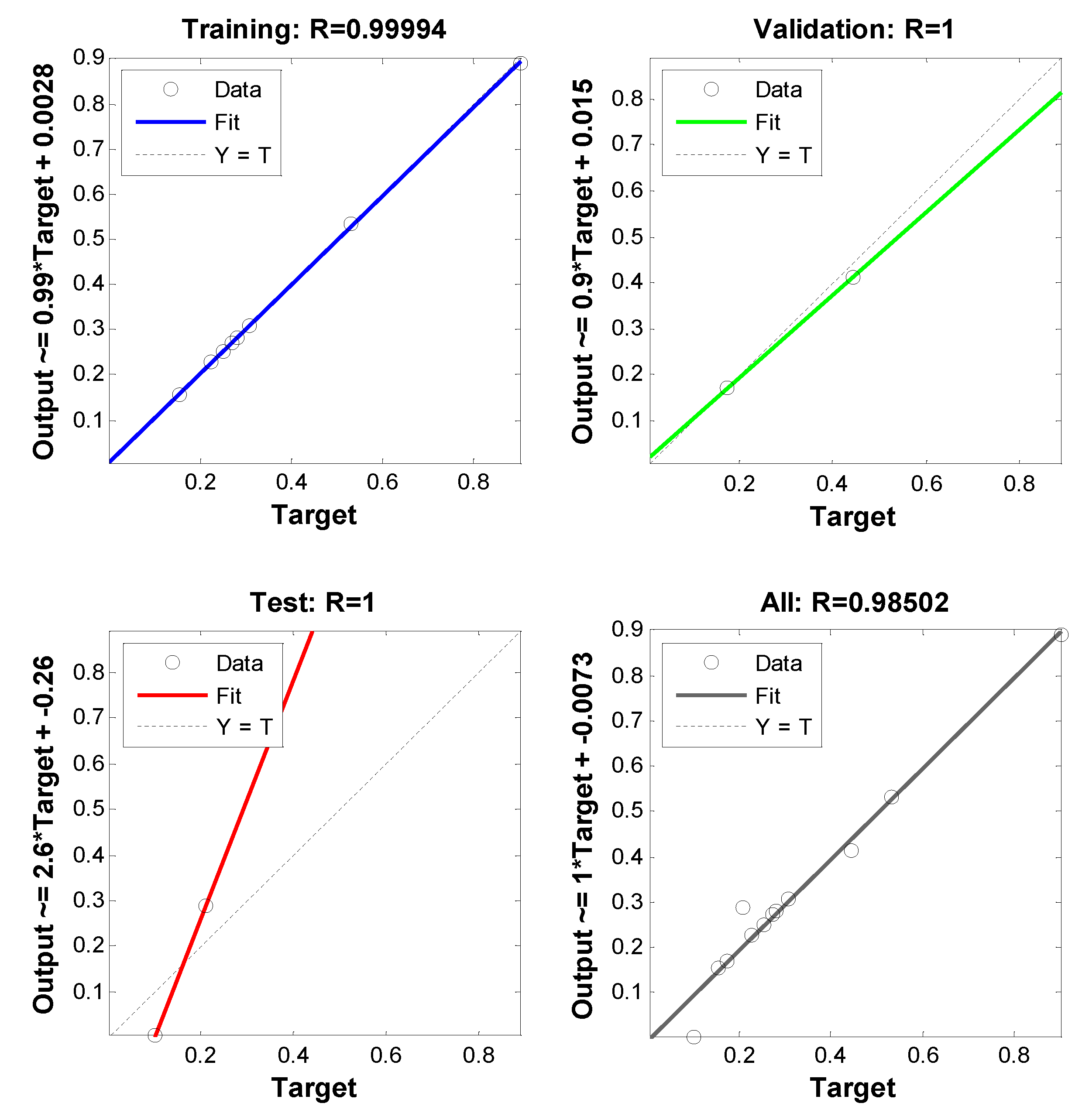
The reduction of the moisture content of concrete during the drying process reduces the concrete’s volume and causes it to shrink. In general, concrete shrinkage is a phenomenon that causes concrete volume to dwindle and can lead to durability problems. There are different types of this phenomenon, among them chemical shrinkage, autogenous shrinkage, drying shrinkage including free shrinkage and restrained shrinkage, and thermal contraction. Shrinkage-reducing admixtures are commercially available in different forms. The present study investigates the effect of liquid propylene glycol ether on mechanical properties and free shrinkage induced by drying at different water-cement (w/c) ratios. Furthermore, the effect of shrinkage-reducing admixtures on the properties of hardened concrete such as compressive and tensile strength, electrical resistivity, modulus of elasticity, free drying shrinkage, water absorption, and depth of water penetration was investigated. The results indicated that shrinkage reducing agents performed better in a low w/c ratio and resulted in up to 50% shrinkage reduction, which was due to the surface reduction of capillary pores. The prediction of free shrinkage due to drying was also performed using an artificial neural network.
Keywords: concrete; mechanical properties; shrinkage reducing admixture; water-cement ratios; artificial neural network concrete; mechanical properties; shrinkage reducing admixture; water-cement ratios; artificial neural network