Article

Strengthening of a Near β-Ti Alloy through β Grain Refinement and Stress-Induced α Precipitation

1
State Key Laboratory of Powder Metallurgy, Central South University, Lu Mountain South Road, Changsha 410083, China
2
Hunan Goldsky Titanium Industry Technology Co., Ltd., No. 97, Qianming Road, Deshan Town, Changde ECO-TECH Development Zone, Changsha 410205, China
3
AVIC Landing Gear Manufacturing Corporation, Changsha 410083, China
4
School of Mechanical and Electrical Engineering, Central South University, Changsha 410083, China
*
Author to whom correspondence should be addressed.
Materials 2020, 13(19), 4255; https://doi.org/10.3390/ma13194255
Submission received: 7 September 2020 / Revised: 21 September 2020 / Accepted: 21 September 2020 / Published: 24 September 2020
(This article belongs to the Collection Alloy and Process Development of Light Metals)

Abstract

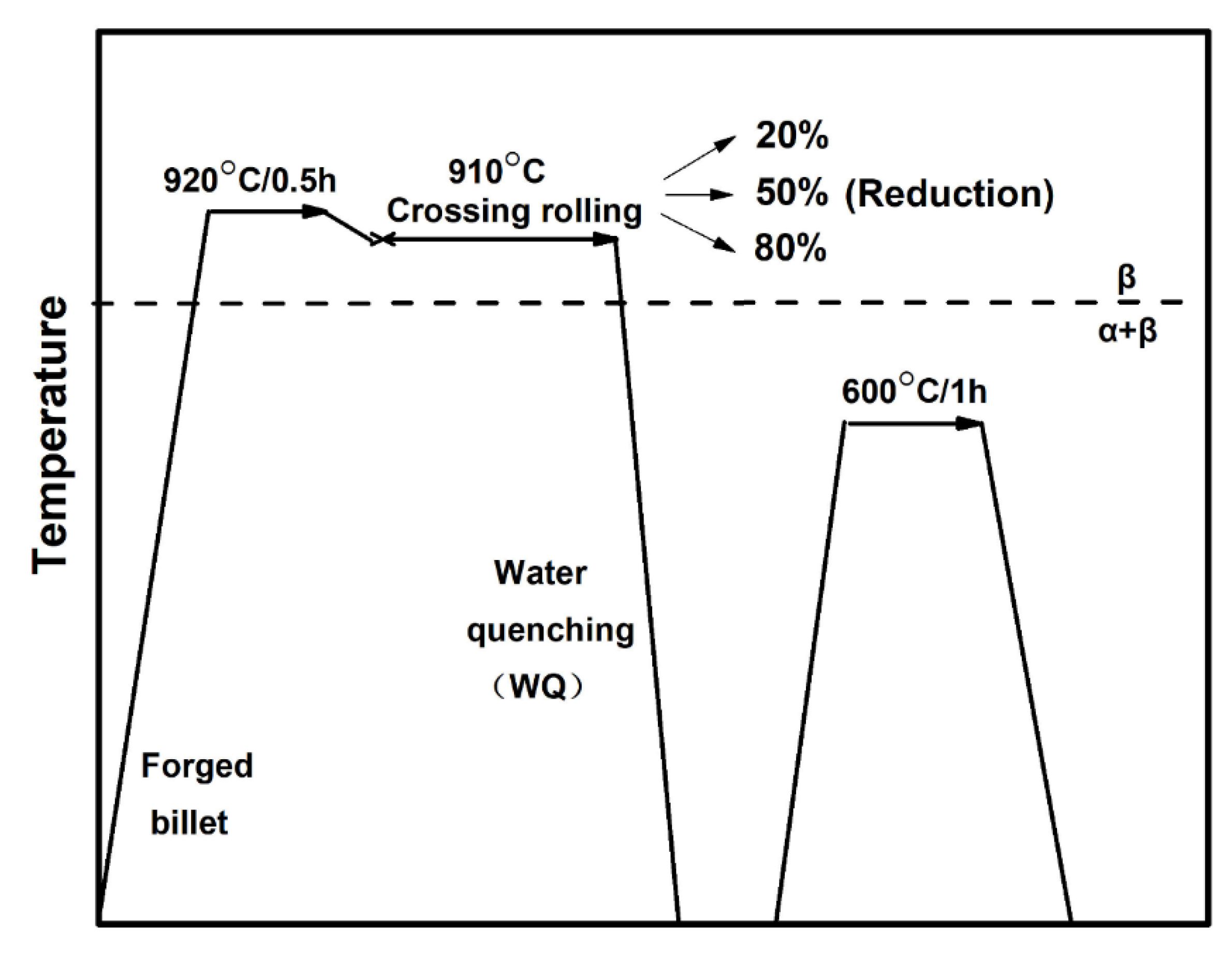
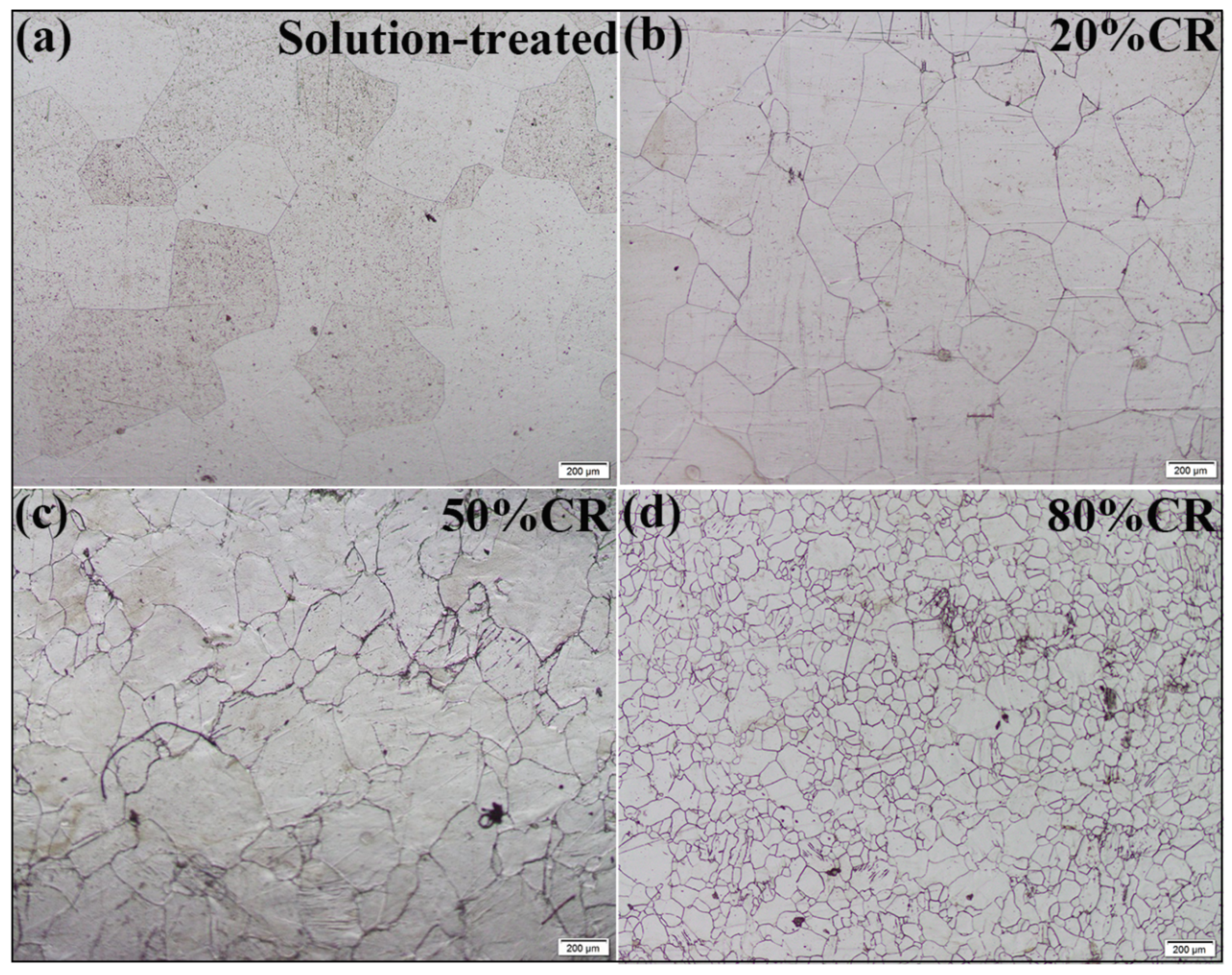
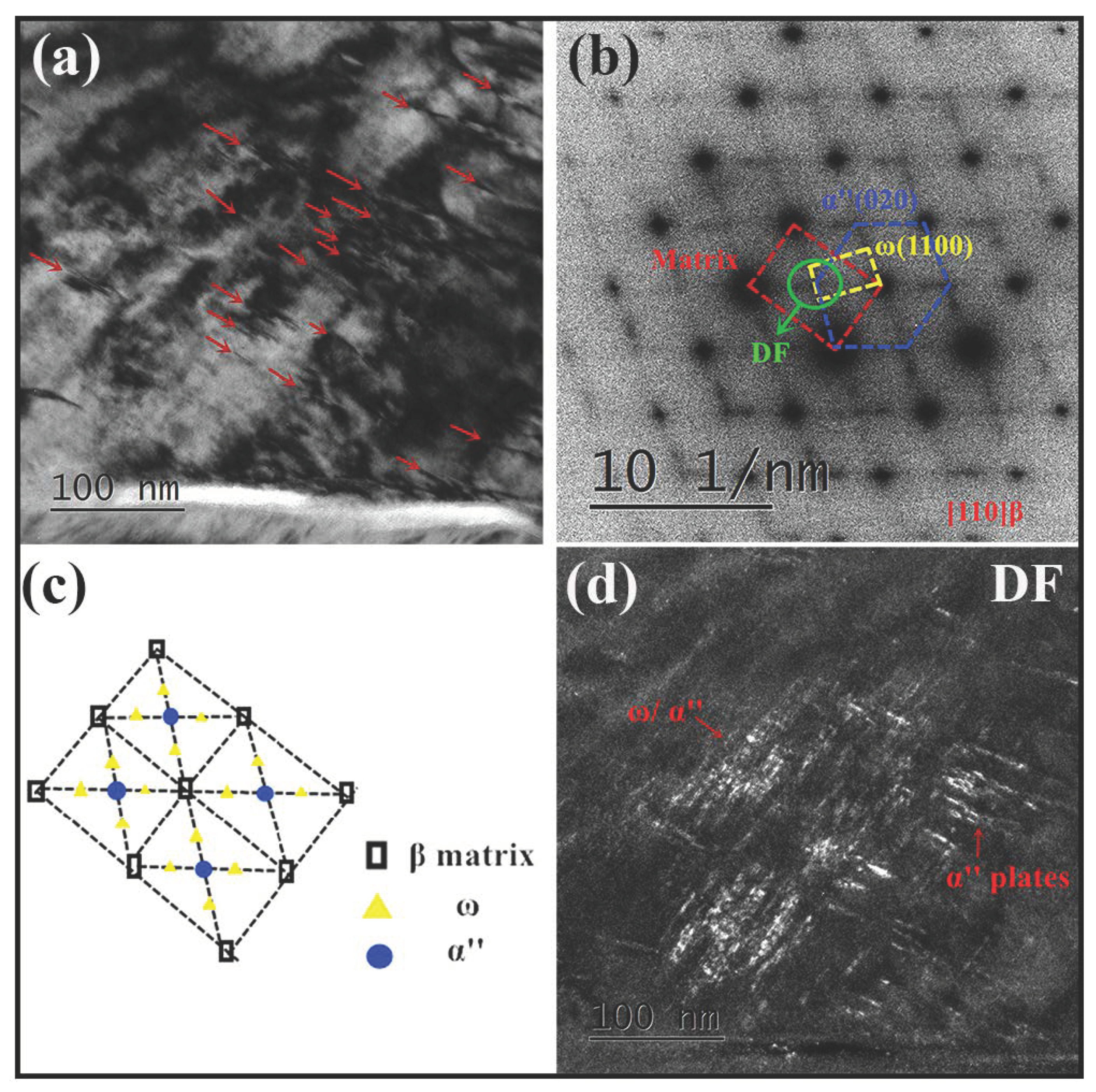
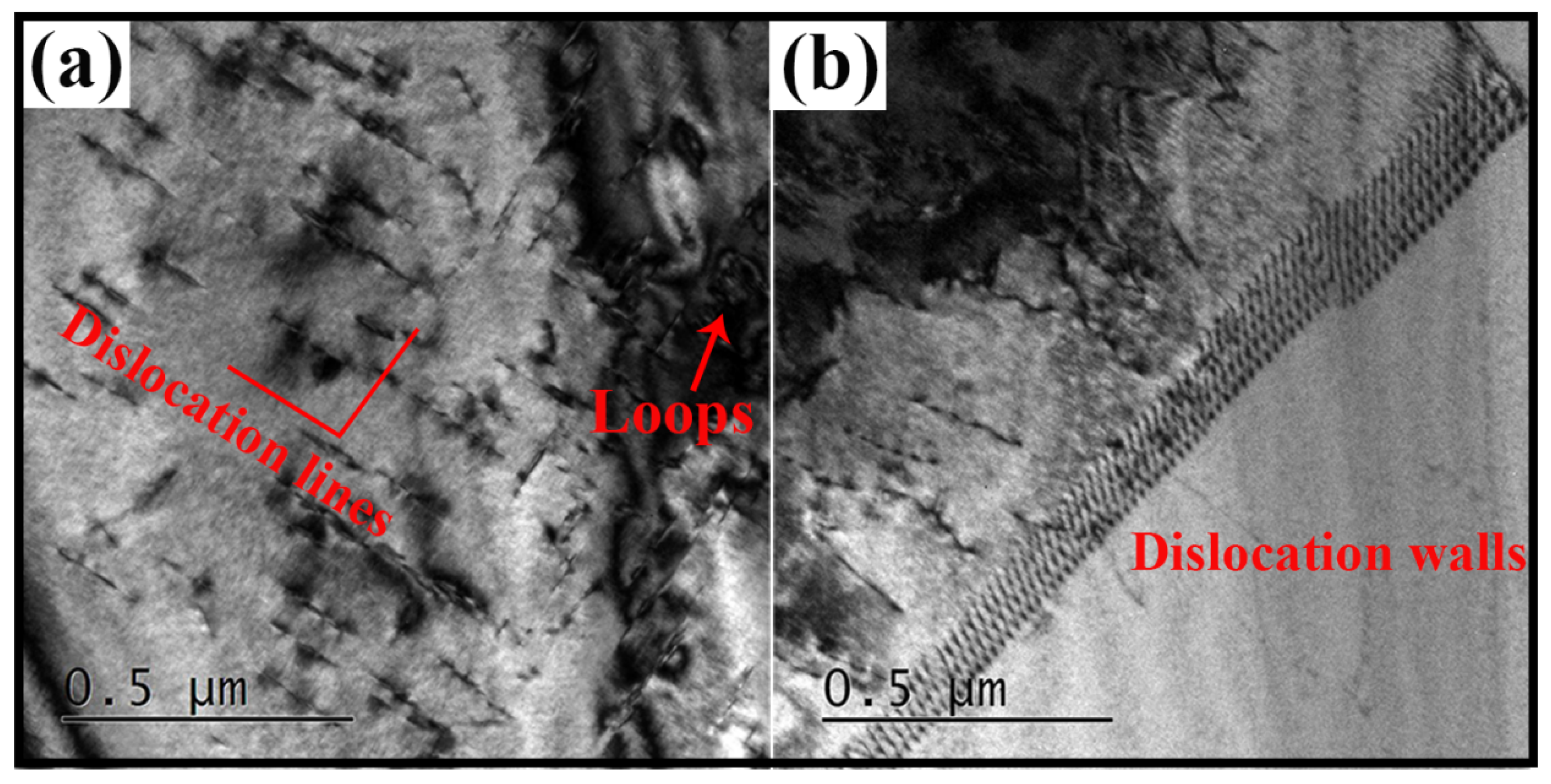
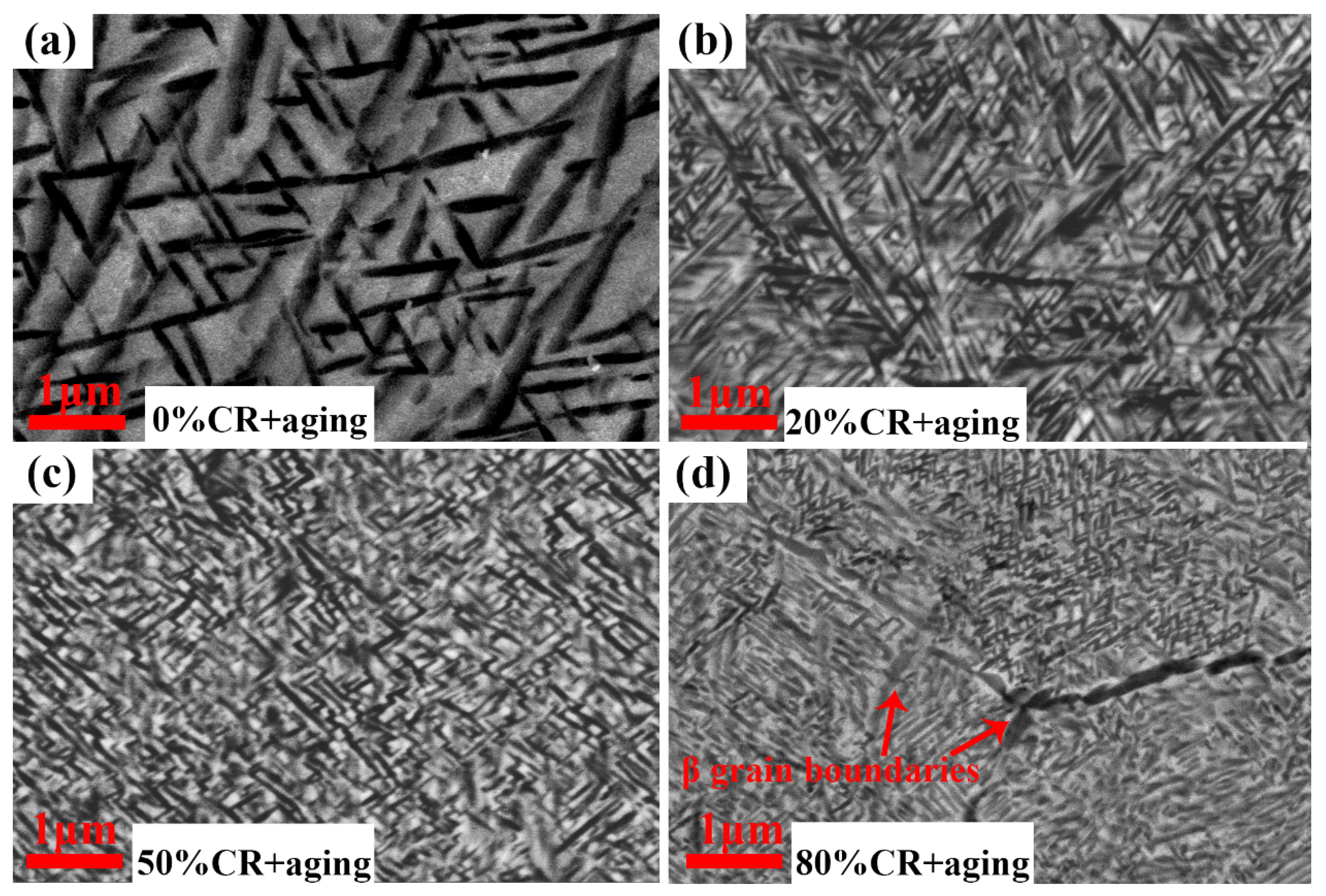
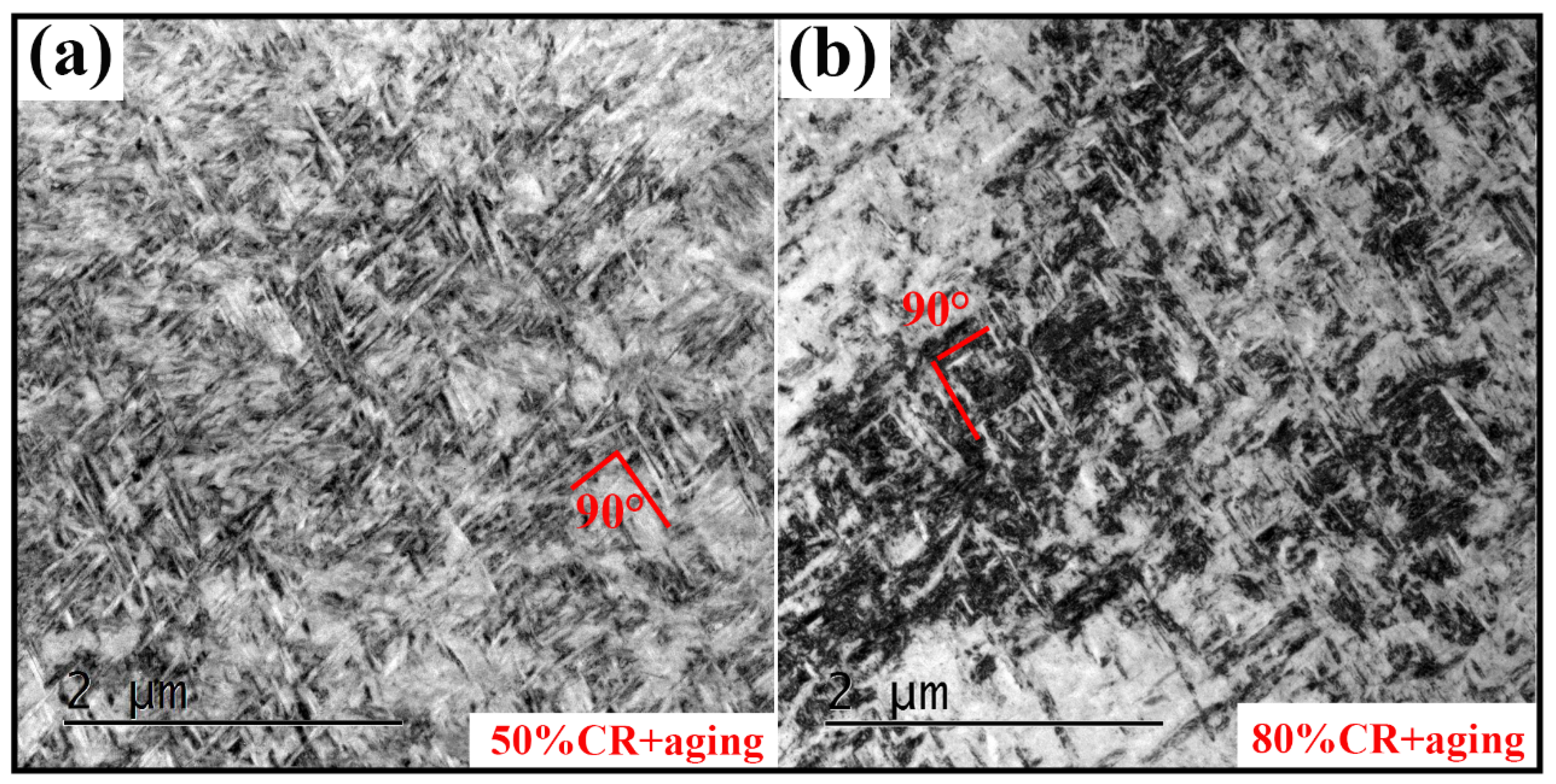
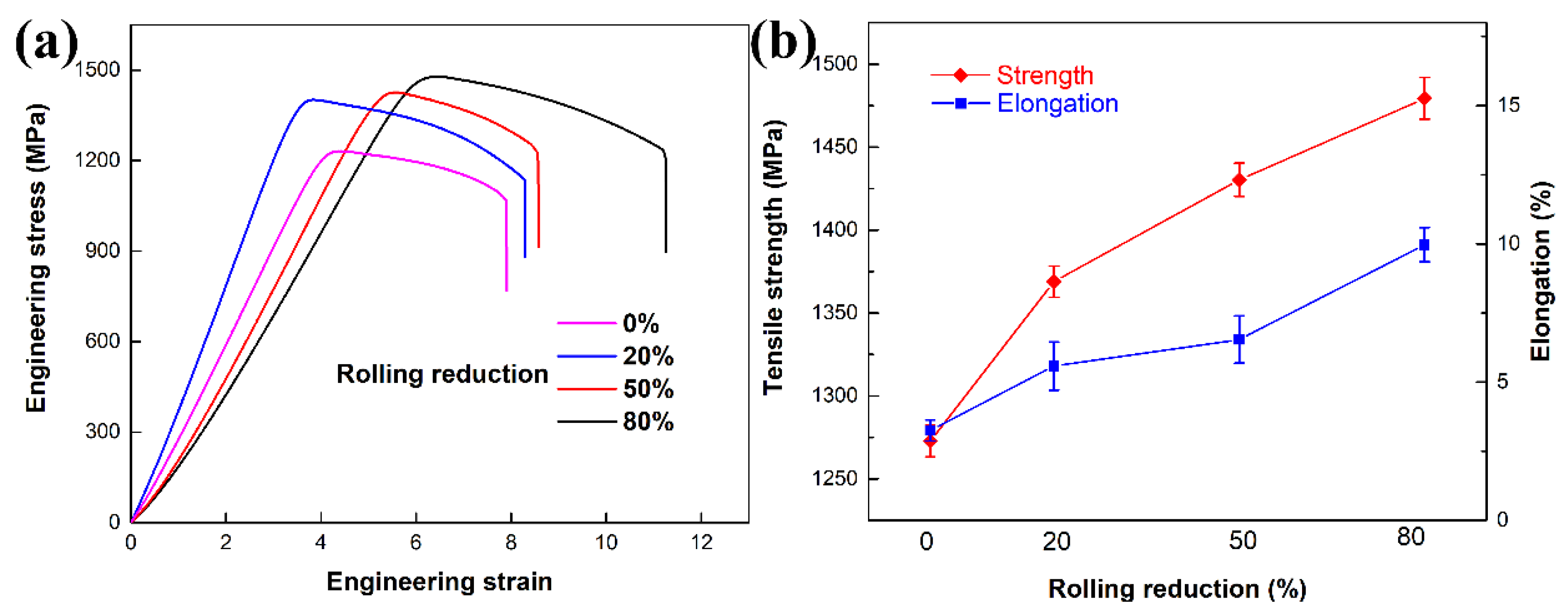
Near β-Ti alloys with high strength and good ductility are desirable for application in aviation and aerospace industries. Nevertheless, strength and ductility are usually mutually exclusive in structural materials. Here we report a new thermo-mechanical process, that is, the alloy was cross-rolled in β field then aged at 600 °C for 1 h. By such a process, a high strength (ultimate tensile strength: 1480 MPa) and acceptable ductility (elongation: 10%) can be simultaneously achieved in the near β-Ti alloy, based on the microscale β matrix and nanoscale α phase. The microstructure evolution, mechanical properties and strengthening mechanisms have been clarified by scanning electron microscopy (SEM) and transmission electron microscopy (TEM). The results showed that the grain size of the β phase progressively decreased with the increasing of rolling reduction. Moreover, dense dislocation structures and martensite phases distributed in the cross-rolled β matrix can effectively promote the precipitation of nanoscale α particles. TEM analyses confirmed that a heat-treatment twin was generated in the newly formed α lath during aging. These findings provide insights towards developing Ti alloys with optimized mechanical properties.
Keywords: near β-Ti alloy; cross-rolled; thermo-mechanical process; microstructure evolution; strengthening mechanism near β-Ti alloy; cross-rolled; thermo-mechanical process; microstructure evolution; strengthening mechanism