


Abstract
The global network of pipelines constitutes a strategic backbone for the world economy, enabling safe and efficient transportation of energy products. These pipelines serve distinct functions in the energy supply chain: gas pipelines support emerging cleaner energy carriers; multi-product pipelines provide versatility in transporting refined liquid fuels; and oil pipelines remain dominant for crude oil delivery. Energy management across the pipeline value chain emphasizes efficiency optimization, cost reduction, and sustainability through real-time monitoring, data analytics, integrated systems, and technological innovations spanning operations, maintenance, and emission control. Despite their critical role, petroleum depots remain relatively understudied, particularly in developing and Sub-Saharan African contexts. This review synthesizes insights from over 100 studies on energy-efficient pumping, predictive control, digitalization, and socio-technical energy management in depots. Analysis of these studies highlights recurring operational and infrastructural issues that constrain energy efficiency in depots. The challenges include irregular truck-loading schedules, frequent pump cycling, aging equipment, power-supply instability, manual operator interventions, and policy-driven constraints. The reviewed studies demonstrate that anticipatory, multi-layer control strategies integrating short-horizon flow forecasting, hybrid model predictive control, and cyber–physical–human–institutional system representations outperform reactive approaches in mitigating energy losses and operational variability. Site-specific calibration and phased deployment emerge as pragmatic pathways for implementing advanced energy optimization under the constrained conditions typical of real-world petroleum depots.
1. Introduction
Within global energy and logistics systems, oil and gas pipelines play a central role by enabling high-throughput, long-distance transfer of energy commodities while avoiding many of the congestion, safety, and cost penalties associated with road and rail transport [1]. These networks underpin global energy security by linking production, refining, storage, and consumption nodes, while minimizing the safety, congestion, and emissions challenges associated with road or rail transport. In the context of a rapidly evolving global energy system, pipeline infrastructures are also adapting to decarbonization pressures [2], including the integration of hydrogen blending in gas networks and the transport of biofuels in selected liquid fuel systems.
At the same time, the global energy system is undergoing a transition toward lower-carbon and efficiency-driven operation. Despite this shift, petroleum remains a central energy source for transportation, industrial activity, and backup power generation in many developing economies [3,4]. Within the petroleum value chain, downstream depots function as critical logistical and operational nodes, coordinating fuel receipt, storage, and distribution. These facilities are highly energy-intensive, with large pumps and electric motors accounting for the majority of electricity consumption. In typical depot configurations, electrically driven pumping systems account for a dominant share of site-level electricity demand, often exceeding 60–80% of total consumption during peak loading operations [5]. Energy use is therefore strongly coupled to short-term operational decisions such as pump sequencing, loading rates, and start–stop frequency, rather than solely to installed equipment efficiency. As a result, small deviations in operating schedules or control logic can translate into disproportionate increases in energy use and peak demand charges.
Unlike continuous-process industries, depot operations are shaped by delivery-window pressures, batch loading, safety and quality regulations, inventory turnover, and market-driven demand variability [6,7,8]. These multidimensional operational constraints [9] fundamentally distinguish depot energy optimization from that in refineries, water utilities, or manufacturing plants, where steady-state operation and centralized control are more prevalent.
1.1. Problem Definition
Unplanned downtime in oil and gas operations can result in rapid and substantial financial losses, with energy costs routinely ranking among the largest operating expenditures after feedstock costs. Volatility in electricity tariffs further amplifies the economic impact of process disruptions, equipment trips, and control deviations, underscoring the strategic importance of effective energy management across downstream assets [10]. In this context, petroleum depots in developing economies exhibit systemic energy inefficiencies driven by operational, infrastructural, and institutional constraints rather than isolated equipment underperformance.
Frequent manual interventions and high override rates of automated control systems by operators compromise the effectiveness of energy optimization strategies [11,12,13]. Grid instability [14] leads to repeated shutdown–restart cycles, resulting in inrush current surges, inflated peak demand charges, and accelerated motor degradation [15,16]. Dependence on backup diesel generators, often characterized by limited availability, fuel supply uncertainty, and voltage–frequency instability, with effective reliability frequently below 80% [17], further disrupts stable energy management. In parallel, the continued operation of legacy infrastructure constrains the applicability and effectiveness of standard optimization techniques [18]. These disturbances introduce non-stationary operating conditions that invalidate many assumptions underlying conventional energy optimization methods, including stable power supply, predictable demand profiles, and uninterrupted automation. Consequently, depot energy systems operate in a regime characterized by frequent transients, partial automation, and human-in-the-loop decision-making, where efficiency outcomes emerge from system interactions rather than isolated component performance.
Most existing energy optimization strategies emphasize component-level interventions that include variable-frequency drive (VFD) integration [19], motor retrofits [20,21] equipment insulation improvements [22], and PI/PID tuning [23] grounded in centrifugal pump Affinity Laws [24], where flow (Q), head (H), and shaft power (P) scale with rotational speed (n) as . While Affinity Law–based scaling provides valuable first-order insights under steady-state conditions, its practical applicability in depot environments is limited by frequent operating point shifts, minimum flow constraints, safety interlocks, and manual overrides. Under such conditions, motor speed reductions do not translate linearly into proportional energy savings, and may instead exacerbate inefficiencies through prolonged operation away from best-efficiency points or increased cycling losses. Therefore, although technically beneficial, such approaches often overlook broader sources of inefficiency that include cyber disruptions [25], operator decision-making [11], institutional incentives [26], energy tariff structures [10], and policy constraints [27,28,29] all of which shape real-world depot energy outcomes [30]. As a result, advanced control algorithms [31] and energy audits mostly overestimate achievable savings under assumptions of stable control environments and full automation compliance [32,33]. Consequently, much of the literature treats depot energy efficiency as a predominantly technical problem, neglecting the co-evolution of physical, cyber, human, and institutional factors [34,35].
1.2. Rationale of the Study
Pipelines remain among the safest and most sustainable means of transporting large volumes of energy resources, and their relevance persists even as global energy systems transition toward cleaner sources [2]. Liquid fuel supply chains continue to play a vital role in supporting mobility, industrial productivity, and energy resilience, especially in regions where alternatives remain limited. Consequently, energy management has emerged as a strategic priority within the oil and gas sector, driven by increasingly stringent environmental regulations, net-zero commitments, and the imperative to reduce operational costs amid volatile energy prices [2,36]. Operators are progressively adopting integrated energy management strategies that combine real-time monitoring, data analytics, and digitalized decision-support tools across planning, operations, and maintenance functions [37].
Despite their critical role in energy-intensive downstream operations, petroleum depots remain comparatively understudied relative to upstream production and refining activities [38,39,40]. Evidence from adjacent sectors, such as water distribution and pulp-and-paper processing, indicates that integrated, multi-layer optimization strategies can yield substantial energy savings, often exceeding 60% under controlled conditions [9]. While these results highlight the potential benefits of holistic energy management, direct transferability to petroleum depots is constrained by operational variability, safety requirements, and institutional realities. Current depot-focused approaches largely emphasize isolated technical interventions, such as VFD deployment or motor retrofitting, without systematically accounting for interactions across physical, cyber, human, and institutional layers. Consequently, conventional methods often overestimate achievable savings and fail to capture the constraints observed in real-world depot operations.
This review addresses these limitations by synthesizing interdisciplinary literature that explicitly considers multi-layer interactions, including short-horizon flow forecasting [41], digital twins [42], predictive control, human behaviour, and institutional constraints. By integrating these dimensions, the paper provides a structured framework to guide robust, adaptive, and resilient energy optimization strategies applicable to real-world petroleum depot operations, while clarifying the limitations of traditional Affinity Law–based approaches.
In such environments, energy efficiency cannot be interpreted as a static performance attribute, but rather as an emergent system property shaped by interactions between physical assets, control architectures, operator behaviour, and institutional constraints. Ignoring any of these dimension risks mischaracterizing both baseline performance and achievable improvements. The novelty of this review lies in its adoption of a cyber–physical–human–institutional systems (CPHS) perspective [35], which conceptualizes physical infrastructure, digital control systems, human operators, and institutional frameworks as interacting state vectors that dynamically shape energy efficiency. Rather than treating energy performance as a purely technical outcome, the CPHS lens enables systemic assessment under realistic disturbances, including operator interventions, auxiliary system losses, policy constraints, and control non-ideal conditions. By critically reviewing short-horizon forecasting tools (e.g., ARIMA models) [43], hybrid Model Predictive Control (MPC) approaches [44], and CPHS-informed state representations [41,42], this paper highlights anticipatory, constrained, and risk-aware pathways for improving energy efficiency in petroleum depots operating under developing-region conditions.
1.3. Positioning Relative to Existing Studies and Novelty
1.3.1. Related Studies
To contextualize this review, Table 1 summarizes key studies on energy optimization in pipelines, pumping systems, and related infrastructure. For each study, the scope, methodology, and key findings are presented, alongside their relevance to depot-level energy management.
Table 1.
Related studies on pipeline and depot energy optimization, showing scope, methods, findings, and relevancy.
The studies summarized in Table 1 demonstrate advances in energy efficiency through intelligent pumping, digital twins, predictive analytics, and optimization frameworks across pipelines, industrial drives, and fluid transport systems. Collectively, this confirms that data-driven and model-based approaches can yield meaningful reductions in energy consumption at the component or subsystem level. However, several systemic limitations exist across the literature.
First, most existing studies adopt a single-layer or technology-centric perspective, focusing on pumps, compressors, electric drives, or digital twin architectures in isolation. Although these approaches improve localized efficiency, they insufficiently capture the cross-layer interactions between physical equipment, control systems, human operators, and institutional constraints that determine real-world energy outcomes in petroleum depots.
Second, operational assumptions in many optimization models implicitly rely on stable demand profiles, continuous power availability, and high automation compliance. In practice, downstream facilities, especially in developing and Sub-Saharan African contexts, experience sporadic loading demand, frequent pump cycling, grid instability, aging infrastructure, and operator-initiated overrides, which fundamentally alter system efficiency and limit the transferability of idealized control strategies.
Third, although recent digital twin and AI-based approaches extend beyond traditional control and monitoring, their application to energy optimization in downstream facilities remains predominantly asset-centric. Energy performance impacts arising from operator behaviour and institutional constraints are frequently underrepresented, or treated indirectly, limiting the ability of such frameworks to explain observed deviations between optimized and actual energy use in operational depots.
Finally, much of the literature focuses on upstream pipelines, processing plants, or municipal water systems, which differ substantially from petroleum depots in terms of logistics-driven variability, safety constraints, tariff exposure, and operational decision-making structures. As a result, depot-level energy optimization remains under-represented despite its strategic importance in the petroleum value chain.
1.3.2. Contribution and Novelty of This Review
In response to the gaps identified in existing literature, this review advances the understanding of petroleum depot energy management in several ways. First, it adopts a cyber–physical–human–institutional system perspective, integrating equipment behaviour, control architectures, operator actions, and policy constraints into a unified framework for energy optimization. Second, the review foregrounds operational realities in developing and Sub-Saharan African contexts, highlighting how infrastructure constraints, manual interventions, and institutional factors shape achievable energy performance. Third, it critically evaluates predictive and adaptive control strategies, assessing how short-horizon forecasting, hybrid model predictive control, and digitalization perform under non-ideal conditions that include demand variability and imperfect automation compliance. Fourth, the review emphasizes the importance of multi-layer performance indicators, capable of capturing behavioural, operational, and institutional deviations, thereby bridging the gap between idealized optimization models and observed energy outcomes. Finally, rather than advocating wholesale digital transformation, the study proposes incremental, site-specific deployment pathways, aligning advanced optimization techniques with the practical constraints of petroleum depots and similar industrial facilities. Together, these contributions provide a comprehensive, context-aware, and implementable framework for improving energy efficiency in depot operations.
2. Review Methodology
A structured narrative review was conducted to synthesize interdisciplinary evidence on energy optimization in petroleum depots, explicitly considering physical, cyber, human, and institutional dimensions. Studies were retrieved from Scopus, IEEE Xplore, ScienceDirect, ResearchGate, and Google Scholar using combinations of keywords such as energy optimization, fuel depot, VFDs, Supervisory Control and Data Acquisition (SCADA)/Internet of Things (IoT) [53], cyber–physical–human systems, behavioural energy efficiency, predictive control, and industrial resilience. Priority was given to peer-reviewed journal articles and authoritative technical reports published between 2010 and 2025, complemented by selected grey literature relevant to downstream fuel depots and supply-chain operations in Sub-Saharan Africa.
Studies were included if they addressed operational energy efficiency, control-system performance (including hybrid or model predictive control approaches), digital twins or state estimation, cyber–physical integration, human or operator behaviour, organizational or institutional influences, or policy and tariff mechanisms with direct operational implications for depot energy performance. Studies focusing exclusively on upstream production or refinery processes, lacking methodological transparency, or addressing macro-policy issues without clear operational linkage were excluded. In total, 144 sources met the inclusion criteria and informed the conceptual and analytical synthesis presented in this review.
The review is structured around a System-of-Systems (SoS) [54] and CPHS conceptual framework, proposed to address the limitations of traditional component-level and Affinity Law-based modelling. To bridge gaps in conventional approaches, the review conceptually integrates:
- Short-horizon flow forecasting using ARIMA model to anticipate variations in demand and flow conditions.
- Hybrid Model Predictive Control principles to explore constrained and risk-aware pump-speed modulation strategies.
- Cyber–physical–human–institutional state vectors to represent optimization disturbances arising from operator interventions, policy limits, and real-time operational disruptions.
- Custom performance metrics to enable adaptive, data-driven strategies and continuous monitoring of depot energy efficiency.
This methodological framework allows the review to integrate cross-layer insights from the literature, highlighting how forecasting, predictive control, and behavioural or institutional factors jointly influence real-world energy outcomes in petroleum depots. The framework also guides the technical discussion in subsequent sections on VFD-based control, predictive optimization, and CPHS integration.
3. Sources of Energy Inefficiencies in Petroleum Depots
Petroleum depots, despite standardized designs and well-defined operational procedures, function as complex, energy-intensive socio-technical systems in which energy performance is shaped by interactions among mechanical assets, control systems, human operators, and external constraints [3]. Energy losses in such systems are rarely attributable to isolated technical faults alone but rather, they emerge from multi-layer interdependencies that span cyber (C), physical (P), human (H), institutional (I), and macro-environmental (M) domains. For example, degraded sensor accuracy or communication latency (cyber layer) can compromise automated pump control (physical layer), increase the likelihood of manual overrides by operators (human layer), and ultimately stress maintenance budgets or regulatory compliance (institutional layer). At the same time, grid volatility, tariff signals, and market or policy shifts (macro-environmental) modulate load profiles and influence energy use patterns beyond the control of facility managers.
Figure 1 illustrates the cross-layer dependency structure that shapes depot energy performance and underscores the need for integrated, system-level perspectives rather than piecemeal, technology-centric interventions [55]. In this context, addressing depot energy inefficiency requires not just incremental technical improvements but frameworks capable of quantifying and synthesizing interacting sources of loss across mechanical, informational, human, and institutional domains. The Cyber–Physical–Human–Institutional Systems lens provides such a foundation, enabling the development of performance indicators and control strategies that capture both deterministic technical behaviour and stochastic operational deviations [46,47].
Figure 1.
Depot energy efficiency dependencies influencing overall energy performance.
This complexity is consistent with broader findings in industrial systems research indicating that technical improvements alone frequently fail to deliver expected energy savings when operational realities and human behaviours are not incorporated [8]. For instance, recent reviews of industrial pumping systems and energy management practices highlight the importance of contextual factors such as demand variability, control system limitations, institutional barriers, and operator decision patterns in shaping actual energy outcomes [2,56,57].
3.1. Core Operational and Infrastructure Inefficiencies
Depot energy performance is mostly governed by electrically driven pumping systems, auxiliary loads, and the control architectures that coordinate their operation, including PLCs, SCADA platforms, and local PID or VFD controllers. Figure 2 illustrates a typical petroleum depot configuration, highlighting interactions among operator workstations, control systems, VFD-driven pumps, power infrastructure, storage tanks, and downstream loading assets (pumps, valves, loading arms, and metering systems):
Figure 2.
Conceptual layout of a typical petroleum depot in Kenya, illustrating interactions between operator workstations, SCADA/PLC systems, VFD-driven pumps, power infrastructure, storage tanks, and downstream pumping assets (pumps, valves, loading arms, and metering systems).
Although depot installations adhere to standardized engineering designs [58], real-world facilities experience systematic energy inefficiencies arising from interacting technical, operational, and cyber–human factors [26]. these inefficiencies propagate across system layers: disturbances originating at the physical or sensing level can trigger supervisory control actions or manual interventions that further degrade energy performance. As illustrated conceptually in Figure 3, energy losses in petroleum depots are therefore best understood as emergent properties of an interconnected cyber–physical–operational system rather than as localized component failures.
Figure 3.
Conceptual representation of interacting sources of energy inefficiencies in petroleum depots.
At a high level, depot energy inefficiencies can be grouped into three interacting domains. First, physical and electromechanical losses arise from pumps and motors operating away from optimal conditions due to hydraulic mismatches, aging equipment, or inappropriate sizing. Second, control and information-layer inefficiencies emerge from conservative or unstable VFD tuning, limited observability due to sensing and communication constraints, and delayed corrective actions within SCADA environments. Third, operational and institutional factors, including manual overrides, shift-based decision-making, safety-driven conservatism, tariff structures, and capital constraints, shape operating envelopes and often inhibit demand-responsive or energy-optimal control. These domains form the analytical basis for the detailed discussion of technical inefficiencies presented below.
Figure 3 illustrates the cascading interactions and the systemic nature of energy losses, which cannot be understood by examining individual components in isolation. A disturbances in one subsystems can propagate through interconnected depot operations, amplifying their impact on overall energy performance [59].
3.1.1. Technical Inefficiencies
Centrifugal pumps and electric motors constitute the dominant energy consumers in petroleum depots, with performance that is highly sensitive to hydraulic configuration, operating regimes, and control practices [60]. Pumps operating away from their Best Efficiency Point (BEP) experience recirculation losses, elevated vibration, thermal stress, and accelerated bearing degradation, all of which reduce energy efficiency while shortening asset lifespan [61]. Such inefficiencies are frequently exacerbated by hydraulic mismatches in the pipework, including excessive bends, abrupt diameter reductions, poorly configured recirculation loops, and inappropriate valve/equipment choices. Such design elements increase system resistance, force pumps to operate at unnecessarily high heads, and amplify energy consumption across the network [62]. These operational realities underscore the critical importance of correct pump–motor sizing and proper pipework design for energy-efficient operation. For instance, synchronous reluctance motors matched to appropriate pump duty profiles have demonstrated energy-saving potentials of up to 30% [63].
Although VFDs are widely deployed to improve motor control, their energy-saving potential is often underutilized. This underutilization limits exploitation of the cubic relationship between shaft power and rotational speed described by the Affinity Laws [24]:
where is shaft power, and is shaft rotational speed. This means theoretically achievable energy reductions from variable-speed operation are frequently unrealized, especially in depots constrained by manual interventions or legacy automation.
Moreover, frequent pump start–stop cycles caused by batch loading or intermittent truck arrivals introduce inrush currents, torque transients, and accelerated bearing wear, further increasing energy losses [15,16]. Hydraulic transients or water hammer effects from sudden valve closures or emergency shutdowns also dissipate energy unnecessarily and stress both pumps and pipelines [64].
Additional technical inefficiencies arise from inaccurate flow control and metering, where poorly calibrated flow meters, valves, or loading arms force pumps to operate at higher flows or heads than required, while variations in fluid temperature and viscosity can lead to over-pumping or over-speeding in multi-product depots [65,66]. Aging pumps and motors further exacerbate energy losses due to wear and outdated designs, whereas auxiliary pumps for tank circulation, chemical dosing, or lubrication may collectively contribute 5–25% of total energy consumption if left uncontrolled. Beyond pumping systems, auxiliary electrical loads such as poorly insulated HVAC units, conventional lighting, and cooling fans introduce parasitic energy consumption that is often omitted from routine energy audits [67,68]. Evidence suggests that proper maintenance and control of air-conditioning systems can reduce energy consumption by 9–14% [69], and that Case studies demonstrate that packages incorporating LED lighting and advanced HVAC technologies can achieve energy savings exceeding 40% [70] and that specific HVAC system upgrades alone can reduce consumption by nearly 40% [71]. Additionally, LEDs have been widely documented to cut lighting energy use by 50–70% compared to older lighting technologies [72]. This approach has impact of reducing carbon emission by approximately 7–53% [73].
Collectively, these observations demonstrate that technical inefficiencies in petroleum depots extend well beyond individual pumps or motors and are distributed across interconnected mechanical, electrical, and auxiliary subsystems. When these factors are ignored, depot-wide energy audits risk underestimating actual system losses and mischaracterizing the potential impact of optimization interventions.
3.1.2. Maintenance-Related Losses
Maintenance practices exert a decisive influence on the long-term energy performance of petroleum depots. Even when pumps and motors are correctly sized and initially well controlled, operational efficiency progressively degrades due to mechanical wear, shaft misalignment, increased bearing friction, seal deterioration, insulation aging, and rising electrical resistance [18]. Analyses of industrial pumping systems demonstrate that inefficient maintenance scheduling and component degradation can increase operational energy, further highlighting that maintenance decay is not merely a reliability problem but a systemic energy performance issue [63].
In many resource-constrained depot settings, maintenance remains predominantly reactive or calendar-based preventive, with interventions aimed at restoring operability rather than minimizing energy losses. As a result, equipment often operates for extended periods under degraded conditions before corrective action is taken, allowing energy losses to accumulate unnoticed. While preventive maintenance can slow efficiency decay, inconsistent application across asset classes leads to uneven degradation and cumulative system-level losses [74]. Predictive maintenance frameworks, linked to both improved reliability and reductions in energy losses, enable early detection and repair of degradation, preventing prolonged operation under suboptimal conditions [75,76]. Such approaches have been shown to reduce energy consumption in industrial systems by approximately 15–20% [77]. In petroleum depots, however, their adoption is often limited by sensor availability, data integration challenges, and institutional constraints.
A further contributor to maintenance-induced inefficiency is motor rewinding, a widespread practice in developing-region depots due to cost considerations and limited access to new high-efficiency motors. Rewinding typically results in a 1–2% reduction in motor efficiency due to altered winding resistance and degraded magnetic properties [78]. When motors undergo multiple rewinds without subsequent recalibration or load reassessment, these incremental losses compound across pump fleets, materially degrading depot-wide energy performance.
To represent the gradual erosion of efficiency associated with maintenance delays, imperfect repairs, and asset aging, a normalized maintenance efficiency modifier can be expressed using a Weibull-type reliability function [79]:
where is the scale parameter, representing the characteristic time between maintenance or failure events, and shape parameter capturing the degradation pattern (e.g., early failures, random deterioration, or wear-out). The Weibull distribution is widely used in reliability and degradation modelling because its two parameters allow flexible representation of diverse failure behaviours, including early failures when , random failures when (reducing to an exponential model), and wear-out processes when . This flexibility makes it particularly suitable for industrial components that exhibit different phases of deterioration, and its normalized form naturally bounds . This formulation highlights how delayed interventions and suboptimal repairs translate directly into energy losses, even in systems equipped with efficient pumps or advanced controls. With reported diagnostic accuracies approaching 70%, predictive maintenance can significantly reduce the duration of degraded operation and thereby mitigate energy losses associated with mechanical and electrical deterioration [80].
Alternative lifetime models such as log-normal, gamma, or purely exponential distributions can be employed depending on data characteristics and failure mechanisms [81,82,83]; however, they either assume constant hazard rates (exponential) or require more complex parameterization without substantial improvement in interpretability when data are limited. The widespread adoption of Weibull models in maintenance engineering reflects this balance of practical flexibility, interpretability, and analytical tractability, especially under constraints typical of petroleum depot asset data. By linking maintenance timing and historical degradation to the Weibull modifier, the framework quantifies the progressive loss of system efficiency due to delayed interventions and suboptimal repairs. However, its effectiveness in petroleum depots ultimately depends on integration with operational practices, control strategies, and institutional decision-making.
3.1.3. Cyber and Control Constraints
Depot energy performance depends critically on the integrity, accuracy, and responsiveness of cyber and control infrastructures, which mediate the translation of operational intent into physical pump and motor behaviour [84]. In practice, discrepancies between commanded and realized operating conditions frequently arise due to false data injection, sensor drift, miscalibration, SCADA latency, packet loss, and control-loop delays, all of which distort feedback signals used by local controllers and supervisory optimization layers [25,85]. When such discrepancies occur, pumps may operate at unintended rotational speeds or under incorrect head–flow assumptions, forcing sustained operation away from the Best Efficiency Point and eroding the energy-saving potential of variable-speed control. These inefficiencies are exacerbated by the use of legacy industrial communication protocols, such as Modbus, Profibus, and DNP3, which were originally designed for closed, trusted environments and generally lack native authentication, encryption, or robust error handling [82]. Beyond their well-documented cybersecurity implications, these protocol limitations also have direct energy consequences, as communication delays, dropped packets, or corrupted measurements degrade the performance of closed-loop control. In VFD applications, such degradation may manifest as oscillatory speed regulation, conservative fallback setpoints, delayed response to load changes, or extended run-times at unnecessarily high frequencies, all of which increase electrical energy consumption.
These vulnerabilities manifest through a range of cyber-attack and failure modes observed across the energy sector, as summarized in Figure 4.
Figure 4.
Energy industry cyber-attack and failure modes (Adapted from [83]).
Importantly, the energy impact of cyber and control constraints is often systemic rather than localized. Measurement errors or delayed state updates at the SCADA layer propagate downstream into PLC logic, VFD controllers, and valve actuators, creating compounding inefficiencies across interconnected assets. For example, inaccurate flow or pressure feedback can lead to improper coordination between parallel pumps or delayed valve actuation during loading operations, increasing hydraulic losses and prolonging pump operation [66]. These effects are particularly pronounced in depots where supervisory optimization or scheduling decisions rely on aggregated or time-stamped data streams that are not updated in real time [86].
Such cyber-induced discrepancies frequently necessitate manual operator intervention as a compensatory mechanism [25]. When automated control is perceived as unreliable, operators may override speed commands, disable optimization logic, or adopt conservative operating heuristics to ensure throughput and safety [87]. While operationally expedient, these interventions effectively transfer inefficiencies from the cyber–control layer into the human–operational layer, embedding energy losses into routine practice rather than transient fault conditions. As a result, cyber and control constraints not only reduce the effectiveness of advanced control strategies but also indirectly reinforce behavioural patterns that further degrade energy performance.
These vulnerabilities manifest through a range of cyber-attack and failure modes observed across the energy sector, as summarized in Figure 3, but their most persistent impact in petroleum depots arises from non-malicious degradations, including aging instrumentation, protocol limitations, and poorly tuned control architectures [25,32]. Collectively, these factors limit the realizable energy benefits of automation and digitalization, even in depots equipped with modern hardware.
3.1.4. Operational and Human Constraints
Building on cyber- and control-layer disturbances, human–operator actions [11,13] remain a major source of energy variability in depot energy performance [88,89]. In depot facilities, operators override SCADA or VFD commands to address operational pressures, e.g., fluctuating truck arrivals, loading queues, product switching, or perceived equipment sluggishness. Although such interventions may be necessary for safety or operational continuity, they often drive pumps to higher speeds or extended run-times than required, increasing energy consumption and disrupting optimized flow conditions [11].
The frequency and impact of these overrides are influenced by shift patterns, workload, fatigue, and operator experience, with higher deviations typically observed during peak operational periods or among less experienced personnel. These human factors interact with cyber and physical constraints, amplifying energy inefficiencies and demonstrating the interconnected nature of depot losses within a cyber–physical–human systems perspective. Capturing these effects quantitatively enables more targeted interventions and supports operational training, real-time guidance, and process optimization.
3.2. Institutional, Economic, and Policy-Mediated Inefficiencies
Beyond technical, cyber, and human factors, energy performance in petroleum depots is strongly mediated by institutional, economic, and policy environments that govern how inefficiencies are detected, prioritized, and corrected. These conditions do not directly introduce new physical energy losses, they rather amplify, prolong, and normalize losses originating in the physical and control layers by shaping decision latency, investment behaviour, and operational risk tolerance. In developing and Sub-Saharan African contexts, these mediating effects are pronounced due to resource constraints, market volatility, and limited institutional capacity.
At the institutional level, depot energy outcomes are closely linked to governance structures, leadership accountability, and organizational culture [27,28,29]. Facilities with clear energy management mandates, cross-functional coordination, and routine performance monitoring tend to identify and correct inefficiencies more rapidly. Conversely, siloed decision-making, fragmented responsibilities, and slow approval processes delay preventive maintenance, pump replacement, VFD retuning, and instrumentation upgrades, which indirectly increase energy losses [30]. Empirical evidence associates weak energy governance frameworks with losses of up to 52% [6,90]. In practice, these losses manifest through extended manual overrides, deferred maintenance actions, and prolonged operation under off-design conditions rather than as continuous inefficiencies. Such institutional delays propagate and reinforce inefficiencies across technical, cyber, and human layers, underscoring their coupled nature in real-world depot operations.
Economic, financial, and market conditions further shape these dynamics by constraining capital allocation, investment timing, and tolerance for efficiency-oriented upgrades [91,92]. In developing-region depots, volatile electricity tariffs and diesel fuel prices complicate long-term planning for VFD retrofits, advanced control systems, and sensor deployments [10,93]. Sustained energy price uncertainty has been shown to dampen industrial energy-efficiency investment, as firms defer capital expenditures under unstable cost expectations [93]. At the facility level, these pressures translate into conservative operating strategies, delayed upgrades, and prolonged reliance on aging or poorly matched assets with higher energy intensity.
Macroeconomic factors such as exchange-rate fluctuations and inflation compound these constraints in contexts dependent on equipment importation [94]. Currency depreciation raises acquisition costs and slows the diffusion of energy-efficient technologies, while rising operational expenses compress maintenance budgets [90]. As a result, depots prioritize short-term throughput continuity over long-term efficiency optimization, reinforcing systemic energy losses. Global fuel-market dynamics and tariff structures further influence energy procurement strategies. Where grid tariffs are high or peak-demand charges are punitive, depots may increase reliance on diesel backup generation, which typically operates at lower efficiency and higher carbon emission intensity than grid supply [95,96]. Trade policies, import tariffs, and supply-chain disruptions similarly affect investment timing and maintenance cycles, prolonging suboptimal operation [97,98].
Policy and regulatory environments condition both institutional responses and economic behaviour. National energy policies, regulatory mandates, and enforcement consistency influence investment confidence and operational priorities [26,99]. Regulatory uncertainty or weak enforcement can delay retrofits and discourage adoption of energy-efficient technologies, dampening achievable gains [100]. In contrast, sustained regulatory coherence and enforcement in countries such as Denmark and Germany have been associated with industrial energy-consumption reductions of approximately 50% [6]. These findings highlight that policy alignment functions as a critical enabler of energy efficiency in environments where technical solutions are already available.
Socio-institutional and stakeholder dynamics further modulate energy outcomes by influencing acceptance, prioritization, and sustained use of efficiency measures. Community expectations [101], labour relations, investor priorities, and regulatory oversight affect how automation, advanced controls, and monitoring systems are deployed and maintained [56,102]. Behavioural barriers that include resistance to change, limited awareness, and misaligned incentives are widely recognized contributors to the industrial energy efficiency gap [103]. Firm-level studies highlight organizational inertia and weak accountability for energy outcomes as persistent obstacles in small and medium-sized enterprises [104]. Literature reviews confirm that institutional and organizational factors outweigh purely technical considerations in determining realized efficiency gains [105].
3.3. Stress Exposure, Grid Reliability, and Environmental Modifiers
Depot energy efficiency is also shaped by system responses to operational stress and environmental exposure. Grid instability, equipment failures, and climatic variability interact with institutional constraints and operational routines, revealing latent inefficiencies that remain obscured under steady-state conditions [14]. These stressors act as inefficiency amplifiers, highlighting the need for resilience-oriented energy management and stress-testing approaches.
Grid instability, manifested as voltage dips, brownouts, and short-term outages, forces pumps and motors into repeated start–stop cycles, which increases thermal and mechanical stress and elevating energy consumption through inrush currents. Repeated start–stop operations have been shown to increase motor energy use by 7–40%, depending on duty cycle and load profile [106]. Transitions to diesel backup generation further raise energy intensity, as generators typically operate at partial-load efficiencies and deliver lower-quality power compared to grid supply [107,108]. In facilities that frequently oscillate between grid and diesel sources, these fluctuations propagate through SCADA and PLC control loops, triggering manual overrides and reducing the effectiveness of automated optimization strategies [87].
In Sub-Saharan Africa, where grid outages and voltage instability are routine, grid–generator transitions are a persistent operational reality. Surveys indicate that diesel generators achieve approximately 80% effective reliability under proper maintenance, though performance degrades under frequent cycling, increasing energy intensity and operational disruption (Figure 5) [109,110]. These observations position power quality and backup system reliability as first-order determinants of depot energy performance.
Figure 5.
Reliability illustration of a single Emergency Diesel Generator (Illustration based on [17]).
Environmental and climatic conditions further modify baseline energy demand by altering auxiliary loads and accelerating equipment degradation. High ambient temperatures increase cooling requirements for MCC rooms, VFD panels, and pump stations, while elevated humidity and rainfall raise corrosion risk and ventilation demand. These factors incrementally shift the depot’s equilibrium operating point even when core pumping tasks remain unchanged [69]. Studies indicate that smart energy management strategies can reduce cooling-related emissions by up to 65% compared to continuous operation [111], while climatic variation has been shown to increase energy consumption by 5–14% in industrial contexts [112]. Comparable relative impacts are observed in Sub-Saharan African depots through high temperatures, humidity extremes, and dust ingress, which collectively increase auxiliary energy loads and maintenance burdens [113,114].
3.4. Political Volatility and Regional Stability as Exogenous System Constraints
Beyond depot-level institutional, economic, and operational factors, political volatility and regional stability impose exogenous constraints on petroleum depot energy systems that lie largely outside managerial or technical control [56]. Unlike organizational inefficiencies or environmental stressors, these influences operate at the macro-system level, shaping planning horizons, control predictability, and the feasibility of sustained optimization.
Political instability, abrupt policy shifts, subsidy restructuring, and leadership transitions can disrupt procurement cycles, delay infrastructure investments, and restrict access to pumps, VFDs, sensors, and critical spare parts [115]. Regional insecurity along fuel transport corridors further complicates logistics and maintenance scheduling, increasing reliance on short-term operational workarounds. Although such conditions do not directly modify pump hydraulics or control algorithms, they constrain the boundary conditions under which physical, cyber, and human subsystems must operate [33]. Literature from conflict-affected oil-producing regions like South Sudan indicates that improvements in political stability and policy coherence are associated with operational cost reductions of approximately 8% in the oil and gas sector [62]. These gains reflect enhanced supply-chain reliability, reduced downtime, and improved execution of planned maintenance and retrofit programs rather than intrinsic efficiency improvements at the equipment level.
Table 2 synthesizes the dominant energy loss mechanisms in petroleum depots across layers. Although individual effects vary by depot configuration and operating regime, their cumulative interaction explains why component-level optimization alone underperforms in real-world multi-layer depot environments.
Table 2.
Layered Sources of Energy Inefficiencies in Petroleum Depots.
3.5. Multiplicative Layered CPHS Efficiency Modifiers for Depot
Although Table 2 categorizes and bounds the dominant sources of energy inefficiency in petroleum depots, operational energy performance requires a unifying representation capable of capturing how these layers interact under real operating conditions. Accordingly, depot-level energy efficiency is modelled here as an emergent outcome of coupled physical, cyber, human, institutional, and macro-level influences, expressed through a multiplicative CPHS formulation:
where:
- is the realized system-level energy efficiency at time
- represents the idealized efficiency of pumps and auxiliaries operating at nominal design conditions (e.g., BEP, stable power supply, no overrides)
- are dimensionless efficiency modifiers representing deviations from ideal operation due to real-world influences and
- is the number of contributing modifier layers identified for the depot.
Each efficiency modifier in Equation (3) is a bounded, normalized indicator derived from observable depot-level data streams. In practical implementations, reference operating conditions can be established from historical baselines corresponding to stable technical performance, compliant operational behaviour, and nominal external conditions. Real-time or period-averaged deviations from these baselines are then mapped to normalized modifier values within , enabling empirical grounding without requiring full system identification. For example, may be estimated from the frequency and duration of manual overrides recorded in PLC logs, from voltage and frequency stability metrics, from maintenance intervals or condition-monitoring indicators, and from actuator saturation events and VFD operating limits. Importantly, the modifiers are diagnostic rather than causal and are not assumed to be independent. Their role is to localize and compare the relative contribution of multi-layer inefficiencies, support prioritization of corrective actions, and enable the systematic incorporation of cyber–physical–human considerations into monitoring, benchmarking, and predictive control formulations [33]. In developing-region depots, several modifiers, especially those associated with grid stability, institutional constraints, and operational behaviour, exhibit higher variance and stronger coupling than typically assumed in industrialized settings, amplifying their compounded impact on .
Table 3 summarizes the principal CPHS efficiency modifiers considered in this framework and their operational interpretations. Collectively, the formulation in (3) provides a structured and empirically anchorable representation through which real-world deviations from ideal operation can be expressed in a consistent and diagnostically meaningful manner, while remaining adaptable to depot-specific data availability and operational context.
Table 3.
Layered CPHS efficiency modifiers influencing energy performance in petroleum depots. Modifiers are defined as bounded, normalized indicators derived from operational, control, maintenance, and external data streams, and are intended for diagnostic and comparative analysis.
The layered CPHS efficiency modifiers defined above provide a structured basis for quantitative assessment of energy performance and operational resilience in petroleum depots. This approach aligns with trends in cyber–physical and human–cyber–physical systems research, where multi-layer performance and resilience metrics are increasingly used to support comparative evaluation of integrated versus component-centric strategies [122,123]. In cyber–physical power systems (CPPS), resilience assessment frameworks quantify system performance transitions and recovery under adverse conditions, demonstrating how multi-layer metrics can inform decision-making and optimization [122]. Similarly, CPS resilience studies combine cyber-layer dynamics with physical system modelling to produce interpretable quantitative performance measures [123]. While standardized depot-level indices remain an open research frontier, the CPHS modifiers and predictive–adaptive control structures presented here illustrate how future comparative studies can systematically evaluate energy efficiency and resilience outcomes beyond the capabilities of conventional, component-focused approaches.
4. Current Energy Optimization Practices in Developing and Sub-Saharan African Petroleum Depots
Despite extensive research on energy-efficient pumping, control, and asset management technologies, their translation into sustained energy savings in petroleum depots across developing regions remains uneven. VFDs retrofits [21], predictive maintenance programs [77], and energy audits are widely recognized as effective interventions, but in practice, these measures are often implemented piecemeal, reactively, or in isolation, limiting their impact on depot-wide energy efficiency [67].
4.1. Variable-Frequency Drives and Control Practices
VFDs are installed in many depots to reduce mechanical stress on motors, improve pump start-up behaviour, and potentially reduce energy consumption. However, multiple studies indicate that in developing-region depots, VFDs are frequently operated at near-constant speeds or effectively as soft starters [124,125]. This practice undermines the cubic relationship between shaft power and rotational speed predicted by the Affinity Laws. Under partial load conditions, ideal VFD modulation could reduce energy use by 50–70%, yet actual deployments rarely realize this potential. In practice, the VFDs used in fixed-speed operation are reduced from energy-optimization devices to mechanical protection components, decoupling installed control capability from realized energy performance. Consequently, depots continue to operate at elevated energy intensity despite modern drive technology being in place.
4.2. Maintenance Practices and Energy Implications
Maintenance in developing-region depots is typically calendar-based, reactive, or limited to minimal preventive schedules. Predictive maintenance is rarely implemented due to resource, knowledge, and infrastructure constraints [75,126]. Progressive equipment degradation can be approximated using a Weibull-type reliability function (2). When integrated with energy consumption, a maintenance-adjusted energy model becomes:
where is energy consumption under optimal conditions and is a penalty factor translating reliability loss into energy inefficiency. This model illustrates how wear-out and aging (common in legacy pumps and motors) progressively degrade energy performance, leading real depots to consume more power for the same throughput.
Predictive maintenance strategies built on reliability models have shown quantifiable energy and operational benefits by detecting wear early and enabling targeted interventions, reducing unplanned failures and excess consumption [76]. Energy losses accumulate over time, with reactive maintenance practices leading to estimated efficiency reductions of 10–25% in industrial pumping systems [118].
4.3. Energy Audits and Analytical Approaches
Energy audits remain the primary tool for evaluating depot energy performance [67,69]. Typically, audits rely on regression models [127] that relate aggregate pump and auxiliary loads to total energy consumption:
where is total depot electrical energy consumption at time , is baseline (fixed) load consumption, is aggregate power drawn by pumps, is auxiliary loads (lighting, instrumentation, metering skids, control hardware), are regression coefficients relating pump and auxiliary power to total energy consumption, and accounts for unmodelled variability [127]. Although audits remain useful for high-level benchmarking, they rarely incorporate real-time telemetry, control loop behaviour, or cross-layer disturbances such as manual overrides, sensor drift, grid instability, and operational variability [128], which are increasingly recognized as significant contributors to energy loss.
4.4. Human, Organizational, and Institutional Practices
Human and organizational factors strongly influence energy efficiency. Operator interventions which are triggered by workload, training gaps, or mistrust in automated systems—frequently override setpoints, reducing potential savings [11,12,13]. In depot environments characterized by batch loading, safety interlocks, and time-critical dispatch, these interventions have a disproportionate impact on pump run-times and load profiles. Most developing countries organisational culture is characterized by siloed KPIs and fragmented departmental priorities, which further undermine cross-layer optimization [30,92]. In most depots, operations teams focus on throughput [129], maintenance on uptime [18,130], finance on cost containment [92], and compliance on safety and audit requirements. This fragmentation results in local optimization efforts that do not necessarily align with overall energy efficiency objectives. Policy and regulatory gaps, coupled with inconsistent enforcement, also delay adoption of energy-efficient technologies, contributing up to 20% higher energy intensity in affected depots [26,99,119].
4.5. Equipment Age and Operational Procedures
Legacy pumps and motors are prevalent in Sub-Saharan depots [18], reflected in extended asset lifetimes and delayed capital renewal typical of downstream facilities in the region [131]. This leads to increased frictional losses, vibration, and energy wastage particularly under part-load and intermittent operating regimes typical of depot transfer operations. Operational procedures, such as start/stop cycling, fixed-speed operation, and lack of coordinated scheduling, further diminish the effectiveness of installed VFDs, reducing achievable energy savings by 5–15%.
The following table provides a consolidated overview of practices observed in petroleum depots, especially in developing regions context, along with their typical impacts on energy performance. It highlights the fragmented nature of current interventions and the recurring sources of inefficiency identified across the preceding sections.
Table 4 illustrates that while individual technical or procedural interventions exist, energy savings are consistently limited by suboptimal operation, inadequate predictive maintenance, human and organizational factors, and policy constraints. These observations are supported by recent empirical studies that highlight evolving trends in energy consumption and efficiency across petroleum operations and related pumping systems. For example, a case study of oil and gas operations in South Sudan quantifies specific energy consumption trends and identifies opportunities for energy savings in operational processes, offering reference benchmarks for developing–region petroleum contexts [62]. Similarly, research on energy efficiency in production plant operations illustrates patterns of energy use in core extraction and processing activities [132], while bibliometric analysis of petroleum extraction energy research reveals emerging technological and methodological focuses [133]. These studies complement the CPHS framework by grounding it in current operational energy trends and available benchmarks.
Table 4.
Observed energy optimization practices and their impact on performance in developing-region petroleum depots.
Despite the breadth of energy optimization strategies practiced in pumping-intensive industrial systems, reported performance outcomes vary substantially across studies due to differences in system configuration, operational regimes, and institutional context. Consequently, translating findings from the literature into actionable engineering decisions remains non-trivial, particularly for petroleum depots operating under constrained or non-ideal conditions. Table 5 synthesizes representative energy efficiency optimization approaches reported in the literature and contrasts their typical energy-saving potential, applicability conditions, implementation complexity, and indicative economic performance. This comparative perspective situates individual techniques within their practical deployment envelopes and highlights trade-offs that are often obscured in single-technology assessments.
Table 5.
Comparative overview of representative energy efficiency optimization approaches reported for pumping-intensive industrial systems.
Across the literature summarized in Table 5, it has been observed that technology-centric interventions implemented in isolation often fail to deliver their anticipated energy savings once deployed under real operational conditions . Reported performance gaps are commonly attributed not to deficiencies in the technologies themselves, but to unmodelled interactions with human operators, organizational practices, control constraints, and external disturbances. Manual overrides, conservative operating heuristics, delayed maintenance actions, and institutional or regulatory constraints have been shown to erode the energy efficiency gains predicted by idealized, component-level models. This phenomenon is directly applicable to petroleum depot environments, where pumping operations are embedded within tightly coupled cyber–physical–human–institutional systems characterized by stochastic throughput, legacy automation, safety-driven conservatism, and policy-constrained decision-making. Under such conditions, energy optimization strategies that focus exclusively on isolated components or control algorithms risk overestimating achievable savings and misguiding investment priorities. This variability motivates the system-level CPHS formulations introduced in Section 5, which seek to integrate these interacting influences into a unified performance framework.
5. Integrated Predictive–Adaptive Energy Management for CPHS in Depots
Section 1, Section 2, Section 3 and Section 4 have demonstrated that conventional energy management strategies in petroleum depots often fail to account for the complex interactions between physical infrastructure, cyber systems, human behaviour, and institutional or macro-level constraints. Pump-level optimizations, Affinity Law–based estimations, and reactive control approaches typically assume continuous, predictable flow and fully reliable instrumentation. In practice, depots contend with sporadic truck arrivals, frequent pump start–stop cycling, aging equipment, variable energy supply, policy-driven operating constraints, and operator interventions, creating inefficiencies that conventional approaches cannot resolve. To address these challenges, the literature suggests the adoption of integrated predictive–adaptive frameworks that consider multiple interacting layers of the depot system using short-term forecasting, digital-twin-based state estimation, and hybrid MPC [44,135], all weighted by layer-specific efficiency modifiers to ensure practical energy optimization under realistic operational conditions. This will enable depots to transition from reactive to proactive energy strategies [136].
Conceptual and analytical formulations from literature illustrate integration of predictive, behavioural, and institutional factors within a unified energy-management perspective as presented below.
5.1. Conceptualizing the Depot as a Cyber–Physical–Human–Institutional System
Depot operations constitute a multi-layer cyber–physical–human–institutional (CPHIS) system, extending conventional CPHS formulations to explicitly capture institutional and macro-level constraints. In this context, system evolution can be represented abstractly by a composite state vector:
where includes measurable physical variables such as pump speed, flow rate, head, and electrical power; captures cyber–physical metrics such as SCADA latency, sensor drift, and command–execution discrepancies; encodes behavioral interventions and manual overrides; and reflects policy, budget, and regulatory influences. Each of these layers contributes to layer-specific efficiency modifiers with , representing deviations from ideal operation due to degradation, control imperfections, human behaviour, or institutional restrictions. The composite efficiency modifier is therefore defined as:
where is the number of layers considered. This multiplicative formulation captures the amplification of energy losses when inefficiencies arise in any layer, emphasizing the interconnected nature of depot operations [137].
5.2. Forecasting for Stochastic Throughput and External Disturbances
Short-horizon forecasting in depot energy studies is commonly expressed using hybrid linear–nonlinear formulations, where ARIMA captures temporal correlations [43] while exogenous terms [138] account for market, operational, and behavioural influences. A representative formulation commonly used in the literature is:
where is the predicted flow at future horizon step , and are ARIMA coefficients capturing linear temporal correlations and lagged forecast errors , and models nonlinear influences from exogenous signals , including delivery schedules, market conditions, and historical override patterns. This predictive layer enables proactive VFD and pump control compared to purely reactive adjustments that fail to capture stochastic arrivals or market-driven volatility.
Forecasted trajectories for cyber, human, and institutional states, i.e., , , are computed in parallel, providing a multi-layer predictive view of depot operations [139]. Integrating these forecasts into predictive control allows the depot to pre-emptively adjust operations, mitigating inefficiencies arising from unpredictable arrivals, cyber disruptions, human overrides, and policy limitations. ARIMA-based forecasts typically achieve short-horizon errors on the order of 15–23% in comparable industrial demand applications [43] which is sufficient for receding-horizon energy planning.
ARIMA is computationally efficient and interpretable, making it suitable for short-term industrial forecasting. However, it assumes stationarity or transformable stationarity; abrupt demand spikes, pump outages, or human override patterns can reduce accuracy unless appropriately pre-processed or combined with exogenous signals . High-resolution historical SCADA/PLC data are required, and missing, delayed, or noisy measurements can degrade performance. Alternative methods, including state-space models, Kalman filters, or machine learning approaches (e.g., LSTM, gradient-boosted trees), may offer better robustness under highly non-stationary conditions but typically require more computational resources, careful tuning, and operator expertise, limiting practical feasibility in depots with legacy infrastructure.
Consequently, ARIMA is chosen for its balance of interpretability, computational efficiency, and proven short-term forecasting performance. Its integration with exogenous terms provides a practical compromise between robustness to disturbances and operational simplicity, making it suitable as a baseline predictive layer for hybrid MPC-based energy management while clearly acknowledging the limitations imposed by non-stationary operating conditions.
5.3. Hybrid MPC for Energy-Efficient Pump Operation
In the reviewed literature, forecasts are commonly translated into actionable energy management strategies through hybrid MPC formulations that jointly optimizes discrete pump schedules and continuous VFD speed setpoints prediction horizon [44,140]. The optimization objective balances multiple competing priorities including throughput tracking, energy efficiency, mechanical wear minimization, and institutional compliance, while explicitly incorporating CPHS-layer efficiency:
where:
- is the digital-twin-estimated pump power (zero if = 0);
- is number of controllable pump units;
- is composite CPHS efficiency modifier. Degradation in any layer amplifies energy losses even if other layers are nominal;
- are tuning weights balancing throughput tracking, energy, wear, and institutional risk;
- penalizes operating under restrictive institutional conditions;
- enforces closed-loop throughput tracking, providing the primary feedback mechanism that drives corrective pump scheduling and VFD modulation in response to forecast errors and real-time disturbances.
Constraints ensure flow balance , pump speed limits () supply power limits, minimum up/down times, safety thresholds, and cyber-robustness ().
In practical deployments on legacy SCADA/PLC infrastructure, computational latency is a critical consideration. The hybrid MPC is implemented hierarchically: discrete pump scheduling is solved as a slower mixed-integer program (MIQP/MILP) [141] with horizons of 5–15 min, while continuous VFD speed setpoints are optimized at sub-minute timescales. This separation ensures that computationally intensive decisions do not block real-time control of critical VFDs, while soft constraint penalties maintain feasibility under disturbances and respect CPHS-informed priorities. Constraints include flow balance, pump speed limits, minimum up/down times, safety thresholds, and cyber-robustness, while the optimization objective balances throughput tracking, energy efficiency, mechanical wear, and institutional compliance under CPHS-layer efficiency modifiers. This formulation provides a practical, latency-aware framework for predictive–adaptive pump operation under multi-layer constraints.
Despite this structure, several practical challenges remain. Reliable operation requires high-quality, low-latency sensor data, and supervisory layers must ensure compatibility with existing PLC–VFD sequences, operator workflows, and institutional constraints. Staff training is essential to interpret predictive outputs and manage overrides safely. Retrofitting MPC also entails hardware, software, and integration costs, which must be justified by expected energy savings. These considerations highlight that while hybrid MPC offers a promising framework for predictive energy management, it is primarily a conceptual and pilot-ready solution, rather than a turnkey deployment.
5.4. Integrating Human Behaviour and Institutional Influence
Recognizing that manual interventions and policy constraints materially affect energy performance, human and institutional modifiers and are incorporated. quantifies the energy impact of human actions relative to automated recommendations, while reflects operational restrictions imposed by budget, regulatory, market volatility or environmental factors [27,28,29]. These modifiers are continuously updated through SCADA and PLC data, allowing the MPC to adaptively compensate for operator variability and evolving institutional conditions, ensuring that control actions remain feasible and energy-optimal even in imperfect operational contexts [137]. Embedding energy savings culture has potential of reducing energy consumption by 55–60% [119].
5.5. Closing the Loop: Unified Predictive–Adaptive Control
The preceding sections have shown that effective energy optimization in petroleum depots depends on the coordinated interaction of predictive insight, real-time system awareness, and contextual efficiency constraints across physical, cyber, human, and institutional layers. When these elements are considered jointly, operational decision-making can be viewed as a mapping from anticipated demand and system state to feasible control actions. This relationship may be expressed in compact form as:
where captures short-horizon throughput expectations, represents the instantaneous cyber–physical–human–institutional state of the depot, and reflects the cumulative efficiency effects arising from equipment condition, cyber reliability, operator behaviour, and institutional or macro-level constraints.
Here, forecasting, state estimation, and efficiency modulation are interdependent drivers of operational behaviour rather than separate analytical steps. Variations in demand patterns, operator interventions, cyber disturbances, or regulatory conditions directly reshape the admissible and energy-efficient operating space, influencing both pump scheduling and speed modulation decisions. In this sense, energy performance becomes an emergent property of the depot system as a whole, rather than a consequence of isolated component-level optimization.
By closing the loop between anticipation, system state, and contextual efficiency, the reviewed approaches collectively point toward predictive–adaptive operational paradigms capable of sustaining energy efficiency under the stochastic, constrained, and human-influenced conditions that characterize real-world petroleum depots.
Figure 6 illustrates the proposed hybrid MPC architecture for petroleum depot energy optimization. Short-horizon forecasts and real-time measurements are fused through a digital twin to estimate CPHS system states and efficiency modifiers. These estimates inform the hybrid MPC, which jointly optimizes pump scheduling and VFD setpoints under physical, cyber, human, and institutional constraints. Control actions are deployed through legacy SCADA/PLC infrastructure, while operator interventions and measurements feedback to update forecasts and state estimates, closing the predictive–adaptive control loop.
Figure 6.
Hybrid MPC architecture for petroleum depot energy optimization integrating forecasting, digital-twin state estimation, and cyber–physical–human–institutional systems.
5.6. Performance Monitoring via CPHS Metrics
Effective energy optimization in petroleum depots requires visibility beyond equipment efficiency and predictive control algorithms, extending to the operational, behavioural, and institutional factors that shape real-world performance. To support this, depots require multi-layer CPHS metrics that translate complex cyber–physical–human–institutional interactions into actionable operational insights. In practice, this includes:
- Behavioural energy metrics which track the energetic impact of operator interventions relative to recommended operating strategies, highlighting inefficiencies arising from manual overrides, frequent start–stop cycling, or deviation from scheduled pump operation.
- Predictive control adherence indicators, which quantify the degree to which model-based or MPC-derived control actions are followed in practice, revealing gaps between optimized setpoints and actual system operation.
- Macro-context compliance metrics which capture the influence of external and institutional constraints such as market conditions, regulatory requirements, grid reliability, or infrastructure limitations on depot-level operational decisions and energy outcomes.
- Resilience metrics, which quantify the depot’s ability to sustain operational throughput and minimize energy losses during grid outages, demand fluctuations, or other disturbances. These metrics complement behavioural, predictive control, and macro-context indicators, providing a holistic assessment of both energy efficiency and operational resilience.
Together, these metrics provide an integrated, real-time view of how physical assets, human actions, control logic, and institutional constraints jointly affect energy performance. Such multi-layer monitoring is essential for closing the feedback loop between optimization models and operational reality in petroleum depots, particularly in developing-region contexts where manual intervention and institutional factors remain significant.
5.7. Practical Implementation and Calibration Pathway
The framework can be designed for incremental, data-driven deployment, leveraging existing SCADA, PLC, and VFD infrastructure. Initial calibration (Phase I) relies on baseline energy and throughput data to define technical modifiers. Phase II can be deployed to adjust efficiency modifiers based on historical records of maintenance, cyber-latency, human interventions, and institutional constraints. Phase III introduces hybrid MPC in advisory mode, allowing operators to validate recommendations, refine weightings, and build trust. Finally, Phase IV transitions to closed-loop control, continuously monitoring CPHS-aligned metrics and enabling adaptive recalibration in response to operational or institutional shifts. This staged approach ensures practical deployability under real-world constraints, supporting gradual capability maturation without requiring idealized digitalization.
Although the phased deployment pathway is designed to leverage existing infrastructure to minimize upfront costs, economic feasibility, including capital investment, operational savings, and resource limitations, remains a critical consideration for resource-constrained depots. Research on Industry 4.0 adoption highlights that financial constraints and limited technical expertise present significant barriers for organizations with restricted budgets, especially small- and medium-sized enterprises [140,142]. High implementation costs and the scarcity of training and skills have been identified as major obstacles to Industry 4.0 adoption in developing countries, where limited access to financing and training resources can impede full technology deployment [143]. Studies in South African manufacturing contexts illustrate how broader socioeconomic and infrastructure challenges further inhibit sustainable adoption, and research on Kenyan firms shows that financial and skills shortfalls constrain responsiveness to digital transformation initiatives [144]. These findings underscore the need for locally contextualized economic evaluation and tailored support when implementing CPHS-based energy optimization in resource-constrained depots.
5.8. Limitations
Despite their theoretical promise, integrated predictive and cyber–physical–human frameworks face several practical limitations when applied to real-world petroleum depots:
- Aging Infrastructure and Compatibility Constraints—Many depots operate aging pumps, motors, and legacy VFDs. Full integration of hybrid MPC and digital twin technologies may therefore require phased retrofitting to ensure system compatibility, maintain reliability, and avoid operational disruptions.
- Time-Synchronized Data and Sensor Fidelity—High-fidelity, time-synchronized SCADA and sensor data are essential for effective forecasting, control, and behavioural diagnostics. Latency, missing readings, or calibration errors can degrade forecast accuracy and compromise control performance.
- Human and Organizational Factors—Operator training, adherence to system recommendations, and effective interpretation of behavioural indicators remain critical. Predictive control strategies must explicitly accommodate manual overrides without compromising safety, throughput, or energy efficiency.
- Energy Supply Constraints—Intermittent grid supply, generator operation, and inrush currents introduce additional constraints that must be reflected in operational envelopes. Energy optimization strategies must remain robust under variable supply conditions, including peak demand and unstable energy mixes.
- Cybersecurity Considerations—Increased connectivity through networked control systems and digital twins introduces potential cyber vulnerabilities. Secure communication protocols, authentication mechanisms, and anomaly detection are prerequisites to ensure operational integrity and protect predictive systems from malicious or inadvertent disruptions.
- Regulatory and Market Factors—Policy shifts, market volatility, and throughput variability influence achievable energy savings. Effective frameworks must therefore remain flexible, adapting to evolving institutional, regulatory, and environmental conditions.
6. Results and Discussion
In developing-region and Sub-Saharan African contexts, the synthesized findings from the reviewed literature indicate that depot-level energy inefficiencies persist under real-world operating conditions despite the widespread availability of modern drive technologies, control systems, and audit-based efficiency tools.
6.1. Results: Observed Performance of Existing Energy Optimization Practices
Across the reviewed studies, conventional energy optimization measures demonstrate limited and inconsistent impact when implemented in isolation. In operational petroleum depots, VFDs are mostly operated at near-constant speeds or used primarily for soft starting, resulting in unrealized energy-saving potential under partial-load conditions. Maintenance practices are predominantly reactive, allowing gradual mechanical degradation to accumulate and increase energy intensity over time [18]. Energy audits, while useful for high-level benchmarking, typically rely on static or regression-based models that do not capture dynamic operational effects, including control-loop behaviour, intermittent demand, or power-supply variability [108].
Human and organizational factors further constrain achievable energy savings. Operator interventions, manual overrides, and workload-driven decision-making routinely disrupt automated control strategies, while siloed performance indicators across operations, maintenance, and management limit coordinated optimization. In developing-region depots, these effects are amplified by aging equipment, intermittent grid supply, reliance on generators, and evolving regulatory and market conditions. Reported efficiency penalties associated with these combined factors commonly fall in the range of 10–30%, even in facilities equipped with modern hardware.
6.2. Discussion: Limitations of Conventional Optimization Paradigms
The synthesized findings indicate that the primary limitation of current energy optimization approaches is their narrow, equipment-centric focus. Conventional methods implicitly assume stable operating conditions, consistent demand profiles, and full compliance with automated control recommendations. These assumptions rarely hold in real petroleum depot environments, where energy performance emerges from the interaction of physical systems, cyber–control infrastructure, human behaviour, institutional constraints, and external disturbances. Predictive and integrative frameworks reviewed in this study incorporating short-horizon forecasting, digital twins, and hybrid model predictive control address these limitations by explicitly accounting for operational variability and uncertainty. When complemented by CPHS-informed performance indicators, such frameworks enable continuous diagnosis of energy losses arising from behavioural deviations, control non-compliance, and macro-level constraints that remain invisible to traditional monitoring tools.
The findings suggest that technology deployment alone is insufficient to achieve sustained energy efficiency gains. Without integration across physical, cyber, human, and institutional layers, optimization efforts remain fragmented and vulnerable to degradation over time [55]. This observation is especially relevant for depots in developing regions, where resource constraints and operational volatility make idealized control assumptions impractical.
6.3. Synthesis of Evidence and Identified Gaps
The reviewed literature indicates a gap between the theoretical energy-saving potential of modern control and drive technologies and the performance achieved in operational petroleum depots. This gap is not attributable to a single technical deficiency but emerges from the cumulative interaction of operational variability, human interventions, institutional constraints, and infrastructure limitations. Existing optimization approaches largely remain fragmented, addressing equipment efficiency, control performance, or behavioural factors in isolation. As a result, energy losses arising from misalignment between demand forecasting, control execution, and operational decision-making persist, particularly in depots operating under stochastic throughput, aging assets, and variable energy supply conditions.
These findings highlight the structural limitations of conventional, component-centric energy management paradigms and underscore the need for evaluation frameworks capable of capturing system-wide interactions across physical, cyber, human, and institutional layers.
7. Conclusions and Future Directions
This review has examined energy optimization in petroleum depots through a cyber–physical–human–institutional (CPHIS) lens, with primary emphasis on depots operating in Sub-Saharan Africa and other developing regions, where infrastructure maturity, institutional capacity, and operational variability differ substantially from those assumed in idealized control and optimization studies. The analysis highlights the limitations of conventional, component-centric approaches when deployed under real-world operational conditions characterized by stochastic throughput, aging assets, human interventions, organizational fragmentation, and institutional or macro-level constraints. Although several challenges discussed in this review are not unique to developing regions, their intensity, persistence, and interaction are context-specific. In Sub-Saharan African depots, these factors systematically erode the energy-saving potential predicted by idealized models and static optimization methods, leading to performance gaps that are less pronounced in highly automated, infrastructure-rich environments.
The reviewed evidence indicates that widely adopted energy efficiency measures provide localized or short-term benefits but are insufficient to sustain performance under variable demand, unreliable instrumentation, and policy-driven operational constraints. Energy inefficiency in such depots is therefore best understood as an emergent system-level outcome rather than a purely technical shortcoming. Integrated predictive–adaptive frameworks that combine short-horizon forecasting, digital-twin-based state estimation, and hybrid MPC offer a viable pathway to address these gaps within constrained operational contexts. By embedding cyber reliability, human behaviour, and institutional constraints into control and decision-making processes, the proposed CPHIS perspective reframes energy optimization as a continuous negotiation between technical capability and operational reality, rather than a one-time technological upgrade. Although the conceptual frameworks discussed may inform energy optimization efforts in more developed settings, their practical value is greatest in environments where human, institutional, and infrastructural factors dominate system behaviour.
From a practical standpoint, successful implementation in developing-region depots depends on incremental deployment, site-specific calibration, and institutional readiness. Advisory-mode MPC, phased integration with legacy SCADA/PLC infrastructure, and transparent performance metrics are critical for building operator trust and ensuring feasibility under resource-constrained conditions.
Building on the insights synthesized in this review, several research directions warrant focused investigation:
- Behaviour-aware predictive control—Future studies should integrate real-time behavioural indicators directly into MPC formulations, enabling controllers to anticipate and adapt to operator interventions rather than reacting to them post hoc.
- Physics-informed machine learning—Incorporating pump wear, motor aging, and sensor drift into digital-twin models would improve forecast fidelity and allow energy optimization strategies to evolve alongside asset condition.
- Cross-layer anomaly detection—Unified cyber-behavioural monitoring frameworks that jointly assess control commands, operator actions, and equipment responses could proactively identify inefficiencies and emerging risks.
- Fully integrated digital twin platforms—Simulating interactions among physical, cyber, human, and macro-level factors to evaluate interventions, forecast energy demand, and sustain operational resilience under real-world depot conditions.
- Context-sensitive deployment studies—Validation in developing-region depots is needed to quantify achievable energy savings under institutional, regulatory, and infrastructure constraints, bridging the gap between theoretical performance and operational outcomes.
Collectively, these insights provide a roadmap for context-sensitive, resilient energy management in petroleum depots, with primary relevance to developing-region operations and conditional applicability to more advanced industrial settings.
Author Contributions
Conceptualization, D.O.; methodology, D.O. and M.B.K.; Writing—original draft preparation, D.O.; writing—review and editing, M.B.K., K.N. and O.O.; preparation of final draft, D.O.; funding acquisition, O.O. All authors have read and agreed to the published version of the manuscript.
Funding
This work is supported in part by the National Research Foundation of South Africa (Grant number: 131604).
Data Availability Statement
This study is based exclusively on secondary data drawn from published theoretical and empirical literature. No new datasets were generated or analysed, and therefore no data are available for public access.
Acknowledgments
The Authors would like to acknowledge Durban University of Technology, Durban South Africa for paying Article Processing Charges (APC) for this publication.
Conflicts of Interest
The authors declare no conflicts of interest. No personal or professional circumstances influenced the conduct, analysis or presentation of this research. This study received no external funding, and therefore no funder had any role in the study design, data collection, analysis, interpretation, manuscript preparation or the decision to publish.
Abbreviations
| AI | Artificial Intelligence |
| ARIMA | Autoregressive Integrated Moving Average |
| BEP | Best Efficiency Point |
| CPHIS | Cyber–Physical–Human–Institutional System |
| CPHS | Cyber–Physical–Human System |
| DT | Digital Twin |
| HVAC | Heating, Ventilation, and Air Conditioning |
| IEEE | Institute of Electrical and Electronics Engineers |
| IoT | Internet of Things |
| KPI | Key Performance Indicator |
| LNG | Liquefied Natural Gas |
| MIQP | Mixed-Integer Quadratic Programming |
| MILP | Mixed-Integer Linear Programming |
| MPC | Model Predictive Control |
| O&G | Oil and Gas |
| PI | Proportional–Integral |
| PID | Proportional–Integral–Derivative |
| PLC | Programmable Logic Controller |
| PSC | Petroleum Supply Chain |
| SCADA | Supervisory Control and Data Acquisition |
| SoS | System of Systems |
| VFD | Variable Frequency Drive |
References
- Cherepovitsyn, A.; Rutenko, E.; Solovyova, V. Sustainable Development of Oil and Gas Resources: A System of Environmental, Socio-Economic, and Innovation Indicators. J. Mar. Sci. Eng. 2021, 9, 1307. [Google Scholar] [CrossRef] [Scilit]
- Cheng, Q.; Zheng, A.; Yang, L.; Pan, C.; Sun, W.; Liu, Y. Studies on Energy Consumption of Crude Oil Pipeline Transportation Process Based on the Unavoidable Exergy Loss Rate. Case Stud. Therm. Eng. 2018, 12, 8–15. [Google Scholar] [CrossRef] [Scilit]
- Yang, L.; Wei, L.; Li, X.; Shan, L.; Zou, J. Research on Energy Consumption Evaluation Methods for Production Process of Large Transit Crude Oil Depot in Alpine Region. In Proceedings of the 2016 5th International Conference on Environment, Materials, Chemistry and Power Electronics; Atlantis Press: Xi’an, China, 2016. [Google Scholar]
- Group, A.D.B. Value Chain Analysis for the Oil Sector: Potential Contributions to African Economies; African Development Bank Group: Abidjan, Ivory Coast, 2021. [Google Scholar]
- Wang, D.; Zhang, P.; Ma, H.; Li, Z.; Xu, S.; Tan, C. Intelligent Collaborative Optimal Scheduling for Water Intake-Supply Pump Groups in Drinking Water Treatment Plants. Int. J. Energy Res. 2024, 2024, 7800284. [Google Scholar] [CrossRef] [Scilit]
- Mestarehi, M.; Omar, O. Evaluating the Effectiveness of Regulatory Frameworks for Transitioning to Net-Zero Energy Buildings in a Tropical Desert Climate. Energies 2025, 18, 367. [Google Scholar] [CrossRef] [Scilit]
- Othman, I.; Napiah, M.; Nuruddin, M.F.; Klufallah, M.M.A. Effectiveness of Safety Management in Oil and Gas Project. AMM 2015, 815, 429–433. [Google Scholar] [CrossRef] [Scilit]
- Yang, S. Optimization of Oil Depot Operation Process. IOP Conf. Ser. Earth Environ. Sci. 2019, 332, 022044. [Google Scholar] [CrossRef] [Scilit]
- Bonifácio, A.; Coelho, P.; Soporcel, S.A.; Maintenance Management Direction; Lopes, F. Energy Reductions in the Pulp-and-Paper Industry by Upgrading Conventional Pumping Systems through the Installation of VFDs—A Case Study. Renew. Energy Power Q. J. 2024, 10, 1100–1105. [Google Scholar] [CrossRef] [Scilit]
- Min, H. Examining the Impact of Energy Price Volatility on Commodity Prices from Energy Supply Chain Perspectives. Energies 2022, 15, 7957. [Google Scholar] [CrossRef] [Scilit]
- Pegels, A.; Figueroa, A.; Never, B. The Human Factor in Energy Efficiency: LESSONS from Developing Countries; Deutsches Institut für Entwicklungspolitik gGmbH: Bonn, Germany, 2015. [Google Scholar]
- Fernandes, A.; Reegård, K. Human Factors and Ergonomics in Energy Industries. In Human Factors and Ergonomics for the Gulf Cooperation Council; Samman, S.N., Ed.; CRC Press: Boca Raton, FL, USA, 2018; pp. 169–190. ISBN 978-0-429-46995-4. [Google Scholar]
- Dienagha, I.N.; Onyeke, F.O. Human Factors and Safety Culture in High-Risk Energy Operations: Strategies to Minimize Human Error and Enhance Compliance. Int. J. Res. Innov. Soc. Sci. 2025, IX, 1413–1429. [Google Scholar] [CrossRef] [Scilit]
- Nkwetta, D.N.; Smyth, M.; Van Thong, V.; Driesen, J.; Belmans, R. Electricity Supply, Irregularities, and the Prospect for Solar Energy and Energy Sustainability in Sub-Saharan Africa. J. Renew. Sustain. Energy 2010, 2, 023102. [Google Scholar] [CrossRef] [Scilit]
- Luo, J.; Li, H.; Wang, S. A Quantitative Approach and Simplified Generic Transient Motor Startup Power Models for Microgrids Security Assessment. Sustain. Cities Soc. 2022, 83, 103998. [Google Scholar] [CrossRef] [Scilit]
- Kekung, M.O. Electric Motor Optimisation from a Technical, Economic, and Sustainability Perspective; Luleå University of Technology: Luleå, Sweden, 2024. [Google Scholar]
- Marqusee, J.; Jenket, D. Reliability of Emergency and Standby Diesel Generators: Impact on Energy Resiliency Solutions. Appl. Energy 2020, 268, 114918. [Google Scholar] [CrossRef] [Scilit]
- Khan, R.; Mad, A.B.; Osman, K.; Asyraf Abd Aziz, M. Maintenance Management of Aging Oil and Gas Facilities. In Maintenance Management; Pedro García Márquez, F., Papaelias, M., Eds.; IntechOpen: London, UK, 2020; ISBN 978-1-83968-513-2. [Google Scholar]
- Hebri, S. Variable Frequency Drive Importance in an LPG Plant: Case Study. J. Elec. Electron. 2012, 1, 101. [Google Scholar] [CrossRef]
- Tieben, R.; Werle, R.; Brunner, C.U.; Klingel, P. VFD Retrofit Program for Fixed Speed Electric Motors (TopVFD.); Impact Energy: Zurich, Switzerland, 2019. [Google Scholar]
- Reddy, B.K. Retrofit of HT Motor with LT Motor and VFD—An Energy Conservation Technique. In Proceedings of the 2020 IEEE-HYDCON; IEEE: Hyderabad, India, 2020; pp. 1–4. [Google Scholar]
- Kapp, S.; Choi, J.-K.; Kissock, K. Toward Energy-Efficient Industrial Thermal Systems for Regional Manufacturing Facilities. Energy Rep. 2022, 8, 1377–1387. [Google Scholar] [CrossRef] [Scilit]
- Chen, R. A Comprehensive Analysis of PID Control Applications in Automation Systems: Current Trends and Future Directions. HSET 2024, 97, 126–132. [Google Scholar] [CrossRef] [Scilit]
- Simpson, A.R.; Marchi, A. Evaluating the Approximation of the Affinity Laws and Improving the Efficiency Estimate for Variable Speed Pumps. J. Hydraul. Eng. 2013, 139, 1314–1317. [Google Scholar] [CrossRef] [Scilit]
- Mohammed, A.S.; Reinecke, P.; Burnap, P.; Rana, O.; Anthi, E. Cybersecurity Challenges in the Offshore Oil and Gas Industry: An Industrial Cyber-Physical Systems (ICPS) Perspective. ACM Trans. Cyber-Phys. Syst. 2022, 6, 1–27. [Google Scholar] [CrossRef] [Scilit]
- Kurbanov, F.; Sitenko, D.; Yessengeldin, B.; Zhumatayeva, B.; Yesbergen, R. Organizational and economic mechanisms of energy conservation and energy efficiency management in Kazakhstan. Int. J. Energy Econ. Policy 2020, 10, 206–212. [Google Scholar] [CrossRef] [Scilit]
- McGee, K.; Stein, E.B.; Danis, J. Misaligned Incentives: Rethinking the Gas Utility Regulatory Model for Decarbonization; New York University School of Law: New York, NY, USA, 2025. [Google Scholar]
- Bichii, M.C.; Waruguru, M. Effect of Resource Alignment on Organizational Performance of Listed Energy and Petroleum Companies in Kenya. Int. J. Bus. Manag. Technol. 2023, 4, 175–181. [Google Scholar] [CrossRef]
- Senani, Y.A. Strategic Decision-Making and Organizational Alignment in Oman’s Energy Sector: A Comprehensive Analysis Using Strategic Frameworks. Glob. Sci. J. 2024, 12, 1589–1680. Available online: https://www.globalscientificjournal.com/researchpaper/Strategic_Decision_Making_and_Organizational_Alignment_in_Oman_s_Energy_Sector_A_Comprehensive_Analysis_Using_Strategic_Frameworks.pdf (accessed on 14 December 2025).
- Schulze, M.; Nehler, H.; Ottosson, M.; Thollander, P. Energy Management in Industry—A Systematic Review of Previous Findings and an Integrative Conceptual Framework. J. Clean. Prod. 2016, 112, 3692–3708. [Google Scholar] [CrossRef] [Scilit]
- Khasawneh, H.E.N. Application of Various Optimization Methods in the Oil, Gas and Petrochemical Industry; Dodo Books Indian Ocean Ltd.: Chisinau, Moldovia, 2025. [Google Scholar]
- Akpan, U.; Okoye, O. Cybersecurity in the Petroleum Industry: A Comprehensive Review of Threats and Mitigation Strategies. J. Eng. Res. Rep. 2024, 26, 261–270. [Google Scholar] [CrossRef] [Scilit]
- Zhao, Z.-Y.; Hao, Y.-X.; Chang, R.-D.; Wang, Q.-C. Assessing the Vulnerability of Energy Supply Chains: Influencing Factors and Countermeasures. Sustain. Energy Technol. Assess. 2023, 56, 103018. [Google Scholar] [CrossRef] [Scilit]
- Moses, S.B.; Lopez-Agüera, A. Long-term Optimization Model for The Gambia’s Energy Transition. Renew. Energy Power Q. J. 2024, 21, 600–605. [Google Scholar] [CrossRef] [Scilit]
- Choi, S.; Kang, G.; Jun, C.; Lee, J.Y.; Han, S. Cyber-Physical Systems: A Case Study of Development for Manufacturing Industry. Int. J. Comput. Appl. Technol. 2017, 55, 289. [Google Scholar] [CrossRef] [Scilit]
- Liu, E.; Lai, P.; Peng, Y.; Chen, Q. Research on Optimization Operation Technology of QT Oil Pipeline Based on the Heuristic Algorithm. Energy Rep. 2022, 8, 10134–10143. [Google Scholar] [CrossRef] [Scilit]
- dss+ Qatar. Effective Energy Management in Oil and Gas; dss+ Qatar: Doha, Qatar, 2023. [Google Scholar]
- Dan-Essien, S. Design of a Smart Energy Management System for the Oil and Gas Industry. Soc. Petro. Eng. 2022, 1–7. [Google Scholar] [CrossRef]
- Redutskiy, Y.; Balycheva, M. Energy Efficiency in Petroleum Supply Chain Optimization: Push Segment Coordination. Energies 2024, 17, 388. [Google Scholar] [CrossRef] [Scilit]
- Ghaithan, A.M.; Attia, A.; Duffuaa, S.O. Multi-Objective Optimization Model for a Downstream Oil and Gas Supply Chain. Appl. Math. Model. 2017, 52, 689–708. [Google Scholar] [CrossRef] [Scilit]
- Smart, E.E.; Olanrewaju, L.O.; Usman, J.; Otaru, K.; Muhammad, D.U.; Amalu, P.N.; Popoola, E.T. Artificial Intelligence (AI) in Renewable Energy Forecasting and Optimization. World J. Adv. Eng. Technol. Sci. 2025, 15, 1100–1112. [Google Scholar] [CrossRef] [Scilit]
- Bortolini, R.; Rodrigues, R.; Alavi, H.; Vecchia, L.F.D.; Forcada, N. Digital Twins’ Applications for Building Energy Efficiency: A Review. Energies 2022, 15, 7002. [Google Scholar] [CrossRef] [Scilit]
- Wati, M.; Haviluddin, H.; Masyudi, A.; Septiarini, A.; Hatta, H.R. Autoregressive Integrated Moving Average (ARIMA) Model for Forecasting Indonesian Crude Oil Price. J. Ilm. Tek. Elektro Komput. Dan. Inform. 2023, 9, 720–730. [Google Scholar] [CrossRef] [Scilit]
- Topa, A.O.; Gil, J.D.; Álvarez, J.D.; Torres, J.L. A Hybrid-MPC Based Energy Management System with Time Series Constraints for a Bioclimatic Building. Energy 2024, 287, 129652. [Google Scholar] [CrossRef] [Scilit]
- Li, Z.; Liang, Y.; Liang, Y.; Liao, Q.; Wang, B.; Huang, L.; Zheng, J.; Zhang, H. Review on Intelligent Pipeline Technologies: A Life Cycle Perspective. Comput. Chem. Eng. 2023, 175, 108283. [Google Scholar] [CrossRef] [Scilit]
- Wang, B.; Chen, K.; Huang, C.; Zhao, J.; Zhang, Y.; Li, D.; Wang, L. Research on Operation Optimization of LNG Submerged Pump System in LNG Receiving Terminals. Energies 2022, 15, 3299. [Google Scholar] [CrossRef] [Scilit]
- Gan, X.; Pei, J.; Pavesi, G.; Yuan, S.; Wang, W. Application of Intelligent Methods in Energy Efficiency Enhancement of Pump System: A Review. Energy Rep. 2022, 8, 11592–11606. [Google Scholar] [CrossRef] [Scilit]
- Sikibi, M.; Kunene, T.J.; Tartibu, L. AI-Driven Cognitive Digital Twin for Optimizing Energy Efficiency in Industrial Air Compressors. Technologies 2025, 13, 519. [Google Scholar] [CrossRef] [Scilit]
- Bysko, S.; Bysko, S.; Blachowicz, T. Virtual Commissioning and Digital Twins for Energy-Aware Industrial Electric Drive Systems. Energies 2025, 18, 5375. [Google Scholar] [CrossRef] [Scilit]
- Diaz, M.V.V.; Palacios, J.A. Constraint-Based Model for Energy Optimization Management of Parallel Pumping Systems with Demand Variability. Int. J. Entrep. Proj. Manag. 2024, 9, 107–112. [Google Scholar] [CrossRef] [Scilit]
- Piri, J.; Masoudi, B.; Haghighi, M.S.; Kisi, O. Deep Learning Approach to Energy Consumption Modeling in Wastewater Pumping Systems. Sci. Rep. 2025, 15, 39610. [Google Scholar] [CrossRef] [Scilit]
- Hamidishad, N.; Barbosa, R.S.; Allahyarzadeh-Bidgoli, A.; Yanagihara, J.I. Digital Twin Frameworks for Oil and Gas Processing Plants: A Comprehensive Literature Review. Processes 2025, 13, 3488. [Google Scholar] [CrossRef] [Scilit]
- He, W.; Baig, M.J.A.; Iqbal, M.T. An Internet of Things—Supervisory Control and Data Acquisition (IoT-SCADA) Architecture for Photovoltaic System Monitoring, Control, and Inspection in Real Time. Electronics 2024, 14, 42. [Google Scholar] [CrossRef] [Scilit]
- Jamshidi, M. System of Systems Engineering Foundation. Ann. Data. Sci. 2025, 12, 1857–1881. [Google Scholar] [CrossRef] [Scilit]
- Zhang, Q.; Liu, J.-F.; Gao, Z.-H.; Chen, S.-Y.; Liu, B.-Y. Review on the Challenges and Strategies in Oil and Gas Industry’s Transition towards Carbon Neutrality in China. Pet. Sci. 2023, 20, 3931–3944. [Google Scholar] [CrossRef] [Scilit]
- Hanson, E.; Nwakile, C.; Adebayo, Y.A.; Esiri, A.E. Strategic Leadership for Complex Energy and Oil & Gas Projects: A Conceptual Approach. Int. J. Manag. Entrep. Res. 2024, 6, 3459–3479. [Google Scholar] [CrossRef] [Scilit]
- Parekh, N.; Kurian, J.; Patil, R.; Gautam, R. A Review on Techno Managerial Approaches to Energy Optimization in Chemical Process Industries. Front. Energy Res. 2023, 10, 1107912. [Google Scholar] [CrossRef] [Scilit]
- Shil, S.K. Petroleum Storage Tank Design and Inspection Using Finite Element Analysis Model for Ensuring Safety Reliability and Sustainability. Rev. Appl. Sci. Technol. 2024, 3, 94–127. [Google Scholar] [CrossRef] [Scilit]
- Erzhanov, K.; Kartbayev, A. Optimization of Energy Losses in Oil Industry of Mangystau Region. Int. J. Sci. Technol. Res. 2020, 9, 723–730. [Google Scholar]
- Majeed, A.Y. Save Energy in Choosing Oil Pumping Systems. J. Pet. Res. Stud. 2022, 12, 316–330. [Google Scholar] [CrossRef] [Scilit]
- Ghafoor, D.Z. Experimental Investigation of Best Efficiency Point for Centrifugal Crude Oil Export Pump. In Proceedings of the 2021 7th International Engineering Conference “Research & Innovation amid Global Pandemic” (IEC); IEEE: Erbil, Iraq, 2021; pp. 162–166. [Google Scholar]
- Awow, C.D.; Muguthu, J.; Njoka, F. Energy Efficiency Potentials in Oil & Gas Operations: A Case Study of South Sudan’s Petroleum Industry. Energy Rep. 2025, 13, 1673–1690. [Google Scholar] [CrossRef] [Scilit]
- Lavrič, H.; Drobnič, K.; Fišer, R. Model-Based Assessment of Energy Efficiency in Industrial Pump Systems: A Case Study Approach. Appl. Sci. 2024, 14, 10430. [Google Scholar] [CrossRef] [Scilit]
- Yuce, M.I.; Omer, A.F. Hydraulic Transients in Pipelines Due to Various Valve Closure Schemes. SN Appl. Sci. 2019, 1, 1110. [Google Scholar] [CrossRef] [Scilit]
- Piechota, P.; Synowiec, P.; Andruszkiewicz, A.; Wędrychowicz, W.; Wróblewska, E.; Mrowiec, A. Experimental Determination Influence of Flow Disturbances behind the Knife Gate Valve on the Indications of the Ultrasonic Flow Meter with Clamp-On Sensors on Pipelines. Sensors 2023, 23, 4677. [Google Scholar] [CrossRef] [Scilit] [PubMed]
- Salustiano Martim, A.L.S.; Dalfré Filho, J.G.; De Lucca, Y.D.F.L.; Borri Genovez, A.I. Electromagnetic Flowmeter Evaluation in Real Facilities: Velocity Profiles and Error Analysis. Flow Meas. Instrum. 2019, 66, 44–49. [Google Scholar] [CrossRef] [Scilit]
- Shonibare, M.A.; Okogwu, C.; Adesanya, A.O.; Raji, A.; Nwankwo, T.C.; Daraojimba, C. Review on the Role of Auditing in Achieving Compliance in Energy Infrastructure. Mater. Corros. Eng. Manag. 2024, 5, 11–19. [Google Scholar] [CrossRef] [Scilit]
- Wang, L. MPC Optimization Algorithm and Strategy for HVAC System under Smart City Construction. SCPE 2024, 25, 4898–4912. [Google Scholar] [CrossRef] [Scilit]
- Godina, R.; Rodrigues, E.; Pouresmaeil, E.; Matias, J.; Catalão, J. Model Predictive Control Home Energy Management and Optimization Strategy with Demand Response. Appl. Sci. 2018, 8, 408. [Google Scholar] [CrossRef] [Scilit]
- Park, H.; Park, J.; Kim, S.; Chang, S.J. Energy Retrofit Technology for Modern and Contemporary Educational Historical Buildings Considering Preservation and Utilization Aspects. Energy Rep. 2024, 11, 3995–4007. [Google Scholar] [CrossRef] [Scilit]
- Akgüç, A.; Yılmaz, A.Z. Determining HVAC System Retrofit Measures to Improve Cost-Optimum Energy Efficiency Level of High-Rise Residential Buildings. J. Build. Eng. 2022, 54, 104631. [Google Scholar] [CrossRef] [Scilit]
- Jørgensen, B.; Ma, Z. Energy Efficiency and Decarbonization Strategies in Buildings: A Review of Technologies, Policies, and Future Directions. Appl. Sci. 2025, 15, 11660. [Google Scholar] [CrossRef] [Scilit]
- Patil, G.N.; Tanavade, S.S. Eco-Friendly Energy Efficient Classrooms and Sustainable Campus Strategies: A Case Study on Energy Management and Carbon Footprint Reduction. Int. J. Energy Econ. Policy 2024, 14, 188–197. [Google Scholar] [CrossRef] [Scilit]
- Ferrisi, S.; Cappellari, P.; Guido, R.; Umbrello, D.; Ambrogio, G. Application of Two-Parameter Weibull Distribution for Predictive Maintenance: A Case Study. Procedia Comput. Sci. 2025, 253, 3160–3168. [Google Scholar] [CrossRef] [Scilit]
- El Hammoumi, Z.; Tebr, D.; Charkaoui, Y.; Satauri, I.; El Beqqali, O. Predictive Maintenance Approaches: A Systematic Literature Review. Eng. Proc. 2025, 112, 70. [Google Scholar]
- Aliyah, R. Predictive Maintenance and Energy Efficiency: Leveraging AI for Smart Equipment Monitoring in The Oil & Gas Sector. Zenodo 2025. [Google Scholar] [CrossRef]
- Yusuff, M. Predictive Maintenance for Energy Efficiency; Researchgate: Akure, Nigeria, 2024. [Google Scholar]
- Hasanuzzaman, M.; Rahim, N.A.; Saidur, R. Analysis of Energy Savings for Rewinding and Replacement of Industrial Motor. In Proceedings of the 2010 IEEE International Conference on Power and Energy; IEEE: Kuala Lumpur, Malaysia, 2010; pp. 212–217. [Google Scholar]
- Sugiyama, T.; Ogura, T. Parameters Estimation for Wear-out Failure Period of Three-Parameter Weibull Distribution. Int. J. Surg. Pathol. 2021, 11, 40. [Google Scholar] [CrossRef] [Scilit]
- Aktaukenov, D.; Alshaalan, M.; Omirbekova, Z.; Pinsky, E. A Predictive Model for Oil Well Maintenance: A Case Study in Kazakhstan. SOCAR Proc. 2024, 1, 48–56. [Google Scholar] [CrossRef] [Scilit]
- Taketomi, N.; Yamamoto, K.; Chesneau, C.; Emura, T. Parametric Distributions for Survival and Reliability Analyses, a Review and Historical Sketch. Mathematics 2022, 10, 3907. [Google Scholar] [CrossRef] [Scilit]
- Shewale, V. Securing Legacy SCADA Systems: Practical Strategies for the Oil and Gas Industry. World J. Adv. Res. Rev. 2025, 26, 341–346. [Google Scholar] [CrossRef] [Scilit]
- Umar, S.; Felemban, M. Rule-Based Detection of False Data Injections Attacks against Optimal Power Flow in Power Systems. Sensors 2021, 21, 2478. [Google Scholar] [CrossRef] [Scilit]
- Saeed, S.; Gull, H.; Aldossary, M.M.; Altamimi, A.F.; Alshahrani, M.S.; Saqib, M.; Zafar Iqbal, S.; Almuhaideb, A.M. Digital Transformation in Energy Sector: Cybersecurity Challenges and Implications. Information 2024, 15, 764. [Google Scholar] [CrossRef] [Scilit]
- Deng, R.; Xiao, G.; Lu, R.; Liang, H.; Vasilakos, A.V. False Data Injection on State Estimation in Power Systems—Attacks, Impacts, and Defense: A Survey. IEEE Trans. Ind. Inf. 2017, 13, 411–423. [Google Scholar] [CrossRef] [Scilit]
- Uddin, S.; Alia, D.; Suharso, D. Monitoring and control of a variable frequency drive using PLC and SCADA. 7samudra 2022, 7, 49–54. [Google Scholar] [CrossRef] [Scilit]
- Hutchinson, J.; Strickland, L.; Farrell, S.; Loft, S. Human Behavioral Response to Fluctuating Automation Reliability. Appl. Ergon. 2022, 105, 103835. [Google Scholar] [CrossRef] [Scilit] [PubMed]
- Roberts, R.; Flin, R.; Millar, D.; Corradi, L. Psychological Factors Influencing Technology Adoption: A Case Study from the Oil and Gas Industry. Technovation 2021, 102, 102219. [Google Scholar] [CrossRef] [Scilit]
- Bishoge, O.K.; Kombe, G.G.; Mvile, B.N. Energy Consumption Efficiency Behaviours and Attitudes among the Community. Int. J. Sustain. Energy Plan. Manag. 2021, 31, 175–188. [Google Scholar] [CrossRef] [Scilit]
- Sanders, D.R.; Irwin, S.H. Energy Futures Prices and Commodity Index Investment: New Evidence from Firm-Level Position Data. Energy Econ. 2014, 46, S57–S68. [Google Scholar] [CrossRef] [Scilit]
- Ekholm, T.; Ghoddusi, H.; Krey, V.; Riahi, K. The Effect of Financial Constraints on Energy-Climate Scenarios. Energy Policy 2013, 59, 562–572. [Google Scholar] [CrossRef] [Scilit]
- Akpe, A.T.; Nuan, S.I.; Solanke, B.; Iriogbe, H.O. Development and Implementation of Cost Control Strategies in Oil and Gas Engineering Projects. Glob. J. Adv. Res. Rev. 2024, 2, 001–022. [Google Scholar] [CrossRef] [Scilit]
- Gillingham, K.; Newell, R.G.; Palmer, K. Energy Efficiency Economics and Policy. Annu. Rev. Resour. Econ. 2009, 1, 597–620. [Google Scholar] [CrossRef] [Scilit]
- Osman, B.M. The Nexus between Exchange Rates and Energy Consumption in Somalia. Int. J. Energy Econ. Policy 2025, 15, 587–594. [Google Scholar] [CrossRef] [Scilit]
- Tambari, I.; Failler, P.; Jaffry, S. Understanding the Interplay: Oil Price and Renewable Energy Investment in Africa’s Net Oil Importing and Net Oil Exporting Countries. Resour. Policy 2024, 91, 104875. [Google Scholar] [CrossRef] [Scilit]
- Von Graevenitz, K.; Rottner, E. Do Manufacturing Plants Respond to Exogenous Changes in Electricity Prices? Evidence From Administrative Micro-Data. SSRN J. 2022. [Google Scholar] [CrossRef] [Scilit]
- Andriantomanga, Z.; Bolhuis, M.; Hakobyan, S. Global Supply Chain Disruptions: Challenges for Inflation and Monetary Policy in Sub-Saharan Africa; IMF Working Papers; International Monetary Fund: Washington, DC, USA, 2023; ISBN 979-8-4002-3543-6. [Google Scholar]
- Hasan, F.; Bellenstedt, M.F.R.; Islam, M.R. Demand and Supply Disruptions During the COVID-19 Crisis on Firm Productivity. Glob. J. Flex. Syst. Manag. 2023, 24, 87–105. [Google Scholar] [CrossRef] [Scilit] [PubMed]
- Bertoldi, P.; Mosconi, R. Do Energy Efficiency Policies Save Energy? A New Approach Based on Energy Policy Indicators (in the EU Member States). Energy Policy 2020, 139, 111320. [Google Scholar] [CrossRef] [Scilit]
- Safarzadeh, S.; Rasti-Barzoki, M.; Hejazi, S.R. A Review of Optimal Energy Policy Instruments on Industrial Energy Efficiency Programs, Rebound Effects, and Government Policies. Energy Policy 2020, 139, 111342. [Google Scholar] [CrossRef] [Scilit]
- Maundu (Mba), J. Impact of Sustainable Business Practices in Petroleum Industry: A Case Study of National Oil Corporation of Kenya. Strat. J. Bus. Chang. Manag. 2020, 7, 410–420. [Google Scholar] [CrossRef] [Scilit]
- Manso-Burgos, Á.; Ribó-Pérez, D.; Gómez-Navarro, T.; Alcázar-Ortega, M. Local Energy Communities Modelling and Optimisation Considering Storage, Demand Configuration and Sharing Strategies: A Case Study in Valencia (Spain). Energy Rep. 2022, 8, 10395–10408. [Google Scholar] [CrossRef] [Scilit]
- Bensouda, M.; Benali, M. Behavioral Barriers to Energy Efficiency and Policy Interventions: A Survey of the Literature. Int. J. Energy Econ. Policy 2022, 12, 305–310. [Google Scholar] [CrossRef] [Scilit]
- Trianni, A.; Cagno, E.; Farné, S. Barriers, Drivers and Decision-Making Process for Industrial Energy Efficiency: A Broad Study among Manufacturing Small and Medium-Sized Enterprises. Appl. Energy 2016, 162, 1537–1551. [Google Scholar] [CrossRef] [Scilit]
- Cagno, E.; Worrell, E.; Trianni, A.; Pugliese, G. A Novel Approach for Barriers to Industrial Energy Efficiency. Renew. Sustain. Energy Rev. 2013, 19, 290–308. [Google Scholar] [CrossRef] [Scilit]
- Agharid, A.P.; Permana, I.; Chang, L.; Luo, Y.-H.; Wang, F. Impact of Duty Cycling HVAC Systems on Thermal Comfort, Energy Consumption, and Operational Costs. Energy 2025, 122, 3839–3866. [Google Scholar] [CrossRef] [Scilit]
- Initiative, E.I.A. Kenya’s Transition Beyond Oil and Gas; EED Advisory Limited: Nairobi, Kenya, 2025. [Google Scholar]
- Zulfah; Muliahati, A.; Karamah, E.F. Energy Audit on Oil and Gas Industry Facility: Case Study at Field Y, East Kalimantan. E3S Web Conf. 2018, 67, 04007. [Google Scholar] [CrossRef] [Scilit]
- Farquharson, D.; Jaramillo, P.; Samaras, C. Sustainability Implications of Electricity Outages in Sub-Saharan Africa. Nat. Sustain. 2018, 1, 589–597. [Google Scholar] [CrossRef] [Scilit]
- Cole, M.A.; Elliott, R.J.R.; Occhiali, G.; Strobl, E. Power Outages and Firm Performance in Sub-Saharan Africa. J. Dev. Econ. 2018, 134, 150–159. [Google Scholar] [CrossRef] [Scilit]
- Weerawan, N.; Suriyawong, P.; Samae, H.; Sampattagul, S.; Phairuang, W. Optimizing Residential Energy Usage with Smart Devices: A Case Study on Energy Efficiency and Environmental Sustainability. Sustainability 2025, 17, 6359. [Google Scholar] [CrossRef] [Scilit]
- Yuan, J.; Jiao, Z.; Xiao, X.; Emura, K.; Farnham, C. Impact of Future Climate Change on Energy Consumption in Residential Buildings: A Case Study for Representative Cities in Japan. Energy Rep. 2024, 11, 1675–1692. [Google Scholar] [CrossRef] [Scilit]
- Davis, L.W.; Gertler, P.J. Contribution of Air Conditioning Adoption to Future Energy Use under Global Warming. Proc. Natl. Acad. Sci. USA 2015, 112, 5962–5967. [Google Scholar] [CrossRef] [Scilit]
- Alberini, A.; Filippini, M. Response of Residential Electricity Demand to Price: The Effect of Measurement Error. Energy Econ. 2011, 33, 889–895. [Google Scholar] [CrossRef] [Scilit]
- Oluokun, O.A.; Akinsooto, O.; Ogundipe, O.B.; Ikemba, S. Energy Efficiency in Mining Operations: Policy and Technological Innovations. Int. J. Multidiscip. Res. Growth Eval. 2024, 5, 994–1008. [Google Scholar] [CrossRef] [Scilit]
- Eaton, A.; D’Alessandro, F.; Ahmed, W.; Hassan, H. On the Performance Degradation of Centrifugal Pumps. In Proceedings of the 5th International Conference of Fluid Flow, Heat and Mass Transfer, Niagara Falls, ON, Canada, 7–9 June 2018. [Google Scholar]
- Wang, G. Efficiency Degradation Detection for VFD-Motor-Pump Systems. Sci. Technol. Built Environ. 2018, 24, 974–981. [Google Scholar] [CrossRef] [Scilit]
- Dudzik, S.; Gic-Grusza, G.; Pilc, D.; Szeląg, P. Smart Hybrid Maintenance as a Pathway to Energy-Efficient Manufacturing. Energies 2025, 19, 132. [Google Scholar] [CrossRef] [Scilit]
- Meuer, J.; Lamaro, F.; Vetterli, N. Embedding Energy Optimization in Organizations: A Case Study of a Swiss Decentralized Renewable Energy System. Energy Build. 2021, 235, 110710. [Google Scholar] [CrossRef] [Scilit]
- Eze, V.H.U.; Oparaocha, F.U.; Tamball, J.S.; Nakitto, I.S.; Oonyu, R.; Okafor, W. Assessing Energy Policies, Legislation and Socio-Economic Impacts in the Quest for Sustainable Development. Int. J. Educ. Sci. Technol. Eng. 2023, 6, 68–79. [Google Scholar] [CrossRef] [Scilit]
- Mukhtarov, S.; Mikayilov, J.I.; Mammadov, J.; Mammadov, E. The Impact of Financial Development on Energy Consumption: Evidence from an Oil-Rich Economy. Energies 2018, 11, 1536. [Google Scholar] [CrossRef] [Scilit]
- Wu, G.; Li, Z.S. Cyber—Physical Power System (CPPS): A Review on Measures and Optimization Methods of System Resilience. Front. Eng. Manag. 2021, 8, 503–518. [Google Scholar] [CrossRef] [Scilit]
- Cao, Z.; Zhao, H.; Wang, Y.; He, C.; Zhou, D.; Han, X. A Resilience Quantitative Assessment Framework for Cyber–Physical Systems: Mathematical Modeling and Simulation. Appl. Sci. 2025, 15, 8285. [Google Scholar] [CrossRef] [Scilit]
- Hieninger, T.; Goppelt, F.; Schmidt-Vollus, R.; Schlücker, E. Energy-Saving Potential for Centrifugal Pump Storage Operation Using Optimized Control Schemes. Energy Effic. 2021, 14, 23. [Google Scholar] [CrossRef] [Scilit]
- Suh, S.-H.; Rakibuzzaman; Kim, K.-W.; Kim, H.-H.; Yoon, I.S.; Cho, M.-T. A Study on Energy Saving Rate for Variable Speed Condition of Multistage Centrifugal Pump. J. Therm. Sci. 2015, 24, 566–573. [Google Scholar] [CrossRef] [Scilit]
- Karuppiah, K.; Sankaranarayanan, B.; Ali, S.M. On Sustainable Predictive Maintenance: Exploration of Key Barriers Using an Integrated Approach. Sustain. Prod. Consum. 2021, 27, 1537–1553. [Google Scholar] [CrossRef] [Scilit]
- Kroczek, P.; Lis, K.; Przystałka, P. Regression-Based Modeling for Energy Demand Prediction in a Prototype Retail Manipulator. Energies 2025, 18, 3858. [Google Scholar] [CrossRef] [Scilit]
- Cai, W.; Wang, L.; Li, L.; Xie, J.; Jia, S.; Zhang, X.; Jiang, Z.; Lai, K. A Review on Methods of Energy Performance Improvement towards Sustainable Manufacturing from Perspectives of Energy Monitoring, Evaluation, Optimization and Benchmarking. Renew. Sustain. Energy Rev. 2022, 159, 112227. [Google Scholar] [CrossRef] [Scilit]
- Ernst & Young Global Limited. Driving Operational Performance in Oil and Gas; Ernst & Young Global Limited: London, UK, 2015. [Google Scholar]
- Hassan, M.N.; Barakat, A.F.; Sobh, A.S. Effect of Applying Lean Maintenance in Oil and Gas Fields. IOP Conf. Ser. Mater. Sci. Eng. 2020, 973, 012045. [Google Scholar] [CrossRef] [Scilit]
- UNIDO. Energy Efficiency in Electric Motor Systems: Technology, Saving Potentials and Policy Options for Developing Countries; United Nations Industrial Development Organization: Vienna, Austria, 2012. [Google Scholar]
- Sutoyo, H.R.D.; Angga, I.G.A.G.; Schümann, H.; Berg, C.F. Energy Efficiency of Oil and Gas Production Plant Operations. Geoenergy Sci. Eng. 2023, 226, 211759. [Google Scholar] [CrossRef] [Scilit]
- Yessengaliyev, D.A.; Zhumagaliyev, Y.U.; Tazhibayev, A.A.; Bekbossynov, Z.A.; Sarkulova, Z.S.; Issengaliyeva, G.A.; Zhubandykova, Z.U.; Semenikhin, V.V.; Yeskalina, K.T.; Ansapov, A.E. Energy Efficiency Trends in Petroleum Extraction: A Bibliometric Study. Energies 2024, 17, 2869. [Google Scholar] [CrossRef] [Scilit]
- International Energy Agency. Global Energy Outlook; OECD/IEA: Paris, France, 2009. [Google Scholar]
- Ji, Z.; Zhang, J.; Du, K.; Zhou, T. A Hybrid Deep Learning and Model Predictive Control Framework for Wind Farm Frequency Regulation. Sustainability 2025, 17, 8445. [Google Scholar] [CrossRef] [Scilit]
- Majnoon, A.; Saifoddin, A. AI-Driven Energy Optimization Enhancing Efficiency in Urban Environments with Hybrid Machine Learning Models. Clean. Eng. Technol. 2025, 28, 101072. [Google Scholar] [CrossRef] [Scilit]
- Mbungu, N.; Naidoo, R.; Bansal, R.; Siti, M. Model Predictive Control: A Survey of Dynamic Energy Management. In Proceedings of the 18th International Conference on Informatics in Control, Automation and Robotics; SCITEPRESS—Science and Technology Publications: Setúbal, Portugal, 2021; pp. 123–129. [Google Scholar]
- Arinze, C.A.; Jacks, B.S. A comprehensive review on AI-DRIVEN optimization techniques enhancing sustainability in oil and gas production processes. Eng. Sci. Technol. J. 2024, 5, 962–973. [Google Scholar] [CrossRef] [Scilit]
- Li, Y. Prediction of Energy Consumption: Variable Regression or Time Series? A Case in China. Energy Sci. Eng. 2019, 7, 2510–2518. [Google Scholar] [CrossRef] [Scilit]
- Masood, T.; Sonntag, P. Industry 4.0: Adoption Challenges and Benefits for SMEs. Comput. Ind. 2020, 121, 103261. [Google Scholar] [CrossRef] [Scilit]
- Zhang, H.-R.; Liang, Y.-T.; Liao, Q.; Ma, J.; Yan, X.-H. An MILP Approach for Detailed Scheduling of Oil Depots along a Multi-Product Pipeline. Pet. Sci. 2017, 14, 434–458. [Google Scholar] [CrossRef] [Scilit]
- Prause, M. Challenges of Industry 4.0 Technology Adoption for SMEs: The Case of Japan. Sustainability 2019, 11, 5807. [Google Scholar] [CrossRef] [Scilit]
- Didas, M.; Mutajwa, S.A.; Chali, F. The Industry 4.0 Technologies, Opportunities and Challenges for Developing Countries: A Systematic Literature Review Analysis. Int. J. Asian Contemp. Res. 2024, 14, 1362046. [Google Scholar] [CrossRef] [Scilit]
- Maisiri, W.; Van Dyk, L.; Coeztee, R. Factors That Inhibit Sustainable Adoption of Industry 4.0 in the South African Manufacturing Industry. Sustainability 2021, 13, 1013. [Google Scholar] [CrossRef] [Scilit]
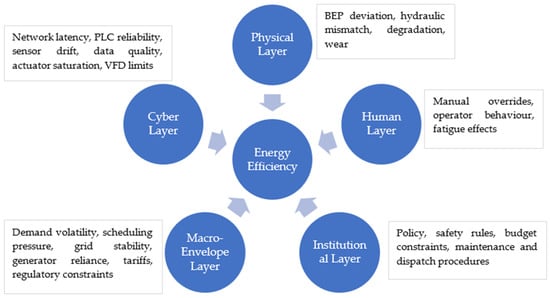
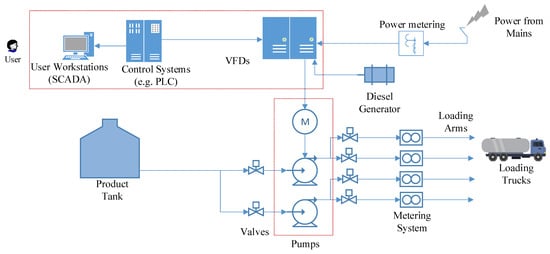
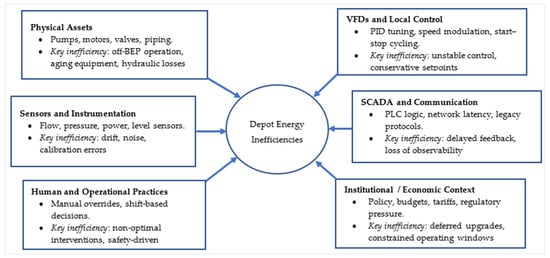
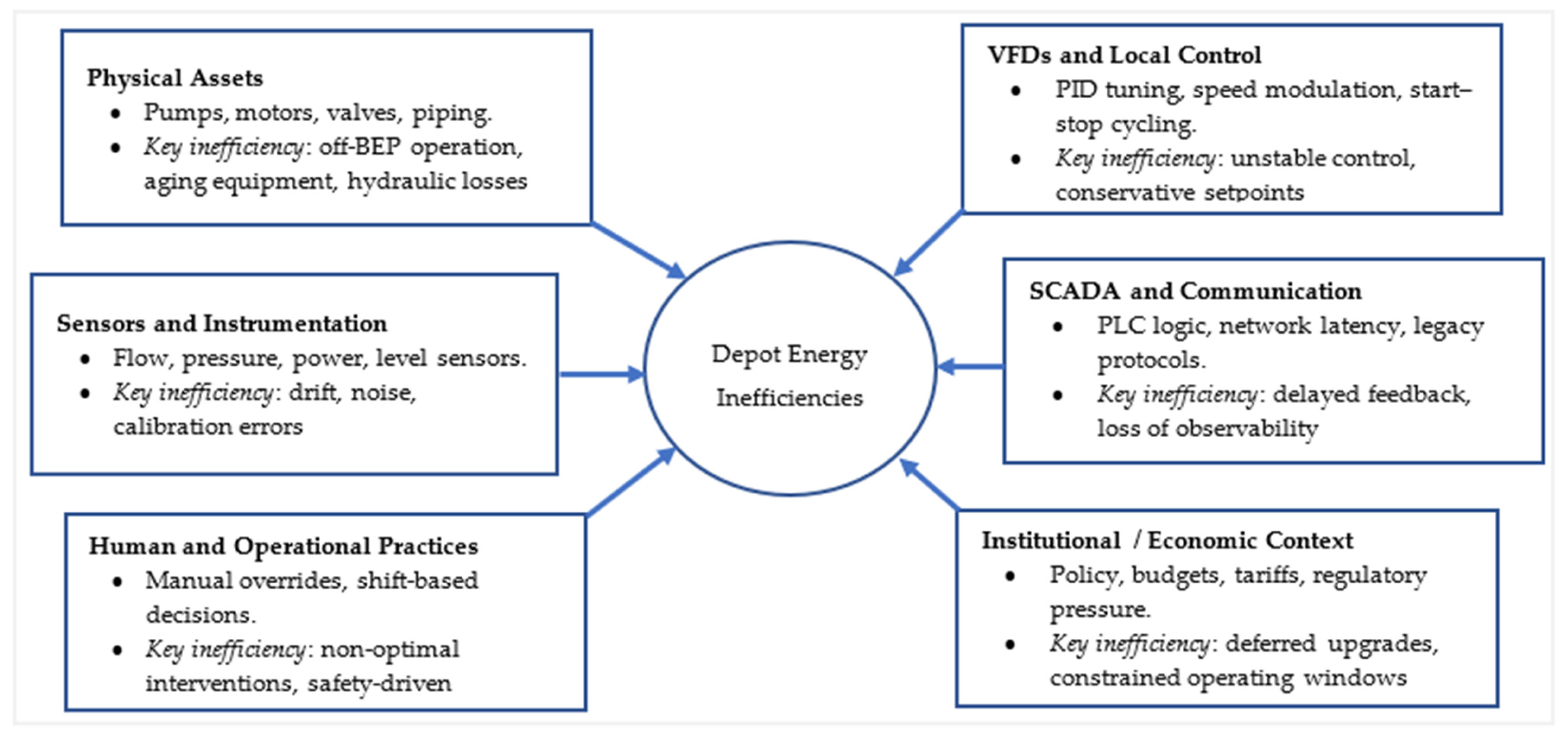
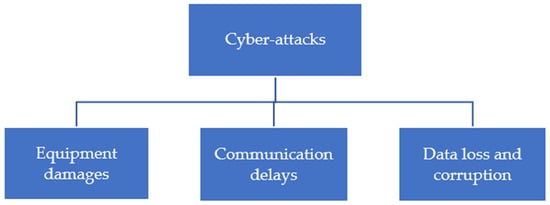
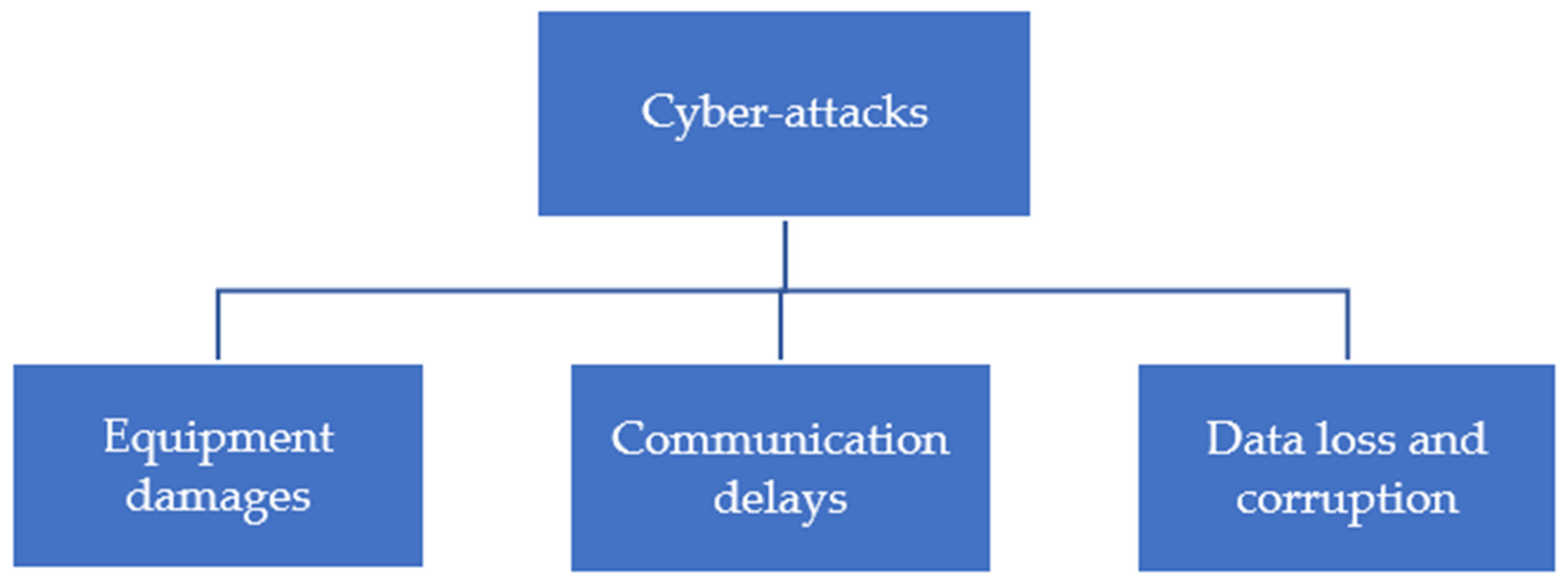
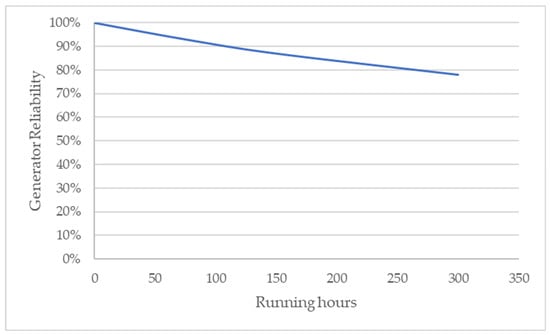
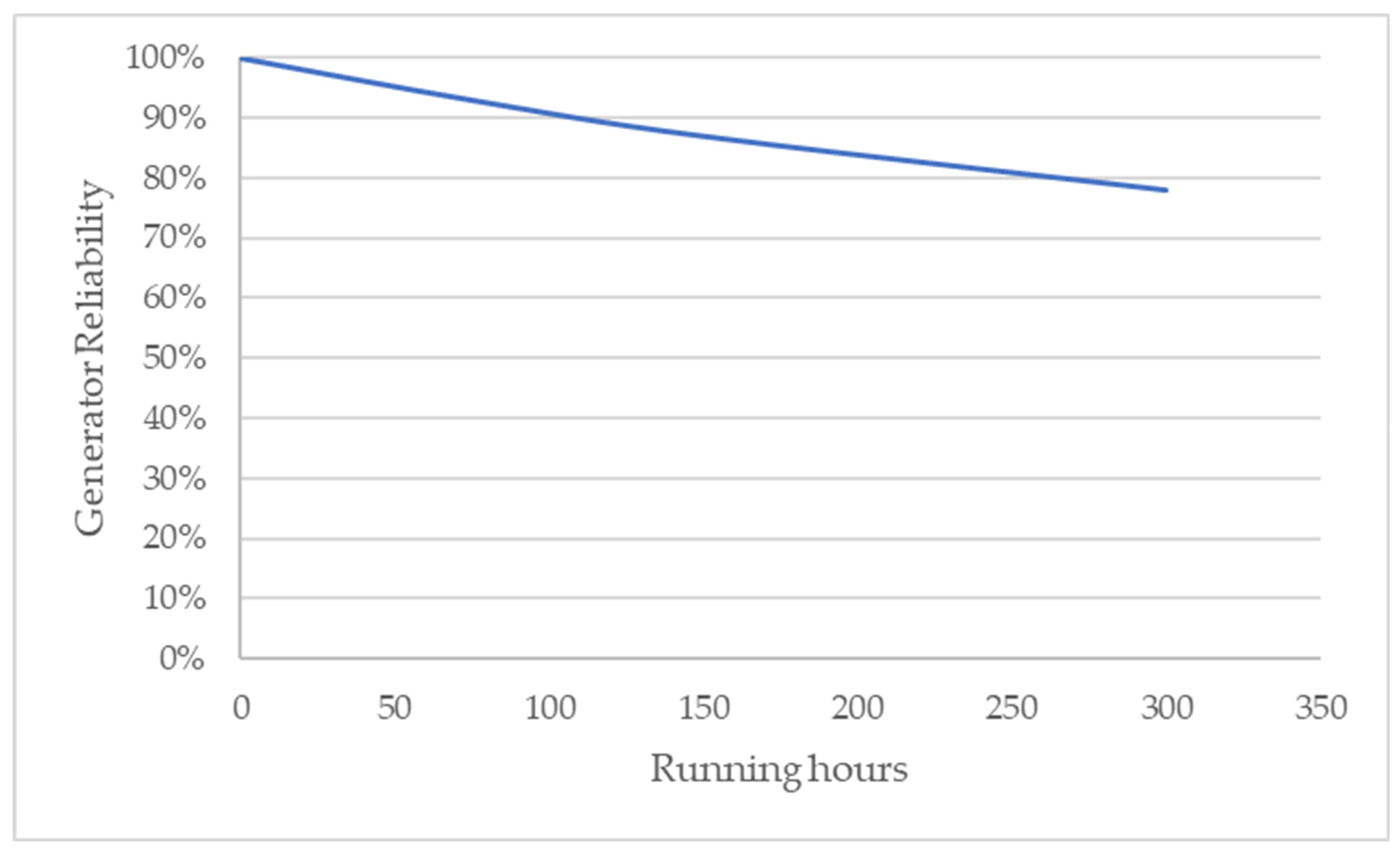
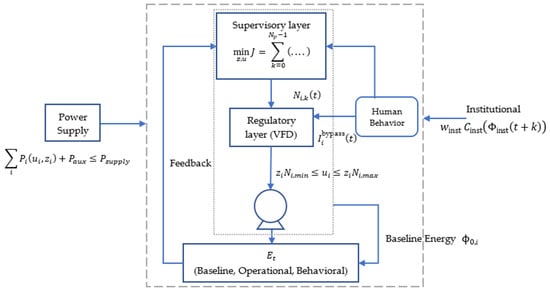
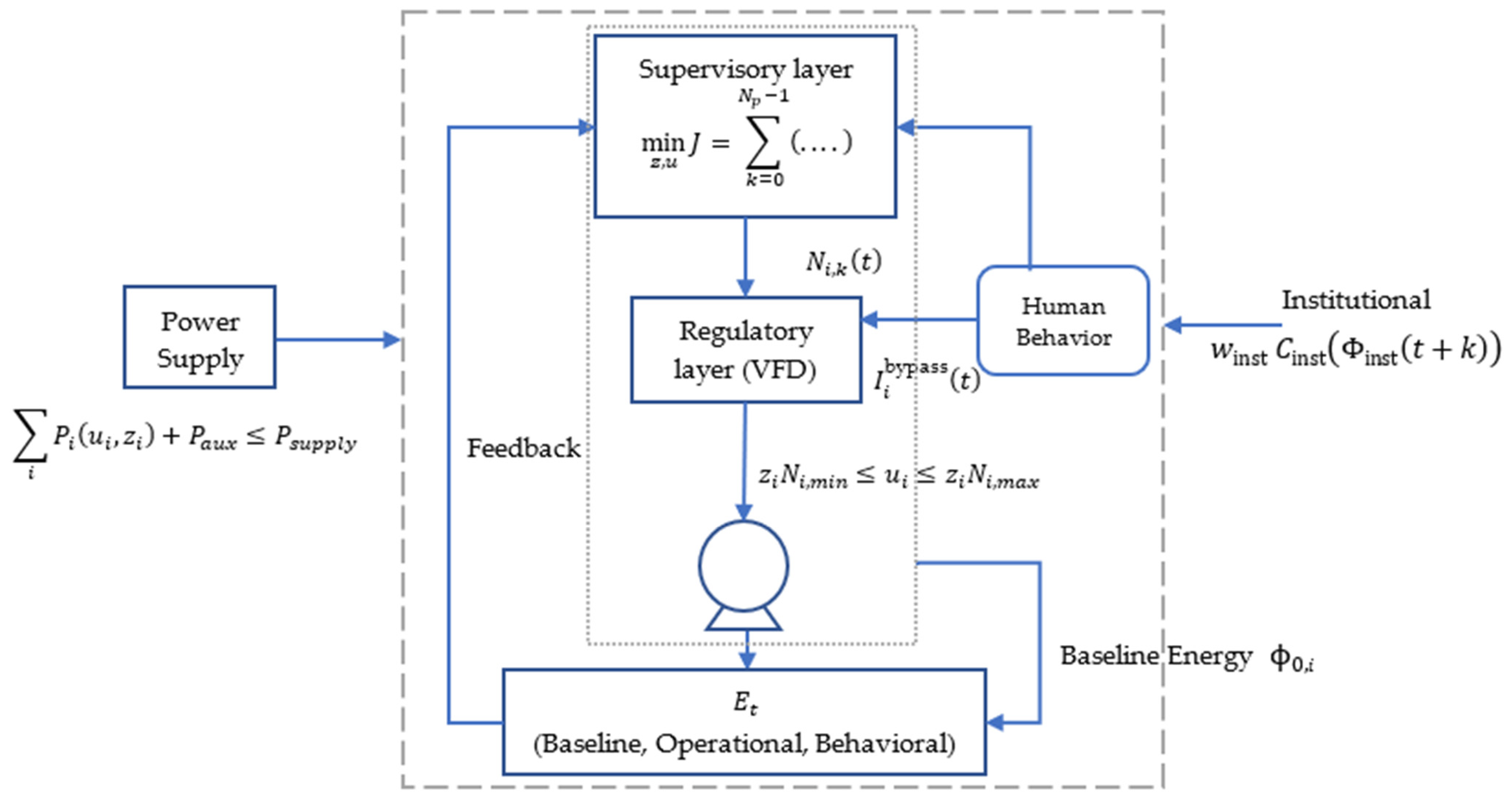

Disclaimer/Publisher’s Note: The statements, opinions and data contained in all publications are solely those of the individual author(s) and contributor(s) and not of MDPI and/or the editor(s). MDPI and/or the editor(s) disclaim responsibility for any injury to people or property resulting from any ideas, methods, instructions or products referred to in the content. |
© 2026 by the authors. Licensee MDPI, Basel, Switzerland. This article is an open access article distributed under the terms and conditions of the Creative Commons Attribution (CC BY) license.