


Abstract
Against the background of carbon neutrality, the government’s carbon regulations have had a profound impact on the distributed energy sharing behavior of industrial parks. To deeply explore the interactive relationship between distributed energy sharing in industrial parks and government regulation, this paper constructs a three-party evolutionary game model composed of the government, core enterprises and supporting enterprises; endogenizes government behavior; and integrates inter-enterprise contractual mechanisms into the evolutionary framework. By establishing a revenue payment matrix and a replication dynamic equation, the stability conditions and system evolution paths of the strategy choices of each subject are analyzed, and numerical simulations are conducted. The results show that there are multiple evolutionary stable equilibria in the system, among which the equilibrium where core enterprises actively share, supporting enterprises actively share, and the government actively regulates carbon is the ideal state. Cost-sharing contracts and cooperative penalty contracts play a significant role in promoting the participation of supporting enterprises in sharing and curbing “free-riding” behavior, respectively. The changes in government subsidy rates and carbon tax rates have a crucial impact on the evolution of corporate strategies. Quantitatively, the carbon tax rate exhibits a threshold effect; enterprises shift to positive energy sharing when the tax rate exceeds 0.8, while a subsidy rate above 0.4 leads the government to withdraw from regulation. This indicates that a reasonable design of carbon regulations can help achieve coordinated energy emission reduction between the government and enterprises. The findings provide theoretical support for optimizing carbon regulations and designing cooperation strategies.
1. Introduction
Against the backdrop of global climate change, promoting energy transformation and moving towards green and low-carbon development have become a common focus of concern for countries around the world. As the world’s largest carbon emitter, China has actively responded to the Paris Agreement and put forward the “dual carbon” strategic goals of “carbon peak and carbon neutrality”. Under this strategic orientation, the government guides enterprises to optimize their energy structure and enhance energy efficiency by implementing carbon taxes, low-carbon subsidies and other carbon regulations, gradually building a low-carbon and circular industrial system. As an important carrier of regional economic development, the energy consumption structure and carbon emission intensity of industrial parks have a decisive impact on the overall national emission reduction effectiveness [1]. Therefore, how to promote the co-construction and sharing of new energy systems in industrial parks and achieve coordinated optimization and low-carbon transformation of energy has become a hot issue of common concern in both academic and policy circles.
Distributed energy sharing features local consumption, flexible complementarity, low carbon and high efficiency, and it represents an effective path to achieving energy cascade utilization in industrial parks and regional emission reduction [2]. Against the background of the country’s implementation of the “dual carbon” strategy, the government has vigorously promoted the low-carbon transformation of industrial parks and implemented carbon regulations, such as carbon taxes and low-carbon subsidies, which have had a significant impact on the distributed energy sharing strategy of industrial parks. Under the government’s low-carbon regulations, enterprises within industrial parks can not only reduce energy costs and improve energy utilization efficiency by jointly building and sharing distributed energy but also effectively reduce carbon emissions, forming a synergistic emission reduction effect. However, in the actual implementation process, due to the heterogeneity of enterprises in industrial parks, there is asymmetry among the participants in terms of information, cost, benefit and risk. Their strategic choices often have obvious characteristics of bounded rationality, leading to predicaments such as “free-rider behavior” and a “lack of trust” in energy sharing cooperation. In addition, the government’s carbon regulation policies, such as carbon taxes and subsidies, have further altered the cost–benefit structure of enterprises and influenced their decision-making behaviors in distributed energy sharing. Therefore, constructing a theoretical model that can reflect the dynamic interaction between the government and enterprises and systematically analyzing the evolution mechanism of distributed energy sharing in industrial parks under low-carbon regulations has significant theoretical value and practical significance.
Evolutionary game theory, as an effective tool for analyzing the strategy evolution of bounded rational subjects, can better depict the learning, imitation and strategy adjustment behaviors of multiple subjects in the process of repeated games. Unlike traditional game theory, evolutionary games emphasize dynamic equilibrium and path dependence and are more suitable for describing the formation and evolution of long-term cooperative relationships among heterogeneous enterprises in industrial parks. At present, some scholars have applied evolutionary games to research on energy sharing, low-carbon policies and corporate behavior. For instance, some studies have employed evolutionary game theory to analyze regulatory strategies for information transmission pricing in integrated energy systems [3] or constructed tripartite evolutionary game models to examine synergistic incentives for green energy market expansion [4]. However, existing studies remain largely confined to bilateral game settings or treat enterprises as homogeneous agents, lacking a unified theoretical framework for integrated decision-making on distributed energy sharing among heterogeneous enterprises within government agencies and industrial parks. Especially against the backdrop of the gradual implementation of carbon tax policies and low carbon subsidies, how the strategic interaction between the government and enterprises affects the evolution path of distributed energy sharing has not been fully explored.
Therefore, we assume that heterogeneous enterprises in the industrial park all actively respond to the low-carbon production policy advocated by the government and thus have an intrinsic motivation to share distributed energy within the industrial park. Given that park enterprises have mutual influences on their choices of distributed energy sharing strategies during long-term cooperation, as well as the interaction between government low-carbon regulations and enterprises’ distributed energy sharing behaviors, dynamic games need to be played among various entities in terms of costs, benefits, and subsidies. In this situation, incorporating both the government and park enterprises into a single system to analyze the influencing factors and evolution mechanisms of the changes in the distributed energy sharing behaviors of the government and park enterprises under low-carbon policies has a certain problem-oriented approach.
Based on evolutionary game theory, this paper takes the industrial park for distributed energy sharing as the research object, regards the government, core enterprises and supporting enterprises as the three game subjects, and constructs an evolutionary game model that includes multiple factors such as carbon taxes, subsidies, cost sharing and cooperative punishment. By establishing the revenue payment matrix and the replication dynamic equation, the evolutionary stability conditions of the strategy choices of each agent are analyzed, and the Jacobian matrix is used to determine the stability of the equilibrium point of the system. Furthermore, in combination with actual cases, numerical simulations and parameter sensitivity analyses were carried out to verify the applicability and robustness of the theoretical model. This article aims to answer the following core questions:
- (1)
- Under the government’s carbon regulation, what is the evolutionary stability strategy for distributed energy sharing in industrial parks?
- (2)
- What are the key factors influencing the evolution path of distributed energy sharing systems in industrial parks?
- (3)
- How should the government design carbon regulations to encourage enterprises to actively participate in energy sharing?
- (4)
- How should enterprises establish cooperation mechanisms to avoid “free-riding” behavior?
The main contributions of this paper are as follows: First, we incorporate the government as an endogenous game subject into the analytical framework to reveal its dynamic game relationship with enterprises in the distributed energy sharing of industrial parks. Second, we have comprehensively considered inter-enterprise contractual mechanisms such as cost-sharing and cooperation penalties and expanded the distributed energy sharing cooperation model. Thirdly, through numerical simulation analysis, we provide an empirical basis and management insights for the government to formulate differentiated carbon regulation policies and for enterprises to optimize cooperation strategies.
The organizational structure of this paper is as follows: Section 1 introduces the research background, problem, and significance; Section 2 reviews the relevant literature; Section 3 constructs a three-party evolutionary game model, presenting basic assumptions and payoff matrices; Section 4 analyzes the stability of each agent’s strategy and the system equilibrium path; Section 5 conducts numerical simulations and parameter analysis; Section 6 summarizes the research conclusions and proposes policy recommendations.
2. Literature Review
As a core policy tool driving low-carbon transformation, the impact of carbon regulation on corporate behavior has become a focus of academic attention, mainly reflected in three aspects: corporate investment, corporate operations, and the comparison of different policy tools. In terms of research on the impact on corporate investment behavior, carbon regulations significantly affect the asset structure and energy choices of enterprises. Dong et al. analyzed the impact of China’s carbon emissions trading pilot program on fixed assets and their investments and found that the fixed asset investment of regulated enterprises decreased significantly [5]. Yang and Xu further pointed out that market-based carbon regulations can stimulate the quality of enterprise innovation and achieve the “Porter effect” [6]. In terms of research on the impact on the operational behavior of enterprises, Lu and Sun pointed out that while carbon regulations promote the progress of low-carbon technologies, they limit the production capacity of enterprises and increase complexity in decision-making [7]. Based on the assumption of bounded rationality, Zhu et al. found that an overly rapid adjustment speed between production and carbon reduction would cause system instability, reduce profits and increase carbon emissions [8]. Xu et al. explored the impact of carbon tax and carbon quota compensation mechanisms on pricing and inventory in omnichannel retail [9]. Zhang et al. studied the newsboy problem under partial demand information and found that carbon regulation would increase product pricing and reduce order quantities [10]. In terms of comparative studies of different policy tools, research shows that there are significant differences in the emission reduction effectiveness, economic impact and implementation complexity of different carbon regulations. Song and Han found that market-type regulations have a significant positive effect on carbon productivity, while command-and-control-type regulations have a negative effect [11]. Xu et al. compared carbon tax and carbon trading policies and found that carbon trading had a lower impact on economic costs, while the carbon tax performed better in terms of total emission reduction [12]. Shams et al. pointed out that carbon cap-and-trade in the transportation industry is optimal from the perspective of social welfare [13]. Lee and Liang found that the emissions trading system in the real estate industry could significantly enhance the environmental performance of enterprises, while the effect of the carbon tax was not significant [14]. Although the above studies have thoroughly examined the micro-level effects of carbon regulations on corporate investment and operations, most of them treat government policies as exogenous shocks or static policy variables. Few studies endogenize the government’s regulatory behavior as a strategic choice that co-evolves with firms’ responses, especially in the context of distributed energy sharing within industrial parks where heterogeneous enterprises interact dynamically.
On this basis, some scholars have conducted research on the mechanism of carbon regulation in the energy system and the optimal scheduling of the energy system under carbon regulation. Carbon regulation, through policy tools such as carbon markets, carbon taxes, and carbon quotas, guides the energy system’s transformation towards low-carbonization. Its mechanism of action in the energy system has gradually become a research focus. Fu et al. propose a differential game approach to explore the impacts of carbon tax policies and decision-makers’ disappointment aversion behavior on energy sharing decisions [15]. Sang et al. investigated the optimization and risk resilience of integrated energy systems in near-zero carbon parks under carbon tax policies [16]. Wu et al. constructed a unified framework for energy and carbon flow modeling centered on the energy hub [17]. Mao et al. constructed an economic dispatch optimization model incorporating dynamic energy efficiency and dynamic carbon trading [18]. Yuan et al. constructed an “energy-carbon collaborative sharing” mechanism based on multi-energy microgrid parks to enhance the consumption rate of renewable energy and reduce carbon emissions [19]. Wu et al. proposed a two-stage energy trading strategy to help consumers maximize utility among the electricity market, the carbon market and the green electricity market [20]. Bian et al. established a two-stage energy sharing model considering the coupling mechanism of “carbon-green certificates” to improve the energy conservation and emission reduction levels of operators [21]. In the research on the optimal scheduling of energy systems under carbon regulation, Fan et al. enhanced the robustness, economy and environmental friendliness of the system through energy sharing and carbon transfer [22]. Tan et al. proposed a day-ahead coordinated dispatching strategy for multi-regional integrated energy systems to enhance the economy and environmental protection of the system [23]. Huo et al. proposed an optimized scheduling method considering both the seasonal carbon trading mechanism and the sharing of electricity and carbon quotas simultaneously [24]. Hu et al. constructed a bilevel programming model for shared energy storage stations oriented to multiple integrated energy systems to minimize emission reduction costs and system operation costs [25]. Li et al. designed an innovative framework for joint multi-energy and carbon responsibility sharing, promoting the transformation of the energy system from individualization to group collaboration [26]. While these studies have enriched the understanding of energy system optimization under carbon regulations, they predominantly focus on technical scheduling and market mechanism design, often assuming that enterprises fully comply with given policies. The strategic interdependence between government regulation and heterogeneous enterprises’ energy sharing decisions, where firms may choose to cooperate or free-ride based on cost–benefit calculations, remains underexplored from a behavioral game perspective.
However, in the process of energy sharing under low-carbon regulations, the phenomenon of free-riding often occurs among members, leading to a decrease in the willingness to cooperate. Cost-sharing contracts, as a supply chain coordination mechanism, can effectively promote cooperation among supply chain members and enhance overall performance and environmental benefits. Yang et al. found that cost-sharing and commission joint contracts within a reasonable range can improve the economic and environmental performance of green supply chains [27]. Guo et al. designed a service cost-sharing contract for dual-channel supply chains, which can effectively alleviate the negative impact brought by free-riding [28]. Based on the Stackelberg differential game model, Xu et al. designed two types of cost-sharing contracts, one-way and two-way, to promote the long-term cooperation between manufacturers and distributors in the promotion of low-carbon products [29]. Yin et al. designed a profit–cost sharing joint contract for the integration of installation and dismantling services in the construction machinery leasing supply chain. In addition, cost-sharing contracts are widely used to incentivize enterprises’ green investment and low-carbon transformation [30]. Lee and Yoon believe that cost-sharing contracts can simultaneously enhance the profitability and sustainability performance of the supply chain [31]. Zhang et al. found that increasing the cost-sharing ratio can motivate enterprises to carry out green innovation, while an excessively high benefit-sharing ratio may suppress the innovation drive [32]. Cao et al. explored the effect of the fixed-proportion cost-sharing contract on the technological improvement and additional testing of the semiconductor chip supply chain [33]. Chen et al. discovered that reasonable cost-sharing and subsidy strategies can promote the market circulation and green development of ecological products [34]. Sun et al. proposed a repurchase and out-of-stock cost-sharing contract for multiple retailers when facing random price-dependent demands [35]. Liu et al. constructed a cost-sharing contract mechanism for the smart grid, which effectively reduced the costs of public utility companies in the state of uncertain channels [36]. Rathnasiri et al. proposed a dynamic cost-sharing contract for small-scale e-commerce supply chains under information asymmetry, significantly reducing the total cost and promoting long-term cooperation [37]. Shen et al. found that cost-sharing contracts in the uncertain green product supply chain contribute to improving the green level of products and the total profit of the supply chain [38]. The study on cost-sharing contracts has demonstrated their effectiveness in coordinating supply chains and incentivizing green investments. However, most existing studies are situated in traditional vertical supply chain contexts, with limited attention paid to how cost-sharing mechanisms function in horizontal energy sharing cooperation among peer enterprises within industrial parks, particularly when combined with penalty contracts to mitigate free-riding behavior.
All the participants in the distributed energy sharing of industrial parks are bounded rational. Evolutionary game theory, as an important tool for analyzing the dynamic interaction strategies of bounded rational participants, has been widely applied in multiple fields such as supply chain management and energy systems. In the research of multi-agent evolutionary games in the supply chain, Li et al. studied the problem of information sharing in the fresh product supply chain by constructing an evolutionary game model [39]. Wang et al. constructed an evolutionary game model among the government, retailers and suppliers and explored the collaborative mechanism of the emergency supply chain [40]. Shu et al. focused on the fair concern behaviors of retailers in the supply chain and analyzed supply chain pricing strategies in combination with the Stackelberg game and evolutionary game [41]. Gao et al., taking the new energy vehicle supply chain as the background, analyzed the strategic interaction among suppliers, manufacturers and government regulatory agencies through an evolutionary game model [42]. On this basis, some scholars have extended evolutionary game theory to the field of energy management. Zhang et al. conducted an in-depth analysis of the incentive and disincentive mechanisms in quality supervision for photovoltaic power plants by constructing an evolutionary game model involving three parties: the government, contractors, and investors [43]. He et al. combined a bargaining game and an evolutionary game and proposed a two-stage trading strategy considering the carbon trading mechanism [44]. Zhang et al. analyzed the strategy matching problem between investors and users throughout the project life cycle by using evolutionary game theory [45]. Mitrea et al. designed a blockchain energy market mechanism that incentivizes social cooperation among producers and consumers based on an evolutionary game model [46]. It is worth noting that, whether it is the supply chain or the energy system, government policy intervention and regulatory measures play a key role in the evolutionary game process, and some scholars have conducted further research on this. Sun et al. constructed an evolutionary game model between the central government and local governments in the environmental supervision system [47]. Bao et al. pointed out that government financial support and punishment mechanisms have an important influence on the stable evolution of the system [48]. Zhou et al. explored the impact of government subsidies and penalties on enterprises’ low-carbon technological innovation [49]. Ji et al. studied the influence of government regulation on the green innovation behavior of energy enterprises based on evolutionary game theory [50]. Evolutionary game theory has proven to be a powerful tool for analyzing strategic interactions among bounded rational agents in supply chains and energy systems. Nevertheless, existing applications are largely confined to bilateral game settings, including government-enterprise or inter-enterprise interactions, and rarely incorporate a tripartite framework that simultaneously captures the dynamic interactions among the government, core enterprises, and supporting enterprises, along with the contractual mechanisms and policy instruments that shape distributed energy sharing.
In conclusion, the above-mentioned literature has laid a solid foundation for this research by studying the issues of enterprise behavior response and energy sharing mechanisms under carbon regulation. However, previous studies have mostly focused on single-enterprise decision-making or bilateral game scenarios, without simultaneously considering the factors of government carbon regulation and the interaction among heterogeneous enterprises in industrial parks during the process of distributed energy sharing. There are also few studies systematically analyzing the impact of cost-sharing contracts and cooperation penalty mechanisms on the evolutionary stability of distributed energy sharing systems. In the actual operation process of distributed energy sharing in industrial parks, there is often a dynamic interaction among government policies, enterprises’ willingness to cooperate, and energy sharing efficiency, which requires the introduction of a multi-agent evolutionary game method for analysis. The existing tripartite evolutionary game studies typically adopt a “government–firm–public” or “government–regulator–regulated” structure, where firms are treated as homogeneous, and government strategies are often limited to regulatory intensity, such as strict or lenient enforcement. In contrast, the present study constructs a “government–core enterprise–supporting enterprise” framework tailored to the hierarchical structure of industrial parks. It introduces two key distinctions: government regulation is operationalized through specific policy instruments, including the carbon tax rate and subsidy rate, enabling the identification of threshold effects that influence enterprise strategies; and inter-enterprise contractual mechanisms, such as cost-sharing and penalty contracts, are embedded into the payoff structure. These features allow the model to generate quantifiable policy insights beyond the qualitative regulatory comparisons prevalent in existing tripartite models.
Therefore, this paper attempts to introduce evolutionary game theory into the research field of distributed energy sharing in industrial parks under government carbon regulation and construct a three-party evolutionary game model composed of the government, core enterprises and supporting enterprises from the perspective of strategy interaction among bounded rational subjects. Based on the replication dynamic equation and stability analysis, the system evolution path and equilibrium conditions are revealed. Through numerical simulation, the impact of policy parameters such as the carbon tax and low-carbon subsidy on sharing behavior is explored, thereby providing decision-making references for the government to optimize carbon regulations and for enterprises to formulate cooperation strategies.
3. Problem Description and Model Assumptions
3.1. Problem Description
This study addresses the strategic choices of core enterprises, supporting enterprises, and governments during distributed energy sharing within industrial parks under the government’s low-carbon regulations. Constrained by both the government’s low-carbon regulations and internal energy sharing cooperation contracts within the industrial park, while accounting for the public’s low-carbon preferences, an evolutionary game model for distributed energy sharing is constructed. The dynamic evolutionary process is illustrated in Figure 1. Leveraging the collaborative agility inherent in locally integrated contractual networks within industrial parks, this study incorporates government low-carbon regulations and the cooperative agreements between core enterprises and supporting enterprises as influencing factors in the evolutionary game model. This framework enables an analysis of the dynamic evolutionary strategies for distributed energy sharing within industrial parks.
Figure 1.
Dynamic evolution process of the game among distributed energy sharing subjects in industrial parks.
3.2. Model Assumptions
The study focuses on governments and core enterprises participating in distributed energy sharing within industrial parks, where decision-makers aim to maximize their respective interests. Based on the principle of bounded rationality in evolutionary games, information asymmetry exists among players. Their strategy selection involves independent and repeated random game behaviors, dynamically adjusting their strategies in response to opponents’ moves. Therefore, drawing from evolutionary game theory and relevant literature, this paper proposes the following assumptions:
Assumption 1:
Referring to the assumption of Wang et al. on rationality assumptions in evolutionary games [40], we assume that during distributed energy sharing in industrial parks, core enterprises have a probability of of choosing positive energy sharing and a probability of of choosing negative energy sharing. Supporting enterprises have a probability of of choosing positive energy sharing and a probability of of choosing negative energy sharing. The government has a probability of of choosing positive carbon regulation and a probability of of choosing negative carbon regulation.
Assumption 2:
When engaging in distributed energy sharing, core and supporting enterprises incur corresponding costs based on the level of sharing. Referring to the assumption of Ai et al. on distributed energy costs [2], these include investment costs, energy storage costs, and demand response costs for energy sharing. The distributed energy sharing cost for core enterprises is set as , while that for supporting enterprises is set as .
Assumption 3:
When both the core enterprise and supporting enterprise choose negative energy sharing, their initial benefits are
and , respectively. Referring to the assumption of Fu et al. on the energy sharing synergy effect [15], when enterprises choose positive energy sharing, synergistic effects arise, enhancing distributed energy utilization efficiency and reducing energy costs, enabling both parties to gain additional benefits. When both parties positively share energy, the additional synergistic benefit rate is . When the core enterprise positively shares energy while the supporting enterprise negatively shares, the core enterprise’s additional synergistic benefit rate is , yielding an additional benefit rate of for the supporting enterprise. Conversely, when the supporting enterprise positively shares energy while the core enterprise negatively shares, the supporting enterprise’s additional synergistic benefit rate is , yielding an additional benefit rate of for the core enterprise.
Assumption 4:
When enterprises positively participate in energy sharing, the low-carbon nature of distributed energy generates carbon emission reductions for them. Given the public’s low-carbon preferences, increased product demand will yield low-carbon benefits. When both core and supporting enterprises positively share energy, their respective carbon emission reductions amount to and , respectively. The corresponding low-carbon benefits are and .
Assumption 5:
Cost-sharing contracts and cooperative punishment contracts exist between core enterprises and supporting enterprises. As the dominant player in the industrial park, the core enterprise bears a portion of the distributed energy sharing costs for supporting enterprises to enhance their willingness to share energy. When supporting enterprises that negatively share energy, they incur a penalty of . If both parties choose negative sharing, the contract becomes void.
Assumption 6:
When the government implements positive carbon regulation, it imposes a carbon tax based on enterprises’ actual carbon emissions while providing distributed energy sharing cost subsidies to enterprises that participate positively in energy sharing. The initial carbon emissions of the core enterprise are , those of the supporting enterprise are , the government’s carbon tax rate is , and the government’s distributed energy sharing cost subsidy rate for proactive energy sharing enterprises is . When the government adopts negative carbon regulation, it imposes no carbon tax on enterprises and provides no subsidies. However, due to the public’s low-carbon preferences, the government incurs low-carbon constraint losses from society. Assuming negative carbon regulation, the government’s low-carbon constraint loss when the core enterprise positively shares energy is , and the government’s low-carbon constraint loss when the supporting enterprise positively shares energy.
3.3. Symbol Explanation
The symbols and their definitions used in this paper are shown in Table 1.
Table 1.
Symbol setting and description.
Based on the above assumptions and parameter settings, this paper constructs a three-party evolutionary game model by following these steps: First, a payoff matrix is constructed based on the strategy spaces and payoff structures of each agent; second, the expected payoffs of each agent are calculated, and a replicator dynamic equation is established; third, using the stability theory of differential equations, the stability of strategy evolution for each individual agent is analyzed, and the local stability of the system’s equilibrium points is determined via the Jacobian matrix. Finally, numerical simulation methods are employed to validate the theoretical analysis results and conduct parameter sensitivity analysis. The above steps ensure the transparency and reproducibility of the model construction and solution process.
4. Evolutionary Game Model for Distributed Energy Sharing in Industrial Parks
The participants in distributed energy sharing within industrial parks make strategic choices based on cost and benefit considerations. Depending on the decision-making behaviors of different game entities and the assumed conditions, the payoff matrices for the three parties, government, core enterprises, and supporting enterprises, are shown in Table 2 and Table 3. In each table, the rows represent the strategies of supporting enterprises, while the columns represent the strategies of core enterprises. Each cell contains three expressions: the first denotes the payoff of the core enterprise, the second denotes the payoff of the supporting enterprise, and the third denotes the payoff of the government. The derivation of each payoff expression follows the cost–benefit structure defined in Assumptions 2–6.
Table 2.
Payoff matrix for the benefits of the three-party game under the government’s positive carbon regulation.
Table 3.
Payoff matrix for the benefits of the three-party game under the government’s negative carbon regulation.
Based on the payoff matrix of the aforementioned game entities, the expected payoff functions and replication dynamics equations for each entity can be determined as follows:
The expected payoff for the core enterprise choosing positive energy sharing is
The expected payoff for the core enterprise choosing negative energy sharing is
The average expected return function for the core enterprise is
From the above expected return function, the replicating dynamic equation for the core enterprise’s choice of positive energy sharing is
The expected payoff for supporting enterprises choosing positive energy sharing is
The expected payoff for supporting enterprises choosing negative energy sharing is
The average expected benefit function for supporting enterprises is
From the above expected benefit function, the replicating dynamic equation for supporting enterprises choosing positive energy sharing is
The expected payoff for the government choosing positive carbon regulation is
The expected payoff for the government choosing negative carbon regulation is
The government’s average expected benefit function is
From the above expected benefit function, the replicating dynamic equation for the government’s choice of positive carbon regulation is
The dynamic equations described above depict the mechanism by which rational agents adjust their strategies in long-run repeated games. Taking Equation (4) as an example, the evolution of the proportion of “Positive energy sharing” chosen by the core firm over time depends on the difference between the expected payoffs of positive and negative sharing: when , , and positive sharing behavior gradually spreads throughout the group; conversely, it declines. Equations (8) and (12) carry similar dynamic implications for supporting enterprises and the government. This modeling logic reflects the gradual process by which heterogeneous agents in an industrial park continuously optimize their strategies through observation, learning, and imitation. The direction of this evolution is determined by the cost–benefit structure under various strategy combinations, while key factors such as cost-sharing contracts, cooperative punishment mechanisms, and government carbon taxes and subsidies indirectly shape the system’s long-term equilibrium by influencing the expected utility functions.
5. Evolutionary Stability Analysis of Player Strategies
5.1. Analysis of Core Enterprise Strategy Stability
Differentiating the replicator dynamics Equation (4) for the core enterprise yields
When ,
Taking ,
It follows that if , then for all , the system satisfies the stable state
When and , we obtain as the two equilibrium points of the core enterprise’s evolutionary game.
According to the stability principle of differential equations, when and , the “positive energy sharing” strategy adopted by the core enterprise is in a stable state.
Taking
yields
When , is an increasing function with respect to .
At this point, if , then , and , where represents the stable state of the core enterprise’s game evolution, indicating a tendency toward “positive energy sharing.” If , then , and , where represents the stable state of the core enterprise’s evolution, indicating a tendency toward “negative energy sharing.”
When , is a decreasing function of .
At this point, if , then , leading to , where becomes the stable state of the core enterprise’s game evolution, with the core enterprise tending to choose “negative energy sharing.” If , then , leading to , where becomes the stable state of the core enterprise’s evolution, with the core enterprise tending to choose “positive energy sharing.”
The evolutionary process of the core enterprise’s energy sharing decision-making behavior is thus depicted in Figure 2. The horizontal axis y represents the proportion of supporting enterprises that choose positive sharing, while the vertical axis z represents the probability that the government will opt for positive carbon regulation. The surface y(z) represents the critical threshold surface for the core enterprise’s strategic choice; the region above the surface (space Vx1) corresponds to the core enterprise evolving to a steady state of “positive sharing,” while the region below (space Vx2) corresponds to a steady state of “negative sharing.” The evolutionary processes of energy sharing decision-making by supplier firms and the government follow a similar pattern.
Figure 2.
The evolution process of the core enterprise’s decision-making behavior.
Conclusion 1:
When the core enterprise selects a strategy space state within the region , . At this point, represents a stable equilibrium point within the region. This indicates that when the core enterprise participates in distributed energy sharing within the industrial park, its comprehensive benefits exceed its comprehensive costs, leading to an overall increase in the core enterprise’s benefits. As time progresses, the core enterprise’s stable game strategy ultimately converges to “positive energy sharing.”
Conclusion 2:
When the core enterprise’s chosen strategy state lies within the space , holds. At this point, represents a stable equilibrium within the space. This indicates that when the core enterprise participates in distributed energy sharing within the industrial park, its overall benefits increase only marginally compared to non-participation or may even fall below the total costs. Consequently, the core enterprise’s overall benefits decrease. Over time, the core enterprise’s stable game strategy ultimately converges to “negative energy sharing.”
Conclusion 3:
Further analysis of the gains from core enterprise behavior reveals that when other parameters remain constant, increasing the values of , , , , and leads to a corresponding increase in . This shifts the cross-section downward, expanding the spatial volume of . This indicates that government low-carbon subsidies, carbon tax imposition, consumer low-carbon preferences, energy sharing synergies among core enterprises, and cooperative punishment contracts with supporting enterprises all promote core enterprises’ adoption of the “positive energy sharing” strategy. Conversely, increasing the values of , , and reduces the value of , shifts the intersection upward, and increases the spatial volume of . This indicates that the distributed energy sharing costs for both parties and cost-sharing contracts with supporting enterprises inhibit the core enterprise’s selection of the “positive energy sharing” strategy.
Proof.
In Figure 2, and
represent the probabilities of the core enterprise choosing positive energy sharing and negative energy sharing, respectively.
From
, it follows that when
, then
;
When
,
;
As shown in Figure 2, the smaller the value at the intersection of the cross-section with the
axis and the
axis, the larger the volume of
.
Therefore, by calculating the first-order conditions for each parameter with respect to the intersection point
:
and based on the properties of fractions, it is evident that the spatial volume of
increases with the increase of
,
,
,
, and
, and decreases with the increase of
,
, and
. □
5.2. Analysis of Strategy Stability for Supporting Enterprises
Taking the derivative of the replication dynamic Equation (8) for supporting enterprises yields
When
Taking ,
It follows that if , then for all , the system satisfies the stable state .
When and , we obtain as the two equilibrium points of the supporting enterprise evolution game.
According to the stability principle of differential equations, when and , the “positive energy sharing” strategy adopted by supporting enterprises is in a stable state.
Taking
yields
When , is an increasing function with respect to .
At this point, if and , then and represent the stable equilibrium of the supporting enterprises’ game evolution. Therefore, supporting enterprises tend to choose “positive energy sharing.” If and , then , and at this point represents the stable equilibrium of the supporting enterprises’ game evolution. Therefore, supporting enterprises tend to choose “negative energy sharing.”
When , is a decreasing function of .
At this point, if , then , leading to . In this case, becomes the stable state of the supporting enterprise’s game evolution, causing the supporting enterprise to prefer “negative energy sharing.” If , then , resulting in . Here, becomes the stable state of the supporting enterprise’s game evolution, leading the supporting enterprise to prefer “positive energy sharing.”
The evolutionary process of supporting enterprises’ energy sharing decision-making behavior is illustrated in Figure 3.
Figure 3.
The evolution process of the supporting enterprise’s decision-making behavior.
Conclusion 4:
When the supporting enterprise’s chosen strategy space state lies within the region , . At this point, represents a stable equilibrium point within the region. This indicates that when supporting enterprises participate in distributed energy sharing within industrial parks, their comprehensive benefits exceed their comprehensive costs, leading to an overall increase in their total benefits. As time progresses, the supporting enterprises’ stable game strategy ultimately converges to “positive energy sharing.”
Conclusion 5:
When the supporting enterprise’s chosen strategy state lies within the space , holds. At this point, represents a stable equilibrium within the space. This indicates that when supporting enterprises participate in distributed energy sharing within industrial parks, their overall benefits increase only marginally compared to non-participation or may even fall below their total costs, resulting in a decrease in the supporting enterprises’ overall benefits. As time progresses, the supporting enterprises’ game-theoretic stable strategy ultimately converges to “negative energy sharing.”
Conclusion 6:
Further gain analysis of supporting enterprises reveals that, holding other parameters constant, increasing the values of , , , , and leads to a larger value for , a downward shift in the cross-section, and an expansion of the volume of the space. This indicates that government low-carbon subsidies, carbon taxation, consumer low-carbon preferences, synergistic effects from energy sharing among supporting enterprises, and cooperative punishment contracts with partner enterprises promote supporting enterprises’ selection of “positive energy sharing.” Increasing the value of reduces the value of , shifts the intersection upward, and increases the spatial volume of . This demonstrates that the distributed energy sharing costs for supporting enterprises inhibit their selection of “positive energy sharing.”
Proof.
In Figure 3, and represent the probabilities of supporting enterprises choosing positive energy sharing and negative energy sharing, respectively.
From
, it follows that when , then ;
When , ;
As shown in Figure 3, the smaller the value at the intersection of the cross-section with the axis and the axis, the larger the volume of .
Therefore, by calculating the first-order conditions for each parameter with respect to the intersection point :
and by the properties of rational functions, it follows that the spatial volume of increases with increasing , , , , and , and decreases with increasing . □
5.3. Analysis of Policy Stability for the Government
Taking the derivative of the replicator dynamics Equation (12) for the government yields:
When ,
Take ,
It is known that if , then for all , the system satisfies the stable state condition .
When and , we obtain as two equilibrium points of the government’s evolutionary game.
According to the stability principle of differential equations, when and , the government’s “positive carbon regulation” strategy is in a stable state.
Taking yields:
When , is an increasing function of .
At this point, if and , then and become the stable state of the government’s game evolution, where the government tends to choose “positive carbon regulation”; If and , then , and at this point becomes the stable state of the government’s evolution, where the government tends to choose “negative carbon regulation”;
When , is a decreasing function of .
At this point, if , then , leading to , where represents the stable state of the government’s evolutionary game, with the government tending to choose “negative carbon regulation.” If , then , leading to , where becomes the stable state of the government’s evolution, with the government tending to choose “positive carbon regulation.”
The evolutionary process of government decision-making behavior can thus be derived as shown in Figure 4.
Figure 4.
The evolution process of the government’s decision-making behavior.
Conclusion 7:
When the government’s chosen strategy space state is located within the space ,
. At this point, represents a stable equilibrium point within the space. This indicates that when distributed energy is shared within industrial parks, the government’s comprehensive benefits from adopting carbon regulation exceed its comprehensive costs, leading to an increase in overall government benefits. As time progresses, the government’s stable game strategy ultimately converges to “positive carbon regulation.”
Conclusion 8:
When the government’s chosen strategy resides in the space ,
holds. At this point, represents a stable equilibrium within the space. This indicates that when industrial parks share distributed energy, the government’s comprehensive benefits from implementing carbon regulation increase only marginally compared to not implementing it and may even fall below the comprehensive costs. Consequently, the government’s overall benefits decrease. As time progresses, the government’s game-theoretic stable strategy ultimately converges to “negative carbon regulation.”
Conclusion 9:
Further analysis of government behavior gains reveals that, holding other parameters constant, increasing the values of and leads to a larger value of , shifting the cross-section downward and expanding the volume of . This indicates that societal constraints on the government’s low-carbon obligations promote the selection of “positive carbon regulation.” Conversely, increasing the values of , , , , , and reduces the value of , shifting the cross-section upward and expanding the volume of . This indicates that the carbon tax rate, government subsidies for distributed energy sharing costs, and the emission reductions achieved through corporate energy sharing collectively inhibit the government’s choice of “positive carbon regulation.”
Proof.
In Figure 4, the volumes represented by and
correspond to the probabilities of the government choosing positive and negative carbon regulation, respectively.
From
, it follows that when
, then
;
When
,
;
As shown in Figure 4, the smaller the value at the intersection of the cross-section with the
axis and the
axis, the larger the volume of
.
Therefore, based on the properties of the above fraction, the volume of the space defined by
increases as
and
increase, and decreases as
,
,
,
,
, and
increase. □
5.4. Policy Stability Analysis of Equilibrium Points in a Three-Party Evolutionary Game System
Based on the principles of dynamic differential equations, setting the replication dynamics equations for the core enterprise, supporting enterprises, and government in the industrial park——equal to zero yields 15 equilibrium points for the evolutionary game replication dynamics system. Referring to the research of Wang et al. on three-party evolutionary games, the equilibrium points of multi-group asymmetric evolutionary games must be pure strategy Nash equilibria rather than mixed strategy equilibria [40]. Therefore, subsequent analysis in this paper focuses solely on the eight pure strategy equilibria of the three-party evolutionary game involving core enterprises, supporting enterprises, and the government: E1(0,0,0), E2(0,1,0), E3(0,0,1), E4(0,1,1), E5(1,0,0), E6(1,1,0), E7(1,0,1), E8(1,1,1). Based on Friedman’s evolutionary stability analysis method for locally stable strategies using replicator dynamics equations, the evolutionarily stable strategy (ESS) for the three-party evolutionary game can be derived from the local stability analysis of its replicator dynamics system Jacobian matrix. Therefore, the replicator dynamics system Jacobian matrix for distributed energy sharing in industrial parks can be calculated from Equations (4), (8), and (12) as follows:
According to the Lyapunov criterion (indirect method), the stability of strategy combinations in evolutionary game systems can be determined by the eigenvalues of the Jacobian matrix. If at least one eigenvalue is positive, the equilibrium point is unstable; if all eigenvalues are negative, the equilibrium point is evolutionarily stable. Taking E1(0,0,0) as an example to analyze its evolutionary stability, the Jacobian matrix of this equilibrium point is calculated as
From the Jacobian matrix, the eigenvalues of E1(0,0,0) are obtained as , , . Since , this equilibrium point is unstable. Following the same principle, substituting the other seven equilibrium points into the Jacobian matrix yields the eigenvalues and stability status for all equilibrium points, as shown in Table 4.
Table 4.
Eigenvalues of the Jacobian matrix of the evolutionary equilibrium points.
Table 4 indicates that the system possesses three progressively stable points: E4(0,1,1), E7(1,0,1), and E8(1,1,1). Below, we will discuss the stability of the evolutionary game under these three scenarios, considering the practical context of distributed energy sharing within industrial parks.
Scenario 1: The strategy combination represented by E4(0,1,1) is (negative energy sharing, positive energy sharing, positive carbon regulation). As shown in Table 4, the conditions for this equilibrium point to achieve stability are
At this point, the core enterprise’s distributed energy sharing costs under government subsidies exceed the sum of the additional benefits from energy sharing synergies, consumer low-carbon preference gains, carbon tax reduction benefits, and potential cost-sharing losses. Thus, the core enterprise chooses negative energy sharing. Under government and core enterprise subsidies, the supporting enterprise’s distributed energy sharing costs are less than the sum of the additional benefits from energy sharing synergies, consumer low-carbon preference gains, and carbon tax reduction benefits. Therefore, the supporting enterprise chooses positive energy sharing. The cost of government subsidies to supporting enterprises is less than the sum of actual carbon tax revenue and potential low-carbon constraint losses, leading the government to choose positive carbon regulation.
Scenario 2: The game combination strategy represented by E7(1,0,1) is positive energy sharing, negative energy sharing, and positive carbon regulation. As shown in Table 4, the equilibrium point achieves stability under the following conditions:
At this point, the core enterprise’s cost of distributed energy sharing under government subsidies is less than the sum of the additional benefits from energy sharing synergies, consumer low-carbon preference benefits, carbon tax mitigation benefits, and cooperative penalty contract benefits. Thus, the core enterprise chooses positive energy sharing. The supporting enterprise’s cost of distributed energy sharing under government subsidies is greater than the sum of the additional benefits from energy sharing synergies, consumer low-carbon preference benefits, and potential cooperative penalty losses. Consequently, the supporting enterprises choose negative energy sharing; meanwhile, the government’s subsidy costs to core enterprises are less than the sum of actual carbon tax revenues and potential low-carbon constraint losses. The government chooses positive carbon regulation.
Scenario 3: The game combination strategy represented by E8(1,1,1) is positive energy sharing, positive energy sharing, and positive carbon regulation. As shown in Table 4, the equilibrium point achieves stability under the following conditions:
At this point, the core enterprise’s distributed energy sharing costs under government subsidies are less than the sum of additional synergistic benefits from energy sharing, consumer low-carbon preference benefits, carbon tax mitigation benefits, and potential cost-sharing losses. The core enterprise chooses positive energy sharing. The supporting enterprise’s distributed energy sharing costs under government subsidies are less than the sum of additional synergistic benefits from energy sharing, consumer low-carbon preference benefits, carbon tax mitigation benefits, and potential cooperation penalty losses. Thus, the supporting enterprise chooses positive energy sharing. The cost of government subsidies to core enterprises is less than the sum of actual carbon tax revenue and potential low-carbon constraint losses, prompting the government to choose positive carbon regulation.
In this scenario, the government’s positive carbon regulation has successfully facilitated distributed energy sharing among core enterprises and supporting businesses, representing the ideal equilibrium state induced by government carbon regulation and serving as the central focus of this study.
6. Numerical Simulation Analysis
This study conducts a numerical simulation analysis on the dynamic evolutionary game model of distributed energy sharing in industrial parks, based on the scenario of core enterprises coordinating with supporting enterprises in Suzhou Industrial Park, China. The parameter settings primarily reference the parameter structure from Ji et al.’s study on the evolutionary game of corporate green innovation under government carbon regulations [50], which shares significant similarities with this paper in terms of government subsidies, carbon taxes, and corporate costs and benefits. Based on this, this paper focuses on analyzing the evolutionary paths of the three parties under the ideal equilibrium scenario E8. The baseline parameters are primarily set hypothetically for this scenario and have been appropriately calibrated using actual operational data on distributed energy sharing in Suzhou Industrial Park and industry surveys; specific values are shown in Table 5.
Table 5.
Model parameter assignment.
Based on the above model parameters, a simulation analysis was conducted on the evolutionary stable paths of the three parties involved in distributed energy sharing within industrial parks. The x-axis and y-axis represent the proportion of core enterprises and supporting enterprises, respectively, choosing positive energy sharing, while the z-axis represents the proportion of governments choosing positive carbon regulation. The interval range was set as . This yielded the strategy evolution path diagram for distributed energy sharing in industrial parks, as shown in Figure 5. It can be observed that regardless of the initial behavioral proportions of the three parties, the final evolutionary equilibrium point converges toward E8(1,1,1), achieving a stable state. At this point, both core enterprises and supporting enterprises choose positive energy sharing, while the government opts for positive carbon regulation, leading the system to an ideal stable state. Next, we will investigate the impact of varying parameter ranges—including initial preferences of stakeholders, cost-sharing contracts, cooperation penalty contracts, government low-carbon subsidies, and carbon tax rates—on the evolutionary stable path.
Figure 5.
Diagram of the initial evolution path of the tripartite subjects.
6.1. Impact of Initial Preferences on the Evolutionary Equilibrium of Distributed Energy Sharing Decisions in Industrial Parks
Under the premise of rational decision-making, initial willingness serves as a subjective parameter representing participants’ initial behavioral choices. To investigate its impact on the equilibrium strategy of distributed energy sharing in industrial parks, we set the initial willingness of the three parties to 0.2, 0.4, 0.6, and 0.8. Figure 6 illustrates the influence of initial willingness on the evolutionary path of distributed energy sharing in industrial parks.
Figure 6.
Influence of initial willingness on the evolution equilibrium of distributed energy sharing decisions in industrial parks: (a) Two-dimensional evolution path diagram; (b) Three-dimensional evolution path diagram.
Figure 6 reveals that when the benefits of positive participation in distributed energy sharing within industrial parks exceed the costs, initial willingness does not affect the system’s evolutionary stable state. However, it alters the speed at which the stable state is reached: a higher initial willingness accelerates convergence. Under identical initial willingness levels, core enterprises achieve stability faster than supporting enterprises.
6.2. Impact of Cost-Sharing Contracts on the Evolutionary Equilibrium of Distributed Energy Sharing Decisions in Industrial Parks
Cost-sharing contracts represent incentive behaviors where core enterprises, as park leaders, bear a portion of the distributed energy sharing costs for supporting enterprises. By setting the core enterprise’s cost-sharing ratio to 0.1, 0.2, 0.3, and 0.4, we analyze the impact of different cost-sharing ratios on the evolutionary trends of each entity, as shown in Figure 7.
Figure 7.
Influence of cost-sharing ratio on the evolutionary equilibrium of distributed energy sharing decisions in industrial parks: (a) two-dimensional evolution path diagram; (b) three-dimensional evolution path diagram.
Figure 7 reveals that increasing the cost-sharing ratio does not alter the final evolutionary equilibrium state of the three entities. However, it progressively accelerates the rate at which the core enterprise and supporting enterprises evolve toward adopting positive energy sharing strategies. At any given moment, the probability of the core enterprise and supporting enterprises choosing positive energy sharing rises with the cost-sharing ratio, while the government’s probability of selecting carbon regulation remains unchanged. This indicates that cost-sharing contracts promote distributed energy sharing within industrial parks. Notably, supporting enterprises exhibit greater sensitivity to cost-sharing, implying that such contracts are particularly effective in lowering financial barriers for smaller firms. However, core enterprises must balance the incentive effect against the additional burden of cost-sharing to avoid eroding their own net benefits.
6.3. Impact of Cooperative Punishment Contracts on the Evolutionary Equilibrium of Distributed Energy Sharing Decisions in Industrial Parks
The cooperative punishment contract constitutes a constraint imposed by core enterprises in industrial parks on supporting enterprises to incentivize positive energy sharing, serving as a penalty mechanism to prevent supporting enterprises from gaining free-rider benefits through negative energy sharing. By setting the penalty amount for supporting enterprises’ breaches at (5, 10, 15, 20), we analyze the impact of different penalty levels on the evolutionary trends of each entity, as illustrated in Figure 8.
Figure 8.
Influence of default penalty amount on the evolutionary equilibrium of distributed energy sharing decisions in industrial parks. (a) two-dimensional evolution path diagram; (b) three-dimensional evolution path diagram.
As shown in Figure 8, increasing the penalty amount under the cooperative punishment contract does not alter the final stable equilibrium state of the three entities. However, it accelerates the rate at which core enterprises and supporting enterprises evolve toward positive energy sharing strategies, with supporting enterprises exhibiting greater sensitivity to changes in penalty amounts. Simultaneously, both the core enterprise and supporting enterprises exhibit an increasing probability of adopting positive energy sharing as the default penalty amount rises, while the government’s probability of selecting carbon regulation remains unchanged. This indicates that cooperative penalty contracts promote distributed energy sharing within industrial parks.
6.4. Impact of Government Subsidies on the Evolutionary Equilibrium of Distributed Energy Sharing Decisions in Industrial Parks
Government subsidies constitute part of positive carbon regulation policies, serving as cost subsidies for core and supporting enterprises in actively sharing distributed energy within industrial parks. By setting the government’s cost subsidy rate for distributed energy sharing within industrial parks at (0.1, 0.2, 0.3, 0.4), we analyze the impact of different subsidy ratios on the evolutionary trends of each entity, as shown in Figure 9.
Figure 9.
The influence of government subsidy rate on the evolution equilibrium of distributed energy sharing decisions in industrial parks: (a) two-dimensional evolution path diagram; (b) three-dimensional evolution path diagram.
As shown in Figure 9, increasing the government subsidy rate does not determine the final evolutionary equilibrium state of core and supporting enterprises. However, it accelerates the rate at which enterprises evolve toward positive energy sharing, with supporting enterprises exhibiting greater sensitivity. At any given time, the probability of both core and supporting enterprises adopting positive energy sharing strategies increases with higher subsidy rates, indicating that government subsidies can promote distributed energy sharing within industrial parks to a certain extent. When the government subsidy rate is at a low level (0.1–0.3), as the subsidy rate increases, the government ultimately evolves toward positive carbon regulation, but the rate gradually decreases. When the government subsidy rate is high (0.4), the probability of the government adopting positive carbon regulation converges to zero, ultimately opting for negative carbon regulation. This suggests that governments should reasonably set subsidy rates for enterprises, promoting positive energy sharing while maintaining their own evolutionary trajectory toward positive carbon regulation.
6.5. Impact of Carbon Tax Rates on the Evolutionary Equilibrium of Distributed Energy Sharing Decisions in Industrial Parks
As part of the government’s positive carbon regulation policy, carbon taxes aim to incentivize corporate emissions reduction by imposing fees on carbon emissions. Setting carbon tax rates at 0.4, 0.6, 0.8, and 1, we analyze the impact of tax rate variations on the evolutionary trends of distributed energy sharing within industrial parks, as shown in Figure 10.
Figure 10.
The influence of carbon tax rate on the evolution equilibrium of distributed energy sharing decisions in industrial parks: (a) two-dimensional evolution path diagram; (b) three-dimensional evolution path diagram.
Figure 10 indicates that carbon tax rate changes do not affect the government’s optimal evolutionary stable state but influence the stable states of core and supporting enterprises. At lower tax rates (0.4 and 0.6), both core and supporting enterprises tend toward negative energy sharing. As the tax rate increases (0.8 and 1), their evolutionary stable states shift toward positive energy sharing. This occurs because at lower carbon tax rates, the carbon tax cost of negative energy sharing is lower than that of positive energy sharing, leading enterprises to prefer negative sharing. As the carbon tax rate increases, the carbon tax cost of negative sharing rises continuously, ultimately forcing enterprises to choose positive energy sharing to minimize carbon tax losses. This indicates that governments should establish reasonable carbon tax rates to promote distributed energy sharing within industrial parks.
From a theoretical perspective, the aforementioned critical values correspond to the conditions under which the signs of the eigenvalues change, as discussed in the stability analysis in Section 5. However, since these critical values involve the interaction of multiple inequalities and several parameters, it is difficult to derive a concise analytical expression; therefore, this paper presents their variation patterns through numerical simulations. This represents both a limitation of the model in a complex parameter space and highlights the necessity of relying on numerical methods to supplement evolutionary game theory when analyzing multi-agent dynamic systems.
7. Conclusions
This paper employs evolutionary game theory to construct a tripartite evolutionary game model for distributed energy sharing in industrial parks, involving government guidance, core enterprises, and supporting enterprises. It investigates the intrinsic patterns and influencing mechanisms of decision-making behaviors among these entities. The stability of strategy evolution among the three parties and the system’s evolutionary equilibrium strategy are analyzed. Finally, numerical simulations validate the conclusions, and sensitivity analysis examines how parameter changes affect the evolutionary paths of participating entities. The theoretical contribution of this study lies in endogenizing government regulation through specific policy instruments and incorporating inter-enterprise contractual mechanisms into a three-party evolutionary game framework that accounts for heterogeneous enterprises. The research reveals:
- (1)
- Under certain conditions, the equilibrium strategy for distributed energy sharing in industrial parks gradually reaches a steady state due to the nonlinear interactions among evolutionary game agents: core enterprises positively share, supporting enterprises positively share, and the government positively implements carbon regulations. At this equilibrium, the cost of distributed energy sharing for core enterprises under government subsidies is less than the sum of the additional benefits from energy sharing synergies, consumer low-carbon preference benefits, carbon tax mitigation benefits, and potential cost-sharing losses. Similarly, the cost for supporting enterprises is less than the sum of additional benefits from energy sharing synergies, consumer low-carbon preference benefits, carbon tax mitigation benefits, and potential cooperation penalty losses. The government’s cost of subsidizing enterprises is less than the sum of actual carbon tax revenue and potential low-carbon constraint losses. At this point, the system evolves to a stable state.
- (2)
- When the benefits of positive participation in distributed energy sharing within industrial parks exceed costs for all entities, initial willingness does not affect the system’s stable evolutionary state but alters the speed of reaching stability—higher initial willingness accelerates stabilization.
- (3)
- Cost-sharing contracts incentivize core enterprises to positively share energy with supporting enterprises, while cooperative penalty contracts constrain free-riding behavior caused by supporting enterprises’ negative energy sharing. Increasing both the cost-sharing ratio and penalty amounts for breaches promotes distributed energy sharing within industrial parks.
- (4)
- Increasing government subsidy rates encourages both core and supporting enterprises to choose positive energy sharing. However, when subsidy rates reach high levels, the probability of the government adopting positive carbon regulation gradually converges to zero, ultimately leading to negative carbon regulation.
- (5)
- Changes in carbon tax rates do not affect the government’s final evolutionary stable state but influence the stable states of both core and supporting enterprises. At low carbon tax rates, both types of enterprises tend toward negative energy sharing. As carbon tax rates increase, their evolutionary stable states shift toward positive energy sharing.
Based on these findings, the following management implications emerge to promote the sustainable development of distributed energy sharing within industrial parks: First, governments should establish reasonable low-carbon regulations. Under carbon tax policies, they should appropriately set cost subsidies for distributed energy sharing to encourage positive energy sharing while maintaining the government’s own evolutionary trajectory toward positive carbon regulation. Carbon tax rates should be optimized based on actual conditions to prevent excessively low rates from making the carbon tax cost of negative energy sharing lower than that of positive sharing, thereby incentivizing negative sharing. Second, core and supporting enterprises should establish reasonable cost-sharing contracts and cooperative penalty contracts to prevent free-riding and promote joint achievement of positive energy sharing. Finally, the public should enhance low-carbon preferences, strengthen low-carbon constraints on enterprises and governments, and increase the potential low-carbon constraint costs of negative energy sharing by enterprises and negative carbon regulation by governments. These collective efforts will achieve systemic equilibrium in distributed energy sharing within industrial parks.
Author Contributions
Conceptualization, H.F. and X.W.; methodology, Y.Z.; software, Y.Z.; validation, W.Y.; formal analysis, W.Y.; investigation, X.W.; resources, H.F.; data curation, H.F.; writing—original draft preparation, H.F.; writing—review and editing, X.W.; visualization, X.W.; supervision, X.W.; project administration, W.Y.; funding acquisition, W.Y. All authors have read and agreed to the published version of the manuscript.
Funding
This research was funded by the Liaoning Provincial Science and Technology Program Joint Program: Research on the Distributed Energy Sharing Operation Mechanism and Dispatch Optimization of Building Clusters (Grant 2024-BSLH-236).
Data Availability Statement
The original contributions presented in this study are included in the article. Further inquiries can be directed to the corresponding author.
Conflicts of Interest
The authors declare no conflicts of interest.
References
- Ngwaka, U.; Khalid, Y.; Ling-Chin, J.; Counsell, J.; Siddiqui, F.; Pinedo-Cuenca, R.; Dawood, H.; Smallbone, A.; Dawood, N.; Roskilly, A.P. Industrial Cluster Energy Systems Integration and Management Tool. Energy Convers. Manag. 2023, 297, 117731. [Google Scholar] [CrossRef] [Scilit]
- Ai, W.; Deng, T.; Qi, W. Farsighted Stability of Distributed Energy Resource Sharing. Appl. Energy 2022, 326, 119968. [Google Scholar] [CrossRef] [Scilit]
- Cui, K.; Chi, M.; Zhao, Y.; Liu, Z. Evolutionary Game-Based Regulatory Strategy Optimization for Information Transmission Prices in Integrated Energy Systems. Energies 2025, 18, 1452. [Google Scholar] [CrossRef] [Scilit]
- Yang, Y.; Yu, X.; Wang, B. Evolutionary Game Analysis of Multi-Agent Synergistic Incentives Driving Green Energy Market Expansion. Sustainability 2025, 17, 7002. [Google Scholar] [CrossRef] [Scilit]
- Dong, H.; Liu, W.; Liu, Y.; Xiong, Z. Fixed Asset Changes with Carbon Regulation: The Cases of China. J. Environ. Manag. 2022, 306, 114494. [Google Scholar] [CrossRef] [Scilit]
- Yang, Z.; Xu, Y. Do Different Types of Carbon Mitigation Regulations Have Heterogeneous Effects on Innovation Quality? Environ. Sci. Pollut. Res. 2023, 30, 43168–43182. [Google Scholar] [CrossRef] [Scilit]
- Lu, J.; Sun, X. Carbon Regulations, Production Capacity, and Low-Carbon Technology Level for New Products with Incomplete Demand Information. J. Clean. Prod. 2021, 282, 124551. [Google Scholar] [CrossRef] [Scilit]
- Zhu, C.; Ma, J.; Li, J. Dynamic Production and Carbon Emission Reduction Adjustment Strategies of the Brand-New and the Remanufactured Product under Hybrid Carbon Regulations. Comput. Ind. Eng. 2022, 172, 108517. [Google Scholar] [CrossRef] [Scilit]
- Xu, J.; Lyu, G.; Bai, Q.; Luo, Q. Robust Pricing and Inventory Strategies for an Omnichannel Retailer under Carbon Tax and Cap-and-Offset Regulations. Comput. Ind. Eng. 2023, 185, 109615. [Google Scholar] [CrossRef] [Scilit]
- Zhang, W.; Kan, L.; Zhang, M.; Jia, R.; Gao, J. Distributionally Robust Newsvendor Problem with Partial Demand Information under Carbon Emission Regulations. Int. J. Gen. Syst. 2024, 53, 1161–1191. [Google Scholar] [CrossRef] [Scilit]
- Song, W.; Han, X. Heterogeneous Two-Sided Effects of Different Types of Environmental Regulations on Carbon Productivity in China. Sci. Total Environ. 2022, 841, 156769. [Google Scholar] [CrossRef] [Scilit] [PubMed]
- Xu, H.; Pan, X.; Li, J.; Feng, S.; Guo, S. Comparing the Impacts of Carbon Tax and Carbon Emission Trading: Which Regulation Is More Effective? J. Environ. Manag. 2023, 330, 117156. [Google Scholar] [CrossRef] [Scilit] [PubMed]
- Shams, H.-R.; Tamannaei, M.; Zarei, H. A Game-Theoretic Approach to Designing Carbon Regulations in a Duopoly Freight Transportation Market: Road and Multimodal Road-Rail Competitive Systems. Environ. Sci. Pollut. Res. 2023, 30, 111284–111308. [Google Scholar] [CrossRef] [Scilit]
- Lee, C.L.; Liang, J. The Effect of Carbon Regulation Initiatives on Corporate ESG Performance in Real Estate Sector: International Evidence. J. Clean. Prod. 2024, 453, 142188. [Google Scholar] [CrossRef] [Scilit]
- Fu, H.; Song, L. Distributed Energy Sharing Decisions in Industrial Clusters Considering Disappointment Aversion under Carbon Tax Policy: A Differential Game Analysis. Pol. J. Environ. Stud. 2024, 33, 631–646. [Google Scholar] [CrossRef] [Scilit]
- Sang, Y.; Li, J.; Li, P.; Wang, Z.; Wan, Z.; Jurasz, J.; Zheng, W. Study on Optimization and Risk Resilience of Integrated Energy System in Near-Zero Carbon Park Considering Carbon Taxes. Energy Build. 2025, 335, 115578. [Google Scholar] [CrossRef] [Scilit]
- Wu, K.; Qiu, Z.; Yue, M.; Zhang, X.; Shao, D.; Li, J.; Li, H. Energy–Carbon Coupling Modeling of Integrated Energy Systems in Low-Carbon Parks. Sustainability 2025, 17, 1063. [Google Scholar] [CrossRef] [Scilit]
- Mao, H.; Deng, Q.; Zhang, Z.; Yang, X. Optimized Economic Scheduling of Demand Response in Integrated Energy Systems Considering Dynamic Energy Efficiency and Dynamic Carbon Trading. Sci. Rep. 2026, 16, 1350. [Google Scholar] [CrossRef] [Scilit]
- Yuan, X.; Cui, C.; Zhu, G.; Ma, H.; Cao, H. Research on the Optimization of Energy–Carbon Co-Sharing Operation in Multiple Multi-Energy Microgrids Based on Nash Negotiation. Energies 2023, 16, 5655. [Google Scholar] [CrossRef] [Scilit]
- Wu, C.; Chen, X.; Hua, H.; Yu, K.; Gan, L.; Wang, B. Optimal Energy Sharing for Renewable Portfolio Standard and Carbon Cap-and-Trade Scheme: A Two-Step Energy Trading Approach. Int. J. Electr. Power Energy Syst. 2024, 162, 110334. [Google Scholar] [CrossRef] [Scilit]
- Bian, Y.; Xie, L.; Ma, L.; Zhang, H. A Novel Two-Stage Energy Sharing Method for Data Center Cluster Considering ‘Carbon-Green Certificate’ Coupling Mechanism. Energy 2024, 313, 133991. [Google Scholar] [CrossRef] [Scilit]
- Fan, W.; Ju, L.; Tan, Z.; Li, X.; Zhang, A.; Li, X.; Wang, Y. Two-Stage Distributionally Robust Optimization Model of Integrated Energy System Group Considering Energy Sharing and Carbon Transfer. Appl. Energy 2023, 331, 120426. [Google Scholar] [CrossRef] [Scilit]
- Tan, J.; Pan, W.; Li, Y.; Hu, H.; Zhang, C. Energy-Sharing Operation Strategy of Multi-District Integrated Energy Systems Considering Carbon and Renewable Energy Certificate Trading. Appl. Energy 2023, 339, 120835. [Google Scholar] [CrossRef] [Scilit]
- Huo, S.; Li, Q.; Pu, Y.; Xie, S.; Chen, W. Low Carbon Dispatch Method for Hydrogen-Containing Integrated Energy System Considering Seasonal Carbon Trading and Energy Sharing Mechanism. Energy 2024, 308, 132794. [Google Scholar] [CrossRef] [Scilit]
- Hu, J.; Wang, Y.; Dong, L. Low Carbon-Oriented Planning of Shared Energy Storage Station for Multiple Integrated Energy Systems Considering Energy-Carbon Flow and Carbon Emission Reduction. Energy 2024, 290, 130139. [Google Scholar] [CrossRef] [Scilit]
- Li, L.; Yang, X. A Framework for Coordinating Energy Prosumers through Multi-Energy Sharing and Carbon Responsibility Sharing. iScience 2025, 28, 111595. [Google Scholar] [CrossRef] [Scilit] [PubMed]
- Yang, M.; Gong, X. Optimal Decisions and Pareto Improvement for Green Supply Chain Considering Reciprocity and Cost-Sharing Contract. Environ. Sci. Pollut. Res. 2021, 28, 29859–29874. [Google Scholar] [CrossRef] [Scilit]
- Guo, J.; Zhou, Y.; Li, B. Service-Cost-Sharing Contract Design for a Dual-Channel Supply Chain with Free Riding. J. Syst. Sci. Syst. Eng. 2022, 31, 338–358. [Google Scholar] [CrossRef] [Scilit]
- Xu, C.; Wang, Y.; Yao, D.; Qiu, S.; Li, H. Research on the Coordination of a Marine Green Fuel Supply Chain Considering a Cost-Sharing Contract and a Revenue-Sharing Contract. Front. Mar. Sci. 2025, 12, 1552136. [Google Scholar] [CrossRef] [Scilit]
- Yin, J.; Chen, H.; Zhang, J.; Wang, T.; Cai, S. Coordinating Construction Machinery Leasing Supply Chains Under Integrated Installation–Dismantling Services: A Game-Theoretic Approach with Profit–Cost Sharing Contracts. Buildings 2025, 15, 1217. [Google Scholar] [CrossRef] [Scilit]
- Lee, D.-H.; Yoon, J.-C. Decisions on Pricing, Sustainability Effort, and Carbon Cap under Wholesale Price and Cost-Sharing Contracts. Sustainability 2022, 14, 4863. [Google Scholar] [CrossRef] [Scilit]
- Zhang, G.; Jin, H.; Xu, S. A Study on Green Innovation Behavior of Eldercare Products Supply Chain Based on The Perspective of “Cost-Sharing-Revenue-Sharing” Contract. Environ. Eng. Manag. J. 2024, 23, 2607–2615. [Google Scholar] [CrossRef] [Scilit]
- Cao, C.; He, Y.; Liu, Y.; Huang, H.; Zhang, F. Blockchain Technology Adoption Mechanism for Semiconductor Chip Supply Chains Considering Information Disclosure under Cost-Sharing Contract. Int. J. Prod. Econ. 2025, 282, 109496. [Google Scholar] [CrossRef] [Scilit]
- Chen, Y.; Sun, Z.; Wu, Q. Research on Eco-Product Supply Chain Decision-Making and Coordination Under Different Subsidy Strategies with Ecological Cost-Sharing Contracts. Appl. Sci. 2025, 15, 2462. [Google Scholar] [CrossRef] [Scilit]
- Sun, Y.; Ma, C.; Sun, Q. Decentralized Supply Chains under Random Price-Dependent Demand: Noncooperative Equilibria vs. Coordination with Cost-Sharing Contracts. Math. Probl. Eng. 2020, 2020, 1920797. [Google Scholar] [CrossRef] [Scilit]
- Liu, P.; Ma, K.; Yang, J.; Yang, B.; Liu, Z.; Guan, X. Optimization of Relay Power and Load Control Period Based on Cost-Sharing Contract in Smart Grid Communications. IEEE Internet Things J. 2021, 8, 16559–16570. [Google Scholar] [CrossRef] [Scilit]
- Rathnasiri, S.; Ray, P.; Vega-Mejía, C.A.; Islam, S.M.N.; Rana, N.P.; Dwivedi, Y.K. Optimizing Small-Scale Electronic Commerce Supply Chain Operations: A Dynamic Cost-Sharing Contract Approach. Ann. Oper. Res. 2022, 318, 453–499. [Google Scholar] [CrossRef] [Scilit]
- Shen, J.; Yan, H.; Sheng, L.; Zhang, B.; Shi, Y.; Shen, S. Pricing Decision in an Uncertain Green Product Supply Chain under Cost Sharing Contract. Expert Syst. Appl. 2024, 250, 123899. [Google Scholar] [CrossRef] [Scilit]
- Li, Y.; Xu, H.; Zhao, Y. Evolutionary Game Analysis of Information Sharing in Fresh Product Supply Chain. Discret. Dyn. Nat. Soc. 2021, 2021, 6683728. [Google Scholar] [CrossRef] [Scilit]
- Wang, J.; Hu, Y.; Qu, W.; Ma, L. Research on Emergency Supply Chain Collaboration Based on Tripartite Evolutionary Game. Sustainability 2022, 14, 11893. [Google Scholar] [CrossRef] [Scilit]
- Shu, Y.; Dai, Y.; Ma, Z. Evolutionary Game Theory Analysis of Supply Chain with Fairness Concerns of Retailers. JIMO 2023, 19, 3560–3588. [Google Scholar] [CrossRef] [Scilit]
- Gao, Y.; Zhang, M.; Nasir, M.A.; Hao, Y.; Wu, J.; Zhang, L. ESG Greenwashing Behavior in the Electric Vehicle Supply Chain: Insights from Evolutionary Game Theory. Int. J. Prod. Econ. 2025, 289, 109798. [Google Scholar] [CrossRef] [Scilit]
- Zhang, M.; Zhang, Q.; Zhou, D.; Wang, L. Punishment or Reward? Strategies of Stakeholders in the Quality of Photovoltaic Plants Based on Evolutionary Game Analysis in China. Energy 2021, 220, 119754. [Google Scholar] [CrossRef] [Scilit]
- He, Y.; Wu, H.; Wu, A.Y.; Li, P.; Ding, M. Optimized Shared Energy Storage in a Peer-to-Peer Energy Trading Market: Two-Stage Strategic Model Regards Bargaining and Evolutionary Game Theory. Renew. Energy 2024, 224, 120190. [Google Scholar] [CrossRef] [Scilit]
- Zhang, L.; Xiang, Y. Optimal Investment of Distribution Energy Resources via Energy Performance Contracts: An Evolutionary Game Approach. Renew. Energy 2024, 234, 121241. [Google Scholar] [CrossRef] [Scilit]
- Mitrea, D.; Cioara, T.; Anghel, I.; Toderean, L. Evolutionary Game for Incentivizing Social Cooperation of Prosumers in Transactive Energy Communities. Energy Build. 2025, 327, 115057. [Google Scholar] [CrossRef] [Scilit]
- Sun, X.; Wang, W.; Pang, J.; Liu, X.; Zhang, M. Study on the Evolutionary Game of Central Government and Local Governments under Central Environmental Supervision System. J. Clean. Prod. 2021, 296, 126574. [Google Scholar] [CrossRef] [Scilit]
- Bao, A.-R.-H.; Liu, Y.; Dong, J.; Chen, Z.-P.; Chen, Z.-J.; Wu, C. Evolutionary Game Analysis of Co-Opetition Strategy in Energy Big Data Ecosystem under Government Intervention. Energies 2022, 15, 2066. [Google Scholar] [CrossRef] [Scilit]
- Zhou, W.; Shi, Y.; Zhao, T.; Cao, X.; Li, J. Government Regulation, Horizontal Coopetition, and Low-Carbon Technology Innovation: A Tripartite Evolutionary Game Analysis of Government and Homogeneous Energy Enterprises. Energy Policy 2024, 184, 113844. [Google Scholar] [CrossRef] [Scilit]
- Ji, G.; Wang, Q.; Chang, Q.; Fang, Y.; Bi, J.; Chen, M. Evolutionary Game Analysis of Government Regulation on Green Innovation Behavior Decision-Making of Energy Enterprises. Sustainability 2024, 16, 7542. [Google Scholar] [CrossRef] [Scilit]
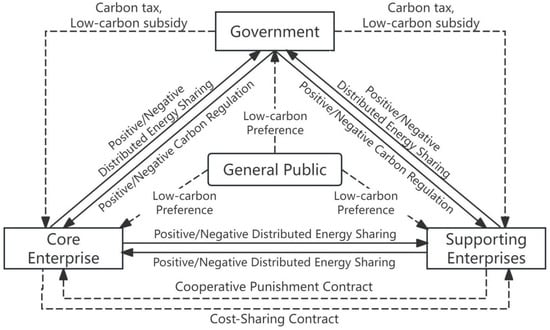
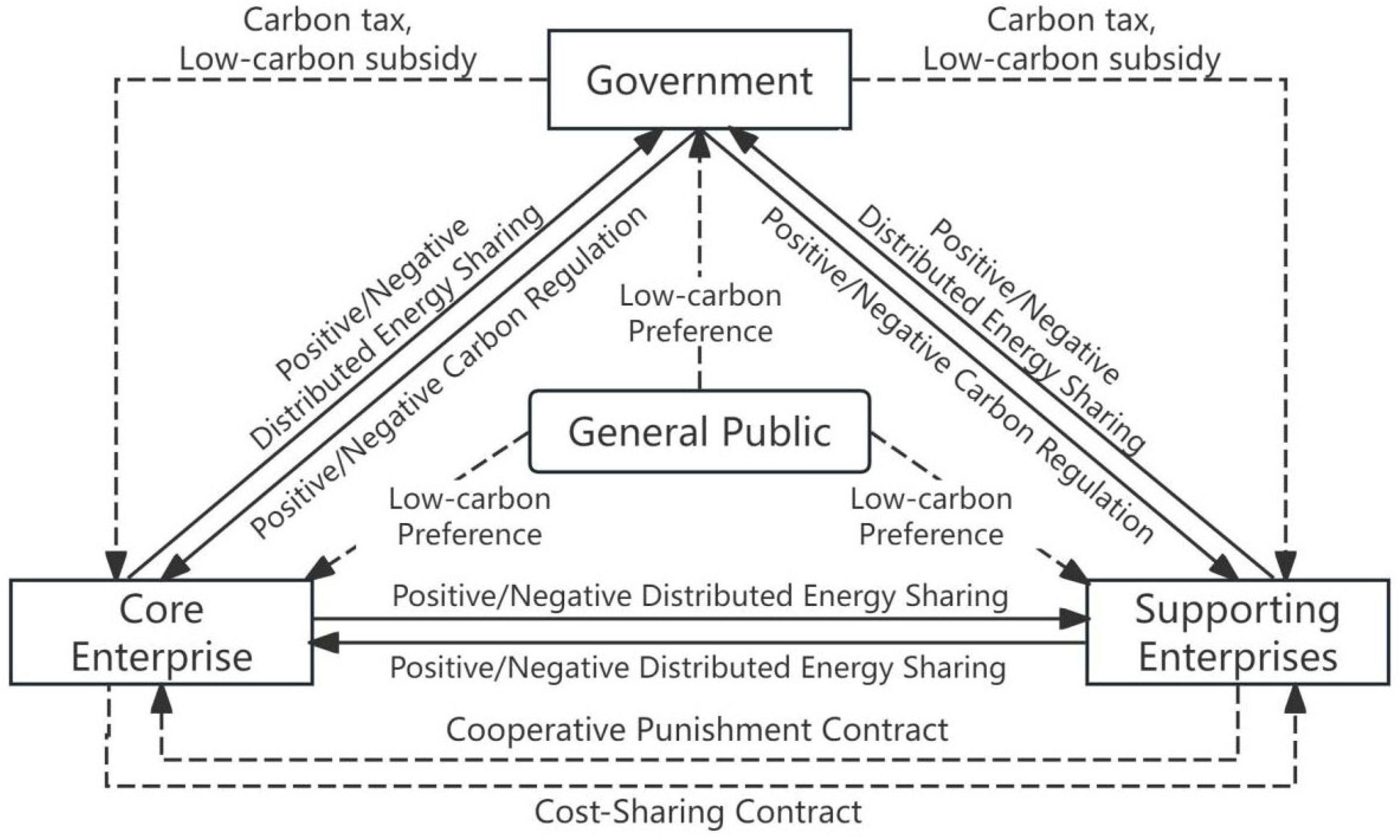
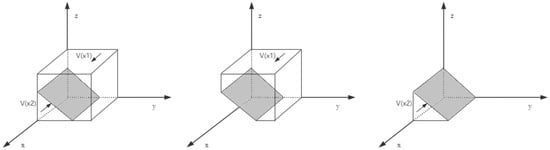
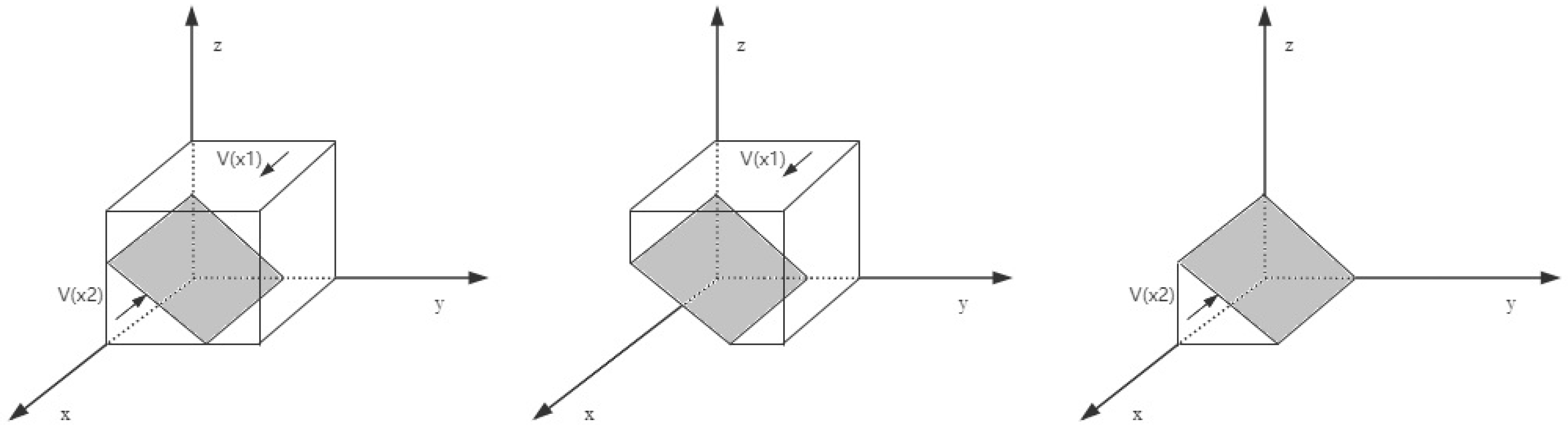
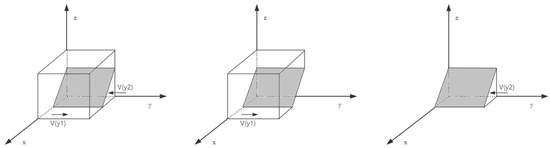
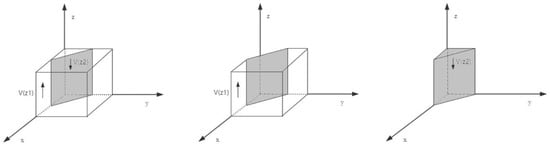
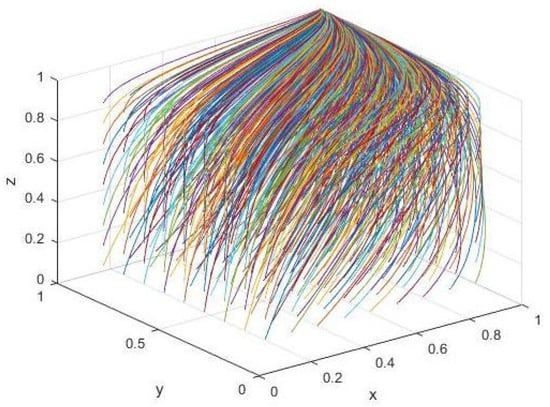
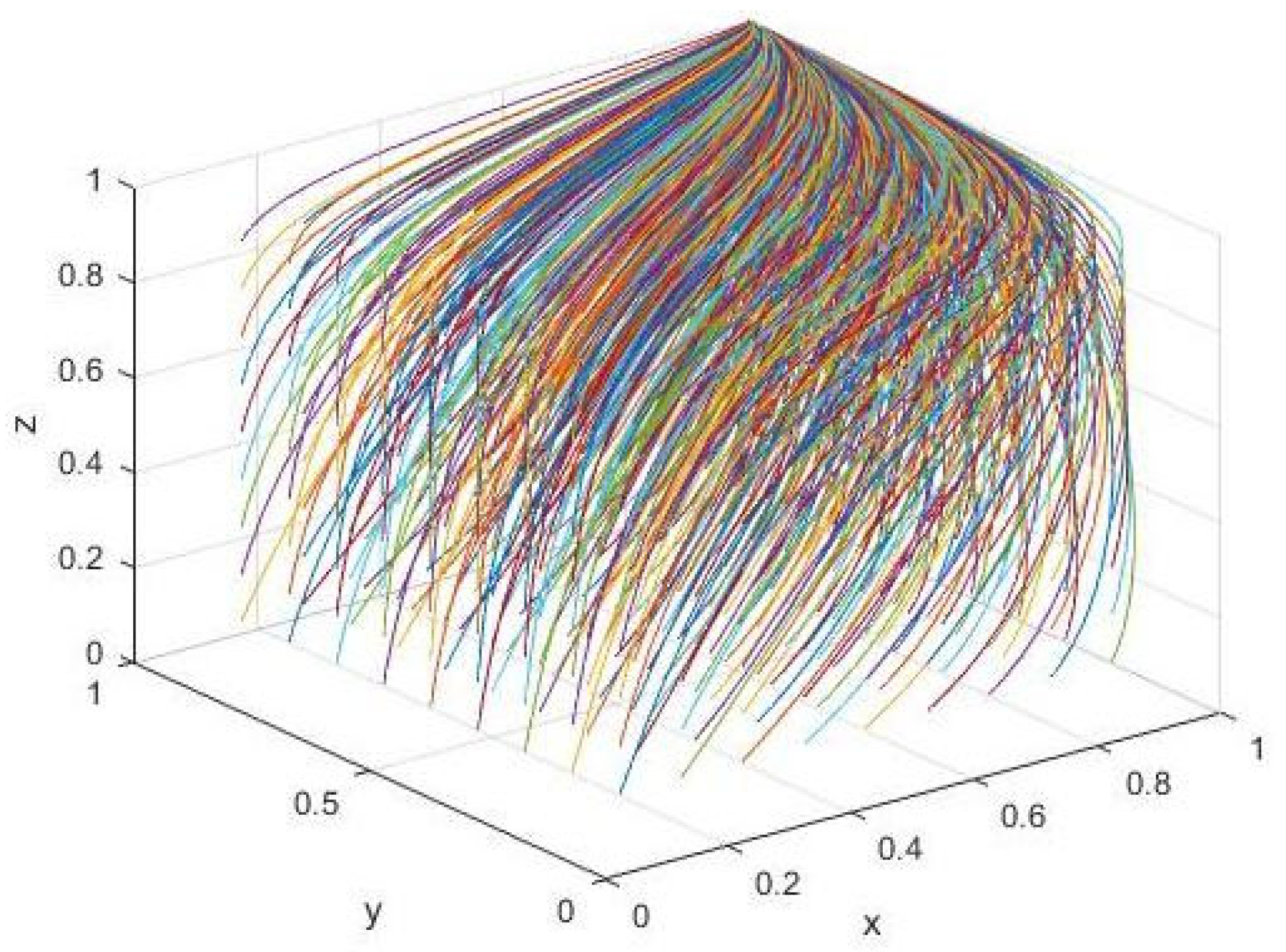
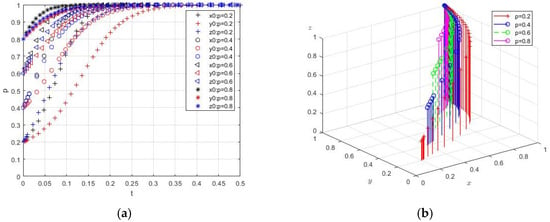
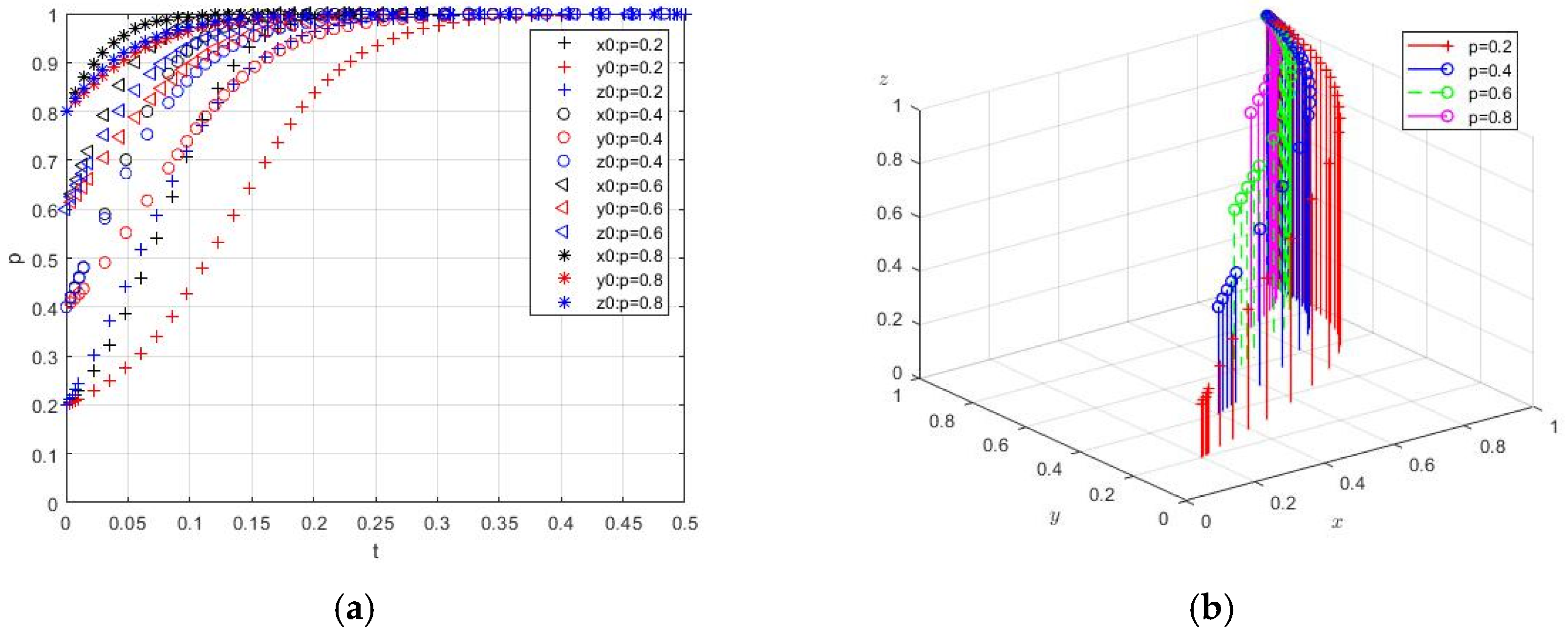
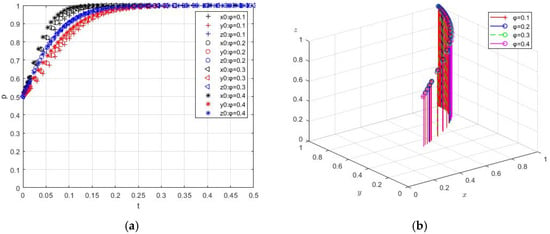
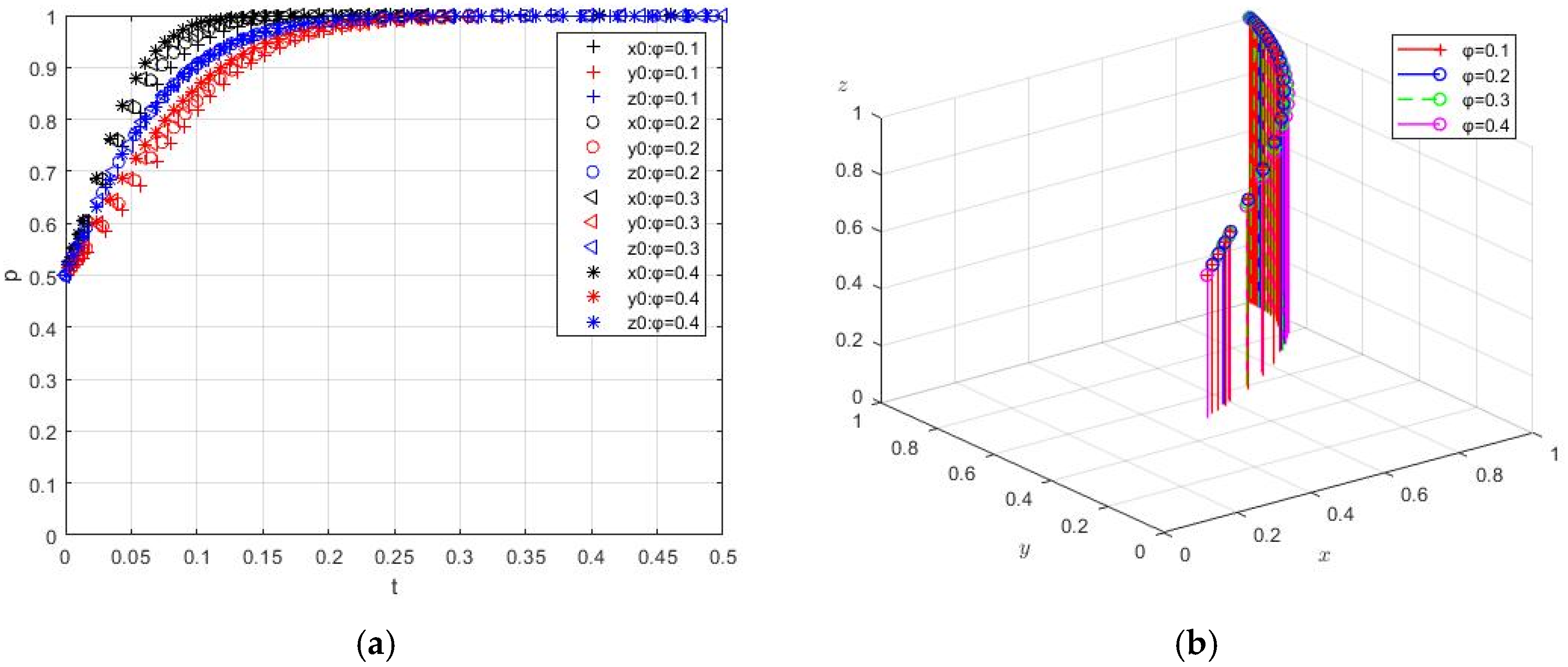
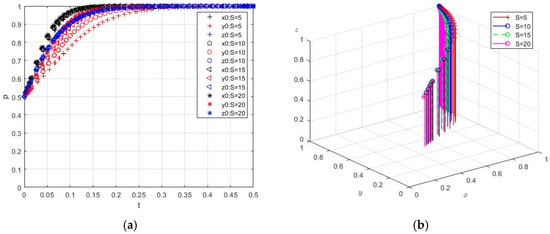
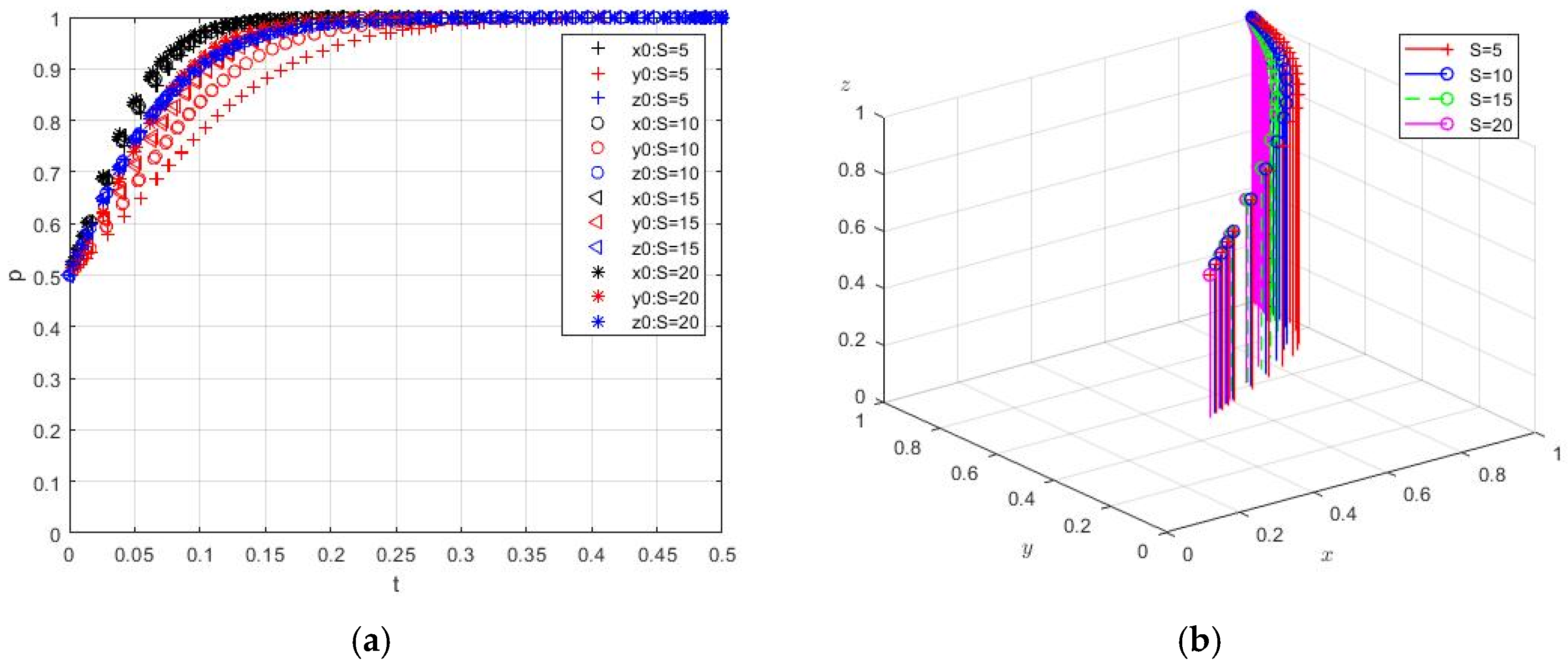
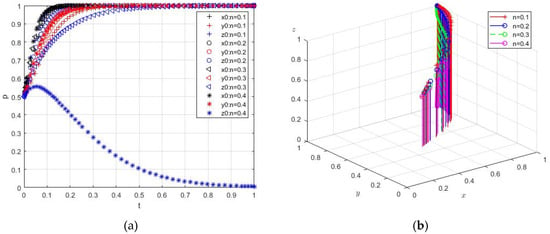
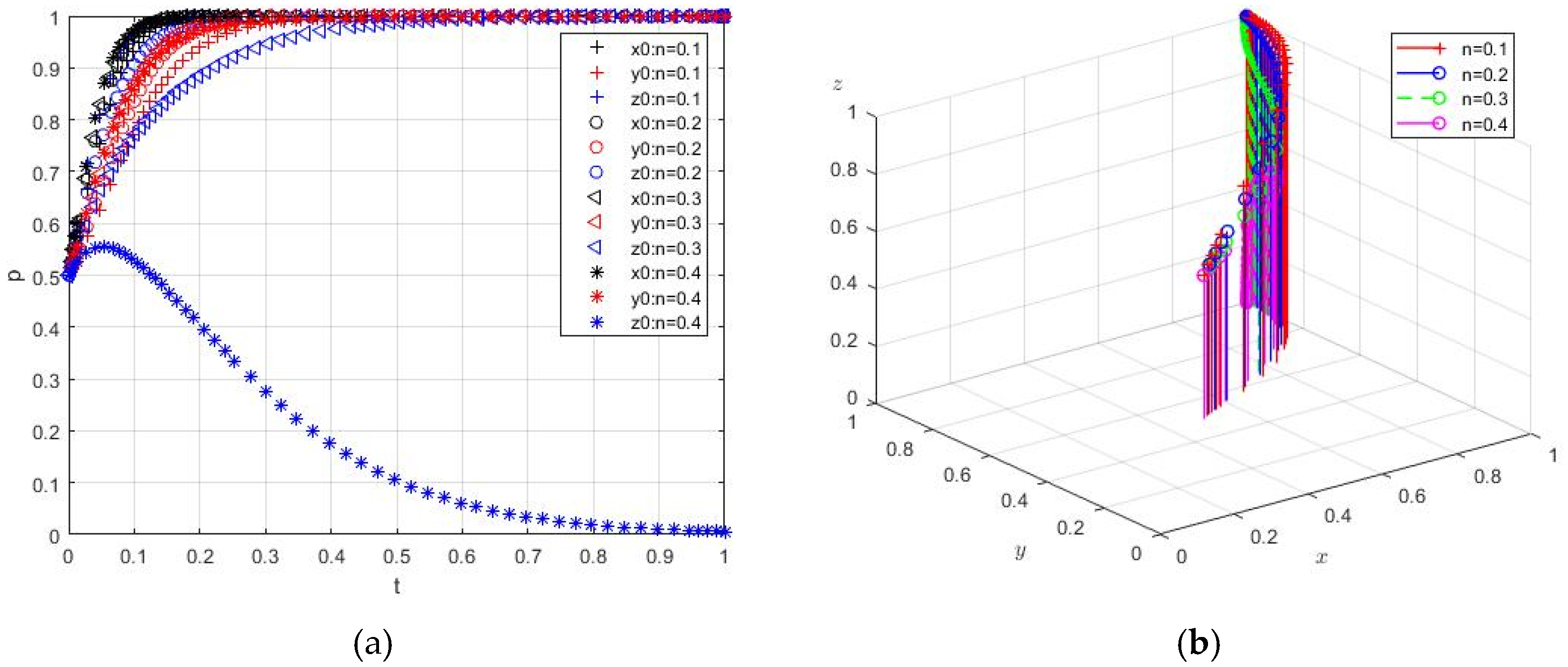
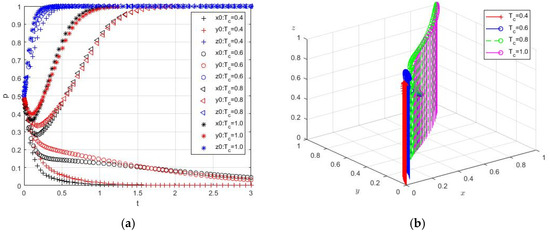
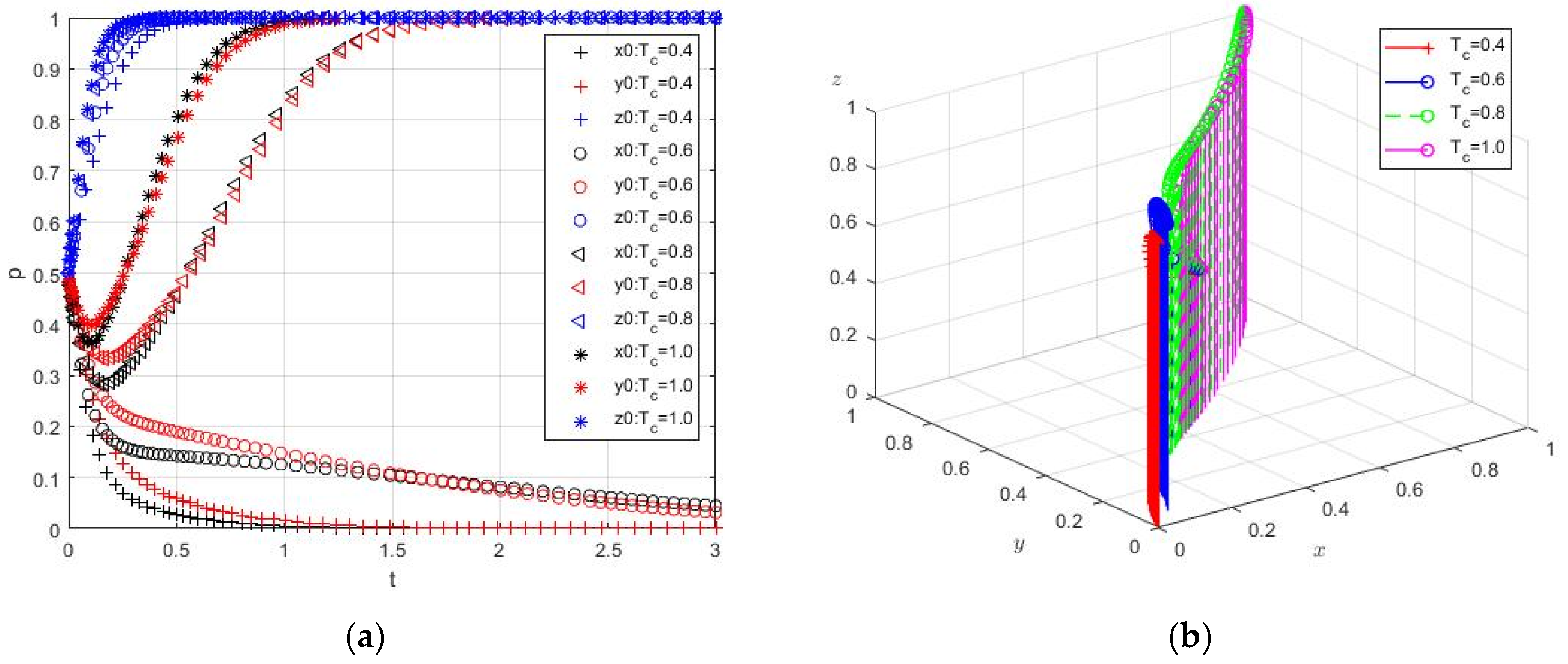

Disclaimer/Publisher’s Note: The statements, opinions and data contained in all publications are solely those of the individual author(s) and contributor(s) and not of MDPI and/or the editor(s). MDPI and/or the editor(s) disclaim responsibility for any injury to people or property resulting from any ideas, methods, instructions or products referred to in the content. |
© 2026 by the authors. Licensee MDPI, Basel, Switzerland. This article is an open access article distributed under the terms and conditions of the Creative Commons Attribution (CC BY) license.