


Abstract
With the growing penetration of photovoltaic (PV) generation, robust uncertainty characterization is essential for secure operation, economic dispatch, and flexibility planning. This review surveys PV scenario generation from three perspectives: (i) explicit probabilistic approaches (distribution fitting, Copula-based dependence modeling, autoregressive moving average (ARMA)-type time-series methods, and clustering/dimensionality reduction), (ii) deep generative models (GANs, VAEs, and diffusion models), and (iii) hybrid Statistical Relational AI (SRAI) frameworks. We discuss the strengths of explicit models in interpretability and tractability, and their limitations in representing high-dimensional nonlinear, multimodal, and multiscale spatiotemporal dependencies. We also examine the ability of deep generative methods to synthesize diverse scenarios across meteorological regimes and multiple sites, while noting persistent challenges in interpretability, physical consistency, and deployment. To bridge these gaps, we outline an SRAI-oriented integration pathway that embeds statistical structure, meteorology–power relations, spatiotemporal coupling, and operational constraints into generative architectures. Finally, we highlight directions for future research, including unified evaluation protocols, cross-regional data collaboration, controllable extreme-scenario generation, and computationally efficient generative designs.
1. Introduction
With the ongoing global energy transition and the implementation of the “carbon peaking and carbon neutrality” goals, photovoltaic (PV) power generation—one of the most representative forms of clean energy—has rapidly increased its share in power systems worldwide [1]. In several regions, PV output has already become a critical driver of short- and mid-term power balance and grid operational security [2]. However, PV generation is jointly influenced by multiple meteorological factors, including solar irradiance, temperature, cloud cover, wind speed, and large-scale atmospheric circulation [3]. This coupling leads to pronounced stochasticity and volatility. Such uncertainty can cause forecasting errors and suboptimal reserve allocation, which may further trigger cascading impacts such as voltage violations, frequency deviations, charging–discharging conflicts in energy storage systems, and electricity-market price fluctuations [4]. Therefore, accurate representation and modeling of PV power uncertainty has become a central scientific challenge for secure, stable, and cost-effective operation of power systems with high renewable penetration [5].
Traditional uncertainty modeling is primarily grounded in explicit probabilistic and statistical theory. For instance, distributions such as Weibull and Beta have been widely used to fit PV power and its meteorological drivers, yielding analytical probability-density representations via parameter estimation [6,7]. Copula-based methods have also been extensively adopted to characterize nonlinear dependence among irradiance, temperature, wind speed, and PV output, thereby constructing multivariate joint distributions [8]. Owing to transparent formulations, interpretable parameters, and solid theoretical foundations, explicit models are widely used for scenario generation, stochastic optimization, and risk evaluation.
Nevertheless, as PV deployment scales up and data dimensionality increases, explicit models exhibit inherent limitations in representing non-Gaussian distributions, multimodal behaviors, time-varying dependence, and cross-regional spatial coupling. In particular, static dependence assumptions often fail to capture dynamic spatiotemporal correlation induced by evolving weather systems, and single distribution families struggle to accommodate operating regimes ranging from clear-sky conditions to extreme-weather events. Early time-series frameworks (e.g., autoregressive moving average (ARMA)/autoregressive integrated moving average (ARIMA)), originally introduced for stochastic renewable-generation modeling, further illustrate both the utility and the limitations of linear temporal dependence assumptions in practical engineering settings [9]. Recent studies also show that reliable PV scenario generation is essential not only for uncertainty assessment but also for optimal operation of integrated multi-energy systems. For example, coordinated optimization of PV–greenhouse systems and rural clean-energy systems indicates that poorly constructed or insufficiently diverse PV scenarios can lead to nonoptimal scheduling, inefficient storage allocation, and degraded agricultural–energy synergy [10]. These findings underscore the need for stochastic PV modeling approaches that can reproduce realistic spatiotemporal variability under complex meteorological and operational conditions.
Advances in artificial intelligence (AI) and data-driven learning have reshaped PV uncertainty analysis. Instead of assuming a predefined distribution family, neural generative methods learn statistical regularities and spatiotemporal relationships directly from historical observations. Accordingly, adversarial learning models [11,12], variational latent-variable approaches [13], and diffusion-based generators [14] have been increasingly used to synthesize PV power scenarios with realistic temporal evolution and diversity. For instance, GAN-based architectures that combine bidirectional long short-term memory (LSTM) networks with style-transfer strategies can preserve temporal correlation while separating heterogeneous meteorological patterns, thereby improving scenario diversity and temporal coherence. In addition, knowledge-integrated GANs embed physical and meteorological priors into the generative process to enhance physical consistency and long-term stability. In particular, the Knowledge-Integrated GAN framework incorporates irradiance–temperature relationships and seasonal meteorological priors into the generator structure, which improves the realism and multiscale variability of synthetic PV-related weather sequences [15].
Diffusion Transformers—hybrid models that combine diffusion processes with Transformer architectures via redesigned decoders and loss functions—have further strengthened deep generators in modeling long-horizon dynamics and multiscale features. Recent studies show that jointly optimizing decoder structures and multi-objective losses improves temporal consistency and PV dynamics reconstruction accuracy [16]. Moreover, multi-site PV modeling has benefited from spatiotemporal learning frameworks that integrate graph neural networks with spectral representations, enabling scalable very short-horizon forecasting and effective uncertainty characterization. In particular, Fourier-domain spatiotemporal learning has demonstrated strong capability in capturing cross-site PV dependence. Zhang et al. proposed a Fourier-based graph neural network with bias-adjusted numerical weather prediction to model spatial dependence and temporal dynamics among multiple PV plants, achieving improved performance for very short-horizon PV estimation [17]. These results further highlight the value of combining high-resolution meteorological correction with graph-based spectral learning for uncertainty modeling and scenario generation in an SRAI-oriented framework [18,19].
Evidence from electricity-market modeling further indicates that renewable uncertainty does not propagate in isolation; instead, it is shaped by correlated uncertainties, network transfer constraints, and coupled behaviors across market layers. For example, longer-horizon bidding designs that couple inter-provincial electricity trading with transmission-capacity limits suggest that decision models benefit from explicitly representing statistical dependence rather than assuming independence [20].
AI methods, especially those based on deep generative and representation learning, are now applied not only to PV modeling but also to broader renewable and agriculture-associated energy systems. Fu et al. [21] reviewed how machine learning, graph-based modeling, and generative frameworks can enhance multi-energy synergy, environmental cognition, and system-level optimization in agricultural and rural energy infrastructures. Their synthesis indicates that data-driven models are effective at capturing heterogeneous meteorological influences, multiscale temporal dynamics, and nonlinear interactions among distributed renewable resources. This further motivates integrating explicit statistical structure with AI-based learning mechanisms for PV scenario generation.
From an application perspective, uncertainty modeling is particularly important for agricultural microgrid operation. A recent study proposed a virtual power plant scheduling framework for agricultural microgrids by coordinating distributed energy resources with greenhouse loads. The reported results indicate that data-driven representations of renewable variability can improve supply–demand coordination, enhance operational flexibility under uncertain PV generation, and support low-carbon operation [22]. These findings further reinforce the cross-domain value of high-quality uncertainty characterization.
In parallel, statistical data-driven methods have gained prominence in renewable-energy uncertainty analysis, especially for probabilistic power flow and stochastic planning in distribution networks. These methods exploit statistical relational structure to describe multidimensional dependence among meteorological conditions, load dynamics, and renewable generation. Meanwhile, they improve computational tractability through dimensionality reduction, scenario compression, and surrogate modeling. Fu et al. developed a statistical learning framework that combines Copula–Markov dependence modeling with nonnegative matrix factorization and stochastic response modeling, enabling rapid uncertainty evaluation in large-scale complex systems [23]. Such developments provide methodological foundations for interpretable Statistical Relational Artificial Intelligence (SRAI), which bridges traditional statistical structure and modern deep generative architectures.
Despite the ability of deep generative models to learn complex high-dimensional patterns, their “black-box” nature often limits interpretability and explicit statistical consistency. To mitigate this limitation, the Statistical Relational Artificial Intelligence (SRAI) paradigm has attracted increasing attention. SRAI emphasizes the explicit integration of probabilistic structure and relational constraints within neural architectures, aiming to retain statistical interpretability while preserving the adaptivity of AI models. Representative examples include statistical machine-learning-based power-flow frameworks that estimate line-flow distributions under meteorological disturbances and PV fluctuations [24], as well as Copula-based stochastic planning methods coupled with dimensionality reduction. Together with knowledge-integrated GANs, diffusion Transformers, and spatiotemporal graph neural networks, these advances are contributing to the emergence of SRAI-oriented paradigms for renewable forecasting and scheduling.
Recent studies on agro-energy-environment synergies further suggest that combining statistical modeling with AI-driven learning can improve system-level optimization and carbon-aware decision-making, offering methodological references for SRAI-based PV uncertainty modeling [25].
The reference dataset for this survey was compiled primarily from leading scholarly indexing databases, supplemented by targeted searches of representative journal portals to ensure coverage of authoritative sources. We focus on studies published within the last ten years, with particular emphasis on contributions from the past five years. The search scope covers PV uncertainty modeling, scenario generation, deep generative methods, and statistical data-driven approaches. We used topic-oriented keywords related to PV uncertainty, stochastic modeling, generative frameworks, dependence structure, spatiotemporal correlation, and SRAI. Retrieved publications were then screened in multiple stages based on thematic relevance, methodological rigor, and representativeness.
Recent surveys provide useful but fragmented coverage of renewable uncertainty and scenario-related methods, yet they leave an explicit gap for PV scenario generation under high-dimensional meteorology–power coupling. For example, some reviews emphasize wind or wind–PV joint uncertainty and scenario generation from a power-system integration viewpoint, with PV-specific dependence modeling and PV-tailored generative constraints discussed only briefly. Other works mainly focus on forecasting (solar irradiance or PV power) and associated evaluation practices, rather than stochastic scenario synthesis that supports downstream planning, reserves, and risk studies. Even PV-oriented scenario-generation reviews often summarize statistical tools or deep architectures in parallel, but do not provide a unified, verifiable pathway for injecting explicit dependence structure (e.g., time-varying cross-variable coupling, multi-site spatial correlation) and physical/meteorological constraints into modern high-capacity generators. To the best of our knowledge, no existing review systematically maps how explicit dependence representations and constraints can be operationally embedded into deep generative frameworks for PV, and how such embedding should be evaluated for statistical consistency, physical plausibility, and controllability across temporal/spatial scales in engineering studies.
Motivated by this gap, this review positions PV uncertainty modeling and scenario generation within an explicit–implicit–integrated continuum: (i) we consolidate explicit statistical approaches for distribution and dependence modeling, time-series formulations, and scenario reduction in a way that highlights what structure is encoded and what fails under regime shifts and multiscale variability; (ii) we synthesize deep generative paradigms for PV scenarios with emphasis on what they learn implicitly, where interpretability and constraint enforcement break down, and what is required for controllable generation; and (iii) we unify these threads through a Statistical Relational AI (SRAI) lens by organizing concrete “interfaces” through which relational knowledge (dependence descriptors, regime indicators, and constraints) enters the generator and can be audited. Figure 1 then provides the roadmap taxonomy for the remainder of the paper, aligning the surveyed literature by (a) modeling paradigm (explicit vs. implicit vs. SRAI-integrated), (b) dependence structure (cross-variable and cross-site), (c) temporal–spatial scale, and (d) constraint/evaluation mechanisms, so that the claimed gap and the subsequent synthesis can be traced in a reproducible manner.
Figure 1.
Taxonomy of PV uncertainty scenario generation methods: explicit statistical, implicit deep generative, and SRAI/hybrid integration pathways.
Finally, compared with existing reviews that emphasize wind–PV joint output, short-term forecasting, or performance comparisons among specific deep-learning architectures, this review makes two primary contributions. First, it focuses on PV scenario generation from a unified SRAI perspective and systematically examines both explicit statistical models and deep generative models. Second, it highlights how meteorology–power dependence, multiscale spatiotemporal coupling, and physical constraints shape PV uncertainty. On this basis, we develop a holistic analytical framework that balances interpretability and generative capability. Overall, PV uncertainty modeling is evolving from analytical statistical approaches toward deep-learning-based stochastic modeling, and further toward hybrid frameworks that integrate statistical principles with AI. From this statistical–relational perspective, this paper reviews explicit models, implicit models, and their integration pathways, with the goal of informing next-generation PV uncertainty modeling and intelligent energy scheduling.
2. Explicit Methods
This review is based on a systematic literature search conducted across leading academic databases including IEEE Xplore, ScienceDirect, SpringerLink, Google Scholar, Scopus, and Web of Science. The search specifically targeted publications from the past ten years, with a focus on studies published in the last five years to ensure the timeliness and relevance of the findings. The search was carried out using a combination of keywords such as “Photovoltaic uncertainty modeling,” “Scenario generation,” “Statistical relational AI,” “Generative models for renewable energy,” and “Stochastic modeling in photovoltaic systems.” Boolean operators (AND, OR) were applied to combine these keywords and refine the search to include only the most relevant articles. The inclusion criteria for the studies selected were articles that specifically focused on PV uncertainty modeling and scenario generation, studies that employed rigorous methodologies with reliable data, and peer-reviewed articles published in reputable journals. Studies that did not focus on photovoltaic systems, were unrelated to the renewable energy sector, or lacked methodological rigor and transparency were excluded, ensuring that only high-quality studies were included.
The literature screening followed a multi-stage approach. A systematic search was conducted across the selected databases using database-adapted Boolean query strings. A representative query template was as follows: (“photovoltaic” OR “PV” OR “solar power”) AND (“uncertainty modeling” OR “probabilistic modeling” OR “scenario generation”) AND (“statistical relational AI” OR “relational learning” OR “graph-based” OR “diffusion model” OR “generative model”). The exact syntax was adjusted according to the indexing and search rules of each database (e.g., field tags, quotation rules, and wildcard operators). Initially, 450 articles were retrieved from the selected databases. After duplicate removal, 400 unique articles were retained for screening. During the screening stage (e.g., title and abstract screening), 187 articles were excluded. Subsequently, 213 reports were sought for retrieval, all of which were successfully retrieved and assessed for eligibility at the full-text stage. At the eligibility stage, 63 reports were further excluded due to irrelevance to the review scope or methodological weaknesses. Finally, 150 articles were included in the review. The overall literature identification, screening, eligibility assessment, and final study inclusion process is summarized in Figure 2.
Figure 2.
PRISMA-style flow diagram of literature identification, screening, eligibility assessment, and study inclusion.
Screening was conducted by a single reviewer following predefined inclusion and exclusion criteria and a staged screening protocol (title/abstract screening followed by full-text eligibility assessment). To improve consistency, the same criteria were applied throughout all screening stages, and borderline cases were re-checked against the review scope and methodological requirements before final inclusion decisions were made. Study quality was appraised using rule-based criteria focusing on (i) methodological rigor and clarity, (ii) data transparency and reliability, and (iii) relevance to the core themes of PV uncertainty modeling and scenario generation. Studies with insufficient methodological detail, weak data transparency, or limited thematic relevance were excluded during full-text eligibility assessment.
This transparent and systematic process helped ensure that the selected studies were both relevant and of sufficient academic and methodological quality. By following this structured selection and screening process, we sought to include the most relevant and scientifically rigorous studies, thereby supporting a comprehensive synthesis of the literature on PV uncertainty modeling and scenario generation. The detailed reporting of the literature selection process improves the transparency and reproducibility of this review and strengthens the robustness of its systematic overview framework.
Explicit modeling approaches grounded in probability theory and mathematical statistics constitute one of the earliest and most widely used routes for PV power uncertainty analysis. These methods typically start from physical insights or empirical observations, select distribution families that can reflect boundary constraints and shape characteristics of PV output, and then estimate parameters from historical measurements to obtain stochastic models with analytical expressions. In power-system planning and operation, explicit models are frequently used to construct representative scenario sets, quantify operational risk, and provide inputs to stochastic optimization. For example, in distribution-network and rural-grid planning, the probabilistic distribution and fluctuation ranges of PV output are often used to evaluate line-overload probability and node-voltage deviation risk. In virtual power plant scheduling and multi-energy complementary systems, the joint distribution of PV generation and load directly affects reserve allocation and the dispatch of flexibility resources.
Compared with purely data-driven black-box models, explicit statistical models are compact and parameter-interpretable, which facilitates validation and engineering adjustment. However, because they typically rely on predefined distributional forms and simplifying assumptions (e.g., independence or stationary dependence), they are less effective in describing high-dimensional nonlinear dependence, multimodality, and time-varying behavior. These limitations motivate integration with complementary modeling approaches. The following subsections review representative directions—probability distribution modeling, Copula-based dependence modeling, time-series (ARMA/ARIMA-type) modeling, and scenario clustering with dimensionality reduction—and discuss their principles and suitability for PV scenario generation.
2.1. Probability Distribution Modeling
Probability distribution modeling characterizes PV output uncertainty by specifying a probabilistic form and estimating its parameters from historical observations [26,27]. In PV scenario generation, such models provide concise descriptions of marginal statistical behavior and overall variability patterns. Let denote the PV power output at time . If follows a Beta distribution, its probability density function (PDF) can be written as:
where and are shape parameters and is the Beta function. The PDF satisfies the normalization constraint:
In practice, parameters are calibrated using historical PV records via data-driven estimation procedures, yielding an analytical probabilistic representation of PV uncertainty [28]. Based on the fitted distribution, random sampling can generate PV scenarios that reflect stochastic fluctuations across time periods and meteorological conditions. For example, Beta-regression-based probabilistic frameworks have been used for solar radiation and PV-related density modeling, providing a statistical basis for scenario generation [29,30]. Beyond capturing overall variability, these probabilistic outputs also serve as inputs for subsequent uncertainty-aware optimization and system simulations.
PV output exhibits distinct probabilistic characteristics, and distribution-based models have therefore been widely used in renewable scenario generation. Weibull-type distributions are commonly applied to represent renewable variability; for instance, Gryning et al. estimated Weibull wind-speed parameters using combined lidar and tall-mast measurements over multiple terrains [31], and Mohammadi et al. compared Weibull parameter-estimation techniques for wind power density assessment under diverse meteorological conditions [32]. In addition to Weibull models, Gamma and Lognormal distributions have also been evaluated for PV and wind power density modeling across different climatic regimes [33,34]. Figure 3 illustrates the statistical fitting of normalized PV power using representative probability models, highlighting their different abilities to capture the empirical distributional characteristics of PV output.
Figure 3.
Statistical fitting of normalized photovoltaic power using different probability models.
To enhance short-term probabilistic forecasting, hybrid probability–time-series strategies have been proposed. Jeon and Taylor combined ARMA–GARCH (generalized autoregressive conditional heteroskedasticity) modeling with kernel density estimation (KDE) for short-term density forecasting of renewable energy, offering methodological references for probabilistic PV forecasting [35]. Furthermore, spatiotemporal dependence has been incorporated into renewable modeling; He et al. jointly characterized temporal evolution and inter-site spatial correlation in multi-site wind generation, achieving strong near-horizon prediction performance [36,37].
To improve adaptability under high-dimensional and nonstationary conditions, distribution-adaptive techniques and dynamic parameter updating have also been developed. In particular, dynamic KDE can adjust distribution shape in response to time-varying irradiance and temperature, thereby improving uncertainty characterization [38]. Quantile-regression-assisted distribution modeling has similarly been used to enhance robustness under heavy-tailed and nonstationary regimes [39]. Compared with static distributions, these approaches better capture nonstationarity and complex statistical behavior.
Overall, probability distribution models offer mathematical simplicity, interpretability, and parameters with clear physical meaning, enabling intuitive representation of randomness and boundary constraints [40]. However, they do not directly capture spatiotemporal dependence or multivariate correlation. In multi-site systems or dynamically evolving environments, independence assumptions across locations and/or variables can introduce bias. To address these limitations, distribution modeling is often combined with Copula-based dependence structures and, increasingly, neural architectures to jointly represent marginal behavior and evolving dependence. Table 1 summarizes representative distribution-modeling approaches and typical application scenarios.
Table 1.
Probability distribution modeling methods for PV power uncertainty and scenario generation.
2.2. Copula Approaches for Correlation and Dependence Analysis
PV uncertainty involves multiple strongly correlated stochastic variables, including irradiance, ambient temperature, wind speed, and generated power output. Copula functions provide a flexible way to model nonlinear dependence among these variables, allowing generated scenarios to more closely reflect the underlying physical coupling. Unlike multivariate normality assumptions, Copulas decouple marginal distributions from the dependence structure, enabling construction of joint distributions that preserve marginal statistics while explicitly representing interdependence.
Let denote dependent random variables with a multivariate cumulative distribution function (CDF) and marginal CDFs . By Sklar’s theorem, the joint CDF can be expressed as:
where is the Copula capturing the dependence structure and each specifies the marginal behavior.
In practice, Copula parameters are calibrated using historical observations to match empirical dependence. For scenario synthesis, samples are first drawn from the Copula space, and then mapped back to physical variables via inverse transforms:
Here, denotes the -th Copula sample (i.e., a uniform random variable), is the marginal cumulative distribution function (CDF) of the -th physical variable estimated from data, is its inverse CDF (quantile function), and is the resulting realization in the original physical space (e.g., PV power at a given site/time or a related meteorological variable). This procedure preserves both marginal consistency and cross-variable dependence, enabling physically meaningful realizations.
Copula-based methods offer a powerful and flexible way to represent nonlinear dependence in multivariate stochastic systems, particularly in scenarios where traditional linear models may fall short. These methods allow for the construction of joint distributions that capture the complex interdependencies between variables, making them particularly useful for multi-dimensional uncertainty modeling. In their seminal work, Papaefthymiou and Kurowicka employed bivariate Copulas to lay the foundation for multivariate scenario construction, introducing key methodologies for modeling dependence in stochastic systems [41]. Building upon this idea, Camal et al. expanded the application of Copulas by using multidimensional Gaussian Copulas to generate joint production scenarios for aggregated renewable energy resources, such as photovoltaic (PV), hydropower, and hybrid resources, effectively capturing the interdependencies among these heterogeneous energy sources [42]. Representative copula-based dependence modeling methods for PV uncertainty and multi-source joint scenario generation are summarized in Table 2.
Table 2.
Representative copula-based dependence modeling methods for PV uncertainty and multi-source joint scenario generation.
Despite their advantages, conventional Copula models typically impose homogeneous dependence patterns, which can be limiting in more complex or dynamic systems. To address this limitation, Wang et al. proposed the use of vine-based Copula structures, which allow for more flexible, hierarchical dependence modeling. This approach enables the adaptive specification of pairwise relationships, significantly enhancing the realism of regional energy modeling by better representing the intricate dependencies between different variables in energy systems [43]. Additionally, Becker extended the use of Copulas by employing pair-copula constructions to model complex temporal dependence. His work demonstrated the effectiveness of Copula methods in capturing evolving temporal patterns, particularly useful for modeling long-term dependence in renewable energy generation [44].
Moreover, hybrid frameworks that combine Copula-based dependence modeling with other analytical techniques have also gained traction in recent studies. For example, Chen et al. integrated Copula-based correlation modeling with stochastic planning to address multiple sources of uncertainty in integrated energy systems. This hybrid approach proved highly effective in characterizing coordinated supply–demand uncertainties, showing that Copulas can significantly enhance the robustness of planning models in the face of complex energy interdependencies [45]. A subsequent study proposed a multi-step Copula construction scheme that captures joint temporal correlations among coupled solar-energy components, further supporting the application of Copula modeling in multi-source, multi-site energy systems. This approach highlighted the versatility of Copulas in accommodating the temporal and spatial complexities inherent in large-scale, diverse energy models [46].
By integrating Copulas with other modeling techniques, researchers have been able to tackle a broader range of challenges in energy systems, particularly those involving interdependent, multi-dimensional variables that evolve over time. These advances demonstrate the growing importance of Copula-based methods in renewable energy modeling and the integration of multiple energy sources.
2.3. Time-Series and ARMA Modeling
Time-series methods form another important class of explicit approaches for PV uncertainty modeling, as they capture temporal dynamics and fluctuation patterns. Because PV generation is influenced by weather variability, diurnal cycles, and seasonal effects, PV output typically exhibits strong temporal dependence and nonstationarity. ARMA-type models describe PV power time series using linear stochastic dynamics and can support efficient scenario construction and short-horizon prediction with modest computational burden; therefore, they have been widely used in scenario synthesis and stochastic optimization.
Let denote the PV power output at time . An ARMA model can be written as:
where and are the autoregressive and moving-average orders, and are model coefficients, and is a zero-mean disturbance term. By combining past outputs and innovation terms, the ARMA formulation reflects inertia and stochastic fluctuation in PV power sequences.
In practice, model orders are selected using autocorrelation and partial autocorrelation diagnostics, followed by parameter estimation via least squares or likelihood-based inference. After calibration, innovation sequences can be sampled from residual statistics to emulate prospective variation and generate stochastic PV realizations. For data with strong seasonal periodicity, ARIMA or SARIMA (seasonal autoregressive integrated moving average) extensions are commonly used to better represent seasonal patterns.
Time-series models are attractive due to their ability to reproduce temporal evolution and short-term variability with high computational efficiency, which supports rolling optimization and short-term forecasting. For example, Li et al. used persistence- and variation-aware time-series strategies to generate wind power series with realistic temporal dynamics [47], and Chen et al. employed ARIMA modeling for stochastic wind generation, capturing autocorrelation and short-term variability [48]. These results suggest that linear time-series models remain competitive baselines under relatively stable operating regimes.
Time-series-driven scenarios are also widely used in downstream decision-support. A representative study embedded ARIMA-based stochastic wind descriptions into an energy-storage operation framework and showed the operational value of uncertainty-aware modeling under high renewable penetration [49]. Another work incorporated stochastic time-series representations into a self-dispatch scheme for hybrid storage–wind virtual power plants, enabling explicit treatment of renewable variability in market participation [50].
Scenario diversity and adaptability can be improved by combining time-series models with sampling and dependence-modeling techniques. Approximation schemes for multistage stochastic programming have been developed to control uncertainty propagation across consecutive decision horizons, supporting rolling optimization driven by time-series scenarios [51]. Hybrid strategies that couple ARMA-type models with KDE or Copula-based dependence modeling can further improve robustness by jointly representing residual behavior and inter-variable dependence.
Despite these advantages, ARMA-based formulations have clear limitations. Linear assumptions constrain their ability to reproduce strongly nonlinear patterns and abrupt regime changes, and dependence across multiple sites or units is not naturally captured. These issues have motivated hybrid time-series frameworks that integrate nonlinear regression, neural models, or probabilistic graphical formulations. Table 3 summarizes representative ARMA-based extensions and their applications in PV uncertainty analysis.
Table 3.
Representative ARMA-based time-series methods for PV power probabilistic forecasting and scenario generation.
2.4. Autoregressive Moving Average Mode
As PV uncertainty analysis increasingly involves large observational datasets and expanding PV fleets, the number of stochastic realizations can grow rapidly, increasing computational burdens in downstream planning and scheduling. To control scenario complexity while retaining statistical representativeness, clustering and dimensionality-reduction strategies have been introduced. These methods extract a compact set of typical scenarios from large sample collections, thereby enabling uncertainty evaluation and scheduling analysis with reduced computational cost.
Compared with purely random sampling, clustering and dimensionality reduction can preserve the overall distribution profile and maintain correlation patterns between PV sequences and associated meteorological attributes. They therefore provide practical tools for mitigating scenario explosion in renewable uncertainty studies.
Let the PV scenario sample set be . A clustering algorithm partitions the samples into clusters . The center of cluster can be defined as:
Here, denotes the representative scenario of cluster , and is the number of samples assigned to that cluster. Each cluster center serves as a statistical proxy for the original dataset. By adjusting cluster weights or resampling probabilities, one can achieve substantial scenario reduction while preserving overall diversity.
Pattern grouping and feature-compression methods have become indispensable for managing strongly correlated PV scenario datasets. By condensing large scenario collections into a small set of typical patterns, these techniques reduce computational burden while retaining key statistical characteristics, which makes them suitable for uncertainty assessment and operational planning in complex renewable-energy systems. Early studies mainly relied on conventional clustering combined with linear feature projection. More recent work has introduced graph-based and spectral partitioning methods to reveal nonlinear structure in PV outputs, thereby improving representativeness and diversity. Representative clustering-based methods for PV scenario reduction and representative scenario extraction are summarized in Table 4.
Table 4.
Representative clustering-based methods for PV power scenario reduction and representative scenario extraction.
To incorporate interdependence across multiple renewable sources, correlation-aware scenario construction and clustering frameworks have been proposed. Tang et al. developed an efficient multi-plant scenario construction strategy that explicitly preserves both temporal and inter-site dependence, showing that dependence-consistent compression improves the fidelity of aggregated renewable representations in system-level studies [52]. Such methods provide a basis for extracting representative PV scenarios under coupled multi-site conditions.
In addition to data-driven grouping, probabilistic sampling and uncertainty-propagation schemes are often adopted to enhance robustness and coverage. Latin hypercube sampling (LHS) is widely used to improve sampling efficiency and space-filling properties in renewable uncertainty studies [53]. Moreover, hybrid probabilistic load-flow frameworks integrate LHS with dependence-preserving transformations (e.g., Cholesky and Nataf mappings), enabling accurate representation of multivariate relationships in stochastic simulations [54,55,56]. These sampling-based techniques are commonly used together with clustering results to validate statistical representativeness and to ensure coverage of extreme operating conditions.
In practical system studies, scenario grouping and reduction are typically evaluated by their impact on downstream tasks, including capacity assessment, reliability analysis, and operational decision-making. For example, one study examined performance indicators of distributed wind installations in microgrid environments and showed that results are sensitive to the quality of selected representative scenarios [57]. Another work investigated wind-farm capacity credibility under simplified probabilistic descriptions, further highlighting the importance of scenario reduction in large-scale renewable integration studies [58]. Collectively, these findings suggest that grouping and feature compression are not merely data-simplification tools; they also enable scalable uncertainty representation and informed decision support in renewable-dominated power systems.
To synthesize the above discussion, Table 5 compares the main characteristics of several explicit statistical modeling approaches [59]. As summarized, probability distribution models are suitable for rapid marginal modeling when data are limited; Copulas are effective for characterizing joint dependence among multiple variables; time-series (ARMA/ARIMA-type) models excel at capturing short-term autocorrelation and inertia; and clustering with dimensionality reduction provides efficient tools for compressing large scenario sets. Recent advances in PV scenario clustering further emphasize the value of incorporating power, energy, and variability features when extracting representative scenarios [60]. Overall, the common strengths of explicit methods are clear assumptions, interpretable parameters, and controllable computational cost, which makes them well suited as baseline tools for planning and operation.
Table 5.
Summary of strengths and limitations across four modeling approaches.
However, when PV scenario generation must simultaneously address strong nonlinearity, high-dimensional coupling, multiscale stochasticity, and complex boundary constraints, explicit models alone often fail to fully reflect real-world uncertainty. On the one hand, predefined assumptions about distribution families and dependence structures may deviate from observations. On the other hand, their scalability and expressive power are limited for multi-site coordination and extreme-scenario synthesis. These limitations motivate the introduction of deep generative models and integrated frameworks under Statistical Relational AI.
3. Implicit Methods
In contrast to explicit approaches that rely on predefined analytical assumptions, implicit modeling strategies learn statistical regularities of PV power outputs and their meteorological drivers through high-dimensional feature abstraction, without prescribing a specific distribution family in advance. As PV penetration continues to increase, uncertainty analysis has progressively shifted from point forecasting toward scenario-based representation. Accordingly, modern models are expected not only to estimate a single most likely trajectory but also to generate an ensemble of evolution paths that are statistically plausible and physically admissible.
Within this paradigm, sequence-learning models are often used to extract latent features and capture temporal dependence, whereas probabilistic generative frameworks map latent representations into sets of realistic scenarios. Compared with classical statistical formulations, implicit methods are better suited to representing strong nonlinearity, multimodality, and complex cross-site interactions, which is beneficial for coordinated multi-location modeling and high-dimensional scenario synthesis. Nevertheless, they introduce persistent challenges related to interpretability, physical consistency, and training robustness.
The choice of modeling approach for PV uncertainty and scenario generation depends on the task’s objectives, data availability, and deployment constraints. A clear mapping of methods, data requirements, and deployment constraints can guide the selection process:
Explicit Statistical Methods, such as distribution fitting, Copula-based modeling, and time-series analysis, are ideal when data is limited or when interpretability is crucial. These methods are best suited for short-term forecasting and probabilistic modeling, where physical constraints are well-defined but may struggle with high-dimensional interactions and nonlinearity. Implicit Generative Models, including GANs, VAEs, and diffusion models, excel in capturing complex, high-dimensional, and non-stationary relationships. While requiring large datasets and computational resources, they are useful for multi-site generation, extreme-event synthesis, and long-horizon forecasting, but their deployment is constrained by computational costs. Hybrid Models (SRAI) combine explicit statistical constraints with deep generative frameworks, offering a balance of statistical rigor and computational efficiency. These models are suitable for large-scale optimization, multi-region modeling, and real-time generation but require significant computational resources and expertise.
A key challenge in PV scenario generation is ensuring that the generated scenarios remain physically feasible and operationally realistic. This is especially critical in power system applications where adherence to operational constraints, such as clear-sky envelope limits, ramp-rate limits, and spatiotemporal coherence, is crucial. Methods for enforcing and validating these constraints include ensuring that generated scenarios respect clear-sky envelope limits and do not violate physical limits on irradiance or system capacity, and ensuring rapid fluctuations in PV power generation adhere to ramp-rate limits, to avoid overloading grid infrastructure. For multi-site PV scenario generation, it is critical that generated scenarios maintain spatial consistency, where PV plants located in similar meteorological conditions exhibit correlated behavior. Temporal coherence, including the maintenance of diurnal cycles and seasonal patterns, must also be respected.
To clarify how modern generative techniques contribute to PV scenario construction, this review organizes implicit methods from three complementary perspectives: (i) objective functions and conditioning strategies, (ii) latent-variable structure and constraint mechanisms, and (iii) stochastic perturbation design and inverse inference procedures.
3.1. Generative Adversarial Network
In PV uncertainty modeling, GAN-based methods shape the distribution of synthesized samples primarily through adversarial objectives and conditioning strategies. The core idea is a dual-network architecture: a generator produces candidate scenarios, while a discriminator evaluates their realism. The feedback from this competition is used to iteratively improve the generator, so that the synthetic samples increasingly match empirical data characteristics.
A notable advantage of GANs for PV applications is the ability to incorporate auxiliary information—such as meteorological features, forecasted power levels, seasonal indicators, or geographic attributes—via conditional variants and knowledge-aware (or decentralized) training schemes. In PV scenario generation, this conditioning mechanism is not only a generic extension but also a practical way to control scenario families under distinct meteorological regimes. In particular, treating NWP variables (e.g., irradiance, temperature, wind speed), cloud-related proxies, seasonal labels, and time-of-day indices as conditioning inputs enables the generator to produce scenarios that are consistent with a specified context, rather than mixing heterogeneous regimes in a single unconditional model. Such CGAN-style designs therefore support targeted scenario synthesis (e.g., cloudy-day ramps versus clear-sky smooth profiles) and facilitate engineering usage where scenarios must be generated for given forecasts or operating windows. These conditioning mechanisms support controllable generation while encouraging consistency with physical constraints and environmental context. Figure 4 illustrates a conditional GAN framework for PV scenario generation, in which multi-source contextual information is used to guide adversarial learning and trajectory synthesis.
Figure 4.
Conditional GAN framework for multi-source PV scenario generation with spatiotemporal conditioning and adversarial training.
Compared with traditional explicit models, GANs can better represent nonlinear relationships, irregular marginal behavior, and rare extreme patterns. However, practical deployment still faces well-known issues, including training instability, mode collapse (reduced diversity), and limited transparency of learned mechanisms.
Generative Adversarial Networks (GANs) are a class of adversarially trained generative models that learn data distributions in an unsupervised manner and generate samples that resemble historical observations. Unlike explicit statistical methods that depend on prescribed probabilistic forms, GANs learn nonlinear mappings from latent variables to scenario space, enabling PV uncertainty modeling and scenario generation without predefined distributional assumptions.
The GAN training process is commonly formulated as a two-player minimax optimization. The generator synthesizes scenarios, and the discriminator attempts to distinguish synthetic samples from real measurements. Through repeated updates, the generator is refined such that the synthetic scenarios progressively align with empirical statistics. Conceptually, convergence is reached when the discriminator can no longer reliably differentiate generated samples from observed data.
By adopting adversarial training, complex distributional structure and dynamic variability in PV power records can be captured, enabling stochastic realizations that remain consistent with underlying physical behavior [61]. Moreover, the flexibility of GANs allows numerous variants tailored to different objectives and constraints. For example, alternative discrepancy measures have been introduced to alleviate gradient vanishing and improve training stability, thereby enhancing sample quality [62,63]. Conditional GANs (CGANs) incorporate external covariates (e.g., irradiance, temperature, and time indices) to generate scenarios under specified environmental conditions, and they have been applied to multi-site renewable scenario construction and controllable generation [64,65]. In addition, conditional style-based mechanisms can improve controllability and diversity by organizing conditioning effects within a structured latent space [66]. Beyond conditioning, a central PV-specific requirement is trajectory-level realism, because PV power exhibits strong diurnal periodicity, multi-hour persistence, and abrupt ramping events caused by fast cloud transients. Purely feed-forward GAN generators may match pointwise distributions yet fail to reproduce long-range dependence (e.g., day-scale continuity) and sequence diagnostics (e.g., ramp frequency and duration). This motivates recurrent and bidirectional temporal modules (e.g., RNN/LSTM/Bi-LSTM) inside GAN generators and/or discriminators, which explicitly model temporal memory and allow the adversarial learning process to penalize unrealistic temporal transitions. As a result, RNN/Bi-LSTM-GAN variants are better suited for capturing daily cycles and reducing implausible discontinuities, while improving the coverage of ramp-up/ramp-down behaviors that matter in operational risk analysis.
To improve generalization and address data privacy constraints, federated GANs (e.g., Fed-LSGAN, least-squares generative adversarial network) perform distributed training across multiple sites. This enables cross-regional collaborative generation without centralizing raw data, while maintaining modeling consistency and reducing privacy risks. To represent distributional diversity more explicitly, Bayesian GANs place priors on generator parameters, which can help capture multimodality and increase sample diversity while preserving statistical coherence; related Bayesian deep generative formulations have been explored for renewable scenario generation [67]. Another widely used extension is Spectral Normalization GAN (SNGAN), which stabilizes training by constraining the discriminator’s Lipschitz constant via spectral normalization. In PV scenario generation, SNGAN has been reported to produce temporally smoother sequences and improved performance over continuous time periods [68]. From an engineering viewpoint, these variants are particularly relevant because PV scenario generation requires both diversity and tail coverage (e.g., rare ramps and extreme low/high outputs) rather than only average-case realism. Standard GAN objectives can suffer from training instability and mode collapse, which typically manifests as reduced scenario diversity and under-representation of low-probability extremes. Wasserstein-type objectives are widely used to mitigate gradient issues and improve convergence behavior, while spectral normalization provides an explicit Lipschitz control on the discriminator. In practice, WGAN-style discrepancy measures and SpecNorm-based stabilizers help the generator explore a broader support of the data distribution, thereby improving the representation of tail events and reducing the risk of “over-smooth” scenarios that underestimate operational uncertainty.
To better model temporal dependence, recurrent components have been integrated into GAN architectures. SeqGAN uses reinforcement learning to capture sequential structure, making it suitable for hourly PV generation and sequential scenario synthesis [69]. Progressive GAN (PgGAN) increases model capacity by progressively growing network depth, supporting multi-scale variation modeling; related designs have been explored in multi-objective wind scenario forecasting to enhance multi-scale and multi-target generation [70]. LSTM–GAN architectures incorporate long short-term memory units in the generator to learn daily, weekly, and seasonal patterns, improving temporal continuity of generated trajectories. Representative implementations further combine conditional structures and bidirectional temporal modeling for hourly PV forecasting and scenario generation. More recent work integrates bidirectional LSTM modules and style-transfer components to better capture temporal dynamics and improve scenario diversity, achieving improved PV time-series simulation performance [71]. These developments align with observations that real-world PV dynamics are shaped by multi-scale environmental and operational interactions, which motivates generative designs that can capture such coupled temporal processes [72].
Beyond temporal structure, some studies emphasize spatial dependence in PV scenarios. For example, SolarGAN uses irradiance samples together with random noise as inputs, enabling the model to account for spatial correlation and to impute missing data. Building on this idea, StyleGAN/StyleGAN2 introduce hierarchical control mechanisms that improve controllability and consistency while maintaining statistical realism. Related controllable GAN designs with more interpretable latent spaces can also support condition-guided renewable scenario generation. In practical workflows, GAN-generated samples are often followed by scenario extraction or clustering to produce compact representative scenario sets for planning and optimization. Recent clustering-based reduction methods—such as shared-weight graph clustering that preserves adjacency density and inter-scenario correlation—have shown strong performance in extracting representative PV scenarios from large datasets [73].
Overall, GANs and their variants provide a powerful toolkit for PV uncertainty modeling. Their main advantage is the ability to learn high-dimensional relationships directly from historical data without predefined probability distributions. When appropriately conditioned, the generated scenarios can exhibit realistic statistical characteristics and temporal continuity. Table 6 summarizes representative GAN-based models and their key application characteristics in PV uncertainty modeling.
Table 6.
Representative generative modeling methods for photovoltaic output synthesis and high-fidelity time-series reconstruction.
From a PV task-driven perspective, GAN-based generators are attractive for controllable scenario families and sharp, realistic trajectories under specified contexts. They better capture nonlinear, multimodal PV variability than explicit models and usually avoid the over-smoothing seen in VAEs, but can be training-unstable and may under-cover tail events without stabilization. Compared with diffusion models, GANs typically offer faster, lower-latency sampling, while diffusion often provides more stable optimization and stronger coverage of rare extremes at higher computational cost. In practice, CGAN conditioning supports regime-specific generation, RNN/Bi-LSTM-GAN improves long-range temporal realism, and WGAN/Spectral Normalization helps maintain diversity and tail-risk fidelity for reserve and dispatch studies.
3.2. Variational Autoencoder
In contrast to adversarial training, variational generative frameworks characterize PV output uncertainty by explicitly modeling latent-variable distributions together with reconstruction-based objectives. These models map historical PV time-series data into a compact latent space while imposing prior regularization—most commonly a Gaussian prior—on the latent variables. Approximate inference is made differentiable through the reparameterization trick, and learning proceeds by optimizing a variational objective.
In PV uncertainty analysis, this strategy provides both reconstructed realizations and an explicit probabilistic description in latent space. This dual output supports uncertainty assessment and enables smooth interpolation across operating regimes, including rare or extreme conditions. By designing structured latent spaces, adopting conditional VAEs, and/or incorporating physically motivated priors, the distributional behavior of generated scenarios can be controlled across meteorological patterns, temporal scales, and spatial regions. However, compared with GAN-based approaches, VAE-generated samples may appear overly smooth and can lack fine-grained detail, which often motivates additional regularization or post-processing to improve fidelity. A practical advantage of VAEs in PV uncertainty modeling is the explicit latent-variable representation. Because uncertainty is encoded in a probabilistic latent space, practitioners can perform controllable sampling by manipulating latent variables (e.g., sampling specific regions of or traversing along interpretable latent directions) to generate scenario families with desired characteristics. Moreover, structured or disentangled latent spaces enable uncertainty decomposition, where different latent factors can be associated with distinct variability sources (e.g., irradiance-driven fluctuations, temperature-related effects, or site-specific deviations), thereby providing a clearer pathway from “distribution learning” to “interpretable uncertainty attribution” in PV scenarios.
The Variational Autoencoder (VAE) integrates probabilistic graphical modeling with deep neural networks to learn latent-variable distributions for high-dimensional reconstruction and generation. Unlike competitive optimization schemes, VAEs use an encoder–decoder architecture to explicitly parameterize the approximate posterior and the generative process within a unified variational objective. This formulation enables the model to extract statistical structure from training data while generating new PV realizations, thereby providing an effective tool for uncertainty representation in renewable-energy systems. The overall VAE framework, including the encoder–decoder architecture, reparameterization trick, and ELBO-based training objective, is illustrated in Figure 5.
Figure 5.
Variational autoencoder (VAE) framework with reparameterization trick and ELBO-based training objective.
In the variational formulation, an observed sample is assumed to be generated from a latent variable through the conditional likelihood , together with a prior over the latent space. An inference network parameterized by defines an approximate posterior . A regularization term then encourages to remain close to the prior , which promotes continuity and stability in the latent space. Training balances reconstruction fidelity and latent regularity by maximizing the lower bound evidence (ELBO), equivalently minimizing its negative form:
Here, denotes an observed PV power time series (or a windowed segment thereof), is the latent variable, is the decoder (generative likelihood) parameterized by , is the encoder-defined approximate posterior parameterized by , and is the assumed prior over the latent space. The divergence term penalizes deviations of the inferred latent distribution from the prior, while the expectation term measures reconstruction likelihood (i.e., how well the decoder reproduces given ). This coupled objective provides a principled trade-off between feature compression and sample generation, making VAEs suitable for probabilistic modeling and scenario synthesis of PV power time series. Similar formulations have also been validated in related stochastic sequence synthesis tasks, including power and load profile generation [74,75].
Depending on how latent constraints and reconstruction objectives are specified, multiple VAE variants have been developed for PV uncertainty modeling. Standard VAEs, with their relatively simple structure and stable training, are often used for reconstructing single-variable power or irradiance scenarios. Conditional VAEs (CVAEs) incorporate external covariates—such as meteorological factors, time indices, or geographic attributes—into inference and/or generation, enabling targeted scenario generation under specified conditions and improving controllability. -VAE and related variants adjust the weighting between reconstruction and regularization to encourage disentanglement in latent space, which can improve interpretability with respect to different uncertainty sources (e.g., irradiance variability versus temperature-driven effects). Importance-weighted variants tighten the variational bound and can improve sample fidelity under complex distributions; such designs have been explored in renewable scenario generation (e.g., wind power) [76]. Moreover, hybrid models that couple VAE-style latent inference with adversarial objectives have been investigated to enhance realism while preserving latent-space structure [77]. In PV scenario synthesis, such “VAE + enhancement” designs are often introduced to address the well-known over-smoothing issue of standard VAEs while retaining the benefit of an explicit latent space. A typical pathway is VAE-GAN–style coupling, where an adversarial discriminator (or perceptual/feature-level loss) is used to sharpen generated trajectories and recover fine-grained temporal details, while the VAE component maintains structured latent inference for controllable generation. Another common strategy is to impose information-maximizing or mutual-information (MI)–based constraints on the latent variables, encouraging the latent representation to remain informative and more directly interpretable with respect to scenario characteristics. In practice, these constraints can improve both sample fidelity (e.g., sharper ramps and less “blurred” trajectories) and latent-factor interpretability, which is valuable when scenarios must be controlled or explained for engineering decision-making.
In practice, VAEs and their variants have been used for distribution reconstruction, scenario generation, and dimensionality reduction in PV modeling. Existing studies indicate that standard VAEs can extract latent periodic structure in power sequences, whereas CVAEs conditioned on meteorological inputs can generate multi-site scenarios that better match empirical statistics. -VAE-type designs can further improve robustness by strengthening latent constraints, which is beneficial when modeling multimodal or nonstationary behavior. Recent work also combines variational inference with hierarchical feature extractors to represent inter-variable relationships and spatiotemporal evolution, improving temporal continuity and cross-site coherence in synthesized samples. Related unsupervised and hybrid generative approaches have been reported for PV synthetic data generation, supporting data augmentation and probabilistic scenario construction under limited observations [78]. VAE-based scenario generation has also been applied more broadly in distribution-network studies (e.g., electric vehicle (EV) load profile synthesis and multi-source source–load scenario construction), providing methodological references for PV-oriented uncertainty modeling pipelines [74,75].
Overall, VAEs offer a theoretically grounded and practically scalable approach to PV uncertainty modeling. Their key strengths stem from explicit probabilistic latent-space learning, which supports interpretable uncertainty representation and stable training behavior. Compared with GANs, VAEs typically provide better reconstruction stability and clearer distributional semantics, albeit sometimes at the cost of reduced sharpness in generated samples. Beyond the VAE family, diffusion-based generators are increasingly explored for renewable scenario generation and may provide an additional pathway for high-fidelity stochastic sequence synthesis [79]. Table 7 summarizes representative VAE-based methods and their applications in PV uncertainty modeling.
Table 7.
Representative VAE-based methods for PV power scenario generation and latent feature learning.
From a PV task-driven perspective, VAEs are particularly suitable when the application demands an explicit and auditable uncertainty representation rather than only visually plausible trajectories. Compared with GANs, VAEs typically offer more stable training and probabilistic semantics in latent space, which makes them attractive for controllable sampling, regime interpolation, and uncertainty decomposition; however, their outputs can be overly smooth and may under-represent sharp ramps unless enhanced. Compared with diffusion models, VAEs often provide lower computational cost and faster generation, but diffusion can achieve higher fidelity under complex multimodal distributions and stronger tail coverage at a higher sampling cost. Relative to explicit statistical models, VAEs relax parametric assumptions and can learn nonlinear structure, while explicit models remain preferable when interpretability must be tied directly to closed-form dependence parameters or when strict theoretical constraints are required. In practice, PV-oriented selection often follows the downstream requirement: standard VAE/CVAE is preferred for calibrated probabilistic scenario families under meteorological conditioning; β-VAE/disentangled designs are preferred when uncertainty needs to be decomposed into interpretable factors; and VAE-GAN/MI-regularized variants provide an engineering enhancement path when sharper ramp dynamics and higher-frequency realism are required without sacrificing latent controllability.
3.3. Diffusion Model
Diffusion-based generative frameworks approximate complex target distributions via a progressive perturbation–reconstruction process and have recently shown strong performance in high-dimensional synthesis tasks. In PV uncertainty modeling, diffusion gradually perturbs power sequences into stochastic representations through a forward noising process, and then learns a reverse reconstruction process that maps these representations back to trajectories consistent with empirical statistics. Compared with alternative generative paradigms, diffusion models typically exhibit more stable optimization, reduced susceptibility to mode collapse, and strong capability in representing multimodal behavior and rare extremes.
By integrating conditional diffusion, temporal embeddings, and denoising networks based on graph structures or Transformer-style architectures, auxiliary information—such as meteorological variables, network topology, and operational constraints—can be incorporated directly into the generation mechanism. As a result, synthesized PV realizations can better preserve cross-variable dependence and physically meaningful evolution patterns. From a PV-centric viewpoint, diffusion models are particularly appealing because they can represent multimodal uncertainty, tail behaviors, and complex dependencies under relatively stable optimization. Unlike adversarial training, the denoising objective tends to reduce training oscillation and mode collapse, which is beneficial when scenarios must cover rare but operationally critical events (e.g., fast ramps and persistent low-output periods). For PV scenario generation, three design choices are especially important: (i) conditional diffusion, where meteorological forecasts (e.g., NWP variables), cloud-related proxies, or regime labels are injected into the denoiser to generate scenario families under specified contexts; (ii) multi-resolution/multi-timescale modeling (e.g., minute–hour coupling), which helps capture both short-term fluctuations and longer-term diurnal/meteorological trends; and (iii) attention- or graph-enhanced denoisers, where spatial relations among sites (e.g., a site graph or correlation topology) are modeled explicitly to preserve cross-site coherence and spatially coordinated variability. The overall conditional diffusion framework for PV scenario generation, including the forward/reverse diffusion process, U-Net denoiser, time embedding, and noise scheduling mechanism, is illustrated in Figure 6.
Figure 6.
Conditional diffusion model framework (denoising diffusion probabilistic models (DDPM)/denoising diffusion implicit models (DDIM)) for PV scenario generation with a U-Net denoiser, noise schedule, and time embedding.
Diffusion modeling is a probabilistic generative paradigm defined by stochastic perturbation and learned reconstruction dynamics. It has achieved substantial progress in recent years, especially in image synthesis and, increasingly, sequence generation. Unlike variational or adversarial formulations, diffusion methods explicitly specify both the forward noising dynamics and the reverse denoising dynamics, which naturally support continuous-valued outputs and often yield high-fidelity samples under stable training behavior.
In diffusion models, generation follows a sequential stochastic mechanism in which observations are gradually transformed toward a simple reference distribution (typically standard Gaussian). In the forward process, noise is injected over multiple steps until the data become approximately Gaussian. In the reverse process, a neural denoiser learns to remove noise step by step, reconstructing samples that match the data distribution.
Let denote an observed PV sequence. A common forward noising process can be written as:
Here, is the corrupted sample at diffusion step , is the step-dependent noise variance (i.e., the noise schedule), and is the identity matrix. By learning the reverse conditional distribution , the model progressively reconstructs realistic samples from heavily perturbed representations. This bidirectional stochastic mapping links abstract noisy states to physically meaningful PV trajectories and allows the generator to recover complex temporal dependence patterns embedded in the original time series.
Depending on the noise schedule and reconstruction strategy, diffusion models for PV uncertainty modeling can be broadly grouped into two categories. The first uses fixed noise schedules (e.g., linear or cosine schedules for in (8)), which are often suitable when the target data exhibit relatively stable statistical characteristics. The second adopts adaptive scheduling, where the noise intensity and/or step allocation are adjusted to support multi-scale scenario generation and to better capture nonstationary fluctuations. To reduce inference cost while maintaining fidelity, some studies further introduce dimensionality reduction so that diffusion is performed in a compact representation domain, which can substantially accelerate sampling [80]. Recent studies in the power and renewable-energy domain have also started to operationalize this multi-timescale idea by combining diffusion with multi-resolution representations. For example, a multi-resolution denoising diffusion probabilistic model (DDPM) has been proposed for renewable energy scenario generation by decomposing the output into multiple time-scale components and performing diffusion across resolutions, which improves the simultaneous modeling of long-term trends and short-term fluctuations while maintaining high scenario fidelity. This line of work provides concrete evidence that diffusion-based generation has moved beyond generic sequence modeling and is becoming a practical tool for high-fidelity scenario synthesis in power-system applications.
Diffusion models have demonstrated strong distribution-fitting ability and high generation quality in PV scenario modeling. More broadly, diffusion-based generators have shown empirical advantages over GANs in several high-fidelity synthesis tasks, suggesting their potential for scenario generation when appropriately designed [81]. In PV-oriented time-series modeling, diffusion-based approaches have been proposed for PV sequence synthesis using improved noise schedules. For example, Bi-Diffusion architectures use dual-channel diffusion to process irradiance and temperature separately in a compact representation space, improving the modeling of meteorological relationships. Other studies incorporate meteorological variables as conditioning signals to guide denoising so that the generated sequences match real measurements in both marginal statistics and temporal profiles. Recent work further integrates Transformer-based decoders into diffusion models, using attention to enhance long-sequence modeling, which is attractive for multi-horizon forecasting and uncertainty generation. Related renewable scenario studies also indicate the value of conditional latent diffusion for controllable synthesis.
For latent-space reconstruction, autoencoder components are often used to embed diffusion into a low-dimensional space, reducing computation and improving generation speed. Latent Diffusion Models (LDMs) first compress inputs via an autoencoder and then perform diffusion and denoising in latent space, preserving distributional characteristics while substantially lowering computational cost [82]. Another direction combines diffusion with graph neural networks (GNNs) or spatiotemporal attention modules to capture inter-site correlations and coordinated spatial variation across multiple PV plants. More generally, diffusion paradigms developed in large-scale vision and creative-model ecosystems also illustrate scalability and controllability, motivating adaptation to power-system uncertainty modeling [83,84]. Representative diffusion-based methods for PV power scenario generation and conditional spatiotemporal modeling are summarized in Table 8.
Table 8.
Representative diffusion-based methods for PV power scenario generation and conditional spatiotemporal modeling.
Overall, diffusion models offer a favorable balance between training stability and sample fidelity for PV uncertainty modeling. Compared with GANs, diffusion avoids adversarial instability and can provide smoother optimization [85]. Compared with VAEs, diffusion can yield more precise reconstruction of complex distributions, which benefits multimodal and regime-dependent PV variability modeling. With carefully designed noise schedules, conditioning mechanisms, and latent representations, diffusion models can generate high-dimensional PV scenarios with strong realism.
A comparative overview of GAN-, VAE-, and diffusion-based generation is provided in Table 9. Adversarial frameworks can generate statistically plausible scenarios but may suffer from convergence and stability issues during training. VAEs provide an explicit probabilistic formulation with relatively clear interpretability, although their outputs may be overly smooth and can lack fine-scale structure [86]. Diffusion models often achieve high realism in complex distributions; however, they typically incur higher computational cost in both training and sampling, which can constrain long-horizon scenario studies [87]. Existing diffusion-driven scenario synthesis has been more prevalent in wind-related applications, while PV-focused studies remain comparatively limited; reported simulation windows are often on the order of one to three days in many case studies [88].
Table 9.
Comparison of deep generative models (GAN, VAE, and diffusion) for PV scenario generation: advantages and disadvantages.
In many existing implementations, denoising and representation learning rely on convolutional encoder–decoder backbones. Such architectures can be difficult to scale to high-dimensional or multivariate PV scenarios because effective capacity depends strongly on network depth/width and input dimensionality. Moreover, the local receptive field of convolutions can limit modeling of long-range dependence and global spatiotemporal interaction [89]. To address these limitations, recent work has combined diffusion with attention-based architectures, forming diffusion–Transformer hybrids. By leveraging global self-attention, these models can improve long-context modeling while achieving a more favorable trade-off between output quality and computational cost [90]. Nevertheless, applications to PV scenario synthesis remain relatively scarce, and their effectiveness in capturing intricate meteorology–power coupling has not yet been systematically validated in the PV setting [91].
From a PV task-driven perspective, diffusion models become the preferred choice when the objective is high-fidelity, multimodal scenario synthesis with reliable tail-risk coverage under complex spatiotemporal dependence. Compared with GANs, diffusion typically offers more stable optimization and is less prone to mode collapse, which is particularly valuable when scenarios must cover rare yet operationally critical behaviors (fast ramps, persistent low-output intervals, and spatially correlated extremes). Compared with VAEs, diffusion often yields higher distributional precision under regime-dependent and multi-modal PV variability, albeit at a higher computational cost due to iterative denoising. Relative to explicit statistical models, diffusion relaxes strong parametric assumptions and can model nonlinear, high-dimensional coupling directly from data, but explicit models remain advantageous when closed-form interpretability or strict dependence-parameter control is required. In practice, PV-oriented model selection is driven by deployment constraints and modeling targets: conditional diffusion is favored when scenario families must be generated under NWP/regime inputs; multi-resolution diffusion is favored when minute–hour coupling and multi-timescale variability must be captured; and attention-/graph-enhanced denoisers (including latent diffusion for efficiency) are preferred for multi-site settings where preserving cross-site coherence and coordinated variability is central to downstream risk assessment and operational decision-making.
4. Requirements Analysis of PV Uncertainty Modeling
While “hybrid” models are widely used in PV applications, it is important to distinguish forecasting-oriented hybrids from uncertainty/scenario-generation hybrids. For example, the hybrid methodology in [92] focuses on intraday solar irradiance forecasting by ensembling regression learners (e.g., ANN, SVMR, and decision trees) to improve point prediction accuracy. By contrast, the hybrid frameworks reviewed in this paper target probabilistic uncertainty modeling and scenario generation, where the goal is to synthesize multi-sample trajectories that preserve joint dependence, spatiotemporal coherence, and operational feasibility. In our SRAI view, “hybridization” refers to embedding explicit statistical/relational structures (e.g., Copula/correlation/graphs) and feasibility constraints into generative mechanisms, rather than combining forecasters at the output level.
The preceding sections reviewed advances in both traditional statistical frameworks—such as distribution-based modeling, Copula-based dependence analysis, time-series methods, and scenario clustering—and modern data-driven generative paradigms for PV scenario construction. Classical approaches rely on well-established theory and structured assumptions, which allow them to capture dominant stochastic characteristics of PV output even when data are relatively limited. These models offer strong interpretability and controllability. However, they often depend on fixed functional forms and simplifying assumptions (e.g., independence or stationary dependence), which makes them inadequate for representing nonlinear coupling and evolving spatiotemporal dynamics among high-dimensional meteorological variables. By contrast, implicit generative models leverage deep learning to learn complex patterns from historical data without specifying a distribution family a priori, and they can generate diverse scenarios with realistic variability [93]. Nevertheless, many existing studies still focus on single plants or local regions, and a unified framework that simultaneously ensures statistical consistency and represents global dependence remains insufficiently developed [94]. A comparative summary of representative PV scenario generation approaches with respect to spatial dependence, temporal dependence, probabilistic representation, and scenario diversity is provided in Table 10.
Table 10.
Comparison of photovoltaic scenario generation approaches with respect to spatial dependence, temporal dependence, probabilistic representation, and scenario diversity.
As PV penetration increases, variability in PV output has become a critical factor affecting operational stability and secure scheduling [95]. PV uncertainty originates from multi-scale meteorological variability—including irradiance, temperature, wind speed, and humidity—which exhibits pronounced temporal and spatial correlation and clear nonstationarity [96]. Single-model generation strategies often neglect these multidimensional interactions and therefore fail to provide a comprehensive characterization of PV uncertainty. Addressing this gap requires a unified framework that integrates statistical relational constraints with AI-driven learning mechanisms. Such a framework should preserve physically grounded statistical properties while capturing high-dimensional feature representations and time-varying dependence [97].
Motivated by these needs, this section analyzes emerging requirements for PV uncertainty modeling, with emphasis on (i) statistical dependence structure, (ii) multiscale spatiotemporal correlation, and (iii) interpretability constraints in model design. We further outline a statistical relational AI–integrated modeling approach in which explicit dependence descriptions and meteorological constraints are embedded into deep generative architectures. This integration supports accurate, controllable, and knowledge-informed PV scenario generation, thereby providing physically consistent inputs for system planning and risk assessment.
From a unified perspective, PV scenario generation can be abstracted as constructing a set of power trajectories under combined stochastic drivers, dependence structure, and conditioning information [98]. Let denote sampled noise (or latent variables), denote statistical relational structure extracted from data (e.g., correlation matrices, Copula dependence, or graph adjacency), and represent prior information such as meteorological conditions, geographic attributes, or operational states [99]. The generative process can then be written as:
where is the generated set of PV power scenarios and is a parametric generative mapping. Traditional explicit models typically construct the relationship between and analytically, whereas implicit deep generative models primarily learn a nonlinear mapping from to [100]. The key idea of statistical relational AI is to introduce as an explicit and controllable modeling element—by embedding it into the architecture and/or the objective of —rather than treating dependence as an implicit byproduct of training. Under this view, hybrid designs such as Copula + GAN, GNN + VAE, and diffusion–Transformer frameworks can be interpreted as different ways of injecting statistical structure at different levels of the generative pipeline, thereby offering a unified perspective for developing interpretable and verifiable PV scenario generators [101].
4.1. Analysis of Requirements for Photovoltaic Power Uncertainty Modeling
4.1.1. Correlation Between Photovoltaic Power Uncertainty and Meteorological Variables
PV power volatility fundamentally originates from irradiance variability, which is driven by multiple meteorological processes. For example, cloud motion can induce rapid short-term irradiance ramps, whereas humidity, aerosol concentration, and temperature changes can alter scattering conditions and yield complex PV-output fluctuations [102]. These drivers do not act independently; they are often statistically coupled. For instance, irradiance drops associated with cloud clusters frequently coincide with temperature decreases and wind-speed changes [103]. More importantly, the dependence structure is regime dependent: correlation patterns differ across regions, seasons, and weather states. Under clear-sky conditions, irradiance and temperature are typically positively correlated, while during strong convective events the correlation may weaken or even reverse, which increases the difficulty of forecasting and scenario synthesis [104].
For PV scenario generation, capturing this dynamic meteorological coupling is essential. Models built on a single variable can miss synchronized evolution within weather systems, producing scenarios that may match marginal distributions yet violate physical consistency. Therefore, whether using explicit statistical methods or deep generative models, the relational structure among key meteorological variables should be incorporated so that generated power trajectories are consistent with both historical statistics and condition-dependent meteorological behavior [105]. In this sense, accurate representation of nonlinear and regime-dependent meteorological dependence is a foundational requirement for credible PV uncertainty scenarios.
4.1.2. Multiscale Spatiotemporal Characteristics of Photovoltaic Power Variability
PV variability exhibits pronounced multiscale characteristics in both time and space. Temporally, minute-to-hour fluctuations are often dominated by fast disturbances such as cloud-shadow movement and occlusion–recovery effects, whereas day-to-week variations are primarily driven by solar geometry, seasonal cycles, and the evolution of synoptic weather systems [106]. Statistical properties differ across time scales: short-term sequences may show nonstationary jumps and heavy-tailed ramps, while longer horizons often display periodic structure and regime persistence [107]. Consequently, scenario generators should capture both fast-varying and slow-varying processes rather than relying on a single temporal resolution.
Spatially, PV outputs from multiple plants exhibit structured dependence. Although neighboring sites may experience similar weather forcing, differences in cloud thickness, terrain, and wind-field patterns can lead to heterogeneous irradiance propagation and time-varying spatial correlation [108]. Models with fixed spatial dependence often cannot adapt to such regime changes, reducing scenario realism and credibility.
Accordingly, multiscale spatiotemporal modeling has become a core requirement for PV scenario generation. Regardless of whether the approach is statistical or learning based, the model should represent temporal hierarchy and spatial coupling mechanisms (explicitly or implicitly) so that generated scenarios preserve cross-scale coherence and physical consistency [109].
4.1.3. Variables Requirements from a Statistical Relational AI Perspective
As PV penetration increases, single-variable modeling and fixed distributional assumptions are no longer sufficient for operational and planning needs [110]. PV uncertainty arises from multiple coupled drivers—including irradiance, temperature, cloud cover, and the evolution of weather systems—whose interactions are nonlinear and stochastic [111]. This motivates incorporating higher-level statistical relational constraints into scenario generators. Under this background, the statistical relational AI framework introduces new requirements for architecture design, feature organization, and physical consistency of the generation process.
First, models should explicitly represent multivariate dependence. Although deep generative models can learn rich features, purely implicit learning may not guarantee that generated samples respect real meteorology–power relationships, especially under distribution shift or limited data [112]. Statistical relational AI therefore encourages embedding explicit dependence descriptions—such as correlation matrices, joint dependence structure, or meteorological regime indicators—into inputs, latent representations, or objectives. This improves scenario credibility in settings where statistical consistency is crucial, including system planning and risk assessment [113].
Second, models should support joint representation of multiscale spatiotemporal dependence. PV scenarios include fast ramps at short time scales and slower variations driven by diurnal and seasonal patterns, and these dynamics are often coupled. Statistical relational AI emphasizes incorporating temporal hierarchy and spatial coupling so that models can capture interactions between local disturbances and large-scale trends [114]. For regional multi-plant systems, the generator should preserve spatial synchrony or controlled heterogeneity while maintaining diversity, thereby avoiding unrealistic spatial patterns in synthesized scenarios.
Third, interpretability and controllability become essential as generative architectures grow more complex. Although GANs, VAEs, and diffusion models can improve sample quality, their internal mechanisms are often difficult to interpret, which complicates adoption in high-stakes applications such as security assessment and dispatch [115]. Statistical relational AI promotes integrating physical constraints, interpretable features, or transparent dependence expressions so that outputs can be validated at both statistical and physical levels. Moreover, generators should support controllable scenario synthesis, enabling targeted generation under specified meteorological regimes, planning requirements, or extreme-event settings for fine-grained system analysis [116].
In summary, the statistical relational AI perspective imposes more structured requirements on PV uncertainty modeling. It emphasizes explicit multivariate dependence, multiscale spatiotemporal characterization, and interpretability/controllability in the generation process. This trend suggests that future PV scenario generation will move from purely data-driven paradigms toward hybrid models that integrate data, statistical structure, and domain knowledge, thereby providing stronger foundations for reliable renewable-energy system analysis.
4.2. PV Scenario Generation via Statistical Relational AI Integration
4.2.1. Review of Existing Research on PV Uncertainty Modeling
In recent years, research on PV uncertainty and scenario generation has advanced rapidly, expanding from traditional statistical modeling to deep-learning-based generative frameworks [117]. Existing studies mainly aim to (i) represent statistical dependence between meteorological variables and PV output, (ii) extract temporal fluctuation patterns, and (iii) characterize spatial structure across multiple PV plants [118]. However, challenges remain in building unified representations for multidimensional relationships and achieving systematic integration across modeling paradigms. Broadly, prior work can be grouped into three categories: explicit statistical methods grounded in probability theory, implicit learning strategies based on deep generative models, and hybrid frameworks that combine components from both.
Among explicit approaches, distribution fitting, Copula-based dependence modeling, and time-series methods remain widely used. Copulas capture joint dependence among meteorological variables and PV output and are often employed for multi-site joint scenario generation, particularly when spatial correlation must be represented explicitly [119]. Linear time-series models such as ARMA emphasize short-term sequential dependence and are commonly used to produce hourly predictive scenarios for individual PV plants [120]. Nevertheless, fixed distributional assumptions and linear dynamics limit their ability to represent nonlinear behavior under complex meteorological variability, and their performance often degrades when multiple interacting variables must be modeled jointly [121].
Recent progress in data-driven generation has introduced new paradigms for PV uncertainty analysis. Adversarial frameworks are widely used to synthesize fine-grained PV samples, improving realism and statistical alignment through competitive training [122]. Variational generative models learn latent-variable representations to extract key features and describe probabilistic behavior of PV production [123]. Iterative perturbation–reconstruction paradigms (e.g., diffusion-type models) have also gained attention by generating physically plausible time-series realizations through successive refinement steps [124].
Despite their strong capacity for nonlinear modeling, many deep generative studies still focus on single locations or limited variable sets and seldom enforce explicit constraints on meteorology–power coupling [125]. In addition, these implicit frameworks often provide limited transparency, which constrains their use in system-level studies that require interpretable dependence representation and verifiable statistical consistency [126].
To address complementary weaknesses of purely explicit and purely implicit approaches, a growing body of work integrates statistical constraints into deep generative frameworks. For example, “Copula + GAN” hybrids use Copulas to represent spatial dependence and then apply GANs to generate temporally consistent samples [127]. Other studies inject correlation matrices of meteorological variables as conditional inputs into VAEs or LSTM–GAN architectures to promote consistency between generated scenarios and observed meteorological context [128]. More recently, graph neural network (GNN)-based approaches have emerged, using graph structures to explicitly represent spatial coupling among PV plants and integrating generative modules to synthesize regional PV output scenarios [129]. While these methods improve physical plausibility and statistical rationality, further progress is needed to achieve deeper theoretical unification and more systematic integration between statistical structure and learning-based representation.
Overall, current PV uncertainty modeling is still challenged by the separation between statistical and deep models, fragmented treatment of temporal and spatial information, and limited interpretability [130]. Although initial efforts have integrated statistical structure with generative models, a comprehensive framework that jointly represents meteorological dependence, multiscale spatiotemporal correlation, and distributional consistency remains underdeveloped. Against this backdrop, developing Statistical Relational AI (SRAI)–integrated frameworks has become an emerging research direction.
4.2.2. Research Prospects for Statistical Relational AI–Integrated Frameworks
As PV penetration increases and multi-energy coordination advances, scenario generation approaches based on a single paradigm are increasingly insufficient to meet future requirements for accuracy, reliability, and interpretability [131]. Although explicit statistical frameworks and implicit generative models have both progressed substantially, they differ in expressiveness, how knowledge is encoded, and the level at which multidimensional relationships are modeled [132]. A central question is therefore how to integrate statistical principles with AI-based learning to construct a unified scenario generation framework that combines structured relational representation with high-dimensional generalization capability.
From an architectural perspective, next-generation frameworks should incorporate mechanisms that explicitly encode dependence structure within deep generative systems, ensuring coherence among feature learning, physical constraints, and probabilistic reasoning [133]. Importantly, “embedding” statistical structure should be understood as providing concrete interfaces through which relational knowledge enters the generator, rather than remaining a conceptual description. For example, embedding correlation matrices or Copula-based dependence representations into the latent space (or the model objective) can guide generators to preserve realistic meteorology–power coupling during synthesis [134]. In representative implementations, this is realized by (i) using a structured latent prior in which latent variables are sampled with a dependence pattern consistent with a target correlation/Copula specification before being decoded into PV trajectories, and/or (ii) adding a dependence-consistency penalty so that dependence statistics computed from generated samples (e.g., cross-variable correlation or rank dependence implied by Copulas) are driven toward those observed in historical data during training. In this way, the generator is not only fitting marginal distributions but is explicitly encouraged to reproduce empirically grounded dependence in an auditable manner.
In practice, embedding statistical structure into a generative model should be implemented through explicit architectural interfaces, rather than remaining at a conceptual level. For example, when a dependence descriptor is available in the form of a Copula-based dependence matrix or a correlation matrix (estimated from historical data or conditioned on a specific weather regime), it can be used to define a structured latent prior such that the sampled latent variables already satisfy the target dependence before decoding. A typical formulation is
followed by conditional generation:
where is the latent variable, denotes a multivariate Gaussian distribution with zero mean and covariance is derived from the dependence descriptor denotes the conditioning information (e.g., meteorological regime, temporal context, or operational state), is the generator/decoder parameterized by , and denotes the generated PV scenario samples. In addition to the Gaussian prior in (1), a Gaussian-Copula-induced latent prior can also be used, with constructed from to preserve rank-based dependence.
In parallel, dependence preservation can be enforced using an auditable penalty computed on generated scenarios. One example is the correlation consistency loss:
where denotes real samples, denotes generated samples under the same conditioning is the sample correlation operator, and is the Frobenius norm. A rank-dependence counterpart may also be adopted by replacing with a Kendall’s based dependence matrix.
Likewise, a spatiotemporal site graph (constructed from geographic proximity, electrical distance, or empirical correlation) can be injected into attention-based or diffusion-style denoisers by adding a graph-derived bias or mask to the attention logits, so that interactions are preferentially aggregated along graph edges. A representative attention formulation is
where are the query, key, and value matrices, respectively; is the key dimension used for scaling; is the adjacency (or relational) matrix of the site graph; and is a graph-derived bias/mask term constructed from . Alternatively, message-passing blocks can be inserted between denoising layers to propagate relational information explicitly.
These simple but explicit mechanisms illustrate how relational knowledge becomes a first-class and testable component of the generator, enabling reviewers and practitioners to verify whether dependence structure is preserved, rather than relying on implicit assumptions.
Accordingly, a generic SRAI-style training objective can be written as:
where is the generation loss, enforces dependence consistency (e.g., correlation matching or Copula/rank-dependence matching), enforces physical or operational feasibility constraints, and and are weighting coefficients.
Likewise, graph structures and multiscale attention can support joint modeling of spatial coupling and temporal dependence, improving cross-site and cross-horizon coherence of generated scenarios [135]. Here, the “embedding” of a spatiotemporal graph has been implemented by injecting the site graph (e.g., adjacency/weight matrix derived from geographic distance, electrical proximity, or empirical correlation) into the generative backbone as an architectural bias: relational message passing can be applied to intermediate features, or the graph can be used to modulate attention such that interactions among sites are preferentially aggregated along graph edges. This design makes spatial coherence a built-in inductive bias rather than a post hoc emergent property, which is particularly relevant for multi-site PV scenario generation where coordinated variability and correlated ramps dominate operational risk.
With the emergence of high-capacity architectures such as Transformers and diffusion models, integrating statistical relational structure into these backbones offers a promising pathway to substantially enhance representational power for PV scenario generation [136]. In a diffusion–Transformer setting, for instance, relational structure can enter the denoising process through time embeddings and attention modules: the graph/topology can be used as an attention bias so that the denoiser learns to remove noise while preserving cross-site dependencies, and dependence-consistency terms can be evaluated across intermediate denoising steps to enforce stable relational recovery. In a VAE-style generator, relational structure can be embedded through the latent prior or latent factorization so that sampling corresponds to interpretable scenario attributes and controlled dependence patterns. These architecture-level interfaces clarify how SRAI can move beyond “hybrid naming” toward implementable, structure-aware generators.
From the perspective of modeling objectives, integrated approaches should not only generate statistically plausible samples but also produce physically meaningful, interpretable, and controllable scenarios [137]. Conditioning mechanisms can enable targeted generation under specified meteorological regimes, seasonal characteristics, or extreme-event settings, which is valuable for planning, flexible dispatch, and risk assessment [138]. In an SRAI-oriented design, such conditioning is naturally coupled with relational constraints: the model can be asked to generate scenarios conditioned on a regime label or forecast covariates while still preserving the graph/Copula-consistent dependence implied by the historical data in that regime. Moreover, by coupling scenario generation with forecasting, uncertainty quantification, and optimization, end-to-end workflows can be developed that link data, modeling, and operational decision-making in a unified pipeline [139]. This coupling also provides a practical route to evaluation, because scenario quality can be assessed not only by statistical metrics but also by its downstream decision impact.
Data sharing and privacy preservation will also be crucial. PV scenario generation often benefits from cross-regional and multi-site data, yet data sensitivity and decentralization hinder centralized training and can reduce generalization [140]. Combining federated learning with SRAI offers a promising solution: models can learn from distributed data sources while maintaining dependence consistency and without exposing raw data [141]. In practice, this requires dependence-aware aggregation schemes and evaluation protocols that verify whether relational structures learned across participants remain consistent after federated updates, which is essential for collaborative PV modeling across regions and stakeholders.
In summary, Statistical Relational AI provides a viable pathway for advancing PV uncertainty modeling. By combining the structured interpretability of statistical modeling with the representational power of deep learning, future PV scenario generators are expected to achieve improved fidelity, stronger generalization, and more transparent dependence representation.
5. Discussion
This study systematically reviews progress in PV uncertainty modeling and scenario generation from three perspectives: explicit statistical models, deep generative models, and Statistical Relational AI (SRAI)–integrated frameworks. Beyond summarizing methods, a key synthesis is that future PV scenario generators are expected to satisfy three coupled requirements: they should reproduce multidimensional dependence structures in a verifiable way, provide interpretable or at least auditable mechanisms, and remain feasible for engineering deployment. While existing approaches provide a broad technical basis, notable challenges remain in unified characterization of high-dimensional dependence, interpretability, and engineering applicability [142,143]. These gaps become increasingly salient as PV penetration increases and operational margins tighten, because decision-making is often dominated by regime shifts, coordinated spatial fluctuations, and tail-risk events rather than average behavior. To summarize this integrated perspective, Figure 7 illustrates an SRAI-oriented layered framework for PV scenario generation, linking data and physical constraints, statistical dependence modeling, conditional diffusion-based generation, and downstream evaluation and application requirements.
Figure 7.
SRAI-based framework for PV scenario generation and spatiotemporal forecasting integrating statistical modeling, deep generative models, physical constraints, and evaluation–application loops.
For explicit statistical approaches, probability distribution modeling, Copula-based dependence analysis, time-series models, and scenario clustering/dimensionality reduction offer clear formulations, interpretable parameters, and controllable computational cost. These properties make them attractive when data are limited or when rigorous theoretical structure is required [144,145]. Dataset size and regime coverage can materially affect algorithm choice. When historical data are limited in duration, station count, or meteorological diversity, high-capacity deep generative models may overfit or under-cover extremes, whereas explicit statistical models often remain more stable due to stronger structural assumptions. However, their reliance on predefined distribution families and simplified dependence assumptions constrains their ability to capture non-Gaussian behavior, multimodality, multiscale variability, and strongly time-varying dependence. Static Copula formulations may fail to reflect correlation shifts induced by migrating weather regimes; conventional ARMA-type models struggle to simultaneously represent fast ramps and persistent periodic components; and clustering or feature-compression methods can discard tail-risk information that is critical for security or economic outcomes when compressing scenario sets [146]. In other words, explicit methods are often strongest where structure is simple and stable, but become brittle when dependence is high-dimensional, nonlinear, and regime-dependent.
Under practical system and data conditions, these differences translate into distinct model-selection preferences. When datasets are limited, regulatory/audit requirements are strict, or operators require parameter-level interpretability for planning studies, explicit statistical pipelines (distribution/Copula/time-series) remain attractive as “safe baselines” with transparent assumptions and predictable cost. When the goal is to generate many scenarios rapidly for online or repeated decision cycles (e.g., rolling dispatch or real-time reserve updating), one-shot deep generators (typical GAN/VAE sampling) can be preferable due to low latency, provided that relational fidelity and feasibility are validated. In contrast, when operational risk is dominated by rare but high-impact events—fast ramps, persistent low-output intervals, and spatially coordinated extremes—diffusion-based generation (often with conditional and structure-aware designs) becomes a natural candidate because it can better represent multimodality and tail behavior under stable optimization, albeit at higher sampling cost. In multi-site settings where cross-site correlation and coordinated variability are central, graph-/attention-enhanced generators and SRAI-style structure embedding are generally preferred, because the inductive bias can enforce spatial coherence rather than leaving it as an emergent property. Finally, because PV uncertainty is strongly regime- and forecast-dependent, conditional generation is often a prerequisite in operational interfaces: when NWP and related covariates are available, CGAN/CVAE/conditional diffusion are more appropriate than unconditional models; when conditional inputs are missing, delayed, or biased, robustness to imperfect conditioning becomes a deciding factor for deployment.
Deep generative models provide clear advantages in learning complex distributional structure. GANs, VAEs, and diffusion models can learn nonlinear mappings and latent representations from data without prescribing distributional forms, which helps capture nonlinear coupling and multimodal dependence between PV output and meteorological variables [147,148]. They have shown strong performance in multi-site joint modeling, extreme-event scenario synthesis, and long-horizon simulation in reported studies [149]. Nevertheless, a recurring obstacle is that “high fidelity” is frequently demonstrated in a narrow sense (e.g., visual similarity or marginal distribution fit) while relational realism and operational admissibility remain less controlled. Training and results can be sensitive to architecture choices and hyperparameter settings, leading to unstable training or inconsistent reproducibility; interpretability and physical reliability also remain limited in many implementations. Differences in datasets, preprocessing protocols, and evaluation criteria across studies further complicate objective comparison and assessment of engineering value [150]. To illustrate distributional and temporal differences among generators, Figure 8 compares PV power trajectories from diffusion-based models and GAN-based models against real measurements.
Figure 8.
Comparative PV power trajectory plots: diffusion model vs. GAN vs. real measurements.
In this context, SRAI is valuable not merely as a conceptual umbrella but as a concrete design principle: it turns dependence structure and feasibility constraints into first-class modeling objects that can be embedded into the generator, rather than treated as post hoc checks. Practically, SRAI closes the gap between explicit and implicit paradigms by offering implementable interfaces for coupling “statistics–relations–generation.” Statistical relational structures—such as Copula dependence descriptions, correlation topologies, or spatiotemporal graphs—can be injected into deep generators through structured latent organizations, relational (graph/attention) inductive biases, or structure-consistency regularization so that preserving cross-site coherence and regime-conditioned dependence becomes an explicit training target rather than an incidental by-product. Similarly, physical and operational requirements—such as output bounds, feasibility constraints, and admissibility checks relevant to planning and scheduling—can be integrated into objectives or decoding logic, which improves transparency and reduces the risk of generating scenarios that are statistically plausible yet operationally infeasible. Under this view, existing hybrid approaches (e.g., Copula + GAN, GNN + VAE, diffusion–Transformer designs) can be interpreted as different realizations of coupling among relational structure, generative mechanisms, and downstream requirements; however, present SRAI-oriented designs are still exploratory, and a unified theoretical foundation and systematic benchmarking remain insufficient, especially for PV settings with strongly nonstationary meteorology–power coupling.
These preferences can be further clarified by ranking model families along computational burden, architectural complexity, and robustness under noisy or imperfect inputs. In terms of deployment latency, explicit statistical methods are typically the lightest-weight, while one-shot deep generators (GAN/VAE) usually offer fast sampling once trained; diffusion models are often the most expensive at inference because they require iterative denoising steps, although acceleration strategies (e.g., fewer-step sampling or latent diffusion) can narrow this gap. In architectural complexity, explicit pipelines are generally simpler, GAN/VAE sit in the middle with moderate design freedom, and diffusion–Transformer or diffusion–graph hybrids tend to be the most complex due to long-context denoisers and spatiotemporal modules. Regarding noise and robustness, three failure modes are particularly relevant in PV operations: (i) measurement noise in PV power records, which can cause generators to learn spurious high-frequency artifacts; (ii) conditional-input imperfections (biased NWP, missing cloud proxies, delayed updates), which can mislead conditional generators and produce context-inconsistent scenarios; and (iii) domain shift across seasons/sites (changing equipment, curtailment patterns, or climate regimes), which can break learned dependencies. Explicit methods can be relatively stable under small-sample regimes but become brittle under regime-dependent dependence shifts; GANs can suffer from training instability and mode collapse, which manifests as reduced diversity and under-coverage of tail events—an engineering risk that leads to underestimated reserves or overly optimistic schedules; VAEs are typically more stable and better calibrated in latent space but may over-smooth ramps unless enhanced, which can again bias risk assessment toward average behavior; diffusion models tend to be more stable in training and can better cover multimodality and tails, but their higher compute cost and complex conditioning interfaces increase deployment risk unless sampling latency, throughput, and conditioning sensitivity are explicitly reported. From an engineering standpoint, these failure modes imply that “good-looking trajectories” are insufficient: models should be stress-tested under controlled perturbations (noise injection, missing-conditioning ablations, and cross-season/site transfer), and feasibility violation rates and tail-metric degradation should be reported to avoid overconfident adoption.
From an engineering standpoint, the most immediate barriers remain data availability, evaluation inconsistency, and deployment constraints. Public, high-quality multi-site PV–meteorology datasets are scarce, and heterogeneous preprocessing pipelines hinder comparability and transferability. Many evaluations rely on limited statistical metrics and do not simultaneously assess statistical consistency, relational fidelity (temporal persistence, ramps, cross-site coherence), physical feasibility, and downstream decision value within a unified protocol, making engineering selection subjective. Unified evaluation should be task-aware, because scenario generation, forecasting, and optimization emphasize different notions of “quality.” For forecasting, accuracy and calibration metrics (e.g., point error and probabilistic scores) are most relevant; for scenario generation, distributional fidelity and dependence preservation should be prioritized (marginals, joint dependence, temporal persistence, ramp statistics, and cross-site coherence); for optimization/decision-making, the key criterion is downstream value, i.e., whether scenarios lead to reliable and economical decisions (e.g., reserve sizing, dispatch cost/risk) under identical solvers and constraints. Physical consistency and operational feasibility should be evaluated explicitly rather than assumed: generated trajectories should satisfy bounds and ramp-rate limits, respect curtailment/availability logic when applicable, and exhibit low feasibility-violation rates under application-specific constraints (e.g., power-balance or network limits in multi-site studies). Accordingly, we recommend reporting at least one metric from each layer: statistical fit, dependence diagnostics, feasibility violation rate, and decision-impact indicators. In addition, deep generative models can be computationally intensive with long sampling times, complicating integration into online workflows that require real-time or near–real-time scenario generation.
Scalability and real-time operational constraints impose additional practical limitations that are often under-discussed. In large-scale multi-site deployments, computational cost grows with the number of sites, variables, and scenario samples, and can become a bottleneck for graph-/attention-based architectures and multi-step diffusion sampling. Real-time operation further constrains both latency and throughput: scenario generators must deliver sufficiently many samples within a fixed decision window and remain robust to delayed or imperfect conditioning inputs (e.g., NWP updates). These constraints motivate scalable designs (e.g., factorized or hierarchical spatiotemporal representations, compression/latent-space generation, and accelerated sampling) and require reporting deployment-relevant budgets such as end-to-end sampling time, achievable scenarios-per-second, and performance degradation under reduced sampling steps. Strengthening this section therefore requires moving from generic statements to measurable requirements: future studies should report performance along a minimal matrix that covers marginal/joint statistics, spatiotemporal dependence preservation, feasibility/constraint satisfaction, and at least one downstream task-level value indicator (e.g., impact on reserve sizing or scheduling cost/risk), while explicitly stating the operational interface (scenario horizon, update frequency, conditioning signals) and computational budget (latency, throughput) for deployment.
In order to ensure the robustness and applicability of generated PV scenarios, a consistent set of evaluation metrics is essential. These metrics should encompass calibration accuracy, sharpness of the generated scenarios, and the preservation of multivariate dependence across variables such as irradiance, temperature, and PV power output. Additionally, scenarios must demonstrate fidelity in tail or extreme-event representation, as these are critical for operational risk analysis. To this end, a comprehensive evaluation framework should include.
The alignment between generated scenarios and observed data, measured by metrics like the Kullback Leibler divergence or Root Mean Square Error (RMSE), to ensure that synthetic scenarios match real-world statistics. The ability of the generator to capture fine-grained variations and avoid over-smoothing, particularly in rapid PV ramps and fluctuations that are common in operational settings. The preservation of statistical correlations and joint distributions, especially in multi-site scenarios where spatiotemporal dependencies are crucial for operational decision-making. Scenarios should accurately represent rare events like large power ramps or low-output periods, which are critical for reserve allocation and risk assessment in power systems. The ultimate utility of the generated scenarios should be evaluated based on how well they support downstream decision-making tasks such as reserve sizing, economic dispatch, and system-level optimization.
In summary, PV uncertainty modeling is moving from single-method pipelines toward multi-model collaboration, and from purely data-driven fitting toward integrated “data–statistics–knowledge” utilization. Explicit statistical models, deep generative models, and SRAI frameworks each play distinct roles, but deeper complementarity and integration are still required. Future research should prioritize unified evaluation protocols aligned with engineering decision value, multi-source data fusion and regime-aware conditioning, explicit embedding of statistical and physical constraints as auditable components, and computationally efficient architectures that can be deployed at scale. These efforts are essential for translating PV scenario generation from methodological exploration into practical engineering implementation.
6. Conclusions
This work provides a systematic overview of advances and emerging trends in PV variability modeling and scenario generation across three methodological domains: explicit probabilistic/statistical models, deep generative models, and Statistical Relational AI (SRAI)–integrated frameworks. The comparative analysis suggests a clear division of strengths. Explicit methods—spanning distribution modeling, Copula-based dependence representation, ARMA/ARIMA-type time-series modeling, and scenario clustering with dimensionality reduction—remain attractive for their structural clarity, interpretable parameters, and controllable computational cost, which makes them reliable baselines for stochastic planning and risk assessment. In contrast, implicit deep generative models offer strong expressive power for high-dimensional, nonlinear, and multimodal uncertainty, enabling diverse scenario synthesis under complex meteorological regimes and across spatial domains. Their limitations, however, are consistently linked to weak interpretability, insufficient physical/operational guarantees, and nontrivial deployment costs.
Building on these observations, we adopt an SRAI perspective to unify PV scenario generation as a structure-aware, condition-driven generative mapping in which stochastic sources, statistical relational structures, and conditional information are jointly modeled. From this viewpoint, many “hybrid” approaches (e.g., Copula + GAN, GNN + VAE, diffusion–Transformer designs) can be interpreted as different realizations of coupling (i) explicit dependence descriptions and constraints, (ii) deep generative mechanisms, and (iii) downstream application requirements. The key implication is that next-generation PV scenario generators should not only fit marginal distributions or produce visually plausible trajectories but should also reproduce salient relational structures (meteorology–power dependence, spatiotemporal coupling, cross-site correlations) while respecting physical and operational feasibility boundaries.
To move the field from methodological proliferation toward verifiable and deployable solutions, we recommend the following high-priority research actions.
- Establish unified, decision-relevant evaluation protocols. Future benchmarks should jointly assess (i) statistical fidelity (marginals and joint dependence), (ii) temporal and spatial consistency (autocorrelation, ramp statistics, cross-site correlation/graph structure), (iii) physical and operational feasibility (power bounds, ramp-rate constraints, curtailment/availability logic), and (iv) downstream decision value in representative tasks (planning, reserve sizing, dispatch, and risk-aware scheduling). Without this multi-axis protocol, model comparison remains fragmented and engineering selection remains subjective.
- Make conditional generation a first-class design target. Because PV uncertainty is strongly regime-dependent, scenario generators should explicitly represent conditioning channels (e.g., NWP/meteorological features, sky-imagery proxies, seasonal/diurnal context, and site descriptors) and quantify sensitivity to missing, delayed, or biased conditional inputs. Robust conditioning mechanisms and calibrated uncertainty under input imperfections are essential for operational use.
- Embed relational structure into generative architectures in a principled and testable manner. Under the SRAI framework, dependence structures such as Copula parameterizations or spatiotemporal graphs should be injected into generators via explicit interfaces—structured priors/latent spaces, attention or message-passing biases, and structure-consistency regularizers—so that dependence preservation becomes an auditable modeling objective rather than an incidental by-product. This direction is particularly promising for multi-site and cross-variable scenario generation.
- Strengthen extreme-event and tail-risk scenario synthesis. Rare yet high-impact events (fast ramps, persistent low-output periods, and spatially correlated extremes) dominate operational risk. Future research should emphasize tail-calibrated generation, targeted sampling for extremes, and evaluation metrics that reflect tail behavior, while ensuring physical feasibility. This is a natural stress-test for both deep generators and structure-aware SRAI designs.
- Close the loop between models and deployment: efficiency, generalization, and workflow integration. Practical adoption requires compute- and latency-aware designs (e.g., efficient sampling/acceleration for diffusion models), reliable cross-region/cross-season generalization, and clear interfaces to grid applications such as planning studies, virtual power plant scheduling, and multi-energy system optimization. Privacy-preserving and federated training can further enable collaborative modeling across regions without sharing raw data, which is important for multi-operator deployments.
As renewable penetration continues to increase and operational paradigms evolve, PV scenario generation will play an increasingly central role in maintaining grid security, supporting economic dispatch, guiding flexibility-resource allocation, and evaluating decarbonization pathways. With tighter integration of explicit statistical modeling, deep generative learning, and SRAI principles, the community can develop scenario generators that are simultaneously expressive, interpretable, constraint-aware, and decision-relevant—providing a more solid methodological foundation for next-generation power-system planning and operation.
Author Contributions
Conceptualization, L.Y. and X.F.; methodology, L.Y.; software, L.Y.; validation, L.Y.; formal analysis, L.Y.; investigation, L.Y.; resources, X.F.; data curation, L.Y.; writing original draft preparation, L.Y.; writing—review and editing, L.Y. and X.F.; visualization, L.Y.; supervision, X.F.; project administration, X.F.; funding acquisition, X.F. All authors have read and agreed to the published version of the manuscript.
Funding
This research received no external funding.
Data Availability Statement
No new data were created.
Conflicts of Interest
The authors declare no conflicts of interest.
Abbreviations
The following abbreviations are used in this manuscript:
| AI | Artificial Intelligence |
| ANN | Artificial Neural Network |
| AR | Autoregression |
| ARIMA | Autoregressive Integrated Moving Average |
| ARMA | Autoregressive Moving Average |
| Bi-LSTM | Bidirectional Long Short-Term Memory |
| CDM | Conditional Diffusion Model |
| CGAN | Conditional Generative Adversarial Network |
| CNN | Convolutional Neural Network |
| CVAE | Conditional Variational Autoencoder |
| DiT | Diffusion Transformer |
| DM | Diffusion Model |
| ELBO | Evidence Lower Bound |
| GAN | Generative Adversarial Network |
| GAT | Graph Attention Network |
| GMM | Gaussian Mixture Model |
| GNN | Graph Neural Network |
| KDE | Kernel Density Estimation |
| KL | Kullback–Leibler divergence |
| LDM | Latent Diffusion Model |
| LMD | Local Measured Data |
| LSTM | Long Short-Term Memory |
| MA | Moving Average |
| ML | Machine Learning |
| MLE | Maximum Likelihood Estimation |
| NMP | Numerical Weather Prediction |
| PCA | Principal Component Analysis |
| PCC | Pair-Copula Construction |
| PgGAN | Progressive Growth GAN |
| PV | Photovoltaic |
| PPF | Probabilistic Power Flow |
| ResNet | Residual Neural Network |
| SNGAN | Spectral Normalization GAN |
| SRAI | Statistical Relational Artificial Intelligence |
| SWGC | Shared-Weight Graph Clustering |
| SeqGAN | Sequence Generative Adversarial Network |
| UNet | U-shaped Convolutional Neural Network |
| VAE | Variational Autoencoder |
| VPP | Virtual Power Plant |
| WGAN | Wasserstein GAN |
References
- Gielen, D.; Boshell, F.; Saygin, D.; Bazilian, M.D.; Wagner, N.; Gorini, R. The role of renewable energy in the global energy transformation. Energy Strategy Rev. 2019, 24, 38–50. [Google Scholar] [CrossRef] [Scilit]
- Oree, V.; Sayed Hassen, S.Z.; Fleming, P.J. Generation expansion planning optimisation with renewable energy integration: A review. Renew. Sustain. Energy Rev. 2017, 69, 790–803. [Google Scholar] [CrossRef] [Scilit]
- Voyant, C.; Notton, G.; Kalogirou, S.; Nivet, M.-L.; Paoli, C.; Motte, F.; Fouilloy, A. Machine learning methods for solar radiation forecasting: A review. Renew. Energy 2017, 105, 569–582. [Google Scholar] [CrossRef] [Scilit]
- Morales, J.M.; Mínguez, R.; Conejo, A.J. A methodology to generate statistically dependent wind speed scenarios. Appl. Energy 2010, 87, 843–855. [Google Scholar] [CrossRef] [Scilit]
- Quan, H.; Khosravi, A.; Yang, D.; Srinivasan, D. A Survey of Computational Intelligence Techniques for Wind Power Uncertainty Quantification in Smart Grids. IEEE Trans. Neural Netw. Learn. Syst. 2020, 31, 4582–4599. [Google Scholar] [CrossRef] [Scilit] [PubMed]
- Gryning, S.-E.; Floors, R.; Peña, A.; Batchvarova, E.; Brümmer, B. Weibull Wind-Speed Distribution Parameters Derived from a Combination of Wind-Lidar and Tall-Mast Measurements over Land, Coastal and Marine Sites. Bound. Layer Meteorol. 2015, 159, 329–348. [Google Scholar] [CrossRef] [Scilit]
- Mullen, R.; Marshall, L.; McGlynn, B. A Beta Regression Model for Improved Solar Radiation Predictions. J. Appl. Meteorol. Clim. 2013, 52, 1923–1938. [Google Scholar] [CrossRef] [Scilit]
- Ramírez, A.F.; Valencia, C.F.; Cabrales, S.; Ramírez, C.G. Simulation of photo-voltaic power generation using copula autoregressive models for solar irradiance and air temperature time series. Renew. Energy 2021, 175, 44–67. [Google Scholar] [CrossRef] [Scilit]
- Chen, P.; Pedersen, T.; Bak-Jensen, B.; Chen, Z. ARIMA-Based Time Series Model of Stochastic Wind Power Generation. IEEE Trans. Power Syst. 2010, 25, 667–676. [Google Scholar] [CrossRef] [Scilit]
- Fu, X.; Zhou, Y. Collaborative Optimization of PV Greenhouses and Clean Energy Systems in Rural Areas. IEEE Trans. Sustain. Energy 2023, 14, 642–656. [Google Scholar] [CrossRef] [Scilit]
- Goodfellow, I.J.; Pouget-Abadie, J.; Mirza, M.; Xu, B.; Warde-Farley, D.; Ozair, S.; Courville, A.; Bengio, Y. Generative adversarial nets. In Proceedings of the Advances in Neural Information Processing Systems 27 (NeurIPS 2014), Montréal, QC, Canada, 8–11 December 2014; pp. 2672–2680. [Google Scholar]
- Jiang, C.; Mao, Y.; Chai, Y.; Yu, M.; Tao, S. Scenario generation for wind power using improved generative adversarial networks. IEEE Access 2018, 6, 62193–62203. [Google Scholar] [CrossRef] [Scilit]
- Kingma, D.P.; Welling, M. Auto-encoding variational bayes. arXiv 2013, arXiv:1312.6114. [Google Scholar]
- Rasul, K.; Seward, C.; Schuster, I.; Vollgraf, R. Autoregressive denoising diffusion models for multivariate probabilistic time series forecasting. In Proceedings of the International Conference on Machine Learning, Virtual, 18–24 July 2021; pp. 8857–8868. [Google Scholar]
- Fu, X.; Chang, F.; Sun, H.; Zhang, P.; Zhang, Y. Knowledge-Integrated GAN Model for Stochastic Time-Series Simulation of Year-Round Weather for Photovoltaic Integration Analysis. IEEE Trans. Power Syst. 2025, 40, 5289–5301. [Google Scholar] [CrossRef] [Scilit]
- Fu, X.; Chang, F.; Li, Z.; Sun, H.; Zhang, Y.; Yang, D. Redesigning the Decoder and Loss Function of Diffusion Transformer for PV Temporal Simulation. IEEE Trans. Smart Grid 2025, 17, 1629–1638. [Google Scholar] [CrossRef] [Scilit]
- Zhang, C.; Fu, X.; Li, Z.; Yu, N.; Zhang, Y.; Gu, H. Unified Fourier Graph-Based Spatiotemporal Learning and Corrected NWP for Multi-Site Ultra-Short Term Photovoltaic Power Forecasting. IEEE Trans. Smart Grid 2025, 17, 1639–1652. [Google Scholar] [CrossRef] [Scilit]
- Meng, C.; Griesemer, S.; Cao, D.; Seo, S.; Liu, Y. When physics meets machine learning: A survey of physics-informed machine learning. Mach. Learn. Comput. Sci. Eng. 2025, 1, 20. [Google Scholar] [CrossRef] [Scilit]
- Willard, J.; Jia, X.; Xu, S.; Steinbach, M.; Kumar, V. Integrating physics-based modeling with machine learning: A survey. arXiv 2020, arXiv:2003.04919. [Google Scholar]
- Fu, X.; Wang, Z.; Guo, Y.; Li, W.; Tang, Z. Intra-Provincial Medium- and Long-Term Bidding Model Incorporating Inter-Provincial Markets and Available Transmission Capacity. IEEE Trans. Energy Mark. Policy Regul. 2025, 3, 109–120. [Google Scholar] [CrossRef] [Scilit]
- Fu, X.; Ye, W.; Li, X.; Zeng, X.; Wang, Y.; Chang, F.; Zhang, J.; Liu, R. Revolutionising agri-energy: A comprehensive survey on the applications of artificial intelligence in agricultural energy internet. Energy Internet 2024, 2, 13–27. [Google Scholar] [CrossRef] [Scilit]
- Fu, X.; Long, H. Virtual Power Plant Scheduling in Agricultural Microgrids Through the Control of Distributed Energy Resources and Greenhouse Loads. IEEE Trans. AgriFood Electron. 2025, 3, 569–581. [Google Scholar] [CrossRef] [Scilit]
- Fu, X.; Guo, Q.; Sun, H. Statistical Machine Learning Model for Stochastic Optimal Planning of Distribution Networks Considering a Dynamic Correlation and Dimension Reduction. IEEE Trans. Smart Grid 2020, 11, 2904–2917. [Google Scholar] [CrossRef] [Scilit]
- Fu, X.; Zhang, C.; Xu, Y.; Zhang, Y.; Sun, H. Statistical Machine Learning for Power Flow Analysis Considering the Influence of Weather Factors on Photovoltaic Power Generation. IEEE Trans. Neural Netw. Learn. Syst. 2025, 36, 5348–5362. [Google Scholar] [CrossRef] [Scilit] [PubMed]
- Fu, X.; Bai, J.; Sun, H.; Zhang, Y. Optimizing Agro-Energy-Environment Synergy in Agricultural Microgrids Through Carbon Accounting. IEEE Trans. Smart Grid 2024, 15, 4819–4834. [Google Scholar] [CrossRef] [Scilit]
- Pedro, H.T.; Coimbra, C.F. Assessment of forecasting techniques for solar power production with no exogenous inputs. Sol. Energy 2012, 86, 2017–2028. [Google Scholar] [CrossRef] [Scilit]
- Ela, E.; Diakov, V.; Ibanez, E.; Heaney, M. Impacts of Variability and Uncertainty in Solar Photovoltaic Generation at Multiple Timescales; National Renewable Energy La-boratory (NREL): Golden, CO, USA, 2013.
- Seguro, J.; Lambert, T. Modern estimation of the parameters of the Weibull wind speed distribution for wind energy analysis. J. Wind. Eng. Ind. Aerodyn. 2000, 85, 75–84. [Google Scholar] [CrossRef] [Scilit]
- Ridley, B.; Boland, J.; Lauret, P. Modelling of diffuse solar fraction with multiple predictors. Renew. Energy 2010, 35, 478–483. [Google Scholar] [CrossRef] [Scilit]
- Doubleday, K.; Jascourt, S.; Kleiber, W.; Hodge, B.-M. Probabilistic Solar Power Forecasting Using Bayesian Model Averaging. IEEE Trans. Sustain. Energy 2021, 12, 325–337. [Google Scholar] [CrossRef] [Scilit]
- Shu, Z.R.; Li, Q.S.; He, Y.C.; Chan, P.W. Observations of offshore wind characteristics by Doppler-LiDAR for wind energy applications. Appl. Energy 2016, 169, 150–163. [Google Scholar] [CrossRef] [Scilit]
- Mohammadi, K.; Alavi, O.; Mostafaeipour, A.; Goudarzi, N.; Jalilvand, M. Assessing different parameters estimation methods of Weibull distribution to compute wind power density. Energy Convers. Manag. 2016, 108, 322–335. [Google Scholar] [CrossRef] [Scilit]
- Carta, J.A.; Ramirez, P.; Velazquez, S. A review of wind speed probability distributions used in wind energy analysis: Case studies in the Canary Islands. Renew. Sustain. Energy Rev. 2009, 13, 933–955. [Google Scholar] [CrossRef] [Scilit]
- Koholé, Y.W.; Djiela, R.H.T.; Fohagui, F.C.V.; Ghislain, T. Comparative study of thirteen numerical methods for evaluating Weibull parameters for solar energy generation at ten selected locations in Cameroon. Clean. Energy Syst. 2023, 4, 10004. [Google Scholar] [CrossRef] [Scilit]
- Jeon, J.; Taylor, J.W. Short-term density forecasting of wave energy using ARMA-GARCH models and kernel density estimation. Int. J. Forecast. 2016, 32, 991–1004. [Google Scholar] [CrossRef] [Scilit]
- He, M.; Yang, L.; Zhang, J.; Vittal, V. A spatio-temporal analysis approach for short-term forecast of wind farm generation. IEEE Trans. Power Syst. 2014, 29, 1611–1622. [Google Scholar] [CrossRef] [Scilit]
- Sun, M.; Feng, C.; Zhang, J. Probabilistic solar power forecasting based on weather scenario generation. Appl. Energy 2020, 266, 114823. [Google Scholar] [CrossRef] [Scilit]
- Gramacki, A. Kernel density estimation. In Nonparametric Kernel Density Estimation and Its Computational Aspects; Springer: Berlin/Heidelberg, Germany, 2017; pp. 25–62. [Google Scholar]
- Lauret, P.; David, M.; Pedro, H.T. Probabilistic solar forecasting using quantile regression models. Energies 2017, 10, 1591. [Google Scholar] [CrossRef] [Scilit]
- Hong, T.; Pinson, P.; Fan, S.; Zareipour, H.; Troccoli, A.; Hyndman, R.J. Probabilistic energy forecasting: Global energy forecasting competition 2014 and beyond. Int. J. Forecast. 2016, 32, 896–913. [Google Scholar] [CrossRef] [Scilit]
- Papaefthymiou, G.; Kurowicka, D. Using copulas for modeling stochastic dependence in power system uncertainty analysis. IEEE Trans. Power Syst. 2008, 24, 40–49. [Google Scholar] [CrossRef] [Scilit]
- Camal, S.; Teng, F.; Michiorri, A.; Kariniotakis, G.; Badesa, L. Scenario generation of aggregated wind, photovoltaics and small hydro production for power systems applications. Appl. Energy 2019, 242, 1396–1406. [Google Scholar] [CrossRef] [Scilit]
- Goh, H.H.; Peng, G.; Zhang, D.; Dai, W.; Kurniawan, T.A.; Goh, K.C.; Cham, C.L. A New Wind Speed Scenario Generation Method Based on Principal Component and R-Vine Copula Theories. Energies 2022, 15, 2698. [Google Scholar] [CrossRef] [Scilit]
- Wang, Z.; Wang, W.; Liu, C.; Wang, B. Forecasted scenarios of regional wind farms based on regular vine copulas. J. Mod. Power Syst. Clean Energy 2020, 8, 77–85. [Google Scholar] [CrossRef] [Scilit]
- Becker, R. Generation of time-coupled wind power infeed scenarios using pair-copula construction. IEEE Trans. Sustain. Energy 2017, 9, 1298–1306. [Google Scholar] [CrossRef] [Scilit]
- Chen, J.; Mao, C.; Liu, Z.; Ma, C.; Sha, G.; Duan, Q.; Fan, H.; Qiu, S.; Wang, D. Stochastic planning of integrated energy system based on correlation scenario generation method via Copula function considering multiple uncertainties in renewable energy sources and demands. IET Renew. Power Gener. 2023, 17, 2978–2996. [Google Scholar] [CrossRef] [Scilit]
- Yang, M.; Liu, W.; Yin, X.; Cui, Z.; Zhang, W. A two-stage scenario generation method for wind-solar joint power output considering temporal and spatial correlations. In Proceedings of the 2021 6th Asia Conference on Power and Electrical Engineering (ACPEE), Chongqing, China, 24 May 2021; IEEE: Piscataway, NJ, USA, 2021; pp. 415–423. [Google Scholar]
- Li, J.; Li, J.; Wen, J.; Cheng, S.; Xie, H.; Yue, C. Generating wind power time series based on its persistence and variation characteristics. Sci. China Technol. Sci. 2014, 57, 2475–2486. [Google Scholar] [CrossRef] [Scilit]
- Yang, D.; Wen, J.; Chan, K.-W.; Cai, G. Dispatching of Wind/Battery Energy Storage Hybrid Systems Using Inner Point Method-Based Model Predictive Control. Energies 2016, 9, 629. [Google Scholar] [CrossRef] [Scilit]
- Sun, Y.; Zhong, J.; Li, Z.; Tian, W.; Shahidehpour, M. Stochastic scheduling of battery-based energy storage transportation system with the penetration of wind power. IEEE Trans. Sustain. Energy 2016, 8, 135–144. [Google Scholar] [CrossRef] [Scilit]
- Alahyari, A.; Ehsan, M.; Mousavizadeh, M. A hybrid storage-wind virtual power plant (VPP) participation in the electricity markets: A self-scheduling optimization considering price, renewable generation, and electric vehicles uncertainties. J. Energy Storage 2019, 25, 100812. [Google Scholar] [CrossRef] [Scilit]
- Swamy, C.; Shmoys, D.B. Sampling-based approximation algorithms for multistage stochastic optimization. SIAM J. Comput. 2012, 41, 975–1004. [Google Scholar] [CrossRef] [Scilit]
- Tang, C.; Wang, Y.; Xu, J.; Sun, Y.; Zhang, B. Efficient scenario generation of multiple renewable power plants considering spatial and temporal correlations. Appl. Energy 2018, 221, 348–357. [Google Scholar] [CrossRef] [Scilit]
- Shu, Z.; Jirutitijaroen, P. Latin hypercube sampling techniques for power systems reliability analysis with renewable energy sources. IEEE Trans. Power Syst. 2011, 26, 2066–2073. [Google Scholar] [CrossRef] [Scilit]
- Yu, H.; Chung, C.Y.; Wong, K.P.; Lee, H.W.; Zhang, J.H. Probabilistic load flow evaluation with hybrid latin hypercube sampling and cholesky decomposition. IEEE Trans. Power Syst. 2009, 24, 661–667. [Google Scholar] [CrossRef] [Scilit]
- Cai, D.; Shi, D.; Chen, J. Probabilistic load flow computation with polynomial normal transformation and Latin hypercube sampling. IET Gener. Transm. Distrib. 2013, 7, 474–482. [Google Scholar] [CrossRef] [Scilit]
- Chen, Y.; Wen, J.; Cheng, S. Probabilistic load flow method based on Nataf transformation and Latin hypercube sampling. IEEE Trans. Sustain. Energy 2012, 4, 294–301. [Google Scholar] [CrossRef] [Scilit]
- Diaz, G.; Abd-el-Motaleb, A.M.; Mier, V. On the capacity factor of distributed wind generation in droop-regulated microgrids. IEEE Trans. Power Syst. 2012, 28, 1738–1746. [Google Scholar] [CrossRef] [Scilit]
- Fu, X.; Niu, H. Key technologies and applications of agricultural energy Internet for agricultural planting and fisheries industry. Inf. Process. Agric. 2023, 10, 416–437. [Google Scholar] [CrossRef] [Scilit]
- Fu, X.; Lu, N.; Sun, H.; Zhang, Y. A Novel Clustering Method for Extracting Representative Photovoltaic Scenarios Considering Power, Energy, and Variability. IEEE Trans. Power Syst. 2025, 40, 4353–4366. [Google Scholar] [CrossRef] [Scilit]
- Dong, W.; Chen, X.; Yang, Q. Data-driven scenario generation of renewable energy production based on controllable generative adversarial networks with interpretability. Appl. Energy 2022, 308, 118387. [Google Scholar] [CrossRef] [Scilit]
- Mao, X.; Li, Q.; Xie, H.; Lau, R.Y.K.; Wang, Z.; Smolley, S.P. Least squares generative adversarial networks. In Proceedings of the IEEE International Conference on Computer Vision (ICCV), Venice, Italy, 22–29 October 2017; pp. 2794–2802. [Google Scholar]
- Zhang, X.; Li, D.; Fu, X. A novel wasserstein generative adversarial network for stochastic wind power output scenario generation. IET Renew. Power Gener. 2024, 18, 3731–3742. [Google Scholar] [CrossRef] [Scilit]
- Huang, X.; Li, Q.; Tai, Y.; Chen, Z.; Liu, J.; Shi, J.; Liu, W. Time series forecasting for hourly photovoltaic power using conditional generative adversarial network and Bi-LSTM. Energy 2022, 246, 123403. [Google Scholar] [CrossRef] [Scilit]
- Qiao, J.; Pu, T.; Wang, X. Renewable scenario generation using controllable generative adversarial networks with transparent latent space. CSEE J. Power Energy Syst. 2020, 7, 66–77. [Google Scholar] [CrossRef] [Scilit]
- Yuan, R.; Wang, B.; Sun, Y.; Song, X.; Watada, J. Conditional style-based generative adversarial networks for renewable scenario generation. IEEE Trans. Power Syst. 2022, 38, 1281–1296. [Google Scholar] [CrossRef] [Scilit]
- Chen, Y.; Li, P.; Zhang, B. Bayesian renewables scenario generation via deep generative networks. In Proceedings of the 2018 52nd Annual Conference on Information Sciences and Systems (CISS), Princeton, NJ, USA, 21–23 March 2018; IEEE: Piscataway, NJ, USA, 2018; pp. 1–6. [Google Scholar]
- Zhang, X.; Fan, S.; Li, D. Spectral normalization generative adversarial networks for photovoltaic power scenario generation. IET Renew. Power Gener. 2024, 19, e12978. [Google Scholar] [CrossRef] [Scilit]
- Liang, J.; Tang, W. Sequence generative adversarial networks for wind power scenario generation. IEEE J. Sel. Areas Commun. 2019, 38, 110–118. [Google Scholar] [CrossRef] [Scilit]
- Yuan, R.; Wang, B.; Mao, Z.; Watada, J. Multi-objective wind power scenario forecasting based on PG-GAN. Energy 2021, 226, 120–379. [Google Scholar] [CrossRef] [Scilit]
- Fu, X.; Zhang, C.; Zhang, X.; Sun, H. A Novel GAN Architecture Reconstructed Using Bi-LSTM and Style Transfer for PV Temporal Dynamics Simulation. IEEE Trans. Sustain. Energy 2024, 15, 2826–2829. [Google Scholar] [CrossRef] [Scilit]
- Zhang, Y.; Ai, Q.; Xiao, F.; Hao, R.; Lu, T. Typical wind power scenario generation for multiple wind farms using conditional improved Wasserstein generative adversarial network. Int. J. Electr. Power Energy Syst. 2020, 114, 105388. [Google Scholar] [CrossRef] [Scilit]
- Fu, X.; Lu, N.; Sun, H.; Zhang, Y. Extraction of Representative Scenarios for Photovoltaic Power with Shared Weight Graph Clustering. IEEE Trans. Smart Grid 2024, 15, 6158–6170. [Google Scholar] [CrossRef] [Scilit]
- Pan, Z.; Wang, J.; Liao, W.; Chen, H.; Yuan, D.; Zhu, W.; Fang, X.; Zhu, Z. Data-driven EV load profiles generation using a variational auto-encoder. Energies 2019, 12, 849. [Google Scholar] [CrossRef] [Scilit]
- Wang, X.; Li, Y.; Dong, X. Multi source-load scenario generation method of active distribution network based on variational autoencoder. Power Syst. Technol. 2021, 45, 2962–2969. [Google Scholar]
- Xiao, S.; Liu, Z.; He, X.; Zhang, J.; Liu, H. Wind Power Output Scenario Generation Based on Importance Weighted Autoencoder. In Proceedings of the 2023 26th International Conference on Electrical Machines and Systems (ICEMS), Zhuhai, China, 5–8 November 2023; IEEE: Piscataway, NJ, USA, 2023; pp. 791–796. [Google Scholar]
- Razghandi, M.; Zhou, H.; Erol-Kantarci, M.; Turgut, D. Variational autoencoder generative adversarial network for synthetic data generation in smart home. In Proceedings of the ICC 2022-IEEE International Conference on Communications, Seoul, Republic of Korea, 16–20 May 2022; IEEE: Piscataway, NJ, USA, 2022; pp. 4781–4786. [Google Scholar]
- de Jesús, D.A.R.; Mandal, P.; Senjyu, T.; Kamalasadan, S. Unsupervised hybrid deep generative models for photovoltaic synthetic data generation. In Proceedings of the 2021 IEEE Power & Energy Society General Meeting (PESGM), Washington, DC, USA, 25–29 June 2021; pp. 1–5. [Google Scholar]
- Xu, C.; Dai, Y.; Xu, P.; Gao, T.; Zhang, J. Wind Power Scenario Generation Based on Denoising Diffusion Probabilistic Model. In Proceedings of the 2023 IEEE International Conference on Systems, Man, and Cybernetics (SMC), Honolulu, HI, USA, 1–4 October 2023; IEEE: Piscataway, NJ, USA, 2023; pp. 4525–4529. [Google Scholar]
- Ho, J.; Jain, A.; Abbeel, P. Denoising Diffusion Probabilistic Models. In Advances in Neural Information Processing Systems; Curran Associates, Inc.: New York, NY, USA, 2020; Volume 33, pp. 6840–6851. [Google Scholar]
- Dhariwal, P.; Nichol, A. Diffusion Models Beat GANs on Image Synthesis. Adv. Neural Inf. Process. Syst. 2021, 34, 8780–8794. [Google Scholar]
- Rombach, R.; Blattmann, A.; Lorenz, D.; Esser, P.; Ommer, B. High-resolution image synthesis with latent diffusion models. In Proceedings of the IEEE/CVF Conference on Computer Vision and Pattern Recognition, New Orleans, LA, USA, 18–24 June 2022; pp. 10684–10695. [Google Scholar]
- Hanna, D. The Use of Artificial Intelligence Art Generator “Midjourney” in Artistic and Advertising Creativity. J. Des. Sci. Appl. Arts 2023, 4, 42–58. [Google Scholar] [CrossRef] [Scilit]
- Liu, Y.; Zhang, K.; Li, Y.; Yan, Z.; Gao, C.; Chen, R.; Yuan, Z.; Huang, Y.; Sun, H.; Gao, J.; et al. Sora: A Review on Background, Technology, Limitations, and Opportunities of Large Vision Models. arXiv 2024, arXiv:2402.17177. [Google Scholar] [CrossRef] [Scilit]
- Dong, X.; Mao, Z.; Sun, Y.; Xu, X. Short-Term Wind Power Scenario Generation Based on Conditional Latent Diffusion Models. IEEE Trans. Sustain. Energy 2024, 15, 1074–1085. [Google Scholar] [CrossRef] [Scilit]
- Theis, L.; van den Oord, A.; Bethge, M. A Note on the Evaluation of Generative Models. In Proceedings of the 4th International Conference on Learning Representations (ICLR), San Juan, Puerto Rico, 2–4 May 2016. [Google Scholar]
- Song, J.; Meng, C.; Ermon, S. Denoising Diffusion Implicit Models. In Proceedings of the International Conference on Learning Representations (ICLR), Virtual, 3–7 May 2021. [Google Scholar]
- Hernandez Capel, E.; Dumas, J. Denoising diffusion probabilistic models for probabilistic energy forecasting. arXiv 2022, arXiv:2212.02977. [Google Scholar]
- Bai, S.; Kolter, J.Z.; Koltun, V. An Empirical Evaluation of Generic Convolutional and Recurrent Networks for Sequence Modeling. IEEE Trans. Neural Netw. Learn. Syst. 2018, 29, 327–341. [Google Scholar]
- Peebles, W.; Xie, S. Scalable Diffusion Models with Transformers. In Proceedings of the IEEE/CVF Conference on Computer Vision and Pattern Recognition (CVPR), Vancouver, BC, Canada, 18–22 June 2023; pp. 4195–4205. [Google Scholar]
- Zheng, K.; Sun, Z.; Song, Y.; Zhang, C.; Zhang, C.; Chang, F.; Yang, D.; Fu, X. Stochastic Scenario Generation Methods for Uncertainty in Wind and Photovoltaic Power Outputs: A Comprehensive Review. Energies 2025, 18, 503. [Google Scholar] [CrossRef] [Scilit]
- Gaber, I.M.; Ibrahim, R.A. Intraday Solar Irradiance Forecasting Based on Hybrid Machine Learning Methodology for Photovoltaic Power Applications. In Future Directions in Energy Engineering: Challenges, Opportunities, and Sustainability; Springer: Cham, Switzerland, 2024; pp. 11–20. [Google Scholar]
- Chen, Y.; Zhang, B.; Wang, J.; Sun, H. Scenario generation for renewable energy integration using deep generative models. Energy 2021, 226, 120379. [Google Scholar]
- Kousounadis-Knousen, M.A. A Review of Solar Power Scenario Generation Methods: From Statistical to Deep Learning Approaches. Energies 2023, 16, 5600. [Google Scholar] [CrossRef] [Scilit]
- Lund, P.D.; Lindgren, J.; Mikkola, J.; Salpakari, J. Review of energy system flexibility measures to enable high levels of variable renewable electricity. Renew. Sustain. Energy Rev. 2015, 45, 785–807. [Google Scholar] [CrossRef] [Scilit]
- Yang, D.; Kleissl, J.; Gueymard, C.A.; Pedro, H.T.C.; Coimbra, C.F.M. History and trends in solar irradiance and PV power forecasting. Sol. Energy 2018, 168, 60–101. [Google Scholar] [CrossRef] [Scilit]
- Pinson, P.; Tastu, J.; Browell, J.; Guo, Z. Quality assessment of renewable energy scenarios. Appl. Energy 2019, 250, 769–784. [Google Scholar]
- Pinson, P.; Girard, R.; Kariniotakis, G. Uncertainty and probabilistic forecasting in power systems. Int. J. Forecast. 2019, 35, 1312–1325. [Google Scholar]
- Joe, H. Dependence Modeling with Copulas; CRC Press: Boca Raton, FL, USA, 2015. [Google Scholar]
- Kobyzev, I.; Prince, S.J.D.; Brubaker, M.A. Normalizing Flows: An Introduction and Review of Current Methods. IEEE Trans. Pattern Anal. Mach. Intell. 2021, 43, 3964–3979. [Google Scholar] [CrossRef] [Scilit] [PubMed]
- Battaglia, P.W.; Hamrick, J.B.; Bapst, V.; Sanchez-Gonzalez, A.; Zambaldi, V.; Malinowski, M.; Tacchetti, A.; Raposo, D.; Santoro, A.; Faulkner, R.; et al. Relational Inductive Biases, Deep Learning, and Graph Networks. Proc. IEEE 2018, 106, 102–130. [Google Scholar]
- Gueymard, C.A. A review of validation methodologies and statistical performance indicators for modeled solar radiation data: Towards a better bankability of solar projects. Renew. Sustain. Energy Rev. 2014, 39, 1024–1034. [Google Scholar] [CrossRef] [Scilit]
- Inman, R.H.; Pedro, H.T.C.; Coimbra, C.F.M. Solar forecasting methods for renewable energy integration. Prog. Energy Combust. Sci. 2013, 39, 535–576. [Google Scholar] [CrossRef] [Scilit]
- Behr, H.D. Trends and Interdependence of Solar Radiation and Air Temperature—A Case Study from Germany. Meteorology 2022, 1, 341–354. [Google Scholar] [CrossRef] [Scilit]
- Morales, J.M.; Conejo, A.J.; Madsen, H.; Pinson, P.; Zugno, M. Integrating Renewables in Electricity Markets: Operational Problems; Springer: New York, NY, USA, 2014. [Google Scholar] [CrossRef] [Scilit]
- Wilks, D.S. Statistical Methods in the Atmospheric Sciences, 4th ed.; Academic Press: Cambridge, MA, USA, 2019. [Google Scholar]
- Voyant, C.; Muselli, M.; Paoli, C.; Nivet, M.-L. Numerical weather prediction (NWP) and hybrid ARMA/ANN model to predict global radiation. Energy 2012, 39, 341–355. [Google Scholar] [CrossRef] [Scilit]
- Lave, M.; Kleissl, J.; Arias-Castro, E. High-frequency irradiance fluctuations and geographic smoothing. Sol. Energy 2012, 86, 2190–2199. [Google Scholar] [CrossRef] [Scilit]
- He, Y.; Kusiak, A. Short-term power forecasting of wind turbines with multiscale temporal features. IEEE Trans. Sustain. Energy 2017, 8, 148–157. [Google Scholar]
- Achilles, S.; Schramm, S.; Bebic, J. Transmission System Performance Analysis for High-Penetration Photovoltaics; Subcontract Report NREL/SR-581-42300; National Renewable Energy Laboratory (NREL): Golden, CO, USA, 2008.
- Perez, R.; David, M.; Hoff, T.E.; Jamaly, M.; Kivalov, S.; Kleissl, J.; Lauret, P.; Perez, M. Spatial and Temporal Variability of Solar Energy. Found. Trends® Renew. Energy 2016, 1, 1–44. [Google Scholar] [CrossRef] [Scilit]
- Goodfellow, I.; Bengio, Y.; Courville, A. Deep Learning; MIT Press: Cambridge, MA, USA, 2016. [Google Scholar]
- Nelsen, R.B. An Introduction to Copulas, 2nd ed.; Springer: New York, NY, USA, 2006; ISBN 978-0-387-28659-4. [Google Scholar]
- Kusiak, A.; Li, W.; Zhang, Z. Short-term power forecasting of wind farms with multivariate time series models. IEEE Trans. Sustain. Energy 2013, 4, 588–595. [Google Scholar]
- Guidotti, R.; Monreale, A.; Ruggieri, S.; Turini, F.; Giannotti, F.; Pedreschi, D. A Survey of Methods for Explaining Black Box Models. ACM Comput. Surv. 2019, 51, 93. [Google Scholar] [CrossRef] [Scilit]
- Scheuerer, M.; Hamill, T.M. Variogram-Based Proper Scoring Rules for Probabilistic Forecasts of Multivariate Quantities. Mon. Weather. Rev. 2015, 143, 1321–1334. [Google Scholar] [CrossRef] [Scilit]
- Kaut, M.; Wallace, S.W. Evaluation of scenario-generation methods for stochastic programming. Pac. J. Optim. 2007, 3, 257–271. [Google Scholar]
- Antonanzas, J.; Osorio, N.; Escobar, R.; Urraca, R.; de Pison, F.M.; Antonanzas-Torres, F. Review of photovoltaic power forecasting. Sol. Energy 2016, 136, 78–111. [Google Scholar] [CrossRef] [Scilit]
- Pinson, P.; Madsen, H.; Nielsen, H.A.; Papaefthymiou, G.; Klöckl, B. From probabilistic forecasts to statistical scenarios of short-term wind power production. Wind. Energy 2009, 12, 51–62. [Google Scholar] [CrossRef] [Scilit]
- Box, G.E.P.; Jenkins, G.M.; Reinsel, G.C.; Ljung, G.M. Time Series Analysis: Forecasting and Control, 5th ed.; Wiley: Hoboken, NJ, USA, 2015. [Google Scholar]
- Fan, J.; Yao, Q. Nonlinear Time Series: Nonparametric and Parametric Methods; Springer: New York, NY, USA, 2003. [Google Scholar]
- Arjovsky, M.; Chintala, S.; Bottou, L. Wasserstein Generative Adversarial Networks. In Proceedings of the 34th International Conference on Machine Learning (ICML), Sydney, Australia, 6–11 August 2017; pp. 214–223. [Google Scholar]
- Dairi, A.; Harrou, F.; Sun, Y.; Khadraoui, S. Short-Term Forecasting of Photovoltaic Solar Power Production Using Variational Auto-Encoder Driven Deep Learning Approach. Appl. Sci. 2020, 10, 8400. [Google Scholar] [CrossRef] [Scilit]
- Sohl-Dickstein, J.; Weiss, E.A.; Maheswaranathan, N.; Ganguli, S. Deep Unsupervised Learning using Nonequilibrium Thermodynamics. In Proceedings of the International Conference on Machine Learning (ICML), Lille, France, 6–11 July 2015; pp. 2256–2265. [Google Scholar]
- Deng, J.; Zhang, J. Opinion on enhancing diversity in photovoltaic scenario generation using weather data simulating by style-based generative adversarial networks. Front. Energy Res. 2024, 12, 1402840. [Google Scholar] [CrossRef] [Scilit]
- Ribeiro, M.T.; Singh, S.; Guestrin, C. “Why Should I Trust You?” Explaining the Predictions of Any Classifier. In Proceedings of the 22nd ACM SIGKDD International Conference on Knowledge Discovery and Data Mining (KDD), San Francisco, CA, USA, 13–17 August 2016; pp. 1135–1144. [Google Scholar] [CrossRef] [Scilit]
- He, Y.; Zhang, Z.; Wang, J. Probabilistic wind power forecasting using Copula theory and deep learning. Energy 2019, 166, 676–686. [Google Scholar]
- Shi, J.; Guo, J.; Zheng, S. Evaluation of hybrid forecasting approaches for wind power based on correlation analysis and deep learning. Appl. Energy 2018, 211, 635–651. [Google Scholar]
- Wu, Y.; Tang, J.; Zhang, Y.; Wang, Z. Graph-based deep learning for multi-site renewable power forecasting. IEEE Trans. Sustain. Energy 2021, 12, 1722–1734. [Google Scholar]
- Gneiting, T.; Raftery, A.E. Strictly Proper Scoring Rules, Prediction, and Estimation. J. Am. Stat. Assoc. 2007, 102, 359–378. [Google Scholar] [CrossRef] [Scilit]
- Holttinen, H.; Milligan, M.; Ela, E.; Menemenlis, N.; Dobschinski, J.; Rawn, B.; Bessa, R.J.; Flynn, D.; Gómez-Lázaro, E.; Detlefsen, N. Methodologies to Determine Operating Reserves Due to Increased Wind Power. IEEE Trans. Sustain. Energy 2012, 3, 713–723. [Google Scholar] [CrossRef] [Scilit]
- Nowotarski, J.; Weron, R. Recent advances in electricity price forecasting: A review of probabilistic forecasting. Renew. Sustain. Energy Rev. 2018, 81, 1548–1568. [Google Scholar] [CrossRef] [Scilit]
- Kipf, T.N.; Welling, M. Semi-Supervised Classification with Graph Convolutional Networks. In Proceedings of the International Conference on Learning Representations (ICLR), Toulon, France, 24–26 April 2017. [Google Scholar]
- Cherubini, U.; Luciano, E.; Vecchiato, W. Copula Methods in Finance; John Wiley & Sons: Chichester, UK, 2004. [Google Scholar]
- Veličković, P.; Cucurull, G.; Casanova, A.; Romero, A.; Liò, P.; Bengio, Y. Graph Attention Networks. In Proceedings of the International Conference on Learning Representations (ICLR), Vancouver, BC, Canada, 30 April–3 May 2018. [Google Scholar]
- Salimans, T.; Ho, J. Progressive Distillation for Fast Sampling of Diffusion Models. In Proceedings of the International Conference on Learning Representations (ICLR), Virtual, 25–29 April 2022. [Google Scholar]
- Lundberg, S.M.; Lee, S.-I. A Unified Approach to Interpreting Model Predictions. In Advances in Neural Information Processing Systems (NeurIPS); Curran Associates, Inc.: New York, NY, USA, 2017; pp. 4765–4774. [Google Scholar]
- Mirza, M.; Osindero, S. Conditional Generative Adversarial Nets. arXiv 2014, arXiv:1411.1784. [Google Scholar] [CrossRef] [Scilit]
- Zhang, C.; Wang, J.; McCalley, J. Survey of probabilistic methods for power system planning with renewable energy. IEEE Trans. Power Syst. 2019, 34, 3793–3807. [Google Scholar]
- Li, Z.; Ding, Z.; Sun, H.; Liu, J. Data privacy in energy systems: Challenges and opportunities. Appl. Energy 2020, 262, 114–547. [Google Scholar]
- Yang, Q.; Liu, Y.; Chen, T.; Tong, Y. Federated Machine Learning: Concept and Applications. ACM Trans. Intell. Syst. Technol. 2019, 10, 1–19. [Google Scholar] [CrossRef] [Scilit]
- Talari, S.; Shafie-khah, M.; Osório, G.J.; Aghaei, J.; Catalão, J.P. Stochastic modelling of renewable energy sources from operators’ point-of-view: A survey. Renew. Sustain. Energy Rev. 2018, 81, 1953–1965. [Google Scholar] [CrossRef] [Scilit]
- Jolliffe, I.T.; Stephenson, D.B. Forecast Verification: A Practitioner’s Guide in Atmospheric Science, 2nd ed.; Wiley-Blackwell: Chichester, UK, 2012. [Google Scholar]
- Shapiro, A.; Dentcheva, D.; Ruszczyński, A. Lectures on Stochastic Programming: Modeling and Theory, 2nd ed.; SIAM: Philadelphia, PA, USA, 2014. [Google Scholar]
- McNeil, A.J.; Frey, R.; Embrechts, P. Quantitative Risk Management: Concepts, Techniques and Tools, 2nd ed.; Princeton University Press: Princeton, NJ, USA, 2015. [Google Scholar]
- Dupačová, J.; Gröwe-Kuska, N.; Römisch, W. Scenario reduction in stochastic programming: An approach using probability metrics. Math. Program. 2003, 95, 493–511. [Google Scholar] [CrossRef] [Scilit]
- Bishop, C.M. Pattern Recognition and Machine Learning; Springer: New York, NY, USA, 2006. [Google Scholar]
- Song, Y.; Sohl-Dickstein, J.; Kingma, D.P.; Kumar, A.; Ermon, S.; Poole, B. Score-Based Generative Modeling through Stochastic Differential Equations. In Proceedings of the International Conference on Learning Representations (ICLR), Virtual, 3–7 May 2021. [Google Scholar]
- Oreshkin, B.N.; Carpov, D.; Chapados, N.; Bengio, Y. N-BEATS: Neural basis expansion analysis for interpretable time series forecasting. In Proceedings of the International Conference on Learning Representations (ICLR), Addis Ababa, Ethiopia, 26–30 April 2020. [Google Scholar]
- Borji, A. Pros and Cons of GAN Evaluation Measures. Comput. Vis. Image Underst. 2019, 179, 41–65. [Google Scholar] [CrossRef] [Scilit]
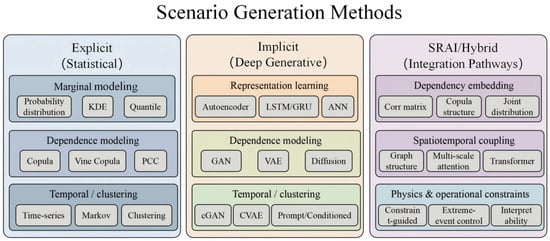
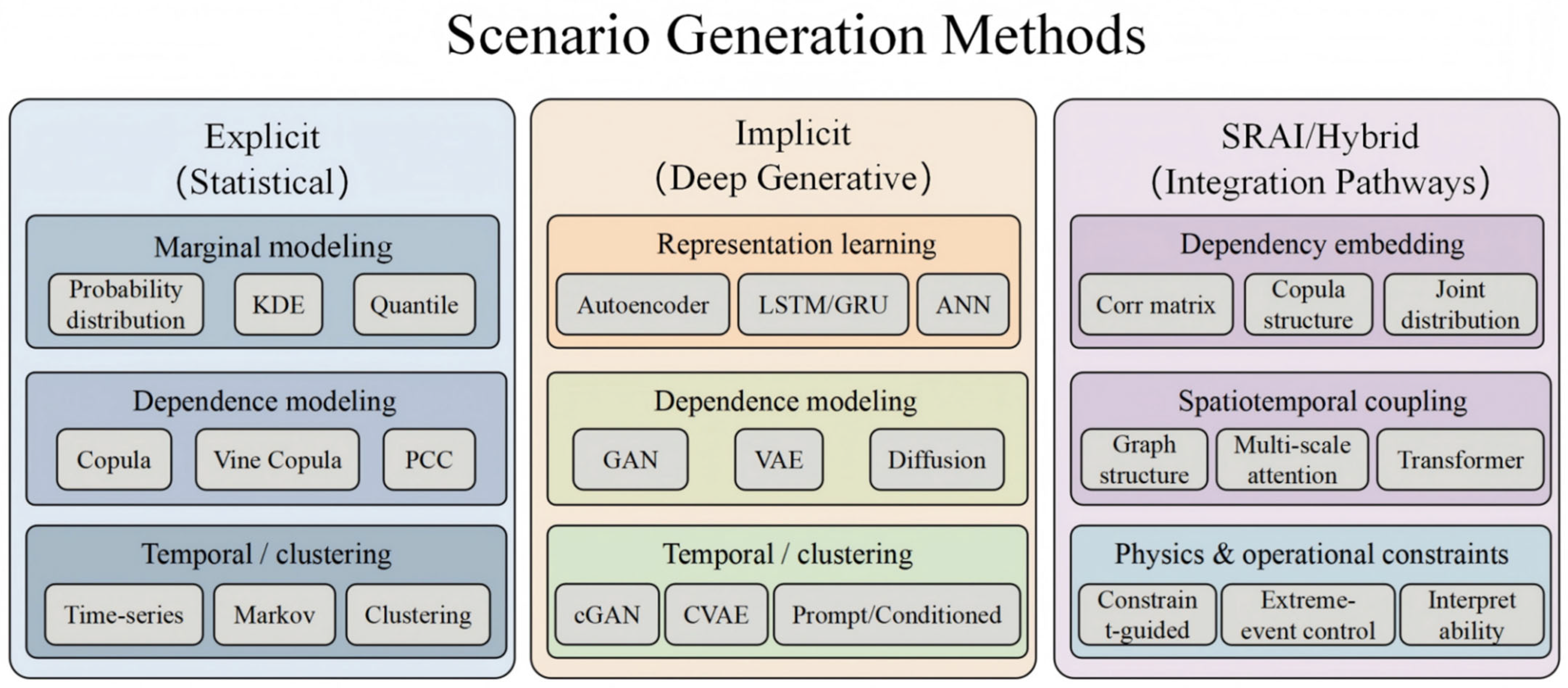
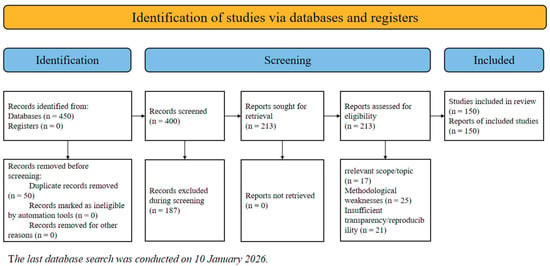
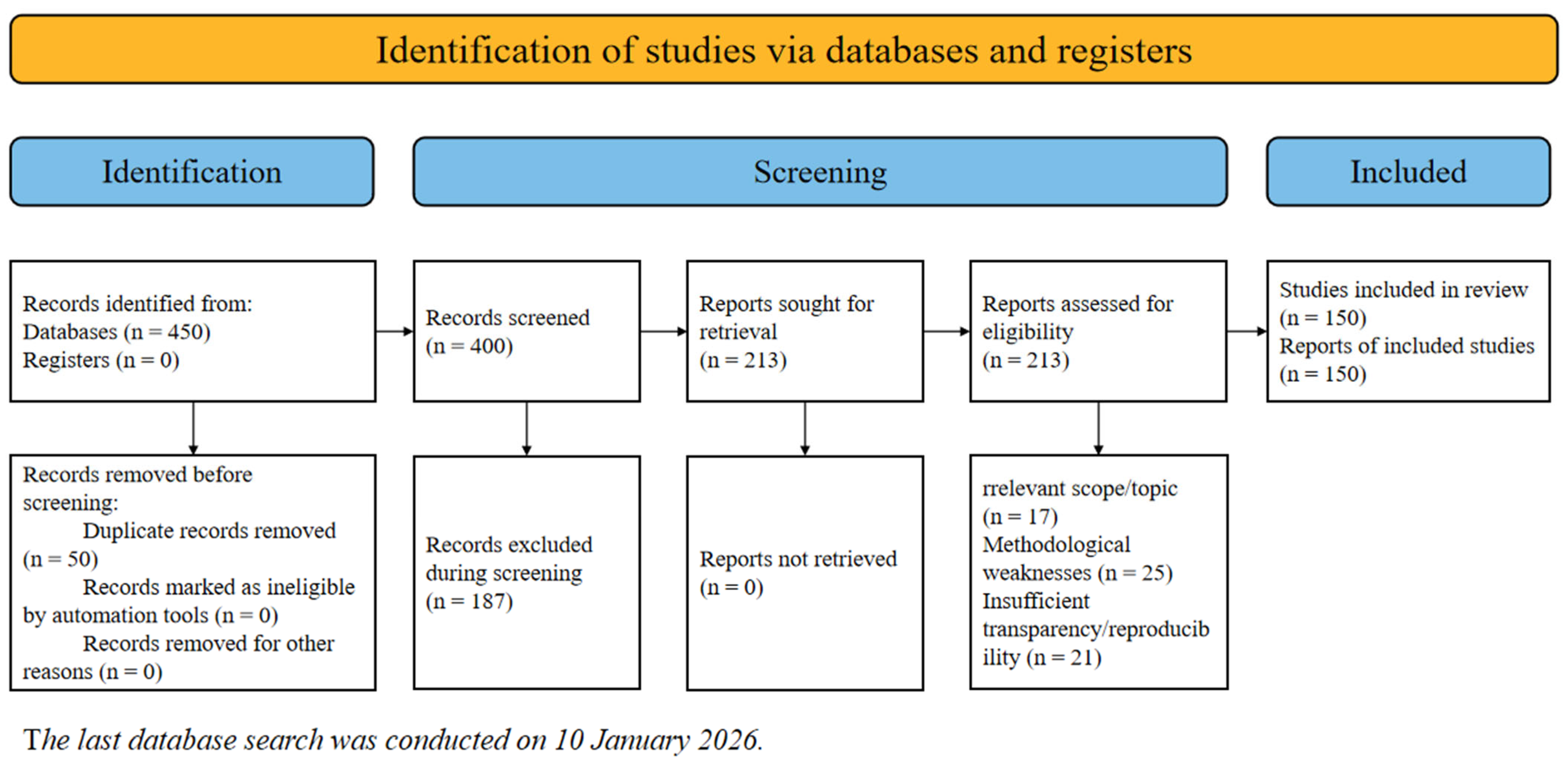
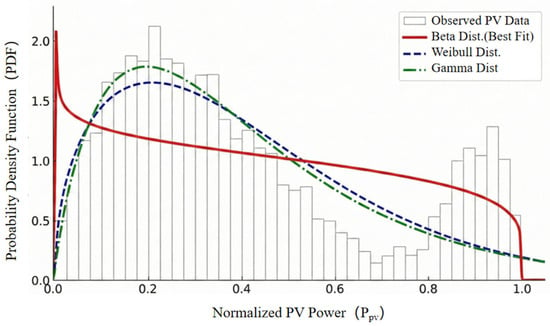
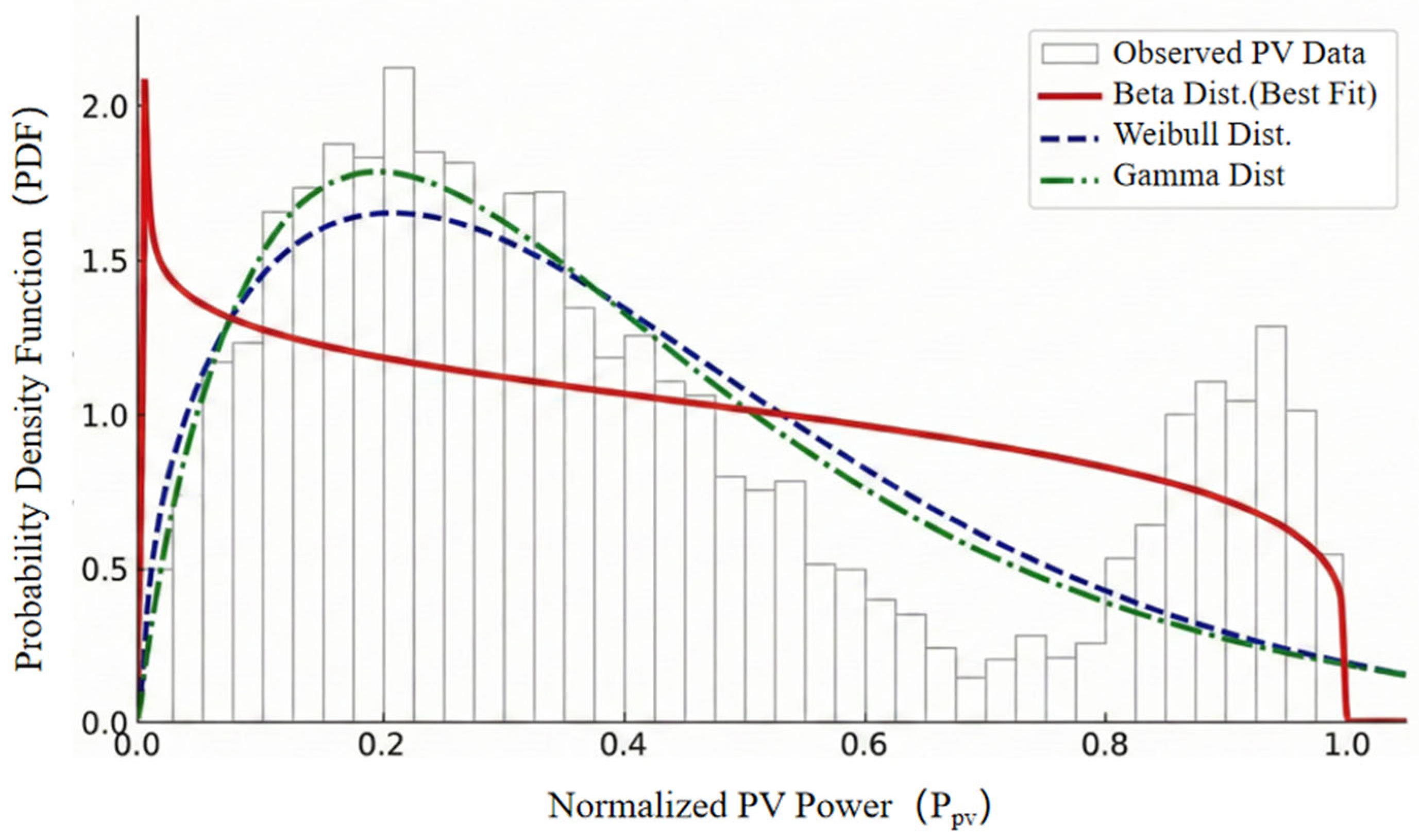
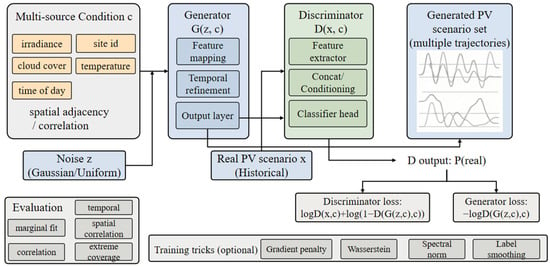
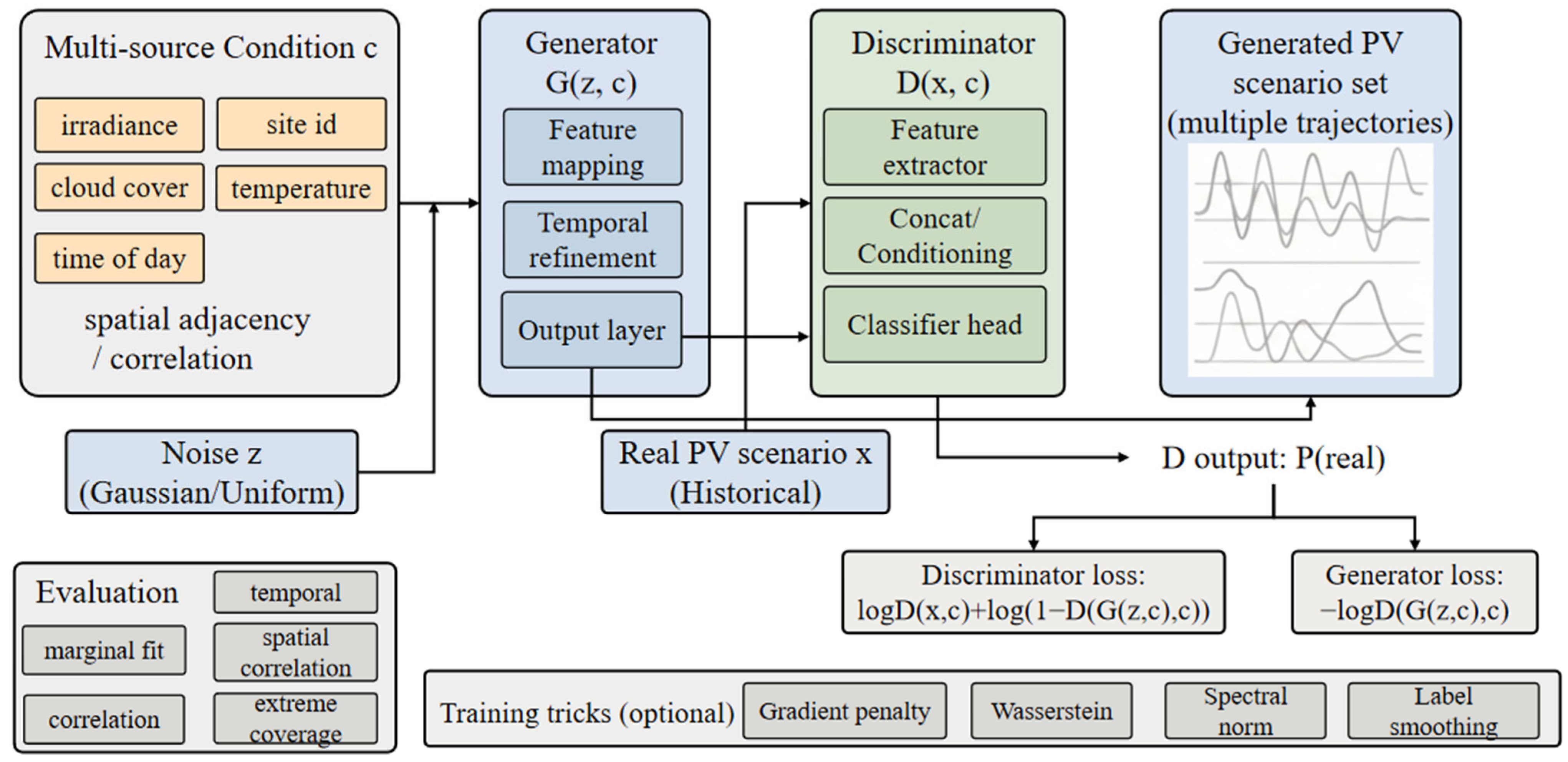
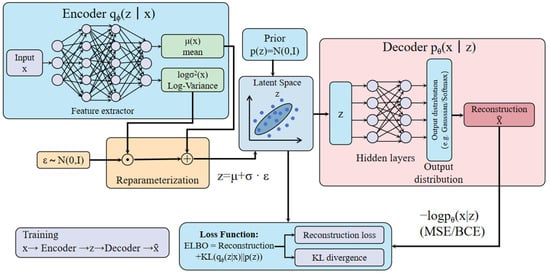
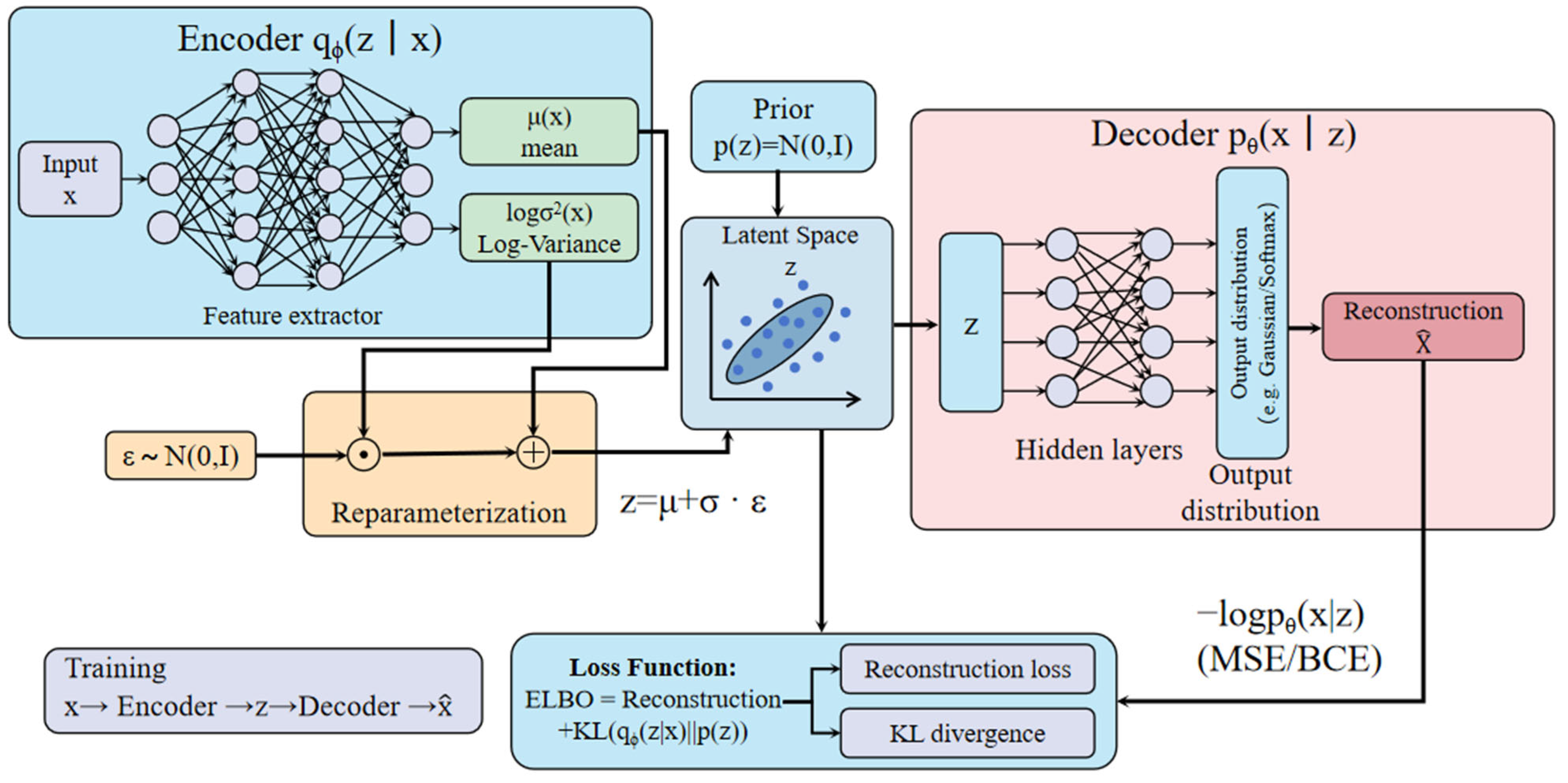
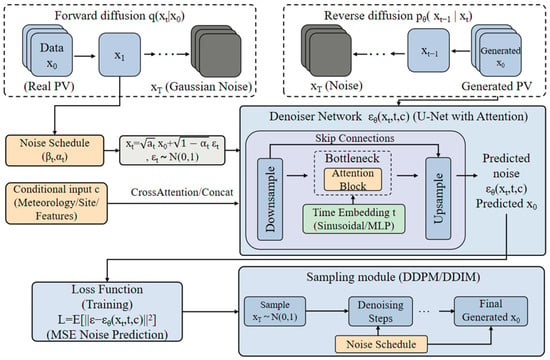
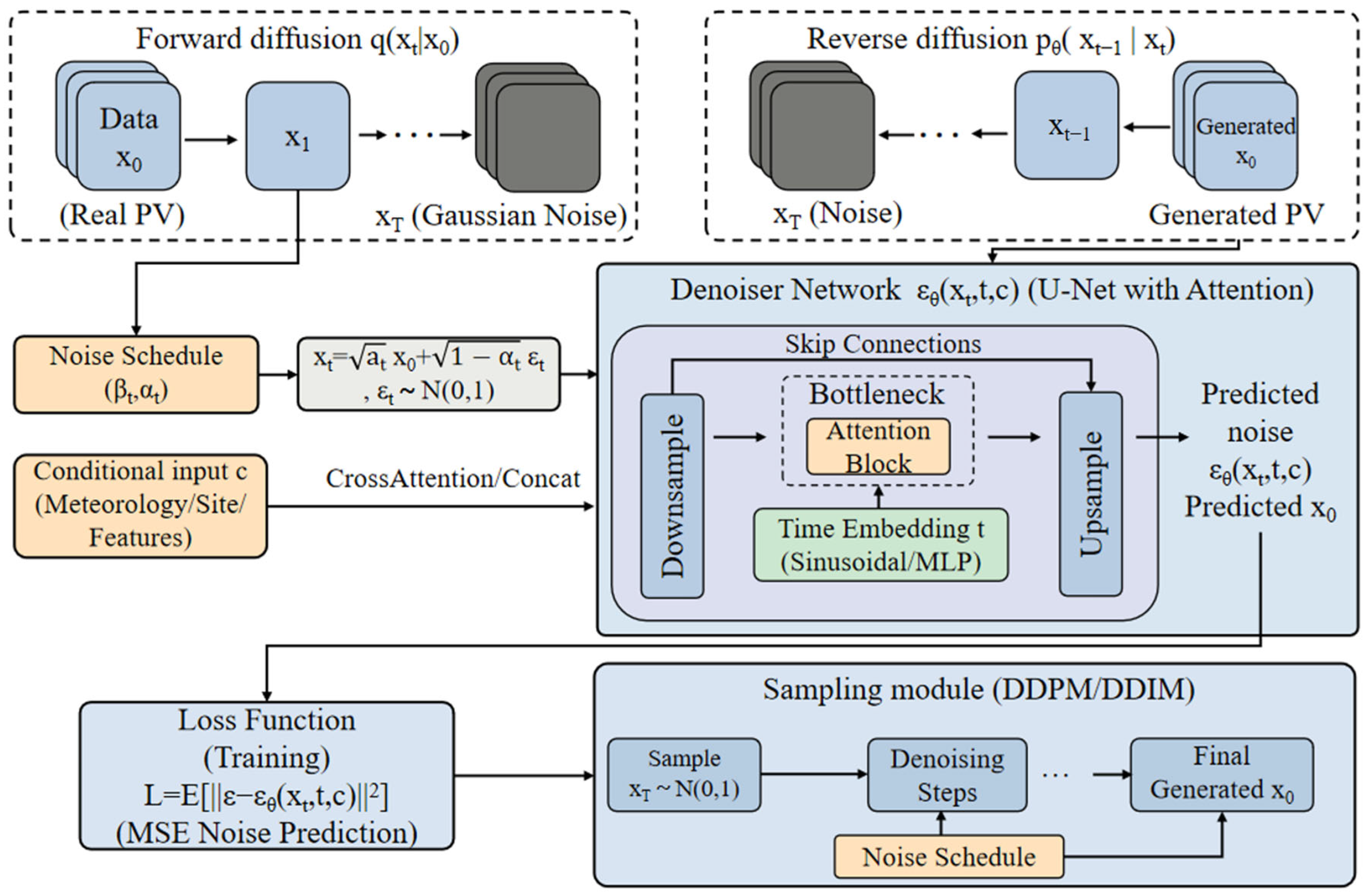
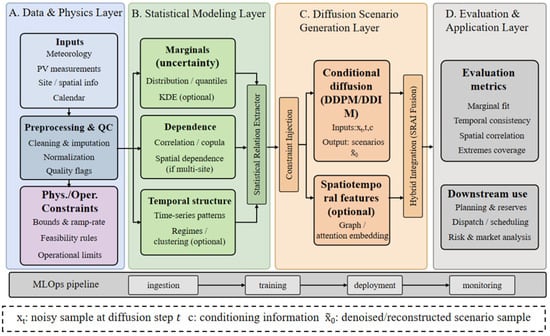
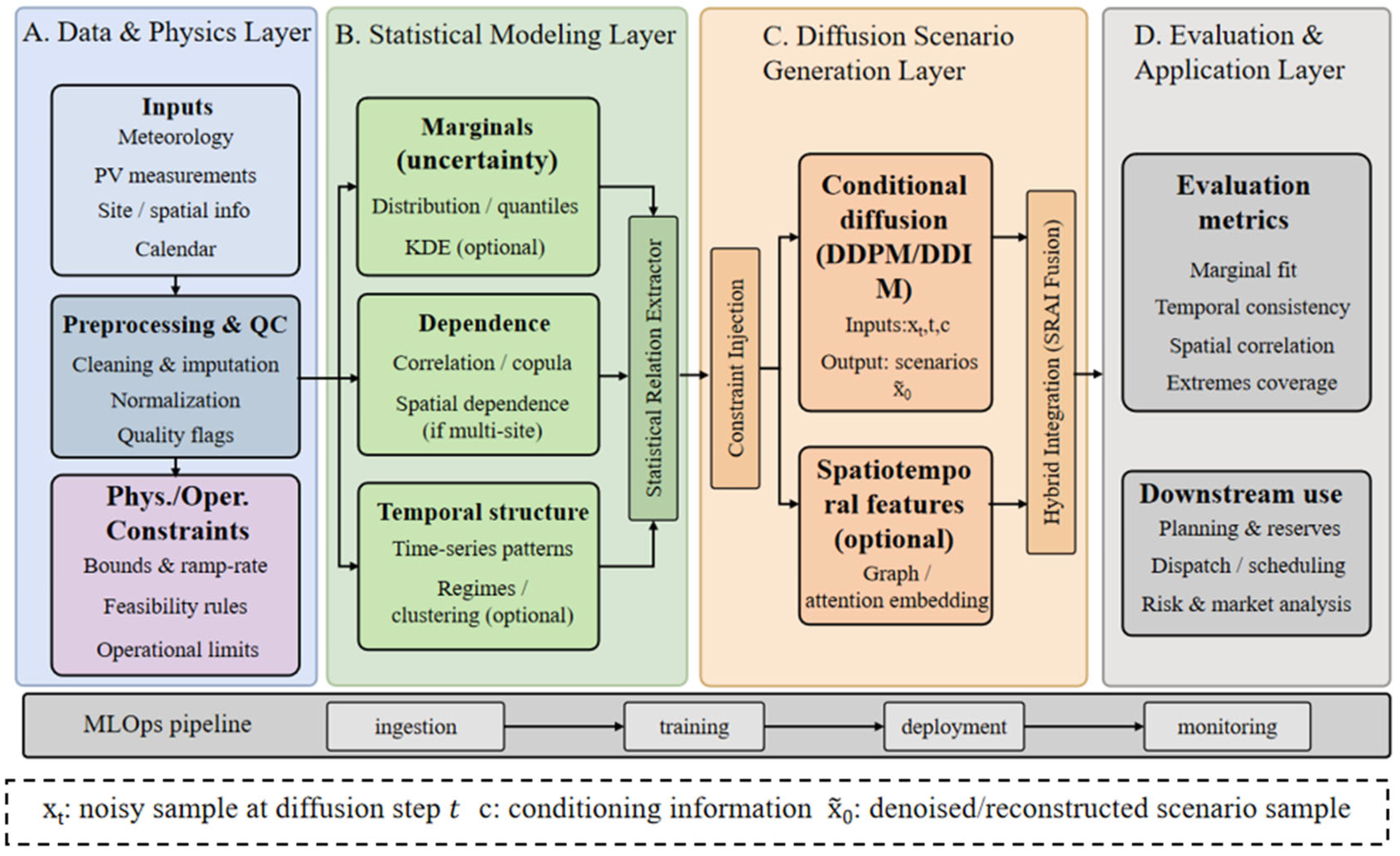
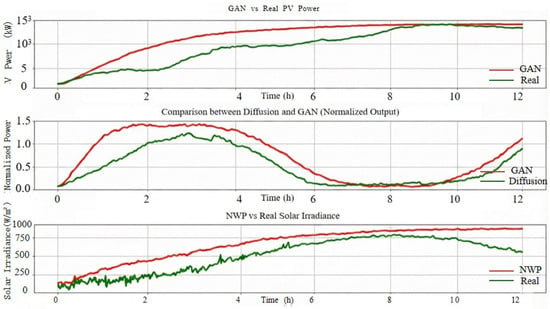
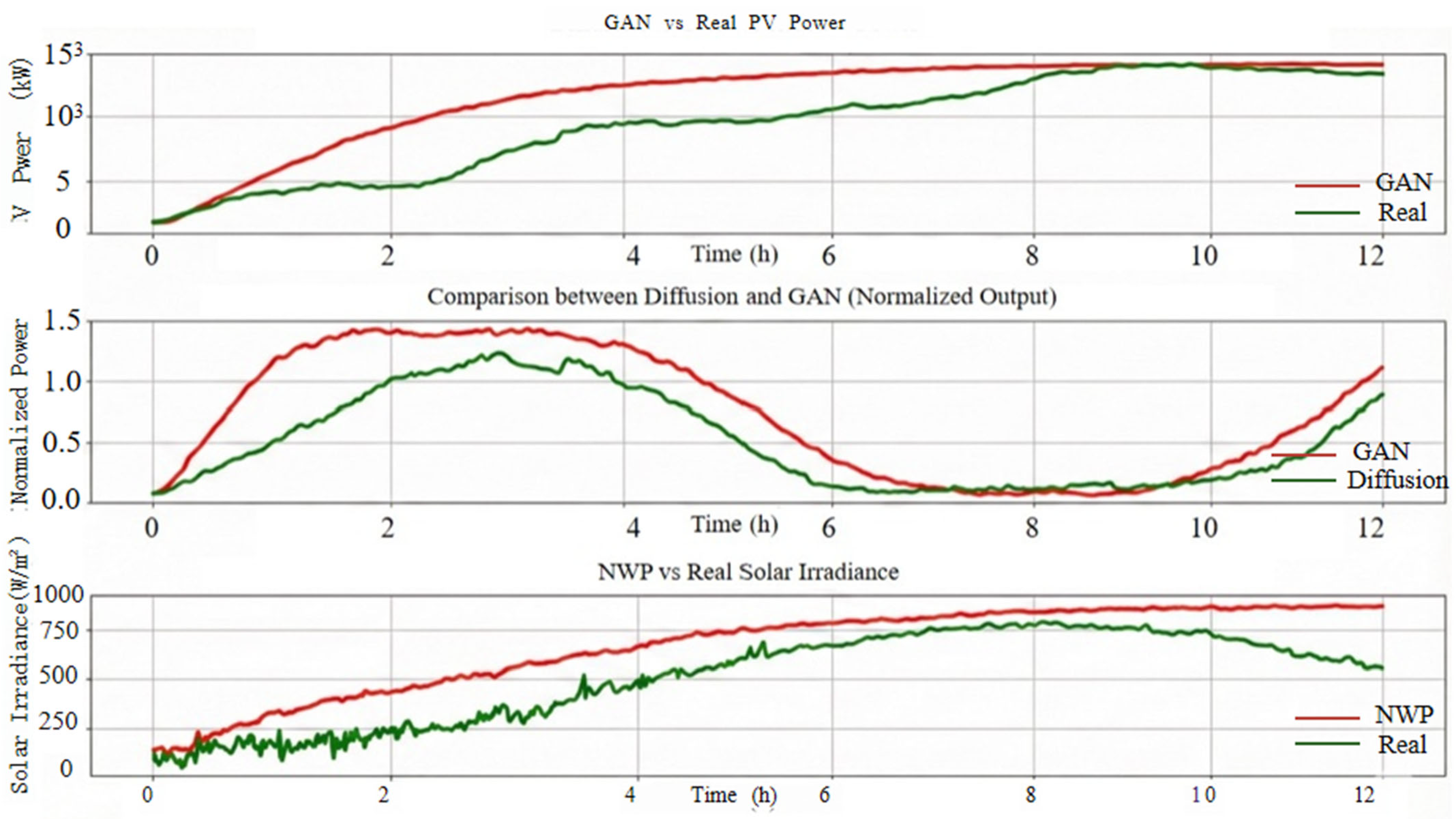

Disclaimer/Publisher’s Note: The statements, opinions and data contained in all publications are solely those of the individual author(s) and contributor(s) and not of MDPI and/or the editor(s). MDPI and/or the editor(s) disclaim responsibility for any injury to people or property resulting from any ideas, methods, instructions or products referred to in the content. |
© 2026 by the authors. Licensee MDPI, Basel, Switzerland. This article is an open access article distributed under the terms and conditions of the Creative Commons Attribution (CC BY) license.