


Abstract
The paper presents an analysis of the status and development trends of Polish Waste-to-Energy (WtE) installations in the context of improving the level of energy recovery measured by the R1 indicator of the Waste Framework Directive (R1 is a regulatory indicator of the R1/D10 classification, not the thermodynamic efficiency of the installation). Based on the standardised annual operating energy balances of six mature municipal waste incineration plants from 2020 to 2024 and partial data for 2025, electricity and heat production, auxiliary media consumption and waste fuel parameters were compared, and R1 was calculated in the Ep, Ef, Ew and Ei systems. The R1 values were then compared with heat collection conditions and modernisation implementations (integration with the heating network, exhaust gas condensation, advanced control/predictive algorithms), treating the ‘before/after’ comparisons as an observational assessment, without inferring strict causality. The average R1 for the facilities studied in 2020–2024 was 0.864, with the highest values recorded for installations in Kraków (R1 = 1.123 in 2024). The results indicate that a high and growing R1 is primarily associated with cogeneration and stable heat management in district heating systems, and that upgrades aimed at additional heat recovery and process stabilisation can further support this trend, in line with the ‘energy efficiency first’ principle. A novelty of the study is the standardised, long-term benchmarking of full-scale data for six installations using a uniform R1 methodology.
1. Introduction
1.1. State of the Art
The latest scientific literature reveals a growing interest in technologies for recovering energy from municipal waste, a direct result of increasing regulatory requirements and the need to increase the use of waste energy in national energy systems. In recent years, several papers have been published systematising current knowledge in this area. In [1], the authors present a broad overview of thermochemical waste treatment methods—in grate combustion, fluidised bed combustion, or alternative technologies based on pyrolysis or gasification—emphasising that despite the intensive development of alternative technologies, waste-to-energy (WtE) combustion remains the most mature and scalable technology for the management of residual fractions through energy recovery. More optimistic conclusions are also formulated by [2], which points to the growing role of hybrid and multi-stage configurations in thermal waste conversion.
The authors of the analysis [3] note that WtE technologies, both traditional and newly developed, are assuming an increasingly important role in the energy systems of countries where the scale of municipal waste generation necessitates stable forms of energy recovery. At the same time, their effectiveness depends on systemic conditions and the regulatory environment.
The topic of energy integration from municipal waste recovery is an essential element of the analyses in [4,5], where the authors emphasise the importance of systemic conditions, such as access to local heating networks for heat collection, load stability, and energy market characteristics, for the achieved levels of energy recovery efficiency. They also point out that upgrades to existing installations, including exhaust gas moisture condensation systems and advanced combustion automation systems, are currently key factors in improving efficiency rates in operating facilities. These results are consistent with observations concerning installations operating in Northern Europe, where heat recovery directed to local heating systems is the basic mechanism for increasing the R1 indicator.
Another trend in the literature involves systematic analyses and reviews of the energy efficiency of existing waste-to-energy installations. In a systematic review of studies covering the years 2015–2025 [6], the authors point to the insufficient number of publications based on full-scale operational data. The authors note that most available studies focus on model analyses. In contrast, real data are necessary to assess the impact of fuel variability, operating conditions, and technological upgrades on energy efficiency levels. This summary confirms the validity of conducting multi-year analyses covering several installations, such as those presented in this paper.
Publications [7,8], which analyse waste conversion from the perspective of the circular economy, are also crucial for assessing the role of WtE in waste management systems. The authors emphasise that WtE facilities, as long as they operate in accordance with the “energy efficiency first” principle, complement rather than compete with recycling, ensuring the management of residual waste fractions while producing district heating and electricity. These publications also highlight that EU regulations, particularly the requirements of Directive 2008/98/EC [9], underscore the importance of the uniform R1 indicator as the primary tool for evaluating energy recovery levels in EU countries.
It is also worth noting the results of the study [10], which presents an analysis of the energy efficiency of Polish WtE installations based on actual operating data and compares them with European practices. Additionally, study [11] demonstrates that municipal waste incineration plants can achieve high levels of energy recovery even outside the EU, confirming the universal nature of the key factors influencing efficiency.
The above analyses are supplemented by the latest reviews of technological solutions and implementation challenges, including works [12,13], which point to the growing role of hybrid technologies, low-temperature heat recovery systems, and advanced predictive automation. The authors emphasise that the modernisation of existing installations can bring significant energy benefits in a short time without the need to change the basic technology of thermal waste conversion. In turn, study [14] highlights the importance of implementation aspects, such as risk allocation and investment instruments, in the form of a PPP (Public–Private Partnerships) model, which in practice determine the pace and scope of WtE technology implementation.
An additional stream of recent research focuses on advanced thermal pre-treatment and conversion pathways for waste-derived and biomass-based materials, which may indirectly influence the performance and design of waste-to-energy systems. In particular, recent work has analysed wet torrefaction processes applied to complex waste biomass streams, demonstrating how controlled hydrothermal treatment can significantly modify fuel properties, including moisture content, energy density, and combustion behaviour. Such studies highlight the growing interest in complementary thermal processing routes that may support improved integration of waste-derived fuels into energy systems and enhance the overall efficiency of downstream energy recovery processes. Although these approaches do not directly address the R1 indicator, they contribute to a broader understanding of how upstream fuel conditioning and thermal conversion strategies may affect the operational performance and future development pathways of waste-to-energy installations [15].
Based on the above literature review, it can be noted that the scientific literature on the subject still lacks a single study simultaneously meeting all of these criteria in the Polish context, covering several WtE installations operating simultaneously in a single national energy system, based on actual operational and (where available) maintenance data from several years of operation, and taking into account the impact of specific technological upgrades on the R1 index value. While multi-year multi-plant R1 assessments have been reported for selected Polish facilities, many available studies focus on individual installations, model analyses, or do not quantitatively link specific upgrades to changes in R1 over multi-year full-scale operation. This work fills this gap by presenting a multi-year comparative analysis of the operation of Polish WtE installations and an assessment of the effects of implemented upgrades such as integration with local heating systems, flue-gas condensation, and advanced automation systems. This study aims to analyse the operating experience of recent years and to quantitatively assess the effects of technological upgrades on the R1 index in Polish WtE installations, with a focus on increased energy recovery performance.
1.2. Problem Context and Study Rationale
Energy efficiency is one of the leading indicators for every heating system on the path towards energy transition [16,17]. This path is set out in a series of European Union regulations [18,19]. On 14 July 2021, the European Commission tabled Fit for 55—its legislative package under the European Green Deal [20,21]. The legal measures included in this package are intended to deliver the key climate objective. That result should be reached by cutting greenhouse gas emissions across EU member states by no less than 55% by 2030 relative to the 1990 baseline, as well as achieving climate neutrality by 2050. Therefore, in EU climate policy, this indicator plays a leading role in the energy transition and is defined by the EU as the principle of “energy efficiency first” [22,23].
Any increase in the beneficial effect of a given heating installation, in the form of increased electricity and heat production with no change in the primary energy input required to achieve this effect, is an optimal solution for reducing carbon dioxide emissions and other pollutants released into the environment [24,25].
The issue of achieving optimal energy efficiency is also significant for over 500 WtE plants operating in EU countries, Norway, Switzerland and the United Kingdom [26]. These incinerators process more than 100 million tonnes each year of municipal waste that cannot be recycled to produce energy [27,28]. Municipal solid waste (MSW) incineration plants in these countries serve as the cornerstone of modern waste management [29,30]. They provide both volume reduction and energy recovery. As urbanisation and waste generation increase globally, the efficiency of these plants becomes critical, not only for energy sustainability but also for environmental protection and climate goals [31]. While global waste volumes continue to rise, the European Union has developed one of the most advanced and standardised frameworks for energy recovery from waste [32]. Therefore, the discussion narrows from the global context to the EU context, where WtE plays a structurally defined role [33]. Europe, particularly its northern regions, has set benchmarks in energy recovery through policy-driven integration with district heating and combined heat and power (CHP) systems [34,35]. However, significant regional disparities and technological challenges persist worldwide, necessitating a comprehensive review of key efficiency indicators and the operational performance of MSW incineration plants, as well as the strategies available for their improvement [36,37,38]. In Europe, WtE facilities can supply locally available, dispatchable output that complements variable wind and solar generation, while treating the residual municipal-waste fraction remaining after recycling [39]. Estimates for 2035 indicate ~189 TWh/year of usable energy from WtE, which is of the same order as ~19.4 billion m3 of natural gas in primary-energy terms [40].
Meanwhile, WtE plants play an important role in many EU Member States that integrate thermal treatment within their waste-management systems in a manner consistent with the waste-hierarchy framework [9].
The analysis of the increase in energy recovery performance for Polish WtE plants constitutes the subject and purpose of this publication. It was prepared based on collected data on energy consumption and recovery in the municipal waste incineration process, which were recorded in the IT systems of the Polish waste incineration plants considered in this study and operated between 2020 and 2025.
This paper contributes (i) a consistent R1-based benchmarking of six mature Polish WtE plants using measured full-scale operational data for 2020–2024 (and partially 2025), (ii) a quantitative comparison of performance dispersion across plants (average and variability), and (iii) a case-based assessment of upgrade effects, including the post-commissioning impact of flue-gas condensation and AI-assisted combustion optimisation on R1.
The objectives of this article are as follows: (1) to describe the development and current status of Polish WtE plants; (2) to determine their energy recovery performance (R1 values); and (3) to analyse technological and operational paths for further improving energy recovery performance (increasing R1 value).
2. Methodology
Primary performance indicators for waste-to-energy plants include the R1 energy recovery factor (regulatory indicator) and exergy efficiency (thermodynamic efficiency metric), which are the most widely used metrics for evaluating municipal waste incineration plants. R1 energy recovery factor focuses on the proportion of energy recovered (electricity and heat), while exergy efficiency provides a thermodynamic assessment of system performance. Exergy efficiency measures the useful work potential of energy flows and thus offers a thermodynamically rigorous evaluation of plant performance [9,41]. In the present study, particular emphasis is placed on the R1 energy recovery factor, which constitutes the primary indicator used in subsequent analyses.
The European Union’s Waste Framework Directive (Directive 2008/98/EC on waste), as revised in 2018 [9], classifies waste incineration as either a disposal technique (D10: incineration on land) or a recovery technique (R1: use mainly as a fuel or other means to generate energy). According to those classifications, this directive establishes a requirement for minimum energy-recovery performance, expressed by the R1 formula. Article 10.4: “Member States shall take measures to ensure that waste that has been separately collected for preparing for re-use and recycling is not incinerated, with the exception of waste resulting from subsequent treatment operations of the separately collected waste for which incineration delivers the best environmental outcome”. The calculation method for the minimum energy efficiency factor, called the R1 Formula, is set out in the Annex to the EU Waste Framework Directive [9]. If the value of this factor for WtE plants commissioned after 31 December 2008 is over 0.65, then this is referred to as energy recovery, designated as R1. If it is lower, then the municipal-waste incineration process is classified as disposal D10. In the waste-management hierarchy, it is therefore treated within the disposal tier, alongside other disposal operations such as landfill (D1).
2.1. The EU R1 Formula: Regulatory Energy-Recovery Indicator
The European Commission released interpretative guidance under the title “Guidelines on the Interpretation of the R1 Energy Efficiency Formulae for Incineration Facilities Dedicated to Processing Municipal Solid Waste According to Annex II of Directive 2008/98/EC on Waste” [42]. According to that guidance, the formula for calculating the R1 energy-recovery indicator of a facility, referred to as the R1-formula, is expressed as follows (Equation (1)):
where [42]:
- Ep denotes the annual energy delivered as heat (Ep_heat) or electricity (Ep_el). It is calculated by multiplying the energy in the form of electricity by a factor of 2.6 and the heat delivered for commercial use by a factor of 1.1 (in units of GJ/year). For clarity, in the rest of the text, we treat Ep_el = 2.6·E_el and Ep_heat = 1.1·E_heat as two weighted components of Ep (Ep = Ep_el + Ep_heat).
- Ef denotes the annual energy input to the system from fuels used for steam generation (GJ/year).
- Ew denotes the annual energy content of the waste treated, calculated on the basis of its lower calorific value—LHV (GJ/year).
- Ei denotes the annual energy imported into the system, excluding Ew and Ef (GJ/year).
- 0.97 represents energy losses associated with bottom ash and radiation.
The R1 value was calculated using weighting coefficients that reflect the different qualities of thermal and electrical energy. Additionally, external energy imports, including startup/support fuel and purchased electricity, were included in the assessment of the waste incineration process.
The equivalence (weighting) factors applied to electricity and heat are specified in the Waste Incineration BREF (BAT Reference Document) [43] and in the Commission Guidelines [42]; their interpretation is summarised below:
- For electricity, the weighting factor of 2.6 reflects a reference conversion efficiency of about 38% for coal-fired power generation; in other words, producing 1 kWh of electricity corresponds to roughly 2.6 kWh of primary energy input.
- For heat, the factor of 1.1 is linked to a reference efficiency of around 91% for dedicated heat-only plants.
- The R1 factor is not a thermodynamic efficiency in the strict physical sense; it is just a regulatory performance metric indicating the extent of energy recovery achieved by a WtE plant. R1 is a dimensionless indicator [42]. Therefore, throughout this paper, we refer to R1 as an energy-recovery performance indicator (R1 value) to avoid confusion with thermodynamic efficiency. The term “efficiency” is reserved for thermodynamic/exergy metrics (e.g., exergy efficiency), whereas R1 is treated as a regulatory indicator and is not directly comparable to the physical efficiency of other energy technologies.
The present study is a retrospective, indicator-based assessment of full-scale operational performance using the legislated R1 framework, rather than a predictive or calibrated process model. Therefore, no model calibration is performed; the computations follow Annex II of Directive 2008/98/EC and the European Commission’s R1 guidance, based on harmonised annual plant balances described in Section 2.2.
In some EU Member States, where the climate is warmer, the operation of WtE plants in cogeneration (CHP—combined heat and power) may be limited due to lower demand for district heating. In such cases, the R1 value tends to be lower, as the Ep term is reduced. To compensate for this structural disparity, a climate correction factor (CCF) is applied in accordance with the R1 guidance. The CCF adjusts the calculated R1 value for countries where heat utilisation is constrained by climatic conditions. The local climate correction factor is obtained by contrasting the average winter temperature for the reference year against the long-term average winter temperature calculated over an extended multi-year period [44,45]. Although the climate-correction factor is relevant only for WtE plants in warmer EU countries, where structural limitations on heat recovery reduce the achievable R1 values, its description is included here to clarify how the R1 formula operates across different climatic contexts, even though it does not apply to Polish installations.
Concerning Polish WtE plants, the authors of this paper calculated and presented in their work [10] the R1 values obtained in the years 2020 to 2023, described by the R1 factor, for five selected WtE plants. In this paper, the R1 values for Polish waste-to-energy (WtE) plants, determined from 2020 to mid-2025, are presented and discussed, serving as a starting point for exploring possible ways to improve this indicator.
The R1 Energy Recovery Factor is analysed for waste incineration plants in many countries in Europe and beyond. Factor R1 for WtE plants in Denmark, Austria and Germany routinely achieve values above 0.8, with optimised systems reaching >1.0 through advanced heat extraction (such as low-temperature heat recovery “including latent heat” via flue-gas condensation/condensing economisers and, where applicable, heat-pump-assisted integration with district heating return lines), and integration with district heating [46].
Examples of R1 value analyses for WtE plants in non-EU countries can also be found, such as in the United Kingdom [44,47] and Turkey [48], and even outside Europe, in South Korea, as evidenced by a very insightful analysis of the R1 coefficient contained in publication [49,50]. Meanwhile, in the region of Poland, according to CEWEP’s 2022 overview [51], in the Czech Republic operated 4 plants (0.72 Mt/year), 2 in Slovakia (0.23 Mt/year), 1 in Hungary (0.37 Mt/year) and 3 in Lithuania (0.62 Mt/year). According to the authors’ data, Poland operated 10 municipal waste-to-energy plants (approximately 1.4 Mt/year) at the end of 2025. The regional context emphasises that Poland has already reached a scale where it makes sense to compare the results of different plants within R1.
2.2. Data Sources and Quality Control
The analysis was based on full-scale operational data from six Polish municipal waste thermal treatment plants covering the years 2020–2024 (and partial data for 2025). The data sets included annual balances of key variables necessary to calculate the R1 indicator: the mass of waste sent for incineration, auxiliary and imported energy, as well as energy output in the form of electricity and useful heat. The data were obtained from the plants’ operating systems, specifically their DCS/SCADA (Distributed Control System/Supervisory Control and Data Acquisition) systems. They were also collected from operation logs and from calibrated measurement systems used for energy accounting. All values were then mapped to the components of the R1 formula (Ep, Ef, Ew, Ei) in accordance with the definitions and balance limits specified in Annexe II to the Waste Framework Directive, as interpreted by the European Commission’s guidelines on the application of the R1 formula [42].
The chemical energy value of the waste stream (Ew) was determined based on the annual mass of waste incinerated and its lower heating value (LHV). Where installation data were available, the results of routine laboratory analyses carried out as part of plant monitoring were used. Methodologically, the determination of the calorific value was based on an approach compliant with ISO 21654:2021 [52] for determining the calorific value of alternative fuels, ensuring consistency in the method used for Ew calculations.
The LHV value used to determine Ew refers to the entire combustion stream (mixture of 20 03 01 + 19 12 12), so the impact of the variable RDF share is included in Ew through the measured LHV. However, the lack of uniform annual data on the RDF share for all installations makes it impossible to analyse it separately as an independent variable.
Quality control was performed before R1 calculations and comparative statements. Firstly, the units (GJ/year) were standardised, and the definitional compliance of the input data with the requirements of the R1 formula (balance limits, energy stream classification, and conversion factors) was verified based on the Commission’s directives and guidelines. Secondly, data reliability checks (range checks and year-on-year consistency) were applied. Where possible, annual totals were compared with independent accounting documents (e.g., energy sales statements and annual reports). Periods identified as unrepresentative due to incomplete recording (e.g., missing data) were flagged and included in comparative analyses only when it was possible to reconstruct annual balances based on billing data reliably.
Assumptions used in the calculations:
- All variables are reported on an annual basis (GJ/year) and mapped to Ep, Ef, Ew and Ei according to the R1 definitions;
- Where 2025 data cover only the first half-year, these values are reported explicitly and are not included in multi-year averages unless stated otherwise;
- “useful heat” refers to heat exported for commercial use in line with the R1 guidance;
- Reported annual totals are based on metered export/import figures, where available, supplemented by plant operational logs for gap identification and consistency checks.
- In the comparative illustrations, we use the R1 level for the installation in Konin solely as an example of a case with permanently limited heat consumption (despite technical connection to the municipal network), and not as a generalised ‘reference point without a heating network’ or as a basis for quantitative, statistically generalisable determination of the integration effect.
Limitations: Cross-plant comparability and year to year interpretation may be affected by heterogeneity in district-heating conditions (heat-demand profiles, supply/return temperatures and dispatch rules), operational constraints (planned and unplanned outages), variability in waste fuel quality (including LHV, moisture content and RDF share), heat offtake regimes (including periods when low temperature recovery is bypassed), turbine availability/operating mode, and plant-specific reporting practices. Consequently, the comparisons are intended as benchmarking within the common R1 framework, not as causal attribution of observed R1 differences to single technical measures. Any percentage contrasts presented for illustrative purposes should therefore be interpreted in the context of these boundary conditions.
In addition, the analysis is based on annual aggregated balances derived from SCADA and settlement/billing data. Consistent instrument-level uncertainty budgets for Ep, Ef, Ew and Ei (e.g., meter accuracy classes and LHV repeatability statistics) were not available across all facilities; therefore, formal uncertainty propagation and statistical significance testing of small year-to-year differences were beyond the scope of this study. Consequently, changes on the order of a few percent (e.g., 2–4%) are interpreted as indicative fluctuations within inter-annual variability rather than statistically significant trends.
3. Results
The dynamic development of WtE plants in Poland dates back to 2008. At that time, extensive public information campaigns were conducted in connection with plans to build incineration plants in major Polish cities. In parallel, significant financial support for such installation was obtained under the Operational Programme Infrastructure and Environment 2007–2013 [53].
Poland is currently the leader among the Central and Eastern European countries that joined the EU in May 2004 (Cyprus, the Czech Republic, Estonia, Lithuania, Latvia, Malta, Slovakia, Slovenia, and Hungary) and later, in January 2007 (Bulgaria and Romania), and in 2013 (Croatia). Among these countries, Poland has by far the largest share of WtE plants in municipal waste management systems. Poland is a regional leader in the use of waste-to-energy methods, considering the percentage share of waste incineration methods compared to other waste management methods, such as recycling or landfilling, rather than per capita indicators.
As a result of the plans implemented in 2008, six municipal waste incineration plants were commissioned in large Polish cities (Białystok, Bydgoszcz, Konin, Kraków, Poznań, and Szczecin) in 2015 [54]. In 2018, another project was completed in Rzeszów. By 2025, further WtE projects in Olsztyn, Gdańsk and Warsaw had reached the construction and commissioning stage, with individual installations entering operation at different times during that year.
The current potential of WtE plants in Poland, calculated as their total capacity, including the capacity of the multi-fuel unit at the Fortum CHP plant in Zabrze (2018), where it is possible to co-incinerate (co-incinerated) approximately 0.250 million tonnes of refuse-derived fuels, is approximately 1.375 million tonnes per year [55]. Suppose we add to this potential the possibility of incinerating approximately 0.535 million tonnes of RDF fuel in the newest incineration plants in Olsztyn, Gdańsk, and Warsaw. In that case, the final potential will increase to approximately 1.9 million tonnes per year by 2025. It should also be noted that the cement industry in Poland currently uses approximately 1.1 million tonnes of fuels produced from municipal waste, such as RDF, for the energy-intensive process of clinker burning [55].
As a result, the cement industry in Poland covers approximately 85% of its energy demand through the use of energy recovered from waste-derived fuels (RDFs), which represents one of the leading achievements in this field worldwide [56]. Summing up the above data, the combined thermal treatment potential for municipal-waste-derived streams in Poland in 2025 is approximately 3 million tonnes per year: (1.375 + 0.535 + 1.1), as shown in more detail in Table 1. This total reflects both the processing of mixed municipal waste and the utilisation of RDF fuels that are produced from municipal waste streams, which justifies presenting the combined figure as the overall thermal-treatment potential derived from MSW.
Table 1.
Overview of Poland’s current potential 2025 WtE plants (own study).
Figure 1 provides a graphical illustration of the distribution of the WtE plants analysed in Table 1, items 1 to 12, on the map of Poland.
Figure 1.
Municipal solid waste incineration plants in Poland—operating and under development.
Comments for Table 1:
- –
- The name of each WtE plant refers to its official designation currently in force in Poland.
- –
- The stated capacity corresponds to the design-rated throughput. It is used for balancing the current national WtE potential; in several plants, the actual operational capacity is slightly higher due to post-commissioning modernisation works.
- –
- The incineration feedstock consists of mixed municipal waste (code 20 03 01) together with mechanically treated waste, including the RDF fraction (code 19 12 12). Under the Polish Regulation on the catalogue of wastes [57], these codes correspond to those used in the European Waste Catalogue (EWC) [58]. Across Polish MSW incinerators, the fraction of code 19 12 12 in the feedstock differs substantially and typically accounts for 20–55 wt.% of the total waste incinerated. Since we use the measured annual LHV of the entire fuel mixture in the Ew calculations, the variability of the 19 12 12 share affects Ew indirectly (through LHV), but is not analysed separately because there is no consistent annual data on the share of RDF in the entire sample of installations.
- –
- All Polish MSW dedicated incineration plants (items 1–8 and 10–12) are based on moving grate boiler technology, which represents the most mature solution and complies with the current BAT standards [43]. This technology dominates worldwide WtE applications, with an estimated share of around 90% [28,59,60].
- –
- Item no. 13 is labelled as “Co-incineration in cement furnaces”. It is actually not a waste incineration plant. This information pertains to the utilisation of energy contained in waste. This energy is used for the energy-demanding process of clinker burning in cement kilns. This way of using waste energy is defined by the legislation of the European Union as co-incineration of waste. It constitutes a type of thermal conversion of waste.
- –
- Using RDF-type fuels for co-incineration in Fortum CHP and in cement kilns generally requires a more extensively prepared fuel. This preparation concerns both physical form and chemical properties. At Fortum CHP Zabrze, the key acceptance criteria are the fuel’s calorific value (LHV) and an upper limit on particle size. In cement plants, compliance is assessed mainly by LHV and the specified chemical composition.
Figure 1 shows Polish WtE plants that have been in operation for approximately 7 to 10 years, as well as well-advanced projects for further municipal waste incineration plants. These are predominantly lower-capacity installations intended for smaller towns and regions, where they will replace the heavily decapitalised coal-fired grate boilers currently used as sources of district heating and electricity. The implementation of these plans, expected by 2035, is expected to increase the capacity of Polish WtE plants by approximately 1.1 million Mg/a.
Analysis of the R1 Energy-Recovery Coefficient
Taking into account the definitions of the R1 formula and the guidelines contained in Guidelines on the interpretation of the R1 formula [42], the R1 Energy Recovery Coefficient was determined for selected Polish WtE plants.
The research and analysis focused on the six waste incineration plants that are representative in terms of operational performance and have been in stable operation for approximately 8 to 10 years (listed in Table 1, numbered 1 to 6). The incinerators marked with numbers 7 and 8 in Table 1 were excluded because the necessary parameters for determining the R1 value were not measured sufficiently. Partial data for 2025 were presented solely to illustrate emerging operational trends. They were not used in any averaged R1 calculations, ensuring full consistency with the requirement to rely only on complete and reliable datasets. The installation marked with number 9 in Table 1 was also not taken into account, as it is a co-incineration plant and is not subject to the R1 formula under EU law.
Furthermore, incineration plants with numbers 10–12 were not taken into account because they have only been in operation for a few months (Olsztyn, Gdańsk). The incineration plant in Warsaw only began operation at the end of 2025, which means that these incineration plants do not yet provide reliable information on their energy recovery performance. However, they all operate in integration with local heating systems. Based on this and by analogy with WtE plants in Denmark [46], R1 coefficients above 0.8 are achievable. Our research provides evidence supporting this assumption.
Therefore, the R1 values for Polish WtE plants, during their operation from 2020 to 2024 (and partially 2025), were determined for six WtE plants: ZUOK Białystok, ZTPOK Bydgoszcz, ZTUOK Konin, ZTPO Kraków, ITPOK Poznań, and ITPOE Rzeszów.
Table 2 shows the average annual values of the R1 coefficient for the Polish municipal waste incineration plants described above, operated between 2020 and 2025.
Table 2.
Comparison of R1 coefficient values for the studied Polish incineration plants from 2020 to 2025.
In this study, STD is used as an empirical proxy for combined inter-annual variability (operational variability and potential data uncertainty); therefore, small year-to-year differences on the order of a few percent should not be over-interpreted as statistically significant trends.
The average value of the R1 coefficient, as calculated in this table, spans the period from 2020 to 2024. The R1 coefficient value presented for the first half of 2025 has not been included, as this value, which is the average value for the months from January to the end of June, may differ from the R1 coefficient value for the second half of 2025. These differences may result from the fact that the first half of the year is associated with a higher value of heat production directed to the heating network during the winter period for each Polish incineration plant, and thus with a higher value of the Ep parameter, which directly determines the value of the R1 coefficient.
Figure 2.
Comparison of R1 coefficient values from 2020 to 2024 (and 2025H1) for ZTPOK Bydgoszcz and ZUOK Białystok.
Figure 3.
Comparison of R1 coefficient values from 2020 to 2024 (and 2025H1) for ITPOK Poznań and ZTUOK Konin.
Figure 4.
Comparison of R1 coefficient values from 2020 to 2024 (and 2025H1) for ITPOE Rzeszów and ZTPO Kraków.
Figure 5.
Average value of the R1 coefficient for the analysed Polish incineration plants from 2020 to 2024 (and 2025H1).
The summary of results in Table 2 and Figure 2, Figure 3, Figure 4 and Figure 5 allows for a direct comparison of the energy-recovery performance (R1 values) of the analysed WtE installations over many years. The differences between individual installations result primarily from varying degrees of integration with local heating systems, heat consumption structures, and the technological solutions used, which is consistent with observations presented in the literature on European WtE installations operating in CHP systems [5,16,30]. This comparative approach, based on the analysis of the values and trends of the R1 indicator, is commonly used in studies on the energy recovery performance of waste thermal treatment plants, particularly in analyses that cover multiple facilities and longer periods of operation [5,30,31].
The analysis of the graphs in Figure 2, Figure 3, Figure 4 and Figure 5, showing the change and comparison of R1 values for individual Polish incineration plants operated between 2020 and 2025, allows the following observations to be made:
- All analysed Polish WtE plants operate in a cogeneration system, producing electricity and heat, and are integrated with local heating systems. This operating model ensures a sufficiently high R1 value. However, there are visible exceptions to this rule in the case of ZTUOK Konin and ZTPOK Bydgoszcz.
- In the case of ZTUOK Konin, limited heat offtake from the district heating network remains the primary factor constraining the achievable R1 value; however, several additional variables, including operational settings and plant configuration, may also contribute to this effect. In this case, priority is given to another source of heat supplied to the district heating network in Konin, specifically a heating plant that is fired exclusively with biomass. The lack of heat production by ZTUOK Konin, for which there is no market, is therefore directly visible in the low R1 values. Therefore, Konin should be interpreted in this study as a case of limited useful heat utilisation (low and unstable heat consumption) rather than as a representative example of an incineration plant without a heating network. In the case of the ZTPOK Bydgoszcz incineration plant, an apparent decrease in the R1 coefficient has been observed since the end of 2023. It is the result of a steam turbine failure, resulting in lower electricity production and heat being directed to the district heating network in the city of Bydgoszcz. The turbine failure has not yet been effectively resolved. Replacing its basic components has not yet improved the situation.
- High R1 values are observed for WtE plants in Białystok and Poznań. In both cases, these incinerators are the leading source of heat supply for the district heating networks of these cities.
- A separate discussion is required for the effects of operation in terms of R1 for WtE plants in Kraków and Rzeszów, as shown in Figure 4. At the ITPOE Rzeszów incineration plant, the installation of an exhaust gas condensation system was already planned as part of the project. At ZTPO Kraków, the exhaust gas condensation system was installed as part of the modernisation of this incineration plant and commissioned at the beginning of 2024, as described in more detail later in this publication. As shown in Figure 4, the WtE plant in Kraków demonstrates an increase in the R1 coefficient, which is visible from 2024 onwards, and remains visible in the first half of 2025. It is larger than the typical inter-annual variability reported in Table 2. Preliminary first-half 2025 data suggest that the elevated level persists; however, partial-year values are not used for forecasting or quantitative conclusions. Since this increase occurs immediately after the start of exhaust gas condensation and is significantly greater than typical inter-annual variability (STD), the most likely mechanism is an increase in useful heat export to the grid (Ep_heat) resulting from heat recovery (including latent heat); however, the exact scale of the effect is influenced by heat reception conditions, system availability, and fuel variability (LHV/moisture). The flue gas condensation installation for the WtE plant in Rzeszów showed an additional increase in the R1 coefficient in 2022, which is consistent with latent heat recovery; however, subsequent operational failures indicate that the observed year-to-year values reflect actual performance under varying availability rather than an isolated technology effect. In subsequent years, due to numerous failures of the flue gas condensation installation, this effect is no longer visible.
- It should be emphasised that, as shown in Figure 4, the waste incineration plant in Kraków is the leader in energy recovery among Polish WtE plants. The next section of this paper will present a more detailed analysis of this particular case.
- Figure 5 presents a summary of the average R1 coefficient values for Polish incineration plants operated between 2020 and 2024. The determined average R1 coefficient value of 0.864 is within the upper range reported for European WtE plants.
The obtained R1 values can be compared to the results presented in the existing literature on energy recovery in waste thermal treatment plants. Published analyses indicate that European WtE plants integrated with district heating networks typically achieve R1 values in the range of approximately 0.75–0.95, while values exceeding 1.0 are mainly reported for plants equipped with advanced heat recovery systems, in particular flue gas condensation systems and intensive integration with district heating systems [5,16,30,31].
However, it should be emphasised that most of the available studies are based on model analyses, studies of individual installations, or limited observation time horizons [5,16,17,18,19,20,21]. In contrast, the results presented in this paper are based on standardised, long-term operating data (2020–2024 and 2025H1) from six full-scale WtE installations operating under the same regulatory and climatic conditions. The average R1 coefficient value of 0.864 and the observed variation between plants are therefore consistent with the trends described in the literature, while providing a more solid empirical basis for inter-plant comparisons and benchmarking on a national scale.
4. Discussion
4.1. Increasing the R1-Based Energy-Recovery Performance of WtE Plants
Improving the performance of energy recovery from municipal waste is a trend that is already clearly visible in many incineration plants operating in Europe and beyond. This trend in Europe is a response to several EU regulations on climate and environmental protection. In incineration plants outside Europe, the increase in energy recovery performance is also evident. However, it stems from a rational approach to operating waste incineration plants as sources of electricity, heat, or cooling, which is transferred through district cooling. A review of the literature in this area identifies several key methods for enhancing the performance of energy recovery from municipal waste subjected to incineration.
These include:
- The extensive integration of waste incineration plants with district heating systems and cooling transmission systems [61,62].
- The use of Multi-Utility Models integrated with desalination, cooling, and hydrogen production maximises resource use [36,62].
- The use of Hybrid cycles, combining incineration with gas turbines or engines, can increase energy recovery by 50% or more [63,64].
- The use of the exhaust gas condensation process, based on the recovery of latent heat of vaporisation, is implemented by installing moisture condensation systems at the end of the exhaust gas duct [65].
- The use of heat pumps working in conjunction with exhaust gas condensation systems, or, for example, heat from wastewater discharge from wet exhaust gas treatment systems [66,67,68,69].
- The increasingly widespread use of machine learning enables the real-time optimisation of combustion, emissions, and energy output, reducing reagent use and improving stability [70,71].
- The use of AI (Artificial Intelligence), advanced DCS/APC (Distributed Control System/Advanced Process Control) automation systems, which ensure LSTM (Long Short-Term Memory), CNN (Convolutional Neural Network) and other models can enhance optimisation, grate speed, flue gas recirculation, and waste fuel LHV (Lower Heating Value) stabilisation [72,73,74]. In addition, modern automation systems enable predictive control, LSTM, CNN and other models enhance pollutant forecasting and process efficiency [75,76].
- To clarify the structure of this section, we note that CCU (Carbon Capture and Utilisation)/CCS (Carbon Capture and Storage) technologies belong to a different category than operational optimisation tools, as they do not affect R1 performance but address CO2 emission reduction.
In addition, the above-mentioned trends in energy recovery performance growth already include advanced technologies such as CCU/CCS, which are designed to reduce CO2 emissions and are being developed and piloted not only in waste incineration plants in Europe but also outside Europe [77,78,79,80,81].
It is therefore clear that the path to higher R1-based energy recovery performance in municipal waste incineration lies in a holistic approach—combining robust indicators, advanced technology, intelligent control, and supportive policy. While Europe leads, global adaptation and innovation are both necessary and feasible, especially as new hybrid and multi-utility models emerge to meet the dual challenges of waste management and sustainable energy [36,38,82,83].
4.2. R1 Improvement Paths in a Multi-Site Context and an Illustrative Example of an Installation in Kraków
In this section, we first summarise the conclusions from the analysis of six Polish installations (2020–2024 and 2025H1), and then present Kraków as an illustrative example (case study)—due to its unique modernisation sequence and the availability of ‘before/after’ data. We provide the names of suppliers (e.g., Yokogawa, ABB) solely to clearly identify the implementations and sources described, and we formulate our conclusions at the level of technological functions and boundary conditions, not as a recommendation of specific products.
4.2.1. Flue Gas Condensation at the WtE Plants
Among the numerous possible ways to improve energy recovery performance presented above, one of the leading methods is the condensation of moisture contained in exhaust gases leaving the purification system. This process refers to the definition of higher heating value (HHV). It is implemented through a dedicated latent heat recovery system. Systems of this type have been proven technical solutions used in Europe for many years, mainly in Scandinavian countries, where they operate in power plants and in combined heat and power plants, as well as increasingly in waste incineration plants. Examples include the Lahti Energia power plant in Finland (Kymijärvi III), where the heat recovery system can recover about 30–45 MWth from flue gases [84,85], and the biomass-fired combined heat and power plant Ørsted (formerly DONG Energy) in Herning, Denmark, where the flue gas condenser heat recovery unit adds 41 MWth [86].
Another example is the WtE Plant Brescia, Italy, which recovers 60 MW of heat through exhaust gas condensation. The Brescia incineration plant covers 80% of the municipal heating network’s demand [77,87]. Scandinavian incinerators are also frequently equipped with exhaust gas condensation systems, which increase the R1 coefficient by approximately 15% [88].
The implementation of such units across Europe has yielded the desired results in terms of additional energy recovery, which would otherwise be lost as chimney waste in traditional combustion processes through the release of moist exhaust gases into the atmosphere.
In Polish municipal waste incineration plants, the use of the flue gas condensation process, based on the recovery of latent evaporation heat, implemented through the installation of moisture condensation systems at the final stage of the flue gas treatment process, is used in integration with municipal heat transmission systems in:
- Municipal waste incineration plant in Kraków: installation for condensing moisture contained in exhaust gases in the temperature range of 140 °C to 65 °C, with the effect of additional recovery of approximately 14.6 MWth of heat directed to the Kraków district heating network [89] together with the use of a 2.4 MWth absorption heat pump [90].
- Municipal waste incineration plant in Gdańsk: installation for condensing moisture contained in exhaust gases, in the temperature range from 140 °C to 65 °C, with the effect of obtaining additional heat in the amount of 8 MWth directed to the heating network of the city of Gdańsk [91].
- Municipal waste incineration plant in Rzeszów: installation for condensing moisture contained in exhaust gases, in the temperature range from 140 °C to 65 °C, with the effect of obtaining additional heat in the amount of 4 MWth directed to the heating network [92].
In addition to utilising the latent heat of vaporisation, Polish municipal waste incinerators also employ machine learning to enhance energy recovery performance, enabling real-time optimisation of combustion, emissions, and energy output. This method is supported by AI-based, advanced DCS/APC automation systems and predictive control models, including LSTM and CNN, which ensure the optimisation of the broadly understood waste incineration process. Such systems are used in most Polish incineration plants, and below we cite two examples documented in sources (Kraków and Gdańsk)—the names of suppliers are given for identification purposes only, and the conclusions refer to technological functions (DCS/APC, emission monitoring) that can also be performed by other solutions:
- The incineration plant in Kraków has an extensive DCS/APC system: sources [93,94] also describe the implementation of an APC/AI solution (FuzEvent by Yokogawa) that supports the stabilisation and optimisation of the combustion process under variable fuel quality conditions.
- The incineration plant in Gdańsk uses a DCS (ABB Ability System 800xA, ABB Ltd., Zürich, Switzerland) and CEMS (continuous emission monitoring) system, integrating emission control and measurement: the aim of this integration is to increase operational stability and the availability and consistency of operational data [95].
Among the various ways to increase the R1 value of incinerators, this paper discusses two leading methods in detail. The first is based on the use of exhaust gas condensation systems. The second one utilises machine learning, supported by AI-based advanced DCS/APC automation systems and LSTM and CNN predictive control systems, to optimise the waste incineration process. In this paper, we use Kraków as an illustrative example (case study)—because two measures improving R1 (exhaust gas condensation and advanced APC/AI control) were implemented there within a short period of time—to show the mechanism of the impact of such modernisations on the components of the R1 formula; this is not a recommendation of specific products or suppliers. The analysis is a “before–after” comparison under actual operating conditions, so it does not formally separate the contribution of all accompanying factors; however, it indicates the consistency of the observed changes with the expected mechanism of action (in particular for exhaust gas condensation) and allows the most likely levers for R1 growth to be identified.
Multi-site results indicate that the level and variability of R1 in Polish installations are primarily determined by the actual heat consumption by the network (share of Ep_heat), and that upgrades such as exhaust gas condensation or advanced control systems only act as ‘levers’ for R1 growth against this background and when certain boundary conditions are met (demand profile, return temperature, installation availability, fuel properties).
4.2.2. Flue Gas Condensation Using the Example of the Municipal Solid Waste Incineration Plant in Kraków
Launched in 2023 and taken into operation in 2024, the two-line installation for recovering heat from condensation of moisture contained in exhaust gases is built into the central part of the Kraków incineration plant, at the final stage of exhaust gas flow, in the immediate vicinity of the exhaust gas extraction fans. The purpose of the installation, which was put into operation after eight years of operation at the Kraków incineration plant, was to increase its energy recovery performance, primarily by reducing chimney losses. The impetus for the implementation of this installation was an audit carried out at the Kraków incineration plant, which confirmed that a significant part of the energy generated during the incineration of wet municipal waste, with a moisture content of 35–45%, is lost to water evaporation, which resulted in significant chimney loss, consisting of heat emissions into the atmosphere along with the exhaust gases, and thus resulted in significantly lower R1 values.
This installation consists of two independent, structurally identical lines for condensing moisture from exhaust gases—one for each of the two technological lines of the incineration plant. Their common element is the condensate treatment installation.
The installation enables energy recovery from both the direct exhaust gases and the heat generated by the condensation of water vapour contained within the exhaust gases.
Figure 6 illustrates a block diagram of the technological process for recovering heat from the condensation of moisture in exhaust gases.
Figure 6.
Block diagram of the technological process of the heat recovery system from moisture condensation contained in exhaust gases, launched at the WtE Plant in Kraków. Thermal power 14.6 MWth.
The operation of the heat recovery unit depends on the parameters of the heating water returning from the municipal heating system of the city of Kraków. When the return water temperature is too high to recover heat from the condensation of steam contained in the exhaust gases, the heat recovery unit is switched off, and the incinerator operates as if there were no exhaust gas condensation unit. That can happen when the outside air temperature drops below −10 °C. When the return water temperature from the Kraków heating system is suitable for heat exchange, which is the case during most of the heating season and throughout the summer for domestic hot water heating, the flue gas is directed to the flue gas condensation unit, where it is cooled to saturation point in a quench cooler and then brought into contact with the circulating liquid in a diaphragm-free exchanger (condenser). Contact between the circulating fluid and the heating water returning from the heating network occurs through a plate exchanger installed on the return pipeline of this network. As a result of this contact, the circulating fluid is cooled and then condensed, while the water returning from the heating network is preheated.
After leaving the condenser, the exhaust gases are directed to the chimney. The condensate produced during the condensation process is directed to the condensate buffer tank and then to purification. Condensate treatment is a multi-stage process consisting of cooling, pre-filtration, ultrafiltration, reverse osmosis, and membrane degassing. The treated condensate is used for the waste incineration plant’s processes as a substitute for mains water.
The exhaust gas condensation system is controlled automatically by the master DCS system. If it is physically impossible to recover heat from the exhaust gas condensation, the system is shut down, and the exhaust gases are directed to the chimney via a bypass.
The technology used allows for significant cooling of the exhaust gases to a temperature slightly higher than the temperature of the water returning from the heating network. It is possible due to the direct contact between the condensate leaving the plate exchanger and the exhaust gases in the upper part of the condensation tower. The operating parameters of the installation, and above all, the heat output of approximately 14.6 MWth and the amount of condensate, are the parameters that depend on several parameters, mainly:
- Exhaust gas temperature at the inlet to the system;
- Moisture content in the exhaust gas;
- Exhaust gas flow rate;
- Temperature of water returning from the heating network;
- Mass flow rate of network water flowing through the system.
The effects of using an exhaust gas condensation system include the recovery of additional heat, accounting for approximately 30% of the heat flow generated without this system. At the same time, the operation of this system increases its own electricity consumption. These data will be used to contextualise the increase in the R1 coefficient observed after commissioning and during operation of the exhaust gas condensation system, as discussed further below.
4.2.3. The Use of AI-Based Advanced Process Control for Combustion Optimisation in the WtE Plant in Kraków
Another method to increase energy recovery performance used at ZTPO Kraków is Yokogawa’s FuzEvent technology, which was implemented at this incineration plant in 2023 [94].
The waste combustion optimisation system, called FuzEvent and based on fuzzy logic, was implemented in cooperation with Dublix. That system, based on artificial intelligence and fuzzy logic using predictive control, can predict changes in the combustion process of heterogeneous waste and optimise operating parameters in real time. This system is designed to stabilise and optimise the combustion process of heterogeneous waste (e.g., by improving process control under variable fuel conditions), which in practice can reduce operating losses and promote higher energy recovery (in terms of R1—primarily through its impact on Ep and auxiliary losses). In the following section, we show how the change in the R1 value developed after the implementation of this solution in the operating data. It may also improve the environmental impact by reducing pollutant emissions. This AI-based system is also widely used in other waste incineration plants in Europe and around the world, e.g., in the Ferrara WtE plant in Italy [96] and in the Mallorca WtE plant in Spain [97].
4.2.4. Analysis of Observed Changes in the R1 Coefficient Using the Example of the WtE Plant in Kraków
In the Kraków case study, we analyse the change in R1 observed during the years when two modernisations were launched: the advanced process control system (APC/AI) and the exhaust gas condensation installation. Before-and-after comparisons based on annual balances are not a controlled experiment, so we do not formally separate the contribution of all accompanying factors. At the same time, it should be emphasised that the material and process parameters like LHV, waste composition, heat recovery regimes, downtime, and turbine operating mode are not omitted in R1—they directly affect the components Ew and Ep and the annual energy values. They are therefore included in the R1 value as a net effect. Therefore, we interpret the changes in R1 as the actual result of full-scale operation after modernisation. We formulate their attribution to technology mechanistically: for exhaust gas condensation, there is a direct path of R1 growth through an increase in Ep_heat, while for APC/AI, the impact is indirect and expected mainly through process stabilisation and loss reduction.
The analysis was carried out based on the following assumptions:
- When discussing the change in the R1 coefficient around the commissioning of APC/AI system, the R1 coefficient for 2023 was compared with the average value of this coefficient for the years 2020 to 2022.
- When discussing the change in the R1 coefficient after commissioning of the exhaust gas condensation unit, the R1 coefficient for 2024 was compared with that for 2023 (the year immediately preceding the start-up of flue gas condensation, while the APC/AI system was already in place).
Increase in R1 Value Observed After Implementing APC/AI System
Assumptions:
- The average value of R1 from 2020 to 2022 is R1 = 1.003. It should be noted that this value reflects the optimal integration of heat production at the Kraków WtE plant with the Kraków heating system, which serves as a basis or standard for the increase in the value of the R1 coefficient.
- The average value of the R1 coefficient for 2023, when the APC/AI system was implemented, is R1 = 1.030.
These values indicate an increase in R1 of 2.7% in 2023 compared to the average for 2020–2022, which coincides with the launch of the APC system. Since this is a difference of a few percent, and the full uncertainty budget for Ep/Ef/Ew/Ei was not available for formal error propagation, we treat it as a small net effect, consistent with the expected direction of control optimisation (combustion process stabilisation, loss reduction, potentially higher availability), rather than as an isolated and statistically proven causal measure.
Increase in R1 Value Observed After Implementing an Exhaust Gas Condensation Unit
Assumptions:
- The average value of R1 from 2023: R1 = 1.030, and is used here as the “pre-condensation” reference year (i.e., a full operating year without flue gas condensation, following the process-optimisation upgrade described in Section “Increase in R1 Value Observed After Implementing APC/AI System”).
- The value of R1 from 2024: R1 = 1.123, and was higher than in 2023, in the first full year following the implementation of an exhaust gas condensation system.
Unlike control modernisation, exhaust gas condensation has a direct impact on R1: the recovery of additional (low-temperature) heat increases Ep (in particular Ep_heat) in the definition of R1, thus raising the value of the indicator even when the amount of waste incinerated remains unchanged. Therefore, we interpret the observed jump in R1 in 2024 as largely the effect of the launch of exhaust gas condensation, with annual factors (LHV, heat recovery, downtime) potentially modulating its magnitude.
After commissioning of the exhaust gas condensation unit, which constitutes a further second stage of energy recovery improvement, the R1 coefficient increased by 9%, which is lower than expected. One of the reasons for this was the top-down limitation to 80% of the thermal power obtained through exhaust gas condensation, which could be transferred to the municipal heating network of the city of Kraków. The remaining ~20% of thermal power from the condensation process was used to support electricity generation; however, the decomposition of Ep (Table 3) shows that, in weighted terms, the increase in Ep in 2024 is dominated by the increase in Ep_heat (useful heat recovery), with the contribution of Ep_el being secondary. It is worth noting that, in the case of exhaust gas condensation, there is a direct mechanism that influences R1: the additional recovered heat is transferred to the network as useful heat, increasing Ep_heat and thus the R1 formula numerator. However, the scale of the observed increase depends on the heat-reception conditions (e.g., power limitations), return water temperature, waste moisture/LHV, and the availability of the condensation installation.
Table 3.
Ep components and their shares (%) and the Ep_heat/Ep_el ratio after successive retrofits: district heating network integration (2021–2022), APC/AI (2023), and flue-gas condensation (2024).
In order to clearly show whether the observed increase in R1 is mainly due to heat recovery or an increase in electricity production (with coefficients of 1.1 and 2.6 in Ep), Table 3 presents a decomposition of Ep into Ep_heat and Ep_el, together with their shares and the Ep_heat/Ep_el ratio.
Table 3 shows that between 2023 (the reference year before condensation) and 2024 (the first full year after condensation was introduced), Ep increased by 11.5%. This increase is mainly due to the increase in Ep_heat: Ep_heat increased by 14.7% (≈+186,000 GJ), while Ep_el increased by 7.0% (≈+62,000 GJ). This means that approximately 75% of the increase in Ep comes from the heat component and approximately 25% from the electricity component. At the same time, the share of Ep_heat in Ep increased from 58.84% to 60.50%, and the Ep_heat/Ep_el ratio from 1.43 to 1.53. This confirms that the observed increase in R1 after modernisation is predominantly the result of increased recovery and export of useful heat, and not primarily an increase in electricity generation.
In 2024, after the commissioning of the APC/AI system (2023) and the exhaust gas condensation unit (2024), the Kraków WtE plant reached R1 = 1.123. Relative to the already very high value of this coefficient, amounting to R1 = 1.003 (average for 2020–2023, when the plant operated with year-round integration with the Krakow district heating network), this corresponds to an overall increase of about 12%.
Taking as an illustrative “low point” in the analysed sample, we will assume an average value of R1 = 0.669 for ZTUOK Konin (2020–2024)—resulting primarily from the very limited heat consumption by the city’s heating system (despite the technical connection of the installation)—the difference between Kraków (R1 = 1.123 in 2024, after commissioning the APC/AI system and exhaust condensation unit) and Konin is approximately 68% in terms of the R1 index. We would like to emphasise that this is a comparison of two specific operating cases (high vs. low utilisation of useful heat) and is illustrative in nature: it shows the sensitivity of R1 to the actual level of heat consumption and modernisation measures, but does not constitute a statistically generalisable measure of the “integration effect” for the population of installations.
Figure 7 provides a graphical illustration of the increase in R1 values achieved at the WtE plant in Kraków after subsequent technological upgrades.
Figure 7.
Increase in the R1 coefficient at the ZTPO Kraków facility observed after subsequent technological upgrades.
In order to compare the very high R1 values obtained at the ZTPO Kraków plant, Figure 8 and Figure 9 show analogous illustrations for the two plants with the highest average R1 values in the analysed sample: ITPOK Poznań (Figure 8) and ZUOK Białystok (Figure 9). In both cases, the high R1 values are primarily related to their dominant role as sources of district heating and to the high and stable heat consumption by the heating network (i.e., high share of useful heat in Ep), rather than to the mere fact of “having” a connection to the network.
Figure 8.
Comparison of R1 values between ITPOK Poznań (dominant district heating supplier) and ZTUOK Konin (negligible heat offtake).
Figure 9.
Comparison of R1 values between ZUOK Białystok (dominant district heating supplier) and ZTUOK Konin (negligible heat offtake).
Figure 8 and Figure 9 are for illustrative purposes only and show the range of R1 values in the sample analysed, depending on the actual level of heat utilisation in the district heating system. The visual ‘low point’ is the average value of R1 = 0.669 for ZTUOK Konin (2020–2024), which reflects the conditions of a permanent reduction in heat consumption (despite the technical connection of the installation to the network, due to, among other things, competition/priority of other sources in the city). The R1 formula itself is universal for waste incineration plants, but the comparisons between installations in this study are of a benchmarking/case study nature; we do not treat Konin as a statistically representative ‘reference without a district heating network’ and do not draw generalised quantitative conclusions about the effect of integration on this basis.
To illustrate the level of the R1 indicator achieved by ITPOK Poznań—as the dominant source of heat in the municipal network and with high, stable heat consumption—the average R1 value for 2020–2024 was assumed to be 0.893 (Figure 8). Similarly, for ZUOK Białystok, an average R1 value for 2020–2024 of 0.975 was assumed (Figure 9).
A comparison of the illustrations in Figure 7, Figure 8 and Figure 9 suggests that the larger R1 increase observed in Kraków is consistent with the additional measures implemented there (low temperature heat recovery and advanced control); however, the comparison is illustrative and does not isolate causal contributions of individual upgrades.
4.3. Key Findings
Many countries, both within and outside the EU, are currently in an advanced stage of energy transition aimed at achieving specific climate protection goals. Among the series of EU regulatory packages adopted in the context of climate protection and reaching the target for reducing carbon dioxide emissions by 2050, the slogan “energy efficiency first” prevails. That is a highly appropriate slogan, indicating one of the fundamental directions for implementing the adopted energy transition goals.
The slogan “energy efficiency first” has been applied in this paper to selected Polish WtE plants, which recover energy from municipal waste that can no longer be recycled and generate electricity and heat for local heating networks. Six Polish WtE plants, which have been in operation for approximately 10 years, were studied, allowing for reliable conclusions to be drawn about their R1-based energy-recovery performance. It should be emphasised that all municipal waste incineration plants operated in EU countries, but also in countries associated with the EU, such as Switzerland, Norway, and Iceland, define the energy recovery from waste uniformly, based on the formula (1) presented in this publication and enshrined in the Waste Act applicable to EU countries. This formula is based on several monitored operating parameters that quantify the energy recovery performance under the EU R1 framework for municipal waste incineration plants, regardless of their size, determined by their annual or hourly capacity.
The collected and analysed results of R1 assessments from six Polish incineration plants, covering the period of their operation from 2020 to 2024 (and partially 2025), made it possible to define not only a specific average value for a given year of operation, but also to analyse the possibility of increasing this value by using the methods discussed in Section 4. The results of the research are illustrated graphically in Figure 2, Figure 3, Figure 4, Figure 5, Figure 7, Figure 8 and Figure 9.
The results of the R1 coefficient assessments for selected Polish WtE plants are discussed in detail in Section “Analysis of the R1 Energy-Recovery Coefficient”. The conclusions summarising these results can be formulated as follows:
- All analysed Polish WtE plants operate in a CHP (Combined Heat and Power) system, with a significant share of heat transferred to local heating networks. Poland’s climatic conditions are conducive to this model of utilising energy recovered from waste. In many cases, the transferred heat is also used to heat domestic water in numerous homes and nearby residential areas. It can therefore be concluded that, in terms of increasing their R1 values, heat generation and transfer are standard practice in Polish WtE plants. As a result, Polish WtE plants achieve R1 values close to the average R1 value for over 500 incinerators operating in the EU and associated countries.
- The Polish heat market is regulated, as exemplified by the R1 value for the Konin WtE Plant—see Figure 3 below. In the case of the city of Konin, the leading, legally privileged source of district heating is the biomass-fired heating plant located in the town. It has priority in transmitting heat to the heating network. Hence, the R1 coefficient for the Konin WtE Plant is significantly lower than that of other Polish waste incineration plants. This situation may improve if the heat generated in Polish waste incineration plants is designated as waste heat, thereby elevating the value of such heat. Measures are currently being taken to amend Polish domestic legislation in this regard.
5. Conclusions
An important focus of this paper, highlighted in the title, is the achievable increase in the R1 value (energy-recovery indicator). The results in this regard are illustrated graphically in Figure 7, Figure 8 and Figure 9, which allows us to draw the following conclusions.
From a practical point of view, the most important conclusion is that improving the R1 ratio in WtE installations is primarily determined not by the “combustion technology itself,” but by stable heat consumption conditions. That means that the highest priority measures should include: ensuring the most constant heat load possible (contracts, heat storage, cooperation with network operators), reducing the return temperature in the network (which determines the efficiency of flue gas condensation), and increasing the availability of low-temperature heat recovery systems through proper maintenance and monitoring. In practice, these steps, without increasing waste fuel consumption, translate into higher functional energy recovery and more stable cogeneration operation.
The results also point to a clear regulatory implication: if the goal is to implement the “energy efficiency first” principle in the heating sector, then the heat market framework should reward sources that ensure high, actual waste heat recovery, including from WtE. In particular, it is crucial to eliminate barriers that hinder the uptake of heat from WtE plants, despite their technical availability (e.g., transmission priorities, dispatching rules, waste heat classification). Otherwise, even a technologically advanced plant may show an underestimated R1 for strictly systemic reasons, which weakens both energy and climate policy effects.
Among the factors discussed in Section 4 that influence the increase in the R1 coefficient for such specific sources of electricity and heat generation as waste incineration plants, the following play a leading role in relation to Polish WtE plants: integration with the district heating network, exhaust gas condensation, and the use of modern waste incineration process control and monitoring systems. As a result, having started only a decade ago in Poland with the construction and operation of the first modern waste incinerators, it has already been possible to achieve an R1 coefficient close to 1.0, and even higher in the best installations. The integration of Polish incinerators with district heating systems, featuring exhaust gas condensation systems and advanced automation systems, enables these plants to be viewed as a crucial component in both sustainable waste management systems and as local sources of heat and electricity, utilising a sovereign source independent of fossil fuels.
In the analysed sample of six installations, different facilities illustrate different R1 growth levers: Poznań and Białystok show the effect of high and stable heat consumption in the district heating system, while Kraków—as an illustrative example—shows additional growth possible thanks to low-temperature heat recovery (exhaust gas condensation) and process control modernisation. In addition to the standard integration with the district heating system introduced when the plant began operating in 2016, the waste incineration control and monitoring system was modernised in 2023, and an exhaust gas condensation system has been in operation since 2024.
Figure 8 and Figure 9 present a similar graphical analysis, which, in contrast to Figure 7, illustrates a lower, yet equally significant, effect of increased energy recovery observed with the integration of two Polish incineration plants, which supply heat to local heating systems, into the heating network.
It can be stated that the analysis of the current state and growth of R1 values presented on the example of Polish waste incineration plants is consistent with the trends introduced by the EU through relevant legal regulations and fully confirms the validity of the slogan “energy efficiency first” by applying it in operational practice.
The use of waste incineration plants for district heating production is very beneficial for residents in terms of social benefits. First and foremost, it is essential to highlight the competitive price of 1 MJ of heat generated from waste compared to that from other types of fuels. District heating produced from non-recyclable municipal waste or RDF fuels can be a cost-competitive heat source under Polish market conditions, compared to heat generated from fossil fuels (such as coal and natural gas) or electricity. That is one of the key advantages of WtE installations as local sources of heat for district heating networks. From a socioeconomic perspective, these effects contribute to greater price stability of district heating, improved energy security at the municipal level, and reduced exposure of households to volatility in fossil fuel markets.
From the perspective of practical benefits for everyday life, the increase in heat recovery in WtE installations observed with integration with the district heating network, exhaust gas condensation, and advanced automation is also significant. The resulting benefits translate into greater supply and availability of local district heating for households and public facilities. With fuel consumption from waste remaining unchanged, a larger number of residents can be supplied with district heating. That is important because, on an EU scale, space and water heating accounts for the majority of household energy consumption, and the decarbonisation of the heating and cooling sector is one of the key directions of energy policy. Consequently, improving the performance of energy recovery in WtE can support the stability of local heating systems, make them more economically viable, reduce the demand for fossil fuels, and enhance the resilience of cities to energy price fluctuations and the risks associated with conventional fuel supplies. It should be noted that fuels produced from waste, which is the result of daily consumption by residents, have the characteristics of a sovereign fuel that is widely available and independent of a range of economic or political changes.
At the same time, it should be emphasised that the presented effects of R1 growth should be interpreted in the context of the boundary conditions of the installation’s operation, in particular the heat demand profile and network parameters. Therefore, comparisons between configurations with different heat consumption are primarily illustrative and serve to show the sensitivity of R1 to integration with the heating network, rather than as a universal, “technologically assigned” improvement that can be easily transferred between facilities.
However, in line with the title and purpose of this article, the limitation of the presented analysis is that it focuses mainly on the R1 indicator, i.e., a measure of the process- and technology-dependent nature of energy recovery from waste. As a result, it does not take into account the broader picture of technical, cost, and environmental efficiency (e.g., economic analysis, LCA, exergy). Furthermore, the results obtained should be interpreted in the context of the specific boundary conditions of the plant’s operation, particularly the availability and characteristics of heat consumption (network demand profile, supply and return temperatures, and temperature fluctuations depending on climatic conditions).
In further research, it is reasonable to extend benchmarking to a broader sample of European WtE installations and to combine R1 analysis with environmental and economic metrics, as well as with higher temporal resolution data. Additionally, it is worthwhile to quantitatively assess the combined effect of low-temperature heat recovery technologies, including flue gas condensation and supporting solutions (e.g., heat pumps based on waste heat transformation), on enhancing heat recovery and improving process efficiency.
Author Contributions
Conceptualisation, M.B. and T.P.; methodology, T.P. and M.B.; software, M.B.; validation, T.P., M.B. and W.W.; formal analysis, T.P., M.B. and J.C.; investigation, M.B. and T.P.; resources, W.W.; data curation, W.W.; writing—original draft preparation, T.P., M.B. and J.C.; writing—review and editing, M.B., T.P. and J.C.; visualisation, M.B.; supervision, T.P. and M.B.; funding acquisition, M.B. and T.P. All authors have read and agreed to the published version of the manuscript.
Funding
This study was financed by the AGH research project no. 16.16.130.942 supported by the Polish Ministry of Education and Science.
Data Availability Statement
All data presented in this text are available from the corresponding author upon reasonable request.
Acknowledgments
The authors would like to thank the management of six Polish WtE Plants, who were willing to provide data on selected indicators of WtE exploitation used in this report.
Conflicts of Interest
Author Wojciech Wróbel was employed by the Krakowski Holding Komunalny S.A. The remaining authors declare that the research was conducted in the absence of any commercial or financial relationships that could be construed as a potential conflict of interest.
References
- Quan, C.; Ravelomanantsoa, V.S.; Olazar, L.; Santamaria, L.; Lopez, G.; Liu, L.; Gao, N. Thermochemical Conversion of Waste into Energy: A Review. Environ. Chem. Lett. 2025, 1–26. [Google Scholar] [CrossRef] [Scilit]
- Christian, U.; Bhalerao, Y.P.; Patel, J.; Mehta, P.; Tejani, G.G.; Singh, S.; Varshney, D. A Comprehensive Review of Waste-to-Energy Technologies: Pathways for Large Scale Applications. Appl. Chem. Eng. 2024, 7. [Google Scholar] [CrossRef] [Scilit]
- Alao, M.A.; Popoola, O.M.; Ayodele, T.R. Waste-to-energy Nexus: An Overview of Technologies and Implementation for Sustainable Development. Clean. Energy Syst. 2022, 3, 100034. [Google Scholar] [CrossRef] [Scilit]
- Soni, A.; Gupta, S.K.; Rajamohan, N.; Yusuf, M. Waste-to-Energy Technologies: A Sustainable Pathway for Resource Recovery and Materials Management. Mater. Adv. 2025, 6, 4598–4622. [Google Scholar] [CrossRef] [Scilit]
- Abedin, T.; Pasupuleti, J.; Paw, J.K.S.; Tak, Y.C.; Islam, M.R.; Basher, M.K.; Nur-E-Alam, M. From Waste to Worth: Advances in Energy Recovery Technologies for Solid Waste Management. Clean Technol. Environ. Policy 2025, 27, 5963–5989. [Google Scholar] [CrossRef] [Scilit]
- Maphuhla, N.G.; Oyedeji, O.O. From Trash to Treasure: Systematic Evaluation of Potential and Efficiency of Waste-to-Energy Incineration for Electricity Generation. Waste 2025, 3, 39. [Google Scholar] [CrossRef] [Scilit]
- Rezania, S.; Oryani, B.; Nasrollahi, V.R.; Darajeh, N.; Lotfi Ghahroud, M.; Mehranzamir, K. Review on Waste-to-Energy Approaches toward a Circular Economy in Developed and Developing Countries. Processes 2023, 11, 2566. [Google Scholar] [CrossRef] [Scilit]
- Zueva, S.; Ferella, F.; Corradini, V.; Vegliò, F. Review of Organic Waste-to-Energy (OWtE) Technologies as a Part of a Sustainable Circular Economy. Energies 2024, 17, 3797. [Google Scholar] [CrossRef] [Scilit]
- Directive (EU) 2018/851 of the European Parliament and of the Council of 30 May 2018 Amending Directive 2008/98/EC on Waste. Available online: https://eur-lex.europa.eu/eli/dir/2018/851/oj (accessed on 22 October 2025).
- Banaś, M.; Pająk, T.; Bator, J.; Wróbel, W.; Ciuła, J. Energy Efficiency Analysis of Waste-to-Energy Plants in Poland. Energies 2024, 17, 2390. [Google Scholar] [CrossRef] [Scilit]
- Dadario, N.; Gabriel Filho, L.R.A.; Cremasco, C.P.; dos Santos, F.A.; Rizk, M.C.; Mollo Neto, M. Waste-to-Energy Recovery from Municipal Solid Waste: Global Scenario and Prospects of Mass Burning Technology in Brazil. Sustainability 2023, 15, 5397. [Google Scholar] [CrossRef] [Scilit]
- Rahman, I.U.; Mohammed, H.J.; Bamasag, A. An Exploration of Recent Waste-to-Energy Advancements for Optimal Solid Waste Management. Discov. Chem. Eng. 2025, 5, 7. [Google Scholar] [CrossRef] [Scilit]
- Patil, S.C.; Schulze-Netzer, C.; Korpås, M. Current and Emerging Waste-to-Energy Technologies: A Comparative Study with Multi-Criteria Decision Analysis. Smart Energy 2024, 16, 100157. [Google Scholar] [CrossRef] [Scilit]
- Gad, N.A.; El-Dash, K.; Attia, T.M.; Dokhan, S.A. Toward Sustainable Waste-to-Energy Solutions: Risk Allocation and Technological Innovations in Public-Private Partnerships. HBRC J. 2024, 20, 829–847. [Google Scholar] [CrossRef] [Scilit]
- Kumar, A.; Kumari, L.; Laghari, A.A.; Rong, H.; Jamro, I.A.; Sajnani, S.; Aborisade, M.A.; Rajput, G.; Oba, B.T.; Nkinahamira, F.; et al. Exploring the Integrated Potential of Pyrolysis and Low-Temperature Wet Torrefaction for Typical Medical Waste Valorization: A Multifaceted Approach Leveraging Online TG-FTIR-MS, 2D-COS, Iso-Conversional Kinetics, and Reaction Mechanisms. Chem. Eng. J. 2024, 499, 156464. [Google Scholar] [CrossRef] [Scilit]
- Fernandes, J.; Remédios, S.; Gérard, F.; Bačan, A.; Stroleny, M.; Drosou, V.; Christodoulaki, R. The Decarbonisation of Heating and Cooling Following EU Directives. Energies 2025, 18, 3432. [Google Scholar] [CrossRef] [Scilit]
- Malcher, X.; Gonzalez-Salazar, M. Strategies for Decarbonizing European District Heating: Evaluation of Their Effectiveness in Sweden, France, Germany, and Poland. Energy 2024, 306, 132457. [Google Scholar] [CrossRef] [Scilit]
- Schlacke, S.; Wentzien, H.; Thierjung, E.M.; Köster, M. Implementing the EU Climate Law via the ‘Fit for 55’ Package. Oxf. Open Energy 2022, 1, oiab002. [Google Scholar] [CrossRef] [Scilit]
- Brandis, R. Critical Review of the EU ‘Fit for 55’ Package. In European Energy Law Report; Roggenkamp, M.M., Banet, C., Eds.; Intersentia: Cambridge, UK, 2025; pp. 67–88. [Google Scholar] [CrossRef] [Scilit]
- European Commission Communication from the Commission to the European Parliament, the European Council, the Council, the European Economic and Social Committee and the Committee of the Regions. The European Green Deal. COM/2019/640 Final. Available online: https://eur-lex.europa.eu/legal-content/EN/TXT/?uri=CELEX:52019DC0640 (accessed on 22 October 2025).
- Completion of Key ‘Fit for 55’ Legislation. Available online: https://ec.europa.eu/commission/presscorner/detail/en/ip_23_4754 (accessed on 22 October 2025).
- Mandel, T.; Pató, Z. Towards Effective Implementation of the Energy Efficiency First Principle: A Theory-Based Classification and Analysis of Policy Instruments. Energy Res. Soc. Sci. 2024, 115, 103613. [Google Scholar] [CrossRef] [Scilit]
- von Malmborg, F. First and Last and Always: Politics of the ‘Energy Efficiency First’ Principle in EU Energy and Climate Policy. Energy Res. Soc. Sci. 2023, 101, 103126. [Google Scholar] [CrossRef] [Scilit]
- Rusu, E.; Belibassakis, K.; Lavidas, G.; Dobre, C.; Costin, M.; Constantin, M. A Review of Available Solutions for Implementation of Small–Medium Combined Heat and Power (CHP) Systems. Inventions 2024, 9, 82. [Google Scholar] [CrossRef] [Scilit]
- Malcher, X.; Tenorio-Rodriguez, F.C.; Finkbeiner, M.; Gonzalez-Salazar, M. Decarbonization of District Heating: A Systematic Review of Carbon Footprint and Key Mitigation Strategies. Renew. Sustain. Energy Rev. 2025, 215, 115602. [Google Scholar] [CrossRef] [Scilit]
- Scarlat, N.; Fahl, F.; Dallemand, J.F. Status and Opportunities for Energy Recovery from Municipal Solid Waste in Europe. Waste Biomass Valorization 2019, 10, 2425–2444. [Google Scholar] [CrossRef] [Scilit]
- Waste Management Indicators—Statistics Explained—Eurostat. Available online: https://ec.europa.eu/eurostat/statistics-explained/index.php?title=Waste_management_indicators (accessed on 22 October 2025).
- Waste-to-Energy Climate Roadmap. Technical Annex (TA). Main Assumptions & Methodology. Available online: https://www.cewep.eu/wp-content/uploads/2022/06/TA-Technical-Annex_CEWEP-Climate-Roadmap_June22.pdf (accessed on 22 October 2025).
- Atstaja, D.; Cudecka-Purina, N.; Koval, V.; Kuzmina, J.; Butkevics, J.; Hrinchenko, H. Waste-to-Energy in the Circular Economy Transition and Development of Resource-Efficient Business Models. Energies 2024, 17, 4188. [Google Scholar] [CrossRef] [Scilit]
- Gatto, A. Quantifying Management Efficiency of Energy Recovery from Waste for the Circular Economy Transition in Europe. J. Clean. Prod. 2023, 414, 136948. [Google Scholar] [CrossRef] [Scilit]
- Lu, M.; Zhou, C.; Wang, C.; Jackson, R.B.; Kempes, C.P. Worldwide Scaling of Waste Generation in Urban Systems. Nat. Cities 2024, 1, 126–135. [Google Scholar] [CrossRef] [Scilit]
- Malinauskaite, J.; Jouhara, H.; Spencer, N. Waste Prevention and Technologies in the Context of the EU Waste Framework Directive: Lost in Translation? Eur. Energy Environ. Law Rev. 2017, 26, 66–80. [Google Scholar] [CrossRef] [Scilit]
- D’Inverno, G.; Carosi, L.; Romano, G. Meeting the Challenges of the Waste Hierarchy: A Performance Evaluation of EU Countries. Ecol. Indic. 2024, 160, 111641. [Google Scholar] [CrossRef] [Scilit]
- Fuinhas, A.; Koengkan, M.; Miguel Barateiro Gonçalves Silva, N.; Johansen, K. A Brief History of District Heating and Combined Heat and Power in Denmark: Promoting Energy Efficiency, Fuel Diversification, and Energy Flexibility. Energies 2022, 15, 9281. [Google Scholar] [CrossRef] [Scilit]
- Fabricius, M.; Tarp, D.Ø.; Rasmussen, T.W.; Arabkoohsar, A. Utilization of Excess Production of Waste-Fired CHP Plants for District Cooling Supply, an Effective Solution for a Serious Challenge. Energies 2020, 13, 3319. [Google Scholar] [CrossRef] [Scilit]
- Grosso, M.; Motta, A.; Rigamonti, L. Efficiency of Energy Recovery from Waste Incineration, in the Light of the New Waste Framework Directive. Waste Manag. 2010, 30, 1238–1243. [Google Scholar] [CrossRef] [Scilit] [PubMed]
- Generowicz, A.; Kulczycka, J.; Kowalski, Z. Material Flow Analysis as a Tool in the Selection of Criteria for Multi-Criterial Assessment of Different Variants of Municipal Waste Incineration Plants. Przem. Chem. 2020, 99, 481–484. [Google Scholar] [CrossRef] [Scilit]
- Khan, M.S.; Huan, Q.; Yan, M.; Ali, M.; Noor, O.U.; Abid, M. A Novel Configuration of Solar Integrated Waste-to-Energy Incineration Plant for Multi-Generational Purpose: An Effort for Achieving Maximum Performance. Renew. Energy 2022, 194, 604–620. [Google Scholar] [CrossRef] [Scilit]
- Industry Barometer Waste-to-Energy 2023 Ecoprog. Available online: https://www.cewep.eu/wp-content/uploads/2023/11/Industry-Barometer-Waste-to-Energy-2023.pdf (accessed on 22 October 2025).
- Poretti, F.; Stengler, E. The Climate Roadmap of the European Waste-to-Energy Sector|The Path to Carbon Negative. In Proceedings of the 16th International Conference on Greenhouse Gas Control Technologies, GHGT-16, Lyon, France, 23–27 October 2022. [Google Scholar] [CrossRef] [Scilit]
- Equanimator Ltd. for Zero Waste Europe. Debunking Efficient Recovery. The Performance of EU Incineration Facilities. Available online: https://zerowasteeurope.eu/wp-content/uploads/2023/01/Debunking-Efficient-Recovery-Full-Report-EN.docx.pdf (accessed on 26 October 2025).
- Guidelines on the Interpretation of the R1 Energy Efficiency Formula for Incineration Facilities Dedicated to the Processing of Municipal Solid Waste According to Annex II of Directive 2008/98/EC on Waste. Available online: https://ec.europa.eu/environment/pdf/waste/framework/guidance.pdf (accessed on 26 October 2025).
- Commission Implementing Decision (EU) 2019/2010 of 12 November 2019 Establishing the Best Available Techniques (BAT) 637 Conclusions, Under Directive 2010/75/EU of the European Parliament and of the Council, for Waste Incineration (Notified Under 638 Document C(2019) 7987). Available online: https://eur-lex.europa.eu/legal-content/EN/TXT/PDF/?uri=CELEX:32019D2010 (accessed on 30 October 2025).
- Hoque, K.M.R.; Ozansoy, C.; Fahrioglu, M. Climate and Size Correction in European Union’s Waste Framework Directive and R1 Energy Efficiency Criteria. Waste Manag. Res. 2018, 36, 670–688. [Google Scholar] [CrossRef] [Scilit] [PubMed]
- Report on the Impact of R1 Climate Correction Factor on the Waste-to-Energy (WtE) Plants Based on Data Provided by Member States—Publications Office of the EU. Available online: https://op.europa.eu/en/publication-detail/-/publication/b770609d-7125-4163-ab62-edc530963d99/language-en (accessed on 21 November 2025).
- Liu, W. Optimizing Energy Recovery Level of a Dutch Waste Incineration Facility. Energy Sources Part A Recover. Util. Environ. Eff. 2018, 40, 727–733. [Google Scholar] [CrossRef] [Scilit]
- Malinauskaite, J.; Jouhara, H. The Trilemma of Waste-to-Energy: A Multi-Purpose Solution. Energy Policy 2019, 129, 636–645. [Google Scholar] [CrossRef] [Scilit]
- Anıl, B. A Study on the Renewable Energy Potential of Incineration of Municipal Solid Wastes Produced in Izmir Province. Int. Adv. Res. Eng. J. 2022, 6, 123–131. [Google Scholar] [CrossRef] [Scilit]
- Kwon, Y.; Lee, S.; Bae, J.; Park, S.; Moon, H.; Lee, T.; Kim, K.; Kang, J.; Jeon, T. Evaluation of Incinerator Performance and Policy Framework for Effective Waste Management and Energy Recovery: A Case Study of South Korea. Sustainability 2024, 16, 448. [Google Scholar] [CrossRef] [Scilit]
- Ryu, C.; Shin, D. Combined Heat and Power from Municipal Solid Waste: Current Status and Issues in South Korea. Energies 2013, 6, 45–57. [Google Scholar] [CrossRef] [Scilit]
- CEWEP. Waste-to-Energy Plants in Europe in 2022. Available online: https://www.cewep.eu/waste-to-energy-plants-in-europe-in-2022/ (accessed on 26 October 2025).
- ISO 21654:2021; Solid Recovered Fuels—Determination of Calorific Value. International Organization for Standardization: Geneva, Switzerland, 2021.
- TRIMIS—Operational Programme Infrastructure and Environment 2007–2013. Available online: https://trimis.ec.europa.eu/programme/operational-programme-infrastructure-and-environment-2007-2013 (accessed on 22 October 2025).
- Pająk, T. Polish Waste-to-Energy Projects and Their Perspectives. In Waste Management; TK Verlag Karl Thomé-Kozmiensky: Neuruppin, Germany, 2012; Volume 3, pp. 87–95. ISBN 978-3-935317-83-2. [Google Scholar]
- Szczepański, K.; Waszczyłko, B. Termiczne Przekształcanie Odpadów Komunalnych w Polsce w 2021 Roku. Available online: https://ios.edu.pl/wp-content/uploads/2023/12/raport-termika.pdf (accessed on 26 October 2025).
- Spajamy Europejski Zielony Ład—Osiągnięcie Neutralności Emisyjnej w Łańcuchu Wartości Cementu i Betonu Do Roku 2050. Available online: https://lowcarboneconomy.cembureau.eu/ (accessed on 26 October 2025).
- Regulation of the Minister of Climate of January 2, 2020 on the Catalogue of Wastes. Poland. Journal of Laws 2020 Pos. 10. Available online: https://leap.unep.org/en/countries/pl/national-legislation/regulation-catalogue-wastes-0 (accessed on 26 October 2025).
- Commission of the European Communities Guidance on Classification of Waste According to EWC-Stat Categories. Available online: https://circabc.europa.eu/ui/group/b01d2930-990e-44fb-9121-a9a6b00a1283/library/0ff9b070-ecd3-48b7-8e1f-e5d14c0f006a/details (accessed on 26 October 2025).
- Lew, R. Moving Grate Incineration: The Most Common WTE Technology. 30 August 2025. Available online: https://www.bioenergyconsult.com/moving-grate-incineration/ (accessed on 26 October 2025).
- Cyranka, M.; Jurczyk, M. Energy Recovery from Municipal Waste Based on Moving Grate Technology. Agric. Eng. 2016, 20, 23–33. [Google Scholar] [CrossRef] [Scilit]
- Fruergaard, T.; Christensen, T.H.; Astrup, T. Energy Recovery from Waste Incineration: Assessing the Importance of District Heating Networks. Waste Manag. 2010, 30, 1264–1272. [Google Scholar] [CrossRef] [Scilit]
- Kaneesamkandi, Z.; Sayeed, A. Evaluation of Multi-Utility Models with Municipal Solid Waste Combustion as the Primary Source under Specific Geographical and Operating Conditions. Energies 2023, 16, 5696. [Google Scholar] [CrossRef] [Scilit]
- Consonni, S. Combined Cycles for High Performance, Low Cost, Low Environmental Impact Waste-to-Energy Systems. In Turbo Expo: Power for Land, Sea, and Air; American Society of Mechanical Engineer: New York, NY, USA, 2000; Volume 78552, p. V002T01A009. [Google Scholar] [CrossRef] [Scilit]
- Chen, H.; Li, J.; Li, T.; Xu, G.; Jin, X.; Wang, M.; Liu, T. Performance Assessment of a Novel Medical-Waste-to-Energy Design Based on Plasma Gasification and Integrated with a Municipal Solid Waste Incineration Plant. Energy 2022, 245, 123156. [Google Scholar] [CrossRef] [Scilit]
- Riber, C.; Hulgaard, T.; Hindsgaul, C. Development of Combustion Air Humidification at WtE Facilities Remediation of Effects of Future Waste Management Strategies; The Danish Environmental Protection Agency: Copenhagen, Denmark, 2016; ISBN 978-87-93435-57-5.
- EuroHeat&Power Large Heat Pumps in District Heating & Cooling Systems. December 2022. Available online: https://build-up.ec.europa.eu/sites/default/files/content/v18-technology-report-large-heat-pumps-in-district-heating-and-cooling-systems.pdf (accessed on 27 October 2025).
- Marguerite, C.; Geyer, R. IEA Heat Pumping Technologies Annex 47 Heat Pumps in District Heating and Cooling Systems Task 3: Review of Concepts and Solutions of Heat Pump Integration Content. Available online: https://heatpumpingtechnologies.org/content/uploads/sites/54/2019/03/task3-report.pdf (accessed on 27 October 2025).
- Declaration of Non-Financial Performance—Orano Group (DPEF 2020). CNIM GROUP (CNIM). Available online: https://cnim.com/sites/default/files/media/Publications/Publications%20pdf/DPEF%202020-pour-web%20-%20EN%20-%20Copie.pdf (accessed on 27 October 2025).
- Wien Spittelau High Temperature Heat Pump—ThermaFLEX. Available online: https://greenenergylab.at/projects/wien-spittelau-high-temperature-heat-pump/?lang=en (accessed on 26 October 2025).
- Zhu, M.; Zhang, Y. Intelligent Control System and Operational Performance Optimization of a Municipal Solid Waste Incineration Power Plant. Fuel Process. Technol. 2024, 266, 108162. [Google Scholar] [CrossRef] [Scilit]
- Wen, C.; Lin, X.; Ying, Y.; Ma, Y.; Yu, H.; Li, X.; Yan, J. Dioxin Emission Prediction from a Full-Scale Municipal Solid Waste Incinerator: Deep Learning Model in Time-Series Input. Waste Manag. 2023, 170, 93–102. [Google Scholar] [CrossRef] [Scilit] [PubMed]
- Bristol, D.M.N.; Gue, I.H.V.; Ubando, A.T. A State-of-the-Art Review on Machine Learning Based Municipal Waste to Energy System. Clean. Energy Syst. 2024, 9, 100143. [Google Scholar] [CrossRef] [Scilit]
- Lee, D.S.; Lee, S.T.; Chen, Y.T.; Su, P.Y. Artificial Intelligence Technique Development for Energy-Efficient Waste-to-Energy: A Case Study of an Incineration Plant. Case Stud. Therm. Eng. 2024, 61, 105071. [Google Scholar] [CrossRef] [Scilit]
- Tang, J.; Tian, H.; Wang, T. A Review of Model Predictive Control for the Municipal Solid Waste Incineration Process. Sustainability 2024, 16, 7650. [Google Scholar] [CrossRef] [Scilit]
- Lin, X.; Wang, R.; Wen, C.; Chen, J.; Huang, Q.; Li, X.; Yan, J. Collaborative Prediction and Intelligent Control of Multiple Pollutants Emission from a Large-Scale Waste Incinerator. J. Environ. Manag. 2025, 379, 124874. [Google Scholar] [CrossRef] [Scilit]
- Wang, T.; Tang, J.; Xia, H.; Yang, C.; Yu, W.; Qiao, J. Data-Driven Multi-Objective Intelligent Optimal Control of Municipal Solid Waste Incineration Process. Eng. Appl. Artif. Intell. 2024, 137, 109157. [Google Scholar] [CrossRef] [Scilit]
- Flue Gas Condensation. Advancing Efficiency and Reducing Emissions in Waste-to-Energy. A2A Life Company. Available online: https://www.cewep.eu/wp-content/uploads/2025/05/20250314_CEWEP_Integration_Award_A2A_FGC_Final.pdf (accessed on 27 October 2025).
- Hafslund Oslo Celsio—Access. Available online: https://www.projectaccsess.eu/partners/hafslund-oslo-celsio/ (accessed on 28 October 2025).
- Curran, T.; Hoffman, B.; Johansson, I.; Roberts, D. Waste-to-Energy and Social Acceptance: Copenhill WtE Plant in Copenhagen Published by IEA Bioenergy Title of Publication Subtitle of Publication. Available online: https://www.ieabioenergy.com/wp-content/uploads/2021/03/T36_WtE-and-Social-Acceptance_Copnehhill-WtE-plant-in-Copenhagen.pdf (accessed on 28 October 2025).
- Carbon Capture Realized—The Twence and SLB Capturi Project in Operation. Available online: https://fortesmedia.com/files/files/Doc_Pack/CO2_2025/CCS_and_Reuse_-_Copenhagen_-_202505_-_Twence__-_SLB_Capturi_-_FINAL.pdf (accessed on 28 October 2025).
- Bertone, M.; Stabile, L.; Buonanno, G. An Overview of Waste-to-Energy Incineration Integrated with Carbon Capture Utilization or Storage Retrofit Application. Sustainability 2024, 16, 4117. [Google Scholar] [CrossRef] [Scilit]
- Lombardi, L.; Carnevale, E.A. Evaluation of the Environmental Sustainability of Different Waste-to-Energy Plant Configurations. Waste Manag. 2018, 73, 232–246. [Google Scholar] [CrossRef] [Scilit] [PubMed]
- Bourtsalas, A.C.T.; Wei, J. Exhaust Steam Utilization in Waste-to-Energy Strategies: From District Heating to Desalination. J. Clean. Prod. 2023, 428, 139389. [Google Scholar] [CrossRef] [Scilit]
- Lahti Energia Produces Energy from Waste Efficiently and Environmentally Friendly. Available online: https://www.valmet.com/insights/articles/energy/lahti-energia-produces-energy-from-waste-efficiently-and-environmentally-friendly (accessed on 26 October 2025).
- LAB University of Applied Sciences. Action Plan: Region of Päijät-Häme (Innovation and Skills in Finland 2021–2027). Available online: https://paijat-hame.fi/wp-content/uploads/2022/08/Action-Plan_RESIDNUSTRY_LAB_FINAL-2022.pdf (accessed on 26 October 2025).
- Biomasse: LAB Fournit à La Centrale de Production de Chaleur d’Ørsted à Herning (Danemark). Une Unité de Condensation Des Fumées de Haute Performance—EN. CNIM. Available online: https://cnim.com/en/medias/lab-provides-high-efficient-flue-gas-condenser-unit-orsted-biomass-plant-herning-denmark (accessed on 26 October 2025).
- A2A, Italy—Flue Gas Condensation Project. CEWEP—The Confederation of European Waste-to-Energy Plants. Available online: https://www.cewep.eu/a2a-flue-gas-condensation/ (accessed on 28 October 2025).
- Flue Gas Condensation—Vamtec. Available online: https://www.vamtec.com/flue-gas-condensation/ (accessed on 28 October 2025).
- Program Energia Plus Dla Inwestycji Ciepłowniczej w Krakowie—Narodowy Fundusz Ochrony Środowiska i Gospodarki Wodnej—Portal Gov.pl. Available online: https://www.gov.pl/web/nfosigw/program-energia-plus-dla-inwestycji-cieplowniczej-w-krakowie (accessed on 28 October 2025).
- Wzrośnie Wydajność Ekospalarni|Krakowski Holding Komunalny S.A. w Krakowie. Available online: https://khk.krakow.pl/pl/aktualnosci/wzrosnie-wydajnosc-ekospalarni/ (accessed on 28 October 2025).
- Port Czystej Energii—Parametry Techniczne. Available online: https://portczystejenergii.pl/parametry-techniczne/ (accessed on 28 October 2025).
- TPOK PGE EC S.A. Oddział Elektrociepłownia w Rzeszowie Rzeszowska ITPOE w Pierwszym Roku Eksploatacji. Nowa Energy 2019, 4, 29–33. [Google Scholar]
- Sztuczna Inteligencja Na Usługach Ekospalarni|Krakowski Holding Komunalny S.A. w Krakowie. Available online: https://khk.krakow.pl/pl/aktualnosci/sztuczna-inteligencja-na-uslugach-ekospalarni/ (accessed on 28 October 2025).
- Yokogawa Completes Installation of High-Performance Combustion Control Solution at Poland’s Largest Waste-to-Energy Plant. Yokogawa Poland. Available online: https://www.yokogawa.com/pl/news/press-releases/2023/2023-10-24 (accessed on 26 October 2025).
- Port Czystej Energii Wspierany Przez Cyfrowe Systemy ABB. Available online: https://new.abb.com/news/pl/detail/90840/port-czystej-energii-wspierany-przez-cyfrowe-systemy (accessed on 26 October 2025).
- Italian Waste to Energy Plant Turns to CENTUM CS 3000, PRM, and FOUNDATION&Trade. Fieldbus Solution. Yokogawa Electric Corporation. Available online: https://www.yokogawa.com/library/resources/references/italian-waste-to-energy-plant-turns-to-centum-cs-3000-prm-and-foundationtrade-fieldbus-solution/ (accessed on 26 October 2025).
- Mallorca Waste to Energy Plant Relies on Yokogawa Integrated Control System. Yokogawa Electric Corporation. Available online: https://www.yokogawa.com/library/resources/references/mallorca-waste-to-energy-plant-relies-on-yokogawa-integrated-control-system/ (accessed on 26 October 2025).
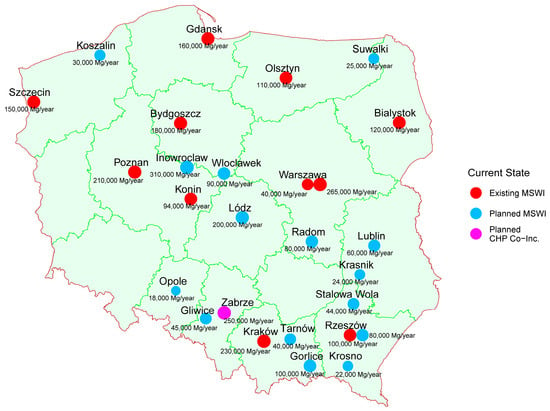
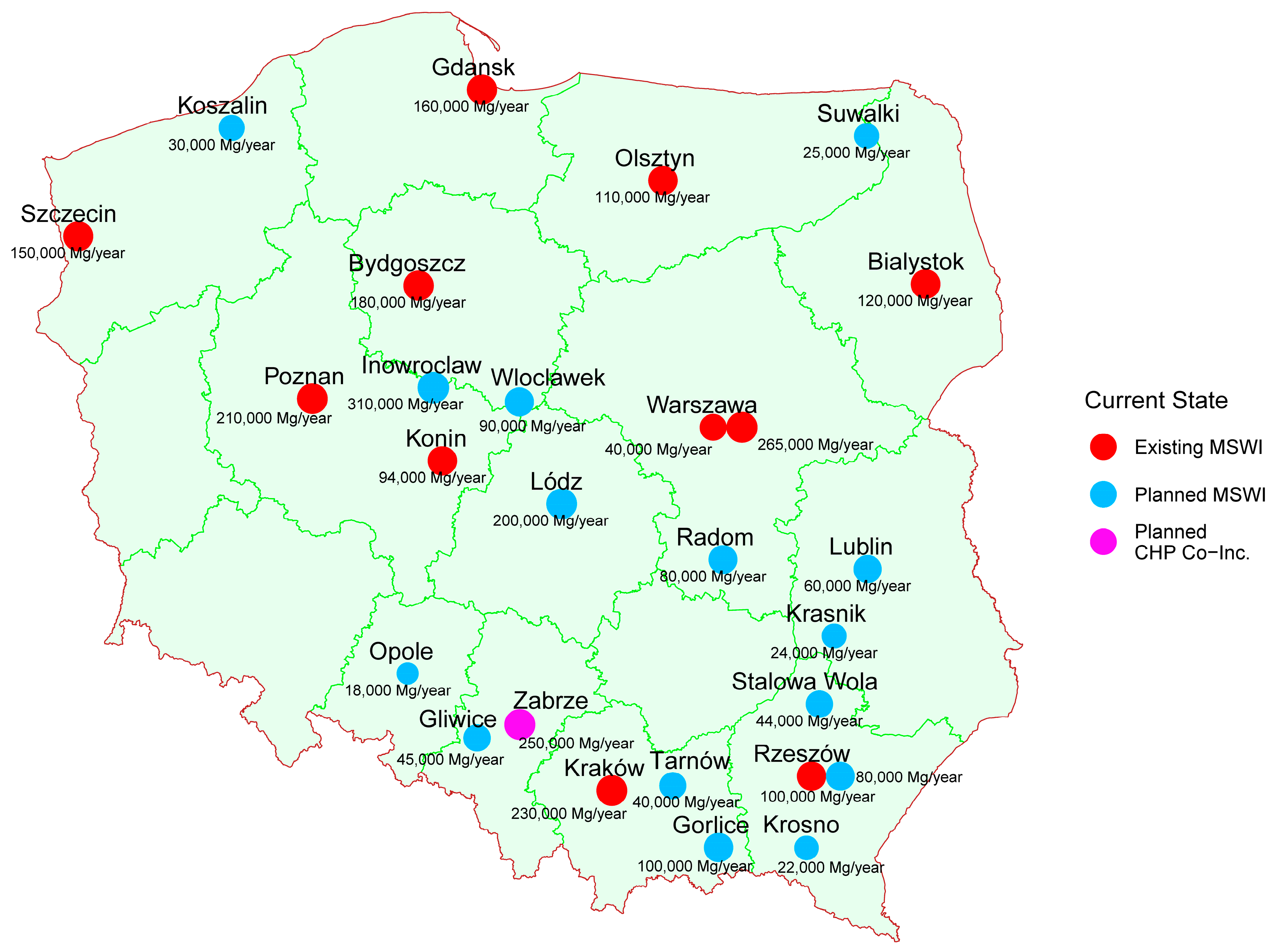
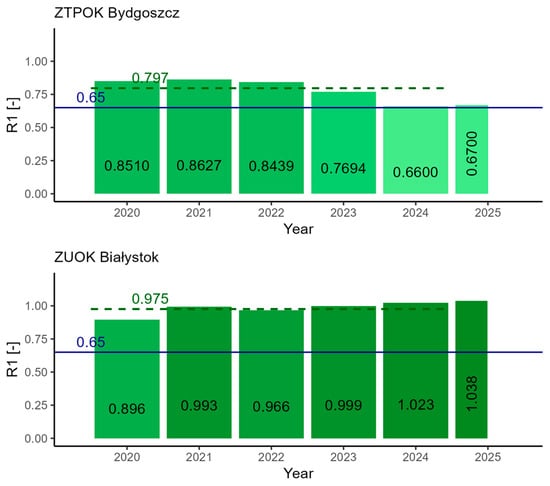
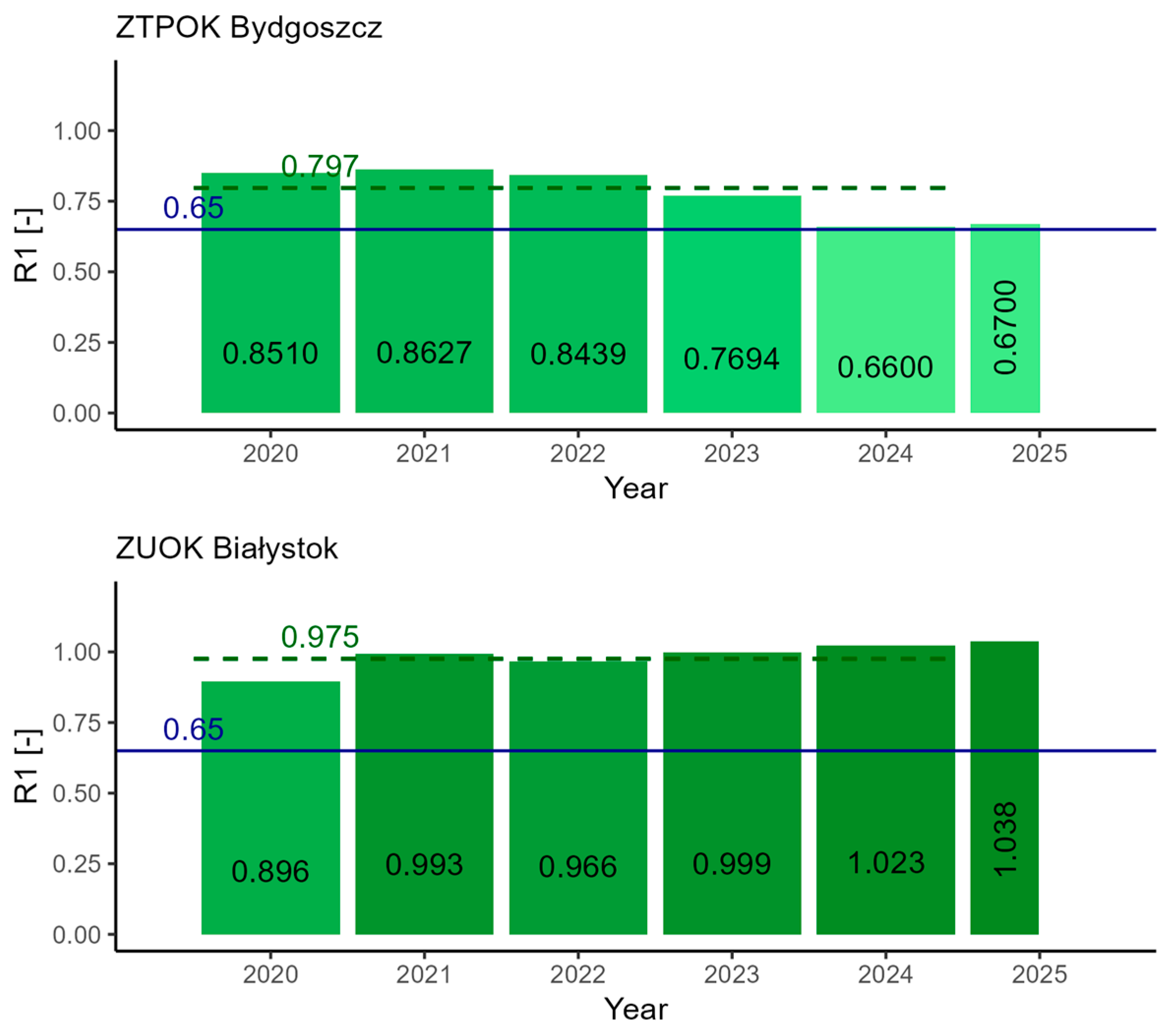
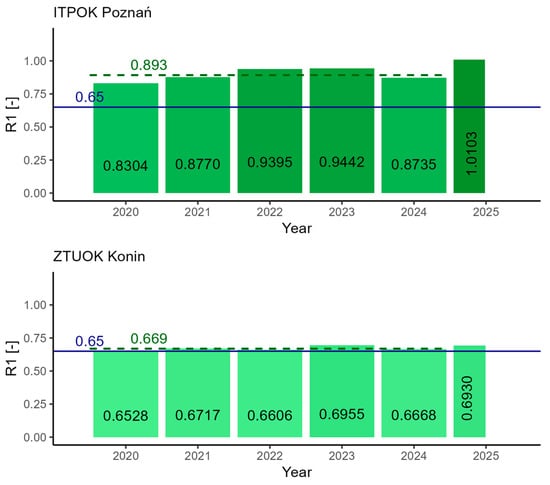
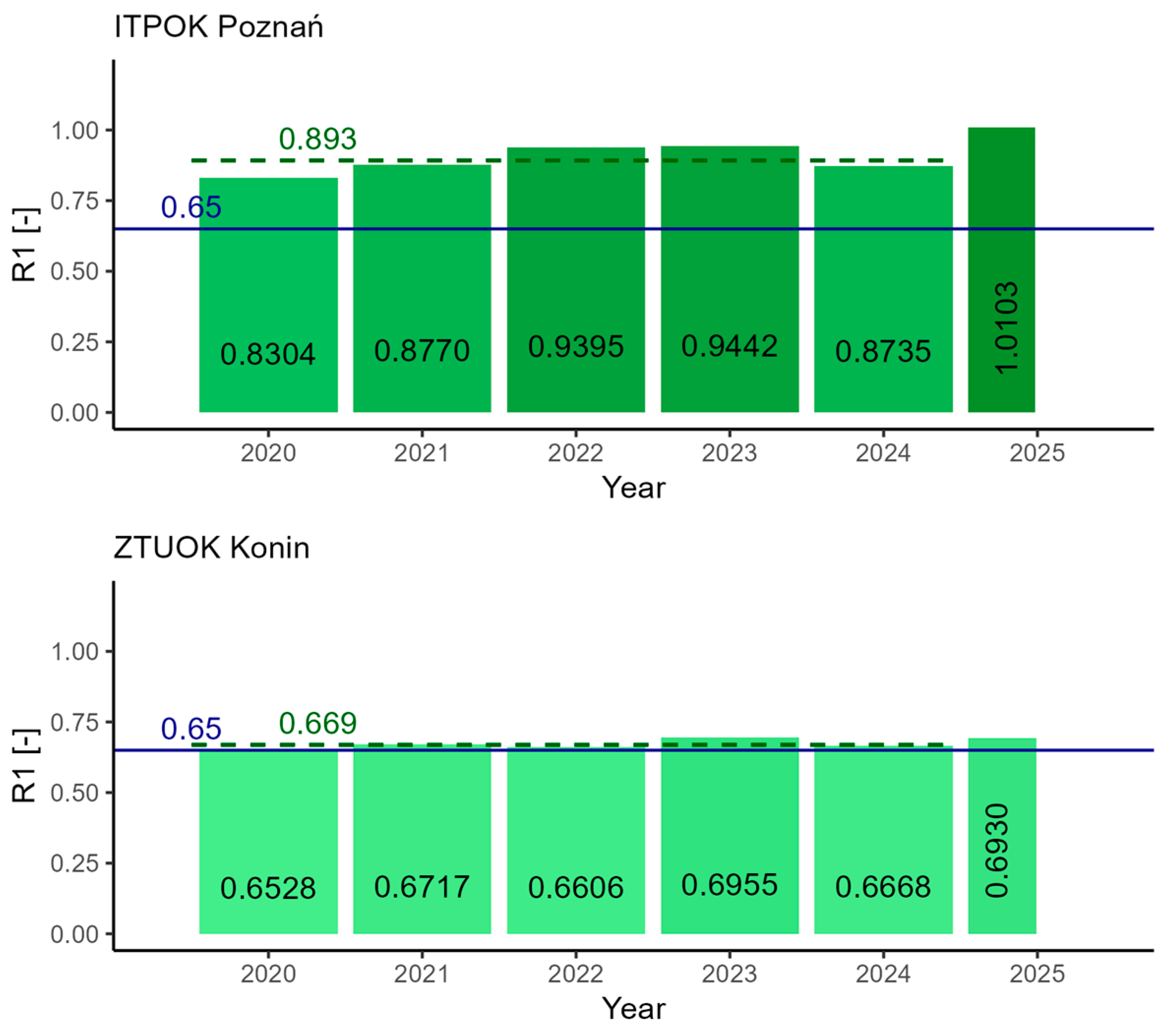
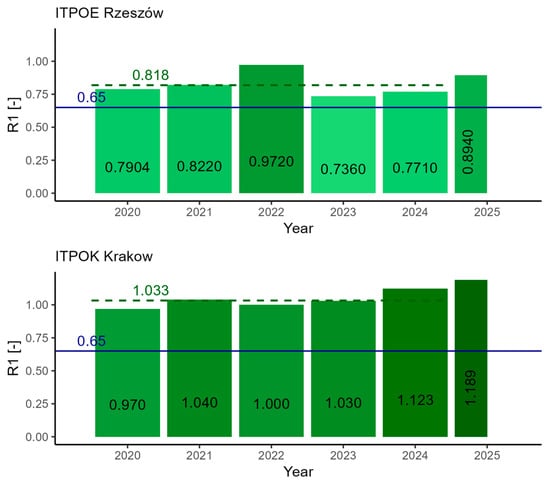
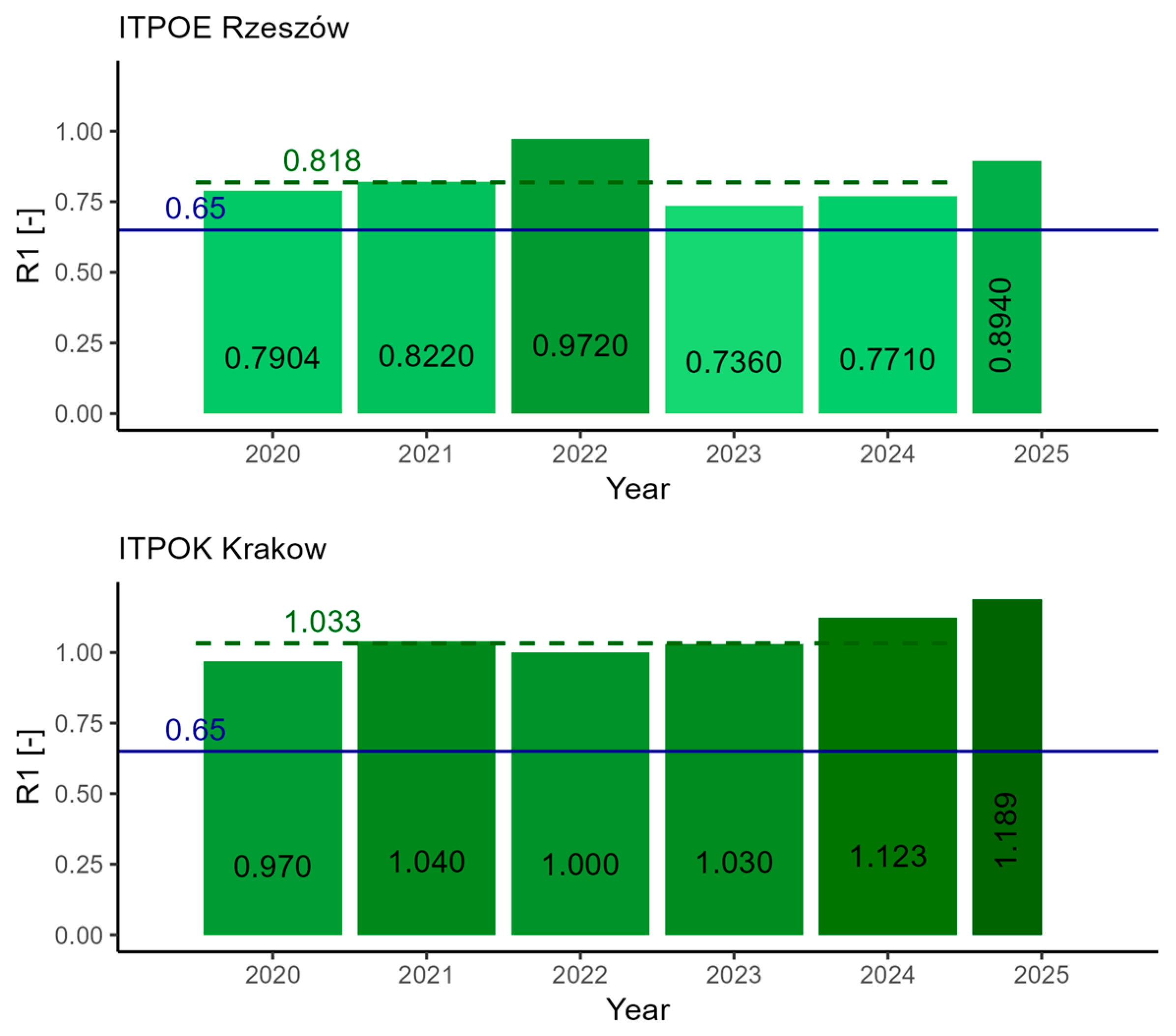
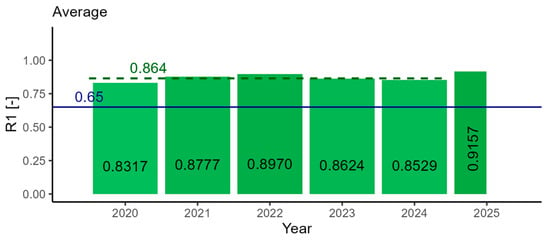
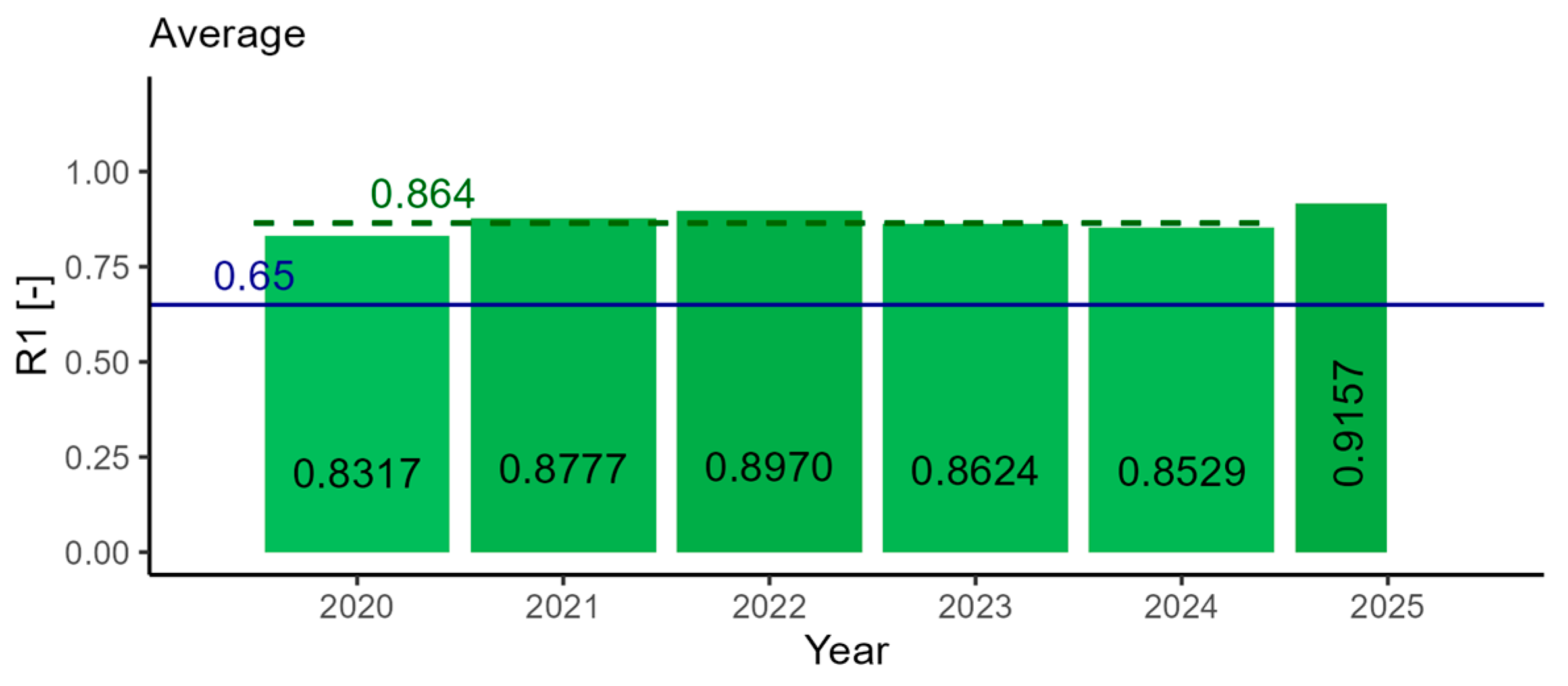
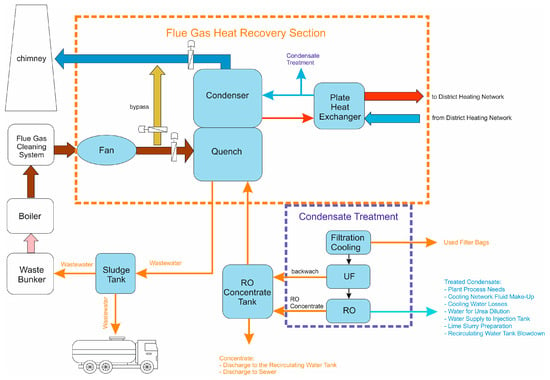
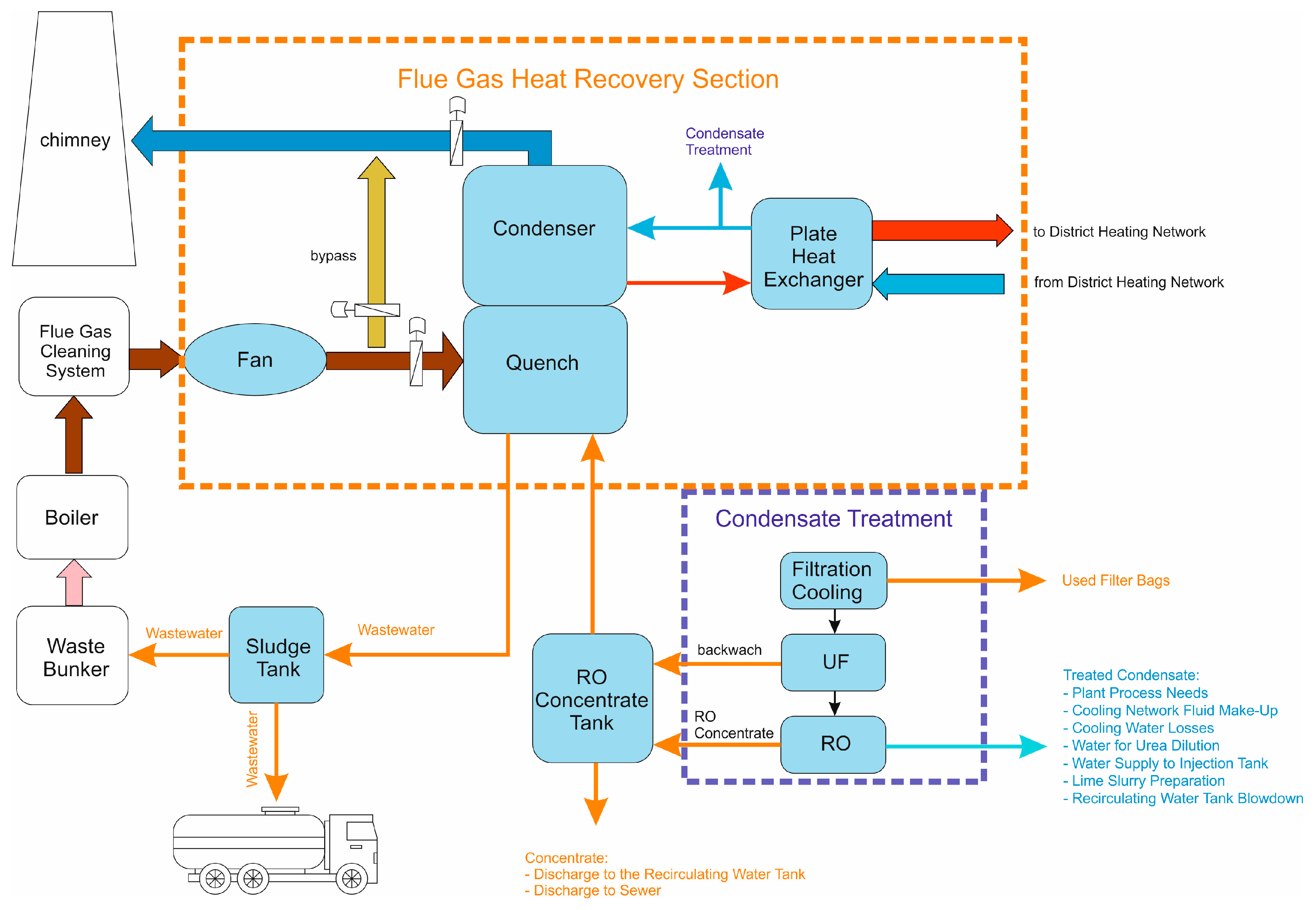
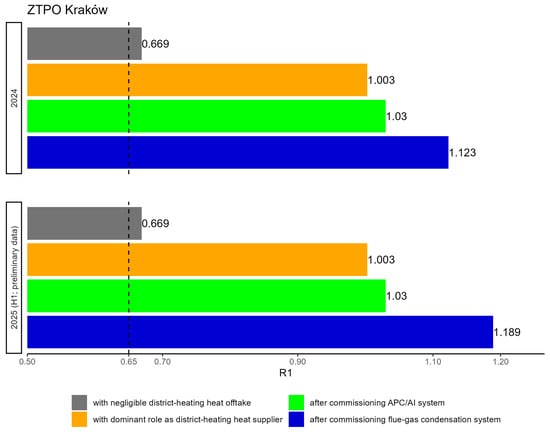
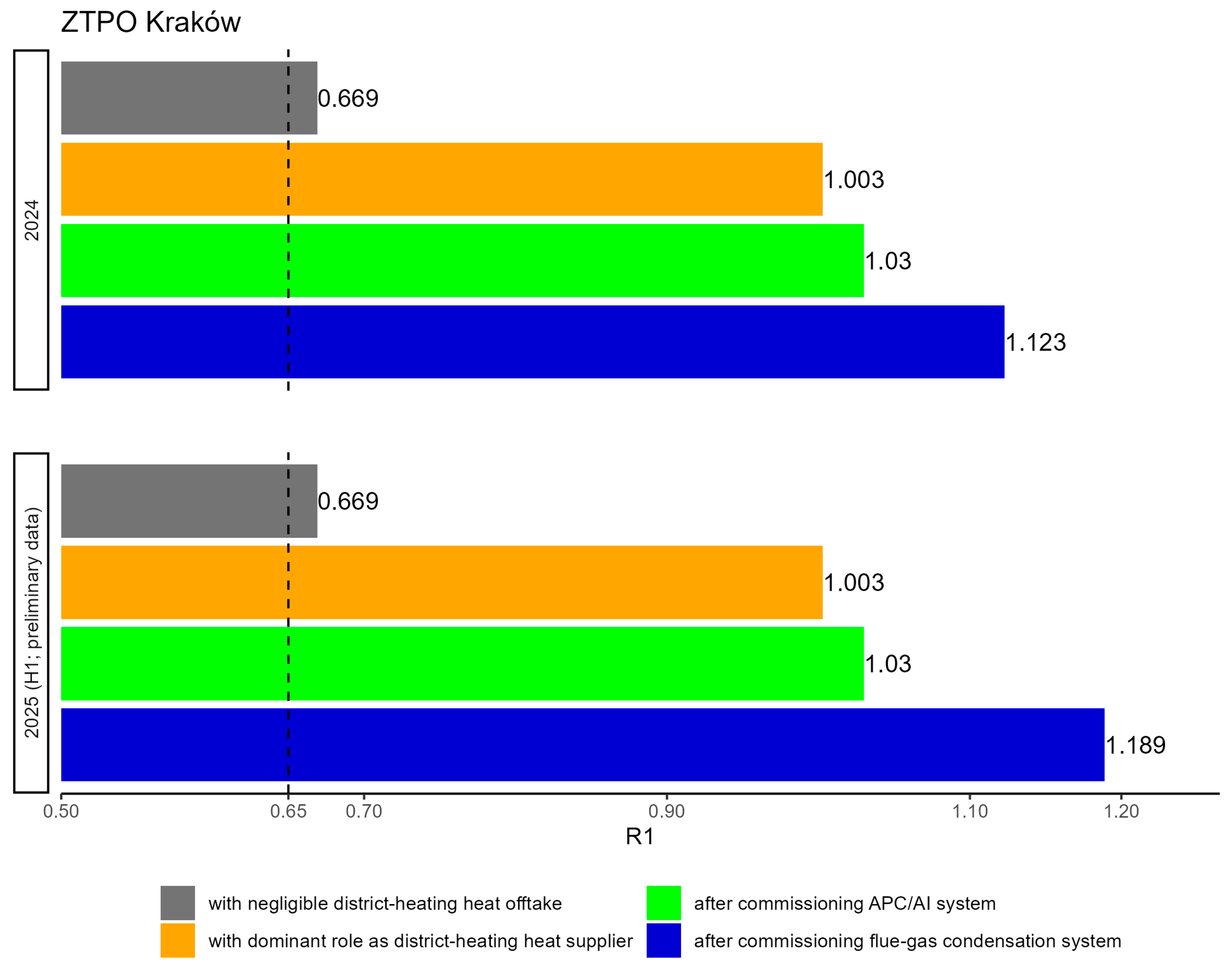
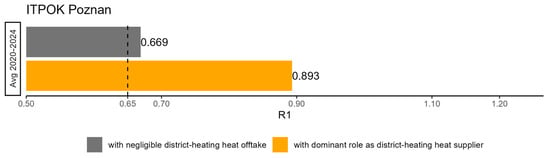
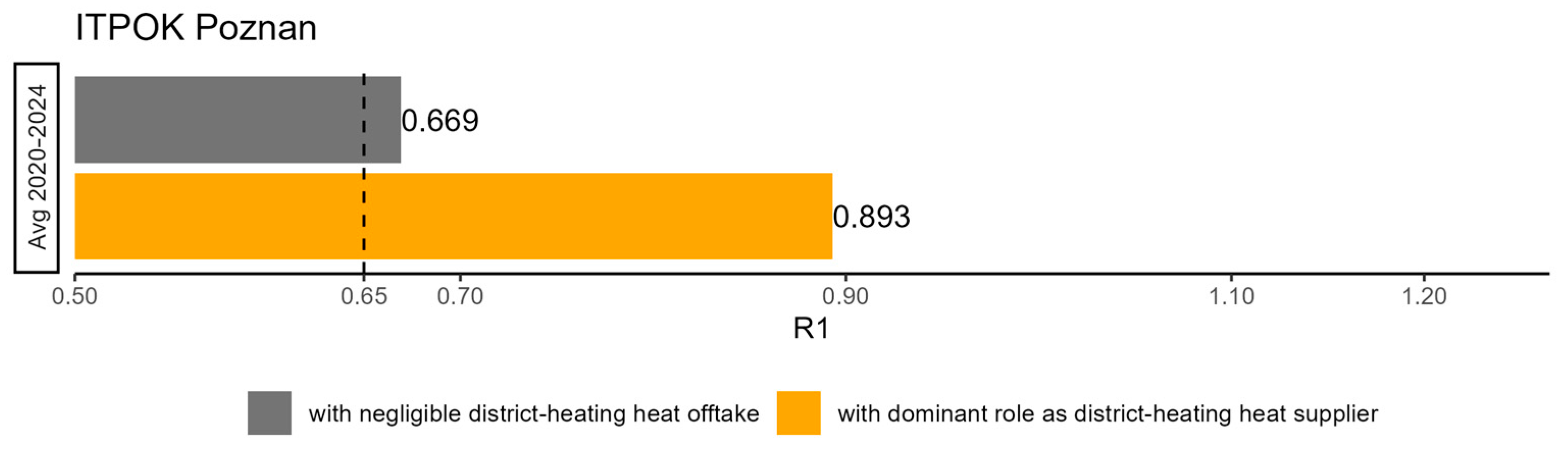
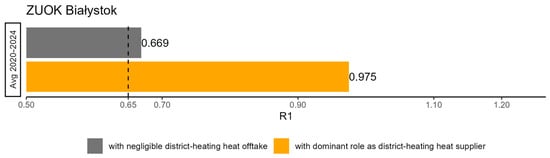
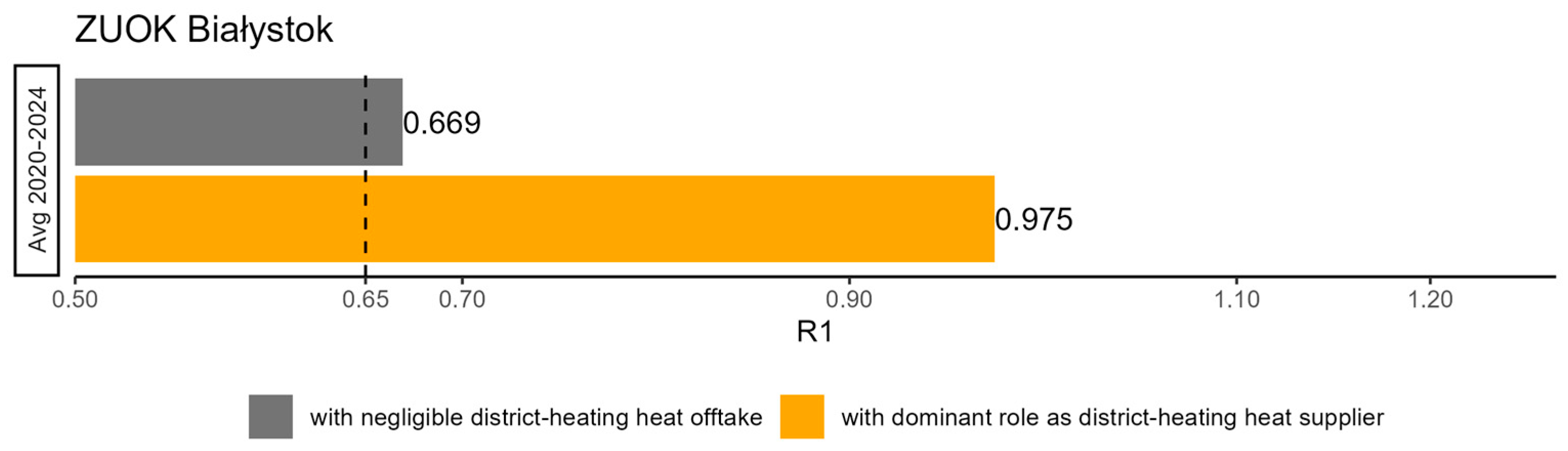

Disclaimer/Publisher’s Note: The statements, opinions and data contained in all publications are solely those of the individual author(s) and contributor(s) and not of MDPI and/or the editor(s). MDPI and/or the editor(s) disclaim responsibility for any injury to people or property resulting from any ideas, methods, instructions or products referred to in the content. |
© 2026 by the authors. Licensee MDPI, Basel, Switzerland. This article is an open access article distributed under the terms and conditions of the Creative Commons Attribution (CC BY) license.