


Abstract
Improving energy efficiency in industrial manufacturing remains challenging despite substantial technical potential. This has resulted in a persistent energy efficiency gap, which is increasingly understood as a socio-technical issue driven by not only technology limitations but also organizational and informational barriers. This study investigates how energy waste is targeted in practice through an in-depth single case study of an automotive company. Fifteen energy efficiency measures (EEMs) were analyzed and classified by type of energy waste addressed, digital technologies applied, and organizational knowledge required. The results show that industrial efforts primarily focus on reducing idling energy losses, while fewer measures address more complex forms of energy waste, such as over-processing losses. Digital technologies are mainly applied and rolled out at lower maturity levels, emphasizing energy monitoring and visualization. Further, different types of organizational knowledge are associated with targeting energy waste: technical knowledge dominates isolated interventions, process knowledge supports standardized technology diffusion, and leadership knowledge is required for cross-functional coordination. The findings highlight that bridging the energy efficiency gap requires the alignment of technological solutions with organizational knowledge and routines. This study contributes empirical insights into how manufacturing companies can structure and prioritize energy efficiency efforts and provides a framework to support the implementation of energy efficiency measures in practice.
1. Introduction
Improving energy efficiency in manufacturing systems is a growing priority across industrial sectors. Manufacturing accounts for a substantial share of the global final energy consumption and faces rising energy costs alongside increasingly strict environmental regulations [1]. Although significant technical potential exists, many companies still struggle to translate this potential into realized energy savings [2,3]. This phenomenon, often referred to as the energy efficiency gap, is the result of not only technological limitations but also organizational, informational, and behavioral barriers [4].
Across manufacturing industries, energy use is typically concentrated in a limited number of energy-intensive processes and supporting systems, such as thermal processes, machine drives, compressed air systems, and technical building services [1]. Energy wastes arise both from inefficiencies in the existing production configuration (non-value-adding energy) and from suboptimal production and product design (value-adding energy but low efficiency) [5]. These energy waste sources are widely associated with idle and standby operation, inefficient scheduling, and suboptimal utilization of production systems at the machine, line, and factory levels [5].
The automotive industry often serves as a representative case due to its high degree of automation, energy-intensive processes, and mature production systems. Here, energy use is particularly concentrated in processes such as foundries, paint shops, HVAC systems, and air compressors [6]. Empirical case studies in automotive manufacturing indicate that non-value-adding energy consumption can account for 20–40% of factory-level energy demand [7,8]. Despite the availability of digital technologies and established energy management practices, few empirical studies describe how manufacturing companies concretely address energy wastes, or how digital tools and organizational knowledge interact to support implementation.
Traditionally, energy efficiency has been pursued through energy audits and standards, which rely on specialized expertise and a step-by-step approach to investigate production processes [9]. More recently, the increasing availability and declining cost of Industry 4.0 technologies have enabled enhanced monitoring, diagnosis, and optimization in manufacturing systems. This development is primarily realized through energy management systems (EMSs) that integrate hardware (e.g., sensors) with software (e.g., databases and dashboards) [5,7,10,11]. Still, adoption remains limited, since many firms face immature digital infrastructures and fragmented knowledge on how to effectively use energy data [12]. Although advanced solutions such as simulation and machine learning are proposed [13], practical studies of their implementation in real-world industrial settings remain scarce.
Thus, eliminating energy waste in industrial manufacturing remains a persistent challenge. Recent studies emphasize the importance of addressing this issue from a systems perspective that integrates digital technologies with organizational knowledge [2,4,7,12]. For example, Máša et al. [2] proposed a systematic approach combining technical expertise, operational data, and optimization capabilities to save energy. Geng and Evans [5] defined energy waste in manufacturing and proposed a management–technology–design framework for its identification and elimination. Andrei et al. [14] introduced a knowledge-based framework for understanding the types of knowledge required to improve energy efficiency. These research efforts are important and complementary for identifying the technical and organizational conditions that enable energy efficiency [4].
However, further research is needed to examine how digital maturity and cross-functional knowledge contribute to improving energy efficiency in practice. This is critical because industrial manufacturing, even within a single factory, is heterogeneous, involving different levels of technological capability and knowledge. As a result, one-size-fits-all solutions are rarely effective. Such approaches may lead to costly implementations that require later adjustments, poorly aligned solutions requiring modification, or the misallocation of personnel to address avoidable problems.
Considering the above, the purpose of this article is to investigate how energy waste is targeted in industrial manufacturing by examining the practical implementation of 15 energy efficiency measures (EEMs) in an automotive manufacturer. To build knowledge, three frameworks are used to categorize the EEMs: (i) type of energy waste targeted, (ii) applied digital technologies, and (iii) required organizational knowledge. This study contributes to an empirical, system-level perspective on how digital maturity and organizational knowledge influence the implementation of EEMs and addresses two research questions (RQs):
- RQ 1: How is energy waste targeted in the manufacturing system of an industrial case?
- RQ 2: What digital technologies and types of organizational knowledge are applied when targeting energy waste?
2. Literature Background
2.1. A Systems View on the Energy-Efficient Manufacturing System
The literature highlights the importance of understanding energy efficiency not solely from a technology advancement view but also from an organizational knowledge view [4,5,15]. This approach requires studying all parts of the manufacturing system, including both technology and organizational practices, to ensure a functional system [4,16]. Thus, not only unrealized technical potential but also constraints in organizations and EMS contribute to the energy efficiency gap. This systems perspective has been used to, for example, define energy waste in manufacturing [5] and industrial strategies for achieving energy efficiency using digital maturity and cross-functional knowledge [7]. Complementary work has examined how behavioral interventions and organizational support can affect implementation and achieve lasting routines [17].
EEMs can be implemented targeting different levels of the manufacturing system [18,19]. A common way to structure a manufacturing system is to divide it into organizational levels consisting of hierarchical levels, including unit, line, and factory [18,19]; the different levels are briefly described in Table 1. At each level, the manufacturing processes consist of interrelated physical processes that have labor, information, raw material, and energy as inputs and finished products, waste, and emissions as outputs [18]. At the unit level, measures typically address individual energy-intensive processes and concern the operation and parameterization of these processes and their supporting equipment. At the line level, measures address interactions between interconnected processes, such as coordination, buffering, and the handling of disturbances. At the factory level, measures relate to shared infrastructure and system-wide services, including technical building services and cross-line standardization.
Table 1.
Description of levels in the manufacturing systems.
In energy management practices with limited resources, systematic energy performance evaluation, including the identification of high-impact energy users, is central to prioritizing improvement measures. For example, practitioners have emphasized implementation steps from energy audit through energy management systems that focus on key areas of energy use [20]. In this context, the international standard ISO 50001:2018 on energy management systems defines Significant Energy Uses (SEUs) as energy uses that account for substantial energy consumption and/or present significant opportunities for improving energy performance [21].
2.2. Energy Waste in Manufacturing Systems
Following lean philosophy, the literature defines energy efficiency as using only the required amount of energy to fulfill customer requirements [5]. Both management- and technology-related types of energy wastes constitute the energy efficiency gap between the current level of energy consumption and the theoretical minimum level. Management-related energy waste or non-value-adding energyoccurs due to inefficiencies in the current production configuration, and improvements mainly concern operations management. Technology-related energy waste or value-adding energy but low efficiencyoccurs through the use of suboptimal production technology and product design, where improvements are design- or investment-driven. Geng et al. [22] classify different types of energy waste, which fall into the two mentioned categories. The different types of energy waste are shown in Figure 1 and explained below.
Figure 1.
Classification of energy waste types in manufacturing contributing to the energy efficiency gap. Non-value-adding energy occurs due to inefficiencies in the current production configuration; value-adding energy but low efficiency occurs due to outdated production technology and product design [7,22].
2.2.1. Value-Adding Energy but Low Efficiency
Value-adding energy but low efficiency primarily occurs due to outdated or suboptimal production equipment and product design. These energy wastes are addressed by updating standards, equipment, and the design of the production system and product. Energy waste due to obsolete equipment is addressed by implementing energy efficiency standards and requirements during the purchasing process of new equipment [7], e.g., opting for the most energy-efficient technology. Waste due to missing energy cascade is addressed by, e.g., re-using process waste heat. An outdated production system design and product design can be addressed by, e.g., adopting new line layouts in production or new materials in the product. This also includes energy consumed due to unnecessary distances in material handling and excess ergonomic or workplace safety standards.
2.2.2. Non-Value-Adding Energy
Non-value-adding energy occurs due to inefficiencies in the current production configuration, and it fluctuates over time. This is due to, e.g., changes in customer demand and the stochasticity inherent to the manufacturing system, causing equipment failure and idling. Non-value-adding energy can be addressed by improving overall equipment effectiveness (OEE), which includes waste due to idling, downtime, and defects [23]. This is usually accomplished by identifying and targeting the bottleneck process [13]. Energy waste due to over-production is dependent on the lead time of the production process, i.e., how fast it can adapt to and deliver customer demand as set by the production planners. Over-processing occurs due to suboptimal parameter settings in machines such as unnecessarily high torque or temperature and can be addressed through systematic tests of different settings. Losses due to a lack of maintenance refer to, for example, compressed air leaks. These can be addressed by, for example, conducting preemptive maintenance or anomaly detection on sensor data. Energy losses due to inefficient operation arise when the operator does not operate a machine in the most energy-efficient manner possible. They can be addressed through training.
2.3. Applying Digital Technologies for Energy Efficiency
Digital technologies can play an important part in achieving energy efficiency by monitoring, diagnosing, and optimizing system performance [2,7,24]. Instrumental to energy efficiency efforts is the development of an EMS, which is used to monitor consumption and analyze deviations and savings potentials [25,26]. User feedback on energy consumption through, e.g., energy dashboards should be combined with physical resources and organizational processes for energy efficiency [17]. More recent studies suggest using simulation- and data-driven approaches for the analysis, prediction, and optimization of energy efficiency [8,27,28,29]. However, significant work remains to be carried out regarding data pipelines that support these techniques [2,12].
Hence, companies are working on expanding their operational and information technology (OT and IT) tools to develop capabilities that support energy waste reduction [7,26]. OT refers to hardware and software systems that directly monitor and control physical production processes, such as sensors, actuators, programmable logic computers (PLCs), and control systems. IT refers to systems used for data storage, processing, visualization, and analysis, such as databases, dashboards, and enterprise-level software, which support decision-making but do not directly control production equipment. In practice, energy efficiency measures often rely on the interaction between OT and IT, where OT enables data acquisition and control, while IT enables the aggregation, visualization, and analysis of energy-related information. Developing these technological capabilities is in line with smart manufacturing or Industry 4.0, for which six stages of digital maturity have been suggested, described using the acatech index [10], and applied in previous energy efficiency studies [7]: computerization (e.g., sensors), connectivity (e.g., production control systems), visibility (e.g., dashboarding), transparency (e.g., root cause analysis), predictability (e.g., simulation modeling), and, lastly, adaptability (e.g., self-adaptive control systems). The identified EEMs are coded based on which type of digital technology they apply.
As digital technologies such as EMSs are commonly proposed in the context of energy audits [20], the present study investigates how digital technologies are actually implemented in practice as part of concrete EEMs and how their effectiveness depends on organizational knowledge and routines. By distinguishing between recommendation, implementation, and use, this study contributes empirical insight into why similar digital solutions may lead to very different outcomes across industrial contexts.
2.4. Applying Organizational Knowledge for Energy Efficiency
To successfully implement EEMs, knowledge is needed about the energy supply infrastructure, the energy consumers, and production process, as well as about the production automation system [2,14]. The type of knowledge differs when, e.g., applying new technology, defining requirements and new routines, and ensuring resources for EEMs [14]. For example, to implement an EMS, various types of knowledge are needed, regarding, for example, the application of the system, its requirements, and its hardware and software components [7,14]. In this study, a framework for organizational knowledge types in energy efficiency is used to describe the organizational knowledge required for eliminating energy waste. The knowledge types of the framework are technical, process, and leadership knowledge. Technical knowledge is based on practical know-how, while process knowledge is theoretical and based on models. For example, the former is used by operators when running a machine or problem-solving an error signal. The knowledge is tacit, i.e., based on previous experience. Process knowledge is instead explicit and based on universal truths about processes. Examples of its use include a production planner using a method for determining batch sizes or a sustainability leader calculating waste based on a formula. Leadership knowledge involves reasoning and includes both technical and process knowledge. It is applied when addressing complex problems that cannot be solved using tacit expertise or formal models alone. Instead, it requires the combination of different knowledge types. For example, cross-functional problem-solving involving people of various roles reflects the application of leadership knowledge. In such situations, the target problem does not have a predefined solution but must be addressed through collaboration and by weighing different factors. In addition, Geng and Evans [5] demonstrated that both technical and behavioral approaches are crucial for synergistically achieving energy efficiency. The characteristics of technical, process, and leadership knowledge will be used to infer the employed organizational knowledge in the identified EEMs, as previously demonstrated in [30]. These characteristics can be compared with previous models used for understanding humans within systems, as demonstrated by Rasmussen [31].
2.5. Identified Research Gap
The literature emphasizes the importance of applying digital technologies and distinct types of knowledge to target energy waste and improve energy efficiency in industrial manufacturing [14]. Studies argue that improving energy efficiency through targeting energy waste is indispensable for achieving carbon neutrality and avoiding vulnerabilities that threaten the competitiveness of manufacturing firms, including high costs and energy shortages [1,5]. However, current research efforts overlook a systemic approach that considers the interplay between stages of digital maturity (e.g., computerization, connectivity, visibility, transparency, predictability, and adaptability) and technical, process, and leadership knowledge in EEMs [4]. Accordingly, this study contributes to extending our current understanding of how energy waste is targeted in industrial manufacturing by examining the practical implementation of EEMs in an automotive manufacturer. It further extends current understanding by categorizing EEMs according to the type of energy waste targeted, the applied digital technologies, and the required organizational knowledge.
3. Materials and Methods
This study applied an exploratory research approach to investigate how energy waste is addressed and understand its implementation patterns in industrial settings [32]. The approach consisted of five steps, as shown in Figure 2 and proposed by Flynn et al. [33] for conducting empirical research: (1) establish a theoretical foundation, (2) select a research design, (3) select a data collection method, (4) implement the method, and (5) analyze the data. A sixth step was added to ensure validity and reliability: (6) evaluate the quality of the research.
Figure 2.
Overview of the applied method.
The theoretical foundation aims to build new theory by identifying gaps in the literature that can be addressed empirically. Empirical data deepened our understanding of EEMs and their relation to the theoretical concepts, specifically digital technologies and types of organizational knowledge. The chosen research design (step 2) involved a single case study, which is appropriate when the case is critical, i.e., when the chosen company is far ahead in managing energy efficiency compared to others [34]. This study built on prior investigations of the company’s overarching energy efficiency strategy, as shown in Schmitt et al. [7], which was extended through the examination of how specific digital technologies and organizational knowledge types have been applied in EEM implementations. Data collection (step 3) consisted of semi-structured interviews, a workshop, and analysis of company documents, as described below. Step 4 involved implementing the chosen method, whose results are presented in the Results section below. Accordingly, a thematic analysis was used to analyze the interview and workshop data, which were combined with quantitative data (e.g., energy savings) to address the research objective. Here, several forms of triangulation were applied, as further described below. Validation, reliability, and company feedback (step 6) were considered to ensure that the method worked as intended [34,35]. Validity was ensured through contextual, internal, external, and theory validation [34,36]. This included structured case descriptions (contextual validity), data triangulation (external validity), and abduction (theory triangulation). Internal validity was strengthened by supporting findings with theory and by explaining theoretical concepts through empirical findings. Reliability was ensured by systematically storing interview and supporting data so they could be revisited if needed.
3.1. Case Design, Sampling, and Selection
This study examines a single case that offers a valuable opportunity for an in-depth exploration of EEMs in manufacturing, as shown in similar related studies [17,37,38], despite its limited generalizability. The selected manufacturing company is a critical case for three reasons [39]. First, the company has a long-term record of applying lean procedures for improving both operational and energy efficiency. Second, the company is committed to the Science-Based Targets initiative, which helps the company define targets to reduce emissions in line with the Paris climate agreement [40]. Relevant targets include a 50% CO2 reduction from operational emissions (Scope 1 & 2) by 2032 compared to those of 2022 [41]. A global energy department within the company is responsible for breaking down the emissions and energy targets to individual units. The company has also established formalized processes and structures in energy management and is ISO 14001-certified (the international standard for environmental management systems) [6]. Third, guidelines and resources exist for applying digital technologies with the purpose of improving production processes regarding, among other things, energy consumption. For example, the global energy department maintains an EMS and continuously tests digital technologies for the purposes of monitoring energy consumption.
To maintain consistency across data collection and analysis [42], we defined an EEM as a formally resourced initiative that aimed to reduce energy waste and resulted in an implemented change. Projects were included if they met all of the following criteria: (i) resources were allocated beyond individual effort, (ii) a specific objective and affected system level (unit, line, or factory) were stated, (iii) a concrete change was implemented (e.g., OT/IT modification, parameter change, standard or routine), and (iv) the initiative was documented in internal sources (e.g., project notes, dashboards, or engineering records). Where available, energy impacts of implementations (e.g., MWh/y) were recorded, but the absence of quantification did not exclude an EEM when the implementation and documentation criteria were satisfied.
3.2. Data Collection
To capture in-depth information, semi-structured interviews were conducted with experts or key personnel at a company [35]. The investigation focused on key departments within the company: the Energy, Media, & Support department, various production departments (axle paint shop, final assembly, battery factory, transmission assembly), and the Smart Factory and Smart Maintenance teams. The data collection process spanned from December 2021 to July 2022 and concluded once all experts from the Energy, Media, & Support team had been interviewed and thematic saturation had been reached. To obtain reliable results, multiple data collection techniques were applied, including interviews, a workshop, and company documents [43].
To contextualize the case company’s electricity use, site-level electricity consumption, which was measured with 203 electricity meters, was analyzed over one year (January 2024–January 2025) at the company’s main manufacturing site. Figure 3 shows the distribution of total annual electricity consumption across meters, illustrating the concentration of demand among a limited set of consumers. Each of the 203 installed electricity meters was connected to a single consumer or a group of consumers; the ten largest meters accounted for around 22% of the total electricity consumption, while the top 20 m accounted for about 36%. The remaining 183 m accounted for 64%. Although the figure is not used to directly associate individual EEMs with specific meters, it provides contextual insight into why EEMs in practice tend to focus on a limited set of energy-intensive processes, identified either through load breakdowns, energy audits, or operational experience [20].
Figure 3.
Distribution of annual electricity consumption across 203 electricity meters at the company’s main manufacturing site (January 2024–January 2025), illustrating the concentration of energy use among the largest consumers. The 20 largest meters accounted for 36% of the total consumption, while the remaining 183 m accounted for 64%.
This study conducted 11 semi-structured interviews with 14 participants (P1–14), selected based on their roles in managing EEMs in factories. Their backgrounds encompassed energy engineering, environmental management, production, maintenance, software development, and management (see Table A1 in Appendix A). The interview protocol was developed based on the theoretical frameworks used in the study, jointly reviewed by the authors, and refined iteratively during initial interviews. The interviews were semi-structured with open-ended questions and were conducted both onsite and online, allowing for follow-up questions. The interview protocol can be found in Appendix B. The interviews focused on two main themes: the company’s strategy for achieving energy efficiency (detailed in another publication [7]) and this study’s research questions concerning the practical implementation of EEMs. Participants were asked about EEMs they were involved in, including the goals and the manner in which they were conducted. They were also questioned about the use of digital technologies to achieve their goals. Based on the responses, the organizational knowledge required for implementation was inferred, for example, through the emergence of new standards or work routines as process knowledge. Interviews were transcribed using the Amazon Transcribe speech-to-text service. In addition, one of the authors participated in a half-day workshop conducted by two energy engineers, aimed at instructing new personnel on energy efficiency standards for a forthcoming factory project.
3.3. Data Analysis
In this study investigator, data, and theory triangulation were used to analyze the data [44]. The authors read the transcripts several times to identify EEMs as defined above (investigator triangulation). The EEMs’ descriptions were used to identify the targeted type of energy waste, the applied digital technologies, and employed organizational knowledge (as described in Section 2). Other recurrently mentioned themes regarding the work with energy efficiency were written down. A step-by-step thematic analysis was then conducted, as described by Braun and Clarke [45], consisting of identifying, reviewing, and defining themes. The authors met frequently to discuss and establish relationships within the data. The EEMs were coded using three frameworks from the literature: type of energy waste targeted [22], Acatech’s digital maturity index [10], and types of organizational knowledge [14]. The EEMs were structured according to the system level that the project was affecting, i.e., the unit, line, or factory level. Theory triangulation involves using different theories to analyze a topic; here, this was performed by studying the relationships of the EEMs with digital technology and organization knowledge. For the type of energy waste and applied digital technology, one unit could be coded as targeting multiple types of energy waste and multiple levels of digital technology could be applied. For the type of organizational knowledge, one unit could be coded as employing one knowledge type. Lastly, using project documentation, estimates from the department manager of the energy team, our own calculations, and energy savings per project (where applicable and available) were added (data triangulation, i.e., different types of data are used).
4. Results
Fifteen EEMs were found and coded as A1–A15, as shown in Table 2. The EEMs were distributed as follows: four at the unit level, four at the line level, and seven at the factory level. Consistent with the concentration of energy use illustrated in Figure 3, most of the EEMs identified at the unit and line levels targeted energy-intensive processes, for example, the power wash and painting booths at the axle paint shop, the installed energy dashboards at the paint shop, and machining lines. At the factory level, EEMs treat general organization-wide roll-outs of energy-efficient technologies and energy management systems.
Table 2.
Overview of the identified energy efficiency measures.
The targeted energy waste types, applied digital technologies, and employed organizational knowledge are presented in Table 3 and described in detail in the following sections.
Table 3.
Overview of the identified energy efficiency measures and their classification by energy waste type, applied digital technologies, organizational knowledge, and reported savings.
Most projects targeted non-value-adding energy; only three of 15 projects targeted value-adding energy but with low efficiency. In total, 10 out of 15 projects targeted waste due to idling (A3–12), 3 projects targeted waste due to obsolete equipment (A13–15), 2 projects targeted over-processing waste (A1–2), and 1 project targeted waste due to a lack of maintenance (A9). The distribution indicates that the primary focus lies in reducing idling-related losses, i.e., energy consumed by machines that run unnecessarily both outside and during production hours. Efforts related to value-adding energy but low efficiency primarily concern the establishment of production technology standards during the purchasing process. In addition, three initiatives address process parameter optimization and maintenance practices, indicating that these waste categories are considered, albeit less frequently. Notably, only four different types of energy waste were identified, as shown in Figure 4.
Figure 4.
The EEMs targeted four energy waste types: waste due to idling, waste due to obsolete equipment, over-processing waste, and waste due to lack of maintenance.
Applied digital technologies were spread across four categories: absence of digital technology, computerization, connectivity, and visibility. Four projects focused on computerization, primarily through the application of energy meters (A7–10). Nine projects addressed connectivity through the utilization of existing production automation and SCADA systems for real-time monitoring and control (A1–5, A10), connection to an existing data lake (A7), or establishment and deployment of new energy management systems (A8–9). Five projects emphasized visibility through the application of different visualization software (A6–10). No projects were identified that addressed higher-level digital capabilities, such as transparency, predictive capacity, and adaptability (18 codes). The organizational knowledge types were distributed as follows: seven projects on technical knowledge (A1–5, A7–8), four projects on process knowledge (A12–15), and four projects on leadership knowledge (A6, A9–11).
While quantified energy savings were available for seven projects (see Table 3), most initiatives lacked precise estimates due to practical constraints. Among the quantified projects, A1 and A2 achieved large savings by improving process parameters in individual machines. Also, A6 stood out due to its enforcement of production line shutdowns after the production shift, with results depending on the consistency of implementation. In contrast, for projects A6–A9, the effect of dashboards could not be clearly separated from operational variability, and in A14 (switching from compressed air tools to electric tools), the impact depended on the number of tools exchanged (which was not systematically tracked). For A14, only engineering estimates existed (e.g., an approximate increase in conversion efficiency from 8% to 80%); thus, the values should be regarded as rough indications of potential savings rather than precise measurements. For one project, A11, savings were calculated by one of the authors using available meter readings and operating parameters (providing a cross-check with internal estimates). This transparency underscores both the challenges of quantifying outcomes in industrial contexts and the practical value of reporting a diverse set of implemented measures.
4.1. Addressing Non-Value-Adding Energy
Most of the identified energy efficiency measures targeted non-value-adding energy, primarily in the form of idling energy waste. The following energy waste types were also observed: over-processing and losses due to lack of maintenance. The measures were implemented across the manufacturing level and were closely linked to operational practices and the availability of energy data.
At the unit level, idling energy waste was addressed by switching machines into standby mode when not needed (A3–4). This included shutting down “the pumps, the motors [and ventilation] of the power wash” while the buffers were filled with parts (A3, P4) and managing the “power supply for charge and discharge” of batteries after failures (A4, P11). The measures relied on modifying existing control logic to turn machines on or off based on production conditions, such as the number of parts accumulated before a process. For the unit-level projects (A1–4), previous experience and tacit understanding of machine behavior were essential, reflecting the dominant use of technical knowledge.
Non-value-adding energy was also targeted at the line level. Here, four projects (A5–8) focused on reducing idling losses. In A5, the hydraulic and pneumatic systems of CNC machines were shut off following critical failures in upstream equipment (A5, P11). Although the original intention was to automate this response through the production automation system, IT security constraints prevented full automation. Instead, employee experience and tacit understanding of process inter-dependencies were used to identify which machines to shut down, again reflecting technical knowledge. Several line-level projects applied digital dashboards to visualize energy consumption and support idling reduction (A6–8). At the axle paint shop (A6), electricity consumption, measured using several meters, was displayed on a wall-mounted screen. At the machining lines (A7), dashboards were extended with additional sensors and connections to the company’s data lake, allowing energy data to be analyzed alongside production output. One participant noted that this was “the only place…where we actually follow up on a single line and production data” (P1). In service workshops (A8–9), LoRa-based energy meters were installed and dashboards were implemented using open source software (Grafana, version 12.3.3). These workshops represented the first practical deployment of the company’s updated energy management system (EMS). Implementing and using these dashboards required detailed understanding of both the production process and the automation system to troubleshoot failures and ensure proper shutdowns, again demonstrating the application of technical knowledge. Only the dashboards at the axle paint shop (A6) were reported to be used routinely, while other dashboards were not yet fully embedded in daily practice. Participants described how the dashboards were used daily to identify abnormal situations and initiate troubleshooting (P2, P3). Thus, digital dashboards and established shop-floor routines were combined, and project A6 was coded as applying leadership knowledge. This project generated savings of up to 2700 MWh per year (see Table 3) and illustrates the potential of combining technical implementations with organizational routines to reduce non-value-adding energy.
At the factory level, non-value-adding energy was addressed in four projects (A9–12) through both upstream design decisions and operational interventions. Two projects involved deploying digital technologies. Project A9 focused on developing a new EMS based on long-range radio communication (LoRa). In the project, existing energy meters were retrofitted and back-end and front-end solutions were built. This enabled energy consumption to be monitored alongside operational data from the company’s data lake and supported ambitions to expand dashboard use across sites (P1). In A10, station-level energy meters were installed in a new battery assembly factory and integrated with the SCADA system. This installation enabled the visualization of energy consumption per production station. The data from the installation supported the verification of supplier requirements in project A11, in which new energy-efficient functions were specified during the purchasing process for machines at the battery assembly factory (including demand-driven exhaust air and brake activation in robots). Although these measures were defined during factory planning, they targeted idling and standby energy during operation. To verify the implementation of these requirements, coordination across roles and system-level reasoning was needed. Hence, the project was coded as applying leadership knowledge. Project A12 focused on establishing routines to switch off roof lighting at final assembly.
4.2. Addressing Value-Adding Energy but with Low Efficiency
A smaller set of EEMs targeted value-adding energy but low efficiency, primarily addressing energy waste caused by obsolete production equipment (A13–15). These measures were almost exclusively implemented at the factory level and focused on replacing or upgrading hardware across production areas. Projects A13–15 concerned updates to equipment or its mode of operation. The updates included the conversion of lamps to LED lighting (A13), replacing compressed air tools with electric tools (A14), and installing frequency inverter-driven technology in fans and pumps (A15). These projects did not apply additional digital technologies. Instead, they relied on standardized rules and guidelines, such as replacing fluorescent lighting with LED or selecting inverter-driven equipment based on predefined criteria. As such, these measures primarily employed process knowledge, as decisions were explicit, rule-based, and independent of local operational reasoning.
4.3. Applying Digital Technologies for Energy Efficiency in the Case Study
When examining the application of digital technologies across EEMs targeting different types of energy waste, three distinct implementation patterns can be identified. First, several EEMs relied on no additional digital technology and instead applied technology standards and routines (A11–15). Second, some EEMs leveraged production support systems to modify process parameters or control logic (A1–5). Third, a set of EEMs applied dedicated energy monitoring and management systems that consisted of sensors, gateways, databases, and dashboards (A6–10). Figure 5 illustrates how the digitalization patterns relate to the identified EEMs.
Figure 5.
Digitalization patterns associated with energy efficiency measures, structured by type of energy waste.
EEMs that did not apply additional digital technology primarily addressed energy waste through upstream decisions and standardized work routines. These measures were mostly associated with reducing value-adding energy but low efficiency (A13–15), as well as reducing non-value-adding energy through energy-efficient machine functions and shut-off routines (A11–12). In these projects, digital support was not required, as energy reductions were achieved through predefined purchasing standards for energy-efficient production technologies and the establishment of formal work routines.
EEMs utilizing the existing production support systems mainly targeted non-value-adding energy, particularly idling and over-processing waste. In these projects, either process parameters (e.g., temperature and humidity settings) or control logic (e.g., shutting down power supply at critical events) was modified using control systems connected to the machines (A1–5). These interventions relied on direct interaction with the production process and enabled energy waste reduction without introducing new digital infrastructure.
The third pattern comprised EEMs that applied dedicated energy monitoring and management systems to target non-value-adding energy through increased visibility of energy use (A6–10). In project A6, an energy dashboard was deployed at the paint shop to display electricity consumption patterns in relatively static visualizations. In project A7, additional sensors were installed at machining lines and connected to the company’s data lake, allowing energy consumption to be visualized alongside production output using interactive software (Power BI). Projects A8 and A9 applied LoRa-based energy meters, with data aggregated in a time-series database and visualized using open source software (Grafana) to identify irregular consumption patterns. In project A10, station-level energy meters were installed at a new battery assembly factory and connected through the SCADA system, enabling real-time visualization using the Ignition platform. Together, these projects illustrate how digital monitoring systems support the identification and reduction of non-value-adding energy by making energy consumption visible and actionable.
Overall, digital technologies were primarily applied to address non-value-adding energy by increasing operational visibility (via IT) and enabling control actions through existing automation systems (via OT), whereas value-adding energy but low efficiency was mainly addressed through standardized, non-digital interventions. The results indicate that information support has been partially developed for assessing and implementing energy efficiency at the company. While several digital technologies enable the monitoring and visualization of energy use, information support remains fragmented across system levels and is not consistently integrated with production data or embedded in operational routines.
4.4. Applying Organizational Knowledge for Energy Efficiency in the Case Study
When examining the organizational knowledge used in EEMs through the lens of energy waste, three distinct implementation patterns emerge (Figure 6). Measures targeting non-value-adding energy were predominantly implemented either as isolated technical interventions or through broader cross-functional coordination and requirement-setting efforts. In contrast, measures addressing value-adding energy but low efficiency relied primarily on standardized, organization-wide routines.
Figure 6.
Organizational knowledge patterns associated with energy efficiency measures, structured by type of energy waste.
Isolated implementations targeting non-value-adding energy were characterized by the use of technical knowledge. These EEMs involved direct interaction with the production process, such as optimizing process parameters, modifying control logic, or troubleshooting deviations in machine behavior (A1–5, A7–8). Implementing these measures required tacit understanding of machines, production scheduling, and automation systems, enabling practitioners to identify when and how energy waste occurred and to intervene accordingly.
A second group of EEMs targeting non-value-adding energy relied on leadership knowledge and involved requirements and coordination across roles and organizational boundaries (A6, A9–11). These projects were broader in scope and included the deployment of energy dashboards combined with shop floor routines to generate savings (A6), the roll-out of a factory-wide EMS (A9), the installation of station-level energy meters in a new battery assembly factory (A10), and the specification and verification of energy-efficient machine functions during purchasing (A11). Implementing these measures requires coordination between engineering, IT, production, and management functions, as well as the allocation of resources for system-level solutions.
In contrast, EEMs addressing value-adding energy but low efficiency primarily used process knowledge and were implemented through standardized work routines (A12–15). These measures focused on the standardized diffusion of more energy-efficient production technology, such as LED lighting, electric tools, and frequency inverter-driven equipment. In the projects, decisions were based on explicit rules and guidelines applied consistently across production areas, rather than on local operational reasoning or real-time digital feedback.
Overall, the findings indicate that reducing non-value-adding energy often requires either localized technical expertise or cross-functional coordination, whereas reducing value-adding energy but low efficiency depends on the establishment of standardized, process-based routines.
4.5. Combining Digital Technologies and Organizational Knowledge for Energy Efficiency and the Case of the Paint Shop
This study introduces a set of concepts to explain how energy waste is targeted in practice. With respect to digital technologies, three concepts were identified: (i) production technology diffusion and work routines, (ii) production control optimization, and (iii) energy metering and management systems. The empirical results show that energy efficiency measures primarily rely on lower levels of digitalization, which can be linked to the companies’ current level of digital maturity. For organizational knowledge, three concepts were identified: (i) cross-functional requirements and coordination, (ii) isolated implementations, and (iii) standardized work routines. These findings indicate that different types of organizational knowledge are required to eliminate different forms of energy waste. Figure 7 shows how digital technologies and organizational knowledge are combined in the case study’s company to target different forms of energy waste.
Figure 7.
Digital technologies and organizational knowledge patterns applied for targeting energy waste at the case study’s company.
The data reveal that value-adding energy but low efficiency is largely determined by early design, technology, and standard-setting decisions that define the improved baseline operation of the production system. Non-value-adding energy, in contrast, is mainly affected by operational management during production and by capabilities defined during factory planning and purchasing, such as energy monitoring requirements and energy-efficient machine functions. Figure 8 illustrates these two distinct sources of energy waste across the production lifecycle and complements Figure 7 by positioning them temporally.
Figure 8.
Implementation logic for targeting different types of energy waste across the production lifecycle at the case study’s company.
This logic is illustrated in the paint shop case. Project A6 at a paint shop illustrates how digital technologies and organizational knowledge can be combined to successfully reduce energy waste. This project was the company’s first application of dashboards to improve energy efficiency (implemented in 2015). The axle paint shop, an energy-intensive production process, introduced a routine to shut off equipment after production hours, supported by a routine that improved the visibility of energy use. A simple dashboard provided by the energy team offered visibility of energy consumption during off-production hours and a list of machines connected to the reporting energy meter. The tool was designed according to lean principles, featuring a simple traffic light visualization indicating how much energy waste occurred overnight. The paint shop manager incorporated this tool into daily team pulses to monitor deviations, using leadership and process knowledge, while technicians applied technical knowledge to address deviations.
Energy engineers maintaining the dashboards noted that they helped eliminate significant amounts of idling waste and prompted the paint shop team to further explore the production process for other types of energy waste, such as optimizing process parameters and better utilizing machines, e.g., by increasing buffer sizes (although their implementation was costlier in time and resources). Motivated, the energy team moved to upgrade its EMS with enhanced data acquisition to enable a roll-out of digital follow-up applications across shop floors. This also allowed the energy team to address other types of energy waste such as waste due to a lack of maintenance. Developing the EMS later involved the following steps: defining system requirements and staffing the project with the right competencies (leadership knowledge), retrofitting the existing sensors with wireless adapters and building data pipelines that allow the merging and analysis of energy and production data (technical knowledge), and establishing routines to use the new insights (process knowledge).
5. Discussion
5.1. Addressing Energy Waste in Manufacturing Systems
To understand how energy waste is addressed in practice, the implementation of EEMs was examined in a critical case. Despite identifying 15 EEMs, only four types of energy were targeted (see Figure 4), which supports the well-documented energy efficiency gap between optimal and actual implementations of EEMs [2,14]. The company targets energy waste in a way that prioritizes obvious inefficiencies, mainly idling losses and the replacement of inefficient equipment, partly because significant savings can still be achieved by simply turning off unused equipment (see, e.g., the savings associated with A6 in Table 3). Targeting these types of energy waste is largely driven by lower implementation efforts and minimal risk to productivity; however, it requires defining technology requirements early in the factory planning phase and establishing new (digitally aided) routines that encourage saving behaviors among personnel during production operations; see Figure 8. Two projects (A1–2) applied more complex process changes through machine parameter optimization. Such implementations require greater collaboration between energy teams and production departments (e.g., with the paint shop in projects A1–3 and A6, and with the battery assembly factory in projects A10–11) and typically involve utilizing production automation systems and specialized technical knowledge [14]. In addition, more ambitious production process interventions were undertaken, such as project A5. It initially aimed to automate machine shutdowns across an entire line following critical failures but was limited to manual switch-offs due to IT security constraints.
Understanding how industry targets energy waste in practice is important for identifying blind spots in efforts to close the energy efficiency gap. This case study highlights the industry’s limited initial focus on easily observable forms of energy waste, such as idling losses. The empirical results further show how the purposeful combination of digital technologies with work routines can lead to a progressive expansion toward addressing more forms of energy waste [17]. This is illustrated by the paint shop projects (A1–3 and A6), where an initial focus of switching off equipment outside of production hours led to identifying, diagnosing, and eliminating a broader set of energy waste types during production hours (such as further idling losses and over-processing waste). As the company continues to expand its energy monitoring capabilities by upgrading its existing EMS and installing station-level energy meters in new factories, the prerequisites for further energy transparency are met. This illustrates that even simple digital tools can play an important role in motivating broader energy efficiency efforts. Here, the understanding of the broad range of energy wastes is crucial for avoiding narrow technology use and supporting as many EEMs as possible.
5.2. Barriers to Bridging the Gap
The energy efficiency gap is the result of organizational, information, behavioral, and technological limitations [4]. Solutions for bridging it and addressing the limitations have been suggested: (i) conducting energy audits and standards that require specialized expertise and an investigative production process [9,38], (ii) expanding operation and information technology tools for energy assessments [7,26], and (iii) applying data-driven approaches to the analysis, prediction, and optimization of energy use [8,13,27,28,29]. However, these may also be seen as barriers since many companies have immature digital infrastructures and fragmented knowledge on energy data use [12]. Similarly, the empirical results revealed certain barriers. First, integration challenges emerged: in A6, the energy dashboard was isolated from production data, limiting its diagnostic value; in A7–A8, additional sensors had to be retrofitted, and data pipelines, manually established. Second, organizational routines lagged behind technology. Dashboards in A8–A9 were installed but only partially integrated into daily practice. Third, IT security restrictions prevented the automation of system shutdowns (A5), constraining savings to manual switch-offs. These examples highlight that even relatively simple measures face barriers related to data availability, security, and organizational uptake. Recognizing such limitations is crucial for scaling energy efficiency efforts across factories.
5.3. Applying Digital Technologies and Types of Organizational Knowledge for Energy Efficiency
Bridging the energy efficiency gap requires understanding how industry eliminates energy waste from a systems perspective that accounts for both digital maturity and organizational conditions. From this perspective, the manufacturing system is viewed as a socio-technical system in which technical processes are supported by an OT-IT technology stack and embedded in organizational routines. To achieve energy efficiency holistically and avoid local or suboptimal solutions, these technical and organizational elements must be understood and aligned [5,26,46,47].
The identified patterns reinforce prior work emphasizing that energy efficiency improvements depend on not only digital technologies but also the alignment of organizational knowledge, routines, and system-level coordination [2,4,14,17]. This is exemplified by the combined use of energy dashboards and structured shut-down routines in the paint shop, one of the company’s most energy-intensive processes (Section 4.5).
The findings highlight that leveraging both the existing production automation system and new OT-IT tools is crucial for eliminating energy waste in production processes. For individual energy-intensive processes, the company changed machine settings through production automation systems after extensive testing. For production lines and factories, the company focused on dashboard solutions by retrofitting its old energy metering infrastructure with a new, near real-time, LoRa-based EMS to follow-up on consumption trends and identify idling losses. Part of this development is the roll-out of SCADA-level energy meters at new factories, to allow energy monitoring per production station (similar frameworks have been demonstrated in the literature [25,26]). These efforts align with the literature underscoring the need for a robust data infrastructure before undertaking more advanced analyses [2,12,19]. Such energy data will allow for a more precise and extended analysis to be conducted on the location, amount, and cause of energy waste through connections between operational and energy efficiency. Thus, the company progresses towards improving the energy visibility of production processes, which is a major component in identifying, diagnosing, and optimizing energy waste via simulation and data modeling [8,26,27].
The findings extend our current understanding of energy efficiency by describing the types of organizational knowledge employed when targeting energy waste. Most projects used technical knowledge, reflecting practical tacit expertise in operating machines and control systems to shut them off when idle. This is in line with the findings of Andrei et al. [14], who state that technical knowledge is the most dominant form of knowledge applied in EEMs. Then, to develop simple, easy-to-use, and easy-to-understand methods for EEMs, process knowledge was needed. Leadership and process knowledge were mostly found in factory-level projects. This is expected, since process knowledge focuses on explicit knowledge and the use of models. This is in line with the use of methods or routines to guide personnel towards saving energy in a simple manner across production facilities [31]. In addition, leadership knowledge guides the broader development of an EMS, requiring both tacit and explicit knowledge. This includes balancing hardware, software, and user needs, as well as integrating digital solutions with daily routines. The development of an EMS includes pragmatic and action-based decisions based on practical value [14].
The results also suggest that different types of knowledge are needed to address different types of energy waste. Establishing standard ways of working supported the reduction of value-adding energy but low efficiency, for example, by setting new purchasing standards. This is expected, as the company has been working with the diffusion of efficient production technology for decades and thus has operational procedures in place. It is important to mention that this applied process knowledge is acquired over many years of testing and iteration until it can be rolled out as an organization-wide way of working; thus, technical knowledge can be translated into process knowledge. Further, both technical and process knowledge were important when moving closer to production operations to reduce non-value-adding energy. For example, this is demonstrated by the established shut-down routines of idling machines at the paint shop, where specialized technical knowledge was required regarding the control system. In this case, the personnel additionally relied on data generated through SCADA and the EMS to continuously identify and prioritize energy waste. This is expected, as isolated solutions demand more precise technical understanding. Still, with further adoption of digital technologies for energy management, the company will accrue more knowledge, which can be translated into generalizable procedures. Over time, such knowledge can be formalized into systematic ways of working that support repeatable and scalable energy efficiency improvements, rather than isolated interventions [2,17].
5.4. Validity, Limitations, and Future Research
This study follows a critical case, an automotive company that has gone far with their energy efficiency strategy. To ensure the validity of this study, contextual, internal, external, and theory validation was performed. In addition, different types of triangulation were used to ensure that the analysis was performed without bias. Having a systematic approach helps ensure that the research was performed as intended [34,35].
This study is based on a single case, which limits the external validity of the findings and calls for validation in other industrial contexts. The selected interviewees represented both technical and managerial roles. Engineers emphasized the technical aspects of projects more, whereas managers reported more on the strategic approach and the inclusion of people and education for energy management. To reduce potential bias in the analysis, the authors considered project scope and competence requirements before coding the data. The 15 analyzed projects offer a good representation, since they were matched with the company’s ongoing energy roadmap, defined to comply with the Science-Based Targets initiative. However, they do not encompass all energy-related improvements implemented at the company. For example, operational efficiency measures, such as preventive maintenance to reduce downtime, also affect energy performance but were not systematically included. Future research could compare energy savings achieved through dedicated EEMs with those arising from operational improvements, to support prioritization of interventions.
This study focuses on identifying and characterizing how EEMs are implemented in practice rather than on quantifying the total (un)realized energy efficiency potential or the full extent of the energy efficiency gap at the company. While numerical estimates of energy savings were reported where reliable data were available, comprehensive data were not consistently accessible across projects. In industrial settings, such estimates often require extensive modeling, long-term measurement, or assumptions about counterfactual operating states, which were beyond the scope of this exploratory case study. Future research could therefore complement the present findings by combining numerical estimates of energy efficiency potential with implementation patterns. Such work can be extended using advanced digital support, such as simulation or digital models, to help practitioners decide which initiatives to prioritize.
6. Conclusions
This study investigated how energy waste is targeted in industrial manufacturing by analyzing the implementation of 15 EEMs in practice. A systems perspective was applied to examine these implementation efforts at an automotive company. The study provides empirical insights into how different types of energy waste are addressed and how digital technologies and organizational knowledge together shape energy efficiency outcomes.
The findings show that industrial practice primarily targets idling losses, while more complex forms of energy waste such as over-processing are addressed less frequently. These patterns reflect a pragmatic focus on measures with low implementation effort and limited risk to productivity. At the same time, the results indicate that the scope of targeted energy waste can expand progressively as digital technologies and work routines mature. This enables organizations to move from addressing obvious inefficiencies toward diagnosing and eliminating more complex energy waste.
A key contribution of this study lies in clarifying the role of organizational knowledge in energy efficiency implementation. The findings indicate that different types of energy waste are associated with distinct knowledge requirements. Technical knowledge dominates isolated interventions close to production operations, process knowledge supports the standardized diffusion of energy-efficient technologies and routines, and leadership knowledge is required for cross-functional coordination and setting requirements. These findings reinforce the view that bridging the energy efficiency gap is not solely a technological challenge but a socio-technical one as well, which requires alignment between digital capabilities, organizational knowledge, and routines.
This study further shows that digital technologies are predominantly applied at lower maturity levels, focusing on energy monitoring, visualization, and basic automation. While these applications already enable significant energy savings, they also reveal current limitations. The continuous energy monitoring of production processes is still being rolled out across the organization. Where visualization tools are in place, good alignment with organizational routines is required to ensure that insights lead to action. Moreover, advanced capabilities such as systematic diagnosis, predictive capacity, and adaptive control remain largely unrealized due to constraints related to data infrastructure and system integration. Thus, digitalization alone is insufficient, and its effectiveness depends on how well digital tools are embedded in operational and managerial practices.
By synthesizing the findings across energy waste types, digital technologies, and organizational knowledge, this study shows how energy performance is shaped across the production lifecycle. Energy embedded in value-creating activities but operating at low efficiency is largely determined by upstream design choices, technology selection, and standard-setting decisions that define the normal operating state of the system. In contrast, energy that does not contribute to value creation is primarily influenced by operational management practices and capabilities established during factory planning and installation. This distinction offers practical guidance for structuring and prioritizing energy efficiency efforts in industrial manufacturing.
Although this study was limited by its focus on a single critical case that constrains generalizability, it provides an empirical basis for understanding implementation patterns in a mature manufacturing context. Its findings can support practitioners in mapping and categorizing EEMs and identifying barriers that hinder their implementation. The selected case shows that even relatively simple digital support tools, when combined with organizational routines and cross-functional knowledge, can trigger broader and more sustainable improvements in energy efficiency.
Author Contributions
Conceptualization, T.S., S.M. and E.F.-G.; methodology, T.S., S.M., E.F.-G., L.H., K.A. and M.U.M.; software, T.S.; validation, T.S., S.M. and E.F.-G.; formal analysis, T.S., S.M. and E.F.-G.; investigation, T.S., S.M., E.F.-G. and L.H.; data curation, T.S.; writing—original draft preparation, T.S. and S.M.; writing—review and editing, T.S., S.M. and E.F.-G.; visualization, T.S.; supervision, L.H., K.A. and M.U.M.; funding acquisition, L.H. All authors have read and agreed to the published version of the manuscript.
Funding
The authors would like to acknowledge the support of the Swedish Innovation Agency (VINNOVA) for funding this project (project number 2021-01289). This study is part of the Explainable and Learning Production and Logistics by Artificial Intelligence (EXPLAIN) project led by Uppsala University.
Institutional Review Board Statement
According to the Swedish Ethical Review Act (2003:460), ethical approval is required only for research involving sensitive personal data, physical or psychological intervention, or identifiable biological material. The present study did not involve such conditions; therefore, ethical approval was not required under national legislation.
Informed Consent Statement
Informed consent was obtained from all subjects involved in the study. Participation was voluntary, and responses were anonymized.
Data Availability Statement
The interview data supporting the findings of this study are not publicly available due to confidentiality agreements and privacy restrictions, and therefore cannot be shared.
Acknowledgments
The authors are grateful to all interviewees who participated in the study, giving special thanks to Roland Dahlström and all employees of the Energy, Media & Supply department for their invaluable contributions. This research was conducted as part of an industrial PhD project between Scania CV AB and Uppsala University.
Conflicts of Interest
Thomas Schmitt is employed by the case study’s company, and this work was conducted as part of his role at Scania CV AB. Lars Hanson was employed by the case study’s company during the execution of this study. Both report a professional relationship with Scania CV AB, including employment and financial support. The other authors declare no competing financial interests or personal relationships that could have appeared to influence the work reported in this paper. The funders had no role in the design of the study; in the collection, analyses, or interpretation of data; in the writing of the manuscript; or in the decision to publish the results.
Abbreviations
The following abbreviations are used in this manuscript:
| CNC | Computer Numerical Control |
| EMS | Energy Management System |
| EEM | Energy Efficiency Measure |
| HVAC | Heating, Ventilation, and Air Conditioning |
| KPI | Key Performance Indicator |
| ISO | International Organization for Standardization |
| IT | Information technology |
| LED | Light-Emitting Diode |
| LoRa | Long Range (low-power wide-area network) |
| MWh/y | Megawatt-hours per year |
| OEE | Overall Equipment Effectiveness |
| OT | Operational Technology |
| PLC | Programmable Logic Computers |
| SCADA | Supervisory Control and Data Acquisition |
| SEU | Significant Energy User |
| SBTi | Science-Based Targets initiative |
Appendix A. Interviewees
The profiles of the interview participants are shown in Table A1.
Table A1.
Profile of participants.
Appendix B. Interview Appendix
Interview protocol: Applying energy efficiency measures via digital technologies and organizational knowledge
General questions
- Topic: Background and current position
- What is your current position and how long have you held it?
- What did you do before your current position?
- What does your current working day look like?
- Topic: Energy waste
- Can you define waste to us?
- How important is reducing waste at Scania?
- What key performance indicators (KPIs) are most important for Scania?
- Why is reducing waste important?
- What kind of KPIs are you (your department) concerned with?
- What kind of waste do you see in your work?
Specific questions
- Topic: How do you start projects?
- How do you know there is waste that needs to be measured?
- How do you start a project in general?
- How do you know what to do (e.g., checklist, experience, work procedure, meetings)?
- Topic: What do you measure in regard to energy waste?
- What KPIs are you concerned with in regard to waste?
- What type of waste would you like to measure that is not measured today?
- Is there a type of waste that you think will become relevant in the near future?
- How much waste is affected by external factors?
- What are the parameters beyond the process that can affect the consumption?
- Topic: How do you measure energy waste?
- How do you measure waste?
- How did you learn to do this?
- How long did it take for you to learn?
- What is good and not so good with the current way of measuring waste?
- Does it happen that you do something, but this does not measure waste well?
- Topic: How do you act if there is energy waste?
- What happens if there is waste?
- Are you concerned with measures to reduce waste?
- If so, how do you reduce waste today? How do you prepare/plan for reducing waste in the future?
- How do you report waste?
- How often do you report?
- What happens after you report waste?
- If you have been to a meeting where waste is discussed, tell us about your experience.
- What is the goal of the department for reducing waste?
- How does the department discuss waste reduction?
- What happens if the department does not achieve its goal for reducing waste?
- How does the department measure waste?
- Topic: Data communication and visualization
- What tools do you use for data visualization and building reports?
- How do you visualize the data on KPIs?
- How do you report the data on KPIs? To whom?
- How are the thresholds set? How are they updated over time?
- Topic: Energy dashboards and users
- Do you have users of the data visualization? Who are they?
- Do you work with personas? If so, describe the personas to us.
- Tell us about a typical user of the data visualization.
- Describe two different users of the data visualization to us.
- In what cases do you visualize to the user?
- Why do you visualize it to the user?
- What challenges do you have when visualizing and/or reporting these KPIs?
- Topic: Tell us about a project you were involved in
- Can you tell us about an energy efficiency project from its start to finish?
- Topic: Digital technologies
- What digital technologies could be used for reducing energy in production?
- How could they be used?
- Where do you think they have the largest potential for energy savings?
- How do you think artificial intelligence or data analysis can be applied to energy savings?
- Are there projects applying artificial intelligence to energy savings today?
- Do you have good examples from other industries in regard to measuring and reporting waste?
- Is there something that we have not asked that you think is relevant, that you would like to add?
References
- Patterson, M.; Singh, P.; Cho, H. The current state of the industrial energy assessment and its impacts on the manufacturing industry. Energy Rep. 2022, 8, 7297–7311. [Google Scholar] [CrossRef] [Scilit]
- Máša, V.; Stehlík, P.; Touš, M.; Vondra, M. Key pillars of successful energy saving projects in small and medium industrial enterprises. Energy 2018, 158, 293–304. [Google Scholar] [CrossRef] [Scilit]
- Trianni, A.; Cagno, E.; Bertolotti, M.; Thollander, P.; Andersson, E. Energy management: A practice-based assessment model. Appl. Energy 2019, 235, 1614–1636. [Google Scholar] [CrossRef] [Scilit]
- Thollander, P.; Andrei, M.; Jalo, N.; Rohdin, P.; Palm, J.; Sannö, A.; Colding, J.; Barthel, S.; Uddin, G.S.; Xavier, B.M. Advances in the social construction of energy management and energy efficiency in industry. Nat. Commun. 2025, 16, 4075. [Google Scholar] [CrossRef] [Scilit] [PubMed]
- Geng, D.; Evans, S. A literature review of energy waste in the manufacturing industry. Comput. Ind. Eng. 2022, 173, 108713. [Google Scholar] [CrossRef] [Scilit]
- Giampieri, A.; Ling-Chin, J.; Ma, Z.; Smallbone, A.; Roskilly, A.P. A review of the current automotive manufacturing practice from an energy perspective. Appl. Energy 2020, 261, 114074. [Google Scholar] [CrossRef] [Scilit]
- Schmitt, T.; Mattsson, S.; Flores-García, E.; Hanson, L. Achieving energy efficiency in industrial manufacturing. Renew. Sustain. Energy Rev. 2025, 216, 115619. [Google Scholar] [CrossRef] [Scilit]
- Schmitt, T.; Olives Juan, S.; Amouzgar, K.; Hanson, L.; Urenda Moris, M. Optimizing energy efficiency and productivity in industrial manufacturing: A simulation-based optimization approach with knowledge discovery. J. Manuf. Syst. 2025, 82, 748–765. [Google Scholar] [CrossRef] [Scilit]
- Bunse, K.; Vodicka, M.; Schönsleben, P.; Brülhart, M.; Ernst, F.O. Integrating energy efficiency performance in production management—Gap analysis between industrial needs and scientific literature. J. Clean. Prod. 2011, 19, 667–679. [Google Scholar] [CrossRef] [Scilit]
- Schuh, G.; Anderl, R.; Dumitrescu, R.; Krüger, A.; ten Hompel, M. (Eds.) Industrie 4.0 Maturity Index: Managing the Digital Transformation of Companies—Update 2020; Acatech—National Academy of Science and Engineering: Munich, Germany, 2020. [Google Scholar]
- Introna, V.; Santolamazza, A.; Cesarotti, V. Integrating Industry 4.0 and 5.0 Innovations for Enhanced Energy Management Systems. Energies 2024, 17, 1222. [Google Scholar] [CrossRef] [Scilit]
- Teng, S.Y.; Touš, M.; Leong, W.D.; How, B.S.; Lam, H.L.; Máša, V. Recent advances on industrial data-driven energy savings: Digital twins and infrastructures. Renew. Sustain. Energy Rev. 2021, 135, 110208. [Google Scholar] [CrossRef] [Scilit]
- Mawson, V.J.; Hughes, B.R. The development of modelling tools to improve energy efficiency in manufacturing processes and systems. J. Manuf. Syst. 2019, 51, 95–105. [Google Scholar] [CrossRef] [Scilit]
- Andrei, M.; Thollander, P.; Sannö, A. Knowledge demands for energy management in manufacturing industry—A systematic literature review. Renew. Sustain. Energy Rev. 2022, 159, 112168. [Google Scholar] [CrossRef] [Scilit]
- Dunlop, T. Mind the gap: A social sciences review of energy efficiency. Energy Res. Soc. Sci. 2019, 56, 101216. [Google Scholar] [CrossRef] [Scilit]
- Bauer, J.M.; Herder, P.M. Designing Socio-Technical Systems. In Philosophy of Technology and Engineering Sciences; Meijers, A., Ed.; Handbook of the Philosophy of Science; North-Holland: Amsterdam, The Netherlands, 2009; pp. 601–630. [Google Scholar] [CrossRef] [Scilit]
- Pinel, H.; Bonanomi, A.; Lozza, E. Can organizational nudges promote energy efficiency in the workplace? Evidence from an Italian manufacturing plant. Energy Res. Soc. Sci. 2025, 129, 104380. [Google Scholar] [CrossRef] [Scilit]
- Duflou, J.R.; Sutherland, J.W.; Dornfeld, D.; Herrmann, C.; Jeswiet, J.; Kara, S.; Hauschild, M.; Kellens, K. Towards energy and resource efficient manufacturing: A processes and systems approach. CIRP Ann. 2012, 61, 587–609. [Google Scholar] [CrossRef] [Scilit]
- Diaz, C.J.L.; Ocampo-Martinez, C. Energy efficiency in discrete-manufacturing systems: Insights, trends, and control strategies. J. Manuf. Syst. 2019, 52, 131–145. [Google Scholar] [CrossRef] [Scilit]
- Barckhausen, A.; Becker, J.; Malodobry, P.; Harfst, N.; Nissen, U. Energy Management Systems in Practice—From Energy Auditing to an ISO 50001 Management System: Guide for Companies and Organizations; German Environment Agency (UBA) Federal Ministry for the Environment, Nature Conservation and Nuclear Saferty: Bonn, Germany, 2020. [Google Scholar]
- ISO 50001:2018; Energy Management Systems—Requirements with Guidance for Use. International Organization for Standardization: Geneva, Switzerland, 2018.
- Geng, D.; Evans, S.; Kishita, Y. The identification and classification of energy waste for efficient energy supervision in manufacturing factories. Renew. Sustain. Energy Rev. 2023, 182, 113409. [Google Scholar] [CrossRef] [Scilit]
- May, G.; Stahl, B.; Taisch, M.; Prabhu, V. Multi-objective genetic algorithm for energy-efficient job shop scheduling. Int. J. Prod. Res. 2015, 53, 7071–7089. [Google Scholar] [CrossRef] [Scilit]
- Tesch da Silva, F.S.; da Costa, C.A.; Paredes Crovato, C.D.; da Rosa Righi, R. Looking at energy through the lens of Industry 4.0: A systematic literature review of concerns and challenges. Comput. Ind. Eng. 2020, 143, 106426. [Google Scholar] [CrossRef] [Scilit]
- Shrouf, F.; Miragliotta, G. Energy management based on Internet of Things: Practices and framework for adoption in production management. J. Clean. Prod. 2015, 100, 235–246. [Google Scholar] [CrossRef] [Scilit]
- Cagno, E.; Accordini, D.; Thollander, P.; Andrei, M.; Hasan, A.S.M.M.; Pessina, S.; Trianni, A. Energy management and industry 4.0: Analysis of the enabling effects of digitalization on the implementation of energy management practices. Appl. Energy 2025, 390, 125877. [Google Scholar] [CrossRef] [Scilit]
- Thiede, S.; Turetskyy, A.; Loellhoeffel, T.; Kwade, A.; Kara, S.; Herrmann, C. Machine learning approach for systematic analysis of energy efficiency potentials in manufacturing processes: A case of battery production. CIRP Ann. 2020, 69, 21–24. [Google Scholar] [CrossRef] [Scilit]
- Mawson, V.J.; Hughes, B.R. Deep learning techniques for energy forecasting and condition monitoring in the manufacturing sector. Energy Build. 2020, 217, 109966. [Google Scholar] [CrossRef] [Scilit]
- Narciso, D.A.C.; Martins, F.G. Application of machine learning tools for energy efficiency in industry: A review. Energy Rep. 2020, 6, 1181–1199. [Google Scholar] [CrossRef] [Scilit]
- Mattsson, S.; Hattinger, M. Designing digital support for operator and maintenance personnel cognition and future skills in manufacturing industry. In Proceedings of the INTED2022, 16th International Technology, Education and Development Conference, Valencia, Spain, 7–8 March 2022; pp. 9665–9673. [Google Scholar] [CrossRef] [Scilit]
- Rasmussen, J. Skills, rules, and knowledge; signals, signs, and symbols, and other distinctions in human performance models. IEEE Trans. Syst. Man Cybern. 1983, SMC-13, 257–266. [Google Scholar] [CrossRef] [Scilit]
- Zohrabi, M. Mixed Method Research: Instruments, Validity, Reliability and Reporting Findings. Theory Pract. Lang. Stud. 2013, 3, 254–262. [Google Scholar] [CrossRef] [Scilit]
- Flynn, B.B.; Sakakibara, S.; Schroeder, R.G.; Bates, K.A.; Flynn, E.J. Empirical research methods in operations management. J. Oper. Manag. 1990, 9, 250–284. [Google Scholar] [CrossRef] [Scilit]
- Yin, R.K. Case Study Research: Design and Methods, 5th ed.; SAGE Publications: Thousand Oaks, CA, USA, 2014. [Google Scholar]
- Williamson, K. (Ed.) Research Methods for Students, Academics and Professionals: Information Management and Systems, 2nd ed.; Centre for Information Studies, Charles Sturt University: Wagga Wagga, NSW, Australia, 2002. [Google Scholar]
- Ihantola, E.M.; Kihn, L.A. Threats to validity and reliability in mixed methods accounting research. Qual. Res. Account. Manag. 2011, 8, 39–58. [Google Scholar] [CrossRef] [Scilit]
- Aflaki, S.; Kleindorfer, P.R.; de Miera Polvorinos, V.S. Finding and Implementing Energy Efficiency Projects in Industrial Facilities. Prod. Oper. Manag. 2013, 22, 503–517. [Google Scholar] [CrossRef] [Scilit]
- Svensson, A.; Paramonova, S. An analytical model for identifying and addressing energy efficiency improvement opportunities in industrial production systems—Model development and testing experiences from Sweden. J. Clean. Prod. 2017, 142, 2407–2422. [Google Scholar] [CrossRef] [Scilit]
- Flyvbjerg, B. Five misunderstandings about case-study research. Qual. Inq. 2006, 12, 219–245. [Google Scholar] [CrossRef] [Scilit]
- Science Based Targets Initiative. Foundations of Science-Based Target Setting. 2019. Available online: https://sciencebasedtargets.org/resources/files/foundations-of-SBT-setting.pdf (accessed on 10 February 2026).
- Scania Group. Scania’s Decarbonisation Targets. 2026. Available online: https://www.scania.com/group/en/home/sustainable-transport/initiatives-and-commitments/scania-s-decarbonisation-targets.html (accessed on 18 January 2026).
- Benbasat, I.; Goldstein, D.K.; Mead, M. The Case Research Strategy in Studies of Information Systems. MIS Q. 1987, 11, 369–386. [Google Scholar] [CrossRef] [Scilit]
- Karlsson, C. (Ed.) Research Methods for Operations Management, 2nd ed.; Routledge: New York, NY, USA, 2016. [Google Scholar] [CrossRef] [Scilit]
- Denzin, N.K. The Research Act: A Theoretical Introduction to Sociological Methods; Aldine: Chicago, IL, USA, 1970. [Google Scholar]
- Braun, V.; Clarke, V. Using thematic analysis in psychology. Qual. Res. Psychol. 2006, 3, 77–101. [Google Scholar] [CrossRef] [Scilit]
- Checkland, P. Systems Thinking, Systems Practice; Wiley: Chichester, UK, 1993. [Google Scholar]
- Senge, P.M. The Fifth Discipline: The Art & Practice of the Learning Organization; Currency Doubleday: New York, NY, USA, 1990. [Google Scholar]
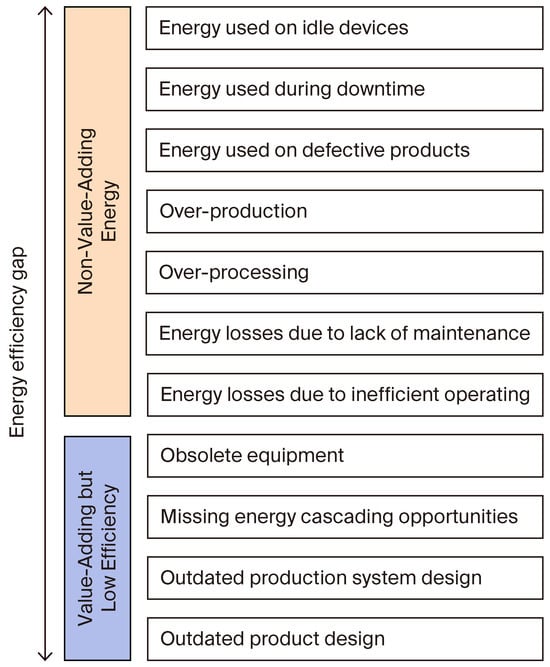
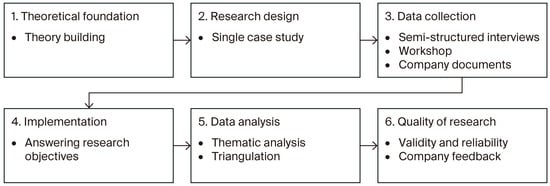
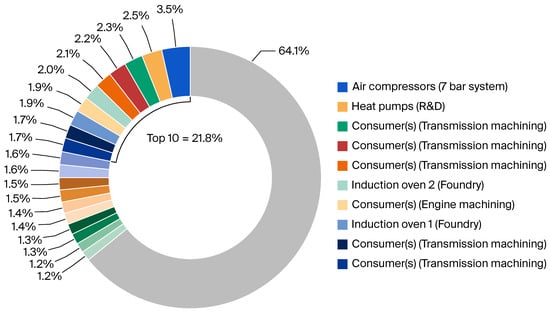
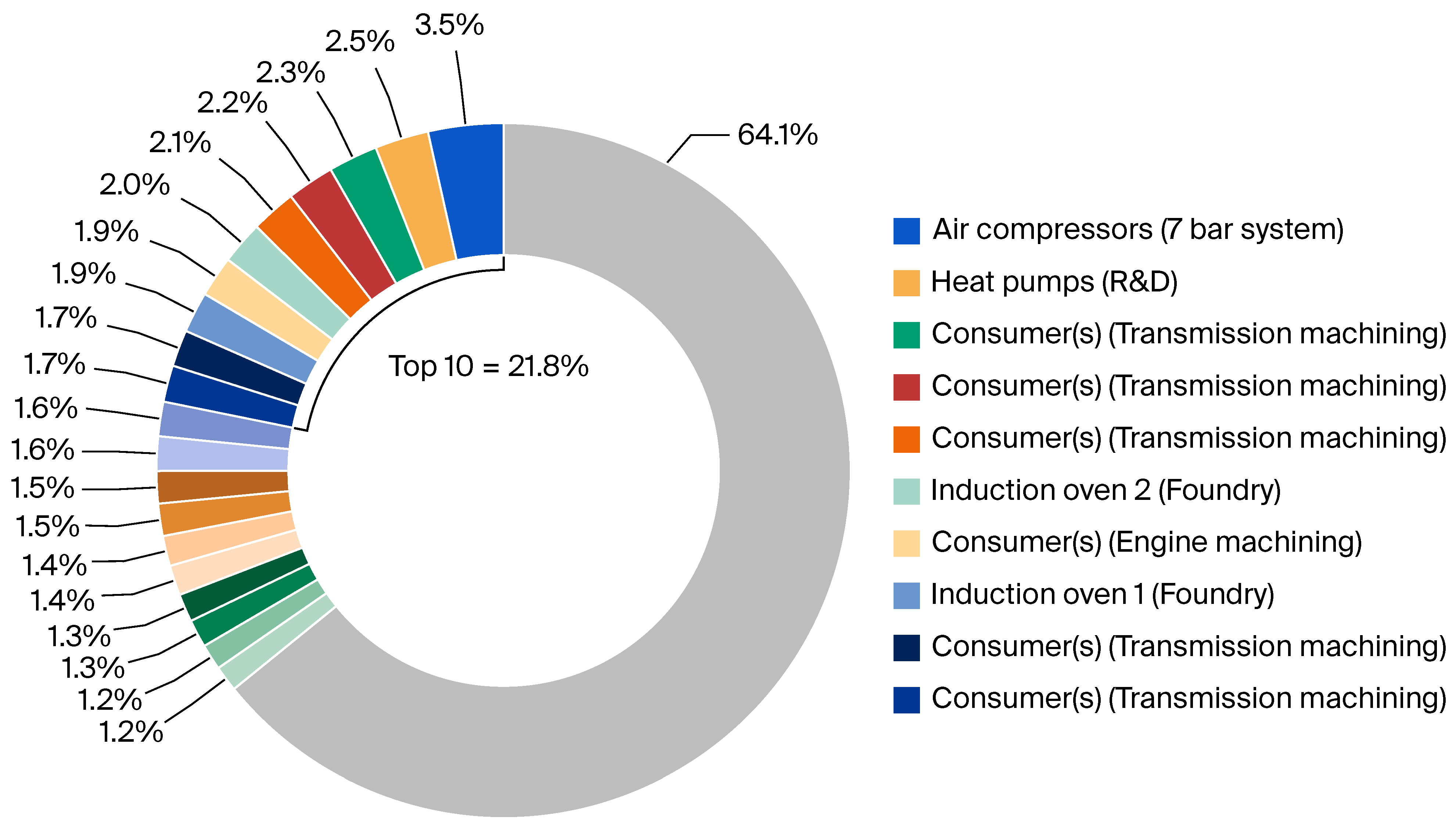
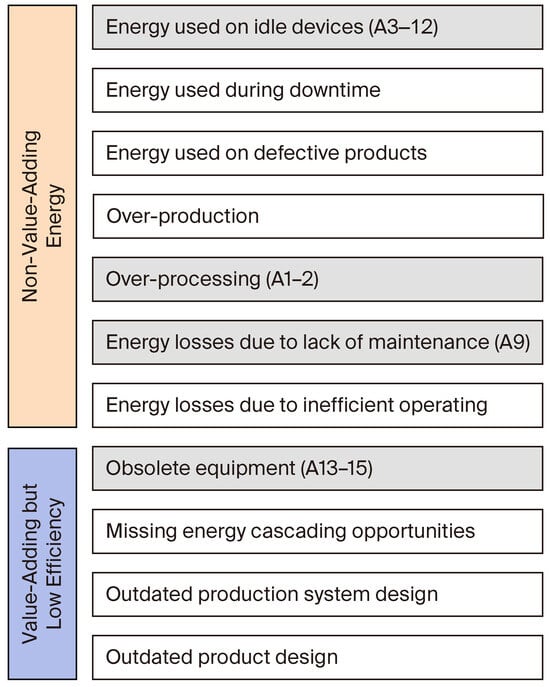
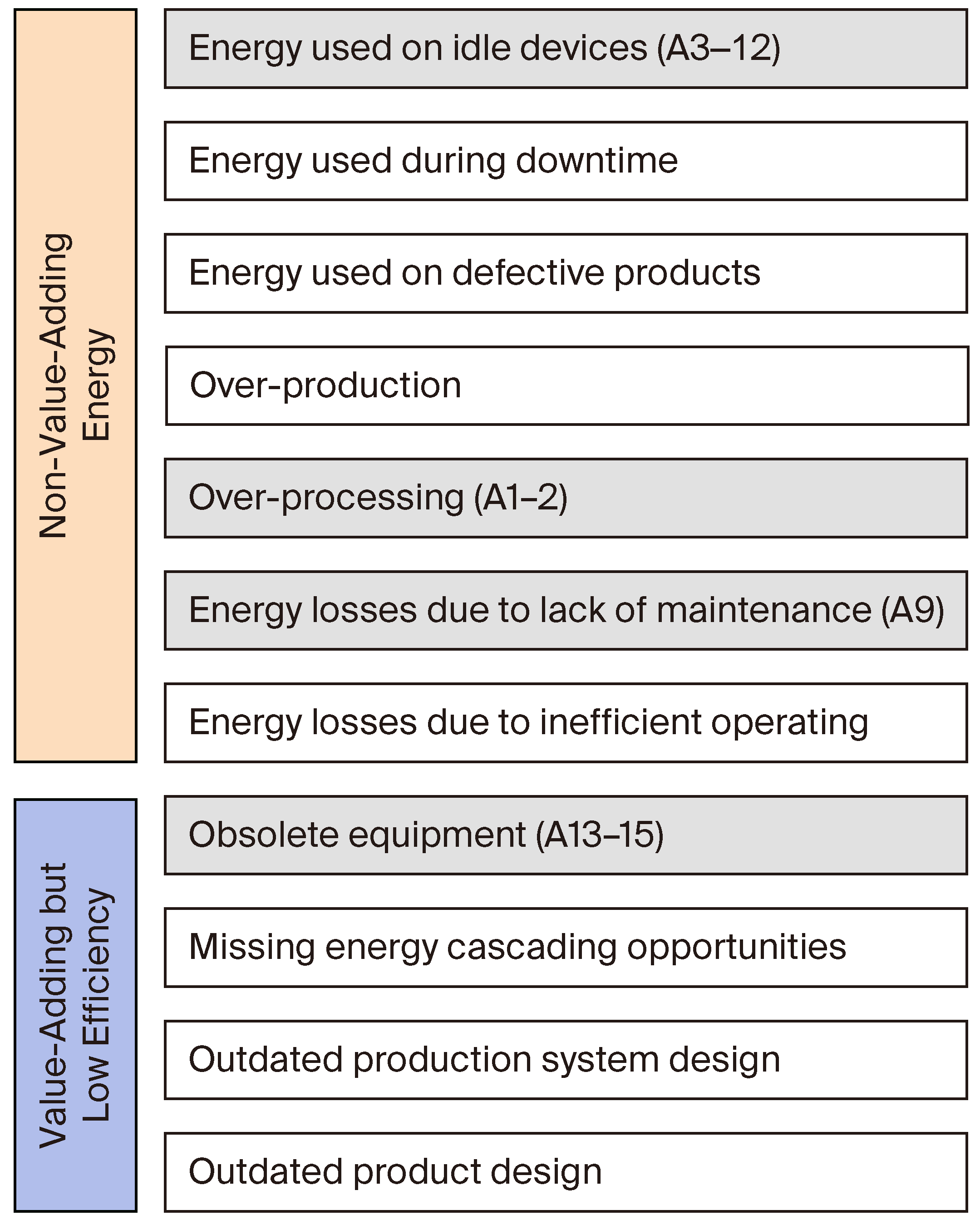
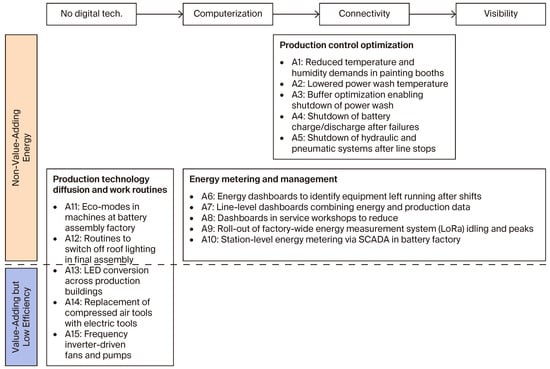
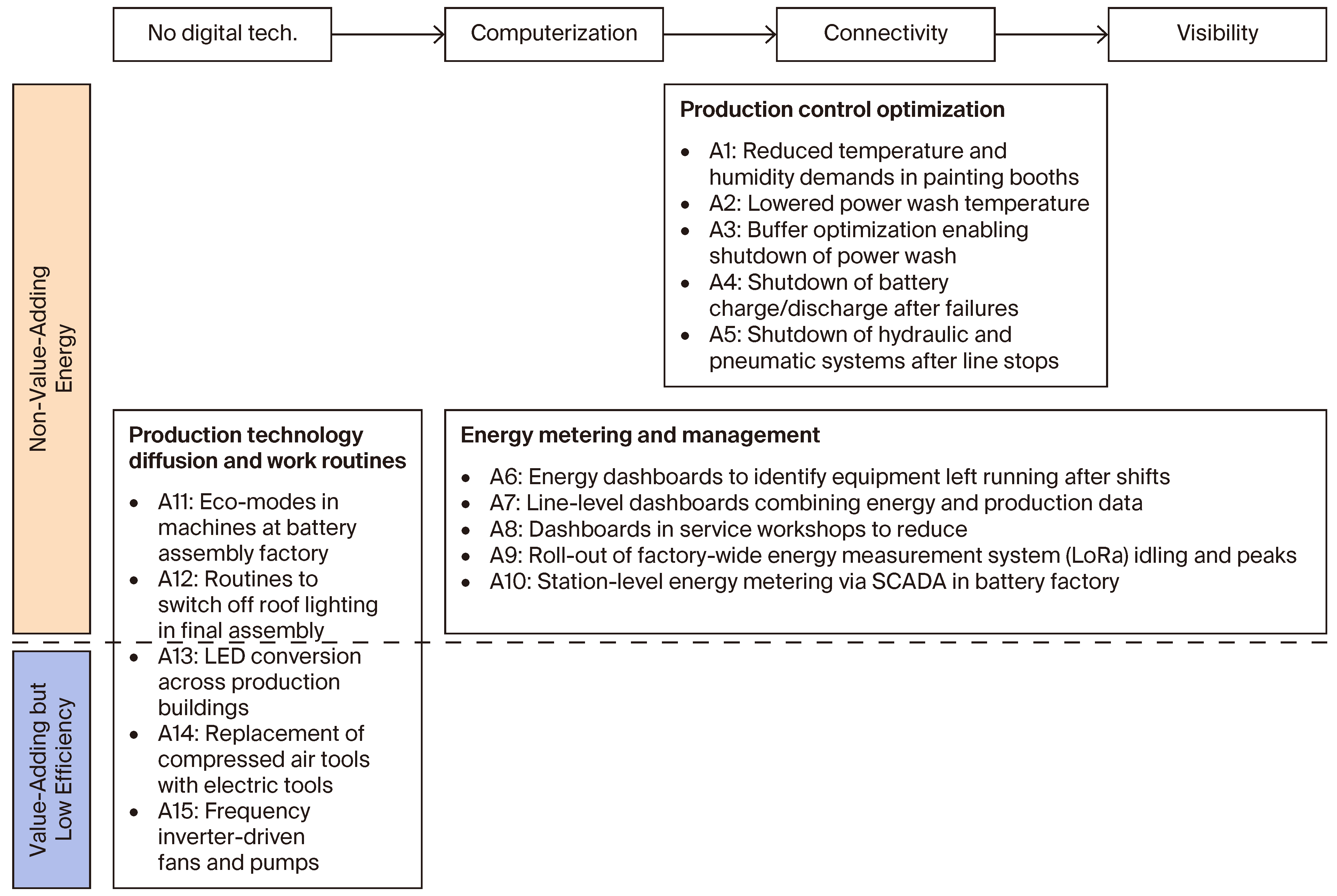
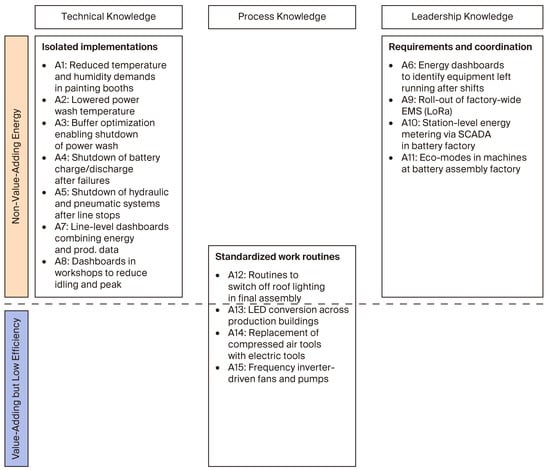
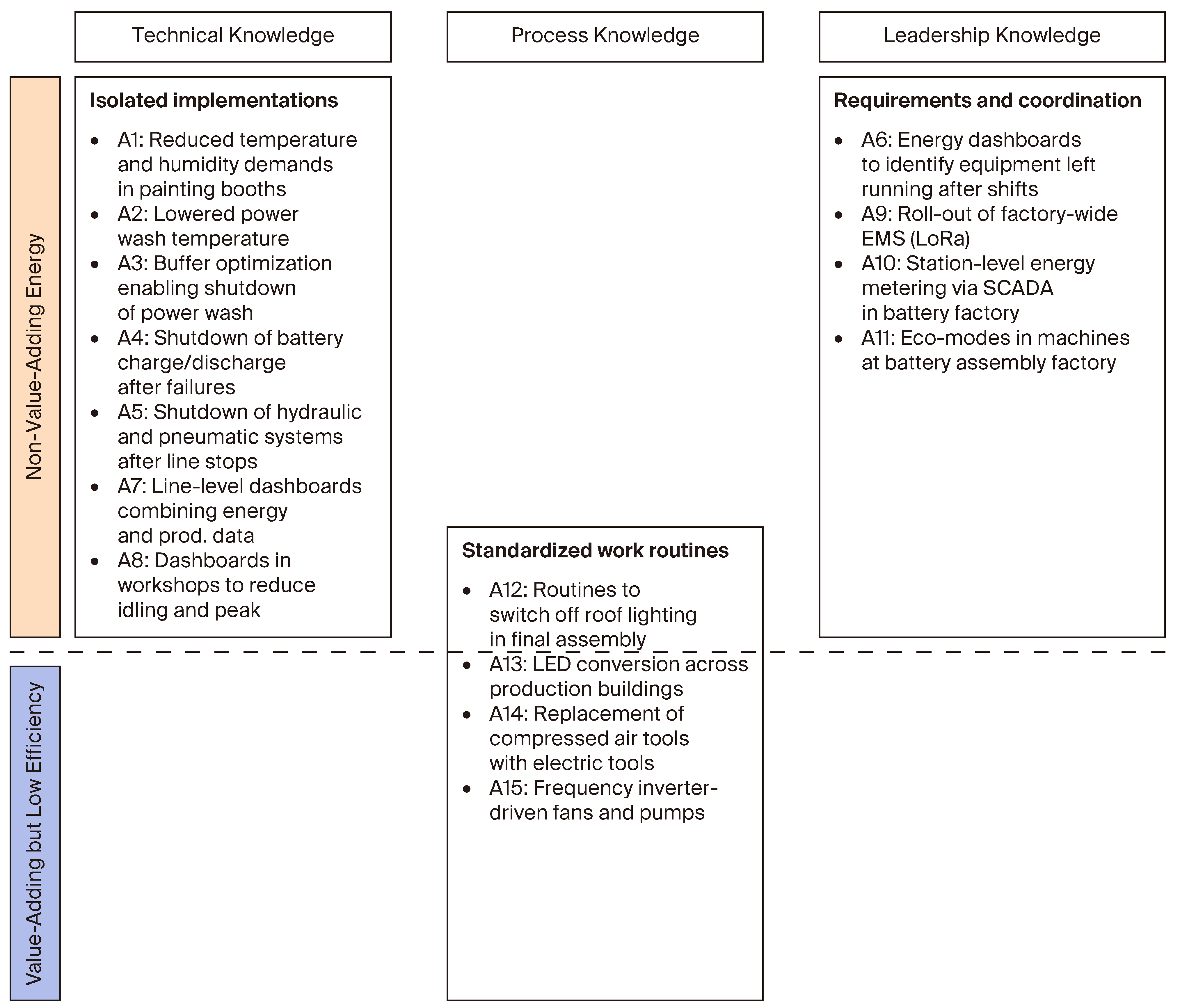
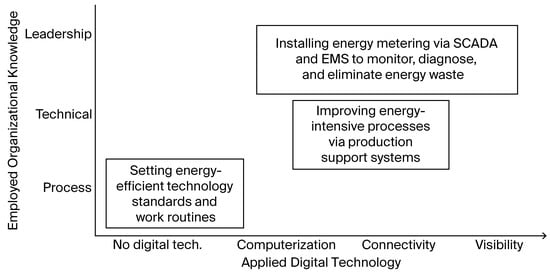
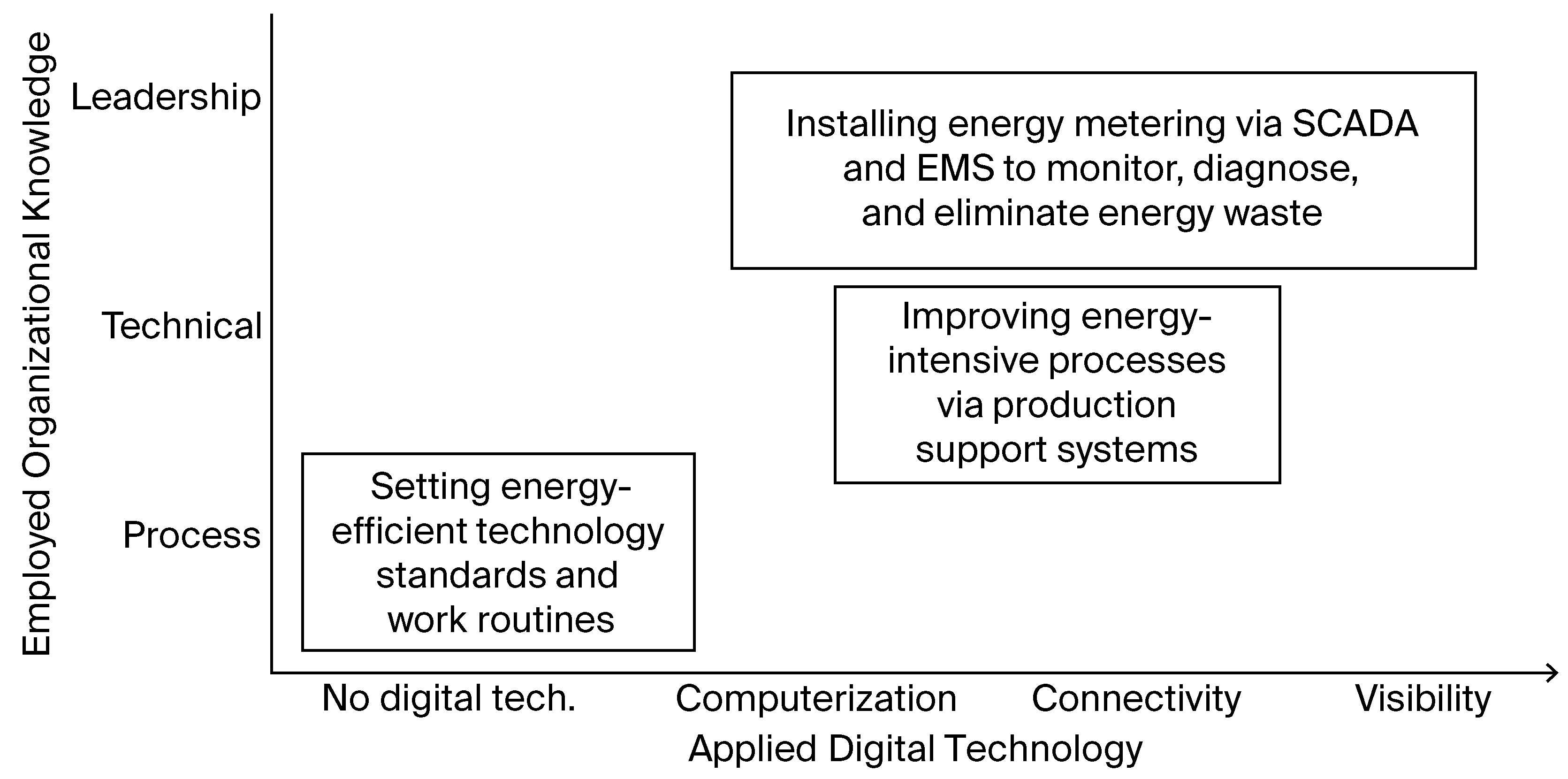
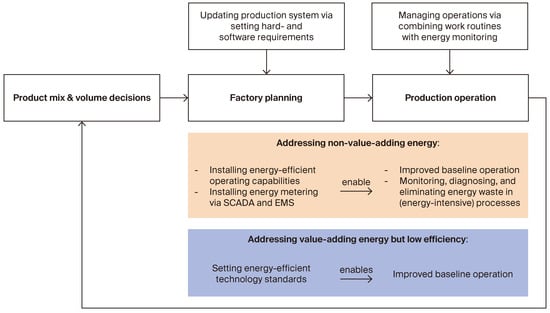
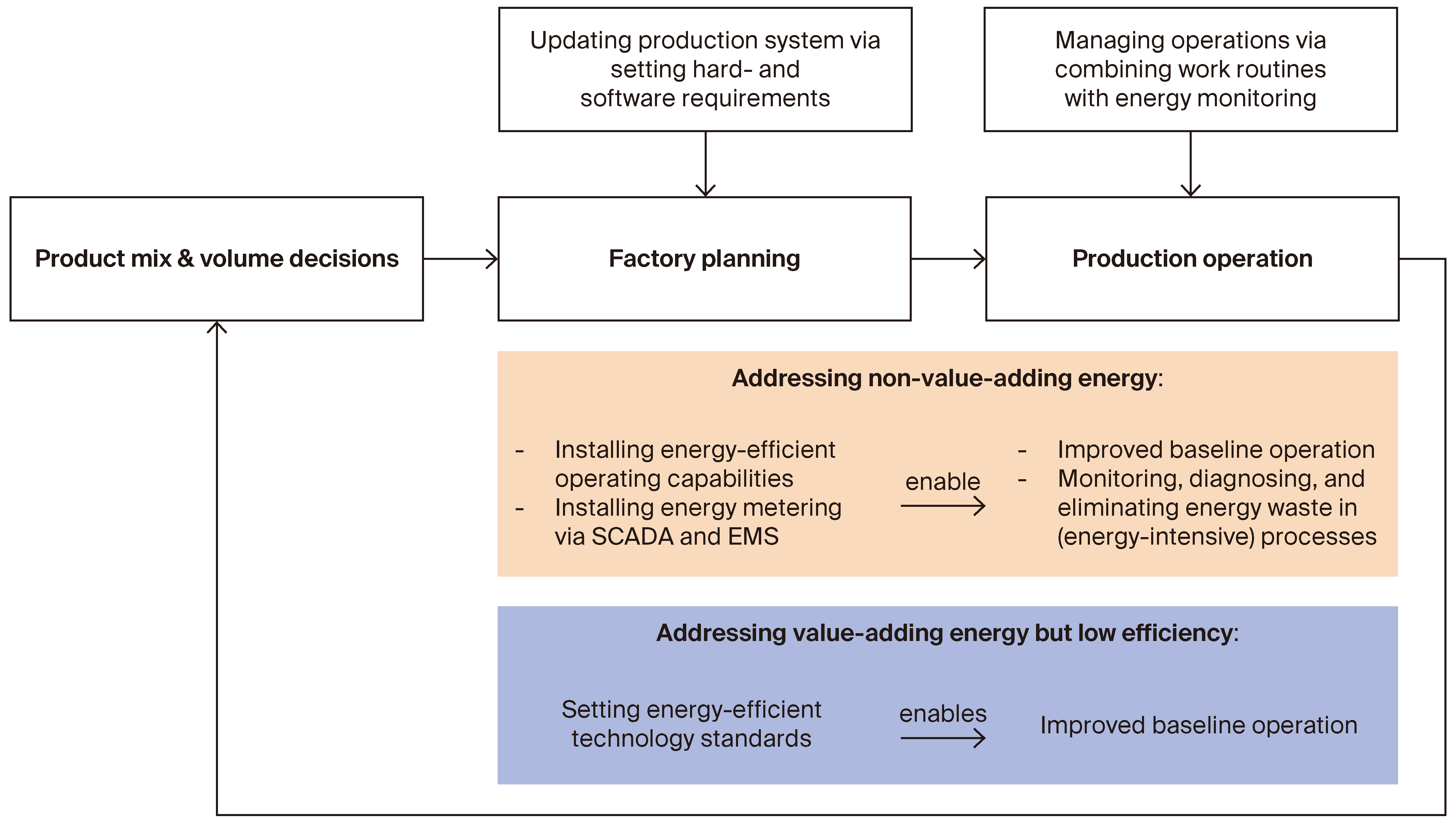

Disclaimer/Publisher’s Note: The statements, opinions and data contained in all publications are solely those of the individual author(s) and contributor(s) and not of MDPI and/or the editor(s). MDPI and/or the editor(s) disclaim responsibility for any injury to people or property resulting from any ideas, methods, instructions or products referred to in the content. |
© 2026 by the authors. Licensee MDPI, Basel, Switzerland. This article is an open access article distributed under the terms and conditions of the Creative Commons Attribution (CC BY) license.