Article

Design of an Electrical Power Take-Off for a Wave Energy Converter for Hydrogen Production

1
Department of Engineering and Architecture, University of Parma, 43124 Parma, Italy
2
Interdepartmental Center for Energy and Environment (CIDEA), University of Parma, 43124 Parma, Italy
*
Author to whom correspondence should be addressed.
Energies 2026, 19(3), 765; https://doi.org/10.3390/en19030765
Submission received: 25 December 2025 / Revised: 22 January 2026 / Accepted: 28 January 2026 / Published: 1 February 2026
(This article belongs to the Section A3: Wind, Wave and Tidal Energy)

Abstract

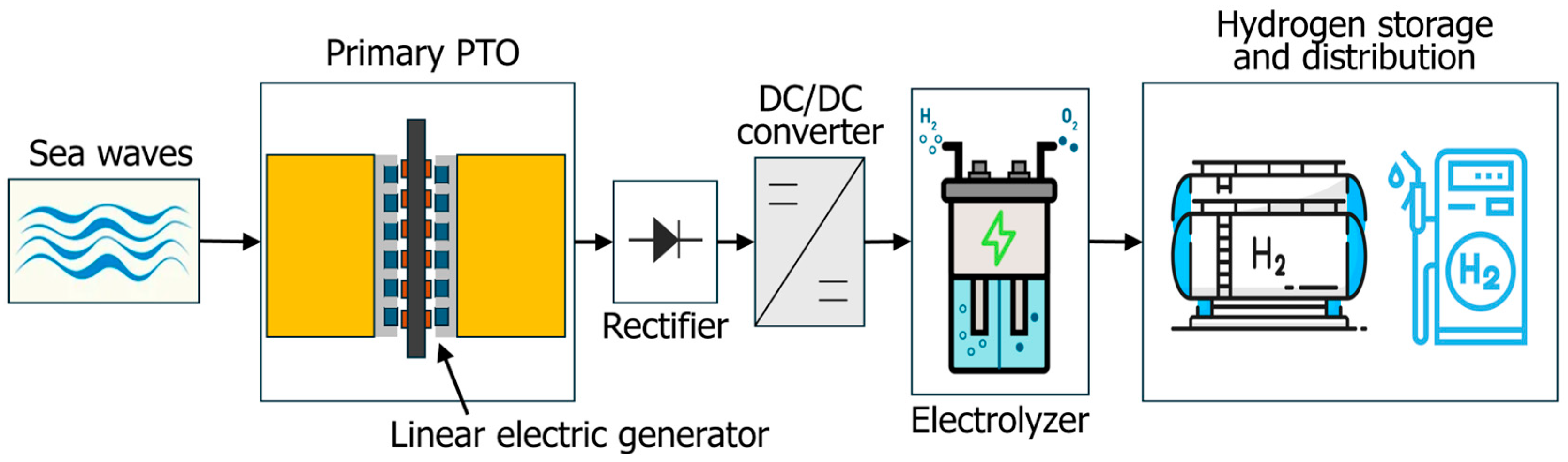
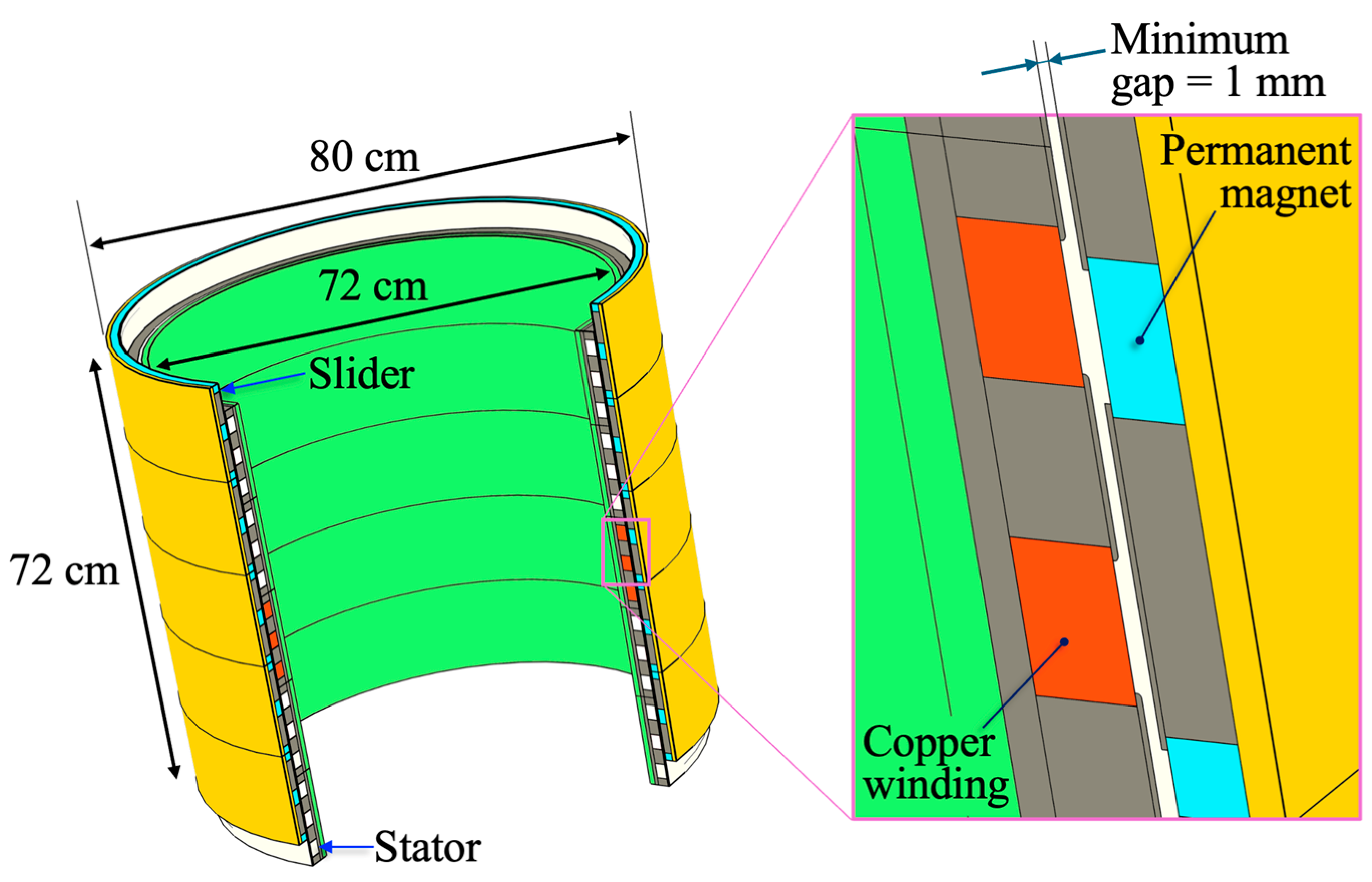
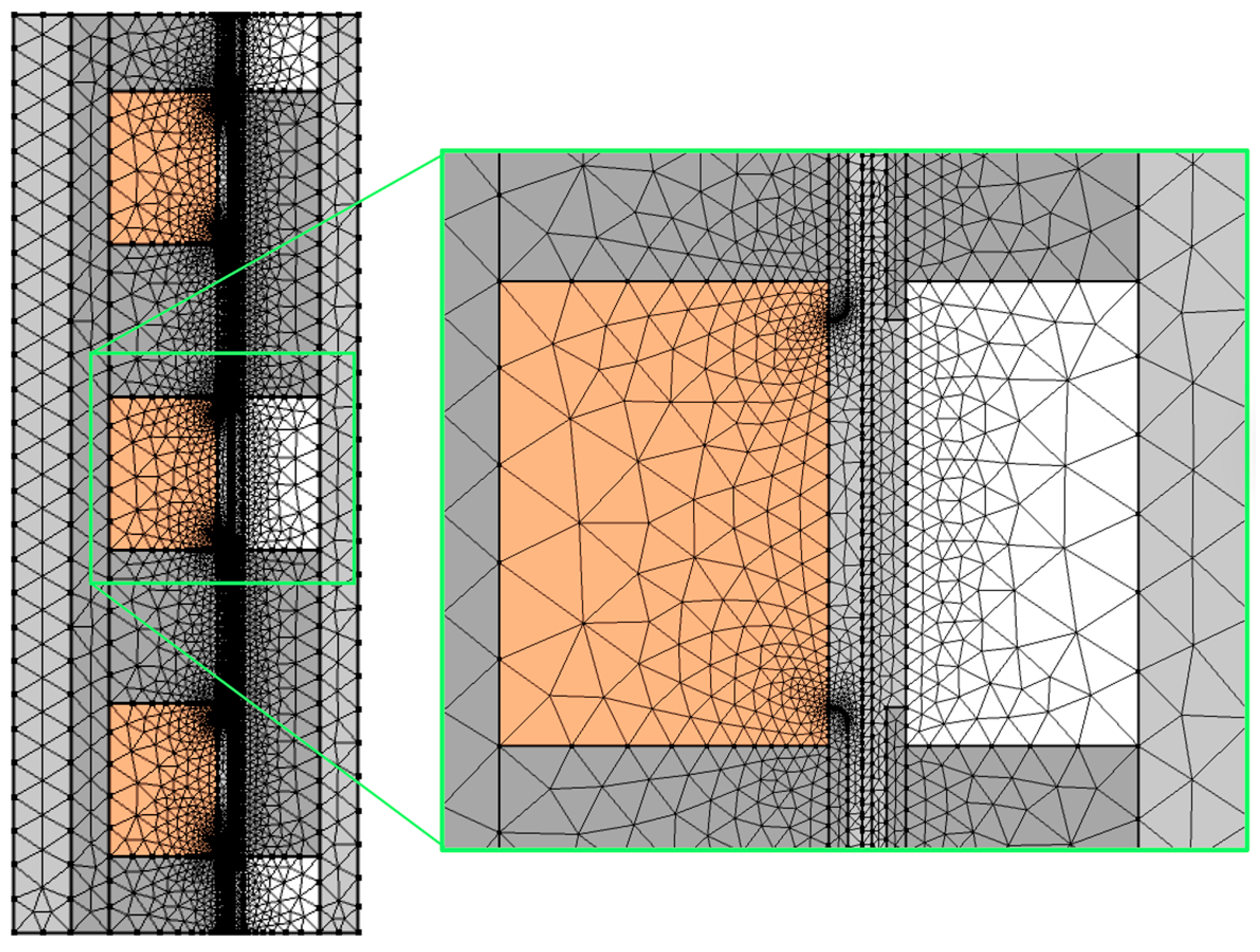
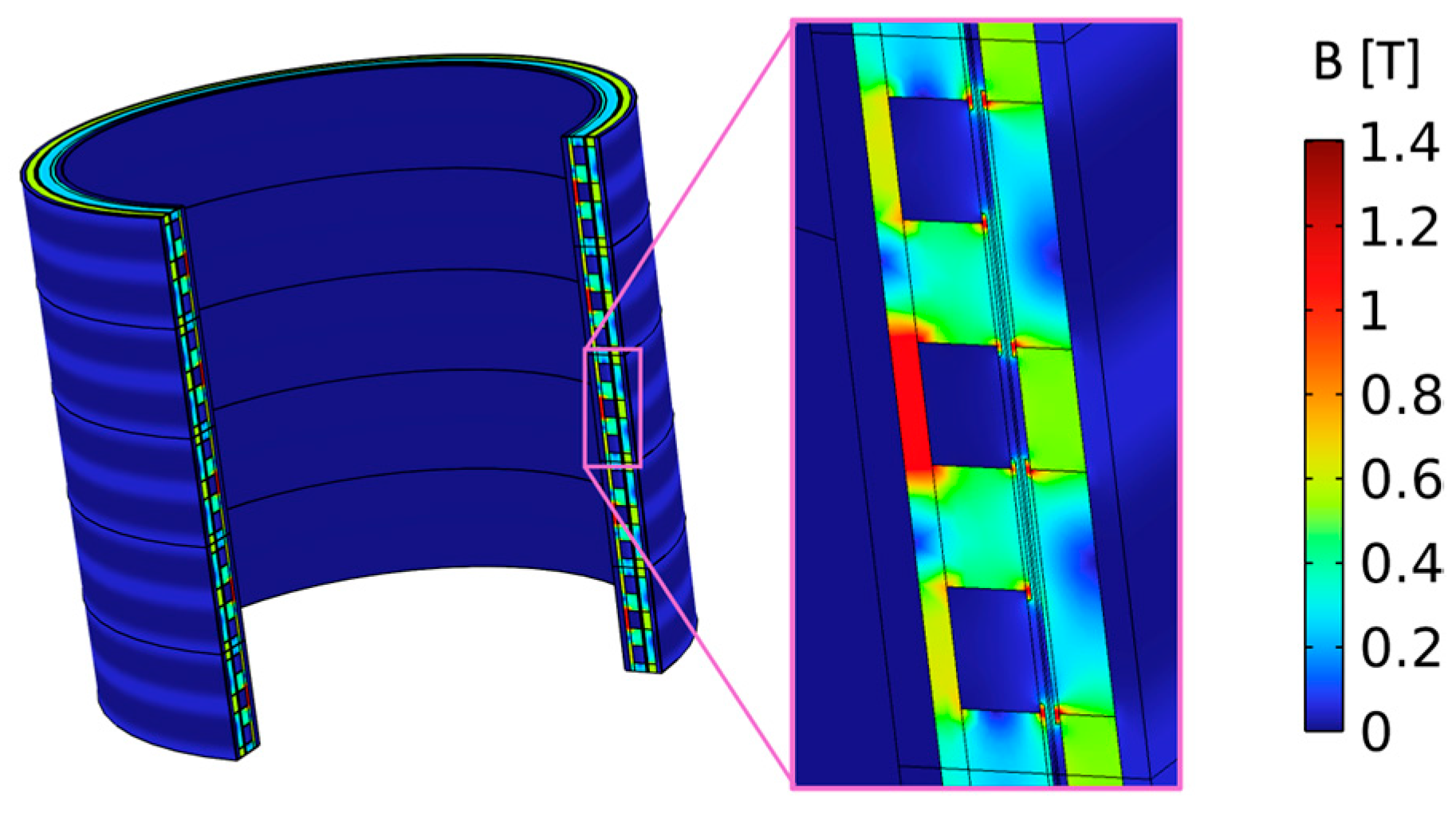
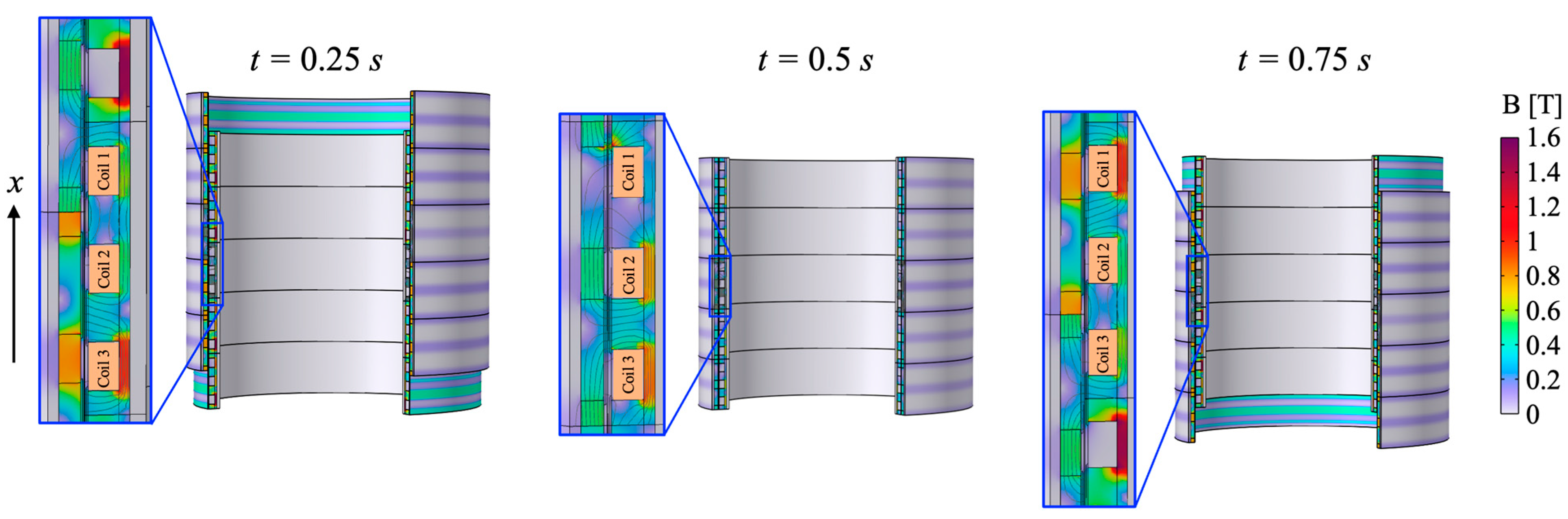
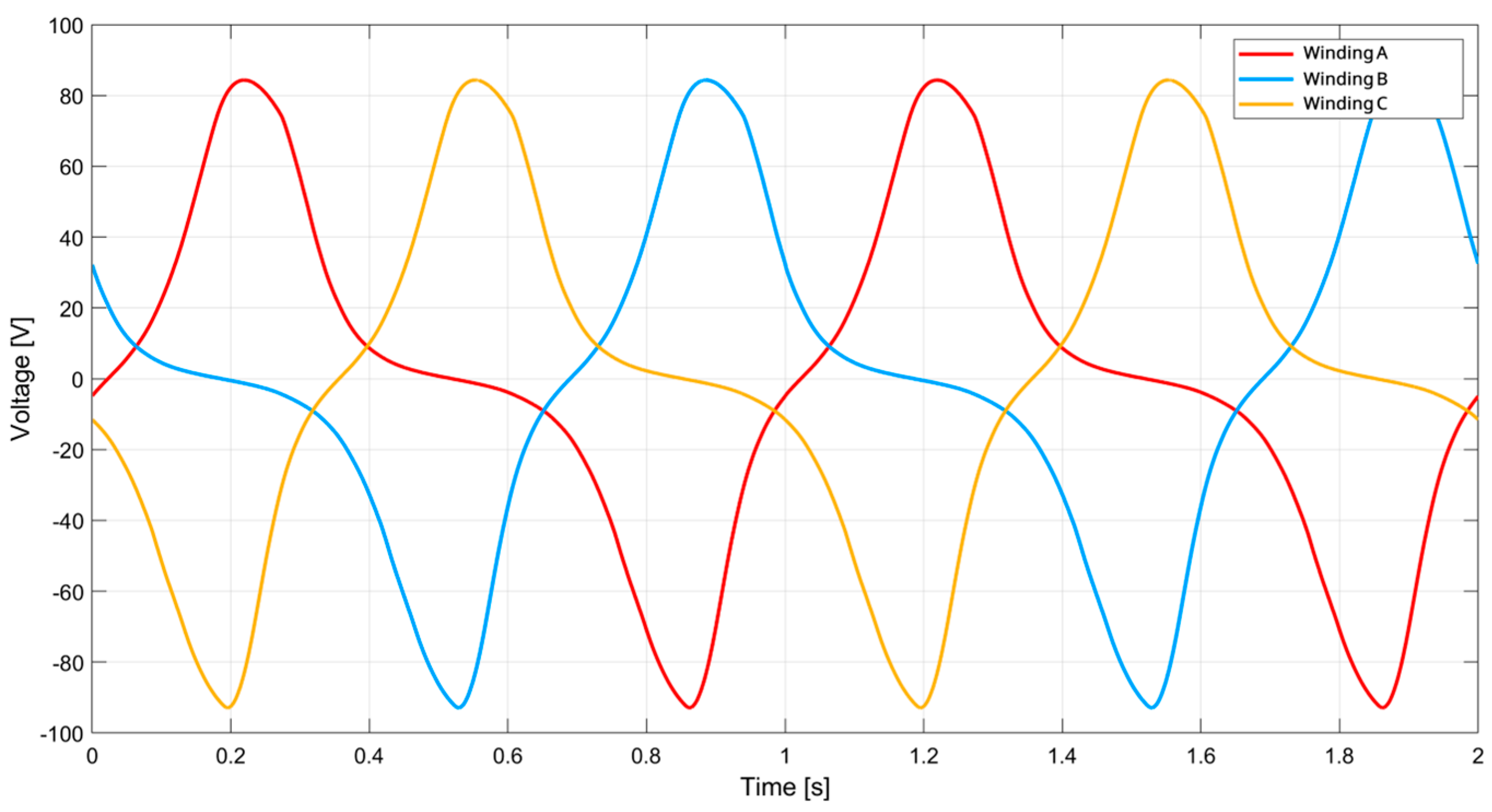
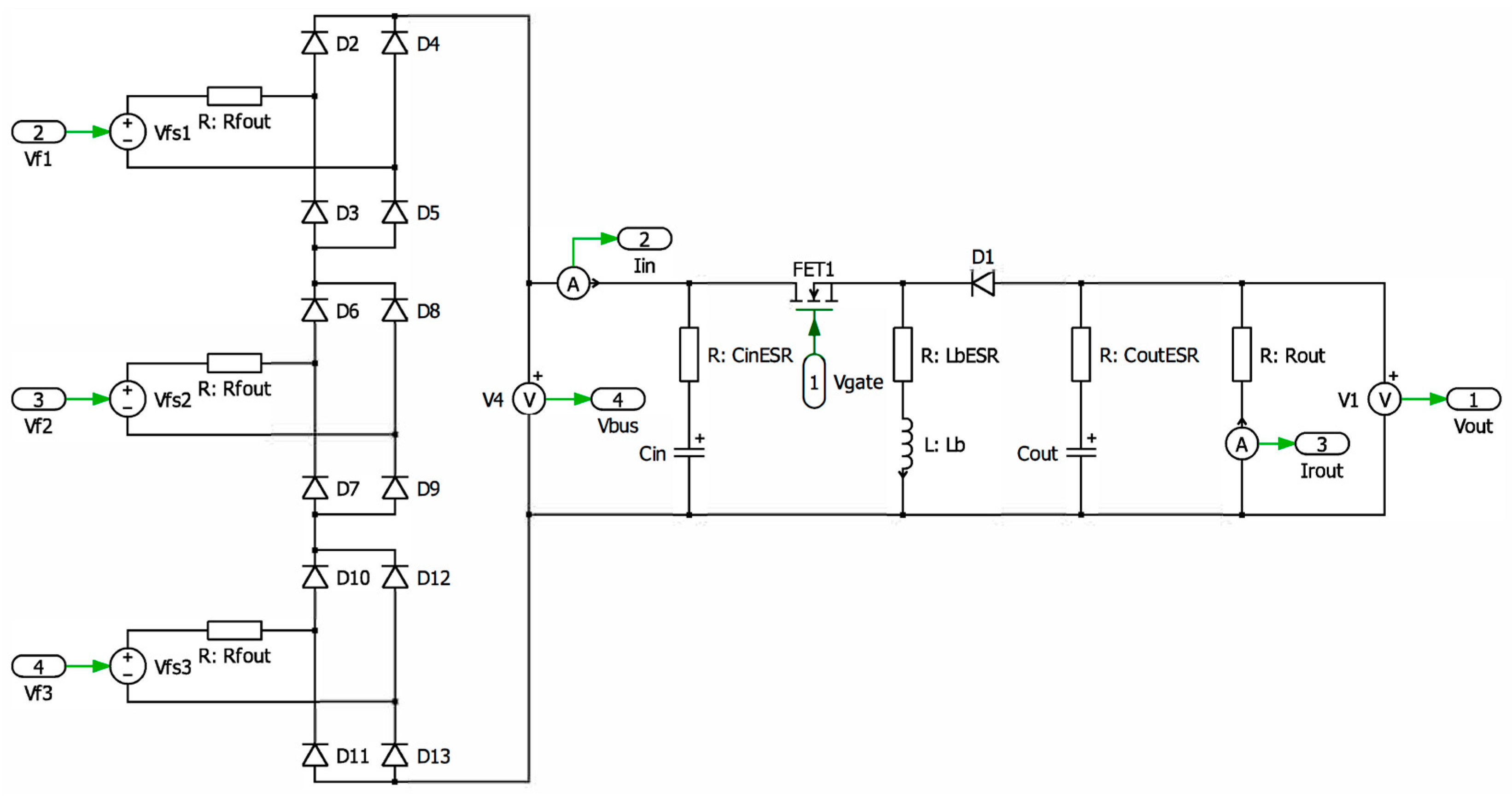
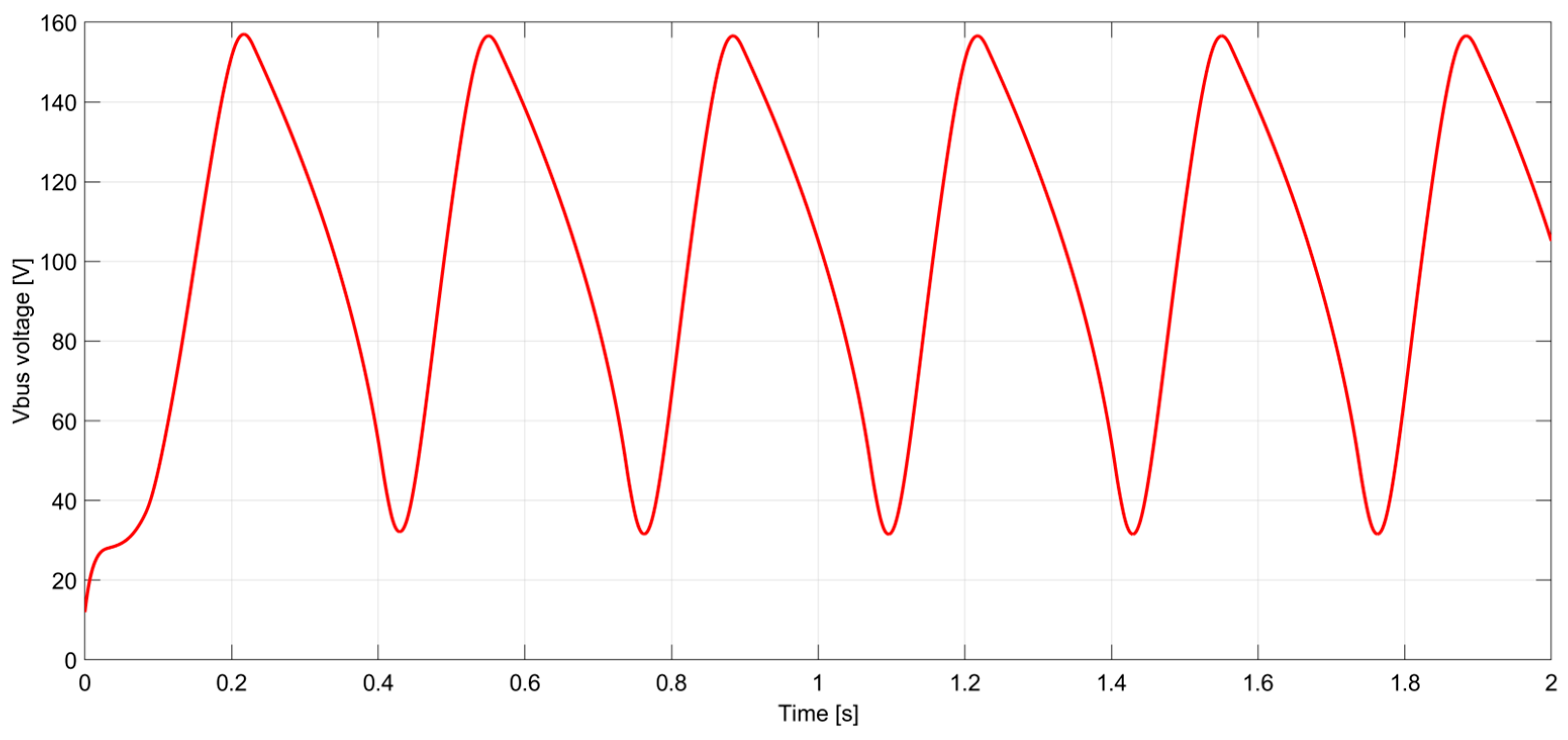
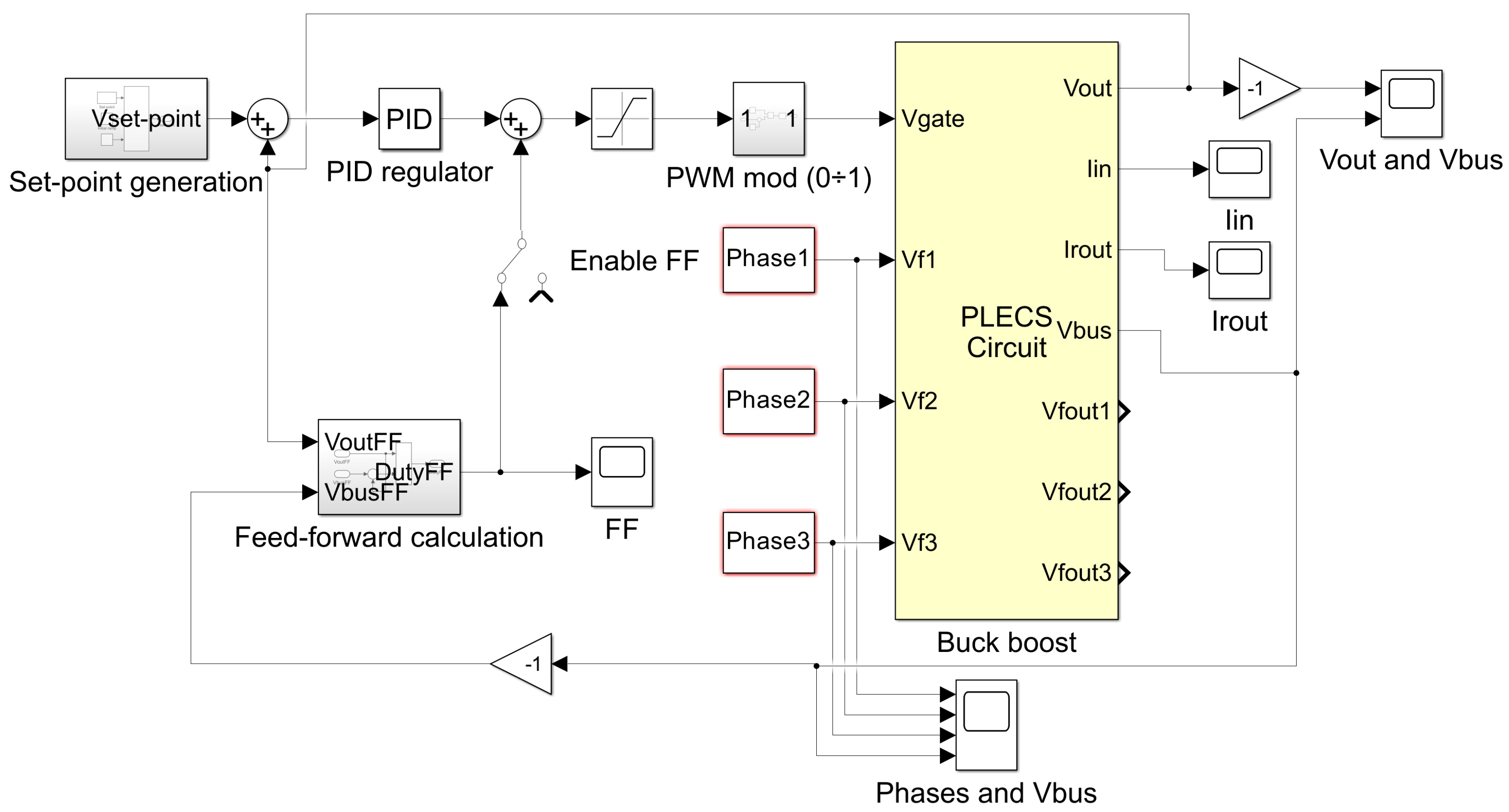
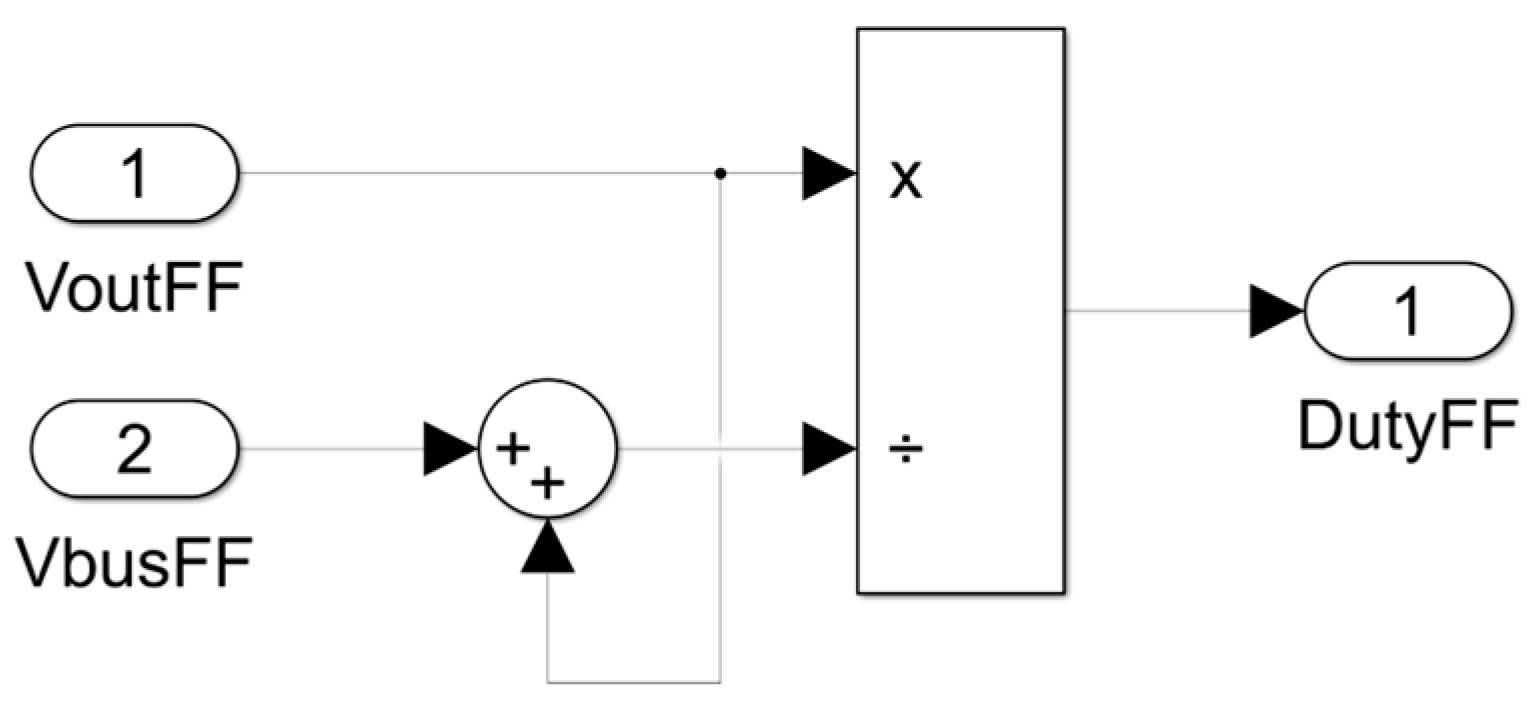
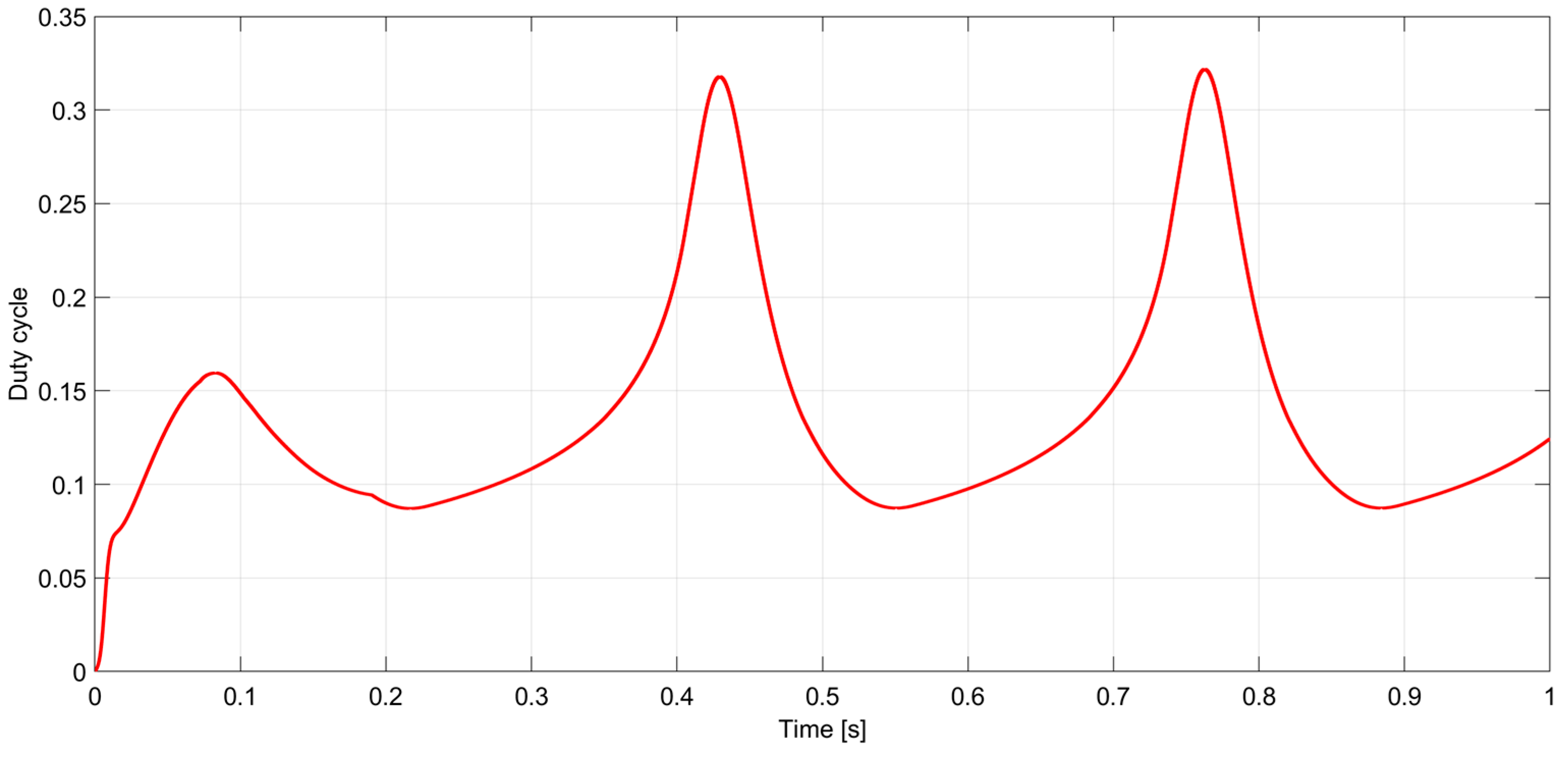
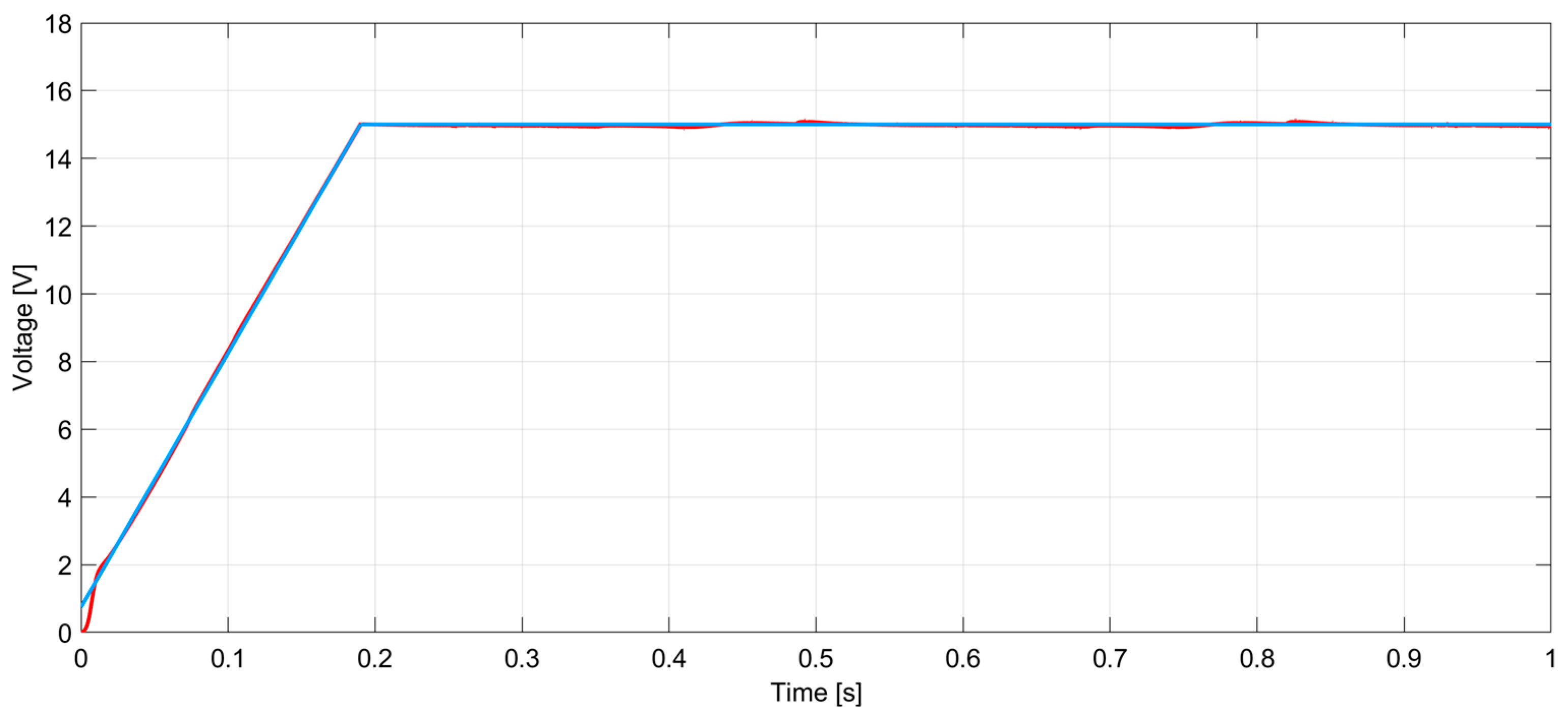
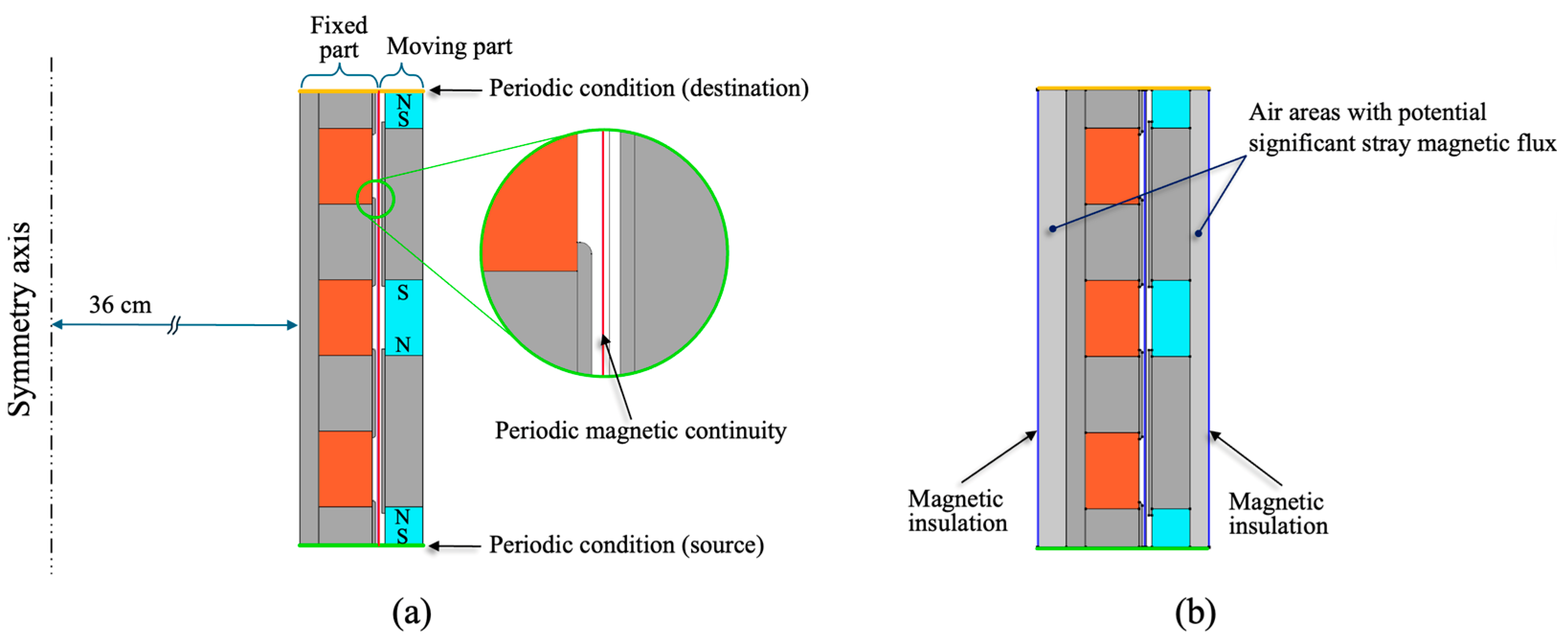
In this work, the design of a linear electric generator and an electronic power converter to be integrated into a system to produce hydrogen by exploiting sea waves’ motion is described. The results of Finite Element Method (FEM) simulations for the design of the linear induction generator are presented and discussed along with relevant considerations that will guide the future fabrication of the prototype. Additionally, a novel topological approach for the AC/DC converter, necessary to interface the linear generator with the electrolyzer, is presented. The proposed architecture is able to manage the voltages produced by the harvesting system which are characterized by random phase and amplitude that vary significantly over time. By converting every individual voltage into a unidirectional current before combining them, the proposed converter prevents internal losses due to destructive interactions and increases the overall efficiency of the harvesting process. Moreover, thanks to the specially designed feed-forward corrective action, which mathematically inverts the transfer function of the converter, it is possible to obtain a stable output voltage, even in case of large variations in the input signals.
Keywords: renewable energies; linear generators; power converters; hydrogen production; FEM simulations renewable energies; linear generators; power converters; hydrogen production; FEM simulations