


Abstract
Anaerobic digestion (AD) is evolving from a conventional waste-to-energy technology toward a multiproduct biorefinery platform capable of producing bioenergy and value-added bioproducts. However, production pathways compete for organic carbon and energy resources, and their technical, economic, and environmental performance depends on feedstock characteristics, operating conditions, downstream recovery requirements, and market demand. This narrative and critical review synthesizes methane, biohydrogen, volatile fatty acid (VFA), polyhydroxyalkanoate, single-cell protein, and digestate-derived product pathways, together with emerging options such as microbial chain elongation, biological methanation, and biogas CO2 utilization. It critically compares pathway-specific performance evidence and examines two-stage conversion, metabolic regulation, downstream integration, techno-economic analysis, life cycle assessment, multi-objective optimization, multi-criteria decision analysis, and data-driven prediction. Based on this literature synthesis, a conceptual closed-loop decision-support framework is proposed that connects monitoring, state prediction, feasible pathway generation, trade-off evaluation, preference-based selection, switching-feasibility assessment, operational adjustment, and feedback. A hypothetical numerical scenario illustrates how changes in VFA market conditions can alter pathway rankings, while technical constraints, transition costs, and biological recovery times can prevent implementation of a higher-scoring alternative. The framework is not an experimentally validated autonomous control system; its application requires plant-specific data, uncertainty analysis, and validation of transition feasibility and long-term process stability.
1. Introduction
With population growth, accelerating urbanization, and increasing resource consumption, the generation of organic waste has continued to rise globally. Conventional end-of-pipe treatment approaches primarily focus on waste reduction and harmless disposal, but they often fail to fully exploit the resource value of carbon, nitrogen, phosphorus, and other valuable components contained in waste. Driven by the development of the circular bioeconomy, organic waste utilization is gradually shifting from a conventional pollution-control paradigm toward the resource recovery of energy, chemicals, and materials. Previous studies have demonstrated that biorefinery technologies can convert waste biomass into a range of energy carriers and high-value products, making them a key pathway for achieving resource circularity [1,2]. Owing to its broad feedstock flexibility and high potential for energy recovery, anaerobic digestion (AD) has become one of the key technologies for organic waste biorefinery.
Conventional AD primarily focuses on biogas production and energy recovery. With advances in process regulation and downstream bioconversion technologies, the application scope of AD is expanding from single-product energy generation toward multiproduct resource recovery. In addition to end-use energy products such as biogas and biomethane, AD can be directed toward the production of intermediate metabolites, including volatile fatty acids (VFAs) and biohydrogen, which can be further coupled with downstream processes to produce high-value products such as biomaterials and biofertilizers. Previous studies have demonstrated that both gaseous and liquid products generated in AD systems have substantial potential for further resource recovery, and their cascading utilization can considerably expand the functional role of AD within the circular bioeconomy [3,4]. Accordingly, AD is gradually transitioning from the conventional “waste treatment–energy recovery” paradigm toward a biorefinery paradigm characterized by “multiproduct generation–resource circularity.”
However, multiproduct production does not imply that all products can be simultaneously maximized without limitation. Different target products rely on distinct carbon-flow allocation pathways and therefore impose substantially different requirements on feedstock characteristics, process conditions, and downstream processing. When a system is directed toward the production of a specific product, the allocation of carbon and energy flows is altered, which may consequently affect the production efficiency of other potential products. Moreover, high-value products generally require additional separation, purification, and downstream conversion steps, further intensifying resource competition among different pathways. Therefore, the central challenge of multiproduct AD biorefineries has shifted from maximizing the yield of a single product toward managing the trade-offs, synergies, and selection among competing product pathways. Although recent studies have begun to investigate multiproduct production and integrated process configurations, the interactions among different product pathways remain insufficiently understood within a unified analytical framework [4,5].
Furthermore, the operating boundaries of real-world AD systems are not static. Feedstock composition can fluctuate seasonally, market demand for energy and bio-based products can change dynamically, and policy priorities and carbon-emission constraints can continuously alter the relative value of different products. Consequently, a single “optimal pathway” identified under specific and fixed conditions may have limited applicability over the long term. Pathway selection in AD therefore needs to jointly consider feedstock characteristics, process conditions, product value, operating costs, and external constraints, while dynamically adjusting the product portfolio in response to changing boundary conditions. Against this background, the transition from single-objective static optimization toward dynamic pathway decision-making across multiple products and application scenarios represents an important direction for advancing AD biorefineries.
Existing reviews have established the potential of AD-based biorefineries for converting organic wastes into fuels, intermediates, and high-value products [6,7]. Other reviews have examined techno-economic and life-cycle evaluation of AD systems [8]. However, these strands of literature are often discussed separately. Less attention has been given to how competing production pathways can be evaluated under common technical, economic, and environmental constraints and then selected as feedstock characteristics and product-market conditions change. The present review therefore connects pathway-level trade-offs with integrated evaluation, multi-objective optimization, preference-based selection, and feedback-driven operational adjustment.
This narrative and critical review synthesizes trade-offs and complementarities among methane, hydrogen, volatile fatty acids, and downstream bioproduct pathways, including chain elongation, biological methanation, and CO2 utilization. It integrates techno-economic and environmental assessment, multi-objective optimization, multi-criteria decision analysis, and data-driven prediction into a conceptual decision-support framework for comparing feasible AD production pathways under changing operating and market conditions.
Literature Selection and Analytical Approach
This study adopts a narrative and critical review approach to examine pathway trade-offs, synergies, and decision-making methods for bioenergy and bioproduct production in anaerobic digestion (AD). Relevant peer-reviewed journal publications were identified through topic-guided searches of the Web of Science Core Collection, Scopus, ScienceDirect, and Google Scholar, supplemented by iterative examination of reference lists. The literature collection focused primarily on studies published between 2018 and 2025, with earlier foundational publications retained where necessary. The search employed combinations of keywords including “anaerobic digestion,” “biorefinery,” “bioenergy,” “bioproducts,” “biomethane,” “biohydrogen,” “volatile fatty acids,” “polyhydroxyalkanoates,” “single-cell protein,” “digestate valorization,” “chain elongation,” “biological methanation,” “CO2 utilization,” “techno-economic analysis,” “life cycle assessment,” “multi-objective optimization,” and “dynamic decision-making.”
Publications were selected based on their direct relevance to AD production pathways, process coupling, resource recovery, and the evaluation or selection of alternative products. The evidence base included experimental investigations, process-modeling studies, techno-economic and environmental assessments, and relevant reviews. Priority was given to studies reporting clearly defined feedstocks and operating conditions, quantitative product or process indicators, recovery requirements, or decision-support methods. Duplicate references and publications lacking a clear connection to the review objectives were excluded. The selected literature was organized into five thematic areas: production pathways and product value, feedstock and process influences, coupled conversion and recovery systems, techno-economic and environmental evaluation, and optimization and dynamic decision-making. Findings were critically compared in terms of system boundaries, operating conditions, performance indicators, technological maturity, and transferability to identify recurring trade-offs, potential synergies, and unresolved constraints. As a narrative and critical review, the analysis emphasizes thematic synthesis and critical interpretation rather than exhaustive systematic evidence identification.
In this review, the term “production pathway” refers to an AD-based process configuration directed toward a specific bioenergy or bioproduct output, potentially including downstream recovery and conversion steps. The term “conversion pathway” is reserved for the underlying biochemical or physicochemical transformation processes.
2. Bioenergy and Bioproduct Production Pathways in Anaerobic Digestion
2.1. Bioenergy Production Pathways
The most established energy production pathway in anaerobic digestion (AD) systems is the biogas pathway. Complex organic matter is sequentially converted through hydrolysis, acidogenesis, acetogenesis, and methanogenesis, ultimately producing biogas consisting primarily of CH4 and CO2. Zamri et al. noted that this multistage conversion process enables the stabilization of organic matter, with methane production representing the primary form of energy recovery in AD systems [9]. Biogas can be directly utilized for end-use applications such as heat and electricity generation or further upgraded and purified to produce biomethane. Iglesias et al. identified biomethane as a high-quality advanced biofuel with the potential to substitute fossil natural gas [10]. However, impurities such as CO2, H2S, and siloxanes in raw biogas limit its direct high-value utilization, necessitating the integration of gas-upgrading technologies. Khan et al. summarized water scrubbing, amine absorption, pressure swing adsorption, and membrane separation as the major biogas-upgrading technologies currently employed, although some of these technologies are associated with relatively high energy consumption, substantial chemical requirements, and high operating costs [11]. Overall, the biomethane pathway can be regarded as an extended pathway of “biogas production–gas purification–energy utilization,” with its ultimate value being closely dependent on the upgrading technology employed and the end-use application.
Biological methanation provides a further biomethane route beyond conventional separation-based upgrading: hydrogenotrophic microorganisms convert H2 and CO2 into CH4. When hydrogen is supplied through renewable-electricity-driven electrolysis, this can be integrated with Power-to-Gas (PtG) systems. In situ H2 dosing and ex situ methanation involve different design and operating requirements. Reviews of biological methanation and PtG identify gas–liquid H2 transfer, hydrogen availability, and process stability as major determinants of performance [12,13]. Thus, this route adds a potential means of utilizing biogas-derived CO2.
In addition to methane production, AD can also be directed toward biohydrogen production through targeted regulation of the acidogenic stage. This pathway is primarily based on dark fermentation, in which organic wastes are anaerobically decomposed to produce hydrogen, accompanied by the formation of organic acids, alcohols, and other intermediate metabolites [14]. Saravanan et al. reported that agricultural residues, fruit and vegetable wastes, industrial wastewater, and livestock manure can all serve as substrates for biohydrogen production, although complex substrates generally require pretreatment to improve their bioavailability [15]. Compared with the complete methanogenic pathway, the biohydrogen pathway places greater emphasis on regulating and exploiting acidogenic and hydrogen-producing metabolism. A meta-analysis conducted by Moussa et al., based on 55 studies and 339 experimental datasets, identified substrate concentration, pH, temperature, and hydraulic retention time (HRT) as key parameters influencing dark-fermentative hydrogen production performance [16]. Overall, AD bioenergy production is not limited to methane generation but encompasses multiple pathways, including direct biogas utilization, biomethane upgrading, and biohydrogen production. These pathways involve distinct carbon-flow allocation mechanisms and process requirements, providing the basis for subsequent trade-offs between bioenergy and bioproduct production pathways.
2.2. Bioproduct Production Pathways
Unlike energy production pathways in which methane is the final product, anaerobic digestion (AD) can enable the targeted conversion of organic carbon into high-value bioproducts by selectively retaining intermediate metabolites. Volatile fatty acids (VFAs) are among the most important platform products in these pathways. They are primarily generated during the hydrolysis and acidogenesis stages and can be used directly as chemical feedstocks or as carbon sources for downstream biosynthetic processes. Feng et al. reported that VFA production is jointly regulated by synthesis pathways, competing consumption, and metabolic pathways, making the targeted accumulation of VFAs a critical prerequisite for the high-value valorization of organic waste [17]. VFAs can also serve as substrates for the microbial synthesis of bio-based materials such as polyhydroxyalkanoates (PHAs). Gottardo et al. systematically reviewed the technical pathways for producing VFAs from food by-products and organic wastes and subsequently converting them into PHAs, demonstrating that different waste streams exhibit substantial variations in VFA yields and, consequently, in their potential for PHA production [6].
Short-chain carboxylates from acidogenic fermentation may also be converted into medium-chain carboxylic acids (MCCAs), including caproate and caprylate, through microbial chain elongation involving reverse β-oxidation. Depending on the microbial consortium and substrate, electron donors such as ethanol or lactate may be required. This pathway provides a potential alternative to methanogenesis or PHA synthesis, but its feasibility depends on electron-donor availability, microbial competition, and MCCA recovery [18].
Beyond organic acid and biomaterial pathways, gaseous and liquid products generated within AD systems can also be utilized for single-cell protein (SCP) production. Li et al. reported that methane in biogas and nutrients in digestate can serve as energy and nitrogen/phosphorus sources, respectively, for microbial growth, enabling SCP synthesis through the metabolism of microorganisms such as microalgae, yeasts, and methanotrophs [19]. Piercy et al. reviewed the potential for integrating food waste AD with SCP production, highlighting opportunities for additional resource recovery and value creation [20]. In addition, nutrient recovery and valorization from digestate represent another important product pathway. Residual organic matter, nitrogen, phosphorus, and other components in digestate can be further processed into value-added products such as biofertilizers. However, their direct utilization remains constrained by factors including product stability, environmental risks, and treatment costs [21]. Overall, AD bioproduct pathways generally exhibit a characteristic sequence of “intermediate metabolite retention–downstream bioconversion–product separation and utilization.” Compared with bioenergy production pathways, these pathways place greater emphasis on targeted carbon-flow allocation and value enhancement, thereby providing an important basis for subsequent analysis of pathway trade-offs and synergistic coupling.
2.3. Product Value and Technological Maturity
Anaerobic digestion (AD) production pathways differ in both conversion performance and the costs required to recover usable products. Biogas and biomethane benefit from established energy applications, although upgrading still entails energy use, methane losses, and capital and operating costs [11]. In contrast, biohydrogen, volatile fatty acids (VFAs), polyhydroxyalkanoates (PHAs), and single-cell protein (SCP) depend more strongly on process control and product-specific separation or downstream conversion. Table 1 reports representative study-specific indicators: methane yields of 254–630 NmL CH4/g VS added for five food-waste substrates [22], model-based biomethane purity of 97.165% with CH4 recovery of 86.2% [23], and H2 yields increasing from 17.3 to 33.68 mL H2/g VS fermenter in a specific two-stage food-waste digestion system with electrodialysis [24].
The economic attractiveness of a bioproduct pathway depends not only on product formation but also on concentration, recovery, quality requirements, and downstream market access. For example, food-waste acidification yielded 14.05 g/L VFAs under intermittent pH control [25], whereas waste-derived VFAs supported PHA contents of 43.5–54.8% of biomass dry weight under specific cultivation conditions [26,27]. Pinto et al. reported a break-even selling price of GBP 1.11–1.94/kg of VFAs in product solution in a techno-economic sensitivity analysis of biowaste-derived VFAs [28]. Bhatia et al. identified process efficiency and downstream recovery among the challenges for waste-derived PHA commercialization [29]. Thus, a potentially valuable product may still be less attractive than biomethane after recovery costs, product losses, and scale-dependent economics are considered.
Digestate-derived products follow a different value proposition based on nutrient recovery, fertilizer substitution, and local use rather than selling an isolated carbon product. Rizzioli et al. assessed the techno-economic feasibility of digestate nutrient-recovery routes, including ammonia stripping and struvite precipitation, and highlighted implementation-related constraints [30]. Wang et al. described expanding applications of digestate valorization beyond direct land application [7]. Technology maturity likewise needs to be considered for the complete feedstock-to-product chain: an established underlying conversion reaction does not make a coupled recovery and purification system commercially mature. Hence, pathway selection should jointly evaluate technical performance, downstream recovery, economic viability, environmental consequences, plant configuration, and market conditions.
Table 1 summarizes representative technical indicators and operating conditions across the main production pathways. Their different functional units and system boundaries preclude direct ranking; economic and maturity assessments also require consideration of downstream recovery, product quality, scale, and market conditions.
Table 1.
Comparison of Major Bioenergy and Bioproduct Production Pathways in Anaerobic Digestion.
3. Factors Influencing Bioenergy and Bioproduct Production Pathways
3.1. Feedstock Characteristics and Product Distribution
Feedstock chemical composition is a fundamental determinant of product distribution in anaerobic digestion (AD). Different organic wastes vary substantially in their contents of carbohydrates, proteins, lipids, cellulose, and inorganic nutrients, and these compositional characteristics directly determine substrate biodegradability and the potential direction of metabolite formation. Parvez and Ahammed reported that the proportions of carbohydrates, proteins, and lipids can significantly regulate the anaerobic degradation of organic components. Although protein- and lipid-rich feedstocks generally have higher theoretical biogas production potentials, excessive concentrations beyond specific thresholds may inhibit microbial metabolism [34]. Therefore, feedstock chemical composition affects not only the yield of target products but also the overall operational stability of the digestion system.
The structural characteristics and nutritional conditions of feedstocks also regulate the rate of organic carbon release and its subsequent conversion pathways. Lignocellulosic feedstocks possess complex cell-wall structures, and the structural recalcitrance associated with high lignin contents can reduce microbial accessibility to organic matter, thereby limiting the formation of target products. Studies by Xu et al. and Hashemi et al. have demonstrated that the structural complexity and low biodegradability of lignocellulosic biomass are important factors limiting organic matter conversion efficiency and product yields in AD [35,36]. In addition, nutritional conditions, including the carbon-to-nitrogen (C/N) ratio and trace element availability, can substantially influence microbial metabolic activity. A meta-analysis by Ma et al., based on 64 studies and 384 cases, demonstrated that the performance of anaerobic co-digestion is closely associated with feedstock type, C/N ratio, and volatile solids content [37]. Karki et al. further noted that deficiencies in the nutritional composition of individual feedstocks are often an important constraint on AD performance, whereas appropriate blending of multiple feedstocks can effectively improve process stability and product yields [38]. Therefore, feedstock characteristics fundamentally determine the carbon-source composition, nutrient supply, and biodegradability of substrates in AD systems, thereby providing the basis for regulating carbon-flow allocation between bioenergy and bioproduct production.
3.2. Process Conditions and Metabolic Regulation
Under given feedstock characteristics, process conditions are the primary means of regulating metabolic pathways and product distribution in anaerobic digestion (AD). Key parameters, including pH, temperature, organic loading rate (OLR), and hydraulic retention time (HRT), collectively determine substrate degradation rates, microbial functional activity, and the dynamic balance among different metabolic stages. Nie et al. reported that temperature can significantly alter the microbial community structure and enzymatic activity of AD systems, thereby regulating the reaction rates of hydrolysis, acidogenesis, and methanogenesis [39]. A systematic review by Pasalari et al. further confirmed that operating parameters such as temperature, pH, OLR, and HRT affect overall process stability and performance by modifying interspecies interactions within microbial communities [40].
The regulatory effects of process parameters are ultimately reflected in the redistribution of carbon flows among different metabolites. In particular, pH and HRT are key parameters governing acidification. Lv et al. found that variations in pH and HRT can simultaneously affect VFA yield, product composition, and the succession of microbial communities [41]. Under high organic loading conditions, when the substrate conversion rate exceeds the utilization rate of downstream metabolic processes, intermediate metabolites may accumulate. Long-term experiments by Yuan et al. demonstrated that high OLR and low HRT conditions significantly altered the product distribution during acidogenic fermentation of food waste [42]. In addition, trace elements serve as important supporting factors for metabolic regulation. Zhang et al. reported that trace elements participate in the synthesis of key enzymes in anaerobic microorganisms and influence the entire AD process, from hydrolysis and acidogenesis to methanogenesis; their deficiency can directly limit digestion performance and product yields [43]. Overall, process regulation is not simply a matter of optimizing individual parameters. Rather, it involves balancing microbial activity and metabolic pathways to regulate the distribution of carbon and electron flows within the system and thereby steer the process toward the desired product pathway.
3.3. Economic, Market, and Policy Constraints
The formation of AD product pathways is driven not only by the intrinsic characteristics of feedstocks and process conditions but also constrained by external factors, including economic costs, market conditions, and policy support. Different product pathways exhibit substantial differences in capital investment, operating costs, and revenue structures. Vasco-Correa et al. reported that AD projects typically require relatively high initial capital investment, while their commercial deployment is strongly influenced by regional economic conditions and the strength of policy incentives [44]. In addition, operating costs associated with feedstock collection and transportation, system energy consumption, product processing, and digestate management can directly alter the economic performance of different pathways.
Market conditions are a key external factor determining whether the value of AD products can be effectively realized. Energy products such as biogas and biomethane have well-defined applications and relatively mature market structures, whereas the commercial deployment of high-value bioproducts such as VFAs and PHAs still depends on stable downstream demand and standardized product quality. A study by Smith et al. based on a full-scale engineering project demonstrated that the profitability of dry AD is jointly influenced by treatment capacity, market conditions, and policy incentives, with economies of scale providing substantial economic benefits [45]. An industrial case study by Li et al. further confirmed that feedstock treatment costs and digestate management costs are key determinants of the profitability of different AD pathways, while policy incentives for renewable natural gas can be particularly important in improving the economic feasibility of the biomethane pathway [46].
Policy represents an important external regulatory factor linking technical feasibility with market feasibility. A comparative study by Edwards et al. covering Europe, the United States, and Australia showed that governments can promote the large-scale deployment of AD technologies through incentive policies, thereby helping the industry overcome persistent economic barriers and market constraints [47]. Therefore, pathway selection in AD should not simply pursue maximum product yields but instead requires multidimensional trade-offs among technical feasibility, economic returns, market demand, and the policy environment. This provides a practical basis for subsequent research on multidimensional pathway evaluation and dynamic decision-making.
Overall, AD production pathways are shaped by feedstock characteristics, process conditions, and external economic and policy factors. Figure 1 presents a qualitative classification of factor–pathway relationships based on the studies discussed in Section 3.1, Section 3.2 and Section 3.3, rather than a quantitative ranking of effect sizes. Direct relationships involve identifiable biological, process, or economic mechanisms; indirect relationships operate through intermediate variables; and context-dependent relationships vary with feedstock, process configuration, or market conditions. Relationships are considered insufficiently established where the available studies do not support a clear classification.
Figure 1.
Qualitative relationships between key influencing factors and AD production pathways.
4. Pathway Coupling for Synergistic Bioenergy and Bioproduct Production
4.1. Two-Stage and Multi-Stage Conversion
Conventional single-stage anaerobic digestion (AD) integrates hydrolysis, acidogenesis, and methanogenesis within a single reactor, although different functional microbial groups have distinct requirements for their optimal growth and activity. When readily biodegradable organic matter is rapidly converted into volatile fatty acids (VFAs), excessive acid accumulation can readily disrupt the balance of methanogenesis. Two-stage anaerobic digestion (TSAD) spatially or temporally separates the acidogenic and methanogenic processes, allowing for each stage to be independently regulated and providing more suitable growth conditions for different functional microbial groups. Thus, the fundamental rationale of stage separation is not simply to increase the number of reactors but to enable targeted regulation and optimization of different metabolic stages [1,2].
In bioenergy production, TSAD can establish a biohydrogen–biomethane (biohythane) co-production pathway. In the first stage, H2 is selectively produced through dark fermentation, while in the second stage, organic intermediates from the preceding stage are further converted into CH4. Bolzonella et al. reported that biohythane generally consists of a hydrogen–methane gas mixture containing 10–30% (v/v) H2 and can be produced through sequential dark fermentation and AD processes [48]. This pathway provides a process basis for the synergistic recovery of H2 and CH4 through the sequential conversion of organic matter. The performance of TSAD is closely associated with the compatibility of operating parameters between the two stages. Because the acidogenic and methanogenic stages have different requirements for pH, hydraulic retention time (HRT), organic loading rate (OLR), and temperature, process conditions need to be controlled separately. Srisowmeya et al. identified the regulation of key operating parameters and prevention of process instability as critical issues in two-stage food waste digestion and emphasized the role of enhanced pretreatment and coordinated operation of the two stages in improving overall energy production [49]. Rajendran et al. further reported that methane yields in two-stage AD can be increased by 10–30% under optimized conditions, although industrial-scale implementation remains constrained by operational stability, mass transfer efficiency, energy balance, and capital costs [50].
Stage separation also creates opportunities for the targeted recovery of intermediate products such as VFAs, thereby expanding the range of available product pathways. Chakraborty et al. found that, under semi-continuous feeding conditions, acetate accounted for 65% of total VFAs in the leachate from two-phase food waste digestion, while the subsequent methane production reached three times that of the control group [51]. Hassan et al. coupled two-stage AD with electrodialysis to achieve continuous in-line separation of VFAs, reporting a 77.1% increase in total bioenergy yield under the investigated conditions [24]. These studies demonstrate that VFAs can serve either as metabolic substrates for methanogenesis in the second stage or as directly recovered products through integration with separation units, thereby enabling differentiated product pathways.
Building on this concept, two-stage processes are gradually evolving toward multistage biorefinery systems. Sun et al. demonstrated that a two-stage AD system using a mixture of primary and secondary sludge could simultaneously promote H2 and CH4 production while positively affecting VFA generation and utilization [52]. Recent reviews have further proposed integrating H2 and CH4 production with the comprehensive valorization of digestate components, in which liquid and solid fractions are separately recovered and utilized, to establish a closed-loop system linking energy production with digestate valorization [53]. Overall, the essence of two-stage and multistage conversion lies in the separation of metabolic stages, diversion of intermediate products, and coupling of functional units, thereby enabling optimized carbon-flow allocation between energy and bioproduct pathways and providing process-level technical support for the transition of AD from single-purpose energy production toward multiproduct biorefinery.
4.2. Methanogenesis Inhibition, Functional Recovery, and Switching Constraints
Conventional anaerobic digestion (AD) uses methane as a major end product, while volatile fatty acids (VFAs) are generally intermediates consumed during subsequent methanogenesis. Suppressing methanogenic consumption can promote VFA accumulation and redirect carbon toward chemical and bioproduct recovery. Giduthuri and Ahring reviewed arrested anaerobic digestion (AAD) as a strategy to favor VFA production through restriction of methanogenesis [54].
Operating-condition adjustment and selective inhibition are two approaches to reducing methanogenesis. Dahiya and Venkata Mohan investigated buffering agents, intermittent pH adjustment, and reactor configuration during food-waste acidification. With combined NaOH/Na2CO3 buffering and intermittent pH control, the upflow anaerobic fixed-bed biofilm reactor achieved a reported VFA concentration of 14.05 g/L during a 48 h operating cycle [25].
Xu and He examined H2O2-mediated methanogenesis inhibition using glucose as a substrate. With 0.06 wt.% H2O2, the VFA concentration was 1233.1 ± 55.9 mg/L, compared with 429.3 ± 5.6 mg/L in the control without H2O2 [55]. The authors also warned that excessive oxidant dosages could inhibit hydrolysis and acidogenesis and/or oxidize accumulated VFAs. Thus, selective suppression involves a trade-off between reduced methanogenic consumption and preservation of acidogenic activity.
Product-stream separation can provide flexibility without repeatedly rebuilding the reactor microbial community. Jones et al. integrated filtration and electrodialysis with a continually fed 100 L food-waste bioreactor, reporting an increase in VFA production rate from 4 to 35 mg VFA/(g VS·d) and concentration of recovered VFAs to approximately 4000 mg/L [56].
Recovery of methanogenic activity after an upset must be distinguished from deliberate, repeatable switching between product modes. Wang et al. found that biochar improved the recovery of a severely acidified digester, in association with a reduction in H2 partial pressure, improved thermodynamics of syntrophic VFA oxidation, and enrichment of electroactive microorganisms; the study also suggested a possible role for direct interspecies electron transfer [57]. Aramrueang et al. reported recovery with biochar or Ca(OH)2 in acidified commercial digestate, but not with NaOH under their tested conditions; Ca(OH)2 gave a lag phase 44% shorter than biochar [58]. In batch co-digestion of food waste and dairy manure, Han et al. observed biogas-production lag phases of 9.4, 16.3, and 60.8 days at initial propionate concentrations of 22.7, 36.2, and 56.4 mM, respectively [59]. They associated reversibility with microbial acclimation and a shift toward hydrogenotrophic methanogenesis in syntrophy with acetogenic bacteria. These values represent condition-specific lag phases, not complete recovery times or validated VFA-to-methane switching durations.
The mismatch between microbial recovery and market-response time scales is therefore a central feasibility constraint. In contrast to recovery after severe inhibition, operational gas-output adjustments can be rapid when an active methanogenic community is maintained. Weithmann et al. reported that reduced feeding in a continuously operated 200 L digester lowered biogas production by up to 80% within a day, and increasing feeding reinitiated gas production near previous levels after interruptions of up to 22 days [60]. Shinde et al. found that demand-driven operation of a UASB reactor increased the biogas production rate by up to 123% in under four hours without significant performance deterioration [61]. These findings support flexible feeding and gas-output control, not rapid switching between methane-producing and VFA-accumulating microbial states. Short-term responses may preferentially use feed control, gas storage, or modular intermediate recovery; changes requiring methanogenic suppression and restoration must account for acclimation, recovery delays, foregone production, and stability. Biologically intensive transitions require plant-specific verification of feasible timing and repeatability.
4.3. Integration of AD with Downstream Bioconversion Units
Anaerobic digestion (AD) does not necessarily have to terminate with biogas and digestate as the final products. VFAs, digestate, and other residual streams generated during AD still contain recoverable organic carbon and nutrients. Coupling AD with downstream bioconversion units can further extend the utilization chain of organic carbon and enhance the cascading utilization of resources. The core concept is to match appropriate downstream conversion pathways according to the compositional characteristics of AD intermediates and the quality requirements of target products, thereby establishing a continuous production process from “primary AD conversion” to “targeted downstream synthesis.”
Among these pathways, VFAs are important substrates for downstream bioconversion and possess considerable potential for value enhancement. Perez-Zabaleta et al. used VFAs derived from waste streams to cultivate mixed microbial cultures for polyhydroxyalkanoate (PHA) production, achieving a final PHA content of 43.5% (w/w) in the biomass. They also highlighted that microbial adaptation and enrichment to VFA substrates are critical for improving conversion efficiency [26]. Gong et al. further produced PHA from VFAs generated through the co-digestion of food waste and hydrothermally hydrolyzed sludge. Using fermentation liquid produced at 35 °C and pH 7, they achieved a maximum PHA content of 54.8% of cell dry weight [27]. These studies demonstrate that AD-derived VFAs can be diverted from the conventional methanogenic pathway and used as carbon sources for downstream biosynthesis, thereby upgrading the value of carbon resources.
Chain elongation is a further downstream use of AD-derived short-chain carboxylates. Where suitable electron donors and dedicated conversion and separation infrastructure are available, intermediates may be directed toward MCCAs rather than entirely to methane or PHA. Reviews of complex-waste chain elongation highlight reverse β-oxidation and interacting microbial populations [62]. Additional substrate and recovery demands must therefore enter any pathway-level comparison.
Beyond PHA and other biomaterial pathways, AD can also be coupled with microbial cultivation and nutrient recovery units to expand digestate valorization pathways. Anaerobic digestate contains substantial amounts of nitrogen, phosphorus, and dissolved organic matter and can therefore serve as a nutrient source for microalgal growth. Tawfik et al. reported that liquid digestate can supply nitrogen and phosphorus for microalgal cultivation, enabling nutrient removal and biomass production under suitable cultivation conditions [63]. Al-Mallahi and Ishii further noted that high concentrations of ammonium nitrogen, color, and other inhibitory compounds in digestate can constrain microalgal growth, making dilution, pretreatment, and ammonia removal relevant strategies for mitigating inhibition [64].
The CO2 fraction of raw or upgraded biogas is also a potential feedstock rather than only an impurity to remove. Integrated microalgal systems can couple CO2 uptake to biomass production and nutrient utilization from digestate [65], while biological methanation may convert biogas-derived CO2 with suitable externally supplied H2 to additional CH4 [12]. These routes require appropriate gas quality, transfer capacity, cultivation or reactor conditions, and a viable downstream outlet; CO2 conversion is not inherently economically or environmentally beneficial in every setting.
This upstream–downstream coupling can be further extended toward the biorefinery of the entire digestate stream, establishing synergistic pathways for digestate valorization and high-value bioproduct production. Anaerobic digestate can support recovery of residual organic matter and nutrients within a biorefinery, although the feasibility depends on treatment and recovery conditions [66]. Previous studies have systematically reviewed liquid-phase valorization technologies, including membrane separation, ammonia stripping, phosphorus precipitation, and microalgal cultivation, and highlighted the need to match appropriate technical pathways with digestate characteristics and regional environmental conditions [67]. Research on digestate biorefinery has further demonstrated that digestate can serve as a feedstock for the production of microalgae, PHA, and other products, potentially creating additional value from digestate-derived products [66].
Overall, integrating AD with downstream bioconversion units transforms AD from a single organic matter conversion process into a platform for the continuous cascading utilization of carbon and nutrients. The primary objective is no longer simply to maximize methane production but to match the composition of intermediate streams with appropriate downstream utilization pathways. For example, VFAs can either proceed to the methanogenic stage for energy production or be diverted to bioproduct pathways such as PHA production; similarly, digestate can be used for microalgal cultivation and protein production or subjected to targeted nutrient recovery for fertilizer production. Wang et al. noted that digestate valorization is expanding from conventional agricultural land application toward diversified pathways involving nutrient recovery, microalgal cultivation, bioconversion, and thermochemical conversion [7]. Such deep integration of upstream and downstream units establishes connections among different product pathways and provides an industrial-chain-level basis for subsequent product portfolio optimization and dynamic pathway decision-making.
Taken together, coupling operates at several complementary levels: spatial separation of metabolic stages, regulation of intermediate accumulation, and downstream upgrading. Methanogenesis inhibition supports metabolite retention, but subsequent recovery may be slow and context-dependent (Section 4.2). Chain elongation, biological methanation, and biogas CO2 utilization expand the candidate product portfolio. Figure 2 provides a qualitative overview; these additional routes should be understood as potential branches conditional on installed process units, electron-donor supply, hydrogen availability, and downstream recovery capacity.
Figure 2.
Synergistic coupling of AD production pathways.
Coupling strategies differ in conversion mechanisms, product combinations, and operating requirements. Table 2 summarizes representative quantitative evidence and the corresponding constraints.
Table 2.
Comparison of Coupled AD Production Pathways and Representative Quantitative Evidence.
5. Pathway Evaluation and Decision-Making Methods
5.1. Techno-Economic–Environmental Assessment
As anaerobic digestion (AD) transitions toward the synergistic production of bioenergy and bioproducts, single-product indicators such as methane yield and volatile fatty acid (VFA) production are no longer sufficient to comprehensively evaluate overall pathway performance. Such indicators primarily reflect technical performance but fail to capture economic feasibility and environmental benefits. Rajendran and Murthy pointed out that the sustainability of AD systems requires simultaneous consideration of technical feasibility, economic viability, and environmental performance [8]. Therefore, AD pathway evaluation needs to shift toward an integrated techno-economic–environmental assessment.
The technical dimension primarily addresses whether a pathway can stably achieve the targeted product production. For bioenergy pathways, key indicators include gas yield, energy recovery efficiency, organic matter degradation, and process stability. For bioproduct pathways, additional indicators such as product yield, selectivity, purity, and the difficulty of separation and purification should be considered. Al-Wahaibi et al. conducted a techno-economic analysis of food waste AD and examined feedstock-dependent biogas production and the economic feasibility of food-waste AD under a defined case-study setting [69]. Notably, technical evaluation should cover the entire process, including pretreatment, separation and purification, and product utilization, rather than focusing solely on the performance of the AD reactor.
The economic dimension addresses whether a pathway has sufficient commercial value for practical implementation. The economic performance of different pathways is jointly influenced by multiple factors, including capital expenditure (CAPEX), operating expenditure (OPEX), feedstock transportation, and product selling prices. Veluswamy et al. pointed out that the economic boundary of VFA production differs substantially from that of conventional methane production because the two pathways differ in product value and downstream processing requirements [70]. Pinto et al. further conducted a techno-economic analysis of VFA production from food waste and herbaceous feedstocks. Their uncertainty and sensitivity analyses showed that the food waste pathway had greater economic potential, while the break-even price of VFAs was highly sensitive to variations in system parameters [28]. These findings indicate that higher-value products do not necessarily possess greater economic competitiveness.
The environmental dimension addresses whether a pathway can provide long-term environmental benefits. Life cycle assessment (LCA) can comprehensively evaluate environmental impacts within a defined system boundary, including energy consumption, greenhouse gas emissions, acidification, and eutrophication. Fei et al. compared the environmental performance of two AD treatment pathways for food waste in China and found substantial differences in energy input and environmental impacts among the different processes [71]. Tian et al. further conducted LCA by combining centralized and decentralized AD systems with different biogas utilization pathways. Their results showed that downstream energy utilization and methane leakage rates can significantly affect the overall environmental performance of the system [72]. These findings demonstrate that the environmental advantages of AD pathways depend not only on the core digestion process but also strongly on the entire value chain, including feedstock transportation and digestate management.
Overall, the technical, economic, and environmental dimensions are not independent but exhibit substantial synergies and trade-offs. Improving product yields may increase separation energy requirements, higher product purity is often accompanied by increased costs, and complex downstream units may introduce additional environmental burdens. Awasthi et al. pointed out that the selection of biological waste treatment technologies is highly dependent on regional product demand, policy support, and technological maturity [73]. This indicates that no AD pathway has an absolute “optimal solution” independent of its application context. The core objective of integrated evaluation is therefore to identify the technical advantages, economic costs, and environmental burdens of different pathways and clarify their applicable boundaries. Within the proposed dynamic decision-making framework, technical assessment, techno-economic analysis (TEA), and life cycle assessment (LCA) quantify complementary aspects of feasible production pathways. Their indicators, alongside predicted states and operating constraints, provide the inputs and objective functions for subsequent multi-objective optimization. Integrated evaluation therefore informs optimization rather than itself determining the final pathway.
5.2. Multi-Objective Optimization and Pathway Decision-Making
Following the integrated techno-economic–environmental assessment, substantial conflicts generally remain among different anaerobic digestion (AD) pathways. Increasing energy production may increase operating costs, whereas reducing environmental impacts may constrain the scale of energy and product recovery. Therefore, pathway assessment requires optimization to generate feasible trade-off alternatives, followed by an explicit decision procedure to select a preferred alternative according to stakeholder preferences and application-specific constraints.
Multi-objective optimization commonly considers energy production, product revenue, environmental impacts, and treatment costs as objective functions. Nixon developed a multi-objective nonlinear optimization model for AD systems that incorporated energy potential, feedstock reduction, and levelized cost of electricity, and analyzed the effects of different objective weights on the optimization results [74]. Li et al. employed mixed-integer nonlinear programming (MINLP) coupled with the non-dominated sorting genetic algorithm II (NSGA-II) to simultaneously optimize economic and environmental objectives and obtain a Pareto front [75]. These studies demonstrate that multi-objective problems generally do not have an absolute optimal solution. Instead, optimization focuses on revealing trade-offs among objectives and identifying an acceptable solution space across technical, economic, and environmental dimensions. Figure 3 conceptually illustrates multi-objective trade-offs among AD pathways; the plotted solutions and Pareto frontier are illustrative and are not derived from measured data or optimization calculations. This highlights the value of Pareto-front analysis and demonstrates that final pathway selection must account for the specific application context and decision-maker preferences.
Figure 3.
Conceptual multi-objective trade-offs and Pareto frontier in AD.
A Pareto-optimal solution refers to a solution for which no objective can be further improved without compromising at least one other objective. Lin et al. coupled life cycle assessment (LCA) with multi-objective optimization and employed an augmented ε-constraint method to optimize the economic, environmental, and health objectives of food waste management, obtaining multiple sets of Pareto-optimal solutions [76]. Their results demonstrate that multi-objective optimization can generate multiple feasible alternatives, thereby providing flexibility for subsequent decision-making.
However, a Pareto solution set cannot directly determine an implementable pathway. Further decision-making is required by incorporating resource conditions and stakeholder preferences. Alao et al. applied entropy-weighted Technique for Order Preference by Similarity to Ideal Solution (TOPSIS) to compare waste-to-energy technologies and demonstrated that technology selection essentially involves balancing multiple conflicting evaluation criteria [77]. Tolessa et al. combined the Analytic Hierarchy Process (AHP) with the Simple Multi-Attribute Rating Technique (SMART) for small-scale AD technology selection, ranking different scenarios and validating the robustness of the results through sensitivity analysis [78]. Fetanat et al. employed TOPSIS based on complex spherical fuzzy sets to evaluate livestock and poultry biogas technologies, incorporating resilience, sustainability, circularity, and technical performance into the decision-making framework [79]. These studies demonstrate that multi-criteria decision analysis (MCDA) can translate multidimensional evaluation indicators and decision-maker preferences into clear pathway rankings.
Uncertainty-aware pathway optimization. In practical AD, uncertainty in feedstock composition, process performance, product prices, demand, and energy tariffs can change the feasibility and ranking of alternatives. Sensitivity analysis identifies influential parameters, while scenario analysis evaluates candidate performance under specified operating and market conditions. Díaz-Trujillo et al. applied multi-scenario multi-objective optimization with conditional value at risk to biomass supply and biogas-demand uncertainty [80]. Kalhor et al. investigated robust supply-chain planning for integrated biodiesel and biomethane under uncertainty [81]. These studies provide methodological examples for considering expected performance and downside risk. Similar stochastic or robust approaches could be adapted for pathway comparison where adequate scenario or uncertainty data are available.
Within the integrated decision-making architecture, multi-objective optimization and multi-criteria decision analysis (MCDA) perform distinct but complementary functions. Following technical feasibility screening and assessment, multi-objective optimization generates Pareto-optimal alternatives representing trade-offs among economic returns, resource recovery, and environmental performance. MCDA then applies stakeholder preferences and context-specific criteria to rank those alternatives. Deng et al. [82] illustrated how economic, environmental, and social objectives can produce different preferred solutions. The selected strategy must also pass switching-feasibility and stability checks before operational adjustment, as described in Section 6.2.
5.3. Data-Driven Methods and Dynamic Decision-Making
The methods discussed in Section 5.1 and Section 5.2 provide complementary means of assessing feasible pathways and identifying trade-off alternatives. However, changes in feedstock characteristics, reactor states, and market conditions require these assessments to be updated. Data-driven methods can support this process through state estimation, performance prediction, and disturbance detection. Table 3 summarizes the measurable outputs and decision-support functions of the principal methods.
Table 3.
Quantitative Indicators and Decision Functions of AD Pathway Evaluation and Decision-Making Methods.
Optimization results obtained under specified feedstock, process, and market conditions may become less applicable as these conditions change. Real-time measurements and forecasts can help update pathway evaluations. Andrade Cruz et al. [84] reviewed machine-learning applications for AD performance prediction, parameter optimization, disturbance detection, and monitoring.
Data-driven prediction can be described in terms of model inputs, predicted outputs, and supported decisions. Possible inputs include feedstock characteristics, OLR, HRT, pH, temperature, and available microbial or sensor information. Depending on the model and dataset, outputs may include methane or biogas production, VFA concentration, or instability indicators. Long et al. [85] combined operational information with microbial genomic data in classification and regression models for AD performance. Yildirim and Özkaya [83] compared models for industrial-scale biogas-production prediction and reported the strongest predictive performance from random forest among the tested algorithms. Such predictions can support early warning and performance assessment.
Building on this capability, real-time data can be further integrated with soft sensors and process control technologies. Wang et al. developed an AD data-fusion framework integrating in situ sensors, an ADM1-based soft sensor, and interpretable machine learning. In addition to improving prediction accuracy, the framework employed SHAP analysis to elucidate the relationships between pH, alkalinity, ammonium nitrogen, VFA concentration, and gas production performance [86]. Condrachi et al. proposed a data-driven internal-model-based control strategy for AD and demonstrated that operational data can support not only state prediction but also precise process regulation [87]. These studies illustrate complementary but separate functions: sensor fusion and soft sensing support state estimation, whereas model-based control determines operational adjustments from monitored or estimated process states.
At the pathway-selection level, predicted market conditions can inform the economic evaluation and optimization of feasible alternatives. Dolat et al. [88] incorporated gas-price forecasts into dynamic optimization of feedstock procurement, feeding schedules, and gas storage for a biomethane system. Gupta et al. [89] highlighted the role of interpretable machine learning in scenario analysis, fault detection, and forecasting. These studies illustrate how forecasts can inform operating strategies under changing market conditions.
Within the proposed framework, data-driven methods support monitoring, state estimation, performance prediction, and feedback-based model updating rather than directly determining the final production pathway. The integrated decision process comprises seven stages: (1) monitoring feedstock, reactor, and market information; (2) predicting process states and disturbances; (3) generating technically feasible pathways; (4) evaluating alternatives and generating Pareto-optimal trade-offs; (5) selecting a preferred option through MCDA or explicit preferences; (6) verifying switching feasibility and implementing appropriate process control; and (7) comparing predicted and observed performance to update subsequent evaluations. Changed conditions can trigger reassessment; prediction, optimization, selection, and control remain separate functions (Section 6.2 and Figure 4).
Figure 4.
Conceptual framework for flexible anaerobic digestion pathway decision-making.Note: Arrows between stages indicate the decision flow; the blue loop indicates feedback and reassessment; and the bottom arrow indicates the transition from static optimization to dynamic decision-making.
6. Discussion
6.1. From Single-Objective Optimization to Dynamic Pathway Decision-Making
Conventional anaerobic digestion (AD) systems primarily optimize biogas and methane production, with emphasis on improving organic matter degradation and energy recovery efficiency, thereby supporting single-purpose energy production. As AD evolves toward multiproduct biorefineries, the same organic feedstock can be converted through differentiated pathways to produce biogas, volatile fatty acids (VFAs), biohydrogen, and other high-value products. Sawatdeenarunat et al. considered the simultaneous production of diverse products, including fuels, chemicals, and polymers from organic feedstocks, as a defining feature of anaerobic biorefineries [90]. Ramos-Suarez et al. further demonstrated that VFAs possess a dual role as both end products and biosynthetic precursors that can be converted into products such as polyhydroxyalkanoates (PHAs) and methane. Therefore, process conditions and downstream treatment strategies need to be matched according to the targeted products [91]. Accordingly, multiproduct AD requires optimization to identify trade-offs among configurations, followed by decision-making to select a preferred production pathway or portfolio under relevant constraints.
Different product pathways exhibit substantial trade-offs in carbon-flow allocation and optimization objectives. As key intermediates, VFAs can either be completely converted into methane to enhance energy recovery or selectively retained and enriched for the production of high-value chemicals and biomaterials. Hunter et al. reviewed the potential for regulating and valorizing AD intermediates but noted that previous research has placed greater emphasis on biogas production than on the valorization of other AD intermediates [92]. Harirchi et al. reviewed the microbial mechanisms underlying AD pathways toward biogas, hydrogen, and VFAs, indicating that metabolic regulation can support differentiated product production [93]. Thus, maximizing methane yield alone cannot ensure optimal overall system value.
Techno-economic and environmental studies further demonstrate that the optimal AD pathway is strongly context-dependent. Li et al. compared biomethane and combined heat and power (CHP) utilization for solid-state AD of agricultural wastes; for the ternary feedstock mixture, CHP achieved a higher net present value and internal rate of return than the biomethane pathway [94]. Wu et al. developed a multiproduct valorization system for food waste and demonstrated that coupling AD with multiple resource recovery technologies can simultaneously improve resource, environmental, and economic performance [95]. Meanwhile, life cycle assessment of AD biorefineries involves complexities associated with system boundaries and product substitution, and different assessment approaches may yield different environmental outcomes [96]. Therefore, pathway evaluation needs to account for the synergistic effects associated with multiproduct production.
Overall, dynamic pathway decision-making extends static optimization by reassessing feasible alternatives as feedstock, process, and market conditions evolve. Kunatsa and Xia [97] emphasized seasonal feedstock variation and the need to consider technical and economic objectives together. The framework in Section 6.2 therefore links the generation of trade-off alternatives with preference-based selection, explicit implementation constraints, and feedback-driven reassessment; changing a preferred ranking does not by itself establish switching feasibility.
6.2. A Flexible Anaerobic Digestion Pathway Framework for Dynamic Demand
A literature-derived conceptual decision-support framework is proposed for comparing feasible AD production configurations under changing feedstock, operating, and market conditions. Candidate routes include methane production, biomethane upgrading, staged H2–CH4 production, VFA recovery, VFA-to-PHA conversion, nutrient or protein recovery, and, where suitable equipment and inputs exist, chain elongation to medium-chain carboxylic acids (MCCAs), biological methanation, and biogas CO2 utilization. Pathway availability depends on the installed process configuration. The following framework integrates decision variables, performance criteria, feasibility screening, and feedback. Gaida et al. [98] reviewed feeding control for adapting AD output to energy-production requirements.
Framework inputs and feasible pathways. Input data include feedstock flow (m3/d), total and volatile solids (%), COD (g/L), C/N ratio, pH, temperature (°C), HRT (d), OLR (kg VS/m3/d), VFA concentration (g/L), ammoniacal nitrogen (mg N/L), product prices (USD/kg or USD/m3), and energy tariffs (USD/kWh). Technical feasibility is screened against reactor operating limits, inhibition risks, installed separation capacity, and applicable quality and market requirements. Techno-economic and environmental assessment generates indicators for operating costs, revenues, recovery efficiency, emissions, and resource use. Multi-objective optimization then generates trade-off solutions; MCDA applies explicit preferences to select a preferred feasible production pathway.
For a configured facility, decision variables may include feedstock allocation, operating load, intermediate diversion or recovery fraction, downstream-unit utilization, and choice among technically feasible pathways. Illustrative objectives are to improve net contribution and resource recovery while reducing life-cycle impacts and operational risk. The candidate set must first satisfy reactor pH, OLR and HRT limits, equipment and product-quality constraints, downstream capacity, and stability requirements. Multi-objective optimization identifies trade-off alternatives, whereas MCDA expresses decision preferences; neither replaces an implementability check.
Pathway switching and reassessment. Switching can be considered when S_new − S_current > δ, where the scores are comparable normalized MCDA values and δ is a plant-specific minimum improvement margin. This illustrative preference threshold must be combined with mandatory checks of reactor stability, equipment compatibility, downstream capacity, product specifications, and transition requirements. If feasibility criteria are not satisfied, the current pathway is retained. Reassessment may be scheduled or triggered by changes in feedstock, demand, prices, or process conditions, at intervals consistent with reactor response and the persistence of external changes.
Switching feasibility also requires a financial and temporal assessment. Expected incremental net benefit over the relevant operating horizon should be compared with one-off transition costs, including chemicals, energy, downtime, lost production, equipment adjustments, and microbial recovery, without double counting costs already included in economic scoring. The time feasibility condition is T_recovery + T_transition ≤ T_available, where T_recovery is the estimated biological recovery interval, T_transition covers other non-overlapping adjustment and stabilization periods, and T_available is the time over which the change retains operational or market value. Concurrent activities should be accounted for when estimating elapsed time. Reported lag phases under propionate inhibition [59] indicate the potential importance of biological delays but do not directly measure pathway-switching time. Figure 4 summarizes the proposed conceptual framework, linking monitoring and prediction with pathway evaluation, selection, switching-feasibility checks, and feedback.
Studies of demand-oriented AD control provide evidence for flexible methane production. Lafratta et al. [99] examined demand-driven dynamic biogas generation, Körber et al. [100] explored load-following operation, and Yoshida and Shimizu [101] developed prediction- and feed-control-based biogas management. Together with flexible-feeding studies [60,61,98], this work supports gas-output adjustment within methane-oriented systems. The proposed framework extends the decision scope to technically feasible energy and bioproduct configurations, accounting for additional process requirements, transition costs, and feedback-based reassessment.
Feedback and uncertainty. Reactor observations and market data support updates to state predictions and feasible-pathway assessments. Uncertainty in feedstock composition, product prices, energy tariffs, and model forecasts may alter candidate rankings. Hellmann et al. examined multi-stage nonlinear model predictive control under uncertain substrate characterization [102]. Scenario analysis and uncertainty-aware switching margins can help assess ranking robustness and defer changes when outcomes remain unstable.
Consider a hypothetical modular AD system with two feasible production pathways: methane-oriented operation (Pathway A) and enhanced VFA recovery (Pathway B). Changes in VFA demand are used to illustrate pathway ranking and switching feasibility. Studies of acidogenic regulation and methanogenesis recovery [25,57,59] provide context for the biological constraints. Both pathways are assumed to have suitable reactors and recovery units installed and to pass technical screening. The example applies preference-based scoring without constructing a Pareto front.
Three normalized criteria are assigned illustrative weights: economic performance (E) 0.50, environmental performance (G) 0.30, and technical performance and operational reliability (T) 0.20. The composite score is S_i = 0.50E_i + 0.30G_i + 0.20T_i. Scores range from 0 to 1; the hypothetical economic score is the assumed operating contribution margin (USD/t feedstock) divided by 100 USD/t. Both pathways pass mandatory technical feasibility screening; T distinguishes reliability among feasible candidates.
Under baseline assumptions, methane Pathway A has a composite score of 0.72 versus 0.68 for VFA Pathway B, favoring A. If VFA demand raises B’s assumed operating contribution margin from 60 to 96 USD/t feedstock, its economic score increases from 0.60 to 0.96 and its composite score from 0.68 to 0.86, while A remains at 0.72. Environmental and technical scores are held constant to isolate the market effect. With δ = 0.10, B’s score advantage is 0.14, warranting assessment of transition costs and feasibility before switching.
The dimensionless score difference of 0.14 is distinct from net financial benefit. Implementation depends on compatible recovery equipment, sustained demand, operating stability, transition expenses, and biological adjustment or recovery time. When these conditions are unfavorable, continued operation or adjustment within existing modules may be preferable. Table 4 summarizes the hypothetical scores and pathway rankings under baseline conditions and increased VFA value.
Table 4.
Illustrative Dynamic Pathway Selection under Changing Market Conditions.
6.3. Current Limitations and Future Research Directions
Although flexible anaerobic digestion (AD) provides a promising approach for multiproduct synergistic production, its large-scale implementation remains subject to multiple practical constraints. First, fluctuations in feedstock composition and digestion conditions can lead to unstable product distributions. Malhotra et al. pointed out that variations in feedstock types and digestion conditions can substantially alter the physicochemical properties of digestate, thereby increasing the difficulty of subsequent resource recovery and utilization [66]. Second, dynamic pathway decision-making relies heavily on reliable process monitoring, whereas existing online monitoring equipment remains relatively costly and requires further improvement in engineering applicability [103]. Wu et al. [104] noted limitations in using fixed indicator thresholds alone and emphasized the importance of plant-specific databases and responses to operational disturbances for monitoring and diagnosis. Finally, although machine learning can be applied to AD performance prediction and process optimization, models trained on laboratory-scale datasets are often difficult to directly transfer to complex industrial environments. Model interpretability and generalization capability therefore remain important challenges [105].
Uncertainty in feedstock composition, reactor response, market prices, and energy tariffs can propagate from performance predictions into economic assessments and pathway rankings. A pathway preferred under nominal conditions may therefore become less advantageous or infeasible under plausible alternatives. Future studies should quantify input and model uncertainty, assess ranking robustness across operating and market scenarios, and validate switching decisions under changing conditions.
Three research priorities follow from these limitations. First, long-term plant-level datasets should integrate feedstock properties, reactor states, product compositions, and environmental indicators while improving the reliability and affordability of online monitoring. Second, uncertainty-aware prediction and optimization should be linked with implementable control and pathway-switching criteria. Third, pilot- and industrial-scale studies should evaluate process stability, switching costs, downstream integration, and overall economic and environmental performance.
These priorities call for system-level validation across the full process chain, rather than evaluation of individual reactors alone. Future assessments should jointly consider upstream conversion, downstream recovery, transition constraints, and life-cycle economic and environmental performance under changing operating conditions.
7. Conclusions
This review examines trade-offs and synergies among AD pathways for bioenergy and bioproduct production. Methane, hydrogen, and VFAs are interconnected carbon-allocation outcomes rather than independent products: directing intermediate metabolites toward methane recovery can reduce their availability for chemicals, whereas VFA retention may reduce subsequent methane formation. These relationships vary with substrates, microbial activity, and operating conditions. Maximizing the yield of one product therefore does not necessarily maximize overall economic or environmental performance.
Two-stage conversion, selective metabolic regulation, downstream biological production, biological methanation, CO2 utilization, and digestate valorization can expand the available product portfolio, but the readiness, configuration needs, and costs of these pathways differ. Methane-oriented AD has relatively established uses, whereas VFA recovery, hydrogen production, chain elongation to MCCAs, and conversion into PHA or SCP may require additional monitoring, substrates or electron donors, separation, cultivation, or purification. Integration is therefore conditional on process stability, recovery efficiency, downstream infrastructure, external input availability, and local market demand rather than product yield alone.
This review distinguishes the analytical roles of technical feasibility screening, techno-economic analysis, life cycle assessment, multi-objective optimization, MCDA, and data-driven models. Optimization generates Pareto trade-off candidates, whereas MCDA chooses a preferred alternative using explicit preferences. Data-driven prediction informs feasibility and performance evaluations; it does not independently select a pathway or implement control. This methodological separation provides a clearer basis for comparing competing AD strategies.
The literature synthesis supports a conceptual closed-loop framework connecting monitoring, prediction, feasible-pathway generation, multi-objective optimization, preference-based selection, switching-feasibility screening, process control, and feedback. In an illustrative numerical scenario, increased VFA demand changes the preferred ranking of two feasible configurations, subject to transition cost, stability, and recovery-time constraints. Application at plant scale requires context-specific decision parameters, uncertainty assessment, experimentally characterized transition behavior, and integrated evaluation of downstream operations.
Author Contributions
X.L.: Conceptualization, Funding acquisition, Methodology, Project administration, Supervision, Validation, Writing—review & editing. Z.S.: Data curation, Formal analysis, Visualization, Writing—original draft. T.Z.: Writing—review & editing. S.W.: Writing—review & editing. Z.Y.: Data curation, Software. All authors have read and agreed to the published version of the manuscript.
Funding
This research was supported by the Science and Technology Development Plan Project of Jilin Province, China (Project No.: YDZJ202401370ZYTS).
Data Availability Statement
No new data were created or analyzed in this study. Data sharing is not applicable to this article.
Conflicts of Interest
The authors declare no conflicts of interest.
Abbreviations
The following abbreviations are used in this manuscript:
| AAD | Arrested Anaerobic Digestion |
| AD | Anaerobic Digestion |
| ADM1 | Anaerobic Digestion Model No. 1 |
| AHP | Analytic Hierarchy Process |
| CAPEX | Capital Expenditure |
| GWP | Global Warming Potential |
| HRT | Hydraulic Retention Time |
| IRR | Internal Rate of Return |
| LCA | Life Cycle Assessment |
| MCDA | Multi-Criteria Decision Analysis |
| MINLP | Mixed-Integer Nonlinear Programming |
| MOO | Multi-Objective Optimization |
| NPV | Net Present Value |
| NSGA-II | Non-Dominated Sorting Genetic Algorithm II |
| OLR | Organic Loading Rate |
| OPEX | Operating Expenditure |
| PHA | Polyhydroxyalkanoate |
| SCP | Single-Cell Protein |
| SHAP | SHapley Additive exPlanations |
| SMART | Simple Multi-Attribute Rating Technique |
| TEA | Techno-Economic Analysis |
| TOPSIS | Technique for Order Preference by Similarity to Ideal Solution |
| TSAD | Two-Stage Anaerobic Digestion |
| VFA | Volatile Fatty Acid |
References
- Ubando, A.T.; Felix, C.B.; Chen, W.-H. Biorefineries in circular bioeconomy: A comprehensive review. Bioresour. Technol. 2020, 299, 122585. [Google Scholar] [CrossRef] [Scilit]
- Ubando, A.T.; Del Rosario, A.J.R.; Chen, W.-H.; Culaba, A.B. A state-of-the-art review of biowaste biorefinery. Environ. Pollut. 2021, 269, 116149. [Google Scholar] [CrossRef] [Scilit] [PubMed]
- Tsapekos, P.; Khoshnevisan, B.; Alvarado-Morales, M.; Zhu, X.; Pan, J.; Tian, H.; Angelidaki, I. Upcycling the anaerobic digestion streams in a bioeconomy approach: A review. Renew. Sustain. Energy Rev. 2021, 151, 111635. [Google Scholar] [CrossRef] [Scilit]
- Millati, R.; Wikandari, R.; Ariyanto, T.; Hasniah, N.; Taherzadeh, M.J. Anaerobic digestion biorefinery for circular bioeconomy development. Bioresour. Technol. Rep. 2023, 21, 101315. [Google Scholar] [CrossRef] [Scilit]
- Kamusoko, R.; Jingura, R.M.; Parawira, W.; Chikwambi, Z. Strategies for valorization of crop residues into biofuels and other value-added products. Biofuels Bioprod. Biorefin. 2021, 15, 1950–1964. [Google Scholar] [CrossRef] [Scilit]
- Gottardo, M.; Bolzonella, D.; Adele Tuci, G.; Valentino, F.; Majone, M.; Pavan, P.; Battista, F. Producing volatile fatty acids and polyhydroxyalkanoates from foods by-products and waste: A review. Bioresour. Technol. 2022, 361, 127716. [Google Scholar] [CrossRef] [Scilit] [PubMed]
- Wang, W.; Chang, J.-S.; Lee, D.-J. Anaerobic digestate valorization beyond agricultural application: Current status and prospects. Bioresour. Technol. 2023, 373, 128742. [Google Scholar] [CrossRef] [Scilit] [PubMed]
- Rajendran, K.; Murthy, G.S. Techno-economic and life cycle assessments of anaerobic digestion—A review. Biocatal. Agric. Biotechnol. 2019, 20, 101207. [Google Scholar] [CrossRef] [Scilit]
- Zamri, M.F.M.A.; Hasmady, S.; Akhiar, A.; Ideris, F.; Shamsuddin, A.H.; Mofijur, M.; Fattah, I.M.R.; Mahlia, T.M.I. A comprehensive review on anaerobic digestion of organic fraction of municipal solid waste. Renew. Sustain. Energy Rev. 2021, 137, 110637. [Google Scholar] [CrossRef] [Scilit]
- Iglesias, R.; Muñoz, R.; Polanco, M.; Díaz, I.; Susmozas, A.; Moreno, A.D.; Guirado, M.; Carreras, N.; Ballesteros, M. Biogas from Anaerobic Digestion as an Energy Vector: Current Upgrading Development. Energies 2021, 14, 2742. [Google Scholar] [CrossRef] [Scilit]
- Khan, M.U.; Lee, J.T.E.; Bashir, M.A.; Dissanayake, P.D.; Ok, Y.S.; Tong, Y.W.; Shariati, M.A.; Wu, S.; Ahring, B.K. Current status of biogas upgrading for direct biomethane use: A review. Renew. Sustain. Energy Rev. 2021, 149, 111343. [Google Scholar] [CrossRef] [Scilit]
- Chatzis, A.; Gkotsis, P.; Zouboulis, A. Biological methanation (BM): A state-of-the-art review on recent research advancements and practical implementation in full-scale BM units. Energy Convers. Manag. 2024, 314, 118733. [Google Scholar] [CrossRef] [Scilit]
- Jensen, M.B.; Ottosen, L.D.M.; Kofoed, M.V.W. H2 gas-liquid mass transfer: A key element in biological Power-to-Gas methanation. Renew. Sustain. Energy Rev. 2021, 147, 111209. [Google Scholar] [CrossRef] [Scilit]
- Dahiya, S.; Chatterjee, S.; Sarkar, O.; Mohan, S.V. Renewable hydrogen production by dark-fermentation: Current status, challenges and perspectives. Bioresour. Technol. 2021, 321, 124354. [Google Scholar] [CrossRef] [Scilit] [PubMed]
- Saravanan, A.; Senthil Kumar, P.; Khoo, K.S.; Show, P.-L.; Femina Carolin, C.; Fetcia Jackulin, C.; Jeevanantham, S.; Karishma, S.; Show, K.-Y.; Lee, D.-J.; et al. Biohydrogen from organic wastes as a clean and environment-friendly energy source: Production pathways, feedstock types, and future prospects. Bioresour. Technol. 2021, 342, 126021. [Google Scholar] [CrossRef] [Scilit] [PubMed]
- Moussa, R.N.; Moussa, N.; Dionisi, D. Hydrogen Production from Biomass and Organic Waste Using Dark Fermentation: An Analysis of Literature Data on the Effect of Operating Parameters on Process Performance. Processes 2022, 10, 156. [Google Scholar] [CrossRef] [Scilit]
- Feng, S.; Ngo, H.H.; Guo, W.; Chang, S.W.; Nguyen, D.D.; Liu, Y.; Zhang, S.; Phong Vo, H.N.; Bui, X.T.; Ngoc Hoang, B. Volatile fatty acids production from waste streams by anaerobic digestion: A critical review of the roles and application of enzymes. Bioresour. Technol. 2022, 359, 127420. [Google Scholar] [CrossRef] [Scilit] [PubMed]
- Wang, J.; Yin, Y. Biological production of medium-chain carboxylates through chain elongation: An overview. Biotechnol. Adv. 2022, 55, 107882. [Google Scholar] [CrossRef] [Scilit] [PubMed]
- Li, R.; Fan, X.; Jiang, Y.; Wang, R.; Guo, R.; Zhang, Y.; Fu, S. From anaerobic digestion to single cell protein synthesis: A promising route beyond biogas utilization. Water Res. 2023, 243, 120417. [Google Scholar] [CrossRef] [Scilit] [PubMed]
- Piercy, E.; Ellis, P.R.; Guo, M. Microbial upcycling of food waste using anaerobic digestion for energy and single cell protein production. Curr. Opin. Food Sci. 2024, 57, 101173. [Google Scholar] [CrossRef] [Scilit]
- Chojnacka, K.; Moustakas, K. Anaerobic digestate management for carbon neutrality and fertilizer use: A review of current practices and future opportunities. Biomass Bioenergy 2024, 180, 106991. [Google Scholar] [CrossRef] [Scilit]
- Yang, S.; Xue, W.; Liu, P.; Lu, X.; Wu, X.; Sun, L.; Zan, F. Revealing the methanogenic pathways for anaerobic digestion of key components in food waste: Performance, microbial community, and implications. Bioresour. Technol. 2022, 347, 126340. [Google Scholar] [CrossRef] [Scilit] [PubMed]
- Ali Abd, A.; Roslee Othman, M. Biogas upgrading to fuel grade methane using pressure swing adsorption: Parametric sensitivity analysis on an industrial scale. Fuel 2022, 308, 121986. [Google Scholar] [CrossRef] [Scilit]
- Hassan, G.K.; Jones, R.J.; Massanet-Nicolau, J.; Dinsdale, R.; Abo-Aly, M.M.; El-Gohary, F.A.; Guwy, A. Increasing 2 -Bio- (H2 and CH4) production from food waste by combining two-stage anaerobic digestion and electrodialysis for continuous volatile fatty acids removal. Waste Manag. 2021, 129, 20–25. [Google Scholar] [CrossRef] [Scilit] [PubMed]
- Dahiya, S.; Venkata Mohan, S. Synergy of selective buffering, intermittent pH control and bioreactor configuration on acidogenic volatile fatty acid production from food waste. Chemosphere 2022, 302, 134755. [Google Scholar] [CrossRef] [Scilit] [PubMed]
- Perez-Zabaleta, M.; Atasoy, M.; Khatami, K.; Eriksson, E.; Cetecioglu, Z. Bio-based conversion of volatile fatty acids from waste streams to polyhydroxyalkanoates using mixed microbial cultures. Bioresour. Technol. 2021, 323, 124604. [Google Scholar] [CrossRef] [Scilit] [PubMed]
- Gong, X.; Wu, M.; Jiang, Y.; Wang, H. Effects of different temperatures and pH values on volatile fatty acids production during codigestion of food waste and thermal-hydrolysed sewage sludge and subsequent volatile fatty acids for polyhydroxyalkanoates production. Bioresour. Technol. 2021, 333, 125149. [Google Scholar] [CrossRef] [Scilit] [PubMed]
- Pinto, A.S.S.; McDonald, L.J.; Jones, R.J.; Massanet-Nicolau, J.; Guwy, A.; McManus, M. Production of volatile fatty acids by anaerobic digestion of biowastes: Techno-economic and life cycle assessments. Bioresour. Technol. 2023, 388, 129726. [Google Scholar] [CrossRef] [Scilit] [PubMed]
- Bhatia, S.K.; Otari, S.V.; Jeon, J.-M.; Gurav, R.; Choi, Y.-K.; Bhatia, R.K.; Pugazhendhi, A.; Kumar, V.; Rajesh Banu, J.; Yoon, J.-J.; et al. Biowaste-to-bioplastic (polyhydroxyalkanoates): Conversion technologies, strategies, challenges, and perspective. Bioresour. Technol. 2021, 326, 124733. [Google Scholar] [CrossRef] [Scilit] [PubMed]
- Rizzioli, F.; Bertasini, D.; Bolzonella, D.; Frison, N.; Battista, F. A critical review on the techno-economic feasibility of nutrients recovery from anaerobic digestate in the agricultural sector. Sep. Purif. Technol. 2023, 306, 122690. [Google Scholar] [CrossRef] [Scilit]
- Li, R.; Jiang, Y.; Huang, J.; Luo, K.; Fan, X.; Guo, R.; Liu, T.; Zhang, Y.; Fu, S. Simultaneous biogas upgrading and single cell protein production using hydrogen oxidizing bacteria. Chem. Eng. J. 2024, 490, 151576. [Google Scholar] [CrossRef] [Scilit]
- Trotta, S.; Adani, F.; Fedele, M.; Salvatori, M. Nitrogen and phosphorus recovery from cow digestate by struvite precipitation: Process optimization to maximize phosphorus recovery. Results Eng. 2023, 20, 101478. [Google Scholar] [CrossRef] [Scilit]
- Winkhart, F.; Schmid, H.; Hülsbergen, K.-J. Effects of Biogas Digestate on Winter Wheat Yield, Nitrogen Balance, and Nitrous Oxide Emissions under Organic Farming Conditions. Agronomy 2024, 14, 1739. [Google Scholar] [CrossRef] [Scilit]
- Parvez, K.; Ahammed, M.M. Effect of composition on anaerobic digestion of organic fraction of municipal solid wastes: A review. Bioresour. Technol. Rep. 2024, 25, 101777. [Google Scholar] [CrossRef] [Scilit]
- Xu, N.; Liu, S.; Xin, F.; Zhou, J.; Jia, H.; Xu, J.; Jiang, M.; Dong, W. Biomethane Production From Lignocellulose: Biomass Recalcitrance and Its Impacts on Anaerobic Digestion. Front. Bioeng. Biotechnol. 2019, 7, e191. [Google Scholar] [CrossRef] [Scilit] [PubMed]
- Hashemi, B.; Sarker, S.; Lamb, J.J.; Lien, K.M. Yield improvements in anaerobic digestion of lignocellulosic feedstocks. J. Clean. Prod. 2021, 288, 125447. [Google Scholar] [CrossRef] [Scilit]
- Ma, G.; Ndegwa, P.; Harrison, J.H.; Chen, Y. Methane yields during anaerobic co-digestion of animal manure with other feedstocks: A meta-analysis. Sci. Total Environ. 2020, 728, 138224. [Google Scholar] [CrossRef] [Scilit] [PubMed]
- Karki, R.; Chuenchart, W.; Surendra, K.C.; Shrestha, S.; Raskin, L.; Sung, S.; Hashimoto, A.; Kumar Khanal, S. Anaerobic co-digestion: Current status and perspectives. Bioresour. Technol. 2021, 330, 125001. [Google Scholar] [CrossRef] [Scilit] [PubMed]
- Nie, E.; He, P.; Zhang, H.; Hao, L.; Shao, L.; Lü, F. How does temperature regulate anaerobic digestion? Renew. Sustain. Energy Rev. 2021, 150, 111453. [Google Scholar] [CrossRef] [Scilit]
- Pasalari, H.; Gholami, M.; Rezaee, A.; Esrafili, A.; Farzadkia, M. Perspectives on microbial community in anaerobic digestion with emphasis on environmental parameters: A systematic review. Chemosphere 2021, 270, 128618. [Google Scholar] [CrossRef] [Scilit] [PubMed]
- Lv, N.; Cai, G.; Pan, X.; Li, Y.; Wang, R.; Li, J.; Li, C.; Zhu, G. PH and hydraulic retention time regulation for anaerobic fermentation: Focus on volatile fatty acids production/distribution, microbial community succession and interactive correlation. Bioresour. Technol. 2022, 347, 126310. [Google Scholar] [CrossRef] [Scilit] [PubMed]
- Yuan, Q.; Lou, Y.; Wu, J.; Sun, Y. Long-term semi-continuous acidogenic fermentation for food wastes treatment: Effect of high organic loading rates at low hydraulic retention times and uncontrolled pH conditions. Bioresour. Technol. 2022, 357, 127356. [Google Scholar] [CrossRef] [Scilit] [PubMed]
- Zhang, Y.; Jing, J.; Kong, X.; Yuan, J.; Liu, J.; Zhang, C. A comprehensive review of the impact of trace elements on anaerobic digestion for organic solid wastes. Process Saf. Environ. Prot. 2024, 192, 1172–1189. [Google Scholar] [CrossRef] [Scilit]
- Vasco-Correa, J.; Khanal, S.; Manandhar, A.; Shah, A. Anaerobic digestion for bioenergy production: Global status, environmental and techno-economic implications, and government policies. Bioresour. Technol. 2018, 247, 1015–1026. [Google Scholar] [CrossRef] [Scilit] [PubMed]
- Smith, S.J.; Satchwell, A.J.; Kirchstetter, T.W.; Scown, C.D. The implications of facility design and enabling policies on the economics of dry anaerobic digestion. Waste Manag. 2021, 128, 122–131. [Google Scholar] [CrossRef] [Scilit] [PubMed]
- Li, T.C.; Lin, Y.; Ding, L.; Smith, S.; Gu, A.Z. Policy impact on economic and environmental sustainability of anaerobic digestion: Industrial case study Insights. Bioresour. Technol. 2025, 417, 131815. [Google Scholar] [CrossRef] [Scilit] [PubMed]
- Edwards, J.; Othman, M.; Burn, S. A review of policy drivers and barriers for the use of anaerobic digestion in Europe, the United States and Australia. Renew. Sustain. Energy Rev. 2015, 52, 815–828. [Google Scholar] [CrossRef] [Scilit]
- Bolzonella, D.; Battista, F.; Cavinato, C.; Gottardo, M.; Micolucci, F.; Lyberatos, G.; Pavan, P. Recent developments in biohythane production from household food wastes: A review. Bioresour. Technol. 2018, 257, 311–319. [Google Scholar] [CrossRef] [Scilit] [PubMed]
- Srisowmeya, G.; Chakravarthy, M.; Nandhini Devi, G. Critical considerations in two-stage anaerobic digestion of food waste—A review. Renew. Sustain. Energy Rev. 2020, 119, 109587. [Google Scholar] [CrossRef] [Scilit]
- Rajendran, K.; Mahapatra, D.; Venkatraman, A.V.; Muthuswamy, S.; Pugazhendhi, A. Advancing anaerobic digestion through two-stage processes: Current developments and future trends. Renew. Sustain. Energy Rev. 2020, 123, 109746. [Google Scholar] [CrossRef] [Scilit]
- Chakraborty, D.; Karthikeyan, O.P.; Selvam, A.; Palani, S.G.; Ghangrekar, M.M.; Wong, J.W.C. Two-phase anaerobic digestion of food waste: Effect of semi-continuous feeding on acidogenesis and methane production. Bioresour. Technol. 2022, 346, 126396. [Google Scholar] [CrossRef] [Scilit] [PubMed]
- Sun, C.; Guo, L.; Zheng, Y.; Yu, D.; Jin, C.; Zhao, Y.; Yao, Z.; Gao, M.; She, Z. Effect of mixed primary and secondary sludge for two-stage anaerobic digestion (AD). Bioresour. Technol. 2022, 343, 126160. [Google Scholar] [CrossRef] [Scilit] [PubMed]
- Mazzanti, G.; Demichelis, F.; Fino, D.; Tommasi, T. A closed-loop valorization of the waste biomass through two-stage anaerobic digestion and digestate exploitation. Renew. Sustain. Energy Rev. 2025, 207, 114938. [Google Scholar] [CrossRef] [Scilit]
- Giduthuri, A.T.; Ahring, B.K. Current Status and Prospects of Valorizing Organic Waste via Arrested Anaerobic Digestion: Production and Separation of Volatile Fatty Acids. Fermentation 2022, 9, 13. [Google Scholar] [CrossRef] [Scilit]
- Xu, Y.; He, Z. Enhanced volatile fatty acids accumulation in anaerobic digestion through arresting methanogenesis by using hydrogen peroxide. Water Environ. Res. 2021, 93, 2051–2059. [Google Scholar] [CrossRef] [Scilit] [PubMed]
- Jones, R.J.; Fernández-Feito, R.; Massanet-Nicolau, J.; Dinsdale, R.; Guwy, A. Continuous recovery and enhanced yields of volatile fatty acids from a continually-fed 100 L food waste bioreactor by filtration and electrodialysis. Waste Manag. 2021, 122, 81–88. [Google Scholar] [CrossRef] [Scilit] [PubMed]
- Wang, G.; Li, Q.; Yuwen, C.; Gong, K.; Sheng, L.; Li, Y.; Xing, Y.; Chen, R. Biochar triggers methanogenesis recovery of a severely acidified anaerobic digestion system via hydrogen-based syntrophic pathway inhibition. Int. J. Hydrogen Energy 2021, 46, 9666–9677. [Google Scholar] [CrossRef] [Scilit]
- Aramrueang, N.; Zhang, R.; Liu, X. Application of biochar and alkalis for recovery of sour anaerobic digesters. J. Environ. Manag. 2022, 307, 114538. [Google Scholar] [CrossRef] [Scilit] [PubMed]
- Han, Y.; Green, H.; Tao, W. Reversibility of propionic acid inhibition to anaerobic digestion: Inhibition kinetics and microbial mechanism. Chemosphere 2020, 255, 126840. [Google Scholar] [CrossRef] [Scilit] [PubMed]
- Weithmann, N.; Mlinar, S.; Sonnleitner, E.; Weig, A.R.; Freitag, R. Flexible feeding in anaerobic digestion—Impact on process stability, performance and microbial community structures. Anaerobe 2021, 68, 102297. [Google Scholar] [CrossRef] [Scilit] [PubMed]
- Shinde, R.; Hackula, A.; O’Shea, R.; Barth, S.; Murphy, J.D.; Wall, D.M. Demand-driven biogas production from Upflow Anaerobic Sludge Blanket (UASB) reactors to balance the power grid. Bioresour. Technol. 2023, 385, 129364. [Google Scholar] [CrossRef] [Scilit] [PubMed]
- Kim, H.; Kang, S.; Sang, B.-I. Metabolic cascade of complex organic wastes to medium-chain carboxylic acids: A review on the state-of-the-art multi-omics analysis for anaerobic chain elongation pathways. Bioresour. Technol. 2022, 344, 126211. [Google Scholar] [CrossRef] [Scilit] [PubMed]
- Tawfik, A.; Eraky, M.; Alhajeri, N.S.; Osman, A.I.; Rooney, D.W. Cultivation of microalgae on liquid anaerobic digestate for depollution, biofuels and cosmetics: A review. Environ. Chem. Lett. 2022, 20, 3631–3656. [Google Scholar] [CrossRef] [Scilit]
- Al-Mallahi, J.; Ishii, K. Attempts to alleviate inhibitory factors of anaerobic digestate for enhanced microalgae cultivation and nutrients removal: A review. J. Environ. Manag. 2022, 304, 114266. [Google Scholar] [CrossRef] [Scilit] [PubMed]
- Yang, W.; Li, S.; Qv, M.; Dai, D.; Liu, D.; Wang, W.; Tang, C.; Zhu, L. Microalgal cultivation for the upgraded biogas by removing CO2, coupled with the treatment of slurry from anaerobic digestion: A review. Bioresour. Technol. 2022, 364, 128118. [Google Scholar] [CrossRef] [Scilit] [PubMed]
- Malhotra, M.; Aboudi, K.; Pisharody, L.; Singh, A.; Banu, J.R.; Bhatia, S.K.; Varjani, S.; Kumar, S.; González-Fernández, C.; Kumar, S.; et al. Biorefinery of anaerobic digestate in a circular bioeconomy: Opportunities, challenges and perspectives. Renew. Sustain. Energy Rev. 2022, 166, 112642. [Google Scholar] [CrossRef] [Scilit]
- Sobhi, M.; Guo, J.; Gaballah, M.S.; Li, B.; Zheng, J.; Cui, X.; Sun, H.; Dong, R. Selecting the optimal nutrients recovery application for a biogas slurry based on its characteristics and the local environmental conditions: A critical review. Sci. Total Environ. 2022, 814, 152700. [Google Scholar] [CrossRef] [Scilit] [PubMed]
- Basinas, P.; Rusín, J.; Chamrádová, K.; Kaldis, S.P. Pyrolysis of the anaerobic digestion solid by-product: Characterization of digestate decomposition and screening of the biochar use as soil amendment and as additive in anaerobic digestion. Energy Convers. Manag. 2023, 277, 116658. [Google Scholar] [CrossRef] [Scilit]
- Al-Wahaibi, A.; Osman, A.I.; Al-Muhtaseb, A.H.; Alqaisi, O.; Baawain, M.; Fawzy, S.; Rooney, D.W. Techno-economic evaluation of biogas production from food waste via anaerobic digestion. Sci. Rep. 2020, 10, 15719. [Google Scholar] [CrossRef] [Scilit] [PubMed]
- Veluswamy, G.K.; Shah, K.; Ball, A.S.; Guwy, A.J.; Dinsdale, R.M. A techno-economic case for volatile fatty acid production for increased sustainability in the wastewater treatment industry. Environ. Sci. Water Res. Technol. 2021, 7, 927–941. [Google Scholar] [CrossRef] [Scilit]
- Fei, X.; Jia, W.; Chen, T.; Ling, Y. Life-cycle assessment of two food waste disposal processes based on anaerobic digestion in China. J. Clean. Prod. 2021, 293, 126113. [Google Scholar] [CrossRef] [Scilit]
- Tian, H.; Wang, X.; Lim, E.Y.; Lee, J.T.E.; Ee, A.W.L.; Zhang, J.; Tong, Y.W. Life cycle assessment of food waste to energy and resources: Centralized and decentralized anaerobic digestion with different downstream biogas utilization. Renew. Sustain. Energy Rev. 2021, 150, 111489. [Google Scholar] [CrossRef] [Scilit]
- Awasthi, M.K.; Sarsaiya, S.; Wainaina, S.; Rajendran, K.; Awasthi, S.K.; Liu, T.; Duan, Y.; Jain, A.; Sindhu, R.; Binod, P.; et al. Techno-economics and life-cycle assessment of biological and thermochemical treatment of bio-waste. Renew. Sustain. Energy Rev. 2021, 144, 110837. [Google Scholar] [CrossRef] [Scilit]
- Nixon, J.D. Designing and optimising anaerobic digestion systems: A multi-objective non-linear goal programming approach. Energy 2016, 114, 814–822. [Google Scholar] [CrossRef] [Scilit]
- Li, W.; Huusom, J.K.; Zhou, Z.; Nie, Y.; Xu, Y.; Zhang, X. Multi-objective optimization of methane production system from biomass through anaerobic digestion. Chin. J. Chem. Eng. 2018, 26, 2084–2092. [Google Scholar] [CrossRef] [Scilit]
- Lin, Z.; Ooi, J.K.; Woon, K.S. An integrated life cycle multi-objective optimization model for health-environment-economic nexus in food waste management sector. Sci. Total Environ. 2022, 816, 151541. [Google Scholar] [CrossRef] [Scilit] [PubMed]
- Alao, M.A.; Ayodele, T.R.; Ogunjuyigbe, A.S.O.; Popoola, O.M. Multi-criteria decision based waste to energy technology selection using entropy-weighted TOPSIS technique: The case study of Lagos, Nigeria. Energy 2020, 201, 117675. [Google Scholar] [CrossRef] [Scilit]
- Tolessa, A.; Goosen, N.J.; Louw, T.M. Multiple-criteria decision analysis techniques for anaerobic digester technology assessment. Heliyon 2024, 10, e24723. [Google Scholar] [CrossRef] [Scilit] [PubMed]
- Fetanat, A.; Tayebi, M.; Moteraghi, M. Technology evaluation for biogas production from animal waste in circular carbon economy: A complex spherical fuzzy set-based decision-making framework. Bioresour. Technol. Rep. 2023, 23, 101521. [Google Scholar] [CrossRef] [Scilit]
- Díaz-Trujillo, L.A.; Fuentes-Cortés, L.F.; Nápoles-Rivera, F. Economic and environmental optimization for a biogas supply Chain: A CVaR approach applied to uncertainty of biomass and biogas demand. Comput. Chem. Eng. 2020, 141, 107018. [Google Scholar] [CrossRef] [Scilit]
- Kalhor, T.; Sharifi, M.; Mobli, H. A robust optimization approach for an integrated hybrid biodiesel and biomethane supply chain network design under uncertainty: Case study. Int. J. Energy Environ. Eng. 2022, 14, 189–210. [Google Scholar] [CrossRef] [Scilit]
- Deng, Y.; Chen, X.; Adam, N.G.T.S.; Xu, J. A multi-objective optimization approach for clean treatment of food waste from an economic-environmental-social perspective: A case study from China. J. Clean. Prod. 2022, 357, 131559. [Google Scholar] [CrossRef] [Scilit]
- Yildirim, O.; Ozkaya, B. Prediction of biogas production of industrial scale anaerobic digestion plant by machine learning algorithms. Chemosphere 2023, 335, 138976. [Google Scholar] [CrossRef] [Scilit] [PubMed]
- Andrade Cruz, I.; Chuenchart, W.; Long, F.; Surendra, K.C.; Renata Santos Andrade, L.; Bilal, M.; Liu, H.; Tavares Figueiredo, R.; Khanal, S.K.; Fernando Romanholo Ferreira, L. Application of machine learning in anaerobic digestion: Perspectives and challenges. Bioresour. Technol. 2022, 345, 126433. [Google Scholar] [CrossRef] [Scilit] [PubMed]
- Long, F.; Wang, L.; Cai, W.; Lesnik, K.; Liu, H. Predicting the performance of anaerobic digestion using machine learning algorithms and genomic data. Water Res. 2021, 199, 117182. [Google Scholar] [CrossRef] [Scilit] [PubMed]
- Wang, X.; Rashid, I.; Zhao, Z.; Oladele, M.; Xiang, W.; Huang, Y.; Wazer, E.; McCutcheon, J.; Bollas, G.; Contreras, J.; et al. Machine Learning Algorithm Integrated with Real-Time In Situ Sensors and Physiochemical Principle-Driven Soft Sensors toward an Anaerobic Digestion-Data Fusion Framework. ACS ES&T Water 2024, 4, 1061–1072. [Google Scholar] [CrossRef] [Scilit]
- Condrachi, L.; Vilanova, R.; Meneses, M.; Barbu, M. Anaerobic Digestion Process Control Using a Data-Driven Internal Model Control Method. Energies 2021, 14, 6746. [Google Scholar] [CrossRef] [Scilit]
- Dolat, M.; Murali, R.; Zarei, M.; Zhang, R.; Pincam, T.; Liu, Y.-Q.; Sadhukhan, J.; Bywater, A.; Short, M. Dynamic feed scheduling for optimised anaerobic digestion: An optimisation approach for better decision-making to enhance revenue and environmental benefits. Digit. Chem. Eng. 2024, 13, 100191. [Google Scholar] [CrossRef] [Scilit]
- Gupta, R.; Zhang, L.; Hou, J.; Zhang, Z.; Liu, H.; You, S.; Sik Ok, Y.; Li, W. Review of explainable machine learning for anaerobic digestion. Bioresour. Technol. 2023, 369, 128468. [Google Scholar] [CrossRef] [Scilit] [PubMed]
- Sawatdeenarunat, C.; Nguyen, D.; Surendra, K.C.; Shrestha, S.; Rajendran, K.; Oechsner, H.; Xie, L.; Khanal, S.K. Anaerobic biorefinery: Current status, challenges, and opportunities. Bioresour. Technol. 2016, 215, 304–313. [Google Scholar] [CrossRef] [Scilit] [PubMed]
- Ramos-Suarez, M.; Zhang, Y.; Outram, V. Current perspectives on acidogenic fermentation to produce volatile fatty acids from waste. Rev. Environ. Sci. Bio/Technol. 2021, 20, 439–478. [Google Scholar] [CrossRef] [Scilit]
- Hunter, S.M.; Blanco, E.; Borrion, A. Expanding the anaerobic digestion map: A review of intermediates in the digestion of food waste. Sci. Total Environ. 2021, 767, 144265. [Google Scholar] [CrossRef] [Scilit] [PubMed]
- Harirchi, S.; Wainaina, S.; Sar, T.; Nojoumi, S.A.; Parchami, M.; Parchami, M.; Varjani, S.; Khanal, S.K.; Wong, J.; Awasthi, M.K.; et al. Microbiological insights into anaerobic digestion for biogas, hydrogen or volatile fatty acids (VFAs): A review. Bioengineered 2022, 13, 6521–6557. [Google Scholar] [CrossRef] [Scilit] [PubMed]
- Li, Y.; Han, Y.; Zhang, Y.; Luo, W.; Li, G. Anaerobic digestion of different agricultural wastes: A techno-economic assessment. Bioresour. Technol. 2020, 315, 123836. [Google Scholar] [CrossRef] [Scilit] [PubMed]
- Wu, M.; Hu, J.; Shen, F.; Huang, M.; Zhao, L.; Tian, D.; Zhang, Y.; Liu, Y.; Zeng, Y.; Deng, S. Conceptually integrating a multi-product strategy for the valorization of kitchen waste towards a more sustainable management. J. Clean. Prod. 2021, 306, 127292. [Google Scholar] [CrossRef] [Scilit]
- Martínez-Arce, A.; O’Flaherty, V.; Styles, D. State-of-the-art in assessing the environmental performance of anaerobic digestion biorefineries. Resour. Conserv. Recycl. 2024, 207, 107660. [Google Scholar] [CrossRef] [Scilit]
- Kunatsa, T.; Xia, X. A review on anaerobic digestion with focus on the role of biomass co-digestion, modelling and optimisation on biogas production and enhancement. Bioresour. Technol. 2022, 344, 126311. [Google Scholar] [CrossRef] [Scilit] [PubMed]
- Gaida, D.; Wolf, C.; Bongards, M. Feed control of anaerobic digestion processes for renewable energy production: A review. Renew. Sustain. Energy Rev. 2017, 68, 869–875. [Google Scholar] [CrossRef] [Scilit]
- Lafratta, M.; Thorpe, R.B.; Ouki, S.K.; Shana, A.; Germain, E.; Willcocks, M.; Lee, J. Dynamic biogas production from anaerobic digestion of sewage sludge for on-demand electricity generation. Bioresour. Technol. 2020, 310, 123415. [Google Scholar] [CrossRef] [Scilit] [PubMed]
- Körber, M.; Weinrich, S.; Span, R.; Gerber, M. Demand-oriented biogas production to cover residual load of an electricity self-sufficient community using a simple kinetic model. Bioresour. Technol. 2022, 361, 127664. [Google Scholar] [CrossRef] [Scilit] [PubMed]
- Yoshida, K.; Shimizu, N. Biogas production management systems with model predictive control of anaerobic digestion processes. Bioprocess Biosyst. Eng. 2020, 43, 2189–2200. [Google Scholar] [CrossRef] [Scilit] [PubMed]
- Hellmann, S.; Frontzek, J.; Zarate, D.M.; Wilms, T.; Koch, K.; Knorn, S.; Streif, S.; Weinrich, S. Multi-stage model predictive control of agricultural anaerobic digestion plant with uncertain substrate characterization. Bioresour. Technol. 2026, 441, 133568. [Google Scholar] [CrossRef] [Scilit] [PubMed]
- Cruz, I.A.; Andrade, L.R.S.; Bharagava, R.N.; Nadda, A.K.; Bilal, M.; Figueiredo, R.T.; Ferreira, L.F.R. An overview of process monitoring for anaerobic digestion. Biosyst. Eng. 2021, 207, 106–119. [Google Scholar] [CrossRef] [Scilit]
- Wu, D.; Li, L.; Peng, Y.; Yang, P.; Peng, X.; Sun, Y.; Wang, X. State indicators of anaerobic digestion: A critical review on process monitoring and diagnosis. Renew. Sustain. Energy Rev. 2021, 148, 111260. [Google Scholar] [CrossRef] [Scilit]
- Rutland, H.; You, J.; Liu, H.; Bull, L.; Reynolds, D. A Systematic Review of Machine-Learning Solutions in Anaerobic Digestion. Bioengineering 2023, 10, 1410. [Google Scholar] [CrossRef] [Scilit] [PubMed]
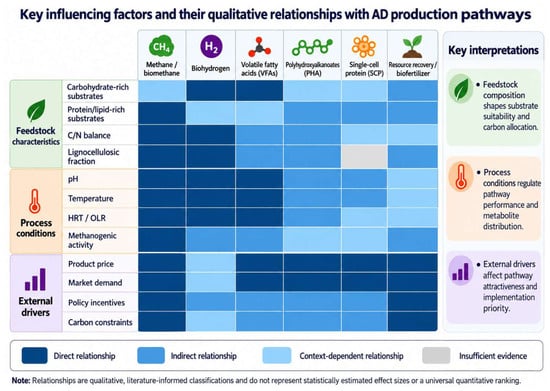
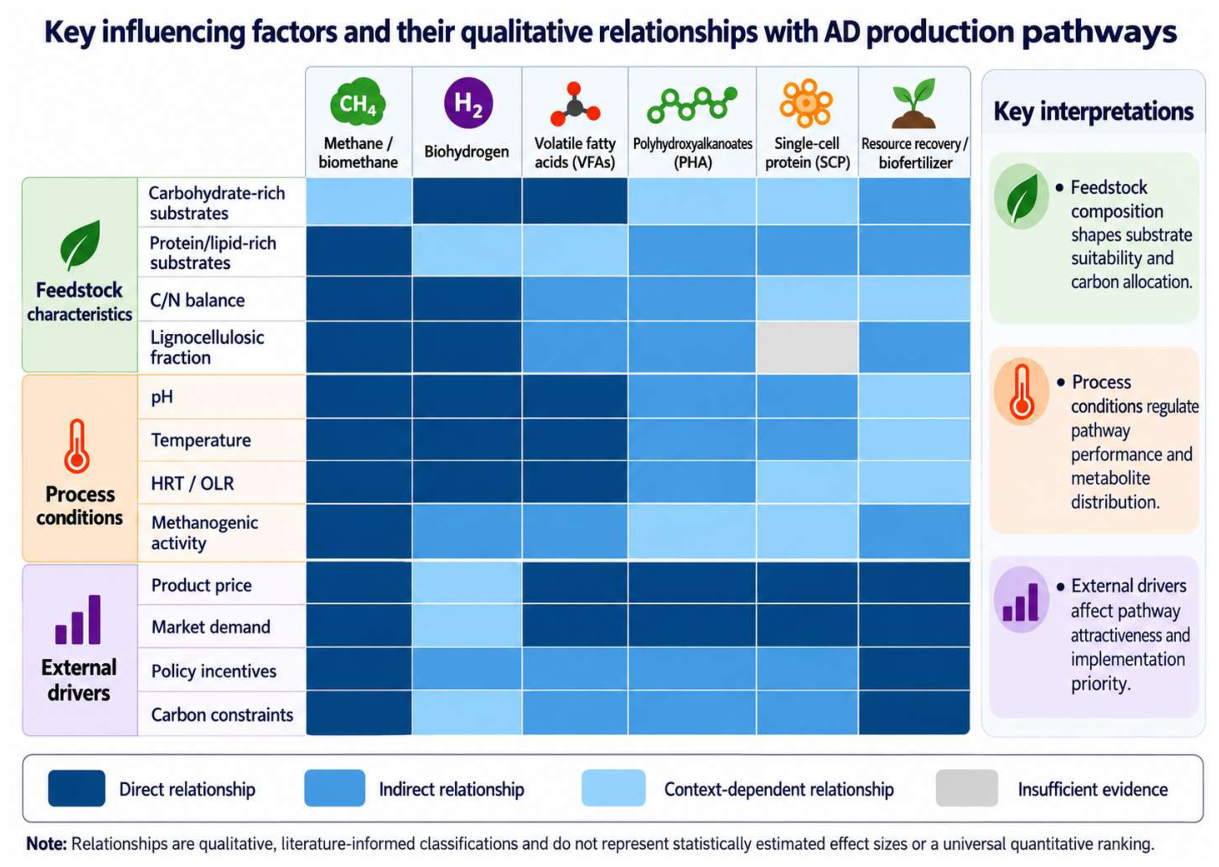
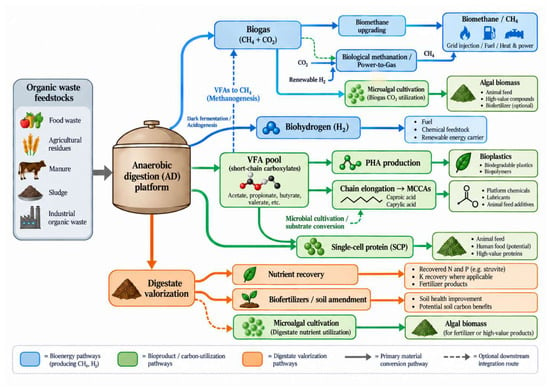
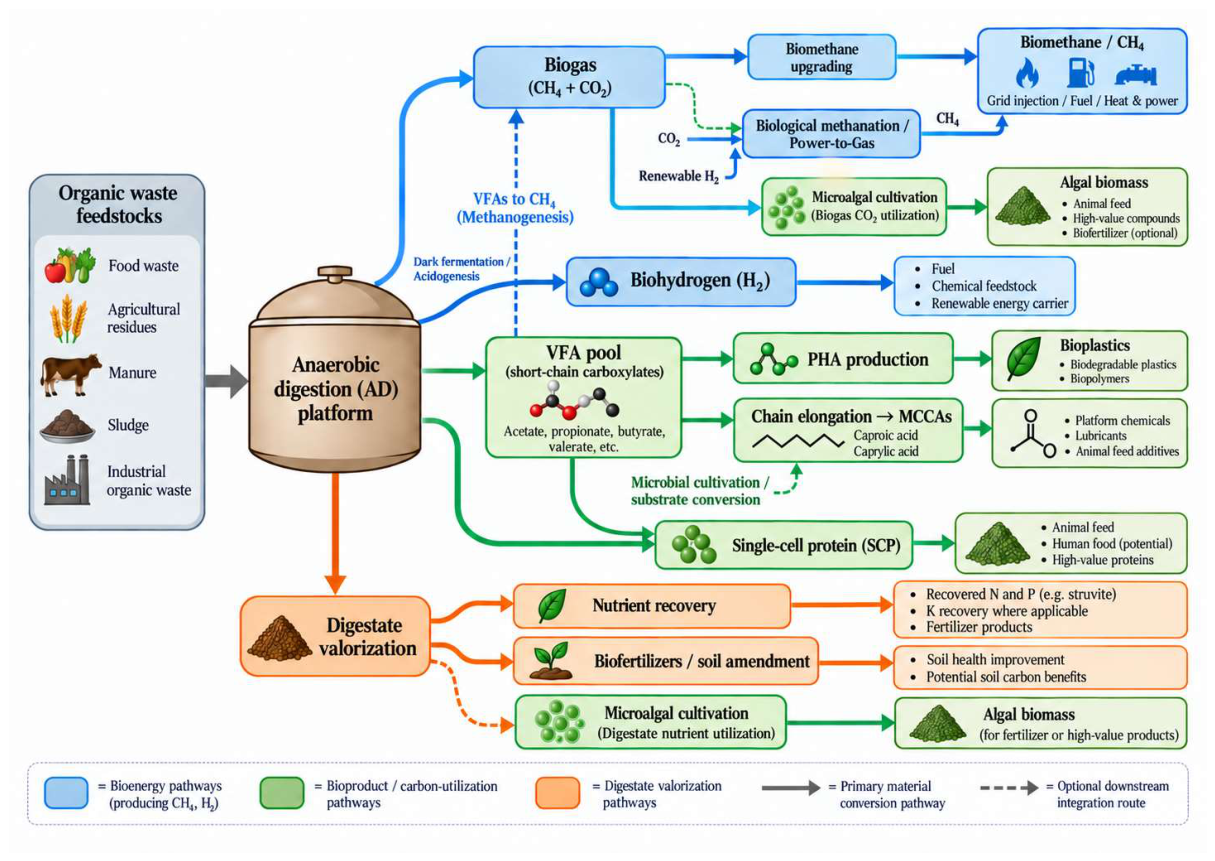
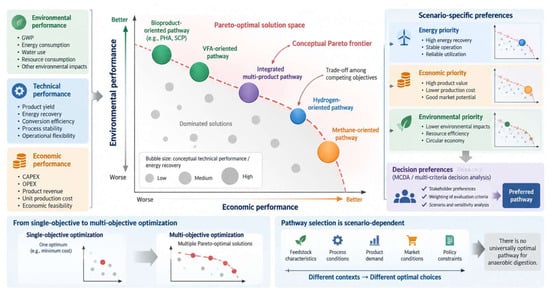
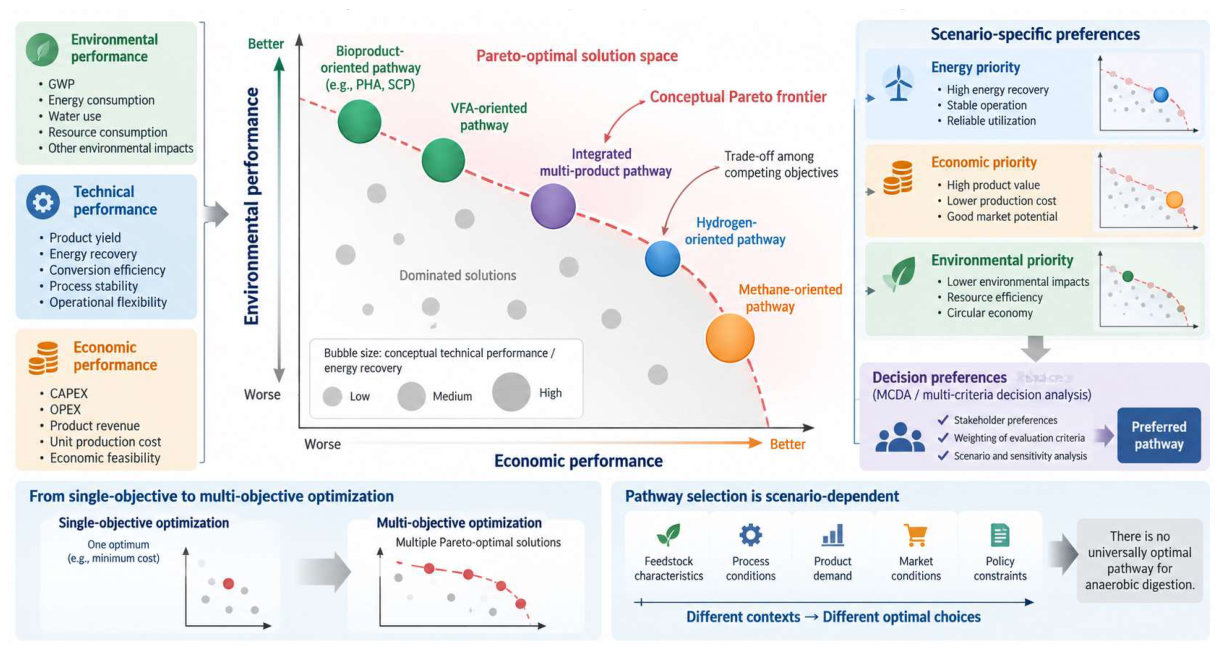
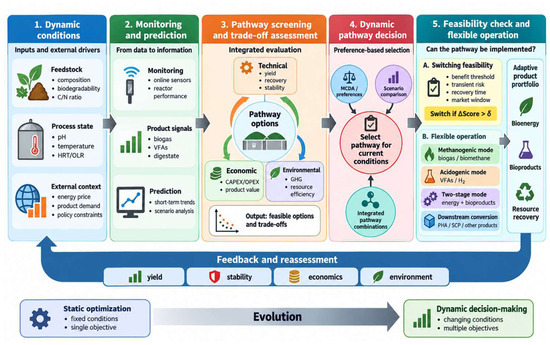
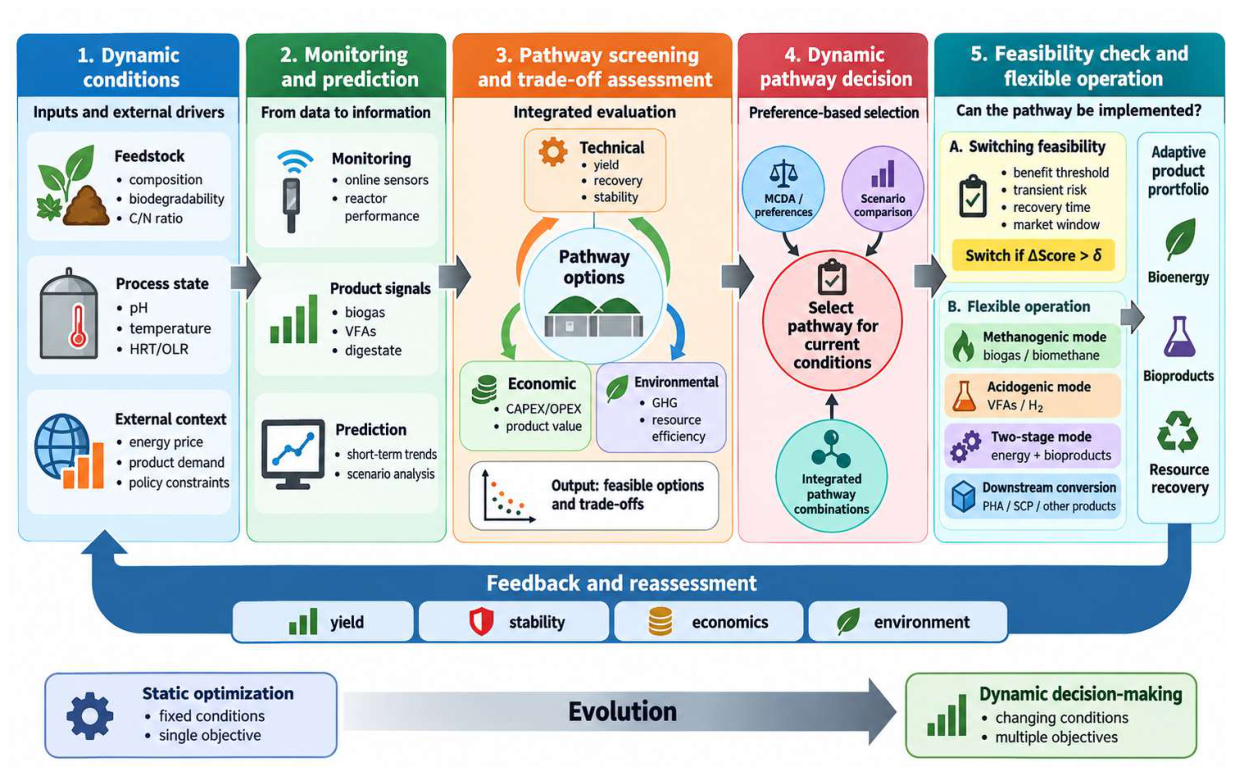

Disclaimer/Publisher’s Note: The statements, opinions and data contained in all publications are solely those of the individual author(s) and contributor(s) and not of MDPI and/or the editor(s). MDPI and/or the editor(s) disclaim responsibility for any injury to people or property resulting from any ideas, methods, instructions or products referred to in the content. |
© 2026 by the authors. Licensee MDPI, Basel, Switzerland. This article is an open access article distributed under the terms and conditions of the Creative Commons Attribution (CC BY) license.