


Abstract
Residential water heating constitutes a significant share of household energy consumption, yet the performance of conventional solar water heating (SWH) systems is limited by the low thermal conductivity of water. This study presents a techno-economic and environmental assessment of nanofluid-enhanced flat-plate SWH systems using 2 wt% Al2O3/water and a novel 2 wt% TiO2–chlorophyll bio-hybrid nanofluid. Experimental characterization showed thermal conductivity enhancements of 24.7% and 14.2% for Al2O3/water and TiO2–chlorophyll, respectively, resulting in collector efficiency improvements of 14.9% and 9.0% compared with the base fluid. Annual energy yields increased to 3520.6 kWh for Al2O3/water and 3339.2 kWh for TiO2–chlorophyll, compared with 2978.5 kWh for the conventional system. Economic analysis over a 20-year lifetime revealed payback periods of 2.24 and 2.28 years, with net present values of $7430 and $7028, respectively. Life-cycle assessment indicated that although Al2O3/water achieved the highest annual CO2 reduction (1697 kg CO2-eq/year), the TiO2–chlorophyll system exhibited the lowest life-cycle emissions (46.1 kg CO2-eq/m2) and shortest carbon payback period (4.1 months). The results demonstrate that while Al2O3/water maximizes thermal and economic performance, the TiO2–chlorophyll bio-hybrid provides the most balanced and sustainable solution for residential solar water heating applications.
1. Introduction
Over the last several decades, the global energy demand of the residential, commercial, and industrial sectors has been largely met by conventional energy resources such as coal, natural gas, petroleum, and nuclear power [1]. The costs associated with these energy sources are commonly reflected in direct expenditures, including fuel extraction, power plant construction, operation, and labor. However, many indirect costs are often overlooked, particularly the environmental degradation and public health impacts resulting from greenhouse gas emissions and air pollution [2].
The decarbonisation of residential energy consumption remains one of the most persistent challenges confronting the global energy transition. Buildings account for approximately 30% of global final energy demand, with the residential sector alone responsible for roughly 70% of that total [2,3]. Within residential energy consumption, space and water heating together constitute the dominant end-use, accounting for as much as 70% of household energy demand in advanced economies, and a share that while currently lower in per-capita terms in emerging and developing economies is rising rapidly with population growth, urbanisation, and improving living standards [4]. Globally, emissions from space and water heating in buildings reached approximately 4.2 Gt CO2 in 2022, comprising both direct combustion emissions and indirect emissions from electricity and heat production, and now represent over 80% of direct CO2 emissions in the buildings sector [5]. Achieving net-zero trajectories will require these emissions to fall by roughly half before 2030 a target that is currently far off-track given that renewable energy met only 14% of global heat consumption in buildings as of 2024 [6].
Solar water heating (SWH) technology represents one of the most mature, cost-effective, and immediately deployable pathways to decarbonise this demand. Global solar thermal collector capacity has grown substantially over the past decade, reaching approximately 560 GWth by 2023 and now supplying an estimated 63% of global solar thermal domestic hot water needs [7]. Despite this scale, solar thermal heat consumption in buildings is projected to remain comparatively flat through 2030 in aggregate terms, even as population growth and rising living standards in sub-Saharan Africa, South Asia, and Southeast Asia drive substantial increases in underlying heat demand a divergence that signals untapped deployment potential in precisely the high-irradiance, high-growth markets where SWH technology should, in principle, be most competitive [8]. This divergence is compounded by a well-documented technical constraint: the thermal performance of conventional flat-plate and evacuated-tube collectors is fundamentally limited by the modest thermal conductivity of water, the near-universal heat transfer fluid (HTF) in residential SWH systems. Conventional HTFs, while inexpensive and widely available, exhibit relatively low thermal conductivity, restricting efficient heat absorption and transport and resulting in elevated thermal losses and reduced overall system efficiency [9]. This performance ceiling has motivated more than two decades of research into nanofluid-based heat transfer enhancement as a means of closing the gap between the theoretical and realised efficiency of solar thermal collectors. Growing concerns regarding energy security, environmental sustainability, and climate change have accelerated the development of renewable energy technologies. Among the most prominent alternatives are biomass, hydropower, hydrogen-based systems, wind energy, photovoltaic (PV) technologies, and solar thermal systems [10]. Solar energy is especially attractive because of its abundance and widespread availability. Nevertheless, efficient conversion technologies are required to transform solar radiation into usable forms of energy, particularly electricity. Photovoltaic systems provide a direct means of converting sunlight into electrical power and have therefore become one of the most widely adopted solar technologies [11].
A significant advancement in solar energy utilization is the integration of photovoltaic modules with thermal collectors. This hybrid configuration, known as a photovoltaic-thermal (PVT) system, simultaneously generates electricity and useful heat [12]. By extracting excess heat from the PV module, the thermal collector reduces cell temperature, thereby improving electrical performance while also producing thermal energy. Consequently, the overall energy output of the system is substantially enhanced compared with conventional PV systems [13]. Despite these advantages, broader deployment of PVT technology requires comprehensive evaluation of its technical performance, economic feasibility, and environmental benefits.
In recent years, numerous researchers have investigated the techno-economic and environmental aspects of PV and PVT systems through both experimental and numerical approaches. Ferreira et al. [14] examined the economic prospects of photovoltaic power generation in Brazil, focusing on production technologies and market characteristics. Seng et al. [15] assessed the technical, economic, and environmental performance of building-integrated PV systems in Malaysia. Their study evaluated the feasibility of PV installations under various regulatory frameworks and quantified greenhouse gas reductions. However, they reported that standalone PV systems were not economically attractive under prevailing market conditions, highlighting the potential value of PVT systems.
Matuska [16] analyzed the performance and economic viability of hybrid PVT collectors used in domestic solar water heating applications. The study concluded that widespread adoption would be feasible if the market price of advanced glazed PVT collectors remained below a specific threshold. Similarly, Asaee et al. [17] conducted a techno-economic assessment of photovoltaic (PV) and building-integrated photovoltaic-thermal (BIPVT) systems. Their results demonstrated that the thermal energy recovered by the BIPVT system could be utilized for space heating and domestic hot-water production. Compared with conventional PV systems, the BIPVT configuration achieved significantly higher energy savings and emission reductions.
A comprehensive review of the economic assessment and practical applications of photovoltaic-thermal technologies was presented by Harrabi et al. [18]. Ghaith et al. [19] evaluated the thermal, economic, and environmental performance of solar heating and cooling systems for residential buildings in the United Arab Emirates. Although flat-plate and evacuated-tube collectors exhibited similar payback periods, evacuated-tube collectors were found to be more advantageous because they required less installation area.
Economic studies have also been conducted on large-scale photovoltaic deployment. Zhang et al. [20] reported that the capital investment required for PV installations in China exceeded that of conventional coal-fired power plants in 2012. However, they projected that continuing reductions in PV costs would enable solar technologies to become economically competitive with conventional generation technologies in the following decade. Comparable investigations have been carried out for other regions, including Africa [21,22]. Abadeh et al. [23] further predicted a substantial decline in photovoltaic module prices, estimating a reduction of approximately 67% between 2011 and 2020, which would facilitate the transition of PV technology into a mainstream energy source in regions with high solar irradiation.
For residential applications, Sakellariou et al. [24] assessed the technical and economic performance of PVT systems and emphasized the importance of climatic conditions and governmental policies in determining competitiveness relative to conventional energy technologies. Borode et al. [25] compared standalone PV modules, solar thermal collectors, and PVT systems under different storage capacities. Although the combined thermal and electrical efficiency of PVT systems was lower than the individual efficiencies of conventional collectors and PV modules, the overall primary energy-saving potential was superior. Their results also showed that increasing storage capacity improved the primary energy-saving efficiency. Economic analysis indicated that the payback period of PVT systems generally falls between those of conventional PV modules and solar thermal collectors.
To further improve system performance and reduce payback periods, researchers have explored the use of nanofluids as heat-transfer media. Nanofluids possess enhanced thermal conductivity compared with conventional fluids, enabling more effective heat extraction from solar collectors and PVT systems. The improved thermal performance may reduce collector size requirements and enhance overall energy output [26,27]. In parallel with continued refinement of synthetic metal-oxide nanofluids, a distinct and rapidly growing research frontier has emerged around green or bio-derived nanofluids colloidal suspensions synthesised from, or stabilised by, plant extracts, microorganisms, or biogenic waste materials, offered as a sustainable and biocompatible alternative to conventionally manufactured nanoparticles [28,29]. Conventional nanofluid synthesis routes, while effective at producing well-controlled particle morphologies, frequently generate non-biodegradable chemical byproducts and carry environmental and occupational safety concerns associated with high-temperature calcination and strong-acid digestion processes; this has motivated the development of cost-effective, eco-friendly green nanofluid synthesis techniques as a rapidly expanding area of solar collector research [22,30].
Woobin Kang et al. [31] investigated the environmental and economic implications of nanofluid-based solar water heating systems. Their findings revealed that while nanofluid collectors exhibited longer payback periods than conventional collectors, they achieved approximately 9% greater energy output and reduced emissions by around 3%. Hassan et al. [32] numerically evaluated the performance of several metal-oxide nanofluids in flat-plate solar collectors and reported improvements in energy savings, collector compactness, and environmental performance. Despite these promising findings, experimental studies examining the techno-economic and environmental impacts of nanofluids in photovoltaic-thermal systems remain limited.
Therefore, the present study investigates the economic and environmental performance of a PVT system employing different nanofluids as cooling media. The analysis is extended to annual operating conditions and benchmarked against a conventional PV system without thermal energy recovery. Two nanofluids Al2O3/water, and TiO2/chlorophyl are considered. Key performance indicators, including energy efficiency, exergy efficiency, emissions reduction, system cost, and payback period, are evaluated and compared. Additionally, five economic scenarios incorporating variations in electricity pricing and government subsidy schemes are examined to provide a comprehensive assessment of the viability of nanofluid-enhanced PVT technology.
2. Methodology
The methodology employed in this study is structured around a comprehensive four-stage framework comprising: (i) preparation and characterization of nanofluids, (ii) design and operation of the solar water heating (SWH) system, (iii) evaluation of thermal performance using energy and exergy analyses, and (iv) techno-economic and environmental assessment. This framework builds upon the experimental and analytical procedures reported by Abadeh et al. [1] for nanofluid-based photovoltaic-thermal systems and extends them to flat-plate solar water heating applications under Nigerian residential operating conditions.
2.1. Selection of Nanofluids
Two nanofluid formulations were selected for investigation based on their distinct thermal, optical, and sustainability characteristics.
- Al2O3/Water Nanofluid
Aluminum oxide (Al2O3) nanoparticles were chosen as the reference nanofluid because of their proven ability to enhance heat transfer performance, excellent chemical stability, low toxicity, and extensive use in solar thermal applications. Numerous studies have demonstrated that Al2O3 nanoparticles improve the effective thermal conductivity of water while maintaining acceptable rheological properties. A concentration of 2 wt% was selected to achieve significant thermal enhancement and to evaluate the performance of the system under relatively high nanoparticle loading conditions.
- TiO2–Chlorophyll Bio-Hybrid Nanofluid
A novel bio-hybrid nanofluid was developed by combining titanium dioxide (TiO2) nanoparticles with chlorophyll extract dispersed in distilled water. The formulation was designed to exploit the high thermal conductivity and photocatalytic properties of TiO2 together with the strong solar absorption capability of chlorophyll pigments. Chlorophyll exhibits broad absorption in both the blue and red regions of the solar spectrum, which can improve solar energy capture within the collector. Furthermore, the incorporation of chlorophyll reduces the required quantity of inorganic nanoparticles, thereby lowering the environmental footprint associated with nanoparticle production. A TiO2-to-chlorophyll mass ratio of 60:40 was adopted, with the total solids concentration maintained at 2 wt%.
2.2. Nanofluid Preparation
2.2.1. Preparation of Al2O3/Water Nanofluid
The Al2O3/water nanofluid was prepared using the conventional two-step dispersion technique. The required nanoparticle mass was calculated from the desired concentration using
where is the nanoparticle mass, is the target mass fraction, and is the mass of the base fluid.
The measured nanoparticles were gradually introduced into deionized water and mechanically stirred at 600 rpm for one hour to achieve preliminary dispersion. The suspension pH was subsequently adjusted to approximately 8 using dilute sodium hydroxide solution to enhance electrostatic stabilization. The mixture was then subjected to ultrasonic treatment for 90 min using a probe sonicator operating in pulsed mode to minimize particle agglomeration and ensure uniform distribution throughout the fluid.
2.2.2. Preparation of TiO2–Chlorophyll Bio-Hybrid Nanofluid
- Chlorophyll Extraction
Fresh spinach leaves (Spinacia oleracea) were selected as the chlorophyll source. The leaves were thoroughly washed, air-dried, and homogenized in chilled acetone. The resulting slurry was filtered to remove solid residues, and the filtrate was concentrated using rotary evaporation under reduced pressure. The chlorophyll concentration was determined spectrophotometrically using absorbance measurements at 663 nm and 645 nm according to
where and represent chlorophyll-a and chlorophyll-b concentrations, respectively.
- TiO2 Dispersion and Hybridization
TiO2 nanoparticles were first dispersed in deionized water through mechanical stirring followed by ultrasonic agitation. The pH of the suspension was adjusted to approximately 9 to promote electrostatic stability. The concentrated chlorophyll extract was then added gradually to the TiO2 suspension at a mass ratio of 60:40 (TiO2:Chlorophyll). The resulting mixture was further sonicated for one hour to produce a homogeneous bio-hybrid nanofluid. The natural amphiphilic structure of chlorophyll molecules contributes to improved nanoparticle dispersion, reducing the dependence on synthetic surfactants.
2.3. Nanofluid Characterization
2.3.1. Thermal Conductivity
The effective thermal conductivity of the prepared nanofluids was determined using a transient hot-wire thermal property analyzer. Measurements were performed at temperatures ranging from 25 °C to 70 °C to simulate the operational conditions encountered in solar water heating systems. Each test was repeated five times, and the average value was reported.
The thermal conductivity enhancement ratio was evaluated as
where and denote the thermal conductivity of the nanofluid and base fluid, respectively.
A nanoparticle concentration of 2 wt% was selected for both nanofluid formulations based on thermal, hydraulic, and practical considerations. This concentration represents the upper limit of the moderate-loading range commonly reported for metal-oxide nanofluids, where significant enhancement in thermal conductivity can be achieved while maintaining acceptable viscosity, pumping power, and colloidal stability. Previous studies have shown that concentrations below 2 wt% generally produce lower thermal conductivity enhancement, whereas higher concentrations often lead to particle agglomeration, increased pressure drop, higher pumping energy consumption, and reduced long-term suspension stability. Consequently, 2 wt% provides a practical balance between heat transfer enhancement and hydraulic performance for residential solar water heating applications.
Furthermore, selecting 2 wt% enables evaluation of the system under a relatively conservative economic scenario because the higher nanoparticle loading represents increased material cost. Demonstrating favourable thermal and economic performance at this concentration indicates that lower concentrations may also be economically feasible while requiring less nanoparticle material. The selected concentration therefore serves as a useful upper-performance benchmark for comparing the two nanofluid formulations under identical operating conditions.
It is acknowledged that the optimum nanoparticle concentration may differ depending on the desired balance between thermal performance, pumping power, economic return, and environmental impact. In particular, concentrations in the range of 0.5–1.0 wt% for Al2O3/water and potentially lower concentrations for the TiO2–chlorophyll bio-hybrid may provide improved overall system performance because the enhanced solar absorption of chlorophyll can partially compensate for reduced nanoparticle loading. Therefore, optimisation of nanoparticle concentration is identified as an important direction for future experimental investigation.
2.3.2. Dynamic Viscosity
The viscosity of the nanofluids was measured using a rotational rheometer over a temperature range of 20–80 °C. Measurements were conducted at multiple shear rates to verify Newtonian behavior. The viscosity ratio was calculated to quantify the additional pumping requirement associated with nanoparticle loading.
2.3.3. Density and Specific Heat Capacity
The density of each nanofluid was measured using a digital density meter, while the specific heat capacity was determined through differential scanning calorimetry. These thermophysical properties were subsequently incorporated into the thermal and exergy analyses of the solar water heating system.
Measurement uncertainties were estimated using the root-sum-square method and reported together with the experimental results.
2.3.4. Stability Assessment
The stability of the nanofluids was evaluated using three complementary techniques:
- Zeta Potential Analysis—to determine the electrostatic stability of the suspensions. Nanofluids exhibiting absolute zeta potential values greater than 25 mV were considered sufficiently stable.
- UV–Visible Spectroscopy—to monitor variations in absorbance intensity over time and identify possible sedimentation effects.
- Visual Sedimentation Observation—samples were stored under ambient laboratory conditions and photographed periodically over a 30-day period to evaluate phase separation and particle settling.
To verify the enhanced solar absorption capability of the proposed bio-hybrid nanofluid, ultraviolet-visible (UV–Vis) spectroscopy was conducted using a Shimadzu UV-2600 double-beam spectrophotometer (Shimadzu Corporation, Kyoto, Japan) over the wavelength range of 350–750 nm. Prior to measurement, each nanofluid was diluted at a ratio of 1:100 (v/v) with distilled water to ensure that the absorbance remained within the linear operating range of the instrument. Measurements were performed using 1 mm quartz cuvettes, and distilled water served as the reference.
The measured absorption spectra, presented in Figure 1, reveal distinct optical characteristics for the investigated working fluids. Base water exhibited negligible absorption throughout the visible spectrum, while the Al2O3/water nanofluid showed only a slight increase in absorbance arising from light scattering by suspended nanoparticles. The TiO2 dispersion demonstrated moderate absorption within the ultraviolet region but relatively weak absorption across the visible spectrum.
Figure 1.
UV–Vis absorption spectra of distilled water, Al2O3/water (2 wt%), TiO2 dispersion (2 wt%), and TiO2–chlorophyll bio-hybrid nanofluid (2 wt%) over the wavelength range of 350–750 nm.
In contrast, the TiO2–chlorophyll bio-hybrid nanofluid displayed two pronounced absorption maxima centred at 432 nm and 664 nm, corresponding to the Soret and Q bands of chlorophyll-a, respectively, together with a secondary absorption peak near 647 nm associated with chlorophyll-b. These absorption bands closely coincide with the regions of maximum solar photon flux under standard AM1.5G solar irradiance, thereby enhancing the effective utilisation of incident solar energy within the collector.
Quantitative analysis further showed that the spectral absorption coefficient of the TiO2–chlorophyll hybrid reached 38.4 m−1 at the Soret band (432 nm), approximately 4.8 times higher than that measured for the Al2O3/water nanofluid (8.0 m−1) at the same wavelength. The enhanced optical absorption confirms that chlorophyll contributes directly to solar energy harvesting in addition to the conductive heat-transfer enhancement provided by TiO2 nanoparticles.
Additionally, particle-size distributions were measured using dynamic light scattering before and after the stability testing period to detect any agglomeration or particle growth. The measured thermophysical and stability characteristics of the prepared nanofluids are summarized in Table 1.
Table 1.
Key Thermophysical and Stability Properties of Nanofluids at 300 K.
This characterization procedure ensures that the observed thermal performance improvements are attributable to intrinsic nanofluid properties rather than instability-related effects during system operation.
2.4. Solar Water Heating System Configuration
The system under evaluation is a forced-circulation flat-plate solar water heating (SWH) system designed to supply 150 L/day of hot water at 55 °C for a standard five-person residential household in Lagos, Nigeria. A differential temperature controller activates the 25 W DC circulation pump when the collector absorber temperature exceeds the tank bottom temperature by ≥5 °C, and switches off when the differential falls below 2 °C, consistent with the control logic described by Loiy Al-Ghussain et al. [33]. The secondary loop delivers hot water from the storage tank to domestic outlets; an electric resistance auxiliary heater (2 kW) supplements the solar contribution during periods of insufficient irradiance. Full system specifications are provided in Table 2.
Table 2.
Solar Water Heating System Specifications.
The experimental photovoltaic–thermal (PVT) solar water heating system used in this study is illustrated in Figure 2. The system consists of a photovoltaic–thermal (PVT) collector, an insulated hot-water storage tank, a centrifugal circulation pump, a flow control valve, a variable-area flow meter, a pressure gauge, an MPPT charge controller, a 12 V battery bank, and a data acquisition system (DAQ). The PVT collector was installed at an inclination angle of 60°, facing south to maximize solar energy capture under the prevailing climatic conditions of the study location.
Figure 2.
Schematic diagram of experimental section.
The working fluid, comprising either distilled water, Al2O3/water nanofluid, or the TiO2–chlorophyll bio-hybrid nanofluid, was circulated through the absorber tubes of the PVT collector by a centrifugal pump operating at a controlled flow rate of 20 L h−1. As the fluid flowed through the collector, it absorbed thermal energy from the solar-heated absorber plate before being discharged directly into the insulated storage tank, where the harvested thermal energy was stored for subsequent domestic hot-water use. The cooled fluid at the bottom of the storage tank was continuously recirculated to the collector, thereby forming a closed-loop forced-circulation system throughout the experimental period.
To ensure accurate monitoring of system performance, temperature sensors were installed at the collector inlet (Tnin), collector outlet (Tout), storage tank (Ttank), and ambient environment (Ta). A calibrated pyranometer was mounted adjacent to the collector to measure the incident solar irradiance, while a flow meter and pressure gauge continuously monitored the hydraulic operating conditions. The electrical output of the PVT collector was regulated through an MPPT charge controller connected to a 12 V battery bank, and all thermal and electrical measurements were recorded automatically using a computer-based data acquisition system.
2.5. Thermal Performance Evaluation
Energy and Exergy Output
The overall performance of the solar water heating system was evaluated using both energy and exergy approaches. The useful thermal energy generated by the collector and the corresponding exergy output were determined from the measured operating parameters. For a conventional solar water heating system, the net energy output is equal to the useful thermal energy delivered to the working fluid after accounting for the pumping power consumption:
where is the useful thermal energy gained by the working fluid and is the electrical energy consumed by the circulation pump.
The exergy output of the system was calculated by considering the quality of the thermal energy produced. Thus, the thermal exergy can be expressed as
where is the ambient temperature (K) and is the outlet temperature of the working fluid (K).
Since energy generated in different forms cannot be directly compared, it is often useful to convert electrical energy into an equivalent thermal energy basis. Following previous studies, an electricity-to-thermal conversion factor of 0.38 was adopted, representing the average efficiency of conventional thermal power generation. Values reported in the literature typically range between 0.35 and 0.40. Accordingly, the equivalent thermal energy output can be expressed as:
For the present study, which focuses on solar water heating applications, the total useful energy output is primarily represented by the thermal energy delivered to the domestic hot-water load, while the exergy analysis provides a more realistic assessment of the thermodynamic quality of the recovered heat. The combined energy and exergy analyses therefore enable a comprehensive comparison of the performance of the water, Al2O3/water, and TiO2–chlorophyll bio-hybrid nanofluids under identical operating conditions.
2.6. Techno-Economic Assessment Framework
The economic performance of the proposed solar water heating systems was evaluated using a life-cycle cost (LCC) framework over an assumed project lifespan of 20 years. The analysis methodology was adapted from the approach developed by Abadeh et al. [23] and further expanded to incorporate advanced financial indicators, including Net Present Value (NPV), Internal Rate of Return (IRR), and Levelized Cost of Heat (LCOH), as recommended in previous techno-economic studies of solar thermal systems. The assessment considers both initial capital expenditures and long-term operational costs, providing a comprehensive evaluation of system profitability and investment attractiveness, while the economic input parameters considered for this study are shown in Table 3. To account for uncertainties in future energy policies and market conditions, five distinct electricity tariff and government incentive scenarios were examined (Table 4). These scenarios were developed based on the framework proposed by Abadeh et al. [23] and modified to reflect the current and projected characteristics of the Nigerian residential energy sector.
Table 3.
Economic Analysis Assumptions and Input Parameters [23].
Table 4.
Electricity Price and Subsidy Scenarios for Economic Analysis [23].
Economic Performance Evaluation
The total investment cost of the solar water heating system was estimated by considering all major capital and installation expenses. Building upon the cost model proposed by Bernal-Agustín and Dufo-López [34], the present study incorporates additional costs associated with the circulation pump and nanofluid preparation, which are particularly relevant for nanofluid-enhanced solar thermal systems. Accordingly, the total system cost is expressed as
where represents the cost of the solar collector and storage components, is the circulation pump cost, denotes the controller and instrumentation cost, is the nanofluid preparation cost, is the installation and piping cost, and corresponds to any government subsidy or financial incentive available for renewable-energy technologies.
To determine the collector area required to meet a specified thermal demand, the relationship between the required useful energy output and the collector energy yield per unit area was employed
where is the required collector area (m2), is the target thermal energy demand, and is the useful thermal energy produced per square metre of collector area.
The annual economic benefit resulting from the displacement of conventional electricity-based water heating was quantified through the annual cost savings (ACS), calculated as
where is the annual useful thermal energy delivered by the system in year , and is the corresponding electricity tariff.
The cumulative cost savings over the project lifetime were determined by accounting for annual maintenance cost escalation
where is the maintenance cost coefficient, assumed to be 2% of the initial investment cost ().
The cumulative ownership cost of the system after years was estimated by incorporating both maintenance expenditure and capital appreciation effects
where is the annual capital growth factor, taken as 2% in accordance with regional economic assumptions.
The annual net cash flow represents the difference between the monetary benefits generated by energy savings and the expenditures associated with operation and maintenance. Thus, the annual profit for year can be expressed as:
Substituting Equations (11) and (12) into Equation (13) yields:
The simple payback period (PBP) was subsequently determined as the year at which the cumulative profit becomes zero or positive for the first time, indicating that the initial investment has been fully recovered through energy-cost savings.
The long-term financial viability of the nanofluid-enhanced solar water heating systems was assessed using the Net Present Value (NPV) method. NPV was calculated by discounting future cash flows to their present value using a real discount rate of 8%, representative of the weighted average cost of capital for renewable-energy investments in Nigeria
where is the additional initial investment cost relative to the conventional water-based system, is the annual energy-cost saving in year t, is the incremental operation and maintenance cost, is the discount rate (0.08), and is the project lifetime, assumed to be 20 years.
A positive NPV indicates that the project generates returns exceeding the required rate of return and is therefore economically attractive.
The Internal Rate of Return (IRR) was determined as the discount rate that reduces the NPV of the project to zero. The value of IRR was obtained numerically using an iterative solution procedure over a discount-rate range of 0–50%.
To evaluate the cost-effectiveness of thermal energy generation, the Levelized Cost of Heat (LCOH) was calculated as
where is the initial capital cost, is the annual operation and maintenance cost, is the annual useful thermal energy generated in year t, and is the discount rate.
The LCOH, expressed in USD/kWh-th, provides a direct basis for comparison with conventional electric water-heating costs and prevailing residential electricity tariffs.
2.7. Environmental Assessment
The environmental benefit of the solar water heating system was quantified in terms of avoided greenhouse-gas emissions resulting from reduced dependence on grid electricity, as shown in Table 5. The annual carbon dioxide emission reduction was calculated as
where is the annual CO2 emission reduction (kg CO2-eq/year), is the grid emission factor (kg CO2-eq/kWh), and is the annual useful thermal energy supplied by the solar water heating system (kWh/year). For Nigeria, an emission factor of 0.482 kg CO2-eq/kWh was adopted, based on national electricity generation statistics and previous studies. In addition to CO2 emissions, reductions in sulfur dioxide (SO2) and nitrogen oxides (NOx) were estimated using pollutant-specific emission factors representative of Nigeria’s predominantly gas-fired electricity generation mix.
Table 5.
Emission factors and environmental costs are associated with electricity generation [23].
2.7.1. Life Cycle Assessment (LCA)
A cradle-to-grave LCA is conducted in accordance with ISO 14040:2006 and ISO 14044:2006 [18]. The functional unit is defined as: “provision of 150 L of hot water per day at 55 °C for a five-person household over 20 years in Lagos, Nigeria.” The system boundary is partitioned into six life cycle phases, as detailed in Table 6. Background inventory data are sourced from the ecoinvent 3.9 database adapted to Nigerian grid conditions. Manufacturing-phase CO2-equivalent emissions for Al2O3 nanoparticle synthesis (sulfate process, high-temperature calcination) and TiO2 nanoparticle synthesis (chloride process) are explicitly quantified and disaggregated from the structural component inventory.
Table 6.
Life Cycle Assessment System Boundary and Inventory Scope.
Two key environmental time-metrics are computed: the Energy Payback Time (EPT), defined as the time required for the system to generate the primary energy equivalent of its manufacturing embodied energy; and the CO2 Payback Time (CO2-PT), defined as the time at which cumulative CO2 avoided equals the CO2 embodied in manufacturing and installation. Both metrics provide critical context for assessing the net environmental benefit timeline of each system and are particularly relevant for comparing the bio-derived chlorophyll-based hybrid, which carries inherently lower manufacturing embodied carbon, against the synthetic Al2O3 system.
2.7.2. Sensitivity Analysis
A one-at-a-time (OAT) sensitivity analysis is performed on the NPV of both nanofluid systems by varying each key input parameter by ±30% from its baseline value, while holding all other parameters constant. Parameters examined include: electricity tariff, discount rate, annual solar irradiance, system lifetime, nanoparticle procurement cost, nanofluid replacement interval, and annual O&M cost. Results are presented as a graphical chart, ranking parameters by their absolute NPV impact, to identify the dominant uncertainty drivers and bound the investment risk.
3. Results and Discussion
This section presents and discusses results for the two nanofluid systems investigated Al2O3/water (and the hybrid TiO2-chlorophyll (combined solids) relative to a conventional base-fluid (water-only) PVT collector system. Results are organised sequentially following the methodological framework: thermophysical properties (Section 3.1), collector thermal efficiency (Section 3.2), annual energy yield (Section 3.3), techno-economic performance indicators (Section 3.4), environmental assessment (Section 3.5), and sensitivity analysis (Section 3.6). All system-level figures are calibrated to a 2.0 m2 gross-area/1.85 m2 aperture-area flat-plate collector serving a five-person household.
3.1. Thermophysical Properties
Figure 3 illustrates the variation in thermal conductivity with temperature for the base fluid, Al2O3/water nanofluid, and TiO2–chlorophyll bio-hybrid nanofluid over the temperature range of 25–70 °C. For all fluids, thermal conductivity increased with increasing temperature, reflecting the enhanced molecular activity and energy transport mechanisms at elevated temperatures. However, the magnitude of improvement differed significantly among the tested fluids due to variations in their thermophysical properties and heat transfer mechanisms.
Figure 3.
Thermal conductivity of Al2O3/water and TiO2-chlorophyll nanofluids as a function of temperature, relative to the base fluid.
The Al2O3/water nanofluid exhibited the highest thermal conductivity throughout the entire temperature range. At 25 °C, the thermal conductivity increased from 0.612 W/m·K for water to 0.764 W/m·K, corresponding to an enhancement of approximately 24.7%. As the temperature increased to 70 °C, the thermal conductivity reached 0.812 W/m·K, representing a 23.0% improvement over the base fluid. This substantial enhancement can be attributed to the inherently high thermal conductivity of Al2O3 nanoparticles (≈40 W/m·K), which create conductive pathways within the fluid and facilitate more efficient heat transport. The slight reduction in the percentage enhancement at higher temperatures is consistent with previous studies and is associated with the increasing contribution of molecular diffusion in the base fluid, which reduces the relative influence of the nanoparticles on overall heat conduction.
The TiO2–chlorophyll bio-hybrid nanofluid also demonstrated improved thermal conductivity compared with water, although the enhancement was less pronounced. The thermal conductivity increased from 0.700 W/m·K at 25 °C to 0.746 W/m·K at 70 °C, corresponding to an enhancement of approximately 14.2% and 12.9%, respectively. The lower improvement relative to Al2O3/water is primarily due to the lower intrinsic thermal conductivity of TiO2 (≈8.4 W/m·K) and the presence of chlorophyll aggregates, which possess considerably lower thermal conductivity than metal-oxide nanoparticles. Nevertheless, the hybrid nanofluid maintained a consistent increase in thermal conductivity with temperature, indicating stable dispersion and effective thermal transport characteristics.
TiO2 nanoparticles, on the other hand, have a much higher thermal conductivity and excellent chemical stability, but relatively low solar absorption in the visible wavelength range. The hybrid nanofluid is a result of this combination, so that the nanofluid can take advantage of the complementary effect of TiO2, which can increase conductive heat transfer between the absorber surface and the working fluid, and chlorophyll which can improve the absorption of solar radiation in the visible spectrum as shown in Table 7. Both the TiO2–chlorophyll hybrid and the base fluid demonstrated some synergy in the collector efficiency, which is the reason that the former surpassed the latter in this benchmark. This synergistic behaviour is what led to a higher collector efficiency for the TiO2–chlorophyll hybrid than for the base fluid.
Table 7.
Comparative performance of different working fluids.
Although the TiO2–chlorophyll nanofluid exhibited lower thermal conductivity enhancement than the Al2O3/water nanofluid, its performance should not be evaluated solely on conductive heat transfer. The incorporation of chlorophyll introduces strong absorption bands in both the blue and red regions of the solar spectrum, enabling improved solar energy absorption within the collector. Consequently, the hybrid nanofluid is expected to convert a greater fraction of incident solar radiation into thermal energy, partially compensating for its lower thermal conductivity. This synergistic combination of enhanced optical absorption and improved heat transfer makes the TiO2–chlorophyll formulation particularly attractive for direct solar thermal applications.
Figure 4 presents the variation in dynamic viscosity with temperature for the base fluid, Al2O3/water nanofluid, and TiO2–chlorophyll bio-hybrid nanofluid over the operating range of 20–80 °C. As expected, the viscosity of all fluids decreases continuously with increasing temperature, following the typical exponential behaviour of liquid systems. This trend is primarily attributed to the reduction in intermolecular cohesive forces and the increased mobility of fluid molecules at elevated temperatures, which facilitates flow and reduces resistance to deformation.
Figure 4.
Dynamic viscosity of Al2O3/water and TiO2-chlorophyll nanofluids as a function of temperature.
The Al2O3/water nanofluid exhibited the highest viscosity throughout the investigated temperature range. Compared with the base fluid, the viscosity increased by approximately 8.2–10.3%, indicating the largest viscosity penalty among the tested fluids. This behaviour can be attributed to the presence of dispersed Al2O3 nanoparticles, which increase internal friction within the suspension and hinder fluid motion. In addition, the relatively high density of Al2O3 particles (approximately 3970 kg m−3) results in a larger effective hydrodynamic volume fraction at a given mass concentration, thereby increasing particle–fluid and particle–particle interactions. Although these interactions contribute positively to thermal conductivity enhancement, they also increase the energy required to circulate the fluid through the collector system.
The TiO2–chlorophyll bio-hybrid nanofluid demonstrated a comparatively lower viscosity increase, ranging between 4.6 and 5.5% above that of water. The reduced viscosity penalty is largely associated with the unique composition of the hybrid formulation. While TiO2 nanoparticles contribute to thermal enhancement, the chlorophyll component exists predominantly as bio-molecular aggregates with lower density and less rigid structure than conventional metal-oxide nanoparticles. Consequently, the hybrid suspension imposes less hydrodynamic resistance and maintains flow characteristics closer to those of the base fluid. This behaviour is advantageous for solar thermal applications because it allows thermal performance improvements without a substantial increase in pumping energy requirements.
For both nanofluids, the viscosity difference relative to water becomes less significant as temperature increases. At temperatures representative of practical collector operation (50–65 °C), the absolute viscosity values are considerably lower than those measured near room temperature. This reduction is beneficial because solar water heating systems typically operate within this temperature range, meaning that the adverse effects of viscosity on fluid circulation are naturally mitigated during normal operation. The decrease in viscosity at elevated temperatures also contributes to improved convective heat transfer, further supporting the thermal performance of the collector. The observed viscosity increases have only a minor impact on system operation. The additional pumping power required for the Al2O3/water nanofluid was estimated at approximately 3.1 W above the base-fluid case, while the TiO2–chlorophyll hybrid required only about 1.7 W of additional pumping power. Both values are negligible compared with the rated pump capacity of 25 W and therefore have little influence on the overall energy balance of the solar water heating system. This finding indicates that the thermal benefits obtained from enhanced heat transfer substantially outweigh the small hydraulic penalties associated with nanofluid circulation.
3.2. Thermal Efficiency
Figure 5 presents the instantaneous collector thermal efficiency curves obtained from the Hottel–Whillier–Bliss (HWB) model using the experimentally determined thermophysical properties of the working fluids. The results clearly demonstrate the beneficial influence of nanofluids on collector performance, as both nanofluid-based systems exhibit higher thermal efficiencies than the conventional water-based collector across the entire operating range.
Figure 5.
Instantaneous thermal efficiency of the flat-plate collector as a function of the reduced temperature parameter (Tfi − Ta)/G, for each fluid configuration.
The optical efficiency, represented by the y-intercept of the efficiency curve at zero reduced temperature difference, was found to be approximately 80.2% for the Al2O3/water nanofluid, 76.8% for the TiO2–chlorophyll bio-hybrid nanofluid, and 71.5% for the base fluid. These values indicate that the incorporation of nanofluids enhances the collector’s ability to convert incident solar radiation into useful thermal energy. The superior performance of the Al2O3/water nanofluid can be attributed primarily to its significantly higher thermal conductivity, which facilitates rapid heat transfer from the absorber surface to the circulating fluid. As a result, the thermal resistance at the absorber–fluid interface is reduced, allowing a larger fraction of the absorbed solar energy to be recovered as useful heat.
Although the TiO2–chlorophyll bio-hybrid nanofluid exhibited lower thermal conductivity enhancement than the Al2O3/water nanofluid, its thermal efficiency remained comparatively close. This behaviour highlights the importance of the optical contribution provided by the chlorophyll component. Chlorophyll pigments possess strong absorption bands in the blue and red regions of the solar spectrum, corresponding closely to wavelengths where solar irradiance is highest. Consequently, the hybrid nanofluid can absorb additional solar radiation within the fluid itself, supplementing the conventional heat-transfer process from the absorber plate. This direct absorption mechanism partially compensates for the lower thermal conductivity of the hybrid nanofluid and contributes to its improved thermal performance relative to the base fluid.
The slopes of the efficiency curves further illustrate the influence of nanofluids on collector heat-loss characteristics. The Al2O3/water and TiO2–chlorophyll systems exhibited lower heat-loss coefficients than the water-based collector, as reflected by their less negative efficiency gradients. This indicates that both nanofluids are more effective at extracting heat from the absorber surface, thereby reducing the temperature difference between the absorber and the surrounding environment and minimizing thermal losses. The reduced slope observed for the Al2O3/water nanofluid confirms its superior heat-transfer capability, while the hybrid nanofluid demonstrates an intermediate performance resulting from the combined effects of enhanced heat transfer and improved solar absorption.
At a representative operating condition for residential solar water heating in southwestern Nigeria, corresponding to a fluid inlet temperature of 50 °C, ambient temperature of 30 °C, and solar irradiance of 800 W/m2, the predicted collector efficiencies were approximately 73.9% for the Al2O3/water nanofluid, 70.1% for the TiO2–chlorophyll bio-hybrid nanofluid, and 64.3% for the base fluid. These values correspond to relative efficiency improvements of approximately 14.9% and 9.0% for the Al2O3 and hybrid nanofluids, respectively, compared with the conventional system.
As described previously, the experimental investigations were conducted at Ibadan, Oyo State, Nigeria (Latitude: 7.38° N, Longitude: 3.93° E). Experimental data were collected between 09:00 h and 16:00 h, corresponding to the period of significant solar availability. The solar collector was installed facing south with a fixed tilt angle of 15°, which closely approximates the local latitude and is suitable for year-round solar energy harvesting in southwestern Nigeria.
Monthly average solar radiation data used in the analysis are presented in Figure 6. These values were employed to estimate the annual thermal energy production and to extend the experimental results to long-term techno-economic and environmental assessments. A circulation rate of 20 L h−1 was selected because it maximized the net useful heat gain while maintaining low pumping power. Further increases in flow rate yielded only marginal improvements in collector efficiency but noticeably increased hydraulic losses and pump energy consumption. Throughout the experiments, the working fluid (water, Al2O3/water nanofluid, or TiO2–chlorophyll bio-hybrid nanofluid) was circulated at a constant flow rate of 20 L h−1. These operating conditions were selected based on preliminary optimization tests that provided stable thermal performance and acceptable pumping power requirements.
Figure 6.
The average monthly solar irradiation data in the measurement location.
3.3. Techno-Economic Performance
3.3.1. Payback Period
Figure 7 presents the simple payback period (PBP) of the three PVT water-heating system configurations relative to a baseline scenario in which all thermal energy demand is supplied by grid electricity. The results indicate exceptionally short payback periods for all configurations, with values of 2.30 years for the conventional water-based system, 2.24 years for the Al2O3/water nanofluid system, and 2.28 years for the TiO2–chlorophyll hybrid nanofluid system. These favourable economic outcomes are primarily attributable to Nigeria’s abundant solar resource, characterized by an annual average global horizontal irradiance (GHI) of approximately 4.8–5.4 kWh m−2 day−1, coupled with the high effective cost of electricity resulting from rising grid tariffs and increased reliance on backup power generation following the 2023 fuel subsidy removal. Consequently, the payback periods obtained in this study are substantially lower than the 5–8 years commonly reported for solar thermal systems operating in temperate climates or regions with heavily subsidized electricity tariffs.
Figure 7.
Simple payback period (years) for conventional, Al2O3/water, and TiO2-chlorophyll nanofluid solar water heating systems, evaluated against a full grid-electricity baseline.
Despite requiring a higher initial investment, both nanofluid-enhanced systems demonstrate slightly shorter payback periods than the conventional configuration. This improvement arises because the additional annual energy savings generated by the nanofluids outweigh their incremental capital costs. When assessed on an incremental basis, considering only the additional cost and benefit associated with the nanofluid upgrade, the economic advantage becomes more evident. The Al2O3/water nanofluid system incurs an additional capital expenditure of $165 relative to the conventional system but generates an extra annual saving of $97.57, resulting in an incremental payback period of 1.69 years. Similarly, the TiO2–chlorophyll hybrid nanofluid system requires an additional investment of only $118 partly due to the cost reduction achieved by replacing a fraction of the TiO2 nanoparticles with bio-derived chlorophyll—and yields an additional annual saving of $64.93, corresponding to an incremental payback period of 1.82 years. These findings demonstrate that the nanofluid enhancement is economically viable not only as part of a new system installation but also as a standalone retrofit strategy, providing a rapid recovery of the additional investment while delivering sustained long-term energy-cost savings.
3.3.2. Net Present Value, IRR, and LCOE
Figure 8 and Table 8 illustrate the cumulative Net Present Value (NPV) profiles of the three PVT water-heating configurations over a 20-year project lifetime, evaluated using a real discount rate of 8%, representative of the weighted average cost of capital (WACC) for renewable energy investments in Africa. The results demonstrate strong long-term economic performance for all configurations, with the Al2O3/water nanofluid system yielding the highest cumulative NPV of $7430, followed by the TiO2–chlorophyll hybrid system at $7028, and the conventional water-based system at $6282. The NPV ranking is consistent with the payback period results, thereby reinforcing the robustness and internal consistency of the economic assessment. Notably, all systems attain positive NPV within approximately the second year of operation, indicating rapid recovery of the initial investment. Furthermore, the economic advantage of the nanofluid-enhanced systems becomes increasingly pronounced over time as the combined effects of higher annual energy production and the assumed 5% annual escalation in electricity prices compound throughout the project lifetime.
Figure 8.
Cumulative net present value (NPV) over a 20-year project lifetime at an 8% real discount rate. The dashed line at NPV = 0 marks the payback threshold.
Table 8.
Techno-Economic Performance Summary.
The Internal Rate of Return (IRR) further confirms the strong investment attractiveness of the proposed systems. The Al2O3/water configuration achieves the highest IRR at 49.9%, followed by the TiO2–chlorophyll hybrid system at 49.1%, while the conventional system records an IRR of 48.6%. All values are substantially greater than the 8% discount-rate benchmark, indicating a significant margin of economic viability and resilience against investment risk. Although these IRR values may appear high when compared with solar thermal installations in temperate regions, they are consistent with the economic characteristics of high-solar-resource and high-electricity-cost environments, where avoided energy costs generate substantial financial benefits over the system lifetime.
The Levelized Cost of Energy (LCOE) values are similarly favourable across all configurations, amounting to $0.0484 kWh−1 for the conventional system, $0.0483 kWh−1 for the Al2O3/water system, and $0.0489 kWh−1 for the TiO2–chlorophyll hybrid system. These values are considerably lower than the prevailing residential electricity tariff of approximately $0.18 kWh−1, highlighting the strong long-term cost competitiveness of solar-assisted water heating relative to conventional grid-electric water heating in the Nigerian context. The minimal variation in LCOE among the three working fluids suggests that the additional capital expenditure associated with nanofluid enhancement is effectively balanced by the corresponding increase in useful energy output. Consequently, while the Al2O3/water system provides the highest overall economic return, the selection of a specific nanofluid may be influenced not only by economic considerations but also by broader factors such as environmental sustainability, material availability, and lifecycle impacts, as discussed in Section 3.4.
Figure 9 illustrates the potential reduction in PVT collector area achievable through the use of nanofluids, evaluated from both energy- and exergy-based perspectives. From the energy viewpoint, the superior thermal performance of the Al2O3/water and TiO2–chlorophyll nanofluids enables a reduction in required collector area of 16.7% and 18.1%, respectively, while maintaining the same thermal energy output as the conventional water-based system. These reductions highlight the ability of nanofluids to enhance heat-transfer performance and increase solar energy utilization efficiency, thereby lowering the collector area required to meet a given heating demand.
Figure 9.
Collector size reduction achievable through nanofluid enhancement, from energy and exergy viewpoints.
When assessed from the exergy viewpoint, the achievable collector size reductions are more modest, amounting to 5.3% for the Al2O3/water system and 6.3% for the TiO2–chlorophyll system. This difference reflects the fundamental distinction between energy and exergy analyses in low-temperature thermal applications. Although nanofluids increase the quantity of useful thermal energy harvested, the exergy content of domestic hot water remains inherently constrained by the relatively small temperature difference between the collector outlet and the ambient environment. Consequently, improvements in thermal energy gain do not translate proportionally into exergy enhancement, resulting in smaller exergy-based reductions in collector size.
The observed reduction in collector footprint has important practical implications for residential applications, particularly in densely populated urban environments where rooftop space is often limited. A smaller collector area can reduce installation costs, structural loading requirements, and space constraints, thereby improving the feasibility of PVT system integration in existing buildings. These additional benefits represent an indirect economic advantage of nanofluid enhancement that is not explicitly reflected in the payback period, net present value (NPV), or levelized cost of energy (LCOE) analyses presented earlier.
3.4. Perspective on Environmental Effects
Figure 10 and Table 9 summarize the environmental performance of the three PVT system configurations from both operational and life-cycle perspectives. Based on the Nigerian grid emission factor of 0.482 kg CO2-eq kWh−1, the Al2O3/water nanofluid system achieves the highest annual CO2 emission avoidance of 1697 kg CO2-eq year−1, followed by the TiO2–chlorophyll hybrid system at 1610 kg CO2-eq year−1 and the conventional water-based system at 1436 kg CO2-eq year−1. Over the assumed 20-year service life, these annual savings translate into cumulative avoided emissions of 33.9, 32.2, and 28.7 tonnes CO2-eq, respectively. Such reductions represent a significant contribution to household-scale decarbonization and are comparable to the emission mitigation levels reported for advanced PVT and solar thermal technologies operating under similar climatic conditions.
Figure 10.
(a) Cumulative CO2 emissions avoided over the 20-year project lifetime; (b) life cycle CO2-equivalent emissions disaggregated by system phase, for all three fluid configurations.
Table 9.
Environmental Performance Summary.
While the operational assessment favors the Al2O3/water system, the life-cycle assessment (LCA) reveals a different environmental ranking when embodied emissions associated with material production are considered. The manufacturing phase contributes the largest share of life-cycle emissions for all configurations, with the Al2O3/water system exhibiting the highest manufacturing footprint of 44.6 kg CO2-eq m−2. This value is substantially greater than that of the conventional system (28.5 kg CO2-eq m−2) and the TiO2–chlorophyll hybrid system (26.8 kg CO2-eq m−2). The elevated embodied carbon of the Al2O3 system can be attributed to the energy-intensive production of commercial alumina nanoparticles, which typically involves high-temperature processing and purification stages. In contrast, the lower manufacturing impact of the hybrid nanofluid arises from the partial replacement of TiO2 nanoparticles with bio-derived chlorophyll extract. Because chlorophyll is obtained from renewable agricultural biomass with relatively low embodied energy, its incorporation reduces the quantity of synthetic nanoparticles required and consequently lowers the associated manufacturing emissions.
Considering the complete cradle-to-grave system boundary, total life-cycle emissions amount to 67.1 kg CO2-eq m−2 for the Al2O3/water system, 53.3 kg CO2-eq m−2 for the conventional system, and only 46.1 kg CO2-eq m−2 for the TiO2–chlorophyll hybrid system. The hybrid configuration therefore exhibits the lowest overall environmental burden among the three alternatives. This advantage is further reflected in the Energy Payback Time (EPT) and CO2 Payback Time (CO2-PT) metrics. The TiO2–chlorophyll system requires only 6.2 months to recover its embodied energy and 4.1 months to offset its embodied carbon through operational emission savings. By comparison, the conventional system records EPT and CO2-PT values of 7.8 and 5.4 months, respectively, while the Al2O3/water system requires 9.6 months and 6.9 months. These results indicate that although the Al2O3/water nanofluid delivers the greatest operational energy and emission benefits, the TiO2–chlorophyll hybrid provides the most favorable overall environmental performance when both operational and embodied impacts are considered. The findings support the growing body of evidence that bio-derived and green nanofluids can achieve substantial thermal performance enhancements while significantly reducing the environmental footprint associated with nanoparticle production.
3.5. Sensitivity Analysis of Key Economic and Technical Parameter
Figure 11 illustrates the tornado chart obtained from the one-at-a-time (OAT) sensitivity analysis of the net present value (NPV) of the PVT system, where each input variable was varied by ±30% relative to its baseline value. The results indicate that the electricity price is the most influential parameter affecting project profitability. An increase of 30% in the electricity tariff (to $0.234 kWh−1) raises the NPV by approximately $1705, whereas a 30% reduction (to $0.126 kWh−1) decreases the NPV by about $1580. This finding is consistent with previous techno-economic assessments of nanofluid-based solar thermal systems, which identify the value of displaced grid electricity as the primary driver of economic performance. System lifetime and discount rate rank as the second and third most influential variables, respectively, highlighting the importance of long-term operational performance and financing assumptions in determining the economic viability of capital-intensive solar energy investments.
Figure 11.
One-at-a-time (OAT) sensitivity analysis of NPV for the nanofluid system under ±30% variation in key economic and technical parameters. Base case NPV = $7430.
Importantly, the NPV remains positive across the full ±30% variation range of all examined parameters, including conservative scenarios characterized by lower electricity tariffs and higher discount rates. This demonstrates the robustness of the economic case for nanofluid-enhanced solar water-heating systems under Lagos operating conditions. In contrast, nanoparticle cost exhibits the least influence on project economics, with NPV variations of only +$198 and −$310 for a ±30% change in material cost. Despite the relatively high nanoparticle concentration, nanofluid procurement accounts for only about 12% of the total capital investment. Consequently, concerns regarding nanoparticle cost as a major barrier to the commercial deployment of nanofluid-based residential PVT systems may be less significant than commonly assumed, particularly within the cost structure considered in this study.
3.6. Comparative Synthesis and Practical Implication
The findings presented in Section 3.1, Section 3.2, Section 3.3, Section 3.4 and Section 3.5 highlight that no single nanofluid configuration is unequivocally optimal across all performance criteria. Rather, the results reveal a multi-criteria trade-off between thermal economic performance and environmental sustainability. From a purely thermal and economic perspective, the nanofluids demonstrate the strongest overall performance. It achieves the greatest enhancement in thermal conductivity, the highest collector efficiency, the largest annual energy output, the shortest payback period, and the highest net present value (NPV) and internal rate of return (IRR) among the configurations investigated. These advantages can be attributed to the high intrinsic thermal conductivity of aluminium oxide (40.0 W m−1 K−1) and the maturity of its commercial production and supply chain.
When environmental considerations are incorporated into the assessment framework, however, the TiO2–chlorophyll hybrid nanofluid emerges as the more sustainable alternative. Compared with the Al2O3/water system, the hybrid configuration exhibits substantially lower embodied carbon during manufacturing (26.8 vs. 44.6 kg CO2-eq m−2), a shorter carbon payback period (4.1 vs. 6.9 months), and the lowest total life-cycle greenhouse gas emissions among all systems evaluated (46.1 kg CO2-eq m−2). Consequently, the TiO2–chlorophyll hybrid becomes the preferred option in applications where environmental performance is considered alongside, or prioritized above, maximum economic return. Notably, this environmental benefit is achieved with only a modest reduction in financial performance. The hybrid system records an NPV of $7028, only 5.4% lower than the $7430 obtained for the Al2O3/water system, while its payback period is extended by merely 0.04 years (approximately two weeks). Such a small economic sacrifice suggests that the environmental gains can be realized at minimal additional cost to stakeholders.
An additional consideration relates to supply-chain resilience and resource availability. Unlike conventional nanoparticle systems that depend heavily on imported materials, the chlorophyll component of the hybrid nanofluid can potentially be derived from locally available agricultural biomass, including spinach, cassava leaves, and moringa, which are widely cultivated across many African regions. This creates an opportunity to reduce dependence on international supply chains and mitigate exposure to exchange-rate fluctuations that can significantly increase nanoparticle procurement costs. Given the substantial price volatility associated with imported nanomaterials, the prospect of incorporating locally sourced bio-based additives may offer a strategic advantage for large-scale residential deployment. Although this benefit is not fully captured within the formal techno-economic model, it represents an important consideration for policymakers, investors, and system designers seeking to promote the widespread adoption of nanofluid-enhanced solar water-heating technologies in Africa.
3.7. CFD Model Validation Against Experimental Measurements
The model performance was evaluated using the following statistical indices:
Coefficient of Determination
where = experimental value, = predicted value, = mean experimental value, = number of observations
The arithmetic mean and standard deviation were calculated using
The coefficient of variation (CV) was determined as
The statistical validation shows that the Hottel–Whillier–Bliss model is a good option to predict the thermal performance of the flat-plate solar water heating system under all three working fluids. The coefficient of determination (R2) was above 0.98 in all cases, which clearly showed a strong linear relationship between the calculated and measured collector efficiencies. The best agreement was found for the Al2O3/water nanofluid with the R2 value of 0.992 and the lowest RMSE value of 1.36%, where the model is able to capture the enhanced heat transfer behaviour due to the high thermal conductivity of the nanofluid in a reliable manner. The predictive accuracy of the TiO2–chlorophyll hybrid nanofluid was also excellent (R2 = 0.989, RMSE = 1.48%) as indicated in Table 10, which proves that the model can well represent collector performance even when the chlorophyll was added to the TiO2. The biggest prediction error (RMSE = 1.94%) was obtained with the conventional water-based system, but the difference was still within 2%, which is commonly accepted for solar thermal system performance models. In addition, the small magnitude of the MAE and MBE values suggest that the model has a minimal systematic bias and is not systematically over- or underestimated the measured efficiencies. In general, the statistical indicators validate the basis for the following techno-economic and environmental assessments, which are presented in this study, based on the adopted modelling approach.
Table 10.
Validation of results.
The standard deviations reported in Table 11 demonstrate excellent repeatability of the experimental measurements. For thermal conductivity, the standard deviation remained below 0.007 W m−1 K−1 for all working fluids, corresponding to coefficients of variation below 1%, indicating high measurement precision. Likewise, the dynamic viscosity measurements exhibited standard deviations below 0.021 mPa·s, confirming consistent rheological characterization.
Table 11.
Experimental results with mean values and standard deviations (n = 5 repeated measurements).
The collector thermal efficiency measurements showed standard deviations between ±1.02% and ±1.18%, while useful heat gain varied by less than ±16 W, indicating that the observed improvements associated with the nanofluids were substantially greater than the experimental uncertainty.
4. Conclusions
This study presented a comprehensive techno-economic and environmental evaluation of nanofluid-enhanced residential solar water heating systems using Al2O3/water and a novel TiO2–chlorophyll bio-hybrid nanofluid under climatic and economic conditions. The results demonstrate that incorporating nanofluids significantly improves the thermal performance of conventional flat-plate solar water heaters. The Al2O3/water nanofluid exhibited the highest thermal conductivity enhancement and delivered the greatest annual energy output, while the TiO2–chlorophyll bio-hybrid also achieved substantial performance gains through the combined effects of enhanced heat transfer and improved solar absorption.
From an economic perspective, both nanofluid-based systems outperformed the conventional water-based collector, yielding shorter payback periods, higher net present values, and strong internal rates of return over the 20-year project lifetime. Sensitivity analysis further confirmed the economic resilience of the systems under variations in key market and operational parameters, with electricity tariff remaining the most influential factor affecting project profitability.
Environmental assessment revealed a notable distinction between thermal–economic performance and life-cycle sustainability. Although the Al2O3/water nanofluid achieved the highest annual carbon emission reduction due to its superior energy yield, its production was associated with a higher embodied environmental burden. In contrast, the TiO2–chlorophyll bio-hybrid nanofluid exhibited the lowest life-cycle greenhouse gas emissions and the shortest carbon payback period, demonstrating the environmental advantages of partially replacing synthetic nanoparticles with bio-derived materials.
The findings indicate that nanofluid selection should be based on a balanced consideration of thermal efficiency, economic return, and environmental impact. While Al2O3/water is the preferred option when maximum energy output and financial performance are prioritised, the TiO2–chlorophyll bio-hybrid offers a more sustainable alternative with only a modest reduction in economic benefits. The integrated assessment framework developed in this study provides a practical tool for evaluating advanced heat-transfer fluids in residential solar water heating applications and supports the wider deployment of low-carbon thermal energy technologies in Africa and other high-solar-resource developing regions. Future investigations should focus on long-term nanofluid stability and thermal performance under real operating conditions, including the effects of prolonged solar exposure, thermal cycling, and nanoparticle agglomeration. Broader replication of this assessment framework across additional sub-Saharan African markets with differing solar resource profiles, electricity tariff structures, and local biomass availability for chlorophyll extraction would strengthen the generalizability of the conclusions reached here and support evidence-based policy formulation for nanofluid-enhanced solar thermal technology deployment at the regional scale.
From an engineering perspective, the findings provide practical guidance for the design and selection of working fluids in residential solar water heating systems. Where maximum thermal output and rapid economic return are the primary design objectives, the Al2O3/water nanofluid is the preferred option. However, for applications where environmental sustainability, green building certification, or low-carbon energy systems are prioritised, the TiO2–chlorophyll bio-hybrid offers a more balanced alternative with only a modest reduction in thermal and economic performance. The relatively low additional pumping power required for both nanofluids further confirms their suitability for integration into existing domestic flat-plate solar water heating installations without major modifications to system components.
The outcomes of this study also have important practical implications for policymakers, system designers, and renewable energy investors. The integrated assessment framework developed in this work can support evidence-based decision-making for selecting advanced heat-transfer fluids that simultaneously maximise energy savings, economic benefits, and environmental sustainability. Furthermore, the use of locally available chlorophyll-rich biomass offers an opportunity to reduce dependence on imported nanomaterials, lower production costs, and promote the development of sustainable local value chains for renewable energy technologies across African countries.
Future research should focus on long-term outdoor experimental validation of both nanofluids under real operating conditions, including the effects of prolonged ultraviolet exposure, thermal cycling, nanoparticle agglomeration, and material degradation on system performance. Further optimisation of the TiO2-to-chlorophyll mixing ratio and investigation of different nanoparticle concentrations are recommended to identify the optimum balance between thermal enhancement, hydraulic performance, and environmental impact. In addition, future studies should extend the proposed framework to different climatic regions, collector configurations, storage capacities, and building energy demand profiles. Incorporating life-cycle cost optimisation, exergy analysis, and advanced multi-objective optimisation techniques such as genetic algorithms or particle swarm optimisation would further enhance system design and facilitate large-scale deployment of nanofluid-enhanced solar water heating technologies in developing countries. These efforts will strengthen the commercial readiness of bio-hybrid nanofluids and contribute to the transition toward cleaner, more efficient, and environmentally sustainable residential energy systems.
Author Contributions
Conceptualization, O.O.A.; Methodology, O.O.A.; Validation, O.J.G.; Investigation, O.O.A.; Resources, O.J.G. and O.A.O.; Writing—original draft, O.O.A.; Writing—review & editing, O.O.A., O.J.G. and O.A.O.; Visualization, O.J.G. and O.A.O.; Supervision, O.J.G. and O.A.O.; Project administration, O.A.O. All authors have read and agreed to the published version of the manuscript.
Funding
This research received no external funding.
Data Availability Statement
The original contributions presented in this study are included in the article. Further inquiries can be directed to the corresponding author.
Conflicts of Interest
The authors declare no conflict of interest.
References
- Ait, I.; Charai, M.; Oualid, M. Energy performance assessment of a novel enhanced solar thermal system with topology optimized latent heat thermal energy storage unit for domestic water heating. Renew. Energy 2024, 224, 120189. [Google Scholar] [CrossRef] [Scilit]
- Muthivhi, J.; Linganiso, L.Z.; Deenadayalu, N.; Alabi, O.O. Biogas production and techno-economic feasibility studies of setting up household biogas technology in Africa: A critical review. Energy Sci. Eng. 2024, 12, 4788–4806. [Google Scholar] [CrossRef] [Scilit]
- Namuq, S.A.; Hammoodi, K.A.; Abed, A.M.; Mahdi, J.M. Maximizing thermal management of photovoltaic-thermal systems with proper configuration of porous fins and phase change materials. J. Build. Eng. 2024, 98, 111148. [Google Scholar] [CrossRef] [Scilit]
- Alabi, O.O.; Gbadeyan, O.J.; Bala, A.; Olamide, G. Study of combustion characteristics of diesel-vegetable oil blends utilizing an industrial fuel burner. Fuel Commun. 2024, 18, 100104. [Google Scholar] [CrossRef] [Scilit]
- Wang, L.; Dai, J.; Zhao, J.; Gao, W.; Li, D. Research on HVAC Energy Consumption Prediction Based on TCN-BiGRU-Attention. Energies 2025, 18, 6603. [Google Scholar] [CrossRef] [Scilit]
- Alabi, O.O.; Gbadeyan, O.J.; Towoju, O.A. Enhancing sustainable energy production through biomass gasification gas technology: A review. F1000Research 2024, 13, 511. [Google Scholar] [CrossRef] [Scilit]
- Singh, V.; Ahirwar, B.K.; Paraye, P.; Kushwah, S.; Kushwah, A.K.; Nigam, P.; Tiwari, R.; Tinnaluri, V.S.N. A categorical review of advancements, efficiency, and sustainability in solar water heating systems. J. Therm. Anal. Calorim. 2025, 150, 10681–10724. [Google Scholar] [CrossRef] [Scilit]
- Eze, F.; Egbo, M.; Anuta, U.J.; Ntiriwaa, O.-B.R.; Ogola, J.; Mwabora, J. A review on solar water heating technology: Impacts of parameters and techno—Economic studies. Bull. Natl. Res. Cent. 2024, 48, 29. [Google Scholar] [CrossRef] [Scilit]
- Al-mamun, R.; Roy, H.; Islam, S.; Ali, R.; Hossain, I.; Aly, M.A.S.; Khan, Z.H.; Marwani, H.M.; Islam, A.; Haque, E.; et al. State-of-the-art in solar water heating (SWH) systems for sustainable solar energy utilization: A comprehensive review. Sol. Energy 2023, 264, 111998. [Google Scholar] [CrossRef] [Scilit]
- Mohammed, E.H.A.; Zayed, M.E.; Kabeel, A.E.; Khelifa, A.; Irshad, K.; Rehman, S. Numerical analysis and design of a novel solar photovoltaic thermal system using finned cooling channel structures embedded with air/TiO2—Water nano bi-fluid. Sol. Energy 2024, 269, 112368. [Google Scholar] [CrossRef] [Scilit]
- El, M.; Attia, H.; Abdel-aziz, M.M.; Khelifa, A. A numerical approach to enhance the performance of double-pass solar collectors with finned photovoltaic/thermal integration. Appl. Therm. Eng. 2025, 268, 125974. [Google Scholar] [CrossRef] [Scilit]
- Hossain, M.S.; Kumar, L.; Nahar, A. A Comparative Performance Analysis between Serpentine-Flow Solar Water Heater and Photovoltaic Thermal Collector under Malaysian Climate Conditions. Int. J. Photoenergy 2021, 2021, 7176506. [Google Scholar] [CrossRef] [Scilit]
- Madhi, H.; Aljabair, S.; Abdulnabi, A. Comparative numerical study on the effect of fin orientation on the photovoltaic/thermal (PV/T) system performance. Int. J. Thermofluids 2024, 24, 100909. [Google Scholar] [CrossRef] [Scilit]
- Ferreira, A.; Kunh, S.S.; Fagnani, K.C.; De Souza, T.A.; Tonezer, C.; Dos Santos, G.R.; Coimbra-Araújo, C.H. Economic overview of the use and production of photovoltaic solar energy in brazil. Renew. Sustain. Energy Rev. 2018, 81, 181–191. [Google Scholar] [CrossRef] [Scilit]
- Yun, L.S.; Lalchand, G.; Mak, G.; Lin, S. Economical, environmental and technical analysis of building integrated photovoltaic systems in Malaysia. Energy Policy 2008, 36, 2130–2142. [Google Scholar] [CrossRef] [Scilit]
- Matuska, T. Performance and economic analysis of hybrid PVT collectors in solar DHW system. Energy Procedia 2014, 48, 150–156. [Google Scholar] [CrossRef] [Scilit]
- Asaee, S.R.; Nikoofard, S.; Ugursal, V.I.; Beausoleil-morrison, I. Techno-economic assessment of photovoltaic (PV) and building integrated photovoltaic/thermal (BIPV/T) system retrofits in the Canadian housing stock. Energy Build. 2017, 152, 667–679. [Google Scholar] [CrossRef] [Scilit]
- Harrabi, I.; Hamdi, M.; Hazami, M. Long-Term Performances and Technoeconomic and Environmental Assessment of Al2O3/Water and MWCNT/Oil Nanofluids in Three Solar Collector Technologies. J. Nanomater. 2021, 2021, 6461895. [Google Scholar] [CrossRef] [Scilit]
- Ghaith, F.; Siddiqui, T.; Nour, M. Design of Solar-Powered Cooling Systems Using Concentrating Photovoltaic/Thermal Systems for Residential Applications. Energies 2024, 17, 4558. [Google Scholar] [CrossRef] [Scilit]
- Zhang, R.; Shen, G.Q.; Ni, M.; Wong, J.K. Techno-economic feasibility of solar water heating system: Overview and meta-analysis. Sustain. Energy Technol. Assess. 2018, 30, 164–173. [Google Scholar] [CrossRef] [Scilit]
- Rejeb, O.; Shittu, S.; Li, G.; Ghenai, C.; Zhao, X.; Christophe, M. Comparative investigation of concentrated photovoltaic thermal-thermoelectric with nanofluid cooling. Energy Convers. Manag. 2021, 235, 113968. [Google Scholar] [CrossRef] [Scilit]
- Lamrani, B.; El, S.; Rehman, T.; Kousksou, T. Comprehensive analysis of waste heat recovery and thermal energy storage integration in air conditioning systems. Energy Convers. Manag. X 2024, 24, 100708. [Google Scholar] [CrossRef] [Scilit]
- Abadeh, A.; Rejeb, O.; Sardarabadi, M.; Menezo, C.; Passandideh-fard, M.; Jemni, A. Economic and environmental analysis of using metal-oxides/water nano fl uid in photovoltaic thermal systems (PVTs). Energy 2018, 159, 1234–1243. [Google Scholar] [CrossRef] [Scilit]
- Sakellariou, E.I.; Axaopoulos, P.J.; Sofiadis, G.; Kavadias, K.A. Experimental performance of a PVT collector during nocturnal operation. Sol. Energy 2026, 304, 114184. [Google Scholar] [CrossRef] [Scilit]
- Borode, A.; Tshephe, T.; Olubambi, P. A critical review of the thermophysical properties and applications of carbon-based hybrid nano fl uids in solar thermal systems. Front. Energy Res. 2025, 12, 1509437. [Google Scholar] [CrossRef] [Scilit]
- Kumar, V.; Kumar, S.; Kukreja, R.; Chander, N. Experimental thermal performance investigation of a direct absorption solar collector using hybrid nanofluid of gold nanoparticles with natural extract of Azadirachta Indica leaves. Renew. Energy 2023, 202, 1021–1031. [Google Scholar] [CrossRef] [Scilit]
- Hussain, M.I.; Kim, J. Conventional fluid- and nanofluid-based photovoltaic thermal (PV/T) systems: A techno- economic and environmental analysis. Int. J. Green Energy 2018, 15, 596–604. [Google Scholar] [CrossRef] [Scilit]
- Rahman, S.; Said, Z.; Issa, S.; Assad, M.E.H.; Sharma, P.; Hachicha, A.A. Performance evaluation of evacuated tube solar collector using Al2O3/water nanofluid: Experiment, modelling, life cycle and cost analysis in the UAE context. Sustain. Energy Technol. Assess. 2025, 76, 104261. [Google Scholar] [CrossRef] [Scilit]
- Said, Z.; Amine, A.; Aberoumand, S.; Yousef, B.A.A.; Taha, E.; Bellos, E. Recent advances on nanofluids for low to medium temperature solar collectors: Energy, exergy, economic analysis and environmental impact. Prog. Energy Combust. Sci. 2021, 84, 100898. [Google Scholar] [CrossRef] [Scilit]
- Cardoso, B.D.; Souza, A.; Nobrega, G.; Afonso, I.S.; Neves, L.B.; Faria, C.; Ribeiro, J.; Lima, R.A. Progress in Nanofluid Technology: From Conventional to Green Nanofluids for Biomedical, Heat Transfer, and Machining Applications. Nanomaterials 2025, 15, 1242. [Google Scholar] [CrossRef] [Scilit] [PubMed]
- Woobin, K.; Yunchan, S.; Honghyun, C. Economic Analysis of Flat-Plate and U-Tube Solar. Energies 2017, 10, 1911. [Google Scholar] [CrossRef] [Scilit]
- Hassan, Z.F.; Yaqob, B.N.; Abdullah, R.S. Enhancing Greenhouse Thermal Management with Flat Plate Solar Collectors and Al2O3-Water Nanofluid. Int. J. Energy Prod. Manag. 2023, 8, 71–79. [Google Scholar] [CrossRef] [Scilit]
- Al-ghussain, L.; Alrbai, M.; Al-dahidi, S.; Lu, Z. Integrated assessment of green hydrogen production in California: Life cycle Greenhouse gas Emissions, Techno-Economic Feasibility, and resource variability. Energy Convers. Manag. 2024, 311, 118514. [Google Scholar] [CrossRef] [Scilit]
- Dufo-lo, R. Economical and environmental analysis of grid connected photovoltaic systems in Spain. Renew. Energy 2006, 31, 1107–1128. [Google Scholar] [CrossRef] [Scilit]
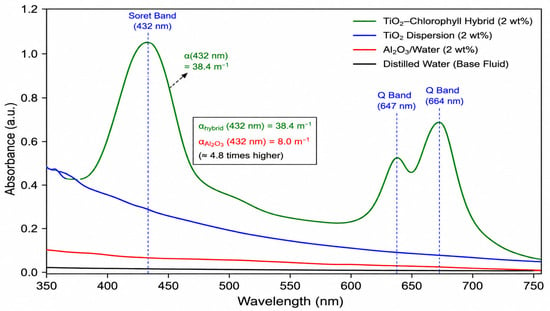
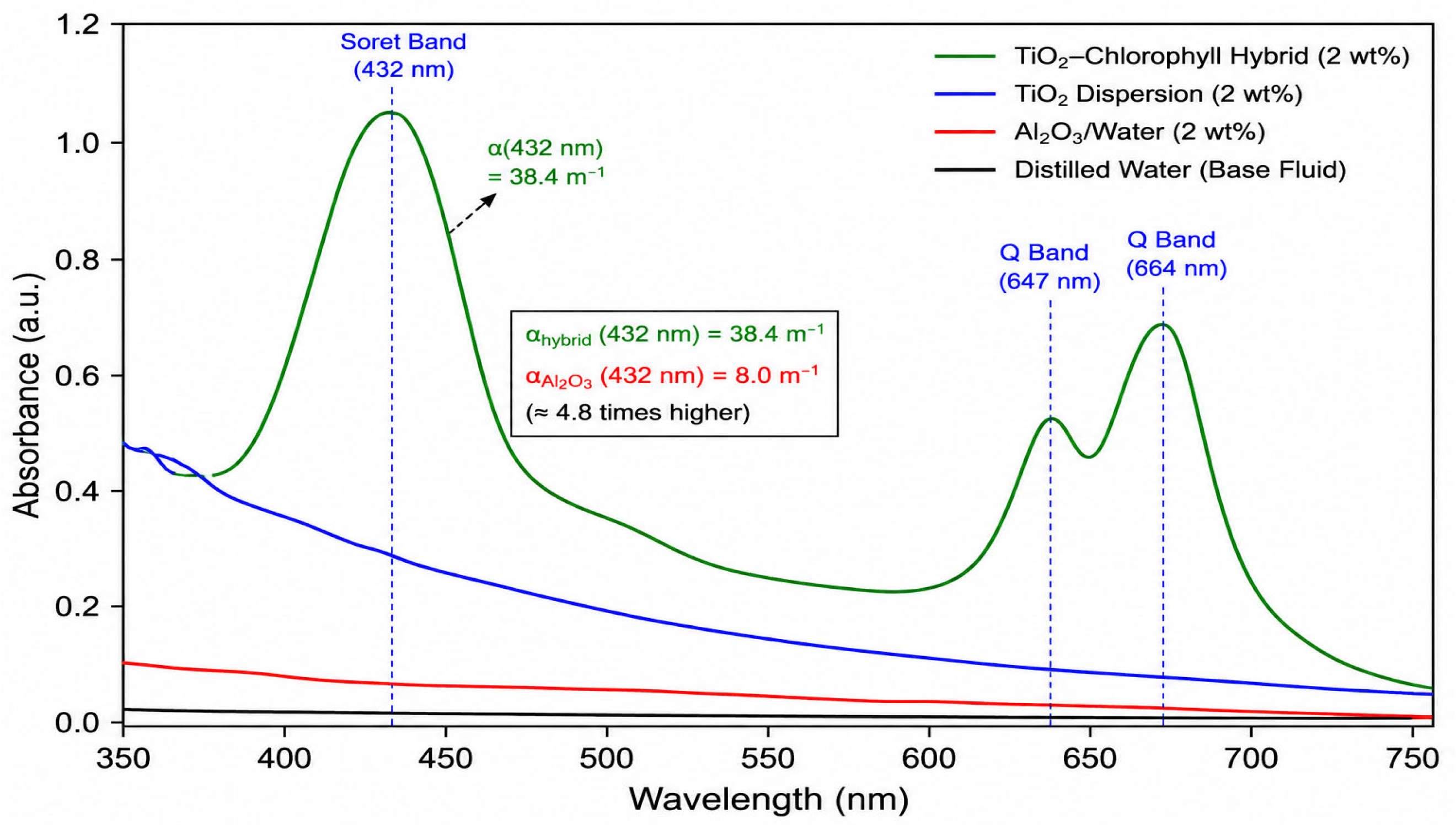
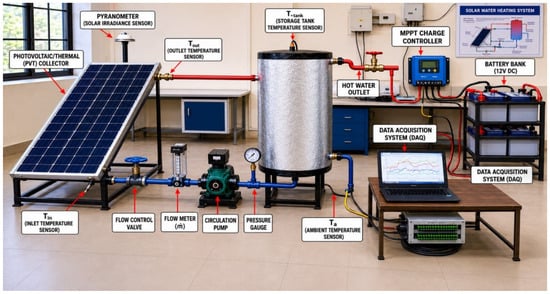
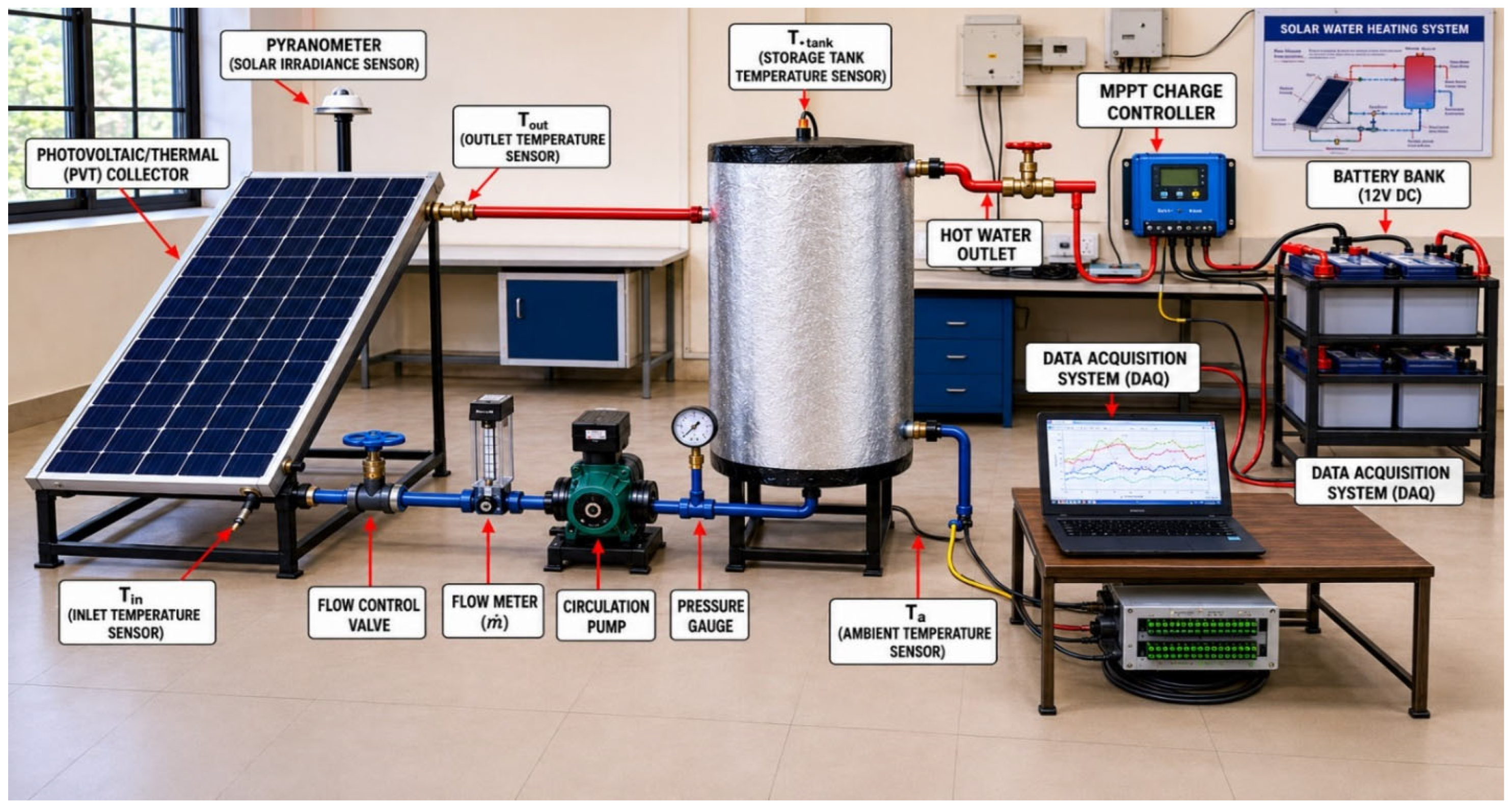
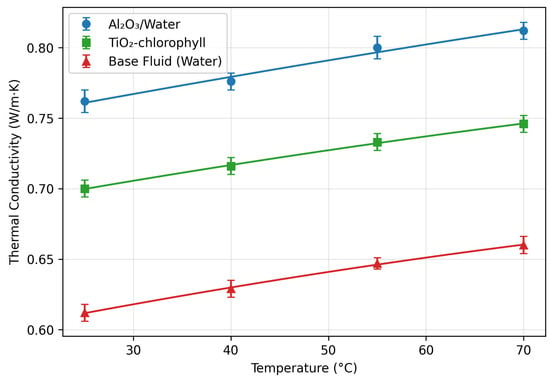
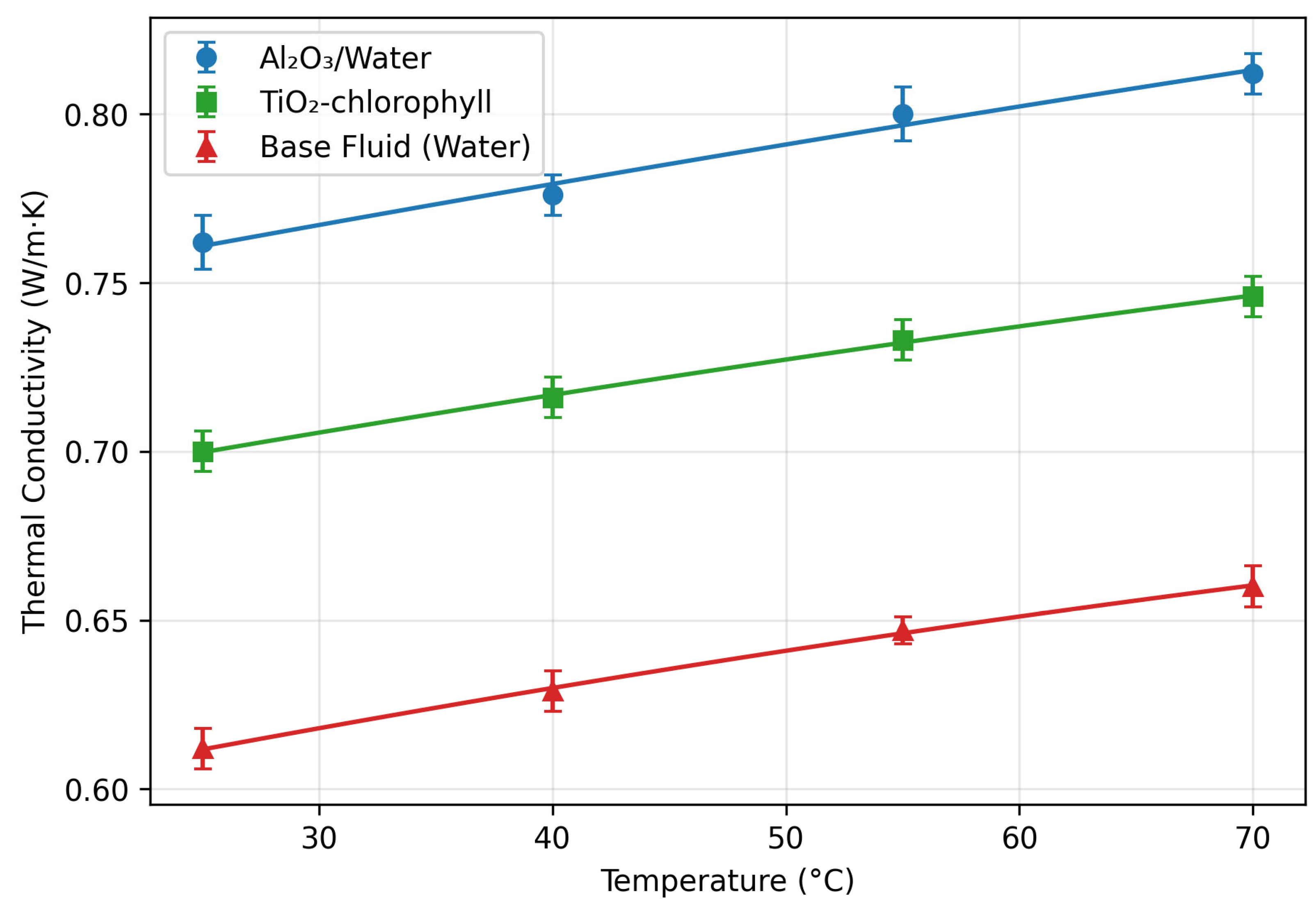
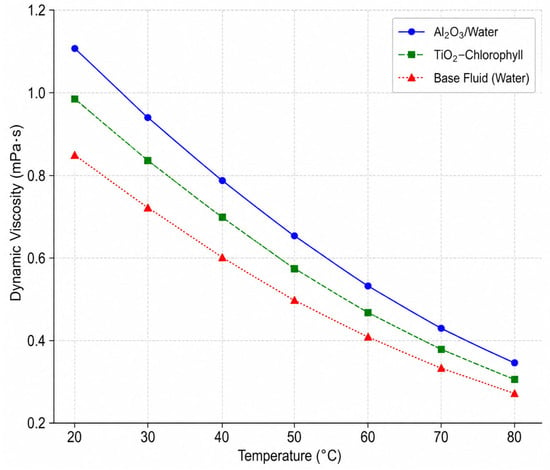
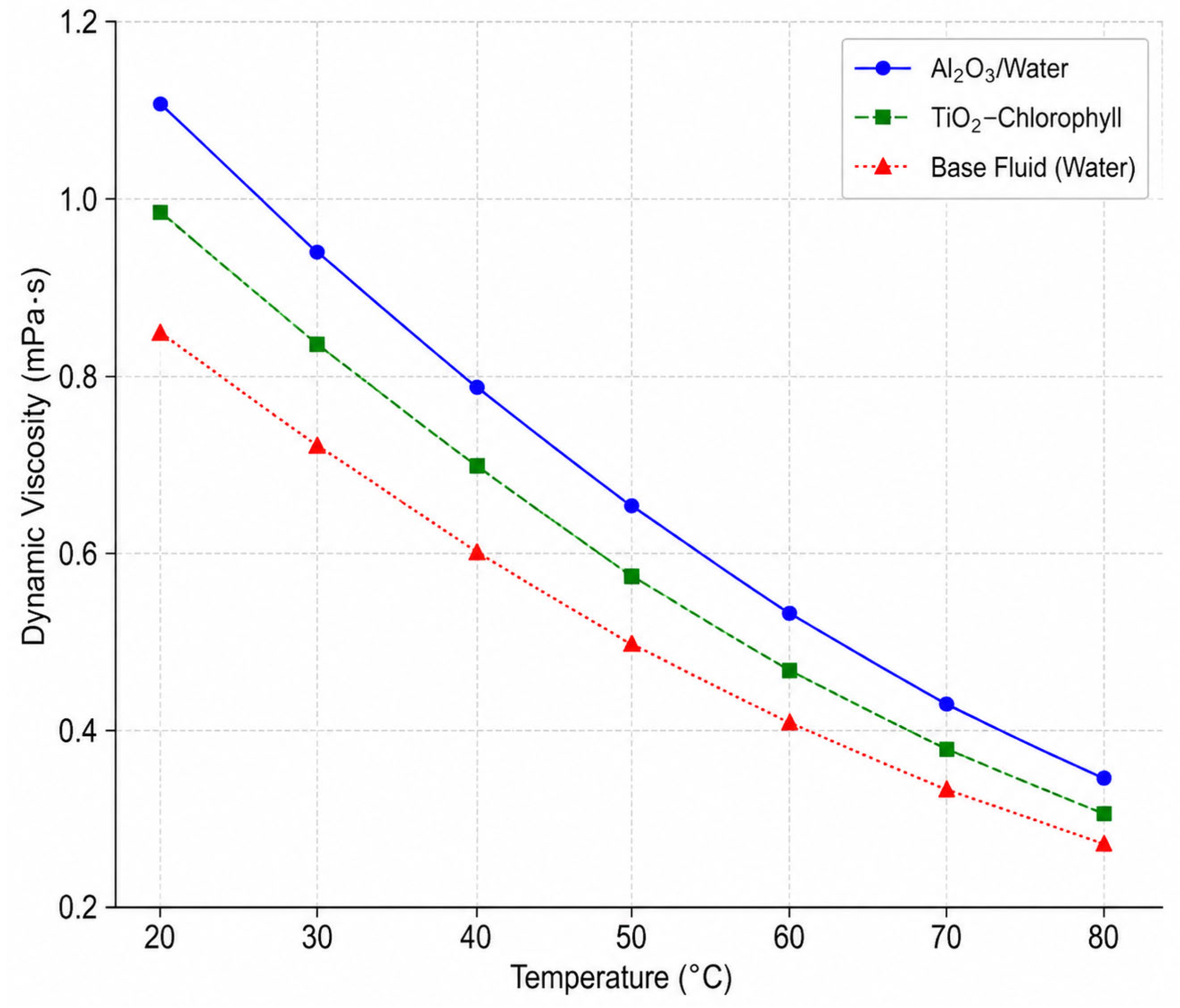
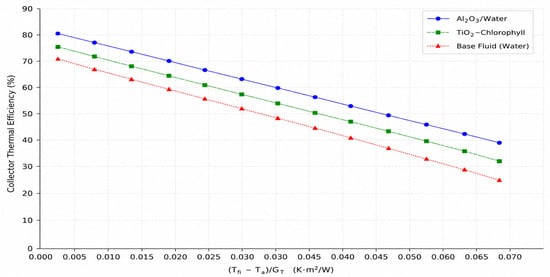
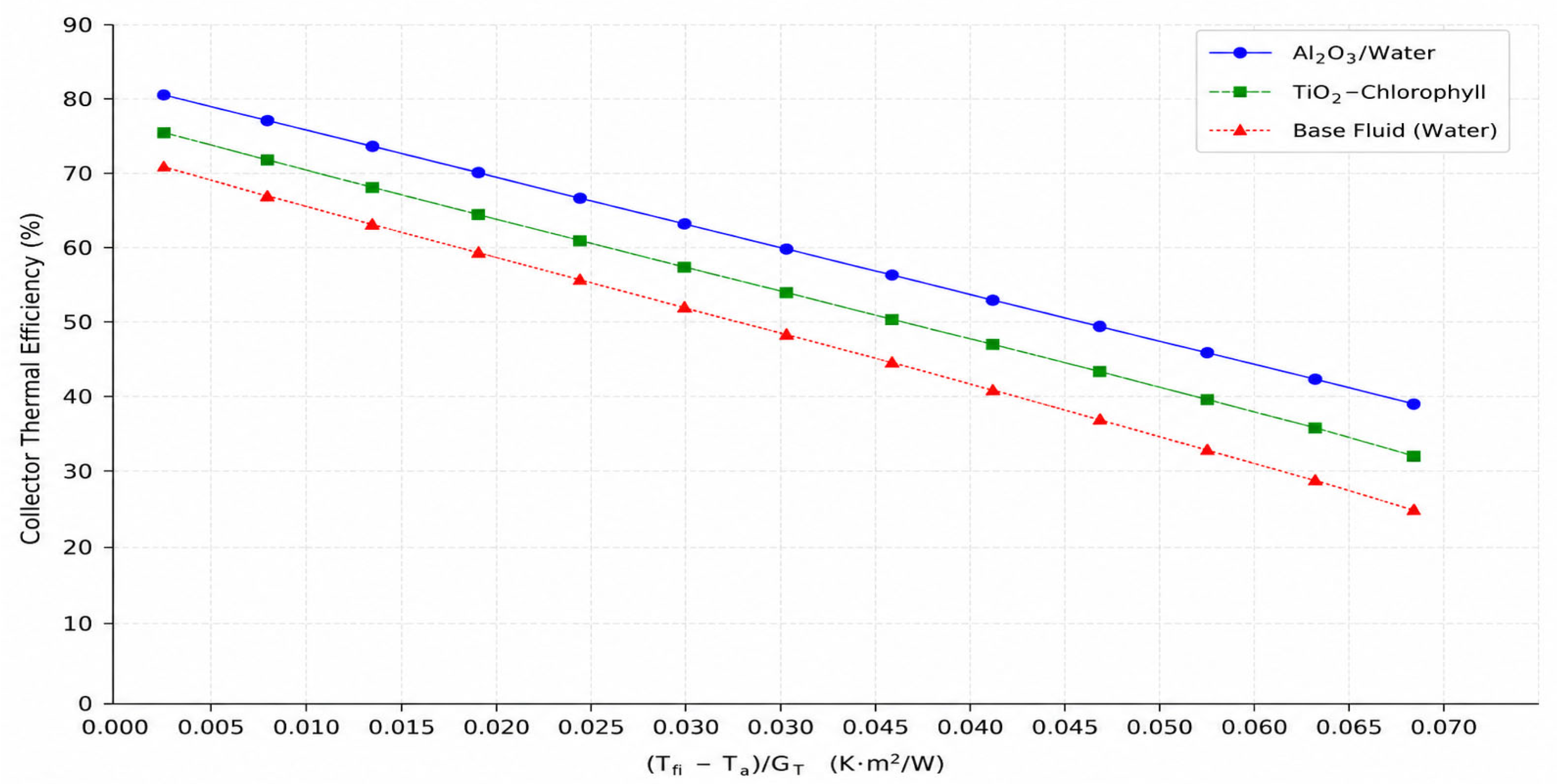
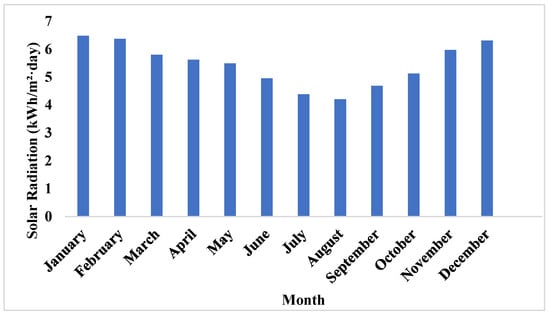
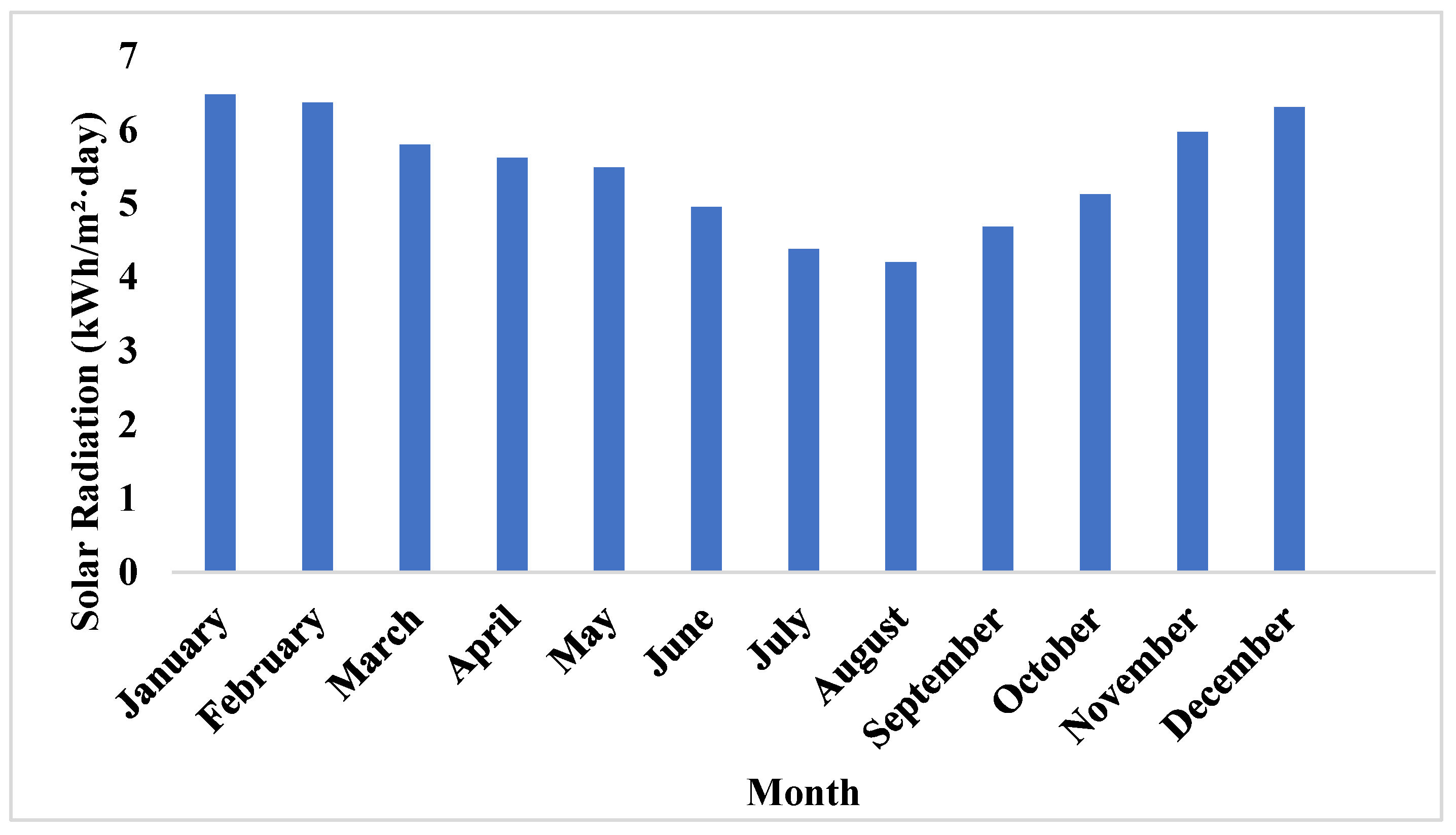
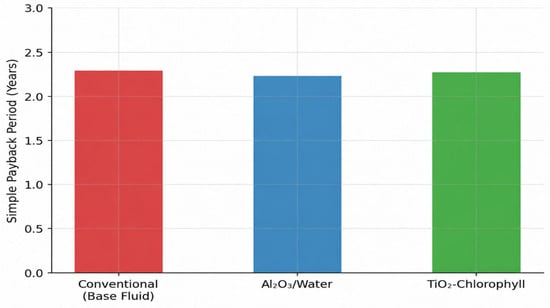
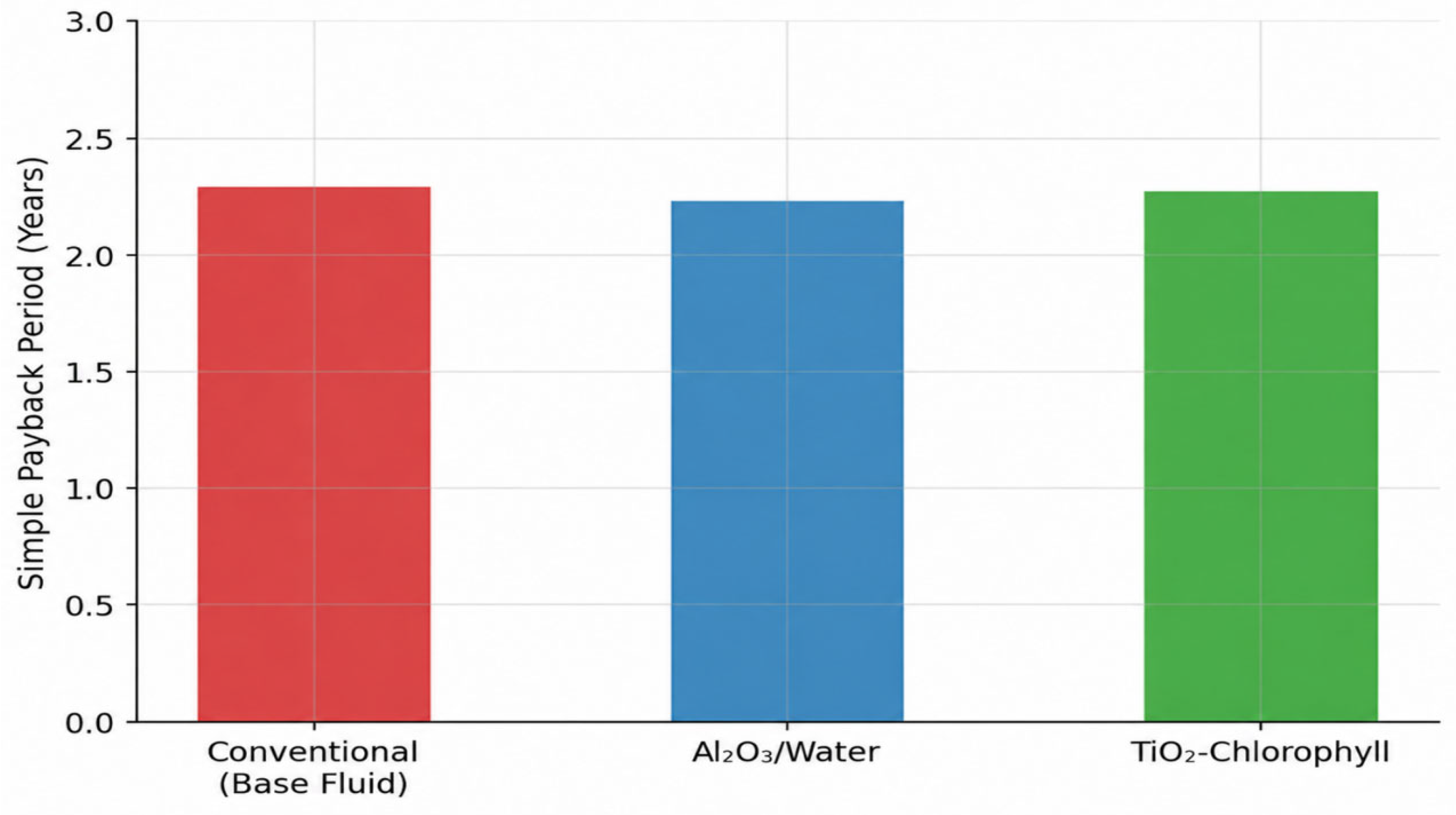
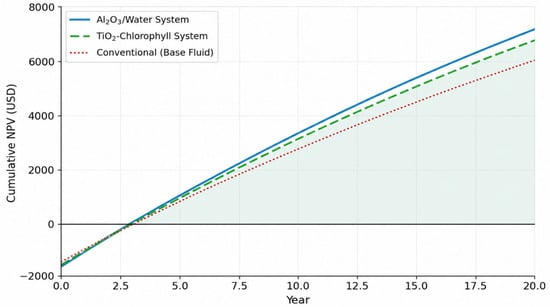
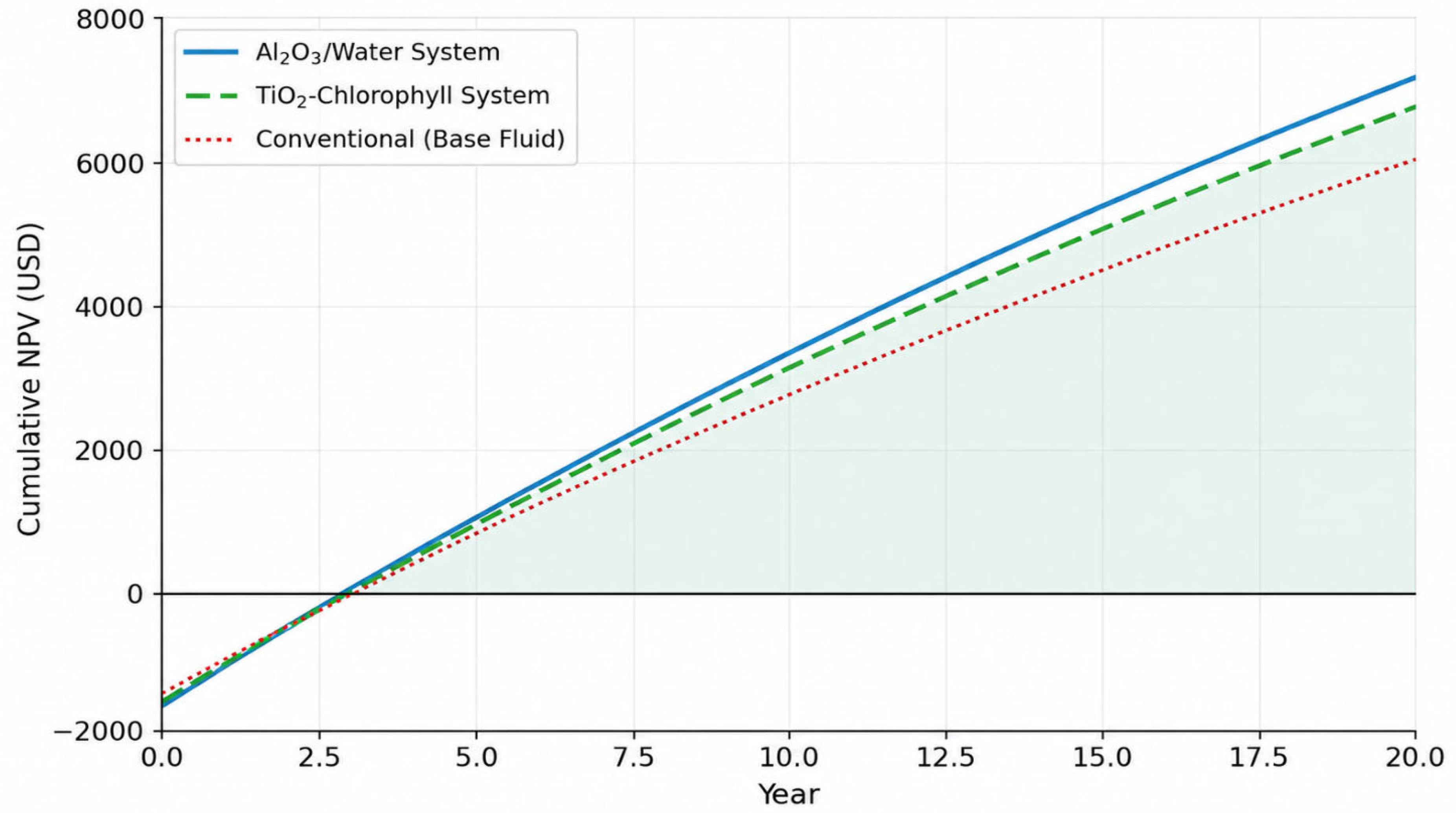
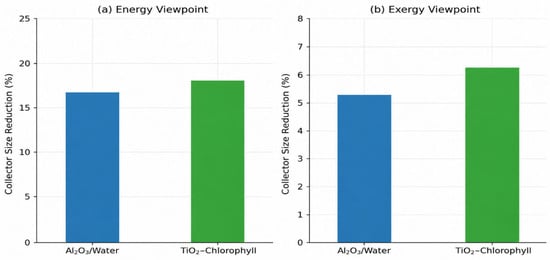
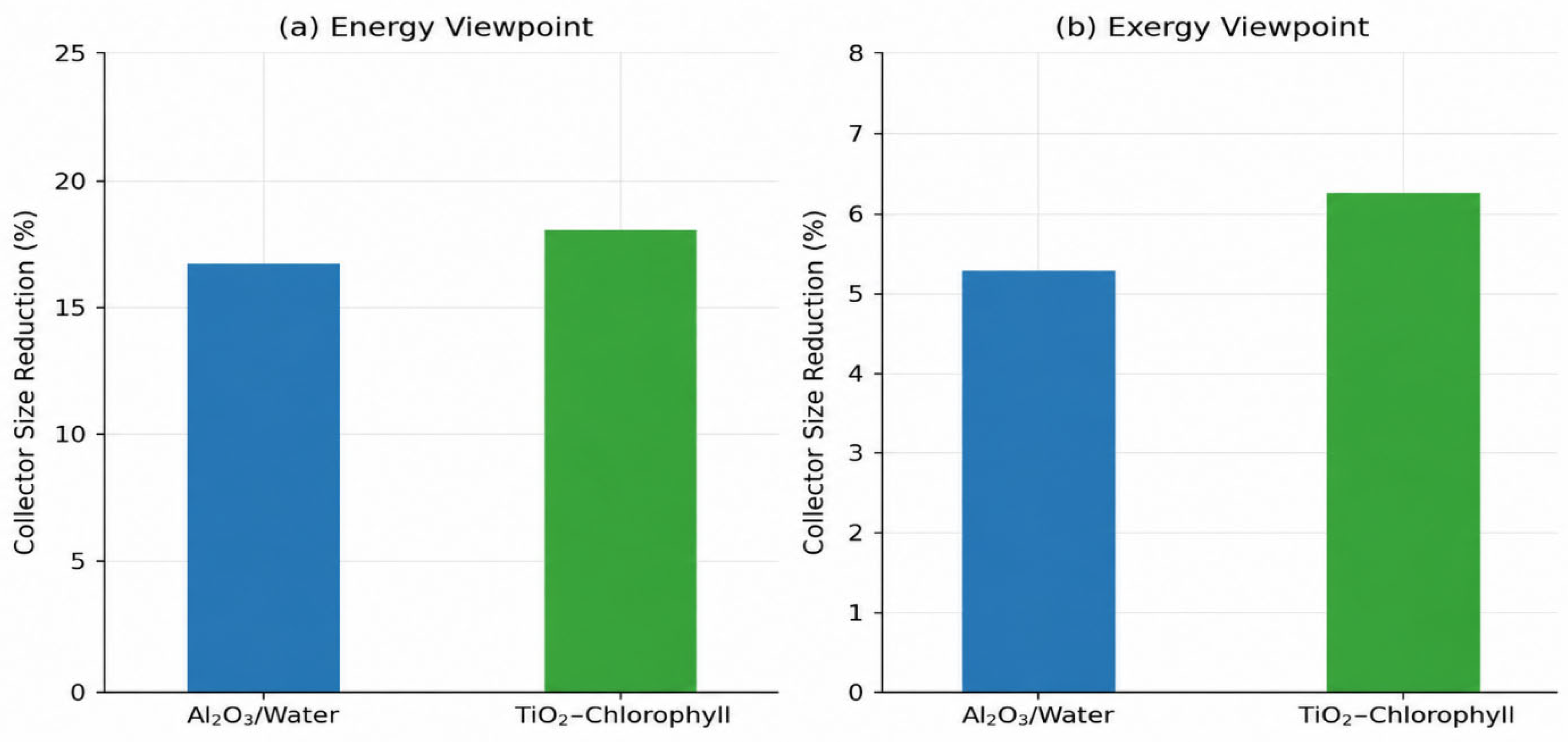
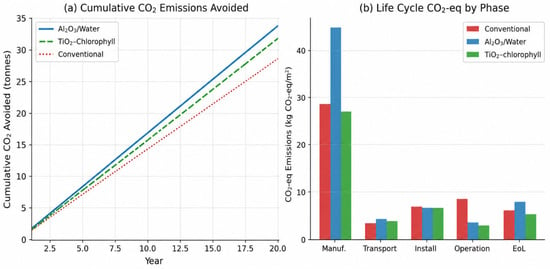
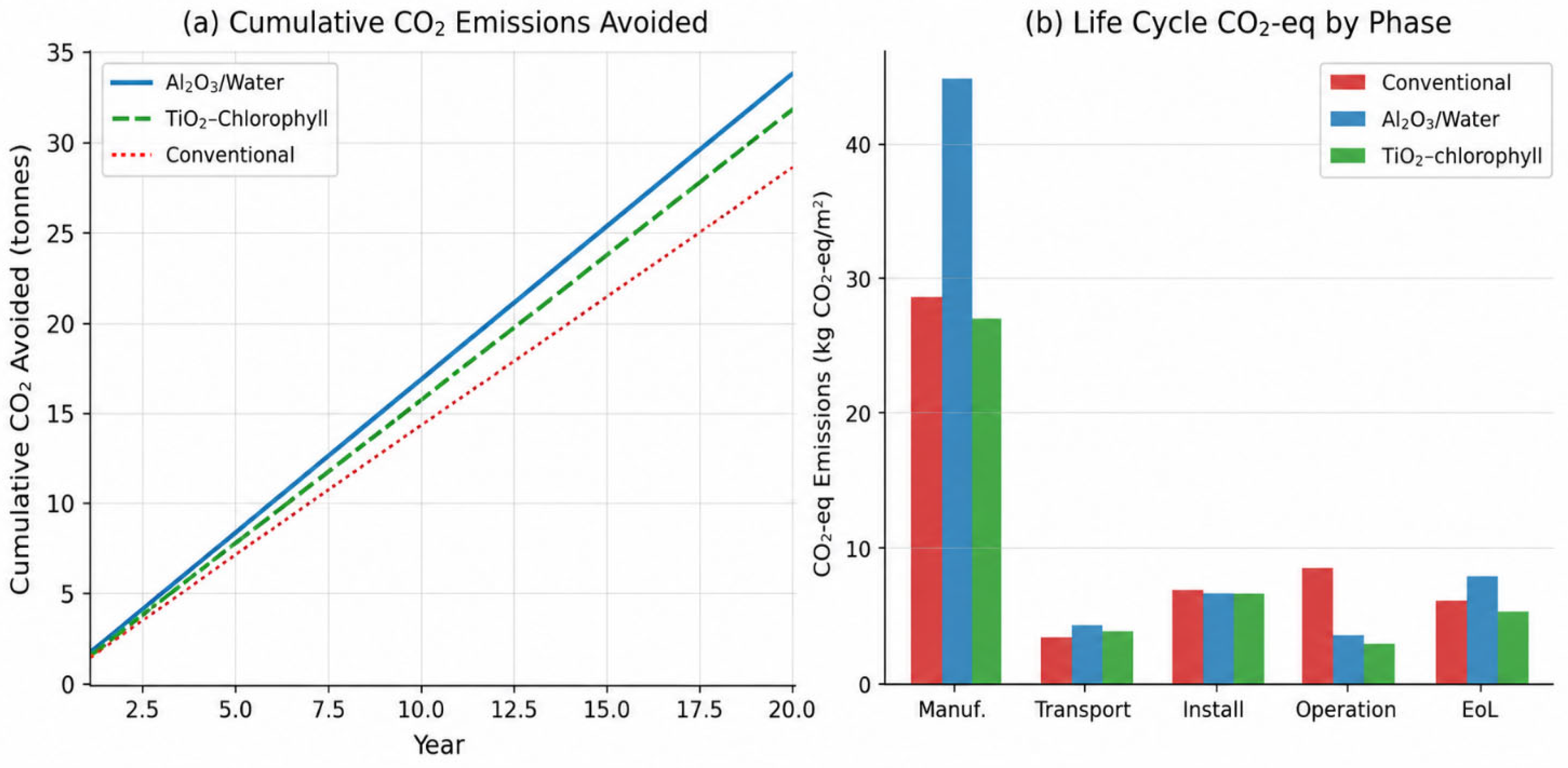
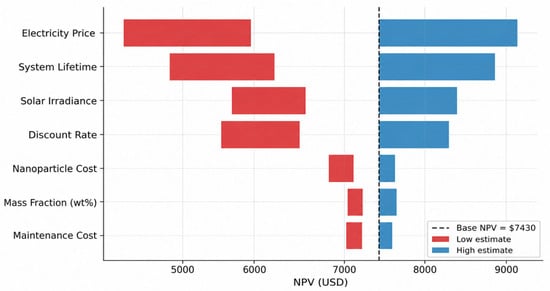
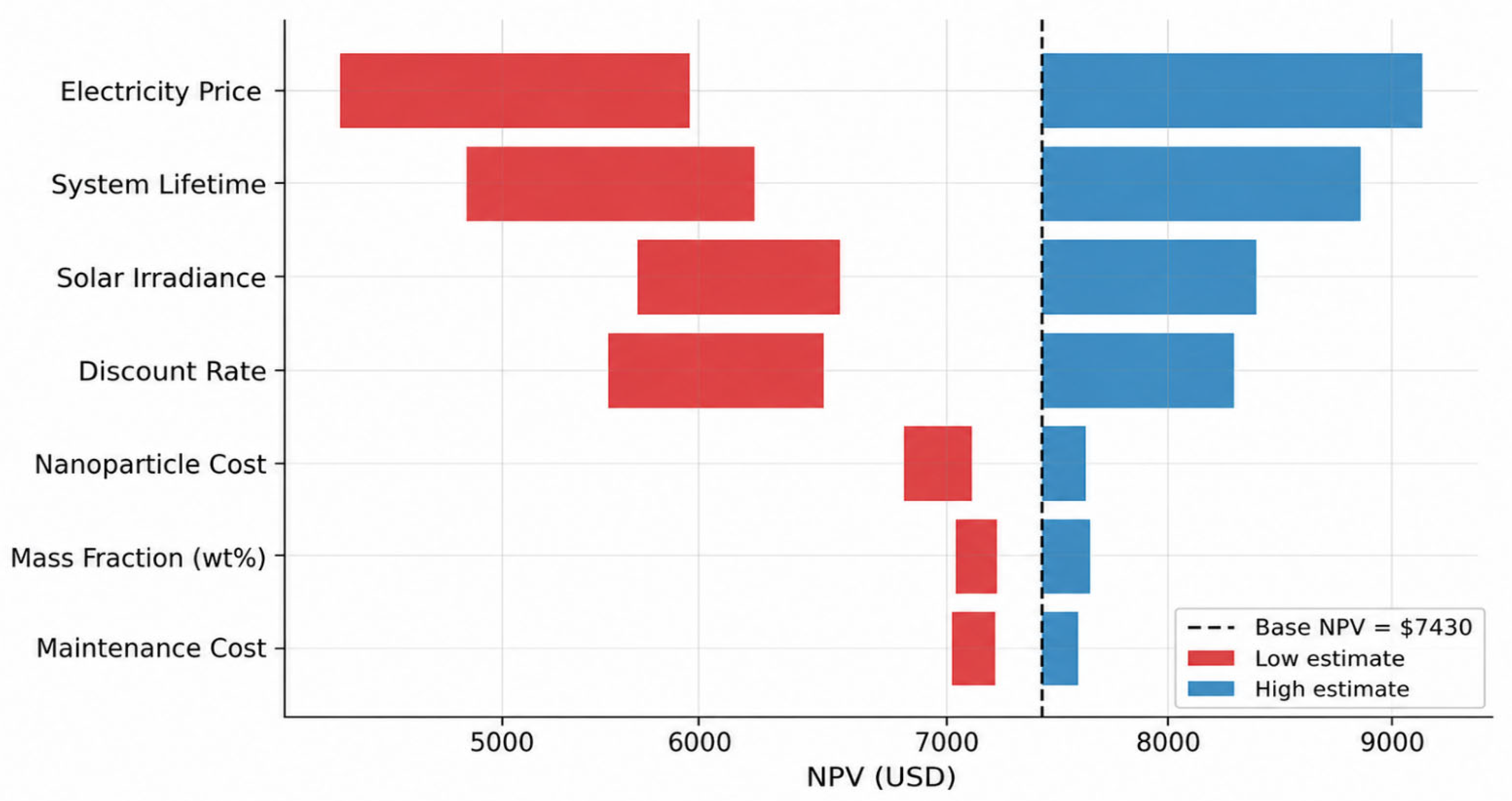

Disclaimer/Publisher’s Note: The statements, opinions and data contained in all publications are solely those of the individual author(s) and contributor(s) and not of MDPI and/or the editor(s). MDPI and/or the editor(s) disclaim responsibility for any injury to people or property resulting from any ideas, methods, instructions or products referred to in the content. |
© 2026 by the authors. Licensee MDPI, Basel, Switzerland. This article is an open access article distributed under the terms and conditions of the Creative Commons Attribution (CC BY) license.