


Abstract
This study investigates the asymmetric and heterogeneous effects of renewable energy, non-renewable energy, capital stock, labour, and trade openness on CO2 emissions in BRICS countries over the period 1991–2022. The study applies a panel nonlinear autoregressive distributed lag (PNARDL) model to capture short- and long-run asymmetries, complemented by a panel quantile nonlinear ARDL (QNARDL) to assess distributional heterogeneity. Robustness is ensured using Fully Modified Ordinary Least Squares (FMOLS) and Robust Least Squares (RLS) estimators. The study is grounded in the Environmental Kuznets Curve (EKC) and Just Energy Transition Theory. The results reveal a stable long-run cointegrating relationship among the variables, with a significant error correction mechanism confirming convergence toward equilibrium. Renewable energy consumption consistently reduces CO2 emissions in both the short and long run, while non-renewable energy significantly increases emissions, exhibiting strong asymmetric effects. Capital stock shows mixed dynamics, increasing emissions in the short run but reducing them in the long run when directed toward productive and efficient investments. Labour is found to reduce emissions in the long run, highlighting the role of human capital in supporting cleaner production. Trade openness generally increases emissions, reflecting energy-intensive trade structures. Quantile results confirm heterogeneity, with stronger renewable energy effects at higher emission levels and greater environmental gains from reducing fossil fuel dependence than from increasing it. The FMOLS and RLS estimations confirm robustness, reinforcing the negative relationship between renewable energy and emissions and the positive impact of non-renewable energy. The study recommends accelerated renewable energy deployment, fossil fuel phase-down strategies, and targeted green capital investment. It further emphasizes grid modernization and energy storage systems to enhance renewable integration, alongside labour reskilling and green trade policies. These coordinated strategies are essential for achieving sustainable decarbonization in BRICS economies.
1. Introduction
Climate change is a worldwide problem with extensive consequences that cross borders and affect every region of the planet. Greenhouse gas emissions are the primary driver of global warming [1]. In the literature, CO2 emissions are commonly used as an indicator of air pollution [2]. This is because CO2 represents a larger share of total greenhouse gas emissions than methane, nitrous oxide, sulfur dioxide, or fluorinated gases. Rising CO2 concentrations trigger climate change and lead to global warming, which in turn compromises environmental quality [3]. Altered weather patterns, serious constraints on food production, rising sea levels, and shortages of clean water pose serious risks to humans and other living organisms [4]. CO2 emissions are widely used as an indicator of environmental degradation and are central to assessing the environmental impact of energy consumption. Although CO2 has natural roles in processes such as photosynthesis, its rising concentration mainly driven by energy use and fossil fuel combustion is the primary contributor to climate change. In this study, CO2 emissions are used as the dependent variable to examine how renewable and non-renewable energy consumption influence environmental quality in terms of emissions reduction or increase.
Nevertheless, existing research identifies several sources of carbon dioxide emissions. For instance, ref. [5] highlights two primary categories of CO2 emission drivers, described as follows: First, natural processes such as respiration, ocean release, and the breakdown of organic matter emit carbon dioxide. Yet, human activities have caused a dramatic rise in atmospheric carbon levels, a trend that was significantly intensified during the Industrial Revolution. Second, anthropogenic activities, including the burning of fossil fuels (natural gas, coal, and oil), deforestation, and cement production, also generate substantial CO2 emissions. In addition, various policies have been formulated to address climate change and promote environmental sustainability, which are outlined below. First, the Kyoto Protocol seeks to curb emissions of greenhouse gases such as carbon dioxide, methane, and nitrous oxide to avoid dangerous disruptions to the climate system. Second, the Paris Agreement was introduced with the objective of keeping the rise in global temperatures well below 2 °C, and preferably limiting it to 1.5 °C. Third, Sustainable Development Goal 13, Climate Action, targets the reduction of greenhouse gas emissions, the strengthening of resilience, and the advancement of sustainable development. It prioritizes both the mitigation of climate change and the reduction of its adverse effects, while also encouraging international collaboration.
The present study investigates the relationship among CO2 emissions, renewable energy, and nonrenewable energy within BRICS countries, while also recognizing the important roles of trade openness, labor, and capital. Renewable energy has become a leading component of the global energy mix due to its vast potential [6]. Existing studies indicate that green energy contributes to both energy security and carbon neutrality [7,8,9,10]. This underscores the pivotal function of renewable energy in enhancing energy security by diversifying energy portfolios, decentralizing energy generation, and improving resistance to disruptions. Moreover, it advances carbon neutrality because it generates electricity with minimal or no greenhouse gas emissions, thereby helping to alleviate climate change. Collectively, these advantages of renewable energy support a more sustainable and reliable energy system while lowering the risk of global warming.
The extensive reliance on non-renewable energy sources poses serious environmental risks. Increasing environmental degradation and related externalities are largely attributed to the heavy consumption of fossil fuels [11]. Existing studies similarly indicate that non-renewable energy use undermines environmental quality [12,13,14,15]. Trade openness promotes economic growth by enabling countries to exploit their comparative advantages in resource allocation [7]. At the same time, greater trade openness can raise CO2 emissions through the expansion of energy-intensive industries and longer transportation routes. Conversely, trade openness may also foster the diffusion of clean technologies and encourage specialization in less carbon-intensive sectors, thereby enhancing efficiency and reducing emissions. Several studies report that trade openness contributes to higher CO2 emissions [16,17], whereas the findings in [18] suggest that trade openness can support environmental quality.
Higher labor productivity can raise emissions by driving up output and associated energy use, but it can also reduce emissions through technological progress and gains in efficiency, with the net effect shaped by consumption behavior, technology, and policy measures. The study in [19] shows that higher worker productivity in the construction sector increases CO2 emissions because more intensive on-site activity translates into greater energy use and transport demand. Among construction workers, craft workers are especially emission-intensive, as their tasks require larger quantities of materials and generate more wastewater than administrative functions. Moreover, the analysis in [20], which covers 173 countries, finds that the impact of labor force participation on CO2 emissions varies by income group and region. Overall, labor force participation tends to enhance environmental quality, though in upper-middle-income countries it can be associated with higher emissions. In developing countries, higher participation in the labor force significantly reduces emissions, whereas this beneficial effect is weaker in wealthier countries. In addition, human activities such as consumption and production exert strong pressures on the environment, implying that local environmental education and awareness-raising can help improve environmental quality. Evidence from [21,22,23] further supports the view that human capital contributes to lower CO2 emissions and thus to better environmental conditions.
Why focus on BRICS countries? In 2022, the six largest contributors to global greenhouse gas emissions were China, the United States, India, the EU27, Russia, and Brazil. Collectively, these economies represented 50.1% of the world’s population, 61.2% of global GDP, 63.4% of global fossil fuel consumption, and 61.6% of global greenhouse gas emissions [24]. This means that four of the five BRICS members are among the six highest emitters worldwide. Looking at them separately, World Meter statistics show that BRICS countries are responsible for 43.3% of global carbon emissions and all rank within the top 15 emitting countries globally, with South Africa being the largest emitter in Africa, accounting for 1.09% of global CO2 emissions. Furthermore, BRICS countries consume 40% of the world’s energy and are the leading sources of CO2 emissions arising from energy use [25,26].
The BRICS countries depend extensively on traditional energy sources coal, oil, and natural gas, which together constitute a large share of global energy use. Coal represents 48.1%, oil 22.2%, and natural gas 13.5%, whereas renewables account for only 16% of total energy consumption [27]. Nonetheless, there is substantial potential for expanding renewable energy within the BRICS bloc. Over time, renewable energy use has been rising, supporting global efforts toward low-carbon development. As reported in [28], the share of renewables increased from 19% in 2010 to 37% in 2020, marking a significant achievement for BRICS in progressing toward carbon neutrality. With climate change intensifying, concerns have grown about how energy use contributes to CO2 emissions. BRICS members (Brazil, Russia, India, China, and South Africa) rank among the largest energy consumers and CO2 emitters worldwide, and they are responsible for a considerable fraction of global greenhouse gas emissions. While greater renewable energy use is expected to help curb CO2 emissions, reliance on non-renewable sources is likely to worsen environmental degradation. However, the link between energy consumption and CO2 emissions may not be uniform, and positive versus negative shocks in energy use could affect CO2 emissions in different ways.
Drawing on the above literature, this study proposes the following research questions: First, do asymmetric relationships exist among renewable energy, non-renewable energy consumption, and CO2 emissions in BRICS countries? Second, are there long-run links between renewable and non-renewable energy consumption and CO2 emissions in BRICS countries? Third, are the impacts of renewable and non-renewable energy consumption on CO2 emissions in BRICS countries stable across different quantiles? Finally, what policy implications arise from the asymmetric effects of renewable and non-renewable energy consumption on CO2 emissions in BRICS countries? These questions guide the study toward the following objectives: First, to analyze the asymmetric effects of renewable and non-renewable energy consumption on CO2 emissions in BRICS countries. Second, to assess the potential long-run relationships among renewable energy, non-renewable energy consumption, and CO2 emissions in BRICS countries. Third, to investigate how the effects of renewable and non-renewable energy consumption on CO2 emissions vary across different quantiles.
Building on the compelling arguments presented above, this study advances the energy–environment literature by examining the asymmetric effects of renewable and non-renewable energy consumption on CO2 emissions in BRICS countries using a complementary econometric framework. The study employs PNARDL to capture short-run and long-run asymmetries, QNARDL to investigate whether these effects vary across different emission regimes, FMOLS to validate long-run relationships while addressing endogeneity and serial correlation, and Robust Least Squares (RLS) to ensure that the results are not driven by outliers and influential observations. Unlike existing studies that predominantly focus on linear or average effects, this integrated approach simultaneously accounts for asymmetry, distributional heterogeneity, long-run robustness, and data sensitivity. Consequently, the study provides a more comprehensive understanding of the renewable energy–non-renewable energy–CO2 emissions nexus in BRICS economies and generates policy insights that are better tailored to countries operating under different environmental conditions and stages of energy transition.
The remainder of the study is structured as follows: Section 2 presents the Literature review which consists of related theories and empirical studies, which is followed by Section 3 of Materials and Methods that explains the data structure and econometric methods to be used. Then, the findings and discussion of the results are presented in Section 4: Results and Discussion, followed by Section 5 of Conclusions, Policy Recommendations and Future Research Directions.
2. Literature Review
2.1. Theoretical Framework
The Just Energy Transition (JET) theory provides a framework for understanding the shift from fossil fuel–based systems to low-carbon energy systems that are economically efficient, socially inclusive, and environmentally sustainable. It views energy transition as a structural process that redistributes costs and benefits across society, with CO2 emissions reflecting dependence on carbon-intensive energy systems. In this study, renewable energy is included as the main driver of decarbonization, while non-renewable energy captures fossil fuel dependence and transition frictions. Capital formation reflects investment patterns that determine whether economies remain locked into carbon-intensive infrastructure or shift toward green technologies. Labor represents skills, productivity, and technological adaptation, while trade openness captures global integration effects through technology transfer and emissions spillovers. Together, these variables reflect the multidimensional nature of JET in explaining CO2 emissions dynamics in BRICS economies.
This study also draws on the Environmental Kuznets Curve (EKC) theory, originally proposed by Simon Kuznets in 1955. The EKC hypothesis posits a non-linear relationship between income, driven by economic growth, and environmental quality. It emphasizes that environmental degradation generally intensifies alongside economic expansion until it reaches a widely recognized turning point. Beyond this turning point, further economic growth is typically associated with a reduction in carbon dioxide emissions. As noted in [28], over time, rising income levels tend to lessen per capita environmental damage, because countries with sufficient financial and technological capacity adopt cleaner energy sources and shift toward service-based economic structures. Based on current evidence, there is broad agreement that the EKC suggests that although economic growth can impose significant and, in some cases, irreversible environmental costs in the short run, it ultimately promotes greater environmental sustainability over the long run. However, researchers have observed that the validity of the EKC differs across countries: it is held in certain national contexts but not in others. The EKC framework is also employed in most of the empirical studies considered in this research, as discussed in the following sections.
2.2. Empirical Literature
2.2.1. Studies That Focused on Linear Relationships
The reviewed literature is largely dominated by time-series and panel econometric approaches, with a strong preference for ARDL-based models [29,30,31,32,33,34,35,36], alongside extensions such as DOLS [35,37], VECM/Granger causality frameworks [36,38,39,40], quantile-ARDL [15], and wavelet techniques [7]. These methods are widely applied due to their ability to capture long-run relationships and mixed integration orders among variables. However, this methodological concentration also reveals a clear limitation, as most studies rely heavily on conventional cointegration and causality approaches without adequately addressing cross-sectional dependence, structural breaks, endogeneity, or asymmetric relationships. As a result, the literature remains methodologically robust in long-run estimation but comparatively weak in capturing nonlinear and distributional heterogeneity in the energy–environment nexus.
Geographically, the literature is unevenly distributed, with a strong concentration on China [15,32,33,41,42], followed by individual country studies in South Africa [31,43], the United States [43,44], and selected emerging and developing economies such as Morocco [29], Argentina [30], Portugal [39], Azerbaijan [37], Russia [35], Zimbabwe [36], and Japan [7]. This dominance of single-country case studies, particularly China, highlights a significant geographical imbalance. There is a notable lack of multi-country comparative frameworks, especially across regional blocs such as BRICS or other emerging economy groupings, which limits the generalizability of findings and weakens cross-country policy relevance.
Thematically, the literature consistently confirms that renewable energy consumption reduces CO2 emissions [7,29,30,31,32,33,34,37,38,40,41,42], while non-renewable energy consumption increases environmental degradation [30,34,35,36]. However, some studies report mixed or context-dependent effects, such as renewable energy initially reducing emissions but increasing them in the long run in South Africa [43] or globalization simultaneously increasing growth while raising emissions in Japan [7]. These inconsistencies suggest that the energy–environment relationship is not uniform but varies across institutional, technological, and structural contexts. Additionally, economic growth, trade, and globalization show mixed effects, reflecting scale, composition, and technique effects under the Environmental Kuznets Curve framework, although most studies do not explicitly decompose these channels.
Furthermore, emerging evidence highlights the importance of institutional and structural factors such as ICT, governance, financial development, and economic policy uncertainty. For example, ICT and governance improvements reduce emissions in Morocco [29], while financial development may increase emissions in some contexts [43]. Similarly, economic policy uncertainty has been shown to influence emissions dynamics in the United States [44]. Despite these insights, such variables are often treated as secondary and are not consistently integrated into a unified theoretical framework, limiting the depth of policy interpretation.
2.2.2. Studies That Focused on Non-Linear Relationships
The literature on nonlinear relationships between energy consumption and environmental degradation is dominated by panel and time-series approaches that capture heterogeneity, asymmetry, and structural transitions in the energy–environment nexus. Study [45] applies a Panel ARDL (PARDL) model for the 10 most polluted countries (1991–2018) and finds that renewable energy sources and forest expansion reduce CO2 emissions, while economic growth increases emissions, confirming nonlinear scale effects. Similarly, ref. [46] uses a STIRPAT-based nonlinear model for China and shows a non-monotonic relationship between renewable energy investment and emissions, where emissions decline only at intermediate development stages but rise at early and advanced stages, indicating threshold effects.
In BRICS-related evidence, ref. [47] employs a NARDL framework and finds that renewable energy and positive technological shocks reduce emissions, while GDP, FDI, exports, and negative shocks increase CO2 emissions. However, the exclusion of non-renewable energy limits the completeness of the energy specification. Similarly, ref. [48] integrates ARDL and NARDL models and confirms both symmetric and asymmetric effects of renewable energy, environmental regulation, and innovation on emissions, although energy variables remain largely aggregated. Likewise, ref. [49] applies a PNARDL approach and reports strong asymmetric effects of renewable energy and energy efficiency in reducing emissions in BRICS, but also omits non-renewable energy, restricting structural interpretation of the energy mix.
Beyond BRICS, ref. [50] uses a nonlinear panel smooth transition regression model for 29 African countries and finds that energy consumption increases emissions while urbanization reduces them, highlighting context-specific nonlinear effects. In South Africa, ref. [51] applies ARDL and NARDL models and shows that renewable energy and gold prices improve environmental quality, whereas oil prices worsen it, reflecting commodity-driven nonlinear dynamics. Overall, these studies confirm that the energy–environment relationship is nonlinear, asymmetric, and context-dependent, varying across development stages, policy regimes, and structural conditions.
2.2.3. Literature on Panel Studies
The empirical literature on the energy–environment nexus is extensive and methodologically diverse, employing GMM, FMOLS, DOLS, ARDL-type models, panel quantile regression, CGE models, causality frameworks, and various panel estimators. Despite methodological differences, a broad consensus emerges, renewable energy consumption reduces CO2 emissions, while fossil-fuel dependence increases environmental degradation, although the magnitude of effects varies across regions, income levels, and model specifications. Using a dynamic panel GMM approach, ref. [52] examines 46 Sub-Saharan African countries (1980–2015) and finds that democracy and renewable energy reduce CO2 emissions. While GMM addresses endogeneity and dynamic bias, it assumes linearity and does not capture asymmetries. Similarly, ref. [53] applies a Granger causality framework for nuclear-using countries (1990–2014), showing that renewable energy reduces emissions, although causality tests do not quantify long-run effects. In contrast, ref. [54] employs panel quantile regression for OECD countries (1996–2015), finding that renewable energy reduces emissions while economic growth increases them; however, it still assumes symmetric responses within quantiles. Ref. [55] confirms similar heterogeneous effects in Chinese provinces.
Structural approaches such as CGE models also appear in the literature. Ref. [56] shows that renewable energy supports decarbonization in China, although CGE models rely on strong structural assumptions. Cointegration-based methods such as FMOLS and DOLS remain widely used; for example, ref. [57] finds that renewable energy and financial development reduce emissions across 23 countries, while fossil fuels increase them. Similar findings are reported in [58,59,60], although these approaches assume linear long-run relationships and overlook asymmetries. Extensions such as [61] (AMG, PARDL, FMOLS, DOLS) improve robustness but remain largely symmetric. Panel fixed-effects and random-effects models also dominate parts of the literature. Ref. [62] finds that renewable energy reduces emissions in Sub-Saharan Africa, while trade openness increases them. Likewise, ref. [63] shows that renewable energy reduces emissions in emerging economies using AMG and CCEMG, although slope homogeneity remains a limitation. Studies such as [64,65] confirm similar patterns but remain linear in structure despite using quantile or cointegration methods.
Additional evidence highlights macro-structural drivers. Ref. [66] shows that urbanization and growth increase emissions in MENA countries, while renewable energy reduces them. Ref. [67] finds that human development may increase emissions. Dynamic frameworks such as [68] (3SLS) and [69] (VECM/Granger causality) confirm interdependencies between growth and emissions but do not capture nonlinearities. Recent studies incorporate cross-sectional dependence and heterogeneity. Ref. [70] (CS-ARDL) finds that financial inclusion increases emissions, while energy efficiency reduces them. Ref. [71] (AMG, CCEMG) highlights the role of innovation and trade structure. Causality-based studies such as [72] and GLS/PCSE models in [73] confirm strong links between finance, innovation, energy, and emissions but remain static. Advanced approaches include spatial and machine learning methods. Ref. [74] identifies spillover effects of renewable energy using a Spatial Durbin Model, while [75] highlights its importance using random forests, though with limited economic interpretability. Finally, BRICS-focused studies such as [76,77,78,79] consistently show that renewable energy reduces emissions while fossil fuels increase them, but most rely on linear or causality-based frameworks, limiting insights into asymmetry and nonlinear dynamics.
2.2.4. Synthesis
Overall, the literature provides strong and consistent evidence that renewable energy consumption reduces CO2 emissions, while non-renewable energy consumption increases environmental degradation. However, this consensus is largely derived from linear and semi-linear models that estimate average effects and impose symmetry in responses. Although recent nonlinear and panel quantile studies introduce heterogeneity and asymmetry, these approaches are typically applied separately rather than within an integrated framework. As a result, important interactions between asymmetry (positive versus negative shocks), distributional heterogeneity (across emission levels), and long-run equilibrium dynamics are not simultaneously captured in most empirical studies. Furthermore, macroeconomic and structural variables such as capital formation, labour, trade openness, and institutional quality are often included as controls rather than being integrated into a unified modelling framework of energy–environment interactions. This fragmentation limits the ability of existing studies to fully explain the complexity of energy transition processes, particularly in heterogeneous economies such as those in BRICS.
2.2.5. Research Gaps
Despite extensive empirical research on the energy–environment nexus, several important gaps remain.
Firstly, a methodological gap exists, as most studies rely on linear or semi-linear approaches such as ARDL, FMOLS, DOLS, and GMM, which assume symmetric and proportional effects of energy consumption on emissions. While nonlinear methods such as NARDL and panel quantile regression exist, they are usually applied in isolation and do not jointly capture asymmetry, heterogeneity, and long-run equilibrium relationships within a single coherent framework. Secondly, an energy specification gap is evident, as many studies either aggregate energy consumption or focus exclusively on renewable energy, thereby neglecting substitution dynamics between renewable and non-renewable energy sources. This limits the structural interpretation of energy transition processes.
Thirdly, a geographical gap persists due to the dominance of single-country studies and limited comparative evidence for major emerging blocs such as BRICS, despite their significant contribution to global emissions and energy consumption. Fourth, a theoretical gap exists, as many studies apply the Environmental Kuznets Curve (EKC) framework in isolation without integrating complementary perspectives such as energy transition theory or just transition frameworks, thereby limiting explanatory depth. Finally, a robustness gap remains, as relatively few studies simultaneously account for asymmetry, distributional heterogeneity, and sensitivity to outliers and structural instability within a unified econometric framework. To address these gaps, this study develops an integrated empirical framework combining PNARDL, QNARDL, FMOLS, and Robust Least Squares (RLS) to simultaneously capture asymmetric dynamics, distributional heterogeneity, long-run relationships, and estimation robustness in the BRICS energy–environment nexus.
3. Materials and Methods
This section covers the development of the data collection framework and the data analysis methods. The data collection process identifies the variables used in the study, their sources, and their units of measurement. The data analysis methods specify the statistical tools that will be applied to achieve the study’s objectives and address the research gaps highlighted in the introduction and literature review. The study adopts a quantitative research design, which is described in the subsequent sections.
3.1. Data Collection and Model Construction
Table 1 below presents the variables employed in this study, along with their definitions, measurement units, and data sources. The dataset covers the period from 1991 to 2022 and is obtained from credible online secondary sources, including the World Bank and the World Development Indicators. EViews 10 and Stata 18 software will be used to perform the estimations. The selection of variables is based on the literature review conducted for this study. Variables that are not expressed as percentages, such as CO2, renewable energy, and non-renewable energy, will be converted into their logarithmic forms to ensure a consistent unit of measurement and to reduce the risk of spurious regression results. Accordingly, the conceptual framework of this study is specified below in a linear form:
where CO2 refers to carbon dioxide emissions, RE is renewable energy, NRE is non-renewable energy, TO is trade openness, L is labor, and K represents capital. Beyond establishing the NARDL theoretical framework, this study examines the asymmetric impacts of renewable energy, non-renewable energy, trade openness, labor, and capital on CO2 emissions across BRICS countries. The econometric model employed in the analysis is formulated as shown in the equation below.
where is the constant and are the coefficients of positive and negative shocks to renewable energy, non-renewable energy, trade openness, labour, and capital on CO2 emissions in BRICS nations. The study continues to offer data analysis as shown in Section 3.2 below.
Table 1.
Data Collection and Sources.
3.2. Data Analysis and Techniques
This section outlines the data analysis methods that will be used to fulfil the study’s aim of evaluating the asymmetric effects of renewable and non-renewable energy on CO2 emissions in the BRICS countries. These methods include unit root tests, cointegration tests, analysis of asymmetric short- and long-run relationships, and examination of causal links among the variables.
3.2.1. Unit Root Tests
This section discusses the unit root tests of [80,81] to determine the order of integration of variables. It is important to perform unit root tests as this helps avoid spurious regressions and nonsensical results in the study, so that policy recommendations are reliable. Breitung unit root of [80] consists of a robust version of the Dickey–Fuller t-statistic under contemporaneous correlated errors and the GLS t-statistic, which is based on the t-statistic of the transformed model. The asymptotic power of both tests is compared against a sequence of local alternatives. To adjust for the short-run serial correlation of the errors, ref. [80] propose a pre-whitening procedure that yields a test statistic with a standard normal limiting distribution as N and T tend to infinity. Im-Pesaran-Shin [81] introduces a unit root test for dynamic heterogeneous panel data that is constructed from the average of individual unit root statistics. Specifically, a standardized t-bar statistic, derived from the augmented Dickey–Fuller statistic, is computed by taking the mean across groups. The framework assumes N cross-sectional units observed over T time periods to test for the null hypothesis of unit root for all .
3.2.2. Cointegration Test
This section presents the cointegration tests of Kao, Pedroni, and Westerlund to examine whether long-run relationships exist. The results will guide the study in deciding whether to focus solely on short-run relationships or to also estimate long-run relationships. Kao Residual-based cointegration test of [82] is based on the Dickey–Fuller test and the augmented Dickey–Fuller test to test the null hypothesis of residual-based no cointegration. Secondly, the Augmented Dickey–Fuller test is based on the correction of serial correlation made to the OLS and t-statistic, thereby adding lagged changes in residuals. Pedroni [83] proposed seven statistical tests for the null hypothesis of no cointegration in nonstationary panel data. These tests accommodate heterogeneity within the panel, both in the short-run dynamics and in the long-run slope and intercept parameters. Nonparametric ( and ) and parametric augmented Dickey-Fuller (ADF) and test statistics are within both groups. Westerlund [84] begins with constructing group mean statistics in their cointegration test an error correction data-generating process as given in the equation below:
where and index the time series and cross-sectional units, whilst contains deterministic components.
3.2.3. The Nonlinear Panel Autoregressive Distributed Lags (PNARDL) Model
This study examines the asymmetric relationship between CO2 emissions, renewable energy, and non-renewable energy in BRICS countries using the nonlinear panel Autoregressive Distributed Lag (NARDL) model of [85]. The approach assesses how CO2 emissions respond differently to positive and negative shocks in renewable energy, non-renewable energy, trade openness, labour, and capital in both the short and long run. The panel NARDL framework is suitable for non-stationary data and captures dynamic adjustments toward long-run equilibrium [86]. Unlike linear models, it allows asymmetric effects by decomposing explanatory variables into positive and negative partial sums, enabling a more nuanced analysis of how upward and downward movements in energy use and economic factors influence CO2 emissions.
In this study, a nonlinear panel ARDL model is specified by incorporating both short-run and long-run symmetric relationships into the model presented below.
While the long-term asymmetric response of CO2 to positive and negative shocks of renewable energy is estimated from the coefficients of and , the short run asymmetric response to positive and negative shocks is obtained from the coeffients of and . Moreso, the long-term asymmetric response of CO2 to positive and negative shocks of non-renewable energy is estimated from the coefficients and , the short run asymmetric response to positive and negative shocks is obtained from the coefficients and . The study continues to offer the symmetric error correction term and estimated in the equation below.
The asymmetric error correction term is denoted by and the rate at which the model returns to the long-run equilibrium after a shock is denoted by . Equations below show that renewable energy (LRE), non-renewable energy (LNRE), trade openness (LTO), capital (LK), and labor (LL) are decomposed into their respective positive and negative shocks according to the PNARDL model proposed by [85]. L represents a logarithm transformation of all variables. CO2 emissions, renewable energy, non-renewable energy, economic growth, capital, and labor are disintegrated into positive and negative signs through the following transformations. Equations above break down renewable energy, nonrenewable energy, trade openness, capital, labor, () and CO2 emissions fluctuations into positive and negative components to study asymmetric relationships between positive and negative shocks in CO2 emissions, renewable energy, nonrenewable energy, trade openness, capital, and labor in BRICS nations. The PNARDL of [85] is an extension of a linear ARDL model proposed by [87].
3.2.4. Robustness Checks
The study employs a panel nonlinear quantile regression approach as a robustness check to capture heterogeneity across different distributional levels of the dependent variable. It further applies the Fully Modified Ordinary Least Squares (FMOLS) estimator to obtain consistent and reliable long-run coefficients in the presence of cointegration, while correcting for endogeneity and serial correlation in non-stationary panel data. In addition, the Huber M-estimation Robust Least Squares (RLS) method is used to enhance estimation reliability in macroeconomic datasets that may exhibit outliers, heteroskedasticity, and non-normal error distributions. Unlike standard OLS, the RLS approach reduces the influence of extreme observations by combining OLS efficiency for small residuals with LAD robustness for large deviations, thereby improving coefficient stability. Together, these methods strengthen the robustness, consistency, and credibility of the empirical results and support more reliable inference for the relationships among the study variables. Overall, the Huber method improves both the reliability and predictive performance of econometric models by ensuring that results are not driven by noisy or extreme observations. The study continues to offer the results and interpretations as shown in Section 4 below.
4. Results and Discussions
4.1. Data Summary and Statistical Analysis
The study conducted a descriptive statistical analysis of the variables’ skewness, kurtosis, and normality, as presented in Table 2 below. The findings indicate that CO2 emissions, nonrenewable energy, capital, labor, and trade openness exhibit positive skewness, while renewable energy is negatively skewed. In addition, the results reveal that CO2 emissions, renewable energy, nonrenewable energy, capital, labor, and trade openness do not follow normal distribution. This lack of normality is not problematic for the study, as the normality assumption applies to the residuals of the estimated model rather than to the variables themselves. The analysis then proceeds with the correlation assessment, as reported in Section 4.2 below.
Table 2.
Data summary and statistics descriptions.
4.2. Correlation Test
The study carried out a correlation analysis, as presented in Table 3 below. The findings indicate that non-renewable energy and capital exhibit strong correlations with CO2 emissions, with correlation coefficients of 0.99 and 0.86, respectively. In addition, the results show that all variables are positively associated with CO2 emissions. The study then proceeds to conduct unit root tests, as detailed in Section 4.3 below, in order to identify the integration order of the variables.
Table 3.
Correlation test.
4.3. Unit Root Test
The study applied the Breitung and Im-Pesaran-Shin panel unit root tests, as reported in Table 4 below. The findings indicate that most variables are stationary at the first difference, implying that they are integrated of order one, I(1). This satisfies the condition for estimating the panel nonlinear autoregressive distributed lags model, which requires that the variables be I(0), I(1), or a combination of both, as stated in [85]. The analysis then proceeds with panel cointegration tests to examine whether long-run relationships exist among the variables in the model, as discussed in Section 4.4 below.
Table 4.
Breitung and Im-Pesaran-Shin Unit Root Tests.
4.4. Cointegration Test
The study conducted Kao, Pedroni, and Westerlund cointegration tests, as reported in Table 5 below. The findings indicate that we reject the null hypothesis of no cointegration among the panels in favor of the alternative hypothesis that cointegration exists. This implies the presence of long-run relationships among the variables in the model. Consequently, the study proceeds to estimate both short-run and long-run dynamics between the variables. These short- and long-run relationships are examined in Section 4.5 below using the nonlinear autoregressive distributed lags model proposed by [85,86].
Table 5.
Kao, Pedroni, and Westerlund Cointegration Test for Long-run relationships.
4.5. PNARDL Short-Run and Long-Run Relationships
The study used a panel NARDL model to capture the short-run dynamics, as presented in Table 6. The estimated error correction coefficient is −0.5809, indicating that 58.09% of the disequilibrium in CO2 emissions predicted by the model is adjusted each year toward the long-term equilibrium. The short-run PNARDL results indicate that positive shocks to renewable energy consumption have a statistically significant negative impact on CO2 emissions in BRICS countries. Specifically, a 1% increase in positive renewable energy shocks reduces CO2 emissions by 0.0705%, ceteris paribus. This finding implies that increases in renewable energy deployment contribute to immediate improvements in environmental quality by displacing carbon-intensive energy sources. From the Environmental Kuznets Curve (EKC) perspective, this result supports the notion that cleaner energy adoption facilitates the decoupling of economic activity from environmental degradation, even in the short run. The Just Energy Transition Theory further explains this outcome by emphasizing the role of accelerated renewable energy integration in driving structural change within energy systems. From a policy standpoint, the results suggest that BRICS countries should intensify investment in renewable energy infrastructure, strengthen grid integration, and implement supportive regulatory frameworks to sustain short-term emissions reductions and advance long-term decarbonization objectives. These findings align with those of [70,78,79,88], which also report that increased renewable energy consumption reduces CO2 emissions in the BRICS region.
Table 6.
PNARDL short-run relationships.
The short-run PNARDL results indicate that negative shocks to non-renewable energy consumption have a statistically significant dampening effect on CO2 emissions in BRICS countries. Specifically, a 1% increase in negative shocks to non-renewable energy consumption reduces CO2 emissions by 0.62%, ceteris paribus. This finding suggests that even in the short term, reductions in fossil fuel consumption can generate meaningful environmental benefits. From the Environmental Kuznets Curve (EKC) perspective, the result reflects the potential for cleaner energy transitions to weaken the link between economic activity and environmental degradation. Similarly, the Just Energy Transition Theory emphasizes that reducing dependence on carbon-intensive energy sources is critical for sustainable development. From a policy perspective, BRICS countries should accelerate fossil fuel substitution, improve energy efficiency, and expand renewable energy deployment to achieve rapid emissions reductions. However, these findings contradict those of [50], which reported that energy consumption increases CO2 emissions in BRICS. The present results instead support policies that curb CO2 emissions to foster environmental sustainability.
The short-run PNARDL results indicate that positive shocks to capital stock exert a statistically significant positive effect on CO2 emissions in BRICS countries. Specifically, a 1% increase in positive capital shocks leads to a 0.0021% increase in CO2 emissions, ceteris paribus. Although the magnitude of the effect is relatively small, the finding suggests that capital expansion in the short run is associated with increased production activity and higher energy demand, which in turn raises carbon emissions. From the Environmental Kuznets Curve (EKC) perspective, this result reflects the early-stage growth effect, where capital accumulation stimulates industrial expansion and energy-intensive production before structural and technological improvements offset environmental pressures. The Just Energy Transition Theory further explains this outcome by highlighting that, in the absence of strong environmental regulation and green investment incentives, capital formation may reinforce existing carbon-intensive production systems. From a policy perspective, the results suggest that BRICS countries should ensure that capital expansion is aligned with low-carbon development pathways. This can be achieved by promoting green investment, strengthening environmental regulations, and directing capital toward energy-efficient technologies and renewable energy infrastructure. Such measures would help decouple capital-driven economic growth from environmental degradation in the short run. The study proceeds to examine the long-run relationships, as presented in Table 7 below.
Table 7.
PNARDL Long-run relationships.
The study estimates the long-run relationships reported in Table 7 following cointegration results that confirm a stable long-run association among the variables. The PNARDL long-run results reveal a significant asymmetric relationship between renewable energy consumption and CO2 emissions in BRICS countries. Specifically, a 1% increase in positive shocks to renewable energy reduces CO2 emissions by 0.09%, while a 1% increase in negative shocks increases emissions by 0.14%, both significant at the 1% level, ceteris paribus. These results indicate that renewable energy plays a persistent role in reducing emissions, while reductions in renewable energy use generate disproportionately larger environmental losses. The findings are consistent with the Environmental Kuznets Curve (EKC), which suggests that cleaner energy systems contribute to decoupling economic growth from environmental degradation. Positive renewable energy shocks support a transition toward lower-carbon pathways, whereas negative shocks reinforce dependence on carbon-intensive energy structures. The results also align strongly with the Just Energy Transition Theory, which emphasizes the importance of stable and continuous energy transitions. The stronger impact of negative shocks highlights the vulnerability of environmental progress to disruptions in renewable energy investment and infrastructure. From a policy perspective, the results underscore the need for BRICS countries to expand renewable energy capacity while ensuring policy continuity, investment security, and strengthened energy infrastructure. Enhancing regulatory stability, promoting renewable energy financing, and investing in storage and grid integration are essential to sustaining long-term emissions reductions and achieving climate objectives. This evidence aligns with the findings of [45,46,47], which reported that renewable energy consumption mitigates CO2 emissions.
The long-run PNARDL results reveal a strong and asymmetric relationship between non-renewable energy consumption and CO2 emissions in BRICS countries. Specifically, a 1% increase in positive shocks to non-renewable energy consumption leads to a 1.0454% increase in CO2 emissions, while a 1% increase in negative shocks to non-renewable energy consumption results in a 0.9276% reduction in CO2 emissions, ceteris paribus. These findings confirm that fossil-fuel-based energy remains a major driver of environmental degradation and that changes in non-renewable energy consumption exert substantial long-run effects on emissions. From the Environmental Kuznets Curve (EKC) perspective, the results suggest that continued dependence on carbon-intensive energy sources reinforces the link between economic activity and environmental degradation. The large positive elasticity indicates that increases in fossil fuel consumption directly translate into higher emissions, highlighting the environmental costs associated with energy-intensive growth patterns. Conversely, the significant reduction in emissions resulting from negative shocks to non-renewable energy consumption demonstrates the environmental gains that can be achieved through a gradual transition away from fossil fuels. The findings are also consistent with the Just Energy Transition Theory, which emphasizes the need for structural transformation of energy systems to achieve sustainable development objectives. The asymmetric effects indicate that reducing reliance on fossil fuels generates substantial environmental benefits, while continued expansion of non-renewable energy use undermines decarbonization efforts. The relatively large coefficients further suggest that fossil fuel consumption remains deeply embedded in the production and energy structures of BRICS economies. From a policy perspective, these results underscore the urgency of implementing policies aimed at reducing non-renewable energy dependence. BRICS governments should accelerate renewable energy deployment, strengthen energy efficiency measures, and introduce incentives that encourage the substitution of fossil fuels with cleaner energy sources. Policy instruments such as carbon pricing, emissions standards, and green investment incentives can facilitate this transition. The findings further suggest that policies designed to reduce fossil fuel consumption may yield substantial long-run emissions reductions, making the managed phase-down of non-renewable energy a critical component of climate and sustainable development strategies. The results are in line with the study of [60], which found that non-renewable energy use raises CO2 emissions.
The long-run PNARDL results reveal a statistically significant negative relationship between positive shocks to capital stock and CO2 emissions in BRICS countries. Specifically, a 1% increase in positive capital shocks reduces CO2 emissions by 0.0094%, ceteris paribus. Although the magnitude is small, the result indicates that capital accumulation can contribute to environmental improvement when directed toward productive, efficient, and technologically advanced sectors. From a theoretical perspective, this finding aligns with the Environmental Kuznets Curve, which suggests that at higher stages of development, capital deepening facilitates the adoption of cleaner technologies, energy-efficient production systems, and sustainable infrastructure, thereby decoupling economic growth from environmental degradation. It is also consistent with the Just Energy Transition Theory, which emphasizes the importance of channelling investment toward low-carbon and environmentally sustainable pathways. In this context, positive capital shocks may reflect increased investment in renewable energy infrastructure, green technologies, and cleaner production systems that reduce emissions over time. The result highlights that the environmental impact of capital accumulation depends not only on its scale but also on its composition and sectoral allocation. From a policy perspective, BRICS countries should promote green capital formation through targeted investment incentives, sustainable finance frameworks, and public–private partnerships that support low-carbon technologies. Strengthening environmental regulations in investment decisions and encouraging capital flows into green sectors can simultaneously support economic growth, technological innovation, and climate change mitigation objectives. However, these results contradict the findings of [74], which reported that physical capital exerts a direct positive effect on CO2 emissions across Chinese provinces.
The long-run PNARDL results reveal a significant asymmetric relationship between labour and CO2 emissions in BRICS countries. Specifically, a 1% increase in positive labour shocks reduces CO2 emissions by 0.0167%, while a 1% increase in negative labour shocks increases emissions by 0.0116%, ceteris paribus. These findings indicate that improvements in labour conditions and employment contribute to environmental sustainability, whereas labour market contractions tend to worsen environmental outcomes over time. From the Environmental Kuznets Curve perspective, the negative effect of positive labour shocks may reflect the role of human capital development, productivity gains, and technological upgrading in enabling cleaner production processes and reducing carbon intensity. As labour markets expand and skills improve, firms are more likely to adopt efficient and less polluting technologies. Conversely, negative labour shocks may reduce productivity and slow the diffusion of environmentally friendly technologies, thereby increasing emissions. The findings also align with the Just Energy Transition Theory, which emphasizes the importance of inclusive employment and workforce participation in facilitating a smooth transition toward low-carbon economies. A well-developed labour force supports green innovation, renewable energy expansion, and sustainable industrial transformation, while labour disruptions may constrain these processes. From a policy perspective, the results suggest that labour market policies should be integrated into environmental strategies. BRICS countries should invest in education, vocational training, and reskilling programs to prepare workers for green industries. Policies that promote decent job creation in renewable energy, energy efficiency, and sustainable sectors are essential to ensure that employment growth supports environmental objectives. The asymmetric effects further highlight the importance of protecting jobs and strengthening labour adaptability to sustain long-term emissions reductions and inclusive sustainable development. This evidence aligns with [38], which found that labor significantly mitigates CO2 emissions in China.
The long-run PNARDL results reveal a statistically significant positive relationship between positive shocks to trade openness and CO2 emissions in BRICS countries. Specifically, a 1% increase in trade openness leads to a 0.0047% rise in CO2 emissions, ceteris paribus. Although the effect is small, it indicates that greater trade integration can still contribute to higher emissions over time, particularly when driven by energy-intensive and carbon-dependent industrial activities. From the Environmental Kuznets Curve (EKC) perspective, this result reflects the scale effect of trade, where increased production and economic activity raise environmental pressures in developing and emerging economies. Trade expansion in BRICS is often concentrated in manufacturing and export-oriented sectors reliant on fossil fuels, which amplifies emissions. The findings suggest that potential gains from technology transfer and efficiency improvements may be insufficient to offset the environmental costs of expanded trade in the long run. The result is also consistent with the Just Energy Transition Theory, which emphasizes that trade integration does not automatically lead to environmental improvement. Environmental outcomes depend on the composition of trade, production technologies, and regulatory strength. From a policy perspective, BRICS countries should align trade liberalization with environmental sustainability by promoting green trade policies, supporting clean technology diffusion, and enforcing stricter environmental standards in export industries. This includes encouraging sustainable supply chains and integrating climate considerations into trade agreements to ensure that economic integration supports, rather than undermines, decarbonization goals. This outcome is consistent with [75], which concluded that trade openness in China leads to higher CO2 emissions. The study proceeds to conduct residual diagnostic tests, as presented in Section 4.6 below, to verify the robustness of the results for policy formulation and recommendations.
4.6. Residual Diagnostics Test
The study applied the nonlinear CUSUM stability test to assess the model’s stability, as illustrated in Figure 1 below. From these results, it can be inferred that the model is stable because the blue line remains within the 5% critical bounds. Consequently, the study proceeds to conduct cross-sectional dependence tests, as presented in Section 4.7 below.
Figure 1.
CUSUM of Squares.
4.7. Cross-Sectional Dependency Test
The study carried out a cross-sectional dependence test for the panel NARDL model, as reported in Table 8 below. The outcomes of the Breusch–Pagan Chi-square, Pearson CD Normal, and Friedman Chi-square tests all suggest that we do not reject the null hypothesis of cross-sectional independence among the model residuals. Consequently, we infer that there is no correlation among the estimated residuals, and thus the findings of this study can be regarded as dependable for policy formulation. The study then proceeds to conduct the asymmetry test, as presented in Section 4.8 below.
Table 8.
Cross-Sectional Dependence Test for Panel Data.
4.8. Asymmetric Test
The study applies the panel NARDL Wald test to examine short- and long-run asymmetric relationships, as reported in Table 9 below. In the short run, the null hypothesis of symmetry is rejected for renewable energy, non-renewable energy, capital, labor, and CO2 emissions, indicating asymmetric relationships; only trade openness exhibits a symmetric relationship. In the long run, the results indicate asymmetric relationships for non-renewable energy, labor, and trade openness, whereas renewable energy and capital display symmetric effects. On the basis of these short- and long-run findings, we infer that the variables in the model generally exhibit asymmetric relationships. The study then proceeds to conduct causality tests, as presented in Section 4.9 below.
Table 9.
Long-run and short-run asymmetrical test.
4.9. Robustness Check: Quantile Panel Nonlinear Autoregressive Distributed Lags (QPNARDL) Model
The study employs a quantile panel nonlinear autoregressive distributed lags (QPNARDL) model as a robust test for the findings obtained from the panel nonlinear autoregressive distributed lags (PNARDL) model, as reported in Table 10. The QNARDL results reveal a statistically significant negative relationship between both positive and negative shocks to renewable energy consumption and CO2 emissions across the 5th to the 8th quantiles in BRICS countries. This finding suggests that changes in renewable energy consumption, regardless of direction, are associated with lower CO2 emissions, particularly at the middle-to-upper segments of the conditional emissions distribution. The stronger significance at higher quantiles indicates that renewable energy plays a more pronounced role in reducing emissions in economies or periods characterized by relatively higher levels of environmental pressure. From a theoretical perspective, these results support the Environmental Kuznets Curve hypothesis by demonstrating that cleaner energy sources contribute to the decoupling of economic activity from environmental degradation. The findings are also consistent with the Just Energy Transition Theory, which argues that expanding renewable energy systems facilitates a gradual shift away from carbon-intensive energy structures, thereby promoting sustainable and inclusive development pathways. From a policy standpoint, the results underscore the importance of maintaining and accelerating investments in renewable energy infrastructure, technology, and supportive regulatory frameworks. The significance of both positive and negative renewable energy shocks suggests that policy stability is critical; any slowdown or reversal in renewable energy deployment could undermine environmental gains. Therefore, BRICS policymakers should strengthen long-term renewable energy commitments, improve grid integration, and invest in energy storage and transition-support mechanisms to sustain emissions reductions and advance climate objectives. These findings address the limitations in Table 6 and Table 7, where renewable energy appeared as an insignificant determinant of CO2 emissions. They also align with the results of [84,89], which showed, using a panel quantile regression model, that renewable energy helps reduce CO2 emissions in China.
Table 10.
Quantile Panel Nonlinear ARDL Regression Model.
The QNARDL findings reveal a heterogeneous and asymmetric relationship between non-renewable energy consumption and CO2 emissions across the conditional distribution of emissions in BRICS countries. Specifically, positive shocks to non-renewable energy consumption significantly increase CO2 emissions only at the 3rd quantile, suggesting that increases in fossil fuel use exert a noticeable environmental impact primarily in relatively lower-emission contexts. However, this effect becomes statistically insignificant at higher quantiles, indicating that the influence of additional non-renewable energy consumption may be constrained by existing structural and energy-use patterns. In contrast, negative shocks to non-renewable energy consumption significantly reduce CO2 emissions from the 5th to the 8th quantiles, with the magnitude of these reductions exceeding the impact of positive shocks. This asymmetry suggests that reductions in fossil fuel dependence are more effective in lowering emissions than increases in fossil fuel consumption are in raising them, particularly in higher-emission environments. These findings support the Environmental Kuznets Curve (EKC) framework by indicating that structural changes in energy consumption can facilitate environmental improvement, while the Just Energy Transition Theory highlights the importance of actively phasing down fossil fuel reliance to achieve sustainable decarbonization. From a policy perspective, the results imply that BRICS countries should prioritize policies that accelerate reductions in non-renewable energy consumption rather than relying solely on incremental renewable energy expansion. Measures such as fossil fuel substitution, carbon pricing mechanisms, energy efficiency improvements, and investment in clean energy infrastructure can generate substantial environmental benefits, particularly in higher-emission economies. The stronger effect of negative shocks further suggests that policies aimed at reducing fossil fuel dependency may yield greater emissions reductions than policies focused exclusively on managing future fossil fuel growth. These results are consistent with those reported in Table 7, which show that a decline in non-renewable energy consumption supports CO2 emission reduction. They also align with the findings of [90], which reported that non-renewable energy use increases CO2 emissions.
The QNARDL results reveal an asymmetric relationship between capital stock and CO2 emissions across the emissions distribution in BRICS countries. Specifically, positive shocks to capital stock significantly increase CO2 emissions between the 8th and 9th quantiles, while negative shocks to capital stock significantly reduce CO2 emissions between the 6th and 7th quantiles. These findings suggest that the environmental impact of capital accumulation is not uniform but varies according to the level of emissions and the direction of change in capital formation. From a theoretical perspective, the positive effect of capital expansion at the upper quantiles is consistent with the Environmental Kuznets Curve (EKC), particularly in contexts where investment is concentrated in energy-intensive industries and carbon-dependent production processes. In such cases, additional capital formation stimulates economic activity and energy consumption, leading to higher emissions. Conversely, the emissions-reducing effect of negative capital shocks may reflect contractions in carbon-intensive production and lower energy demand, particularly in economies or sectors with relatively high environmental pressures. The findings also align with the Just Energy Transition Theory, which emphasizes that the environmental consequences of capital accumulation depend on the nature of investment. Capital directed toward conventional fossil-fuel-based infrastructure can intensify emissions, whereas capital reallocation toward cleaner technologies and sustainable industries can facilitate decarbonization. The observed asymmetry therefore highlights the importance of the quality, rather than simply the quantity, of capital investment. From a policy perspective, the results suggest that BRICS countries should promote green capital formation by incentivizing investments in renewable energy, energy-efficient technologies, and low-carbon industrial infrastructure. Environmental criteria should be integrated into public and private investment decisions to ensure that capital accumulation supports sustainable development objectives. Furthermore, financial and industrial policies should encourage the transition of investment flows away from carbon-intensive sectors toward environmentally sustainable activities, particularly in higher-emission economies where the environmental consequences of capital expansion are most pronounced. These conclusions align with the results of [74], who reported that physical capital exerts a direct effect on CO2 emissions in a panel of Chinese provinces.
The QNARDL results reveal a complex and asymmetric relationship between trade openness and CO2 emissions across the conditional distribution of emissions in BRICS countries. Specifically, positive shocks to trade openness significantly increase CO2 emissions from the 2nd to the 8th quantiles, while negative shocks to trade openness are also associated with higher CO2 emissions between the 6th and 8th quantiles, ceteris paribus. These findings suggest that changes in trade integration, whether through expansion or contraction, can have important environmental consequences depending on the emissions level and economic structure of the country. From the Environmental Kuznets Curve perspective, the positive effect of trade openness on emissions may reflect the scale effect, whereby increased trade stimulates production, industrial activity, and energy consumption, leading to higher carbon emissions. This outcome is particularly relevant in emerging economies where export growth is often concentrated in energy-intensive and carbon-intensive sectors. The finding that reductions in trade openness also increase emissions at higher quantiles suggests that restricted trade may reduce access to cleaner technologies, environmentally efficient production methods, and international environmental standards, thereby worsening environmental outcomes in high-emission contexts. The results are also consistent with the Just Energy Transition Theory, which emphasizes the importance of managing economic transitions in ways that support both environmental sustainability and economic resilience. The evidence suggests that trade alone does not automatically improve environmental quality; rather, its environmental impact depends on the composition of traded goods, technology transfer mechanisms, and the environmental standards governing production and exchange. From a policy perspective, these findings imply that BRICS countries should pursue environmentally sustainable trade policies that encourage the import and diffusion of clean technologies, renewable energy equipment, and energy-efficient production systems. Policymakers should also strengthen environmental regulations for export-oriented industries and promote green trade agreements that align economic integration with climate objectives. Given that both increases and decreases in trade openness can raise emissions under certain conditions, the focus should not be on trade volume alone but on improving the environmental quality and sustainability of trade-related economic activities. This is consistent with [72], who found that greater trade openness in China leads to higher CO2 emissions. Finally, the study proceeds to conduct the RAMSEY RESET test, as reported in Table 11 below.
Table 11.
Quantile Panel NARDL Ramsey RESET Test.
The study applied the Ramsey Regression Equation Specification Error Test (RESET) for the quantile panel nonlinear autoregressive distributed lags model to examine whether a linear specification could be appropriate, as reported in Table 11. Based on the QLR L-statistics and QLR Lambda-statistics, we reject the null hypothesis of a linear equation in favor of the alternative of a nonlinear specification at the 5% significance level. Accordingly, we conclude that the relationship among the variables in our model is correctly specified. The analysis then proceeds with nonlinear symmetric quantile tests, the results of which are presented in Table 12 below.
Table 12.
Symmetric Quantile Test.
The study conducted the quantile panel NARDL symmetry test, the results of which are presented in Table 12 above. The Wald test produced a Chi-square statistic of 4.08 with a p-value of 0.94, indicating statistical insignificance. This means we do not reject the null hypothesis, suggesting that symmetry is present in the estimated model. Consequently, we infer that the symmetry results reported in Table 12 are robust and valid. The study then proceeds to carry out the nonlinear histogram normality test, as illustrated in Figure 2 below.
Figure 2.
Quantile Nonlinear Histogram Normality Test for residuals.
The study conducted a nonlinear quantile histogram test for normality, as illustrated in Figure 2 above. The Jarque–Bera statistic of 1.6394 with an associated p-value of 0.4405 suggests that the null hypothesis of normality for the residuals cannot be rejected. Consequently, we infer that the residuals in the estimated model are normally distributed. The study then proceeds to carry out nonlinear causality tests, as presented in Section 4.10 below.
4.10. Causality Tests
The study applied a nonlinear Granger causality test, as reported in Table 13. The findings indicate a one-way causality running from positive shocks in renewable energy to CO2 emissions, suggesting that an increase in renewable energy consumption exerts a causal impact on carbon emissions. In contrast, there is evidence of bidirectional causality between negative shocks to renewable energy use and CO2 emissions, indicating that declines in renewable energy consumption and carbon emissions mutually influence each other in BRICS countries. These outcomes align with the findings of [40,51], which also concluded that renewable energy drives CO2 emissions. Furthermore, the results show that negative shocks to non-renewable energy consumption Granger-cause CO2 emissions in BRICS, as the null hypothesis is rejected. This implies that policies influencing non-renewable energy use will causally affect carbon emissions in these economies. Hence, strategies aimed at reducing non-renewable energy consumption in BRICS are expected to have a direct causal effect on CO2 emissions. These findings are consistent with [41,42,51], which reported that non-renewable energy consumption leads to higher CO2 emissions.
Table 13.
Nonlinear Granger Causality Test.
Nonetheless, the results indicate a one-way causal relationship from CO2 emissions to positive shocks in capital. This suggests that carbon emissions exert a causal influence on positive capital shocks in BRICS countries. Conversely, there is a unidirectional causality running from negative shocks in capital to CO2 emissions, implying that adverse capital shocks have a causal impact on carbon emissions. These findings align with the evidence reported in [84,89]. In addition, the results reveal unidirectional causality from both positive and negative shocks in the labor force to CO2 emissions at the 5% and 10% significance levels, respectively, ceteris paribus. This indicates that the labor force exerts a direct causal effect on carbon emissions in BRICS nations. The study’s conclusions and policy recommendations are provided in Section 5 below.
4.11. Robustness Test
The study conducted robustness checks using the panel FMOLS and RLS Huber M-Estimation models as presented in Table 14 below. Both the findings of the FMOLS and RLS show that renewable energy is negatively related to CO2 emissions in the BRICS nations. The results show that a 1% increase in renewable energy consumption reduces CO2 emissions by 0.1288% and 0.0451%, indicating a statistically significant inverse relationship. These findings are consistent with the studies of [29,30,32,33] who found that the increased use of renewable energy reduces CO2 emissions from empirical evidence. Grounded in the Environmental Kuznets Curve (EKC) and Just Energy Transition Theory, the findings suggest that renewable energy contributes to emissions reduction through structural shifts from fossil fuel dependence toward cleaner energy systems. The variation in coefficients reflects differences in energy infrastructure, policy effectiveness, and stages of transition across countries. From a policy perspective, these results imply that accelerating investment in renewable energy infrastructure, improving technological efficiency, and strengthening supportive regulatory frameworks are essential for enhancing emission reduction outcomes. Policymakers in BRICS economies should also address structural constraints in lagging sectors to ensure a more effective and inclusive energy transition that aligns economic growth with environmental sustainability objectives.
Table 14.
Panel FMOLS and RLS Huber M-Estimation.
Furthermore, the robustness results shows that non-renewable energy is positively related to CO2 emissions in BRICS nations. This makes economic and empirical sense since majority of these BRICS nations still relies heavily on conventional energy sources, and they are at different stages of implementation the transition to renewable energy sources. The results indicate that a 1% increase in non-renewable energy consumption leads to a significant rise in CO2 emissions of 0.9697% and 1.0288%, ceteris paribus. This strong positive relationship confirms that reliance on fossil-fuel-based energy remains a major driver of environmental degradation. Within the framework of the Environmental Kuznets Curve, these findings suggest that economies remain on the upward-sloping portion of the curve, where energy-intensive growth continues to exacerbate emissions. The Just Energy Transition Theory further explains this outcome by highlighting structural dependence on carbon-intensive energy systems and slow transition dynamics. From a policy perspective, the results underscore the urgency of reducing dependence on non-renewable energy sources through accelerated renewable energy adoption, fossil fuel substitution, and the implementation of stricter environmental regulations. Policymakers should also prioritize energy efficiency improvements and structural transformation of energy systems to decouple economic growth from emissions, thereby advancing sustainable development objectives.
The RLS Huber M-Estimation results sow a positive significant relationship between capital stock and CO2 emissions in BRICS nations. The results indicate that a 1% increase in capital stock leads to a statistically significant increase in CO2 emissions of 0.2049%, ceteris paribus. This positive relationship suggests that capital accumulation, as a driver of production expansion, is associated with higher energy demand and increased reliance on carbon-intensive inputs in the production process. From a theoretical perspective, this finding aligns with the Environmental Kuznets Curve, particularly in its early-stage development interpretation, where economic expansion and capital deepening tend to intensify environmental degradation before structural and technological shifts toward cleaner production occur. It is also consistent with the Just Energy Transition Theory, which emphasizes that without deliberate policy intervention, capital formation in developing and emerging economies often reinforces fossil-fuel-dependent production systems. From a policy standpoint, the result implies that capital investment strategies should be aligned with green growth objectives. Governments should prioritize green capital formation, incentivize low-carbon technologies, and integrate environmental standards into investment and industrial policy frameworks. This would help ensure that capital accumulation supports sustainable development rather than exacerbating environmental degradation.
The findings further of the FMOLS model shows that labour is negatively related with CO2 emissions in BRICS nation in the long run. The results indicate that a 1% increase in labour is associated with a statistically significant reduction in CO2 emissions of 0.0865%, ceteris paribus. This negative relationship suggests that labour expansion, particularly when linked to structural transformation and improved production efficiency, may contribute to lower environmental degradation. One possible explanation is that a more skilled and productive labour force enhances technological adoption, energy efficiency, and cleaner production practices, thereby reducing the carbon intensity of economic activity. Within the Environmental Kuznets Curve framework, this finding may reflect a transitional stage in which improvements in human capital and labour dynamics begin to support the decoupling of economic activity from emissions. Similarly, the Just Energy Transition Theory provides a complementary interpretation by emphasizing that inclusive employment structures and workforce adaptation toward greener sectors can facilitate a shift away from carbon-intensive production systems. From a policy perspective, the result implies that investments in education, skills development, and labour market upgrading can play an important role in environmental sustainability. Strengthening human capital and promoting green jobs may therefore support both economic development and CO2 emissions reduction objectives in BRICS economies.
5. Conclusions, Policy Recommendations and Future Research Directions
5.1. Conclusions
This study investigated the asymmetric and heterogeneous effects of renewable energy consumption, non-renewable energy consumption, capital stock, labour, and trade openness on CO2 emissions in BRICS countries using PNARDL, QNARDL, FMOLS, and Robust Least Squares (RLS) estimators. The PNARDL results confirmed the existence of a stable long-run relationship among the variables, while the significant error-correction term indicated a relatively rapid adjustment toward long-run equilibrium [86]. The empirical findings reveal that renewable energy consumption contributes to lower CO2 emissions in both the short run and long run. Moreover, the asymmetric estimates indicate that increases in renewable energy consumption are associated with environmental improvements, whereas reductions in renewable energy use tend to weaken these gains. In contrast, non-renewable energy consumption remains positively associated with CO2 emissions across most model specifications, highlighting the environmental consequences of continued dependence on fossil-fuel-based energy systems.
The results further show that the environmental effects of capital stock are not uniform. While capital accumulation is associated with higher emissions in the short run, the long-run estimates suggest that investment may contribute to environmental improvement when accompanied by technological upgrading and greater production efficiency. Labour was generally found to be associated with lower emissions in the long run, indicating that improvements in productivity and human capital may support cleaner production processes. The findings also indicate that trade openness is associated with higher CO2 emissions, suggesting that current trade structures in BRICS countries remain relatively energy intensive. Furthermore, the QNARDL results reveal substantial heterogeneity across emission levels. In particular, the environmental benefits of renewable energy appear stronger at higher emission quantiles, while the adverse effects of non-renewable energy are more pronounced in highly polluting environments. Taken together, the results suggest that the energy–environment nexus in BRICS economies is characterized by asymmetric and distribution-dependent dynamics. Consequently, policies aimed at improving environmental quality may need to account for differences in both energy composition and emission levels rather than relying on uniform policy approaches.
5.2. Policy Recommendations
The policy implications presented below are derived from the empirical relationships identified in this study and should be interpreted within the scope of the reported findings.
Firstly, the negative association between renewable energy consumption and CO2 emissions suggests that continued expansion of renewable energy may contribute to environmental improvement in BRICS countries. The stronger emission-reducing effects observed at higher emission quantiles further imply that renewable energy deployment could be particularly important in economies or periods characterized by elevated environmental pressure. These findings highlight the potential role of policies that support renewable energy investment, technological adoption, and long-term regulatory certainty. Secondly, the positive relationship between non-renewable energy consumption and CO2 emissions indicates that fossil-fuel dependence remains an important source of environmental degradation. The results therefore suggest that policies encouraging energy diversification, energy efficiency improvements, and the gradual expansion of cleaner energy alternatives may support emission reduction objectives. However, the findings do not identify the optimal pace or specific instruments required to achieve such transitions, which should be evaluated within country-specific economic and institutional contexts.
Thirdly, the mixed effects of capital stock imply that the environmental consequences of investment depend on the composition and quality of capital formation. While capital accumulation may initially increase emissions, the long-run results suggest that investments associated with cleaner technologies and improved production efficiency may contribute to environmental improvements. This finding highlights the potential importance of directing investment toward low-carbon infrastructure, energy-efficient technologies, and sustainable industrial development. Fourthly, the negative relationship between labour and CO2 emissions suggests that human capital development and productivity improvements may facilitate the adoption of cleaner production methods. Consequently, investments in education, technical skills, and workforce development could complement broader environmental and energy transition objectives.
Fifthly, the positive association between trade openness and emissions suggests that environmental outcomes may depend on the carbon intensity of traded goods and production structures. This finding implies that greater integration into international markets may need to be accompanied by cleaner production technologies, environmental standards, and sustainability-oriented trade strategies if environmental objectives are to be achieved simultaneously with trade expansion. Overall, the findings support the view that environmental sustainability in BRICS countries is likely to depend on a combination of renewable energy expansion, reduced reliance on fossil fuels, improvements in investment quality, human capital development, and cleaner production systems. Nevertheless, the empirical results identify relationships rather than specific policy prescriptions, and therefore the design and implementation of policy interventions should be informed by country-specific institutional, economic, and energy-sector conditions.
5.3. Future Research Directions
Despite the robustness of the findings, several avenues remain for future research.
First, future studies could incorporate institutional quality, governance indicators, and regulatory effectiveness to better explain cross-country heterogeneity in emissions dynamics. Second, further research may explore sectoral decomposition of emissions, particularly distinguishing between industrial, transport, agricultural, and electricity-generation emissions to provide more policy-specific insights. Third, future work could employ dynamic spatial econometric models to capture cross-country spillover effects within BRICS and between emerging economies. Fourth, extending the analysis to include technological innovation, digitalization, and green finance variables would provide a more comprehensive understanding of decarbonization pathways. Fifth, future research may also consider higher-frequency data or firm-level datasets to capture micro-level transition dynamics that aggregate models cannot fully identify. Finally, comparative studies between BRICS and other emerging blocs such as MINT or ASEAN economies would help validate the generalizability of the results and strengthen global energy transition policy frameworks.
Author Contributions
Conceptualization, H.K. and N.W.H.; methodology, H.K. and N.W.H.; software, H.K. and N.W.H.; validation, H.K. and N.W.H.; formal analysis, H.K. and N.W.H.; investigation, H.K. and N.W.H.; resources, H.K. and N.W.H.; data curation, H.K. and N.W.H.; writing—original draft preparation, H.K. and N.W.H.; writing—review and editing, H.K. and N.W.H.; visualization, H.K. and N.W.H.; supervision, H.K.; project administration, H.K. and N.W.H.; funding acquisition, H.K. and N.W.H. All authors have read and agreed to the published version of the manuscript.
Funding
This research received no external funding.
Data Availability Statement
The raw data supporting the conclusions of this article will be made available by the authors upon request.
Acknowledgments
This article is a revised and expanded version of a paper [91], which was presented at [SDEWES 2025 Conference on Sustainable Development of Energy, Water and Environmental Systems, Dubrovnik, Croatia, 5–10 October 2025].
Conflicts of Interest
The authors declare no conflicts of interest.
Abbreviations
The following abbreviations are used in this manuscript:
| NARDL | Nonlinear Autoregressive Distributed Lags |
| BRICS | Brazil, Russia, India, China, South Africa |
| QPNARLD | Quantile Panel Nonlinear Autoregressive Distributed Lags |
| ADF | Augmented Dickey–Fuller |
| EKC | Environmental Kuznets Curve |
References
- Acheampong, A.O.; Boateng, E.B. Modelling carbon emission intensity: Application of artificial neural network. J. Clean. Prod. 2019, 225, 833–856. [Google Scholar] [CrossRef] [Scilit]
- Akadırı, S.S.; Alola, A.A.; Usman, O. Energy mix outlook and the EKC hypothesis in BRICS countries: A perspective of economic freedom vs. economic growth. Environ. Sci. Pollut. Res. 2021, 28, 8922–8926. [Google Scholar] [CrossRef] [Scilit]
- Adams, S.; Adedoyin, F.; Olaniran, E.; Bekun, F.V. Energy consumption, economic policy uncertainty and carbon emissions; causality evidence from resource rich economies. Econ. Anal. Policy 2020, 68, 179–190. [Google Scholar] [CrossRef] [Scilit]
- Cui, X.; Wang, W.; Işık, C.; Uddin, I.; Yan, J.; Gu, X.; Ahmad, M. Do geopolitical risk and economic policy uncertainty cause CO2 emissions in BRICS? The role of institutional quality and energy productivity. Stoch. Environ. Res. Risk Assess. 2024, 38, 1685–1699. [Google Scholar] [CrossRef] [Scilit]
- Ahmad, M.; Kuldasheva, Z.; Nasriddinov, F.; Balbaa, M.E.; Fahlevi, M. Is achieving environmental sustainability dependent on information communication technology and globalization? Evidence from selected OECD countries. Environ. Technol. Innov. 2023, 31, 103178. [Google Scholar] [CrossRef] [Scilit]
- Yuan, X.; Su, C.W.; Umar, M.; Shao, X.; LobonŢ, O.R. The race to zero emissions: Can renewable energy be the path to carbon neutrality? J. Environ. Manag. 2022, 308, 114648. [Google Scholar] [CrossRef] [Scilit]
- Adebayo, T.S.; Oladipupo, S.D.; Adeshola, I.; Rjoub, H. Wavelet analysis of impact of renewable energy consumption and technological innovation on CO2 emissions: Evidence from Portugal. Environ. Sci. Pollut. Res. 2022, 29, 23887–23904. [Google Scholar] [CrossRef] [Scilit]
- Akram, R.; Ibrahim, R.L.; Wang, Z.; Adebayo, T.S.; Irfan, M. Neutralizing the surging emissions amidst natural resource dependence, eco-innovation, and green energy in G7 countries: Insights for global environmental sustainability. J. Environ. Manag. 2023, 344, 118560. [Google Scholar] [CrossRef] [Scilit]
- Perone, G. The relationship between renewable energy production and CO2 emissions in 27 OECD countries: A panel cointegration and Granger non-causality approach. J. Clean. Prod. 2024, 434, 139655. [Google Scholar] [CrossRef] [Scilit]
- Sadiq, M.; Hassan, S.T.; Khan, I.; Rahman, M.M. Policy uncertainty, renewable energy, corruption and CO2 emissions nexus in BRICS-1 countries: A panel CS-ARDL approach. Environ. Dev. Sustain. 2024, 26, 21595–21621. [Google Scholar]
- Fatima, T.; Shahzad, U.; Cui, L. Renewable and nonrenewable energy consumption, trade and CO2 emissions in high emitter countries: Does the income level matter? J. Environ. Plan. Manag. 2021, 64, 1227–1251. [Google Scholar]
- Akbar, A.; Gul, A.; Sohail, M.; Hedvicakova, M.; Ahmad, S.; Iqbal, S. Impact of renewable and non-renewable energy resources on CO2 emission: Empirical evidence from SAARC. Int. J. Energy Econ. Policy 2024, 14, 141–149. [Google Scholar] [CrossRef] [Scilit]
- AlNemer, H.A.; Hkiri, B.; Tissaoui, K. Dynamic impact of renewable and non-renewable energy consumption on CO2 emission and economic growth in Saudi Arabia: Fresh evidence from wavelet coherence analysis. Renew. Energy 2023, 209, 340–356. [Google Scholar] [CrossRef] [Scilit]
- Aslan, A.; Ilhan, O.; Usama, A.M.; Savranlar, B.; Polat, M.A.; Metawa, N.; Raboshuk, A. Effect of economic policy uncertainty on CO2 with the discrimination of renewable and non-renewable energy consumption. Energy 2024, 291, 130382. [Google Scholar] [CrossRef] [Scilit]
- Zhang, Y.; Li, L.; Sadiq, M.; Chien, F. The impact of non-renewable energy production and energy usage on carbon emissions: Evidence from China. Energy Environ. 2024, 35, 2248–2269. [Google Scholar]
- Chebbi, H.E.; Olarreaga, M.; Zitouna, H. Trade openness and CO2 emissions in Tunisia. Middle East Dev. J. 2011, 3, 29–53. [Google Scholar] [CrossRef] [Scilit]
- Li, B.; Haneklaus, N. Reducing CO2 emissions in G7 countries: The role of clean energy consumption, trade openness and urbanization. Energy Rep. 2022, 8, 704–713. [Google Scholar] [CrossRef] [Scilit]
- Destek, M.A.; Balli, E.; Manga, M. The relationship between CO2 emission, energy consumption, urbanization and trade openness for selected CEECs. Res. World Econ. 2016, 7, 52–58. [Google Scholar] [CrossRef] [Scilit]
- Calvetti, D.; Goncalves, M.; Vahl, F.; Meda, P.; de Sousa, H. Labour productivity as a means for assessing environmental impact in the construction industry. Environ. Eng. Manag. J. (EEMJ) 2021, 20, 781–790. [Google Scholar] [CrossRef] [Scilit]
- Achuo, E.D.; Nchofoung, T.N.; Zanfack, L.J.; Epoge, C.E. The nexus between labour force participation and environmental sustainability: Global comparative evidence. Heliyon 2023, 9, e21434. [Google Scholar] [CrossRef] [Scilit] [PubMed]
- Bayar, Y.; Smirnov, V.; Danilina, M.; Kabanova, N. Impact of institutions and human capital on CO2 emissions in EU transition economies. Sustainability 2021, 14, 353. [Google Scholar] [CrossRef] [Scilit]
- Jahanger, A.; Yang, B.; Huang, W.C.; Murshed, M.; Usman, M.; Radulescu, M. Dynamic linkages between globalization, human capital, and carbon dioxide emissions: Empirical evidence from developing economies. Environ. Dev. Sustain. 2023, 25, 9307–9335. [Google Scholar]
- Rahman, M.M.; Nepal, R.; Alam, K. Impacts of human capital, exports, economic growth and energy consumption on CO2 emissions of a cross-sectionally dependent panel: Evidence from the newly industrialized countries (NICs). Environ. Sci. Policy 2021, 121, 24–36. [Google Scholar] [CrossRef] [Scilit]
- Crippa, M.; Guizzardi, D.; Pagani, F.; Banja, M.; Muntean, M.; Schaaf, E.; Becker, W.; Monforti-Ferrario, F.; Quadrelli, R.; Risquez Martin, A.; et al. GHG Emissions of All World Countries; Publications Office of the European Union: Luxembourg, 2023; Volume 10, p. 953322. [Google Scholar]
- Ulucak, R. How do environmental technologies affect green growth? Evidence from BRICS economies. Sci. Total Environ. 2020, 712, 136504. [Google Scholar] [CrossRef] [Scilit]
- Wang, Z. Does biomass energy consumption help to control environmental pollution? Evidence from BRICS countries. Sci. Total Environ. 2019, 670, 1075–1083. [Google Scholar] [CrossRef] [Scilit]
- Kuznets, S. International differences in capital formation and financing. In Capital Formation and Economic Growth; Princeton University Press: Princeton, NJ, USA, 1955; pp. 19–111. [Google Scholar]
- NDRC. BRICS to Play Bigger Role in Renewable Energy Shift. 2022. Available online: https://en.ndrc.gov.cn/netcoo/achievements/202206/t20220629_1329851.html (accessed on 22 February 2024).
- Khan, Y.; Oubaih, H.; Elgourrami, F.Z. The effect of renewable energy sources on carbon dioxide emissions: Evaluating the role of governance and ICT in Morocco. Renew. Energy 2022, 190, 752–763. [Google Scholar] [CrossRef] [Scilit]
- Yuping, L.; Ramzan, M.; Xincheng, L.; Murshed, M.; Awosusi, A.A.; Bah, S.I.; Adebayo, T.S. Determinants of carbon emissions in Argentina: The roles of renewable energy consumption and globalization. Energy Rep. 2021, 7, 4747–4760. [Google Scholar] [CrossRef] [Scilit]
- Samour, A.; Moyo, D.; Tursoy, T. Renewable energy, banking sector development, and carbon dioxide emissions nexus: A path toward sustainable development in South Africa. Renew. Energy 2022, 193, 1032–1040. [Google Scholar] [CrossRef] [Scilit]
- Ali, U.; Guo, Q.; Kartal, M.T.; Nurgazina, Z.; Khan, Z.A.; Sharif, A. The impact of renewable and non-renewable energy consumption on carbon emission intensity in China: Fresh evidence from novel dynamic ARDL simulations. J. Environ. Manag. 2022, 320, 115782. [Google Scholar] [CrossRef] [Scilit]
- Koondhar, M.A.; Shahbaz, M.; Ozturk, I.; Randhawa, A.A.; Kong, R. Revisiting the relationship between carbon emission, renewable energy consumption, forestry, and agricultural financial development for China. Environ. Sci. Pollut. Res. 2021, 28, 45459–45473. [Google Scholar] [CrossRef] [Scilit]
- Dogan, E.; Ozturk, I. The influence of renewable and non-renewable energy consumption and real income on CO2 emissions in the USA: Evidence from structural break tests. Environ. Sci. Pollut. Res. 2017, 24, 10846–10854. [Google Scholar] [CrossRef] [Scilit]
- Raihan, A.; Tuspekova, A. Nexus between energy use, industrialization, forest area, and carbon dioxide emissions: New insights from Russia. J. Environ. Sci. Econ. 2022, 1, 1–11. [Google Scholar] [CrossRef] [Scilit]
- Ganda, F. Carbon emissions, energy consumption and economic growth in Zimbabwe: Investigating the existence of the environmental Kuznets curve within a developing economy context. Int. J. Sustain. Econ. 2018, 10, 226–248. [Google Scholar] [CrossRef] [Scilit]
- Mukhtarov, S.; Aliyev, F.; Aliyev, J.; Ajayi, R. Renewable energy consumption and carbon emissions: Evidence from an oil-rich economy. Sustainability 2022, 15, 134. [Google Scholar] [CrossRef] [Scilit]
- Long, X.; Naminse, E.Y.; Du, J.; Zhuang, J. Nonrenewable energy, renewable energy, carbon dioxide emissions and economic growth in China from 1952 to 2012. Renew. Sustain. Energy Rev. 2015, 52, 680–688. [Google Scholar] [CrossRef] [Scilit]
- Leitão, N.C. Economic growth, carbon dioxide emissions, renewable energy and globalization. Int. J. Energy Econ. Policy 2014, 4, 391–399. [Google Scholar]
- Hao, Y. The relationship between renewable energy consumption, carbon emissions, output, and export in industrial and agricultural sectors: Evidence from China. Environ. Sci. Pollut. Res. 2022, 29, 63081–63098. [Google Scholar]
- Liu, X. The impact of renewable energy, trade, economic growth on CO2 emissions in China. Int. J. Environ. Stud. 2021, 78, 588–607. [Google Scholar]
- Chen, Y.; Wang, Z.; Zhong, Z. CO2 emissions, economic growth, renewable and non-renewable energy production and foreign trade in China. Renew. Energy 2019, 131, 208–216. [Google Scholar] [CrossRef] [Scilit]
- Ekwueme, D.C.; Zoaka, J.D.; Alola, A.A. Carbon emission effect of renewable energy utilization, fiscal development, and foreign direct investment in South Africa. Environ. Sci. Pollut. Res. 2021, 28, 41821–41833. [Google Scholar] [CrossRef] [Scilit]
- Nakhli, M.S.; Shahbaz, M.; Jebli, M.B.; Wang, S. Nexus between economic policy uncertainty, renewable & non-renewable energy and carbon emissions: Contextual evidence in carbon neutrality dream of USA. Renew. Energy 2022, 185, 75–85. [Google Scholar] [CrossRef] [Scilit]
- Salem, S.; Arshed, N.; Anwar, A.; Iqbal, M.; Sattar, N. Renewable energy consumption and carbon emissions—Testing nonlinearity for highly carbon emitting countries. Sustainability 2021, 13, 11930. [Google Scholar] [CrossRef] [Scilit]
- Zhang, M.; Yang, Z.; Liu, L.; Zhou, D. Impact of renewable energy investment on carbon emissions in China-An empirical study using a nonparametric additive regression model. Sci. Total Environ. 2021, 785, 147109. [Google Scholar] [CrossRef] [Scilit] [PubMed]
- Khattak, S.I.; Ahmad, M. The cyclical impact of green and sustainable technology research on carbon dioxide emissions in BRICS economies. Environ. Sci. Pollut. Res. 2022, 29, 22687–22707. [Google Scholar] [CrossRef] [Scilit]
- Abbas, S.; Gui, P.; Chen, A.; Ali, N. The effect of renewable energy development, market regulation, and environmental innovation on CO2 emissions in BRICS countries. Environ. Sci. Pollut. Res. 2022, 29, 59483–59501. [Google Scholar] [CrossRef] [Scilit]
- Akram, R.; Majeed, M.T.; Fareed, Z.; Khalid, F.; Ye, C. Asymmetric effects of energy efficiency and renewable energy on carbon emissions of BRICS economies: Evidence from nonlinear panel autoregressive distributed lag model. Environ. Sci. Pollut. Res. 2020, 27, 18254–18268. [Google Scholar] [CrossRef] [Scilit]
- Mosikari, T.J.; Eita, J.H. CO2 emissions, urban population, energy consumption and economic growth in selected African countries: A Panel Smooth Transition Regression (PSTR). OPEC Energy Rev. 2020, 44, 319–333. [Google Scholar]
- Ali, M.; Tursoy, T.; Samour, A.; Moyo, D.; Konneh, A. Testing the impact of the gold price, oil price, and renewable energy on carbon emissions in South Africa: Novel evidence from bootstrap ARDL and NARDL approaches. Resour. Policy 2022, 79, 102984. [Google Scholar] [CrossRef] [Scilit]
- Adams, S.; Acheampong, A.O. Reducing carbon emissions: The role of renewable energy and democracy. J. Clean. Prod. 2019, 240, 118245. [Google Scholar] [CrossRef] [Scilit]
- Jin, T.; Kim, J. What is better for mitigating carbon emissions–Renewable energy or nuclear energy? A panel data analysis. Renew. Sustain. Energy Rev. 2018, 91, 464–471. [Google Scholar] [CrossRef] [Scilit]
- Cheng, C.; Ren, X.; Wang, Z. The impact of renewable energy and innovation on carbon emission: An empirical analysis for OECD countries. Energy Procedia 2019, 158, 3506–3512. [Google Scholar] [CrossRef] [Scilit]
- Zheng, H.; Song, M.; Shen, Z. The evolution of renewable energy and its impact on carbon reduction in China. Energy 2021, 237, 121639. [Google Scholar] [CrossRef] [Scilit]
- Qi, T.; Zhang, X.; Karplus, V.J. The energy and CO2 emissions impact of renewable energy development in China. Energy Policy 2014, 68, 60–69. [Google Scholar] [CrossRef] [Scilit]
- Dogan, E.; Seker, F. The influence of real output, renewable and non-renewable energy, trade and financial development on carbon emissions in the top renewable energy countries. Renew. Sustain. Energy Rev. 2016, 60, 1074–1085. [Google Scholar] [CrossRef] [Scilit]
- Nguyen, K.H.; Kakinaka, M. Renewable energy consumption, carbon emissions, and development stages: Some evidence from panel cointegration analysis. Renew. Energy 2019, 132, 1049–1057. [Google Scholar] [CrossRef] [Scilit]
- Yao, S.; Zhang, S.; Zhang, X. Renewable energy, carbon emission and economic growth: A revised environmental Kuznets Curve perspective. J. Clean. Prod. 2019, 235, 1338–1352. [Google Scholar] [CrossRef] [Scilit]
- Sharif, A.; Raza, S.A.; Ozturk, I.; Afshan, S. The dynamic relationship of renewable and nonrenewable energy consumption with carbon emission: A global study with the application of heterogeneous panel estimations. Renew. Energy 2019, 133, 685–691. [Google Scholar] [CrossRef] [Scilit]
- Doğan, B.; Driha, O.M.; Balsalobre Lorente, D.; Shahzad, U. The mitigating effects of economic complexity and renewable energy on carbon emissions in developed countries. Sustain. Dev. 2021, 29, 1–12. [Google Scholar] [CrossRef] [Scilit]
- Acheampong, A.O.; Adams, S.; Boateng, E. Do globalization and renewable energy contribute to carbon emissions mitigation in Sub-Saharan Africa? Sci. Total Environ. 2019, 677, 436–446. [Google Scholar] [CrossRef] [Scilit]
- Vo, D.H.; Vo, A.T.; Ho, C.M.; Nguyen, H.M. The role of renewable energy, alternative and nuclear energy in mitigating carbon emissions in the CPTPP countries. Renew. Energy 2020, 161, 278–292. [Google Scholar] [CrossRef] [Scilit]
- Akram, R.; Chen, F.; Khalid, F.; Ye, Z.; Majeed, M.T. Heterogeneous effects of energy efficiency and renewable energy on carbon emissions: Evidence from developing countries. J. Clean. Prod. 2020, 247, 119122. [Google Scholar] [CrossRef] [Scilit]
- Vural, G. How do output, trade, renewable energy and non-renewable energy impact carbon emissions in selected Sub-Saharan African Countries? Resour. Policy 2020, 69, 101840. [Google Scholar] [CrossRef] [Scilit]
- Sun, Y.; Li, H.; Andlib, Z.; Genie, M.G. How do renewable energy and urbanization cause carbon emissions? Evidence from advanced panel estimation techniques. Renew. Energy 2022, 185, 996–1005. [Google Scholar] [CrossRef] [Scilit]
- Adekoya, O.B.; Olabode, J.K.; Rafi, S.K. Renewable energy consumption, carbon emissions and human development: Empirical comparison of the trajectories of world regions. Renew. Energy 2021, 179, 1836–1848. [Google Scholar] [CrossRef] [Scilit]
- Ehigiamusoe, K.U.; Dogan, E. The role of interaction effect between renewable energy consumption and real income in carbon emissions: Evidence from low-income countries. Renew. Sustain. Energy Rev. 2022, 154, 111883. [Google Scholar] [CrossRef] [Scilit]
- Lu, W.C. Renewable energy, carbon emissions, and economic growth in 24 Asian countries: Evidence from panel cointegration analysis. Environ. Sci. Pollut. Res. 2017, 24, 26006–26015. [Google Scholar] [CrossRef] [Scilit]
- Tufail, M.; Song, L.; Umut, A.; Ismailova, N.; Kuldasheva, Z. Does financial inclusion promote a green economic system? Evaluating the role of energy efficiency. Econ. Res.-Ekon. Istraž. 2022, 35, 6780–6800. [Google Scholar] [CrossRef] [Scilit]
- Khan, Z.; Ali, S.; Umar, M.; Kirikkaleli, D.; Jiao, Z. Consumption-based carbon emissions and international trade in G7 countries: The role of environmental innovation and renewable energy. Sci. Total Environ. 2020, 730, 138945. [Google Scholar] [CrossRef] [Scilit] [PubMed]
- Habiba, U.M.; Xinbang, C.; Anwar, A. Do green technology innovations, financial development, and renewable energy use help to curb carbon emissions? Renew. Energy 2022, 193, 1082–1093. [Google Scholar] [CrossRef] [Scilit]
- Khan, H.; Weili, L.; Khan, I. Examining the effect of information and communication technology, innovations, and renewable energy consumption on CO2 emission: Evidence from BRICS countries. Environ. Sci. Pollut. Res. 2022, 29, 47696–47712. [Google Scholar] [CrossRef] [Scilit]
- Bai, J.; Li, S.; Kang, Q.; Wang, N.; Guo, K.; Wang, J.; Cheng, J. Spatial spillover effects of renewable energy on carbon emissions in less-developed areas of China. Environ. Sci. Pollut. Res. 2022, 29, 19019–19032. [Google Scholar]
- Dong, F.; Qin, C.; Zhang, X.; Zhao, X.; Pan, Y.; Gao, Y.; Zhu, J.; Li, Y. Towards carbon neutrality: The impact of renewable energy development on carbon emission efficiency. Int. J. Environ. Res. Public Health 2021, 18, 13284. [Google Scholar] [CrossRef] [Scilit] [PubMed]
- Sheraz, M.; Deyi, X.; Mumtaz, M.Z.; Ullah, A. Exploring the dynamic relationship between financial development, renewable energy, and carbon emissions: A new evidence from belt and road countries. Environ. Sci. Pollut. Res. 2022, 29, 14930–14947. [Google Scholar]
- Hasanov, F.J.; Khan, Z.; Hussain, M.; Tufail, M. Theoretical framework for the carbon emissions effects of technological progress and renewable energy consumption. Sustain. Dev. 2021, 29, 810–822. [Google Scholar] [CrossRef] [Scilit]
- Balsalobre-Lorente, D.; dos Santos Parente, C.C.; Leitão, N.C.; Cantos-Cantos, J.M. The influence of economic complexity processes and renewable energy on CO2 emissions of BRICS. What about industry 4.0? Resour. Policy 2023, 82, 103547. [Google Scholar] [CrossRef] [Scilit]
- Hanif, I.; Aziz, B.; Chaudhry, I.S. Carbon emissions across the spectrum of renewable and nonrenewable energy use in developing economies of Asia. Renew. Energy 2019, 143, 586–595. [Google Scholar] [CrossRef] [Scilit]
- Breitung, J.; Das, S. Panel unit root tests under cross-sectional dependence. Stat. Neerl. 2005, 59, 414–433. [Google Scholar] [CrossRef] [Scilit]
- Im, K.S.; Pesaran, M.H.; Shin, Y. Testing for unit roots in heterogeneous panels. J. Econom. 2003, 115, 53–74. [Google Scholar] [CrossRef] [Scilit]
- Kao, C. Spurious regression and residual-based tests for cointegration in panel data. J. Econom. 1999, 90, 1–44. [Google Scholar] [CrossRef] [Scilit]
- Pedroni, P. Critical values for cointegration tests in heterogeneous panels with multiple regressors. Oxf. Bull. Econ. Stat. 1999, 61, 653–670. [Google Scholar] [CrossRef]
- Westerlund, J. Panel cointegration tests of the Fisher effect. J. Appl. Econom. 2008, 23, 193–233. [Google Scholar]
- Shin, Y.; Yu, B.; Greenwood-Nimmo, M. Modelling asymmetric cointegration and dynamic multipliers in a nonlinear ARDL framework. In Festschrift in Honor of Peter Schmidt: Econometric Methods and Applications; Springer: New York, NY, USA, 2014; pp. 281–314. [Google Scholar]
- Şanlı, D.; Muratoğlu, Y.; Songur, M.; Uğurlu, E. The asymmetric effect of renewable and non-renewable energy on carbon emissions in OECD: New evidence from non-linear panel ARDL model. Front. Environ. Sci. 2023, 11, 1228296. [Google Scholar] [CrossRef] [Scilit]
- Pesaran, M.H.; Shin, Y.; Smith, R.P. Pooled mean group estimation of dynamic heterogeneous panels. J. Am. Stat. Assoc. 1999, 94, 621–634. [Google Scholar] [CrossRef]
- Liu, J.L.; Ma, C.Q.; Ren, Y.S.; Zhao, X.W. Do real output and renewable energy consumption affect CO2 emissions? Evidence for selected BRICS countries. Energies 2020, 13, 960. [Google Scholar] [CrossRef] [Scilit]
- Yu, S.; Hu, X.; Li, L.; Chen, H. Does the development of renewable energy promote carbon reduction? Evidence from Chinese provinces. J. Environ. Manag. 2020, 268, 110634. [Google Scholar] [CrossRef] [Scilit]
- Adebayo, T.S.; Awosusi, A.A.; Rjoub, H.; Agyekum, E.B.; Kirikkaleli, D. The influence of renewable energy usage on consumption-based carbon emissions in MINT economies. Heliyon 2022, 8, e08941. [Google Scholar] [CrossRef] [Scilit] [PubMed]
- The Asymmetric Effect of Renewable and Nonrenewable Energy on CO2 Emissions in BRICS Countries: Evidence from Nonlinear Panel NARDL. In Proceedings of the SDEWES 2025 Conference on Sustainable Development of Energy, Water and Environmental Systems, Dubrovnik, Croatia, 5–10 October 2025.
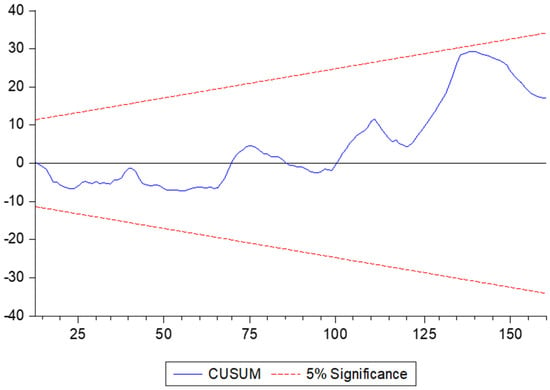
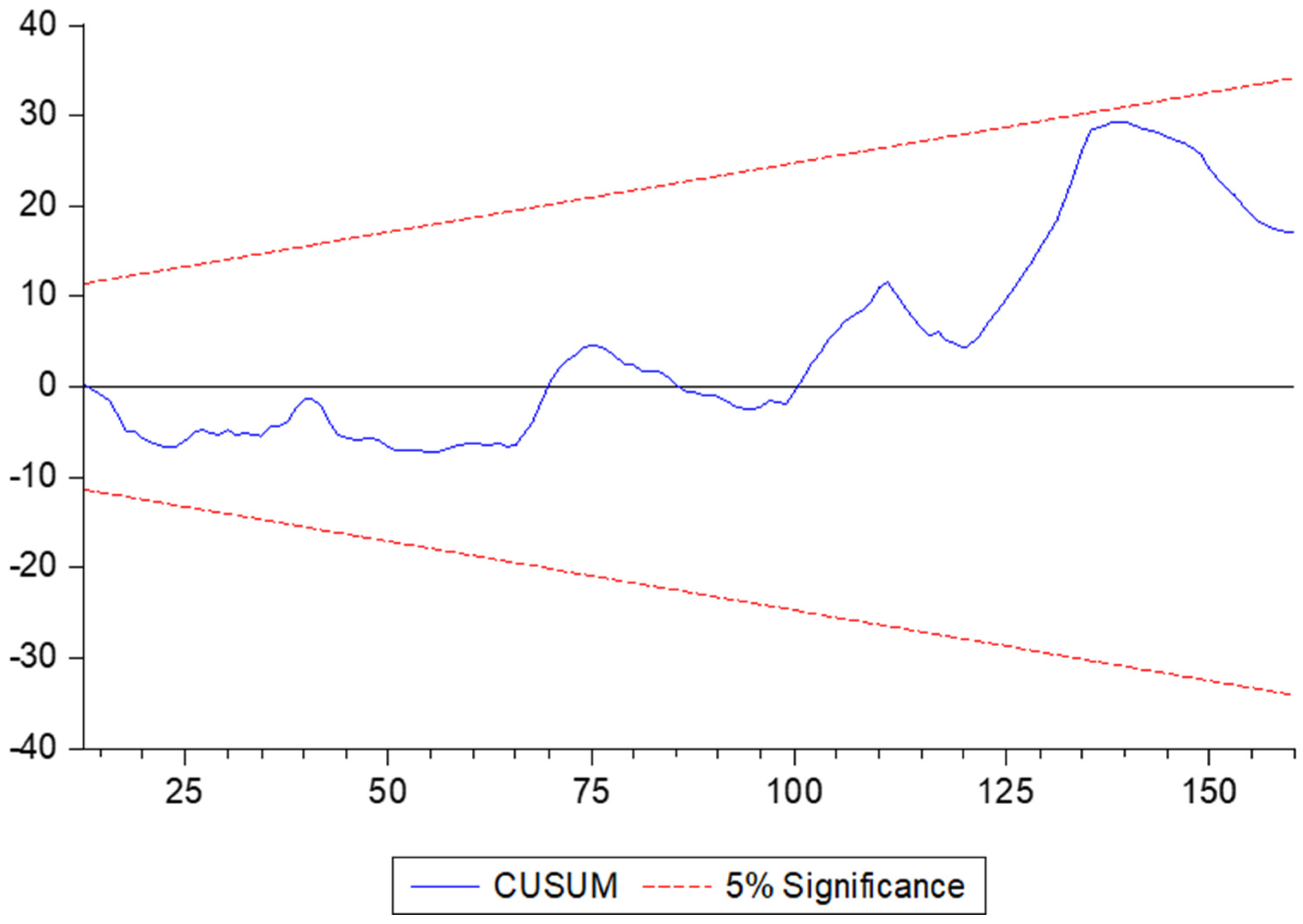
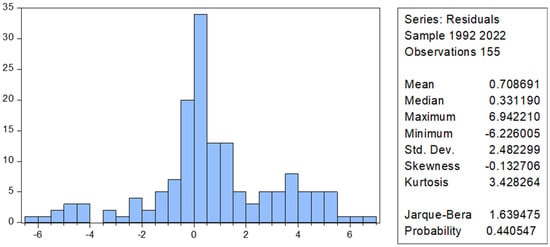
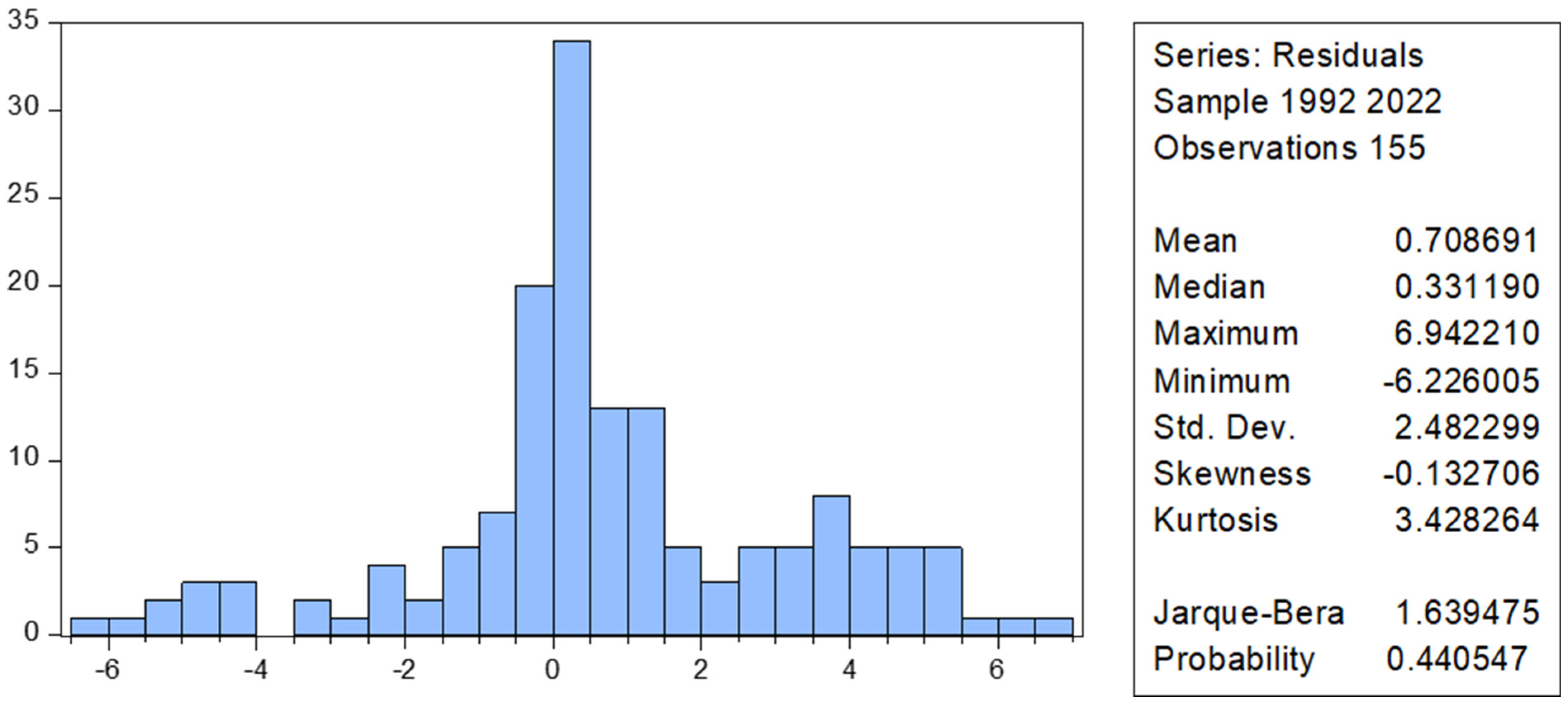

Disclaimer/Publisher’s Note: The statements, opinions and data contained in all publications are solely those of the individual author(s) and contributor(s) and not of MDPI and/or the editor(s). MDPI and/or the editor(s) disclaim responsibility for any injury to people or property resulting from any ideas, methods, instructions or products referred to in the content. |
© 2026 by the authors. Licensee MDPI, Basel, Switzerland. This article is an open access article distributed under the terms and conditions of the Creative Commons Attribution (CC BY) license.