


Abstract
The integration of renewable energy and rising electricity demand strain system flexibility. While price-based demand response (PBDR) improves flexibility through pricing signals, its efficacy hinges critically on accurate consumer modeling. Recognizing this pivotal role, this paper provides a comprehensive review of consumer models in PBDR and their applications to electric vehicles (EVs). First, a unified conceptual framework is presented, delineating the energy, information and financial flows among the system operator (SO), load aggregators (LAs), and end-users, and highlighting the central position of consumer modeling. Second, existing modeling approaches are systematically classified into four categories, namely rule-based, optimization-based, data-driven, and hybrid, to facilitate the selection of appropriate models by researchers and stakeholders for diverse scenarios. Furthermore, the application and adaptation of these models to EVs are critically analyzed, accounting for unique vehicular constraints. Subsequently, a systematic summary of the key characteristics and existing research gaps is provided. Finally, key directions for future research are proposed accordingly, aimed at incorporating bounded rationality into behavioral models, developing individualized consumer modeling coupled with user-specific dynamic pricing, and extending consumer modeling to residential multi-energy prosumers in integrated energy systems.
1. Introduction
1.1. Motivation and Background
With growing renewable energy sources (RES) integration and rising peak load, it has become increasingly challenging to maintain real-time balance between electricity supply and demand [1]. On the one hand, the large-scale integration of uncontrollable RES has displaced conventional dispatchable power plants and, concurrently, reduced the system’s available regulation capacity to compensate its fluctuations. On the other hand, the peak load and the peak-to-valley difference are being amplified by increased air conditioning use and the electrification of end-use sectors such as electric vehicles (EVs). In Colombia, the national strategy aims to incorporate 600,000 EVs by 2030 [2]. In Turkey, EV ownership surged from 50 in 2011 to over 13,000 by 2022, demonstrating rapid growth [3]. Meanwhile, China already has over 18 million EVs on roads [4]. The aggregated charging demand further exacerbates peak grid loads and widens the peak-to-valley gap, compounding existing grid management challenges. This trend severely strains both the system’s power balancing capability and its power delivery capacity [5].
Demand response (DR) is a cost-effective approach to mitigate the challenges of maintaining supply–demand balance in the grid. The Federal Energy Regulatory Commission formally defines DR as “changes in electric usage by end-use customers from their normal consumption patterns in response to changes in the price of electricity over time, or to incentive payments designed to induce lower electricity use at times of high wholesale market prices or when system reliability is jeopardized” [6]. DR facilitates active control on the demand side, shifting the conventional operational paradigm from one where generation merely follows loads, toward a bidirectional supply–demand interaction. This shift unlocks significant flexibility inherent in end-use loads, thereby enhancing overall system flexibility and resilience. Numerous studies have shown that DR contributes positively to power system sustainability and efficiency, particularly by promoting RES integration [7,8,9], alleviating peak load demand [10,11,12], reducing operational costs [13], and deferring grid infrastructure investments [14,15]. In addition, end-users can obtain economic benefits by participating in DR, thereby fostering new drivers of economic growth. The large-scale deployment of EVs, combined with their dual capability to act as both load and storage, makes them a promising DR resource. Accordingly, extensive research has been devoted to charging scheduling and planning for EVs in DR. For example, Pritam et al. [16] demonstrated how EVs can reshape load profiles and facilitate RES integration by modeling user time preferences to optimize charging and discharging sequences. Sigma et al. [17] proposed a multi-objective optimization framework for the planning of charging station siting, distributed energy resource allocation, and charging request prioritization to balance the reduction in power losses with cost and environment considerations.
DR schemes are typically classified into two types: incentive-based DR (IBDR) and price-based DR (PBDR). IBDR refers to a demand-side management approach in which the system operator (SO) or load aggregators (LAs) provide financial compensation or other incentives to end-users to reduce, shift, or defer electricity consumption under pre-established contractual agreements. In contrast, PBDR relies on dynamic electricity pricing signals to shape consumer behavior in response to prevailing market or system conditions. Because it does not require contractual agreements or active dispatch by the SO, PBDR is particularly well-suited for large-scale deployment.
The effectiveness of PBDR ultimately depends on how consumers respond to price signals. Poorly understood or misrepresented consumer behavior can lead to adverse load shifts, unfair cost allocation, and reduced user participation, thereby undermining the intended benefits of PBDR. This makes consumer modeling a core enabler of successful PBDR. Its importance is multifaceted: for the SO, it supports the assessment of response potential; for LAs, it enables the prediction of program outcomes; and for end-users, it underpins informed decision-making. Accurately characterizing consumer behavior is therefore a critical and open research challenge. For EV users, this challenge is even more pronounced. Unlike traditional household consumers, EV users have high mobility, which makes the opportunity to manage their charging behavior dependent on time and location. They also possess bidirectional power exchange capability and are sensitive to battery degradation caused by additional usage from DR participation. These unique characteristics render generic consumer models developed for appliances or heating loads inadequate. Therefore, a dedicated review of consumer models for PBDR and their applications to EVs is urgently needed.
1.2. Literature Review and Research Gaps in Existing Reviews Covered by the Study
Consumer behavior in response to price signals has been extensively studied across various disciplines, including economics, psychology, and power systems. Numerous consumer models have been developed, ranging from simple price elasticity functions [18,19] to utility-maximizing frameworks [20,21], data-driven approaches [22,23], and their combinations [24,25]. However, this literature focuses on specific techniques without providing a comparative overview of consumer models, and treats them as a secondary component within larger DR frameworks rather than as the central subject of analysis. Consequently, a systematic review that synthesizes consumer models specifically for PBDR remains lacking.
A growing body of literature has applied these consumer models to EV charging scheduling and planning within DR frameworks. However, directly applying generic consumer models originally designed for conventional residential loads to EV users is problematic due to the unique characteristics of EVs. Recognizing this gap, recent studies have made various adaptations to tailor consumer models for EV applications. For instance, some adaptations incorporate time- and location-dependent availability into price elasticity [26]. Others incorporate battery degradation costs into the objective function and impose vehicle-to-grid (V2G) compatible physical constraints within an optimization framework [27,28]. A third group learns EV-specific patterns from GPS trajectories or charging records using data-driven methods [29]. Despite these valuable efforts, existing adaptations remain scattered across different methodological frameworks, and a systematic review that compares their adaptation and assumptions is still missing.
Review studies on DR and EV integration have approached the field from diverse angles. Some have developed frameworks to describe DR systems. Ali et al. [30] mapped the full stakeholder workflow. Suhaib et al. [31] captured key components, constraints, and uncertainties. Liana et al. [32] proposed a three-layer architecture from apartment to district. This paper advances these efforts by placing consumer modeling at the core. The consumer model is tightly coupled with energy, information, and financial flows, so that any change in the model drives corresponding changes across all three flows. Other reviews have classified DR from various perspectives. Al-Ogali et al. [33] grouped demand-side approaches by application domain into scheduling, clustering, and forecasting. Dahiwale et al. [34] classified smart charging by control architecture into centralized, decentralized, distributed, hierarchical, and local. Massaoudi et al. [35] distinguished flexibility quantification by mathematical formulation into time-varying elasticity, alternating current multi-temporal optimal power flow, region-based, data-driven, and hybrid. For consumer models, a classification based on modeling methodology is more appropriate to ensure completeness and uniqueness. This allows readers to choose a category based on data and deployment conditions. We further provide a binary decision tree that assigns any given consumer model to one and only one category. The discussion also distinguishes different modeling perspectives to enhance practical utility. In this context, we review existing adaptations and identify common invalid assumptions in EV applications.
1.3. Contributions and Paper Organization
The main contributions of this paper are as follows:
- We propose a unified conceptual framework for PBDR that articulates its key components and operational mechanisms through energy, information, and financial flows. This framework further reveals the indispensable and distinct role of consumer modeling for each key participant in the system.
- We systematically review consumer modeling approaches in PBDR and propose a novel and unified classification that organizes them into four categories: rule-based, optimization-based, data-driven, and hybrid. A binary decision tree based on observable technical features is provided to uniquely assign any existing model to a specific model type. By delineating the performances of each category, such as maturity level, data requirements, and privacy implications, this review assists researchers and stakeholders in selecting appropriate models based on specific application conditions. In addition, we identify systematic and critical gaps in the existing literature.
- We offer a critical analysis of the application of these models to EV users. We identify necessary adaptations to account for EV-specific characteristics, including mobility, bidirectional power exchange capability, and sensitivity to battery degradation. Furthermore, we summarize the common invalid assumptions in EV applications.
- We outline key future research directions to address the identified gaps, with an emphasis on incorporating bounded rationality into behavioral models, developing individualized consumer modeling coupled with user-specific dynamic pricing, and extending these models to residential multi-energy prosumers in integrated energy systems (IES).
The remainder of this paper is organized as follows. Section 2 presents the conceptual framework for PBDR. Section 3 reviews and categorizes state-of-the-art consumer modeling approaches in PBDR, where the application and adaptation of these models to EV users are analyzed. Section 4 provides directions for future research. Finally, Section 5 concludes the paper.
2. Conceptual Framework for PBDR
The PBDR framework comprises three interdependent flows, namely energy, information, and financial, and three key participants, namely the SO, LAs, and end-users, as shown in Figure 1.
Figure 1.
Schematic diagram of the conceptual framework for PBDR.
From the perspective of energy flow, a power system traditionally supplies energy unidirectionally to industrial, commercial, and residential loads. More recently, with the integration of distributed energy resources such as energy storage systems and EVs, bidirectional energy exchange becomes feasible. This enables these flexible resources to both consume from and inject power into the grid.
In terms of information flow, the SO collects measurements of generation and load through the grid’s monitoring and management infrastructure. Based on this data, the SO designs dynamic pricing signals to incentivize LAs and end-users to adjust their consumption patterns, thereby supporting system balancing, economic dispatch, and other operational objectives. LAs, in turn, coordinate a portfolio of small, dispersed end-users, managing them as a single controllable entity to participate in DR programs. They may also design tailored retail pricing schemes for their enrolled users to further refine local load profiles. End-users respond autonomously to the price signals issued either by the SO or their LA by adjusting their electric usage or dispatching behind-the-meter assets, such as EVs or residential batteries.
Regarding financial flow, end-users and LAs pay electricity charges to the upper-level entity (i.e., the LAs or SO) based on the applicable tariff and their net energy consumption. Conversely, when demand-side resources, such as EVs providing V2G services, inject power into the grid, the upper-level entity compensates them accordingly. This two-way financial settlement reflects the active role of prosumers in PBDR frameworks.
PBDR primarily employs three representative pricing mechanisms: time-of-use pricing (TOU), real-time pricing (RTP), and critical peak pricing (CPP). TOU applies fixed but differentiated electricity rates across predefined periods, typically peak, off-peak, and sometimes shoulder, to incentivize users to shift flexible loads away from high-demand intervals and flatten the system load profile [36]. RTP dynamically aligns retail electricity rates with the real-time wholesale market clearing price or system marginal cost, providing short-interval price signals that enable responsive end-users to optimize consumption in near real time [37,38]. CPP combines a standard TOU structure with exceptionally high prices during a limited number of pre-notified or event-driven critical peak hours, to strongly curtail non-essential demand and enhance grid reliability under stress conditions [39,40].
In practice, consumer models are embedded within the operational workflows of each PBDR participant. The SO relies on aggregate behavioral models to forecast demand elasticity and ensure that pricing signals elicit sufficient load modulation for grid balancing. LAs use granular insights from consumer models to craft effective pricing programs by selecting rate structures, peak thresholds, and notification strategies that align with actual user flexibility and behavioral patterns. Without such models, tariff designs risk being either too weak to elicit a meaningful response or overly aggressive, leading to poor user acceptance. End-users, particularly those managing distributed energy resources such as EVs or storage, benefit from transparent and personalized consumer models that serve as cognitive anchors. These models translate volatile price signals into clear, preference-aware scheduling decisions, enabling consistent, low-effort participation in DR while preserving comfort and autonomy.
3. Overview of Current Research
Given the complexity of consumer decision-making mechanisms and the diversity of analytical methodologies, consumer models in PBDR can be classified into four categories based on their core modeling logics: rule-based, optimization-based, data-driven, and hybrid. To establish clear conceptual and methodological boundaries between these classes, we define each category by its exclusive modeling logic. Rule-based models rely on predefined rules and prior knowledge without optimization or data learning; optimization-based models employ an explicit objective function and constraints; data-driven models learn input–output mappings solely from historical data; hybrid models explicitly combine two or more of the above paradigms. A decision tree is provided in Figure 2 to assist readers in applying this classification. It is worth noting that this classification focuses on modeling consumer behavior rather than on system-level strategies or control methods.
Figure 2.
Decision tree for classifying consumer response models in PBDR.
3.1. Rule-Based Consumer Modeling
Rule-based consumer models construct behavior patterns through explicit rules and prior knowledge, such as economic principles, psychological theories and fuzzy methodology. They rely on manually defined thresholds or state transition rules, emphasizing interpretability.
3.1.1. Economics-Driven Rules
The economics-driven rules primarily consider the price as the single control variable. They are categorized into two mathematical expressions of price elasticity: (1) price-elastic demand function (PEDF) and (2) price elasticity coefficient (PEC) or price elasticity matrix (PEM). Both formulations characterize the mapping relationship between prices and consumer behaviors. Critically, these models are typically used by the SO or LAs to quantify responsive power adjustments, assuming that consumers behave similarly.
- Price-elastic demand function
When the effect of the electricity price on demand is solely considered, the PEDF is widely applied, which is derived from fitting historical electricity prices and demand data. Since the demand for most commodities decreases as the price of the commodity increases, numerous studies have focused on employing monotonically decreasing functions. Yusta et al. [18] compared five different demand functions, namely linear, potential, logarithmic, exponential and hyperbolic, for calculating optimal electricity prices and maximizing the electric utility profit and total social welfare. Yousefi et al. [19] proposed the composite demand function, a weighted combination of four functions, to represent the demand model which comprises different clusters of customers with diverse load profiles and energy use habitudes. To overcome the limitations of single-assumption approaches, Zhao et al. [41] employed another five demand functions, linear, exponential, polynomial, inverse polynomial, and piecewise, to simulate the price elasticity characteristics of diverse loads, which exhibit distinct sensitivity to price changes across high-, medium-, and low-price ranges.
Among the above functions, the power function and linear function are the most commonly used. For example, Thimmapuram et al. [42] explored the impact of consumers submitting individual price-elastic demand, which is modeled as a power function, and directly engaging in market clearing with the support of automated metering infrastructure (AMI). Zhao et al. [43] adopted the power function to model price-elastic demand in the unit commitment schedule, while also accounting for inelastic demand such as hospitals and airports. Joung et al. [44] modeled the demand with smart metering as price-elastic demand, represented by a linear demand curve, and further assessed its impacts on long-term electricity market prices and system reliability. Aghaei et al. [45] investigated the critical peak pricing with load control DR program in a cost-emission-based unit commitment problem, and used linear function to characterize demand elasticity. Su et al. [46] employed a linear demand curve for electricity markets, incorporating inelastic demand, as some consumers lack the ability or motivation to adjust their consumption to price changes.
The PEDF offers a basic framework for aggregate EV modeling, supporting charging trend prediction and system-level impact analysis under dynamic pricing. Yang et al. [47] proposed an optimization scheduling method for EV charging and swapping stations by evaluating the regulation potential of charging load, in which the probability of EV consumers providing DR services is considered as a logarithmic function of the compensation price. Xie et al. [48] proposed a novel pricing scheme for EV charging within power-transportation systems using a tri-level framework that considers the interactions among the distribution network, charging network operator and EVs. Specifically, the elastic demand of EV follows a logit exponential form with respect to travel costs, which exhibits a positive correlation with charging prices.
- Price elasticity coefficient or matrix
As it is challenging to precisely quantify the PEDF, economists often linearize the PEDF curve around a given point and then define the PEC of demand as the relative slope of the curve [49]. The formula for calculating PEC is
where and are the increments of the electricity consumption q and the price p respectively.
Generally, PEC can be categorized into single-period elasticity and multi-period elasticity. The single-period elasticity considers only the impact on the current interval, allowing adjustments to electricity consumption within this specific interval but not enabling load redistribution across intervals. In contrast, the multi-period elasticity reflects reality more accurately, as it allows consumers to adjust their consumption in any interval based on price changes. In the multi-period response model, PECs are classified into self-elasticity and cross-elasticity coefficients, formulated as Equations (2) and (3) respectively.
where i and j denote the i-th and j-th intervals respectively.
Thus, the consumer model can be expressed as follows:
where is the PEM. and should satisfy and , respectively. For the cases where and , and can be set to 0.
Aalami et al. [50] developed an extended responsive load economic model based on PEM, providing market regulators a tool to simulate the behavior of customers for different electricity prices, incentives, penalties and elasticities. Bie et al. [51] presented a scheduling method where the conventional power sources and DR resources are jointly employed to meet the demand and exploit wind power, in which the consumer model was based on PEM and the matrix data was derived from [49]. In recent years, the mutual conversion of various energy sources such as electricity, heat, cooling, and gas in IES has increased significantly, leading to the emergence of integrated DR programs [52]. Such a program reduces the demand for a specific energy source and improves energy efficiency, while PEM is widely used for correlation analysis among multiple energy sources. Gu et al. [53] proposed an optimal economic dispatch strategy for an industrial park, in which multi-energy consumers purchase four kinds of energy sources from an integrated energy service agency and the self-elasticity coefficients of each energy source are considered. Furthermore, Dou et al. [54] constructed a multi-energy and multi-period demand elasticity model, in which the cross-elasticities among four energy sources and across different periods were calculated, helping determine load changes for energy retail pricing.
The PEC/PEM effectively captures how EV users respond to electricity prices. A.M. Silva et al. [55] developed a stochastic carbon-aware scheme to set day-ahead charging tariffs at EV charging stations (EVCS), improving environmental performance and cost-effectiveness. To simulate the aggregated response of EV users, they used two distinct PEMs, characterizing consumers who reschedule loads evenly over a period and those who reschedule loads over the originally scheduled time periods, respectively. Chi et al. [56] proposed a load calculation strategy for EV that considers both carbon trading and new energy usage, where an improved PEM based on elasticity effect weight was introduced to analyze the impact of PBDR on EV load. Besides self-elasticity and temporal cross-elasticity, a few studies have considered spatial cross-elasticity. Chen et al. [26] built an optimal regional TOU charging price model for EVs. They divided a typical urban area into four distinct zones and used both temporal and regional elasticities to coordinate EV charging across time and space.
3.1.2. Psychological and Behavioral Rules
The consumer psychology model (CPM) is applied to describe consumer behaviors from the perspective of the SO or LAs, revealing that consumers tend to shift their electricity consumption from high-price periods to low-price periods when the price differential exceeds a certain threshold. As shown in Figure 3, is the price differential and is the load shifting rate, defined as the percentage of shifted electricity consumption relative to the total electricity consumption during the original high-price periods. Consumer psychology theory posits that there is a just noticeable difference (JND) or differential threshold for price stimulus. If does not exceed the JND, consumers would not shift their electricity load. This region is referred to as the insensitive area. Once surpasses JND, namely exceeds the threshold a, a positive linear response is triggered, where becomes a linear function of with a slope of k. This region is known as the responsive area. There is an upper limit of . Once reaches the saturation stimulus value b, further increases in will not lead to additional behavioral changes, as consumers prioritize maintaining their essential electricity needs. This region is referred to as the saturation area.
Figure 3.
Relationship between load shifting rate and price differential based on CPM.
Then, the relationship between the and can be described as follows:
Hou et al. [57] used CPM to quantify how consumers adjusted their consumption in response to financial incentives from retailers. Shen et al. [58] helped LAs to determine the optimal contract strategy for maximizing their profit and consumers’ welfare, in which the CPM was applied to model the consumers’ behavior during contract signing. Zhao et al. [59] introduced CPM into the electricity–gas DR program in energy hubs, which are core components of IES, and further proposed the electricity-shifting curve (ESC). On the ESC, the horizontal axis was redefined as the ratio of electricity price and gas price, called the “E-to-G price ratio”, while the vertical axis represented the electricity shifting amount. Li et al. [60] focused on the progressive time-differentiated peak pricing for DR program involving aggregated air conditioning (AC) load and the relationship between the electricity price and the temperature setpoint of AC was also described based on the consumer psychology theory.
CPM is effective for modeling EV charging behaviors in DR. Liu et al. [61] developed a controlled EV charging strategy to optimize the peak-valley difference in the grid when considering the regional wind and photovoltaic (PV) power outputs. The study incorporated CPM and heterogeneous driving demands to analyze EV users’ response to pricing strategies. The key parameters a, k, and take on distinct values depending on whether the driving demand is urgent, common, or low. Yang et al. [62] proposed a V2G potential evaluation method considering spatiotemporal transfer features of EVs, and the CPM was also used to quantify the response degree of EV users to V2G discharge compensation.
3.1.3. Fuzzy Rules
The fuzzy logic (FL) models human knowledge in a qualitative way using linguistic if–then rules, without requiring precise quantitative analysis [63]. Therefore, it can effectively deal with fuzzy concepts in DR programs. As shown in Figure 4, an FL system comprises four core components: a fuzzification interface, a rule base, a fuzzy inference module and a defuzzification interface.
Figure 4.
Framework of a FL system.
First, the fuzzification interface converts crisp inputs, such as temperature or electricity price, into membership degrees in the interval [0, 1], representing the degree to which each input belongs to a specific linguistic set. For example, a temperature of 25 °C may have a membership degree of 0.7 for the term “warm”. The rule base contains a set of “if–then” fuzzy rules derived from expert knowledge or empirical observations, which describe the fuzzy relationships between input and output variables. These rules link fuzzified inputs, such as “high price” and “high room temperature”, to appropriate control actions, such as “reduce AC power”, forming the foundation for fuzzy reasoning and decision-making. The fuzzy inference module then performs logical deduction based on the membership degrees of the inputs and the rule base, producing fuzzy outputs. Finally, the defuzzification interface transforms fuzzy outputs into a crisp control signal. Common membership functions include triangular, trapezoidal, and Gaussian, selected based on the application context.
The fuzzy logic-based model (FLM), primarily constructed from the consumer’s perspective, is often implemented as a fuzzy logic controller (FLC) and serves as a core component in home energy management systems (HEMS). The model incorporates multiple input variables to determine demand, rather than the sole electricity price. Rahman et al. [64] designed a model for HEMS based on an FLC which has five inputs, namely time, comfort level, temperature deviation, forecast loads and consumption time, and the input “Time” corresponds to the time-varying price signals within the TOU tariff framework. The controller takes the crisp or real input values, fuzzifies them and assigns a fuzzified control signal based on the predefined rules and membership functions. The control signal is then converted to two crisp signals, the load shifted to off-peak hours and the load permitted to operate during that period, through the defuzzification process. Beyond the dominant application in HEMS, the SO and LAs also occasionally employ FLM to model consumer behaviors. Holtschneider et al. [65] decomposed consumers’ responses into motivation and temporal availability, each evaluated by a fuzzy inference system. The motivation model uses five inputs: the incentive, general amount of time, capital, technical interest and external circumstances. The temporal availability model uses four inputs: existence of occupation, number of residents, existence of children and the time of day. The temporal availability is used to calculate available power, and the final response power equals the product of motivation and that available power.
The integration of EVs introduces unique complexities to load management, such as uncertain charging patterns and user flexibility. The FLM has emerged as a prominent approach to handle these challenges. Alfaverh et al. [66] proposed an efficient HEMS enhanced by smart scheduling and an optimized charging/discharging strategy for plug-in EVs. This strategy employs an FLC to reduce electricity costs, enhance energy utilization efficiency and ensure user driving demands. The FLC incorporates five inputs: power demand, electricity price, SOC of EV, EV availability and residential PV availability. Chen et al. [67] presented a decentralized EV charging/discharging and rate control approach based on FLC. Three factors are considered in the approach: EV users’ charging urgency, voltage deviation of grid node and pricing signals from utilities. The approach aims to meet the EV users’ charging requirements, reduce the EV users’ charging cost and maintain the distribution system nodal voltages within acceptable limits.
Table 1 provides the related works and case parameters of current research in terms of rule-based consumer models. Table 2 summarizes the four rule-based consumer models across nine dimensions. These models share high interpretability and low data requirements but differ in maturity and scalability. PEDF, PEC/PEM and PCM serve SO and LAs for macro-level analysis, while FLM targets more detailed behavioral rules.
Table 1.
Related works and case parameters of current research on rule-based consumer models.
Table 2.
Summary of rule-based consumer models.
3.2. Optimization-Based Consumer Modeling
The optimization-based consumer models employ mathematical programming techniques, based on an objective function and a set of constraints, to find optimal or equilibrium solutions for single or multiple objectives. The modeling critically depends on individual-level microdata and inherently performs from the consumer’s perspective. It employs mathematical programming to simulate consumers’ optimal decision-making, with the objective of benefit maximization or cost minimization.
3.2.1. Single-Objective Optimization Model
The single-objective optimization model (SOOM) focuses on minimizing electricity cost. It employs linear programming (LP) or nonlinear programming (NLP) algorithms to identify optimal solutions. As the optimization objective is simple, researchers typically refine and augment constraints to improve model accuracy. Althaher et al. [20] presented a HEMS controller based on SOOM, which is subject to the consumer’s comfort constraint and operating constraints of different types of domestic appliances, including nonflexible deferrable, flexible deferrable, curtailable, thermal, and critical ones. Similarly, Samadi et al. [21] proposed a residential load management algorithm considering the operating constraints of different appliances such as must-run appliances, controllable appliances that are interruptible, and controllable appliances that are not interruptible. Moreover, a few studies used SOOM, rather than more complex models, to analyze macro-level pricing policies from the grid’s perspective. For example, Li et al. [68] illustrated that a rebound peak at night is possible when each consumer aims to minimize their own costs, and systematically validated three pricing approaches to prevent this problem including using a flat price at night, different real-time prices to different homes at night, and maximum allowable power.
The proven effectiveness of SOOM in coordinating EV operations has led to its widespread adoption in DR programs that involve EV participation. Papadaskalopoulos et al. [69] proposed a pool market mechanism that combines centralized mechanisms with dynamic pricing to unlock demand flexibility. EVs are modeled as a reschedulable load with a cost-minimization problem, subject to constraints on driving needs, EV and battery properties, grid connection, and connection availability when stationary. Hussain et al. [70] developed a real-time price-based cost optimization algorithm for residential EV charging. For each EV’s arrival and departure times, the algorithm calculates a threshold price and coordinates the charging process to minimize cost without overloading the grid in any scheduling period. Pal et al. [71] proposed a residential EV scheduling framework with four modes: smart charging, V2G, vehicle-to-home, and a novel vehicle-to-neighbor connection. Although each mode uses a distinct formulation, all aim to minimize daily household energy costs and improve community flexibility.
3.2.2. Multi-Objective Optimization Model
The multi-objective optimization model (MOOM) systematically balances multiple conflicting objectives, including economic efficiency, emotional needs, behavioral preferences, and comfort thresholds. Compared to SOOM, it employs Pareto frontier analysis or weighted coefficient methods to coordinate trade-offs, resulting in more sophisticated and precise modeling frameworks. Mohsenian-Rad et al. [72] achieved a trade-off between minimizing electricity cost and waiting time for household appliances. The problem was reformulated as an LP by introducing auxiliary variables and solved by the interior point method. Zhao et al. [73] proposed an NLP model to simultaneously reduce electricity cost and appliance delay time rate, solved with a genetic algorithm.
With the intelligent transformation of energy systems, demand-side energy resources have become increasingly diversified. The scope of modeling has expanded from traditional household appliances (e.g., air conditioners, washing machines) to a broader range of energy entities, including distributed renewable energy sources (e.g., PV), energy storage systems (e.g., residential battery storage), EVs and so on. This evolution enables more flexible demand-side interaction with the grid. Nezhad et al. [74] proposed a self-scheduling model for HEMS, where consumers reduce their daily electricity bills by installing PV panels and battery energy storage (BEES) units. The model minimizes the electricity bill of a residential prosumer, considering energy transaction cost, discomfort cost from shifting controllable loads, and interruption cost of such loads. It is formulated as a mixed-integer linear programming (MILP) problem and can be solved efficiently with commercial solvers like CPLEX. Anvari-Moghaddam et al. [75] focused on a modern medium-sized house in a residential microgrid equipped with a fuel cell cogeneration system and an energy storage device. They developed a mixed-integer nonlinear programming (MINLP) model for optimal energy use, considering total operation cost, user convenience, and thermal comfort. The model can be solved using GAMS and the CPLEX/Dicopt solvers.
In the EV context, MOOM is widely used to model charging behaviors under dynamic pricing schemes [76]. Jokinen et al. [27] modeled the flexibility of EV charging load under constraints of available power, ambient temperature, and unidirectional or bidirectional control. The net cost (charging cost minus battery degradation cost) was minimized for individual EVs to analyze this flexibility. Ortega-Vazquez et al. [28] proposed an optimal scheduling framework for EV charging and V2G services at the household level. The objective function explicitly includes the electricity bill for charging, revenue from V2G services, battery degradation cost, and a robust term associated with electricity price volatility. Mei et al. [77] simulated the charging process and adjusted the charging price of EVCS to reduce spatial imbalance in charging demand. In particular, a multi-agent system comprising the road network, vehicles, and charging stations was constructed to model real-world scenarios. The vehicle agent takes into account the costs of queuing, parking, charging, and transferring to alternative parking lots. Yanagawa et al. [78] developed an optimal charging model for public fast-charging stations that minimizes charging cost, frequency, and time loss. Since these objectives have different dimensions, each is normalized by its maximum value. Weight coefficients are then applied to form a scalar function in which the weights reflect EV users’ priorities.
3.2.3. Game-Theoretic Optimization Model
Although the MOOM can effectively capture the multidimensional trade-offs in consumer’s decision-making, it typically assumes consumer’s action as independent decision-makers and neglects the impact of strategic interactions with other participants in DR. In practice, however, a consumer’s behavior is often directly influenced by the strategies of the SO, LAs or other consumers through dynamic pricing or competition. Under these conditions, a consumer’s “optimal solution” may become ineffective in a multi-agent environment. To model such dynamic strategic relationships, researchers have integrated MOOM into game-theoretic frameworks, enabling equilibrium analysis of consumer strategies under competitive or cooperative scenarios. This integrated approach is referred to as the game-theoretic optimization model (GTOM). GTOM not only extends the scope of MOOM but also provides more realistic decision-making tools for DR market designing.
Wei et al. [79] formulated the hierarchical relationship between retail price setting and consumer response using a Stackelberg game (SG) model with two levels. At the upper level, the retailer determines the next day’s retail price sequence to maximize its revenue from energy sales and announces it to consumers in advance. At the lower level, each consumer chooses its consumption pattern to maximize its profit, defined as utility minus electricity cost, based on the announced prices. Thus, consumer consumption patterns become a function of the retail prices. The model was transformed into a MILP problem using the Karush–Kuhn–Tucker conditions, disjunctive constraints, and duality theory. Wen et al. [80] considered consumers equipped with PV and smart appliances. Their interaction with an energy service provider was modeled as an SG, where both seek to maximize benefits. The consumer’s benefit includes PV revenue and subsidies, electricity cost, and consumption satisfaction. Backward induction was used to find the Nash equilibrium, determining optimal price and demand. Wu et al. [81] formulated multi-energy trading as an SG model. The energy provider acts as the leader by adjusting energy prices, while residential smart energy hubs follow as consumers, dynamically scheduling multiple energy flows in response. Each hub is equipped with an electricity transformer, a combined cooling, heating and power unit, an electric chiller, and a gas boiler. The provider maximizes its revenue, defined as hub payments minus generation costs, and each hub maximizes its payoff, defined as total satisfaction minus payment. The existence and uniqueness of the equilibrium are analyzed. Sun et al. [82] proposed a closed-loop reverse SG modeling the interaction of LAs with flexible resources such as EVs, industrial loads, and thermostatically controlled loads (TCLs). Unlike conventional SG with open-loop fixed prices, the reverse SG uses a closed-loop pricing function that adapts dynamically to followers’ actions. A hybrid algorithm solves the game, combining outer-loop sequential linear programming for pricing and inner-loop mean-field iterations for decentralized consumer strategies, minimizing electricity cost plus discomfort penalty with respect to energy consumption and level.
EVs may engage in strategic interactions and game-theoretic competitions with charging stations and the SO, with each stakeholder seeking to maximize their own interests [83]. Yoon et al. [84] modeled home EV charging as an SG and proved that its equilibrium satisfies EV charging requirements while maximizing retailer profits. Laha et al. [85] formulated the interplay between EVs and EVCSs as a multi-leader multi-follower SG, where EVCSs act as leaders setting charging prices via backward induction, and EVs then choose their charging stations based on price, location, and time intervals. Zheng et al. [86] developed a dynamic differential game model between the power grid and EV users. The model aims to smooth grid peak–valley differences. EV users select optimal charging power to minimize cost based on grid price signals and their own charging requirements. An EV user’s cost consists of satisfaction benefit, charging cost, and battery degradation loss. Shakerighadi et al. [87] designed a three-level game involving EVs, EVCSs and the SO. At the top level, the SO implements an incentive program. At the middle level, EVCSs compete to attract EVs and increase their profits. At the lowest level, EVs decide where to charge and how much energy to consume to maximize their benefits.
GTOMs can be classified as complete-information (C-GTOM) and incomplete-information (I-GTOM) regarding data sharing. C-GTOM requires all utility functions and strategy spaces of all participants, while participants are generally unwilling to provide. I-GTOM requires only strategic bids or responses information, not private consumer data, though its market mechanism may be more complex. User acceptance depends on consumers’ trust in market rules, and successful mechanisms build such trust via transparent rules and verifiable benefits.
Table 3 summarizes the mathematical formulations and case parameters from current studies on optimization-based consumer models.
Table 3.
Models and case parameters of current research on optimization-based consumer models.
Table 4 compares the three optimization-based consumer models. All rely on explicit objective functions and constraints but differ in complexity and practicality. SOOM can be solved by mature solvers. MOOM handles conflicting objectives with a heavier computational burden than SOOM and requires an additional interface for expressing trade-offs among objectives. GTOM analyzes strategic interactions yet remains largely theoretical, and its equilibrium computation is typically NP-hard.
Table 4.
Summary of optimization-based consumer models.
3.3. Data-Driven Consumer Modeling
The data-driven consumer model is a modeling paradigm implemented through machine learning algorithms, which autonomously learns intrinsic patterns from data to establish adaptive mappings. Furthermore, supervised learning (SL), unsupervised learning (UL), and reinforcement learning (RL) are the three fundamental paradigms of machine learning [88]. The core distinction between SL and UL lies in the use of labeled training data [89]. In DR applications, UL is typically employed for consumer clustering rather than constructing consumer models, and is therefore not discussed in this paper.
3.3.1. Supervised Learning-Based Model
The supervised learning-based model (SLM) uses labeled historical data such as electricity prices and response power to predict consumer behaviors through regression techniques. Therefore, SLM is typically developed by the SO or LAs. Ruan et al. [22] proposed a graph attention network-based temporal price elasticity perceptron model, where each time period is a node linking price with energy consumption and connections between nodes represent energy shiftability across periods. This graph-based deep learning approach offers a novel way to learn price elasticity and accurately assess consumer behavior under varying prices. Nakabi et al. [23] proposed two machine learning models to identify consumption patterns of shiftable appliances and TCLs in households. The first uses a fully connected artificial neural network (ANN) that takes 24 h prices as input and predicts the corresponding shiftable loads, suitable for homes without TCLs. The second uses a long short-term memory (LSTM) network to predict hourly TCL consumption based on a sequence of electricity prices and outdoor temperature, and can be combined with the first to forecast total consumption for households with TCLs.
SLM has been applied to model EV participation in DR programs. Soltani et al. [90] employed a conditional random field (CRF) model to capture EV charging decisions influenced by electricity prices and spatial dependencies among neighboring consumers. Using an online convex optimization framework, the model parameters reflecting price elasticity and neighbor influence are dynamically tracked. The learned CRF is then applied to real-time price optimization that maximizes the utility’s profit. López et al. [29] proposed a machine learning strategy for EV charging, minimizing total energy cost using real-time data on driving, environment, pricing, and demand. The approach first computes optimal historical charging decisions via dynamic programming, then trains a model on these decisions and historical data to enable real-time cost minimization without knowledge of future prices or usage. A well-trained deep neural network significantly reduces costs, approaching offline optimal performance.
The SLM learns historical charging preferences and travel plans from consumer data, posing a privacy leakage risk. Moreover, its black-box nature further limits consumers’ understanding and acceptance.
3.3.2. Reinforcement Learning-Based Model
The reinforcement learning-based model (RLM) formalizes sequential decision-making as a Markov decision process (MDP), where an agent interacts with the environment, performs actions, receives state and reward feedback, and optimizes its policy to maximize long-term cumulative rewards through trial-and-error learning without labeled data.
In DR consumer modeling, RLM is often used to solve dynamic optimization problems of consumer response strategies under an MDP framework. Consumers typically aim to balance economic cost and usage experience. The reward function in RLM provides quantitative feedback that reflects these objectives. By converting minimization objectives (e.g., cost, discomfort, delay) into maximized rewards, optimizing the MDP-based RL policy becomes mathematically equivalent to achieving the optimal solution for the consumer. O’Neill et al. [91] proposed a residential DR system that uses Q-learning, a classical RL algorithm, to dynamically model the MDP of consumer device usage and energy price fluctuations. By optimizing energy allocation to minimize long-term financial costs and the disutility of delayed usage, the system reduces average consumer costs by 16–40% and smooths peak demand. Wen et al. [92] developed a device-based RLM for residential and small commercial buildings, with the objective of minimizing the expected infinite-horizon discounted cost, which includes energy expenses and job rescheduling dissatisfaction. Q-learning is employed to solve the decomposed MDP over device clusters. Li et al. [93] presented a real-time residential DR strategy that leverages deep reinforcement learning (DRL) to optimize home appliance scheduling under uncertainties in resident behaviors, real-time electricity prices, and outdoor temperatures. A composite reward function integrates thermal comfort, electricity cost, and EV range anxiety penalty.
RLM has been applied not only to solve optimal DR strategies from the consumer’s perspective but also, in a few studies, to predict consumer response behaviors from the perspective of the SO or LAs. Ghasemkhani et al. [94] developed an RL algorithm to learn consumer behaviors from the perspective of a load serving entity, avoiding predefined response functions. They formulate the DR problem as a stochastic optimization with random responses due to volatile consumer behaviors. Building on this work, the authors further address security and privacy concerns by allowing consumers to add noise to hide their real responses, preventing external intruders from extracting information [95]. To handle the resulting perturbed measurements, they proposed a two-timescale RL algorithm with fast and slow learning processes. This enables the load serving entity to neutralize the perturbations by calculating the expected utility cost and learning aggregated customer behaviors, thereby finding the optimal incentive strategy.
MDP formulations combined with RLM have been widely adopted for EV charging scheduling [96]. Wan et al. [97] proposed a model-free DRL approach for real-time EV charging/discharging scheduling, formulated as an MDP with unknown transition probabilities. An LSTM network extracts temporal features from prices, and a Q-network approximates action values to solve the MDP and learn optimal power levels from historical price data and battery SOC. The method minimizes electricity cost, battery degradation, and range anxiety under stochastic user behavior and real-time pricing, with no need for explicit system modeling or uncertainty forecasting. Zhang et al. [98] formulated EV charging control as an MDP and proposed a DRL method named Charging Control Deep Deterministic Policy Gradient. The method uses an LSTM network to extract historical price information, adds Gaussian noise for exploration, and employs two replay buffers to handle sparse rewards. The goal is to minimize charging expenses while meeting battery energy requirements under dynamic prices. Li et al. [99] formulated EV charging/discharging scheduling as a constrained MDP, and a safe deep reinforcement learning (SDRL) approach based on Constrained Policy Optimization was proposed to automatically handle hard constraints, minimizing charging costs while ensuring full battery capacity upon departure without manual penalty design. Chen et al. [100] similarly modeled the problem as a constrained MDP but introduced an Augmented Lagrangian Soft Actor-Critic algorithm. It achieves cost minimization and SOC constraint satisfaction with high sample efficiency, overcoming the limitations of penalty coefficient reliance and low data efficiency in previous RL methods.
Battery degradation costs are a common consideration in both optimization-based and data-driven models. Olmos et al. [101] established a chemistry-dependent empirical degradation model for lithium-ion batteries, taking into account cycle number, temperature, depth of discharge, charge/discharge rates, and average SOC. They compared three battery chemistries: lithium titanate oxide (LTO), lithium nickel manganese cobalt oxide (NMC) and lithium iron phosphate (LFP). The results show that LTO battery life is mainly affected by cycle number and charge rate; NMC degradation is highly sensitive to depth of discharge (DoD) and average state of charge, while LFP degradation depends primarily on cycle number, with relatively weak sensitivity to depth of discharge. Ortega-Vazquez et al. [28] simplified the degradation model: for LFP batteries, cost is proportional to discharged energy; for lithium nickel cobalt aluminum oxide (NCA) batteries, cost is a strongly nonlinear function of DoD. Therefore, in optimization-based models, a chemistry-appropriate degradation cost term should be incorporated into the objective function, together with physical constraints such as SOC windows and charge/discharge rate limits. In data-driven models such as RLM, the chemistry-dependent degradation cost should be incorporated as a penalty term in the reward function or as a constraint to guide policy learning, thereby avoiding accelerated battery aging.
Table 5 provides the related works and case parameters of current research on data-driven consumer models. Table 6 provides a contrast between SLM and RLM. SLM excels at load forecasting and pattern recognition using historical data but suffers from black-box interpretability and data dependency. RLM adapts to dynamic environments through trial-and-error exploration, yet faces sample inefficiency and exploration costs. The comparison covers data quantity, privacy risks, interpretability, and real-time applicability.
Table 5.
Related works and case parameters of current research on data-driven consumer model.
Table 6.
Summary of data-driven consumer models.
3.4. Hybrid Consumer Modeling
Beyond the three core modeling approaches, hybrid consumer models constitute the fourth main category, which explicitly combines two or more of the rule-based, optimization-based, or data-driven paradigms. By integrating complementary advantages via sequential, parallel, or embedded architectures, they achieve comprehensive performance unattainable by any single paradigm. The following subsections present these three hybrid architectures in detail.
3.4.1. Sequential Hybrid Model
The sequential hybrid model (SHM) adopts a stage-wise processing architecture where two constituent models are executed in sequence. The output of the upstream model serves as a mandatory input to the downstream model, enabling modular decomposition of complex tasks. This approach is effective when intermediate results are prerequisites for downstream decision-making. Three types of sequential hybrid models are illustrated in Figure 5.
Figure 5.
Three types of SHMs.
- The upstream layer employs a rule-based method to generate consumer clusters defined by FL, serving as mandatory inputs to optimization-based or data-driven consumer models. By decomposing complex consumer behavior into interpretable clusters, this framework effectively reduces the complexity and data requirements of downstream models.
- The upstream layer employs an optimization-based approach to generate sufficient price and response data for a downstream rule-based model to determine functional form, or provide essential training and testing data for data-driven models to train the network. This scheme effectively mitigates challenges arising from scarce real-world data.
- The upstream layer employs a data-driven method to mine historical DR data, yielding two key outputs: price–response associations to inform rule-based consumer models, and a set of features critical to the decision-making process to determine optimization-based models. This framework can prevent parameter distortion caused by static or empirical assumptions.
Paterakis et al. [24] proposed a methodology based on ANN and wavelet transform to forecast residential load response. Notably, an optimization-based model was adopted to generate the requisite training and testing data, avoiding the need for real consumer data due to the limited deployment of AMI and scarcity of relevant datasets. In the field of EV, Bao et al. [25] developed a supervised CRF model to quantify spatiotemporal price elasticities of EV charging demand. By aggregating stations into zonal clusters and computing volume-weighted average prices from historical data, the CRF learns demand–price interdependencies across space and time. Its parameters are then analytically transformed into self-, temporal cross-, and spatial cross-elasticity coefficients, forming a hybrid framework that converts data-driven outputs into interpretable operational rules. This approach enables EVCSs to design spatiotemporal tariffs and the SO to predict demand-shifting effects without experimental price interventions. Based on a similar sequential paradigm, Luo et al. [102] adopted a two-stage framework to facilitate data-driven pricing strategies for EVCS. In the first stage, linear regression estimates self- and spatial cross-elasticity coefficients across distinct charging stations. In the second stage, these parameters subsequently support robust prediction of EV charging demand patterns. Kianpoor et al. [103] proposed a sequential hybrid model combining SLM and SOOM. An LSTM network forecasts aggregated load from historical data, temperature, and time features. Then, a decomposition algorithm combining discrete wavelet transform and LSTM extracts EV charging trajectories via non-intrusive load monitoring. Critically, the data-driven outputs, namely disaggregated EV charging profiles and their available time windows, serve as deterministic inputs to the optimization model, which dynamically reschedules EV charging under time-varying electricity prices to minimize total electricity costs. Ito et al. [104] proposed a sequential hybrid model that integrates data-driven prediction with optimization in HEMS. Autoregressive techniques forecast household power consumption, while semi-MDP predict EV availability and energy usage. These predictions serve as fixed inputs to an MILP optimizer that minimizes electricity costs via optimal charging/discharging schedules. A receding horizon control ensures adaptability and tractability. Experiments showed significant economic benefits and robustness against prediction uncertainties, confirming real-time effectiveness.
3.4.2. Parallel Hybrid Model
As shown in Figure 6, the parallel hybrid model (PHM) classifies inputs based on consumer characteristics and data heterogeneity, executing multiple diverse sub-models in parallel. A subsequent fusion or selection module then generates a unified decision output. This framework effectively leverages the complementary strengths of its constituent models while adapting to heterogeneous consumer behavior patterns and complex real-world scenarios.
Figure 6.
Structure of PHMs.
The fusion module integrates outputs from the parallel sub-models into a single composite decision through continuous mathematical operations, such as weighted averaging. For instance, Ma et al. [105] proposed a hybrid model where SOOM is used for bill minimization to capture the behavior of customers with smart meters and PEC for modeling customers without smart meters. Response curves for the entire consumer base are generated through fusion of the outputs.
In contrast, the selection module identifies a single output from the parallel sub-models as the definitive decision. Wu et al. [106] comprehensively evaluated FLM and MOOM, demonstrating that the MOOM achieves superior performance when economic efficiency supersedes computational time constraints. Conversely, the FLM proves more suitable for scenarios demanding computational expediency and exhibit greater practical viability. Kou et al. [107] systematically compared MOOM and RLM implemented in heating, ventilation, and air conditioning (HVAC) systems. Both models prioritize minimizing user electricity costs, occupant discomfort, and utility-level load violations. The results demonstrated the MOOM’s superiority in cost reduction, whereas the RLM excelled in online residential DR applications requiring high computational efficiency.
3.4.3. Embedded Hybrid Model
The embedded hybrid model (EHM) integrates a functional component within the host model’s core computational structure. During runtime, the embedded enhancer dynamically refines key parameters of the host model through real-time data interactions. This integration enables adaptive recalibration of the host model’s decision without modifying its fundamental architecture, thereby overcoming computational intractability and behavioral inaccuracy.
When an optimization-based consumer model serves as the host model, rule-based or data-driven models can be embedded to dynamically refine parameters of its objective function or constraint boundaries, as shown in Figure 7. Xie et al. [108] proposed an EHM that integrates FLM directly into an optimization framework. The authors employed a Takagi–Sugeno–Kang fuzzy system to quantify consumer satisfaction, dynamically embedding subjective preferences for electricity prices and thermal comfort into the objective function. This seamless integration enables real-time trade-off analysis between cost savings and comfort. The optimal setpoint temperatures are then determined via traversal methods, and the resulting values directly govern user power consumption through an electric–thermal model, linking behavioral preferences to physical load dynamics. Zhang et al. [109] proposed a consumer model for HEMS, integrating data-driven learning with mathematical optimization through an embedded hybrid approach. The model replaces the conventional equivalent thermal parameters formulation with a dynamically updated HVAC energy consumption model, learned via neural networks or polynomial regression from historical data, which comprises indoor/outdoor temperatures and thermostat settings. Crucially, the learned model is embedded directly into the optimization framework as a constraint, enabling real-time adaptation to seasonal and behavioral variations while minimizing electricity costs. By embedding data-driven approximations of HVAC energy consumption within the optimization constraints, the approach improves accuracy and adaptability, as validated through co-simulation with real-world weather and pricing data.
Figure 7.
Embedding method when an optimization-based model serves as the host model.
When a data-driven consumer model serves as the host model, typically an RLM, rule-based methods may be integrated into its reward function, as shown in Figure 8. Alfaverh et al. [110] proposed an effective HEMS by integrating Q-learning RL and fuzzy reasoning into an EHM. The core innovation lies in using a single-agent Q-learning framework to schedule 14 household appliances, where FL dynamically evaluates actions, such as shifting, valley-filling, or do-nothing, based on real-time electricity prices and power demand. Specifically, the fuzzy inference system maps inputs (e.g., price and demand) to linguistic variables (e.g., “high/cheap”) and outputs a reward score (e.g., 86.5 for “very good action”), and the score is embedded into the Q-learning reward function to guide optimal policy updates. This approach reduces state–action pairs and accelerates convergence.
Figure 8.
Embedding method when a data-driven model serves as the host model.
Table 7 provides the case parameters of current research on hybrid consumer models. Table 8 compares the three hybrid types. The SHM executes models sequentially and is widely deployed; PHM handles consumer grouping and differentiated strategies; EHM deeply integrates paradigms but introduces complexity and debugging difficulty. The comparison highlights how each hybrid balances performance gains against error propagation, structural complexity, and deployment feasibility.
Table 7.
Case parameters of current research on hybrid consumer model.
Table 8.
Summary of hybrid consumer models.
3.5. Summary of Current Research
3.5.1. Key Characteristics of Consumer Models
- Rule-based consumer models simulate consumer decisions through predefined logic. Their strengths lie in strong interpretability, low data requirements and high computational efficiency. Therefore, they are well-suited for macro-level policy analysis by the SO or LAs, preliminary feasibility studies, and serving as theoretical benchmarks in power economics.
- Optimization-based consumer models describe consumer decision-making as a process of optimizing an objective under constraints. They help consumers make optimal decisions when sufficient information is available and are widely applied in HEMS.
- Data-driven consumer models leverage machine learning to directly extract complex mappings between demand and influencing factors from historical data. They excel in prediction accuracy and handling high-dimensional features, making them suitable for DR prediction in systems with high AMI penetration.
- Hybrid consumer models integrate individual paradigms to combine complementary strengths, achieving a balance of interpretability, accuracy and generalization. They are useful when no single model satisfies all requirements simultaneously.
3.5.2. Adaptation and Invalid Assumptions in EV Applications
Table 9 summarizes the adaptation of each consumer model class to five EV-specific dimensions: mobility, charging availability, battery degradation, V2G capability, and uncertainty in trip behavior. It also highlights which assumptions become invalid in EV applications.
Table 9.
Adaptation and invalid assumptions of consumer model in EV applications.
3.5.3. Gaps in the Reviewed Literature
- Assumptions regarding consumer models are overly idealized. Some rule-based models recognize using simple nonlinear functions to characterize consumers’ varying sensitivity to price intervals, yet they remain insufficient to capture real behavioral patterns. Optimization-based models assume that consumers are perfectly rational individuals, maximizing their own utility. Data-driven models assume that historical patterns will persist in the future and that feature variables can fully explain consumer behavior, thereby neglecting the time-varying and socially dependent nature of actual behavior. Hybrid models combine these paradigms but inherit their idealized assumptions, suffering from error accumulation and higher complexity.
- The pricing mechanism for massive heterogeneous consumers is overly coarse. As shown in Table 1, Table 3, Table 5 and Table 7, most studies use uniform pricing. Only a few differentiate prices by node, yet the number of nodes is insufficient for granular modeling of massive heterogeneous individual consumers.
- The application scenarios of DR in IES are mostly confined to industrial parks or regional levels, as shown in Table 1 and Table 3. However, with the increasing deployment of IES, a growing number of residential users are becoming energy prosumers, managing flexible resources such as EVs. Their behavioral characteristics are more complex and thus call for further investigation.
4. Future Research
To address the three gaps identified in Section 3.5.2, this section proposes three prioritized research directions: (1) incorporating bounded rationality into behavioral models, (2) developing individualized consumer modeling with user-specific dynamic pricing, and (3) extending modeling to residential multi-energy prosumers.
These directions are ranked by urgency and feasibility as follows. The first direction is prioritized highest as it addresses the most fundamental limitation in existing models—overly idealized rationality assumptions (Gap 1). Its feasibility is high, given that prospect theory, regret theory, and complex network analysis are well-validated in other fields and require only adaptation to DR contexts. The second direction follows, targeting the critical heterogeneity of consumers and coarse pricing mechanisms (Gap 2). While essential for large-scale DR, its feasibility is rated as medium due to infrastructure requirements, including NILM validation, mature cloud-edge platforms, and robustness analysis under estimation errors. Finally, the third direction addresses an important long-term trend regarding residential prosumers (Gap 3). Its immediate urgency is comparatively lower given the current penetration rate of residential IES, and feasibility is challenged by the lack of synchronized multi-energy datasets, the complexity of modeling degradation across multiple carriers, and the conceptual nature of cyber–physical–social systems (CPSS) frameworks.
4.1. Incorporate Accurately Characterized Bounded Rationality into Behavioral Models
The assessment and prediction of response performance require accurate and realistic consumer models, which should go beyond the assumption of perfect rationality. To illustrate, the charging and discharging patterns of EVs are affected by the travel behavior and personal habits of users. The decision-making agent is a natural person with cognitive biases, which inevitably exposes the decision-making process to personal bounded rationality and social influence. Much of the existing literature assumes users to be rational agents aiming to maximize their utility. Such assumption cannot accurately reflect the real behavior characteristics of end-users, which may thereby lead to significant bias in the results. To adapt to large-scale DR, it is essential to conduct a systematic study of personal bounded rationality and collective influence, upon which novel steering methods can be developed.
Prospect theory and regret theory are commonly applied to decision-making problems involving personal bounded rationality. According to prospect theory, decision-makers measure the relative changes between various schemes and a certain reference point, exhibiting risk aversion in the face of gains and risk-seeking behavior in the face of losses [111,112]. Regret theory describes regret as the emotion that arises when comparing outcomes or states of affairs for a given event, and formulates the utility function as a combination of the utility of the chosen alternative and a regret/rejoice value resulting from the comparison with other alternatives [113,114]. In addition to personal bounded rationality, social influence, including intracommunity and intercommunity influence illustrated in Figure 9, also deserves attention [115,116]. However, in the field of DR, research on bounded rationality remains limited.
Figure 9.
Illustration of community and intercommunity influence. Node size is proportional to influence: larger dots represent nodes with greater influence, and smaller dots represent nodes with less influence.
Complex network theory provides a powerful framework for modeling the social influence in users’ consumption behaviors. In this context, a social network can be modeled as a complex network, whose nodes correspond to users and links capture dependency or interaction relationships among them. By analyzing such networks, it becomes possible to uncover group-level topological characteristics of electric usage behavior at the group level, such as small-world properties and pronounced community structures [117]. These topological features not only reflect the homogeneous clustering of user behaviors, but also enable the identification of dominant users who act as key drivers in the diffusion of DR participation decisions [118]. Consequently, the mechanisms of social influence can be systematically quantified and incorporated into behavioral models for demand-side management.
Specifically, key research questions include how to develop an integrated behavioral model that combines loss aversion from prospect theory and regret sensitivity from regret theory, how to quantify the relative contribution of each across different consumer clusters, and how social network topology influences the diffusion of bounded rational behaviors. From a methodological perspective, the main challenges lie in calibrating the parameters of prospect theory using primarily smart meter data, complemented by minimal low-cost surveys (e.g., short online questionnaires) to anchor reference points, and in modeling the coupling effect between individual cognitive biases and group-level social interactions. Based on the above analysis, the key points for future research of incorporating accurately characterized bounded rationality into behavioral models are summarized as follows: (1) mathematical models and parameter estimation of personal bounded rationality, community influence and intercommunal influence, (2) influence assessment of nodes and influence diffusion mechanisms in social networks in DR programs [118], and (3) price-based steering approach considering nodal influence.
4.2. Develop Individualized Consumer Modeling Coupled with User-Specific Dynamic Pricing
Optimal dispatch in large-scale DR requires a more granular approach to model consumer behavior and set price. Existing research on PBDR typically adopts a uniform price for a region, with little consideration of the heterogeneity in user characteristics. This mechanism only requires aggregate response characteristics of the region and involves a single control variable, thereby simplifying the decision-making process for operators. However, it obscures individual heterogeneity, resulting in a relatively coarse-grained management approach. In practice, end-users exhibit variation in response characteristics, such as demand elasticity, saturation stimulus value and maximal response quantity.
In the presence of the variation in response characteristics, the costs associated with the coarse-grained pricing method and fine-grained pricing method vary significantly. To illustrate, two distinct response characteristics using a piecewise function are modeled for two EV users, as shown in Figure 10, where the horizontal axis represents the price differential between discharging and charging and the vertical axis represents response degree. Based on the two response characteristics, a uniform pricing (UP) method and a differentiated pricing (DP) method are applied respectively to incentivize V2G service, and the results of prices and costs vary with the total need of response quantity, as shown in Figure 11. It can be seen that, due to the variation in response characteristics, the cost of DP is significantly lower than that of UP when the total need of response quantity is high. Thus, by designing user-specific dynamic pricing mechanisms, the unique response characteristics of each user are fully accounted for, which in turn reduces the costs.
Figure 10.
Distinct response characteristics of two EV users.
Figure 11.
Results of prices and costs.
Multi-agent systems (MAS) provide a scalable and decentralized approach for coordinating a large number of dispersed consumers. In this paradigm, each consumer is modeled as an intelligent agent endowed with perception, decision-making, and communication capabilities [119]. Through local information exchange, edge computing and distributed coordination mechanisms, the system-level goals can be achieved without relying on global centralized optimization. Typical coordination mechanisms include consensus algorithms, machine learning [120], and game theory. MAS effectively alleviates the bottlenecks inherent in traditional centralized architectures, including excessive communication overhead, high computational complexity, and privacy concerns. In the context of dispersed demand-side resources, MAS enables fine-grained, individualized modeling of consumers and supports bottom–up aggregation and collaborative response.
Crucial research questions involve (1) how to design user-specific pricing mechanisms that balance utility cost reduction with different notions of consumer fairness (e.g., egalitarian vs. merit-based), (2) how to achieve global coordination objectives through local interactions among massive, self-interested agents without relying on a centralized controller, and (3) how these two objectives—fairness and coordination—interact and potentially conflict with each other. From a methodological perspective, the main challenges lie in developing lightweight, distributed optimization algorithms that can guarantee convergence speed and system stability under the strict computational constraints of edge devices (e.g., sub-second inference per agent for 5 min dispatch intervals), while simultaneously ensuring robustness against communication delays and packet losses inherent in large-scale networks. Accordingly, the key points for future research of developing individualized consumer modeling approaches coupled with user-specific dynamic pricing mechanisms are summarized as follows: (1) non-intrusive load monitoring to support individualized consumer modeling, (2) lightweight local models for behavioral characteristics identification adapted to scattered users [121], and (3) cloud-edge collaboration frameworks and distributed decision-making systems for user-specific dynamic pricing [122,123].
4.3. Extend Consumer Modeling to Residential Multi-Energy Prosumers in Integrated Energy Systems
The rise in residential multi-energy prosumers is reshaping IES, resulting in more complex interactions in DR programs. Unlike traditional electricity consumers, these prosumers actively manage multiple energy carriers, such as electricity, heat, cooling, and even hydrogen, introducing new layers of interdependence and behavioral uncertainty. For instance, hydrogen fuel cell stacks have been employed as range extenders in EVs [124], which are increasingly treated as part of residential flexible loads. These stacks generate electricity through the electrochemical conversion of hydrogen, as illustrated in Figure 12. Under such configurations, users’ decision-making processes and behavioral patterns differ significantly from those of conventional electricity consumers [125,126]. This area remains underexplored and merits deeper investigation.
Figure 12.
Employment of hydrogen fuel cell stacks in EVs.
Energy hubs and CPSS provide complementary perspectives for modeling DR in IES: the former emphasizes key hub devices, and the latter captures multi-attribute, multi-level system interactions. As a general architecture, energy hubs enable flexible conversion among diverse energy carriers [127]. They can also incorporate equipment degradation into the cost model, to better align scheduling decisions more closely with actual operating costs. At the system level, CPSS integrates cyber, physical, and social domains into a coupled framework, thereby enabling a unified representation of the physical constraints of multi-energy networks, uncertainties arising from communication and control delays, and users’ complex behavioral patterns in multi-energy usage scenarios [128]. When combined with a hierarchical distributed optimization mechanism, these approaches can collaboratively achieve multiple objectives, including economic efficiency, system reliability, and user satisfaction.
Future research needs to answer how to accurately model the decision-making of prosumers by integrating life cycle costs (including degradation of converters such as fuel cells and batteries) with the availability constraints of multi-energy carriers (e.g., hydrogen refueling frequency, thermal storage limits, and time-varying conversion efficiencies between electricity, heat, and cooling). From a methodological perspective, the main challenges lie in developing coupled models that can simultaneously capture the physical constraints of complex multi-energy networks (e.g., energy hub conversion efficiencies, storage dynamics, and network flow limits) and the behavioral uncertainties arising from prosumers’ multi-carrier decisions within a CPSS framework, and in designing scalable optimization algorithms capable of solving these high-dimensional, non-convex problems in real time. In light of these challenges, the key points for future research of extending consumer modeling to integrated multi-energy systems are summarized as follows: (1) life cycle cost estimation considering degradation of energy converters and conversion efficiency [129,130], (2) decision-making models of integrated energy participants taking energy’s availability into account, and (3) optimal operation of complex networks comprising multi-energy systems.
5. Conclusions
PBDR offers significant advantages in balancing power system supply and demand while optimizing resource allocation. The development of consumer models serves as a foundational prerequisite for PBDR research. From the consumers’ perspective, these models facilitate informed decision-making that balances economic benefits with consumption experience. For the SO and LAs, consumer models are instrumental in predicting load changes, assessing response potential, and designing effective incentive strategies, thereby fostering collective benefits for all market participants.
This paper delineates the interactions among energy, information and financial flows in PBDR, thereby establishing a unified analytical framework for the entire study. Subsequently, this paper presents a categorization of consumer models into four types, namely rules-based, optimization-based, data-driven, and hybrid consumer models, followed by a comprehensive review of their principles, existing research, and specific applications in the EV domain. A comparative summary is then presented, evaluating the models in terms of their assumptions, limitations, real-world applicability, and real-world deployment challenges in the context of EVs. Furthermore, key gaps in the reviewed literature are identified. Finally, by outlining critical future research directions, this review not only charts a path toward addressing these gaps, but also provides future researchers with focused scientific questions and actionable agendas to systematically advance the field.
Author Contributions
Conceptualization, Q.L. and S.F.; data analysis, L.Z. and Z.W.; writing—original draft preparation, Q.L. and S.F.; writing—review and editing, P.Q.; funding acquisition, Q.L., S.F., Z.W. and P.Q. All authors have read and agreed to the published version of the manuscript.
Funding
This research was supported by the Guangdong Provincial Young Innovation Talent Program for Ordinary Universities under Grant 2023KQNCX211, the Guangdong Provincial Key Project for Ordinary Universities under Grant 2023ZDZX1074, the Guangzhou Railway Polytechnic Educational and Scientific Research Project under Grant GTXYYB250111, and the Guangdong Provincial Education Science Planning Project under Grant 2023GXJK843.
Data Availability Statement
The data presented in this study are available upon request from the corresponding author, while some of the data are not publicly available due to privacy restrictions.
Acknowledgments
All authors express gratitude for the support and cooperation provided by their respective institutions.
Conflicts of Interest
The authors declare no conflicts of interest.
Abbreviations
The following abbreviations are used in this manuscript:
| AC | Air conditioning |
| AMI | Automated metering infrastructure |
| ANN | Artificial neural network |
| BEES | Battery electrical energy storage |
| C-GTOM | Complete-information game-theoretic optimization model |
| CPM | Consumer psychology model |
| CPP | Critical peak pricing |
| CPSS | Cyber–physical–social systems |
| CRF | Conditional random field |
| DoD | Depth of discharge |
| DP | Differentiated pricing |
| DR | Demand response |
| DRL | Deep reinforcement learning |
| EHM | Embedded hybrid model |
| EV | Electric vehicle |
| EVCS | Electric vehicle charging stations |
| FL | Fuzzy logic |
| FLC | Fuzzy logic controller |
| FLM | Fuzzy logic-based model |
| GTOM | Game-theoretic optimization model |
| HEMS | Home energy management system |
| HVAC | Heating, ventilation, and air conditioning |
| IBDR | Incentive-based demand response |
| IES | Integrated energy systems |
| I-GTOM | Incomplete-information game-theoretic optimization model |
| JND | Just noticeable difference |
| LA | Load aggregator |
| LFP | Lithium iron phosphate |
| LP | Linear programming |
| LSTM | Long short-term memory |
| LTO | Lithium titanate oxide |
| MAS | Multi-agent systems |
| MDP | Markov decision process |
| MILP | Mixed-integer linear programming |
| MINLP | Mixed-integer nonlinear programming |
| MOOM | Multi-objective optimization model |
| NCA | Lithium nickel cobalt aluminum oxide |
| NILM | Non-intrusive load monitoring |
| NLP | Nonlinear programming |
| NMC | Lithium nickel manganese cobalt oxide |
| PBDR | Price-based demand response |
| PEC | Price elasticity coefficient |
| PEDF | Price-elastic demand function |
| PEM | Price elasticity matrix |
| PHM | Parallel hybrid model |
| PV | Photovoltaic |
| RES | Renewable energy sources |
| RL | Reinforcement learning |
| RLM | Reinforcement learning-based model |
| RTP | Real-time pricing |
| SDRL | Safe deep reinforcement learning |
| SG | Stackelberg game |
| SHM | Sequential hybrid model |
| SL | Supervised learning |
| SLM | Supervised learning-based model |
| SO | System operator |
| SOC | State of charge |
| SOOM | Single-objective optimization model |
| TCLs | Thermostatically controlled loads |
| TOU | Time-of-use pricing |
| UL | Unsupervised learning |
| UP | Uniform pricing |
| V2G | Vehicle-to-grid |
References
- US Department of Energy. Benefits of Demand Response in Electricity Markets and Recommendations for Achieving Them. Available online: https://eta-publications.lbl.gov/sites/default/files/report-lbnl-1252d.pdf (accessed on 1 May 2026).
- Serrato, D.A.; Tibaquirá, J.E.; López, J.C.; Castillo, J.C.; Giraldo, M.; Quirama, L.F. Evaluating electric vehicle and emission standards improvement in a Latin American city. Green Energy Intell. Transp. 2025, 4, 100284. [Google Scholar] [CrossRef] [Scilit]
- Alatawneh, A.; Ghunaim, D. Towards vehicle electrification: A mathematical prediction of battery electric vehicle ownership growth, the case of Turkey. Green Energy Intell. Transp. 2024, 3, 100166. [Google Scholar] [CrossRef] [Scilit]
- Zhang, H.; Luo, Y.; Ding, N.; Yamamoto, T.; Fan, C.; Yang, C.; Xu, W.; Wu, C. Evaluation of eco-driving performance of electric vehicles using driving behavior-enabled graph spectrums: A naturalistic driving study in China. Green Energy Intell. Transp. 2025, 4, 100246. [Google Scholar] [CrossRef] [Scilit]
- Li, Y.; Jenn, A. Impact of electric vehicle charging demand on power distribution grid congestion. Proc. Natl. Acad. Sci. USA 2024, 121, e2317599121. [Google Scholar] [CrossRef] [Scilit]
- Federal Energy Regulatory Commission. 2010 Assessment of Demand Response and Advance Metering. Available online: https://www.energy.gov/sites/prod/files/oeprod/DocumentsandMedia/FERC_Assessment_of_Demand_Response_and_Advance_Metering.pdf (accessed on 1 May 2026).
- Hadi, A.A.; Silva, C.A.S.; Hossain, E.; Challoo, R. Algorithm for demand response to maximize the penetration of renewable energy. IEEE Access 2020, 8, 55279–55288. [Google Scholar] [CrossRef] [Scilit]
- Liu, Y.; Xie, S.; Yang, Q.; Zhang, Y. Joint computation offloading and demand response management in mobile edge network with renewable energy sources. IEEE Trans. Veh. Technol. 2020, 69, 15720–15730. [Google Scholar] [CrossRef] [Scilit]
- Ali, S.; Rehman, A.U.; Wadud, Z.; Khan, I.; Murawwat, S.; Hafeez, G. Demand response program for efficient demand-side management in smart grid considering renewable energy sources. IEEE Access 2022, 10, 53832–53853. [Google Scholar] [CrossRef] [Scilit]
- Hassan, N.U.; Khalid, Y.I.; Yuen, C.; Tushar, W. Customer engagement plans for peak load reduction in residential smart grids. IEEE Trans. Smart Grid 2015, 6, 3029–3041. [Google Scholar] [CrossRef] [Scilit]
- Rajakovic, N.L.; Shiljkut, V.M. Long-term forecasting of annual peak load considering effects of demand-side programs. J. Mod. Power Syst. Clean Energy 2018, 6, 145–157. [Google Scholar] [CrossRef] [Scilit]
- Smith, R.; Meng, K.; Dong, Z.; Simpson, R. Demand response: A strategy to address residential air-conditioning peak load in Australia. J. Mod. Power Syst. Clean Energy 2013, 1, 219–226. [Google Scholar] [CrossRef] [Scilit]
- Chitchaitheekul, L.; Thavorn, J.; Gowanit, C.; Muangsin, V. Key drivers in the adoption of the demand response assessment system for efficient energy management. IEEE Access 2024, 12, 162217–162236. [Google Scholar] [CrossRef] [Scilit]
- Jin, S.; Botterud, A.; Ryan, S.M. Impact of demand response on thermal generation investment with high wind penetration. IEEE Trans. Smart Grid 2013, 4, 2374–2383. [Google Scholar] [CrossRef] [Scilit]
- Huang, Y.; Lin, Z.; Liu, X.; Yang, L.; Dan, Y.; Zhu, Y.; Ding, Y.; Wang, Q. Bi-level coordinated planning of active distribution network considering demand response resources and severely restricted scenarios. J. Mod. Power Syst. Clean Energy 2021, 9, 1088–1100. [Google Scholar] [CrossRef] [Scilit]
- Das, P.; Kayal, P. An advantageous charging/discharging scheduling of electric vehicles in a PV energy enhanced power distribution grid. Green Energy Intell. Transp. 2024, 3, 100170. [Google Scholar] [CrossRef] [Scilit]
- Ray, S.; Kasturi, K.; Nayak, M.R. Multi-objective electric vehicle charge scheduling for photovoltaic and battery energy storage based electric vehicle charging stations in distribution network. Green Energy Intell. Transp. 2025, 4, 100296. [Google Scholar] [CrossRef] [Scilit]
- Yusta, J.M.; Khodr, H.M.; Urdaneta, A.J. Optimal pricing of default customers in electrical distribution systems: Effect behavior performance of demand response models. Electr. Power Syst. Res. 2007, 77, 548–558. [Google Scholar] [CrossRef] [Scilit]
- Yousefi, S.; Moghaddam, M.P.; Majd, V.J. Optimal real time pricing in an agent-based retail market using a comprehensive demand response model. Energy 2011, 36, 5716–5727. [Google Scholar] [CrossRef] [Scilit]
- Althaher, S.; Mancarella, P.; Mutale, J. Automated demand response from home energy management system under dynamic pricing and power and comfort constraints. IEEE Trans. Smart Grid 2015, 6, 1874–1883. [Google Scholar] [CrossRef] [Scilit]
- Samadi, P.; Mohsenian-Rad, H.; Wong, V.W.S.; Schober, R. Tackling the load uncertainty challenges for energy consumption scheduling in smart grid. IEEE Trans. Smart Grid 2013, 4, 1007–1016. [Google Scholar] [CrossRef] [Scilit]
- Ruan, J.; Liang, G.; Zhao, J.; Lei, S.; He, B.; Qiu, J. Graph deep-learning-based retail dynamic pricing for demand response. IEEE Trans. Smart Grid 2023, 14, 4385–4397. [Google Scholar] [CrossRef] [Scilit]
- Nakabi, T.A.; Toivanen, P. An ANN-based model for learning individual customer behavior in response to electricity prices. Sustain. Energy Grids Netw. 2019, 18, 100212. [Google Scholar] [CrossRef] [Scilit]
- Paterakis, N.G.; Taşcıkaraoğlu, A.; Erdinç, O.; Bakirtzis, A.G.; Catalão, J.P.S. Assessment of demand-response-driven load pattern elasticity using a combined approach for smart households. IEEE Trans. Ind. Inform. 2016, 12, 1529–1539. [Google Scholar] [CrossRef] [Scilit]
- Bao, Z.; Hu, Z.; Kammen, D.M.; Su, Y. Data-driven approach for analyzing spatiotemporal price elasticities of EV public charging demands based on conditional random fields. IEEE Trans. Smart Grid 2021, 12, 4363–4376. [Google Scholar] [CrossRef] [Scilit]
- Chen, J.; Yang, J.; Zhu, J.; Li, X.; Zeng, S.; Li, Y. An Optimal Regional Time-of-Use Charging Price Model for Electric Vehicles. In Proceedings of the 2017 IEEE Power & Energy Society General Meeting, Chicago, IL, USA, 1 February 2018. [Google Scholar] [CrossRef] [Scilit]
- Jokinen, I.; Lehtonen, M. Flexibility of electric vehicle charging with demand response and vehicle-to-grid for power system benefit. IEEE Access 2024, 12, 131419–131441. [Google Scholar] [CrossRef] [Scilit]
- Ortega-Vazquez, M.A. Optimal scheduling of electric vehicle charging and vehicle-to-grid services at household level including battery degradation and price uncertainty. IET Gener. Transm. Distrib. 2014, 8, 1007–1016. [Google Scholar] [CrossRef] [Scilit]
- López, K.L.; Gagné, C.; Gardner, M.-A. Demand-side management using deep learning for smart charging of electric vehicles. IEEE Trans. Smart Grid 2019, 10, 2683–2691. [Google Scholar] [CrossRef] [Scilit]
- Muqtadir, A.; Li, B.; Qi, B.; Ge, L.; Du, N.; Lin, C. Demand response potential forecasting: A systematic review of methods, challenges, and future directions. Energies 2025, 18, 5217. [Google Scholar] [CrossRef] [Scilit]
- Sajid, S.; Li, B.; Lei, Y.; Liang, F.; Muqtadir, A.; Qi, B. Multi-agent reinforcement learning for demand response in grid-responsive buildings and prosumer communities: A PRISMA-guided systematic review. Energies 2026, 19, 2170. [Google Scholar] [CrossRef] [Scilit]
- Toderean, L.; Cioara, T.; Anghel, I.; Sarmas, E.; Michalakopoulos, V.; Marinakis, V. Demand response optimization for smart grid integrated buildings: Review of technology enablers landscape and innovation challenges. Energy Build. 2025, 326, 115067. [Google Scholar] [CrossRef] [Scilit]
- Al-Ogali, A.S.; Hashim, T.J.T.; Rahmat, N.A.; Ramasamy, A.K.; Marsadek, M.; Faisal, M.; Hannan, M.A. Review on scheduling, clustering, and forecasting strategies for controlling electric vehicle charging: Challenges and recommendations. IEEE Access 2019, 7, 128353–128371. [Google Scholar] [CrossRef] [Scilit]
- Dahiwale, P.V.; Rather, Z.H.; Mitra, I. A comprehensive review of smart charging strategies for electric vehicles and way forward. IEEE Trans. Intell. Transp. Syst. 2024, 25, 10462–10482. [Google Scholar] [CrossRef] [Scilit]
- Massaoudi, M.; Davis, K.R.; Haque, K.A. Analysis and quantification of demand flexibility for resilient distribution networks: A systematic review. IEEE Access 2025, 13, 42650–42668. [Google Scholar] [CrossRef] [Scilit]
- Chen, L.; Wang, C.; Wu, Z. Reinforcement learning-based time of use pricing design toward distributed energy integration in low carbon power system. IEEE Trans. Netw. Sci. Eng. 2025, 12, 997–1010. [Google Scholar] [CrossRef] [Scilit]
- Namerikawa, T.; Okubo, N.; Sato, R.; Okawa, Y.; Ono, M. Real-time pricing mechanism for electricity market with built-in incentive for participation. IEEE Trans. Smart Grid 2015, 6, 2714–2724. [Google Scholar] [CrossRef] [Scilit]
- Schumacher, R.; Lachovicz, F.J.; Macedo, P.L.; Kowaltschuk, R. Self-sustainable dynamic tariff for real time pricing-based demand response: A Brazilian case study. IEEE Access 2021, 9, 141013–141022. [Google Scholar] [CrossRef] [Scilit]
- Yang, H.; Zhang, X.; Ma, Y.; Zhang, D. Critical peak rebate strategy and application to demand response. Prot. Control Mod. Power Syst. 2021, 6, 28. [Google Scholar] [CrossRef] [Scilit]
- Zhang, X. Optimal scheduling of critical peak pricing considering wind commitment. IEEE Trans. Sustain. Energy 2014, 5, 637–645. [Google Scholar] [CrossRef] [Scilit]
- Zhao, Z.; Wu, L.; Song, G. Convergence of volatile power markets with price-based demand response. IEEE Trans. Power Syst. 2014, 29, 2107–2118. [Google Scholar] [CrossRef] [Scilit]
- Thimmapuram, P.R.; Kim, J.; Botterud, A.; Nam, Y. Modeling and Simulation of Price Elasticity of Demand Using an Agent-Based Model. In Proceedings of the 2010 Innovative Smart Grid Technologies (ISGT), Gothenburg, Sweden, 19–21 January 2010. [Google Scholar] [CrossRef] [Scilit]
- Zhao, C.; Wang, J.; Watson, J.-P.; Guan, Y. Multi-stage robust unit commitment considering wind and demand response uncertainties. IEEE Trans. Power Syst. 2013, 28, 2708–2717. [Google Scholar] [CrossRef] [Scilit]
- Joung, M.; Kim, J. Assessing demand response and smart metering impacts on long-term electricity market prices and system reliability. Appl. Energy 2013, 101, 441–448. [Google Scholar] [CrossRef] [Scilit]
- Aghaei, J.; Alizadeh, M.-I. Critical peak pricing with load control demand response program in unit commitment problem. IET Gener. Transm. Distrib. 2013, 7, 681–690. [Google Scholar] [CrossRef] [Scilit]
- Su, C.-L.; Kirschen, D. Quantifying the effect of demand response on electricity markets. IEEE Trans. Power Syst. 2009, 24, 1199–1207. [Google Scholar] [CrossRef] [Scilit]
- Yang, H.; Shi, L.; Liu, J.; Wang, Z.; Jiang, P.; Liu, Y. Optimization Scheduling Method for Electric Vehicle Charging and Swapping Stations Based on Elastic Load Regulation Potential. In Proceedings of the 2024 IEEE 2nd International Conference on Image Processing and Computer Applications (ICIPCA), Shenyang, China, 28–30 June 2024. [Google Scholar] [CrossRef] [Scilit]
- Xie, S.; Xie, L.; Wu, Q.; Shu, S.; Chen, Y.; Yang, Q.; Shao, Z. Charging pricing in power-traffic systems with price-elastic demand: A quasi-variational inequality approach. IEEE Trans. Power Syst. 2025, 40, 5013–5026. [Google Scholar] [CrossRef] [Scilit]
- Kirschen, D.S.; Strbac, G.; Cumperayot, P.; de Paiva Mendes, D. Factoring the elasticity of demand in electricity prices. IEEE Trans. Power Syst. 2000, 15, 612–617. [Google Scholar] [CrossRef] [Scilit]
- Aalami, H.A.; Moghaddam, M.P.; Yousefi, G.R. Modeling and prioritizing demand response programs in power markets. Electr. Power Syst. Res. 2010, 80, 426–435. [Google Scholar] [CrossRef] [Scilit]
- Bie, Z.; Xie, H.; Hu, G.; Li, G. Optimal scheduling of power systems considering demand response. J. Mod. Power Syst. Clean Energy 2016, 4, 180–187. [Google Scholar] [CrossRef] [Scilit]
- Huo, X.; Yu, J.; Pang, C.; Ding, Y.; Zhang, J.; Zhao, C. Integrated demand response optimization for consumer with herd mentality: A genetic simulated annealing approach. IEEE Access 2024, 12, 69097–69111. [Google Scholar] [CrossRef] [Scilit]
- Gu, H.; Jie, Y.; Li, Y.; Chen, W.; Zhu, J.; Chen, C. Optimal economic dispatch for an industrial park with consideration of an elastic energy cloud model with integrated demand response uncertainty. IEEE Access 2021, 9, 52485–52508. [Google Scholar] [CrossRef] [Scilit]
- Dou, X.; Wang, J.; Hu, Q.; Li, Y. Bi-level bidding and multi-energy retail packages for integrated energy service providers considering multi-energy demand elasticity. CSEE J. Power Energy Syst. 2024, 10, 1761–1774. [Google Scholar] [CrossRef] [Scilit]
- Silva, C.A.M.; Bessa, R.J. Carbon-aware dynamic tariff design for electric vehicle charging stations with explainable stochastic optimization. Appl. Energy 2025, 389, 125674. [Google Scholar] [CrossRef] [Scilit]
- Chi, F.; Jiang, L.; Yan, C.; Yang, J.; Wu, F. Electric Vehicle Load Calculation Considering Carbon Trading and New Energy Consumption. In Proceedings of the 2024 8th International Conference on Electrical, Mechanical and Computer Engineering (ICEMCE), Xi’an, China, 25–27 October 2024. [Google Scholar] [CrossRef] [Scilit]
- Hou, J.; Zhang, Z.; Lin, Z.; Yang, L.; Liu, X.; Jiang, Y. An energy imbalance settlement mechanism considering decision-making strategy of retailers under renewable portfolio standard. IEEE Access 2019, 7, 118146–118161. [Google Scholar] [CrossRef] [Scilit]
- Shen, Y.; Li, Y.; Zhang, Q.; Li, F.; Wang, Z. Consumer psychology based optimal portfolio design for demand response aggregators. J. Mod. Power Syst. Clean Energy 2021, 9, 431–439. [Google Scholar] [CrossRef] [Scilit]
- Zhao, N.; Wang, B.B.; Bai, L.Q.; Li, F.X. Quantitative model of the electricity-shifting curve in an energy hub based on aggregated utility curve of multi-energy demands. IEEE Trans. Smart Grid 2021, 12, 1329–1345. [Google Scholar] [CrossRef] [Scilit]
- Li, Y.; Shen, Y.; Zhou, L.; Li, F. Progressive time-differentiated peak pricing (PTPP) for aggregated air-conditioning load in demand response programs. Int. Trans. Electr. Energy Syst. 2019, 29, e2664. [Google Scholar] [CrossRef] [Scilit]
- Liu, H.; Zeng, P.; Guo, J.; Wu, H.; Ge, S. An optimization strategy of controlled electric vehicle charging considering demand side response and regional wind and photovoltaic. J. Mod. Power Syst. Clean Energy 2015, 3, 232–239. [Google Scholar] [CrossRef] [Scilit]
- Yang, X.; Wu, D.; Fang, C.; Du, Y.; Cao, B.; Su, S. V2G Potential Evaluation Method Considering Spatiotemporal Transfer Features of Electric Vehicles. In Proceedings of the 2022 IEEE 4th International Conference on Power, Intelligent Computing and Systems (ICPICS), Shenyang, China, 29–31 July 2022. [Google Scholar] [CrossRef] [Scilit]
- Bhattacharyya, K.; Crow, M.L. A fuzzy logic based approach to direct load control. IEEE Trans. Power Syst. 1996, 11, 708–714. [Google Scholar] [CrossRef] [Scilit]
- Rahman, M.M.; Hettiwatte, S.; Gyamfi, S. An Intelligent Approach of Achieving Demand Response by Fuzzy Logic Based Domestic Load Management. In Proceedings of the 2014 Australasian Universities Power Engineering Conference (AUPEC), Perth, WA, Australia, 28 September–1 October 2014. [Google Scholar] [CrossRef] [Scilit]
- Holtschneider, T.; Erlich, I. Modeling Demand Response of Consumers to Incentives Using Fuzzy Systems. In Proceedings of the 2012 IEEE Power and Energy Society General Meeting, San Diego, CA, USA, 22–26 July 2012. [Google Scholar] [CrossRef] [Scilit]
- Alfaverh, K.; Alfaverh, F.; Számel, L. Plugged-in electric vehicle-assisted demand response strategy for residential energy management. Energy Inform. 2023, 6, 6. [Google Scholar] [CrossRef] [Scilit]
- Chen, L.; Chen, B. Fuzzy Logic-Based Electric Vehicle Charging Management Considering Charging Urgency. In Proceedings of the 2019 IEEE Innovative Smart Grid Technologies-Asia (ISGT Asia), Chengdu, China, 21–24 May 2019. [Google Scholar] [CrossRef] [Scilit]
- Li, Y.; Trayer, M. Automated Residential Demand Response: Algorithmic Implications of Pricing Models. In Proceedings of the 2012 IEEE International Conference on Consumer Electronics (ICCE), Las Vegas, NV, USA, 13–16 January 2012. [Google Scholar] [CrossRef] [Scilit]
- Papadaskalopoulos, D.; Strbac, G.; Mancarella, P.; Aunedi, M.; Stanojevic, V. Decentralized participation of flexible demand in electricity markets—Part II: Application with electric vehicles and heat pump systems. IEEE Trans. Power Syst. 2013, 28, 3667–3674. [Google Scholar] [CrossRef] [Scilit]
- Hussain, S.; Thakur, S.; Shukla, S.; Breslin, J.G.; Jan, Q.; Khan, F.; Ahmad, I.; Marzband, M.; Madden, M.G. A heuristic charging cost optimization algorithm for residential charging of electric vehicles. Energies 2022, 15, 1304. [Google Scholar] [CrossRef] [Scilit]
- Pal, S.; Kumar, R. Electric vehicle scheduling strategy in residential demand response programs with neighbor connection. IEEE Trans. Ind. Inform. 2018, 14, 980–988. [Google Scholar] [CrossRef] [Scilit]
- Mohsenian-Rad, A.-H.; Leon-Garcia, A. Optimal residential load control with price prediction in real-time electricity pricing environments. IEEE Trans. Smart Grid 2010, 1, 120–133. [Google Scholar] [CrossRef] [Scilit]
- Zhao, Z.; Lee, W.C.; Shin, Y.; Song, K.-B. An optimal power scheduling method for demand response in home energy management system. IEEE Trans. Smart Grid 2013, 4, 1391–1400. [Google Scholar] [CrossRef] [Scilit]
- Nezhad, A.E.; Rahimnejad, A.; Nardelli, P.H.J.; Gadsden, S.A.; Sahoo, S.; Ghanavati, F. A shrinking horizon model predictive controller for daily scheduling of home energy management systems. IEEE Access 2022, 10, 29716–29730. [Google Scholar] [CrossRef] [Scilit]
- Anvari-Moghaddam, A.; Monsef, H.; Rahimi-Kian, A. Optimal smart home energy management considering energy saving and a comfortable lifestyle. IEEE Trans. Smart Grid 2015, 6, 324–332. [Google Scholar] [CrossRef] [Scilit]
- Ma, Z. Decentralized Charging Coordination of Large-Scale Plug-in Electric Vehicles in Power Systems; Springer: Singapore, 2020. [Google Scholar] [CrossRef] [Scilit]
- Mei, Z.; Liu, Y.; Zhao, J.; Cai, Z. Pricing iterative optimization for multi-agent simulation of setting electric vehicle charging model in public parking lots. IET Intell. Transp. Syst. 2023, 17, 1493–1508. [Google Scholar] [CrossRef] [Scilit]
- Yanagawa, G.; Aki, H. Grid flexibility provision by optimization of fast-charging demand of battery electric vehicles. IEEE Trans. Smart Grid 2023, 14, 2202–2213. [Google Scholar] [CrossRef] [Scilit]
- Wei, W.; Liu, F.; Mei, S. Energy pricing and dispatch for smart grid retailers under demand response and market price uncertainty. IEEE Trans. Smart Grid 2015, 6, 1364–1374. [Google Scholar] [CrossRef] [Scilit]
- Wen, L.; Zhou, K.; Feng, W.; Yang, S. Demand side management in smart grid: A dynamic-price-based demand response model. IEEE Trans. Eng. Manag. 2024, 71, 1439–1451. [Google Scholar] [CrossRef] [Scilit]
- Wu, J.; Zhou, W.; Zhong, W.; Liu, J. Multi-energy demand response management in energy internet: A Stackelberg game approach. Chin. J. Electron. 2019, 28, 640–644. [Google Scholar] [CrossRef] [Scilit]
- Sun, X.; Xie, H.; Xiao, Y.; Bie, Z. Incentive compatible pricing for enhancing the controllability of price-based demand response. IEEE Trans. Smart Grid 2024, 15, 418–430. [Google Scholar] [CrossRef] [Scilit]
- Kapoor, A.; Patel, V.S.; Sharma, A.; Mohapatra, A. Centralized and decentralized pricing strategies for optimal scheduling of electric vehicles. IEEE Trans. Smart Grid 2022, 13, 2234–2244. [Google Scholar] [CrossRef] [Scilit]
- Yoon, S.-G.; Choi, Y.-J.; Park, J.-K.; Bahk, S. Stackelberg-game-based demand response for at-home electric vehicle charging. IEEE Trans. Veh. Technol. 2016, 65, 4172–4184. [Google Scholar] [CrossRef] [Scilit]
- Laha, A.; Yin, B.; Cheng, Y.; Cai, L.X.; Wang, Y. Game theory based charging solution for networked electric vehicles: A location-aware approach. IEEE Trans. Veh. Technol. 2019, 68, 6352–6364. [Google Scholar] [CrossRef] [Scilit]
- Zheng, Y.; Luo, J.; Yang, X.; Yang, Y. Intelligent regulation on demand response for electric vehicle charging: A dynamic game method. IEEE Access 2020, 8, 66105–66115. [Google Scholar] [CrossRef] [Scilit]
- Shakerighadi, B.; Anvari-Moghaddam, A.; Ebrahimzadeh, E.; Blaabjerg, F.; Bak, C.L. A hierarchical game theoretical approach for energy management of electric vehicles and charging stations in smart grids. IEEE Access 2018, 6, 67223–67234. [Google Scholar] [CrossRef] [Scilit]
- Choudhary, A. A Comparative Review of Machine Learning Algorithms: Current State, Challenges and Future Perspectives. In Proceedings of the 2024 IEEE 2nd International Conference on Innovations in High Speed Communication and Signal Processing (IHCSP), Bhopal, India, 6–8 December 2024. [Google Scholar] [CrossRef] [Scilit]
- Schmarje, L.; Santarossa, M.; Schröder, S.-M.; Koch, R. A survey on semi-, self- and unsupervised learning for image classification. IEEE Access 2021, 9, 82146–82168. [Google Scholar] [CrossRef] [Scilit]
- Soltani, N.Y.; Kim, S.-J.; Giannakis, G.B. Real-time load elasticity tracking and pricing for electric vehicle charging. IEEE Trans. Smart Grid 2015, 6, 1303–1313. [Google Scholar] [CrossRef] [Scilit]
- O’Neill, D.; Levorato, M.; Goldsmith, A.; Mitra, U. Residential Demand Response Using Reinforcement Learning. In Proceedings of the 2010 First IEEE International Conference on Smart Grid Communications, Gaithersburg, MD, USA, 4–6 October 2010. [Google Scholar] [CrossRef] [Scilit]
- Wen, Z.; O’Neill, D.; Maei, H. Optimal demand response using device-based reinforcement learning. IEEE Trans. Smart Grid 2015, 6, 2312–2324. [Google Scholar] [CrossRef] [Scilit]
- Li, H.; Wan, Z.; He, H. Real-time residential demand response. IEEE Trans. Smart Grid 2020, 11, 4144–4154. [Google Scholar] [CrossRef] [Scilit]
- Ghasemkhani, A.; Yang, L. Reinforcement Learning Based Pricing for Demand Response. In Proceedings of the 2018 IEEE International Conference on Communications Workshops (ICC Workshops), Kansas City, MO, USA, 20–24 May 2018. [Google Scholar] [CrossRef] [Scilit]
- Ghasemkhani, A.; Yang, L.; Zhang, J. Learning-based demand response for privacy-preserving users. IEEE Trans. Ind. Inform. 2019, 15, 4988–4998. [Google Scholar] [CrossRef] [Scilit]
- Chiș, A.; Lundén, J.; Koivunen, V. Reinforcement learning-based plug-in electric vehicle charging with forecasted price. IEEE Trans. Veh. Technol. 2017, 66, 3674–3684. [Google Scholar] [CrossRef] [Scilit]
- Wan, Z.; Li, H.; He, H.; Prokhorov, D. Model-free real-time EV charging scheduling based on deep reinforcement learning. IEEE Trans. Smart Grid 2019, 10, 5246–5257. [Google Scholar] [CrossRef] [Scilit]
- Zhang, F.; Yang, Q.; An, D. CDDPG: A deep-reinforcement-learning-based approach for electric vehicle charging control. IEEE Internet Things J. 2021, 8, 3075–3087. [Google Scholar] [CrossRef] [Scilit]
- Li, H.; Wan, Z.; He, H. Constrained EV charging scheduling based on safe deep reinforcement learning. IEEE Trans. Smart Grid 2020, 11, 2427–2439. [Google Scholar] [CrossRef] [Scilit]
- Chen, G.; Yang, L.; Cao, X. A deep reinforcement learning-based charging scheduling approach with augmented Lagrangian for electric vehicles. Appl. Energy 2025, 378, 124706. [Google Scholar] [CrossRef] [Scilit]
- Olmos, J.; Gandiaga, I.; Lopez, D.; Larrea, X.; Nieva, T.; Aizpuru, I. Li-Ion battery-based hybrid diesel-electric railway vehicle: In-depth life cycle cost analysis. IEEE Trans. Veh. Technol. 2022, 71, 5715–5726. [Google Scholar] [CrossRef] [Scilit]
- Luo, C.; Huang, Y.-F.; Gupta, V. Stochastic dynamic pricing for EV charging stations with renewable integration and energy storage. IEEE Trans. Smart Grid 2018, 9, 1494–1505. [Google Scholar] [CrossRef] [Scilit]
- Kianpoor, N.; Hoff, B.; Østrem, T.; Yousefi, M. Home energy management system for a residential building in arctic climate of Norway using non-intrusive load monitoring and deep learning. IEEE Trans. Ind. Appl. 2024, 60, 5589–5598. [Google Scholar] [CrossRef] [Scilit]
- Ito, A.; Kawashima, A.; Suzuki, T.; Inagaki, S.; Yamaguchi, T.; Zhou, Z. Model predictive charging control of in-vehicle batteries for home energy management based on vehicle state prediction. IEEE Trans. Control Syst. Technol. 2018, 26, 51–64. [Google Scholar] [CrossRef] [Scilit]
- Ma, Q.; Meng, F.; Zeng, X.-J. Optimal dynamic pricing for smart grid having mixed customers with and without smart meters. J. Mod. Power Syst. Clean Energy 2018, 6, 1244–1254. [Google Scholar] [CrossRef] [Scilit]
- Wu, Z.; Zhang, X.-P.; Brandt, J.; Zhou, S.-Y.; Li, J.-N. Three control approaches for optimized energy flow with home energy management system. IEEE Power Energy Technol. Syst. J. 2015, 2, 21–31. [Google Scholar] [CrossRef] [Scilit]
- Kou, X.; Du, Y.; Li, F.; Pulgar-Painemal, H.; Zandi, H.; Dong, J. Model-based and data-driven HVAC control strategies for residential demand response. IEEE Open Access J. Power Energy 2021, 8, 186–197. [Google Scholar] [CrossRef] [Scilit]
- Xie, D.; Hui, H.; Ding, Y.; Lin, Z. Operating reserve capacity evaluation of aggregated heterogeneous TCLs with price signals. Appl. Energy 2018, 216, 338–347. [Google Scholar] [CrossRef] [Scilit]
- Zhang, D.; Li, S.; Sun, M.; O’Neill, Z. An optimal and learning-based demand response and home energy management system. IEEE Trans. Smart Grid 2016, 7, 1790–1801. [Google Scholar] [CrossRef] [Scilit]
- Alfaverh, F.; Denaï, M.; Sun, Y. Demand response strategy based on reinforcement learning and fuzzy reasoning for home energy management. IEEE Access 2020, 8, 39310–39321. [Google Scholar] [CrossRef] [Scilit]
- Wang, D.; Jia, Q.; Zhang, R.X. Evolutionary game and simulation of subject risk management behavior in construction stage of engineering project based on strong reciprocity and prospect theory. IEEE Access 2021, 9, 74789–74801. [Google Scholar] [CrossRef] [Scilit]
- Gan, L.; Hu, Y.; Chen, X.; Li, G.; Yu, K. Application and outlook of prospect theory applied to bounded rational power system economic decisions. IEEE Trans. Ind. Appl. 2022, 58, 3227–3237. [Google Scholar] [CrossRef] [Scilit]
- Qian, J.; Lu, Y.; Yu, Y.; Zhou, J.; Miao, D. Hierarchical sequential three-way multiattribute decision-making method based on regret theory in multiscale fuzzy decision systems. IEEE Trans. Fuzzy Syst. 2024, 32, 4961–4975. [Google Scholar] [CrossRef] [Scilit]
- Gong, X.; Yu, C.; Wu, Z. An extension of regret theory based on probabilistic linguistic cloud sets considering dual expectations: An application for the stock market. IEEE Access 2019, 7, 171046–171060. [Google Scholar] [CrossRef] [Scilit]
- Bolzern, P.; Colaneri, P.; Nicolao, G.D. Effect of social influence on a two-party election: A Markovian multiagent model. IEEE Trans. Control Netw. Syst. 2022, 9, 1056–1067. [Google Scholar] [CrossRef] [Scilit]
- Bolzern, P.; Colaneri, P.; Nicolao, G.D. Opinion dynamics in social networks: The effect of centralized interaction tuning on emerging behaviors. IEEE Trans. Comput. Soc. Syst. 2020, 7, 362–372. [Google Scholar] [CrossRef] [Scilit]
- He, C.; Xiang, F.; Cheng, Q.; Li, H.; Hu, Z.; Tang, Y. A survey of community detection in complex networks using nonnegative matrix factorization. IEEE Trans. Comput. Soc. Syst. 2022, 9, 440–457. [Google Scholar] [CrossRef] [Scilit]
- Jiang, C.; D’Arienzo, A.; Li, W.; Wu, S.; Bai, Q. An operator-based approach for modeling influence diffusion in complex social networks. J. Soc. Comput. 2021, 2, 166–182. [Google Scholar] [CrossRef] [Scilit]
- Li, C.; Zhou, B.; Zhang, J.; Li, S.; Zhou, G.; Ma, H. Multi-time scale hierarchical dispatch method for multi-region interconnection system based on multi-agent advantage actor–critic approach. Int. J. Electr. Power Energy Syst. 2026, 177, 111791. [Google Scholar] [CrossRef] [Scilit]
- Basaran, K.; Siano, P.; Abdelkader, M.; Candan, A.K.; Kivi, M.M.; Sakib, N.; Arikuşu, Y.S.; Lazaroiu, G.C. A comprehensive survey of distributed optimization methods and technological enablers for sustainable energy communities. Energy 2026, 344, 139983. [Google Scholar] [CrossRef] [Scilit]
- Tian, F.; Wang, M.; Zhang, Y.; Deng, G.; Liang, L.; Zhang, X. A pricing game for federated learning supporting lightweight local model training. IEEE Trans. Mob. Comput. 2025, 24, 12264–12281. [Google Scholar] [CrossRef] [Scilit]
- Jia, Q.; Jiao, W.; Chen, S.; Yan, Z.; Sun, H. A trustworthy cloud-edge collaboration framework for scheduling distributed energy resources in distribution networks. IEEE Trans. Smart Grid 2025, 16, 2691–2694. [Google Scholar] [CrossRef] [Scilit]
- Lou, S.; Feng, Y.; Li, Z.; Zheng, H.; Gao, Y.; Tan, J. An edge-based distributed decision-making method for product design scheme evaluation. IEEE Trans. Ind. Inform. 2021, 17, 1375–1385. [Google Scholar] [CrossRef] [Scilit]
- Tomoda, K.; Hoshi, N.; Haruna, J.; Cao, M.; Yoshizaki, A.; Hirata, K. Hydrolysis rate improvement in hydrogen generation system fueled by powdery sodium borohydride for fuel-cell vehicle. IEEE Trans. Ind. Appl. 2014, 50, 2741–2748. [Google Scholar] [CrossRef] [Scilit]
- Wang, Y.; He, S. A multi-objective hybrid game pricing strategy for integrated energy operator-load aggregator alliances considering integrated demand response. IEEE Access 2024, 12, 187112–187127. [Google Scholar] [CrossRef] [Scilit]
- Li, C.; Yan, Z.; Yao, Y.; Deng, Y.; Shao, C.; Zhang, Q. Coordinated low-carbon dispatching on source-demand side for integrated electricity-gas system based on integrated demand response exchange. IEEE Trans. Power Syst. 2024, 39, 1287–1303. [Google Scholar] [CrossRef] [Scilit]
- Son, Y.-G.; Oh, B.-C.; Acquah, M.A.; Fan, R.; Kim, D.-M.; Kim, S.-Y. Multi energy system with an associated energy hub: A review. IEEE Access 2021, 9, 127753–127766. [Google Scholar] [CrossRef] [Scilit]
- Yu, X.; Liu, N.; Xue, Y. The role of cyber-physical-social systems in smart energy future. IEEE Trans. Ind. Cyber-Phys. Syst. 2024, 2, 35–42. [Google Scholar] [CrossRef] [Scilit]
- Moghadari, M.; Kandidayeni, M.; Boulon, L.; Chaoui, H. Predictive health-conscious energy management strategy of a hybrid multi-stack fuel cell vehicle. IEEE Trans. Veh. Technol. 2025, 74, 5542–5557. [Google Scholar] [CrossRef] [Scilit]
- Dhimish, M.; Lazarov, V. Assessing durability in automotive fuel cells: Understanding the degradation patterns of PEM fuel cells under variable loads, temperature, humidity, and defective stack conditions. IEEE Trans. Transp. Electrif. 2025, 11, 3091–3101. [Google Scholar] [CrossRef] [Scilit]
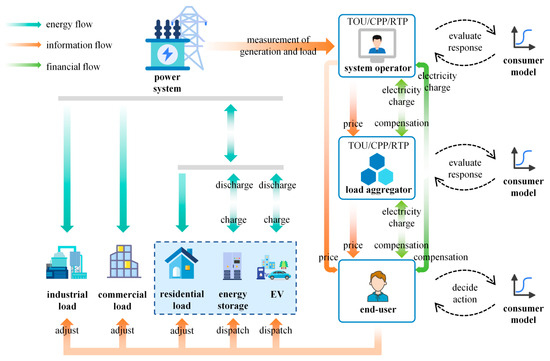
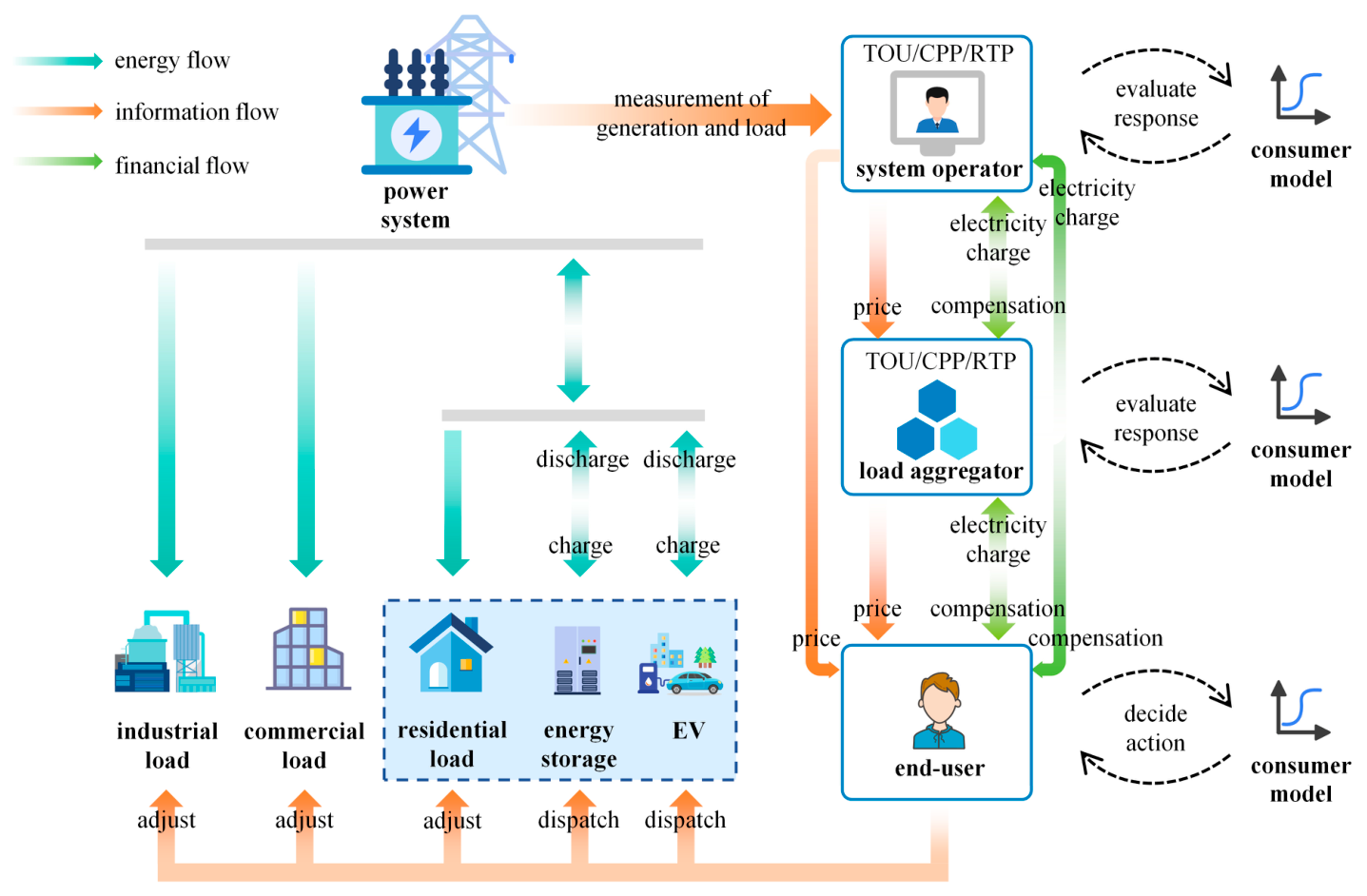
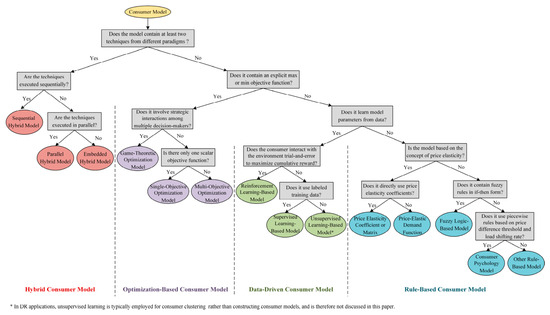
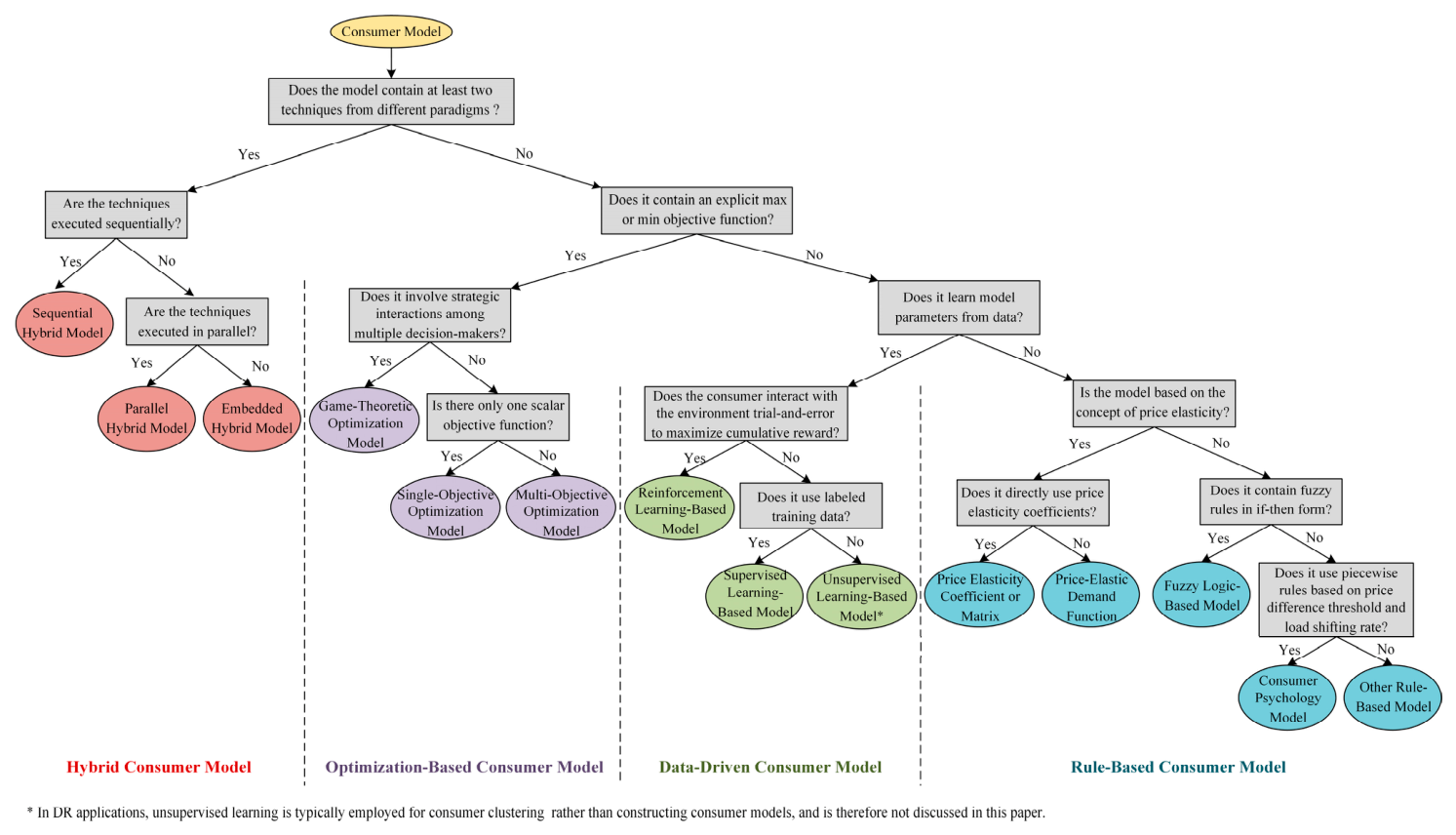
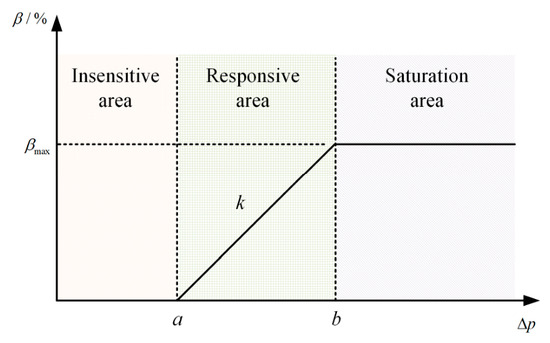
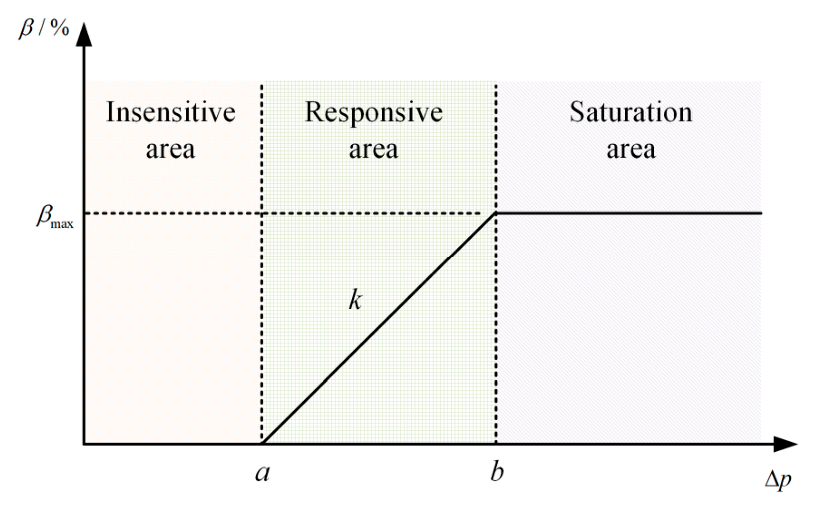
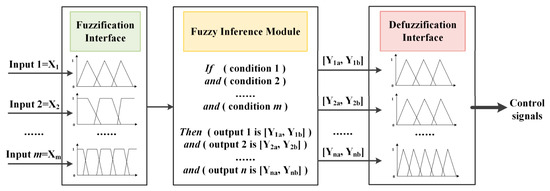
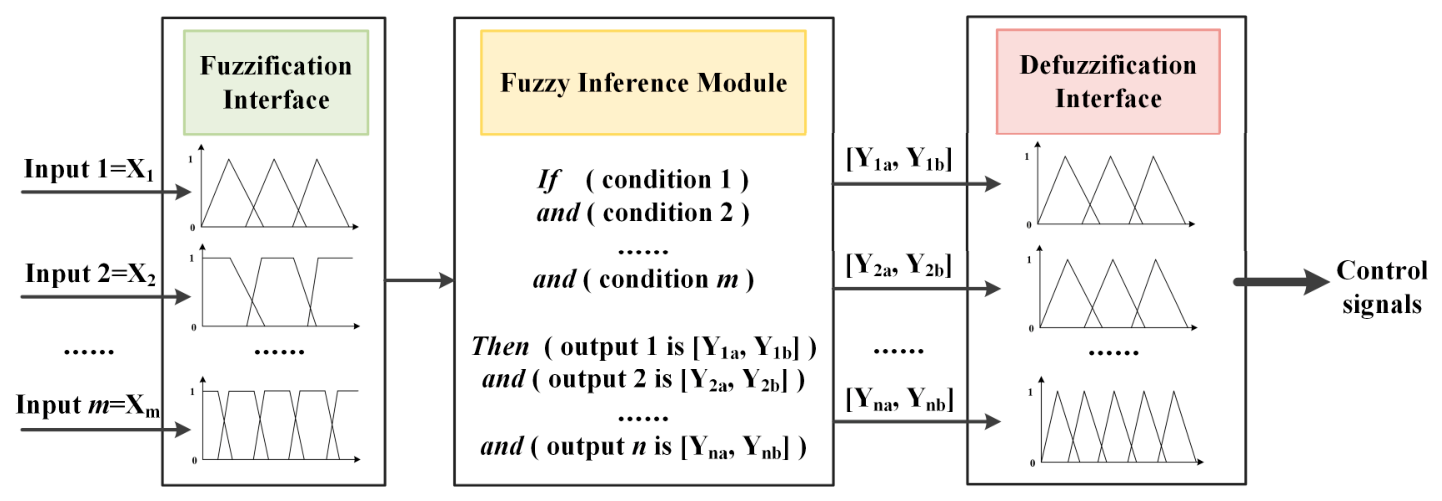
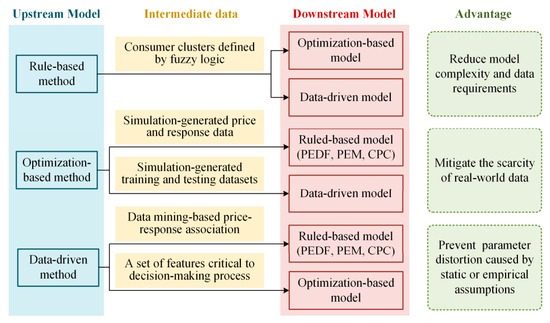
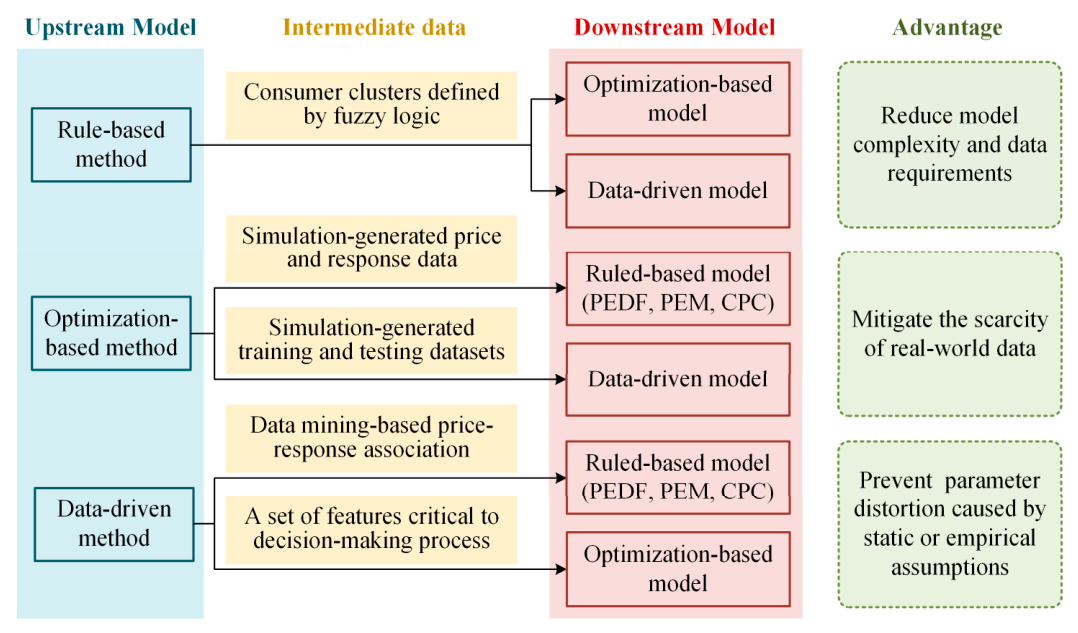
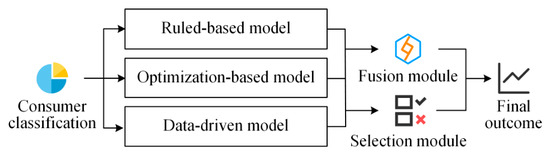
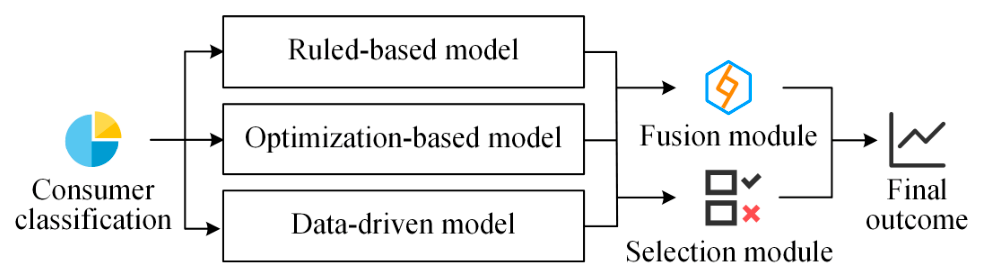
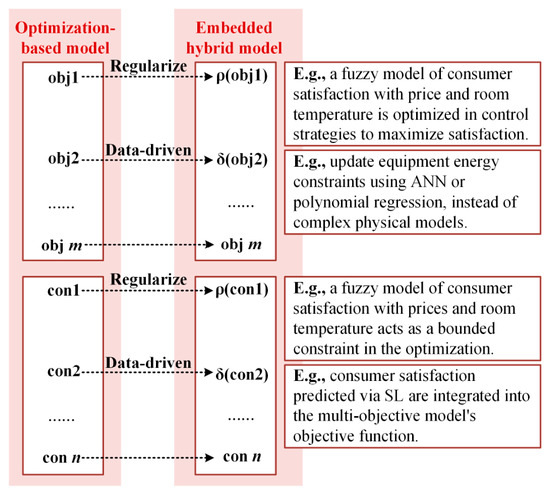
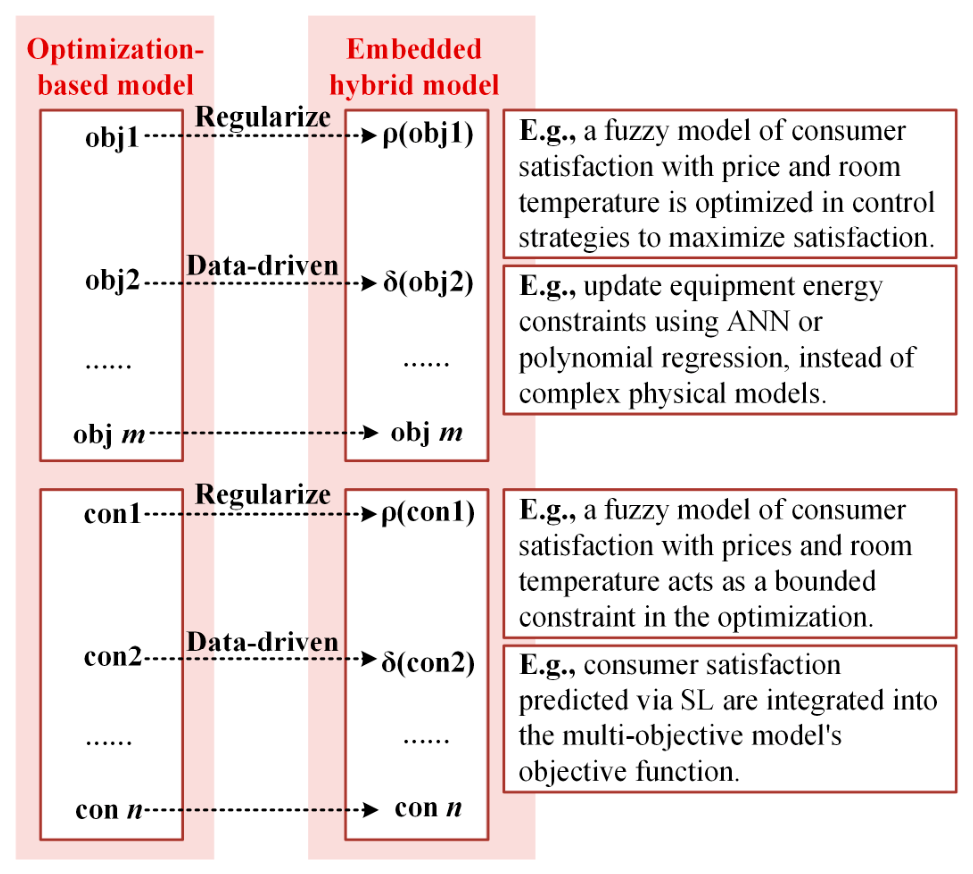
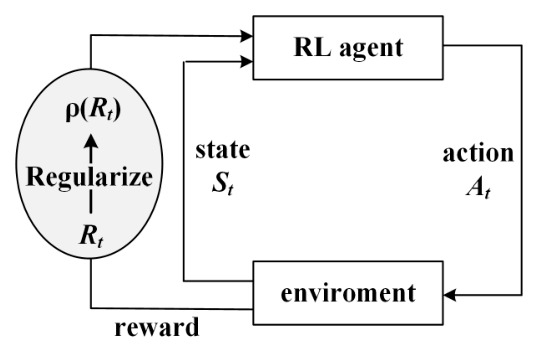
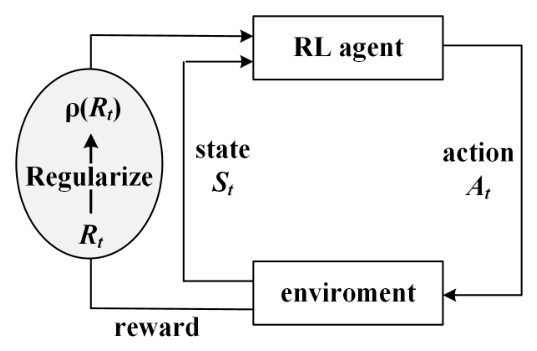
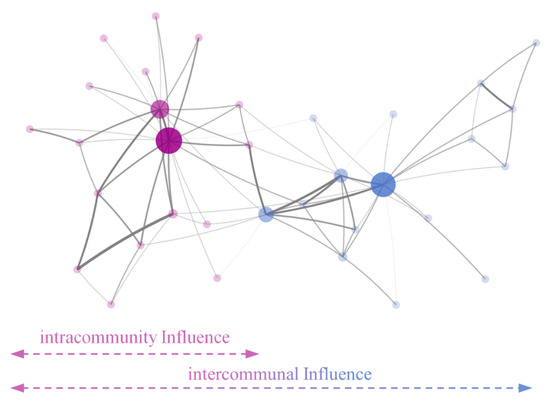
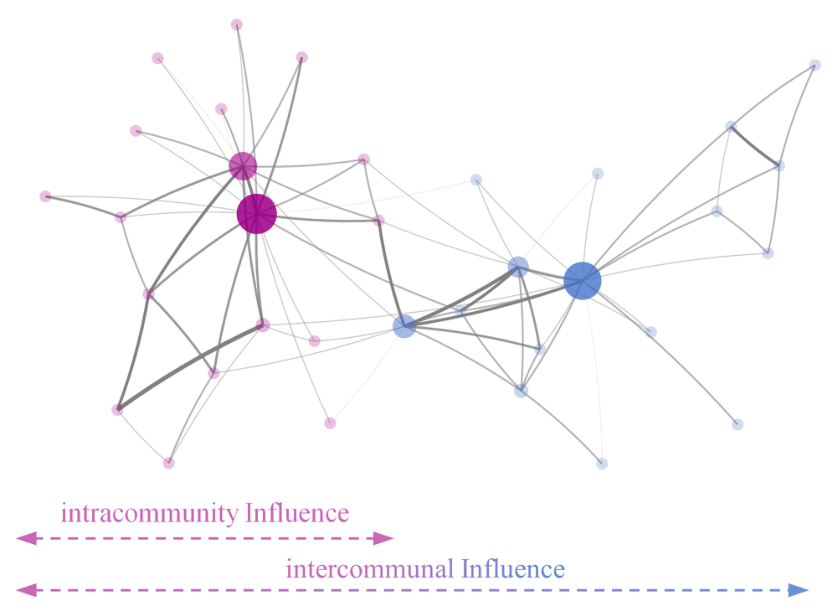
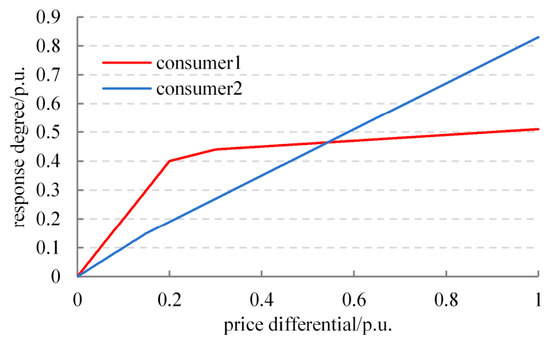
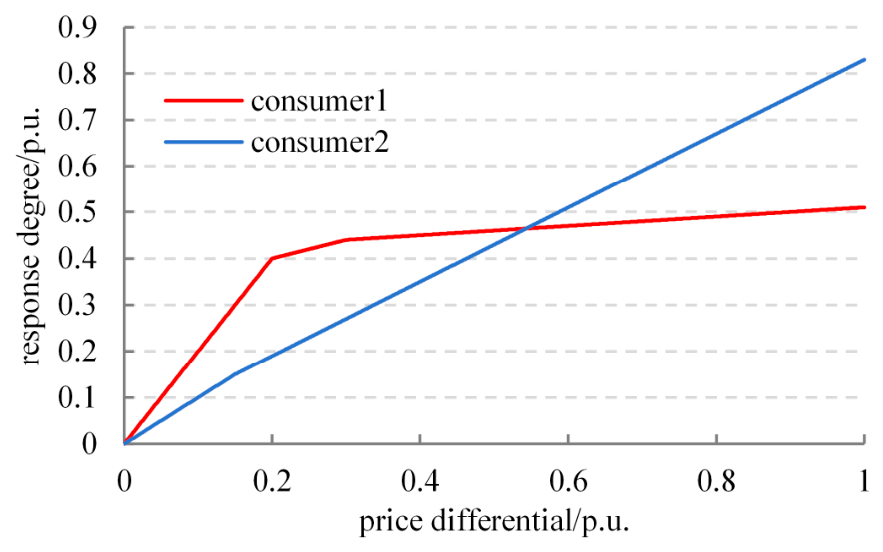
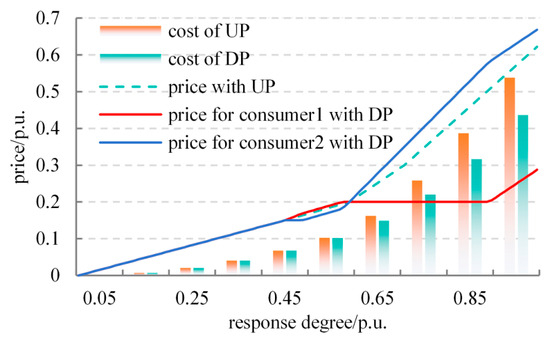
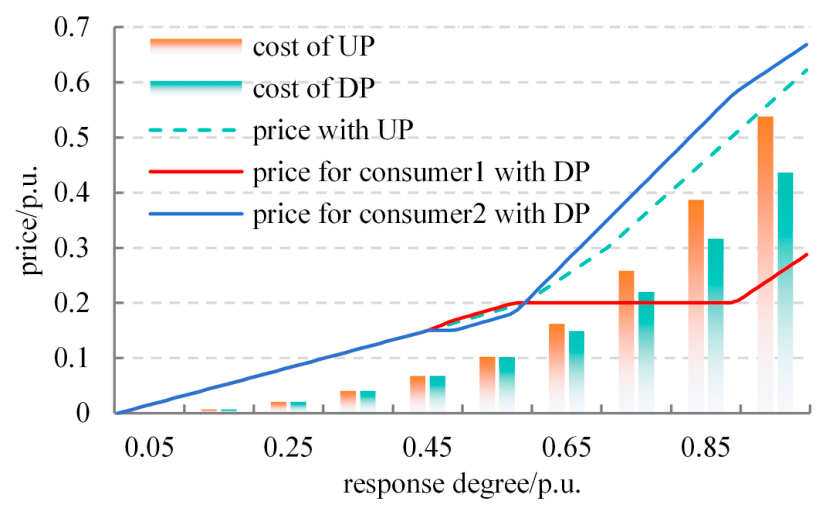
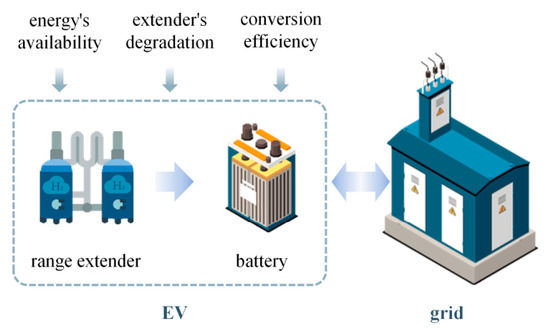
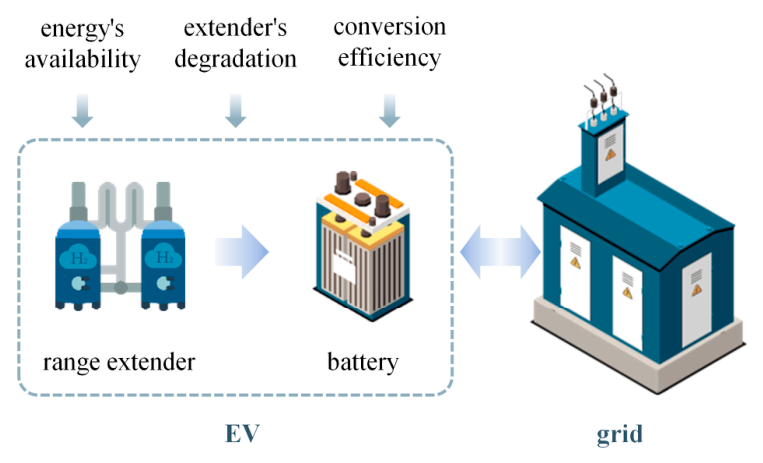

Disclaimer/Publisher’s Note: The statements, opinions and data contained in all publications are solely those of the individual author(s) and contributor(s) and not of MDPI and/or the editor(s). MDPI and/or the editor(s) disclaim responsibility for any injury to people or property resulting from any ideas, methods, instructions or products referred to in the content. |
© 2026 by the authors. Licensee MDPI, Basel, Switzerland. This article is an open access article distributed under the terms and conditions of the Creative Commons Attribution (CC BY) license.