


Abstract
This review paper presents a comprehensive synthesis of current scientific knowledge on the integration of low-emission technologies into airport operational models. Attention is also given to the role of artificial intelligence techniques in predicting environmental risks, optimizing energy system design, and enhancing operational safety. The primary objective of the study is to evaluate the synergy between renewable energy sources (solar and wind energy) and emerging propulsion technologies in aviation (hydrogen and electrification) from the perspective of safety and operational stability. The methodology is based on a systematic review of 78 scientific studies identified in the Scopus and Web of Science databases. The analysis identifies critical technical and operational barriers, including electromagnetic interference caused by wind turbines, optical hazards associated with photovoltaic systems, and stability challenges in airport microgrids under peak loads resulting from the charging of electric aircraft. Particular attention is given to the safety of hydrogen infrastructure, where findings from the literature indicate the need to revise separation distances and highlight the potential reduction of airport stand capacity by 5% to 16%. The study synthesizes these findings into a strategic framework for “Smart Green Airports”, proposing solutions such as adaptive infrastructure design, the deployment of predictive models based on artificial intelligence, and the implementation of inherently safe energy storage systems. The paper concludes that achieving airport energy self-sufficiency while maintaining the integrity of flight operations is feasible only through the holistic integration of technical measures, simulation-based planning, and strict compliance with updated safety regulations.
1. Introduction
The aviation industry is currently undergoing one of the most significant technological transformations in its history. With increasing pressure to decarbonize transport and achieve the climate neutrality targets set for 2050 under the European Green Deal, research attention is shifting from conventional fossil fuels toward alternative energy sources. This transition is further accelerated by the “Fit for 55” legislative package and the Alternative Fuels Infrastructure Regulation (AFIR), which impose direct obligations on airports to develop infrastructure for electricity and hydrogen [1,2,3]. The integration of these energy sources brings not only technical challenges but also changes the requirements for the safe operation of airports in accordance with ICAO Annex 14 [4].
Currently, aviation safety is largely based on experience with conventional aviation fuel; however, alternative energy sources introduce new physical and chemical hazards. From the cryogenic storage of hydrogen to the thermal instability of batteries, each of these technologies requires a reassessment of existing safety protocols, EASA certification standards, and safety management systems [5,6].
The ongoing transformation of aviation is confirmed by a comprehensive bibliometric analysis of more than 8000 documents indexed in the Web of Science database, which highlights a shift from studies focusing on environmental impacts toward the development of specific technological solutions in the fields of electrification and sustainable aviation fuels [7,8]. Furthermore, economic analyses have highlighted key socio-economic constraints, which align with the long-term strategic visions of Airport Council International (ACI) Europe and the Clean Aviation programme [9,10]. This research, which integrates engineering, environmental sciences, and economics, identified key knowledge networks related to propulsion system decarbonization and airport operations management [11,12]. The growing scientific interest in this interdisciplinary field is further confirmed by additional studies and by a Eurocontrol report, which emphasizes the need to align operational efficiency with environmental objectives [13,14,15].
Despite these developments, the operational safety of airport infrastructure remains a critical concern. The transition to alternative energy sources introduces new dimensions of risk that are only partially addressed by current ICAO and EASA standards [16,17]. The application of liquid hydrogen involves cryogenic storage at extremely low temperatures, requiring the development of new procedures for leak scenarios in accordance with LH2 Technical Advisory Guidelines (LTAG), as well as the redefinition of fire safety zones [16,18,19,20]. Similarly, the electrification of ground support equipment introduces the risk of thermal runaway in lithium-based batteries, posing new challenges for airport rescue and firefighting services in line with ICAO guidelines [21,22].
In addition to energy carriers themselves, risks also arise from the deployment of technologies within and around airport environments, such as photovoltaic systems and wind turbines [23,24]. These systems must comply with regulatory frameworks related to cybersecurity and the resilience of critical infrastructure [25,26]. Strategic roadmaps, including the Hydrogen Europe Roadmap and studies by the International Energy Agency, clearly indicate that the integration of these technologies is essential for achieving aviation decarbonization goals [27,28].
The research gap identified in this study lies in the mismatch between the rapid pace of technological development and the relatively slow adaptation of safety methodologies for airport operations. This review paper aims to synthesize current knowledge on the integration of low-emission technologies into airport operational models, with a particular focus on the synergy between renewable energy sources (solar and wind energy) and advanced propulsion systems (electrification and hydrogen).
The study provides a critical evaluation of technical and operational barriers, safety risks, and infrastructure requirements associated with this transition, while proposing a strategic framework to support the evolution of airports toward energy self-sufficiency and decarbonization.
2. Materials and Methods
The methodological approach used for the collection and analysis of scientific knowledge related to the safety of integrating renewable energy sources at airports followed the standardized PRISMA 2020 protocol (Figure 1).
Figure 1.
PRISMA 2020 flow diagram.
The literature review was conducted between January and April 2026 using the Scopus and Web of Science databases. The search was performed for peer-reviewed journal articles and conference papers in the English language. While the search was initially performed without any temporal restrictions, for the purpose of trend analysis and data consistency, the bibliometric evaluation was focused on the 2010–2026 period. Only studies published in the English language were considered.
To ensure the comprehensive coverage, both databases were queried using the following search string:
(airport* OR aerodrome* OR “aviation infrastructure”) AND (safety OR risk* OR hazard* OR reliability) AND (“solar energy” OR photovoltaic* OR “wind energy” OR turbine* OR hydrogen OR “electric aircraft” OR “battery charging”).*
Following the application of the search queries, a total of 383 records were identified across the Web of Science and Scopus databases. Prior to the screening process, 14 duplicate records were removed, resulting in 369 records for further analysis. An initial relevance assessment based on titles and abstracts led to the exclusion of 271 studies that did not meet the criterion of focusing on airport safety.
A total of 98 records were selected for full-text review. Following a detailed assessment, an additional 20 studies were excluded based on the following criteria:
- Focus on environmental and sustainability aspects without a direct link to airport safety;
- Emphasis on internal technical or material science issues not relevant to operational safety;
- Focus on urban planning or off-site logistics.
This process resulted in a final dataset of 78 scientific studies included in the review (Figure 2).
Figure 2.
Temporal distribution of the final set of scientific records.
As each selected document represented an individual scientific study, the number of included studies corresponded directly to the number of analyzed records. From each study, key information was systematically extracted, including the author(s), year of publication, type of technology, assessed safety risks, and the main practical implications.
Following the final selection of relevant studies, a systematic data collection phase was conducted. From each document, key bibliographic information, technical and safety focus, and the methodology of the original study were extracted. Subsequently, a thematic qualitative synthesis approach was applied to process the results, integrating the collected findings into a coherent and structured overview.
To ensure a structured analysis and support the formulation of study conclusions, the following research questions were defined:
- Q1: What is the potential for synergy between on-site renewable energy generation (solar and wind) and the energy demands of electrified and hydrogen-based airport infrastructure?
- Q2: What are the main technical and operational barriers limiting the implementation of hydrogen propulsion and electrification within current airport terminal environments?
- Q3: To what extent do specific safety risks (e.g., BLEVE (Boiling Liquid Expanding Vapor Explosion) or cybersecurity threats to smart grids) influence the spatial configuration and design of future airports?
To ensure clarity and improve the understanding of the current state of knowledge, the reviewed studies were categorized according to the methodological approach employed into three groups. These included simulation-based studies, which use computational models to predict phenomena under controlled or theoretical conditions; conceptual studies, which propose theoretical frameworks and strategic plans; and studies validated under real operational conditions, which provide data derived from actual airport operations or experimental testing environments. This categorization was applied throughout the review to assess the robustness of the available evidence.
3. Literature Synthesis
This section presents the key findings derived from the 78 scientific studies identified in the Scopus and Web of Science databases. The literature analysis indicates a growing research interest in the safety aspects of renewable energy integration in aviation. The findings are structured into four thematic categories, reflecting the critical dimensions of integrating low-emission technologies into airport infrastructure (Figure 3).
Figure 3.
Distribution of Literature by Energy Type.
3.1. Solar Energy
The evidence base in this domain consists of simulation-based studies [29,30,31,32,33] that quantify optical and technical risks, conceptual studies [33,34,35,36,37,38,39,40,41,42,43,44] providing strategic safety management frameworks, and empirically validated studies [45,46,47] that offer direct experimental data from airport operational environments. This analysis focuses exclusively on photovoltaic (PV) systems, as they represent the most technologically accessible and widely implemented pathway for airport decarbonization.
3.1.1. Strategic Planning and Risk Management
The implementation of photovoltaic systems in the specific and highly regulated environment of airports represents a complex challenge, where the objectives of sustainable energy intersect with stringent aviation safety requirements. Wybo highlights that airport areas are particularly suitable for such installations, as they meet key spatial and logistical criteria: they are typically flat, secured against vandalism, and located in proximity to existing electrical infrastructure. This has encouraged an increasing number of airport authorities to plan large-scale installations with capacities exceeding 20 MW [48].
Current scientific research, represented by authors such as Sreenath et al., Kurzweil, and Mostafa and Abdel Aleem, consistently indicates that although airports offer extensive unused areas with significant energy potential, their utilization is conditional upon rigorous operational risk assessment [34,35,36,37,38,39]. To address these challenges, researchers commonly apply safety management system (SMS) frameworks, along with hazard identification and risk assessment processes, enabling the quantification of incident probability and severity through semi-quantitative risk matrices.
In the context of identifying optimal installation sites, advanced decision-support systems are increasingly being employed. For example, Mizrak et al. applied the Spherical Fuzzy CRITIC-RATGOS model to determine the most suitable locations at Istanbul Airport, identifying solar canopies in parking areas and installations on remote unused land as priority options [40,41].
3.1.2. Optical Phenomena and Glint/Glare Risks
A dominant research theme in the field of safety is the analysis of optical phenomena, particularly glint and glare effects. Yu Bin Zhu and Sreenath et al. provide detailed analyses of the physical principles governing light reflection from photovoltaic panels, distinguishing between specular reflection from smooth glass surfaces and diffuse scattering from textured materials [29,30].
Jakubiec and Reinhart presented a case study in which a photovoltaic installation located between the control tower and the runway reflected intense sunlight directly toward tower personnel. To analyze this scenario, the authors employed high dynamic range (HDR) imaging and developed detailed 3D models of the airport environment. Based on the physiology of human vision, they proposed a critical luminance threshold of 30,000 cd/m2, which should not be exceeded in order to maintain operational safety for air traffic control personnel [31].
Cilliers et al. analyzed twenty glint and glare impact assessments (GGIA) and seven international standards with the aim of defining best practices for the safe deployment of solar installations [42]. Their findings revealed inconsistencies in the evaluation of impact significance and led to recommendations regarding calculation methodologies, mitigation measures, and stakeholder engagement. The study emphasizes that rigorous glare assessment is essential for ensuring the safe and sustainable development of solar infrastructure in critical airport zones, where visual distraction may compromise flight safety. Using simulation tools such as SGHAT and ForgeSolar, Salata et al. demonstrated that the most critical factor is the so-called “yellow glare,” which can cause temporary visual impairment for pilots during critical phases of flight or for air traffic controllers in control towers [32].
Research on material properties conducted by Toh et al. confirmed that the application of anti-reflective coatings (ARC) can reduce reflectivity to below 2%, thereby mitigating glare-related risks to acceptable levels [49]. However, Miller et al. highlight that optical properties are not static; long-term degradation of polymer layers and environmental contamination (soiling) may alter refractive indices and reflectivity over extended operational periods [50]. In addition to visual hazards, Belik and Rubanenko point to a strong link between light reflection and the technical degradation of PV modules. Inappropriate shading and reflection effects not only reduce energy output but may also lead to the formation of hazardous hot spots, causing permanent structural damage to the panels [51,52,53].
3.1.3. Technical Stability and Electromagnetic Compatibility
In addition to optical hazards, the scientific community has increasingly focused on technical stability and electromagnetic compatibility. Stenumgaard and Linder demonstrated through empirical measurements that radiated emissions from photovoltaic electronics may exceed CISPR 22 limits and, when co-located with air traffic control antennas at distances below 30 m, can significantly reduce communication range and increase signal noise [45].
The stability of these systems in the demanding airport environment is further dependent on effective thermal management. Du et al. and Karim Miah et al. emphasize that active cooling of inverters is essential to maintain system reliability and prevent fire hazards under conditions of high solar radiation and dust exposure [54,55]. Innovative research by Dehdezi et al. also explores the potential of airport runway concrete surfaces as energy-harvesting collectors [46]. In the context of airport thermal management, Kim et al. highlight a critical trade-off problem arising from the shared use of roof space between photovoltaic (PV) and solar thermal (STE) systems. To address this challenge, the authors developed a multi-criteria decision-support system based on a genetic algorithm for multi-objective optimization (iMOO) [33].
These technical aspects are further linked to emerging concepts such as inductive charging of electric vehicles powered by PV systems, where Miskovski and Williamson emphasize the need for electromagnetic shielding to prevent interference with navigation systems [56,57].
3.1.4. Operational and Environmental Safety
Operational safety also encompasses environmental and mechanical risks that are specific to airport environments. Mostafa highlights the danger of panel component detachment caused by strong jet blast airflow, which necessitates specific structural reinforcement measures. From a biodiversity perspective, DeVault et al. report that photovoltaic installations do not significantly increase the risk of bird strikes. However, the so-called “lake effect”—where waterfowl mistake solar panels for water surfaces—remains a factor that requires continuous monitoring [39,58]. Balu et al. identify critical risks associated with the accumulation of water and ice on runways, which can directly compromise operational safety. To address this issue, the authors introduce an innovative composite material based on MXene (Ti3C2Tx), cobalt, and carbon (MCC), capable of efficiently converting solar radiation into heat. Their research presents, for the first time, the concept of “self-drying photothermal runways” (PTRM), which utilize solar energy for rapid melting of snow and ice [47].
The overall consensus of studies conducted in diverse geographical contexts, including Egypt, Nepal, and South Korea (Mostafa; Yadav et al.; Kim et al.), suggests that although the associated risks are real, the application of appropriate siting methodologies and advanced simulation tools enables the achievement of an “acceptable level of risk.” This creates a pathway for effective airport decarbonization without compromising the integrity of aviation operations. The key to successful implementation lies in the integration of technical measures, simulation-based modeling, and strict compliance with ICAO and EASA safety regulations [33,43,44].
Key technical limits and mitigation strategies identified in the reviewed studies are summarized in Table 1.
Table 1.
Summary of Technical Constraints and Key Literature Findings for PV Systems.
The analysis of the reviewed studies indicates that solar energy represents the most technologically accessible pathway toward decarbonization of airport infrastructure. Critical risks, such as glare and electromagnetic interference, are, at the current level of knowledge, effectively manageable.
Optical phenomena remain the dominant risk factor, particularly hazardous glare affecting air traffic controllers and flight crews. However, these risks can be significantly mitigated through the application of anti-reflective technologies and precise simulation-based modeling [31,32]. In addition to visual risks, electromagnetic compatibility is also a critical concern, as the proximity of photovoltaic electronics to navigation systems may disrupt communication performance [45]. Innovative approaches, such as photothermal runway systems for ice mitigation, demonstrate that solar energy can directly contribute to improving runway operational safety [47]. Overall, it can be concluded that, when appropriate risk assessment methodologies and EASA/ICAO standards are followed, a state of safe coexistence may be achieved, forming a solid foundation for further electrification of the airport ecosystem.
3.2. Wind Energy
The research landscape in this domain is characterized by a mix of conceptual frameworks [59,60,61,62] addressing strategic planning and predictive accuracy, simulation-based studies [63,64,65] evaluating aerodynamic impacts and wake vortices, and empirically validated studies [66,67,68,69] that rely on real-world LiDAR measurements and operational data to assess safety risks.
3.2.1. Electromagnetic Interference and Strategic Planning
The application of renewable energy sources in the vicinity of airports represents a complex challenge, where the potential for energy sustainability must be balanced with stringent aviation safety requirements. A decisive factor in assessing the safety of wind farms lies in the technical constraints arising from their proximity to airport infrastructure.
Cuadra et al. emphasize that the design of wind farms must strictly comply not only with obstacle limitation surfaces related to collision risk, but also with protection zones for radio navigation systems. Research conducted at selected Spanish airports has demonstrated that rotating turbine blades can generate undesirable electromagnetic interference and signal scattering. These effects negatively impact Communication, Navigation, and Surveillance (CNS) systems, particularly air traffic control radar systems.
To address these challenges, the authors propose an optimization methodology that enables the placement of wind turbines in a manner that maximizes energy yield while preserving the functionality of navigation aids [59].
3.2.2. Wake Turbulence and Aerodynamic Modeling
Mouangue et al. investigated the specific challenges of airports located in regions with frequent low-wind conditions, focusing on Ngaoundéré Airport. Based on data obtained from the ASECNA agency, they demonstrated that, for such locations, a modified maximum likelihood method provides the most accurate estimation of Weibull parameters. Their results indicate that an inappropriate choice of statistical method may lead to significant errors in estimating wind energy density [66].
Another important safety concern is wake turbulence generated by wind turbines. Given that nearly 40% of wind turbines in the United States are located within a 10 km radius of regional airports, Tomaszewski et al. examined the risk of critical rolling moments affecting light aircraft. Using large eddy simulation (LES), the authors concluded that although the probability of severe incidents is relatively low, the risk increases under stable atmospheric conditions. In such scenarios, turbine-induced vortices dissipate more slowly, thereby extending the duration during which they may pose a hazard to aircraft operating at lower altitudes [63].
3.2.3. Data-Driven Safety Monitoring and Prediction
Neupane et al. introduced an innovative hybrid model combining convolutional neural networks (CNN) with a bidirectional long short-term memory architecture (DBiLSTM) for wind speed prediction at Flinders Island Airport. The model demonstrated exceptionally high accuracy (correlation coefficient r = 0.988), significantly outperforming traditional regression-based approaches. Such advanced predictive frameworks not only support more efficient wind farm planning, but also enhance the operational reliability and safety of integrating renewable energy sources into airport energy systems [60].
In addition to atmospheric factors, bird strike risk represents a significant safety concern shared by both airports and wind farms. Krenc et al. emphasize that neglecting this risk may have serious consequences for human safety, ecological systems, and economic performance. The authors propose a solution based on stereovision systems for long-term monitoring of bird activity and the identification of high-risk “hotspot” zones. To ensure the robustness of such monitoring, they evaluated five key tracking algorithms, including the Kalman filter, Nearest Neighbor, and Joint Probabilistic Data Association methods. The implementation of these algorithms in real-time systems enables more accurate prediction of bird movement patterns and supports the prevention of collisions, particularly in critical phases of flight such as take-off and landing [67].
The operational safety of alternative energy systems is closely linked to the ability to accurately monitor and predict local atmospheric conditions. Khattak et al. developed a predictive framework based on TabNet-SHAP for the identification of turbulence associated with low-level wind shear in the vicinity of runways. Their model demonstrated that interactions between wind flow, complex terrain, and anthropogenic infrastructure represent critical factors affecting aircraft stability [64]. The importance of accurate nowcasting is further highlighted by Shankar et al., who applied deep learning techniques to improve the precision of Terminal Aerodrome Forecasts (TAF), thereby contributing to the mitigation of risks associated with sudden changes in wind conditions [61].
3.2.4. Climatic Validation and Infrastructure Resilience
When planning wind energy infrastructure, it is essential to consider long-term climatic trends. Khan et al., in their assessment of wind energy potential, emphasize the importance of validating theoretical models with real observational data, as inaccuracies in wind speed estimation may lead to incorrect evaluations of operational risks [62].
A study by Xue et al., conducted at Hong Kong International Airport using LiDAR measurements, provided a detailed characterization of vertical wind shear and low-level jets (LLJ). Such data are critical for determining the safe height and placement of tall structures, such as wind turbines, in proximity to flight corridors [68]. Fuchs et al. proposed a real-time wake vortex modeling approach based on a hybrid Eulerian–Lagrangian framework. Using this methodology, they identified potential vortex-related hazards at Værnes Airport in Norway [65].
The integration of wind energy into airport energy systems requires not only physical safety but also supply stability, which can be supported through energy storage systems (ESS). Mifsud et al. investigated how Measure–Correlate–Predict (MCP) methodologies influence the accuracy of capacity estimates for offshore wind farms located near airports. Based on meteorological data from Malta International Airport and LiDAR measurements, they demonstrated that the reliability of predictive models is critical for the proper sizing of ESS [69].
Key insights derived from the reviewed studies are summarized in Table 2.
Table 2.
Technical Constraints and Mitigation Strategies for Wind Turbine Installations at Airports.
The integration of wind energy into airport environments represents a specific challenge, where energy generation must be subordinated to stringent aviation safety requirements. The primary risk lies in technical interference with navigation and radar systems, which can only be mitigated through precise spatial planning of wind turbine placement [59]. An equally significant concern is wake turbulence, the intensity of which increases under stable atmospheric conditions, thereby prolonging the hazard for aircraft operating at lower altitudes [63].
Modern approaches to flight safety increasingly rely on the synergy between machine learning and advanced monitoring systems, enabling real-time prediction of atmospheric changes as well as the movement of biological hazards [60,67]. Consequently, the successful operation of wind energy infrastructure depends on the airport’s ability to dynamically respond to these environmental risks.
3.3. Electric Aviation and Airport Microgrids
The literature concerning the transition to low-emission aviation comprises conceptual and regulatory studies [70,71,72] that address strategic infrastructure and safety standards, simulation-based studies [73,74,75,76] focused on the stability and optimization of airport microgrids, and empirically validated studies [77,78] evaluating the performance and safety of advanced battery and hydrogen storage technologies.
3.3.1. Regulatory and Socio-Economic Frameworks
The transition toward low-emission aviation requires a fundamental transformation of airport energy infrastructure to support the simultaneous operation of battery-electric aircraft, hydrogen-powered aircraft, and ground handling services.
According to Stone and Jensen, the electrification and automation of aircraft towing vehicles represent a key step toward eliminating health risks associated with noise and emissions within airport environments. Their research indicates that this technological shift not only enhances the safety of ground handling operations but also has a significant positive impact on vulnerable communities living in the vicinity of airports, thereby improving the overall social sustainability of the aviation sector [70].
Raoofi and Olcen emphasize that the integration of electric and hybrid aircraft into airport operations is contingent upon strict compliance with legal and safety standards. The authors highlight the risk that technological advancements may outpace existing regulatory frameworks, and therefore consider comprehensive evaluation of legal implications for airport infrastructure to be a necessary prerequisite for the sustainable development of aviation [71].
3.3.2. Integrated Microgrid Stability and Propulsion Technologies
Li et al. proposed an integrated electricity–thermal–hydrogen microgrid designed for the operation of so-called “zero-emission airports.” According to the authors, a key challenge lies in managing the substantial electricity demand associated with the simultaneous charging of electric aircraft fleets and hydrogen refueling operations. The primary risk arises from the high load imposed on the public distribution grid, which may lead to system instability. To address this issue, the authors propose the integration of photovoltaic systems and hydrogen fuel cells within the airport microgrid, functioning as flexible energy sources. This approach enables load shifting, thereby reducing the risk of grid overload and ensuring reliable power supply for critical airport systems [73].
Bahrs et al. examined the safety of various hydrogen storage technologies for electric commuter aircraft. They identified a critical safety concern related to the low gravimetric energy density of conventional pressurized storage tanks. As a safer and more reliable alternative, the authors propose the use of metal hydrides. Despite their higher weight, their key advantages include inherent storage safety, low operating pressure, and the ability to retain energy over extended periods without significant losses. These characteristics are particularly important for backup systems in scenarios such as aircraft diversion to alternate airports in emergency situations [77].
Mancuso et al., within the PROSIB project, investigated the acoustic impact of regional aircraft equipped with hybrid-electric Distributed Electric Propulsion (DEP) systems. Using a modified ATR42 aircraft in a reference airport environment, they analyzed how emerging propulsion technologies influence noise footprints during take-off and landing. Their findings indicate that optimizing onboard energy management strategies, in combination with distributed electric propulsion, can significantly reduce acoustic pressure levels in surrounding residential areas [74].
Jangir et al. identify sulfation and subsequent degradation of batteries as key risks affecting energy supply continuity and increasing environmental burden due to the accumulation of lead-based waste. The authors demonstrated that the application of pulse charging techniques can mitigate these risks by extending battery lifespan and stabilizing performance [78]. Raslan et al. identify frequency fluctuations as a primary risk in modern airport microgrids with a high degree of electrification. Their research shows that the implementation of advanced hybrid control strategies (DOBC/FOC) can reduce fluctuations caused by electric aircraft operations by up to 76.5%, thereby ensuring continuity of power supply and enhancing the resilience of critical airport infrastructure [75].
3.3.3. Evaluation of Alternative Energy Carriers
Hohman et al. conducted a critical analysis of a range of alternative energy carriers, including ammonia, methane, methanol, and e-kerosene. The authors identified significant risks associated with volumetric and gravimetric constraints, which directly influence aircraft design and the capacity of airport storage infrastructure. As the most feasible near-term solutions, the authors highlight e-kerosene and e-methane, which, due to their compatibility with existing infrastructure, minimize the risks associated with high initial investment costs and operational disruptions during the transition to new fuel systems [72].
According to Zhou, the nonlinear and stochastic nature of energy flows within airport systems represents a primary systemic risk, necessitating the application of multi-criteria decision-making approaches. The author emphasizes that the safety and stability of a smart airport ecosystem depend on the system’s ability to rapidly respond to dynamic changes in energy demand, particularly in the context of integrating hydrogen technologies and electrified transport systems [76].
Key findings derived from the reviewed studies are summarized in Table 3.
Table 3.
Technical Constraints and Strategic Solutions for Electrified Airport Infrastructure.
A key challenge associated with electrification remains the stability of airport microgrids, where nonlinear load demand during aircraft charging can induce frequency fluctuations of up to 76.5% [75]. In addition to technical instability and battery degradation, the sector must also address a regulatory gap, in which technological advancements outpace existing safety standards [71,78]. Although electrification effectively reduces noise and emissions within airport environments, the limitations of battery energy density indicate that achieving full sustainability requires synergy with hydrogen-based technologies [70,74]. The specific safety risks associated with hydrogen storage and distribution are therefore addressed in the following section.
3.4. Hydrogen Energy
The research landscape concerning hydrogen integration is divided into simulation-based safety and capacity assessments [79,80,81,82,83,84,85], which analyze the risks of large-scale fuel dispersion and operational throughput, empirically validated demonstrations [86,87,88] that evaluate the feasibility of hydrogen supply chains, and conceptual and regulatory frameworks [89,90,91,92,93,94,95,96,97,98,99,100,101], which address the strategic transition of ground infrastructure and public health impacts.
3.4.1. Computational Safety Modeling and Risk Assessment
The implementation of hydrogen as a primary energy carrier in aviation represents a fundamental shift in the architecture of airport ecosystems. A key contribution to safety assessment is provided by Holborn et al., who employed advanced computational fluid dynamics (CFD) simulations using the FLACS model to analyze large-scale liquid hydrogen (LH2) release scenarios. Their findings indicate that, at release rates exceeding 38 kg/s, hydrogen may exhibit “heavy gas” behavior, significantly increasing hazardous ground-level dispersion distances [79]. Building on these findings, Degirmenci et al. applied multi-criteria analysis and hydrogen supply chain (HSC) modeling to identify the risk of a “single point of failure.” Their results highlight that while decentralized, on-site hydrogen production enhances energy self-sufficiency, it also concentrates high-risk elements within the airport environment. In the event of technical failure, this may lead to a complete disruption of airport operations [80].
The challenges of system efficiency and stability under extreme environmental conditions were analyzed by Allan et al., who applied dynamic thermal modeling and genetic algorithms to optimize proton exchange membrane (PEM) electrolyzers in hot climates. Their research identified a critical risk related to membrane thermal degradation; in the event of cooling system failure under high ambient temperatures, fuel supply may be immediately disrupted [81]. An alternative to conventional cryogenic storage is proposed by Franke et al., who, through multi-criteria evaluation, demonstrated the potential of metal hydride (MH) storage systems. While MH technologies eliminate the hazardous boil-off effect and enhance passive safety, their implementation is limited by high weight and the complexity of thermal management during hydrogen release [89].
3.4.2. Operational Refueling and Ground Handling Integration
Jaffary and Wiedemann focused on the specific challenges of hydrogen refueling operations in busy airport environments. Using a qualitative methodology based on focus groups and analysis conducted with NVivo software, they identified that the most significant risks arise from the interaction between technical failures and human factors [90]. Mangold et al. analyzed the interface between refueling systems and aircraft, determining that mass flow rates may reach up to 20 kg/s. Their findings indicate that liquid hydrogen (LH2) refueling is not only technically feasible in compliance with explosion protection standards, but in many cases may also be faster than conventional Jet A-1 refueling [86].
Zhang et al. conducted semi-structured interviews with airport operators and technology suppliers. Through thematic analysis, they found that although hydrogen-powered ground support equipment is perceived positively due to its low noise levels, significant concerns remain regarding the lack of certified personnel and the high cost of infrastructure [91]. Testa et al. developed a methodological framework to compare direct emissions from diesel-powered ground support equipment (GSE) with those using proton exchange membrane (PEM) fuel cells. Their results demonstrate that the implementation of hydrogen-powered GSE can lead to substantial reductions in nitrogen oxides (NOx), carbon monoxide, and particulate matter in the immediate vicinity of airport terminals [92,93].
3.4.3. Systemic Planning, Regulation, and Environmental Impact
Rezaei et al. conducted a techno-economic analysis based on the case of Los Angeles International Airport (LAX), developing a methodological framework for on-site hydrogen production via electrolysis. In this context, the risks extend beyond hydrogen handling itself to include the stability of the airport energy network under peak loads from electrolyzer operation [94]. Cui et al. complement this perspective by applying the Global Exposure Mortality Model (GEMM) to quantify the positive public health impacts of hydrogen adoption in China. Their findings suggest that the transition to hydrogen could prevent millions of premature deaths by 2050 through the reduction of NO2 and SO2 emissions [95]. In this context, Rupcic et al., in their systematic literature review, warn of a potential “environmental trade-off.” They emphasize that focusing solely on emissions within the airport environment may overlook the broader environmental impacts associated with the extraction of rare materials required for electrolyzer technologies [96].
Hijazeen et al. conducted a comparative literature review of regulatory frameworks from Civil Aviation Safety Authority (CASA), Federal Aviation Administration (FAA), and EASA, identifying significant regulatory gaps in the integration of vertiports and hydrogen infrastructure into existing airport environments [97]. Kılkış and Kılkış introduced the concept of a Nearly-Zero Exergy Airport, applying thermodynamic principles to optimize energy flows within airport systems [98]. Similarly, Braun and Classen, through qualitative risk assessment, proposed a transition roadmap for medium-sized airports, highlighting logistical risks associated with the shift from conventional to zero-emission ground support equipment [99]. Chen et al. applied big data analytics to optimize the spatial placement of hydrogen refueling stations in Tokyo. Their model demonstrated that inappropriate station placement, particularly in relation to traffic density, may lead to increased safety risks in urban areas surrounding airports [82].
Furthermore, recent research by Zhang et al. provides a comprehensive assessment of the safety and environmental performance of liquid hydrogen storage systems at airports. Their work demonstrates that implementing advanced insulation materials and automated leak detection protocols is critical for mitigating the risk of structural failure and thermal runaway in high-density airport environments [87].
3.4.4. Future Infrastructure Concepts and Supply Chain Feasibility
Le Bris and Nguyen emphasize that, in order to maximize future compatibility, airports must already define so-called “notional aircraft concepts,” representing the anticipated development of hydrogen-powered aviation technologies through the mid-21st century [100]. Del Duca et al. conducted a unique study at an Italian Code 4E airport, where they used rapid simulation and analytical modeling to compare three scenarios: 2025 (fully kerosene-based fleet), 2035 (25% penetration of hydrogen-powered aircraft in classes A and B), and 2045 (widespread adoption of hydrogen technologies including class C aircraft). The simulations demonstrated that the introduction of hydrogen aircraft may lead to a reduction in stand capacity ranging from 5% to 16% in 2035 and 2045 compared to conventional operations [83].
A critical turning point in the evaluation of hydrogen technologies is presented by Bihuniak and Barrett-Gonzalez, who challenge the practical viability of liquid hydrogen (LH2) as a sustainable aviation fuel. In contrast to optimistic development roadmaps, their study characterizes hydrogen-based aviation as a potential technological “dead end.” Their safety modeling indicates that hazard zones associated with hydrogen tank explosions would require extremely large separation distances at airport stands, potentially leading to significant reductions in operational throughput and airport capacity [84]. Marksel et al. further emphasize that the commercialization of hydrogen aviation, particularly in the regional segment, is contingent upon a complete transformation of ground infrastructure, which, as of 2022, remains largely non-existent or inadequate. According to their findings, safe operation cannot be ensured without the implementation of new infrastructure design guidelines that account for the specific physical properties of hydrogen already at the terminal planning stage [101].
Conversely, Schiaroli et al., through the HySTRA pilot project, demonstrated the feasibility of a liquid hydrogen supply chain between Australia and Japan, showing that the safe management of large volumes of cryogenic fuel in proximity to airport infrastructure is achievable when the impacts of unexpected events are properly quantified [88]. These practical insights are complemented by extensive research within the ENABLEH2 project, presented by Benson et al., which demonstrates that wind speed has a significant influence on the buoyancy and dispersion of flammable hydrogen clouds. This finding directly affects the design of future airport infrastructure. Together with the results of Holborn et al., these studies indicate that local environmental conditions are a critical factor that can substantially alter the extent of hazardous zones [85].
Key findings derived from the reviewed studies are summarized in Table 4.
Table 4.
Technical constraints of Hydrogen Application in Civil Aviation.
The application of hydrogen in civil aviation represents a strategic transition in which environmental benefits must be balanced against significant operational constraints. Studies by Cui and Öztürk clearly highlight the societal necessity of this transition, demonstrating that the reduction of NOx emissions and particulate matter has the potential to prevent millions of premature deaths and substantially reduce public health-related external costs [93,95].
From an operational airport perspective, however, simulations by Del Duca et al. indicate a potential reduction in stand capacity ranging from 5% to 16%, primarily due to increased storage volume requirements and the implementation of new handling protocols [83]. This spatial and temporal pressure is further intensified by stringent safety requirements aimed at mitigating the risk of catastrophic events such as BLEVE, which, according to Bihuniak, may necessitate separation distances exceeding the physical constraints of existing airport infrastructure [84].
Addressing this critical imbalance requires both technical optimization and proactive infrastructure planning. Mangold et al. demonstrate that, with appropriate thermodynamic management, competitive turnaround times can be maintained [86]. Therefore, successful integration of hydrogen technologies depends on the early adoption of predictive design approaches, as proposed by Le Bris and Nguyen, enabling airports to balance technical risks with the imperative goals of decarbonization [100].
4. Discussion
The results of this review indicate that the integration of photovoltaic systems into the highly regulated airport environment represents not only a technical challenge, but primarily a safety-related one. Based on the synthesis of the reviewed studies, the key findings in the field of solar energy can be discussed in the context of the defined research questions.
4.1. Comparative Safety Analysis and Technological Synergies
The following synthesis (Table 5) provides a comparative overview of the identified synergies, infrastructure barriers, and safety risks across the four analyzed energy sectors.
Table 5.
Identified Barriers and Risks in Airport Decarbonization.
In relation to Q1 and Q2, the findings support Wybo’s assertion that airports, due to their flat topography and existing infrastructure, represent ideal nodes for energy integration [48]. However, the literature also highlights a critical trade-off problem. As noted by Kim et al., airports must address conflicts arising from the shared use of roof and land surfaces among different energy systems [33]. The potential synergy between energy generation and consumption is therefore constrained by spatial configuration. In this context, solar canopies installed over parking areas emerge as one of the most effective solutions, as demonstrated by Mizrak et al. in their study of Istanbul Airport. This approach minimizes interference with operational areas while maximizing the utilization of otherwise underused logistical spaces [40].
From the perspective of infrastructure requirements (Q2), significant limitations arise in terms of mechanical resilience. Mostafa correctly identifies the risk of panel component detachment caused by jet blast airflow, highlighting a critical safety concern in airport environments. This suggests that photovoltaic infrastructure deployed at airports must comply with more stringent structural standards than conventional installations. Consequently, these requirements may lead to increased capital costs and add complexity to the implementation process [38,39].
The most extensive discussion relates to Q3, where optical hazards and electromagnetic interference emerge as dominant risk factors. A strong consensus among authors such as Yu Bin Zhu, Sreenath et al., and Jakubiec indicates that glare represents a critical safety concern. The defined luminance threshold of 30,000 cd/m2 constitutes a key technical parameter for the design of future control towers and runway environments [29,30,31]. The synthesis presented in this study suggests that, although the risk of so-called “yellow glare” is significant, technological advancements—particularly the application of anti-reflective coatings capable of reducing reflectivity below 2% (Toh et al.)—can effectively mitigate this hazard [49]. However, it should be noted that these conclusions are primarily based on simulation-driven analyses and controlled case studies, which may not fully capture long-term operational variability and environmental degradation effects in real airport conditions.
An important finding within Q3 relates to the impact on communication systems. The results reported by Stenumgaard and Linder, demonstrating reduced communication range in the vicinity of photovoltaic inverters, define clear spatial constraints for airport design. These findings indicate that aviation safety depends not only on visual clarity but also on strict adherence to electromagnetic compatibility requirements in accordance with CISPR 22 standards [45]. Nevertheless, the extent to which these interference effects manifest under different operational loads and infrastructure configurations remains insufficiently explored in the current literature.
Within the broader safety discussion, the findings of Balu et al. introduce an important shift in the perception of solar energy systems. The concept of “self-drying photothermal runways” (PTRM) suggests that solar energy should not be viewed solely as a passive source associated with certain risks, but also as an active contributor to airport safety through the automated removal of snow and ice. This perspective fundamentally alters the dynamics of the discussion, indicating that alternative energy systems are not only risks to be managed, but can also serve as tools for mitigating other operational hazards [47].
Overall, while photovoltaic systems offer a technologically mature pathway for airport decarbonization, their safe integration remains highly dependent on site-specific conditions, rigorous risk assessment methodologies, and long-term performance validation. Advanced simulation and data-driven approaches may further enhance glare prediction and support the optimal spatial placement of photovoltaic systems in airport environments.
4.2. Challenges in Infrastructure Integration and Regulatory Alignment
Wind energy represents the second major pillar of airport decarbonization; however, its implementation is associated with a distinct set of safety challenges compared to photovoltaic systems. In the context of Q1, which examines the synergy between energy sources, wind energy appears to be a suitable complement to solar systems, particularly in regions with a complementary wind generation profile. As emphasized by Mifsud et al., the effectiveness of this synergy is highly dependent on the accuracy of predictive methodologies, which directly influence the proper sizing of energy storage systems [69]. However, the reliability of these predictive approaches remains strongly dependent on data quality and local climatic variability, which may limit their general applicability across different airport environments.
In relation to Q2, wind energy introduces significant technical constraints. Unlike static photovoltaic installations, rotating turbine blades constitute dynamic obstacles that, according to Cuadra et al., generate electromagnetic interference [59]. This phenomenon represents a critical limitation for Communication, Navigation, and Surveillance (CNS) systems, particularly air traffic control radar. Consequently, the discussion within Q3 clearly indicates that the design of future airports must incorporate protective zones for radio navigation systems, which, in the case of wind turbines, are significantly larger and more complex than those required for photovoltaic installations.
From the perspective of Q3 and the physical safety of flight operations, wake turbulence represents one of the most critical risks. Research by Tomaszewski et al. suggests that, although the overall probability of severe incidents is relatively low, turbine-induced vortices pose a tangible hazard to light aircraft operating at lower altitudes, particularly under stable atmospheric conditions [63]. This finding has direct implications for airport spatial planning. Wind farms cannot be located in proximity to take-off and landing corridors without rigorous modeling using advanced tools such as LiDAR-based measurements (Xue et al.) or hybrid Eulerian–Lagrangian simulation approaches (Fuchs et al.) [65,68]. Nevertheless, these assessments are predominantly based on numerical simulations, and their validation under real operational conditions remains limited, particularly for complex terrain and variable atmospheric stability.
Similarly to solar energy, the literature indicates a clear shift toward artificial intelligence-based solutions that enhance operational reliability. Models such as DBiLSTM (Neupane et al.) and TabNet-SHAP (Khattak et al.) enable highly accurate prediction of wind speed and low-level wind shear (r = 0.988) [60,64]. These technologies directly address Q2 by reducing uncertainty in energy supply while simultaneously improving the safety of nowcasting for flight crews. In parallel, biodiversity protection, as discussed by Krenc et al., highlights that the integration of wind energy requires the deployment of advanced stereovision monitoring systems. The identification of high-risk “hotspot” zones of bird activity using algorithms such as the Kalman filter is not only an ecological requirement, but also a critical safety measure for reducing bird strike risk in key operational phases, particularly during take-off and landing [67]. Despite these advances, the integration of such monitoring systems into real-time airport operations remains technically and economically challenging, particularly in high-traffic environments.
Overall, while wind energy offers significant potential as a complementary energy source, its integration into airport environments remains more constrained than photovoltaic systems due to its dynamic nature and stronger interaction with flight safety factors. In this context, advanced predictive models have demonstrated potential for improving wind forecasting accuracy and supporting turbulence risk assessment in airport environments.
Electrification represents a technological nexus where the demand for new infrastructure converges with the need to maintain operational continuity. In the context of Q1, the findings indicate that airports must evolve toward autonomous microgrid systems. As highlighted by Li et al., the integration of photovoltaic systems and hydrogen fuel cells within airport microgrids is not only an environmentally driven solution, but also a critical mechanism for managing the substantial energy demand associated with electrified aviation. This approach addresses the challenge of public grid overload through load shifting strategies, enabling the simultaneous charging of aircraft fleets and the operation of ground support services without compromising system stability [73]. However, the effectiveness of such integrated microgrid systems remains highly dependent on advanced control architectures and significant capital investment, which may limit their implementation, particularly at small- and medium-sized airports.
In relation to Q2, electrification reveals a critical mismatch between technological development and regulatory frameworks. Raoofi and Olcen warn that advancements in hybrid-electric aviation are progressing faster than existing legislation, creating a significant barrier to infrastructure deployment [71]. This regulatory lag may delay large-scale deployment, as infrastructure development is closely tied to certification procedures and safety approval processes. In addition to regulatory challenges, several technical limitations must also be addressed. Battery degradation and sulfation, as analyzed by Jangir et al., represent key risks affecting system reliability. The application of advanced pulse charging techniques emerges as a necessary solution to extend battery lifespan and stabilize the performance of airport energy systems [78]. Nevertheless, long-term performance data for such solutions remain limited, and their effectiveness under intensive operational cycles typical for airports is not yet fully validated.
Within the context of Q3, the discussion reveals emerging categories of safety risks that extend beyond traditional physical hazards. Raslan et al. identify frequency fluctuations in airport microgrids as a primary risk factor that may compromise the stability of critical infrastructure [75]. The implementation of advanced hybrid control strategies (DOBC/FOC) has been shown to reduce these fluctuations by more than 76%, thereby enhancing the resilience of the smart airport ecosystem, as further emphasized by Zhou [76]. However, the increasing complexity of interconnected systems also introduces new vulnerabilities, particularly in the context of cascading failures and cyber–physical interactions.
From the perspective of energy storage safety, Bahrs et al. provide important insights by proposing the use of metal hydrides as a safer alternative to conventional pressurized storage tanks for smaller electric aircraft. Although this approach increases system weight, its inherent safety and ability to store energy over extended periods without significant losses are critical for emergency systems, directly influencing the safety-oriented design of airport terminals [77]. This trade-off highlights the ongoing challenge of balancing safety, weight constraints, and operational efficiency in next-generation energy storage systems.
Electrification also introduces positive impacts in the domain of social sustainability. Stone and Jensen demonstrate that the electrification of aircraft towing vehicles eliminates health risks associated with noise and emissions for both airport personnel and surrounding communities [70]. This trend is further supported by findings from the PROSIB project (Sollazzo et al.), which indicate that the optimization of distributed electric propulsion (DEP) can significantly reduce noise footprints during take-off and landing phases [74]. However, during the transitional phase toward full decarbonization, e-fuels appear to represent the most pragmatic and operationally safe pathway. As highlighted by Hohman et al., their compatibility with existing infrastructure minimizes the risk of operational disruptions while enabling gradual adoption of low-emission technologies [72].
Overall, electrification represents a highly promising pathway for airport decarbonization; however, its successful implementation remains strongly conditioned by infrastructure readiness, regulatory alignment, and the ability to manage complex energy system interactions. In this context, advanced control strategies may support load balancing and contribute to the stability of complex airport microgrid systems.
4.3. Hydrogen Implementation: Spatial and Operational Constraints
Hydrogen represents the most radical transformation in airport architecture, where substantial environmental benefits are confronted with significant technical challenges. In the context of Q1, the findings suggest that hydrogen appears to play a key role in decarbonization, not only as an aviation fuel but also as an energy source for ground support equipment. Studies by Testa et al. and Cui et al. provide clear quantitative evidence of the positive impact on public health, reinforcing the societal priority of this transition [92,95]. However, these benefits are primarily evaluated at a macro-environmental level, while their practical realization within constrained airport infrastructures remains significantly more complex.
In relation to Q2, hydrogen technologies reveal fundamental limitations of current airport infrastructure. Although Mangold et al. demonstrate that liquid hydrogen refueling, with flow rates reaching up to 20 kg/s, can be faster than conventional kerosene refueling, overall airport throughput remains at risk [86]. Del Duca et al. further warn of a potential reduction in stand capacity ranging from 5% to 16%. This decrease is driven not only by increased aircraft dimensions but, more critically, by the extensive separation distances required for explosion safety, as highlighted by Bihuniak and Barrett-Gonzalez. These findings place airports before a strategic dilemma: either undertake substantial spatial expansion or accept a reduction in operational efficiency and capacity [83,84]. This suggests that hydrogen integration may introduce fundamental spatial constraints that challenge its feasibility, particularly at already capacity-constrained airports.
Within the context of Q3, hydrogen is identified as an energy carrier associated with a high degree of uncertainty. Simulations conducted by Holborn et al. and Benson et al. provide critical insights for airport design. Under large-scale release scenarios, hydrogen may exhibit “heavy gas” behavior, with its dispersion strongly influenced by wind speed and local atmospheric conditions. This implies that safety zones cannot be defined as static parameters, but must instead be dynamically adapted to real-time meteorological conditions at the airport [85]. It should be emphasized that these findings are highly sensitive to model assumptions and environmental variability, indicating that current knowledge is still largely based on theoretical simulations rather than empirical validation.
Beyond purely physical hazards, Degirmenci et al. identify the risk of a single point of failure associated with decentralized on-site hydrogen production systems [80]. While on-site generation enhances energy self-sufficiency, technical failures—such as cooling system breakdowns in proton exchange membrane (PEM) electrolyzers operating under high ambient temperatures (Allan et al.)—may lead to immediate disruption of fuel supply and potential operational paralysis [81]. This highlights a critical systemic vulnerability, where increased energy self-sufficiency may paradoxically lead to higher operational risk concentration. To improve passive safety, metal hydride storage systems, as proposed by Franke et al., offer a promising alternative by eliminating the boil-off effect. However, this benefit comes at the cost of increased system weight and added complexity in thermal management during hydrogen release [89]. This trade-off illustrates the broader challenge of balancing safety, system weight, and operational efficiency in hydrogen-based aviation systems.
An important finding emerging from the discussion is the discrepancy between technological readiness and human capacity. Zhang et al. and Wiedemann et al. emphasize that the primary risk does not lie in the technology itself, but rather in the interaction between technical failures and the shortage of certified personnel [82,90]. This indicates that technological maturity alone is insufficient, and that human and organizational factors may represent a critical bottleneck in the deployment of hydrogen infrastructure. This perspective is further reinforced by Hijazeen et al., who identify significant regulatory gaps within current frameworks (EASA, FAA), which are not yet fully adapted to the integration of hydrogen infrastructure into existing airport environments [97]. This regulatory gap further increases uncertainty and may delay the standardization and large-scale adoption of hydrogen technologies in aviation.
The synthesis of these findings reveals a clear hierarchy of safety challenges across all analyzed energy sectors. Figure 4 provides a comprehensive quantitative overview of the identified safety risks (Q3). This statistical representation highlights that, although decarbonization efforts are multifaceted, current research remains predominantly focused on managing optical interference and thermal risks associated with high-energy systems.
Figure 4.
Frequency of identified safety barriers and risks (Q3) in the reviewed literature.
At the same time, this imbalance suggests that other critical dimensions, such as system-level integration risks and human factors, remain comparatively underexplored in the current research landscape. In this context, advanced modeling approaches may support more advanced risk assessment of hydrogen dispersion and enable the dynamic adaptation of safety zones under varying environmental conditions.
4.4. Strategic Framework for Safe Decarbonization
To address the multifaceted challenges outlined in Table 5, a set of operational and technological strategies has been proposed, as summarized in Table 6.
Table 6.
Technological and Operational Mitigation Strategies.
The proposed strategic framework (Figure 5) represents the culmination of this synthesis and defines three interdependent pillars essential for the safe decarbonization of airports. In this context, a limited number of studies explored the use of advanced data-driven approaches for wind forecasting, turbulence prediction, and real-time operational monitoring. Although these methods demonstrate potential for improving environmental prediction accuracy and supporting decision-making under uncertainty, their application within airport energy systems remains relatively limited and requires further validation under operational conditions.
Figure 5.
Strategic Framework for the Transition to Safe Decarbonized Airports.
In the domain of integrated microgrids, the framework reflects the identified need for local synergy between renewable energy sources and energy-intensive processes, such as hydrogen production and aircraft charging. Within the pillar of adaptive infrastructure design, technical constraints—such as safety zones for liquid hydrogen and the incorporation of notional aircraft concepts—are integrated to address the identified limitation of reduced stand capacity.
Finally, the framework emphasizes the necessity of ensuring both cyber and physical security as a protective layer of the entire system. This includes the application of artificial intelligence for weather prediction and operational risk forecasting, as well as the use of advanced materials to enhance passive safety.
This proposed strategic framework underscores the necessity of a holistic approach, in which energy-related technological innovations are not considered in isolation, but as an integral part of a complex safety ecosystem within modern airports.
4.5. Research Gap and Future Directions
Despite the growing body of literature on airport decarbonization, several important research gaps remain insufficiently addressed. First, current studies are largely fragmented across individual technologies, with limited integration of photovoltaic systems, wind energy, electrification, and hydrogen within a unified airport safety framework. As a result, the interdependencies between these technologies and their combined effects on airport operations remain insufficiently understood.
Second, the reviewed literature reveals a lack of standardized methodologies for linking technical safety risks with spatial planning and infrastructure design. While individual studies examine issues such as glare, wake turbulence, hydrogen dispersion, or battery degradation, only a limited number of contributions address how these risks should be jointly incorporated into the long-term design of airport terminals, stands, fuel farms, and energy networks.
Third, a significant proportion of the current knowledge base relies on simulation studies, conceptual models, or single-case analyses. Although these approaches provide valuable insights, they do not fully capture the operational variability of real airport environments. More empirical validation is therefore needed, particularly through longitudinal case studies and pilot implementations at commercial airports.
Another major gap concerns the cyber–physical dimension of airport energy transition. While the literature increasingly discusses smart microgrids, load shifting, and AI-based prediction systems, cybersecurity risks associated with interconnected airport energy infrastructures remain underexplored. This is especially relevant in the context of electrified operations and hydrogen production systems, where digital control failures may have direct safety implications.
In the field of hydrogen integration, the literature also lacks harmonized criteria for defining safety zones under variable meteorological and operational conditions. Existing studies highlight that hydrogen dispersion behavior is highly dependent on wind speed, temperature, and local infrastructure layout, yet practical guidance for adaptive airport safety zoning remains limited.
Finally, insufficient attention has been paid to broader environmental trade-offs associated with the deployment of new energy systems. Although airport-level emissions reductions are widely emphasized, fewer studies address upstream impacts such as the extraction of rare materials, the environmental burden of electrolyzer production, or the life-cycle implications of alternative storage technologies.
Future research should therefore focus on the development of integrated safety assessment frameworks, real-world validation of airport energy concepts, dynamic hydrogen zoning methodologies, and comprehensive life-cycle and cybersecurity analyses. Addressing these gaps will be essential for ensuring that the decarbonization of airports is not only technologically feasible, but also operationally safe, resilient, and environmentally robust.
5. Conclusions
The presented review article provides a comprehensive synthesis of current scientific knowledge on the transformation of airports into low-emission energy hubs. The analysis of 78 key studies suggests that, although decarbonization technologies have reached an advanced stage of development, their integration into the specific airport environment introduces a unique set of technical, operational, and safety challenges.
Within the context of Q1, a high potential for synergy between on-site energy production and emerging forms of energy consumption has been identified. The most promising model appears to be the integration of intelligent microgrids utilizing load shifting strategies, where solar and wind energy not only supply baseline building demand but also serve as primary energy sources for hydrogen production via electrolysis and for fast-charging infrastructure supporting electric aircraft and ground support equipment.
In relation to Q2, the findings reveal that infrastructure constraints represent the primary barriers to transition. The results indicate that the adoption of hydrogen and electric propulsion may lead to a reduction in stand capacity of up to 16% and requires a fundamental redesign of airport terminals. These challenges are further exacerbated by regulatory misalignment, where technological advancements in hybrid propulsion systems outpace existing legislative frameworks.
Regarding Q3, it can be concluded that the safety of alternative energy systems depends on dynamic risk management approaches. While solar energy is primarily associated with glare and electromagnetic interference, wind energy and hydrogen introduce critical risks related to wake turbulence and the extensive separation distances required to mitigate explosion hazards. Innovative solutions, such as metal hydrides for passive hydrogen storage and AI-based models for atmospheric prediction, represent key enablers for achieving an acceptable level of risk.
The main scientific contribution of this work lies in the development of a strategic framework demonstrating that airport decarbonization is not merely a technological substitution of fuel sources, but rather requires a holistic transformation of airport design and operational processes. The study highlights the critical role of artificial intelligence as enabling tools for achieving safe and resilient airport decarbonization. This study contributes to the field by providing an integrated, safety-oriented framework that connects energy transition pathways with airport infrastructure design and operational risk management.
Future research should focus on the quantification of cybersecurity risks in smart airport microgrids and on a deeper assessment of environmental trade-offs associated with the extraction of raw materials required for emerging energy technologies.
Author Contributions
Conceptualization, K.H. and M.K.; methodology, K.H.; validation, P.K., D.M., M.K. and K.H.; formal analysis, K.H. and M.K.; investigation, K.H.; resources, K.H. and M.K.; data curation, K.H. and M.K.; writing—original draft preparation, K.H. and M.K.; writing—review and editing, P.K. and D.M.; visualization, K.H.; supervision, P.K. All authors have read and agreed to the published version of the manuscript.
Funding
This research received no external funding.
Data Availability Statement
The raw data supporting the conclusions of this article will be made available by the authors on request.
Acknowledgments
This article was prepared with the support of the project APVV 23-0342 a VEGA 1/0728/24.
Conflicts of Interest
The authors declare no conflicts of interest.
References
- European Commission. The European Green Deal. 2019. Available online: https://eur-lex.europa.eu/legal-content/EN/TXT/?uri=COM%3A2019%3A640%3AFIN (accessed on 15 March 2026).
- European Council. Fit for 55. 2026. Available online: https://www.consilium.europa.eu/en/policies/fit-for-55/ (accessed on 27 February 2026).
- European Union. Alternative Fuel Infrastructure Regulation. 2023. Available online: https://theicct.org/publication/afir-eu-april2023/?gad_source=1&gad_campaignid=22639629046&gbraid=0AAAAA_pFleceoTrGrbyoam4uUVEsQ-WNR&gclid=CjwKCAjw7vzOBhBxEiwAc7WNr1-AwEwt2UNfZ-F4ZZTKVso53wXun-0IhH5aq0EvK5G-wMmVTB9X_RoChLoQAvD_BwE (accessed on 4 March 2026).
- ICAO. Annex 14. 2022. Available online: https://www.bazl.admin.ch/dam/de/sd-web/PzvzqQpFptul/icao_annex_14_aerodromesvolumei-aerodromedesignandoperations.pdf (accessed on 25 February 2026).
- EASA. Easy Access Rules for Aerodromes (Regulation (EU) No 139/2014). 2014. Available online: https://www.easa.europa.eu/sites/default/files/dfu/Easy%20Access%20Rules%20for%20Aerodromes%20%28Regulation%20%28EU%29%20No%201392014%29%20%E2%80%94%20Revision%20from%20April%202022.pdf (accessed on 17 March 2026).
- Stolzer, A.J.; Halford, C.C.; Golia, J.J. Safety Management Systems in Aviation. 2008. Available online: https://www.researchgate.net/publication/289811092_Safety_management_systems_in_aviation (accessed on 15 March 2026).
- ICAO. Environmental Report 2022. Available online: https://www.icao.int/icao-environmental-report-2022 (accessed on 24 February 2026).
- Cao, F.; Wang, C.; Chen, S. Mapping the green aviation: A bibliometric analysis of green aviation research (1900–2025). Transp. Policy 2026, 180, 104014. [Google Scholar] [CrossRef] [Scilit]
- Aiport Council International. Sustainability Strategy for Airports. 2020. Available online: https://www.aci-europe.org/downloads/resources/ACI%20EUROPE%20SUSTAINABILITY%20STRATEGY%20-%20SECOND%20EDITION.pdf (accessed on 15 March 2026).
- Clean Aviation. Towards Disruptive Technologies for New Generation Aircraft by 2035. 2024. Available online: https://clean-aviation.eu/sites/default/files/2024-09/2024-Clean-Aviation-SRIA.pdf (accessed on 27 February 2026).
- Budak, I. Sustainable aviation research, 1990–2025: A scopus-based bibliometric and network mapping. RAM J. 2025, 5, 12–22. [Google Scholar] [CrossRef]
- IEA. NetZero Roadmap: A Global Pathway to Keep the 1.5 C Goal in Reach. 2023. Available online: https://www.iea.org/reports/net-zero-roadmap-a-global-pathway-to-keep-the-15-c-goal-in-reach (accessed on 25 February 2026).
- Aygün, S.; Sağbaş, M.; Erdoğan, F.A. Bibliometric Analysis of Sustainability in Civil Aviation. J. Aviat. 2023, 7, 448–456. [Google Scholar] [CrossRef] [Scilit]
- Gössling, S. Risks, resilience, and pathways to sustainable aviation: A COVID-19 perspective. J. Air Transp. Manag. 2020, 89, 101933. [Google Scholar] [CrossRef] [Scilit] [PubMed]
- Eurocontrol. Climate Change Risks for European Aviation 2021. 2021. Available online: https://www.eurocontrol.int/sites/default/files/2021-09/eurocontrol-study-climate-change-risk-european-aviation-annex-2.pdf (accessed on 25 February 2026).
- ICAO. Long Term Global Aspirational Goal (LTAG) for International Aviation. 2022. Available online: https://www.icao.int/environmental-protection/LTAG (accessed on 15 March 2026).
- EASA. EASA’s Annual Safety Review: Looking into the Past to Maintain a High Level of Safety in Aviation. 2024. Available online: https://www.easa.europa.eu/en/light/topics/easas-annual-safety-review-looking-past-maintain-high-level-safety-aviation (accessed on 27 February 2026).
- Gu, Y.; Wiedemann, M.; Ryley, T.; Evans, M.J.; Johnson, M.E. Hydrogen-Powered Aircraft at Airports: A Review of the Infrastructure Requirements and Planning Challenges. Sustainability 2023, 15, 15539. [Google Scholar] [CrossRef] [Scilit]
- Cryospain. Liquid Hydrogen Storage: Learn the Basics. 2025. Available online: https://cryospain.com/liquid-hydrogen-storage (accessed on 26 February 2026).
- ICAO. Long Term Global Aspirational Goal. 2026. Available online: https://www.icao.int/environmental-protection/ltag-report (accessed on 4 March 2026).
- ICAO. Airport Services Manual. 2015. Available online: https://store.icao.int/en/airport-services-manual-part-i-rescue-and-firefighting-doc-9137p1 (accessed on 15 March 2026).
- MECC. Thermal Runaway Problem Of Lithium Batteries. 2024. Available online: https://www.mecc-xpower.com/news/thermal-runaway-problem-of-lithium-batteries-82979566.html (accessed on 4 March 2026).
- EASA. Vertiports, Prototype Technical Specifications for the Design of VFR Vertiports for Operation with Manned VTOL-Capable Aircraft. 2022. Available online: https://www.easa.europa.eu/sites/default/files/dfu/PTS-VPT-DSN.pdf (accessed on 15 March 2026).
- CAA. Policy and Guidelines on Wind Turbines. 2026. Available online: https://www.caa.co.uk/data-and-publications/publications/documents/content/cap-764/ (accessed on 27 February 2026).
- EUR-Lex. Directive (EU) 2022/2555 of the European Parliament and of the Council of 14 December 2022 on Measures for a High Common Level of Cybersecurity Across the Union, Amending Regulation. 2022. Available online: https://eur-lex.europa.eu/eli/dir/2022/2555/oj/eng (accessed on 25 February 2026).
- EUR-Lex. Directive (EU) 2022/2557 of the European Parliament and of the Council of 14 December 2022 on the Resilience of Critical Entities and Repealing Council Directive 2008/114/EC. 2022. Available online: https://eur-lex.europa.eu/eli/dir/2022/2557/oj/eng (accessed on 4 March 2026).
- Hydrogen Europe. Hydrogen Infrastructure. 2024. Available online: https://hydrogeneurope.eu/wp-content/uploads/2024/10/2024.10_HE_Hydrogen-Infrastructure-Report.pdf (accessed on 27 February 2026).
- IEA. Aviation. 2023. Available online: https://www.iea.org/energy-system/transport/aviation (accessed on 27 February 2026).
- Zhu, Y.B. The Potential Hazard Analysis Method of Glare for Photovoltaic near Airports or Within. IOP Conf. Ser. Mater. Sci. Eng. 2018, 392, 062148. [Google Scholar] [CrossRef] [Scilit]
- Sreenath, S.; Sudhakar, K.; Yusop, A.F. Effect of PV Material, Texturing, Orientation and Tracking on Glare Impact: A Simulation Study from an Indian Airport. Clean. Eng. Technol. 2021, 4, 100236. [Google Scholar] [CrossRef] [Scilit]
- Jakubiec, J.A.; Reinhart, C.F. Assessing Disability Glare Potential of Reflections from New Construction: Case Study Analysis and Recommendations for the Future. Transp. Res. Rec. J. Transp. Res. Board 2014, 2449, 106–115. [Google Scholar] [CrossRef] [Scilit]
- Salata, F.; Dell’Olmo, J.; Ciancio, V. Agri-Voltaics near Airport Facilities: Reconciling the Risk of Solar Glare with Power Production. Sol. Energy 2024, 277, 112653. [Google Scholar] [CrossRef] [Scilit]
- Kim, J.; Hong, T.; Jeong, J.; Koo, C.; Jeong, K.; Lee, M. Multi-Criteria Decision Support System of the Photovoltaic and Solar Thermal Energy Systems Using the Multi-Objective Optimization Algorithm. Sci. Total Environ. 2019, 659, 1100–1114. [Google Scholar] [CrossRef] [Scilit] [PubMed]
- Sreenath, S.; Sudhakar, K.; Yusop, A.F. Solar photovoltaics in airport: Risk assessment and mitigation strategies. Environ. Impact Assess. Rev. 2020, 84, 106418. [Google Scholar] [CrossRef] [Scilit]
- Sreenath, S.; Sudhakar, K.; Yusop, A.F. Greening airports: A methodological framework for site assessment and assessing solar PV potential. Results Eng. 2024, 22, 102256. [Google Scholar] [CrossRef] [Scilit]
- Sreenath, S.; Sudhakar, K.; Yusop, A.F.; Cuce, E.; Solomin, E. Analysis of solar PV glare in airport environment: Potential solutions. Results Eng. 2020, 5, 100079. [Google Scholar] [CrossRef] [Scilit]
- Kurzweil, L. Impact of photovoltaic installations on aviation safety. Transp. Res. Procedia 2024, 81, 216–228. [Google Scholar] [CrossRef] [Scilit]
- Mostafa, F.A.M.; Aleem, S.H.E.A.; Zobaa, A.F. Risk Assessment and Possible Mitigation Solutions for Using Solar Photovoltaic at Airports. In Proceedings of the 18th International Middle-East Power Systems Conference—MEPCON’ 2016, Cairo, Egypt, 27–29 December 2016. [Google Scholar] [CrossRef] [Scilit]
- Mostafa, F.A.M.; Aleem, S.H.E.A.; Ibrahim, A.M. Using Solar Photovoltaic at Egyptian Airports: Opportunities and Challenges. In Proceedings of the 18th International Middle-East Power Systems Conference—MEPCON’ 2016, Cairo, Egypt, 27–29 December 2016. [Google Scholar] [CrossRef] [Scilit]
- Mizrak, F.; Mizrak, K.C.; Sahin, D.R. Advancing sustainable aviation by integrating renewable solar energy into unconventional airport spaces using a spherical fuzzy CRITIC-RATGOS approach. Sci. Rep. 2025, 15, 37551. [Google Scholar] [CrossRef] [Scilit]
- Wu, Q. Research on sustainable development strategies for photovoltaic roof integration design in airport terminals: Theoretical framework and implementation path. In Proceedings of the Sixth International Conference on Green Energy, Environment, and Sustainable Development, Wuhan, China, 27–28 June 2025. [Google Scholar] [CrossRef] [Scilit]
- Cilliers, D.P.; Retief, F.P.; Roos, C.; Alberts, R.C.; Moolman, H.J.; Bond, A. Towards Glint and Glare Impact Assessment Best Practice. Impact Assess. Proj. Apprais. 2025, 43, 147–161. [Google Scholar] [CrossRef] [Scilit]
- Yadav, B.K.; Yadav, R.; Jahangiri, M.; Priya, S.; Bajracharya, T.R.; Sudhakar, K. Decarbonizing Airport Using Solar and Wind Farm: A Case of Biratnagar, Nepal. e-Prime—Adv. Electr. Eng. Electron. Energy 2024, 8, 100583. [Google Scholar] [CrossRef] [Scilit]
- Sreenath, S.; Sudhakar, K.; Yusop, A.F.; Solomin, E.; Kirpichnikova, I.M. Solar PV Energy System in Malaysian Airport: Glare Analysis, General Design and Performance Assessment. Energy Rep. 2020, 6, 698–707. [Google Scholar] [CrossRef] [Scilit]
- Stenumgaard, P.; Linder, S. Interference Impact from Solar-Panel Systems on Air Traffic Control Communications. In Proceedings of the 2019 International Symposium on Electromagnetic Compatibility (EMC Europe), Barcelona, Spain, 2–6 September 2019; pp. 1044–1048. [Google Scholar] [CrossRef] [Scilit]
- Dehdezi, P.K.; Hall, M.R.; Dawson, A. Thermophysical Optimization of Specialized Concrete Pavement Materials for Collection and Storage of Solar Energy. Transp. Res. Rec. J. Transp. Res. Board 2011, 2240, 101–109. [Google Scholar] [CrossRef] [Scilit]
- Balu, S.K.; Cheng, S.; Xing, R.; Liu, S. Dual-Functional Intercalated Ti3C2Tx Optothermic Materials for Water Desalination and Runway Ice Removal. J. Mater. Chem. A 2025, 13, 25842–25854. [Google Scholar] [CrossRef] [Scilit]
- Wybo, J.-L. Large-scale photovoltaic systems in airports areas: Safety concerns. Renew. Sustain. Energy Rev. 2013, 21, 402–410. [Google Scholar] [CrossRef] [Scilit]
- Toh, W.W.; Saw, M.H.; Birgersson, E.; Pravettoni, M. A Comparative Study of the Reflectance of Commercial Photovoltaic Modules. In Proceedings of the 50th IEEE Photovoltaic Specialists Conference (PVSC), San Juan, Puerto Rico, 11–16 June 2023; pp. 1465–1468. [Google Scholar] [CrossRef] [Scilit]
- Miller, D.C.; Khonkar, H.I.; Herrero, R.; Antón, I.; Johnson, S.; Kurtz, S.R. An End-of-Service-Life Assessment of PMMA Lenses from Veteran Concentrator Photovoltaic Systems. Sol. Energy Mater. Sol. Cells 2017, 167, 205–213. [Google Scholar] [CrossRef] [Scilit]
- Belik, M.; Rubanenko, O. Influence of Artificial Partial Shading of Photovoltaic Modules on Solar Rays Reflection. In Information Technologies in Environmental Engineering and Management; Springer: Cham, Switzerland, 2026; pp. 71–82. [Google Scholar] [CrossRef] [Scilit]
- Janssen, P.; Myrzik, J.; Kling, W.; Reinders, L. Technical Feasibility Study for a Solar Energy System at Amsterdam Airport Schiphol (AAS). Renew. Energy Power Qual. J. 2010, 1, 520–525. [Google Scholar] [CrossRef] [Scilit]
- Janssen, P.; Myrzik, J.; Kling, W.; Reinders, L. Improving Power Quality: Dynamic Voltage Restorers with Energy Storage. In Digital Transformation in Aviation Industry Operations: Innovations and Sustainable Development; Routledge: London, UK, 2025; Chapter 12. [Google Scholar] [CrossRef] [Scilit]
- Du, B.; Wang, X.; Han, H.; Hu, K.; Yan, H. Active Thermal Management of Single-Phase PV Inverters for Sustainable Urban Energy Systems. In Proceedings of the 2025 IEEE 6th International Conference on Electrical Engineering and Power Engineering (CEEPE), Wuhan, China, 25–27 April 2025. [Google Scholar] [CrossRef] [Scilit]
- Miah, M.A.K.; Rakib, N.; Habib, M.A.; Hasanuzzaman, M.; Saha, S. Techno-Economic Analysis and Environmental Impact Assessment of a 3 MW Photovoltaic Power Plant in Bangladesh: A Case Study Based on Real Data. Environ. Dev. Sustain. 2023, 25, 10171–10196. [Google Scholar] [CrossRef] [Scilit]
- DeVita, P.M.; Barrett, S.B. Evaluating Solar Glare Impacts from Proposed Solar Projects at Airports. In Proceedings of the Air and Waste Management Association’s Annual Conference and Exhibition; AWMA: Boston, MA, USA, 2012; pp. 297–299. ISBN 978-162993444-0. [Google Scholar]
- Miskovski, D.; Williamson, S.S. Modeling and Simulation of a Photovoltaic (PV)-Based Inductive Power Transfer Electric Vehicle Charging System. In Proceedings of the 2013 IEEE Transportation Electrification Conference and Expo (ITEC), Detroit, MI, USA, 16–19 June 2013; pp. 1–6. [Google Scholar] [CrossRef] [Scilit]
- DeVault, T.L.; Seamans, T.W.; Schmidt, J.A.; Belant, J.L.; Blackwell, B.F. Bird Use of Solar Photovoltaic Installations at U.S. Airports: Implications for Aviation Safety. Landsc. Urban Plan. 2014, 122, 122–128. [Google Scholar] [CrossRef] [Scilit]
- Cuadra, L.; Ocampo-Estrella, I.; Alexandre, E.; Salcedo-Sanz, S. A Study on the Impact of Easements in the Deployment of Wind Farms near Airport Facilities. Renew. Energy 2019, 135, 144–154. [Google Scholar] [CrossRef] [Scilit]
- Neupane, A.; Raj, N.; Deo, R. A Deep Hybrid CNN-DBiLSTM Model for Short-Term Wind Speed Forecasting in Wind-Rich Regions of Tasmania, Australia. Energies 2025, 18, 6390. [Google Scholar] [CrossRef] [Scilit]
- Shankar, A.; Sahana, B.C.; Kumar, A.; Anand, A. Evaluating Wind Persistence and Nowcasting of Wind in Aviation Services: Harnessing Deep Learning for Enhanced Terminal Aerodrome Forecast. Theor. Appl. Climatol. 2025, 156, 467. [Google Scholar] [CrossRef] [Scilit]
- Khan, M.A.; Dairaku, K.; Kelkar, S. Assessing Wind Power Generation Potential over South Asia Using Wind Speed Observation and Reanalysis Datasets. Stoch. Environ. Res. Risk Assess. 2025, 39, 1179–1207. [Google Scholar] [CrossRef] [Scilit]
- Tomaszewski, J.M.; Lundquist, J.K.; Churchfield, M.J.; Moriarty, P.J. Do Wind Turbines Pose Roll Hazards to Light Aircraft? Wind Energy Sci. 2018, 3, 833–843. [Google Scholar] [CrossRef] [Scilit]
- Khattak, A.; Zhang, J.; Chan, P.-W.; Chen, F.; Almaliki, A.H.; Matara, C.M. Estimating Turbulence Due to Low-Level Wind Shear in Airport Runway Zones Using the TabNet-SHAP Framework. IEEE Access 2024, 12, 108225–108240. [Google Scholar] [CrossRef] [Scilit]
- Fuchs, F.G.; Rasheed, A.; Tabib, M.; Fonn, E. Wake Modeling in Complex Terrain Using a Hybrid Eulerian–Lagrangian Split Solver. J. Phys. Conf. Ser. 2016, 753, 082031. [Google Scholar] [CrossRef] [Scilit]
- Mouangue, R.M.; Kazet, M.Y.; Kuitche, A.; Ndjaka, J.-M. Influence of the Determination Methods of k and c Parameters on the Ability of Weibull Distribution to Suitably Estimate Wind Potential and Electric Energy. Int. J. Renew. Energy Dev. 2014, 3, 145–154. [Google Scholar] [CrossRef] [Scilit]
- Krenc, K.; Gradolewski, D.; Dziak, D.; Kawalec, A. Application of Radar Solutions for the Purpose of Bird Tracking Systems Based on Video Observation. Sensors 2022, 22, 3660. [Google Scholar] [CrossRef] [Scilit]
- Xue, Y.; He, J.; Chan, P.; Li, Q. Multi-Source Observational Study of Wind Shear and Veer at Hong Kong International Airport. Urban Clim. 2025, 61, 102758. [Google Scholar] [CrossRef] [Scilit]
- Mifsud, M.D.; Farrugia, R.N.; Sant, T. Investigating the Influence of MCP Uncertainties on the Energy Storage Capacity Requirements for Offshore Windfarms. In Proceedings of the ASME 2019 2nd International Offshore Wind Technical Conference (IOWTC2019), St. Julian’s, Malta, 3–6 November 2019; Paper No. IOWTC2019-7504. [Google Scholar] [CrossRef] [Scilit]
- Stone, B.; Jensen, M. Potential Localized Impacts of Autonomous-Capable Electric Aircraft Tugs. In Proceedings of the ASME 2024 International Design Engineering Technical Conferences and Computers and Information in Engineering Conference (IDETC/CIE 2024), Washington, DC, USA, 25–28 August 2024. Paper No. DETC2024-131834. [Google Scholar] [CrossRef] [Scilit]
- Raoofi, T.; Olcen, O. The Legal Attitudes of Continental Aviation toward Sustainable Aircraft Technologies and Airport Infrastructures. Int. J. Sustain. Aviat. 2024, 10, 124–141. [Google Scholar] [CrossRef] [Scilit]
- Hohman, L.; McKaskle, M.; Cannon, T.; Layhew, G.; Schafer, D.; Kramer, T.; Roberson, C.J.; Freemon, A.; Roberts, R. Investigation of Various Electrofuels for Potential Use in Aviation. In Proceedings of the AIAA AVIATION Forum 2025, Las Vegas, NV, USA, 21–25 July 2025. Paper No. AIAA 2025-3135. [Google Scholar] [CrossRef] [Scilit]
- Li, B.; Zhang, J.; Zhang, X. Optimal Dispatch of an Electricity–Thermal–Hydrogen Microgrid for Zero-Carbon Airport Operations with Electric and Hydrogen Aircraft. e-Transportation 2026, 16, 100485. [Google Scholar] [CrossRef] [Scilit]
- Sollazzo, A.; Petrosino, F.; De Vivo, L.; Visingardi, A.; Barbarino, M. Acoustic Impact of Hybrid-Electric DEP Aircraft Configuration at Airport Level. Appl. Sci. 2021, 11, 9664. [Google Scholar] [CrossRef] [Scilit]
- Raslan, A.A.; Aly, M.; Mohamed, E.A.; Alhosaini, W.; Ahmed, E.M.; Nasrat, L.S.; Said, S.M. Optimized Non-Integer with Disturbance Observer Frequency Control for Resilient Modern Airport Microgrid Systems. Fractal Fract. 2025, 9, 354. [Google Scholar] [CrossRef] [Scilit]
- Zhou, Y. Low-Carbon Transition in Smart City with Sustainable Airport Energy Ecosystems and Hydrogen-Based Renewable-Grid-Storage Flexibility. Energy Rev. 2022, 1, 100001. [Google Scholar] [CrossRef] [Scilit]
- Bahrs, V.J.; Franke, F.; Kazula, S.; de Graaf, S. Analysis of the Potential of Metal Hydride-Based Range Extenders for Electric Commuter Aircraft. CEAS Aeronaut. J. 2025, 16, 255–273. [Google Scholar] [CrossRef] [Scilit]
- Jangir, R.; Verma, D.; Rathore, P.S. Implementation and Analysis of Inductor-Less MPPT Controlled Reflex Wave Charging of Lead Acid Battery. In Proceedings of the 2022 IEEE 2nd International Conference on Advanced Technologies for Societal Applications (CATCON), Bengaluru, India, 16–18 December 2022. [Google Scholar] [CrossRef] [Scilit]
- Holborn, P.G.; Benson, C.M.; Ingram, J.M. Modelling Hazardous Distances for Large-Scale Liquid Hydrogen Pool Releases. Int. J. Hydrogen Energy 2020, 45, 24187–24200. [Google Scholar] [CrossRef] [Scilit]
- Degirmenci, H.; Uludag, A.; Ekici, S.; Karakoc, T.H. Analyzing the Hydrogen Supply Chain for Airports: Evaluating Environmental Impact, Cost, Sustainability, Viability, and Safety in Various Scenarios for Implementation. Energy Convers. Manag. 2023, 297, 117537. [Google Scholar] [CrossRef] [Scilit]
- Allan, A.M.; Hasan, A.N.; Shongwe, T. Optimization of Waste Heat Utilization from Green Hydrogen PEM Electrolyzers for Enhanced Energy Efficiency in Hot Climates: A Persian Gulf Region Airport Study. Energy Rep. 2026, 13, 108923. [Google Scholar] [CrossRef] [Scilit]
- Chen, J.; Zhang, Q.; Xu, N.; Li, W.; Yao, Y.; Li, P.; Yu, Q.; Wen, C.; Song, X.; Shibasaki, R.; et al. Roadmap to Hydrogen Society of Tokyo: Locating Priority of Hydrogen Facilities Based on Multiple Big Data Fusion. Appl. Energy 2022, 311, 118688. [Google Scholar] [CrossRef] [Scilit]
- Del Duca, F.; Del Serrone, G.; Di Mascio, P.; Frammartino, F.; Luciano, E.; Moretti, L. Comparative Analysis of Apron Capacity with the Progressive Introduction of Hydrogen-Powered Aircraft. Infrastructures 2026, 11, 83. [Google Scholar] [CrossRef] [Scilit]
- Bihuniak, A.J.; Barrett-Gonzalez, R.M. Evaluating Liquid Hydrogen Aircraft for Medium-Range Commercial Aviation: A Techno-Economic and Safety Assessment. In Proceedings of the AIAA SCITECH 2026 Forum, Orlando, FL, USA, 12–16 January 2026. Paper No. AIAA 2026-0453. [Google Scholar] [CrossRef] [Scilit]
- Benson, C.M.; Holborn, P.G.; Rolt, A.M.; Ingram, J.M.; Alexander, E. Combined Hazard Analyses to Explore the Impact of Liquid Hydrogen Fuel on the Civil Aviation Industry. In Proceedings of the ASME Turbo Expo 2020: Turbomachinery Technical Conference and Exposition, Virtual Conference, 21–25 September 2020. Paper No. GT2020-14977. [Google Scholar] [CrossRef] [Scilit]
- Mangold, J.; Silberhorn, D.; Moebs, N.; Dzikus, N.; Hoelzen, J.; Zill, T.; Strohmayer, A. Refueling of LH2 Aircraft—Assessment of Turnaround Procedures and Aircraft Design Implications. Energies 2022, 15, 2475. [Google Scholar] [CrossRef] [Scilit]
- Farias, T.L. Fuel Cell Bus Berlin, Copenhagen and Lisbon: A Sustainable and Environmental Technology for the Urban Passenger Transportation Sector. In Urban Transport VIII: Urban Transport and the Environment in the 21st Century; WIT Press: Southampton, UK, 2002; pp. 575–584. [Google Scholar] [CrossRef]
- Schiaroli, A.; Campari, A.; Paltrinieri, N.; Cozzani, V.; Ustolin, F. Consequence Analysis of a Bunkering Facility for Liquid Hydrogen Loading and Unloading. In Proceedings of the ASME 2024 43rd International Conference on Ocean, Offshore and Arctic Engineering (OMAE 2024), Singapore, 9–14 June 2024. Paper No. OMAE2024-126787. [Google Scholar] [CrossRef] [Scilit]
- Franke, F.; Kazula, S.; Enghardt, L. Elaboration and Outlook for Metal Hydride Applications in Future Hydrogen-Powered Aviation. Aeronaut. J. 2024, 128, 2524–2546. [Google Scholar] [CrossRef] [Scilit]
- Wiedemann, Z. Towards Net Zero Aviation: Exploring Safe Hydrogen Refuelling at Airports. J. Air Transp. Reg. Stud. 2025, 4, 100048. [Google Scholar] [CrossRef] [Scilit]
- Zhang, Y.; Li, S.; Blythe, P.; Edwards, S. Accelerating Airport Decarbonisation: Qualitative Investigation of Stakeholders’ Perceptions and Requirements towards Hydrogen-Powered Ground Support Equipment. J. Air Transp. Reg. Stud. 2026, 5, 100097. [Google Scholar] [CrossRef] [Scilit]
- Testa, E.; Giammusso, C.; Bruno, M.; Maggiore, P. Analysis of Environmental Benefits Resulting from Use of Hydrogen Technology in Handling Operations at Airports. Clean Technol. Environ. Policy 2014, 16, 829–840. [Google Scholar] [CrossRef] [Scilit]
- Öztürk, O.; Taştan, M. Transitioning from Jet-A to Hydrogen in Regional Aviation: Emissions Reduction and Cost Assessment at Dalaman Airport. J. Sustain. Aviat. 2026, 27, 1354–1372. [Google Scholar] [CrossRef] [Scilit]
- Rezaei, S.; Alsamri, K.; Simeoni, E.; Huynh, J.; Brouwer, J. Techno-Economic and Environmental Analysis of Clean Hydrogen Deployment: A Case Study of Los Angeles International Airport. Energy Convers. Manag. 2025, 326, 119946. [Google Scholar] [CrossRef] [Scilit]
- Cui, Q.; Guo, L.; Shi, X.-X. Assessing Alternative Energy’s Impact on Aviation Emissions and Public Health in China. Energy 2026, 337, 140081. [Google Scholar] [CrossRef] [Scilit]
- Rupcic, L.; Pierrat, E.; Saavedra-Rubio, K.; Thonemann, N.; Ogugua, C.; Laurent, A. Environmental Impacts in the Civil Aviation Sector: Current State and Guidance. Transp. Res. Part D Transp. Environ. 2023, 123, 103717. [Google Scholar] [CrossRef] [Scilit]
- Hijazeen, S.; Cheung, T.K.-Y.; Lei, Z.; Hayward, J.A. Integrating Vertiports into Australian Airports: A Comparative Literature Review of Regulatory Frameworks from CASA, FAA, and EASA. Transp. Policy 2025, 172, 342–355. [Google Scholar] [CrossRef] [Scilit]
- Kilkis, B.; Kilkis, S. New Exergy Metrics for Energy, Environment, and Economy Nexus and Optimum Design Model for Nearly-Zero Exergy Airport (nZEXAP) Systems. Energy 2017, 140, 1384–1399. [Google Scholar] [CrossRef] [Scilit]
- Braun, M.; Classen, A.B. Qualitative Risk Assessment for Future Hydrogen-Enabled Airports. Transp. Res. Procedia 2024, 77, 117–124. [Google Scholar] [CrossRef] [Scilit]
- Le Bris, G.; Nguyen, L.-G. Enabling Future Hydrogen-Powered Flight: An Airport Compatibility and Hydrogen Infrastructure Perspective. In Proceedings of the AIAA AVIATION Forum 2025, Las Vegas, NV, USA, 21–25 July 2025. Paper No. AIAA 2025-3035. [Google Scholar] [CrossRef] [Scilit]
- Marksel, R.; Božičnik, S.; Brdnik, M.; Prapotnik, M. Hydrogen Infrastructure and Logistics in Airports. In Sustainable Development and Innovations in Aviation; Springer: Cham, Switzerland, 2022; pp. 71–84. [Google Scholar] [CrossRef] [Scilit]
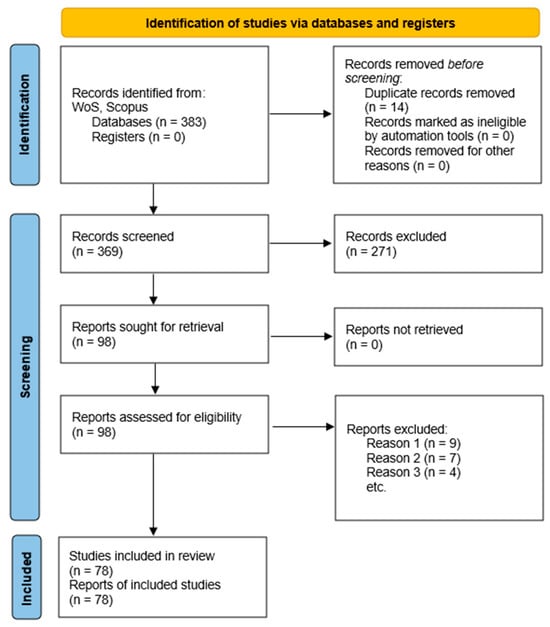
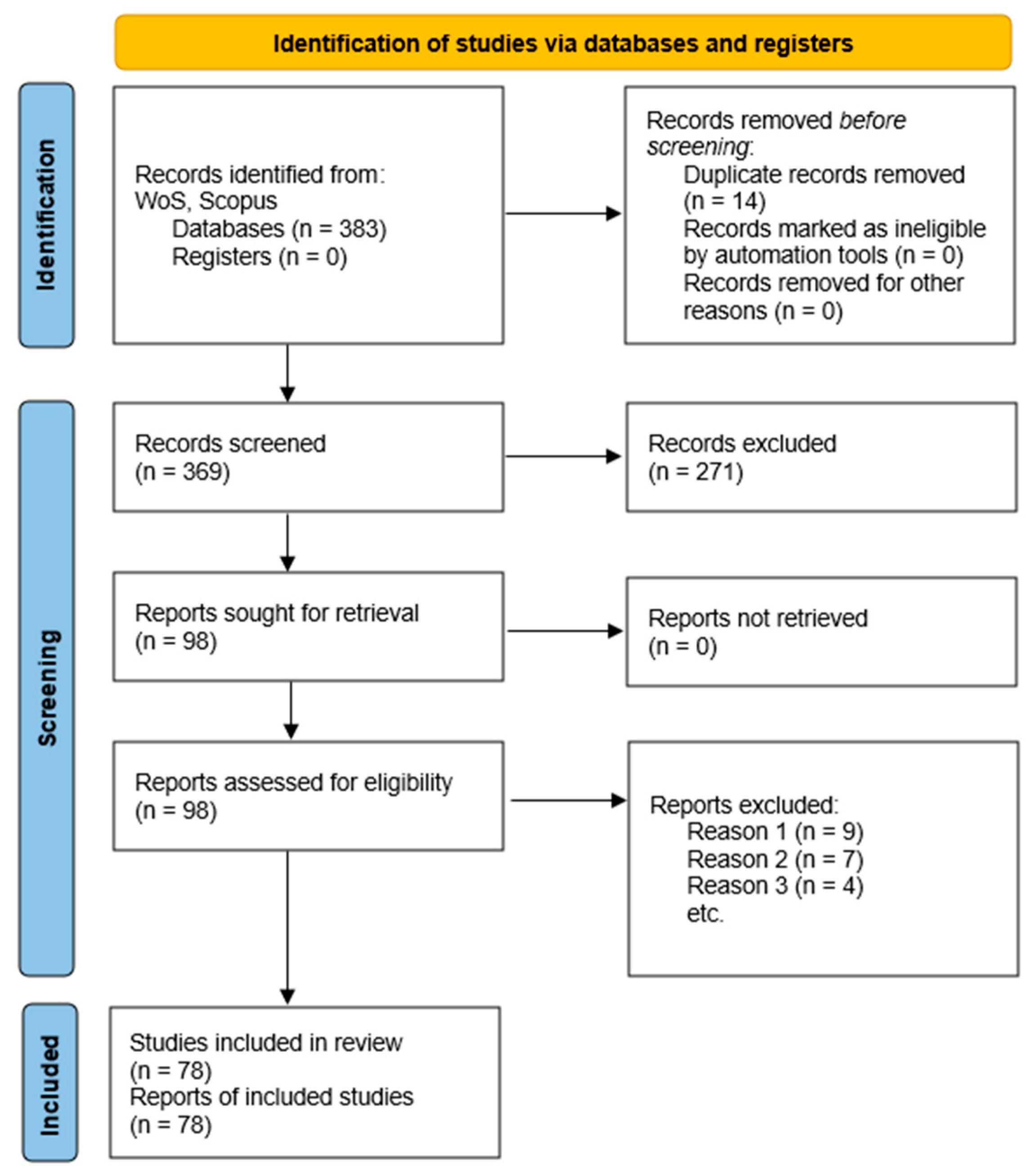
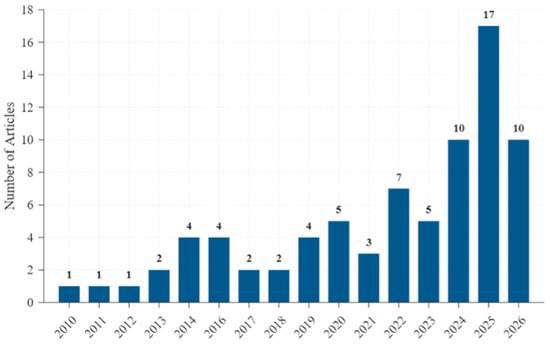
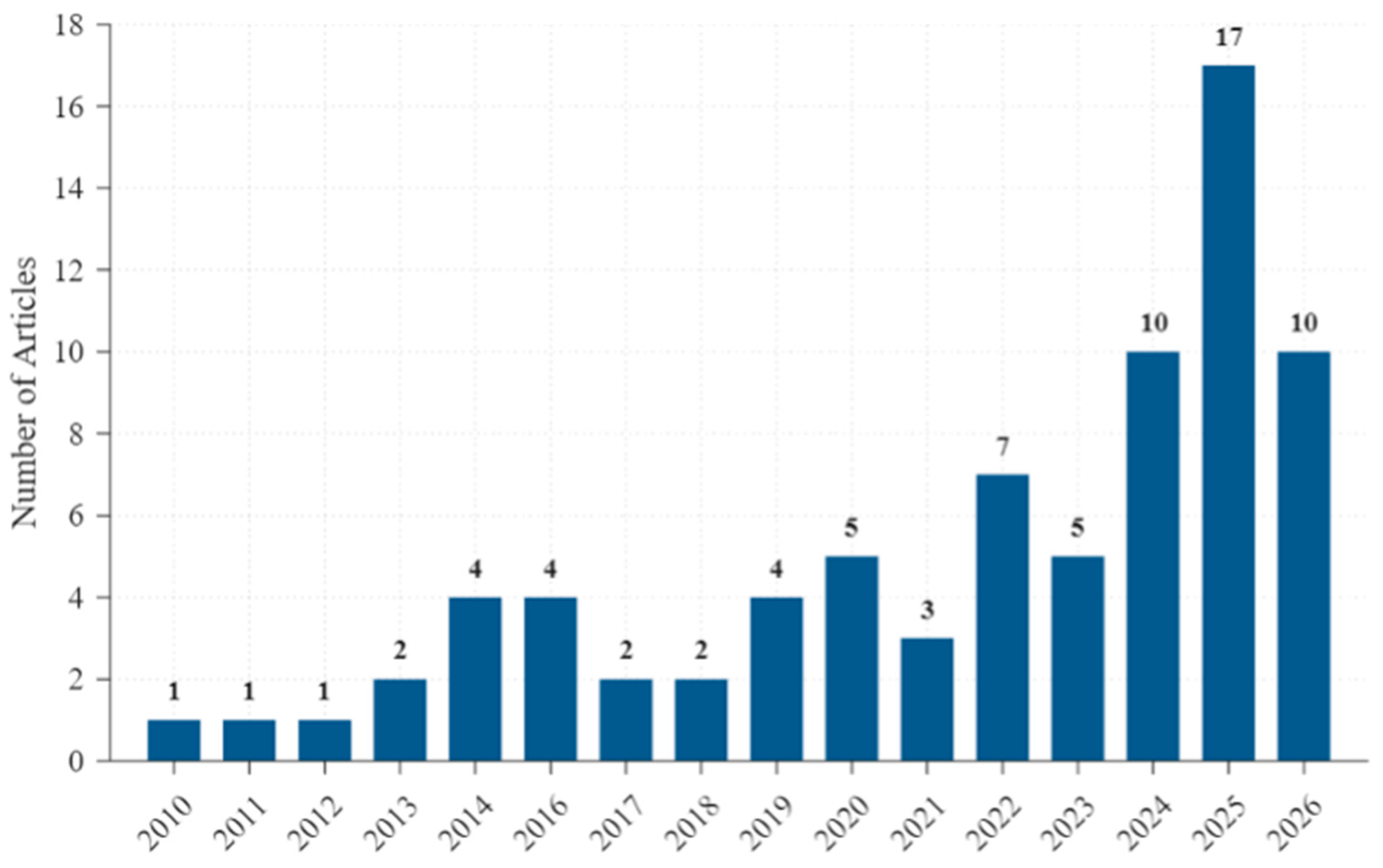
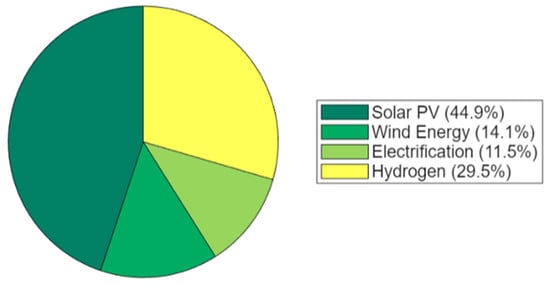
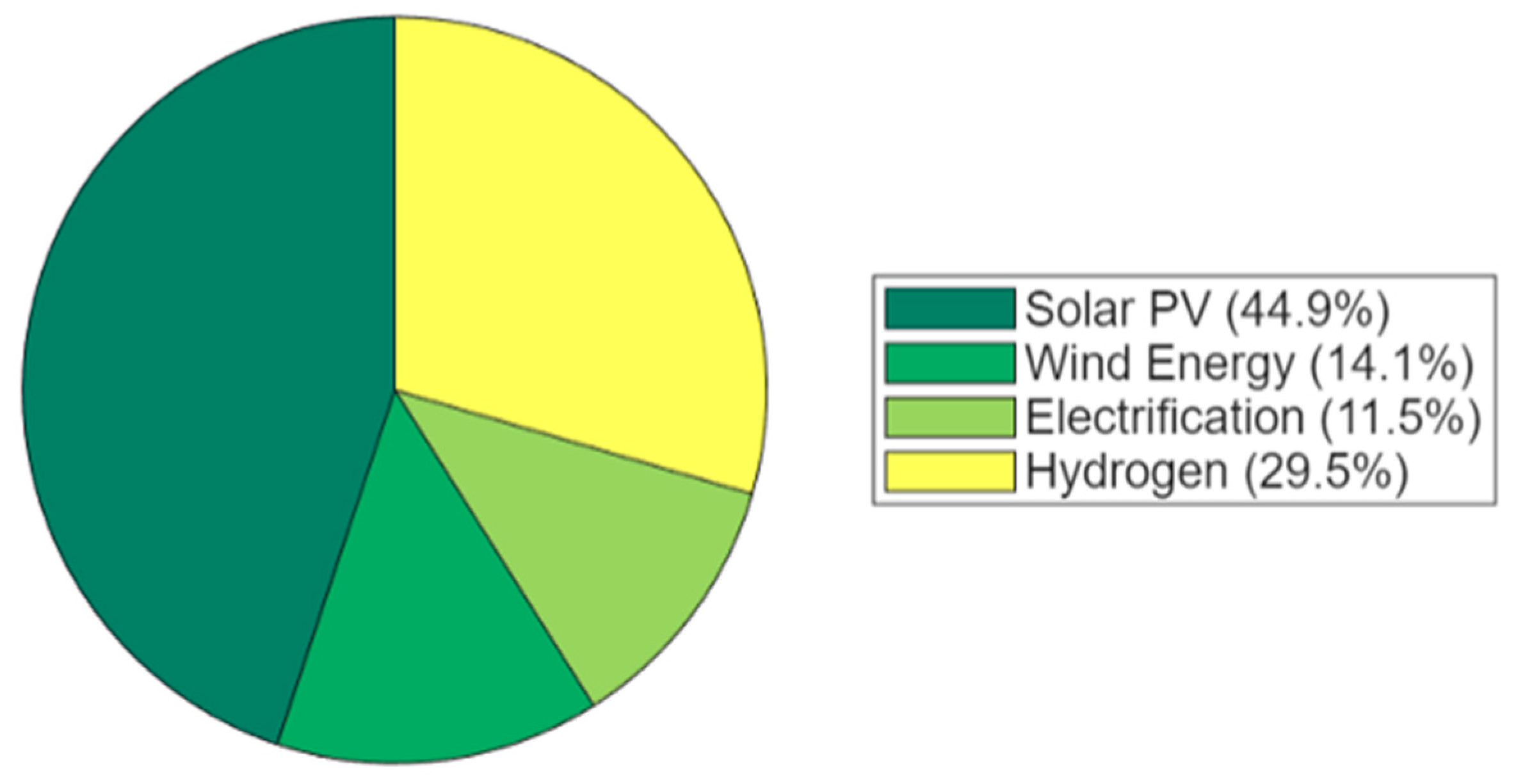
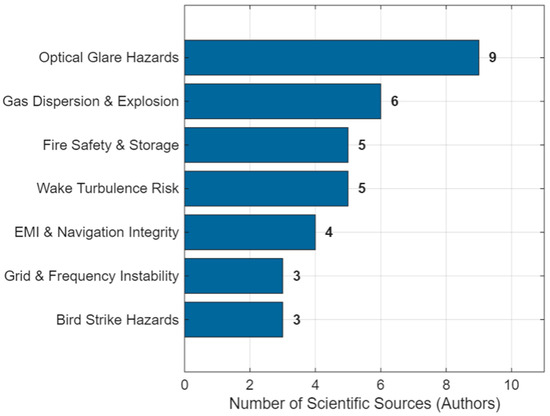
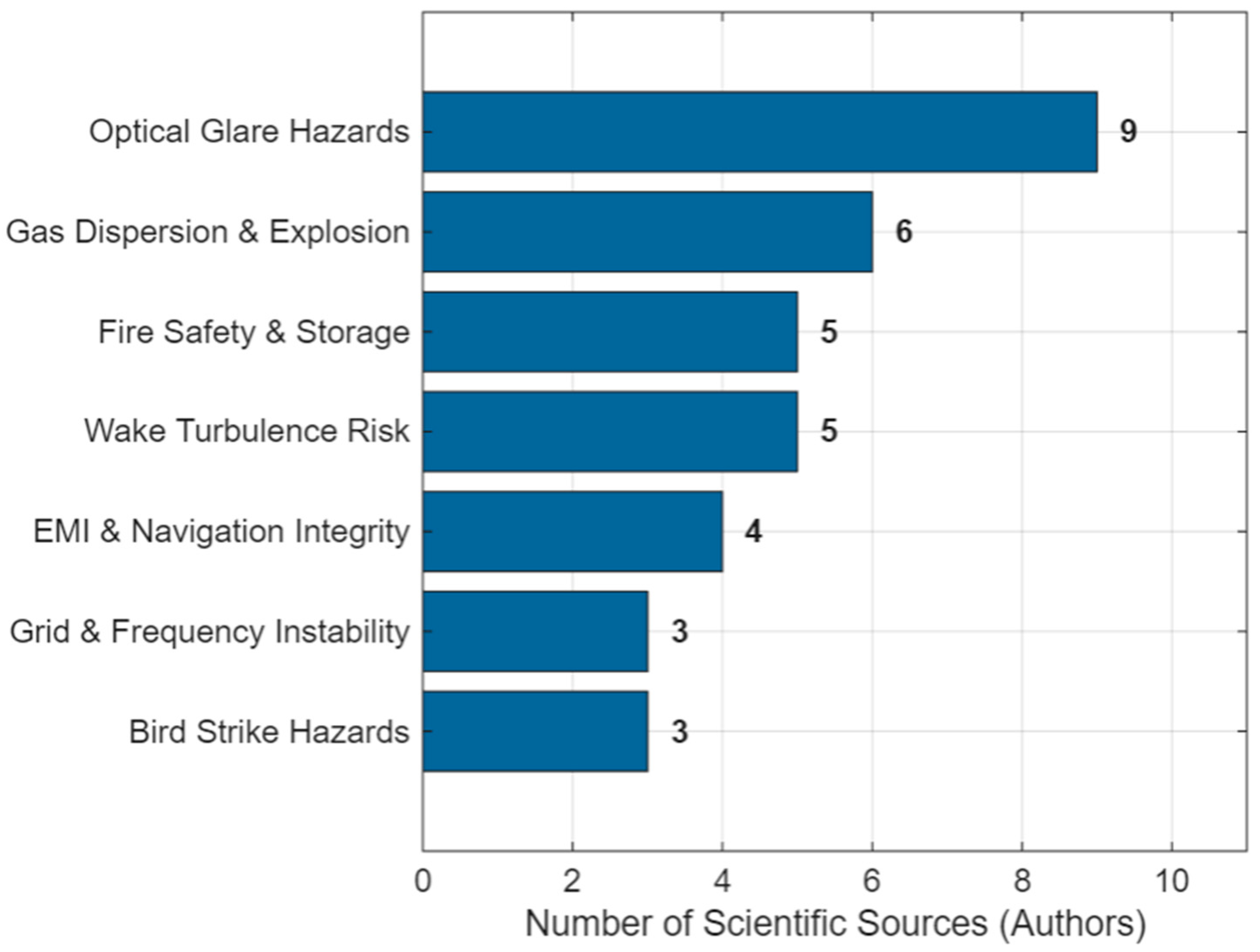
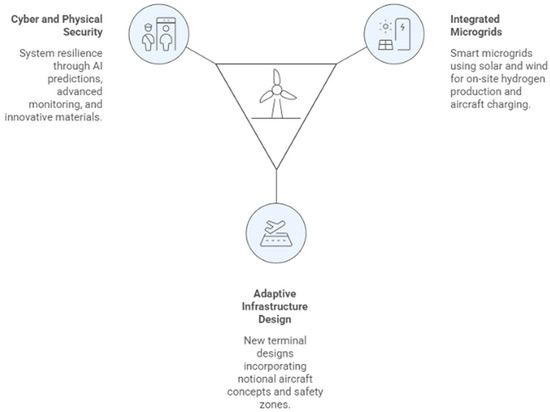
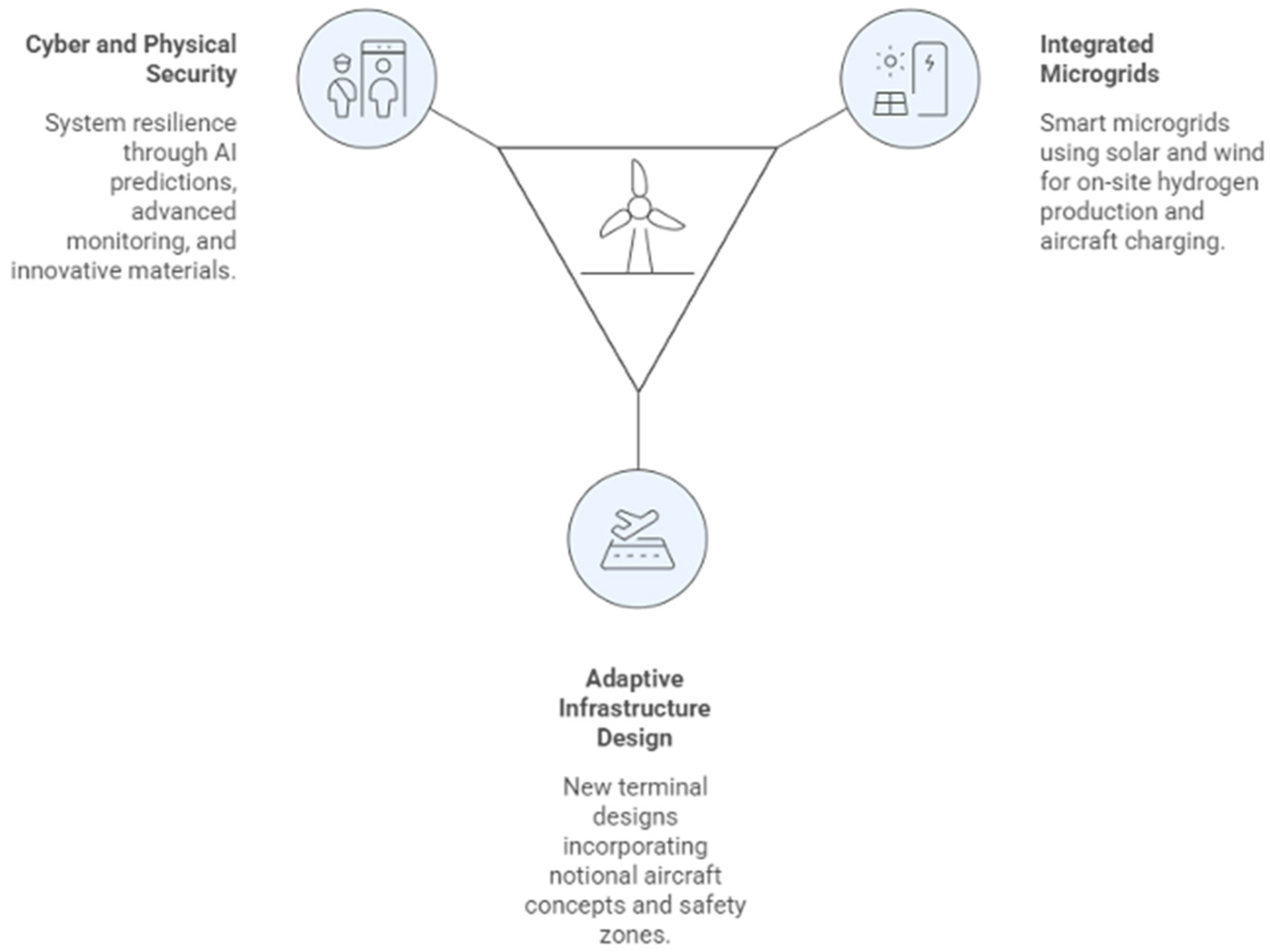

Disclaimer/Publisher’s Note: The statements, opinions and data contained in all publications are solely those of the individual author(s) and contributor(s) and not of MDPI and/or the editor(s). MDPI and/or the editor(s) disclaim responsibility for any injury to people or property resulting from any ideas, methods, instructions or products referred to in the content. |
© 2026 by the authors. Licensee MDPI, Basel, Switzerland. This article is an open access article distributed under the terms and conditions of the Creative Commons Attribution (CC BY) license.