


During the spring of 1995, a decision was made to develop a pilot project to assess the clinical and educational foot health needs of a selective older population in Philadelphia. The project was a joint effort of the Philadelphia Corporation for Aging through their Senior Center Health Promotion Program and the Pennsylvania College of Podiatric Medicine through the Department of Community Health and Aging. This project was a culmination of previous community health collaborations between the two institutions that provided information useful to expanding foot health programs beyond the existing podiatric medical services offered at the senior center.
The population selected for the study was composed of members of eight regional senior centers supported by the Philadelphia Corporation for Aging, the area agency for aging. No attempt was made to provide any direct patient services but rather to develop a format for patient education and assessment, recognizing that with prevention through community health efforts, foot problems interfering with walking could be identified early, complications prevented, and early referrals for care instituted. With continuing walking, a greater quality of life could be maintained, thus permitting older persons to remain active and continue to reside in their own homes and communities.
The basis for the project was identified by the Keep Them Walking Project, conducted in Philadelphia between 1962 and 1965, which provided a format for health information, screening, and education and developed some of the initial data dealing with geriatric foot problems in a noninstitutionalized population.
Objectives
The objectives of the pilot study can be summarized as follows:
1) To understand the importance of foot health as a part of total health;
2) To encourage walking and help maintain an active, quality life-style;
3) To prevent complications caused by foot problems in the older population, particularly in those patients with an at-risk chronic disease, such as diabetes mellitus;
4) To develop a screening methodology;
5) To establish data on the prevalence of foot problems in the older population; and
6) To provide a referral source for those patients requiring care.
Method and Procedure
The format used was developed during the Keep Them Walking Project, with modifications. That protocol included three sessions for each group selected: first, to identify why foot health care is important; second, to include a screening program to focus on common foot problems; and third, to focus on an educational effort and provide a referral source.
The authors’ initial plan was to combine the informational and educational programs and to include, as the second phase, an expanded screening evaluation that would provide more of an assessment and identify risk factors associated with related systemic diseases.
The information and education session included “Best Foot Forward,” which was developed by the American Podiatric Medical Association, and the National Council on Aging, and Feet First, developed by the Professional (Pennsylvania) Diabetes Academy [1,2]. With the cooperation and permission of the American Podiatric Medical Association, the Pennsylvania College of Podiatric Medicine transferred the “Best Foot Forward” slide series and lecture outline to a videotape format.1 This would permit faculty to use a standard, validated informational instrument.
The primary patient educational document was Feet First, which was designed for the older and diabetic patient, and which has now also been transferred to a videotape format [2]. Additional material was used from the Pennsylvania College of Podiatric Medicine so that each older person would have a document to take home and refer to for basic foot care guidelines.
In addition, by using the same modified basic format as Keep Them Walking and established information and education documents, the authors would have a validated approach to this pilot effort. In addition, there would be some comparison, given the fact that the project involves similar populations but in a different time frame. Moreover, having a podiatric physician present at the information and educational components would allow a patient to ask the doctor questions.
The assessment-screening component was modified with suggestions adopted as provided by the Bureau of Epidemiology of the Pennsylvania Department of Health. The long-range goal was to have a form that could be used for both geriatric assessment and foot screenings that are conducted by the Pennsylvania Department of Health and Professional (Pennsylvania) Diabetes Academy.
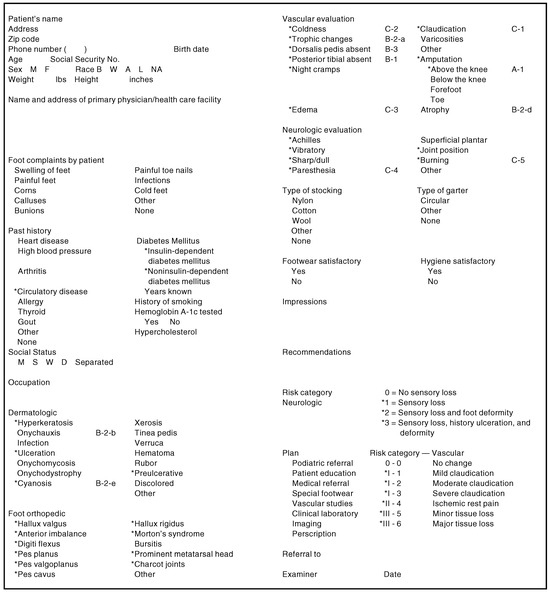
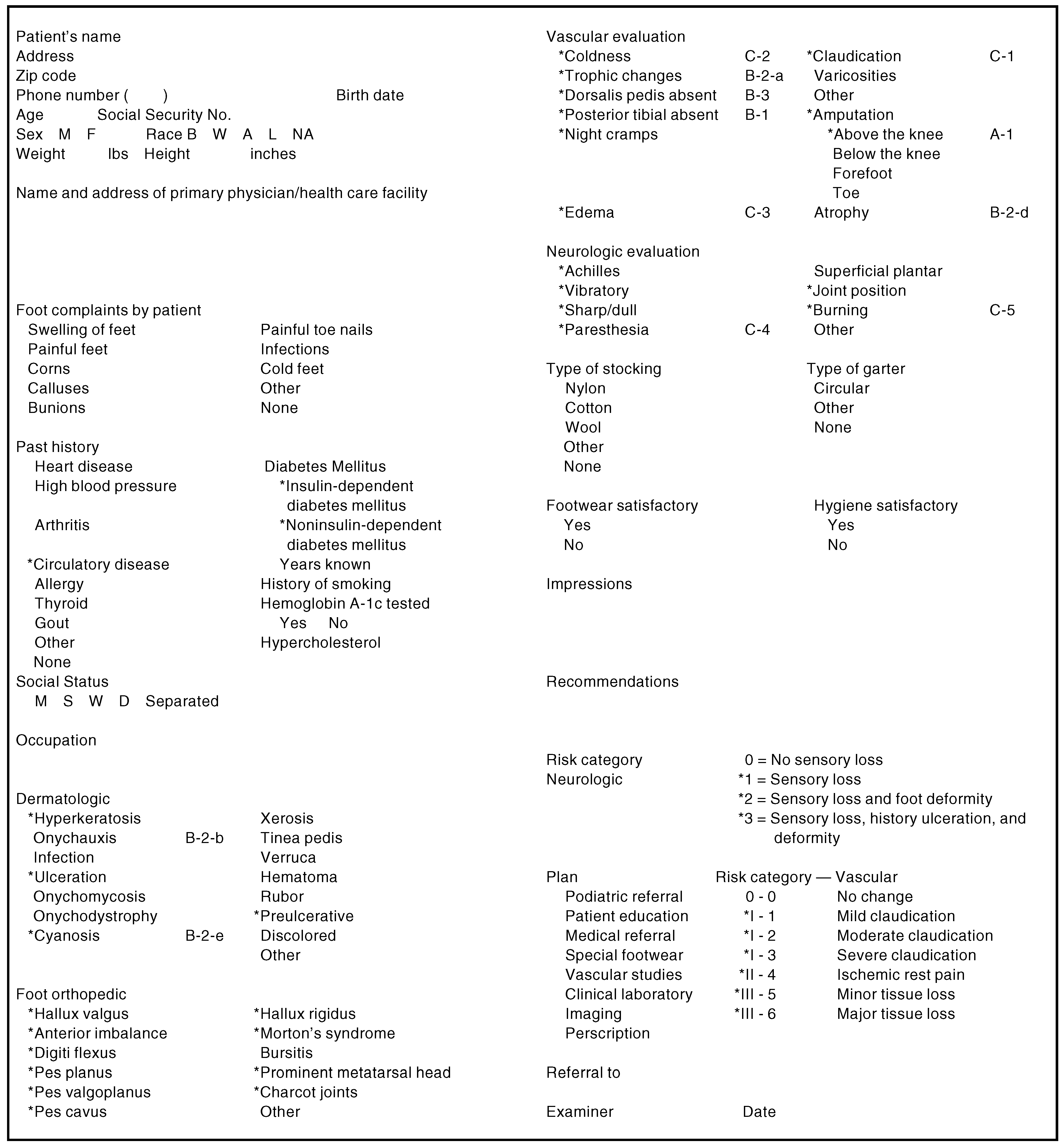
The form included all of the notations used in Keep Them Walking with additions. Figure 1 identifies the assessment form that included personal data, a systems review of primary risk systemic diseases, foot complaints, current and prior care, and also dermatologic, onychial, foot orthopedic, vascular, and neurologic evaluations. Footwear was also evaluated and assistance for referrals provided. At the conclusion of each evaluation, appropriate referrals were made by the attending podiatrist.
Figure 1.
Screening form. The asterisks denote qualifiers for the theraputic shoe requirements for Medicare. A-1 through C-5 denotes class findings in Medicare.
Program Operations
Eight sites were selected for the pilot study. These included: the Older Adult Sunshine Center, Marconi Senior Citizen Program, Tasker Homes Older Adult Center, South Philadelphia Older Adult Center, Liddonfield Senior Center, Germantown Settlement Lutheran Settlement, and Smith-Penn Senior Center.
The geographic distribution represented six regional neighborhoods in Philadelphia. A decision was made to modify the protocol by implementing a combined information-education effort with the assessment-screening activity to meet the needs of the specific center schedules and patient needs, at the center’s request. This original protocol was followed in two centers and the modified protocol was followed in six.
Results
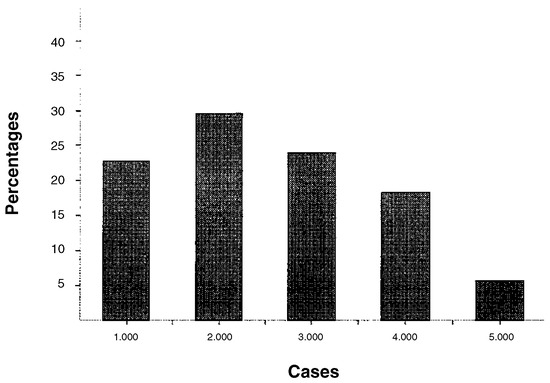
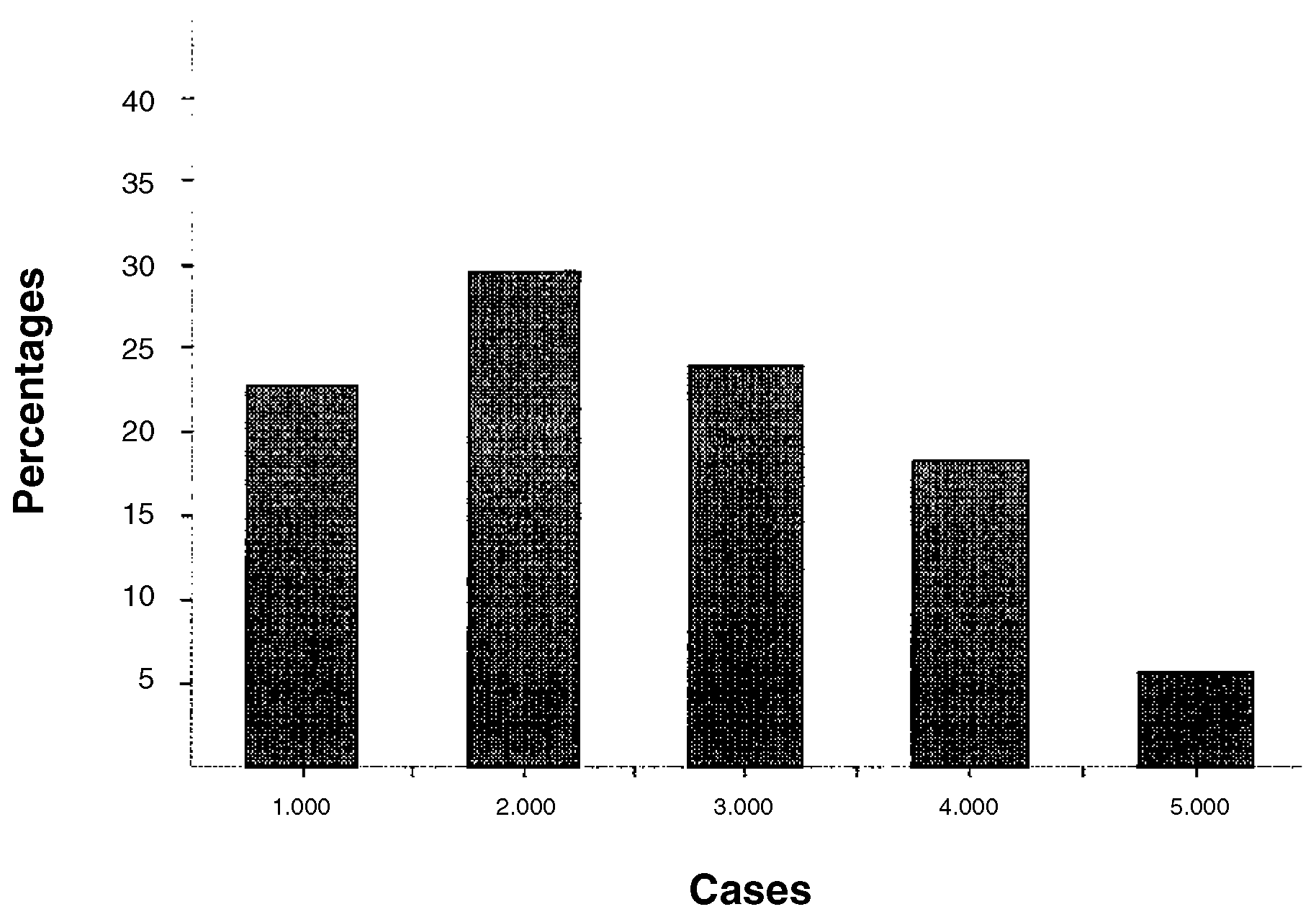
Eighty-eight older persons were assessed-screened during June 1995 at the eight senior centers. Figure 1 represents the primary modified assessment instrument used in this pilot study. Figure 2 shows that approximately 30% of all older persons evaluated presented with at least two foot complaints and that all patients showed some form of foot pain or discomfort.
Figure 2.
The histogram shows that approximately 30% of the cases had two foot complaints and approximately 5% had five foot complaints.
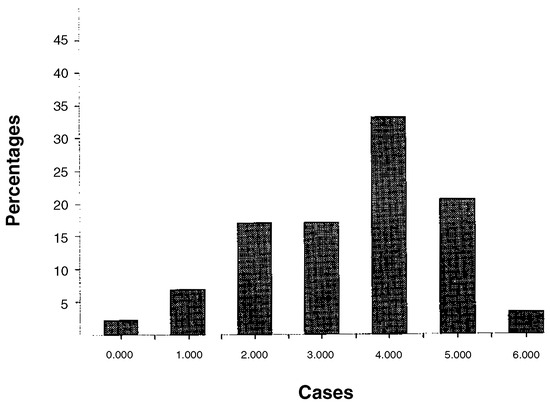
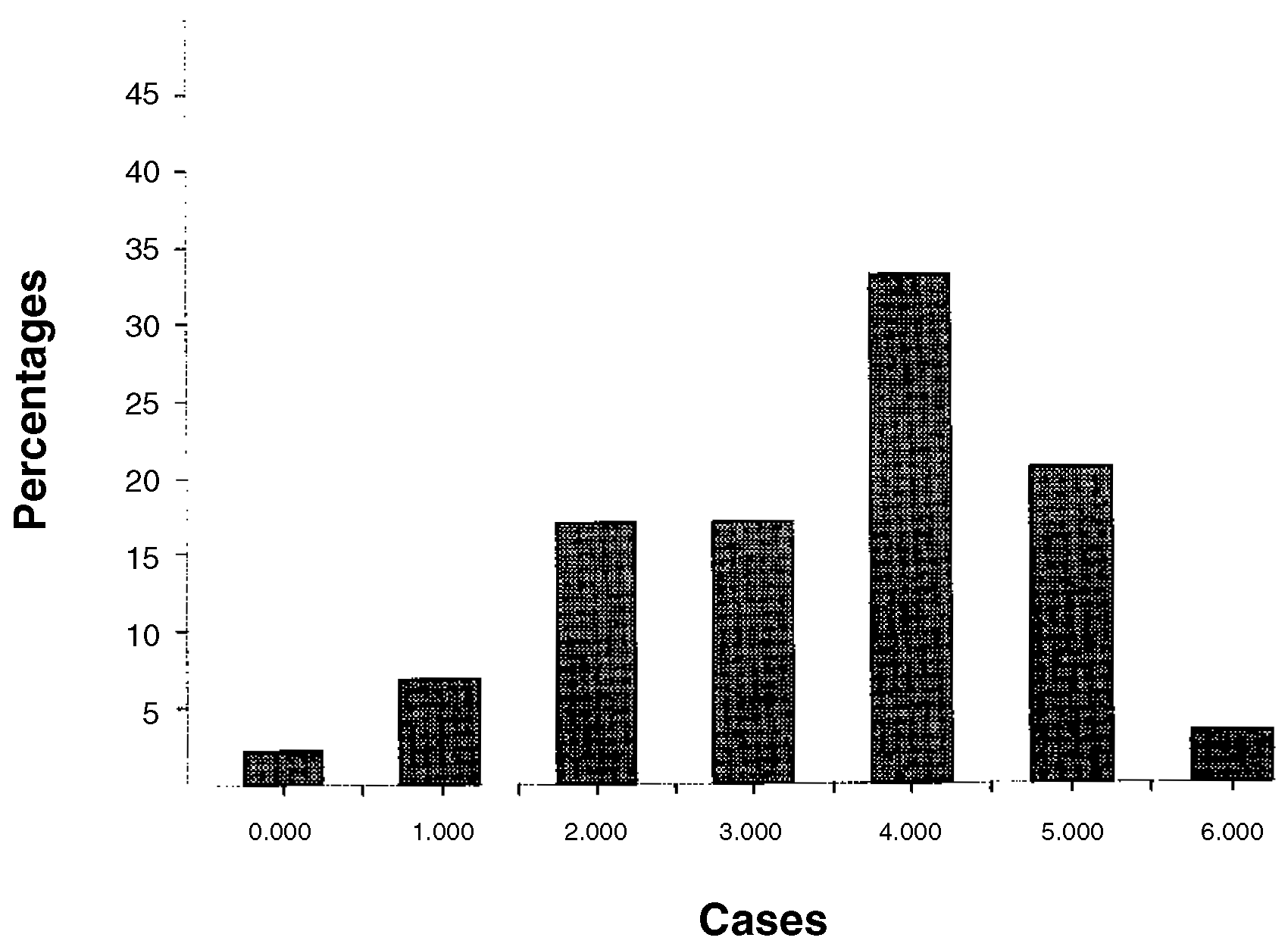
Figure 3 shows that approximately 35% of all persons evaluated had four dermatologic findings and that approximately 95% presented at least one noted dermatologic clinical notation.
Figure 3.
The histogram shows that approximately 35% of cases had four dermatologic conditions and approximately 4% had six dermatologic conditions.
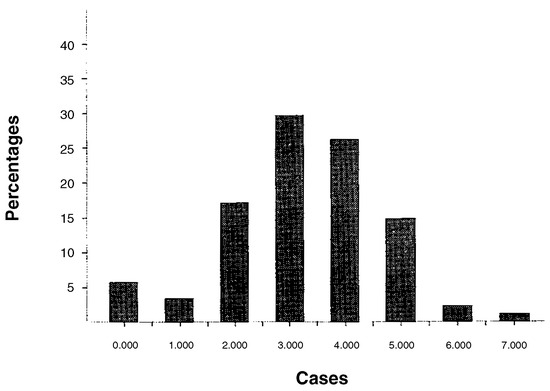
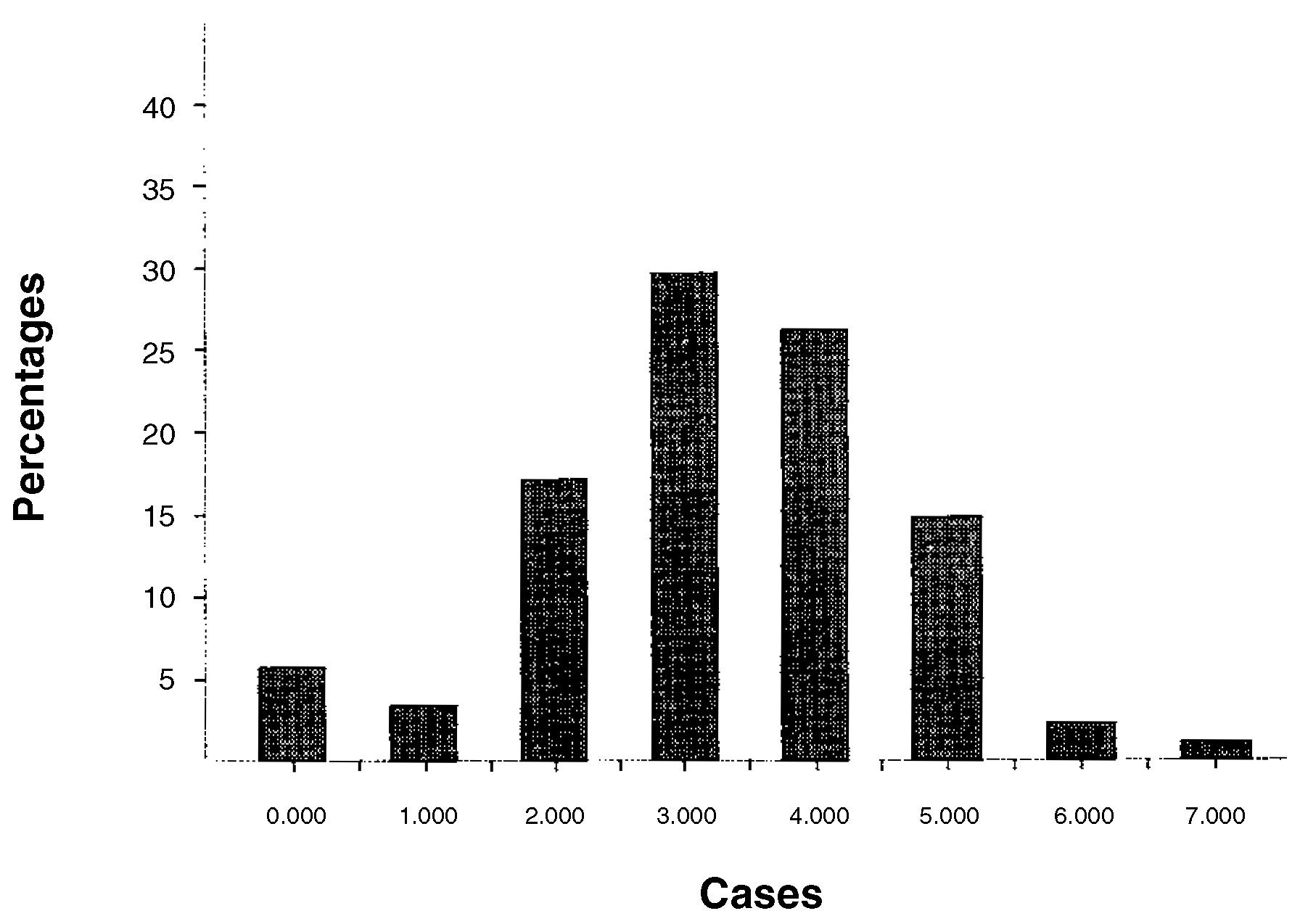
Figure 4 shows that approximately 30% of all older persons presented with three foot orthopedic notations involving deformities, inflammation, and pain. Ninety-five percent of all patients presented with at least one foot orthopedic clinical notation.
Figure 4.
The histogram shows that approximately 30% of the cases had three orthopedic conditions and approximately 15% had five orthopedic conditions.
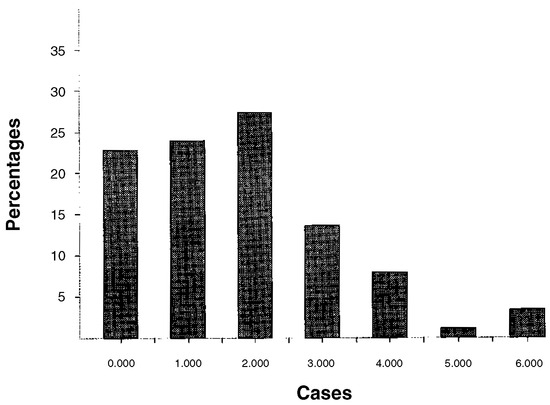
Figure 5 shows that approximately 27% of all persons screened presented with two clinical symptoms of peripheral vascular change or disease and that more than 75% of the patients evaluated presented with at least one clinical finding of peripheral vascular impairment involving the foot.
Figure 5.
The histogram shows that approximately 27% of the cases had two vascular conditions and approximately 14% had three vascular conditions.
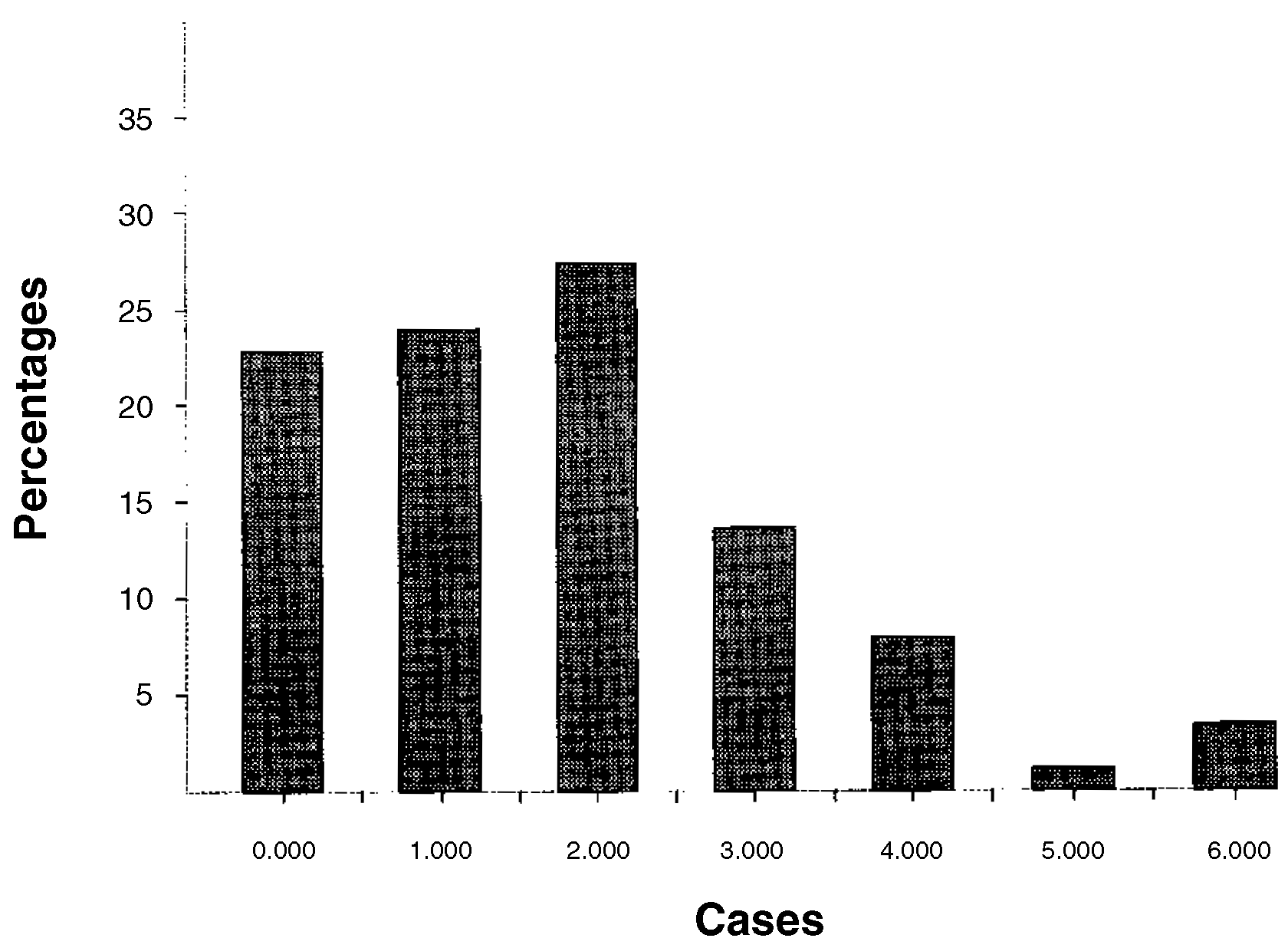
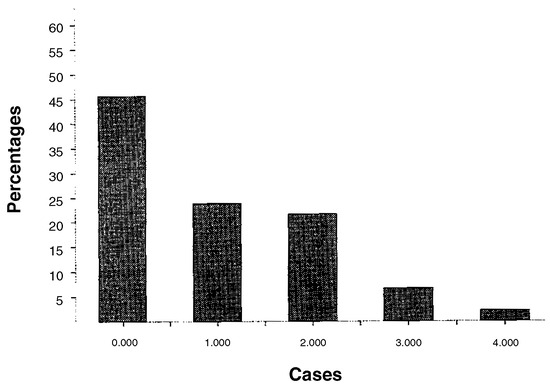
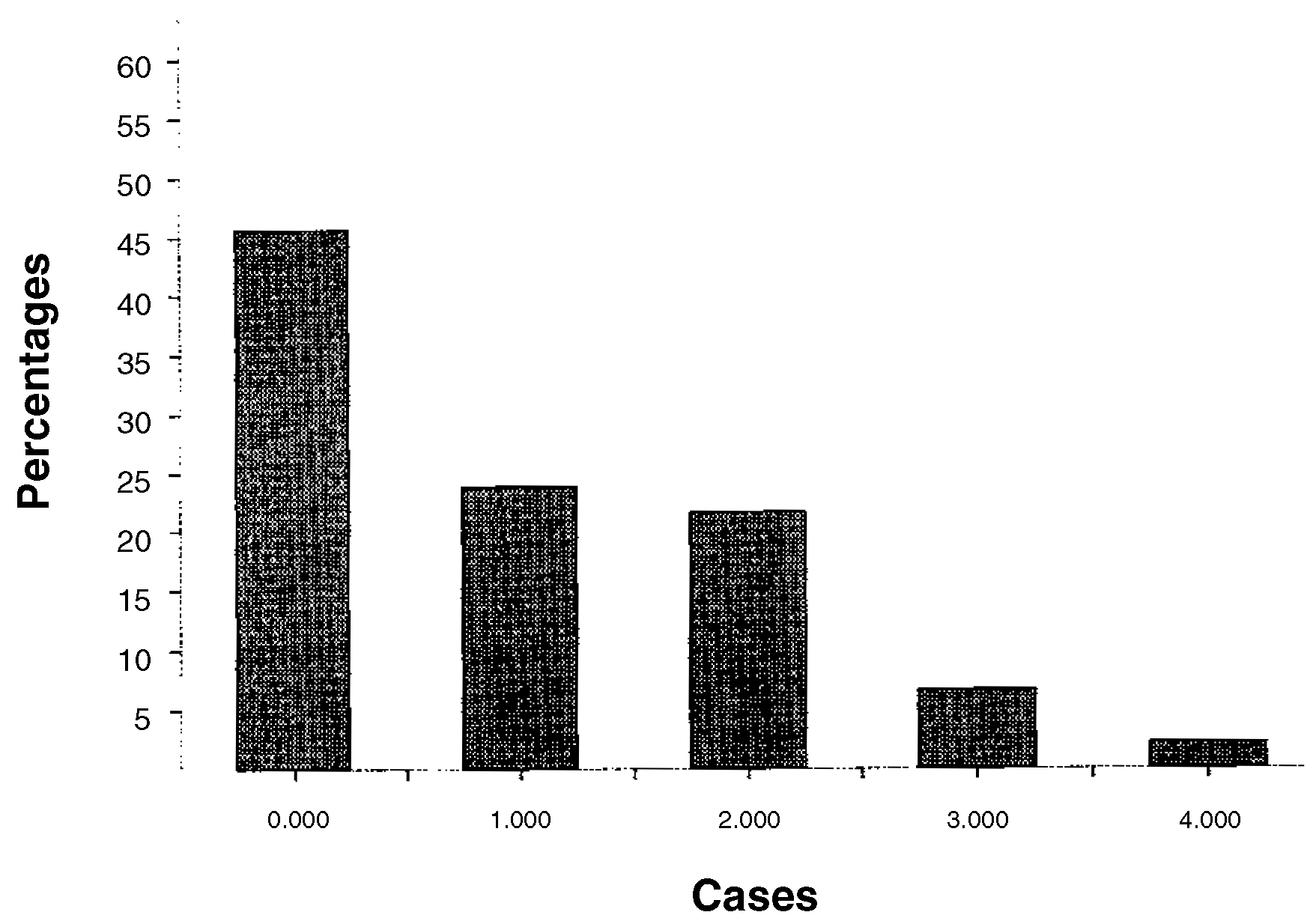
Figure 6 shows that approximately 25% of all patients presented with at least one neurologic change and that 55% of all patients evaluated had some neurologic deficit involving the foot.
Figure 6.
The histogram shows that approximately 25% of the cases had one neurologic condition and approximately 6% had three neurologic conditions.
Based on this pilot effort, the findings were similar to those identified in Keep Them Walking and reflect the need for health promotion and education as the first step in preventing foot problems in an older population.
The assessment-screening form, “Best Foot Forward” video, and Feet First will form the basis for all future studies [1,2].
The results of the pilot study are summarized as follows: The average age of persons assessed was 73 years old. Eighty-one percent of the patients were female. An equal percentage of patients were black and white, with no difference noted in clinical findings.
Sixty-five percent of the patients assessed reported swelling of their feet. Seventy-two percent of patients identified pain on evaluation. Thirty percent presented with a complaint of some form of hyperkeratosis. Thirty-one percent of patients complained of hallux valgus deformity. Twenty-five percent of all patients presented with pain involving toe nails. Twenty-eight percent identified current care for some form of heart disease and 48% admitted being hypertensive. Half of all patients identified a history of arthritis as a factor in foot pain but only 4% were identified as having diabetes. This was because the patients with diabetes at the various senior centers self-selected themselves out of the screening since they said they see a podiatric physician regularly and chose not to participate in the screening. They believed that their primary podiatric care needs were being met.
Thirty-seven percent of patients stated that they were still married. Fifty-nine percent of all patients presented with a clinical finding of hyperkeratosis. Half of all patients presented with onychauxis. No ulcerations were identified at the time of screening. Thirty-seven percent presented with clinical onychomycosis. Seventy-two percent of all patients presented with xerosis. Fifty-seven percent of patients presented with hallux valgus. Sixty-one percent presented with hammer toe deformities. Fifty-eight percent of all patients presented with atrophy of the plantar fat pad and prominent palpable metatarsal heads. Nineteen percent of patients presented with an absent dorsalis pedis pulse, 29% of patients presented with an absent posterior tibial pulse, 23% with night cramps, and 22% with claudication.
No amputations were noted in the sample, clearly indicating how important both feet and the ability to walk are in remaining independent and active in society. Thirteen percent presented with absent Achilles reflex, 37% with absent vibratory sense, and 15% with some noted sensory loss. Footwear was found acceptable in 73% of patients and personal hygiene acceptable in 71% of all patients screened.
The following finds occurred with a frequency of greater than 50%: hyperkeratosis, onychauxis, onychodystrophy, xerosis, hallux valgus, anterior imbalance, and prominent metatarsal heads.
Discussion
All assessment and screening final notations were made by the same person. All chart reviews and evaluations were made by one person. All statistical data developed was completed by one individual. This element standardized all components of this pilot study and assured uniform reporting for each segment of program operation.
It is important to note that the patients submitting for assessment were self-selected. The process followed the information and educational session. By providing information on what should be expected during the assessment process and what should be considered as optimum foot health for the older patient, the patients themselves decided to be evaluated. The patients represented individuals not receiving foot care. Those under care at the centers were primarily patients with diabetes, thus providing this pilot effort with a population that was not receiving evaluation and management for foot and related problems.
Although this was not designed to provide a random sample, the population did represent the average older population living in a major metropolitan area and a group of older patients who were active in their community activities. The fact that the majority of the patients did not have diabetes provided an initial impression that there were many similarities between patients with diabetes and the older population without diabetes. The authors believe that the data reflect problems noted in a nonaffluent population, where health promotion activities have not been a focus of concern. Based on the initial pilot effort of eight senior centers, all future programs, which are being continued for 1995 and 1996, will combine information, education, and assessment-screening into one program. This will maximize personnel and the older persons’ time and permit the patients to continue to spend most of their time at the center doing other activities.
The assessment-screening form is the final form to be used in all future programs and adopted by the Pennsylvania Department of Health and Diabetes Academy for their foot and eye screening programs (Figure 1). The goals of future studies include the identification of selected elements to Medicare’s risk systemic diseases, class findings, and criteria related to the therapeutic shoe provision of Medicare. In addition, assessment of both neurologic and vascular risk can be stratified and analyzed in relation to projected patient outcomes.
Care at many of the centers is provided by private podiatrists and no effort was made to replace that care, but only to augment the clinical component with significant information and education. It demonstrated an approach to combining the public health aspects of foot care with the clinical component that existed in the private sector.
Conclusion
This pilot study identified that foot pain was prevalent in a high percentage of patients and that hyperkeratosis and deformities were significant findings. Early assessment also provided a means to identify the early findings associated with peripheral arterial disease and sensory loss.
Foot discomfort clearly represents a factor in the instrumental activities of daily living and has a symbiotic effect on the basic activities of daily living. Adequate assessment and management of foot problems may prevent foot pain and potentially reduce the risk of disability and limitation of activity. This pilot study validated an assessment-screening form and established a guide for patient information and education to be used in the future. The program stressed the need for health promotion as a first step in a public health and preventive approach to the management of foot problems in an older population, at the community level.
References
- National Council on Aging and American Podiatric MEDICAL ASSOCIATION: Best Foot Forward, Washington, DC, 1988.
- HELFAND, AE. Feet First; Professional (Pennsylvania) Diabetes Academy: Harrisburg, PA, 1995. [Google Scholar]
Additional References
- BENVENUTI, F; FERRUCCI, L; GURALINK, J. ET AL: Foot pain and disability in older persons: an epidemiologic survey. J Am Geriatrics Soc 1995, 43, 479. [Google Scholar] [CrossRef] [Scilit] [PubMed]
- CALKINS, E; DAVIS, PJ. FORD AB: The Practice of Geriatrics; WB Saunders: Philadelphia, 1986. [Google Scholar]
- CRAWFORD, VLS; ASHFORD, RL; MCPEAKE, B. ET AL: Conservative poiatric medicine and disability in elderly people. JAPMA 1995, 85, 255. [Google Scholar] [CrossRef] [Scilit] [PubMed]
- ESIDORFER, C (Ed.) Annual Review of Gerontology and Geriatrics; Springer Publishing: New York, 1984; Volume 4. [Google Scholar]
- HELFAND, AE. HELFAND AE: Keep them walking. JAPA 1968, 58, 117. [Google Scholar]
- HELFAND, AE (Ed.) Clinical Podogeriatrics; Williams & Wilkins: Baltimore, 1981. [Google Scholar]
- HELFAND, AE; BRUNO, J (Eds.) Rehabilitation of the Foot. In Clinics in Podiatry; WB Saunders: Philadelphia, 1984. [Google Scholar]
- HELFAND, AE (Ed.) Public ffealth and Podiatric Medicine; Williams & Wilkins: Baltimore, 1987. [Google Scholar]
- HELFAND AE: The foot: geriatric overview. part I HELFAND AE: The foot: geriatric overview. part II. Foot 1993, 3: 58 5: 19.
- HELFAND, AE. Foot Problems in Older Persons. In in Oxford Textbook of Geriatric Medicine, 1st Ed ed; Oxford University Publications: Oxford, United Kingdom, 1992. [Google Scholar]
- HELFAND, AE (Ed.) “The Geriatric Patient and Considerations of Aging,” Part I. In Clinics in Podiatric Medicine and Surgery; WB Saunders: Philadelphia, 1993; Vol 10. [Google Scholar]
- HELFAND, AE (Ed.) “The Geriatric Patient and Considerations of Aging,” Part II. In Clinics in Podiatric Medicine and Surgery; WB Saunders: Philadelphia, 1993; Vol 10. [Google Scholar]
- LIBOW, LB; SHERMAN, FT (Eds.) The Core of Geriatric Medicine; CV Mosby: St Louis, 1981. [Google Scholar]
- NEALE, D (Ed.) Common Foot Disorders, Diagnosis and Management; Churchill Livingstone: New York, 1981. [Google Scholar]
- REICHEL, W (Ed.) Clinical Aspects of Aging, 2nd Ed; Williams & Wilkins: Baltimore, 1983. [Google Scholar]
- STEINBERG FU: Care of the Geriatric Patient, 6th Ed ed; CV Mosby: St Louis, 1983.
- UNITED STATES GOVERNMENT: Final Report of the 1981 White ffouse Conference on Aging; US Government Printing Office: Washington, DC, 1982; Vol 3.
- WILLIAMS, T; FRANKLIN (Eds.) Rehabilitation in the Aging; Raven Press: New York, 1984. [Google Scholar]
- YALE, I (Ed.) Podiatric Medicine, 2nd Ed; Williams & Wilkins: Baltimore, 1980. [Google Scholar]
© 1996 American Podiatric Medical Association