Historically, tumoral calcinosis has been referred to as lipocalcinogranulomatosis, calcifying collagenitis, kikuyu bursa, and calcifying bursitis [
1,
2,
3,
4]. Most often found in the adolescent and young adult population, tumoral calcinosis is characterized by multiple calcifications located periarticularly resembling a neoplasm. Although there has been no previous evidence to indicate that tumoral calcinosis is passed from generation to generation, it is not unlikely for two siblings of the same family to be affected by this pathology.
Clinically, these predominantly benign neoplasms present as large, solid, calcified masses generally found in large joints, ie, shoulder, hip, and elbow, and are rarely seen in the knee, hand, or pedal areas. It usually presents as a calcified mass attaching itself to the underlying fascia, muscle, or tendon. Usually, patients present with multiple lesions that may be bilateral and symmetrical, while the underlying joints are usually spared. Lesions resembling tumoral calcinosis have been reported to be as large as 20 to 24 cm in diameter. This may be attributed to the fact that when these lesions are of a much smaller size, they are frequently misdiagnosed and often dismissed as incidental findings for another etiology.
Tumoral calcinosis usually presents in the first and second decades of life, with a male-to-female ratio of approximately 1:1, with two thirds of the reported cases occurring in the black population. The diagnosis of tumoral calcinosis is usually based on a clinical examination, radiographic and histologic findings, and significant medical history of the patient.
Radiographically, tumoral calcinosis presents as an aggregate of multiple spherical densities usually separated by radiolucent lines that have been proposed to be fibrous septa. The pathologic examination of a specimen reveals a solid, elastic mass that is nonencapsulated in nature. Usually no larger than 15 cm in diameter, the calcific lesions extend to bordering tendinous tissues and muscle bellies. Cross sectioning of the mass reveals either an organization of solid, fibrous tissue with an interspersed calcareous substance of a grayish-yellowish color, or as a whitish liquid that produces variable, cystic depressions. On chemical examination of these calcified masses, a diverse composite of calcium pyrophosphate is exhibited. The calcified lesions associated with tumoral calcinosis may present with active and inactive phases that usually happen within the same lesion. The active phase is characterized by a centroidal mass of amorphous, particulate, calcified material.
The differential diagnosis for tumoral calcinosis and medical conditions producing calcific-type lesions includes the following: uremia, secondary hyperparathyroidism, chronic renal disease, milk-alkali syndrome, and hypervitaminosis D. The use of etretinate, a vitamin A derivative useful in the treatment of psoriasis and acne and many other disorders of keratinization, calcinosis circumscripta, and calcinosis universalis, must also be included in the differential diagnosis.
Case Report
A 55-year-old black female with no significant past medical history presented with a chief complaint of a burning sensation in the ball of her right foot with an associated mass. Both the pain and the mass had been present for many years, although she did not recall any type of trauma to the right foot. During the previous 2 weeks, the patient said that the pain in the area of the mass had increased during long periods of walking.
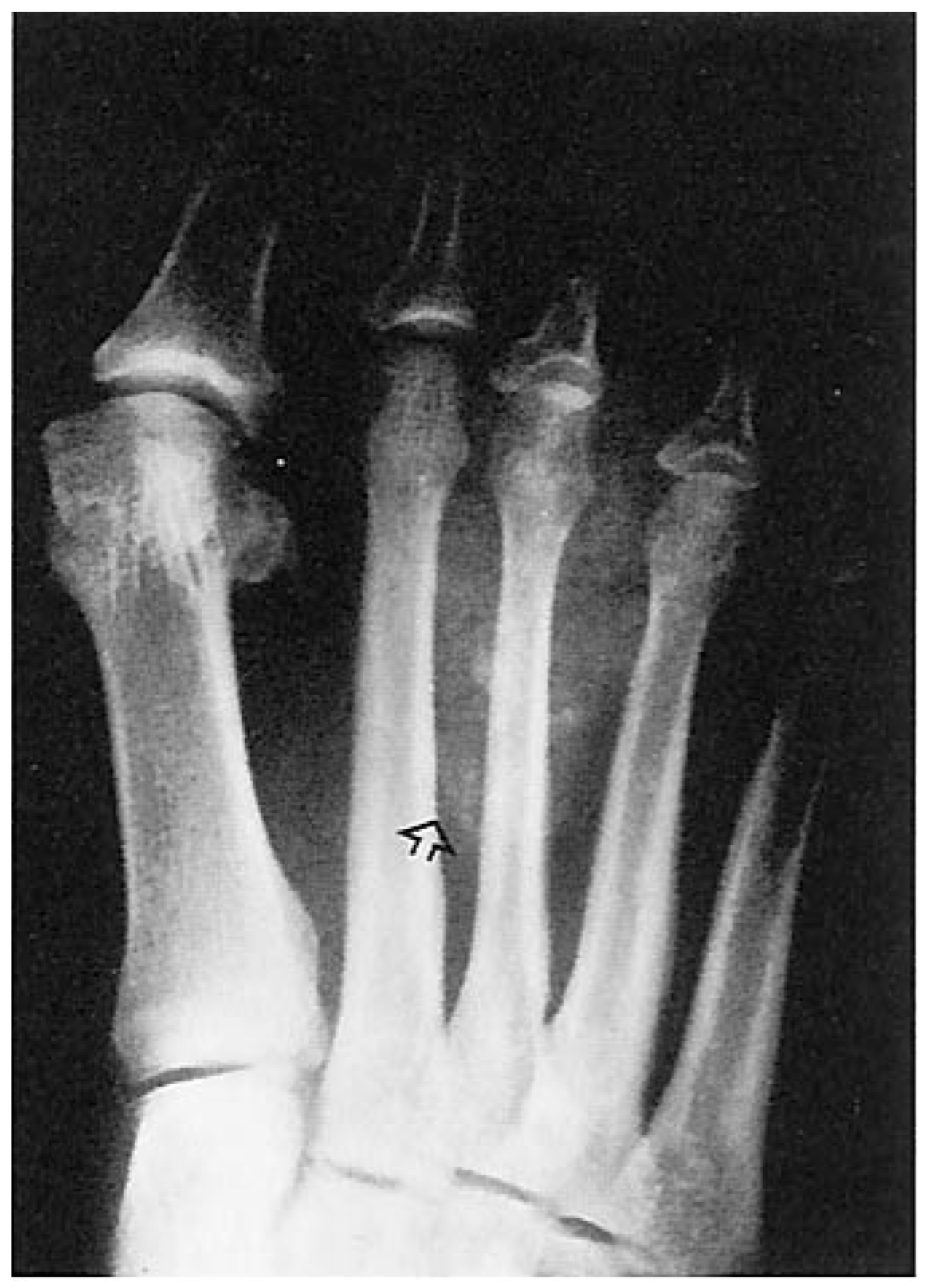
The physical examination revealed a hard mass located under the heads and necks of second to fourth metatarsals, measuring approximately 6 cm in length and 4 cm in width. The mass did transluminate and was particularly painful on palpation. The range of motion, including the forefoot metatarsophalangeal joints, appeared to be unaffected by the presence of the lesion. The neurologic evaluation showed no appreciable deficiencies present with no muscular or sensory deficiencies noted. The radiographic examination revealed a soft tissue mass approximately the same dimensions as that of the soft tissue mass clinically viewed (Fig. 1).
Figure 1.
Dorsoplantar view revealing calcific-like lesion (arrow) in the vicinity of the second through fourth metatarsals. Note that there appears to be no cortical involvement.
Figure 1.
Dorsoplantar view revealing calcific-like lesion (arrow) in the vicinity of the second through fourth metatarsals. Note that there appears to be no cortical involvement.
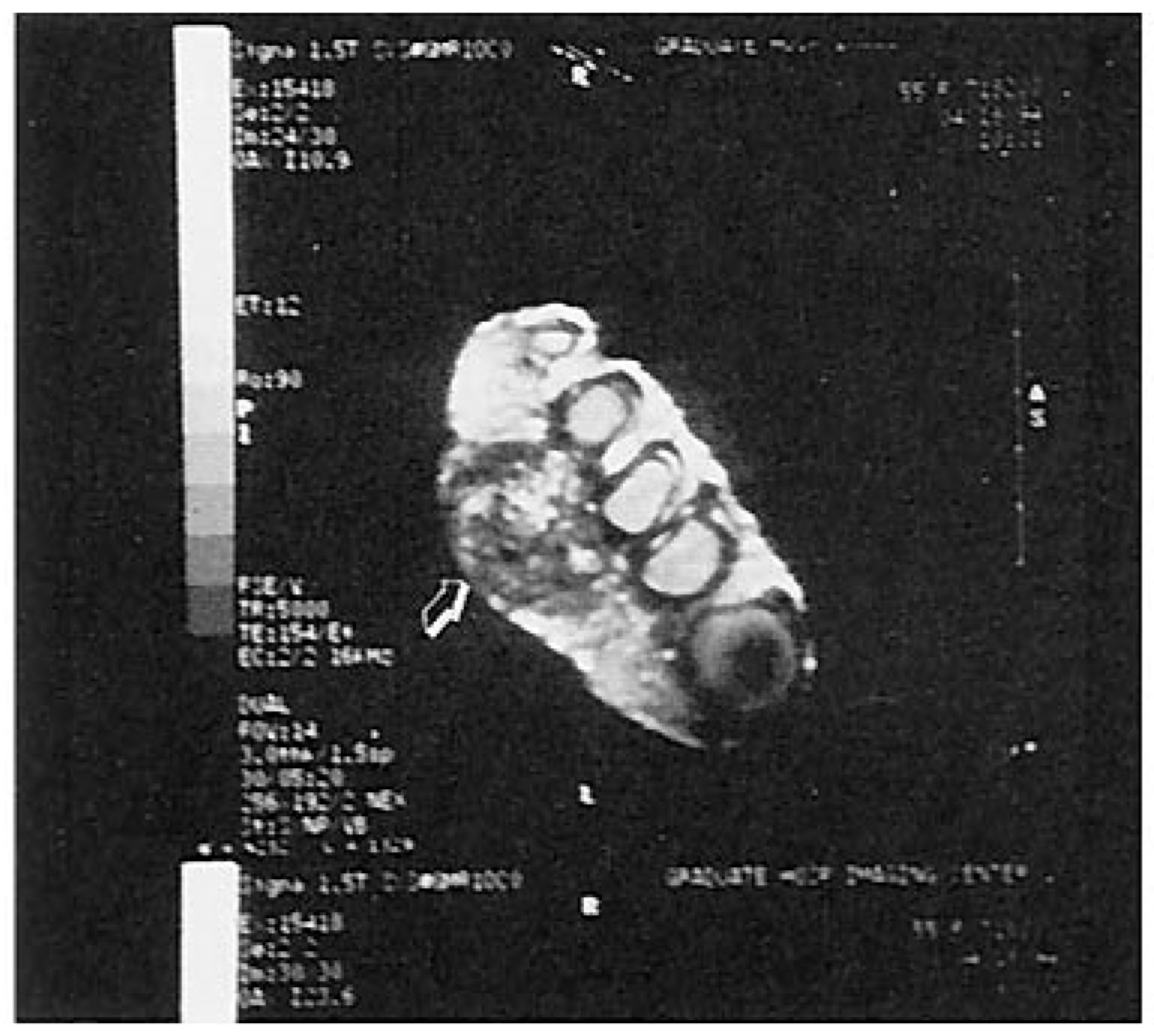
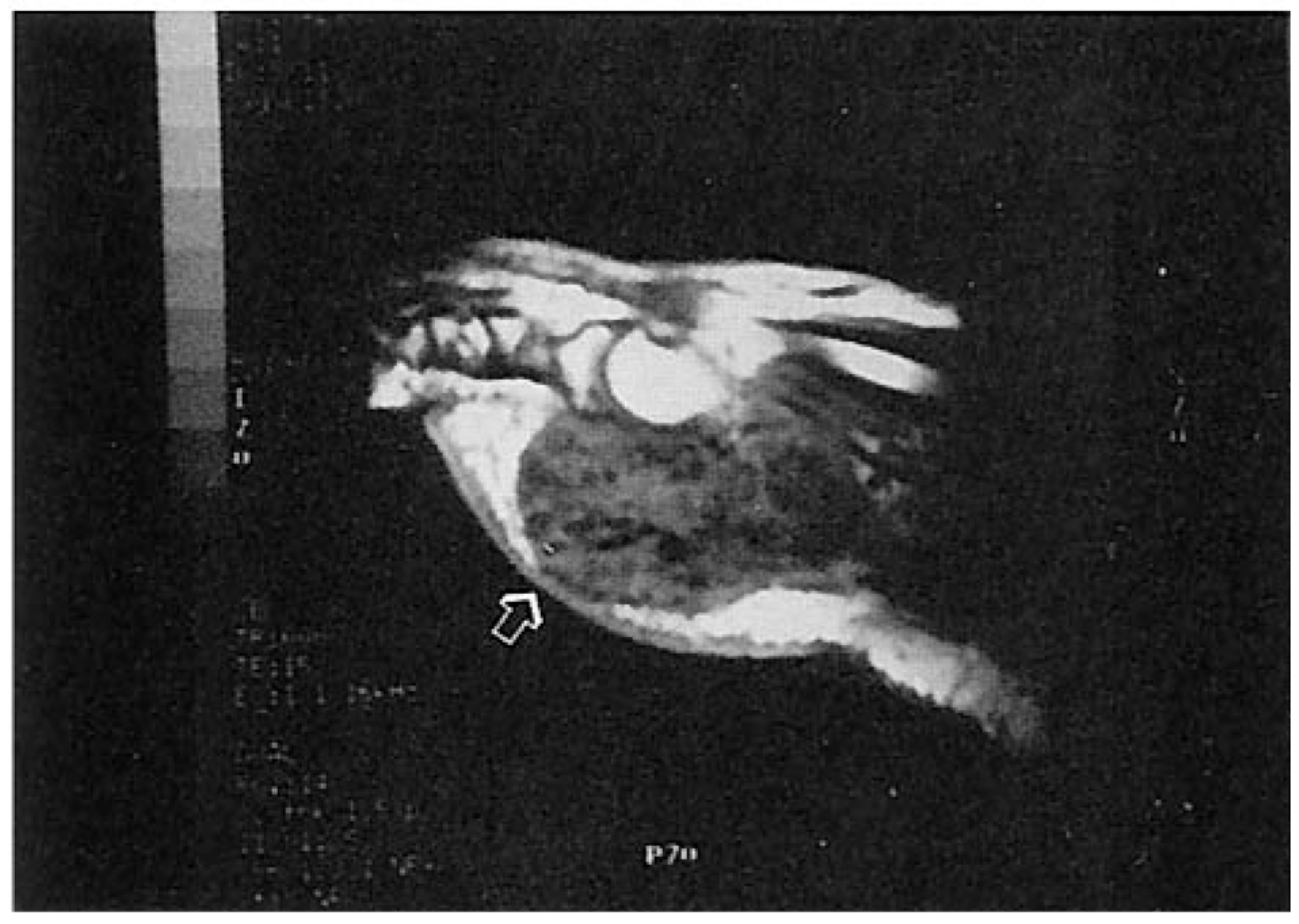
The lesion did not appear to be affecting or go to the level of the metatarsal bone because of the presence of intact intermetatarsal cortices that were well circumscribed. A magnetic resonance imaging scan of the right foot was performed to rule out the presence of malignant degeneration and to assess the exact dimensions of the lesion for probable future surgical excision (Figs. 2 and 3). The magnetic resonance image showed a large, well circumscribed mass with diffuse calcifications with involvement of the overlying flexor tendons extending into the intermetatarsal spaces plantarly. There appeared to be no osseous involvement in the area of concern.
Figure 2.
Axial T2-weighted (TR = 5000, TE = 154) image shows low signal elements that correspond to the calcifications seen on the conventional radiographs (arrow). Note that the lesion appears to be situated in the area of the second through fourth metatarsals.
Figure 2.
Axial T2-weighted (TR = 5000, TE = 154) image shows low signal elements that correspond to the calcifications seen on the conventional radiographs (arrow). Note that the lesion appears to be situated in the area of the second through fourth metatarsals.
Figure 3.
Sagittal T1-weighted (TR = 600, TE = 15) image shows that the lesion has no probable bony involvement (arrow). Note that the lesion seems to extend distally to the bases of the second through fourth proximal phalanges.
Figure 3.
Sagittal T1-weighted (TR = 600, TE = 15) image shows that the lesion has no probable bony involvement (arrow). Note that the lesion seems to extend distally to the bases of the second through fourth proximal phalanges.
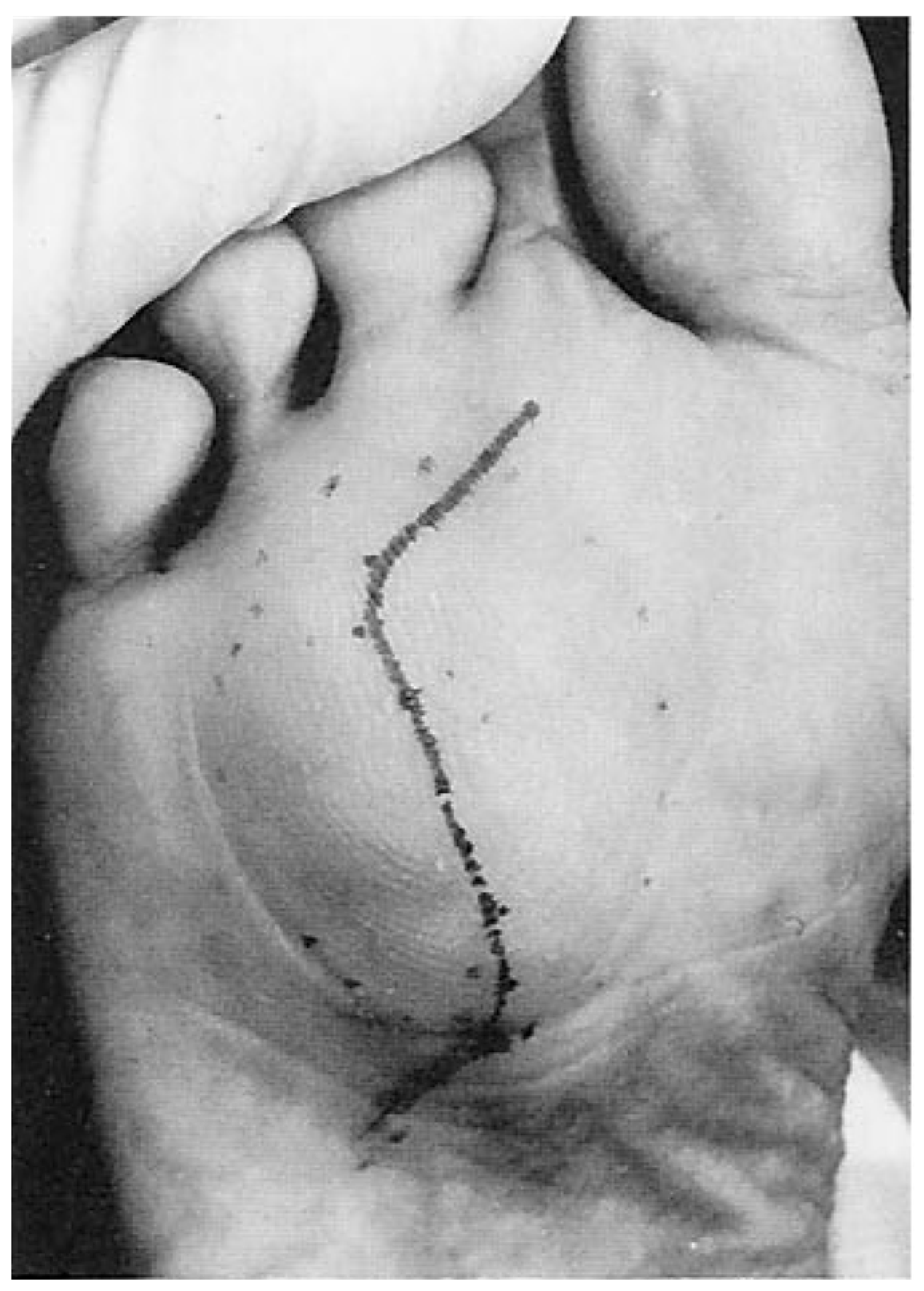
At this time, surgical excision of the mass in its entirety was recommended. This was achieved by performing an S-type incision of approximately 8 cm (Fig. 4).
Figure 4.
Lazy S-incision drawn to excise and remove the lesion.
Figure 4.
Lazy S-incision drawn to excise and remove the lesion.
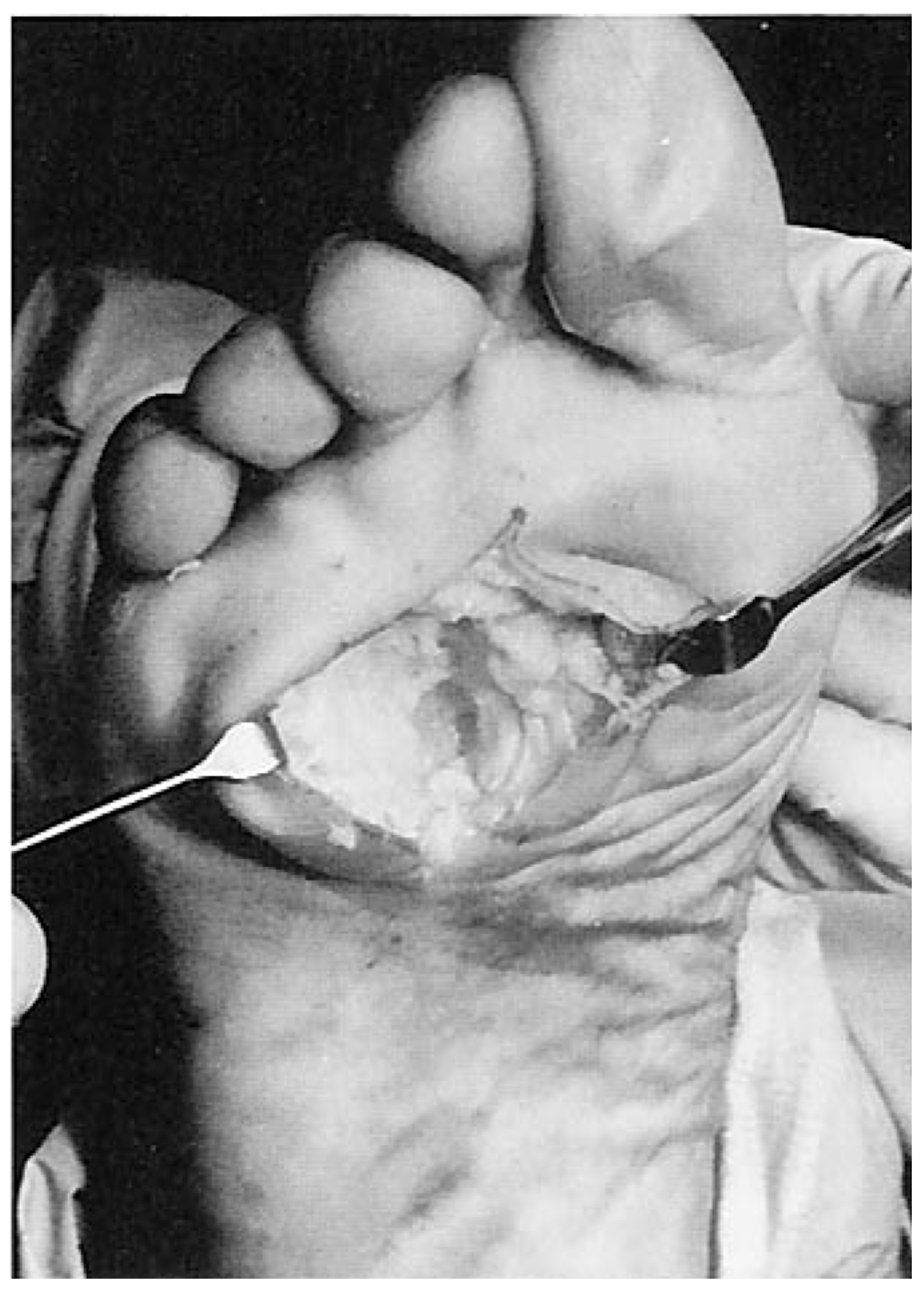
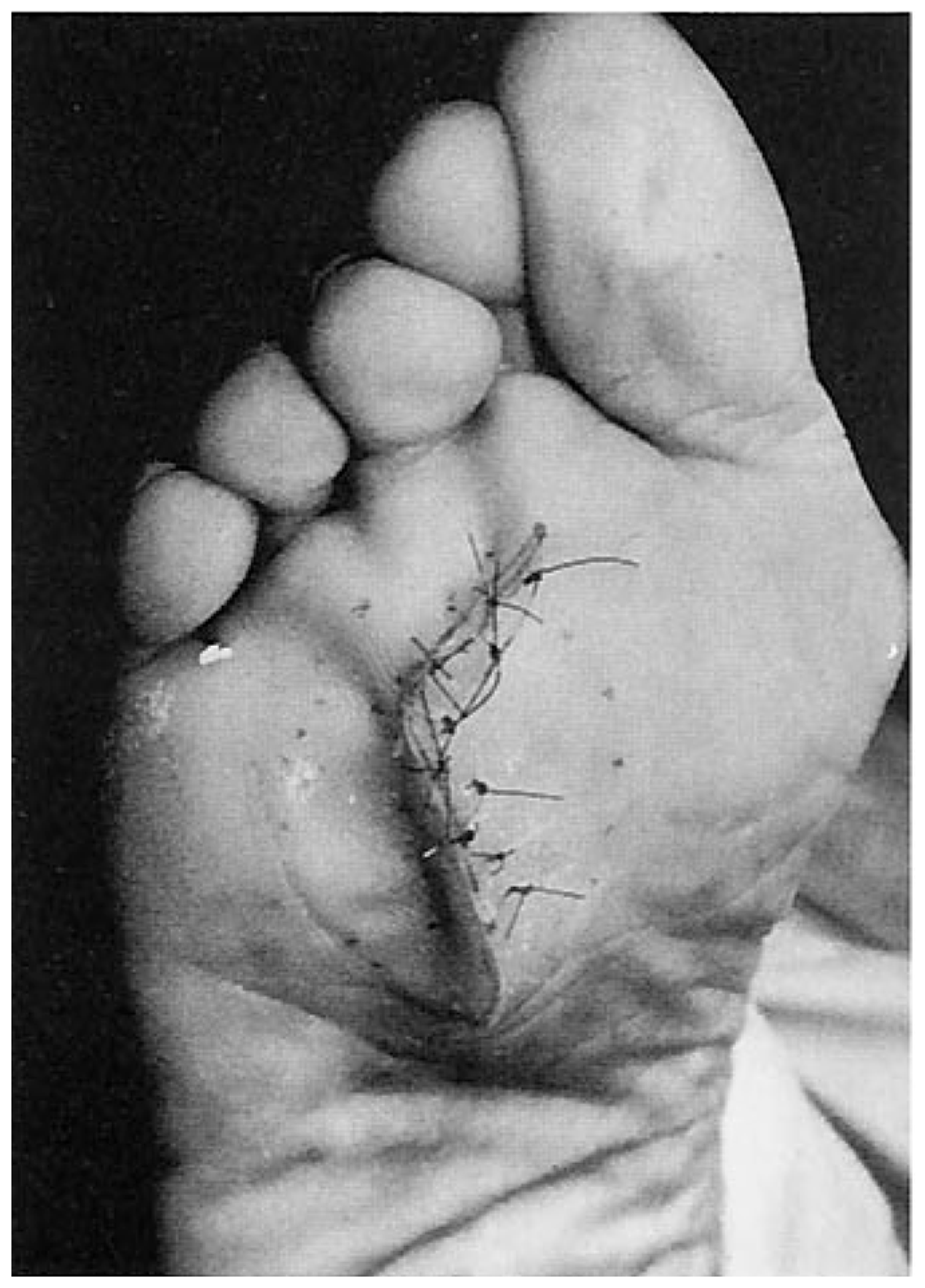
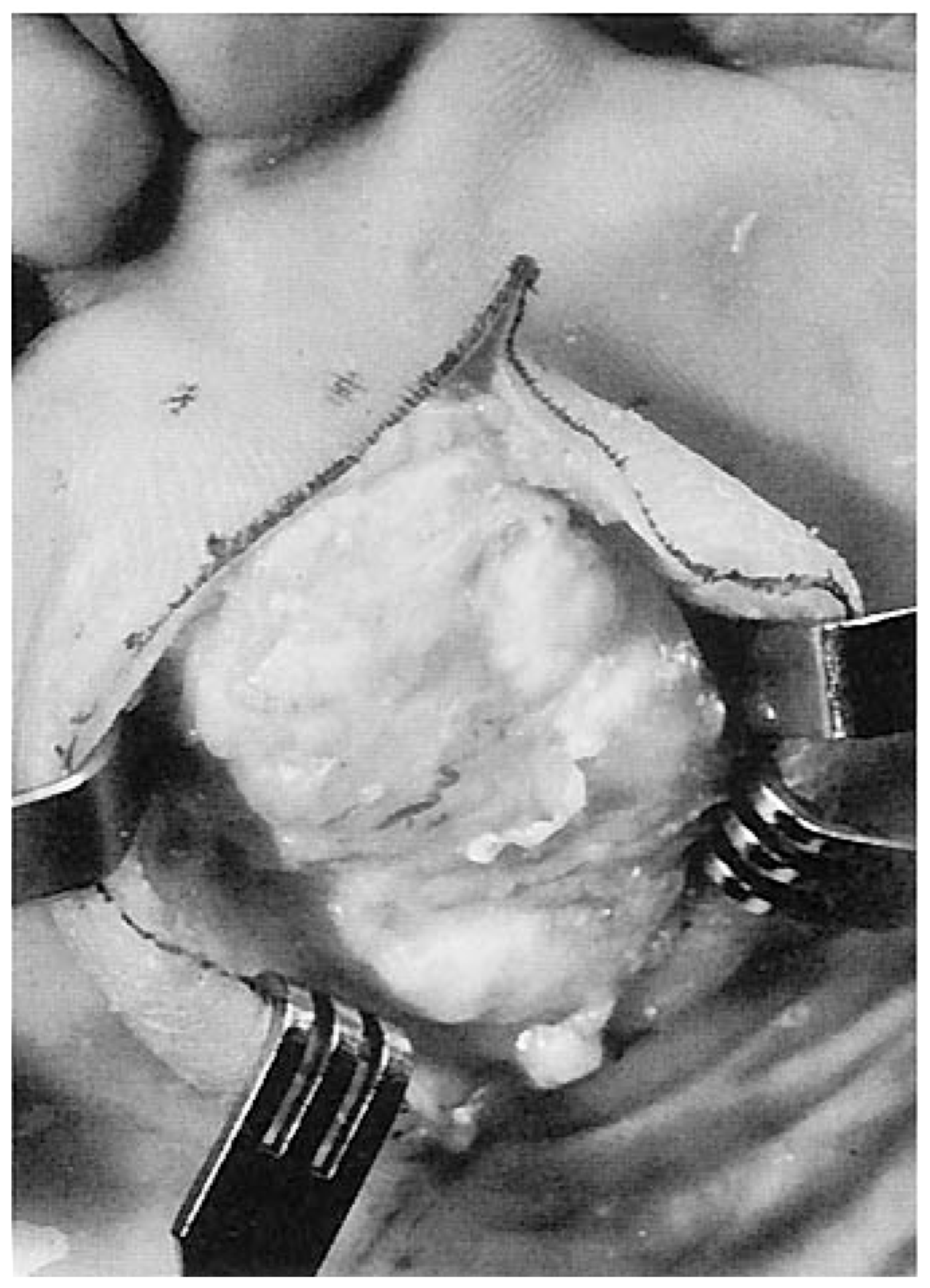
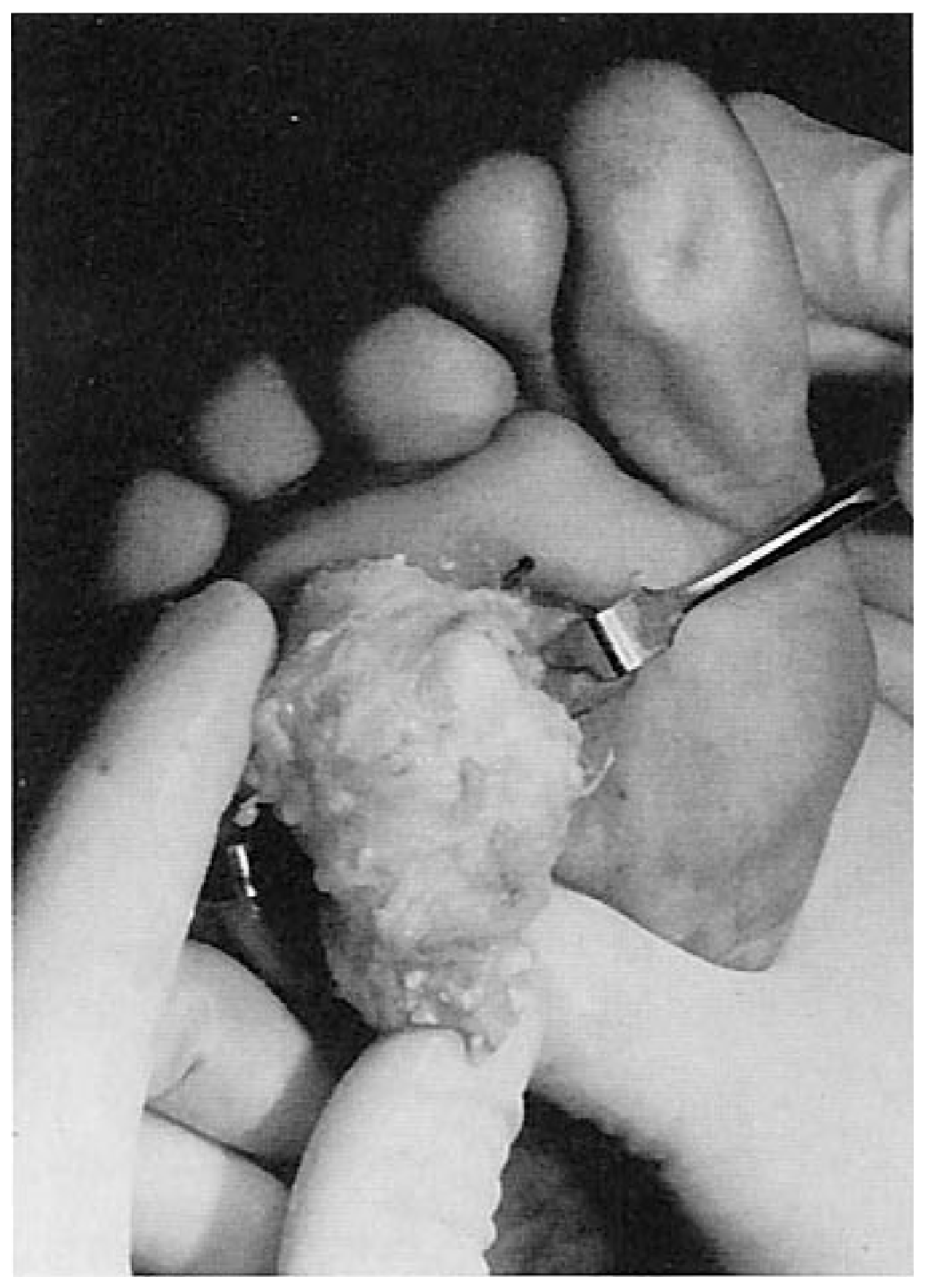
After the incision was deepened into the subcutaneous layers, the soft tissue mass came into full surgical view (Fig. 5). The soft tissue lesion was carefully resected and then excised using sharp and blunt dissection so that all conjoined stalks to the soft tissue lesion would be removed (Fig. 6). Careful inspection of the area revealed that there were no remnants of the tumor present (Fig. 7). The surgical site was closed in layers (Fig. 8).
Figure 5.
Dissection into the subcutaneous tissue level.
Figure 5.
Dissection into the subcutaneous tissue level.
Figure 6.
Excision and total removal of the mass.
Figure 6.
Excision and total removal of the mass.
Figure 7.
Evacuated area of the plantar aspect of the forefoot after removal of the lesion. Note the deep tissue centrally representing the plantar fascia.
Figure 7.
Evacuated area of the plantar aspect of the forefoot after removal of the lesion. Note the deep tissue centrally representing the plantar fascia.
Figure 8.
Closure of lazy S-incision using a vertical mattress technique.
Figure 8.
Closure of lazy S-incision using a vertical mattress technique.
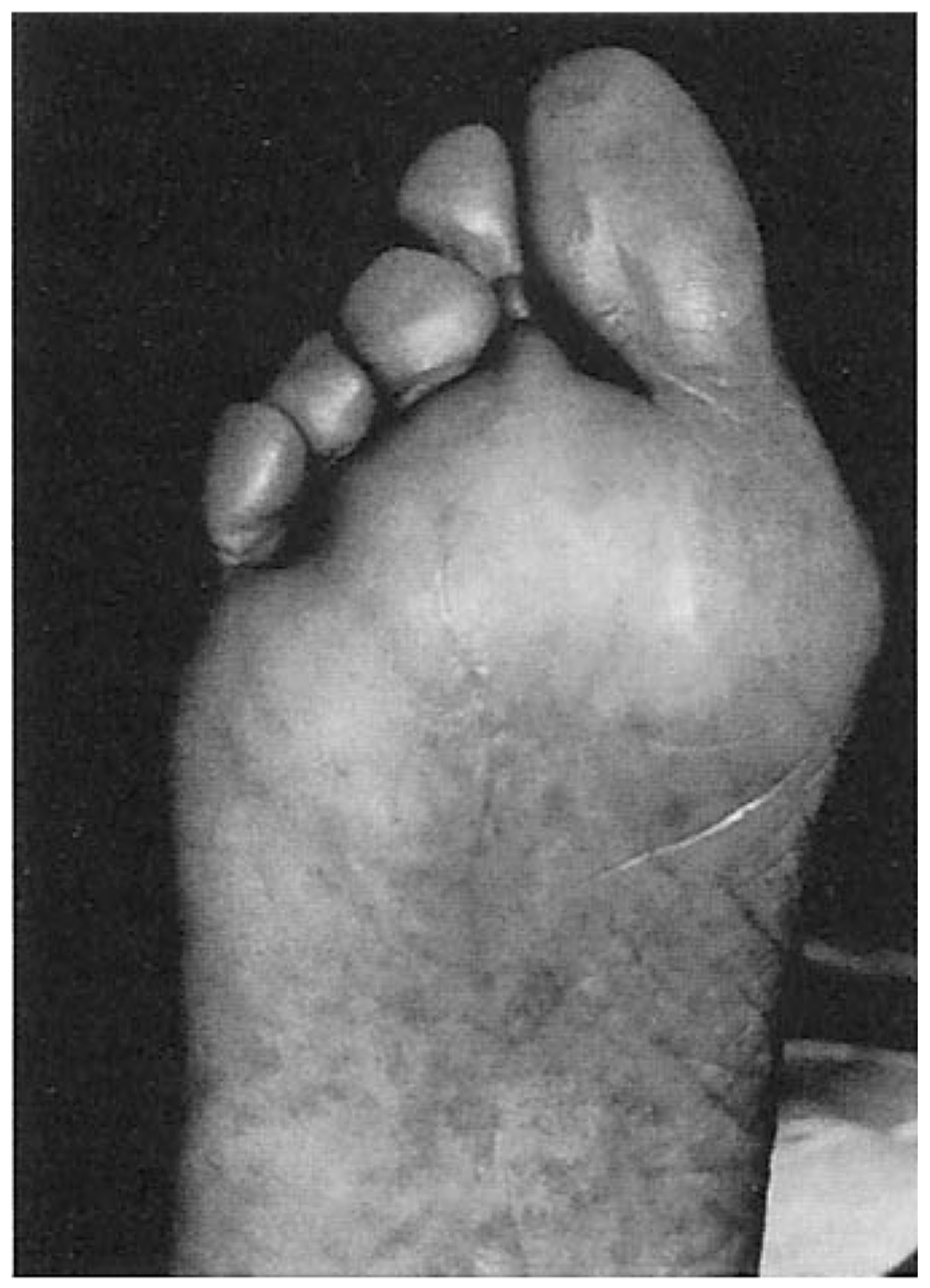
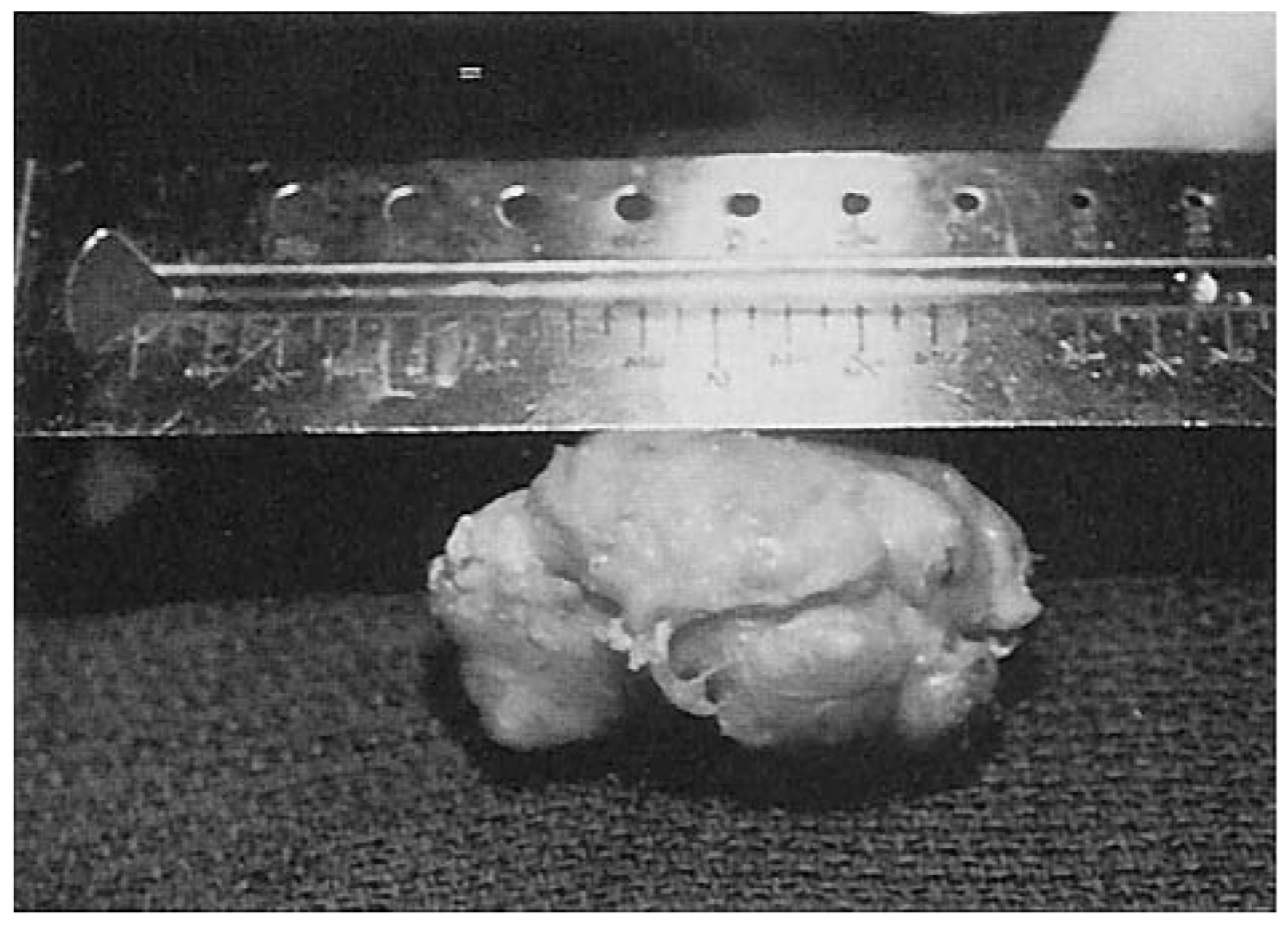
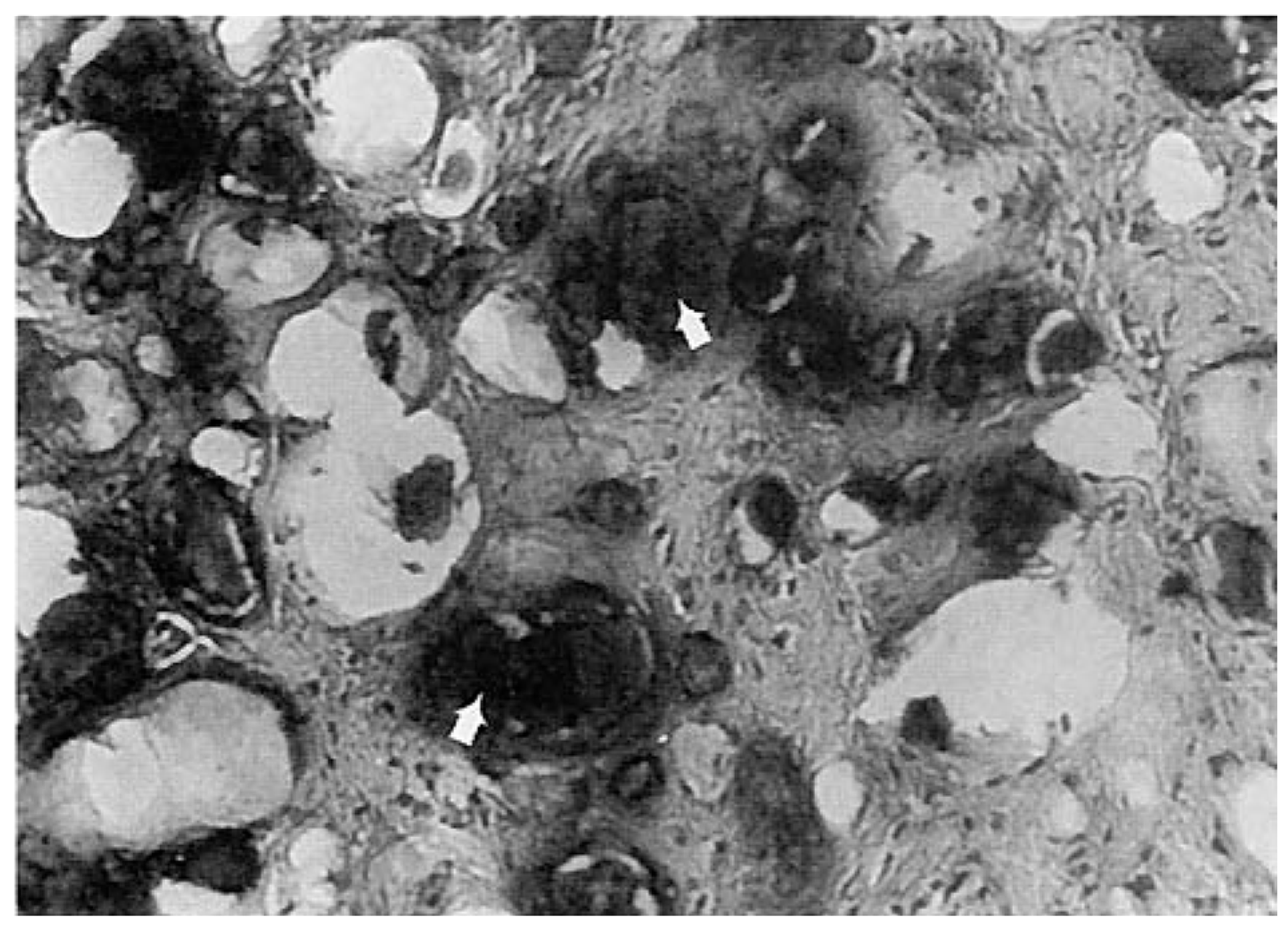
The lesion in its entirety was sent to pathology for microscopic evaluation of a specimen. The results revealed a multiple nodulated mass containing amorphous material (Fig. 9). Within the amorphous area, multiple discreet islands of calcification were seen. At the peripheral margin, a proliferation of multinucleated giant cells was seen, with focal areas of hemostatic and inflammatory cells noted. Also seen were focal areas of calcospherite surrounding focal areas of calcification. The calcified material contained areas of histiocytic and osteoclastic giant cells, with the diagnosis of tumoral calcinosis (Fig. 10). Two months postoperatively, the patient related only minor concerns involving the actual surgical incision site. She presented with minor hyperkeratotic areas surrounding the incision on the plantar aspect. The patient had 95% alleviation of painful symptoms. No clinical evidence or radiographic evidence was seen suggesting recurrence of the lesion 9 months after the surgical resection was performed (Fig. 11).
Figure 9.
Lesion in its entirety, approximately 5 cm in length, prior to being sent for pathologic evaluation.
Figure 9.
Lesion in its entirety, approximately 5 cm in length, prior to being sent for pathologic evaluation.
Figure 10.
Examination reveals multiple basophils, sharply circumscribed foci of discrete calcifications located within the fibrocutaneous stroma. Occasional histiocytic cells are surrounding these calcifications (arrows) (H&E × 40).
Figure 10.
Examination reveals multiple basophils, sharply circumscribed foci of discrete calcifications located within the fibrocutaneous stroma. Occasional histiocytic cells are surrounding these calcifications (arrows) (H&E × 40).
Figure 11.
Plantar aspect of the right foot 9 months after surgery.
Figure 11.
Plantar aspect of the right foot 9 months after surgery.
Conclusion
Pathogenesis of tumoral calcinosis remains unknown or, at the very least, uncertain. Because of the presence of periarticular lesions, the theory of bursal origin was hypothesized. However, there has been no histologic evidence suggesting that these lesions ever arose from a bursa. While major trauma has also been attributed to the exacerbation of the calcifying process, the presence of trauma has been documented only in a few cases and would hardly explain the increased familial tendency observed in approximately 50% of the cases.
Duret, Thompson, and others suggest that minor trauma may play a role in disrupting the mechanism of calcium metabolism, whereby an increase in edema secondary to trauma would lead to an increased collagenization and, ultimately, to the appearance of calcific lesions. Most patients presenting with tumoral calcinosis have been shown to have elevated serum phosphorus levels. To date, there has been no correlation as to how this relates to the calcific lesions.
Because of this lesion’s tendency to increase in size over time, surgical removal of the lesion is the treatment of choice, preferably as soon as possible. As a result, the surgical area may be closed primarily and not be subjected to possible abscess formation and secondary infections. There is an increased incidence of recurrence following removal of larger masses. Conservative measures, such as steroid injections or therapy using radiation have failed to yield satisfactory results. Early diagnosis with early surgical excision seems to provide the most success and treatment concerning lesions associated with tumoral calcinosis.