Next Article in Journal
Foot pain and disability in older persons. Pilot study in assessment and education
Previous Article in Journal
Integer-driven relational database for clinical outcomes research
 
 
Journal of the American Podiatric Medical Association is published by MDPI from Volume 116 Issue 1 (2026). Previous articles were published by another publisher in Open Access under a CC-BY (or CC-BY-NC-ND) licence, and they are hosted by MDPI on mdpi.com as a courtesy and upon agreement with American Podiatric Medical Association.
Article

Tarsal tunnel syndrome. A retrospective study

by
Kieran T. Mahan
,
Jeffrey J. Rock
and
Howard J. Hillstrom
Department of Surgery, Pennsylvania College of Podiatric Medicine, Philadelphia 19107, USA
J. Am. Podiatr. Med. Assoc. 1996, 86(2), 81-91; https://doi.org/10.7547/87507315-86-2-81
Published: 1 February 1996

Abstract

Many etiologies of tarsal tunnel syndrome exist, but it is difficult to determine the specific etiology for a patient. Surgical success rates vary in the literature from 44% to 100%. This retrospective study reviewed 40 patients with 45 data sets. Thirty-five patients (87.5%) in the study were female; 35 patients (87.5%) were caucasian. Thirty-two feet (71.1%) showed improvement following the tarsal tunnel surgery. The Tinel’s sign parameter improvement was statistically significant, The differences in the subjective parameters of burning, radiating, and sharp sensations were statistically significant, while the differences in pins and needle sensation were nearly significant. The Takakura index and its constituent parameters were all statistically significant postoperatively with the exception of muscle atrophy, which did not have sufficient data for testing.

Tarsal tunnel syndrome is a compression neuropathy in which there is an entrapment of the posterior tibial nerve or one of its distal branches. The clinical presentation of this neuropathy can have many forms including the following: burning, pins and needles, radiating, throbbing, aching, and sharp electric “shock” type pain. There are many possible etiologies of tarsal tunnel syndrome, but it is difficult to determine the specific etiology for any patient. Objective testing for the differential diagnosis of tarsal tunnel includes electrodiagnostics, imaging, clinical neurologic assessments, and laboratory blood work [1,2,3,4]. In fact, diagnosis of tarsal tunnel syndrome is more often a clinical interpretation of subjective and objective findings, as opposed to a definitive test result [5]. The treatment for tarsal tunnel syndrome depends on the etiology, but includes conservative choices like cast immobilization, physical therapy, anti-inflammatory medications, orthoses, and injections. This type of treatment may provide only short-term relief [6]. Surgical decompression of the tarsal tunnel is designed to remove the physical constriction around the affected nerve of those patients for whom surgery is indicated. The outcome variability of tarsal tunnel surgery may be related to inaccurate diagnosis and variations in surgical technique.

Historical Perspective

In 1960, Kopell and Thompson[5] first described an entrapment neuropathy of the posterior tibial nerve and associated branches. In 1962, Keck [7] and Lam [8] were the first authors to use the term tarsal tunnel syndrome to describe this phenomenon.
Both Keck and Lam named the entrapment of the posterior tibial nerve and associated branches by the anatomical location of the entrapment. Tarsal tunnel has been variously described in the literature as tibiotalar tunnel, tibiotalocalcaneal tunnel (upper portion of the tarsal tunnel), lower talocalcaneal tunnel, calcaneal tunnel (lower portion of the tarsal tunnel), and Richet’s tunnel [9,10,11]. The tarsal tunnel is a fibro-osseous, elbow-like channel formed by a number of abutting structures including the medial and posterior aspect of the flexor retinaculum, anterior aspect of the tibia, and the lateral aspects of the talus, calcaneus, and navicular. Within the elbow-like channel are four compartments comprised of the posterior tibial tendon, flexor digitorum longus tendon, posterior tibial neurovascular bundle, and the flexor hallucis longus tendon. [10]

Etiology

As with many other disease processes, tarsal tunnel syndrome has several possible etiologies that include: biomechanical, congenital, idiopathic, soft tissue and bony masses, metabolic disorders, neoplasms, and trauma.
Tarsal tunnel syndrome may occur in any of the three main biomechanical foot types: pes planus, pes cavus, and rectus. The pes planus individual may suffer from tarsal tunnel syndrome caused by hyperpronation. The everted calcaneus, pronated subtalar and midtarsal joints, collapsed medial column of the arch, and abducted forefoot are referred to as hyperpronation. This gross malalignment of the foot and ankle stretches the structures on the medial aspect of the tarsal tunnel. One of the authors has observed that 15% of patients with tibialis posterior dysfunction have tarsal tunnel-like complaints that resolve with conservative or surgical care of the collapsing pes valgus, without direct treatment of the nerve (Kieran T. Mahan, DPM, unpublished data).
Rapid weight gains, squatting positions, and joint hypermobility have all been associated with tarsal tunnel syndrome secondary to hyperpronation [12,13]. It is postulated that pes cavus feet suffer from tarsal tunnel syndrome because of compression or impingement caused by a primary or compensatory rearfoot varus deformity. Finally, individuals with any of the aforementioned foot types can suffer from tarsal tunnel syndrome caused by tight shoes, high boots, and high heels [14,15]. Tight shoes and high boots may constrict the tarsal tunnel which, in turn, leads to the development of symptoms.
Subtalar joint coalitions, residual calcaneal valgus, residual clubfoot, and Down syndrome feet may result in tarsal tunnel syndrome caused by hyperpronation [4,12,16]. Patients with Charcot-Marie-Tooth disease and cerebral palsy may develop tarsal tunnel syndrome because of the severe cavus deformity of their feet.
Soft tissue and bony masses represent space-occupying lesions that compete for the same space volume as the posterior tibial nerve, hence causing compression and tarsal tunnel syndrome. Abductor hallucis hypertrophy, varicosities, ganglions, talocalcaneal joint cysts, tenosynovial cysts, hypertrophy of the flexor retinaculum, talonavicular osteophytes, and talar exostoses have all been associated with tarsal tunnel syndrome (Fig. 1) [4,8,9,15,17,18,19,20,21,22,23,24,25,26,27,28,29,30,31]. Sammarco and Conti [32] reported on six patients (seven feet) where an anomalous muscle was associated with tarsal tunnel syndrome. Six feet had an accessory flexor digitorum muscle and one foot had a tibiocalcaneus internus muscle. Only one patient had complete relief of symptoms; four of the six had a reduction in pain. Four of the six patients were satisfied with their operations.
Neurilemoma, lipoma, and hemangioma are benign neoplasms that have been reported to cause tarsal tunnel syndrome [5,17,18,21,33,34,35,36,37,38,39,40]. Neurofibrosarcoma and malignant schwannoma are malignant neoplasms that have been linked to this syndrome [35,41].
Metabolic disorders may cause swelling of the tarsal tunnel tissues, resulting in compression of the posterior tibial nerve. Several metabolic conditions have been associated with tarsal tunnel syndrome: proliferative synovitis caused by rheumatoid arthritis, hyperlipidemia, acromegaly, myxedema, pregnancy, diabetes, leprosy, chronic renal disease, peripheral vascular disease, hyperthyroidism, drug reaction (from chlorothiazide, hydrochlorothiazide, and nitrofurantoin), chronic thrombophlebitis, chronic venous stasis, and seronegative arthritis [15,20,22,23,25,30,42,43,44,45,46,47,48,49].
Traumatic injuries also may cause tarsal tunnel syndrome because of the swelling from the accident and rapid malalignment of the osseous and soft tissue structures. Three types of traumatic accidents commonly associated with tarsal tunnel syndrome are ankle sprains (medial and lateral), fracture of the osseous structures within the tarsal tunnel, and fracture of the fibula secondary to ankle valgus deformity [22,42,50,51,52,53,54,55]. Any type of injury that causes swelling, inflammation, or fibrous tissue formation (eg, chronic trauma or previous surgery in the tarsal tunnel region) can produce tarsal tunnel syndrome [15,18,19,21,22,29,30,31,35,42].

Differential Diagnosis

Because of the complexity of the anatomy in the tarsal canal and medial heel, the definitive diagnosis of tarsal tunnel syndrome can be elusive. Radiculopathy, neuropathy, and flexor tenosynovitis all produce symptoms similar to tarsal tunnel syndrome.
Some of the differential diagnoses that have been described include the following: neuroma, plantar fasciitis or heel spur syndrome, sciatica, neuritis, metatarsalgia, plantar fibromatosis, herniated disc, spondylitis, prolapsed metatarsal heads, plantar callosities or intractable plantar keratosis, rheumatoid arthritis, sub-acute degeneration of the spinal cord, sinus tarsi syndrome, drug reaction, diabetes mellitus, gout, peripheral vascular disease, reflex sympathetic dystrophy, and lupus [8,25,45,55,56].

Objective Examination

In addition to the clinical examination, several objective tests can be done to help diagnose tarsal tunnel syndrome. A complete neurologic evaluation should be done, documenting any sensory loss or motor weakness. Tinel’s sign is the percussion of the posterior tibial nerve over the tarsal tunnel [57,58,59,60,61]. This produces distal radiation of pain into the foot and digits. The Valleix sign represents pain radiating proximally into the leg from the same type of percussion as in the Tinel’s sign [45,62]. Valleix points refer to pain on direct palpation along the course of the posterior tibial nerve [62,63].
The tourniquet test may be performed to evaluate the presence of varicosities causing tarsal tunnel syndrome (Steven Mandel, MD, personal communication) [45]. A pneumatic cuff is placed just above the ankle and inflated from 30 mm to 50 mm of mercury of pressure. This produces pain immediately or within 5 min. The physician may compare the affected side with the other limb if there are questionable results.
A comprehensive lower extremity neurologic examination should be performed to document and map areas of abnormal sensation. Examples of some useful tests include: tuning fork, biothesiometer (vibration), Semmes-Weinstein monofilaments, light touch with a brush, two-point discrimination, and a 1-g weight algometer [64,65,66,67,68].
Radiologic studies may be done to determine if there are any bony etiologies for tarsal tunnel syndrome. Radiographs are taken to evaluate foot structure, fractures, bony masses or osteophtyes, and subtalar joint coalition. If the radiographs are equivocal, but a bony deformity is still suspected, computed tomography may be conducted. Magnetic resonance imaging can be conducted to evaluate for soft tissue deformities such as tibialis posterior tenosynovitis, subtalar joint syndesmosis, or a lipoma [35,69,70,71].
Laboratory studies may be indicated to rule out metabolic disorders such as rheumatoid arthritis (rheumatoid profile), seronegative arthritis (HLA-B27), diabetes mellitus (mg per % glucose, glucose tolerance test, and glycosylated hemoglobin), and acromegaly (pituitary function testing).
Nerve conduction studies can be done to evaluate the latency, amplitude, and velocity of the posterior tibial nerve and associated plantar branches (motor and sensory aspects). During nerve conduction studies, the temperature of the foot, distance of the electrodes from one another, size of the foot, age of the patient, and any edema should be taken into consideration when interpreting the results. Stand-ard testing protocols such as those recommended by Oh [72] should be applied when performing electrodiagnostic studies. Since it is well known that the nerve conduction velocity varies as a function of temperature, the local temperature should be recorded to allow for correction of recorded values [73,74,75,76,77,78,79]. Nerve conduction testing varies in the literature from 16% to 90% accurate for diagnosing tarsal tunnel syndrome [19,75]. It is possible to have the syndrome without any motor or sensory nerve conduction or latency deficiencies. Finally, electromyographic studies should be done to evaluate for possible polyphasic intrinsic foot muscle potentials. If the test is negative, tarsal tunnel syndrome is not necessarily ruled out.
Diagnostic injection can be done to see if a posterior tibial nerve block with local anesthetic relieves symptoms. Injections of local anesthetic and steroid can also be given to relieve symptoms and decrease inflammation and fibrosis [6,41].
A novel approach of assessing tarsal tunnel makes use of a pressure transducer [80]. This approach seems promising for etiologies that alter the intratarsal pressure. Normal and pathologic thresholds need to be established.
Takakura et al [4] proposed an index comparing the sum of the following clinical findings: Tinel’s sign, sensory loss, burning pain, muscle atrophy, and pain on spontaneous movement. Each clinical finding was numerically rated according to the following scale: present (0), partially present (1), absent (2). If the score of the sum was less than or equal to 5, then the treatment result was considered poor. A 10 was required for the result to be considered excellent. This approach to postoperative outcome assessment is insightful, but lacks objectivity and does not deal with the problem of proper preoperative diagnosis.

Surgical Procedures and Techniques

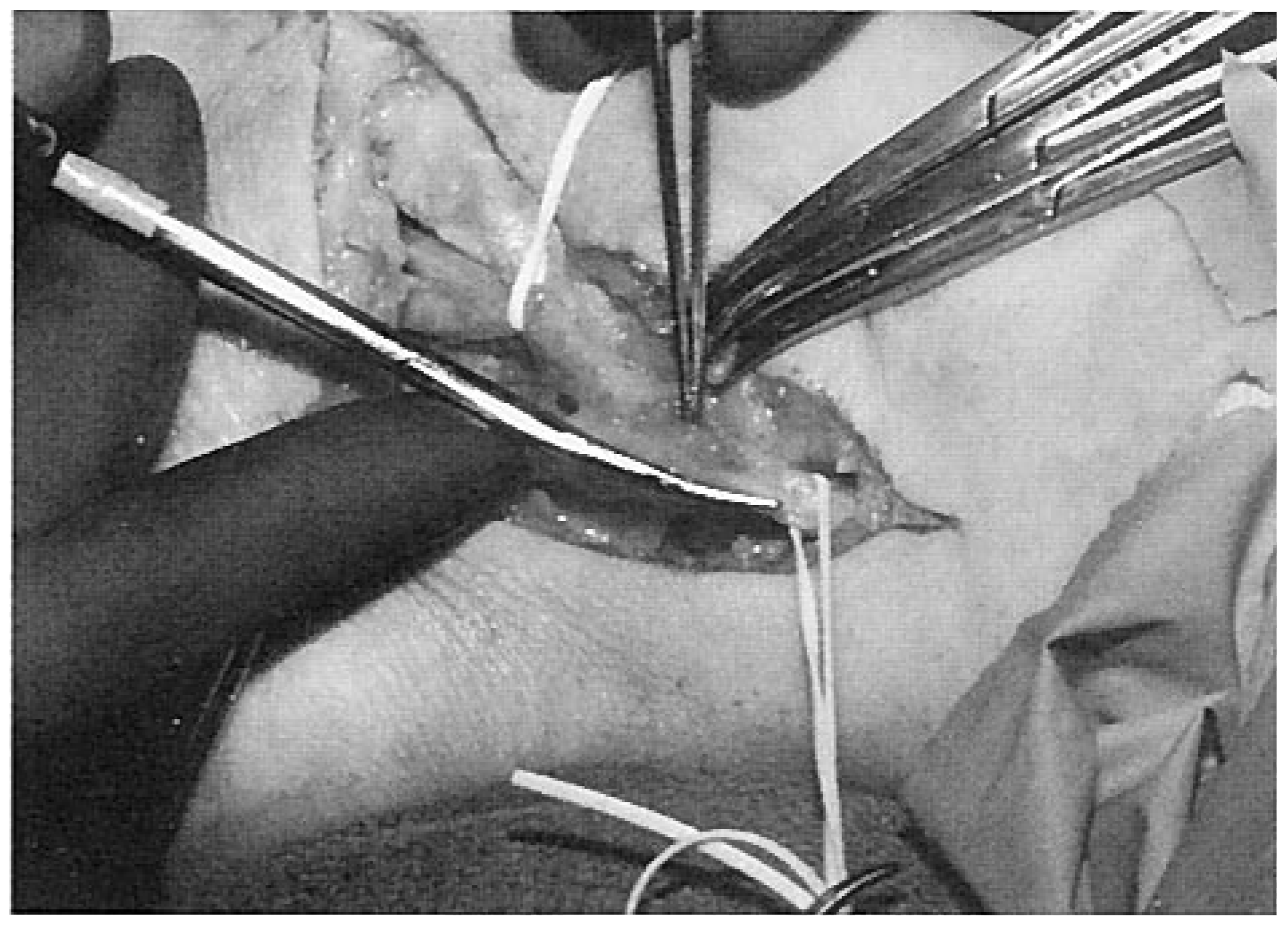
Many surgical procedures and techniques can be used for a tarsal tunnel release. Three procedures are most commonly performed: the first is to release the flexor retinaculum overlying the tarsal tunnel without deep suture closure. [7,8] The second is to release the abductor fascia in the port a pedis, the opening through the abductor hallucis muscle where the posterior tibial neurovascular bundle enters into the plantar foot [8]. The third approach is to release the posterior tibial nerve and associated plantar branches from any surrounding entrapment, such as varicosities. [7,8] Additional procedures that have been reported to be useful include: release of the abductor hallucis muscle, excision of bony or soft tissue masses, epineurial release, and excision of the posterior tibial nerve with or without the associated plantar branches (for revisional surgery)(Fig. 2).
Figure 2. Intraoperative photograph of right tarsal tunnel release. Yellow vascular loops surround traumatically injured posterior tibial nerve. The epineurium is being initially released with iris scissors.
Japma 86 00081 g002
Special strategies are often used in tarsal tunnel surgeries, such as the use of a tourniquet to decrease blood loss and improve visualization of the anatomical structures, intraoperative nerve stimulation to test for normal nerve function, release of the tourniquet prior to closure to make sure all vessels have been ligated, and a drain. Postoperative care may include immobilization of the foot for 1 to 3 weeks, nonweightbearing status for 1 to 3 weeks, and physical therapy to prevent fibrosis.

Research Problem

With the myriad of potential etiologies and differential diagnostic techniques, there is no clear decision process that a clinician may use to guarantee an accurate diagnosis. Furthermore, the specific etiology for a given patient’s tarsal tunnel syndrome may remain unknown and the treatment may yield outcomes ranging from excellent to poor.
The following research questions have resulted from the literature review and the authors’ experience in managing tarsal tunnel syndrome:
1) How are the results of tarsal tunnel treatment distributed (as measured by the Takakura system)?
2) What is the mean age, gender, and racial diversity in the authors’ population of patients with tarsal tunnel syndrome?
3) What is the average duration of symptoms prior to surgery?
4) Are the preoperative and postoperative changes in subjective, objective, and Takakura parameters statistically significantly different?
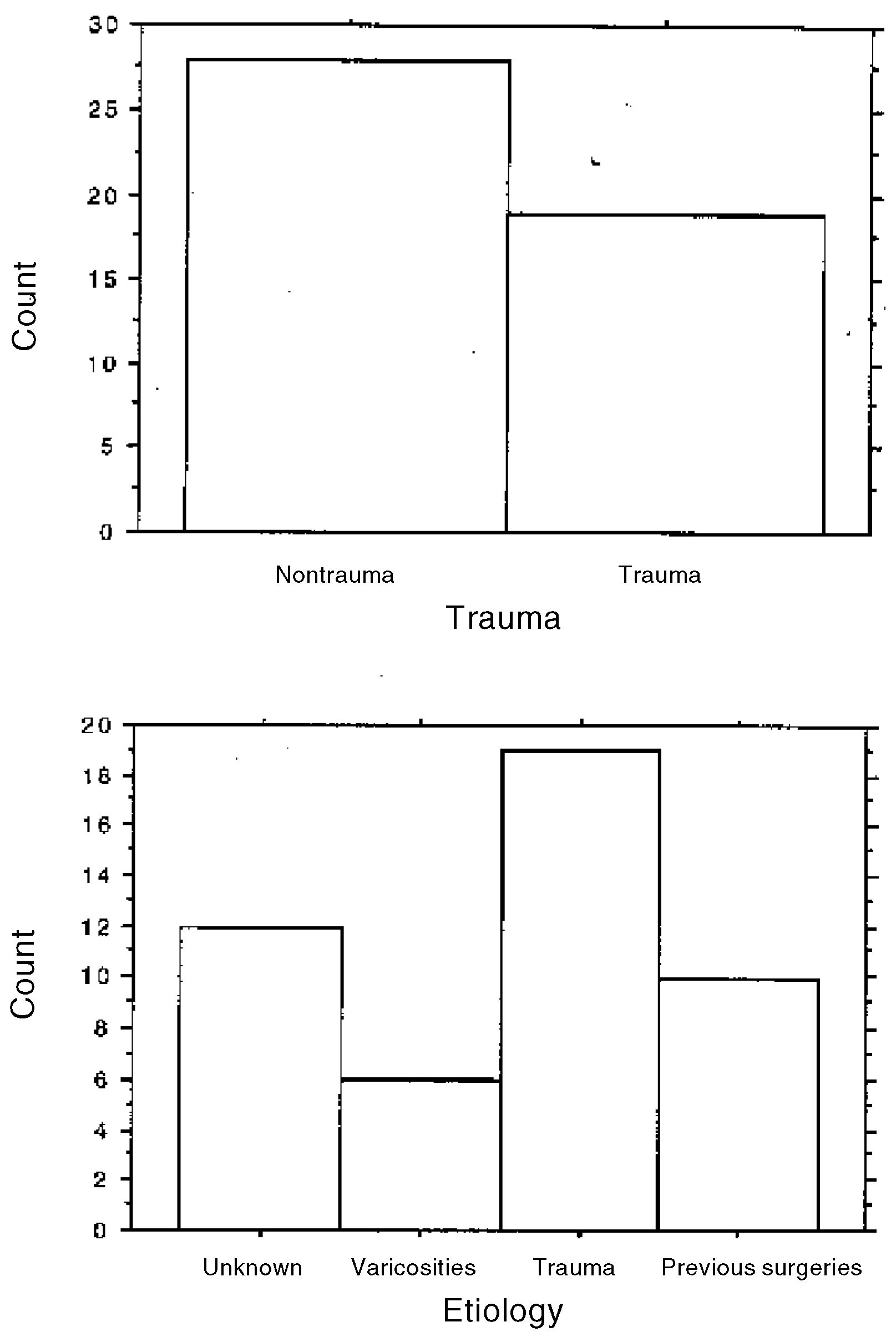
5) Are the preoperative and postoperative changes in subjective, objective, and Takakura parameters statistically significantly different as a function of age (two groups: < 40 yrs, and > 40 yrs), trauma (two groups: trauma, and no trauma), or etiology (four groups: unknown, trauma, varicosities, and previous surgery). Questions 1 through 3 are descriptive in nature, while questions 4 and 5 are answered by testing the following null hypothesis.
If the preoperative and postoperative changes in subjective, objective, and Takakura parameters are compared, then no statistically significant differences will be determined as a function of trauma, etiology, or age.

Material and Methods

From 1987 to 1994, 40 patients from the Foot and Ankle Institute at Pennsylvania College of Podiatric Medicine underwent a total of 61 tarsal tunnel releases. Patients with tarsal tunnel releases on both feet were considered to yield two independent data sets. Patients with releases on the same foot were not considered independent of each other. In such cases, only the last surgical results were used in this study. Hence, the total number of independent data sets was 45. The medical records were reviewed for the following information: age, sex, race, unilateral or bilateral symptoms, subjective findings, objective findings, treatment, pathologic findings during surgery, general surgical procedures, postoperative care, follow-up examinations, complications, and results from the surgery using the Takakura grading system.
The subjective data gathered consisted of the nature of the patient’s pain, including the following symptoms: burning, “pins and needles,” radiating, sharp, throbbing, aching, cramping, stabbing, or muscle atrophy. This information was scored on the following ordinal scale: definite (2), some (1), or absent (0). The duration of the pain and any prior history of trauma or surgery to the tarsal tunnel area was also noted.
The following objective data were gathered from the medical records: Tinel’s sign, Valleix sign, tourniquet test, radiographs of the foot and ankle, computed tomography, magnetic resonance imaging, noninvasive venous testing, electromyographic studies, nerve conduction studies, and diagnostic injections. These data were scored for tarsal tunnel syndrome as definite (1) or absent (0).
The conservative treatment program of each patient was evaluated for use of nonsteroidal anti-inflammatory drugs, physical therapy, mechanical support, and local anesthetic or steroid injections. The pathologic findings during surgery consisted of laciniate ligament entrapment, varicosities, intraoperative nerve stimulation, soft tissue mass, hypertrophic nerve, scarred nerve, and intraneural damage.
The general surgical procedures and techniques used included: release of the abductor hallucis muscle, excision of varicosities, ligation of varicosities, use of a tourniquet, tourniquet release prior to closure, use of a drain, excision of the medial calcaneal nerve, release of the medial calcaneal nerve, silicone ensheathment, removal of silicone ensheathment, excision of the posterior tibial nerve, excision of the medial plantar nerve, and excision of the lateral plantar nerve. The postoperative care was reviewed for the use of a cast or splint, duration of splintage, duration of nonweightbearing, and physical therapy.
In addition to subjective and objective findings, the Takakura grading was used to describe the surgical results. The Takakura grading system uses five categories: sensory disturbance, muscle atrophy or weakness, Tinel’s sign, burning pain, and pain (spontaneous or during movement). The categories were scored preoperatively and postoperatively as: absent (2), some (1), and definite (0). The score across the five cateorgies was added up. A score of 10 postoperatively was considered an excellent result , 9 or 8 was a good result, 7 or 6 was a moderate result, and a score of 5 or below was considered a poor result.

Results

Forty patients (45 feet) who underwent tarsal tunnel surgery were included in the retrospective study. Preoperative and postoperative data were summarized with descriptive statistics and frequency distributions. Comparative statistics were used to assess treatment efficacy.

Descriptive Statistics

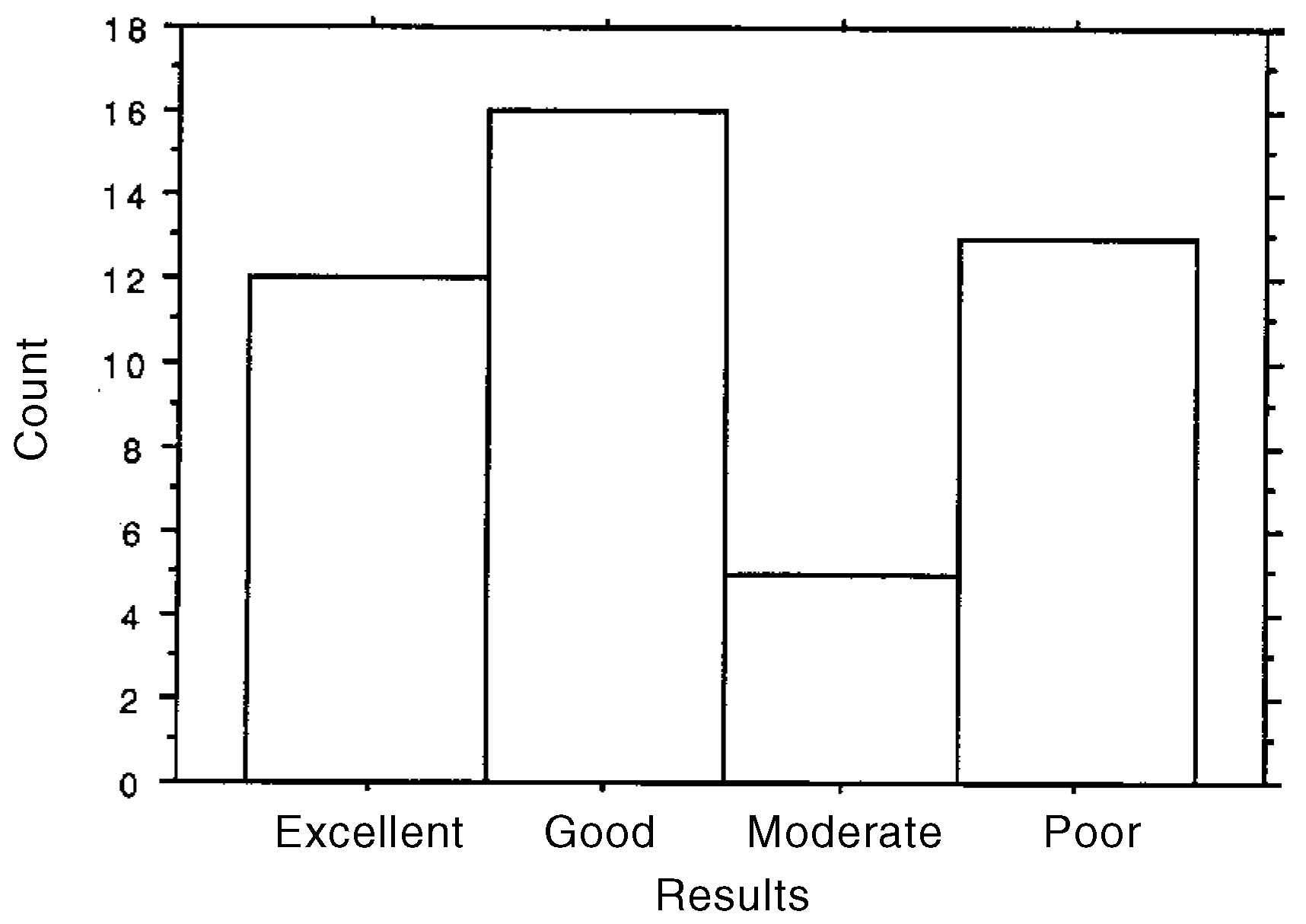
Thirty-five of the 40 patients (87.5%) in the study were female. Similarly, 35 patients (87.5%) were white. As shown in Figure 3, 33 feet (71.7%) showed at least moderate improvement following the tarsal tunnel surgery as measured by the Takakura method. Specifically, 11 feet (24.4%) had excellent results, 16 feet (35.5%) had good results, five feet (11.1%) had moderate results, while 13 feet (28.8%) had poor results. If poor results are considered unacceptable, then 33 feet (71.7%) had acceptable outcomes from tarsal tunnel surgery.
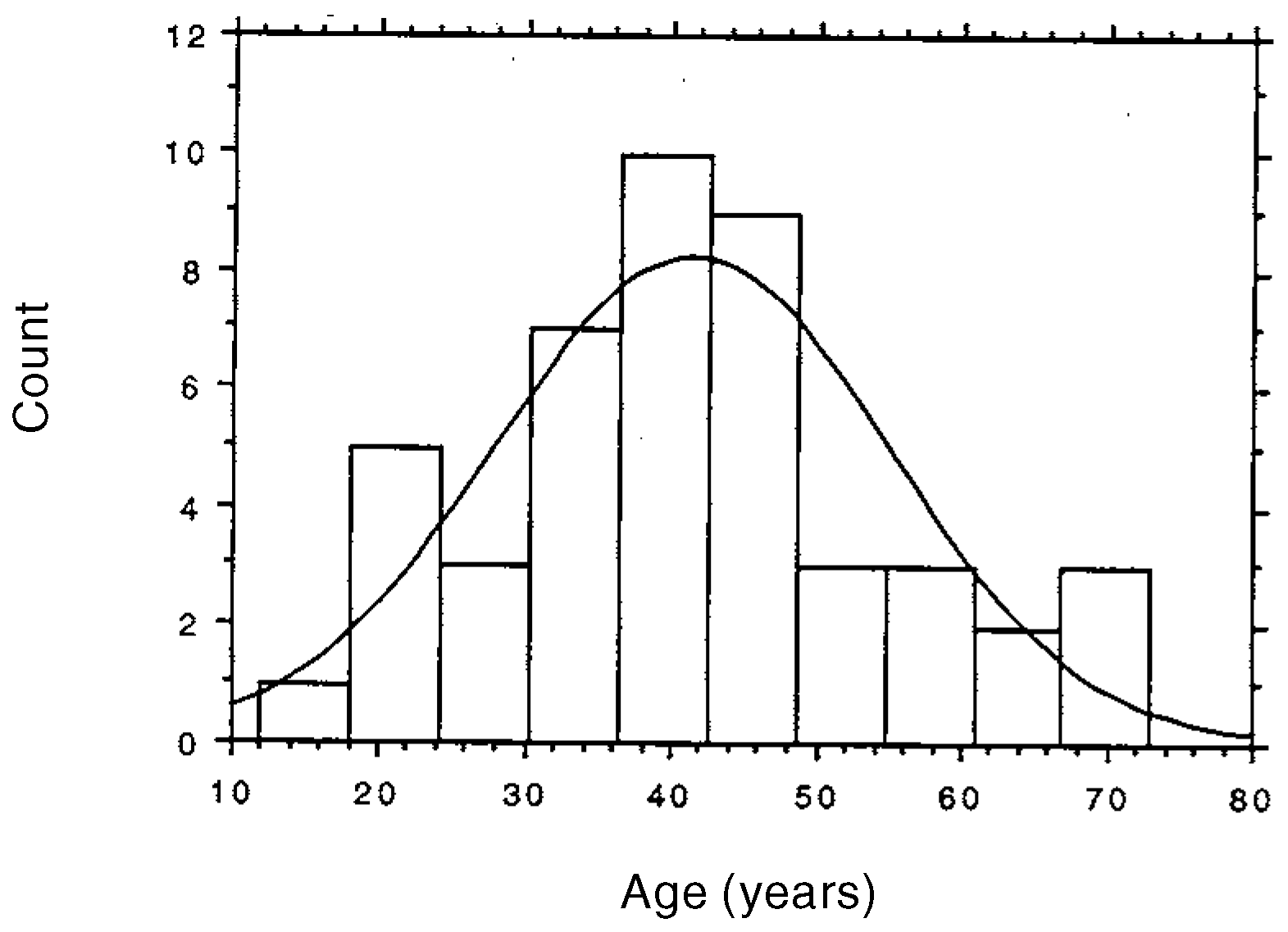
The patients included in this study were approximately normally distributed with respect to age (Figure 4). The mean age was 40.5 years (21 years minimum to 72 years maximum) with a standard deviation of 11.8 years. The mean duration of a given patient’s tarsal tunnel syndrome was 42 months with a standard deviation of 46 months. Hence, the duration that a patient suffered prior to surgery varied: mean follow-up time was 17.15 months.
On examining the origin of the tarsal tunnel syndrome, four groups of etiologies were prevalent: unknown, varicosities, trauma, and previous surgery. As shown in Figure 5, trauma was the most likely cause of this pathology (ie, 39.1% of the cases) in the authors’ patient population.

Comparative Statistics

Comparisons of postoperative with preoperative results were conducted using the paired sign test for nonparametric data. Probabilities must be less than 0.05 to be considered a statistically significant difference. Only one of the objective parameters had sufficient responses postoperatively to allow for valid testing. The Tinel’s sign parameter (O1) was statistically significant (p < 0.0001). One subjective parameter had insufficient incidence for valid testing, and four of the subjective parameters were not statistically significant in the postoperative to preoperative comparisons. The differences in the subjective parameters of burning (S1), radiating (S3), and sharp (S4) sensations were statistically significant, while the difference in “pins and needles” (S2) sensation was nearly significant.
The Takakura index is composed of a subset of the previous objective and subjective parameters: sensory disturbance (alias S2 - pins and needles), Tinel’s sign (O1), burning pain (S1), pain on spontaneous movement (alias S4 - sharp), and muscle atrophy (S9). As described in the material and methods section, a score is formed from the summation of the grades (0, 1, 2) for the aforementioned parameters to yield the Takakura index. The Takakura index and its constituent parameters were all statistically significant postoperatively (p < 0.0001) with the exception of muscle atrophy, which did not have sufficient data for testing.
A Kuskal-Wallis test revealed no statistically significant differences in the objective, subjective, and Takakura parameters as a function of etiology with the exception of syndrome duration. Patients with trauma and previous surgery had a mean duration of 28.89 and 27.65 months respectively. Patients with varicosities and unknown etiologies had 16.33 and 17.94 months of mean duration of tarsal tunnel syndrome.
The subjective, objective, and total Takakura index parameters were tested as a function of trauma incidence with a Mann-Whitney U test. None of the parameters were statistically significantly different.
Single surgery was completed on 35 feet, whereas multiple surgeries were done on 10 feet. Although 74.29% of the single surgery feet had moderate or greater improvement and only 60% of the multiple surgery feet had similar improvement, contingency table analysis did not reveal any statistically significant difference between the two groups. A larger sample size might show any differences.

Discussion

Many articles have reviewed results after tarsal tunnel release. Takakura et al [4] reviewed the results in 50 feet of 45 patients. Their series had a large concentration of space-occupying lesions (33 of 50 feet) [4].These included 18 ganglions and 15 talocalcaneal coalitions. Although they did not describe their surgical technique, they did report that those patients with space-occupying lesions did better than patients with idiopathic or traumatic etiologies. They also developed a useful rating scale based on up to two points each for spontaneous or movement-induced pain, burning, Tinel’s sign, sensory disturbance, and muscle atrophy or weakness.
Ricciardi-Pollini et al [81] described good results in eight patients who were treated surgically and noted that initial treatment with corticosteroid and local anesthetic was ineffective. Stern and Joyce [82] reported very good or excellent results in 11 of 15 procedures. They had a high number of patients with a traumatic etiology for their tarsal tunnel syndrome. Unlike Takakura et al [4], they reported uniformly very good or excellent results in these posttraumatic patients. DeStoop et al [11] reported on 27 cases, with excellent results in 5 cases, good results in 11 cases, and poor results in 3 cases. Epineural neurolysis was performed in 24 cases and perineural neurolysis was performed in 3 cases. Mann [6] reported that seven of nine operative cases had complete relief, one had fewer symptoms, and one patient had initial relief followed by complete recurrence. Edwards et al [19] reported excellent results in 14 of 16 patients who had a surgical decompression of the tarsal tunnel.
Pfeiffer and Cracchiolo1 reviewed clinical results following tarsal tunnel release in 32 feet. Only 44% had a good or excellent result, with 38% having a poor result (patients dissatisfied and no long-term relief of pain). Of the five feet with an excellent result, three of the feet had a space-occupying lesion near the tarsal tunnel that was treated at the same time.
Unlike other more optimistic authors, Pfeiffer and Cracchiolo1 stated that “unless there is an associated lesion near or within the tarsal tunnel preoperatively, decompression of the posterior tibial nerve should be considered with caution.” This contrasts significantly with other authors. Cimino [62] reviewed 24 reports on tarsal tunnel syndrome and summarized their results. Ninety-two percent of the patients reported having a favorable response to the surgery.
The authors’ results appear roughly comparable with other studies. The wide ranges of success lend credence to the need for a comprehensive prospective study.

Recurrent Tarsal Tunnel Syndrome

Recurrent tarsal tunnel syndrome is a difficult condition to manage successfully. It is unknown why some patients develop recurrence of tarsal tunnel syndrome after surgical release. There are probably some broad categories that can be generally agreed on as etiologies for recurrence. Zahari and Ly [30] reported two cases of tarsal tunnel recurrence linked to postoperative ankle injuries. At one time, silicone intubation or ensheathment was used for treating nerve repairs or entrapments. This has been subsequently shown to cause fibrosis around the nerve, with a likely re-entrapment [83]. Eberhard and Millesi [84] reported on three patients with re-entrapment caused, they believed, by new fibrosis around the nerve bed, with anchoring to the skin. Their recommended approach is to transplant soft tissues to surround the nerve, with skin grafting to augment the covering dermal layer.
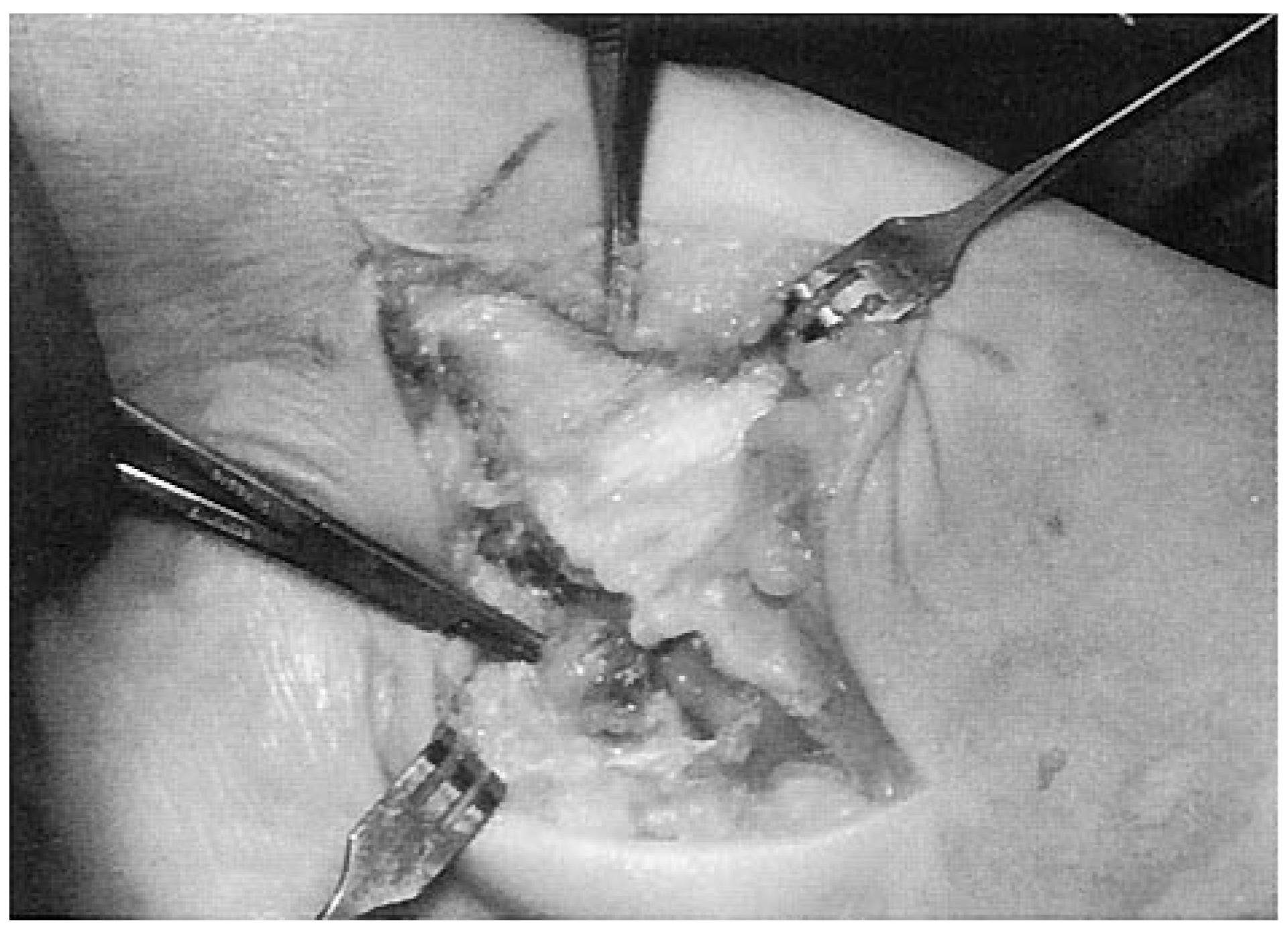
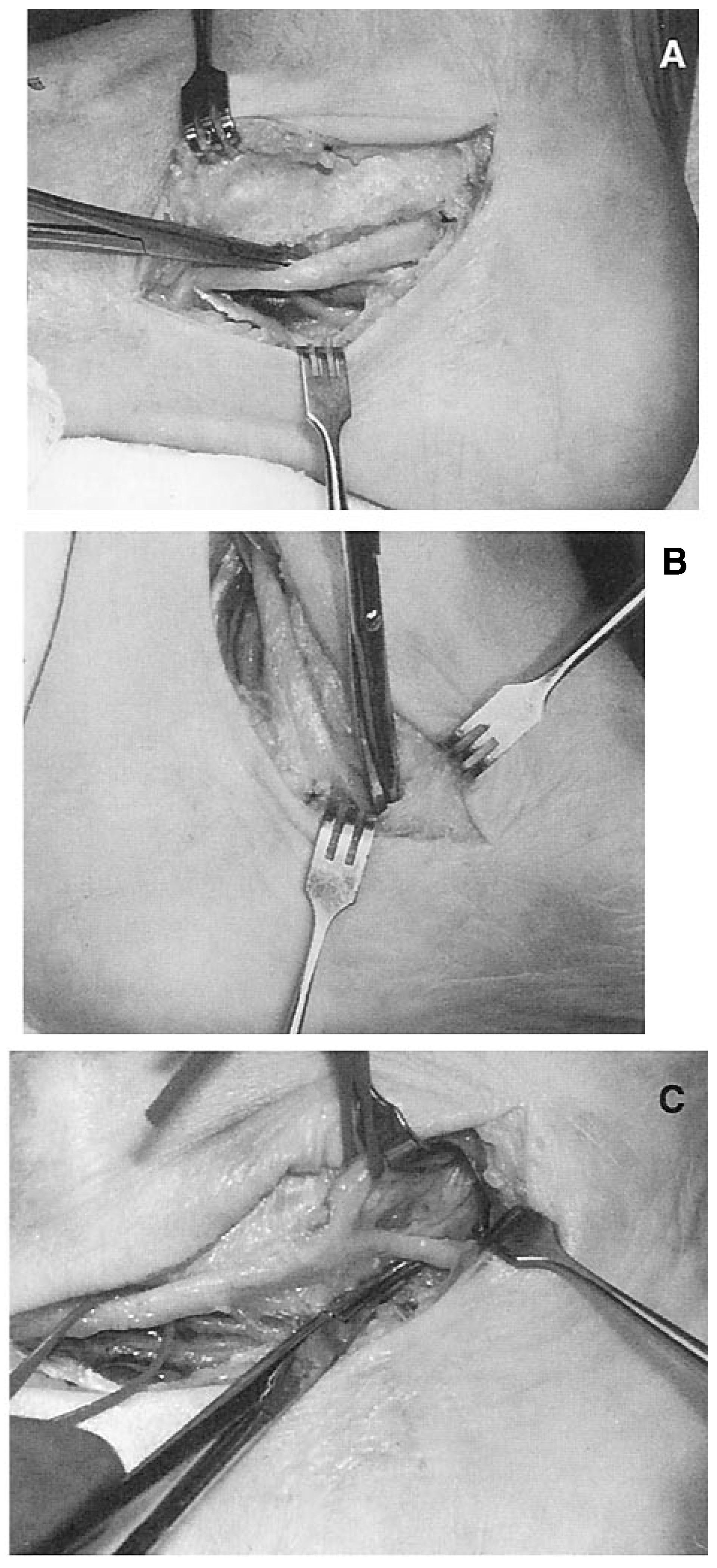
Skalley et al [85] reported on surgical repair of recurrent tarsal tunnel syndrome in 12 patients (13 feet). Four of the patients had normal electrical studies; two patients had reflex sympathetic dystrophy diagnosed after the first tarsal tunnel release and prior to the second. They identified three distinct groups based on presentation, intraoperative findings, and outcome in an effort to predict prognosis. Patients with encasement of the posterior tibial nerve in scar tissue and an adequate previous distal release did poorly. Patients with an encased nerve and an inadequate distal release had mixed results (Fig. 6). Lastly, patients with no significant fibrosis and an inadequate prior distal release did well [85].They concluded that patients with recurrent tarsal tunnel syndrome who have had an adequate release of the distal branches may not benefit from additional surgery.
Evaluation of the patient with recurrent tarsal tunnel syndrome can be difficult. Zeiss et al [86] reported on the use of magnetic resonance imaging scans to identify an incomplete release of the flexor retinaculum in a patient with recurrent tarsal tunnel.

Technique Recommendations

Different techniques can be used for tarsal tunnel release. The following are general principles that can be applied to the procedure, regardless of the etiology:

Hemostasis

Hemostasis can be accomplished several ways. Hemostasis allows the surgeon to visualize the nerve and surrounding tissues and prevents excessive bleeding and subsequent fibrosis. After elevation and exsanguination of the limb, a tourniquet may be used. A thigh tourniquet is used with general anesthesia, whereas a sterile ankle tourniquet may be used with local anesthesia and sedation. When a tourniquet is used, it is generally released prior to closure in order to ensure that hemostasis has been achieved. Local anesthesia with 1:200,000 epinephrine may be used as a hemostatic agent in order to control the small intradermal vessels. Topical hemostatic agents can also be used to control bleeding. A closed suction drain is generally used for a day to prevent the excessive accumulation of blood.

Comprehensive Release

The posterior tibial nerve and its branches can be entrapped by the laciniate ligament, the abductor muscle belly or fascia, varicosities, and soft tissue and bone masses. Any release should, at a minimum, release the principle entrapping tissues. Generally, this requires release of the laciniate ligament and the abductor fascia. The abductor fascia may entrap the medial plantar nerve where it passes beneath the navicular or the lateral plantar nerve where it enters the plantar aspect of the foot. Mackinnon and Dellon [87] have described a T-shaped band of tissue that connects the two nerves.

Atraumatic Technique

Direct manipulation of the nerve should be minimized. Small vascular loops can be used to manipulate nerves indirectly when necessary. Dissection should be gentle. Blunt-tipped iris scissors or tenotomy scissors may be useful. The use of surgical loupes significantly improves the surgeon’s visualization of the many small structures in the area. Great care must be taken not to disturb the posterior tibial artery, which lies immediately adjacent to the nerve. In some patients, there are large caliber varicosities that must be tied off or excised. These must be delicately handled, as the veins are often thin walled. Small arterial branches and large veins must be securely ligated.

Endoscopic Approach

Day and Naples [88] have described an endoscopic approach to tarsal tunnel release. A similar technique has been used for carpal tunnel release, and the authors report excellent results as modified for tarsal tunnel release. Nonetheless, it is not clear that the two conditions are completely analagous. It is also unclear whether simple release of the flexor retinaculum is adequate for all or most patients. The authors’ experience has shown that release of the abductor fascia is also an important part of the procedure.

Acknowledgments

Drs. Steven Boc and Michael Downey for their contribution of patient records to this study.

References

  1. PFEIFFER W, CRACCHIOLO A: Clinical results after tarsal tunnel decompression. J Bone Joint Surg 1994, 76A, 1222.
  2. HERMANN, B; RITTER, B; STEINER, D. ET AL: Atiologie, Diagnostik und Therapie des Tarsaltunnelsyndroms-Ergebnisse einer Retrospektivuntersuchung. Z Orthop 1991, 129, 332. [Google Scholar] [CrossRef]
  3. GOODMAN C, KEHR L: Bilateral tarsal tunnel syndrome. JAPA 1983, 73, 256.
  4. TAKAKURA, Y; CHIKARA, K; KAZUYA, S. Tarsal tunnel syndrome: causes and results of operative treatment. J Bone Joint Surg 1991, 73B, 125. [Google Scholar] [CrossRef]
  5. KOPELL, H; THOMPSON, W. Peripheral entrapment neuropathies of the lower extremity. New Engl J Med 1960, 262, 56. [Google Scholar] [CrossRef]
  6. MANN R: Tarsal tunnel syndrome. Orthop Clin North Am 1974, 5, 109. [CrossRef]
  7. KECK C: The tarsal tunnel syndrome. J Bone Joint Surg 1962, 44A, 180.
  8. LAM S: Tarsal tunnel syndrome. J Bone Joint Surg 1967, 49B, 87.
  9. FREY C, KERR R: Magnetic resonance imaging and the evaluation of tarsal tunnel syndrome. Foot Ankle 1993, 14, 159. [CrossRef] [PubMed]
  10. SARRAFIAN, S. “Retaining Systems and Compartments,” in Anatomy of the Foot and Ankle: Descriptive, Topographic, Functional, 2nd Ed ed; JB Lippincott: Philadelphia, 1993. [Google Scholar]
  11. DESTOOP, N; SUYKENS, S; GOOSSENS, M. ET AL: Tarsal tunnel syndrome: clinical and pathological results. Acta Orthop Belg 1989, 55, 461. [Google Scholar]
  12. FRANCIS, H; MARCH, L; TERENTY, T. ET AL: Benign joint hypermobility with neuropathy: documentation and mechanism of tarsal tunnel syndrome. J Rheumatol 1987, 14, 577. [Google Scholar]
  13. LOREI, M; HERSHMAN, E. Peripheral nerve injuries in athletes treatment and prevention. Sports Med 1993, 16, 130. [Google Scholar] [CrossRef] [PubMed]
  14. ANTONINI, G; GRAGNANI, F. VICHI R: Tarsal tunnel syndrome in skiers: case report. Ital J Neurol Sci 1993, 14, 391. [Google Scholar] [CrossRef] [PubMed]
  15. DONELL, S; BARRETT, D. Entrapment neuropathies: lower limb. Br J Hosp Med 1991, 46, 99. [Google Scholar] [PubMed]
  16. TAKAKURA, Y; KITADA, C; SUGIMOTO, K. ET AL: Tarsal tunnel syndrome: causes and results of operative treatment. J Bone Joint Surg 1991, 73B, 1225. [Google Scholar]
  17. BELDING R: Neurilemoma of the lateral plantar nerve producing tarsal tunnel syndrome: a case report. Foot Ankle 1993, 14, 289. [CrossRef]
  18. DOWLING, G; SKAGGS, R. Neurilemoma (Schwannoma) as a cause of tarsal tunnel syndrome. JAPA 1982, 72, 45. [Google Scholar]
  19. EDWARDS, W; LINCOLN, C; BASSETT, F. ET AL: The tarsal tunnel: diagnosis and treatment. JAPA 1969, 207, 716. [Google Scholar]
  20. ENRIGHT, T; LIANG, G; FOX, T. ET AL: Tarsal tunnel syndrome with anklosing spondylitis. Arthritis Rheum 1979, 22, 77. [Google Scholar] [CrossRef]
  21. ERICKSON, S; QUINN, S; KNEELAND, J. ET AL: MR imaging of the tarsal tunnel and related spaces: normal and abnormal findings with anatomic correlation. AJR 1990, 155, 323. [Google Scholar] [CrossRef]
  22. FORST L, HRYHORCZUK D: Occupational tarsal tunnel syndrome. Br J Ind Med 1988, 45, 277.
  23. GOULD, N; ALVAREZ, R. Bilateral tarsal tunnel syndrome caused by baricosities. Foot Ankle 1983, 3, 290. [Google Scholar] [CrossRef]
  24. GRABOIS, M; PUENTES, J; LIDSKY, M. Tarsal tunnel syndrome in rheumatoid arthritis. Arch Phys Med Rehabil 1981, 62, 401. [Google Scholar]
  25. GRUMBINE, N; RADOVIC, P; PARSONS, R. ET AL: Tarsal tunnel syndrome: comprehensive review of 87 cases. JAPMA 1990, 80, 457. [Google Scholar] [CrossRef]
  26. KENZORA, J; LENET, M; SHERMAN, M. Synovial cyst of the ankle joint as a cause of tarsal tunnel syndrome. Foot Ankle 1982, 3, 181. [Google Scholar] [CrossRef]
  27. MATRICALI B: Tarsal tunnel syndrome caused by ganglion compression. J Neurosurg Sci 1980, 24, 183.
  28. PONSFORD S: Sensory conduction in medial and lateral plantar nerves. J Neurol Neurosurg Psychiatry 1988, 51, 188. [CrossRef] [PubMed]
  29. SHAMI, S; SHIELDS, D; FARRAH, J. ET AL: Peripheral nerve function in chronic venous insufficiency. Eur J Vasc Surg 1993, 7, 195. [Google Scholar] [CrossRef] [PubMed]
  30. ZAHARI, D. LY P: Recurrent tarsal tunnel syndrome. J Foot Surg 1992, 31, 385. [Google Scholar]
  31. HAECK L, CONINCK D: Tarsal tunnel syndrome caused by a talocalcanear joint cyst. Acta Orthop Belg 1980, 46, 83.
  32. SAMMARCO, G; CONTI, S. Tarsal tunnel syndrome caused by an anomalous muscle. J Bone Joint Surg 1994, 76A, 1308. [Google Scholar] [CrossRef] [PubMed]
  33. GROSSMAN, M; MANDRACCHIA, V; URBAS, W. ET AL: Neurilemoma of the posterior tibial nerve with an uncommon case presentation. J Foot Surg 1992, 31, 219. [Google Scholar] [PubMed]
  34. JANECKI, C; DOVBERG, J. Tarsal-tunnel syndrome caused by neurilemoma of the medial plantar nerve. J Bone Joint Surg 1977, 59A, 127. [Google Scholar] [CrossRef]
  35. KERR R, FREY C: MR imaging in tarsal tunnel syndrome. J Comput Assist Tomogr 1991, 15, 280. [CrossRef]
  36. LEVIN, A; TITCHENAL, W; CLARK, J. Tarsal tunnel syndrome secondary to neurilemoma. JAPA 1977, 67, 429. [Google Scholar]
  37. MENON, J; DORFMAN, H; REBAUM, J; et al. Tarsal tunnel syndrome secondary to neurolemoma of the medial plantar nerve. J Bone Joint Surg 1980, 62A, 301. [Google Scholar] [CrossRef]
  38. MYERSON, M; SOFFER, S. Lipoma as an etiology of tarsal tunnel syndrome: a report of two cases. Foot Ankle 1989, 10, 176. [Google Scholar] [CrossRef]
  39. SMITH W, AMIS J: Neurilemoma of the tibial nerve. J Bone Joint Surg 1992, 74A, 443.
  40. TAGUCHI, Y; NOSAKA, K; YASUDA, K; et al. The tarsal tunnel syndrome report of two cases of unusual cause. Clin Orthop 1987, 217, 247. [Google Scholar] [CrossRef]
  41. OH S, LEE K: Medial plantar neuropathy. Neurology 1987, 37, 1408. [CrossRef]
  42. AUGUSTIJN, P; VANNESTE, J. The tarsal tunnel syndrome after a proximal lesion. J Neurol Neurosurg Psychiatry 1992, 55, 65. [Google Scholar] [CrossRef] [PubMed]
  43. BAYLAN, S; PAIK, S; BARNERT, A. ET AL: Prevalence of the tarsal tunnel syndrome in rheumatoid arthritis. Rheum Rehabil 1981, 20, 148. [Google Scholar] [CrossRef] [PubMed]
  44. CHATER E: Tarsal-tunnel syndrome in rheumatoid arthritis. Br Med J 1970, 15, 406.
  45. DISTEFANO, V; SACK, J; WHITTAKER, R. ET AL: Tarsal-tunnel syndrome: review of the literature and two case reports. Clin Orthop 1972, 88, 76. [Google Scholar] [CrossRef]
  46. KURITZ, H; SOKOLOFF, T. Tarsal tunnel syndrome. JAPA 1975, 65, 825. [Google Scholar] [CrossRef]
  47. MCGUIGAN, L; BURKE, D. FLEMING A: Tarsal tunnel syndrome and peripheral neuropathy in rheumatiod disease. Ann Rheum Dis 1983, 42, 128. [Google Scholar] [CrossRef]
  48. OLIVIERI, I; GEMIGNANI, G; SICILIANO, G. ET AL: Tarsal tunnel syndrome in seronegative spondyloarthropathy. Br J Rheumatol 1989, 28, 537. [Google Scholar] [CrossRef]
  49. VANDERSTRAETEN, G. Entrapment neuropathies of the foot electromyographic techniques. Acta Orthop Belga 1989, 55, 451. [Google Scholar]
  50. BRUNS, J; HERMANN, B. Tarsaltunnelsyndrom nach fibularer Bandplastik. Der Interessante Hinweis 1992, 22, 178. [Google Scholar]
  51. FERRARESI, S; LEIDI, P; LEIDI, M. ET AL: Tarsal tunnel syndrome: report of a case and review of clinical and surgical aspects. Ital J Neurol Sci 1992, 13, 47. [Google Scholar] [CrossRef] [PubMed]
  52. MUMENTHALER, M. Das tarsaltunnelsyndrom diagnostik und differentialdignostik. Wien Klin Wochenschr 1993, 105, 459. [Google Scholar] [PubMed]
  53. O’SULLIVAN, M; O’SULLIVAN, T; COLVILLE, J. Tarsal tunnel syndrome following an ankle fracture injury. Br J Accident Surgery 1992, 23, 198. [Google Scholar]
  54. STEFKO, C; LAUERMAN, M; HECKMAN, J. Tarsal tunnel syndrome caused by an unrecognized fracture of the posterior process of the talus (cedell fracture). J Bone Joint Surg 1994, 76A, 116. [Google Scholar] [CrossRef]
  55. BAXTER, D; PFEFFER, B. Treatment of chronic heel pain by surgical release of the first branch of the lateral plantar nerve. Clin Orthop 1992, 279, 229. [Google Scholar] [CrossRef]
  56. SPENCE, K; O’CONNELL, S; KENZORA, J. Proximal metatarsal segmental resection: a treatment for intractable plantar keratoses. Orthopedics 1990, 13, 741. [Google Scholar] [CrossRef]
  57. BUCK-GRAMCKO D, LUBAHN J: The Hoffmann-Tinel sign. J Hand Surg 1993, 18B, 800.
  58. CLARK D: Jules Tinel and Tinel’s sign. Clin Plastic Surg 1983, 10, 627.
  59. HOFFMAN P: Uber eine methode, den erfolg einer nervennaht zu beurteilen. Med Klinik 1915, 28, 359.
  60. TINEL J: The sign of “tingling” in lesions of the peripheral nerves. Arch Neurol 1971, 24, 574. [CrossRef]
  61. WILKINS R, BRODY I: Tinel’s sign. Arch Neurol 1971, 24, 573.
  62. DOWNEY, MS. “Surgical Management of Peripheral Nerve Entrapment Syndromes,” in Musculosketal Disorders of the Lower Extremity; Oloff, L, Ed.; WB Saunders: Philadelphia, 1994. [Google Scholar]
  63. CIMINO, W. Foot fellows review: tarsal tunnel syndrome: review of the literature. Foot Ankle 1990, 11, 47. [Google Scholar] [CrossRef]
  64. CARREL, JM; DAVIDSON, DM; GOLDSTEIN, KT. Clin Podiatr Med Surg 1994, 11, 609. [CrossRef] [PubMed]
  65. DELLON, AL. Clinical use of vibratory stimuli to evaluate peripheral nerve injury and compression neuropathy. Orthop Survey 1980, 4, 111. [Google Scholar] [CrossRef]
  66. DELLON, ES; MOUREY, R; DELLON, AL. Human pressure perception values for constant and moving oneand twopoint discrimination. Plast Reconst Surg 1992, 90, 112. [Google Scholar] [CrossRef]
  67. LICHTMAN, DM. Clinical use of vibratory stimuli to evaluate peripheral nerve injury and compression neuropathy. Orthop Survey 1980, 4 111. [Google Scholar]
  68. TOKUHASHI, Y; SATOH, K; FUNAMI, S. A quantitative evaluation of sensory dysfunction in lumbosacral radiculopathy. Spine 1991, 16, 1321. [Google Scholar] [CrossRef]
  69. DOWNEY, MS. “MRI of Tarsal Tunnel Pathology,” in Reconstructive Surgery of the Foot and Leg, Update ‘92; Ruch, J, Vickers, N, Eds.; The Podiatry Institute: Tucker, GA, 1992. [Google Scholar]
  70. HO, VW; PETERFY, C; HELMS, CA. Tarsal tunnel syndrome caused by strain of an anomalous muscle: an MRI-specific diagnosis. J Computer Assisted Tomography 1993, 17, 822. [Google Scholar] [CrossRef]
  71. KNEELAND, J; DALINKA, M. Magnetic resonance imaging of the foot and ankle. Magnetic Resonance Quarterly 1992, 8, 97. [Google Scholar] [PubMed]
  72. OH S: Clinical Electromyography: Nerve Conduction Studies; University Park Press: Baltimore, 1984.
  73. IRANI, K; GRABOIS, M; HARVEY, S. Standardized technique for diagnosis of tarsal tunnel syndrome. Am J Physical Med 1982, 61, 26. [Google Scholar] [CrossRef]
  74. OH, S; KIM, H. AHMAD B: The near-nerve sensory nerve conduction in tarsal tunnel syndrome. J Neurol Neurosurg Psychiatry 1985, 48, 999. [Google Scholar] [CrossRef]
  75. ANDRESEN, B; WERTSCH, J; STEWART, W. Anterior tarsal tunnel syndrome. Arch Phys Med Rehabil 1992, 73, 1112. [Google Scholar]
  76. DUMITRU, D; KALANTRI, A; DIERSCHKE, B. Somatosensory evoked potentials of the medial and lateral plantar and calaneal nerves. Muscle Nerve 1991, 14, 665. [Google Scholar] [CrossRef]
  77. FU, R; DELISA, J; KRAFT, G. Motor nerve latencies through the tarsal tunnel in normal adult subjects: standard determinations corrected for temperature and distance. Arch Phys Med Rehabil 1980, 61, 243. [Google Scholar]
  78. IZZO K, ARAVABHUMI S: Clinical electromyography. Clin Podiatr Med Surg 1990, 7, 179. [CrossRef]
  79. POWELL G: Electrodiagnosis: an overview. Clin Podiatr Med Surg 1994, 11, 571.
  80. NAYAGAM, S; SLOWVIK, G; KLENERMAN, L. The tarsal tunnel syndrome: a study of pressures within the tunnel and review of the anatomy. Foot 1991, 2, 93. [Google Scholar] [CrossRef]
  81. RICCIARDI-POLLINI, P; MONETA, M; FALEZ, F. The tarsal tunnel syndrome: a report of eight cases. Foot Ankle 1985, 6, 146. [Google Scholar] [CrossRef]
  82. STERN, D; JOYCE, M. Tarsal tunnel syndrome: a review of 15 surgical procedures. J Foot Surg 1989, 28, 290. [Google Scholar] [PubMed]
  83. MERLE, M; DELLON, A; CAMPBELL, J. ET AL: Complications from silicon-polymer intubulation of nerves. Microsurgery 1989, 10, 130. [Google Scholar] [CrossRef] [PubMed]
  84. EBERHARD, D; MILLESI, H. Schmerzsyndrome der n. tibialis am ubergang unterschenkel fuß. Wien Klin Wochenschr 1993, 105, 462. [Google Scholar] [PubMed]
  85. SKALLEY, T; SCHON, L; HINTON, R. ET AL: Clinical results following revision tibial nerve release. Foot Ankle Int 1994, 15, 360. [Google Scholar] [CrossRef]
  86. ZEISS, J; FENTON, P; EBRAHEIM, N; et al. Magnetic resonance imaging for ineffectual tarsal tunnel surgical treatment. Clin Orthop 1991, 264, 264. [Google Scholar] [CrossRef]
  87. MACKINNON, S; DELLON, A. “Tarsal Tunnel Syndrome,” in Surgery of the Peripheral Nerve; Thieme Medical Publishers: New York, 1988. [Google Scholar]
  88. DAY, F; NAPLES, J. Tarsal tunnel syndome: an endoscopic approach with 4to 28-month follow-up. J Foot Ankle Surg 1994, 33, 244. [Google Scholar]

Additional References

  1. ALBREKTSSON, B; RYDHOLM, A. RYDHOLM U: The tarsal tunnel syndrome in children. J Bone Joint Surg 1982, 64B, 215. [Google Scholar] [CrossRef] [PubMed]
  2. BAREITHER, D; GENAU, J; MASSARO, J. Variation in the division of the tibial nerve application to nerve blocks. J Foot Surg 1990, 29, 581. [Google Scholar]
  3. BATTISTA A, CRAVIOTO H: Neuroma formation and prevention by fascicle ligation in the rat. Neurosurgery 1981, 8, 191. [CrossRef]
  4. CORTET, B; BOURGEOIS, P. Causes et mécanismes des souffrances sciatiques. Rev Prat 1992, 42, 539. [Google Scholar]
  5. DELISA J, SAEED M: The tarsal tunnel syndrome. Muscle Nerve 1983, 6, 664.
  6. DELLON A: Deep peroneal nerve entrapment on the dorsum of the foot. Foot Ankle 1990, 11, 73. [CrossRef]
  7. DELLON A: Wound healing in nerve. Clin Plast Surg 1990, 17, 545. [CrossRef]
  8. DELLON, A; MACKINNON, S. Results of posterior tibial nerve grafting at the ankle. J Reconstr Microsurg 1991, 7, 81. [Google Scholar] [CrossRef] [PubMed]
  9. DELLON A: Treatment of Morton’s neuroma as a nerve compression. JAPMA 1992, 82, 399. [CrossRef] [PubMed]
  10. DELLON, A; SEILER, WA, IV. JIRANEK WA: Teaching the technique of microsurgical intraneural neurolysis. J Reconstr Microsurg 1987, 3, 137. [Google Scholar] [CrossRef]
  11. DIGIACOMO, M; BERNSTEIN, A; SCURRAN, B. ET AL: Electrodiagnosis of the tarsal tunnel syndrome. JAPA 1980, 70, 94. [Google Scholar]
  12. EGGERS-STROEDER, G; BRUNS, J. Der trigger-hallux eine seltene ursache des innenknochelschmerzes. Z Orthop 1991, 129, 48. [Google Scholar] [CrossRef]
  13. FAHLUND G: Suture of the posterior tibial nerve below the knee, with a follow-up study of the clinical results. J Neurosurg 1946, 3, 223. [CrossRef]
  14. FELSENTHAL, G; BUTLER, D; SHEAR, M. Across-tarsal-tunnel motor-nerve conduction technique. Arch Phys Med Rehabil 1992, 73, 64. [Google Scholar]
  15. FREY, C; NARITOKU, W; KERR, R. ET AL: Tarsal tunnel syndrome secondary to cosmetic silicone injections. Foot Ankle 1993, 14, 407. [Google Scholar] [CrossRef]
  16. FRIEDMAN, W. The electrophysiology of peripheral nerve injuries. Neurosurg Clin North Am 1991, 2, 43. [Google Scholar] [CrossRef]
  17. GESSINI, L; JANDOLO, B. PIETRANGELI A: The anterior tarsal syndrome. J Bone Joint Surg 1984, 66A, 786. [Google Scholar] [CrossRef]
  18. GOODGOLD, J; KOPELL, H; SPIELHOLZ, N. The tarsal tunnel syndrome: objective diagnostic criteria. N Engl J Med 1965, 243, 742. [Google Scholar] [CrossRef]
  19. GOODMAN C: Tarsal tunnel nerve conduction. Arch Phys Med Rehabil 1992, 73, 694.
  20. GUILOFF R, SHERATT R: Sensory conduction in medial plantar nerve. J Neurol Neurosurg Psychiatry 1977, 40, 1168.
  21. HAVEL, P; EBRAHEIM, N; CLARK, S. ET AL: Tibial nerve branching in the tarsal tunnel. Foot Ankle 1988, 9, 117. [Google Scholar] [CrossRef]
  22. HEIMKES, B; POSEL, P; STOTZ, S; et al. The proximal and distal tarsal tunnel syndromes: an anatomical study. Int Orthop 1987, 11, 193. [Google Scholar] [CrossRef] [PubMed]
  23. JACKSON, D; HAGLUND, B. Tarsal tunnel syndrome in runners. Sports Med 1992, 13, 146. [Google Scholar] [CrossRef] [PubMed]
  24. KAPLAN, P; WILLIAM, J; KERNAHAN, T. Tarsal tunnel syndrome. J Bone Joint Surg 1981, 63A, 96. [Google Scholar] [CrossRef]
  25. LUSSKIN R, BATTISTA A: Evaluation and therapy after injury to peripheral nerves. Foot Ankle 1986, 7, 71. [CrossRef]
  26. MARTINI A, FROMM B: A new operation for the prevention and treatment of amputation neuromas. J Bone Joint Surg 1989, 71B, 379.
  27. MENDICINO S, MENDICINO R: The tarsal tunnel syndrome and its surgical decompression. Clin Podiatr Med Surg 1991, 8, 501. [CrossRef]
  28. MERRILL, T; COREY, S. “Tarsal Tunnel Syndrome: A Review of 30 Cases,” in Reconstructive Surgery of the Foot and Leg, Update ‘90; DiNapoli, DR, Ed.; The Podiatry Institute: Tucker, GA, 1990. [Google Scholar]
  29. MILLER R: Acute versus chronic compressive neuropathy. Muscle Nerve 1984, 7, 427. [CrossRef] [PubMed]
  30. NAGAOKA M: An anatomical study of tarsal tunnel. J Jpn Orthop Assoc 1990, 64, 34.
  31. OH, S; SARALA, P; KUBA, T; ET, AL. Tarsal tunnel syndrome: electrophysiological study. Ann Neurol 1978, 5, 327. [Google Scholar] [CrossRef]
  32. OH, S; KIM, H. AHMAD B: Electrophysiological diagnosis of interdigital neuropathy of the foot. Muscle Nerve 1984, 7, 218. [Google Scholar] [CrossRef]
  33. PALMA, L; SERRA, F; COLETTI, V. ET AL: Foot alterations in the hemodialyzed patient. J Foot Ankle Surg 1993, 32, 526. [Google Scholar] [PubMed]
  34. PERI G: The “critical zones” of entrapment of the nerves of the lower limb. Surg Radiol Anatomy 1991, 13, 139. [CrossRef]
  35. PETERSON, D; STINSON, W; CARTER, J. Bilateral accessory soleus: a report on four patients with partial fasciectomy. Foot Ankle 1993, 14, 284. [Google Scholar] [CrossRef]
  36. POLLOCK L, DAVIS L: Peripheral nerve injuries. Am J Surg 1932, 18, 361. [CrossRef]
  37. PRICE, B; MILLER, G; RICHLI, W; ROGER, D; CARRASCO, C; Internal neurolysis. ET AL: An anatomical study of the tarsal tunnel using low pressure compartmental infusion. Foot Surg.;Foot Ankle 1992, 31 14: 257, 250. [Google Scholar]
  38. ROAF R: Suture of the external and internal popiteal nerves. Br J Surg 1946, 33, 382. [CrossRef]
  39. ROMANSKY, N; FRIED, L; FRUGH, A. Relief of low back pain from treatment of tarsal tunnel syndrome. J Foot Surg 1986, 25, 327. [Google Scholar] [PubMed]
  40. SAMMARCO, G; CHALK, D; FEIBEL, J. Tarsal tunnel syndrome and additional nerve lesions in the same limb. Foot Ankle 1993, 14, 71. [Google Scholar] [CrossRef] [PubMed]
  41. SAMMARCO, G; CONTI, S. Anomalous tibial nerve. Clin Orthop 1994, 305, 239. [Google Scholar] [CrossRef]
  42. WARD W: Posterior tibial nerve injuries WASSEF M: Posterior tibial nerve block. South Surg;Anaesthesia 1948, 14 46, 124 841.
  43. WEBER G: Nerve conduction studies and their clinical applications. Clin Podiatr Med Surg 1990, 7, 151. [CrossRef]
  44. WOLK, K; POSEL, P; HEIMKES, B. ET AL: Das tarsaltunnelsyndrom. Unfallchirurg 1991, 94, 291. [Google Scholar]
  45. ZEISS, J; FENTON, P; EBRAHEIM, N. ET AL: Normal magnetic resonance anatomy of the tarsal tunnel. Foot Ankle 1990, 10, 214. [Google Scholar] [CrossRef]
  46. ZEISS, J; EBRAHEIM, N; RUSIN, J; et al. Magnetic resonance imaging of the calcaneus: normal anatomy and application in calcaneal fractures. Foot Ankle 1991, 11, 264. [Google Scholar] [CrossRef]
  47. ZONGZHAO, L; JIANSHENG, Z. LI Z: Anterior tarsal tunnel syndrome. J Bone Joint Surg 1991, 73B, 470. [Google Scholar]
Figure 1. Intraoperative photograph of venous varicosities overlying the posterior tibial nerve (hemostat tip underlying varicosity). The flexor retinaculum has been divided.
Japma 86 00081 g001
Figure 3. Histogram of distribution of postoperative results.
Japma 86 00081 g003
Figure 4. Graph illustrating the age distribution of patients with tarsal tunnel syndrome.
Japma 86 00081 g004
Figure 5. Graphs illustrating number of tarsal tunnel cases by etiology.
Japma 86 00081 g005
Figure 6. Intraoperative photographs illustrating release of abductor fascia overlying the medial plantar nerve (heel to the left, toes to the right). A, Note the low split of the posterior tibial nerve and the entrapment of the medial plantar nerve beneath the abductor hallucis. B, Note scissors lying between abductor fascia and medial plantar nerve. C, After the abductor fascia has been released, the medial and lateral plantar nerves are clearly visible.
Japma 86 00081 g006
Disclaimer/Publisher’s Note: The statements, opinions and data contained in all publications are solely those of the individual author(s) and contributor(s) and not of MDPI and/or the editor(s). MDPI and/or the editor(s) disclaim responsibility for any injury to people or property resulting from any ideas, methods, instructions or products referred to in the content.