


Abstract
Background: Ankle-foot injuries are common in military personnel and substantially degrade function and force readiness. The purpose of this retrospective cohort study was to assess the incidence and contributing factors of traumatic ankle-foot fractures in the US military. Methods: A population-based study of all service members in the US military was performed assessing the factors of sex, occupation, service branch, rank, and year on segmental tibia-fibula, rearfoot, and forefoot fracture incidence between 2006 and 2015. The Defense Medical Epidemiology Database was queried for the number of individuals with fractures of the tibia-fibula, rearfoot, and forefoot using International Classification of Diseases, Ninth Revision, Clinical Modification on the initial medical encounter. Unadjusted relative risk (RR) calculations were performed assessing sex and occupation. A negative binomial regression assessed the adjusted factors of sex, branch, rank, and year. Results: During this study, 95,540 enlisted service members (8.4 per 1,000 person-years) and 13,318 military officers (5.8 per 1,000 person-years) were diagnosed with ankle-foot fractures. In the adjusted analysis, sex was found to only be a significant factor in forefoot fractures (RR, 1.54), with female service members having a significantly higher risk. There were no significant sex-related differences observed in tibia-fibula or rearfoot fractures. US Navy and Air Force personnel had significantly lower risk of tibia-fibula fractures (RR range, 0.76–0.84) compared with the US Army. Forefoot fracture risk was significantly higher in the US Marine Corps (RR, 1.47) compared with the US Army. Officers had consistently lower risk for fractures in each segment (RR range, 0.68–0.77) compared with enlisted personnel. Enlisted engineers, aviation, and artillery/gunnery compared to infantry, and ground/naval gunfire officers had the greatest relative risk compared all other officer fields (RR range, 1.11–3.67). Conclusions: Sex, occupation, branch, and rank were salient factors for macrotraumatic ankle-foot fractures. These findings can be used to inform and increase precision in medical planning and in the targeted development of preventive interventions.
Injuries of the lower leg, ankle, and foot (collectively referred to as the ankle-foot complex) are ubiquitous in tactical athletes and are ranked in the top 10 diagnoses contributing to total health-care burden in the Military Health System [1]. From 2008 to 2017, the rate of ankle-foot injuries was 96.8 per 1,000 person-years, with fractures representing approximately one-quarter of these injuries [2]. In a study of the economic burden of lower extremity fractures in the United States (US) military and the impact on operational readiness, ankle-foot complex injuries contributed to a $39,395 (direct and indirect) cost and 121 lost duty days per person [3]. It is therefore prudent to study the factors associated with these injuries, so that targeted risk-mitigation strategies and anticipated medical services can be planned and used both before and after injury.
The military is a highly heterogenous population, composed of service members with a wide array of mediating intrinsic factors, occupational exposures, and environmental hazards that mediate fracture risk [4,5]. Exposure to injurious work hazards and physical demands vary across occupational specialties and ranks (eg, junior versus senior personnel, enlisted personnel versus officers) [4,5]. For example, Stahlman and Taubman [2] found disparities in acute injuries across military occupations, branches, and ranks from 2008 to 2017. Similarly, the authors of the current study have found that factors such as sex (within occupation) and military occupational specialty were salient factors in ankle-foot stress fracture [6] and ankle sprain [7] risk in recent epidemiologic studies of the US military. Similar observations have been reported in the synthesis of studies assessing fractures in military tactical athletes [5]. In addition, ankle-foot fractures are a frequent comorbidity following ankle sprain [8], a common musculoskeletal injury in service members where sex and occupation have been found to be important factors [7].
Although there are few studies to the authors’ knowledge that have assessed the burden of macrotraumatic fractures of the ankle-foot complex in military tactical-athletes [3,5], no studies to date have specifically assessed ankle-foot fractures in the functional segments of the ankle-foot complex while considering sex, military occupation, rank, and year of injury. Therefore, the purpose of this retrospective cohort study was to characterize the incidence of macrotraumatic fractures of the tibia-fibula, rearfoot, and forefoot in military tactical athletes, with consideration of these aforementioned factors.
Methods
A population-based epidemiologic retrospective cohort study of all service members in the US Armed Forces was performed assessing sex, military occupation, rank, branch, and year on ankle-foot fracture incidence from 2006 to 2015. The Defense Medical Epidemiological Database (Defense Health Agency, Falls Church, VA; https://bit.ly/DHADMED5) was used to identify relevant health-care encounters. This database provides aggregated data for International Classification of Diseases, Ninth Revision, Clinical Modification (ICD-9-CM) codes and deidentified patient characteristics, including sex, categories of military occupation, and branch of service for all active duty and reserve military service members. The database is Health Insurance Portability and Accountability Act compliant, does not include any personal identifiable or personal health information, and has been used previously for the epidemiologic study of ankle-foot injury in the military [6,7]. This study was approved as nonhuman subjects research by the Institutional Review Board at the Naval Health Research Center (NHRC.2020.0205-NHSR).
The database was queried for the number of distinct patients with a primary diagnosis of fracture of the tibia-fibula (ICD-9 codes 823 [tibia and fibula fracture] and 824 [ankle fracture]), rearfoot (ICD-9 codes 825.0 [calcaneus fracture, closed], 825.1 [calcaneus fracture, open], 825.21 [talus fracture, closed], and 825.31 [talus fracture, open]), and forefoot (ICD-9 codes 825.2 [other tarsal and metatarsal bones, closed] and 825.3 codes [other tarsal and metatarsal bones, open], with talar fracture codes expunged) on the initial medical encounter from 2006 to 2015. In the three-segment stratification, fractures of the midfoot were counted in the forefoot segment. Patients with repeated visits for the same diagnosis were counted only once in all analyses. Calculations of cumulative incidence of patients diagnosed with ankle-foot fractures were conducted for male and female military members, enlisted personnel and officers, in each service branch (Army, Navy, Marine Corps, and Air Force) and occupational category [6,7]. Relative risk (RR) point estimates and 95% confidence intervals (CIs), risk difference point estimates, attributable risk, number needed to harm, and chi-square statistics were calculated in the assessment of sex and occupation category using Microsoft Excel for Mac 2016 (Microsoft Corp, Redmond, Washington) and a custom epidemiologic spreadsheet [9]. In the unadjusted assessment of sex and occupation on fracture risk, male service members, enlisted infantry, and ground/naval gunfire officer groups were used as the reference categories.
Because of data overdispersion, a multivariable negative binomial regression was selected for the adjusted analysis to evaluate the factors of female sex (male reference), branch (US Army reference), officer rank (enlisted reference), and year (2006 reference) on the incidence of ankle-foot fracture using the Modern Applied Statistics with S package (version 7.3) in R Version 3.5.1 (The R Foundation for Statistical Computing, Vienna, Austria) [10]. The level of significance was P < .05 for all analyses. Relative risk point estimates were considered statistically significant if confidence intervals did not cross the 1.00 threshold. Convergence of P values, effect sizes, and 95% CIs were considered when evaluating significant findings.
Results
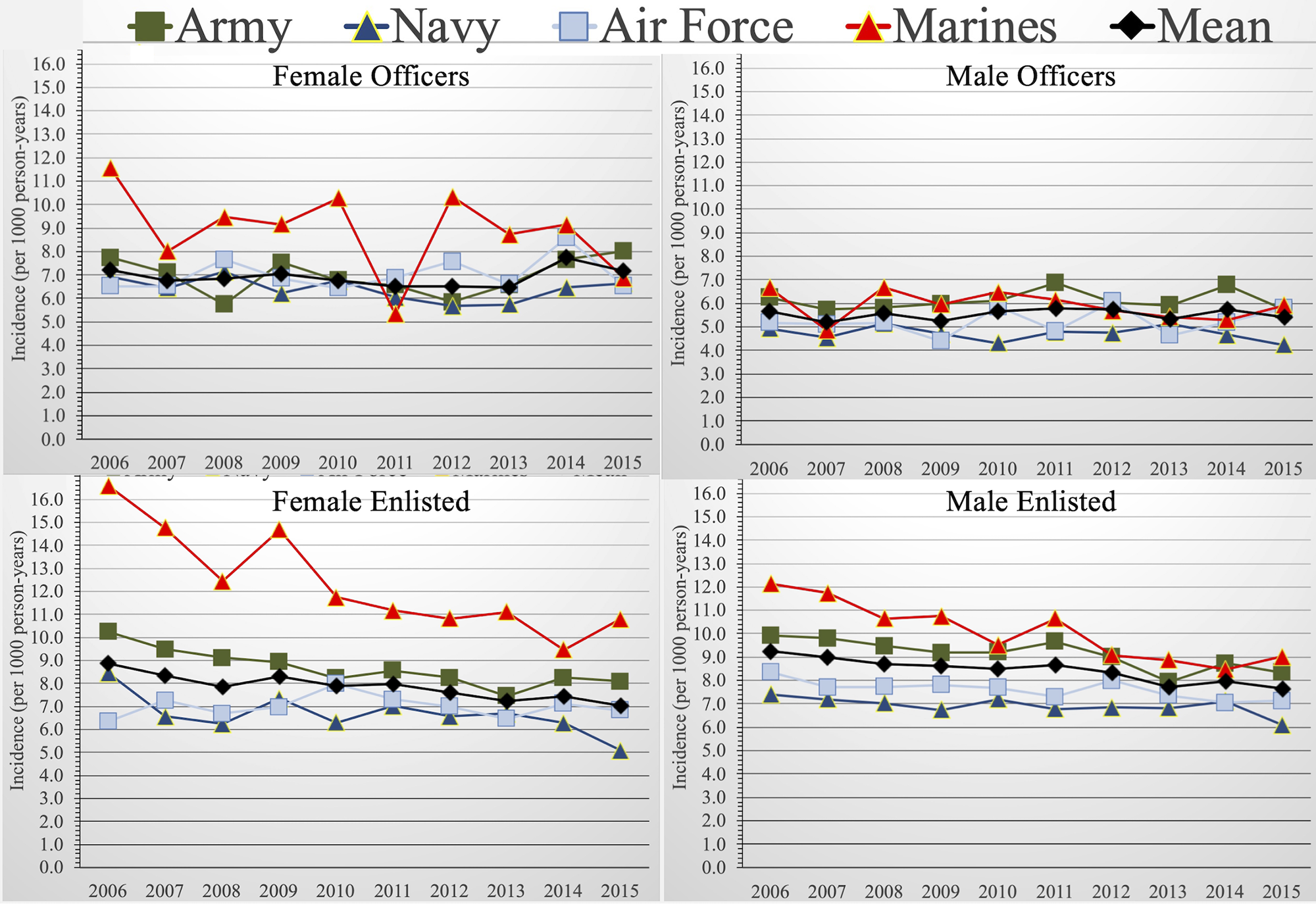
Ankle-foot fracture counts and incidence in male and female enlisted personnel and officers are detailed in Tables 1 and 2. From 2006 to 2015, 95.540 enlisted service members were diagnosed with ankle-foot fractures (tibia-fibula, n = 55,201 [4.8 per 1,000 person-years]; rearfoot, n = 8,645 [0.8 per 1,000 person-years]; and forefoot, n = 31,694 [2.8 per 1,000 person-years]). A total of 13,318 military officers were diagnosed with ankle-foot fractures (tibia-fibula, n = 7,613 [3.3 per 1,000 person-years]; rearfoot, n = 1,048 [0.5 per 1,000 person-years]; and forefoot, n = 4,657 [2.0 per 1,000 person-years]). The incidence rate of all ankle-foot fractures in enlisted service members was 8.4 per 1,000 person-years, whereas military officers had a rate of 5.8 per 1,000 person-years. Figure 1 depicts the per-annum rate of ankle-foot fractures during the study period.

Table 1.
Counts and Incidence of Ankle-Foot Fractures Among Enlisted Members in the US Armed Forces, 2006–2015
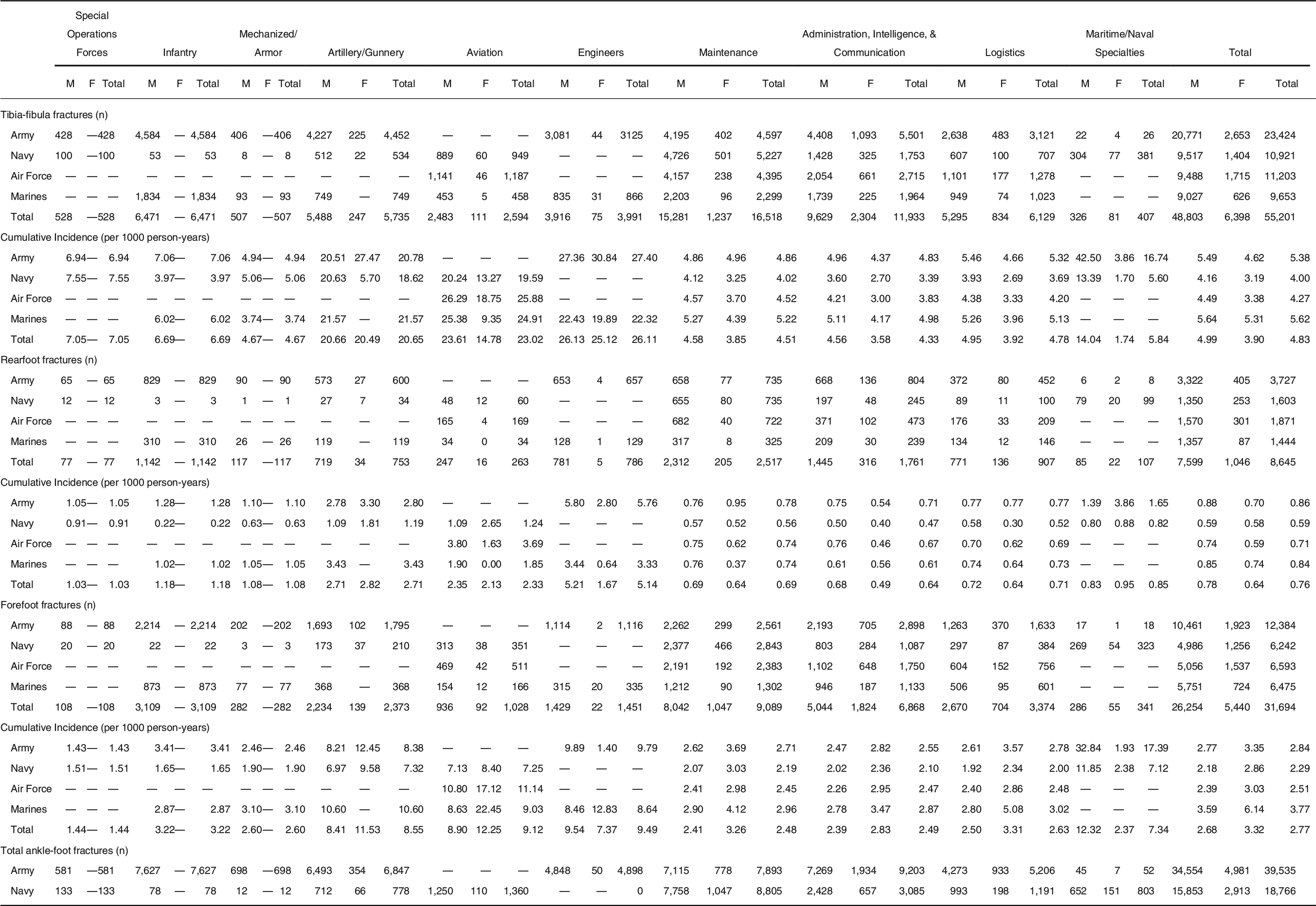
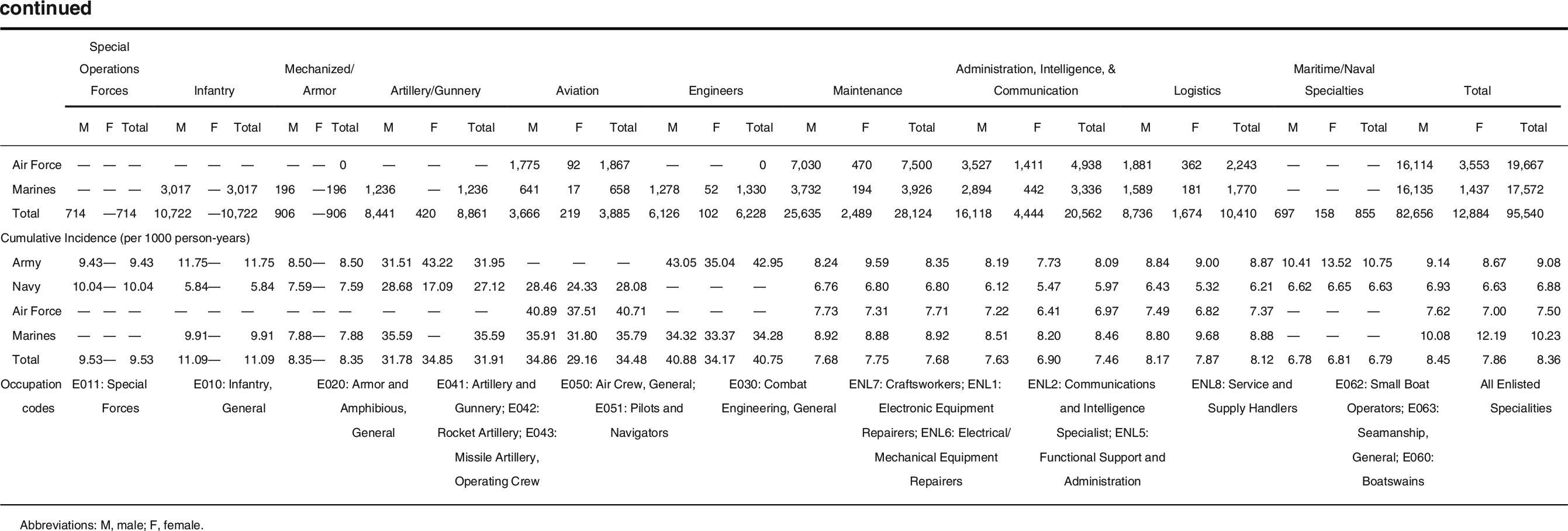
Table 2.
Count and Incidence of Ankle-Foot Fractures Among Officers in the US Armed Forces, 2006–2015
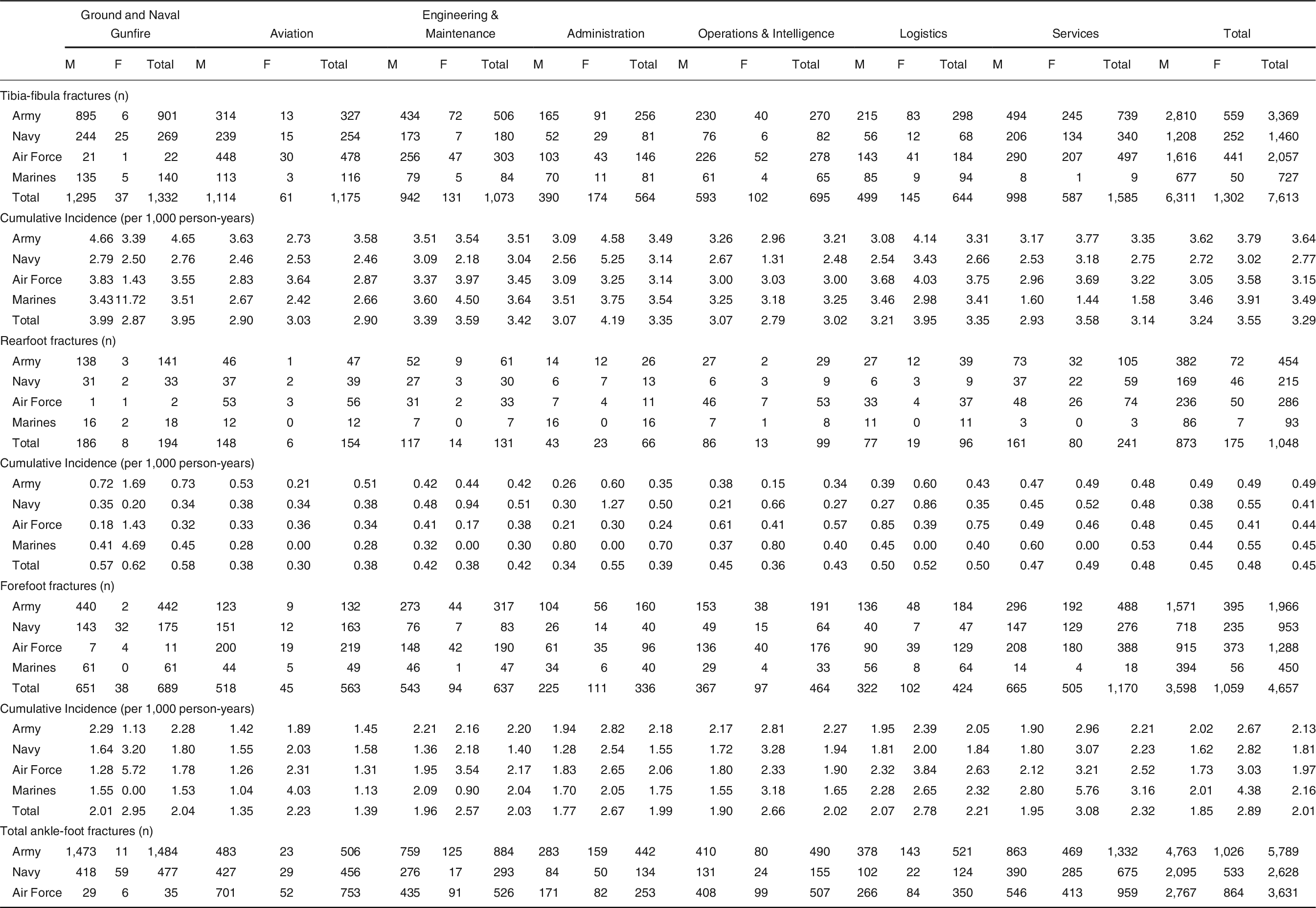
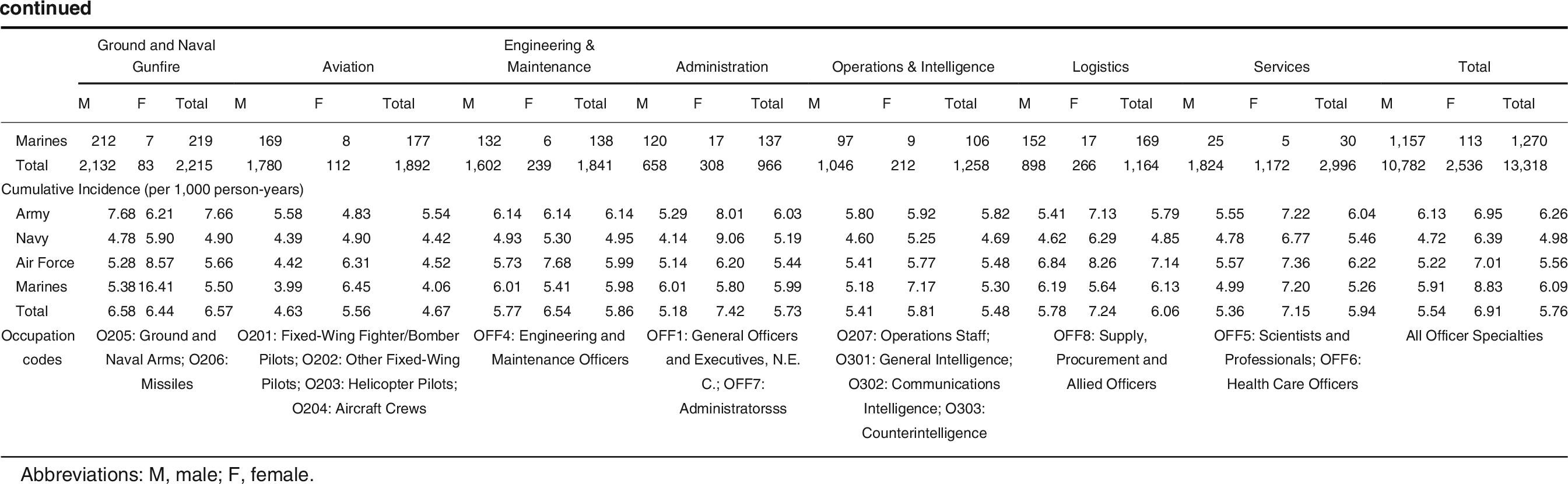
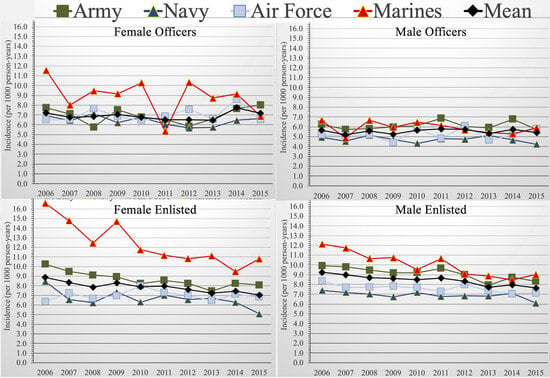
Figure 1.
Incidence of macrotraumatic ankle-foot fractures in the US armed forces, 2006 to 2015.
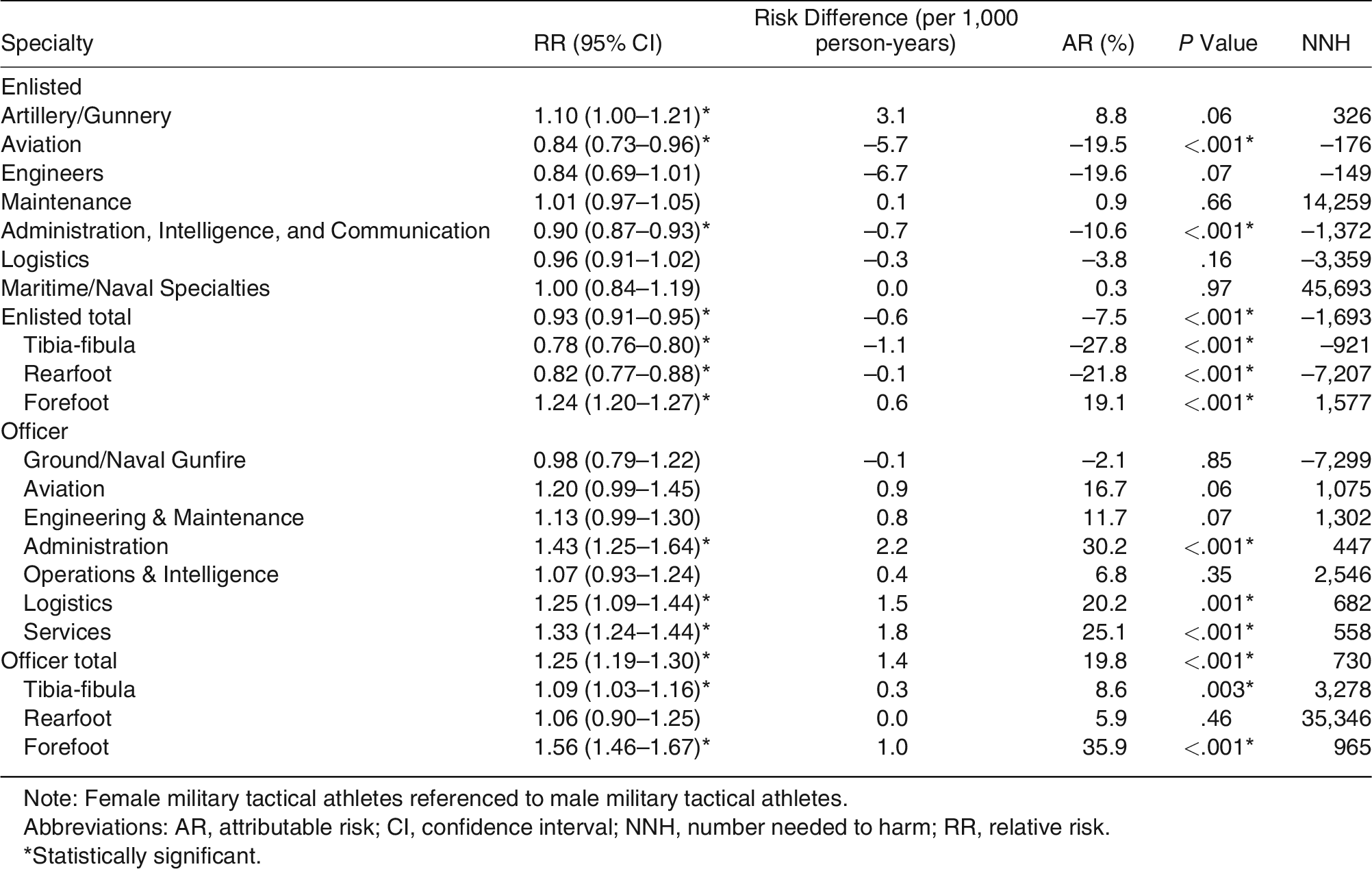
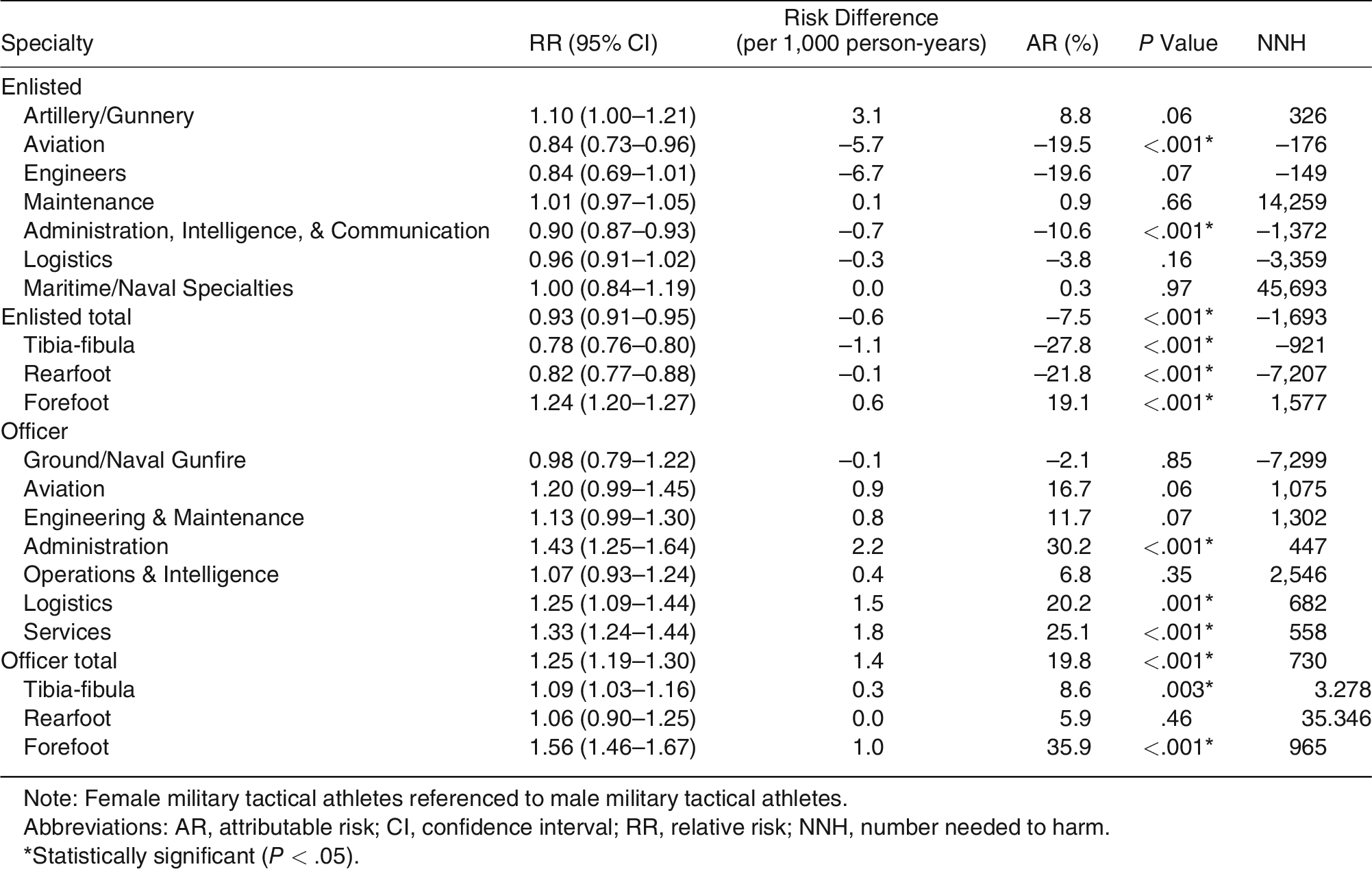
In the assessment of sex-related differences of ankle-foot fractures within occupation, female enlisted service members incurred significantly higher rates in the artillery/gunnery field and lower rates in the aviation, administration, intelligence, and communication fields (Fig. 2 and Table 3). Across all occupations, enlisted women had an ankle-foot fracture incidence rate of 7.9 per 1,000 person-years, compared with the enlisted male service members, who were injured at a rate of 8.4 per 1,000 person-years (RR, 0.93; 95% CI, 0.91–0.95; P < .001). Female enlisted service members had significantly lower incidences for tibia-fibula (RR, 0.78; 95% CI, 0.76–0.80; P < .001) and rearfoot fractures (RR, 0.82; 95% CI, 0.77–0.88; P < .001) and a significantly higher risk of forefoot fracture (RR, 1.24; 95% CI, 1.20–1.27; P < .001) compared to their male counterparts. Among officers, women serving in the administration, logistics, and services fields had a significantly higher risk of fractures compared with men in the same profession (Fig. 2 and Table 3). Overall, female officers had an incidence rate of 6.9 per 1,000 person-years compared with male officers, who experienced fractures at a rate of 5.5 per 1,000 person-years (RR, 1.25; 95% CI, 1.19–1.30), with the greatest relative risk observed in tibia-fibula fractures (RR, 1.09; 95% CI, 1.03–1.16).
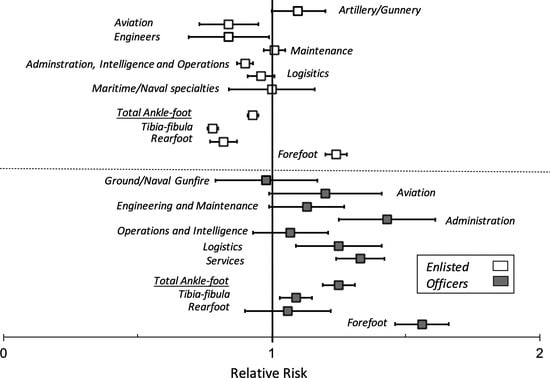
Figure 2.
Assessment of the impact of sex within occupation on ankle-foot macrotraumatic fractures in female tactical athletes of the US armed forces, 2006 to 2015. Female military tactical athletes referenced to male military tactical athletes.
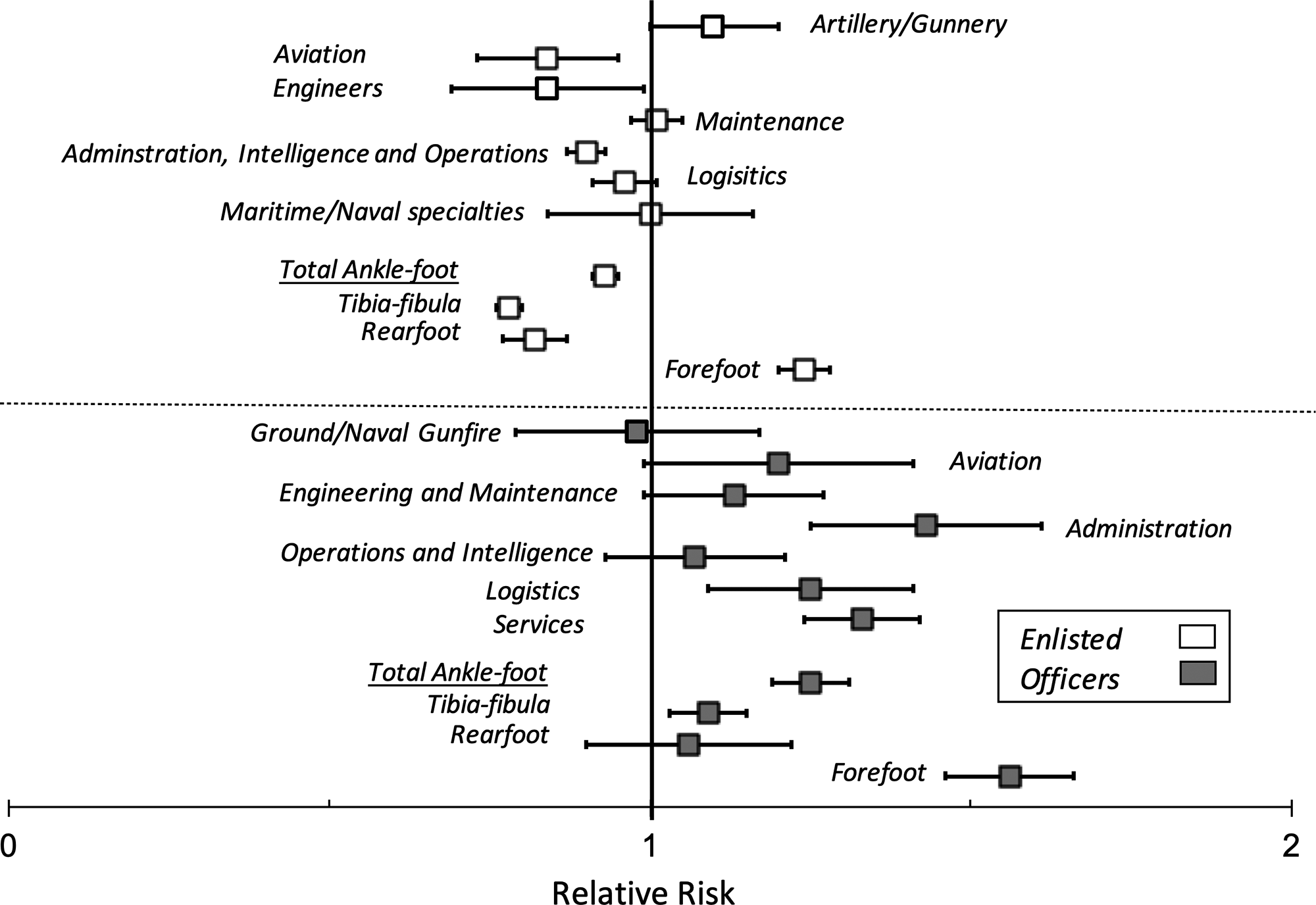
Table 3.
Assessment of the Impact of Sex Within Occupation on Ankle-Foot Macrotraumatic Fractures in Female Tactical Athletes of the US Armed Forces, 2006–2015
In the assessment of enlisted occupations, engineers, aviation, and artillery/gunnery had the highest risk of ankle-foot fractures (RR range, 2.88–3.67) compared with infantry (Fig. 3 and Table 4). The remaining enlisted occupations had a significantly lower risk of these injuries (RR range, 0.61–0.86) when compared with infantry. Among officers, all occupational categories had a significantly lower risk of ankle-foot fracture relative to ground and naval gunfire professionals (RR range, 0.71–0.92) (Fig. 2 and Table 3).
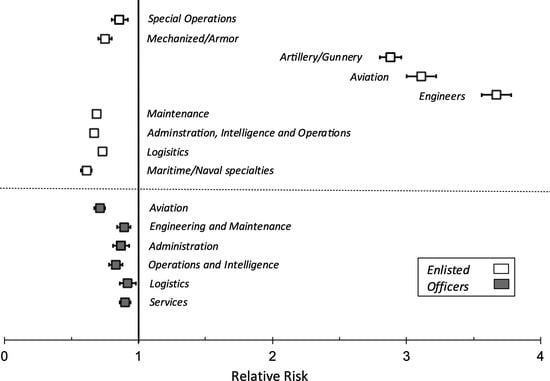
Figure 3.
Assessment of occupational risk of macrotraumatic ankle-foot fractures in tactical athletes of the US armed forces, 2006 to 2015. Enlisted occupations contrasted to infantry. Officer occupations referenced to ground and naval gunfire.
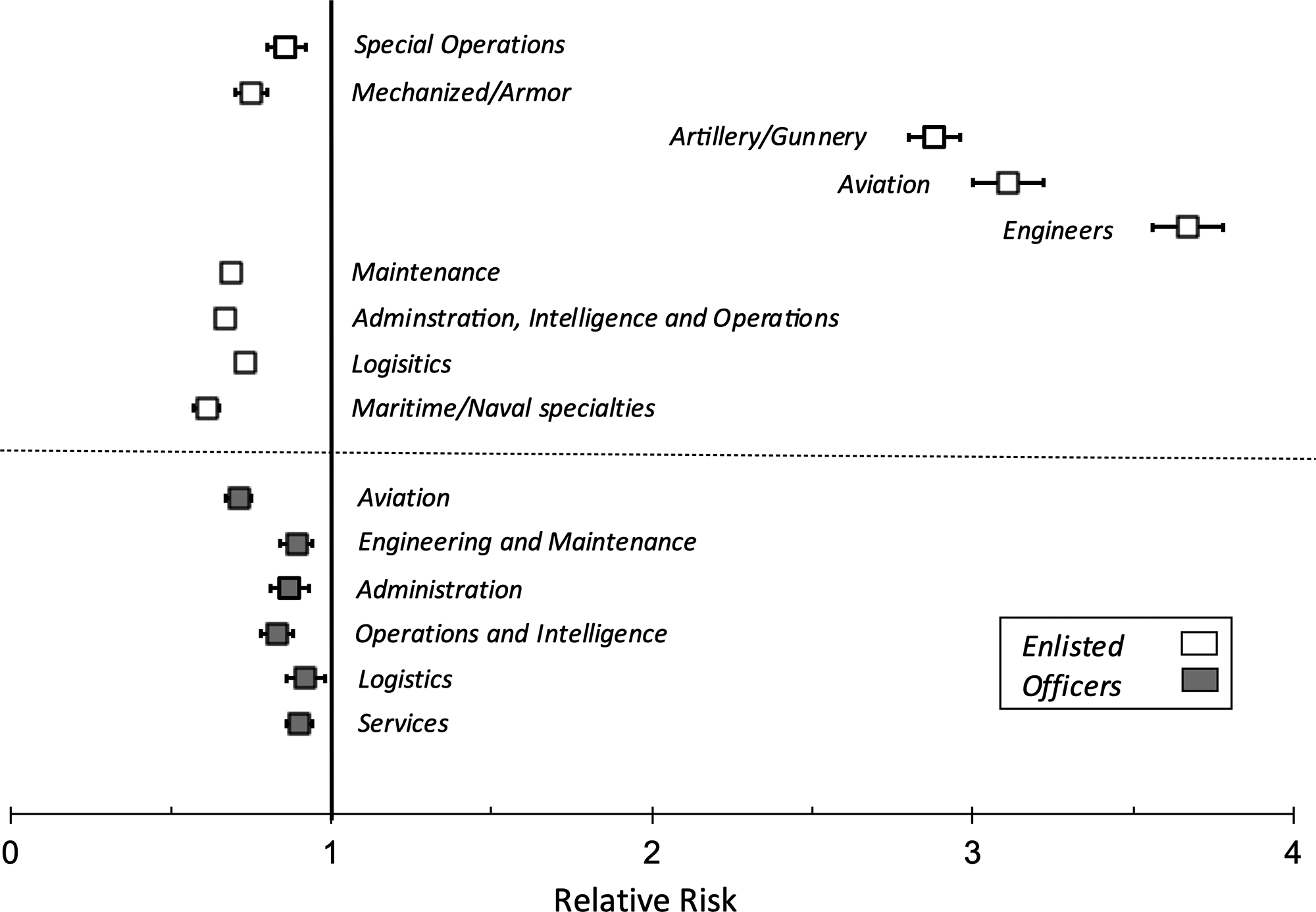
Table 4.
Assessment of the Impact of Sex Within Occupation on Ankle-Foot Macrotraumatic Fractures in Female Tactical Athletes of the US Armed Forces, 2006–2015
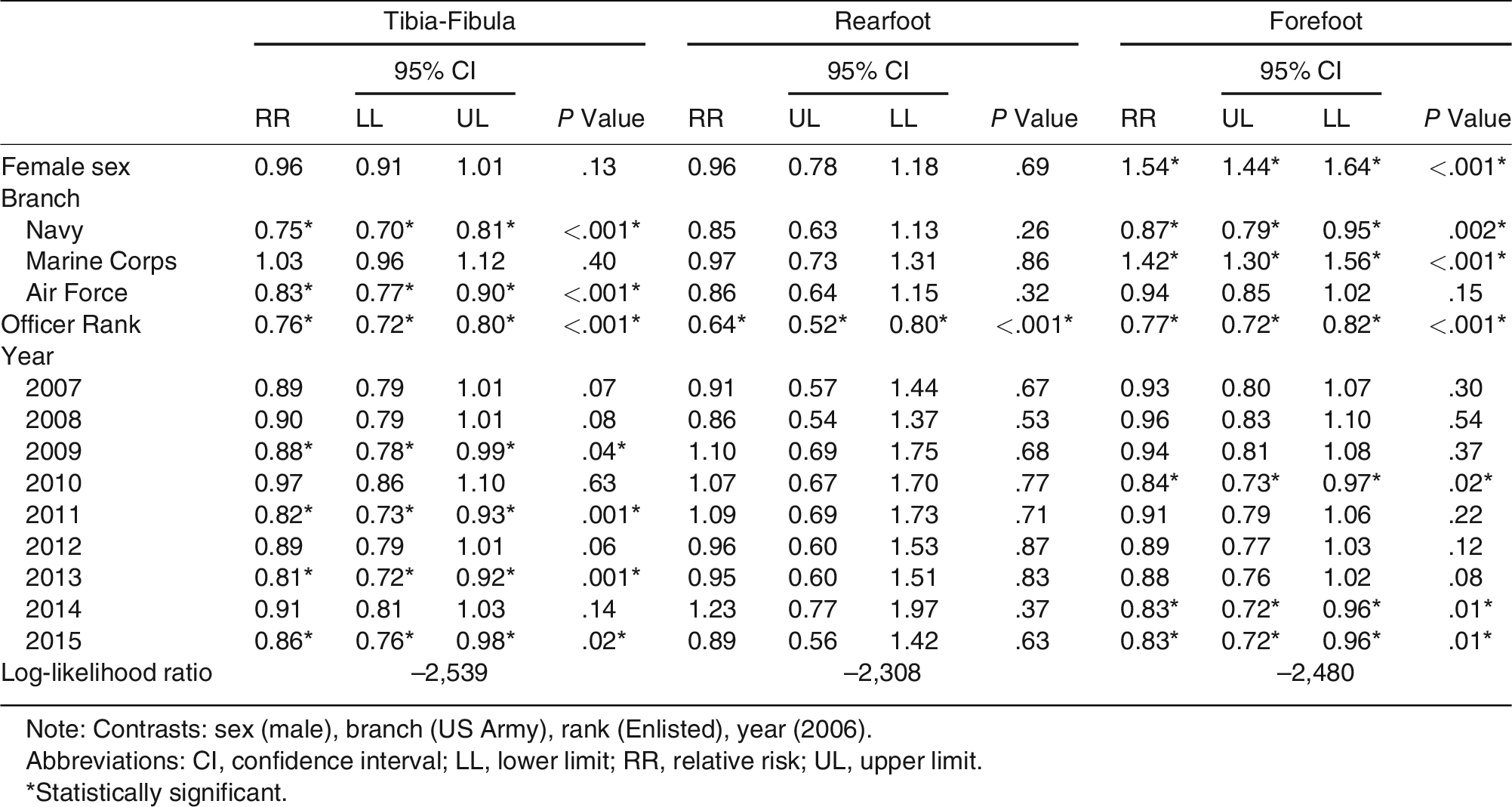
The results of the adjusted analysis of sex, service branch, and rank on fractures of the individual segments of the ankle-foot complex are reported in Table 5, with the full model including year reported in Table 6. The model was performed initially across all occupations (to include combat arms occupations that did not have women serving during the study period) and repeated only using occupations that employed both male and female service members. When compared, the model that investigated inclusive occupations outperformed the model that included all occupations. Female sex was found to be a significant factor only in forefoot fractures (RR, 1.54; 95% CI, 1.40–1.70; P < .001), with women having a significantly higher risk. There were no significant sex-related differences observed in tibia-fibula or rearfoot fracture. In the assessment of branch, US Navy and Air Force personnel had a significantly lower risk of tibia-fibula fractures (RR range, 0.76–0.84) compared with the US Army. Forefoot fracture risk was significantly higher in the US Marine Corps (RR, 1.47) compared with the US Army. Officers had consistently lower risk for fractures in each segment of the complex (RR range, 0.68–0.77) compared with enlisted service members. Fracture risk was mostly consistent from 2006 to 2015, with only intermittent significant reductions in fracture risk noted throughout the study period for both tibia-fibula and forefoot fractures. There were no other significant findings.
Table 5.
Assessment of Occupational Risk of Macrotraumatic Ankle-Foot Fractures in Tactical Athletes of the US Armed Forces, 2006–2015
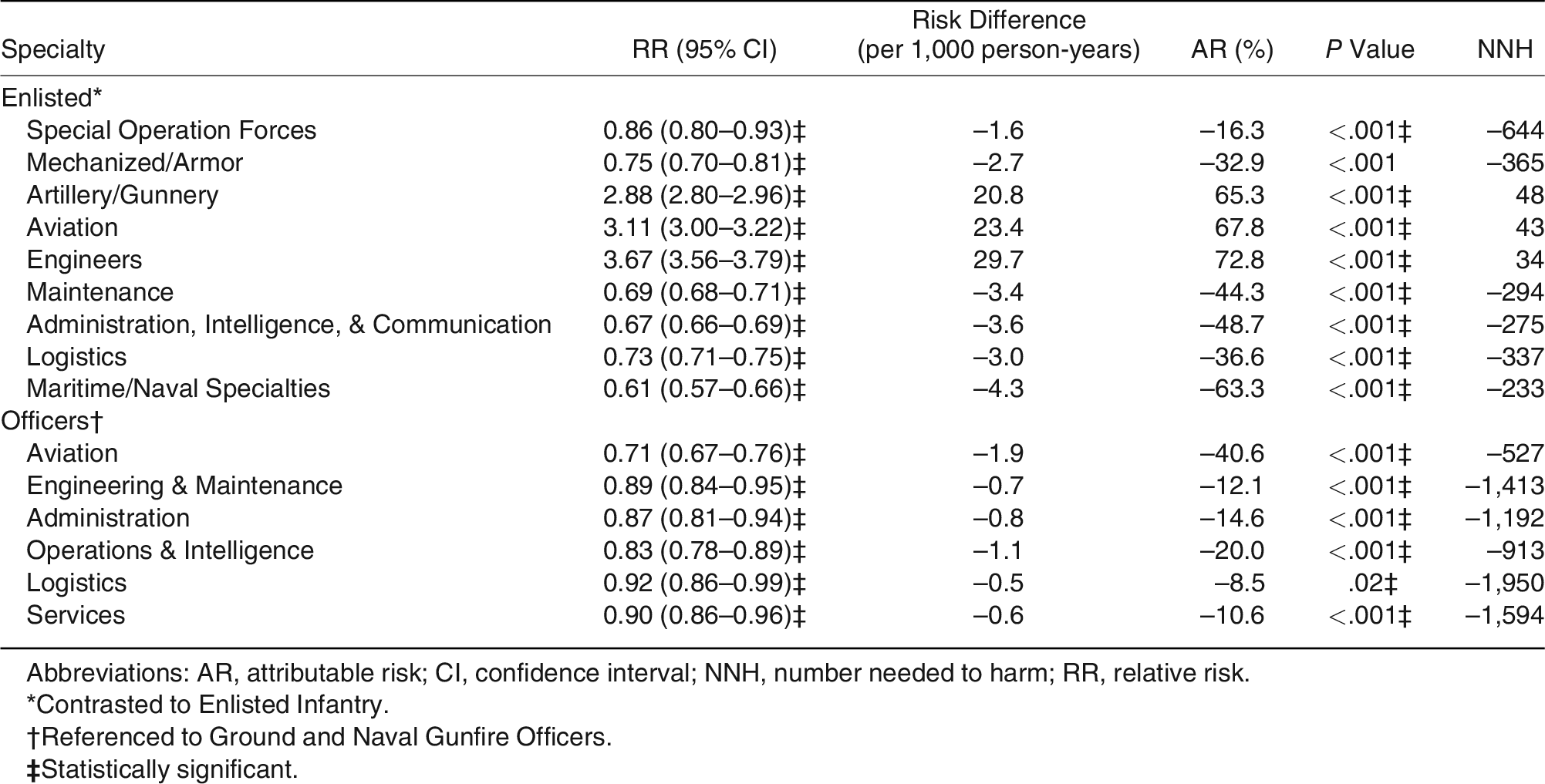
Table 6.
Results of the Negative Binomial Regression Analyses of Sex, Service Branch, Rank, and Year on Ankle-Foot Fracture Risk in Members of US Armed Forces, 2006–2018
Discussion
The primary findings of this study were that sex, occupation, branch, and rank were salient factors for macrotraumatic ankle-foot fractures. Female service members had the greatest risk of forefoot fractures, a finding that converged in both unadjusted and adjusted analyses. Although previous research of military personnel found sex differences in ankle-foot stress fractures [6], this study is the first to extend to macrotraumatic fractures and specific segments of the ankle-foot complex. This may be especially relevant with the recent integration of women into combat occupations and the anticipated increased participation of female service members during frontline operations in future military conflicts [11]. Furthermore, the demographic correlates identified in the present study can inform clinical interventions and injury-prevention programs.
The findings observed in the current study are likely attributed to a combination of physiologic, biomechanical, and psychosocial factors and differential exposure associated with the various military occupations. In a review of fractures in the military, Wheeler and Wenke [5] concluded that sex-related risk is likely attributed to differences in bone physiology (specifically, accretion and loss), bone mineral density, activity exposure (mode and intensity), body mass, and nutritional factors. Similar to the current study, fractures have been found to be more common in women compared to men in nonmilitary populations throughout the lifespan [12,13]. Factors such as sex, older age, and lower physically demanding occupational requirements are associated with lower bone mineral density [13], an important consideration for fracture outcomes that were not assessed in this population-based study.
Female service members have been found to have a greater risk of ankle-foot complex stress fractures, especially in the bones of the forefoot [6]. When considering the sex-related differences in biomechanics under load [14], load-to–body mass ratio [14], fatigue under load [14], and the potential for stress fractures to progress to complete fracture [15], it is plausible that the combination of these factors contributed to the increased risk of forefoot fractures observed in the current study. The sex-related differences in fracture risk may also be related, in part, to the higher risk of lateral ankle sprains observed in female service members [7]. Fractures have been found to be a common comorbidity with ankle sprains in service members [8]. It is plausible that this may have contributed to the current findings and warrants future investigation.
Consistent with the earlier studies in this research line assessing factors contributing to ankle-foot injuries [6,7], occupational exposure was found to be an important factor for ankle-foot fractures. Enlisted occupations, infantry, engineers, aviation, and artillery/gunnery and ground and naval gunfire officers had the highest relative risk of ankle-foot fractures. These occupations have higher physical demands, such as lifting and carrying heavy loads, which have been found to contribute to injury [16]. Specific occupational hazards, such as airframe technicians working at greater heights or infantryman negotiating obstacles and terrain features (eg, walls and rock faces) and uneven, hazardous terrain when closing with an objective [4,5] likely explain this finding. Female officers serving in the administration, logistics, and services fields had significantly higher risk of fractures compared with male officers in the same professions. Although these fields have a lower physical demand and potential exposure to potential injurious hazards, it is plausible that physiologic differences and bone loss in these more sedentary professions disproportionally affected women more than men. In a meta-analysis assessing the factors for musculoskeletal injury in the military, Rhon et al [17] discussed how female service members generally have lower measured fitness levels and how this factor influences musculoskeletal injury outcomes. This finding has also been observed in epidemiologic studies of fractures in the US military [18].
When considering the interaction between intrinsic and environmental factors, it is important to consider the psychosocial considerations that influence injury outcomes. Although psychosocial factors influence care-seeking following musculoskeletal injury [4], more severe injuries such as ankle-foot fractures are not subjected to the same influences because they necessitate medical care as a result of the substantial associated morbidity. However, risk-taking behaviors and social pressures to perform likely do have an influence in female service members [4]. Women have been found to perform military duties under less hazardous conditions than men (eg, parachute jumping in daylight and using a static line) [19]. Although it is unclear whether this is a function of individual choice, social factors, or a combination of both influences, female service members still have a greater probability of lower extremity fracture during military operations [19]. Although men are more likely to experience a musculoskeletal injury on duty, female service members have significantly more injuries during training and exercises (with no differences in injury risk during off-duty time) [20]. It is plausible that social pressures and the perception of female service members needing to overperform may have a role in ankle-foot fracture risk. In a synthesis of evidence pertaining to perceived roles in the military, female service members described perceptions of not fitting into the organization, providing less value than their male counterparts, and a greater necessity to work harder to prove themselves [21]. Service culture and the specific mission for each of the branches of the armed forces may also play a role in different exposures and social influences to perform [4], which may also explain why disparities in risk were observed across service branches.
Clinical and Research Implications
Clinicians who care for military service members should consider routine laboratory screening and supplementation with vitamin D (cholecalciferol) [22] in addition to calcium and iron when indicated [23]. When managed appropriately, there appears to be substantial prophylactic effect for fractures in the military population [23]. Another modality that should be considered is the routine use of tricompartmental dual-energy X-ray absorptiometry for the screening of lean body mass, fat mass, and bone density in military members. Tricompartmental dual-energy X-ray absorptiometry has been shown to be associated with fracture risk in endurance athletes [24] and is likely suitable for assessing risk in the military population. In addition to the value of imaging bone density, assessment of body mass may inform the clinician regarding sequelae of low energy availability such as the female athlete triad syndrome [25], which is a substantial risk factor for fractures. Biomechanical screening and evaluation of marching and jump landing with and without a load could provide additional insight into factors that may be mitigated with motor training or refitting of equipment. In addition, medical providers should conduct preventative screenings for foot and ankle etiology that may predispose service members to injury such as ligamentous laxity or nonrectus foot types. More research pertaining to the psychological and social facets of risk-taking and care-seeking behaviors preceding and following injury in male and female service members is certainly warranted. Lastly, these results can be used for medical planning and targeted prevention programs for the military populations with the greatest risk for injury, decreasing both economic and operational burden.
Strengths and Limitations
The use of the Defense Medical Epidemiological Database allowed for a population-based assessment of ankle-foot macrotraumatic fractures in the military. Furthermore, access to key demographic variables led to a stratification of occupational risk, and the multivariable evaluation of sex, rank, and service branch. This study is not without limitations. Billed ICD-9 codes do not allow for identification of laterality. A new fracture may have occurred on the contralateral side and would not have been counted as a new injury because everyone was already counted once. Although we might assume equal on-duty exposure to occupational hazards in both male and female service members, this is not clear. It is possible that disparities in exposure within occupational category existed between male and female service members because of social factors. It was also not possible to control for sex-related disparities in off-duty exposure.
Conclusions
Sex, occupation, branch, and rank were salient factors for macrotraumatic ankle-foot fractures. These findings can be used to inform and increase precision in medical planning, clinical care, and targeted development of preventive interventions. As the US military prepares for future threats, addressing physical injuries that contribute to decreased readiness is of paramount importance.
Acknowledgment
Sarah A. Fogleman, MD for her contribution in the interpretation of results.
Financial Disclosure
None reported.
Conflict of Interest
Dr. Fraser reports grants from Congressionally Directed Medical Research Programs and the Office of Naval Research, outside of the submitted work. In addition, Dr. Fraser has a patent pending for an Adaptive and Variable Stiffness Ankle Brace, U.S. Provisional Patent Application No. 63254,474.
Disclaimer
The authors are military service members or employees of the U.S. Government. This work was prepared as part of our official duties. Title 17, U.S.C. §105 provides that copyright protection under this title is not available for any work of the U.S. Government. Title 17, U.S.C. §101 defines a U.S. Government work as work prepared by a military service member or employee of the U.S. Government as part of that person’s official duties. The views expressed in this article are those of the authors and do not necessarily reflect the official policy or position of the Department of the Navy, Department of Defense, nor the U.S. Government. The study protocol was approved by the Naval Health Research Center Institutional Review Board in compliance with all applicable Federal regulations governing the protection of human subjects. Research data were derived from an approved Naval Health Research Center Institutional Review Board protocol, number NHRC.2020.0207-NHSR.
References
- Armed Forces Health Surveillance Branch: Absolute and relative morbidity burdens attributable to various illnesses and injuries, active component, U.S. Armed Forces, 2020. MSMR 28: 2, 2021.
- Stahlman S, Taubman SB: Incidence of acute injuries, active component, U.S. Armed Forces, 2008-2017. MSMR 25: 2, 2018.
- Forrest LJ, Jones BH, Barnes SR, et al: The cost of lower extremity fractures among active duty US Army soldiers, 2017. MSMR 28: 6, 2021.
- Fraser JJ, Schmied E, Rosenthal MD, et al: Physical therapy as a force multiplier: population health perspectives to address short-term readiness and long-term health of military service members. Cardiopulm Phys Ther J 31: 22, 2020.
- Wheeler AR, Wenke JC: Military fractures: overtraining, accidents, casualties, and fragility. Clin Rev Bone Miner Metab 16: 103, 2018.
- MacGregor AJ, Fogleman SA, Dougherty AL, et al: Sex differences in the incidence and risk of ankle-foot complex stress fractures among U.S. military personnel. J Womens Health (Larchmt) 31: 586, 2022.
- Fraser JJ, MacGregor AJ, Ryans CP, et al: Sex and occupation are salient factors associated with lateral ankle sprain risk in military tactical athletes. J Sci Med Sport 24: 677, 2021.
- Rhon DI, Greenlee TA, Cook CE, et al: Fractures and chronic recurrence are commonly associated with ankle sprains: a 5-year population-level cohort of patients seen in the U.S. Military Health System. Int J Sports Phys Ther 16: 1313, 2021.
- LaMorte WW: Epidemiology/Biostatistics Tools [Excel workbook]. Available at: http://bit.ly/Lamort3. Accessed August 3, 2019.
- Zeileis A, Kleiber C, Jackman S: Regression models for count data in R. J Stat Soft 27: 1, 2008.
- Kamarck KN: Women in combat: issues for congress. Congressional Research Service, 2016. Available at: https://sgp.fas.org/crs/natsec/R42075.pdf. Accessed September 20, 2019.
- Guggenbuhl P: Osteoporosis in males and females: is there really a difference? Joint Bone Spine 76: 595, 2009.
- Weaver CM, Gordon CM, Janz KF, et al: The National Osteoporosis Foundation’s position statement on peak bone mass development and lifestyle factors: a systematic review and implementation recommendations. Osteoporos Int 27: 1281, 2016.
- Conkright WR, O’Leary TJ, Wardle SL, et al: Sex differences in the physical performance, physiological, and psycho-cognitive responses to military operational stress. Eur J Sport Sci 22: 99, 2022.
- Boden BP, Osbahr DC: High-risk stress fractures: evaluation and treatment. J Am Acad Orthop Surg 8: 344, 2000.
- Hollander IE, Bell NS: Physically demanding jobs and occupational injury and disability in the U.S. Army. Mil Med 175: 705, 2010.
- Rhon DI, Molloy JM, Monnier A, et al: Much work remains to reach consensus on musculoskeletal injury risk in military service members: a systematic review with meta-analysis. Eur J Sport Sci 22: 16, 2022.
- Claassen J, Hu Z, Rohrbeck P: Fractures among active component, recruit trainees, and deployed service members, US Armed Forces, 2003-2012. MSMR 21: 2, 2014.
- Amoroso PJ, Bell NS, Jones BH: Injury among female and male army parachutists. Aviat Space Environ Med 68: 1006, 1997.
- Tiesman HM, Peek-Asa CL, Zwerling CS, et al: Occupational and non-occupational injuries in the United States Army. Am J Prev Med 33: 464, 2007.
- Strong JD, Crowe BM, Bolton K: Gendered: a qualitative interpretive meta-synthesis of female service members at war. Mil Behav Health 7: 151, 2019.
- Fogleman SA, Janney C, Cialdella-Kam L, et al: Vitamin D deficiency in the military: it’s time to act! Mil Med 187: 144, 2022.
- Sivakumar G, Koziarz A, Farrokhyar F: Vitamin D supplementation in military personnel: a systematic review of randomized controlled trials. Sports Health 11: 425, 2019.
- Duckham RL, Peirce N, Meyer C, et al: Risk factors for stress fracture in female endurance athletes: a cross-sectional study. BMJ Open 2: e001920, 2012.
- O’Leary TJ, Wardle SL, Greeves JP: Energy deficiency in soldiers: the risk of the athlete triad and relative energy deficiency in sport syndromes in the military. Front Nutr 7: 142, 2020.
© 2023 American Podiatric Medical Association