


Abstract
This study examines the impact of the Russian–Ukrainian war on global financial stability, focusing on currency crises, exchange-rate dynamics, and economic vulnerability during 2003–2024 with an outlook for subsequent years. The objective is to assess how geopolitical shocks, combined with global monetary tightening, influenced the frequency and intensity of currency crises across developed and emerging economies. The study applies a quantitative comparative methodology based on a modified Exchange Market Pressure Index (EMPI) using monthly IMF data on exchange rates, reserves, interest rates, and depreciation dynamics. Currency crises are identified through threshold-based criteria, enabling cross-country and temporal comparison. A conceptual framework explains how geopolitical risk affects currency markets, financial stability, and macroeconomic performance. The findings show that crisis episodes were more frequently concentrated around the Great Recession, the COVID-19 pandemic, and the Russian–Ukrainian war. Emerging economies were more vulnerable, experiencing stronger capital outflows, sharper currency depreciation, and more frequent crises, while developed economies were affected mainly through inflation and energy price shocks. The war intensified financial fragmentation, increased safe-haven flows toward the US dollar, gold, and Swiss franc, and raised systemic risks in debt, banking, and corporate sectors. The study concludes that differentiated macroeconomic strategies, stronger external buffers, and enhanced international financial coordination are necessary to reduce risks and preserve currency stability.
1. Introduction
The Russian–Ukrainian war has emerged as one of the most significant geopolitical shocks affecting the international monetary and financial system since the Global Financial Crisis (GFC) and the COVID-19 pandemic. Beyond its humanitarian and geopolitical consequences, the conflict generated profound disruptions in exchange-rate dynamics, capital flows, commodity markets, and global financial stability. Russia’s ruble instability, unprecedented financial sanctions, and severe disruptions to international trade accelerated the diversification of reserve currencies in energy and commodity markets, exposed structural vulnerabilities in emerging economies, and reinforced the growing importance of geo-economic blocs. Consequently, the war did not only trigger regional currency turmoil but also fundamentally altered how governments manage foreign exchange reserves, conduct international trade, and position them within an increasingly fragmented global financial architecture.
Emerging economies entered this period of heightened geopolitical uncertainty with significant structural vulnerabilities, including limited fiscal space, elevated external indebtedness, volatile capital flows, and strong dependence on commodity imports. The conflict amplified these weaknesses through several transmission channels. Russian banks experienced severe financial stress, reflected in a sharp contraction in market capitalization, while restrictions on international financial transactions constrained their operational capacity and heightened uncertainty triggered substantial retail deposit withdrawals (OECD, 2022). Simultaneously, deteriorating macroeconomic conditions increased the probability of rising non-performing loans (NPLs), further weakening banking-sector balance sheets. These developments contributed to tighter domestic credit conditions, reduced financial intermediation, and amplified the broader macroeconomic consequences of international sanctions.
The war also coincided with a fragile global recovery from the COVID-19 pandemic, during which inflationary pressures had already begun to intensify. The outbreak of hostilities further accelerated worldwide inflation through severe disruptions in global energy and food markets. Supply-chain interruptions revealed the considerable dependence of the global economy on exports from the Russian Federation and Ukraine. In particular, the European Union’s heavy reliance on Russian natural gas significantly increased its exposure to supply disruptions through the Nord Stream 1 pipeline, thereby intensifying energy price volatility and inflationary pressures across Europe (Financial Times, 2022; World Bank, 2022). Sharp increases in the prices of grain, fertilizers, crude oil, and natural gas contributed to accelerating inflation, depreciating domestic currencies, and worsening fiscal balances, particularly in economies lacking diversified import sources or strategic commodity reserves.
Russia and Ukraine jointly accounted for approximately 30% of global wheat exports, 20% of corn exports, a substantial share of mineral fertilizer production, significant natural gas supplies, and approximately 11% of global crude oil exports. Consequently, the Russian invasion generated widespread concerns regarding global commodity shortages and triggered substantial increases in international commodity prices. The resulting market volatility became particularly evident in metal markets, where exceptionally sharp increases in nickel prices prompted both the Shanghai Futures Exchange and the London Metal Exchange to suspend trading in most nickel contracts between 8 and 16 March 2022 to mitigate escalating financial stability risks (Hume et al., 2022).
Although the direct effects of the Russian–Ukrainian war on global container shipping remained relatively limited because the region accounts for only a modest share of global maritime trade, indirect effects proved considerably more significant. Cargo diversions from Russian ports and intensified customs inspections of dual-use goods generated substantial congestion across European ports, producing spillover effects throughout global supply chains (Ruta, 2022). Simultaneously, rising marine cargo insurance premiums and escalating fuel costs increased operating expenses for shipping companies, prompting route adjustments and cost-minimization strategies. In the aviation sector, the closure of Russian and Ukrainian airspace forced airlines operating between Europe and East Asia to adopt substantially longer routes, increasing flight times by approximately five to ten hours per journey and often requiring additional refueling stops. These developments significantly increased transportation costs and further disrupted international logistics networks (Nguyen & Li, 2022).
The Russian invasion also generated severe disturbances across international financial markets, characterized by sharp increases in commodity prices and significant declines in equity valuations. Although stock market losses were most pronounced in Russia, negative spillovers extended to emerging financial markets throughout Europe and Asia (OECD, 2022). Conditions in both sovereign and corporate debt markets deteriorated considerably, particularly within European and emerging economies, while banking systems experienced additional stress arising from sanctions, direct financial exposures, and broader market uncertainty.
Heightened geopolitical uncertainty further accelerated the reallocation of international capital toward advanced economies and reserve currencies, intensifying exchange-rate volatility and exposing the limited resilience of emerging markets to abrupt shifts in global investor sentiment. Insufficient foreign exchange reserves and rising external borrowing costs constrained monetary authorities’ ability to stabilize financial markets. At the same time, global monetary tightening—particularly by the U.S. Federal Reserve—reinforced these vulnerabilities. Higher interest rates strengthened the U.S. dollar, increased external financing costs, intensified capital outflows, and heightened sovereign debt sustainability risks for countries with substantial dollar-denominated liabilities, underscoring the dependence of many emerging economies on externally driven monetary conditions.
Concurrently, the conflict accelerated the fragmentation of the international economic order into increasingly distinct geo-economic blocs. Comprehensive sanctions imposed on Russia restricted access to Western financial infrastructure and encouraged deeper economic cooperation with non-Western partners, including China, India, Iran, and Türkiye. This strategic reorientation stimulated the development of alternative payment mechanisms, expanded the use of national currencies in bilateral trade settlements, and encouraged greater diversification of foreign exchange reserves. These developments strengthened cooperation within the BRICS framework as member countries sought greater financial autonomy and explored alternatives to the existing reserve-currency system. Although proposals for a common BRICS currency remain largely conceptual, they nevertheless illustrate growing ambitions among emerging powers to reshape global monetary governance.
At the same time, the conflict reinforced coordination within the Western economic bloc. Enhanced cooperation between the European Union and the United States in energy security, technological regulation, export controls, and sanctions policy increased strategic coherence. Europe’s transition away from Russian energy imports generated new patterns of trade and investment, demonstrating how geopolitical considerations increasingly shape international market organization. Overall, the war has accelerated the transition toward a more fragmented and geopolitically structured global economy in which strategic alliances and national security considerations increasingly determine trade flows, capital movements, financial integration, and currency arrangements. These developments represent a significant departure from the post-Cold War paradigm of deep economic integration and reaffirm the central role of geopolitics in shaping the contemporary international monetary and financial system.
Although the rapidly expanding literature has documented numerous macroeconomic and financial consequences of the Russian–Ukrainian war, existing studies have primarily examined individual countries, specific financial markets, commodity prices, sanctions, or short-term market reactions. Comparatively little empirical evidence exists regarding the cross-country dynamics of currency crises during the conflict using a unified methodological framework that enables systematic comparisons across advanced and emerging economies. Moreover, most previous studies analyze exchange-rate volatility, reserve losses, banking-sector stress, or capital flows separately rather than evaluating their combined contribution to currency crises.
To address this gap, the present study employs a modified Exchange Market Pressure (EMP) Index that captures speculative pressure on national currencies by jointly incorporating exchange-rate movements and changes in international reserves. Unlike conventional approaches based exclusively on exchange-rate depreciation, the EMP Index identifies episodes of currency stress even when central bank interventions temporarily stabilize nominal exchange rates through reserve depletion. This methodology therefore provides a more comprehensive measure of currency crises during periods of heightened geopolitical uncertainty.
The study makes three principal contributions to the literature. First, it provides a comprehensive cross-country assessment of currency crises during 2003–2024 using a modified Exchange Market Pressure Index. Second, it compares the frequency, duration, and severity of currency crises across advanced economies (AEs) and emerging market and developing economies (EMDEs) classified according to the International Monetary Fund (IMF) World Economic Outlook (WEO) classification, thereby ensuring methodological consistency and international comparability. Third, it identifies the principal transmission channels through which geopolitical uncertainty, international sanctions, commodity-price shocks, and global monetary tightening affected exchange-rate stability and financial resilience.
The crisis duration indicates that the overall impact of the Russian–Ukrainian war has been less pronounced than that observed during the Global Financial Crisis or the COVID-19 pandemic. This comparatively lower severity may partly reflect initial market expectations that the conflict would remain temporary rather than evolve into a prolonged geopolitical confrontation. Commodity markets broadly exhibited patterns similar to those observed in equity markets, although with one important distinction concerning crisis intensity. While commodity markets demonstrated resilience comparable to previous global crises, several strategically important commodities continued to experience persistently elevated stress levels. Given their critical importance for global production, energy security, and food supply, sustained pressures within these commodity markets continue to pose significant risks to macroeconomic and financial stability (Izzeldin et al., 2023).
Against this background, the objective of this study is to examine how the Russian–Ukrainian war altered the incidence, duration, and intensity of currency crises across advanced and emerging economies. The research idea is that the frequency of currency crises worldwide was substantially higher under the Russian–Ukraine war periods than usual. This could support the idea that the war was another important shock event for the national monetary systems (besides the Great Recession and the pandemic crisis). To address these research questions, the empirical analysis tests four hypotheses concerning the impact of the Russian–Ukrainian war on the frequency and intensity of currency crises, the differential vulnerability of emerging and advanced economies, the role of trade and financial linkages with Russia and Ukraine, and the combined effects of geopolitical uncertainty, sanctions, commodity-price volatility, and global monetary tightening on exchange-rate stability and financial fragmentation.
Using monthly data for 2003–2024 and a modified Exchange Market Pressure Index, the paper identifies currency crisis episodes, compares their characteristics across country groups, and evaluates the roles of geopolitical uncertainty, sanctions, commodity-price shocks, and global monetary tightening in shaping exchange-rate dynamics and financial stability. This empirical analysis contributes to a deeper understanding of the financial consequences of geopolitical conflicts for the evolving international monetary system while providing a transparent comparison based on internationally recognized country classifications.
The remainder of this paper is organized as follows. Section 2 provides a review of the literature relevant to the topic. Section 3 presents key effects of the currency crisis triggered by the Russian–Ukrainian War. Section 4 details the methodological framework and application of the Exchange Market Pressure Index, including the data sources and variables considered. Section 5 presents the results and application of the Exchange Market Pressure Index and chi-square test for assessment of global frequencies of currency crises. Section 6 discusses the influence of the Russian–Ukrainian War on global financial stability, currency crises, and policy implications. Finally, Section 7 offers the main conclusions and highlights the theoretical and practical implications.
2. Literature Review
The empirical literature on the Russian–Ukrainian war can be organized into four major themes: exchange-rate effects, capital flows and macroeconomic transmission, sanctions and banking systems, and safe-haven assets and investor behavior. Although individual studies focus on different countries, methodologies, and financial indicators, they generally reach consistent conclusions regarding the transmission mechanisms through which the war affected the global financial system.
Exchange-Rate Effects
The largest body of literature examines the impact of the war on exchange-rate dynamics. A broad consensus exists that the conflict substantially increased exchange-rate volatility while creating depreciation pressures for many currencies, particularly the Russian ruble during the initial stages of the invasion, the euro, and currencies of emerging economies (Chortane & Pandey, 2022; Lyócsa & Plíhal, 2022; Bossman et al., 2023; Caldara et al., 2022). The literature consistently attributes these developments to heightened geopolitical uncertainty, disruptions in international trade, deteriorating investor confidence, and capital flight.
Some studies considered the effect of wars on currency crises at the global level. e.g., Michail (2021) noted that intra-state wars provide more of an effect on nominal exchange-rate depreciation than international wars. Ferdous et al. (2022) calculated that high external conflict in the form of war or foreign pressure is a significant factor in currency crisis early warning systems. However, wars and other military conflicts vary by scale and therefore disruption potential at national, regional or global level. The Russian–Ukrainian war has had a significant impact on the global economy. One of the main consequences has been the disruption of global supply chains. If the conflict continues, these disruptions may intensify, affecting international trade, production processes, and the availability of goods worldwide.
Several studies identify important country-specific transmission channels. Guo and Chen (2022) demonstrate that geopolitical events significantly influenced fluctuations in the Chinese renminbi, with positive geopolitical developments strengthening the RMB and adverse events contributing to depreciation. Groot and Skok (2022) show that Ukraine experienced exceptional currency pressure because wartime migration sharply increased household demand for foreign currency, while inflation and supply-chain disruptions further intensified depreciation risks. Similarly, Jin (2022) argues that exchange-rate instability extended beyond Russia and Ukraine, negatively affecting Central Asian economies whose household incomes depended heavily on remittances denominated in Russian rubles.
The literature also highlights the role of commodity markets in exchange-rate adjustment. Aziz et al. (2022) report that oil-demand shocks increased exchange rates in both oil-exporting and oil-importing economies, whereas supply shocks produced relatively weaker effects. Sohag et al. (2022) similarly conclude that higher oil prices and expanding trade flows supported appreciation of the Russian ruble, reflecting Russia’s dependence on hydrocarbon exports.
Despite broad agreement regarding the initial depreciation caused by the invasion, important disagreements emerge concerning the subsequent behavior of the Russian currency. While Chortane and Pandey (2022), Lyócsa and Plíhal (2022), and Caldara et al. (2022) emphasize the severe depreciation immediately after the outbreak of war, Aliu et al. (2023), Sohag et al. (2022), and Jin (2022) document a partial recovery and, in some periods, appreciation of the ruble. These studies attribute the reversal primarily to three factors: rising energy export revenues, strict capital controls introduced by Russian authorities, and mandatory ruble settlement for selected international transactions. Consequently, the literature suggests that sanctions produced dynamic rather than permanent exchange-rate effects, with market forces being partially offset by government intervention.
Capital Flows and Macroeconomic Transmission
A second major research stream examines how the conflict influenced international capital movements and broader macroeconomic performance. Most studies conclude that heightened geopolitical risk significantly reduced international capital flows, particularly in emerging economies, while strengthening the preference for domestic investment and safer developed markets (Feng et al., 2023; Caldara et al., 2022).
Feng et al. (2023) provide comprehensive evidence that geopolitical uncertainty generated a pronounced “flight-home” effect, whereby investors withdrew capital from foreign markets. Their findings indicate that both advanced and emerging economies experienced declining capital flows, although the effects were considerably stronger in emerging markets. The study also demonstrates heterogeneous responses across investment categories: portfolio and other investment flows declined sharply, whereas foreign direct investment increasingly favored advanced economies, reflecting a flight-to-safety pattern.
Caldara et al. (2022) further demonstrate that geopolitical uncertainty reduced global GDP while increasing worldwide inflation through several interconnected channels, including declining consumer confidence, rising commodity prices, and tighter financial conditions. Their analysis suggests that European economies were particularly vulnerable because of their dependence on energy imports, international trade, and global supply chains.
The broader literature consistently shows that exchange-rate instability reinforced macroeconomic deterioration by increasing import prices, discouraging investment, weakening business revenues, and reducing international competitiveness (Jin, 2022; Groot & Skok, 2022). These findings collectively support the conclusion that currency markets, capital flows, and macroeconomic performance interacted simultaneously, amplifying the overall economic consequences of the conflict.
Sanctions, Banking Systems, and Financial Stability
Another extensive body of literature focuses on sanctions and their implications for banking systems and financial stability. Most studies agree that financial sanctions substantially weakened Russia’s integration into global financial markets by restricting international payments, reducing foreign-currency liquidity, and increasing systemic banking risks (Balbaa et al., 2023; OECD, 2022; Shcherbachenko & Teslyk, 2022).
Balbaa et al. (2023) describe how coordinated sanctions—including the exclusion of Russian banks from SWIFT, restrictions on foreign reserves, limitations on Russian deposits, prohibitions on securities trading, and asset freezes—significantly constrained Russia’s cross-border financial transactions. OECD (2022) similarly reports severe operational disruptions affecting both Russian and Ukrainian banking systems, including deteriorating credit quality, increasing non-performing loans, restricted international financing, and tighter lending conditions.
The literature also emphasizes international spillover effects. Shcherbachenko and Teslyk (2022) argue that although the global banking system remained broadly resilient, several European banks with substantial exposure to Russia—including Raiffeisen Bank, Société Générale, and UniCredit—experienced elevated credit risks, operational challenges, asset write-downs, and increased sanction-compliance costs. Brahimi et al. (2023) further demonstrate that higher global interest rates and tighter financial conditions reduced borrowing capacity in developing economies and increased sovereign debt-servicing difficulties.
Although there is broad agreement regarding the effectiveness of sanctions in limiting Russia’s financial integration with Western markets, some disagreement exists regarding their longer-term effectiveness. Chitadze (2023) argues that Russia partially mitigated sanctions by strengthening economic relationships with China, India, Iran, and other alternative trading partners, thereby preserving financial resources despite growing international isolation. Thus, while sanctions substantially disrupted traditional financial channels, the literature suggests that adaptation through alternative partnerships reduced some of their intended economic effects.
Safe-Haven Assets and Investor Behavior
The fourth major research theme concerns investor behavior during periods of geopolitical uncertainty. The literature consistently shows that heightened geopolitical risk increased demand for traditional safe-haven assets while reducing investment in riskier financial instruments (Bossman et al., 2023; Będowska-Sójka et al., 2022).
Bossman et al. (2023) find that exchange-rate responses to geopolitical risk were asymmetric across currencies and particularly pronounced during periods of extreme market stress. Their results identify the euro and especially the Swiss franc as effective hedging currencies for managing geopolitical risk. Similarly, Będowska-Sójka et al. (2022) demonstrate that investor responses differed across asset classes and investment horizons. Their study identifies gold, silver, green bonds, real estate, and the Swiss franc as the most resilient assets across both short- and medium-term horizons, making them effective safe havens during geopolitical crises.
The literature also discusses digital assets, although evidence remains less conclusive. Będowska-Sójka et al. (2022) report that Bitcoin displayed stronger medium-term rather than immediate responses to geopolitical shocks, suggesting that cryptocurrencies did not consistently perform as traditional safe-haven assets. Brahimi et al. (2023) further caution that stablecoins may remain vulnerable during financial crises because sudden redemption waves can undermine reserve liquidity.
Overall Synthesis
Taken together, the literature demonstrates remarkable consistency regarding the principal transmission mechanisms through which the Russian–Ukrainian war affected the international financial system. Across the reviewed studies, three interrelated channels emerge, as follows: currency markets, characterized by heightened exchange-rate volatility and depreciation pressures; financial systems, affected through sanctions, banking-sector disruptions, and tighter financial conditions; and macroeconomic transmission, reflected in declining capital flows, higher inflation, weaker economic growth, and increased investor risk aversion.
Most studies conclude that emerging economies experienced stronger financial shocks than advanced economies because of greater dependence on foreign capital and weaker financial buffers, whereas developed economies were primarily affected through inflationary pressures and energy-price shocks. The principal disagreement concerns the evolution of the Russian ruble, where early depreciation documented by several studies was later partially reversed owing to capital controls, mandatory ruble payments, and elevated commodity export revenues. Another area requiring further investigation concerns the long-term consequences of digital finance, cryptocurrencies, alternative payment systems, and post-war reconstruction finance, all of which remain relatively underexplored in the existing empirical literature.
Overall, the reviewed evidence indicates that the Russian–Ukrainian war has fundamentally reshaped international financial markets by increasing exchange-rate volatility, redirecting global capital flows, accelerating financial fragmentation through sanctions, and reinforcing investors’ preference for traditional safe-haven assets. These findings suggest that geopolitical conflicts have become a structural determinant of global financial stability rather than temporary external shocks.
3. Effects of the War Between Russia and Ukraine for Their Currencies
The Russian–Ukrainian war triggered serious currency instability in both countries and created wider pressures across global financial markets. The GDP rate of Ukraine started to stabilize only in 2023 (NBU, 2024; IMF, 2023; European Parliament, 2024). The Ukrainian hryvnia came under intense devaluation pressure, prompting the National Bank of Ukraine (NBU) to officially devalue the currency by 25% in July 2022 and continue large-scale foreign exchange interventions to preserve macroeconomic stability. In contrast, the Russian ruble experienced sharp volatility, initially collapsing after the invasion and subsequent sanctions, before later recovering through strict state-imposed controls.
The war caused severe disruptions to production, trade, logistics, and investor confidence for Ukraine, which weakened the hryvnia and contributed to rising inflation. In response, the NBU shifted from a fixed exchange-rate system toward a regime of managed flexibility, using currency reserves and policy tools to reduce excessive market instability. As for Russia, sanctions such as restrictions on access to SWIFT, the freezing of central bank assets, and reduced foreign investment caused an immediate fall in the ruble’s value. Russian authorities introduced capital controls, sharply increased interest rates to stabilize the currency, and required exporters to convert foreign-currency earnings into rubles. These emergency measures temporarily strengthened the ruble despite underlying economic weaknesses (Ribakova & Risinger, 2025).
Globally, the conflict encouraged a flight to safety, with investors moving capital into traditionally secure assets such as the U.S. dollar and Swiss franc. At the same time, higher commodity prices and supply-chain disruptions intensified inflationary pressures worldwide. The currency crisis also placed strain on neighboring economies, especially in Central Asia, including Kyrgyzstan and Kazakhstan, whose financial systems and trade flows were closely connected to Russia. The exchange-rate depreciation, weaker remittance flows, and slower growth affected these countries significantly.
Following a sharp collapse in early 2022, the Russian ruble later showed periods of artificial stability and renewed volatility during 2023. This was largely driven by capital controls, mandatory energy payments in rubles, and the reorientation of trade toward alternative partners. However, by late 2023, rising military expenditures and continuing sanctions placed new downward pressure on the currency, creating a “currency trap” in which a stronger ruble reduced budget revenues while a weaker ruble intensified inflationary pressures (Table 1).
Table 1.
Key effects of the currency crisis triggered by the Russian–Ukrainian War (2022–2023).
In 2023, the ongoing Russian–Ukrainian war continued to function as a major catalyst for global economic restructuring, driving a “currency crisis” for the Russian ruble and causing significant volatility in emerging market currencies, particularly in Eastern Europe. The conflict redefined geopolitical alignments, accelerating the de-dollarization efforts by Russia and creating a renewed reliance on the U.S. dollar and euro as safe-haven assets among investors, despite high inflation (OECD, 2022). The war in Ukraine has produced significant consequences for the global economy. It has reshaped international energy trade routes and intensified global food insecurity. As the conflict has changed perceptions of mutually beneficial economic cooperation between nations, long-standing trade partnerships have weakened, while new economic alliances and trading relationships have begun to emerge (Dumalaon, 2023).
Ukraine, in contrast, managed to stabilize the hryvnia by shifting from a fixed exchange-rate regime to a managed float in October 2023. This adjustment was supported by substantial international financial assistance and a significant recovery in foreign exchange reserves, which reached USD 41.7 billion in July 2023. Public and publicity guaranteed debt of Ukraine started to stabilize only in 2024 (IMF, 2023; European Parliament, 2024). At the same time, several Eastern European economies located near the conflict zone, including Poland, Hungary, and the Czech Republic, faced strong inflationary pressures and notable depreciation of their national currencies, such as the Polish zloty and Hungarian forint, against the euro.
The war deepened Russia’s economic separation from Western countries, accelerating the weakening of long-established trade relationships. At the same time, OECD economies increased investment in renewable energy sources in order to lower their dependence on Russian oil and gas imports. The conflict also generated a stagflationary shock, characterized by slower economic growth combined with rising inflation. Sharp increases in food and energy prices particularly harmed developing countries, worsening poverty levels and intensifying global food insecurity.
The U.S. dollar preserved its role as the main safe-haven currency during periods of geopolitical uncertainty in the international financial system. Investors shifted capital into dollar-denominated assets, which strengthened the currency, while several European currencies remained more exposed because of Europe’s reliance on imported energy. As a result, the war highlighted structural weaknesses in many emerging markets (Gurdian, 2024). Economies highly dependent on Russian energy or external financing experienced stronger exchange-rate fluctuations, greater inflationary pressure, and increased vulnerability to global financial instability.
During the 2024–2025 period, after more than three years of full-scale conflict, the war significantly transformed the global financial and geopolitical landscape. The prolonged military confrontation reshaped international power balances, strengthened the emergence of a more multipolar world order, and increased Russia’s economic reliance on China (Ribakova & Risinger, 2025). At the same time, Ukraine was compelled to maintain a managed floating exchange-rate regime as a necessary tool for economic survival and macroeconomic stabilization. Global currency markets continued to experience elevated volatility, while investors increasingly preferred traditional safe-haven assets, particularly the U.S. dollar, during periods of persistent geopolitical uncertainty (European Parliament, 2024).
During late 2024, the Ukrainian hryvnia weakened beyond 42 UAH per U.S. dollar as the National Bank of Ukraine continued its managed floating exchange-rate policy, with an additional depreciation of around 8% anticipated in 2025. In order to stabilize the currency, the central bank carried out record foreign exchange interventions, selling approximately USD 5.3 billion in December 2024, largely due to strong import demand related to defense requirements. At the same time, the Russian ruble remained under increasing pressure as Russia’s economy struggled with widening budget deficits and rapidly rising inflation caused by exceptionally high military expenditures, estimated at around 7.1% of GDP in 2024 (Table 2).
Table 2.
Key effects of the currency crisis triggered by the Russian–Ukrainian War (2024–2025).
During 2023–2024, Ukraine’s economy demonstrated relatively solid performance, supported by substantial Western financial assistance, a partial recovery in exports, and the stimulative effects of wartime public spending often described as “military Keynesianism”. Following the initial shock of the full-scale invasion, the country experienced a growth pattern similar to that observed in Russia, where economic activity recovered after a sharp downturn (Stent, 2025). However, by the end of 2024, structural weaknesses became more visible, while inflationary pressures intensified. Ukraine’s GDP increased by 2.9% in 2024, although economic contraction was recorded in the final quarter of the year.
In 2025, the economy continues to expand, but at a slower pace. This deceleration is mainly driven by repeated attacks on energy infrastructure, persistent labor shortages, and an unfavorable agricultural harvest. As a result, growth expectations for 2025 have been revised downward: the National Bank of Ukraine forecasted GDP growth of 3.1%, whereas several international organizations estimated a more moderate rate of around 2% (Re: Russia, 2025).
The war has significantly transformed global financial relations, currency usage, and the functioning of international markets. One of the clearest changes has been the acceleration of de-dollarization in Russia’s foreign trade, as sanctions pushed the country away from the use of the U.S. dollar and euro. By 2025, more than half of Russia’s external trade transactions were conducted in rubles, while around one-third were settled in Chinese yuan, highlighting China’s growing monetary influence. At the same time, Russia increasingly relied on indirect import channels through intermediaries in countries such as China, the UAE, and Türkiye to bypass sanctions. This so-called “Abibas model” resembles the parallel trade mechanisms of the 1990s, increasing transaction costs by an estimated 15–20%, which are ultimately transferred to consumers through higher inflation (Re: Russia, 2025).
Global investors also continued to favor the U.S. dollar as a safe-haven currency during the conflict. Heightened geopolitical uncertainty strengthened the dollar against several major currencies, including the euro, as market participants shifted capital toward lower-risk assets. In commodity markets, Russia became increasingly dependent on a shadow fleet for oil exports, which reportedly handled the majority of seaborne crude shipments. While this mechanism allowed export revenues to continue despite sanctions, it also raised transport, insurance, and operational costs.
Looking beyond 2025, the conflict has accelerated the end of Europe’s dependence on Russian energy, redirecting trade flows toward Asian markets and reshaping global energy networks. However, Russia’s long-term economic capacity remains constrained by weakening current account surpluses, reserve depletion, and structural inefficiencies, limiting its ability to sustain a prolonged war economy. Ukraine, although demonstrating resilience, remains heavily dependent on international financial assistance to cover fiscal deficits and maintain macroeconomic stability. Overall, the war has contributed to a broader process of de-globalization, in which the world economy is increasingly divided into competing trade and financial blocs. This fragmentation reduces the efficiency and resilience of the global financial system while increasing long-term geopolitical and economic uncertainty (Table 3).
Table 3.
Key effects of the currency crisis triggered by the Russian–Ukrainian War (2026–2027).
The ongoing Russian–Ukrainian war has contributed to a prolonged “fog of war” environment, accelerating global financial fragmentation and reinforcing a risk-off economic climate characterized by persistent inflationary pressures and elevated interest rates. Ukraine is expected to maintain relative exchange-rate stability despite continued war-related damage and inflation risks. This stability is largely supported by substantial international financial assistance, which is projected to cover a budget deficit of approximately USD 50 billion during 2026–2027. However, gradual depreciation of the hryvnia is anticipated, with the exchange rate expected to reach around 45.5 UAH/USD in 2026 and 48.0 UAH/USD in 2027 (The New Voice of Ukraine, 2026).
In contrast, the Russian ruble is projected to face increasing pressure due to declining hydrocarbon revenues. Early 2026 data already indicate that oil export prices are approximately 42% below budget expectations, forcing Russia to rely more heavily on withdrawals from its National Wealth Fund to stabilize fiscal conditions. At the global level, currency markets continue to experience fragmentation, with the U.S. dollar strengthening its role as the dominant safe-haven currency (Dragon Capital, 2026). At the same time, emerging markets are becoming more vulnerable to capital outflows, with a significantly higher probability of currency depreciation estimated at around 30%, reflecting heightened investor risk aversion and ongoing geopolitical uncertainty.
The period 2024–2027 is expected to remain characterized by elevated geopolitical uncertainty, persistent inflationary pressures, and continued fragmentation of global financial markets. Under the baseline scenario, Ukraine is likely to maintain relative exchange-rate stability through a managed floating regime supported by substantial international financial assistance, although gradual depreciation of the hryvnia toward approximately 45.5 UAH/USD in 2026 and 48.0 UAH/USD in 2027 remains plausible. In contrast, the Russian ruble is projected to face increasing downward pressure as hydrocarbon revenues weaken, fiscal deficits widen, and reliance on reserve buffers intensifies. A downside scenario involving prolonged military escalation or disruptions in external financing could accelerate currency depreciation across emerging markets, while an upside scenario based on stabilization of the conflict and stronger international coordination would reduce exchange-rate volatility and improve financial resilience across both advanced and emerging economies.
The war has significantly altered the global balance of power and economic relationships. Russia has become increasingly economically isolated from Western countries, which has accelerated its shift toward Asia, particularly China and India, for energy exports and trade partnerships. As sanctions continue, this dependence on Asian markets is expected to deepen, alongside growing reliance on Chinese technologies in key sectors of the Russian economy. In Europe, the conflict has triggered a long-term transformation of both energy and security policies. European states have substantially increased defense spending, approaching or exceeding 2% of GDP in many cases, while simultaneously restructuring energy supply chains to reduce reliance on Russian resources and diversify toward alternative global suppliers.
At the same time, the international system is gradually evolving into a more divided, bloc-based order. One grouping is centered on the United States and its allies, including the European Union, Japan, and South Korea, while the opposing alignment includes Russia, China, and North Korea. This polarization is contributing to greater geopolitical tension and weakening global economic integration. The prolonged war has also sustained elevated commodity prices, which place additional pressure on developing economies that depend heavily on energy and food imports. In contrast, it has strengthened defense-related industries in both participating and geographically affected regions.
These developments have reinforced a structural shift in which economic security is prioritized over efficiency in global decision-making by 2026–2027. As a result, global economic growth is expected to slow to around 3.1% in 2026, reflecting long-term fragmentation and reduced international cooperation compared to pre-war projections. In the long term, continued volatility in both the hryvnia and the ruble is likely to discourage investment, increase import costs, and accelerate structural changes in the financial systems of both Russia and Ukraine.
The analysis presented in this section provides the conceptual foundation for the empirical investigation conducted in the subsequent sections of the paper. Building on the observed effects of the Russian–Ukrainian war on exchange-rate dynamics, monetary stability, and international financial markets, this study aims to examine how geopolitical shocks affected the incidence and intensity of currency crises across advanced and emerging economies during 2003–2024. Particular attention is given to differences in vulnerability between country groups and to the transmission mechanisms linking the war to exchange-market pressure, financial fragmentation, and macroeconomic instability. In addition, the study seeks to evaluate the implications of these developments for exchange-rate dynamics during the 2024–2027 outlook period.
The research is guided by four principal research questions. First, did the Russian–Ukrainian war significantly increase the frequency of currency crises worldwide? Second, were emerging economies more vulnerable to war-related currency crises than advanced economies? Third, through which transmission mechanisms did the conflict affect exchange-rate stability and financial markets? Fourth, how are exchange-rate dynamics and financial stability expected to evolve under the projected scenarios for the period 2024–2027?
To address these questions, the empirical analysis tests four explicit hypotheses. Hypothesis 1 (H1) states that the frequency of currency crises worldwide was significantly higher during the Russian–Ukrainian war periods (2014–2016 and 2022–2024) than during non-war periods. Hypothesis 2 (H2) proposes that emerging market and developing economies (EMDEs) experienced a higher frequency and greater intensity of currency crises than advanced economies (AEs) during the war period. Hypothesis 3 (H3) suggests that countries with stronger trade, financial, energy, or commodity linkages with Russia and Ukraine were more likely to experience exchange-market pressure and currency crises during the conflict. Hypothesis 4 (H4) posits that the combined effects of geopolitical uncertainty, international sanctions, commodity-price volatility, and global monetary tightening significantly increased exchange-rate instability and financial fragmentation across the international monetary system.
These objectives, research questions, and hypotheses establish a clear analytical framework for the empirical investigation that follows. They are tested using the modified Exchange Market Pressure Index (EMPI) and comparative statistical methods applied to monthly IMF data for the period 2003–2024, thereby providing a systematic assessment of the global financial consequences of the Russian–Ukrainian war.
4. Methodology of Exchange Market Pressure Index
This study applies a quantitative comparative approach to identify episodes of currency stress and crisis across a broad international sample during 2003–2024. The central objective is to evaluate the dynamics, frequency, and geographic distribution of currency crises, with particular attention to periods of global and regional instability, including the Great Recession, the COVID-19 shock, and the Russian–Ukrainian war. This study also extends the dataset of currency crisis dates using the same methodology as in Chugaiev (2007) beyond the original period 1990–2003 in order to consider more recent data in the XXI century that was available at the moment of the current research.
To ensure cross-country comparability and consistency over time, the analysis employs a modified version of the original Exchange Market Pressure Index (EMPI), proposed by Eichengreen et al. (1994). The modification was provided by Chugaiev (2007). Since the time of creation of the original and the modified indices, a number of further changes were suggested and discussed in the literature, e.g., by Bertoli et al. (2010), which partially fitted this modification in terms of moving averages and standard deviations and using net foreign reserves instead of gross ones, and therefore supported rationality of the approach applied here. Meanwhile, other approaches also exist, e.g., Goldberg and Krogstrup (2023) proposed a new EMP measure to enable cross-country comparisons by accounting for currency market liquidity and using international balance-sheet exposures for weighting, rather than simple variance-weighting.
The Exchange Market Pressure Index is widely used in empirical international finance as it captures not only nominal exchange-rate depreciation but also hidden pressures that may be absorbed through foreign exchange interventions or monetary tightening. In this sense, the index allows for the detection of crises even when exchange rates are partially managed or administratively stabilized. The modified specification combines several components of external and monetary pressure: exchange-rate depreciation, reserve losses or reductions in net foreign assets, increases in short-term interest rates, and acceleration of currency depreciation. Each component is normalized by a denominator reflecting both historical global volatility and country-specific recent volatility, making the indicator sensitive to abnormal deviations from normal market behavior.
Monthly macro-financial data were collected primarily from IMF databases, including the international financial statistics and international liquidity statistics. The dataset covers all countries, territories, and monetary unions with at least partially available monthly observations, excluding fully dollarized or euroized economies that do not possess an independent national currency. Where isolated missing observations occurred, short gaps of one or two months were completed using interpolation techniques in order to preserve continuity of the time series.
A currency crisis month is identified when the composite index exceeds zero, while stronger crisis episodes are distinguished when the index rises above one. Therefore, the methodology captures both severe crises and marginal speculative pressure episodes. This threshold-based framework enables the construction of a global panel of crisis months, facilitating both descriptive and statistical analysis of crisis clustering over time.
The statistical analysis strategy is based on comparing annual and regional patterns of crisis incidence and linking them to major external shocks. Particular emphasis is placed on the role of trade dependence, commodity-price exposure, and geopolitical transmission channels. Countries strongly integrated with Russia and Ukraine through trade, remittances, energy imports, or commodity exports are expected to display higher vulnerability during the conflict periods of 2014–2016 and especially after 2022. Likewise, oil exporters and wheat importers are examined separately because abrupt commodity-price swings may amplify exchange market pressure.
Overall, this methodology provides a robust framework for detecting currency crises across heterogeneous economies and for assessing whether geopolitical conflicts and global recessions contributed to significant increases in exchange-rate instability during the analyzed period.
We use a modification of the Exchange Market Pressure Index suggested by Chugaiev (2007) with the formula:
where E is a component of currency devaluation (et − ea)/(0.06ea + σe);
R—component of interventions at the foreign exchange market (nt − na)/(0.12ra + σr), or (rt − ra)/(0.12ra + σr) in case of no data on nt;
I—component of interest rate (mt − ma)/(0.03ma + σm) or (ct − ca)/(0.017ca + σc) in case of no data on mt;
D—component of currency depreciation acceleration (dt − da)/(0.037da + σd);
et—Exchange Rate (domestic currency per SDR, end-of-period) in month t from Exchange Rate dataset in IMF (2025a);
nt—Net Foreign Assets from Monetary, Central Bank Survey, Domestic currency (transformed into SDR) in IMF (2025b);
rt—Total Reserves (gold at market value) from International Liquidity dataset in in IMF (2025a);
mt—Money Market Interest Rate, percent per annum in IMF (2025b);
ct—Discount (or Refinancing) Interest Rate, percent per annum in IMF (2025b);
dt—National Currency Devaluation Rate vis-à-vis SDR;
Subscript t denotes the value for a particular month t (in case of the missing values for 1 or 2 periods, they were filled using the intrapolation method);
Subscript a denotes moving average values in the preceding 12 months;
σe, σr, σm, σc, σd—moving standard deviations.
A currency crisis is defined as Ich2 > 0, including marginal crisis situations when 1 > Ich2 > 0. Thus, it can be due to large, especially accelerating devaluations of national currency, depletion of (net) foreign reserves of a central bank used for interventions to stabilize the exchange rate, or increasing short-term interest rates to create scarcity of national currency to resist a speculative attack, which go beyond normal short-term volatility.
The thresholds (0.06; 0.12; 0.03; 0.017; 0.037) were calculated as the means of moving coefficients of variations for each indicator for all the countries from 1989 to 2003, i.e., the period analyzed in the original publication (Chugaiev, 2007). Thus, the main components’ weights expressed in their denominators within E, R, I and D were determined as inverse values of their volatility both in the short- and long-term period. Despite the volatility of the indicators nowadays tending to be smaller, we left the original thresholds to ensure intertemporal consistency. Therefore, the values in the denominators are actually two modified standard deviations—MSD (one real moving standard deviation and one reconstructed standard deviation from the moving average and whole-sample coefficient of variation). This is a compromise approach between comparing current changes in the indicators to country-specific previous volatility and comparing them to volatility worldwide. For example, if the exchange rate falls (relative to the moving average) by 2 MSD, net foreign reserves decrease by 2 MSD and the interest rate increases by 2 MSD, E + R + I becomes equal to 1 + 1 + 1. Subtracting 3 leads to the value 0. Thus, the threshold 0 is equivalent to joint adverse changes in these components by 2 MSD.
Since Ich2 is a continuous variable and a currency crisis is a discrete event, it is possible to determine only a rough threshold. The values around the threshold can be subjectively interpreted in different ways as either a crisis or no-crisis event. Therefore, the operational definition of a currency crisis is rather constructed here (like in other studies), although it seeks to establish the same methodology for all the countries to avoid fully subjective definitions without relying on quantitative parameters. It also treats crisis months as outliers (but only in the adverse direction) that are determined by a procedure similar to standardization of values. Using two different thresholds (0 and 1) helps to assess the robustness of results. Within the analyzed sample, almost 2% of country-months cases are interpreted as crisis country-months under the threshold EMPI = 0, while fewer than 1% are when under the threshold Ich2 = 1.
The component D is used for fine-tuning the index to ensure that prolonged stable and predictable devaluation is less likely to be treated as a crisis event. Accelerating devaluation increases Ich2 while the decelerating one pushes it down. An additional 0.5 coefficient for devaluation acceleration D was applied to lower the contribution of exchange-rate volatility as denoted by two components E and D.
Another modification is that, in case the data on the interest rate component I is absent, it is supposed to equal 1. The reason is that there are relatively more absent data for the interest rate. The threshold I = 1 assumes that the unknown interest rate change neither decreases nor increases Ich2, i.e., Ich2 = E + R − 2 + 0.5D. Without such loosening, the analyzed sample would be reduced by 36%, with possible missing data bias undermining the sample’s representativeness.
The empirical results confirm that currency crises during 2003–2024 were episodic, geographically uneven, and strongly associated with periods of global and regional instability. Using the modified Exchange Market Pressure Index, the study identifies both severe crisis episodes and shorter marginal stress events across a broad sample of countries. The indicator successfully captures visible exchange-rate collapses as well as hidden pressures reflected in reserve depletion and emergency monetary tightening, making it particularly useful for economies with managed exchange-rate regimes.
The evidence shows that many economies remained relatively resilient throughout the analyzed period. No currency crises were detected in a large group of countries, including several advanced economies, commodity-rich Gulf States, and some well-managed emerging markets. This suggests that strong reserve positions, credible monetary policy, diversified export structures, and stable institutions significantly reduced vulnerability to speculative pressure. At the same time, recurrent crises were concentrated in countries with weaker macroeconomic fundamentals, external imbalances, limited diversification, or political instability.
A key empirical finding is the clustering of crises around major external shocks. The first major peak occurred during the Great Recession of 2008–2009, when global financial panic, capital outflows, falling commodity prices, and collapsing trade flows generated widespread currency stress. Crisis episodes during this period were recorded in Eastern Europe, the post-Soviet region, Africa, Latin America, and even some advanced economies. Countries such as Ukraine, Belarus, Iceland, Hungary, Romania, Serbia, Russia, and several African commodity exporters experienced substantial pressure. This confirms that global recessions transmit rapidly through exchange rates, especially in financially open or externally indebted economies.
Another clear peak emerged in 2020 during the COVID-19 pandemic. Sudden stops in tourism, disruptions in trade, lower remittances, and a sharp increase in global risk aversion triggered crises in numerous emerging markets. Economies dependent on tourism or commodity exports, such as Seychelles, Jamaica, Namibia, Georgia, Mexico, Kazakhstan, and others, were particularly exposed. The findings indicate that countries with narrow export specialization and limited fiscal space were less able to absorb the pandemic shock.
Additional peaks were observed in 2015 and 2022, corresponding to major geopolitical and commodity-related disturbances linked to the Russian–Ukrainian conflict. In 2014–2016, crises occurred in Ukraine and Russia, but also in Azerbaijan, Belarus, Kazakhstan, Moldova, and Tajikistan. These countries were highly integrated with Russia through trade, remittances, transport corridors, and financial channels. The depreciation of the Russian ruble, recession in Russia, and sanctions weakened export demand and reduced foreign-currency inflows across neighboring economies. Oil-exporting Azerbaijan and Kazakhstan were additionally hit by the collapse in crude oil prices, which sharply reduced export revenues and reserve accumulation.
Following the full-scale war in 2022, a new wave of currency stress affected Ukraine, Kazakhstan, Tajikistan, Türkiye, Egypt, Pakistan, Sri Lanka, Ghana, and several African economies. Ukraine faced direct wartime destruction, trade disruption, fiscal pressure, and capital flight. Türkiye was indirectly affected through energy imports, tourism dependence, and trade ties with both Russia and Ukraine. Egypt experienced strong pressure due to heavy reliance on imported wheat from the Black Sea region, while Pakistan and Sri Lanka were vulnerable because of dependence on imported fuel and food commodities. These results indicate that war-related shocks transmitted globally through commodity markets and supply chains, not only through bilateral trade links.
The commodity channel was especially important in explaining cross-country differences. Oil exporters such as Angola, Nigeria, Russia, Kazakhstan, and Azerbaijan tended to experience crises when energy prices collapsed, as export earnings and fiscal revenues deteriorated simultaneously. In contrast, oil and food importers such as Egypt, Pakistan, Bangladesh, and several Sub-Saharan African economies were more vulnerable when prices surged. Countries with concentrated trade structures and low reserve buffers were therefore exposed to both negative price shocks for exports and positive price shocks for imports.
The data also reveal strong persistence in some countries. Argentina, Belarus, Nigeria, Sudan, Zimbabwe, and South Sudan recorded repeated crisis episodes across multiple years. This pattern suggests that structural domestic weaknesses, high inflation, weak institutions, chronic fiscal deficits, exchange controls, or lack of policy credibility were as important as external shocks. In such cases, international disturbances often acted as triggers rather than root causes.
Another empirical result concerns the heterogeneity of crisis intensity. Some countries experienced only short marginal episodes with EMPI values slightly above zero, indicating temporary speculative pressure that was quickly contained. Others faced prolonged sequences of crisis months, reflecting deeper macroeconomic dislocation. Zimbabwe, Sudan, South Sudan, and Argentina stand out as examples of persistent instability. This distinction confirms the usefulness of the index in separating temporary market tension from full-scale currency crises.
5. Results: Application of Exchange Market Pressure Index for Assessment of Global Frequencies of Currency Crises
Ich2 is used to determine the currency crises month in all the countries (or monetary unions, or territories) with at least partially available data during the analyzed period of 2003–2024, except for countries with no national currency (dollarized, euroized, etc.).
As a result, no currency crises were detected within the analyzed period in Albania, Algeria, Aruba, Australia, The Bahamas, Barbados, Belize, Bolivia, Brunei Darussalam, Bulgaria, Cabo Verde, Cambodia, Canada, Chile, China (mainland), Colombia, The Comoros, Czech Republic, Djibouti, Eastern Caribbean Currency Union, Guatemala, Guyana, Honduras, Israel, Japan, Jordan, Kuwait, Mauritius, Morocco, Nepal, New Zealand, Nicaragua, Oman, Papua New Guinea, Peru, Philippines, Poland, Qatar, Rwanda, Saudi Arabia, Singapore, Solomon Islands, South Africa, Switzerland, Taiwan Province of China, Thailand, Tonga, Trinidad and Tobago, Tunisia, United Arab Emirates, United Kingdom, Vanuatu, and the West African Economic and Monetary Union, as well as some countries with substantial periods with missing data for more than 1 year (Afghanistan, Cayman Islands, Central African Economic and Monetary Community, Curacaos and Saint Maarten, Hong Kong (SAR, China), Mauritania, Tanzania). The list of currency crises months and marginal currency crises is provided in Table A1 (Appendix A).
Figure 1 provides the information about trends in the currency crises intensity of each year. The mean number of regular and marginal currency crisis country-months (Ich2 > 0) per year was 32 and the number of regular ones only (Ich2 > 1) was 14. If countries with missing data on interest rates are excluded, the values become 15 and 7. There were two peaks that could be explained by global recessions (Great Recession of 2008–2009 and the pandemic crisis of 2020). Other peak years 2015 and 2022 coincided with instability at least partially associated with the early stages of the first hybrid phase and then full-scale phase of the Russia–Ukraine war. After excluding either marginal currency crises or country-months with missing data on interest rate, a similar pattern of peaks and lows largely remains.
Figure 1.
Number of currency crises (country-months). Source: calculated by the authors based on the IMF (2025a) and IMF (2025b). Notes: the Euro Area is considered as a single economy when country-months are calculated. Ich2* is calculated only for countries and months with available data on interest rate components.
As for development level groups, this multi-peak pattern is almost completely related to emerging markets or developing economies. Advanced economies had only 1 currency crisis country-month (Ich2 > 0) in 2006, 14 in 2008, 7 in 2009, and 1 in 2021 if the Euro Area is considered as a single economy. The values become 1, 42, 7, and 19, respectively, if each member of the Euro Area is treated as a separate economy. Thus, advanced economies experienced two crisis peaks, related to the Great Recession and the end of the pandemic crisis.
The estimated conditional probability of an average country worldwide facing a currency crisis under Russia–Ukraine wars (based on the months in 2014–2015 and 2022–2024) was 2.9% under the threshold (Ich2 > 0) in comparison to 1.7% in other years. Under a stricter threshold for the definition of a currency crisis (Ich2 > 1), the probabilities are 1.3% and 0.7%, respectively. The conditional probabilities differ especially for 11 post-Soviet countries (excluding Baltic states using the euro and Turkmenistan with data absence) with intensive economic links with Russia or Ukraine: 7.2% and 2.2% (under Ich2 > 0). All these differences in proportions are significant according to the chi-square test at p < 0.001.
In 2014–2016, there were several currency crises both in the opposing parties (Ukraine and Russia) and other economically affected post-Soviet countries, such as Azerbaijan, Belarus, Kazakhstan, Moldova, and Tajikistan. Since 2022, currency crises have been in Ukraine, Kazakhstan, Tajikistan, and Türkiye, and a marginal crisis took place in Russia.
Some of the countries that experienced currency stress in 2014–2016 and after 2022 had substantial trade, financial, or commodity linkages with Russia and Ukraine, which increased their vulnerability to external shocks generated by the conflict. In the post-Soviet region, Belarus, Kazakhstan, Armenia, Kyrgyzstan, Moldova, Tajikistan, and Azerbaijan were particularly exposed through strong merchandise trade with Russia, remittance inflows from migrant workers employed in Russia, financial integration, and participation in common transport corridors.
The depreciation of the Russian ruble, recession in Russia, and sanctions-related disruptions weakened export demand, reduced remittance inflows, and transmitted exchange-rate pressure to neighboring economies. Belarus and Armenia were especially sensitive because Russia was one of their dominant export destinations and a key supplier of energy and industrial inputs. Kazakhstan and Azerbaijan were additionally exposed through oil exports, as falling crude oil prices in 2014–2015 sharply reduced export revenues and fiscal inflows. Moldova, Tajikistan, and Kyrgyzstan were vulnerable because household incomes and foreign-currency inflows depended significantly on remittances from Russia.
Ukraine itself suffered direct war-related destruction, capital flight, trade disruption, and loss of productive capacity, while Russia experienced pressure from sanctions, restricted capital access, and declining confidence. Türkiye was indirectly exposed after 2022 through strong trade relations with both Russia and Ukraine, heavy dependence on imported energy, and a large tourism inflow from both countries.
But crises also occurred in several countries beyond the region, which can be partially explained by indirect effects of the war and sanctions on global markets. According to IMF (2025c), there was a sudden drop in commodity prices in 2014–2015 (e.g., −51% for crude oil and −30% for wheat), while in 2022 the commodity prices rapidly increased (e.g., +39% for crude oil and +36% for wheat) with further correction, although in the latter case the effect overlapped with the delayed impact of quantitative easing during the pandemic.
This could affect positions of some countries with non-diversified trade, such as oil-exporting Angola and Nigeria; Egypt as a large importer of wheat; Pakistan as a large importer of oil. Egypt faced pressure because it had been one of the world’s largest wheat importers, with a substantial share historically sourced from Russia and Ukraine; therefore, disruptions in Black Sea grain exports sharply increased import costs and inflationary pressure. Pakistan was similarly vulnerable due to dependence on imported oil and food commodities, making the surge in global prices after 2022 especially destabilizing. Nigeria and Angola, by contrast, were affected mainly through oil market volatility: the 2014–2015 collapse in crude oil prices reduced export earnings, foreign reserves, and fiscal revenues, contributing to currency instability.
More broadly, many emerging markets were affected not only through direct bilateral trade with Russia or Ukraine but also through commodity-price transmission, tighter global financial conditions, higher risk aversion, and supply-chain disruptions. Thus, the observed currency crises in these years reflected a combination of regional dependence on Russia and Ukraine and broader exposure to global commodity and financial shocks.
A number of countries that experienced currency crises were highly dependent on trade in key commodities whose prices changed sharply during the analyzed shock periods. This dependence often intensified exchange market pressure because export revenues, import bills, fiscal balances, and foreign-currency reserves were strongly linked to a narrow range of products.
Oil-exporting economies were particularly vulnerable during the 2014–2015 collapse in crude oil prices. Angola and Nigeria relied heavily on petroleum exports as their principal source of foreign exchange earnings and government revenue. When oil prices fell dramatically, export receipts declined, reserve buffers weakened, and national currencies came under pressure. Kazakhstan and Russia were also significantly dependent on hydrocarbon exports, so lower energy prices contributed to depreciation pressures in 2014–2016. Azerbaijan faced a similar shock, as oil and gas dominated its external trade structure, making the manat highly sensitive to falling energy revenues. Libya, Iraq, and other hydrocarbon exporters were likewise exposed because fiscal and external stability depended on oil exports. Bangladesh also faced higher import costs for energy and grains, contributing to external pressure.
Several low-income African economies were sensitive to food and fuel imports. Ghana, Kenya, Ethiopia, Rwanda, and Uganda depended on imported petroleum products and staple foods, so rising global prices increased inflation and foreign exchange demand. Countries such as Malawi, Sierra Leone, and Zambia were additionally vulnerable because of limited reserve buffers and narrow export bases.
Some countries were exposed through dependence on agricultural or metal exports. Zambia relied heavily on copper exports, making it sensitive to fluctuations in global industrial demand and metal prices. Mongolia depended on mineral exports, especially copper and coal. Paraguay and Uruguay were linked to agricultural exports such as soybeans, meat, and grains, so commodity cycles affected their external balances.
Overall, many crisis episodes reflected concentrated commodity trade structures, such as exporters suffering when global prices fell and importers facing currency pressure when prices rose sharply. Countries with limited diversification, high import dependence, or weak reserve positions were especially vulnerable to these external shocks.
In addition to trade dependence on Russia, Ukraine, and major commodities, several alternative factors helped to explain the currency crises observed in 2014–2016 and 2022. In many countries, domestic macroeconomic imbalances played a decisive role. High inflation, persistent fiscal deficits, rapid credit expansion, and growing public debt weakened investor confidence and increased pressure on national currencies. Where central banks lacked credibility or delayed policy adjustment, exchange-rate depreciation often accelerated into broader currency stress.
Another important factor was the tightening of global financial conditions. In 2014–2016, expectations of monetary normalization in advanced economies, especially in the United States, contributed to capital outflows from emerging markets. Similarly, in 2022, aggressive interest rate increases by major central banks strengthened the US dollar and reduced global risk appetite. This created pressure on emerging market currencies, particularly in countries with high external debt or large refinancing needs.
The banking-sector fragility was another channel. In economies with weakly regulated financial systems, high levels of dollarization, or large currency mismatches between assets and liabilities, depreciation rapidly translated into banking stress. This often forced monetary authorities to use reserves or sharply raise interest rates, thereby reinforcing the crisis dynamics captured by the exchange market pressure index.
The legacy effects of earlier shocks were also relevant. Some countries entered 2022 with weakened reserves, high debt burdens, and post-pandemic inflation following the extraordinary fiscal and monetary expansion of 2020–2021. Therefore, the Russian–Ukrainian war acted not as an isolated cause but as an additional shock imposed on already vulnerable economies. In the same way, some crises in 2014–2016 reflected unresolved structural weaknesses remaining after the Great Recession.
Finally, country-specific structural problems such as overreliance on a fixed exchange-rate regime, low export diversification, weak productivity growth, dependence on remittances, or chronic shortages of foreign currency also explain why similar global shocks produced different outcomes across countries. Thus, the crises in these years were generally caused by an interaction of external disturbances and domestic vulnerabilities rather than by trade shocks alone.
Table 4 presents a comparative overview of how the Russian–Ukrainian war and the subsequent tightening of global monetary conditions affected developed and emerging economies. The analysis highlights the asymmetric transmission of economic shocks across countries, showing that advanced economies were mainly exposed to inflationary and energy-related pressures, while emerging markets faced stronger financial instability, capital outflows, and exchange-rate vulnerability. The table summarizes the main channels of impact, sectoral risks, and relative resilience of both groups of economies.
Table 4.
Comparative impact of the Russian–Ukrainian War and global monetary tightening on developed and emerging economies.
The political instability and institutional weakness also contributed to many crisis episodes. Elections, social unrest, armed conflict, corruption scandals, or uncertainty regarding economic reforms often triggered capital flight and reduced foreign investment. Examples include countries where domestic governance problems coincided with already fragile macroeconomic fundamentals. In such cases, external shocks only accelerated pre-existing vulnerabilities.
The empirical evidence also indicates that the combination of a less accommodative global interest rate environment and the Russian invasion of Ukraine generated a broad-based tightening of financial conditions across sovereign debt, corporate credit, banking systems, real estate markets, emerging economies, and alternative finance segments. These shocks occurred after the pandemic period, when debt levels in both public and private sectors had already risen substantially, making many economies more vulnerable to refinancing risk, capital outflows, and balance-sheet deterioration.
The first major transmission channel was sovereign debt stress. Rising inflation forced central banks in advanced economies to tighten monetary policy, increasing global benchmark yields and refinancing costs. Countries with elevated public debt and large rollover needs faced growing pressure, particularly where debt sustainability concerns were already present. This was especially relevant for OECD sovereign issuers with substantial borrowing requirements after the pandemic. At the same time, Russia and Ukraine experienced immediate sovereign market stress through rating downgrades, widening spreads, and fears of default. Ukraine faced direct war-related fiscal and economic disruption, while Russia confronted sanctions, frozen reserves, payment restrictions, and impaired access to international capital markets. These developments demonstrate how geopolitical conflict can rapidly convert sovereign credit risk into broader financial instability.
The second transmission channel was corporate-sector fragility. Many firms entered 2022 with historically high leverage following years of low interest rates and emergency pandemic borrowing. As policy rates increased, debt servicing costs rose while economic prospects weakened because of inflation, supply disruptions, and slowing demand. Highly leveraged corporates, speculative-grade borrowers, and small and medium-sized enterprises were particularly exposed. European firms were especially vulnerable because of dependence on Russian gas and oil, which sharply increased production costs and compressed profit margins. Firms with direct exposure to Russia and Ukraine also suffered operational losses, supply interruptions, or forced market exits. Thus, the war intensified already existing refinancing risks generated by monetary tightening.
A third important finding concerns the banking sector. Banks faced growing risks from deteriorating credit quality among households and firms, rising non-performing loans, and exposure to highly leveraged borrowers. Russian banks were among the most affected due to exclusion from SWIFT, sanctions, deposit withdrawals, exchange controls, and likely increases in impaired loans. Ukrainian banks faced severe wartime liquidity and solvency stress. European banks were indirectly exposed through lending, subsidiaries, and trade-finance links with Russia and Ukraine. More broadly, banks in advanced economies were vulnerable through their exposures to leveraged loans, collateralized loan obligations, commercial real estate, and non-bank financial institutions. This confirms that shocks originating in geopolitics can spread quickly through interconnected financial systems.
The fourth transmission channel involved emerging market economies. The empirical evidence shows weakening capital inflows to emerging markets during late 2021 and early 2022, reflecting investor reallocation toward safer assets as interest rates rose in advanced economies. Countries with high external debt, large shares of foreign-currency liabilities, and weak reserve positions became especially vulnerable to depreciation pressures. The war further increased these vulnerabilities through higher food and energy prices, worsening current account balances for net importers. Economies in Central and Eastern Europe, the Baltics, Central Asia, and the Middle East and North Africa were particularly exposed because of trade ties with Russia and Ukraine, commodity dependence, or reliance on wheat imports from the Black Sea region.
Commodity-price shocks played a central explanatory role. Oil and gas importers experienced rising inflation, weaker household purchasing power, and higher production costs. Wheat-importing countries faced food security and subsidy pressures. By contrast, some commodity exporters benefited temporarily from higher prices, though gains were often offset by volatility and tighter global financing conditions. Therefore, the net effect depended on whether a country was a net exporter or importer, as well as on the diversification of its trade structure.
The real estate and structured finance sectors also displayed rising fragility. Higher interest rates reduced affordability in housing markets, increased mortgage servicing burdens, and raised concerns for residential mortgage-backed securities. Commercial real estate remained vulnerable in sectors such as retail, offices, and hospitality, especially where post-pandemic recovery was incomplete. In China, stress in the property sector further highlighted how leverage and refinancing constraints could create spillovers beyond national borders.
Alternative finance markets were not insulated. Crypto-assets and stablecoins experienced significant price volatility as global risk appetite weakened. Stablecoins with opaque reserve structures became vulnerable to redemption pressures, creating potential spillovers into commercial paper and short-term funding markets. This suggests that newer financial segments may amplify stress during periods of rapid monetary tightening and geopolitical uncertainty.
As a result, the empirical analysis demonstrates that currency crises during 2003–2024 were driven by the interaction of external shocks and domestic vulnerabilities. Global recessions, pandemics, wars, commodity-price volatility, and tighter international financial conditions created common pressures, but their ultimate impact depended on each country’s reserves, policy credibility, export diversification, debt profile, and institutional resilience. Countries with stronger fundamentals generally avoided crises, while structurally fragile economies experienced repeated episodes of exchange market stress.
Overall, the empirical evidence confirms that the Russian invasion of Ukraine and rising global interest rates acted as mutually reinforcing shocks. Higher inflation prompted monetary tightening, while war-related commodity and confidence shocks weakened growth prospects. Countries and sectors with elevated leverage, refinancing dependence, external imbalances, or concentrated trade exposures experienced the greatest stress. The results highlight that financial fragility after the pandemic was not caused by a single factor but by the interaction of debt overhang, tighter liquidity conditions, and geopolitical disruption.
6. Discussion and Policy Implications
The results of the study reveal that the Russian–Ukrainian war, combined with a less accommodative global monetary environment, generated broad and uneven economic and financial effects across countries and sectors. A clear asymmetry emerges between developed and emerging economies in both the transmission channels and the intensity of the impacts.
Developed economies were mainly affected through inflationary pressures driven by sharp increases in energy and food prices. In response, central banks adopted tighter monetary policy stances to stabilize inflation expectations, which in turn increased borrowing costs and slowed economic activity. Although financial systems in advanced economies remained relatively resilient due to strong institutional frameworks and deep capital markets, vulnerabilities appeared in sovereign debt refinancing, corporate leverage, and segments of structured finance linked to real estate and credit markets.
Emerging economies experienced more severe external financial pressures. Capital outflows, currency depreciation, and rising external borrowing costs reflected heightened global risk aversion and structural weaknesses such as limited fiscal space, higher reliance on foreign capital, and weaker reserve buffers. These economies were particularly sensitive to global liquidity tightening, which intensified balance-of-payments pressures and constrained policy flexibility.
A key finding is the reinforcing interaction between geopolitical shocks and monetary tightening. Higher global interest rates increased refinancing risks and weakened debt sustainability, while the war amplified inflationary pressures and disrupted global supply chains. The combination of these shocks created a feedback loop that affected sovereign balance sheets, corporate profitability, banking-sector stability, and household purchasing power.
The analysis also highlights strong heterogeneity in outcomes across countries and asset classes. Safe-haven assets such as gold and the Swiss franc benefited from increased risk aversion, while riskier markets experienced capital outflows and asset price declines. Commodity-exporting economies often gained from higher prices in the short term, but these gains were frequently offset by volatility, inflationary spillovers, and tighter global financing conditions.
The results confirm that financial globalization intensifies the transmission of external shocks, but domestic fundamentals remain the key determinant of resilience. Economies with credible monetary institutions, diversified production structures, manageable debt levels, and sufficient foreign exchange reserves were significantly more resilient, while structurally weaker economies faced repeated episodes of financial instability.
The findings also highlight several important directions for economic and financial policy aimed at improving resilience to future global shocks. Maintaining macroeconomic stability is essential, particularly in an environment where inflationary pressures and financial volatility coexist. Central banks need to carefully balance inflation control with financial stability considerations, avoiding excessively aggressive tightening that could amplify debt distress and trigger financial fragility in highly leveraged sectors (Köck & Lytvyn, 2022).
Strengthening fiscal sustainability and improving debt management frameworks is equally important. High sovereign debt levels combined with rising global interest rates increase refinancing risks and vulnerability to market sentiment. Extending debt maturities, enhancing transparency in public borrowing, and implementing credible medium-term fiscal strategies can reduce exposure to sudden shifts in global financial conditions.
Emerging economies in particular require stronger external buffers to withstand capital flow volatility. Higher foreign exchange reserves, more flexible exchange-rate regimes, and reduced reliance on foreign-currency debt can significantly improve resilience to external shocks. Strengthening macroprudential frameworks is also critical to limit excessive credit growth and currency mismatches in the financial system.
Diversification of economic structures remains a key long-term priority. Heavy dependence on commodity imports or exports increases vulnerability to global price fluctuations. Expanding domestic production capacity, investing in energy transition and renewable resources, and broadening export bases can reduce exposure to external shocks and improve macroeconomic stability.
Financial-sector resilience requires closer regulatory oversight and stronger risk management frameworks. Rising vulnerabilities in banking systems, leveraged finance markets, real estate sectors, and non-bank financial institutions underline the importance of robust capital buffers, enhanced stress testing, and stricter monitoring of interconnected financial exposures.
The increasing role of geopolitical risk in shaping financial markets highlights the need to integrate such risks into macroeconomic and financial stability frameworks. Sanctions, disruptions to payment systems, and capital controls have demonstrated how quickly geopolitical tensions can affect global financial flows. Policymakers should therefore incorporate geopolitical scenarios into risk assessment and crisis preparedness strategies.
Finally, international coordination is crucial in addressing the spillover effects of global shocks. Strengthening multilateral financial safety nets, improving debt restructuring mechanisms, and enhancing coordination among central banks and international institutions can help to mitigate systemic risks and support stability in both advanced and emerging economies.
Overall, the combined effects of geopolitical conflict and monetary tightening underscore the importance of resilient economic structures, prudent macroeconomic management, and coordinated global policy responses to safeguard financial stability in an increasingly interconnected world. The Russian–Ukrainian war, combined with a less accommodative global interest rate environment, has fundamentally reshaped the dynamics of global financial stability. Rather than operating as an isolated geopolitical shock, the conflict interacted with pre-existing vulnerabilities accumulated during the post-pandemic period, particularly elevated sovereign and corporate debt, stretched balance sheets, and increasing financial interconnectedness. As a result, the global economy entered a phase characterized by synchronized tightening of financial conditions, heightened uncertainty, and rising heterogeneity in country-level outcomes (Lytvyn, 2024).
A central finding is the asymmetric transmission of shocks across developed and emerging economies. Developed economies were primarily affected through inflationary pressures and growth slowdown, driven by surging energy and food prices and reinforced by aggressive monetary tightening. In contrast, emerging economies were disproportionately exposed to external financial stress, including capital outflows, exchange-rate depreciation, and increased refinancing risk. This divergence reflects structural differences in financial depth, reserve adequacy, and dependence on external financing. The evidence confirms that global shocks no longer propagate uniformly but instead amplify pre-existing structural imbalances between advanced and emerging markets.
Currency instability and currency crises emerge as one of the most important transmission mechanisms of the war. The findings show that exchange-rate pressures intensified significantly during the conflict period, particularly in emerging markets with high external debt and limited policy buffers. The combination of rising global interest rates, geopolitical risk, and commodity-price volatility triggered repeated episodes of exchange market pressure, some of which escalated into full currency crises. These crises were especially concentrated in economies with weak macroeconomic fundamentals, low reserve coverage, and high exposure to external trade disruptions. At the same time, safe-haven flows toward the US dollar, Swiss franc, and gold reinforced global currency polarization, further intensifying depreciation pressures in vulnerable economies. This confirms that modern currency crises are increasingly driven by the interaction between global financial cycles and geopolitical shocks rather than domestic imbalances alone.
The sovereign debt channel further amplified financial fragility. Rising global yields and tighter financial conditions increased refinancing costs for highly indebted economies, while the war added country-specific risk premiums for Russia and Ukraine and spillover effects for neighboring economies. Many sovereigns entered this period with already elevated debt-to-GDP ratios, limiting their fiscal space to absorb external shocks. The result was a growing divergence between fiscally resilient economies and those approaching debt distress thresholds. Importantly, the war also constrained market access for certain sovereign issuers through sanctions and financial restrictions, demonstrating how geopolitical fragmentation can directly translate into sovereign credit stress.
Corporate-sector vulnerabilities intensified under the combined pressure of higher interest rates, weaker demand, and disrupted supply chains. Firms with high leverage and reliance on external financing faced rising refinancing costs, while energy-intensive industries in Europe were particularly affected by the sharp increase in input costs. The war also created sectoral dislocation effects, especially in trade-linked industries and multinational firms with exposure to Russia and Ukraine. These developments highlight the procyclical nature of corporate leverage during periods of geopolitical and monetary tightening (Lytvyn et al., 2023).
The banking sector acted as a key amplifier of systemic risk. Increasing non-performing loans, exposure to leveraged lending, and cross-border sanctions risk also contributed, rising the financial fragility. Russian and Ukrainian banking systems experienced direct disruption, while European and global banks faced indirect exposure through credit channels, subsidiaries, and financial markets. The interconnection between banks and non-bank financial institutions further increased systemic vulnerability, particularly through leveraged loans and structured credit products such as CLOs and RMBS. This underscores the importance of monitoring shadow banking and off-balance-sheet exposures in assessing systemic risk.
Emerging markets experienced a particularly severe combination of external shocks. Capital outflows, commodity-price volatility, and exchange-rate depreciation created reinforcing cycles of financial stress. Commodity importers faced deteriorating current accounts and inflationary pressures, while commodity exporters experienced revenue gains but remained exposed to volatility and tightening global financial conditions. In many cases, the war exacerbated existing structural weaknesses, including limited fiscal buffers, high external debt, and dependence on a narrow export base.
A key structural insight from the analysis is that currency crises during the observed period were not isolated events but part of broader systemic stress cycles. These crises clustered around major global shocks, including the Global Financial Crisis, the COVID-19 pandemic, and the Russian–Ukrainian war. The evidence suggests that currency crises are increasingly systemic in nature, emerging when global liquidity conditions tighten simultaneously with geopolitical or commodity shocks. Importantly, countries with strong institutions, credible monetary frameworks, and adequate reserve buffers were largely able to avoid full-scale crises, even when exposed to external shocks.
From a policy perspective, the findings highlight the need for differentiated and coordinated responses across economies. For advanced economies, the priority lies in managing the inflation growth trade-off while maintaining financial stability through predictable monetary policy normalization and strengthened macroprudential oversight. As for emerging economies, policy emphasis should be placed on strengthening external buffers, reducing currency mismatches, and improving access to precautionary financial facilities. The exchange-rate flexibility, when supported by credible policy frameworks, emerges as a key shock absorber, although it must be complemented by measures to prevent disorderly depreciation and financial instability.
At the global level, the results underscore the importance of strengthening financial system resilience against geopolitical fragmentation. The increasing role of sanctions, payment system restrictions, and financial decoupling highlights the need for diversified payment infrastructures and enhanced international policy coordination. Similarly, rising risks in alternative financial systems, including crypto-assets and stablecoins, require regulatory frameworks that integrate these markets into broader financial stability monitoring.
The analysis confirms that the Russian–Ukrainian war has acted as a structural shock to the global financial system rather than a temporary disturbance. It has accelerated existing trends toward fragmentation, heightened risk aversion, and differentiated financial outcomes across countries. The persistence of elevated debt levels, tighter global liquidity conditions, and ongoing geopolitical tensions suggests that financial volatility is likely to remain a defining feature of the global economy in the medium term.
However, despite a quantitative approach to establish dates of currency crises using objective measurable indicators, this study has some limitations. First of all, the operational definition of a currency crisis is based on changes in indicators in an adverse direction beyond, roughly speaking, two modified standard deviations (a reconstructed one based on worldwide typical volatility and actual one denoting country-specific volatility). As for using continuous variables, there is always some arbitrariness in choosing a particular threshold.
Second, the applied methodology tolerated data gaps in some countries in some periods. This provided better coverage of cases by utilizing available information at the cost of decreasing precision in dating currency crises. Still, it was not possible to calculate the Ich2 index for 18% of country-months for the economies that have national currencies and are covered by the IMF statistics.
Third, any crisis is a product of multiple factors. There are overlapping effects of war exposure acting through various channels together with pandemic quantitative easing also leading to inflation and further monetary restriction, and other determinants denoting various external or domestic vulnerability issues. Therefore, this study contributes to studying the issue of the war effect and provides a highly likely conclusion about it as having either a direct or indirect impact at least in some countries, but it does not provide the final evidence in any particular case in third countries. Therefore, this study uses a mostly descriptive research design with incomplete causal link analysis. It focuses on finding association, time order and theoretical explanation, but ensuring nonspuriousness requires further additional analysis.
7. Conclusions
The Russian–Ukrainian war has acted as a major catalyst reshaping the global currency and financial architecture through intensified volatility, sanctions-driven fragmentation, and structural shifts in trade and capital flows. While it triggered severe disruptions in energy, food, and commodity markets, as well as heightened inflation and financial instability, particularly in emerging economies, the most profound long-term effect has been the acceleration of geo-economic realignment. The increasing diversification of currencies in international settlements, the partial reorientation of reserves, and the emergence of alternative financial mechanisms outside traditional Western-dominated systems illustrate a gradual but significant transformation of the global monetary order. At the same time, strengthened coordination within Western economies and deepening economic ties among non-Western states signal the formation of competing financial blocs. Although the overall market impact has been less severe than during the Global Financial Crisis or COVID-19, the war has fundamentally altered expectations of globalization, embedding geopolitical risk as a central determinant of financial stability and marking a shift toward a more fragmented and geopolitically driven international economic system.
The Russian–Ukrainian war has produced a sustained and multidimensional transformation of the global financial and currency system, extending far beyond its regional origins. It has accelerated economic decoupling between Russia and Western economies, reshaped global energy dependencies, and reinforced a shift toward geopolitical blocs that increasingly structure trade, investment, and financial flows. The conflict has intensified macroeconomic instability through stagflationary pressures, elevated commodity prices, and persistent exchange-rate volatility, disproportionately affecting emerging and developing economies with limited fiscal and external buffers. At the same time, the dominance of the U.S. dollar as a global safe-haven currency has been reaffirmed, while alternative settlement mechanisms, particularly involving the Chinese yuan and regional currencies, have gradually expanded under sanction pressure. For Ukraine and Russia, the war has entrenched divergent but structurally constrained currency trajectories, both heavily influenced by external financing, commodity dependence, and fiscal imbalances. Overall, the period 2024–2027 illustrates a transition toward a more fragmented, risk-sensitive, and geopolitically driven international monetary system, where economic resilience increasingly depends on strategic alignment rather than purely market-based integration.
The methodology of this study provides a robust and systematic framework for identifying and analyzing currency crises across a wide cross-country sample over the period 2003–2024. By applying a modified Exchange Market Pressure Index (EMPI) incorporating exchange-rate movements, reserve changes, interest rate adjustments, and depreciation dynamics, the approach captures both explicit and hidden forms of currency stress. The use of normalized deviations, moving averages, and standard deviations ensures comparability across countries and over time, while threshold-based classification allows for the identification of both severe and marginal crisis episodes. Combined with comprehensive IMF-based monthly data and a broad exclusion of fully dollarized economies, the dataset enables consistent global coverage. The research strategy further strengthens the analysis by associating crisis incidence with external shocks, including commodity-price fluctuations, global financial cycles, and geopolitical events such as the Russian–Ukrainian war. This integrated design makes it possible to distinguish between domestically driven vulnerabilities and externally transmitted shocks, thereby providing a solid empirical basis for assessing the determinants, clustering, and intensity of currency crises in both developed and emerging economies.
The empirical analysis confirms that currency crises during 2003–2024 were episodic, globally synchronized, and often driven by the interaction of external shocks and domestic vulnerabilities. Using the modified Exchange Market Pressure Index, the study identifies distinct waves of currency stress clustered around major global disruptions, including the Great Recession, the COVID-19 pandemic, and the Russian–Ukrainian war, with additional amplification from tightening global monetary conditions. The conditional probability of currency crisis worldwide was larger in Russia-Ukraine war periods (2024–2015 and 2022–2024) than in other periods. The effect is significant according to the chi-square test and is even larger for post-Soviet countries (the conflicting parties and third countries in the region with stronger economic links with them).
The findings show that emerging economies were systematically more exposed to exchange-rate instability and capital outflows, while advanced economies primarily experienced inflationary and energy-related pressures. Commodity-price volatility, geopolitical risk, and shifts in global liquidity conditions emerged as key transmission channels, reinforcing financial stress across sovereign debt, banking systems, corporate sectors, and emerging markets. At the same time, cross-country heterogeneity highlights the importance of structural fundamentals such as reserve adequacy, export diversification, debt sustainability, and institutional quality in determining crisis resilience. Overall, the results demonstrate that modern currency crises are no longer isolated national events but interconnected global phenomena shaped by the co-movement of financial globalization, geopolitical fragmentation, and macroeconomic imbalances.
The combined effects of the Russian–Ukrainian war and tighter global monetary conditions have fundamentally reshaped the dynamics of global financial stability, exposing deep asymmetries between developed and emerging economies and reinforcing the importance of structural resilience in determining crisis outcomes. The evidence shows that while advanced economies primarily faced inflationary and interest-rate pressures, emerging markets were disproportionately affected by capital outflows, exchange-rate volatility, and heightened external financing risks. Currency instability and currency crises emerged as central transmission mechanisms, amplified by geopolitical fragmentation, commodity-price shocks, and global liquidity tightening. These forces interacted with pre-existing vulnerabilities in sovereign debt, corporate leverage, and banking systems, leading to increased financial fragility across multiple sectors. At the same time, the growing role of safe-haven assets and financial decoupling highlights an accelerating fragmentation of the global monetary system.
The findings underscore that modern financial stability is increasingly shaped by the intersection of geopolitical risk and monetary cycles, requiring coordinated policy responses, stronger macroeconomic buffers, and enhanced international financial cooperation to mitigate systemic vulnerabilities in an increasingly divided global economy.
Author Contributions
Conceptualization, O.L. and N.R.; Methodology, O.C. and O.L.; Software, A.O.; Validation, A.O.; Formal analysis, N.R.; Investigation, O.C., A.O. and O.P.; Resources, O.L. and O.O.; Data curation, O.C., O.O. and O.P.; Writing—original draft, O.L.; Writing—review & editing, O.L., O.C. and N.R.; Visualization, O.C. and N.R.; Supervision, O.L. and O.O.; Project administration, O.P.; Funding acquisition, A.O., O.O. and O.P. All authors have read and agreed to the published version of the manuscript.
Funding
This research received no external funding.
Institutional Review Board Statement
Not applicable.
Informed Consent Statement
Not applicable.
Data Availability Statement
All the data used in the research paper are available at IMF (2025a); IMF (2025b); IMF (2025c) (accessed on 20 April 2026). Further inquiries can be directed to the corresponding author.
Conflicts of Interest
The authors declare no conflicts of interest.
Appendix A
Table A1.
Currency crises months.
Appendix B
Classification of Countries
Countries are classified according to the International Monetary Fund World Economic Outlook (2025) classification.
- Advanced Economies
Australia, Austria, Belgium, Canada, Cyprus, Czech Republic, Denmark, Estonia, Finland, France, Germany, Greece, Hong Kong SAR, Iceland, Ireland, Israel, Italy, Japan, Korea, Latvia, Lithuania, Luxembourg, Malta, Netherlands, New Zealand, Norway, Portugal, Singapore, Slovak Republic, Slovenia, Spain, Sweden, Switzerland, Taiwan Province of China, United Kingdom, United States.
- 2.
- Emerging Market and Developing Economies
Argentina, Brazil, Bulgaria, Chile, China, Colombia, Croatia, Hungary, India, Indonesia, Kazakhstan, Malaysia, Mexico, Pakistan, Peru, Philippines, Poland, Romania, Russian Federation, Serbia, South Africa, Angola, Ghana, Nigeria, Egypt. Thailand, Türkiye, Ukraine, Vietnam.
References
- Aliu, F., Hašková, S., & Bajra, U. (2023). Consequences of Russian invasion on Ukraine: Evidence from foreign exchange rates. Journal Risk Finance, 24(1), 40–58. [Google Scholar] [CrossRef] [Scilit]
- Aziz, M. I. A., Umar, Z., Gubareva, M., Sokolova, T., & Vo, X. V. (2022). ASEAN-5 forex rates and crude oil: Markov regime-switching analysis. Applied Economics, 54(54), 6234–6253. [Google Scholar] [CrossRef] [Scilit]
- Balbaa, M., Eshov, M., & Ismailova, N. (2023). The impacts of Russian-Ukrainian war on the global economy. In ICFNDS ‘22: Proceedings of the 6th international conference on future networks & distributed systems (pp. 137–146). Association for Computing Machinery. [Google Scholar] [CrossRef] [Scilit]
- Bertoli, S., Gallo, G. M., & Ricchiuti, G. (2010). Exchange market pressure: Some caveats in empirical applications. Applied Economics, 42(19), 2435–2448. [Google Scholar] [CrossRef] [Scilit]
- Będowska-Sójka, B., Demir, E., & Zaremba, A. (2022). Hedging geopolitical risks with different asset classes: A focus on the Russian invasion of Ukraine. Finance Research Letters, 50, 103192. [Google Scholar] [CrossRef] [Scilit]
- Bossman, A., Gubareva, M., & Teplova, T. (2023). Asymmetric effects of geopolitical risk on major currencies: Russia-Ukraine tensions. Finance Research Letters, 51, 103440. [Google Scholar] [CrossRef] [Scilit]
- Brahimi, A., Ouadi, A., & Hamoudi, I. (2023). Impacts of the Russia-Ukraine war on global economy with reference to the case of Algeria: Energy gains and food concerns. Review of Socio-Economic Perspectives, 8(3), 9–21. [Google Scholar] [CrossRef]
- Caldara, D., Conlisk, S., Iacoviello, M., & Penn, M. (2022). The effect of the war in Ukraine on global activity and inflation. Available online: https://www.federalreserve.gov/econres/notes/feds-notes/the-effect-of-the-war-in-ukraine-on-global-activity-and-inflation-20220527.html (accessed on 3 April 2026).
- Chitadze, N. (2023). How the Russia-Ukraine war changed the modern world. Strategic Panorama, (1), 5–17. [Google Scholar] [CrossRef] [Scilit]
- Chortane, S., & Pandey, D. (2022). Does the Russia-Ukraine war lead to currency asymmetries? A US dollar tale. The Journal of Economic Asymmetries, 26, e00265. [Google Scholar] [CrossRef] [Scilit]
- Chugaiev, O. (2007). Currency crises at the turn of the 20th and 21st centuries (416p). MP Lesia. Available online: https://sites.google.com/site/achugaiev/monographs-and-dissertations/stati-1 (accessed on 2 August 2025).
- Dragon Capital. (2026). Macroeconomic outlook for 2026–27: Resilience amid the war, post war prospects, and the impact of developments in the Middle East. Available online: https://dragon-capital.com/media/press-releases/makroprognoz-na-2026-2027-roki-stiykist-pid-chas-viyni-perspektivi-povoennogo-rozvitku-vpliv-podiy-na-blizkomu-skho/ (accessed on 6 March 2026).
- Dumalaon, J. (2023, February 17). How Russia’s war in Ukraine changed the global economy. DW. In Focus. Available online: https://www.dw.com/en/how-russias-war-in-ukraine-changed-the-global-economy/video-64899731#:~:text=The%20Ukraine%20war%20has%20had,new%20ones%20are%20being%20formed (accessed on 13 March 2026).
- Eichengreen, B., Rose, A., & Wyplosz, C. (1994). Speculative attacks on pegged exchange rates: An empirical exploration with special reference to the european monetary system (NBER Working Paper № 4898). National Bureau of Economic Research. [Google Scholar]
- European Parliament. (2024). Two years of war: The state of the Ukrainian economy in 10 charts. Briefing EGOV. Available online: https://www.europarl.europa.eu/RegData/etudes/BRIE/2024/747858/IPOL_BRI(2024)747858_EN.pdf (accessed on 5 April 2026).
- Feng, C., Han, L., Vigne, S., & Xu, Y. (2023). Geopolitical risk and the dynamics of international capital flows. Journal of International Financial Markets, Institutions and Money, 82, 101693. [Google Scholar] [CrossRef] [Scilit]
- Ferdous, L., Kamal, K. M. M., Ahsan, A., Hoang, N. H. T., & Samaduzzaman, M. (2022). An early warning system for currency crises in emerging countries. Journal of Risk and Financial Management, 15(4), 167. [Google Scholar] [CrossRef] [Scilit]
- Financial Times. (2022). Russia cuts gas deliveries to Europe via Nord Stream 1. Available online: https://www.ft.com/content/b193dc11-5069-41f5-ba86-2a83ea78f911 (accessed on 19 April 2026).
- Goldberg, L., & Krogstrup, S. (2023). International capital flow pressures and global factors. Working Paper 30887. National Bureau of Economic Research. Available online: https://www.nber.org/system/files/working_papers/w30887/w30887.pdf (accessed on 4 June 2025).
- Groot, O., & Skok, Y. (2022). War in Ukraine: Ukraine’s monetary-financial vulnerabilities. CEPR. Available online: https://cepr.org/voxeu/columns/war-ukraine-ukraines-monetary-financial-vulnerabilities (accessed on 14 March 2026).
- Guo, W., & Chen, Z. (2022). China-US economic and trade relations, trade news, and short-term fluctuation of the RMB exchange rate. Review of International Economics, 31, 180–203. [Google Scholar] [CrossRef] [Scilit]
- Gurdian. (2024). Russia’s rouble plunges to lowest rate since early weeks of Ukraine war. Available online: https://www.theguardian.com/world/2024/nov/27/russias-rouble-plunges-to-lowest-rate-since-early-weeks-of-ukraine-war#:~:text=Earlier%20rounds%20of%20sanctions%20had,Read%20more (accessed on 24 March 2026).
- Hume, N., Stafford, P., & Lockett, H. (2022, March 16). London metal exchange suffers fresh glitch during nickel trading. Financial Times. Available online: https://www.ft.com/content/6a640cd5-3d9b-421d-bc71-8e4d0f2f9522 (accessed on 2 April 2026).
- IMF. (2023). Ukraine: 2023 Article IV consultation, second review under the extended arrangement under the extended fund facility, and requests for modification of performance criteria and a waiver of nonobservance of performance criterion-press release; staff report; and statement by the executive director for Ukraine (Country Report No. 2023/399). International Monetary Fund. Available online: https://www.imf.org/en/publications/cr/issues/2023/12/11/ukraine-2023-article-iv-consultation-second-review-under-the-extended-arrangement-under-the-542297 (accessed on 3 April 2026).
- IMF. (2025a). Data explorer. International Monetary Fund. Available online: https://data.imf.org/en/Data-Explorer?datasetUrn=IMF.STA:ER(4.0.1) (accessed on 4 June 2025).
- IMF. (2025b). Monetary and financial statistics. Available online: https://data.imf.org/en/Data-Explorer?datasetUrn=IMF.STA:MFS_CBS(24.0.0) (accessed on 4 June 2025).
- IMF. (2025c). Primary commodity price system. Available online: https://data.imf.org/en/Data-Explorer?datasetUrn=IMF.RES:PCPS(9.0.0) (accessed on 4 June 2025).
- Izzeldin, M., Muradoğlu, Y., Pappas, V., Petropoulou, V., & Sivaprasad, S. (2023). The impact of the Russian-Ukrainian war on global financial markets. International Review of Financial Analysis, 87, 102598. [Google Scholar] [CrossRef] [Scilit]
- Jin, S. (2022). Russian-Ukrainian war affects ruble and dollar. In Proceedings of the 2022 international conference on economics, smart finance and contemporary trade (ESFCT 2022) (pp. 383–389). Atlantis Press. [Google Scholar] [CrossRef] [Scilit] [PubMed]
- Köck, R., & Lytvyn, O. (2022). Stärkung der finanziellen Souveränität Europas mit Hilfe der Kapitalmarktunion. Sichtweise der Zentralbanken der Europäischen Union. ÖBA BankArchiv, 70(1), 33–42. [Google Scholar] [CrossRef] [Scilit]
- Lyócsa, S., & Plíhal, T. (2022). Russia’s ruble during the onset of the Russian invasion of Ukraine in early 2022: The role of implied volatility and attention. Finance Research Letters, 48, 102995. [Google Scholar] [CrossRef] [Scilit]
- Lytvyn, O. (2024). Financial and economic consequences of the war for Ukraine. Challenges and Issues of Modern Science, 3, 204–213. Available online: https://cims.fti.dp.ua/j/article/view/224 (accessed on 24 March 2026).
- Lytvyn, O., Onyshchenko, A., & Ostapenko, O. (2023). Economic challenges of sustainable development goals in Ukraine. Baltic Journal of Economic Studies, 9(1), 100–112. [Google Scholar] [CrossRef] [Scilit]
- Michail, N. A. (2021). The impact of conflict on the exchange rate of developing economies. Review of Development Economics, 25, 916–930. [Google Scholar] [CrossRef] [Scilit]
- NBU. (2024). Inflation report, January 2024. Available online: https://bank.gov.ua/admin_uploads/article/IR_2024-Q1_eng.pdf?v=7 (accessed on 18 April 2026).
- Nguyen, V., & Li, X. (2022). Russia-Ukraine war’s impact on global logistics. RaboResearch. Available online: https://www.rabobank.com/knowledge/q011329332-russia-ukraine-war-s-impact-on-global-logistics (accessed on 23 April 2026).
- OECD. (2022). Impacts of the Russian invasion of Ukraine on financial market conditions and resilience: Assessment of global financial markets. OECD Publishing. [Google Scholar] [CrossRef] [Scilit]
- Re: Russia. (2025). The crisis of military Keynesianism: Ukraine’s economy, after a phase of military adaptation, faces almost the same problems as Russia’s. Available online: https://re-russia.net/en/analytics/0305/ (accessed on 28 April 2026).
- Ribakova, E., & Risinger, L. (2025). The Russian economy in 2025: Between stagnation and militarization. Atlantic Council. Available online: https://www.atlanticcouncil.org/in-depth-research-reports/report/the-russian-economy-in-2025-between-stagnation-and-militarization/#:~:text=In%202024%E2%80%932025%2C%20when%20the%20situation%20deteriorated%20significantly,fell%2C%20and%20subsidized%20mortgage%20programs%20were%20scrapped (accessed on 5 May 2026).
- Ruta, M. (2022). The impact of the war in Ukraine on global trade and investment. World Bank. Available online: https://openknowledge.worldbank.org/handle/10986/37359 (accessed on 6 May 2026).
- Shcherbachenko, V., & Teslyk, A. (2022). Analysis of changes in the world economy caused by the Russian-Ukrainian war. Macroeconomic Mechanisms, 3–4(97–98), 65–70. [Google Scholar] [CrossRef] [Scilit]
- Sohag, K., Gainetdinova, A., & Mariev, O. (2022). The response of exchange rates to economic policy uncertainty: Evidence from Russia. Borsa Istanbul Review, 22(3), 534–545. [Google Scholar] [CrossRef] [Scilit]
- Stent, A. (2025). How the war in Ukraine changed Russia’s global standing. Brookings. Available online: https://www.brookings.edu/articles/how-the-war-in-ukraine-changed-russias-global-standing/ (accessed on 8 May 2026).
- The New Voice of Ukraine. (2026). Dragon capital: Ukraine GDP growth to slow to 0.5% in 2027. Available online: https://english.nv.ua/nation/dollar-exchange-rate-inflation-and-impact-of-the-war-in-iran-dragon-capital-forecast-for-2026-27-50595452.html (accessed on 17 May 2026).
- World Bank. (2022). Implications of the war in Ukraine for the global economy. Available online: https://documents.worldbank.org/en/publication/documents-reports/documentdetail/099616504292238906 (accessed on 23 May 2026).
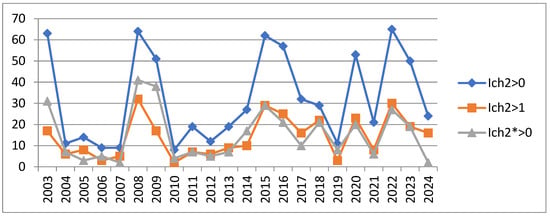

Disclaimer/Publisher’s Note: The statements, opinions and data contained in all publications are solely those of the individual author(s) and contributor(s) and not of MDPI and/or the editor(s). MDPI and/or the editor(s) disclaim responsibility for any injury to people or property resulting from any ideas, methods, instructions or products referred to in the content. |
© 2026 by the authors. Licensee MDPI, Basel, Switzerland. This article is an open access article distributed under the terms and conditions of the Creative Commons Attribution (CC BY) license.