


Abstract
The importance of financial inclusion for economic development is well acknowledged in literature. Despite this, a large percentage of the rural population still remains outside the formal financial system. This study examines factors associated with financial inclusion and their relationship with rural economic well-being. The study is based on a primary survey of 426 Self-Help Group (SHG)-participating rural women from three districts in rural Maharashtra, India. Using Structural Equation Modeling (SEM), the study finds that physical banking services (PBS) are positively associated with household economic well-being through greater access to and use of credit facilities. PBS is also positively associated with access to and use of insurance services in rural areas, but no positive association is found between insurance services and economic well-being. The National Rural Livelihood Mission (NRLM) emerges as an important policy channel. NRLM complements access to PBS and mediates the association between PBS, credit usage, and rural economic well-being. The study highlights that policies focusing on the effective implementation of NRLM programs, improved awareness and delivery of insurance schemes, and targeted efforts to address both supply-side and demand-side barriers to financial access are important for improving economic well-being.
1. Introduction
Financial inclusion refers to access to, and effective use of, formal financial services such as savings accounts, credit, insurance, and payment mechanisms. Over the past few decades, a growing body of literature has highlighted that financial inclusion has emerged as an important pathway for inclusive and sustainable development (Adegbite & Machethe, 2020; Danladi et al., 2023; Xu et al., 2023; Dash & Mohanta, 2024). The literature is rich with studies that provide evidence that wider access to financial services is associated with reduced credit constraints, improved capital allocation, higher productive investment, and higher productivity and economic growth (Beck et al., 2007; Goel & Sharma, 2017).
Access to formal financial services helps protect low-income households from exploitative informal lenders and loan sharks, improves access to credit and insurance services, encourages savings through formal channels, helps them manage economic shocks and financial risks, and smooth consumption (Anzoategui et al., 2014; Demirgüç-Kunt et al., 2017). For instance, Burgess and Pande (2005) find that expanded access to banking in rural India increased deposit mobilization and access to credit, resulting in a significant reduction in rural poverty. Swamy (2014) further finds that financial inclusion initiatives significantly benefit women in terms of income growth compared to men, resulting in a lower gender gap. Moreover, access to formal credit markets and financial institutions is positively associated with the ability of such households to invest in health, education, and agriculture, as a result improvements in their overall economic and social well-being (Kuri & Laha, 2011). To summarize, financial inclusion goes beyond the objective of “banking the unbanked” and instead serves as an important catalyst for inclusive and sustainable economic development.
This study examines the relationship between financial inclusion and the economic position of Self-Help Groups (SHGs) in rural Maharashtra, India. The broader aim of the paper is to understand how access to physical banking services, credit, insurance, and government-linked policies are associated with economic well-being of rural households. The focus on rural India reflects the fact that about 64.6% of the Indian population still lives in rural areas (World Development Indicators, World Bank, 2024), often characterized by agrarian economic conditions and less developed financial infrastructure. Despite India’s success in reducing poverty in recent years, a disproportionately higher share of the rural population remains below the poverty line. The 2023 UNDP report shows that about 19.28% of the rural population lived below the poverty line during 2019–2021, compared to only 5.27% in urban areas (UNDP, 2023).1
While Maharashtra is among India’s most economically advanced states, many rural areas continue to face economic insecurity, agrarian stress, and limited access to formal financial networks. The poverty headcount ratio in rural Maharashtra was significantly higher than in urban areas, at 11.49% compared to 3.07% during 2019–2021 (NITI Aayog, 2023).2 Further, despite notable progress in recent years in expanding banking access and financial inclusion initiatives, a gap remains between access and actual usage in India. For instance, about 78% of adults in India have a bank account, a figure that has not changed since 2017. However, nearly 35% of these accounts are inactive. Digital usage is also lower in rural areas, at around 30%, compared to 40% in urban areas.3 In this context, it is important to examine how financial inclusion, through access to banking services, credit, insurance, and government-linked policies, associates with the economic well-being of households in rural Maharashtra.
Finally, our focus on Self-Help Groups (SHGs) is driven by the fact that these groups are predominantly led by women and support employment by pooling savings, improving access to credit, and encouraging small income-earning activities, especially in rural areas. SHGs also provide collective support to their members, helping them navigate government schemes and financial programs. More importantly, SHGs are considered as platforms that support and empower rural women (Swamy, 2014; Al-Kubati & Selvaratnam, 2023). Hence, our paper contributes not only to the literature on financial inclusion and economic well-being, but also to rural women’s empowerment.
In recent years, India has taken major steps to expand financial inclusion with the aim of bringing the most vulnerable sections of society into the formal financial network and improving their livelihoods. For example, the Pradhan Mantri Jan Dhan Yojana (PMJDY) was launched in August 2014 with a focus on universal access to banking facilities, along with access to credit, insurance, and pension services. As of 2025, over 570 million bank accounts have been opened under PMJDY, with a significant share belonging to rural households (Government of India, PMJDY Dashboard; Nimbrayan et al., 2018).4
The National Rural Livelihood Mission (NRLM), launched in 2011, adopts a livelihood-focused approach by mobilizing women into Self-Help Groups (SHGs) and linking them to formal sources of finance and income-generating opportunities. As of October 2024, more than 100 million women have been mobilized into over 9 million SHGs, supporting women’s economic, financial, and occupational empowerment (Nagayya & Rao, 2016).5 The literature further documents that the NRLM has been associated with a reduction in social exclusion and improvement in financial inclusion among rural households (Maity, 2023).
Even with these initiatives, many rural households still struggle to access and use financial services. Financial illiteracy, limited banking facilities, lack of trust in formal institutions, and complex delivery systems continue to restrict effective participation in the formal financial system (Bongomin et al., 2017; Hasan et al., 2021). As highlighted earlier, nearly 35% of PMJDY accounts remain inactive.6 Even when bank accounts are available, many rural households do not use them for productive purposes. Dahiya and Kumar (2020) report a significant gap between financial access and financial usage, noting that only actual usage contributes to economic growth.
Against this background, this study examines how financial inclusion through physical banking services, participation in NRLM, access to loan (credit) facilities, and use of insurance is associated with the economic and financial conditions of SHGs in rural Maharashtra. By focusing on SHGs, the study moves beyond simple account ownership and instead examines how access to financial services and participation in NRLM are associated with asset building, income and employment generation, and the capacity to spend and invest, which relate to overall financial and economic well-being. Given the cross-sectional nature of the data, the study explores the association between financial inclusion and economic well-being to draw policy lessons rather than estimating causal effects. The research highlights how financial inclusion can serve as an instrument for rural economic development and informs policymakers about which elements of financial inclusion are working on the ground and where additional policy support is needed.
The remainder of the paper is structured as follows. Section 2 reviews the existing literature and develops the research questions and hypotheses. Section 3 describes the data and outlines the research methodology. Section 4 presents the results and analysis. Section 5 discusses the findings and outlines the policy implications. Section 6 concludes the paper.
2. Literature Review, Research Questions, and Hypotheses
Availability and accessibility of financial services are widely regarded as fundamental requirements for eradicating poverty, reducing income inequality, promoting gender equality, and supporting overall economic growth (Li, 2018; Inoue, 2019; Ohiomu & Ogbeide-Osaretin, 2019; Kim et al., 2018; Omar & Inaba, 2020; Van et al., 2021; Churchill & Marisetty, 2020; Kling et al., 2022; Demir et al., 2022). However, rural areas remain particularly vulnerable and financially excluded, as banking operations are often unprofitable in these regions due to higher operational costs and the low utilization of banking services (Saxena & Mishra, 2016). As a result, government policies have consistently placed a high priority on financial inclusion for rural areas, especially in developing and least developed countries.
Historically, several policy initiatives have been undertaken to extend banking facilities to the remotest parts of India. Following the nationalization of the 14 largest commercial banks in 1969, the Government of India launched an extensive social banking program aimed at reaching unbanked rural locations and improving financial access for the rural poor. This program continued until 1990, during which nearly 30,000 bank branches were opened in rural areas (Burgess & Pande, 2005). To further strengthen rural outreach, the Reserve Bank of India (the Central Bank) introduced a branch licensing policy in 1977 that required banks to open four branches in unbanked locations for every branch opened in an already banked area (Burgess & Pande, 2005).
In present India, although the 1:4 licensing policy no longer exists. The Reserve Bank of India now allows domestic scheduled commercial banks to open branches anywhere in the country without seeking prior approval, conditional on at least 25% of the outlets opened by a bank in a financial year being located in unbanked rural centers.7 In recent years, the Government of India has also launched initiatives such as the Pradhan Mantri Jan Dhan Yojana (PMJDY), aimed at expanding access to banking services and integrating unbanked rural households into the formal financial system. As a result of such initiatives, the average distance between an unbanked village and a bank in rural India declined sharply from 43.5 km in 1951 to 4.3 km in 2019 (Garg et al., 2026). Similarly, under PMJDY, more than 570 million bank accounts have been opened to expand financial access for rural households (Government of India, PMJDY Dashboard).8
2.1. Physical Banking Access and the Use of Credit and Insurance Services
The literature highlights that access to and usage of physical banking services, in terms of brick-and-mortar bank branches, ATM facilities, and deposit and withdrawal services, can increase access to and usage of credit. For example, Burgess and Pande (2005) find that state-led banking expansion into unbanked rural locations resulted in significant increases in credit disbursement to rural households for long-term productive investments. In a more recent study, Garg et al. (2026) find that access to banking facilities significantly increased credit uptake among marginalized castes in India, which in turn led to higher entrepreneurial activity.
However, access to banks and the physical banking system does not always translate into higher credit usage. For instance, the literature highlights that greater emphasis needs to be placed on addressing demand-side barriers in India to increase credit usage (A. K. Mishra & Bhardwaj, 2022), rather than on the physical availability of financial services which often benefits only a limited segment of the population (Dupas et al., 2014). Demand-side barriers such as limited financial literacy (Cole et al., 2011), production risk and income volatility that increase default concerns (Giné & Yang, 2009), and the risk of losing collateral (Dupas et al., 2014) can reduce credit usage. Guided by the above discussion, we pose the following research question:
RQ1:
Do access to and usage of physical banking services associate with credit availability and usage in rural areas?
While the literature presents mixed evidence, a large body of empirical work in the Indian context finds a positive association between the expansion of physical banking services and credit usage (Burgess & Pande, 2005; Garg et al., 2026). Based on this evidence, we hypothesize:
H1:
The access to and usage of physical banking services are positively associated with credit availability and usage in rural areas.
Banks also play a crucial role in providing insurance services in rural areas, as rural households tend to place greater trust in banks than in insurance agents. Access to insurance is particularly important for rural households to help manage risks arising from crop failure and financial loss due to the death of a household member. Despite these needs, insurance penetration in India remains low, for example, with only about 22% of the rural population having access to life insurance.9 The literature frequently identifies the banking network as an important channel for expanding insurance penetration in rural regions, particularly through the bancassurance model, where banks act as intermediaries in delivering insurance services (Benoist, 2002; Paige Fields et al., 2007; Bansal & Anil, 2018).
Government-sponsored insurance programs, such as the Pradhan Mantri Fasal Bima Yojana (PMFBY) for crop insurance and the Pradhan Mantri Jeevan Jyoti Bima Yojana (PMJJBY) and Pradhan Mantri Suraksha Bima Yojana (PMSBY) for life and accident insurance, also rely heavily on the existing banking network to extend insurance services in rural areas (Dua et al., 2019).10 As of 2025, more than 230 million people have been enrolled under PMJJBY, with around 74% of beneficiaries coming from rural areas.11 Similarly, over 780 million applications have been insured under PMFBY.12
Rural households often face barriers to accessing credit due to a lack of adequate collateral and exposure to covariate agricultural risks arising from weather-related shocks (K. Mishra et al., 2021). Greater access to insurance services can increase their ability to bear risks such as crop failure, accidents, or death, reduce vulnerability, and support food security by smoothing income and consumption, thereby improving creditworthiness (Zeller & Sharma, 2000). For instance, K. Mishra et al. (2021) show that bundling agricultural loans with insurance that guarantees repayment, protects lenders and, in turn, increases the likelihood of loan approval and farmers’ access to credit in rural Ghana. In sum, this literature suggests a positive association between the availability of insurance and increased credit usage.
However, it must be acknowledged that limited trust in insurance products, lack of understanding of insurance policies, and liquidity constraints often discourage rural households from purchasing insurance (Cole et al., 2013). In addition, gaps in staff knowledge and training related to insurance products severely challenge banks in delivering insurance services in India (Bansal & Anil, 2018). As a result, the ability of banking services to be associated with increased insurance usage, and in turn with higher credit usage is not straightforward in the Indian context.
Driven by the above discussion, we pose the following two research questions and hypotheses.
RQ2:
Do access to and usage of physical banking services associate with the availability and usage of insurance services in rural areas?
RQ3:
Do the availability and usage of insurance services associate with credit availability and usage in rural areas?
H2:
Access to and usage of physical banking services are positively associated with the availability and usage of insurance services in rural regions.
H3:
Availability and usage of insurance services are positively associated with credit availability and usage in rural areas.
2.2. NRLM, Financial Inclusion and Economic Status
We highlighted earlier that despite significant initiatives to expand banking access in rural areas, many rural households remain outside the formal financial system or do not use banking and financial services effectively. This is mainly due to low financial literacy, limited banking facilities, lack of trust in formal institutions, and complex service delivery systems (Bongomin et al., 2017; Hasan et al., 2021). To address these concerns, the Government of India launched the National Rural Livelihoods Mission (NRLM) in 2011, which is now known as the Deendayal Antyodaya Yojana-National Rural Livelihoods Mission (DAY-NRLM).13
NRLM follows a livelihood-focused approach by mobilizing women into Self-Help Groups (SHGs) and linking them to formal sources of finance and self-employment opportunities. Under the program, the lead district bank plays a key role in delivering government programs and financial services in rural areas (Nagayya & Rao, 2016; Gupta & Singh, 2018; Shylendra, 2022; Maity, 2023). NRLM places strong emphasis on the SHG-bank linkage to improve financial inclusion and access to credit (Nagayya & Rao, 2016). As a result, the effectiveness of NRLM is closely related to the availability of and access to Physical Banking Services (PBS).
Research shows that by improving financial awareness and facilitating loan approvals, the SHG-bank linkages created under NRLM are associated with increased availability of credit and women empowerment in these communities (Pandey & Gupta, 2022; Rizvi, 2023; Ningombam & Bordoloi, 2024). Datta (2015) provides evidence from Bihar, India that a significant number of households reduced their high-cost debt and began using credit for productive purposes under such programs. Hoffmann et al. (2021) provide further evidence from Bihar, India, showing that government-led SHG programs significantly increased SHG membership, improved access to formal credit, and reduced the use of informal credit.14
There exists a large literature examining the effects of SHG-based programs on the economic well-being of the poor. Evidence from developing countries is mixed, with several randomized controlled studies of microfinance and SHG initiatives finding modest to no impact on economic well-being (Angelucci et al., 2015; Banerjee et al., 2015; Meager, 2019). Evidence from NRLM in India is also mixed. For example, although Hoffmann et al. (2021) find significant positive effects on formal credit from SHG initiatives, the short-run impact on economic well-being, measured through asset ownership, material well-being, and women’s economic empowerment, is modest to insignificant. Similarly, Raghunathan et al. (2023) find increases in household expenditure on food and livestock ownership from NRLM participation, but no comparable effects on other types of expenditure or asset accumulation.
On the other hand, Pandey and Gupta (2022) find that participation in NRLM is associated with improvements in livelihoods and women’s labor force participation, mainly through improved access to formal credit and the formation of productive assets. Likewise, Ningombam and Bordoloi (2024) find that NRLM participation is associated with higher household income and greater financial stability, especially for women.
Guided by the above discussion on NRLM and the available empirical evidence, we pose the following research questions and hypotheses.
RQ4:
Does access to physical banking services associate with improved access to NRLM participation and NRLM services?
RQ5:
Does access to the NRLM program associate with greater availability and use of credit in rural areas?
RQ6:
Does access to NRLM programs associate with improvement in the economic status of rural households?
H4:
Access to physical banking services is positively associated with improved access to NRLM participation and NRLM services.
H5:
Access to the NRLM program is positively associated with improved availability and use of credit in rural areas.
H6:
Access to NRLM programs is positively associated with improvements in economic status of rural households.
2.3. Physical Banking Access, Credit and Insurance Usage and Economic Status
In the previous sub-section, our focus was on highlighting the role of NRLM in facilitating financial inclusion and its contribution to uplifting the rural poor. In this sub-section, we build on the discussion in Section 2.1 and examine whether access to banking is associated with improvements in economic and financial status through the use of credit and insurance services.
Access to physical banking is often considered one of the primary channels through which rural households are integrated into the formal financial network. Physical banks facilitate access to credit, enabling productive investments in agriculture, education, and small businesses, thereby promoting economic diversification and income generation. Prior literature shows that access to credit can significantly improve the economic conditions of rural households by encouraging productive investments, increased ability to bear shocks, and supporting long-term investments in human capital (Allen, 2006; Akoijam, 2012). Burgess and Pande (2005) find that state-led banking expansion in previously unbanked rural areas led to substantial increases in deposit mobilization and credit disbursement. This resulted in higher output per capita for rural households, particularly in small-scale manufacturing and services. Further, Garg et al. (2026) find that marginalized caste households in villages closer to physical banks experienced higher credit uptake, which translated into greater entrepreneurial activity and employment generation in non-agricultural sectors.
In Section 2.1, we highlighted the complementarity between access to insurance and access to credit. Access to insurance increases rural households’ ability to absorb shocks and reduces income volatility, thereby improving creditworthiness and access to credit (Zeller & Sharma, 2000). Existing literature shows that insurance services improve rural economic outcomes by reducing the risks associated with medical emergencies and natural disasters, enabling investment in higher-yield activities, and increasing household resilience (Jütting, 2001; Sun et al., 2009). Similarly, Habib et al. (2016) finds that micro health insurance helps households by reducing out-of-pocket medical expenses and health-related borrowing, thereby lowering poverty. Such insurance also has a protective effect on household assets, savings, and consumption, contributing to improved economic and financial well-being.
While a significant section of the literature highlights that access to banking, credit usage, and insurance services are associated with improvements in the financial and economic well-being of rural households, there is no consensus on this relationship. Earlier, we highlighted that access to banking does not always translate into higher credit usage due to demand-side barriers (A. K. Mishra & Bhardwaj, 2022; Cole et al., 2011), or into higher use of insurance services due to a lack of trust and understanding of insurance products (Cole et al., 2013). Evidently, there exist high rates of dormant bank accounts under PMJDY (Markose et al., 2022). Further, evidence from field experiments in developing countries suggests that access to banking results in only minor welfare effects, particularly in terms of assets and income (Prina, 2015). Similarly, evidence suggests that access to health insurance does not provide economic benefits to households in India (Azam, 2018).
Guided by the above discussion, we pose the following research questions and hypotheses.
RQ7:
Does access to physical banking services associate with improvements in rural households’ economic condition?
RQ8:
Do credit availability and usage associate with improvements in rural households’ economic condition?
RQ9:
Do the availability and usage of insurance services associate with improvements in rural households’ economic condition?
H7:
Access to physical banking services is positively associated with improvements in rural households’ economic condition.
H8:
Credit availability and usage are positively associated with improvements in rural households’ economic condition.
H9:
The availability and usage of insurance services are positively associated with improvements in rural households’ economic condition.
2.4. Conceptual Framework
Based on the discussed literature and proposed hypotheses, the following conceptual framework is proposed (Figure 1).
Figure 1.
Conceptual Framework. Note: PBS: availability, access and usage of physical banking services; LF: availability, access and usage of credit (loan facility); IS: availability, access and usage of insurance services; ECR: improvements in economic conditions of rural households; NRLM: availability, access and usage of the National Rural Livelihood Mission (NRLM) program.
The study examines the association between availability, access and usage of physical banking services (PBS), availability, access and usage of credit (loan facility, LF), the availability, access and usage of insurance services (IS) in rural areas. It further examines the association between PBS, NRLM participation, and improvements in economic conditions of rural households (ECR). Finally, the study examines the associations between PBS, NRLM, IS, LF and ECR in rural areas.
3. Data and Research Methodology
This cross-sectional study used a questionnaire-based data collection method. Data were collected using a convenient sampling procedure. The target population comprised rural Self-Help Groups (SHGs) randomly selected from 12 villages across three districts–Pune, Thane, and Palghar–of Maharashtra, India. A structured questionnaire was administered to 426 SHG household respondents. The questionnaire included items on the availability, access, and use of financial services to capture financial inclusion, as well as questions on economic and financial status to assess economic well-being. Responses on factors influencing financial inclusion and economic well-being were recorded using a five-point Likert scale. The study used responses from 55 indicators to assess the levels of financial inclusion and economic well-being among the respondents (Refer to Appendix A). The demographic characteristics of the respondents were also collected through the questionnaire.
The study identified thirteen measures of financial services provided in rural Maharashtra. These measures focused on the availability, access, and use of financial services and NRLM across rural areas to assess the extent of financial inclusion (Sarma & Pais, 2011). Responses to sixteen indicators on economic conditions were used to construct measures of the respondents’ economic well-being (Survase & Inumula, 2019; Rajesh et al., 2018; Serrao et al., 2021). Further, the constructs of financial inclusion and economic well-being were then used to examine the association between financial inclusion and the economic well-being of the respondents.
Data analysis was conducted using Structural Equation Modeling (SEM). SEM provides a two-step graphical representation of the relationships in the study through measurement and structural models (Mureșan et al., 2021; Asif et al., 2023). SEM is widely used to analyze survey data that examines complex relationships between latent and observed variables. The study used exploratory factor analysis (EFA) using SPSS 27.0 and confirmatory factor analysis (CFA) using AMOS 24.0 to examine the relationships among the study variables. Squared correlations, convergent values, and Average Variance Extracted (AVE) were used to assess the validity and reliability of the constructs. Harman’s single-factor test was conducted using exploratory factor analysis to assess the presence of common method bias among the study constructs. Multi-group SEM analyses were conducted to examine whether structural relationships differ significantly across various sub-groups.
4. Results and Analysis
The results are presented in the following sub-sections: descriptive analysis, exploratory factor analysis, confirmatory factor analysis (measurement model), construct validity, common-method bias test, structural equation modeling with hypothesis testing, descriptive group comparison, and multi-group structural equation modeling.
4.1. Descriptive Analysis
This sub-section presents the demographic characteristics of the respondents. Table 1 shows the demographic profile of the 426 SHG respondents included in the study. All respondents were women, which is a key characteristic of SHGs. Nearly 87% of the respondents were below 45 years of age. About 56% of the respondents belonged to marginalized castes (Scheduled Castes and Scheduled Tribes), while another 28% belonged to Other Backward Castes (OBCs). The remaining 16.5% belonged to the general caste categories.
Table 1.
Demographic Characteristics.
The sample shows low levels of educational attainment, with 48% of respondents having education below the secondary level and 36.8% having completed secondary or higher secondary education. Only about 6% had attained a graduate, diploma, or postgraduate level of education. The majority of respondents (46.9%) were engaged in farming, reflecting the agrarian nature of rural India. This was followed by 18.6% employed in the private sector, 15% working as daily laborers, and nearly 14% who were self-employed. The distribution of respondents across the three districts was nearly even.
4.2. Exploratory Factor Analysis (EFA)
A factor analysis was used to identify the relevant observed items for the latent constructs used in the SEM (Hair et al., 2010). Table 2 presents the results of the factor analysis. The results show that six factors emerged: Economic Condition of the Respondents (ECR)—a latent construct to reflect improvement in economic well-being of respondents; Physical Banking Services (PBS)—a latent construct reflecting availability, access, and use of physical banking services; Insurance Service (IS)—a latent construct to reflect availability, access, and usage of insurance services; Loan Facility (LF)—a latent construct to reflect availability, access, and usage of credit; NRLM—a latent construct to reflect availability, access, and use of National Rural Livelihoods Mission (NRLM) schemes; and BC & BF—a latent construct to reflect availability, access, and usage of bank correspondents (BC) and bank facilitators (BF).15 Together, these six factors explain 76% of the total variation. The Kaiser-Meyer-Olkin (KMO) value is 0.926, which exceeds the required level of 0.6 and indicates that the data are suitable for factor analysis (Hair et al., 2010).
Table 2.
Exploratory Factor Analysis Results.
The ECR construct—constructed through the factor analysis reported in Table 2—comprises eight items that include improvements in electronic good ownership, vehicle ownership, propensity to save, propensity to invest, access to credit facilities, wealth building, current and future financial stability, and overall economic development. Similarly, the PBS construct comprises ten items, including the availability of a bank branch, ATMs, deposit/withdrawal facilities, accessibility of ATMs, cheque book facilities and cash deposit/withdrawal facilities, and use of a bank branch, ATMs, overdraft facilities, cash deposit/withdrawal facilities. The IS construct comprises three items: availability of insurance plans, accessibility of insurance services, and use of insurance services by the respondent. The NRLM construct comprises three items: availability of NRLM schemes, accessibility of NRLM services and use of NRLM schemes by the respondent. The LF construct comprises of three items: availability of loan (credit) facility, accessibility of loan (credit) facility and the use of loan (credit) by the respondent. The BC & BF construct comprises of three items: availability and easy accessibility of BC & BF, and use of financial services through BC & BF. Out of 55 observed indicators listed in Appendix A, 30 indicators were retained in the factor analysis and were used to construct the latent variables, while the remaining indicators were excluded due to low factor loadings.
Table 3 presents the statistics for the reliability of the constructs. The reliability of the scale was assessed using factor loadings (≥0.5) and Cronbach’s alpha (≥0.6) to obtain statistically significant results from the proposed model (Hair et al., 2010). All constructs meet these criteria, indicating a high level of internal consistency in the scale.
Table 3.
Reliability of Factors.
Table 4 presents the correlation matrix for the variable constructs. The correlation coefficients among the constructs are statistically significant at the 5% level, providing preliminary support for the hypothesized associations proposed in Section 2.
Table 4.
Correlation Matrix.
4.3. Confirmatory Factor Analysis (Measurement Model)
Measurement model from the confirmatory factor analysis links the latent variables to the observed (measurable) factors. Figure 2 presents the final measurement model, where the measurable variables (e.g., UFS1, UFS3, EC4) are shown in rectangles16, while the latent variables (such as ECR, PBS, and LF) are represented using ellipses. The covariance between latent variables is indicated by two-headed arrows joining them. Figure 2 shows the relationship between the latent and measured variables and presents the final measurement model with standardized regression weights for each item.
Figure 2.
Final measurement model. Source: AMOS-24 output. Note: The standardized regression weights for each item of the final model are presented in Figure 2.
The measurement model was estimated using an iterative process until the regression weights exceeded 0.5. Table 5 presents the goodness-of-fit statistics for both the initial and final models. The initial model was rejected as it did not meet the acceptable fit criteria. Although BC & BF emerged as a factor in the exploratory analysis, it was excluded from the final measurement and structural models due to inadequate fit in the confirmatory factor analysis; therefore, BC & BF factor was not considered for further analysis. The final model shows all indices within acceptable limits, indicating that the model is statistically significant. Overall, the confirmatory factor analysis results show that the measurement model fits the data well.
Table 5.
Initial and Final Measurement Model (Standardized output).
4.4. Construct Validity
Construct validity is used to assess the validity of a construct through convergent validity and discriminant validity tests. These two types of validity are opposite in nature. Discriminant validity shows that two constructs are different from each other and therefore represent distinct characteristics. It is tested using the square root of the Average Variance Extracted (AVE), which should be higher than the correlations among the corresponding latent constructs (Hair et al., 2010; Jobson, 2012). The results reported in Table 4 and Table 6 satisfy the requirements for discriminant validity.
Table 6.
Construct Validity.
Convergent validity checks whether the items used to measure a construct are similar and related to one another. It is tested using Composite Reliability (CR), where the CR value for each construct should be greater than 0.5. Table 6 shows that the CR values for all latent variables exceed 0.5, indicating that the criterion for convergent validity is met. As a result, the AVE and composite reliability values indicate that the latent constructs exhibit satisfactory construct validity.
4.5. Common Method Bias Test
The data on the observed items for the constructs were collected from each respondent using a single survey instrument on a self-reported Likert scale at a given point in time. This could lead to potential common method bias, where the observed associations may be driven by the measurement method itself rather than the actual relationships between the constructs, thereby questioning the validity of the results (Podsakoff et al., 2003). To examine the presence of potential common method bias, Harman’s single-factor test was conducted using exploratory factor analysis in SPSS for all 27 items used to measure the constructs.17 The corresponding results are reported in Table 7. The results reveal that the first factor accounts for approximately 47% of the total variance, which is lower than the commonly accepted threshold of 50% (Fuller et al., 2016). This implies that common method bias is unlikely to be a serious concern, as no single factor dominates the total variance.
Table 7.
Harman’s Single-Factor Test for Common Method Bias.
Further, the use of a single survey and self-reported measures could also lead to social desirability bias, where respondents may align their responses with socially desirable behaviors (Bergen & Labonté, 2020). The respondents were assured of the confidentiality of their responses in order to minimize such biases (Krumpal, 2013).
4.6. Structural Equation Modeling and Hypothesis Testing
The Structural Equation Model (SEM) links the variables in the study and provides standardized estimates for all latent variables (Hair et al., 2010). Guided by the literature and the hypotheses presented in Section 2, NRLM, LF, and IS are used as mediating variables to examine the associations between financial inclusion and ECR. For example, Burgess and Pande (2005) and Garg et al. (2026) find that the presence of banking services influences household economic conditions through credit uptake. Table 8 presents the goodness-of-fit indices. All indices fall within the acceptable limits, indicating that the model is statistically significant.
Table 8.
Indicators of Structural Model Goodness-of-Fit.
The structural diagram from the SEM, estimated using AMOS, is presented in Figure 3. The standardized coefficients are reported in Table 9. The results show a significant positive association between PBS and LF (β = 0.352; p < 0.001) in rural Maharashtra, supporting H1 that physical banking services are associated with higher access and usage of credit (loan) facilities. Table 9 also shows significant positive associations between PBS and IS (β = 0.606; p < 0.001) and between PBS and NRLM (β = 0.541; p < 0.001). These results support Hypotheses 2 and 4, indicating that the presence of banking services associates with greater access and usage of insurance services and NRLM schemes, respectively. In addition, a significant positive association is observed between the availability and use of insurance services (IS) and credit use through loan facilities (LF) (β = 0.247; p < 0.001), supporting Hypothesis 3 and demonstrating their complementarity.
Figure 3.
Structural Model. Source: AMOS—24 output.
Table 9.
Testing Hypotheses using the Structural Equation Model.
Similarly, participation in NRLM has a positive and significant association with access to and use of credit facilities (LF) (β = 0.321; p < 0.001) and, in turn, with the economic well-being of rural households (ECR) (β = 0.495; p < 0.001). Thus, hypotheses H5 and H6 are supported. Access to and use of PBS also have a positive and significant association with the economic well-being of rural households (β = 0.185; p < 0.01), potentially through their association with credit usage (LF). Since access to and use of credit facilities (LF) positively associates with the economic well-being of rural households (ECR) (β = 0.237; p < 0.001), these results support hypotheses H7 and H8.
However, the SEM estimates reveal a significant negative association between insurance services (IS) and economic well-being (ECR) in rural Maharashtra (β = −0.139; p < 0.01). This result is contrary to Hypothesis H9 and does not support the hypothesized association in H9. We discuss this issue in the following sections.
4.7. Descriptive Group Comparison (Chi-Square Analysis)
To complement the conclusions drawn from the SEM analysis, we conduct a systematic group comparison of users of PBS, NRLM, credit, and insurance. These results are reported in Table 10. For this analysis, we recode the survey responses on the usage of these services into binary variables, where “strongly agree” and “agree” correspond to users and “neutral,” “disagree,” and “strongly disagree” indicate non-users. We report the differences based on chi-square tests of independence. These comparisons are descriptive in nature and are intended to support our hypotheses; they do not imply causal associations given the cross-sectional nature of the study.
Table 10.
Descriptive Group Comparison.
First, we find that users of PBS report significantly higher usage of various financial services compared to non-users: credit use (74.5% vs. 32.9%, p < 0.001), insurance usage (44.6% vs. 12.1%, p < 0.001), NRLM participation (75.0% vs. 38.3%, p < 0.001), and report improvements in economic well-being (70.7% vs. 24.6%, p < 0.001). These results complement our SEM results and support our hypotheses that physical banking services are positively associated with credit usage (H1), insurance usage (H2), NRLM participation (H4), and improvements in economic well-being (H7).
Similarly, higher percentages of NRLM participants report credit usage (69.1% vs. 29.4%, p < 0.001; H5), usage of insurance services (37.4% vs. 12.9%, p < 0.001), and report economic improvements (68.2% vs. 16.5%, p < 0.001; H6) compared to non-participants. We also find that higher percentages of credit users and insurance users report economic improvements compared to non-users of these services (64.8% vs. 23.6%, p < 0.001; and 69.3% vs. 35.8%, p < 0.001). While a higher percentage of insurance users report economic improvements, the structural association between insurance usage (IS) and improvements in economic well-being (ECR) is not positive as hypothesized in H9 and, as reported in the SEM results in Table 9, is rather negative.
4.8. Multi-Group Structural Equation Modeling Analysis
In Section 4.6 and Table 9, we examined the structural associations proposed in H1-H9. We found that structural associations between PBS, LF, IS, NRLM, and ECR exist largely in the expected ways for the full sample, except for H9. While the structural association between IS and ECR was hypothesized to be positive, Table 9 reveals a significant negative association between the two.
In this section, we examine whether the structural associations observed for the full sample in Table 9 vary across different groups. To achieve this, we conducted a series of multi-group SEM analyses. In the multi-group SEM framework, we test whether the strength of a structural relationship for a given hypothesized association (for example, H1: PBS → LF) varies across groups. Specifically, we test the null hypothesis that the structural path coefficients for a given association are equal across groups against the alternative hypothesis that these coefficients are heterogeneous across groups.
We primarily focus on groups based on districts, caste, educational attainment, and occupation. First, we estimate an unconstrained model in which structural paths are allowed to differ across groups. We then estimate a constrained model in which equality is imposed on only one structural path at a time (for example, H1: PBS → LF). A statistically significant change in the chi-square statistic between the constrained and unconstrained models leads to the rejection of the null hypothesis that the strength of the structural relationship is equal across groups and indicates that the strength of association varies across groups for that specific path (for example, H1: PBS → LF). We repeat this exercise for each structural association across all groups (districts, caste, educational attainment, and occupation). Our analysis is similar to that reported in Sobaih and Elshaer (2022). Table 11, Table 12, Table 13 and Table 14 report these results. The last two columns in each of Table 11, Table 12, Table 13 and Table 14 present p-values from the chi-square difference tests and indicate whether statistically significant group differences exist.
Table 11.
Multi-Group SEM Analysis—Districts (Palghar, Thane & Pune).
Table 12.
Multi-Group SEM Analysis—Caste (SC&ST, OBC & General).
Table 13.
Multi-Group SEM Analysis—Educational Attainment (Low, Medium & High).
Table 14.
Multi-Group SEM Analysis—Occupation (Farmer vs. Non-Farmers).
Table 11 examines the heterogeneity in structural relationships across districts. While the direction of the associations mostly remains similar across districts and aligns with the full sample results reported in Table 9, we observe significant heterogeneity with respect to the strength of these associations. For example, the associations between PBS and credit usage (LF) (H1), PBS and insurance usage (IS) (H2), and PBS and NRLM participation (H4) vary significantly across the three districts (p < 0.001). The associations of NRLM participation with credit usage (LF) (H5) and with economic well-being (ECR) (H6) also vary significantly across the three districts (p < 0.001 and p = 0.003, respectively). We also find insurance usage (IS) to be negatively associated with economic well-being (ECR) only in the Palghar district, with the association being insignificant in the other two districts. This suggests that the negative relationship observed between IS and ECR in the full-sample SEM results (Table 9) is primarily driven by this specific region. This indicates that regional variations play an important role in shaping the association between financial inclusion and economic well-being.
Table 12 reports the multi-group SEM results across caste groups. Following previous studies (Halim et al., 2016), we combine Scheduled Castes (SC) and Scheduled Tribes (ST) into one group, as they are considered marginalized caste groups. Together, SC/ST comprise around 55% of our sample, with Other Backward Castes (OBC) and the General category forming the other two caste groups. Compared to the district-level analysis, the strength of the structural associations does not differ significantly across caste groups, while the direction of the associations remains mostly intact and aligns with the full sample SEM results reported in Table 9. Significant heterogeneity across groups is observed only for the association between PBS and economic well-being (ECR) (H7) and the association between credit usage (LF) and ECR (H8), with group difference p-values corresponding to p = 0.031 and p = 0.005, respectively. Although we find a significant negative association between insurance usage (IS) and economic well-being (H9) only for the SC/ST caste group and not for the other two groups, this association does not differ significantly across groups.
Table 13 reports the multi-group SEM results by educational categories. We divide educational attainment into three groups: (1) low educational attainment, including respondents with less than secondary education (including illiterate), (2) medium educational attainment, including respondents with secondary or higher secondary education, and (3) high educational attainment, including respondents with graduation and above. In contrast to Table 11 and Table 12, we do not observe any statistically significant heterogeneity across groups in the structural associations, while the direction of most of these associations remains similar and significant across groups and aligns with the full-sample SEM results reported in Table 9. The association between insurance usage (IS) and economic well-being (ECR) (H9) remains negative across groups, although it is insignificant for the medium education category. However, caution should be exercised, as the higher education category comprises only about 6% of the sample, which may limit the statistical power of the tests.
Finally, Table 14 reports the multi-group SEM results by occupation (farmer versus non-farmer). The direction of the structural associations for both groups is mostly consistent and aligns with the full-sample SEM results reported in Table 9. The strength of structural associations between the two groups differs only for the associations between PBS and credit usage (LF) (H1), PBS and insurance usage (IS) (H2), and NRLM participation and credit usage (H5), with group difference p-values corresponding to p < 0.001, p = 0.018, and p = 0.002, respectively.
In sum, the multi-group SEM results highlight that regional heterogeneity is the most important source of variation in the observed associations.
5. Discussion
This study examines the association between financial inclusion and economic well-being among SHG-participating rural women in Maharashtra, India. The study seeks to identify the factors that facilitate financial inclusion, support bringing rural communities into the formal financial system, and are associated with their economic well-being. However, it is important to highlight that our study relies on a cross-sectional survey, which limits the ability to identify causal impacts. Accordingly, our findings should be interpreted as indicative of potential hypothesized relationships and pathways rather than causal effects. With this cautionary note, this section discusses the results and their implications for the existing public policy discourse.
First, the availability, access, and usage of physical banking services (PBS) are closely associated with financial inclusion. The paper finds that PBS is positively and significantly associated with the economic well-being of rural households (H7). It also finds that PBS significantly associates with the availability, access, and usage of credit (loan) facilities in rural communities (H1), which in turn positively associates with the economic well-being of households (H8). In summary, the positive association of PBS with economic well-being is mediated through its association with credit usage. Research shows that when physical banking infrastructure improves, people in rural areas are more likely to access basic financial products such as credit, which often translates into productive investments in agriculture and human capital, leading to tangible economic gains (Allen, 2006; Akoijam, 2012). In the Indian context, Burgess and Pande (2005) provide evidence that state-led banking expansion in unbanked rural areas during 1969–1990 significantly reduced poverty and increased per capita household income in these areas, mainly due to increased credit disbursement. Further, Garg et al. (2026) find that financial inclusion through increased access to PBS increasingly benefited marginal castes in India through higher credit uptake, resulting in greater entrepreneurial activity and employment generation.
Second, the study finds that financial inclusion through PBS is positively associated with the availability and use of insurance services in rural areas (H2), lending support to the bancassurance model, where banks act as intermediaries in delivering insurance services. It is important to highlight that recent initiatives by the Government of India that offer insurance products at subsidized premiums, such as PMFBY, PMJJBY, and PMSBY are bank account linked schemes and hence, rely heavily on PBS. Further, Giri and Chatterjee (2021) find that while financial inclusion measured through banking relationships is associated with increased insurance coverage in rural India, the discontinuation of such relationships was associated with a discontinuation of insurance coverage. This lends support to our findings. We also find that rural households with access to insurance services report greater credit usage (H3). This aligns with the literature discussed earlier, which argues that access to insurance increases the creditworthiness of rural households by improving their ability to manage covariate agricultural risks (Zeller & Sharma, 2000; K. Mishra et al., 2021). In particular, K. Mishra et al. (2021) provide evidence that farmers in rural Ghana were more likely to receive loan approvals, thereby increasing their access to credit when agricultural loans were bundled with insurance to guarantee repayment.
Third, we find that the availability, access, and use of insurance services are negatively associated with the economic conditions of households. This finding is contrary to the positive association proposed in H9. This result is unexpected, as access to insurance is expected to help rural households weather adverse economic shocks, thereby benefiting them economically. We find that this result could potentially be driven by low insurance usage in our sample. Only about 20% of respondents used insurance products in our sample. Further, multi-group SEM analysis reveals significant heterogeneity in the association between insurance usage and economic well-being and shows that this negative association is driven primarily by the Palghar district, while the other two districts display insignificant associations between the two. Notably, only 18% of the respondents in Palghar have used insurance. These results could be driven by a few high-risk users or delayed benefit payouts.
We want to emphasize that our dataset lacks information on the design of insurance products such as premium levels, insurance contract complexity, types of insurance products, or information on insurance payouts and claims. This limits our ability to provide a complete explanation, rather our analysis is mostly conjectural. However, low insurance usage is not unique to our findings. For example, in a randomized controlled trial, Cole et al. (2013) find that, despite subsidies, insurance demand in India remains low due to non-price frictions such as lack of trust and understanding of insurance products, liquidity constraints, and salience. Further, Ashraf et al. (2010), although not studying insurance effects directly, argue that not all financial products may have significant empowerment effect, rather appropriately designed financial products, such as commitment savings in their study, may lead to women empowerment.
In the previous paragraph, we noted that the negative association between insurance usage and economic well-being is driven by Palghar district, which is characterized by very low insurance usage. In such a case, a few high-risk users or delayed benefit recipients could drive our results. Although speculative in the absence of detailed insurance data, we provide two potential explanations. First, the presence of insurance may be associated with riskier behavior among rural households, resulting in a moral hazard problem. For example, Cole et al. (2017) find that in the presence of insurance, Indian farmers tend to choose high-risk cash crops that are more sensitive to rainfall. This can lead to large economic losses in the case of a deficient rainy season. Second, delays in insurance payouts under various insurance schemes may adversely affect the economic conditions of insured households. For instance, Kaur et al. (2021) report that crop loss claims under PMFBY were delayed by more than a year, even though guidelines state that claims must be settled within 30 days of crop loss assessment. The study further highlights that a total of 13 states did not receive claim payments during the 2019–2020 year due to delays by insurance companies.
Finally, the study finds that NRLM programs are strongly associated with the inclusion of rural women in the formal financial network and with their economic well-being. As discussed earlier, NRLM mobilizes women into Self-Help Groups (SHGs) and connects them to formal sources of finance and self-employment opportunities. NRLM programs rely heavily on the SHG-bank linkage, with many programs delivered through the lead district bank (Nagayya & Rao, 2016; Gupta & Singh, 2018; Shylendra, 2022). We find strong evidence in support of this and show that access to PBS is positively associated with NRLM participation (H4). We further find that NRLM plays a mediating role in the association between PBS and rural economic well-being, as participation in NRLM is significantly and positively associated with credit usage by SHG members (H5), which in turn is positively associated with their economic well-being (H6). Our findings closely align with the existing literature. For example, evidence shows that government-led SHG initiatives significantly improve financial inclusion by increasing SHG members’ access to formal credit (Datta, 2015; Hoffmann et al., 2021; Pandey & Gupta, 2022), which in turn improves household expenditure, household income, the formation of productive assets, financial stability, and women’s labor force participation (Pandey & Gupta, 2022; Raghunathan et al., 2023; Ningombam & Bordoloi, 2024).
Our finding of the mediating role of NRLM participation for the association between PBS, credit usage, and rural economic well-being is an important policy outcome. It highlights that financial inclusion initiatives could be more effective when complemented by development program support such as NRLM. For example, Dupas et al. (2018) provide experimental evidence from Uganda, Malawi, and Chile showing that policies focused on expanding access to subsidized bank accounts resulted in low usage and, in turn, did not generate noticeable welfare effects. This highlights that access alone is not sufficient to generate meaningful economic outcomes. Khandker (2005) reports significant welfare effects among borrowing households that participated in organized, group-based microfinance programs in Bangladesh. Such programs often provide credit through sustained participation and group-based support. Khandker (2005) also finds significant spillover welfare effects for non-participants from such group-based lending programs. Similarly, Dupas and Robinson (2013) provide evidence that participation in rotating savings and credit associations (ROSCAs) in Kenya–which offered credit and social commitment for regular contributions–resulted in significantly larger increases in health savings and investments compared to other initiatives, further reiterating the importance of program-based support systems such as NRLM for welfare effects.
Overall, our findings support and contribute to the existing literature on financial inclusion, SHG-based programs, and their welfare implications. Consistent with earlier evidence, we confirm that access to physical banking services is associated with improved financial inclusion and credit usage in India (Burgess & Pande, 2005). At the same time, access to credit may not be enough, as the literature suggests that microcredit can have modest or mixed effects on economic well-being (Banerjee et al., 2015; Meager, 2019). Our key contribution is identifying the mediating role of NRLM participation in the association between PBS, credit usage, and rural economic well-being. Our findings align closely with Pandey and Gupta (2022), who find that NRLM participation is positively associated with the economic well-being of women through improved access to formal credit and the formation of productive assets. However, Pandey and Gupta (2022) do not examine the mediating effect of NRLM between banking access and economic well-being. Our findings highlight that access to banking services could be more effective when complemented by development and group-based program initiatives such as NRLM. This is consistent with the behavioral literature; Mugerman et al. (2014) provide evidence from Israel showing that financial behavior is often driven by peer behavior, particularly among individuals who share the same ethnic background. Our results highlight that complementing financial inclusion with group-based development programs such as NRLM could be associated with better financial behavior and meaningful welfare improvements.
Policy Implications
The findings of the study have several important policy implications for promoting financial inclusion and improving rural economic well-being in settings similar to rural Maharashtra. However, caution must be applied when extending the policy applications to broader populations given that the sample only comprises SHG-participating rural women. Further, the strength of the structural associations varies regionally, this suggests that external contextual factors need to be carefully considered when extending these findings to broader rural settings or to other countries, including household and village level characteristics, cultural and religious norms (Swain & Wallentin, 2009), institutional settings, social protection policies, and financial regulations. At the same time, variations in the access to physical banking services, credit usage and NRLM participation among SHG members explain differences in economic well-being within the sample, which has important implications for policies aimed at increasing financial inclusion.
First, our study finds that NRLM, a government-based development program, plays an important role in mobilizing women into Self-Help Groups (SHGs) and connecting them to formal sources of finance to improve their economic well-being. NRLM complements physical banking services by associating banking access with increased credit usage and improvements in economic well-being. Our discussion shows that financial access, when complemented with program-based support, has been successful in generating meaningful welfare outcomes in different contexts (Khandker, 2005; Dupas & Robinson, 2013). Our analysis also draws support from the literature that documents significant welfare effects of NRLM for women (Pandey & Gupta, 2022). This highlights the importance of providing structured program support alongside financial access to enhance financial inclusion and its effectiveness in improving economic outcomes. However, such programs should be implemented with careful attention to geographical, cultural, social, and institutional heterogeneity across different populations.
Second, we find that insurance usage is relatively low in our sample, despite major government initiatives such as PMFBY for crop insurance and PMJJBY and PMSBY for life and accident insurance, respectively. In principle, access to insurance services allows poor households to weather adverse shocks, reduces vulnerability, and supports food security. However, low insurance usage does not translate into meaningful economic benefits, as reflected by the negative association observed in our study. As discussed earlier, factors such as lack of trust and understanding of insurance products, liquidity constraints, and salience have contributed to low insurance uptake in India (Cole et al., 2013). While banks play an important role in delivering insurance services, limited staff knowledge of insurance products poses severe challenges for the effective delivery of insurance services in India (Bansal & Anil, 2018). Although, in the absence of detailed data on insurance usage and pricing, some of these explanations remain speculative, the government could consider pilot-based implementation in smaller batches and better integration of insurance with existing credit programs to achieve better economic outcomes, as documented in K. Mishra et al. (2021). In addition, providing program-based support through NRLM to educate households about insurance policies, their appropriate use, and payment mechanisms may improve outcomes. Further, strict enforcement of timely claim payments would not only improve the economic well-being of households but also increase trust in insurance products and participation. For example, Kaur et al. (2021) find that PMFBY experienced a decline of 14.87 percent in insured farmers between 2016–2017 and 2017–2018 due to low awareness and delayed claim payments.
Finally, even within a relatively small sample of SHG-participating rural households, access to physical banking services is not uniform. There are variations in access and, consequently, in its association with credit usage, insurance usage, and economic benefits. Access to banking services is often constrained by both demand- and supply-side factors. It is important for governments to take initiatives to reduce supply-side bottlenecks, such as state-led efforts to bank unbanked areas, increase access through mobile banking and other digital platforms, and expand the use of direct benefit transfer programs to reduce the incidence of inactive accounts. Further, demand-side barriers such as limited financial literacy, lack of trust in formal financial institutions, complex delivery systems, risk perception, and social norms (Cole et al., 2011) continue to pose challenges to financial inclusion. It is important for governments to devise policies that effectively use SHGs, programs such as NRLM, and support from non-government organization (NGO)-led initiatives to improve knowledge about financial products and reduce risk perception in order to increase access to these services.
6. Conclusions
This study examines the association between financial inclusion and economic well-being among SHG-participating rural women in Maharashtra, India. The objective of the study is to identify the factors that facilitate financial inclusion, help bring rural communities into the formal financial system, and are associated with improvements in their economic well-being. The study is based on a primary survey of 426 Self-Help Group (SHG) members across three districts in rural Maharashtra, India. The association between financial inclusion and economic well-being, and the factors mediating these relationships, are analyzed using Structural Equation Modeling (SEM).
The study finds that physical banking services, a key component of financial inclusion, are positively associated with household economic well-being through their association with credit usage. Physical banking services are also positively associated with access to and usage of insurance services in rural areas, but the study fails to find a positive association between insurance services and economic well-being. The NRLM emerges as an important policy intervention and a mediating factor that is positively associated with financial inclusion in rural areas. Access to and usage of physical banking services are associated with higher participation in NRLM programs. NRLM participation, in turn, is associated with higher credit uptake among rural SHG-participating women and it is also positively associated with their economic well-being.
While the study finds an overall positive association between financial inclusion and economic well-being, it is important to note that SHG members do not have equal levels of financial inclusion. Differences in access to physical banking services, credit usage and NRLM participation among SHG members help explain variation in economic well-being within the sample. The study highlights that policies aimed at the effective implementation of NRLM programs, improved awareness and delivery of insurance schemes, and targeted efforts to address both supply-side and demand-side barriers to financial access are important for improving economic well-being.
Limitations and Future Scope
Despite the strengths and policy relevance of the paper, the paper has several limitations that open the door for future research. First, the study relies on a cross-sectional survey, which does not allow for before-and-after comparisons or the construction of treatment and counterfactual control groups to identify causal impacts of financial inclusion and NRLM program participation on economic well-being. The study uses a Structural Equation Modeling (SEM) framework to examine contemporaneous associations between constructs of financial inclusion and economic well-being among rural Self-Help Group (SHG) members. In particular, the paper explores the associations between access to physical banking services, participation in NRLM, and the use of credit and insurance with economic well-being. As a result, the findings of the paper should be interpreted as associations rather than causal effects. Future studies using longitudinal data would be necessary to conduct program evaluations using before-and-after designs and clearly identify treatment and control groups to establish causality. Particularly, such longitudinal studies would be necessary to identify the causal impacts of programs such as NRLM through more controlled research designs that clearly distinguish NRLM and non-NRLM participants.
Second, it is important to highlight that this cross-sectional study is based on SHG-participating rural women in three districts–Pune, Thane, and Palghar–in Maharashtra, India. As a result, the findings and policy implications are directly applicable to this subset of SHG-participating households. The generalization of the findings to the broader rural population, which includes both male members and non-SHG-participating rural women, may therefore be limited. Prior research provides evidence that SHGs are considered platforms that support and empower women (Swain & Wallentin, 2009; Swamy, 2014; Al-Kubati & Selvaratnam, 2023). In particular, Swain and Wallentin (2009) argue that SHG participation contributes to women’s empowerment through multiple channels, including providing support structures, expanding group lending opportunities, increasing income-generating capacity, improving bargaining power within the household, and offering training to enhance awareness and skills. While our results show a positive association between financial inclusion and economic well-being, this outcome may be partly driven by the broader empowerment effects associated with SHG participation itself. Hence, generalizing these results to the broader rural population, including non-SHG households and men, should be done with caution.
Further, the multi-group SEM analysis shows significant district-level heterogeneity in the structural associations between financial inclusion constructs and economic well-being, even within the SHG-participating sample. Understanding what drives these heterogeneities may depend on several external factors, such as household and village characteristics, cultural and religious norms, and the nature of training and awareness programs (Swain & Wallentin, 2009), which are beyond the scope of the current dataset. This highlights the need for caution when extending the study’s conclusions to broader populations and other geographic locations, including other districts, states and countries.
Third, our dataset does not contain detailed information on insurance and credit product characteristics, such as premium levels, contract complexity, types of insurance policies, insurance payouts and claims, and interest rate and collateral requirements for credit products. This limits our ability to explain the association between insurance usage and economic outcomes. Therefore, our analysis can only be discussed at an exploratory level, drawing on prior literature rather than any empirical analysis.
Fourth, given that the study is based on a primary survey, the data are limited in several respects. For example, there have been significant improvements in the adoption and usage of digital financial services in India (Demirgüç-Kunt et al., 2022). While our survey included questions on whether respondents used mobile banking and internet banking, we did not collect sufficiently detailed information on the usage of mobile, internet, and other digital financial services. More importantly, the factor analysis identified only physical banking services as an important construct. As a result, our empirical analysis is limited to access to physical banking services. Future studies using primary survey data should examine the depth and usage of digital financial services in greater detail, given their growing importance for financial inclusion. Further, the use of financial services and financial inclusion are often constrained by demand-side barriers such as financial literacy, trust in formal financial institutions, complex delivery systems, risk perception, and social norms (Cole et al., 2011; Bongomin et al., 2017; Hasan et al., 2021). Our survey data lacked direct measures of these factors, which limits our ability to assess the extent to which they drive the observed results. Future research should explicitly account for these factors in the analysis.
Author Contributions
Conceptualization, M.S. and B.P.; methodology, M.S. and B.P.; formal analysis, M.S. and B.P.; investigation, M.S. and B.P.; data collection and resources, M.S.; writing—original draft preparation, M.S. and B.P.; writing—review and editing, M.S. and B.P. All authors have read and agreed to the published version of the manuscript.
Funding
This research received no external funding.
Institutional Review Board Statement
Ethical review and approval were waived for this study as the author’s institution does not require ethical approval for non-medical research.
Informed Consent Statement
Informed consent was obtained from the respondents of the survey.
Data Availability Statement
The data used to support the findings of this study are available from the corresponding author upon request.
Conflicts of Interest
The authors declare no conflict of interest.
Appendix A
Availability of Banking Services
AVFS1—A bank branch is available at your place.
AVFS2—Business Facilitators (BF) and Business Correspondents (BC) are available at your place.
AVFS3—Automated Teller Services (ATMs) are available at your place.
AVFS4—Mobile banking is available to the respondent.
AVFS5—Internet banking is available to the respondent.
AVFS6—Cheque book facility is available to the respondent.
AVFS7—Loan (credit) facility is available to the respondent.
AVFS8—Insurance plans are available to the respondent.
AVFS9—Overdraft facility is available to the respondent.
AVFS10—Deposit/withdrawing facility is available to the respondent.
AVFS11—Mortgage facility available to the respondent.
AVFS12—A financial advisor is available to the respondent.
AVFS13—NRLM schemes are available to the respondent.
Accessibility of Banking Services
ACFS1—The bank branch is conveniently located.
ACFS2—BC & BF can be easily accessed by the respondent.
ACFS3—ATMs are easily accessible.
ACFS4—Mobile banking is easily accessible to the respondent.
ACFS5—Internet banking is easily accessible to the respondent.
ACFS6—Cheque book/facility is easily accessible to the respondent.
ACFS7—Loan (credit) facility is easily accessible to the respondent.
ACFS8—Insurance services are easily accessible to the respondent.
ACFS9—Overdraft facility is easily accessible to the respondent.
ACFS10—Cash deposit and withdrawal facilities are easily accessible to the respondent.
ACFS11—Mortgage facility is easily accessible to the respondent.
ACFS12—A financial advisor is easily accessible to the respondent.
ACFS13—NRLM services are easily accessible to the respondent.
Usage of Banking Services
UFS1—The respondent used a bank branch to access financial services.
UFS2—The respondent used BC/BF to access financial services.
UFS3—The respondent used ATMs services.
UFS4—The respondent used Mobile Banking.
UFS5—The respondent used Internet Banking.
UFS6—The respondent used Cheque Book facilities.
USF7—The respondent used a loan (credit) facility.
USF8—The respondent used insurance services.
UFS9—The respondent used an overdraft facility of a Bank.
UFS10—The respondent used cash deposits/withdrawals facilities.
UFS11—The respondent used a mortgage facility offered by a Bank/BC/BF.
UFS12—The respondent used financial advisory services offered by a Bank/BC/BF.
UFS13—The respondent used NRLM schemes.
Economic & Financial Status
EC1—Improvement in physical assets ownership.
EC2—Improvement in land ownership.
EC3—Improvement in livestock ownership.
EC4—Improvement in electronic goods ownership.
EC5—Improvement in vehicle ownership.
EC6—Improvement in internet and technology usage.
EC7—Respondent’s Employment status.
EC8—Improvement in income level.
EC9—Improvement in capacity to spend.
EC10—Improvement in propensity to save.
EC11—Improvement in propensity for investing.
EC12—Improvement in accessibility to credit facility.
EC13—Improvement in building of wealth.
EC14—Improvement in credibility in finance.
EC15—Improvement in current and future financial stability.
EC16—Improvement in economic development as a whole.
Notes
| 1 | https://www.undp.org/india/national-multidimensional-poverty-index-progress-review-2023. The corresponding figures stood at 32.59% and 8.65% during 2015-16 for rural and urban areas, respectively. Accessed on 25 December 2025. |
| 2 | https://www.niti.gov.in/sites/default/files/2023-08/India-National-Multidimentional-Poverty-Index-2023.pdf. Accessed on 25 December 2025. |
| 3 | https://thedocs.worldbank.org/en/doc/4c4fe6db0fd7a7521a70a39ac518d74b-0050062022/original/Findex2021-India-Country-Brief.pdf. Accessed on 24 December 2025. |
| 4 | https://www.pmjdy.gov.in/home. Accessed on 24 December 2025. |
| 5 | https://www.pib.gov.in/PressReleaseIframePage.aspx?PRID=2080093®=3&lang=2. Accesssed on 25 December 2025. |
| 6 | https://thedocs.worldbank.org/en/doc/4c4fe6db0fd7a7521a70a39ac518d74b-0050062022/original/Findex2021-India-Country-Brief.pdf. Accessed on 25 December 2025. |
| 7 | https://sansad.in/getFile/annex/263/AU359.pdf?source=pqars. Accessed on 25 December 2025. |
| 8 | https://www.pmjdy.gov.in/home. Accessed on 24 December 2025. |
| 9 | |
| 10 | PMFBY provides subsidized crop insurance to farmers against crop losses. PMJJBY offers a life insurance of Rs. 2 lakhs at an annual premium of Rs. 436, while PMSBY provides accident insurance of up to Rs. 2 lakhs at an annual premium of Rs. 20, with both schemes linked to the insured’s bank accounts. (Press Information Bureau, India). |
| 11 | https://static.pib.gov.in/WriteReadData/specificdocs/documents/2025/may/doc202558551501.pdf. Accessed on 26 December 2025. |
| 12 | https://www.pib.gov.in/PressNoteDetails.aspx?ModuleId=3&NoteId=155010®=3&lang=2. Accessed on 26 December 2025. |
| 13 | The program is a modified version of the earlier Swarna Jayanti Gram Swarozgar Yojana (SGSY), which was launched in 1999. |
| 14 | Both Datta (2015) and Hoffmann et al. (2021) study the government-led SHG program Jeevika in Bihar, which served as a precursor for NRLM. |
| 15 | BC and BF are third-party agents who work as the agents of a bank in unbanked rural areas. |
| 16 | Appendix A provides definitions of all the measured variables. |
| 17 | After excluding the three measured items for the BC & BF construct, as BC & BF was not included in the final model. |
References
- Adegbite, O. O., & Machethe, C. L. (2020). Bridging the financial inclusion gender gap in smallholder agriculture in Nigeria: An untapped potential for sustainable development. World Development, 127, 104755. [Google Scholar] [CrossRef] [Scilit]
- Akoijam, S. L. S. (2012). Rural credit: A source of sustainable livelihood of rural India. International Journal of Social Economics, 40(1), 83–97. [Google Scholar] [CrossRef] [Scilit]
- Al-Kubati, N. A. A., & Selvaratnam, D. P. (2023). Empowering women through the self-help group bank linkage program as a tool for sustainable development: Lessons from India. Community Development Journal, 58(2), 283–308. [Google Scholar] [CrossRef] [Scilit]
- Allen, H. (2006). Village savings and loans associations: Sustainable and cost-effective rural finance. Enterprise Development & Microfinance, 17(1), 61–68. [Google Scholar]
- Angelucci, M., Karlan, D., & Zinman, J. (2015). Microcredit impacts: Evidence from a randomized microcredit program placement experiment by Compartamos Banco. American Economic Journal: Applied Economics, 7(1), 151–182. [Google Scholar] [CrossRef] [Scilit]
- Anzoategui, D., Demirgüç-Kunt, A., & Martínez Pería, M. S. (2014). Remittances and financial inclusion: Evidence from El Salvador. World Development, 54, 338–349. [Google Scholar] [CrossRef] [Scilit]
- Ashraf, N., Karlan, D., & Yin, W. (2010). Female empowerment: Impact of a commitment savings product in the Philippines. World Development, 38(3), 333–344. [Google Scholar] [CrossRef] [Scilit]
- Asif, M., Khan, M. N., Tiwari, S., Wani, S. K., & Alam, F. (2023). The impact of fintech and digital financial services on financial inclusion in India. Journal of Risk and Financial Management, 16(2), 122. [Google Scholar] [CrossRef] [Scilit]
- Azam, M. (2018). Does social health insurance reduce financial burden? Panel data evidence from India. World Development, 102, 1–17. [Google Scholar] [CrossRef] [Scilit]
- Banerjee, A., Karlan, D., & Zinman, J. (2015). Six randomized evaluations of microcredit: Introduction and further steps. American Economic Journal: Applied Economics, 7(1), 1–21. [Google Scholar] [CrossRef] [Scilit]
- Bansal, J., & Anil, K. (2018). Qualitative research on issues and trends in the bancassurance model in India: An interview report. International Journal of Banking, Risk and Insurance, 6(2), 67–78. [Google Scholar]
- Beck, T., Demirgüç-Kunt, A., & Levine, R. (2007). Finance, inequality and the poor. Journal of Economic Growth, 12(1), 27–49. [Google Scholar] [CrossRef] [Scilit]
- Benoist, G. (2002). Bancassurance: The new challenges. The Geneva Papers on Risk and Insurance: Issues and Practice, 27(3), 295–303. [Google Scholar] [CrossRef] [Scilit]
- Bergen, N., & Labonté, R. (2020). “Everything is perfect, and we have no problems”: Detecting and limiting social desirability bias in qualitative research. Qualitative Health Research, 30(5), 783–792. [Google Scholar] [CrossRef] [Scilit]
- Bongomin, G. O. C., Munene, J. C., Ntayi, J. M., & Malinga, C. A. (2017). Financial literacy in emerging economies: Do all components matter for financial inclusion of poor households in rural Uganda? Managerial Finance, 43(12), 1310–1331. [Google Scholar] [CrossRef] [Scilit]
- Burgess, R., & Pande, R. (2005). Do rural banks matter? Evidence from the Indian social banking experiment. American Economic Review, 95(3), 780–795. [Google Scholar] [CrossRef] [Scilit]
- Churchill, S. A., & Marisetty, V. B. (2020). Financial inclusion and poverty: A tale of forty-five thousand households. Applied Economics, 52(16), 1777–1788. [Google Scholar] [CrossRef] [Scilit]
- Cole, S., Giné, X., Tobacman, J., Topalova, P., Townsend, R., & Vickery, J. (2013). Barriers to household risk management: Evidence from India. American Economic Journal: Applied Economics, 5(1), 104–135. [Google Scholar] [CrossRef] [Scilit]
- Cole, S., Giné, X., & Vickery, J. (2017). How does risk management influence production decisions? Evidence from a field experiment. The Review of Financial Studies, 30(6), 1935–1970. [Google Scholar] [CrossRef] [Scilit]
- Cole, S., Sampson, T., & Zia, B. (2011). Prices or knowledge? What drives demand for financial services in emerging markets? Journal of Finance, 66(6), 1933–1967. [Google Scholar] [CrossRef] [Scilit]
- Dahiya, S., & Kumar, M. (2020). Linkage between financial inclusion and economic growth: An empirical study of the emerging Indian economy. Vision: The Journal of Business Perspective, 24(2), 184–193. [Google Scholar] [CrossRef] [Scilit]
- Danladi, S., Prasad, M. S. V., Modibbo, U. M., Ahmadi, S. A., & Ghasemi, P. (2023). Attaining sustainable development goals through financial inclusion: Exploring collaborative approaches to fintech adoption in developing economies. Sustainability, 15(17), 13039. [Google Scholar] [CrossRef] [Scilit]
- Dash, A., & Mohanta, G. (2024). Fostering financial inclusion for attaining sustainable goals: What contributes more to the inclusive financial behavior of rural households in India? Journal of Cleaner Production, 449, 141731. [Google Scholar] [CrossRef] [Scilit]
- Datta, U. (2015). Socio-economic impacts of JEEViKA: A large-scale self-help group project in Bihar, India. World Development, 68, 1–18. [Google Scholar] [CrossRef] [Scilit]
- Demir, A., Pesqué-Cela, V., Altunbas, Y., & Murinde, V. (2022). Fintech, financial inclusion, and income inequality: A quantile regression approach. The European Journal of Finance, 28(1), 86–107. [Google Scholar] [CrossRef] [Scilit]
- Demirgüç-Kunt, A., Klapper, L., & Singer, D. (2017). Financial inclusion and inclusive growth: A review of recent empirical evidence. World Bank Policy Research Working Paper No. 8040. World Bank Group. Available online: http://documents.worldbank.org/curated/en/403611493134249446 (accessed on 24 December 2025).
- Demirgüç-Kunt, A., Klapper, L., Singer, D., & Ansar, S. (2022). The global findex database 2021: Financial inclusion, digital payments, and resilience in the age of COVID-19. World Bank Group. Available online: https://documents.worldbank.org/curated/en/099818107072234182 (accessed on 18 January 2026).
- Dua, P., Sahay, N., & Deol, O. S. (2019). An overview and significance of different bancassurance schemes launched for financial inclusion in India. International Journal of Management, 10(6), 275–286. [Google Scholar] [CrossRef] [Scilit]
- Dupas, P., Green, S., Keats, A., & Robinson, J. (2014). Challenges in banking the rural poor: Evidence from Kenya’s Western Province. In S. Edwards, S. Johnson, & D. N. Weil (Eds.), African successes, Volume III: Modernization and development (pp. 63–101). National Bureau of Economic Research. [Google Scholar]
- Dupas, P., Karlan, D., Robinson, J., & Ubfal, D. (2018). Banking the unbanked? Evidence from three countries. American Economic Journal: Applied Economics, 10(2), 257–297. [Google Scholar] [CrossRef] [Scilit]
- Dupas, P., & Robinson, J. (2013). Why don’t the poor save more? Evidence from health savings experiments. American Economic Review, 103(4), 1138–1171. [Google Scholar] [CrossRef] [Scilit]
- Fuller, C. M., Simmering, M. J., Atinc, G., Atinc, Y., & Babin, B. J. (2016). Common methods variance detection in business research. Journal of Business Research, 69(8), 3192–3198. [Google Scholar] [CrossRef] [Scilit]
- Garg, S., Gupta, S., & Mallick, S. (2026). Does social identity constrain rural entrepreneurship? Evidence on the role of financial inclusion. Journal of Development Economics, 179, 103669. [Google Scholar] [CrossRef] [Scilit]
- Giné, X., & Yang, D. (2009). Insurance, credit, and technology adoption: Field experimental evidence from Malawi and India. Journal of Development Economics, 89(1), 1–11. [Google Scholar] [CrossRef] [Scilit]
- Giri, M., & Chatterjee, D. (2021). Factors affecting changes in insured status of rural and urban households: A study over two time periods in India. IIMB Management Review, 33(4), 360–371. [Google Scholar] [CrossRef] [Scilit]
- Goel, S., & Sharma, R. (2017). Developing a financial inclusion index for India. Procedia Computer Science, 122, 949–956. [Google Scholar] [CrossRef] [Scilit]
- Gupta, T., & Singh, U. B. (2018). An assessment of growth and potential of the self-help group-bank linkage program in India. International Journal of Agricultural & Statistical Sciences, 14, 373–386. [Google Scholar]
- Habib, S. S., Perveen, S., & Khuwaja, H. M. A. (2016). The role of micro health insurance in providing financial risk protection in developing countries: A systematic review. BMC Public Health, 16(1), 281. [Google Scholar] [CrossRef] [Scilit]
- Hair, J. F., Anderson, R. E., Babin, B. J., & Black, W. C. (2010). Multivariate data analysis: A global perspective (7th ed.). Pearson. [Google Scholar]
- Halim, N., Yount, K. M., & Cunningham, S. (2016). Do Scheduled Caste and Scheduled Tribe women legislators mean lower gender–caste gaps in primary schooling in India? Social Science Research, 58, 122–134. [Google Scholar] [CrossRef] [Scilit]
- Hasan, M., Le, T., & Hoque, A. (2021). How does financial literacy impact on inclusive finance? Financial Innovation, 7(1), 40. [Google Scholar] [CrossRef] [Scilit]
- Hoffmann, V., Rao, V., Surendra, V., & Datta, U. (2021). Relief from usury: Impact of a self-help group lending program in rural India. Journal of Development Economics, 148, 102567. [Google Scholar] [CrossRef] [Scilit]
- Inoue, T. (2019). Financial inclusion and poverty reduction in India. Journal of Financial Economic Policy, 11(1), 21–33. [Google Scholar] [CrossRef] [Scilit]
- Jobson, J. D. (2012). Applied multivariate data analysis: Volume II: Categorical and multivariate methods. Springer Science & Business Media. [Google Scholar]
- Jütting, J. P. (2001). The impact of health insurance on the access to health care and financial protection in rural developing countries: The example of Senegal. HNP Discussion Paper Series. World Bank. Available online: http://documents.worldbank.org/curated/en/382731468764075531 (accessed on 10 December 2025).
- Kaur, S., Raj, H., Singh, H., & Chattu, V. K. (2021). Crop insurance policies in India: An empirical analysis of Pradhan Mantri Fasal Bima Yojana. Risks, 9(11), 191. [Google Scholar] [CrossRef] [Scilit]
- Khandker, S. R. (2005). Microfinance and poverty: Evidence using panel data from Bangladesh. World Bank Economic Review, 19(2), 263–286. [Google Scholar] [CrossRef] [Scilit]
- Kim, D.-W., Yu, J.-S., & Hassan, M. K. (2018). Financial inclusion and economic growth in OIC countries. Research in International Business and Finance, 43, 1–14. [Google Scholar] [CrossRef] [Scilit]
- Kling, G., Pesqué-Cela, V., Tian, L., & Luo, D. (2022). A theory of financial inclusion and income inequality. The European Journal of Finance, 28(1), 137–157. [Google Scholar] [CrossRef] [Scilit]
- Krumpal, I. (2013). Determinants of social desirability bias in sensitive surveys: A literature review. Quality & Quantity, 47(4), 2025–2047. [Google Scholar]
- Kuri, P. K., & Laha, A. (2011). Financial inclusion and human development in India: An inter-state analysis. Indian Journal of Human Development, 5(1), 61–76. [Google Scholar] [CrossRef] [Scilit]
- Li, L. (2018). Financial inclusion and poverty: The role of relative income. China Economic Review, 52, 165–191. [Google Scholar] [CrossRef] [Scilit]
- Maity, S. (2023). Self help groups, microfinance, financial inclusion and social exclusion: Insight from Assam. Heliyon, 9(6), e16807. [Google Scholar] [CrossRef] [Scilit]
- Markose, S., Arun, T., & Ozili, P. (2022). Financial inclusion, at what cost? Quantification of economic viability of a supply side roll out. The European Journal of Finance, 28(1), 3–29. [Google Scholar] [CrossRef] [Scilit]
- Meager, R. (2019). Understanding the average impact of microcredit expansions: A Bayesian hierarchical analysis of seven randomized experiments. American Economic Journal: Applied Economics, 11(1), 57–91. [Google Scholar] [CrossRef] [Scilit]
- Mishra, A. K., & Bhardwaj, V. (2022). Financial access and household’s borrowing: Policy perspectives of an emerging economy. Journal of Policy Modeling, 44(5), 981–999. [Google Scholar] [CrossRef] [Scilit]
- Mishra, K., Gallenstein, R. A., Miranda, M. J., Sam, A. G., Toledo, P., & Mulangu, F. (2021). Insured loans and credit access: Evidence from a randomized field experiment in Northern Ghana. American Journal of Agricultural Economics, 103(3), 923–943. [Google Scholar] [CrossRef] [Scilit]
- Mugerman, Y., Sade, O., & Shayo, M. (2014). Long-term savings decisions: Financial reform, peer effects and ethnicity. Journal of Economic Behavior & Organization, 106, 235–253. [Google Scholar]
- Mureșan, G. M., Fülöp, M. T., & Ciumaș, C. (2021). The road from money to happiness. Journal of Risk and Financial Management, 14(10), 459. [Google Scholar] [CrossRef] [Scilit]
- Nagayya, D., & Rao, B. A. (2016). Microfinance through self-help groups and financial inclusion. Journal of Rural Development, 35(3), 341–375. [Google Scholar]
- Nimbrayan, P. K., Tanwar, N., & Tripathi, R. K. (2018). Pradhan Mantri Jan Dhan Yojana (PMJDY): The biggest financial inclusion initiative in the world. Economic Affairs, 63(2), 583–590. [Google Scholar] [CrossRef] [Scilit]
- Ningombam, S. K., & Bordoloi, S. (2024). DAY-NRLM scheme and its impact on women empowerment: A case of Morigaon district of Assam, India. Indian Growth and Development Review, 17(1), 26–42. [Google Scholar] [CrossRef] [Scilit]
- NITI Aayog. (2023). National Multidimensional Poverty Index: A progress review 2023. Government of India. Available online: https://www.niti.gov.in/sites/default/files/2023-08/India-National-Multidimentional-Poverty-Index-2023.pdf (accessed on 25 December 2025).
- Ohiomu, S., & Ogbeide-Osaretin, E. N. (2019). Financial inclusion and gender inequality reduction: Evidence from sub-Saharan Africa. The Indian Economic Journal, 67(3–4), 367–372. [Google Scholar] [CrossRef] [Scilit]
- Omar, M. A., & Inaba, K. (2020). Does financial inclusion reduce poverty and income inequality in developing countries? A panel data analysis. Journal of Economic Structures, 9, 37. [Google Scholar] [CrossRef] [Scilit]
- Paige Fields, L., Fraser, D. R., & Kolari, J. W. (2007). Is bancassurance a viable model for financial firms? Journal of Risk and Insurance, 74(4), 777–794. [Google Scholar] [CrossRef] [Scilit]
- Pandey, V., & Gupta, A. (2022). Can multi-sectoral development interventions boost livelihoods and women’s labor supply? Evidence from NRLM in India. Feminist Economics, 28(2), 217–246. [Google Scholar] [CrossRef] [Scilit]
- Podsakoff, P. M., MacKenzie, S. B., Lee, J. Y., & Podsakoff, N. P. (2003). Common method biases in behavioral research: A critical review of the literature and recommended remedies. Journal of Applied Psychology, 88(5), 879–903. [Google Scholar] [CrossRef] [Scilit]
- Prina, S. (2015). Banking the poor via savings accounts: Evidence from a field experiment. Journal of Development Economics, 115, 16–31. [Google Scholar] [CrossRef] [Scilit]
- Raghunathan, K., Kumar, N., Gupta, S., Thai, G., Scott, S., Choudhury, A., & Quisumbing, A. (2023). Scale and sustainability: The impact of a women’s self-help group program on household economic well-being in India. The Journal of Development Studies, 59(4), 490–515. [Google Scholar] [CrossRef] [Scilit]
- Rajesh, S., Jain, S., & Sharma, P. (2018). Inherent vulnerability assessment of rural households based on socio-economic indicators using categorical principal component analysis: A case study of the Kimsar region, Uttarakhand. Ecological Indicators, 85, 93–104. [Google Scholar] [CrossRef] [Scilit]
- Rizvi, F. F. (2023). Women’s empowerment outcome: Experiences from DAY-NRLM-BRLP in Gaya. Indian Journal of Economics, CIII, 743–755. [Google Scholar]
- Sarma, M., & Pais, J. (2011). Financial inclusion and development. Journal of International Development, 23(5), 613–628. [Google Scholar] [CrossRef] [Scilit]
- Saxena, R. K., & Mishra, A. K. (2016). BC model: A tool for reaching out to the unreached. Journal of Reviews and Research, 4(2), 1–12. [Google Scholar]
- Serrao, M., Sequeira, A., & Varambally, K. V. M. (2021). Impact of financial inclusion on the socio-economic status of rural and urban households of vulnerable sections in Karnataka. arXiv, arXiv:2105.11716. Available online: https://arxiv.org/abs/2105.11716 (accessed on 10 December 2025).
- Shylendra, H. S. (2022). Livelihood promotion: Can the collectives of NRLM really do it? International Journal of Rural Management, 18(3), 323–357. [Google Scholar] [CrossRef] [Scilit]
- Sobaih, A. E. E., & Elshaer, I. A. (2022). Structural equation modeling-based multi-group analysis: Examining the role of gender in the link between entrepreneurship orientation and entrepreneurial intention. Mathematics, 10(20), 3719. [Google Scholar] [CrossRef] [Scilit]
- Sun, Q., Liu, X., Meng, Q., Tang, S., Yu, B., & Tolhurst, R. (2009). Evaluating the financial protection of patients with chronic disease by health insurance in rural China. International Journal for Equity in Health, 8(1), 42. [Google Scholar] [CrossRef] [Scilit]
- Survase, M., & Inumula, K. M. (2019). Financial inclusion: Scale modification and validation of socio-economic indicators. SCMS Journal of Indian Management, 16(4), 31–40. [Google Scholar]
- Swain, R. B., & Wallentin, F. Y. (2009). Does microfinance empower women? Evidence from self-help groups in India. International Review of Applied Economics, 23(5), 541–556. [Google Scholar] [CrossRef] [Scilit]
- Swamy, V. (2014). Financial inclusion, gender dimension, and economic impact on poor households. World Development, 56, 1–15. [Google Scholar] [CrossRef] [Scilit]
- United Nations Development Programme. (2023, July 18). National multidimensional poverty index: A progress review 2023. UNDP India. Available online: https://www.undp.org/india/national-multidimensional-poverty-index-progress-review-2023 (accessed on 25 December 2025).
- Van, L. T. H., Vo, A. T., Nguyen, N. T., & Vo, D. H. (2021). Financial inclusion and economic growth: International evidence. Emerging Markets Finance and Trade, 57(1), 239–263. [Google Scholar] [CrossRef] [Scilit]
- World Bank. (2024). World development indicators. Available online: https://databank.worldbank.org/source/world-development-indicators (accessed on 22 December 2025).
- Xu, S., Asiedu, M., & Effah, N. A. A. (2023). Inclusive finance, gender inequality, and sustainable economic growth in Africa. Journal of the Knowledge Economy, 14(4), 4866–4902. [Google Scholar] [CrossRef] [Scilit]
- Zeller, M., & Sharma, M. (2000). Many borrow, more save, and all insure: Implications for food and microfinance policy. Food Policy, 25(2), 143–167. [Google Scholar] [CrossRef] [Scilit]
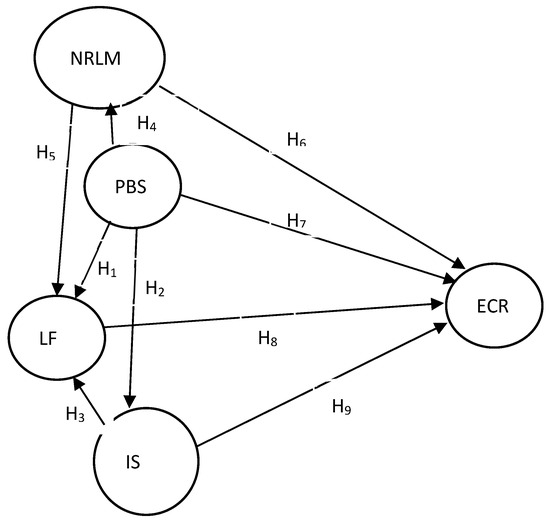
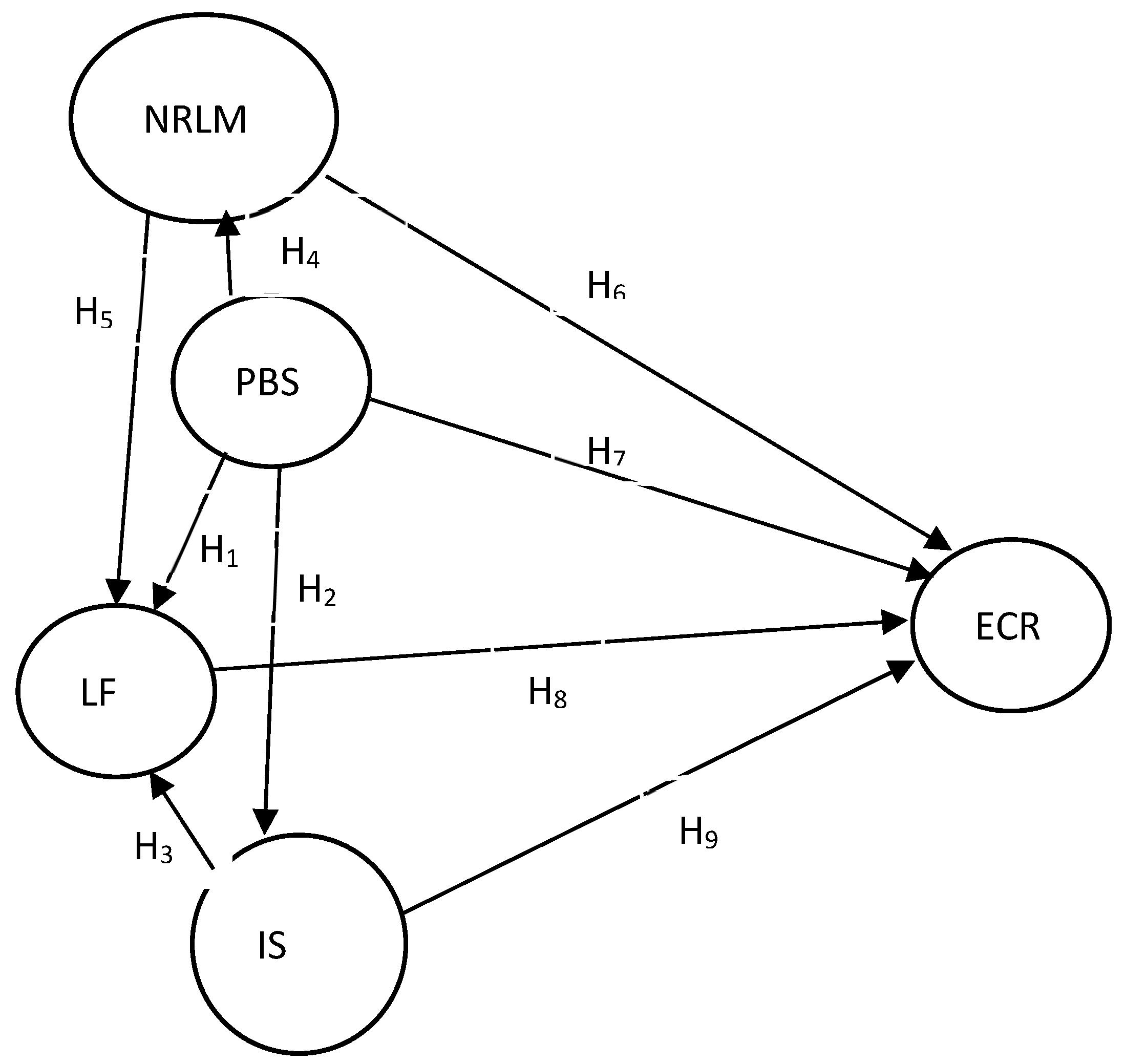
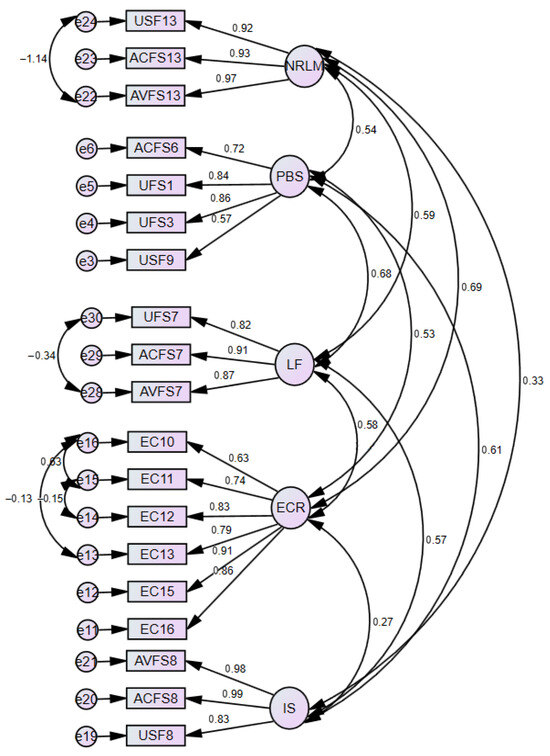
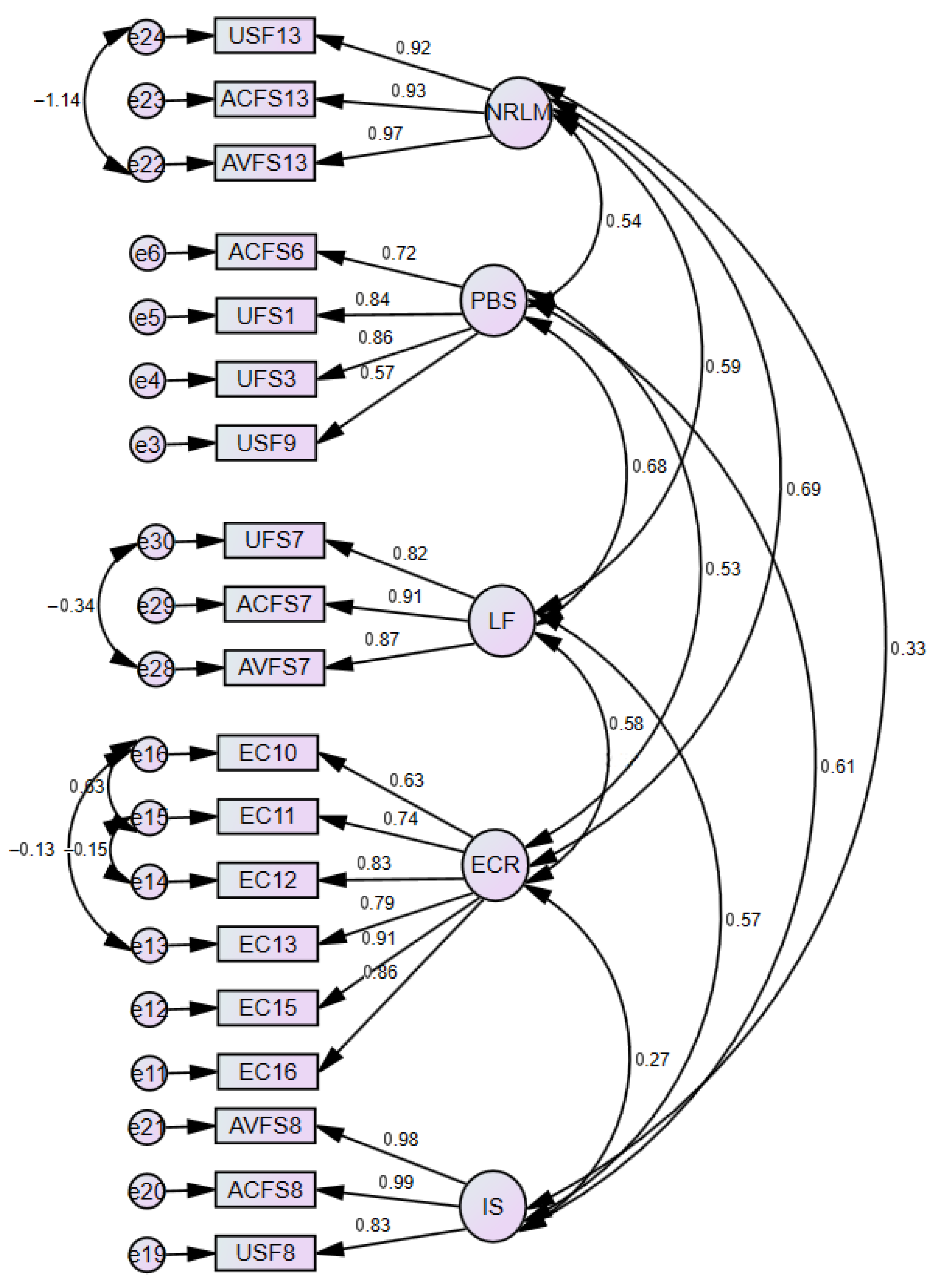
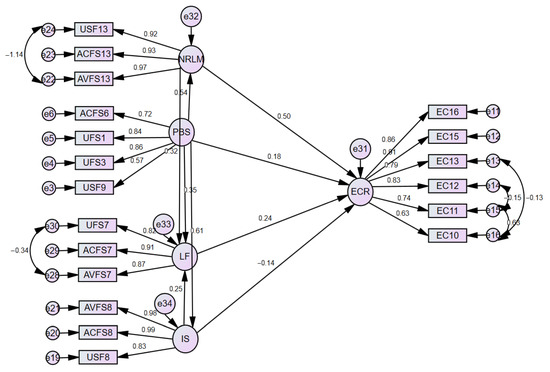
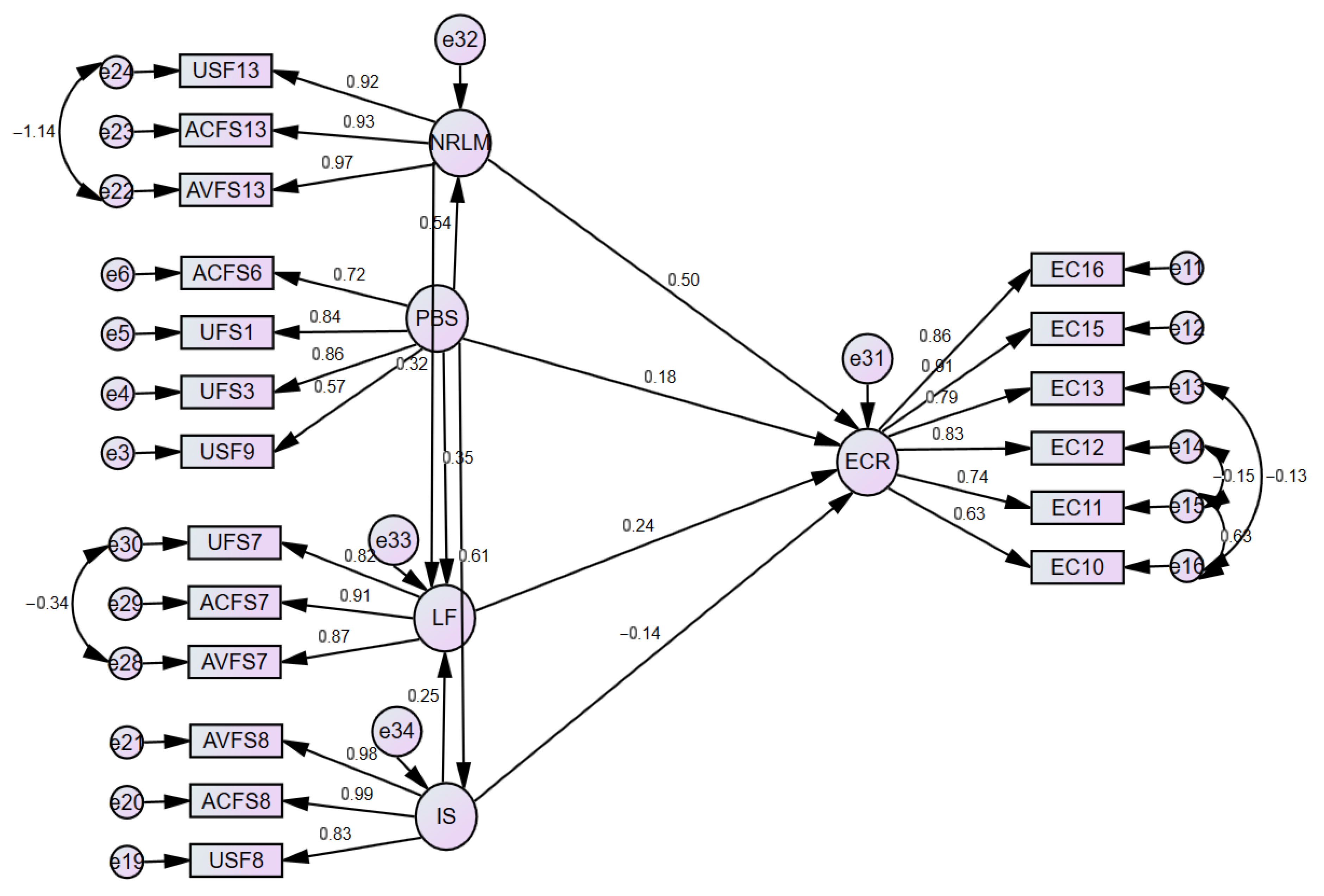

Disclaimer/Publisher’s Note: The statements, opinions and data contained in all publications are solely those of the individual author(s) and contributor(s) and not of MDPI and/or the editor(s). MDPI and/or the editor(s) disclaim responsibility for any injury to people or property resulting from any ideas, methods, instructions or products referred to in the content. |
© 2026 by the authors. Licensee MDPI, Basel, Switzerland. This article is an open access article distributed under the terms and conditions of the Creative Commons Attribution (CC BY) license.