


Simple Summary
Adults aged 75 years or older are increasingly undergoing surgery for primary tumors of the brain, skull base, and spine, but it remains unclear which outcomes best define meaningful benefit in this population. We reviewed 80 published reports examining surgical outcomes, patient-selection factors, and the types of outcomes that have been studied. Most evidence was retrospective and concentrated on glioma and meningioma. The potential value of surgery differed by tumor type: survival and the ability to complete additional treatment were particularly relevant in glioma, whereas preservation of independence, vision, walking ability, or cranial-nerve function were often more relevant for other tumors. Quality of life, cognition, caregiver burden, and time at home were rarely measured. Future studies should incorporate tumor-specific, patient-centered outcomes and evaluate surgical candidacy using functional and physiologic factors rather than chronological age alone.
Abstract
Adults aged 75 years or older are increasingly considered for neurosurgical treatment of primary central nervous system tumors, yet the evidence guiding treatment selection remains fragmented. We conducted a scoping review of PubMed/MEDLINE, Ovid Embase, Scopus, and Web of Science from database inception through July 2026. Original clinical reports were eligible when they included separately extractable data for adults aged 75 years or older undergoing or being evaluated for tumor-directed neurosurgical intervention for primary intracranial, skull-base, cranial-nerve, spinal cord, meningeal, or primary vertebral tumors. Data were charted using a standardized framework and synthesized descriptively by tumor type, treatment intent, patient-selection factors, and reported outcomes. Eighty reports were included, of which 37 addressed glioma or glioblastoma and 25 addressed intracranial meningioma; 75 were retrospective. In glioma, greater resection was frequently associated with longer survival, although findings for subtotal resection were inconsistent and postoperative treatment completion was an important prognostic factor. In meningioma, functional preservation and independence were prominent considerations, while sellar, spinal, and vestibular schwannoma studies emphasized vision, neurologic function, and cranial-nerve outcomes. Quality of life, cognition, caregiver burden, and time at home were rarely reported. Surgical benefit in very elderly patients is tumor-specific, and future studies should prioritize prospective, patient-centered outcomes rather than relying primarily on survival or chronological age.
1. Introduction
Population aging correlates with an increasing number of very elderly adults diagnosed with primary tumors of the brain, meninges, skull base, cranial nerves, spinal cord, and vertebral column. Neurosurgeons are therefore increasingly asked to consider biopsy, resection, decompression, or other tumor-directed procedures in patients aged 75 years and older [1,2,3,4,5]. These decisions are particularly consequential because the potential benefits of surgery must be balanced against perioperative complications, prolonged recovery, functional decline, non-home discharge, and competing risks of mortality [6,7,8,9].
Chronological age alone is an incomplete measure of operative risk or potential benefit. Patients of the same age may differ substantially in frailty, comorbidity burden, cognition, performance status, baseline independence, and physiologic reserve [8,9,10,11]. The goals of treatment also vary by tumor type. For aggressive malignancies such as glioblastoma, surgery may provide diagnostic clarification, cytoreduction, and access to subsequent oncologic therapy [12,13,14]. For more indolent tumors, including meningiomas, pituitary adenomas, schwannomas, and spinal meningeal tumors, symptom relief and preservation of neurologic function or independence may be more important than an incremental survival benefit [3,15,16].
Despite the increasing clinical relevance of this population, adults older than 75 years remain underrepresented in prospective oncologic and surgical research. Available evidence is largely derived from retrospective institutional series, administrative databases, and cancer registries [9,17,18,19,20]. These studies vary considerably in their definitions of “elderly” and “very elderly,” tumor types, treatment comparisons, and reported outcomes. Large database studies can characterize treatment patterns and survival but often lack information on frailty, cognition, tumor anatomy, functional recovery, and patient preferences [20,21,22]. Conversely, institutional series may provide greater clinical detail but are typically small and highly selected [3,7,16].
Interpretation is further complicated by confounding by indication. Patients selected for surgery may have better baseline function, fewer comorbidities, more favorable tumor anatomy, and a greater likelihood of receiving adjuvant therapy than patients managed nonsurgically [12,13,20,21]. Associations between surgery and improved survival, therefore, cannot be assumed to represent causal treatment effects. Moreover, the literature has emphasized mortality and overall survival more consistently than outcomes such as neurologic function, discharge disposition, symptom relief, cognition, quality of life, and preservation of independence [22,23,24].
The primary objective of this review was to characterize the utilization, perioperative safety, survival outcomes, functional outcomes, and patient-selection considerations associated with neurosurgical intervention for primary intracranial, skull-base, spinal cord, spinal meningeal, and primary vertebral tumors among adults aged 75 years and older. Secondary objectives were to compare how the potential benefit of surgery is defined across tumor types, assess the alignment between reported outcomes and tumor-specific treatment goals, examine the incorporation of frailty and functional measures, and identify priorities for future patient-centered research.
2. Methods
2.1. Review Design and Ethics
This scoping review was conducted using a methodology informed by the Joanna Briggs Institute framework for scoping reviews and is reported in accordance with the Preferred Reporting Items for Systematic Reviews and Meta-Analyses Extension for Scoping Reviews (PRISMA-ScR). A scoping review design was selected because substantial heterogeneity was anticipated in tumor type, age threshold, neurosurgical intervention, treatment intent, study design, comparator, and reported outcome. The objective was therefore to map and characterize the available evidence rather than to estimate a single pooled treatment effect.
A formal review protocol was documented on the Open Science Framework under registration DOI (10.17605/OSF.IO/UWKBA). Decisions made during full-text reconciliation and evidence synthesis were documented in a structured master database. Because the review used only previously published, nonidentifiable aggregate data and involved no interaction with human participants, institutional review board approval and informed consent were not required.
2.2. Eligibility Criteria
Reports were eligible if they presented original clinical data involving adults aged 75 years or older who underwent or were evaluated for tumor-directed neurosurgical intervention. Studies enrolling broader age ranges were eligible only when outcomes for patients aged 75 years or older were separately extractable. The threshold of 75 years was selected a priori as a pragmatic operational definition of the very elderly population, distinguishing the target cohort from broader “elderly” populations commonly defined at younger age thresholds while retaining sufficient literature for disease-specific synthesis. Studies using higher thresholds, such as 80 or 85 years, were eligible when outcomes remained separately extractable, allowing the review to capture heterogeneity in definitions of “very elderly” without combining the target population with younger elderly cohorts. Case series were required to include at least five eligible patients to exclude isolated anecdotal reports while retaining small clinical series that are common in the literature on uncommon tumors and very elderly populations.
Eligible conditions included primary benign and malignant tumors of the brain, meninges, ventricular system, sellar or suprasellar region, skull base, cranial nerves, spinal cord, spinal meninges, and primary vertebral column. Reports limited to intracranial or spinal metastases were excluded. Mixed-tumor cohorts were eligible only when outcomes for patients with eligible primary tumors were separately extractable from metastatic tumors, non-neoplastic lesions, or other ineligible conditions.
Eligible neurosurgical interventions included biopsy, tumor resection, craniotomy, transsphenoidal surgery, endoscopic endonasal surgery, spinal tumor resection, tumor-directed decompression, and related operative procedures. Reports comparing surgery with biopsy, observation, radiotherapy, systemic therapy, or supportive management were eligible when they otherwise met population and disease criteria.
Randomized studies, prospective and retrospective cohort studies, case–control studies, institutional clinical series, registry analyses, administrative-database studies, and case series containing at least five eligible patients were considered. Case reports, case series containing fewer than five eligible patients, reviews, meta-analyses, editorials, commentaries, and reports without original clinical outcomes were excluded. Conference abstracts or other abbreviated reports were eligible only when sufficient information was available to confirm eligibility and extract at least one relevant clinical outcome. No publication date or language restrictions were applied during database searching.
2.3. Search Strategy
PubMed/MEDLINE, Ovid Embase, Scopus, and Web of Science Core Collection were searched from database inception through July 2026. PubMed was searched on 24 July 2026, and Ovid Embase, Scopus, and Web of Science were searched on 25 July 2026.
Search strategies combined terms representing three concepts: very elderly populations, primary central nervous system tumors, and tumor-directed neurosurgical intervention. No date, language, subject-area, or open-access restrictions were applied. Complete database-specific search strings, platforms, search fields, dates, and retrieval counts are provided in Supplementary Table S1.
2.4. Record Management and Study Selection
All database exports were combined in a structured master database while preserving the originating database and source-record identifiers. Deduplication used a combination of PubMed identifiers, digital object identifiers, normalized titles, authors, publication years, journal information, and publication type. Digital object identifiers were not used in isolation because conference supplements and related records could share nonunique or erroneous metadata.
Potential duplicate records with conflicting identifiers, variant titles, conference-to-full-publication relationships, or discrepant DOI information were manually reviewed. When duplicate publications were confirmed, a single canonical report-level identifier was retained. The unit of screening and inclusion was the published report rather than the presumed underlying patient cohort because multiple reports could arise from the same or an overlapping data source.
Two reviewers independently screened titles and abstracts and classified each record as potentially eligible or ineligible. Reports considered potentially eligible underwent full-text retrieval, and the same two reviewers independently assessed each full-text report against the prespecified eligibility criteria. Disagreements at either stage were resolved through discussion and, when consensus could not be reached, adjudication by an additional reviewer.
A single primary exclusion reason was assigned to each report excluded during eligibility review. Particular attention was given to mixed-tumor reports to determine whether outcomes for eligible primary tumors could be separated from metastatic disease or non-neoplastic conditions. Reports in which eligible primary-tumor outcomes were inseparable from ineligible conditions were excluded during the final eligibility reconciliation.
The study-selection process was documented at each stage of identification, screening, retrieval, eligibility assessment, and inclusion and is summarized in the PRISMA flow diagram.
2.5. Data Charting
A standardized data-charting framework was developed before formal extraction and refined as tumor-specific outcome domains became apparent during the review. One reviewer performed primary data extraction for all included reports. Key study characteristics, patient-selection variables, and quantitative outcomes used in the synthesis were independently verified by a second reviewer. Discrepancies identified during verification were resolved through review of the original report and consensus. Study investigators were not contacted to obtain additional or unpublished data; data charting was based on information available in the retrieved reports.
Extracted report-level variables included publication year, country or setting, study design, institutional or database source, study period, age threshold, sample size, age-eligible sample size, tumor diagnosis, tumor grade or molecular characteristics when reported, neurosurgical intervention, treatment comparator, extent of resection, adjuvant treatment, follow-up, and relevant patient-selection measures.
Clinical variables included performance status, frailty, comorbidity, ASA classification, cognition, baseline independence, tumor size and location, edema, neurologic status, and other reported selection factors. Outcome domains included perioperative complications, early mortality, length of stay, readmission, discharge disposition, rehabilitation, neurologic function, KPS, mRS, ambulation, visual function, endocrine function, cranial-nerve outcomes, symptom relief, treatment receipt or completion, local control, recurrence, progression-free survival, and overall survival.
Resection terminology was standardized throughout the review. Gross-total resection (GTR) denotes source-reported complete resection, subtotal resection (STR) denotes source-reported incomplete cytoreductive resection, and biopsy denotes diagnostic tissue sampling without intended cytoreduction. The term maximal resection was retained when explicitly used by the source, whereas “maximal safe resection” is used in the present review as a clinical principle emphasizing the greatest achievable cytoreduction without unacceptable neurologic injury.
Adjusted and unadjusted estimates were charted separately. When available, multivariable hazard ratios, odds ratios, confidence intervals, and p-values were preferentially used for comparative interpretation. Effect estimates were retained as reported and were not transformed into a common effect measure.
Formal study-level critical appraisal or risk-of-bias assessment was not undertaken because the objective of this scoping review was to map the breadth, characteristics, and outcome reporting of a heterogeneous evidence base rather than to estimate a pooled treatment effect or formally grade the certainty of evidence.
2.6. Cohort Overlap and Evidence-Source Assessment
Because multiple included reports analyzed national databases or potentially overlapping institutional cohorts, an explicit overlap assessment was performed. Reports were compared using the named data source or institution, tumor diagnosis, study period, eligibility criteria, patient age, sample size, author group, and outcome domain.
Relationships between reports were classified as confirmed identical, confirmed nested, likely overlapping, potentially overlapping, or apparently distinct when sufficient information was available. Reports from the same database family were retained when they addressed distinct clinical questions or provided unique age-specific outcomes, but concordant findings were not interpreted as independent patient-level replication.
Database-family reuse was summarized separately from report count. Report-level denominators were therefore used throughout the scoping review unless a distinct underlying cohort could be established with confidence. When a single publication contained analytically distinct populations from different data sources, these were treated as separate evidence units for the relevant tumor-specific analysis while retaining the publication as a single included report.
2.7. Evidence Classification and Tumor-Specific Synthesis
Included reports were first categorized by tumor group: glioma or glioblastoma, intracranial meningioma, sellar or suprasellar tumors, mixed or other primary intracranial tumors, spinal or primary vertebral tumors, and vestibular schwannoma.
Within each tumor category, evidence was organized according to the clinical question most relevant to treatment intent rather than forcing a common cross-tumor endpoint. Glioma analyses emphasized the extent of resection, survival, postoperative functional preservation, patient selection, receipt of adjuvant therapy, and molecular treatment modifiers. Meningioma analyses separately evaluated perioperative safety, functional independence, and histology-specific oncologic management. Sellar analyses emphasized visual recovery, endocrine outcomes, complications, resection strategy, and tumor control. Spinal analyses focused on neurologic recovery, ambulation, perioperative risk, and survival. Vestibular schwannoma analyses emphasized facial-nerve function, hearing, balance, disposition, independence, complications, and residual-tumor control.
Reports were considered primary age-specific evidence only when results for patients aged 75 years or older were directly extractable. Findings reported only for broader elderly populations were retained as contextual evidence when relevant but were not treated as direct evidence for the target population.
2.8. Descriptive Aggregation
Formal meta-analysis was not performed because of substantial heterogeneity in tumor biology, treatment intent, age definition, intervention, comparator, outcome definition, follow-up, and analytic methodology.
Where multiple reports used directly comparable outcome definitions and provided complete numerators and denominators, raw event counts were occasionally combined descriptively to illustrate the direction and availability of evidence. Such calculations were explicitly treated as descriptive aggregations rather than pooled effect estimates; no inverse-variance weighting, between-study modeling, pooled confidence intervals, or tests of heterogeneity were performed.
Study-level ranges, counts, proportions, adjusted estimates, and survival measures were otherwise presented without statistical pooling. No vote-counting procedure was used to infer treatment effectiveness from the number of statistically significant reports.
2.9. Evidence-Base Architecture
The overall structure of the literature was characterized using report counts and proportions by tumor category, publication period, study design, and data-source architecture. Clinical cohorts were distinguished from population registries and national administrative or clinical databases. Multicenter representation and repeated use of major database families were also quantified.
Because the literature contained confirmed and likely overlapping populations, the number of included reports was not interpreted as the number of independent patient cohorts.
2.10. Outcome-Reporting Evidence Map
To evaluate whether the outcomes reported in the literature aligned with clinically meaningful treatment goals, an outcome-reporting evidence map was constructed across tumor categories. Eight domains were assessed: overall survival; function or independence; complications or early mortality; local control or progression-free survival; quality of life; cognition; treatment completion or pathway feasibility; and time at home or caregiver burden.
Reporting availability was categorized using an ordinal descriptive scale: 0 indicated that the domain was absent; 1 indicated limited, indirect, or incomplete reporting; 2 indicated direct reporting in at least one report; and 3 indicated direct reporting in multiple reports. The score represented the availability of reporting only and was not intended to measure study quality, strength of evidence, or treatment effectiveness. The resulting matrix was used to identify areas of evidence concentration and persistent patient-centered outcome gaps.
2.11. Cross-Tumor Evidence Synthesis
After completion of the tumor-specific analyses, recurrent themes were examined across disease categories. Particular attention was given to the role of chronological age, baseline functional and physiologic reserve, achievable surgical benefit, postoperative neurologic preservation, feasibility of adjuvant or salvage treatment, availability of lower-burden alternatives, and the relationship between treatment burden and remaining-life priorities.
These recurring themes were organized into an evidence-informed cross-tumor oncogeriatric framework. The framework was developed as a structured synthesis of the included observational literature rather than as a validated clinical prediction rule. It was not used to assign treatment recommendations to individual patients or to generate quantitative estimates of net benefit.
2.12. Statistical Analysis
Categorical characteristics were summarized using counts and percentages. Continuous variables were summarized using medians, ranges, or study-level values when sufficiently comparable data were available. Percentages were calculated using the relevant report-level or analysis-specific denominator rather than the total corpus when only a subset of reports contributed to an analysis.
No meta-analysis, meta-regression, pooled survival analysis, or formal comparative-effect modeling was performed. p-values, confidence intervals, hazard ratios, and odds ratios presented in the review were those reported by the original investigators. Observational associations between surgery, extent of resection, adjuvant treatment, and outcomes were interpreted as associations and not as causal treatment effects.
3. Results
3.1. Study Selection
The database searches identified 525 records, including 119 from PubMed/MEDLINE, 189 from Ovid Embase, 87 from Scopus, and 130 from Web of Science. After the removal of 320 duplicate records, 205 unique records underwent title and abstract screening. Ninety-eight records were excluded at this stage, leaving 107 reports sought for retrieval. Five reports could not be retrieved, and 102 full-text reports were assessed for eligibility. Twenty-two reports were excluded following full-text review: 11 were available only as abstracts or otherwise contained insufficient information to confirm eligibility and extract relevant outcomes, nine combined eligible primary tumors with central nervous system metastases or non-neoplastic conditions without separately extractable primary-tumor outcomes, one was a duplicate publication, and one contained no original clinical data. Eighty reports were included in the final review (Figure 1).
Figure 1.
PRISMA flow diagram of study selection.
3.2. Characteristics of the Evidence Base
Glioma and glioblastoma were the most frequently studied tumors, accounting for 37 of 80 reports (46.3%), followed by intracranial meningioma in 25 reports (31.3%). Sellar or suprasellar tumors were evaluated in eight reports (10.0%), other primary intracranial tumors in five (6.3%), spinal or primary axial tumors in three (3.8%), and vestibular schwannoma in two (2.5%). Glioma and meningioma together accounted for 62 reports (77.5%) (Table 1).
Table 1.
Evidence architecture and characteristics of the included reports (N = 80).
The literature was concentrated in recent years. Seven reports (8.8%) were published from 1995 through 2009, three (3.8%) from 2010 through 2014, 19 (23.8%) from 2015 through 2019, 38 (47.5%) from 2020 through 2024, and 13 (16.3%) from 2025 through July 2026. Overall, 70 reports (87.5%) were published in 2015 or later, including 51 (63.8%) published from 2020 through July 2026. Thus, the evidence base was weighted strongly toward contemporary practice. Formal comparison of outcomes across publication eras was not undertaken because differences in tumor classification, case selection, adjuvant therapy, study design, and outcome reporting would substantially confound a temporal treatment effect.
The evidence base was predominantly retrospective. Forty-six reports (57.5%) described retrospective clinical cohorts or case series, and 29 (36.3%) were retrospective database or registry analyses. Two reports used mixed prospective–retrospective cohorts, one retrospectively analyzed a prospectively maintained database, one described a prospective observational cohort, and one reported a prospective single-arm phase II study. Thus, 75 of 80 reports (93.8%) were purely retrospective, only two reports described prospectively conducted studies, and no randomized treatment-comparison study was identified.
Fifty-one reports (63.8%) were based on institutional or multicenter clinical cohorts, whereas 29 (36.3%) used population registries, claims data, or national administrative databases. Only seven of the 51 clinical-cohort reports (13.7%) were explicitly multicenter. Among the 29 database reports, 27 (93.1%) arose from repeatedly used source families. Seventeen used SEER or SEER-Medicare, seven used the National Cancer Database, two used the Japanese Diagnosis Procedure Combination database, and one each used ACS-NSQIP, the Korean National Health Insurance Service, and CBTRUS. Confirmed or likely overlap was identified within several SEER, NCDB, and Japanese database clusters; consequently, concordant findings from these reports were not treated as independent patient-level replication.
Characteristics of each included report, including study design, data source, study period, age criterion, age-eligible sample size, tumor type, neurosurgical intervention, comparator when applicable, and follow-up, are provided in Supplementary Table S2.
3.3. Patient-Level Frailty and Functional Reserve
Patient-level reserve was incompletely characterized across the literature. Among 20 glioma reports providing directly applicable evidence regarding patient selection or the postoperative treatment pathway, 17 (85.0%) reported performance or functional measures, whereas six (30.0%) reported comorbidity or frailty and only one (5.0%) evaluated sarcopenia or body composition. Among 18 age-specific meningioma surgical reports, 14 (77.8%) reported function, independence, or disposition, while only three (16.7%) incorporated a formal frailty measure. Across tumor categories, direct measures such as KPS, ECOG, mRS, ASA class, comorbidity burden, and baseline independence were more consistently represented than formal frailty assessment, while cognition, nutritional reserve, sarcopenia, and social support were rarely evaluated. No included report validated a tumor-agnostic frailty threshold for surgical candidacy.
3.4. Evolution of Neurosurgical Care and Historical Applicability
The risk–benefit profile of neurosurgery in older adults has evolved alongside advances in neuroimaging, operative visualization and navigation, intraoperative monitoring, anesthesia, critical care, minimally invasive techniques, and perioperative management. Chibbaro et al., examining patients aged 70 years or older over a 25-year period at a major academic neurosurgical center, demonstrated increasing operative treatment of elderly patients together with changing procedural practice and declining mortality, illustrating why historical estimates of surgical risk may not directly represent contemporary practice [25]. The present review is predominantly contemporary, with 87.5% of included reports published since 2015. Nevertheless, the publication era cannot isolate the effects of technological progress because contemporary cohorts also differ in patient selection, molecular classification, adjuvant therapy, and outcome ascertainment. Historical studies therefore remain informative, but their absolute morbidity and mortality estimates should be applied cautiously to current practice.
3.5. Glioma and Glioblastoma
Thirty-seven reports evaluated glioma or glioblastoma [1,6,10,12,13,14,17,18,21,22,26,27,28,29,30,31,32,33,34,35,36,37,38,39,40,41,42,43,44,45,46,47,48,49,50,51,52]. Twelve reports provided an age-specific comparison of surgical strategies, yielding 13 evidence units because one report included separate institutional and SEER cohorts (Table 2, Panel A). Five evidence units were derived from population registries, and all five reported an adjusted association between more extensive resection and longer overall survival. In contrast, only four of eight institutional evidence units demonstrated an adjusted survival association. Seven of the 13 evidence units reported perioperative or functional outcomes, and no randomized or prospective controlled surgical comparison was identified.
Table 2.
Age-specific evidence on surgical strategy and the treatment pathway in very elderly patients with glioma.
Across registry analyses, gross-total or maximal resection was more consistently associated with longer survival than subtotal resection. In a SEER analysis of patients aged 80 years or older, gross-total resection was associated with lower mortality than biopsy (hazard ratio [HR], 0.696; 95% confidence interval [CI], 0.619–0.781), whereas subtotal resection was not (HR, 0.997; 95% CI, 0.890–1.117) [21]. In another SEER cohort of patients aged 75 years or older, median overall survival was two months without surgery, three months after biopsy, four months after subtotal or partial resection, and six months after gross-total resection. Relative to biopsy, the adjusted HR was 0.796 (95% CI, 0.665–0.951) for subtotal or partial resection and 0.566 for gross-total resection [13]. A separate analysis of patients aged 80 years or older reported median overall survival of two months without surgery, three months after biopsy or partial resection, three months after subtotal resection, and five months after gross-total resection [41].
The clinically detailed institutional evidence was less uniform. In one cohort of 85 patients aged 75–84 years, gross-total resection was associated with an adjusted survival increase of 3.90 months compared with biopsy (95% CI, 1.47–6.33; p = 0.002), whereas subtotal resection was not associated with longer survival. Both gross-total and subtotal resection were associated with greater postoperative Karnofsky Performance Status decline than biopsy [12]. In a cohort of 108 patients aged 75 years or older, maximal resection was associated with lower mortality than submaximal resection (HR, 0.379; 95% CI, 0.218–0.659), whereas biopsy was not independently different from submaximal resection [50]. In a lobar glioblastoma subgroup aged 80 years or older, resection was associated with longer survival than biopsy after adjustment for MGMT status and adjuvant treatment (HR, 0.28; 95% CI, 0.10–0.81) [14]. Other small institutional cohorts found no statistically significant independent survival difference between resection and biopsy [6,37,40,51].
Twenty reports provided directly applicable evidence regarding patient selection or the postoperative treatment pathway (Table 2, Panel B). Performance status or functional measures were reported in 17 of 20 reports (85.0%), adjuvant-treatment receipt in 14 (70.0%), postoperative function, discharge, or recovery in eight (40.0%), comorbidity or frailty in six (30.0%), tumor anatomy or burden in four (20.0%), MGMT-stratified treatment effects in three (15.0%), and sarcopenia or body composition in one (5.0%).
Chronological age was independently associated with survival in only one of six age-specific multivariable models that included age. Performance status was independently associated with survival in four of eight models. By contrast, every age-specific multivariable model that included postoperative radiotherapy, temozolomide, or combined chemoradiotherapy identified at least one adjuvant-treatment variable as independently associated with longer survival (9 of 9 models).
Five reports directly identified postoperative complications, functional decline, non-home discharge, or prolonged recovery as adverse treatment-pathway events. In one cohort, postoperative complications were associated with markedly higher mortality (HR, 5.43; 95% CI, 1.73–17.04), and the apparent survival gradient across extent-of-resection groups was no longer present among patients who experienced complications [6]. Another cohort found that postoperative KPS decline reduced receipt of adjuvant therapy from 77.6% to 50.0% [10]. Three age-specific studies further reported stronger treatment or resection associations among patients with MGMT-methylated tumors than among those with unmethylated tumors [14,43,50].
Overall, the glioma evidence associated gross-total or maximal resection with longer survival more consistently than subtotal resection. However, survival was most reproducibly associated with completion of postoperative radiotherapy and/or temozolomide, and the clinical value of cytoreduction varied according to tumor anatomy, postoperative functional preservation, molecular status, and the feasibility of completing multimodal therapy.
3.6. Intracranial Meningioma
Twenty-five reports evaluated intracranial meningioma [2,7,8,11,15,19,20,53,54,55,56,57,58,59,60,61,62,63,64,65,66,67,68,69,70]. Eighteen reports provided direct age-specific evidence regarding surgical safety, function, or patient selection, representing 17 underlying source populations because two reports analyzed the same 8138-patient Japanese administrative cohort (Table 3, Panel A). All 18 reports evaluated perioperative morbidity or mortality; 14 (77.8%) reported functional status, independence, or discharge outcomes; 10 (55.6%) evaluated at least one adjusted selection factor; three (16.7%) used a formal frailty measure; six (33.3%) identified tumor size, volume, edema, or location as a risk factor; and six (33.3%) reported functional outcomes at approximately one year.
Table 3.
Surgical safety, functional outcomes, and histology-specific oncologic management in very elderly patients with intracranial meningioma.
Several selected cohorts reported functional improvement or stability after surgery. In one series, 31 of 37 patients improved or remained stable at discharge [65]. Another demonstrated significant improvement in one-year modified Rankin Scale scores [15]. In the largest multicenter supratentorial cohort, 38.5% of patients improved and 33.2% remained unchanged at one year; however, 28.2% were functionally worse, including patients who died. Surgery-associated complications occurred in 42.4%, 90-day mortality was 9.0%, and one-year mortality was 13.2% [7].
A second contemporary multicenter cohort of 189 patients aged 80 years or older reported new neurologic deficits in 23.8%, postoperative complications in 42.8%, 30-day mortality of 4.2%, and one-year mortality of 15.8%. Mean KPS declined from 73.5 before surgery to 63.5 at 12 months, and 27.1% of patients remained functionally independent at 12 months [8].
Baseline functional status and postoperative neurologic preservation were among the strongest patient-level predictors. Preoperative KPS below 70 was associated with an unfavorable composite outcome (odds ratio [OR], 3.10; 95% CI, 1.44–6.68) and with KPS below 70 at 12 months (OR, 14.45; 95% CI, 5.64–37.03). A new postoperative neurologic deficit independently predicted 12-month KPS below 70 (OR, 4.79; 95% CI, 1.59–14.38) [8]. Cardiovascular comorbidity was associated with postoperative complications in another cohort (OR, 3.94; 95% CI, 1.05–14.76), and ASA class predicted complications in a matched octogenarian analysis (OR, 2.22; 95% CI, 1.02–4.81) [62,64].
Anatomic burden also influenced outcomes. In the largest supratentorial cohort, tumor diameter of at least 5 cm was associated with postoperative complications (OR, 1.87; 95% CI, 1.12–3.13), as was large tumor volume (OR, 2.35; 95% CI, 1.01–5.50) [7]. Severe edema, critical location, and prolonged operative duration were additionally associated with adverse outcomes in smaller cohorts. Formal frailty indices were infrequently used and did not consistently outperform direct measures of function or comorbidity.
Six reports evaluated oncologic management or population-level survival, but they arose from only two repeatedly used national database families (Table 3, Panel B) [2,20,56,63,69,70]. Three reports provided direct treatment-effect estimates for patients aged 80 years or older, whereas the remaining reports contributed treatment-utilization data, age-specific survival estimates, or treatment effects pooled across broader elderly populations.
Radiotherapy findings were otherwise inconsistent. Radiation alone was not associated with longer survival than observation in the high-grade SEER cohort, while radiotherapy was strongly associated with longer survival in the mixed-histology and atypical-meningioma cohorts [20,63,70]. Radiotherapy was administered to only 5.6% and 14.1% of the relevant very elderly cohorts, respectively. None of the six oncologic reports used age-specific progression-free survival, local control, or meningioma-specific mortality as the principal treatment-effect endpoint.
Across the meningioma literature, baseline functional status, ASA or comorbidity burden, tumor size and edema, and avoidance of new postoperative neurologic deficits were generally more informative for individual selection than chronological age or formal frailty indices alone (Table 3, Panel C).
3.7. Sellar and Suprasellar Tumors
Eight reports evaluated sellar or suprasellar tumors, including six institutional pituitary surgical cohorts comprising 242 patients aged 75 years or older and two SEER survival analyses (Table 4, Panel A) [3,23,24,71,72,73,74,75]. Five reports assessed visual outcomes, six assessed endocrine outcomes, and five reported tumor-control follow-up. No prospective comparative or randomized study was identified. Visual recovery was the most consistently reported benefit of pituitary surgery. Four cohorts provided complete improved, stable, and worsened visual-outcome categories. Across these cohorts, 113 of 158 assessed patients improved, 43 remained stable, and two worsened. This was a descriptive aggregation rather than a pooled estimate. A fifth cohort reported visual worsening in three of 16 assessed octogenarians (18.8%), significantly more frequently than among patients aged 70–79 years [74].
Table 4.
Sellar/suprasellar, spinal, and vestibular schwannoma evidence in very elderly patients.
The largest contemporary institutional cohort included 155 patients aged 75 years or older. Among 123 patients with preoperative visual deficits, 82 improved and 41 remained stable, with no postoperative visual worsening. All 125 compressed visual pathways were radiographically decompressed. Immediate surgical complications occurred in 5.0%, 30-day mortality was 0.6%, postoperative cerebrospinal fluid leakage occurred in 1.9%, and single-surgery disease control was achieved in 97.0% [3].
Endocrine recovery was less frequent than visual improvement. One cohort found no meaningful recovery of pre-existing pituitary deficits [71]. In another, one of four patients with partial anterior pituitary deficits improved, but none normalized [73]. In the largest cohort, normal pituitary function was restored in 10 of 95 patients with preoperative deficiency (11.0%). New anterior pituitary deficits developed in three of 60 patients with normal preoperative function (5.0%) [3]. Persistent diabetes insipidus was not reported in the five studies that specifically evaluated it, although transient diabetes insipidus, syndrome of inappropriate antidiuretic hormone secretion, hyponatremia, and other electrolyte disturbances occurred [3,71,72,73,74].
Visual decompression and durable tumor control were frequently achieved without gross-total resection. One cohort reported visual improvement in 91.7% despite total removal in only 16.6% [72]. In the largest cohort, complete resection was achieved in 22%, but single-surgery disease control was 97.0%; estimated disease control was 97.3% at two years and 86.2% at five years. Extended endonasal transtuberculum surgery was independently associated with immediate complications (OR, 13.77; 95% CI, 1.77–107.17; p = 0.012) [3]. The two registry studies produced opposing survival associations for subtotal resection in pituitary adenoma and craniopharyngioma and did not contain visual, endocrine, functional, or perioperative outcomes [23,24].
3.8. Other Primary Intracranial Tumors
After full-text eligibility correction, five reports remained in the mixed/other primary intracranial category [77,78,79,80,81]. Four provided clinical outcomes, and one contributed descriptive neuropathologic data. The retained reports were too heterogeneous for a unified treatment-effect analysis.
Diagnosis-specific data demonstrated substantial variation. In one octogenarian craniotomy cohort, patients with meningioma had a 30-day readmission rate of 3.3%, 30-day mortality of 6.7%, three-month mortality of 10.0%, and mean survival of 33 months. Patients with glioblastoma from the same cohort had a 30-day readmission rate of 26.7%, 30-day mortality of 6.7%, three-month mortality of 33.3%, and mean survival of 6.9 months [81].
A historical cohort of 18 patients older than 80 years with benign primary tumors reported improvement in six, unchanged status in eight, deterioration in one, and death in three. Among 10 patients with primary malignant tumors, four improved, four remained unchanged, two worsened, and none died during the reported perioperative period [77]. Another historical series of 11 patients with rare benign primary tumors reported a good outcome in six, unchanged status in one, and death in four.
A national cohort of 130 patients aged 80 years or older with unspecified primary malignant brain tumors reported 12-month overall survival of 48.4% without postoperative treatment, 63.0% with radiotherapy, 50.0% with chemotherapy, and 69.7% with chemoradiotherapy. Treatment modality was not significantly associated with survival within the age-eligible subgroup (p = 0.275) [80].
3.9. Spinal and Primary Axial Tumors
Three reports evaluated spinal or primary axial tumors, comprising one institutional spinal meningioma cohort and registry analyses of spinal ependymoma and spinal/axial osteosarcoma (Table 4, Panel B) [4,9,76].
Among 30 patients aged 80 years or older undergoing resection of spinal meningioma, the mean motor score improved from 85.9 to 93.6 and the mean modified McCormick score improved from 3.2 to 1.8; both differences were statistically significant (p < 0.001). In-hospital mortality was 6.7%, 90-day mortality was 10.0%, and 30-day readmission was 10.0%. The age-adjusted Charlson Comorbidity Index independently predicted complications (OR, 2.1; 95% CI, 1.1–4.3) [4].
The spinal ependymoma analysis included 126 patients aged 75 years or older. Surgery was performed in 70% of patients aged 75 years or older compared with 85% of those aged 65–74 years (p < 0.001). Median overall survival was 106.0 months among surgically treated patients and 59.7 months among those who did not undergo surgery. Surgery was independently associated with lower mortality (HR, 0.46; 95% CI, 0.24–0.89), while increasing age, Charlson–Deyo score of at least 2, and increasing tumor size were associated with higher mortality. Neurologic outcomes, extent of resection, and perioperative complications were not available [9].
The spinal/axial osteosarcoma analysis included 117 patients aged 75 years or older, of whom 21 underwent subtotal resection and five underwent gross-total resection. Compared with no resection, subtotal resection was associated with lower mortality (HR, 0.499; 95% CI, 0.279–0.892), as was gross-total resection (HR, 0.563; 95% CI, 0.222–0.731). The cohort combined vertebral-column tumors with sacral or pelvic primary sites, and margin status, neurologic function, perioperative morbidity, and treatment toxicity were not reported [76].
3.10. Vestibular Schwannoma
Two institutional reports evaluated 37 surgically treated patients aged 75 years or older, including 21 octogenarians (Table 4, Panel C) [5,16]. Surgery was generally reserved for large, progressive, compressive, hydrocephalic, or severely symptomatic tumors after observation or stereotactic radiosurgery was considered inadequate.
Non-total resection was common. In one cohort, gross-total resection was performed in 20.8%, near-total resection in 12.5%, and subtotal resection in 66.7% [5]. In the second cohort, planned partial resection was performed in 92.3%, with gross-total resection in one of 13 patients [16].
Facial-nerve outcomes differed between cohorts. Favorable House–Brackmann grade I–II function was present at follow-up in 14 of 24 patients in one cohort, including two of seven evaluable octogenarians (28.6%) [5]. In the second cohort, favorable facial function was present in 10 of 13 patients (77%), and the facial nerve was anatomically preserved in all patients. Across both reports, only three patients had serviceable or useful ipsilateral hearing preoperatively, and none retained serviceable hearing after surgery [16].
Functional recovery was reported despite frequent rehabilitation needs. In one cohort, nine patients required out-of-home disposition, including six of eight octogenarians, but all ultimately returned to independent living [5]. In the second, severe imbalance improved in eight of 11 patients; eight were discharged home and five to rehabilitation [16].
Tumor control was achieved in 18 of 22 evaluable patients in one cohort. All four progressions occurred in octogenarians after subtotal resection [5]. In the second cohort, two recurrences followed partial resection, including one episode of rapid cystic regrowth associated with a later tumor-related death [16].
3.11. Cross-Tumor Outcome Reporting
The outcome domains represented in the literature varied substantially by tumor category (Figure 2). Glioma reports emphasized overall survival and receipt of postoperative therapy; meningioma reports more frequently included functional status, complications, and independence; sellar reports focused on visual, endocrine, and tumor-control outcomes; and vestibular schwannoma reports emphasized facial function, balance, disposition, and residual-tumor control.
Figure 2.
Outcome-reporting evidence map across tumor categories.
Patient-reported quality of life was not systematically reported in any tumor category. Cognitive outcomes were largely absent, with only limited indirect evidence in glioma. Time at home and caregiver burden were rarely measured. Sellar studies showed the closest alignment between the clinical purpose of surgery and the outcomes reported, whereas spinal and heterogeneous mixed-tumor reports frequently relied on overall survival without corresponding neurologic or patient-centered outcomes.
Across tumor categories, chronological age was inconsistently associated with outcomes after adjustment. Functional status, comorbidity, tumor anatomy, probability of neurologic preservation, and feasibility of postoperative or salvage treatment were more consistently associated with clinical outcomes. No included report validated a tumor-agnostic selection model or directly quantified the combined effects of survival, independence, treatment burden, cognition, and remaining time at home.
4. Discussion
This scoping review identified 80 reports, predominantly retrospective and concentrated in glioma and intracranial meningioma, with substantially less evidence for other primary central nervous system tumors. Across tumor types, the definition of meaningful surgical success differed according to disease biology and treatment intent, while cognition, quality of life, caregiver burden, and time at home were rarely measured. Because the literature was observational and repeatedly used several national database populations, the available evidence supports tumor-specific associations and decision principles rather than causal estimates of surgical benefit.
4.1. Frailty, Functional Reserve, and Surgical Selection
Chronological age was inconsistently associated with outcomes after adjustment within cohorts already restricted to very elderly patients. In contrast, functional status, comorbidity, physiologic reserve, tumor anatomy, neurologic trajectory, and feasibility of postoperative therapy were more consistently informative. Age therefore appears to function partly as an imprecise proxy for biologic and functional heterogeneity rather than as a sufficient measure of operative fitness.
No single frailty instrument emerged as a validated selection tool. Formal indices such as the mFI-5 were infrequently studied and did not consistently outperform KPS, mRS, ASA class, comorbidity burden, or baseline independence. The more clinically relevant construct may therefore be multidimensional geriatric reserve, incorporating function, comorbidity, cognition, nutritional status or sarcopenia, mobility, physiologic fitness, independence, and social support. Prospective validation of such a multidimensional assessment is needed before a standardized selection algorithm can be recommended [7,8,9,10].
4.2. Glioma: Surgery Within a Multimodal Treatment Pathway
The glioma literature contained the greatest number of adjusted survival analyses. GTR or source-defined maximal resection was frequently associated with longer overall survival in registry studies, whereas STR was less consistently associated with favorable outcomes, and institutional findings were more heterogeneous. These associations remain vulnerable to selection bias because registry datasets generally lacked performance status, frailty, detailed tumor anatomy, postoperative neurologic status, and reasons for treatment selection. Accordingly, greater resection should not be interpreted as causally improving survival. Its potential value appears conditional on achieving meaningful cytoreduction without substantial neurologic or functional decline [12,14,21,40,50].
Postoperative therapy was the most reproducible prognostic correlate across the glioma literature: every age-specific multivariable model evaluating radiotherapy, temozolomide, or combined therapy identified at least one adjuvant-treatment variable associated with longer survival. Postoperative complications, KPS decline, prolonged recovery, and non-home discharge may reduce the feasibility of treatment completion. Thus, maximal safe resection is clinically valuable only insofar as it preserves sufficient neurologic and functional status to permit progression through the multimodal treatment pathway [6,10,22,42,47].
Molecular classification also limits cross-era comparability. Many older glioma reports predated routine IDH and MGMT characterization and classified tumors primarily according to histopathology; consequently, historical “glioblastoma” and diffuse glioma cohorts may not map directly onto contemporary molecular entities. MGMT methylation appeared to modify treatment or resection associations in several more recent studies, although the evidence remained retrospective and limited. Future studies should therefore evaluate molecular subtype, achievable residual tumor volume, postoperative function, and adjuvant-treatment completion jointly rather than interpreting extent of resection in isolation.
4.3. Intracranial Meningioma: Function, Independence, and Competing Mortality
For intracranial meningioma, the principal clinical question differed from that in glioma. Many tumors were presumed benign or slow-growing, making symptom relief, preservation of independence, and avoidance of treatment-related disability at least as important as overall survival. Selected very elderly patients frequently improved or remained functionally stable after surgery, and several cohorts demonstrated improvement in neurologic status or mRS. However, contemporary multicenter studies also reported substantial rates of postoperative complications, new neurologic deficits, functional decline, rehabilitation dependence, and one-year mortality. Thus, the literature does not support characterizing meningioma surgery in the very elderly as uniformly safe or functionally restorative [7,15,65].
Baseline KPS, ASA class, cardiovascular or overall comorbidity burden, tumor size, edema, and the probability of a new postoperative neurologic deficit emerged as recurrent risk factors. The strongest associations often involved postoperative function rather than chronological age. In particular, a new neurologic deficit was associated with long-term dependency, emphasizing that the relevant operative objective is not simply removal of tumor but preservation of function. These findings support a symptom-directed, maximal-safe-resection strategy rather than anatomical completeness at any cost, especially for presumed benign disease [7,8,62,64].
The oncologic literature suggests that the value of gross-total resection may differ by tumor grade. Gross-total resection was not associated with longer overall survival in one mixed, predominantly low-grade population, whereas it was associated with more favorable survival in high-grade or atypical-meningioma cohorts. Postoperative radiotherapy was similarly associated with longer survival in selected atypical or mixed-histology analyses but not in all high-grade cohorts. These findings should be interpreted cautiously because the reports arose from repeatedly used database families, treated subgroups were small, and overall survival was the primary endpoint. In very elderly patients with benign or indolent meningioma, overall survival may be driven more strongly by competing non-tumor mortality than by local tumor control. The absence of age-specific progression, recurrence, meningioma-specific mortality, and treatment-burden outcomes limits the ability to determine whether more intensive treatment meaningfully improves the patient’s remaining life [20,63,69,70].
4.4. Sellar and Suprasellar Tumors: Visual Benefit Without a Requirement for Radical Resection
Among sellar tumors, visual improvement or preservation was the most consistently reported benefit of surgery. Across institutional cohorts, most patients with preoperative visual deficits improved or remained stable after transsphenoidal surgery. In contrast, recovery of pre-existing pituitary dysfunction was uncommon. New permanent endocrine morbidity, particularly persistent diabetes insipidus, appeared infrequent in the reported cohorts, although transient electrolyte and water-balance disturbances were observed [3,71,72,73,74].
The sellar literature provided one of the clearest examples of why the operative endpoint should be aligned with treatment intent. Durable visual decompression and tumor control were frequently achieved without gross-total resection. In several cohorts, complete removal was uncommon, yet visual outcomes and medium-term control remained favorable. These findings suggest that adequate optic-pathway decompression and preservation of pituitary and neurovascular structures may be more clinically relevant than radiographic completeness in selected very elderly patients [3,72].
At the same time, extended skull-base approaches were associated with greater complication risk, and the available reports reflected highly selected patients treated at experienced centers. The findings therefore cannot be generalized to all very elderly patients with giant, invasive, or anatomically complex tumors. The contrasting survival associations reported in registry analyses of pituitary adenoma and craniopharyngioma further illustrate the limitations of using overall survival to guide operative extent. Neither registry contained the visual, endocrine, hypothalamic, functional, or treatment-selection data required to explain these associations [23,24].
4.5. Spinal Tumors and Vestibular Schwannoma: Disease-Specific Functional Goals
Evidence regarding spinal and primary axial tumors was limited to three reports addressing biologically and anatomically distinct diseases. In spinal meningioma, surgery was associated with improvement in motor and ambulatory-disability scores, suggesting that progressive myelopathy may remain reversible even in octogenarians. However, systemic complications and early mortality were clinically important, and comorbidity burden predicted adverse events. For spinal ependymoma and spinal or axial osteosarcoma, surgery was associated with longer survival in registry analyses, but neurologic outcomes, operative morbidity, extent or quality of resection, and patient-selection variables were incomplete or absent. These survival associations should therefore be regarded as hypothesis-generating rather than causal evidence [4,9,76].
The vestibular schwannoma literature similarly reflected highly selected patients with large, progressive, compressive, or severely symptomatic tumors. Surgery was not primarily undertaken to preserve hearing, which was absent or severely impaired in most patients before surgery and was not preserved postoperatively. The more relevant potential benefits were relief of imbalance, trigeminal symptoms, hydrocephalus, or brainstem compression and eventual preservation or restoration of independence. Facial-nerve outcomes varied substantially between the two cohorts, indicating considerable uncertainty regarding the expected neurologic cost for an individual patient [5,16].
Both vestibular schwannoma cohorts frequently accepted planned residual tumors to reduce the risk of cranial-nerve injury. This approach may be reasonable when the goal is functional rescue rather than anatomical cure, but residual disease is not a completed treatment pathway. Progression, recurrence, and one late tumor-related death were reported, underscoring the need for long-term imaging and a predefined salvage strategy. The feasibility of surveillance and stereotactic radiosurgery should therefore be considered before planned subtotal resection [5,16].
4.6. A Tumor-Specific Definition of Benefit
Taken together, the findings demonstrate that “benefit from surgery” cannot be defined uniformly across primary central nervous system tumors in the very elderly. For glioblastoma, the principal goal may be survival extension while preserving the ability to complete chemoradiotherapy. For presumed benign meningioma, maintenance or restoration of independence may be more meaningful than overall survival. For pituitary tumors, visual decompression and durable control dominate. For spinal meningioma, ambulation and motor recovery are central. For vestibular schwannoma, the relevant benefit may be relief of mass effect or imbalance while preserving facial function.
This heterogeneity has implications for both clinical care and research. Gross-total resection, overall survival, and perioperative mortality cannot serve as universal measures of treatment success. A technically complete operation may be of limited value if it produces a deficit that prevents independent living or subsequent therapy. Conversely, subtotal resection may provide substantial benefit when it safely relieves compression and is paired with appropriate surveillance or adjuvant treatment. Operative success should therefore be judged relative to the specific harm the intervention is intended to prevent and the patient’s acceptable tradeoffs.
The evidence-informed framework developed from this review emphasizes six sequential considerations: defining tumor-specific urgency and intent; establishing physiologic and functional reserve; estimating achievable rather than theoretical surgical benefit; modeling the postoperative treatment and recovery pathway; comparing lower-burden alternatives; and aligning the recommendation with the patient’s remaining-life priorities (Table 5). This framework is intended to organize decision-making and should not be interpreted as a validated clinical prediction tool.
Table 5.
Evidence-informed cross-tumor oncogeriatric framework for neurosurgical intervention in adults aged 75 years or older. Structured synthesis of the 80-report corpus; not a validated clinical prediction rule.
4.7. Health-System, Ethical, and Cultural Context of Surgical Decision-Making
The decision to offer neurosurgical intervention to a very elderly patient does not depend solely on tumor biology or operative risk. The included literature originated from diverse institutional and national settings, but few reports directly evaluated how health-system characteristics, access to subspecialty care, rehabilitation resources, availability of adjuvant therapy, or postacute-care infrastructure influenced treatment selection. These factors may be particularly important in older adults because the value of an operation may depend on timely rehabilitation, safe discharge, and access to subsequent radiotherapy, systemic therapy, surveillance, or salvage treatment. Consequently, treatment patterns observed in registry or tertiary-center studies may not be directly generalizable to health systems with different referral structures, resource availability, or thresholds for operative intervention.
Ethical considerations are similarly central. Decisions should balance potential survival or neurologic benefit against perioperative morbidity, loss of independence, treatment burden, and the patient’s remaining-life priorities. Chronological age alone should neither exclude a patient from potentially beneficial treatment nor justify an intervention whose expected burdens are unlikely to achieve a patient-valued goal. Assessment of decision-making capacity, elicitation of treatment preferences, involvement of surrogate decision-makers when appropriate, and explicit discussion of acceptable functional outcomes are therefore important components of shared decision-making.
Cultural differences may further influence how patients and families weigh longevity, independence, disability, treatment burden, and family involvement in decision-making. However, these domains were rarely measured in the reviewed literature, preventing meaningful comparison across cultural settings. Future prospective studies should therefore capture health-system characteristics, socioeconomic and access variables, patient and caregiver preferences, and culturally relevant measures of decision-making alongside conventional clinical outcomes.
From the authors’ experience within academic neurosurgical environments, these decisions are best approached as multidisciplinary and longitudinal rather than as isolated determinations of operative candidacy. Our practical strategy is to first define the tumor-specific purpose of intervention; assess baseline neurologic function, independence, comorbidity, frailty, cognition, and anticipated rehabilitation potential; estimate an achievable rather than purely anatomical surgical endpoint; and determine whether postoperative function is likely to permit the subsequent treatment pathway. Complex cases may additionally benefit from multidisciplinary input from neuro-oncology, radiation oncology, geriatrics, rehabilitation, palliative care, and other relevant specialties. When the anticipated benefit is uncertain, explicit discussion with patients and families regarding acceptable disability, treatment burden, alternatives to surgery, and goals for the patient’s remaining life is particularly important. This approach reflects the authors’ practice perspective and should not be interpreted as a formally validated institutional protocol.
4.8. Evidence Gaps and Future Research
The most important evidence gaps were not limited to small sample sizes. The literature rarely measured whether patients remained cognitively intact, returned home, recovered their prior independence, experienced acceptable quality of life, or imposed substantial caregiver burden. These omissions are particularly consequential in very elderly patients, for whom treatment burden and time spent in hospitals or rehabilitation facilities may be as important as survival duration.
Future studies should treat functional independence, cognition, patient-reported quality of life, days at home, caregiver burden, and goal concordance as core outcomes rather than ancillary endpoints. These measures should be assessed prospectively at baseline, discharge, 30 and 90 days, and longer-term follow-up alongside survival, complications, symptom relief, and treatment completion. Such outcomes may more directly characterize whether neurosurgical intervention improves the remaining life of very elderly patients rather than merely extending its duration.
Prospective multicenter registries should also collect direct measures of geriatric reserve, including frailty phenotype, cognition, gait, nutrition, sarcopenia, social support, and baseline living situation. Comparative-effectiveness studies are needed to evaluate surgery against observation, biopsy, stereotactic radiosurgery, conventional radiotherapy, and medical management. Because randomized trials may be difficult in many of these settings, carefully designed prospective cohorts, target-trial emulations, hierarchical models, and center-clustered external validation may provide more credible estimates than additional single-database retrospective analyses.
The repeated use of SEER, NCDB, and other national databases also requires greater attention. Multiple reports likely included overlapping patients, and concordant associations should not be interpreted as independent replication. Future reviews and database studies should explicitly report overlap, study periods, inclusion criteria, and whether analyses represent companion or nested cohorts. Because these reports were observational and several registry analyses reused overlapping source populations, concordant survival associations were interpreted neither as causal treatment effects nor as independent patient-level replication.
4.9. Limitations
This review has several limitations. First, as a scoping review, it was designed to map and synthesize the literature rather than estimate a pooled treatment effect. The substantial clinical and methodological heterogeneity across tumors, interventions, age thresholds, comparators, and outcome definitions precluded meaningful meta-analysis. The absence of pooling should not be interpreted as evidence that treatment effects do not exist, but rather that the available reports could not support a single quantitative estimate.
Second, nearly all included reports were retrospective and were therefore vulnerable to selection bias, confounding by indication, immortal-time bias, incomplete adjustment, and missing data. Patients selected for surgery were likely healthier, more independent, or more likely to have resectable tumors and receive subsequent treatment than patients managed nonoperatively. Even multivariable adjustment could not fully address unmeasured differences in functional reserve, anatomy, patient preference, or clinician judgment. Accordingly, associations between surgery, extent of resection, radiotherapy, and survival should not be interpreted causally.
Third, outcome definitions and follow-up intervals varied substantially. Complications were inconsistently defined, and functional outcomes ranged from KPS and mRS to discharge destination, motor scores, visual status, and cranial-nerve function. This heterogeneity limited direct comparison and required tumor-specific narrative synthesis.
Fourth, national database reports frequently arose from overlapping source families. Although confirmed and likely overlap clusters were identified, patient-level overlap could not always be established. Report counts therefore overstate the number of fully independent patient populations represented in the literature.
Fifth, the evidence base was disproportionately concentrated in glioma and meningioma. Conclusions regarding sellar, spinal, vestibular schwannoma, and other rare tumors were based on few reports and highly selected patients. The findings in these categories should be viewed as descriptive and hypothesis-generating.
Sixth, five reports could not be retrieved, and reports available only as abstracts were excluded when eligibility and outcome data could not be confirmed. Relevant unpublished or non-English evidence may also have been missed despite the broad database search.
Finally, the review included reports using different definitions of “very elderly,” including thresholds of 75, 80, and 85 years. Although only separately extractable outcomes for patients aged 75 years or older were retained, residual heterogeneity in age composition may affect comparability across reports.
5. Conclusions
Neurosurgical intervention may be appropriate for selected adults aged 75 years or older with primary central nervous system tumors, but meaningful benefit is tumor-specific and cannot be inferred from chronological age or extent of resection alone. Decisions should integrate tumor biology and urgency, functional and physiologic reserve, achievable surgical goals, preservation of neurologic function, feasibility of subsequent therapy, and patient priorities. Prospective multicenter studies incorporating geriatric assessment and patient-centered outcomes are needed before these principles can support validated selection tools or causal treatment recommendations.
Supplementary Materials
The following supporting information can be downloaded at https://www.mdpi.com/article/10.3390/curroncol33090550/s1, Table S1: Complete database search strategies, search dates, and retrieval counts; Table S2: Characteristics of included reports [1,2,3,4,5,6,7,8,9,10,11,12,13,14,15,16,17,18,19,20,21,22,23,24,26,27,28,29,30,31,32,33,34,35,36,37,38,39,40,41,42,43,44,45,46,47,48,49,50,51,52,53,54,55,56,57,58,59,60,61,62,63,64,65,66,67,68,69,70,71,72,73,74,75,76,77,78,79,80,81].
Author Contributions
Conceptualization, J.G. (Jacob Gould) and J.G. (Julian Gendreau); methodology, J.G. (Jacob Gould), S.S. and J.G. (Julian Gendreau); validation, S.S., G.G.G., S.K.Z., S.P., A.S. and H.S.G.; formal analysis, J.G. (Jacob Gould) and S.S.; investigation, J.G. (Jacob Gould), S.S., G.G.G., S.K.Z., S.P., A.S. and H.S.G.; data curation, J.G. (Jacob Gould) and S.S.; writing—original draft preparation, J.G. (Jacob Gould); writing—review and editing, S.S., G.G.G., S.K.Z., S.P., A.S., H.S.G. and J.G. (Julian Gendreau); visualization, J.G. (Jacob Gould); supervision, J.G. (Julian Gendreau); project administration, J.G. (Jacob Gould) and J.G. (Julian Gendreau). All authors have read and agreed to the published version of the manuscript.
Funding
This research received no external funding.
Data Availability Statement
The data supporting the findings of this scoping review were derived from the published literature cited in the manuscript. Data extracted from the included studies are provided within the article and its Supplementary Materials. No additional datasets were generated during this study.
Conflicts of Interest
The authors declare no conflicts of interest.
References
- Barnholtz-Sloan, J.S.; Williams, V.L.; Maldonado, J.L.; Shahani, D.; Stockwell, H.G.; Chamberlain, M.; Sloan, A.E. Patterns of care and outcomes among elderly individuals with primary malignant astrocytoma. J. Neurosurg. 2008, 108, 642–648. [Google Scholar] [CrossRef] [Scilit] [PubMed]
- Achey, R.L.; Gittleman, H.; Schroer, J.; Khanna, V.; Kruchko, C.; Barnholtz-Sloan, J.S. Nonmalignant and malignant meningioma incidence and survival in the elderly, 2005–2015, using the Central Brain Tumor Registry of the United States. Neuro Oncol. 2019, 21, 380–391. [Google Scholar] [CrossRef] [Scilit] [PubMed]
- Garvayo, M.; Villa, C.; Jouinot, A.; Messerer, M.; Reina, V.; Hage, M.; Raffin-Sanson, M.-L.; Courtillot, C.; Bachelot, A.; Kamenicky, P.; et al. Pituitary surgery outcome in patients 75 years and older: A retrospective study. Acta Neurochir. 2023, 165, 3409–3420. [Google Scholar] [CrossRef] [Scilit] [PubMed]
- Lenga, P.; Gülec, G.; Bajwa, A.A.; Issa, M.; Kiening, K.; Ishak, B.; Unterberg, A.W. Spinal Meningioma Surgery in Octogenarians: Functional Outcomes and Complications over a 2-Year Follow-Up Period. Medicina 2022, 58, 1481. [Google Scholar] [CrossRef] [Scilit] [PubMed]
- Helal, A.; Graffeo, C.S.; Perry, A.; Abel, K.M.; Carlson, M.L.; Neff, B.A.; Driscoll, C.L.W.; Link, M.J. Differential Impact of Advanced Age on Clinical Outcomes After Vestibular Schwannoma Resection in the Very Elderly: Cohort Study. Oper. Neurosurg. 2021, 21, 104–110. [Google Scholar] [CrossRef] [Scilit] [PubMed]
- Karsy, M.; Yoon, N.; Boettcher, L.; Jensen, R.; Shah, L.; MacDonald, J.; Menacho, S.T. Surgical treatment of glioblastoma in the elderly: The impact of complications. J. Neuro-Oncol. 2018, 138, 123–132. [Google Scholar] [CrossRef] [Scilit] [PubMed]
- Schwartz, C.; Rautalin, I.; Grauvogel, J.; Bissolo, M.; Masalha, W.; Steiert, C.; Schnell, O.; Beck, J.; Ebel, F.; Bervini, D.; et al. Surgical Outcome of Patients with Supratentorial Meningiomas Aged 80 Years or Older-Retrospective International Multicenter Study. Neurosurgery 2024, 94, 399–412. [Google Scholar] [CrossRef] [Scilit] [PubMed]
- Delgado-López, P.D.; Montalvo-Afonso, A.; García-Leal, R.; Martín-García, S.; Lagares, A.; León, C.; María, A.; Gelabert-González, M.; Arán-Echabe, E.; Rodríguez-Arias, C.A.; et al. Surgical outcomes in octogenarian meningioma patients: A multicenter retrospective analysis of frailty and radiological predictors: Frailty in octogenarians undergoing meningioma resection. J. Neuro-Oncol. 2025, 175, 775–787. [Google Scholar] [CrossRef] [Scilit] [PubMed]
- Griffith, G.; Zaidan, S.K.; Gould, J.; Patel, S.; Ghaith, H.S.; Gendreau, J.; Shahin, M.N.; Orina, J.N. Surgical Intervention in Very Elderly Patients with Spinal Ependymoma: A National Cancer Database Analysis. Cancers 2026, 18, 1927. [Google Scholar] [CrossRef] [Scilit] [PubMed]
- Morshed, R.A.; Young, J.S.; Casey, M.; Wang, E.J.; Aghi, M.K.; Berger, M.S.; Hervey-Jumper, S.L. Sarcopenia Diagnosed Using Masseter Muscle Diameter as a Survival Correlate in Elderly Patients with Glioblastoma. World Neurosurg. 2022, 161, e448–e463. [Google Scholar] [CrossRef] [Scilit] [PubMed]
- Ikawa, F.; Michihata, N.; Oya, S.; Hidaka, T.; Ohata, K.; Saito, K.; Yoshida, K.; Fushimi, K.; Yasunaga, H.; Tominaga, T.; et al. A nationwide registry study: The 5-factor modified frailty index of meningioma surgery in non-elderly and elderly patients. Clin. Neurol. Neurosurg. 2022, 222, 107445. [Google Scholar] [CrossRef] [Scilit] [PubMed]
- Ahmadipour, Y.; Rauschenbach, L.; Gembruch, O.; Oppong, D.; Marvin, M.; Anna, P.; Daniela, S.; Martin, G.; Martin, S.; Ulrich, J.; et al. To resect or not to resect? Risks and benefits of surgery in older patients with glioblastoma. J. Geriatr. Oncol. 2020, 11, 688–693. [Google Scholar] [CrossRef] [Scilit] [PubMed]
- Li, T.; Liu, Y.; Li, J.; Zuo, M.; Cheng, Y. Do elderly patients (≥75 years old) with glioblastoma benefit from more radical surgeries in the era of temozolomide? Neurosurg. Rev. 2022, 45, 741–750. [Google Scholar] [CrossRef] [Scilit] [PubMed]
- Song, R.; Dapash, M.; Jamshidi, P.; Gondi, V.; Lukas, R.V.; Khan, O.H. Survival and function in elderly patients with GBM: The role of surgical resection with contemporary multimodal therapy. J. Neuro-Oncol. 2026, 177, 62. [Google Scholar] [CrossRef] [Scilit] [PubMed]
- Filippidis, A.S.; Phillips, K.R.; Lopez-Rivera, V.; Enriquez-Marulanda, A.; Mackel, C.E.; Alterman, R.L.; Vega, R.A. Surgery in octogenarians with intracranial meningiomas improves functional outcome at 1 year. Acta Neurochir. 2023, 165, 4183–4189. [Google Scholar] [CrossRef] [Scilit] [PubMed]
- Lefevre, E.; Alciato, L.; Caudron, Y.; Jacquens, A.; Nguyen, Y.; Sterkers, O.; Kalamarides, M. Vestibular schwannoma surgery in the ninth decade of life: A case series. Acta Neurochir. 2024, 166, 379. [Google Scholar] [CrossRef] [Scilit] [PubMed]
- Burton, E.; Ugiliweneza, B.; Woo, S.; Skirboll, S.; Boaky, M. A Surveillance, Epidemiology and End Results-Medicare data analysis of elderly patients with glioblastoma multiforme: Treatment patterns, outcomes and cost. Mol. Clin. Oncol. 2015, 3, 971–978. [Google Scholar] [CrossRef] [Scilit] [PubMed]
- Lopez-Rivera, V.; Dono, A.; Lewis, C.T.; Chandra, A.; Abdelkhaleq, R.; Sheth, S.A.; Ballester, L.Y.; Esquenazi, Y. Extent of resection and survival outcomes of geriatric patients with glioblastoma: Is there benefit from aggressive surgery? Clin. Neurol. Neurosurg. 2021, 202, 106474. [Google Scholar] [CrossRef] [Scilit] [PubMed]
- Ikawa, F.; Michihata, N.; Oya, S.; Yasunaga, H.; Horie, N. Surgical Risk in Elderly Patients with Meningiomas in Japan. J. Clin. Med. 2024, 13, 2882. [Google Scholar] [CrossRef] [Scilit] [PubMed]
- Reddy, S.C.; Mao, Y.; Gendreau, J.; Ahmed, A.K.; Mukherjee, D. Clinical predictors of overall survival in very elderly meningioma patients: A surveillance, epidemiology, and end results (SEER) database analysis. J. Neuro-Oncol. 2025, 173, 439–447. [Google Scholar] [CrossRef] [Scilit] [PubMed]
- Horowitz, M.A.; Ghadiyaram, A.; Mehkri, Y.; Chakravarti, S.; Liu, J.; Fox, K.; Gendreau, J.; Mukherjee, D. Surgical resection of glioblastoma in the very elderly: An analysis of survival outcomes using the surveillance, epidemiology, and end results database. Clin. Neurol. Neurosurg. 2024, 245, 108469. [Google Scholar] [CrossRef] [Scilit] [PubMed]
- Gendreau, J.; Mehkri, Y.; Kuo, C.; Chakravarti, S.; Jimenez, M.A.; Shalom, M.; Kazemi, F.; Mukherjee, D. Clinical Predictors of Overall Survival in Very Elderly Patients with Glioblastoma: A National Cancer Database Multivariable Analysis. Neurosurgery 2025, 96, 373–385. [Google Scholar] [CrossRef] [Scilit] [PubMed]
- Gould, J.; Singh, A.; Patel, S.; Yaffe, N.; Li, G.; Blanpain, L.; Gendreau, J. Clinical Management Considerations for Craniopharyngioma in Geriatric Populations: An Assessment of the Surveillance, Epidemiology, and End Results Database. J. Clin. Med. 2025, 15, 195. [Google Scholar] [CrossRef] [Scilit] [PubMed]
- Gould, J.; Singh, A.; Patel, S.; Yaffe, N.; Li, G.; Blanpain, L.; Gendreau, J.L. Surgical management in very elderly patients with pituitary adenoma: A multivariable assessment of the surveillance, epidemiology, and end results database. Pituitary 2025, 29, 18. [Google Scholar] [CrossRef] [Scilit] [PubMed]
- Chibbaro, S.; Di Rocco, F.; Makiese, O.; Mirone, G.; Marsella, M.; Lukaszewicz, A.C.; Vicaut, E.; Turner, B.; Hamdi, S.; Spiriev, T.; et al. Neurosurgery and elderly: Analysis through the years. Neurosurg. Rev. 2010, 34, 229–234. [Google Scholar] [CrossRef] [Scilit] [PubMed]
- Konglund, A.; Helseth, R.; Lund-Johansen, M.; Helseth, E.; Meling, T.R. Surgery for high-grade gliomas in the aging. Acta Neurol. Scand. 2013, 128, 185–193. [Google Scholar] [CrossRef] [Scilit] [PubMed]
- Abdullah, K.G.; Ramayya, A.; Thawani, J.P.; Macyszyn, L.; Martinez-Lage, M.; O’Rourke, D.M.; Brem, S. Factors associated with increased survival after surgical resection of glioblastoma in octogenarians. PLoS ONE 2015, 10, e0127202. [Google Scholar] [CrossRef] [Scilit] [PubMed]
- Pan, I.W.; Ferguson, S.D.; Lam, S. Patient and treatment factors associated with survival among adult glioblastoma patients: A USA population-based study from 2000–2010. J. Clin. Neurosci. Off. J. Neurosurg. Soc. Australas. 2015, 22, 1575–1581. [Google Scholar] [CrossRef] [Scilit] [PubMed]
- Connon, F.V.; Rosenthal, M.A.; Drummond, K. Glioblastoma multiforme in the very elderly. Neurosurg. Rev. 2016, 39, 55–61. [Google Scholar] [CrossRef] [Scilit] [PubMed]
- Shah, B.K.; Bista, A.; Sharma, S. Survival Trends in Elderly Patients with Glioblastoma in the United States: A Population-based Study. Anticancer Res. 2016, 36, 4883–4886. [Google Scholar] [CrossRef] [Scilit] [PubMed]
- Shin, J.Y.; Yoon, J.K.; Diaz, A.Z. Gliosarcoma in septuagenarians and octogenarians: What is the impact of adjuvant chemoradiation? J. Clin. Neurosci. 2017, 45, 77–82. [Google Scholar] [CrossRef] [Scilit] [PubMed]
- Harris, G.; Jayamanne, D.; Wheeler, H.; Gzell, C.; Kastelan, M.; Schembri, G.; Brazier, D.; Cook, R.; Parkinson, J.; Khasraw, M.; et al. Survival Outcomes of Elderly Patients with Glioblastoma Multiforme in Their 75th Year or Older Treated with Adjuvant Therapy. Int. J. Radiat. Oncol. 2017, 98, 802–810. [Google Scholar] [CrossRef] [Scilit] [PubMed]
- Sasaki, T.; Fukai, J.; Kodama, Y.; Hirose, T.; Okita, Y.; Moriuchi, S.; Nonaka, M.; Tsuyuguchi, N.; Terakawa, Y.; Uda, T.; et al. Characteristics and outcomes of elderly patients with diffuse gliomas: A multi-institutional cohort study by Kansai Molecular Diagnosis Network for CNS Tumors. J. Neuro-Oncol. 2018, 140, 329–339. [Google Scholar] [CrossRef] [Scilit] [PubMed]
- Moraes, F.Y.; Lo, A.; Morgan, E.R.; Millar, B.-A.; Shultz, D.B.; Maurice, C.; Harlos, C.; Kongkham, P.; Bernstein, M.; Zadeh, G.; et al. Management and Outcomes in the Oldest-Old Population with Glioblastoma. Can. J. Neurol. Sci. J. Can. Sci. Neurol. 2018, 45, 199–205. [Google Scholar] [CrossRef] [Scilit] [PubMed]
- Navarria, P.; Pessina, F.; Cozzi, L.; Tomatis, S.; Reggiori, G.; Simonelli, M.; Santoro, A.; Clerici, E.; Franzese, C.; Carta, G.; et al. Phase II study of hypofractionated radiation therapy in elderly patients with newly diagnosed glioblastoma with poor prognosis. Tumori J. 2018, 105, 47–54. [Google Scholar] [CrossRef] [Scilit] [PubMed]
- Liu, Z.-Y.; Feng, S.-S.; Zhang, Y.-H.; Zhang, L.-Y.; Xu, S.-C.; Li, J.; Cao, H.; Huang, J.; Fan, F.; Cheng, L.; et al. Competing risk model to determine the prognostic factors and treatment strategies for elderly patients with glioblastoma. Sci. Rep. 2021, 11, 9321. [Google Scholar] [CrossRef] [Scilit] [PubMed]
- Osawa, T.; Tosaka, M.; Horiguchi, K.; Sugawara, K.; Yokoo, H.; Yoshimoto, Y. Elderly patients aged over 75 years with glioblastoma: Preoperative status and surgical strategies Interdisciplinary Neurosurgery: Advanced Techniques and Case Management. Interdiscip. Neurosurg. 2021, 25, 101127. [Google Scholar] [CrossRef] [Scilit]
- Voisin, M.R.; Sasikumar, S.; Zadeh, G. Predictors of survival in elderly patients undergoing surgery for glioblastoma. Neuro-Oncol. Adv. 2021, 3, vdab083. [Google Scholar] [CrossRef] [Scilit] [PubMed]
- Al Feghali, K.A.; Buszek, S.M.; Elhalawani, H.; Chevli, N.; Allen, P.K.; Chung, C. Real-world evaluation of the impact of radiotherapy and chemotherapy in elderly patients with glioblastoma based on age and performance status. Neuro-Oncol. Pract. 2021, 8, 199–208. [Google Scholar] [CrossRef] [Scilit] [PubMed]
- Niare, M.; Desrousseaux, J.; Cavandoli, C.; Virak, V.; Sacko, O.; Charni, S.; Roux, F.-E. Outcome of glioblastoma resection in patients 80 years of age and older. Acta Neurochir. 2022, 164, 373–383. [Google Scholar] [CrossRef] [Scilit] [PubMed]
- Zhao, L.; Gong, K. Refined efficacy and outcome estimates of surgical treatment in oldest-old patients with glioblastomas based on competing risk model and conditional survival analysis: A surveillance, epidemiology, and end results population-based study. Clin. Neurol. Neurosurg. 2022, 221, 107391. [Google Scholar] [CrossRef] [Scilit] [PubMed]
- Fogg, D.; Gersey, Z.C.; Pease, M.; Mallela, A.N.; Andrews, E.; Plute, T.; Pearce, T.M.; Njoku-Austin, C.; Anthony, A.; Amankulor, N.M.; et al. Outcomes and Treatment Algorithm in Glioblastoma Patients 80 Years and Older. World Neurosurg. 2023, 178, e540–e548. [Google Scholar] [CrossRef] [Scilit] [PubMed]
- Weller, J.; Katzendobler, S.; Niedermeyer, S.; Harter, P.N.; Herms, J.; Trumm, C.; Niyazi, M.; Thon, N.; Tonn, J.-C.; Stoecklein, V.M. Treatment benefit in patients aged 80 years or older with biopsy-proven and non-resected glioblastoma is dependent on MGMT promoter methylation status. J. Neuro-Oncol. 2023, 163, 407–415. [Google Scholar] [CrossRef] [Scilit]
- Baumgarten, P.; Prange, G.; Kamp, M.A.; Monden, D.; Neef, V.; Schwarzer, F.; Dubinski, D.; Dinc, N.; Weber, K.J.; Czabanka, M.; et al. Treatment of very elderly glioblastoma patients ≥ 75 years of age: Whom to treat. J. Neuro-Oncol. 2023, 165, 509–515. [Google Scholar] [CrossRef] [Scilit] [PubMed]
- Bianconi, A.; Presta, R.; Cava, P.; De Marco, R.; Raffaele, Z.; Pietro, L.; Paola, C.; Margherita, B.; Francesco, P.; Alessia, R.; et al. A novel scoring system proposal to guide surgical treatment indications for high grade gliomas in elderly patients: DAK-75. Neurosurg. Rev. 2024, 47, 823. [Google Scholar] [CrossRef] [Scilit] [PubMed]
- Karabacak, M.; Jazayeri, S.B.; Jagtiani, P.; Mavridis, O.; Carrasquilla, A.; Yong, R.L.; Margetis, K. Geriatric grade 2 and 3 gliomas: A national cancer database analysis of demographics, treatment utilization, and survival. J. Clin. Neurosci. Off. J. Neurosurg. Soc. Australas. 2024, 127, 110763. [Google Scholar] [CrossRef] [Scilit] [PubMed]
- Stadler, C.; Gramatzki, D.; Le Rhun, E.; Hottinger, A.F.; Hundsberger, T.; Roelcke, U.; Läubli, H.; Hofer, S.; Seystahl, K.; Wirsching, H.-G.; et al. Glioblastoma in the oldest old: Clinical characteristics, therapy, and outcome in patients aged 80 years and older. Neuro-Oncol. Pract. 2024, 11, 132–141. [Google Scholar] [CrossRef] [Scilit] [PubMed]
- Chandra, A.; Lopez-Rivera, V.; Ryba, B.; Chandran, A.S.; Brandel, M.G.; Dono, A.; Sheinberg, D.L.; Esquenazi, Y.L.; Aghi, M.K. Survival outcomes and prognostic factors of infratentorial glioblastoma in the elderly. Clin. Neurol. Neurosurg. 2024, 236, 108084. [Google Scholar] [CrossRef] [Scilit] [PubMed]
- Singh, A.; Gould, J.; Patel, S.; Ghaith, H.S.; Yaffe, N.; Li, G.; Blanpain, L.; Gendreau, J.L.; Raslan, A.M. Management considerations for very elderly patients with intracranial low-grade gliomas: A surveillance, epidemiology, and end results database multivariable assessment. Clin. Neurol. Neurosurg. 2026, 267, 109437. [Google Scholar] [CrossRef] [Scilit] [PubMed]
- Jankovic, D.; Thavarajasingam, S.G.; Scurtu, D.; Baby, M.V.; Kramer, A.; Weller, J.; Stöcklein, V.; Brockmann, M.A.; Sommer, C.; Leukel, P.; et al. Maximal resection improves survival in MGMT methylated very elderly glioblastoma patients. J. Neuro-Oncol. 2026, 176, 202. [Google Scholar] [CrossRef] [Scilit] [PubMed]
- Ono, T.; Saito, A.; Abe, M.; Nanjo, H.; Shimizu, H. Prognostic Impact of Clinical Diagnosis-based Treatment in Glioblastoma Patients Aged ≥80 Years: A Single-center Cohort Study Focused on Performance Status Maintenance. Neurol. Med. Chir. 2026, 66, 116–126. [Google Scholar] [CrossRef] [Scilit] [PubMed]
- Rakovec, M.; Tang, L.; Holler, A.; Chakravarti, S.; Maraviglia, A.; Nair, S.; Botros, D.; Bettegowda, C.; Gallia, G.L.; Mukherjee, D. Short and long term post-operative outcomes in elderly versus very elderly glioblastoma patients. J. Clin. Neurosci. Off. J. Neurosurg. Soc. Australas. 2026, 147, 111903. [Google Scholar] [CrossRef] [Scilit] [PubMed]
- Mastronardi, L.; Ferrante, L.; Qasho, R.; Ferrari, V.; Tatarelli, R.; Fortuna, A. Intracranial meningiomas in the 9th decade of life: A retrospective study of 17 surgical cases. Neurosurgery 1995, 36, 270–274. [Google Scholar] [CrossRef] [Scilit] [PubMed]
- Sacko, O.; Sesay, M.; Roux, F.-E.; Riem, T.; Grenier, B.; Liguoro, D.; Loiseau, H. Intracranial meningioma surgery in the ninth decade of life. Neurosurgery 2007, 61, 950–955. [Google Scholar] [CrossRef] [Scilit] [PubMed]
- Riffaud, L.; Mazzon, A.; Haegelen, C.; Hamlat, A.; Morandi, X. Surgery for intracranial meningiomas in patients older than 80 years. La Presse Medicale 1983, 36, 197–202. [Google Scholar] [CrossRef] [Scilit] [PubMed]
- Cahill, K.S.; Claus, E.B. Treatment and survival of patients with nonmalignant intracranial meningioma: Results from the Surveillance, Epidemiology, and End Results Program of the National Cancer Institute. J. Neurosurg. 2011, 115, 259–267. [Google Scholar] [CrossRef] [Scilit] [PubMed]
- Yamamoto, J.; Takahashi, M.; Idei, M.; Nakano, Y.; Soejima, Y.; Akiba, D.; Kitagawa, T.; Ueta, K.; Miyaoka, R.; Nishizawa, S. Clinical features and surgical management of intracranial meningiomas in the elderly. Oncol. Lett. 2017, 14, 909–917. [Google Scholar] [CrossRef] [Scilit] [PubMed]
- Steinberger, J.; Bronheim, R.S.; Vempati, P.; Oermann, E.K.; Ladner, T.R.; Lee, N.J.; Kothari, P.; Caridi, J.M.; Shrivastava, R.K. Morbidity and Mortality of Meningioma Resection Increases in Octogenarians. World Neurosurg. 2018, 109, e16–e23. [Google Scholar] [CrossRef] [Scilit]
- Dobran, M.; Marini, A.; Nasi, D.; Liverotti, V.; Benigni, R.; Iacoangeli, M.; Scerrati, M. Surgical treatment and outcome in patients over 80 years old with intracranial meningioma. Clin. Neurol. Neurosurg. 2018, 167, 173–176. [Google Scholar] [CrossRef] [Scilit] [PubMed]
- Thakur, J.D.; Mallari, R.J.; Corlin, A.; Yawitz, S.; Huang, W.; Eisenberg, A.; Sivakumar, W.; Krauss, H.R.; Griffiths, C.; Barkhoudarian, G.; et al. Minimally invasive surgical treatment of intracranial meningiomas in elderly patients (≥ 65 years): Outcomes, readmissions, and tumor control. Neurosurg. Focus 2020, 49, E17. [Google Scholar] [CrossRef] [Scilit] [PubMed]
- Corniola, M.V.; Lemée, J.-M.; Meling, T.R. Resection of meningiomas in octogenarians: A comparison with a younger geriatric population. Neurosurg. Focus 2020, 49, E18. [Google Scholar] [CrossRef] [Scilit] [PubMed]
- Hadanny, A.; Tzubery, S.; Hadelsberg, U.; Gonen, L.; Margalit, N. The Outcome of Intracranial Meningioma Surgery in Octogenarians: Matched Cohort Study. World Neurosurg. 2020, 144, e582–e588. [Google Scholar] [CrossRef] [Scilit] [PubMed]
- Liu, F.; Tang, X.; Wang, X.; Chen, J.; Zhou, L. High-grade meningiomas in octogenarian and elderly patients: A population-based SEER analysis. J. Clin. Neurosci. Off. J. Neurosurg. Soc. Australas. 2021, 89, 165–170. [Google Scholar] [CrossRef] [Scilit] [PubMed]
- Ekaireb, R.I.; Edwards, C.S.; Ali, M.S.; Nguyen, M.P.; Daggubati, V.; Aghi, M.K.; Theodosopoulos, P.V.; McDermott, M.W.; Magill, S.T. Meningioma surgical outcomes and complications in patients aged 75 years and older. J. Clin. Neurosci. 2021, 88, 88–94. [Google Scholar] [CrossRef] [Scilit] [PubMed]
- Joubert, C.; Sellier, A.; Sahuc, P.; Beucler, N.; Desse, N.; Bernard, C.; Cungi, P.-J.; Dagain, A. Neurosurgery for intracranial meningioma in patients aged more than 80 years: Benefits and rationale. Br. J. Neurosurg. 2021, 35, 470–475. [Google Scholar] [CrossRef] [Scilit] [PubMed]
- Ahmeti, H.; Borzikowsky, C.; Hollander, D.; Röcken, C.; Jansen, O.; Synowitz, M.; Mehdorn, M.H. Risks and neurological benefits of meningioma surgery in elderly patients compared to young patients. J. Neuro-Oncol. 2021, 154, 335–344. [Google Scholar] [CrossRef] [Scilit] [PubMed]
- Kusyk, D.M.; Mao, G.; Dabecco, R.; Yu, A.K. Case Series of Skull Base Meningioma Resection in the Octogenarian Population. J. Neurol. Surg. Part B Skull Base 2022, 83, e69–e74. [Google Scholar] [CrossRef] [Scilit] [PubMed]
- Maiuri, F.; Corvino, S.; Lorenzetti, M.; Franca, R.A.; Esposito, F.; Caro, D.B.M. Intracranial Meningiomas in Patients Aged ≥80 Years: Pathological Features and Surgical Problems. World Neurosurg. 2023, 173, e498–e508. [Google Scholar] [CrossRef] [Scilit] [PubMed]
- Karabacak, M.; Lampros, M.; Mavridis, O.; Jagtiani, P.; Feng, R.; Shrivastava, R.; Margetis, K. Atypical and anaplastic meningiomas in the later decades of life: A national cancer database analysis. Acta Neurochir. 2024, 166, 282. [Google Scholar] [CrossRef] [Scilit] [PubMed]
- Tang, L.; Chakravarti, S.; Li, E.; Mao, Y.; Ahmed, A.K.; Mukherjee, D. Optimal treatment regimen for very elderly patients with atypical meningioma: An analysis of survival outcomes using the National Cancer Database (NCDB. J. Neuro-Oncol. 2025, 171, 715–724. [Google Scholar] [CrossRef] [Scilit] [PubMed]
- Yunoue, S.; Tokimura, H.; Tominaga, A.; Fujio, S.; Karki, P.; Usui, S.; Kinoshita, Y.; Habu, M.; Moinuddin, F.M.; Hirano, H.; et al. Transsphenoidal surgical treatment of pituitary adenomas in patients aged 80 years or older. Neurosurg. Rev. 2014, 37, 269–277. [Google Scholar] [CrossRef] [Scilit] [PubMed]
- Fujimoto, K.; Yano, S.; Shinojima, N.; Hide, T.; Kuratsu, J.-I. Endoscopic endonasal transsphenoidal surgery for patients aged over 80 years with pituitary adenomas: Surgical and follow-up results. Surg. Neurol. Int. 2017, 8, 213. [Google Scholar] [CrossRef] [Scilit] [PubMed]
- Chinezu, R.; Fomekong, F.; Lasolle, H.; Trouillas, J.; Vasiljevic, A.; Raverot, G.; Jouanneau, E. Risks and Benefits of Endoscopic Transsphenoidal Surgery for Nonfunctioning Pituitary Adenomas in Patients of the Ninth Decade. World Neurosurg. 2017, 106, 315–321. [Google Scholar] [CrossRef] [Scilit] [PubMed]
- Memel, Z.; Chesney, K.; Pangal, D.J.; Bonney, P.A.; Carmichael, J.D.; Zada, G. Outcomes Following Transsphenoidal Pituitary Surgery in the Elderly: A Retrospective Single-Center Review. Oper. Neurosurg. 2019, 16, 302–309. [Google Scholar] [CrossRef] [Scilit] [PubMed]
- Teramoto, S.; Tahara, S.; Fukuda, I.; Hattori, Y.; Kondo, A.; Sugihara, H.; Morita, A. Exploring endocrinological pitfalls in pituitary surgery in the elderly. Heliyon 2023, 9, e17060. [Google Scholar] [CrossRef] [Scilit] [PubMed]
- Singh, A.; Patel, S.; Gould, J.; Yaffe, N.; Li, G.; Gendreau, J. Clinical predictors of overall survival in very elderly patients with spinal osteosarcoma: An analysis of the surveillance, epidemiology, and end results database. Neurochirurgie 2026, 101843. [Google Scholar] [CrossRef] [Scilit] [PubMed]
- Pietilä, T.A.; Stendel, R.; Hassler, W.E.; Heimberger, C.; Ramsbacher, J.; Brock, M. Brain tumor surgery in geriatric patients: A critical analysis in 44 patients over 80 years. Surg. Neurol. 1999, 52, 259–264. [Google Scholar] [CrossRef] [Scilit] [PubMed]
- Kleinschmidt-DeMasters, B.K.; Lillehei, K.O.; Breeze, R.E. Neoplasms Involving the Central Nervous System in the Older Old. Hum. Pathol. 2003, 34, 1137–1147. [Google Scholar] [CrossRef] [Scilit] [PubMed]
- Al Anazi, A. Surgical precautions to maintain quality of life in patients aged more than 80 years with benign brain tumors. Qatar Med. J. 2005, 14, 23–25. [Google Scholar] [CrossRef] [Scilit]
- Koh, H.K.; Kim, H.; Hong, S. Patterns of Care After Surgery for Elderly Patients with Malignant Brain Tumors: Data from the National Health Insurance Service in South Korea. Anticancer Res. 2019, 39, 5733–5739. [Google Scholar] [CrossRef] [Scilit] [PubMed]
- Phillips, K.R.; Filippidis, A.; Mackel, C.E.; Enriquez-Marulanda, A.; Vega, R.A. Octogenarian Brain Tumor Registry: Single-Institution Surgical Outcomes and Mortality Study. Brain Tumor Res. Treat. 2023, 11, 114–122. [Google Scholar] [CrossRef] [Scilit] [PubMed]
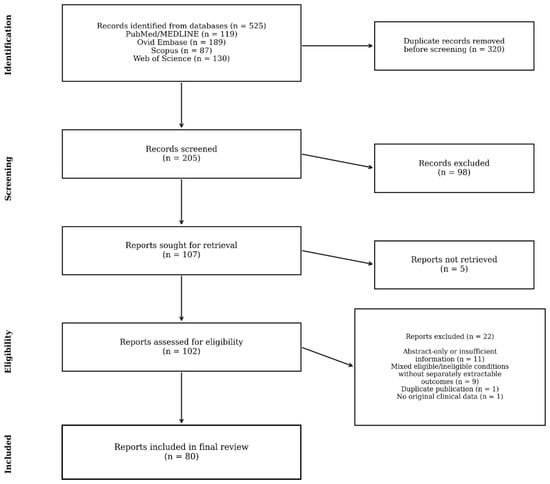
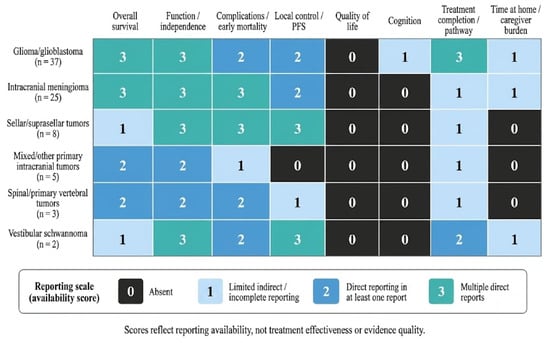
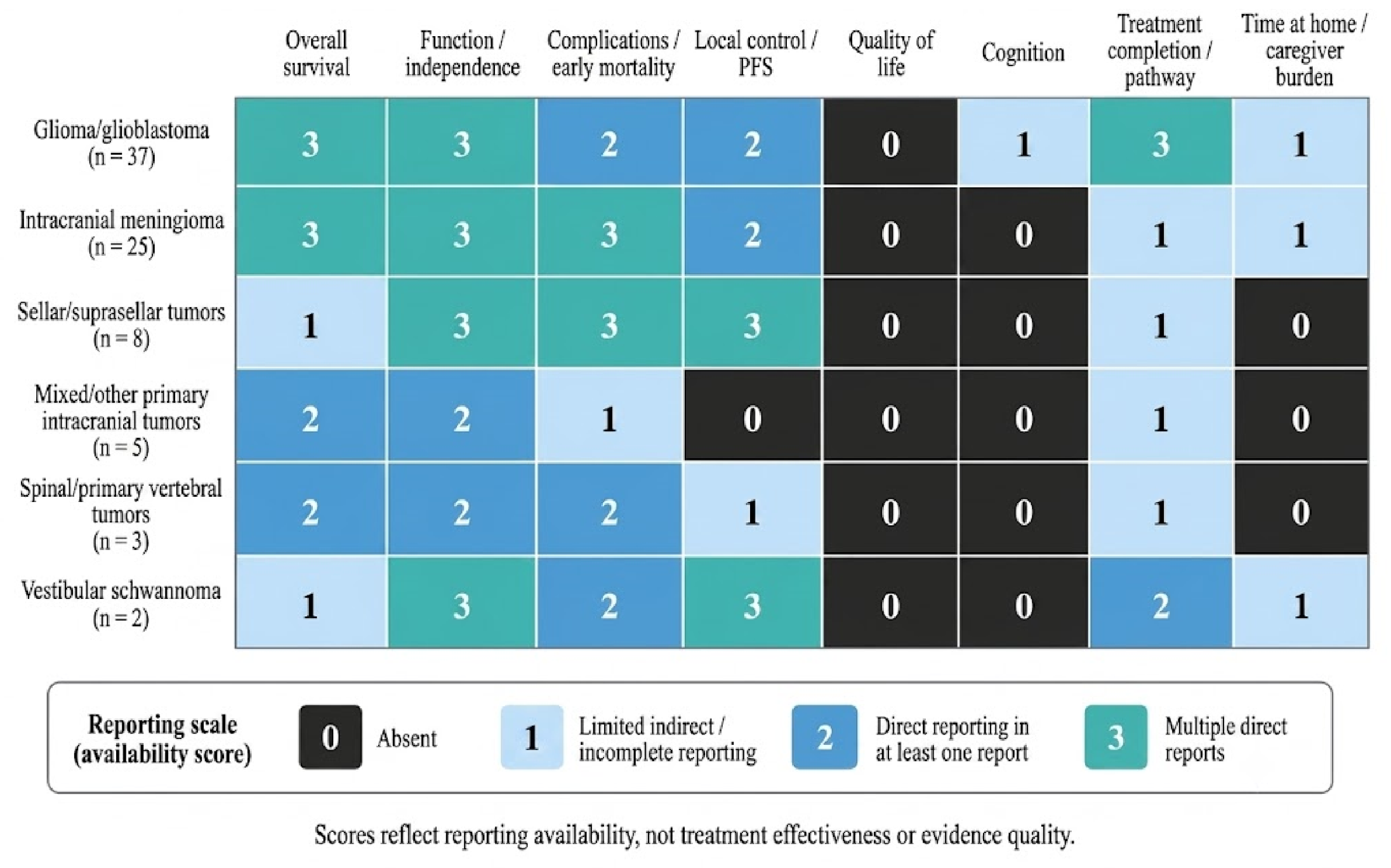

Disclaimer/Publisher’s Note: The statements, opinions and data contained in all publications are solely those of the individual author(s) and contributor(s) and not of MDPI and/or the editor(s). MDPI and/or the editor(s) disclaim responsibility for any injury to people or property resulting from any ideas, methods, instructions or products referred to in the content. |
© 2026 by the authors. Licensee MDPI, Basel, Switzerland. This article is an open access article distributed under the terms and conditions of the Creative Commons Attribution (CC BY) license.