


Abstract
Hyperlipidemia is a major metabolic disorder that leads to cardiovascular diseases. Natural products have drawn more attention as supplemental treatment approaches for lipid management. However, there is still a lack of adequate characterizations of the worldwide research scene and new developments. The objective of this study was to assess emerging research, collaborative networks, and worldwide research trends concerning natural products for hyperlipidemia. This study conducted a bibliometric analysis of publications indexed in Scopus and the Web of Science core collection (WoS) between 2000 and 2025. VOSviewer and Bibliometrix/biblioshiny were applied to performance the analysis on science mapping analyses and thematic evolution. An evidence matrix was developed to integrate mechanistic insights; 4243 entries were found in Scopus and 2328 in WoS dataset, indicating a consistent publication trend across databases. China was the biggest contributor, followed by the US, India, and Iran. Beijing University of Chinese Medicine and Mashhad University of Medical Sciences were prominent establishments. Three main research clusters were found based on keyword co-occurrence analysis: mechanistic studies concentrating on inflammation and molecular signaling pathways, experimental animal models examining lipid metabolism, and clinical studies on dyslipidemia. Overall, our bibliometric study reveals important scientific trends that could direct future translational and precision medicine research on hyperlipidemia.
1. Introduction
Hyperlipidemia, a significant metabolic risk factor, is strongly associated with cardiovascular diseases (CVDs), which remain the primary global cause of illness and mortality. Elevated levels of total cholesterol, low-density lipoprotein cholesterol (LDL-C), and triglycerides, coupled with reduced high-density lipoprotein cholesterol (HDL-C), contribute to the development of atherosclerosis and subsequent cardiovascular problems such as coronary artery disease, stroke, and peripheral vascular disorders [1,2]. The World Health organization (WHO) highlights that dyslipidemia plays a substantial role in the worldwide burden of non-communicable diseases, contributing to millions of annual deaths through its involvement in cardiovascular events [3]. Consequently, the effective management of lipid disorders is a crucial public health priority.
Medications that control lipid metabolism and the cholesterol balance, such as statins, fibrates, bile acid sequestrants, and PCSK9 inhibitors, are the mainstay of current therapy for hyperlipidemia [4]. The long-term use of these treatments frequently results in side effects such as muscle soreness, liver damage, digestive problems, and other metabolic disorders, even though they are successful in lowering cardiovascular risks [5] (Banach et al., 2015). Additionally, interest in alternative or complementary therapy approaches has increased because of differences in individual medication reactions and the rising incidence of statin intolerance. As a result, research into natural products and chemicals derived from plants as possible lipid-lowering medicines with better safety profiles is becoming increasingly important.
Because of their varied biological activities and ability to affect several metabolic pathways at once, natural compounds such as phytochemicals, polyphenols, flavonoids, alkaloids, and terpenoids have garnered significant study [6]. Plant-derived substances like berberine, resveratrol, curcumin, and anthocyanins have been shown, in numerous experimental and clinical investigations, to reduce cholesterol. Activating AMPK, blocking cholesterol synthesis, regulating bile acid metabolism, reducing oxidative stress, and inhibiting inflammatory pathways are some of the ways that they accomplish this [7,8]. Natural products may be good candidates for targeted treatment approaches meant to enhance lipid metabolism and lower cardiometabolic risk, according to these multi-target effects.
Research on natural products for hyperlipidemia has grown significantly during the last 20 years in a variety of disciplines, including molecular medicine, pharmacology, nutrition, and ethnopharmacology. Finding bioactive substances and their molecular targets involved in controlling lipid metabolism has been made easier by developments in omics technologies, systems pharmacology, and network pharmacology [9,10]. Nevertheless, a thorough grasp of the international research environment, cooperative networks, and new trends is still lacking despite the growing quantity of papers in this field.
Bibliometric analysis has proven to be a powerful method for quantitatively assessing the development of scientific fields. It achieves this by examining publication patterns, citation networks, collaborative structures, and key research areas [11]. By combining bibliometric techniques with visual knowledge-mapping tools like VOSviewer and Bibliometrix, researchers can identify influential journals, leading institutions, key authors, and thematic research clusters that shape a field’s evolution [12]. Such analyses offer valuable insights into a field’s intellectual structure and help identify future research directions.
Therefore, this study aimed to conduct a comprehensive bibliometric and visual knowledge-mapping analysis of global research on natural products for hyperlipidemia from 2000 to 2025. Specifically, the objectives were to (i) evaluate publication and citation trends; (ii) identify the leading journals, countries, institutions, and authors contributing to this research area; (iii) explore collaborative networks and intellectual structures through co-authorship, co-citation, bibliographic coupling, and thematic analyses; and (iv) integrate bibliometric findings with an evidence-mapping matrix summarizing the principal molecular mechanisms, biomarkers, and precision therapeutic pathways reported in influential studies. Unlike previous bibliometric investigations, which predominantly described publication performance and collaboration patterns, the present study combines a quantitative bibliometric analysis with mechanistic evidence synthesis to bridge research trends with biological interpretation. This integrated approach provides a more comprehensive understanding of current knowledge, identifies emerging translational opportunities, and highlights future directions for precision medicine and natural product-based interventions in hyperlipidemia.
2. Materials and Methods
2.1. Data Collection
The Scopus and Web of Science Core Collection (WoS) databases were used to perform a comprehensive bibliometric analysis due to their broad coverage of peer-reviewed scientific literature spanning environmental, biomedical, and toxicological disciplines, and it was used to perform a thorough bibliometric study. Publications from January 2000 to December 2025 were included in the search.
The following search string was applied in Scopus: TITLE-ABS-KEY (dyslipidaemia OR hyperlipidaemia OR dyslipidemia OR dyslipidaemia OR “lipid disorder*” OR “lipid abnormalit*” OR “high cholesterol”) AND TITLE-ABS-KEY (“natural product*” OR phytochemical* OR “plant extract*” OR herbal OR nutraceutical* OR “functional food*” OR polyphenol* OR “bioactive compound*” OR phytotherapy) AND TITLE-ABS-KEY (therapy OR treatment OR therapeutics OR management OR “precision medicine” OR “personalized medicine” OR lipidomics OR biomarker* OR “drug discovery”) AND PUBYEAR > 1999 AND PUBYEAR < 2026 AND (LIMIT-TO (LANGUAGE, ”English”)) and for Web of Science is TS = (dyslipidaemia OR hyperlipidaemia OR dyslipidemia OR dyslipidaemia OR “lipid disorder*” OR “lipid abnormalit*” OR “high cholesterol”) AND TS = (“natural product*” OR phytochemical* OR “plant extract*” OR herbal OR nutraceutical* OR “functional food*” OR polyphenol* OR “bioactive compound*” OR phytotherapy) AND TS = (therapy OR treatment OR therapeutics OR management OR “precision medicine” OR “personalized medicine” OR lipidomics OR biomarker* OR “drug discovery”).
Only peer-reviewed journal articles and reviews published in English were included. Conference papers, editorials, and non-English publications were excluded to ensure dataset consistency. Data were obtained on 11 March 2026, and manual screening was also done for all the data.
2.2. Screening and Eligibility
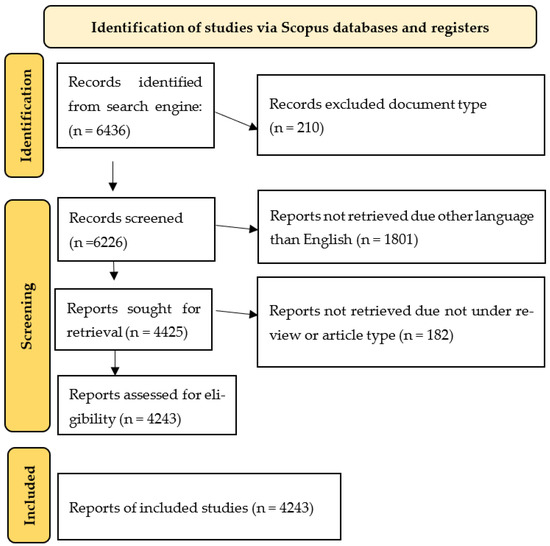
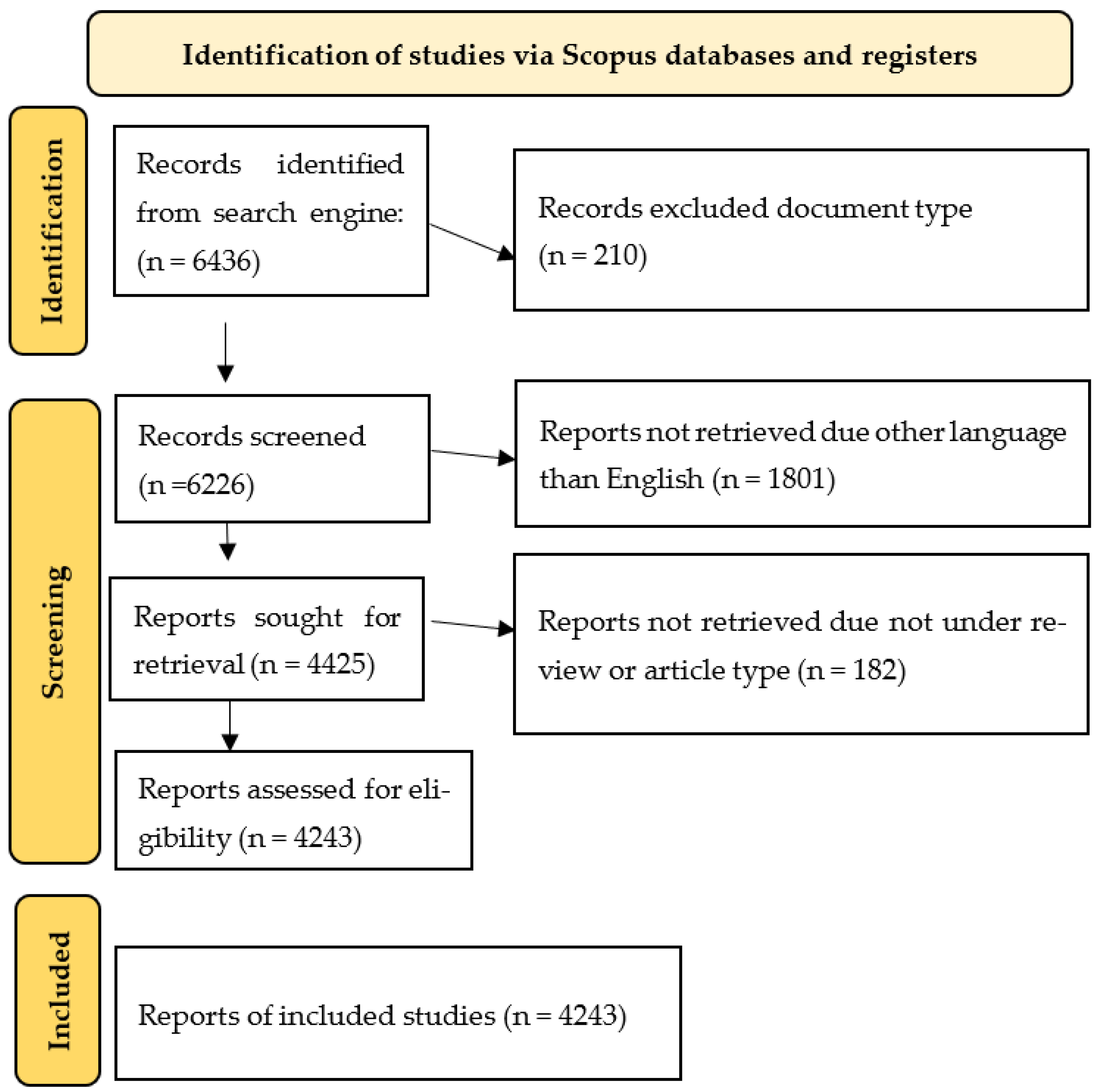
There were 6436 records found in the first search; 210 records were eliminated following the application document-type filters, and 1801 datasets were eliminated as they were not under the category review or article paper. From these 4425 papers, 182 papers were rejected due to other languages apart from English. A PRISMA-style flow diagram (Figure 1) illustrates the identification, screening, eligibility, and inclusion process, and the Scopus dataset served as a primary bibliometric source, while the Web of Science dataset was used for cross-analysis. The datasets were not merged. Duplicate records within each dataset were removed using the bibliometric function and manual verification. Screening was conducted independently by two reviewers using predefined inclusion criteria. Discrepancies were resolved through discussion until a consensus was reached.
Figure 1.
PRISMA flow diagram illustrating the identification, screening, eligibility, and inclusion process for the Scopus dataset used as the primary bibliometric source.
During this process, each publication was assessed based on its title, abstract, author keywords, document type, language, and relevance to the study objectives. Publications were included if they focused on hyperlipidemia or dyslipidemia in relation to natural products, phytochemicals, herbal medicines, nutraceuticals, or functional foods. Publications that focused exclusively on synthetic pharmacological agents without relevance to natural product-based interventions were excluded. Duplicate records, publications with incomplete bibliographic metadata, editorials, conference papers, letters, notes, book chapters, and errata were also excluded.
To ensure consistency in study selection, both reviewers independently screened the retrieved records. Any discrepancies in study eligibility were resolved through discussion until a consensus was achieved. The level of agreement between reviewers was assessed throughout the screening process, resulting in a high level of consistency in the final dataset.
2.3. Inclusion and Exclusion Criteria
Publications were selected based on predefined inclusion and exclusion criteria to ensure the relevance and quality of the bibliometric dataset. Studies were included if they were published between 2000 and 2025, indexed in the Scopus database, and focused on hyperlipidemia or dyslipidemia in relation to natural products, plant-derived compounds, nutraceuticals, or herbal medicines. Only peer-reviewed articles and review papers written in English were included to ensure the reliability and accessibility of the data. Relevant keywords that were clearly associated with lipid diseases and natural product-based therapy methods were to be included in the title, abstract, or author keywords of publications.
Conference papers, editorials, letters, book chapters, notes, and errata were not included in the list of publications because they may not be complete research projects and frequently offer little bibliographic information. During the data-screening procedure, duplicate records, missing metadata entries, and publications unrelated to the study issue were also eliminated. To keep the analysis’s thematic emphasis, studies that only addressed synthetic medications and had nothing to do with natural goods or nutraceutical therapies were also eliminated. These standards made sure that the final dataset fairly represented the state of natural product-based hyperlipidemia research worldwide.
2.4. Data Export and Preparation
Complete records and cited references (authors, affiliations, titles, abstracts, keywords, source, year, and citation counts) were exported in CSV format. Before analysis, the consistency and completeness of the data were examined.
2.5. Bibliometric Analysis
Bibliometric analyses were conducted using Bibliometrix/Biblioshiny (R package, version 4.5.2) for performance analysis and thematic mapping. Another app is VOSviewer (version 1.6.19) for network visualization and clustering. Two analytical approaches were employed: (i) performance analysis is performed to evaluate the annual scientific production, most relevant journals, country scientific production, and institutional contributions. Science mapping is performed to explore keyword co-occurrence networks, co-citation networks, bibliographic coupling, and thematic maps and thematic evolution. Network visualizations were generated using distance-based mapping algorithms in which the node size represents the frequency and the link strength reflects co-occurrence or citation connectivity.
2.6. Cross-Database Consistency Analysis Using Web of Science
A supplementary dataset was obtained from the Web of Science Core collection (WoS) to improve the robustness of the bibliometric analysis. WoS retrieval was conducted using the same search approach and inclusion criteria as the Scopus dataset. The Bibliometrix R software (version 5.4.1) was used to integrate complete records and cited references that were exported in plain text format; 2328 papers from the same timeline were included in the Wos dataset. To confirm publication trends, theme clusters, and intellectual structures, a cross-database comparison was carried out. The trustworthiness of bibliometric results is strengthened by this multi-databased validation method.
2.7. Evidence-Mapping Methodology
To complement the bibliometric analysis, an evidence-mapping approach was conducted to summarize the principal molecular mechanisms and therapeutic pathways reported in highly influential studies on natural products for hyperlipidemia. The evidence mapping was performed using the Scopus database, which served as the primary bibliometric dataset.
Initially, publications identified through the bibliometric analysis were ranked according to total citation counts within the Scopus database. Highly cited publications were subsequently screened for relevance based on their titles, abstracts, and, where necessary, full-text articles. Studies were considered eligible for evidence mapping if they met the following criteria: (i) investigated natural products, phytochemicals, herbal medicines, nutraceuticals, or functional foods for hyperlipidemia or dyslipidemia; (ii) reported experimental, preclinical, or clinical evidence of lipid-lowering activity; and (iii) described at least one molecular mechanism, signaling pathway, biomarker, or therapeutic target associated with lipid regulation.
For each included study, information was extracted independently by the investigators using a standardized data-extraction form. The extracted variables included the publication year, journal, total citation count, experimental model, natural product or bioactive compound investigated, proposed molecular mechanism of action, reported biomarkers or signaling pathways, and the principal lipid-related outcomes. Mechanistic information was synthesized qualitatively by grouping similar biological pathways, including AMPK signaling, oxidative stress regulation, inflammatory pathways, bile acid metabolism, cholesterol transport, gut microbiota modulation, adipogenesis, and lipid metabolism.
The evidence-mapping matrix was intended to provide a qualitative synthesis of the major mechanistic themes emerging from influential publications and to complement the quantitative findings obtained from the bibliometric analyses.
3. Results
3.1. Main Information About the Bibliometric Dataset
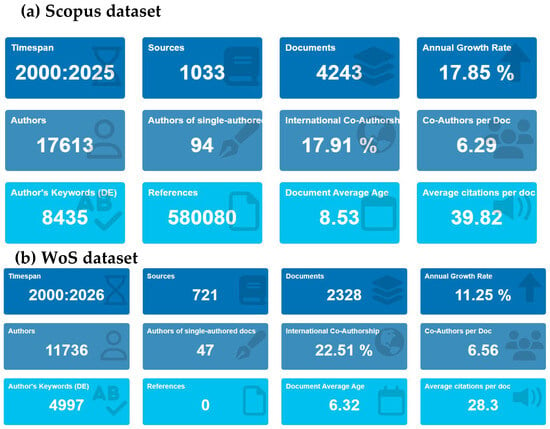
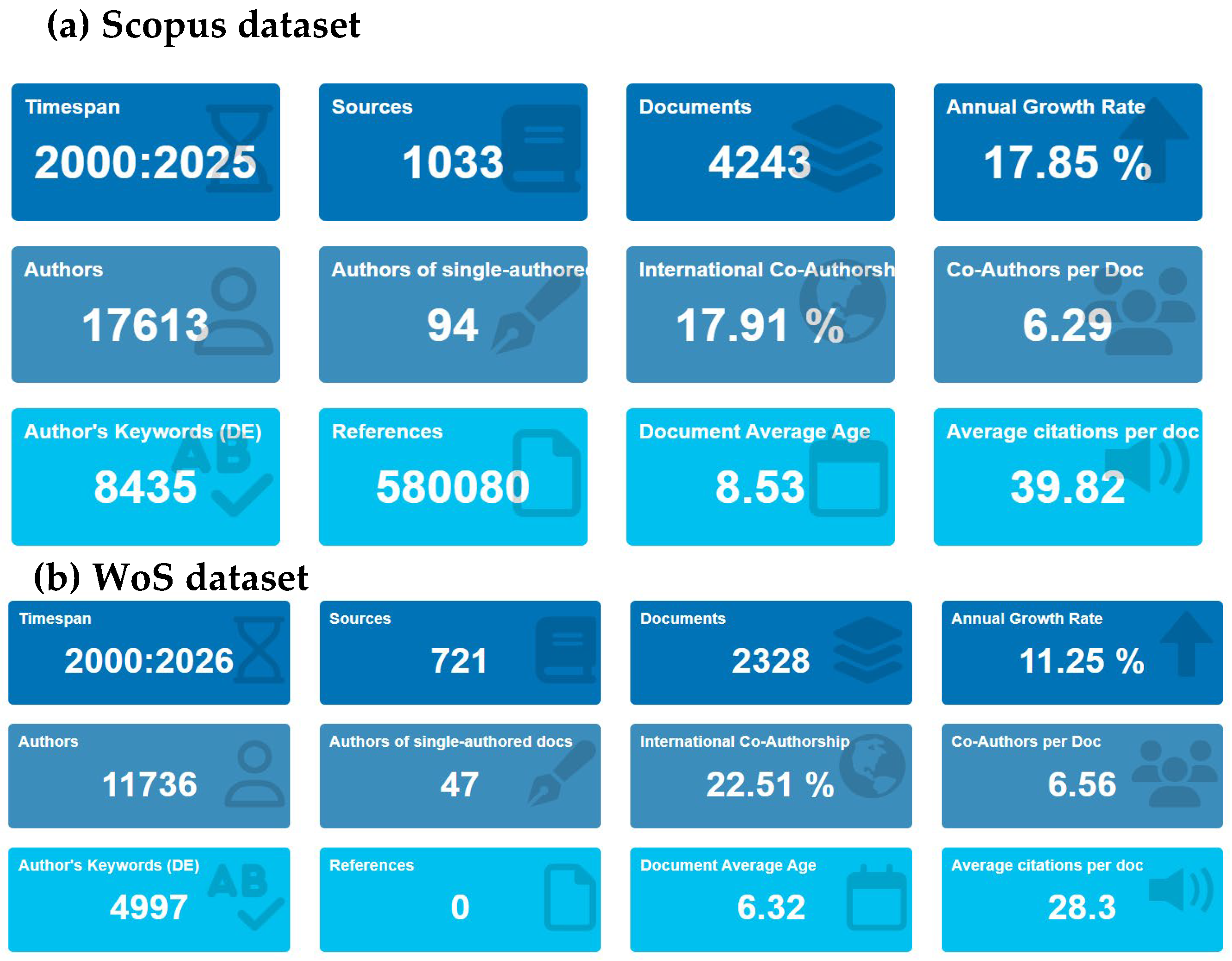
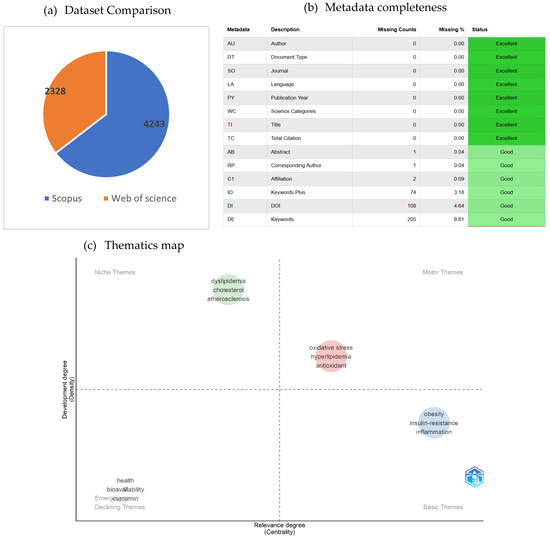
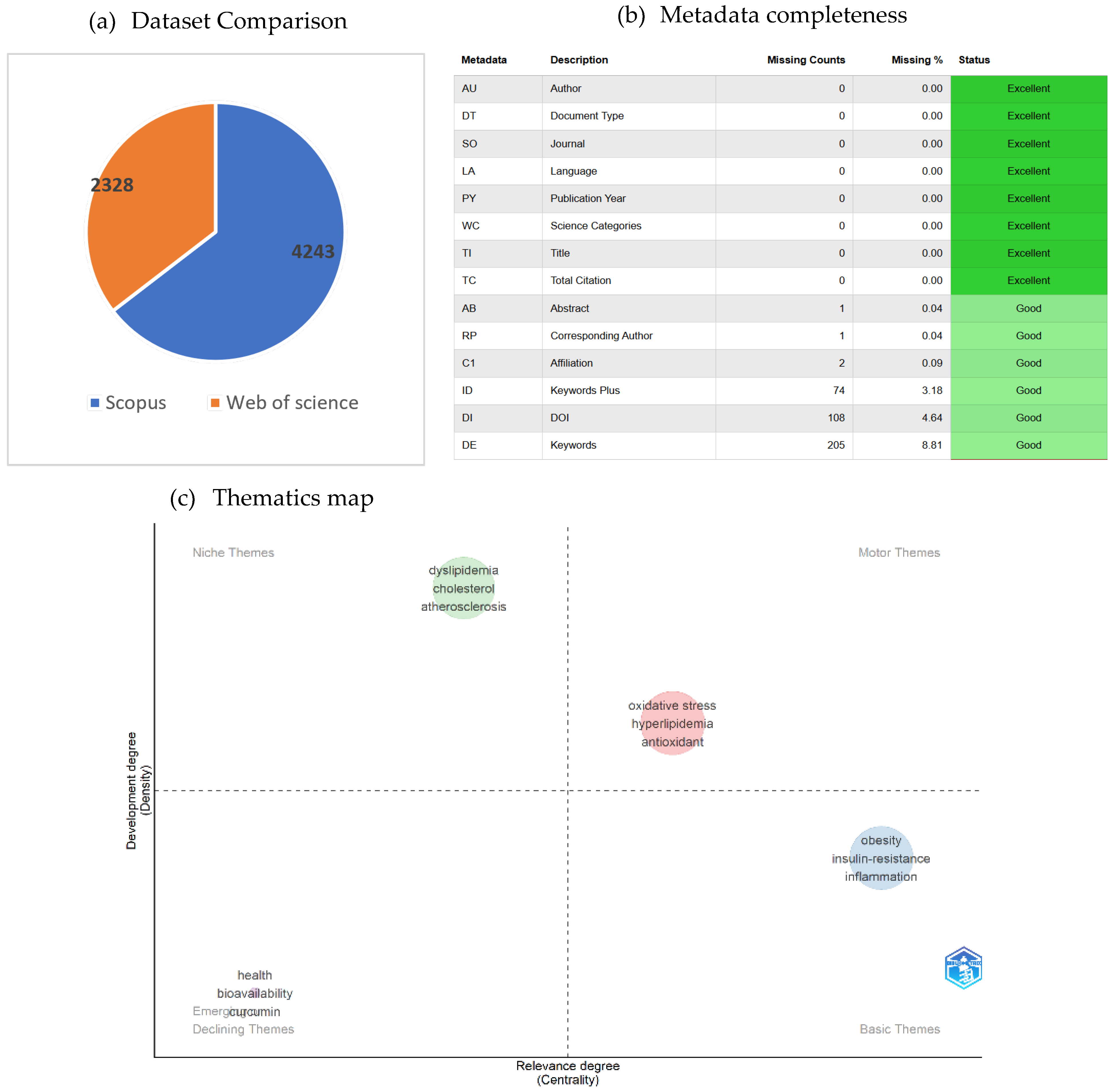
From 2000 to 2025, an extensive review of the Scopus database revealed 4243 research papers dedicated to natural products and precision therapeutics for dyslipidemia. These studies were published across 1033 academic journals, reflecting the multidisciplinary nature of the field, including lipid biology, pharmacology, and nutraceutical sciences. A total of 17,613 authors worldwide contributed to this body of work, indicating significant global interest. Collaboration was a prominent characteristic, with an average of 6.29 co-authors per publication; only 94 documents were single-authored. International cooperation was evident in 17.91% of the publications, suggesting a moderate level of cross-border teamwork. The analyzed literature generated 8435 unique author keywords, reflecting the extensive scope of topics within dyslipidemia research. Together, these documents referenced 580,080 references, with an average of 39.82 citations per document, demonstrating their significant scholarly impact. The annual growth rate of scientific publications was 17.85%, as calculated by the Bibliometrix software (version 5.4.1) based on publication output over the study period (2000–2025), indicating sustained growth in research interest in nutraceutical-based approaches for dyslipidemia.
In addition to the Scopus dataset (n = 4243), the Web of Science Core Collection (WoS) identified 2328 publications using identical search criteria. Although WoS yielded a lower number of records due to stricter indexing coverage, both databases demonstrated consistent publication trends and thematic structures, supporting the robustness of the bibliometric findings (Figure 2).
Figure 2.
The main information of the refined documents from (a) Scopus and (b) WoS.
3.2. Cross-Database Consistency Analysis
A comparative analysis between Scopus and WoS datasets revealed similar growth patterns in annual publication output and thematic evolution. Minor discrepancies in document counts were attributed to differences in journal coverage and indexing policies. Despite these differences, the consistency of key research themes—including oxidative stress, lipid metabolism, and inflammation—confirms the reliability of the observed global research trends (Figure 3).
Figure 3.
Cross-database consistency analysis in WOS.
3.3. Annual Scientific Production
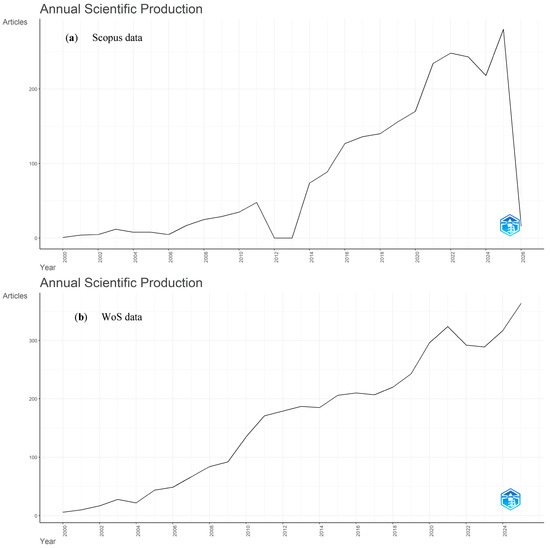
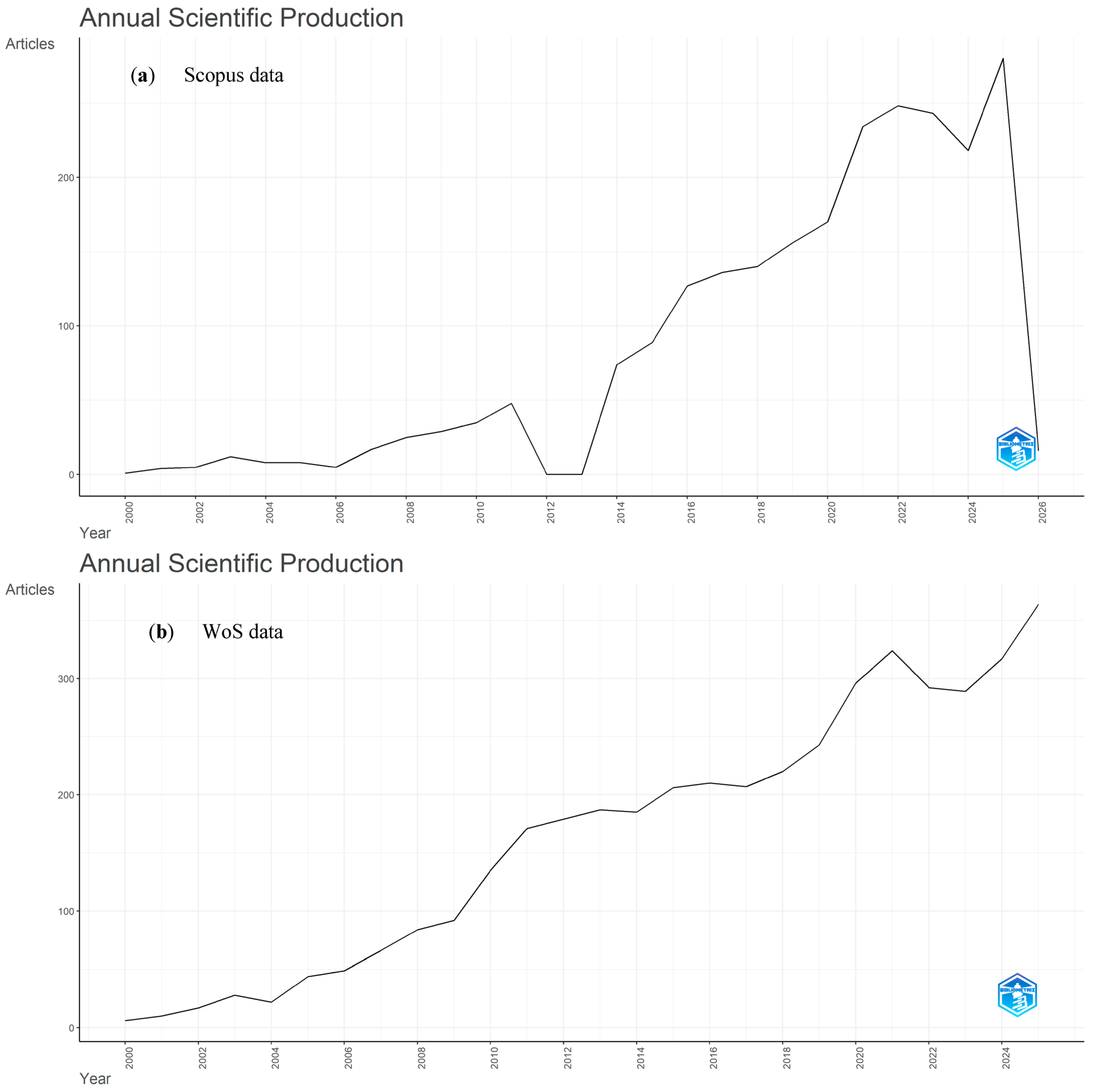
The number of research papers on natural products and precision treatments for hyperlipidemia increased steadily between 2000 and 2025. First, fewer than 50 articles were published each year between 2000 and 2006. But starting in 2007, research activity significantly increased, and by 2015, there were about 200 publications per year. This demonstrated the growing interest of scientists in the use of natural products and lipid metabolism. After 2017, the rate of publication grew dramatically, reaching around 300 publications per year starting in 2020. The year 2025 saw the greatest amount of scientific production, highlighting the field’s continuous and quick growth. This general upward trend is indicative of an increasing emphasis on tailored therapeutic techniques and natural product-based treatments for high cholesterol worldwide (Figure 4).
Figure 4.
Annual scientific production of publications from Scopus and WoS dataset.
3.4. Most Relevant Journal
Research on natural products and hyperlipidemia is mostly published in pharmacology, nutraceuticals, and complementary medicine journals, according to a study of the most prolific publications. With 254 publications published on the subject, the Journal of Ethnopharmacology was the leading contributor. Nutrients (140 papers) and phytomedicine (98 articles) trailed them closely. Biomedicine and Pharmacotherapy (88 papers), Frontiers in Pharmacology (90 articles), and Phytotherapy Research (92 articles) are additional notable publications in this area. The International Journal of Molecular Sciences, Evidence-Based Complementary and Alternative Medicine, Journal of Medicinal Food, and PLOS ONE all made significant contributions. These results demonstrate the intrinsically multidisciplinary character of research on hyperlipidemia, especially its increasing focus on the pharmacological features of natural products, nutraceutical science, and the molecular mechanisms underlying their therapeutic effects (Table 1).
Table 1.
Top ten productive journals publishing research on natural products and precision therapeutics in hyperlipidemia between 2000 and 2025.
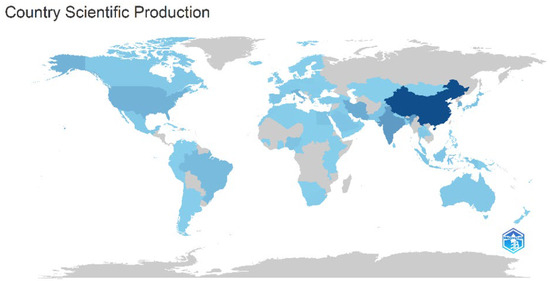
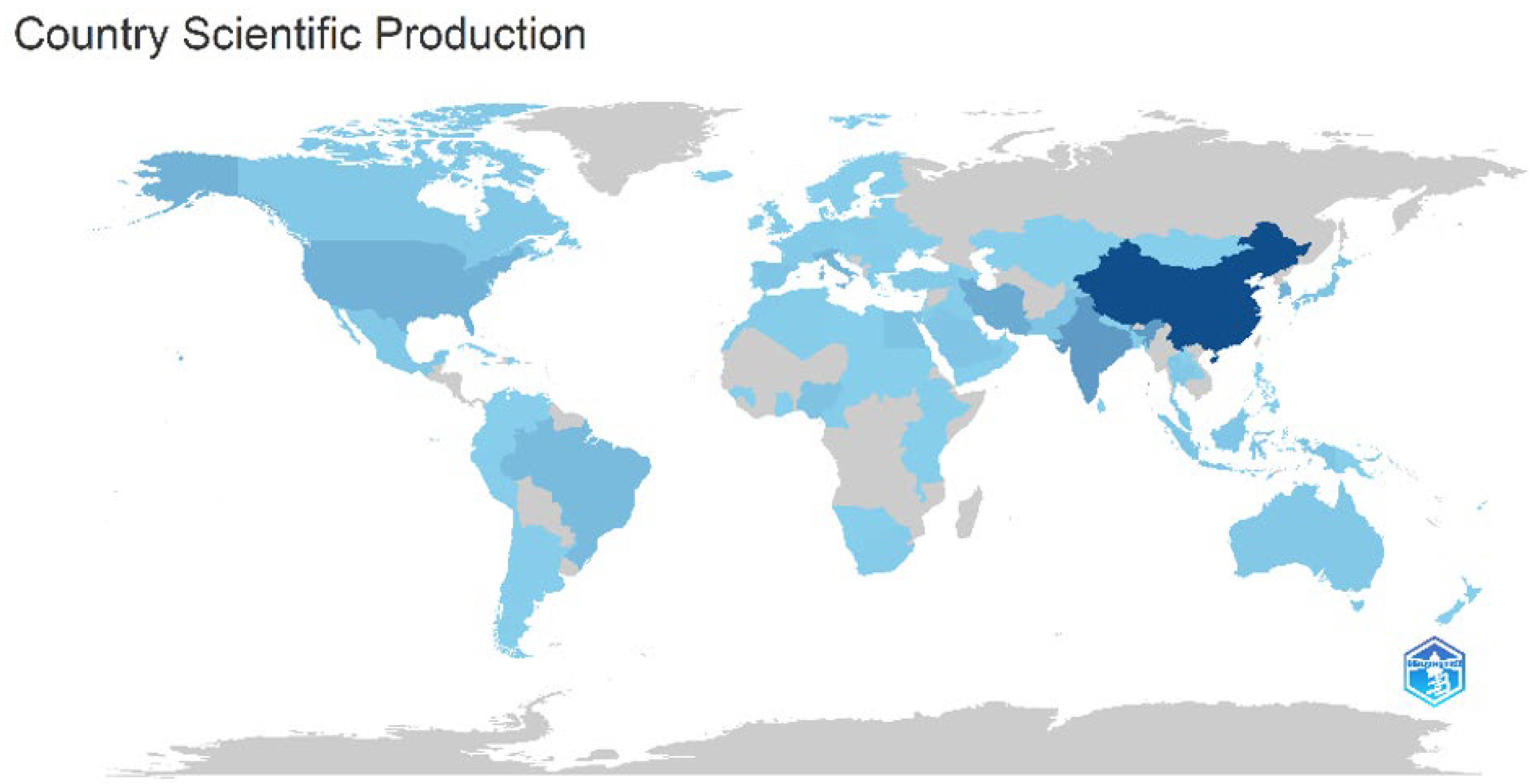
3.5. Scientific Production by Country
Bibliometrix’s full counting method was used in the country production analysis. This method gives credit to every nation that the authors’ connections reflect in the publication. As a result, the publication counts of several nations may be influenced by a single article, and the cumulative country frequencies may surpass the total number of documents in the dataset.
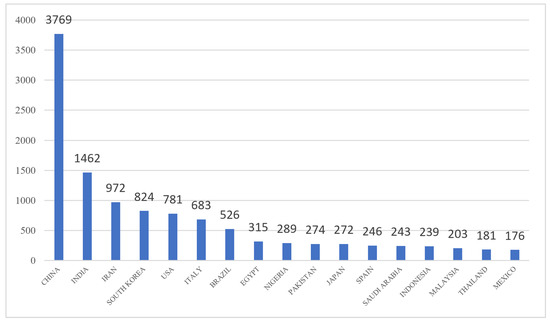
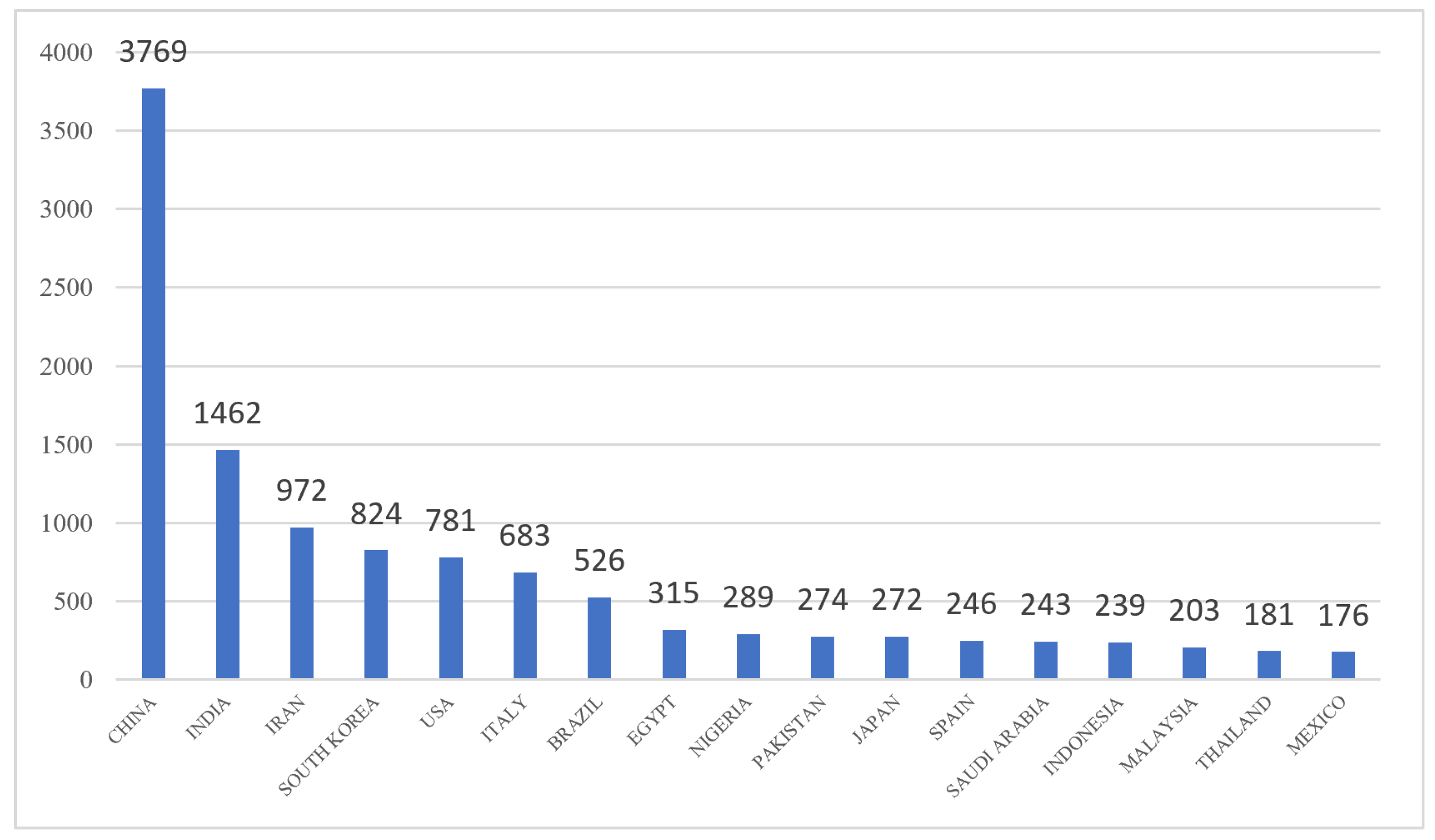
Strong international involvement in natural product-based treatments for hyperlipidemia is seen in the global distribution of research output. With 3769 publications based on author affiliations, China led the world in scientific output, followed by India (1462), Iran (972), South Korea (824), and the United States (781). Italy (683), Brazil (526), Egypt (315), Nigeria (289), and Pakistan (274) all made noteworthy contributions. The significant contribution of Asian nations emphasizes the value of biodiversity resources, traditional medical systems, and rising funding for phytochemical and nutraceutical research. With 203 papers in the discipline, Malaysia also showed signs of growing research activity in Southeast Asia (Figure 5).
Figure 5.
Global distribution of scientific publications.
3.6. Affiliation Analysis
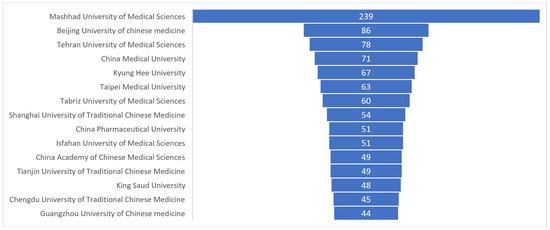
An examination of institutional involvement shows that a small number of well-known academic institutions throughout the world conduct most of the research on natural products and hyperlipidemia. With 239 publications—much more than any other institution—Mashhad University of Medical Sciences in Iran is the most productive. Beijing University of Chinese Medicine (86 articles), Tehran University of Medical Sciences (78 publications), China Medical University (71 publications), and Kyung Hee University (67 publications) are further universities that have made significant contributions. Significant contributions to the discipline were also made by Shanghai University of Traditional Chinese Medicine, Taipei Medical University, and Tabriz University of Medical Sciences. These findings show that many of the top organizations in this field are in Asia and often focus on pharmacology, natural product research, and traditional medicine. This demonstrates the critical role that herbal medicine research centers play in developing innovative treatment approaches for hyperlipidemia (Figure 6).
Figure 6.
Top contributing research institutions in publications.
3.7. Co-Authorship by Country
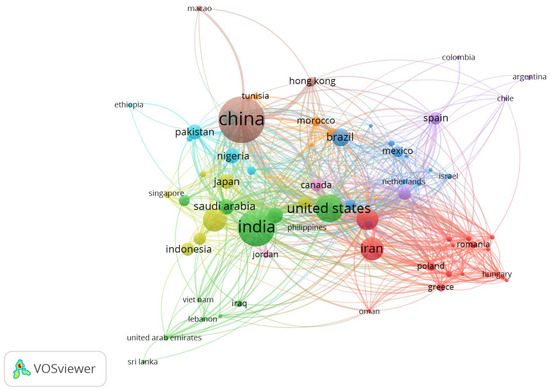
An analysis of co-authorship trends between nations reveals widespread international cooperation in studies on natural products and hyperlipidemia. China, India, the US, and Iran emerged as major stakeholders in this global research endeavor, and our network analysis revealed numerous important hubs of cooperation. China showed the largest network of cooperation, establishing solid alliances with nations including Nigeria, Brazil, Pakistan, and Japan. This indicates China’s leading position in global research on natural product-based therapies. In a similar vein, India demonstrated extensive cooperation, especially with Saudi Arabia, Indonesia, Jordan, and Vietnam, creating a strong regional research network throughout Asia and the Middle East. Through its partnerships with Canada, the Netherlands, Mexico, and Israel, the United States acted as a vital link for numerous international research teams. In the meantime, Iran emphasized active regional cooperation in biomedical research by forming a unique collaborative cluster with several European countries, including Romania, Poland, Greece, and Hungary. With significant contributions coming from Asia, North America, and Europe, the co-authorship network essentially depicts a highly integrated global research landscape (Figure 7).
Figure 7.
Country-level co-authorship network in natural product-based hyperlipidemia research from 2000 to 2025. Each node represents a country, and the node size reflects the country’s publication contribution within the network. Links indicate co-authorship relationships between countries, while thicker links represent stronger collaboration. The total link strength reflects the cumulative intensity of each country’s international collaborations. Colors indicate clusters of countries with relatively stronger collaborative relationships, and shorter distances between nodes indicate closer research collaboration.
3.8. Thematic Map Analysis
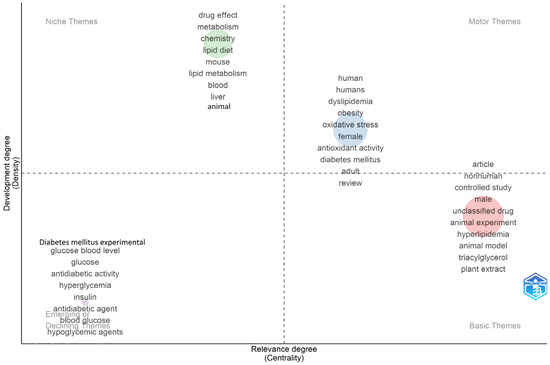
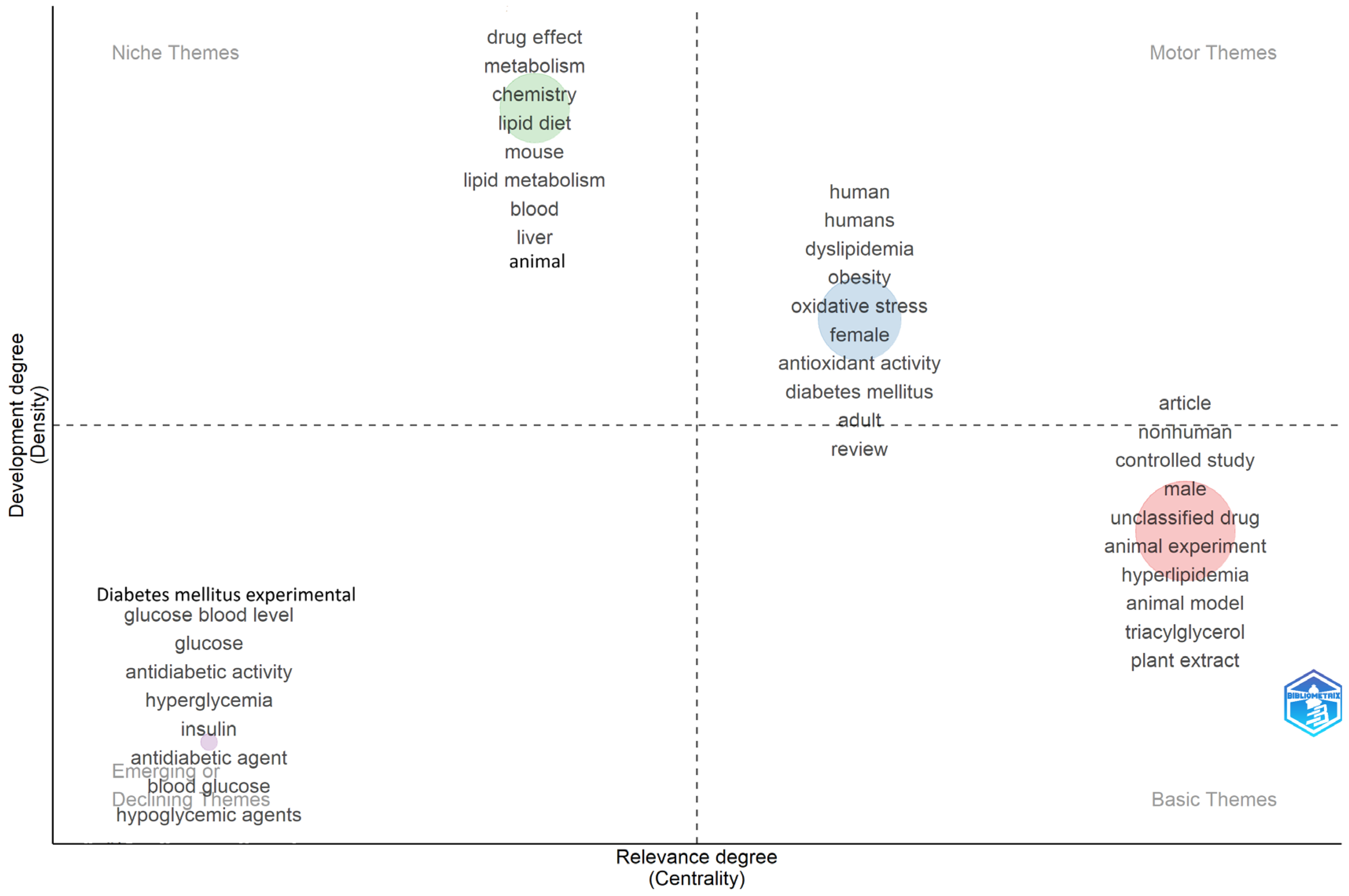
A thematic map analysis was performed to clarify the conceptual structure and research development in studies investigating natural products and dyslipidemia. This analysis categorized themes into four distinct areas, which is motor themes, basic themes, niche themes, and emerging or declining themes. For motor themes, terms such as dyslipidemia, obesity, oxidative stress, antioxidant activity, and diabetes mellitus were identified as the main driving forces and central areas of inquiry within this field. However, for basic themes core research components included dyslipidemia, plant extracts, animal models, and triacylglycerol, indicating that the fundamental methodology often involves experimental studies utilizing plant-derived compounds and animal models. Differently, in niche themes, specialized research areas like lipid metabolism, drug effects, and the liver represent investigations focused on the biochemical and pharmacological mechanisms involved in lipid regulation. Finally, in emerging themes, keywords such as glucose, hyperglycemia, and antidiabetic activity suggest a growing integration of dyslipidemia and diabetes research, reflecting a broader scientific interest in metabolic disorders (Figure 8).
Figure 8.
Thematic map illustrating the conceptual structure of natural product-based hyperlipidemia research. Themes are positioned according to centrality and density. Motor themes in the upper-right quadrant are both well developed and highly relevant to the field. Basic themes in the lower-right quadrant are important but less internally developed. Niche themes in the upper-left quadrant are highly developed but more specialized, whereas themes in the lower-left quadrant may represent emerging or declining topics. The bubble size reflects the frequency of the keywords within each thematic cluster.
3.9. Keyword Co-Occurrence and Emerging Hotspots
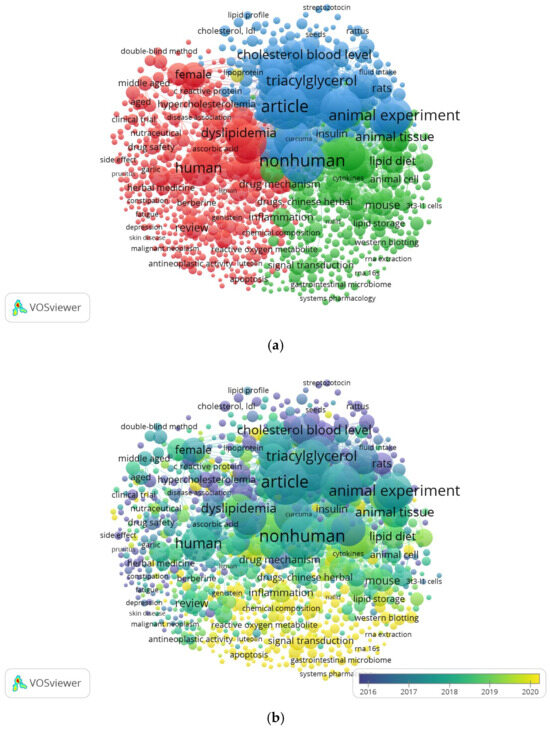
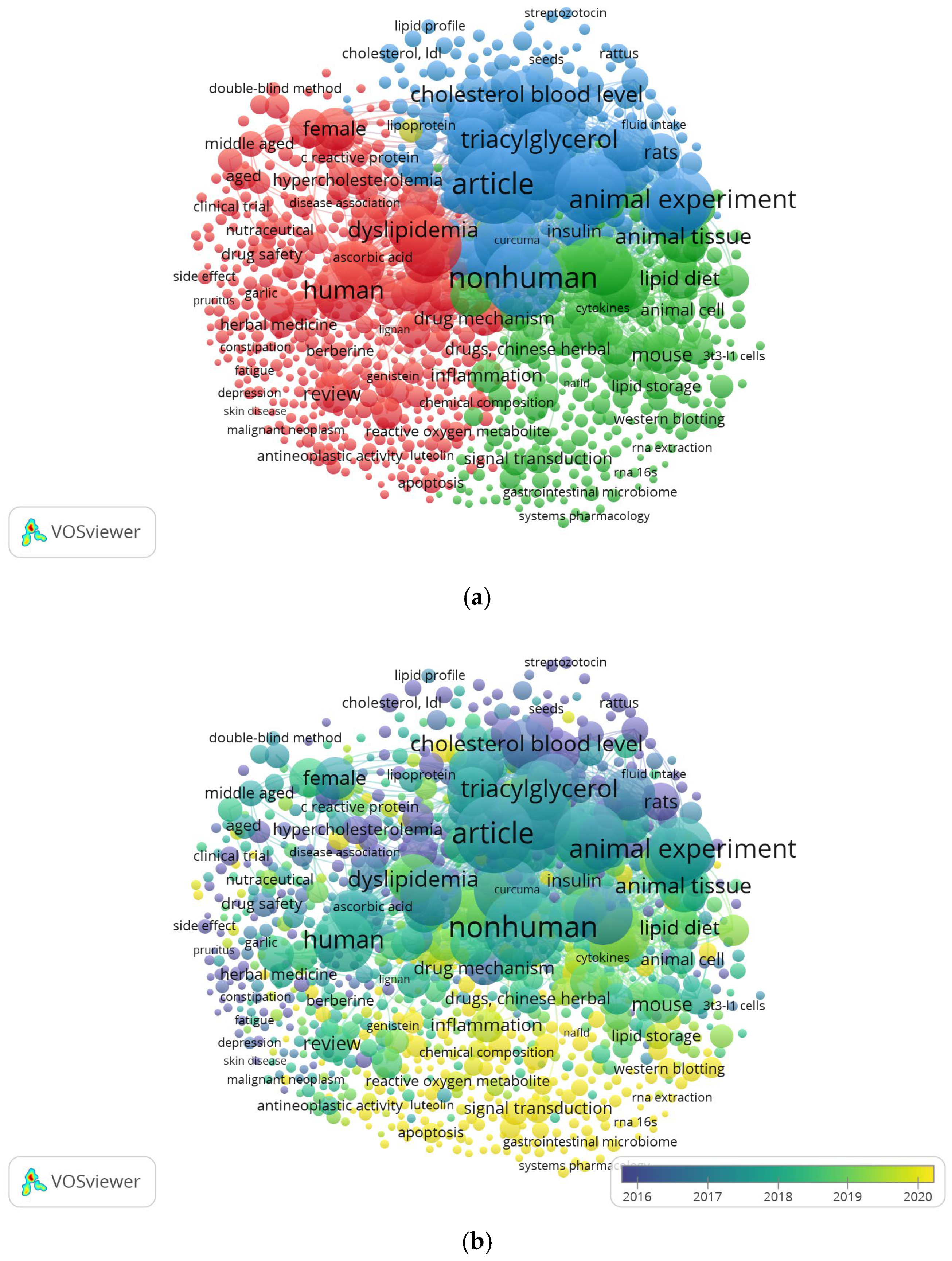
Three primary thematic clusters were revealed through a keyword co-occurrence network analysis that successfully identified different study areas in the field of natural products and hyperlipidemia. Human and clinical studies were the main emphasis of the first cluster. Keywords like “human,” “dyslipidaemia,” “hypercholesterolaemia,” and “clinical trial,” which indicate studies targeted at assessing how effectively natural products treat these illnesses in individuals, made this clear. Research on experimental animals was the focus of the second cluster. Terms like “animal experiment,” “rats,” “cholesterol level,” and “triacylglycerol,” which highlighted the widespread use of animal models to examine the potential of different substances to decrease cholesterol, were used to describe this group. Finally, the third cluster comprised molecular and mechanistic studies, including both cell culture (in vitro) and experimental animal models. Frequently occurring keywords such as “signal transduction,” “lipid storage,” “inflammation,” and “apoptosis” indicate increasing interest in elucidating the cellular and molecular mechanisms by which nutraceuticals regulate lipid metabolism. Here, “signal transduction,” “lipid storage,” “inflammation,” and “apoptosis” were common terms, indicating a growing interest in comprehending the cellular mechanisms that control lipid metabolism and the molecular mechanisms by which natural products work (Figure 9).
Figure 9.
(a) Keyword co-occurrence network showing the major conceptual clusters in natural product-based hyperlipidemia research. Each node represents a keyword, and the node size indicates its frequency of occurrence. Links represent co-occurrence relationships between keywords, while the link thickness indicates the strength of co-occurrence. Colors denote thematic clusters identified by the VOSviewer clustering algorithm. Shorter distances between keywords indicate stronger conceptual relatedness. (b) Overlay visualization of keyword co-occurrence showing the temporal development of research topics. The node size represents the keyword occurrence frequency, and links indicate co-occurrence relationships. The node color corresponds to the average publication year shown in the color scale, with earlier topics represented by cooler colors and more recent topics by warmer colors.
3.10. Intellectual Base and Research Front
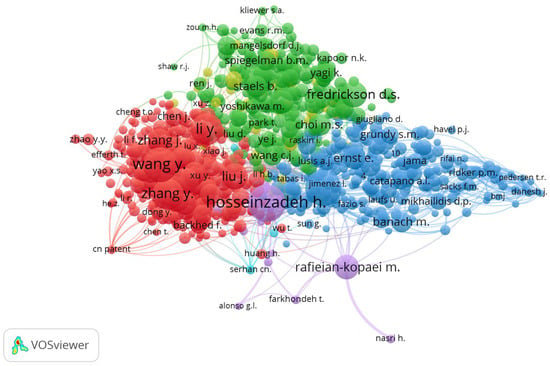
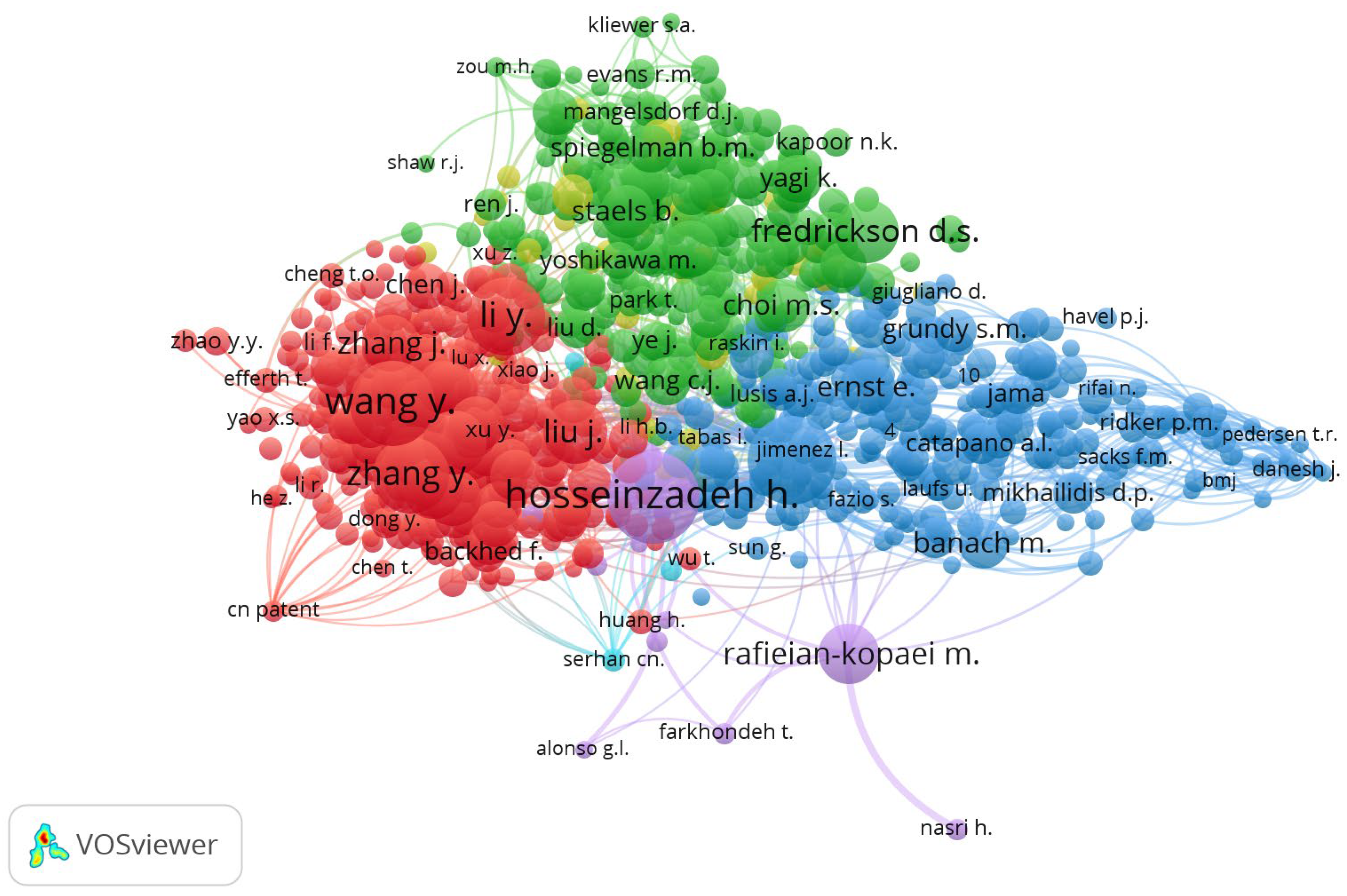
An examination of authors frequently cited together has revealed the foundational intellectual structure of research on natural products and dyslipidemia. This investigation identified several highly influential authors who have played a crucial role in shaping this domain. The main contributors are Wang Y., Zhang Y., Li Y., and Liu J, a significant group primarily dedicated to exploring plant-derived bioactive compounds and nutritional interventions. The work of Fredrickson D.S., Staels B., and Spiegelman B.M. focuses on lipid metabolism and its regulatory processes. Apart from that are Grundy S.M., Ernst E., and Banach M., who represent a distinct cluster conducting clinical research on dyslipidemia and cardiovascular risk management, and Hosseinzadeh H. and Rafieian-Kopaei M., researchers who have advanced our understanding of the mechanisms of action of herbal medicines and the pharmacology of natural products. In essence, the analysis of co-citation patterns distinctly illustrates the multidisciplinary nature of dyslipidemia research, integrating knowledge from pharmacology, clinical cardiology, and natural product therapeutics (Figure 10).
Figure 10.
Author co-citation network illustrating the intellectual foundation of natural product and hyperlipidemia research. Each node represents a cited author, and the node size reflects the co-citation frequency. Links indicate the frequency with which two authors were cited together, while thicker links represent stronger co-citation relationships. Colors identify clusters of authors contributing to related intellectual traditions or research domains.
3.11. Bibliographic Coupling
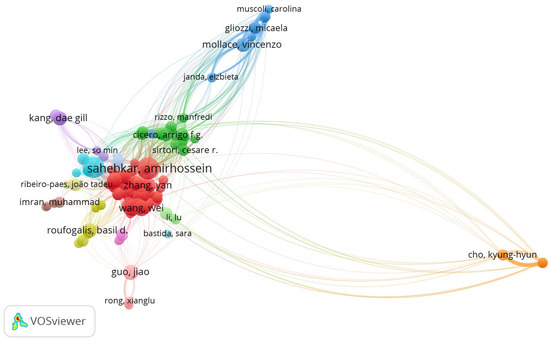
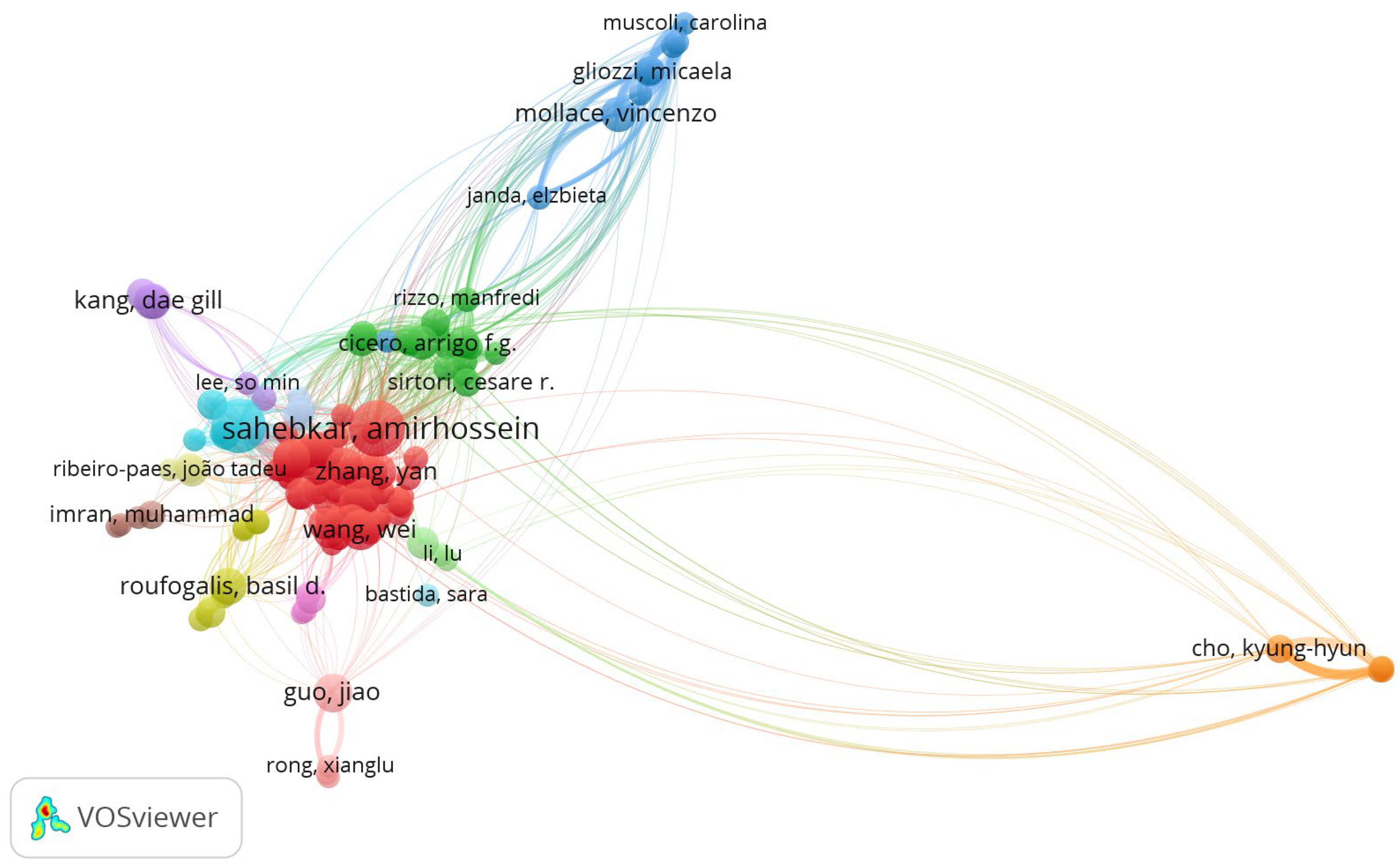
A bibliographic coupling analysis identified several distinct groups of authors collaborating on closely related research concerning natural products and hyperlipidemia. One prominent group, including researchers such as Wang Wei, Zhang Yan, and Sahebkar Amirhossein, primarily investigates the pharmacological effects of plant-derived bioactive compounds and the application of nutraceuticals in treating lipid disorders. Another significant cluster, featuring authors like Cicero Arrigo F.G., Sirtori Cesare R., and Rizzo Manfredi, concentrates their research on lipid metabolism, the management of dyslipidemia, and the clinical evaluation of nutraceutical-based treatments.
A separate group, consisting of Mollace Vincenzo, Gliozzi Micaela, and Muscoli Carolina, focuses their studies on oxidative stress, inflammation, and the molecular mechanisms underlying lipid metabolism. Additionally, other research teams were identified, such as those led by Kang Dae Gill and Lee So Min, who contribute to the study of herbal medicines and functional foods for preventing metabolic diseases. In essence, the bibliographic coupling network demonstrates the presence of numerous active research communities exploring natural product-based strategies to combat hyperlipidemia (Figure 11).
Figure 11.
Author bibliographic coupling network showing active research communities in natural product-based hyperlipidemia research. Each node represents an author, and the node size reflects the author’s bibliographic weight in the network. Links indicate the extent to which two authors cite common references, while thicker links represent stronger bibliographic coupling. Cluster colors identify groups of authors working on related research themes.
3.12. Evidence-Mapping Matrix of Influential Studies on Natural Products for Hyperlipidemia (2000–2025)
To complement the quantitative bibliometric analyses, an evidence-mapping matrix was developed based on the predefined methodology described in Section 2.7. Highly cited publications that fulfilled the eligibility criteria were systematically reviewed to summarize the principal molecular mechanisms, biomarkers, and therapeutic pathways associated with natural product-based interventions for hyperlipidemia. Their analysis demonstrated that plant-derived compounds typically lower lipid levels by influencing several critical pathways. These pathways include AMPK signaling, oxidative stress, inflammatory responses, cholesterol transport, bile acid metabolism, and interactions with the gut microbiota. These mechanistic impacts directly correlate with improvements in standard lipid markers, such as total cholesterol, triglycerides, LDL-C, and HDL-C. The evidence-mapping also indicated a shift in significant research within this field. Studies are now progressing beyond merely observing lipid-lowering effects to increasingly concentrate on the underlying pathway-based therapeutic actions. Repeated mechanistic themes observed included the activation of AMPK, reduction of oxidative stress, decreases in inflammation, regulation of bile acid metabolism, and modulation of cholesterol transport. These results imply that natural products are being studied as multi-target therapeutic options with the potential for targeted cardiometabolic therapies, in addition to generic lipid-reducing medicines (Table 2).
Table 2.
Evidence-mapping matrix of significant research on natural remedies for high cholesterol.
4. Discussion
The current bibliometric and visual knowledge-mapping analysis offers a thorough summary of the state of natural product-based hyperlipidemia research worldwide between 2000 and 2025. The findings show a significant rise in scholarly publications over the previous 20 years, which is indicative of the increased interest in alternative lipid-lowering techniques among academics and clinicians. According to Ference et al. (2017) [1], Libby et al. (2019) [2], and Pirillo et al. (2021) [8], dyslipidemia and cardiovascular illnesses continue to be major causes of morbidity and mortality worldwide, and this growing research activity is in line with their rising global burden. Dyslipidemia is a significant risk factor for atherosclerotic cardiovascular disease and is closely linked to metabolic conditions like obesity, insulin resistance, and type 2 diabetes. It is typified by elevated low-density lipoprotein cholesterol (LDL-C) and triglycerides and decreased high-density lipoprotein cholesterol (HDL-C) [4,13].
While pharmacological treatments like statins, fibrates, and PCSK9 inhibitors continue to be the mainstay of managing dyslipidemia, growing worries about drug intolerance, side effects, and long-term safety have sparked interest in complementary therapeutic approaches [5,7]. Because of their various pharmacological characteristics and multi-target modes of action, natural products and bioactive chemicals originating from plants have garnered significant attention in this regard [6]. By modifying cholesterol metabolism, antioxidant pathways, and inflammatory signaling cascades, a variety of phytochemicals, such as polyphenols, flavonoids, alkaloids, and terpenoids, have been demonstrated to have lipid-lowering benefits [14].
Research production in this topic is dominated by Asian nations, especially China, India, and Iran, according to the geographic distribution of publications. This discovery probably illustrates how modern biomedical research is strongly integrated with traditional medicinal systems and ethnopharmacological expertise. Plant-based formulations have long been used in Ayurvedic and traditional Chinese medicine to treat metabolic problems, and new developments in pharmacological and molecular research have shown their therapeutic promise [9,10]. Furthermore, these areas’ abundant biodiversity resources offer a wealth of bioactive chemicals for the creation of nutraceuticals and drugs [6]. In the meantime, Western nations like the US and several European countries exhibit robust networks of collaboration and greater citation influence, underscoring their contributions to mechanistic and clinical research.
Universities and medical research facilities that focus on pharmacognosy, nutrition, and molecular pharmacology are significant contributors to this subject, according to the institutional analysis. The increasing awareness of phytochemicals as possible therapeutic agents in the treatment of cardiometabolic diseases is highlighted by the emergence of organizations that specialize in natural product chemistry and traditional medicine. These results are in line with earlier bibliometric research showing that developments in analytical chemistry, molecular pharmacology, and systems biology techniques have contributed to the rapid expansion of natural product research [11].
The predominant study directions in this field are further revealed by the topic structure found through keyword co-occurrence and thematic mapping studies. Lipid metabolism pathways, oxidative stress, inflammation, and dyslipidemia were linked to major research clusters. These results are consistent with the current understanding of the pathophysiology of hyperlipidemia, where oxidative stress and inflammatory processes are key factors in the development and course of atherosclerosis [2,15]. Endothelial dysfunction, lipid deposition, and plaque development inside artery walls are caused by oxidative alterations to lipoproteins and persistent inflammatory reactions [8]. As a result, many of the natural substances studied in hyperlipidemia studies have potent anti-inflammatory and antioxidant qualities.
Numerous natural substances have been shown to decrease cholesterol by modulating important metabolic signaling pathways, according to evidence from widely referenced studies. For instance, it is well known that the lipid-regulating actions of phytochemicals like resveratrol, berberine, and anthocyanins are mostly due to the activation of AMP-activated protein kinase (AMPK) [16,17]. As an energy sensor, AMPK controls the metabolism of fats and carbohydrates, encouraging fatty acid oxidation and inhibiting lipogenesis. Apart from AMPK activation, other pathways include improving reverse cholesterol transport, improving bile acid metabolism, and inhibiting cholesterol production by modulating HMG-CoA reductase activity [7,18].
The overlay visualization analysis revealed that the relationship between natural goods and the gut flora is a new area of study. According to a growing body of research, polyphenols and other substances produced from plants may have an impact on the metabolic activity and composition of microbes, which may then have an impact on systemic inflammation and lipid metabolism [6]. For example, microbial metabolites from dietary polyphenols may enhance cholesterol homeostasis and control bile acid signaling pathways. These findings highlight the importance of integrating microbiome research into future investigations of natural-product-based lipid-lowering therapies.
The transition from conventional biochemical assays to system-level and precision-medicine methods is another noteworthy trend. Earlier studies primarily focused on evaluating changes in lipid parameters such as total cholesterol, LDL-C, and triglycerides in animal models. On the other hand, to find molecular targets and signaling pathways connected to natural chemicals, current research has increasingly used multi-omics technologies, such as metabolomics, transcriptomics, and network pharmacology [9,10]. This change reflects the larger trend toward precision therapies, in which therapeutic approaches are created to modify intricate biological networks as opposed to specific molecular targets.
Even if natural products have strong therapeutic potential, there are still several obstacles in the way of applying experimental results to clinical settings. Due to variations in the plant composition and extraction techniques, many phytochemicals have poor pharmacokinetic profiles, low bioavailability, or uneven clinical performance. Furthermore, it is challenging to develop standardized therapy recommendations because clinical trials assessing nutraceutical therapies frequently have small sample sizes and diverse study methodologies. Therefore, improving drug standardization, increasing bioavailability through sophisticated delivery methods, and carrying out extensive randomized clinical studies to confirm therapeutic efficacy should be the main goals of future research.
Additionally, the current study includes several limitations. Although the Scopus database served as the primary source for the bibliometric analyses because of its broader journal coverage and compatibility with the analytical workflow, the Web of Science Core Collection was additionally employed for the cross-database validation of publication trends, thematic structures, and intellectual networks. The two datasets were analyzed separately rather than merged to avoid the duplication and database-specific indexing bias. Nevertheless, publications indexed exclusively in other databases, such as PubMed, Embase, Dimensions, or Google Scholar, were not included. Consequently, some relevant studies may have been omitted, and future bibliometric investigations integrating multiple databases may provide a more comprehensive representation of the research landscape.
Overall, our bibliometric analysis demonstrates the quickly growing scientific interest in natural product-based approaches for the treatment of hyperlipidemia. The results suggest that mechanistic studies, precision therapies, and integrative methods that combine natural substances with traditional pharmaceutical treatments will probably be the main areas of future research. These multidisciplinary approaches may eventually aid in the creation of safer and more successful treatments for dyslipidemia and the prevention of cardiovascular disease.
5. Conclusions
The global research landscape on natural products and precision therapies for hyperlipidemia from 2000 to 2025 is thoroughly summarized in this bibliometric and visual knowledge-mapping analysis. The results show a significant rise in scholarly publications throughout the previous 20 years, which is indicative of the increasing awareness of natural product-based therapies as possible supplementary approaches for managing lipid disorders. Asia, especially China, India, and Iran, have become the major contributors to this field of study, and international cooperation is still growing in many different areas. Research in this field is mostly focused on dyslipidemia, oxidative stress, lipid metabolism, and inflammation, according to keyword co-occurrence and topic analyses, underscoring the crucial role that these biological processes play in the pathophysiology of cardiovascular disorders. Evidence mapping also shows that a variety of natural substances reduce cholesterol through multi-target processes, such as AMPK signaling pathway activation, cholesterol metabolism modulation, and inflammatory response regulation. All things considered, this study offers insightful information about the conceptual framework and developing research directions in natural product-based treatments for hyperlipidemia. To further clarify the therapeutic potential of natural substances in cardiometabolic disease prevention and precision medicine, future research should priorities translational studies, carefully planned clinical trials, and integrative multi-omics techniques.
Future investigations should also consider integrating emerging technologies, including multi-omics approaches and computational methodologies, where appropriate, to improve the understanding of natural product mechanisms and facilitate their clinical translation. However, these areas warrant dedicated investigation beyond the scope of the present bibliometric study.
Author Contributions
Conceptualization, S.S.B. and S.K.; methodology, S.S.B. and N.A.A.; software, S.S.B.; validation, S.S.B., S.K. and N.A.A.; formal analysis, S.K.; investigation, writing—original draft preparation, S.K.; writing—review and editing, S.S.B. and N.A.A.; visualization, N.A.A.; supervision, S.S.B.; project administration, S.K. All authors have read and agreed to the published version of the manuscript.
Funding
This research received no external funding.
Institutional Review Board Statement
Not applicable.
Informed Consent Statement
Not applicable.
Data Availability Statement
No new data were created or analyzed in this study. Data sharing is not applicable to this article.
Acknowledgments
During the preparation of this manuscript the author(s) used ChatGPT 5.5 version for the purpose of generation graphical abstract. The authors have reviewed and edited the output and take full responsibility for the content of this publication.
Conflicts of Interest
The authors declare no conflicts of interest.
References
- Ference, B.A.; Ginsberg, H.N.; Graham, I.; Ray, K.K.; Packard, C.J.; Bruckert, E.; Hegele, R.A.; Krauss, R.M.; Raal, F.J.; Schunkert, H.; et al. Low-density lipoproteins cause atherosclerotic cardiovascular disease. 1. Evidence from genetic, epidemiologic, and clinical studies. A consensus statement from the European Atherosclerosis Society Consensus Panel. Eur. Heart J. 2017, 38, 2459–2472. [Google Scholar] [CrossRef] [Scilit] [PubMed]
- Libby, P.; Buring, J.E.; Badimon, L.; Hansson, G.K.; Deanfield, J.; Bittencourt, M.S.; Tokgözoğlu, L.; Lewis, E.F. Atherosclerosis. Nat. Rev. Dis. Prim. 2019, 5, 56. [Google Scholar] [CrossRef] [Scilit]
- World Health Organization. Cardiovascular Diseases (CVDs) Fact Sheet; World Health Organization: Geneva, Switzerland, 2023. [Google Scholar]
- Arnett, D.K.; Blumenthal, R.S.; Albert, M.A.; Buroker, A.B.; Goldberger, Z.D.; Hahn, E.J.; Himmelfarb, C.D.; Khera, A.; Lloyd-Jones, D.; McEvoy, J.W.; et al. 2019 ACC/AHA Guideline on the Primary Prevention of Cardiovascular Disease: A Report of the American College of Cardiology/American Heart Association Task Force on Clinical Practice Guidelines. Circulation 2019, 140, e596–e646. [Google Scholar] [CrossRef] [Scilit] [PubMed]
- Banach, M.; Rizzo, M.; Toth, P.P.; Farnier, M.; Davidson, M.H.; Al-Rasadi, K.; Aronow, W.S.; Athyros, V.; Djuric, D.M.; Ezhov, M.V.; et al. Statin intolerance—An attempt at a unified definition. Position paper from an International Lipid Expert Panel. Arch. Med. Sci. 2015, 11, 1–23. [Google Scholar] [CrossRef] [Scilit]
- Atanasov, A.G.; Waltenberger, B.; Pferschy-Wenzig, E.M.; Linder, T.; Wawrosch, C.; Uhrin, P.; Temml, V.; Wang, L.; Schwaiger, S.; Heiss, E.H.; et al. Discovery and resupply of pharmacologically active plant-derived natural products: A review. Biotechnol. Adv. 2015, 33, 1582–1614. [Google Scholar] [CrossRef] [Scilit]
- Cicero, A.F.G.; Colletti, A.; Bajraktari, G.; Descamps, O.; Djuric, D.M.; Ezhov, M.; Fras, Z.; Katsiki, N.; Langlois, M.; Latkovskis, G.; et al. Lipid-lowering nutraceuticals in clinical practice: Position paper from an International Lipid Expert Panel. Nutr. Rev. 2017, 75, 731–767. [Google Scholar] [CrossRef] [Scilit] [PubMed]
- Pirillo, A.; Casula, M.; Olmastroni, E.; Norata, G.D.; Catapano, A.L. Global epidemiology of dyslipidaemias. Nat. Rev. Cardiol. 2021, 18, 689–700. [Google Scholar] [CrossRef] [Scilit] [PubMed]
- Hopkins, A.L. Network pharmacology: The next paradigm in drug discovery. Nat. Chem. Biol. 2008, 4, 682–690. [Google Scholar] [CrossRef] [Scilit] [PubMed]
- Li, S.; Zhang, B. Traditional Chinese medicine network pharmacology: Theory, methodology and application. Chin. J. Nat. Med. 2013, 11, 110–120. [Google Scholar] [CrossRef] [Scilit] [PubMed]
- Naveen, D.; Satish, K.; Debmalya, M.; Nitesh, P.; Weng, M.L. How to conduct a bibliometric analysis: An overview and guidelines. J. Bus. Res. 2021, 133, 285–296. [Google Scholar] [CrossRef] [Scilit]
- Massimo, A.; Corrado, C. Bibliometrix: An R-tool for comprehensive science mapping analysis. J. Informetr. 2017, 11, 959–975. [Google Scholar] [CrossRef] [Scilit]
- Mach, F.; Baigent, C.; Catapano, A.L.; Koskinas, K.C.; Casula, M.; Badimon, L.; Chapman, M.J.; De Backer, G.G.; Delgado, V.; Ference, B.A.; et al. 2019 ESC/EAS Guidelines for the management of dyslipidaemias: Lipid modification to reduce cardiovascular risk. Eur. Heart J. 2020, 41, 111–188. [Google Scholar] [CrossRef] [Scilit] [PubMed]
- Sahebkar, A. A systematic review and meta-analysis of randomized controlled trials investigating the effects of curcumin on blood lipid levels. Clin. Nutr. 2014, 33, 406–414. [Google Scholar] [CrossRef] [Scilit] [PubMed]
- Hotamisligil, G.S. Inflammation and metabolic disorders. Nature 2006, 444, 860–867. [Google Scholar] [CrossRef] [Scilit] [PubMed]
- Hardie, D.G.; Ross, F.A.; Hawley, S.A. AMPK: A nutrient and energy sensor that maintains energy homeostasis. Nat. Rev. Mol. Cell Biol. 2012, 13, 251–262. [Google Scholar] [CrossRef] [Scilit] [PubMed]
- Zhang, H.; Wei, J.; Xue, R.; Wu, J.D.; Zhao, W.; Wang, Z.Z.; Wang, S.-K.; Zhou, Z.-X.; Song, D.-Q.; Wang, Y.-M.; et al. Berberine lowers blood glucose in type 2 diabetes mellitus patients through increasing insulin receptor expression. Metab. Clin. Exp. 2010, 59, 285–292. [Google Scholar] [CrossRef] [Scilit] [PubMed]
- Cicero, A.F.G.; Fogacci, F.; Stoian, A.P.; Vrablik, M.; Al Rasadi, K.; Banach, M.; Toth, P.P.; Rizzo, M. Nutraceuticals in the Management of Dyslipidemia: Which, When, and for Whom? Could Nutraceuticals Help Low-Risk Individuals with Non-optimal Lipid Levels? Curr. Atheroscler. Rep. 2021, 23, 57. [Google Scholar] [CrossRef] [Scilit] [PubMed]

Disclaimer/Publisher’s Note: The statements, opinions and data contained in all publications are solely those of the individual author(s) and contributor(s) and not of MDPI and/or the editor(s). MDPI and/or the editor(s) disclaim responsibility for any injury to people or property resulting from any ideas, methods, instructions or products referred to in the content. |
© 2026 by the authors. Licensee MDPI, Basel, Switzerland. This article is an open access article distributed under the terms and conditions of the Creative Commons Attribution (CC BY) license.