


Abstract
Bioactive peptides derived from Phaseolus vulgaris represent a promising source for the development of functional ingredients because of the multiple biological activities associated with bean proteins and their hydrolysis products. In this review, a structured literature search was conducted in Scopus, Web of Science, PubMed, and Google Scholar, considering publications from 2011 to 2026 on proteins, hydrolysates, peptide fractions, and peptides derived from P. vulgaris. A comprehensive examination of the methods for production, identification, purification, and characterization was conducted, along with a thorough analysis of the available evidence regarding their antioxidant, antihypertensive, antidiabetic, antimicrobial, and anti-inflammatory properties. Additionally, the potential applications of these substances in functional foods and nutraceuticals were investigated. Hydrolysates and peptide fractions have demonstrated antioxidant capacity and the ability to inhibit enzymes such as angiotensin-converting enzyme, DPP-IV, α-amylase, and α-glucosidase. In addition, studies using diverse models, including enzymatic and cellular assays, and animal models have demonstrated antimicrobial and anti-inflammatory properties. However, the available evidence varies significantly, as numerous studies have been conducted using hydrolysates, peptide mixtures, in vitro assays, or in silico predictions. Additionally, the validation of individual peptides and the available clinical evidence remain limited. Questions also remain regarding the gastrointestinal stability, bioaccessibility, absorption, safety, and behavior of these compounds in different food matrices. In summary, P. vulgaris demonstrates considerable potential as a source for the production of bioactive peptides. However, further research is necessary to validate these peptides individually and assess their stability, safety, dose–response relationships, and in vivo and clinical efficacy.
1. Introduction
Legumes are classified within the Fabaceae botanical family and are consumed by millions of people worldwide, serving as their primary source of nutrients. Notably, legumes have been identified as a protein source with a comparatively lower environmental impact than animal-based proteins. The contemporary human population is experiencing a heightened demand for protein, which has led to an increase in meat consumption. This has resulted in a greater environmental burden due to increased greenhouse gas emissions and water usage. Legumes are defined as the dried, edible seeds of leguminous plants, encompassing species such as the common bean (Phaseolus vulgaris) [1,2,3]. In this regard, the common bean (Phaseolus vulgaris) is of particular significance, as it provides between 17 and 30% protein, 50–65% slow-digesting carbohydrates, and 23 to 32 g of fiber per 100 g. This makes the common bean a nutritious, low-glycemic-index food [4]. Notably, these seeds have been identified as a significant source of iron, zinc, magnesium, potassium, and calcium [5]. Beyond their macronutrient content, they also provide bioactive substances such as polyphenols, lectins, phytates, oligosaccharides, and α-amylase inhibitors, which are capable of modulating metabolic pathways and cellular signals linked to disease prevention [6].
Beyond their nutritional significance, common bean proteins have the potential to serve as a source of bioactive peptides, rendering them a component of particular interest [7]. Storage proteins represent a significant component of the total protein composition of common beans, with 7S globulin, otherwise known as phaseolin, being a prominent example. In addition, these seeds contain other proteins of interest, including lectins, proteases, and α-amylase inhibitors [8,9]. These proteins have the potential to serve as a source of peptide sequences that can be released or generated during processes such as hydrolysis, digestion, or fermentation. These peptide sequences have been observed to exhibit biological activity [10]. These peptide sequences are designated as bioactive peptides (BPs), which are protein fragments ranging from 2 to 20 amino acid residues and can play roles in various biological functions. The activity of these peptides is associated with their structural characteristics, particularly their composition, size, and amino acid sequence [11,12].
In the common bean (Phaseolus vulgaris), peptides have been identified with potential antioxidant, antihypertensive, antimicrobial, and anticancer activity, as well as inhibitory activity against enzymes involved in metabolic processes, such as angiotensin-converting enzyme (ACE), dipeptidyl peptidase IV (DPP-IV), α-amylase, and α-glucosidase [13,14,15,16].
These properties have been evaluated in vitro using protein hydrolysates, peptide fractions, or sequences identified by structural analysis [17,18]. Consequently, common bean proteins have attracted considerable interest as a source of compounds with potential for the development of functional foods and nutraceuticals. The objective of this review is to provide a comprehensive and contemporary evaluation of bioactive peptides derived from the common bean (Phaseolus vulgaris), from their precursor proteins to their potential applications. The review provides a comprehensive overview of strategies for the generation, purification, and identification of these compounds, along with their documented biological activities. The text also addresses the main challenges related to stability, bioavailability, confirmation of biological activity, and the use of these peptides in functional foods and nutraceutical products. This integrated overview underscores the current limitations and future opportunities for the development of bioactive peptides derived from common beans.
2. Methodology
A structured literature review was conducted to identify and analyze scientific research on proteins, protein hydrolysates, peptide fractions, and bioactive peptides derived from Phaseolus vulgaris. The review examined the processes involved in the generation, release, identification, purification, and characterization of these peptides, as well as their biological activities and their potential use in functional foods and nutraceuticals.
The search was conducted in Scopus, Web of Science, PubMed, and Google Scholar. The search strategy employed a combination of terms related to P. vulgaris, proteins, peptides, and their primary biological effects, utilizing the Boolean operators AND and OR. The search terms included “Phaseolus vulgaris,” “common bean,” “bioactive peptides,” “peptides,” “protein hydrolysates,” “protein isolates,” “peptide fractions,” “antioxidant,” “antihypertensive,” “ACE inhibition,” “antidiabetic,” “DPP-IV,” “α-amylase,” “α-glucosidase,” “antimicrobial,” and “anti-inflammatory.” These terms were used in various combinations to identify studies on the generation, identification, characterization, and evaluation of the biological activity of proteins and peptides derived from this species.
The search period encompassed the years from 2011 to August 2026, with a final update conducted in August 2026. A comprehensive review of the extant literature was conducted, with studies published prior to 2021 being included in the analysis if they presented either experimental evidence or essential information on proteins, hydrolysates, peptide fractions, or bioactive peptides from P. vulgaris. Furthermore, particular emphasis was placed on publications from the last five years, incorporating recent advancements in the identification, characterization, and evaluation of the biological activities of these compounds, as well as their nutraceutical applications.
2.1. Inclusion and Exclusion Criteria
The inclusion of studies was contingent upon the fulfillment of one or more of the following criteria: The study used Phaseolus vulgaris as the primary subject of investigation. The study analyzed proteins, protein isolates, protein hydrolysates, peptide fractions, and peptides derived from this species. The study reported the generation, release, purification, identification, or characterization of peptides. The study evaluated biological activities relevant to the objectives of the review, with particular emphasis on antioxidant, antihypertensive, antidiabetic, antimicrobial, or anti-inflammatory activities. A variety of studies were considered in this analysis, including those that employed enzymatic, cellular, or animal models, as well as in silico tools. However, only those studies that provided relevant information on proteins or peptides derived from P. vulgaris were considered.
Studies that did not focus specifically on P. vulgaris or that did not provide evidence directly linked to the objectives of the review were excluded. Conversely, studies that focused exclusively on compounds other than proteins or peptides, duplicated publications, and studies that lacked sufficient information to ascertain the origin or nature of the protein or peptide material analyzed were excluded from the present study. Literature reviews were consulted primarily to provide context and to identify additional primary studies. The information presented in Tables 1 and 3–6 was based primarily on experimental research.
2.2. Selection and Organization
The selection of studies included in Tables 1–5 commenced with a review of the titles and abstracts of the retrieved records. The articles that were deemed to be relevant were subsequently subjected to a thorough review of the full text to ascertain their compliance with the established inclusion criteria. From each selected study, data were extracted on the bean species and cultivar, the type of protein material, the processing or hydrolysis conditions, the enzyme used (when indicated), the purification procedure, the peptide sequence, the molecular weight, the biological activity evaluated, the reported values, the experimental model used, and the degree of validation of the peptide.
The studies were grouped based on the biological activity evaluated and the strength of the available experimental evidence. Table 1 comprises research on the identification and characterization of bioactive peptides, as well as information regarding their precursor proteins, sequences, molecular masses, biological activities, and levels of validation. Tables 3–6 present the evidence organized by biological activity: antioxidant, antihypertensive, antidiabetic, and antimicrobial/anti-inflammatory, in that order. Distinct categories were established based on the level at which the activity was demonstrated: individual peptide, peptide fraction, or protein or protein hydrolysate. The validation of an individual peptide was determined by the identification of its sequence and the independent evaluation of its biological activity. In instances where the biological effect was reported solely for a hydrolysate, extract, or peptide fraction, the activity was attributed exclusively to the material that was tested. The attribution of a specific peptide sequence was not made directly, unless there was independent experimental validation of that sequence. This classification scheme was applied to structure and interpret the information compiled in Tables 1 and 3–6.
2.3. Three-Dimensional Structure Prediction of Bioactive Peptides
To expand the structural characterization of the individually validated bioactive peptides, predictive models of their three-dimensional (3D) structures were obtained using the PEP-FOLD4 v4.0 online server. The amino acid sequences of the selected peptides were uploaded individually to the platform, and the generated models were evaluated. In each instance, Model 1 was selected as the representative structure. Subsequently, the 3D structures were visualized using Chemix 2.0 and included as graphical representations in Table 2. The models obtained were regarded as computational predictions.
3. Common Bean (Phaseolus vulgaris) as a Source of Bioactive Peptides
3.1. Diversity of Common Bean Cultivars
In Mexico, legumes constitute a fundamental component of the traditional daily diet and represent a viable alternative to animal protein, as they are both nutritious and affordable [19]. Their domestication took place approximately 8000 years ago in central Mexico and South America [20]. Consequently, due to the process of domestication, common beans underwent a diversification process, resulting in the formation of six distinct races that are classified into two predominant gene pools. The Mesoamerican gene pool comprises the Durango, Jalisco, and Mesoamerica races, while the Andean gene pool includes Nueva Granada, Peru, and Chile. However, a wide range of common bean varieties is cultivated in Mexico, encompassing both domesticated types and wild types that have not yet been classified [21,22]. The global catalog of common bean varieties encompasses approximately 150 distinct types. In Mexico, there are approximately 65 species, of which 52 are classified within the genus Phaseolus. Of these, 31 are endemic to the country [23]. Common bean (Phaseolus vulgaris) cultivars exhibit remarkable diversity, as evidenced by differences in chemical composition and the compounds present in their seeds. In an evaluation of 155 varieties cultivated in Mexico, considerable variability was observed in the levels of proteins, phenolic compounds, flavonoids, anthocyanins, and antioxidant capacity. This finding underscores the notion that the geographical origins of a species can profoundly impact its biochemical characteristics [24]. This diversity has also been identified in the peptide profile. In a peptidomic analysis of eight P. vulgaris genotypes, Saccaram et al. detected 3258 peptides derived from 414 precursor proteins using LC-MS/MS. These results underscore the extensive array of peptide sequences associated with diverse genotypes, thereby signifying that genetic diversity can influence not only the chemical composition but also the peptide repertoire of seeds. This is a pivotal factor that must be considered when exploring their bioactive potential [25].
3.2. Major Protein Precursors of Bioactive Peptides
The predominant proteins in the common bean (Phaseolus vulgaris) are classified as storage proteins, which are primarily accumulated in the cotyledons. These storage proteins serve as a significant source of nitrogen and amino acids during the germination process. The protein content of common beans ranges from approximately 16 to 33%, depending on the cultivar and environmental and growing conditions. Globulins constitute the predominant protein fraction, comprising approximately 54–79% of the seed’s total protein content, while albumins represent around 12–30%. The classification of globulins is primarily based on their sedimentation coefficients, which are used to subdivide them into 7S and 11S fractions. The 7S fraction is primarily composed of phaseolin, a pivotal storage protein found in Phaseolus vulgaris. In addition to the predominant protein fractions, legumes contain other protein fractions, including prolamins, which account for 2–4% of the total protein; free amino acids, whose proportion ranges from 5 to 9%; and glutelins [26,27,28,29].
Legumes, including beans, have relatively limited protein quality, primarily due to the low concentration of sulfur-containing amino acids, such as methionine and cysteine, and secondarily due to their low tryptophan content. However, legumes contain significant amounts of essential amino acids. Among the most abundant amino acids, glutamic acid is particularly noteworthy, while leucine, lysine, isoleucine, and phenylalanine are regarded as essential amino acids that are prevalent in common bean proteins [30,31].
3.3. Characteristics of Common Bean-Derived Bioactive Peptides
Bioactive peptides represent a vital nutritional component that plays a fundamental role in the body’s growth, development, functioning, and maintenance. However, recent studies have shifted the focus toward biologically active protein fragments, specifically bioactive peptides [32]. The National Institutes of Health (NIH) define bioactive peptides (BPs) as “compounds found in foods and dietary supplements, other than those necessary to meet basic human nutritional needs, that are responsible for changes in health status” [33]. It has been observed that the composition of BPs ranges from two to twenty amino acids [34].
A substantial body of research has demonstrated the critical function of peptides in regulating fundamental biological processes. From a therapeutic perspective, approximately 80 marketed drugs are peptide-based, while about 150 additional therapeutic candidates are currently in clinical development. It should be noted that these figures refer to therapeutic peptides in general and not exclusively to those derived from food sources [35].
The protein content of common beans has led to their being proposed as a source of naturally occurring bioactive peptides. The potential benefits of these peptides have been reported, including the potential for preventing diseases such as hypertension, cancer, obesity, and heart disease [36,37]. In vitro gastrointestinal digestion has revealed the presence of several angiotensin-converting enzyme (ACE) inhibitor peptides in common beans [38,39]. Numerous studies have identified microorganisms, plants, and animals as significant sources of BPs. These compounds are released during the process of enzymatic proteolysis (gastrointestinal digestion, in vitro hydrolysis by proteolytic enzymes) and during food processing using industrial methods such as cooking, fermentation, and ripening [40].
3.4. Antinutritional Factors and Their Modulation by Processing
The nutritional quality and protein utilization of Phaseolus vulgaris are influenced by the presence of antinutritional factors, such as phytates, lectins, tannins, oligosaccharides, and enzyme inhibitors (primarily of trypsin and other proteases) [41]. Among the primary antinutrients present in legumes, phytates and tannins are particularly noteworthy due to their capacity to form complexes with minerals, macromolecules, and proteins, thereby diminishing the digestibility of these nutrients. In a similar manner, lectins and protease inhibitors have been demonstrated to modify digestive function.
In Phaseolus vulgaris, this alteration is of particular significance due to the high proteolytic stability that characterizes the lectin-α-amylase inhibitor complex. Consequently, the removal or inactivation of these factors is essential for optimizing the bioavailability of nutrients [42,43]. Heat treatment is the most widely used method for inactivating antinutrients. While heat efficiently degrades heat-labile factors such as lectins and protease inhibitors, compounds such as phytates and tannins often require alternative processes or combined approaches [44].
Research on the common bean indicates that conventional cooking modifies not only the concentration of these antinutrients but also critical properties associated with bean quality, underscoring the pivotal role of processing parameters in determining the final nutritional profile [45]. Conventional cooking methods are not the only means of mitigating antinutritional factors; alternative techniques such as soaking, pressure cooking, sprouting, and fermentation have also been employed with success. This phenomenon is exemplified by sprouting, which has been shown to induce the activation of endogenous enzymes, such as phytases, thereby facilitating the hydrolysis of phytic acid [46].
The impact of these treatments is fundamental to the generation of bioactive peptides. The denaturation of protease inhibitors and structural alterations in the protein matrix increase the proteins’ susceptibility to hydrolysis, thereby optimizing peptide release during technological processing or gastrointestinal digestion. However, it should be noted that greater digestibility does not necessarily equate to greater bioactivity. The processing conditions applied, such as temperature and pressure, modify the sites of enzymatic cleavage, thereby altering the profile of the released sequences and dictating the functionality of the resulting fractions [47,48].
4. Generation, Identification and Characterization of Bioactive Peptides
Enzymatic hydrolysis and microbial fermentation have been identified as effective methods for producing BPs, as they exhibit a reduced probability of adverse effects and provide enhanced guarantees of efficacy and safety. However, it is necessary to acknowledge the potential concerns associated with the utilization of microbial enzymes in these processes, including the possibility of immunogenicity or the presence of biological impurities. Consequently, commercially purified enzymes are preferred, as they help minimize impurities and allow for better control of the reaction [49].
4.1. Enzymatic Hydrolysis
Enzymatic hydrolysis of proteins involves the cleavage of peptide bonds by enzymes; the most used enzymes are proteases, which generate multiple peptide fragments, yielding peptides of varying sizes, compositions, and molecular masses. Proteases are enzymes that cleave proteins at specific sites and are classified into two categories: endopeptidases—which include serine proteases, aspartic proteases, cysteine proteases, and metalloproteases—and exopeptidases—which include aminopeptidases and carboxypeptidases [50,51].
Among the proteolytic enzymes used in protein hydrolysis, pepsin, papain, bromelain, Alcalase®, α-chymotrypsin, and Neutrase® stand out. Their differences in proteolytic specificity mean that variables such as hydrolysis conditions influence the composition and distribution of the peptides obtained [52]. To optimize and increase the efficiency of the hydrolysis process for obtaining BPs, novel approaches have been explored. These approaches include the use of microwaves, ultrasound-assisted extraction, ohmic heating, pulsed electric fields, and hydrolysis with subcritical water [53,54].
Enzymatic hydrolysis yields a protein hydrolysate, whose composition consists primarily of oligopeptides and peptides, as well as free amino acids and larger protein fragments in proportions that depend on the degree of hydrolysis. The nature of the components generated is determined by the protein source, the specificity of the enzyme, the enzyme-to-substrate ratio, and the reaction conditions, including pH, temperature, and time. Due to their ability to release bioactive sequences hidden within precursor proteins, hydrolysates are an important source for the study and identification of bioactive peptides [55,56].
4.2. Microbial Fermentation
It has been demonstrated that microbial fermentation is a more cost-effective alternative to enzymatic hydrolysis. Moreover, bioactive peptides obtained through microbial fermentation can be purified without the need for additional hydrolysis [57]. The process of obtaining bioactive peptides through microbial fermentation involves the cultivation of specific bacteria, yeasts, or filamentous fungi. During the fermentation process, certain microorganisms secrete or release proteases that catalyze the hydrolysis of proteins in the substrate, thereby generating a variety of peptide fragments. The resulting proteolytic activity is contingent on factors such as microbial species, substrate characteristics, and fermentation conditions [58].
The type of bacteria or fungi, the protein substrates utilized, and the duration of fermentation—in addition to process parameters—determine the degree of hydrolysis, thereby allowing control over peptide formation [34]. The microorganisms most frequently utilized in the fermentation process include Lactococcus, Lactobacillus, Streptococcus thermophilus, Saccharomyces, and Bacillus subtilis. It is therefore important to acknowledge that the quantity and type of peptides produced are contingent on the microorganism utilized in the fermentation process [59].
4.3. Gastrointestinal Digestion
During the process of gastrointestinal digestion, the proteins present in food undergo progressive hydrolysis, leading to the formation of peptides and amino acids. The initial stage of this process occurs in the stomach, where it is primarily mediated by pepsin. Subsequently, in the small intestine, the action of pancreatic enzymes, such as trypsin and chymotrypsin, along with other intestinal peptidases, becomes pivotal. The resultant mixture comprises a diverse array of peptides of varying lengths and compositions, in addition to free amino acids. This process has been shown to activate bioactive sequences that were originally inactive in the precursor proteins [60,61].
In this regard, the process of digestion fulfills a dual role, functioning both as a release mechanism for bioactive peptides and as a modulator of their activity. The structural features of peptides, such as chain length, molecular mass, hydrophobicity, charge, and amino acid composition [62], have been identified as critical factors influencing their stability.
Due to the variability inherent in the digestive process, in vitro models of gastrointestinal digestion have been employed to investigate the transformation of dietary proteins and to analyze the peptides formed during the gastric and intestinal phases. These systems have also been shown to promote the generation of potentially bioactive peptides; however, the profile of these peptides is contingent upon experimental conditions, including pH, the enzymes utilized, their concentrations, digestion time, and the model design [63].
4.4. Purification and Identification
The generation of peptides through hydrolysis, fermentation, or gastrointestinal digestion necessitates subsequent separation and identification processes. To ensure the production of pure products, various separation and purification techniques must be applied. Consequently, the purification process for bioactive peptides generally involves the application of multiple separation techniques. The selection of methods is contingent upon the nature of the sample and the objective of the study. One of the primary strategies initially employed is ultrafiltration, which facilitates the separation of peptides into fractions based on their molecular weight. This process utilizes membranes with distinct pore sizes or cutoff limits, allowing for the isolation of specific molecular weight ranges. This strategy is instrumental in ascertaining the fractions that demonstrate the most pronounced bioactivity, thus facilitating their subsequent purification [64,65,66].
The fractions demonstrating the highest degree of activity can undergo further purification through the application of various chromatographic techniques. Size-exclusion chromatography (SEC) is a method of classification that is based on the molecular size of peptides. Ion-exchange chromatography (IEC) is another method of separation that is based on variations in the electrical charge of peptides. In contrast to these techniques, reverse-phase high-performance liquid chromatography (RP-HPLC) relies primarily on the hydrophobicity of the peptides and provides superior resolution, which is why it is widely used during the later stages of the purification process. Chromatographic methods can be used separately or in combination. For instance, ultrafiltration can be used as an initial step, and the most active fraction can subsequently be subjected to SEC, IEC, and/or RP-HPLC [67,68]. In this regard, the selection of the purification technique should be made contingent upon the subsequent experimental objective.
In instances where the objective is to obtain an initial fractionation and to compare the bioactivity of peptides with different molecular weights, ultrafiltration is a suitable technique because it facilitates the rapid generation of enriched fractions. In instances where a separation of peptides is required based on their physicochemical properties, SEC or IEC can be utilized. In instances where the objective is to isolate individual peptides or to obtain fractions with a high level of purity for structural characterization, reversed-phase high-performance liquid chromatography (RP-HPLC) is a more suitable method due to its higher resolution. This technique can be employed at the culmination of the analytical process. Consequently, the purification strategy is not predicated on a singular technique; rather, it is predicated on the sequential combination of methods according to the requisite level of separation [69,70]. Following the isolation of the fractions of interest, mass spectrometry (MS) enables the characterization of the peptides with high sensitivity and the determination of their mass-to-charge ratio (m/z). Among the most frequently employed strategies is liquid chromatography coupled with tandem mass spectrometry (LC-MS/MS), which integrates the separation of components by liquid chromatography with the identification of the precursor mass and the examination of the fragments generated in tandem analysis.
The process of sequence assignment can be achieved through the utilization of comparative searches in protein databases [71,72]. The analysis of the spectra enables the comparison of the obtained sequences with entries in protein databases, such as UniProtKB, and the subsequent assignment to possible precursor proteins. Furthermore, the utilization of bioactive peptide databases, such as BIOPEP-UWM, enables the identification of matches with previously described sequences and the exploration of their potential biological effects. In instances where a reliable match is not available, de novo sequencing facilitates the inference of amino acid composition and order through the analysis of fragmentation patterns. Consequently, the integration of chromatographic separation, mass spectrometry, and bioinformatics facilitates the transition from the study of complex peptide fractions to the identification of candidate sequences for subsequent biological evaluation [73,74,75].
4.5. Chemical Synthesis
The process of chemical synthesis enables the production of BPs with a defined amino acid sequence. Enzymatic hydrolysis, fermentation, and gastrointestinal digestion yield peptide mixtures derived from precursor proteins. Conversely, chemical synthesis enables the direct synthesis of a specific peptide sequence [76].
The predominant strategies encompass solid-phase synthesis and liquid-phase synthesis. In the solution-based method, amino acids or peptide fragments react in a homogeneous medium, and the intermediate products are separated and purified at the conclusion of each step. In contrast, solid-phase synthesis commences with the attachment of the first amino acid to insoluble support, to which the remaining residues are successively added. The removal of reagents and byproducts is achieved through a series of washes. This methodology is widely employed in the synthesis of defined peptides, as it enables the reiteration of elongation cycles without necessitating the isolation of intermediates following each reaction [77,78,79].
Chemical synthesis enables the experimental validation of proposed peptide sequences through mass spectrometry analysis. Even though MS/MS techniques provide information regarding the peptides present in hydrolysates or protein fractions, their results do not definitively demonstrate that a specific sequence is responsible for the observed activity. Consequently, candidate peptides can be chemically synthesized and evaluated individually under controlled conditions. This approach facilitates the determination of the relationship between sequence composition and biological activity, thereby complementing the information obtained via LC-MS/MS in the study of food matrices [16,80].
4.6. Identified Sequences
The identification of peptide sequences facilitates a more profound characterization of a fraction or hydrolysate by determining its individual components and which components might be associated with the detected biological activity. In Phaseolus vulgaris, a substantial number of sequences have been documented, predominantly originating from storage proteins. Among the precursor proteins that have garnered significant attention are globulins, particularly phaseolin and 11S legumin. The relevance of these proteins stems from their abundance in the seed and the presence of regions capable of generating peptide fragments during proteolysis. Recent studies have indicated that certain peptides derived from P. vulgaris may be preserved after digestion, as evidenced by a peptide located in the α subunit of 11S legumin, which exhibited resistance to pepsin and chymotrypsin [81].
The bioactive peptides that have been individually validated in experiments are summarized in Table 1. The complete list of peptide sequences that have been reported is provided in Supplementary Table S1.
Table 1.
Bioactive peptides identified in Phaseolus vulgaris.
To further investigate the individually validated bioactive peptides presented in Table 1, their three-dimensional structures were modeled using PEP-FOLD4 v4.0. The selected structures permit an examination of the predicted conformations of the peptides and provide additional insights for evaluating possible associations between their structural characteristics and biological functions (see Table 2).
Table 2.
Predicted three-dimensional structures of individually validated bioactive peptides from Phaseolus vulgaris.
4.7. Genetically Encoded Peptides
It is necessary to differentiate between peptides of hydrolytic origin, which are encoded within the primary structure of large proteins, and those that are encoded directly by the genome. In the case of plant organisms, the latter are derived from truncated open reading frames (ORFs) or from precursors that are proteolytically processed into their mature, active form. These peptides function as phytohormones or mediators in signaling cascades, ontogeny, and stress adaptation. The study of these peptides has been driven by the integration of genomic and transcriptomic approaches with bioinformatics algorithms [84,85]. A considerable proportion of small plant-derived peptides is classified as ribosomally synthesized and post-translationally modified peptides (RiPPs). This family of molecules is distinguished by intricate structural modifications, which impart elevated chemical and proteolytic stability, thereby preventing degradation [86].
In Phaseolus vulgaris, genomic characterization has revealed the presence of 6170 predicted small proteins (≤120 amino acids) and 44 genes belonging to the CLE (CLAVATA3/Endosperm Transfer Cell Layer-like) peptide family. These molecules are key to cell signaling, regulating cell division and tissue development. This finding underscores the remarkable diversity and abundance of genetically encoded peptides in this species [87,88]. However, the genomic identification of these sequences does not automatically imply in vivo bioactivity or bioactivity in food matrices. Thus, a multifaceted approach involving peptidomics, confirmation of expression and processing, and functional validation is required to ascertain the true potential of these sequences as a source of novel bioactive peptides [89]. The findings demonstrate the existence of various peptide sequences potentially encoded in P. vulgaris. However, the use of genomic tools alone is inadequate for confirming the presence of these peptides in seeds intended for consumption or their biological activity following processing and gastrointestinal digestion [90,91].
In the domain of food science, the significance of these peptides is contingent upon the presence of their precursors or mature forms in the seed and their capacity to remain available or be released during processing and gastrointestinal digestion. Furthermore, the stability of a peptide against digestive enzymes, its bioaccessibility, and its bioavailability must be considered to determine whether a peptide detected at the molecular level can contribute to the biological effects associated with food consumption [92,93,94]. In this regard, genetically encoded peptide sequences could offer new opportunities for identifying bioactive compounds of interest in the field of functional foods and nutraceuticals. However, their potential application is contingent upon experimental confirmation of their presence in the food matrix, stability, release during digestion, and biological activity [86,95,96]. Consequently, they should be incorporated as a complementary line of research into bioactive peptides from P. vulgaris, without equating them with peptides derived from food proteins whose activity has already been demonstrated.
5. The Biological Activities of Bioactive Peptides
5.1. Antioxidant Activity
Oxidative stress is defined as the result of the dysregulated production of highly reactive oxygen species (ROS) and nitrogen species (RNS). These species have been demonstrated to play a critical role in fundamental cellular processes. An excess of ROS and RNS has been demonstrated to cause the oxidation of biological molecules, including lipids, proteins, DNA, and molecules involved in aging and various diseases, such as cancer, neurological disorders, and cardiovascular problems [97,98].
In addition, the body is equipped with intrinsic mechanisms that can counteract or neutralize ROS and RNS. Among these are antioxidants, which can be generated endogenously or obtained from external sources. These antioxidants can counteract reactive species, thereby limiting oxidative damage to cellular molecules. However, a deficient antioxidant system can also contribute to the development of diseases [99].
Peptides that possess antioxidant capacity have the ability to neutralize reactive oxygen and nitrogen species through two distinct mechanisms: hydrogen atom transfer and single-electron transfer [100]. In addition to this ability, these peptides have been shown to chelate metal ions and protect against lipid oxidation (see Table 3) [101,102].
Table 3.
Biological activities and functional effects of Phaseolus vulgaris protein hydrolysates and peptide fractions.
5.2. Antihypertensive Activity
Hypertension, also known as high blood pressure, is a significant contributing factor to the global burden of disease. Hypertension affects a substantial proportion of the global adult population, and its prevalence has increased markedly [109]. In this regard, hypertension has been identified as a risk factor for cardiovascular disease [110].
A multitude of factors have been identified as potential modifiable risk factors for hypertension. These factors include overweight, unhealthy dietary habits, insufficient physical activity, and excessive alcohol consumption [111].
The endocrine systems that regulate blood pressure in humans through the angiotensin-converting enzyme (ACE) are the renin–angiotensin system and the kallikrein–kinin system. The renin–angiotensin–aldosterone system (RAAS) plays a fundamental role in this process, as it converts angiotensin I into angiotensin II, a potent vasoconstrictor that causes an increase in blood pressure [112]. In this context, the inhibition of ACE activity is a pivotal aspect, as it is regarded as a critical strategy for reducing hypertension, in conjunction with lifestyle modifications, dietary interventions, and pharmacological treatments.
In P. vulgaris, evidence of ACE-inhibitory activity has been demonstrated in protein hydrolysates and peptide fractions, as well as in certain individual peptides that were purified and subjected to independent evaluations (see Table 4).
Table 4.
Antihypertensive activity of common bean (Phaseolus vulgaris) proteins and peptides.
5.3. Antidiabetic Activity
The antidiabetic activity attributed to peptides from Phaseolus vulgaris has been linked to the inhibition of enzymes involved in carbohydrate processing and incretin regulation. The primary targets of study are α-amylase, α-glucosidase, and dipeptidyl peptidase-IV (DPP-IV). The inhibitory action on these enzymes has the potential to decelerate the rate of glucose release, thereby contributing to the maintenance of a more regulated postprandial glycemic response [117,118]. α-Amylase, a pivotal enzyme in the breakdown of starch, catalyzes the initial hydrolysis of this polysaccharide. In contrast, α-glucosidase, a key player in the final stage of carbohydrate digestion, is responsible for the production of glucose, which is subsequently absorbed by the intestinal tract. Consequently, the inhibition of both enzymes—either individually or simultaneously—can delay carbohydrate digestion and reduce the postprandial rise in glucose [119,120]. DPP-IV, a serine exopeptidase, is responsible for the degradation of GLP-1 (glucagon-like peptide-1) and GIP (glucose-dependent insulinotropic polypeptide). This process reduces the activity of these incretins and their contribution to glucose-dependent insulin secretion. Consequently, the inhibition of this enzyme can be considered an additional potential mechanism for promoting blood glucose regulation. The inhibitory activity of these peptides is contingent on various structural factors, including the length, composition, and distribution of amino acids [121,122].
In various types of P. vulgaris, the presence of low-molecular-weight peptides derived from protein hydrolysates has been associated with antidiabetic properties. It has been documented that fractions smaller than 3 kDa obtained from both easy- and hard-to-cook beans exhibited the greatest inhibition of α-amylase and α-glucosidase. The recorded percentages ranged from 16.9 to 89.1% for α-amylase and from 34.4 to 89.2% for α-glucosidase [123] (see Table 5).
Table 5.
Antidiabetic activity of Phaseolus vulgaris protein hydrolysates, peptide fractions, and predicted bioactive peptide sequences.
5.4. Antimicrobial and Anti-Inflammatory Activity
The antimicrobial activity of bioactive peptides derived from legumes has been attributed, to a large extent, to certain physicochemical properties, including positive net charge, hydrophobicity, and the arrangement of cationic residues. These characteristics promote electrostatic interaction with microbial membranes, which can alter the membranes’ structure and integrity. Research conducted with peptides derived from diverse legumes has documented their efficacy against Gram-positive and Gram-negative bacteria, as well as certain fungi [127]. In P. vulgaris, the presence of an antimicrobial peptide fraction in the seeds has been experimentally confirmed. An extract from red beans demonstrated activity against Escherichia coli, Staphylococcus aureus, Enterococcus faecalis, Pseudomonas aeruginosa, and Candida albicans. The minimum inhibitory concentration (MIC) was 2.5 milligrams per milliliter (mg/mL) for the majority of the species, and 1.25 mg/mL for P. aeruginosa and C. albicans. Furthermore, the extract demonstrated the ability to impede the formation of biofilms and curtail the synthesis of pyocyanin and pyoverdine in P. aeruginosa, thereby implying a potential impact on the processes associated with virulence [15].
With respect to their anti-inflammatory potential, legume peptides may exert their effects on cellular processes associated with NF-κB activation, MAPK pathways, and the production of cytokines and other inflammatory mediators [128]. Observations have been made that certain low-molecular-weight fractions derived from legume protein hydrolysates have the capacity to reduce the inflammatory response in cellular models. Common bean hydrolysates have been shown to possess the capacity to impede the action of various proinflammatory mediators in macrophages exposed to LPS.
The Pinto Durango and Negro 8025 varieties exhibited IC50 values as low as 3.7 µM for NO and 5.0 µM for iNOS. In addition, these hydrolysates were found to impede the nuclear translocation of NF-κB p65 and curtail the production of COX-2, PGE2, iNOS, and NO. In human colon fibroblasts stimulated with IL-1β, pinto bean peptides with a molecular weight of up to 3 kDa decreased IL-6 synthesis by 28% [10,112,126] (See Table 6).
Table 6.
Antimicrobial and anti-inflammatory activities of common bean (Phaseolus vulgaris) proteins and peptides.
6. From Bioactivity to Food Application
The identification of bioactive peptides derived from Phaseolus vulgaris serves as an initial step in evaluating their potential use as functional ingredients. However, the demonstration of activity in experimental systems does not guarantee that the peptides will exhibit equivalent effects when incorporated into a food product. Interaction with food matrix components, including proteins, lipids, and carbohydrates, has been demonstrated to alter the stability, solubility, and bioavailability of these substances. In this regard, evaluating their behavior in actual foods and under relevant processing conditions is essential for advancing their application [130,131,132].
Protein hydrolysis can yield mixtures of peptides with different biological activities and techno-functional properties, which may be advantageous for their use in food formulations [133]. Additionally, peptides and hydrolysates with lower molecular weights may possess reduced allergenicity compared to the original proteins from which they are derived [134].
The stability of peptides during processing and storage is a critical factor, as variables such as temperature, pH, water activity, oxidation, and interactions with other components can alter their structure and biological activity. Additionally, processing conditions have been shown to promote a variety of chemical reactions, aggregation processes, and the degradation of specific sequences. The food matrix can exert a protective effect or, conversely, reduce the availability of the peptides. Moreover, their behavior is contingent upon the food matrix into which they are incorporated. Consequently, a peptide that maintains its activity in an aqueous environment may demonstrate a divergent response in beverages, baked goods, emulsions, or other formulations [135,136].
Furthermore, the incorporation of bioactive peptides in functional foods necessitates a comprehensive examination of the alterations they undergo during the digestive process within the gastrointestinal tract. The gastrointestinal environment presents a challenge to maintaining bioactive peptide activity after consumption due to the action of digestive proteases, which can hydrolyze the sequences responsible for biological effects or generate different fragments with novel or modified activities. Consequently, a comprehensive evaluation of a peptide must encompass its stability during digestion and its capacity for intestinal absorption, as the activity observed prior to ingestion may not necessarily reflect the activity available in the body [137,138].
Bioavailability emerges as a pivotal factor in assessing the functional potential of these molecules. The employment of simulated gastrointestinal digestion studies, in conjunction with intestinal permeability models, facilitates the identification of the persistence of sequences or the formation of potentially active peptide metabolites. However, the models in question offer only intermediate evidence, thus necessitating the incorporation of in vivo studies to establish a relationship between food intake and physiological response [132,139].
Encapsulation is a strategy for incorporating bioactive peptides into foods. Encapsulation systems have been demonstrated to protect peptides from chemical and enzymatic degradation, thereby enhancing their stability. Furthermore, some systems permit the regulated release of peptides during gastrointestinal digestion, which could enhance their bioavailability [140,141]. This phenomenon has been observed in the context of common bean protein hydrolysates, which have been subjected to evaluation as potential ingredients for incorporation into foods such as yogurt. In the context of Greek-style yogurt, the encapsulation process enabled the incorporation of 2.3 g of hydrolysate per serving. This approach led to a significant reduction in the perception of bitterness and astringency by 44% and 52%, respectively, when compared to the non-encapsulated hydrolysate. The findings indicate that bitterness and astringency can impede the acceptability of hydrolysates and bioactive peptides, and that encapsulation can assist in overcoming these sensory barriers [142]. Bitterness represents a significant challenge in the integration of hydrolysates and bioactive peptides into food products, particularly when these substances are derived through enzymatic hydrolysis. The release of hydrophobic peptides has been demonstrated to generate undesirable flavors and reduce product acceptability. The intensity of this effect is contingent upon the amino acid sequence, hydrophobicity, molecular weight, degree of hydrolysis, and protease specificity. In addition to encapsulation, a variety of strategies may be employed, including further hydrolysis, selective separation, flavor masking, and adjustment of processing conditions. Thus, the sensory profile must be evaluated in conjunction with biological activity in the development of functional foods [143,144].
Safety and allergenicity should also be considered when proposing the use of hydrolysates and bioactive peptides in food products. Enzymatic hydrolysis has been demonstrated to reduce the immunoreactivity of certain proteins; however, it does not ensure the complete elimination of their allergenic potential. Allergenic proteins, including phytohemagglutinins and certain storage proteins, have been identified in P. vulgaris. Some of these allergens may retain their ability to be recognized by IgE. The hydrolysis of bean proteins has been demonstrated to reduce IgE binding; however, the effectiveness of this process is contingent upon the enzyme utilized and the conditions under which it is executed.
The evaluation of hydrolysates and peptides intended for consumption necessitates the implementation of immunoreactivity and toxicity assays, in conjunction with cellular or clinical models when deemed pertinent. The safety of these products should not be assumed solely based on the food origin of the protein, since hydrolysis and purification can alter the composition of the final product [145,146,147]. The extrapolation of experimental doses to an effective dose for humans constitutes a significant limitation of studies on P. vulgaris. IC50 values obtained in enzymatic or cellular systems cannot be directly interpreted as consumption doses, and the concentrations used in hydrolysates, peptide fractions, and purified peptides are not directly comparable. The clinical evidence pertaining to protein products derived from P. vulgaris remains limited. In a randomized, double-blind, placebo-controlled clinical trial, 5 g of a black bean protein hydrolysate was administered to 28 adults with normal glucose tolerance or prediabetes. The administration of the treatment resulted in a significant decrease in postprandial glucose levels in comparison with the placebo. However, the material used was a protein hydrolysate [148,149]. Thus, the establishment of a universally applicable therapeutic or functional dose for individual peptides derived from P. vulgaris remains a challenging prospect at present. Further studies are needed to analyze the dose–response relationship, pharmacokinetic behavior, and clinical effects.
The production of highly purified individual peptides presents greater challenges in terms of cost and scalability than the production of hydrolysates or peptide fractions. The necessity of conducting multiple chromatographic steps can result in a reduction in yield and an increase in solvent usage, as well as the time and resources required. Thus, for large-scale food applications, hydrolysates and standardized peptide fractions may represent more economically and technologically feasible options. Membrane separation techniques, including ultrafiltration, present scalable alternatives for concentrating and fractionating peptides. Nevertheless, enhancing their yield and reproducibility remains a necessity [150,151].
The commercialization of products derived from P. vulgaris demonstrates that certain components of the common bean have industrial applications. However, it is important to draw distinctions between commercial extracts and individual bioactive peptides. PHASE 2® is a dry aqueous extract of white beans standardized for its α-amylase inhibitory activity and marketed as a dietary supplement. BeanBlock® is a purified and standardized dry extract of P. vulgaris that is utilized in the formulation of supplements [152,153]. A regulatory evaluation is necessary for the transition of these ingredients from experimental research to the development of functional foods or supplements. The requirements are contingent upon the final product, its history of consumption, the production process, composition, exposure level, intended health claims, and the applicable jurisdiction. Within the European Union, the regulation of ingredients classified as “novel foods” is governed by Regulation (EU) 2015/2283. Prior to authorization, these ingredients are required to demonstrate their safety, a process that involves a comprehensive evaluation of various parameters, including their identity, production methods, composition, intended uses, toxicological properties, and potential allergenicity. In the United States, dietary supplements and structure-or-function claims are subject to specific substantiation and labeling requirements. In contrast, health claims are governed by a distinct set of regulations. Consequently, the mere in vitro biological activity is inadequate to substantiate a health benefit claim [154,155,156].
Peptides and hydrolysates derived from P. vulgaris show potential for use in functional foods and nutraceuticals, although the available evidence is still at various stages of development [157]. Most of the research in this field is based on in vitro assays, cellular models, in vivo studies, hydrolysates, and peptide fractions [158,159]. However, the clinical evidence and validation of individual peptides remain limited.
7. Conclusions
Phaseolus vulgaris represents a promising source of bioactive peptides because its abundant storage proteins can be converted through enzymatic hydrolysis, fermentation, germination, and other processing strategies. Different studies have reported antioxidant, antihypertensive, antidiabetic, antimicrobial, and anti-inflammatory activities associated with these peptides. However, the available findings should be interpreted with caution because of the heterogeneity of the evidence. Although some peptides have been identified and their individual biological activities experimentally validated, many conclusions are based on studies performed with protein hydrolysates, peptide fractions, cellular models, or in silico prediction tools. Thus, the effects observed in vitro primarily represent evidence of potential biological activity and do not, by themselves, constitute evidence of efficacy in humans. Furthermore, knowledge regarding gastrointestinal stability, bioaccessibility, intestinal absorption, interactions with food components, and in vivo efficacy remains insufficient for many reported peptides. Overall, the available evidence supports the potential of common bean-derived peptides as candidates for the development of functional foods and nutraceuticals. Nevertheless, future research should prioritize the validation of individual peptides, investigation of structure–activity relationships, and assessment of gastrointestinal stability, bioaccessibility, and safety, as well as dose–response studies and in vivo and clinical validation.
Supplementary Materials
The following supporting information can be downloaded at https://www.mdpi.com/article/10.3390/nutraceuticals6030062/s1, Table S1. Comprehensive list of bioactive peptide sequences identified from Phaseolus vulgaris.
Author Contributions
C.E.S.-N.: writing—original draft; J.A.G.-I. was responsible for conceptualization, supervision and writing—review and editing; M.R.M.-J. and N.E.R.-G. were responsible for supervision and writing—reviewing and editing; M.C.A. and A.M. were responsible for writing—review and editing. All authors have read and agreed to the published version of the manuscript.
Funding
This research was funded by SECIHTI-México, grant number ApoyoLN-2025-C-21.
Institutional Review Board Statement
Not applicable.
Informed Consent Statement
Not applicable.
Data Availability Statement
The original contributions presented in this study are included in the article and Supplementary Material. Further inquiries can be directed to the corresponding author.
Conflicts of Interest
The authors declare no conflicts of interest.
Abbreviations
The following abbreviations are used in this manuscript:
| ABTS | 2,2′-Azino-bis(3-ethylbenzothiazoline-6-sulfonic acid) |
| ACE | Angiotensin-Converting Enzyme |
| BBPC | Black Bean Protein Concentrate |
| BIOPEP | Bioactive Peptides Database |
| BIOPEP-UWM | Bioactive Peptides Database of the University of Warmia and Mazury |
| BLAST | Basic Local Alignment Search Tool |
| BPs | Bioactive peptides |
| BP3 | Bioactive Peptide Fraction 3 |
| CCD-18Co | Human Colon Fibroblast Cell Line |
| CLE | CLAVATA3/Endosperm Transfer Cell Layer-like |
| COX-2 | Cyclooxygenase-2 |
| DPP-IV | Dipeptidyl Peptidase-IV |
| DPPH | 2,2-Diphenyl-1-picrylhydrazyl |
| EPR | Electron Paramagnetic Resonance |
| FRAP | Ferric Reducing Antioxidant Power |
| GI | Gastrointestinal |
| GIP | Glucose-Dependent Insulinotropic Polypeptide |
| GLP-1 | Glucagon-Like Peptide-1 |
| HCT116 | Human Colorectal Carcinoma Cell Line |
| HPLC | High-Performance Liquid Chromatography |
| HPLC-MS/MS | High-Performance Liquid Chromatography–Tandem Mass Spectrometry |
| IC50 | Half-Maximal Inhibitory Concentration |
| IEC | Ion-Exchange Chromatography |
| IL-1β | Interleukin-1 beta |
| IL-6 | Interleukin-6 |
| INS-1E | Rat Pancreatic β-Cell Line |
| KBPI | Kidney Bean Protein Isolate |
| LAB | Lactic Acid Bacteria |
| LC-MS/MS | Liquid Chromatography–Tandem Mass Spectrometry |
| LHCII | Light-Harvesting Chlorophyll a/b-Binding Complex II |
| LPS | Lipopolysaccharide |
| MALDI-TOF/TOF | Matrix-Assisted Laser Desorption/Ionization–Time-of-Flight/Time-of-Flight |
| MAP | Mean Arterial Pressure |
| MAPK | Mitogen-Activated Protein Kinase |
| MCF-7 | Michigan Cancer Foundation-7 |
| MIC | Minimum Inhibitory Concentration |
| MS | Mass Spectrometry |
| MS/MS | Tandem Mass Spectrometry |
| MWCO | Molecular Weight Cut-Off |
| NADH | Nicotinamide Adenine Dinucleotide, Reduced Form |
| NBS-LRR | Nucleotide-Binding Site–Leucine-Rich Repeat |
| NCI-H460 | Human Non-Small-Cell Lung Cancer Cell Line |
| NDF | Nondigestible Fraction |
| NF-κB | Nuclear Factor Kappa B |
| NIH | National Institutes of Health |
| NO | Nitric Oxide |
| NPH3 | NPH3 Family Protein |
| NR | Not Reported |
| ORAC | Oxygen Radical Absorbance Capacity |
| ORFs | Open Reading Frames |
| PGE2 | Prostaglandin E2 |
| PV3 | Peptide Fraction PV3 |
| RiPPs | Ribosomally Synthesized and Post-Translationally Modified Peptides |
| RKO | Human Colorectal Cancer Cell Line |
| RP-HPLC | Reverse-Phase High-Performance Liquid Chromatography |
| SBP | Systolic Blood Pressure |
| SEC | Size-Exclusion Chromatography |
| SW620 | Human Colorectal Adenocarcinoma Cell Line |
| TE | Trolox Equivalent |
| TOC1 | Timing of CAB Expression 1 |
| TIFY | TIFY Protein Family |
| WSD1 | Wax Ester Synthase/Diacylglycerol Acyltransferase 1 |
References
- Lisciani, S.; Marconi, S.; Le Donne, C.; Camilli, E.; Aguzzi, A.; Gabrielli, P.; Gambelli, L.; Kunert, K.; Marais, D.; Vorster, B.J.; et al. Legumes and Common Beans in Sustainable Diets: Nutritional Quality, Environmental Benefits, Spread and Use in Food Preparations. Front. Nutr. 2024, 11, 1385232. [Google Scholar] [CrossRef] [Scilit] [PubMed]
- Torheim, L.E.; Fadnes, L.T. Legumes and Pulses—A Scoping Review for Nordic Nutrition Recommendations 2023. Food Nutr. Res. 2024, 68, 1–9. [Google Scholar] [CrossRef] [Scilit] [PubMed]
- Zhang, X.; Zhang, Z.; Shen, A.; Zhang, T.; Jiang, L.; El-Seedi, H.; Zhang, G.; Sui, X. Legumes as an Alternative Protein Source in Plant-Based Foods: Applications, Challenges, and Strategies. Curr. Res. Food Sci. 2024, 9, 100876. [Google Scholar] [CrossRef] [Scilit] [PubMed]
- Nchanji, E.B.; Ageyo, O.C. Do Common Beans (Phaseolus vulgaris L.) Promote Good Health in Humans? A Systematic Review and Meta-Analysis of Clinical and Randomized Controlled Trials. Nutrients 2021, 13, 3701. [Google Scholar] [CrossRef] [Scilit] [PubMed]
- Neupane, B.S.; Olee, D.; Shrestha, D.S.; Kharel, G.P.; Koirala, N. Nutritional and Phytochemicals Analysis of High-altitude Common Bean (Phaseolus vulgaris L.) Cultivars of Nepal. eFood 2024, 5, e182. [Google Scholar] [CrossRef] [Scilit]
- Bai, Q.; Li, M.; Zhou, J.; Imran, A.; de Souza, T.S.P.; Barrow, C.; Dunshea, F.; Suleria, H.A.R. Influence of Processing Methods on Phytochemical Composition of Different Varieties of Beans (Phaseolus vulgaris). Food Rev. Int. 2024, 40, 1941–1979. [Google Scholar] [CrossRef] [Scilit]
- Mojica, L.; Chen, K.; de Mejía, E.G. Impact of Commercial Precooking of Common Bean (Phaseolus vulgaris) on the Generation of Peptides, After Pepsin–Pancreatin Hydrolysis, Capable to Inhibit Dipeptidyl Peptidase-IV. J. Food Sci. 2015, 80, H188–H198. [Google Scholar] [CrossRef] [Scilit] [PubMed]
- Viscarra-Torrico, R.C.; Pajak, A.; Garzón, A.S.; Zhang, B.; Pandurangan, S.; Diapari, M.; Song, Q.; Conner, R.L.; House, J.D.; Miklas, P.N.; et al. Common Bean (Phaseolus vulgaris L.) with Increased Cysteine and Methionine Concentration. Legum. Sci. 2021, 3, e103. [Google Scholar] [CrossRef] [Scilit]
- Mojica, L.; de Mejía, E.G. Characterization and Comparison of Protein and Peptide Profiles and Their Biological Activities of Improved Common Bean Cultivars (Phaseolus vulgaris L.) from Mexico and Brazil. Plant Foods Hum. Nutr. 2015, 70, 105–112. [Google Scholar] [CrossRef] [Scilit] [PubMed]
- Juárez-Chairez, M.F.; Cid-Gallegos, M.S.; Meza-Márquez, O.G.; Jiménez-Martínez, C. Biological Functions of Peptides from Legumes in Gastrointestinal Health. A Review Legume Peptides with Gastrointestinal Protection. J. Food Biochem. 2022, 46, e14308. [Google Scholar] [CrossRef] [Scilit] [PubMed]
- Ye, H.; Tao, X.; Zhang, W.; Chen, Y.; Yu, Q.; Xie, J. Food-Derived Bioactive Peptides: Production, Biological Activities, Opportunities and Challenges. J. Futur. Foods 2022, 2, 294–306. [Google Scholar] [CrossRef] [Scilit]
- Du, Z.; Li, Y. Review and Perspective on Bioactive Peptides: A Roadmap for Research, Development, and Future Opportunities. J. Agric. Food Res. 2022, 9, 100353. [Google Scholar] [CrossRef] [Scilit]
- de Fátima Garcia, B.; de Barros, M.; de Souza Rocha, T. Bioactive Peptides from Beans with the Potential to Decrease the Risk of Developing Noncommunicable Chronic Diseases. Crit. Rev. Food Sci. Nutr. 2021, 61, 2003–2021. [Google Scholar] [CrossRef] [Scilit] [PubMed]
- Fan, H.; Liu, H.; Zhang, Y.; Zhang, S.; Liu, T.; Wang, D. Review on Plant-Derived Bioactive Peptides: Biological Activities, Mechanism of Action and Utilizations in Food Development. J. Futur. Foods 2022, 2, 143–159. [Google Scholar] [CrossRef] [Scilit]
- Tetteh, J.; Wereko Brobbey, D.-Y.; Osei, K.J.; Ayamah, A.; Laryea, M.K.; Darko, G.; Borquaye, L.S. Peptide Extract from Red Kidney Beans, Phaseolus vulgaris (Fabaceae), Shows Promising Antimicrobial, Antibiofilm, and Quorum Sensing Inhibitory Effects. Biochem. Res. Int. 2024, 2024, 4667379. [Google Scholar] [CrossRef] [Scilit] [PubMed]
- Roytrakul, S.; Jaresitthikunchai, J.; Charoenlappanit, S.; Thaisakun, S.; Phaonakrop, N.; Kittisenachai, S.; Supaibulwatana, K. Therapeutic Potential of Red Bean (Phaseolus vulgaris) Peptides: Anticancer, Antihypertension, and Antioxidant Activities. Sci. Rep. 2025, 15, 38950. [Google Scholar] [CrossRef] [Scilit] [PubMed]
- Ohara, A.; Cason, V.G.; Nishide, T.G.; Miranda de Matos, F.; de Castro, R.J.S. Improving the Antioxidant and Antidiabetic Properties of Common Bean Proteins by Enzymatic Hydrolysis Using a Blend of Proteases. Biocatal. Biotransform. 2021, 39, 100–108. [Google Scholar] [CrossRef] [Scilit]
- Martini, S.; Cattivelli, A.; Conte, A.; Tagliazucchi, D. Application of a Combined Peptidomics and In Silico Approach for the Identification of Novel Dipeptidyl Peptidase-IV-Inhibitory Peptides in In Vitro Digested Pinto Bean Protein Extract. Curr. Issues Mol. Biol. 2021, 44, 139–151. [Google Scholar] [CrossRef] [Scilit] [PubMed]
- Salazar-Barajas, M.E.; Salazar-González, B.C.; Ávila-Alpirez, H.; Guerra Ordóñez, J.A.; Ruiz Cerino, J.M.; Durán-Badillo, T. Hábitos alimentarios y actividad física en adultos mayores con enfermedad crónica. Cienc. Y Enferm. 2020, 26, 1–14. [Google Scholar] [CrossRef] [Scilit]
- Plestenjak, E.; Meglič, V.; Sinkovič, L.; Pipan, B. Factors Influencing the Emergence of Heterogeneous Populations of Common Bean (Phaseolus vulgaris L.) and Their Potential for Intercropping. Plants 2024, 13, 1112. [Google Scholar] [CrossRef] [Scilit] [PubMed]
- Hernández-López, V.M.; Vargas-Vázquez, M.L.P.; Muruaga-Martínez, J.S.; Hernández-Delgado, S.; Mayek-Pérez, N. Origen, domesticación y diversificación del frijol común. Avances y perspectivas. Rev. Fitotec. Mex. 2013, 36, 95. [Google Scholar] [CrossRef] [Scilit]
- Arriagada, O.; Arévalo, B.; Pacheco, I.; Schwember, A.R.; Meisel, L.A.; Silva, H.; Márquez, K.; Plaza, A.; Pérez-Diáz, R.; Pico-Mendoza, J.; et al. A Past Genetic Bottleneck from Argentine Beans and a Selective Sweep Led to the Race Chile of the Common Bean (Phaseolus vulgaris L.). Int. J. Mol. Sci. 2024, 25, 4081. [Google Scholar] [CrossRef] [Scilit] [PubMed]
- Alcázar-Valle, M.; Lugo-Cervantes, E.; Mojica, L.; Morales-Hernández, N.; Reyes-Ramírez, H.; Enríquez-Vara, J.N.; García-Morales, S. Bioactive Compounds, Antioxidant Activity, and Antinutritional Content of Legumes: A Comparison between Four Phaseolus Species. Molecules 2020, 25, 3528. [Google Scholar] [CrossRef] [Scilit] [PubMed]
- Palacio-Márquez, A.; Ojeda-Barrios, D.; Jiménez-Castro, J.; Preciado-Rangel, P.; Hernández-Rodríguez, O.A.; Sánchez, E. Biofortification Potential in Common Bean (Phaseolus vulgaris L.): Bioactive Compounds, Antioxidant Capacity and Physicochemical Properties of 155 Varieties Grown in México. Not. Bot. Horti Agrobot. Cluj-Napoca 2021, 49, 12123. [Google Scholar] [CrossRef] [Scilit]
- Saccaram, C.; Brosse, C.; Collet, B.; Sourdeval, D.; François, T.; Bernay, B.; Corso, M.; Rajjou, L. A Mass Spectrometry-Based Peptidomic Dataset of the Spermosphere in Common Bean (Phaseolus vulgaris L.) Seeds. Sci. Data 2024, 11, 1202. [Google Scholar] [CrossRef] [Scilit] [PubMed]
- Fashakin, O.O.; Cichy, K.; Medina-Meza, I.G. Enhancing Phytochemical Composition and Nutritional Profiles in Dry Bean Varieties through Roasting. J. Sci. Food Agric. 2025, 105, 8694–8705. [Google Scholar] [CrossRef] [Scilit] [PubMed]
- Rodríguez, L.; Mendez, D.; Montecino, H.; Carrasco, B.; Arevalo, B.; Palomo, I.; Fuentes, E. Role of Phaseolus vulgaris L. in the Prevention of Cardiovascular Diseases—Cardioprotective Potential of Bioactive Compounds. Plants 2022, 11, 186. [Google Scholar] [CrossRef] [Scilit] [PubMed]
- García-Cordero, J.; Martínez-Palma, N.; Madrigal-Bujaidar, E.; Jiménez-Martínez, C.; Madrigal-Santillán, E.; Morales-González, J.; Paniagua-Pérez, R.; Álvarez-González, I. Phaseolin, a Protein from the Seed of Phaseolus vulgaris, Has Antioxidant, Antigenotoxic, and Chemopreventive Properties. Nutrients 2021, 13, 1750. [Google Scholar] [CrossRef] [Scilit] [PubMed]
- Ehrhardt-Brocardo, N.C.M.; Coelho, C.M.M.; Souza, C.A. Storage Protein Composition during Germination and Its Association with Physiological Seed Quality in Common Bean. Acta Sci. Agron. 2021, 44, e53434. [Google Scholar] [CrossRef] [Scilit]
- Keskin, S.O.; Ali, T.M.; Ahmed, J.; Shaikh, M.; Siddiq, M.; Uebersax, M.A. Physico-chemical and Functional Properties of Legume Protein, Starch, and Dietary Fiber—A Review. Legum. Sci. 2022, 4, e117. [Google Scholar] [CrossRef] [Scilit]
- Márquez, K.; Arriagada, O.; Pérez-Díaz, R.; Cabeza, R.A.; Plaza, A.; Arévalo, B.; Meisel, L.A.; Ojeda, D.; Silva, H.; Schwember, A.R.; et al. Nutritional Characterization of Chilean Landraces of Common Bean. Plants 2024, 13, 817. [Google Scholar] [CrossRef] [Scilit] [PubMed]
- Sun, X.; Acquah, C.; Aluko, R.E.; Udenigwe, C.C. Considering Food Matrix and Gastrointestinal Effects in Enhancing Bioactive Peptide Absorption and Bioavailability. J. Funct. Foods 2020, 64, 103680. [Google Scholar] [CrossRef] [Scilit]
- Abril, A.G.; Pazos, M.; Villa, T.G.; Calo-Mata, P.; Barros-Velázquez, J.; Carrera, M. Proteomics Characterization of Food-Derived Bioactive Peptides with Anti-Allergic and Anti-Inflammatory Properties. Nutrients 2022, 14, 4400. [Google Scholar] [CrossRef] [Scilit] [PubMed]
- Hayes, M.; Tiwari, B. Bioactive Carbohydrates and Peptides in Foods: An Overview of Sources, Downstream Processing Steps and Associated Bioactivities. Int. J. Mol. Sci. 2015, 16, 22485–22508. [Google Scholar] [CrossRef] [Scilit] [PubMed]
- Muttenthaler, M.; King, G.F.; Adams, D.J.; Alewood, P.F. Trends in Peptide Drug Discovery. Nat. Rev. Drug Discov. 2021, 20, 309–325. [Google Scholar] [CrossRef] [Scilit] [PubMed]
- Sreelekshmi, P.J.; Devika, V.; Aiswarya, L.S.; Jeevan, S.R.; Ramanunni, K.; Nair, P.B.; Sadanandan, S. Recent Advances in Bioactive Peptides as Functional Food for Health Promotions and Medicinal Applications. Protein Pept. Lett. 2023, 30, 626–639. [Google Scholar] [CrossRef] [Scilit] [PubMed]
- Chelliah, R.; Wei, S.; Daliri, E.B.-M.; Elahi, F.; Yeon, S.-J.; Tyagi, A.; Liu, S.; Madar, I.H.; Sultan, G.; Oh, D.-H. The Role of Bioactive Peptides in Diabetes and Obesity. Foods 2021, 10, 2220. [Google Scholar] [CrossRef] [Scilit] [PubMed]
- Tagliazucchi, D.; Martini, S.; Bellesia, A.; Conte, A. Identification of ACE-Inhibitory Peptides from Phaseolus vulgaris after in Vitro Gastrointestinal Digestion. Int. J. Food Sci. Nutr. 2015, 66, 774–782. [Google Scholar] [CrossRef] [Scilit] [PubMed]
- Mojica, L.; Luna-Vital, D.A.; González de Mejía, E. Characterization of Peptides from Common Bean Protein Isolates and Their Potential to Inhibit Markers of Type-2 Diabetes, Hypertension and Oxidative Stress. J. Sci. Food Agric. 2017, 97, 2401–2410. [Google Scholar] [CrossRef] [Scilit] [PubMed]
- Daliri, E.; Oh, D.; Lee, B. Bioactive Peptides. Foods 2017, 6, 32. [Google Scholar] [CrossRef] [Scilit] [PubMed]
- Cominelli, E.; Sparvoli, F.; Lisciani, S.; Forti, C.; Camilli, E.; Ferrari, M.; Le Donne, C.; Marconi, S.; Juan Vorster, B.; Botha, A.-M.; et al. Antinutritional Factors, Nutritional Improvement, and Future Food Use of Common Beans: A Perspective. Front. Plant Sci. 2022, 13, 992169. [Google Scholar] [CrossRef] [Scilit] [PubMed]
- Zhang, Z.; Liu, C.; Wu, S.; Ma, T. The Non-Nutritional Factor Types, Mechanisms of Action and Passivation Methods in Food Processing of Kidney Bean (Phaseolus vulgaris L.): A Systematic Review. Foods 2023, 12, 3697. [Google Scholar] [CrossRef] [Scilit] [PubMed]
- Gu, J.; Bk, A.; Wu, H.; Lu, P.; Nawaz, M.A.; Barrow, C.J.; Dunshea, F.R.; Suleria, H.A.R. Impact of Processing and Storage on Protein Digestibility and Bioavailability of Legumes. Food Rev. Int. 2023, 39, 4697–4724. [Google Scholar] [CrossRef] [Scilit]
- Abera, S.; Yohannes, W.; Chandravanshi, B.S. Effect of Processing Methods on Antinutritional Factors (Oxalate, Phytate, and Tannin) and Their Interaction with Minerals (Calcium, Iron, and Zinc) in Red, White, and Black Kidney Beans. Int. J. Anal. Chem. 2023, 2023, 6762027. [Google Scholar] [CrossRef] [Scilit] [PubMed]
- Olivas Orozco, G.I.; Lamz Piedra, A.; Cázares Chávez, Z.; Jiménez Galindo, J.C.; Molina-Corral, J.; Sepúlveda, D.; Rios-Velazco, C. Cocción Tradicional Con Especias de Phaseolus vulgaris L. y Su Efecto Antinutricional e Inhibición Bacteriana. Biotecnia 2021, 23, 62–69. [Google Scholar] [CrossRef] [Scilit]
- Nagessa, W.B.; Chambal, B.; Macuamule, C. Effects of Processing Methods on Phytate and Tannin Content of Black Small Common Beans (Phaseolus vulgaris L.) Cultivated in Mozambique. Cogent Food Agric. 2023, 9, 2289713. [Google Scholar] [CrossRef] [Scilit]
- Das, G.; Sharma, A.; Sarkar, P.K. Conventional and Emerging Processing Techniques for the Post-Harvest Reduction of Antinutrients in Edible Legumes. Appl. Food Res. 2022, 2, 100112. [Google Scholar] [CrossRef] [Scilit]
- Ohanenye, I.C.; Ekezie, F.-G.C.; Sarteshnizi, R.A.; Boachie, R.T.; Emenike, C.U.; Sun, X.; Nwachukwu, I.D.; Udenigwe, C.C. Legume Seed Protein Digestibility as Influenced by Traditional and Emerging Physical Processing Technologies. Foods 2022, 11, 2299. [Google Scholar] [CrossRef] [Scilit] [PubMed]
- Kang, N.J.; Jin, H.-S.; Lee, S.-E.; Kim, H.J.; Koh, H.; Lee, D.-W. New Approaches towards the Discovery and Evaluation of Bioactive Peptides from Natural Resources. Crit. Rev. Environ. Sci. Technol. 2020, 50, 72–103. [Google Scholar] [CrossRef] [Scilit]
- Mazorra-Manzano, M.A.; Ramírez-Suarez, J.C.; Yada, R.Y. Plant Proteases for Bioactive Peptides Release: A Review. Crit. Rev. Food Sci. Nutr. 2018, 58, 2147–2163. [Google Scholar] [CrossRef] [Scilit] [PubMed]
- Toldrá, F.; Reig, M.; Aristoy, M.-C.; Mora, L. Generation of Bioactive Peptides during Food Processing. Food Chem. 2018, 267, 395–404. [Google Scholar] [CrossRef] [Scilit] [PubMed]
- Salampessy, J.; Reddy, N.; Kailasapathy, K.; Phillips, M. Functional and Potential Therapeutic ACE-Inhibitory Peptides Derived from Bromelain Hydrolysis of Trevally Proteins. J. Funct. Foods 2015, 14, 716–725. [Google Scholar] [CrossRef] [Scilit]
- Bamdad, F.; Shin, S.H.; Suh, J.-W.; Nimalaratne, C.; Sunwoo, H. Anti-Inflammatory and Antioxidant Properties of Casein Hydrolysate Produced Using High Hydrostatic Pressure Combined with Proteolytic Enzymes. Molecules 2017, 22, 609. [Google Scholar] [CrossRef] [Scilit] [PubMed]
- Naseri, A.; Marinho, G.S.; Holdt, S.L.; Bartela, J.M.; Jacobsen, C. Enzyme-Assisted Extraction and Characterization of Protein from Red Seaweed Palmaria Palmata. Algal Res. 2020, 47, 101849. [Google Scholar] [CrossRef] [Scilit]
- González-Osuna, M.F.; Bernal-Mercado, A.T.; Wong-Corral, F.J.; Ezquerra-Brauer, J.M.; Soto-Valdez, H.; Castillo, A.; Rodríguez-Figueroa, J.C.; Del-Toro-Sánchez, C.L. Bioactive Peptides and Protein Hydrolysates Used in Meat and Meat Products’ Preservation─A Review. ACS Food Sci. Technol. 2024, 4, 1003–1016. [Google Scholar] [CrossRef] [Scilit]
- Wu, Y.-H.S.; Chen, Y.-C. Trends and Applications of Food Protein-Origin Hydrolysates and Bioactive Peptides. J. Food Drug Anal. 2022, 30, 172–184. [Google Scholar] [CrossRef] [Scilit] [PubMed]
- Chai, K.F.; Voo, A.Y.H.; Chen, W.N. Bioactive Peptides from Food Fermentation: A Comprehensive Review of Their Sources, Bioactivities, Applications, and Future Development. Compr. Rev. Food Sci. Food Saf. 2020, 19, 3825–3885. [Google Scholar] [CrossRef] [Scilit] [PubMed]
- Sanjukta, S.; Rai, A.K. Production of Bioactive Peptides during Soybean Fermentation and Their Potential Health Benefits. Trends Food Sci. Technol. 2016, 50, 1–10. [Google Scholar] [CrossRef] [Scilit]
- Wang, Y.; Li, S.; Guan, C.; He, D.; Liu, X.; Wang, Y.; Chen, H.; Zhang, C.; Xu, X. Discovery Strategies and Production Technologies of Natural Bioactive Peptides. Chin. J. Biotechnol. 2021, 34, 2166–2180. [Google Scholar] [CrossRef] [Scilit] [PubMed]
- Jia, L.; Wang, L.; Liu, C.; Liang, Y.; Lin, Q. Bioactive Peptides from Foods: Production, Function, and Application. Food Funct. 2021, 12, 7108–7125. [Google Scholar] [CrossRef] [Scilit] [PubMed]
- Toldrá, F.; Mora, L. Proteins and Bioactive Peptides in High Protein Content Foods. Foods 2021, 10, 1186. [Google Scholar] [CrossRef] [Scilit] [PubMed]
- Ahmed, T.; Sun, X.; Udenigwe, C.C. Role of Structural Properties of Bioactive Peptides in Their Stability during Simulated Gastrointestinal Digestion: A Systematic Review. Trends Food Sci. Technol. 2022, 120, 265–273. [Google Scholar] [CrossRef] [Scilit]
- Du, C.; Gong, H.; Zhao, H.; Wang, P. Recent Progress in the Preparation of Bioactive Peptides Using Simulated Gastrointestinal Digestion Processes. Food Chem. 2024, 453, 139587. [Google Scholar] [CrossRef] [Scilit] [PubMed]
- Aderinola, T.A.; Duodu, K.G. Production, Health-promoting Properties and Characterization of Bioactive Peptides from Cereal and Legume Grains. BioFactors 2022, 48, 972–992. [Google Scholar] [CrossRef] [Scilit] [PubMed]
- Alavi, F.; Ciftci, O.N. Purification and Fractionation of Bioactive Peptides through Membrane Filtration: A Critical and Application Review. Trends Food Sci. Technol. 2023, 131, 118–128. [Google Scholar] [CrossRef] [Scilit]
- Wang, W.; Yang, W.; Dai, Y.; Liu, J.; Chen, Z.-Y. Production of Food-Derived Bioactive Peptides with Potential Application in the Management of Diabetes and Obesity: A Review. J. Agric. Food Chem. 2023, 71, 5917–5943. [Google Scholar] [CrossRef] [Scilit] [PubMed]
- Kadam, D.; Kadam, A.; Koksel, F.; Aluko, R.E. Plant-derived Bioactive Peptides: A Comprehensive Review. Sustain. Food Proteins 2024, 2, 183–214. [Google Scholar] [CrossRef] [Scilit]
- Sun, L.; Liu, J.; He, Z.; Du, R. Plant-Derived as Alternatives to Animal-Derived Bioactive Peptides: A Review of the Preparation, Bioactivities, Structure–Activity Relationships, and Applications in Chronic Diseases. Nutrients 2024, 16, 3277. [Google Scholar] [CrossRef] [Scilit] [PubMed]
- Wen, Q.; Zhang, L.; Zhao, F.; Chen, Y.; Su, Y.; Zhang, X.; Chen, P.; Zheng, T. Production Technology and Functionality of Bioactive Peptides. Curr. Pharm. Des. 2023, 29, 652–674. [Google Scholar] [CrossRef] [Scilit] [PubMed]
- Zhao, L.; Liu, X.; Wang, S.; Yin, Z.; An, T.; Zhang, J.; Liu, Y. Research Progress on Fermentation-Produced Plant-Derived Bioactive Peptides. Front. Pharmacol. 2024, 15, 1438947. [Google Scholar] [CrossRef] [Scilit] [PubMed]
- Zhu, F.; Cao, J.; Song, Y.; Yu, P.; Su, E. Plant Protein-Derived Active Peptides: A Comprehensive Review. J. Agric. Food Chem. 2023, 71, 20479–20499. [Google Scholar] [CrossRef] [Scilit] [PubMed]
- Zaky, A.A.; Simal-Gandara, J.; Eun, J.-B.; Shim, J.-H.; Abd El-Aty, A.M. Bioactivities, Applications, Safety, and Health Benefits of Bioactive Peptides From Food and By-Products: A Review. Front. Nutr. 2022, 8, 815640. [Google Scholar] [CrossRef] [Scilit] [PubMed]
- Klaproth-Andrade, D.; Hingerl, J.; Bruns, Y.; Smith, N.H.; Träuble, J.; Wilhelm, M.; Gagneur, J. Deep Learning-Driven Fragment Ion Series Classification Enables Highly Precise and Sensitive de Novo Peptide Sequencing. Nat. Commun. 2024, 15, 151. [Google Scholar] [CrossRef] [Scilit] [PubMed]
- Minkiewicz, P.; Iwaniak, A.; Darewicz, M. BIOPEP-UWM Virtual—A Novel Database of Food-Derived Peptides with In Silico-Predicted Biological Activity. Appl. Sci. 2022, 12, 7204. [Google Scholar] [CrossRef] [Scilit]
- Ahmad, S.; Jose da Costa Gonzales, L.; Bowler-Barnett, E.H.; Rice, D.L.; Kim, M.; Wijerathne, S.; Luciani, A.; Kandasaamy, S.; Luo, J.; Watkins, X.; et al. The UniProt Website API: Facilitating Programmatic Access to Protein Knowledge. Nucleic Acids Res. 2025, 53, W547–W553. [Google Scholar] [CrossRef] [Scilit] [PubMed]
- Jaradat, D.M.M.; Al Musaimi, O.; Albericio, F. Advances in Solid-Phase Peptide Synthesis in Aqueous Media (ASPPS). Green Chem. 2022, 24, 6360–6372. [Google Scholar] [CrossRef] [Scilit]
- Agyei, D.; Ahmed, I.; Akram, Z.; Iqbal, H.M.N.; Danquah, M.K. Protein and Peptide Biopharmaceuticals: An Overview. Protein Pept. Lett. 2017, 24, 94–101. [Google Scholar] [CrossRef] [Scilit] [PubMed]
- Kent, S.B.H. Novel Protein Science Enabled by Total Chemical Synthesis. Protein Sci. 2019, 28, 313–328. [Google Scholar] [CrossRef] [Scilit] [PubMed]
- Lawrenson, S.B.; Arav, R.; North, M. The Greening of Peptide Synthesis. Green Chem. 2017, 19, 1685–1691. [Google Scholar] [CrossRef] [Scilit]
- Huang, Y.-P.; Dias, F.F.G.; de Moura, J.M.L.N.; Barile, D. A Complete Workflow for Discovering Small Bioactive Peptides in Foods by LC-MS/MS: A Case Study on Almonds. Food Chem. 2022, 369, 130834. [Google Scholar] [CrossRef] [Scilit] [PubMed]
- Santamaria, L.; Pajak, A.; House, J.D.; Marsolais, F. Identification and Characterization of a Pepsin- and Chymotrypsin-Resistant Peptide in the α Subunit of the 11S Globulin Legumin from Common Bean (Phaseolus vulgaris L.). J. Agric. Food Chem. 2024, 72, 14844–14850. [Google Scholar] [CrossRef] [Scilit] [PubMed]
- Rui, X.; Boye, J.I.; Simpson, B.K.; Prasher, S.O. Purification and Characterization of Angiotensin I-Converting Enzyme Inhibitory Peptides of Small Red Bean (Phaseolus vulgaris) Hydrolysates. J. Funct. Foods 2013, 5, 1116–1124. [Google Scholar] [CrossRef] [Scilit]
- Luna-Vital, D.A.; González de Mejía, E.; Mendoza, S.; Loarca-Piña, G. Peptides Present in the Non-Digestible Fraction of Common Beans (Phaseolus vulgaris L.) Inhibit the Angiotensin-I Converting Enzyme by Interacting with Its Catalytic Cavity Independent of Their Antioxidant Capacity. Food Funct. 2015, 6, 1470–1479. [Google Scholar] [CrossRef] [Scilit] [PubMed]
- Feng, Y.-Z.; Zhu, Q.-F.; Xue, J.; Chen, P.; Yu, Y. Shining in the Dark: The Big World of Small Peptides in Plants. aBIOTECH 2023, 4, 238–256. [Google Scholar] [CrossRef] [Scilit] [PubMed]
- Zhang, Z.; Han, H.; Zhao, J.; Liu, Z.; Deng, L.; Wu, L.; Niu, J.; Guo, Y.; Wang, G.; Gou, X.; et al. Peptide Hormones in Plants. Mol. Hortic. 2025, 5, 7. [Google Scholar] [CrossRef] [Scilit] [PubMed]
- Chekan, J.R.; Mydy, L.S.; Pasquale, M.A.; Kersten, R.D. Plant Peptides—Redefining an Area of Ribosomally Synthesized and Post-Translationally Modified Peptides. Nat. Prod. Rep. 2024, 41, 1020–1059. [Google Scholar] [CrossRef] [Scilit] [PubMed]
- Guillén, G.; Díaz-Camino, C.; Loyola-Torres, C.A.; Aparicio-Fabre, R.; Hernández-López, A.; Díaz-Sánchez, M.; Sanchez, F. Detailed Analysis of Putative Genes Encoding Small Proteins in Legume Genomes. Front. Plant Sci. 2013, 4, 50214. [Google Scholar] [CrossRef] [Scilit] [PubMed]
- Hastwell, A.H.; Gresshoff, P.M.; Ferguson, B.J. Genome-Wide Annotation and Characterization of CLAVATA/ESR (CLE) Peptide Hormones of Soybean (Glycine Max) and Common Bean (Phaseolus vulgaris), and Their Orthologues of Arabidopsis Thaliana. J. Exp. Bot. 2015, 66, 5271–5287. [Google Scholar] [CrossRef] [Scilit] [PubMed]
- Ong, S.N.; Tan, B.C.; Al-Idrus, A.; Teo, C.H. Small Open Reading Frames in Plant Research: From Prediction to Functional Characterization. 3 Biotech 2022, 12, 76. [Google Scholar] [CrossRef] [Scilit] [PubMed]
- Garbacz, K.; Wawrzykowski, J.; Czelej, M.; Waśko, A. In silico proteomic profiling and bioactive peptide potential of rapeseed meal. Foods 2025, 14, 2451. [Google Scholar] [CrossRef] [Scilit] [PubMed]
- Fernández-Tomé, S.; Hernández-Ledesma, B. Gastrointestinal Digestion of Food Proteins under the Effects of Released Bioactive Peptides on Digestive Health. Mol. Nutr. Food Res. 2020, 64, e2000401. [Google Scholar] [CrossRef] [Scilit] [PubMed]
- Yuan, H.; Luo, Z.; Ban, Z.; Reiter, R.J.; Ma, Q.; Liang, Z.; Yang, M.; Li, X.; Li, L. Bioactive Peptides of Plant Origin: Distribution, Functionality, and Evidence of Benefits in Food and Health. Food Funct. 2022, 13, 3133–3158. [Google Scholar] [CrossRef] [Scilit] [PubMed]
- Xu, C.; Liu, Y.; Li, K.; Zhang, J.; Wei, B.; Wang, H. Absorption of Food-Derived Peptides: Mechanisms, Influencing Factors, and Enhancement Strategies. Food Res. Int. 2024, 197, 115190. [Google Scholar] [CrossRef] [Scilit] [PubMed]
- Liu, W.; Li, K.; Yu, S.; Wang, Z.; Li, H.; Liu, X. Alterations in the Sequence and Bioactivity of Food-Derived Oligopeptides during Simulated Gastrointestinal Digestion and Absorption: A Review. Int. J. Food Sci. Nutr. 2024, 75, 134–147. [Google Scholar] [CrossRef] [Scilit] [PubMed]
- Pérez-Pérez, V.; Jiménez-Martínez, C.; González-Escobar, J.L.; Corzo-Ríos, L.J. Exploring the Impact of Encapsulation on the Stability and Bioactivity of Peptides Extracted from Botanical Sources: Trends and Opportunities. Front. Chem. 2024, 12, 1423500. [Google Scholar] [CrossRef] [Scilit] [PubMed]
- Sutantawong, S.; Kim, B.J.; Kuhfeld, R.F.; Qu, Y.; Dallas, D.C. Release of Bioactive Peptides from Whey Proteins across Digestion in Adult Humans and a Static in Vitro Digestion Model. J. Funct. Foods 2024, 122, 106540. [Google Scholar] [CrossRef] [Scilit]
- Daenen, K.; Andries, A.; Mekahli, D.; Van Schepdael, A.; Jouret, F.; Bammens, B. Oxidative Stress in Chronic Kidney Disease. Pediatr. Nephrol. 2019, 34, 975–991. [Google Scholar] [CrossRef] [Scilit] [PubMed]
- Teleanu, D.M.; Niculescu, A.-G.; Lungu, I.I.; Radu, C.I.; Vladâcenco, O.; Roza, E.; Costăchescu, B.; Grumezescu, A.M.; Teleanu, R.I. An Overview of Oxidative Stress, Neuroinflammation, and Neurodegenerative Diseases. Int. J. Mol. Sci. 2022, 23, 5938. [Google Scholar] [CrossRef] [Scilit] [PubMed]
- Liu, Z.; Ren, Z.; Zhang, J.; Chuang, C.-C.; Kandaswamy, E.; Zhou, T.; Zuo, L. Role of ROS and Nutritional Antioxidants in Human Diseases. Front. Physiol. 2018, 9, 477. [Google Scholar] [CrossRef] [Scilit] [PubMed]
- Lorenzo, J.M.; Munekata, P.E.S.; Gómez, B.; Barba, F.J.; Mora, L.; Pérez-Santaescolástica, C.; Toldrá, F. Bioactive Peptides as Natural Antioxidants in Food Products—A Review. Trends Food Sci. Technol. 2018, 79, 136–147. [Google Scholar] [CrossRef] [Scilit]
- Olatunde, O.O.; Benjakul, S. Natural Preservatives for Extending the Shelf-Life of Seafood: A Revisit. Compr. Rev. Food Sci. Food Saf. 2018, 17, 1595–1612. [Google Scholar] [CrossRef] [Scilit] [PubMed]
- Wen, C.; Zhang, J.; Zhang, H.; Duan, Y.; Ma, H. Plant Protein-Derived Antioxidant Peptides: Isolation, Identification, Mechanism of Action and Application in Food Systems: A Review. Trends Food Sci. Technol. 2020, 105, 308–322. [Google Scholar] [CrossRef] [Scilit]
- Ariza Ortega, T.d.J.; Zenón-Briones, E.Y.; Castrejón-Flores, J.L.; Yáñez-Fernández, J.; Gómez Gómez, Y.d.L.M.; Oliver-Salvador, M.d.C. Angiotensin-I-Converting Enzyme Inhibitory, Antimicrobial, and Antioxidant Effect of Bioactive Peptides Obtained from Different Varieties of Common Beans (Phaseolus vulgaris L.) with in Vivo Antihypertensive Activity in Spontaneously Hypertensive Rats. Eur. Food Res. Technol. 2014, 239, 785–794. [Google Scholar] [CrossRef] [Scilit]
- Márquez-Calvo, K.; Schmeda-Hirschmann, G.; Leyton, F.; Ávila, F.; Salgado, P.; Melin, V.; Contreras, D.; Tabilo-Munizaga, G. Antioxidant Activity and Resistance Against Oxidation of Peptide Fractions from Common Bean (Phaseolus vulgaris L.) Landraces Assessed by EPR and Chemical Assays. Antioxidants 2026, 15, 376. [Google Scholar] [CrossRef] [Scilit] [PubMed]
- Carrasco-Castilla, J.; Hernández-Álvarez, A.J.; Jiménez-Martínez, C.; Jacinto-Hernández, C.; Alaiz, M.; Girón-Calle, J.; Vioque, J.; Dávila-Ortiz, G. Antioxidant and Metal Chelating Activities of Phaseolus vulgaris L. Var. Jamapa Protein Isolates, Phaseolin and Lectin Hydrolysates. Food Chem. 2012, 131, 1157–1164. [Google Scholar] [CrossRef] [Scilit]
- Roy, M.; Sarker, A.; Azad, M.A.K.; Shaheb, M.R.; Hoque, M.M. Evaluation of Antioxidant and Antimicrobial Properties of Dark Red Kidney Bean (Phaseolus vulgaris) Protein Hydrolysates. J. Food Meas. Charact. 2020, 14, 303–313. [Google Scholar] [CrossRef] [Scilit]
- Saad, A.M.; Osman, A.O.M.; Mohamed, A.S.; Ramadan, M.F. Enzymatic Hydrolysis of Phaseolus vulgaris Protein Isolate: Characterization of Hydrolysates and Effect on the Quality of Minced Beef During Cold Storage. Int. J. Pept. Res. Ther. 2020, 26, 567–577. [Google Scholar] [CrossRef] [Scilit]
- Aguilar, J.G.d.S.; Granato Cason, V.; de Castro, R.J.S. Improving Antioxidant Activity of Black Bean Protein by Hydrolysis with Protease Combinations. Int. J. Food Sci. Technol. 2019, 54, 34–41. [Google Scholar] [CrossRef] [Scilit]
- Dzau, V.J.; Hodgkinson, C.P. Precision Hypertension. Hypertension 2024, 81, 702–708. [Google Scholar] [CrossRef] [Scilit] [PubMed]
- Lammi, C. Plant Bioactive Peptides for Cardiovascular Disease Prevention. Adv. Food Nutr. Res. 2023, 106, 219–239. [Google Scholar] [CrossRef] [Scilit] [PubMed]
- Finizola, R.M.; Infante, E.; Finizola, B.; Pardo Pardo, J.; Flores, Y.; Granero, R.; Arai, K.J. Pharmacotherapy for Hypertension-Induced Left Ventricular Hypertrophy. Cochrane Database Syst. Rev. 2016, 1, 1–19. [Google Scholar] [CrossRef] [Scilit]
- Tawalbeh, D.; Al-U’datt, M.H.; Wan Ahmad, W.A.N.; Ahmad, F.; Sarbon, N.M. Recent Advances in In Vitro and In Vivo Studies of Antioxidant, ACE-Inhibitory and Anti-Inflammatory Peptides from Legume Protein Hydrolysates. Molecules 2023, 28, 2423. [Google Scholar] [CrossRef] [Scilit] [PubMed]
- Garcia-Mora, P.; Frias, J.; Peñas, E.; Zieliński, H.; Giménez-Bastida, J.A.; Wiczkowski, W.; Zielińska, D.; Martínez-Villaluenga, C. Simultaneous Release of Peptides and Phenolics with Antioxidant, ACE-Inhibitory and Anti-Inflammatory Activities from Pinto Bean (Phaseolus vulgaris L. Var. Pinto) Proteins by Subtilisins. J. Funct. Foods 2015, 18, 319–332. [Google Scholar] [CrossRef] [Scilit]
- Rui, X.; Wen, D.; Li, W.; Chen, X.; Jiang, M.; Dong, M. Enrichment of ACE Inhibitory Peptides in Navy Bean (Phaseolus vulgaris) Using Lactic Acid Bacteria. Food Funct. 2015, 6, 622–629. [Google Scholar] [CrossRef] [Scilit] [PubMed]
- Valdez-Ortiz, A.; Fuentes-Gutiérrez, C.I.; Germán-Báez, L.J.; Gutiérrez-Dorado, R.; Medina-Godoy, S. Protein Hydrolysates Obtained from Azufrado (Sulphur Yellow) Beans (Phaseolus vulgaris): Nutritional, ACE-Inhibitory and Antioxidative Characterization. LWT-Food Sci. Technol. 2012, 46, 91–96. [Google Scholar] [CrossRef] [Scilit]
- Valenzuela-García, P.; Bobadilla, N.A.; Ramírez-González, V.; León-Villanueva, A.; Lares-Asseff, I.A.; Valdez-Ortiz, A.; Medina-Godoy, S. Antihypertensive Effect of Protein Hydrolysate from Azufrado Beans in Spontaneously Hypertensive Rats. Cereal Chem. 2017, 94, 117–123. [Google Scholar] [CrossRef] [Scilit]
- Rahmi, A.; Arcot, J. In Vitro Assessment Methods for Antidiabetic Peptides from Legumes: A Review. Foods 2023, 12, 631. [Google Scholar] [CrossRef] [Scilit] [PubMed]
- Mu, X.; Wang, R.; Cheng, C.; Ma, Y.; Zhang, Y.; Lu, W. Preparation, Structural Properties, and in Vitro and in Vivo Activities of Peptides against Dipeptidyl Peptidase IV (DPP-IV) and α-Glucosidase: A General Review. Crit. Rev. Food Sci. Nutr. 2024, 64, 9844–9858. [Google Scholar] [CrossRef] [Scilit] [PubMed]
- Hu, K.; Huang, H.; Li, H.; Wei, Y.; Yao, C. Legume-Derived Bioactive Peptides in Type 2 Diabetes: Opportunities and Challenges. Nutrients 2023, 15, 1096. [Google Scholar] [CrossRef] [Scilit] [PubMed]
- Arnal, M.; Gallego, M.; Talens, P.; Mora, L. Peptidomic Profile and α-Glucosidase Inhibitory Activity of Cooked and Gastrointestinal Digested Legumes. LWT 2024, 201, 116283. [Google Scholar] [CrossRef] [Scilit]
- Kazeem, M.; Bankole, H.; Ogunrinola, O.; Wusu, A.; Kappo, A. Functional Foods with Dipeptidyl Peptidase-4 Inhibitory Potential and Management of Type 2 Diabetes: A Review. Food Front. 2021, 2, 153–162. [Google Scholar] [CrossRef] [Scilit]
- Oseguera Toledo, M.E.; Gonzalez de Mejia, E.; Sivaguru, M.; Amaya-Llano, S.L. Common Bean (Phaseolus vulgaris L.) Protein-Derived Peptides Increased Insulin Secretion, Inhibited Lipid Accumulation, Increased Glucose Uptake and Reduced the Phosphatase and Tensin Homologue Activation in Vitro. J. Funct. Foods 2016, 27, 160–177. [Google Scholar] [CrossRef] [Scilit]
- Valencia-Mejía, E.; Batista, K.A.; Fernández, J.J.A.; Fernandes, K.F. Antihyperglycemic and Hypoglycemic Activity of Naturally Occurring Peptides and Protein Hydrolysates from Easy-to-Cook and Hard-to-Cook Beans (Phaseolus vulgaris L.). Food Res. Int. 2019, 121, 238–246. [Google Scholar] [CrossRef] [Scilit] [PubMed]
- Ramirez-Lozano, F.; Contreras, J.; Alfaro-Diaz, A.; Luna-Vital, D.A.; Mathis, A.C.G.; Urías-Silvas, J.E.; Mojica, L. Peptides from ‘Vaina Morada’ Black Bean Inhibit α-Amylase and α-Glucosidase: A Combined In Silico–In Vitro Study. Foods 2025, 14, 3847. [Google Scholar] [CrossRef] [Scilit] [PubMed]
- de Souza Rocha, T.; Hernandez, L.M.R.; Mojica, L.; Johnson, M.H.; Chang, Y.K.; González de Mejía, E. Germination of Phaseolus vulgaris and Alcalase Hydrolysis of Its Proteins Produced Bioactive Peptides Capable of Improving Markers Related to Type-2 Diabetes in Vitro. Food Res. Int. 2015, 76, 150–159. [Google Scholar] [CrossRef] [Scilit]
- Oseguera-Toledo, M.E.; Gonzalez de Mejia, E.; Amaya-Llano, S.L. Hard-to-Cook Bean (Phaseolus vulgaris L.) Proteins Hydrolyzed by Alcalase and Bromelain Produced Bioactive Peptide Fractions That Inhibit Targets of Type-2 Diabetes and Oxidative Stress. Food Res. Int. 2015, 76, 839–851. [Google Scholar] [CrossRef] [Scilit] [PubMed]
- Oseguera-Toledo, M.E.; de Mejia, E.G.; Dia, V.P.; Amaya-Llano, S.L. Common Bean (Phaseolus vulgaris L.) Hydrolysates Inhibit Inflammation in LPS-Induced Macrophages through Suppression of NF-ΚB Pathways. Food Chem. 2011, 127, 1175–1185. [Google Scholar] [CrossRef] [Scilit] [PubMed]
- Wijatniko, B.D.; Yamamoto, Y.; Hirayama, M.; Suzuki, T. Identification and Molecular Mechanism of Anti-Inflammatory Peptides Isolated from Jack Bean Protein Hydrolysates: In Vitro Studies with Human Intestinal Caco-2BBe Cells. Plant Foods Hum. Nutr. 2024, 79, 624–631. [Google Scholar] [CrossRef] [Scilit] [PubMed]
- Ebrahim, A.E.; Abd El-Aziz, N.K.; Elariny, E.Y.T.; Shindia, A.; Osman, A.; Hozzein, W.N.; Alkhalifah, D.H.M.; El-Hossary, D. Antibacterial Activity of Bioactive Compounds Extracted from Red Kidney Bean (Phaseolus vulgaris L.) Seeds against Multidrug-Resistant Enterobacterales. Front. Microbiol. 2022, 13, 1035586. [Google Scholar] [CrossRef] [Scilit] [PubMed]
- Ashaolu, T.J.; Le, T.-D.; Suttikhana, I. Stability and Bioactivity of Peptides in Food Matrices Based on Processing Conditions. Food Res. Int. 2023, 168, 112786. [Google Scholar] [CrossRef] [Scilit] [PubMed]
- Rivero-Pino, F. Bioactive Food-Derived Peptides for Functional Nutrition: Effect of Fortification, Processing and Storage on Peptide Stability and Bioactivity within Food Matrices. Food Chem. 2023, 406, 135046. [Google Scholar] [CrossRef] [Scilit] [PubMed]
- Duffuler, P.; Bhullar, K.S.; de Campos Zani, S.C.; Wu, J. Bioactive Peptides: From Basic Research to Clinical Trials and Commercialization. J. Agric. Food Chem. 2022, 70, 3585–3595. [Google Scholar] [CrossRef] [Scilit] [PubMed]
- Azman, A.T.; Mohd Isa, N.S.; Mohd Zin, Z.; Abdullah, M.A.A.; Aidat, O.; Zainol, M.K. Protein Hydrolysate from Underutilized Legumes: Unleashing the Potential for Future Functional Foods. Prev. Nutr. Food Sci. 2023, 28, 209–223. [Google Scholar] [CrossRef] [Scilit] [PubMed]
- Peighambardoust, S.H.; Karami, Z.; Pateiro, M.; Lorenzo, J.M. A Review on Health-Promoting, Biological, and Functional Aspects of Bioactive Peptides in Food Applications. Biomolecules 2021, 11, 631. [Google Scholar] [CrossRef] [Scilit] [PubMed]
- Alzaydi, A.; Barbhuiya, R.I.; Routray, W.; Elsayed, A.; Singh, A. Bioactive Peptides: Synthesis, Applications, and Associated Challenges. Food Bioeng. 2023, 2, 273–290. [Google Scholar] [CrossRef] [Scilit]
- Pei, J.; Gao, X.; Pan, D.; Hua, Y.; He, J.; Liu, Z.; Dang, Y. Advances in the Stability Challenges of Bioactive Peptides and Improvement Strategies. Curr. Res. Food Sci. 2022, 5, 2162–2170. [Google Scholar] [CrossRef] [Scilit] [PubMed]
- Yongsawatdigul, J.; Hamzeh, A. Bioactive Peptides from Agriculture and Food Industry Co-Products: Peptide Structure and Health Benefits. In Innovation in the Food Sector Through the Valorization of Food and Agro-Food By-Products; IntechOpen: London, UK, 2021. [Google Scholar]
- Atma, Y.; Murray, B.S.; Sadeghpour, A.; Goycoolea, F.M. Encapsulation of Short-Chain Bioactive Peptides (BAPs) for Gastrointestinal Delivery: A Review. Food Funct. 2024, 15, 3959–3979. [Google Scholar] [CrossRef] [Scilit] [PubMed]
- Wang, X.; Yang, Z.; Zhang, W.; Xing, L.; Luo, R.; Cao, S. Obstacles, Research Progress, and Prospects of Oral Delivery of Bioactive Peptides: A Comprehensive Review. Front. Nutr. 2024, 11, 1496706. [Google Scholar] [CrossRef] [Scilit] [PubMed]
- Aguilar-Toalá, J.E.; Quintanar-Guerrero, D.; Liceaga, A.M.; Zambrano-Zaragoza, M.L. Encapsulation of Bioactive Peptides: A Strategy to Improve the Stability, Protect the Nutraceutical Bioactivity and Support Their Food Applications. RSC Adv. 2022, 12, 6449–6458. [Google Scholar] [CrossRef] [Scilit] [PubMed]
- Berraquero-García, C.; Pérez-Gálvez, R.; Espejo-Carpio, F.J.; Guadix, A.; Guadix, E.M.; García-Moreno, P.J. Encapsulation of Bioactive Peptides by Spray-Drying and Electrospraying. Foods 2023, 12, 2005. [Google Scholar] [CrossRef] [Scilit] [PubMed]
- Free-Manjarrez, S.; Mojica, L.; Espinosa-Andrews, H.; Morales-Hernández, N. Sensory and Biological Potential of Encapsulated Common Bean Protein Hydrolysates Incorporated in a Greek-Style Yogurt Matrix. Polymers 2022, 14, 854. [Google Scholar] [CrossRef] [Scilit] [PubMed]
- Liu, B.; Li, N.; Chen, F.; Zhang, J.; Sun, X.; Xu, L.; Fang, F. Review on the Release Mechanism and Debittering Technology of Bitter Peptides from Protein Hydrolysates. Compr. Rev. Food Sci. Food Saf. 2022, 21, 5153–5170. [Google Scholar] [CrossRef] [Scilit] [PubMed]
- Mirzapour-Kouhdasht, A.; McClements, D.J.; Taghizadeh, M.S.; Niazi, A.; Garcia-Vaquero, M. Strategies for Oral Delivery of Bioactive Peptides with Focus on Debittering and Masking. npj Sci. Food 2023, 7, 22. [Google Scholar] [CrossRef] [Scilit] [PubMed]
- Calcinai, L.; Bonomini, M.G.; Leni, G.; Faccini, A.; Puxeddu, I.; Giannini, D.; Petrelli, F.; Prandi, B.; Sforza, S.; Tedeschi, T. Effectiveness of Enzymatic Hydrolysis for Reducing the Allergenic Potential of Legume By-Products. Sci. Rep. 2022, 12, 16902. [Google Scholar] [CrossRef] [Scilit] [PubMed]
- Wang, Y.; He, S.; Zhou, F.; Sun, H.; Cao, X.; Ye, Y.; Li, J. Detection of Lectin Protein Allergen of Kidney Beans (Phaseolus vulgaris L.) and Desensitization Food Processing Technology. J. Agric. Food Chem. 2021, 69, 14723–14741. [Google Scholar] [CrossRef] [Scilit] [PubMed]
- Lukose, S.J.; Divya, M.P.; Beena, A.K.; Rajakumar, S.N.; Babu, P.S. Reduced Allergenicity of Hydrolysed Whey Protein Concentrate Complexed with Iron: The Effect of Different Enzymes, Degree of Hydrolysis and Ascorbic Acid. J. Food Sci. Technol. 2025, 62, 940–951. [Google Scholar] [CrossRef] [Scilit] [PubMed]
- Patil, P.J.; Usman, M.; Zhang, C.; Mehmood, A.; Zhou, M.; Teng, C.; Li, X. An Updated Review on Food-derived Bioactive Peptides: Focus on the Regulatory Requirements, Safety, and Bioavailability. Compr. Rev. Food Sci. Food Saf. 2022, 21, 1732–1776. [Google Scholar] [CrossRef] [Scilit] [PubMed]
- Mojica, L.; Ramos-Lopez, A.S.; Sánchez-Velázquez, O.A.; Gómez-Ojeda, A.; Luevano-Contreras, C. Black Bean (Phaseolus vulgaris L.) Protein Hydrolysates Reduce Acute Postprandial Glucose Levels in Adults with Prediabetes and Normal Glucose Tolerance. J. Funct. Foods 2024, 112, 105927. [Google Scholar] [CrossRef] [Scilit]
- Hajfathalian, M.; Ghelichi, S.; Jacobsen, C. Anti-obesity Peptides from Food: Production, Evaluation, Sources, and Commercialization. Compr. Rev. Food Sci. Food Saf. 2025, 24, e70158. [Google Scholar] [CrossRef] [Scilit] [PubMed]
- Martoccia, M.; Disca, V.; Jaouhari, Y.; Bordiga, M.; Coïsson, J.D. Recent Approaches for Bioactive Peptides Production from Pulses and Pseudocereals. Molecules 2025, 30, 4304. [Google Scholar] [CrossRef] [Scilit] [PubMed]
- Peddio, S.; Padiglia, A.; Cannea, F.B.; Crnjar, R.; Zam, W.; Sharifi-Rad, J.; Rescigno, A.; Zucca, P. Common Bean (Phaseolus vulgaris L.) A-amylase Inhibitors as Safe Nutraceutical Strategy against Diabetes and Obesity: An Update Review. Phyther. Res. 2022, 36, 2803–2823. [Google Scholar] [CrossRef] [Scilit] [PubMed]
- Luzzi, R.; Belcaro, G.; Hu, S.; Dugall, M.; Hosoi, M.; Ippolito, E.; Corsi, M.; Gizzi, G. Beanblock® (Standardized Dry Extract of Phaseolus vulgaris) in Mildly Overweight Subjects: A Pilot Study. Eur. Rev. Med. Pharmacol. Sci. 2014, 5, 3120. [Google Scholar]
- European Parliament and Council. Regulation (EU) 2015/2283 of the European Parliament and of the Council of 25 November 2015 on Novel Foods. Off. J. Eur. Union 2015, L–327, 1–22. [Google Scholar]
- EFSA NDA Panel. Guidance on the Preparation and Presentation of an Application for Authorisation of a Novel Food in the Context of Regulation (EU) 2015/2283. EFSA J. 2024, 22, e8966. [Google Scholar] [CrossRef] [Scilit] [PubMed]
- U.S. Food and Drug Administration. Structure/Function Claims; U.S. Food and Drug Administration: Silver Spring, MD, USA, 2024.
- Luna Vital, D.A.; González de Mejía, E.; Dia, V.P.; Loarca-Piña, G. Peptides in Common Bean Fractions Inhibit Human Colorectal Cancer Cells. Food Chem. 2014, 157, 347–355. [Google Scholar] [CrossRef] [Scilit] [PubMed]
- Graziani, D.; Ribeiro, J.V.V.; Cruz, V.S.; Gomes, R.M.; Araújo, E.G.; Santos Júnior, A.C.M.; Tomaz, H.C.M.; Castro, C.H.; Fontes, W.; Batista, K.A.; et al. Oxidonitrergic and Antioxidant Effects of a Low Molecular Weight Peptide Fraction from Hardened Bean (Phaseolus vulgaris) on Endothelium. Braz. J. Med. Biol. Res. 2021, 54, e10423. [Google Scholar] [CrossRef] [Scilit] [PubMed]
- Grdeń, P.; Jakubczyk, A. Bean Spread Enriched with Spelt as a Novel Source of Bioactive Peptides with Potential Anti-Metabolic Syndrome Properties. Sustainability 2023, 15, 10173. [Google Scholar] [CrossRef] [Scilit]


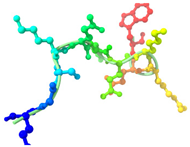
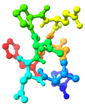
Disclaimer/Publisher’s Note: The statements, opinions and data contained in all publications are solely those of the individual author(s) and contributor(s) and not of MDPI and/or the editor(s). MDPI and/or the editor(s) disclaim responsibility for any injury to people or property resulting from any ideas, methods, instructions or products referred to in the content. |
© 2026 by the authors. Licensee MDPI, Basel, Switzerland. This article is an open access article distributed under the terms and conditions of the Creative Commons Attribution (CC BY) license.