


Abstract
Background/Objectives: Flavonoids are a diverse group of dietary polyphenolic compounds associated with a range of important biological activities. However, their low systemic bioavailability and extensive metabolism raise questions about how they exert their purported benefits. Methods: A comprehensive survey of literature published over the past 10 years was conducted, focusing on human, animal, and in vitro studies addressing the metabolic fate of major flavonoid subclasses. Results: Original research articles (n = 159) were selected following predetermined inclusion criteria. Data from diverse experimental models—including intestinal and hepatic systems—demonstrate that flavonoids undergo substantial transformation by Phase I and Phase II enzymes, alongside extensive biotransformation by the gut microbiota. In this critical narrative review we summarize dietary sources, bioavailability patterns, metabolic pathways, and analytical strategies, emphasizing advances enabled by high-resolution mass spectrometry. Recent findings indicate that enterohepatic recirculation and the biological activities of circulating and tissue-associated metabolites contribute significantly to the observed health effects, despite limited levels of parent compounds. Conclusions: Flavonoids exhibit limited oral bioavailability and undergo complex metabolic processing, yet growing evidence indicates that their metabolites play key roles in mediating beneficial effects. Understanding these metabolic pathways is essential for interpreting epidemiological associations and designing more effective intervention studies.
1. Introduction
Flavonoids are naturally occurring polyphenolic compounds exhibiting a wide range of important biological activities. Numerous epidemiological studies, beginning in the 1990s and continuing to the present, have shown that a higher intake of flavonoids from the human diet has been correlated with decreased risk of all-cause mortality [1,2], cardiovascular disease [3], type-2 diabetes [4], cancer [5,6], neurodegenerative diseases [7,8] and pulmonary diseases [9,10].
Despite the epidemiological evidence for their health benefits, the oral human bioavailability of flavonoids occurring in dietary sources mainly as glycosides is generally low, and they suffer extensive intestinal and liver metabolism. Consequently, low circulating levels of parent compounds are usually found, which has hindered understanding of how flavonoids exert their biological effects.
The epidemiological evidence strongly suggest that high flavonoid intake is associated with better health outcomes such as reduced risk of cancer and chronic diseases. However, there is a gap in our understanding since the evidence from epidemiological studies does not address the question of what molecular species are involved in the final effects of flavonoids. As discussed throughout this review, accumulating evidence demonstrates that flavonoids undergo extensive metabolism in the intestine, liver and gut, which result in low circulating levels of parent compounds. This apparent discrepancy between consistent epidemiological data supporting health benefits and limited systemic levels of flavonoids in vivo has been called by some authors the “Flavonoid Paradox” [11,12]. Due to their extensive metabolism and low bioavailability of parent compounds, flavonoid metabolites (particularly glucuronidated, sulfated, methylated, and microbiota-derived products) may represent the major circulating forms and may play a major role in the alleged biological actions of flavonoids. Understanding the biological fate of flavonoids in vivo is therefore central to understand their role in the prevention of disease.
A significant body of research has accumulated on flavonoid metabolism, and there is some evidence that metabolites can play an important role in mediating some of flavonoids’ biological actions [13]. Although several excellent reviews have addressed flavonoid metabolism, many focused on specific flavonoid subclasses, individual metabolic pathways, gut microbiota, or the biological activities of flavonoid metabolites. The present review differs by providing an integrated synthesis of original research published over the last decade, emphasizing recent advances in absorption, pharmacokinetics, host and microbial metabolism, experimental models, and high-resolution analytical strategies, together with the implications of these metabolic transformations for flavonoid biological activity.
2. Materials and Methods
2.1. Data Collection Strategy
A literature search was conducted in the Web of Science® Core Collection using the term “flavonoid metabolism” on 5 November 2025. The search was limited to articles published within the previous 10 years. Additionally, a search was performed in PubMed on 5 January 2026, using the query [“metabolism of” AND “flavonoids”]. Only studies published within the last 10 years were considered. No additional filters or restrictions were applied in either database. A deliberately broad search strategy was adopted to maximize retrieval of potentially relevant studies, with specificity being achieved during the screening stage through predefined inclusion and exclusion criteria.
2.2. Inclusion and Exclusion Criteria
This review included original research articles investigating the pharmacokinetics of flavonoids, with a focus on absorption, distribution, and metabolism. Studies employing both in vivo and in vitro experimental models were considered, including but not limited to liver microsomes, hepatocytes, and heterologously expressed enzyme isoforms. Eligible studies examined flavonoids either as isolated compounds or within complex matrices such as plant extracts or propolis. Studies addressing intestinal metabolism of flavonoids were also included.
The following exclusion criteria were applied: review articles; computational or in silico studies; investigations of flavonoid roles in plant secondary metabolism; studies on the effects of flavonoids on xenobiotic or endogenous human metabolism; general pharmacokinetic studies of plant extracts in which flavonoids were minor constituents; in vitro biotransformation studies involving isolated microorganisms or fungi; studies focusing on phenolic compounds other than flavonoids (e.g., phenylethanoids); dietary supplementation and food processing studies; research centered exclusively on the pharmacological activity of flavonoid metabolites outside the context of flavonoid disposition; studies with focus on formulation to enhance flavonoid bioavailability; method development and validation studies; and conference abstracts.
2.3. Screening Procedure
All retrieved records were initially screened based on their titles. When eligibility was uncertain, abstracts were also evaluated. After removal of duplicate records, full texts of potentially relevant articles were obtained. Final inclusion was determined through comprehensive assessment of the full-text articles (Figure 1). Since the present work was designed as a critical narrative review and retrieved papers represent a heterogenous body of work comprising vitro enzyme assays, cell culture studies, animal experiments, pharmacokinetic investigations, and metabolite identification studies, a formal quality assessment and risk-of-bias evaluation were not formally performed. This was because there is no validated quality assessment tool covering such broad and diverse experimental models. Screening was mainly driven by the predefined inclusion and exclusion criteria, and the experimental results were critically interpreted based on the models employed and their inherent limitations.
Figure 1.
Flow diagram of literature search and study selection according to PRISMA guidelines.
3. Results and Discussion
3.1. Food Sources and Human Intake
3.1.1. Food Sources and Classification of Flavonoids
Flavonoids are phenolic structures, biosynthesized especially by plants through secondary metabolism and widely distributed in fruits, roots, stems, flowers, leaves, and seeds. They have attracted considerable attention due to their broad biological activities, including antioxidant, anti-inflammatory, antimutagenic, and enzyme-modulating properties, which contribute to health promotion and the prevention of chronic diseases. Consequently, flavonoids are extensively used in pharmaceuticals, cosmetics, and nutraceuticals [14,15,16].
Flavonoids share a common C6–C3–C6 backbone composed of two aromatic rings (A and B) linked by a three-carbon bridge, often forming a heterocyclic C ring (Figure 2). There are more than 8000 flavonoids identified in plants [17]. Their structural diversity arises from variations in the oxidation and substitution patterns of these rings. Flavonoid biosynthesis begins with the formation of chalcones by chalcone synthase, followed by enzymatic modifications that generate the different flavonoid classes and their glycosides.
Figure 2.
Basic flavonoid skeletons of the main classes of flavonoids found in foods.
The main dietary flavonoid classes are flavones (such as apigenin and luteolin), flavonols (e.g., quercetin and kaempferol), flavanones (such as naringin and hesperidin), isoflavonoids (such as daidzein, genistein and glycitein), flavanols or catechins (such as epicatechin), and anthocyanidins (e.g., delphinidin and cyanidin) (Figure 2 and Figure 3) [15,16,17,18,19,20].
The main sources of flavonoids for human nutrition are of plant origin. Although the concentration varies drastically between species and parts of the plant, there are food groups that have a high content of these polyphenols, such as fruits, vegetables, oilseeds, grains, beverages (such as red wine, green tea and black tea), and dark chocolate. Table 1 summarizes the distribution of the major flavonoid classes among commonly consumed plant-based foods.
Table 1.
Major dietary sources of flavonoids from different classes.
3.1.2. Estimated Intake and Variability Among Populations
Dietary flavonoid intake varies among populations according to geographic, cultural, dietary, and socioeconomic factors, which influence the availability and consumption of flavonoid-rich foods. In Eastern populations, tea and soy are the main dietary sources, whereas fruits and wine contribute more substantially in Western diets. Higher flavonoid intake has been consistently associated with a reduced risk of cardiovascular diseases, cancer, oxidative stress, and age-related cognitive decline, largely due to their antioxidant capacity [10,14,23,30,31].
The flavonoid content of plant foods is influenced by multiple factors, including environmental conditions, plant developmental stage, genetic variability, cultivation practices, and food processing or preparation methods [32,33,34]. Controlled cultivation and genetic improvement, including genetic engineering, can enhance flavonoid accumulation and support the development of crops with higher flavonoid content [35,36].
Food handling and preparation, particularly thermal processing, can alter flavonoid content depending on temperature, heating time, processing technique, food matrix, and flavonoid structure. Thermal treatment may either increase flavonoid availability by releasing compounds from the food matrix or decrease their content through degradation or conversion into derivatives. To preserve flavonoid stability, mild processing technologies, such as microwave and radiofrequency heating, have been increasingly adopted due to their shorter treatment times and lower temperatures [34,37].
Besides temperature, other factors that can affect flavonoid content during food preparation are pH, light, oxygen availability, and the presence of metal ions and enzymes. To improve flavonoid stability, innovative approaches including encapsulation, microencapsulation, lyophilization, and conjugation with biomacromolecules have been increasingly applied, particularly in processed foods [34].
Flavonoid content varies considerably among plant foods, ranging from a few milligrams to several hundred milligrams per 100 g. Strawberries contain 8.5–66.0 mg of anthocyanidins/100 g fresh weight, apples provide up to 33.6 mg of total flavonoids/100 g, and individual flavonoids, such as quercetin, may reach concentrations of up to 811.4 mg/100 g in specific foods [14,23].
Figure 3.
Examples of the main flavonoids commonly found in foods.
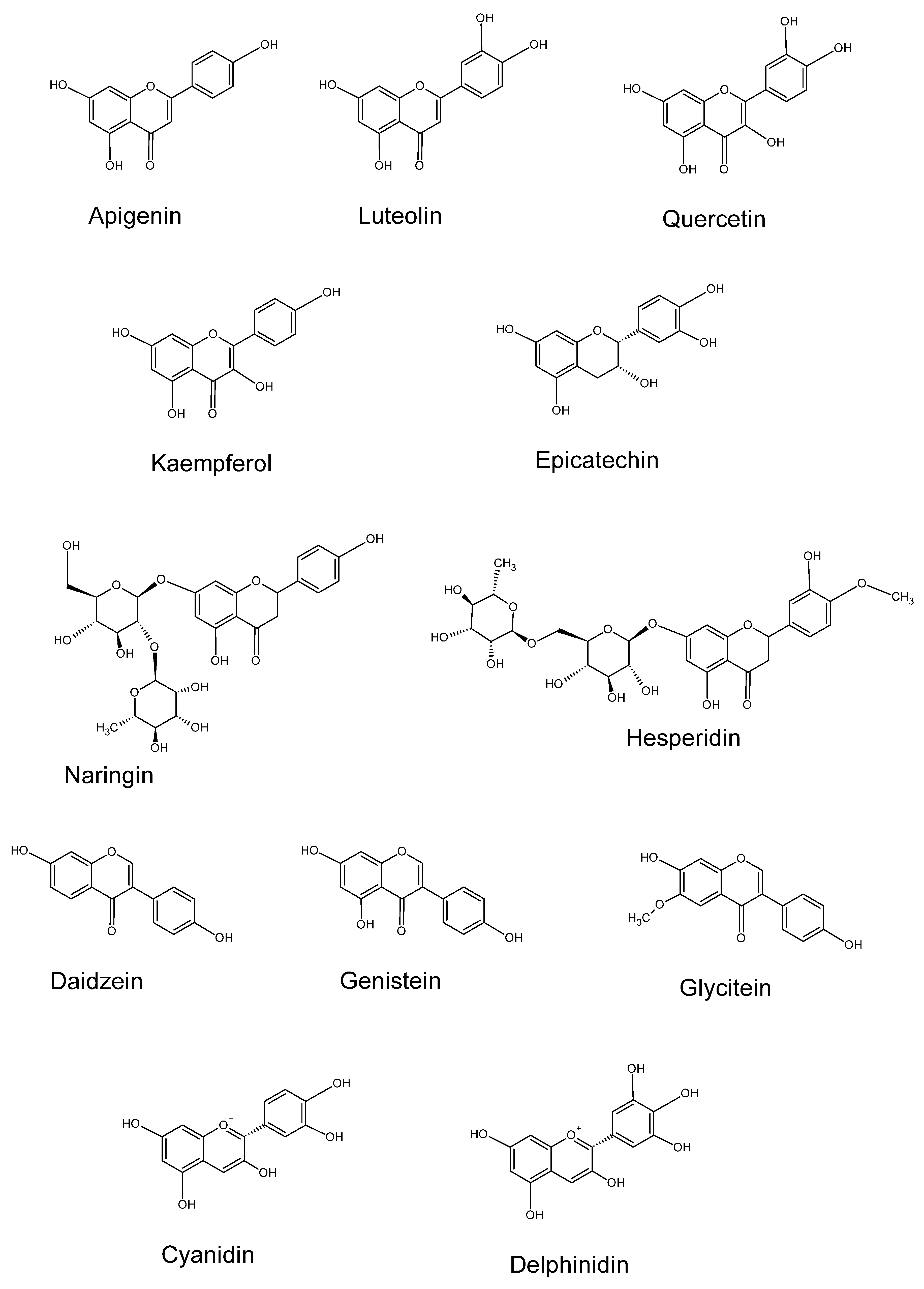
Dietary flavonoid intake varies substantially across populations due to differences in dietary patterns and food availability. Several studies illustrate this differences. In Oceania, the estimated intake is approximately 626 mg/day, with tea as the primary source [38]. In the Americas, Brazil’s daily intake ranges from 60 to 106 mg, mainly from lettuce, onion, chicory, arugula, oranges, and apples [39,40], whereas in the United States, intake ranges from 124 to 283 mg/day, with berries, grapes, oranges, apples, tea, wine, walnuts, and leafy vegetables as major contributors [41,42]. In Africa, flavonoid-rich foods include papaya, guava, pomegranate, African custard apple, pumpkin leaves, and beans; however, data on average daily flavonoid intake remain scarce [43,44]. In Europe, the average intake is approximately 428 mg/day, although Mediterranean countries show lower intakes, primarily derived from vegetables, nuts, berries, and wine [45,46]. In Asia, average flavonoid intake ranges from 165 mg/day in China to 318 mg/day in South Korea, with fruits (such as apples, tangerines, grapes, and watermelons) soy products, radishes, parsley, peppers, and onions representing important dietary sources [47,48].
Research on flavonoid intake indicates a wide variation in global consumption, depending on regional habits and the main food sources, such as teas, fruits, vegetables, and greens [30]. It is important to emphasize that the numbers presented reflect a reality that may change, depending on seasonal variations in the chemical composition of foods and behavioral variables of the population associated with age, sex, socioeconomic profile, and region of residence.
3.2. Flavonoid Absorption and Metabolism
3.2.1. Absorption, Bioavailability and Pharmacokinetics
Intestinal Absorption of Flavonoids and Influence of Glycosylation
Flavonoids usually have low oral bioavailability [49]. While aglycones are generally more lipophilic than corresponding glycosides, they are rarely found in this form in dietary sources of flavonoids. An important question that has recently been clarified is whether or not flavonoid glycosides can be absorbed intact without previously being hydrolyzed into the corresponding aglycones. It is now clear that some flavonoid glycosides can indeed be absorbed in the intestine. Thus, Wang et al. [50] were able to demonstrate that the brassica flavonoid quercetin 3-O-sophoroside (a diglycoside consisting of two glucose molecules joined by β-1,2 bonds) is absorbed intact after in situ administration of the glycoside in the rat jejunum. Using Caco-2 cell monolayers, Contreras et al. [51] were able to demonstrate using a sensitive nano-LC-TOF-MS method that both quercetin 3-O-glucoside and quercetin 3-O-glucuronide can be absorbed from the apical to the basolateral membrane of cells, albeit in a much lower proportion than quercetin. Similarly, pinocembrin-7-O-β-D-glucoside absorption in rats after oral administration was demonstrated, although the concentration of pinocembrin was about 4-fold higher than that of pinocembrin-7-O-β-D-glucoside after oral administration of the glucoside [52]. The double peak seen in the plasma concentration profile was interpreted as evidence of enterohepatic circulation of pinocembrin and pinocembrin-7-O-β-D-glucoside. Usually, glycosides have lower permeability than corresponding aglycones, as demonstrated in the work of Rastogi and Jana [53] which compared the permeability across Caco-2 cells of phenolic acids, trans-stilbenes, and flavonoids such as quercetin and chrysin, as well as rutin, a quercetin glycoside. From all tested compounds, rutin had the lower permeability. The type of glycosidic linkage is an important determinant of flavonoid disposition. Thus, O-glycosides may undergo hydrolysis during digestion whereas C-glycosides usually exhibit greater structural stability and altered metabolic behavior owing to the resistance of C–C glycosidic bonds to enzymatic and digestive cleavage [54].
Despite the limited available evidence of absorption as glycosides, the overwhelming evidence supports the view that the bioavailability of flavonoid glycosides is generally low and intestinal metabolism releases the corresponding aglycones after hydrolysis in the brush border of jejunum enterocytes by lactose phlorizin hydrolase and by cytosolic β -glycosidases. The deglycosilation occurs mainly in the jejunum, duodenum and ileum as was demonstrated by a study investigating the absorption and metabolism of flavanone glycosides [55]. A recent study by Chow et al. [56] demonstrated that the absorption of flavonoid glycosides from hawthorn leaves through Caco-2 cells occurs through a combination of passive transport, active transport with involvement of the sodium-dependent glucose transporter, and also participation of gut microbiota to release the corresponding aglycones that are then absorbed through passive diffusion. The bioavailability of flavonoid glycosides also depends on the specific sugar moiety and even the linkage type. When luteolin 4′-O-alpha-glucoside and luteolin 4′-O-beta-glucoside permeability across Caco-2 cell membranes were compared, the differences in permeability between these two isomeric glycosides were not significantly different [57]. However, luteolin 4′-O-beta-glucoside was 2.4 times more effective in releasing luteolin to the basolateral side of the Caco-2 cells than the alfa anomer. Another important factor affecting bioavailability of flavonoids is molecular weight. The study by Pereira-Caro et al. [58] demonstrated that the bioavailability of flavan-3-ols from red wine or grape seed proanthocyanidin-rich extracts is strongly influenced by molecular weight and degree of polymerization, with lower-molecular-weight monomers and dimers showing greater systemic absorption, whereas larger oligomeric and polymeric proanthocyanidins were poorly absorbed and instead underwent extensive microbial metabolism in the gastrointestinal tract.
Although the permeability across membranes varies amongst flavonoids depending on the exact structural motifs present, passive diffusion alone cannot explain the large variability seen in oral bioavailability. Thus, there is evidence that intestinal absorption is strongly influenced also by the membrane transport system and presystemic metabolism.
Role of Transporters and Intestinal Metabolism in Determining Bioavailability
The absorption of flavonoids is increasingly viewed as a complex process resulting from the coordinated contributions of passive diffusion, metabolism and efflux transporters. The work by Bowles et al. [59] illustrates how the chemical structure determines the relative contributions of these processes. The work investigated the absorption of aspalathin, a C-glucosyl dihydrochalcone across Caco-2 monolayers, and showed very low permeability and no involvement of major glucose transporters or P-glycoprotein, suggesting predominantly paracellular passive transport. Despite this limited absorption, extensive Phase II metabolism was observed in vivo, with sulfated and glucuronidated metabolites detected in urine. When the transport of 30 flavonoids from different classes across the cell membrane of Caco-2 cells was compared with their cellular accumulation, no correlation was found [60]. This lack of correlation between permeability and cellular accumulation suggests that passive diffusion alone does not explain the absorption of these compounds. Indeed, some flavonoids exhibited a higher permeability from the basolateral to the apical side of the membrane, suggesting that efflux transporters are involved. The permeability of different flavonoid classes followed the order of flavanones ≥ isoflavones > flavones ≥ chalcones > flavonols. The complex interplay between passive diffusion, metabolism and efflux transporters that determine flavonoid absorption was the focus of the work by Li et al. [61]. In this interesting study, a combination of different experimental approaches was used, including in vitro enzymatic assays, live-cell confocal imaging, subcellular fractionation, and transporter inhibition and knockout models. The authors used kaempferol as a model compound, showing that it is rapidly absorbed and glucuronidated to a large extent by UGT1A9. However, the inhibition or deletion of efflux transporters, including P-glycoprotein, BCRP, and MRPs, led to an increase in intracellular aglycone levels and a concomitant decrease in glucuronide formation across subcellular compartments, indicating that glucuronidation is not an isolated metabolic process but is functionally dependent on transporter-mediated efflux, as the removal of glucuronide conjugates is required to sustain metabolic flux. Similar glucuronidation–transport interplay has been demonstrated for bavachin, a prenylated flavanone, where extensive glucuronidation mediated predominantly by UGT1A1, UGT1A7, UGT1A8 and UGT1A9 was functionally coupled to transporter activity, with MRP4 identified as a major contributor to glucuronide efflux [62]. A similar relationship between metabolizing enzymes and transport proteins as factors determining the absorption and disposition has been described for other flavonoids, as is the case for naringin, hesperidin and their corresponding aglycones [63] and for the flavanone alpinetin [64]. Taken together, these studies demonstrate that intestinal bioavailability is determined by several interrelated processes including passive diffusion, transporter mediated influx and efflux, and rapid Phase II metabolism rather than permeability alone. The combined effects of all these processes are ultimately reflected in the observed pharmacokinetics profile of different flavonoids.
Pharmacokinetics Characteristics and Systemic Exposure
The complexity of intestinal absorption is reflected in systemic pharmacokinetic profiles, which consistently show low circulating levels of parent flavonoids and extensive metabolic transformation. Thus, in a human pharmacokinetics study [65] involving six healthy volunteers administered with a single oral dose of 500 mg aronia berry extract (a plant rich in anthocyanin glycosides), the tmax for anthocyanin glycosides varied from 1.60 to 2.67 h, and AUC values varied from 0.46 to 0.63 µg*h/mL. The main metabolites detected in urine were ring-fission oxidation products such as ferulic and hippuric acid. In a similar human pharmacokinetic study involving 10 healthy male volunteers administered with 600 g of tomato puree [66], the levels of naringin (naringenin 7-O-rhamnoglucoside), naringenin, and naringeninchalcone were evaluated. Both naringenin and naringeninchalcone circulated in plasma mainly in the conjugated form (sulfate + glucuronide metabolites), and tmax was achieved after 3 h. Similarly, after an oral dose of 50 mg/Kg in rats, xanthohumol, a prenylated chalcone derived from hops, is rapidly absorbed (tmax = 3.0 h), reaching a maximum plasma concentration of 85.56 ng/mL. Also, methylated, glucuronidated and oxidation products were detected, demonstrating both Phase I and Phase II metabolism [67]. In a comparative pharmacokinetic study of naringin and its metabolite naringenin involving rats, dogs and humans [68], a significant species-dependent effect was observed. Substantial first-pass metabolism limits the availability of naringin in humans and results in delayed absorption and prolonged excretion. Disease states can also influence absorption and pharmacokinetic parameters of flavonoids, such as demonstrated for rats with gastric ulcers [69]. In this work, the authors compared the pharmacokinetic parameters of five flavonoids present in “Shudage-4”, a herbal drug consisting of different plant extracts that was administered to normal rats and rats with experimentally induced gastric ulcers. The results show accelerated metabolism, lower systemic exposure (AUC), and reduced peak plasma concentrations (Cmax) attributed to a rapid concentration and consumption of these compounds directly at the gastrointestinal lesion.
Data concerning pharmacokinetic parameters for selected flavonoid compounds extracted from studies in the reviewed period are summarized in Table 2.
Table 2.
Summary of pharmacokinetic parameters of selected flavonoids from in vivo studies identified during the period of the review.
Systemic exposure is also determined by factors such as enterohepatic recycling and extrahepatic metabolism that together can impact the persistence and composition of the circulating flavonoid metabolites.
Enterohepatic Circulation and Extrahepatic Metabolism
In addition to intestinal absorption, several lines of evidence demonstrate that extrahepatic metabolism plays a central role in determining systemic exposure to flavonoids and their metabolites. Thus, in the work of Zeng et al. [90], intestinal perfusion and portal vein infusion models in rats were used to investigate the origin and disposition of flavonoid glucuronides in enterohepatic recycling. The authors used a combination of experimental approaches that included single-pass intestinal perfusion, simultaneous sampling of portal and systemic circulation, and direct portal infusion of preformed glucuronides. This allowed the authors to evaluate hepatic versus extrahepatic contributions to glucuronide formation. Unexpectedly, no increase in glucuronide levels were found after liver passage, and the aglycone supply to the liver was not compatible with the high biliary levels of glucuronides found, both indicating limited hepatic glucuronidation. Furthermore, more than 60% of infused glucuronides were rapidly excreted into bile. These findings support an alternative model in which glucuronides formed extrahepatically, particularly in the intestine, are taken up by the liver and directly excreted into bile, thereby maintaining enterohepatic recycling without requiring hepatic conjugation.
This view is also supported by the work of Jiang et al. [91] which investigated the relative contributions of hepatic and intestine metabolism of calycosine (an O-methylated isoflavone). In this work, an in vivo rat model was used combining oral administration with simultaneous quantification of calycosin and its metabolites in portal vein plasma, liver, and systemic circulation. The authors found that calycosin glucuronides were already predominant in portal vein plasma prior to hepatic first pass and, more importantly, that glucoronides remained the major circulating forms in systemic plasma, where their exposure exceeded that of the parent compound by several orders of magnitude. Extensive metabolism and limited bioavailability are also supported by a study using grape pomace (a complex mixture of polyphenols) in which both metabolized and original compounds were detected in intestinal tissues. This indicates that there is significant local accumulation and biological activity at the gut level despite limited absorption [92].
Additional insights into the intestinal metabolism of flavonoids are provided by the work of Houriet et al. [93] which explored the differences in the intestinal metabolism of O- and C- flavone glycosides. Using an ex vivo porcine jejunum model, the authors showed that O-glycosylated flavones are rapidly hydrolyzed to their corresponding aglycones, while C-glycosylated flavones are absorbed intact through transepithelial transport. These results are compatible with the view of intestinal metabolism as a major constraining factor to absorption, reinforcing its role in determining systemic exposure. The extrahepatic metabolism of C-glycosylated flavones from Passiflora incarnata using a Caco-2 cell monolayer model was the focus of the work by Tremmel et al. [94]. This work demonstrated the formation of sulfated and glucuronidated metabolites for a series of flavones C-glycosides including isovitexin, orientin, and isoorientin. However, the mass spectrometric characterization of some of these metabolites was later put into question [95]. Although studied to a lesser degree, the stomach has also been implicated in the metabolism of flavonoids, as demonstrated in the work of Orrego-Lagarón et al., who used LC/MS with an Orbitrap high-resolution mass spectrometer to study the distribution of naringenin in the stomach and colon [96]. The presence and availability of conjugated metabolites generated during intestinal and hepatic metabolism has attracted interest in determining whether these metabolites can be responsible for many of the biological effects traditionally attributed to parent compounds.
Biological Relevance of Circulating Metabolites
The idea that flavonoid bioavailability is mainly determined by circulating metabolites and by enterohepatic circulation of these metabolites has important implications for the biological activity of flavonoids. This view is supported by the work of Kalt et al. [97]. In this work, human volunteers were enrolled in an intervention study with detection of urine metabolite levels used to investigate the bioavailability, metabolic fate, and disposition of anthocyanins under different dosing regimens and intake durations. Volunteers were submitted to an anthocyanin-free run-in period, followed by 28 days of daily blueberry juice consumption and a subsequent washout phase. Repeated 24 h urine samples were collected and analyzed by LC-MS/MS to quantify parent compounds and a wide range of flavonoid-derived metabolites. The authors found that parent anthocyanins accounted for only a small fraction of total excreted compounds (~5%), while a large and complex pool of metabolites predominated, and that these metabolites persisted in urine even after several days of dietary washout.
In line with this view, studies directed towards the biological effects of flavonoid metabolites are increasingly being conducted. In an elegant recent work by Carecho et al. [98], the transport and biological effects of low-molecular-weight phenolic metabolites derived from polyphenols on the blood–brain barrier (BBB) were evaluated. Pyrogallol sulfate, resorcinol sulfate and phloroglucinol sulfate were investigated using a human brain microvascular endothelial cell transwell model. Their permeability from the apical to the basolateral compartment was assessed, with pyrogallol sulfate displaying the highest apparent permeability at physiological concentrations. Pyrogallol sulfate also increased membrane-associated β-catenin expression and reduced zonula occludens-1 membrane gaps, an indication of increased BBB integrity. In vivo, following intravenous injection in rats, all three metabolites were rapidly detected not only in blood and urine but also in brain tissue, reaching concentrations above basal levels as early as 15 s post-injection. Based on their results, the authors suggest that BBB transport may involve some form of active transport. This transport is likely to include caveolae-mediated transcytosis, since an increase in caveolin-1 expression and caveolae formation in endothelial cells was detected upon exposure to the flavonoid metabolite.
The hypouricemic activity of apigenin metabolites (from both Phase I and Phase II) was suggested by a recent work from Hsu et al., in which apigenin transport and metabolism was studied in an in vitro system consisting of a co-culture of Caco-2 and HepG2 cells arranged as monolayers in an insert designed to mimic an enterohepatic environment. Results showed that compounds were extensively metabolized by both the intestinal and liver cells. Using both mass balance considerations and network pharmacology analysis, the authors suggested that apigenin metabolites may be involved in hypouricemic activity [99].
Despite the growing realization that conjugated and microbiota-derived metabolites contribute to the biological effects traditionally attributed to parent flavonoids, the mechanisms underlying these effects remain incompletely understood. Current evidence suggests that these metabolites may exert biological activity through a number of mechanisms, including direct interactions with molecular targets, tissue-specific accumulation, modulation of cellular signaling pathways, or deconjugation at sites of inflammation. However, the biological activity of individual metabolites varies considerably according to their chemical structure, concentration, tissue distribution, and local enzymatic environment. A comprehensive discussion of these pharmacological aspects is beyond the scope of the present review, which focuses primarily on the metabolic fate of flavonoids and the implications of these metabolic transformations for their biological actions.
3.2.2. Phase I and Phase II Metabolism of Flavonoids
Flavonoid metabolism, once considered predominantly a hepatic process occurring after intestinal absorption, is now understood as a dynamic, multi-site process that takes place during absorption (intestinal metabolism), after absorption (hepatic metabolism), and through enterohepatic recycling involving biliary excretion, microbial transformation, and reabsorption. In this context, the gut microbiota plays a key role in generating ring-fission flavonoid metabolites. Phase I metabolism of flavonoids, although generally limited in comparison with conjugation reactions, primarily involves cytochrome P450 (CYP) enzymes and results in functionalization reactions of several flavones and flavanones [100,101,102,103] (although not limited to these classes), mainly through oxidation processes including hydroxylation and demethylation. Phase I oxidation may also result in the formation of reactive intermediate species, as demonstrated for silymarin flavonolignans, where CYP3A4-mediated demethylation and hydroxylation produced reactive metabolites that were detected as glutathione conjugates. The authors suggest that the formation of reactive species can contribute to the inhibition of drug-metabolizing enzymes and be the mechanism behind some of the reported interactions of silymarin with other drugs [104]. Even minor structural differences may result in significant differences in Phase I metabolic fate as recently demonstrated by isoflavone-based positional isomers [105]. Hydrolysis reactions, such as deglycosylation catalyzed by bacterial and intestinal glycosidases, as well as brush-border enzymes such as lactase–phlorizin hydrolase (LPH), are also important for many flavonoid glycosides. In contrast, Phase II metabolism predominates and involves reactions catalyzed by UDP-glucuronosyltransferases (UGTs), sulfotransferases (SULTs), and catechol-O-methyltransferases (COMT), resulting in glucuronide, sulfate, and methylated conjugates of flavonoids. Different Phase II reactions may occur in succession in the metabolism of flavonoids. One such example of sequential Phase II metabolism is demonstrated for baicalein, where catechol-O-methyltransferase (COMT)-mediated methylation facilitates subsequent UDP-glucuronosyltransferase (UGT)-dependent glucuronidation, highlighting coordinated conjugative pathways that may influence flavonoid metabolic fate and bioactivity [106]. Although less extensively studied than glucuronidation, sulfation is an important metabolic pathway for specific flavonoids. Human cytosolic sulfotransferases exhibit marked substrate specificity, as demonstrated for quercitrin, epicatechin, rutin, hesperetin, naringenin, apigenin, and acacetin; genetic polymorphisms, transporter interplay and extensive Phase II conjugation further contribute to the interindividual variability in flavonoid sulfation and metabolic disposition [107,108,109,110].
There are several experimental models for the study of flavonoid metabolism, including in vitro models such as human and animal liver or intestinal microsomes, recombinant microsomes often expressing single CYP-450 or UGT isoforms, human and animal hepatocytes, HepG2 cells (a human liver carcinoma cell line frequently used in metabolism studies), as well as in vivo metabolite identification strategies. While in vitro experimental models are the preferred way to identify specific enzymes and pathways involved in the metabolism of flavonoids, in vivo studies provide a more physiologically relevant overview of the relative importance of Phase I and Phase II metabolism of individual compounds but are more limited at identifying specific metabolizing enzyme isoforms. An interesting new experimental approach for the study of flavonoid metabolism is illustrated in the work of Yue et al. [111], who used an online electrochemical cell coupled with high-resolution mass spectrometric detection to generate and identify metabolites of five major Citrus flavonoids—naringenin, naringin, hesperetin, hesperidin, and nobiletin. The setup utilized a boron-doped diamond (BDD) working electrode to effectively induce oxidative Phase I reactions without the need for Cytochrome P450 enzymes and successfully simulated Phase II conjugation reactions through the continuous addition of glutathione.
Advances in separation techniques such as ultra-high-performance liquid chromatography (UHPLC) coupled with high-resolution mass spectrometry and dedicated data-processing software have enabled untargeted metabolomics studies in which a large number of metabolites can be simultaneously identified from in vivo administration to animals of complex samples such as plant extracts. In a sample of papers included in this review (n = 108), the majority of them (72.2%) used UHPLC as the main separation technique, with 21.3% using exclusively HPLC (Figure 4). The recent advances in high-resolution mass spectrometry have greatly enhanced the capacity for untargeted metabolomics analysis, allowing comprehensive profiling of flavonoid-derived metabolites without prior knowledge of their identities. These approaches combine suspect screening workflows (where a list of predefined expected metabolites is screened based on known biotransformation pathways), accurate mass measurements, isotope pattern analysis, in silico biotransformation prediction, and MS/MS spectral matching. These approaches have greatly increased the number of metabolites that can be detected and annotated in complex biological matrices. However, definite and confident structural assignment of flavonoid metabolites remains a challenge in some cases, since many metabolites are positional isomers that generate similar fragmentation patterns and authentic reference standards are frequently unavailable. Consequently, complementary analytical strategies, including ion mobility spectrometry, diagnostic fragmentation analysis, and comparison with enzymatically generated metabolites, are increasingly being incorporated into metabolomics workflows to improve metabolite annotation and structural confidence. The identification of metabolites is usually based on a combination of full-scan data with mass fragmentation analysis, information dependent acquisition based on predicted mass to charge ratio of metabolites, mass defect filtering, and constant neutral loss scanning and parent ion scanning, usually integrated in proprietary software under different brand names. Additional computational data-handling strategies have further expanded metabolite characterization capabilities. According to data from Table 3 below, the mass analyzers that are mostly used in studies of comprehensive untargeted flavonoid metabolomics (including suspect screening) include time of flight (TOF) and orbitrap analyzers. These analyzers provide the very high mass resolution and accuracy required for comprehensive metabolite annotation. For example, a high-resolution MS/MS workflow using orbitrap high-resolution mass spectrometry combining Metabolic Pathway Extension searching (a computational metabolite prediction and feature-matching strategy based on predefined biotransformation reactions) with Parallel Reaction Monitoring (for targeted metabolite quantification) enabled systematic identification and relative quantification of flavonoid xenobiotic metabolites, allowing identification of 131 metabolites derived from nine flavonoid subclasses in tissue S9 incubates [112].
Figure 4.
Distribution of main separation techniques by type in a sample of papers included in this review.
Several studies illustrate the power of these approaches. A total of 63 metabolites, including 27 baicalin-related Phase I and Phase II metabolites, were characterized following oral administration to rats of a mixture containing baicalin (a flavone glycoside), geniposide (an iridoid glycoside), and emodin (an anthraquinone) [113]. Using UHPLC/Q-TOF tandem mass spectrometry, a total of 138 xenobiotics (including metabolites and original drug constituents) were identified from plasma, urine, bile and feces of rats administered with a traditional Chinese medicine formula [114]. In a recent study [115], the metabolic fate of compounds from Astragali Radix was elucidated using UHPLC in tandem with Orbitrap high-resolution mass spectrometry. Employing a Mass Spectrometry Fragmentation Recursion Tree strategy, the authors managed to identify 208 xenobiotic compounds (including parent compounds) including several Phase I and II metabolites. Orbitrap high-resolution mass spectrometry as well as a hybrid triple quadrupole–linear ion trap MS/MS system was used to characterize metabolites as well as to quantify the main constituents of a traditional Chinese formula [116]. The main flavonoid metabolites identified were Phase II glucuronides and sulfate conjugates. Similar studies with extensive use of untargeted metabolite screening investigated metabolites derived from a variety of herbal drugs and preparations, including Artemisia annua [117], traditional Chinese formulas [118,119,120,121,122,123,124,125,126,127,128,129], Smilax glabra [130], Scutellariae Radix [131,132], Abelmoschus manihot [133,134], Filifolium sibiricum [135], Moringa oleifera seeds [136], Cupuassu, Theobroma grandiflorum [137] and propolis [138].
Besides the high resolving power of UHPLC with high-resolution mass spectrometry, other analytical advancements contribute to the elucidation of metabolic pathways. One of these analytical strategies is exemplified by the use of Ion Mobility Spectroscopy (IMS), a technique that separates ions in the gas phase based on their drift time in a neutral gas under the influence of an electric field. The drift time can be used to calculate the ion’s collision cross-section, a measure of the ion’s size and shape. This approach was developed [139] and then successfully applied [140] to elucidate the metabolic fate of the flavonol quercetin using both in vivo administration to human volunteers and two in vitro models (three-dimensional human small intestinal tissue model and HT29 intestinal cells).
When conducting in vivo studies using complex sample matrices such as plant extracts, one of the major obstacles is to distinguish parent sample components and endogenous compounds from true metabolites. Faced with this challenge in a recent study, authors used the Mass Spectrum-based Orthogonal Projection method (MSOP) [141]. The method consists of a post-acquisition chemometric strategy that uses orthogonal projection of LC–MS spectral matrices to selectively remove signals corresponding to parent herbal constituents from biological samples, thereby enhancing the detection and characterization of in vivo metabolites. The study was able to successfully identify several Phase I and Phase II metabolites of flavonoids after administration of Oroxylum indicum to rats.
The use of pure compounds administered in vivo, instead of complex mixtures, usually allows a more targeted study of flavonoid metabolism. The metabolism of icariin, a prenylated flavone glycoside used in traditional medicine for the treatment of osteoporosis, was studied. Icariin was administered to rats by gavage at a dose of 150 mg/kg [142]. The main metabolites detected included fourteen distinct compounds—driven principally by intestinal deglycosylation and subsequent hepatic glucuronidation—most notably the highly abundant secondary metabolite icariside II, the aglycone icaritin, and various novel demethylated or dehydroxylated glucuronide conjugates that are predominantly excreted via bile. Table 3 below summarizes additional in vivo metabolism studies conducted with isolated flavonoids found within the period covered by this review.
Table 3.
Summary of main findings from in vivo metabolism studies of isolated flavonoids published in the period of this review.
Human or animal liver and intestinal microsomes are widely used to elucidate both Phase I and Phase II metabolic pathways of specific flavonoids. Hydroxylation and demethylation (for O-methoxylated compounds) are two of the most frequent CYP-450 mediated Phase I transformations. Using rat liver microsomes combined with LC–ESI-MSn (ion trap mass spectrometer) and chemical synthesis, the Phase I oxidative metabolism of bavachinin, a prenylated flavonoid, was studied. Extensive Phase I oxidative metabolism yielding eight metabolites, with hydroxylation and prenyl-chain oxidation, emerged as the predominant biotransformation pathways [164]. Using human liver microsomes, sakuranetin (7-O-methylnaringenin), an O-methoxylated flavanone, was shown to undergo CYP-mediated 7-O-demethylation to naringenin and subsequent hydroxylation to eriodictyol [165], while both parent compound and metabolites were additionally subjected to glucuronidation, illustrating how Phase I transformations may promote metabolic interconversion between flavonoids and generate substrates for Phase II conjugation. Using both recombinant CYP-450 supersomes and liver microsomes, it was possible to identify CYP3A4 as the isoform responsible for the hydroxylation of the prenylated flavone morusin [166]. Using a similar experimental approach, CYP 2C9 and CYP2C19 were the main isoforms implicated in the metabolism of the chalcones loureirin A, loureirin B, and loureirin C and the flavones 7,4′-dihydroxyflavone and 5,7,4′-trihydroxyflavanone [167]. A combination of rat liver microsomes and in vivo administration of oroxin B by gavage (a flavone O-glycoside) was used to elucidate the complete metabolic fate of this flavonoid, which included nine biologically active metabolites amongst more than 30 identified [168]. One interesting strategy is the use of magnetic nanoparticles to immobilize microsomes, thus facilitating sample preparation (with the use of a magnetic field, the incubation medium is easily separated from the immobilized microsomes) and reutilization of the microsomes. Such an approach was used to study the metabolism of polymethoxylated flavonoids from Citri reticulatae by using rat microsomes immobilized in magnetic nanoparticles [169].
Flavonoids undergo extensive Phase II conjugation reactions, and liver microsomes are widely used to characterize these transformations. Thus, rat liver microsomes were used to identify sulfate, glucuronide and methyl conjugates of the flavonol galangin [170]. Indeed, glucuronidation is one of the main Phase II reactions of flavonoids. This view is confirmed by several studies. Extensive glucuronidation of kurarinone [171], a prenylated flavanone glycoside, was demonstrated in a study using human liver microsomes. Kurarinone forms two glucuronides upon incubation with liver microsomes, a reaction catalyzed mainly by UGT1A3 and UGT1A9, and glucuronidation decreases the cytotoxicity of the parent compound. The idea that glucuronidation may serve as a detoxifying reaction is also supported by a study of the methoxylated flavone nevadesin [172]. In this study, the authors were able to show that toxicity was attenuated exclusively in the glucuronidation-competent cell line, thus suggesting that Phase II glucuronide conjugation contributes to detoxification by reducing the biological activity of the parent compound. However, accumulating evidence indicates that flavonoid glucuronides may function not only as detoxification products but also as transport forms capable of regenerating active aglycones. Accordingly, the idea that flavonoid glucuronidation can be viewed as a dynamic process capable of regulating biological activity locally is supported by a study in which quercetin and quercetin-3-O-glucuronide underwent bidirectional intracellular metabolism in hypertrophied adipocytes, with both glucuronidation and β-glucuronidase-mediated deconjugation contributing to intracellular metabolite balance and antioxidant effects [173]. In one study, positional isomers of quercetin glucuronides displayed distinct stability and biological activity profiles while extracellular β-glucuronidase secreted by activated inflammatory macrophages released biologically active quercetin under inflammatory conditions [174]. However, the impact of Phase II metabolism on flavonoid bioactivity appears compound-dependent; for example, pectolinarigenin, a methoxylated flavone, undergoes extensive intestinal and hepatic glucuronidation to form pectolinarigenin-7-O-glucuronide [175], which exhibits diminished cytoprotective and metabolic regulatory activity relative to the parent aglycone, illustrating that conjugation can alter—rather than universally preserve or abolish—the biological properties of flavonoid metabolites.
The highest contribution of conjugative metabolism compared to Phase I reactions in the metabolism of flavonoids is also supported by a study investigating the metabolism of tiliroside, a flavonol glycoside. By using human hepatocytes combined with UHPLC-Q-Exactive Orbitrap high-resolution mass spectrometry, tiliroside was shown to undergo extensive metabolism with Phase II conjugation predominating, as glucuronidation and sulfation accounted for approximately 32% and 20% of detected metabolic transformations, respectively [176].
Using a combination of human liver microsomes and recombinant UGTs, a comprehensive study of the metabolism of genkwanin and hydroxygenkwanin was conducted [177]. The two flavones are present in Daphne genkwa, a plant used as a Chinese traditional medicine. The study identified a total of 29 metabolites, including demethylation, hydroxylation and O-glucuronidation as the main metabolic transformations. Recombinant UGTs allowed the identification of UGT1A1, UGT1A9 and UGT1A10 as the main isoforms involved in the formation of the glucuronides. The isoforms UGT1A3, UGT1A9 and UGT1A10 were also the main isoforms implicated in the glucuronidation of I-3, II-8 biapigenin, a biflavone used as dietary supplement [178]. The work used a combination of human liver microsomes and recombinant UGTs. UGT1A9 was also the main isoform implicated in the metabolism of licoricidin, a prenylated isoflavone [179].
Intestinal microsomes have also been used to study the metabolism of flavonoids, and glucuronidation is usually one of the main biotransformations detected when using this model. The glucuronidation of wushanicaritin, a prenylated flavonol isolated from Epimedium species used in Chinese traditional medicine, was studied using both liver as well as intestinal microsomes [180]. Two glucuronides of wushanicaritin were detected when the flavonol was incubated with intestinal or liver microsomes. The metabolism of another prenylated flavonol, icaritin, was similarly studied using a combined approach of liver and intestinal microsomes [181].
Flavonoid metabolism can be influenced by a number of factors, including enzyme expression, transporter activity and host physiology. Using HepG2 cells, Hashimoto et al. demonstrated [182] that quercetin undergoes extensive Phase II biotransformation and that metabolic conditions such as hyperglycaemia and exposure to cyanidin-3-glucoside reduced the formation of major quercetin conjugates, suggesting that physiological state and flavonoid–flavonoid interactions can modulate hepatic flavonoid metabolism.
3.2.3. Colonic and Bacterial Metabolism of Flavonoids
Due to their low bioavailability in the upper gastrointestinal tract, a significant proportion of the highly glycosylated or polymeric polyphenols are metabolized in the colon. It has been estimated that a substantial proportion of ingested polyphenols can reach the colon unmetabolized [183,184,185,186]; thus, colonic metabolism is an important aspect of flavonoid disposition. Even flavonoids that are absorbed in the small intestine and are metabolized in the liver can re-enter the colonic intestinal lumen via enterohepatic circulation [187,188]. Upon reaching the lower gut, a multitude of diverse bacterial microorganisms forming a local ecosystem will enzymatically modify parent compounds, usually resulting in low-molecular-weight fission-ring products that are more bioavailable than the original substrates and are biologically active, thus contributing to the alleged health benefits of polyphenols [189,190,191,192].
For the majority of glycosylated flavonoids, the first and usually the rate-limiting step of colonic bacterial metabolism is deglycosylation, a step that liberates aglycones for further metabolic transformation. Because of the limited availability of human glycosidase activity, this step is often dependent upon bacterial hydrolases such as β-glucosidases and α-rhamnosidases [183,187,193]. In support of this, it was shown that the gut microbiota can readily hydrolyse the isoflavone genistin into genistein [194], the flavone glycosides baicalin and wogonoside into baicalein and wogonin [185,190], and rutin and quercitrin into quercetin [193,195]. This capacity of the gut microbiota to hydrolyze flavonoid glycosides is severely impaired by experiments in which the bacterial ecosystem is altered. Thus, treatment of mice with an antibiotic cocktail capable of depleting all comensal bacteria markedly reduced phenolic metabolites serum concentrations compared to control mice [187], despite the two groups having similar serum concentrations of parent flavonoids. These results demonstrate that colonic metabolism is essential for flavonoid metabolism even if it does not alter absorption. Similarly, depletion of gut microbiota by antibiotics prevented the hydrolysis of baicalin and wogonoside into their aglycones baicalein and wogonin [190]. This resulted in marked reduction in the production of metabolites and altered the pharmacokinetics of parent compounds, highlighting the importance of bacterial β-glucosidase in flavonoid biotransformation.
After deglycosilation, the released flavonoid aglycones can undergo extensive microbial degradation including C-ring fission, dehydroxylation, reduction, and demethylation [183,196,197,198]. These reactions result in a number of low-molecular-weight metabolites such as hydroxyphenylpropionic, hydroxyphenylacetic, hydroxybenzoic, and protocatechuic acids, but the exact array of ring-fission metabolites are compound-specific. However, metabolites that appear as common products across several flavonoid subclasses include 3-(4-hydroxyphenyl)propionic acid and p-hydroxyphenylacetic acid [187,189,197,199]. Accordingly, green tea catechins are mainly metabolized into phenylvalerolactones [200] while colonic metabolism of anthocyanins produce protocatechuic, syringic, and gallic acids [192]. These smaller phenolic products are usually more readily absorbed than their parent compounds. Supporting this concept, metabolites of genistin generated from gut microbiota were shown to be transported across a Caco-2 epithelial monolayer, with fourteen metabolites detected in the basolateral compartment [194].
As stressed before, the exact metabolic pathway a particular flavonoid will undergo depends largely on its chemical structure. While simple flavone and flavonol compounds are usually more rapidly metabolized, other compounds might demonstrate higher stability. Thus, in vitro fermentation reveals that silymarin flavonolignans are resistant to extensive microbial degradation. The main observed transformations were limited to demethylation and reduction pathways, and no evidence of metabolites usually associated with C-ring cleavage were detected [201]. By contrast, citrus flavonoids such as flavanone glycosides naringin and eriocitrin undergo extensive gut microbial metabolism, yielding compound-specific metabolites including neoeriocitrin and naringenin from naringin and eriodictyol and hesperetin from eriocitrin [202,203].
Age and disease states can influence the host gut microbiome and hence impact the diversity and the rate of metabolite production. However, health aging does not seem to alter the capacity of adults to metabolize flavonoids in the gut. Two studies in particular support this view. Lauwers et al. [197] demonstrated that gut microbiota from healthy young and elderly adults generated the same major olive polyphenol metabolites despite some differences in metabolite abundance and formation kinetics, whereas Alkhaldy et al. [204] observed differences attributed to age in urinary phenolic acid profiles after polyphenol intake but only limited differences in in vitro microbial flavonoid catabolism, suggesting that healthy aging modifies metabolite patterns rather than impairs gut flavonoid biotransformation capacity. The dysbiosis associated with some disease states can also impact colonic metabolism, although not in a predictable way. Thus, patients with Chron’s disease [183] displayed reduced abundance of flavonoid-degrading bacteria (e.g., Flavonifractor plautii, Eubacterium ramulus and Adlercreutzia equolifaciens), lower abundance of flavonoid degradation genes, and markedly lower serum hippuric acid concentrations (0.44 vs. 1.18 μM). In contrast, conditions like infectious diarrhea can lead to a faster metabolism of herbal formula secondary metabolites; for example, diarrheal piglets exhibited increased microbial β-glucosidase, β-glucuronidase, and nitroreductase activities associated with accelerated metabolism of flavonoids including daidzin, genistin, baicalin, and liquiritin [205].
There is an increasing realization that the metabolism of flavonoids by the gut microbiome can be in some cases a bidirectional event. Not only do gut microbes metabolize flavonoids into smaller bioactive compounds, but these compounds can in turn modify the gut microbiome, sometimes resulting in health-promoting effects. The work of Meng et al. [195] showed that quercitrin administration to mice generated 22 metabolites and markedly altered the gut microbiome, with higher beta-diversity and increases in the promotion of beneficial genera such as Akkermansia and Lactococcus and higher production of short-chain fatty acids that exerted improved intestinal barrier integrity and reduced inflammation. The effects on gut microbiome promoted by flavonoids and their metabolites are not universal. Particularly, the work of Vollmer et al. [191] used fecal microbiota obtained from three healthy human donors without gastrointestinal disease or recent antibiotic exposure to investigate the metabolism of flavonols and its glycosides (with both C- and O-glycosidic bonds). The authors found no significant changes in microbiota composition nor in the production of short-chain fatty acids associated with flavonoid treatment.
The microbial metabolites of flavonoids can exert several of the alleged pharmacological actions attributed to this class of compounds. Thus, 4-hydroxyphenylacetic acid (4-HPAA) has been shown to be able to reverse obesity-driven hepatic steatosis (MASLD) by activating hepatic AMP-activated protein kinase α (AMPKα) signaling, promoting transcriptional remodeling associated with fatty acid metabolism, reducing hepatic lipogenesis, and attenuating liver triglyceride accumulation and inflammation [206]. Liquiritigenin is converted into metabolites including davidigenin, a compound with reported antitumor activity, while eriocitrin and baicalein undergo extensive intestinal biotransformation yielding smaller phenolic metabolites and conjugated derivatives that may contribute to flavonoid bioactivity in vivo [188,207,208]. In summary, all these results strengthen the view that flavonoid metabolism by the gut microbiome is an important aspect of flavonoid disposition in vivo. Figure 5 below provides an overview of flavonoid metabolism as reviewed in this paper.
Figure 5.
Overview of intestinal absorption and metabolism of flavonoids. Following dietary intake, flavonoids, predominantly present as glycosides, reach the small intestine. Selected flavonoid glucosides may be absorbed directly through mechanisms involving the sodium–glucose cotransporter 1 (SGLT1), whereas most flavonoid glycosides require hydrolysis prior to absorption, either at the brush border by lactase-phlorizin hydrolase (LPH) or intracellularly by cytosolic β-glucosidases (BG). Aglycones readily cross the enterocyte membrane by passive diffusion (PD) and subsequently undergo extensive Phase I and Phase II metabolism. Glucuronidation, mediated by UDP-glucuronosyltransferases (UGTs), represents a major metabolic pathway in enterocytes. Although glucuronidation occurs predominantly on aglycones, direct glucuronidation of some flavonoid glycosides has also been reported. Emerging evidence suggests that glucuronidation is functionally coupled to glucuronide efflux, as transporter-mediated export of glucuronide conjugates through apical transporters (P-gp, MRP2 and BCRP) and basolateral transporters (MRP3 and MRP4) helps sustain metabolic flux by preventing intracellular accumulation of conjugates. Flavonoid aglycones may also undergo CYP450-mediated Phase I metabolism, generating metabolites that can either be transported across the enterocyte or undergo further Phase II conjugation, particularly glucuronidation by UGTs and sulfation by sulfotransferases (SULTs). In addition, flavonoids may be methylated by catechol-O-methyltransferases (COMT), producing methylated metabolites that frequently undergo subsequent glucuronidation and/or sulfation before entering the portal circulation. Upon reaching the liver through the portal vein, flavonoids and their metabolites may undergo additional Phase I and Phase II metabolism, including glucuronidation, sulfation and methylation. The resulting conjugates may subsequently enter the systemic circulation to reach target organs and tissues or be excreted into the bile. Biliary excretion of flavonoid conjugates enables enterohepatic recycling, through which glucuronides, sulfates and other conjugates are returned to the intestinal lumen, where they may be deconjugated by intestinal enzymes and/or members of the gut microbiota, regenerating absorbable metabolites that can undergo reabsorption. A substantial proportion of dietary flavonoids, together with biliary-derived conjugates, escapes absorption in the small intestine and reaches the colon. There, flavonoids are extensively metabolized by the gut microbiota through reactions including deglycosylation, deconjugation, ring fission, dehydroxylation, demethylation and reduction. These transformations generate a variety of low-molecular-weight phenolic acids and other microbial metabolites that may be absorbed into the portal circulation and contribute significantly to the systemic biological effects attributed to dietary flavonoids. Abbreviations: BG, β-glucosidase; BCRP, breast cancer resistance protein; COMT, catechol-O-methyltransferase; CYP450, cytochrome P450; LPH, lactase-phlorizin hydrolase; MRP, multidrug resistance-associated protein; P-gp, P-glycoprotein; PD, passive diffusion; SGLT1, sodium-glucose cotransporter 1; SULTs, sulfotransferases; UGTs, UDP-glucuronosyltransferases. This figure uses images provided by Servier Medical Art (https://smart.servier.com, accessed on 17 May 2026), licensed under CC BY 4.0 (https://creativecommons.org/licenses/by/4.0/, accessed on 17 May 2026).
4. Current Challenges and Future Directions
Despite considerable effort in the area of flavonoid research and the progress in elucidating the metabolic fate of flavonoids, several important aspects remain unresolved. One of the main challenges is to determine the relative contributions of parent flavonoids and their circulating metabolites to the biological effects attributed to dietary flavonoid intake. Although in vitro and in vivo mechanistic studies frequently employ parent compounds, they generally reach the systemic circulation at low concentrations, whereas glucuronidated, sulfated, methylated and metabolites derived from gut microbiota constitute the predominant forms detected in biological fluids and tissues. Thus, a deeper and clearer understanding of the respective roles of parent compounds and metabolites is crucial for the correct interpretation of experimental and clinical studies. The apparent discrepancy between the consistent epidemiological data regarding the health benefits of flavonoids and their low systemic bioavailability indicates that future epidemiological studies should move beyond estimates of dietary flavonoid intake alone and incorporate measurements or predictions of circulating and tissue metabolites, although the methods for these predictions remain to be fully developed.
Another important area that deserves further research effort is the role of tissue-specific deconjugation of flavonoid metabolites and their role in local biological effects. A growing body of research demonstrates that glucuronidated and sulfated metabolites may act as transport forms suffering local deconjugation through the action of enzymes such as β-glucuronidase, with the release of aglycones at sites of inflammation or tissue injury. More research should be conducted until the quantitative contribution of these local effects to the biological actions of flavonoids can be established.
A continuing area of research that can be expected to grow is the study of the pharmacology and the mechanism of action of different flavonoid metabolites. Although growing evidence indicates that many conjugated and microbiota-derived metabolites possess biological activity, their molecular targets, mechanisms of action, tissue distribution, and concentration–response relationships remain incompletely defined. Addressing these questions will be important to establish whether metabolites are merely reservoirs for parent compounds or constitute bioactive molecules in their own right.
Finally, a more comprehensive understanding of the structural determinants governing flavonoid bioavailability, metabolism and biological actions is needed, despite the past record of research in this area. Small structural differences, including glycosylation pattern, degree of hydroxylation, methylation, prenylation, and molecular size, can markedly influence intestinal absorption, transporter interactions, metabolic pathways, and tissue distribution. Establishing robust structure–metabolism–bioactivity relationships will facilitate the prediction of flavonoid disposition and support the rational development of dietary interventions and flavonoid-based nutraceuticals with improved biological efficacy.
5. Conclusions
The diverse biological actions of flavonoids and their widespread occurrence in the human diet have prompted major efforts to understand the relationship between intake, disposition, metabolism, and biological activity. Despite the low oral bioavailability of parent compounds, there is growing recognition that flavonoids may exert their biological actions through circulating metabolites. Flavonoids undergo extensive intestinal, hepatic, and microbial metabolism, resulting in circulating conjugated metabolites and a wide variety of low-molecular-weight microbial catabolites that may substantially contribute to their biological effects.
The literature reviewed over the past 10 years reveals that flavonoid disposition is the result of a complex array of events, including intestinal absorption, Phase I and Phase II metabolism, transporter-mediated efflux, enterohepatic recycling, and gut microbiota-mediated biotransformation. Several original studies support the idea that the intestine and gut microbiota act not as barriers but as an integral part of systemic exposure and biological activity promotion. To a lesser extent, some studies also show that many of the flavonoid metabolites exert important biological actions that were previously attributed exclusively to the parent compounds such as effects on inflammation, metabolic regulation, intestinal barrier integrity, and blood–brain barrier function.
Recent advances in separation sciences, especially ultra-high-performance liquid chromatography, together with high-resolution mass spectrometry, ion mobility spectrometry, and dedicated metabolomics software, have allowed increasingly sophisticated investigations of flavonoid metabolism. These techniques were employed in several studies of in vivo characterization of complex metabolic networks, including the simultaneous identification of large numbers of parent compounds and metabolites from complex botanical extracts. Future progress in the field will likely depend on the integration of untargeted metabolomics, gut microbiota analysis, and the increase in the use of computational tools and artificial intelligence-assisted data integration. These strategies will likely allow comprehensive characterization of flavonoid metabolic networks and identification of biologically active metabolites. In addition, a better understanding of interindividual variability in flavonoid metabolism, particularly those driven by microbiota-related differences and host metabolic profile, will likely be important to the area of personalized nutrition. Together, these advancements should contribute to an improved understanding of the role of flavonoid metabolites in the promotion of the alleged health benefits of polyphenols.
Author Contributions
E.d.J.O. and C.F.F.G., Methodology: E.d.J.O., C.F.F.G., V.M.d.C. Investigation: E.d.J.O., C.F.F.G., V.M.d.C., R.C.G. Writing—Review and Editing: E.d.J.O., C.F.F.G., V.M.d.C., R.C.G. Formal Analysis and Data Curation: E.d.J.O., C.F.F.G., V.M.d.C., R.C.G. Resources: E.d.J.O. and R.C.G. All authors have read and agreed to the published version of the manuscript.
Funding
This study was financed in part by the Coordenação de Aperfeiçoamento de Pessoal de Nível Superior–Brasil (CAPES)–Finance Code 001. CAPES also financed the MSc Grant of R.G.
Institutional Review Board Statement
Not applicable.
Informed Consent Statement
Not applicable.
Data Availability Statement
No new data were created or analyzed in this study. Data sharing is not applicable to this article.
Acknowledgments
The authors would like to thank institutional support from Federal University of Jequitinhonha and Mucuri Valleys (UFVJM).
Conflicts of Interest
The authors declare no conflicts of interest.
References
- Bondonno, N.P.; Dalgaard, F.; Kyrø, C.; Murray, K.; Bondonno, C.P.; Lewis, J.R.; Croft, K.D.; Gislason, G.; Scalbert, A.; Cassidy, A.; et al. Flavonoid intake is associated with lower mortality in the Danish Diet Cancer and Health Cohort. Nat. Commun. 2019, 10, 3651. [Google Scholar] [CrossRef] [Scilit] [PubMed]
- Bondonno, N.P.; Liu, Y.L.; Zheng, Y.; Ivey, K.; Willett, W.C.; Stampfer, M.J.; Rimm, E.B.; Cassidy, A. Change in habitual intakes of flavonoid-rich foods and mortality in US males and females. BMC Med. 2023, 21, 181. [Google Scholar] [CrossRef] [Scilit] [PubMed]
- Parmenter, B.H.; Croft, K.D.; Hodgson, J.M.; Dalgaard, F.; Bondonno, C.P.; Lewis, J.R.; Cassidy, A.; Scalbert, A.; Bondonno, N.P. An overview and update on the epidemiology of flavonoid intake and cardiovascular disease risk. Food Funct. 2020, 11, 6777–6806. [Google Scholar] [CrossRef] [Scilit] [PubMed]
- Liu, Y.J.; Zhan, J.; Liu, X.L.; Wang, Y.; Ji, J.; He, Q.Q. Dietary flavonoids intake and risk of type 2 diabetes: A meta-analysis of prospective cohort studies. Clin. Nutr. 2014, 33, 59–63. [Google Scholar] [CrossRef] [Scilit] [PubMed]
- Rodríguez-García, C.; Sánchez-Quesada, C.; Gaforio, J. Dietary Flavonoids as Cancer Chemopreventive Agents: An Updated Review of Human Studies. Antioxidants 2019, 8, 137. [Google Scholar] [CrossRef] [Scilit] [PubMed]
- Zhou, Y.; Gu, K.; Zhou, F. Dietary Flavonoid Intake and Cancer Mortality: A Population-Based Cohort Study. Nutrients 2023, 15, 976. [Google Scholar] [CrossRef] [Scilit] [PubMed]
- Bondonno, C.; Bondonno, N.; Dalgaard, F.; Murray, K.; Gardener, S.; Martins, R.; Rainey-Smith, S.; Cassidy, A.; Lewis, J.; Croft, K.; et al. Flavonoid intake and incident dementia in the Danish Diet, Cancer, and Health cohort. Alzheimer’s Dement. Transl. Res. Clin. Interv. 2021, 7, e12175. [Google Scholar] [CrossRef] [Scilit] [PubMed]
- Shishtar, E.; Rogers, G.; Blumberg, J.; Au, R.; Jacques, P. Long-term dietary flavonoid intake and risk of Alzheimer disease and related dementias in the Framingham Offspring Cohort. Am. J. Clin. Nutr. 2020, 112, 343–353. [Google Scholar] [CrossRef] [Scilit] [PubMed]
- Bondonno, N.P.; Parmenter, B.H.; Dalgaard, F.; Murray, K.; Rasmussen, D.B.; Kyrø, C.; Cassidy, A.; Bondonno, C.P.; Lewis, J.R.; Croft, K.D.; et al. Flavonoid intakes inversely associate with COPD in smokers. Eur. Respir. J. 2022, 60, 2102604. [Google Scholar] [CrossRef] [Scilit] [PubMed]
- Parmenter, B.; Thompson, A.; Bondonno, N.; Jennings, A.; Murray, K.; Perez-Cornago, A.; Hodgson, J.; Tresserra-Rimbau, A.; Kühn, T.; Cassidy, A. High diversity of dietary flavonoid intake is associated with a lower risk of all-cause mortality and major chronic diseases. Nat. Food 2025, 6, 668–680. [Google Scholar] [CrossRef] [Scilit] [PubMed]
- Menendez, C.; Dueñas, M.; Galindo, P.; González-Manzano, S.; Jimenez, R.; Moreno, L.; Zarzuelo, M.J.; Rodríguez-Gómez, I.; Duarte, J.; Santos-Buelga, C.; et al. Vascular deconjugation of quercetin glucuronide: The flavonoid paradox revealed? Mol. Nutr. Food Res. 2011, 55, 1780–1790. [Google Scholar] [CrossRef] [Scilit] [PubMed]
- Perez-Vizcaino, F.; Duarte, J.; Santos-Buelga, C. The flavonoid paradox: Conjugation and deconjugation as key steps for the biological activity of flavonoids. J. Sci. Food Agric. 2012, 92, 1822–1825. [Google Scholar] [CrossRef] [Scilit] [PubMed]
- Iglesias-Aguirre, C.E.; Cortes-Martin, A.; Avila-Galvez, M.A.; Gimenez-Bastida, J.A.; Selma, V.M.; Gonzalez-Sarrias, A.; Carlos Espin, J. Main drivers of (poly)phenol effects on human health: Metabolite production and/or gut microbiota-associated metabotypes? Food Funct. 2021, 12, 10324–10355. [Google Scholar] [CrossRef] [Scilit] [PubMed]
- Hornedo Ortega, R.; Rasines-Perea, Z.; Cerezo, A.; Teissedre, P.-L.; Jourdes, M. Anthocyanins: Dietary Sources, Bioavailability, Human Metabolic Pathways, and Potential Anti-Neuroinflammatory Activity. In Phenolic Compounds—Chemistry, Synthesis, Diversity, Non-Conventional Industrial, Pharmaceutical and Therapeutic Applications; Badria, F.A., Ed.; IntechOpen: London, UK, 2021. [Google Scholar] [CrossRef] [Scilit]
- Justino, G. (Ed.) Flavonoids—From Biosynthesis to Human Health; IntechOpen: London, UK, 2017. [Google Scholar] [CrossRef] [Scilit] [PubMed]
- Panche, A.N.; Diwan, A.D.; Chandra, S.R. Flavonoids: An overview. J. Nutr. Sci. 2016, 5, e47. [Google Scholar] [CrossRef] [Scilit] [PubMed]
- Safe, S.; Jayaraman, A.; Chapkin, R.S.; Howard, M.; Mohankumar, K.; Shrestha, R. Flavonoids: Structure-function and mechanisms of action and opportunities for drug development. Toxicol. Res. 2021, 37, 147–162. [Google Scholar] [CrossRef] [Scilit] [PubMed]
- Chen, L.; Cao, H.; Huang, Q.; Xiao, J.; Teng, H. Absorption, metabolism and bioavailability of flavonoids: A review. Crit. Rev. Food Sci. Nutr. 2022, 62, 7730–7742. [Google Scholar] [CrossRef] [Scilit] [PubMed]
- Dewick, P. Medicinal Natural Products: A Biosynthetic Approach, 3rd ed.; John Wiley & Sons: Hoboken, NJ, USA, 2009; pp. 1–539. [Google Scholar] [CrossRef] [Scilit]
- Soyata, A.; Hasanah, A.N.; Rusdiana, T. Isoflavones in Soybean as a Daily Nutrient: The Mechanisms of Action and How They Alter the Pharmacokinetics of Drugs. Turk. J. Pharm. Sci. 2021, 18, 799–810. [Google Scholar] [CrossRef] [Scilit] [PubMed]
- Baky, M.H.; Elshahed, M.; Wessjohann, L.; Farag, M.A. Interactions between dietary flavonoids and the gut microbiome: A comprehensive review. Br. J. Nutr. 2022, 128, 577–591. [Google Scholar] [CrossRef] [Scilit] [PubMed]
- Burle, S.S.; Gupta, K.R.; Lade, S.N.; Rangari, S.W.; Umekar, M.J. Antioxidants Obtained from the Natural Sources: Importance in Human Health. In Recent Developments in Antioxidants from Natural Sources; Otero, P., Fraga Corral, M., Eds.; IntechOpen: London, UK, 2023. [Google Scholar] [CrossRef] [Scilit]
- Danihelová, M.; Šturdík, E. Flavonoid Natural Sources and Their Importance in the Human Diet. Potravin. Slovak J. Food Sci. 2011, 5, 12–24. [Google Scholar] [CrossRef] [Scilit] [PubMed]
- Del Bo, C.; Bernardi, S.; Marino, M.; Porrini, M.; Tucci, M.; Guglielmetti, S.; Cherubini, A.; Carrieri, B.; Kirkup, B.; Kroon, P.; et al. Systematic Review on Polyphenol Intake and Health Outcomes: Is there Sufficient Evidence to Define a Health-Promoting Polyphenol-Rich Dietary Pattern? Nutrients 2019, 11, 1355. [Google Scholar] [CrossRef] [Scilit] [PubMed]
- Dixit, V.; Joseph Kamal, S.W.; Bajrang Chole, P.; Dayal, D.; Chaubey, K.K.; Pal, A.K.; Xavier, J.; Manjunath, B.T.; Bachheti, R.K. Functional Foods: Exploring the Health Benefits of Bioactive Compounds from Plant and Animal Sources. J. Food Qual. 2023, 2023, 5546753. [Google Scholar] [CrossRef] [Scilit]
- Fernandes, I.; Pérez-Gregorio, R.; Soares, S.; Mateus, N.; de Freitas, V. Wine Flavonoids in Health and Disease Prevention. Molecules 2017, 22, 292. [Google Scholar] [CrossRef] [Scilit] [PubMed]
- Galatro, A.; Mas, A.; Luquet, M.; Fraga, C.; Galleano, M. Plants as a source of dietary bioactives: Flavonoids and basis for their health benefits. Asp. Mol. Med. 2024, 4, 100048. [Google Scholar] [CrossRef] [Scilit]
- Tao, H.; Li, L.; He, Y.; Zhang, X.; Zhao, Y.; Wang, Q.; Hong, G. Flavonoids in vegetables: Improvement of dietary flavonoids by metabolic engineering to promote health. Crit. Rev. Food Sci. Nutr. 2024, 64, 3220–3234. [Google Scholar] [CrossRef] [Scilit] [PubMed]
- Zhao, T.; Li, C.; Wang, S.; Song, X. Green Tea (Camellia sinensis): A Review of Its Phytochemistry, Pharmacology, and Toxicology. Molecules 2022, 27, 3909. [Google Scholar] [CrossRef] [Scilit] [PubMed]
- Escobar-Cévoli, R.; Castro-Espin, C.; Béraud, V.; Buckland, G.; Zamora-Ros, R. An Overview of Global Flavonoid Intake and its Food Sources. In Flavonoids—From Biosynthesis to Human Health; Justino, G.C., Ed.; IntechOpen: London, UK, 2017. [Google Scholar] [CrossRef] [Scilit] [PubMed]
- Holland, T.M.; Agarwal, P.; Wang, Y.; Dhana, K.; Leurgans, S.E.; Shea, K.; Booth, S.L.; Rajan, K.B.; Schneider, J.A.; Barnes, L.L. Association of Dietary Intake of Flavonols with Changes in Global Cognition and Several Cognitive Abilities. Neurology 2023, 100, e694–e702. [Google Scholar] [CrossRef] [Scilit] [PubMed]
- Mohiuddin, A.K. Impact of Various Environmental Factors on Secondary Metabolism of Medicinal Plants. J. Pharmacol. Clin. Res. 2019, 7, 555704. [Google Scholar] [CrossRef] [Scilit]
- Waterman, P.G.; Mole, S. Extrinsic Factors Influencing Production of Secondary Metabolites in Plants. In Insect-Plant Interactions; CRC Press: Boca Raton, FL, USA, 2019; pp. 107–134. [Google Scholar] [CrossRef] [Scilit]
- Xiao, J. Recent advances on the stability of dietary polyphenols. eFood 2022, 3, e21. [Google Scholar] [CrossRef] [Scilit]
- Nagar, S.; Dey, S.; Das, A.; Basu, S. Flavonoids: Recent Advances and Applications in Crop Breeding. In Flavonoid Metabolism—Recent Advances and Applications in Crop Breeding; Abbas, H.M.K., Ahmad, A., Eds.; IntechOpen: London, UK, 2022. [Google Scholar] [CrossRef] [Scilit]
- Yang, T.; Jing, X.; Ahmed, H.; Farraj, A.; Zeng, Y.; Iqbal, R. Assessing flavonoid content in barley genotypes: Genetic contributions and hybrid potential for nutritional improvement. Appl. Ecol. Environ. Res. 2025, 23, 3677–3690. [Google Scholar] [CrossRef] [Scilit]
- Gao, Y.; Xia, W.; Shao, P.; Wu, W.; Chen, H.; Fang, X.; Mu, H.; Xiao, J.; Gao, H. Impact of thermal processing on dietary flavonoids. Curr. Opin. Food Sci. 2022, 48, 100915. [Google Scholar] [CrossRef] [Scilit]
- Murphy, K.J.; Walker, K.M.; Dyer, K.A.; Bryan, J. Estimation of daily intake of flavonoids and major food sources in middle-aged Australian men and women. Nutr. Res. 2019, 61, 64–81. [Google Scholar] [CrossRef] [Scilit] [PubMed]
- Arabbi, P.R.; Genovese, M.I.; Lajolo, F.M. Flavonoids in vegetable foods commonly consumed in Brazil and estimated ingestion by the Brazilian population. J. Agric. Food Chem. 2004, 52, 1124–1131. [Google Scholar] [CrossRef] [Scilit] [PubMed]
- Huber, L.; Ribani, R.; Rodriguez-Amaya, D. Quantitative variation in Brazilian vegetable sources of flavonols and flavones. Food Chem. 2009, 113, 1278–1282. [Google Scholar] [CrossRef] [Scilit]
- Goetz, M.E.; Judd, S.E.; Safford, M.M.; Hartman, T.J.; McClellan, W.M.; Vaccarino, V. Dietary flavonoid intake and incident coronary heart disease: The Reasons for Geographic and Racial Differences in Stroke (REGARDS) study. Am. J. Clin. Nutr. 2016, 104, 1236–1244. [Google Scholar] [CrossRef] [Scilit] [PubMed]
- Sebastian, R.S.; Goldman, J.D.; Moshfegh, A.J. Dietary Intake and Sources of Flavonoids by Adults in the U.S. What We Eat in America, NHANES 2017–2018. In Food Surveys Research Group Dietary Data Brief No. 49; United States Department of Agriculture (USDA): Beltsville, MD, USA, 2023. [Google Scholar]
- Lugumira, R.; Tafiire, H.; Vancoillie, F.; Ssepuuya, G.; Van Loey, A. Nutrient and Phytochemical Composition of Nine African Leafy Vegetables: A Comparative Study. Foods 2025, 14, 1304. [Google Scholar] [CrossRef] [Scilit] [PubMed]
- Olatunde, A.; Ogunro, O.; Tijjani, H.; Shariati, M.A.; Mubarak, M.; Rengasamy, K. Chemical constituents and antioxidant potential of African Fruits. S. Afr. J. Bot. 2024, 166, 126–150. [Google Scholar] [CrossRef] [Scilit]
- Vogiatzoglou, A.; Mulligan, A.A.; Lentjes, M.A.; Luben, R.N.; Spencer, J.P.; Schroeter, H.; Khaw, K.T.; Kuhnle, G.G. Flavonoid intake in European adults (18 to 64 years). PLoS ONE 2015, 10, e0128132. [Google Scholar] [CrossRef] [Scilit] [PubMed]
- Zamora-Ros, R.; Knaze, V.; Rothwell, J.A.; Hémon, B.; Moskal, A.; Overvad, K.; Tjønneland, A.; Kyrø, C.; Fagherazzi, G.; Boutron-Ruault, M.C.; et al. Dietary polyphenol intake in Europe: The European Prospective Investigation into Cancer and Nutrition (EPIC) study. Eur. J. Nutr. 2016, 55, 1359–1375. [Google Scholar] [CrossRef] [Scilit] [PubMed]
- Jun, S.; Shin, S.; Joung, H. Estimation of dietary flavonoid intake and major food sources of Korean adults. Br. J. Nutr. 2016, 115, 480–489. [Google Scholar] [CrossRef] [Scilit] [PubMed]
- Li, Z.M.; Ren, Z.Y.; Zhao, L.; Chen, L.; Yu, Y.; Wang, D.X.; Mao, X.J.; Cao, G.T.; Zhao, Z.L.; Yang, H.S. Unique roles in health promotion of dietary flavonoids through gut microbiota regulation: Current understanding and future perspectives. Food Chem. 2023, 399, 133959. [Google Scholar] [CrossRef] [Scilit] [PubMed]
- Ye, L.S.; Mu, H.F.; Wang, B.L. Advances in flavonoid bioactivity in chronic diseases and bioavailability: Transporters and enzymes. J. Asian Nat. Prod. Res. 2025, 27, 805–833. [Google Scholar] [CrossRef] [Scilit] [PubMed]
- Wang, Y.; Berhow, M.A.; Black, M.; Jeffery, E.H. A comparison of the absorption and metabolism of the major quercetin in brassica, quercetin-3-O-sophoroside, to that of quercetin aglycone, in rats. Food Chem. 2020, 311, 125880. [Google Scholar] [CrossRef] [Scilit] [PubMed]
- Del Mar Contreras, M.; Borrás-Linares, I.; Herranz-López, M.; Micol, V.; Segura-Carretero, A. Further exploring the absorption and enterocyte metabolism of quercetin forms in the Caco-2 model using nano-LC-TOF-MS. Electrophoresis 2016, 37, 998–1006. [Google Scholar] [CrossRef] [Scilit] [PubMed]
- Guo, W.-W.; Qiu, F.; Chen, X.-Q.; Ba, Y.-Y.; Wang, X.; Wu, X. In-vivo absorption of pinocembrin-7-O-β-D-glucoside in rats and its in-vitro biotransformation. Sci. Rep. 2016, 6, 29340. [Google Scholar] [CrossRef] [Scilit] [PubMed]
- Rastogi, H.; Jana, S. Evaluation of physicochemical properties and intestinal permeability of six dietary polyphenols in human intestinal colon adenocarcinoma Caco-2 cells. Eur. J. Drug Metab. Pharmacokinet. 2016, 41, 33–43. [Google Scholar] [CrossRef] [Scilit] [PubMed]
- Xie, L.; Deng, Z.; Zhang, J.; Dong, H.; Wang, W.; Xing, B.; Liu, X. Comparison of Flavonoid O-Glycoside, C-Glycoside and Their Aglycones on Antioxidant Capacity and Metabolism during In Vitro Digestion and In Vivo. Foods 2022, 11, 882. [Google Scholar] [CrossRef] [Scilit] [PubMed]
- Han, H.; Ma, Z.; Wang, W.; Xu, M.; Zhou, S.; Li, L.; Jiang, H. Deglycosylation and absorption of marein, flavanomarein and taxifolin-7-O-β-D-glucopyranoside from capitula of Coreopsis tinctoria in rats and humans. J. Funct. Foods 2016, 27, 178–188. [Google Scholar] [CrossRef] [Scilit]
- Chow, J.; Yang, X.; Hu, J.; Yu, Q.; Zhong, Y.; Hu, X.; Liang, J.; Zhu, C.; Yan, S.; Li, L.; et al. Gastrointestinal absorption and its regulation of hawthorn leaves flavonoids. Sci. Rep. 2025, 15, 658. [Google Scholar] [CrossRef] [Scilit] [PubMed]
- Jung, Y.S.; Jang, D.; Kim, M.-S.; Cho, C.H.; Seong, H.; Yoo, S.-H.; Seo, D.-H.; Kim, D.-O. Differences in in vitro bioavailability, bioaccessibility, and antioxidant capacity depending on linkage type of luteolin 4′-O-glucosides. Food Res. Int. 2025, 202, 115746. [Google Scholar] [CrossRef] [Scilit] [PubMed]
- Pereira-Caro, G.; Gaillet, S.; Luis Ordonez, J.; Mena, P.; Bresciani, L.; Bindon, K.A.; Del Rio, D.; Rouanet, J.-M.; Manuel Moreno-Rojas, J.; Crozier, A. Bioavailability of red wine and grape seed proanthocyanidins in rats. Food Funct. 2020, 11, 3986–4001. [Google Scholar] [CrossRef] [Scilit] [PubMed]
- Bowles, S.; Joubert, E.; de Beer, D.; Louw, J.; Brunschwig, C.; Njoroge, M.; Lawrence, N.; Wiesner, L.; Chibale, K.; Muller, C. Intestinal Transport Characteristics and Metabolism of C-Glucosyl Dihydrochalcone, Aspalathin. Molecules 2017, 22, 554. [Google Scholar] [CrossRef] [Scilit] [PubMed]
- Fang, Y.; Cao, W.; Xia, M.; Pan, S.; Xu, X. Study of Structure and Permeability Relationship of Flavonoids in Caco-2 Cells. Nutrients 2017, 9, 1301. [Google Scholar] [CrossRef] [Scilit] [PubMed]
- Li, Y.; Lu, L.; Wang, L.; Qu, W.; Liu, W.; Xie, Y.; Zheng, H.; Wang, Y.; Qi, X.; Hu, M.; et al. Interplay of Efflux Transporters with Glucuronidation and Its Impact on Subcellular Aglycone and Glucuronide Disposition: A Case Study with Kaempferol. Mol. Pharm. 2018, 15, 5602–5614. [Google Scholar] [CrossRef] [Scilit] [PubMed]
- Li, Y.; Xu, C.; Xu, J.; Qin, Z.; Li, S.; Hu, L.; Yao, Z.; Gonzalez, F.J.; Yao, X. Characterization of metabolic activity, isozyme contribution and species differences of bavachin, and identification of efflux transporters for bavachin-O-glucuronide in HeLa1A1 cells. J. Pharm. Pharmacol. 2020, 72, 1771–1786. [Google Scholar] [CrossRef] [Scilit] [PubMed]
- Guo, X.; Cao, X.; Fang, X.; Guo, A.; Li, E. Involvement of phase II enzymes and efflux transporters in the metabolism and absorption of naringin, hesperidin and their aglycones in rats. Int. J. Food Sci. Nutr. 2022, 73, 480–490. [Google Scholar] [CrossRef] [Scilit] [PubMed]
- Qi, C.; Fu, J.; Zhao, H.; Xing, H.; Dong, D.; Wu, B. Identification of UGTs and BCRP as potential pharmacokinetic determinants of the natural flavonoid alpinetin. Xenobiotica 2019, 49, 276–283. [Google Scholar] [CrossRef] [Scilit] [PubMed]
- Xie, L.; Lee, S.G.; Vance, T.M.; Wang, Y.; Kim, B.; Lee, J.-Y.; Chun, O.K.; Bolling, B.W. Bioavailability of anthocyanins and colonic polyphenol metabolites following consumption of aronia berry extract. Food Chem. 2016, 211, 860–868. [Google Scholar] [CrossRef] [Scilit] [PubMed]
- Kolot, C.; Rodriguez-Mateos, A.; Feliciano, R.; Bottermann, K.; Stahl, W. Bioavailability of naringenin chalcone in humans after ingestion of cherry tomatoes. Int. J. Vitam. Nutr. Res. 2020, 90, 411–416. [Google Scholar] [CrossRef] [Scilit] [PubMed]
- Bai, H.H.; Xia, T.S.; Jiang, Y.P.; Xu, W.M.; Xu, P.C.; Wang, N.N.; Gou, X.J.; Xin, H.L. Absorption, metabolism, and pharmacokinetic profile of xanthohumol in rats as determined via UPLC-MS/MS. Biopharm. Drug Dispos. 2022, 43, 11–22. [Google Scholar] [CrossRef] [Scilit] [PubMed]
- Bai, Y.; Peng, W.; Yang, C.; Zou, W.; Liu, M.; Wu, H.; Fan, L.; Li, P.; Zeng, X.; Su, W. Pharmacokinetics and Metabolism of Naringin and Active Metabolite Naringenin in Rats, Dogs, Humans, and the Differences Between Species. Front. Pharmacol. 2020, 11, 364. [Google Scholar] [CrossRef] [Scilit] [PubMed]
- Jia, X.; Du, Y.; Xu, J.; Dong, Y. Comparative pharmacokinetic study of five flavonoids in normal rats and rats with gastric ulcer following oral administration of Mongolian medicine, Shudage-4 by UPLC—ESI—MS/MS. Trop. J. Pharm. Res. 2020, 19, 651–659. [Google Scholar] [CrossRef] [Scilit]
- Li, L.; Gao, H.; Lou, K.; Luo, H.; Hao, S.; Yuan, J.; Liu, Z.; Dong, R. Safety, tolerability, and pharmacokinetics of oral baicalein tablets in healthy Chinese subjects: A single-center, randomized, double-blind, placebo-controlled multiple-ascending-dose study. CTS-Clin. Transl. Sci. 2021, 14, 2017–2024. [Google Scholar] [CrossRef] [Scilit] [PubMed]
- Dong, R.; Li, L.; Gao, H.; Lou, K.; Luo, H.; Hao, S.; Yuan, J.; Liu, Z. Safety, tolerability, pharmacokinetics, and food effect of baicalein tablets in healthy Chinese subjects: A single-center, randomized, double-blind, placebo-controlled, single-dose phase I study. J. Ethnopharmacol. 2021, 274, 114052. [Google Scholar] [CrossRef] [Scilit] [PubMed]
- Ji, D.; Qiu, J.-C.; Su, X.-N.; Qin, Y.-W.; Hao, M.; Li, L.; Lu, T.-L.; Li, X.-K.; Jiang, C.-X. Study on Pharmacokinetics and Tissues Distribution of Neomangiferin, Mangiferin, Timosaponin BII, Timosaponin BIII, and Timosaponin AIII after Oral Administration of Anemarrhenae Rhizoma Extract in Rats. Pharmacogn. Mag. 2019, 15, 557–567. [Google Scholar] [CrossRef] [Scilit]
- Wang, L.; Li, X.; Mi, L.; Shen, X.; Feng, T.; Liu, X.; Wang, Q. Study on Pharmacokinetics, Tissue Distribution, and Excretion of Phloretin and Its Prodrug 2′,4′,6′,4-Tetra-O-acetylphloretin in Rats Using LC-MS/MS. Acta Chromatogr. 2019, 31, 63–70. [Google Scholar] [CrossRef] [Scilit]
- Rebello, C.J.; Beyl, R.A.; Lertora, J.J.L.; Greenway, F.L.; Ravussin, E.; Ribnicky, D.M.; Poulev, A.; Kennedy, B.J.; Castro, H.F.; Campagna, S.R.; et al. Safety and pharmacokinetics of naringenin: A randomized, controlled, single-ascending-dose clinical trial. Diabetes Obes. Metab. 2020, 22, 91–98. [Google Scholar] [CrossRef] [Scilit] [PubMed]
- Wang, Z.; Gao, Z.; Wang, A.; Jia, L.; Zhang, X.; Fang, M.; Yi, K.; Li, Q.; Hu, H. Comparative oral and intravenous pharmacokinetics of phlorizin in rats having type 2 diabetes and in normal rats based on phase II metabolism. Food Funct. 2019, 10, 1582–1594. [Google Scholar] [CrossRef] [Scilit] [PubMed]
- Ge, B.; Zhao, L.; Li, X.; Xu, P.; Xue, M. Glucuronidation is the dominating in vivo metabolism pathway of herbacetin: Elucidation of herbacetin pharmacokinetics after intravenous and oral administration in rats. J. Funct. Foods 2018, 40, 659–669. [Google Scholar] [CrossRef] [Scilit]
- Qian, J.; Xie, F.; Shi, Y.; Li, J.; Zhang, L.; Li, Y.; Guo, F.; Wang, R. Pharmacokinetic and metabolism studies of bavachinin through ultra-high-performance liquid chromatography coupled with electrospray ionization tandem mass spectrometry. Biomed. Chromatogr. 2018, 32, e4293. [Google Scholar] [CrossRef] [Scilit] [PubMed]
- Seo, S.-W.; Choi, S.H.; Hong, J.-K.; Kim, K.M.; Kang, S.C.; Yoon, I.-S. Pharmacokinetics and extensive intestinal first-pass effects of apigenin and its active metabolite, apigenin-7-O-glucuronide, in rats. J. Pharm. Investig. 2024, 54, 467–481. [Google Scholar] [CrossRef] [Scilit]
- Yamaga, M.; Tani, H.; Nishikawa, M.; Fukaya, K.; Ikushiro, S.I.; Murota, K. Pharmacokinetics and metabolism of cinnamic acid derivatives and flavonoids after oral administration of Brazilian green propolis in humans. Food Funct. 2021, 12, 2520–2530. [Google Scholar] [CrossRef] [Scilit] [PubMed]
- Zeng, X.; Su, W.; Zheng, Y.; He, Y.; He, Y.; Rao, H.; Peng, W.; Yao, H. Pharmacokinetics, Tissue Distribution, Metabolism, and Excretion of Naringin in Aged Rats. Front. Pharmacol. 2019, 10, 34. [Google Scholar] [CrossRef] [Scilit] [PubMed]
- Xu, S.; Yu, J.; Zhan, J.; Yang, L.; Guo, L.; Xu, Y. Pharmacokinetics, Tissue Distribution, and Metabolism Study of Icariin in Rat. BioMed Res. Int. 2017, 2017, 4684962. [Google Scholar] [CrossRef] [Scilit] [PubMed]
- Mukai, R.; Hata, N. Tissue distribution and pharmacokinetics of isoxanthohumol from hops in rodents. Food Sci. Nutr. 2024, 12, 2210–2219. [Google Scholar] [CrossRef] [Scilit] [PubMed]
- Yao, Y.-F.; Lin, C.-Z.; Liu, F.-L.; Zhang, R.-J.; Zhang, Q.-Y.; Huang, T.; Zou, Y.-S.; Wang, M.-Q.; Zhu, C.-C. Identification and Pharmacokinetic Studies on Complanatuside and Its Major Metabolites in Rats by UHPLC-Q-TOF-MS/MS and LC-MS/MS. Molecules 2019, 24, 71. [Google Scholar] [CrossRef] [Scilit] [PubMed]
- Wang, H.; Sun, Y.; Guo, W.; Wang, J.; Gao, J.; Peng, W.; Gu, J. Identification and high-throughput quantification of baicalein and its metabolites in plasma and urine. J. Ethnopharmacol. 2023, 301, 115853. [Google Scholar] [CrossRef] [Scilit] [PubMed]
- Hu, T.; Ge, X.; Wang, J.; Zhang, N.; Diao, X.; Hu, L.; Wang, X. Metabolite identification of iridin in rats by using UHPLC-MS/MS and pharmacokinetic study of its metabolite irigenin. J. Chromatogr. B Anal. Technol. Biomed. Life Sci. 2021, 1181, 122914. [Google Scholar] [CrossRef] [Scilit] [PubMed]
- Zabela, V.; Sampath, C.; Oufir, M.; Moradi-Afrapoli, F.; Butterweck, V.; Hamburger, M. Pharmacokinetics of dietary kaempferol and its metabolite 4-hydroxyphenylacetic acid in rats. Fitoterapia 2016, 115, 189–197. [Google Scholar] [CrossRef] [Scilit] [PubMed]
- Sun, X.; Liu, X.; Chen, S. The Pharmacokinetics, Tissue Distribution, Metabolism, and Excretion of Pinostrobin in Rats: Ultra-High-Performance Liquid Chromatography Coupled With Linear Trap Quadrupole Orbitrap Mass Spectrometry Studies. Front. Pharmacol. 2020, 11, 574638. [Google Scholar] [CrossRef] [Scilit] [PubMed]
- Shi, P.; Yang, C.; Su, Y.; Huang, L.; Lin, X.; Yao, H. Simultaneous Determination of Five Phenolic Acids and Four Flavonoid Glycosides in Rat Plasma Using HPLC-MS/MS and Its Application to a Pharmacokinetic Study after a Single Intravenous Administration of Kudiezi Injection. Molecules 2019, 24, 64. [Google Scholar] [CrossRef] [Scilit] [PubMed]
- Li, M.; Wang, H.; Huan, X.; Cao, N.; Guan, H.; Zhang, H.; Cheng, X.; Wang, C. Simultaneous LC-MS/MS bioanalysis of alkaloids, terpenoids, and flavonoids in rat plasma through salting-out-assisted liquid-liquid extraction after oral administration of extract from Tetradium ruticarpum and Glycyrrhiza uralensis: A sample preparation strategy to broaden analyte coverage of herbal medicines. Anal. Bioanal. Chem. 2021, 413, 5871–5884. [Google Scholar] [CrossRef] [Scilit] [PubMed]
- Zeng, M.; Sun, R.; Basu, S.; Ma, Y.; Ge, S.; Yin, T.; Gao, S.; Zhang, J.; Hu, M. Disposition of flavonoids via recycling: Direct biliary excretion of enterically or extrahepatically derived flavonoid glucuronides. Mol. Nutr. Food Res. 2016, 60, 1006–1019. [Google Scholar] [CrossRef] [Scilit] [PubMed]
- Jiang, H.; Liu, H.; Hu, P.; Chen, S.; Ye, Y.; Huang, C.; Tian, X. Intestinal Glucuronidation, Prior to Hepatic Glucuronidation, Plays an Important Role in the Low Circulating Levels of Calycosin. Separations 2022, 9, 115. [Google Scholar] [CrossRef] [Scilit]
- Chedea, V.S.; Palade, L.M.; Marin, D.E.; Pelmus, R.S.; Habeanu, M.; Rotar, M.C.; Gras, M.A.; Pistol, G.C.; Taranu, I. Intestinal Absorption and Antioxidant Activity of Grape Pomace Polyphenols. Nutrients 2018, 10, 588. [Google Scholar] [CrossRef] [Scilit] [PubMed]
- Houriet, J.; Arnold, Y.E.; Pellissier, L.; Kalia, Y.N.; Wolfender, J.L. Using Porcine Jejunum Ex Vivo to Study Absorption and Biotransformation of Natural Products in Plant Extracts: Pueraria lobata as a Case Study. Metabolites 2021, 11, 541. [Google Scholar] [CrossRef] [Scilit] [PubMed]
- Tremmel, M.; Kiermaier, J.; Heilmann, J. In Vitro Metabolism of Six C-Glycosidic Flavonoids from Passiflora incarnata L. Int. J. Mol. Sci. 2021, 22, 6566. [Google Scholar] [CrossRef] [Scilit] [PubMed]
- Beszterda, M.; Franski, R. Comment on Tremmel et al. In Vitro Metabolism of Six C-Glycosidic Flavonoids from Passiflora incarnata L. Int. J. Mol. Sci. 2021, 22, 6566. Int. J. Mol. Sci. 2022, 23, 4445. [Google Scholar] [CrossRef] [Scilit] [PubMed]
- Orrego-Lagaron, N.; Vallverdu-Queralt, A.; Martinez-Huelamo, M.; Lamuela-Raventos, R.M.; Escribano-Ferrer, E. Metabolic profile of naringenin in the stomach and colon using liquid chromatography/electrospray ionization linear ion trap quadrupole-Orbitrap-mass spectrometry (LC-ESI-LTQ-Orbitrap-MS) and LC-ESI-MS/MS. J. Pharm. Biomed. Anal. 2016, 120, 38–45. [Google Scholar] [CrossRef] [Scilit] [PubMed]
- Kalt, W.; McDonald, J.E.; Vinqvist-Tymchuk, M.R.; Liu, Y.; Fillmore, S.A.E. Human anthocyanin bioavailability: Effect of intake duration and dosing. Food Funct. 2017, 8, 4563–4569. [Google Scholar] [CrossRef] [Scilit] [PubMed]
- Carecho, R.; Marques, D.; Carregosa, D.; Masuero, D.; Garcia-Aloy, M.; Tramer, F.; Passamonti, S.; Vrhovsek, U.; Ventura, M.R.; Brito, M.A.; et al. Circulating low-molecular-weight (poly)phenol metabolites in the brain: Unveiling in vitro and in vivo blood-brain barrier transport. Food Funct. 2024, 15, 7812–7827. [Google Scholar] [CrossRef] [Scilit] [PubMed]
- Hsu, S.-J.; Chung, H.-C.; Chang, C.-H.; Liao, Y.-C.; Liu, T.-W.; Lin, S.-M.; Lee, C.-K. Rapid evaluation of apigenin bioavailability and hypouricemic bioactivity by targeted metabolomics study in enterohepatic microenvironment mimetic cell culture model. Food Res. Int. 2025, 209, 116281. [Google Scholar] [CrossRef] [Scilit] [PubMed]
- Kakimoto, K.; Murayama, N.; Takenaka, S.; Nagayoshi, H.; Lim, Y.-R.; Kim, V.; Kim, D.; Yamazaki, H.; Komori, M.; Guengerich, F.P.; et al. Cytochrome P450 2A6 and other human P450 enzymes in the oxidation of flavone and flavanone. Xenobiotica 2019, 49, 131–142. [Google Scholar] [CrossRef] [Scilit] [PubMed]
- Nagayoshi, H.; Murayama, N.; Kim, V.; Kim, D.; Takenaka, S.; Yamazaki, H.; Guengerich, F.P.; Shimada, T. Oxidation of Naringenin, Apigenin, and Genistein by Human Family 1 Cytochrome P450 Enzymes and Comparison of Interaction of Apigenin with Human P450 1B1.1 and Scutellaria P450 82D.1. Chem. Res. Toxicol. 2023, 36, 1778–1788. [Google Scholar] [CrossRef] [Scilit] [PubMed]
- Shimada, T.; Nagayoshi, H.; Murayama, N.; Sawai, A.; Kim, V.; Kim, D.; Yamazaki, H.; Guengerich, F.P.; Takenaka, S. Oxidation of 3′-methoxyflavone, 4′-methoxyflavone, and 3′,4′-dimethoxyflavone and their derivatives having 5,7-dihydroxyl moieties by human cytochromes P450 1B1 and 2A13. Xenobiotica 2022, 52, 134–145. [Google Scholar] [CrossRef] [Scilit] [PubMed]
- Wilsher, N.E.; Arroo, R.R.; Matsoukas, M.T.; Tsatsakis, A.M.; Spandidos, D.A.; Androutsopoulos, V.P. Cytochrome P450 CYP1 metabolism of hydroxylated flavones and flavonols: Selective bioactivation of luteolin in breast cancer cells. Food Chem. Toxicol. 2017, 110, 383–394. [Google Scholar] [CrossRef] [Scilit] [PubMed]
- Chen, Y.; Yu, J.; Wang, X.; Li, H.; Mao, X.; Peng, Y.; Zheng, J. Characterization of glutathione conjugates derived from reactive metabolites of seven silymarin isomers. Xenobiotica 2019, 49, 1269–1278. [Google Scholar] [CrossRef] [Scilit] [PubMed]
- Liang, Z.; Kim, E.H.; Kim, G.Y.; Choi, J.H.; Seo, H.J.; Liu, K.H.; Cho, M. Metabolism of the Isoflavone Derivative Structural Isomers ACF-02 and ACF-03 in Human Liver Microsomes. Pharmaceutics 2026, 18, 114. [Google Scholar] [CrossRef] [Scilit] [PubMed]
- Zhang, R.; Cui, Y.; Wang, Y.; Tian, X.; Zheng, L.; Cong, H.; Wu, B.; Huo, X.; Wang, C.; Zhang, B.; et al. Catechol-O-Methyltransferase and UDP-Glucuronosyltransferases in the Metabolism of Baicalein in Different Species. Eur. J. Drug Metab. Pharmacokinet. 2017, 42, 981–992. [Google Scholar] [CrossRef] [Scilit] [PubMed]
- El Daibani, A.A.; Xi, Y.; Luo, L.; Mei, X.; Zhou, C.; Yasuda, S.; Liu, M.-C. Sulfation of hesperetin, naringenin and apigenin by the human cytosolic sulfotransferases: A comprehensive analysis. Nat. Prod. Res. 2020, 34, 797–803. [Google Scholar] [CrossRef] [Scilit] [PubMed]
- Zhang, Q.; Zhu, L.; Gong, X.; Ruan, Y.; Yu, J.; Jiang, H.; Wang, Y.; Qi, X.; Lu, L.; Liu, Z. Sulfonation Disposition of Acacetin: In Vitro and in Vivo. J. Agric. Food Chem. 2017, 65, 4921–4931. [Google Scholar] [CrossRef] [Scilit] [PubMed]
- Mei, X.; Gohal, S.A.; Alatwi, E.S.; Hui, Y.; Yang, C.; Song, Y.; Zhou, C.; Liu, M.C. Sulfation of Quercitrin, Epicatechin and Rutin by Human Cytosolic Sulfotransferases (SULTs): Differential Effects of SULT Genetic Polymorphisms. Planta Med. 2021, 87, 498–506. [Google Scholar] [CrossRef] [Scilit] [PubMed]
- Buckett, L.; Schönberger, S.; Spindler, V.; Sus, N.; Schoergenhofer, C.; Frank, J.; Frank, O.; Rychlik, M. Synthesis of Human Phase I and Phase II Metabolites of Hop (Humulus lupulus) Prenylated Flavonoids. Metabolites 2022, 12, 345. [Google Scholar] [CrossRef] [Scilit] [PubMed]
- Yue, Z.-X.; Gu, Y.-X.; Yan, T.-C.; Liu, F.-M.; Cao, J.; Ye, L.-H. Phase I and phase II metabolic studies of Citrus flavonoids based on electrochemical simulation and in vitro methods by EC-Q-TOF/MS and HPLC-Q-TOF/MS. Food Chem. 2022, 380, 132202. [Google Scholar] [CrossRef] [Scilit] [PubMed]
- Liu, X.; Li, J.; Feng, S.; Liu, X.; Zhao, P.; Zhao, D.; Du, Y.; Zhang, H. A high-resolution MS/MS based strategy to improve xenobiotic metabolites analysis by metabolic pathway extension searching combined with parallel reaction monitoring: Flavonoid metabolism in wound site as a case. J. Chromatogr. B-Anal. Technol. Biomed. Life Sci. 2021, 1162, 122470. [Google Scholar] [CrossRef] [Scilit] [PubMed]
- Yu, J.; Guo, X.; Zhang, Q.; Peng, Y.; Zheng, J. Metabolite profile analysis and pharmacokinetic study of emodin, baicalin and geniposide in rats. Xenobiotica 2018, 48, 927–937. [Google Scholar] [CrossRef] [Scilit] [PubMed]
- Lin, P.; Qin, Z.; Yao, Z.; Wang, L.; Zhang, W.; Yu, Y.; Dai, Y.; Zhou, H.; Yao, X. Metabolites profile of Gualou Xiebai Baijiu decoction (a classical traditional Chinese medicine prescription) in rats by ultra-performance liquid chromatography coupled with quadrupole time-of-flight tandem mass spectrometry. J. Chromatogr. B-Anal. Technol. Biomed. Life Sci. 2018, 1085, 72–88. [Google Scholar] [CrossRef] [Scilit] [PubMed]
- Lan, X.; Song, S.; Zhang, Z.; Yuan, X.; Wang, H.; Mei, X.; Cai, W.; Zhang, J. Mass Spectrometry Fragmentation Recursion Tree coupled with Diagnostic Product Ions Strategy for comprehensive characterization of secondary and in vivo metabolites of Astragali Radix. Talanta 2025, 295, 128353. [Google Scholar] [CrossRef] [Scilit] [PubMed]
- Gao, W.-Y.; Si, N.; Li, M.-l.; Gu, X.-r.; Zhang, Y.; Zhou, Y.-y.; Wang, H.-J.; Wei, X.-L.; Bian, B.-L.; Zhao, H.-Y. The integrated study on the chemical profiling and in vivo course to explore the bioactive constituents and potential targets of Chinese classical formula Qingxin Lianzi Yin Decoction by UHPLC-MS and network pharmacology approaches. J. Ethnopharmacol. 2021, 272, 113917. [Google Scholar] [CrossRef] [Scilit] [PubMed]
- Wang, X.; Cai, T.; Xie, Y.; Chen, X.; Yang, A.; Xing, J. Rapid Profiling of the Marker Components in Artemisia annua L. and their Metabolites in Rats Using an Improved Liquid Chromatography-tandem High-resolution Mass Spectrometry-based Technology. Curr. Drug Metab. 2021, 22, 858–869. [Google Scholar] [CrossRef] [Scilit] [PubMed]
- Xu, L.; Liu, Y.; Wu, H.; Zhou, A. Rapid identification of absorbed components and metabolites of Gandou decoction in rat plasma and liver by UPLC-Q-TOF-MSE. J. Chromatogr. B-Anal. Technol. Biomed. Life Sci. 2020, 1137, 121934. [Google Scholar] [CrossRef] [Scilit] [PubMed]
- Cui, Y.; Tang, X.; Feng, B. Metabolite profiles of Gansuibanxia decoction in rat plasma and urine by UHPLC-Q-TOF/MS analysis. Biomed. Chromatogr. 2023, 37, e5653. [Google Scholar] [CrossRef] [Scilit] [PubMed]
- Du, T.; Sun, R.; Du, S.; Gao, S.; Hu, M.; Zhang, Y.; Chen, J.; Yang, G. Metabolic profiles of Xiao Chai Hu Tang in mouse plasma, bile and urine by the UHPLC-ESI-Q-TOF/MS technique. J. Chromatogr. B Anal. Technol. Biomed. Life Sci. 2019, 1128, 121767. [Google Scholar] [CrossRef] [Scilit] [PubMed]
- Liu, T.; Tian, X.; Li, Z.; Han, F.; Ji, B.; Zhao, Y.; Yu, Z. Metabolic profiling of Gegenqinlian decoction in rat plasma, urine, bile and feces after oral administration by ultra high performance liquid chromatography coupled with Fourier transform ion cyclotron resonance mass spectrometry. J. Chromatogr. B Anal. Technol. Biomed. Life Sci. 2018, 1079, 69–84. [Google Scholar] [CrossRef] [Scilit] [PubMed]
- Hu, L.; Yao, Z.; Qin, Z.; Liu, L.; Song, X.; Dai, Y.; Kiyohara, H.; Yamada, H.; Yao, X. In vivo metabolic profiles of Bu-Zhong-Yi-Qi-Tang, a famous traditional Chinese medicine prescription, in rats by ultra-high-performance liquid chromatography coupled with quadrupole time-of-flight tandem mass spectrometry. J. Pharm. Biomed. Anal. 2019, 171, 81–98. [Google Scholar] [CrossRef] [Scilit] [PubMed]
- Hu, W.; Wang, M.; Gu, Y.; Li, H.; Xu, T.; An, Z.; Tian, Y.; Xi, Z. Global characterization of chemical compounds in Shidan granule and their metabolites in rat plasma using ultra-high-performance liquid chromatography coupled with quadrupole-time of flight mass spectrometry. J. Sep. Sci. 2022, 45, 4331–4347. [Google Scholar] [CrossRef] [Scilit] [PubMed]
- Tang, X.-Y.; Zeng, J.-X.; Dai, Z.-Q.; Chen, M.-H.; Ye, M.-N.; Yao, Z.-H.; Dai, Y.; Yao, X.-S. Identification and characterization of chemical constituents in Qi-Lin pills and their metabolites in rat bio-samples after oral administration using ultra-high performance liquid chromatography with quadrupole time-of-flight mass spectrometry. J. Pharm. Biomed. Anal. 2020, 188, 113402. [Google Scholar] [CrossRef] [Scilit] [PubMed]
- Tang, X.; Cui, Y.; Feng, B. The chemical constituents and metabolite profiles of Huangqin decoction in normal and ulcerative colitis rats by UHPLC-Q-TOF/MS analysis. J. Pharm. Biomed. Anal. 2024, 237, 115763. [Google Scholar] [CrossRef] [Scilit] [PubMed]
- Zhang, Y.; Ouyang, L.; Mai, X.; Wang, H.; Liu, S.; Zeng, H.; Chen, T.; Li, J. Use of UHPLC-QTOF-MS/MS with combination of in silico approach for distributions and metabolites profile of flavonoids after oral administration of Niuhuang Shangqing tablets in rats. J. Chromatogr. B-Anal. Technol. Biomed. Life Sci. 2019, 1114, 55–70. [Google Scholar] [CrossRef] [Scilit] [PubMed]
- Zheng, Y.Y.; Zeng, X.; Guan, M.Y.; Xie, S.T.; Peng, W.; Su, W.W. UHPLC-Q-TOF-MS/MS-based Metabolite Profiling of Ganpu Tea in Rat Urine and Feces. Nat. Prod. Commun. 2022, 17, 1934578X221084630. [Google Scholar] [CrossRef] [Scilit]
- Gong, D.; Zhai, M.; Dai, T.; Sun, G. Comprehensive metabolic profiling and quantitative analysis of key constituents in compound licorice tablets using UHPLC-Q-exactive orbitrap MS. New J. Chem. 2025, 49, 10691–10709. [Google Scholar] [CrossRef] [Scilit]
- Hsieh, C.-Y.; Wang, C.-C.; Tayo, L.L.; Tsai, P.-W.; Lee, C.-J. Identification for metabolism profiles and pharmacokinetic studies of tradition Chinese prescription Ji-Ming-San and its major metabolites in rats by UHPLC-Q-TOF-MS/MS and UHPLC-MS/MS. J. Food Drug Anal. 2023, 31, 502–518. [Google Scholar] [CrossRef] [Scilit] [PubMed]
- Shi, W.; Jia, M.; Li, X.; Zhao, X.; Wang, C.; Fan, G.; Lou, Y. Comprehensive characterisation of the active ingredients of Smilax glabra Roxb based on chemical fingerprinting, metabolic fingerprinting and pharmacodynamic fingerprinting. Front. Pharmacol. 2025, 16, 1519054. [Google Scholar] [CrossRef] [Scilit] [PubMed]
- Cai, Y.; Li, S.; Li, T.; Zhou, R.; Wai, A.T.-S.; Yan, R. Oral pharmacokinetics of baicalin, wogonoside, oroxylin A 7-O-β-D-glucuronide and their aglycones from an aqueous extract of Scutellariae Radix in the rat. J. Chromatogr. B-Anal. Technol. Biomed. Life Sci. 2016, 1026, 124–133. [Google Scholar] [CrossRef] [Scilit] [PubMed]
- Zhang, X.; Liu, S.; Xing, J.; Pi, Z.; Liu, Z.; Song, F. Systematic study on metabolism and activity evaluation of Radix Scutellaria extract in rat plasma using UHPLC with quadrupole time-of-flight mass spectrometry and microdialysis intensity-fading mass spectrometry. J. Sep. Sci. 2018, 41, 1704–1710. [Google Scholar] [CrossRef] [Scilit] [PubMed]
- Diao, Z.; Yu, H.; Wu, Y.; Sun, Y.; Tang, H.; Wang, M.; Li, N.; Ge, H.; Sun, J.; Gu, H.F. Identification of the main flavonoids of Abelmoschus manihot (L.) medik and their metabolites in the treatment of diabetic nephropathy. Front. Pharmacol. 2024, 14, 1290868. [Google Scholar] [CrossRef] [Scilit] [PubMed]
- Guo, J.; Du, L.; Shang, E.; Li, T.; Liu, Y.; Qian, D.; Tang, Y.; Duan, J. Conjugated metabolites represent the major circulating forms of Abelmoschus manihot in vivo and show an altered pharmacokinetic profile in renal pathology. Pharm. Biol. 2016, 54, 595–603. [Google Scholar] [CrossRef] [Scilit] [PubMed]
- Ma, R.-T.; Han, J.-X.; Qiao, J.-C.; Tong, L.-j.; Chen, L.-X. In-vitro and In-vivo Identification, Absorption and Metabolism Network Analysis of Filifolium sibiricum Flavonoids Dropping Pill by UHPLC-Q-TOF-MS. Curr. Drug Metab. 2022, 23, 1143–1155. [Google Scholar] [CrossRef] [Scilit] [PubMed]
- Wang, J.; Cao, J.; Wang, H.; Zhang, Y.; Jiang, L.; Zhan, J.; Sun, Y.; Du, Y.; Yan, T.; Jia, Y.; et al. In vitro identification and in vivo metabolic profiling of chemical constituents in Moringa oleifera seeds. Food Chem. X 2025, 30, 102899. [Google Scholar] [CrossRef] [Scilit] [PubMed]
- de Moraes Barros, H.R.; Garcia-Villalba, R.; Tomas-Barberan, F.A.; Genovese, M.I. Evaluation of the distribution and metabolism of polyphenols derived from cupuassu (Theobroma grandiflorum) in mice gastrointestinal tract by UPLC-ESI-QTOF. J. Funct. Foods 2016, 22, 477–489. [Google Scholar] [CrossRef] [Scilit]
- Yuan, Y.; Zheng, S.; Zeng, L.; Deng, Z.; Zhang, B.; Li, H. The Phenolic Compounds, Metabolites, and Antioxidant Activity of Propolis Extracted by Ultrasound-Assisted Method. J. Food Sci. 2019, 84, 3850–3865. [Google Scholar] [CrossRef] [Scilit] [PubMed]
- Chalet, C.; Hollebrands, B.; Janssen, H.-G.; Augustijns, P.; Duchateau, G. Identification of phase-II metabolites of flavonoids by liquid chromatography-ion-mobility spectrometry-mass spectrometry. Anal. Bioanal. Chem. 2018, 410, 471–482. [Google Scholar] [CrossRef] [Scilit] [PubMed]
- Chalet, C.; Hollebrands, B.; Duchateau, G.S.; Augustijns, P. Intestinal phase-II metabolism of quercetin in HT29 cells, 3D human intestinal tissues and in healthy volunteers: A qualitative comparison using LC-IMS-MS and LC-HRMS. Xenobiotica 2019, 49, 945–952. [Google Scholar] [CrossRef] [Scilit] [PubMed]
- Zhang, X.; Zhang, Y.; Wang, N.; Liu, J.; Zhang, L.T.; Zhang, Z.Q.; Li, D.Q. The mysteries of pharmacokinetics and in vivo metabolism of Oroxylum indicum (L.) Kurz: A new perspective from MSOP method. Heliyon 2024, 10, e33234. [Google Scholar] [CrossRef] [Scilit] [PubMed]
- Cheng, T.; Sheng, T.; Yi, Y.; Zhang, T.; Han, H. Metabolism profiles of icariin in rats using ultra-high performance liquid chromatography coupled with quadrupole time-of-flight tandem mass spectrometry and in vitro enzymatic study. J. Chromatogr. B-Anal. Technol. Biomed. Life Sci. 2016, 1033, 353–360. [Google Scholar] [CrossRef] [Scilit] [PubMed]
- Sun, E.; Li, X.; Xu, F.; Li, M.; Ding, K.; Wang, L.; Wei, Y.; Jia, X. Characterization of metabolites of sagittatoside B in rats using UPLC-QTOF-MS spectrometry. Nat. Prod. Res. 2024, 38, 2272–2281. [Google Scholar] [CrossRef] [Scilit] [PubMed]
- Liu, R.; Meng, C.; Zhang, Z.; Ma, H.; Lv, T.; Xie, S.; Liu, Y.; Wang, C. Comparative metabolism of schaftoside in healthy and calcium oxalate kidney stone rats by UHPLC-Q-TOF-MS/MS method. Anal. Biochem. 2020, 597, 113673. [Google Scholar] [CrossRef] [Scilit] [PubMed]
- Yeh, S.-L.; Lin, Y.-C.; Lin, Y.-L.; Li, C.-C.; Chuang, C.-H. Comparing the metabolism of quercetin in rats, mice and gerbils. Eur. J. Nutr. 2016, 55, 413–422. [Google Scholar] [CrossRef] [Scilit] [PubMed]
- Jiang, S.; Li, H.; Yang, A.; Zhang, H.; Dong, P.; Dong, F.; Dai, L.; Wang, S.; Zhang, J. Comprehensive Identification of Astilbin Metabolites in Rats Based on Multiple Metabolite Templates Combined with UHPLC-Q-Exactive Mass Spectrometry. Curr. Drug Metab. 2021, 22, 811–823. [Google Scholar] [CrossRef] [Scilit] [PubMed]
- Yu, X.; Cong, Z.; Wang, C.; Wang, S.; Yan, Z.; Wang, B.; Liu, X.; Li, Z.; Gao, P.; Kang, H. Comprehensive Metabolism Study of Tangeretin in Rat Plasma, Urine and Faeces Using Ultra-High Performance Liquid Chromatography-Q Exactive Hybrid Quadrupole-Orbitrap High-Resolution Accurate Mass Spectrometry. Curr. Drug Metab. 2022, 23, 973–990. [Google Scholar] [CrossRef] [Scilit] [PubMed]
- Zhu, Y.; Wen, J.; Cao, Y.; Jiang, Y.; Huang, J.; Fan, G.; Lou, Y. Identification of 3′,4′-Dimethoxy Flavonol-3-β-D-Glucopyranoside Metabolites in Rats by Liquid Chromatography-Electrospray Ionization Ion Trap Mass Spectrometry. Molecules 2016, 21, 470. [Google Scholar] [CrossRef] [Scilit] [PubMed]
- Li, L.; Chen, Y.; Feng, X.; Yin, J.; Li, S.; Sun, Y.; Zhang, L. Identification of Metabolites of Eupatorin in Vivo and in Vitro Based on UHPLC-Q-TOF-MS/MS. Molecules 2019, 24, 2658. [Google Scholar] [CrossRef] [Scilit] [PubMed]
- Zeng, X.; Bai, Y.; Peng, W.; Su, W. Identification of Naringin Metabolites in Human Urine and Feces. Eur. J. Drug Metab. Pharmacokinet. 2017, 42, 647–656. [Google Scholar] [CrossRef] [Scilit] [PubMed]
- Wu, J.; Zhong, Q.Q.; Wang, T.Y.; Wang, C.X.; Du, Y.; Ji, S.; Wang, L.; Guo, M.Z.; Tang, D.Q. MS-based metabolite analysis of two licorice chalcones in mice plasma, bile, feces, and urine after oral administration. Biomed. Chromatogr. 2021, 35, e4998. [Google Scholar] [CrossRef] [Scilit] [PubMed]
- Sun, T.; Chen, S.; Huang, H.; Li, T.; Yang, W.; Liu, L. Metabolic profile study of 7, 8-dihydroxyflavone in monkey plasma using high performance liquid chromatography-tandem mass spectrometry. J. Chromatogr. B-Anal. Technol. Biomed. Life Sci. 2017, 1061, 97–102. [Google Scholar] [CrossRef] [Scilit] [PubMed]
- Wang, T.; Feng, X.; Ding, L.; Wang, K.; Qiao, M.; Chai, L.; Li, Y.; Qiu, F. Metabolic profiling of icariin in rat feces, urine, bile and plasma after oral administration using ultra-high performance liquid chromatography/quadrupole time-of-flight mass spectrometry. J. Pharm. Biomed. Anal. 2019, 168, 155–162. [Google Scholar] [CrossRef] [Scilit] [PubMed]
- Liu, H.; Huo, X.; Ding, L.; Feng, X.; Jiang, M.; Pan, G.; Chen, L.; Qiu, F. Metabolic profiling of luteolin-7-O-glucoside in rat urine, plasma, bile and feces after oral administration using ultra-high-performance liquid chromatography/quadrupole time-of-flight mass spectrometry. Rapid Commun. Mass Spectrom. 2016, 30, 447–459. [Google Scholar] [CrossRef] [Scilit]
- Wu, M.-J.; Wu, X.-L.; Zhang, D.-Q.; Qiu, F.; Ding, L.-Q.; Ma, H.-L.; Chen, X.-Z. Metabolic profiling of quercetin in rats using ultra-performance liquid chromatography/quadrupole-time-of-flight mass spectrometry. Biomed. Chromatogr. 2017, 31, e4016. [Google Scholar] [CrossRef] [Scilit] [PubMed]
- Pham, M.H.; Auzeil, N.; Regazzetti, A.; Scherman, D.; Seguin, J.; Mignet, N.; Dauzonne, D.; Chabot, G.G. Metabolism of Flavone-8-acetic Acid in Mice. Anticancer. Res. 2016, 36, 3889–3898. [Google Scholar] [CrossRef] [Scilit] [PubMed]
- Jiao, Q.; Xu, L.; Jiang, L.; Jiang, Y.; Zhang, J.; Liu, B. Metabolism study of hesperetin and hesperidin in rats by UHPLC-LTQ-Orbitrap MSn. Xenobiotica 2020, 50, 1311–1322. [Google Scholar] [CrossRef] [Scilit] [PubMed]
- Li, H.; Li, H.; Jiang, S.; Xu, J.; Cui, Y.; Wang, H.; Dai, L.; Lin, Y.; Zhang, J. Study of the metabolism of myricetin in rat urine, plasma and feces by ultra-high-performance liquid chromatography. Biomed. Chromatogr. 2022, 36, e5281. [Google Scholar] [CrossRef] [Scilit] [PubMed]
- Hou, C.; Liu, W.; Liang, Z.; Han, W.; Li, J.; Ye, L.; Liu, M.; Cai, Z.; Zhao, J.; Chen, Y.; et al. UGT-mediated metabolism plays a dominant role in the pharmacokinetic behavior and the disposition of morusin in vivo and in vitro. J. Pharm. Biomed. Anal. 2018, 154, 339–353. [Google Scholar] [CrossRef] [Scilit] [PubMed]
- Xu, C.; Yuan, Y.; Pang, P.; Yang, H.H.; Zhang, Q.; Yuan, D.; Qi, W. Urinary excretion of silibinin diastereoisomers and their conjugated metabolites in rat and human at different dosages. Biomed. Chromatogr. 2022, 36, e5480. [Google Scholar] [CrossRef] [Scilit] [PubMed]
- Iwashita, M.; Shioi, R.; Sugiyama, M.; Hashizume, K.; Kan, T.; Naito, S.; Takai, H.; Kawase, Y.; Hamabe-Horiike, T.; Katanasaka, Y.; et al. Monodemethylated Metabolites of Orally Administered Nobiletin: Identification and Quantitation in Rat Plasma and Tissues. J. Agric. Food Chem. 2023, 71, 10028–10036. [Google Scholar] [CrossRef] [Scilit] [PubMed]
- Chen, X.; Xu, L.; Guo, S.; Wang, Z.; Jiang, L.; Wang, F.; Zhang, J.; Liu, B. Profiling and comparison of the metabolites of diosmetin and diosmin in rat urine, plasma and feces using UHPLC-LTQ-Orbitrap MSn. J. Chromatogr. B-Anal. Technol. Biomed. Life Sci. 2019, 1124, 58–71. [Google Scholar] [CrossRef] [Scilit] [PubMed]
- Shang, Z.; Wang, F.; Dai, S.; Lu, J.; Wu, X.; Zhang, J. Profiling and identification of (-)-epicatechin metabolites in rats using ultra-high performance liquid chromatography coupled with linear trap-Orbitrap mass spectrometer. Drug Test. Anal. 2017, 9, 1224–1235. [Google Scholar] [CrossRef] [Scilit] [PubMed]
- Xie, F.; Du, G.; Ma, S.; Li, Y.; Wang, R.; Guo, F. Structural elucidation of in vitro metabolites of bavachinin in rat liver microsomes by LC-ESI-MSn and chemical synthesis. Xenobiotica 2016, 46, 296–306. [Google Scholar] [CrossRef] [Scilit] [PubMed]
- Jeong, H.; Lee, J.; Kim, S.; Yeo, Y.Y.; So, H.; Wu, H.; Song, Y.S.; Jang, C.-Y.; Kim, H.-D.; Kim, M.J.; et al. Hepatic Metabolism of Sakuranetin and Its Modulating Effects on Cytochrome P450s and UDP-Glucuronosyltransferases. Molecules 2018, 23, 1542. [Google Scholar] [CrossRef] [Scilit] [PubMed]
- Shi, X.; Mackie, B.; Zhang, G.; Yang, S.; Song, Y.; Su, D.; Liu, Y.; Shan, L. Identification of the Metabolic Enzyme Involved Morusin Metabolism and Characterization of Its Metabolites by Ultraperformance Liquid Chromatography Quadrupole Time-of-Flight Mass Spectrometry (UPLC/Q-TOF-MS/MS). Evid.-Based Complement. Altern. Med. 2016, 2016, 9240103. [Google Scholar] [CrossRef] [Scilit] [PubMed]
- Li, Y.; Zhang, Y.; Wang, R.; Wei, L.; Deng, Y.; Ren, W. Metabolic profiling of five flavonoids from Dragon’s Blood in human liver microsomes using high-performance liquid chromatography coupled with high resolution mass spectrometry. J. Chromatogr. B-Anal. Technol. Biomed. Life Sci. 2017, 1052, 91–102. [Google Scholar] [CrossRef] [Scilit] [PubMed]
- Feng, R.; Zhang, X.; Yin, J.; Zhang, Y.; Ma, Y.; Zhang, X.; Zhang, L.; Li, D. A comprehensive study of the metabolism of flavonoid oroxin B in vivo and in vitro by UHPLC-Q-TOF-MS/MS. J. Pharm. Biomed. Anal. 2021, 197, 113905. [Google Scholar] [CrossRef] [Scilit] [PubMed]
- Lei, J.; Xue, Y.; Liu, Y.M.; Liao, X. Characterization of major metabolites of polymethoxylated flavonoids in Pericarpium Citri Reticulatae using liver microsomes immobilized on magnetic nanoparticles coupled with UPLC/MS-MS. Chem. Cent. J. 2017, 11, 13. [Google Scholar] [CrossRef] [Scilit] [PubMed]
- Zhao, F.; Ma, Y.; Yin, J.; Li, Y.; Cao, Y.; Zhang, L. Analysis of Galangin and Its In Vitro/In Vivo Metabolites via Ultra-High-Performance Liquid Chromatography/Quadrupole Time-of-Flight Mass Spectrometry. Metabolites 2022, 12, 1032. [Google Scholar] [CrossRef] [Scilit] [PubMed]
- Zhang, X.; Jiang, P.; Chen, P.; Cheng, N. Metabolism of kurarinone by human liver microsomes and its effect on cytotoxicity. Pharm. Biol. 2016, 54, 619–627. [Google Scholar] [CrossRef] [Scilit] [PubMed]
- Mueller, L.; Keuter, L.; Buecksteeg, D.; Uebel, T.; Wilken, M.; Schuermann, L.; Behrens, M.; Humpf, H.-U.; Esselen, M. Metabolic conjugation reduces in vitro toxicity of the flavonoid nevadensin. Food Chem. Toxicol. 2022, 164, 113006. [Google Scholar] [CrossRef] [Scilit] [PubMed]
- Herranz-López, M.; Borrás-Linares, I.; Olivares-Vicente, M.; Gálvez, J.; Segura-Carretero, A.; Micol, V. Correlation between the cellular metabolism of quercetin and its glucuronide metabolite and oxidative stress in hypertrophied 3T3-L1 adipocytes. Phytomedicine 2017, 25, 25–28. [Google Scholar] [CrossRef] [Scilit] [PubMed]
- Nishikawa, M.; Kada, Y.; Kimata, M.; Sakaki, T.; Ikushiro, S. Comparison of metabolism and biological properties among positional isomers of quercetin glucuronide in LPS- and RANKL-challenged RAW264.7 cells. Biosci. Biotechnol. Biochem. 2022, 86, 1670–1679. [Google Scholar] [CrossRef] [Scilit] [PubMed]
- Liu, P.; Li, Q.; Zhu, G.; Zhang, T.; Tu, D.; Zhang, F.; Finel, M.; He, Y.; Ge, G. Characterization of the glucuronidating pathway of pectolinarigenin, the major active constituent of the Chinese medicine Daji, in humans and its influence on biological activities. J. Ethnopharmacol. 2024, 319, 117280. [Google Scholar] [CrossRef] [Scilit] [PubMed]
- Zhang, W.; Liu, D.; Zhou, E.; Wang, W.; Wang, H.; Li, Q. Hepatoprotective effect of tiliroside and characterization of its metabolites in human hepatocytes by ultra-high performance liquid chromatography-high resolution mass spectrometry. J. Funct. Foods 2023, 107, 105675. [Google Scholar] [CrossRef] [Scilit]
- Yuan, L.; Liang, C.; Diao, X.; Cheng, X.; Liao, M.; Zhang, L. Metabolism studies on hydroxygenkwanin and genkwanin in human liver microsomes by UHPLC-Q-TOF-MS. Xenobiotica 2018, 48, 332–341. [Google Scholar] [CrossRef] [Scilit] [PubMed]
- Li, M.; Sun, H.; Song, J.-L.; Sun, X.; Li, W. Identification of human UDP-glucuronosyltransferases involved in I3, II8-biapigenin glucuronidation in Vitro. J. Pharm. Biomed. Anal. 2025, 258, 116735. [Google Scholar] [CrossRef] [Scilit] [PubMed]
- Cho, P.J.; Kim, J.-H.; Lee, H.S.; Kim, J.A.; Lee, S. Identification of specific UGT1A9-mediated glucuronidation of licoricidin in human liver microsomes. Biopharm. Drug Dispos. 2019, 40, 94–98. [Google Scholar] [CrossRef] [Scilit] [PubMed]
- Hong, X.; Zheng, Y.; Qin, Z.; Wu, B.; Dai, Y.; Gao, H.; Yao, Z.; Gonzalez, F.J.; Yao, X. In Vitro Glucuronidation of Wushanicaritin by Liver Microsomes, Intestine Microsomes and Expressed Human UDP-Glucuronosyltransferase Enzymes. Int. J. Mol. Sci. 2017, 18, 1983. [Google Scholar] [CrossRef] [Scilit] [PubMed]
- Wang, L.; Hong, X.; Yao, Z.; Dai, Y.; Zhao, G.; Qin, Z.; Wu, B.; Gonzalez, F.J.; Yao, X. Glucuronidation of icaritin by human liver microsomes, human intestine microsomes and expressed UDP-glucuronosyltransferase enzymes: Identification of UGT1A3, 1A9 and 2B7 as the main contributing enzymes. Xenobiotica 2018, 48, 357–367. [Google Scholar] [CrossRef] [Scilit] [PubMed]
- Hashimoto, N.; Blumberg, J.B.; Chen, C.Y.O. Hyperglycemia and Anthocyanin Inhibit Quercetin Metabolism in HepG2 Cells. J. Med. Food 2016, 19, 141–147. [Google Scholar] [CrossRef] [Scilit] [PubMed]
- Xiang, L.; Zhuo, S.; Tian, C.; Xu, S.; Li, X.; Zhu, Y.; Feng, R.; Chen, M. Decoding polyphenol metabolism in patients with Crohn’s disease: Insights from diet, gut microbiota, and metabolites. Food Res. Int. 2024, 192, 114852. [Google Scholar] [CrossRef] [Scilit] [PubMed]
- Chen, R.; Wu, X.; Yin, N.; Xie, E.; Sun, S.; Shen, J.; Chen, Y.; Zhou, F.; Li, T.; Li, Q.; et al. Mechanisms of flavonoid-mediated amelioration of MASLD: Flavonoids, their metabolites or impact on gut microbes? Crit. Rev. Food Sci. Nutr. 2025, 66, 2287–2310. [Google Scholar] [CrossRef] [Scilit] [PubMed]
- Seradj, D.S.; Neubauer, L.; Senekowitsch, S.; Weitschies, W.; Schick, P. Metabolism of baicalin by different microbiota determined by MimiCol. Pharmazie 2024, 79, 151–158. [Google Scholar] [CrossRef] [Scilit] [PubMed]
- Ovando-Martinez, M.; Gamez-Meza, N.; Celeste Molina-Dominguez, C.; Hayano-Kanashiro, C.; Angel Medina-Juarez, L. Simulated Gastrointestinal Digestion, Bioaccessibility and Antioxidant Capacity of Polyphenols from Red Chiltepin (Capsicum annuum L. Var. glabriusculum) Grown in Northwest Mexico. Plant Foods Hum. Nutr. 2018, 73, 116–121. [Google Scholar] [CrossRef] [Scilit] [PubMed]
- Lin, W.; Wang, W.; Yang, H.; Wang, D.; Ling, W. Influence of Intestinal Microbiota on the Catabolism of Flavonoids in Mice. J. Food Sci. 2016, 81, H3026–H3034. [Google Scholar] [CrossRef] [Scilit] [PubMed]
- Zhang, B.; Dong, Y.; Yu, N.; Sun, Y.; Xing, Y.; Yang, F.; Yu, X.; Sun, W.; Sun, J.; Li, X.; et al. Intestinal metabolism of baicalein after oral administration in mice: Pharmacokinetics and mechanisms. J. Funct. Foods 2019, 54, 53–63. [Google Scholar] [CrossRef] [Scilit]
- Ekbatan, S.S.; Sleno, L.; Sabally, K.; Khairallah, J.; Azadi, B.; Rodes, L.; Prakash, S.; Donnelly, D.J.; Kubow, S. Biotransformation of polyphenols in a dynamic multistage gastrointestinal model. Food Chem. 2016, 204, 453–462. [Google Scholar] [CrossRef] [Scilit] [PubMed]
- Xing, S.; Wang, M.; Peng, Y.; Li, X. Effects of Intestinal Microecology on Metabolism and Pharmacokinetics of Oral Wogonoside and Baicalin. Nat. Prod. Commun. 2017, 12, 509–514. [Google Scholar] [CrossRef] [Scilit] [PubMed]
- Vollmer, M.; Esders, S.; Farquharson, F.M.; Neugart, S.; Duncan, S.H.; Schreiner, M.; Louis, P.; Maul, R.; Rohn, S. Mutual Interaction of Phenolic Compounds and Microbiota: Metabolism of Complex Phenolic Apigenin-C- and Kaempferol-O-Derivatives by Human Fecal Samples. J. Agric. Food Chem. 2018, 66, 485–497. [Google Scholar] [CrossRef] [Scilit] [PubMed]
- Victoria-Campos, C.I.; Ornelas-Paz, J.d.J.; Rios-Velasco, C.; Ruiz-Cruz, S.; Ornelas-Paz, J.; Del Toro-Sanchez, C.L.; Marquez-Rios, E.; Calderon-Loera, R. Relevance of Anthocyanin Metabolites Generated During Digestion on Bioactivity Attributed to Intact Anthocyanins. Foods 2024, 13, 4066. [Google Scholar] [CrossRef] [Scilit] [PubMed]
- Ulluwishewa, D.; Montoya, C.A.; Mace, L.; Rettedal, E.A.; Fraser, K.; McNabb, W.C.; Moughan, P.J.; Roy, N.C. Biotransformation of Rutin in In Vitro Porcine Ileal and Colonic Fermentation Models. J. Agric. Food Chem. 2023, 71, 12487–12496. [Google Scholar] [CrossRef] [Scilit] [PubMed]
- Li, Z.; Wang, Y.; Wang, Z.; Wu, D.; Zhao, Y.; Gong, X.; Jiang, Q.; Xia, C. Study on biotransformation and absorption of genistin based on fecal microbiota and Caco-2 cell. Front. Pharmacol. 2024, 15, 1437020. [Google Scholar] [CrossRef] [Scilit] [PubMed]
- Meng, X.; Xia, C.; Wu, H.; Gu, Q.; Li, P. Metabolism of quercitrin in the colon and its beneficial regulatory effects on gut microbiota. J. Sci. Food Agric. 2024, 104, 9255–9264. [Google Scholar] [CrossRef] [Scilit] [PubMed]
- Tao, J.-h.; Duan, J.-a.; Jiang, S.; Qian, Y.-y.; Qian, D.-w. Biotransformation and metabolic profile of buddleoside with human intestinal microflora by ultrahigh-performance liquid chromatography coupled to hybrid linear ion trap/orbitrap mass spectrometer. J. Chromatogr. B-Anal. Technol. Biomed. Life Sci. 2016, 1025, 7–15. [Google Scholar] [CrossRef] [Scilit] [PubMed]
- Lauwers, S.; Weyns, A.-S.; Breynaert, A.; Van Rillaer, T.; Van Huynegem, V.; Fransen, E.; Bittremieux, W.; Lebeer, S.; Tuenter, E.; Hermans, N. Comparison of In Vitro Biotransformation of Olive Polyphenols Between Healthy Young and Elderly. Metabolites 2025, 15, 26. [Google Scholar] [CrossRef] [Scilit] [PubMed]
- Alqudah, S.; Claesen, J. Mechanisms of gut bacterial metabolism of dietary polyphenols into bioactive compounds. Gut Microbes 2024, 16, 2426614. [Google Scholar] [CrossRef] [Scilit] [PubMed]
- Chen, T.; Wu, H.; He, Y.; Pan, W.; Yan, Z.; Liao, Y.; Peng, W.; Gan, L.; Zhang, Y.; Su, W.; et al. Simultaneously Quantitative Analysis of Naringin and Its Major Human Gut Microbial Metabolites Naringenin and 3-(4′-Hydroxyphenyl) Propanoic Acid via Stable Isotope Deuterium-Labeling Coupled with RRLC-MS/MS Method. Molecules 2019, 24, 4287. [Google Scholar] [CrossRef] [Scilit] [PubMed]
- Farag, M.A.; Shakour, Z.T.A.; Elmassry, M.M.; Donia, M.S. Metabolites profiling reveals gut microbiome-mediated biotransformation of green tea polyphenols in the presence of N-nitrosamine as pro-oxidant. Food Chem. 2022, 371, 131147. [Google Scholar] [CrossRef] [Scilit] [PubMed]
- Valentova, K.; Havlik, J.; Kosina, P.; Papouskova, B.; Jaimes, J.D.; Kanova, K.; Petraskova, L.; Ulrichova, J.; Kren, V. Biotransformation of Silymarin Flavonolignans by Human Fecal Microbiota. Metabolites 2020, 10, 29. [Google Scholar] [CrossRef] [Scilit] [PubMed]
- Meng, X.; Wu, H.; Xiong, J.; Li, Y.; Chen, L.; Gu, Q.; Li, P. Metabolism of eriocitrin in the gut and its regulation on gut microbiota in mice. Front. Microbiol. 2023, 13, 1111200. [Google Scholar] [CrossRef] [Scilit] [PubMed]
- Zeng, X.; Zheng, Y.; He, Y.; Zhang, J.; Peng, W.; Su, W. Microbial Metabolism of Naringin and the Impact on Antioxidant Capacity. Nutrients 2022, 14, 3765. [Google Scholar] [CrossRef] [Scilit] [PubMed]
- Alkhaldy, A.; Edwards, C.A.; Combet, E. The urinary phenolic acid profile varies between younger and older adults after a polyphenol-rich meal despite limited differences in in vitro colonic catabolism. Eur. J. Nutr. 2019, 58, 1095–1111. [Google Scholar] [CrossRef] [Scilit] [PubMed]
- Liu, C.S.; Liang, X.; Wei, X.H.; Chen, F.L.; Tang, Q.F.; Tan, X.M. Comparative metabolism of the eight main bioactive ingredients of gegen qinlian decoction by the intestinal flora of diarrhoeal and healthy piglets. Biomed. Chromatogr. 2019, 33, e4421. [Google Scholar] [CrossRef] [Scilit] [PubMed]
- Osborn, L.J.; Karlee, S.; William, M.; Beckey, D.; Ibrahim, C.; Venkateshwari, V.; Rakhee, B.; Fung, K.; Horak, A.J.; Orabi, D.; et al. A gut microbial metabolite of dietary polyphenols reverses obesity-driven hepatic steatosis. Proc. Natl. Acad. Sci. USA 2022, 119, e2202934119. [Google Scholar] [CrossRef] [Scilit] [PubMed]
- Zhang, H.-j.; Yu, H.; Fu, J.; Keranmu, A.; Zhang, Z.-W.; Xu, H.; Hu, J.-C.; Lu, J.-Y.; Yang, X.-Y.; Bu, M.-M.; et al. Biotransformation of antioxidant eriocitrin into characteristic metabolites by the gut microbiota. J. Asian Nat. Prod. Res. 2024, 26, 510–518. [Google Scholar] [CrossRef] [Scilit] [PubMed]
- Keranmu, A.; Pan, L.-B.; Fu, J.; Han, P.; Yu, H.; Zhang, Z.-W.; Xu, H.; Yang, X.-Y.; Hu, J.-C.; Zhang, H.-J.; et al. Biotransformation of Liquiritigenin into Characteristic Metabolites by the Gut Microbiota. Molecules 2022, 27, 3057. [Google Scholar] [CrossRef] [Scilit] [PubMed]
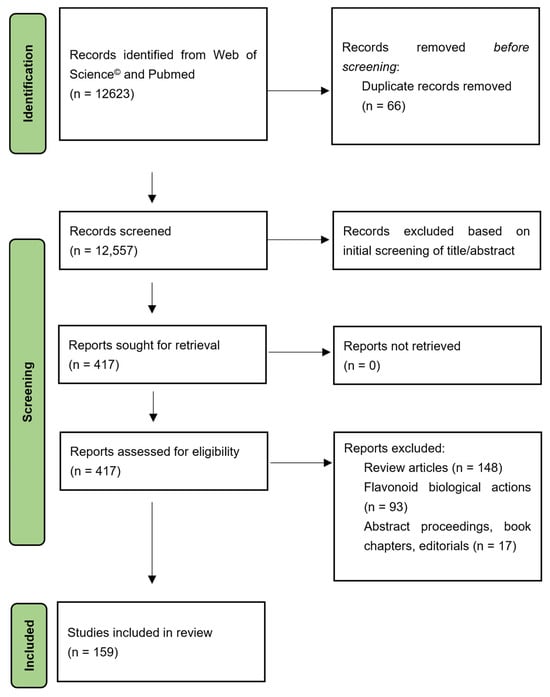
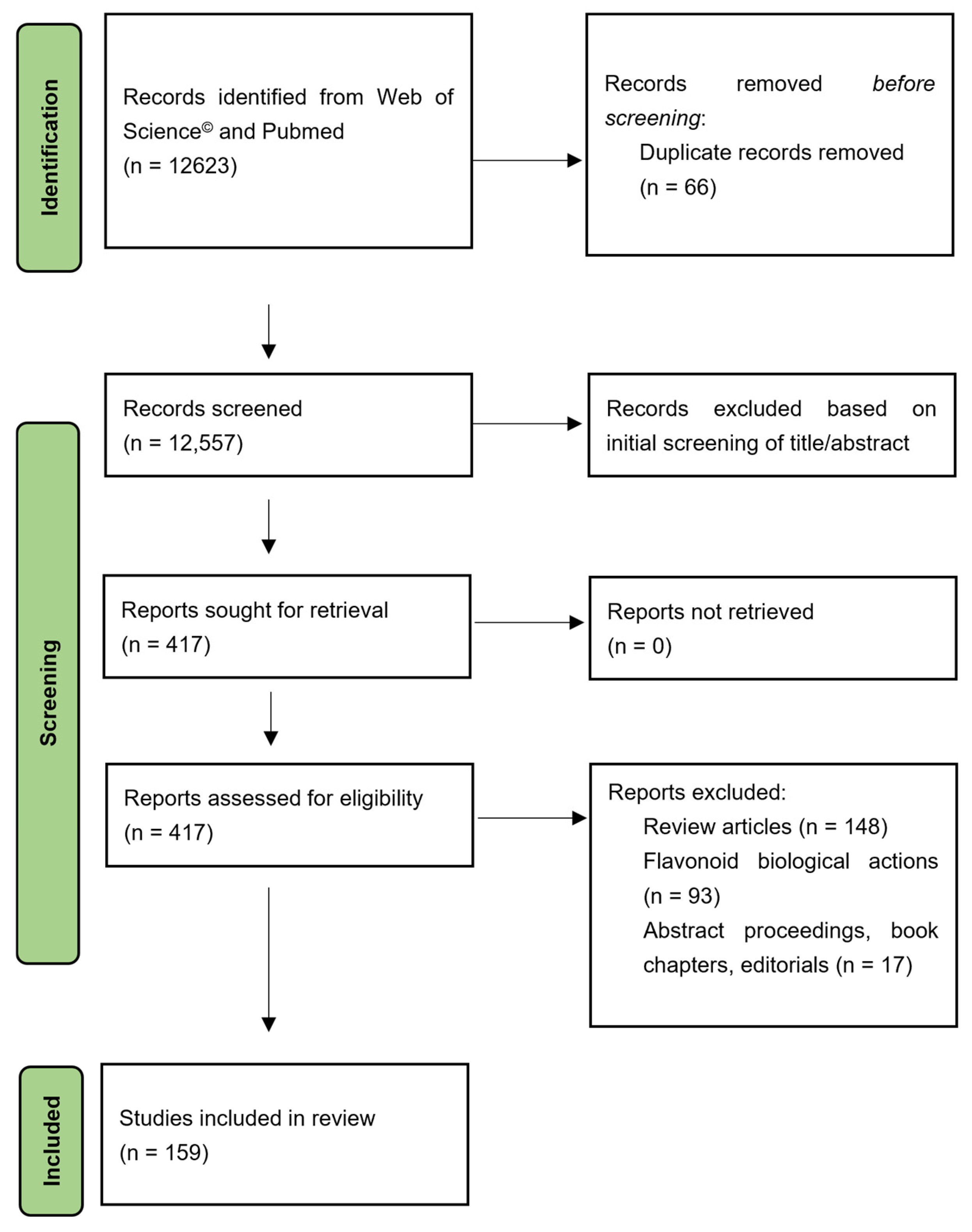
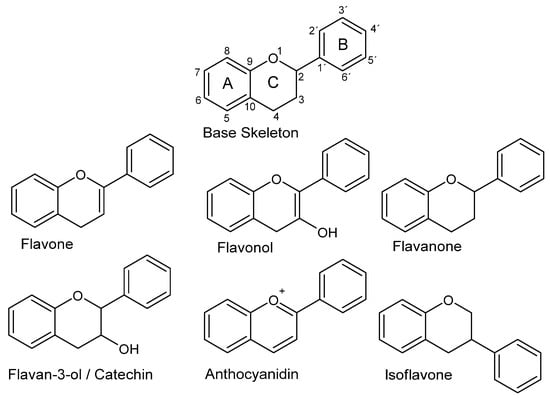
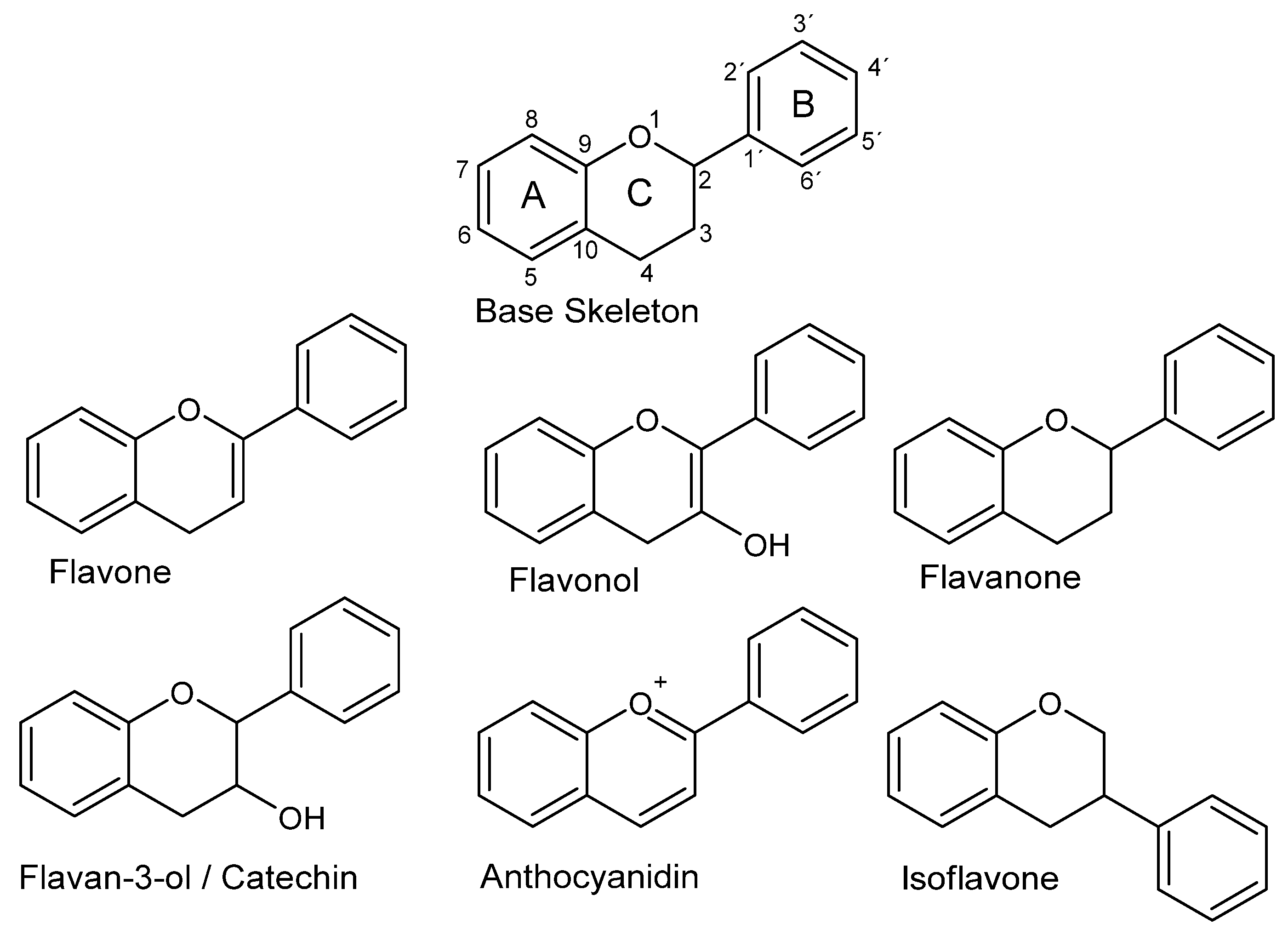
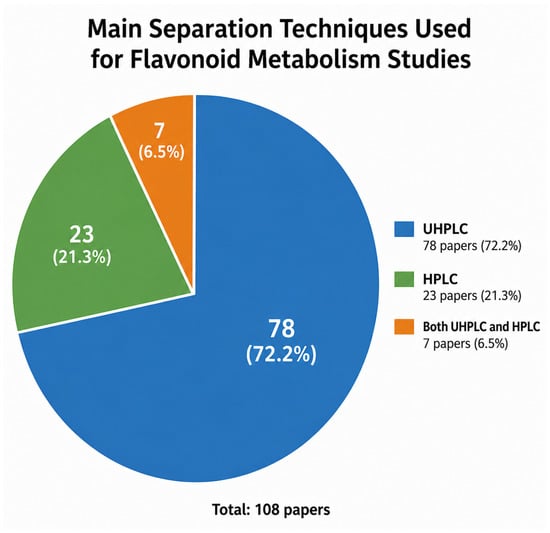
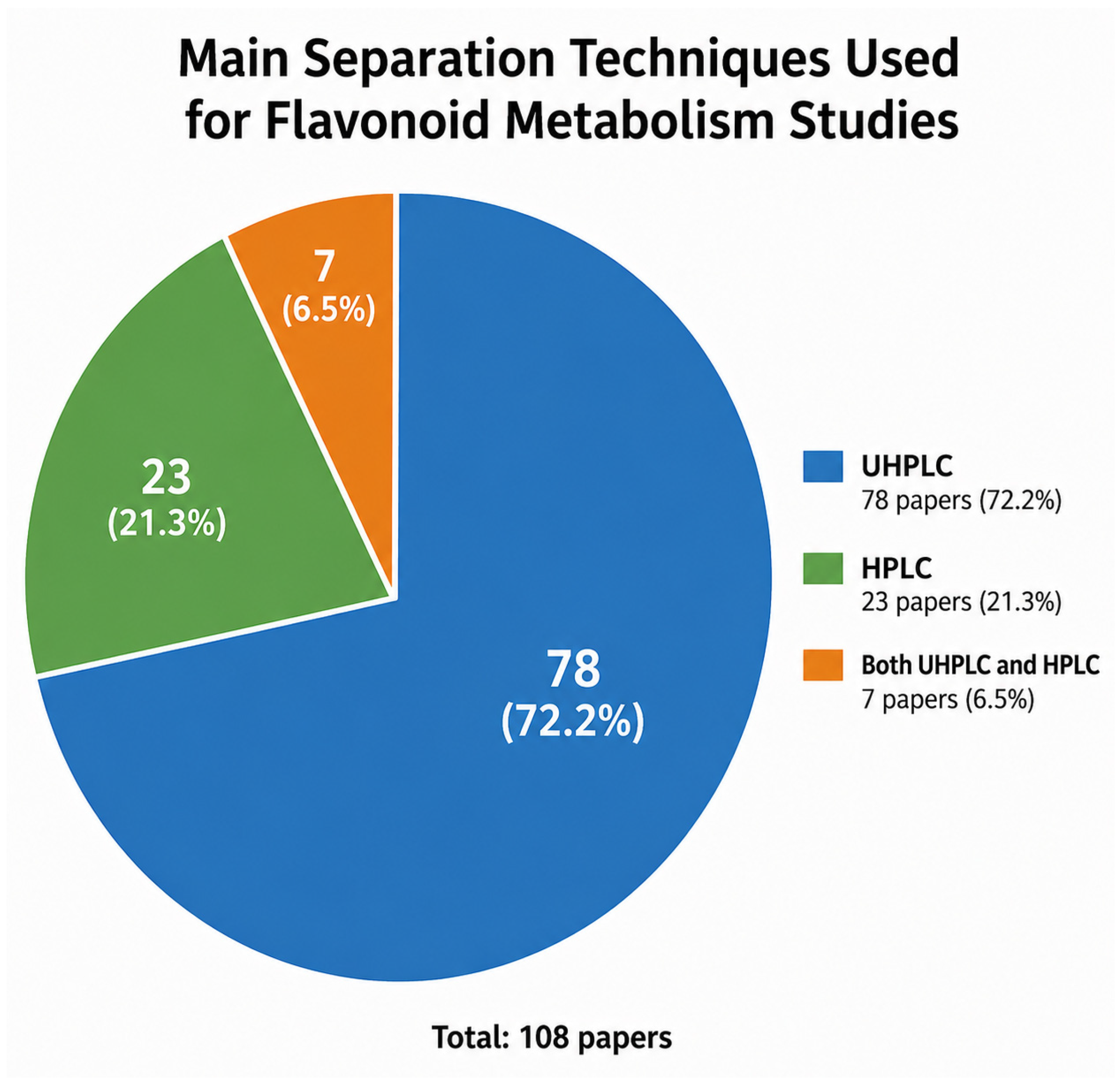
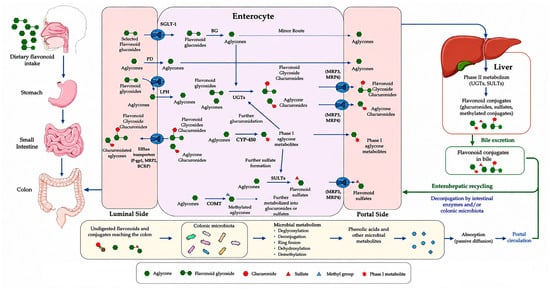
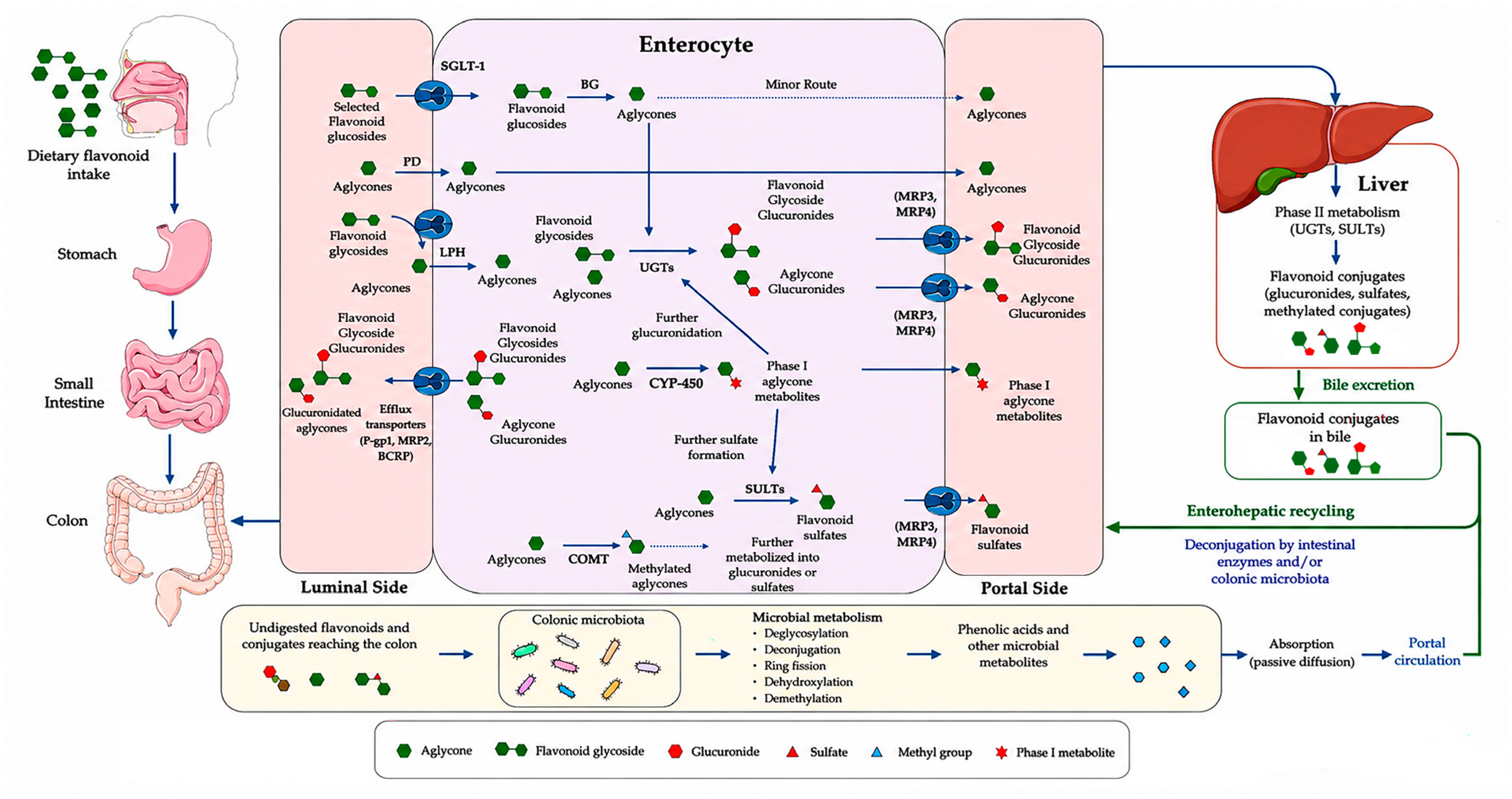

Disclaimer/Publisher’s Note: The statements, opinions and data contained in all publications are solely those of the individual author(s) and contributor(s) and not of MDPI and/or the editor(s). MDPI and/or the editor(s) disclaim responsibility for any injury to people or property resulting from any ideas, methods, instructions or products referred to in the content. |
© 2026 by the authors. Licensee MDPI, Basel, Switzerland. This article is an open access article distributed under the terms and conditions of the Creative Commons Attribution (CC BY) license.