


Highlights
Public health relevance—How does this work relate to a public health issue?
- Housing is a core social determinant of health, making it essential to examine housing challenges experienced by migrant families settling in Canada.
- Migrant families in Saskatchewan may experience housing insecurity due to interconnected barriers affecting housing access, affordability, stability, and suitability.
Public health significance—Why is this work of significance to public health?
- This study identifies multi-level housing barriers operating across individual/household, societal, environmental, organizational/housing system, and global levels.
- Housing challenges contributed to stress and settlement-related difficulties, highlighting housing insecurity as an important public health concern for migrant families.
Public health implications—What are the key implications or messages for practitioners, policy makers and/or researchers in public health?
- Coordinated efforts among governments, service providers, and migrant-serving organizations are needed to address interconnected and structural housing barriers.
- Migrant families should be engaged as partners in the design of housing policies, programs, and interventions to ensure responsive, equitable, and culturally appropriate solutions.
Abstract
Housing is a critical social determinant of health, yet migrant households may experience barriers to accessing safe, adequate, affordable, and suitable housing. Evidence from Canadian provinces has identified economic, institutional, social, and housing-related barriers, but limited empirical research has examined how these barriers intersect within migrant households in Saskatchewan. Access to adequate and affordable housing is closely linked to health, well-being, and successful settlement. Given the limited empirical evidence on housing barriers faced by migrant families in Saskatchewan, this critical ethnographic study explored their multifaceted housing experiences. Data were collected from 2022 to 2024 through in-depth interviews with 25 migrant adults, one adult representing each participating household, supplemented by field observations of housing and neighbourhood contexts. Reflexive thematic analysis was used to examine participants’ accounts and contextual observations, informed by a critical realist orientation. Five empirically derived domains characterized participants’ housing experiences: individual/household, societal, environmental, organizational/housing system, and global contexts. Participants described how these interconnected barriers shaped housing access, affordability, stability, and suitability, contributing to stress and settlement-related challenges. The findings indicate that housing barriers experienced by migrant households in Saskatchewan are interconnected and shaped by economic, social, institutional, environmental, and broader structural conditions. The study highlights the importance of coordinated responses across housing, settlement, government and community systems to improve access to safe, affordable, suitable, and accessible housing. Meaningful involvement of migrant families in housing policy and program development may help ensure that responses reflect their experiences and priorities.
1. Introduction
Migrant households may experience multiple barriers to accessing safe, adequate, affordable, and suitable housing following migration [1]. In this study, the term “migrant” is used as a broad, inclusive category referring to adults who were born outside Canada and subsequently moved to and settled in Canada. This category encompasses individuals with diverse migration pathways and legal statuses. Because immigration category and legal status were not collected, the findings are presented as participants’ accounts of housing experiences among a heterogeneous sample of migrant households rather than as findings specific to particular migrant subgroups.
Housing is a critical social determinant of health that influences health, well-being, safety, and social participation across the life course [2,3,4]. Adequate housing provides safety, security, sufficient living space, privacy, and access to essential services and resources [1]. For migrant households, access to adequate and affordable housing is also closely connected with settlement, social inclusion, and the ability to establish stable lives in a new country.
International research has linked inadequate housing among migrant populations with a range of physical, mental, and social health concerns, including injury, infection, chronic health conditions, psychological distress, and reduced well-being [5,6,7,8,9,10,11,12,13,14,15,16,17,18,19,20,21]. This literature demonstrates the importance of examining housing not only in terms of affordability but also in relation to housing quality, safety, suitability, and access to supportive social and community environments.
Canada is a high-income country that continues to welcome immigrants from around the world. Under Canada’s 2026–2028 Immigration Levels Plan, the country has set a target of 380,000 permanent-resident admissions annually. According to the 2021 Census of Population, 8,361,505 immigrants accounted for 23.0% of Canada’s population, representing nearly one in four people in Canada [22,23]. In Canada, housing affordability, adequacy, and suitability remain important concerns for households experiencing socioeconomic and settlement-related disadvantage [24,25,26,27].
Previous Canadian research has documented disparities in housing access among migrant populations, including challenges related to affordability, housing quality, discrimination, employment, and access to social and settlement supports [28,29,30,31,32,33,34,35,36,37,38,39,40,41,42]. These studies demonstrate that migrant households’ housing experiences are shaped by multiple economic, social, and institutional conditions. However, much of the Canadian evidence has focused on specific provinces or particular migrant populations, leaving limited empirical understanding of how these barriers intersect within migrant households in Saskatchewan.
Saskatchewan has experienced substantial population and immigration growth, including increasing numbers of migrants settling in Regina, Saskatoon, and other communities across the province [43,44,45,46,47]. Despite this growth, evidence concerning the housing experiences of migrant households in Saskatchewan remains limited. Existing provincial research has identified affordability and access to rental housing as important concerns among newcomers [48], but less is known about how economic, social, institutional, environmental, and structural barriers intersect in shaping housing experiences. Understanding these experiences within the Saskatchewan context is particularly important because housing markets, service systems, and settlement contexts vary across provinces.
Although previous research has identified individual housing barriers experienced by migrants, less is known about how these barriers interact across household, social, institutional, environmental, and broader structural contexts. This study addresses this gap by bringing together participants’ accounts and contextual observations to examine how multiple barriers intersect within the housing experiences of migrant households in Saskatchewan. Rather than treating housing insecurity as a single problem of affordability, the study examines how economic constraints, labour-market conditions, language and information barriers, discrimination, housing conditions, institutional processes, and broader economic pressures combine to shape housing access, affordability, stability, and suitability. Therefore, the aim of this study was to explore the multifaceted housing barriers experienced by migrant households in Saskatchewan, Canada.
2. Materials and Methods
2.1. Study Design
Using a critical ethnographic study design, this study explored the housing barriers experienced by migrant households in Saskatchewan to generate context-specific insights that may inform policy and practice aimed at improving housing conditions for this at-risk population. Critical ethnography is a qualitative methodology that focuses on uncovering power structures and systemic injustices that shape experiences of vulnerable and at-risk groups [48]. This design is considered an appropriate approach for this study because it allows critical examination of at-risk and vulnerable populations facing challenges to advance social justice [48]. The critical ethnographic design has an emancipatory focus, as it helps explore the range of constraints faced by at-risk and oppressed groups and identify ways to address those inequalities [49,50].
The critical nature of inquiry was complemented by the ontological assumption of critical realism, which facilitated the examination of the multiple and interconnected housing barriers experienced by migrant families in Saskatchewan, Canada. Critical realism conceptualizes reality as complex and shaped by underlying structures that influence human agency [51,52,53]. Critical realism informed the interpretation of participants’ accounts by recognizing a distinction between the empirical, actual, and real domains. The empirical domain refers to experiences, perceptions, and events that participants reported or that researchers observed. The actual domain encompasses events and processes that occur, whether or not they are directly observed or reported. The real domain refers to the underlying structures, conditions, and mechanisms that may generate or shape these events. In this study, critical realism was used as an interpretive orientation rather than as a causal explanatory framework. It supported consideration of how participants’ reported housing experiences and observed contextual conditions may be shaped by interacting economic, institutional, social, and structural factors, while avoiding claims that underlying mechanisms were directly observed or causally established.
2.2. Setting
This study was conducted in Saskatchewan, a Canadian province with a geographically dispersed population and diverse urban and rural communities. Participants were recruited primarily from Regina, Saskatoon, and Prince Albert, three communities with established migrant populations and settlement-service infrastructure. These communities differ in population size, housing availability, rental-market conditions, and access to services. The study context therefore provided an opportunity to examine housing experiences across multiple Saskatchewan communities rather than within a single urban setting.
2.3. Ethics
Ethical approval for this study was obtained from the University of Regina’s Ethics Review Board (Approval # 2022-093). All participants provided informed consent before participation. Participation was voluntary, and participants were informed of their right to decline to answer any question or withdraw from the study without penalty. Confidentiality was maintained throughout data collection, analysis, and reporting, and identifying information was removed in the presentation of findings.
2.4. Sample and Participant Recruitment
Participation in this study was open to adults residing in Saskatchewan, Canada, who self-identified as a migrant, defined as individuals who had moved from another country and settled in Canada. The study adopted a broad understanding of migration and did not restrict participation based on immigration pathway, legal status, country of origin, length of residence in Canada, or migration stream.
Using purposive sampling, participants were recruited across Saskatchewan, Canada. Migrant adults (aged 18 years and above) residing in Saskatchewan were eligible to participate in the study regardless of demographic characteristics, including race, colour, education, culture, socioeconomic background, nationality before migration, religious background, sexual orientation, or gender identity. To recruit participants, a study recruitment poster containing information about the study was disseminated through social media platforms and email networks of migrant settlement service agencies in Saskatchewan. Individuals interested in participating were invited to contact the principal investigator to express their interest. Upon confirmation of eligibility and willingness to participate, detailed information about the study was provided to the study participants, including the purpose of the study, data collection procedures, potential risks and benefits, and participants’ right to withdraw at any time without penalty.
2.5. Data Collection
Data were collected from 2022 to 2024 through multiple methods, including in-depth interviews with participants and observation of the housing where the participants are residing. The use of multiple methods of data collection in this critical ethnographic study provided an opportunity to triangulate the findings of this study and explore the multifaceted housing barriers among migrants.
Data collection continued iteratively until it was determined that the dataset had sufficient information power to address the study aim. This assessment was informed by the specificity of the sample, quality and depth of interview dialogue, theoretical grounding, and planned analytic approach, consistent with the information power framework [54,55]. The principal investigator, in consultation with the research assistants, reviewed the emerging interview data and considered whether subsequent data collection was continuing to generate substantially new dimensions relevant to the research question. Sufficient information power was determined to have been achieved when the dataset provided adequate depth, diversity of perspectives, and sufficient conceptual insight into the housing experiences of migrant families in Saskatchewan. Recruitment therefore ceased at this point.
In total, 25 adults aged 18 years or older, who resided in Saskatchewan and self-identified as migrants, participated in the study. One adult representative from each participating household was interviewed. Thus, the data represent participants’ accounts of their households’ housing experiences rather than independent accounts from all household members. References to children, older adults, mothers, or other household members therefore reflect participants’ descriptions of household experiences and should not be interpreted as direct accounts from those individuals.
Before the interview, verbal informed consent was obtained from all participants prior to data collection. Before consent was obtained, participants were provided with detailed information about the study. Participants were assured of their confidentiality during the process of data collection, analysis, reporting, and dissemination. Participants’ right to withdraw from the study was respected, and they were informed that if they decided to withdraw from the study within one month of the interview, then the data would be destroyed on request. After receiving informed consent from the participants, their demographic information was collected using a brief structured form having close-ended questions and in-depth interviews of 40–60 min were undertaken with each participant using a semi-structured interview guide, with a main question: “What are the housing barriers encountered by migrant families in Saskatchewan, Canada, and in your view, what are the key barriers?” All interviews were conducted in participants’ preferred languages (mainly English, Urdu, Persian and Arabic). Given that migrant populations may experience social, economic and settlement-related vulnerabilities, measures were implemented to protect participants. To minimize potential discomfort, encourage participation and protect privacy, participants were not required to disclose their immigration category, legal status, immigration stream or other sensitive legal information.
In-depth interviews were conducted by the principal investigator in collaboration with three trained research assistants who were proficient in English, Urdu, Persian and Arabic. Prior to data collection, the research assistants received training on study objectives, recruitment procedures, informed consent processes, qualitative interviewing techniques, confidentiality requirements, and transcription and translation protocols to ensure consistency in data collection. Interviews were conducted virtually using secure online platforms to accommodate participants across Saskatchewan and to enhance accessibility and participation. Virtual interviews also reduced potential barriers related to transportation, time, and childcare, which may affect participation among migrants.
All interviews were audio-recorded and were immediately transcribed by the trained research assistants. Of the 25 interviews conducted, 14 were undertaken in English and 11 were conducted in other languages (Arabic, Urdu, or Persian). English-language interviews were transcribed verbatim in English. Interviews conducted in Arabic, Urdu, or Persian were first transcribed verbatim in the original language and subsequently translated into English by bilingual research assistants fluent in both languages. To ensure translation accuracy, 10% of the translated transcripts were independently back-translated into the original language by trained bilingual research team members who had not been involved in the initial translation. Any discrepancies identified during the back-translation process were reviewed and resolved through discussions.
Field observations were conducted in person by the principal investigator to complement participants’ interview accounts and provide contextual information about housing and neighbourhood conditions. The exterior of all 25 participating households’ residences and their surrounding neighbourhood environments was observed. With permission from the participating households, the researcher also entered and observed the interior of approximately 15 homes. Interior observations lasted approximately 30–40 min and focused on visible housing conditions and material circumstances relevant to the study, including the condition and adequacy of living spaces, ventilation, signs of moisture or mould, maintenance concerns, and other observable features of the physical environment. Exterior and neighbourhood observations included features such as the surrounding residential environment, proximity and access to schools, grocery stores, healthcare facilities, and public transportation, as well as visible housing conditions.
Field observations were not used to determine participants’ income, employment status, language proficiency, health status, or other personal characteristics. Such information was derived from participants’ accounts. Field observations were not treated as independent evidence of participants’ experiences; rather, they were used to contextualize and triangulate participants’ accounts. The researcher distinguished between information directly reported by participants during interviews, conditions directly observed during field visits, and interpretations developed during analysis. Field notes were recorded during or immediately following observations and considered alongside interview transcripts during analysis.
2.6. Data Analysis
Data were analyzed using reflexive thematic analysis, informed by a critical realist orientation. Analysis was iterative and interpretive, moving from familiarization and descriptive coding to the development and refinement of patterns of meaning across interview transcripts and field observation notes. Interpretation considered participants’ reported experiences alongside the social, institutional, economic, and structural contexts in which those experiences occurred.
Data analysis was conducted primarily by the principal investigator. Two patient partners representing migrant families and a community partner representing a migrant settlement organization were involved in the initial phase of analysis. They provided family and lived-experience perspectives on the relevance and clarity of emerging interpretations rather than independently coding the dataset. Reflexive discussions with the patient and community partners were used to examine interpretations, consider alternative explanations, and strengthen the credibility and depth of the analysis. The principal investigator retained primary responsibility for coding, theme development, and interpretation.
The analysis proceeded in several stages. First, interview transcripts and field observation notes were read repeatedly to become thoroughly familiar with the interview transcripts and field observation notes. Second, initial codes were generated manually by identifying meaningful segments related to housing experiences, barriers, and contextual factors. Approximately 50 codes were developed across the interview and observational data. Third, codes were compared and grouped into broader categories based on patterns of similarity and difference. Fourth, categories were iteratively reviewed and refined through discussion with patient and community partners.
The analysis generated five empirically derived domains of housing barriers: individual and household, societal, environmental, organizational/housing system, and global. These domains and their themes were developed inductively from participants’ accounts rather than predetermined by Bronfenbrenner’s socioecological model [56]. Bronfenbrenner’s model was subsequently applied as a heuristic interpretive lens to examine relationships among the empirically derived domains and the interconnected ecological contexts in which housing experiences occurred. The microsystem was used to consider immediate settings and interpersonal relationships; the mesosystem, interactions among social, community, and service contexts; the exosystem, organizational and housing system influences; and the macrosystem, broader social, cultural, economic, policy, and structural conditions. The five empirical domains were therefore considered in relation to, but not equated directly with, the four ecological levels. This approach supported interpretation of how housing barriers experienced in one context could be shaped by processes operating across multiple interconnected contexts.
2.7. Trustworthiness of Data
Multiple strategies were used to ensure the trustworthiness of the data. Credibility was supported through sustained engagement with migrant-serving organizations and communities before and throughout the study period. Trust was built through culturally responsive communication, assurances of confidentiality, flexibility in interview scheduling, and the involvement of multilingual research assistants who conducted interviews along with the principal investigator in participants’ preferred languages.
Triangulation involved comparing participants’ reported experiences with field observations and field notes. Observations provided contextual information about physical housing and neighbourhood conditions but were not used to independently verify participants’ subjective experiences. For example, when participants described concerns related to housing maintenance, overcrowding, accessibility, ventilation, or environmental conditions, observations were used to provide contextual information about the physical setting where appropriate. Where a condition was not directly observed, it was reported as a participant account rather than presented as an observed finding.
Member checking was undertaken by sharing preliminary findings with participants and inviting feedback on the accuracy and interpretation of the findings. These efforts strengthened the credibility, depth, and contextual richness of the findings.
The researcher ensured cultural sensitivity in data collection approaches and maintained reflexive journals and field notes that were used during analysis. Reflexivity was an integral part of the research process, consistent with the critical ethnographic approach. The researcher remained mindful of their positionality as a partial insider (Saskatchewan resident and a first-generation immigrant in Canada) and partial outsider (an educated female academic researcher and Canadian citizen). This positionality influenced the research process in multiple ways. Being a first-generation immigrant facilitated rapport-building and trust with participants, which helped encourage open dialogue and rich description of housing barriers. At the same time, the researcher’s academic role and citizenship status introduced potential power differentials that may have influenced participant responses and required ongoing awareness during data collection and interpretation of data.
To address these dynamics, reflexive journaling was used throughout data collection and analysis to document assumptions, potential influences, and emerging interpretations. In addition, regular discussions with the community partner supported critical reflection and helped ensure that interpretations remained grounded in participants’ accounts rather than the researcher’s positional assumptions.
3. Results
3.1. Demographic and Household Characteristics of Participants
Demographic and household characteristics are presented in Table 1. The sample included 25 migrant adults residing in Saskatchewan, with a mean age of 36.1 years (SD = 9.12; range: 19–58); 15 participants (60%) were women. Participants resided in Regina (n = 17, 68%), Saskatoon (n = 6, 24%), and Prince Albert (n = 2, 8%). They originated from 15 countries and represented diverse geographic, linguistic, educational, and religious backgrounds, including Africa (n = 9, 36%), West/Central Asia and the Caucasus (n = 9, 36%), South Asia (n = 5, 20%), Southeast Asia (n = 1, 4%), and Europe (n = 1, 4%).
Table 1.
Demographic and Household Characteristics of Study Participants (N = 25).
Participants reported arriving in Canada between 1995 and 2021. Participants’ reported cumulative duration of residence in Canada ranged from 2 to 22 years, with periods spent outside Canada excluded. Thus, duration of residence was based on participants’ self-reported cumulative time living in Canada rather than calculated solely from the year of initial arrival.
Educational attainment varied, with 20 participants (80%) holding a bachelor’s degree or higher. Most participants identified as Muslim (n = 22, 88%). Arabic was the most frequently reported mother tongue (n = 6, 24%), followed by Farsi/Persian (n = 4, 16%), Yoruba (n = 3, 12%), Urdu (n = 2, 8%), and Punjabi (n = 2, 8%).
Households included an average of 3.88 persons (range: 2–8) and an average of 1.8 children (range: 0–6). Fourteen participants (56%) lived in nuclear family households, and 11 (44%) lived in extended-family households. Sixteen households (64%) reported having a single-earning member, and the mean annual household income was approximately CAD 49,000.
Nineteen participants (76%) reported renting their homes, and six (24%) reported homeownership with a mortgage. The mean monthly housing cost was CAD 1196, including an average of CAD 1120 among renters and CAD 1500 among homeowners with mortgages. Utilities were included in the reported housing cost for 19 participants (76%). Among households for whom utilities were not included, the mean additional monthly utility cost was approximately CAD 325. Housing types included apartments (n = 7, 28%), condominiums (n = 6, 24%), houses (n = 6, 24%), townhouses (n = 5, 20%), and duplexes (n = 1, 4%).
Seventeen participants (68%) reported having household insurance, while eight (32%) did not. Twenty-three participants (92%) reported access to local facilities, although participants indicated that some community resources, including hospitals and public libraries, were not located nearby. Nine participants (36%) reported being enrolled in government-subsidized housing programs, and four (16%) reported that their housing required repairs.
3.2. Housing Barriers Experienced by Migrant Households in Saskatchewan
Participants described multiple barriers to accessing safe, affordable, suitable, and stable housing in Saskatchewan. The findings were organized into five empirically derived domains: individual/household, societal, environmental, organizational/housing system, and global (Figure 1). These levels describe the contexts in which participants experienced or described housing barriers rather than assigning the underlying causes of those barriers to a particular level. Thus, barriers described at the individual or household level, such as language, employment, information, and financial constraints, may also reflect broader institutional, social, economic, and structural conditions. The findings below distinguish participants’ accounts from contextual observations made during field visits.
Figure 1.
Housing Barriers Experienced by Migrant Households in Saskatchewan [56].
3.2.1. Individual/Household-Level Experiences and Constraints
Participants described several barriers experienced at the individual or household level, including income insecurity, linguistic exclusion, foreign credential recognition, mismatch between household size and available housing, faith-based financing considerations, stigma associated with help-seeking, and limited familiarity with Canadian housing and financial systems. These barriers were often described in combination rather than as isolated experiences. Importantly, the categorization reflects the context in which participants experienced the barriers and does not imply that their underlying causes were individual. Each of these barriers is discussed below.
Income Insecurity. Participants described low or unstable income and difficulty obtaining sufficient employment as barriers to securing housing that met their household needs. Several participants linked employment and income constraints with difficulty paying rent, saving for homeownership, or obtaining housing appropriate for their family size. Some women participants also described housing pressures in the context of caregiving responsibilities and limited access to stable employment. A participant shared,
Firstly, it is that my income is very low. And secondly, the immense inflation. Grocery that used to be bought for 200, is it bought for 300 to 400 …. also, job search is very difficult. For example, if there is no job, then one keeps on applying for it, but there is no response. It is only a reference that aids in being employed at some job … The one with the minimum salary cannot support themselves, so in this case, if everyone. All of them, in a joint family, will contribute and share so that they can survive. If it is only an individual, then it is very tough.(#17)
Another participant shared,
I think as a migrant, it’s really challenging for me to purchase a house in Canada. I think that the income that I’m making is not enough to pay bills and mortgages. So, I’m just sticking to renting an apartment for now.(#18)
Participants further described living in crowded housing arrangements, including situations in which multiple family members shared bedrooms or other sleeping spaces. These accounts linked household crowding with financial constraints and limited housing options.
Linguistic Exclusion. Participants described language-related difficulties in securing employment, communicating with landlords and service providers, completing housing applications, and navigating housing and financial systems. Participants reported varying levels of English proficiency and described relying on relatives or settlement organizations for assistance with housing applications and services.
A participant shared, “… when we first came here, I had a language barrier. So, I couldn’t speak English. I couldn’t understand even a single thing then; I improved my English after that”(#5)
Another participant who faced challenges in securing jobs and housing due to a language barrier shared, “… of course, language can be one of the barriers depending on the job type you are doing. If you work with people, your language should be better, and you should feel more confident”(#3)
A participant faced numerous challenges in applying for governmental support and low-income housing for his multigenerational family. The participant shared, “… it was very hard for me to apply for the governmental support because of the language barrier. I required help from my relative, who lived in Canada for almost 13 years. I had to ask him for help to apply for low-income housing”(#15)
These accounts illustrate how participants experienced language-related difficulties when navigating housing and government-support systems.
Foreign Credential Recognition Barrier. Several participants with professional or graduate-level qualifications obtained outside Canada described difficulty obtaining employment corresponding to their education and previous experience. Some reported working in lower-wage occupations while attempting to establish themselves in Canada. Participants linked these employment experiences with difficulty meeting housing and other household expenses. This also made it difficult for them to find housing that was affordable and appropriate for their household size. A participant shared,
When we moved there, we had lots of problems finding a job … as a new immigrant, we faced that the rents are high, the houses are not affordable, the jobs are not available, the good jobs are not available, and the pay is not very much. So, there are lots of challenges we face, and we are still facing. We are fighting with this. We do not get the jobs according to our qualifications. So, all the savings we bring with us, it’s all, we don’t know where it is gone. You know, it’s very hard to manage all the things. And it’s very stressful … Even my husband … he has done an MBA, and he is working at the superstore and at Walmart [grocery stores]. So, how can we afford a house if we do not have a good job? We can’t spend our savings on these things. There are the groceries; there are lots of other things here … it’s too expensive. Everything is expensive.(#19)
Housing-Family Size Mismatch. Participants from larger households described difficulty finding housing with sufficient bedrooms and living space at a cost they could afford. Some participants described crowded living arrangements and concerns about the number of household members permitted within rental units. One participant described a situation in which family members were concerned about exceeding the occupancy expected by the landlord.
… you don’t want to be too overcrowded in the house but then, at the same time it’s hard when we came to Canada …. we were allowed to live in three-bedroom apartments, all seven people, but my two older siblings had to be out … one of them decided to go to school, but then he lived with us, and we were kind of scared at the same time that if they [landlord] know that we’re living more than what it was for.(#11)
Another participant described difficulties experienced by large newcomer families in finding housing with sufficient space:
It’s hard with a family with a lot of kids. I have friends who are Syrian; they do have four and five, and even six children. The number of family members would be a barrier for them … most of the Canadian families have one or two kids. But migrants from other countries have a big family. It’s challenging for them to find enough rooms in the house or in the apartment… It’s impossible.(#5)
These accounts indicate that household size was an important consideration in participants’ housing searches.
Faith-Based Financing Barriers. Some Muslim participants described religious considerations related to interest-bearing mortgages as a barrier to homeownership. Participants who held these views described seeking alternatives to conventional mortgage financing and expressed concerns about the availability, affordability, and religious acceptability of alternative financing options.
We’d like to pay as fast as we can … we want to avoid interest. The interest rate is the issue with Islamic rules. Yeah, it is challenging, not only the mortgage itself … It will be a very, very hard time. Very stressful time. But we don’t have any other options, unfortunately … All the banks, they do take interest … and interest is everywhere. The only option that you have is to get rid of all those question marks. It’s to pay cash, which is impossible in my case.(#5)
Other participants shared,
You can’t think that everybody’s able to just take on a mortgage; because of religious reasons, a lot of us will not take a mortgage. So, there should be other options available for people like me, who may be able to afford their mortgage, I mean, like, the money to buy the house, but don’t want to take on a mortgage with interest, but they can afford to.(#13)
Further, as discussed by several participants, the Islamic organizations that provide loans also functionally have interest rates and can be even more expensive than loans from traditional banks:
… if you look deeply into the so-called Islamic banking or Financing, you will look deeply into that there are few traces of interest in them. So, it’s not to say that there aren’t some that would be completely halal, but they are most of them still have some hidden, you know, interest stuff in them.(#14)
These accounts illustrate that participants’ housing and financing decisions were shaped, in some cases, by religious considerations.
Stigma Associated with Help-Seeking. For some, another challenge related to affordable rentals or low-income housing was shame. For some participants, stigma associated with receiving government assistance influenced decisions about whether to seek subsidized housing or other forms of assistance.
… we never received any assistance, any money from the government back home. And like, we don’t, we were not very comfortable with that. If I’m, if I can explain this well enough. So, we considered that if we can afford the partner condo, we can do that. So, we didn’t want to apply for a house and get some options, because that’s one of the things that we could afford from day one. I don’t know if it was the correct decision or not, but also a lot of Armenians who come, like friends, acquaintances, etc., they never use the services, so probably also, maybe a lack of information. Like, feeling very confident doing this, not knowing if the condo is going to be something that you can really like, the location, I don’t know … I know a lot of people live on government money for years. But I don’t feel comfortable with that; the only thing that I feel comfortable with is the child benefit because everyone gets this.(#3)
Information Inequities. Several participants described limited familiarity with Canadian housing systems, financial requirements, rental insurance, credit checks, and relevant housing regulations. One participant who had not heard of credit checks before found it to be an invasive requirement to rent a house:
The landlord you have is just like a mini god. It is very strange to us … they want to check your financial status … they call it a credit check. So, all those things, I think, are absurd to us. It’s very strange that you will be going into my privacy. We see that as something that is private. They ask, “Are you going to pay the rent for the next three, four or five months?” If yes, good. If no, you’re not giving me the house, but for you now to start doing some personal check on us? … it seems that that is how things work here, right?(#25)
One participant described concerns that newcomers’ unfamiliarity with the housing market could increase their exposure to misleading or exploitative practices:
When you are new, you won’t have [money] as a migrant. If you have money, you won’t have the right knowledge, like what kind of house to buy, what kind of locality you should choose for living… some local agents and realtors are doing lots of wrong stuff to them [migrants]… they take lots of money from them, and get them very bad houses. So, it’s a challenge because of a lack of awareness and knowledge.(#17)
3.2.2. Societal Barriers
Participants described barriers arising through interactions with landlords, financial institutions, service providers, neighbours, and other members of their communities. These included difficulties obtaining timely responses from landlords, challenges navigating financial systems, experiences of discrimination or perceived discrimination, and negative interactions within residential settings. The following findings describe participants’ accounts of these experiences.
Landlord-Tenant Power Inequities. Difficulty with landlords was a prominent challenge among participants with renting experience. Challenges with getting landlords to address the necessary maintenance requests were also a common challenge for participants. Participants shared that this callousness and the delays or refusal it leads to can cause significant safety concerns. As one participant experienced, she could not get the building manager to take her seriously after a particularly concerning security incident in her apartment.
There was a day someone just came to the door and was able to open a door with another key … Yes, someone we don’t know, the person just used the key and opened the door, and I kind of just rushed out to the door to like, close the door like, I could have been naked. I could have been dressing inappropriately, and you would have come inside. And that was quite worrisome, right? Why would someone else’s key work on your main door? Then we contacted the apartment manager, and we told him we were out of that situation. All he said was, this happens sometimes when the lock has been there for a long time. And they will look into it … they never changed the key … I don’t think it’s an old tenant … he was a visitor in that building. So, he came to see a friend, his friend gave him the key and told him go to the flat and so when he got it because my apartment was also at the far end, he then used his friends’ keys to open the door … we told him he had the wrong apartment. He called someone and said, ‘hey, I’m at so, so unit,’ and the person said, ‘no, that’s not my unit.’ Then he went to use a key to open another apartment. So that means that key worked for my apartment, as well as a neighbour’s apartment.(#7)
Another participant shared that their landlord did not help them after a flooded basement that resulted in a major safety hazard.
… when the rain is there, water come inside the basement, and my stuff was all damage. I didn’t allow my kids to go there. When I asked my landlord, they said you will go for the insurance. So, they didn’t have any answer about that. They said we can’t deal with these kinds of issues. I was very unsatisfied at that time, because when I went for the insurance, they said when the 70% of your stuff get damaged, only then you will get some of your claim. We felt very insecure…(#2)
Financial System Exclusion. Participants described difficulties navigating mortgage and other financial systems, including requirements related to credit history, documentation, employment stability, and down payments. Some participants also described differences in their experiences with banks and mortgage providers. A participant shared,
My experience with banks was very bad. Not totally answered… I don’t like when someone tries to overprotect themselves, so they never give you exact information: ‘maybe, probably, around, should be.’ I don’t like. So, my experience with the mortgage company was better because probably the bank employee is just an employee, and they try to protect themselves. But a mortgage company is like the private sector, and they want to get more clients, etc. So, they were more helpful. They were quicker; they gave the exact answers. I wouldn’t say the person who is trying to sell you something can be 100% on your side; let’s say they want to make the deal, they want the deal to happen, they are doing everything … I would say a third party should be consulting you, not the one that’s trying to do the mortgage.(#3)
Another study participant shared,
It’s not easy. It’s like, they send all this paperwork, and the bank sends it to the government or something. There’s a lot of process; you must be approved. Your credit must be good, down payment, and you must have a stable job that you have worked for a year or six months. Yeah, there are quite a few things that you must really think about before buying a house. And, like, getting approved and getting a mortgage was one big thing to get done.(#11)
These accounts indicate that participants encountered multiple procedural and documentation requirements when seeking mortgage financing.
Discrimination and Racialized Exclusion. Several participants described experiences they perceived as discriminatory or exclusionary during housing searches or interactions with landlords, service providers, and neighbours. One participant described difficulty securing rental housing that they attributed to being a newcomer, having children, lacking Canadian credit history, and not having a guarantor.
The most difficult thing was that no one agreed to rent to us because we were newcomers, we don’t have any credit history, and we have little kids, and the apartments don’t fit for us; they said no because of the number of kids, and because we are new, we don’t have a credit history, we don’t have a guarantor, we don’t have a job; how would they give us the apartment to rent it.(#8)
Another participant described negative interactions with social workers:
… sometimes through their acts they [social workers] show you that they don’t like you … There are some acts like, they look at me as if they are feeling disgusted. They don’t accept you as you are; it’s not just a feeling”(#9)
A participant also described feeling judged by neighbours because of racial and cultural differences:
The way the [neighbours] looked down at you… one can feel it that they know that you are not a white person, or you’re not a white Canadian, and you don’t know as much as they do …one time I cooked fish, and I knew the whole hallway was smelling of fish and everybody [in neighbourhood] was like, ‘disgusting’ or something. I heard, and I never cooked fish again. I was done with fish.(#11)
During field observations, the researcher noted limited visible interaction between households in shared residential spaces. These observations were used as contextual information and were not interpreted as evidence of the quality or extent of social relationships between newcomer households and long-term residents.
3.2.3. Environmental Barriers
Participants described housing and neighbourhood conditions that affected their experiences of safety, comfort, and housing stability. These included substandard housing conditions, pest exposure, inadequate temperature control, and uncertainty associated with rental tenure. Field observations were used to document selected physical and environmental features of housing and neighbourhood settings and are reported separately from participants’ accounts where relevant.
Substandard Housing Conditions. Participants described experiencing respiratory symptoms, stress, discomfort, and concerns about the health implications of their housing conditions.
During field observations, several participating households were observed to be located in older residential properties, at varying distances from healthcare settings, playgrounds, schools, and bus stops. In several homes, carpets showed visible signs of wear and staining, and signs of water damage were observed in some areas of the housing units. Several households did not have laundry facilities within their individual apartments or suites and therefore used communal laundry facilities shared with other tenants, which participants described as requiring additional time and expense. In some households, windows showed visible signs of mold or discoloration, alongside observations of humidity and limited ventilation.
Some of the older housing units also had limited natural light and confined interior spaces. Sewer backups were reported by some participants, and during field observations, it was noted that in some households, tap water used for drinking and cooking appeared visibly tinted.
One participant attributed recurrent asthma symptoms to their housing environment.
I came healthy from Sudan, but after living there for a year, I developed asthma, and my child developed eczema with a lot of sensitivity reactions. I was having an attack of asthma every week since I came here; it may have happened once per year [before] … The environment around and the carpet inside the apartment were very dirty.(#23)
Another participant shared,
“… the townhouse was not in good condition, even though we paid a lot, like starting from $1400. So yeah, this is the first year of our struggle …. there were many flooring issues, it was not clean … we are accepting anything.”(#2)
While sharing a similar concern, another participant shared,
When we first moved into the house … the person who used to live here before used to smoke, so when we first moved, it still had that smell of the scent of smoke still on the walls. So, we live here for a while, and it kind of started disappearing.(#15)
A participant argued that the low-income housing options are so dirty that it deters people from applying for the programs,
“…the main problem is the governmental low-income houses … all of them are dirty houses, all of them. Yeah, dirty houses… So, people here, they get scared of renting because they know this area will have bad people, bad sanitation, bugs, and everything”(#4)
Pest-Related Risks. Cockroaches, bedbugs, and other pests were another common challenge experienced by participants who rented or lived in low-income housing. During field observations, the researcher documented visible signs consistent with pest activity in several housing settings, including droppings reported or observed in and around some units
Many participants shared that the chemical treatment to address this infestation was expensive and required the whole family to vacate the house for long hours during harsh winter conditions that were, at times, not possible. Participants expressed concerns about the effects of housing conditions on their health and the health of their household members.
When I came here to Canada … the problem with that house was that it’s old; if I have to pay less, I have to suffer from cockroaches, bedbugs … we were looking for something that can fit our income … I found one [bedbug] on my baby; I don’t know if it came from somewhere or from that house, but I found it … And the next thing was the cockroaches… they were doing treatment like, every month or sometimes three weeks. So, we were suffering from inhaling all of these things … I was trying to clean as much as I could.(#4)
Another study participant highlighted,
“… some people live in apartments because they wanted a cheaper rent, and they get their house infested with pests. Yes, because the house is cheap. It’s maybe pest-infested… With cockroaches, with bedbugs, with some mice”(#6)
Several newcomers found bedbugs shortly after they moved into their new homes, participants shared.
… the other apartment that we moved to, we regretted signing it for one year … because the apartment was terrible … There were issues of bedbugs. The area was usually dirty, not worth it … We didn’t feel that it was good enough for kids living in that kind of environment. And I think, most importantly, that it was just bedbugs … When you don’t really have an option, costs got more expensive after, houses were getting a lot more expensive. So, we could not afford to move to another house, and we are already signed up for one year … we would have to forfeit our deposit fee.(#7)
Thermal Inequity. Inadequate household temperature was described by participants as affecting the health and well-being of household members throughout the year. In Saskatchewan, where temperatures can drop to −40 C, well-insulated housing is important for maintaining adequate indoor temperatures; however, many study participants described difficulties with temperature control in their housing. Several participants described their housing as inadequately insulated and reported that household members sometimes needed to wear warm jackets while at home.
One of the participants shared,
In fact, it wasn’t warm enough because, you know, it is an apartment. So, you can’t even control the heat within your own unit; it is being controlled overall by the apartment managers. So, I don’t know; we have been experiencing coldness, especially during the wintertime. So, it was also one of the reasons why we couldn’t even stick with those two bedrooms. It is cold, and you have children; they cannot even cover their bodies and themselves with a big blanket. And you know, you fall asleep, which is going to be much riskier for them.(#16)
During field observations, some participating homes showed visible features relevant to temperature control, including older windows, limited ventilation, or other observable housing characteristics. Participants also described difficulties with heating and cooling and their effects on household comfort and well-being. During summer, when temperatures in Saskatchewan can rise above 35 °C, some participating homes showed visible features relevant to ventilation and temperature control, including older or malfunctioning windows. Participants also described limited access to air-conditioning and difficulties maintaining comfortable indoor temperatures. Participants described discomfort, difficulty sleeping, and concerns about the effects of inadequate temperature control on themselves and their children. A participant who described having no control over their thermostat shared:
… there is no air conditioning system. So, me and my son was suffering from suffocation and sweating… Even he [my son] wasn’t able to sleep for a while… he was crying all night because we’re using the fan that is just moving that hot air around us, so he couldn’t sleep.(#4)
These accounts and observations illustrate how housing conditions may affect indoor comfort and well-being during periods of extreme weather.
Precarity of Rental Tenure. Study participants highlighted limited control over their housing conditions, where landlord decisions such as selling property or not renewing leases frequently resulted in forced moves and housing insecurity. A participant shared,
And now, I’m living here for one year, and I’m very scared because I have friends whose house owners told them to leave their houses. The owners have more than one house, and all of them are rented. The owners asked the renters to leave the houses because the government put high taxes on the rented houses, so the owners want to sell.(#9)
Another participant shared, “Sadly, a few months after I moved in, the owner wanted to sell the house, so I was forced to move out again to start looking for housing once again”(#25)
3.2.4. Organizational and Housing System Barriers
Participants described barriers arising from housing application processes, waiting lists, limited affordable housing supply, and difficulties obtaining housing that met accessibility requirements. These barriers were experienced through interactions with government programs, housing providers, and administrative systems. The findings below describe participants’ experiences of these organizational and housing-system processes.
Bureaucratic Exclusion. Many participants had to wait for years to qualify for low-income housing from the government. These processes required them to compile documentation from various sources to complete the necessary paperwork. Participants who lived or applied to live in low-income housing had difficulty with the lengthy application process that required the availability of a printer, scanner, computer and an in-depth understanding of the technical and legal language used in these applications.
Participants described application processes as involving multiple steps, documents, and digital platforms, which created visible delays and repeated visits for applicants attempting to complete housing-related documentation. As per participants, these processes privilege applicants with greater digital access and familiarity with institutional systems, creating indirect exclusion within housing support systems. In this study, migrants who had limited awareness, access to digital resources and command of legal language faced additional barriers to qualify for governmental support and low-cost housing. A participant described it as a tedious process:
The process of submitting the form is quite tedious, because they ask for a lot of things, asking for your, I believe, these are things that you can easily get. Yeah, but then they ask you to fill out some forms, and then to say that your income should be within a certain range, which it was. Then they asked for proof of income, and then I just lost my job. And I was getting employment benefits. And I provided them with bank statements. Basically, it was very tedious, because then they had to tell me to go and print out these, print out that … But then they had to stress me to go back to go and get something from my employment benefits website. And I was really going through a lot at that time, because I had to renew my work permit; you know, as a migrant, it was just stressful.(#7)
Waiting List Inequities. Participants described waiting periods ranging from approximately six months to two years for low-income housing programs. Public notices frequently referenced extended wait times for housing allocation, reflecting systemic under-supply of low-income housing within the public housing system. Field observations further indicated crowded housing offices and long queues, highlighting high demand within a constrained housing system.
One of the participants shared, “…. they [governmental low-income housing program] don’t have lots of options…maybe there is a shortage of housing. I don’t know, but it’s like, they did not have a lot of options. It’s like, if you don’t take this, you don’t have another option”(#7)
Limited Accessible Housing Supply. Challenges related to a lack of housing that fit both needs and budget were also common among migrants. The most difficult aspect for one participant and their family was finding housing that was wheelchair accessible and fit the rest of their needs. This family immigrated shortly before the start of the school year, adding time pressure to their search for housing.
Many migrant families with older parents and persons with disabilities had limited access to affordable and accessible housing. Field observations in residential neighbourhoods identified limited visible features of accessibility, particularly in older multi-storey buildings without elevators. These observations provided contextual information about the physical accessibility of some residential environments and helped situate participants’ accounts of difficulties finding accessible housing.
A participant also had trouble finding accessible housing with an elevator, as an elderly family member verbalized
If I must get my mom and grandma, it’s not accessible [has no elevator]. We live on the third floor, so my grandma won’t be able to come down and walk and climb stairs … If I see the housing market, you know, I really want my family to be in a better place.(#18)
3.2.5. Global Level Barriers
Participants described global-level barriers and economic conditions, including inflation and rising housing-related costs, as factors affecting their ability to secure and maintain housing. Participants discussed increases in rent, utilities, groceries, mortgage payments, and housing-related expenses alongside their household income and employment circumstances.
Cost of Living Strain. Participants described inflation and increasing costs of food, utilities, rent, and other household expenses as reducing the income available for housing. A participant shared,
Firstly, it is that …. the income is very low. And secondly, the immense inflation. Groceries that used to be bought for $200 are bought for $300 to $400… Also, job searching is very difficult. For example, if there is no job, then one keeps on applying for it, but there is no response. It is only a reference that aids in being employed at some job … The one with the minimum salary cannot support themselves, so in this case, if everyone. All of them, in a joint family, will contribute and share, so they can survive. If it is only an individual, then it is very tough.(#17)
Another participant shared, “I think as a migrant, it’s really challenging for me to purchase a house in Canada. I think that the income that I’m making is not enough to pay bills and mortgages. So, I’m just keeping up with myself to rent an apartment for now”(#18)
Housing Market Pressure and Financial Strain. Participants described increasing housing, mortgage, and maintenance costs as constraints on their ability to maintain or improve their housing. Field observations of participating households included several older rental properties with visible maintenance concerns. These observations provided contextual information for participants’ accounts of housing market pressures and maintenance challenges.
Some participants described spending a substantial proportion of household income on rent or mortgage payments and reported difficulty saving for homeownership or managing other household expenses. One of the participants shared,
The obvious answer is money … As I can see in this city and country, maybe in general, as a whole picture globally. I think it’s a big deal for everybody … They must go and rent from banks, and they get the loans. That’s a big problem for everybody here. I think it’s very expensive for everybody. The prices are very high. This is the first and main problem to have housing.(#24)
Another participant shared,
“For housing, even if it is an apartment, the mortgage or rent is also quite high to pay. This is the main problem”(#17)
While highlighting the challenges faced by a middle-class migrant family, one participant shared, “I think the whole Canadian structure of the expensive housing market, where you, as a middle-class family or middle-class person, can’t afford a house. You can’t save much from your one full-time job that you can make a house in five years now”(#18)
These accounts indicate that broader housing-market and cost-of-living pressures formed part of participants’ housing experiences.
Across the five analytical levels, participants described housing barriers as interconnected. Economic and employment constraints, language and information barriers, discrimination and institutional practices, housing conditions, and broader housing-market pressures frequently overlapped within participants’ accounts. These relationships are examined further in the Discussion.
4. Discussion
4.1. Interconnected and Multilevel Nature of Housing Insecurity
This study demonstrates that housing insecurity among migrant households in Saskatchewan cannot be understood solely as a problem of affordability. Participants described an interconnected set of economic, labour-market, linguistic, social, institutional, environmental, and housing-market barriers that constrained housing access, affordability, stability, and suitability. Importantly, the findings suggest that these barriers were not simply additive; rather, they interacted across levels of the social and institutional environment, such that disadvantage in one domain could reduce households’ capacity to respond to constraints in another. For example, limited income narrowed the range of available housing options, while language and information barriers could restrict access to housing resources and reduce households’ ability to negotiate with landlords or navigate institutional systems. Thus, housing insecurity emerged as a dynamic process shaped by interactions among household circumstances, labour markets, housing systems, institutional practices, and broader economic conditions, rather than as an outcome attributable to individual or household characteristics alone.
Previous research has documented affordability constraints, employment insecurity, discrimination, limited social networks, language and information barriers, poor housing conditions, and difficulties navigating institutional systems among migrant and newcomer populations [28,29,30,31,32,33,34,35,36,37,38,39,40,41,42]. The contribution of the present study is therefore not to suggest that these barriers are individually new, but to demonstrate how they become mutually reinforcing within the everyday housing experiences of migrant households in a specific provincial context. Participants’ accounts showed that employment and income constraints limited housing choices, while language and information barriers complicated navigation of housing and support systems; discrimination and institutional practices further restricted available options; and limited housing supply and broader economic pressures narrowed those options further. The analytical significance of these findings lies in the relationships among these barriers: resources that might otherwise enable households to compensate for one constraint were themselves limited by other structural conditions. This helps explain why housing insecurity persisted even among participants with university-level education, employment, family support, or other forms of social and economic capital.
Viewed through an ecological perspective, these findings also suggest that housing insecurity should be understood as a cross-level process rather than a set of discrete barriers located within particular systems. Conditions at the household level were shaped by interactions with landlords, employers, financial institutions, settlement organizations, government agencies, and the broader housing market. Consequently, interventions focused exclusively on individual capacity, for example, financial literacy or knowledge of rental procedures, may have limited effects when households simultaneously encounter inadequate affordable housing supply, employment-related constraints, discrimination, or lengthy institutional processes. The findings therefore point to a distinction between helping migrants navigate existing housing systems and changing the conditions under which those systems operate.
The five domains identified in this study were derived inductively from participants’ accounts and field observations and were not predetermined by Bronfenbrenner’s socioecological model. In the discussion, Bronfenbrenner’s microsystem, mesosystem, exosystem, and macrosystem are used subsequently as an interpretive framework to examine relationships across the empirically derived domains. The ecological levels should therefore not be understood as one-to-one equivalents of the five empirical domains. Rather, individual/household, societal, environmental, organizational/housing system, and global barriers may intersect across multiple ecological contexts. The following subsections therefore use the ecological levels to interpret how these empirically derived domains interact across interconnected social, institutional, and structural contexts, rather than to classify each domain within a single ecological level.
4.1.1. Microsystem: Household Experiences Within Structural Constraints
At the microsystem level, participants’ housing experiences were shaped by personal and household circumstances, including educational attainment, language proficiency, socioeconomic resources, family responsibilities, and knowledge of Canadian housing systems. However, the findings caution against interpreting these characteristics as individual deficits. Rather, their consequences for housing access depended on how they were valued and responded to within broader labour-market, institutional, and housing systems. This distinction is particularly important in interpreting the experiences of participants with university-level education who nevertheless encountered employment below their qualifications, reduced income, and constrained housing choices.
The finding that many participants possessed substantial educational qualifications yet continued to experience housing insecurity illustrates how individual human capital does not necessarily translate into equivalent economic or housing security following migration. Difficulties obtaining employment commensurate with foreign qualifications can reduce income and, in turn, narrow the range of housing options available to households. Housing insecurity may therefore persist despite educational attainment when institutional processes governing credential recognition and labour-market integration limit the economic value that can be derived from those qualifications. In this sense, the findings shift the interpretation of “capacity” from an individual characteristic to a relational concept: households may possess considerable skills and knowledge while having limited opportunities to convert those resources into material security.
Language barriers and limited familiarity with Canadian bylaws, procedures, and housing systems similarly operated beyond the individual level. Although participants experienced these challenges directly, their consequences were shaped by whether housing information, settlement services, and institutional processes were accessible and linguistically responsive. Thus, what may initially appear to be a limitation in individual knowledge can also be understood as a mismatch between institutional complexity and the resources available to newcomers for navigating that complexity. This interpretation is consistent with the literature demonstrating that settlement stressors, financial precarity, and housing instability can interact to affect migrant families’ health and well-being [57,58,59,60,61,62,63,64].
Taken together, these findings suggest that strengthening individual and household capacities remains important, but capacity-building should not be conceptualized as a substitute for structural change. Housing literacy, language support, and settlement assistance may increase households’ ability to navigate available options; however, their effectiveness is likely to remain constrained when affordable housing is scarce, employment opportunities are insecure, discrimination persists, or institutional processes are difficult to access. The findings therefore support a dual approach in which individual capacities are strengthened while the structural conditions that determine whether those capacities can be translated into housing security are simultaneously addressed.
4.1.2. Mesosystem: Relationships, Power, and Social Exclusion
At the mesosystem level, the findings demonstrate that housing insecurity was shaped not only by the availability of resources but also by the distribution of power within relationships through which housing was accessed and maintained. Participants described discrimination, limited support, and negative interactions with landlords, financial institutions, service providers, and others in their neighbourhoods. These experiences suggest that housing access was not a neutral transaction between households and an available housing market. Rather, participants entered housing relationships with differing levels of economic resources, institutional knowledge, social capital, and bargaining power.
This unequal distribution of power is particularly important because households with limited financial flexibility may have fewer alternatives when confronted with discriminatory treatment, inadequate maintenance, or unfavourable rental conditions. The ability to challenge a landlord, negotiate lease conditions, request repairs, or leave unsuitable housing depends not only on knowing one’s rights but also on having realistic alternatives and sufficient resources to exercise those rights. Language barriers, limited familiarity with regulatory systems, and economic precarity may therefore amplify one another by reducing both the knowledge and the practical capacity required to negotiate housing relationships. Previous research similarly indicates that limited social networks and lack of culturally and linguistically appropriate guidance can increase migrants’ vulnerability during settlement [65,66,67,68,69,70,71,72,73].
The findings further suggest that discrimination should not be understood only as an interpersonal experience. Participants’ accounts indicate that bias and racism could influence access to housing and interactions with institutions, thereby producing material consequences for housing security. Previous research has documented the effects of racism and discrimination on migrant well-being and integration [66,74,75]. The present findings extend this literature by illustrating how exclusion within housing-related relationships can become materially consequential: discriminatory or unequal interactions may restrict the range of housing options available to migrant households, increase dependence on less desirable options, and reduce their ability to negotiate safer or more suitable conditions. In this way, social exclusion can become embedded in the practical pathways through which housing is obtained and maintained.
These findings also have implications for how “choice” is conceptualized in housing research. Participants may technically have had a choice among available rental units, yet the combination of affordability constraints, discrimination, limited information, and scarce alternatives substantially narrowed the choices that were realistically available. Housing insecurity should therefore be understood not simply in terms of whether a household can obtain a dwelling, but in terms of the extent to which households possess meaningful and equitable opportunities to obtain housing that is safe, affordable, suitable, and consistent with their family needs.
The mesosystem barriers also extended to the physical housing environment and the quality and suitability of available dwellings. Participants described overcrowding, pest infestation, inadequate temperature control, poor maintenance, and limited accessibility, with consequences for comfort, privacy, safety, caregiving, and well-being. Importantly, the findings indicate that housing adequacy cannot be assessed solely by whether a household has secured a dwelling or by average measures of available space. Adequacy is relational: the same dwelling may be experienced differently depending on household composition, caregiving responsibilities, age, disability, and other needs.
This interpretation is particularly evident in the contrast between the demographic finding of an average of 2.5 rooms per household and participants’ qualitative accounts of overcrowding. Several participants lived in multigenerational households involving grandparents, parents, children, and other relatives, increasing demands on limited living space. The apparent discrepancy between the summary statistic and participants’ experiences demonstrates the analytical value of examining housing conditions within their social and household context. Aggregate measures can obscure forms of overcrowding that arise from complex family structures and caregiving arrangements.
Participants’ accounts further illustrate that poor housing conditions affected everyday family functioning. Participants described challenges within their households related to breastfeeding, children’s opportunities for play, and youth’s ability to concentrate on their studies. These findings suggest that housing functions not merely as a physical shelter but as an environment in which caregiving, child development, education, privacy, and family relationships occur. The existing literature has linked inadequate housing with adverse health and well-being outcomes [13,14,20,76,77,78,79,80,81,82]. The present study extends this literature by illustrating, through participants’ accounts, how the effects of inadequate housing may extend across multiple members of migrant households and intersect with caregiving responsibilities and family structure. Housing quality therefore represents an important dimension of housing security that may be overlooked when housing insecurity is conceptualized primarily in terms of affordability or tenure.
4.1.3. Exosystem: Institutional and System-System Conditions
At the exosystem level, organizational and bureaucratic conditions further constrained participants’ housing options. The findings suggest that housing availability and housing accessibility are not equivalent. Although affordable or subsidized housing may exist within a jurisdiction, households may be unable to access it when eligibility requirements, application processes, waitlists, fragmented services, or limited information create barriers between households and available resources. Canadian data indicate substantial demand for social and affordable housing, with approximately 245,900 households on waitlists in 2022 [83], while discrimination has also been documented in rental housing [84]. Within this context, participants’ experiences illustrate how scarcity and institutional complexity can interact to narrow the practical availability of housing.
The findings further suggest that institutional fragmentation can shift the burden of system navigation onto households already experiencing economic and settlement-related constraints. Participants described complex housing policies, limited access to timely and culturally responsive support, lengthy waitlists, and insufficient coordination between housing and settlement services. When responsibility for navigating multiple systems rests primarily with individual households, those with fewer linguistic, financial, and social resources may face greater difficulty converting nominal eligibility into actual access. Thus, institutional complexity may function as an additional mechanism through which existing socioeconomic inequalities are reproduced.
This interpretation has implications for service design. Rather than assuming that providing information is sufficient, housing and settlement systems may need to reduce the number of institutional steps required to obtain assistance, improve coordination across services, and provide culturally and linguistically responsive navigation. The issue is therefore not only whether supports exist, but whether they are reachable, understandable, timely, and usable for households experiencing housing insecurity.
4.1.4. Macrosystem: Economic and Structural Conditions
At the macrosystem level, participants situated their housing experiences within broader economic conditions, including inflation and rising housing-related costs. These findings are important because macroeconomic pressures are unlikely to affect all households uniformly. For households with limited financial flexibility, insecure employment, limited savings, or fewer housing alternatives, increases in rent and other housing-related costs may have more immediate consequences than for households with greater economic buffers.
The findings therefore suggest that the relationship between macroeconomic conditions and housing insecurity is mediated by households’ pre-existing structural positions. Inflation does not create vulnerability in isolation; rather, it can intensify vulnerabilities produced through labour-market insecurity, limited income, inadequate housing supply, and restricted access to institutional supports. This helps explain why broader economic pressures may have particularly pronounced consequences for migrant households who are simultaneously navigating settlement, employment, and housing systems.
Although research examining inflation and housing markets is increasing globally [85,86,87,88,89], the present findings indicate the need to examine how macroeconomic shocks are distributed across migrant populations within specific housing and settlement contexts. Future research should therefore move beyond estimating general effects of inflation and examine which migrant households are most exposed to rising housing costs, what resources buffer these effects, and how institutional and policy environments mediate their consequences.
4.1.5. Cross-Level Interactions and Cumulative Housing Disadvantage
Taken together, the findings suggest that migrant housing insecurity in Saskatchewan is best understood as a cross-level process of cumulative disadvantage rather than as a collection of independent barriers. Economic and employment constraints influenced the housing options available to households; language and information barriers affected their ability to navigate those options; discrimination and unequal power relations shaped interactions with landlords and institutions; housing scarcity constrained the availability of alternatives; and broader economic pressures intensified existing vulnerabilities. The significance of these findings lies in the interaction among these conditions: a barrier at one level could reduce a household’s ability to respond to barriers at another level.
The ecological framework therefore provides more than a classification of barriers; it helps explain how disadvantage is produced and sustained across interconnected environments. For example, limited employment opportunities may reduce income, which narrows housing choices; limited housing choices may increase dependence on landlords or housing conditions that households would otherwise reject; language or institutional barriers may then reduce their ability to challenge those conditions; and broader housing scarcity may limit the feasibility of moving elsewhere. Housing insecurity can consequently become self-reinforcing, with constrained choices at one point in the process generating further constraints at subsequent points.
This interpretation also challenges approaches that locate the primary responsibility for housing stability within migrant households themselves. Participants’ educational attainment, employment, family resources, and efforts to navigate housing systems did not necessarily protect them from insecurity when structural and institutional conditions constrained the value or usability of those resources. The findings therefore point toward a shift from a capacity-deficit perspective, focused primarily on what migrants need to learn or improve, to a systems perspective that examines whether housing, labour-market, settlement, and institutional environments enable households to convert their existing resources into meaningful housing security.
Accordingly, equitable housing access cannot be achieved through isolated initiatives directed at individual households alone. Interventions need to operate across levels, combining supports that strengthen households’ ability to navigate systems with reforms that reduce the structural barriers encountered within those systems. This interpretation provides the basis for the policy and practice recommendations presented below.
4.2. Key Policy Recommendations
To promote housing stability, social inclusion, and long-term settlement success in Saskatchewan, comprehensive and multilevel strategies are needed that acknowledge and address the interconnected nature of barriers across individual/household, societal, environmental, organizational housing system, and global levels.
4.2.1. Strengthening Individual Capacities (Microsystem Level)
Recommended actions may include strengthening individual capacities through housing and financial literacy, language training, and economic skills-building programs to improve migrants’ ability to navigate housing systems and make informed decisions. At the household and service levels, accessible information about housing rights, rental processes, available programs, and financial systems may help migrant households navigate existing housing systems. Such supports should complement, rather than substitute for, structural measures addressing affordability, discrimination, housing supply, and employment barriers.
4.2.2. Improving Community and Service-Level Coordination and Reducing Discrimination (Mesosystem)
Efforts should focus on improving meso-level coordination, including landlord education and anti-discrimination initiatives (non-biased treatment), strengthened tenant protections, improved support, guidance and referral systems for migrants, integrated housing and settlement services for newcomers, and timely maintenance, safety, and tenant-protection mechanisms. Migrant families must be meaningfully involved in decision-making processes related to housing policy, program design, and service delivery to ensure that housing systems reflect their lived realities and priorities.
4.2.3. Reforming Housing Systems (Exosystem Level)
System-level responses must include expanding the supply of affordable and accessible housing, reducing long waitlists for subsidized housing, strengthening tenant protection for newcomers and migrant households, and improving coordination between housing authorities, government agencies, and settlement services.
4.2.4. Addressing Structural, Economic, and Housing System Inequities (Macrosystem Level)
Advocacy at provincial and national levels is essential to mitigate the impacts of inflation and rising housing costs on at-risk populations, especially migrants new to the province or Canada. Community-based initiatives should focus on reducing discrimination, increasing awareness of housing services and procedures, strengthening social networks, and enhancing culturally responsive supports for migrant families.
4.2.5. Addressing Vulnerable Households and Equity Needs (Cross-Level)
Efforts from all sectors of society are vital to improving the housing stability and well-being of migrant families through financial literacy programs, language programs, child and disability benefits, and housing schemes that are accessible, equitable, and user-centred. Additional supports should be tailored for intergenerational households, including families with children, older adults, and persons with disabilities.
4.3. Future Research
Future research should examine housing barriers across specific migrant subgroups to better understand how migration status, household composition, and socio-cultural backgrounds shape housing experiences and outcomes. Such comparative work would help identify differentiated needs among immigrants, refugees, and other migrant categories. It should further examine how household composition, including multigenerational living arrangements, influences housing adequacy, overcrowding, and housing insecurity among migrant families. Internationally, Housing First-related approaches, multigenerational housing, and affordable housing models are increasingly being adopted as responses to housing insecurity [90,91,92]. However, empirical evidence on their effectiveness for migrant families remains limited. Future research is needed to evaluate whether and under what circumstances Housing First approaches are applicable and effective for migrant households with diverse family structures and needs. In addition, future studies should assess the quality, accessibility and cost-effectiveness of affordable and multigenerational housing models, with attention to their impact on the health and well-being outcomes among migrant families. Consideration should be given to the most vulnerable subgroups, including households with young children, older adults, and persons with disabilities.
4.4. Strengths
This study’s strengths include the use of a critical ethnographic design, which enabled an in-depth exploration of structural and lived experiences of housing barriers among migrant families in Saskatchewan, Canada. The integration of multiple data sources, including in-depth interviews and field observations, strengthened methodological triangulation and enhanced the credibility of the findings. Conducting interviews in multiple languages and involving research assistants with linguistic proficiency improved inclusivity and reduced language-related barriers. In addition, reflexive practices and engagement with a community partner strengthened interpretive rigor and ensured that findings remained grounded in participants’ perspectives. Although the study was situated in Saskatchewan, its findings may offer contextual insights for other jurisdictions where migrant households encounter intersecting housing, settlement, labour-market, and institutional barriers. Transferability should be considered in relation to similarities in housing markets, settlement systems, and population contexts.
4.5. Limitations
There are a few limitations in this study that should be considered. First, this study was conducted within Saskatchewan, Canada, which may limit the transferability of the results to other regions and countries that do not share a similar context. Second, this study did not gather perspectives of landlords, service providers and policymakers. Including their experiences could have offered a more comprehensive understanding of organizational and systemic barriers voiced by the migrants in this study. Third, immigration status was not collected as part of this study; therefore, distinctions between specific migrant subgroups could not be examined. Migration experiences and settlement trajectories may differ across groups such as immigrants and refugees, potentially influencing housing experiences and outcomes. Fourth, use of virtual interviews may have reduced the ability to observe non-verbal cues and contextual nuances that are often apparent in face-to-face interactions. The use of virtual interviews may have influenced the depth of rapport building and the richness of interactions, which should be considered when interpreting the findings. Fifth, recruitment through social media and migrant-serving settlement organizations may have limited participation among individuals who were socially isolated, digitally excluded, not connected with settlement services, or living outside the primary recruitment communities. The sample may therefore under-represent migrants experiencing particularly limited access to social networks or settlement supports. Because only one adult from each household was interviewed, the findings represent participants’ accounts of household and family experiences rather than independently collected perspectives from children, partners, older adults, or other household members.
5. Conclusions
This study examined housing barriers experienced by migrant households in Saskatchewan and found that these barriers were interconnected across economic, social, institutional, environmental, and broader structural contexts. Participants described challenges related to affordability, employment and income, language and information, discrimination, housing quality and suitability, institutional processes, accessibility, and broader housing-market pressures. The findings demonstrate that housing insecurity cannot be understood solely as a matter of individual affordability; rather, housing options are shaped by interactions among household circumstances, social relationships, institutional systems, housing conditions, and broader economic conditions.
The study contributes to the migration and housing literature by bringing these interconnected barriers together within the Saskatchewan context and showing how constraints at different levels can accumulate and shape housing access, stability, affordability, and suitability. The findings support coordinated responses across housing, settlement, government, and community systems, including improved access to affordable and accessible housing, stronger tenant protections, responsive navigation and settlement supports, and measures to address discrimination and institutional barriers. Meaningful involvement of migrant families in the design and evaluation of housing policies and services is also important to ensure that responses reflect their experiences and priorities.
Future research should examine how housing experiences differ across migrant subgroups and household structures and should evaluate approaches such as affordable, accessible, and multigenerational housing models. Further research is also needed to understand how broader economic conditions affect housing insecurity among migrant households in different Canadian contexts.
Funding
This research was funded by the Social Sciences and Humanities Research Council (SSHRC) Canada’s Individual Partnership Engage Grant (grant number 892-2022-0001).
Institutional Review Board Statement
The study was conducted in accordance with the Declaration of Helsinki and approved by the University of Regina’s Ethics Review Board (Number: 2022-093) on 2 September 2022.
Informed Consent Statement
Informed consent was obtained from all participants involved in the study.
Data Availability Statement
The data contains sensitive information about study participants, and based on the informed consent process, data containing participant information cannot be shared.
Acknowledgments
The author is grateful to all study participants who generously volunteered their time for the in-depth interviews and contributed to the data analysis. The author gratefully acknowledges the contributions of Samah Alsabaawi, Nadiya Ekhteraeetoussi, and Aqsa Kamal during data collection, as well as Adrienne Ratushniak for her assistance with data cleaning and organization. The author also acknowledges the contributions of the project partner, the African-Canadian Research Network, and Abdi Gure for their support during this study.
Conflicts of Interest
The author declares no conflicts of interest.
References
- World Health Organization. WHO Housing and Health Guidelines; World Health Organization: Geneva, Switzerland, 2018. [Google Scholar]
- Baker, E.; Lester, L.H.; Bentley, R.; Beer, A. Poor housing quality: Prevalence and health effects. J. Prev. Interv. Community 2016, 44, 219–232. [Google Scholar] [CrossRef] [Scilit] [PubMed]
- Brake, T.-M.; Dudek, V.; Sauzet, O.; Razum, O. Psychosocial attributes of housing and their relationship with health among refugee and asylum-seeking populations in high-income countries: Systematic review. Public Health Rev. 2023, 44, 1605602. [Google Scholar] [CrossRef] [Scilit] [PubMed]
- Rolfe, S.; Garnham, L.; Godwin, J.; Anderson, I.; Seaman, P.; Donaldson, C. Housing as a social determinant of health and wellbeing: Developing an empirically informed realist theoretical framework. BMC Public Health 2020, 20, 1138. [Google Scholar] [CrossRef] [Scilit] [PubMed]
- Bhui, K.; Mohamud, S.; Warfa, N.; Curtis, S.; Stansfeld, S.; Craig, T. Forced residential mobility and social support: Impacts on psychiatric disorders among Somali migrants. BMC Int. Health Hum. Rights 2012, 12, 4. [Google Scholar] [CrossRef] [Scilit] [PubMed]
- Ambrosetti, E.; Dietrich, H.; Kosyakova, Y.; Patzina, A. The impact of pre- and postarrival mechanisms on self-rated health and life satisfaction among refugees in Germany. Front. Sociol. 2021, 6, 693518. [Google Scholar] [CrossRef] [Scilit] [PubMed]
- Bakker, L.; Dagevos, J.; Engbersen, G. The importance of resources and security in the socio-economic integration of refugees: A study on the impact of length of stay in asylum accommodation and residence status on socio-economic integration for the four largest refugee groups in the Netherlands. J. Int. Migr. Integr. 2014, 15, 431–448. [Google Scholar] [CrossRef] [Scilit]
- Campbell, M.R.; Mann, K.D.; Moffatt, S.; Dave, M.; Pearce, M.S. Social determinants of emotional well-being in new refugees in the UK. Public Health 2018, 164, 72–81. [Google Scholar] [CrossRef] [Scilit] [PubMed]
- Due, C.; Ziersch, A.; Walsh, M.; Duivesteyn, E. Housing and health for people with refugee- and asylum-seeking backgrounds: A photovoice study in Australia. Hous. Stud. 2022, 37, 1598–1624. [Google Scholar] [CrossRef] [Scilit]
- Dudek, V.; Razum, O.; Sauzet, O. Association between housing and health of refugees and asylum seekers in Germany: Explorative cluster and mixed model analysis. BMC Public Health 2022, 22, 48. [Google Scholar] [CrossRef] [Scilit] [PubMed]
- Gewalt, S.C.; Berger, S.; Ziegler, S.; Szecsenyi, J.; Bozorgmehr, K. Psychosocial health of asylum-seeking women living in state-provided accommodation in Germany during pregnancy and early motherhood: A case study exploring the role of social determinants of health. PLoS ONE 2018, 13, e0208007. [Google Scholar] [CrossRef] [Scilit] [PubMed]
- Habib, R.R.; Ziadee, M.; Abi Younes, E.; El Asmar, K.; Jawad, M. The association between living conditions and health among Syrian refugee children in informal tented settlements in Lebanon. J. Public Health 2020, 42, e323–e333. [Google Scholar] [CrossRef] [Scilit] [PubMed]
- Keim-Malpass, J.; Spears Johnson, C.; Quandt, S.; Arcury, T. Perceptions of housing conditions among migrant farmworkers and their families: Implications for health, safety and social policy. Rural Remote Health 2015, 15, 3076. [Google Scholar] [CrossRef] [Scilit]
- Kiselev, N.; Pfaltz, M.; Schick, M.; Bird, M.; Hansen, P.; Sijbrandij, M.; De Graaff, A.M.; Schnyder, U.; Morina, N. Problems faced by Syrian refugees and asylum seekers in Switzerland. Swiss Med. Wkly. 2020, 150, w20381. [Google Scholar] [CrossRef] [Scilit] [PubMed]
- Lecerof, S.S.; Stafström, M.; Westerling, R.; Östergren, P.-O. Does social capital protect mental health among migrants in Sweden? Health Promot. Int. 2016, 31, 644–652. [Google Scholar] [CrossRef] [Scilit] [PubMed]
- Mendola, D.; Busetta, A. Health and living conditions of refugees and asylum-seekers: A survey of informal settlements in Italy. Refug. Surv. Q. 2018, 37, 477–505. [Google Scholar] [CrossRef] [Scilit]
- Palmer, D.; Ward, K. ‘Lost’: Listening to the voices and mental health needs of forced migrants in London. Med. Confl. Surviv. 2007, 23, 198–212. [Google Scholar] [CrossRef] [Scilit] [PubMed]
- Rast, E.; Hintermeier, M.; Bozorgmehr, K.; Biddle, L. Housing and health: A multidimensional, qualitative analysis of the experiences of asylum seekers and refugees living in German reception centres. SSM Qual. Res. Health 2024, 5, 100407. [Google Scholar] [CrossRef] [Scilit]
- Walther, L.; Fuchs, L.M.; Schupp, J.; Von Scheve, C. Living conditions and the mental health and well-being of refugees: Evidence from a large-scale German survey. J. Immigr. Minor. Health 2020, 22, 903–913. [Google Scholar] [CrossRef] [Scilit] [PubMed]
- Ziersch, A.; Walsh, M.; Due, C.; Duivesteyn, E. Exploring the relationship between housing and health for refugees and asylum seekers in South Australia: A qualitative study. Int. J. Environ. Res. Public Health 2017, 14, 1036. [Google Scholar] [CrossRef] [Scilit] [PubMed]
- Ziersch, A.; Walsh, M.; Due, C. Housing and health for people from refugee and asylum-seeking backgrounds: Findings from an Australian qualitative longitudinal study. BMC Public Health 2024, 24, 1138. [Google Scholar] [CrossRef] [Scilit] [PubMed]
- Immigration, Refugees and Citizenship Canada. 2026–2028 Immigration Levels Plan; Government of Canada: Ottawa, ON, Canada, 2025. Available online: https://www.canada.ca/en/immigration-refugees-citizenship/corporate/mandate/corporate-initiatives/levels.html (accessed on 26 September 2026).
- Statistics Canada. Immigrants Make Up the Largest Share of the Population in Over 150 Years and Continue to Shape Who We Are as Canadians. The Daily, 26 October 2022. Available online: https://www150.statcan.gc.ca/n1/daily-quotidien/221026/dq221026a-eng.htm (accessed on 28 September 2026).
- Canada Mortgage and Housing Corporation. Identifying Core Housing Need; Canada Mortgage and Housing Corporation: Ottawa, ON, Canada, 2019. [Google Scholar]
- Wayland, S.V. The Housing Needs of Immigrants and Refugees in Canada; Canadian Housing and Renewal Association: Ottawa, ON, Canada, 2007. [Google Scholar]
- Canada Mortgage and Housing Corporation. Core Housing Need Data—By the Numbers; Canada Mortgage and Housing Corporation: Ottawa, ON, Canada, 2019. [Google Scholar]
- Shier, M.L.; Graham, J.R.; Fukuda, E.; Turner, A. Predictors of living in precarious housing among immigrants accessing housing support services. J. Int. Migr. Integr. 2016, 17, 173–192. [Google Scholar] [CrossRef] [Scilit]
- Drolet, J.L.; Teixeira, C. Fostering immigrant settlement and housing in small cities: Voices of settlement practitioners and service providers in British Columbia, Canada. Soc. Sci. J. 2020, 59, 485–499. [Google Scholar] [CrossRef] [Scilit]
- Fleury, D. A Study of Poverty and Working Poverty among Recent Immigrants to Canada; Human Resources and Social Development Canada: Ottawa, ON, Canada, 2007.
- Hiebert, D. Ethnocultural Minority Enclaves in Montreal, Toronto and Vancouver; Institute for Research on Public Policy: Montreal, QC, Canada, 2015. [Google Scholar]
- Hiebert, D.; Mendez, P. Settling In: Newcomers in the Canadian Housing Market, 2001–2005; Canada Mortgage and Housing Corporation: Ottawa, ON, Canada, 2008. [Google Scholar]
- Murdie, R.A.; Teixeira, C. Towards a comfortable neighbourhood and appropriate housing: Immigrant experiences in Toronto. In The World in a City; Anisef, P., Lanphier, M., Eds.; University of Toronto Press: Toronto, ON, Canada, 2003; pp. 132–191. [Google Scholar] [CrossRef] [Scilit]
- Zhu, Y.; Yuan, Y.; Gu, J.; Fu, Q. Neoliberalization and inequality: Disparities in access to affordable housing in urban Canada 1981–2016. Hous. Stud. 2021, 37, 1–26. [Google Scholar] [CrossRef] [Scilit]
- Gee, E.M.T.; Kobayashi, K.M.; Prus, S.G. Examining the healthy immigrant effect in mid- to later life: Findings from the Canadian Community Health Survey. Can. J. Aging 2004, 23, S55–S63. [Google Scholar] [CrossRef] [Scilit]
- Newbold, K.B. Self-rated health within the Canadian immigrant population: Risk and the healthy immigrant effect. Soc. Sci. Med. 2005, 60, 1359–1370. [Google Scholar] [CrossRef] [Scilit] [PubMed]
- Ng, E.; Wilkins, R.; Gendron, F.; Berthelot, J.M. Dynamics of immigrants’ health: Evidence from Canada, 1994–95 to 2002–03. Can. Stud. Popul. 2005, 32, 131–133. [Google Scholar] [CrossRef] [Scilit]
- Mahmood, A.; Chaudhury, H.; Sarte, A.I.; Yon, Y. A comparative study on the effect of housing characteristics and living arrangements on well-being of immigrant and non-immigrant older adults in Canada. Hous. Soc. 2011, 38, 25–52. [Google Scholar] [CrossRef] [Scilit]
- McDonald, J.T.; Kennedy, S. Insights into the ‘healthy immigrant effect’: Health status and health service use of immigrants to Canada. Soc. Sci. Med. 2004, 59, 1613–1627. [Google Scholar] [CrossRef] [Scilit] [PubMed]
- Simone, D.; Newbold, K.B. Housing trajectories across the urban hierarchy: Analysis of the longitudinal survey of immigrants to Canada, 2001–2005. Hous. Stud. 2014, 29, 1096–1116. [Google Scholar] [CrossRef] [Scilit]
- Newbold, K.B. Linking immigrant settlement, health, housing, and homelessness in Canada. Can. Issues 2010, 28–31. Available online: https://crdcn.ca/publication/linking-immigrant-settlement-health-housing-and-homelessness-in-canada/ (accessed on 13 June 2025).
- Davidson, K.M.; Gondara, L. A comparison of mental health, food insecurity, and diet quality indicators between foreign-born immigrants of Canada and native-born Canadians. J. Hunger. Environ. Nutr. 2021, 16, 109–132. [Google Scholar] [CrossRef] [Scilit]
- Vahabi, M.; Damba, C.; Rocha, C.; Montoya, E.C. Food insecurity among Latin American recent immigrants in Toronto. J. Immigr. Minor. Health 2011, 13, 929–939. [Google Scholar] [CrossRef] [Scilit] [PubMed]
- Government of Saskatchewan. Saskatchewan Continues to Enjoy Largest Population Growth in More Than a Century. 2023. Available online: https://www.saskatchewan.ca/government/news-and-media/2023/june/28/saskatchewan-sees-record-annual-population-growth-in-2022-largest-increase-in-109-years? (accessed on 13 June 2023).
- Ministry of the Economy, Government of Saskatchewan. Saskatchewan Statistical Immigration Report 2012–2014; Government of Saskatchewan: Regina, SK, Canada, 2016.
- Statistics Canada. Population Size and Growth in Canada: Key Results from the 2016 Census. In The Daily; Statistics Canada: Ottawa, ON, Canada, 2017. [Google Scholar]
- Canada Mortgage and Housing Corporation. Saskatchewan—Immigrant Households (% of Households in Core Housing Need); Data Table; Canada Mortgage and Housing Corporation: Ottawa, ON, Canada, 2016. [Google Scholar]
- Kikulwe, D.; Massing, C.; Halabuza, D.; Giesbrecht, C.; Ghadi, N. Barriers to Newcomer Adaptation and Settlement in Regina, Saskatchewan; Regina Region Local Immigration Partnership (RRLIP): Regina, SK, Canada, 2017. [Google Scholar]
- Cook, K.E. Using critical ethnography to explore issues in health promotion. Qual. Health Res. 2005, 15, 129–138. [Google Scholar] [CrossRef] [Scilit] [PubMed]
- Atkinson, P.; Coffey, A.; Delamont, S.; Lofland, J.; Lofland, L. (Eds.) Handbook of Ethnography; SAGE Publications: London, UK, 2007. [Google Scholar]
- Madison, S. Critical Ethnography: Methods, Ethics and Performance, 2nd ed.; SAGE Publications: Thousand Oaks, CA, USA, 2012. [Google Scholar]
- Bhaskar, R. Scientific Realism and Human Emancipation; Routledge: New York, NY, USA, 2009. [Google Scholar]
- Archer, M.; Bhaskar, R.; Collier, A.; Lawson, T.; Norrie, A. Critical Realism: Essential Readings; Routledge: London, UK, 2013. [Google Scholar]
- Clark, A.M.; Lissel, S.L.; Davis, C. Complex critical realism: Tenets and application in nursing research. Adv. Nurs. Sci. 2008, 31, E67–E79. [Google Scholar] [CrossRef] [Scilit] [PubMed]
- Malterud, K.; Siersma, V.D.; Guassora, A.D.K. Sample size in qualitative interview studies: Guided by information power. Qual. Health Res. 2016, 26, 1753–1760. [Google Scholar] [CrossRef] [Scilit] [PubMed]
- Roberts, S.-J.; Saylor, M.A.; Ivynian, S.; DiGiacomo, M. Data saturation and information power: Sample size in qualitative research—When is enough and how to assess? Eur. J. Cardiovasc. Nurs. 2026, 25, 1069–1074. [Google Scholar] [CrossRef] [Scilit] [PubMed]
- Bronfenbrenner, U. The Ecology of Human Development: Experiments by Nature and Design; Harvard University Press: Cambridge, MA, USA, 1979. [Google Scholar]
- Bauder, H. “Brain abuse”, or the devaluation of immigrant labour in Canada. Antipode 2003, 35, 699–717. [Google Scholar] [CrossRef] [Scilit]
- Brouwer, A. Immigrants Need Not Apply; Caledon Institute of Social Policy: Ottawa, ON, Canada, 1999. [Google Scholar]
- Carter, T.S.; Osborne, J. Housing and neighbourhood challenges of refugee resettlement in declining inner city neighbourhoods: A Winnipeg case study. J. Immigr. Refug. Stud. 2009, 7, 308–327. [Google Scholar] [CrossRef] [Scilit]
- Dean, J.A.; Wilson, K. ‘Education? It is irrelevant to my job now. It makes me very depressed…’: Exploring the health impacts of under/unemployment among highly skilled recent immigrants in Canada. Ethn. Health 2009, 14, 185–204. [Google Scholar] [CrossRef] [Scilit] [PubMed]
- Khanlou, N.; Mustafa, N.; Vazquez, L.M.; Haque, N.; Yoshida, K. Stressors and barriers to services for immigrant fathers raising children with developmental disabilities. Int. J. Ment. Health Addict. 2015, 13, 659–674. [Google Scholar] [CrossRef] [Scilit] [PubMed]
- Krahn, H.; Derwing, T.; Mulder, M.; Wilkinson, L. Educated and underemployed: Refugee integration into the Canadian labour market. J. Int. Migr. Integr. 2000, 1, 59–84. [Google Scholar] [CrossRef] [Scilit]
- Salinas, A.L.; Teixeira, C. Settlement and housing experiences of recent Mexican immigrants in Vancouver suburbs. GeoJournal 2020, 87, 377–402. [Google Scholar] [CrossRef] [Scilit]
- Teixeira, C.; Drolet, J.L. Settlement and housing experiences of recent immigrants in small- and mid-sized cities in the interior of British Columbia (Canada). J. Hous. Built Environ. 2018, 33, 19–43. [Google Scholar] [CrossRef] [Scilit]
- D’Addario, S.; Hiebert, D.; Sherrell, K. Restricted access: The role of social capital in mitigating absolute homelessness among immigrants and refugees in the GVRD. Refuge 2007, 24, 107–115. [Google Scholar] [CrossRef] [Scilit]
- Hirani, S.A.A. Barriers affecting breastfeeding practices of refugee mothers: A critical ethnography in Saskatchewan, Canada. Int. J. Environ. Res. Public Health 2024, 21, 398. [Google Scholar] [CrossRef] [Scilit] [PubMed]
- Hirani, S.A.; Lento, N. Posttraumatic stress disorder and breastfeeding migrant mothers: A scoping review. Clin. Lact. 2023, 14, 52–62. [Google Scholar] [CrossRef] [Scilit]
- Karl, F. “Sorry, Already Rented”: A Case Study of the Housing Experiences of Immigrant Women in the Mid-Size City of Kelowna; University of British Columbia: Vancouver, BC, Canada, 2013. [Google Scholar]
- Kazemipur, A. Social Capital Profiles: Immigrants and the Native-Born in Canada; Prairie Metropolis Centre: Edmonton, AB, Canada, 2008. [Google Scholar]
- Mendez, P.; Hiebert, D.; Wyly, E. Landing at home: Insights on immigration and metropolitan housing markets from the longitudinal survey of immigrants to Canada. Can. J. Urban Res. 2006, 15, 82–104. [Google Scholar]
- Murdie, R.A.; Logan, J. Precarious Housing and Hidden Homelessness among Refugees, Asylum Seekers, and Immigrants: Bibliography and Review of Canadian Literature from 2005 to 2010; Canadian Electronic Library: Ottawa, ON, Canada, 2012. [Google Scholar]
- Teixeira, C. Barriers and outcomes in the housing searches of new immigrants and refugees: A case study of “Black” Africans in Toronto’s rental market. J. Hous. Built Environ. 2008, 23, 253–276. [Google Scholar] [CrossRef] [Scilit]
- Tanasescu, A.; Smart, A. The limits of social capital: An examination of immigrants’ housing challenges in Calgary. J. Sociol. Soc. Welf. 2010, 37, 97–122. [Google Scholar] [CrossRef] [Scilit]
- Danso, R.K.; Grant, M.R. Access to housing as an adaptive strategy for immigrant groups: Africans in Calgary. Can. Ethn. Stud. 2000, 32, 19–43. [Google Scholar]
- Edge, S.; Newbold, B. Discrimination and the health of immigrants and refugees: Exploring Canada’s evidence base and directions for future research in newcomer receiving countries. J. Immigr. Minor. Health 2013, 15, 141–148. [Google Scholar] [CrossRef] [Scilit] [PubMed]
- Bornehag, C.G.; Blomquist, G.; Gyntelberg, F.; Järvholm, B.; Malmberg, P.; Nordvall, L.; Nielsen, A.; Pershagen, G.; Sundell, J. Dampness in buildings and health. Indoor Air 2001, 11, 72–86. [Google Scholar] [CrossRef] [Scilit] [PubMed]
- Braubach, M.; Jacobs, D.E.; Ormandy, D. Environmental Burden of Disease Associated with Inadequate Housing; World Health Organization: Copenhagen, Denmark, 2011. [Google Scholar]
- Jacobs, D.E. Environmental health disparities in housing. Am. J. Public Health 2011, 101, S115–S122. [Google Scholar] [CrossRef] [Scilit] [PubMed]
- Rana, K.; Kent, J.L.; Page, A. Housing inequalities and health outcomes among migrant and refugee populations in high-income countries: A mixed-methods systematic review. BMC Public Health 2025, 25, 1098. [Google Scholar] [CrossRef] [Scilit] [PubMed]
- Krieger, J.; Higgins, D.L. Housing and health: Time again for public health action. Am. J. Public Health 2002, 92, 758–768. [Google Scholar] [CrossRef] [Scilit] [PubMed]
- Peat, J.K.; Dickerson, J.; Li, J. Effects of damp and mould in the home on respiratory health: A review of the literature. Allergy 1998, 53, 120–128. [Google Scholar] [CrossRef] [Scilit] [PubMed]
- Hirani, S.A.A.; Ahmadi, R. Effects of housing insecurity on breastfeeding: A scoping review. Clin. Lact. 2023, 14, 118–140. [Google Scholar] [CrossRef] [Scilit]
- Statistics Canada. Waitlist Status Including Length of Time, by Tenure Including Social and Affordable Housing; Table 46-10-0058-01; Statistics Canada: Ottawa, ON, Canada, 2024. [Google Scholar] [CrossRef]
- Canadian Human Rights Commission. Systemic Housing Issues; Canadian Human Rights Commission: Ottawa, ON, Canada, 2026. [Google Scholar]
- Ambrose, B.W.; Coulson, N.E.; Yoshida, J. Housing rents and inflation rates. J. Money Credit. Bank. 2023, 55, 975–992. [Google Scholar] [CrossRef] [Scilit]
- Dias, D.A.; Duarte, J.B. Monetary policy, housing rents, and inflation dynamics. J. Appl. Econ. 2019, 34, 673–687. [Google Scholar] [CrossRef] [Scilit]
- Malmendier, U.; Wellsjo, A.S. Rent or buy? Inflation experiences and homeownership within and across countries. J. Financ. 2024, 79, 1977–2023. [Google Scholar] [CrossRef] [Scilit]
- Rufai, A.A.; Aor, R.L.; Salisu, A.A. Testing the relationship between housing prices and inflation in the OECD countries. Int. J. Hous. Mark. Anal. 2025, 18, 1204–1230. [Google Scholar] [CrossRef] [Scilit]
- Šuleř, P.; Máška, J.; Vrba, J. The impact of increased inflation on residential real estate investment in the Czech Republic. Int. J. Hous. Mark. Anal. 2025. Epub ahead of printing. [Google Scholar] [CrossRef] [Scilit]
- Battams, S. Sharing a Roof: Multigenerational Homes in Canada; Vanier Institute of the Family: Ottawa, ON, Canada, 2022. [Google Scholar]
- Crawford, G.; Connor, E.; McCausland, K.; Reeves, K.; Blackford, K. Public health interventions to address housing and mental health amongst migrants from culturally and linguistically diverse backgrounds living in high-income countries: A scoping review. Int. J. Environ. Res. Public Health 2022, 19, 16946. [Google Scholar] [CrossRef] [Scilit] [PubMed]
- Stergiopoulos, V.; Gozdzik, A.; Misir, V.; Skosireva, A.; Sarang, A.; Connelly, J.; Whisler, A.; McKenzie, K. The effectiveness of a Housing First adaptation for ethnic minority groups: Findings of a pragmatic randomized controlled trial. BMC Public Health 2016, 16, 1110. [Google Scholar] [CrossRef] [Scilit] [PubMed]
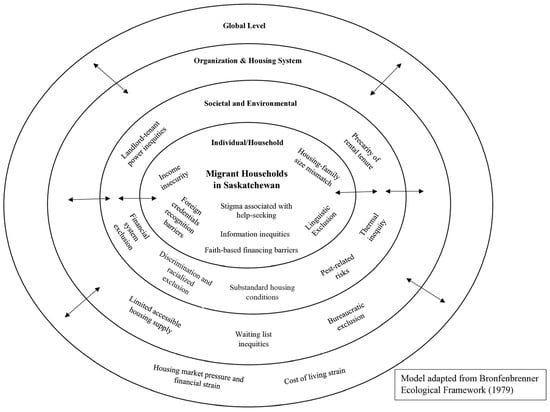
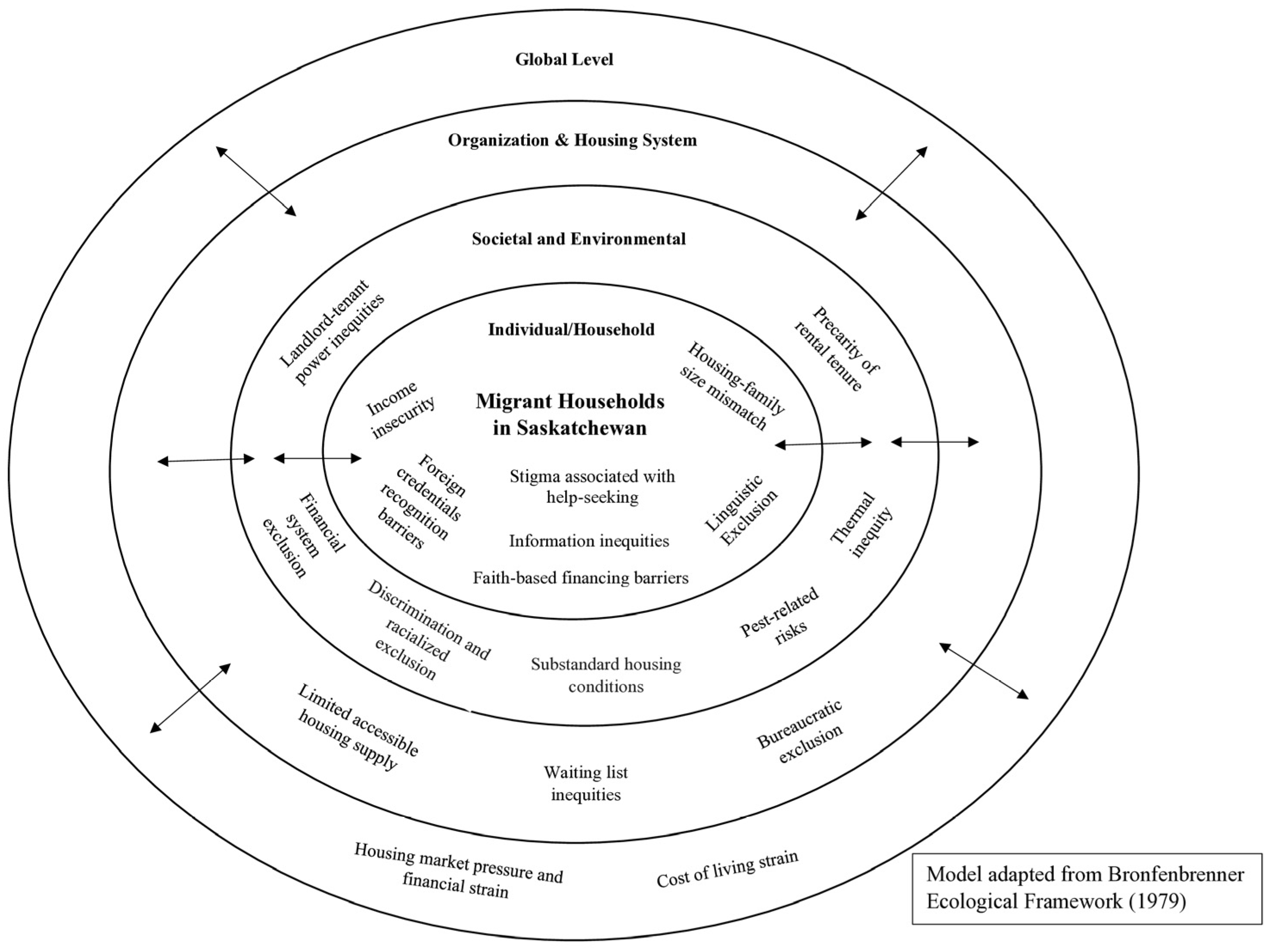

Disclaimer/Publisher’s Note: The statements, opinions and data contained in all publications are solely those of the individual author(s) and contributor(s) and not of MDPI and/or the editor(s). MDPI and/or the editor(s) disclaim responsibility for any injury to people or property resulting from any ideas, methods, instructions or products referred to in the content. |
© 2026 by the author. Licensee MDPI, Basel, Switzerland. This article is an open access article distributed under the terms and conditions of the Creative Commons Attribution (CC BY) license.