Article

Biofilm and Gene Expression Characteristics of the Carbapenem-Resistant Enterobacterales, Escherichia coli IMP, and Klebsiella pneumoniae NDM-1 Associated with Common Bacterial Infections
by
Majid Al-Bayati
and
Shivanthi Samarasinghe
*
Leicester School Allied Health Sciences, Faculty of Health & Life Sciences, De Montfort University, Leicester LE1 9BH, UK
*
Author to whom correspondence should be addressed.
Int. J. Environ. Res. Public Health 2022, 19(8), 4788; https://doi.org/10.3390/ijerph19084788

Submission received: 27 February 2022 / Revised: 12 April 2022 / Accepted: 12 April 2022 / Published: 14 April 2022
(This article belongs to the Special Issue Microbial Biofilms-Implications for Healthcare and Environment)

Abstract

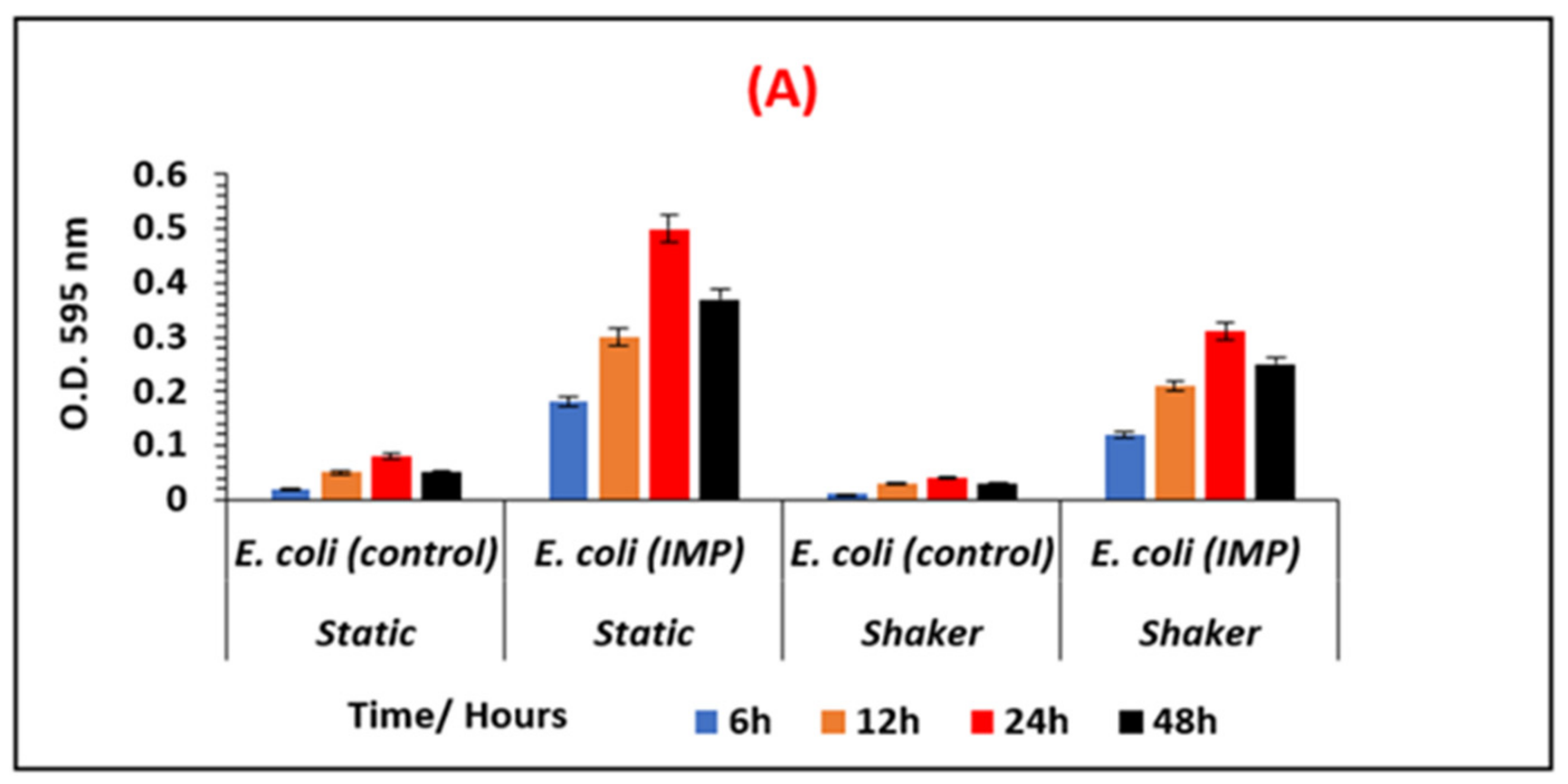
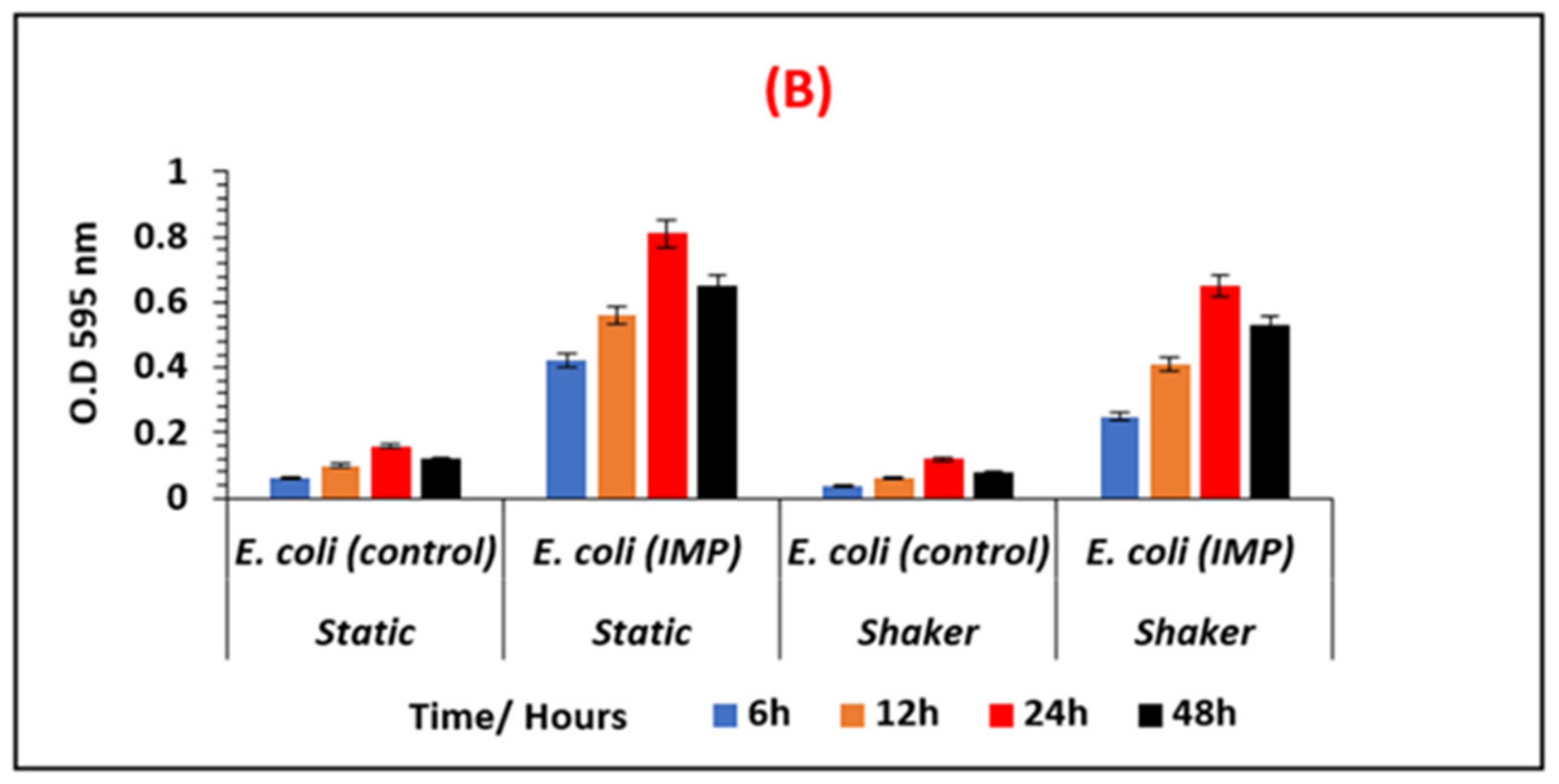
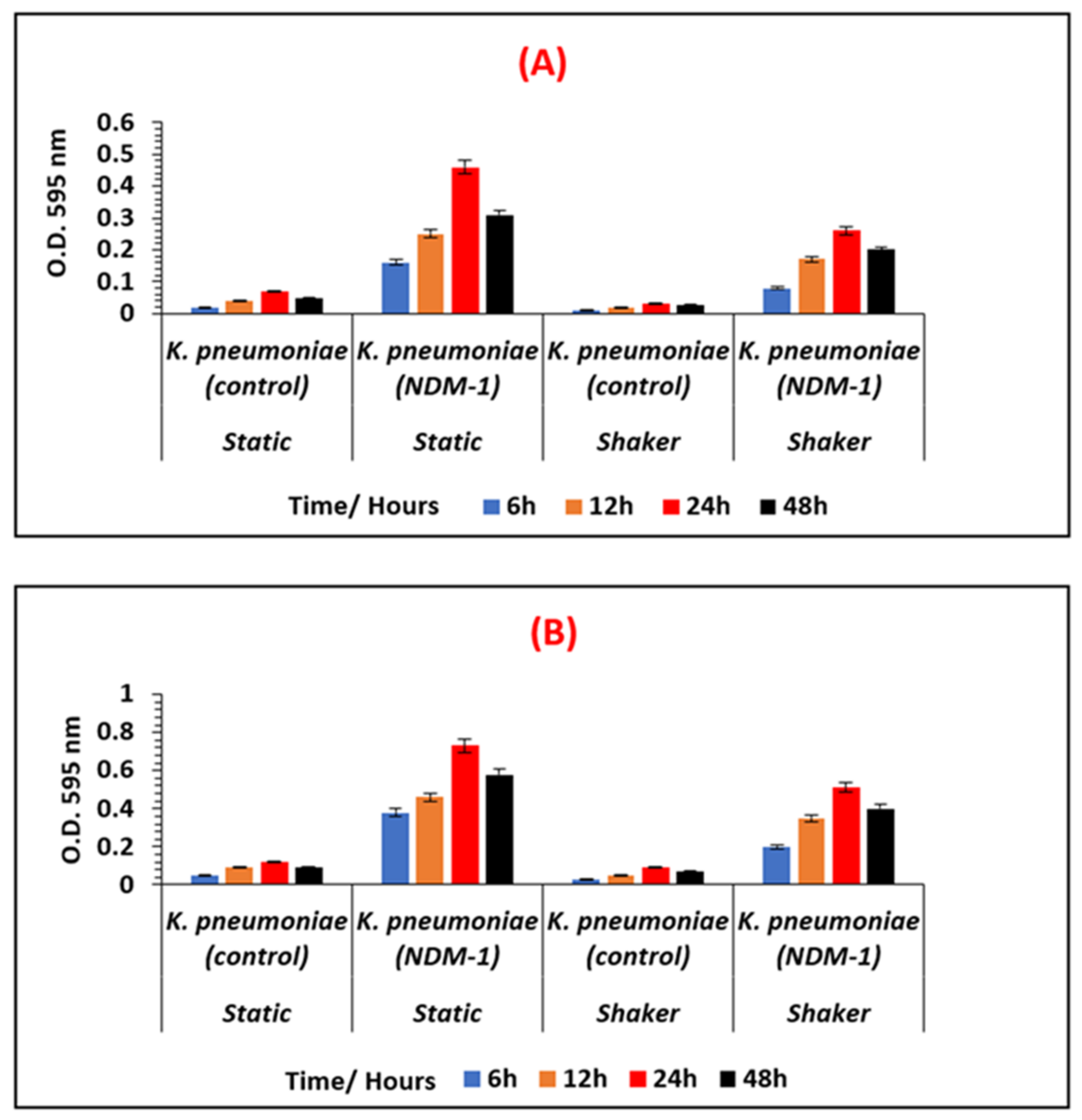
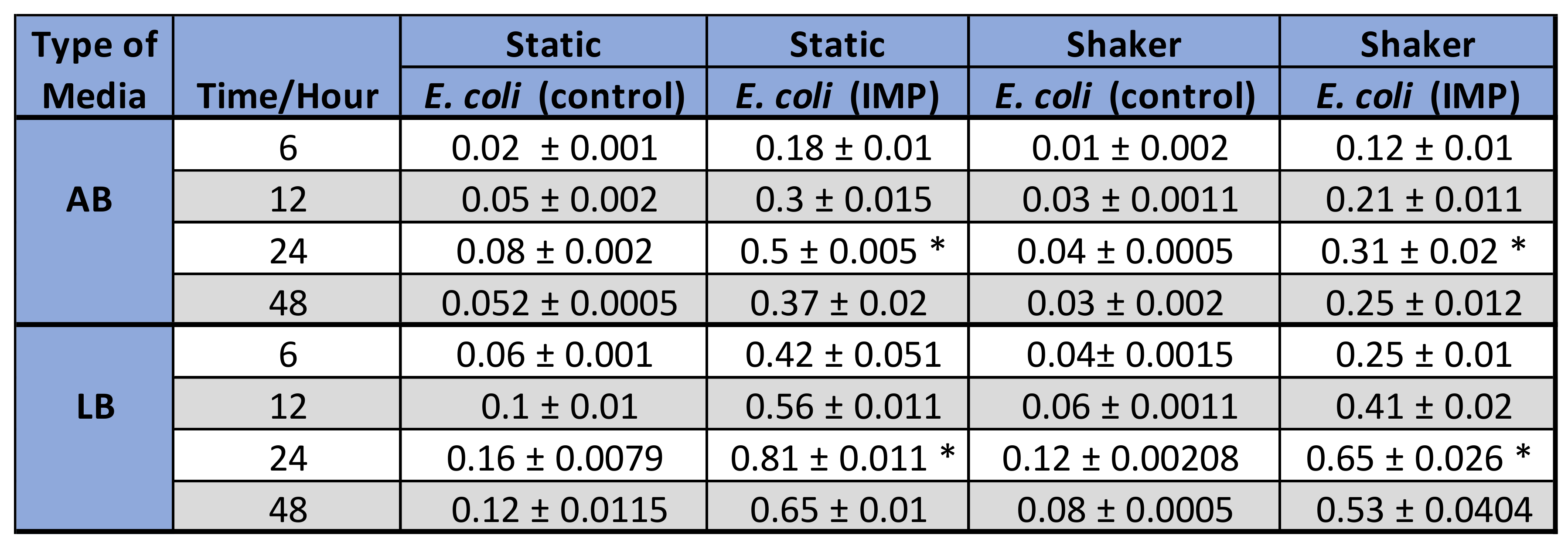
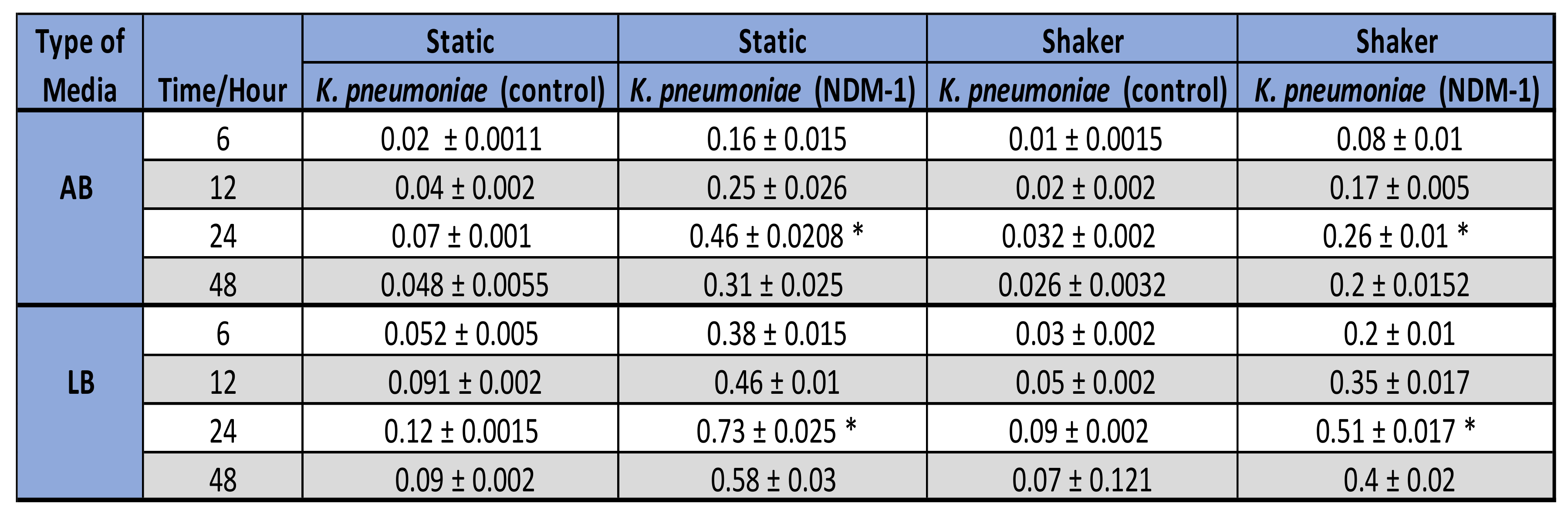
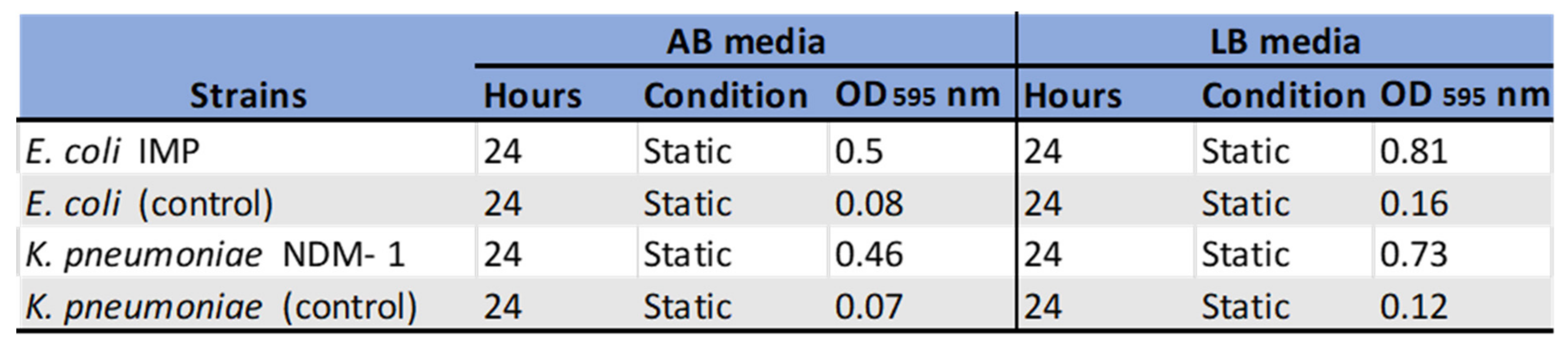
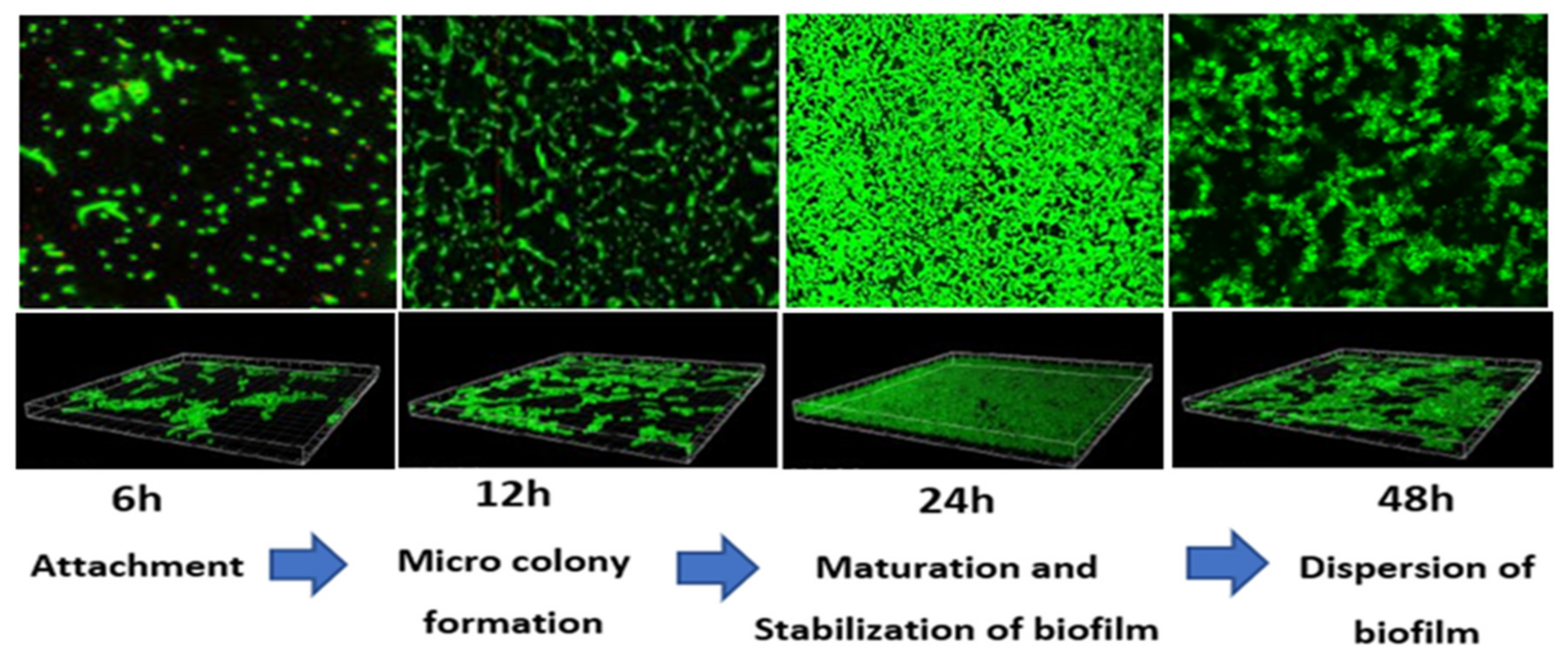
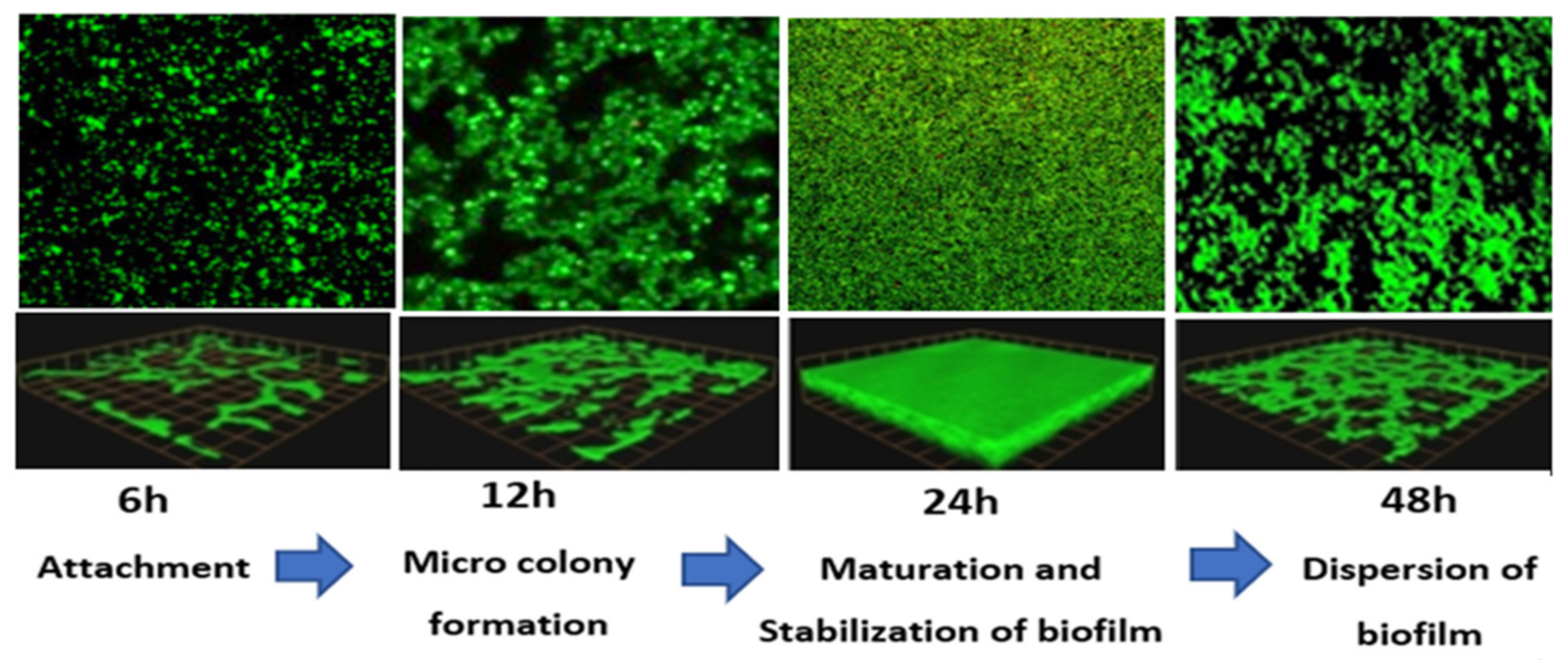
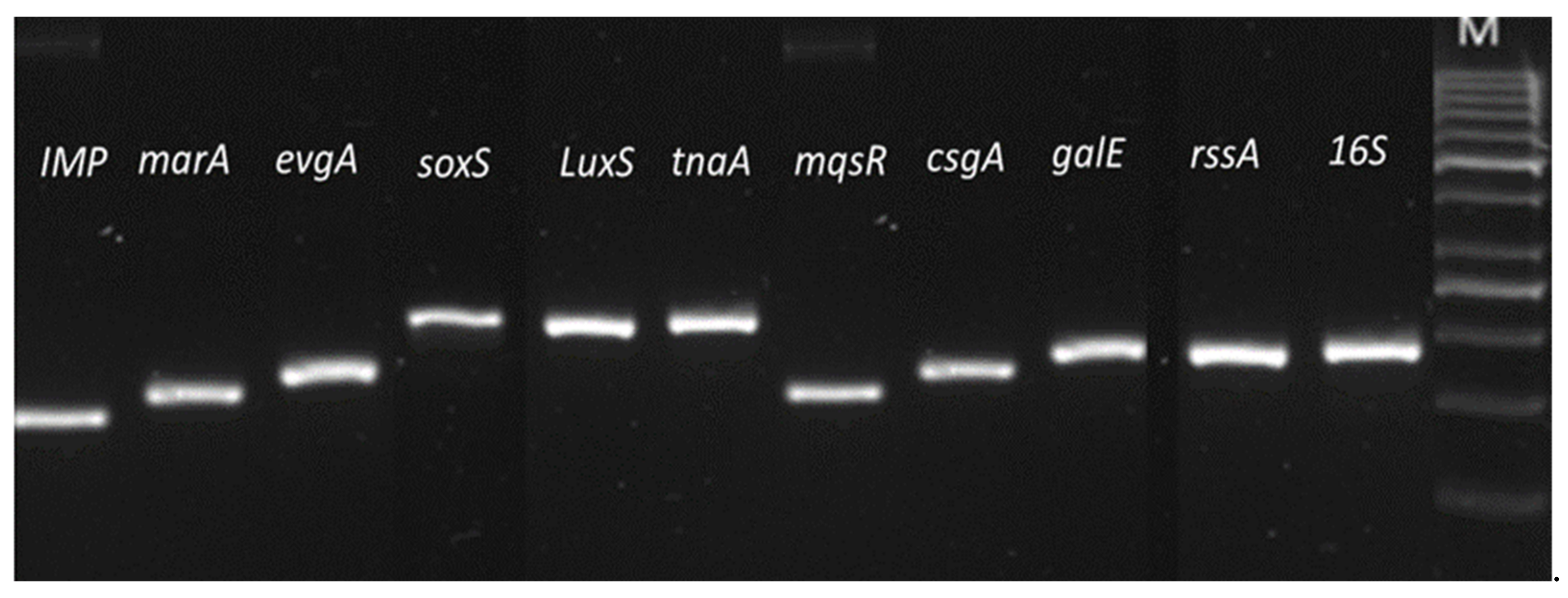
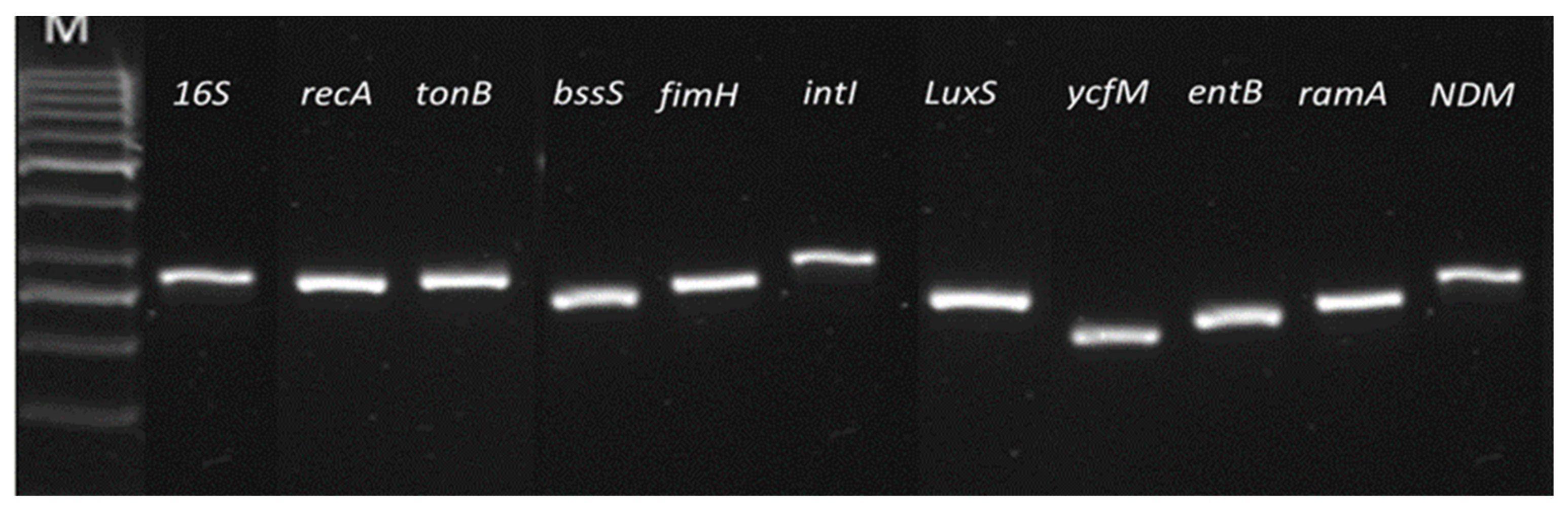
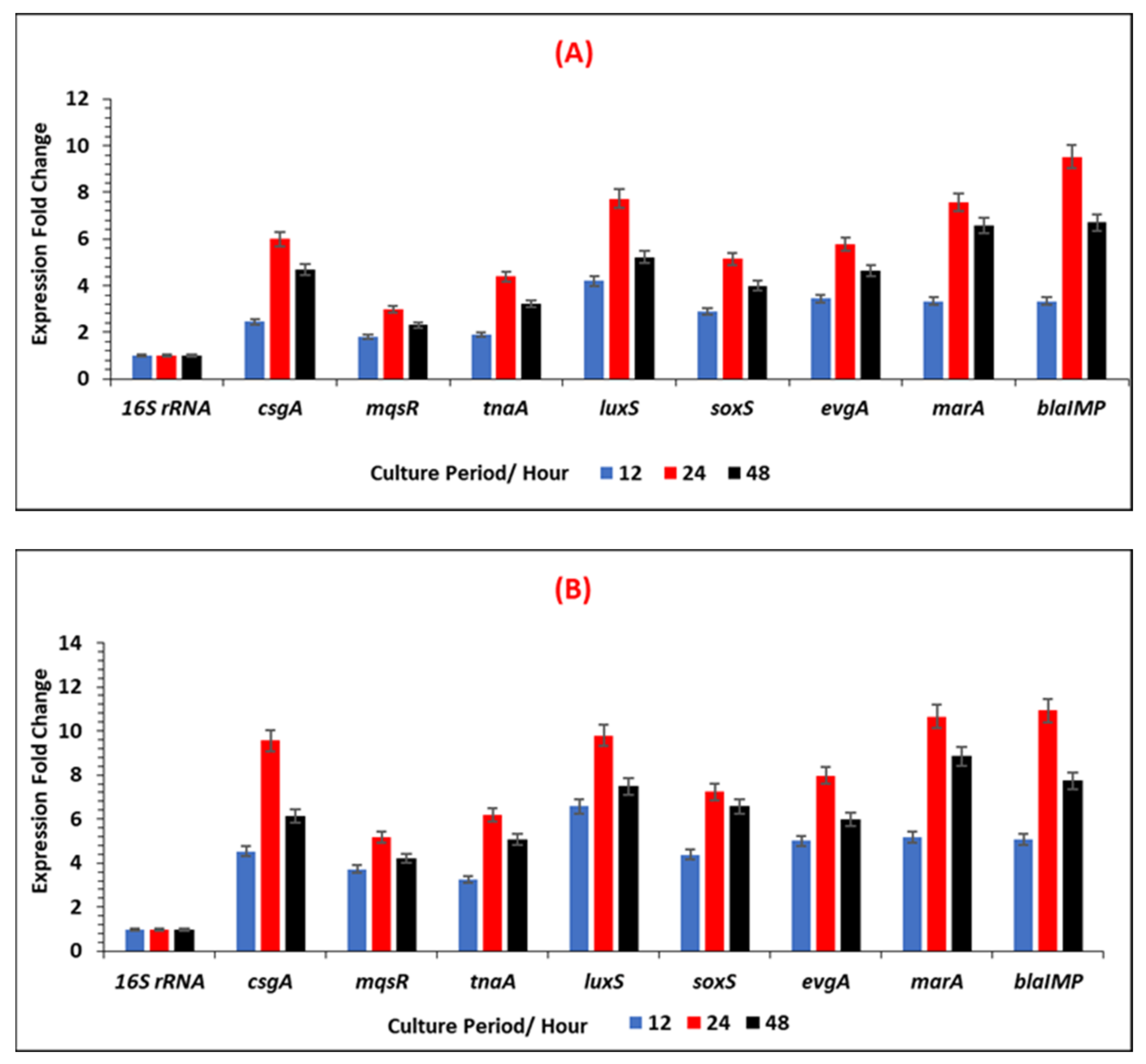
In light of the limited therapeutic options with Carbapenem-Resistant Enterobacterales (CRE) infections, understanding the bacterial risk factors, such as biofilm formation and related gene expression of CRE, is vital. This study investigates the biofilm formation and biofilm-related gene expression of two enteric Enterobacterales with major CR determinants Escherichia coli IMP and Klebsiella pneumoniae NDM-1, which were seen in high prevalence in most common bacterial infections over the past few years. To our knowledge, this is the first study that demonstrated the relationship between biofilm formation and the related gene expression, to understand the potential molecular mechanisms during the biofilm formation in CRE. Biofilms were quantified by tissue culture plate assay at the stages of the biofilm development: initial attachment (6 h), microcolony formation (12 h), maturation (24 h), and dispersion (48 h). In a dispersion, event bacteria detach without any mechanical means and colonise another area. To investigate the influence of different growth conditions on biofilm formation, biofilms were quantified under different growth conditions. In parallel, quantitative real-time PCR (qPCR) assessed the biofilm-related gene expression of a cluster of genes, including biofilm maturation, quorum sensing, stress survival, and antibiotic resistance. Structural changes during biofilm development were assessed via confocal laser scanning microscopy (CLSM). We observed that the biofilm formation of CRE is correlated with the biofilm development stages, with maximum biofilm observed at 24 h at the maturation stage. Our data also showed that biofilm growth, under the condition tested, is the major factor influencing the variability of biofilm gene expression quantification assays. qPCR analyses have demonstrated that the expression of biofilm-related genes is highly correlated with phenotypic biofilm development, and these findings can be further expanded to understand the variation in regulation of such genes in these significant CRE pathogens. Our study demonstrated that both CRE strains, E. coli IMP and K. pneumoniae NDM-1, are high biofilm formers, and genes involved in biofilm development are upregulated during biofilm growth. The characteristic of the increased biofilm formation with the upregulation of antibiotic-resistant and biofilm-related genes indicates the successful pathogenic role of biofilms of these selected CRE and is attributed to their multi-drug resistance ability and successful dissemination of CRE in common bacterial infections.
Keywords: carbapenems-resistant bacteria; E. coli; K. pneumonia; growth conditions; biofilm assay; confocal scanning laser microscopy; qPCR biofilm-related gene expression; Enterobacteriaceae carbapenems-resistant bacteria; E. coli; K. pneumonia; growth conditions; biofilm assay; confocal scanning laser microscopy; qPCR biofilm-related gene expression; Enterobacteriaceae