


Abstract
Cardiovascular diseases (CVDs) and Alzheimer’s disease (AD) are among the most prevalent chronic conditions, contributing significantly to global morbidity and healthcare burdens. These diseases are increasingly recognized as interconnected through shared mechanisms such as vascular dysfunction, oxidative stress, hypertension, and systemic inflammation, collectively referred to as the CVD-AD axis. Although therapeutic strategies exist for each condition, integrated approaches targeting these common pathways remain limited. This review highlights marine-derived bioactive peptides (BAPs) as multifunctional, sustainable agents for the simultaneous prevention of CVD and AD. It summarizes recent advances in their production, purification, and characterization, with emphasis on enzymatic hydrolysis and separation techniques. Marine BAPs exhibit diverse bioactivities, antioxidant, anti-inflammatory, lipid-lowering, antihypertensive, and neuroprotective, addressing key pathological mechanisms of the CVD-AD axis. Their small size, stability, and favorable safety profile support absorption and initial bioavailability, while sustainable sourcing from underutilized marine biomass enables eco-friendly production. Despite their potential, barriers to scalable production, product standardization, and regulatory approval remain; however, incremental advances are being made toward overcoming these issues. Together with these advances, marine BAPs remain promising candidates for functional foods and nutraceuticals, providing integrated preventive strategies for age-related diseases and supporting long-term cardiovascular and cognitive health.
1. Introduction
The escalating global prevalence of chronic diseases, particularly cardiovascular diseases (CVD) and Alzheimer’s disease (AD), poses a growing threat to public health and healthcare sustainability. CVD, the most prevalent non-communicable disease globally, accounted for 32% of all deaths in 2021, totaling 17.9 million fatalities [1]. This burden is projected to nearly double by 2050, with a disproportionate impact in low- and middle-income countries where access to preventive care remains limited [2]. The economic consequences are equally severe, with U.S. healthcare costs expected to exceed USD 1.3 trillion annually by 2050 [3,4]. In parallel, AD, which accounts for 60 to 80% of dementia cases, currently affects over 50 million people and is projected to reach 152 million by 2050. A new case is diagnosed every three seconds, underscoring the urgent need for coordinated intervention strategies [5].
CVD encompasses a wide range of disorders that affect the heart and blood vessels, including coronary artery disease, hypertension, heart failure, and stroke. These conditions are primarily characterized by impaired blood flow, arterial stiffness, and endothelial dysfunction, often resulting from atherosclerosis and chronic inflammation. In addition to their cardiovascular consequences, CVD has been increasingly implicated in cognitive impairment due to chronic cerebral hypoperfusion and microvascular damage in the brain.
AD is a progressively deteriorating neurodegenerative disorder characterized by early memory loss and eventual multi-domain cognitive impairment. Its pathology is driven by the extracellular deposition of amyloid-beta (Aβ) plaques and the intracellular accumulation of hyperphosphorylated tau proteins in the form of neurofibrillary tangles. These pathological changes disrupt synaptic communication, trigger neuroinflammation, and lead to widespread neuronal loss. Clinical diagnosis relies on cognitive testing, neuroimaging, and cerebrospinal fluid biomarkers, such as reduced Aβ42 and increased total or phosphorylated tau [6].
Although traditionally considered distinct, CVD and AD are now recognized as pathophysiologically interconnected. This relationship is now referred to as the CVD-AD axis, a conceptual framework that highlights their bidirectional interactions through shared mechanisms such as vascular inflammation, oxidative stress, endothelial damage, and impaired lipid metabolism. Vascular pathology in CVD can impair cerebral perfusion and compromise the blood–brain barrier (BBB), thereby facilitating amyloid accumulation and tau phosphorylation. Conversely, AD-related neurodegeneration may dysregulate autonomic cardiovascular control, further exacerbating vascular pathology. Epidemiological studies support the idea that midlife hypertension, diabetes, and dyslipidemia significantly elevate the risk of late-life AD [1,5].
The complexity of the CVD-AD axis underscores the need for multifactorial dietary strategies for disease prevention and management. Marine ecosystems offer a largely untapped source of bioactive compounds with potential disease-modifying properties. Adapted to extreme conditions such as high salinity, temperature fluctuations, and low nutrient availability, marine organisms produce structurally diverse metabolites through unique biochemical pathways [7]. Among these, marine-derived bioactive peptides (BAPs) have attracted growing interest due to their potent biological activities, chemical stability, and favorable safety profiles. Evidence also suggests that dietary incorporation of BAPs can provide multifunctional benefits, potentially mitigating the onset or progression of both CVD and AD [8].
2. Exploring Marine BAPs as Promising Preventive Resource Against CVD and AD
In recent decades, bioactive natural compounds have garnered significant attention for their preventive potential [9]. Among them, “blue foods”, derived from aquatic environments such as marine algae, fish, mollusks, and other ocean-based organisms, have emerged as promising sources of pharmacological and nutraceutical agents. Given that oceans cover more than 70% of the Earth’s surface, marine environments represent a vast and largely unexplored reservoir of chemically diverse bioactive [10]. Adaptation to extreme marine conditions, such as high pressure, salinity fluctuations, low temperatures, and limited nutrients, has driven the evolution of unique metabolic pathways in marine organisms. These pathways produce structurally novel and biologically potent molecules that are rarely found in terrestrial species [7]. According to the World Register of Marine Species [11], over 368,000 accepted species have been documented, highlighting the immense chemical and biological diversity that remains underutilized.
Marine-derived compounds encompass a diverse array of bioactive molecules, including polysaccharides, polyunsaturated fatty acids (PUFAs), polyphenols, pigments, proteins, enzymes, and vitamins. Among these, marine-derived BAPs have received particular attention due to their multifaceted biological properties and relatively low toxicity [12]. These peptides, typically composed of 3–20 amino acid residues, exhibit activities that are largely dependent on their primary sequence, hydrophobicity, molecular weight, and charge distribution [8]. Low molecular weight peptides (<3000 Da) are of particular interest, as their small size facilitates transport across the intestinal epithelium, resulting in improved systemic bioavailability [13]. Compared to terrestrial peptides, marine BAPs often exhibit enhanced bioactivity, thermal and enzymatic stability, and reduced immunogenic potential. These attributes are primarily associated with their unique amino acid composition and secondary structure [14].
In the context of chronic disease prevention, particularly for CVD and AD, marine-derived BAPs have been increasingly investigated as promising modulators of shared pathological processes such as inflammation, oxidative stress, and endothelial dysfunction [15]. Although synthetic therapeutics including statins, anti-inflammatory agents, and anticoagulants are widely used in managing these conditions, their long-term use is frequently associated with adverse outcomes, including hepatic and renal toxicity, gastrointestinal disturbances, hemorrhagic risk, and polypharmacy complications [16,17]. Moreover, concerns regarding poor biodegradability and environmental accumulation have further limited their appeal in sustainable healthcare [18,19].
3. Biodiversity of Marine BAPs Sources: From Microbes to Vertebrates
3.1. Major BAP-Producing Organisms
The marine environment hosts an extraordinary diversity of life, ranging from microorganisms to vertebrates, each representing a potential source of BAPs. Microorganisms, including bacteria, fungi, and microalgae, are particularly attractive due to their rapid growth, ease of cultivation, and capacity to produce structurally diverse peptides with potent bioactivities. Macro-organisms, such as seaweeds, sponges, cnidarians, mollusks, segmented worms, arthropods, echinoderms, and chordates, contribute additional biochemical complexity, producing peptides with unique sequences, structural motifs, and multifunctional properties [20].
3.1.1. Marine Microorganisms and Algae
Marine microorganisms, encompassing bacteria, fungi, and actinomycetes, are prolific sources of bioactive compounds demonstrating diverse preventive potential. Their remarkable resilience, enabling survival in extreme marine environments characterized by high salinity, intense pressure, nutrient scarcity, and low temperatures, drives the production of unique BAPs via fermentation and secondary metabolism. This adaptation yields biomolecules with significant biological activities [21,22].
Similarly, both microalgae and macroalgae (seaweed) stand out as invaluable reservoirs of protein-rich BAPs. Seaweed has attracted considerable interest within the food industry. Their rich composition of bioactive compounds, including proteins, peptides, peptide derivatives, amino acids, and other amino acid-like metabolites, positions them as key ingredients for nutraceuticals and functional foods [23]. Beyond their nutritional value, macroalgae proteins, found within cell wall structures, pigments, enzymes, and lectins, are pivotal in determining their promise as BAP sources [24]. While protein content in seaweed is species-dependent, red algae generally exhibit the highest levels, reaching up to 47% of their dry weight. The green algae follow with 9–26%, and brown algae with 3–15%. For instance, Porphyra tenera and Palmaria palmata (red algae) boast protein levels of 47% and 35% (w/w), respectively, and the green alga Ulva pertusa contains approximately 26% (w/w) protein [25]. It is important to note, however, that their protein composition is influenced by environmental factors such as temperature, light exposure, and water salinity, which regulate nutrient availability and nitrogen levels [26].
3.1.2. Marine Invertebrates
Comprising a highly diverse and ecologically significant group, marine invertebrates thrive across a vast array of saltwater environments. This group encompasses species like sponges, corals, cnidarians, polychaetas, mollusks, crustaceans, and echinoderms [27]. Their ubiquitous distribution spans marine ecosystems from the intertidal zone to the deep ocean. Historically, coastal populations have long valued marine invertebrates for both dietary and medicinal applications, a tradition deeply rooted in cultural heritage [28]. Comprehensive chemical profiling of these organisms, including sponges, cnidarians, mollusks, and echinoderms, frequently highlights the predominance of hydrosoluble proteins. Moreover, the BAPs originating from marine invertebrates often correlate with their unique amino acid profiles and manifest a broad spectrum of pharmacological properties. Notably, glycine, arginine, glutamic acid, and aspartic acid are typically present in the highest concentrations, thereby enhancing the diverse bioactivities attributed to these organisms [29].
Additionally, shellfish, particularly crustaceans and mollusks, are recognized as a valuable source of high-quality protein, with protein content ranging between 7% and 23% (w/w) [30,31], making them an attractive candidate for BAP development. In crustaceans, both edible (muscle or meat, ~65% w/w) and inedible (heads, shells, and tails, 35–45% w/w) portions contain significant amounts of protein, further highlighting their potential as BAP sources [32]. Furthermore, recent reviews have elucidated the vast functional properties of peptides derived from marine invertebrates, underscoring their promising roles in modern preventive development [33,34].
3.1.3. Marine Vertebrates
Fish represents a vital source of high-quality protein globally, serving as a staple in the human diet due to its rich composition of macronutrients and micronutrients, including essential amino acids, vitamins, minerals, and long-chain polyunsaturated fatty acids. Beyond its nutritional value, fish proteins have garnered significant attention as novel sources of BAPs with diverse physiological benefits. Fish bioactive compounds, naturally occurring in various tissues such as muscle, skin, bones, and internal organs, exhibit a broad spectrum of bioactivities, including antioxidants, anti-inflammatory, anticancer, and antimicrobial properties [35]. Fish-derived bioactive compounds encompass a wide range of molecules, including peptides, proteins, lipids, pigments, and minerals, which have been linked to improvements in cardiovascular health, cognitive function, and immune modulation [36,37]
Collectively, the marine ecosystem stands out as an exceptional source of BAPs, owing to its rich biodiversity and the remarkable adaptability of marine organisms to extreme environments. Organisms ranging from microorganisms and algae to invertebrates and vertebrates contribute to a wide array of structurally and functionally diverse peptides. These marine-derived BAPs hold great promise as sustainable resources for the development of pharmaceutical, nutraceutical, and cosmeceutical products. However, their successful application depends on effective methods for peptide preparation, purification, and characterization, which are discussed in the following section. These marine-derived BAPs hold great promises for the development of pharmaceutical, nutraceutical, and cosmeceutical products. However, their sustainable utilization depends on responsible sourcing, production efficiency, and the adoption of alternative biotechnological approaches for scale-up.
3.2. Major BAP-Producing Technologies
3.2.1. Extraction Methods
A variety of strategies have been developed to release BAPs from marine organisms, with significant implications for their bioactivity, stability, and translational potential. These methods can be broadly categorized into conventional and emerging approaches, each offering distinct advantages and limitations [38]. A comparative overview of these techniques, outlining their principles, benefits, and limitations, is provided in Table 1.
The selection of an appropriate extraction and purification method depends on the desired characteristics of the final peptide product, including bioactivity, stability, and intended application. As summarized in Table 2, conventional enzymatic hydrolysis followed by molecular weight-based fractionation and chromatographic purification remain the most widely employed strategy for marine-derived BAP production, reflecting its broad applicability across diverse marine organisms [39,40,41,42,43]. However, comparison of the reported studies indicates that enzymatic hydrolysis alone frequently necessitates prolonged processing times and multiple downstream purification steps to isolate low molecular-weight bioactive peptides. In addition, several studies summarized in Table 2 report the use of microbial fermentation-based approaches, often coupled with chromatographic purification, which represent a biologically driven and comparatively natural processing route for peptide generation [44,45].
Notably, Table 2 highlights the increasing use of process-intensified and emerging methodologies, including microwave-assisted enzymatic hydrolysis, ultrasonic-assisted hydrolysis, and subcritical water hydrolysis, which are primarily applied to facilitate more rapid peptide release and to enrich short peptide fractions. Microwave-assisted enzymatic hydrolysis, in particular, is associated with accelerated protein hydrolysis through rapid volumetric heating and enhanced enzyme–substrate interactions, enabling efficient generation of short peptides (<1 kDa) under comparatively reduced processing durations [46]. Ultrasonic-assisted hydrolysis similarly promotes protein unfolding via cavitation effects [47], whereas subcritical water hydrolysis enables direct peptide generation without enzymatic treatment, although requiring careful control of reaction conditions [48].
While multi-step chromatographic purification remains indispensable for definitive peptide identification and structure–activity relationship analysis, the collective evidence presented in Table 2 suggests that hybrid strategies combining enzymatic hydrolysis with physical enhancement techniques are increasingly favored to reduce processing complexity and time, particularly in studies targeting functional food and nutraceutical applications. In addition, integrated approaches such as fermentation-assisted processing and simulated gastrointestinal digestion further expand peptide diversity and better reflect physiological relevance. Accordingly, Table 2 provides a comparative overview of both established and emerging extraction strategies employed for marine-derived BAPs with reported cardiovascular and neuroprotective activities.
Table 1.
Comparison of extraction principles and methods for marine BAPs with their advantages and limitations.
3.2.2. Purification and Identification of BAPs
Once extracted, the next critical step involves verifying the bioactivity and specificity of marine BAPs through systematic purification and characterization. Following the preparation of protein hydrolysates, assessing their bioactivity is a critical step in determining their preventive potential. This evaluation involves analyzing key physicochemical properties such as molecular weight, charge, polarity, solubility, and intermolecular interactions [50]. Upon confirming bioactivity, the next step is to fractionate the hydrolysates to isolate individual peptide fractions. Bioactive hydrolysates are subsequently subjected to fractionation using techniques such as ultrafiltration, precipitation, and chromatographic methods like high-performance liquid chromatography (HPLC) and fast protein liquid chromatography (FPLC), which enable the separation of peptides based on size, charge, or hydrophobicity. The resulting fractions are then characterized through mass spectrometry and protein sequencing, which provide detailed information on amino acid composition, structural features, and potential functional motifs [51,52].
These purification strategies have been adapted based on the biochemical complexity of different marine organisms (Table 2). For example, peptide purification from microalgae such as Spirulina maxima and Chlorella pyrenoidosa typically involves enzymatic hydrolysis followed by ultrafiltration (e.g., 1–10 kDa cutoffs), RP-HPLC, and LC-MS/MS [53,54,55]. In macroalgae such as Gracilariopsis chorda or Palmaria palmata, peptide purification begins with papain or pepsin hydrolysis and proceeds through sequential chromatographic steps. These include gel filtration using Sephadex G-25, C18 RP-HPLC, and, in some cases, solid-phase peptide synthesis (SPPS) for structural verification [56,57]. Marine invertebrates such as Stichopus japonicus, Apostichopus japonicus, and Marphysa sanguinea require species-specific workflows, often incorporating ceramic membrane filtration, DEAE columns, or nano-ESI Q-TOF-MS systems for peptide profiling [58,59,60]. Fish-derived peptides are also purified using species-specific workflows that involve enzymatic hydrolysis, membrane ultrafiltration, and RP-HPLC coupled with LC-MS/MS for structural characterization [61,62]. This taxon-dependent variability highlights the importance of optimizing the choice of enzymes, pH levels, and downstream purification parameters for each source material to achieve functionally valid and structurally defined peptides.
To accelerate discovery and functional assessment of novel peptides, advanced technologies are increasingly integrated into BAP research. In silico approaches, such as molecular docking and quantitative structure–activity relationship (QSAR) modeling integrate bioinformatics with experimental validation to predict peptide structures, activities, and targets, thereby accelerating discovery [63]. Phage display technology further enhances peptide screening by enabling rapid identification of sequences with high target specificity. Additionally, bead-based global proteomic screening (Bead-GPS) combines microarray platforms with label-free mass spectrometry, facilitating high-throughput identification of BAPs from complex mixtures [64]. For example, a study on abalone meat identified 1937 peptide sequences through separation and peptidomic analysis, and virtual screening coupled with molecular docking highlighted 14 peptides with ACE inhibitory activity [65]. Similarly, the study computationally analyzed RuBisCO proteins from commonly consumed seaweed to predict bioactive peptides, many of which were di- and tripeptides with potential DPP-IV, ACE inhibitory, antioxidant, anti-inflammatory, and anticancer activities [66].
Ultimately, these purification and identification strategies not only ensure the structural and functional validation of marine BAPs but also enhance their bioavailability, safety, and translational potential for diet-based prevention of CVD and AD. By integrating traditional and emerging approaches, researchers can produce peptides suitable for functional foods, nutraceuticals, and dietary interventions, aligning with the broader goals of food science and nutrition in preventing chronic, diet-related diseases.
Table 2.
Comprehensive strategies for extracting and purifying BAPs from marine sources.


5. Multifunctional Preventive Roles of Marine BAPs Targeting the CVD-AD Axis
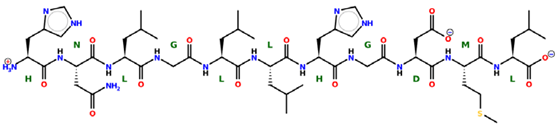
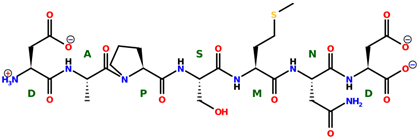
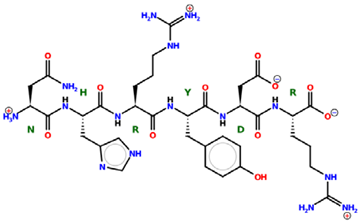
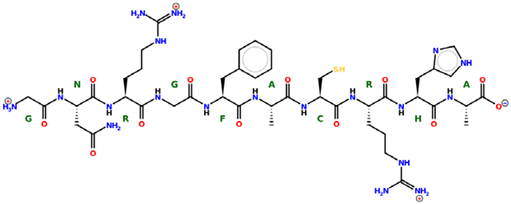
Given the convergence of oxidative stress, inflammation, and vascular dysfunction in CVD and AD, marine BAPs have gained significant attention as multifunctional agents capable of modulating shared pathologies. This section outlines evidence-based roles of marine BAPs in targeting common mechanisms across the CVD-AD axis, structured around core biological processes including oxidative imbalance, inflammation, lipid dysregulation and endothelial impairment, hypertension, and neuronal degeneration. Table 3 summarizes the functional activities of marine-derived BAPs in modulating these pathological processes central to the CVD-AD axis. A schematic diagram of BAPs in the brain–heart axis is demonstrated in Figure 1.
Table 3.
Functional activities of marine-derived BAPs in the pathophysiology of the CVD-AD axis.
Figure 1.
Schematic diagram of marine-derived BAPs in brain–heart axis.
5.1. Marine-Derived BAPs in Redox Regulation and Antioxidant Defense
Disrupted redox homeostasis is a shared pathogenic mechanism across CVD and AD, where excessive ROS production impairs endothelial integrity, accelerates lipid peroxidation, and induces neuronal toxicity [146,147,148]. This imbalance not only exacerbates vascular dysfunction but also promotes neurodegeneration through mitochondrial damage, inflammation, and apoptotic signaling [131,132,133,134,135]. Marine-derived BAPs restore redox equilibrium by directly scavenging ROS, inducing antioxidant enzymes, and activating redox-sensitive signaling pathways such as Nrf2/HO-1.
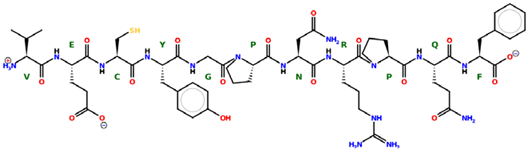
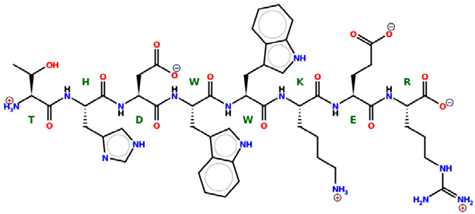
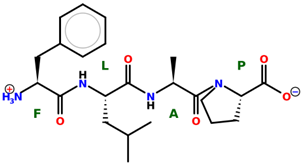
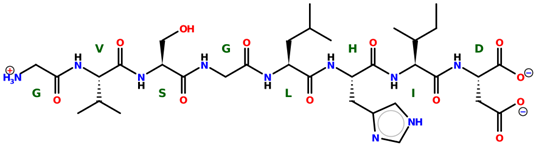
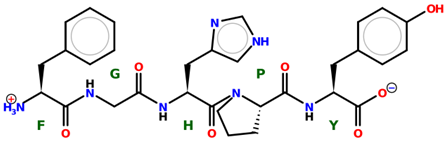
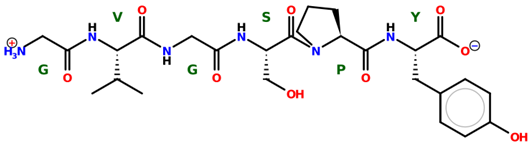
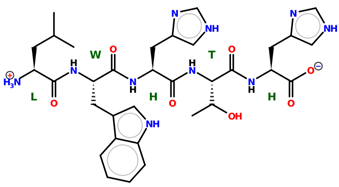
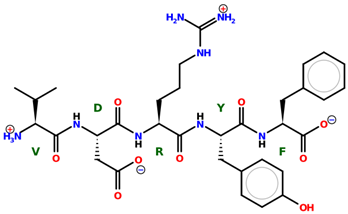
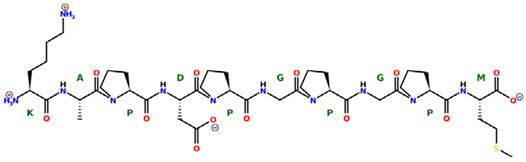
A series of marine peptides exhibit strong direct free radical neutralization activity compared to GSH or vitamin C. Phe-Gly-His-Pro-Tyr from Mytilus edulis scavenged hydroxyl radicals with 89.5% efficiency at 64.8 µM, highlighting its potent antioxidative capability [83]. Similarly, Leu-Trp-His-Thr-His from Styela clava effectively neutralized peroxyl radicals, contributing to cellular protection [91]. Lys-Ala-Pro-Asp-Pro-Gly-Pro-Gly-Pro-Met from tilapia skin neutralized ROS via hydrogen bonding and hydrophobic interactions [102], while low-molecular-weight collagen hydrolysates from tuna skin exerted ROS-scavenging effects through scavenger receptor-mediated pathways [104]. Additionally, Gly-Val-Ser-Gly-Leu-His-Ile-Asp, derived from Actinopyga Lecanora, demonstrated dose-dependent antioxidant activity [75].
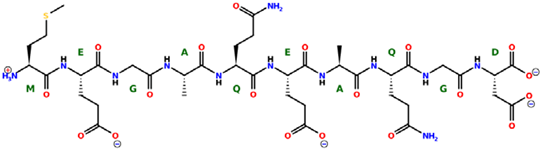
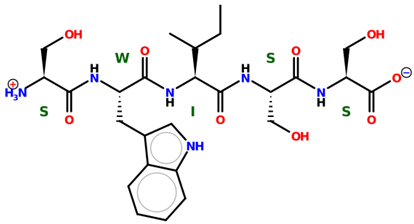
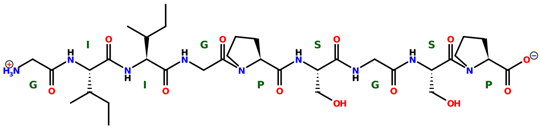
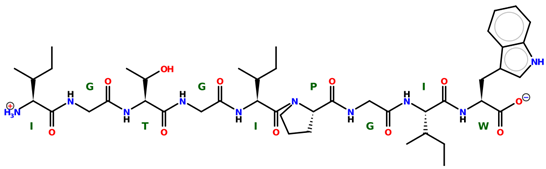
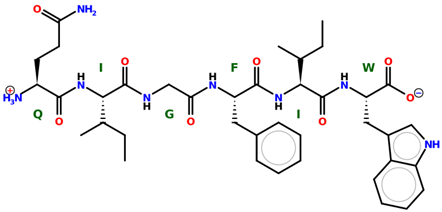
Beyond direct ROS neutralization, several peptides enhance endogenous antioxidant defenses. Asn-Cys-Trp-Pro-Phe-Gln-Gly-Val-Pro-Leu-Gly-Phe-Gln-Ala-Pro-Pro from Marphysa sanguinea upregulated catalase, SOD, and GPx in LPS-stimulated macrophages, while reducing malondialdehyde (MDA) and proinflammatory cytokines [60]. SWP-I and SWP-II from Atlantic cod swim bladder suppressed β-galactosidase and apoptosis in H2O2-exposed cells, indicating anti-senescence properties [100]. Peptides from Piaractus brachypomus, Magalaspis cordyla, and Otolithes ruber effectively inhibited lipid peroxidation and ROS accumulation, suggesting broad-spectrum redox mitigation [31,99]. Notably, Gly-Ile-Ile-Gly-Pro-Ser-Gly-Ser-Pro, Ile-Gly-Thr-Gly-Ile-Pro-Gly-Ile-Trp, and Gln-Ile-Gly-Phe-Ile-Trp from Hippocampus abdominalis showed dual ACE-inhibitory and alkyl radical scavenging activity, emphasizing their dual benefit in oxidative and vascular modulation [101].
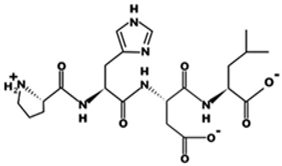
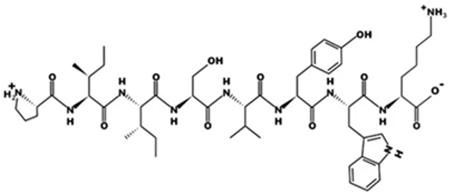
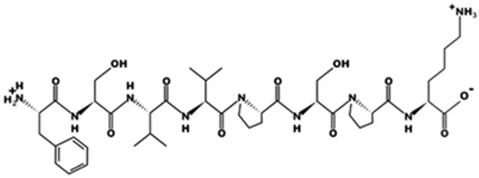
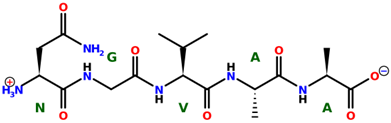
HO-1/Nrf2 axis modulation is another major mechanism through which BAPs exert antioxidative effects. Pro-Ile-Ile-Ser-Val-Tyr-Trp-Lys and Phe-Ser-Val-Val-Pro-Ser-Pro-Lys from blue mussel activated HO-1 via the Nrf2 pathway in HUVECs, providing robust protection against oxidative stress [81]. Similarly, Asn-Gly-Val-Ala-Ala from Oratosquilla woodmasoni exhibited both ACE inhibition and antioxidant activity, functioning through direct radical interaction and Nrf2-linked signaling [90].
5.2. Blood Pressure Regulation via Inhibiting Renin–Angiotensin System (RAS)
Hypertension is a major pathological contributor to both CVD and AD, acting through impaired endothelial signaling, oxidative stress, and reduced cerebral perfusion [149]. Clinical evidence shows that controlling blood pressure (BP) significantly reduces the risk of cardiovascular problems [150,151]. RAS is a crucial hormonal pathway for regulating BP. Angiotensin-converting enzyme (ACE) plays a central role in this system by converting angiotensin I into the potent vasoconstrictor, angiotensin II. Persistent ACE activity contributes to vascular remodeling and endothelial damage by disrupting NO signaling and promoting apoptotic pathways, ultimately leading to vascular and neurovascular degeneration [152]. Consequently, natural RAS modulators, particularly marine-derived ACE inhibitors, have gained attention for their therapeutic relevance.
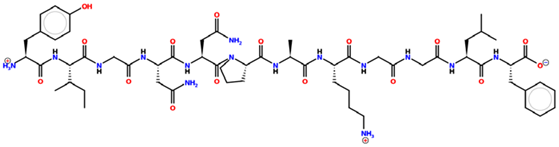
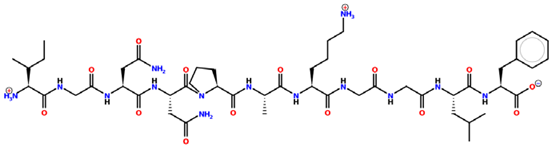
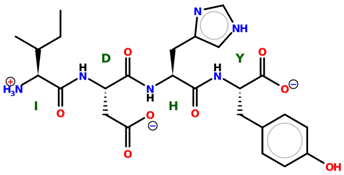
Marine algae have yielded potent ACE-inhibitory peptides. For example, Ile-Asp-His-Tyr from Gracilariopsis chorda exhibited high ACE binding affinity (−9.50 kcal/mol) via α-helix interactions [56]. Synthetic derivatives Tyr-Ile-Gly-Asn-Asn-Pro-Ala-Lys-Gly-Gly-Leu-Phe and Ile-Gly-Asn-Asn-Pro-Ala-Lys-Gly-Gly-Leu-Phe from Laminaria digitata inhibited ACE-1 by over 80% at 1 mg/mL and concurrently suppressed DPP-IV [68]. KAF from Ulva prolifera demonstrated strong ACE inhibition (IC50: 0.63 µM), with molecular docking showing key hydrogen bonds with Ala354 and Asp415 [71], highlighting their dual regulatory function.
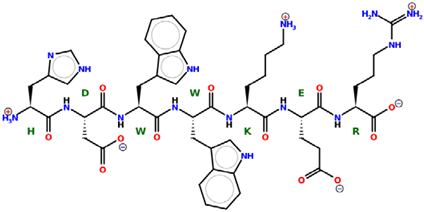
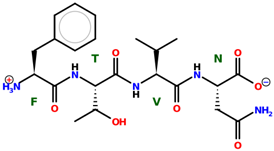
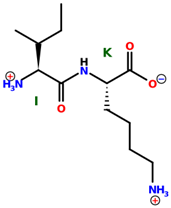
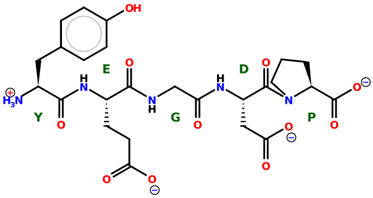
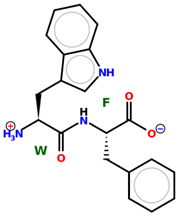
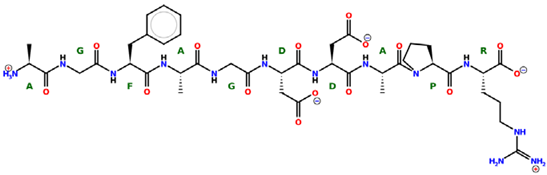
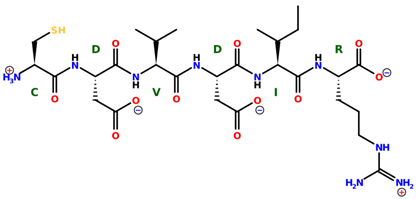
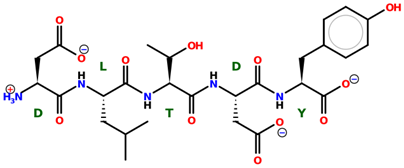
Several mollusk- and echinoderm-derived peptides have demonstrated strong ACE-inhibitory activity, with some also exhibiting endothelial-protective functions. For instance, Gly-Val-Gly-Ser-Pro-Tyr from Pinctada fucata acts as a competitive ACE inhibitor (IC50 = 5.82 µg/mL) [86]. Ala-Gly-Phe-Ala-Gly-Asp-Asp-Ala-Pro-Arg and Cys-Asp-Val-Asp-Ile-Arg from Chlamys farreri also showed potent inhibition [87]. Notably, Ile-Lys, Tyr-Glu-Gly-Asp-Pro, and Trp-Phe from Mytilus edulis bind ACE at the catalytic pocket while enhancing NO production and suppressing ROS and endothelin-1 (ET-1) in HUVECs [85]. Asp-Leu-Thr-Asp-Tyr from Crassostrea gigas significantly reduced systolic BP and ACE activity in hypertensive rats [88], and His-Asp-Trp-Trp-Lys-Glu-Arg from Apostichopus japonicus demonstrated similar efficacy via ACE binding and BP reduction in spontaneously hypertensive rats [58].
Ser-Pro and Val-Asp-Arg-Tyr-Phe from Katsuwonus pelamis not only exhibited potent ACE inhibitory activity, (IC50, 0.06 and 0.28 mg/mL) but also improved endothelial function by promoting NO release and reducing ET-1 expression [95]. Pro-Pro-Leu-Leu-Phe-Ala-Ala-Leu from Takifugu flavidus and Val-Ile-Ser-Asp-Glu-Asp-Gly-Val-Thr-His from Ruditapes philippinarum displayed combined ACE-inhibitory and antioxidant effects, contributing to endothelial homeostasis [49,61]. Asp-Pro-Ala-Leu-Ala-Thr-Glu-Pro-Asp-Pro-Met-Pro-Phe from Oreochromis niloticus enhanced both endothelial and neuronal resilience in BV-2 cells through ACE inhibition and oxidative stress mitigation [96].
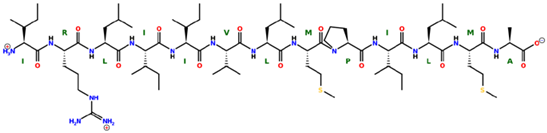
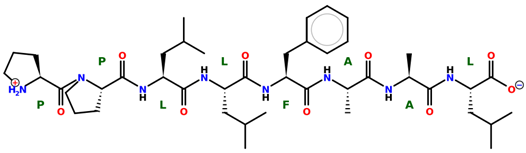
Expanding RAS modulation upstream, Ile-Arg-Leu-Ile-Ile-Val-Leu-Met-Pro-Ile-Leu-Met-Ala from Palmaria palmata inhibited renin and significantly decreased systolic BP in SHR rats following oral administration at 50 mg/kg [57,70]. This suggests a complementary mechanism beyond ACE targeting, supporting broader intervention strategies. Marine-derived BAPs exhibit multimodal antihypertensive actions by inhibiting ACE and renin, enhancing endothelial resilience, and attenuating oxidative injury. Due to their multi-target effects across the RAS, oxidative stress, and vascular signaling, BAPs are promising candidates for integrated CVD and AD prevention strategies.
In many studies, Captopril® is used as the standard reference for ACE inhibition. Compared with Captopril®, the ACE-inhibitory potency of marine-derived BAPs is generally lower, requiring higher peptide concentrations to achieve similar effects. For example, the peptides Tyr-Ile-Gly-Asn-Asn-Pro-Ala-Lys-Gly-Gly-Leu-Phe and Ile-Gly-Asn-Asn-Pro-Ala-Lys-Gly-Gly-Leu-Phe inhibited ACE by over 80% at 1 mg/mL, whereas Captopril® achieved comparable inhibition at a much lower concentration of 0.05 mg/mL [68]. Nevertheless, marine BAPs demonstrate multi-target antihypertensive potential, including enhanced nitric oxide production, reduced endothelin-1 levels, and mitigation of oxidative stress, which likely contribute to their overall vascular and neuroprotective effects.
5.3. Regulation of Lipid Metabolism and Endothelial Function
Atherosclerosis underlies both CVD and neurovascular dysfunction in AD, serving as a mechanistic bridge via common processes including lipid accumulation, oxidative stress, and endothelial dysfunction [111]. Chronic exposure to risk factors such as hypertension, dyslipidemia, and hyperglycemia leads to endothelial activation, increased permeability, and foam cell formation, which collectively impair vascular homeostasis and promote systemic and cerebral inflammation [153,154]. In this context, marine BAPs have gained attention as multifunctional modulators capable of restoring lipid balance, reinforcing endothelial stability, and mitigating inflammation-related damage across the CVD-AD axis.
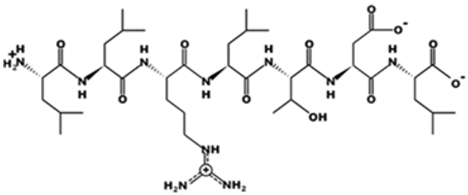
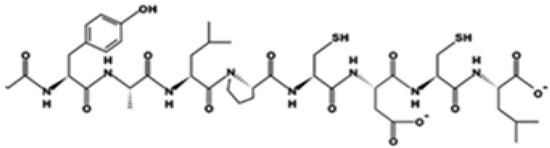
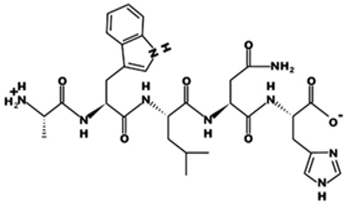
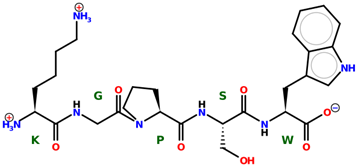
Marine-derived bioactive peptides (BAPs) help regulate lipid homeostasis and foam cell formation, which are early and critical steps in atherogenesis and cognitive decline. For example, blue mussel peptides Pro-Ile-Ile-Ser-Val-Tyr-Trp-Lys and Phe-Ser-Val-Val-Pro-Ser-Pro-Lys significantly reduced lipid-laden foam cell formation in RAW264.7 macrophages and human aortic smooth muscle cells (hASMCs) [79]. Similarly, peptides Leu-Leu-Arg-Leu-Thr-Asp-Leu, Gly-Tyr-Ala-Leu-Pro-Cys-Asp-Cys-Leu, Ala-Trp-Leu-Asn-His, and Pro-His-Asp-Leu from ark shell modulated cholesterol trafficking and exhibited lipid-lowering effects in macrophage models, suggesting that BAPs can correct dyslipidemia-induced inflammation [78,79]. These effects may involve modulation of scavenger receptor activity and restoration of the balance between cholesterol influx and efflux. In these studies, 10 µM of simvastatin and rosiglitazone were used as positive controls.
In parallel, BAPs strengthen endothelial junction integrity and suppress vascular inflammation by modulating adhesion molecules and preserving structural proteins. A conjugate of hydrolyzed jellyfish collagen and black jelly mushroom maintained endothelial viability in EA.hy926 cells under cholesterol stress and increased the expression of VE-cadherin, a key adherents junction protein [85]. An 11-residue peptide derived from Chlorella significantly reduced expression of adhesion molecules such as E-selectin, ICAM-1, VCAM-1, and MCP-1 under inflammatory conditions, thereby preserving endothelial barrier function and attenuating leukocyte recruitment, data compared with 0.25 mM of Indomethacin [54].
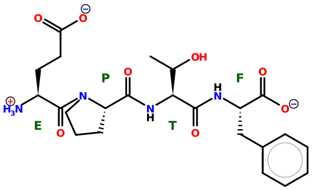
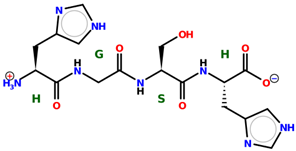
Through antioxidant defense and anti-apoptotic mechanisms, marine BAPs also confer vascular protection under oxidative stress. Low molecular weight peptides (<1 kDa) from Mytilus coruscus reduced oxidative stress and lipid peroxidation by modulating the NF-κB and Nrf2 signaling pathways [84]. His-Gly-Ser-His and Lys-Gly-Pro-Ser-Trp peptides from Hippocampus abdominalis activated the HO-1/Nrf2 axis and attenuated endothelial apoptosis [92]. Similarly, Glu-Pro-Thr-Phe and Phe-Thr-Val-Asn peptides derived from blue mussels protected HUVECs from oxidative injury which induced by H2O2 by enhancing cellular antioxidant defenses and suppressing intrinsic apoptotic pathways [82]. In support of these in vitro observations, marine collagen peptides obtained from wild-caught Oncorhynchus keta improved endothelial function in diabetic models [94]. It achieved by reducing both circulating and vascular levels of CF6 and mitochondrial proteins, inhibiting endothelial apoptosis, and increasing PPARγ expression, a nuclear receptor that regulates lipid and glucose metabolism, at doses ranging from 2.25 to 9.0 g/kg/day. These results underscore the multifaceted role of BAPs in maintaining vascular homeostasis under oxidative challenge, supporting their therapeutic relevance to both CVD and AD pathophysiology.
Together, these results demonstrate the multifactorial roles of marine BAPs in regulating lipid metabolism, preserving endothelial integrity, and mitigating oxidative damage. Their coordinated activity across vascular and metabolic axes offers an integrated therapeutic approach for addressing both atherogenesis and neurovascular impairment associated with AD.
5.4. Anti-Inflammatory Actions and Immune Modulation by BAPs
Persistent inflammation is a shared pathophysiological hallmark of both CVD and AD, driving vascular injury, immune dysregulation, and neuronal degeneration [155,156,157]. Initiated by endothelial activation, inflammation promotes the expression of adhesion molecules such as ICAM-1 and VCAM-1, facilitating monocyte infiltration and cytokine release, which in turn propagates both atherogenesis and neuroinflammatory damage. The chronic inflammatory environment contributes to BBB dysfunction, ROS overproduction, and neurotoxic cytokine accumulation, serving as a mechanistic bridge between peripheral vascular pathology and central nervous system decline [132].
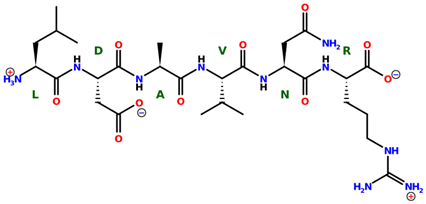
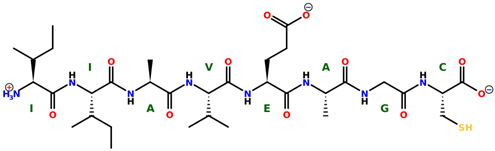
Marine-derived BAPs have demonstrated significant efficacy in modulating endothelial inflammatory pathways. The octapeptide Ile-Ile-Ala-Val-Glu-Ala-Gly-Cys from Isochrysis zhanjiangensis significantly downregulated ICAM-1, VCAM-1, TLR-4, NOS-2, COX-2, IL-6, and TNF-α in LPS-stimulated HUVECs. It also reduced ROS generation by activating the Nrf2/SOD/HO-1 pathway and inhibited both apoptosis and angiogenesis via PI3K/Akt and MAPK signaling [69]. Likewise, Leu-Asp-Ala-Val-Asn-Arg and Met-Met-Leu-Asp-Phe from Spirulina maxima suppressed IL-8, MCP-1, and E-selectin expression in histamine-stimulated EA.hy926, operating primarily through PKCδ-regulated MAPK and Egr-1 pathways [53].
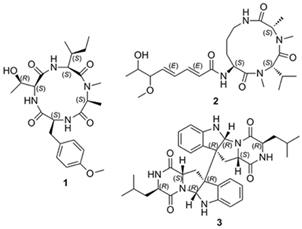
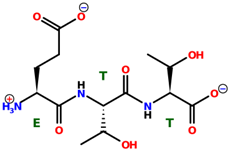
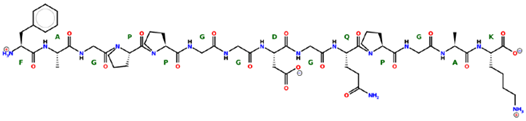
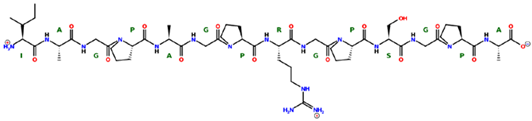
Beyond endothelial targets, marine BAPs also attenuate inflammation in immune effector cells. The tripeptide Glu–Thr–Thr from I. zhanjiangensis significantly reduced the expression of proinflammatory cytokines (IL-1β, IL-8, TNF-α), inflammatory enzymes (iNOS, COX-2), and vascular signaling components (ET-1, AT-1R) in Ang II-stimulated HUVECs, implicating MAPK/NF-κB/Akt pathways in its mechanism of action. Captopril® (10 mg/kg) was used as the positive control to detect systolic blood pressure [73]. Similarly, collagen-derived peptides Phe-Ala-Gly-Pro-Pro-Gly-Gly-Asp-Gly-Gln-Pro-Gly-Ala-Lys, and Ile-Ala-Gly-Pro-Ala-Gly-Pro-Arg-Gly-Pro-Ser-Gly-Pro-Ala, isolated from Salmo salar skin, significantly suppressed NO and proinflammatory cytokine levels in macrophages activated by LPS exposure, indicating potent anti-inflammatory effects within the monocyte-macrophage lineage [97]. Marine fungi are also a source of potent anti-inflammatory compounds. A cyclic tetrapeptide, sclerotiotide-type tripeptide, and diketopiperazine dimer from Aspergillus violaceofuscus were found to significantly inhibit IL-10 production in THP-1 cells, with the cyclic tetrapeptide and diketopiperazine dimer achieving 84.3% and 78.1% inhibition, respectively, at concentrations as low as 10 µM [67].
Collectively, these studies underscore the multimodal anti-inflammatory potential of marine-derived BAPs. By targeting both endothelial activation and immune cell cytokine production, BAPs disrupt the sustained inflammatory loops that underlie CVD-AD pathogenesis. Their multifunctional actions across redox, adhesion, and cytokine networks support their integration into strategies aimed at preventing or delaying the progression of both vascular and neurodegenerative diseases.
5.5. Integrated Neuroprotective Mechanisms of Marine BAPs
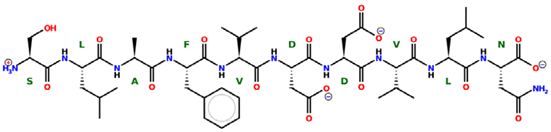
Marine-derived BAPs exert neuroprotective effects by targeting early pathogenic triggers such as antioxidant defense, the anti-amyloidogenic pathway, apoptotic processes, anti-inflammatory regulation, and restoration of cholinergic transmission. Regarding anti-amyloidogenic APP processing, the heptapeptide (Ser-Leu-Ala-Phe-Val-Leu-Asn) and its derivatives inhibited BACE1 by stably binding to the active site of the enzyme, thereby suppressing Aβ production in SH-SY5Y neuroblastoma cells [101]. BAPs also exert anti-neuroinflammatory and apoptotic effects that help preserve neuronal viability. By downregulating the NF-κB-mediated inflammatory enzyme COX-2 and proinflammatory cytokines IL-6 and TNF-α, Chlorella-derived peptides attenuated gliosis and neurodegenerative progression in an AD mouse model [55]. The peptide HTP-1 from Hippocampus trimaculatus enhanced neuronal survival in Aβ42-treated cells by upregulating the anti-apoptotic protein Bcl-2, thereby stabilizing mitochondrial membranes and preventing cytochrome c release [92].
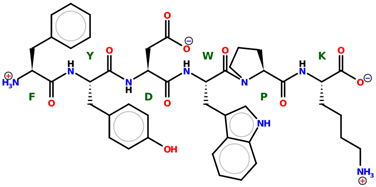
Redox dysregulation, a core driver of neuronal and vascular damage, is also mitigated by marine BAPs. Small peptides (1–10 kDa) derived from Chlorella pyrenoidosa protected neuronal cells from glutamate-induced excitotoxic stress by decreasing the accumulation of Aβ and tau. Moreover, these peptides reduced neuronal cell loss and improved spatial cognition and learning memory suggesting that their neuroprotective actions against excitotoxic and Aβ-associated pathological insults may collectively promote cognitive preservation (indomethacin (0.25 mM) as positive control) [54]. In a scopolamine-induced cholinergic dysfunction mouse model, the hexapeptide Phe-Tyr-Asp-Trp-Pro-Lys from sea cucumber enhanced cognitive performance by increasing superoxide dismutase (SOD) activity, reducing MDA levels, and preserving hippocampal neurons, indicating its role in redox stabilization under acute oxidative stress [59].
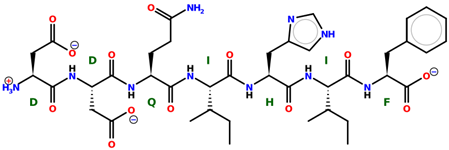
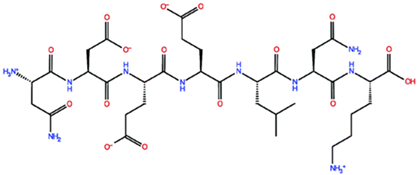
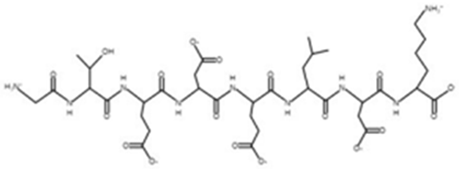
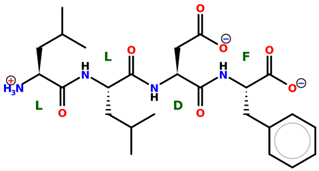
Marine BAPs have emerged as promising modulators of cholinergic neurotransmission, targeting both enzymatic activity and neuronal homeostasis. Notably, the hexapeptide Leu-Leu-Asp-Phe, characterized from yellowfin tuna, exhibits selective inhibitory activity against AChE, with an IC50 value of 8.44 ± 0.24 µM. Molecular docking studies further suggest a stable interaction with the AChE catalytic site via multiple hydrogen bonds, implying a direct role in preserving synaptic acetylcholine levels and stabilizing cholinergic signaling dynamics [42]. By inhibiting AChE activity and restoring mitochondrial function, the sea cucumber-derived heptapeptide Asn-Asp-Glu-Glu-Leu-Asn-Lys elevated acetylcholine levels and reduced ROS accumulation [77]. These effects were linked to the activation of PKA, BDNF, and NGF, suggesting its potential to enhance neuronal resilience under pathological conditions.
6. Structure–Activity Relationship (SAR) and Advantages of BAPs in CVD-AD Axis
The biological efficacy of BAPs is primarily dictated by their chemical structures, and structure–activity relationships (SARs) playing a central role in determining functionality [158]. Key structural determinants include amino acid composition and sequence, molecular weight, the nature of N- and C-terminal residues, hydrophobicity/hydrophilicity, and overall charge of the peptide chain. In general, short peptides composed of 2–12 amino acids exhibit enhanced bioactivity, bioavailability, and target specificity, largely due to improved intestinal absorption and greater metabolic stability [159].
Among BAPs relevant to CVD and AD, ACE-inhibitory peptides represent one of the most extensively studied classes of BAPs in CVD and AD prevention. Their antihypertensive activity is strongly dependent on peptide sequence and terminal residues, particularly the C-terminal region. Peptides enriched with hydrophobic, aromatic (Tyr, Trp, Phe), or positively charged residues (Arg, Lys) at the C-terminus display enhanced ACE inhibition, and Pro at the C-terminal further strengthens enzyme binding [160]. In contrast, aliphatic or aromatic residues such as Leu, Ile, and Val at the N-terminus favor antihypertensive efficacy. Although increased C-terminal hydrophobicity is generally associated with stronger ACE inhibition, peptide length, and specific residue identity also play essential roles [161].
Oxidative stress and lipid peroxidation also play central roles in both CVD and neurodegeneration, and antioxidant peptides similarly exhibit distinct SAR patterns, with greater activity reported when Val, Ile, Leu, Ala, Phe, and Lys are positioned at the C-terminus, and when hydrophobic residues (Met, Val, Leu, Pro) are abundant, facilitating lipid solubility and free radical interactions [162]. Additionally, His contributes to metal-ion chelation, and sulfur-containing residues (Met, Cys) enhance redox-based antioxidant mechanisms [158]. Furthermore, it is reported that immunomodulatory peptides are frequently enriched in hydrophobic amino acids such as Gly, Leu, Pro, Phe, and Val, while the presence of Arg at either terminal region plays a critical role in receptor-mediated immune recognition [163].
In the context of AD, neuroprotective peptides consistently contain aromatic and basic residues. Lys and Arg enhance electrostatic interactions and neurotransmitter signaling, whereas Trp, Tyr, and Phe facilitate inhibition of key enzymes such as acetylcholinesterase. Glutamate further contributes through its unique role in brain metabolism and synaptic transmission [164].
Marine-derived peptides offer distinct advantages that complement these SAR-driven effects. Their unique amino acid sequences, shaped by adaptation to extreme environments such as high salinity, variable temperatures, and low oxygen, confer enhanced stability, bioavailability, and multifunctional bioactivity [165]. Structural features, including cyclic conformations and post-translational modifications, improve target selectivity, binding affinity, and resistance to enzymatic degradation, surpassing many linear terrestrial peptides [166]. Marine peptides often exhibit broad-spectrum bioactivities, antihypertensive, antioxidant, immunomodulatory, and neuroprotective, which are particularly relevant to the prevention of CVD and AD. Furthermore, these peptides generally demonstrate low toxicity and high sustainability, making them promising candidates for functional foods, nutraceuticals, and therapeutic applications [167].
Collectively, the biological efficacy of BAPs arises from shared SAR principles, including terminal residue composition, peptide length, hydrophobicity, and charge, while marine-derived peptides offer additional advantages through structural uniqueness, enhanced stability, and multifunctional bioactivity. These combined properties make BAPs, particularly from marine sources, highly promising molecules for health-promoting interventions targeting the CVD-AD axis.
7. Current Challenges and Future Perspectives
Despite growing evidence supporting the CVD and AD potential of marine-derived BAPs, several challenges remain that limit their translation into effective functional foods or nutraceuticals targeting the CVD-AD axis. One of the most significant obstacles is the limit in vivo stability and bioavailability of orally administered peptides. Marine BAPs are highly susceptible to degradation by gastrointestinal proteases and rapid systemic metabolism, which markedly reduces their intact absorption and biological efficacy [168]. Following oral ingestion, peptides are exposed to digestive enzymes such as pepsin, trypsin, and chymotrypsin, as well as extensive metabolism by plasma, hepatic, and renal peptidases, leading to substantial losses in stability and bioavailability [169]. Consequently, biological activities observed in vitro are often not fully reproduced in vivo because of extensive gastrointestinal digestion and rapid enzymatic degradation, necessitating high doses or frequent administration and thereby limiting practical applications [170]. Although clinically established peptide therapies typically rely on parenteral or intranasal delivery to overcome these limitations, oral administration remains the most convenient and acceptable route for functional food-based and long-term preventive strategies [171]. Improving resistance to enzymatic degradation and enhancing oral bioavailability therefore remain critical challenges for the effective use of marine BAPs in chronic disease management, including the CVD-AD axis.
Encapsulation and advanced delivery systems have emerged as a promising strategy to overcome these limitations by protecting peptides from both GI degradation and systemic metabolism. Platforms such as liposomes, nanoemulsions, and polymer-based carriers can shield peptides from enzymatic breakdown, control their release, and enhance overall oral bioavailability [172]. Importantly, for neuroprotective effects, the relevance of encapsulation also depends on the ability of peptides to cross the BBB. Lipid-based nanocarriers, including liposomes and solid lipid nanoparticles, can protect peptides from degradation while interacting with BBB endothelial cells, potentially facilitating transcytosis into brain tissue. Functionalization with targeting ligands can further enhance receptor-mediated transport across the BBB via pathways such as low-density lipoprotein or transferrin receptors, or through surface-modified peptides exploiting endogenous transport mechanisms [173]. In addition, intranasal nanoencapsulation provides a non-invasive route that partially bypasses the GI tract and BBB, reducing peptide degradation and improving brain delivery compared with conventional oral or intravenous administration [174]. Overall, receptor-targeted and peptide-functionalized nanoparticles represent a versatile approach to simultaneously address GI stability, systemic bioavailability, and BBB permeability, enhancing the therapeutic potential of marine-derived BAPs for CVD-AD management.
Another important challenge in translating marine-derived BAPs into functional foods or nutraceuticals for CVD-AD prevention is the limited understanding of peptide–drug interactions, particularly in elderly populations. Many marine BAPs share mechanistic targets with commonly prescribed drugs, such as angiotensin-converting enzyme inhibition or modulation of lipid metabolism, raising the possibility of additive or synergistic pharmacodynamic effects, including hypotension or excessive lipid lowering when co-consumed with antihypertensive or statin therapies. For example, peptides derived from Channa striata skin collagen and fermented fish products (Bekasam) have demonstrated hypocholesterolemic activity through inhibition of 3-hydroxy-3-methylglutaryl-CoA reductase (HMG-CoAR). In particular, collagenase-hydrolyzed fish skin collagen inhibited HMG-CoAR activity by approximately 25.8% compared with the reference inhibitor pravastatin [175]. In addition, cholesterol-lowering effects have been reported in foam cell models when marine BAPs were co-administered with simvastatin or rosiglitazone, suggesting potential additive or synergistic actions [77,78,79]. While such findings indicate that BAPs may complement existing pharmacotherapies, they also underscore important safety considerations, particularly in the context of age-related changes in drug metabolism, vascular responsiveness, and renal clearance. Future research should therefore prioritize systematic co-administration studies to evaluate safety, pharmacokinetics, and pharmacodynamic interactions, establish dose–response relationships, and define safe intake thresholds. These efforts will be essential for developing evidence-based guidelines and ensuring that marine BAPs are positioned as complementary nutritional interventions rather than unintended pharmacological modifiers in aging populations.
Allergenicity represents an additional challenge for seafood-derived BAPs intended for food applications. Food processing is widely recognized as an effective strategy for mitigating allergenicity by modifying allergen structure and IgE-binding epitopes [176]. Chemical- and biological-based approaches, including enzymatic hydrolysis, cross-linking, and glycation (e.g., Maillard reactions), can induce protein unfolding, peptide chain disruption, aggregation, or selective amino acid modification, thereby masking or eliminating allergenic epitopes and reducing IgE reactivity. Because allergic responses are mediated by specific interactions between IgE antibodies and their cognate epitopes, targeting epitope composition and structure represents a rational mitigation strategy [177]. However, the limited characterization of both linear and conformational epitopes, along with structural rearrangements during processing, may lead to variable or unpredictable allergenic outcomes. Moreover, interactions between allergens and food matrix components can either shield epitopes or promote the formation of novel allergenic structures. Notably, most available evidence is derived from in vitro and animal studies, while clinical validation in seafood-allergic individuals remains limited [178].
A further translational gap exists between experimental findings and industrial implementation, particularly with respect to scalable production, product standardization, and regulatory approval. Although enzymatic hydrolysis of marine proteins provides a cost-effective approach for generating bioactive peptide mixtures, large-scale production of well-defined peptides with consistent and reproducible biological activity remains technically and economically challenging [63]. Collectively, while these approaches remain largely at the experimental stage, they underscore promising directions for improving the delivery and translational potential of marine-derived BAPs. Emerging tools, including computational modeling and bioinformatics-driven optimization, further support peptide discovery and functional characterization. Overall, marine BAPs hold substantial promise as functional food and nutraceutical components, offering integrated preventive strategies that target both cardiovascular disease and Alzheimer’s disease.
8. Conclusions
Marine-derived BAPs represent a multifunctional class of bioactive compounds with demonstrated effects relevant to the CVD-AD axis, including antioxidant, anti-inflammatory, antihypertensive, lipid-regulating, and neuroprotective activities. These diverse properties support their potential as preventive agents, particularly through incorporation into functional foods and nutraceuticals. This review integrates current knowledge on functional properties, mechanistic pathways, and sustainable production of marine BAPs, highlighting their value as natural, safe, and eco-friendly resources. Despite these advances, challenges such as scalable production, product standardization, and regulatory approval remain barriers to widespread application. Continued efforts in peptide discovery, characterization, and formulation will be essential to move from preclinical promise to real-world impact. Ultimately, marine BAPs offer a sustainable and innovative avenue for integrated prevention of CVD and AD, aligning with the growing emphasis on functional food-based strategies for chronic disease management. While marine bioactive peptides offer significant therapeutic promise for targeting the cardiovascular–Alzheimer’s disease axis, their sustainable translation will depend on responsible sourcing and the development of scalable biotechnological production methods.
Author Contributions
C.K.M.: Investigation, Data curation, Writing―original draft. K.Y.: Investigation, Visualization, Writing―review and editing. C.-T.H.: Writing―review and editing, Supervision, Conceptualization. M.J.: Conceptualization, Funding acquisition, Project administration, Supervision, Validation, Writing―review and editing. All authors have read and agreed to the published version of the manuscript.
Funding
This study was supported by a National Research Foundation of Korea (NRF) grant funded by the Ministry of Education, Science, and Technology, Republic of Korea (NRF-2022R 1A2C1012052) and Global—Learning & Academic research institution for Master’s and PhD students and Postdocs (LAMP) Program of the National Research Foundation of Korea (NRF) grant funded by the Ministry of Education (RS-2025-25440216).
Institutional Review Board Statement
Not applicable.
Informed Consent Statement
Not applicable.
Data Availability Statement
No new data were created or analyzed in this study. Data sharing is not applicable to this article.
Conflicts of Interest
The authors have no known competing interest relevant to this study to disclose.
Abbreviations
The following abbreviations are used in this manuscript:
| CVD | Cardiovascular diseases |
| AD | Alzheimer’s diseases |
| BAPs | Bio-active peptides |
| PUFAs | Linear dichroism |
| HPLC | High-performance liquid chromatography |
| FPLC | Fast protein liquid chromatography |
| SPPS | Solid-phase peptide synthesis |
| QSAR | Quantitative structure-activity relationship |
| Bead-GPS | Bead-based global proteomic screening |
| NO | Nitric oxide |
| ROS | Reactive oxygen species |
| LDL | Low-density lipoproteins |
| oxLDL | Oxidized low-density lipoproteins |
| VCAM-1 | Adhesion molecule-1 |
| ICAM-1 | Intercellular adhesion molecule-1 |
| VSMCs | Vascular smooth muscle cells |
| RAAS | Renin–angiotensin–aldosterone system |
| GPX4 | Glutathione peroxidase 4 |
| BACE1 | Amyloid precursor protein (APP) by β-secretase |
| PrPC | Prion protein |
| LTP | Impair long-term potentiation |
| LTD | Promote long-term depression |
| GSK-3β | Glycogen synthase kinase-3β |
| CDK5 | Cyclin-dependent kinase 5 |
| MDA | Malondialdehyde |
| AChE | Acetylcholinesterase |
| ACh | Acetylcholine |
| MOMP | Mitochondrial outer membrane permeabilization |
| CNS | Central nervous system |
| HIFs | Hypoxia-inducible factors |
| ACE | Angiotensin-converting enzyme |
| hASMCs | Human aortic smooth muscle cells |
| BBB | Blood–brain barrier |
References
- World Health Organization. Cardiovascular Diseases (CVDs); World Health Organization: Geneva, Switzerland, 2021. Available online: https://www.who.int/news-room/fact-sheets/detail/cardiovascular-diseases-(cvds) (accessed on 17 June 2025).
- Chong, B.; Jayabaskaran, J.; Jauhari, S.M.; Chan, S.P.; Goh, R.; Kueh, M.T.W.; Li, H.; Chin, Y.H.; Kong, G.; Anand, V.V.; et al. Global Burden of Cardiovascular Diseases: Projections from 2025 to 2050. Eur. J. Prev. Cardiol. 2024, 32, 1001–1015. [Google Scholar] [CrossRef] [Scilit]
- Kazi, D.S.; Elkind, M.S.; Deutsch, A.; Dowd, W.N.; Heidenreich, P.; Khavjou, O.; Mark, D.; Mussolino, M.E.; Ovbiagele, B.; Patel, S.S.; et al. Forecasting the Economic Burden of Cardiovascular Disease and Stroke in the United States through 2050: A Presidential Advisory from the American Heart Association. Circulation 2024, 150, e89–e101. [Google Scholar] [CrossRef] [Scilit]
- Luengo-Fernandez, R.; Walli-Attaei, M.; Gray, A.; Torbica, A.; Maggioni, A.P.; Huculeci, R.; Bairami, F.; Aboyans, V.; Timmis, A.D.; Vardas, P.; et al. Economic Burden of Cardiovascular Diseases in the European Union: A Population-Based Cost Study. Eur. Heart J. 2023, 44, 4752–4767. [Google Scholar] [CrossRef] [Scilit] [PubMed]
- Alzheimer’s Association. Alzheimer’s Disease Facts and Figures. Alzheimers Dement. 2019, 15, 321–387. [Google Scholar] [CrossRef] [Scilit]
- Pradeepkiran, J.A.; Baig, J.; Islam, A.; Kshirsagar, S.; Reddy, P.H. Amyloid-β and Phosphorylated Tau Are the Key Biomarkers and Predictors of Alzheimer’s Disease. Aging Dis. 2025, 16, 658. [Google Scholar] [CrossRef] [Scilit] [PubMed]
- Giordano, D. Bioactive Molecules from Extreme Environments. Mar. Drugs 2020, 18, 640. [Google Scholar] [CrossRef] [Scilit]
- Karami, Z.; Akbari-Adergani, B. Bioactive Food-Derived Peptides: A Review on Correlation between Structure of Bioactive Peptides and Their Functional Properties. J. Food Sci. Technol. 2019, 56, 535–547. [Google Scholar] [CrossRef] [Scilit]
- Blunt, J.W.; Copp, B.R.; Keyzers, R.A.; Munro, M.H.G.; Prinsep, M.R. Marine Natural Products. Nat. Prod. Rep. 2013, 30, 237–323. [Google Scholar] [CrossRef] [Scilit]
- Lotze, H.K. Marine Biodiversity Conservation. Curr. Biol. 2021, 31, R1190–R1195. [Google Scholar] [CrossRef] [Scilit]
- WoRMS Editorial Board. World Register of Marine Species. Available online: http://www.marinespecies.org/ (accessed on 1 April 2025).
- Senadheera, T.R.L.; Hossain, A.; Shahidi, F. Marine Bioactives and Their Application in the Food Industry: A Review. Appl. Sci. 2023, 13, 12088. [Google Scholar] [CrossRef] [Scilit]
- Cermeño, M.; Kleekayai, T.; Amigo-Benavent, M.; Harnedy-Rothwell, P.; FitzGerald, R.J. Current Knowledge on the Extraction, Purification, Identification, and Validation of Bioactive Peptides from Seaweed. Electrophoresis 2020, 41, 1694–1717. [Google Scholar] [CrossRef] [Scilit] [PubMed]
- Okeke, E.S.; Okagu, I.U.; Chukwudozie, K.; Ezike, T.C.; Ezeorba, T.P.C. Marine-Derived Bioactive Proteins and Peptides: A Review of Current Knowledge on Anticancer Potentials, Clinical Trials, and Future Prospects. Nat. Prod. Commun. 2024, 19, 1934578X241239825. [Google Scholar] [CrossRef] [Scilit]
- Zhong, L.; Tan, X.; Yang, W.; Li, P.; Ye, L.; Luo, Q.; Hou, H. Bioactive Matters Based on Natural Product for Cardiovascular Diseases. Smart Mater. Med. 2024, 5, 542–565. [Google Scholar] [CrossRef] [Scilit]
- Harirforoosh, S.; Asghar, W.; Jamali, F. Adverse Effects of Nonsteroidal Antiinflammatory Drugs: An Update of Gastrointestinal, Cardiovascular and Renal Complications. J. Pharm. Pharm. Sci. 2014, 16, 821–847. [Google Scholar] [CrossRef] [Scilit]
- Ramkumar, S.; Raghunath, A.; Raghunath, S. Statin Therapy: Review of Safety and Potential Side Effects. Acta Cardiol. Sin. 2016, 32, 631–639. [Google Scholar] [CrossRef] [Scilit]
- Akbarian, M.; Khani, A.; Eghbalpour, S.; Uversky, V.N. Bioactive Peptides: Synthesis, Sources, Applications, and Proposed Mechanisms of Action. Int. J. Mol. Sci. 2022, 23, 1445. [Google Scholar] [CrossRef] [Scilit]
- Koushki, K.; Shahbaz, S.K.; Mashayekhi, K.; Sadeghi, M.; Zayeri, Z.D.; Taba, M.Y.; Banach, M.; Al-Rasadi, K.; Johnston, T.P.; Sahebkar, A. Anti-Inflammatory Action of Statins in Cardiovascular Disease: The Role of Inflammasome and Toll-Like Receptor Pathways. Clin. Rev. Allergy Immunol. 2021, 60, 175–199. [Google Scholar] [CrossRef] [Scilit]
- Jegani, K.T.; Balde, A.; Nazeer, R.A. A Review on Anti-Inflammatory and Antioxidant Peptides Derived from Marine Organisms: Mechanism of Action and Therapeutic Applications. Food Biosci. 2025, 63, 105745. [Google Scholar] [CrossRef] [Scilit]
- Li, C.-Q.; Ma, Q.-Y.; Gao, X.-Z.; Wang, X.; Zhang, B.-L. Research Progress in Anti-Inflammatory Bioactive Substances Derived from Marine Microorganisms, Sponges, Algae, and Corals. Mar. Drugs 2021, 19, 572. [Google Scholar] [CrossRef] [Scilit]
- Srinivasan, R.; Kannappan, A.; Shi, C.; Lin, X. Marine Bacterial Secondary Metabolites: A Treasure House for Structurally Unique and Effective Antimicrobial Compounds. Mar. Drugs 2021, 19, 530. [Google Scholar] [CrossRef] [Scilit]
- Sánchez, A.; Vázquez, A. Bioactive Peptides: A Review. Food Qual. Saf. 2017, 1, 29–46. [Google Scholar] [CrossRef] [Scilit]
- Pimentel, F.B.; Alves, R.C.; Harnedy, P.A.; FitzGerald, R.J.; Oliveira, M.B.P. Macroalgal-Derived Protein Hydrolysates and Bioactive Peptides: Enzymatic Release and Potential Health-Enhancing Properties. Trends Food Sci. Technol. 2019, 93, 106–124. [Google Scholar] [CrossRef] [Scilit]
- Fleurence, J.; Morançais, M.; Dumay, J. Seaweed Proteins. In Proteins in Food Processing; Elsevier: Sawston, UK, 2018; pp. 245–262. [Google Scholar] [CrossRef] [Scilit]
- Abreu, M.H.; Pereira, R.; Yarish, C.; Buschmann, A.H.; Sousa-Pinto, I. IMTA with Gracilaria vermiculophylla: Productivity and Nutrient Removal Performance of the Seaweed in a Land-Based Pilot Scale System. Aquaculture 2011, 321, 77–87. [Google Scholar] [CrossRef] [Scilit]
- Lewbart, G.A.; Zachariah, T.T. Aquatic and Terrestrial Invertebrate Welfare. Animals 2023, 13, 3375. [Google Scholar] [CrossRef] [Scilit] [PubMed]
- Ganesan, A.R.; Mohanram, M.S.G.; Balasubramanian, B.; Kim, I.H.; Seedevi, P.; Mohan, K.; Kanagasabai, S.; Arasu, M.V.; Al-Dhabi, N.A.; Ignacimuthu, S. Marine Invertebrates’ Proteins: A Recent Update on Functional Property. J. King Saud Univ. Sci. 2020, 32, 1496–1502. [Google Scholar] [CrossRef] [Scilit]
- Diniz, G.S.; Barbarino, E.; Neto, J.O.; Pacheco, S.; Lourenço, S.O. Proximate Composition of Marine Invertebrates from Tropical Coastal Waters, with Emphasis on the Relationship between Nitrogen and Protein Contents. Lat. Am. J. Aquat. Res. 2014, 42, 332–352. [Google Scholar] [CrossRef] [Scilit]
- Harnedy, P.A.; FitzGerald, R.J. Bioactive Peptides from Marine Processing Waste and Shellfish: A Review. J. Funct. Foods 2012, 4, 6–24. [Google Scholar] [CrossRef] [Scilit]
- Hashem, A.M.A.; Venmarath, A.; Kudre, T.G. Preparation, Purification, and Identification of Novel Antioxidant Peptides from Red-Bellied Pacu (Piaractus brachypomus) Fish Meat Protein Hydrolysate. Food Sci. Biotechnol. 2023, 32, 2057–2068. [Google Scholar] [CrossRef] [Scilit]
- Jafari, S.M.; Rashidinejad, A.; Simal-Gandara, J. Handbook of Food Bioactive Ingredients; Springer: Cham, Switzerland, 2023. [Google Scholar] [CrossRef] [Scilit]
- Guryanova, S.V.; Balandin, S.V.; Belogurova-Ovchinnikova, O.Y.; Ovchinnikova, T.V. Marine Invertebrate Antimicrobial Peptides and Their Potential as Novel Peptide Antibiotics. Mar. Drugs 2023, 21, 503. [Google Scholar] [CrossRef] [Scilit]
- Walquist, M.J.; Eilertsen, K.-E.; Elvevoll, E.O.; Jensen, I.-J. Marine-Derived Peptides with Anti-Hypertensive Properties: Prospects for Pharmaceuticals, Supplements, and Functional Food. Mar. Drugs 2024, 22, 140. [Google Scholar] [CrossRef] [Scilit]
- Kundam, D.N.; Acham, I.O.; Girgih, A.T. Bioactive Compounds in Fish and Their Health Benefits. Asian Food Sci. J. 2018, 4, 1–14. [Google Scholar] [CrossRef] [Scilit]
- Kurnianto, M.A.; Defri, I.; Syahbanu, F.; Aulia, S.S. Fish-Derived Bioactive Peptide: Bioactivity Potency, Structural Characteristics, and Conventional and Bioinformatics Approaches for Identification. Future Foods 2024, 9, 100386. [Google Scholar] [CrossRef] [Scilit]
- Nirmal, N.P.; Santivarangkna, C.; Rajput, M.S.; Benjakul, S.; Maqsood, S. Valorization of Fish Byproducts: Sources to End-Product Applications of Bioactive Protein Hydrolysate. Compr. Rev. Food Sci. Food Saf. 2022, 21, 1803–1842. [Google Scholar] [CrossRef] [Scilit] [PubMed]
- Nong, N.T.P.; Hsu, J.L. Bioactive Peptides: An Understanding from Current Screening Methodology. Processes 2022, 10, 1114. [Google Scholar] [CrossRef] [Scilit]
- Cruz-Casas, D.E.; Aguilar, C.N.; Ascacio-Valdés, J.A.; Rodríguez-Herrera, R.; Chávez-González, M.L.; Flores-Gallegos, A.C. Enzymatic Hydrolysis and Microbial Fermentation: The Most Favorable Biotechnological Methods for the Release of Bioactive Peptides. Food Chem. Mol. Sci. 2021, 3, 100047. [Google Scholar] [CrossRef] [Scilit] [PubMed]
- Zambrowicz, A.; Timmer, M.; Polanowski, A.; Lubec, G.; Trziszka, T. Manufacturing of Peptides Exhibiting Biological Activity. Amino Acids 2013, 44, 315–320. [Google Scholar] [CrossRef] [Scilit]
- Chen, G.W.; Yang, M.H. Production and Purification of Novel Hypocholesterolemic Peptides from Lactic Fermented Spirulina platensis through High Hydrostatic Pressure-Assisted Protease Hydrolysis. Catalysts 2021, 11, 873. [Google Scholar] [CrossRef] [Scilit]
- Peng, P.; Yu, H.; Xian, M.; Qu, C.; Guo, Z.; Li, S.; Zhu, Z.; Xiao, J. Preparation of Acetylcholinesterase Inhibitory Peptides from Yellowfin Tuna Pancreas Using Moderate Ultrasound-Assisted Enzymatic Hydrolysis. Mar. Drugs 2025, 23, 75. [Google Scholar] [CrossRef] [Scilit]
- Queffelec, J.; Flórez-Fernández, N.; Domínguez, H.; Torres, M.D. Microwave Hydrothermal Processing of Undaria pinnatifida for Bioactive Peptides. Bioresour. Technol. 2021, 342, 125882. [Google Scholar] [CrossRef] [Scilit]
- Gobbetti, M.; Minervini, F.; Rizzello, C.G. Bioactive Peptides in Dairy Products. In Handbook of Food Products Manufacturing; Hui, Y.H., Ed.; Wiley: Hoboken, NJ, USA, 2007; pp. 489–517. [Google Scholar] [CrossRef] [Scilit]
- Onuh, J.O.; Girgih, A.T.; Aluko, R.E.; Aliani, M. In Vitro Antioxidant Properties of Chicken Skin Enzymatic Protein Hydrolysates and Membrane Fractions. Food Chem. 2014, 150, 366–373. [Google Scholar] [CrossRef] [Scilit]
- Wang, X.; Yu, H.; Xing, R.; Li, P. Characterization, Preparation, and Purification of Marine Bioactive Peptides. Biomed. Res. Int. 2017, 2017, 9746720. [Google Scholar] [CrossRef] [Scilit] [PubMed]
- Marciniak, A.; Suwal, S.; Naderi, N.; Pouliot, Y.; Doyen, A. Enhancing Enzymatic Hydrolysis of Food Proteins and Production of Bioactive Peptides Using High Hydrostatic Pressure Technology. Trends Food Sci. Technol. 2018, 80, 187–198. [Google Scholar] [CrossRef] [Scilit]
- Chian, F.M.; Kaur, L.; Oey, I.; Astruc, T.; Hodgkinson, S.; Boland, M. Effect of Pulsed Electric Fields (PEF) on the Ultrastructure and In Vitro Protein Digestibility of Bovine Longissimus thoracis. LWT 2019, 110, 253–259. [Google Scholar] [CrossRef] [Scilit]
- Cheng, Y.; Xue, F.; Yu, S.; Du, S.; Yang, Y. Subcritical Water Extraction of Natural Products. Molecules 2021, 26, 4004. [Google Scholar] [CrossRef] [Scilit] [PubMed]
- Arumugam, V.; Venkatesan, M.; Ramachandran, S.; Sundaresan, U. Bioactive Peptides from Marine Ascidians and Future Drug Development—A Review. Int. J. Pept. Res. Ther. 2018, 24, 13–18. [Google Scholar] [CrossRef] [Scilit]
- Okoye, C.O.; Ezeorba, T.P.; Okeke, E.S.; Okagu, I.U. Recent Findings on the Isolation, Identification and Quantification of Bioactive Peptides. Appl. Food Res. 2022, 2, 100065. [Google Scholar] [CrossRef] [Scilit]
- Ryan, J.T.; Ross, R.P.; Bolton, D.; Fitzgerald, G.F.; Stanton, C. Bioactive Peptides from Muscle Sources: Meat and Fish. Nutrients 2011, 3, 765–791. [Google Scholar] [CrossRef] [Scilit]
- Vo, T.S.; Ryu, B.; Kim, S.K. Purification of Novel Anti-Inflammatory Peptides from Enzymatic Hydrolysate of the Edible Microalgal Spirulina maxima. J. Funct. Foods 2013, 5, 1336–1346. [Google Scholar] [CrossRef] [Scilit]
- Shih, M.; Chen, L.; Cherng, J. Chlorella 11-Peptide Inhibits the Production of Macrophage-Induced Adhesion Molecules and Reduces Endothelin-1 Expression and Endothelial Permeability. Mar. Drugs 2013, 11, 3861–3874. [Google Scholar] [CrossRef] [Scilit]
- Wang, S.-M.; Chuu, J.-J.; Lee, C.-K.; Chang, C.-Y. Exploring the Therapeutic Efficacy of Chlorella pyrenoidosa Peptides in Ameliorating Alzheimer’s Disease. Heliyon 2023, 9, e15406. [Google Scholar] [CrossRef] [Scilit]
- Mune, M.A.M.; Miyabe, Y.; Shimizu, T.; Matsui, W.; Kumagai, Y.; Kishimura, H. Characterisation of Bioactive Peptides from Red Alga Gracilariopsis chorda. Mar. Drugs 2023, 21, 49. [Google Scholar] [CrossRef] [Scilit]
- Fitzgerald, C.; Mora-Soler, L.; Gallagher, E.; O’connor, P.; Prieto, J.; Soler-Vila, A.; Hayes, M. Isolation and Characterization of Bioactive Pro-Peptides with In Vitro Renin Inhibitory Activities from the Macroalga Palmaria palmata. J. Agric. Food Chem. 2012, 60, 7421–7427. [Google Scholar] [CrossRef] [Scilit] [PubMed]
- Wang, Y.; Chen, S.; Shi, W.; Liu, S.; Chen, X.; Pan, N.; Wang, X.; Su, Y.; Liu, Z. Targeted Affinity Purification and Mechanism of Action of Angiotensin-Converting Enzyme (ACE) Inhibitory Peptides from Sea Cucumber Gonads. Mar. Drugs 2024, 22, 90. [Google Scholar] [CrossRef] [Scilit] [PubMed]
- Zhao, Y.; Lu, Z.; Xu, X.; Sun, N.; Lin, S. Sea Cucumber-Derived Peptide Attenuates Scopolamine-Induced Cognitive Impairment by Preventing Hippocampal Cholinergic Dysfunction and Neuronal Cell Death. J. Agric. Food Chem. 2022, 70, 567–576. [Google Scholar] [CrossRef] [Scilit] [PubMed]
- Park, Y.R.; Park, C.I.; Soh, Y. Antioxidant and Anti-Inflammatory Effects of NCW Peptide from Clam Worm (Marphysa sanguinea). J. Microbiol. Biotechnol. 2020, 30, 1387–1394. [Google Scholar] [CrossRef] [Scilit]
- Su, Y.; Chen, S.; Cai, S.; Liu, S.; Pan, N.; Su, J.; Qiao, K.; Xu, M.; Chen, B.; Yang, S.; et al. A Novel Angiotensin-I-Converting Enzyme (ACE) Inhibitory Peptide from Takifugu flavidus. Mar. Drugs 2021, 19, 651. [Google Scholar] [CrossRef] [Scilit]
- Ma, Y.; Zhang, D.; Liu, M.; Li, Y.; Lv, R.; Li, X.; Wang, Q.; Ren, D.; Wu, L.; Zhou, H. Identification of Antioxidant Peptides Derived from Tilapia (Oreochromis niloticus) Skin and Their Mechanism of Action by Molecular Docking. Foods 2022, 11, 2576. [Google Scholar] [CrossRef] [Scilit]
- Dziuba, M.; Dziuba, B. In Silico Analysis of Bioactive Peptides. In Bioactive Proteins and Peptides as Functional Foods and Nutraceuticals; Wiley: Hoboken, NJ, USA, 2010; pp. 325–340. [Google Scholar]
- Kang, N.J.; Jin, H.-S.; Lee, S.-E.; Kim, H.J.; Koh, H.; Lee, D.-W. New Approaches towards the Discovery and Evaluation of Bioactive Peptides from Natural Resources. Crit. Rev. Environ. Sci. Technol. 2020, 50, 72–103. [Google Scholar] [CrossRef] [Scilit]
- Liu, K.; Pang, C.; Li, Q.; Li, J.; Du, G.; Zhang, G. Step Enzymatic Hydrolysis and In Silico Screening-Assisted Preparation of Bioactive Peptides from Abalone. Foods 2025, 14, 1209. [Google Scholar] [CrossRef] [Scilit]
- Kose, A. In Silico Bioactive Peptide Prediction from The Enzymatic Hydrolysates of Edible Seaweed Rubisco Large Chain. Turk. J. Fish. Aquat. Sci. 2021, 21, 615–625. [Google Scholar] [CrossRef] [Scilit]
- Liu, J.; Gu, B.; Yang, L.; Yang, F.; Lin, H. New Anti-Inflammatory Cyclopeptides from a Sponge-Derived Fungus Aspergillus violaceofuscus. Front. Chem. 2018, 6, 226. [Google Scholar] [CrossRef] [Scilit] [PubMed]
- Purcell, D.; Packer, M.A.; Hayes, M. Identification of Bioactive Peptides from a Laminaria digitata Protein Hydrolysate Using In Silico and In Vitro Methods to Identify Angiotensin-1-Converting Enzyme (ACE-1) Inhibitory Peptides. Mar. Drugs 2023, 21, 90. [Google Scholar] [CrossRef] [Scilit] [PubMed]
- Lin, L.; He, Y.-L.; Tang, Y.; Hong, P.; Zhou, C.; Sun, S.; Qian, Z.-J. Mechanism Analysis of Octapeptide from Microalgae Isochrysis zhanjiangensis for Suppressing Vascular Injury and Angiogenesis in Human Umbilical Vein Endothelial Cells. Int. Immunopharmacol. 2022, 111, 109149. [Google Scholar] [CrossRef] [Scilit] [PubMed]
- Fitzgerald, C.; Aluko, R.E.; Hossain, M.; Rai, D.K.; Hayes, M. Potential of a Renin Inhibitory Peptide from the Red Seaweed Palmaria palmata as a Functional Food Ingredient Following Confirmation and Characterization of a Hypotensive Effect in Spontaneously Hypertensive Rats. J. Agric. Food Chem. 2014, 62, 8352–8356. [Google Scholar] [CrossRef] [Scilit]
- Li, Z.; He, H.; Liu, J.; Gu, H.; Fu, C.; Zeb, A.; Che, T. Preparation and Vasodilation Mechanism of Angiotensin-I-Converting Enzyme Inhibitory Peptide from Ulva prolifera Protein. Mar. Drugs 2024, 22, 398. [Google Scholar] [CrossRef] [Scilit]
- Pei, Y.; Cai, S.; Ryu, B.; Zhou, C.; Hong, P.; Qian, Z.-J. An ACE Inhibitory Peptide from Isochrysis zhanjiangensis Exhibits Antihypertensive Effect via Anti-Inflammation and Anti-Apoptosis in HUVEC and Hypertensive Rats. J. Funct. Foods 2022, 92, 105061. [Google Scholar] [CrossRef] [Scilit]
- Zhao, Y.; Li, B.; Dong, S.; Liu, Z.; Zhao, X.; Wang, J.; Zeng, M. A Novel ACE Inhibitory Peptide Isolated from Acaudina molpadioidea Hydrolysate. Peptides 2009, 30, 1028–1033. [Google Scholar] [CrossRef] [Scilit]
- Jin, H.-X.; Xu, H.-P.; Li, Y.; Zhang, Q.-W.; Xie, H. Preparation and Evaluation of Peptides with Potential Antioxidant Activity by Microwave-Assisted Enzymatic Hydrolysis of Collagen from Sea Cucumber Acaudina molpadioides Obtained from Zhejiang Province in China. Mar. Drugs 2019, 17, 169. [Google Scholar] [CrossRef] [Scilit]
- Bordbar, S.; Ebrahimpour, A.; Zarei, M.; Hamid, A.A.; Saari, N. Alcalase-Generated Proteolysates of Stone Fish (Actinopyga lecanora) Flesh as a New Source of Antioxidant Peptides. Int. J. Food Prop. 2018, 21, 1541–1559. [Google Scholar] [CrossRef] [Scilit]
- Zhao, Y.; Dong, Y.; Ge, Q.; Cui, P.; Sun, N.; Lin, S. Neuroprotective Effects of NDEELNK from Sea Cucumber Ovum against Scopolamine-Induced PC12 Cell Damage through Enhancing Energy Metabolism and Upregulation of the PKA/BDNF/NGF Signaling Pathway. Food Funct. 2021, 12, 7676–7687. [Google Scholar] [CrossRef] [Scilit]
- Marasinghe, C.K.; Je, J.Y. Ark Shell-Derived Peptides AWLNH (P3) and PHDL (P4) Mitigate Foam Cell Formation by Modulating Cholesterol Metabolism and HO-1/Nrf2-Mediated Oxidative Stress in Atherosclerosis. Mar. Drugs 2025, 23, 111. [Google Scholar] [CrossRef] [Scilit]
- Marasinghe, C.K.; Yoon, S.; Je, J.Y. Two Peptides LLRLTDL and GYALPCDCL Inhibit Foam Cell Formation through Activating PPAR-γ/LXR-α Signaling Pathway in oxLDL-Treated RAW264.7 Macrophages. BioFactors 2024, 50, 1161–1175. [Google Scholar] [CrossRef] [Scilit] [PubMed]
- Marasinghe, C.K.; Je, J.Y. Blue Mussel-Derived Bioactive Peptides PIISVYWK (P1) and FSVVPSPK (P2): Promising Agents for Inhibiting Foam Cell Formation and Inflammation in Cardiovascular Diseases. Mar. Drugs 2024, 22, 466. [Google Scholar] [CrossRef] [Scilit] [PubMed]
- Oh, Y.; Jung, W.K.; Je, J.Y. Protective Effect of Multifunctional Peptides PIISVYWK and FSVVPSPK on Oxidative Stress-Mediated HUVEC Injury through Antioxidant and Anti-Apoptotic Action. Process Biochem. 2023, 125, 121–129. [Google Scholar] [CrossRef] [Scilit]
- Suryaningtyas, I.T.; Ahn, C.B.; Je, J.Y. Cytoprotective peptides from blue mussel protein hydrolysates: Identification and mechanism investigation in human umbilical vein endothelial cells injury. Mar. Drugs 2021, 19, 609. [Google Scholar] [CrossRef] [Scilit]
- Suo, S.-K.; Zhao, Y.-Q.; Wang, Y.-M.; Pan, X.-Y.; Chi, C.-F.; Wang, B. Seventeen Novel Angiotensin-Converting Enzyme (ACE) Inhibitory Peptides from the Protein Hydrolysate of Mytilus edulis: Isolation, Identification, Molecular Docking Study, and Protective Function on HUVECs. Food Funct. 2022, 13, 7831–7846. [Google Scholar] [CrossRef] [Scilit]
- Jung, W.K.; Rajapakse, N.; Kim, S.K. Antioxidative Activity of a Low Molecular Weight Peptide Derived from the Sauce of Fermented Blue Mussel, Mytilus edulis. Eur. Food Res. Technol. 2005, 220, 535–539. [Google Scholar] [CrossRef] [Scilit]
- Zhang, Z.; Jiang, S.; Zeng, Y.; He, K.; Luo, Y.; Yu, F. Antioxidant Peptides from Mytilus coruscus on H2O2-Induced Human Umbilical Vein Endothelial Cell Stress. Food Biosci. 2020, 38, 100762. [Google Scholar] [CrossRef] [Scilit]
- Binlateh, T.; Hutamekalin, P.; Benjakul, S.; Chotphruethipong, L. Antioxidant and Anti-Atherosclerosis Activities of Hydrolyzed Jellyfish Collagen and Its Conjugate with Black Jelly Mushroom Extract. Foods 2024, 13, 2463. [Google Scholar] [CrossRef] [Scilit]
- Sasaki, C.; Tamura, S.; Tohse, R.; Fujita, S.; Kikuchi, M.; Asada, C.; Nakamura, Y. Isolation and Identification of an Angiotensin I-Converting Enzyme Inhibitory Peptide from Pearl Oyster (Pinctada fucata) Shell Protein Hydrolysate. Process Biochem. 2019, 77, 137–142. [Google Scholar] [CrossRef] [Scilit]
- Gao, J.; Liu, Q.; Zhao, L.; Yu, J.; Wang, S.; Cao, T.; Gao, X.; Wei, Y. Identification and Antihypertension Study of Novel Angiotensin I-Converting Enzyme Inhibitory Peptides from the Skirt of Chlamys farreri Fermented with Bacillus natto. J. Agric. Food Chem. 2021, 69, 146–158. [Google Scholar] [CrossRef] [Scilit] [PubMed]
- Shiozaki, K.; Shiozaki, M.; Masuda, J.; Yamauchi, A.; Ohwada, S.; Nakano, T.; Yamaguchi, T.; Saito, T.; Muramoto, K.; Sato, M. Identification of Oyster-Derived Hypotensive Peptide Acting as Angiotensin-I-Converting Enzyme Inhibitor. Fish. Sci. 2010, 76, 865–872. [Google Scholar] [CrossRef] [Scilit]
- Jayaprakash, R.; Perera, C.O. Partial Purification and Characterization of Bioactive Peptides from Cooked New Zealand Green-Lipped Mussel (Perna canaliculus) Protein Hydrolysates. Foods 2020, 9, 879. [Google Scholar] [CrossRef] [Scilit] [PubMed]
- Joshi, I.K.J.; Noorani, K.P.M.; Nazeer, R.A. Isolation and Characterization of Angiotensin I-Converting Enzyme (ACE-I) Inhibition and Antioxidant Peptide from By-Catch Shrimp (Oratosquilla woodmasoni) Waste. Biocatal. Agric. Biotechnol. 2020, 29, 101770. [Google Scholar] [CrossRef] [Scilit]
- Kang, N.; Ko, S.-C.; Samarakoon, K.; Kim, E.-A.; Kang, M.-C.; Lee, S.-C.; Kim, J.; Kim, Y.-T.; Kim, J.-S.; Kim, H.; et al. Purification of Antioxidative Peptide from Peptic Hydrolysates of Mideodeok (Styela clava) Flesh Tissue. Food Sci. Biotechnol. 2013, 22, 541–547. [Google Scholar] [CrossRef] [Scilit]
- Pangestuti, R.; Ryu, B.; Himaya, S.; Kim, S.-K. Optimization of Hydrolysis Conditions, Isolation, and Identification of Neuroprotective Peptides Derived from Seahorse Hippocampus trimaculatus. Amino Acids 2013, 45, 369–381. [Google Scholar] [CrossRef] [Scilit]
- Zhu, C.; Zhang, W.; Liu, J.; Mu, B.; Zhang, F.; Lai, N.; Zhou, J.; Xu, A.; Li, Y. Marine Collagen Peptides Reduce Endothelial Cell Injury in Diabetic Rats by Inhibiting Apoptosis and the Expression of Coupling Factor 6 and Microparticles. Mol. Med. Rep. 2017, 16, 3947–3957. [Google Scholar] [CrossRef] [Scilit]
- Oh, Y.; Ahn, C.B.; Je, J.Y. Cytoprotective Role of Edible Seahorse (Hippocampus abdominalis)-Derived Peptides in H2O2-Induced Oxidative Stress in Human Umbilical Vein Endothelial Cells. Mar. Drugs 2021, 19, 86. [Google Scholar] [CrossRef] [Scilit]
- Zheng, S.-L.; Luo, Q.-B.; Suo, S.-K.; Zhao, Y.-Q.; Chi, C.-F.; Wang, B. Preparation, Identification, Molecular Docking Study, and Protective Function on HUVECs of Novel ACE Inhibitory Peptides from Protein Hydrolysate of Skipjack Tuna Muscle. Mar. Drugs 2022, 20, 176. [Google Scholar] [CrossRef] [Scilit]
- Vo, T.-S.; Ngo, D.-H.; Kim, J.-A.; Ryu, B.; Kim, S.-K. An Antihypertensive Peptide from Tilapia Gelatin Diminishes Free Radical Formation in Murine Microglial Cells. J. Agric. Food Chem. 2011, 59, 12193–12197. [Google Scholar] [CrossRef] [Scilit]
- Liu, H.; Yang, Y.; Liu, Y.; Cui, L.; Fu, L.; Li, B. Various Bioactive Peptides in Collagen Hydrolysate from Salmo salar Skin and the Combined Inhibitory Effects on Atherosclerosis In Vitro and In Vivo. Food Res. Int. 2022, 157, 111281. [Google Scholar] [CrossRef] [Scilit] [PubMed]
- Li, N.; Lv, S.; Ma, Y.; Liu, N.; Wang, S.; Zhou, D.; Zhou, S. In Vitro Antioxidant and Anti-Aging Properties of Swim Bladder Peptides from Atlantic Cod (Gadus morhua). Int. J. Food Prop. 2020, 23, 1416–1429. [Google Scholar] [CrossRef] [Scilit]
- Sampath Kumar, N.S.; Nazeer, R.A.; Jaiganesh, R. Purification and Identification of Antioxidant Peptides from the Skin Protein Hydrolysate of Two Marine Fishes, Horse Mackerel (Megalaspis cordyla) and Croaker (Otolithes ruber). Amino Acids 2012, 42, 1641–1649. [Google Scholar] [CrossRef] [Scilit] [PubMed]
- Ahmed, R.; Chun, B.S. Subcritical Water Hydrolysis for the Production of Bioactive Peptides from Tuna Skin Collagen. J. Supercrit. Fluids 2018, 141, 88–96. [Google Scholar] [CrossRef] [Scilit]
- Kim, H.-S.; Je, J.-G.; Ryu, B.; Kang, N.; Fernando, I.P.S.; Jayawardena, T.U.; Sanjeewa, K.K.A.; Oh, J.-Y.; Lee, T.-G.; Jeon, Y.-J. Antioxidant and Angiotensin-I-Converting Enzyme Inhibitory Peptides from Hippocampus abdominalis. Eur. Food Res. Technol. 2019, 245, 479–487. [Google Scholar] [CrossRef] [Scilit]
- Lee, J.K.; Li-Chan, E.C.Y.; Cheung, I.W.; Jeon, Y.-J.; Ko, J.-Y.; Byun, H.-G. Neuroprotective Effect of β-Secretase Inhibitory Peptide from Pacific Hake (Merluccius productus) Fish Protein Hydrolysate. Curr. Alzheimer Res. 2019, 16, 1028–1038. [Google Scholar] [CrossRef] [Scilit]
- Raddino, R.; Carretta, G.; Teli, M.; Bonadei, I.; Robba, D.; Zanini, G.; Madureri, A.; Nodari, S.; Cas, L.D. Nitric Oxide and Cardiovascular Risk Factors. Heart Int. 2007, 3, 18. [Google Scholar] [CrossRef] [Scilit]
- Petrie, J.R.; Guzik, T.J.; Touyz, R.M. Diabetes, Hypertension, and Cardiovascular Disease: Clinical Insights and Vascular Mechanisms. Can. J. Cardiol. 2018, 34, 575–584. [Google Scholar] [CrossRef] [Scilit]
- Zhang, X.-X.; Tian, Y.; Wang, Z.-T.; Ma, Y.-H.; Tan, L.; Yu, J.-T. The Epidemiology of Alzheimer’s Disease: Modifiable Risk Factors and Prevention. J. Prev. Alzheimers Dis. 2021, 8, 313–321. [Google Scholar] [CrossRef] [Scilit]
- Westhorpe, C.L.; Dufour, E.M.; Maisa, A.; Jaworowski, A.; Crowe, S.M.; Muller, W.A. Endothelial Cell Activation Promotes Foam Cell Formation by Monocytes Following Transendothelial Migration in an In Vitro Model. Exp. Mol. Pathol. 2012, 93, 220–226. [Google Scholar] [CrossRef] [Scilit]
- Maguire, E.M.; Pearce, S.W.A.; Xiao, Q. Foam Cell Formation: A New Target for Fighting Atherosclerosis and Cardiovascular Disease. Vasc. Pharmacol. 2019, 112, 54–71. [Google Scholar] [CrossRef] [Scilit] [PubMed]
- Jebari-Benslaiman, S.; Galicia-García, U.; Larrea-Sebal, A.; Olaetxea, J.R.; Alloza, I.; Vandenbroeck, K.; Benito-Vicente, A.; Martín, C. Pathophysiology of Atherosclerosis. Int. J. Mol. Sci. 2022, 23, 3346. [Google Scholar] [CrossRef] [Scilit] [PubMed]
- Farahi, L.; Sinha, S.K.; Lusis, A.J. Roles of Macrophages in Atherogenesis. Front. Pharmacol. 2021, 12, 785220. [Google Scholar] [CrossRef] [Scilit] [PubMed]
- Bobryshev, Y.V.; Ivanova, E.A.; Chistiakov, D.A.; Nikiforov, N.G.; Orekhov, A.N. Macrophages and Their Role in Atherosclerosis: Pathophysiology and Transcriptome Analysis. Biomed. Res. Int. 2016, 2016, 9582430. [Google Scholar] [CrossRef] [Scilit]
- Chen, S.; Saeed, A.F.; Liu, Q.; Jiang, Q.; Xu, H.; Xiao, G.G.; Rao, L.; Duo, Y. Macrophages in Immunoregulation and Therapeutics. Signal Transduct. Target Ther. 2023, 8, 207. [Google Scholar] [CrossRef] [Scilit]
- Ziegler-Heitbrock, L. The CD14+ CD16+ Blood Monocytes: Their Role in Infection and Inflammation. J. Leukoc. Biol. 2007, 81, 584–592. [Google Scholar] [CrossRef] [Scilit]
- Low, E.L.; Baker, A.H.; Bradshaw, A.C. TGFβ, Smooth Muscle Cells and Coronary Artery Disease: A Review. Cell. Signal. 2019, 53, 90–101. [Google Scholar] [CrossRef] [Scilit]
- Pacurari, M.; Kafoury, R.; Tchounwou, P.B.; Ndebele, K. The Renin–Angiotensin–Aldosterone System in Vascular Inflammation and Remodeling. Int. J. Inflamm. 2014, 2014, 689360. [Google Scholar] [CrossRef] [Scilit]
- Liu, D.; Qin, H.; Gao, Y.; Sun, M.; Wang, M. Cardiovascular Disease: Mitochondrial Dynamics and Mitophagy Crosstalk Mechanisms with Novel Programmed Cell Death and Macrophage Polarisation. Pharmacol. Res. 2024, 206, 107258. [Google Scholar] [CrossRef] [Scilit]
- Zhaolin, Z.; Guohua, L.; Shiyuan, W.; Zuo, W. Role of Pyroptosis in Cardiovascular Disease. Cell Prolif. 2019, 52, e12563. [Google Scholar] [CrossRef] [Scilit]
- Chen, C.; Wang, J.; Zhang, S.; Zhu, X.; Hu, J.; Liu, C.; Liu, L. Epigenetic Regulation of Diverse Regulated Cell Death Modalities in Cardiovascular Disease: Insights into Necroptosis, Pyroptosis, Ferroptosis, and Cuproptosis. Redox Biol. 2024, 76, 103321. [Google Scholar] [CrossRef] [Scilit]
- Yang, M.; Wang, T.; Shao, J.; Ran, X.; Xiao, R.; Zhao, R.; Wu, C.; Ji, M.; Tian, W.; Sun, H.; et al. (+)-JQ-1 Alleviates Cardiac Injury in Myocardial Infarction by Inhibiting Ferroptosis through the NAMPT/SIRT1 Pathway. Cell Death Dis. 2025, 16, 548. [Google Scholar] [CrossRef] [Scilit]
- Gulisano, W.; Maugeri, D.; Baltrons, M.A.; Fà, M.; Amato, A.; Palmeri, A.; D’aDamio, L.; Grassi, C.; Devanand, D.; Honig, L.S.; et al. Role of Amyloid-β and Tau Proteins in Alzheimer’s Disease: Confuting the Amyloid Cascade. J. Alzheimers Dis. 2019, 68, 415. [Google Scholar] [CrossRef] [Scilit] [PubMed]
- Hampel, H.; Hardy, J.; Blennow, K.; Chen, C.; Perry, G.; Kim, S.H.; Villemagne, V.L.; Aisen, P.; Vendruscolo, M.; Iwatsubo, T.; et al. The Amyloid-β Pathway in Alzheimer’s Disease. Mol. Psychiatry 2021, 26, 5481–5503. [Google Scholar] [CrossRef] [Scilit] [PubMed]
- Ferreira, S.T.; Lourenco, M.V.; Oliveira, M.M.; De Felice, F.G. Soluble Amyloid-β Oligomers as Synaptotoxins Leading to Cognitive Impairment in Alzheimer’s Disease. Front. Cell. Neurosci. 2015, 9, 191. [Google Scholar] [CrossRef] [Scilit] [PubMed]
- Zhang, H.; Jiang, X.; Ma, L.; Wei, W.; Li, Z.; Chang, S.; Wen, J.; Sun, J.; Li, H. Role of Aβ in Alzheimer’s-Related Synaptic Dysfunction. Front. Cell Dev. Biol. 2022, 10, 964075. [Google Scholar] [CrossRef] [Scilit]
- Valiukas, Z.; Tangalakis, K.; Apostolopoulos, V.; Feehan, J. Microglial Activation States and Their Implications for Alzheimer’s Disease. J. Prev. Alzheimers Dis. 2025, 12, 100013. [Google Scholar] [CrossRef] [Scilit]
- Zheng, W.-H.; Bastianetto, S.; Mennicken, F.; Ma, W.; Kar, S. Amyloid β Peptide Induces Tau Phosphorylation and Loss of Cholinergic Neurons in Rat Primary Septal Cultures. Neuroscience 2002, 115, 201–211. [Google Scholar] [CrossRef] [Scilit]
- Renner, M.; Lacor, P.N.; Velasco, P.T.; Xu, J.; Contractor, A.; Klein, W.L.; Triller, A. Deleterious Effects of Amyloid β Oligomers Acting as an Extracellular Scaffold for mGluR5. Neuron 2010, 66, 739–754. [Google Scholar] [CrossRef] [Scilit]
- Chen, Z.-R.; Huang, J.-B.; Yang, S.-L.; Hong, F.-F. Role of Cholinergic Signaling in Alzheimer’s Disease. Molecules 2022, 27, 1816. [Google Scholar] [CrossRef] [Scilit]
- Ferreira-Vieira, T.H.; Guimaraes, I.M.; Silva, F.R.; Ribeiro, F.M. Alzheimer’s Disease: Targeting the Cholinergic System. Curr. Neuropharmacol. 2016, 14, 101–115. [Google Scholar] [CrossRef] [Scilit] [PubMed]
- Carvajal, F.J.; Inestrosa, N.C. Interactions of AChE with Aβ Aggregates in Alzheimer’s Brain: Therapeutic Relevance of IDN 5706. Front. Mol. Neurosci. 2011, 4, 19. [Google Scholar] [CrossRef] [Scilit]
- Gajendra, K.; Pratap, G.; Poornima, D.; Shantaram, M.; Ranjita, G. Natural Acetylcholinesterase Inhibitors: A Multi-Targeted Therapeutic Potential in Alzheimer’s Disease. Eur. J. Med. Chem. Rep. 2024, 11, 100154. [Google Scholar] [CrossRef] [Scilit]
- Gomez-Arboledas, A.; Acharya, M.M.; Tenner, A.J. The Role of Complement in Synaptic Pruning and Neurodegeneration. ImmunoTargets Ther. 2021, 10, 373–386. [Google Scholar] [CrossRef] [Scilit]
- Dejanovic, B.; Wu, T.; Tsai, M.C.; Graykowski, D.; Gandham, V.D.; Rose, C.M.; Bakalarski, C.E.; Ngu, H.; Wang, Y.; Pandey, S.; et al. Complement C1q-Dependent Excitatory and Inhibitory Synapse Elimination by Astrocytes and Microglia in Alzheimer’s Disease Mouse Models. Nat. Aging 2022, 2, 837–850. [Google Scholar] [CrossRef] [Scilit]
- Gu, X.; Chen, A.; Su, Y.; You, M.; Guo, H.; Tan, S.; He, Q.; Hu, B. Extracellular Vesicles: A New Communication Paradigm of Complement in Neurological Diseases. Brain Res. Bull. 2023, 199, 110667. [Google Scholar] [CrossRef] [Scilit]
- Kinney, J.W.; Bemiller, S.M.; Murtishaw, A.S.; Leisgang, A.M.; Salazar, A.M.; Lamb, B.T. Inflammation as a Central Mechanism in Alzheimer’s Disease. Alzheimers Dement. Transl. Res. Clin. Interv. 2018, 4, 575–590. [Google Scholar] [CrossRef] [Scilit]
- Andreone, B.J.; Larhammar, M.; Lewcock, J.W. Cell Death and Neurodegeneration. Cold Spring Harb. Perspect. Biol. 2020, 12, a036434. [Google Scholar] [CrossRef] [Scilit]
- Tsuchiya, K. Inflammasome-Associated Cell Death: Pyroptosis, Apoptosis, and Physiological Implications. Microbiol. Immunol. 2020, 64, 252–269. [Google Scholar] [CrossRef] [Scilit]
- Feng, L.; Sun, J.; Xia, L.; Shi, Q.; Hou, Y.; Zhang, L.; Li, M.; Fan, C.; Sun, B. Ferroptosis Mechanism and Alzheimer’s Disease. Neural Regen. Res. 2024, 19, 1741–1750. [Google Scholar] [CrossRef] [Scilit]
- Leszek, J.; Mikhaylenko, E.V.; Belousov, D.M.; Koutsouraki, E.; Szczechowiak, K.; Kobusiak-Prokopowicz, M.; Mysiak, A.; Diniz, B.S.; Somasundaram, S.G.; Kirkland, C.E.; et al. The Links between Cardiovascular Diseases and Alzheimer’s Disease. Curr. Neuropharmacol. 2020, 19, 152–169. [Google Scholar] [CrossRef] [Scilit]
- Saeed, A.; Lopez, O.; Cohen, A.; Reis, S.E. Cardiovascular Disease and Alzheimer’s Disease: The Heart–Brain Axis. J. Am. Heart Assoc. 2023, 12, e030780. [Google Scholar] [CrossRef] [Scilit] [PubMed]
- Alexander, C.; Li, T.; Hattori, Y.; Chiu, D.; Frost, G.R.; Jonas, L.; Liu, C.; Anderson, C.J.; Wong, E.; Park, L.; et al. Hypoxia-Inducible Factor-1α Binds and Activates γ-Secretase for Aβ Production under Hypoxia and Cerebral Hypoperfusion. Mol. Psychiatry 2022, 27, 4264–4273. [Google Scholar] [CrossRef] [Scilit] [PubMed]
- Zhang, F.; Zhang, J.; Wang, X.; Han, M.; Fei, Y.; Wang, J. Blood–Brain Barrier Disruption in Schizophrenia: Insights, Mechanisms, and Future Directions. Int. J. Mol. Sci. 2025, 26, 873. [Google Scholar] [CrossRef] [Scilit] [PubMed]
- Ungvari, Z.; Toth, P.; Tarantini, S.; Prodan, C.I.; Sorond, F.; Merkely, B.; Csiszar, A. Hypertension-Induced Cognitive Impairment: From Pathophysiology to Public Health. Nat. Rev. Nephrol. 2021, 17, 639–654. [Google Scholar] [CrossRef] [Scilit]
- Drożdż, D.; Drożdż, M.; Wójcik, M. Endothelial Dysfunction as a Factor Leading to Arterial Hypertension. Pediatr. Nephrol. 2023, 38, 2973–2985. [Google Scholar] [CrossRef] [Scilit]
- Ma, Z.-G.; Yuan, Y.-P.; Fan, D.; Zhang, X.; Teng, T.; Song, P.; Kong, C.-Y.; Hu, C.; Wei, W.-Y.; Tang, Q.-Z. IRX2 Regulates Angiotensin II–Induced Cardiac Fibrosis by Transcriptionally Activating EGR1 in Male Mice. Nat. Commun. 2023, 14, 4967. [Google Scholar] [CrossRef] [Scilit]
- Fouda, A.Y.; Fagan, S.C.; Ergul, A. Brain Vasculature and Cognition. Arterioscler. Thromb. Vasc. Biol. 2019, 39, 593–602. [Google Scholar] [CrossRef] [Scilit]
- Gomez-Arboledas, A.; Hirbec, H.E. Editorial: Expert Opinions on the Relationship between Microglia, Glia, and Alzheimer’s Disease: 2022. Front. Aging Neurosci. 2023, 15, 1278808. [Google Scholar] [CrossRef] [Scilit]
- Gu, S.; Li, Y.; Jiang, Y.; Huang, J.H.; Wang, F. Glymphatic Dysfunction Induced Oxidative Stress and Neuroinflammation in Major Depressive Disorders. Antioxidants 2022, 11, 2296. [Google Scholar] [CrossRef] [Scilit]
- Steven, S.; Frenis, K.; Oelze, M.; Kalinovic, S.; Kuntic, M.; Bayo Jimenez, M.T.; Vujacic-Mirski, K.; Helmstädter, J.; Kröller-Schön, S.; Münzel, T.; et al. Vascular Inflammation and Oxidative Stress: Major Triggers for Cardiovascular Disease. Oxid. Med. Cell. Longev. 2019, 2019, 7092151. [Google Scholar] [CrossRef] [Scilit] [PubMed]
- Burtenshaw, D.; Hakimjavadi, R.; Redmond, E.M.; Cahill, P.A. Nox, Reactive Oxygen Species and Regulation of Vascular Cell Fate. Antioxidants 2017, 6, 90. [Google Scholar] [CrossRef] [Scilit]
- Elahi, M.M.; Kong, Y.X.; Matata, B.M. Oxidative Stress as a Mediator of Cardiovascular Disease. Oxid. Med. Cell. Longev. 2009, 2, 259–269. [Google Scholar] [CrossRef] [Scilit] [PubMed]
- Stanaway, J.D.; Afshin, A.; Gakidou, E.; Lim, S.S.; Abate, D.; Abate, K.H.; Abbafati, C.; Avvasi, N.; Abbastabar, H.; Allah, A.A.; et al. Global, Regional, and National Comparative Risk Assessment of 84 Behavioural, Environmental and Occupational, and Metabolic Risks or Clusters of Risks for 195 Countries and Territories, 1990–2017: A Systematic Analysis for the Global Burden of Disease Study 2017. Lancet 2018, 392, 1923–1994. [Google Scholar] [CrossRef] [Scilit] [PubMed]
- Bundy, J.D.; Li, C.; Stuchlik, P.; Bu, X.; Kelly, T.N.; Mills, K.T.; He, H.; Chen, J.; Whelton, P.K.; He, J. Systolic Blood Pressure Reduction and Risk of Cardiovascular Disease and Mortality. JAMA Cardiol. 2017, 2, 775–781. [Google Scholar] [CrossRef] [Scilit]
- Ettehad, D.; Emdin, C.A.; Kiran, A.; Anderson, S.G.; Callender, T.; Emberson, J.; Chalmers, J.; Rodgers, A.; Rahimi, K. Blood Pressure Lowering for Prevention of Cardiovascular Disease and Death: A Systematic Review and Meta-Analysis. Lancet 2016, 387, 957–967. [Google Scholar] [CrossRef] [Scilit]
- Zeng, X.; Yang, Y. Molecular Mechanisms Underlying Vascular Remodeling in Hypertension. Rev. Cardiovasc. Med. 2024, 25, 2072. [Google Scholar] [CrossRef] [Scilit]
- Xu, S.; Ilyas, I.; Little, P.J.; Li, H.; Kamato, D.; Zheng, X.; Luo, S.; Li, Z.; Liu, P.; Han, J.; et al. Endothelial Dysfunction in Atherosclerotic Cardiovascular Diseases and Beyond: From Mechanism to Pharmacotherapies. Pharmacol. Rev. 2021, 73, 924–967. [Google Scholar] [CrossRef] [Scilit]
- Koutsaliaris, I.K.; Moschonas, I.C.; Pechlivani, L.M.; Tsouka, A.N.; Tselepis, A.D. Inflammation, Oxidative Stress, Vascular Aging and Atherosclerotic Ischemic Stroke. Curr. Med. Chem. 2022, 29, 5496–5509. [Google Scholar] [CrossRef] [Scilit]
- Wang, H.; Jing, Z. Inflammation and Cardiovascular Diseases. Chronic Dis. Transl. Med. 2020, 6, 215–218. [Google Scholar] [CrossRef] [Scilit]
- Hansson, G.K. Inflammation, Atherosclerosis, and Coronary Artery Disease. N. Engl. J. Med. 2005, 352, 1685–1695. [Google Scholar] [CrossRef] [Scilit]
- Lee, W.S.; Jeon, J.L.; Byun, H.G. Characterization of a novel antioxidative peptide from the sand eel Hypoptychus dybowskii. Process Biochem. 2011, 46, 1207–1211. [Google Scholar] [CrossRef] [Scilit]
- Manzoor, M.; Singh, J.; Gani, A. Exploration of bioactive peptides from various origin as promising nutraceutical treasures: In vitro, in silico and in vivo studies. Food Chem. 2022, 373, 131395. [Google Scholar] [CrossRef] [Scilit] [PubMed]
- Chourasia, R.; Abedin, M.; Phukon, L.C.; Sahoo, D.; Singh, S.P.; Rai, A.K. Biotechnological approaches for the production of designer cheese with improved functionality. Compr. Rev. Food Sci. Food Saf. 2020, 20, 960–979. [Google Scholar] [CrossRef] [Scilit] [PubMed]
- Sun, L.; Wu, S.; Zhou, L.; Wang, F.; Lan, X.; Sun, J.; Tong, Z.; Liao, D. Separation and Characterization of Angiotensin I Converting Enzyme (ACE) Inhibitory Peptides from Saurida elongata Proteins Hydrolysate by IMAC-Ni2+. Mar. Drugs 2017, 15, 29. [Google Scholar] [CrossRef] [Scilit]
- Matsui, R.; Honda, R.; Kanome, M.; Hagiwara, A.; Matsuda, Y.; Togitani, T.; Ikemoto, N.; Terashima, M. Designing antioxidant peptides based on the antioxidant properties of the amino acid side-chains. Food Chem. 2018, 245, 750–755. [Google Scholar] [CrossRef] [Scilit]
- Haque, E.; Chand, R.; Kapila, S. Biofunctional Properties of Bioactive Peptides of Milk Origin. Food Rev. Int. 2008, 25, 28–43. [Google Scholar] [CrossRef] [Scilit]
- Lin, L.; Li, C.; Li, T.; Zheng, J.; Shu, Y.; Zhang, J.; Shen, Y.; Ren, D. Plant-derived peptides for the improvement of Alzheimer’s disease: Production, functions, and mechanisms. Food Front. 2023, 4, 677–699. [Google Scholar] [CrossRef] [Scilit]
- Shahidi, F.; Saeid, A. Bioactivity of Marine-Derived Peptides and Proteins: A Review. Mar. Drugs 2025, 23, 157. [Google Scholar] [CrossRef] [Scilit]
- Ribeiro, R.; Costa, L.; Pinto, E.; Sousa, E.; Fernandes, C. Therapeutic Potential of Marine-Derived Cyclic Peptides as Antiparasitic Agents. Mar. Drugs 2023, 21, 609. [Google Scholar] [CrossRef] [Scilit]
- Macedo, M.W.F.S.; da Cunha, N.B.; Carneiro, J.A.; da Costa, R.A.; de Alencar, S.A.; Cardoso, M.H.; Franco, O.L.; Dias, S.C. Marine Organisms as a Rich Source of Biologically Active Peptides. Front. Mar. Sci. 2021, 8, 667764. [Google Scholar] [CrossRef] [Scilit]
- Wang, B.; Xie, N.; Lihttps, B. Influence of peptide characteristics on their stability, intestinal transport, and in vitro bioavailability: A review. J. Food Biochem. 2018, 43, e12571. [Google Scholar] [CrossRef] [Scilit] [PubMed]
- Li, J.; Chen, Y.; Yuan, N.; Zeng, M.; Zhao, Y.; Yu, R.; Liu, Z.; Wu, H.; Dong, S. A Novel Natural Influenza A H1N1 Virus Neuraminidase Inhibitory Peptide Derived from Cod Skin Hydrolysates and Its Antiviral Mechanism. Mar. Drugs 2018, 16, 377. [Google Scholar] [CrossRef] [Scilit] [PubMed]
- Mitragotri, S.; Burke, P.; Langer, R. Overcoming the challenges in administering biopharmaceuticals: Formulation and delivery strategies. Nat. Rev. Drug Discov. 2014, 13, 655–672. [Google Scholar] [CrossRef] [Scilit]
- Ministrini, S.; Carbone, F.; Montecucco, F. Updating Concepts on Atherosclerotic Inflammation: From Pathophysiology to Treatment. Eur. J. Clin. Investig. 2021, 51, e13467. [Google Scholar] [CrossRef] [Scilit]
- Ding, L.; Kshirsagar, P.; Agrawal, P.; Murry, D.J. Crossing the Blood–Brain Barrier: Innovations in Receptor- and Transporter-Mediated Transcytosis Strategies. Pharmaceutics 2025, 17, 706. [Google Scholar] [CrossRef] [Scilit]
- Fernandes, L.F.; Bruch, G.E.; Massensini, A.R.; Frézard, F. Recent Advances in the Therapeutic and Diagnostic Use of Liposomes and Carbon Nanomaterials in Ischemic Stroke. Front. Neurosci. 2018, 12, 453. [Google Scholar] [CrossRef] [Scilit]
- Boado, R. Brain delivery of biotherapeutics via receptor-mediated transcytosis across the blood–brain barrie. RSC Pharm. 2025, 6, 1349–1375. [Google Scholar] [CrossRef] [Scilit]
- Virginia, A.; Rachmawati, H.; Riani, C.; Retnoningrum, D.S. Study of HMG-CoA Reductase Inhibition Activity of the Hydrolyzed Product of Snakehead Fish (Channa striata) Skin Collagen with 50 kDa Collagenase from Bacillus licheniformis F11.4. Sci. Pharm. 2016, 84, 81–88. [Google Scholar] [CrossRef] [Scilit]
- Crespo, J.F.; Cabanillas, B. Recent advances in cellular and molecular mechanisms of IgE-mediated food allergy. Food Chem. 2023, 411, 135500. [Google Scholar] [CrossRef] [Scilit]
- Yang, Y.; Zhang, Y.; He, X.; Huan, F.; Chen, J.; Liu, M.; He, S.; Gu, S.; Liu, G. An Overview of Seafood Allergens: Structure–Allergenicity Relationship and Allergenicity Elimination Processing Techniques. Foods 2025, 14, 2241. [Google Scholar] [CrossRef] [Scilit]
- Cheng, S.; Yuan, L.; Li-Gao, R.; Chen, S.; Li, H.; Du, M. Nutrition and Cardiovascular Disease: The Potential Role of Marine Bioactive Proteins and Peptides in Thrombosis Prevention. J. Agric. Food Chem. 2024, 72, 6815–6832. [Google Scholar] [CrossRef] [Scilit]
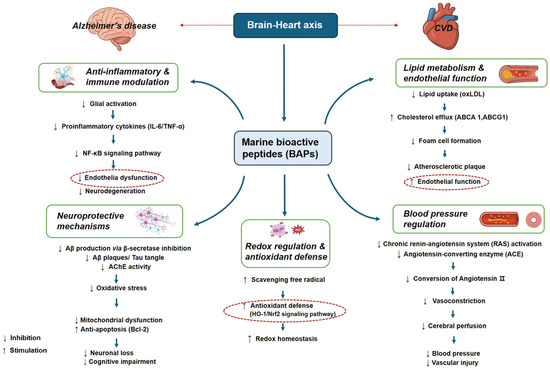
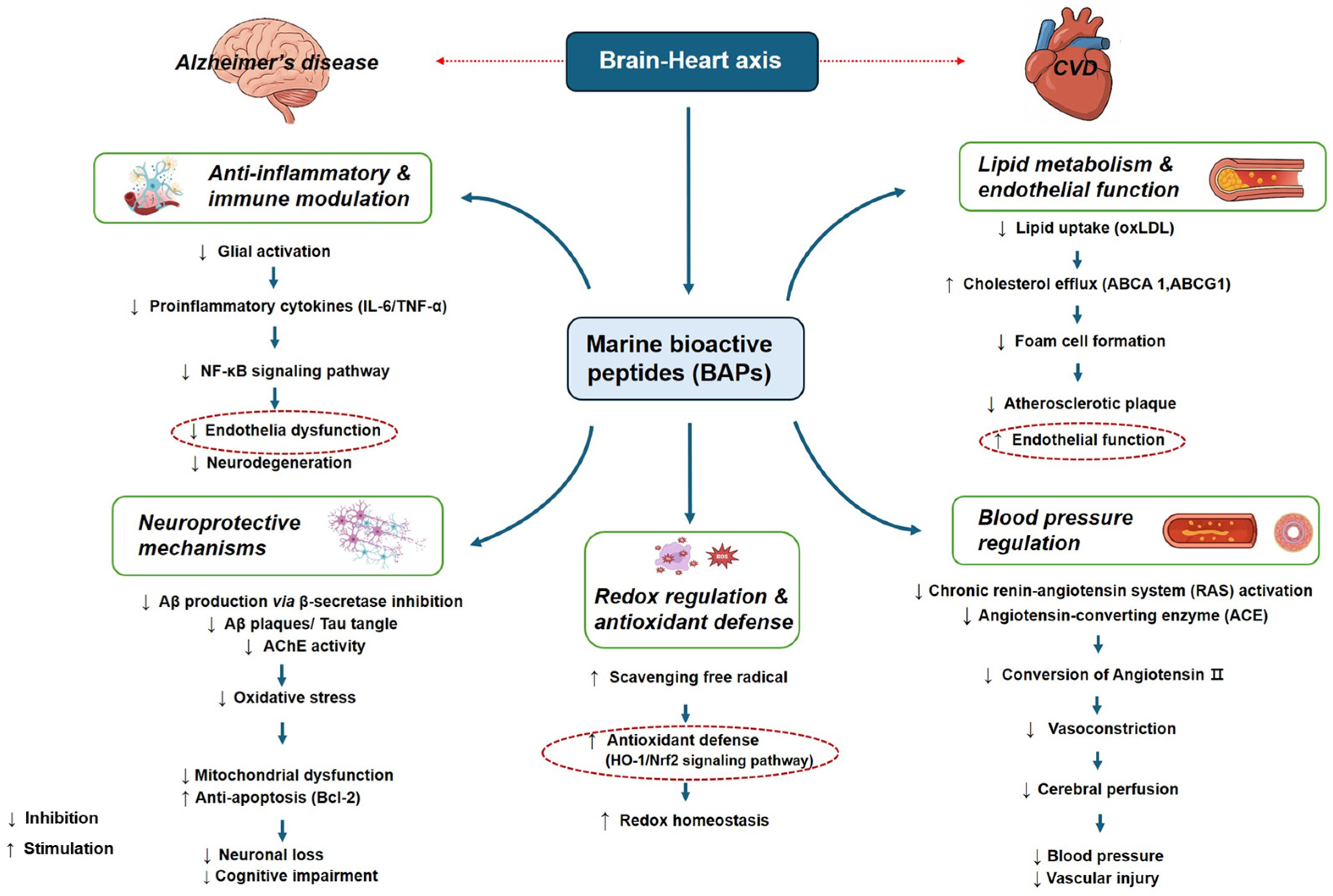

Disclaimer/Publisher’s Note: The statements, opinions and data contained in all publications are solely those of the individual author(s) and contributor(s) and not of MDPI and/or the editor(s). MDPI and/or the editor(s) disclaim responsibility for any injury to people or property resulting from any ideas, methods, instructions or products referred to in the content. |
© 2026 by the authors. Licensee MDPI, Basel, Switzerland. This article is an open access article distributed under the terms and conditions of the Creative Commons Attribution (CC BY) license.