


Abstract
Background and Objectives: Immunosenescence is a complex biological process associated with aging, characterized by a progressive decline in immune function and increased chronic inflammation (“inflammaging”), with clinical implications such as frailty, functional decline, multimorbidity, and a higher risk of adverse events in older adults. Nurses in community and primary care settings play a central role in preventive and health promotion interventions that may indirectly influence these processes. However, the available literature remains fragmented. Therefore, this scoping review aims to map and synthesise nursing interventions targeting older adults (≥60 years) that may indirectly influence immunosenescence by acting on its clinical correlates and modifiable determinants, organising the evidence within a four-pillar conceptual framework. Materials and Methods: A scoping review was conducted following JBI methodology and the PRISMA-ScR checklist. We included primary studies on nurse-led interventions in community, home care, primary care, territorial, or long-term care settings. PubMed, Scopus, and Web of Science were searched (English; last 10 years). Interventions were classified into four pillars: nursing nutrition and immunonutrition support, physical activity and exercise support, nursing vaccination coaching, and frailty monitoring and prevention of functional decline. Results: Twenty-five primary studies were included, mostly randomised or cluster-randomised trials in community, primary care, home care, and transitional care settings. Interventions mapped mainly to Pillar 4 and Pillar 2, while Pillar 1 was less frequent and usually part of multicomponent programmes; no primary studies targeted Pillar 3. Overall, effectiveness appeared driven more by intervention intensity and integration than by frailty identification alone: structured, multicomponent nurse-led programmes combining exercise with nutritional and psychosocial components showed the most consistent benefits on frailty, functional outcomes, and well-being, whereas low-intensity preventive consultations and Comprehensive Geriatric Assessment (CGA)-based models often showed limited improvements over usual care. Conclusions: This scoping review highlights the key role of community and primary care nurses in preventive interventions targeting clinical correlates of immunosenescence. Multicomponent nurse-led programmes integrating physical activity, nutrition, and psychosocial support appear most promising for frailty and functional outcomes, while low-intensity interventions show limited effectiveness. No primary studies addressed nurse-led vaccination coaching, representing an evidence gap. Future research should include biological/immunological markers alongside clinical outcomes.
1. Introduction
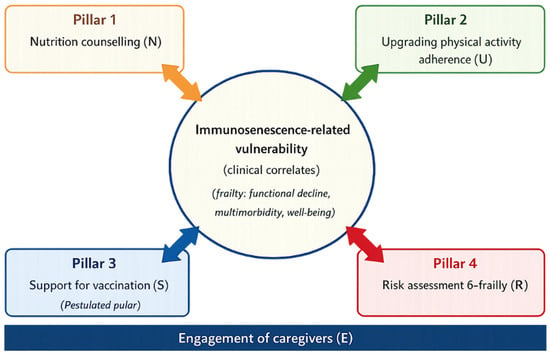
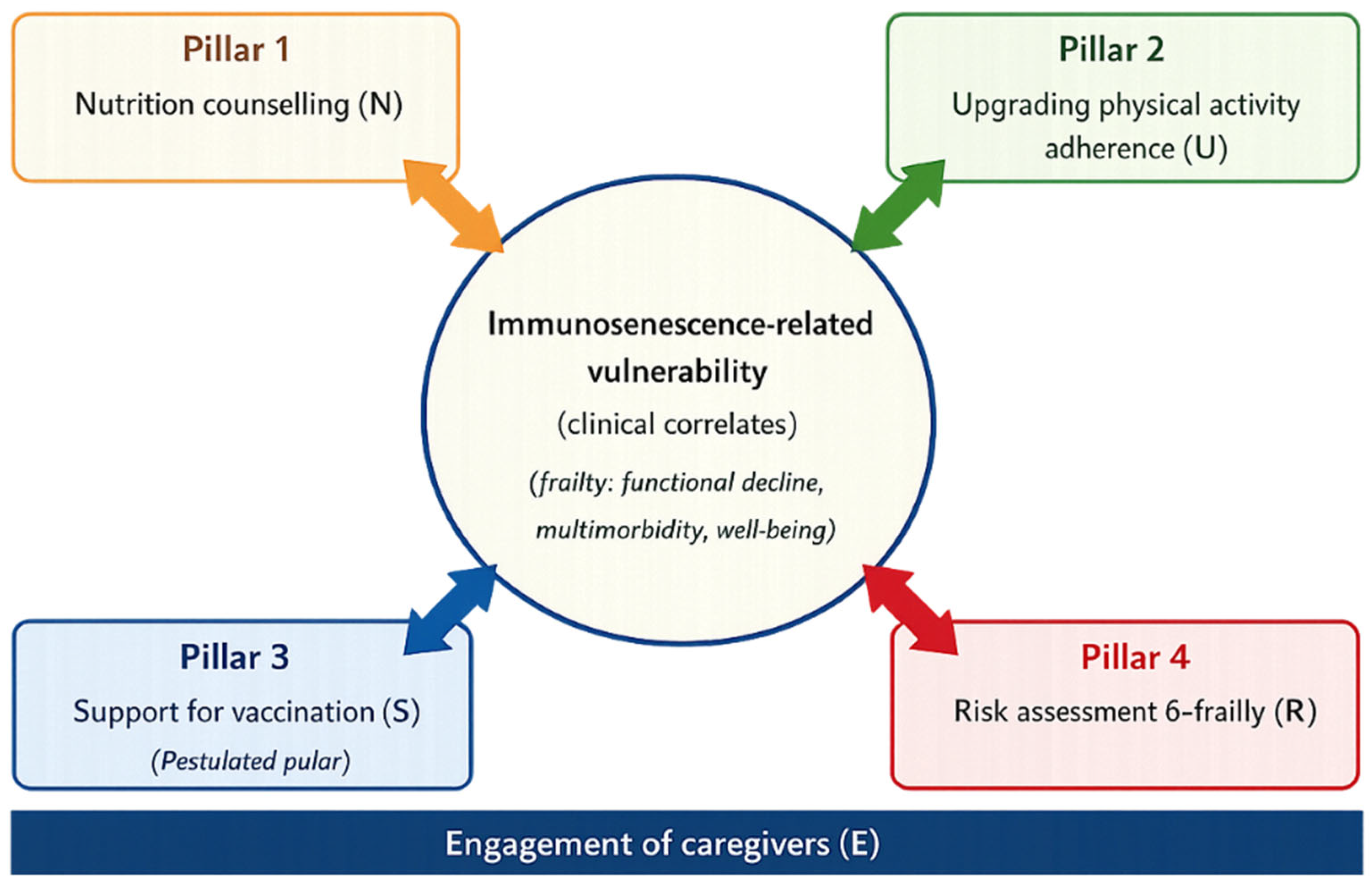
Population ageing represents a major challenge for healthcare systems worldwide. Life expectancy is projected to exceed 80 years by 2040, leading to a growing proportion of the population exposed to immunosenescence, inflammaging, and frailty [1,2]. This demographic shift is associated with a higher prevalence of chronic conditions, multimorbidity, and frailty, with significant implications for health outcomes and the organization of healthcare services [2,3]. Moreover, these conditions increase older adults’ vulnerability to both endogenous and environmental stressors [4]. Among the main biological processes associated with ageing, immunosenescence, defined as the progressive and multifactorial deterioration of the immune system linked to advancing age [5], represents a key determinant of increased susceptibility to infections, reduced vaccine responsiveness, and progressive functional decline [5,6]. This is further supported by evidence on vaccine safety and immunogenicity in clinically vulnerable populations [7], and immunosenescence is also characterised by immune cell dysfunction and apoptosis remodelling [8]. This process is closely associated with inflammaging, a state of chronic low-grade inflammation driven by immuno-endocrine and cytokine alterations, which contributes to the development of clinical frailty and sarcopenia and represents a shared pathogenic mechanism across multiple age-related conditions, thereby increasing the risk of hospitalization and mortality in older adults [9,10,11,12]. Recent evidence suggests that immunosenescence should not be regarded as a strictly irreversible process, but rather as a biological trajectory that may be modulated through lifestyle interventions and other modifiable health determinants, as well as through the regulation of chronic inflammatory pathways and immuno-neuro-endocrine interactions associated with ageing [13,14,15]. In particular, nutrition, physical activity, vaccination strategies, and frailty monitoring are closely linked to the biological mechanisms of immune ageing, including through structured behavioral interventions delivered in primary care settings [16,17,18]. Low-intensity nutritional interventions, when integrated into community nursing practice, may further support functional and immune status among older adults living at home within primary care and community nursing contexts [18]. In this context, community and primary care nurses represent a strategic resource, particularly to strengthen prevention, early detection, and outreach strategies among underserved and marginalised populations [19] as highlighted during the COVID-19 pandemic, with evidence suggesting that SARS-CoV-2 may have been circulating in Italy already in early December 2019 [20]. Nurse-led or community nurse-guided programs have combined education, counseling, follow-up, and multidimensional interventions with the aim of preventing or mitigating frailty and improving health outcomes among older adults in home-based settings, including proactive models of screening, multidimensional assessment, and personalized interventions delivered in primary care and community settings [21,22,23,24]. Through these activities, nursing care may support health-related behaviors, treatment adherence, and the management of risk factors associated with immunosenescence [22]. Despite their clinical relevance, these interventions are described in a fragmented and heterogeneous manner, lacking a unified conceptual framework [25]. In light of these considerations, this scoping review aims to map the available evidence on nurse-led, nurse-delivered, or nurse-involved interventions implemented in community nursing, home care, and primary care settings and targeting older adults (≥60 years) that may potentially influence clinical and functional correlates of immunosenescence. Interventions are organized within four pillars: nursing nutrition and immunonutrition support, support for physical activity, vaccination coaching, and frailty monitoring with preventive interventions. Finally, based on the evidence identified, a heuristic conceptual framework, the NURSE AGE Framework (Nutrition counseling, Upgrading physical activity adherence, Risk assessment for frailty, Support for vaccination, Engagement of caregivers), is proposed as an expert synthesis to integrate findings across the four pillars, support the interpretation of potential links with immunosenescence, identify gaps in the literature, and outline practical implications and directions for future research, including testing this framework in future intervention studies (Figure 1). This framework was not inductively derived from an empirical synthesis of effect estimates, but is proposed as a conceptual model to generate hypotheses and guide future research.
Figure 1.
The NURSE AGE heuristic framework integrating nurse-led interventions across four pillars, with caregiver engagement as a cross-cutting component, to address immunosenescence-related clinical correlates and guide future research.
2. Methods
This study is a scoping review conducted following the JBI methodology [26] and reported according to the PRISMA-ScR checklist [27]. The review protocol was not prospectively registered on any platform (e.g., PROSPERO, Open Science Framework). This does not affect the aims of the present scoping review, which was designed to map the available evidence rather than to synthesise intervention effects. Nevertheless, the review methods were developed a priori in accordance with the JBI framework and PRISMA-ScR guidance to ensure methodological rigour and transparency. The research question guiding the review was:
What nursing-led interventions have been described in the literature as potentially capable of influencing clinical correlates of immunosenescence in older adults?
To address this question, the PCC framework was applied [26]:
- Population: Older adults aged ≥ 60 years, including frail older adults and individuals with multimorbidity living in community or long-term care settings.
- Concept: Nursing-led or nursing-delivered interventions potentially influencing immune function or its clinical correlates (e.g., inflammaging, frailty, functional decline, vaccine response).
- Context: Community and territorial care settings, including community nursing, home care nursing, primary care, and integrated home care services.
2.1. Search Strategy and Databases
The search strategy was developed using natural language keywords combined with Boolean operators to identify nurse-led interventions targeting older adults in community and primary care settings, as well as domains potentially associated with immunosenescence and its clinical correlates. In this review, community and primary care refers to healthcare services delivered in community-based, home care, or primary care contexts. Terms related to acute hospital care, critical care, or intensive care units were excluded; however, studies conducted in mixed settings were eligible when the intervention targeted older adults in community contexts. Searches were conducted in PubMed, Scopus, and Web of Science, limited to English-language publications from the last 10 years to capture contemporary nurse-led models and ensure relevance to current organisational and preventive care frameworks. Grey literature and manual reference list screening were not performed. The final search was completed on 23 December 2025. The full search strategies are reported in Supplementary File S1.
2.2. Study Selection and Screening Process
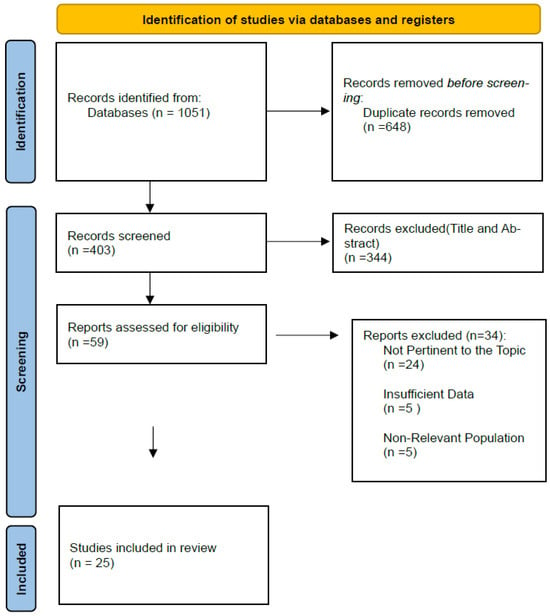
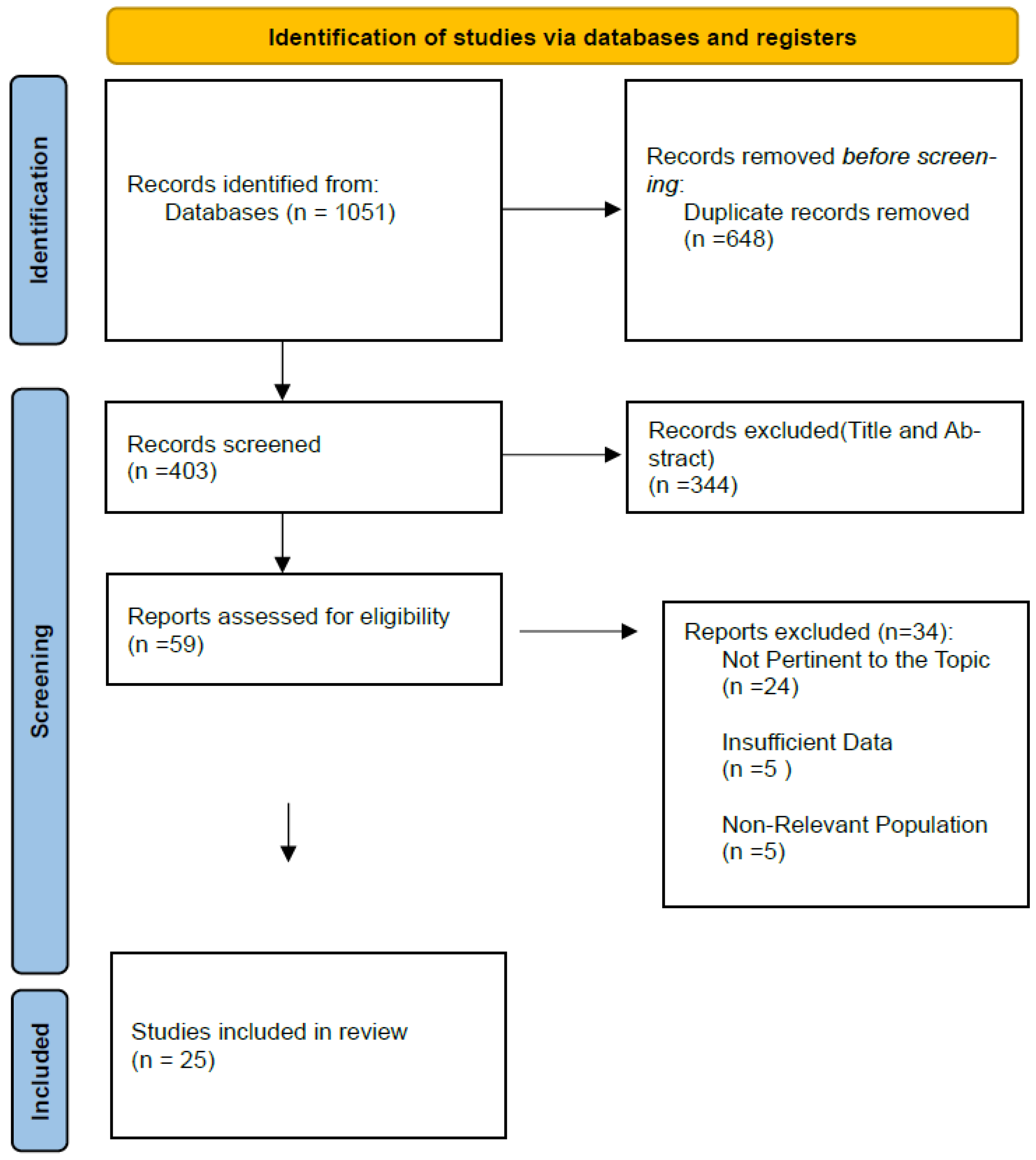
Study selection was performed in two phases. First, two reviewers (GA and MD) independently screened titles and abstracts against the predefined inclusion and exclusion criteria, excluding clearly non-eligible records. Second, the full texts of potentially relevant studies were independently assessed to confirm eligibility. Records were managed and duplicates removed using Zotero (Corporation for Digital Scholarship, Vienna, VA, USA; version 7.0.21). Disagreements at any stage were resolved through discussion and consensus, with the involvement of a third reviewer (GL) when necessary. The selection process followed PRISMA-ScR recommendations and is illustrated in Figure 2.
Figure 2.
PRISMA-ScR flow diagram illustrating the study selection process. The databases searched were PubMed, Scopus, and Web of Science.
2.3. Inclusion and Exclusion Criteria
The inclusion and exclusion criteria were defined a priori based on the objectives of the scoping review and the four-pillar conceptual model adopted for the analysis of nursing interventions.
2.3.1. Inclusion Criteria
Studies were included if they met all of the following criteria:
- Population: Adults aged ≥ 60 years, including frail older adults and individuals with multimorbidity.
- Intervention: Studies describing nursing-led or nursing-delivered interventions potentially capable of modulating immunosenescence or its clinical correlates, such as inflammaging, frailty, functional decline, or vaccine response. Explicit reference to the term immunosenescence was not mandatory, provided that the intervention could be mapped to at least one of the four pillars of the conceptual framework.
- Care setting: Community and territorial care settings, including community nursing, home care nursing, primary care, integrated home care services, and residential or long-term care facilities.
- Nursing role: Studies in which the intervention was nurse-led or nurse-delivered, with an active and central role of nurses in the design and/or delivery of the intervention.
- Study design: Primary studies, including experimental and quasi-experimental studies, observational studies with an interventional component, and pilot studies.
- Language and publication period: Studies published in English within the last 10 years.
2.3.2. Exclusion Criteria
Studies were excluded if they:
- did not describe a nurse-led or nurse-delivered intervention (e.g., interventions delivered exclusively by other professionals);
- were conducted exclusively in acute hospital, intensive care, or critical care settings with no community/primary care component;
- were secondary studies (systematic reviews, scoping reviews, narrative reviews), editorials, commentaries, or protocols;
- were purely descriptive qualitative studies without an intervention component; qualitative studies were eligible only if they described and evaluated a nurse-led intervention (e.g., feasibility, acceptability, or participants’ experiences);
- did not allow mapping of the intervention to at least one of the four pillars.
2.4. Data Extraction
Data extraction was performed independently by two reviewers (GA and MD) using a standardized extraction form, developed in accordance with the JBI guidelines for scoping reviews [26]. The extraction form was designed to ensure consistency with the objectives of the review and with the four-pillar conceptual model, and included the following variables: author and year of publication, study design, care setting, reference conceptual pillar(s), description of the nurse-led or nurse-delivered nursing intervention, main outcomes and key findings. To ensure the accuracy, completeness, and consistency of the extracted data, a third reviewer (PV) verified all collected information. Any discrepancies or uncertainties that arose during the extraction process were discussed among the reviewers and resolved by consensus.
2.5. Data Synthesis
The results were summarized using a narrative approach. Data extracted from the included studies were initially organized in a structured table and subsequently sorted according to the four-pillar conceptual model, defined a priori. Specifically, each study was assigned to one of the four pillars based on the primary focus of the nursing intervention described:
- (1)
- nursing nutrition and immunonutrition support (nutritional risk monitoring and nurse-led nutritional counselling),
- (2)
- physical activity and exercise support,
- (3)
- nursing vaccination coaching,
- (4)
- frailty monitoring and prevention of functional decline.
For each pillar, the results were summarized in narrative form describing the study design, the care setting, the type of nurse-led nursing intervention, the main outcomes assessed, and the key results, as reported in the data extraction table.
3. Results
A total of 1051 records were identified through database searching. After removing 648 duplicates, 403 titles and abstracts were screened, and 344 records were excluded. Fifty-nine full-text articles were assessed for eligibility, of which 34 were excluded. Finally, 25 studies were included in the review (Figure 2).
3.1. Selection and General Characteristics of the Included Studies
The included studies (n = 25) are heterogeneous in terms of methodological design, intensity of interventions and care settings, with most located in community care and primary care. Nursing interventions (nurse-led or nurse-delivered) were analysed according to four predefined conceptual pillars: (1) nursing nutrition and immunonutrition support, (2) physical activity and exercise support, (3) nursing vaccination coaching, and (4) frailty monitoring and prevention of functional decline. Randomised controlled trials (including cluster RCTs) predominate among study designs and are frequently used for frailty prevention programmes, physical activity promotion and post-discharge interventions (e.g., Bleijenberg et al. [24]; Bleijenberg et al. [28]; Dorresteijn et al. [29]; Harris et al. [30]; Suijker et al. [31]; Suijker et al. [32]; Verloo et al. [33]; Xu et al. [34]; Xu et al. [35]; Sönmez Sari & Kitiş [36]). Quasi-experimental and pre-post studies are common in community settings (senior centres, local services), as documented by Lee et al. [37], Song & Boo [38], Kang et al. [39] and Marcus-Varwijk et al. [40]. Observational and mixed-methods approaches focus on service utilisation, hospital–community continuity, and clinical and psychosocial outcomes (e.g., Tam et al. [41]; Ron et al. [42]), while a single qualitative study explores a “low-threshold” nutritional intervention based on meal sharing (Frøyland Alne et al. [18]).
Care Settings
The care settings of the included studies show a clear prevalence of community care, primary care and home care, which represent the main setting for the nursing interventions mapped. There are also post-hospitalisation transitional care programmes, outpatient interventions and integrated hospital-community models, as documented by van der Vlegel-Brouwer et al. [43], Tam et al. [41] and Ron et al. [42]. The main characteristics of the included studies are summarised in Table 1.
Table 1.
Characteristics of the included studies and summary of nurse-led interventions and main findings.
3.2. Main Results
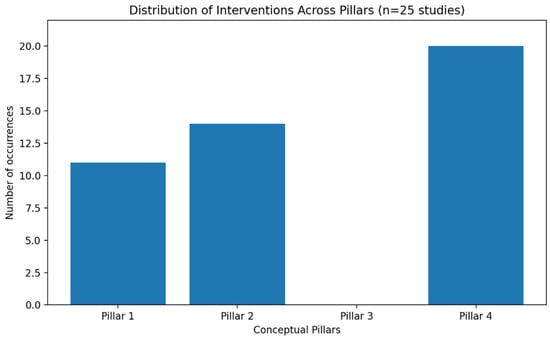
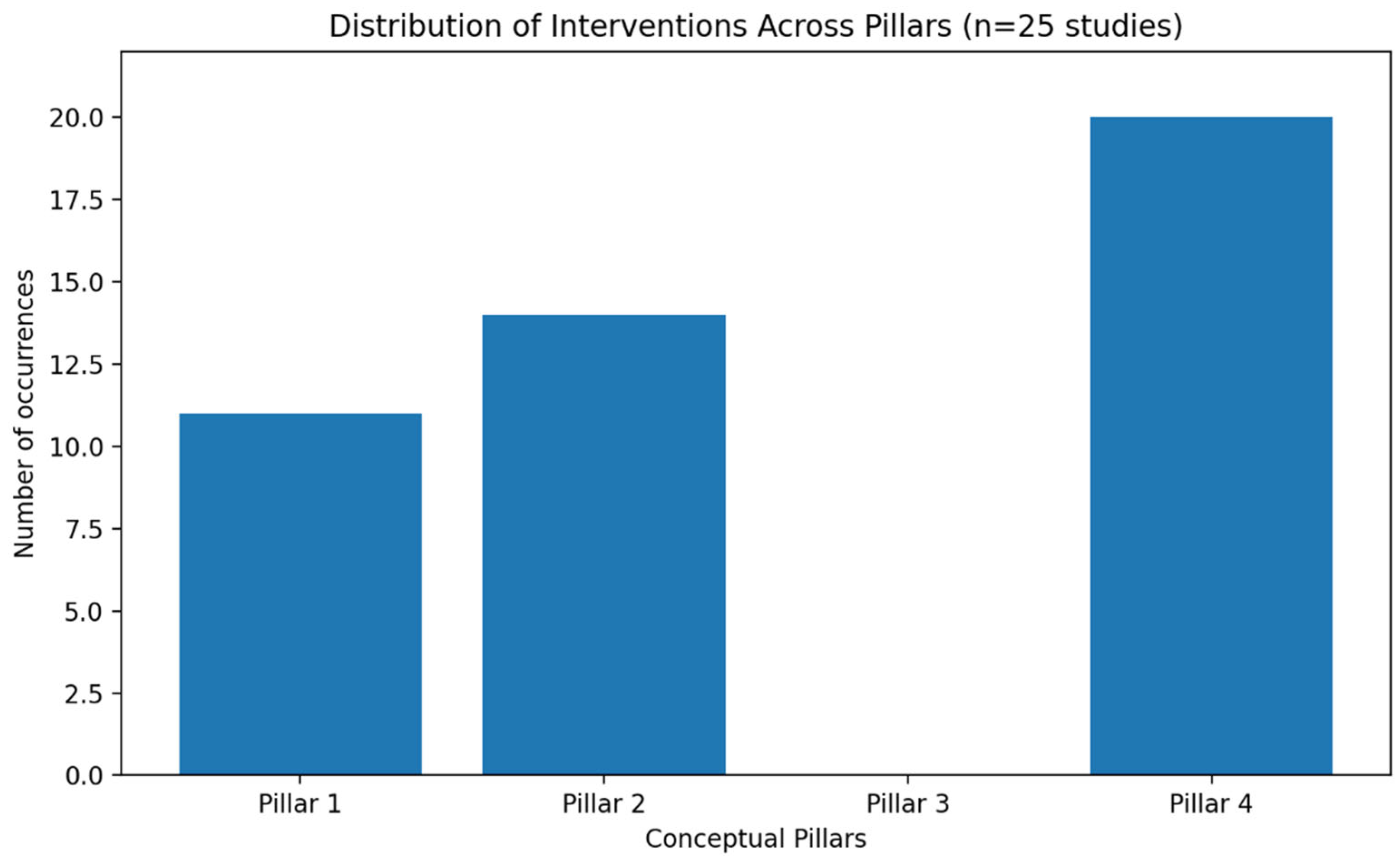
Overall, the included studies described nurse-led interventions delivered through multiple modalities (home visits, group sessions, individual counselling, telephone follow-ups, and digital support), which were mainly mapped to Pillar 2 (physical activity and exercise support) and Pillar 4 (frailty monitoring and prevention of functional decline). A smaller number of interventions include components attributable to Pillar 1 (nursing nutrition and immunonutrition support), most often embedded within multi-component or multifactorial programmes. No primary empirical studies were identified for Pillar 3 (nursing vaccination coaching); therefore, it was not possible to map results for this pillar. As shown in Figure 3, nursing interventions were predominantly mapped to Pillar 4 (frailty monitoring and prevention of functional decline), followed by Pillar 2 (physical activity and exercise support).
Figure 3.
Frequency of nursing interventions mapped to the four conceptual pillars.
Results Summarised by Framework Pillars
- Pillar 1—Nutritional risk monitoring and nurse-led nutritional counselling
Interventions included in this pillar comprised nutritional screening, nurse-led education and counselling, practical support with food intake, and follow-up, sometimes embedded within multidimensional programmes. In rural settings, nurse-led interventions based on structured nutritional assessment (MNA) and personalised recommendations were associated with significant improvements in nutritional status, with a transition toward a normal nutritional profile among older adults at risk of or affected by malnutrition (Spirgienė et al. [47]). The qualitative study by Frøyland Alne et al. [18] reported that the meal-sharing intervention with nursing students was described by participants as feasible and acceptable and was associated with subjective improvements in appetite, enjoyment of meals, and food intake, as well as psychosocial benefits, despite the absence of standardised nutritional outcome measures.
When the nutritional component was embedded within multidomain interventions, findings were more heterogeneous. In multicomponent nurse-led programmes (Jeong & Chang, [44]; Song & Boo, [38]; Kang et al., [39]; Xu et al., [35]; Xu et al., [34]), nutritional outcomes were often not significantly different between groups or limited to specific subdomains, whereas more consistent effects were observed for frailty, physical function and psychosocial outcomes.
- Pillar 2—Physical activity and exercise support
This pillar includes nurse-led programmes promoting physical activity, structured exercise (strength, balance, endurance), motivational coaching, community interventions and prehabilitation, including digital and remote models. Nursing interventions in primary care incorporating behavioural change techniques and objective feedback (pedometer/accelerometer) were associated with significant increases in daily steps and time spent in moderate-to-vigorous physical activity, with effects maintained up to 12 months (Harris et al. [30]). Consistent results also emerge from interventions based on motivational interviewing, which promote improved levels of physical activity and progression through the stages of behavioural change (Sönmez Sari & Kitiş [36]). In multi-component community programmes, nurse-led physical activity is associated with improvements in functional performance (e.g., TUG, muscle strength, functional capacity) and reduced levels of frailty (Kang et al. [39]; Song & Boo, [38]; Yeh et al. [49]). In isolated contexts or those with limited access to services, nurse-led home exercise does not always produce significant changes in physical performance, but it can still lead to improvements in ADL and quality of life (Akihiro et al. [46]). Some studies reported improvements in psycho-emotional outcomes, including reductions in depressive symptoms and improvements in quality of life and perceived well-being (Song & Boo, [38]). Finally, multimodal remote prehabilitation led by nurses, supported by apps and remote contact, was feasible and safe, with acceptable completion rates and variable adherence across components (Sato et al. [45]).
- Pillar 3—Nursing vaccination coaching
No primary empirical studies focusing on nurse-led vaccination coaching interventions were identified; therefore, no results could be mapped for Pillar 3.
- Pillar 4—Frailty monitoring and prevention of functional decline
This is the most widely represented pillar, comprising interventions focused on frailty screening and multidimensional assessment, Comprehensive Geriatric Assessment (CGA), personalised care planning, nursing case management, structured home follow-up and fall prevention strategies.
- -
- Electronic frailty screening and proactive nurse-led primary care interventions.
Two cluster trials by Bleijenberg et al. reported that EMR-based frailty screening combined with proactive nurse-led assessment and care planning was associated with small differences in daily functioning compared with usual care, with no significant improvements in quality of life (Bleijenberg et al. [24]). From an economic perspective, frailty screening (with or without the additional nurse-led programme) showed a high probability of cost-effectiveness compared with usual care, largely driven by cost savings, while incremental QALY gains attributable to the nurse-led component were small (Bleijenberg et al. [28]).
- -
- Multifactorial CGA-based programmes with follow-up: mixed to null results in well-developed primary care.
Cluster trials evaluating nurse-led multifactorial CGA-based care models with individualised care plans reported no significant differences compared with usual care in disability prevention, quality of life, falls, hospitalisations, or mortality at 12 months (Suijker et al. [31]). In the related economic evaluation, the intervention arm generated higher total costs and showed a low probability of cost-effectiveness (Suijker et al. [32]). Similarly, a low-intensity nurse-led health promotion model delivered through community consultation clinics did not produce significant improvements and, in populations with high baseline frailty, was associated with transitions toward worse health profiles—highlighting the challenges of achieving clinically meaningful change when intervention intensity is limited and baseline vulnerability is high (Marcus-Varwijk et al. [40]).
- -
- Falls, fear of falling, and disability trajectories.
A home-based cognitive–behavioural programme delivered by community nurses significantly reduced fear of falling and activity avoidance, improved disability, and reduced indoor falls, while no significant differences were observed in the total number of falls (Dorresteijn et al. [29]).
- -
- Transitional care and intensive post-discharge home follow-up.
The Transitional Care Bridge model reported non-significant differences in ADL dependence and mortality compared with usual care; the authors also reported implementation challenges and lower-than-planned home-visit intensity (van der Vlegel-Brouwer et al. [43]). An intensive, personalised, multicomponent post-discharge home intervention delivered by a specialist geriatric nurse reported improvements in delirium symptoms, cognitive function, and functional status (ADL/IADL) compared with usual care (Verloo et al. [33]).
- -
- Integrated home care models, service utilisation, and continuity of care.
Integrated service models characterised by nursing case management and systematic follow-up were associated with reductions in healthcare utilisation outcomes. In very frail older adults, an Integrated Care at Home programme based on nurse case management was associated with significant reductions in emergency department visits and hospital days, alongside lower caregiver stress (Tam et al. [41]). In Italy, embedding community nurses within a proactive community/social programme was associated with reduced one-year hospitalisations, particularly among pre-frail and frail individuals, while mortality differences were not statistically significant (Terracciano et al. [48]). In the perioperative setting, a nurse-led preoperative CGA with structured transfer of recommendations to general practitioners reported improved information transfer and continuity indicators; however, functional outcomes remained non-significant and GP engagement remained limited (Ron et al. [42]).
4. Discussion
The present study did not directly investigate immunosenescence or specific immunological biomarkers; instead, it adopted a pragmatic, clinically oriented approach focusing on nurse-led interventions targeting clinical and functional outcomes commonly associated with immunosenescence-related vulnerability, including frailty, functional decline, physical inactivity, and malnutrition. The four-pillar framework adopted in this scoping review is grounded in geriatric and gerontological literature describing these domains as interrelated manifestations linked to immune ageing and inflammaging [50,51]. Moreover, poor adherence to preventive interventions and healthy lifestyle behaviors is common among frail older adults and is associated with increased vulnerability to immunological aging and reduced physiological resilience [52]. The aim of the review was to map community and primary care nurse-led preventive interventions targeting modifiable clinical and behavioural determinants associated with immune ageing, mainly across Pillars 1, 2, and 4, as no primary studies were identified for Pillar 3 (vaccination coaching). These interventions may plausibly contribute to improving immunosenescence-related clinical correlates through behavioural and functional pathways; however, causal inferences on biological immune mechanisms cannot be drawn, as no immunological biomarkers were assessed. This approach is consistent with recent systematic reviews showing that nurse-led interventions have a variable but potentially significant impact on physical and mental outcomes in pre-frail and frail individuals, even in the absence of direct biological measures [53]. The findings of the present study largely confirm the evidence emerging from recent systematic reviews (Kasa et al. [22]; Zheng et al. [53]) and ongoing trial protocols (Saunders et al. [54]), which identify multicomponent nurse-led interventions combining physical exercise, nutritional education, and psychosocial support as the most effective strategy for reducing frailty among community-dwelling pre-frail and frail individuals, with significant improvements in physical (frailty index, physical performance), nutritional, and mental outcomes (depression, social support). Similar benefits of combined and coordinated interventions have also been reported in the context of protected discharge models, with reductions in hospital readmissions and improved continuity of care (Azzellino et al. [55]). In particular, our framework, structured around comparable pillars (nutrition and immunonutrition-related support, physical activity, and functional decline prevention), aligns with the “function-based care” approaches described by Zheng et al. [53], which demonstrated effectiveness rates of 84% for physical outcomes and 92% for mental outcomes. These approaches showed greater effectiveness than personalized integrated care models, often based primarily on Comprehensive Geriatric Assessment (CGA), which have frequently reported limited or inconsistent effects on activities of daily living and mobility, as also noted by Song and Boo [38] and Kasa et al. [22]. However, compared with more intensive interventions conducted in Asian community or senior centre settings such as those by Ha and Park [56], which involved twice-weekly sessions over 12 weeks with periodic telephone support, and Ng et al. [14], which included structured components with an initial phase of supervised exercise followed by home-based training, the interventions examined in the present review, implemented within resource-limited primary community care settings, show more modest effects on grip strength and the Timed Up-and-Go (TUG) test. This pattern is consistent with European primary care evidence, where CGA-based nurse-led programmes have often shown limited or inconsistent effectiveness in preventing functional decline at 12 months, within a generally limited and heterogeneous body of primary care nursing interventions [57]. This finding is further supported by European cluster trials showing that CGA-based nurse-led programmes in primary care yield modest or uncertain clinical benefits, particularly for quality of life and daily functioning (Bleijenberg et al. [24]; Suijker et al. [31]). Ongoing European pragmatic cluster trials are currently evaluating the effectiveness of nurse-led CGA models in primary care [58]. The lack of impact on quality of life and health service utilization mirrors findings from trials by Godwin et al. [59] and Marcus-Varwijk et al. [40], which reported limited effects on HRQoL and care-related outcomes despite proactive nurse-led programmes. These findings suggest that changes in “hard” outcomes may require follow-up periods longer than six months and a more intensive, multidisciplinary integration of care. From a nutritional perspective, improvements in the Mini Nutritional Assessment (MNA) tend to be more modest and variable than physical–functional outcomes, reflecting literature in which nurse-led interventions show stronger effects on frailty, performance, and mobility, while nutritional outcomes are less consistently assessed. In particular, targeted low-threshold interventions based on nutritional counselling or education in real-world settings have demonstrated significant improvements in MNA scores even with limited resources (Spirgienė et al. [47]), while approaches centred on the relational dimension of meals have mainly reported perceived benefits in appetite and psychosocial well-being (Frøyland Alne et al. [18]). Psychosocial outcomes (e.g., depression and social support) emerge instead as a particularly promising area: in recent syntheses, “function-based care” interventions show a high proportion of positive effects on mental health outcomes (Zheng et al. [53]), and community-based multicomponent studies include measures such as the Geriatric Depression Scale (GDS) and the Medical Outcomes Study–Social Support Survey (MOS-SSS) (Song & Boo [38]), consistent with interventions integrating cognitive–behavioural components and relational nursing coaching (Dorresteijn et al. [29]). Within a context of still limited Italian and European literature on proactive primary care models, the findings of this scoping review suggest that district-level nursing interventions may produce sustainable effects on frailty and depressive symptoms even at moderate intensity (8–12 weeks). These effects appear more likely when interventions are supported by structured follow-up and enhanced, ongoing telephone coaching, consistent with the broader evidence supporting nurse-led remote follow-up and telemedicine-based care models [60]. However, as also highlighted by Pairada et al. [57], the scalability of such models requires systematic cost-effectiveness evaluations and the overcoming of organizational and systemic barriers, such as poor continuity with general practitioners [57,61]. Overall, these findings highlight the pivotal role of community nurses in frailty prevention. From an implementation perspective, dedicated training and the adoption of standardized care frameworks (e.g., NANDA/NIC) could represent a pragmatic strategy to reduce methodological heterogeneity and facilitate integration between health and social care [61,62,63].
4.1. Limitations of the Study
This scoping review has some limitations. First, as a scoping review, it aimed to map the breadth of available evidence rather than to evaluate intervention effectiveness or establish causality. Second, none of the included primary studies assessed biological or immunological markers of immunosenescence; therefore, potential links with immunosenescence can only be discussed indirectly through clinical and functional correlates (e.g., frailty, physical function, and well-being). Third, the search was restricted to English-language studies published within the last 10 years, which may have excluded relevant evidence from other languages or earlier studies. Grey literature was not included, which may have limited the identification of locally implemented or non-indexed interventions. Finally, variability in intervention components, settings, and outcome measures limits direct comparability across studies, and the findings should therefore be interpreted with caution.
4.2. Implications for Clinical Practice
The findings of this scoping review suggest that community and primary care nurses may benefit from prioritising multicomponent preventive interventions integrating physical activity, nutritional counselling, and frailty monitoring, delivered with adequate intensity and continuity. Structured programmes with ongoing follow-up tended to show more consistent benefits on frailty, functional outcomes, and psychosocial well-being than low-intensity or single-contact approaches, particularly in higher-risk older adults. These results underscore the value of structured protocols and closer integration between nursing services, general practitioners, and social care to enhance continuity and scalability of preventive interventions. The absence of primary studies on nurse-led vaccination coaching also highlights an important opportunity for future nursing practice and research. The proposed NURSE AGE Framework (Nutrition counselling, Upgrading physical activity adherence, Risk assessment for frailty, Support for vaccination, Engagement of caregivers) provides a pragmatic synthesis of these priorities and supports the future development of structured nurse-led preventive pathways, including vaccination-related components. Future primary studies are needed to evaluate nurse-led vaccination coaching interventions in community and primary care settings and their potential impact on clinical outcomes in older adults.
5. Conclusions
This scoping review highlights the important role of community and primary care nurses in preventing frailty and functional decline in older adults through interventions addressing key clinical and functional determinants commonly associated with immunosenescence-related vulnerability. The available evidence suggests that structured, multicomponent nursing programmes of adequate intensity—particularly those integrating physical activity, nutritional support, and psychosocial components—tend to be associated with more consistent benefits than fragmented or low-intensity preventive approaches. The findings also indicate that frailty identification, when not accompanied by continuous and integrated interventions, is often associated with limited clinical impact. In this context, proactive nursing models characterised by continuity of care and integration with general practitioners and social care services appear to be associated with more favourable outcomes, especially in community and home care settings. With regard to vaccination-related nursing interventions, the available evidence remains limited, indicating an area that warrants further investigation. Similarly, current studies primarily focus on clinical and functional outcomes, with limited incorporation of immunological or biological markers. Future research should therefore evaluate nurse-led preventive interventions that include vaccination-related components and integrate immunological biomarkers, alongside clinical and functional outcomes, in order to better clarify potential links between nursing interventions, clinical outcomes, and immunosenescence-related vulnerability.
Supplementary Materials
The following supporting information can be downloaded at: https://www.mdpi.com/article/10.3390/medicina62020262/s1, Search strategy and full search strings.
Author Contributions
Conceptualization: G.A., M.D.M. and P.V.; Methodology: G.A., M.D.M. and L.G.; Search strategy and study selection: G.A. and M.D.M.; Data extraction and data curation: G.A. and M.D.M.; Validation: P.V., L.G. and M.D.M.; Formal analysis and data synthesis: G.A. and M.D.M.; Writing—original draft preparation: G.A.; Writing—review and editing: G.A., P.V., E.A., L.M., L.G. and M.D.M.; Visualization: G.A.; Supervision: M.D.M., P.V. and L.G.; Project administration: G.A. and M.D.M. All authors have read and agreed to the published version of the manuscript.
Funding
This study did not receive any form of external financial support.
Institutional Review Board Statement
This scoping review did not require formal ethical approval, as it was based exclusively on data already available in the public domain from previously published studies.
Informed Consent Statement
Not applicable, since the review did not involve the collection of new data from human participants.
Data Availability Statement
All evidence supporting the conclusions of this work originates from published sources, which are referenced throughout the manuscript.
Conflicts of Interest
The authors declare no conflict of interest.
References
- Bleve, A.; Motta, F.; Durante, B.; Pandolfo, C.; Selmi, C.; Sica, A. Immunosenescence, Inflammaging, and Frailty: Role of Myeloid Cells in Age-Related Diseases. Clin. Rev. Allergy Immunol. 2023, 64, 123–144. [Google Scholar] [CrossRef] [Scilit] [PubMed]
- Gianfredi, V.; Nucci, D.; Pennisi, F.; Maggi, S.; Veronese, N.; Soysal, P. Aging, longevity, and healthy aging: The public health approach. Aging Clin. Exp. Res. 2025, 37, 125. [Google Scholar] [CrossRef] [Scilit] [PubMed]
- Bektas, A.; Schurman, S.H.; Sen, R.; Ferrucci, L. Aging, inflammation and the environment. Exp. Gerontol. 2018, 105, 10–18. [Google Scholar] [CrossRef] [Scilit] [PubMed]
- Pilotto, A.; Custodero, C.; Maggi, S.; Polidori, M.C.; Veronese, N.; Ferrucci, L. A multidimensional approach to frailty in older people. Ageing Res. Rev. 2020, 60, 101047. [Google Scholar] [CrossRef] [Scilit]
- Oh, S.-J.; Lee, J.K.; Shin, O.S. Aging and the Immune System: The Impact of Immunosenescence on Viral Infection, Immunity and Vaccine Immunogenicity. Immune Netw. 2019, 19, e37. [Google Scholar] [CrossRef] [Scilit]
- Aiello, A.; Farzaneh, F.; Candore, G.; Caruso, C.; Davinelli, S.; Gambino, C.M.; Ligotti, M.E.; Zareian, N.; Accardi, G. Immunosenescence and Its Hallmarks: How to Oppose Aging Strategically? A Review of Potential Options for Therapeutic Intervention. Front. Immunol. 2019, 10, 2247. [Google Scholar] [CrossRef] [Scilit]
- Gragnani, L.; Visentini, M.; Lorini, S.; Santini, S.A.; Lauletta, G.; Mazzaro, C.; Urraro, T.; Quartuccio, L.; Cacciapaglia, F.; Ruscitti, P.; et al. COVID-19 and Mixed Cryoglobulinemia Syndrome: Long-Term Survey Study on the Prevalence and Outcome, Vaccine Safety, and Immunogenicity. J. Clin. Immunol. 2023, 43, 680–691. [Google Scholar] [CrossRef] [Scilit]
- De Martinis, M.; Franceschi, C.; Monti, D.; Ginaldi, L. Apoptosis remodeling in immunosenescence: Implications for strategies to delay ageing. Curr. Med. Chem. 2007, 14, 1389–1397. [Google Scholar] [CrossRef] [Scilit]
- Ferrucci, L.; Fabbri, E. Inflammageing: Chronic inflammation in ageing, cardiovascular disease, and frailty. Nat. Rev. Cardiol. 2018, 15, 505–522. [Google Scholar] [CrossRef] [Scilit]
- Wang, T. Searching for the link between inflammaging and sarcopenia. Ageing Res. Rev. 2022, 77, 101611. [Google Scholar] [CrossRef] [Scilit]
- Kang, M.-G.; Jung, H.-W.; Kim, B.-J. A link between systemic low-grade inflammation and frailty in older adults: Clinical evidence from a nationwide population-based study. Korean J. Intern. Med. 2024, 39, 1011–1020. [Google Scholar] [CrossRef] [Scilit]
- Aitella, E.; De Martinis, M.; Romano, C.; Azzellino, G.; Ginaldi, L. Neurogenic Inflammation in Allergic Contact Dermatitis. Biomedicines 2025, 13, 656. [Google Scholar] [CrossRef] [Scilit] [PubMed]
- Pangrazzi, L.; Meryk, A. Molecular and Cellular Mechanisms of Immunosenescence: Modulation Through Interventions and Lifestyle Changes. Biology 2024, 14, 17. [Google Scholar] [CrossRef] [Scilit] [PubMed]
- Ng, T.P.; Feng, L.; Nyunt, M.S.Z.; Feng, L.; Niti, M.; Tan, B.Y.; Chan, G.; Khoo, S.A.; Chan, S.M.; Yap, P.; et al. Nutritional, Physical, Cognitive, and Combination Interventions and Frailty Reversal Among Older Adults: A Randomized Controlled Trial. Am. J. Med. 2015, 128, 1225–1236.e1. [Google Scholar] [CrossRef] [Scilit] [PubMed]
- Aitella, E.; Azzellino, G.; Romano, C.; Ginaldi, L.; Martinis, M.D.; Azzellino, G.; Romano, C.; Ginaldi, L.; Martinis, M.D. Rheumatoid Arthritis and Osteoporosis as Prototypes of Immunosenescence in Osteoimmunology: Molecular Pathways of Inflammaging and Targeted Therapies. Int. J. Mol. Sci. 2025, 26, 9268. [Google Scholar] [CrossRef] [Scilit]
- Hodges, R.E.; Lamotte, A.V. Impact of Diet and Lifestyle on Vaccine Efficacy in Adults Aged 55 and Older: A Review. Integr. Med. (Encinitas) 2022, 21, 32–52. [Google Scholar]
- Weyh, C.; Krüger, K.; Strasser, B. Physical Activity and Diet Shape the Immune System during Aging. Nutrients 2020, 12, 622. [Google Scholar] [CrossRef] [Scilit]
- Alne, E.K.F.; Øie, T.; Søiland, M.; Gjesdal, K. Sharing meals: Promising nutritional interventions for primary health care including nursing students and elderly people. BMC Nutr. 2021, 7, 8. [Google Scholar] [CrossRef] [Scilit]
- Monti, M.; Caruso, T.; Castellaccio, A.; De Giorgi, I.; Cavallini, G.; Manca, M.L.; Lorini, S.; Marri, S.; Petraccia, L.; Madia, F.; et al. HBV and HCV testing outcomes among marginalized communities in Italy, 2019–2024: A prospective study. Lancet Reg. Health Eur. 2025, 49, 101172. [Google Scholar] [CrossRef] [Scilit]
- Gragnani, L.; Monti, M.; Santini, S.A.; Marri, S.; Madia, F.; Lorini, S.; Petraccia, L.; Stasi, C.; Basile, U.; Luti, V.; et al. SARS-CoV-2 was already circulating in Italy, in early December 2019. Eur. Rev. Med. Pharmacol. Sci. 2021, 25, 3342–3349. [Google Scholar] [CrossRef] [Scilit]
- Kasa, A.S.; Traynor, V.; Drury, P. Measuring the effects of nurse-led frailty intervention on community-dwelling older people in Ethiopia: A quasi-experimental study. BMC Geriatr. 2024, 24, 384. [Google Scholar] [CrossRef] [Scilit]
- Kasa, A.S.; Drury, P.; Traynor, V.; Lee, S.-C.; Chang, H.-C.R. The effectiveness of nurse-led interventions to manage frailty in community-dwelling older people: A systematic review. Syst. Rev. 2023, 12, 182. [Google Scholar] [CrossRef] [Scilit] [PubMed]
- Flyum, I.R.; Gjevjon, E.R.; Josse-Eklund, A.; Lærum-Onsager, E.; Borglin, G. Nursing, frailty, functional decline and models of care in relation to older people receiving long-term care: A scoping review protocol. BMJ Open 2022, 12, e061303. [Google Scholar] [CrossRef] [Scilit] [PubMed]
- Bleijenberg, N.; Drubbel, I.; Schuurmans, M.J.; Dam, H.T.; Zuithoff, N.P.A.; Numans, M.E.; de Wit, N.J. Effectiveness of a Proactive Primary Care Program on Preserving Daily Functioning of Older People: A Cluster Randomized Controlled Trial. J. Am. Geriatr. Soc. 2016, 64, 1779–1788. [Google Scholar] [CrossRef] [Scilit] [PubMed]
- Lyndon, H.; Latour, J.M.; Marsden, J.; Kent, B. Designing a nurse-led assessment and care planning intervention to support frail older people in primary care: An e-Delphi study. J. Adv. Nurs. 2022, 78, 1031–1043. [Google Scholar] [CrossRef] [Scilit]
- Peters, M.D.J.; Marnie, C.; Tricco, A.C.; Pollock, D.; Munn, Z.; Alexander, L.; McInerney, P.; Godfrey, C.M.; Khalil, H. Updated methodological guidance for the conduct of scoping reviews. JBI Evid. Synth. 2020, 18, 2119–2126. [Google Scholar] [CrossRef] [Scilit]
- Tricco, A.C.; Lillie, E.; Zarin, W.; O’Brien, K.K.; Colquhoun, H.; Levac, D.; Moher, D.; Peters, M.D.J.; Horsley, T.; Weeks, L.; et al. PRISMA Extension for Scoping Reviews (PRISMA-ScR): Checklist and Explanation. Ann. Intern. Med. 2018, 169, 467–473. [Google Scholar] [CrossRef] [Scilit]
- Bleijenberg, N.; Drubbel, I.; Neslo, R.E.; Schuurmans, M.J.; Ten Dam, V.H.; Numans, M.E.; De Wit, G.A.; de Wit, N.J. Cost-Effectiveness of a Proactive Primary Care Program for Frail Older People: A Cluster-Randomized Controlled Trial. J. Am. Med. Dir. Assoc. 2017, 18, 1029–1036.e3. [Google Scholar] [CrossRef] [Scilit]
- Dorresteijn, T.A.C.; Zijlstra, G.A.R.; Ambergen, A.W.; Delbaere, K.; Vlaeyen, J.W.S.; Kempen, G.I.J.M. Effectiveness of a home-based cognitive behavioral program to manage concerns about falls in community-dwelling, frail older people: Results of a randomized controlled trial. BMC Geriatr. 2016, 16, 108. [Google Scholar] [CrossRef] [Scilit]
- Harris, T.; Kerry, S.M.; Victor, C.; Ekelund, U.; Woodcock, A.; Iliffe, S.; Whincup, P.H.; Beighton, C.; Ussher, M.; Limb, E.S.; et al. A Primary Care Nurse-Delivered Walking Intervention in Older Adults: PACE (Pedometer Accelerometer Consultation Evaluation)-Lift Cluster Randomised Controlled Trial. PLoS Med. 2015, 12, e1001783. [Google Scholar] [CrossRef] [Scilit]
- Suijker, J.; van Rijn, M.; Buurman, B.; ter Riet, G.; van Charante, E.; de Rooij, S. Effects of Nurse-Led Multifactorial Care to Prevent Disability in Community-Living Older People: Cluster Randomized Trial. PLoS ONE 2016, 11, e0158714. [Google Scholar] [CrossRef] [Scilit] [PubMed]
- Suijker, J.J.; MacNeil Vroomen, J.L.; van Rijn, M.; Buurman, B.M.; De Rooij, S.E.; Moll van Charante, E.P.; Bosmans, J.E. Cost-effectiveness of nurse-led multifactorial care to prevent or postpone new disabilities in community-living older people: Results of a cluster randomized trial. PLoS ONE 2017, 12, e0175272. [Google Scholar] [CrossRef] [Scilit] [PubMed]
- Verloo, H.; Goulet, C.; Morin, D.; von Gunten, A. Effect Estimation of an Innovative Nursing Intervention to Improve Delirium among Home-Dwelling Older Adults: A Randomized Controlled Pilot Trial. Dement. Geriatr. Cogn. Disord. Extra 2015, 5, 176–190. [Google Scholar] [CrossRef] [Scilit] [PubMed]
- Xu, Z.; Zhang, D.; Lee, A.T.C.; Sit, R.W.S.; Wong, C.; Lee, E.K.P.; Yip, B.H.K.; Tiu, J.Y.S.; Lam, L.C.W.; Wong, S.Y.S. A pilot feasibility randomized controlled trial on combining mind-body physical exercise, cognitive training, and nurse-led risk factor modification to reduce cognitive decline among older adults with mild cognitive impairment in primary care. PeerJ 2020, 8, e9845. [Google Scholar] [CrossRef] [Scilit]
- Xu, Z.; Zhang, D.; Yip, B.H.-K.; Lee, E.K.-P.; Poon, P.K.-M.; Peters, R.; Yang, Z.; Lee, A.T.-C.; Leung, M.K.-W.; Wong, E.L.-Y.; et al. Combined mind-body physical exercise, cognitive training, and nurse-led risk factor modification to enhance cognition among older adults with mild cognitive impairment in primary care: A three-arm randomised controlled trial. Lancet Healthy Longev. 2025, 6, 100706. [Google Scholar] [CrossRef] [Scilit]
- Sönmez Sari, E.; Kitiş, Y. The effect of nurse-led motivational interviewing based on the trans-theoretical model on promoting physical activity in healthy older adults: A randomized controlled trial. Int. J. Nurs. Pract. 2024, 30, e13252. [Google Scholar] [CrossRef] [Scilit]
- Lee, D.-O.; Choo, J.; Noh, S.; Shin, Y. Effectiveness of a nurse-led, community-based frailty prevention program for prefrail older adults: A pragmatic quasi-experimental trial. BMC Nurs. 2025, 25, 62. [Google Scholar] [CrossRef] [Scilit]
- Song, M.S.; Boo, S. Effects of a nurse-led multicomponent intervention for frail older adults living alone in a community: A quasi-experimental study. BMC Nurs. 2022, 21, 20. [Google Scholar] [CrossRef] [Scilit]
- Kang, G.; Ji, H.; Yoon, J.Y. The effect of community health nurse-led multi-faceted group-based frailty prevention program for older adults: A multi-site pretest-posttest design. BMC Nurs. 2025, 24, 746. [Google Scholar] [CrossRef] [Scilit]
- Marcus-Varwijk, A.E.; Peters, L.L.; Visscher, T.L.S.; Smits, C.H.M.; Ranchor, A.V.; Slaets, J.P.J. Impact of a Nurse-Led Health Promotion Intervention in an Aging Population: Results from a Quasi-Experimental Study on the “Community Health Consultation Offices for Seniors”. J. Aging Health 2020, 32, 83–94. [Google Scholar] [CrossRef] [Scilit]
- Tam, E.M.Y.Y.; Leung, L.L.; Ho, K.S.; Lau, C.C.M.; Chao, F.W.; Lau, Y.M.; Ng, M.F.; Kwan, Y.K. Integrated Care at Home: A Novel Home-Based Medical Care Program for Community-Dwelling Frail Older Adults in Hong Kong. Ann. Geriatr. Med. Res. 2025, 29, 352–359. [Google Scholar] [CrossRef] [Scilit] [PubMed]
- Ron, R.; Goldstein, H.; Sholomovich, L.; Weiss, Y.; Gross-Nevo, R.F. Hospital-community continuity of care in fragile patients before and after major surgery–an exploratory case control study. BMC Geriatr. 2025, 25, 969. [Google Scholar] [CrossRef] [Scilit] [PubMed]
- van der Vlegel-Brouwer, W.; van der Vlegel, M.; Duckworth, J.E.; Partington, H.; de Jong, A. Evaluating a transitional care program for the oldest adults: Results from the quantitative phase of a mixed-methods study. Qual. Ageing Older Adults 2023, 24, 19–29. [Google Scholar] [CrossRef] [Scilit]
- Jeong, H.N.; Chang, S.J. Effects of a nurse-led health coaching program to prevent frailty in prefrail older women: A randomized controlled trial. Geriatr. Nurs. 2025, 65, 103457. [Google Scholar] [CrossRef] [Scilit]
- Sato, M.; Ida, M.; Kawaguchi, M. Feasibility of a home-based perianesthesia nurse-led remote multimodal prehabilitation program using smartphone applications for older adults undergoing surgery. J. Anesth. 2025; Online ahead of print. [CrossRef] [Scilit]
- Akihiro, S.; Taira, Y.; Maeda, K.; Natsume, K.; Sakakima, H. Feasibility and effectiveness of home-based exercise programs on physical performance and health-related quality of life of the older people dwelling on an isolated, doctor-less island. Geriatr. Gerontol. Int. 2018, 18, 1313–1317. [Google Scholar] [CrossRef] [Scilit]
- Spirgiene, L.; Damuleviĉiene, G.; Tomkevičiute, J.; Riklikienė, O. Nutritional status of rural community-dwelling older people and changes after following nutritional recommendations. Int. J. Nurs. Pract. 2018, 24, e12688. [Google Scholar] [CrossRef] [Scilit]
- Terracciano, E.; Gentili, S.; Madaro, O.; Curti, E.; Inzerilli, M.C.; Albanese, L.; Accarino, N.; Tardi, A.; Orlando, S.; Riccardi, F.; et al. The effect of community nurse on mortality and hospitalization in a group of over-75 older adults: A nested case-control study. Ann. Ig. Med. Prev. E Comunita 2021, 33, 487–498. [Google Scholar] [CrossRef] [Scilit]
- Yeh, M.-H.; Huang, C.-H.; Lin, Y.-C.; Huang, T.-J.; Chen, M.-Y. The health impact of an innovative summer camp for older adults: A pilot study using an interdisciplinary collaborative approach. BMC Nurs. 2022, 21, 4. [Google Scholar] [CrossRef] [Scilit]
- Fulop, T.; Larbi, A.; Dupuis, G.; Le Page, A.; Frost, E.H.; Cohen, A.A.; Witkowski, J.M.; Franceschi, C. Immunosenescence and Inflamm-Aging as Two Sides of the Same Coin: Friends or Foes? Front. Immunol. 2017, 8, 1960. [Google Scholar] [CrossRef] [Scilit]
- Soysal, P.; Stubbs, B.; Lucato, P.; Luchini, C.; Solmi, M.; Peluso, R.; Sergi, G.; Isik, A.T.; Manzato, E.; Maggi, S.; et al. Inflammation and frailty in the elderly: A systematic review and meta-analysis. Ageing Res. Rev. 2016, 31, 1–8. [Google Scholar] [CrossRef] [Scilit] [PubMed]
- Duggal, N.A.; Niemiro, G.; Harridge, S.D.R.; Simpson, R.J.; Lord, J.M. Can physical activity ameliorate immunosenescence and thereby reduce age-related multi-morbidity? Nat. Rev. Immunol. 2019, 19, 563–572. [Google Scholar] [CrossRef] [Scilit] [PubMed]
- Zheng, L.; Li, X.; Qiu, Y.; Xu, Y.; Yang, Y.; Chen, L.; Li, G. Effects of nurse-led interventions on the physical and mental health among pre-frail or frail older adults: A systematic review. Ageing Res. Rev. 2024, 100, 102449. [Google Scholar] [CrossRef] [Scilit] [PubMed]
- Saunders, R.; Crookes, K.; Seaman, K.; Ang, S.G.M.; Bulsara, C.; Bulsara, M.K.; Ewens, B.; Gallagher, O.; Graham, R.M.; Gullick, K.; et al. Effectiveness of nurse-led volunteer support and technology-driven pain assessment in improving the outcomes of hospitalised older adults: Protocol for a cluster randomised controlled trial. BMJ Open 2022, 12, e059388. [Google Scholar] [CrossRef] [Scilit]
- Azzellino, G.; Aitella, E.; Passamonti, M.; Ginaldi, L.; De Martinis, M. Protected discharge and combined interventions: A viable path to reduce hospital readmissions. Eur. J. Intern. Med. 2025, 138, 170–171. [Google Scholar] [CrossRef] [Scilit]
- Ha, J.; Park, Y.-H. Effects of a Person-Centered Nursing Intervention for Frailty among Prefrail Community-Dwelling Older Adults. Int. J. Environ. Res. Public Health 2020, 17, 6660. [Google Scholar] [CrossRef] [Scilit]
- del Moral-Pairada, M.; Laserna-Jiménez, C.; Fabrellas, N.; López-Poyato, M. Exploring Nursing Interventions for Frail Individuals in Primary Care: A Systematic Review. Int. Nurs. Rev. 2025, 72, e70048. [Google Scholar] [CrossRef] [Scilit]
- Ferrat, E.; Bastuji-Garin, S.; Paillaud, E.; Caillet, P.; Clerc, P.; Moscova, L.; Gouja, A.; Renard, V.; Attali, C.; Le Breton, J.; et al. Efficacy of nurse-led and general practitioner-led comprehensive geriatric assessment in primary care: Protocol of a pragmatic three-arm cluster randomised controlled trial (CEpiA study). BMJ Open 2018, 8, e020597. [Google Scholar] [CrossRef] [Scilit]
- Godwin, M.; Gadag, V.; Pike, A.; Pitcher, H.; Parsons, K.; McCrate, F.; Parsons, W.; Buehler, S.; Sclater, A.; Miller, R. A randomized controlled trial of the effect of an intensive 1-year care management program on measures of health status in independent, community-living old elderly: The Eldercare project. Fam. Pract. 2016, 33, 37–41. [Google Scholar] [CrossRef] [Scilit]
- Azzellino, G.; Aitella, E.; Ginaldi, L.; Vagnarelli, P.; De Martinis, M. Use of Digital and Telemedicine Tools for Postoperative Pain Management at Home: A Scoping Review of Health Professionals’ Roles and Clinical Outcomes. J. Clin. Med. 2025, 14, 4009. [Google Scholar] [CrossRef] [Scilit]
- Azzellino, G.; Vagnarelli, P.; Passamonti, M.; Mengoli, L.; Ginaldi, L.; De Martinis, M. Integrated Hospital–Territory Organizational Models and the Role of Family and Community Nurses in the Management of Chronic Conditions: A Scoping Review. Medicina 2025, 61, 1175. [Google Scholar] [CrossRef] [Scilit]
- Azzellino, G.; Passamonti, M.; Aitella, E.; Mengoli, L.; Vagnarelli, P.; Ginaldi, L.; Martinis, M.D. Bridging the Gap in Chronic Disease Management: A Nursing Perspective on the Use of Predictive Tools and Telemedicine in the Hospital–Community Transition. Medicina 2025, 61, 2213. [Google Scholar] [CrossRef] [Scilit]
- Azzellino, G.; De Martinis, M. Territorial reorganization, telemedicine and operative centres: Challenges and opportunities for the nursing profession. J. Clin. Nurs. 2024, 33, 4518–4519. [Google Scholar] [CrossRef] [Scilit]

Disclaimer/Publisher’s Note: The statements, opinions and data contained in all publications are solely those of the individual author(s) and contributor(s) and not of MDPI and/or the editor(s). MDPI and/or the editor(s) disclaim responsibility for any injury to people or property resulting from any ideas, methods, instructions or products referred to in the content. |
© 2026 by the authors. Published by MDPI on behalf of the Lithuanian University of Health Sciences. Licensee MDPI, Basel, Switzerland. This article is an open access article distributed under the terms and conditions of the Creative Commons Attribution (CC BY) license.