Article

Recognition of Impact Load on Connecting-Shaft Rotor System Based on Motor Current Signal Analysis


1
College of Mechanical Engineering, Taiyuan University of Technology, Taiyuan 030024, China
2
Postdoctoral Science Research Workstation, Taiyuan Heavy Machinery Group Co., Ltd., Taiyuan 030024, China
3
College of Mathematics, Taiyuan University of Technology, Taiyuan 030024, China
*
Author to whom correspondence should be addressed.
Sensors 2024, 24(21), 7008; https://doi.org/10.3390/s24217008
Submission received: 25 August 2024 / Revised: 15 October 2024 / Accepted: 29 October 2024 / Published: 31 October 2024
(This article belongs to the Section Physical Sensors)

Abstract

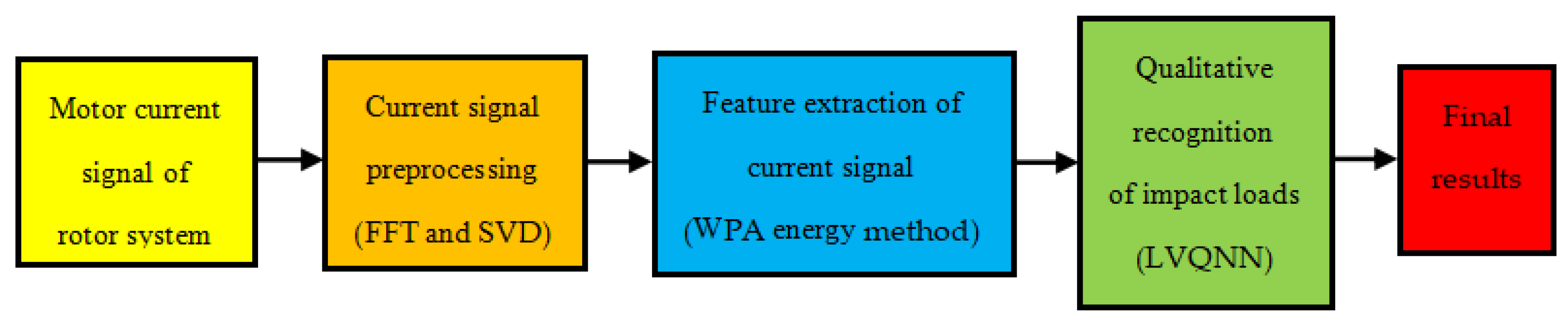
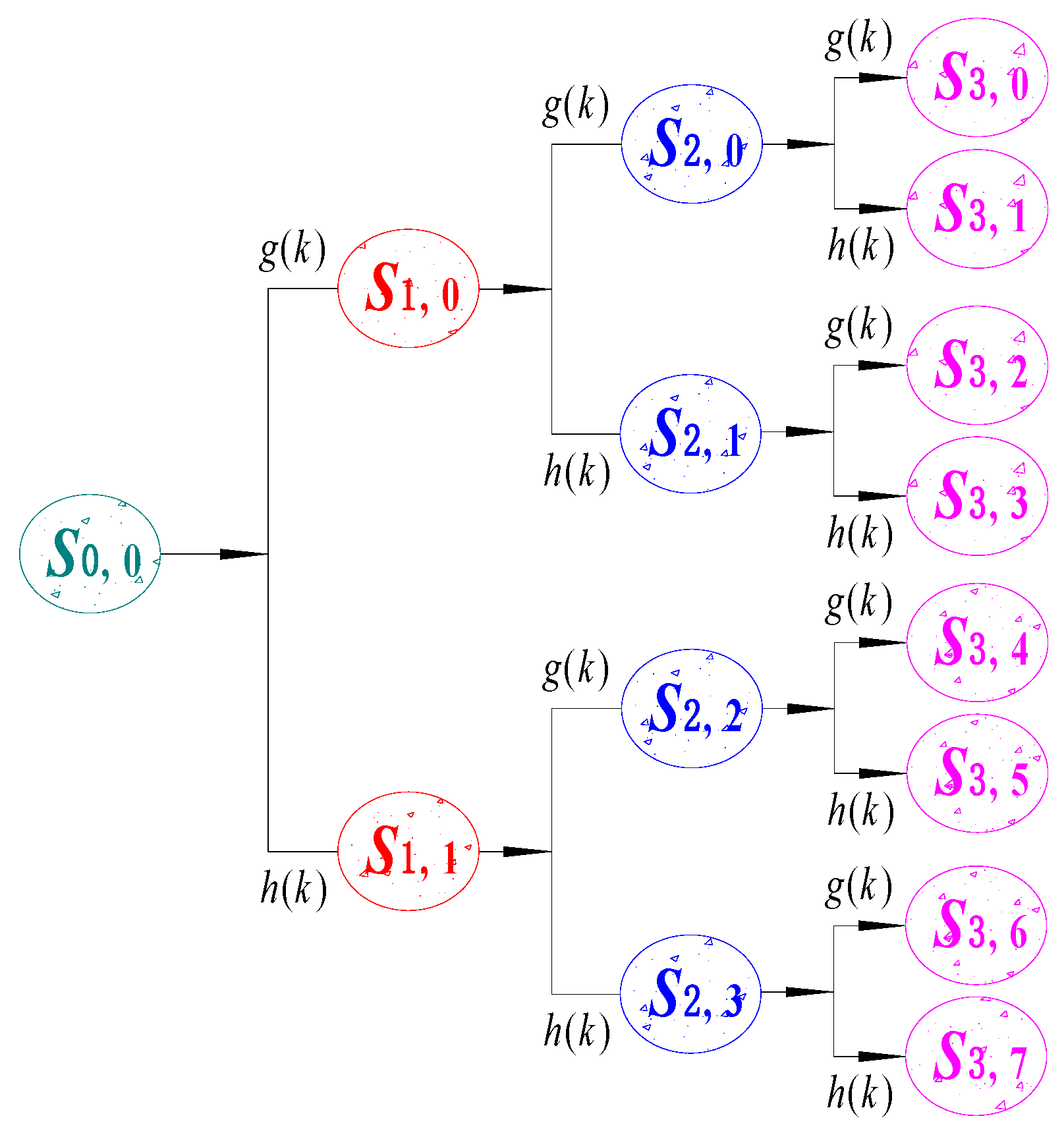
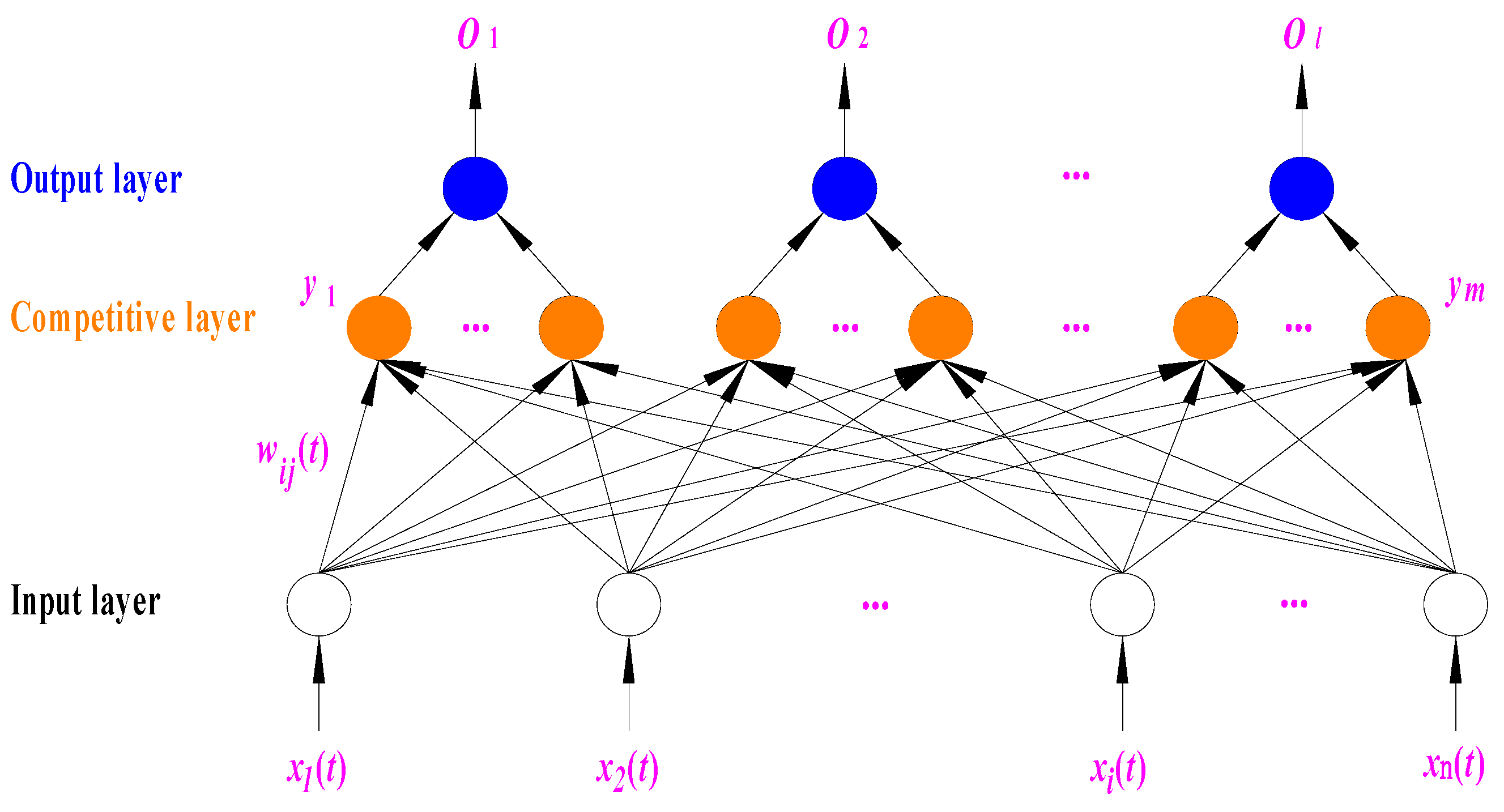
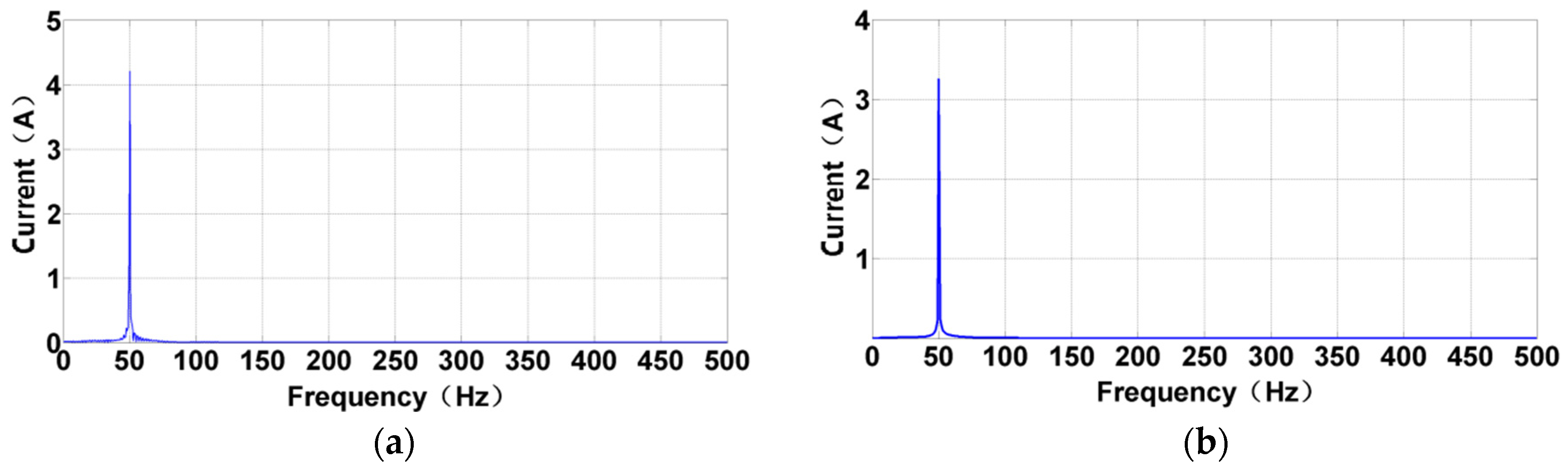
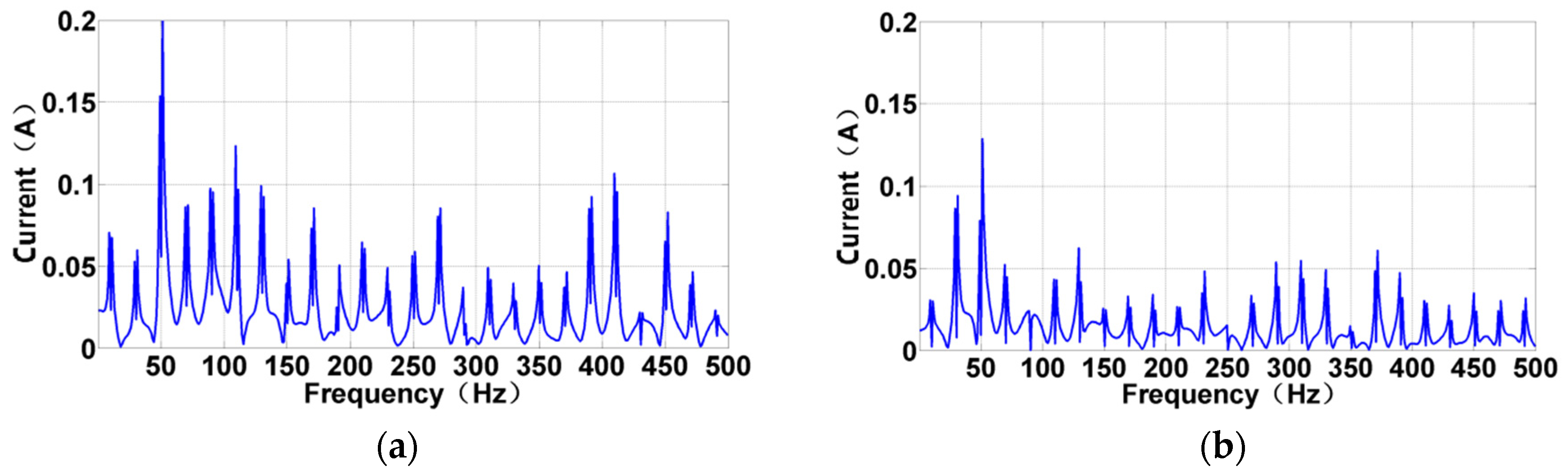
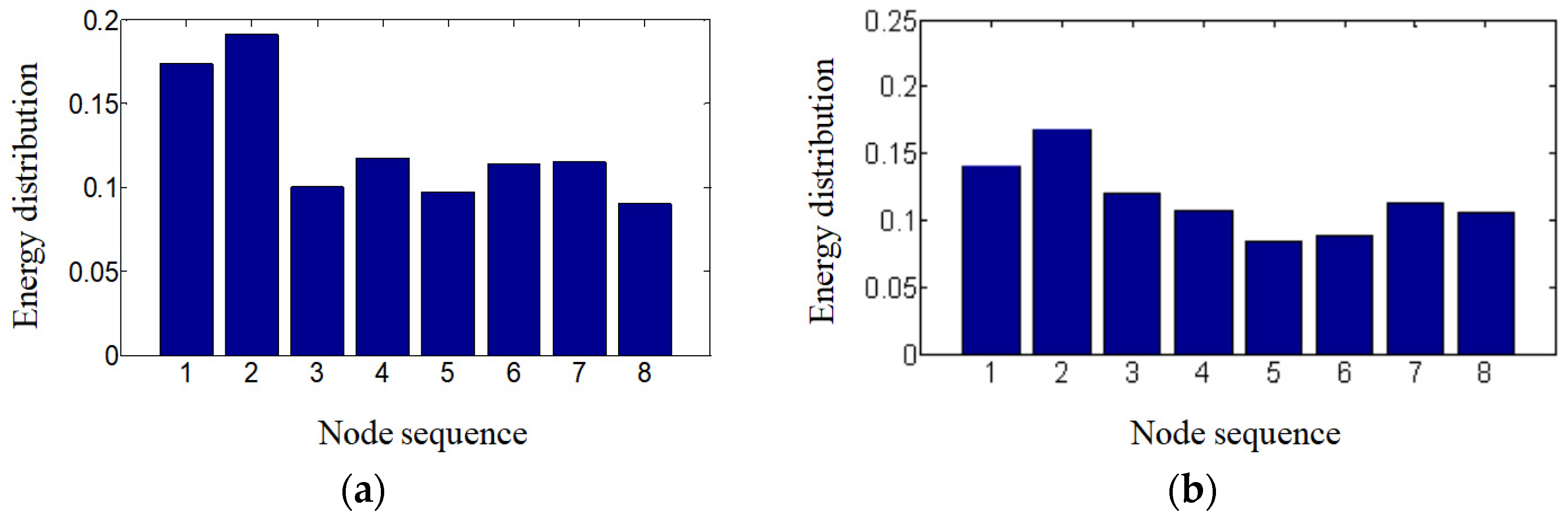
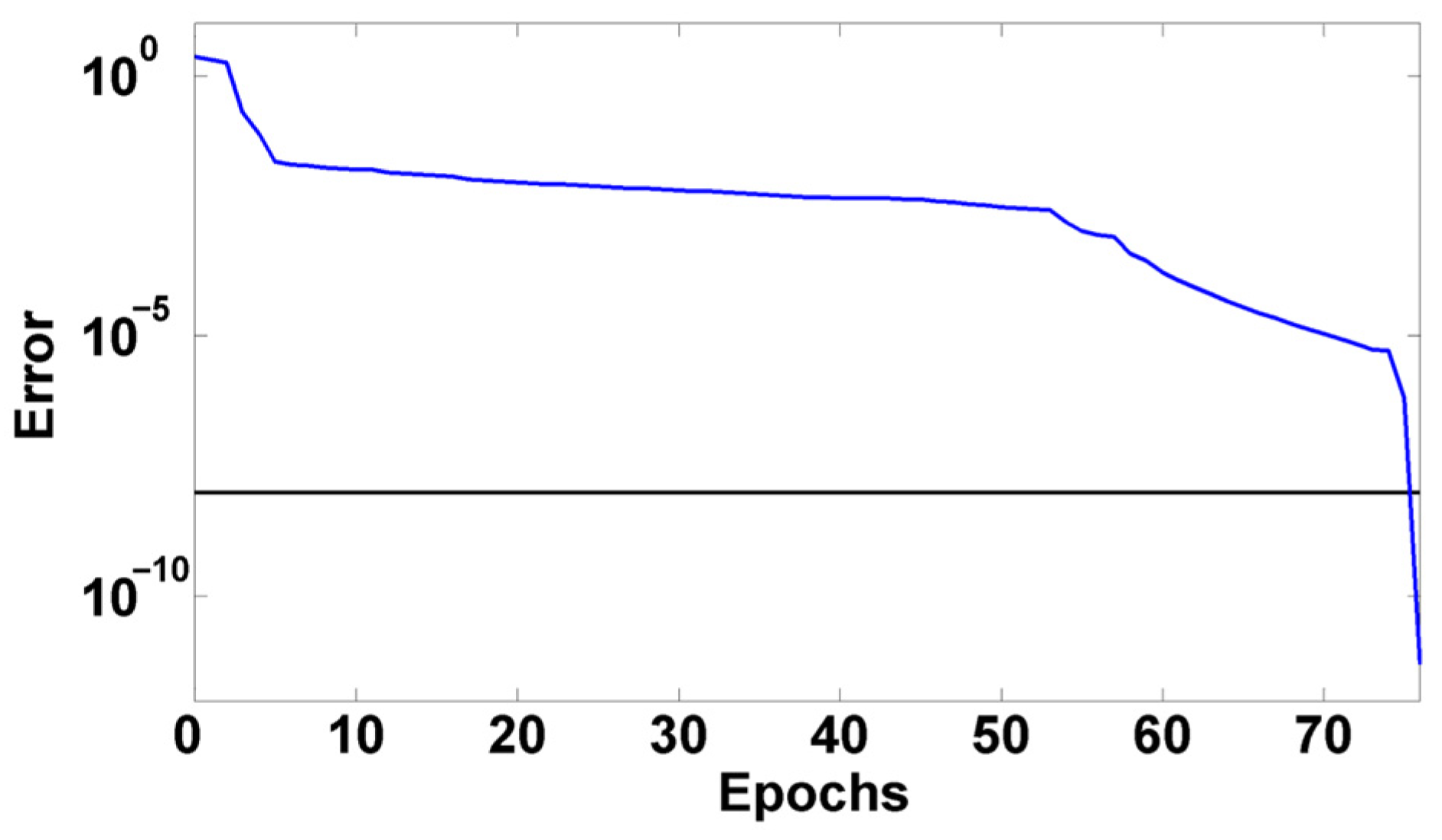
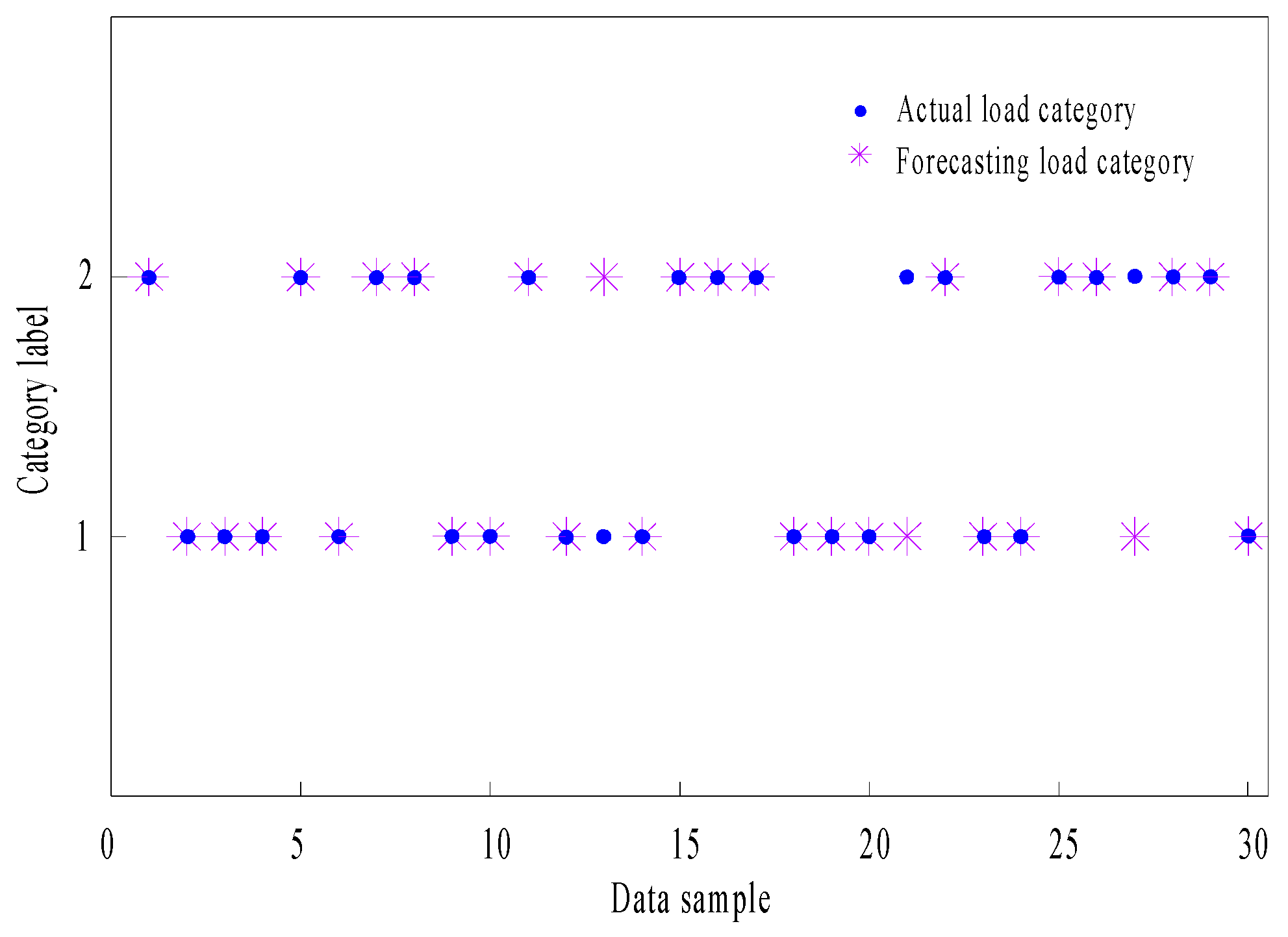
Impact loads affect the operational performance and safety life of rolling equipment’s connecting-shaft rotor system, even causing faults and accidents. Therefore, recognizing and investigating impact loads is of great significance. Hence, a load recognition method based on motor current information is proposed in this paper to recognize impact loads on the connecting-shaft rotor system. First, the fast Fourier transform is used to obtain the frequency domain information for the motor’s current response signal from the rotor system load recognition test. Consequently, the required load response information can be presented more clearly using the singular value decomposition method to remove the power frequency components in the current signal. Then, wavelet packet decomposition is performed on the signal to generate energy analysis feature vectors. A qualitative recognition of the impact load on the system is achieved by learning vector quantization neural networks; the resulting load recognition results are good. These findings indicate that using the motor current as the analysis signal can solve the problem of the difficult layout for traditional vibration sensors in rolling sites. The preprocessing and recognition method of the current response signal can recognize the impact load, confirming the applicability and feasibility of the proposed method.
Keywords: motor current; feature extraction; rotor system; load recognition motor current; feature extraction; rotor system; load recognition