Article

Efficient Human Violence Recognition for Surveillance in Real Time

by
Herwin Alayn Huillcen Baca
1,*,
Flor de Luz Palomino Valdivia
1 and
Juan Carlos Gutierrez Caceres
2
1
Academic Department of Engineering and Information Technology, Professional School of Systems Engineering, Faculty of Engineering, Jose Maria Arguedas National University, Andahuaylas 03701, Peru
2
Academic Department of Systems and Informatics Engineering, Professional School of Computer Science, Faculty of Production and Services Engineering, San Agustin of Arequipa National University, Arequipa 04001, Peru
*
Author to whom correspondence should be addressed.
Sensors 2024, 24(2), 668; https://doi.org/10.3390/s24020668
Submission received: 1 November 2023 / Revised: 10 January 2024 / Accepted: 17 January 2024 / Published: 20 January 2024

Abstract

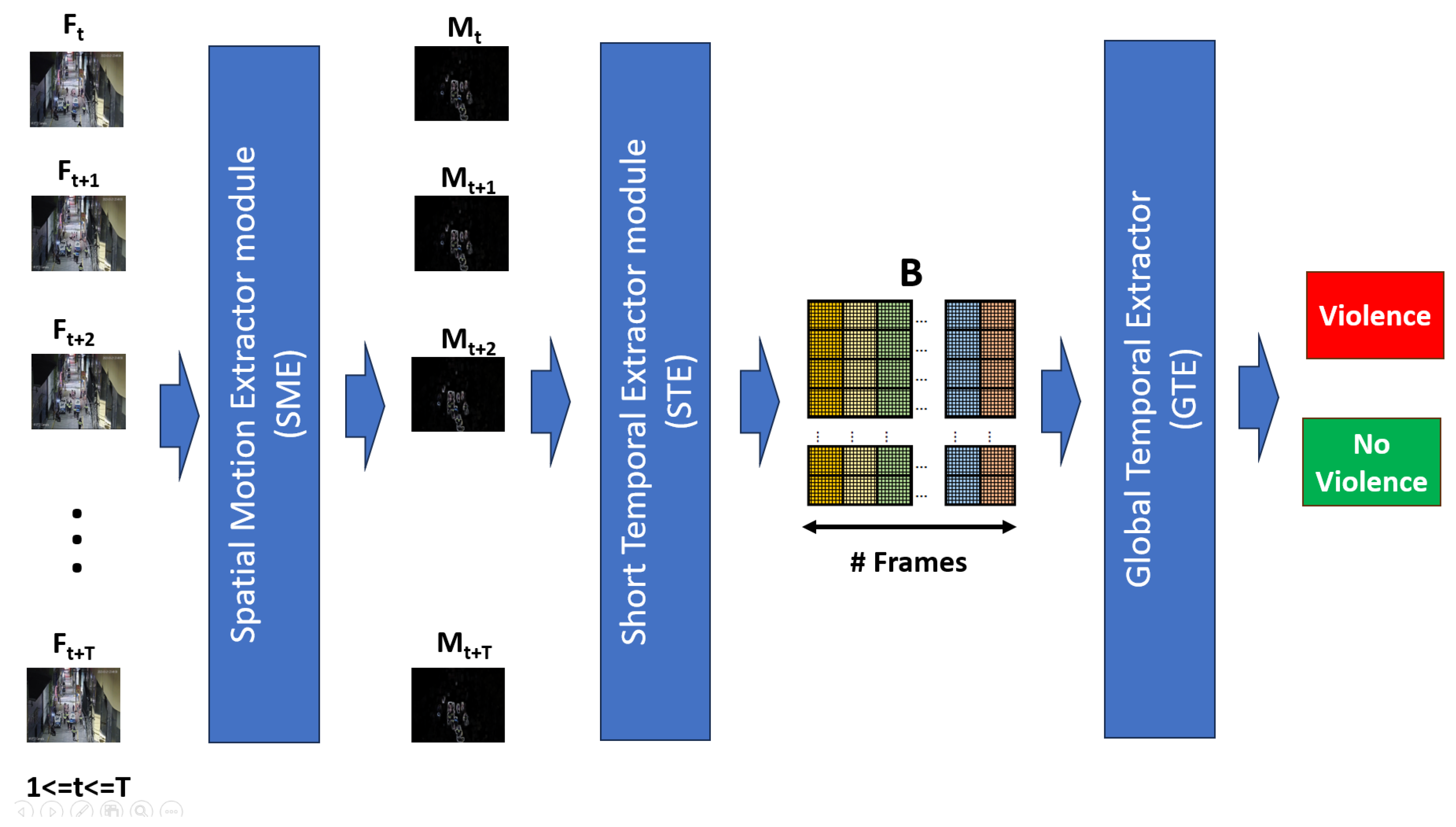
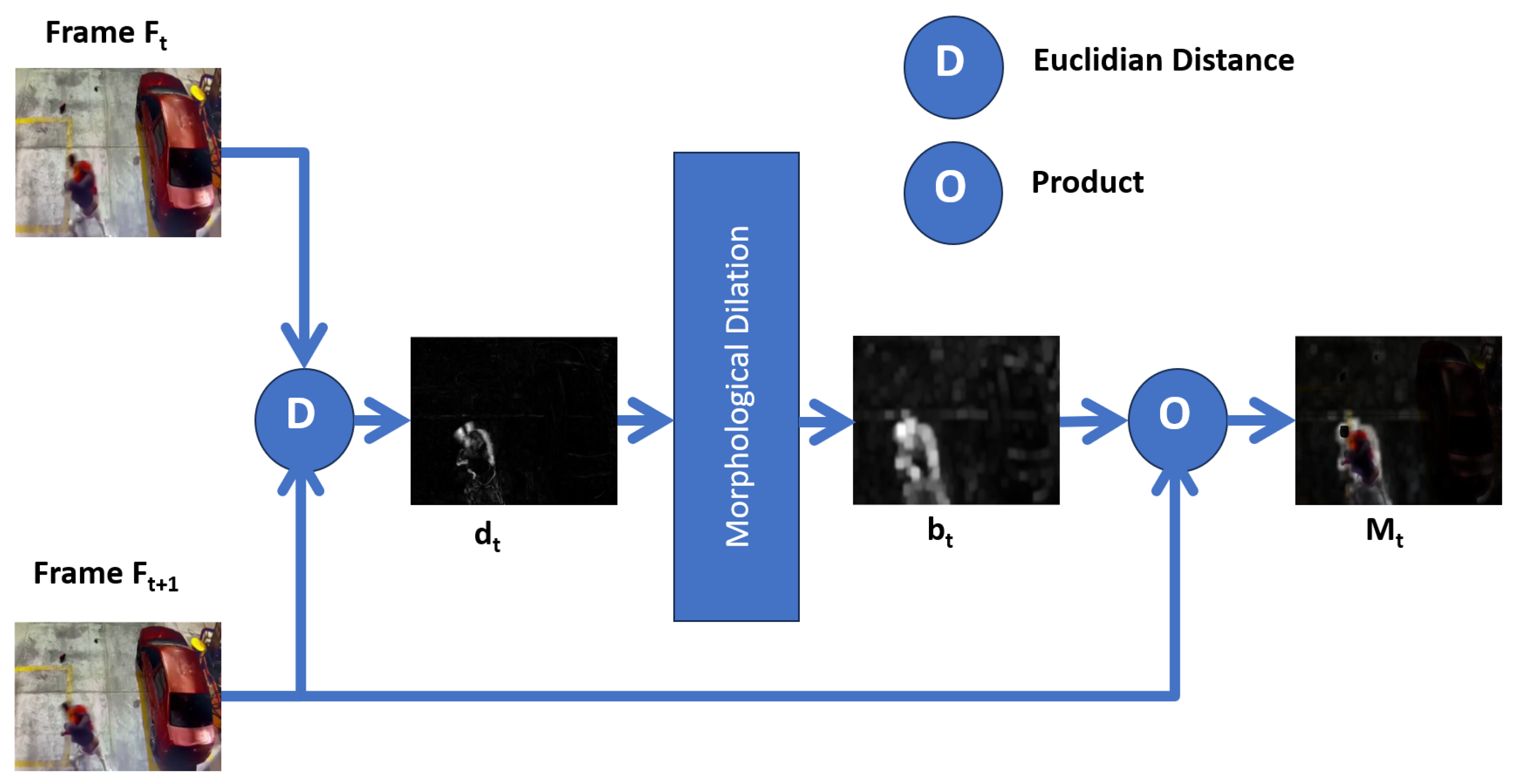
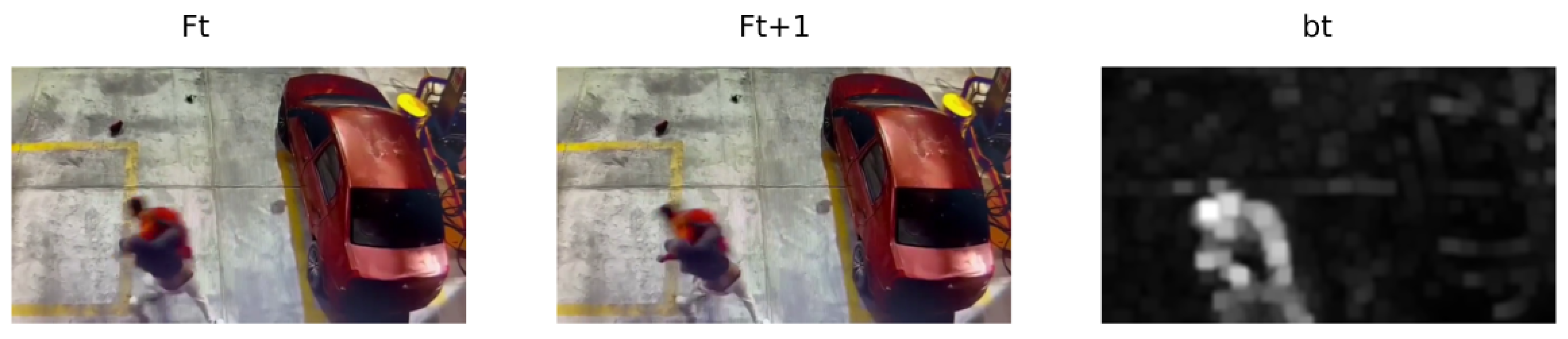
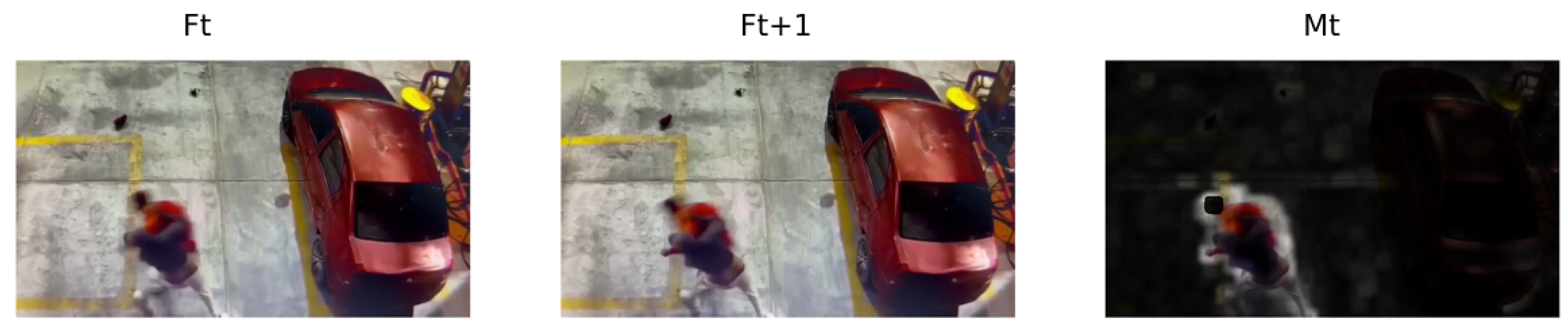
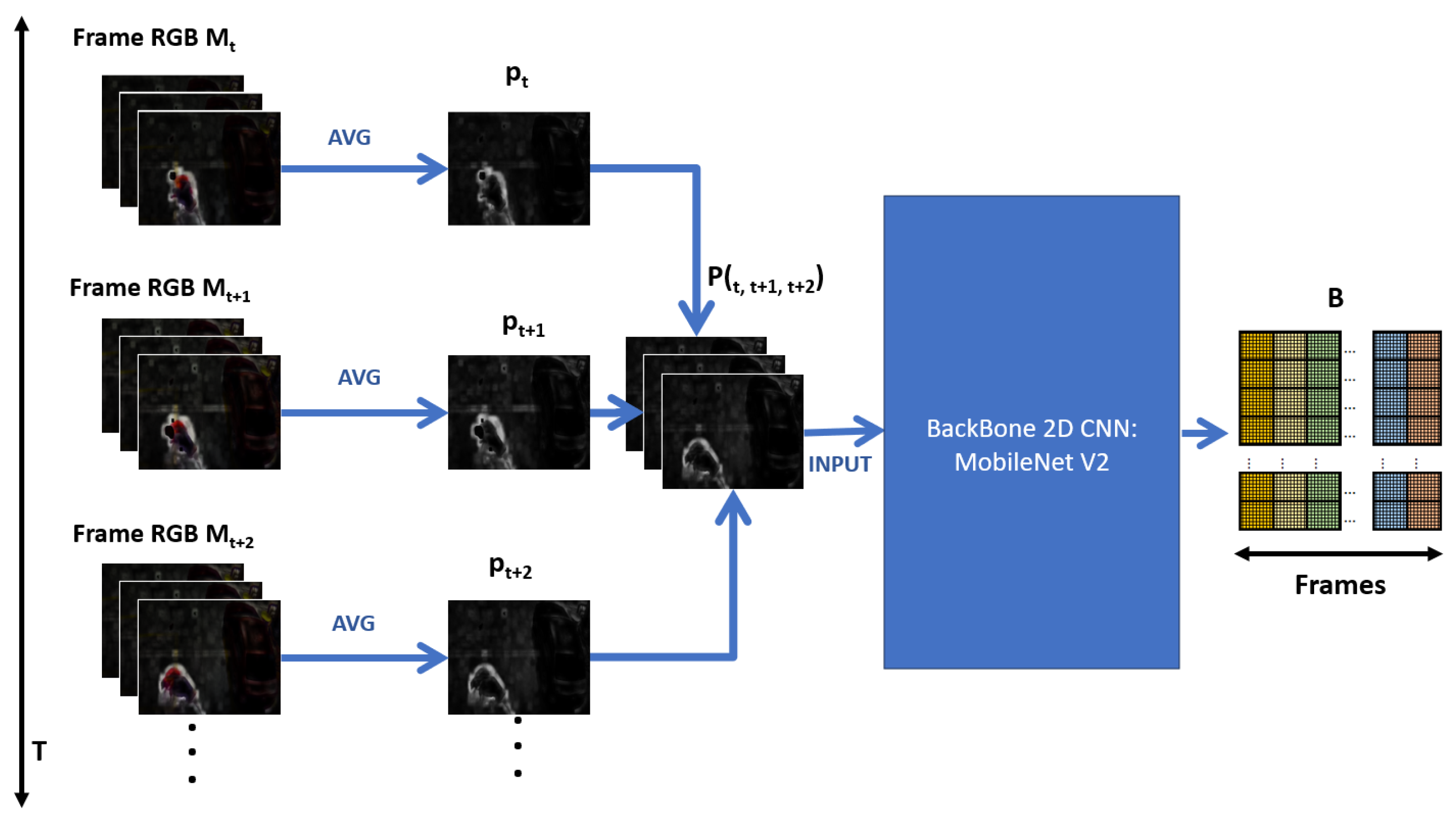
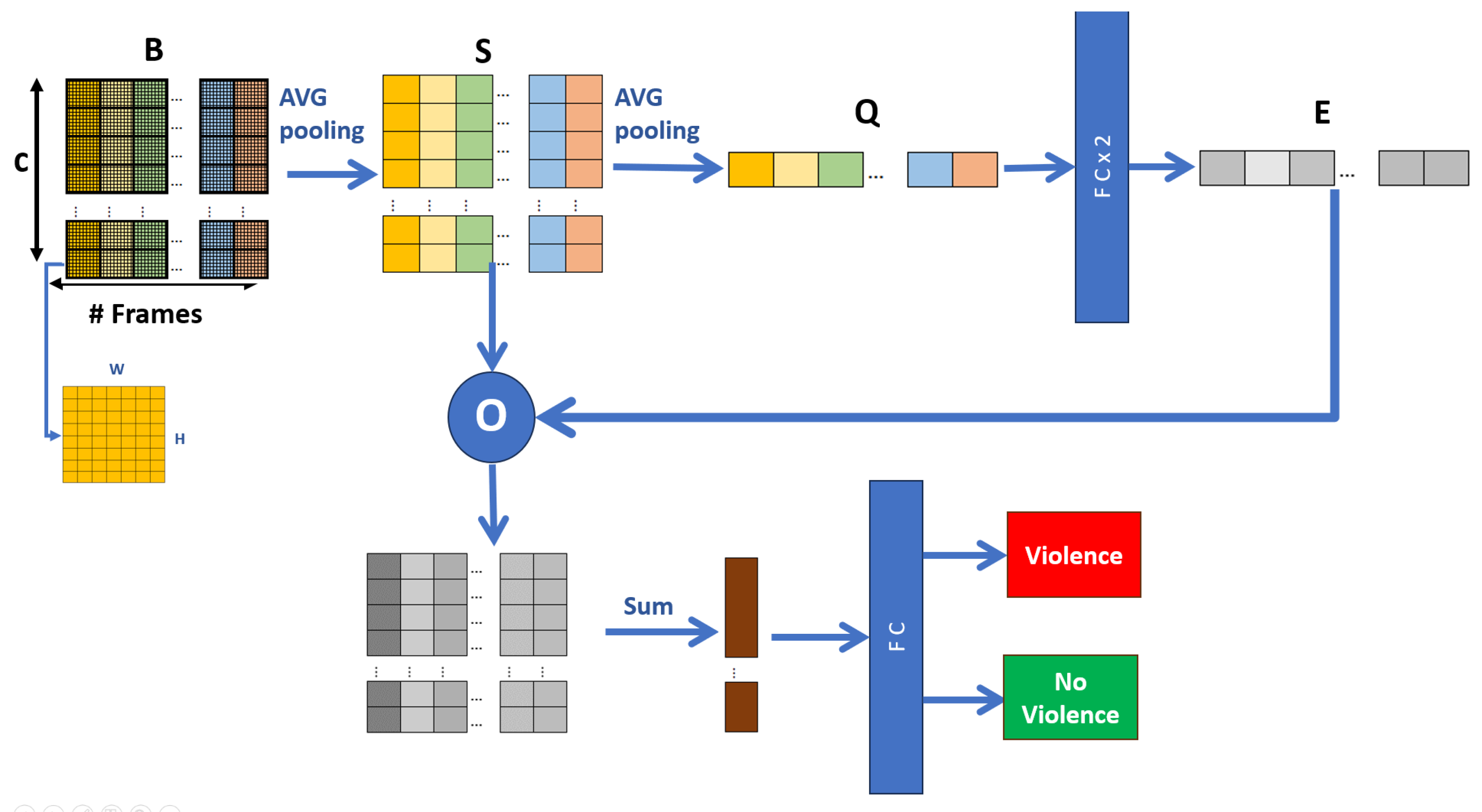
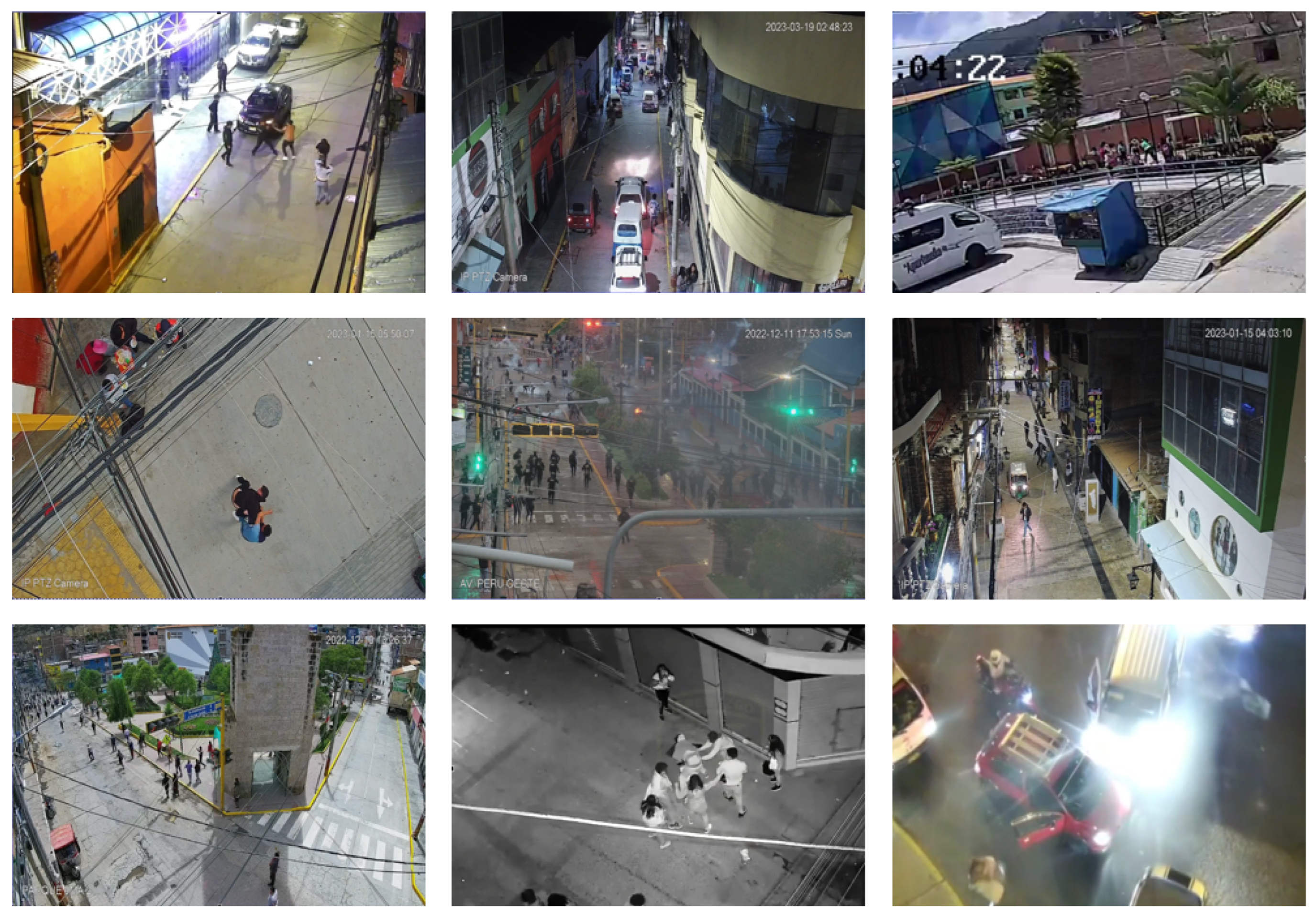
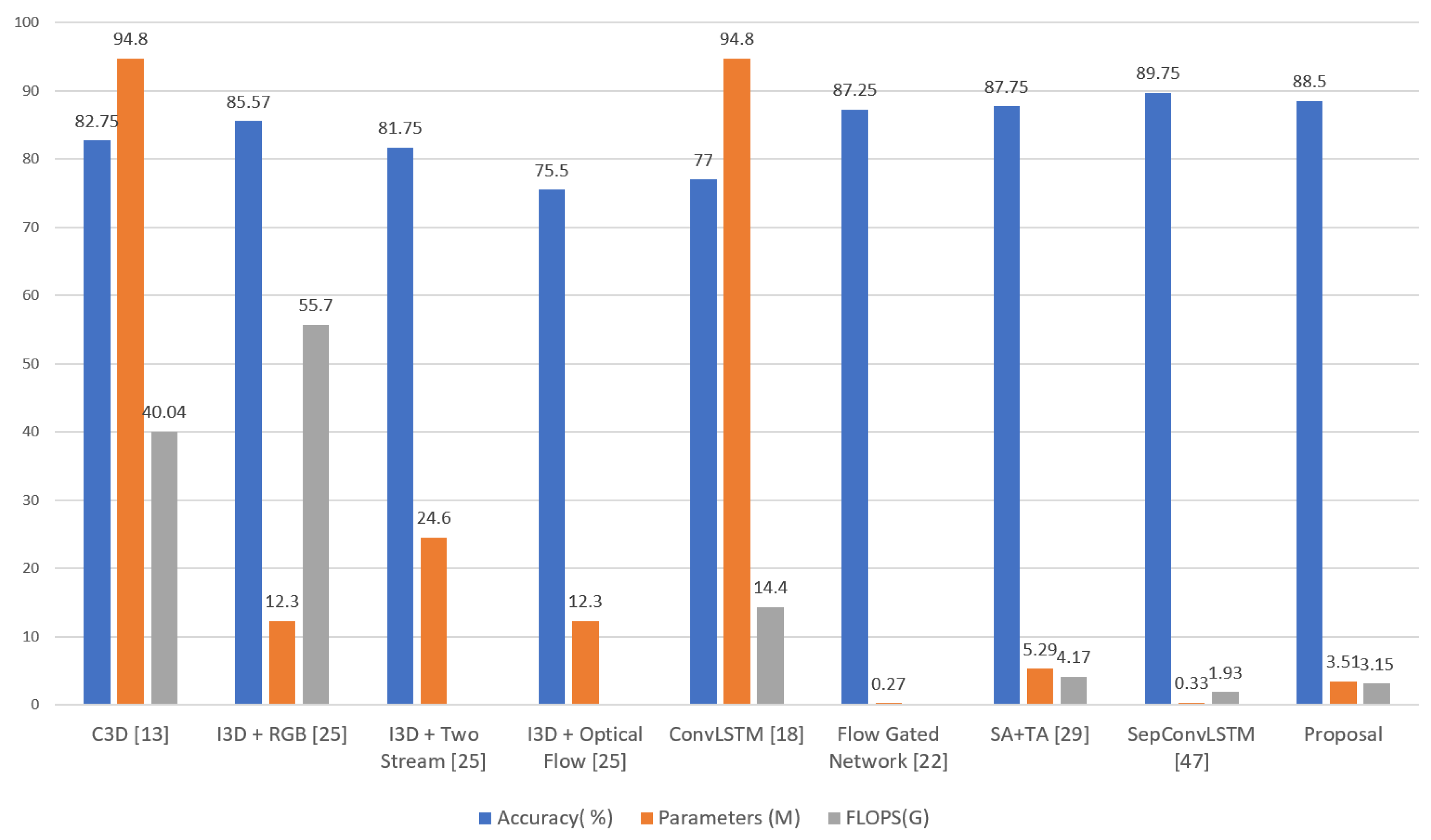
Human violence recognition is an area of great interest in the scientific community due to its broad spectrum of applications, especially in video surveillance systems, because detecting violence in real time can prevent criminal acts and save lives. The majority of existing proposals and studies focus on result precision, neglecting efficiency and practical implementations. Thus, in this work, we propose a model that is effective and efficient in recognizing human violence in real time. The proposed model consists of three modules: the Spatial Motion Extractor (SME) module, which extracts regions of interest from a frame; the Short Temporal Extractor (STE) module, which extracts temporal characteristics of rapid movements; and the Global Temporal Extractor (GTE) module, which is responsible for identifying long-lasting temporal features and fine-tuning the model. The proposal was evaluated for its efficiency, effectiveness, and ability to operate in real time. The results obtained on the Hockey, Movies, and RWF-2000 datasets demonstrated that this approach is highly efficient compared to various alternatives. In addition, the VioPeru dataset was created, which contains violent and non-violent videos captured by real video surveillance cameras in Peru, to validate the real-time applicability of the model. When tested on this dataset, the effectiveness of our model was superior to the best existing models.
Keywords: human violence recognition; video surveillance; real time; spatial attention; spatial motion extractor; short temporal extractor; global temporal extractor; VioPeru human violence recognition; video surveillance; real time; spatial attention; spatial motion extractor; short temporal extractor; global temporal extractor; VioPeru