Article

Dual Band and Dual Diversity Four-Element MIMO Dipole for 5G Handsets
1
Department of Electrical Engineering, Institute of Space Technology, Islamabad 44000, Pakistan
2
James Watt School of Engineering, University of Glasgow, Glasgow G12 8QQ, UK
3
Department of Quantitative Methods and Economic Informatics, Faculty of Operation and Economics of Transport and Communications, University of Zilina, 010 26 Zilina, Slovakia
4
Electrical Engineering Department, Jouf University, Sakaka, Aljouf 72388, Saudi Arabia
5
Department of Information and Communication Engineering, Yeungnam University, Gyeongsan-si 38541, Gyeongsangbuk-do, Korea
6
Department of Electrical-Electronics Engineering, Trakya University, Edirne 22030, Turkey
*
Author to whom correspondence should be addressed.
Sensors 2021, 21(3), 767; https://doi.org/10.3390/s21030767
Submission received: 30 December 2020 / Revised: 17 January 2021 / Accepted: 19 January 2021 / Published: 24 January 2021

Abstract

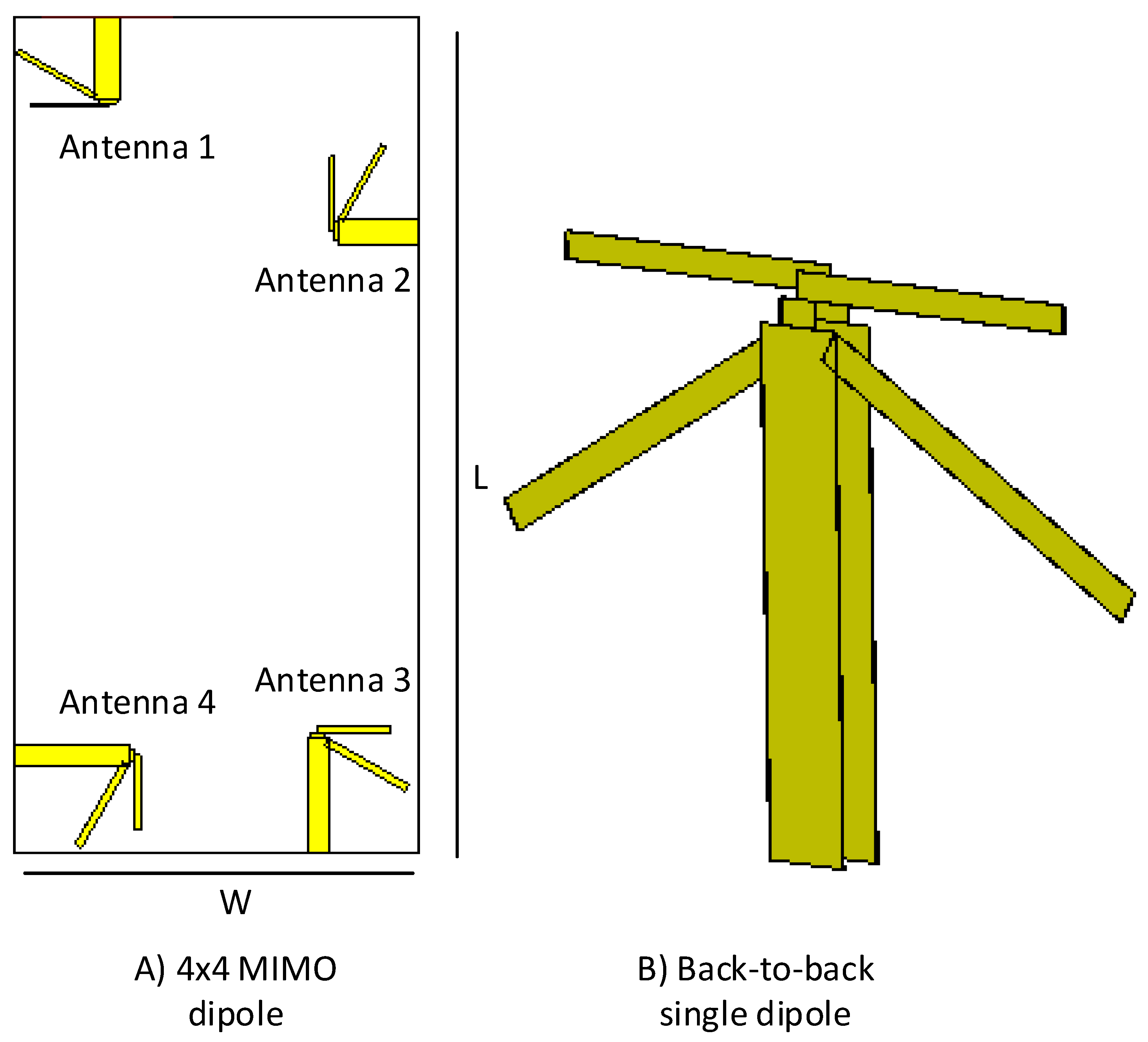
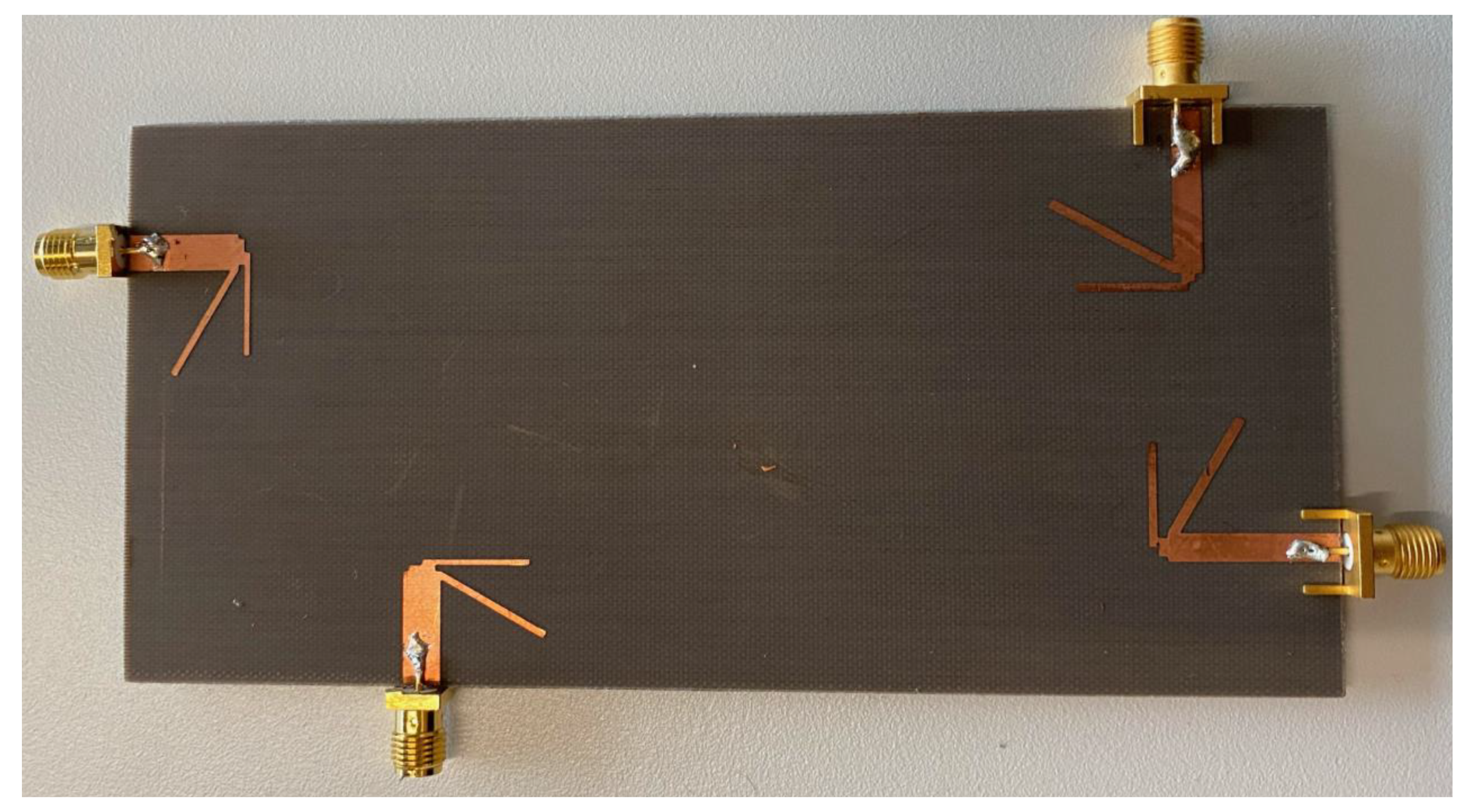
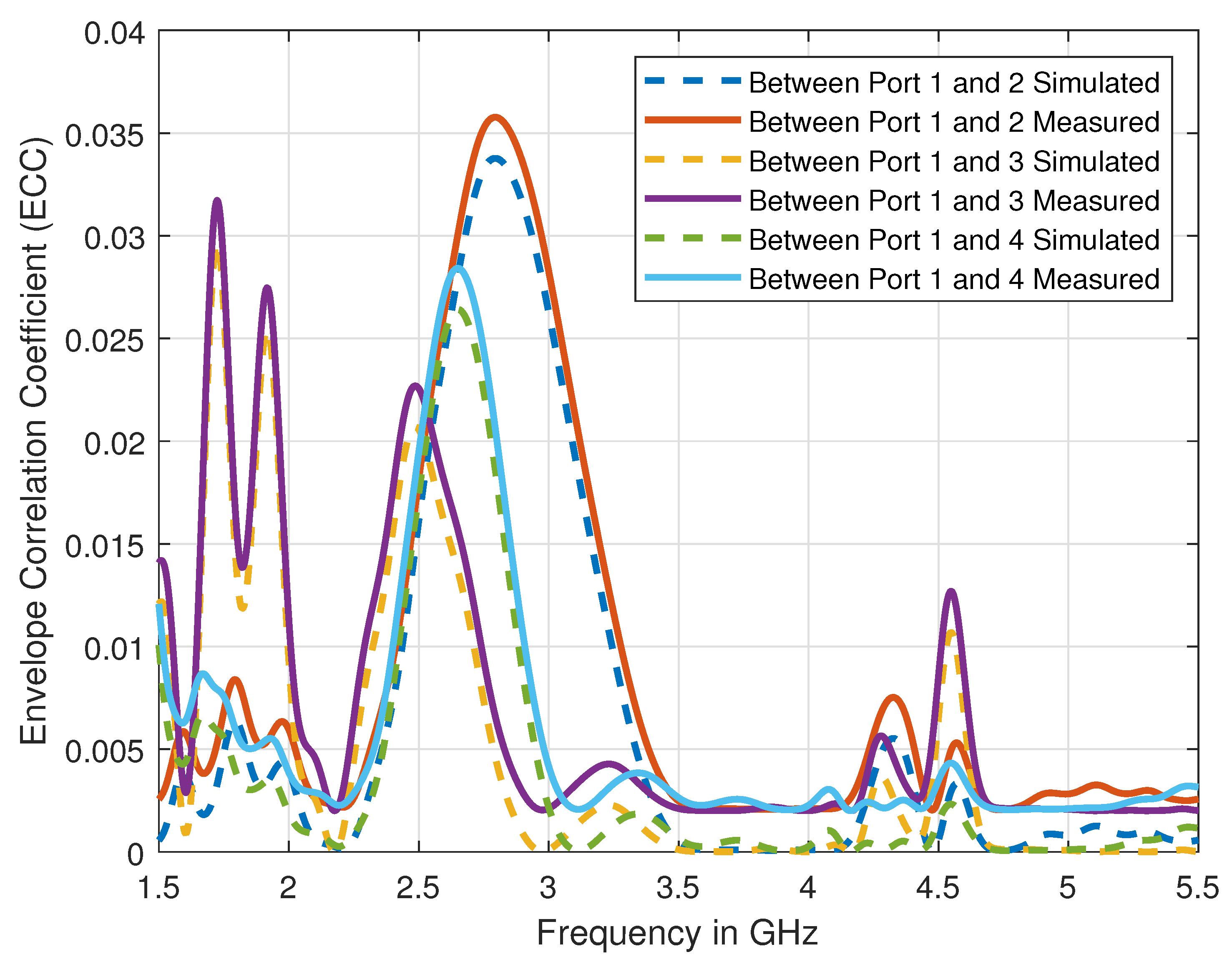
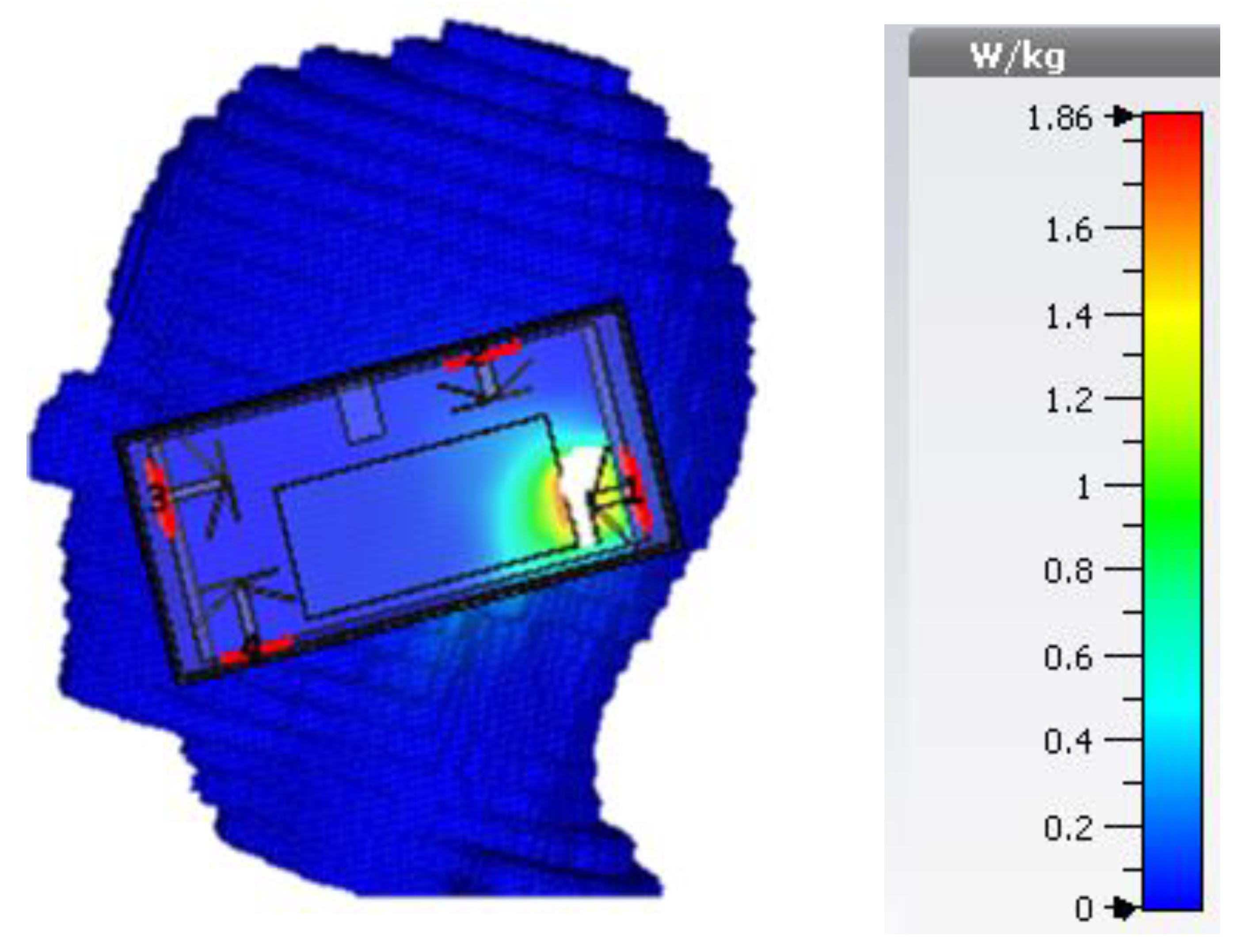
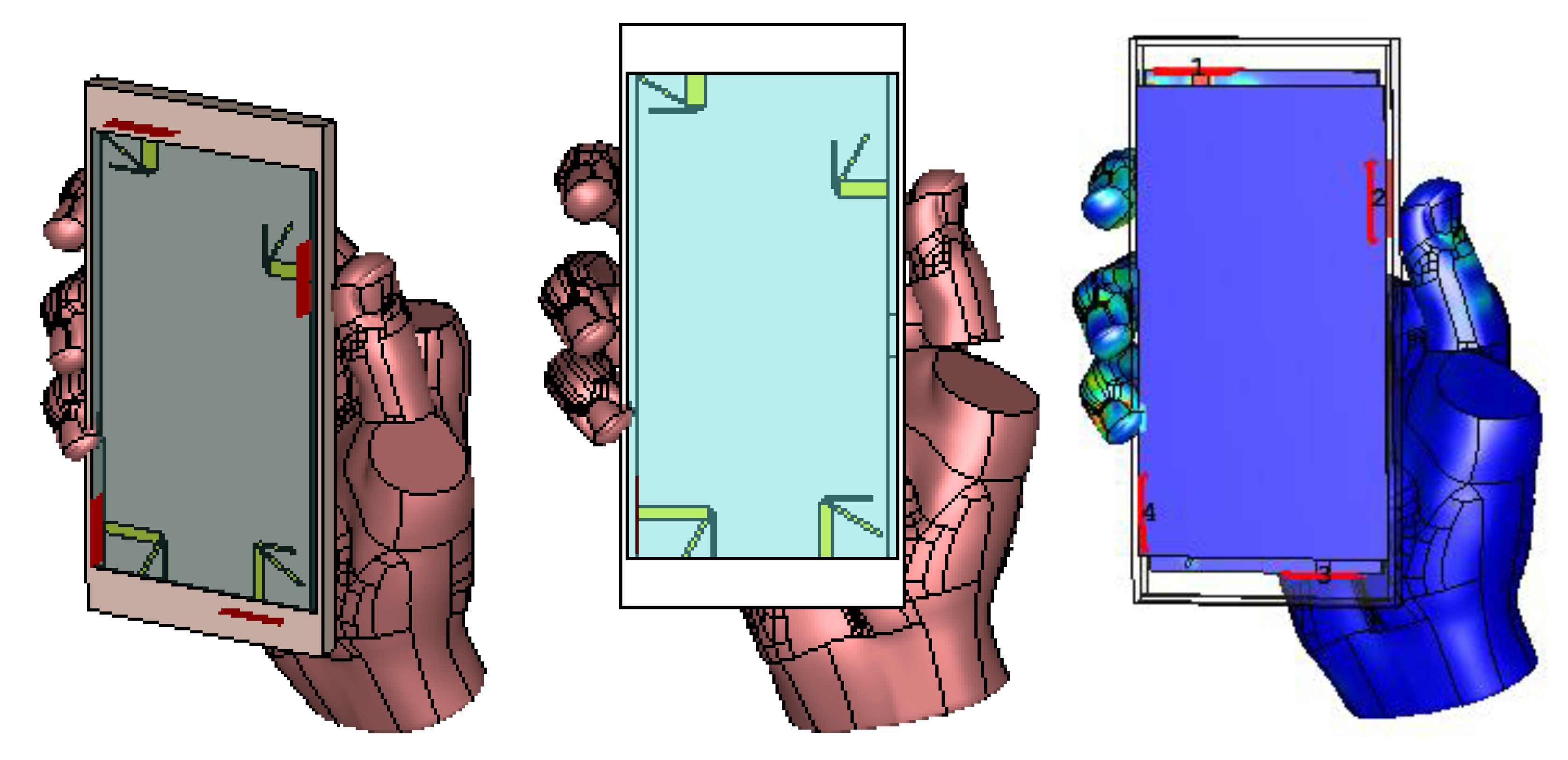
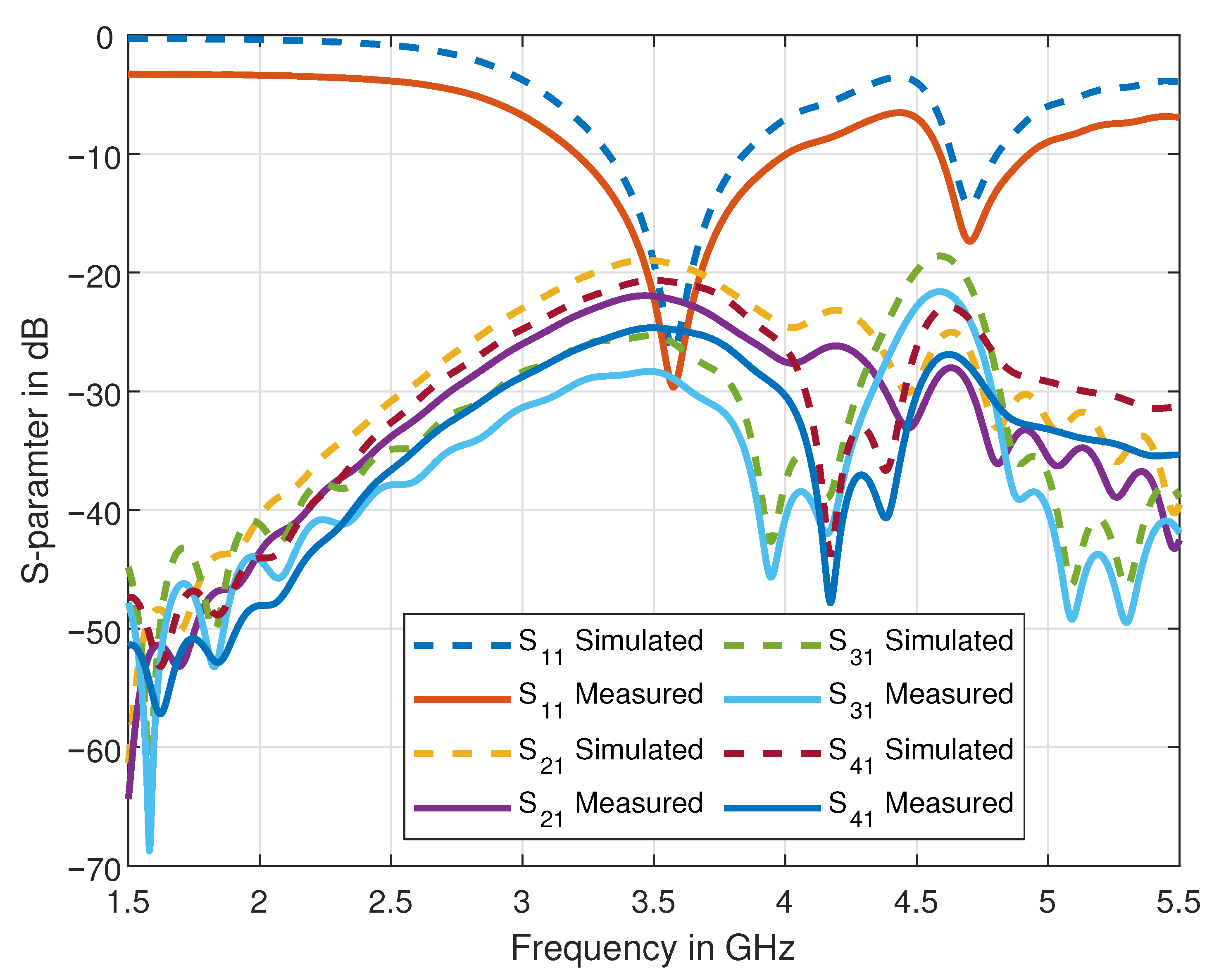
The increasing popularity of using wireless devices to handle routine tasks has increased the demand for incorporating multiple-input-multiple-output (MIMO) technology to utilize limited bandwidth efficiently. The presence of comparatively large space at the base station (BS) makes it straightforward to exploit the MIMO technology’s useful properties. From a mobile handset point of view, and limited space at the mobile handset, complex procedures are required to increase the number of active antenna elements. In this paper, to address such type of issues, a four-element MIMO dual band, dual diversity, dipole antenna has been proposed for 5G-enabled handsets. The proposed antenna design relies on space diversity as well as pattern diversity to provide an acceptable MIMO performance. The proposed dipole antenna simultaneously operates at 3.6 and 4.7 sub-6 GHz bands. The usefulness of the proposed 4×4 MIMO dipole antenna has been verified by comparing the simulated and measured results using a fabricated version of the proposed antenna. A specific absorption rate (SAR) analysis has been carried out using CST Voxel (a heterogeneous biological human head) model, which shows maximum SAR value for 10 g of head tissue is well below the permitted value of 2.0 W/kg. The total efficiency of each antenna element in this structure is −2.88, −3.12, −1.92 and −2.45 dB at 3.6 GHz, while at 4.7 GHz are −1.61, −2.19, −1.72 and −1.18 dB respectively. The isolation, envelope correlation coefficient (ECC) between the adjacent ports and the loss in capacity is below the standard margin, making the structure appropriate for MIMO applications. The effect of handgrip and the housing box on the total antenna efficiency is analyzed, and only 5% variation is observed, which results from careful placement of antenna elements.
Keywords: multiple-input-multiple-output (MIMO); printed dipole; 5G handset antennas; dual band; dual diversity multiple-input-multiple-output (MIMO); printed dipole; 5G handset antennas; dual band; dual diversity