Communication

The Validation of a Portable Functional NIRS System for Assessing Mental Workload

Department of Electrical, Computer and Biomedical Engineering, University of Rhode Island, Kingston, RI 02881, USA
*
Author to whom correspondence should be addressed.
Current address: Center for Applied Brain and Cognitive Sciences, Tufts University, Medford, MA 02155, USA.
Sensors 2021, 21(11), 3810; https://doi.org/10.3390/s21113810
Submission received: 17 April 2021 / Revised: 23 May 2021 / Accepted: 25 May 2021 / Published: 31 May 2021
(This article belongs to the Section Optical Sensors)

Abstract

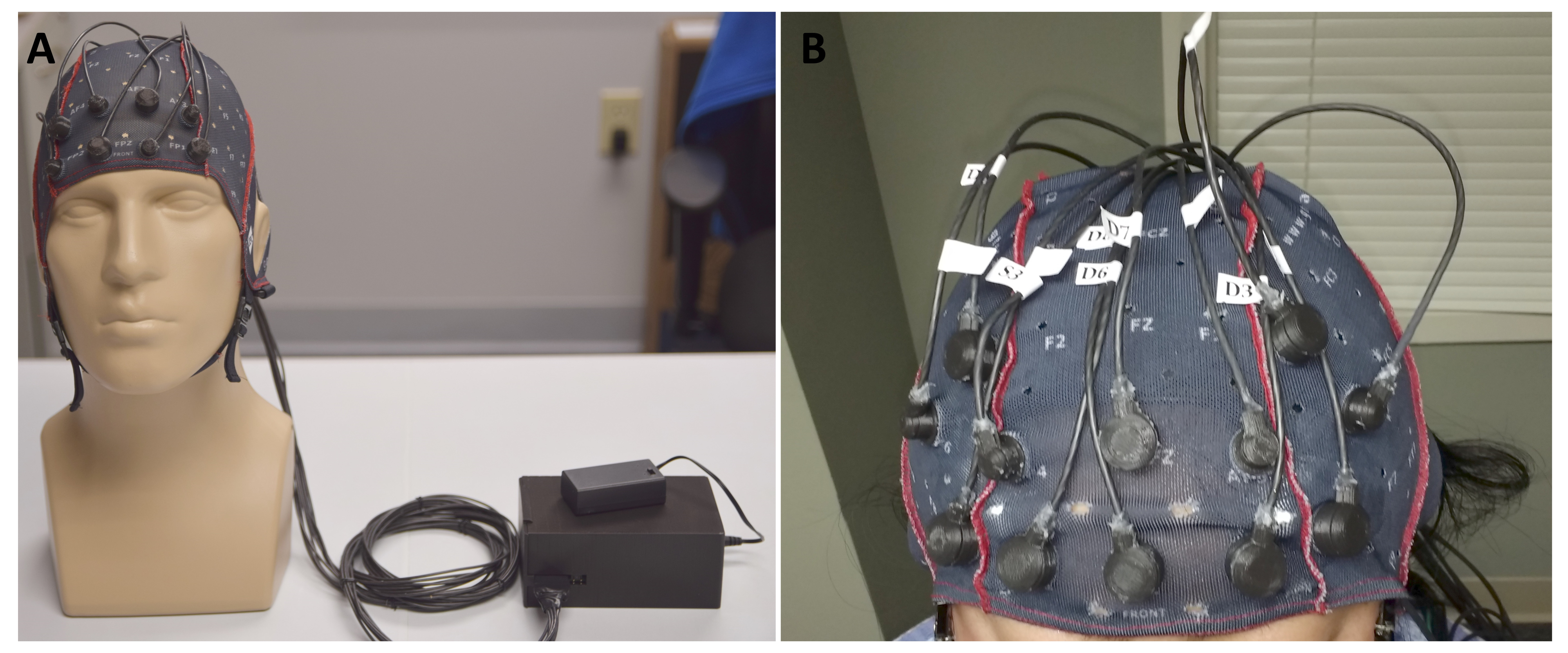
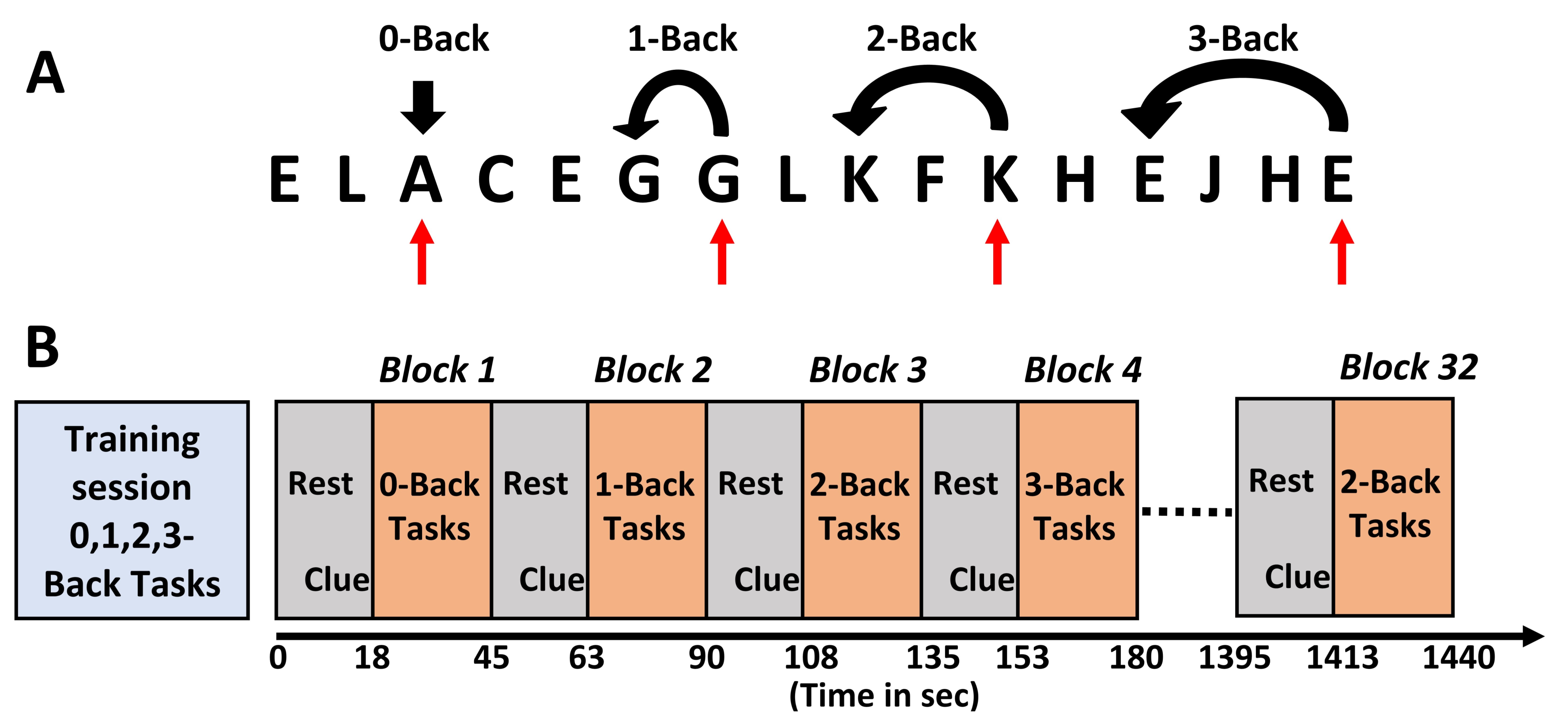
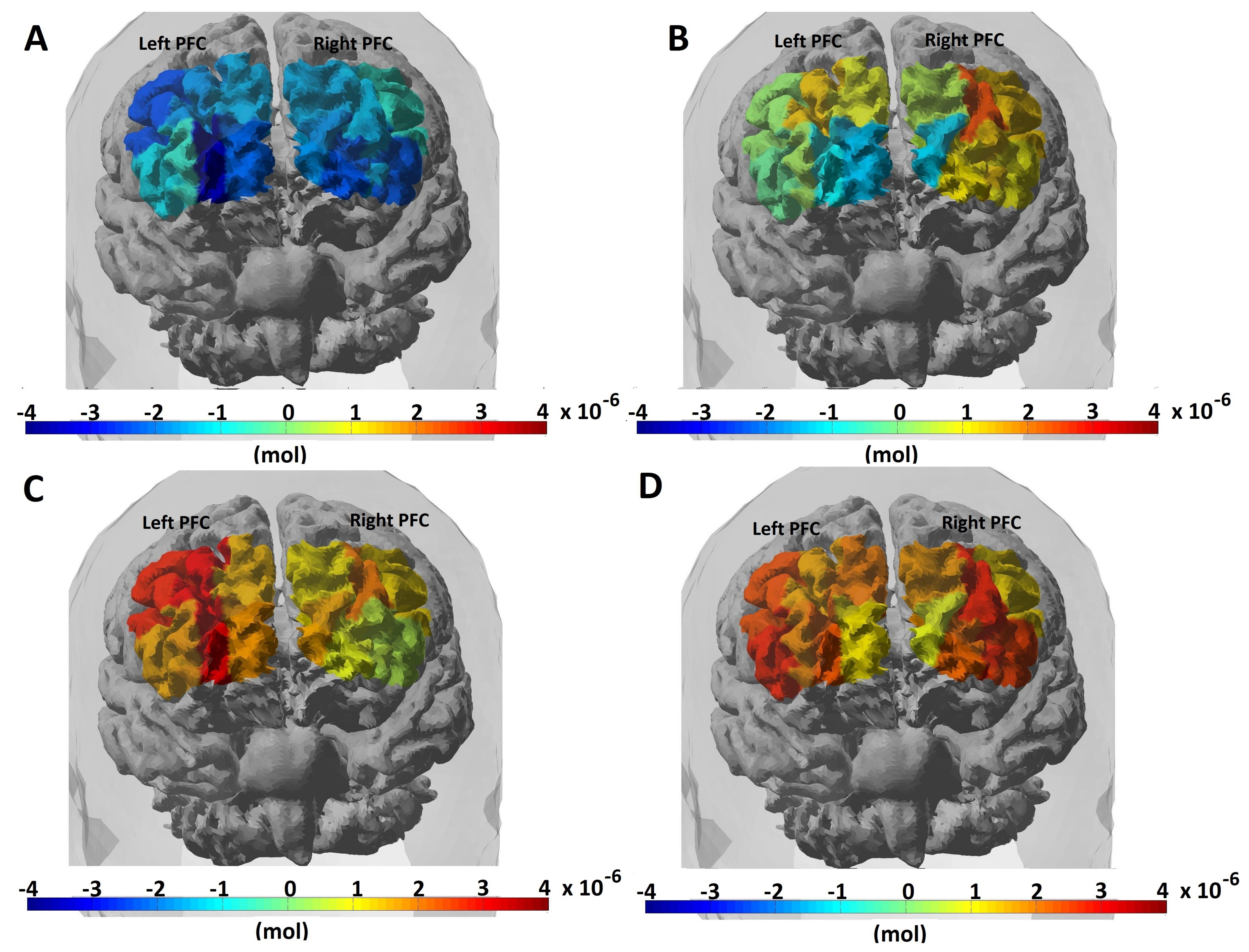
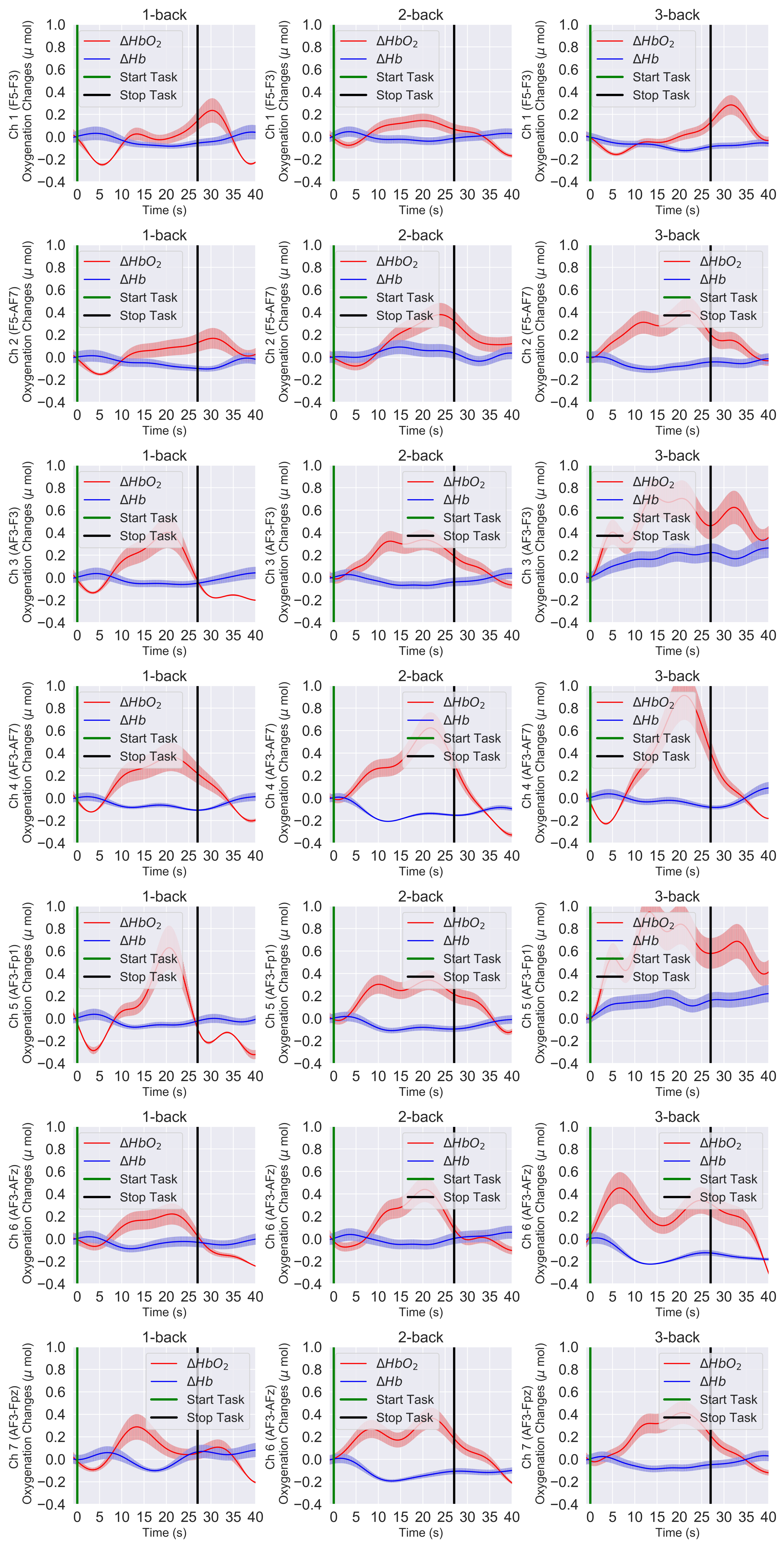
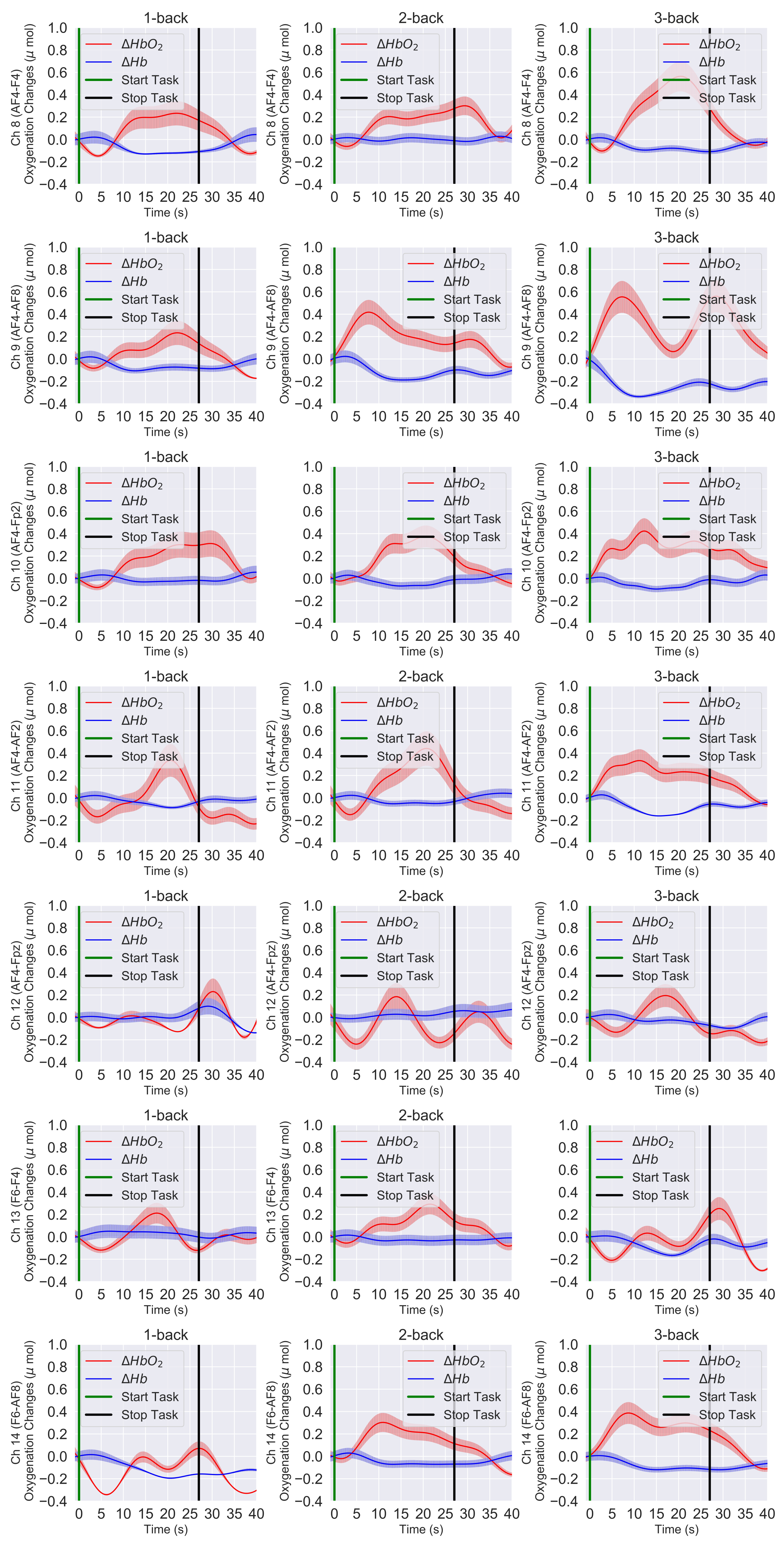
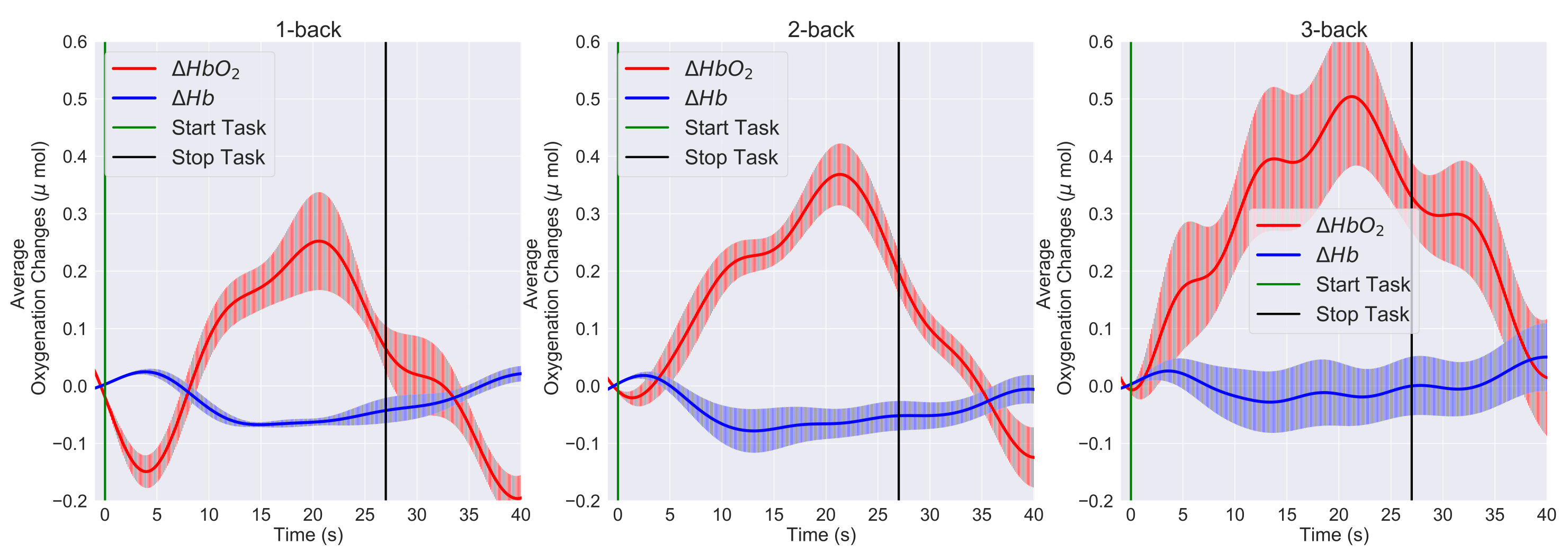
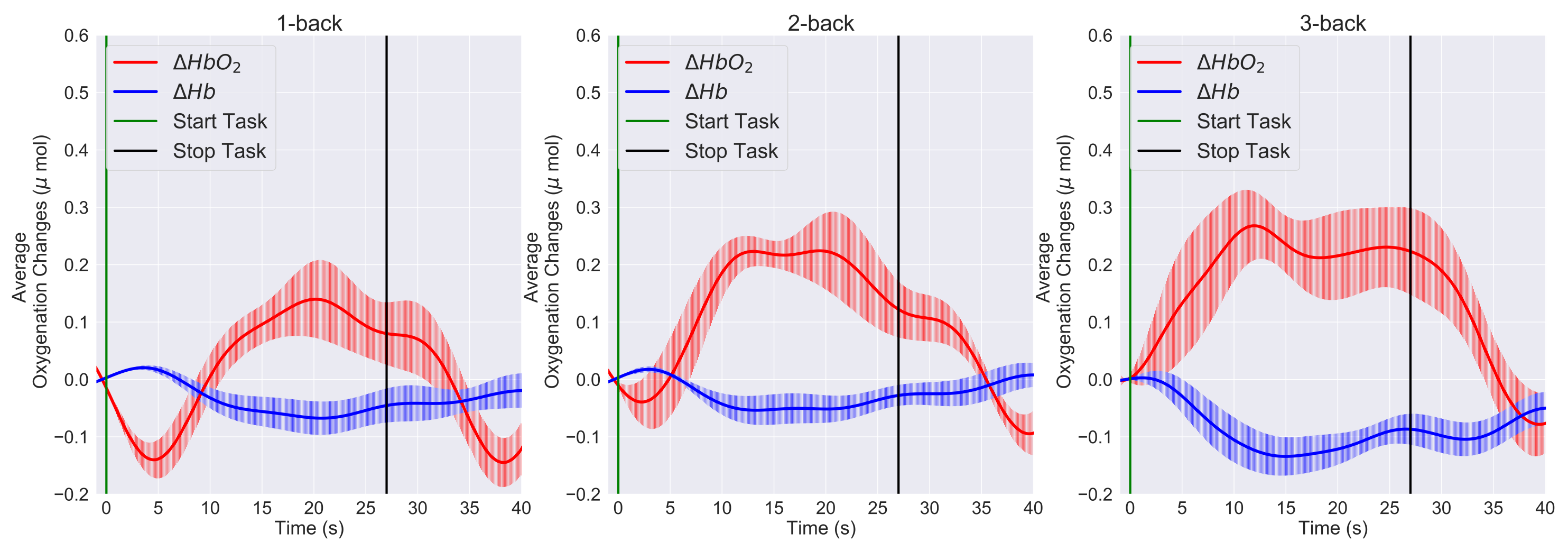
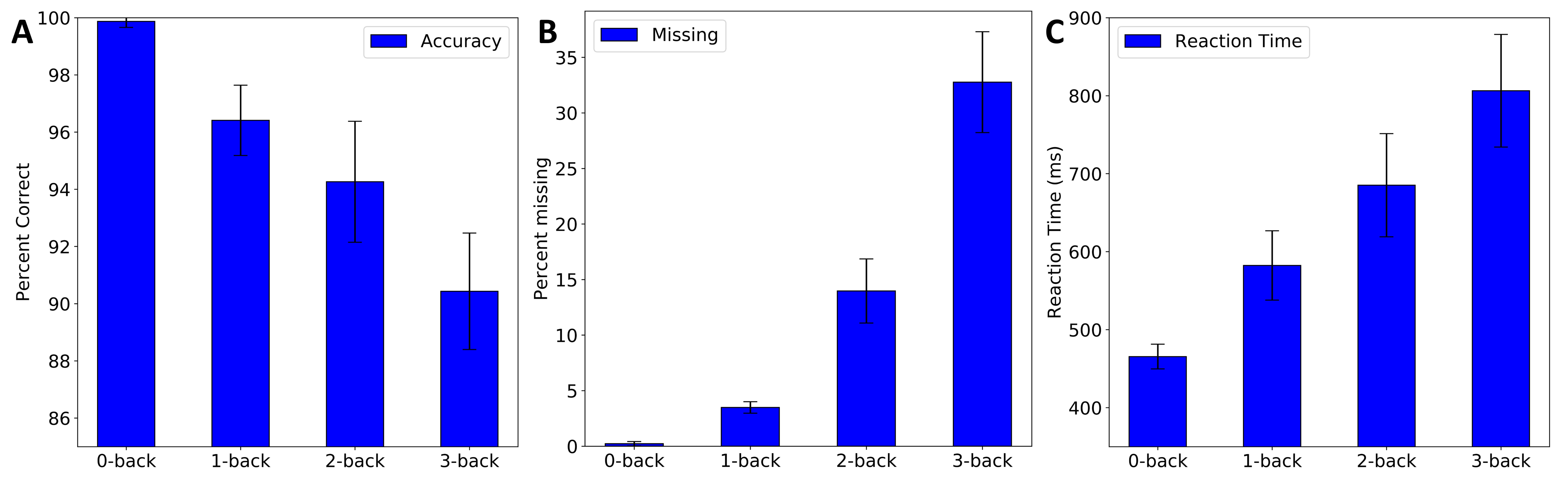
Portable functional near-infrared spectroscopy (fNIRS) systems have the potential to image the brain in naturalistic settings. Experimental studies are essential to validate such fNIRS systems. Working memory (WM) is a short-term active memory that is associated with the temporary storage and manipulation of information. The prefrontal cortex (PFC) brain area is involved in the processing of WM. We assessed the PFC brain during n-back WM tasks in a group of 25 college students using our laboratory-developed portable fNIRS system, WearLight. We designed an experimental protocol with 32 n-back WM task blocks with four different pseudo-randomized task difficulty levels. The hemodynamic response of the brain was computed from the experimental data and the evaluated brain responses due to these tasks. We observed the incremental mean hemodynamic activation induced by the increasing WM load. The left-PFC area was more activated in the WM task compared to the right-PFC. The task performance was seen to be related to the hemodynamic responses. The experimental results proved the functioning of the WearLight system in cognitive load imaging. Since the portable fNIRS system was wearable and operated wirelessly, it was possible to measure the cognitive load in the naturalistic environment, which could also lead to the development of a user-friendly brain–computer interface system.
Keywords: fNIRS; optical sensor; near-infrared spectroscopy; working memory; cognitive load; brain imaging; prefrontal cortex fNIRS; optical sensor; near-infrared spectroscopy; working memory; cognitive load; brain imaging; prefrontal cortex