


Abstract
The genus Acer comprises more than 110 tree and shrub species distributed throughout the Northern Hemisphere and represents an important component of temperate forest ecosystems. This review evaluates biodiversity patterns, ecological functions, environmental pressures, and conservation approaches associated with Acer forests. A systematic literature search conducted in the Web of Science Core Collection and Scopus databases on 20 January 2026, without publication-year restrictions. After screening and eligibility assessment, 688 publications were included and analyzed using bibliometric methods and qualitative thematic synthesis. The literature increased substantially over the last four decades, with climate change, biodiversity conservation, forest dynamics, and sustainable management among the principal research themes. The selected studies covered species and genetic diversity, forest composition and dynamics, associated plant, fungal, and animal communities, environmental change, and conservation and management. Native Acer forests were frequently associated with structurally complex habitats, diverse understory communities, nutrient cycling, and multiple ecosystem functions, whereas habitat loss, fragmentation, climate change, atmospheric pollution, and biological invasions were identified as major pressures. Introduced species, particularly Acer negundo, were also frequently examined in relation to impacts on native biodiversity. Important research gaps concerned poorly studied endemic species, long-term monitoring, multitrophic interactions, and the effectiveness of conservation measures under environmental change. Future research should integrate ecological, genetic, physiological, and remote-sensing approaches to support evidence-based conservation and sustainable management of Acer forests. This review provides a systematic and bibliometric synthesis of the indexed English-language literature retrieved using the specified search strategy and identifies major research patterns, evidence gaps, and conservation priorities relevant to Acer forests biodiversity under environmental change.
1. Introduction
With more than 110 species classified into approximately 16 sections [1], Acer L. is the third-largest genus within the family Sapindaceae [2]. The genus is widely distributed throughout the Northern Hemisphere, with its greatest center of diversity in China and substantial representation across North America, Europe, northern Africa, southwestern and central Asia, the Himalayas, and eastern Asia [3].
Maple species are important components of temperate forest ecosystems, where they contribute to forest structure and diversity and occur mainly in mixed broadleaved and coniferous forests. Several species, including Acer platanoides, Acer tataricum, and Acer campestre, are also used in afforestation and restoration of degraded lands.
In addition, maple wood has considerable economic value because of its hardness, durability, density, and acoustic properties, supporting its use in furniture, flooring, and musical instruments [4,5].
The high ornamental value of Acer species has further contributed to their widespread cultivation and the development of numerous horticultural cultivars [3].
Despite their ecological and economic importance, maple species and their associated forest communities are exposed to habitat loss, forest degradation, anthropogenic disturbance, and climate change, with potentially greater consequences for rare, endemic, and environmentally marginal populations [3].
Biodiversity conservation in Acer forests is therefore relevant not only at the species level but also in relation to forest structure, associated organisms, ecosystem processes, and management. Previous studies have emphasized the importance of forest naturalness, structural heterogeneity, canopy gaps, deadwood, and landscape characteristics for maintaining biodiversity and ecological processes [6,7,8]. Other research has addressed hydrological regulation, erosion control, and the protection of sensitive forest areas [9,10,11,12,13,14], as well as the importance of incorporating socio-economic considerations into sustainable forest management [15,16].
The existing research has provided important knowledge on the evolutionary history and biogeographical distribution of Acer [17] and on aspects of sustainable forest management [5]. However, the available literature remains dispersed among species-level, genetic, community, ecosystem, and management studies. A synthesis that connects these dimensions of biodiversity in Acer forests, while distinguishing consistent findings from context-dependent results and identifying evidence gaps relevant to conservation and management, is still needed.
Therefore, this review synthesizes scientific knowledge on biodiversity in Acer forests and evaluates its implications for conservation and sustainable management. The review is structured around the following sub-objectives, which also provide the basis for the subsequent sections: (i) to characterize the diversity, distribution, and ecological characteristics of forest maple species; (ii) to examine environmental and anthropogenic drivers of Acer biodiversity, including climate change, disturbance, fragmentation, biological invasions, pollution, and forest management; (iii) to assess genetic diversity and conservation-relevant characteristics of Acer populations; (iv) to examine the composition, structure, and dynamics of maple-dominated and maple-rich forest ecosystems; (v) to synthesize evidence on vascular plants, fungi, bryophytes, and lichens associated with Acer forests; (vi) to examine the diversity and ecological roles of animal communities associated with these forests; and (vii) to evaluate conservation and forest management approaches supporting biodiversity and the long-term persistence and sustainable use of maple species.
These objectives are addressed through four overarching questions: (Q1) How does Acer biodiversity vary among species, geographic regions, forest types, and taxonomic or trophic groups? (Q2) Which environmental and anthropogenic drivers influence Acer biodiversity? (Q3) How do Acer species and the biodiversity associated with Acer forests contribute to forest structure, ecological interactions, regeneration, and ecosystem functioning? (Q4) Which conservation and management approaches are supported by the available evidence, and where are important evidence gaps remaining? By integrating these dimensions, the review provides a structured synthesis of current knowledge and identifies priorities for future research, conservation planning, and sustainable management of Acer forests.
The synthesis explicitly distinguishes consistent findings, context-dependent or contradictory results, and evidence gaps, thereby linking species-level biodiversity with ecosystem structure and functioning and identifying the degree of confidence that can be placed in current conservation and management recommendations. By integrating these thematic areas, the review provides a structured synthesis of the evidence identified by the search strategy and establishes priorities for future research, evidence-based conservation planning, and sustainable management of Acer forests. The findings should be interpreted within the scope of the databases, search terms, English-language restriction, and eligibility criteria applied in this study.
The central concept guiding this review is that biodiversity in Acer forests should be understood as an interconnected biodiversity–ecosystem functioning system rather than as a collection of independent taxonomic components. Species and genetic diversity, community composition, forest structure, and ecological processes are mutually dependent and jointly determine the capacity of Acer forests to maintain productivity, nutrient cycling, carbon storage, regeneration, habitat provision, and resilience to environmental change. From this perspective, the different research fields considered in this review are connected through a common question: how do the biological diversity and structural characteristics of Acer forests influence ecosystem functioning and resilience, and how are these relationships modified by climate change, disturbance, biological invasions, and forest management? This conceptual framework provides the basis for integrating species, genetic, community, ecosystem, and management perspectives throughout the review.
2. Materials and Methods
2.1. Literature Search, Study Selection, and Bibliometric Analysis
This study combined bibliometric analysis and qualitative literature synthesis to examine research trends, geographic patterns, collaboration networks, and major research themes concerning biodiversity in Acer forests. Publications indexed in Scopus and the Web of Science Core Collection were screened against predefined eligibility criteria, and the selected literature was analysed using bibliometric indicators and thematic coding. A systematic literature search was conducted in Scopus and the Science Citation Index Expanded (SCI-Expanded) [18] within the Web of Science Core Collection [19]. The databases were selected because of their broad coverage of research in forest ecology, biodiversity conservation, botany, forestry, environmental sciences, and ecosystem research. The search was performed on 20 January 2026, without a restriction on publication year at the retrieval stage. The bibliometric dataset was subsequently closed on that date and included publications from 1988 through 2025. Records published in 2026 were considered only in the narrative synthesis when relevant.
To improve the retrieval of studies addressing the taxonomic, ecological, and geographic diversity of Acer, the search strategy incorporated alternative descriptions of maple-dominated forests, individual Acer species, and relevant biodiversity and ecological processes. These terms included “Acer-dominated,” “maple-dominated,” “sugar maple,” “sycamore maple,” “Norway maple,” “red maple,” and species-specific scientific names, including Acer saccharum, A. pseudoplatanus, A. platanoides, A. rubrum, and A. negundo. Additional species names were included to improve the representation of research on Asian and other geographically distinct Acer taxa.
The search strategy was designed to identify studies addressing biodiversity, ecological characteristics, and management in Acer-dominated, maple-dominated, and mixed forest stands.
The search combined three conceptual groups of terms: (i) forest-related terms describing maple forests and stands; (ii) scientific names of Acer species and commonly used maple names; and (iii) terms relating to biodiversity, forest ecology, vegetation structure, conservation, climate change, regeneration, and forest management. The search fields were TITLE-ABS-KEY in Scopus and TS (Topic) in the Web of Science Core Collection.
Scopus search string: TITLE-ABS-KEY (“Acer forest*” OR “Acer stand*” OR “Acer-dominated” OR “maple forest*” OR “maple stand*” OR “maple-dominated” OR “sugar maple” OR “sycamore maple” OR “Norway maple” OR “red maple” OR “Acer saccharum” OR “Acer pseudoplatanus” OR “Acer platanoides” OR “Acer rubrum” OR “Acer negundo” OR “Acer truncatum” OR “Acer ginnala” OR “Acer mono” OR “Acer mandshuricum” OR “Acer ukurunduense” OR “Acer tegmentosum” OR “Acer pictum” OR “Acer campestre” OR “Acer palmatum” OR “Acer saccharinum”).
AND (biodiversity OR “species diversity” OR “plant diversity” OR “forest ecology” OR “forest biodiversity” OR “vegetation diversity” OR “forest structure” OR “species richness” OR conservation OR “genetic diversity” OR “climate change” OR “forest management”) OR regeneration OR “species composition” OR “population structure” OR “ecological interactions”).
Web of Science Core Collection search string: TS = (“Acer forest*” OR “Acer stand*” OR “Acer-dominated” OR “maple forest*” OR “maple stand*”) OR “maple-dominated” OR “sugar maple” OR “sycamore maple” OR “Norway maple” OR “red maple” OR “Acer saccharum” OR “Acer pseudoplatanus” OR “Acer platanoides” OR “Acer rubrum” OR “Acer negundo” OR “Acer truncatum” OR “Acer ginnala” OR “Acer mono” OR “Acer mandshuricum” OR “Acer ukurunduense” OR “Acer tegmentosum” OR “Acer pictum” OR “Acer campestre” OR “Acer palmatum” OR “Acer saccharinum”).
AND (biodiversity OR “species diversity” OR “plant diversity” OR “forest ecology” OR “forest biodiversity” OR “vegetation diversity” OR “forest structure” OR “species richness” OR conservation OR “genetic diversity” OR “climate change” OR “forest management” OR regeneration OR “species composition” OR “population structure” OR “ecological interactions”).
The Boolean structure was standardized across the two databases to improve transparency and reproducibility. The search strings were designed to retrieve records containing at least one term from each conceptual group, thereby reducing the risk of retrieving records that mention biodiversity-related concepts without a relevant connection to Acer or maple forests.
The search strings were adapted to the respective database interfaces, and records were exported for deduplication and screening. The expanded strategy was intended to reduce the risk of omitting relevant studies that used species-specific names or alternative descriptions rather than the generic expressions “Acer forest” and “maple forest.” The final search date, database-specific record counts, duplicate count, screening results, and number of eligible publications were documented in the updated PRISMA flow diagram (Figure 1).
Figure 1.
Selection process of the eligible reports based on the PRISMA 2020 flow diagram [20,21].
For this review, an Acer forest was operationally defined as a forest or woodland in which one or more Acer species were dominant or co-dominant in the tree layer or constituted a substantial structural or ecological component. Eligible settings included naturally occurring maple-dominated or maple-rich forests, mixed forests, plantations, managed stands, and qualifying urban or peri-urban forests. Studies focusing on individual Acer species were eligible when the research was conducted within a forest ecosystem and addressed biodiversity, ecological interactions, forest dynamics, conservation, or management.
Duplicate records were identified through DOI matching and title comparison, followed by manual inspection where necessary. Three reviewers independently screened titles and abstracts against the predefined eligibility criteria. Potentially relevant publications subsequently underwent full-text assessment. Disagreements were resolved through discussion and consensus. Eligible publications were peer-reviewed journal articles, review papers, proceedings papers, and book chapters indexed in the searched databases, written in English, and relevant to biodiversity, ecology, conservation, species composition, forest dynamics, genetic diversity, or management in Acer forests. Editorials, letters, corrections, dissertations, theses, conference abstracts without an eligible full publication record, and studies addressing isolated trees, non-forest populations, ornamental plantings, or laboratory and greenhouse conditions without a direct connection to forest ecosystems were excluded. Publications with unavailable full texts or insufficient methodological or bibliographic information were also excluded. Full-text exclusion reasons were classified as follows: (A) outside the scope of the review; (B) ineligible publication type; (C) insufficient data; (D) unavailable full text; and (E) inadequate methodological description. The selection process followed the Preferred Reporting Items for Systematic Reviews and Meta-Analyses (PRISMA) guidelines [20,21], and the numbers of records at each stage are presented in Figure 1.
The final bibliographic dataset comprised 688 publications published between 1988 and 2025. Relevant publications from 2026 identified after the dataset was closed were considered, where appropriate, in the narrative synthesis but were not incorporated into the quantitative bibliometric analysis. Bibliometric indicators included publication chronology, document type, research disciplines, countries, institutional affiliations, journals, author collaboration, and keyword occurrence. Scopus and Web of Science analytical tools [18,19] were complemented by Microsoft Excel [22] for statistical summaries and graphical visualization. Geographic distributions were mapped using GeoChart [23], while VOSviewer (version 1.6.20) [24] was used to examine co-authorship, journal, and keyword co-occurrence networks. For keyword analysis, author keywords were standardized to harmonize equivalent terms and obvious spelling and grammatical variants. Keywords occurring at least five times were retained. Full counting and association strength normalization were used for keyword co-occurrence analysis. Country collaboration networks were constructed from the authors’ institutional affiliations, with links representing co-authorship relationships among countries. These analyses were used to identify publication patterns, collaboration structures, and major research themes rather than to estimate the effect sizes of ecological interventions.
No publication-year restriction was applied during the initial database search. The bibliometric dataset was closed on 20 January 2026 and included eligible publications from 1988 through 2025. Publications from 2026 identified after the dataset was closed were considered only in the narrative synthesis and were not incorporated into the quantitative bibliometric analyses.
Eligible publications included peer-reviewed journal research articles, review papers, proceedings papers, and book chapters written in English. Studies were included when they investigated Acer-dominated or maple-rich forests, mixed forests in which Acer was a substantial structural or ecological component, Acer-based plantations or managed stands, or qualifying urban and peri-urban forest ecosystems. Studies focusing on individual Acer species were eligible when the research addressed biodiversity, species composition, forest ecology, ecological interactions, forest dynamics, genetic diversity, conservation, or management in a forest context.
Editorials, letters, corrections, dissertations, theses, conference abstracts without a full eligible publication, and other non-peer-reviewed publications were excluded from the final eligible dataset. Studies concerning isolated Acer trees, ornamental plantings, non-forest populations, or laboratory and greenhouse experiments without a direct connection to forest ecosystems were also excluded. Publications lacking sufficient methodological or bibliographic information to assess their relevance were excluded.
The restriction to English-language publications, the coverage of the selected bibliographic databases, and the search terminology may have resulted in the omission of relevant research. Consequently, the findings characterize the eligible indexed literature retrieved under the specified search strategy rather than all published knowledge concerning Acer biodiversity.
Records retrieved from Scopus and the Web of Science Core Collection were exported to Microsoft Excel. Duplicate records were identified through DOI matching and title comparison, followed by manual inspection when identifiers were missing or bibliographic information differed between databases.
Study selection followed two stages. First, three reviewers independently screened titles and abstracts against the predefined eligibility criteria. Second, the full texts of potentially relevant publications were assessed independently by the three reviewers. Articles with uncertain eligibility were retained for full-text assessment rather than excluded at the initial screening stage. Disagreements were discussed and resolved by consensus.
At full-text screening, exclusions were recorded using five harmonized categories: (A) outside the scope of the review; (B) ineligible publication type; (C) insufficient data or bibliographic information; (D) full text unavailable; and (E) inadequate methodological description. These categories were applied consistently in the Section 2 and the PRISMA flow diagram (Figure 1).
The screening process and the number of records retained or excluded at each stage are presented in Figure 1. The PRISMA 2020 checklist is provided as Supplementary Materials (Table S1) when the reporting items have been checked against the completed manuscript. Reviewer agreement was addressed through independent screening and consensus-based resolution of disagreements.
Country-level publication counts were harmonized before the geographic distribution was summarized. Records indexed under “China” and “Republic of China” were checked to identify entries referring to the same country category and to avoid artificial fragmentation of the publication count. The geographic distribution presented in the Section 3.1, was updated after this verification. Country-level counts describe the affiliations represented in the retrieved publications and should not be interpreted as direct measures of the geographic distribution of Acer species or of the intensity of biodiversity research in each country.
The search was restricted to English-language publications indexed in Scopus and the Web of Science Core Collection and was based on predefined search terms. Consequently, relevant studies published in other languages, indexed in other databases, or addressing Acer-related biodiversity without using the selected terminology may have been missed. The findings should therefore be interpreted as a synthesis of the literature retrieved through the specified search strategy rather than as an exhaustive account of all available knowledge on Acer biodiversity.
2.2. Qualitative Thematic Analysis
To complement the quantitative bibliometric assessment, a qualitative synthesis of the selected literature was undertaken to identify the principal research directions concerning biodiversity in Acer forests.
Each publication was examined and coded according to its main biodiversity related objectives, variables investigated, and ecological context. The initial thematic categories were developed deductively from the research questions and eligibility criteria, while additional subthemes were identified inductively during the examination of the selected publications. Publications could be assigned to more than one theme when they addressed multiple aspects of biodiversity.
The coding framework was refined through repeated comparison of publications and discussion among the three reviewers. To assess consistency, the reviewers independently applied the preliminary framework to a subset of publications and compared their classifications. Differences in thematic assignment were discussed, and category definitions were clarified where necessary. The final framework was subsequently applied to the selected literature, with disagreements resolved by consensus.
The thematic synthesis also considered the strength and limitations of the evidence supporting the principal ecological findings. Findings were examined in relation to methodological transparency, study design, consistency across independent studies, geographical and taxonomic representation, observation duration, and the extent to which reported associations could support ecological interpretation. Particular attention was given to the distinction between observational associations, experimental evidence, model-based projections, and demonstrated effects of management interventions. These considerations were used to distinguish convergent findings from context-dependent results and conclusions supported by limited evidence. This approach represents a qualitative appraisal of evidence strength rather than a formal, study-by-study risk-of-bias assessment using a validated appraisal instrument. No standardized GRADE-CERQual assessment was conducted; consequently, the confidence judgments presented in the synthesis should be interpreted as qualitative and provisional rather than as formal certainty-of-evidence ratings.
The selected publications were organized into nine major research themes reflecting interconnected levels of biodiversity and ecosystem organization, from species and genetic diversity to community composition, forest structure, ecosystem functioning, environmental drivers, and conservation. These themes were used as the organizational framework for the Results and Discussion sections and are summarized schematically in Figure 2:
Figure 2.
Schematic presentation of the workflow used in our research.
- Diversity, taxonomy, and distribution of Acer species;
- Geographic patterns of biodiversity in Acer-dominated forests;
- Floristic composition and vegetation structure;
- Diversity of understory vascular plants, bryophytes, lichens, and fungi;
- Diversity and ecological functions of vertebrate and invertebrate communities;
- Genetic diversity and population structure of Acer species;
- Effects of environmental gradients and climate change on biodiversity;
- Forest dynamics, ecosystem functioning, and natural regeneration;
- Biodiversity conservation and sustainable management of Acer forests.
The final thematic classification was independently checked by all three reviewers, and differences in interpretation or category assignment were discussed and resolved by consensus. These thematic groups provide the organizational framework for the Results and Discussion sections and are summarized schematically in Figure 2.
3. Results and Discussion
3.1. A Bibliometric Review
From 1988 to 2025, the number of publications addressing Acer forest biodiversity showed a continuous upward trend, with two particularly pronounced increases occurring in 2005 and 2020 (Figure 3). This pattern is consistent with the general growth observed in biodiversity- and forestry-related bibliometric studies over the last two decades, reflecting the increasing scientific interest in forest ecosystems, biodiversity conservation, and global environmental change [25,26]. The expansion of research output may be associated with several broader developments, including increased national and international funding opportunities, the development of interdisciplinary research programs, and the growing recognition of forests as key components in climate change mitigation and ecosystem service provision. However, these factors were not directly evaluated in the present bibliometric analysis and should therefore be considered possible explanations rather than demonstrated drivers of the observed publication trends. The highest number of publications was recorded in 2025 (49 articles), followed by 2021 (45 articles). The bibliometric dataset therefore covers the period 1988–2025, whereas relevant publications from 2026 identified after the dataset was closed were used only to update the narrative synthesis and were not included in the bibliometric analysis.
Figure 3.
Annual distribution of articles on Acer forests biodiversity.
The bibliometric analysis identified a total of 688 publications related to biodiversity Acer forest. The final dataset comprised 645 original research articles, 27 proceedings papers, 12 review articles, and four book chapters. These document types were retained in accordance with the revised eligibility criteria described above and were included in the bibliometric analysis as part of the scholarly literature on Acer forest biodiversity. The predominance of original research demonstrates that this scientific field remains largely driven by empirical investigations, while the relatively limited number of review papers indicates that comprehensive syntheses are still comparatively scarce. This pattern has also been reported in bibliometric analyses of other forest ecology and biodiversity research fields, where original studies substantially outnumber review publications [27], (Figure 4).
Figure 4.
Distribution of the relevant articles.
The identified publications span a wide range of scientific disciplines, emphasizing the highly interdisciplinary nature of Acer forest biodiversity research. Environmental Sciences and Ecology accounted for the largest share of publications (228), followed by Forestry (157), Plant Sciences (72), and Biodiversity Conservation (61). Additional contributions originated from Agriculture, Urban Studies, Geology, Zoology, Entomology, and Physical Geography. This disciplinary diversity illustrates that Acer-dominated forests are investigated from multiple perspectives, including ecological processes, forest management, conservation biology, landscape ecology, and ecosystem functioning. Such interdisciplinarity reflects the ecological importance of Acer forests, which provide numerous ecosystem services while supporting high levels of biological diversity.
The geographical distribution of publications identified the United States as the leading contributor, with 201 publications, followed by Brazil (65 publications), China (56), Germany (39), and Canada (36). These countries are also among the leading contributors in numerous bibliometric studies addressing forest ecology, biodiversity conservation, and ecosystem management [28], reflecting their strong scientific infrastructure and long-standing investment in environmental research.
The Chinese publications addressed several complementary aspects of Acer biodiversity and forest ecology. Studies conducted in temperate forests of Northeast China examined the ecological importance of Acer species, the factors associated with multiple-stem formation, and the influence of canopy conditions on leaf functional traits and seedling regeneration. Other studies investigated phenotypic variation in seed and fruit characteristics among populations of Acer ginnala, seed-oil composition and geographic variation in A. truncatum, and the phenotypic diversity and germplasm resources of several native Acer species. Climate-related research used species-distribution modelling to assess the potential distributions of A. mandshuricum, A. mono, A. ginnala, and A. pseudosieboldianum under current and future climatic conditions. These studies demonstrate that the Chinese literature encompasses forest community ecology, functional traits, population-level variation, genetic resource conservation, and species-distribution modelling.
The contributions of the United States, Brazil, China, Germany, and Canada reflect the geographic distribution of research captured by the bibliographic search rather than the distribution of Acer species diversity itself. Differences in publication counts may also reflect database coverage, terminology, publication practices, and the representation of national research in international bibliographic indexes (Figure 5).
Figure 5.
Countries with contributing authors of articles on Acer forests biodiversity.
This diagram showing the distribution of publication types regarding Acer forests biodiversity.
For the country co-authorship network, the analysis was based on countries represented in the affiliations of the authors included in the final dataset. No additional minimum occurrence threshold was imposed because the objective was to capture the complete geographic structure of the research collaboration network. Countries appearing together in the affiliations of the same publication were considered connected, and the strength of a link reflected the number of publications contributing to that collaboration. VOSviewer automatically assigned countries to clusters according to their network relationships using its clustering algorithm. The co-authorship analysis grouped countries into several collaboration clusters. The largest collaboration network (Cluster 1) comprised Belgium, Canada, France, Germany, Italy, Japan, Spain, Sweden, and Switzerland, while Cluster 2 included Austria, the Czech Republic, Poland, Romania, Russia, Slovakia, and Ukraine (Figure 6). These clusters largely reflect regional scientific cooperation, shared research interests, and participation in multinational research projects. European research networks appear particularly well developed, likely facilitated by international funding programmes and long-term collaborations in forest ecology and biodiversity conservation [29].
Figure 6.
Country clusters of authors publishing on Acer forests biodiversity.
The considerable scientific interest in Acer forest biodiversity is further reflected by the large number of journals publishing relevant research, with the identified articles being distributed across 254 different journals. This broad distribution demonstrates that the topic is of interest to researchers from multiple scientific disciplines. Among these journals, Forest Ecology and Management was by far the most influential, publishing 48 articles that accumulated 1714 citations and exhibited the highest total link strength (23). Other important publication venues included Forests, Urban Forestry & Urban Greening, Biological Conservation, Ecological Indicators, and Oecologia (Table 1). The dominance of journals specializing in forest ecology, conservation biology, and environmental sciences further emphasizes the ecological focus of Acer biodiversity research.
Table 1.
The most representative journals publishing articles on Acer forests biodiversity.
For the keyword analysis, author keywords were selected rather than keywords generated automatically from titles or abstracts. Before importing the data into VOSviewer, equivalent terms and obvious variants were harmonized to reduce duplication in the network. The minimum occurrence threshold was set at five occurrences. Of the keywords meeting this threshold, all were retained for network visualization. VOSviewer applied association strength normalization to the co-occurrence matrix, and the full counting method was used. The frequency of occurrence therefore indicates the number of publications in which a keyword appeared, whereas total link strength represents the cumulative strength of its co-occurrence links with other keywords.
Besides the search terms used in this study, which naturally appeared among the most frequently occurring keywords (e.g., forest, biodiversity, and Acer), the keyword analysis identified several recurring research themes, including climate change, conservation, dynamics, communities, growth, and management (Table 2). The prominence of these keywords indicates that contemporary research increasingly focuses on understanding how Acer forest ecosystems respond to global environmental changes while identifying effective management and conservation strategies.
Table 2.
Most frequently used keywords in articles on Acer forests biodiversity.
The keyword co-occurrence network revealed four major thematic clusters. Cluster 1 primarily addressed species composition and community dynamics, including keywords such as biodiversity, patterns, species composition, and species diversity. Cluster 2 focused on climate change and ecosystem responses, incorporating terms such as climate change, disturbance, growth, impacts, regeneration, and responses. Cluster 3 centered on forest ecosystem structure, with keywords including forest, habitat, plants, species richness, and trees. Finally, Cluster 4 grouped terms associated with conservation and sustainable management, including biodiversity conservation, conservation, deforestation, ecosystem services, and management (Figure 7). These thematic clusters illustrate the principal research directions that have emerged in Acer forest biodiversity studies and demonstrate the close integration between ecological research, conservation planning, and sustainable forest management. The four thematic clusters were identified using VOSviewer’s default clustering algorithm with a resolution parameter of 1.00. Cluster membership was determined from the strength of relationships among co-occurring keywords rather than from predefined thematic categories. Consequently, the cluster labels used in the interpretation of Figure 7 are descriptive interpretations of the dominant terms within each cluster and were not imposed before the bibliometric analysis.
Figure 7.
Authors’ keywords related to Acer forests biodiversity.
As expected, the identified publications originated from a large number of research institutions worldwide. The most productive institutions were the United States Department of Agriculture (38 publications), the United States Forest Service (37 publications), and the Universidade Federal do Acre (21 publications). The strong representation of governmental research agencies reflects the importance of long-term forest monitoring programs and publicly funded ecological research.
Similarly, scientific publishing was dominated by several major international publishers. Elsevier published the largest number of articles (132), followed by Springer Nature (69), Wiley, and MDPI (39). The predominance of these publishers is consistent with findings reported in numerous bibliometric analyses of forestry and biodiversity research, reflecting their leading role in disseminating environmental and ecological sciences [30,31].
The bibliometric results reveal a rapidly expanding and increasingly international research field. The growing publication rate, extensive international collaboration networks, broad disciplinary coverage, and the emergence of climate change and conservation as dominant research themes collectively indicate that Acer forest biodiversity has become an important area of ecological research. Future studies are likely to place even greater emphasis on understanding the responses of Acer-dominated ecosystems to global environmental change, improving sustainable forest management practices, and strengthening international scientific collaboration, particularly in underrepresented regions where Acer forests remain insufficiently investigated.
3.2. Literature Review
The qualitative synthesis was structured around the four scientific questions defined in the Introduction. For interpretive purposes, the evidence was grouped into three qualitative categories. Relatively strong support was assigned to findings reported consistently across multiple studies or ecological contexts, particularly the importance of structural complexity, mature trees, deadwood, and habitat connectivity. Moderate or context-dependent support characterized findings whose direction or magnitude varied among species, regions, stand types, or spatial scales, including the effects of climate change, disturbance, and non-native Acer species. Limited support characterized conclusions for which the reviewed synthesis identified few studies, short monitoring periods, restricted geographic coverage, or insufficient evaluation of long-term conservation outcomes. These categories summarize the convergence and limitations of the evidence described in the review; they do not represent a formal statistical grading system or a validated assessment of risk of bias at the individual-study level (Table 3).
Table 3.
Qualitative synthesis of evidence strength, consistency, and principal limitations.
The evidence was therefore evaluated not only by taxonomic group or research topic, but also according to the relationships among biodiversity, environmental drivers, ecosystem structure and functioning, and management responses. Across the reviewed literature, three levels of evidence can be distinguished. First, several findings are convergent, particularly the importance of structural heterogeneity, habitat connectivity, genetic diversity, and protection of mature forest attributes for maintaining biodiversity. Second, some findings are context dependent or apparently contradictory, especially those concerning climate responses, disturbance, forest productivity, and the ecological effects of non-native Acer species. Third, important evidence limitations arise from short study durations, geographically uneven sampling, taxonomic biases, and the frequent assessment of individual biodiversity components rather than interacting ecological compartments. These distinctions are considered explicitly in the following sections.
Table 4 complements the bibliometric analysis by showing how the ecological evidence was generated and by identifying methodological differences that affect the comparability and transferability of findings.
Table 4.
Characteristics of representative ecological studies addressing biodiversity in Acer forests.
Our results clarified the following aspects:
Q1. How does Acer biodiversity vary among species, geographic regions, forest types, and taxonomic or trophic groups?
The reviewed literature demonstrates substantial variation in Acer biodiversity among species, populations, geographic regions, and forest types. Biodiversity encompasses not only the diversity of maple species and their genetic variation but also the vascular plants, bryophytes, lichens, fungi, soil organisms, arthropods, birds, and other organisms associated with maple-rich forests. Forest structure, stand composition, habitat connectivity, and disturbance history contribute to differences in community composition and ecological value. However, the concentration of research on particular species and regions limits the representativeness of the available evidence for the genus as a whole.
Q2. Which environmental and anthropogenic drivers influence Acer biodiversity?
The principal drivers identified in the reviewed literature include climate change, drought, atmospheric pollution, nitrogen deposition, habitat fragmentation, biological invasions, disturbance, and forest management. Their effects vary among species and environmental settings. Climate change may reduce climatic suitability for restricted-range species while benefiting some widespread taxa under particular conditions. Similarly, the impacts of introduced maples depend on their identity, abundance, habitat characteristics, and effects on resident communities. These findings support species-specific and regionally adapted assessments rather than a single prediction for all Acer forests.
Q3. How do Acer species and associated biodiversity contribute to forest structure, ecological interactions, regeneration, and ecosystem functioning?
Acer species contribute to canopy structure, stand development, regeneration, and habitat availability, while associated organisms participate in decomposition, nutrient cycling, soil processes, and food-web interactions. The reviewed studies also connect species mixtures and stand structure with productivity and biomass accumulation, although these relationships vary with spatial scale and species dominance. The evidence therefore indicates that the ecological contribution of Acer forests depends on interactions among tree diversity, genetic variation, associated communities, environmental conditions, and forest structure. Nevertheless, many studies examine individual ecosystem components, limiting the ability to quantify interactions across trophic levels and ecological processes.
Q4. Which conservation and management approaches are supported by the available evidence, and where do important evidence gaps remain?
The available evidence supports protecting mature and species-rich forests, maintaining habitat connectivity, conserving genetic resources, retaining deadwood and structurally heterogeneous stands, promoting appropriate natural regeneration, and managing invasive species where adverse ecological effects are demonstrated. The strength of support is greater for maintaining important habitat features than for the long-term effectiveness of particular silvicultural treatments. Major evidence gaps include poorly studied and threatened species, underrepresented geographic regions, insufficient long-term monitoring, limited integration of genetic and community-level information, and inadequate experimental evaluation of conservation interventions. Future research should address these gaps through standardized monitoring, multidisciplinary studies, and long-term assessments of management outcomes.
3.2.1. Patterns of Acer Biodiversity and Ecological Roles
Table A1 lists the 25 Acer taxa selected for a species-focused illustration of the literature reviewed. Taxa were included when they were explicitly identified in the reviewed studies and represented a documented research topic relevant to biodiversity, ecology, environmental responses, genetic diversity, forest dynamics, associated communities, biological invasions, or conservation. The selection was intended to illustrate the taxonomic and thematic breadth of the available evidence rather than to provide an exhaustive inventory of all Acer species investigated in the 688 publications. The number of studies addressing each taxon and the research topics represented therefore differ among entries. The taxa listed in Table A1 should be interpreted as documented examples of the research covered by the review, not as a ranking of species by ecological importance, conservation priority, or research frequency. The literature identified in this review covers a broad range of ecological, physiological, genetic, and conservation questions concerning Acer biodiversity. Studies of threatened and geographically restricted taxa have examined responses to acid rain, nitrogen deposition, climate change, genetic variation, population connectivity, and conservation status [32,33,34,42,43,44,45,46,47]. Other studies have addressed the ecological relationships between Acer species and associated plants, bryophytes, lichens, aquatic communities, forest regeneration, productivity, and forest dynamics [35,36,37,48,49,50]. Research on invasive Acer species has additionally demonstrated that some introduced maples can alter native communities and forest processes [51,52], while studies of plantation and restoration systems indicate that Acer species can also contribute to vegetation recovery and biodiversity maintenance [53,54,55].
The available evidence therefore indicates that Acer biodiversity should not be understood solely in terms of the number of maple species present. Acer species influence biodiversity through their effects on canopy structure, regeneration, understory conditions, habitat availability, and interactions with associated organisms. Studies addressing forest resources and community structure further demonstrate that maple species can be important components of forest inventories and ecosystem monitoring [56,57].
The studies also reveal that responses to environmental stress are not uniform among Acer taxa. The endangered A. amplum subsp. catalpifolium and A. catalpifolium showed sensitivity to acid rain and nitrogen deposition, respectively, whereas the modelling studies on A. mazandaranicum and A. monspessulanum emphasized reductions in future climatic suitability [42,43,45,47]. Thus, although environmental change represents a common threat, the mechanisms and intensity of response differ among species and regions, reflecting differences in ecological requirements, geographic range, and local environmental conditions.
Genetic diversity and population structure constitute another important research direction. Population genetic variation has been investigated in Acer platanoides across the eastern limit of its distribution [47], while RAPD markers were used to demonstrate the close genetic relationship between Acer saccharum and Acer nigrum [45]. Conservation genetics has also been applied to threatened taxa, including Acer miyabei, where landscape genetic analyses emphasized the importance of maintaining riparian forest connectivity for long-term population viability [44]. Likewise, the first assessment of the genetic resource distribution of Acer caesium in the northwestern Himalayas provided valuable baseline information for conservation planning [33]. The prominence of genetic studies reflects the increasing importance of preserving intraspecific diversity in fragmented forest landscapes.
Several studies emphasize the ecological role of Acer species within forest communities. Research on Acer pseudoplatanus demonstrated that tree crowns provide important habitats supporting bryophyte and lichen richness in wooded pastures [47], whereas Acer circinatum was investigated for its association with commercially harvested bryophytes [48]. Riparian ecosystem studies involving Acer macrophyllum and Acer cinereus further showed that plant diversity influences aquatic community structure through species-specific interactions [37]. These findings illustrate that maples contribute to biodiversity not only as dominant forest trees but also by supporting numerous associated organisms and ecological processes.
Forest dynamics and stand development are represented by several studies examining the influence of Acer species on vegetation structure and succession. Acer spicatum was evaluated during forest recovery following partial harvesting [50], while Acer pensylvanicum was studied in relation to hardwood regeneration [49]. Comparison among these studies indicates that the effects of disturbance on Acer forests are context dependent. Partial harvesting may facilitate the recovery of Acer spicatum, whereas longer-term disturbance effects, such as those associated with Dutch elm disease, can promote Acer saccharum dominance and forest homogenization [50,58]. Similarly, productivity in Acer cappadocicum-dominated forests reflects the contribution of maple to ecosystem functioning, but these findings cannot necessarily be generalized to all Acer forests because stand composition, disturbance history, and environmental conditions differ among regions [36]. The evidence also reveals substantial variation among species and populations. Some Acer taxa are associated with high ecological or conservation value, whereas others, particularly introduced species in suitable habitats, may become invasive. Studies of forest communities and ecosystem responses indicate that the ecological consequences of Acer dominance depend on species identity, habitat characteristics, disturbance history, and environmental conditions [57,59,60,61,62]. Native Acer-rich forests can provide habitat for rare plants and other organisms, whereas fragmented or disturbed systems may experience changes in species composition and regeneration [63,64,65,66]. Invasive Acer species have been associated with changes in vegetation composition and understory biodiversity, although the magnitude of these effects varies among ecosystems [52,67,68,69,70,71,72,73].
Evidence from studies of genetic resources and ecological functioning further emphasizes the importance of considering population-level variation. Genetic diversity, species distribution, biomass production, environmental responses, and restoration performance differ among Acer taxa and ecological settings [33,34,36,53,74]. Taken together, these findings indicate that Acer biodiversity is characterized by strong taxonomic and ecological heterogeneity and that conclusions derived from individual species or locations should not automatically be generalized across the genus.
3.2.2. Environmental Drivers and Genetic Diversity
Climate change represents one of the principal environmental drivers identified in the literature. Species distribution models indicate substantial reductions in climatic suitability for several threatened or geographically restricted Acer species, whereas some widespread species may experience increased growth or range expansion under warmer conditions [42,43,75,76]. Climate responses are therefore strongly species-specific and depend on geographic position, climatic niche, precipitation regime, elevation, and ecological plasticity.
Climate-related effects extend beyond changes in distribution. Variation in temperature and moisture influences radial growth, phenology, productivity, and disturbance responses [77]. Extreme events can modify canopy conditions and consequently affect associated organisms, including insects and other components of forest biodiversity [78,79]. At the same time, some Acer species show physiological or phenological characteristics that may provide a degree of resilience under changing environmental conditions, although drought and pathogen pressure remain important concerns [5,80]. Climate change can also affect ecosystem services and economically important forest products associated with maple forests [81].
Genetic diversity provides an important mechanism through which Acer populations may respond to environmental change. Studies of Acer pseudoplatanus and Acer platanoides demonstrate substantial genetic variation and, in some populations, relatively high levels of gene flow [82,83]. However, fragmented, marginal, or recently established populations may exhibit stronger differentiation, reduced heterozygosity, founder effects, or increased inbreeding [84]. These findings emphasize the importance of habitat connectivity and appropriate reproductive material in maintaining genetic diversity.
The literature also shows that genetic patterns reflect historical biogeography, dispersal, population isolation, and species-specific evolutionary histories [45,47,85,86,87,88,89]. Genetic differentiation can also contribute to variation in phenological, physiological, and morphological characteristics. The evidence therefore supports the inclusion of genetic diversity and population connectivity in conservation planning, particularly for fragmented and threatened populations.
The North American studies therefore provide contrasting examples of Acer dynamics. In northeastern United States, increasing abundance of Acer rubrum reflects successful expansion within managed and naturally changing forests, whereas in Mexico and Guatemala, Acer saccharum subsp. skutchii is characterized by reduced regeneration and greater vulnerability [60,62]. These differences suggest that the ecological significance of Acer species cannot be separated from their geographic position, climatic conditions, disturbance history, and degree of anthropogenic pressure.
The geographical evidence further demonstrates that the ecological significance of Acer forests cannot be evaluated solely from species richness. Across regions, differences in Acer composition, stand structure, associated communities, and disturbance history influence ecosystem processes such as productivity, nutrient cycling, regeneration, habitat formation, and the provision of regulating and cultural services. Thus, geographic variation in Acer biodiversity also represents variation in ecosystem functioning and resilience. This functional perspective provides an important link between the regional case studies presented above and the conservation strategies discussed later in the review.
The comparison among regions reveals that the contribution of Acer forests to biodiversity is not uniform and cannot be reduced to a simple distinction between “high-diversity native forests” and “low-diversity invaded forests.” The strongest convergence concerns the importance of habitat structure, ecological connectivity, and local environmental conditions. Mature and structurally complex maple forests repeatedly support diverse plant, fungal, epiphytic, and animal communities, whereas fragmentation, intensive disturbance, and invasive species can modify these communities. However, the magnitude and direction of these effects vary among regions and taxa.
An important apparent contradiction concerns the ecological role of non-native Acer species. Acer negundo is consistently associated with reductions in native understory diversity in several invaded systems, whereas studies from Norway and Germany indicate that some non-native Acer populations may remain spatially limited or may provide ecological benefits under particular environmental conditions. The evidence therefore does not support a universal conclusion that non-native status alone predicts ecological harm. Rather, impacts depend on invasion intensity, habitat characteristics, disturbance regime, and the response of resident communities.
Climate responses are similarly heterogeneous. Several threatened and narrowly distributed species are projected to experience major contractions in suitable habitat, while some widespread species may benefit from warming through increased growth or northward range expansion. These apparently divergent results are compatible with strong species-specific differences in climatic tolerance, geographic range, genetic variation, and ecological plasticity. Consequently, climate vulnerability should be assessed at the species and population levels rather than inferred for the genus as a whole.
A comparison of these studies shows that climate responses vary substantially among Acer species. Whereas Acer monspessulanum, Acer mazandaranicum, and several threatened Chinese Acer species are projected to lose suitable habitat, sugar maple near its northern distribution limit may benefit from warmer conditions through increased growth and range expansion [42,43,75,76]. This contrast indicates that vulnerability is strongly influenced by species distribution, climatic niche, and geographic position rather than by warming alone.
The evidence also indicates that disturbance has dual effects. Canopy opening and moderate disturbance may stimulate regeneration and increase structural heterogeneity, whereas intensive or repeated disturbance can simplify habitat structure and reduce biodiversity. Thus, disturbance should be considered as a gradient rather than as an inherently positive or negative process. Similar context dependence occurs in the relationship between biodiversity and ecosystem functioning: species mixtures may enhance productivity through complementarity at local scales, whereas stand biomass at larger scales may be strongly influenced by dominant species and structural attributes. These differences demonstrate that spatial scale and the ecological variable being measured strongly influence the conclusions drawn from individual studies.
The European evidence particularly illustrates that similar Acer species can have markedly different ecological effects depending on local conditions. In Bulgaria, Poland, and Austria, Acer negundo was associated with invasion, changes in vegetation composition, or reduced understory biodiversity, whereas studies from Norway and Germany found limited or context-dependent ecological impacts of introduced maples [52,68,69,71,72]. The agreement among the invasion studies concerns the importance of local habitat conditions, while their differences indicate that non-native status alone is insufficient to predict ecological impact.
In addition to population genetics, recent studies have examined the molecular regulation of ornamental traits, particularly leaf coloration, providing insights into the genetic and physiological mechanisms underlying phenotypic variation in Acer. Comparative transcriptomic and metabolomic analyses of red maple (Acer rubrum) identified 192 flavonoids and thousands of differentially expressed genes involved in pigment biosynthesis. Key enzymes associated with anthocyanin production, including caffeoyl-CoA 3-O-methyltransferase, exhibited contrasting expression patterns between red- and yellow-leafed genotypes, while compounds such as peonidin 3-O-glucoside chloride and pelargonidin 3-O-beta-D-glucoside accumulated during leaf coloration. Functional analyses further demonstrated that genes involved in flavonoid biosynthesis and plant hormone signaling play central roles in regulating seasonal pigmentation [86].
These findings illustrate how genetic differentiation can generate phenotypic diversity within Acer populations and provide a molecular basis for understanding variation in traits that may influence species adaptation to changing environmental conditions. Further studies have identified genes involved in anthocyanin biosynthesis, including CHS, DFR, and UFGT, together with regulatory transcription factors such as MYB and bHLH, as important determinants of leaf coloration in maple species. Light intensity and temperature also influence pigment accumulation and gene expression, indicating that phenotypic variation results from interactions between genetic and environmental factors [83]. From a biodiversity perspective, these findings highlight the importance of maintaining genetic variation within Acer populations, as such variation may contribute to their capacity to respond to environmental heterogeneity and future climatic changes.
Genetic variation is also reflected in differences in growth, phenology, autumn coloration, and stress resistance among cultivated red maple and Freeman maple genotypes. Long-term evaluations demonstrated significant variation in growth rate, autumn coloration, spring flushing, and resistance to potato leafhopper injury. Several cultivars consistently exhibited superior red autumn coloration, while others combined attractive coloration with reduced insect damage. Earlier spring flushing was associated with greater resistance to leafhopper injury, suggesting that phenological variation may influence susceptibility to herbivores [88]. Although these studies concern cultivated material, they demonstrate how naturally occurring genetic variation can affect multiple functional and adaptive traits. Such knowledge is relevant to Acer biodiversity conservation because identifying and preserving genetically diverse populations may help maintain adaptive potential and provide genetic resources for breeding and restoration under changing environmental conditions. Collectively, the available evidence demonstrates that Acer species possess substantial genetic resources that support their ecological adaptability, evolutionary diversification, and economic importance. High genetic diversity characterizes many natural populations, particularly where gene flow remains uninterrupted, whereas fragmented populations experience greater risks of genetic erosion and inbreeding. Advances in molecular genetics, phylogeography, transcriptomics, and metabolomics continue to improve understanding of the mechanisms underlying adaptation, population structure, and phenotypic diversity. These findings provide an essential scientific foundation for conservation strategies, sustainable forest reproductive material management, and the development of resilient maple populations capable of responding to ongoing environmental change.
3.2.3. Forest Structure, Ecosystem Functioning, and Associated Biodiversity
Forest composition and structure form an important link between Acer biodiversity and ecosystem functioning. Long-term observations indicate that succession, disturbance, and changes in species dominance can substantially modify stand composition and diversity [58,89]. Experimental studies further show that species mixtures and stand structure influence productivity, biomass accumulation, and coexistence, although the relationships between species richness, evenness, and ecosystem productivity vary with spatial scale and stand characteristics [90,91,92].
Structural diversity is also important for assessing ecological condition and conservation value. Studies of Acer-rich forests indicate that canopy characteristics, tree-size distribution, regeneration, deadwood, and species mixtures contribute to habitat complexity and ecological functioning [89,93,94,95]. Environmental stressors may further modify these relationships, demonstrating that forest structure is the result of interacting effects of succession, disturbance, management, and environmental conditions [32,96,97,98,99].
Acer forests support biodiversity across multiple ecological compartments. Productivity and biomass accumulation provide important ecosystem functions, while interactions between tree species and associated organisms contribute to nutrient cycling and decomposition [36,98,99]. Root-associated fungi and other soil organisms contribute to nutrient acquisition and organic matter processing, while earthworms and other soil fauna can modify soil structure, nutrient availability, understory vegetation, and regeneration [48,100,101]. Maple-rich wetlands and urban forests can additionally provide regulating, supporting, and cultural ecosystem services [61,69,80].
The comparison between local and landscape-scale studies highlights an important scale dependency. Mixed Fagus sylvatica–Acer pseudoplatanus stands achieved high productivity when species proportions were relatively balanced, indicating complementarity at the stand scale [90]. In contrast, landscape-scale analyses showed that biomass accumulation was more strongly associated with species richness and the dominance of highly productive species, supporting a mass-ratio effect [87]. Thus, biodiversity–productivity relationships may differ according to spatial scale and the relative influence of dominant tree species.
The evidence for associated plant, fungal, bryophyte, and lichen communities shows that forest structure and soil conditions strongly influence biodiversity. Root-associated fungal communities respond to environmental and stand characteristics, while structurally complex forests can support greater understory diversity [100,102,103]. Conversely, invasive Acer negundo has been associated with reductions in native plant diversity, including changes in taxonomic, functional, and phylogenetic diversity [38,39]. Epiphytic communities associated with Acer trees can also contain high numbers of bryophyte and lichen species, including conservation-relevant taxa [38,39,51,104].
Animal communities provide additional evidence of the biodiversity value of Acer forests. Soil fauna, Collembola, beetles, saproxylic insects, moths, and other arthropods occupy distinct habitats associated with soil properties, canopy structure, deadwood, and forest composition [101,105,106,107,108,109,110,111,112,113,114]. Bird communities are likewise influenced by tree diversity and habitat structure, while mature and dead maple trees can provide important habitat for forest birds and woodpeckers [115,116,117]. These findings demonstrate that Acer forest biodiversity is distributed across multiple trophic levels and that conservation measures focused only on tree species would overlook important components of ecosystem functioning.
Importantly, these relationships show that forest composition and structure constitute the mechanism linking biodiversity to ecosystem functioning. Changes in canopy dominance, tree-size distribution, regeneration, deadwood, and species mixtures influence productivity, biomass accumulation, nutrient availability, habitat complexity, and carbon storage. Therefore, forest dynamics should be interpreted not only as changes in species composition through time but also as changes in the capacity of Acer forests to maintain ecological processes and ecosystem services. This functional interpretation strengthens the connection between biodiversity patterns and the resilience of maple forest ecosystems.
3.2.4. Ecosystem Functioning and Ecosystem Services of Acer Forests
Ecosystem functioning represents a fundamental dimension of biodiversity in Acer forests because changes in species composition, stand structure, genetic diversity, and associated biological communities can influence the processes through which forest ecosystems produce biomass, cycle nutrients, store carbon, regenerate naturally, and provide habitat and other ecosystem services. The reviewed literature indicates that the contribution of Acer forests to ecosystem functioning is expressed at several interconnected levels, from tree productivity and biomass accumulation to decomposition, nutrient cycling, regeneration, hydrological regulation, and habitat provision.
Primary productivity and biomass accumulation provide direct indicators of ecosystem functioning in maple-dominated forests. Garkoti et al. (2008) [36] quantified biomass production and primary productivity in a high-altitude Acer forest, demonstrating the capacity of maple-dominated ecosystems to support substantial biological production under montane environmental conditions. These findings are particularly relevant because productivity links forest biodiversity with carbon accumulation and nutrient demand, providing an ecosystem-level perspective that complements assessments based solely on species richness.
Biodiversity–productivity relationships are also evident in mixed Acer forests. Experimental evidence from Fagus sylvatica–Acer pseudoplatanus plantations showed that productivity was greatest when the two species occurred at relatively balanced proportions, indicating that species complementarity can enhance growth and facilitate coexistence [90]. At larger spatial scales, above-ground biomass was positively related to species richness but negatively related to species evenness, while stand structure and the dominance of highly productive species such as Acer saccharum and Liriodendron tulipifera exerted strong influences on biomass accumulation [91]. These contrasting results indicate that the relationship between biodiversity and ecosystem functioning is scale dependent: local species mixtures may enhance productivity through complementarity, whereas landscape-scale carbon storage may be strongly influenced by dominant species and stand structure.
Nutrient cycling represents another important ecosystem function associated with Acer forests. Root-associated fungal communities contribute to nutrient acquisition by trees, while saprotrophic and parasitic fungi participate in decomposition processes. In mature beech–maple forests, fungal assemblages were related to tree diameter, herbaceous cover, soil pH, soil moisture, and phosphorus availability, demonstrating the importance of plant–soil interactions in regulating belowground biodiversity and nutrient-related processes [100]. Similarly, epiphytic bryophytes associated with Acer trees contribute to moisture retention, nutrient cycling, and habitat provision, linking canopy biodiversity with ecosystem processes [48].
Soil fauna provides an additional functional pathway. Earthworm activity can modify litter accumulation, soil structure, nutrient availability, and understory vegetation, thereby influencing both decomposition and plant regeneration [105,106]. In disturbed Acer plantations, earthworm-mediated soil processes may also contribute to ecological recovery [101]. These examples demonstrate that ecosystem functioning in Acer forests cannot be separated from the diversity of organisms inhabiting the soil, litter, understory, canopy, and tree roots.
Acer forests also provide important regulating and supporting ecosystem services. Maple-rich wetlands contribute to flood regulation, water storage, and habitat provision [61], while changes in canopy structure and forest composition can modify understory vegetation, habitat availability, and recreational values [69]. In urban environments, Acer pseudoplatanus may contribute to pollinator support and mitigation of urban heat effects through its phenological and structural characteristics [80]. These functions demonstrate that biodiversity conservation in Acer forests has implications beyond the preservation of individual species because the maintenance of diverse and structurally complex forests also supports ecological processes and services that benefit surrounding ecosystems and human communities.
The ecosystem-function perspective also clarifies the consequences of biological invasions. Increasing dominance of Acer negundo can reduce native plant diversity and modify competitive interactions and light availability [38,39], potentially altering regeneration, nutrient dynamics, and the functioning of invaded forest communities. Conversely, structurally complex native Acer forests support diverse fungal, epiphytic, understory, and animal communities, creating multiple trophic pathways through which biodiversity contributes to ecosystem stability and resilience.
Taken together, the evidence indicates that Acer biodiversity and ecosystem functioning are closely coupled. Species richness, species identity, genetic diversity, forest structure, and the diversity of associated organisms influence productivity, nutrient cycling, carbon storage, regeneration, habitat provision, and other ecosystem services. Consequently, conservation strategies should not focus exclusively on maintaining the number of Acer species or associated taxa but should also preserve the structural and functional characteristics that allow maple forests to sustain ecological processes under environmental change.
The two studies provide consistent evidence that Acer negundo can reduce native understory diversity, but they also suggest different mechanisms and magnitudes of response. Czortek et al. [38] documented simultaneous changes in taxonomic, functional, and phylogenetic diversity, whereas Veselkin et al. [39] quantified a 20–40% decline in vascular plant richness associated mainly with increased canopy shading. The agreement between these studies strengthens the evidence for negative effects of A. negundo, while the differences indicate that invasion impacts depend on habitat characteristics and the biodiversity component being measured.
3.2.5. Forest Management and Conservation Evidence
The reviewed management studies indicate that silvicultural interventions can produce contrasting effects on biodiversity depending on their intensity, spatial configuration, duration, and ecological objectives. Selection cutting can retain more old-growth structural characteristics than diameter-limit cutting, but managed forests generally contain fewer large trees, deadwood elements, and other structural attributes associated with mature forest biodiversity [40]. Even-aged and uneven-aged management can increase structural complexity relative to simplified secondary forests, although neither necessarily reproduces the full ecological complexity of old-growth conditions [41].
Comparison of the management studies indicates that harvesting can improve some structural attributes while simultaneously reducing features associated with old-growth biodiversity. Selection cutting generally retained more old-growth characteristics than diameter-limit cutting [40], while both even-aged and uneven-aged management increased structural complexity relative to unmanaged second-growth forests but failed to reproduce the abundance of large trees, deadwood, and multilayered canopies characteristic of old-growth stands [41]. These findings suggest that management effects depend strongly on the reference condition and on which components of biodiversity are being evaluated.
Regeneration responses also depend on microsite conditions, disturbance history, competition, and the time elapsed after intervention. Group selection, soil scarification, and vegetation control can promote regeneration, whereas alternative harvesting strategies may produce different short- and long-term species trajectories [40,41,118,119]. Disturbance intensity can also modify competitive relationships among shade-tolerant species and influence future stand composition [120]. Residual stand structure affects post-harvest growth, indicating that productivity benefits should be considered together with potential effects on habitat characteristics [121].
Management objectives other than timber production can also influence biodiversity. Traditional maple syrup production practices may be compatible with biodiversity conservation when habitat features are retained [122], whereas intensive mowing and cutting can reduce understory diversity and regeneration in conservation-sensitive maple wetlands [50]. Restoration approaches involving partial vegetation retention may facilitate hardwood establishment while maintaining elements of structural complexity [123]. Long-term monitoring is particularly important because management effects on regeneration, stand composition, and habitat quality may become evident only after several decades [124].
The evidence therefore supports management approaches that retain mature trees, deadwood, heterogeneous canopies, diverse microsites, and appropriate regeneration conditions. However, the effectiveness of individual silvicultural treatments remains context dependent and is less well established than the importance of structural complexity itself. Acer-specific experimental studies and long-term monitoring are needed to determine how different management interventions influence biodiversity and ecosystem functioning under changing climatic conditions.
The evidence is strongest for retaining large trees, deadwood, heterogeneous canopies, and diverse microsites, whereas the long-term biodiversity consequences of specific harvesting regimes remain less certain because many studies evaluate responses over relatively short periods. Harvesting systems that emulate natural disturbance regimes more closely than conventional logging can promote regeneration while retaining greater ecological integrity, although repeated interventions may gradually simplify forest structure. Practices such as group selection, moderate canopy manipulation, and ecologically informed sugar bush management provide promising approaches for balancing timber production, maple syrup production, and biodiversity conservation. However, these approaches should be regarded as context-dependent rather than universally optimal because management effects vary with site conditions, disturbance history, stand composition, and conservation objectives. Long-term monitoring remains essential because many ecological responses, particularly changes in stand composition, regeneration, and habitat quality, become evident only decades after management interventions.
3.2.6. Evidence Gaps, Future Research, and Conservation Priorities
The synthesis identifies several limitations that constrain the interpretation and application of current evidence. First, research is unevenly distributed among Acer species, with a relatively small number of widespread and economically important species receiving substantially more attention than endemic, geographically restricted, and threatened taxa. Second, the available literature is concentrated in particular geographical areas, while several regions containing high Acer diversity remain comparatively underrepresented. These taxonomic and geographical imbalances limit the extent to which conclusions can be generalized across the genus.
A second major gap concerns the integration of biodiversity components. Many studies investigate vascular plants, fungi, genetic diversity, forest structure, soil organisms, or animals separately, whereas relatively few simultaneously examine interactions among these components. Consequently, multitrophic relationships and the links between biodiversity, ecosystem functioning, and resilience remain insufficiently understood.
Long-term evidence is also limited. Many investigations are site-specific or based on relatively short observation periods, making it difficult to distinguish temporary responses from long-term changes associated with climate change, disturbance, biological invasions, and forest management. Future monitoring should therefore combine standardized field observations with genetic, physiological, remote-sensing, and ecosystem-level measurements.
Climate-related research would benefit from greater integration of distribution modelling with demographic processes, genetic variation, adaptive capacity, dispersal limitations, and management scenarios. Particular attention should be given to populations of threatened species and to areas that may function as climatic refugia.
The evidence further indicates that conservation interventions require stronger empirical evaluation. Protection of mature and species-rich forests, maintenance of habitat connectivity, conservation of genetic resources, retention of deadwood and structurally complex habitats, and control of invasive species where ecological impacts are demonstrated are supported by the available evidence. Nevertheless, the effectiveness, transferability, and long-term consequences of specific interventions remain insufficiently tested in Acer-dominated forests.
Cross-Study Synthesis, Contradictions, and Evidence Limitations
The synthesis of the reviewed literature reveals several findings that are sufficiently consistent to support broad conclusions. Acer forests generally provide structurally diverse habitats and support multiple components of biodiversity, including vascular plants, fungi, bryophytes, lichens, soil organisms, arthropods, and vertebrates. Structural complexity, mature trees, deadwood, habitat connectivity, and genetic diversity repeatedly emerge as important factors supporting biodiversity conservation. There is also consistent evidence that fragmentation, intensive disturbance, invasive species, and several climate-related stressors can alter biodiversity and regeneration processes.
In contrast, several relationships remain context dependent. The effects of disturbance vary according to intensity, spatial configuration, forest developmental stage, and environmental conditions. Climate change is projected to reduce habitat suitability for several restricted-range species but may increase growth or distribution potential for some widespread species. Similarly, the ecological effects of non-native Acer species range from substantial biodiversity impacts, particularly for Acer negundo in invaded riparian and urban forests, to relatively limited effects in other settings. These differences indicate that conclusions should be formulated at the species, population, ecosystem, and regional levels rather than generalized to all Acer forests.
The evidence base also has important methodological limitations. A large proportion of studies are site-specific, observational, or based on relatively short monitoring periods. Many investigations assess a single taxonomic group or biodiversity indicator, which limits the ability to establish causal relationships among biodiversity components and ecosystem processes. Genetic, physiological, community, and ecosystem-level information are rarely integrated within the same study. Furthermore, the strong geographical concentration of research in North America and Europe and the overrepresentation of a few widespread Acer species reduce the representativeness of the available evidence for the entire genus.
These limitations affect the strength of the conclusions in two ways. First, findings supported repeatedly across different regions and biological groups—such as the importance of structural heterogeneity and habitat connectivity—can be considered relatively robust. Second, conclusions concerning long-term ecosystem functioning, cumulative stressors, climate adaptation, and the effectiveness of specific conservation interventions remain more uncertain because they are supported by fewer integrated and long-term studies. Therefore, current evidence is sufficient to identify major drivers and conservation priorities, but not always sufficient to predict the magnitude or direction of biodiversity responses under future environmental conditions.
This limitation is particularly important when recommendations are intended to address future climate conditions or interacting stressors, because evidence from short-term or single-factor experiments cannot reliably predict long-term ecosystem responses. The existing literature therefore provides a strong basis for identifying conservation priorities, but a weaker basis for quantifying the effectiveness, transferability, and long-term consequences of particular management interventions.
Future research should therefore prioritize poorly studied Acer species, long-term multidisciplinary monitoring, multitrophic biodiversity assessments, landscape-scale genetic studies, and experimental evaluation of conservation and silvicultural interventions. Integrating ecological, genetic, physiological, remote-sensing, and modelling approaches would improve the capacity to evaluate species persistence, ecosystem responses, and conservation effectiveness under environmental change.
However, because relatively few studies have experimentally evaluated conservation interventions specifically in maple-dominated forests, the recommendations below distinguish actions supported by Acer-specific evidence from broader forest-management principles that are applicable to Acer forests but require further validation.
Where Acer-specific evidence indicates high conservation value, priority should be given to protecting remaining old-growth maple forests, riparian forests, cloud forests, and habitats supporting endemic or threatened Acer species. Maintaining or improving ecological connectivity may facilitate gene flow and species migration under climate change. These actions are particularly relevant for narrowly distributed and threatened taxa identified as research priorities in the reviewed literature.
Forest management recommendations such as maintaining structurally diverse mixed-species stands, uneven-aged structures, veteran trees, deadwood, and microhabitats are consistent with established biodiversity-oriented forestry principles and are likely to benefit taxa associated with maple ecosystems, including fungi, lichens, insects, cavity-nesting birds, and mammals. Nevertheless, their specific effectiveness in Acer-dominated forests remains insufficiently evaluated and should therefore be tested through long-term, Acer-focused studies. Natural regeneration should be encouraged where supported by site conditions and species-specific evidence, as it can contribute to the maintenance of local genetic diversity and evolutionary processes. Where restoration is necessary, the selection of reproductive material should consider genetic provenance and climatic suitability to reduce maladaptation risks. The importance of using local species and varieties together with the most adapted non-native ones was demonstrated in Romanian forests [125,126,127,128,129,130].
Regular monitoring of invasive species, particularly Acer negundo in regions where it threatens native biodiversity, represents a more directly Acer-specific management priority. Early detection and rapid response can help limit the establishment and spread of invasive populations, although the effectiveness and cost-efficiency of such interventions should be evaluated under local ecological conditions.
Adaptive forest management measures, including maintaining or increasing species and genetic diversity and reducing vulnerability to drought and pests, are supported by broader forest-management research and are relevant to Acer forests under changing climatic conditions. However, the effectiveness of particular silvicultural interventions for enhancing climate resilience in Acer populations remains insufficiently tested. Conservation planning should therefore incorporate climate projections while recognizing regional and species-specific differences in vulnerability and adaptive capacity.
Ex situ conservation measures, including seed banks, living collections, and clonal archives, may complement in situ conservation for highly threatened or narrowly endemic Acer species. Their application should be prioritized according to species-specific extinction risk, reproductive biology, and the availability of viable conservation material.
Successful conservation will also require collaboration among researchers, forest managers, conservation organizations, and policy makers. Harmonized monitoring protocols and shared biodiversity databases could improve comparisons among regions and strengthen the evidence base for Acer-specific conservation strategies.
Taken together, the available evidence supports moving beyond species-level protection toward ecosystem-based conservation that integrates genetic conservation, habitat connectivity, sustainable silviculture, climate adaptation, and long-term monitoring. At the same time, many management recommendations currently rely on general forest-management principles rather than interventions tested specifically in Acer forests. Future research should therefore prioritize empirical evaluations of conservation and restoration measures in different Acer species, forest types, and biogeographical regions.
4. Final Remarks
This review synthesized the indexed English-language literature retrieved using the specified search strategy to examine Acer biodiversity, its environmental and anthropogenic drivers, its contribution to ecosystem structure and functioning, and the evidence supporting conservation and management. The literature demonstrates that Acer forests support biodiversity through structurally complex habitats, genetic diversity, regeneration processes, and interactions with vascular plants, fungi, bryophytes, lichens, soil organisms, arthropods, and vertebrates.
Several findings are relatively consistent across the reviewed studies. Structural complexity, mature trees, deadwood, heterogeneous canopies, and ecological connectivity are repeatedly associated with the maintenance of biodiversity. Genetic connectivity and within-population diversity are also important for the conservation of threatened and fragmented Acer populations. In contrast, fragmentation, intensive disturbance, biological invasions, and climate-related stressors can modify forest composition, regeneration, habitat quality, and associated biodiversity.
The synthesis also identifies important context-dependent and apparently contradictory findings. Climate change is expected to reduce suitable habitat for several endangered and geographically restricted Acer species, whereas some widespread species may benefit from warmer conditions or expand toward higher latitudes. Similarly, Acer negundo can strongly reduce native understory diversity in invaded ecosystems, while other introduced Acer species may have limited ecological effects under particular conditions. Disturbance can stimulate regeneration and structural heterogeneity at moderate levels but simplify forest structure when intensive or repeated. These differences indicate that Acer biodiversity responses are strongly dependent on species identity, environmental context, spatial scale, disturbance history, and management objectives.
The principal evidence gaps concern poorly studied and threatened species, geographical and taxonomic imbalances, short monitoring periods, limited integration among biodiversity components, and insufficient experimental evaluation of conservation and silvicultural interventions. Future research should therefore prioritize long-term multidisciplinary monitoring, landscape-scale genetic studies, multitrophic biodiversity assessments, and integration of field observations with physiological measurements, genomic approaches, remote sensing, and climate modelling.
From a management perspective, the available evidence supports protection of mature and species-rich forests, maintenance of ecological connectivity, preservation of genetic resources, retention of structurally important habitat features, promotion of appropriate natural regeneration, and management of invasive species where ecological impacts are demonstrated. Because the effectiveness of specific interventions remains insufficiently tested in Acer forests, management measures should be adapted to species, site, disturbance history, and conservation objectives and evaluated through long-term monitoring.
Conservation of Acer biodiversity should prioritize the protection of old-growth and species-rich forests, maintenance of habitat connectivity, preservation of genetic diversity, and early control of invasive species where necessary. Structurally complex forests and sustainable natural regeneration may further contribute to biodiversity conservation, although the effectiveness of specific management interventions remains insufficiently evaluated in Acer-dominated forests. Advances in genomic technologies, remote sensing, artificial intelligence, and long-term ecological monitoring provide valuable opportunities to strengthen evidence-based conservation planning and adaptive forest management.
The evidence supports an ecosystem-based approach in which Acer biodiversity is considered through interactions among tree species, associated organisms, forest structure, environmental drivers, genetic processes, and human management. Further Acer-specific research is required to strengthen the empirical basis for conservation and sustainable forest management under continuing environmental change.
Supplementary Materials
The following supporting information can be downloaded at: https://www.mdpi.com/article/10.3390/d18110681/s1, Table S1: The PRISMA 2020 checklist.
Author Contributions
Conceptualization, L.D. and V.T.G.; methodology, L.D. and V.T.G.; software, G.M. and P.T.M.; validation, L.D. and G.M.; formal analysis, R.G.C.; investigation, L.M.D. and P.T.M.; resources, V.T.G. and R.G.C.; data curation, G.M. and C.C.; writing—original draft preparation, L.D.; writing—review and editing, C.C.; visualization, G.M.; supervision, V.T.G. and L.D.; project administration, L.D.; funding acquisition, V.T.G. All authors have read and agreed to the published version of the manuscript.
Funding
This research was funded by the University of Oradea. The work of Gabriel Murariu was supported by “Grant intern de cercetare in domeniul Ingineriei Mediului privind studierea distribuției factorilor poluanți in zona de Sud Est a Europei”—Contract de finantare nr. 14886/11.05.2022 Universitatea Dunărea de Jos din Galati—“Internal research grant in the field of Environmental Engineering regarding the study of the distribution of polluting factors in the South-Eastern area of Europe”—Financing contract no. 14886/11.05.2022 Dunărea de Jos University of Galati. L.D. and C.C., contribution was supported by the project PN23090301 (Program NUCLEU, FORCLIMSOC).
Data Availability Statement
The bibliographic dataset generated and analysed during this study is provided as Supplementary Materials. The Supplementary Files include the publications included in the final analysis, records excluded during screening with the corresponding reasons for exclusion, bibliographic information used for the bibliometric analyses, and the files required to reproduce the VOSviewer analyses.
Conflicts of Interest
The authors declare no conflicts of interest.
Appendix A
Table A1.
Selected Acer taxa identified in the reviewed literature, principal research topics, and corresponding references.
References
- Acevedo-Rodríguez, P.; van Welzen, P.C.; Adema, F.; van der Ham, R.W.J.M. Sapindaceae. In Flowering Plants, Eudicots. The Families and Genera of Vascular Plants; Kubitzki, K., Ed.; Springer: Berlin/Heidelberg, Germany, 2011; Volume 10, pp. 357–407. [Google Scholar] [CrossRef] [Scilit]
- Judd, W.S.; Campbell, C.S.; Kellogg, E.A.; Stevens, P.F.; Donoghue, M.J. Plant Systematics: A Phylogenetic Approach, 3rd ed.; Sinauer Associates Incorporated: Sunderland, MA, USA, 2007; pp. xv+–611. [Google Scholar]
- Gibbs, D.; Chen, Y. The Red List of Maples; Botanic Gardens Conservation International: Richmond, UK, 2009; 41p. [Google Scholar]
- Dinulica, F.; Savin, A.; Stanciu, M.D. Physical and acoustical properties of wavy grain sycamore maple (Acer pseudoplatanus L.) used for musical instruments. Forests 2023, 14, 197. [Google Scholar] [CrossRef] [Scilit]
- Vacek, Z.; Vacek, S.; Černý, J.; Cukor, J.; Kuběnka, M.; Gallo, J.; Trojan, V.; Lukáčik, I.; Štefančík, I.; Králíček, I. Sycamore maple (Acer pseudoplatanus L.) and global climate change: A new perspective for sustainable forestry. Front. For. Glob. Change 2026, 8, 1731092. [Google Scholar] [CrossRef] [Scilit]
- Mustățea, M.; Clius, M.; Tudose, N.C.; Cheval, S. An enhanced Machado Index of naturalness. Catena 2002, 212, 106091. [Google Scholar] [CrossRef] [Scilit]
- Tudose, N.C.; Petritan, I.C.; Toiu, F.L.; Petritan, A.-M.; Marin, M. Relation between Topography and Gap Characteristics in a Mixed Sessile Oak–Beech Old-Growth Forest. Forests 2023, 14, 188. [Google Scholar] [CrossRef] [Scilit]
- Vasile, D.; Petritan, A.-M.; Tudose, N.C.; Toiu, F.L.; Scarlatescu, V.; Petritan, I.C. Structure and Spatial Distribution of Dead Wood in Two Temperate Old-Growth Mixed European Beech Forests. Not. Bot. Horti Agrobot. 2017, 45, 639–645. [Google Scholar] [CrossRef] [Scilit]
- Marin, M.; Clinciu, I.; Tudose, N.C.; Ungurean, C.; Mihalache, A.L.; Mărțoiu, N.E.; Tudose, O.N. Assessment of Seasonal Surface Runoff under Climate and Land Use Change Scenarios for a Small Forested Watershed: Upper Tarlung Watershed (Romania). Water 2022, 14, 2860. [Google Scholar] [CrossRef] [Scilit]
- Tudose, N.C.; Ungurean, C.; Davidescu, Ș.O.; Clinciu, I.; Marin, M.; Nita, M.D.; Adorjani, A.; Davidescu, A.A. Torrential flood risk assessment and environmentally friendly solutions for small catchments located in the Romania Natura 2000 sites Ciucas, Postavaru and Piatra Mare. Sci. Total Environ. 2020, 698, 134271. [Google Scholar] [CrossRef] [Scilit] [PubMed]
- Tudose, N.C.; Marin, M.; Cheval, S.; Ungurean, C.; Davidescu, Ș.O.; Tudose, O.N.; Mihalache, A.L.; Davidescu, A.A. SWAT Model Adaptability to a Small Mountainous Forested Watershed in Central Romania. Forests 2021, 12, 860. [Google Scholar] [CrossRef] [Scilit]
- Davidescu, S.O.; Clinciu, I.; Tudose, N.C.; Ungurean, C. An evaluating methodology for hydrotechnical torrent-control structures condition. Ann. For. Res. 2012, 55, 125–143. [Google Scholar] [CrossRef] [Scilit]
- Mihalache, A.L.; Marin, M.; Davidescu, Ș.O.; Ungurean, C.; Adorjani, A.; Tudose, N.C.; Davidescu, A.A.; Clinciu, I. Physical status of torrent control structures in Romania. Environ. Eng. Manag. J. 2020, 19, 861–872. [Google Scholar] [CrossRef] [Scilit]
- Marin, M.; Tudose, N.C.; Ungurean, C.; Mihalache, A.L. Application of Life Cycle Assessment for Torrent Control Structures: A Review. Land 2024, 13, 1956. [Google Scholar] [CrossRef] [Scilit]
- Oprică, R.; Tudose, N.C.; Davidescu, S.O.; Zup, M.; Marin, M.; Comanici, A.N.; Crit, M.N.; Pitar, D. Gender inequalities in Transylvania’s largest peri-urban forest usage. Ann. For. Res. 2022, 65, 57–69. [Google Scholar] [CrossRef] [Scilit]
- Petaloudi, L.M.; Ganatsas, P.; Tsakaldimi, M. Exploring biodiversity and disturbances in the of Peri-Urban forests of Thessaloniki, Greece. Sustainability 2022, 14, 8497. [Google Scholar] [CrossRef] [Scilit]
- Prakash, I. Comprehensive review of maple trees: Evolution, biogeographical distribution, ecology, and economic significance with emphasis on canada. Indian J. Ecol. 2024, 15, 1418–1423. [Google Scholar] [CrossRef] [Scilit]
- Elsevier. Scopus. Available online: https://www.elsevier.com/products/scopus (accessed on 20 May 2025).
- Clarivate.com. Web of Science Core Collection. Available online: https://clarivate.com/products/scientific-and-academic-research/research-discovery-and-workflow-solutions/webofscience-platform/web-of-science-core-collection/ (accessed on 20 May 2025).
- Page, M.J.; McKenzie, J.E.; Bossuyt, P.M.; Boutron, I.; Hoffmann, T.C.; Mulrow, C.D.; Shamseer, L.; Tetzlaff, J.M.; Akl, E.A.; Brennan, S.E.; et al. The PRISMA 2020 Statement: An Updated Guideline for Reporting Systematic Reviews. BMJ 2021, 372, n71. [Google Scholar] [CrossRef] [Scilit] [PubMed]
- PRISMA 2020. Available online: https://www.prisma-statement.org/prisma-2020-flow-diagram (accessed on 26 May 2025).
- Microsoft Corporation. Microsoft Excel. Available online: https://www.microsoft.com/en-us/microsoft-365/excel?legRedir=true&CorrelationId=3bb60ab0-fe13-41a4-812b-2627667cf346 (accessed on 26 May 2025).
- Geochart. Available online: https://developers.google.com/chart/interactive/docs/gallery/geochart (accessed on 23 May 2025).
- VOSviewer. Available online: https://www.vosviewer.com/ (accessed on 22 May 2025).
- Achim, F.; Dincă, L.; Chira, D.; Răducu, R.; Chirca, A.; Murariu, G. Sustainable management of willow forest landscapes: A review of ecosystem functions and conservation strategies. Land 2025, 14, 1593. [Google Scholar] [CrossRef] [Scilit]
- Bratu, I.; Dinca, L.; Constandache, C.; Murariu, G.; Antofie, M.M.; Stanciu, M.; Draghici, T. Snowpack and Snowmelt Interactions with Forest Ecosystem Sustainability: A Bibliometric Analysis and Systematic Review of Hydrological, Ecological, and Biogeochemical Processes. Sustainability 2026, 18, 6818. [Google Scholar] [CrossRef] [Scilit]
- Budău, R.; Timofte, C.S.C.; Mirisan, L.V.; Bei, M.; Dinca, L.; Murariu, G.; Racz, K.A. Living Landmarks: A Review of Monumental Trees and Their Role in Ecosystems. Plants 2025, 14, 2075. [Google Scholar] [CrossRef] [Scilit] [PubMed]
- Dincă, L.; Constandache, C.; Murariu, G.; Antofie, M.M.; Draghici, T.; Bratu, I. Environmental archaeology through tree rings: Dendrochronology as a tool for reconstructing ancient human–environment interactions. Heritage 2025, 8, 482. [Google Scholar] [CrossRef] [Scilit]
- Enescu, C.M.; Mihalache, M.; Ilie, L.; Dinca, L.; Chira, D.; Vasić, A.; Murariu, G. Advancing the Sustainability of Poplar-Based Agroforestry: Key Knowledge Gaps and Future Pathways. Sustainability 2025, 18, 341. [Google Scholar] [CrossRef] [Scilit]
- Murariu, G.; Stanciu, S.; Dincă, L.; Munteanu, D. GIS applications in monitoring and managing heavy metal contamination of water resources. Appl. Sci. 2025, 15, 10332. [Google Scholar] [CrossRef] [Scilit]
- Peticilă, A.; Iliescu, P.G.; Dinca, L.; Popa, A.-S.; Murariu, G. Vegetation Indices from UAV Imagery: Emerging Tools for Precision Agriculture and Forest Management. AgriEngineering 2025, 7, 431. [Google Scholar] [CrossRef] [Scilit]
- Zhang, Y.; Tian, C.; Yu, T.; Dayananda, B.; Fu, B.; Senaratne, S.L.; Wu, C.; Li, J. Differential effects of acid rain on photosynthetic performance and pigment composition of the critically endangered Acer amplum subsp. catalpifolium. Glob. Ecol. Conserv. 2021, 30, e01773. [Google Scholar] [CrossRef] [Scilit]
- Suman, K.; Bhandari, M.S.; Pandey, S.; Ginwal, H.S.; Meena, R.K. First Report on Genetic Resource Distribution of Acer caesium in Northwestern Himalayas. Natl. Acad. Sci. Lett. 2022, 45, 445–450. [Google Scholar] [CrossRef] [Scilit]
- Zhang, Y.; Cheng, X.; Sha, Z.; Ma, W.; Dayananda, B.; Fu, B.; Li, S.; Lyu, R. Morphological and physiological responses of critically endangered Acer catalpifolium to nitrogen deposition levels. Glob. Ecol. Conserv. 2023, 43, e02431. [Google Scholar] [CrossRef] [Scilit]
- Beloiu, M.; Stahlmann, R.; Beierkuhnlein, C. Drought impacts in forest canopy and deciduous tree saplings in Central European forests. For. Ecol. Manag. 2022, 509, 120075. [Google Scholar] [CrossRef] [Scilit]
- Garkoti, S.C. Estimates of biomass and primary productivity in a high-altitude maple forest of the west central Himalayas. Ecol. Res. 2008, 23, 41–49. [Google Scholar] [CrossRef] [Scilit]
- Jackrel, S.L.; Wootton, J.T. Diversity of riparian plants among and within species shapes river communities. PLoS ONE 2015, 10, e0142362. [Google Scholar] [CrossRef] [Scilit] [PubMed]
- Czortek, P.; Depczyński, M.; Puchałka, R. How does Acer negundo invasion shape plant species diversity in the understory of early oak-hornbeam forests in proximity to a primeval ecosystem? For. Ecol. Manag. 2025, 597, 123164. [Google Scholar] [CrossRef] [Scilit]
- Veselkin, D.V.; Dubrovin, D.I.; Pustovalova, L.A. High canopy cover of invasive Acer negundo L. affects ground vegetation taxonomic richness. Sci. Rep. 2021, 11, 20758. [Google Scholar] [CrossRef] [Scilit] [PubMed]
- Angers, V.A.; Messier, C.; Beaudet, M.; Leduc, A. Comparing composition and structure in old-growth and harvested (selection and diameter-limit cuts) northern hardwood stands in Quebec. For. Ecol. Manag. 2005, 217, 275–293. [Google Scholar] [CrossRef] [Scilit]
- Crow, T.R.; Buckley, D.S.; Nauertz, E.A.; Zasada, J.C. Effects of management on the composition and structure of northern hardwood forests in Upper Michigan. For. Sci. 2002, 48, 129–145. [Google Scholar] [CrossRef] [Scilit]
- Yousefzadeh, H.; Walas, Ł.; Amirchakhmaghi, N.; Alipour, S.; Pouramin, M.; Song, Y.G.; Kozlowski, G. Potential effects of climate change on future distribution of an endangered tree species, Acer mazandaranicum, in the Hyrcanian forest. For. Ecol. Manag. 2024, 555, 121654. [Google Scholar] [CrossRef] [Scilit]
- Aouinti, H.; Moutahir, H.; Touhami, I.; Bellot, J.; Khaldi, A. Observed and predicted geographic distribution of Acer monspessulanum L. using the MaxEnt model in the context of climate change. Forests 2022, 13, 2049. [Google Scholar] [CrossRef] [Scilit]
- Saeki, I.; Hirao, A.S.; Kenta, T.; Nagamitsu, T.; Hiura, T. Landscape genetics of a threatened maple, Acer miyabei: Implications for restoring riparian forest connectivity. Biol. Conserv. 2018, 220, 299–307. [Google Scholar] [CrossRef] [Scilit]
- Skepner, A.P.; Krane, D.E. RAPD reveals genetic similarity of Acer saccharum and Acer nigrum. Heredity 1998, 80, 422–428. [Google Scholar] [CrossRef]
- Bai, H.; Hao, M.H.; He, H.J.; Zhang, X.N.; Zhang, C.Y.; Zhao, X.H. Response of seedling leaf functional traits to simulated nitrogen deposition for the major tree species of northeast China. Sci. Silvae Sin. 2025, 61, 23–32. [Google Scholar] [CrossRef]
- Akhmetov, A.; Ianbaev, R.; Boronnikova, S.; Yanbaev, Y.; Gabitova, A.; Kulagin, A. Norway maple (Acer platanoides) and pedunculate oak (Quercus robur) demonstrate different patterns of genetic variation within and among populations on the eastern border of distribution ranges. J. For. Sci. 2021, 67, 522–532. [Google Scholar] [CrossRef] [Scilit]
- Vance, N.C.; Kirkland, M.J. Commercially harvested bryophytes associated with Acer circinatum (Aceraceae). In Conservation and Management of Native Plants and Fungi; Kaye, T., Liston, A., Love, R., Luoma, D., Meinke, R., Wilson, M., Eds.; Native Plant Society of Oregon: Corvallis, OR, USA, 1997; pp. 267–271. [Google Scholar]
- Nyland, R.D.; Bashant, A.L.; Bohn, K.K.; Verostek, J.M. Interference to hardwood regeneration in northeastern North America: Controlling effects of American beech, striped maple, and hobblebush. North. J. Appl. For. 2006, 23, 122–132. [Google Scholar] [CrossRef] [Scilit]
- Archambault, L.; Bégin, J.; Delisle, C.; Fortin, M. Dynamique forestière après coupe partielle dans la Forêt expérimentale du Lac Édouard, Parc de la Mauricie, Québec. For. Chron. 2003, 79, 672–684. [Google Scholar] [CrossRef] [Scilit][Green Version]
- Campagnaro, T.; Brundu, G.; Sitzia, T. Five major invasive alien tree species in European Union forest habitat types of the Alpine and Continental biogeographical regions. J. Nat. Conserv. 2018, 43, 227–238. [Google Scholar] [CrossRef] [Scilit]
- Höfle, R.; Dullinger, S.; Essl, F. Different factors affect the local distribution, persistence and spread of alien tree species in floodplain forests. Basic Appl. Ecol. 2014, 15, 426–434. [Google Scholar] [CrossRef] [Scilit]
- Gheibi, F.A.T.E.M.E.H.; Akbarinia, M.O.S.L.E.M.; Kooch, Y.A.H.Y.A. Effect of Alnus subcordata, Acer insigne and Sequoia sempervirens plantations on plant diversity in Hyrcanian forest of Iran. Biodiversitas J. Biol. Divers. 2015, 16, 10–15. [Google Scholar] [CrossRef] [Scilit]
- Saeki, I. Effects of tree cutting and mowing on plant species composition and diversity of the wetland ecosystems dominated by the endangered maple, Acer pycnanthum. For. Ecol. Manag. 2007, 242, 733–746. [Google Scholar] [CrossRef] [Scilit]
- Caković Milosavljević, M.; Beloica, J.; Čavlović, D. Ecological restoration in the Pannonian Basin: Evaluation of native species performance and implications for adaptive landscape planning. Front. Environ. Sci. 2025, 13, 1734164. [Google Scholar] [CrossRef] [Scilit]
- Huang, H.; Chen, Z.; Liu, D.; He, G.; He, R.; Li, D.; Xu, K. Species composition and community structure of the Yulongxueshan (Jade Dragon Snow Mountains) forest dynamics plot in the cold temperate spruce-fir forest, Southwest China. Biodivers. Sci. 2017, 25, 255–264. [Google Scholar] [CrossRef] [Scilit]
- Alderman, D.R., Jr.; Bumgardner, M.S.; Baumgras, J.E. An assessment of the red maple resource in the northeastern United States. North. J. Appl. For. 2005, 22, 181. [Google Scholar] [CrossRef] [Scilit]
- Álvarez, J.; Dalling, J.W.; Edgington, J.M.; Fraterrigo, J.M. Homogenization of a temperate old-growth forest remnant in central Illinois following the introduction of Dutch elm disease (Ophiostoma novo-ulmi) and emerald ash borer (Agrilus planipennis). For. Ecol. Manag. 2025, 585, 122707. [Google Scholar] [CrossRef] [Scilit]
- Bellemare, J.; Motzkin, G.; Foster, D.R. Rich mesic forests: Edaphic and physiographic drivers of community variation in western Massachusetts. Rhodora 2005, 107, 239–283. [Google Scholar] [CrossRef] [Scilit]
- Boucher, Y.; Arseneault, D.; Sirois, L. Logging-induced change (1930–2002) of a preindustrial landscape at the northern range limit of northern hardwoods, eastern Canada. Can. J. For. Res. 2006, 36, 505–517. [Google Scholar] [CrossRef] [Scilit]
- Cameron, R. Red maple, Acer rubrum, wetland composition and structure in Nova Scotia. Can. Field-Nat. 2009, 123, 221. [Google Scholar] [CrossRef] [Scilit]
- Vargas-Rodriguez, Y.L.; Platt, W.J. Remnant sugar maple (Acer saccharum subsp. skutchii) populations at their range edge: Characteristics, environmental constraints and conservation implications in tropical America. Biol. Conserv. 2012, 150, 111–120. [Google Scholar] [CrossRef] [Scilit]
- Curovic, M.; Spalevic, V.; Sestras, P.; Motta, R.; Dan, C.; Garbarino, M.; Vitali, A.; Urbinati, C. Structural and ecological characteristics of mixed broadleaved old-growth forest (Biogradska Gora-Montenegro). Turk. J. Agric. For. 2020, 44, 428–438. [Google Scholar] [CrossRef] [Scilit]
- Kermavnar, J.; Kozamernik, E.; Kutnar, L. Assessing the heterogeneity and conservation status of the Natura 2000 priority forest habitat type Tilio–Acerion (9180*) based on field mapping. Forests 2023, 14, 232. [Google Scholar] [CrossRef] [Scilit]
- Mayevskyy, V. Selection of maple “birdseye”(Acer pseudoplatanus L.) in Ukrainian Carpathian Mountains. In Wood Structure and Properties ‘06; Kurjatko, S., Kúdela, J., Lagaňa, R., Eds.; Arbora Publishers: Zvolen, Slovakia, 2007; pp. 139–142. [Google Scholar]
- Greco, S.; Leonetti, F.L.; Scalercio, S. A relict population of Cymbalophora rivularis on the Pollino Massif, southern Italy (Lepidoptera: Erebidae). Fragm. Entomol. 2018, 50, 37–41. [Google Scholar] [CrossRef] [Scilit]
- Martin, H.; Monnet, J.M.; De Boisvilliers, M.; Chevalier, R.; Villar, M. Remote sensing of american maple in alluvial forests: A case study in an island complex of the Loire valley (France). iForest-Biogeosciences For. 2020, 13, 409. [Google Scholar] [CrossRef] [Scilit]
- Dyakov, N.; Zhelev, P. Alien species invasion and diversity of riparian forest according to environmental gradients and disturbance regime. Appl. Ecol. Environ. Res. 2013, 11, 249–272. [Google Scholar] [CrossRef] [Scilit]
- Sikorska, D.; Sikorski, P.; Archiciński, P.; Chormański, J.; Hopkins, R.J. You can’t see the woods for the trees: Invasive Acer negundo L. in urban riparian forests harms biodiversity and limits recreation activity. Sustainability 2019, 11, 5838. [Google Scholar] [CrossRef] [Scilit]
- Kavtaradze, G.; Basilidze, L.; Pergl, J.; Avoiani, E.; Vahalik, P.; Aptsiauri, B.; Goginashvili, N.; Bachilava, M.; Manvelidze, Z.; Kobakhidze, N. Distribution and environmental impact of alien woody species in lowland riparian forest habitats: Case study in the protected areas of Georgia, South Caucasus. J. For. Sci. 2023, 69, 401–414. [Google Scholar] [CrossRef] [Scilit]
- Lundberg, A. Conflicts between perception and reality in the management of alien species in forest ecosystems: A Norwegian case study. Landsc. Res. 2010, 35, 319–338. [Google Scholar] [CrossRef] [Scilit]
- Kowarik, I. The Mediterranean tree Acer monspessulanum invades urban greenspaces in Berlin. Dendrobiology 2023, 89, 20–26. [Google Scholar] [CrossRef] [Scilit]
- Felton, A.; Boberg, J.; Björkman, C.; Widenfalk, O. Identifying and managing the ecological risks of using introduced tree species in Sweden’s production forestry. For. Ecol. Manag. 2013, 307, 165–177. [Google Scholar] [CrossRef] [Scilit]
- Guo, X.D.; Wang, H.F.; Bao, L.; Wang, T.M.; Bai, W.N.; Ye, J.W.; Ge, J.P. Evolutionary history of a widespread tree species Acer mono in East Asia. Ecol. Evol. 2014, 4, 4332–4345. [Google Scholar] [CrossRef] [Scilit] [PubMed]
- Liu, D.; Yang, J.; Chen, S.; Sun, W. Potential distribution of threatened maples in China under climate change: Implications for conservation. Glob. Ecol. Conserv. 2022, 40, e02337. [Google Scholar] [CrossRef] [Scilit]
- Goldblum, D.; Rigg, L.S. Tree growth response to climate change at the deciduous boreal forest ecotone, Ontario, Canada. Can. J. For. Res. 2005, 35, 2709–2718. [Google Scholar] [CrossRef] [Scilit]
- Tardif, J.; Brisson, J.; Bergeron, Y. Dendroclimatic analysis of Acer saccharum, Fagus grandifolia, and Tsuga canadensis from an old-growth forest, southwestern Quebec. Can. J. For. Res. 2001, 31, 1491–1501. [Google Scholar] [CrossRef] [Scilit]
- Dinca, L.; Chira, D.; Murariu, G. Freezing Rain as a Forest Disturbance Agent: A Global Review of Impacts, Patterns, and Research Trends. Forests 2026, 17, 550. [Google Scholar] [CrossRef] [Scilit]
- Saint-Germain, M.; Mauffette, Y. Reduced ground beetle activity following ice damage in maple stands of southwestern Quebec. For. Chron. 2001, 77, 651–656. [Google Scholar] [CrossRef] [Scilit][Green Version]
- Ocokoljić, M.; Galečić, N.; Skočajić, D.; Čukanović, J.; Đorđević, S.; Kolarov, R.; Petrov, Đ. The influence of air temperature and precipitation on the flowering and sustainability of Acer pseudoplatanus L. in the Zvezdara Urban Forest (Belgrade, Serbia). Sylwan 2025, 169, 669. [Google Scholar] [CrossRef]
- Eubanks, W.S. The Life-Altering Impacts of Climate Change: The Precipitous Decline of the Northeastern Sugar Maple and the Regional Greenhouse Gas Initiative’s Potential Solution. Penn State Environ. Law Rev. 2008, 17, 81. [Google Scholar]
- Belletti, P.; Monteleone, I.; Ferrazzini, D. Genetic variability at allozyme markers in sycamore (Acer pseudoplatanus) populations from northwestern Italy. Can. J. For. Res. 2007, 37, 395–403. [Google Scholar] [CrossRef] [Scilit]
- Danusevičius, D.; Baliuckas, V.; Kembrytė-Ilčiukienė, R. Genetic diversity in naturally colonizing Norway maple (Acer platanoides L.) in Lithuania: Implications for transition to mixed forests. Scand. J. For. Res. 2026, 41, 469–484. [Google Scholar] [CrossRef] [Scilit]
- Lazic, D.; George, J.P.; Rusanen, M.; Ballian, D.; Pfattner, S.; Konrad, H. Population differentiation in Acer platanoides L. at the regional scale—Laying the basis for effective conservation of its genetic resources in Austria. Forests 2022, 13, 552. [Google Scholar] [CrossRef] [Scilit]
- Gao, J.; Liao, P.C.; Huang, B.H.; Yu, T.; Zhang, Y.Y.; Li, J.Q. Historical biogeography of Acer L. (Sapindaceae): Genetic evidence for Out-of-Asia hypothesis with multiple dispersals to North America and Europe. Sci. Rep. 2020, 10, 21178. [Google Scholar] [CrossRef] [Scilit] [PubMed]
- Luo, Y.; Deng, M.; Zhang, X.; Zhang, D.; Cai, W.; Long, Y.; Xiong, X.; Li, Y. Integrative transcriptomic and metabolomic analysis reveals the molecular mechanism of red maple (Acer rubrum L.) leaf coloring. Metabolites 2023, 13, 464. [Google Scholar] [CrossRef] [Scilit] [PubMed]
- Kuang, H. The Genetic Basis of Maple Leaf Color and Its Application in Landscape Design. Plant Gene Trait. 2026, 17, 20–35. [Google Scholar] [CrossRef] [Scilit]
- Townsend, A.M.; Douglass, L.W. Evaluation of various traits of 40 selections and cultivars of red maple and Freeman maple growing in Maryland. J. Environ. Hortic. 1998, 16, 189–194. [Google Scholar] [CrossRef] [Scilit]
- Lin, Y.; Augspurger, C.K. Long-term spatial dynamics of Acer saccharum during a population explosion in an old-growth remnant forest in Illinois. For. Ecol. Manag. 2008, 256, 922–928. [Google Scholar] [CrossRef] [Scilit]
- Collet, C.; Ningre, F.; Barbeito, I.; Arnaud, A.; Piboule, A. Response of tree growth and species coexistence to density and species evenness in a young forest plantation with two competing species. Ann. Bot. 2014, 113, 711–719. [Google Scholar] [CrossRef] [Scilit] [PubMed]
- Fotis, A.T.; Murphy, S.J.; Ricart, R.D.; Krishnadas, M.; Whitacre, J.; Wenzel, J.W.; Queenborough, S.A.; Comita, L.S. Above-ground biomass is driven by mass-ratio effects and stand structural attributes in a temperate deciduous forest. J. Ecol. 2018, 106, 561–570. [Google Scholar] [CrossRef] [Scilit]
- Kant, S. The marginal cost of structural diversity of mixed uneven-aged hard maple forests. Can. J. For. Res. 2002, 32, 616–628. [Google Scholar] [CrossRef] [Scilit]
- Gairola, S.; Rawal, R.S.; Todaria, N.P. Effect of anthropogenic disturbance on vegetation characteristics of sub-alpine forests in and around Valley of Flowers National Park, a world heritage site of India. Trop. Ecol. 2015, 56, 357. [Google Scholar]
- Kutnar, L.; Kermavnar, J.; Pintar, A.M. Structural and compositional indicators of the conservation status of forest habitats: A case study of ravine forests–EU priority habitat type Tilio-Acerion. Ecol. Indic. 2025, 179, 114079. [Google Scholar] [CrossRef] [Scilit]
- Paillet, Y.; Archaux, F.; Breton, V.; Brun, J.J. A quantitative assessment of the ecological value of sycamore maple habitats in the French Alps. Ann. For. Sci. 2008, 65, 1. [Google Scholar] [CrossRef] [Scilit][Green Version]
- Smiley, E.T.; Kielbaso, J.J.; Proffer, T.J. Maple disease epidemic in southeastern Michigan. Arboric. Urban For. (AUF) 1986, 12, 126–128. [Google Scholar] [CrossRef] [Scilit]
- Chira, D.; Dănescu, F.; Roşu, C.; Chira, F.; Mihalciuc, V.; Surdu, A.; Nicolescu, N.V. Some recent issues regarding the European beech decline in Romania. Ann. ICAS 2003, 46, 167–176. [Google Scholar]
- Wood, D.M.; Yanai, R.D.; Allen, D.C.; Wilmot, S.H. Sugar maple decline after defoliation by forest tent caterpillar. J. For. 2009, 107, 29–37. [Google Scholar] [CrossRef] [Scilit]
- Meshkova, V.L.; Davydenko, K.V. Verticillium wilt on Norway maple (Acer platanoides L.) in the East of Ukraine. Sci. Works For. Acad. Sci. Ukr. 2016, 14, 174–179. [Google Scholar] [CrossRef] [Scilit][Green Version]
- Burke, D.J.; López-Gutiérrez, J.C.; Smemo, K.A.; Chan, C.R. Vegetation and soil environment influence the spatial distribution of root-associated fungi in a mature beech-maple forest. Appl. Environ. Microbiol. 2009, 75, 7639–7648. [Google Scholar] [CrossRef] [Scilit] [PubMed]
- Didur, O.; Kulbachko, Y.; Maltsev, Y. Impact of tropho-metabolic activity of earthworms (Lumbricidae) on distribution of soil algae within Acer platanoides L. plantation in recultivated territories of Western Donbass (Ukraine). Ukr. J. Ecol. 2018, 8, 18–23. [Google Scholar] [CrossRef] [PubMed]
- Lenière, A.; Houle, G. Response of herbaceous plant diversity to reduced structural diversity in maple-dominated (Acer saccharum Marsh.) forests managed for sap extraction. For. Ecol. Manag. 2006, 231, 94–104. [Google Scholar] [CrossRef] [Scilit]
- Gilliam, F.S.; Turrill, N.L.; Adams, M.B. Herbaceous-layer and overstory species in clear-cut and mature central Appalachian hardwood forests. Ecol. Appl. 1995, 5, 947–955. [Google Scholar] [CrossRef] [Scilit]
- Kiebacher, T.; Keller, C.; Scheidegger, C.; Bergamini, A. Hidden crown jewels: The role of tree crowns for bryophyte and lichen species richness in sycamore maple wooded pastures. Biodivers. Conserv. 2016, 25, 1605–1624. [Google Scholar] [CrossRef] [Scilit]
- Corio, K.; Wolf, A.; Draney, M.; Fewless, G. Exotic earthworms of great lakes forests: A search for indicator plant species in maple forests. For. Ecol. Manag. 2009, 258, 1059–1066. [Google Scholar] [CrossRef] [Scilit]
- Drouin, M.; Bradley, R.; Lapointe, L. Linkage between exotic earthworms, understory vegetation and soil properties in sugar maple forests. For. Ecol. Manag. 2016, 364, 113–121. [Google Scholar] [CrossRef] [Scilit]
- Renčo, M.; Čerevková, A.; Gömöryová, E. Floodplain Forest Soil Nematode Communities as Influenced by Non-Native Acer negundo L. Invasion. Diversity 2025, 17, 376. [Google Scholar] [CrossRef] [Scilit]
- Therrien, F.; Chagnon, M.; Hébert, C. Biodiversity of Collembola in sugar maple (Aceraceae) forests. Can. Entomol. 1999, 131, 613–628. [Google Scholar] [CrossRef] [Scilit]
- Sandoval, L.P.; Navarrete-Heredia, J.L.; Peck, S.B. Diversity and seasonality of small carrion beetles (Coleoptera: Leiodidae) in a protected cloud forest in western Mexico. Proc. Entomol. Soc. Wash. 2020, 122, 720–731. [Google Scholar] [CrossRef] [Scilit]
- Brousseau, P.M.; Cloutier, C.; Hébert, C. Selected beetle assemblages captured in pitfall traps baited with deer dung or meat in balsam fir and sugar maple forests of central Quebec. Environ. Entomol. 2010, 39, 1151–1158. [Google Scholar] [CrossRef] [Scilit] [PubMed][Green Version]
- Cumming, J.M.; Sinclair, B.J.; Brooks, S.E.; Mlynarek, J.U.L.I.A.; Wheeler, T.A. Diversity of saproxylic dance flies and long-legged flies (Diptera: Empidoidea) in a temperate deciduous forest in Quebec, Canada. Zootaxa 2018, 4521, 287–293. [Google Scholar] [CrossRef] [Scilit] [PubMed]
- Greco, S.; Ienco, A.; Scalercio, S. Abundance and diversity of macro-moths in an Acer-dominated forest of the Pollino National Park, Southern Italy (Lepidoptera Macroheterocera). Redia J. Zool./G. DI Zool. 2019, 102, 73–79. [Google Scholar] [CrossRef] [Scilit]
- Maguire, D.Y.; Bennett, E.M.; Buddle, C.M. Sugar maple tree canopies as reservoirs for arthropod functional diversity in forest patches across a fragmented agricultural landscape in southern Quebec, Canada. Ecoscience 2016, 23, 1–12. [Google Scholar] [CrossRef] [Scilit]
- Fortin, M.; Mauffette, Y. The suitability of leaves from different canopy layers for a generalist herbivore (Lepidoptera: Lasiocampidae) foraging on sugar maple. Can. J. For. Res. 2002, 32, 379–389. [Google Scholar] [CrossRef] [Scilit]
- Beason, R.D.; Riesch, R.; Koricheva, J. Investigating the effects of tree species diversity and relative density on bird species richness with acoustic indices. Ecol. Indic. 2023, 154, 110652. [Google Scholar] [CrossRef] [Scilit]
- Hallworth, M.; Benham, P.M.; Lambert, J.D.; Reitsma, L. Canada Warbler (Wilsonia canadensis) breeding ecology in young forest stands compared to a red maple (Acer rubrum) swamp. For. Ecol. Manag. 2008, 255, 1353–1358. [Google Scholar] [CrossRef] [Scilit]
- Ionescu, D.T.; Hodor, C.V.; Petrițan, I.C.; Baltag, E.Ș. The importance of standing deadwood in white-backed woodpecker (Dendrocopos leucotos) habitat from deciduous forests in central Romania. Ann. For. Res. 2024, 67, 121–134. [Google Scholar] [CrossRef] [Scilit]
- Gauthier, M.M.; Lambert, M.C.; Bédard, S. Effects of harvest gap size, soil scarification, and vegetation control on regeneration dynamics in sugar maple-yellow birch stands. For. Sci. 2016, 62, 237–246. [Google Scholar] [CrossRef] [Scilit]
- Leak, W.B. Effects of small patch cutting on sugar maple regeneration in New Hampshire northern hardwoods. North. J. Appl. For. 2005, 22, 68–70. [Google Scholar] [CrossRef] [Scilit]
- Nolet, P.; Bouffard, D.; Doyon, F.; Delagrange, S. Relationship between canopy disturbance history and current sapling density of Fagus grandifolia and Acer saccharum in a northern hardwood landscape. Can. J. For. Res. 2008, 38, 216–225. [Google Scholar] [CrossRef] [Scilit]
- Forget, E.; Nolet, P.; Doyon, F.; Delagrange, S.; Jardon, Y. Ten-year response of northern hardwood stands to commercial selection cutting in southern Quebec, Canada. For. Ecol. Manag. 2007, 242, 764–775. [Google Scholar] [CrossRef] [Scilit]
- Clark, K.; McLeman, R.A. Maple sugar bush management and forest biodiversity conservation in eastern Ontario, Canada. Small-Scale For. 2012, 11, 263–284. [Google Scholar] [CrossRef] [Scilit]
- Fournier, A.; Bouchard, A.; Cogliastro, A. Artificial regeneration of hardwoods in early successional shrub communities using two clearing intensities and herbicide application. North. J. Appl. For. 2007, 24, 184. [Google Scholar] [CrossRef] [Scilit]
- Rademacher, T.; Cliche, M.; Bouchard, É.; Kurokawa, S.Y.S.; Rapp, J.; Deslauriers, A.; Messier, C.; Rossi, S.; Dupras, J.; Filotas, É.; et al. TAMM review: On the importance of tap and tree characteristics in maple sugaring. For. Ecol. Manag. 2023, 535, 120896. [Google Scholar] [CrossRef] [Scilit]
- Budeanu, M.; Popescu, F.; Şofletea, N. In situ conservation of forest genetic resources in Romania. In Forests of Southeast Europe Under a Changing Climate. Conservation of Genetic Resources; Šijačić-Nikolić, M., Milovanović, J., Nonić, M., Eds.; Springer International Publishing: Cham, Switzerland, 2019; Chapter 16; pp. 195–205. [Google Scholar] [CrossRef] [Scilit]
- Budeanu, M.; Apostol, E.N.; Radu, G.R.; Ioniță, L. Genetic variability and juvenile–adult correlations of Norway spruce (Picea abies) provenances, tested in multisite comparative trials. Ann. For. Res. 2021, 64, 105–122. [Google Scholar] [CrossRef] [Scilit]
- Budeanu, M.; Apostol, E.N.; Dincă, L.; Pleșca, I.M. In situ conservation of narrow crowned Norway spruce ideotype (Picea abies pendula form and columnaris variety) in Romania. Int. J. Conserv. Sci. 2021, 12, 1139–1152. [Google Scholar]
- Budeanu, M.; Popescu, F.; Beșliu, E.; Apostol, E.N. Diallel crossing (10 × 10) in Swiss stone pine. Juvenile-adult correlations and genetic gain for predicting forward selection. Ann. For. Res. 2024, 67, 109–120. [Google Scholar] [CrossRef] [Scilit]
- Besliu, E.; Budeanu, M.; Apostol, E.N.; Radu, R.G. Microenvironment impact on survival rate, growth and stability traits, in a half-sib test of pendula and pyramidalis varieties of Norway spruce. Forests 2022, 13, 1691. [Google Scholar] [CrossRef] [Scilit]
- Besliu, E.; Curtu, A.L.; Budeanu, M.; Apostol, E.N.; Ciocîrlan, M.I. Exploring the effects of the assisted transfer of European beech (Fagus sylvatica L.) provenances in the Romanian Carpathians. Not. Bot. Horti Agrobot. Cluj-Napoca 2024, 52, 13968. [Google Scholar] [CrossRef] [Scilit]
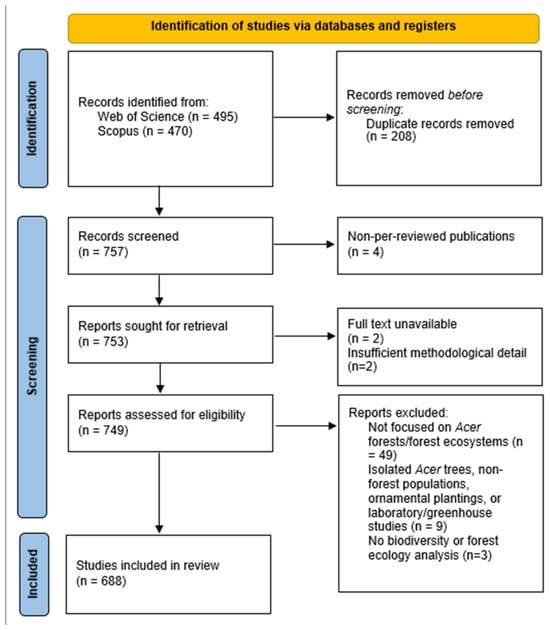
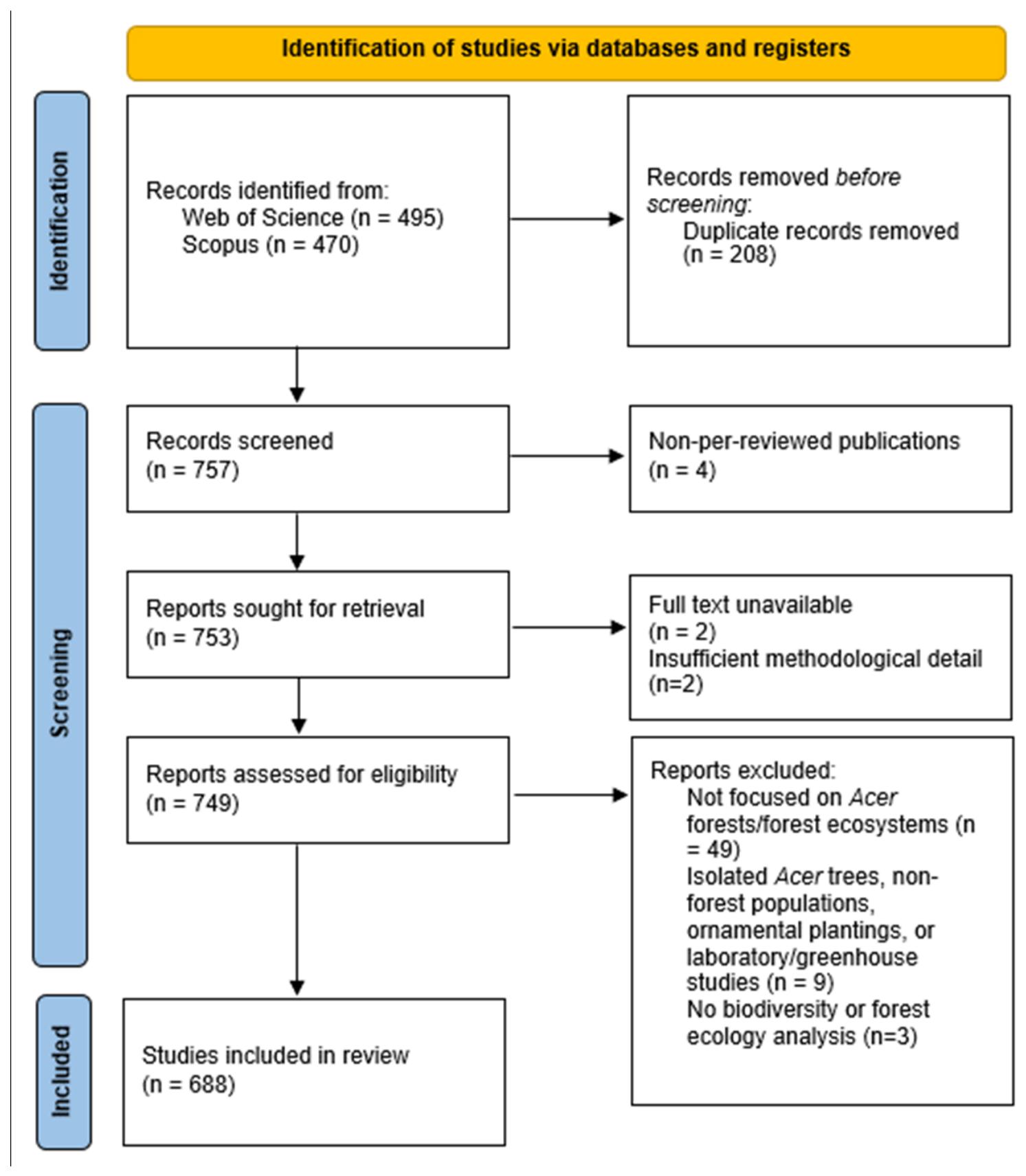
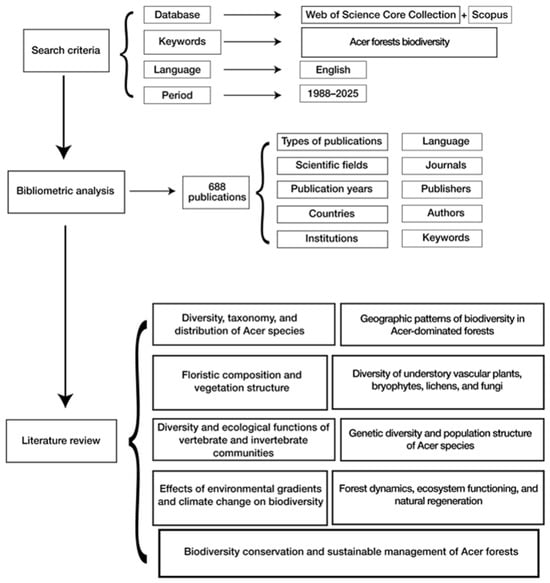
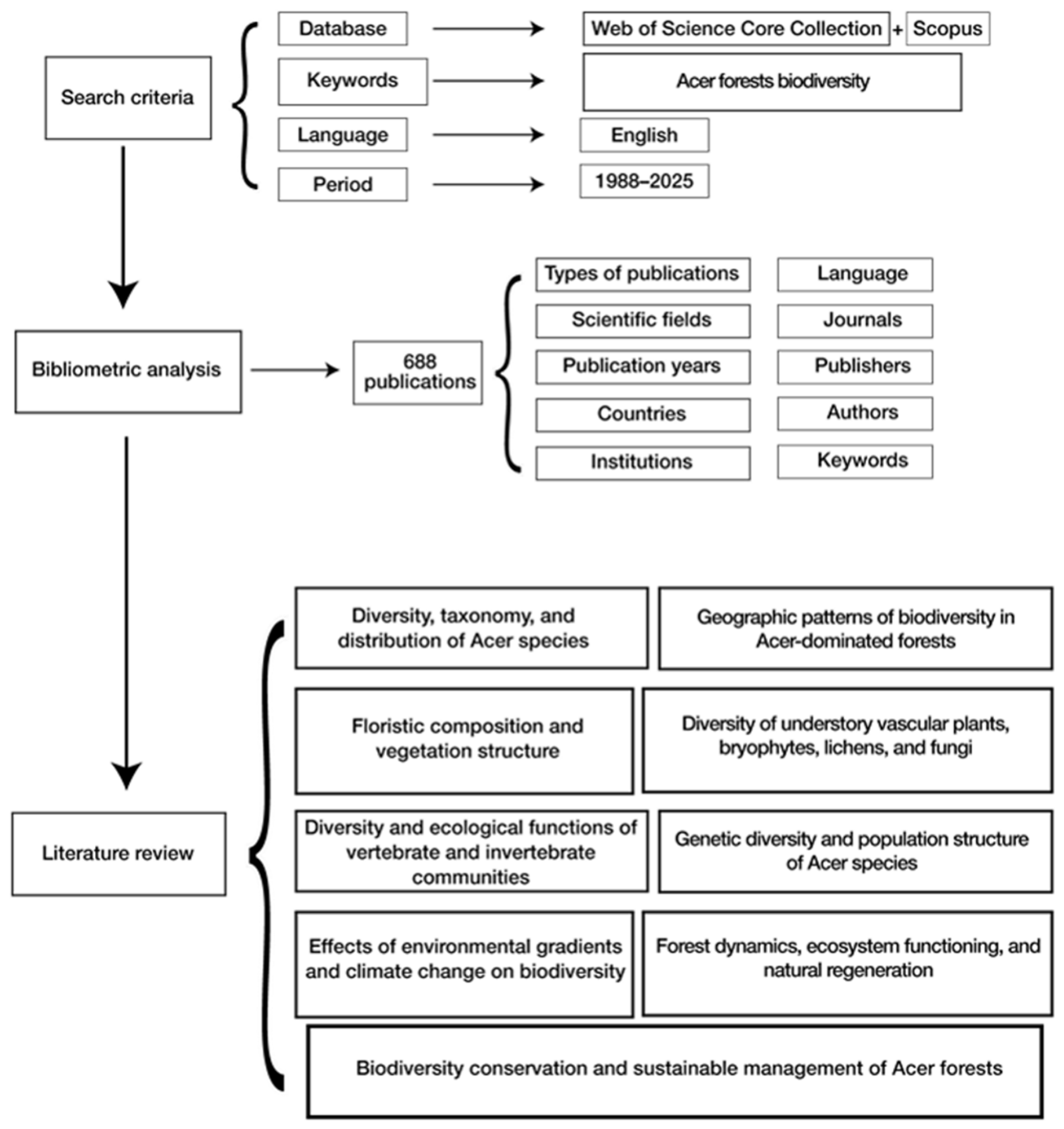
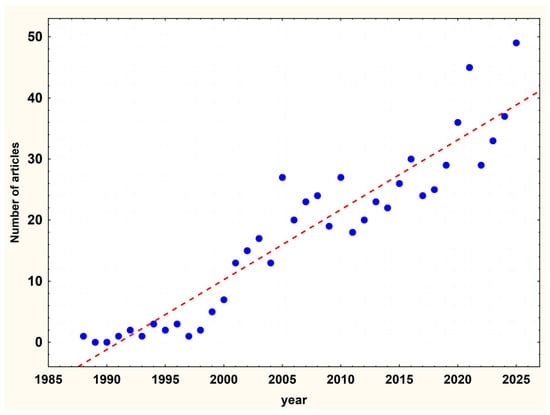
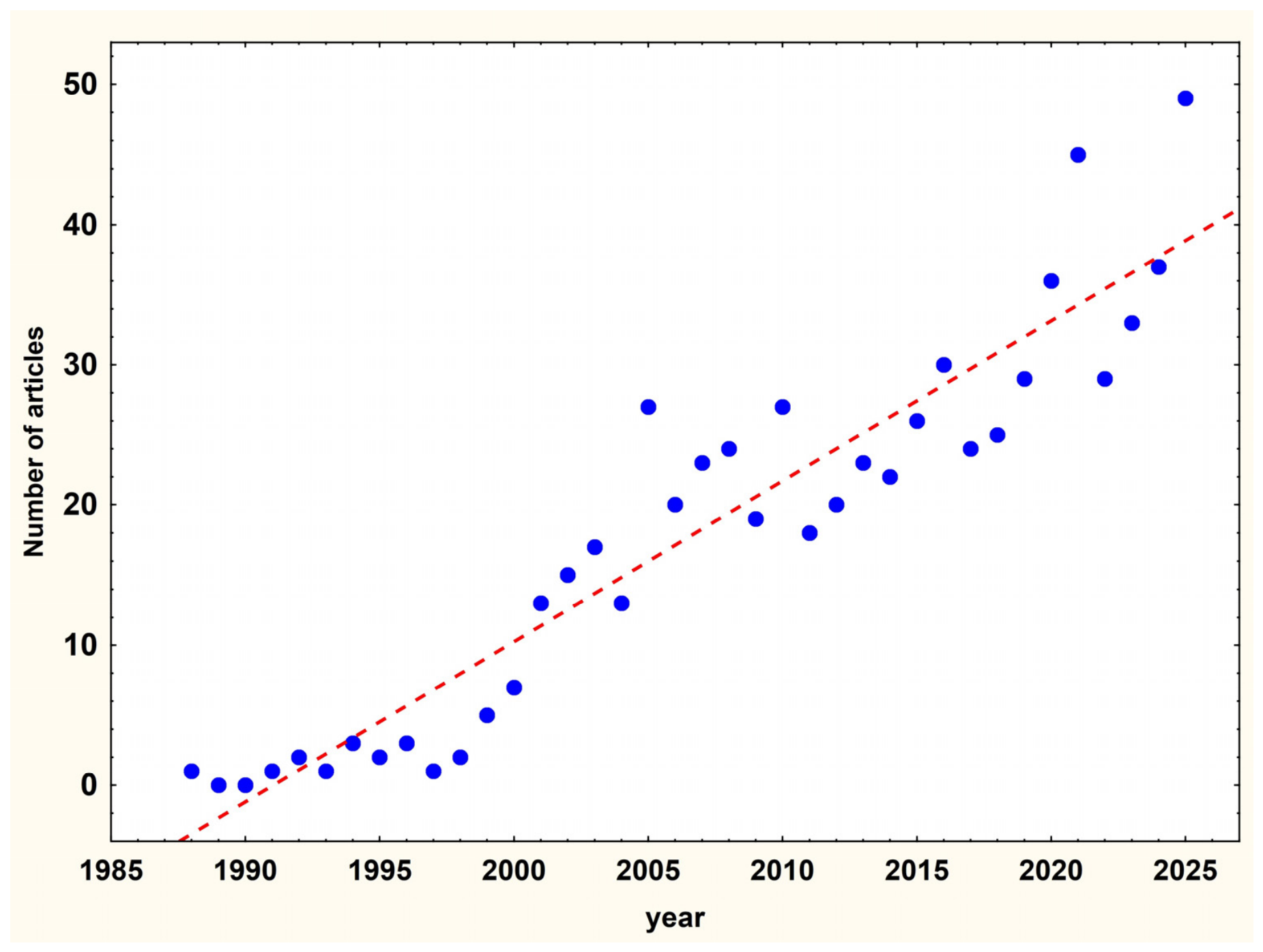
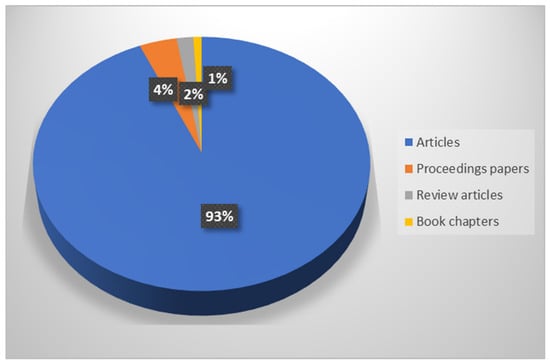
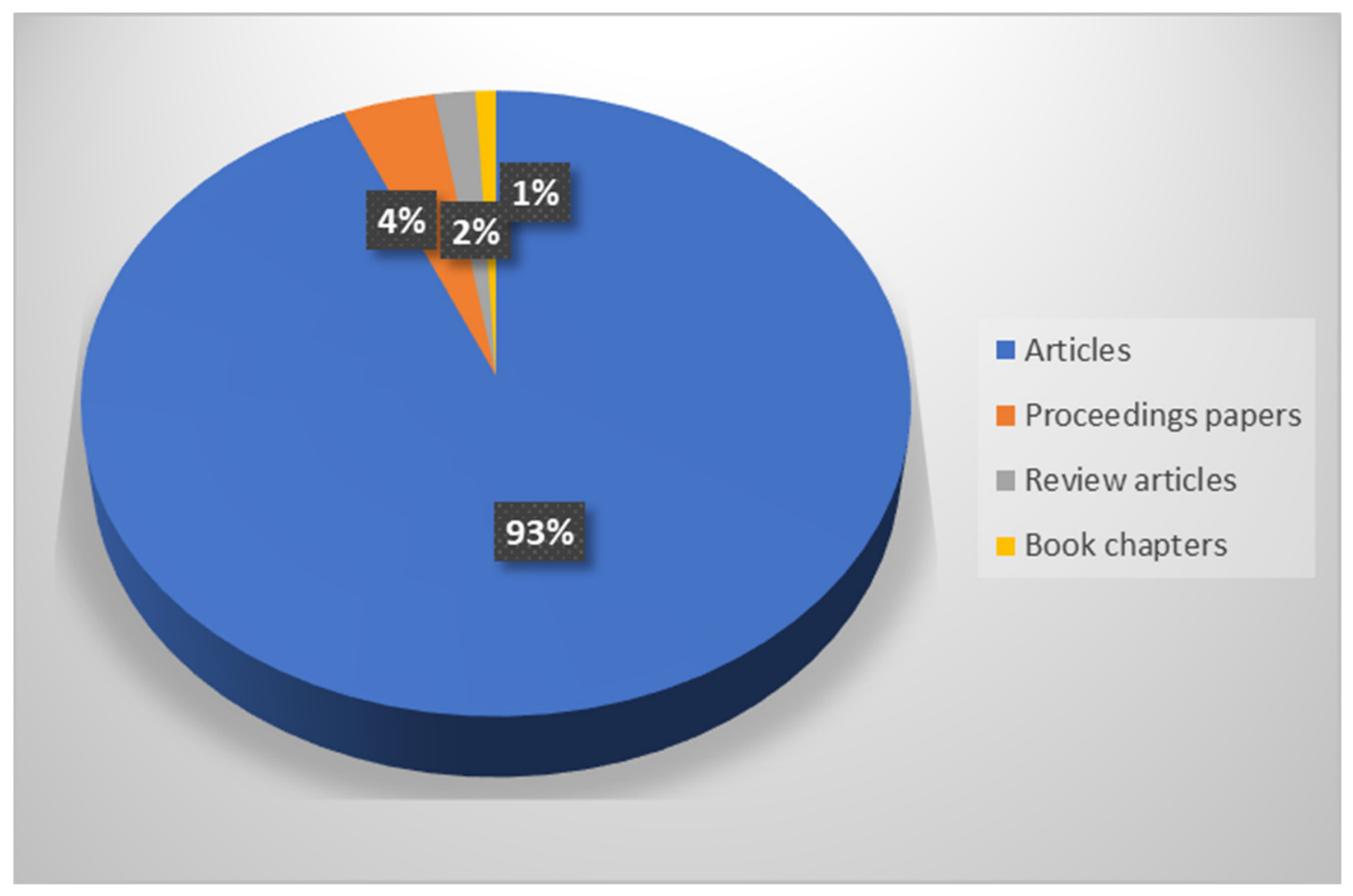
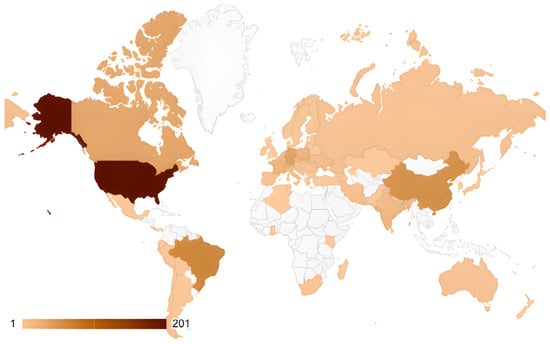
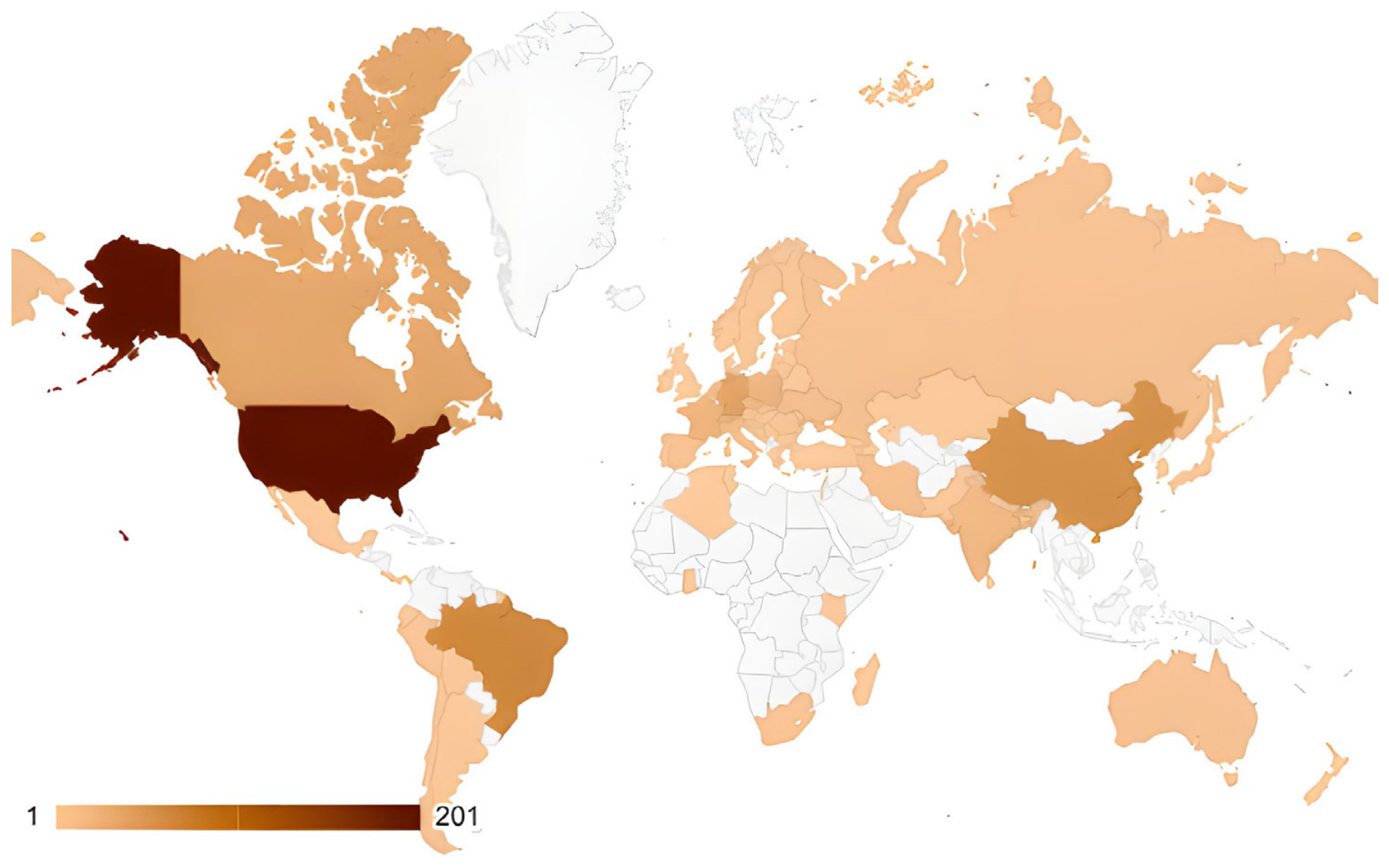
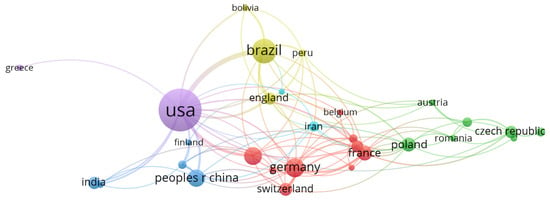
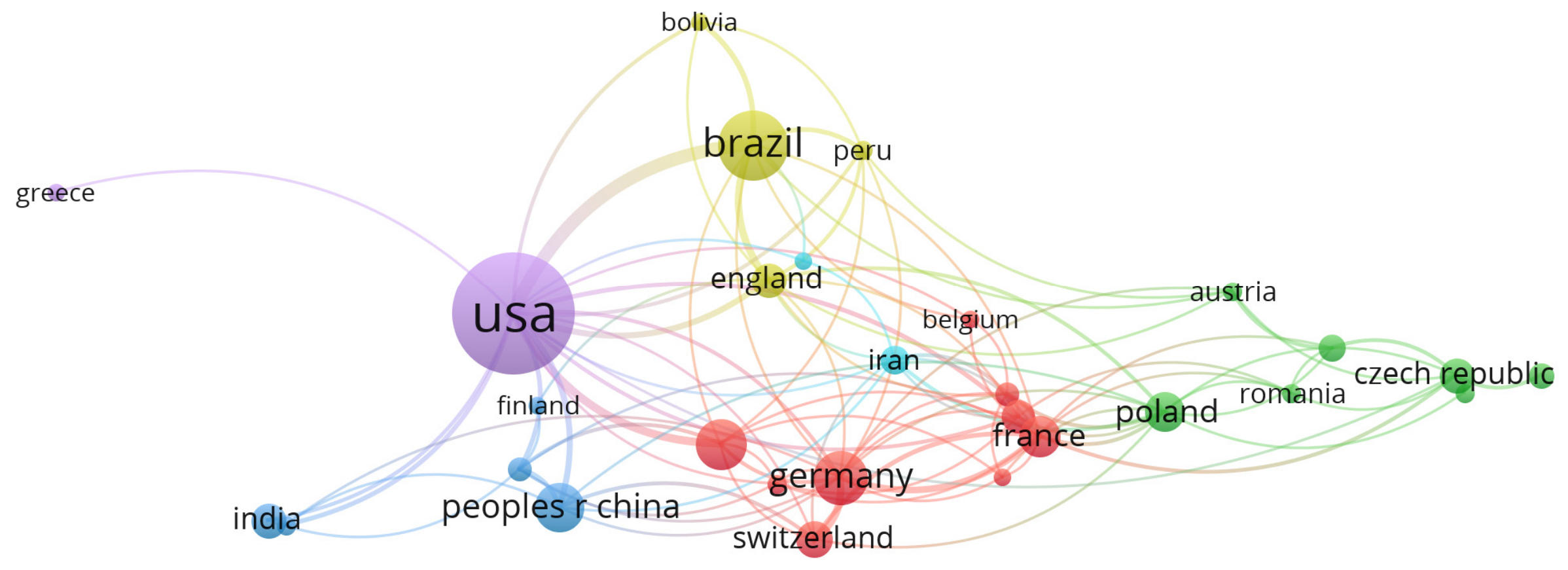
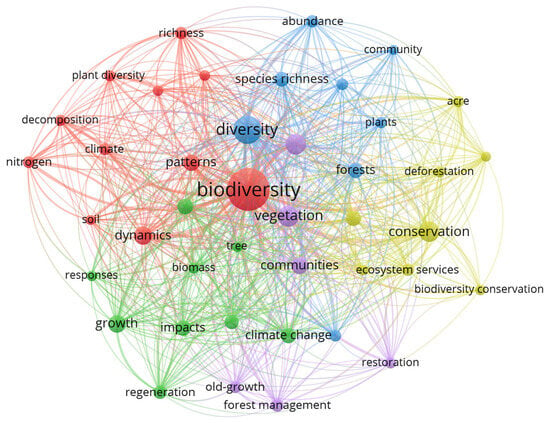
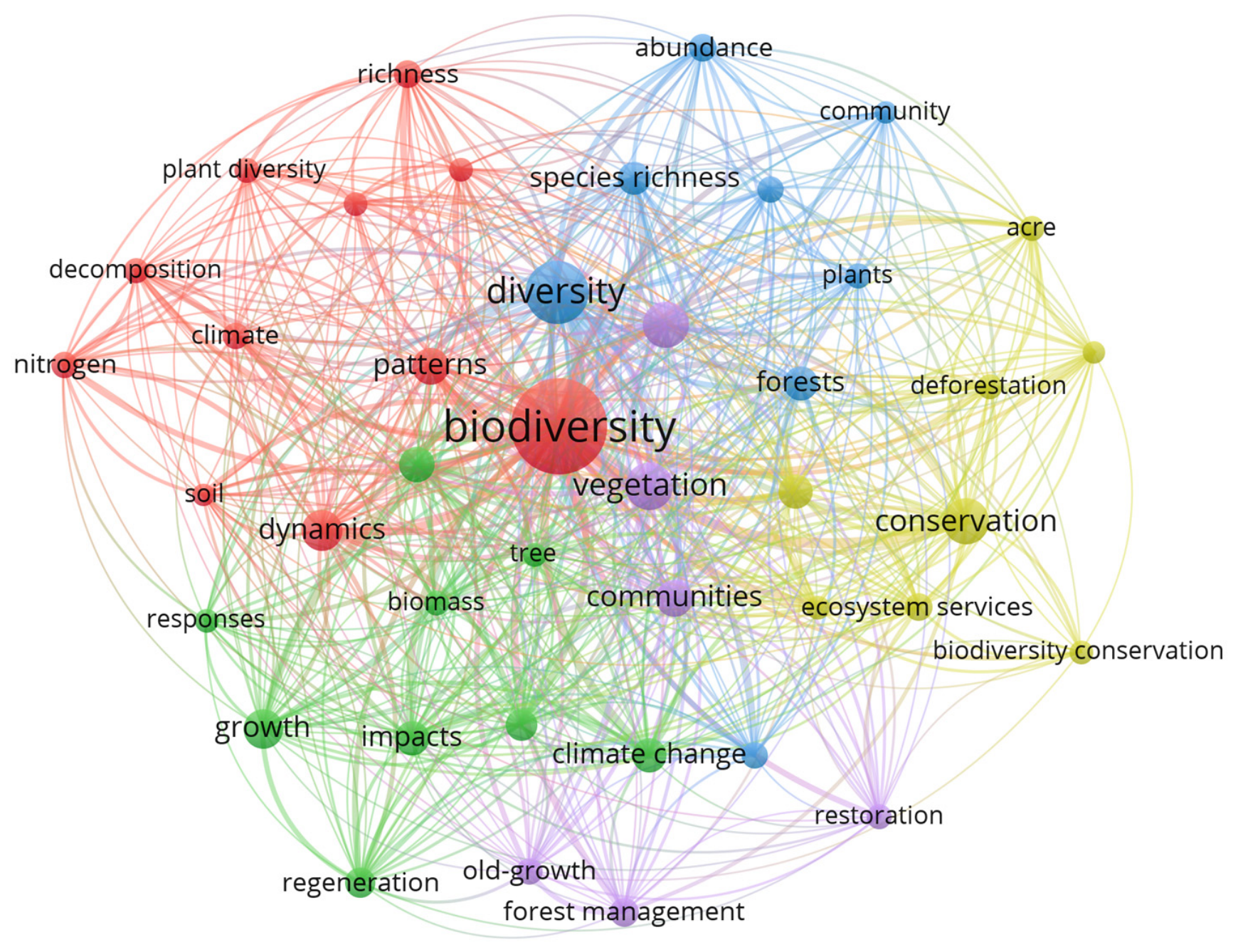

Disclaimer/Publisher’s Note: The statements, opinions and data contained in all publications are solely those of the individual author(s) and contributor(s) and not of MDPI and/or the editor(s). MDPI and/or the editor(s) disclaim responsibility for any injury to people or property resulting from any ideas, methods, instructions or products referred to in the content. |
© 2026 by the authors. Licensee MDPI, Basel, Switzerland. This article is an open access article distributed under the terms and conditions of the Creative Commons Attribution (CC BY) license.