


Abstract
Saccharomyces cerevisiae is a useful model to understand the biochemistry and biology of aging. Yeast speeds up the aging study due to its short lifespan, well-established genetics, and simple measurement for lifespan. The chronological lifespan in yeast specifically emphasizes the survival rate of the population, providing data that offer more direct feedback on experimental treatments than replicative lifespan. The advancement of the yeast chronological lifespan assay has enabled researchers to efficiently screen numerous potential antiaging compounds and delve into aging theories. Through the integration of robust genetic screening and high-throughput technologies, the yeast model has facilitated the identification of various antiaging factors with potential applications in humans, shedding light on the genetic mechanisms of aging. Many natural products, similar to calorie restriction, have been shown to effectively extend the lifespan of yeast, a benefit that is also conserved in mammals. In this review, we highlight the nutrient factors, natural compounds, and genes that contribute to extending the yeast lifespan, as well as the genetic regulations underlying the aging process in yeast.
1. Introduction
Aging represents a gradual, insidious decline in the structural and functional integrity of multiple organ systems following reproductive maturity [1,2]. While humanity’s pursuit of antiaging interventions dates back millennia, molecular-level investigations into the genetic mechanisms of aging remain comparatively recent and incompletely elucidated. A primary challenge in aging research lies in the extensive time required to measure organismal lifespans [3]: mice and rats typically live 3–5 years, primates up to 40 years, while Caenorhabditis elegans and Drosophila survive only 2–3 weeks and 2–3 months, respectively [4]. Saccharomyces cerevisiae (budding yeast) offers a short chronological lifespan (CLS) (6–15 days), inherent genetic tractability, and high-throughput lifespan assays—enabling efficient mechanistic aging studies and the identification of lifespan-influencing genetic and environmental factors [5,6,7]. More importantly, many conserved hallmarks of aging between yeast and humans lead to the discovery of numerous genes and aging interventions linked to human aging from the yeast model (Figure 1).
Figure 1.
Conserved hallmarks of aging between yeast and humans.
Two primary aging models have been established in yeast research [8]. Replicative lifespan (RLS) is defined as the number of daughter cells a mother cell produces prior to senescence [9]. This model is particularly valuable for studying mitotic aging in multicellular eukaryotes, including human stem cell populations [10], as replicative aging involves asymmetric damage segregation to mother cells during budding [6]. CLS, in contrast, quantifies the ability of yeast to maintain viability during prolonged growth arrest (e.g., stationary phase) [11]. Viability is assessed by the proportion of cells capable of re-entering the cell cycle following extended quiescence [12]. The postmitotic nature of the CLS model in yeast is characterized by the cessation of cell division and entry into a non-dividing state, which is akin to postmitotic cells in higher organisms. This model is instrumental in studying cardiovascular and neurodegenerative diseases [13]. Cell cycle proteins, typically involved in cell proliferation, are repurposed in postmitotic cells, often leading to cell death upon reactivation [14]. The CLS model in yeast has also been exploited to understand the interplay between energetics and endoplasmic reticulum (ER) stress in neurodegeneration, providing insights into the postmitotic state [14].
Chronological aging in yeast serves as a relevant model for studying age-related molecular changes in the postmitotic tissues of multicellular organisms, such as neurons, skeletal myocytes and cardiomyocytes. Recent studies have expanded our understanding of the genetic, nutritional, and environmental factors that influence yeast CLS, revealing a complex interplay between these elements. The distinction between RLS and CLS is further highlighted by their distinct biological underpinnings and responses to genetic manipulations. For instance, caloric restriction, known to extend lifespan in mammals, prolongs both RLS and CLS in yeast, suggesting conserved mechanisms of lifespan regulation [15]. Additionally, the genes and pathways that influence RLS and CLS are evolutionarily conserved, underscoring the relevance of yeast as a model for understanding aging in more complex organisms [16].
Both studies focus on yeast cell survival, with CLS specifically quantifying temporal progression. Upon inoculation, yeast rapidly consumes extracellular glucose. Glucose depletion triggers a post-diauxic transition, characterized by decelerated growth and division. Mitochondrial respiration then dominates the metabolic pathway [17]. During the subsequent 2–7 days, yeast enters a quiescent stationary phase marked by low metabolic activity and enhanced stress resistance. Viability declines rapidly thereafter, culminating in death. Thus, the CLS of yeast is typically less than 30 days [18]. This process is regulated by numerous genetic pathways, including those governing lifespan through the TOR/Sch9 and Ras/adenylate cyclase/PKA signaling pathways, with a specific focus on pathways related to age-associated oxidative stress and DNA damage/repair mechanisms [19]. Yeast aging is orchestrated through a cascade of lifespan checkpoints, each governed by dedicated master regulators. Yeast chronological aging operates via network dynamics that dictate the cellular senescence pace, indicating that this process is non-programmed toward death but stems from a failure to sustain core homeostatic functions above a critical threshold. Both cell-autonomous and cell-non-autonomous mechanisms collectively govern this outcome [20]. Substantial discordance has been reported among three genome-wide screens for CLS in yeast, and gene–environment interactions—particularly differences in culture media—have been proposed as a major contributing factor [21]. CLS and RLS genetic dissection in yeast serves as a premier model for elucidating gene–environment and epistatic interactions, thereby delineating their mechanistic contributions to proteostasis and metabolic fitness [21]. In addition, the potential of natural substances in modulating yeast lifespan through various mechanisms, such as affecting autophagy, oxidant regulation, and lipid metabolism, should also not be ignored [22]. To determine the environmental factors for CLS, high-throughput screening tools have been used to uncover the conserved systems-level mechanisms such as dietary interventions [23]. Here, our focus is on the chronological aging of yeast, exploring the key aspects of CLS in yeast as a valuable tool for aging studies.
2. Methods for Measuring Yeast CLS
2.1. Traditional Colony Count Plating Method
The CLS assay in budding yeast was established by the Longo group [11,24,25]. In this protocol, day 0 marks the inoculation time point. Subsequent survival measurements are performed every 2–4 days: cultures are diluted and plated onto YPD agar and colony-forming units (CFUs) are counted after 3 days of incubation. The survival rate at day 2–3 (typically defined as 100% initial viability) serves as the reference point, with CLS quantified as the proportional decline in viability over time. CFU counts are monitored until viability drops below 1% [11].
Recently, an alternative method for assessing yeast chronological aging was proposed, combining propidium iodide (PI) staining with flow cytometry (PI-FCM) [26,27]. This approach exploits PI’s inability to penetrate viable cells due to intact plasma membranes, while dead cells exhibit membrane permeability and stain red. Coupled with flow cytometry, PI-FCM enables rapid, high-throughput, and reproducible quantification of viability—reducing labor intensity compared to CFU-based assays. However, a subsequent study revealed that PI-FCM accuracy is highly dependent on culture conditions: correlation with CFU counts is only observed in yeast aged in exhausted media, but not in water-based cultures [28].
2.2. High-Throughput Method Based on Outgrowth of Aging Cells
The Kaeberlein group introduced an automated viability assay for yeast CLS using the Bioscreen C MBR system, enabling longitudinal tracking of population dynamics at scheduled temporal intervals [29]. A measurement of 5 µL of aged culture is inoculated into 145 µL of YPD medium per well in a 100-well Bioscreen Honeycomb plate. The instrument incubates up to 200 samples simultaneously at 30°C with continuous agitation, recording optical density (OD) at 420–580 nm every 30 min over 24 h. Outgrowth curves are generated for each well/sample based on OD measurements, and viability is inferred from these curves. Compared with the traditional CFU plating method, this approach demonstrates reduced technical variance while being faster, less labor-intensive, and more cost-effective. Additionally, it yields supplementary physiological parameters—including doubling time, growth rate, and culture optical density—enabling a multidimensional analysis of aging yeast populations.
Kaeberlein’s method involves traditional assays that are based on plating yeast cells in a specialized stationary phase and measuring cell survival for CLS. In addition, Kaeberlein’s method measured OD values for 30 min each time. The accuracy of the time required to reach the target absorbance value is not as expected. Based on Kaeberlein’s method, we developed a more rapid and efficient high-throughput screening assay for measuring yeast CLS under various conditions [18] (Table 1). This protocol employs standard plate readers compatible with chemical or genetic libraries in 96- or 384-well formats, overcoming the limitation of Kaeberlein’s approach which requires non-standard 100-well Bioscreen Honeycomb plates. The absorbance reading duration is substantially shorter in this assay due to a higher initial concentration of yeast. An additional alteration involves raising the frequency of absorbance reading. We record the OD every 5 min, which improves the accuracy of time taken to attain the goal absorbance value, as opposed to 30 min for each OD determination in Kaeberlein’s method. The effects of environmental factors, such as the nutrients described later in the paper, can be determined by this method.
Table 1.
Assessing and contrasting two strategies for determining yeast CLS: traditional CFU plating and modern high-throughput methodology.
Molecular barcode sequencing (Bar-seq) and pooled strain coupled to microarray are other high-throughput methods for measuring yeast genotypes. Using Bar-seq, the effects of ~4000 gene deletions and ~12,000 pairwise genetic interactions were assessed across three nutrient-restricted environments (carbon, nitrogen, and phosphorus limitation) [30]. The methodology involved the construction of haploid prototrophic double mutant libraries using synthetic genetic array (SGA) mating and selection methods. Pooled analysis of genotypes through Bar-seq was determined to assess the role of these genes in both proliferative and quiescent cellular states. This high-throughput method assay allowed for the detection of up to 10-fold more genetic interactions in quiescent cells compared to proliferative cells, highlighting the conditional dependence of epistasis and providing a framework for expanding genome-wide genetic interaction profiling to diverse conditions and phenotypes. The importance of genetic interactions and the role of nutrient-sensing pathways, such as the target of TOR1, RIM15 and PHO85 pathways, in regulating lifespan was highlighted [30]. The pooled strain coupled to microarray approach enables high-throughput measurement of yeast CLS by assessing the viability of non-dividing yeast cells over time. This method utilizes a collection of haploid gene deletion mutants, each tagged with unique DNA barcodes, which are grown in pooled cultures and subjected to aging conditions. At various time points, viable mutants are selected, and their abundance is quantified using microarray DNA hybridization, allowing for the identification of genes that influence CLS. This technique efficiently screens a large number of mutants to uncover novel factors involved in the regulation of aging, providing insights into the genetic mechanisms that contribute to longevity [31,32].
High-throughput plating also plays a pivotal role in measuring CLS by enabling the assessment of survival across numerous strains under various conditions. This method allows for the rapid determination of survival integrals (SIs), a quantifiable parameter of CLS, using automated imaging and image analysis of agar yeast culture arrays [33,34]. They facilitate the systematic investigation of genetic and environmental factors influencing yeast aging, providing insights into the complex mechanisms of chronological aging.
At the level of protein, high-throughput methods are also applicable. A high-throughput screening approach has been used to investigate the noncatalytic functions of yeast enzymes [35]. The researchers generated knockout and catalytic mutant strains of selected genes, assessed their growth under various conditions using automated phenotypic characterization, and analyzed the data to distinguish between catalytic and noncatalytic phenotypes. This strategy revealed that a significant number of gene deletion phenotypes in yeast are not solely attributed to the loss of annotated catalytic activities, highlighting the prevalence of protein moonlighting in cellular metabolism [35].
The FY4 strain of S. cerevisiae has been prominently featured in the study of CLS in yeast, serving as a model organism to elucidate the complex mechanisms underlying cellular aging. Its widespread adoption stems from a combination of favorable attributes: as an isogenic derivative of the S288c reference strain, FY4 exhibits minimal genetic drift, low spontaneous mutation rates, and exceptionally reproducible growth and survival kinetics under defined culture conditions [36]. These features collectively ensure high assay fidelity, which is critical for quantitative aging studies. In the development of high-throughput protocols and programs for growth and aging phenotyping in yeast, the FY4 strain was again highlighted. The researchers adapted the growth phenotyping assay to a 384-well microplate format, validating the higher-throughput approach for phenotypic screens. The FY4 strain was used to demonstrate the reproducibility and reliability of the assay, which allowed for the accurate determination of growth parameters such as lag time, doubling time, and yield of biomass [36]. This methodological advancement has since facilitated more efficient and cost-effective studies on yeast-based systems genetics and screens, including those focused on CLS.
2.3. Limitations of the Yeast CLS Assay
Although CLS assay has been widely employed in aging research and has successfully identified evolutionarily conserved longevity pathways, including TOR/Sch9, Ras/AC/PKA, SNF1, sirtuins, and numerous other pro-longevity genes, its biological extrapolation as a model of mammalian aging entails significant limitations that warrant a cautious interpretation of results [1,37,38,39,40].
Standard CLS assays quantify survival as CFUs following glucose exhaustion; however, cells do not immediately enter a state of deep nutrient deprivation. Instead, they maintain elevated metabolic activity for 4–6 days by respiring endogenous reserves such as glycogen and trehalose, as well as extracellular ethanol, only gradually transitioning into a low-metabolism “quiescent” state prior to death [23]. This indicates that the early phase of CLS reflects a metabolically reprogrammed adaptive state rather than a simple model of caloric restriction.
Consequently, CLS fundamentally measures cellular tolerance to energy stress, not the progressive accumulation of molecular damage, functional decline, and systemic dysregulation that define aging in multicellular organisms. In stark contrast to human postmitotic cells, such as neurons and cardiomyocytes, which undergo rapid functional collapse within minutes under hypoglycemic conditions, yeast can survive for weeks by relying on internal energy stores, underscoring a profound divergence in bioenergetic dynamics [41]. Moreover, although yeast CLS is frequently analogized to quiescent mammalian cells, this comparison is physiologically limited due to the absence of neuronal signaling pathways in yeast [42].
CLS endpoints are often confounded by acetate accumulation in the culture medium, which triggers DNA fragmentation and other apoptosis-like features; however, the relevance of acetate-mediated cell death to physiological aging in mammals remains unestablished [43]. Notably, acetate has long been simplistically viewed as a toxic byproduct, but recent evidence suggests that it functions primarily as an alternative carbon source: elevated acetate levels induce glycogen and trehalose accumulation, promote mitochondrial fragmentation, and exert pro-aging effects independent of extracellular pH; furthermore, buffering the medium fails to extend CLS, thereby refuting the notion that acidosis alone drives mortality [23,44]. Moreover, the CLS assay is based on the implicit assumption that all cells enter a quiescent state upon glucose exhaustion, but the experimental evidence shows that a subset of cells can sustain limited proliferation by scavenging nutrients released from dead cells, a phenomenon known as necrotrophy or “cannibalism”, thereby confounding the accurate assessment of true quiescent survival [45]. Critically, CLS relies on the ability of cells to form colonies upon re-plating onto nutrient-rich media; thus, cells that have lost their proliferative capacity but remain metabolically viable (e.g., G0-arrested or senescence-like cells) are misclassified as dead, potentially leading to systematic underestimation of actual viability [23,41]. Collectively, these findings indicate that CLS represents a complex integration of carbon source switching, metabolic adaptation, oxidative stress, and regulated cell death, not merely starvation tolerance.
Yeast lacks the insulin/IGF-1 signaling pathway, which in mammals profoundly influences lifespan through the regulation of mTOR and AMPK, and reduced circulating IGF-1 levels are consistently associated with exceptional human longevity [46,47]. Although the mTOR pathway is evolutionarily conserved, its functional outputs diverge across species: rapamycin-mediated TOR inhibition suppresses mitochondrial respiration in mammals but enhances it in yeast [48]. Furthermore, mammals possess a single TOR gene that contributes to both TORC1 and TORC2 complexes; S. cerevisiae harbors two paralogs (TOR1 and TOR2) with distinct complex specificities [49]. As a screening platform, CLS is therefore constrained by an artificial energetic boundary defined by the initial glucose availability, limiting its capacity to model antiaging interventions requiring prolonged action or multi-target synergy.
As a unicellular organism, yeast entirely lacks multicellularity, cellular differentiation hierarchies, and sophisticated intercellular communication networks. In contrast, a substantial fraction of the human protein-coding genes govern neural, immune, and stem cell functions that are exquisitely dependent on tissue microenvironments. Mammalian aging is inherently non-cell-autonomous: senescent cells drive inflammaging, immune surveillance decline, and bystander effects via the senescence-associated secretory phenotype (SASP), and can also transfer functional proteins directly to neighboring cells—such as NK cells and neurons—through cytoplasmic bridges (e.g., tunneling nanotubes) in a process termed intercellular protein transfer (IPT), thereby modulating microenvironmental homeostasis and immune clearance [50]. These systemic aging hallmarks, driven by stem cell exhaustion, chronic inflammation, and intercellular signaling imbalances, cannot be recapitulated in the isolated yeast CLS system and are unlikely to model the deleterious paracrine effects observed in mammalian tissues [4].
In light of these considerations, while CLS remains valuable for mechanistic discovery, its translational relevance to human aging should be approached with caution and validated in multicellular models that incorporate tissue architecture, systemic physiology, and cellular heterogeneity. CLS is best positioned as an initial screening tool rather than a comprehensive model of organismal aging. Future studies must interpret its biological significance within an integrative, cross-species framework.
3. Nutrients and Yeast Longevity
3.1. Carbohydrates
Glucose restriction, commonly termed calorie restriction (CR) or dietary restriction (DR) in yeast aging models, significantly extends yeast CLS. The standard CR protocol reduces the glucose concentration from 2% to 0.5% in the medium. However, studies report that further restriction to 0.05% glucose (extreme CR) enhances longevity beyond standard CR, as does the water-transfer method (transferring cells from 2% glucose to water). Although extreme CR causes malnutrition in higher organisms [51], it remains a validated longevity intervention in yeast. Current research indicates that glucose-mediated longevity involves the TOR and Ras/cAMP/PKA nutrient-signaling pathways. The FY4 strain was instrumental in identifying major quantitative trait loci (QTL) associated with aging, which were found to be dependent on the type and concentration of the carbon sources available for growth. The RIM15 gene was recognized as a key regulator of aging in low glucose environments, providing additional evidence for the critical role of nutrient-sensing pathways in the regulation of longevity under caloric restriction [34].
Glycerol, a non-fermentable carbon source that bypasses glycolysis, extends the CLS [52,53,54]. Recent evidence indicates that acetate accumulation—rather than direct toxicity—drives chronological aging under standard culture conditions Conversely, glycerol did not impair CR-induced CLS extension, suggesting that it modulates chronological aging via stress resistance pathways—specifically, enhancing osmotic stress tolerance and modulating cellular redox balance [54]. Recent work revealed that WT cells accumulate ethanol and rapidly deplete glycerol, whereas long-lived mutants (tor1Δ, sch9Δ, ras2Δ) accumulate glycerol after initial ethanol depletion. This indicates that TOR/Sch9 inhibition triggers a metabolic switch from ethanol biosynthesis/release to glycerol biosynthesis and release [55,56,57].
3.2. Amino Acid Supplementation
The concept that diets with identical caloric values but different compositions might influence longevity differently was first introduced in mice studies [58,59]. This idea was subsequently explored in Drosophila melanogaster and extended to a range of organisms, from yeast to humans [51,60,61,62]. Research has shown that both restricting and increasing protein and amino acid intake can play roles in delaying the aging process [63,64]. Amino acids are essential nutrients recycled via autophagy in yeast [65]. Naturally, yeast is prototrophic and synthesizes most amino acids from simple carbon/nitrogen sources, whereas laboratory strains (e.g., S. cerevisiae BY4742 MATα his3Δ1 leu2Δ0 lys2Δ0 ura3Δ0) are typically auxotrophic. This auxotrophy confers nutrient-dependent growth useful for genetic manipulation, commonly resulting from deletions in amino acid/nucleotide biosynthesis genes.
Suboptimal supplementation of auxotrophic complementing amino acids (EAAs) suppresses the final biomass yield, impairs oxidative stress tolerance, induces premature G2/M arrest, and accelerates chronological aging [66]. Consistent with this, a reduced total amino acid availability—encompassing EAAs—in growth media similarly shortens CLS [29]. In non-dividing auxotrophs, leucine or uracil deprivation triggers exponential viability decline with a half-life < 2 days [67]. Notably, survival outcomes in such auxotrophs depend on the carbon source during starvation—not on the growth medium carbon source [68]. Methionine restriction enhances autophagy, a cellular self-digestion process, and increases the number of cells with acidic vacuoles, which is crucial for longevity [69].
Nonessential amino acids (NEAAs) modulate yeast lifespan. We observed that methionine and glutamic acid—NEAAs for yeast—most potently extend CLS. Restricting methionine and/or elevating glutamic acid yielded longevity not merely due to the reduced acetic acid production and media acidification. Critically, low methionine, high glutamic acid, and glucose restriction independently and additively extended the lifespan, a phenotype unenhanced by medium buffering (pH 6.0) [61].
Branched-chain amino acids (BCAAs)—leucine, isoleucine, and valine, all essential—extend CLS in both autophagy-competent and autophagy-deficient yeast (e.g., atg1Δ, atg7Δ, atg11Δ) grown in minimal medium [65]. These BCAAs extend CLS through the general amino acid control (GAAC) pathway: a reduced BCAA concentration activates GAAC and shortens CLS, whereas elevated BCAA levels inhibit GAAC and extend CLS [65]. Proline, which is recognized not only as a fundamental building block but also as an energy source and stress shield, has been shown to increase the CLS through a mechanism that depends on proline oxidase (PUT1) [70], while serine depletion has been associated with an increased lifespan. Furthermore, restricting the intake of valine and threonine might support the longevity effect of calorie restriction by inhibiting the TOR-Sch9 pathway through the Sch9 phosphorylation [7].
3.3. Other Nutrients
In yeast, ammonium (NH4+) functions as the principal inorganic nitrogen source, fueling both anabolic and catabolic nitrogen metabolism through its assimilation into glutamate and glutamine—the central donors for transamination reactions [71]. Nitrogen source selection is governed by nitrogen catabolite repression (NCR), which prioritizes preferred sources like NH4+. However, recent studies reveal that extracellular NH4+ acts as a pro-aging factor: its accumulation impairs viability in stationary-phase cells, thereby shortening CLS [72]. Reducing the NH4+ concentration extends CLS in amino acid-restricted media. Conversely, increasing the (NH4)2SO4 concentration (0.5% → 1%), with or without amino acid restriction, reduces the viability. Furthermore, adding NH4+ to aging cells transferred to water significantly shortens CLS, confirming that NH4+ alone induces viability loss. This NH4+-mediated cell death involves conserved pathways: PKA and TOR/Sch9 [73,74].
Utilizing a quiescence profiling technology, it has been shown that auxotrophic markers, such as those distinguishing strains 4741 and 4742, media composition—including amino acids and ammonium (NH4+)—along with TOR signaling, collectively influence CLS [33]. The study highlighted that the availability of specific amino acids and the balance of NH4+ in the growth medium significantly impact yeast survival, with certain auxotrophies showing reduced CLS under nutrient-limited conditions. Furthermore, it demonstrates that TOR signaling, a key regulator of cellular growth in response to nutrient availability, plays a crucial role in modulating the effects of these genetic and nutritional factors on yeast longevity. These findings underscore the complex interplay between genetic background, nutrient environment, and cellular quiescence in determining the CLS of yeast [33].
In addition, low-quality nitrogen sources like c-aminobutyric acid (GABA) extend CLS compared to high-quality sources such as glutamine. Genetic analysis identified 473 gene mutants with altered CLS under these conditions, highlighting cellular processes like autophagy, mitochondrial function, and cell cycle control. Key transcription factors, including Msn2, Msn4, and Ste12, were found to regulate CLS extension, with Ste12 linking nutrient signaling to cell survivorship and cell cycle arrest, suggesting a conserved role in longevity across nitrogen sources [75].
4. Natural Products for Lifespan Extension
Perhaps the most effective antiaging intervention is CR. Recent research suggested that the beneficial health effects of CR might be attained by a compound that alters the activity of some evolutionarily conserved longevity proteins in response to nutrient availability [76]. The compound could act as a “CR mimetic” by delaying age-associated diseases and extending lifespan without requiring reduced food intake [77]. There are a number of natural products that have been reported to have a lifespan-extending capacity or antiaging benefit in mammalian animals. The antiaging capacity of most compounds was first found in simple organisms, such as yeast, C. elegans, and D. melanogaster. Though only a few compounds could have potential effects of CR in mammals, the pre-screening and mechanism exploration in simple organisms provide valuable direction in aging research. Here we list some of the antiaging substances that are effective in yeast models and whose functions extend to higher animals.
4.1. Rapamycin
Rapamycin (Figure 1) was originally isolated from a soil-derived strain of Streptomyces hygroscopicus on Easter Island and identified by Brazilian scientists as a potent antifungal agent [78]. After initial studies as an immunosuppressant (prior to the elucidation of its mechanism), rapamycin was approved by the FDA in 1999 for post-transplant therapy [79].
Rapamycin binds FKBP12, forming a complex that inhibits mTOR Complex1 (mTORC1) by direct binding. mTOR (mechanistic target of rapamycin) was historically called FRAP, RAFT, RAPT1, or SEP, but is now universally accepted following the identification of TOR1 and TOR2 as rapamycin-sensitive growth regulators in S. cerevisiae [80]. The mTOR signaling axis integrates diverse environmental inputs to coordinate fundamental cellular processes—including anabolic metabolism, protein synthesis, lipid biosynthesis, energy balance, autophagic flux, lysosomal biogenesis, and cytoskeletal dynamics [64]. Dysregulation of this pathway is causally linked to multiple age-associated pathologies, such as cancer, obesity, type 2 diabetes, neurodegenerative disorders, and organismal aging [81].
Rapamycin extends lifespan in simple model organisms and mammals. At low concentrations, rapamycin increases the yeast CLS (Table 2). Rapamycin extends the CLS of yeast through the inhibition of the TOR pathway and thus causes the induction of stress-responsive processes, such as the upregulation of autophagy [65,80]. Rapamycin remains one of the few compounds shown to extend the maximum lifespan in mammals. The National Institute on Aging’s Interventions Testing Program (ITP)—a multicenter initiative—demonstrated that rapamycin-mediated mTOR inhibition extends both the median and maximal lifespans in genetically diverse mice [82,83,84]. This longevity benefit is observed in males and females when treatment commences at 600 days of age, a stage corresponding to approximately 60 years in humans. Although direct translation to human aging remains unproven, these findings provide a compelling rationale for advancing mTOR-targeted strategies to mitigate age-related pathologies, even when initiated during midlife [84].
Table 2.
The effect of rapamycin on yeast lifespan.
Early human trials reported serious side effects of rapamycin, including hyperlipidaemia, hyperglycaemia, anemia, and stomatitis [79]. As an immunosuppressant, it increases susceptibility to opportunistic infections [89]. Chronic rapamycin treatment impairs glucose homeostasis, inducing diabetes-like symptoms such as reduced glucose tolerance and insulin insensitivity [90]. However, the optimal dosage and treatment duration remain undefined; low bioavailability and atypical pharmacokinetics likely limit tissue drug exposure, thereby attenuating adverse effects.
To mitigate these side effects, alternative treatment regimens have been explored. Research indicates that intermittent administration of rapamycin can extend lifespan and health span in mice without the negative impacts on glucose homeostasis and the immune system observed with daily administration. Furthermore, co-treatment with metformin, a drug used to treat type 2 diabetes, has been shown to normalize insulin sensitivity and reduce complications of metabolic syndrome in type 2 diabetic mice treated with rapamycin. This co-treatment strategy could potentially counteract the hyperglycemic effects of rapamycin, providing a clinical approach to manage the diabetes-like symptoms induced by chronic rapamycin treatment [91].
Ethical considerations are also paramount in the development and use of such interventions. The potential for rapamycin to extend health span and delay age-related diseases is weighed against the risks of side effects, including the impact on glucose homeostasis and immune function [92]. It is crucial to ensure that the benefits of such treatments are accessible to all, regardless of socioeconomic status, and that the autonomy of individuals in choosing to undergo treatment is respected. Additionally, the long-term effects and potential for overuse or misuse of these interventions must be carefully considered to prevent unintended consequences on public health.
4.2. Resveratrol
Resveratrol (Figure 1) and its structural analogs are polyphenolic phytoalexins naturally produced by diverse plant species, including Japanese knotweed (Fallopia japonica), grapes, berries, and peanuts. Preclinical evidence across cellular and animal models indicates that resveratrol exerts protective effects in pathophysiological contexts relevant to human aging and age-associated disorders, notably cancer, cardiovascular disease, chronic inflammation, type 2 diabetes, and ischemic injury [93,94,95,96]. It extends RLS in S. cerevisiae and prolongs lifespan in diverse organisms (Table 3). However, RLS extension (up to 100% at >10 µM) occurs without CLS extension even at 100 µM in the short-lived PSY316AT strain [78]. Although numerous studies report the longevity-enhancing effects of resveratrol, robust evidence for lifespan extension in mammals remains lacking. Resveratrol remains a candidate antiaging compound due to its proposed activation of sirtuins (NAD-dependent histone deacetylases, HDACs). In mammals, seven SIRT isoforms (SIRT1–SIRT7) exhibit distinct biochemical activities and subcellular localizations: nucleus (SIRT1, SIRT2, SIRT6), nucleolus (SIRT7), cytoplasm (SIRT1, SIRT2), and mitochondria (SIRT3–SIRT5). SIRT1 regulates key processes including metabolism, cell survival, DNA repair, and apoptosis [97,98].
Table 3.
The effect of resveratrol on yeast lifespan.
Both natural (e.g., resveratrol, butein, fisetin, quercetin) and synthetic (SRT1460, SRT1720, SRT2183) sirtuin-activating compounds (STACs) enhance SIRT1 catalytic efficiency in vitro by reducing the Michaelis constant for acetylated substrates and nicotinamide adenine dinucleotide (oxidized form) (NAD+), thereby promoting cell survival through SIRT1-mediated deacetylation of p53 [99]. In yeast, resveratrol extends lifespan by mimicking caloric restriction via the activation of Sir2—the functional ortholog of mammalian SIRT1—thereby enhancing genomic stability. Although the physiological relevance of direct SIRT1 activation by STACs has been contested [108,109], recent biochemical reconstitution assays from the Sinclair group confirm that resveratrol and related STACs can allosterically stimulate SIRT1 activity in vitro, but strictly in the context of specific peptide substrates containing a bulky hydrophobic residue at the +1 position relative to the acetyl-lysine [109].
Ever since the functions of resveratrol were reported, there has been no end to the discussion about the actual functions of this substance. Although in vitro and animal studies provide strong evidence that resveratrol can activate SIRT1, there are serious doubts about the applicability and durability of this action in human physiology. The physiological significance of these discoveries is called into question because, for instance, the levels of resveratrol needed to activate SIRT1 in vitro are far higher than those that can be obtained in vivo. Furthermore, AMPK activation and mTOR inhibition are two additional cellular pathways that may contribute to the advantages of resveratrol, suggesting that its effects are not exclusively mediated by SIRT1. Furthermore, even while resveratrol seems to benefit model organisms, human health may not necessarily benefit from these findings.
While the direct activation of SIRT1 by resveratrol remains a plausible hypothesis based on in vitro and early animal research, the clinical relevance of this effect in humans is uncertain. The mixed results from animal and human studies, coupled with the existence of alternative pathways through which resveratrol may exert its effects, suggest that the relationship between resveratrol and SIRT1 activation is more complex than initially proposed. Further research, particularly with more advanced clinical trial designs and better bioavailability strategies, is needed to clarify the role of SIRT1 in mediating the health benefits of resveratrol.
4.3. Spermidine
Spermidine, a natural polyamine, has been extensively studied for its role in modulating CLS in yeast, and its effects appear to be mediated through the regulation of autophagy, inflammation, and cellular metabolism. Protection of nuclear DNA: At the molecular level, spermidine has been shown to induce autophagy by upregulating the expression of autophagy-related genes (Atg) such as Atg7, Atg15, and Atg11 specifically through mitophagy. This induction of autophagy is critical for spermidine’s antiaging effects, as knockout of these genes abolishes the lifespan extension induced by spermidine [110]. Spermidine can reduce the spontaneous CAN1 locus mutation rate, protecting yeast nuclear DNA under stresses such as oxidative stress [111,112]. Additionally, spermidine initiates autophagy by inhibiting protein acetylation, reducing the expression of EP300, an acetyltransferase that promotes the acetylation of autophagy-essential proteins [113]. By decreasing the availability of acetyl-CoA, spermidine also enhances deacetylation, which is crucial for the regulation of gene expression and cellular metabolism [114].
The conservation of spermidine’s effects across different species is particularly noteworthy. Studies have shown that spermidine can extend the lifespan of yeast, nematodes, flies, and mice in an autophagy-dependent manner [114]. This conservation suggests that the pathways targeted by spermidine are evolutionarily conserved, offering promise for the development of therapeutic interventions against aging and age-related diseases in humans. Epidemiological evidence also supports the potential health benefits of spermidine, as an increased dietary intake of spermidine has been associated with reduced cardiovascular and cancer-related mortality in humans, further highlighting its potential as a dietary intervention for promoting health and longevity [115,116].
4.4. Other Natural Compounds
Flavonoids are a group of natural compounds with different phenolic structures and are mainly available in vegetables, fruits, grains, tea and wine. In this regard, quercetin, a flavonoid found in numerous plants, exhibited an increase in lifespan when tested on the lifespan of S. cerevisiae [117]. However, when cells that were highly susceptible to oxidative and apoptotic stress were treated with quercetin, it led to a significant reduction in ROS levels, enhanced stress resistance, and an increase in mitochondrial membrane potential [118]. Another flavonoid, known as 4,4′-dimethoxychalcone, derived from the Japanese ashitaba plant, has shown the ability to extend CLS in C. cerevisiae with a dose of 50 µM [119]. The authors showed that 4,4′-dimethoxychalcone extends CLS by reducing ROS levels in WT yeast cells and triggering autophagy via Gln3 inhibition. Particularly, 4,4′-dimethoxychalcone greatly influenced amino acid metabolism through a mechanism independent of the Rapa/mTOR pathway [119].
Annurca apple extracts, which mainly comprise polyphenolic compounds, especially phloridzin (a flavonoid glucoside making up about 20%) [120], and cocoa extracts rich in polyphenols have recently been examined and shown to effectively prolong the yeast CLS [121]. The Annurca apple extracts promoted yeast CLS, exhibiting antioxidant activity mainly through the Sir2 and Sod1/Sod2 activities [120]. On the other hand, the cocoa extract increased longevity, but did so in an Sod2-independent manner [122]. Astaxanthin, a keto-carotenoid mostly found in orange- and red-pigmented plants, significantly prolonged lifespan by neutralizing ROS, reducing lipid peroxidation, and alleviating apoptotic factors. This was observed specifically in mutants that were either anti-apoptotic-deficient or antioxidant-deficient [123].
While certain phenolic compounds did not extend yeast lifespan, they showed potential in improving other aging-associated phenotypes. For instance, chebulinic acid, a type of polyphenol, and boeravinone B, a rotenoid flavonoid, restored cell viability in the presence of stress caused by malachite green. Both phenols effectively reduced the H2O2 levels triggered by this malachite green, and also declined the activities of enzymes such as catalase, superoxide dismutase (SOD), and apoptotic caspase [124]. Flavonoids extracted from citrus peels, like tangeretin and nobiletin, along with their 5-demethylated derivatives, 5-demethylnobiletin (5-DN) and 5-demethyltangeretin (5-DT), reduced ROS levels and lipid peroxidation. Additionally, they boosted stress resistance to different stress agents such as H2O2, CCl4, and CdSO4, largely due to the activity of catalase [125]. Moreover, Rhodiola rosea extract extended the yeast lifespan, but it decreased the yeast’s resistance to oxidative stress and did not stimulate any of the primary antioxidant enzymes. Taken together, these results reveal the potential role of other, yet-to-be-identified signaling pathways in affecting compound longevity [126].
Many of these natural compounds were traditionally used as medicine or were previously known for their potential beneficial effects on health and yeast lifespan (Table 4 and Figure 2). Therefore, it is encouraging to observe that these natural compounds can indeed increase the lifespan or improve the metabolism of S. cerevisiae.
Table 4.
The effect of natural compounds on yeast lifespan.
Figure 2.
Chemical structure of natural compounds with yeast lifespan extension activity.
5. Longevity Genes
Alterations in nutrient composition and nutrient-sensing pathway activity extend lifespan by protecting against age-related diseases and reducing the incidence of age-related functional decline across species, from yeast to humans. Evolutionarily conserved nutrient-sensing signaling pathways are therefore prioritized as key targets for antiaging interventions [1]. This section focuses on central nutrient-sensing pathways in yeast CLS and their roles in lifespan regulation.
5.1. TOR/Sch9 Pathway
TOR kinase and its downstream effector Sch9—a functional ortholog of mammalian ribosomal S6 kinase —are evolutionarily conserved from yeast to humans, where they integrate nutrient and growth factor signals to regulate cell growth, metabolism, stress resilience, and aging [1]. While budding yeast harbors two TOR paralogs (TOR1 and TOR2), metazoans possess a single TOR gene [156]. Across eukaryotes, TOR functions within two structurally and functionally distinct complexes. In S. cerevisiae, TORC1 (rapamycin-sensitive) contains either TOR1 or TOR2 in complex with Kog1 (ortholog of mammalian Raptor), Lst8, and Tco89, and governs ribosome biogenesis, translation initiation, and CLS through conserved effectors [157,158,159]. TORC2 (rapamycin-insensitive) exclusively incorporates TOR2 together with Lst8, Avo1 (Rictor ortholog), Avo2, Avo3 (Sin1 ortholog), and Bit61, and regulates actin cytoskeleton polarization, cell wall integrity, and sphingolipid homeostasis [157,158,159]. In budding yeast, TOR1 is non-essential for viability as TOR2 substitutes for TOR1 in TORC1 under TOR1 deficiency. Conversely, TOR2 is essential for viability since it serves as an indispensable TORC2 component, and TOR1 cannot replace TOR2 in TORC2 [160,161,162,163]. Overall, both TOR complexes and their rapamycin sensitivities are conserved from yeast to humans. Sch9, an TORC1 substrate, functions analogously to mammalian TORC1 substrate S6 kinase 1 (S6K1), not mTORC2 substrate PKB/Akt. sch9Δ mutants exhibit a small-cell phenotype (60% of wild-type volume) and slow growth, yet display strong stress resistance and extended lifespan [164]. Genetic ablation or pharmacological inhibition of SCH9 or TOR1 robustly extend lifespan in both chronological and replicative aging paradigms in yeast. However, sch9Δ causes more robust CLS extension than tor1Δ, and tor1Δ sch9Δ and sch9Δ show no significant CLS differences [54,165]. These findings indicate that TOR1 deficiency further reduces Sch9 activity, supporting Sch9 as the primary yeast TORC1 substrate [54,166].
Attenuation of TOR1 or Sch9 activity extends CLS downstream of dietary restriction. During chronological aging, the TORC1–Sch9 and Ras–cAMP–PKA signaling axes converge on the inhibition of Rim15, a key protein kinase that governs nuclear translocation of the stress-responsive transcription factors Msn2/4 and Gis1. Suppression of TORC1–Sch9 signaling further reduces mitochondrial reactive oxygen species (ROS) generation and potentiates cytoprotective responses, collectively driving longevity [1]. TOR also regulates general transcriptional activity. Particularly, one of its targets, Maf1, helps to inhibit the activity of DNA Pol III under nutrient deprivation conditions. Interestingly, the increased lifespan observed in yeast, worms, and flies can be attributed to Maf1, emphasizing its critical role in transcriptional regulation. This implication becomes clear when considering that the removal of Maf1 results in restraining DNA Pol III levels, leading to a decreased lifespan [167]. The effect of disrupted transcription becomes obvious through the investigation of single-cell gene expression patterns, which uncover an amplified variability in intercellular gene expression as the aging process unfolds [168]. In addition, alterations affecting subunits of the SAGA complex (Spt-Ada-Gcn5 acetyltransferase), including DUB and SPT7, further confirm its significance. This multiprotein complex, conserved across yeast and humans, arranges the acetylation and deubiquitination of both histone and non-histone proteins. Interestingly, these mutations contribute to the extension of both the CLS and RLS of yeast [169].
5.2. Ras/AC/PKA Pathway
In glucose-rich conditions, the budding yeast Ras/AC/PKA pathway is activated. Key components include guanosine triphosphate/guanosine diphosphate (GTP/GDP)-binding proteins (Ras1 and Ras2), a GTP-GDP exchange factor (Cdc25), GTP hydrolysis factors (Ira1 and Ira2), adenylate cyclase (AC, Cdc35/Cyr1), phosphodiesterases (Pde1 and Pde2) that catalyze cAMP hydrolysis, a PKA regulatory subunit (Bcy1), and PKA catalytic subunits (Tpk1, Tpk2, Tpk3) [37,38].
Yeast RAS1 and RAS2 are functional orthologs of mammalian RAS proto-oncogenes [170]. Both Ras1 and Ras2 act upstream of Cyr1 (AC) and exhibit partial functional redundancy in regulating cell growth, pseudohyphal differentiation, stress resilience, and CLS [11]. Ras proteins undergo a nucleotide-dependent conformational switch, cycling between an inactive GDP-bound state (Ras-GDP) and an active GTP-bound conformation (Ras-GTP). Under glucose-replete conditions, Ras activation promotes the association of Ras-GTP with adenylate cyclase (Cyr1), triggering cAMP synthesis. This cycle is positively regulated by guanine nucleotide exchange factors—Cdc25 and Sdc25—which catalyze GDP release and GTP loading, and negatively controlled by GTPase-activating proteins Ira1 and Ira2, which accelerate intrinsic GTP hydrolysis to restore the inactive state. RAS1 deletion slightly reduces CLS, while RAS2 deletion doubles CLS [11,170]. RAS2 deletion enhances heat and oxidative stress resistance [11].
Ras proteins directly stimulate AC activity, and loss-of-function mutations in CYR1—the gene encoding yeast AC—extend CLS [171]. CYR1 catalyzes the conversion of ATP to cAMP, serving as a central node in glucose-sensing and stress-responsive signaling. Notably, genetic ablation of the mammalian ortholog Adcy5 (encoding AC5) extends median lifespan by approximately 30% in mice and confers protection against oxidative damage, apoptosis, and age-related bone loss [172].
In S. cerevisiae, the cAMP-PKA holoenzyme consists of a single regulatory subunit, Bcy1, and one of three functionally distinct catalytic isoforms encoded by TPK1, TPK2, or TPK3 [173,174]. Intracellular cAMP levels are regulated through two routes: Ras1/Ras2 GTP-bound proteins (active) directly interact with Cyr1 to stimulate cAMP production, and the Gα protein Gpa2. Elevated cAMP binds to the PKA regulatory subunit (Bcy1), causing PKA (inactive) to dissociate from catalytic subunits (Tpk1, Tpk2, Tpk3). The liberated catalytic subunits (active) then phosphorylate target proteins to influence the cell physiology [175]. During chronological aging, dietary restriction reduces Ras/AC/PKA signaling, thereby activating the stress-response transcription factors Msn2/Msn4 and Gis1. This leads to the upregulation of stress-resistance genes, including SOD2 [11]. Moreover, TDH2 gene deletion, responsible for encoding glyceraldehyde 3-phosphodehydrogenase, is an important enzyme in glucose metabolism for both gluconeogenesis and glycolysis, and can stabilize the increased sensitivity to DNA damage resulting from HDAC dysfunction. This deletion also leads to decreased intrachromosomal recombination and has an effect on the RLS. These results suggest that Ras signaling serves as an intersection point between glucose metabolism, DNA stability, and longevity [176].
5.3. Sirtuins
Sirtuins constitute an evolutionarily conserved family of NAD+-dependent deacylases that modulate aging across eukaryotes. In S. cerevisiae, Sir2—a founding member of this family—functions within the silent information regulator (SIR) complex, which includes Sir1, Sir3, and Sir4, to establish transcriptional silencing at the mating-type loci, telomeres, and ribosomal DNA. Notably, overexpression of Sir-2.1, the C. elegans ortholog of yeast SIR2, extends lifespan in nematodes, an effect recapitulated by its D. melanogaster counterpart, dSir2 [39,40].
Research has demonstrated that overexpressing Sir2 can increase the CLS of yeast [104]. For instance, overexpressing Sir2 has been demonstrated to increase the survival of yeast cells in the stationary phase by improving metabolic efficiency and oxidative stress resistance, which in turn increases their CLS by enhancing their ability to withstand nutrient depletion and other stresses. Additionally, knocking out the Sir2 gene, or sir2 deletion, results in a significant decrease in CLS, especially in situations of oxidative stress or nutrient deprivation, suggesting that Sir2 is essential for prolonging CLS [104,177].
In addition to Sir2, yeast has other sirtuin homologs, such as Hst1, Hst2, Hst3, and Hst4, which are also involved in regulating lifespan. These homologs can compensate for Sir2 in some functions, and their activity can also influence CLS. Hst1 has been shown to regulate histone deacetylation and contribute to chromatin silencing, similar to Sir2, and it may also impact the yeast CLS. Hst3 and Hst4 play roles in DNA repair and stress responses, which may impact CLS indirectly by maintaining genomic stability. While Sir2 has been the most studied in relation to CLS, these homologs also contribute to the overall aging process in yeast, and their interactions and redundancies with Sir2 may help fine-tune the regulation of CLS [7,178].
5.4. Other Genes Involved in Yeast CLS
While many model organisms, such as budding yeasts, nematodes, flies, and rodents, contribute to aging research, many CLS studies using yeast have also been conducted. In addition to the TOR/Sch9 pathway, the Ras/AC/PKA pathway, and the sirtuins family, many other genes are reportedly involved in CLS extension in yeast. The details of each gene and their mechanisms of action are shown in Table 5.
Table 5.
Genes involved in the extension of yeast CLS.
6. Conclusions
In conclusion, yeast chronological aging has proven to be a valuable research tool for investigating the intricate process of aging. Based on primary, antagonistic and integrative hallmarks, the homology of genes between yeast and humans, or the similarity of intracellular biochemical pathways, opens a window for drawing general conclusions about aging mechanisms. Researchers can easily manipulate the genetic and environmental factors of yeast, making it an ideal model organism. The use of various methods to measure the CLS of yeast, such as traditional colony count plating, flow cytometry, and high-throughput methods, has led to a better understanding of the aging process. The accessible gene manipulation techniques allow researchers to better understand the molecular mechanisms underlying aging and identify potential interventions. These methods have facilitated faster, more efficient exploration of aging in yeast and increased the potential for future discoveries. Furthermore, as a screening platform for antiaging interventions, yeast studies have significant potential for identifying compounds and pathways that could be translated into clinical research.
Yeast studies have demonstrated the effects of various nutrients on lifespan, such as the importance of amino acids and carbohydrates. Through calorie restriction or amino acid composition regulation, these nutrients play a crucial role in longevity. Their levels could be adjusted through dietary changes, which could potentially impact aging in higher organisms. Through yeast studies, researchers have also explored the effects of natural products such as resveratrol and rapamycin, which could influence aging through different mechanisms, including regulating the life cycle of cells and activating antioxidant activity. This research could aid in discovering new interventions to improve human health and prolong lifespan. Additionally, yeast studies have identified key evolutionary conserved signaling pathways involved in aging, such as the TOR/Sch9 pathway, Ras/AC/PKA pathway, and Sirtuins. These pathways are conserved in higher organisms, suggesting their relevance to human aging as well. Identifying these key molecular mechanisms and their role in aging could help researchers develop new antiaging therapies and prevent age-related diseases in humans that target these pathways. While yeast models have provided valuable insights into aging, it is also important to realize that there are limitations to their applicability to human aging research. The effects of genes on a unicellular organism’s cell and a cell forming a larger body may differ due to complications from multicellularity and environmental conditions. Human longevity does not measurably depend on the reproductive capacity of somatic cells, unlike yeast, where reproductive capacity is a key factor in lifespan determination. Cellular senescence in multicellular organisms involves the acquisition of senescence-associated secretory phenotype traits, which are not considered in yeast models. Additionally, yeast cells have constantly active telomerase, which does not protect them against the loss of reproductive potential, unlike human cells. In brief, by dialectically and reasonably using yeast as a model organism, life-related factors can be quickly screened out. In light of these findings, the yeast model offers a promising avenue for continuing aging research, with the potential to uncover new information about how biological processes contribute to our understanding of aging and longevity.
Author Contributions
Writing—original draft preparation, P.X. and Z.W.; writing—review and editing, X.Z. and Y.W.; the natural compounds and longevity genes parts, S.U.R.; revision, D.H.; funding acquisition, P.X. and Z.W. All authors have read and agreed to the published version of the manuscript.
Funding
Pingkang Xu is sponsored by the Research Project for Young Researcher in Xihua University (RX2300000833) and the Sichuan Natural Science Foundation (24NSFSC4598); Ziyun Wu was supported by the National Natural Science Foundation of China (82171550) and the National Key Research and Development Program of China (2023YFF1104204).
Institutional Review Board Statement
Not applicable.
Informed Consent Statement
Not applicable.
Data Availability Statement
No new data were created or analyzed in this study.
Conflicts of Interest
The authors declare no conflicts of interest.
Abbreviations
The following abbreviations are used in this manuscript:
| RLS | Replicative lifespan |
| CLS | Chronological lifespan |
| ER | endoplasmic reticulum |
| CFUs | colony-forming units |
| PI | Propidium iodide |
| PI-FCM | Propidium iodide (PI) staining combined with flow cytometry |
| OD | Optical density |
| SGA | Synthetic genetic array |
| IPT | intercellular protein transfer |
| SASP | senescence-associated secretory phenotype |
| Sis | Survival integrals |
| CR | Calorie restriction |
| DR | dietary restriction |
| QTL | Quantitative trait loci |
| BCAAs | Branched side chain amino acids |
| GAAC | General amino acid control |
| NEAAs | Nonessential amino acids |
| NCR | Nitrogen catabolite repression |
| GABA | c-aminobutyric acid |
| FKBP12 | FK-binding protein 12 |
| TOR | Target of rapamycin |
| ITP | Interventions Testing Program |
| STACs | Sirtuin-activating compounds |
| NAD+ | Nicotinamide adenine dinucleotide (oxidized form) |
| 5-DN | 5-demethylnobiletin |
| 5-DT | 5-demethyltangeretin |
| ROS | Reactive oxygen species |
| Atg | Autophagy-related genes |
| SOD | Superoxide dismutase |
| SAGA | Spt-Ada-Gcn5 acetyltransferase |
| GTP/GDP | Triphosphate/guanosine diphosphate |
| AC | Adenylate cyclase |
| PKA | Protein kinase A |
| SIR | Silent information regulator |
References
- Fontana, L.; Partridge, L.; Longo, V.D. Extending healthy life span—From yeast to humans. Science 2010, 328, 321–326. [Google Scholar] [CrossRef] [Scilit]
- Jin, K. Modern biological theories of aging. Aging Dis. 2010, 1, 72. [Google Scholar]
- Mair, W.; Dillin, A. Aging and survival: The genetics of life span extension by dietary restriction. Annu. Rev. Biochem. 2008, 77, 727–754. [Google Scholar] [CrossRef] [Scilit] [PubMed]
- Lees, H.; Walters, H.; Cox, L.S. Animal and human models to understand ageing. Maturitas 2016, 93, 18–27. [Google Scholar] [CrossRef] [Scilit] [PubMed]
- Steinkraus, K.; Kaeberlein, M.; Kennedy, B.K. Replicative aging in yeast: The means to the end. Annu. Rev. Cell Dev. Biol. 2008, 24, 29–54. [Google Scholar] [CrossRef] [Scilit]
- Kaeberlein, M. Lessons on longevity from budding yeast. Nature 2010, 464, 513–519, Erratum in Nature 2010, 464, 1390.. [Google Scholar] [CrossRef] [Scilit] [PubMed]
- Longo, V.D.; Shadel, G.S.; Kaeberlein, M.; Kennedy, B. Replicative and chronological aging in Saccharomyces cerevisiae. Cell Metab. 2012, 16, 18–31. [Google Scholar] [CrossRef] [Scilit]
- Laun, P.; Rinnerthaler, M.; Bogengruber, E.; Heeren, G.; Breitenbach, M. Yeast as a model for chronological and reproductive aging–A comparison. Exp. Gerontol. 2006, 41, 1208–1212. [Google Scholar] [CrossRef] [Scilit]
- Sinclair, D.A. Paradigms and pitfalls of yeast longevity research. Mech. Ageing Dev. 2002, 123, 857–867. [Google Scholar] [CrossRef] [Scilit]
- Zimmermann, S.; Martens, U.M. Telomeres, senescence, and hematopoietic stem cells. Cell Tissue Res. 2008, 331, 79–90. [Google Scholar] [CrossRef] [Scilit]
- Fabrizio, P.; Longo, V.D. The chronological life span of Saccharomyces cerevisiae. Aging Cell 2003, 2, 73–81. [Google Scholar] [CrossRef] [Scilit]
- Kaeberlein, M.; Burtner, C.R.; Kennedy, B.K. Recent developments in yeast aging. PLoS Genet. 2007, 3, e84. [Google Scholar] [CrossRef] [Scilit] [PubMed]
- Ruetenik, A.; Barrientos, A. Exploiting post-mitotic yeast cultures to model neurodegeneration. Front. Mol. Neurosci. 2018, 11, 400. [Google Scholar] [CrossRef] [Scilit] [PubMed]
- Xia, P.; Liu, Y.; Chen, J.; Cheng, Z. Cell cycle proteins as key regulators of postmitotic cell death. Yale J. Biol. Med. 2019, 92, 641–650. [Google Scholar]
- Qin, H.; Lu, M. Natural variation in replicative and chronological life spans of Saccharomyces cerevisiae. Exp. Gerontol. 2006, 41, 448–456. [Google Scholar] [CrossRef] [Scilit] [PubMed]
- Postnikoff, S.D.; Harkness, T.A. Replicative and chronological life-span assays. In Yeast Protocols; Springer: New York, NY, USA, 2014; pp. 223–227. [Google Scholar]
- Werner-Washburne, M.; Braun, E.L.; Crawford, M.E.; Peck, V.M. Stationary phase in Saccharomyces cerevisiae. Mol. Microbiol. 1996, 19, 1159–1166. [Google Scholar] [CrossRef] [Scilit]
- Wu, Z.; Song, L.; Liu, S.Q.; Huang, D. A high throughput screening assay for determination of chronological lifespan of yeast. Exp. Gerontol. 2011, 46, 915–922. [Google Scholar] [CrossRef] [Scilit]
- Longo, V.D.; Fabrizio, P. Chronological aging in Saccharomyces cerevisiae. Subcell Biochem. 2012, 57, 101–121. [Google Scholar]
- Arlia-Ciommo, A.; Leonov, A.; Piano, A.; Svistkova, V.; Titorenko, V.I. Cell-autonomous mechanisms of chronological aging in the yeast Saccharomyces cerevisiae. Microb. Cell 2014, 1, 163. [Google Scholar] [CrossRef] [Scilit]
- Smith, D.L., Jr.; Maharrey, C.H.; Carey, C.R.; White, R.A.; Hartman, J.L., IV. Gene-nutrient interaction markedly influences yeast chronological lifespan. Exp. Gerontol. 2016, 86, 113–123. [Google Scholar] [CrossRef] [Scilit]
- Mirisola, M.G.; Longo, V.D. Yeast chronological lifespan: Longevity regulatory genes and mechanisms. Cells 2022, 11, 1714. [Google Scholar] [CrossRef] [Scilit]
- Campos, S.E.; DeLuna, A. Functional genomics of dietary restriction and longevity in yeast. Mech. Ageing Dev. 2019, 179, 36–43. [Google Scholar] [CrossRef] [Scilit] [PubMed]
- Longo, V.D.; Gralla, E.B.; Valentine, J.S. Superoxide dismutase activity is essential for stationary phase survival in Saccharomyces cerevisiae. J. Biol. Chem. 1996, 271, 12275–12280. [Google Scholar] [CrossRef] [Scilit]
- Longo, V.D. Mutations in signal transduction proteins increase stress resistance and longevity in yeast, nematodes, fruit flies, and mammalian neuronal cells. Neurobiol. Aging 1999, 20, 479–486. [Google Scholar] [CrossRef] [Scilit]
- Ocampo, A.; Barrientos, A. Quick and reliable assessment of chronological life span in yeast cell populations by flow cytometry. Mech. Ageing Dev. 2011, 132, 315–323. [Google Scholar] [CrossRef] [Scilit] [PubMed]
- Barré, B.P.; Hallin, J.; Yue, J.-X.; Persson, K.; Mikhalev, E.; Irizar, A.; Holt, S.; Thompson, D.; Molin, M.; Warringer, J.; et al. Intragenic repeat expansion in the cell wall protein gene HPF1 controls yeast chronological aging. Genome Res. 2020, 30, 697–710. [Google Scholar] [CrossRef] [Scilit]
- Pereira, C.; Saraiva, L. Interference of aging media on the assessment of yeast chronological life span by propidium iodide staining. Folia Microbiol. 2013, 58, 81–84. [Google Scholar] [CrossRef] [Scilit]
- Murakami, C.J.; Burtner, C.R.; Kennedy, B.K.; Kaeberlein, M. A method for high-throughput quantitative analysis of yeast chronological life span. J. Gerontol. Ser. A Biol. Sci. Med. Sci. 2008, 63, 113–121. [Google Scholar] [CrossRef] [Scilit]
- Sun, S.; Baryshnikova, A.; Brandt, N.; Gresham, D. Genetic interaction profiles of regulatory kinases differ between environmental conditions and cellular states. Mol. Syst. Biol. 2020, 16, e9167. [Google Scholar] [CrossRef] [Scilit] [PubMed]
- Matecic, M.; Smith, D.L., Jr.; Pan, X.; Maqani, N.; Bekiranov, S.; Boeke, J.D.; Smith, J.S. A microarray-based genetic screen for yeast chronological aging factors. PLoS Genet. 2010, 6, e1000921. [Google Scholar] [CrossRef] [Scilit]
- Fabrizio, P.; Hoon, S.; Shamalnasab, M.; Galbani, A.; Wei, M.; Giaever, G.; Nislow, C.; Longo, V.D. Genome-wide screen in Saccharomyces cerevisiae identifies vacuolar protein sorting, autophagy, biosynthetic, and tRNA methylation genes involved in life span regulation. PLoS Genet. 2010, 6, e1001024. [Google Scholar] [CrossRef] [Scilit]
- Santos, S.M.; Laflin, S.; Broadway, A.; Burnet, C.; Hartheimer, J.; Rodgers, J.; Smith, D.L.; Hartman, J.L. High-resolution yeast quiescence profiling in human-like media reveals complex influences of auxotrophy and nutrient availability. GeroScience 2021, 43, 941–964. [Google Scholar] [CrossRef] [Scilit]
- Jung, P.P.; Zhang, Z.; Paczia, N.; Jaeger, C.; Ignac, T.; May, P.; Linster, C.L. Natural variation of chronological aging in the Saccharomyces cerevisiae species reveals diet-dependent mechanisms of life span control. Npj Aging Mech. Dis. 2018, 4, 3. [Google Scholar] [CrossRef] [Scilit]
- Espinosa-Cantú, A.; Ascencio, D.; Herrera-Basurto, S.; Xu, J.; Roguev, A.; Krogan, N.J.; DeLuna, A. Protein moonlighting revealed by noncatalytic phenotypes of yeast enzymes. Genetics 2018, 208, 419–431. [Google Scholar] [CrossRef] [Scilit]
- Jung, P.P.; Christian, N.; Kay, D.P.; Skupin, A.; Linster, C.L. Protocols and programs for high-throughput growth and aging phenotyping in yeast. PLoS ONE 2015, 10, e0119807. [Google Scholar] [CrossRef] [Scilit]
- Thevelein, J.M.; De Winde, J.H. Novel sensing mechanisms and targets for the cAMP–protein kinase a pathway in the yeast Saccharomyces cerevisiae. Mol. Microbiol. 1999, 33, 904–918. [Google Scholar] [CrossRef] [Scilit]
- Lin, S.-J.; Defossez, P.-A.; Guarente, L. Requirement of NAD and SIR2 for life-span extension by calorie restriction in Saccharomyces cerevisiae. Science 2000, 289, 2126–2128. [Google Scholar] [CrossRef] [Scilit]
- Tissenbaum, H.A.; Guarente, L. Increased dosage of a sir-2 gene extends lifespan in Caenorhabditis elegans. Nature 2001, 410, 227–230. [Google Scholar] [CrossRef] [Scilit]
- Rogina, B.; Helfand, S.L. Sir2 mediates longevity in the fly through a pathway related to calorie restriction. Proc. Natl. Acad. Sci. USA 2004, 101, 15998–16003. [Google Scholar] [CrossRef] [Scilit]
- Ruetenik, A.; Barrientos, A. Dietary restriction, mitochondrial function and aging: From yeast to humans. Biochim. Biophys. Acta (BBA)—Bioenerg. 2015, 1847, 1434–1447. [Google Scholar] [CrossRef] [Scilit]
- Pai, V.; Singh, B.N.; Singh, A.K. Transformative advances in modeling brain aging and longevity: Success, challenges and future directions. Ageing Res. Rev. 2025, 108, 102753. [Google Scholar] [CrossRef] [Scilit] [PubMed]
- Aggarwal, M.; Brosh, R.M. Functional analyses of human DNA repair proteins important for aging and genomic stability using yeast genetics. DNA Repair 2012, 11, 335–348. [Google Scholar] [CrossRef] [Scilit]
- Kitanovic, A.; Bonowski, F.; Heigwer, F.; Ruoff, P.; Kitanovic, I.; Ungewiss, C.; Wölfl, S. Acetic acid treatment in S. cerevisiae creates significant energy deficiency and nutrient starvation that is dependent on the activity of the mitochondrial transcriptional complex Hap2-3-4-5. Front. Oncol. 2012, 2, 118. [Google Scholar] [CrossRef] [Scilit]
- Fabrizio, P.; Battistella, L.; Vardavas, R.; Gattazzo, C.; Liou, L.L.; Diaspro, A.; Dossen, J.W.; Gralla, E.B.; Longo, V.D. Superoxide is a mediator of an altruistic aging program in Saccharomyces cerevisiae. J. Cell Biol. 2004, 166, 1055–1067. [Google Scholar] [CrossRef] [Scilit]
- Milman, S.; Atzmon, G.; Huffman, D.M.; Wan, J.; Crandall, J.P.; Cohen, P.; Barzilai, N. Low insulin-like growth factor-1 level predicts survival in humans with exceptional longevity. Aging Cell 2014, 13, 769–771. [Google Scholar] [CrossRef] [Scilit]
- Tyczewska, A.; Rzepczak, A.; Sobańska, D.; Grzywacz, K. The emerging roles of tRNAs and tRNA-derived fragments during aging: Lessons from studies on model organisms. Ageing Res. Rev. 2023, 85, 101863. [Google Scholar] [CrossRef] [Scilit] [PubMed]
- Barros, M.H.; da Cunha, F.M.; Oliveira, G.A.; Tahara, E.B.; Kowaltowski, A.J. Yeast as a model to study mitochondrial mechanisms in ageing. Mech. Ageing Dev. 2010, 131, 494–502. [Google Scholar] [CrossRef] [Scilit] [PubMed]
- Huang, K.; Fingar, D.C. Growing knowledge of the mTOR signaling network. Semin. Cell Dev. Biol. 2014, 36, 79–90. [Google Scholar] [CrossRef] [Scilit]
- Biran, A.; Perelmutter, M.; Gal, H.; Burton, D.G.; Ovadya, Y.; Vadai, E.; Geiger, T.; Krizhanovsky, V. Senescent cells communicate via intercellular protein transfer. Genes. Dev. 2015, 29, 791–802. [Google Scholar] [CrossRef] [Scilit]
- Wu, Z.; Liu, S.Q.; Huang, D. Dietary restriction depends on nutrient composition to extend chronological lifespan in budding yeast Saccharomyces cerevisiae. PLoS ONE 2013, 8, e64448. [Google Scholar] [CrossRef] [Scilit]
- Kaeberlein, M.; Andalis, A.A.; Fink, G.R.; Guarente, L. High osmolarity extends life span in Saccharomyces cerevisiae by a mechanism related to calorie restriction. Mol. Cell. Biol. 2002, 22, 8056–8066. [Google Scholar] [CrossRef] [Scilit]
- Burtner, C.R.; Murakami, C.J.; Kennedy, B.K.; Kaeberlein, M. A molecular mechanism of chronological aging in yeast. Cell cycle 2009, 8, 1256–1270. [Google Scholar] [CrossRef] [Scilit]
- Wei, M.; Fabrizio, P.; Madia, F.; Hu, J.; Ge, H.; Li, L.M.; Longo, V.D. Tor1/Sch9-regulated carbon source substitution is as effective as calorie restriction in life span extension. PLoS Genet. 2009, 5, e1000467. [Google Scholar] [CrossRef] [Scilit]
- Blomberg, A. Yeast osmoregulation–glycerol still in pole position. FEMS Yeast Res. 2022, 22, foac035. [Google Scholar] [CrossRef] [Scilit]
- Orozco, H.; Sepúlveda, A.; Picazo, C.; Matallana, E.; Aranda, A. RNA binding protein Pub1p regulates glycerol production and stress tolerance by controlling Gpd1p activity during winemaking. Appl. Microbiol. Biotechnol. 2016, 100, 5017–5027. [Google Scholar] [CrossRef] [Scilit]
- Abbiati, F.; Garagnani, S.A.; Orlandi, I.; Vai, M. Sir2 and glycerol underlie the pro-longevity effect of quercetin during yeast chronological aging. Int. J. Mol. Sci. 2023, 24, 12223. [Google Scholar] [CrossRef] [Scilit] [PubMed]
- Richie, J.P., Jr.; Leutzinger, Y.; Parthasarathy, S.; Maixoy, V.; Orentreich, N.; Zimmerman, J.A. Methionine restriction increases blood glutathione and longevity in F344 rats. FASEB J. 1994, 8, 1302–1307. [Google Scholar] [CrossRef] [Scilit]
- Solon-Biet, S.M.; McMahon, A.C.; Ballard, J.W.O.; Ruohonen, K.; Wu, L.E.; Cogger, V.C.; Warren, A.; Huang, X.; Pichaud, N.; Melvin, R.G.; et al. The ratio of macronutrients, not caloric intake, dictates cardiometabolic health, aging, and longevity in ad libitum-fed mice. Cell Metab. 2014, 19, 418–430. [Google Scholar] [CrossRef] [Scilit] [PubMed]
- Piper, M.D.; Partridge, L.; Raubenheimer, D.; Simpson, S.J. Dietary restriction and aging: A unifying perspective. Cell Metab. 2011, 14, 154–160. [Google Scholar] [CrossRef] [Scilit] [PubMed]
- Wu, Z.; Song, L.; Liu, S.Q.; Huang, D. Independent and additive effects of glutamic acid and methionine on yeast longevity. PLoS ONE 2013, 8, e79319. [Google Scholar] [CrossRef] [Scilit]
- Cangemi, A.; Fanale, D.; Rinaldi, G.; Bazan, V.; Galvano, A.; Perez, A.; Barraco, N.; Massihnia, D.; Castiglia, M.; Vieni, S.; et al. Dietary restriction: Could it be considered as speed bump on tumor progression road? Tumor Biol. 2016, 37, 7109–7118. [Google Scholar] [CrossRef] [Scilit]
- Diaz-Ruiz, A.; Rhinesmith, T.; Pomatto-Watson, L.C.; Price, N.L.; Eshaghi, F.; Ehrlich, M.R.; Moats, J.M.; Carpenter, M.; Rudderow, A.; Brandhorst, S.; et al. Diet composition influences the metabolic benefits of short cycles of very low caloric intake. Nat. Commun. 2021, 12, 6463. [Google Scholar] [CrossRef] [Scilit]
- Mirisola, M.G.; Taormina, G.; Fabrizio, P.; Wei, M.; Hu, J.; Longo, V.D. Serine-and threonine/valine-dependent activation of PDK and Tor orthologs converge on Sch9 to promote aging. PLoS Genet. 2014, 10, e1004113. [Google Scholar] [CrossRef] [Scilit]
- Alvers, A.L.; Wood, M.S.; Hu, D.; Kaywell, A.C.; Dunn, J.; William, A.; Aris, J.P. Autophagy is required for extension of yeast chronological life span by rapamycin. Autophagy 2009, 5, 847–849. [Google Scholar] [CrossRef] [Scilit]
- Gomes, P.; Sampaio-Marques, B.; Ludovico, P.; Rodrigues, F.; Leão, C. Low auxotrophy-complementing amino acid concentrations reduce yeast chronological life span. Mech. Ageing Dev. 2007, 128, 383–391. [Google Scholar] [CrossRef] [Scilit]
- Boer, V.M.; Amini, S.; Botstein, D. Influence of genotype and nutrition on survival and metabolism of starving yeast. Proc. Natl. Acad. Sci. USA 2008, 105, 6930–6935. [Google Scholar] [CrossRef] [Scilit] [PubMed]
- Unger, M.; Hartwell, L. Control of cell division in Saccharomyces cerevisiae by methionyl-tRNA. Proc. Natl. Acad. Sci. USA 1976, 73, 1664–1668. [Google Scholar] [CrossRef] [Scilit]
- Ruckenstuhl, C.; Netzberger, C.; Entfellner, I.; Carmona-Gutierrez, D.; Kickenweiz, T.; Stekovic, S.; Gleixner, C.; Schmid, C.; Klug, L.; Sorgo, A.G.; et al. Lifespan extension by methionine restriction requires autophagy-dependent vacuolar acidification. PLoS Genet. 2014, 10, e1004347. [Google Scholar] [CrossRef] [Scilit] [PubMed]
- Nishimura, A.; Yoshikawa, Y.; Ichikawa, K.; Takemoto, T.; Tanahashi, R.; Takagi, H. Longevity regulation by proline oxidation in yeast. Microorganisms 2021, 9, 1650. [Google Scholar] [CrossRef] [Scilit] [PubMed]
- ter Schure, E.G.; van Riel, N.A.; Verrips, C.T. The role of ammonia metabolism in nitrogen catabolite repression in Saccharomyces cerevisiae. FEMS Microbiol. Rev. 2000, 24, 67–83. [Google Scholar] [CrossRef] [Scilit]
- Santos, J.; Sousa, M.J.; Leao, C. Ammonium is toxic for aging yeast cells, inducing death and shortening of the chronological lifespan. PLoS ONE 2012, 7, e37090. [Google Scholar] [CrossRef] [Scilit]
- Santos, J.; Leitão-Correia, F.; Sousa, M.J.; Leão, C. Nitrogen and carbon source balance determines longevity, independently of fermentative or respiratory metabolism in the yeast Saccharomyces cerevisiae. Oncotarget 2016, 7, 23033. [Google Scholar] [CrossRef] [Scilit]
- Santos, J.; Leitão-Correia, F.; Sousa, M.J.; Leão, C. Ammonium is a key determinant on the dietary restriction of yeast chronological aging in culture medium. Oncotarget 2014, 6, 6511. [Google Scholar] [CrossRef] [Scilit]
- Campos, S.E.; Avelar-Rivas, J.A.; Garay, E.; Juárez-Reyes, A.; DeLuna, A. Genomewide mechanisms of chronological longevity by dietary restriction in budding yeast. Aging Cell 2018, 17, e12749. [Google Scholar] [CrossRef] [Scilit] [PubMed]
- Kaeberlein, M. Resveratrol and rapamycin: Are they anti-aging drugs? Bioessays 2010, 32, 96–99. [Google Scholar] [CrossRef] [Scilit] [PubMed]
- Ingram, D.K.; Zhu, M.; Mamczarz, J.; Zou, S.; Lane, M.A.; Roth, G.S.; DeCabo, R. Calorie restriction mimetics: An emerging research field. Aging Cell 2006, 5, 97–108. [Google Scholar] [CrossRef] [Scilit]
- Sehgal, S.; Baker, H.; Vézina, C. Rapamycin (AY-22, 989), a new antifungal antibiotic II. Fermentation, isolation and characterization. J. Antibiot. 1975, 28, 727–732. [Google Scholar] [CrossRef] [Scilit]
- Johnson, S.C.; Rabinovitch, P.S.; Kaeberlein, M. mTOR is a key modulator of ageing and age-related disease. Nature 2013, 493, 338–345. [Google Scholar] [CrossRef] [Scilit]
- Powers, R.W.; Kaeberlein, M.; Caldwell, S.D.; Kennedy, B.K.; Fields, S. Extension of chronological life span in yeast by decreased TOR pathway signaling. Genes Dev. 2006, 20, 174–184. [Google Scholar] [CrossRef] [Scilit]
- Laplante, M.; Sabatini, D.M. mTOR signaling in growth control and disease. Cell 2012, 149, 274–293. [Google Scholar] [CrossRef] [Scilit] [PubMed]
- Miller, R.A.; Harrison, D.E.; Astle, C.M.; Floyd, R.A.; Flurkey, K.; Hensley, K.L.; Javors, M.A.; Leeuwenburgh, C.; Nelson, J.F.; Ongini, E.; et al. An aging interventions testing program: Study design and interim report. Aging Cell 2007, 6, 565–575. [Google Scholar] [CrossRef] [Scilit]
- Harrison, D.E.; Strong, R.; Sharp, Z.D.; Nelson, J.F.; Astle, C.M.; Flurkey, K.; Nadon, N.L.; Wilkinson, J.E.; Frenkel, K.; Carter, C.S.; et al. Rapamycin fed late in life extends lifespan in genetically heterogeneous mice. Nature 2009, 460, 392–395. [Google Scholar] [CrossRef] [Scilit]
- Miller, R.A.; Harrison, D.E.; Astle, C.; Baur, J.A.; Boyd, A.R.; De Cabo, R.; Fernandez, E.; Flurkey, K.; Javors, M.A.; Nelson, J.F.; et al. Rapamycin, but not resveratrol or simvastatin, extends life span of genetically heterogeneous mice. J. Gerontol. Ser. A Biomed. Sci. Med. Sci. 2011, 66, 191–201. [Google Scholar] [CrossRef] [Scilit] [PubMed]
- Pan, Y.; Schroeder, E.A.; Ocampo, A.; Barrientos, A.; Shadel, G.S. Regulation of yeast chronological life span by TORC1 via adaptive mitochondrial ROS signaling. Cell Metab. 2011, 13, 668–678. [Google Scholar] [CrossRef] [Scilit]
- Choi, K.-M.; Lee, H.-L.; Kwon, Y.-Y.; Kang, M.-S.; Lee, S.-K.; Lee, C.-K. Enhancement of mitochondrial function correlates with the extension of lifespan by caloric restriction and caloric restriction mimetics in yeast. Biochem. Biophys. Res. Commun. 2013, 441, 236–242. [Google Scholar] [CrossRef] [Scilit] [PubMed]
- Pan, Y.; Liu, Y.; Fujii, R.; Farooq, U.; Cheng, L.; Matsuura, A.; Qi, J.; Xiang, L. Ehretiquinone from Onosma bracteatum Wall exhibits antiaging effect on yeasts and mammals through antioxidative stress and autophagy induction. Oxidative Med. Cell. Longev. 2021, 2021, 5469849. [Google Scholar] [CrossRef] [Scilit]
- Yalcin, G.; Kim, J.; Seo, D.; Lee, C.-K. FPR1 is essential for rapamycin-induced lifespan extension in Saccharomyces cerevisiae. Biochem. Biophys. Res. Commun. 2023, 653, 76–82. [Google Scholar] [CrossRef] [Scilit]
- Shiffman, M.L.; Stravitz, R.T.; Contos, M.J.; Mills, A.S.; Sterling, R.K.; Luketic, V.A.; Sanyal, A.J.; Cotterell, A.; Maluf, D.; Posner, M.P.; et al. Histologic recurrence of chronic hepatitis C virus in patients after living donor and deceased donor liver transplantation. Liver Transplant. 2004, 10, 1248–1255. [Google Scholar] [CrossRef] [Scilit]
- Lamming, D.W.; Ye, L.; Katajisto, P.; Goncalves, M.D.; Saitoh, M.; Stevens, D.M.; Davis, J.G.; Salmon, A.B.; Richardson, A.; Ahima, R.S.; et al. Rapamycin-induced insulin resistance is mediated by mTORC2 loss and uncoupled from longevity. Science 2012, 335, 1638–1643. [Google Scholar] [CrossRef] [Scilit]
- Reifsnyder, P.C.; Flurkey, K.; Doty, R.; Calcutt, N.A.; Koza, R.A.; Harrison, D.E. Rapamycin/metformin co-treatment normalizes insulin sensitivity and reduces complications of metabolic syndrome in type 2 diabetic mice. Aging Cell 2022, 21, e13666. [Google Scholar] [CrossRef] [Scilit] [PubMed]
- Svensson, J.E.; Bolin, M.; Thor, D.; Williams, P.A.; Brautaset, R.; Carlsson, M.; Sörensson, P.; Marlevi, D.; Spin-Neto, R.; Probst, M.; et al. Evaluating the effect of rapamycin treatment in Alzheimer’s disease and aging using in vivo imaging: The ERAP phase IIa clinical study protocol. BMC Neurol. 2024, 24, 111. [Google Scholar] [CrossRef] [Scilit] [PubMed]
- Vervandier-Fasseur, D.; Latruffe, N. The potential use of resveratrol for cancer prevention. Molecules 2019, 24, 4506. [Google Scholar] [CrossRef] [Scilit] [PubMed]
- Gal, R.; Deres, L.; Toth, K.; Halmosi, R.; Habon, T. The effect of resveratrol on the cardiovascular system from molecular mechanisms to clinical results. Int. J. Mol. Sci. 2021, 22, 10152. [Google Scholar] [CrossRef] [Scilit] [PubMed]
- de Sá Coutinho, D.; Pacheco, M.T.; Frozza, R.L.; Bernardi, A. Anti-inflammatory effects of resveratrol: Mechanistic insights. Int. J. Mol. Sci. 2018, 19, 1812. [Google Scholar] [CrossRef] [Scilit]
- Liu, J.; He, J.; Huang, Y.; Hu, Z. Resveratrol has an overall neuroprotective role in ischemic stroke: A meta-analysis in rodents. Front. Pharmacol. 2021, 12, 795409. [Google Scholar] [CrossRef] [Scilit]
- Haigis, M.C.; Sinclair, D.A. Mammalian sirtuins: Biological insights and disease relevance. Annu. Rev. Pathol. Mech. Dis. 2010, 5, 253–295. [Google Scholar] [CrossRef] [Scilit]
- Chalkiadaki, A.; Guarente, L. Sirtuins mediate mammalian metabolic responses to nutrient availability. Nat. Rev. Endocrinol. 2012, 8, 287–296. [Google Scholar] [CrossRef] [Scilit]
- Howitz, K.T.; Bitterman, K.J.; Cohen, H.Y.; Lamming, D.W.; Lavu, S.; Wood, J.G.; Zipkin, R.E.; Chung, P.; Kisielewski, A.; Zhang, L.-L.; et al. Small molecule activators of sirtuins extend Saccharomyces cerevisiae lifespan. Nature 2003, 425, 191–196. [Google Scholar] [CrossRef] [Scilit]
- Jarolim, S.; Millen, J.; Heeren, G.; Laun, P.; Goldfarb, D.S.; Breitenbach, M. A novel assay for replicative lifespan in Saccharomyces cerevisiae. FEMS Yeast Res. 2004, 5, 169–177. [Google Scholar] [CrossRef] [Scilit]
- Kaeberlein, M.; McDonagh, T.; Heltweg, B.; Hixon, J.; Westman, E.A.; Caldwell, S.D.; Napper, A.; Curtis, R.; DiStefano, P.S.; Fields, S.; et al. Substrate-specific activation of sirtuins by resveratrol. J. Biol. Chem. 2005, 280, 17038–17045. [Google Scholar] [CrossRef] [Scilit]
- Yang, H.; Baur, J.A.; Chen, A.; Miller, C.; Sinclair, D.A. Design and synthesis of compounds that extend yeast replicative lifespan. Aging Cell 2007, 6, 35–43. [Google Scholar] [CrossRef] [Scilit] [PubMed]
- Yu, S.-L.; An, Y.J.; Yang, H.-J.; Kang, M.-S.; Kim, H.-Y.; Wen, H.; Jin, X.; Kwon, H.N.; Min, K.-J.; Lee, S.-K.; et al. Alanine-metabolizing enzyme Alt1 is critical in determining yeast life span, as revealed by combined metabolomic and genetic studies. J. Proteome Res. 2013, 12, 1619–1627. [Google Scholar] [CrossRef] [Scilit]
- Orlandi, I.; Stamerra, G.; Strippoli, M.; Vai, M. During yeast chronological aging resveratrol supplementation results in a short-lived phenotype Sir2-dependent. Redox Biol. 2017, 12, 745–754. [Google Scholar] [CrossRef] [Scilit]
- Matencio, A.; García-Carmona, F.; López-Nicolás, J.M. Characterization of resveratrol, oxyresveratrol, piceatannol and roflumilast as modulators of phosphodiesterase activity. Study of yeast lifespan. Pharmaceuticals 2020, 13, 225. [Google Scholar] [CrossRef] [Scilit]
- Ramos-Gomez, M.; Olivares-Marin, I.K.; Canizal-García, M.; González-Hernández, J.C.; Nava, G.M.; Madrigal-Perez, L.A. Resveratrol induces mitochondrial dysfunction and decreases chronological life span of Saccharomyces cerevisiae in a glucose-dependent manner. J. Bioenerg. Biomembr. 2017, 49, 241–251. [Google Scholar] [CrossRef] [Scilit]
- Canedo-Santos, J.C.; Carrillo-Garmendia, A.; Mora-Martinez, I.; Gutierrez-Garcia, I.K.; Ramirez-Romero, M.G.; Regalado-Gonzalez, C.; Nava, G.M.; Madrigal-Perez, L.A. Resveratrol shortens the chronological lifespan of Saccharomyces cerevisiae by a pro-oxidant mechanism. Yeast 2022, 39, 193–207. [Google Scholar] [CrossRef] [Scilit]
- Kaeberlein, M.; Kirkland, K.T.; Fields, S.; Kennedy, B.K. Genes determining yeast replicative life span in a long-lived genetic background. Mech. Ageing Dev. 2005, 126, 491–504. [Google Scholar] [CrossRef] [Scilit]
- Hubbard, B.P.; Gomes, A.P.; Dai, H.; Li, J.; Case, A.W.; Considine, T.; Riera, T.V.; Lee, J.E.; E, S.Y.; Lamming, D.W.; et al. Evidence for a common mechanism of SIRT1 regulation by allosteric activators. Science 2013, 339, 1216–1219. [Google Scholar] [CrossRef] [Scilit] [PubMed]
- Ni, Y.-Q.; Liu, Y.-S. New insights into the roles and mechanisms of spermidine in aging and age-related diseases. Aging Dis. 2021, 12, 1948. [Google Scholar] [CrossRef] [Scilit]
- Su, W.-H.; Chan, C.E.; Lian, T.; Biju, M.; Miura, A.; Alkhafaji, S.A.; Do, K.K.; Latifi, B.; Nguyen, T.T.; Schriner, S.E. Protection of nuclear DNA by lifespan-extending compounds in the yeast Saccharomyces cerevisiae. Mutat. Res. Fundam. Mol. Mech. Mutagen. 2021, 822, 111738. [Google Scholar] [CrossRef] [Scilit] [PubMed]
- Ohtsuka, H.; Shimasaki, T.; Aiba, H. Low-Molecular Weight Compounds that Extend the Chronological Lifespan of Yeasts, Saccharomyces cerevisiae, and Schizosaccharomyces pombe. Adv. Biol. 2024, 8, 2400138. [Google Scholar] [CrossRef] [Scilit]
- Pietrocola, F.; Lachkar, S.; Enot, D.P.; Niso-Santano, M.; Pedro, B.-S.; Sica, V.; Izzo, V.; Maiuri, M.C.; Madeo, F.; Mariño, G.; et al. Spermidine induces autophagy by inhibiting the acetyltransferase EP300. Cell Death Differ. 2015, 22, 509–516. [Google Scholar] [CrossRef] [Scilit]
- Chattopadhyay, M.K.; Chen, W.; Poy, G.; Cam, M.; Stiles, D.; Tabor, H. Microarray studies on the genes responsive to the addition of spermidine or spermine to a Saccharomyces cerevisiae spermidine synthase mutant. Yeast 2009, 26, 531–544. [Google Scholar] [CrossRef] [Scilit] [PubMed]
- Madeo, F.; Carmona-Gutierrez, D.; Kepp, O.; Kroemer, G. Spermidine delays aging in humans. Aging 2018, 10, 2209. [Google Scholar] [CrossRef] [Scilit] [PubMed]
- Madeo, F.; Eisenberg, T.; Pietrocola, F.; Kroemer, G. Spermidine in health and disease. Science 2018, 359, eaan2788. [Google Scholar] [CrossRef] [Scilit]
- Sunthonkun, P.; Palajai, R.; Somboon, P.; Suan, C.L.; Ungsurangsri, M.; Soontorngun, N. Life-span extension by pigmented rice bran in the model yeast Saccharomyces cerevisiae. Sci. Rep. 2019, 9, 18061. [Google Scholar] [CrossRef] [Scilit] [PubMed]
- Alugoju, P.; Janardhanshetty, S.S.; Subaramanian, S.; Periyasamy, L.; Dyavaiah, M. Quercetin protects yeast Saccharomyces cerevisiae pep4 mutant from oxidative and apoptotic stress and extends chronological lifespan. Curr. Microbiol. 2018, 75, 519–530. [Google Scholar] [CrossRef] [Scilit]
- Carmona-Gutierrez, D.; Zimmermann, A.; Kainz, K.; Pietrocola, F.; Chen, G.; Maglioni, S.; Schiavi, A.; Nah, J.; Mertel, S.; Beuschel, C.B.; et al. The flavonoid 4, 4′-dimethoxychalcone promotes autophagy-dependent longevity across species. Nat. Commun. 2019, 10, 651. [Google Scholar] [CrossRef] [Scilit]
- Stirpe, M.; Palermo, V.; Bianchi, M.M.; Silvestri, R.; Falcone, C.; Tenore, G.; Novellino, E.; Mazzoni, C. Annurca apple (M. pumila Miller cv Annurca) extracts act against stress and ageing in S. cerevisiae yeast cells. BMC Complement. Altern. Med. 2017, 17, 200. [Google Scholar] [CrossRef] [Scilit]
- Baiges, I.; Arola, L. COCOA (Theobroma cacao) Polyphenol-Rich Extract Increases the Chronological Lifespan of Saccharomyces cerevisiae. J. Frailty Aging 2016, 5, 186–190. [Google Scholar] [CrossRef] [Scilit]
- Martorell, P.; Forment, J.V.; de Llanos, R.; Montón, F.; Llopis, S.; González, N.; Genovés, S.; Cienfuegos, E.; Monzó, H.; Ramón, D. Use of Saccharomyces cerevisiae and Caenorhabditis elegans as model organisms to study the effect of cocoa polyphenols in the resistance to oxidative stress. J. Agric. Food Chem. 2011, 59, 2077–2085. [Google Scholar] [CrossRef] [Scilit]
- Sj, S.; Veerabhadrappa, B.; Subramaniyan, S.; Dyavaiah, M. Astaxanthin enhances the longevity of Saccharomyces cerevisiae by decreasing oxidative stress and apoptosis. FEMS Yeast Res. 2019, 19, foy113. [Google Scholar] [CrossRef] [Scilit]
- Biradar, S.P.; Tamboli, A.S.; Khandare, R.V.; Pawar, P.K. Chebulinic acid and Boeravinone B act as anti-aging and anti-apoptosis phyto-molecules during oxidative stress. Mitochondrion 2019, 46, 236–246. [Google Scholar] [CrossRef] [Scilit] [PubMed]
- Wang, M.; Meng, D.; Zhang, P.; Wang, X.; Du, G.; Brennan, C.; Li, S.; Ho, C.-T.; Zhao, H. Antioxidant protection of nobiletin, 5-demethylnobiletin, tangeretin, and 5-demethyltangeretin from citrus peel in Saccharomyces cerevisiae. J. Agric. Food Chem. 2018, 66, 3155–3160. [Google Scholar] [CrossRef] [Scilit] [PubMed]
- Bayliak, M.M.; Lushchak, V.I. The golden root, Rhodiola rosea, prolongs lifespan but decreases oxidative stress resistance in yeast Saccharomyces cerevisiae. Phytomedicine 2011, 18, 1262–1268. [Google Scholar] [CrossRef] [Scilit] [PubMed]
- Xu, P.; Chen, Q.; Chen, X.; Qi, H.; Yang, Y.; Li, W.; Yang, X.; Gunawan, A.; Chen, S.; Zhang, H.; et al. Morusin and mulberrin extend the lifespans of yeast and C. elegans via suppressing nutrient-sensing pathways. GeroScience 2023, 45, 949–964. [Google Scholar] [CrossRef] [Scilit]
- Subramaniyan, S.; Alugoju, P.; Sj, S.; Veerabhadrappa, B.; Dyavaiah, M. Magnolol protects Saccharomyces cerevisiae antioxidant-deficient mutants from oxidative stress and extends yeast chronological life span. FEMS Microbiol. Lett. 2019, 366, fnz065. [Google Scholar] [CrossRef] [Scilit]
- Wang, M.; Xu, P.; Liao, L.; Gao, L.; Amakye, W.K.; Zhang, Y.; Yao, M.; Ren, J. Haematococcus Pluvialis Extends Yeast Lifespan and Improves Slc25a46 Gene Knockout-Associated Mice Phenotypic Defects. Mol. Nutr. Food Res. 2021, 65, 2100086. [Google Scholar] [CrossRef] [Scilit]
- Nakaya, S.; Mizuno, S.; Ishigami, H.; Yamakawa, Y.; Kawagishi, H.; Ushimaru, T. New rapid screening method for anti-aging compounds using budding yeast and identification of beauveriolide I as a potent active compound. Biosci. Biotechnol. Biochem. 2012, 76, 1226–1228. [Google Scholar] [CrossRef] [Scilit]
- Sudharshan, S.; Krishna Narayanan, A.; Princilly, J.; Dyavaiah, M.; Nagegowda, D.A. Betulinic acid mitigates oxidative stress-mediated apoptosis and enhances longevity in the yeast Saccharomyces cerevisiae model. Free Radic. Res. 2022, 56, 699–712. [Google Scholar] [CrossRef] [Scilit]
- Wang, Q.; Wu, J.; Huang, J.; Yang, L.; Tao, J.; Nie, J.; Zhao, J.; Wang, Y.-N. Cremastra appendiculata polysaccharides improve stress resistance and prolong the lifespan of Caenorhabditis elegans via daf-16 in the insulin signaling pathway. Int. J. Biol. Macromol. 2023, 229, 496–506. [Google Scholar] [CrossRef] [Scilit] [PubMed]
- Hemagirri, M.; Sasidharan, S. In vitro antiaging activity of polyphenol rich Polyalthia longifolia (Annonaceae) leaf extract in Saccharomyces cerevisiae BY611 yeast cells. J. Ethnopharmacol. 2022, 290, 115110. [Google Scholar] [CrossRef] [Scilit] [PubMed]
- Kavilasha, V.; Sasidharan, S. Antiaging activity of polyphenol rich Calophyllum inophyllum L. fruit extract in Saccharomyces cerevisiae BY611 yeast cells. Food Biosci. 2021, 42, 101208. [Google Scholar] [CrossRef] [Scilit]
- Guo, C.; Zhang, H.; Guan, X.; Zhou, Z. The anti-aging potential of neohesperidin and its synergistic effects with other citrus flavonoids in extending chronological lifespan of Saccharomyces cerevisiae BY4742. Molecules 2019, 24, 4093. [Google Scholar] [CrossRef] [Scilit]
- Tripodi, F.; Lambiase, A.; Moukham, H.; Spandri, G.; Brioschi, M.; Falletta, E.; D’Urzo, A.; Vai, M.; Abbiati, F.; Pagliari, S.; et al. Targeting protein aggregation using a cocoa-bean shell extract to reduce α-synuclein toxicity in models of Parkinson’s disease. Curr. Res. Food Sci. 2024, 9, 100888. [Google Scholar] [CrossRef] [Scilit]
- Wu, Z.; Song, L.; Liu, S.Q.; Huang, D. Tanshinones extend chronological lifespan in budding yeast Saccharomyces cerevisiae. Appl. Microbiol. Biotechnol. 2014, 98, 8617–8628. [Google Scholar] [CrossRef] [Scilit]
- Lin, Y.; Kotakeyama, Y.; Li, J.; Pan, Y.; Matsuura, A.; Ohya, Y.; Yoshida, M.; Xiang, L.; Qi, J. Cucurbitacin B exerts antiaging effects in yeast by regulating autophagy and oxidative stress. Oxidative Med. Cell. Longev. 2019, 2019, 4517091. [Google Scholar] [CrossRef] [Scilit]
- Stępień, K.; Wojdyła, D.; Nowak, K.; Mołoń, M. Impact of curcumin on replicative and chronological aging in the Saccharomyces cerevisiae yeast. Biogerontology 2020, 21, 109–123. [Google Scholar] [CrossRef] [Scilit]
- Wang, Y.; Pan, Y.; Liu, Y.; Disasa, D.; Akira, M.; Xiang, L.; Qi, J. A new geniposidic acid derivative exerts antiaging effects through antioxidative stress and autophagy induction. Antioxidants 2021, 10, 987. [Google Scholar] [CrossRef] [Scilit] [PubMed]
- Stelter, P.; Ulrich, H.D. Control of spontaneous and damage-induced mutagenesis by SUMO and ubiquitin conjugation. Nature 2003, 425, 188–191. [Google Scholar] [CrossRef] [Scilit]
- Tungmunnithum, D.; Drouet, S.; Hano, C. Flavonoids from sacred lotus stamen extract slows chronological aging in yeast model by reducing oxidative stress and maintaining cellular metabolism. Cells 2022, 11, 599. [Google Scholar] [CrossRef] [Scilit]
- Liu, Q.; Cheng, L.; Matsuura, A.; Xiang, L.; Qi, J. Gentiopicroside, a secoiridoid glycoside from Gentiana rigescens franch, extends the lifespan of yeast via inducing mitophagy and antioxidative stress. Oxidative Med. Cell. Longev. 2020, 2020, 9125752. [Google Scholar] [CrossRef] [Scilit] [PubMed]
- Wang, S.; Qiao, J.; Jiang, C.; Pan, D.; Yu, S.; Chen, J.; Liu, S.; Zhang, P.; Zhao, D.; Liu, M. Ginsenoside Rg1 Delays Chronological Aging in a Yeast Model via CDC19-and SDH2-Mediated Cellular Metabolism. Antioxidants 2023, 12, 296. [Google Scholar] [CrossRef] [Scilit]
- Odoh, C.; Kamal, R.; Xue, H.; Lyu, L.; Arnone, J.; Zhao, Z. Glucosylglycerol extends chronological lifespan of the budding yeast via an increased osmolarity response. Indian J. Microbiol. 2023, 63, 42–49. [Google Scholar] [CrossRef] [Scilit]
- Liu, Y.; Liu, Q.; Chen, D.; Matsuura, A.; Xiang, L.; Qi, J. Inokosterone from Gentiana rigescens Franch extends the longevity of yeast and mammalian cells via antioxidative stress and mitophagy induction. Antioxidants 2022, 11, 214. [Google Scholar] [CrossRef] [Scilit]
- Jing, J.L.; Ning, T.C.Y.; Natali, F.; Eisenhaber, F.; Alfatah, M. Iron supplementation delays aging and extends cellular lifespan through potentiation of mitochondrial function. Cells 2022, 11, 862. [Google Scholar] [CrossRef] [Scilit]
- Gorospe, C.M.; Jemiseye, O.T.; Lee, S.-K. Leucine supplementation mimics the effects of caloric restriction on yeast chronological lifespan. Mol. Cell. Toxicol. 2022, 18, 39–45. [Google Scholar] [CrossRef] [Scilit]
- Mu, H.-Y.; Gao, Y.-H.; Cao, G.-C.; Jiang, J.-Y.; Wang, H.-B.; Zhao, W.-M. Dihydro-β-agarofuran-type sesquiterpenoids from the seeds of Celastrus virens with lifespan-extending effect on the nematode Caenorhabditis elegans. Fitoterapia 2022, 158, 105165. [Google Scholar] [CrossRef] [Scilit]
- Şeylan, C.; Tarhan, Ç. Metformin extends the chronological lifespan of fission yeast by altering energy metabolism and stress resistance capacity. FEMS Yeast Res. 2023, 23, foad018. [Google Scholar] [CrossRef] [Scilit]
- Rockenfeller, P.; Koska, M.; Pietrocola, F.; Minois, N.; Knittelfelder, O.; Sica, V.; Franz, J.; Carmona-Gutierrez, D.; Kroemer, G.; Madeo, F. Phosphatidylethanolamine positively regulates autophagy and longevity. Cell Death Differ. 2015, 22, 499–508. [Google Scholar] [CrossRef] [Scilit] [PubMed]
- Odoh, C.K.; Xue, H.; Zhao, Z.K. Exogenous glucosylglycerol and proline extend the chronological lifespan of Rhodosporidium toruloides. Int. Microbiol. 2023, 26, 807–819. [Google Scholar] [CrossRef] [Scilit]
- Medkour, Y.; Mohammad, K.; Arlia-Ciommo, A.; Svistkova, V.; Dakik, P.; Mitrofanova, D.; Rodriguez, M.E.L.; Junio, J.A.B.; Taifour, T.; Escudero, P.; et al. Mechanisms by which PE21, an extract from the white willow Salix alba, delays chronological aging in budding yeast. Oncotarget 2019, 10, 5780. [Google Scholar] [CrossRef] [Scilit]
- Desaka, N.; Nishikawa, H.; Honda, Y.; Matsumoto, K.; Matsuzaki, C.; Mizushima, K.; Takagi, T.; Naito, Y.; Higashimura, Y. Oligosaccharides from agar extends lifespan through activation of unfolded protein response via SIR-2.1 in Caenorhabditis elegans. Eur. J. Nutr. 2022, 61, 4179–4190. [Google Scholar] [CrossRef] [Scilit] [PubMed]
- Ohtsuka, H.; Matsumoto, T.; Mochida, T.; Shimasaki, T.; Shibuya, M.; Yamamoto, Y.; Aiba, H. Tschimganine has different targets for chronological lifespan extension and growth inhibition in fission yeast. Biosci. Biotechnol. Biochem. 2022, 86, 775–779. [Google Scholar] [CrossRef] [Scilit]
- Crespo, J.L.; Hall, M.N. Elucidating TOR signaling and rapamycin action: Lessons from Saccharomyces cerevisiae. Microbiol. Mol. Biol. Rev. 2002, 66, 579–591. [Google Scholar] [CrossRef] [Scilit]
- Wullschleger, S.; Loewith, R.; Hall, M.N. TOR signaling in growth and metabolism. Cell 2006, 124, 471–484. [Google Scholar] [CrossRef] [Scilit] [PubMed]
- Kapahi, P.; Chen, D.; Rogers, A.N.; Katewa, S.D.; Li, P.W.-L.; Thomas, E.L.; Kockel, L. With TOR, less is more: A key role for the conserved nutrient-sensing TOR pathway in aging. Cell Metab. 2010, 11, 453–465. [Google Scholar] [CrossRef] [Scilit] [PubMed]
- McCormick, M.A.; Tsai, S.-Y.; Kennedy, B.K. TOR and ageing: A complex pathway for a complex process. Philos. Trans. R. Soc. B Biol. Sci. 2011, 366, 17–27. [Google Scholar] [CrossRef] [Scilit]
- Kunz, J.; Henriquez, R.; Schneider, U.; Deuter-Reinhard, M.; Movva, N.R.; Hall, M.N. Target of rapamycin in yeast, TOR2, is an essential phosphatidylinositol kinase homolog required for G1 progression. Cell 1993, 73, 585–596. [Google Scholar] [CrossRef] [Scilit]
- Helliwell, S.B.; Wagner, P.; Kunz, J.; Deuter-Reinhard, M.; Henriquez, R.; Hall, M.N. TOR1 and TOR2 are structurally and functionally similar but not identical phosphatidylinositol kinase homologues in yeast. Mol. Biol. Cell 1994, 5, 105–118. [Google Scholar] [CrossRef] [Scilit]
- Stan, R.; McLaughlin, M.M.; Cafferkey, R.; Johnson, R.K.; Rosenberg, M.; Livi, G.P. Interaction between FKBP12-rapamycin and TOR involves a conserved serine residue. J. Biol. Chem. 1994, 269, 32027–32030. [Google Scholar] [CrossRef] [Scilit] [PubMed]
- Schmidt, A.; Kunz, J.; Hall, M.N. TOR2 is required for organization of the actin cytoskeleton in yeast. Proc. Natl. Acad. Sci. USA 1996, 93, 13780–13785. [Google Scholar] [CrossRef] [Scilit] [PubMed]
- Wei, M.; Fabrizio, P.; Hu, J.; Ge, H.; Cheng, C.; Li, L.; Longo, V.D. Life span extension by calorie restriction depends on Rim15 and transcription factors downstream of Ras/PKA, Tor, and Sch9. PLoS Genet. 2008, 4, e13. [Google Scholar] [CrossRef] [Scilit]
- Kaeberlein, M.; Powers, R.W., III; Steffen, K.K.; Westman, E.A.; Hu, D.; Dang, N.; Kerr, E.O.; Kirkland, K.T.; Fields, S.; Kennedy, B.K. Regulation of yeast replicative life span by TOR and Sch9 in response to nutrients. Science 2005, 310, 1193–1196. [Google Scholar] [CrossRef] [Scilit]
- Urban, J.; Soulard, A.; Huber, A.; Lippman, S.; Mukhopadhyay, D.; Deloche, O.; Wanke, V.; Anrather, D.; Ammerer, G.; Riezman, H.; et al. Sch9 is a major target of TORC1 in Saccharomyces cerevisiae. Mol. Cell 2007, 26, 663–674. [Google Scholar] [CrossRef] [Scilit]
- Noguchi, C.; Wang, L.; Shetty, M.; Mell, J.C.; Sell, C.; Noguchi, E. Maf1 limits RNA polymerase III-directed transcription to preserve genomic integrity and extend lifespan. Cell Cycle 2021, 20, 247–255. [Google Scholar] [CrossRef] [Scilit] [PubMed]
- Carolina de Souza-Guerreiro, T.; Meng, X.; Dacheux, E.; Firczuk, H.; McCarthy, J. Translational control of gene expression noise and its relationship to ageing in yeast. FEBS J. 2021, 288, 2278–2293. [Google Scholar] [CrossRef] [Scilit] [PubMed]
- Lim, S.; Ahn, H.; Duan, R.; Liu, Y.; Ryu, H.-Y.; Ahn, S.H. The Spt7 subunit of the SAGA complex is required for the regulation of lifespan in both dividing and nondividing yeast cells. Mech. Ageing Dev. 2021, 196, 111480. [Google Scholar] [CrossRef] [Scilit]
- Sun, J.; Kale, S.P.; Childress, A.M.; Pinswasdi, C.; Jazwinski, S.M. Divergent roles of RAS1 and RAS2 in yeast longevity. J. Biol. Chem. 1994, 269, 18638–18645. [Google Scholar] [CrossRef] [Scilit]
- Fabrizio, P.; Pozza, F.; Pletcher, S.D.; Gendron, C.M.; Longo, V.D. Regulation of longevity and stress resistance by Sch9 in yeast. Science 2001, 292, 288–290. [Google Scholar] [CrossRef] [Scilit]
- Yan, L.; Vatner, D.E.; O’Connor, J.P.; Ivessa, A.; Ge, H.; Chen, W.; Hirotani, S.; Ishikawa, Y.; Sadoshima, J.; Vatner, S.F. Type 5 adenylyl cyclase disruption increases longevity and protects against stress. Cell 2007, 130, 247–258. [Google Scholar] [CrossRef] [Scilit] [PubMed]
- Toda, T.; Cameron, S.; Sass, P.; Zoller, M.; Scott, J.; McMullen, B.; Hurwitz, M.; Krebs, E.; Wigler, M. Cloning and characterization of BCY1, a locus encoding a regulatory subunit of the cyclic AMP-dependent protein kinase in Saccharomyces cerevisiae. Mol. Cell. Biol. 1987, 7, 1371–1377. [Google Scholar]
- Toda, T.; Cameron, S.; Sass, P.; Zoller, M.; Wigler, M. Three different genes in S. cerevisiae encode the catalytic subunits of the cAMP-dependent protein kinase. Cell 1987, 50, 277–287. [Google Scholar] [CrossRef] [Scilit] [PubMed]
- Ramachandran, V.; Herman, P.K. Antagonistic interactions between the cAMP-dependent protein kinase and Tor signaling pathways modulate cell growth in Saccharomyces cerevisiae. Genetics 2011, 187, 441–454. [Google Scholar] [CrossRef] [Scilit] [PubMed]
- Hanasaki, M.; Yaku, K.; Yamauchi, M.; Nakagawa, T.; Masumoto, H. Deletion of the GAPDH gene contributes to genome stability in Saccharomyces cerevisiae. Sci. Rep. 2020, 10, 21146. [Google Scholar] [CrossRef] [Scilit]
- Fabrizio, P.; Gattazzo, C.; Battistella, L.; Wei, M.; Cheng, C.; McGrew, K.; Longo, V.D. Sir2 blocks extreme life-span extension. Cell 2005, 123, 655–667. [Google Scholar] [CrossRef] [Scilit]
- Wierman, M.B.; Smith, J.S. Yeast sirtuins and the regulation of aging. FEMS Yeast Res. 2014, 14, 73–88. [Google Scholar] [CrossRef] [Scilit]
- Sakurai, M.; Tohda, H.; Kumagai, H.; Giga-Hama, Y. A distinct type of alcohol dehydrogenase, adh4+, complements ethanol fermentation in an adh1-deficient strain of Schizosaccharomyces pombe. FEMS Yeast Res. 2004, 4, 649–654. [Google Scholar] [CrossRef] [Scilit]
- Roux, A.E.; Chartrand, P.; Ferbeyre, G.; Rokeach, L.A. Fission yeast and other yeasts as emergent models to unravel cellular aging in eukaryotes. J. Gerontol. Ser. A Biomed. Sci. Med. Sci. 2010, 65, 1–8. [Google Scholar] [CrossRef] [Scilit]
- Ghaddar, A.; Mony, V.K.; Mishra, S.; Berhanu, S.; Johnson, J.C.; Enriquez-Hesles, E.; Harrison, E.; Patel, A.; Horak, M.K.; Smith, J.S.; et al. Increased alcohol dehydrogenase 1 activity promotes longevity. Curr. Biol. 2023, 33, 1036–1046. [Google Scholar] [CrossRef] [Scilit]
- Fu, Z.D.; Csanaky, I.L.; Klaassen, C.D. Effects of aging on mRNA profiles for drug-metabolizing enzymes and transporters in livers of male and female mice. Drug Metab. Dispos. 2012, 40, 1216–1225. [Google Scholar] [CrossRef] [Scilit]
- Miwa, M.; Hanai, S.; Yamashita, S.; Tanaka, M.; Uchida, K. Drosophila melanogaster as a model for understanding polyADP-ribosylation. Front. Biosci. 2020, 25, 118–133. [Google Scholar] [CrossRef] [Scilit]
- Zhao, D.; Liu, X.-M.; Yu, Z.-Q.; Sun, L.-L.; Xiong, X.; Dong, M.-Q.; Du, L.-L. Atg20-and Atg24-family proteins promote organelle autophagy in fission yeast. J. Cell Sci. 2016, 129, 4289–4304. [Google Scholar] [CrossRef] [Scilit] [PubMed]
- Rallis, C.; Lopez-Maury, L.; Georgescu, T.; Pancaldi, V.; Bähler, J. Systematic screen for mutants resistant to TORC1 inhibition in fission yeast reveals genes involved in cellular ageing and growth. Biol. Open 2014, 3, 161–171. [Google Scholar] [CrossRef] [Scilit]
- Ohtsuka, H.; Kato, T.; Sato, T.; Shimasaki, T.; Kojima, T.; Aiba, H. Leucine depletion extends the lifespans of leucine-auxotrophic fission yeast by inducing Ecl1 family genes via the transcription factor Fil1. Mol. Genet. Genom. 2019, 294, 1499–1509. [Google Scholar] [CrossRef] [Scilit]
- Lacruz, R.S.; Smith, C.E.; Moffatt, P.; Chang, E.H.; Bromage, T.G.; Bringas, P., Jr.; Nanci, A.; Baniwal, S.K.; Zabner, J.; Welsh, M.J. Requirements for ion and solute transport, and pH regulation during enamel maturation. J. Cell. Physiol. 2012, 227, 1776–1785. [Google Scholar] [CrossRef] [Scilit]
- Hou, J.; Chen, K.-X.; He, C.; Li, X.-X.; Huang, M.; Jiang, Y.-Z.; Jiao, Y.-R.; Xiao, Q.-N.; He, W.-Z.; Liu, L.; et al. Aged bone marrow macrophages drive systemic aging and age-related dysfunction via extracellular vesicle-mediated induction of paracrine senescence. Nature Aging 2024, 4, 1562–1581. [Google Scholar] [CrossRef] [Scilit] [PubMed]
- dos Santos, E.; Xie, Y.; Cuan, E.; Foley, A.; Taylor, M.E.; Andrew, I.; Young, G.; Trevaskis, N.L.; Cochemé, H.M. Systemic extracellular acidification is a hallmark of aging. bioRxiv 2024. [Google Scholar] [CrossRef] [Scilit]
- Gachotte, D.; Eckstein, J.; Barbuch, R.; Hughes, T.; Roberts, C.; Bard, M. A novel gene conserved from yeast to humans is involved in sterol biosynthesis. J. Lipid Res. 2001, 42, 150–154. [Google Scholar] [CrossRef] [Scilit]
- Ohtsuka, H.; Ogawa, S.; Kawamura, H.; Sakai, E.; Ichinose, K.; Murakami, H.; Aiba, H. Screening for long-lived genes identifies Oga1, a guanine-quadruplex associated protein that affects the chronological lifespan of the fission yeast Schizosaccharomyces pombe. Mol. Genet. Genom. 2013, 288, 285–295. [Google Scholar] [CrossRef] [Scilit] [PubMed]
- Ng’oma, E.; Reichwald, K.; Dorn, A.; Wittig, M.; Balschun, T.; Franke, A.; Platzer, M.; Cellerino, A. The age related markers lipofuscin and apoptosis show different genetic architecture by QTL mapping in short-lived Nothobranchius fish. Aging 2014, 6, 468. [Google Scholar] [CrossRef] [Scilit]
- Heumann, A.; Kaya, Ö.; Burdelski, C.; Hube-Magg, C.; Kluth, M.; Lang, D.S.; Simon, R.; Beyer, B.; Thederan, I.; Sauter, G.; et al. Up regulation and nuclear translocation of Y-box binding protein 1 (YB-1) is linked to poor prognosis in ERG-negative prostate cancer. Sci. Rep. 2017, 7, 2056, Correction in Sci. Rep. 2018, 8, 12821.. [Google Scholar] [CrossRef] [Scilit]
- Barradas, M.; Plaza, A.; Colmenarejo, G.; Lázaro, I.; Costa-Machado, L.F.; Martín-Hernández, R.; Micó, V.; López-Aceituno, J.L.; Herranz, J.; Pantoja, C.; et al. Fatty acids homeostasis during fasting predicts protection from chemotherapy toxicity. Nat. Commun. 2022, 13, 5677. [Google Scholar] [CrossRef] [Scilit]
- Imai, Y.; Shimasaki, T.; Enokimura, C.; Ohtsuka, H.; Tsubouchi, S.; Ihara, K.; Aiba, H. gas1 mutation extends chronological lifespan via Pmk1 and Sty1 MAPKs in Schizosaccharomyces pombe. Biosci. Biotechnol. Biochem. 2020, 84, 330–337. [Google Scholar] [CrossRef] [Scilit]
- Li, L. Characterizing the Function of GAS1 in Muscle Stem Cells Aging. Ph.D. Thesis, The Johns Hopkins University, Baltimore, MD, USA, 2019. [Google Scholar]
- Li, L.; Rozo, M.; Yue, S.; Zheng, X.; Tan, F.J.; Lepper, C.; Fan, C.M. Muscle stem cell renewal suppressed by Gas1 can be reversed by GDNF in mice. Nat. Metab. 2019, 1, 985–995. [Google Scholar] [CrossRef] [Scilit]
- Wernick, R.I.; Estes, S.; Howe, D.K.; Denver, D.R. Paths of heritable mitochondrial DNA mutation and heteroplasmy in reference and gas-1 strains of Caenorhabditis elegans. Front. Genet. 2016, 7, 51. [Google Scholar] [CrossRef] [Scilit]
- Vjestica, A.; Zhang, D.; Liu, J.; Oliferenko, S. Hsp70-Hsp40 chaperone complex functions in controlling polarized growth by repressing Hsf1-driven heat stress-associated transcription. PLoS Genet. 2013, 9, e1003886. [Google Scholar] [CrossRef] [Scilit] [PubMed]
- Nagy, M.; Fenton, W.A.; Li, D.; Furtak, K.; Horwich, A.L. Extended survival of misfolded G85R SOD1-linked ALS mice by transgenic expression of chaperone Hsp110. Proc. Natl. Acad. Sci. USA 2016, 113, 5424–5428. [Google Scholar] [CrossRef] [Scilit] [PubMed]
- Shrivastava, A.; Sandhof, C.A.; Reinle, K.; Jawed, A.; Ruger-Herreros, C.; Schwarz, D.; Creamer, D.; Nussbaum-Krammer, C.; Mogk, A.; Bukau, B. The cytoprotective sequestration activity of small heat shock proteins is evolutionarily conserved. J. Cell Biol. 2022, 221, e202202149. [Google Scholar] [CrossRef] [Scilit]
- Pérez-Fernández, J.; Román, A.; De Las Rivas, J.; Bustelo, X.R.; Dosil, M. The 90S preribosome is a multimodular structure that is assembled through a hierarchical mechanism. Mol. Cell. Biol. 2007, 27, 5414–5429. [Google Scholar] [CrossRef] [Scilit] [PubMed]
- Riva, N.; Clarelli, F.; Domi, T.; Cerri, F.; Gallia, F.; Trimarco, A.; Brambilla, P.; Lunetta, C.; Lazzerini, A.; Lauria, G.; et al. Unraveling gene expression profiles in peripheral motor nerve from amyotrophic lateral sclerosis patients: Insights into pathogenesis. Sci. Rep. 2016, 6, 39297. [Google Scholar] [CrossRef] [Scilit]
- Edman, S.; Jones, R.G., III; Jannig, P.R.; Fernandez-Gonzalo, R.; Norrbom, J.; Thomas, N.T.; Khadgi, S.; Koopmans, P.J.; Morena, F.; Chambers, T.L. The 24-hour molecular landscape after exercise in humans reveals MYC is sufficient for muscle growth. EMBO Rep. 2024, 25, 5810–5837. [Google Scholar] [CrossRef] [Scilit] [PubMed]
- Umekawa, M.; Klionsky, D.J. Ksp1 kinase regulates autophagy via the target of rapamycin complex 1 (TORC1) pathway. J. Biol. Chem. 2012, 287, 16300–16310. [Google Scholar] [CrossRef] [Scilit] [PubMed]
- Oshiro, T.; Aiba, H.; Mizuno, T. A defect in a fatty acyl-CoA synthetase gene, lcf1+, results in a decrease in viability after entry into the stationary phase in fission yeast. Mol. Genet. Genom. 2003, 269, 437–442. [Google Scholar] [CrossRef] [Scilit]
- Fujita, Y.; Mita, S.; Ohtsuka, H.; Aiba, H. Identification of a fatty acyl-CoA synthetase gene, lcf2+, which affects viability after entry into the stationary phase in Schizosaccharomyces pombe. Biosci. Biotechnol. Biochem. 2007, 71, 3041–3047. [Google Scholar] [CrossRef] [Scilit]
- Zhou, M.; Liu, X.; Yu, H.; Yin, X.; Nie, S.-P.; Xie, M.-Y.; Chen, W.; Gong, J. Cell signaling of Caenorhabditis elegans in response to enterotoxigenic Escherichia coli infection and Lactobacillus zeae protection. Front. Immunol. 2018, 9, 1745. [Google Scholar] [CrossRef] [Scilit]
- Vo, T.V.; Das, J.; Meyer, M.J.; Cordero, N.A.; Akturk, N.; Wei, X.; Fair, B.J.; Degatano, A.G.; Fragoza, R.; Liu, L.G.; et al. A proteome-wide fission yeast interactome reveals network evolution principles from yeasts to human. Cell 2016, 164, 310–323. [Google Scholar] [CrossRef] [Scilit] [PubMed]
- Song, H.; Zhu, Y.; Hu, C.; Liu, Q.; Jin, Y.; Tang, P.; Xia, J.; Xie, D.; Jiang, S.; Yao, G.; et al. Selective Autophagy Receptor NBR1 Retards Nucleus Pulposus Cell Senescence by Directing the Clearance of SRBD1. Int. J. Biol. Sci. 2024, 20, 701. [Google Scholar] [CrossRef] [Scilit]
- Kurauchi, T.; Hashizume, A.; Imai, Y.; Hayashi, K.; Tsubouchi, S.; Ihara, K.; Ohtsuka, H.; Aiba, H. Identification of a novel protein kinase that affects the chronological lifespan in fission yeast. Microbiol. Lett. 2017, 364, fnw257. [Google Scholar] [CrossRef] [Scilit]
- Ohtsuka, H.; Takinami, M.; Shimasaki, T.; Hibi, T.; Murakami, H.; Aiba, H. Sulfur restriction extends fission yeast chronological lifespan through Ecl1 family genes by downregulation of ribosome. Mol. Microbiol. 2017, 105, 84–97. [Google Scholar] [CrossRef] [Scilit]
- Li, H.; Liu, X.; Wang, D.; Su, L.; Zhao, T.; Li, Z.; Lin, C.; Zhang, Y.; Huang, B.; Lu, J.; et al. O-GlcNAcylation of SKN-1 modulates the lifespan and oxidative stress resistance in Caenorhabditis elegans. Sci. Rep. 2017, 7, 43601. [Google Scholar] [CrossRef] [Scilit]
- Kim, J.-Y.; Kim, E.-J.; Lopez-Maury, L.; Bähler, J.; Roe, J.-H. A metabolic strategy to enhance long-term survival by Phx1 through stationary phase-specific pyruvate decarboxylases in fission yeast. Aging 2014, 6, 587. [Google Scholar] [CrossRef] [Scilit]
- Garay, E.; Campos, S.E.; Gonzalez de la Cruz, J.; Gaspar, A.P.; Jinich, A.; DeLuna, A. High-resolution profiling of stationary-phase survival reveals yeast longevity factors and their genetic interactions. PLoS Genet. 2014, 10, e1004168. [Google Scholar] [CrossRef] [Scilit]
- Viennois, E.; Pujada, A.; Zen, J.; Merlin, D. Function, regulation, and pathophysiological relevance of the POT superfamily, specifically PepT1 in inflammatory bowel disease. Compr. Physiol. 2018, 8, 731. [Google Scholar] [CrossRef] [Scilit] [PubMed]
- Kalbe, C.; Metzger, K.; Gariépy, C.; Palin, M.-F. Effect of muscle fibre types and carnosine levels on the expression of carnosine-related genes in pig skeletal muscle. Histochem. Cell Biol. 2023, 160, 63–77. [Google Scholar] [CrossRef] [Scilit]
- Posa, D.K.; Miller, J.; Hoetker, D.; Ramage, M.I.; Gao, H.; Zhao, J.; Doelling, B.; Bhatnagar, A.; Wigmore, S.J.; Skipworth, R.J.; et al. Skeletal muscle analysis of cancer patients reveals a potential role for carnosine in muscle wasting. J. Cachexia Sarcopenia Muscle 2023, 14, 1802–1814. [Google Scholar] [CrossRef] [Scilit] [PubMed]
- Naito, C.; Ito, H.; Oshiro, T.; Ohtsuka, H.; Murakami, H.; Aiba, H. A new pma1 mutation identified in a chronologically long-lived fission yeast mutant. FEBS Open Bio 2014, 4, 829–833. [Google Scholar] [CrossRef] [Scilit] [PubMed]
- Henderson, K.A.; Hughes, A.L.; Gottschling, D.E. Mother-daughter asymmetry of pH underlies aging and rejuvenation in yeast. Elife 2014, 3, e03504. [Google Scholar] [CrossRef] [Scilit]
- Chen, B.-R.; Li, Y.; Eisenstatt, J.R.; Runge, K.W. Identification of a lifespan extending mutation in the Schizosaccharomyces pombe cyclin gene clg1+ by direct selection of long-lived mutants. PLoS ONE 2013, 8, e69084. [Google Scholar] [CrossRef] [Scilit]
- Ohtsuka, H.; Aiba, H. Factors extending the chronological lifespan of yeast: Ecl1 family genes. FEMS Yeast Res. 2017, 17, fox066. [Google Scholar] [CrossRef] [Scilit]
- Zuin, A.; Castellano-Esteve, D.; Ayté, J.; Hidalgo, E. Living on the edge: Stress and activation of stress responses promote lifespan extension. Aging 2010, 2, 231. [Google Scholar] [CrossRef] [Scilit] [PubMed]
- Ohtsuka, H.; Shimasaki, T.; Aiba, H. Genes affecting the extension of chronological lifespan in Schizosaccharomyces pombe (fission yeast). Mol. Microbiol. 2021, 115, 623–642. [Google Scholar] [CrossRef] [Scilit] [PubMed]
- Takuma, K.; Ohtsuka, H.; Azuma, K.; Murakami, H.; Aiba, H. The fission yeast php2 mutant displays a lengthened chronological lifespan. Biosci. Biotechnol. Biochem. 2013, 77, 1548–1555. [Google Scholar] [CrossRef] [Scilit]
- Marek, A.; Korona, R. Restricted pleiotropy facilitates mutational erosion of major life-history traits. Evolution 2013, 67, 3077–3086. [Google Scholar] [CrossRef] [Scilit]
- Jaiswal, R.; Choudhury, M.; Zaman, S.; Singh, S.; Santosh, V.; Bastia, D.; Escalante, C.R. Functional architecture of the Reb1-Ter complex of Schizosaccharomyces pombe. Proc. Natl. Acad. Sci. USA 2016, 113, E2267–E2276. [Google Scholar] [CrossRef] [Scilit]
- Ryan, C.J.; Roguev, A.; Patrick, K.; Xu, J.; Jahari, H.; Tong, Z.; Beltrao, P.; Shales, M.; Qu, H.; Collins, S.R.; et al. Hierarchical modularity and the evolution of genetic interactomes across species. Mol. Cell 2012, 46, 691–704. [Google Scholar] [CrossRef] [Scilit]
- Jang, Y.J.; Won, M.; Yoo, H.S. Phosphorylations of Sds23/Psp1/Moc1 by stress-activated kinase and cAMP-dependent kinase are essential for regulating cell viability in prolonged stationary phase. Yeast 2013, 30, 379–394. [Google Scholar] [CrossRef] [Scilit] [PubMed]
- Murayama, Y.; Ogura, T.; Yamanaka, K. Characterization of C-terminal adaptors, UFD-2 and UFD-3, of CDC-48 on the polyglutamine aggregation in C. elegans. Biochem. Biophys. Res. Commun. 2015, 459, 154–160. [Google Scholar] [CrossRef] [Scilit]
- Stephan, J.; Franke, J.; Ehrenhofer-Murray, A.E. Chemical genetic screen in fission yeast reveals roles for vacuolar acidification, mitochondrial fission, and cellular GMP levels in lifespan extension. Aging Cell 2013, 12, 574–583. [Google Scholar] [CrossRef] [Scilit]
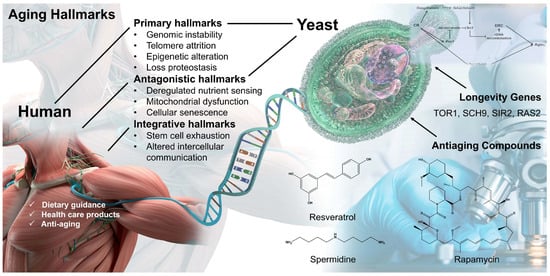
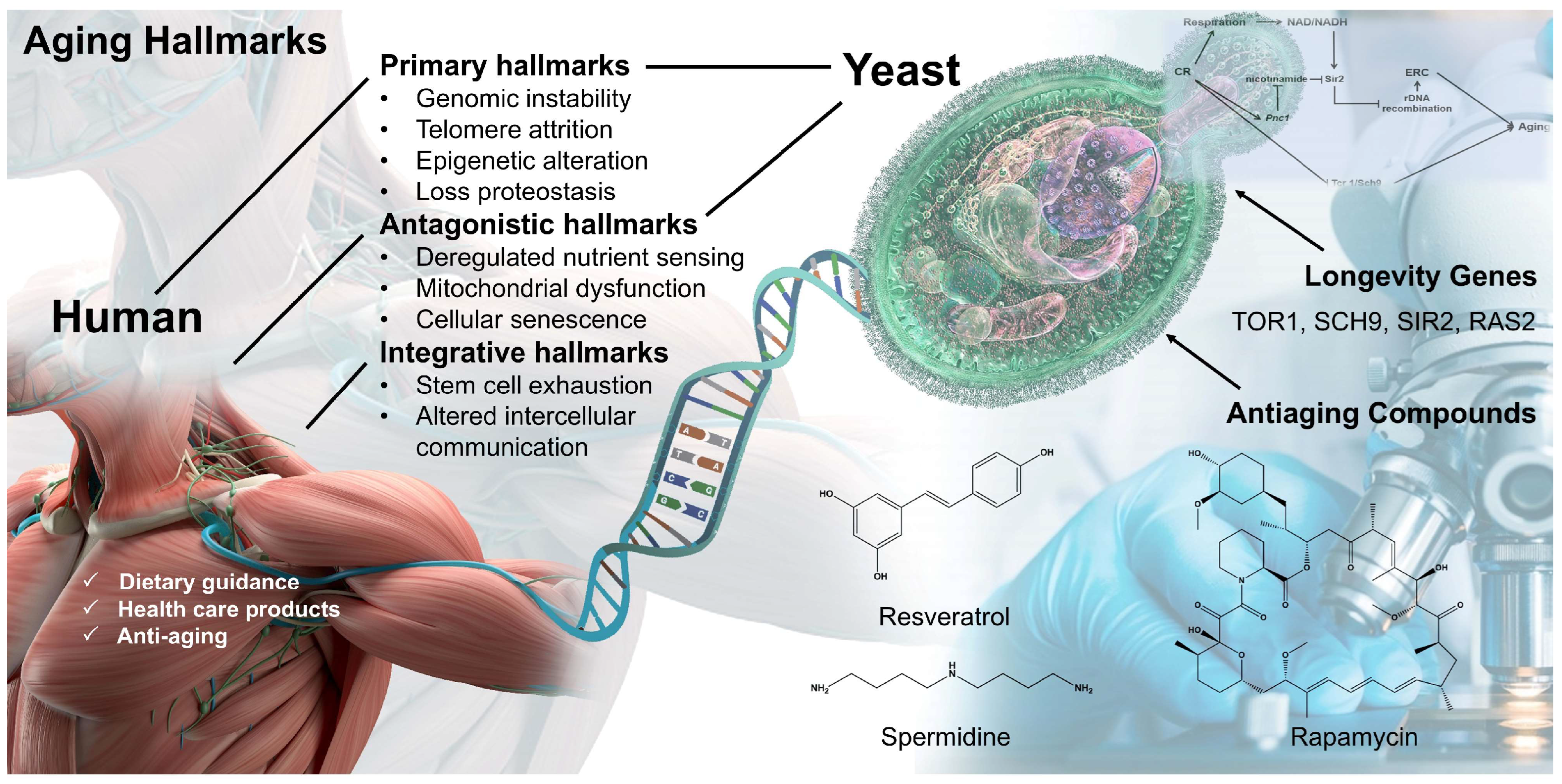
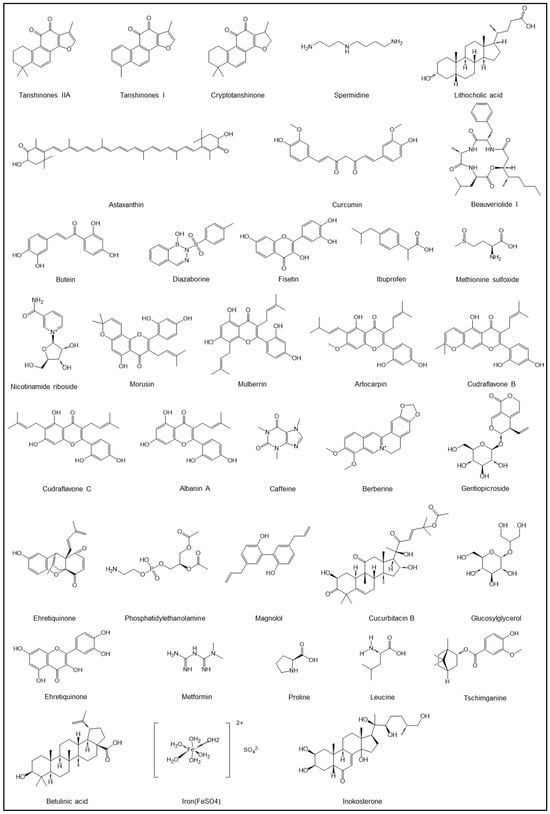
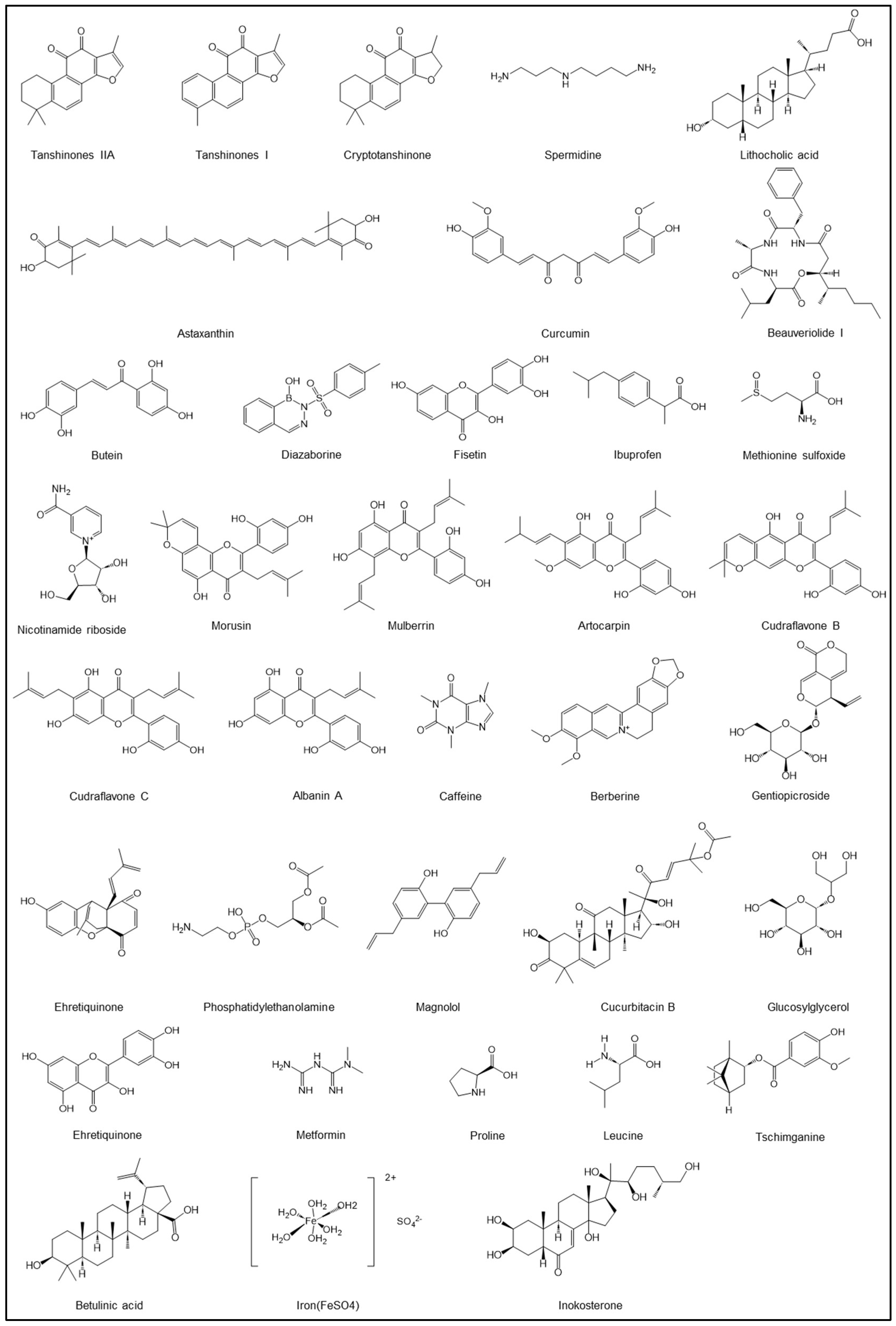


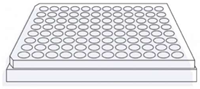
Disclaimer/Publisher’s Note: The statements, opinions and data contained in all publications are solely those of the individual author(s) and contributor(s) and not of MDPI and/or the editor(s). MDPI and/or the editor(s) disclaim responsibility for any injury to people or property resulting from any ideas, methods, instructions or products referred to in the content. |
© 2026 by the authors. Licensee MDPI, Basel, Switzerland. This article is an open access article distributed under the terms and conditions of the Creative Commons Attribution (CC BY) license.